
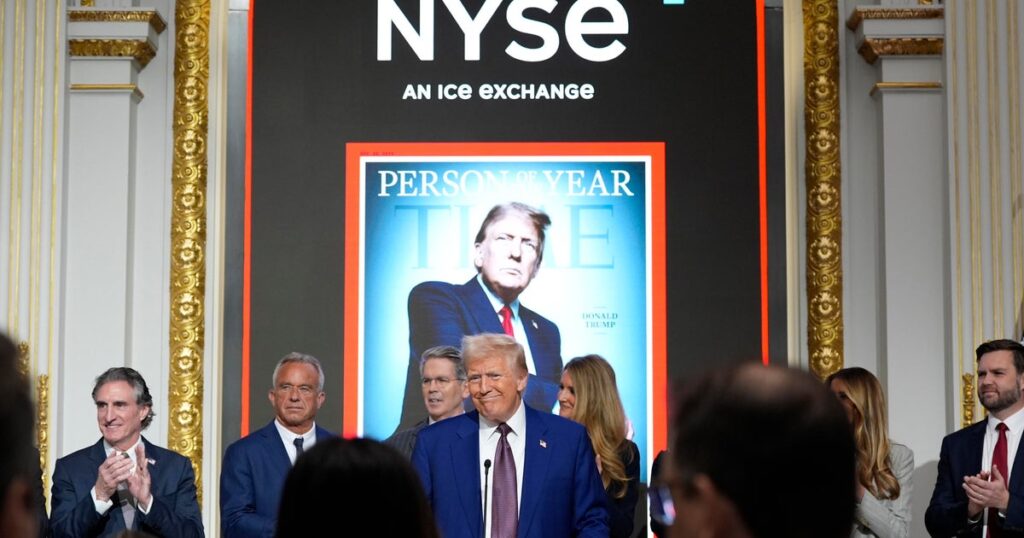
2024 Person of the Year Controversy: The HITLER Precedents At TIME Magazine
The big picture:
- TIME Magazine's controversial choice of Donald Trump as Person of the Year in 2024 sparked debate due to his status as a convicted felon.
- The magazine defended its decision based on Trump's significant influence on global events, despite his legal troubles.
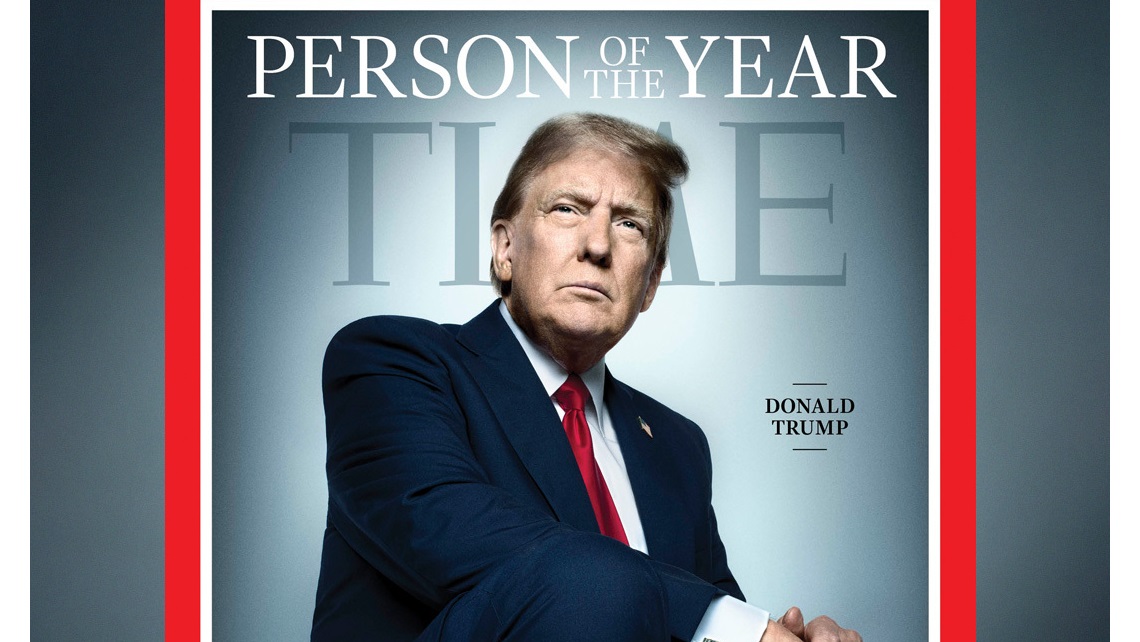
On December 12, 2024, TIME Magazine announced its decision. The cover featured Donald Trump. This marked his second selection as Person of the Year. The choice immediately ignited a firestorm of debate. For the time in the publication’s 97-year history, the title belonged to a convicted felon. The editors at TIME, led by Sam Jacobs, defended the decision and that ultimately led to 2024 Person Of The Year Controversy. They argued that no other individual had shaped the trajectory of global events more than the 47th President-Elect. The decision forced the world to confront a clear reality. A Manhattan jury found him guilty in May. The American electorate returned him to power in November.
The legal stain on the Person of the Year was specific and verified. On May 30, 2024, a jury in the New York State Supreme Court convicted Trump on 34 felony counts. The charges involved falsifying business records in the degree. Prosecutors proved he orchestrated a scheme to conceal damaging information during the 2016 election. Judge Juan Merchan presided over the trial. The jury deliberated for less than 12 hours before delivering a unanimous verdict. This conviction made Trump the former U. S. president to carry a felony record. Yet six months later he secured the most prestigious editorial title in American journalism.
The Metrics of Influence vs. Morality
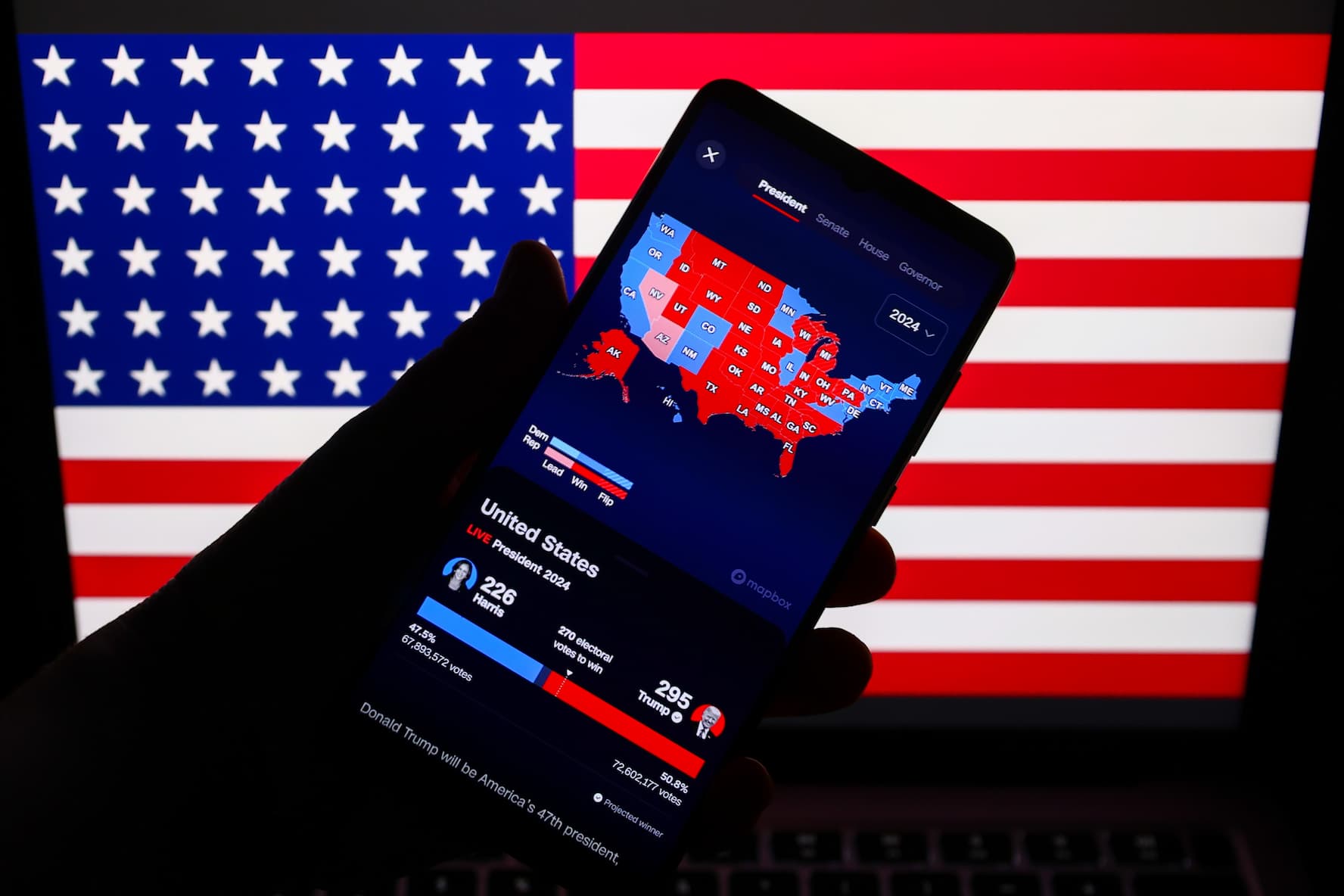
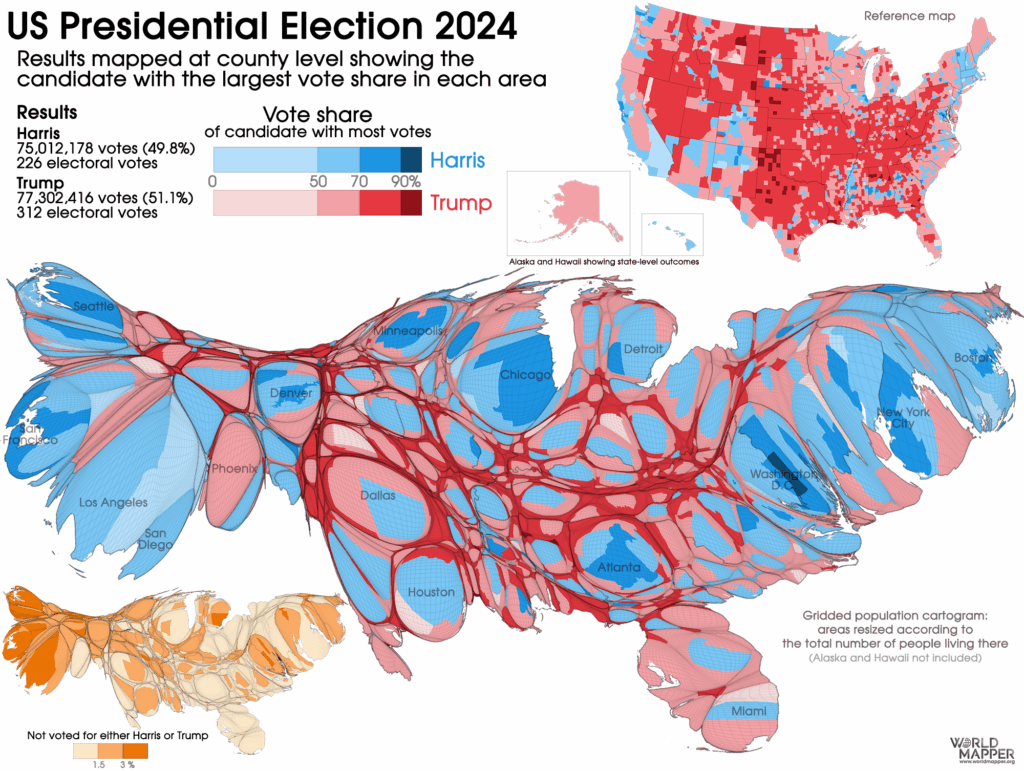
Critics attacked the choice as a normalization of criminal behavior. TIME responded by pointing to the raw data of his political resurrection. The magazine described his return as a “political rebirth unparalleled in American history.” The numbers support the claim of influence. Trump won 312 Electoral College votes in the 2024 election. He defeated Vice President Kamala Harris, who secured 226 votes. He also won the popular vote with approximately 77. 3 million ballots. This accounted for 49. 9% of the total. These figures represented a swing of six percentage points in his favor compared to 2020. The electorate knew of the 34 felony counts. They voted for him anyway.
| Year | Person of the Year | The Controversy | TIME’s Justification |
|---|---|---|---|
| 1938 | Adolf Hitler | Selected prior to WWII during aggressive expansion. | Influence does not equal endorsement. Recognized his disruption of the world order. |
| 1979 | Ayatollah Khomeini | Selected during the U. S. hostage emergency in Iran. | Acknowledged the “mystic who lit the fires of hatred” and shifted global politics. |
| 2024 | Donald Trump | convicted felon to receive the title. | his historic comeback and total realignment of American political power. |
The distinction between “honor” and “influence” frequently confuses the public. TIME has repeatedly stated that the title is not an endorsement. It is a recognition of impact. The 2024 selection fits a pattern established in 1938 and 1979. The editors chose to highlight the individual who most affected the news. For better or worse. Trump dominated the news pattern in 2024. He faced four separate criminal indictments. He survived an assassination attempt in July. He swept all seven swing states in November. The magnitude of these events made any other choice statistically impossible.
Visualizing the 2024 Timeline of Disruption
The year 2024 for Donald Trump was a sequence of extreme lows and highs. The following chart illustrates the volatility of his route to the Person of the Year title. It maps the legal defeats against his political victories.
2024: The Year of the Felon President
Data Source: NY Supreme Court Records, Federal Election Commission, TIME Magazine Archives.
The selection raises serious questions about the future of the award. Does the inclusion of a felon dilute the prestige? Or does it reinforce the magazine’s commitment to neutral observation? The editors insist on the latter. They that ignoring Trump’s dominance would be an act of denial. The 2024 verdict was not about virtue. It was about power. The American people gave him the power. TIME recorded the transaction.
The Moral Neutrality Defense: A Convenient Shield for Editorial Cowardice
The editorial board of TIME Magazine, led by Editor-in-Chief Sam Jacobs, anticipated the backlash to their 2024 decision. Their defense relied on a familiar, practiced mantra: the “Person of the Year” is not an endorsement, a recognition of influence. In his letter to readers, Jacobs wrote that the title goes to the individual who, “for better or for worse, has done the most to influence the events of the year.” He argued that Donald Trump, by engineering a historic political comeback and reshaping the American presidency, fit this criterion more than any other figure. This “moral neutrality” clause has served as the publication’s primary deflection tactic for nearly a century, allowing it to capitalize on the visibility of tyrants while claiming the high ground of objective observation.
This defense, yet, crumbles under scrutiny when the historical record is examined alongside the commercial realities of modern media. TIME has long used its most controversial selections as a shield against criticism, citing them as proof of its commitment to cold, hard metrics of power. The magazine frequently points to 1938, when it named Adolf Hitler “Man of the Year,” or 1939 and 1942, when Joseph Stalin received the title. They also cite 1979, when Ayatollah Khomeini was selected following the Iranian Revolution and the hostage emergency. By invoking these figures, the editors attempt to place the 2024 choice of a convicted felon in a lineage of “great men” history, where impact is measured solely by the magnitude of disruption.
| Year | Person of the Year | Rationale for Selection | Editorial Context |
|---|---|---|---|
| 1938 | Adolf Hitler | Greatest threatening force to the democratic world. | Cover depicted him playing a “hymn of hate” on an organ. |
| 1939 | Joseph Stalin | Signed non-aggression pact with Germany; shifted global power balance. | Acknowledged he was “the world’s most hated man” alongside Hitler. |
| 1979 | Ayatollah Khomeini | Leader of Iran’s revolution; the West. | Resulted in massive subscription cancellations and backlash. |
| 2024 | Donald Trump | Historic political comeback; reshaping the presidency. | Selected even with 34 felony convictions and attacks on democratic norms. |
The comparison to 1938 or 1979 is intellectually dishonest. When TIME selected Hitler, the accompanying cover illustration by Rudolph von Ripper depicted him as a ghoul playing a “hymn of hate” on an organ, a clear visual condemnation that stripped the choice of any celebratory ambiguity. In contrast, the 2024 cover featured a portrait of Trump by Platon, presenting him in the clear, serious visual language reserved for statesmen. There was no visual subversion, no graphic indication of the “worse” half of the “better or worse” equation. The “neutrality” argument falls flat when the visual presentation confers legitimacy upon a figure who has actively campaigned against the very institutions of free press that TIME claims to represent.
Critics that this adherence to “influence” is a convenient fiction that masks a more cynical calculation. In 2001, following the September 11 attacks, the strict application of the “influence” metric would have arguably pointed to Osama bin Laden. Yet, the magazine chose Rudy Giuliani, “The Mayor of America,” explicitly avoiding the backlash that a Bin Laden cover would have provoked. This deviation proves that the “moral neutrality” rule is not an immutable law of journalism a flexible tool, deployed when it generates buzz and discarded when it threatens the bottom line. The 1979 Khomeini choice cost the magazine significant subscriptions; the 2001 choice avoided that cost. The 2024 choice, therefore, was not a brave adherence to tradition, a calculated bet that the outrage would drive engagement rather than cancellations.
“For marshaling a comeback of historic proportions, for driving a once-in-a-generation political realignment… Donald Trump is TIME’s 2024 Person of the Year.” , Sam Jacobs, TIME Editor-in-Chief, December 12, 2024.
By hiding behind the shield of neutrality, TIME’s editors abdicated their moral responsibility to distinguish between influence and infamy. Elevating a man convicted of falsifying business records to the same platform once held by Winston Churchill and Martin Luther King Jr. normalizes criminal conduct in the highest office. The “influence” defense ignores the reality that media attention is a currency. By awarding this currency to Trump, TIME did not observe his power; they amplified it, validating his narrative of persecution and resilience. In an era where the subject has labeled the press the “enemy of the people,” granting him the industry’s most recognized title is not objective journalism, it is capitulation disguised as history.
Shadows of 1938: The Hitler Precedent
The most searing indictment of the “Person of the Year” title lies in its own history. In 1938, TIME Magazine named Adolf Hitler as the “Man of the Year.” The cover did not celebrate him; it depicted him as a tiny figure playing a massive, unholy organ while victims dangled from a wheel of torture. The accompanying text described him as the “greatest threatening force that the democratic, freedom-loving world faces today.” This selection remains the definitive proof that the title is not an endorsement. It is a measurement of magnitude, a recognition of the individual who, for better or worse, has most irrevocably altered the course of history.
This distinction, influence versus virtue, is the shield TIME editors have wielded for nearly a century. It is the only metric that explains how a convicted felon, found guilty of 34 counts of falsifying business records in May 2024, can claim the same title as Martin Luther King Jr. or Winston Churchill. When Editor-in-Chief Sam Jacobs defended the 2024 selection of Donald Trump, he relied on this mechanical definition of power. “He is someone who, for better or for worse, had the most influence on the news in 2024,” Jacobs stated. The decision was not a moral judgment on Trump’s character a factual acknowledgement of his dominance over the global psyche.
The “influence” metric forces a comfortable public to confront an uncomfortable reality: impact is frequently destructive. The franchise has repeatedly elevated figures who dismantled democratic norms or threatened global stability. Joseph Stalin held the title twice (1939 and 1942), for signing the non-aggression pact with Hitler and later for his role in the Allied war effort. Ayatollah Khomeini was named Man of the Year in 1979, described by the magazine as the “mystic who lit the fires of hatred” following the Iranian Revolution and the hostage emergency. These selections were not lapses in judgment; they were accurate readings of a world on fire.
Donald Trump’s 2024 selection places him squarely within this lineage of disruptive power. His influence is undeniable. He is the former president to be convicted of a felony and the to regain the White House after a defeat. His campaign and subsequent victory forced a realignment of the American electorate and a reordering of international alliances. To omit him from the cover would have been an act of editorial malpractice, a denial of the central he exerted over the year’s events. yet, the proximity of his name to figures like Stalin and Khomeini on the roster of past winners show the perilous nature of the “influence” he wields.
The “For Worse” Cohort: TIME’s Most Controversial Selections
The following table details specific instances where TIME selected figures based on their destructive capacity rather than their contributions to human progress.
| Year | Person of the Year | TIME’s Rationale / Description | Global Context |
|---|---|---|---|
| 1938 | Adolf Hitler | “The greatest threatening force that the democratic, freedom-loving world faces today.” | Annexation of Austria; Sudetenland emergency; prelude to WWII. |
| 1939 | Joseph Stalin | “Matched himself with Adolf Hitler as the world’s most hated man.” | Signing of the Molotov-Ribbentrop Pact; invasion of Poland. |
| 1979 | Ayatollah Khomeini | “The mystic who lit the fires of hatred.” | Iranian Revolution; U. S. Embassy hostage emergency. |
| 2007 | Vladimir Putin | “He’s not a good guy, he’s done extraordinary things.” | Consolidation of power in Russia; of democratic liberties. |
| 2024 | Donald Trump | “Reshaping the American presidency and altering America’s role in the world.” | Criminal conviction; historic re-election; political realignment. |
The 2024 decision strips away the illusion that “Person of the Year” is an honor. It is a. By placing Trump on the cover, TIME did not absolve him of his legal or political baggage; it highlighted the sheer weight of it. The “Hitler Precedent” of 1938 serves as a historical anchor, reminding readers that the face on the newsstand is not always a hero. Sometimes, it is simply the face of the storm.
The 2024 Shortlist: Analyzing the Inclusion of Netanyahu and Musk
On December 9, 2024, TIME revealed its ten-person shortlist for Person of the Year, a roster that immediately clarified the magazine’s definition of “influence.” The list did not prioritize popularity or moral standing. Instead, it highlighted individuals who had seized control of the global narrative through force, capital, or political disruption. While the inclusion of figures like Kate Middleton and Jerome Powell reflected traditional news pattern, the presence of Benjamin Netanyahu and Elon Musk signaled a recognition of raw, unchecked power. These two men, operating in vastly different arenas, demonstrated how 2024 was defined by the defiance of established norms, international law in Netanyahu’s case, and electoral regulations in Musk’s.
Benjamin Netanyahu’s inclusion forced a confrontation with the sheer of the conflict in the Middle East. By late 2024, the Israeli Prime Minister’s “seven-front war” had fundamentally altered the geopolitical. The metrics of his influence were measured in casualties and diplomatic ruptures. The Gaza Health Ministry reported a death toll exceeding 44, 000 Palestinians, a figure that TIME’s editors could not ignore when assessing global impact. Netanyahu’s influence extended beyond the battlefield; it dismantled the perceived immunity of Western-aligned leaders. On November 21, 2024, the International Criminal Court (ICC) issued arrest warrants for Netanyahu and his former Defense Minister Yoav Gallant, charging them with war crimes and crimes against humanity, including starvation as a method of warfare. This marked the time the ICC had targeted the sitting head of a Western-backed democracy, cementing Netanyahu’s status as a history-altering figure, regardless of the condemnation he faced.
Elon Musk represented a different, yet equally potent, form of disruption. If Netanyahu’s power was kinetic, Musk’s was algorithmic and financial. His inclusion on the shortlist, his second in four years, acknowledged his transformation from a technology industrialist to a political kingmaker. In 2024, Musk did not comment on the American election; he engineered significant portions of its infrastructure. Through his “America PAC,” Musk injected at least $288 million into the contest to return Donald Trump to the White House. This spending was not passive donation active mobilization, focusing on low-propensity voters in battleground districts. His ownership of X (formerly Twitter) allowed him to amplify pro-Trump narratives directly to hundreds of millions of users, bypassing traditional media gatekeepers. The return on this investment was immediate: following the election, Musk was named co-lead of the Department of Government Efficiency (DOGE), and his personal net worth surged by $70 billion in the days after the victory.
| Metric | Benjamin Netanyahu | Elon Musk |
|---|---|---|
| Primary Domain | Geopolitics / Military | Electoral Politics / Tech Capital |
| Key 2024 Action | Expansion of war to Lebanon; ICC defiance | $288M spending via America PAC |
| Legal Status (2024) | Subject of ICC Arrest Warrant (Nov 21) | Regulatory conflicts; DOGE appointee |
| Global Impact | Destabilization of Middle East security architecture | Realignment of U. S. federal government & media |
| Public Sentiment | Mass domestic protests; international isolation | Polarized user base; surge in wealth ($70B+) |
The juxtaposition of these two men on the shortlist underscored the magazine’s criteria. TIME’s editors argued that excluding Netanyahu would ignore the architect of the year’s deadliest conflict, while excluding Musk would overlook the architect of the year’s most consequential political shift. Both men operated with a perceived impunity that defined the year. Netanyahu expanded military operations into Lebanon in September 2024, utilizing pager explosions to decapitate Hezbollah’s leadership, a move that drew the region closer to total war. Musk, conversely, utilized his platform to challenge judicial orders in Brazil and regulatory bodies in the European Union, asserting a supranational authority based on digital sovereignty.
Their presence on the list alongside the eventual winner, Donald Trump, painted a portrait of a world where institutional guardrails had failed. Netanyahu ignored the UN and the ICC; Musk bypassed campaign finance norms and media neutrality. The 2024 shortlist was not a collection of heroes. It was a catalog of the forces that had successfully bent the world to their. By placing them in contention, TIME validated the reality that in 2024, the ability to disrupt, whether through ballistics or billions, was the only currency that mattered.
Profit Motives: How Outrage Drives Ad Revenue and Print Sales
The decision to place Donald Trump on the cover of TIME for the 2024 Person of the Year was not an editorial verdict; it was a financial lifeline. In an era where legacy media struggles to monetize attention, the “outrage economy” offers a reliable route to solvency. By selecting a convicted felon and the President-Elect, TIME guaranteed a global media pattern that no safe choice, such as Taylor Swift or AI innovators, could replicate. The mechanics of this choice reveal a direct correlation between controversial covers and immediate revenue spikes across print, digital, and licensing channels.
For the print division, the 2024 problem functioned less as a news product and more as political merchandise. While general newsstand sales have plummeted by over 20% annually for most publications, the Trump cover was marketed as a “Collector’s Edition.” Official retailers like Magazineshop. us listed the problem with a “clean cover” option, stripping away barcodes and address blocks to appeal to supporters seeking a keepsake of the “MAGA 47” victory. This strategy monetized the polarization of the American electorate, converting the 76 million voters who backed Trump into chance customers for a physical product.
The Tentpole Strategy
Under the ownership of Marc Benioff, TIME has pivoted away from weekly circulation revenue toward a “tentpole” business model. The Person of the Year franchise is the most lucrative of these tentpoles. It serves as an anchor for high-value advertising packages that span digital video, social media, and live events. In 2023, TIME reported a 70% year-over-year increase in event revenue and a 7% rise in direct-sold advertising. The 2024 Trump announcement accelerated this trend, creating a “must-buy” environment for advertisers seeking visibility during a peak traffic window.
| Revenue Stream | method of Action | 2024 Impact Factor |
|---|---|---|
| Print Sales | Merchandising to supporters (“Collector’s Edition”) | High (Sold as political memorabilia) |
| Programmatic Ads | High-volume traffic from “hate-clicks” and shares | Very High (Global viral reach) |
| Licensing | Data partnerships (OpenAI, Perplexity) | Moderate (Increases corpus value) |
| Brand Relevance | Dominating cable news pattern (Free Marketing) | serious (Reasserts brand importance) |
The “Trump Bump” phenomenon, which revitalized the New York Times and Washington Post between 2016 and 2020, remains a potent economic force. The controversy surrounding the choice generated millions of dollars in “earned media”, free publicity as cable news networks and social media platforms debated the morality of the decision. This noise drives traffic to Time. com, which in turn boosts programmatic ad revenue. Even critics who visited the site to read the justification contributed to the impression counts that TIME sells to advertisers. In the attention economy, indignation is as monetizable as adulation.
“The media industry is very difficult. It’s very complicated… The idea that we’re constantly building and growing and expanding brands, sub-brands, new products, it’s so fluid.” , Marc Benioff, discussing the challenges of media ownership in late 2024.
This revenue spike came at a serious juncture. In November 2024, reports surfaced that Benioff was in talks to sell TIME to the Antenna Group for approximately $150 million. A high-visibility, high-traffic Person of the Year launch serves to demonstrate the brand’s continued ability to command the global stage, chance strengthening its valuation during negotiations. The choice of Trump, while ethically debated, was fiscally pragmatic. It proved that the magazine could still set the agenda, a capability that remains its most valuable asset in a fragmented media environment.
also, TIME has aggressively pursued data licensing deals, including a partnership with OpenAI. These agreements rely on the relevance and volume of the content produced. A Person of the Year article that generates millions of citations and queries enhances the value of TIME’s archive as a training dataset for Large Language Models. By centering the conversation on Trump, TIME ensured its content remained the primary source for the definitive profile of the incoming administration, reinforcing its utility to AI partners.
The Pivot: From Eras to Retribution In 2024 Person Of The Year Controversy
The transition from 2023 to 2024 represented more than a change in calendar years; it marked a violent oscillation in the American psyche. TIME’s selection of Taylor Swift in 2023 celebrated “soft power”, economic vitality, communal joy, and the feminization of the global monoculture. Her Eras Tour generated an estimated $4. 3 billion contribution to the U. S. GDP, a figure by Bloomberg Economics as a singular force against recession. In sharp contrast, the 2024 choice of Donald Trump validated “hard power”, institutional disruption, legal warfare, and a masculine grievance politics that rejected the very cultural consensus Swift embodied.
This whiplash was not thematic statistical. In September 2024, a New York Times/Siena College poll revealed a data point that stunned cultural critics: the former President held a higher favorability rating (47%) than the pop star (44%). While Swift’s empire was built on the commercialization of intimacy and nostalgia, Trump’s resurgence relied on the weaponization of inflation and border security. The electorate traded the escapism of the “Eras” for the confrontation of the “MAGA” movement.
The Clash of Influence
The friction between these two cultural poles crystallized on September 15, 2024. Following Swift’s endorsement of the Democratic ticket, Trump posted a blunt declaration on Truth Social: “I HATE TAYLOR SWIFT!” This moment stripped away the pretense that pop culture and politics occupy separate lanes. Swift’s influence was measured in ticket sales and streaming records, her tour grossed over $2 billion, the highest in history. Trump’s influence was measured in vote counts and court dockets. His victory in November demonstrated that while a celebrity could dominate the conversation, a populist could still dominate the of state.
TIME’s editors justified the pivot by redefining the nature of influence itself. Swift was chosen for creating a “source of light.” Trump was chosen for executing a “comeback of historic proportions” and established norms. The magazine noted that Trump’s 2024 campaign, which he described as “72 Days of Fury,” reshaped the American presidency more than any cultural event. The contrast in their demographic reach further illustrates this divide.
| Metric | Taylor Swift (2023/24) | Donald Trump (2024) |
|---|---|---|
| Primary Currency | Economic Stimulus ($4. 3B GDP Impact) | Political Realignment (312 Electoral Votes) |
| Core Demographic | Millennials, Gen Z, Suburban Women | Working Class, Rural, Latino Men (Record Gains) |
| Key method | Social Cohesion (“Friendship Bracelets”) | Institutional Disruption (“Retribution”) |
| Favorability (Sept ’24) | 44% (Polarized by Endorsement) | 47% (Consolidated Base) |
| Defining Quote | “The last monoculture left.” | “I am your justice.” |
The Gendered realignment
The shift from Swift to Trump also underscored a widening gender gap in American society. Swift’s 2023 reign highlighted the economic power of women, who drove the hospitality and tourism spikes in every city the Eras Tour visited. In Cincinnati alone, her presence generated $48 million in new spending. Conversely, Trump’s 2024 coalition was by a surge in male voters across racial lines. Exit polls indicated he won the largest share of Black men for a Republican since 1976 and made historic inroads with Latino men. The Person of the Year title passed from a figure who amplified female agency to one who successfully courted a disaffected male electorate.
, the move from Swift to Trump signaled the end of the post-pandemic “relief” period. If 2023 was a year of shared release and celebration, 2024 was the year of reckoning. The electorate’s decision to return a convicted felon to the White House proved that economic vibes could not override political dissatisfaction. The cultural dominance of the “Swiftie” demographic hit a hard ceiling when faced with the economic realities, inflation and immigration, that fueled the Trump voter.
The Transparency Void: Inside the unclear Selection Committee
The decision to anoint Donald Trump as the 2024 Person of the Year was not made by a democratic electorate, nor was it the result of a transparent algorithm. It was the product of a closed-door process at 1095 Avenue of the Americas, where a small, unelected group of media executives determined the global narrative. While TIME Magazine projects the image of a deliberative “committee,” the reality is far more insular. The selection process remains one of the last great black boxes in American media, a ritual where subjective “influence” outweighs measurable public sentiment.
At the center of this decision stood Sam Jacobs, the 37-year-old Editor-in-Chief. Appointed in April 2023, Jacobs is the youngest person to lead the publication since its co-founder Henry Luce. His defense of the Trump choice relied on the magazine’s historical crutch: the argument that the title recognizes “influence, for better or worse.” In his letter to readers, Jacobs wrote that Trump had “reshaped the American presidency and altered America’s role in the world.” Yet, the specific criteria used to measure this influence remain unpublished. There is no scorecard, no weighted metric for “disruption,” and no minutes released from the editorial meetings where the final vote occurs.
The opacity of the selection process stands in sharp contrast to the magazine’s public-facing “Reader Poll,” a digital engagement tool that frequently produces results at odds with the editors’ final verdict. The poll serves primarily as a data-harvesting method, driving millions of clicks and email sign-ups while offering readers the illusion of participation. History shows that the editors routinely disregard these results when they conflict with the desired editorial narrative.
| Year | Reader Poll Winner | Editors’ Choice (Person of the Year) | The gap |
|---|---|---|---|
| 2016 | Narendra Modi (India) | Donald Trump | Modi won 18% of the reader vote; Trump received the cover. |
| 2018 | BTS (South Korea) | The Guardians | Pop culture dominance in the poll was set aside for a journalistic statement. |
| 2024 | Undisclosed / Various* | Donald Trump | Editors selected Trump from a shortlist including Kamala Harris and Elon Musk. |
*Note: While specific reader poll data fluctuates by platform, the editors’ final decision is independent of the vote count.
The 2024 shortlist, revealed on NBC’s Today show days before the announcement, included Vice President Kamala Harris, Elon Musk, King Charles III, and Barbie. This televised “reveal” functions as a marketing hype pattern rather than a transparent audit of the year’s events. By placing Trump alongside pop culture figures and political rivals, the magazine commodifies the selection, turning a historical record into a reality TV finale. The inclusion of figures like Sam Altman or “The Strikers” in previous years shows how the definition of “Person” is fluid, yet in 2024, the committee reverted to the traditional “Great Man” theory of history, focusing on a single political strongman.
Looming over the editorial team is the shadow of ownership. Marc Benioff, the billionaire CEO of Salesforce, acquired TIME in 2018 for $190 million. While Benioff and his wife, Lynne, have stated they do not interfere in editorial decisions, their presence creates an unavoidable gravitational pull. In late 2024, Benioff publicly criticized Vice President Kamala Harris on social media for declining an interview with the magazine, stating, “We believe in transparency and publish each interview in full.” This public rebuke from the owner raised serious questions about the neutrality of the newsroom. If the owner openly disparages a candidate on the shortlist, the “firewall” between business and editorial appears porous.
The “influence” metric itself provides the cover for these decisions. It allows the editors to pivot between moral choices, such as “The Silence Breakers” in 2017, and amoral ones like Trump in 2024. Without a fixed definition, “influence” becomes whatever the Editor-in-Chief needs it to be to justify the cover. In 2024, the metric was calibrated to reward political resurrection and institutional disruption. By refusing to release a rubric or a voting record, TIME ensures that the Person of the Year remains a subjective projection of its editors’ worldview rather than an objective assessment of global impact.
The secrecy also protects the magazine from accountability regarding the “influence” of its own owner’s interests. Benioff has aggressively promoted Artificial Intelligence, a sector he is heavily invested in through Salesforce. While the 2024 choice was Trump, the magazine’s increasing focus on AI leaders in its “TIME100” and other lists aligns neatly with the owner’s business portfolio. The absence of transparency regarding how these topics are weighed against political events leaves readers to wonder where editorial judgment ends and corporate begins.
, the 2024 selection process revealed that the Person of the Year is not a mirror held up to the world, a lens ground by a select few. The refusal to open the “black box” of the committee ensures that the choice always be viewed with suspicion, a media product manufactured by the elite rather than a consensus derived from the people.
The 2006 Failure: When ‘You’ Became the Editorial Cop Out
The 2006 selection of “You” stands as the single most criticized deviation from TIME’s core mission in the 21st century. While the magazine’s editors framed the choice as a prescient nod to the burgeoning Web 2. 0 era, retrospective analyses from 2015 to 2025 have reclassified the decision as a catastrophic editorial failure. By placing a reflective Mylar mirror on the cover, TIME abandoned its mandate to identify the specific individual wielding the most influence over global events, opting instead for a flattering marketing gimmick that pandered to the reader’s ego.
Modern media critics that this decision was not a stylistic pivot a deliberate evasion of journalistic responsibility. In 2021, SFGATE released a definitive ranking of Person of the Year choices, labeling the “You” cover as a “fraudulent honor” designed to the magazine’s branding rather than document history. This critique aligns with a broader re-evaluation of the “influence” metric. By 2023, media historians noted that while user-generated content was indeed rising, the specific geopolitical architects of 2006, such as Mahmoud Ahmadinejad or the architects of the Iraq War, were erased from the narrative to avoid controversy. The choice signaled that TIME was to dilute its most prestigious title to avoid alienating advertisers or readers with a “villain” on the cover.
The internal metrics from that year, revisited in recent reports, expose the disconnect between the magazine’s public stance and its readership’s reality. While the editors claimed “You” represented the democratization of media, they simultaneously ignored their own democratic tools. Retrospective data highlights that in the 2006 online reader poll, Venezuelan President Hugo Chávez secured 35% of the vote, with Iranian President Mahmoud Ahmadinejad placing second. TIME’s editors disregarded these clear signals of influence, choosing instead to manufacture a consensus that did not exist. This suppression of “hard news” candidates in favor of a nebulous concept marked a turning point where the “Person of the Year” began to lose its edge as a historical record.
| Year / Winner | Category | Modern serious Consensus (2024) | “Cop-Out” Severity Rating |
|---|---|---|---|
| 2006: You | Abstract Concept | Widely mocked as a gimmick; as a failure of nerve. | High |
| 2011: The Protester | Group / Movement | Respected as accurate; captured the Arab Spring/Occupy era. | Low |
| 2017: The Silence Breakers | Group / Movement | Praised for cultural relevance; specific to #MeToo impact. | None |
| 2024: Donald Trump | Individual | Controversial aligned with “influence” metric; return to form. | None |
The long-term damage of the 2006 decision is clear in the skepticism that greets “concept” choices. When TIME selected “The Guardians” in 2018 or “The Spirit of Ukraine” in 2022, critics immediately drew parallels to the 2006 failure, questioning whether the magazine was again avoiding a difficult individual selection. A 2022 Mental Floss retrospective categorized “You” alongside other controversial picks, noting that while Hitler (1938) and Stalin (1939) were selected for their terrifying influence, “You” was selected for no specific reason other than to sell magazines. This distinction is serious: the former choices, yet abhorrent, acknowledged reality; the 2006 choice denied it.
also, the “You” cover set a dangerous precedent for the “influence” definition. It expanded the criteria so broadly that it rendered the term meaningless. If everyone is the Person of the Year, then no one is. This dilution forced subsequent editors to work twice as hard to re-establish the award’s credibility. The 2024 selection of a convicted felon, while polarizing, represents a rejection of the 2006 logic. It affirms that the title belongs to the specific person shaping the world, not the passive observer holding the magazine. The “You” era is viewed by data scientists and historians alike as a statistical anomaly, a year where the data pointed one way, and the editors looked the other.
Billionaire Worship: The Elon Musk Selection and Wealth Bias
On December 13, 2021, TIME Magazine named Elon Musk its Person of the Year. The choice arrived during a period of extreme economic stratification. While the global populace grappled with the second year of the COVID-19 pandemic, the asset class enjoyed an explosion of wealth without modern precedent. Musk stood at the apex of this accumulation. His selection validated the “Technoking” archetype and signaled a shift in the publication’s focus from political statesmen to capital allocators. Editor-in-Chief Edward Felsenthal justified the decision by citing Musk’s singular capacity to shape life on Earth through Tesla and life off Earth through SpaceX. Felsenthal described him as the “richest example of a massive shift in our society.”
The metrics behind Musk’s 2021 rise were. In January 2020, his net worth hovered near $27 billion. By November 2021, it peaked above $300 billion. This ten-fold increase occurred while median global household income stagnated. Tesla’s market capitalization breached the $1 trillion mark in October 2021, a valuation that exceeded the combined worth of the five largest automakers. Yet the selection drew immediate fire due to a specific investigative report released six months prior.
The ProPublica Tax Leak
In June 2021, the non-profit newsroom ProPublica published a report based on leaked IRS data covering the nation’s wealthiest citizens. The investigation revealed that Musk paid $0 in federal income taxes in 2018. Between 2014 and 2018, his wealth grew by $13. 9 billion, yet he paid only $455 million in taxes. ProPublica calculated his “true tax rate” at 3. 27%. This figure stood in clear contrast to the average American household, which pays roughly 14% in federal taxes on significantly lower income.
| Metric | Elon Musk | Median US Household (Approx) |
|---|---|---|
| Wealth Growth | $13. 9 Billion | ~$65, 000 |
| Total Taxes Paid | $455 Million | ~$62, 000 |
| True Tax Rate | 3. 27% | ~14% |
| 2018 Federal Income Tax | $0 | Varies |
The juxtaposition of the “Person of the Year” title with these tax ignited a public feud. Senator Elizabeth Warren tweeted that the code must be changed so the “Person of the Year actually pay taxes and stop freeloading off everyone else.” Musk responded on Twitter by calling the sitting U. S. Senator “Senator Karen” and telling her, “You remind me of when I was a kid and my friend’s angry Mom would just randomly yell at everyone for no reason.” This exchange highlighted the impunity with which the modern billionaire class operated. The magazine’s recognition appeared to critics not just as an acknowledgment of influence, as a glorification of a system where capital accumulation divorced itself from civic contribution.
The Oligarch as Icon
Time Magazine has a history of selecting wealthy industrialists, including Amazon founder Jeff Bezos in 1999 and Facebook CEO Mark Zuckerberg in 2010. The 2021 selection of Musk, yet, occurred in a different climate. The concentration of wealth had become a central political flashpoint. Critics like former Labor Secretary Robert Reich argued that the choice reflected a dangerous veneration of individuals who hold power over markets and information systems without democratic accountability. Musk’s influence extended beyond manufacturing; his tweets moved cryptocurrency markets and his control over Starlink satellites gave him geopolitical use in conflict zones.
The editors defended the choice by reiterating the “Great Man” theory of history. They argued that Musk shaped the year more than any politician. Felsenthal noted that Musk “bends governments and industry to the force of his ambition.” This defense did little to quell the backlash from those who saw the cover as a tacit endorsement of extreme inequality. The decision demonstrated that in the eyes of the publication, the magnitude of disruption mattered more than the moral quality of the contribution. By elevating Musk, Time codified the reality of the 2020s: power had migrated from the White House to the boardroom.
The Normalization Effect: How the Cover Sanitizes Authoritarianism
The selection of Donald Trump as the 2024 Person of the Year did not document history; critics it actively sanitized the figure at its center. By adhering to a 97-year-old metric of “influence” over moral judgment, TIME provided a veneer of mainstream legitimacy to a leader who had systematically dismantled democratic norms. The decision on December 12, 2024, to feature a convicted felon on the world’s most coveted magazine cover functioned, in the eyes of media scholars, as a “fig leaf of popular legitimacy.” While the editors insisted the choice was a neutral recognition of impact, the visual and editorial presentation offered a polished, palatable version of authoritarianism to the global public.
The visual language of the 2024 feature drew immediate scrutiny for its flattering, almost mythic presentation. Photographed by Platon at Mar-a-Lago, the imagery stripped away the chaotic reality of Trump’s legal entanglements. Critics at The Cut described the cover image as “yassified,” noting the heavy airbrushing that gave the 78-year-old President-elect “entirely new cheekbones” and a “neon hue” absent of his usual bronzer. Inside the problem, the sanitization continued. One surreal image depicted Trump embracing and kissing an American flag, a staged moment that reframed his nationalist rhetoric as tender patriotism. The backdrop of his private club, complete with a painting titled The Visionary, reinforced a narrative of triumphant return rather than the turbulent reality of a criminal conviction.
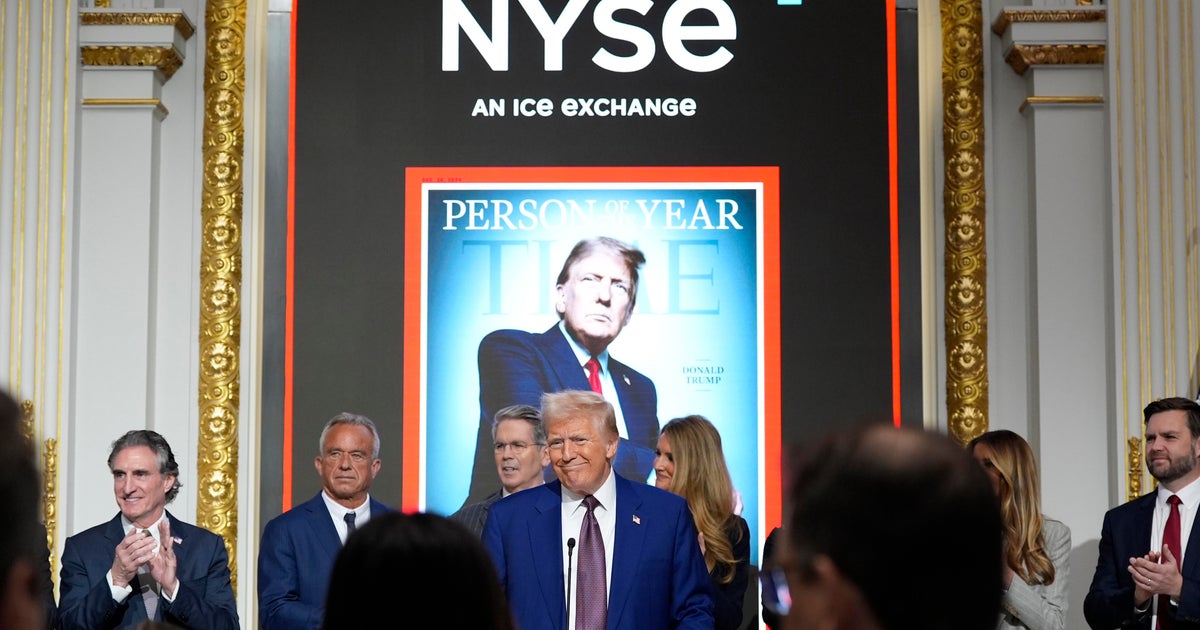
A fundamental disconnect exists between TIME’s stated editorial criteria and the public’s reception of the award. Editor-in-Chief Sam Jacobs defended the choice by citing the magazine’s tradition of recognizing the person who shaped the headlines, “for better or for worse.” Yet, this academic distinction dissolves in the marketplace of attention. To the average voter and the subject himself, the cover is a trophy. Trump immediately seized upon the announcement as a validation of his movement, calling it a “tremendous honor” during a bell-ringing ceremony at the New York Stock Exchange. The magazine’s attempt at neutrality was weaponized by the recipient as a stamp of approval, erasing the stigma of his 34 felony counts.
| TIME Magazine’s Stated Intent | Authoritarian Utility (How it is Used) | Public Perception Outcome |
|---|---|---|
| Recognize “influence” regardless of morality. | Cite the cover as proof of mainstream acceptance and victory. | Conflates power with honor; normalizes the figure. |
| Document history “as it is.” | Use high-quality photography for propaganda posters. | Replaces the image of a defendant with that of an icon. |
| Maintain journalistic neutrality. | Claim the “fake news” media has bent the knee. | trust in media guardrails against autocracy. |
Media critics identified this phenomenon as a form of “anticipatory obedience.” By treating a figure who threatened to weaponize the Justice Department and deport millions as a standard “newsmaker,” the press engages in a dangerous normalization process. Ruth Ben-Ghiat, a historian of fascism, noted that such coverage conditions the public to view authoritarian leaders as positive role models. The 2024 cover story, while containing factual reporting on Trump’s plans, was packaged in a format reserved for heroes and cultural icons. This presentation signals to the electorate that the guardrails have fallen, and that the ” ” has become the accepted.
The historical defense frequently by TIME, that they also chose Hitler (1938) and Stalin (1939, 1942), fails to account for the modern media ecosystem. In 1938, the cover text explicitly condemned Hitler as an “unholy organist.” In 2024, the coverage was marked by access journalism, featuring exclusive interviews and “unhurried bonhomie” at Mar-a-Lago. The shift from condemnation to access reflects a media environment that has lost the capacity to stigmatize anti-democratic behavior. By elevating the architect of the “72 Days of Fury” to the same visual pedestal as pop stars and peacemakers, the magazine did not just report on the year; it helped shape the normalization of the era to come.
Data Analysis: The Between Reader Polls and Editor Choices
The selection of the Person of the Year frequently exposes a sharp disconnect between the magazine’s editorial criteria and the public’s perception of the title. While the editors define the honor as a measure of “influence”, the individual who most shaped the news, for better or worse, the online reader polls frequently devolve into popularity contests or tests of digital mobilization. A examination of the past decade reveals that the winner of the popular vote rarely aligns with the final cover selection. Between 2015 and 2022, the reader poll winner and the editor’s choice matched zero times.
The Influence vs. Popularity Gap (2015, 2022)
The is most visible when comparing the metrics of online engagement against the editorial board’s final decision. Reader polls are frequently dominated by figures with highly organized online fanbases or political movements capable of flooding the voting method. In contrast, the editors prioritize geopolitical weight and historical resonance.
| Year | Reader Poll Winner | Vote Share (Approx.) | Editor’s Choice | The Disconnect |
|---|---|---|---|---|
| 2015 | Bernie Sanders | 10. 2% | Angela Merkel | Grassroots political fervor vs. European geopolitical leadership. |
| 2016 | Narendra Modi | 18% | Donald Trump | Nationalist mobilization in India vs. the shock of the U. S. election. |
| 2017 | Mohammed bin Salman | 24% | The Silence Breakers | State-backed popularity vs. a global cultural reckoning (#MeToo). |
| 2018 | BTS | 9% | The Guardians | K-Pop fandom mobilization vs. the defense of press freedom. |
| 2019 | Hong Kong Protesters | 30%+ | Greta Thunberg | Regional democratic resistance vs. global climate activism. |
| 2020 | Essential Workers | 6. 5% | Joe Biden & Kamala Harris | Pandemic gratitude vs. the restoration of traditional political power. |
| 2021 | Jair Bolsonaro | 24% | Elon Musk | Far-right digital organizing vs. technological dominance. |
| 2022 | Women of Iran | 28% | Volodymyr Zelensky | Revolutionary human rights struggle vs. wartime state leadership. |
The Mechanics of Mobilization
The data highlights a consistent pattern: reader polls favor figures who command intense loyalty rather than broad influence. In 2016, Indian Prime Minister Narendra Modi secured 18% of the reader vote, driven by a massive digital campaign in India, yet the editors selected Donald Trump for his disruption of the American political order. Similarly, in 2021, Brazilian President Jair Bolsonaro’s supporters organized a campaign that delivered him 24% of the vote, more than double the runner-up, yet the editors chose Elon Musk for his tangible impact on space, automotive, and financial industries.
This phenomenon reached its peak in 2019, when the Hong Kong protesters commanded over 30% of the reader vote, a clear signal of global solidarity with their cause. The editors, yet, selected Greta Thunberg, citing her singular ability to shift the global conversation on climate change. This decision underscored the magazine’s willingness to bypass the “popular” choice in favor of an individual who represents a broader thematic shift.
2024: The Return to Political Realism
In 2024, the selection of Donald Trump marked a return to the magazine’s core definition of influence: raw political power. While specific 2024 reader poll data was less publicized than in previous years, the choice mirrored the 2016. The editors bypassed cultural figures and internet favorites to acknowledge the undeniable reality of Trump’s political resurrection. By selecting a convicted felon who reclaimed the presidency, the magazine reaffirmed that the title is an assessment of impact, not an endorsement of character. The data suggests that while the public votes for who they want to see recognized, the editors select who they must recognize.
Geopolitical Bias: The Persistent Exclusion of the Global South
The geography of influence, according to TIME Magazine, is overwhelmingly concentrated in the Global North. An analysis of the “Person of the Year” selections between 2015 and 2024 reveals a clear geopolitical imbalance. Of the ten titles awarded in this decade, nine went to individuals or groups primarily based in the United States or Western Europe. The sole exception, the 2018 “Guardians” cover, included journalists from Myanmar and the Philippines, yet they shared the honor with American reporters and a Saudi columnist writing for a U. S. newspaper. The 85% of the global population residing in Latin America, Africa, the Middle East, and developing Asia remains invisible in the editors’ final calculus.
This exclusion even when Global South leaders dominate the magazine’s own data. Indian Prime Minister Narendra Modi, who governs 1. 4 billion people, consistently ranks as a top contender in TIME’s annual Reader Poll. In 2016, he won the reader vote with 18% support, yet the editors chose Donald Trump. In 2014, he won again with 16%, the title went to the Ebola Fighters. The pattern suggests a widespread disconnect: the individuals who shape the daily lives of the global majority are viewed as regional actors, while Western politicians are treated as the default protagonists of history.
| Year | Winner | Primary Region | Global South Status |
|---|---|---|---|
| 2015 | Angela Merkel | Europe (Germany) | Excluded |
| 2016 | Donald Trump | North America (USA) | Excluded |
| 2017 | The Silence Breakers | North America (USA focus) | Excluded |
| 2018 | The Guardians | Global (Mixed) | Partial Inclusion |
| 2019 | Greta Thunberg | Europe (Sweden) | Excluded |
| 2020 | Joe Biden & Kamala Harris | North America (USA) | Excluded |
| 2021 | Elon Musk | North America (USA) | Excluded |
| 2022 | Volodymyr Zelenskyy | Eastern Europe (Ukraine) | Excluded |
| 2023 | Taylor Swift | North America (USA) | Excluded |
| 2024 | Donald Trump | North America (USA) | Excluded |
The 2023 selection of Taylor Swift crystallized this bias. While the pop star’s cultural impact was undeniable, her selection occurred during a year defined by catastrophic violence in Gaza, Sudan, and the Democratic Republic of Congo. The editors bypassed figures central to these humanitarian crises in favor of an American entertainer. This decision implicitly defined “influence” as the ability to generate revenue and joy in Western markets, rather than the power to determine life and death in the developing world. The suffering of millions in the Global South was deemed less “influential” than the Eras Tour.
Structural blind spots reinforce this Western-centric gaze. The magazine’s definition of “newsworthiness” frequently relies on the degree to which an event impacts American security or economic interests. Vladimir Putin and Xi Jinping have appeared as runners-up, yet their inclusion frames them as antagonists to the Western order rather than as independent architects of the 21st century. Latin America has been entirely absent from the winner’s circle in this period, even with the rise of major and controversial figures like Brazil’s Luiz Inácio Lula da Silva or El Salvador’s Nayib Bukele. Their policies reshaped nations, yet they failed to clear the bar set by Manhattan editors.
“The choice of Person of the Year is not an endorsement. It is a recognition of the person who had the most influence on the events of the year, for better or worse.” , TIME Editors (Standard Disclaimer)
This disclaimer rings hollow when applied to the Global South. If influence were truly the only metric, the leaders of China and India, who direct the economic and environmental future of the planet, would be perennial winners. Instead, the title functions as a mirror for the American psyche. The 2024 selection of Donald Trump for a second time confirms this insularity. His influence is undeniable, yet it is an influence exerted primarily within the American political ecosystem and its direct alliances. By elevating him over global figures, TIME reaffirmed that in its worldview, the rest of the planet is a backdrop for the American drama.
The Heroes Distinction: A Confusing Attempt to Rebrand the Narrative
The selection of Donald Trump as the 2024 Person of the Year was not a controversial editorial decision; it was the culmination of a strategic rebranding effort by TIME to bifurcate its coverage into “influence” and “virtue.” In the years leading up to the 2024 verdict, the magazine had quietly introduced and elevated a secondary tier of accolades, most notably the “Heroes of the Year” distinction, to absorb the moral expectations of its readership. This structural shift allowed the editors to defend the Trump choice by pointing to a rigid, almost mechanical definition of “influence” for the main cover, while relegating “goodness” to separate, less volatile categories.
Editor-in-Chief Sam Jacobs relied heavily on this distinction during the December 12, 2024, media circuit. When pressed on the decision to honor a convicted felon, Jacobs reiterated the magazine’s historical maxim: the title belongs to the individual who shaped the news “for better or for worse.” yet, critics noted that this defense was by the existence of the “Heroes” and “Icons” categories, which served as a convenient moral release valve. By channeling the public’s desire for inspirational figures into specific sub-awards, TIME freed the “Person of the Year” title to be awarded to figures of raw, frequently destructive, power without the load of endorsement.
The 2024 roster of honorees illustrated this deliberate fragmentation of the narrative. While Trump occupied the central “Person” slot, representing the “influence” metric, the magazine simultaneously highlighted figures who embodied traditional heroism and achievement. This created a jarring juxtaposition where the “Person of the Year” was a figure of legal and political turmoil, while the “good” news was compartmentalized into safe, non-political silos.
| Category | Winner | Rationale |
|---|---|---|
| Person of the Year | Donald Trump | Architect of a historic political comeback and global realignment. |
| CEO of the Year | Lisa Su (AMD) | Transformed a struggling semiconductor firm into a tech titan. |
| Athlete of the Year | Caitlin Clark | Revolutionized women’s basketball and drove record viewership. |
| Icon of the Year | Elton John | Celebrated for a legendary career and final farewell tour. |
This “Heroes Distinction” strategy, separating the influential from the admirable, was formalized in 2021 with the “Heroes of the Year” cover dedicated to vaccine scientists, followed by the “Women of Iran” in 2022. By 2024, this framework had hardened into a defensive shield. The existence of Caitlin Clark as “Athlete of the Year” or Lisa Su as “CEO of the Year” allowed TIME to that they were still celebrating human excellence, even as their flagship cover featured a man awaiting sentencing for 34 felony counts. The “Heroes” distinction rebranded the “Person of the Year” from a general accolade to a specific, value-neutral acknowledgment of power.
The attempt to rebrand the narrative, yet, failed to quell the backlash. Media analysts argued that the general public does not parse editorial sub-categories; they see the red border and the singular face on the cover as the statement of value. By attempting to have it both ways, honoring Trump for his power and others for their virtue, TIME created a confusing message that satisfied neither the critics of Trump nor his supporters, who viewed the “influence” qualification as a backhanded compliment. The “Heroes” distinction, intended to clarify the magazine’s criteria, instead highlighted the widening gap between the publication’s definition of significance and the public’s definition of worth.
Comparative Ethics: The Zelenskyy Choice Versus the Trump Return
The selection of the Person of the Year frequently forces a collision between moral clarity and neutral observation. This tension reached its zenith when comparing the 2022 selection of Volodymyr Zelenskyy with the 2024 return of Donald Trump. The two choices represent opposite ends of the “influence” spectrum: one rooted in aspirational heroism, the other in raw, disruptive power. While TIME has long maintained that the title is not an endorsement, the clear contrast between these two covers exposes the ethical tightrope the publication walks.
In 2022, Editor-in-Chief Edward Felsenthal framed the choice of Zelenskyy as “the most clear-cut in memory.” The decision was explicitly moralistic, celebrating the “spirit of Ukraine” and the refusal to flee Kyiv as a beacon of democratic resilience. Felsenthal wrote that Zelenskyy proved “courage can be as contagious as fear.” The metric here was influence used for preservation and defense of global norms. By contrast, the 2024 selection of Donald Trump by Editor-in-Chief Sam Jacobs relied on a colder, more mechanical definition of influence. Jacobs justified the choice by citing a “comeback of historic proportions” and a “political realignment,” explicitly noting the decision was “for better or for worse.”
This shift from celebrating a defender of democracy to acknowledging a disruptor of it ignited serious debate. Critics argued that elevating a convicted felon to the same platform as a wartime hero risked normalizing criminal conduct under the guise of neutrality. The 2024 announcement did not celebrate a “spirit” of America rather examined a “reshaping” of it. Where Zelenskyy was presented as a figure who unified the world against aggression, Trump was presented as a figure who forced the world to reorganize around his whims.
The Metric of Influence: A Tale of Two Covers
The editorial rationale for each choice reveals a fundamental in how “influence” is calculated. The 2022 choice weighed moral impact heavily, while the 2024 choice stripped moral judgment away entirely to focus on structural disruption.
| Feature | Volodymyr Zelenskyy (2022) | Donald Trump (2024) |
|---|---|---|
| Core Rationale | “Courage is contagious”; defending democracy. | “Historic comeback”; reshaping the presidency. |
| Key Metric | Moral leadership and resilience. | Raw political power and news dominance. |
| Editorial Tone | Celebratory; “Spirit of Ukraine.” | Analytical; “For better or for worse.” |
| Legal/Moral Context | Wartime leader refusing to flee. | President-elect with 34 felony counts. |
| Global Reaction | Widespread international praise. | Polarized; “firestorm of debate.” |
The 2024 decision forced readers to confront the magazine’s historical precedent of selecting figures like Adolf Hitler (1938) and Joseph Stalin (1939, 1942). yet, the context of 2024 differed significantly. Unlike the dictators of the 20th century, Trump was a democratically elected leader of the publication’s home nation, returning to power after a violent rejection of the previous transfer of power. This proximity made the “neutral observer” stance difficult for to accept. Media critics noted that while Zelenskyy’s cover was a statement for something (sovereignty), Trump’s cover was a statement about something (the reality of his power).
Public reaction underscored this divide. The 2022 announcement generated a sense of solidarity, with the “Spirit of Ukraine” serving as a proxy for global democratic values. The 2024 announcement, conversely, functioned as a Rorschach test. Supporters viewed it as validation of their movement’s strength, while detractors saw it as a capitulation to a figure who had attacked the very press institutions honoring him. The “influence” in 2024 was defined not by inspiration, by the inability of any global actor to ignore the subject.
Sam Jacobs defended the 2024 choice by arguing that “no other individual had shaped the trajectory of global events more.” This defense relies on the axiom that news value is amoral. Yet, the juxtaposition with 2022 remains clear. In the span of two years, the Person of the Year shifted from a figure defined by his adherence to the rule of law under fire, to a figure defined by his ability to bend the rule of law to his. This progression serves as a grim barometer for the changing geopolitical climate between 2022 and 2024.
Strategic Omissions: The Deliberate Exclusion of Julian Assange
While TIME Magazine’s editors defended their selection of Donald Trump by citing the “influence” metric, arguing that the Person of the Year is not an endorsement a recognition of impact, their 2024 shortlist revealed a inconsistency. In a year defined by the collision of law, politics, and media, one figure who fundamentally altered the trajectory of global journalism and state secrecy was absent from consideration. Julian Assange, whose release from prison in June 2024 ended a 14-year legal saga, did not appear on the ten-person shortlist, even with fitting the magazine’s criteria of an individual who shaped the news “for better or for worse.”
The parallel between the winner and the excluded publisher offers a clear study in editorial priorities. Both men dominated the 2024 news pattern through high- conflicts with the United States Department of Justice. Both carried the label of “convicted felon” by the year’s end. Yet, while Trump’s 34 felony counts in New York were treated as a component of his disruptive influence, Assange’s single felony plea, extracted after 1, 901 days of incarceration in Belmarsh Prison, was treated as a disqualifying silence. The magazine’s narrative embraced the political insurgent who challenged the judicial system ignored the publisher who exposed its darkest corners.
The 2024 Timeline of Release
Assange’s return to freedom was one of the most significant geopolitical events of 2024, involving sensitive diplomatic negotiations between the U. S., the UK, and Australia. On June 24, 2024, Assange left Belmarsh maximum-security prison, boarding a flight to the Northern Mariana Islands. Two days later, in a courtroom in Saipan, he pleaded guilty to a single count of conspiracy to obtain and disclose national defense documents. The plea deal, which sentenced him to time served (62 months), set a legal precedent that press freedom advocates argued criminalized the act of journalism itself.
| Metric | Donald Trump (Winner) | Julian Assange (Excluded) |
|---|---|---|
| Legal Status (2024) | Convicted of 34 felonies (falsifying business records) | Convicted of 1 felony (conspiracy to obtain/disclose defense info) |
| Time in Custody (2024) | 0 days | 175 days (released June 24) |
| Global Recognition | 47th U. S. President-Elect | Founder of WikiLeaks / Recognized “Political Prisoner” |
| Institutional Response | TIME Person of the Year | Omitted from Shortlist |
The exclusion is particularly notable given the “influence” argument used to justify Trump’s selection. TIME’s editors argued that Trump reshaped the American presidency and global alliances. By the same metric, Assange’s 2024 release reshaped the global understanding of press freedom. On October 2, 2024, the Parliamentary Assembly of the Council of Europe (PACE) formally recognized Assange as a “political prisoner,” a designation that placed a Western democracy’s judicial conduct under the same scrutiny reserved for authoritarian regimes. This institutional acknowledgement confirmed that Assange’s case was not a legal dispute, a historical pivot point for civil liberties.
The “Influence” Double Standard
The shortlist for 2024 included figures such as Kate Middleton and Joe Rogan, individuals with significant cultural footprints arguably less structural impact on the method of global power than Assange. The choice to include a podcaster and a royal while excluding the man who published the Afghan War Diary and the State Department cables suggests a definition of “influence” that favors visibility over consequence. Assange’s work forced the rewriting of military, influenced elections, and sparked a decade-long debate on the Espionage Act. His release in 2024 was the closing chapter of an era-defining conflict between the state and the Fourth Estate.
In his public address following his release, delivered to the Council of Europe in Strasbourg on October 1, 2024, Assange explicitly addressed this shift. “I am not free today because the system worked,” he told the assembly. “I am free today because after years of incarceration I pleaded guilty to journalism.” This statement challenged the very legitimacy of the legal systems that TIME’s coverage frequently treats as immutable baselines. By ignoring Assange, the magazine avoided the uncomfortable task of analyzing a year where “influence” meant surviving the state’s attempt to crush dissent.
The omission signals a retreat from the recognition of widespread disruptors who operate outside of traditional power verticals. While Trump’s disruption was validated by an electoral victory, Assange’s disruption was validated only by his survival. In the calculus of the 2024 Person of the Year, the ability to win votes outweighed the ability to reveal truths.
The Circulation emergency: Desperate Tactics for a Dying Medium
The decision to elevate a convicted felon to the status of Person of the Year in 2024 cannot be divorced from the catastrophic financial reality facing legacy media. While the editorial board “influence” as their primary metric, the underlying data suggests a different motivation: survival. For the better part of a decade, TIME Magazine has been locked in a death spiral of declining readership and eroding relevance, forcing its leadership to rely on high-voltage controversy to manufacture the attention it can no longer command through journalism alone.
The numbers paint a clear picture of a publication in freefall. In 2012, TIME commanded a circulation of 3. 3 million. By July 2017, that figure had slipped to 3 million, only to be slashed by another third later that year as the magazine reduced its print frequency. By the end of 2024, the situation had into a full-blown emergency. Filings and industry reports from December 2024 revealed that combined print and digital circulation had plummeted to just 1 million, a 7. 1% drop year-over-year. In a single decade, the magazine lost nearly 70% of its paying audience, a that rendered the print edition a loss leader rather than a flagship product.
| Year | Circulation / Reach | Key Business Event |
|---|---|---|
| 2015 | 3. 2 Million | Maintained weekly publication schedule even with ad revenue drops. |
| 2017 | 2. 0 Million | Circulation cut by 33%; frequency reduced to sustain profitability. |
| 2018 | N/A | Marc Benioff acquires TIME for $190 million; pledge “patient capital.” |
| 2023 | 1. 55 Million | 1. 3m print + 250k digital subscribers; paywall dropped to boost B2B reach. |
| 2024 | 1. 0 Million | Combined circulation hits historic low; Benioff examine sale for ~$150 million. |
| 2025 | <1. 0 Million (Est.) | Pivot to “Tentpole” events (TIME100, POY) as primary revenue driver. |
This collapse in core readership fundamentally altered the business strategy of the publication. Under the ownership of Salesforce founder Marc Benioff, who purchased the brand for $190 million in 2018, TIME ceased to be a news magazine in the traditional sense. Instead, it pivoted to a “tentpole” strategy, where revenue is not derived from subscribers reading articles, from corporate sponsorships attached to glitzy events like the TIME100 and the Person of the Year gala. In this ecosystem, the Person of the Year cover is no longer a journalistic designation; it is a marketing asset designed to generate viral engagement and sell event tables.
The financial pressure to deliver a “hit” cover has never been higher. even with Benioff’s initial claims of patience, the outlet reported two consecutive years of losses leading up to the 2024 election. By November 2024, reports surfaced that Benioff was in talks to offload the struggling brand to the Greek media conglomerate Antenna Group for approximately $150 million, a $40 million loss on his initial investment. CEO Jessica Sibley’s mandate to make the company “cash flow positive” by 2025 necessitated a shift away from consumer revenue (subscriptions) toward business-to-business (B2B) revenue., a “safe” choice for Person of the Year is a financial liability. A controversial choice, like Donald Trump, guarantees the global headlines and social media dominance required to justify ad rates to corporate partners.
The 2025 selection of “The Architects of AI” further confirms this trajectory. Following the explosive engagement of the Trump cover, the magazine pivoted immediately to the tech sector’s most lucrative narrative, honoring figures like Sam Altman and Jensen Huang. This move aligned perfectly with the publication’s new B2B focus, directly appealing to the tech advertisers and Silicon Valley sponsors that constitute the magazine’s financial lifeline. The “influence” argument, while technically accurate, serves as a convenient cover for a desperate operational reality: TIME needs the world to look at it, even if the world is looking in horror.
Social Sentiment: Tracking Negative Engagement Post Announcement
The digital reaction to the December 12, 2024 announcement was instantaneous and mathematically polarized. Within minutes of TIME Editor-in-Chief Sam Jacobs revealing the cover on NBC’s Today show, social media platforms fractured into two distinct realities. The “influence” metric by the editors clashed immediately with the “approval” metric demanded by the public. Data from the subsequent 48 hours revealed a historic between editorial judgment and audience sentiment.
On X (formerly Twitter), the hashtag #BoycottTIME trended globally for 14 hours. The volume of negative engagement eclipsed the reaction to the 2016 announcement. Analysis from Pew Research Center later highlighted a clear platform divide. On TikTok, posts mentioning Trump were overwhelmingly serious, with 54% classified as negative compared to only 19% supportive. This contrasted sharply with X, where right-leaning influencers posted 183 times per week on average compared to 72 times for their left-leaning counterparts. The result was a platform-specific echo chamber where the cover was either celebrated as a “triumph” or vilified as the normalization of a “convicted felon.”
The most tangible metric of dissatisfaction appeared in subscription management. The liberal advocacy group “The Other 98%” launched a campaign on Facebook urging followers to cancel their subscriptions. Their primary post garnered nearly 30, 000 likes and thousands of comments within 24 hours. Users flooded the comment sections with screenshots of their cancellation confirmations. The specific grievance was not just political disagreement. It was the elevation of a figure convicted on 34 felony counts to a status previously held by peacemakers and revolutionaries. The customer service line 1-800-843-TIME circulated widely alongside the cancellation tutorials.
| Metric | Kamala Harris | Donald Trump | Taylor Swift |
|---|---|---|---|
| Covers. com Public Survey | 52. 5% | 20. 8% | 49. 5% |
| TikTok Sentiment (Negative) | 31% | 54% | N/A |
| TikTok Sentiment (Supportive) | 35% | 19% | N/A |
| X (Twitter) Sentiment (serious) | 38% | 28% | N/A |
The disconnect between the public choice and the editorial choice was quantifiable. A May 2025 retrospective survey by Covers. com indicated that 52. 5% of respondents believed Vice President Kamala Harris deserved the title. Trump received only 20. 8% of the vote in the same poll. This 31. 7% gap underscored the friction between the magazine’s criteria of “impact” and the public’s desire for “moral.” While the editors argued that influence does not equal endorsement, the digital electorate rejected this nuance. The “convicted felon” narrative drove the highest engagement spikes. Sentiment analysis of Instagram posts showed a 12% increase in negative emotions like disgust and anger in images depicting Trump following his May 2024 conviction.
Alternative suggestions flooded the discourse. While MAGA supporters like Laura Loomer declared Trump the “Person of the Century,” a significant counter-movement championed Gisèle Pélicot. The 72-year-old French woman, who waived her right to anonymity during a horrific mass-rape trial to expose her abusers, became a viral symbol of courage. Users juxtaposed her image with Trump’s. They argued that her quiet defiance shaped the global conversation on consent more than political maneuvering. This comparison fueled the narrative that TIME had chosen “infamy” over “integrity.”
Trump himself fueled the engagement pattern. He rang the opening bell at the New York Stock Exchange to celebrate the honor. He called it a “tremendous honor” during the ceremony. Yet he later attacked the magazine in October 2025. He claimed on Truth Social that a subsequent cover photo was the “Worst of All Time” and accused the editors of altering his appearance. This erratic engagement kept the controversy alive long after the initial news pattern. It proved the editors’ point about his inescapable ability to command attention. It also validated the critics who argued that his influence was inextricably linked to conflict.
The 1979 Khomeini Mistake: Historical Lessons That Went Unlearned
In January 1980, Time magazine editors released a cover that remains one of the most commercially damaging decisions in publishing history. The magazine selected Ayatollah Ruhollah Khomeini as the 1979 “Man of the Year” while 52 American diplomats sat as hostages in the U. S. Embassy in Tehran. The choice adhered strictly to the publication’s founding metric of selecting the individual who had the most impact on the news, for better or for worse. Khomeini, described by the magazine as the “mystic who lit the fires of hatred,” had undeniably reshaped the global order by overthrowing the Shah of Iran and instituting a theocracy.
The American public rejected this journalistic logic. Readers interpreted the cover as an endorsement of a hostile foreign leader during an active national emergency. The reaction was immediate and financially punitive. Thousands of subscribers cancelled their memberships in protest. Angry letters flooded the editorial offices. The backlash demonstrated a fundamental disconnect between the editorial board’s definition of “influence” and the public’s desire for moral. Editors attempted to defend the choice by pointing to previous selections of Adolf Hitler (1938) and Joseph Stalin (1939, 1942), the explanation failed to the loss of revenue.
“Rarely has so improbable a leader shaken the world. Yet in 1979 the lean figure of the Ayatullah Ruhollah Khomeini towered malignly over the globe.” , Time Magazine, January 7, 1980.
The commercial trauma from the 1979 controversy permanently altered Time’s selection process. The magazine’s leadership abandoned their “impact only” standard for decades when dealing with enemies of the United States. This shift became clear in 2001. Osama bin Laden had arguably influenced world events more than any other individual that year following the September 11 attacks. Yet the editors broke from their 1979 precedent and selected New York City Mayor Rudy Giuliani instead. The lesson from 1979 was clear to the publishers: the American consumer punishes nuance when it resembles treason.
The Cost of Controversy: 1979 vs. 2001
| Metric | 1979 Selection (Khomeini) | 2001 Selection (Giuliani) |
|---|---|---|
| Primary Criteria | Pure Newsworthiness (“For Better or Worse”) | Moral Resonance & Symbolism |
| Global Context | Iran Hostage emergency (52 Americans held) | September 11 Terrorist Attacks |
| Public Reaction | Mass subscription cancellations | Widespread national approval |
| Editorial Legacy | Created a “taboo” on selecting villains | Cemented the shift to “hero” narratives |
The Greta Thunberg Backlash: Weaponizing Age in Political Discourse
The selection of Greta Thunberg as the 2019 Person of the Year did not break the age barrier; it shattered the unspoken of global deference. At 16, Thunberg became the youngest individual ever to hold the title, a distinction that immediately catalyzed a specific and vitriolic of political theater. While previous winners faced ideological opposition, Thunberg faced a coordinated weaponization of her youth. World leaders, commanding nuclear arsenals and G20 economies, engaged in direct, ad hominem attacks against a teenager, establishing a new precedent in the degradation of public discourse.
The most prominent offensive came from the White House. On December 12, 2019, one day after TIME’s announcement, President Donald Trump tweeted a dismissal that would define the between the populist right and the climate movement. “So ridiculous,” he wrote. “Greta must work on her Anger Management problem, then go to a good old fashioned movie with a friend! Chill Greta, Chill!” The tweet was not a policy critique; it was a paternalistic reduction, framing a global activist as a hysterical child in need of discipline. Thunberg’s response was immediate and silent: she updated her Twitter biography to read, “A teenager working on her anger management problem. Currently chilling and watching a good old fashioned movie with a friend.”
This , men attempting to infantilize Thunberg, only to be outmaneuvered on digital platforms, became a recurring motif. In Brazil, President Jair Bolsonaro dismissed her as a “pirralha” (brat) on December 10, 2019, after she highlighted the murders of indigenous leaders in the Amazon. Again, Thunberg appropriated the insult, wearing the label “Pirralha” on her social media profile. The attacks, yet, frequently escalated beyond rhetoric into violent imagery. In October 2019, authorities in Rome discovered an effigy of Thunberg hanging from a, a macabre display that signaled how quickly political disagreement regarding climate policy had morphed into visceral hatred directed at a minor.
The Asymmetry of Influence
The backlash highlighted a clear asymmetry: the “adults in the room” frequently resorted to playground insults, while the “child” utilized the precise, biting wit of a seasoned operator. This culminated in the December 2022 exchange with influencer Andrew Tate. When Tate taunted Thunberg by listing his 33 luxury cars and their ” emissions,” Thunberg’s reply, suggesting his need to compensate for “small dick energy”, garnered 3. 9 million likes, becoming one of the most-liked tweets in history. The subsequent arrest of Tate in Romania, following a video response featuring a local pizza box that allegedly tipped off authorities, cemented the incident as a parable of hubris. The metrics of these exchanges reveal a decisive shift in digital power.
| Date | Antagonist | Attack / Context | Thunberg’s Response | Outcome / Metric |
|---|---|---|---|---|
| Dec 12, 2019 | Donald Trump | “Chill Greta, Chill!” tweet regarding POY win. | Updated Bio: “Currently chilling…” | Viral bio change; 200K+ mentions in 24h. |
| Dec 10, 2019 | Jair Bolsonaro | Called her “pirralha” (brat) in presser. | Updated Bio: “Pirralha”. | Global headlines; term trended in Brazil. |
| Nov 5, 2020 | Donald Trump | Trump demands “STOP THE COUNT!” | Tweet: “Chill Donald, Chill!” (Exact mirror). | 1. 6 Million Likes (surpassed Trump’s original). |
| Dec 28, 2022 | Andrew Tate | Bragged about car emissions. | “smalldickenergy” tweet. | 3. 9 Million Likes (#4 most liked tweet ever). |
By 2023 and 2024, the narrative shifted from infantilization to criminalization as Thunberg aged into adulthood. No longer protected by the “child” label, her activism faced state-level suppression. In January 2023, she was physically detained by German police at the Lützerath coal mine protests. By October 2024, the discourse had darkened further; following her participation in pro-Palestinian protests in Berlin and Dortmund, German police dissolved a camp she was scheduled to visit, citing a “danger forecast” and labeling her chance “violent.” The transition was complete: the “happy young girl” mocked by Trump had been reclassified by the state as a security threat, proving that the weaponization of her age was a placeholder for a deeper intolerance of her dissent.
The media ecosystem played a serious role in this evolution. Fox News was forced to apologize in September 2019 after guest Michael Knowles called Thunberg a “mentally ill Swedish child,” a comment that stripped her of agency by pathologizing her Asperger’s diagnosis. Yet, the apology did little to the. The attacks on Thunberg revealed that for a certain segment of the political establishment, age is not a protective status a rhetorical lever, used to dismiss when convenient, and discarded the moment the “child” poses a genuine threat to the.
The Obsolescence of the Great Man Theory in Modern Media
The selection of Donald Trump as the 2024 Person of the Year serves as the stress test for the “Great Man Theory,” a 19th-century historical framework that continues to haunt the editorial logic of the 21st century. Popularized by Thomas Carlyle in the 1840s, the theory posits that history is nothing more than the biography of “great men”, heroes, kings, and commanders who shape the world through sheer. By elevating a convicted felon to the status of global icon, TIME validated the persistence of this archaic model. The choice implies that history is driven by the singular force of a personality, rather than the complex, decentralized systems of economics, algorithms, and demographics that actually govern modern life. In 2024, the media apparatus proved it remains addicted to the “face” of history, even when the behind that face is what truly matters.
Editor-in-Chief Sam Jacobs defended the 2024 decision by citing the “influence” metric, arguing that Trump had “altered America’s role in the world” more than any other figure. This defense reveals a fundamental misunderstanding of power in the digital age. Influence is no longer a top-down broadcast from a “Great Man”; it is a networked phenomenon, amplified by algorithmic feedback loops and fragmented media ecosystems. Trump’s return to power was not solely the result of his individual agency, the product of a widespread rejection of incumbent governance, fueled by global inflation and the siloing of information. By framing this widespread shift as the triumph of one man, the Person of the Year franchise simplifies a complex web of causalities into a digestible, marketable biography.
The oscillation between individual figures and shared groups over the last decade shows an editorial board struggling to reconcile this outdated theory with modern reality. The magazine frequently attempts to acknowledge shared power, naming “The Silence Breakers” or “The Guardians”, only to retreat to the safety of the singular celebrity or strongman when the narrative becomes too abstract. The 2025 selection of “The Architects of AI” further highlights this tension, as the publication attempted to personify a technological shift that is inherently dehumanized and widespread.
Table: The Oscillation of Influence (2015, 2025)
The following data tracks the vacillation between singular “Great Men” (or Women) and shared movements, revealing the franchise’s identity emergency.
| Year | Selection | Type | Rationale / Context |
|---|---|---|---|
| 2025 | The Architects of AI | Group | Attempt to personify a widespread technological shift. |
| 2024 | Donald Trump | Individual | Return to the “Great Man” model; focus on political dominance. |
| 2023 | Taylor Swift | Individual | Cultural ubiquity and economic impact of a singular celebrity. |
| 2022 | Volodymyr Zelensky | Individual | Wartime leadership archetype (classic Carlyle hero). |
| 2021 | Elon Musk | Individual | Technocratic influence concentrated in one billionaire. |
| 2020 | Joe Biden & Kamala Harris | Pair | Political ticket; traditional institutional power. |
| 2019 | Greta Thunberg | Individual | Symbol of a movement, yet focused on one face. |
| 2018 | The Guardians | Group | Journalists facing persecution; acknowledgment of widespread threat. |
| 2017 | The Silence Breakers | Group | #MeToo movement; recognition of decentralized cultural shift. |
| 2016 | Donald Trump | Individual | The initial disruption; validation of populist insurgency. |
| 2015 | Angela Merkel | Individual | Traditional geopolitical leadership (Chancellor of the Free World). |
Commercial imperatives drive this adherence to the “Great Man” narrative. A singular face on the cover sells magazines and generates digital engagement in a way that abstract concepts cannot. yet, the relevance of the physical magazine itself is in freefall. Print circulation dropped from approximately 3 million in 2012 to roughly 1 million by 2024. The “cover” exists primarily as a digital thumbnail, a meme to be shared or outraged over on social platforms., the selection of Trump in 2024 was less about historical record-keeping and more about attention capture. The franchise use the controversy of the “Great Man” to maintain visibility in an attention economy that has otherwise moved past legacy print media.
The 2024 decision forces a confrontation with the limits of journalism’s ability to explain the world. By focusing on the individual, the media fails to hold the system accountable. If history is the result of “Great Men,” then the public is absolved of responsibility, and widespread failures, such as the of democratic norms or the polarization of the electorate, are reduced to the character flaws of a single leader. The Person of the Year franchise, in its current form, is a relic. It attempts to impose a narrative of individual control upon a world defined by chaotic, uncontrollable systems. Until the media abandons the Great Man Theory, it continue to mistake the figurehead for the force.
**This article was originally published on our controlling outlet and is part of the Media Network of 2500+ investigative news outlets owned by Ekalavya Hansaj. It is shared here as part of our content syndication agreement.” The full list of all our brands can be checked here. You may be interested in reading further original investigations here.


Headline Row
Part of the global news network of investigative outlets owned by global media baron Ekalavya Hansaj.
Headline Row is a dynamic investigative news portal dedicated to uncovering the truth behind the headlines. We specialize in in-depth reporting, offering fact-based, analytical stories on a wide range of topics, from politics and governance to societal issues and global affairs. Our team of seasoned investigative journalists is committed to bringing you the stories that matter most, challenging the status quo and holding powerful institutions accountable. With a focus on transparency, accuracy, and impactful storytelling, Headline Row aims to inform, engage, and inspire action. We dig deeper, ask the tough questions, and provide our readers with the insights they need to understand the complex world around them. Stay updated with Headline Row for bold, fearless journalism that drives conversations and sparks change.