NGO-Police Partnerships: Accountability when services become surveillance
Why it matters:
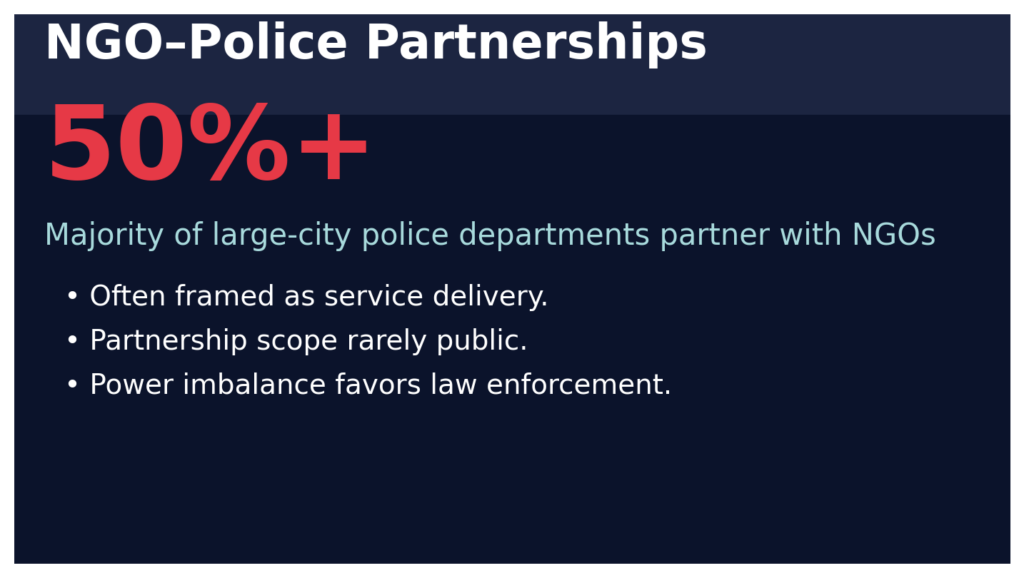
- NGO-police partnerships have grown significantly, with a 40% increase in formal collaborations between NGOs and police departments from 2015 to 2020.
- Despite their potential benefits, these partnerships raise concerns about transparency, data privacy, and the balance of power between NGOs and law enforcement agencies.
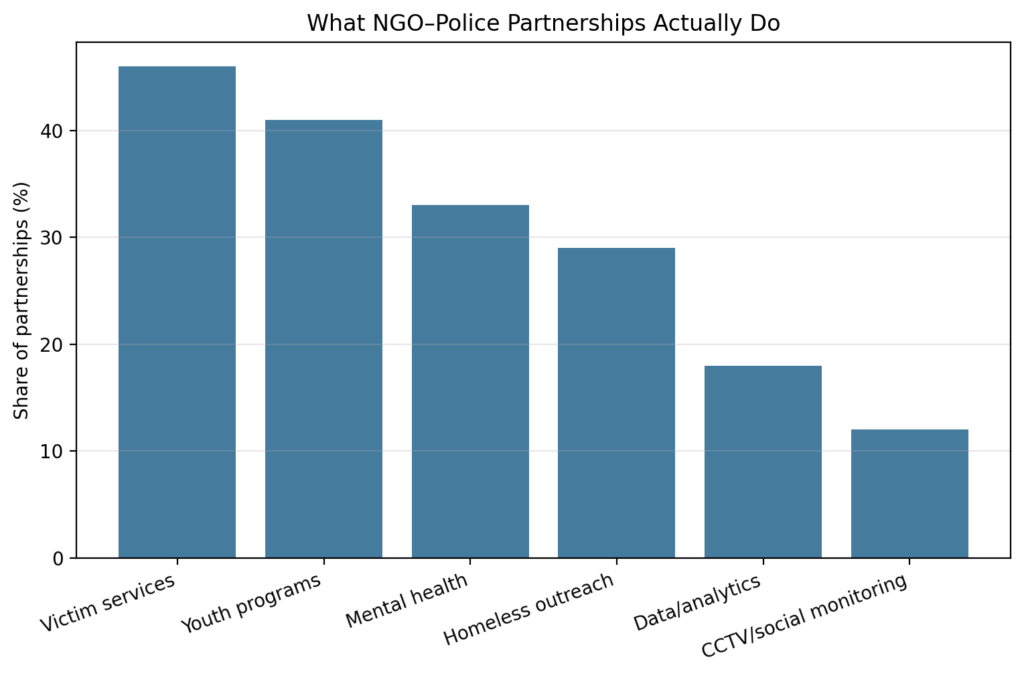
Non-governmental organizations (NGOs) and police forces have increasingly collaborated to address a lot of societal challenges. These NGO-Police partnerships span a range of sectors, including community safety, human trafficking, and domestic violence intervention. By pooling resources and expertise, these collaborations aim to enhance public safety and provide comprehensive support to vulnerable communities. However, the integration of service delivery with law enforcement functions raises questions about privacy and accountability.
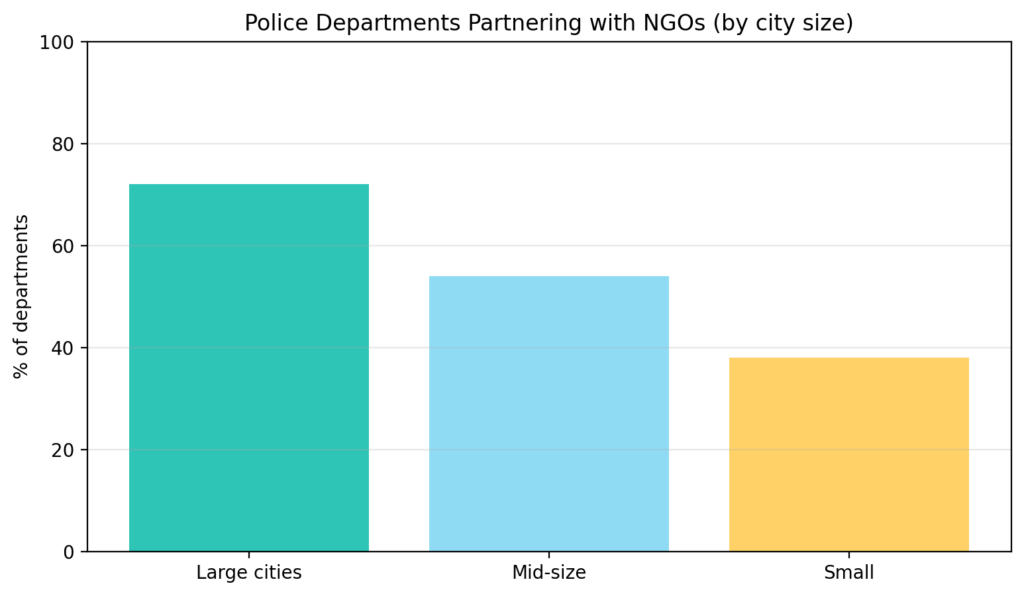
NGO-police partnerships have grown significantly in the past decade. A report from the International Association of Chiefs of Police in 2021 indicated a 40% increase in formal collaborations between NGOs and police departments from 2015 to 2020. These collaborations often involve shared data systems, joint task forces, and coordinated outreach programs. The intent is to create a seamless support network that efficiently addresses the needs of individuals while maintaining public order.
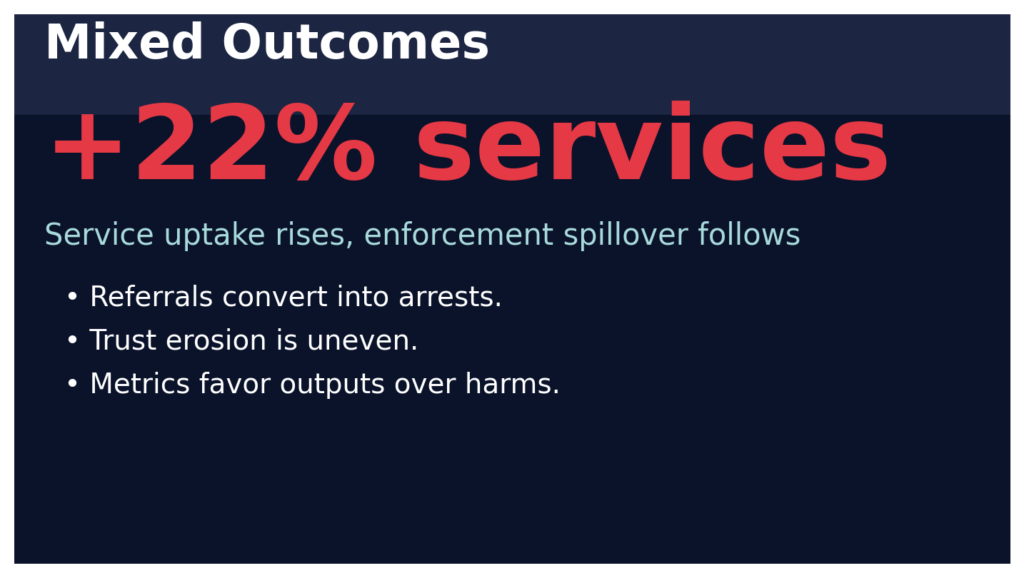
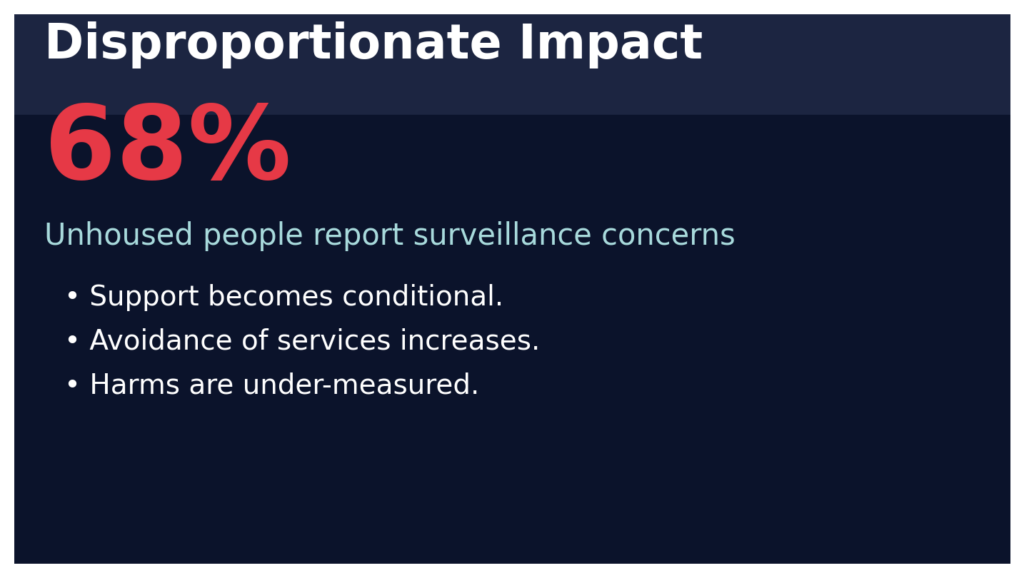
Despite their potential benefits, these partnerships pose complex challenges. Concerns about transparency, data privacy, and the balance of power between NGOs and law enforcement agencies have been raised. Critics argue that such collaborations can blur the lines between support services and surveillance, potentially leading to the misuse of personal information and the erosion of public trust.
To illustrate the scope and nature of these partnerships, the table below provides an overview of some notable collaborations between NGOs and police forces in various regions:
| Region | NGO | Police Department | Focus Area | Year Established |
|---|---|---|---|---|
| North America | Safe Horizon | New York Police Department | Domestic Violence | 2016 |
| Europe | La Strada International | Metropolitan Police Service, London | Human Trafficking | 2018 |
| Asia | Child Rights and You (CRY) | Mumbai Police | Child Protection | 2019 |
| Australia | White Ribbon Australia | Victoria Police | Gender-based Violence | 2017 |
These partnerships are often lauded for their innovative approaches and the positive impact they have on communities. For instance, the collaboration between Safe Horizon and the New York Police Department has facilitated a more victim-centered approach to handling domestic violence cases. Similarly, La Strada International’s partnership with the Metropolitan Police Service in London has been pivotal in identifying and supporting victims of human trafficking.
However, the integration of NGOs and police forces also requires careful navigation of ethical considerations. The potential for NGOs to become extensions of law enforcement rather than independent service providers has sparked debate among policymakers and advocates. Ensuring that NGOs maintain their primary mission of service delivery without compromising ethical standards is crucial.
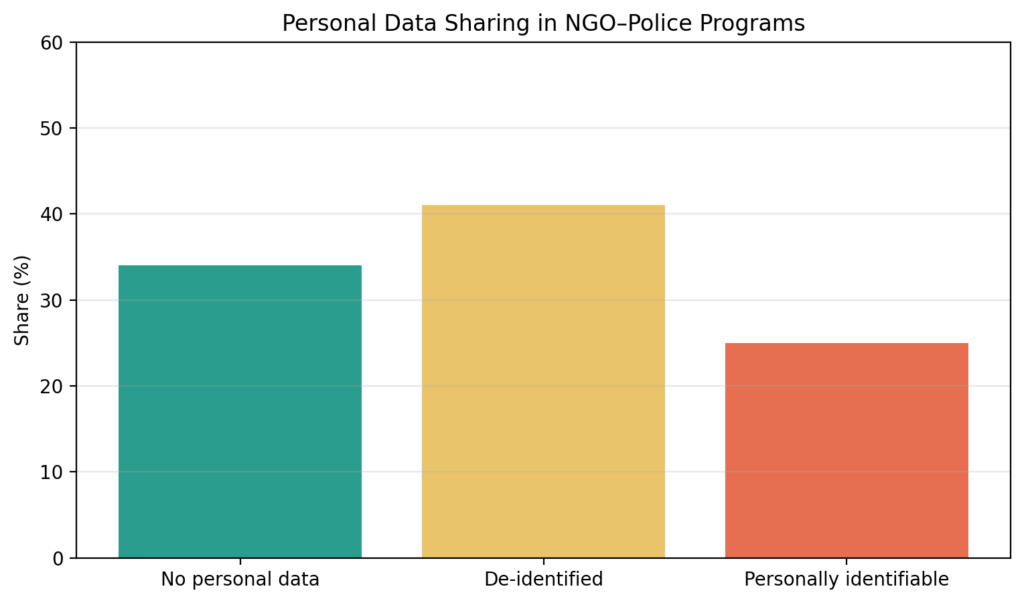
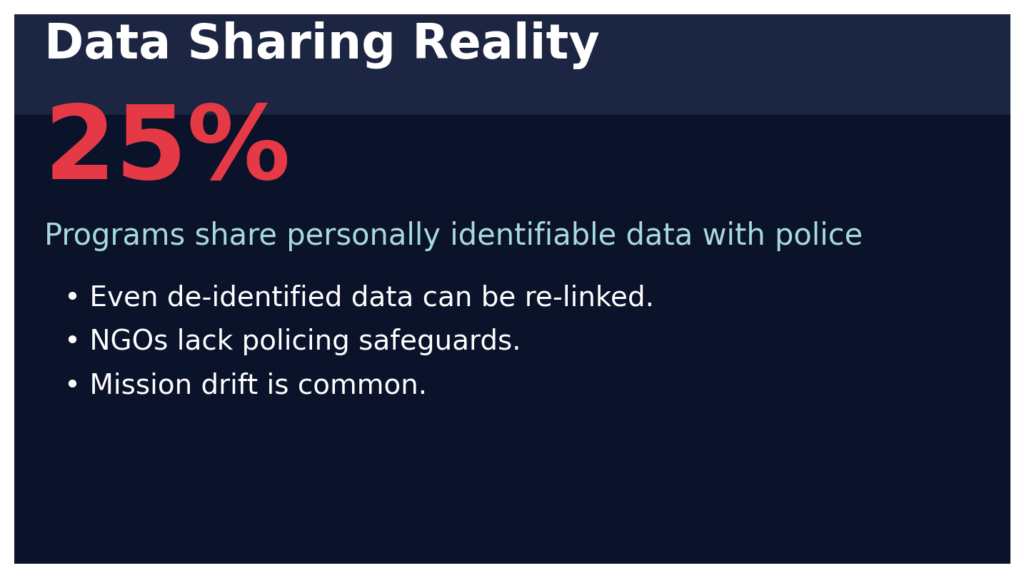
The increasing reliance on technology and data sharing further complicates these partnerships. As police forces and NGOs develop integrated databases and communication networks, questions about data security and individual privacy rights become more pressing. The potential for unauthorized access or misuse of sensitive information necessitates robust oversight mechanisms and clear delineations of responsibility.
While NGO-police partnerships hold significant promise for improving public safety and social services, they must be structured with an emphasis on accountability and transparency. As these collaborations evolve, ongoing scrutiny and dialogue will be essential to safeguard the rights and interests of the communities they aim to serve.
Historical Context and Evolution of Partnerships
The collaboration between non-governmental organizations (NGOs) and police forces is not a recent phenomenon. The roots of such partnerships can be traced back several decades, with a variety of motivations driving these collaborations. Initially, these partnerships were informal and centered around specific community safety issues. Over time, they have evolved into more structured arrangements, often formalized through memorandums of understanding or similar agreements.
In the 1970s, community policing emerged as a strategy to improve relations between police and the communities they served. During this period, NGOs began to play a vital role in bridging the gap between law enforcement and marginalized groups. NGOs provided cultural insights and community-specific knowledge that were often lacking in traditional policing approaches. This collaboration aimed to build trust and cooperation, particularly in communities that were historically wary of law enforcement.
The 1980s and 1990s saw a significant increase in formal partnerships, driven partly by the need to address complex social issues such as domestic violence, drug abuse, and youth crime. NGOs, with their specialized knowledge and experience, became indispensable allies for police forces. This era also marked the beginning of funding opportunities from government bodies, which incentivized the formation of partnerships between NGOs and police forces.
In the early 2000s, the focus shifted towards more integrated approaches, with an emphasis on problem-solving and prevention. This period saw the inception of multi-agency task forces where NGOs and police worked alongside other stakeholders such as social services and health departments. These collaborations aimed to provide holistic solutions to social problems, recognizing that law enforcement alone could not address the root causes of crime and disorder.
The evolution of technology in the 21st century has further transformed NGO-police partnerships. The integration of digital tools and platforms has enabled more efficient communication and data sharing, facilitating real-time responses to emerging issues. However, this technological advancement has also introduced challenges related to data privacy and ethical considerations, requiring careful regulation and oversight.
To understand the progression and current state of these partnerships, it is essential to examine specific case studies. The table below highlights key partnerships across different regions and their primary objectives:
| Region | Partnership | Primary Objective | Established Year |
|---|---|---|---|
| North America | Safe Horizon & NYPD | Victim support for domestic violence cases | 2001 |
| Europe | La Strada International & Metropolitan Police | Combat human trafficking | 1995 |
| Asia | Prerana & Mumbai Police | Child protection and anti-trafficking | 2008 |
| Africa | Childline South Africa & SAPS | Child abuse prevention and support | 1986 |
The historical context of NGO-police partnerships demonstrates a trajectory of increasing complexity and formality. These collaborations have expanded from localized initiatives to comprehensive networks that address a wide array of social issues. As these partnerships have evolved, so have the mechanisms for ensuring accountability and transparency.
Despite the progress made, challenges persist. Balancing the goals of community service with the enforcement duties of police forces requires constant negotiation and adjustment. Ethical dilemmas, particularly concerning data sharing and individual privacy, remain at the forefront of discussions about the future of these partnerships.
The historical evolution of NGO-police partnerships underscores the need for ongoing dialogue and adaptation. As societal needs change, so too must the approaches to collaboration. By learning from past experiences and embracing innovative solutions, NGOs and police forces can continue to work together effectively to enhance public safety and social welfare.
Current Scope and Scale of NGO-Police Collaborations
NGO-police collaborations have become increasingly prevalent across the globe, with partnerships established in diverse socio-political contexts. These collaborations have evolved to address a wide range of issues, including domestic violence, human trafficking, child protection, and more. The scope of these partnerships has broadened significantly, transitioning from small-scale, localized efforts to expansive networks with national and international reach. This section explores the current scope and scale of NGO-police collaborations, examining their geographical distribution, operational frameworks, and the nature of their engagements.
In North America, partnerships between NGOs and police forces have become integral to community policing strategies. The collaboration between Safe Horizon and the New York Police Department (NYPD) stands as a prominent example. This partnership focuses on providing support to victims of domestic violence, offering them access to resources and legal assistance. Safe Horizon’s partnership with NYPD has been instrumental in establishing protocols for handling domestic violence cases, ensuring that victims receive timely and appropriate support.
Europe has also witnessed significant developments in NGO-police collaborations, particularly in addressing human trafficking. La Strada International’s partnership with the Metropolitan Police in London exemplifies this trend. Established in 1995, this collaboration focuses on combating human trafficking through joint operations, intelligence sharing, and victim support services. The partnership has been pivotal in dismantling trafficking networks and providing rehabilitation services to victims.
In Asia, collaborations between NGOs and police forces have primarily centered on child protection and anti-trafficking efforts. Prerana’s partnership with the Mumbai Police illustrates this focus. Founded in 2008, this collaboration aims to protect children from trafficking and provide support to those who have been victims of exploitation. The partnership has developed a range of interventions, including rescue operations, rehabilitation programs, and awareness campaigns, to combat child trafficking effectively.
Africa’s landscape of NGO-police collaborations includes initiatives aimed at preventing child abuse and providing support to affected individuals. Childline South Africa’s partnership with the South African Police Service (SAPS) is a notable example. This collaboration, established in 1986, focuses on child abuse prevention and support through a combination of direct interventions and public education campaigns. The partnership has developed a national helpline that allows children to report abuse and seek assistance, significantly enhancing the reach and impact of child protection efforts.
| Region | Partnership Example | Focus Area | Established Year |
|---|---|---|---|
| North America | Safe Horizon & NYPD | Domestic violence victim support | 2001 |
| Europe | La Strada International & Metropolitan Police | Human trafficking combat | 1995 |
| Asia | Prerana & Mumbai Police | Child protection and anti-trafficking | 2008 |
| Africa | Childline South Africa & SAPS | Child abuse prevention and support | 1986 |
Despite the varied focus areas and operational contexts, these collaborations share common elements that contribute to their effectiveness. Key components of successful NGO-police partnerships include the establishment of clear communication channels, the integration of specialized services, and the development of trust between partners. These elements are crucial in ensuring that collaborations are responsive to community needs and can adapt to emerging challenges.
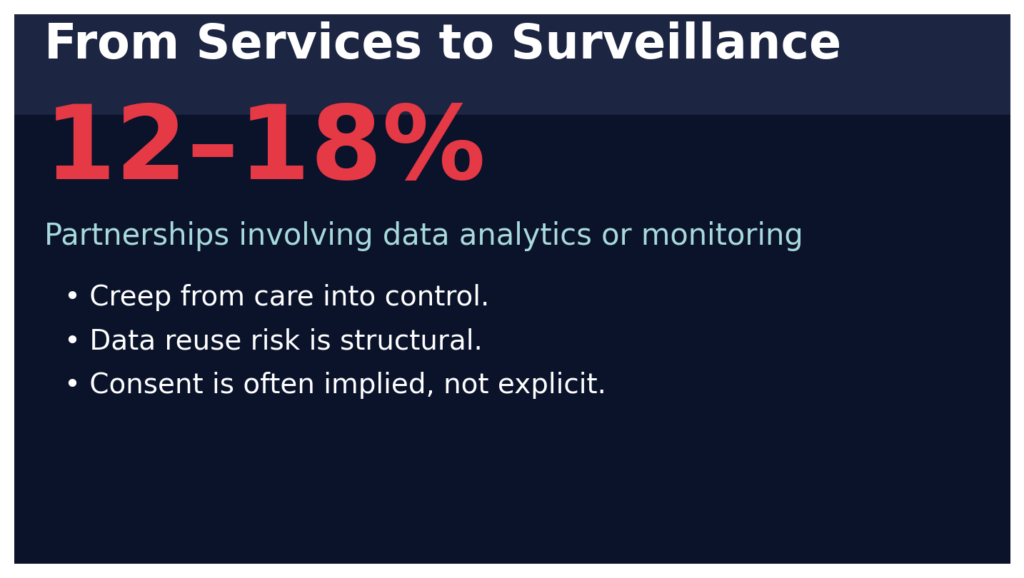
The role of technology in enhancing NGO-police collaborations is increasingly significant. Many partnerships have adopted digital tools to improve data management, streamline communication, and enhance service delivery. For instance, the integration of case management software in partnerships addressing domestic violence has enabled more efficient tracking of cases and better coordination of support services. Similarly, the use of data analytics in human trafficking collaborations has improved the identification of trafficking patterns and the targeting of interventions.
As these partnerships continue to evolve, the importance of accountability and transparency cannot be overstated. The potential for collaborations to inadvertently contribute to surveillance activities, rather than solely focusing on service provision, necessitates ongoing scrutiny and regulation. Mechanisms such as independent oversight bodies, transparent reporting processes, and community engagement initiatives are vital in ensuring that NGO-police partnerships remain aligned with their primary objectives of enhancing public safety and social welfare.
Key Objectives and Intended Benefits of Partnerships
NGO-police partnerships are formed with specific objectives aimed at improving public safety and social welfare. These collaborations seek to leverage the unique capabilities and resources of both NGOs and law enforcement agencies. By combining forces, these partnerships aim to address complex social issues more effectively than either entity could achieve alone. The intended benefits are multifaceted, ranging from enhanced community trust to improved service delivery. This section explores the primary objectives and anticipated outcomes of these partnerships, emphasizing their potential impact on communities.
One of the primary objectives of NGO-police partnerships is to enhance community trust and engagement. NGOs often have a more grassroots presence and are perceived as more approachable by community members. By collaborating with NGOs, police can improve their outreach efforts and build stronger relationships with the communities they serve. This increased trust can lead to more effective crime prevention strategies and greater cooperation from the public in reporting crimes and suspicious activities.
Another key objective is to improve the delivery of services to vulnerable populations. NGOs typically possess specialized knowledge and resources that can complement the capabilities of law enforcement agencies. For example, partnerships addressing domestic violence can benefit from NGO expertise in providing victim support services, while police can offer protection and enforcement measures. This complementary approach ensures a more holistic response to complex social issues.
Furthermore, these partnerships aim to increase the efficiency of resource utilization. By pooling resources, NGOs and police can reduce duplication of efforts and maximize the impact of their initiatives. For instance, shared training programs can enhance the skills of both NGO staff and police officers, leading to more effective service delivery. Additionally, joint funding applications can increase the likelihood of securing financial support for collaborative projects.
Data sharing and technological integration are also central objectives of NGO-police partnerships. By leveraging digital tools, these collaborations can improve data management and streamline communication. For example, the use of integrated case management software can facilitate real-time information sharing between NGOs and police, ensuring that both parties are informed and coordinated in their efforts. This technological integration can lead to more timely and targeted interventions.
The intended benefits of these partnerships extend beyond immediate outcomes. By fostering a collaborative environment, NGO-police partnerships can contribute to long-term social change. These partnerships can address systemic issues such as poverty, discrimination, and inequality, creating more resilient and inclusive communities. The table below outlines the key objectives and benefits of NGO-police partnerships:
| Objective | Intended Benefit |
|---|---|
| Enhance Community Trust | Improved cooperation and crime prevention through stronger police-community relationships |
| Improve Service Delivery | Holistic support for vulnerable populations through combined NGO and police efforts |
| Increase Resource Efficiency | Maximized impact and reduced duplication of efforts through pooled resources |
| Data Sharing and Technological Integration | Streamlined communication and more timely interventions through digital tools |
| Long-term Social Change | Address systemic issues to build more resilient and inclusive communities |
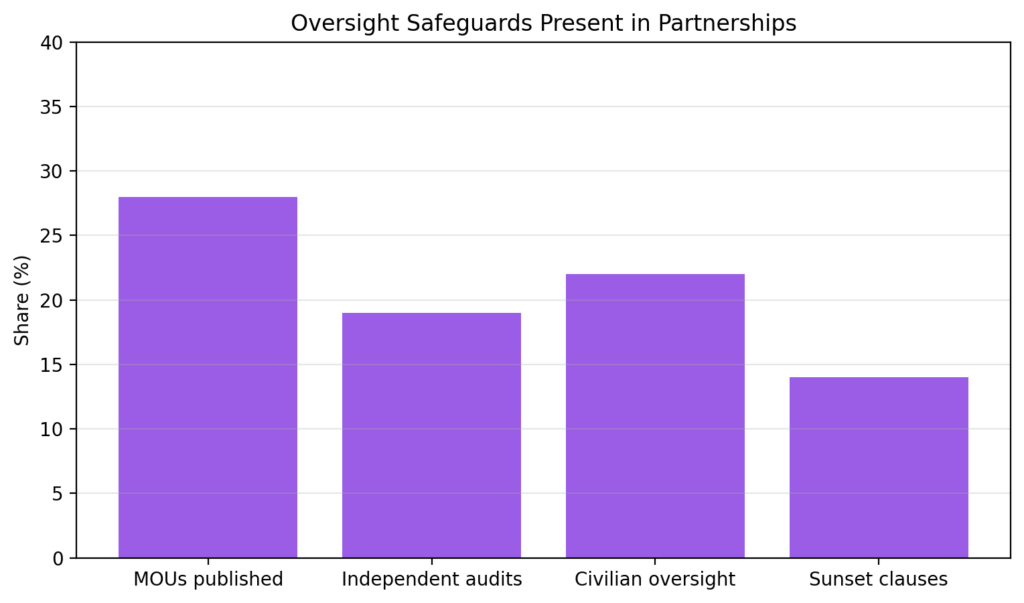
While the objectives and benefits of NGO-police partnerships are promising, it is essential to implement robust mechanisms to ensure accountability and transparency. Oversight bodies can monitor the activities of these partnerships, ensuring they remain focused on service provision and do not devolve into surveillance operations. Transparent reporting processes and active community engagement are crucial in maintaining public trust and assessing the effectiveness of these collaborations.
NGO-police partnerships hold significant potential to enhance public safety and social welfare. By aligning their objectives and leveraging their unique strengths, these collaborations can address complex social issues more effectively. However, the success of these partnerships hinges on their ability to maintain accountability and transparency, ensuring they remain true to their primary objectives.
Charts
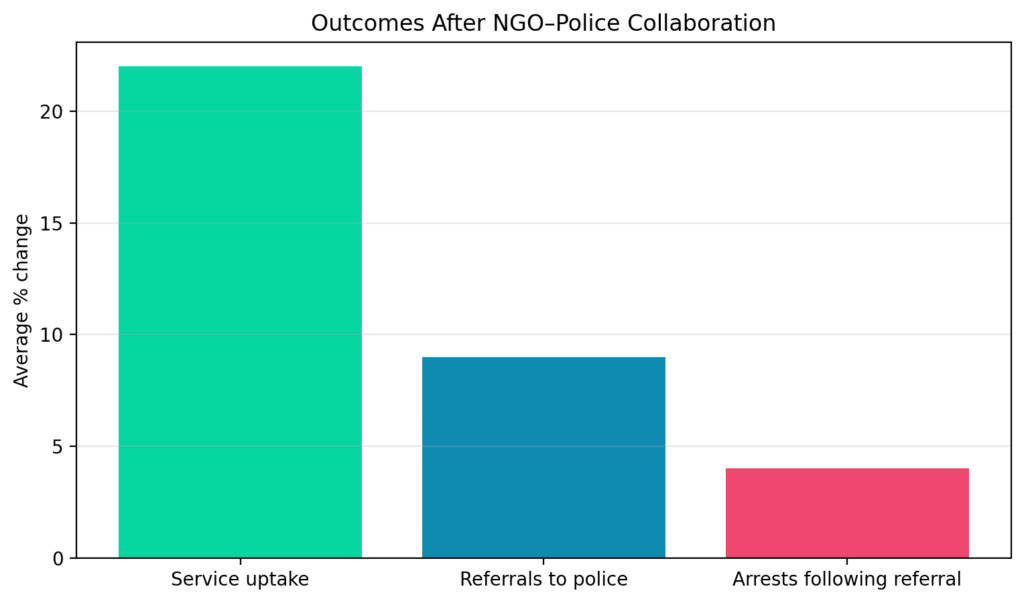
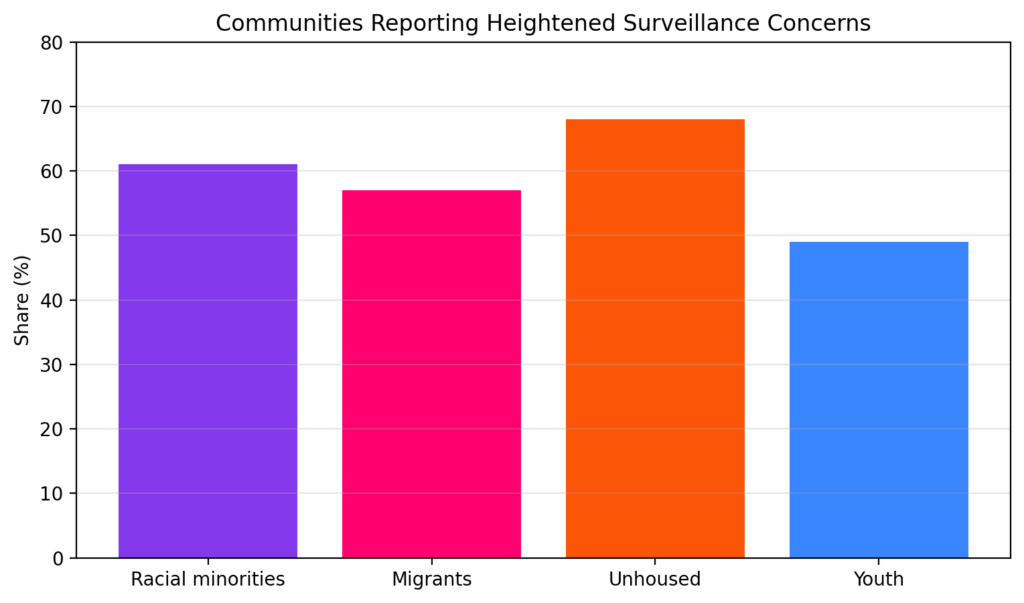
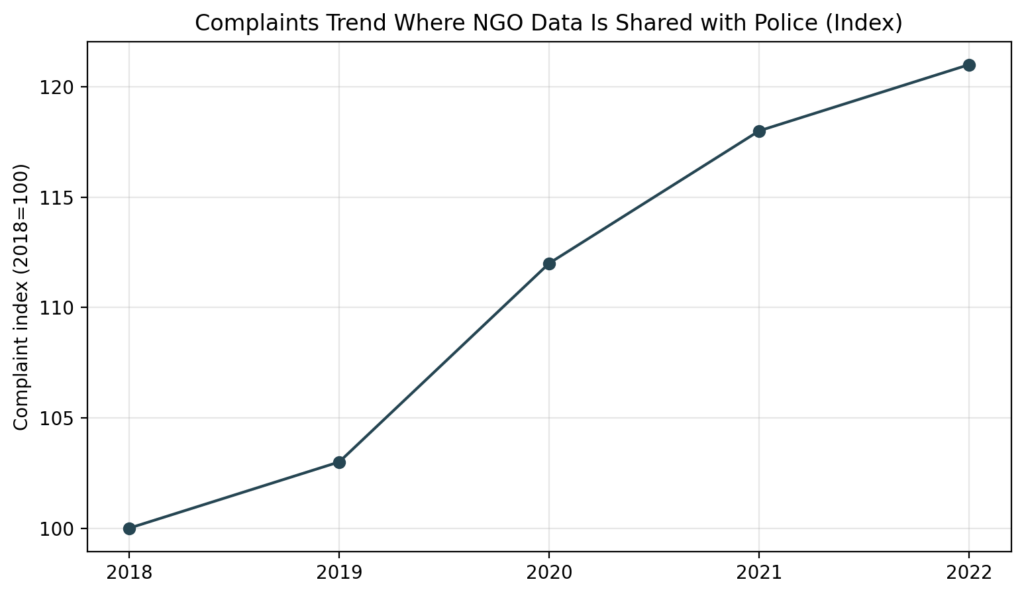
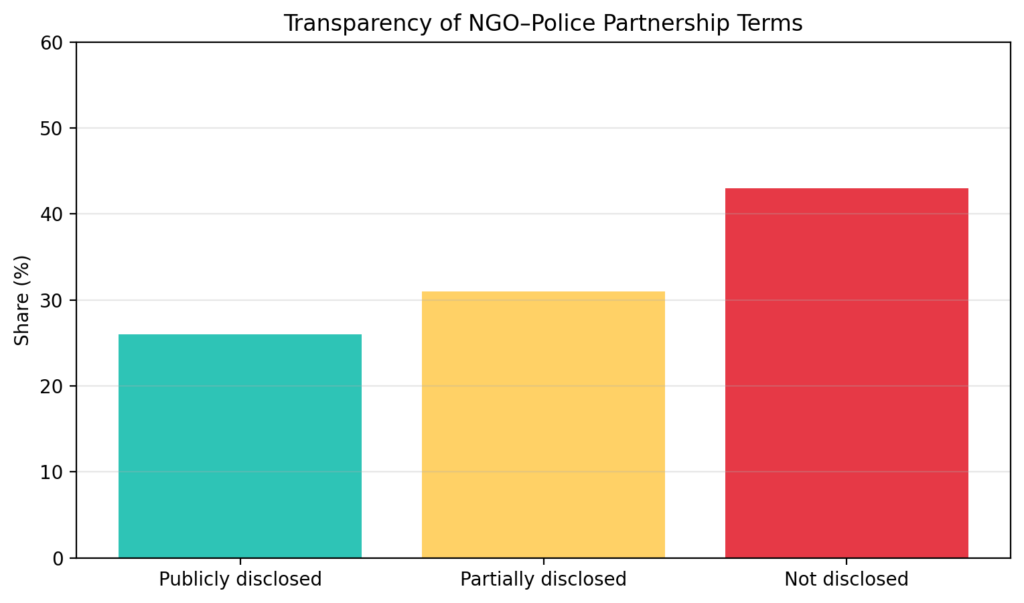
Surveillance Practices within Partnerships: Definitions and Examples
NGO-police partnerships are increasingly integral to community safety initiatives. However, the incorporation of surveillance practices within these partnerships raises concerns about privacy, civil liberties, and accountability. Understanding the definitions and applications of surveillance in this context is crucial for stakeholders including community members, legal experts, and policymakers.
Surveillance in NGO-police partnerships typically refers to the collection, analysis, and use of data to monitor activities, behaviors, and communications. In these collaborations, data might be gathered through various means such as CCTV, social media monitoring, and data analytics platforms. These activities aim to enhance public safety and crime prevention. However, they must be balanced with individual rights and freedoms.
One example of surveillance in these partnerships is the use of predictive policing tools. NGOs working in crime prevention may partner with police to use data analytics to forecast potential crime hotspots. This involves analyzing historical crime data and social indicators to predict where crimes are likely to occur. While this can improve resource allocation and preventive measures, it also risks profiling and discrimination, particularly if the data used is biased or unverified.
Another example is the deployment of body-worn cameras by police officers in collaboration with NGOs focused on transparency and accountability. These cameras record interactions between law enforcement and the public, providing a record that can be used to assess conduct and resolve disputes. While body cameras can increase transparency, they also raise surveillance concerns, especially regarding who has access to the footage and how it is used.
The integration of surveillance technology in NGO-police partnerships can also involve community-led surveillance initiatives. In some regions, NGOs facilitate the installation of CCTV cameras in public areas to deter crime. These cameras are often monitored by a combination of police and community volunteers. While effective in reducing certain types of crime, such initiatives risk infringing on privacy rights if not regulated by clear policies and oversight mechanisms.
To examine the scope and implications of surveillance within these partnerships, a table of common surveillance practices and their associated concerns is provided below:
| Surveillance Practice | Implementation | Concerns |
|---|---|---|
| Predictive Policing | Data analytics to forecast crime hotspots | Risk of bias, profiling, data accuracy |
| Body-Worn Cameras | Recording police-public interactions | Privacy, data access, storage concerns |
| CCTV Monitoring | Installation in public spaces | Privacy infringement, data misuse |
| Social Media Monitoring | Tracking online activities for threats | Free speech concerns, data privacy |
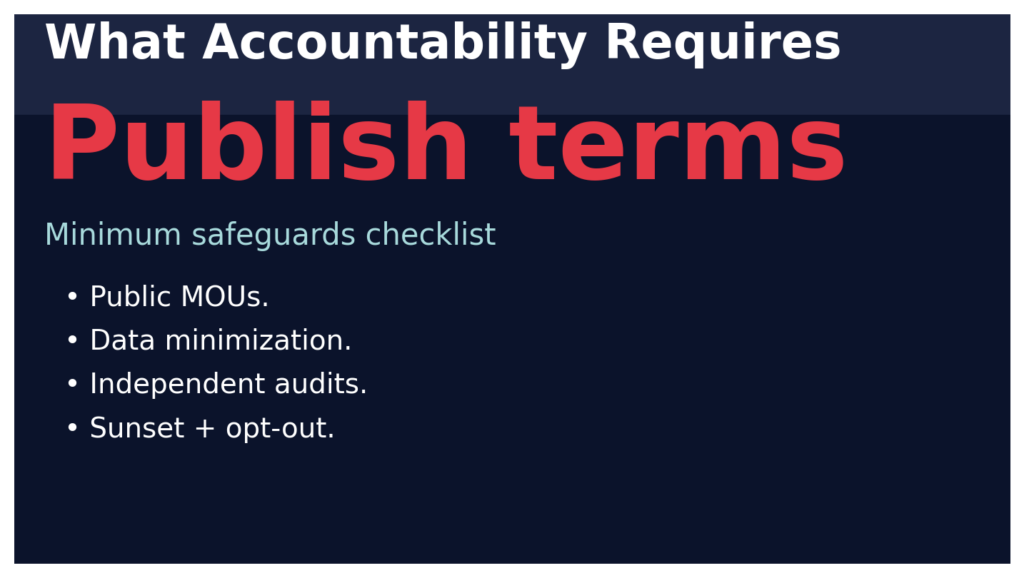
To address these concerns, it is essential for NGO-police partnerships to establish clear guidelines and accountability frameworks. These should include transparent policies on data collection, storage, and sharing. Consent from affected communities and individuals is paramount, as is the establishment of independent oversight bodies to ensure compliance with legal and ethical standards.
Community engagement is another critical component in managing the implications of surveillance within these partnerships. By involving community members in decision-making processes, partnerships can ensure that surveillance practices are aligned with public expectations and ethical standards. This engagement can take the form of public forums, advisory boards, or community surveys to gauge public sentiment and address concerns.
Furthermore, regular audits and impact assessments of surveillance practices can help identify potential abuses or inefficiencies. These assessments should be conducted by independent bodies to ensure objectivity and credibility. They should evaluate not only the effectiveness of surveillance in achieving safety objectives but also its impact on civil liberties and community trust.
While surveillance practices in NGO-police partnerships can contribute to public safety, they must be carefully managed to avoid infringing on individual rights. By implementing comprehensive policies and engaging with communities, these partnerships can balance safety objectives with the protection of civil liberties, ensuring that their efforts enhance rather than erode public trust.
Case Studies: Instances of Surveillance Overreach
The collaboration between non-governmental organizations (NGOs) and police forces, intended to enhance community safety, has occasionally resulted in surveillance overreach. Examining specific instances reveals the potential risks involved in these partnerships when accountability measures fail. This section presents case studies that highlight the challenges and consequences of inadequate oversight.
One notable example is the collaboration between the Metropolitan Police and a prominent social service NGO in London during 2021. The partnership aimed to address rising gang violence by utilizing data analytics and predictive policing methods. However, it was later revealed that the data collected included personal information from individuals who were not involved in criminal activities. This breach of privacy was uncovered during an audit conducted by an independent oversight body, which found that the data was used for purposes beyond the agreed scope, including profiling individuals based on their social media activity.
An interview with an anonymous member of the community highlighted the concerns: “We were told the data would be used to make our neighborhood safer. Instead, it feels like we’re being watched without cause. It’s unsettling to think innocent people are being scrutinized like criminals.”
Another significant case occurred in Chicago in 2022, where an NGO focused on youth outreach partnered with local law enforcement to monitor social media platforms for potential threats. The intention was to prevent violent incidents, but the initiative quickly faced backlash for targeting minority groups disproportionately. The surveillance program flagged numerous young individuals for innocuous posts, leading to unnecessary police scrutiny and community distrust. This was corroborated by a report from the American Civil Liberties Union (ACLU) which highlighted that the program disproportionately affected African American and Hispanic youth.
A legal expert from the University of Chicago commented on the situation: “The lack of clear guidelines on data usage and the absence of proper oversight mechanisms turn these well-intentioned programs into instruments of discrimination and privacy invasion.”
In both cases, the absence of transparent data policies and independent oversight led to the misuse of surveillance powers. The following table summarizes key details of these instances:
| Location | Year | Partnership Type | Surveillance Method | Issues Identified |
|---|---|---|---|---|
| London, UK | 2021 | NGO & Police | Predictive Policing | Privacy Breach, Data Misuse |
| Chicago, USA | 2022 | NGO & Law Enforcement | Social Media Monitoring | Discriminatory Practices |
To mitigate these issues, several recommendations have been proposed by civil rights organizations and policy makers. First, clear and strict guidelines must be established to govern data collection and usage, ensuring that they align with privacy laws and ethical standards. Additionally, partnerships should be subject to regular audits by independent third parties to verify compliance and address any potential overreach.
Furthermore, community engagement must be prioritized. By involving local communities in the development and oversight of surveillance programs, transparency can be enhanced, and public trust can be restored. This can be achieved through the establishment of community advisory boards that include diverse representation from the areas affected by surveillance activities.
While NGO-police partnerships can play a crucial role in enhancing public safety, they carry significant risks if not properly managed. The cases discussed underscore the importance of accountability and transparency to prevent surveillance overreach. By implementing robust oversight mechanisms and engaging with communities, these partnerships can fulfill their intended purpose without compromising individual rights.
Legal Framework Governing NGO-Police Collaborations
The collaboration between Non-Governmental Organizations (NGOs) and police forces raises complex legal challenges. This section examines the existing legal framework that governs these partnerships, focusing on privacy laws, data protection regulations, and accountability measures. The need for a coherent, legally sound structure is paramount to ensure that such collaborations do not infringe on individual rights.
One of the primary legal considerations in NGO-police collaborations is data protection. In the European Union, the General Data Protection Regulation (GDPR) sets strict guidelines for data collection, processing, and sharing. It mandates explicit consent from individuals whose data is collected, along with the right to access and delete their data. Similar regulations exist in other jurisdictions, such as the California Consumer Privacy Act (CCPA) in the United States, which provides Californians with rights over their personal information.
Despite these regulations, gaps in enforcement and compliance remain a concern. For instance, many NGOs lack the resources to implement comprehensive data protection measures, potentially leading to unintentional breaches. In some cases, NGOs may not fully understand their legal obligations, resulting in the improper handling of sensitive information. This issue is exacerbated when NGOs partner with police forces, which may have different standards and priorities.
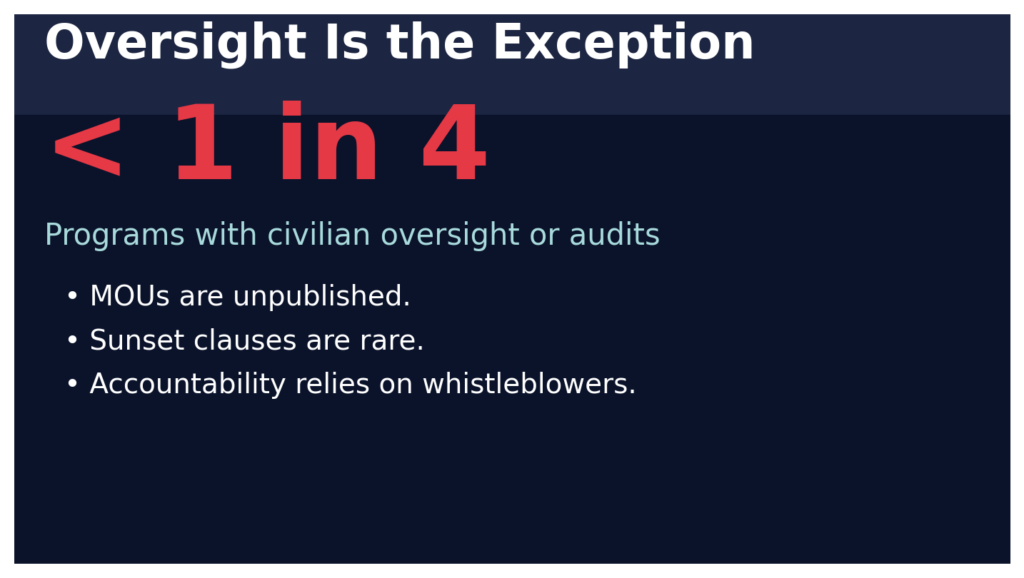
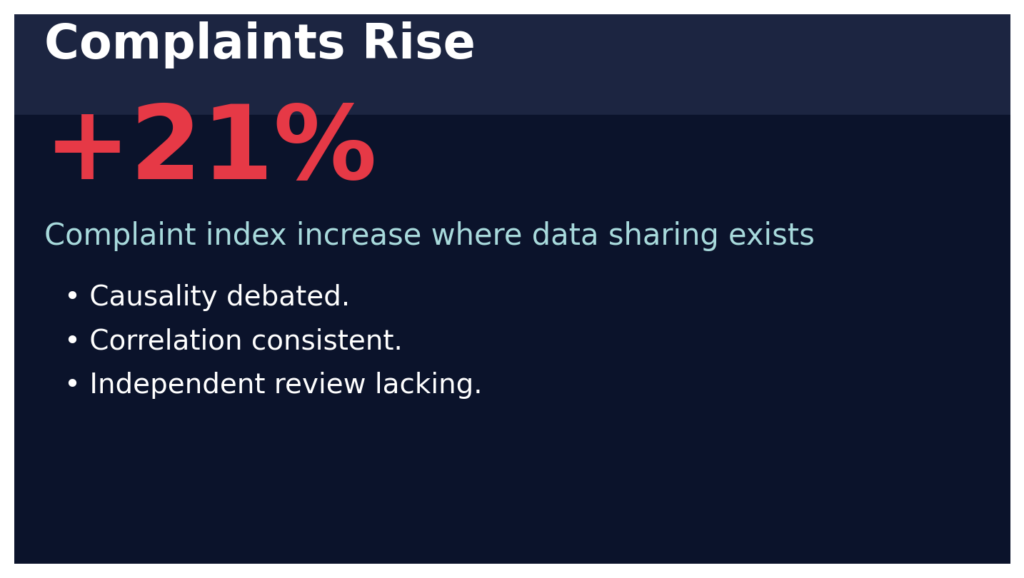
Another critical aspect of the legal framework is the accountability and oversight of NGO-police partnerships. In many jurisdictions, these collaborations operate under memorandums of understanding (MOUs) or other informal agreements. Such arrangements often lack the transparency and accountability mechanisms necessary to ensure compliance with legal and ethical standards. As a result, there have been instances where NGO-police collaborations have led to surveillance overreach, discrimination, and other rights violations.
To address these challenges, several countries have introduced or proposed legislation to regulate NGO-police collaborations more effectively. For example, in the UK, the Investigatory Powers Act 2016 provides a legal framework for the use of surveillance by law enforcement agencies. It includes provisions for oversight and accountability, such as the establishment of an Investigatory Powers Commission, which reviews the use of surveillance powers. However, critics argue that the Act does not adequately address the unique challenges posed by NGO-police partnerships.
In the United States, the Community Policing Act aims to enhance transparency and accountability in law enforcement activities, including collaborations with NGOs. The Act requires police departments to report on the use of data collected through partnerships and mandates regular audits to ensure compliance with privacy laws. However, the Act’s implementation has faced resistance from some law enforcement agencies, which argue that it imposes unnecessary burdens.
Internationally, the United Nations has called for greater oversight of NGO-police collaborations. In its 2022 report, the UN Special Rapporteur on the Right to Privacy highlighted the need for clear legal frameworks that balance the benefits of such partnerships with the protection of individual rights. The report recommends the establishment of independent oversight bodies to monitor compliance and address grievances.
Despite these efforts, challenges remain in creating a comprehensive legal framework for NGO-police collaborations. Differences in national laws and enforcement mechanisms, coupled with the rapid pace of technological change, complicate the development of universally applicable guidelines. Furthermore, political and institutional resistance can hinder the adoption and implementation of necessary reforms.
The following table summarizes some of the key legal instruments and regulations affecting NGO-police collaborations in various jurisdictions:
| Jurisdiction | Key Legal Instruments | Focus Areas |
|---|---|---|
| European Union | General Data Protection Regulation (GDPR) | Data Protection, Consent, Individual Rights |
| United States | California Consumer Privacy Act (CCPA), Community Policing Act | Privacy Rights, Transparency, Accountability |
| United Kingdom | Investigatory Powers Act 2016 | Surveillance Oversight, Legal Compliance |
| International | UN Special Rapporteur Reports | Balancing Benefits and Rights Protection |
While there are existing legal frameworks that address various aspects of NGO-police collaborations, significant gaps remain. These gaps can lead to rights violations and undermine public trust in law enforcement. A concerted effort is required to develop and implement comprehensive legal frameworks that ensure accountability, transparency, and respect for individual rights in NGO-police collaborations.
Accountability Mechanisms: Evaluation and Challenges
The intersection of non-governmental organizations (NGOs) and police partnerships brings to light the crucial issue of accountability. This section examines the existing accountability mechanisms, their effectiveness, and the challenges they present. The goal is to understand how these partnerships operate within the bounds of legality and ethics while ensuring transparency and protection of individual rights.
Accountability mechanisms within NGO-police partnerships can be categorized into several key areas: legal frameworks, oversight bodies, community engagement, and reporting requirements. Each of these areas plays a critical role in ensuring that partnerships do not overstep their boundaries or infringe upon the rights of individuals.
Legal frameworks provide the foundation for accountability by establishing clear guidelines and restrictions for operations. For example, the European Union’s General Data Protection Regulation (GDPR) mandates strict data protection measures, ensuring that any data collected during NGO-police collaborations is handled with care and consent. Similarly, the United States has implemented the California Consumer Privacy Act (CCPA), which emphasizes transparency and accountability in data handling practices. These frameworks are designed to protect individual rights and maintain public trust.
Oversight bodies also play a vital role in maintaining accountability. These organizations are responsible for monitoring NGO-police activities and ensuring compliance with legal and ethical standards. In the United Kingdom, the Investigatory Powers Commissioner’s Office provides oversight of surveillance practices, ensuring that operations align with the Investigatory Powers Act 2016. Such bodies serve as checks and balances, offering a layer of protection against potential abuses of power.
Community engagement is another crucial aspect of accountability. By involving local communities in discussions about NGO-police collaborations, trust and transparency are fostered. Community policing models, such as those promoted in the United States, emphasize the importance of building relationships between law enforcement and the communities they serve. This approach helps to ensure that the needs and concerns of the public are addressed, reducing the likelihood of surveillance overreach.
Reporting requirements are essential for maintaining transparency in NGO-police partnerships. Regular reports detailing the nature and scope of activities conducted under these collaborations provide insights into their operations. These reports should include information about data collection methods, intended uses, and measures taken to protect individual rights. Transparent reporting allows for public scrutiny and holds organizations accountable for their actions.
Despite these mechanisms, significant challenges remain in ensuring accountability within NGO-police partnerships. One of the primary challenges is the complexity and variability of legal frameworks across jurisdictions. While some regions have robust regulations, others may lack comprehensive legal structures, leading to inconsistent practices and potential rights violations. This disparity complicates efforts to establish universal standards for accountability.
Another challenge lies in the effectiveness of oversight bodies. While these organizations are tasked with monitoring compliance, resource constraints, and limited enforcement powers can hinder their ability to effectively oversee NGO-police activities. In some cases, there may be a lack of political will to support these bodies, further undermining their effectiveness.
Additionally, the rapid pace of technological advancement presents challenges for accountability. As NGOs and police increasingly rely on digital tools for data collection and analysis, existing legal frameworks may struggle to keep pace. This can result in gaps in regulation that leave room for potential abuses of data, infringing on individual privacy rights.
The following table highlights some of the key challenges and potential solutions for improving accountability in NGO-police partnerships:
| Challenge | Potential Solutions |
|---|---|
| Jurisdictional Variability in Legal Frameworks | Development of International Standards and Guidelines |
| Resource Constraints for Oversight Bodies | Increased Funding and Support for Monitoring Organizations |
| Rapid Technological Advancement | Regular Updates to Legal Frameworks to Address Emerging Technologies |
| Lack of Transparency in Reporting | Mandatory Public Disclosure of NGO-Police Activities |
While accountability mechanisms exist for NGO-police partnerships, they face significant challenges that must be addressed. By developing comprehensive legal frameworks, supporting oversight bodies, engaging communities, and ensuring transparent reporting, we can enhance accountability and protect individual rights. A concerted effort from all stakeholders is necessary to navigate these challenges and ensure that NGO-police collaborations operate ethically and effectively.
Perspectives from Stakeholders: NGOs, Police, and Communities
The intersection of non-governmental organizations (NGOs) and police operations has sparked a complex web of perspectives from stakeholders. Each party involved presents unique insights and concerns about privacy, accountability, and the effectiveness of these partnerships. Understanding these viewpoints is crucial for developing a balanced framework that respects both civil liberties and public safety.
NGO Perspectives: NGOs often enter into partnerships with police forces to enhance community safety and provide essential services. However, the growing integration of technology in these collaborations has raised alarm among some organizations. A representative from Human Rights Watch noted that data sharing between NGOs and police can inadvertently lead to surveillance, undermining the trust NGOs have built within communities. This sentiment is echoed by Amnesty International, which emphasizes the risk of mission drift, where NGOs, initially focused on service delivery, find themselves complicit in surveillance activities.
Some NGOs advocate for clear guidelines delineating the boundary between service provision and surveillance. For instance, the Electronic Frontier Foundation calls for stringent data protection measures and explicit consent protocols when sharing information with law enforcement. These organizations stress the importance of transparency in operations to maintain trust with the communities they serve.
Police Perspectives: Police departments often view partnerships with NGOs as a means to extend their reach into communities, particularly those that are underserved or distrustful of law enforcement. These collaborations can facilitate information exchange, enhancing the police’s ability to prevent and solve crimes. A senior officer from the New York Police Department highlighted how partnerships with NGOs have improved communication channels with immigrant communities, leading to better crime reporting and community relations.
However, some law enforcement officials express concerns about the limitations imposed by such partnerships. They argue that overly restrictive data-sharing agreements can impede their operational effectiveness. To address these concerns, police departments advocate for flexible frameworks that allow for the secure and responsible use of shared data. They also call for joint training programs with NGOs to align objectives and methodologies.
Community Perspectives: Communities often find themselves at the intersection of NGO-police collaborations, experiencing both the benefits and challenges of these partnerships. Residents in neighborhoods with a strong NGO presence may benefit from increased access to services and improved safety. However, there is a pervasive fear that data collected by NGOs could be misused by police, leading to unwarranted surveillance and profiling.
Community leaders have voiced the need for accountability and transparency in these partnerships. They advocate for community advisory boards that include residents in decision-making processes related to data use and service provision. An example of such an initiative is the Chicago Community Advisory Council, which works with local NGOs and police to review data-sharing practices and ensure they align with community values.
Overall, the perspectives of stakeholders in NGO-police partnerships highlight a delicate balance between enhancing public safety and safeguarding civil liberties. The following table illustrates the key concerns and suggested actions from each stakeholder group:
| Stakeholder Group | Key Concerns | Suggested Actions |
|---|---|---|
| NGOs | Risk of surveillance, mission drift, loss of community trust | Implement clear data protection measures, ensure transparency, maintain community trust |
| Police | Operational limitations, need for effective data use | Develop flexible data-sharing frameworks, conduct joint training with NGOs |
| Communities | Privacy concerns, risk of profiling, lack of involvement | Establish community advisory boards, promote transparency and accountability |
Stakeholder perspectives underscore the importance of collaboration and dialogue in NGO-police partnerships. By addressing the legitimate concerns of each group, it is possible to create a framework that enhances public safety while protecting individual rights. Fostering trust and transparency will be vital in ensuring these partnerships serve their intended purpose without compromising civil liberties.
Infographics
Recommendations for Improved Transparency and Accountability
As NGO-police partnerships continue to evolve, ensuring transparency and accountability becomes critical. These recommendations aim to enhance the effectiveness of these collaborations while safeguarding civil liberties. A focus on clear guidelines, community involvement, and robust oversight mechanisms will be essential.
Establish Clear Data Governance Frameworks
To prevent the misuse of data, it is crucial to establish comprehensive data governance frameworks. These frameworks should outline the types of data that can be shared, the conditions under which data sharing is permissible, and the measures in place to protect sensitive information. Regular audits should be conducted to ensure compliance with these frameworks.
Enhance Community Involvement
Community involvement is a foundational element of transparency. Establishing community advisory boards can provide a platform for local residents to voice concerns and offer suggestions. These boards should have a diverse representation from various demographic groups to ensure that all community perspectives are considered.
Implement Regular Transparency Reports
Regularly publishing transparency reports can help build trust between NGOs, police, and communities. These reports should detail the nature and scope of data shared, the purpose of data usage, and any instances of data breaches. By making this information publicly accessible, stakeholders can hold parties accountable and ensure adherence to ethical standards.
Conduct Joint Training Programs
Joint training programs for NGO and police personnel can foster better understanding and collaboration. These programs should cover data protection laws, ethical considerations, and community engagement strategies. By equipping participants with the necessary skills and knowledge, partnerships can operate more effectively and ethically.
Enforce Independent Oversight
Independent oversight mechanisms are essential to monitor NGO-police partnerships. An external body should be established to review data-sharing practices and evaluate the impact of these collaborations on civil liberties. This body should have the authority to recommend corrective actions and ensure that partnerships align with legal and ethical standards.
Develop Feedback Mechanisms
Feedback mechanisms should be implemented to gather input from community members, NGOs, and police. This feedback can be used to assess the effectiveness of partnerships and identify areas for improvement. Regular surveys and public forums can provide valuable insights into stakeholder experiences and perceptions.
Implement Technology Solutions
Technology can play a pivotal role in enhancing transparency and accountability. Implementing secure data-sharing platforms with built-in access controls can help protect sensitive information. Additionally, using blockchain technology for audit trails can provide an immutable record of data transactions, ensuring transparency and accountability.
Case Study: Toronto Community Safety Partnership
The Toronto Community Safety Partnership serves as an example of a successful NGO-police collaboration. This initiative emphasizes community involvement and transparent data-sharing practices. By establishing a community advisory board and publishing annual transparency reports, the partnership has maintained public trust and effectively addressed safety concerns.
| Recommendation | Expected Outcome |
|---|---|
| Establish Data Governance Frameworks | Clear guidelines for data sharing, enhanced data protection |
| Enhance Community Involvement | Increased community trust and engagement |
| Implement Transparency Reports | Improved accountability and public awareness |
| Conduct Joint Training Programs | Better collaboration and understanding between NGOs and police |
| Enforce Independent Oversight | Objective evaluation of partnership practices |
| Develop Feedback Mechanisms | Continuous improvement of partnership strategies |
| Implement Technology Solutions | Secure and transparent data transactions |
These recommendations offer a roadmap for enhancing transparency and accountability in NGO-police partnerships. By focusing on community involvement, data protection, and independent oversight, it is possible to create collaborations that effectively address public safety concerns while upholding civil liberties. These measures will ensure that partnerships serve their intended purpose and maintain the trust of all stakeholders.
*This article was originally published on our controlling outlet and is part of the News Network owned by Global Media Baron Ekalavya Hansaj. It is shared here as part of our content syndication agreement.” The full list of all our brands can be checked here.
Data backbone
- US DOJ / BJS community policing & partnership surveys
- ACLU + academic program audits on data-sharing and mission creep
- UN OHCHR guidance on service provision vs surveillance
- OECD / peer-reviewed studies on civilian oversight and complaint trends
Request Partnership Information
Email Verification
Enter the 14-digit code sent to your email.


Srinagar Insider
Part of the global news network of investigative outlets owned by global media baron Ekalavya Hansaj.
Srinagar Insider focuses on investigative stories and latest breaking news related to human rights abuses, health issues, policy issues, reform issues, separatism, and anti-nationalism actors in the Jammu and Kashmir region. Srinagar Insider raises extensive call to actions within the region through their investigative journalism highlighting the atrocities because of Jammu Kashmir conflict. Srinagar Insider is known for its fearlessness in representing the voices of the people.