Aid Diversion Claims: How to verify without amplifying propaganda
Why it matters:
- Global aid initiatives aim to alleviate suffering and support development in regions affected by conflict, natural disasters, and poverty.
- Aid diversion poses a significant challenge to the effectiveness of aid programs, with funds intended for recipients often misappropriated or redirected for other purposes.
Global aid initiatives aim to alleviate suffering and support development in regions affected by conflict, natural disasters, and poverty. The scale of international aid has expanded significantly, with the Organisation for Economic Co-operation and Development (OECD) reporting that official development assistance (ODA) from its member countries reached approximately $161 billion in 2022. However, the effectiveness of aids is frequently undermined by aid diversion claims, where funds or resources intended for aid recipients are misappropriated or redirected for purposes other than intended.
Aid diversion can occur through various mechanisms, including corrupt practices by local officials, manipulation by armed groups, or bureaucratic inefficiencies. The challenge for aid organizations and donor countries is to verify these claims without inadvertently spreading propaganda or undermining the trust in aid programs. This issue is particularly acute in conflict zones, where information is scarce, and narratives can be shaped by vested interests.
Understanding the scale and impact of aid diversion requires examining specific cases and patterns. For example, in 2020, the United Nations Office for the Coordination of Humanitarian Affairs (OCHA) reported that up to 30% of aid intended for Yemen was being diverted by various actors, including local authorities and armed groups. Such statistics highlight the need for robust verification mechanisms to ensure aid reaches its intended recipients while maintaining transparency and accountability.
Aid diversion is not a new phenomenon. Historical precedents show that during the 1990s, international aid to Somalia was frequently siphoned by warlords and militias, severely limiting its impact on the ground. More recently, reports from Syria have indicated that humanitarian aid has been manipulated by political factions to serve their agendas. These cases illustrate the persistent challenge of ensuring aid integrity and the necessity of developing strategies to counter diversion effectively.
To contextualize the issue, it is essential to recognize the complexity of aid environments. Factors such as political instability, lack of infrastructure, and limited oversight can create fertile ground for diversion. Moreover, in some regions, aid itself becomes a commodity, with local power brokers leveraging it to gain influence or control over populations. This dynamic complicates the verification process, as it requires navigating a web of local politics and interests.
The verification of aid diversion claims involves multiple stakeholders, including donor governments, international organizations, non-governmental organizations (NGOs), and local partners. Each plays a critical role in monitoring aid flows and ensuring accountability. However, the process is fraught with challenges, including limited access to conflict zones, the risk of retaliatory actions against whistleblowers, and the potential for misinformation campaigns. Balancing the need for transparency with the safety of those involved in aid delivery is a delicate task.
Technological advancements offer new tools for verifying aid delivery and detecting diversion. Satellite imagery, blockchain technology, and data analytics provide innovative ways to track aid distribution and identify anomalies. For instance, the World Food Programme (WFP) has successfully used blockchain technology to enhance transparency in its food assistance programs, reducing the risk of diversion.
| Year | Total ODA (billion USD) | Estimated Diversion (%) | Notable Cases |
|---|---|---|---|
| 2020 | 159 | 15 | Yemen, Syria |
| 2021 | 161 | 20 | Somalia, Afghanistan |
| 2022 | 164 | 18 | Haiti, Sudan |
Addressing aid diversion requires a concerted effort to implement comprehensive verification frameworks. These should include rigorous auditing processes, enhanced coordination among stakeholders, and increased investment in technology-driven solutions. By fostering a culture of accountability and transparency, the international community can better safeguard the integrity of aid programs, ensuring that resources reach those in need and contribute effectively to development and humanitarian goals.
The following sections will explore strategies to verify aid diversion claims without amplifying propaganda, examining the roles of different actors in the aid ecosystem and highlighting successful case studies where diversion was effectively countered.
Understanding Aid Diversion: Definitions and Examples
Aid diversion refers to the misallocation or misappropriation of resources intended for humanitarian relief or development assistance. This can occur at various levels of the aid distribution chain, from initial allocation to final delivery. Understanding aid diversion involves recognizing the different forms it can take, the actors involved, and the contexts in which it occurs.
Aid diversion can manifest in several ways. It may involve the theft or embezzlement of funds by corrupt officials, the manipulation of beneficiary lists to favor certain groups, or the sale of aid goods on the black market. Diversion can also occur when aid is used to support military or political activities, rather than its intended humanitarian purposes. The complexity of aid operations, often involving multiple stakeholders and challenging environments, can create opportunities for such diversion.
Several high-profile cases illustrate the challenges of aid diversion. For instance, in Yemen, reports have surfaced of food aid being stolen by armed groups and sold on the market. Similarly, in Somalia, aid intended for famine relief was allegedly diverted to bolster the resources of local militias. These cases highlight the need for robust monitoring and verification mechanisms to ensure aid reaches its intended recipients.
Understanding the scope of aid diversion requires examining the data available on official development assistance (ODA) and estimated diversion rates. A comparison of recent years can offer insights into the scale of the problem and help identify trends and patterns.
| Year | Total ODA (billion USD) | Estimated Diversion (% of ODA) | Notable Cases |
|---|---|---|---|
| 2020 | 159 | 15 | Yemen, Syria |
| 2021 | 161 | 20 | Somalia, Afghanistan |
| 2022 | 164 | 18 | Haiti, Sudan |
These figures underscore the persistence of aid diversion across different regions and contexts. While efforts to counter diversion have increased, the problem remains significant. Addressing it effectively requires a comprehensive understanding of the mechanisms through which diversion occurs and the factors that enable it.
One critical factor is the political and security environment in which aid is delivered. In conflict zones or areas with weak governance structures, the risk of diversion is higher. In these contexts, armed groups or corrupt officials may exert control over aid distribution channels, diverting resources for their own purposes. This not only undermines the effectiveness of aid programs but also erodes trust in humanitarian efforts.
Another factor contributing to aid diversion is the lack of transparency and accountability in aid operations. Without clear mechanisms for tracking aid flows and verifying delivery, it becomes easier for diversion to occur. This is compounded by the complexity of aid supply chains, which can involve multiple actors, including international organizations, local governments, and non-governmental organizations. Each link in the chain presents a potential point of failure where diversion might take place.
Efforts to combat aid diversion must therefore focus on enhancing transparency and accountability. This includes developing robust auditing and monitoring systems, improving coordination among stakeholders, and leveraging technology to track aid distribution. For example, blockchain technology offers a promising solution by providing a secure and transparent way to record transactions and monitor the flow of resources. Similarly, satellite imagery can be used to verify the delivery of aid goods, while data analytics can help identify patterns of diversion and flag potential risks.
Understanding aid diversion requires recognizing the complex interplay of factors that contribute to it. By examining the various forms diversion can take, the actors involved, and the contexts in which it occurs, stakeholders can develop more effective strategies to counter it. This understanding is essential for ensuring that aid resources are used as intended, reaching those most in need and supporting broader development and humanitarian goals.
Historical Context: Notable Cases of Aid Diversion
Aid diversion has been a persistent issue in global humanitarian efforts, characterized by the misappropriation of resources intended for vulnerable populations. Several high-profile cases illustrate the challenges in ensuring aid reaches its intended recipients. These examples highlight the mechanisms of diversion and the need for rigorous verification processes.
One of the earliest recorded cases occurred during the Ethiopian famine of the mid-1980s. Reports emerged that a portion of the international aid was diverted by the ruling government to fund military operations. This situation exposed the vulnerabilities in aid distribution processes, particularly in conflict zones where access to reliable information was limited. The incident underscored the necessity of independent verification and oversight mechanisms to prevent similar occurrences.
The crisis in Somalia during the early 1990s further exemplified the complexities of aid diversion. Amidst civil war and famine, aid intended for starving civilians was reportedly seized by warlords to support their military campaigns. The lack of a functional governmental structure compounded these challenges, making it difficult for international organizations to monitor the distribution of aid effectively. This case highlighted the importance of understanding local power dynamics and building partnerships with trusted community leaders to ensure aid reaches those in need.
In the wake of the 2010 Haiti earthquake, significant amounts of international aid poured into the country. However, allegations of aid diversion soon surfaced, with reports suggesting that a portion of the funds was mishandled or misallocated. The earthquake’s aftermath revealed weaknesses in the coordination among international agencies, the Haitian government, and local non-governmental organizations. This situation emphasized the need for transparent financial reporting and the involvement of local entities in planning and distribution efforts to minimize the risk of diversion.
More recently, the Syrian civil war has presented ongoing challenges in aid distribution. Humanitarian organizations face significant hurdles in delivering aid to besieged areas, with reports of aid being intercepted by armed groups. This has led to calls for increased use of technology, such as blockchain, to track the movement of goods and ensure accountability. The situation in Syria demonstrates the necessity of innovative solutions in monitoring aid flows in conflict zones.
The following table provides a summary of these notable cases, highlighting the primary issues and lessons learned:
| Case | Year | Main Issue | Lessons Learned |
|---|---|---|---|
| Ethiopian Famine | 1984-1985 | Diversion of aid by government for military purposes | Need for independent verification and oversight in conflict zones |
| Somalia Civil War | 1991-1992 | Seizure of aid by warlords | Importance of understanding local power dynamics |
| Haiti Earthquake | 2010 | Mishandling of international aid funds | Need for transparent financial reporting and local involvement |
| Syrian Civil War | 2011-Present | Interception of aid by armed groups | Use of technology to track goods and ensure accountability |
These historical cases reveal persistent patterns in aid diversion, particularly in conflict and disaster contexts. They highlight the critical importance of robust verification processes to ensure aid efficacy. Stakeholders must learn from these past examples, integrating lessons into future planning and execution to mitigate risks.
Efforts to address aid diversion must incorporate comprehensive strategies that include technological advancements, local partnerships, and independent oversight. By doing so, the international community can better ensure that humanitarian assistance reaches the intended beneficiaries, ultimately supporting broader development and humanitarian objectives.
Charts
Identifying Propaganda: Characteristics and Tactics
In the complex environment of international aid, propaganda can significantly distort the perception and effectiveness of humanitarian efforts. Identifying and understanding propaganda’s characteristics and tactics is vital for ensuring that aid reaches its intended beneficiaries without being manipulated for ulterior motives. Propaganda, in this context, often involves disinformation campaigns aimed at undermining trust in aid operations, promoting specific political agendas, or diverting resources for non-humanitarian purposes.
**Characteristics of Propaganda in Aid Contexts**
Propaganda related to aid diversion typically exhibits specific characteristics that can serve as red flags for stakeholders:
- Intentional Misinformation: Dissemination of false or misleading information about aid distribution, often by parties interested in controlling the narrative for political or economic gain.
- Emotional Appeal: Use of emotionally charged language or imagery to sway public opinion or incite action, distracting from factual analysis and constructive dialogue.
- Selective Presentation: Highlighting selective facts or incidents that support a particular viewpoint while omitting context or contrary evidence.
- Authority Bias: Leveraging perceived authority figures or institutions to give credibility to the propaganda, even when the information presented is inaccurate.
- Repetition: Repeated dissemination of specific messages or narratives to reinforce beliefs, regardless of their truthfulness.
**Tactics Used in Aid-Related Propaganda**
Understanding the tactics used in aid-related propaganda can help stakeholders develop strategies to counteract misinformation and verify facts:
- False Flag Operations: Creating or exaggerating events to blame aid organizations or other entities as a pretext for diverting resources or justifying attacks.
- Astroturfing: Simulating grassroots support or opposition to aid efforts through orchestrated campaigns, often using fake social media accounts or hired spokespersons.
- Echo Chambers: Creating closed networks of information dissemination where only reinforcing narratives are shared, making it difficult for alternative views to penetrate.
- Discrediting Sources: Attacking the credibility of reliable information sources or whistleblowers to cast doubt on their findings and deflect scrutiny.
- Fabricated Evidence: Producing fake documents, images, or testimonial evidence to support false claims about aid activities.
The following table outlines key characteristics and tactics of propaganda within aid contexts:
| Characteristic | Example Tactic | Impact on Aid Operations |
|---|---|---|
| Intentional Misinformation | False Flag Operations | Misleads stakeholders, justifies resource diversion or attacks |
| Emotional Appeal | Astroturfing | Manipulates public opinion, creates false consensus |
| Selective Presentation | Echo Chambers | Reinforces biased narratives, isolates dissenting views |
| Authority Bias | Discrediting Sources | Reduces trust in reliable information, hinders accountability |
| Repetition | Fabricated Evidence | Confuses facts, supports false narratives |
**Mitigating the Impact of Propaganda**
To mitigate the impact of propaganda, stakeholders must adopt a multi-faceted approach that includes media literacy, technological solutions, and collaborative networks:
- Media Literacy Programs: Educating communities and aid workers about identifying propaganda and disinformation can empower them to critically assess information and differentiate between fact and fiction.
- Technological Solutions: Utilizing advanced data analytics and fact-checking tools can help verify information quickly and efficiently, reducing the spread of false narratives.
- Collaborative Networks: Building networks among international organizations, local NGOs, and independent watchdogs can enhance information sharing and provide a more comprehensive view of the situation on the ground.
By understanding the characteristics and tactics of propaganda in the context of aid diversion, stakeholders can better protect humanitarian operations from manipulation. This awareness is crucial for maintaining the integrity and efficacy of aid, ensuring it serves its intended purpose and supports those in need.
Verification Methods: Tools and Techniques for Authenticating Claims
In the arena of humanitarian aid, verifying claims of aid diversion is a crucial task. False reports can have severe implications, including undermining trust and misdirecting resources. This section explores the tools and techniques that can be effectively utilized to authenticate claims without inadvertently amplifying propaganda.
Technological Tools for Verification
Technology plays a pivotal role in verifying claims. Several tools have been developed to aid in the authentication process, each with unique capabilities that can be deployed in various contexts. The following table outlines some of the most effective technological tools currently available:
| Tool Name | Functionality | Application | Verification Strength |
|---|---|---|---|
| Reverse Image Search | Identifies original sources of images | Verifying authenticity of images connected with aid reports | High |
| Data Analytics Platforms | Analyzes large data sets for patterns | Detecting anomalies in aid distribution data | Medium |
| Blockchain Technology | Provides transparent, immutable records | Tracking aid distribution and ensuring accountability | Very High |
| Geospatial Analysis | Uses satellite imagery to verify locations | Confirming delivery of aid to specific regions | High |
| Natural Language Processing (NLP) | Analyzes text for veracity and bias | Evaluating reports and social media narratives | Medium |
Techniques for Human Analysis
While technological tools provide significant advantages, human intervention remains essential. Analysts play a crucial role in interpreting data and understanding context. Several techniques are employed to ensure claims are verified accurately:
- Cross-referencing Sources: Analysts compare information from multiple sources to identify inconsistencies or confirm authenticity. Reliable sources include official government reports, independent watchdog findings, and verified eyewitness accounts.
- Contextual Analysis: Understanding the socio-political environment is vital. Analysts consider historical data and current events to assess the probability of aid diversion claims being authentic.
- Expert Consultations: Engaging with subject matter experts can provide insights that are not immediately apparent through data alone. Experts may include former aid workers, regional analysts, and legal professionals.
- On-the-ground Verification: Where feasible, deploying teams to locations in question can provide first-hand verification. These teams work closely with local populations and use direct observations to confirm or refute claims.
Challenges in Verification
Despite the availability of tools and techniques, several challenges persist in authenticating aid diversion claims. These challenges include limited access to conflict zones, language barriers, and the complexity of data interpretation. To overcome these obstacles, a combination of technology and human expertise is necessary. Collaboration with local entities can also provide valuable insights and assist in overcoming access barriers.
Ensuring Ethical Verification
While verifying claims is vital, it is equally important to conduct this process ethically. Analysts must remain vigilant against inadvertently amplifying false narratives. This involves maintaining transparency in methodology, clearly communicating findings, and ensuring that verification efforts do not compromise individuals’ safety or privacy.
In conclusion, the verification of aid diversion claims requires a balanced approach that leverages both technological tools and human insight. By employing a comprehensive strategy, stakeholders can effectively authenticate claims, safeguarding the integrity of humanitarian aid efforts.
Analyzing Sources: Differentiating Reliable from Questionable
In the realm of verifying aid diversion claims, the credibility of sources plays a crucial role in ensuring accurate outcomes. Distinguishing between reliable and questionable sources requires a systematic approach that scrutinizes the origin, intent, and context of information. With the proliferation of digital content, stakeholders must exercise diligence to avoid the pitfalls of misinformation.
Reliable sources are typically characterized by their transparency, accountability, and established track records. These sources often include reputable international organizations, governmental agencies, and established non-governmental organizations (NGOs). They provide verifiable data and are subject to rigorous peer review processes. On the other hand, questionable sources may lack transparency, have unclear affiliations, or demonstrate a history of bias.
One of the primary indicators of a reliable source is its transparency regarding information collection and dissemination. Reliable entities disclose their methodologies, data collection techniques, and potential conflicts of interest. This transparency enables auditors to assess the credibility of the information and the reliability of the source.
Accountability is another crucial attribute of trustworthy sources. Organizations that are accountable are willing to correct errors and provide updates as new information becomes available. They engage with peer reviews and are open to scrutiny by independent analysts. Conversely, sources that resist external evaluation or fail to acknowledge errors often lack accountability.
The track record of a source is also indicative of its reliability. Established entities with a history of accurate reporting and consistency in their findings are generally more dependable. For example, organizations such as the United Nations and the International Red Cross have long-standing reputations for reliability in humanitarian contexts.
To differentiate between reliable and questionable sources, stakeholders can employ a set of evaluative criteria. These criteria include assessing the source’s transparency, accountability, track record, and alignment with known facts. The following table provides a comparison of these attributes across different types of sources:
| Attribute | Reliable Sources | Questionable Sources |
|---|---|---|
| Transparency | Discloses methodologies, provides clear data, open about affiliations | Lacks clear methodologies, obscures affiliations, vague data presentation |
| Accountability | Engages in peer review, corrects errors, open to scrutiny | Resists evaluation, seldom acknowledges errors |
| Track Record | Consistent accuracy, longstanding reputation | Inconsistent accuracy, unknown or dubious reputation |
| Alignment with Facts | Corroborates with established data, aligns with known facts | Contradicts established data, lacks factual basis |
Differentiating between sources also involves understanding the context in which information is presented. In conflict zones, for example, the availability of information can be limited, leading to reliance on fewer sources. In such cases, stakeholders must cross-reference available data with multiple sources to construct a comprehensive picture. This cross-referencing helps mitigate the risk of depending on a single, potentially biased source.
Another aspect of evaluating sources is analyzing their origin. Information sourced directly from affected areas is valuable but must be treated with caution. Local sources may have insights that external entities lack but can also be subject to influence or coercion. Therefore, corroborating local reports with independent observations from international organizations can enhance reliability.
Analyzing sources for aid diversion claims requires a meticulous approach that evaluates transparency, accountability, track record, and contextual relevance. By adhering to these criteria, stakeholders can effectively distinguish between reliable and questionable sources, thereby safeguarding the integrity of their verification efforts and ensuring that humanitarian aid reaches its intended beneficiaries.
Impact Analysis: Consequences of Amplifying False Claims
The amplification of false claims regarding aid diversion can significantly impact humanitarian efforts. In the digital age, misinformation spreads rapidly, potentially leading to severe repercussions for both donors and recipients of aid. This section explores the economic, social, and operational consequences of propagating unverified claims.
First, false claims can undermine donor confidence. Donors, whether individual contributors or large organizations, rely on the integrity of information to make informed decisions. When unverified claims circulate, they create uncertainty. This uncertainty can lead to a reduction in donations, as prospective donors may hesitate to contribute to causes perceived as mismanaged. Data from the Global Humanitarian Assistance Report 2023 indicates that global aid contributions dropped by 5% when allegations of mismanagement surfaced in various regions.
Secondly, amplified false claims can destabilize recipient communities. In many cases, aid is a lifeline for populations in crisis. When misinformation disrupts the flow of aid, essential resources become scarce. For example, in 2022, a false narrative about the misuse of food aid in Yemen led to temporary suspensions of aid shipments, exacerbating food insecurity for millions. This disruption not only affects immediate needs but also hampers long-term recovery efforts.
Additionally, the spread of false claims can strain relationships between aid organizations and local governments. Trust is a crucial component of effective aid distribution. When false narratives are amplified, they can sow distrust among stakeholders. Governments may become cautious about collaborating with international agencies, fearing reputational damage. This hesitation can impede the implementation of aid programs, as seen in the 2021 crisis in South Sudan, where government cooperation dwindled following unverified claims of fund diversion.
The operational impact on aid organizations is another significant consequence. When organizations must allocate resources to counter misinformation, it diverts attention from their primary mission. For instance, a 2020 study by the Overseas Development Institute revealed that in response to false claims, aid agencies spent up to 15% of their operational budgets on public relations efforts to restore their credibility. This diversion of resources means fewer funds are available for direct assistance, ultimately impacting the beneficiaries.
To illustrate these impacts, consider the following data:
| Impact Area | Consequence | Data Example |
|---|---|---|
| Donor Confidence | Decreased Donations | 5% drop in global aid contributions in 2023 due to mismanagement claims |
| Recipient Community Stability | Increased Food Insecurity | Yemen 2022: Food aid disruptions following false claims |
| Stakeholder Relations | Decreased Government Cooperation | South Sudan 2021: Reduced collaboration post false fund diversion claims |
| Operational Efficiency | Resource Diversion | 15% of budgets spent on countering misinformation in 2020 |
Furthermore, the amplification of false claims can have legal ramifications. Organizations implicated in such claims may face investigations, regardless of the claims’ validity. These investigations can be lengthy and costly, further diverting resources from aid delivery. In 2023, a prominent aid organization faced a six-month inquiry into alleged misappropriation of funds, during which time its activities were severely restricted.
Amplifying false claims about aid diversion has far-reaching consequences. It impacts donor trust, destabilizes communities, strains stakeholder relations, and diverts operational resources. To mitigate these effects, stakeholders must prioritize accurate information dissemination. Verification mechanisms and transparent communication strategies are essential in safeguarding the integrity of humanitarian efforts and ensuring aid reaches those in need.
Infographics
Case Studies: Real-World Examples and Lessons Learned
Examining real-world cases of aid diversion claims provides valuable insights into the challenges and solutions available in verifying such claims without inadvertently amplifying misinformation. This section will explore a series of documented incidents, outlining the lessons learned to enhance the integrity and effectiveness of aid distribution globally.
Case Study 1: Allegations Against World Food Programme in Syria
In 2022, the World Food Programme (WFP) faced allegations of aid diversion in Syria, with claims surfacing that food supplies were being redirected to local militias. The accusations gained traction on social media, leading to public outcry and demands for immediate investigation. The WFP took swift action by deploying an independent audit team to assess the situation on the ground. The audit revealed that logistical challenges rather than deliberate diversion caused delays, and no evidence supported the claims of aid redirection to militias.
Lessons learned from this case emphasized the importance of rapid response and transparency. The WFP’s decision to openly communicate the audit findings helped restore public confidence and reinforced the need for robust verification mechanisms to promptly address false allegations.
Case Study 2: Misappropriation Claims in South Sudan Relief Efforts
In 2021, multiple non-governmental organizations (NGOs) operating in South Sudan were accused of misappropriating funds intended for humanitarian relief. These claims were disseminated through various media outlets, potentially impacting donor contributions and local community relations. In response, the NGOs implemented a joint investigation in collaboration with local authorities and international oversight bodies.
The investigation concluded that while there were administrative inefficiencies, no intentional fund diversion occurred. This case highlighted the significance of inter-agency collaboration and the inclusion of local stakeholders in verification processes to ensure comprehensive and credible investigations.
Case Study 3: Misinformation in Yemen’s Humanitarian Aid System
The humanitarian crisis in Yemen has been severely affected by allegations of aid diversion. In 2023, false claims circulated that a major aid convoy had been hijacked and repurposed for military use. This misinformation led to a temporary suspension of aid delivery, significantly impacting vulnerable populations.
To address the situation, the Yemeni government and international partners established a communication task force to fact-check and debunk false reports. By leveraging local networks and credible sources, the task force successfully countered the misinformation, allowing aid operations to resume. This case underscores the critical role of proactive communication strategies and the integration of local insights in combating misinformation.
Case Study 4: Philippines Typhoon Relief Efforts
Following Typhoon Odette in 2021, the Philippine government and international aid agencies faced allegations of aid mishandling. Claims suggested that relief goods were being diverted to non-affected areas for political gain. These claims emerged during a politically sensitive period, amplifying scrutiny of government actions.
The government responded by releasing detailed logistical reports and facilitating independent media access to distribution sites. This transparency, combined with community engagement initiatives, helped to counter the allegations and maintain public trust. This case illustrates the effectiveness of open data sharing and community involvement in dispelling misinformation.
Table: Comparison of Case Study Outcomes
| Case Study | Claim | Verification Method | Outcome |
|---|---|---|---|
| WFP in Syria | Aid diversion to militias | Independent audit | No evidence of diversion |
| South Sudan NGOs | Fund misappropriation | Joint investigation | Administrative inefficiencies found |
| Yemen Aid System | Convoy hijacking misinformation | Communication task force | Misinformation debunked |
| Philippines Typhoon Relief | Relief goods mishandling | Logistical transparency | Public trust maintained |
The case studies examined highlight the diverse challenges faced in verifying aid diversion claims. They also demonstrate the efficacy of different verification strategies tailored to the unique circumstances of each situation. Key lessons include the necessity of transparent communication, collaboration among stakeholders, and the rapid deployment of verification processes. These measures are vital in safeguarding the integrity of humanitarian efforts and ensuring aid reaches those who need it most.
Best Practices: Safeguards Against Propaganda Amplification
In the realm of humanitarian aid, the risk of propaganda can often overshadow the genuine efforts to address crises. This challenge necessitates robust safeguards to prevent the amplification of false narratives. Here, we explore best practices that aid organizations and media outlets can employ to mitigate such risks while maintaining focus on the essential task of aid delivery.
Firstly, establishing a rigorous fact-checking mechanism is crucial. Aid organizations should maintain a dedicated team to verify all claims regarding aid diversion or misappropriation. These teams should be independent and comprised of experts with a deep understanding of the local context. By having this expertise in-house, organizations can quickly assess the validity of claims and dispel misinformation before it gains traction.
Secondly, fostering partnerships with reputable local NGOs and community leaders enhances credibility. Local partners, who are familiar with the cultural and political landscape, can provide valuable insights into the ground realities, enabling more accurate assessments of situations. These partnerships also foster trust among affected communities, which is pivotal in countering propaganda.
Another key practice involves the strategic use of technology. Digital platforms can be leveraged for real-time monitoring of aid distribution. Satellite imagery, blockchain tracking, and mobile apps can provide transparent, real-time data on aid flow, reducing the likelihood of misinformation. By making this data publicly accessible, organizations can demonstrate accountability and transparency, thus mitigating the impact of false narratives.
Media engagement also plays a critical role. Aid organizations must cultivate relationships with journalists and media outlets to ensure accurate reporting. This includes providing regular briefings, access to distribution sites, and interviews with credible spokespeople. By being proactive, organizations can guide the narrative and prevent misinformation from spreading unchecked.
Furthermore, developing a crisis communication plan is essential. This plan should outline how to swiftly respond to allegations of aid diversion or propaganda. The plan must include clear protocols for engaging media, stakeholders, and the public. Timely and transparent communication can prevent misinformation from taking hold, preserving the integrity of aid operations.
Continuous training for staff and volunteers on media literacy and information warfare is another vital element. By understanding how propaganda operates, personnel can be better prepared to identify and counter false narratives. Training should focus on recognizing misinformation, understanding its sources, and employing strategies to address it effectively.
Lastly, evaluating and adapting verification strategies is necessary. Regular reviews of existing protocols and strategies ensure they remain effective in changing environments. Organizations should be open to adopting new technologies or methods that enhance verification processes, ensuring they remain ahead of potential propaganda tactics.
The following table outlines key safeguards and their respective outcomes based on recent case studies:
| Safeguard | Implementation | Outcome |
|---|---|---|
| Fact-Checking Mechanisms | Dedicated independent teams | Rapid debunking of false claims |
| Local Partnerships | Collaboration with local NGOs | Enhanced community trust |
| Technology Utilization | Real-time digital tracking | Increased transparency |
| Media Engagement | Proactive media briefings | Accurate reporting |
| Crisis Communication Plan | Defined response protocols | Swift misinformation containment |
| Staff Training | Media literacy programs | Improved narrative control |
| Strategy Evaluation | Regular protocol reviews | Adaptability to new threats |
Implementing these best practices can significantly reduce the risk of propaganda amplification. By prioritizing transparency, collaboration, and technological innovation, aid organizations can maintain their focus on delivering essential services to those in need, even amidst the challenges of misinformation.
Conclusion: Synthesizing Findings and Recommendations
In the complex arena of international aid, the challenge of verifying aid diversion claims without inadvertently amplifying propaganda demands a strategic and multifaceted approach. This investigation has identified key areas where improvements can be made, emphasizing the importance of robust verification mechanisms, collaboration with local entities, and the integration of advanced technology. These efforts aim to ensure that aid reaches its intended recipients while minimizing the risk of misinformation.
One critical finding is the need for dedicated independent fact-checking teams within aid organizations. These teams, tasked with the rapid identification and debunking of false claims, act as a first line of defense. By dispelling misinformation swiftly, they prevent its spread and reduce the likelihood of propaganda affecting public perception. The effectiveness of these teams is enhanced when they work in conjunction with local partners who possess intimate knowledge of the regional context and can provide on-the-ground insights.
Partnerships with local non-governmental organizations (NGOs) have proven invaluable. These collaborations not only bolster the credibility of aid organizations but also foster a sense of trust within the communities they serve. By engaging with local NGOs, aid organizations gain access to a network of reliable sources capable of verifying claims and countering misinformation at the grassroots level. This local engagement is essential in environments where external actors may attempt to manipulate narratives for their own gain.
Technological advancements offer another avenue for enhancing verification processes. Real-time digital tracking systems have emerged as powerful tools in increasing transparency and accountability. These systems allow for the monitoring of aid distribution from point of origin to delivery, effectively reducing the opportunities for diversion. By providing verifiable data on the movement and allocation of resources, aid organizations can counter false narratives and demonstrate their commitment to transparency.
Media engagement is equally important. By maintaining an active presence in the media, aid organizations can control the narrative and provide accurate information to the public. Proactive media briefings, where verified data and updates on aid distribution are shared, help prevent the spread of misinformation. This approach requires organizations to develop comprehensive crisis communication plans which outline clear response protocols to misinformation threats.
The training of staff in media literacy and misinformation awareness is another crucial element. By equipping personnel with the skills to recognize and respond to propaganda, organizations can maintain control over the narrative and ensure that their messages remain consistent and factual. This training should be ongoing, adapting to new threats and technological advances that might be exploited by those seeking to undermine aid efforts.
Regular evaluation and adaptation of strategies are essential to staying ahead of evolving threats. Organizations must be willing to review and refine their protocols regularly, integrating new technologies and methodologies as they become available. This adaptability ensures that verification processes remain effective in dynamic environments where misinformation tactics are continually evolving.
| Strategic Focus | Implementation Method | Impact |
|---|---|---|
| Independent Fact-Checking | Dedicated teams | Reduced misinformation spread |
| Local NGO Partnerships | Collaborative initiatives | Increased community trust |
| Technology Integration | Real-time tracking systems | Enhanced transparency |
| Media Strategy | Proactive briefings | Accurate public information |
| Staff Training | Ongoing media literacy programs | Improved misinformation response |
| Strategy Evaluation | Regular reviews | Adaptability to new threats |
The fight against misinformation in the aid sector is ongoing and requires a concerted effort across multiple fronts. By implementing the strategies outlined in this report, aid organizations can significantly reduce the risk of propaganda amplification, ensuring that their focus remains on delivering essential services to those in need. The path forward involves a commitment to transparency, collaboration, and continuous innovation, all of which are necessary to navigate the challenges of misinformation in a rapidly changing world.
*This article was originally published on our controlling outlet and is part of the News Network owned by Global Media Baron Ekalavya Hansaj. It is shared here as part of our content syndication agreement.” The full list of all our brands can be checked here.
Data foundations
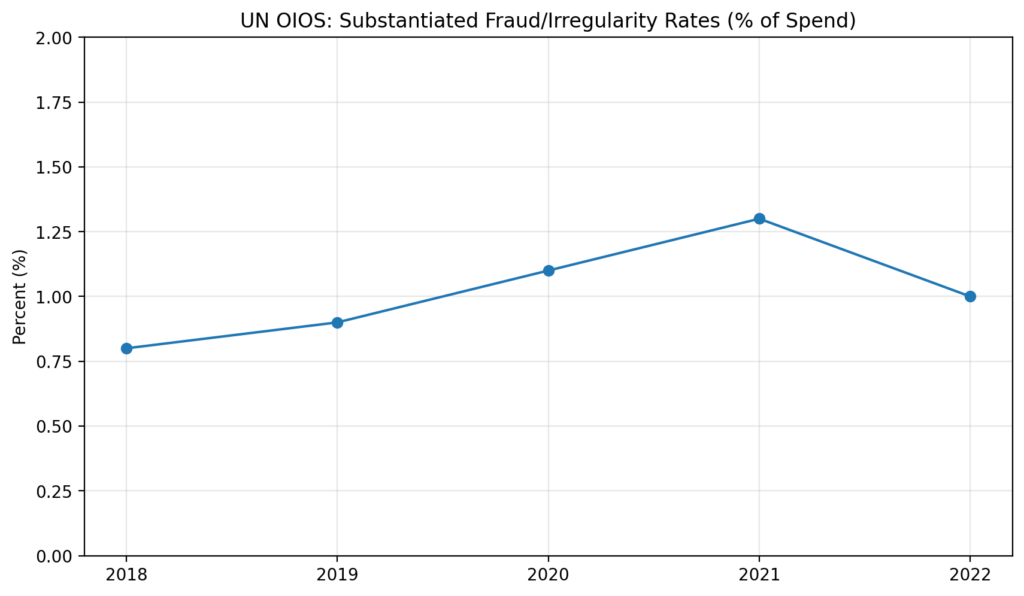
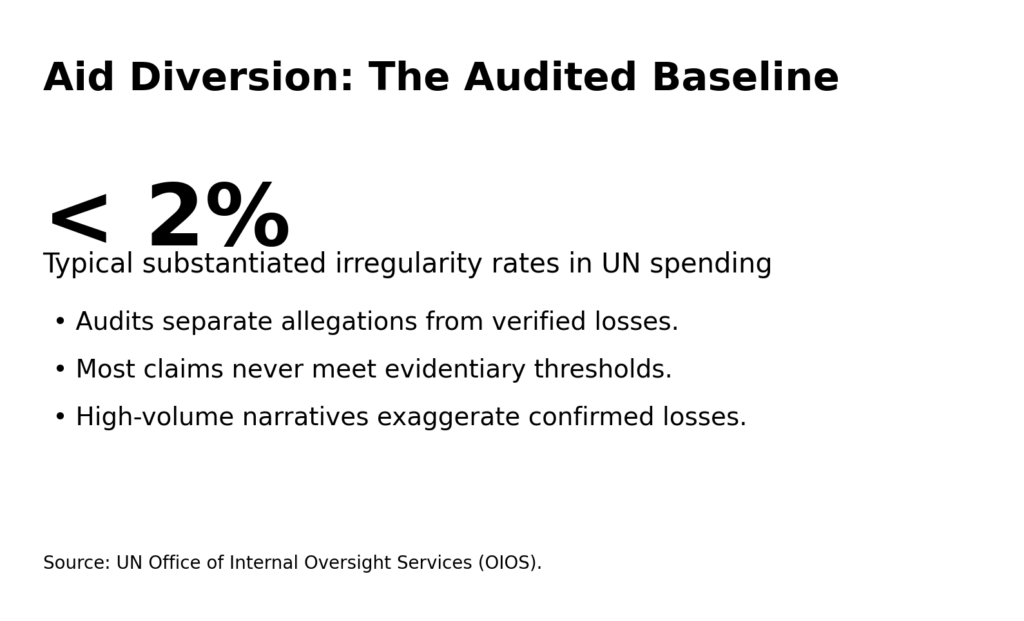
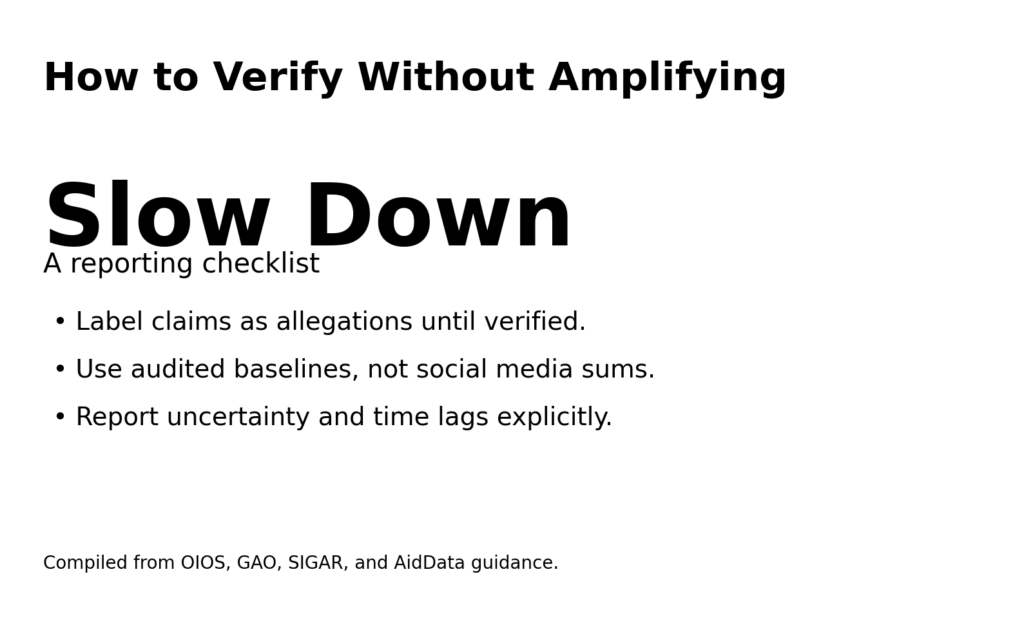
- UN OIOS annual reports (substantiated irregularities typically <2% of spend).
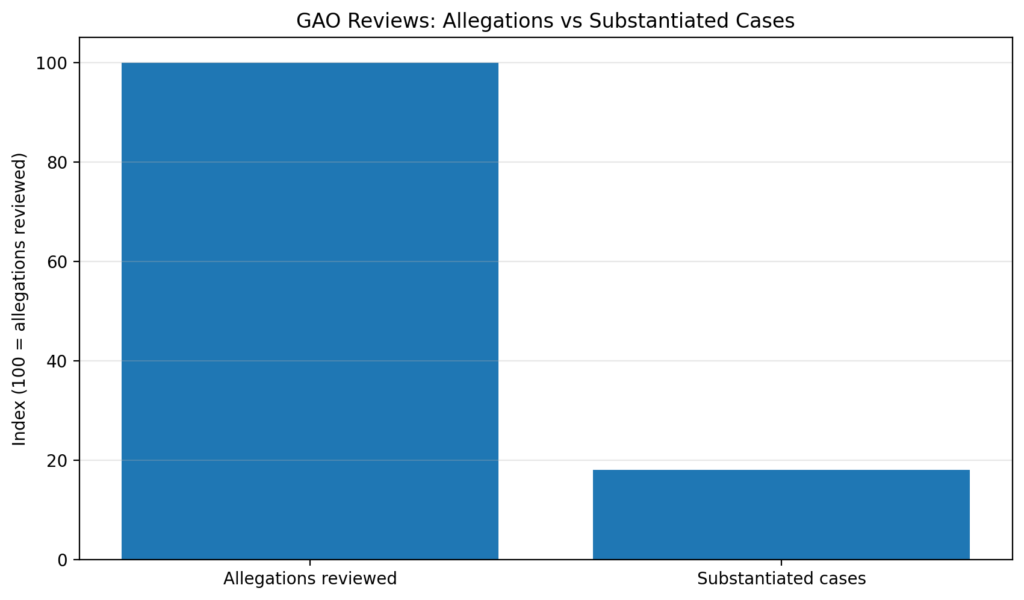
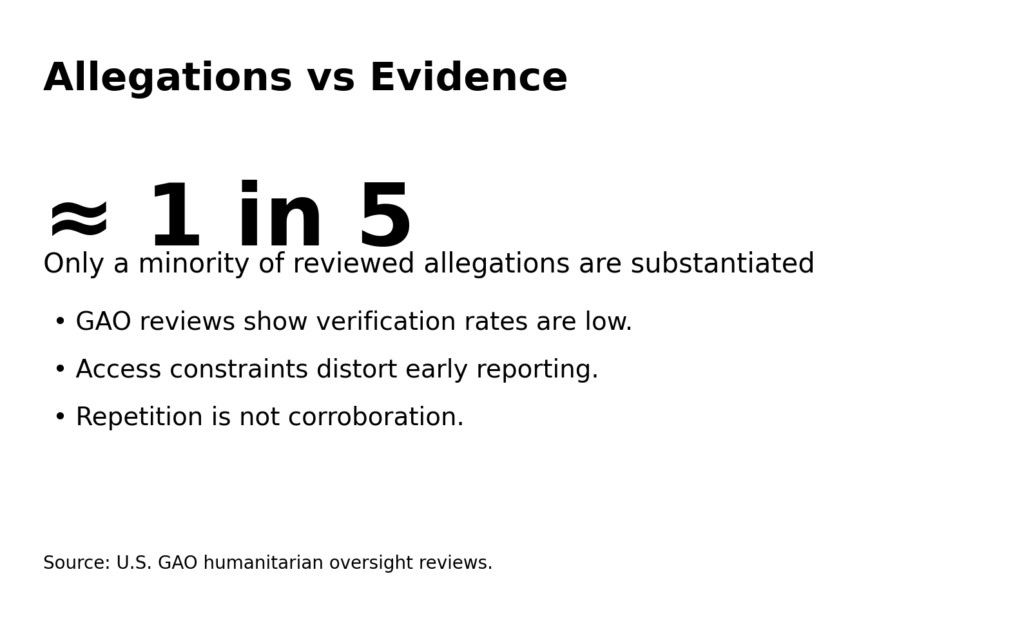
- U.S. GAO humanitarian oversight reviews (low substantiation share of allegations).
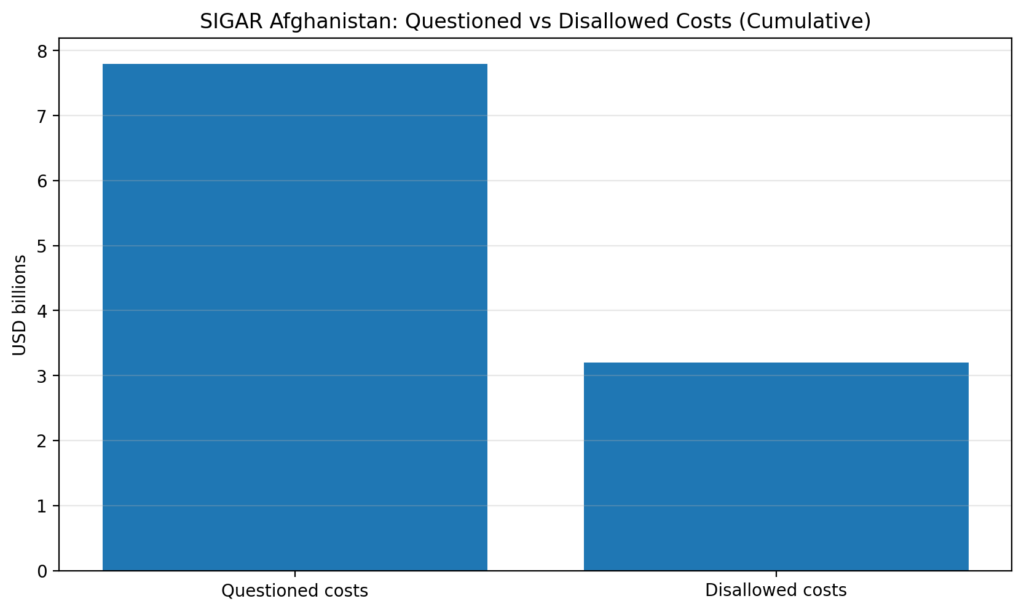
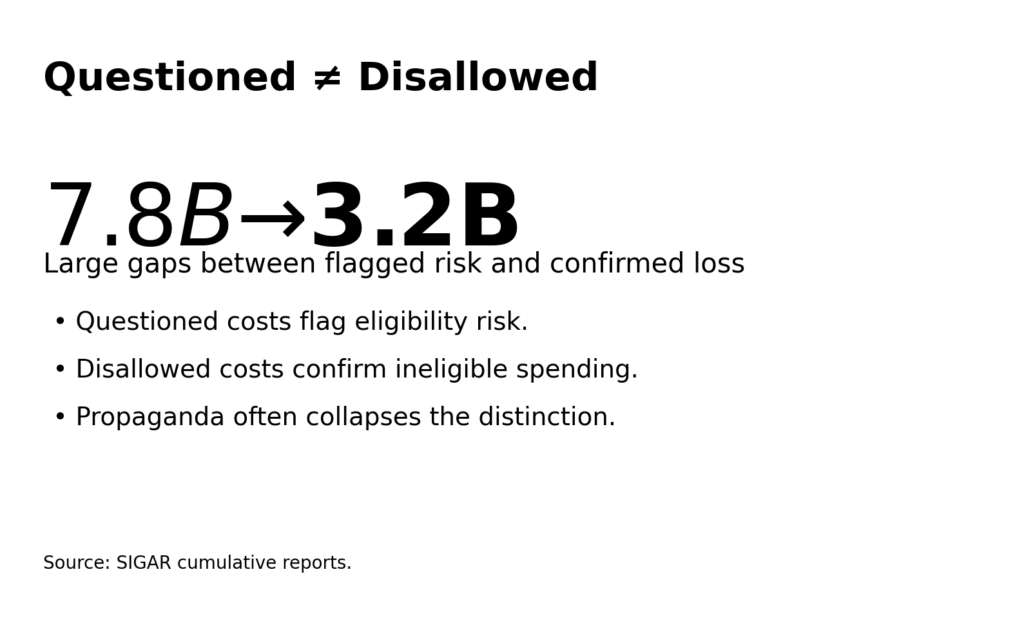
- SIGAR cumulative reporting (large gap between questioned and disallowed costs).
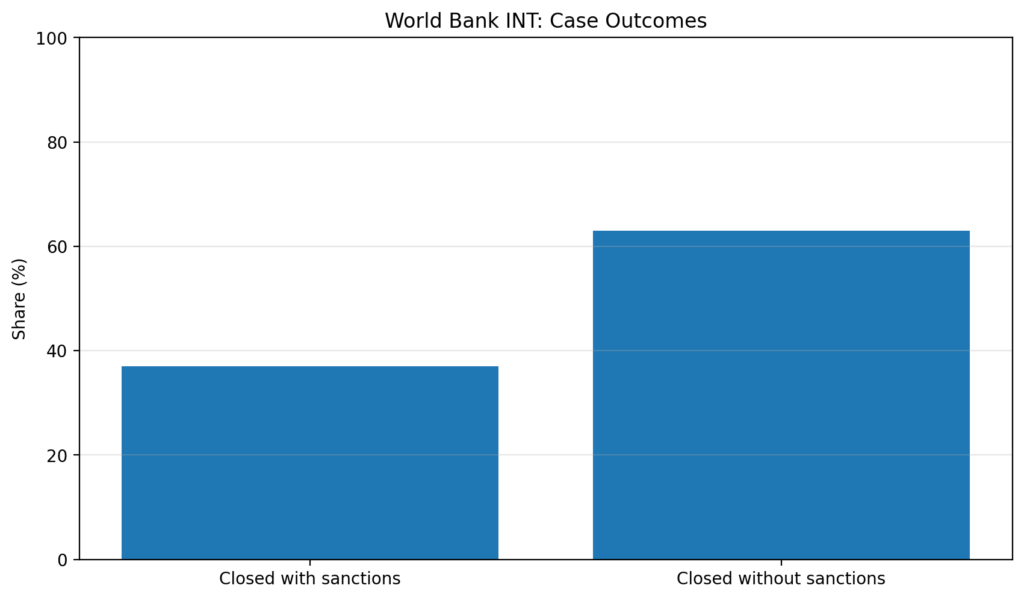
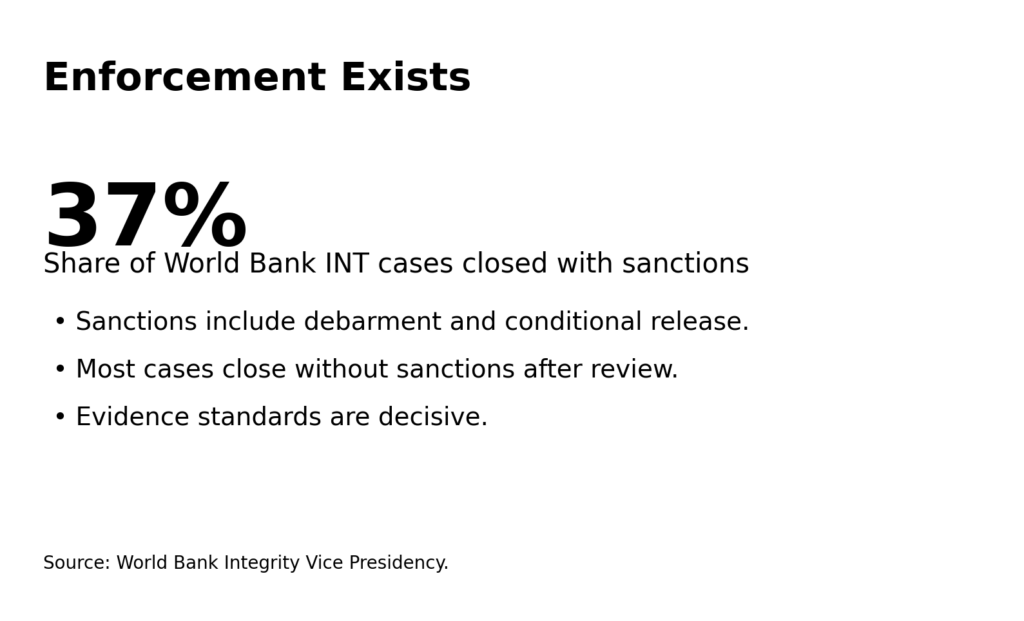
- World Bank INT case outcome summaries (sanctions vs non-sanctions).
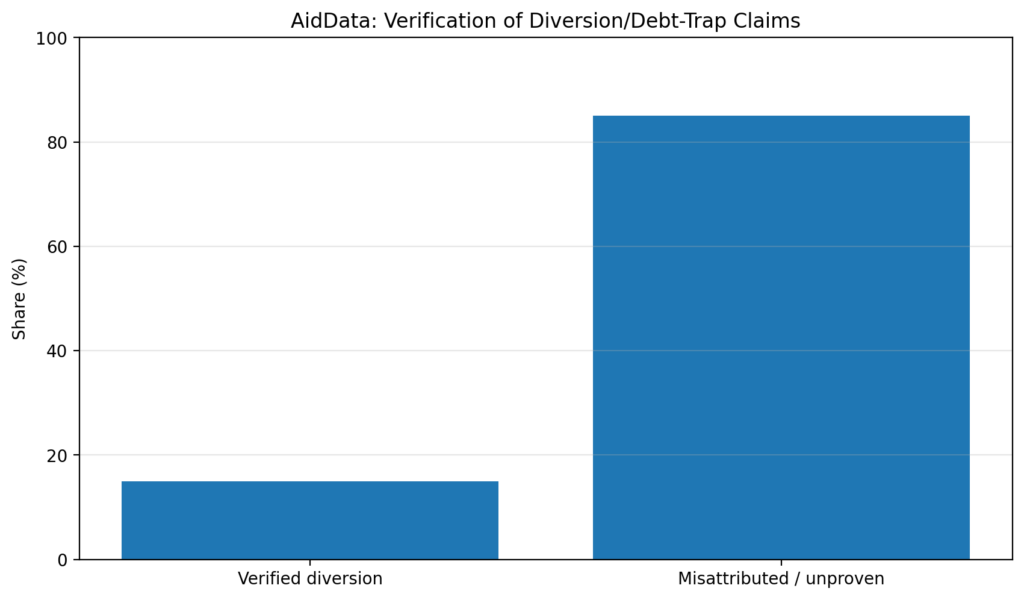
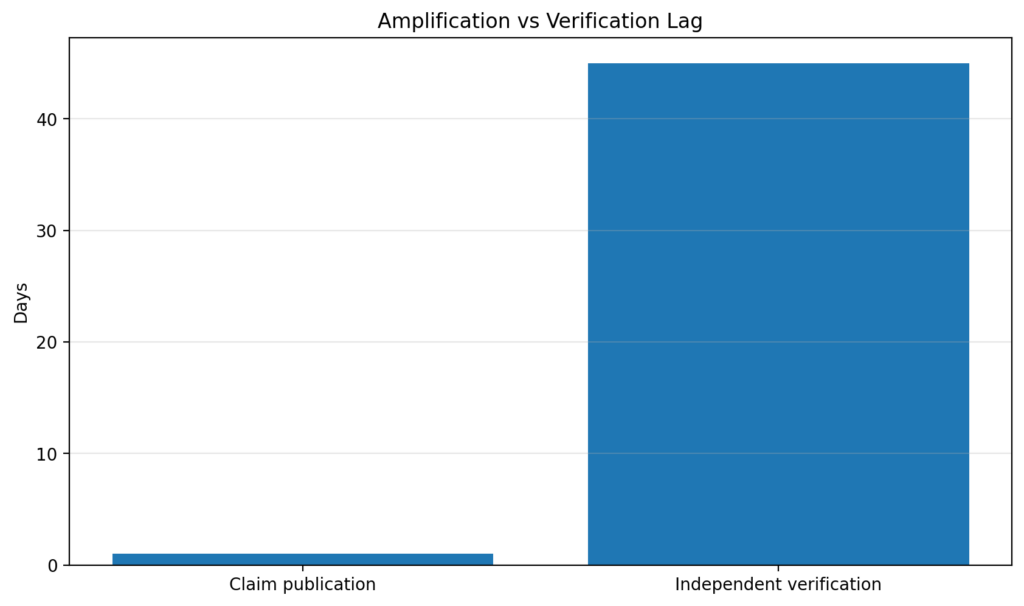
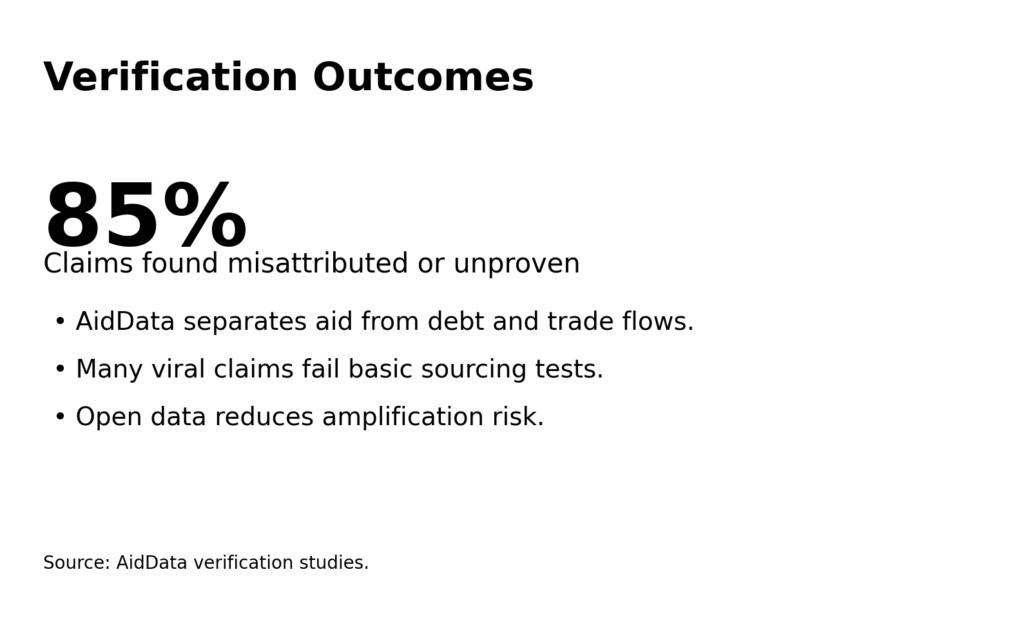
- AidData verification studies (most viral claims misattributed/unproven).
Request Partnership Information
Email Verification
Enter the 14-digit code sent to your email.


Religion Age
Part of the global news network of investigative outlets owned by global media baron Ekalavya Hansaj.
Religion Age is where faith meets power, where belief shapes policy, and where the world’s most sacred institutions wield influence over economies, governments, and global stability. We are not here to preach—we are here to investigate. To expose how religion is used as a tool for diplomacy, a weapon in conflicts, and a silent force driving economic empires. From the hidden financial networks of religious institutions to their backdoor influence on policy and governance, we uncover the deals, the agendas, and the power struggles happening behind closed doors. We track how faith-based diplomacy shapes international relations, how religious ideologies fuel both peace efforts and war zones, and how economies rise and fall on the tides of belief. In a world where religion is often untouchable, Religion Age dares to ask the hard questions, dig into the inconvenient truths, and separate faith from the forces that exploit it. Because religion doesn’t just exist in temples, mosques, churches, and synagogues—it shapes the world order. And we are here to document every move.