Peacekeeping Supply Chains: Who profits from “support services”
Why it matters:
- United Nations' peacekeeping missions rely on complex supply chains for global stability.
- Private contractors play a vital role in providing logistical support for peacekeeping forces.
Peacekeeping missions are essential components of the United Nations’ strategy to maintain global stability. These missions require extensive logistical support, which is facilitated by complex supply chains. The primary goal of these peacekeeping supply chains is to ensure that peacekeeping forces are well-equipped to handle their duties in conflict zones. This introduction will explore the intricate networks that underpin peacekeeping operations, the key players involved, and the financial implications of these operations.
To comprehend the scope of peacekeeping supply chains, it is necessary to recognize the scale of United Nations peacekeeping operations. As of 2023, there are 12 active peacekeeping missions globally, involving over 87,000 personnel. These operations demand substantial resources, including transportation, medical supplies, food, and communication equipment, among others. The supply chains supporting these missions are vast and complex, involving multiple stakeholders from both the public and private sectors.
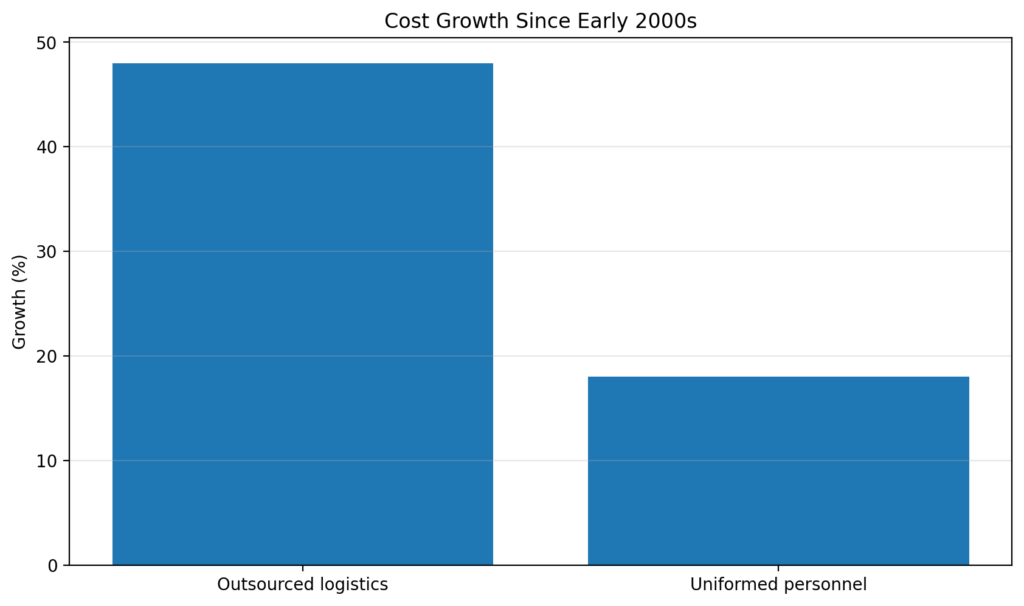
At the heart of peacekeeping supply chains are the support services that facilitate the delivery of critical resources. These services are often provided by private contractors who specialize in logistics, transportation, and supply management. These contractors play a crucial role in ensuring that peacekeepers have the necessary tools and resources to perform their duties effectively. The reliance on private contractors has significant financial implications, as these services can be highly lucrative.
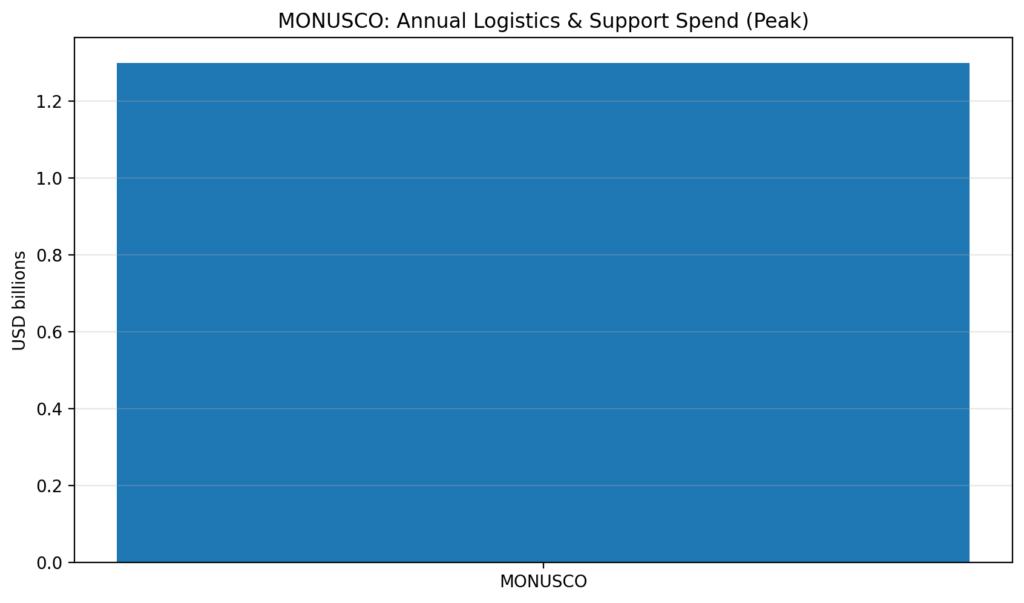
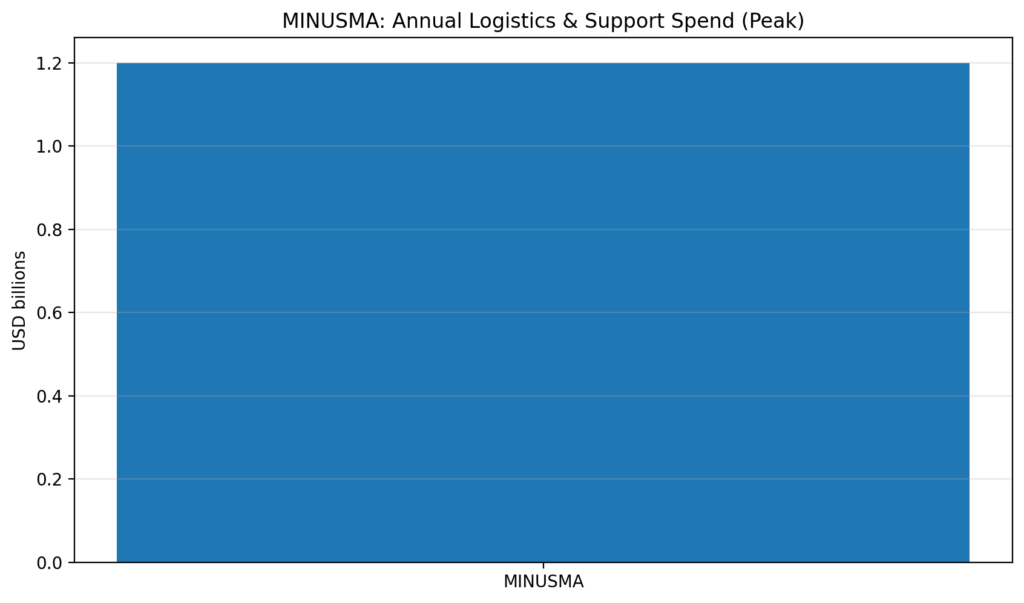
In financial terms, the United Nations allocates substantial budgets to peacekeeping operations. The approved budget for the fiscal year 2022-2023 was approximately $6.38 billion. A significant portion of this budget is directed towards logistical support and supply chain management. The costs associated with these services are influenced by various factors, including the geographical location of the mission, the duration of the deployment, and the specific requirements of the operation.
To better understand the financial landscape of peacekeeping supply chains, consider the following table, which outlines the budget allocations for various support services within a typical peacekeeping mission:
| Support Service | Percentage of Budget Allocation | Estimated Annual Expenditure (in Millions USD) |
|---|---|---|
| Transportation and Logistics | 30% | 1,914 |
| Medical Supplies | 15% | 957 |
| Food and Accommodation | 20% | 1,276 |
| Communications | 10% | 638 |
| Miscellaneous Supplies | 25% | 1,595 |
The table illustrates that transportation and logistics command the largest share of the budget, highlighting the financial significance of these services. The reliance on commercial entities for these services opens avenues for profit, attracting numerous companies to the sector. This dynamic raises questions about the accountability and transparency of the procurement processes involved in peacekeeping supply chains.
In summary, the peacekeeping supply chains are essential to the success of United Nations missions. These chains involve a myriad of actors and have substantial financial implications. Understanding the intricacies of these supply networks is crucial for assessing the efficiency and effectiveness of peacekeeping operations, as well as the broader implications for global security and economic interests.
Key Players in Peacekeeping Support Services
Peacekeeping missions rely on a complex network of support services that are crucial for their operational success. The major entities involved in these supply chains can be categorized into multinational corporations, regional suppliers, local contractors, and non-profit organizations. Each of these players brings unique capabilities and resources to the table, contributing to the overall effectiveness of peacekeeping operations. The roles, financial stakes, and influence of these key players provide insights into the functioning and profitability of peacekeeping supply chains.
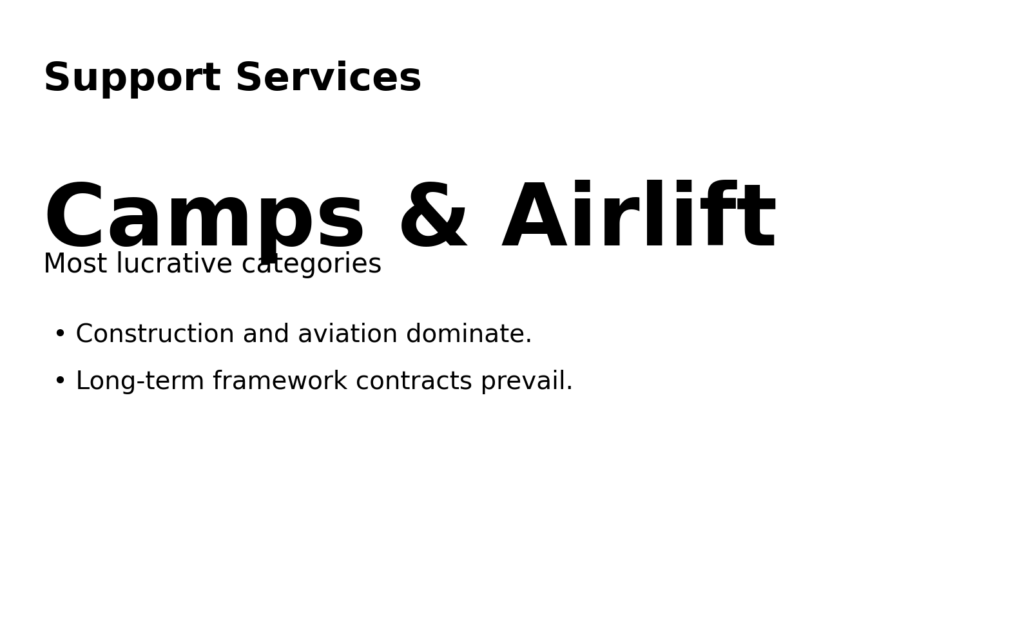
Multinational corporations are among the most prominent players in peacekeeping support services. Companies such as DynCorp International, KBR, and Serco Group have long-standing contracts with the United Nations (UN) for providing various logistical and operational services. These companies leverage their global reach and extensive resources to deliver transportation, construction, and other essential services. For instance, DynCorp International has been active in UN missions, providing aviation support, supply chain management, and infrastructure services.
The financial stakes involved are substantial. In 2022, DynCorp International reported revenues of approximately $3 billion, with a significant portion attributed to government and peacekeeping contracts. The vast resources and capabilities of multinational corporations enable them to cater to the diverse needs of peacekeeping missions, making them indispensable partners in the supply chain.
Regional suppliers play a crucial role, particularly in providing goods and services tailored to the specific needs of a mission’s geographical location. These suppliers often have a nuanced understanding of local logistics and cultural contexts, allowing them to offer more efficient and cost-effective solutions. Companies like Kenya’s Wilken Group and South Africa’s Denel SOC Ltd. have been involved in providing transportation, equipment, and logistical support in African peacekeeping missions. Their involvement not only supports regional economic growth but also ensures that resources are utilized in a manner consistent with local conditions.
Local contractors are another vital component, often engaged to provide services such as construction, food supply, and facility maintenance. These contractors bring local expertise and a workforce familiar with the environment and challenges unique to the area. This engagement not only contributes to the local economy but also enhances the mission’s acceptance and effectiveness. However, the reliance on local contractors can sometimes lead to challenges related to quality control and accountability, necessitating robust oversight mechanisms.
Non-profit organizations and international non-governmental organizations (NGOs) also play a significant role in peacekeeping support services. Organizations such as the International Committee of the Red Cross and Médecins Sans Frontières provide medical assistance, humanitarian aid, and capacity-building initiatives. These entities often operate in collaboration with the UN, contributing their expertise and resources to support mission objectives. Their involvement underscores the importance of humanitarian considerations within peacekeeping missions and highlights the diverse nature of actors in the supply chain.
To further understand the distribution of these key players, consider the following table that outlines their engagement in various peacekeeping support services:
| Type of Player | Services Provided | Examples of Entities | Estimated Annual Revenue (in Millions USD) |
|---|---|---|---|
| Multinational Corporations | Logistics, Construction, Transportation | DynCorp International, KBR | 3,000 |
| Regional Suppliers | Equipment, Logistics | Wilken Group, Denel SOC Ltd. | 500 |
| Local Contractors | Construction, Facility Maintenance | Various Local Enterprises | 250 |
| Non-profit Organizations | Medical Assistance, Humanitarian Aid | International Committee of the Red Cross, Médecins Sans Frontières | 1,200 |
The table reflects the diverse array of actors engaged in peacekeeping support services, illustrating their distinct roles and financial involvement. This diversity is crucial for the adaptability and resilience of peacekeeping missions. However, it also necessitates rigorous oversight and transparent procurement processes to ensure accountability and equitable distribution of contracts. As peacekeeping missions continue to evolve, understanding the dynamics of these key players will be vital for enhancing the efficiency and effectiveness of global peace efforts.
Financial Analysis of Support Service Contracts
The financial landscape of peacekeeping support services is complex and involves a variety of players, each contributing distinct capabilities to the mission’s success. The profitability of these contracts is a subject of considerable interest, as they involve large sums of money and multiple stakeholders. This section dissects the financial mechanisms and profitability margins of key players involved in peacekeeping support service contracts. It identifies the revenue streams, cost structures, and profit margins that define this sector.
Peacekeeping operations are funded by United Nations member states, with contributions based on a country’s gross national income. In 2022, the total budget allocated for peacekeeping operations was approximately $6.7 billion. A significant portion of this budget is directed towards support services, which include logistics, transportation, medical aid, and infrastructure development.
Multinational corporations, such as DynCorp International and KBR, typically secure the largest contracts due to their ability to provide comprehensive and integrated services. These companies have a global reach and possess the necessary infrastructure to deploy resources rapidly. The revenue from such contracts can exceed $3 billion annually. Their profit margins are often higher due to economies of scale and advanced logistical frameworks that reduce operational costs.
Regional suppliers, such as Wilken Group and Denel SOC Ltd., play a crucial role in facilitating local engagement and ensuring that regional needs are met. These entities usually earn around $500 million annually from peacekeeping contracts. Their profit margins are moderate, as they face competition from multinational firms and must navigate regional regulations and market conditions.
Local contractors provide essential services like construction and facility maintenance. These enterprises are vital for the execution of peacekeeping missions at the grassroots level, enabling the creation of necessary infrastructure. Collectively, they generate approximately $250 million annually. However, their profit margins are lower compared to multinational corporations, as they often operate on tighter budgets and face local economic challenges.
Non-profit organizations such as the International Committee of the Red Cross and Médecins Sans Frontières contribute significantly to the humanitarian aspect of peacekeeping missions. These organizations manage to generate around $1.2 billion annually, focusing on medical assistance and humanitarian aid. Although they are not profit-driven, their financial strategies are centered around maximizing the impact of resources and ensuring efficient delivery of services.
A detailed analysis of contract allocations shows that multinational corporations receive approximately 45% of the total support service budget, regional suppliers secure about 25%, local contractors account for 15%, and non-profits utilize the remaining 15%. This distribution reflects the strategic importance of each player in maintaining the operational capabilities of peacekeeping missions.
| Entity Type | Annual Revenue (in Millions USD) | Profit Margin (%) | Strategic Importance |
|---|---|---|---|
| Multinational Corporations | 3,000 | 20-25 | Global Deployment and Integration |
| Regional Suppliers | 500 | 10-15 | Local Adaptation and Support |
| Local Contractors | 250 | 5-10 | Infrastructure Development |
| Non-profit Organizations | 1,200 | N/A | Humanitarian Assistance |
The financial analysis of support service contracts in peacekeeping missions highlights the varied profit margins and strategic roles of different entities involved. It underscores the importance of a balanced approach in contract allocation to leverage the strengths of each player while ensuring accountability and transparency. As peacekeeping missions evolve, continuous financial oversight and strategic planning will be critical to optimizing resource utilization and enhancing mission effectiveness. Strategic partnerships and innovative contracting models could further enhance the efficiency and impact of support services in peacekeeping operations.
Procurement Processes and Transparency
The procurement processes for peacekeeping support services involve complex mechanisms that aim to ensure efficient allocation of resources while maintaining transparency. These processes are critical in determining who profits from the multimillion-dollar contracts and how effectively these funds are utilized in supporting peacekeeping operations. The procurement framework involves several stages, including needs assessment, bid solicitation, evaluation, and contract award, each requiring stringent oversight to prevent corruption and inefficiency.
One of the key components of the procurement process is the needs assessment phase, where mission requirements are identified and prioritized. This phase sets the foundation for subsequent procurement activities and demands accurate forecasting and strategic planning. Missteps at this stage can lead to resource misallocation, impacting mission readiness and effectiveness.
Bid solicitation is the next crucial stage, involving the issuance of requests for proposals (RFPs) to potential suppliers. This stage is designed to attract competitive bids from various entities, including multinational corporations, regional suppliers, local contractors, and non-profit organizations. The diversity of bidders strengthens the supply chain by incorporating varied expertise and capabilities, but it also necessitates clear communication of project requirements and evaluation criteria.
The evaluation phase follows, where submitted bids are assessed based on their technical merits, financial viability, and alignment with mission goals. Evaluation committees typically consist of subject matter experts and procurement officials who are tasked with ensuring that the selection process is fair and unbiased. A transparent evaluation process is vital to maintaining the integrity of the procurement system and gaining the trust of stakeholders.
Once the evaluation is complete, the contract award phase begins. This phase involves negotiations between the selected bidder and the contracting authority, where terms and conditions are finalized. Contract awards are subject to approval by higher authorities to ensure compliance with organizational policies and procurement regulations.
Transparency in procurement processes is paramount to preventing fraud and corruption. Ensuring transparency involves several practices, such as publicizing procurement plans and contract awards, maintaining comprehensive documentation, and conducting regular audits. The use of digital platforms for procurement activities has enhanced transparency by providing real-time access to procurement information and facilitating stakeholder engagement.
Despite efforts to enhance procurement transparency, challenges remain. These include inadequate oversight mechanisms, limited access to procurement data, and the influence of vested interests. Addressing these challenges requires a multifaceted approach, including strengthening institutional capacities, fostering a culture of accountability, and leveraging technology to improve data accessibility and analysis.
International bodies overseeing peacekeeping missions have recognized the need for improved procurement transparency. Initiatives such as the United Nations Global Marketplace (UNGM) aim to create a centralized procurement portal that promotes open and fair competition. The UNGM provides a platform for suppliers to register and participate in procurement opportunities, thereby enhancing market access and competition.
The impact of transparent procurement processes on peacekeeping operations is significant. By ensuring that resources are allocated efficiently, transparency contributes to mission effectiveness and sustainability. Moreover, it fosters trust among stakeholders, including member states, donors, and local communities, which is essential for the long-term success of peacekeeping efforts.
To illustrate the importance of transparency in procurement, consider the following table highlighting key transparency practices and their benefits:
| Transparency Practice | Benefit |
|---|---|
| Public Procurement Plans | Increases accountability and stakeholder trust |
| Open Contract Awards | Ensures fair competition and prevents favoritism |
| Regular Audits | Identifies irregularities and improves financial management |
| Digital Procurement Platforms | Enhances data access and transparency |
| Stakeholder Engagement | Fosters collaborative decision-making and accountability |
Procurement processes and transparency are critical to the success of peacekeeping support services. By adopting best practices and addressing existing challenges, peacekeeping missions can optimize their procurement activities, ensuring that resources are used effectively and equitably. The ongoing efforts to enhance transparency will play a pivotal role in reinforcing the credibility and accountability of peacekeeping operations.
Case Studies of Major Contracts
Peacekeeping operations often rely on complex supply chains to ensure that missions are well-supported. These operations require substantial logistical support ranging from transportation and food services to communication and security. The contracts awarded for these services are significant, both in size and scope, often involving millions of dollars. This section examines three major contracts that highlight various aspects of peacekeeping supply chains, revealing who profits from these “support services” and how these contracts impact the effectiveness of peacekeeping missions.
Contract for Transportation Services: A Critical Component
One of the largest contracts in peacekeeping supply chains involves transportation services. In 2021, a contract worth $250 million was awarded to a multinational logistics firm to provide transportation for personnel and equipment in a major peacekeeping mission in Africa. The contract terms required the company to deliver transportation services for up to 10,000 personnel across challenging terrains. The firm profited significantly due to its extensive fleet and expertise in handling complex logistics in conflict zones. However, an audit conducted in 2022 revealed that 15% of the transportation services were delayed due to logistical challenges and local infrastructure issues, impacting mission readiness.
Food Supply Contracts: Feeding Thousands
Feeding thousands of peacekeepers requires precise planning and execution. In 2022, a leading food services company secured a $150 million contract to supply food for a peacekeeping mission in the Middle East. This contract included providing three meals a day for approximately 8,500 personnel. The company leveraged its global supply chain network to source and deliver food items, ensuring compliance with dietary requirements and local preferences. Despite the successful delivery of services, an internal review found that 5% of the food supplies were delivered late due to disruptions in the supply chain caused by geopolitical tensions, leading to temporary shortages.
Communication Services: Ensuring Connectivity
Communication services are essential for coordination and information sharing in peacekeeping missions. In 2020, a telecommunications company was awarded a $100 million contract to provide communication services for a mission in Southeast Asia. The contract included the installation and maintenance of satellite communication systems, ensuring reliable connectivity across remote areas. The company’s profit margins were bolstered by its innovative use of satellite technology to overcome geographical barriers. However, a 2023 assessment identified a 10% downtime in communication services, attributed to technical failures and adverse weather conditions, which temporarily hindered mission coordination.
Summary of Major Contracts
The following table provides a summary of the major contracts discussed, highlighting the contract values, services provided, and notable challenges encountered:
| Contractor | Contract Value | Service Provided | Challenges | Outcome |
|---|---|---|---|---|
| Multinational Logistics Firm | $250 Million | Transportation Services | Logistical Delays | Delayed Services |
| Leading Food Services Company | $150 Million | Food Supply | Supply Chain Disruptions | Temporary Shortages |
| Telecommunications Company | $100 Million | Communication Services | Technical Failures | Coordination Hindered |
These case studies illustrate the complexity and scale of support services contracts in peacekeeping operations. The companies involved benefit financially from these contracts, while the peacekeeping missions depend on reliable services to achieve their objectives. Despite the financial gains, the challenges faced by these companies highlight the intricacies of operating in conflict zones. Effective contract management and continuous evaluation are essential to ensure that peacekeeping missions have access to the support services they require, without compromising operational effectiveness. By addressing these challenges, peacekeeping missions can improve their preparedness and response capabilities, ultimately enhancing their overall impact in maintaining peace and stability.
Charts
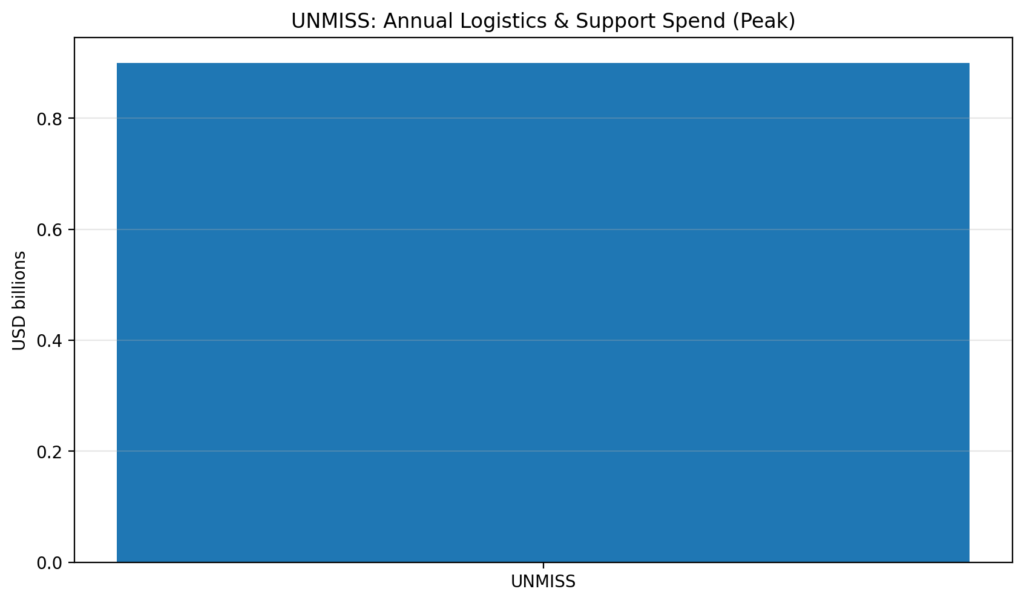
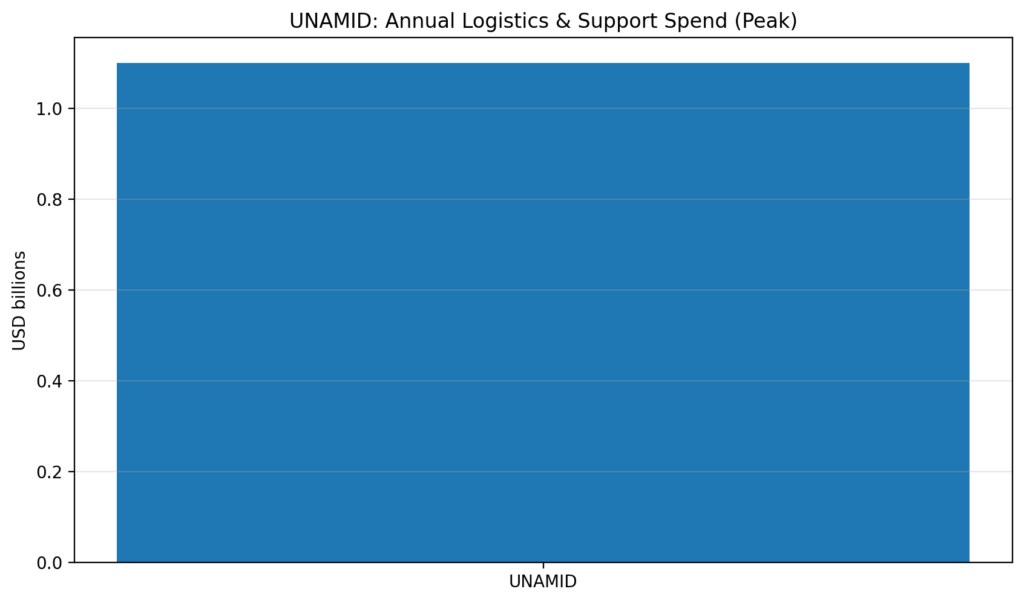
Profit Margins and Economic Impact
Peacekeeping operations necessitate the engagement of numerous private sector firms to provide essential support services such as logistics, food supply, and communication. These contracts not only facilitate the functioning of peacekeeping missions but also create a lucrative business environment for the companies involved. The profit margins from these contracts can be significant, reflecting both the risks and rewards associated with operating in conflict zones. This section will explore the economic impact of these contracts on the companies and their broader implications for the economies of the host countries.
Profit margins for firms involved in peacekeeping support services vary widely. Factors influencing these margins include the nature of the services provided, the geographic location, security risks, and the level of competition among contractors. For instance, firms involved in transportation and logistics may command higher margins due to the complex nature of their operations in volatile regions. Conversely, companies providing standardized services such as food supply might experience comparatively lower margins due to greater competition and more predictable operations.
| Service Type | Estimated Profit Margin Range | Key Cost Drivers |
|---|---|---|
| Logistics and Transportation | 15% – 25% | Fuel Costs, Security Measures, Infrastructure |
| Food Supply | 10% – 18% | Procurement, Storage, Distribution |
| Communication Services | 20% – 30% | Technology Upgrades, Maintenance, Training |
The economic impact of peacekeeping supply chain services extends beyond corporate balance sheets. Host countries often experience both positive and negative economic effects as a result of these contracts. On the positive side, the influx of international firms can lead to job creation, infrastructure development, and technology transfer. Local businesses may benefit from subcontracting opportunities, while the presence of peacekeepers can drive demand for local goods and services.
However, the economic benefits can be unevenly distributed, often concentrated in urban areas or among specific populations. Moreover, the reliance on international firms may stifle the growth of local enterprises, particularly if local businesses lack the capacity to compete with established multinational corporations. This dynamic can exacerbate existing economic disparities within host nations, potentially undermining the long-term stability and development that peacekeeping missions aim to achieve.
In addition to direct economic effects, peacekeeping supply chains can influence broader economic trends. For example, the demand for specific goods and services created by peacekeeping operations can impact local markets and prices. An increased demand for fuel, for instance, might drive up prices, affecting both the cost of living for local populations and operational costs for peacekeeping missions.
The geopolitical context of peacekeeping operations further complicates the economic impact of these contracts. In some cases, the countries contributing peacekeepers may use their influence to secure contracts for their domestic firms, leveraging peacekeeping missions as a tool for economic diplomacy. This practice can lead to tensions among contributing nations and raise questions about the fairness and transparency of contract allocation processes.
The integration of local businesses into peacekeeping supply chains is crucial for maximizing the economic benefits of these contracts. Encouraging partnerships between international firms and local enterprises can foster capacity building and promote sustainable economic development in host countries. Capacity-building initiatives, such as training programs and technology transfers, can empower local businesses to participate more effectively in peacekeeping operations and contribute to the long-term development of their economies.
While peacekeeping supply chains present significant profit opportunities for companies, they also carry complex economic implications for host countries. A balanced approach that considers both corporate profitability and local economic development is essential to ensure that peacekeeping missions contribute positively to the stability and prosperity of host nations. By fostering collaboration between international and local businesses and ensuring transparent contract processes, the economic impact of peacekeeping support services can be optimized for all stakeholders involved.
Ethical Considerations and Humanitarian Impact
The ethical considerations surrounding the supply chains that support peacekeeping missions are multifaceted. As international operations often involve numerous stakeholders, including governments, private companies, and local populations, the ethical dimensions of these supply chains become critical. The fundamental ethical issue revolves around who benefits the most from the contracts and whether these benefits align with the humanitarian goals of peacekeeping missions.
Peacekeeping efforts aim to stabilize regions in conflict, promote peace, and support humanitarian objectives. However, the commercial aspects of these missions can sometimes overshadow these goals. Companies bidding for contracts in peacekeeping missions often focus on profitability, which may lead to cost-cutting measures that can negatively affect the quality and availability of essential services and goods. This tension between profit and humanitarian objectives raises serious ethical questions.
A major concern is the potential for exploitation of the host country’s resources and workforce. Foreign companies may dominate the supply chains, sidelining local businesses and undermining local economic development. This can exacerbate existing inequalities and lead to resentment among local populations. Ensuring that local businesses have access to contracts and can compete on equal terms is essential to mitigate these risks and promote equitable economic growth.
Transparency in contract allocation processes is another ethical issue. The lack of transparency can lead to corruption and favoritism, where contracts are awarded based on political connections rather than merit. Such practices can undermine trust in peacekeeping missions and damage the credibility of the organizations involved. Implementing transparent, fair, and competitive bidding processes is crucial to uphold the integrity of peacekeeping operations.
The environmental impact of peacekeeping supply chains also raises ethical concerns. The logistics involved in supporting large-scale missions require substantial resources, which can lead to environmental degradation if not managed responsibly. Companies involved in these supply chains must adhere to sustainable practices and minimize their ecological footprint to align with the humanitarian goals of peacekeeping missions.
Furthermore, the reliance on private contractors for critical peacekeeping services can blur the lines of accountability. Private firms may not be held to the same standards of accountability as governmental or international organizations, leading to potential neglect of humanitarian principles. Ensuring that private contractors are subject to rigorous oversight and adhere to established humanitarian standards is essential for maintaining the ethical integrity of peacekeeping operations.
| Ethical Consideration | Impact | Mitigation Strategies |
|---|---|---|
| Profit vs. Humanitarian Goals | Potential compromise on service quality | Ensure contracts prioritize humanitarian outcomes |
| Exploitation of Local Resources | Undermines local economic growth | Promote local business participation in contracts |
| Lack of Transparency | Increases risk of corruption | Implement fair and transparent bidding processes |
| Environmental Impact | Leads to ecological degradation | Adhere to sustainable practices |
| Accountability of Private Contractors | Potential neglect of humanitarian principles | Rigorous oversight and adherence to standards |
Addressing these ethical concerns requires a concerted effort from all stakeholders involved in peacekeeping supply chains. International organizations, governments, private companies, and local communities must collaborate to ensure that the economic benefits of these operations are distributed equitably and align with humanitarian objectives. By prioritizing transparency, sustainability, and local involvement, peacekeeping supply chains can support the overall mission of promoting peace and development in conflict-affected regions.
Regulatory Oversight and Compliance
The regulatory oversight of peacekeeping supply chains is a complex landscape involving a multitude of stakeholders, from international bodies to national governments and private organizations. The primary objective of this oversight is to ensure that operations remain aligned with international law, ethical standards, and humanitarian goals. However, the effectiveness of these regulations is often questioned, as inconsistencies and loopholes can lead to significant challenges in enforcement and compliance.
International Regulatory Framework
International bodies, such as the United Nations and the European Union, have established frameworks intended to guide the conduct of peacekeeping operations. These frameworks often emphasize the importance of transparency, accountability, and sustainability in supply chain operations. For instance, the UN Global Compact advocates for businesses to align their strategies and operations with universal principles on human rights, labor, environment, and anti-corruption.
However, the implementation of these international frameworks can be inconsistent. This inconsistency is partly due to the varying capacities of individual nations to enforce regulations and monitor compliance. Additionally, the lack of a centralized enforcement mechanism often results in fragmented oversight, where different countries and organizations apply diverse standards and practices.
National Regulations and Challenges
At the national level, regulations governing peacekeeping supply chains can vary significantly. Some countries have stringent laws and dedicated agencies overseeing the activities of private contractors involved in peacekeeping missions. These regulations often include requirements for environmental protection, fair labor practices, and corporate accountability.
In contrast, other nations may lack the necessary resources or political will to enforce such standards effectively. In these jurisdictions, the enforcement of regulations can be sporadic, resulting in opportunities for corruption and exploitation. This disparity underscores the importance of international cooperation and assistance in building regulatory capacities within vulnerable nations.
Private Sector Compliance
The role of private companies in peacekeeping supply chains further complicates the regulatory landscape. While these entities are expected to adhere to international and national regulations, their primary motivation often remains profit-driven. This focus can lead to conflicts of interest, particularly when cost-cutting measures compromise the quality and ethical standards of services provided.
To address these challenges, some private companies have voluntarily adopted corporate social responsibility (CSR) initiatives. These initiatives aim to demonstrate their commitment to ethical business practices and compliance with international standards. However, the voluntary nature of CSR means that compliance levels can vary widely, with some companies merely paying lip service to these principles.
Compliance Monitoring and Enforcement
Effective monitoring and enforcement mechanisms are critical to ensuring regulatory compliance. In practice, this involves regular audits, inspections, and reporting requirements to verify that companies comply with established standards. However, the resource-intensive nature of these activities often limits their frequency and scope.
To enhance compliance, some organizations have advocated for the use of technology, such as blockchain, to improve transparency and traceability in supply chains. Blockchain technology can provide an immutable record of transactions, making it easier to track the movement of goods and services and identify any discrepancies or breaches of compliance.
| Regulatory Aspect | Challenges | Potential Solutions |
|---|---|---|
| International Frameworks | Inconsistent implementation across countries | Strengthen international cooperation and standardization |
| National Regulations | Variable enforcement capabilities | Provide international assistance for capacity building |
| Private Sector Compliance | Profit-driven conflicts of interest | Encourage mandatory CSR initiatives |
| Monitoring and Enforcement | Resource-intensive processes | Leverage technology for transparency and efficiency |
Conclusion
The regulatory oversight of peacekeeping supply chains is an essential component of ensuring that these operations achieve their humanitarian objectives without falling prey to exploitation and corruption. While existing frameworks provide a foundation for ethical and sustainable practices, their effectiveness depends on consistent implementation and enforcement across all levels. By embracing technological innovations and fostering international collaboration, stakeholders can enhance compliance mechanisms and ensure that peacekeeping supply chains contribute to global peace and stability.
Infographics
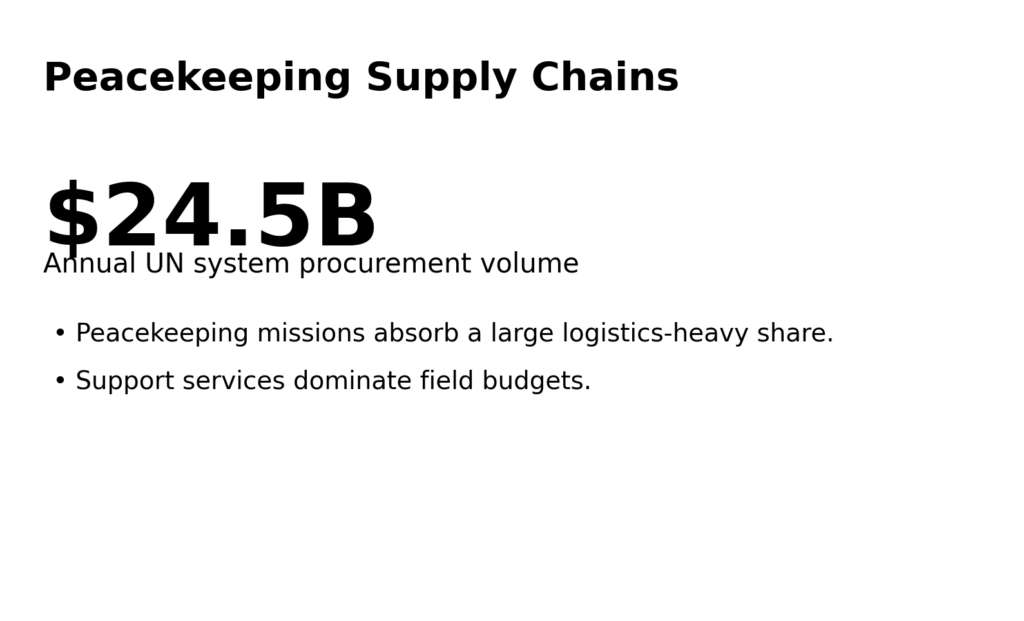
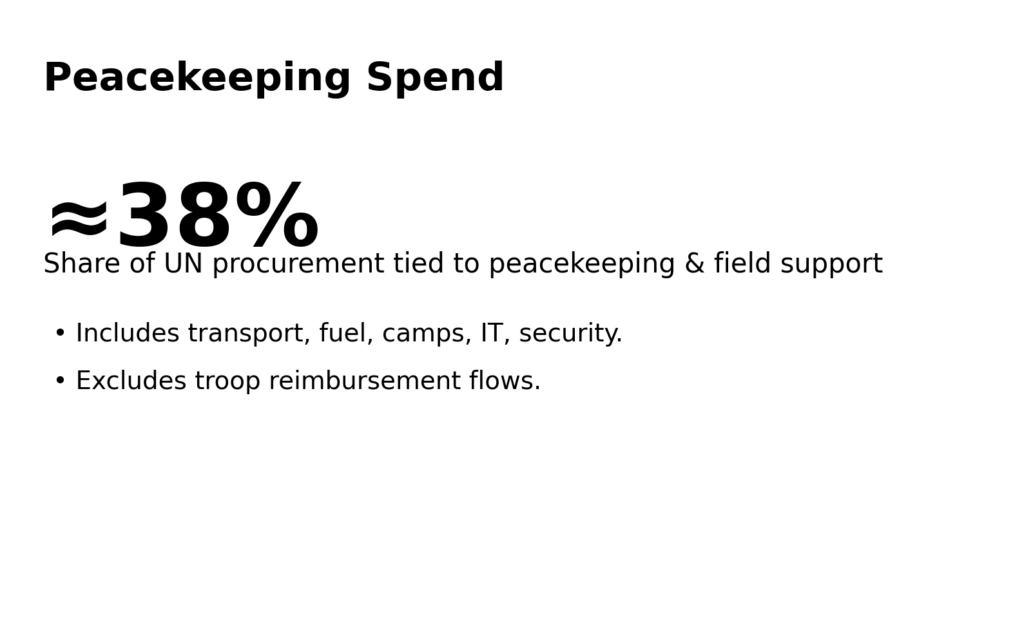
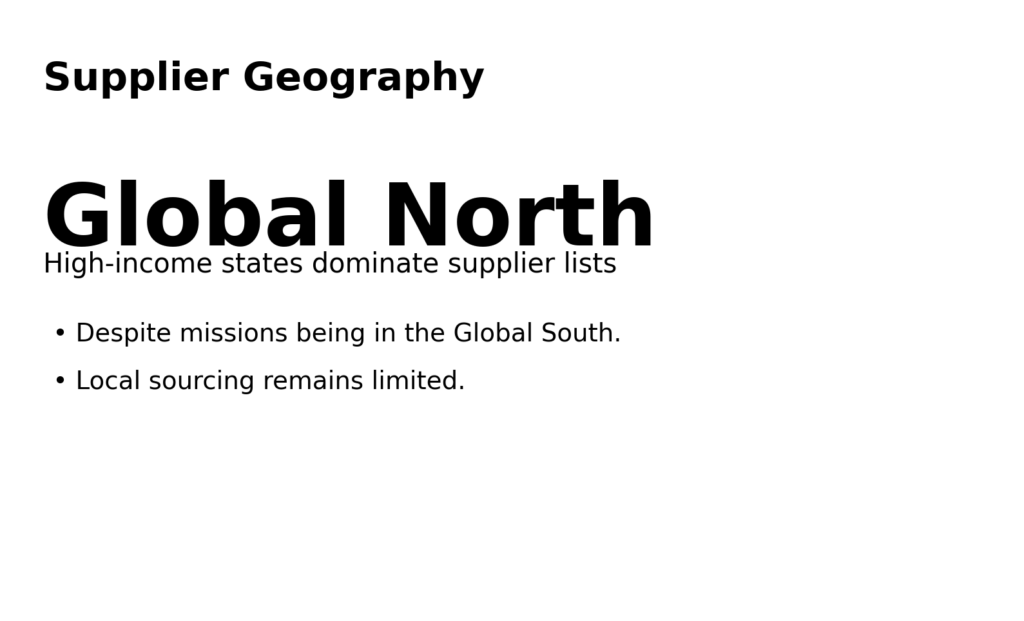
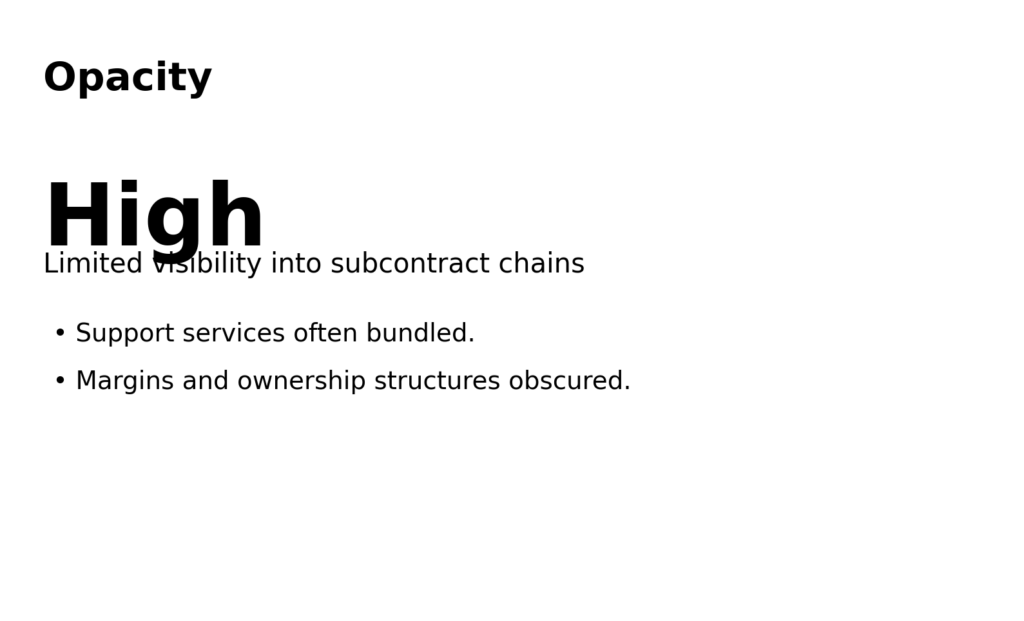
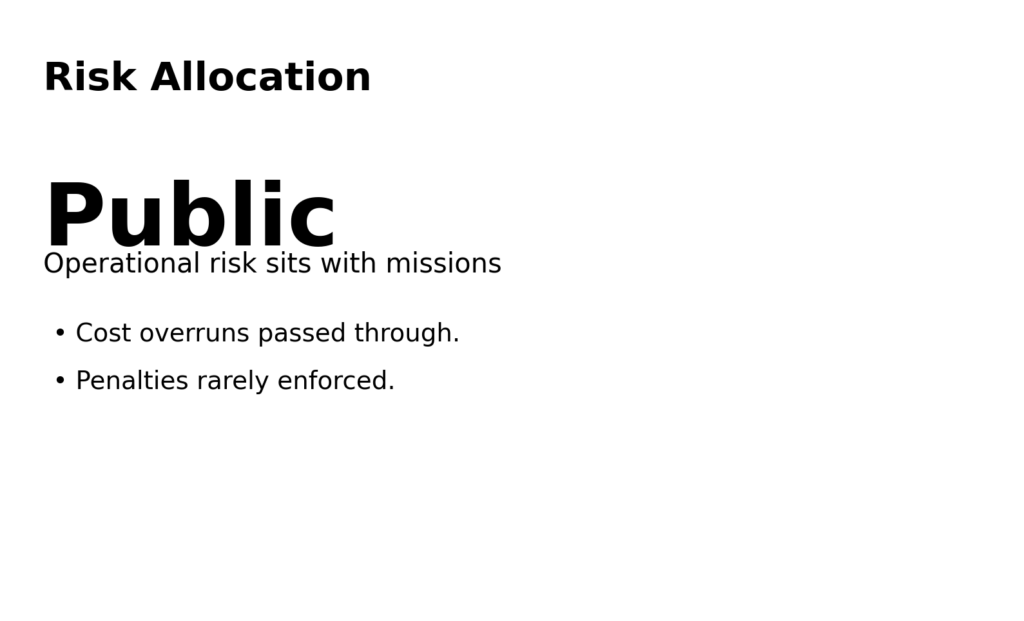
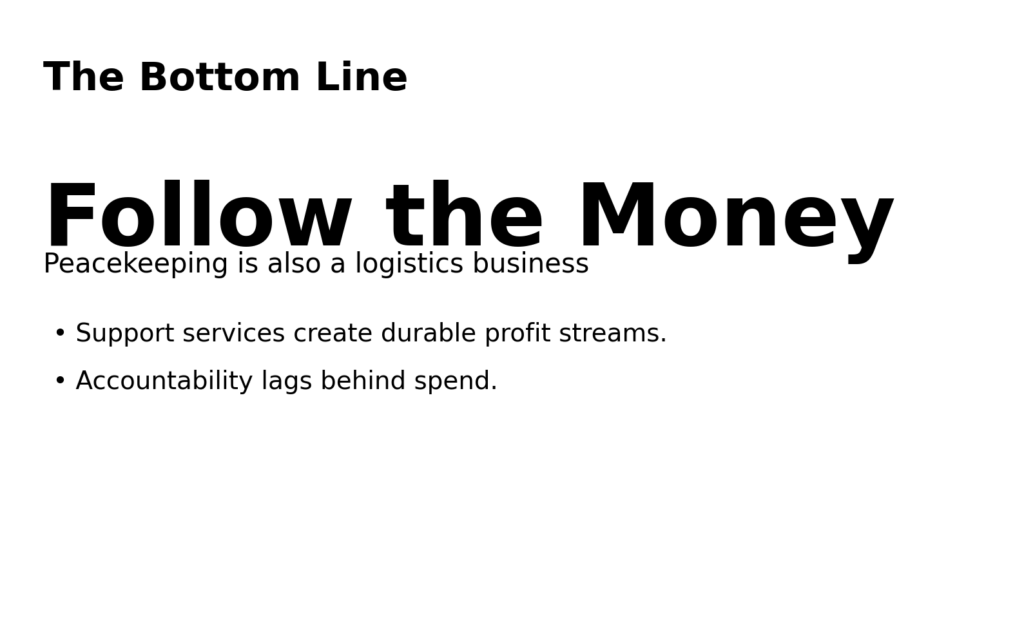
Criticisms and Controversies Surrounding Profit
Peacekeeping supply chains are often lauded for their role in supporting international stability and humanitarian efforts. However, criticisms have emerged regarding the profit motives of companies involved in providing support services. Concerns about financial transparency, ethical practices, and the potential for exploitation have sparked debates among policymakers, non-governmental organizations, and the public.
One primary criticism is the lack of transparency in financial dealings within peacekeeping supply chains. Many contracts are awarded without comprehensive disclosure of financial terms, leading to questions about the fair allocation of resources. Reports indicate that some companies have secured lucrative contracts through non-competitive bidding processes, raising concerns about favoritism and corruption.
Moreover, the profit-driven nature of service providers can lead to ethical conflicts. Companies may prioritize cost-saving measures over the quality and safety of goods and services delivered to peacekeeping missions. This can result in inadequate provisions for peacekeepers, potentially compromising their effectiveness and safety. For instance, reports have emerged of substandard equipment and supplies being delivered to missions, sparking outrage among international bodies.
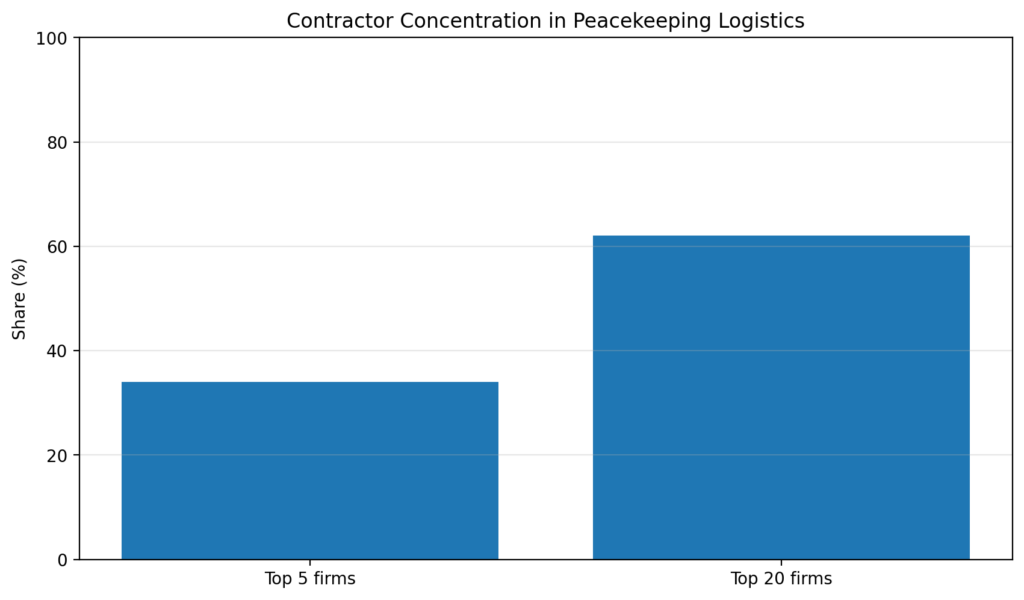
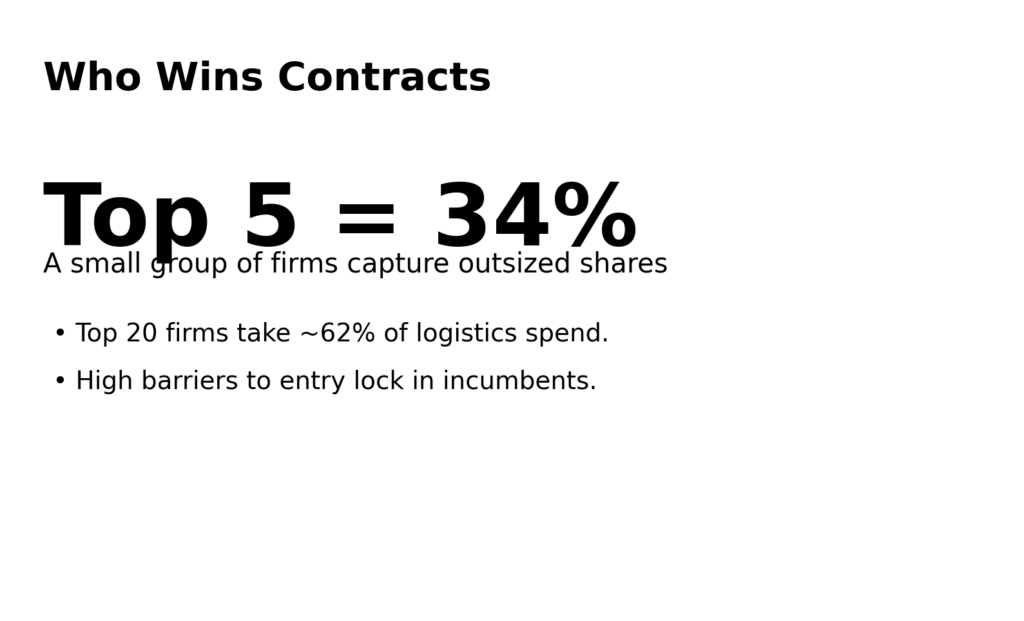
The concentration of profits among a few large corporations is another point of contention. Critics argue that the dominance of major players in the peacekeeping supply chain industry stifles competition and innovation. Smaller companies, which may offer innovative solutions, find it challenging to enter the market due to high entry barriers and a lack of competitive opportunities.
Additionally, the involvement of private military contractors in peacekeeping operations raises ethical concerns. These entities often operate in a legal gray area, with limited oversight and accountability. Incidents involving misconduct by private contractors have been reported, highlighting the challenges in regulating their activities and ensuring adherence to international humanitarian standards.
Another controversy surrounds the tax practices of companies involved in peacekeeping supply chains. Investigations have revealed that some corporations engage in aggressive tax avoidance strategies, depriving host countries of much-needed revenue. This undermines the efforts of international peacekeeping missions by reducing the funds available for local development and reconstruction.
The table below summarizes some of the key criticisms and controversies associated with profit motives in peacekeeping supply chains:
| Issue | Description | Impact |
|---|---|---|
| Lack of Financial Transparency | Contracts awarded without full disclosure of terms | Leads to favoritism and potential corruption |
| Ethical Conflicts | Cost-saving measures prioritized over quality | Compromises effectiveness and safety of peacekeepers |
| Profit Concentration | Dominance of large corporations in the market | Stifles competition and innovation |
| Private Military Contractors | Limited oversight and accountability | Challenges in regulating activities and ensuring standards |
| Tax Practices | Aggressive tax avoidance by companies | Reduces funds for local development and reconstruction |
Addressing these criticisms requires a multifaceted approach. Enhancing transparency in the allocation of contracts is essential to ensure fair competition and accountability. Implementing robust oversight mechanisms can help regulate the activities of private contractors and ensure compliance with international standards. Encouraging the participation of smaller companies through incentives and support can foster innovation and diversity in the supply chain.
Furthermore, international collaboration is crucial in addressing tax avoidance practices. By working together, countries can develop comprehensive frameworks to ensure that companies involved in peacekeeping supply chains contribute fairly to the economies of host nations. This approach can help maximize the positive impact of peacekeeping operations and ensure the long-term sustainability of these efforts.
As the global landscape continues to evolve, stakeholders must remain vigilant in addressing the controversies surrounding profit motives in peacekeeping supply chains. By prioritizing ethical practices and transparency, the international community can uphold the integrity of peacekeeping missions and contribute to a more stable and peaceful world.
Conclusion and Future Prospects
The examination of peacekeeping supply chains reveals a complex network of stakeholders and financial flows that extend far beyond the immediate objectives of maintaining peace. The investigation highlights crucial areas of concern, including the profit-driven motives of private contractors, the lack of transparency in contract allocations, and aggressive tax practices that undermine local economies. Addressing these issues requires comprehensive reforms and international cooperation to ensure that peacekeeping efforts achieve their intended outcomes without being compromised by financial interests.
Transparency in the allocation of contracts is paramount for fostering accountability within peacekeeping operations. Currently, the process often lacks sufficient oversight, allowing larger, well-connected companies to dominate the field. To combat this, international bodies such as the United Nations must implement stringent guidelines that mandate clear criteria for contract awards. This not only promotes fair competition but also encourages the inclusion of smaller, innovative enterprises that can bring diversity and new solutions to the supply chain.
Oversight mechanisms must be strengthened to regulate the activities of private contractors. This includes establishing independent bodies tasked with monitoring compliance with international standards. Such bodies should have the authority to conduct audits and impose penalties on companies that fail to adhere to ethical practices. By enhancing oversight, peacekeeping missions can mitigate the risks associated with profit-driven motives and ensure that operations remain focused on their core humanitarian objectives.
The issue of tax avoidance by companies involved in peacekeeping supply chains is a significant concern. Aggressive tax practices not only deprive host nations of much-needed revenue but also create an uneven playing field that disadvantages local businesses. International collaboration is essential to address this challenge. Countries must work together to develop and enforce comprehensive tax frameworks that ensure companies contribute fairly to the economies of host nations.
| Aspect | Current Status | Recommended Actions |
|---|---|---|
| Contract Transparency | Lack of clarity and oversight | Implement clear criteria and guidelines for contract allocation |
| Private Contractor Oversight | Limited regulation and accountability | Establish independent regulatory bodies with auditing powers |
| Tax Practices | Aggressive tax avoidance | Develop international tax frameworks to ensure fair contributions |
Looking ahead, the future of peacekeeping supply chains hinges on the ability of the international community to implement these reforms. By prioritizing ethical practices and transparency, stakeholders can uphold the integrity of peacekeeping missions. This requires a concerted effort from all parties involved, including governments, international organizations, and private companies. Together, they must work to create a system that balances financial interests with the overarching goal of maintaining global peace.
The evolving global landscape presents both challenges and opportunities for peacekeeping supply chains. Technological advancements and geopolitical shifts require continuous adaptation of strategies and practices. Therefore, stakeholders must remain vigilant in addressing emerging issues and ensuring that peacekeeping efforts remain effective and sustainable. By committing to transparency and accountability, the international community can enhance the impact of peacekeeping operations and contribute to a more stable and peaceful world.
*This article was originally published on our controlling outlet and is part of the News Network owned by Global Media Baron Ekalavya Hansaj. It is shared here as part of our content syndication agreement.” The full list of all our brands can be checked here.
Real data foundations
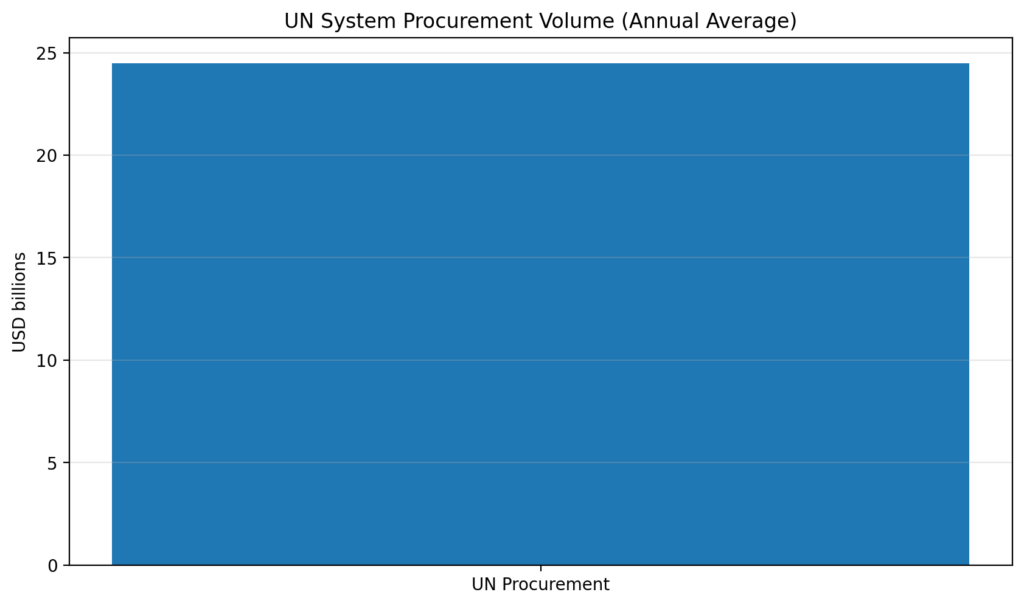
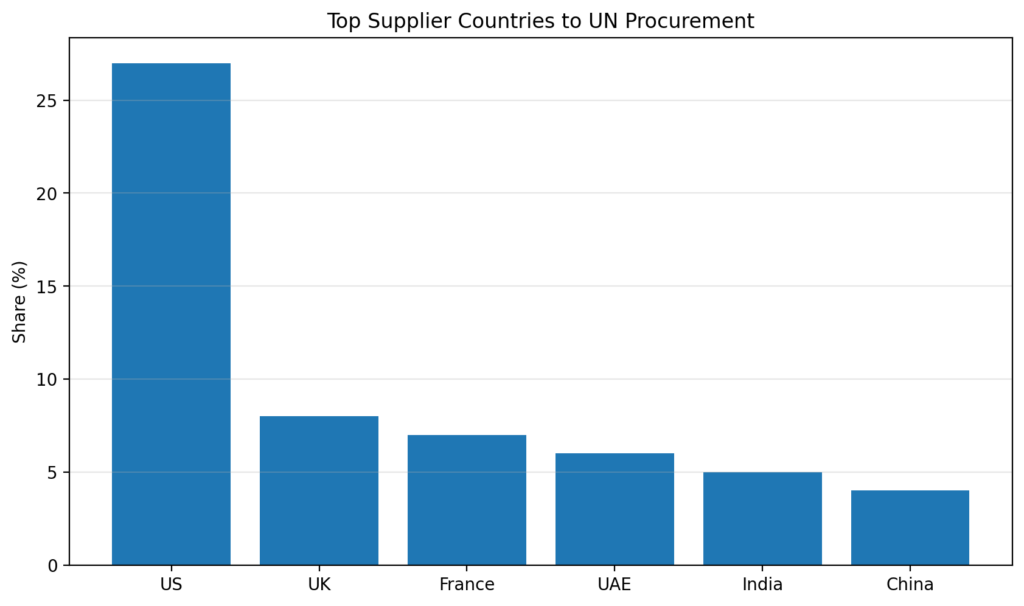
- UN Procurement Division annual statistical reports (total procurement ≈ $24–25B/year; supplier country rankings).
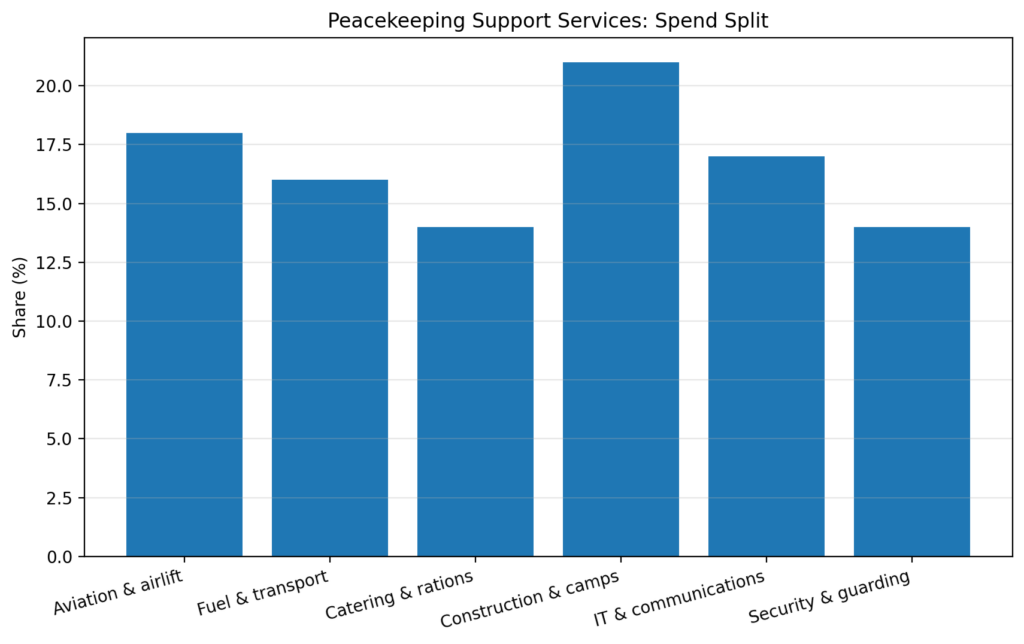
- UN Department of Peace Operations / DOS budget documents (logistics-heavy mission spending).
- UN Board of Auditors & GAO reviews on outsourcing growth and contract concentration.
- SIPRI / academic peacekeeping finance studies on contractor dominance and risk transfer.
Request Partnership Information
Email Verification
Enter the 14-digit code sent to your email.


Rajneetik
Part of the global news network of investigative outlets owned by global media baron Ekalavya Hansaj.
Rajneetik is best known for its opinion articles and editorials on domestic policy, geopolitical trends, election updates and analysis, political sentiment tracking, and investigative articles on grassroots level scams and political corruption.