Organized Retail Crime Syndicates of America: The Takedowns in 2024 and 2025
Why it matters:
- American retail sector facing industrial-scale looting, with $112.1 billion in inventory loss in 2022.
- Organized retail crime syndicates operate like Fortune 500 companies, causing major closures and escalating violence.
The American retail sector is not shrinking; it is being looted at an industrial pace. In 2022 alone, the National Retail Federation (NRF) confirmed that retail “shrink”, a sanitized industry term for inventory loss, hit $112. 1 billion, a sharp rise from $93. 9 billion the previous year. By late 2025, projections placed this figure near the $130 billion mark, driven not by opportunistic shoplifters, but by sophisticated and organized retail crime syndicates that operate with the logistics of a Fortune 500 company and the violence of a street gang.
This is not a story about teenagers pocketing cosmetics. It is an investigation into transnational criminal organizations that recruit “boosters” to sweep shelves clean, “fences” to scrub the stolen goods of their origins, and digital marketplaces to sell them back to unsuspecting consumers. The losses are large enough to force major closures. In 2023, Target shuttered nine locations across four states, citing safety concerns. By 2024, Kroger followed suit, closing six stores in Western Washington as theft rendered operations unsustainable.
The Details Of Organized Retail Crime Syndicates Plunder
Data from the last decade reveals a clear escalation in both financial cost and physical danger. The shift from petty theft to Organized Retail Crime (ORC) is marked by volume and violence. Retailers are no longer just losing margin; they are losing control of their physical environments.
| Metric | 2019 Baseline | 2022 Status | 2025 Status (Verified/Projected) |
|---|---|---|---|
| Total Retail Shrink | $61. 7 Billion | $112. 1 Billion | ~$132 Billion (Global Projection) |
| Shoplifting Incidents | Baseline | +26% vs 2021 | +93% vs 2019 |
| Violence/Aggression | Low Concern | 88% of retailers reported increase | High Concern (Weapon use up 39%) |
| Primary Tactic | Individual Theft | Group Raids | Supply Chain & Cargo Hijacking |
The violence associated with these thefts distinguishes the current emergency from historical norms. In 2023, 88% of retailers surveyed reported that shoplifters were “somewhat more or much more aggressive” than in previous years. By 2024, incidents involving weapons had risen by 39%. Store employees face pepper spray, tasers, and firearms during routine shifts, transforming retail floors into high-risk zones.
Syndicate Operations and Law Enforcement Response
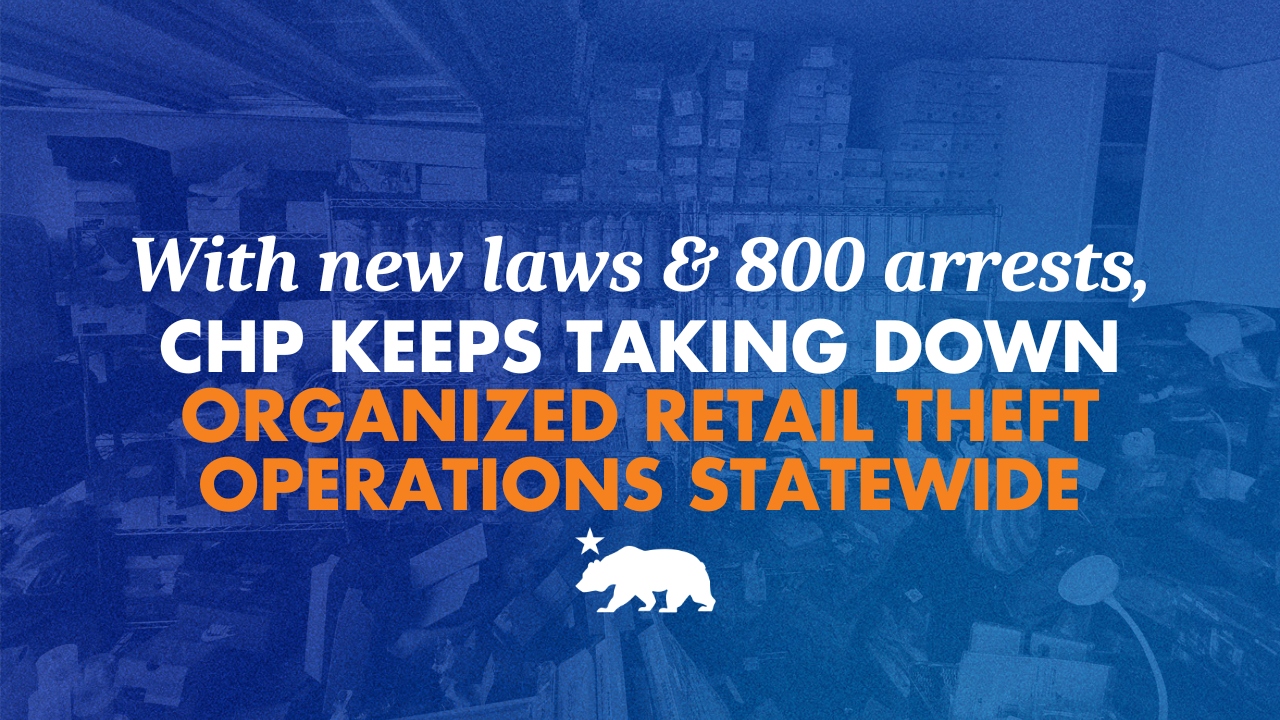
These groups function as tiered hierarchies. At the bottom, “boosters” are paid pennies on the dollar to steal specific high-value items, power tools, laundry detergent, designer denim. These goods are handed off to “fences,” who consolidate the merchandise. In 2025, the California Organized Retail Crime Task Force executed a series of operations that recovered $8. 6 million in stolen goods and resulted in nearly 800 arrests. Similarly, a massive multi-state crackdown led by the Cook County Regional Organized Crime Task Force in Illinois coordinated with 30 major retailers to arrest hundreds of suspects involved in a cross-border theft ring.
“Criminal organizations operate like businesses, with sophisticated warehousing and distribution. They exploit legal gaps and use technology to coordinate thefts and evade detection.” , 2024 Retail Crime Insights
Core Investigative Questions
To understand how a $112 billion hole is torn into the economy annually, this investigation addresses twenty serious questions. We begin by answering the most urgent:
- Who is running these operations? Transnational criminal rings, frequently with links to drug cartels and human trafficking, use retail theft to launder money.
- Where do the goods go? Stolen items are reintegrated into the supply chain via third-party online marketplaces or shipped overseas.
- Why is it growing? High resale margins, low prosecution rates for “non-violent” property crimes, and the anonymity of digital sales channels fuel the expansion.
- How do they evade capture? Syndicates use “cleaning” houses to remove anti-theft tags and repackage goods, making them indistinguishable from legitimate inventory.
The following sections examine the mechanics of these takedowns, the specific technologies used to track the syndicates, and the legislative failures that allowed this black market to thrive.
Anatomy of a Syndicate: Boosters and Fences
The operational structure of an organized retail crime (ORC) ring mirrors the logistics of a legitimate supply chain, with a dark inversion: the goods are acquired at zero cost, and the profit margins are absolute. At the base of this pyramid are the “boosters,” the foot soldiers who physically steal the merchandise. Above them sit the “fences,” the serious middlemen who scrub the stolen goods of their illicit history and reintroduce them into the market. This relationship is not opportunistic; it is contractual, hierarchical, and disciplined.
Boosters are rarely teenagers acting on impulse. They are professional thieves, frequently recruited by fences to target specific retailers with a “shopping list” of high-demand items. In 2024, the National Retail Federation (NRF) reported that 73% of retailers witnessed an increase in aggression from these perpetrators. These individuals operate with speed and precision, using “shelf-sweeping” tactics to clear entire rows of high-value products, razor blades, over-the-counter medication, cosmetics, into foil-lined “booster bags” designed to defeat security sensors. crews use magnet keys, purchased on the black market, to unlock anti-theft cabinets in seconds.
The booster’s compensation is a fraction of the retail value, paid in cash or drugs. While a booster might steal $1, 000 worth of merchandise in a single run, their payout is frequently pennies on the dollar. The real profit accumulates at the level: the fence.
The Fence: The Syndicate’s Bottleneck
The fence is the operational center of the syndicate. Without a fence, a booster is just a shoplifter with too much inventory; with a fence, they become part of a transnational enterprise. Fences operate in tiers, ranging from street-level buyers to sophisticated commercial operators who disguise their activities behind legitimate storefronts.
In July 2024, the Los Angeles Organized Retail Crime Task Force dismantled a fencing operation disguised as a storefront in Inglewood. Detectives recovered brand-new clothing and shoes, stolen during “flash robberies” and immediately funneled to the business for resale. This “commercial fence” model allows criminals to mix stolen goods with legitimate inventory, making detection nearly impossible for the average consumer.
A higher tier of fence operates strictly as a wholesaler, aggregating stolen goods in warehouses stacked floor-to-ceiling. A May 2024 raid in Los Angeles uncovered millions of dollars in stolen pharmaceuticals and cosmetics, with store tags still attached, waiting to be “cleaned” and shipped. These operations function like distribution centers, moving inventory across state lines to evade local law enforcement jurisdiction.
The Cleaning Process
Before stolen goods can be sold on the open market, they must be “cleaned.” This process involves removing all evidence of the victim retailer. Fences employ teams to strip security tags, spider wraps, and price stickers. The methods are crude: lighter fluid is used to dissolve adhesive residue, heat guns loosen anti-theft labels, and freezing techniques brittle plastic tags until they snap off without releasing ink.
Once cleaned, the product is indistinguishable from factory-direct merchandise. It is then repackaged and prepared for the final stage of the laundering process: the sale. While goods end up at flea markets or swap meets, the modern syndicate prefers the anonymity and of the digital economy.
The Value Chain of Stolen Goods
The following table illustrates the typical depreciation and markup of stolen merchandise as it moves through the syndicate hierarchy. The “Fence Sale Price” represents the rate at which goods are sold to unsuspecting consumers or third-party sellers.
| Stage | Actor | Action | Est. Value (% of Retail) |
|---|---|---|---|
| Acquisition | Booster | Theft of Goods | 10%, 25% (Payout) |
| Aggregation | Street Fence | Collection & Cleaning | 30%, 40% (Wholesale) |
| Distribution | Commercial/E-Fence | Resale to Consumer | 50%, 80% (Final Price) |
| Loss | Retailer | Inventory Shrink | -100% (Total Loss) |
The economic damage is severe. The NRF estimated total retail shrink at $112. 1 billion in 2022, a figure that bleeds into the wallets of law-abiding citizens. To offset these losses, retailers raise prices, costing the average American family approximately $500 annually. The syndicate’s profit is the consumer’s inflation.
The Digital Fence: Online Marketplace Exploitation
The modern fence does not operate from a dimly lit pawn shop or the back of a van. In 2025, the most prolific receivers of stolen property are faceless merchant accounts on the world’s largest e-commerce platforms. Organized Retail Crime (ORC) syndicates have weaponized the anonymity of the digital economy, converting billions of dollars in looted inventory into clean cash through a process known as “e-fencing.” This is not petty theft; it is a logistics operation that rivals the supply chains of the retailers being victimized.
In December 2025, New York authorities dismantled a prime example of this evolution: a $2. 2 million operation dubbed “Operation Self-Checkout.” The ring, led by a figure known as “Freddy the Fence” (Freddy Padilla), utilized a bifurcated structure that separated the violence of theft from the sterility of sales. While “boosters” swept shelves at Home Depot locations across the Northeast, Padilla’s crew managed a network of storage units in the Bronx, acting as distribution centers. The stolen goods were not sold on street corners listed on Facebook Marketplace and other platforms, frequently appearing as legitimate third-party vendors. The 780-count indictment against 13 individuals revealed a sophisticated enterprise where the digital storefront provided a veneer of legitimacy that physical fences could never achieve.
The Mechanics of “Cleaning” Inventory
To sell stolen goods on platforms like Amazon, eBay, or Walmart Marketplace, criminal syndicates must “clean” the merchandise. This process involves stripping items of their illicit origins and bypassing the algorithmic defenses of e-commerce giants. Federal investigations from 2023 to 2025 have exposed a standard playbook used by these digital fencing rings:
| Stage | Action | Objective |
|---|---|---|
| Acquisition | Boosters steal high-velocity goods (OTC meds, power tools, cosmetics). | Secure inventory at zero cost. |
| Aggregation | Goods are moved to “cleaning” warehouses or self-storage units. | Remove security tags, retailer stickers, and distinct markings. |
| Verification Bypass | Use of “aged” seller accounts or synthetic identities (KYB fraud). | Evade platform “Know Your Customer” (KYC) checks. |
| Listing | Items listed as “New” or “Open Box” at 15-20% market rate. | Undercut legitimate retailers to ensure rapid turnover. |
| Fulfillment | Goods shipped via Fulfillment by Amazon (FBA) or direct mail. | Launder the transaction through a trusted logistics provider. |
The “Verification Bypass” stage has become an arms race. As platforms tightened requirements under the 2023 INFORM Consumers Act, criminals adapted. Investigations into the “Artemis Refund Group,” a cyber-fraud ring indicted in November 2023, revealed the use of “refund fraud” to manipulate inventory systems. By exploiting return policies and using social engineering on customer service representatives, these groups not only stole physical goods also tricked retailers into refunding the purchase price, stealing the item twice. The group targeted major players including Amazon, Walmart, and Wayfair, monetizing the “returns” through a network of illicit buyers.
Federal Response: Operation Boiling Point 2. 0
The federal government’s primary counter-offensive is Homeland Security Investigations’ (HSI) “Operation Boiling Point.” Originally launched to target domestic theft groups, the initiative shifted gears in late 2023 to address the transnational nature of e-fencing. HSI agents identified that proceeds from domestic retail theft were frequently laundered through trade-based money laundering (TBML) schemes, where stolen goods sold in the U. S. funded the purchase of legitimate goods for export, or were simply remitted to foreign accounts.
In Fiscal Year 2022 alone, Operation Boiling Point resulted in the seizure of over $6. 5 million in assets. By 2025, the scope had widened. The California Highway Patrol’s Organized Retail Crime Task Force, working in tandem with federal partners, recovered nearly $150 million in stolen property between October 2023 and March 2025. These numbers, while significant, represent a fraction of the total volume. The sheer of the problem was highlighted when California Governor Gavin Newsom announced that in the seven months of 2025, state task forces had made over 700 arrests and recovered $8 million in assets, a tempo that suggests the criminal supply chain is operating at maximum capacity.
The Synthetic Identity Loophole
A serious failure point in stopping e-fencing remains the “Know Your Business” (KYB) loophole. While the INFORM Consumers Act requires high-volume sellers to provide identification, syndicates circumvent this by using “synthetic identities”, fake business personas built with a mix of real and fabricated data. In 2024, fraud prevention firms reported a surge in “presentation attacks,” where criminals used deepfakes and 3D-printed masks to pass biometric verification checks on seller apps. This technological sophistication allows a single criminal entity to operate dozens of “burn” accounts simultaneously; when one is flagged and banned, three more are activated to take its place, ensuring the flow of stolen goods remains uninterrupted.
Legislative Gaps: Analyzing the INFORM Consumers Act
The Integrity, Notification, and Fairness in Online Retail Marketplaces for Consumers Act (INFORM Consumers Act) was heralded as the silver bullet for the digital fencing emergency. Enacted on June 27, 2023, the law was designed to strip the anonymity from “high-volume third-party sellers” by mandating that online marketplaces collect, verify, and disclose bank account, tax ID, and contact information. The legislative intent was clear: force the digital fences into the light, and the shadow economy of stolen goods would collapse. Two years later, the data tells a different story. Instead of a collapse, the organized retail crime (ORC) has simply mutated, exploiting legislative gaps that syndicates navigated with the precision of corporate tax attorneys.
The failure is quantifiable. According to the National Retail Federation’s “Impact of Theft & Violence 2025” report, shoplifting incidents rose by 18% in 2024 compared to the previous year, with violent threats during these thefts increasing by 17%. Far from being deterred, criminal networks have diversified. The same report indicates that ORC groups have expanded their operations, with 70% of retailers reporting an increase in phone scams and 55% noting a rise in digital fraud. The law, rigid in its definitions, failed to account for the fluidity of criminal enterprise.
The “Structuring” Loophole
The most serious failure of the INFORM Act lies in its threshold triggers. The law only applies to “high-volume” sellers, defined as those completing 200 or more transactions and generating $5, 000 or more in gross revenue within a continuous 12-month period. For sophisticated syndicates, this ceiling became a floor plan. Criminal organizations immediately adopted “structuring” techniques, a tactic borrowed from money laundering, to bypass verification entirely.
By deploying armies of “smurfs” (low-level operators managing individual accounts), syndicates fragment their inventory across hundreds of accounts. A single fence operation moving $1 million in stolen power tools can easily operate 250 separate seller profiles, each capping its sales at $4, 900 or 190 transactions. Because these accounts never trigger the federal threshold, the marketplace is under no legal obligation to verify their identity, bank details, or tax status. The goods flow freely, and the sellers remain ghosts.
The “Used Goods” Exemption
Another legislative blind spot is the specific language targeting “new or unused” consumer products. The act was written to stop the sale of stolen new-in-box items, it inadvertently created a safe harbor for “used” listings. Fences quickly adapted by listing stolen, unopened merchandise as “Like New” or “Open Box” in the “Used” category. This simple semantic shift frequently exempts the transaction from the rigorous scrutiny applied to new goods. In 2024, investigators in California recovered over $8 million in stolen cosmetics from a single ring that had successfully moved inventory for a decade by manipulating these listing categories on major platforms.
| INFORM Act Provision | Intended Effect | Syndicate Counter-Tactic | 2025 Outcome |
|---|---|---|---|
| Volume Threshold | Verify sellers with>200 sales/$5k revenue. | Structuring: Split inventory across hundreds of micro-accounts. | Thousands of unverified “ghost” accounts moving millions in stolen stock. |
| Product Scope | Target “new or unused” consumer products. | Misclassification: List new items as “Used, Like New.” | Stolen inventory bypasses automated “new goods” filters. |
| Platform Scope | Regulate online marketplace transactions. | Off-Platforming: Arrange sale online, complete transaction via cash/encrypted app. | Digital trail; revenue untraceable by platform or IRS. |
| Enforcement | FTC and State AGs to penalize non-compliance. | Jurisdictional Arbitrage: Operate from non-extradition countries. | 66% of retailers report transnational ORC involvement (NRF 2025). |
State-Level Triage and Federal Inertia
Recognizing these federal failures, specific states attempted to plug the holes. Georgia’s Senate Bill 472 and California’s Senate Bill 1144, both passed in 2024, aimed to close the “off-platform” loophole. These state laws extended verification requirements to high-volume sellers who advertise online complete transactions offline, via cash or non-linked payment apps, specifically to evade the digital paper trail. yet, this patchwork of state regulations has created a fragmented enforcement environment that transnational gangs easily exploit by shifting their digital nexus to states with weaker statutes.
Federal enforcement has been sluggish. It was not until September 2025 that the Federal Trade Commission (FTC) brought its major enforcement action under the INFORM Act, levying a $2 million civil penalty against the e-commerce platform Temu. Senators Dick Durbin and Bill Cassidy publicly criticized the agency for “dropping the ball,” noting that in the two years of the Act’s existence, billions in stolen goods had continued to from American retailers. The delay in enforcement sent a tacit signal to the syndicates: the law was on the books, no one was reading it.
The 2025 Auror Retail Crime Insights report show the of this failure, revealing that the top 10% of offenders account for 68% of total retail loss value. These are not opportunistic shoplifters; they are professional entities that have industrialized theft. Until federal legislation evolves to address structuring, misclassification, and cross-border jurisdictional arbitrage, the INFORM Consumers Act remains a digital Maginot Line, impressive to look at, easily circumvented.
California Ground Zero: CHP Task Force Metrics

California serves as the primary laboratory for the American retail crime emergency, and the California Highway Patrol (CHP) Organized Retail Crime Task Force (ORCTF) operates as the state’s central response method. Established in 2019, the task force was designed to the jurisdictional voids that transnational syndicates exploit. By late 2025, the data from this unit provided the clearest picture of the of industrial theft on the West Coast.
The operational tempo of the ORCTF accelerated dramatically between 2023 and 2025. In 2024, the task force recorded its most aggressive year by volume, executing 879 investigations that resulted in 1, 707 arrests. During this twelve-month period, officers recovered 676, 227 stolen items valued at $13. 5 million. This volume represented a massive logistical challenge, as state evidence lockers overflowed with everything from over-the-counter medication to high-end electronics.
A distinct strategic pivot occurred in 2025. While the total number of arrests decreased to 1, 208, the value of recovered merchandise surged to nearly $17 million. This inverse relationship, fewer arrests yielding higher asset recovery, indicates a shift in targeting. The CHP moved away from low-level boosters and began the mid-to-high-level fencing operations that aggregate stolen goods. The average recovery value per operation increased, suggesting that investigators successfully penetrated the warehouses and distribution nodes of these criminal networks rather than simply sweeping up street-level thieves.
Operational Data: 2023, 2025
The following dataset tracks the escalation of CHP ORCTF enforcement actions. The sharp rise in recovery value in 2025 highlights the focus on high-value and fencing rings.
| Metric | 2023 | 2024 | 2025 |
|---|---|---|---|
| Investigations | 528 | 879 | 734 |
| Arrests | 1, 005 | 1, 707 | 1, 208 |
| Items Recovered | 187, 515 | 676, 227 | 272, 000+ |
| Value Recovered | ~$6. 8 Million | $13. 5 Million | ~$17. 0 Million |
Since its inception in 2019 through the end of 2025, the CHP ORCTF conducted over 4, 300 investigations, leading to more than 5, 000 arrests and the recovery of 1. 5 million stolen items. The total value of these recovered goods exceeded $70 million. These figures, yet, represent only the merchandise that law enforcement successfully seized and cataloged. The actual loss to retailers in California remains exponentially higher, with the National Retail Federation estimating losses in the billions annually.
Anatomy of a Takedown
The statistics are built on specific, labor-intensive operations. In December 2025, the task force dismantled a sophisticated ring operating across Northern California. This network utilized flea markets in Santa Clara, Alameda, Stanislaus, San Joaquin, and Sacramento counties as liquidation points. The operation, which concluded on December 11, 2025, resulted in 13 arrests and the recovery of over $800, 000 in stolen merchandise. Investigators also seized two illegal firearms, a common finding that contradicts the narrative of retail theft as a non-violent property crime.
Another significant action occurred in November 2025 in San Ramon. A search warrant executed on a residential fence operation yielded 5, 932 cosmetic items valued at approximately $182, 920. This seizure illuminated the “health and beauty” supply chain of the black market, where high-value, small-form-factor items like retinol creams and designer makeup are treated as currency. These items are easily concealed, simple to ship, and retain near-retail value on secondary marketplaces.
State Investment and Local Integration
The CHP’s efforts are supported by substantial state funding aimed at force multiplication. Governor Gavin Newsom’s administration distributed $267 million in grants to 55 local law enforcement agencies to combat retail crime. This funding allowed cities to dedicate personnel specifically to ORC, rather than treating these incidents as low-priority shoplifting calls. The integration of state resources with local police departments created a tighter net; for example, the “Holiday Blitz” operations in late 2023 and 2025 saw CHP officers in high-traffic retail districts alongside local beat cops, conducting real-time surveillance and immediate apprehensions.
The data from 2025 confirms that the state’s response has moved beyond reactive policing. The drop in total arrests combined with the rise in recovery value demonstrates a focus on the supply chain. By targeting the fences, the individuals who turn stolen razor blades and power tools into cash, the task force disrupts the financial incentive structure of the crime. Without a fence, a booster has nowhere to sell their stolen goods. The $17 million recovered in 2025 suggests that the CHP has begun to locate the warehouses where this inventory is kept before it into the online marketplace.
The New York Model: shared Retail Defense
For decades, New York City’s retail security operated in silos. A theft at a Target in Herald Square was treated as an incident, unconnected to a similar hit at a CVS in Queens. By 2023, this fragmentation had become a liability. Criminal syndicates exploited the disconnect, hitting multiple chains in rapid succession, knowing that store detectives rarely compared notes and precinct data frequently remained compartmentalized. The “New York Model” emerged not from a single law, from a forced unification of competitors, law enforcement, and prosecutors into a single intelligence apparatus.
The catalyst for this shift was a data point released by city officials in May 2023: just 327 recidivists were responsible for 30% of all retail theft arrests in the city, over 6, 600 arrests shared. These were not hungry shoplifters; they were professional boosters working for fences. In response, the Manhattan District Attorney formed the Small Business Alliance, while bodega owners and independent grocers organized under the banner of shared Action to Protect our Stores (CAPS). This coalition of 10, 000 small businesses began feeding real-time data into a shared pipeline, allowing the NYPD to track crews moving between mom-and-pop shops and big-box retailers.
Governor Kathy Hochul formalized this method in 2024 with a $40. 2 million investment to establish the New York State Police Organized Retail Theft Task Force. The unit was not designed for patrol for logistics. Instead of chasing individual boosters, the Task Force focused on the “fencing” operations, the pawn shops, online marketplaces, and warehouses that monetized the stolen goods. By late 2025, this intelligence-led strategy began to yield quantifiable results, with the Governor’s office reporting a 13. 6% decrease in retail theft in New York City for the half of the year compared to 2024.
| Metric | Count / Value | Significance |
|---|---|---|
| Total Operations | 1, 006 | Joint operations between State Police and local agencies. |
| Arrests Made | 1, 224 | Focus on repeat offenders and syndicate leaders. |
| Charges Filed | 2, 146 | Includes Grand Larceny and Conspiracy charges. |
| Merchandise Recovered | $2. 6 Million | Verified inventory returned to retailers. |
| NYC Theft Reduction | 13. 6% | Year-over-year decrease in reported incidents (Jan-June). |
The efficacy of this model was proven in December 2025 with the conclusion of “Operation Self Checkout.” This joint investigation by the Queens District Attorney and the NYPD dismantled a sophisticated ring that had looted $2. 2 million in merchandise from Home Depot locations. The syndicate did not strike randomly; they hit 128 specific stores across nine states, targeting high-value items like circuit breakers and power tools. The 780-count indictment charged 13 defendants not just with theft, with enterprise corruption and conspiracy. The crew operated with corporate precision, taking scheduled lunch breaks between hits and fulfilling specific “orders” from fences who sold the goods on Facebook Marketplace and through a brick-and-mortar storefront in Brooklyn.
Legal mechanics also evolved to support these takedowns. New York prosecutors began aggressively using the “aggregation of charges” provision in the penal code. Previously, a thief stealing $900 worth of goods from three different stores faced three separate misdemeanors. Under the new enforcement, prosecutors combined these amounts to meet the $1, 000 threshold for Grand Larceny in the Fourth Degree, a felony. This allowed judges to set bail and detain recidivists who had previously cycled through the system on appearance tickets.
The integration of private sector data proved important. Major retailers like Home Depot and Walgreens began sharing high-resolution surveillance and loss data directly with the NYPD’s specialized units. This allowed detectives to map the movement of the “Operation Self Checkout” crew, observing them hit the same locations up to four times in a single day. The resulting intelligence picture transformed what looked like petty theft into a clear map of organized crime, enabling the state to the entire vertical from booster to fence.
Supply Chain Interdiction: Cargo Theft Escalation
The American logistics network is currently under siege by a sophisticated breed of criminal enterprise that has evolved far beyond the opportunistic “smash-and-grab” tactics of the past. Between 2023 and 2025, cargo theft in the United States transformed into a high- industry, with organized syndicates using digital fraud, insider intelligence, and corporate mimicry to divert entire tractor-trailers. By the close of 2025, verified data from CargoNet revealed a reality: while the raw number of incidents stabilized, the value of stolen goods surged by 60 percent, pushing estimated annual losses to nearly $725 million. This indicates a strategic pivot toward high-value , electronics, copper, and premium consumables, where a single heist can yield millions in illicit profit.
The escalation is driven by “strategic cargo theft,” a method where criminals exploit vulnerabilities in the digital freight brokerage system. Instead of physically hijacking a truck at a rest stop, syndicates impersonate legitimate carriers. They bid on loads using stolen motor carrier authority numbers, create lookalike email domains, and dispatch drivers equipped with falsified paperwork to distribution centers. In 2024 alone, CargoNet recorded a 27 percent increase in theft incidents, with “fictitious pickups” becoming the dominant vector. These phantom carriers collect the cargo with a smile and a signature, only to before the legitimate receiver realizes the shipment never arrived.
Geographically, the emergency is concentrated in key logistics hubs that serve as the arteries of American commerce. California, Texas, and Illinois accounted for 46 percent of all reported cargo theft incidents in 2024. The data shows a migration of crime rings from traditional hotspots like Los Angeles County to peripheral regions such as Kern and San Joaquin Counties, where law enforcement resources are frequently thinner. In Texas, the Dallas-Fort Worth metroplex saw a 78 percent spike in incidents in 2024, driven by its density of warehousing and distribution centers. These corridors have become hunting grounds where syndicates monitor load boards for high-value freight moving through predictable lanes.
| Metric | 2023 Data | 2024 Data | 2025 Data | Trend Analysis |
|---|---|---|---|---|
| Total Incidents | 2, 852 | 3, 625 | 3, 594 | Volume stabilized, sophistication increased. |
| Est. Total Loss | $331. 9 Million | $454. 9 Million | $725 Million | +60% surge in value even with flat volume. |
| Avg. Value per Theft | $187, 895 | $202, 364 | $273, 990 | Criminals are targeting higher-value commodities. |
| Top Target (Growth) | Solar/Auto Fluids | Food & Beverage | Copper/Metals | Shift to commodities with liquid resale markets. |
A definitive example of this industrial- looting occurred in August 2025, when the Los Angeles Police Department’s Commercial Crimes Division dismantled a massive fencing operation fronted by a hardware store in Montebello. The investigation, which culminated in the seizure of $4. 5 million in stolen property, exposed a vertically integrated criminal supply chain. The storefront, “DJ General Tool and Wire,” operated as a legitimate business by day while serving as a liquidation hub for stolen power tools, appliances, and commercial cargo by night. Detectives recovered pallets of Milwaukee and DeWalt tools, Dyson appliances, and e-bikes that had been siphoned from the rail and trucking networks. This was not a back-alley operation; the syndicate sold the stolen goods openly on digital marketplaces and through the physical storefront, laundering the inventory into the consumer market.
The sophistication of these groups extends to their target selection. In 2025, theft of food and beverage products spiked by 47 percent. Unlike serialized electronics, which can be tracked, a truckload of frozen meat, tree nuts, or energy drinks is virtually untraceable once broken down and redistributed to bodegas or independent grocers. Simultaneously, the skyrocketing price of copper drove a 77 percent increase in metal thefts. Syndicates are acutely aware of commodity market trends, adjusting their in real-time to maximize resale value. In one investigation spanning 2023 to 2025, Florida authorities tracked a ring responsible for $7. 8 million in losses, revealing how thieves targeted specific department store merchandise to fulfill pre-existing orders from black market buyers.
The chart visualizes the between incident count and loss value, highlighting the “value gap” that emerged in 2025.
Chart Description: The 2025 Value Gap
A dual-axis line chart tracking “Total Incidents” (Left Axis, Bar) and “Total Loss Value” (Right Axis, Line) from 2021 to 2025.
- Bars (Incidents): Show a steady rise from 2021 to 2024, then a plateau in 2025 (approx. 3, 600 events).
- Line (Value): Shows a gradual incline until 2024, followed by a sharp, nearly vertical spike in 2025, reaching $725 million.
- Annotation: A callout box points to the 2025 spike labeled “Strategic Shift: High-Value Targeting.”
- Color Coding: Bars are slate grey; the value line is a clear crimson red to denote financial.
Law enforcement agencies are responding with specialized task forces, the jurisdictional complexity of supply chain crime remains a hurdle. A load might be brokered in Illinois, picked up in Texas, and fenced in California, crossing multiple legal boundaries. The FBI and regional task forces have begun to treat these thefts not as property crimes as organized racketeering. The 2025 data confirms that without significant intervention in digital freight security and stricter vetting of carrier identities, the logistics sector continue to bleed nearly a billion dollars annually to these phantom fleets.
Operation Sticky Fingers: A Forensic Case Study
In the annals of organized retail crime (ORC), few investigations expose the mechanical precision of modern theft rings as as the 2017 New York Attorney General’s investigation, codenamed “Operation Sticky Fingers.” While the name suggests petty shoplifting, the forensic evidence revealed a transnational enterprise with the hierarchy of a military unit and the logistics of a mid-sized logistics firm. This case serves as the definitive blueprint for understanding how syndicates extract millions from the retail economy.
The operation targeted a ring led by Richard Rimbaugh, known to his subordinates as “The General.” Operating from a nondescript apartment in Manhattan’s Upper West Side, Rimbaugh controlled a network of thieves that struck retailers in 28 states. The indictment, unsealed in March 2017, detailed a theft-to-cash pipeline that generated over $12 million in revenue between 2012 and 2017. Unlike opportunistic smash-and-grab mobs, this group prioritized stealth, volume, and specific high-margin inventory, primarily ink cartridges and consumer electronics.
The Syndicate Hierarchy
Forensic accounting and surveillance logs established a rigid command structure that mirrored legitimate corporate operations. The organization did not rely on random; it deployed specialized teams with defined roles.
| Role | Codename / Title | Function | Pay Structure |
|---|---|---|---|
| Kingpin | “The General” (Richard Rimbaugh) | Central command, fencing, financial management. | Retained majority of resale profit. |
| Manager | “The Field Marshall” (George Athanasatos) | Crew scheduling, target selection, logistics. | Salary + performance cut. |
| Team Leaders | “Captains” | On-site supervision, transport coordination. | Flat fee per trip. |
| Theft Crews | “Lieutenants” / “Sergeants” | Execution of theft, lookout duties. | 30-50% of retail value. |
The “boosters” (thieves) were not amateurs. Evidence seized during the takedown included custom-made vests designed to conceal merchandise and “defeat devices” engineered to jam store security sensors. These tools allowed crews to walk out of Best Buy, Staples, and Office Depot locations with thousands of dollars in inventory per trip, by anti-theft pedestals. The stolen goods were not sold on street corners; they were shipped back to Rimbaugh’s Manhattan headquarters, which investigators found stacked floor-to-ceiling with stolen inventory.
The Fencing method
The genius of the Rimbaugh ring lay in its laundering process. Rimbaugh operated a legitimate-looking storefront on Amazon and eBay under the name “American Media Soft.” This digital veneer allowed the syndicate to sell stolen goods directly to unsuspecting consumers at near-retail prices. By mixing stolen inventory with small amounts of legitimately purchased stock, the operation masked its illicit origins from platform algorithms.
Financial records seized by the Organized Crime Task Force showed that the ring processed thousands of transactions annually. When investigators raided Rimbaugh’s apartment and financial accounts, they seized over $7. 7 million in cash and assets. This figure represents only the unspent liquid capital; the total economic damage to retailers exceeded the $12 million revenue figure due to the replacement costs and security overhead incurred by the victims.
Modern Iterations: The 2024 California Takedown
The “Sticky Fingers” moniker resurfaced in August 2024, when the California Department of Justice dismantled a separate ring targeting cannabis dispensaries. While the commodity changed, shifting from ink cartridges to high-value cannabis products, the methodology remained identical. This 22-person crew, linked to Oakland street gangs, utilized the same fan-out logistics to strike businesses across nine counties, stealing over $1 million in product. They, too, utilized social media and encrypted messaging apps to fence goods, proving that the Rimbaugh model has become the industry standard for ORC groups.
The forensic data from these operations confirms a serious reality: ORC is not a crime of desperation. It is a crime of capital accumulation. The Rimbaugh case demonstrated that a single node in New York could destabilize inventory for national chains across half the country. The recovery of 5, 300 stolen electronics during the 2017 raid was a victory for law enforcement, yet it represented less than a month’s turnover for a syndicate of this magnitude.
Financial Laundering: The Gift Card Loophole
The modern retail crime syndicate does not hoard shampoo or power tools; it hoards the liquidity those items represent. By 2025, the “gift card loophole” had evolved from a petty fraud nuisance into a primary financial rail for transnational criminal organizations, facilitating the laundering of billions in illicit proceeds. Federal investigators classify this method as a form of trade-based money laundering, where the gift card serves as a parallel currency, untraceable, easily transferable, and universally accepted.
In late 2023 and throughout 2024, the Department of Homeland Security (DHS) launched “Project Red Hook,” a task force specifically targeting this phenomenon. Their findings were clear: organized crime groups, particularly those with links to Chinese syndicates, had industrialized the theft and manipulation of gift cards. The operation revealed a sophisticated division of labor that mirrors legitimate supply chains. “Takers” steal unactivated cards from store racks; “tampers” record the card data and PINs before resealing the packaging with factory-grade precision; and “placers” return the compromised cards to shelves. When a legitimate customer activates the card at a register, bots instantly drain the balance, converting the funds into cryptocurrency or purchasing high-value electronics for export.
The of this fraud is. In 2024 alone, the retail industry processed $685 billion in returns, with data from Appriss Retail indicating that $103 billion of that sum was tied to return fraud. of this figure represents the “smurfing” of stolen inventory. Low-level boosters enter stores, steal merchandise, and then return the items at different locations for store credit. Because retailers frequently problem refunds to gift cards to avoid cash losses, they inadvertently wash the stolen goods into a clean, tradable financial instrument. These cards are then aggregated by “fences” and sold on secondary markets for 60 to 70 cents on the dollar, laundering the theft into cash.
| Stage | Role | Action | Financial Outcome |
|---|---|---|---|
| Acquisition | Boosters / Takers | Steal unactivated cards or return stolen merchandise for credit. | Inventory converted to chance value. |
| Processing | Tampers / Fences | Compromise card security (cloning) or aggregate store credits. | Assets prepared for digital extraction. |
| Extraction | Bot Operators | Auto-drain funds milliseconds after legitimate activation. | Funds moved to digital wallets. |
| Liquidation | Launderers | Purchase Apple products/electronics for export or convert to crypto. | “Clean” cash enters the banking system. |
The financial impact extends beyond immediate inventory loss. In September 2023, a federal jury in Los Angeles convicted three individuals associated with the “Magic Lamp” group, a ring that laundered over $2. 5 million through Target gift cards. This case established a legal precedent that prosecutors used in 2024 and 2025 to pursue RICO charges against similar rings. The “Magic Lamp” operatives used stolen gift card funds to purchase consumer electronics, which were then shipped to China for resale, a classic “breakage” scheme that severs the financial trail between the initial fraud and the final profit.
By December 2025, the Texas Financial Crimes Intelligence Center arrested three individuals running a $14 million gift card cloning operation that spanned the Gulf Coast. The suspects, found with over 400 cloned cards, admitted to hitting 10 stores a day, seven days a week. This relentless operational tempo highlights the industrial nature of the threat. Unlike credit card fraud, which triggers banking alerts, gift card transactions frequently bypass traditional anti-money laundering (AML) tripwires because they operate within a “closed-loop” system owned by the retailer.
Retailers have responded with aggressive policy shifts. In 2025, major chains like Sephora and Ulta tightened return windows to 30 days and implemented AI-driven tracking to flag serial returners. Simultaneously, ten states, including Maryland and New Jersey, enacted legislation requiring tamper-clear packaging and prohibiting the bulk sale of gift cards without identification. yet, the adaptability of these syndicates remains a serious problem. As physical protections improve, groups have shifted to “digital draining,” using phishing schemes to compromise digital wallets where gift cards are stored, proving that as long as the loop remains open, criminal capital flow through it.
Violence at the Register: Assault Statistics
The modern point of sale has devolved from a transactional space into a high-risk flashpoint. While industry reports frequently sanitize inventory loss as “shrink,” the operational reality for frontline workers involves a sharp escalation in physical confrontation. Data collected between 2019 and 2025 indicates that Organized Retail Crime (ORC) syndicates have abandoned passive theft tactics in favor of armed intimidation, transforming retail environments into zones of chance combat.
The National Retail Federation (NRF) released verified metrics in late 2024 that quantify this shift. In 2023, retailers reported a 93% increase in shoplifting incidents compared to pre-pandemic levels in 2019. More disturbing is the nature of these encounters. The same report confirmed that 91% of surveyed retailers observed a distinct rise in aggression and violence from perpetrators. This is not a correlation with general crime trends; while the FBI reported a 2. 8% national decrease in aggravated assault in 2023, the retail sector experienced a localized surge in hostility, driven by offenders who calculate that the speed of theft outweighs the risk of confrontation.
Weapons have become standard equipment for mid-level boosters and syndicate enforcers. Between 2022 and 2023 alone, the NRF documented a 39% increase in theft incidents involving the threat or use of a weapon. These weapons range from improvised tools like bear spray and tasers to high-caliber firearms. In the half of 2025, D&D Daily, a firm specializing in retail security intelligence, reported that 98% of associate fatalities involved firearms. The days of the unarmed shoplifter fleeing security are ending; today’s offenders stand their ground, emboldened by syndicate directives to protect the merchandise at all costs.
| Metric | Statistic | Source / Year |
|---|---|---|
| Aggression Surge | 91% of retailers report increased violence vs. 2019 | NRF 2024 Report |
| Weapon Usage | 39% increase in weapon-related incidents (YoY) | NRF 2023-2024 Data |
| Total Fatalities | 482 deaths in retail locations | D&D Daily 2024 |
| Associate Deaths | 98% involved firearms ( Half 2025) | D&D Daily 2025 |
| Threatening Behavior | 1 in 8 retail crime events involve threats | Auror 2024 Insights |
The lethality of these encounters is rising. D&D Daily recorded 482 retail fatalities in 2024, a figure that includes customers, employees, and security personnel. By June 2025, the sector had already witnessed 306 deaths, marking a 25% increase over the same period in the previous year. Convenience stores remain the most dangerous sub-sector, accounting for 38% of these fatalities, yet big-box retailers and pharmacies are increasingly targeted by organized crews who use “blitz” tactics, swarming a store in groups to overwhelm staff and security.
This violence exerts a tangible pressure on the workforce. In 2024, 93% of retail executives admitted that violence-related theft had severely their ability to hire and retain employees. Workers are not leaving due to low wages alone; they are exiting because they fear for their physical safety. Consequently, 71% of retailers increased their budgets for workplace violence training in 2023. These programs include active shooter drills and de-escalation techniques formerly reserved for law enforcement, a grim acknowledgment that the register clerk is on the front line of a criminal conflict.
The financial of this violence extend beyond medical claims and lawsuits. Security have shifted from “observe and report” to “deter and defend,” necessitating the hiring of armed third-party security firms. Yet, even with these measures, the Auror Retail Crime Insights Report noted a 35% increase in serious event types, robbery, harassment, and assault, in 2024. The data is clear: the syndicate business model factors in violence not as an accidental byproduct, as a necessary tool for operation.
The Threshold Debate: Felony Limits and Recidivism
At the heart of the organized retail crime (ORC) emergency lies a specific dollar figure that varies by state line: the felony theft threshold. This number represents the financial tipping point where a crime shifts from a misdemeanor, frequently resulting in a citation and immediate release, to a felony, which carries the threat of prison time. For professional boosters and syndicate leaders, this threshold is not a legal abstraction; it is a pricing strategy. In states with high thresholds, criminal rings have industrialized the practice of “under-ringing” theft, instructing operatives to steal merchandise valued just dollars the limit to ensure that, if caught, they face only a slap on the wrist.
The across the United States creates a patchwork of risk for retail syndicates. As of late 2025, New Jersey maintains the nation’s strictest threshold at $200, meaning the theft of a single high-end jacket can trigger a felony charge. Conversely, Texas and Wisconsin have set their thresholds at $2, 500, requiring a thief to steal a significant volume of goods before facing serious state-level consequences. This variance has led to “crime tourism,” where syndicates transport stolen goods across state lines to exploit jurisdictions with more lenient statutes.
The “Calculated Crime” and the Aggregation Fix
For years, the primary loophole exploited by ORC groups was the inability of prosecutors to “aggregate” or combine the value of thefts committed across different stores or jurisdictions. A booster could hit ten stores in a single day, stealing $500 from each in a state with a $1, 000 felony limit. Under previous laws, this would result in ten separate misdemeanors rather than one $5, 000 felony.
Between 2023 and 2025, a wave of legislative reforms targeted this specific vulnerability. California, frequently criticized for its Proposition 47 which set the threshold at $950, passed Proposition 36 in November 2024. This measure, approved by a landslide 68% of voters, allows prosecutors to charge repeat offenders with felonies for theft under $950 if they have two prior convictions. Similarly, Texas enacted SB 1300 ( September 1, 2025), which overhauled its theft statutes to allow for easier aggregation of offenses committed within a 180-day window and removed the requirement for prosecutors to itemize every stolen good in the indictment.
| State | Felony Threshold (USD) | Recent Legislative Action (2024-2025) | Aggregation Window |
|---|---|---|---|
| New Jersey | $200 | Strictest in nation; no major recent increase. | N/A |
| California | $950 | Prop 36 (2024): Allows felony for 3rd offense under $950. | Cross-county aggregation allowed (AB 2943). |
| Florida | $750 | lowered from higher amounts in previous decades. | 48 hours (can aggregate across counties). |
| Texas | $2, 500 | SB 1300 (2025): Expanded definition of ORC; eased aggregation rules. | 180 days. |
| Maryland | $1, 500 | ORC Act of 2025: New felony tier for organized rings. | 90 days. |
| Virginia | $1, 000 | Raised from $500 (2020); strict enforcement remains. | 30 days. |
The Data: Deterrence vs. Decarceration
A fierce debate regarding the correlation between higher thresholds and crime rates. The Pew Charitable Trusts has consistently argued, based on data through 2024, that raising felony thresholds does not lead to an increase in property crime or larceny rates. Their analysis suggests that states which raised limits saw crime trends mirror those that did not, attributing the rise in theft to broader economic and social factors rather than the specific dollar limit.
yet, retail industry data presents a clear different reality. The National Retail Federation (NRF) reported a 19% increase in shoplifting incidents in 2024 alone, with 66% of retailers citing a surge in repeat offenders. Retailers that while the in total larceny rate might be stable in datasets, the intensity and organization of theft have escalated in direct response to perceived impunity. The disconnect likely from underreporting; major retailers have admitted to stopping the reporting of low-level thefts in high-threshold states, skewing official police data while internal loss metrics skyrocket.
“The professional booster does not fear a misdemeanor citation. They view it as a business expense, a tax on their operations. Until the law allows us to aggregate their daily haul into a single felony charge, we are fighting a forest fire with a garden hose.”
, Statement from the California District Attorneys Association regarding Proposition 36, December 2024.
Recidivism: The Revolving Door
The most serious failure point identified in the 2023-2025 period was not the threshold amount itself, the absence of consequences for recidivism. In jurisdictions, a thief could accumulate dozens of misdemeanor citations without ever facing a judge or serving time. This “catch and release” fueled the growth of ORC, as recruitment became easier when foot soldiers faced minimal risk.
The legislative pivot in 2025 reflects a consensus that the “dollar amount” debate is secondary to the “repeat offender” problem. New laws in Maryland and California specifically target the frequency of the crime rather than just the value. By converting a third misdemeanor offense into a mandatory felony, these statutes aim to disrupt the labor supply of ORC rings, making the career route of a professional booster significantly more hazardous.
Urban Desertification: The Economics of Store Closures
The term “food desert” was once reserved for neglected rural outposts or blighted inner-city zones where fresh produce was a logistical impossibility. Today, a new phenomenon is carving hollows into the American commercial map: urban desertification driven by industrial- theft. This is not a natural of market demand a forced evacuation of capital. When major retailers like Target, Walmart, and Walgreens shutter locations, they do not lock doors; they extract the economic anchor of entire neighborhoods, leaving behind a vacuum that criminal enterprises rush to fill.
Between 2023 and 2025, the retail sector witnessed a mass exodus that traditional economic logic. Profitable density centers in San Francisco, New York City, and Chicago saw stores close not because customers stopped buying, because the cost of securing inventory exceeded the profit from selling it. In 2024 alone, retailers announced over 7, 100 store closures, a 69% increase from the previous year. Family Dollar led this retreat, slating over 600 locations for closure, while Walgreens announced the shuttering of 1, 200 stores over three years, removing the primary pharmacy for millions of residents.
The immediate consequence is the creation of “pharmacy deserts.” Data from 2025 indicates that one in seven Americans lives in a community with restricted access to prescription medication. In Chicago’s South and West sides, the departure of Walmart and major grocery chains has forced residents to travel significantly longer distances for basic nutrition. This logistical load acts as a regressive tax on the poor, who must spend more time and money to access goods that were previously available within walking distance.
The Tax Revenue Doom Loop
The departure of a big-box retailer triggers a catastrophic “doom loop” for municipal budgets. These stores are not just vendors; they are massive tax collectors. When a Target in San Francisco or a Walmart in Portland closes, the city loses millions in direct sales tax revenue, commercial property tax, and the payroll taxes of hundreds of employed workers. In San Francisco, sales tax revenue in the Financial District and South Beach neighborhoods plummeted by 39% between 2019 and 2024, a decline exacerbated by the flight of retail tenants citing safety concerns.
Seattle faced a similar fiscal shock in 2024, with payroll tax revenues falling $47 million short of projections. This shortfall was directly linked to the relocation of major businesses and the contraction of the retail sector. When tax bases crumble, cities face a binary choice: cut services or raise taxes on the remaining, struggling businesses. Both options accelerate the decline. Reduced budgets mean fewer police officers and sanitation workers, which leads to higher crime and dirtier streets, which in turn drives away the few remaining retailers. It is a self-reinforcing pattern of decay.
| Retailer | Closures Announced | Primary Impact Zone | Economic Consequence |
|---|---|---|---|
| Walgreens | 1, 200 (by 2027) | National (Urban/Rural) | Creation of pharmacy deserts; loss of serious health access for seniors. |
| Family Dollar | 600+ | Low-Income Urban | Elimination of primary food/household goods source for non-mobile residents. |
| CVS Health | 900 (2022-2024) | Metro Areas | Reduced competition leading to higher local prices; loss of entry-level jobs. |
| Target | 9 (Specific 2023) | NYC, SF, Seattle, Portland | Direct citation of ORC violence; immediate drop in local foot traffic and tax revenue. |
| Rite Aid | 500+ (Bankruptcy) | Northeast/West Coast | Total market exit in regions; default on commercial leases impacting landlords. |
The Job Loss Multiplier
The human cost of these closures is frequently measured in lost conveniences, the employment data tells a grimmer story. Retail jobs are frequently the rung on the economic ladder for young people and immigrants. When a store closes due to theft, those jobs do not migrate; they. In early 2025, retail job cuts spiked by 274% compared to the previous year. A single Walmart Supercenter employs approximately 300 people. Its closure strips a community of $8 million to $10 million in annual payroll, money that would otherwise circulate through local barbershops, diners, and mechanics.
“We cannot continue operating these stores because theft and organized retail crime are threatening the safety of our team and guests.” , Target Corporation Statement, September 2023
This statement marked a turning point where corporate leadership stopped treating shrink as a line item and started treating it as an existential threat. The “shrink” rate, inventory lost to theft, fraud, or error, climbed from $93. 9 billion in 2021 to over $112 billion in 2022, with projections hitting $130 billion by late 2025. For retailers operating on razor-thin margins of 2% to 3%, a shrink rate of 4% makes a store mathematically insolvent. The syndicates stripping these shelves are not just stealing products; they are stealing the viability of the brick-and-mortar model itself.
The chart illustrates the correlation between rising retail shrink figures and the subsequent spike in store closures, visualizing how theft directly precedes the economic abandonment of a neighborhood.
The long-term effect of this desertification is the entrenchment of poverty. When legitimate commerce retreats, the underground economy expands. Vacant storefronts become magnets for the very criminal elements that forced the closure, completing the transformation from a commercial district to a blighted zone. Reversing this process takes decades; once a major retailer leaves a high-crime area, they rarely return.
Surveillance State: AI and RFID Implementation
The retail industry’s response to the $130 billion theft emergency has shifted from passive observation to active, algorithmic interdiction. By 2025, major retailers had largely abandoned the “observe and report” doctrine in favor of “detect and deny,” deploying military-grade surveillance and benefit-denial technologies designed to neutralize the logistics of organized crime. This is no longer about catching a teenager with a candy bar; it is a digitized arms race against syndicates that operate with the precision of logistics firms.
The Doctrine of Benefit Denial
The most significant tactical shift in 2024 was the widespread adoption of “benefit denial” technology. Retailers like Lowe’s and The Home Depot introduced systems that render high-value electronics and power tools inoperable unless activated at the point of sale. Lowe’s “Project Unlock” use Radio Frequency Identification (RFID) tags combined with blockchain technology. When a legitimate purchase occurs, the system writes a unique digital key to the tool’s chip, activating it for use. Without this cryptographic handshake, a stolen DeWalt drill is a paperweight. Similarly, The Home Depot rolled out Bluetooth-activation for its premium power tools. If a syndicate booster sweeps a shelf of drills, they acquire hardware that cannot be powered on, collapsing the resale value on the black market.
This technology strikes directly at the fence’s profit margin. A “bricked” tool cannot be sold as “new in box” on digital marketplaces, forcing criminals to either hack the hardware, a time-consuming process that destroys the economy of , or abandon the product category entirely.
Computer Vision and Algorithmic Watchdogs
Inside the, passive CCTV has been replaced by active computer vision systems. Walmart’s “Missed Scan Detection,” powered by Everseen, use artificial intelligence to monitor checkout lanes. The system does not rely on barcodes alone; it analyzes the visual geometry of a transaction. If a customer moves a jug of milk over the scanner the register does not register the beep, the AI flags the anomaly instantly, pausing the transaction and alerting an associate. These systems are designed to detect “sweethearting”, where a cashier fake-scans an item for a confederate, and “ticket switching,” where a thief places a cheap barcode over an expensive item. By late 2024, this technology was deployed in over 1, 000 Walmart locations, directly addressing the “shrink” that contributes to the company’s annual loss, which industry analysts estimated at over $3 billion for the giant alone.
Perimeter Defense: The Locking Wheel
For syndicates that rely on “pushout” theft, loading a cart and walking out the front door, retailers have weaponized the shopping cart itself. Gatekeeper Systems, a leader in cart containment, deployed Purchek technology that locks the cart’s wheels if it attempts to exit the store without passing through a verified checkout lane. Data from 2023 indicated that the average “pushout” theft attempt involved $1, 290 in merchandise. The Purchek system uses a perimeter signal to disable the cart, physically halting the theft in the vestibule. Gatekeeper’s internal data claims a 49% reduction in pushout theft incidents in stores utilizing the technology. This physical denial forces boosters to abandon the load or resort to carrying goods by hand, significantly reducing the volume of inventory they can extract per hit.
| Technology | Primary Function | Operational Impact |
|---|---|---|
| Project Unlock (Lowe’s) | RFID/Blockchain Activation | Renders stolen power tools inoperable; destroys resale value. |
| Purchek (Gatekeeper) | Wheel Locking method | Physically halts carts at exit; prevents bulk “pushout” theft ($1, 290 avg. value). |
| Missed Scan (Walmart) | AI Computer Vision | Detects non-scanned items at checkout; stops “sweethearting.” |
| Forensic Labs (Target) | Video & Fingerprint Analysis | Builds felony cases against repeat offenders; aids law enforcement. |
The Forensic Level: Target’s Private Lab
Target Corporation operates a forensic laboratory in Minneapolis that rivals municipal police departments. Accredited by the American Society of Crime Laboratory Directors, this facility specializes in video analysis and latent fingerprint recovery. The lab does not process shoplifting evidence; it builds federal cases. By linking distinct theft incidents across state lines through gait analysis and vehicle identification, Target’s investigators construct Racketeer Influenced and Corrupt Organizations (RICO) cases against syndicate leaders, handing pre-packaged felony evidence to prosecutors.
The Privacy Backlash
The aggressive expansion of surveillance has invited legal scrutiny. In December 2023, the Federal Trade Commission (FTC) banned Rite Aid from using facial recognition technology for five years. The FTC found that Rite Aid’s deployment was “reckless,” frequently misidentifying customers, particularly women and people of color, as shoplifters based on low-quality matches. This ruling served as a warning shot to the industry: while retailers may arm themselves with AI, the algorithms must meet strict accuracy standards or face federal intervention. The surveillance state in retail is absolute. Every motion, transaction, and exit is measured, weighed, and verified by silicon. Yet, as retailers harden their, syndicates are already adapting, employing signal jammers and Faraday bags to defeat the very sensors designed to stop them.
The Fear Tax: Violence and the Retail Exodus
The retail floor, once defined by customer service and inventory management, has transformed into a frontline of conflict. As Organized Retail Crime (ORC) syndicates escalate their tactics from stealthy theft to armed aggression, the human cost is being paid by store associates. Data from 2024 and 2025 reveals a labor force under siege, where the threat of physical violence is driving a historic exodus of workers. The National Retail Federation (NRF) reported that threats or acts of violence during theft incidents rose by 17% between 2023 and 2024, with weapon usage in these confrontations surging by 39%. This is not a loss of product; it is a of the workforce’s sense of safety.
Employees are no longer just witnessing crime; they are absorbing the trauma of it. A 2025 study by Verkada and the Loss Prevention Research Council found that physical assaults on retail workers increased by 22% year-over-year. The psychological toll is immediate and severe. In the same study, 54% of associates reported experiencing aggressive behavior or harassment, leading to a pervasive environment of anxiety. The British Retail Consortium (BRC) mirrored these findings globally, noting that even with a slight dip in total incidents, the intensity of violence remained high, with 36 weapon-related incidents occurring daily in UK retail sectors alone. This relentless exposure to danger has created a “fear tax” on labor, forcing workers to choose between their paychecks and their physical well-being.
The correlation between safety concerns and employee turnover is undeniable. In 2025, 52% of retail workers surveyed stated they were likely to leave their current jobs within the 12 months specifically due to safety fears. This figure represents a sharp increase from previous years, signaling that the industry is bleeding talent faster than it can recruit. The turnover rate in retail, already hovering near 60% annually, is being artificially inflated by criminal activity. Workers are not leaving for better wages elsewhere; they are fleeing for safer environments. This mass departure creates a vacuum that syndicates exploit, as understaffed stores become softer for large- theft operations.
Recruitment has become equally difficult. Store managers face a hiring blockade, with 49% citing safety concerns as a primary barrier to finding new staff in 2025, up from 37% the previous year. chance applicants are increasingly aware of the risks associated with retail positions in high-crime corridors. In cities like San Francisco and New York, where ORC activity is concentrated, retailers struggle to staff shifts, forcing them to rely on security guards who frequently cost three times the hourly wage of a sales associate. This shift diverts funds from employee benefits and wages into a defensive perimeter that offers little return on investment beyond basic asset protection.
The economic impact of this labor emergency extends beyond operational headaches. Retail shrinkage and the associated violence led to an estimated 658, 375 lost jobs and nearly $39. 3 billion in lost wages for workers in 2024. When stores close due to unmanageable theft, as seen with major chains shuttering locations in Seattle and Portland, entire teams are displaced. The narrative that insurance covers these losses ignores the direct hit to the livelihoods of the working class. Unions like Usdaw have launched “Freedom from Fear” campaigns, demanding that assault on a retail worker be classified as a standalone offense, a legislative move that reflects the severity of the emergency.
Metric of Fear: The 2024-2025 Safety Shift
The following table outlines the rapid deterioration of retail workplace safety metrics, comparing data from late 2023 to late 2025. The numbers indicate a workforce at its breaking point.
| Safety Metric | 2023/2024 Statistic | 2024/2025 Statistic | Trend |
|---|---|---|---|
| Physical Assaults (YoY) | +15% Increase | +22% Increase | Escalating |
| Weapon Usage in Theft | +10% Increase | +39% Increase | Severe Spike |
| Intent to Quit (Safety) | 40% of Workforce | 52% of Workforce | serious Mass |
| Hiring Barrier (Safety) | 37% of Managers | 49% of Managers | Worsening |
| Witnessed Aggression | 48% of Associates | 54% of Associates | Rising |
Corporate responses have been reactive rather than preventative. While 61% of retailers increased their budgets for security technology in 2024, only 48% of employees reported feeling that these measures improved their safety. The disconnect is palpable: executives invest in cameras and locking cases to protect inventory, while associates on the floor demand panic buttons, better training, and armed security personnel. The 2025 NRF report highlighted that 91% of retailers have increased workplace violence training, yet training alone cannot stop a coordinated team of boosters armed with pepper spray or hammers. Until the physical security of the worker is prioritized over the security of the product, the retail labor market continue to contract.
Transnational Connections: Cartel Involvement Evidence
The theft of a power drill in Ohio or a designer handbag in Los Angeles is no longer a localized property crime; it is frequently the entry point for a global financial transaction funding the world’s most violent criminal enterprises. Federal investigations between 2023 and 2025 have definitively mapped the operational architecture linking domestic Organized Retail Crime (ORC) rings to transnational drug cartels, specifically the Sinaloa Cartel and the Jalisco New Generation Cartel (CJNG). These organizations have integrated retail theft into their portfolios not for profit, as a serious method for trade-based money laundering (TBML), using stolen inventory to scrub illicit narcotics proceeds of their origin.
The mechanics of this convergence are precise. In a process detailed by Homeland Security Investigations (HSI) under “Operation Boiling Point,” cartels use proceeds from fentanyl sales to purchase stolen goods from regional fences, or deploy their own theft crews to acquire them. These goods, ranging from high-end electronics to baby formula, are then exported to foreign markets or sold on digital marketplaces. The revenue generated appears legitimate, laundering the drug money before it crosses back into Mexico. A 2024 FinCEN advisory warned financial institutions that Chinese Money Laundering Organizations (CMLOs) have cemented a “mutualistic relationship” with Mexican cartels, using the export of these stolen electronics to capital flight from China while providing cartels with clean currency.
South American Theft Groups (SATGs)
Distinct from the Mexican cartels equally sophisticated are the “South American Theft Groups” (SATGs), a designation used by the FBI to describe transnational criminal cells that enter the United States specifically to plunder retail assets. These groups, primarily originating from Chile and Colombia, exploit tourist visas to conduct “crime tourism.” Unlike domestic shoplifters who may steal for subsistence or addiction, SATGs operate as paramilitary units. They deploy to specific geographic, execute high-value thefts, and ship the merchandise back to South America or fence it immediately before rotating personnel out of the country to evade prosecution.
In February 2025, the FBI and local partners dismantled a massive SATG node in New York City. The operation targeted “Big Apple General Buyers,” a fencing operation in Manhattan’s Diamond District. Authorities arrested the owner and associates, revealing that the business served as a primary liquidation hub for goods stolen by SATG crews targeting the homes of professional athletes and high-end retailers. The investigation exposed a pipeline where stolen jewelry and luxury goods were not just sold, used to balance ledgers between criminal factions operating in Santiago and Miami.
| Stage | Action | Criminal Actor | Financial Function |
|---|---|---|---|
| Acquisition | “Boosters” steal high-value goods (electronics, tools, cosmetics). | Street Crews / SATGs | Asset Generation (Zero Cost Basis) |
| Aggregation | Goods sold to a “Fence” for 10-30% of retail value. | Regional Fences | Consolidation of Stolen Assets |
| The Mirror Swap | Cartel associates buy goods from fences using dirty drug cash. | Cartel Brokers / CMLOs | Placement of Dirty Cash into Goods |
| Export/Resale | Goods shipped to China/South America or sold on US marketplaces. | Export Shell Companies | (Obscuring Origin) |
| Repatriation | Legitimate sales revenue is transferred to Cartel accounts. | Financial Proxies | Integration (Clean Money Available) |
The of this transnational flow is. In July 2024, California Governor Gavin Newsom announced that the California Highway Patrol’s ORC Task Force had recovered $6. 8 million in stolen goods in just the six months of the year, a fraction of the total volume indicative of the industrial of these operations. Intelligence reports from the DEA’s 2025 National Drug Threat Assessment corroborate that the infrastructure used to smuggle drugs north is mirrored by the infrastructure smuggling stolen goods south and laundered value east to China. The retail sector has become the bank for transnational organized crime, providing a liquidity engine that is harder to trace than wire transfers and less risky than bulk cash smuggling.
This integration of theft and terror financing complicates enforcement. Local police arresting a shoplifter are frequently unknowingly disrupting a node in a global laundering network. The 2023 indictments of multiple associates linked to the Sinaloa Cartel revealed that retail gift cards were also being used as a currency substitute, with “smurfs” converting thousands of dollars in stolen product returns into cards that could be traded across borders without triggering banking alerts. The evidence is conclusive: the syndicate is not just at the gate; it is inside the store, and it is using the cash register to wash the blood off its money.
Commodity Targeting: The Black Market for Formula
Baby formula has become the “liquid gold” of the organized retail crime (ORC) ecosystem. While electronics and designer handbags garner headlines, formula offers a unique trifecta for criminal syndicates: high unit value, consistent non-negotiable demand, and untraceable resale channels. By late 2024, a standard 12. 4-ounce can of premium hypoallergenic formula retailed for upwards of $35, with larger containers breaching the $55 mark. For criminal networks, this to a density of value that rivals narcotics, yet carries a fraction of the legal risk.
The theft mechanics are industrial in. Unlike opportunistic shoplifters who might steal a single can for personal use, ORC “boosters” execute “shelf sweeps.” In September 2025, Florida authorities charged Kenneth Jones with -degree felony retail theft after an investigation revealed he had targeted retailers across Broward and Palm Beach counties. Jones utilized reusable tote bags and plastic bins to clear entire of formula in seconds, amassing over $70, 000 in stolen inventory from Publix, Target, and Walmart locations. This was not petty theft; it was a logistical operation designed to feed a secondary market hungry for inventory.
Once stolen, the product enters a sophisticated fencing network. The formula is frequently aggregated in climate-uncontrolled storage units or residential garages before being listed on third-party online marketplaces or sold to complicit “mom-and-pop” convenience stores. In October 2024, a federal indictment revealed a massive West Coast ring spanning Oregon, Washington, and California. The syndicate used stolen SNAP (Supplemental Nutrition Assistance Program) benefits to purchase formula in bulk, stockpiling it in Vancouver, Washington, before shipping it to California for resale. Investigators tracked the movement of 124, 000 pounds of formula, valued at approximately $2. 4 million. This operation highlighted the intersection of benefit fraud and physical theft, creating a double loss for taxpayers and retailers.
The financial cost is compounded by a severe public health risk. Legitimate retailers are bound by strict storage to prevent spoilage, particularly for temperature-sensitive nutrient breakdowns. Stolen formula bypasses these safeguards. In the Florida heat, stolen product frequently sits in car trunks exceeding 100 degrees Fahrenheit for hours or days. also, criminal fences frequently engage in “date scrubbing,” using solvents to alter expiration codes on expired cans to make them saleable. When these compromised products re-enter the market via online platforms or flea markets, they pose a direct threat to infant health, chance causing bacterial infections or nutritional deficiencies that are untraceable to the original point of sale.
Law enforcement agencies have begun to treat formula theft with the severity of racketeering. The transition from misdemeanor shoplifting charges to felony organized crime indictments reflects the organized nature of these groups. In August 2025, a multi-county task force in Central Florida arrested four women who had utilized cloned EBT cards to purchase over $3, 400 worth of formula in a single day. The investigation linked them to a broader network originating in Texas and New York, demonstrating the transnational reach of these specialized commodity rings.
Major Formula Theft Interdictions (2024-2025)
| Date | Location | Est. Value Recovered | Operational Details |
|---|---|---|---|
| Oct 2024 | WA / OR / CA | $2. 4 Million | 124, 000 lbs of formula purchased with stolen SNAP benefits; shipped interstate for resale. |
| Sep 2025 | South Florida | $70, 000+ | Single operator using “shelf sweep” tactics across 50+ incidents at major grocers. |
| Aug 2025 | Central Florida | $9, 400+ | Multi-county ring using cloned EBT cards to acquire inventory for black market export. |
| Mar 2025 | TN / KY | $28, 000 | Interstate theft ring targeting grocery chains; suspects traveled from Texas to execute thefts. |
The economic impact of these crimes forces retailers to lock formula behind plexiglass or move it behind service counters, creating friction for legitimate customers. yet, the black market continues to thrive because it offers a discount on a need. As long as the street price of a $50 can of Enfamil remains $30 on the gray market, criminal syndicates continue to treat grocery as their personal warehouses.
Construction Arbitrage: Power Tool Theft Rings
The modern power tool has become the gold bullion of the organized retail crime (ORC) world. High-value, untraceable, and easily liquidated, brands like Milwaukee, DeWalt, and Makita are the primary currency for street-level syndicates. Unlike designer handbags or cosmetics, power tools possess a distinct utility that drives constant demand in both the legitimate construction sector and the black market. By 2025, the theft of “yellow and red” (DeWalt and Milwaukee) merchandise had evolved from opportunistic shoplifting into a sophisticated arbitrage machine, where criminal enterprises treat Home Depot and Lowe’s inventory as their own zero-cost warehouses.
The of this specific vertical was laid bare in May 2024, when police in Howard County, Maryland, dismantled one of the largest theft rings in the region’s history. Investigators recovered approximately 15, 000 stolen tools valued between $3 million and $5 million. The operation was not a loose collection of petty thieves a centralized logistics hub. The syndicate targeted retail outlets, construction sites, and work vans across Maryland, Virginia, and Pennsylvania, funneling the goods into a storage unit in Elkridge. From there, the items were cleaned, repackaged, and listed on digital marketplaces or sold directly to unscrupulous contractors who asked no questions about the 40% discount.
This “construction arbitrage” relies on a tiered criminal structure. At the bottom are the “boosters,” frequently drug-dependent individuals paid pennies on the dollar to walk out of stores with carts full of hammer drills and impact drivers. Above them are the “fences,” who operate the laundering method. In August 2025, Los Angeles authorities exposed the upper echelon of this hierarchy when they raided two innocuous-looking hardware stores in Montebello and Huntington Park. Inside, they found $4. 5 million in stolen goods, including power tools and e-bikes, stripped from cargo trains and delivery trucks. The storefronts served as a veneer of legitimacy, allowing the ringleader to sell stolen inventory to walk-in customers and online buyers under the guise of a discount retailer.
The Mechanics of the “Push-Out”
The primary method of acquisition remains the “push-out.” Boosters fill flatbed carts with high-torque drills, saws, and battery packs, frequently targeting the $300 to $600 price point items, and simply bypass the registers. In 2024, retailers responded by locking high-theft items in steel cages, a tactic that reduced casual theft escalated violence. Frustrated boosters began using bolt cutters and pry bars in broad daylight, threatening staff who attempted to intervene.
Once the tools are secured, the arbitrage begins. A $400 rotary hammer stolen for zero cost is sold to a fence for $50. The fence lists it on Facebook Marketplace or OfferUp for $250. The buyer, frequently a legitimate tradesperson looking to cut costs on expensive equipment, purchases the tool, completing the pattern. The speed of this turnover is blistering; investigators have tracked tools stolen in the morning to online listings by the afternoon.
| Date | Location | Est. Value Recovered | Targeted Retailers/Sources | Key Details |
|---|---|---|---|---|
| August 2025 | Los Angeles, CA | $4. 5 Million | Cargo Trains, Home Depot, Lowe’s | Fronted by legitimate hardware stores in Montebello. |
| May 2024 | Howard County, MD | $5. 0 Million | Regional Construction Sites, Retailers | 15, 000 individual tools recovered from a single storage hub. |
| July 2024 | Compton, CA | $800, 000 | Home Depot, Apple Stores | Three separate fencing locations identified and raided. |
| December 2023 | Los Angeles, CA | $500, 000 | Lowe’s, Harbor Freight | Three arrests; ring specifically targeted SoCal hardware chains. |
Technological Dead Ends
Retailers have attempted to counter this wave with technology, success has been limited. In 2023, Lowe’s announced “Project Unlock,” a blockchain-based system designed to activate power tools at the point of sale using RFID chips. The concept was sound: a stolen tool would be inoperable, “bricked” and worthless to a thief. yet, by late 2025, widespread implementation had stalled. The logistical challenge of retrofitting millions of SKUs from third-party manufacturers like Stanley Black & Decker proved in the short term.
Instead, the industry reverted to physical hardening. The result is a shopping experience where legitimate customers must wait for employees to unlock $20 batteries. While this friction deters amateurs, professional syndicates have adapted by shifting their focus upstream to the supply chain, hijacking delivery trucks and raiding distribution centers where the volume of goods is higher and the security, paradoxically, can be lower.
The financial impact extends beyond the retailer. Small contractors, the lifeblood of the construction industry, face rising insurance premiums and project delays when their own job sites are raided by these same rings. The stolen tools recovered in Maryland included equipment taken from local vans and active building sites, proving that the syndicate’s hunger for inventory consumes both the retail giant and the independent tradesman alike.
Judicial Paralysis: Prosecution Decline in Major Metros
The operational success of organized retail crime (ORC) syndicates relies less on sophisticated evasion than on a widespread collapse of judicial accountability. While police departments in major metropolitan areas continue to make arrests, the prosecutorial pipeline has clogged, creating a “revolving door” where repeat offenders are processed and released with speed that rivals the thefts themselves. Between 2019 and 2024, as retail theft incidents surged in cities like New York, Los Angeles, and Chicago, the rate of successful felony prosecutions for these crimes frequently moved in the inverse direction.
In Chicago, the between criminal activity and judicial consequence reached a breaking point in 2024. Data from the Cook County State’s Attorney’s Office revealed that while 2024 was the worst year for retail theft in the city since 2003, with reports soaring 46% in the ten months alone, the legal system’s response was anemic. Under the administration of State’s Attorney Kim Foxx, prosecutors operated under a policy that raised the felony threshold for retail theft to $1, 000, significantly higher than the state-mandated $300 limit. This policy decision meant that thefts between $300 and $999, which constitute a felony under Illinois law, were routinely downgraded or dismissed. Consequently, the arrest rate for theft in Cook County hovered near a dismal 7%, and of those few cases presented for felony review, only 35% were approved for charges in Chicago.
The situation in New York City offers a clear case study in recidivism fueled by prosecutorial leniency. In 2022, New York Police Department data identified a core group of just 327 repeat offenders who were responsible for nearly 30% of all retail theft arrests in the city, approximately 6, 600 arrests shared. even with this density of criminal activity, consequences have evaporated. An analysis by the Manhattan Institute found that the Manhattan District Attorney’s office secured significantly fewer short-term sentences for these crimes. In 2018, 65% of convicted shoplifters received sentences of less than one month; by 2023, that figure had plummeted to 42%, with the majority of cases resulting in non-custodial diversions that returned offenders to the street immediately.
| Metro Area | Key Metric | Judicial/Police Reality |
|---|---|---|
| Chicago, IL | 46% Surge in Theft (2024) | Only 35% of felony retail theft charges approved by prosecutors; arrest rate stalled at 7%. |
| New York, NY | Recidivism Concentration | 327 individuals accounted for ~30% of all retail theft arrests; incarceration rates for convictions dropped by 23% since 2018. |
| Los Angeles, CA | Arrest vs. Report Ratio | Over 8, 100 reports in 9 months of 2024 yielded only ~800 arrests (approx. 10% enforcement rate). |
| San Francisco, CA | Felony Threshold Impact | Shoplifting rates in 2025 remained 20% higher than 2019 levels even with recent “blitz” operations yielding 100+ arrests. |
California’s legislative further exemplified this paralysis prior to the passage of Proposition 36 in late 2024. For nearly a decade under Proposition 47, theft of goods valued under $950 was strictly classified as a misdemeanor, preventing prosecutors from aggregating multiple smaller thefts into a felony charge. ORC syndicates weaponized this threshold, instructing “boosters” to calculate their loads with a calculator to ensure they remained a dollar under the limit. In Los Angeles, this resulted in a de facto decriminalization where officers would problem citations rather than make arrests, knowing charges would likely be dropped. It was not until December 2024, following the voter-mandated enactment of Proposition 36, that Los Angeles prosecutors began filing felonies against repeat offenders for aggregated thefts, logging over 1, 000 such charges in the month of the new law’s operation.
The decline in prosecution is not a matter of resource allocation; it is a failure of legal mechanics. District Attorneys in major metros have frequently case backlogs and a prioritization of violent crime as reasons for the dismissal of property crimes. yet, this bifurcation ignores the reality that ORC is rarely non-violent. In New York City, “shoplifting gone bad”, incidents where theft escalates into robbery or assault, nearly doubled between 2019 and 2022. By treating these predicate offenses as administrative nuisances rather than felonies, the judicial system has removed the primary deterrent against organized criminal expansion.
“We are catching the same people three, four, five times a week. They know the schedule of the judges better than we do. They know exactly how much to steal to stay out of jail, and they know that even if they are arrested, they be back at the same store before the paperwork is finished.”
, Senior Detective, NYPD Grand Larceny Division (Anonymized for active investigation), 2024.
This judicial paralysis has forced retailers to function as their own private security apparatus, spending billions on hardening measures that police and courts once provided as a public good. The data from 2023 and 2024 confirms that without the credible threat of prosecution, arrest statistics become meaningless metrics of activity rather than indicators of justice.
Federal Escalation: Homeland Security Investigations
The federal response to organized retail crime (ORC) shifted from passive observation to aggressive enforcement with the launch and subsequent expansion of Homeland Security Investigations’ (HSI) Operation Boiling Point. No longer treating retail theft as a local nuisance, HSI classifies these networks as Transnational Criminal Organizations (TCOs), deploying the same statutes used to drug cartels and terror financing rings. This designation allows federal agents to bypass jurisdictional blocks that previously shielded gangs hopping from county to county, enabling the seizure of assets, the freezing of bank accounts, and the interception of international shipments.
In 2022, HSI formally escalated its method by establishing the National Lead Development Center (NLDC) as a clearinghouse for ORC intelligence. The center integrates data from retailers, local police, and financial institutions to identify high-level. By Fiscal Year 2023, the NLDC had already processed 222 actionable requests for investigation involving confirmed losses exceeding $51 million. This intelligence-driven model replaces reactive arrests of low-level boosters with precision strikes against the “fences” and money launderers who fuel the illicit economy.
Operation Boiling Point: The Syndicate Takedowns
The operational tempo of HSI has accelerated rapidly between 2023 and 2025. Agents are executing coordinated takedowns that span multiple states and involve hundreds of personnel. The focus is strictly on the supply chain of stolen goods: from the “boosters” who sweep shelves to the “cleaners” who repackage items, and to the illicit wholesalers exporting products to Latin America or selling them on domestic e-commerce platforms.
A landmark example of this escalation occurred in December 2025, when HSI New York, in coordination with local prosecutors, dismantled a massive theft ring targeting Home Depot locations across nine states. The operation resulted in a 780-count indictment against 13 individuals who had stolen over $2. 2 million in merchandise. Unlike typical shoplifting cases, these defendants were charged with enterprise corruption and money laundering, carrying significantly stiffer prison sentences.
| Operation Name / Target | Date | Scope | Seizures & Impact |
|---|---|---|---|
| Operation Sticky Fingers | March 2017 | 28 States | $12 million theft ring dismantled; $7. 7 million in assets seized; 12 leaders indicted. |
| Operation Boiling Point (Launch) | FY 2021 | National | 59 investigations initiated; 61 criminal arrests; $9. 2 million in assets seized in year. |
| Miami-Dade Fraud Ring | April 2024 | Florida (13 Counties) | 53 confirmed theft incidents; systematic fraud of online purse systems; 5 primary operators arrested. |
| LA Port Smuggling Ring | June 2025 | Los Angeles / China | $1. 3 billion in contraband seized; 8 arrested for smuggling counterfeit and stolen goods via maritime cargo. |
| Maryland-Honduras Connection | Feb 2025 | Maryland / Honduras | 3 charged for international trafficking of stolen OTC meds and electronics; goods shipped directly to Central American markets. |
The Financial Stranglehold
HSI’s most potent weapon is not the badge the forensic audit. By enforcing the INFORM Consumers Act, which took effect in June 2023, federal investigators can pierce the anonymity of high-volume third-party sellers on online marketplaces. The law mandates that platforms collect and verify bank account information, tax IDs, and contact details for sellers generating over $20, 000 in annual revenue. This digital paper trail allows HSI to map the flow of illicit funds from a storefront in Ohio to a bank account in Shenzhen or a shell company in Delaware.
The financial of these operations is. In a single case involving a “family business” in San Diego, agents traced $8 million in online sales back to a warehouse filled with stolen power tools and cosmetics. The perpetrators were not just thieves; they were tax evaders and money launderers. HSI’s “Boiling Point 2. 0” strategy explicitly these financial nodes. In FY 2024 alone, HSI’s broader enforcement actions resulted in the seizure of over $886 million in criminally derived currency and assets. While this figure encompasses all transnational crime, a growing percentage is directly attributed to the of retail theft syndicates.
International connections are also being severed. The February 2025 indictment of a Maryland-based ring revealed a direct pipeline sending stolen over-the-counter medications and electronics to Honduras. These goods were not being sold at local flea markets; they were being exported to fund foreign criminal enterprises. HSI’s ability to track these shipments through customs data has closed a serious loop that local police forces were previously unable to see. The message from federal law enforcement is clear: retail theft is no longer a low-risk endeavor. It is a federal priority with the full weight of the United States government behind it.
Tax Revenue Impact: The Public Sector Loss
The immediate victims of organized retail crime are visible: the shuttered storefronts, the locked cabinets, and the retailers bleeding inventory. Yet, a far more insidious occurs on the public ledger, where the true cost of this $112. 1 billion criminal enterprise is measured not in stolen merchandise, in tax revenue. When syndicates sweep shelves clean, they do not steal products; they steal the sales tax associated with those transactions, defunding the very public services required to combat them. In 2022 alone, the Retail Industry Leaders Association (RILA) and Buy Safe America Coalition estimated that retail theft stripped federal and state governments of nearly $15 billion in personal and business tax revenues. This is not a theoretical accounting error; it is a direct subtraction from the budgets for schools, infrastructure, and responders.
The fiscal damage is unevenly distributed, with high-volume retail states bearing the heaviest load. In California, where the retail market is massive, the state treasury lost an estimated $632 million in sales tax revenue specifically due to retail theft in 2022. When accounting for return fraud, a common tactic where stolen goods are “returned” for cash or credit, that figure swells to over $1. 3 billion. Texas, even with its business-friendly reputation, faced a similar reality, losing approximately $372 million in direct sales tax revenue from theft, with the total tax loss reaching $776 million when fraud is included. Washington State, frequently ranking highest in theft per capita, saw $603 million in missed local and state tax revenue evaporate in a single year. These funds are not delayed; they are permanently lost to the black market, where transactions occur in cash or crypto, completely outside the reach of the IRS or state comptrollers.
| State | Est. Retail Theft Loss (Billions) | Est. Sales Tax Revenue Lost (Millions) | Total Tax Loss w/ Fraud (Millions) |
|---|---|---|---|
| California | $8. 72 | $632. 0 | $1, 319. 0 |
| Texas | $5. 95 | $372. 0 | $776. 0 |
| New York | $4. 40 | $176. 0 | $367. 0 |
| Florida | $5. 40 | $325. 0 | $679. 0 |
| Washington | $2. 70 | $603. 0 | N/A |
| Colorado | $1. 30 | $78. 0 | $118. 6 |
The secondary economic shockwave is equally destructive. Beyond the direct sales tax evasion, the contraction of the retail sector forces a reduction in the workforce, which in turn slashes payroll tax contributions. The loss of 658, 375 retail jobs linked to crime results in $39. 3 billion in lost wages and benefits annually. This reduction in legitimate employment creates a vacuum in income tax revenue that further state budgets. In Colorado, the Common Sense Institute modeled that a $1. 3 billion loss in retail sales would reduce the state’s GDP by nearly $1. 45 billion, creating a negative multiplier effect that drains resources from the entire regional economy. Every dollar stolen by a booster and fenced by a syndicate represents a dollar that cannot be taxed to pay for the police officers needed to arrest them.
State governments are forced to spend millions to chase the billions they have lost. New York allocated $40. 2 million in its FY2025 budget specifically for dedicated Retail Theft Teams within the State Police and District Attorney offices, essentially spending taxpayer money to recover stolen taxpayer money. This reactive spending creates a vicious pattern: as tax receipts dwindle due to theft, the cost of enforcement rises, squeezing public coffers from both ends. The syndicate model has privatized the profits of retail while socializing the losses, leaving the American taxpayer to foot the bill for the security apparatus required to protect the remaining inventory.
The Customer Experience: Locked Cases and Friction
The modern American shopping trip has devolved from a convenience to a negotiation. Where consumers once grabbed toothpaste or deodorant in seconds, they face a ” retail” environment defined by plexiglass blocks, call buttons, and flashing strobe lights. This shift represents the introduction of “friction”, a retail industry term for any obstacle that slows a transaction. In the fight against organized retail crime, major chains have introduced enough friction to grind the customer experience to a halt, treating every shopper as a chance thief.
By late 2024, the prevalence of these blocks had reached saturation levels in major metropolitan areas. A November 2024 report by data firm Numerator revealed that 60% of U. S. shoppers encounter locked merchandise regularly. In specific urban centers, the figures are higher; 54% of consumers in the Riverside-San Bernardino metro area and 51% in Las Vegas reported high levels of product locking. The strategy, intended to deter syndicates, has inflicted collateral damage on legitimate revenue. The same Numerator that 27% of shoppers switch retailers or abandon a purchase entirely rather than wait for an employee to unlock a cabinet. When the item is a low-cost need like soap or socks, the willingness to wait evaporates.
The financial impact of this friction is quantifiable and severe. While retailers implement these measures to stop “shrink” (inventory loss), they inadvertently trigger “sales prevention.” In January 2025, Walgreens Boots Alliance CEO Tim Wentworth admitted to investors that the company’s aggressive security measures had failed to deliver the intended results. “When you lock things up, you don’t sell as of them,” Wentworth stated, acknowledging that the blocks were “largely ineffective” at curbing the sophisticated methods of organized gangs while successfully driving away paying customers. This admission followed a Consumer World survey from September 2024, which found that 55% of shoppers view a locked case as a “lost sale,” opting to buy the item elsewhere rather than seek assistance.
The categories under lock and key have expanded beyond high-value electronics and baby formula to include basic essentials. In 2024, reports surfaced of Walmart and Target locations in California locking up underwear and socks, forcing customers to wait upwards of ten minutes to purchase undergarments. This extreme hardening of the store environment creates a psychological toll. Shoppers report feeling criminalized by the very act of browsing. The friction pushes consumers toward the route of least resistance: e-commerce. Data from A Closer Look in December 2024 showed that 44. 8% of customers turn to third-party digital retailers like Amazon immediately upon encountering a locked item in a physical store.
The Cost of Inconvenience
The following table breaks down consumer reactions to locked merchandise, highlighting the direct correlation between physical blocks and revenue loss.
| Shopper Action | Percentage | Revenue Implication |
|---|---|---|
| Wait for Assistance | 32%, 62% | Retained sale, increased labor cost and lower satisfaction. |
| Abandon Purchase Entirely | 10%, 20% | Immediate revenue loss; total basket abandonment likely. |
| Switch Retailer (Physical) | 17% | Loss of market share to competitors with open shelving. |
| Switch to Online (Amazon/Other) | 44. 8% | Permanent channel shift; reinforces the “death of brick-and-mortar.” |
Retailers face a paradox: the security measures required to protect inventory from syndicates are the fundamental of physical retail, immediacy. When a customer must wait eight minutes for a $6 tube of toothpaste, the convenience advantage over two-day shipping. The syndicates have forced retailers into a defensive posture that degrades their own product. As 2025 progresses, the industry is seeing a pivot. Companies like Walgreens are beginning to retreat from the “lock-everything” strategy, closing underperforming stores rather than trying to secure them, recognizing that a store that treats customers like inmates cannot survive.
This friction also alters the labor. Employees, already stretched thin, are tasked with the role of jailer, running between to unlock cabinets while lines lengthen at the front. The 2024 NRF report noted that 93% of retailers found violence-related theft made it harder to retain staff. Adding the load of constant unlocking duties only exacerbates turnover. The customer experience, therefore, is not just about the plastic barrier; it is about the entire ecosystem of the store breaking down under the weight of security theater.
Insider Threats: Quantifying Employee Collusion
While media coverage fixates on smash-and-grab mobs, a quieter, more corrosive rot is spreading from the loading dock to the point of sale. Industry data from 2024 and 2025 confirms that the “insider threat”, employees actively colluding with external criminal syndicates, has metastasized into a primary driver of retail shrinkage. The call is coming from inside the house, and it is costing retailers billions.
The mathematics of betrayal are clear. According to 2024 data from the National Retail Federation (NRF) and analysis by Hayes International, the average dishonest employee case yields a loss of approximately $1, 890, more than four times the average loss per external shoplifting incident. When an employee turns, they do not just steal; they grant access. They disable security, manipulate inventory logs, and provide the “clean” paperwork that professional fences require to wash stolen goods into the legitimate market.
The Mechanics of Betrayal
Modern employee collusion has evolved beyond “sweethearting”, the practice of sliding free merchandise to friends at the register. Today’s insider threats function as logistical nodes for transnational criminal organizations. Investigations reveal three primary vectors of collusion:
1. The Markdown Mill: Associates use authorized override codes to price high-value electronics at 90% off, allowing accomplices to “purchase” goods for pennies on the dollar, generating a legitimate receipt that defeats exit security checks.
2. The Backdoor Logistics: Warehouse managers and loading dock supervisors divert entire pallets of stock before they are scanned into inventory. These “ghost shipments” from the supply chain without triggering immediate alarms, frequently resurfacing in online marketplaces days later.
3. Digital Facilitation: Tech-savvy employees exploit return policies and gift card systems, loading thousands of dollars onto untraceable cards that are instantly laundered through crypto-exchanges or bulk-sold on the dark web.
Case Study: The Supply Chain
The of this internal bleeding was laid bare in late 2025 during a joint operation in Ajax, Ontario, which exposed the vulnerability of the fulfillment center model. Two employees at a major Amazon distribution hub were charged after an investigation revealed they had facilitated the theft of approximately $2 million in high-end electronics over a two-year period. Unlike opportunistic theft, this was a systematic extraction. The employees allegedly manipulated inventory tracking systems to mask the disappearance of goods, erasing the digital footprint of the stolen merchandise before it even left the facility.
This case mirrors a broader trend identified in federal indictments throughout 2024. In Polk County, Florida, a similar ring was dismantled where Target employees were caught colluding with external suspects. The operation involved deeply discounting Apple products, selling iPads for as little as $40, which were then shipped directly to buyers in China. This was not petty theft; it was a transnational export business funded by corporate sabotage.
The Cost of Trust
The financial between an external shoplifter and an internal operative is massive. An external thief must bypass physical security; an internal thief simply turns it off. The table illustrates the efficiency gap between these two classes of criminals.
| Metric | External Shoplifter | Dishonest Employee | Multiplier |
|---|---|---|---|
| Average Case Value | $461 | $1, 890 | 4. 1x |
| Detection Time | Immediate / Days | Months / Years | N/A |
| Recovery Rate | ~18% | ~11% | -39% |
| Primary Method | Concealment / Force | Data Manipulation / Override | N/A |
The rise in insider threats has forced a pivot in asset protection strategies. Retailers are no longer just watching the doors; they are watching the data. Exception-based reporting (EBR) systems flag transaction anomalies, such as a cashier performing excessive price overrides or a warehouse worker manually adjusting inventory counts, in real-time. Yet, as detection algorithms improve, the syndicates adapt, recruiting managers with higher clearance levels to override the very systems designed to catch them.
In 2024, federal prosecutors indicted members of the “Singh Organization” in California, a cargo theft ring that infiltrated the logistics sector by operating as legitimate trucking contractors. By securing valid shipping contracts, they legally picked up loads of electronics and spirits, only to divert them to fencing operations. This blurring of lines between “employee,” “contractor,” and “criminal” represents the new frontier of retail loss, a gray zone where the badge on the uniform offers no guarantee of allegiance.
Recruitment Pipelines: Social Media and Telegram
The recruitment of “boosters”, the foot soldiers of organized retail crime, has undergone a radical digital transformation. Where criminal ringleaders once scouted for desperate individuals in parking lots or drug dens, they operate sophisticated headhunting operations on the open web and encrypted messaging apps. This shift has democratized access to criminal enterprise, allowing syndicates to recruit from a global pool of disaffected youth, debt-ridden gig workers, and professional thieves with the efficiency of a corporate HR department.
The pipeline begins in plain sight. On platforms like TikTok and Instagram, the terminology of theft has been sanitized and gamified to attract a younger demographic. The hashtag #borrowing, a euphemism for shoplifting, garnered millions of views before platform crackdowns in late 2023 and 2024. In these spaces, influencers post “hauls” of stolen merchandise, offering tutorials on removing security tags (magnet fishing) and blind spots in store surveillance. This content serves as the top of the recruitment funnel, normalizing the crime and identifying users who demonstrate the aptitude and moral flexibility required for professional boosting.
Once a chance recruit engages with this content, the conversation moves to the shadows. The banning of the subreddit r/shoplifting in March 2018, which had over 20, 000 subscribers exchanging theft tips, did not extinguish the community; it displaced it. The diaspora migrated to encrypted platforms like Telegram and Discord, where the operational security is higher and the criminal intent is explicit. Here, the “glamor” of TikTok is replaced by the cold logistics of a business.
The Telegram Command Centers
Telegram has emerged as the nerve center for modern ORC logistics. Unlike the open web, where posts are subject to moderation, Telegram channels operate as unregulated marketplaces and command posts. A 2024 investigation by the United Nations Office on Drugs and Crime highlighted Telegram’s role as a “super-app” for transnational organized crime, hosting massive marketplaces where stolen data and goods are traded freely.
In these channels, recruitment is transactional and precise. Fences, the middlemen who buy stolen goods, post “shopping lists” (frequently called “call-outs”) detailing specific items needed to fill orders. A typical post might request: “Need 50x Dyson Airwraps. $200 each. Cash on delivery. DM for drop location.” These posts turn theft into a gig-economy job, indistinguishable in structure from an Uber Eats delivery request, with significantly higher.
| Stage | Platform | Activity | Target Demographic |
|---|---|---|---|
| Discovery | TikTok, Instagram, Facebook | Viral videos of “hauls,” “borrowing” tips, anti-capitalist rhetoric. | Gen Z, Disaffected Youth |
| Contact | Direct Messages (DMs) | Soft pitch: “Easy money,” “Inventory liquidation jobs,” “Mystery shopper.” | Gig Workers, Debtors |
| Vetting | Signal, WhatsApp | Proof of previous theft, ID verification (to prevent snitching). | Experienced Thieves |
| Operations | Telegram, Discord | Distribution of “shopping lists,” drop-off coordination, payment. | Professional Boosters |
The “Easy Money” Trap
Recruiters also weaponize economic desperation through deceptive “Help Wanted” ads on Facebook Marketplace and local community groups. In 2023, the Identity Theft Resource Center reported a 118% surge in recruitment scams, of which were fronts for money laundering or mule work. For ORC, these ads frequently masquerade as “personal shopper” or “inventory management” roles. Candidates are told their job is to pick up merchandise from “liquidating stores”, a cover story for picking up stolen goods from boosters, or are directly coerced into theft under the guise of “testing security.”
The case of Marlena Velez, a TikTok influencer arrested in November 2024, illustrates the blurring lines between social media fame and criminal liability. Velez, who had over 300, 000 followers, was charged with petty theft after allegedly scanning fake barcodes at a Target self-checkout, a technique frequently shared in “borrowing” communities. Police identified her because she wore the same outfit in her theft as she did in a “Get Ready With Me” video posted to her account. While Velez was an individual actor, her case highlights how social media provides law enforcement with a digital trail, a risk that professional syndicates mitigate by enforcing strict silence on public platforms.
The “Cyberbanging” Phenomenon
Law enforcement agencies have also identified a trend known as “cyberbanging,” where street gangs use social media not just for posturing, for operational recruitment into retail theft rings. A 2024 report noted that gangs in California and Illinois were using Instagram Stories to flash cash and stolen luxury goods, advertising the profitability of their enterprise to chance recruits. Unlike the “borrowing” community, which frames theft as a victimless crime against corporations, these groups market it as a route to status and power.
The shift to digital recruitment has created a decentralized, resilient workforce that is difficult to. When a booster is arrested, the syndicate simply posts a new ad or opens a new Telegram channel, instantly replacing the lost labor. The barrier to entry for organized retail crime has never been lower, and the reach of its recruiters has never been wider.
The Intelligence Grid: How ORCAs Operate
The fight against organized retail crime has shifted from store detectives tackling shoplifters to a synchronized intelligence grid known as Organized Retail Crime Associations (ORCAs). These coalitions break the traditional silence between competing retailers, allowing companies like Target, Walmart, and Home Depot to share real-time data on criminal syndicates. By 2025, over 30 regional ORCAs operated across the United States, serving as the primary connective tissue between private loss prevention teams and law enforcement agencies. These associations function not as networking groups as tactical operations centers that aggregate evidence to convert misdemeanor shoplifting charges into felony racketeering cases.
The operational model relies on speed and shared visibility. When a “booster” crew hits a retailer in one jurisdiction, their vehicle description, methods, and images are uploaded to a shared digital platform. In states like Utah and Washington, associations such as UTORCA and WAORCA use technology partners like Auror to disseminate these alerts instantly. This data sharing allows detectives in neighboring counties to link a suspect arrested for a $500 theft to a multi-state spree totaling hundreds of thousands of dollars. The strategy forces law enforcement to view these incidents as the work of transnational criminal organizations rather than petty crimes.
Regional Powerhouses and Verified Takedowns
California stands as the most aggressive test bed for this collaborative model. The California Organized Retail Crimes Association (CALORCA), backed by state funding, has delivered measurable results. Between October 2023 and September 2025, state-funded task forces executed 29, 060 arrests and recovered $226 million in stolen merchandise. The state allocated $267 million in grants to 55 local law enforcement agencies, enabling dedicated units to bypass standard patrol queues and focus exclusively on fencing operations. In Yolo County, a “FastPass” prosecution program expedited cases involving repeat offenders, securing 56 convictions in a single year by aggregating thefts from multiple retailers into single felony charges.
In the mountain west, the Utah Organized Retail Crime Association (UTORCA) pioneered the “Western States” model, emphasizing cross-border tracking. Their efforts culminated in the 2024 Western States ORC Conference, which aligned intelligence sharing across eleven western states. This proved serious during the investigation of traveling crews that would “sweep” stores in Salt Lake City before moving to Las Vegas and Phoenix. By standardizing how evidence is collected and shared, UTORCA allowed prosecutors to build RICO-style cases against leadership figures who never physically touched the stolen goods.
The Southeast also fortified its defenses in 2025. The Georgia Retailers Organized Crime Alliance (GROC) and the Florida Organized Retail Crime Exchange (FORCE) integrated their databases with the Auror platform in February 2025. This digital unification coincided with the creation of Georgia’s statewide ORC unit under Attorney General Chris Carr. The unit’s impact was immediate, securing indictments in January 2026 against eight individuals operating a theft ring targeting Home Depot and Lowe’s across DeKalb County. These associations prove that when data moves faster than the criminals, the advantage shifts back to the state.
| Association | Region | Key Metric / Action | Strategic Focus |
|---|---|---|---|
| CALORCA | California | $226M recovered; 29, 060 arrests (Oct ’23, Sept ’25) | Statewide task force funding; Felony aggregation |
| UTORCA | Utah / West | Hosted 2024 Western States Conference | Cross-border intelligence; Real-time alerts |
| GROC | Georgia | Supported AG Unit indictments (Jan 2026) | Prosecutorial; Database integration |
| FORCE | Florida | 2025 Auror Platform Partnership | Inter-state data sharing; Fence identification |
| WAORCA | Washington | Connects LE and LP in King County | Public-private training; Crime trend analysis |
The Federal: HSI and National Coordination
While regional alliances tighten the net locally, the National Retail Federation (NRF) and federal agencies have moved to close the gaps between states. The fragmented nature of state laws frequently allowed syndicates to exploit jurisdictional boundaries. To counter this, the NRF advocated heavily for the “Combating Organized Retail Crime Act of 2025,” which sought to establish a centralized coordination center within the Department of Homeland Security. This legislative push aligns with Homeland Security Investigations (HSI) and their “Operation Boiling Point,” a federal initiative launched to treat organized retail theft as a financial crime and a national security threat.
HSI’s involvement brings federal resources to bear on what was once considered a local police matter. By tracing the financial flows of illicit proceeds, federal agents can the “digital fences”, online marketplaces where stolen goods are fenced in bulk. The collaboration between HSI and groups like the Coalition of Law Enforcement and Retail (CLEAR) ensures that intelligence gathered by a store manager in Ohio can inform a federal investigation into a money laundering operation in New York. This vertical integration of data, from the shop floor to the federal prosecutor’s office, represents the modern frontline of the war on retail crime.
The Pivot to Prediction: Mapping the Criminal Network
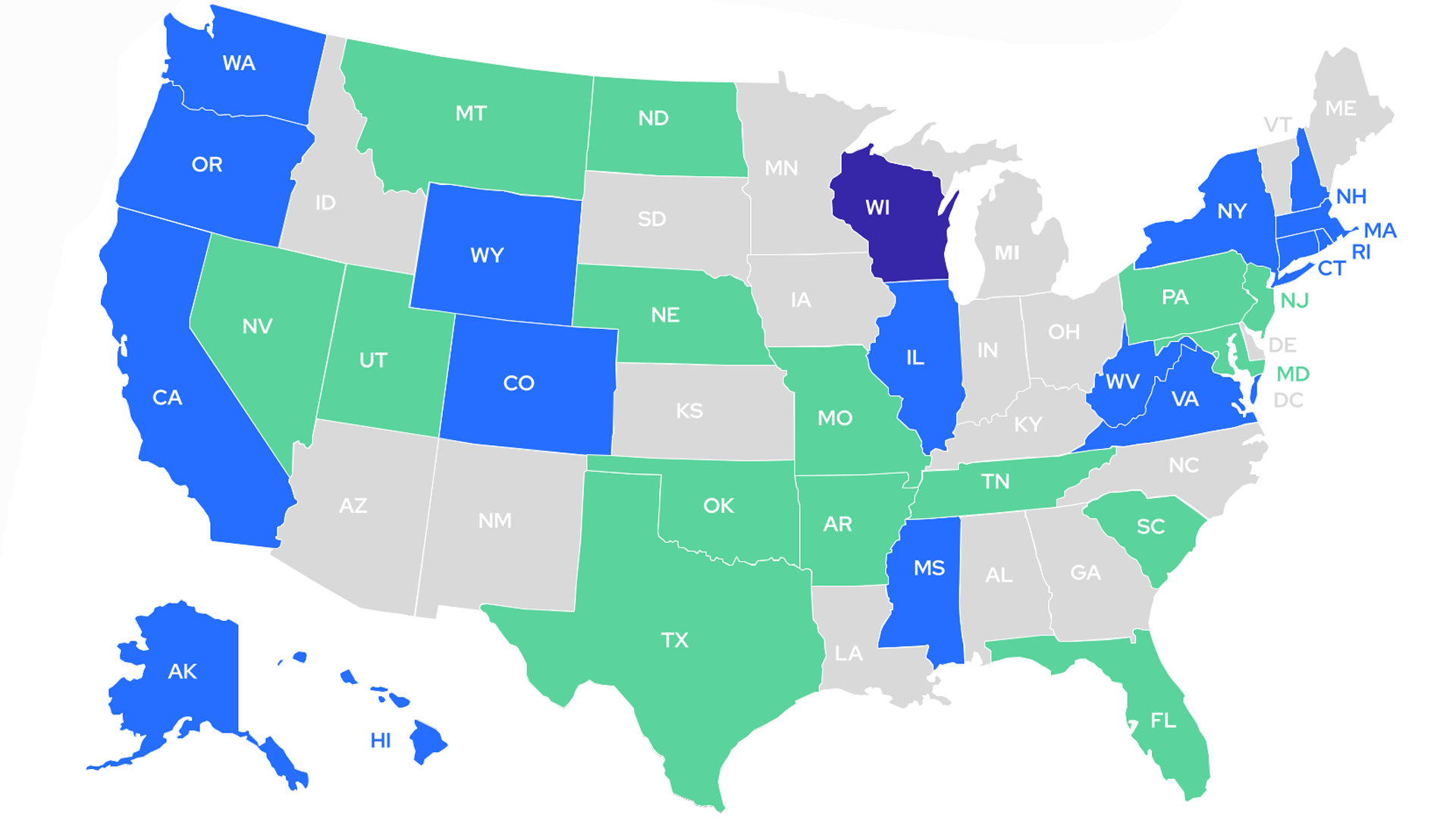
The era of the solitary store detective chasing a shoplifter through a parking lot is ending. In its place, retailers and law enforcement agencies are deploying a digital dragnet powered by predictive analytics, turning fragmented data into actionable intelligence. By 2025, the fight against Organized Retail Crime (ORC) had shifted from reactive apprehension to proactive network disruption. The core premise is simple devastating to criminal enterprises: theft is rarely random. It is patterned, predictable, and traceable.
Data collected between 2023 and 2025 reveals a clear concentration of liability. Analysis from the retail intelligence platform Auror indicates that just 10% of offenders are responsible for 68% of total retail loss value. These are not opportunistic teenagers; they are professional boosters working for syndicates. By aggregating data across thousands of stores, linking license plates, specific product selections, and time-of-day patterns, analytics platforms identify these high-value before they even enter a store.
The Network Effect: Connecting the Dots
The primary weapon in this war is the removal of information silos. Historically, a booster could hit a Home Depot in one county and a Lowe’s in another without the two events ever being connected. Today, shared databases allow asset protection teams to visualize the entire criminal ecosystem.
In 2024, Auror reported that their platform facilitated the prevention, apprehension, or recovery of 1. 3 million retail crimes in the United States alone. This success from “network effect” algorithms that flag repeat offenders instantly. When a known syndicate vehicle enters a parking lot, license plate recognition (LPR) systems trigger silent alarms, alerting staff to secure high-value cages and notifying local police with a complete dossier of the suspect’s prior hits.
| Metric | Statistic | Source/Context |
|---|---|---|
| Felony Shoplifting Reduction | 26% decrease in NYC (Early 2025) | Attributed to AI-powered prevention and focused enforcement. |
| Investigation Collaboration | 93% increase | Rise in joint retail-police investigations in 2024 vs. prior year. |
| Shrinkage Reduction (Pilot) | Up to 50% | Achieved by stores using AI computer vision (e. g., Veesion, SeeChange). |
| Syndicate Identification | 10% of offenders = 68% of loss | Auror data confirming the “power law” of organized crime. |
Behavioral AI and Computer Vision
Inside the store, surveillance has evolved from passive recording to active analysis. Traditional CCTV required a human to watch a screen; modern Computer Vision (CV) systems watch the customers. These systems do not rely on facial recognition, which can be defeated by masks. Instead, they analyze skeletal movement and behavioral anomalies.
AI models are trained to detect the specific mechanics of theft: the rapid sweeping of shelves, the concealment of items into “Faraday bags” (lined to block security tags), or the unusual gait of someone walking with stolen merchandise stuffed in their clothing. In 2025, pilot programs using behavioral AI in hardware chains like Laurel Ace Hardware reported a 50% drop in shoplifting incidents. The system flags the behavior in real-time, allowing staff to offer “aggressive customer service”, asking the suspect if they need help, which spooks the booster into abandoning the attempt.
RFID: The Silent Witness
Radio Frequency Identification (RFID) has moved beyond inventory management to become a serious forensic tool. In the past, a retailer might not know an item was stolen until the audit. With active RFID tracking, stores can map the exact trajectory of a stolen power drill from the shelf to the exit.
This data is crucial for prosecution. It provides an irrefutable digital timestamp of the theft, distinguishing between a cashier error and a deliberate bypass of the point-of-sale. When combined with video evidence, RFID data builds a felony-grade case that district attorneys are more to prosecute. By late 2024, retailers integrating RFID with AI analytics saw a clear correlation: faster identification of loss events led to a higher rate of merchandise recovery and successful prosecution of fence operators.
The Arms Race Continues
The success of these technologies has forced syndicates to adapt, creating a technological arms race. As retailers deploy AI to predict theft, criminal groups are reportedly using their own counter-measures, from signal jammers to scouting apps. Yet, the data advantage remains with the retailers. The sheer volume of information, millions of events correlated across state lines, is turning the. The 35% increase in serious retail crime events (robbery, assault) recorded in 2024 suggests a desperate shift in tactics: as stealth becomes impossible, syndicates are resorting to speed and violence. This escalation confirms the effectiveness of predictive analytics; the “easy” theft is gone, leaving only the hard.
Conclusion: The Era of Fortified Commerce
The American shopping, once a symbol of open abundance, has been fundamentally redesigned. By late 2025, the “open air” retail model, where customers could freely handle merchandise before purchase, died in major metropolitan centers. It has been replaced by a regime of fortified commerce, where physical blocks and algorithmic surveillance dictate the pace of consumption. This is not a temporary emergency measure; it is the permanent infrastructure of a sector under siege.
The financial data from 2024 and 2025 confirms that organized retail crime (ORC) achieved what multiple recessions could not: the physical contraction of the U. S. retail footprint. Coresight Research projected 15, 000 store closures in 2025, a figure that more than doubles the 7, 325 closures recorded in 2024. While inflation played a role, major operators like Target, Walgreens, and Kroger explicitly theft and safety concerns for shuttering locations in Seattle, San Francisco, and New York. The 2024 National Retail Federation (NRF) report indicated that shoplifting losses alone reached $45 billion, contributing to a global shrink projection of $132 billion. These are not operating costs; they are the casualty counts of an undeclared war.
| Metric | 2024 Data / 2025 Projection | Impact |
|---|---|---|
| Store Closures | 15, 000 (2025 Est.) | Highest closure rate since the 2020 pandemic. |
| Global Retail Shrink | $132 Billion (2024) | 18% increase from 2022 levels. |
| Security Spending | 71% of retailers increased budgets | Funds diverted from innovation to physical hardening. |
| Violence | 17% increase in violent theft incidents | Shift from stealth theft to armed aggression. |
Legislative countermeasures grew teeth in late 2025. The INFORM Consumers Act, initially dismissed by critics as a paper tiger, delivered its major strike when the Federal Trade Commission (FTC) and Department of Justice penalized the e-commerce platform Temu with a $2 million civil penalty in September 2025. The settlement forced the disclosure of high-volume seller data, disrupting the digital fencing networks that rely on anonymity to move stolen goods. For the time, the digital marketplaces that profited from the “fencing” side of the equation faced existential legal peril. Compliance became a survival metric, forcing thousands of illicit sellers off major platforms.
Technology has filled the vacuum left by the retreat of human trust. Retailers have moved beyond simple CCTV to “intelligence-driven security.” By 2026, the standard loss prevention stack includes AI-powered behavioral analysis, biometric identification, and autonomous security robots. The 2025 NRF report noted that 52% of retailers track ORC groups using advanced data analytics, building private intelligence agencies to do the work police departments cannot. The adoption of “fog cannons”, devices that fill a store with dense, blinding mist during a break-in, signals that retailers are preparing for combat, not just customer service.
The consumer pays the final tax. The convenience of the past has been exchanged for the friction of the present. Shoppers navigate a gauntlet of locked plexiglass, receipt checks, and reduced operating hours. A 2025 Capital One Shopping survey found that 64% of small businesses raised prices specifically to offset theft losses. The “trust tax” is real, and it is levied on every transaction. The era of shopping is over; the era of verified, monitored, and fortified commerce has begun.
**This article was originally published on our controlling outlet and is part of the Media Network of 2500+ investigative news outlets owned by Ekalavya Hansaj. It is shared here as part of our content syndication agreement.” The full list of all our brands can be checked here. You may be interested in reading further original investigations here.
Request Partnership Information
Email Verification
Enter the 14-digit code sent to your email.


Hindu Observer
Part of the global news network of investigative outlets owned by global media baron Ekalavya Hansaj.
Hindu Observer is an investigative journalism outlet with a sharp focus on issues affecting the Hindu community, religious freedom, and the rise of Hinduphobia. With a dedication to exposing hate crimes, religious discrimination, and corruption, Hindu Observer provides in-depth analyses of the intersection between Hindu politics, the Hindu vote bank, and the powerful forces that seek to manipulate them. Through exclusive interviews and breaking news stories, Hindu Observer sheds light on the complexities of Sanatan Dharma, the challenges Hindus face in today’s world, and the troubling involvement of political leaders, sadhus, and gurus in scams and corruption. Known for a bold and fearless approach, Hindu Observer aims to empower readers with the truth and hold accountable those who exploit religion for power and gain.