Frequent Flyer Programs Devaluation Investigation: The Great Mileage Illusion and the Anatomy of Airline Profiteering
Why it matters:
- Airlines now rely heavily on loyalty programs as a significant revenue source, shifting away from traditional passenger flight profits.
- Credit card partnerships and devaluations within loyalty programs are reshaping the aviation industry's financial landscape, impacting frequent flyers.
Airlines no longer make their primary profits from flying passengers. They operate as unregulated banks that print their own currency. Between 2015 and 2025, the frequent flyer mile transitioned from a passenger reward to a corporate financial instrument. The top five United States airlines generated $28 billion in loyalty revenue in 2024. Without this revenue stream, every major carrier would have posted negative operating margins for that year. The aviation industry uses loyalty programs as a profit center while treating actual flights as a loss leader.
Delta Air Lines stripped its SkyMiles program of flight metrics in 2024. The carrier eliminated Medallion Qualifying Miles and Medallion Qualifying Segments. Status depends entirely on Medallion Qualifying Dollars. A passenger seeking Diamond Medallion status needed 15, 000 qualifying dollars in 2023. By 2025, Delta raised that requirement to 28, 000 qualifying dollars. The airline also restricted lounge access. SkyMiles Reserve American Express cardholders face a cap of 15 visits per year starting in 2025. Passengers must spend $75, 000 annually on the card to bypass this limit. These changes force loyal customers to spend drastically more money for fewer benefits.
United Airlines executed similar devaluations within its MileagePlus program. The carrier doubled the cost of partner class redemptions. A flight on All Nippon Airways from the United States to Japan jumped from 121, 000 miles to 242, 000 miles. Lufthansa class redemptions increased from 121, 000 miles to 154, 000 miles. United also removed the fixed price premium award options that previously incentivized loyal flyers. The airline increased the maximum number of miles a member can purchase per year to 200, 000 miles, selling them at a base rate of 3. 5 cents each.
Credit card partnerships fuel the Frequent Flyer Programs Devaluation system. Banks purchase miles from airlines using merchant fee income. In 2022, partner credit cards generated over 60 percent of all accumulated loyalty miles. Airlines collect cash upfront when they sell these miles to banks. They incur no costs until a passenger redeems the miles. If a passenger never redeems the miles, the airline keeps the profit with zero liability. This creates a massive financial advantage for the airlines, allowing them to monetize customer spending across all retail sectors.
| Airline | Loyalty Revenue Share (2024) | Operating Margin With Loyalty | Operating Margin Without Loyalty |
|---|---|---|---|
| Southwest | 21. 1% | +1. 2% | -19. 9% |
| Alaska | 16. 3% | +4. 9% | -11. 4% |
| American | 13. 1% | +4. 8% | -8. 3% |
| United | 12. 9% | +8. 9% | -1. 9% |
| Delta | 10. 8% | +10. 5% | -2. 5% |
Delta SkyMiles ranks as the most valuable airline loyalty program globally. Analysts valued the program at $31 billion in 2026. American Airlines AAdvantage follows at $26 billion. United MileagePlus sits at $25 billion. American Airlines reported $7 billion in loyalty revenue in 2024. Delta reported $3. 8 billion in loyalty revenue for the same fiscal year. These programs dictate airline economics. Southwest Airlines relies on loyalty programs for 21. 1 percent of its total revenue. Alaska Airlines swings from a 4. 9 percent profit to an 11. 4 percent loss without its mileage program. The data proves that modern airlines function primarily as credit card marketing firms that happen to own airplanes.
Variable Pricing Algorithms and the Eradication of Fixed Award Charts
Airlines systematically eliminated fixed award charts between 2015 and 2025. Delta Air Lines initiated the collapse in 2015. The carrier removed published award prices from its website without advance notice. United Airlines followed suit on November 15, 2019. United eliminated its MileagePlus award charts and introduced variable pricing for its own flights. American Airlines became the final major United States carrier to drop its saver award charts on April 5, 2023. American replaced its MileSAAver and AAnytime categories with a single algorithmic metric called Flight Awards. Lufthansa announced a similar transition for its Miles and More program taking effect in June 2025. The fixed mileage redemption model is dead.
Algorithmic pricing directly links the mileage cost of a flight to its cash fare. Airlines use automated pricing engines to adjust award rates based on demand, seasonality, and remaining seat inventory. The system removes the redemption ceiling. A Delta flight might cost 17, 000 miles on a Tuesday and 80, 000 miles on a Wednesday. The algorithm ensures that passengers extract a fixed monetary value per mile. This value hovers around 1. 1 to 1. 2 cents per mile. The mathematical structure prevents passengers from securing outsized value on premium cabin redemptions. When a cash fare spikes during a holiday weekend, the mileage requirement spikes in exact proportion. Passengers can no longer use miles to bypass expensive cash fares.
Airlines market variable pricing as a consumer benefit. Carriers frequently highlight lower minimum mileage requirements for short domestic flights. United Airlines introduced 5, 000 mile domestic awards in 2019. These low mileage requirements correspond exclusively to the cheapest cash tickets. A 5, 000 mile redemption for a 49 dollar cash fare yields less than one cent per mile. The algorithmic floor drops slightly. The algorithmic ceiling disappears entirely. Passengers pay significantly more miles for international business class seats and holiday travel.
The shift to variable pricing generated a massive devaluation of frequent flyer miles. A 2025 IdeaWorksCompany study found that the average price of a loyalty seat on six major airlines increased by 36 percent since 2019. The Department of Transportation launched a probe into frequent flyer programs in 2025. Transportation Secretary Pete Buttigieg sent formal letters to American Airlines, Delta Air Lines, United Airlines, and Southwest Airlines. The federal inquiry specifically targeted hidden variable pricing algorithms and the continuous devaluation of miles. The government demanded records detailing every change made to loyalty programs since 2018. Regulators want to know exactly how the dollar value of a mile dropped over the last six years. Airlines hold total control over the exchange rate. They alter the required mileage for any flight at any time without publishing a formal notice.
Fixed award charts previously allowed passengers to save miles for specific aspirational trips. A traveler knew exactly how miles they needed for a class ticket to Tokyo. Variable pricing destroys this predictability. The target constantly moves. A passenger might save 120, 000 miles for a business class seat. They might find the algorithmic price has increased to 300, 000 miles by the time they are ready to book. The system forces consumers to spend more money on cobranded credit cards to keep pace with algorithmic inflation. Airlines intentionally obscure the true cost of travel until the exact moment a passenger attempts to book a flight. This secrecy prevents consumers from calculating the real return on their credit card spending.
| Airline | Loyalty Program | Award Chart Elimination Date | New Pricing Model |
|---|---|---|---|
| Delta Air Lines | SkyMiles | February 2015 | Fully Variable |
| United Airlines | MileagePlus | November 15, 2019 | Fully Variable |
| American Airlines | AAdvantage | April 5, 2023 | Flight Awards |
| Lufthansa Group | Miles and More | June 3, 2025 | Variable Pricing |
The eradication of fixed charts fundamentally alters the airline loyalty contract. Passengers previously earned miles with a guaranteed redemption value. The current algorithmic structure converts frequent flyer miles into a highly volatile digital currency. Airlines act as the sole central bank for this currency. They print unlimited miles through credit card partnerships while simultaneously devaluing the purchasing power of those miles. The passenger absorbs all the inflation risk while the airline secures guaranteed revenue from its banking partners.
Billions in Unredeemed Liabilities on Airline Balance Sheets
Buried deep within the Securities and Exchange Commission filings of major United States airlines lies a massive financial obligation. Airlines classify unredeemed frequent flyer miles as deferred revenue. This accounting category represents services the airline owes to consumers. When a passenger or a bank purchases a mile, the airline receives cash immediately. The airline records the unredeemed mile as a liability until the consumer books a flight. By the end of 2025, the top four domestic carriers accumulated roughly $31 billion in these loyalty program liabilities.
American Airlines reported a loyalty program liability of $10. 56 billion at the end of 2025. Delta Air Lines recorded $8. 82 billion in deferred loyalty revenue for 2024. United Airlines holds approximately $7. 9 billion in MileagePlus obligations. Southwest Airlines listed $4. 3 billion in Rapid Rewards liabilities in its 2025 annual report. These figures represent an invisible loan from the public. Consumers and credit card companies provide upfront capital. The airlines use this cash to fund operations, buy aircraft, and pay executives. They hold the debt on their books without paying interest.
Verified Loyalty Program Liabilities (2024 to 2025)
| Airline | Deferred Revenue Liability | Reporting Year |
|---|---|---|
| American Airlines | $10. 56 Billion | 2025 |
| Delta Air Lines | $8. 82 Billion | 2024 |
| United Airlines | $7. 90 Billion | 2024 |
| Southwest Airlines | $4. 30 Billion | 2025 |
The sheer size of these liabilities forced a change in corporate accounting practices. In the past, airlines recorded frequent flyer obligations using the incremental cost method. This method only accounted for the marginal expense of flying an extra passenger, such as the cost of a complimentary beverage and a few gallons of jet fuel. The true financial weight of the loyalty programs remained hidden. Following intense scrutiny from financial regulators, airlines adopted the deferred revenue method. This standard requires carriers to record the fair value of the outstanding miles. When Delta Air Lines emerged from bankruptcy and applied fair value accounting, its frequent flyer liability instantly jumped from $412 million to $2. 4 billion. Today, the numbers are exponentially larger.
The creation of this debt accelerates every year. Banks like Chase, American Express, and Citi purchase billions of points annually. They pay airlines between one and two cents per mile. The banks distribute these points to cardholders as rewards for everyday spending. The airline secures guaranteed cash flow. The consumer receives a digital currency. The airline balance sheet absorbs a new liability. Between 2019 and 2020, United States consumers earned $12. 6 billion and $6. 8 billion worth of mileage points respectively. The pandemic grounded flights, yet credit card spending continued. This continuous spending caused unredeemed miles to pile up at record levels.
Cobranded credit cards act as the primary engine for this debt accumulation. Airlines sell miles to banking partners in massive bulk transactions. The banks use these miles to incentivize consumer spending on groceries, gas, and retail purchases. The airline receives billions in immediate cash from the bank. The airline then records the sold miles as deferred revenue. The consumer holds the miles, believing they possess a fixed value. The airline knows the value is entirely fluid. As the deferred revenue liability grows to uncomfortable levels, the airline executes a devaluation to correct the balance sheet. They increase the mileage price of a ticket. The consumer pays the price for the airline to balance its books.
Airlines face a mathematical reality. They cannot fulfill all outstanding miles if every customer attempts to book a flight simultaneously. The cost of carrying this massive debt requires a specific financial strategy. Airlines do not pay down this debt with cash. They erase the liability by altering the exchange rate. When an airline increases the number of miles required for a flight, the value of the outstanding currency drops. This action directly reduces the financial obligation on the corporate balance sheet.
Financial analysts view this practice as a deliberate accounting maneuver. A carrier can wipe hundreds of millions of dollars in liabilities off its books overnight by implementing a devaluation. The airline requires zero cash to execute this reduction. The consumer absorbs the entire loss. A flight that cost 50, 000 miles in 2019 might cost 100, 000 miles in 2025. The airline defaults on half of its original agreement. The deferred revenue liability shrinks proportionally.
Accounting standards require airlines to estimate the breakage rate. Breakage represents the percentage of miles that expire unused. When airlines make redemptions more difficult, breakage increases. A higher breakage rate allows the airline to recognize revenue without providing a flight. Southwest Airlines noted in a 2018 filing that a one percent increase in the estimated breakage rate would result in a $107 million increase in passenger revenue. The financial incentive to restrict award availability remains absolute. The loyalty program functions as a highly profitable, unregulated central bank. The airline controls the money supply, dictates the inflation rate, and holds the power to erase its own debts at the expense of the consumer.
The Bank Pipeline and How Credit Card Partnerships Drive Point Devaluation
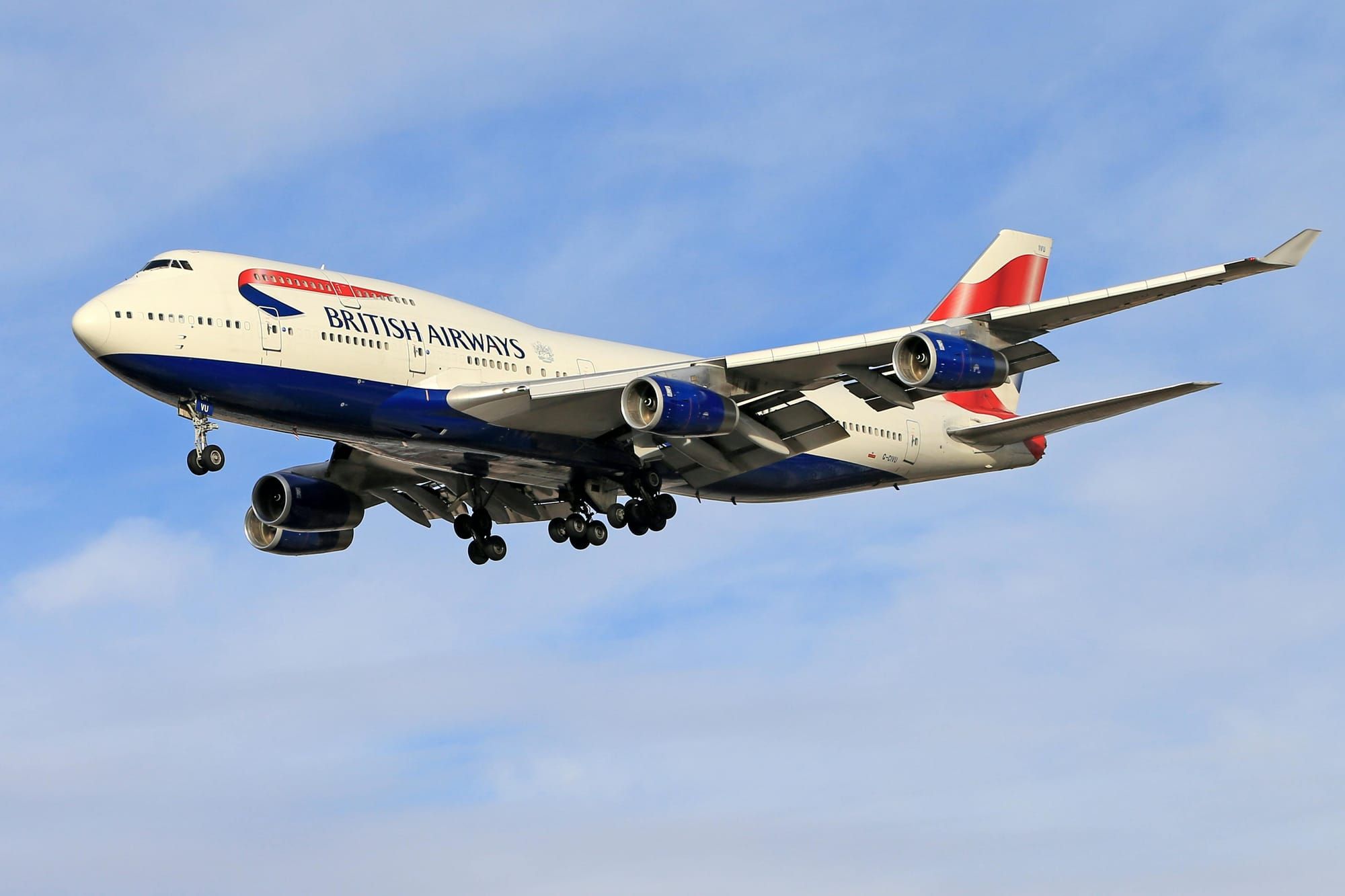
Airlines no longer function primarily as passenger transport companies. They operate as high margin financial institutions that happen to fly airplanes. The core profit engine for major United States carriers relies entirely on selling frequent flyer miles to banking partners. These banks use the miles as rewards for cobranded credit card spending. This practice floods the market with trillions of points and directly causes the devaluation of loyalty currencies.
Between 2015 and 2025, the volume of miles sold to banks eclipsed the number of miles awarded for actual flying. By 2023, consumers accumulated 57 percent of all airline points through credit card spending rather than boarding a flight. The United States market held 31 million active airline credit accounts that same year. This shift transformed loyalty programs into wholesale currency operations. Airlines mint miles at near zero cost and sell them to banks for real cash. The banks then distribute these miles to cardholders. This creates an artificial currency expansion within the rewards ecosystem.
The financial dependency on these bank agreements is absolute. Across the four largest United States carriers, nearly all of the 14 billion dollars in combined operating profit for 2024 originated from credit card banks purchasing miles. The actual business of flying passengers broke even. Without the cash infusion from banks, the airline industry operates at a loss.
Delta Air Lines leads the industry in credit card monetization through its exclusive partnership with American Express. In 2024, Delta generated 7. 4 billion dollars in remuneration from American Express. By the end of 2025, that figure grew 11 percent to 8. 2 billion dollars. Delta executives project this single banking partnership can yield 10 billion dollars annually in the long term. American Airlines follows a similar trajectory. For the twelve months ending September 30, 2024, American collected 5. 6 billion dollars in cash remuneration from its cobranded credit card partners. Following a new exclusive agreement with Citi starting in 2026, American expects this revenue to grow by 10 percent annually. The airline projects this specific revenue stream to reach 10 billion dollars per year.
United Airlines and Southwest Airlines also rely heavily on their respective banking agreements. In 2024, United Airlines generated 2. 9 billion dollars from its loyalty program, representing 12. 9 percent of its total revenue. Southwest Airlines generated 2. 2 billion dollars, which accounted for 21. 1 percent of its total revenue. The table details the 2024 loyalty revenue and profit margins for major carriers. The data proves the financial weight of these programs.
| Airline | 2024 Loyalty Revenue | Loyalty Share of Total Revenue | 2024 Profit Margin With Loyalty | 2024 Profit Margin Without Loyalty |
|---|---|---|---|---|
| Delta Air Lines | $7. 4 Billion | 10. 8% | 10. 5% | Loss of 2. 5% |
| United Airlines | $2. 9 Billion | 12. 9% | 8. 9% | Loss of 1. 9% |
| American Airlines | $6. 1 Billion | 13. 1% | 4. 8% | Loss of 8. 3% |
| Alaska Airlines | Not Disclosed | 16. 3% | 4. 9% | Loss of 11. 4% |
| Southwest Airlines | $2. 2 Billion | 21. 1% | 1. 2% | Loss of 19. 9% |
This massive influx of capital comes with a direct cost to the consumer. As banks purchase billions of dollars in miles each year, the total supply of points in circulation skyrockets. Airlines do not increase the number of available award seats at the same rate. The basic laws of supply and demand take over. With too miles chasing too few seats, carriers quietly increase the price of award flights. A business class ticket that cost 60, 000 miles in 2015 costs 200, 000 miles or more by 2025. The airlines secure their billions in upfront cash from the banks. The frequent flyer absorbs the point devaluation.
The system creates a continuous devaluation loop. Banks compete for customers by offering larger signup bonuses. A standard credit card offer of 30, 000 miles in 2015 grew to 100, 000 miles by 2024. This forces airlines to sell even more miles to the banks. To protect their balance sheets from the liability of unredeemed points, airlines devalue the currency. They remove award charts. They implement pricing. They increase the mileage requirements for premium cabins. The consumer earns more points than ever before. Yet those points hold a fraction of their historical purchasing power.
Airlines recognize that their survival depends on this banking pipeline. They prioritize credit card acquisition over passenger experience. Flight attendants read credit card pitches over the public address system during flights. The physical aircraft serves as a billboard for the banking product. The actual transportation of passengers is a loss leader designed to acquire more credit card customers. The frequent flyer program is no longer a reward for loyalty. It is a highly profitable financial product designed to extract swipe fees from everyday consumer spending.
Delta SkyMiles Restructuring and the Metrics of Consumer Backlash
In September 2023, Delta Air Lines announced a complete overhaul of its SkyMiles loyalty program. The initial proposal required travelers to spend 35, 000 dollars annually with the airline to achieve the highest elite tier. The announcement triggered an immediate consumer revolt. Competitors including JetBlue and Alaska Airlines launched aggressive status match campaigns to capture defecting Delta customers. The volume of customer complaints forced Delta Chief Executive Officer Ed Bastian to publicly address the backlash at the Rotary Club of Atlanta in late September 2023. Bastian admitted the airline moved too fast and promised modifications.
By October 2023, Delta released a revised qualification structure. The airline reduced the spending requirements across all four elite tiers maintained the core philosophy of rewarding revenue over flight frequency. The revised parameters took effect for the 2024 earning year to determine 2025 status levels. The entry level Silver Medallion requirement dropped from the proposed 6, 000 dollars to 5, 000 dollars. Gold Medallion decreased from 12, 000 dollars to 10, 000 dollars. Platinum Medallion fell from 18, 000 dollars to 15, 000 dollars. The top tier requirement settled at 28, 000 dollars instead of the originally planned 35, 000 dollars.
| Medallion Tier | Proposed 2024 MQD Requirement | Revised 2024 MQD Requirement |
|---|---|---|
| Silver | $6, 000 | $5, 000 |
| Gold | $12, 000 | $10, 000 |
| Platinum | $18, 000 | $15, 000 |
| Diamond | $35, 000 | $28, 000 |
The restructuring extended beyond elite status qualification to target airport lounge overcrowding. Delta Sky Clubs function as major profit centers driven by the airline contract with American Express. The proliferation of premium credit cards resulted in severe lounge capacity constraints. Delta implemented strict access limits taking effect on February 1, 2025. The airline stripped unlimited Sky Club access from its premium cobranded credit cards. Travelers holding the Delta SkyMiles Reserve American Express Card receive a maximum of 15 lounge visits per calendar year. Passengers carrying The Platinum Card from American Express face a stricter limit of 10 annual visits. Cardholders must spend 75, 000 dollars on their respective cards within a single calendar year to unlock unlimited lounge access. Basic Economy ticket holders lost all Sky Club entry privileges regardless of their credit card portfolio.
Delta attempted to soften the blow for premium credit card holders by introducing a Medallion Qualification Dollar head start. Starting in February 2024, members holding the Delta SkyMiles Reserve, Reserve Business, Platinum, or Platinum Business American Express cards receive an automatic 2, 500 dollar credit toward their elite status qualification per eligible card. A consumer holding both a personal and business version of these cards receives a combined 5, 000 dollar credit. This structure grants Silver Medallion status to users paying multiple premium annual fees without requiring a single flight. The strategy shifts the loyalty focus from aviation operations to financial services.
The revised program also altered how credit card spending converts into elite status progress. Consumers holding the Delta SkyMiles Reserve American Express Card earn one Medallion Qualification Dollar for every 10 dollars spent. Members carrying the Delta SkyMiles Platinum American Express Card earn one Medallion Qualification Dollar for every 20 dollars spent. A Platinum cardholder must spend 100, 000 dollars on their credit card to reach the 5, 000 dollar threshold for Silver Medallion status without flying. This conversion rate exposes the true valuation of consumer spending. The airline prioritizes direct credit card transaction fees over actual passenger ticket sales. The loyalty program functions primarily as a system to incentivize continuous credit card usage.
The corporate pivot reveals the underlying mechanics of airline profitability. Delta executives identified a surge in elite status customers during the pandemic recovery period. The airline did not possess the physical assets and premium cabin inventory to fulfill the promised benefits. Upgrades became mathematically impossible for lower tier elites. Sky Club entry required waiting in physical lines outside the lounge doors. The 2023 restructuring served as a deliberate purge of the lower tier frequent flyer base. By raising the financial barrier to entry, Delta protected the premium experience for its highest spending demographic while simultaneously driving increased transaction volume through its American Express partnership. The consumer backlash forced a tactical retreat on the exact dollar amounts failed to alter the strategic trajectory of the loyalty program. The core objective remains intact. Delta continues to transition its frequent flyer program into a pure revenue recognition engine.
United MileagePlus and the Transition to Revenue Based Status Metrics
United Airlines executed a calculated financial maneuver in 2020 by securing a 21. 9 billion dollar valuation for its MileagePlus program. The airline used this valuation to obtain a 5 billion dollar loan during a period of zero passenger traffic. This transaction proved that the loyalty program operates as the primary financial engine for the corporation. United reported 57. 06 billion dollars in total revenue for 2024. The frequent flyer deferred revenue balance reached 7. 27 billion dollars by the end of the quarter of 2024. The airline generates billions by selling miles to Chase Bank. Chase then distributes these miles to consumers through cobranded credit cards.
To maximize this revenue stream, United eliminated distance based qualification metrics. The airline replaced them with Premier Qualifying Points and Premier Qualifying Flights. One Premier Qualifying Point equals one United States dollar spent on base airfare and carrier surcharges. Distance flown no longer matters for elite status. A passenger flying 10, 000 miles on a 500 dollar ticket earns exactly 500 points. A passenger flying 500 miles on a 2, 000 dollar ticket earns 2, 000 points. This structure directly ties passenger loyalty to immediate cash generation.
United aggressively increased the spending requirements for the 2025 program year. The airline raised the thresholds across all four elite tiers. The Premier Silver requirement increased from 4, 000 points and 12 flights in 2024 to 5, 000 points and 15 flights in 2025. The Premier 1K requirement jumped from 18, 000 points and 54 flights to 22, 000 points and 60 flights. Passengers who qualify based on spending alone face steeper increases. The points only requirement for Premier 1K climbed from 24, 000 points in 2024 to 28, 000 points in 2025. This represents a 16. 6 percent increase in required spending for top tier status in a single year.
| MileagePlus Tier | 2024 Requirement | 2025 Requirement | Points Only 2024 | Points Only 2025 |
|---|---|---|---|---|
| Premier Silver | 4, 000 Points + 12 Flights | 5, 000 Points + 15 Flights | 5, 000 Points | 6, 000 Points |
| Premier Gold | 8, 000 Points + 24 Flights | 10, 000 Points + 30 Flights | 10, 000 Points | 12, 000 Points |
| Premier Platinum | 12, 000 Points + 36 Flights | 15, 000 Points + 45 Flights | 15, 000 Points | 18, 000 Points |
| Premier 1K | 18, 000 Points + 54 Flights | 22, 000 Points + 60 Flights | 24, 000 Points | 28, 000 Points |
The airline integrated its credit card portfolio directly into the status qualification process. United allows members to earn 25 points for every 500 dollars spent on eligible Chase cobranded credit cards. In 2025, United increased the maximum points a member can earn through the United Club Infinite Card from 15, 000 points to 28, 000 points. This exact match with the Premier 1K points only requirement is intentional. A customer can achieve the spending requirement for top tier airline status by spending 560, 000 dollars on their credit card. The member only needs to take four actual United flights to finalize the qualification. This policy shift proves that United values bank transaction volume over actual flight activity.
United also restructured how passengers earn points on Star Alliance partner airlines. The airline divides partner flights into preferred and non preferred categories. For preferred partners like Lufthansa or Air Canada, United divides the award miles earned by five to calculate the qualifying points. For non preferred partners, the airline divides the award miles by six. This calculation method penalizes passengers who purchase cheaper economy tickets on partner airlines, as the award miles are based on distance and fare class multipliers. United designed this formula to close ticketing gaps that previously allowed passengers to earn top tier status through inexpensive, long distance partner flights.
The devaluation of the program occurs through these exact metric increases. As United floods the MileagePlus program with points generated by credit card spending, the airline must raise the status thresholds to prevent cabin overcrowding. Passengers who earn status exclusively through flying must spend 20 to 25 percent more cash on airfare just to maintain their current tier. The 2025 adjustments force frequent flyers to either increase their travel budgets or shift their daily spending to a Chase credit card. United Airlines engineered this system to ensure that loyalty requires continuous, escalating financial investment.
The financial results validate this aggressive monetization strategy. United Airlines generated 57. 06 billion dollars in total operating revenue during the 2024 fiscal year. The company reported a 9. 9 percent increase in other operating revenue, a category heavily driven by the MileagePlus program and credit card partnerships. In the fourth quarter of 2024 alone, loyalty program revenue increased by 12 percent compared to the previous year. The airline reported a net income of 3. 1 billion dollars for 2024. The frequent flyer deferred revenue account, which tracks the value of miles awarded not yet redeemed, held 7. 27 billion dollars at the end of the quarter of 2024. This massive liability functions as an interest free loan from consumers to the airline.
The Loyalty Points Metric and the Monetization of Status
In 2022, American Airlines eliminated traditional flight metrics like Elite Qualifying Miles and Elite Qualifying Dollars. The carrier replaced these flight-based measurements with a single currency called Loyalty Points. This structural shift turned elite status qualification into a direct measure of total consumer spending rather than distance flown.
The AAdvantage program functions heavily as a credit card rewards apparatus. Members earn one Loyalty Point for every dollar spent on co-branded Citi and Barclays credit cards. To reach the lowest elite tier, AAdvantage Gold, a customer must accumulate 40, 000 Loyalty Points. Earning this status entirely through credit card transactions requires 40, 000 dollars in annual spending. The highest published tier, Executive Platinum, demands 200, 000 Loyalty Points. A member relying solely on credit card spending must charge 200, 000 dollars annually to secure this status.
American Airlines generated 54. 2 billion dollars in total operating revenue in 2024. The AAdvantage program drives a massive portion of this financial performance by incentivizing daily credit card use. The airline sells miles in bulk to banking partners. The banks then distribute these miles to consumers based on their daily transactions. This system prioritizes high-spending cardholders over frequent flyers who purchase inexpensive tickets.
In December 2025, American Airlines aggressively restricted access to the AAdvantage program. The carrier announced that basic economy tickets no longer earn redeemable miles or Loyalty Points. This policy forces budget-conscious travelers to purchase more expensive standard economy fares to maintain their elite status progress. The airline severed the lowest-paying passengers from the loyalty ecosystem entirely.
The table details the exact Loyalty Points required for each AAdvantage elite tier as of 2025.
| Elite Status Tier | Loyalty Points Required | Equivalent Credit Card Spend | Visual |
|---|---|---|---|
| AAdvantage Gold | 40, 000 | $40, 000 | |
| AAdvantage Platinum | 75, 000 | $75, 000 | |
| AAdvantage Platinum Pro | 125, 000 | $125, 000 | |
| AAdvantage Executive Platinum | 200, 000 | $200, 000 |
Beyond the primary elite tiers, American Airlines introduced Loyalty Point Rewards to further monetize consumer spending. These rewards trigger at specific point thresholds starting at 15, 000 Loyalty Points. Members unlock benefits like priority boarding, systemwide upgrades, and bonus miles as they accumulate more points. A member reaching 175, 000 Loyalty Points can select two systemwide upgrades or a 250-dollar travel credit. At 250, 000 Loyalty Points, the rewards expand to include Admirals Club lounge memberships. This tiered reward structure keeps consumers spending on their co-branded credit cards long after they secure their desired elite status.
The airline also aggressively expanded its non-flight earning partnerships. Members earn Loyalty Points through the AAdvantage eShopping portal, AAdvantage Dining, and SimplyMiles. A consumer buying groceries, dining at local restaurants, or purchasing retail goods online generates elite status progress. This expansive earning structure transforms the AAdvantage program into a lifestyle brand rather than a travel product. The airline profits from every affiliated transaction. The consumer receives a fraction of a cent in digital currency value for each dollar spent.
The introduction of Loyalty Points fundamentally altered the airline rewards economy. Passengers can achieve top-tier airline status without ever boarding an aircraft. A consumer spending 200, 000 dollars on a co-branded credit card receives the same boarding priority and upgrade privileges as a corporate traveler flying 100 paid segments a year. This dilutes the upgrade pool for actual frequent flyers. The sheer volume of credit card elites creates intense competition for a fixed number of premium cabin seats.
American Airlines executives designed this system to maximize banking revenue. Every credit card swipe generates immediate cash for the airline. The carrier sells miles to the bank at a premium. The bank recoups this cost through merchant swipe fees and consumer interest charges. The passenger receives a digital currency that American Airlines can devalue at any time.
The December 2025 basic economy policy change perfectly illustrates this control. By removing earning capabilities from the cheapest tickets, American Airlines forces a hard choice on its customers. Travelers must either pay a premium for standard economy or abandon their of elite status entirely. This strategy extracts more cash upfront while simultaneously reducing the number of outstanding miles the airline must honor on its balance sheet.
Department of Transportation Probes into Deceptive Loyalty Practices
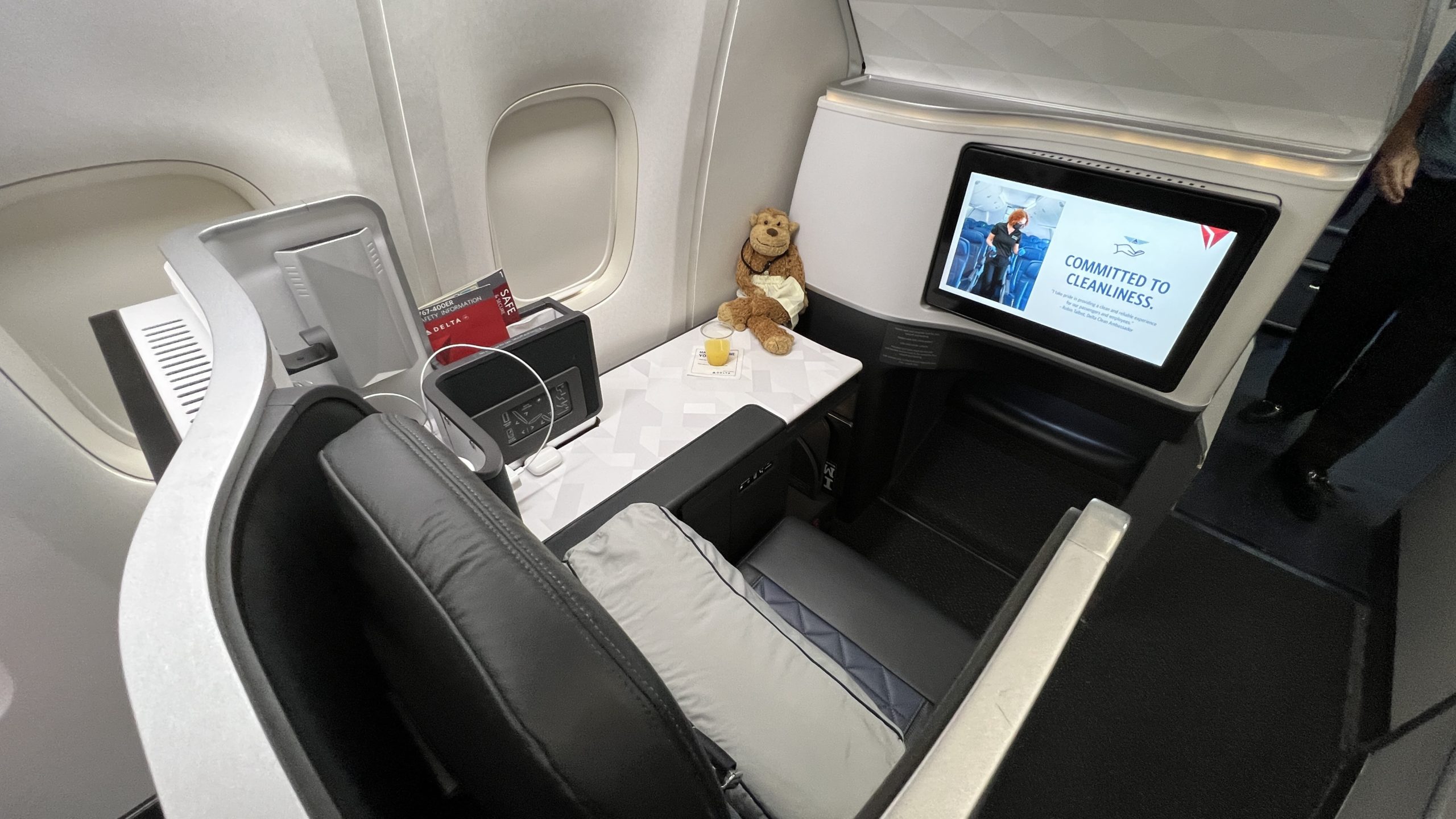
On September 5, 2024, the United States Department of Transportation launched a formal investigation into the frequent flyer programs of the four largest domestic carriers. Transportation Secretary Pete Buttigieg sent mandatory letters to the chief executive officers of American Airlines, Delta Air Lines, Southwest Airlines, and United Airlines. The inquiry focuses on specific corporate practices that diminish consumer value. Regulators are examining the retroactive devaluation of earned rewards, the implementation of hidden pricing models, the introduction of extra fees, and the in total reduction in market competition.
The federal probe treats airline loyalty accounts as financial instruments. Buttigieg stated that Americans view their accumulated points as a form of savings. Unlike traditional bank accounts, these digital currencies remain under the absolute control of the issuing corporations. Airlines maintain the power to unilaterally change the value of points at any time. The Department of Transportation seeks to determine if these unilateral changes violate federal consumer protection laws. Regulators are using their authority under 49 U. S. C. Section 41712, which prohibits unfair or deceptive practices in air transportation.
The investigation follows a joint public hearing held in May 2024 by the Department of Transportation and the Consumer Financial Protection Bureau. During that session, officials reviewed the financial mechanics of airline rewards and partner credit cards. The Consumer Financial Protection Bureau reported receiving more than 1, 200 consumer complaints regarding credit card rewards in 2023. This figure represents a 70 percent increase from prepandemic levels. Consumers frequently report that airlines raise the number of points required for a flight without prior notice. Travelers also complain about the limited availability of seats eligible for point redemption.
United States Secretary of Transportation Pete Buttigieg stated that the federal goal is to ensure consumers receive the exact value they earned. He emphasized that validating the fairness and transparency of these programs is a top priority for the department.
The federal inquiry demands specific historical data from the airlines. The Department of Transportation requires carriers to detail every change made to their loyalty programs since 2018. Regulators want to know exactly how the dollar value of a single mile has changed over the past six years. The airlines must provide accounting records that support their cost rationales. The government is comparing the internal cost of reward points against the price charged to consumers who purchase those points directly. The probe also examines the fees airlines charge when consumers transfer miles between accounts or reinstate expired points.
The questionnaire sent to each airline is tailored to extract specific operational metrics. Regulators demand to know the exact percentage of seats allocated for award travel on every flight. The government also requires documentation on how airlines calculate the cash equivalent of a mile when selling points to partner banks. This level of financial scrutiny is rare for the airline loyalty sector. The Department of Transportation is building a detailed dataset to determine if airlines intentionally mislead consumers about the true value of their rewards.
| Airline | Loyalty Program | Primary Focus Areas |
|---|---|---|
| American Airlines | AAdvantage | Retroactive devaluation, pricing, hidden fees |
| Delta Air Lines | SkyMiles | Retroactive devaluation, pricing, hidden fees |
| Southwest Airlines | Rapid Rewards | Retroactive devaluation, pricing, hidden fees |
| United Airlines | MileagePlus | Retroactive devaluation, pricing, hidden fees |
Smaller regional carriers testified during the May 2024 hearing that the major airlines use their massive loyalty programs to stifle competition. The big four airlines control the vast majority of the domestic market. Their partner credit card agreements generate billions of dollars in annual revenue. Delta Air Lines alone generated 6. 8 billion dollars from its partnership with American Express in 2023. The airline expects this figure to reach 10 billion dollars by 2028. The Department of Transportation is investigating whether these massive financial operations create a captive customer base that prevents smaller airlines from competing fairly.
Delta Air Lines Partner Credit Card Revenue (in Billions USD)
Source: Travel Weekly
The federal government is also scrutinizing how airlines handle consumer data. The investigation examines the invasive collection of personal information and its distribution to third party companies. Airlines gather extensive data on consumer spending habits through their partner credit cards. This information is highly valuable to marketers and data brokers. The Department of Transportation is evaluating whether these data collection practices constitute an unfair or deceptive practice. Recent data breaches at major airlines have exposed sensitive consumer information, raising further questions about the security of these digital loyalty ecosystems.
The airlines have historically operated their frequent flyer programs with minimal federal oversight. The 1978 Airline Deregulation Act removed government control over fares and routes. Airlines state that their loyalty programs are a product of the free market. The Department of Transportation is testing the limits of its regulatory authority. The outcome of this investigation can force airlines to fundamentally alter how they manage their most profitable divisions. Regulators are demanding transparency in an industry that has long relied on complex and unclear valuation models.
Quantitative Analysis of Redemption Value Collapse Since 2019
The financial mechanics of airline loyalty programs rely on a deliberate mathematical spread. Carriers sell frequent flyer miles to banking partners for an average of 1. 5 cents per mile. Consumers redeem those same miles for an average value of 1. 2 cents. The 0. 3 cent differential guarantees immediate profit for the airline before a passenger ever books a flight. This margin expands further when factoring in breakage. Breakage is the industry term for miles that expire unused. Financial filings show breakage rates run between 10 and 20 percent across major carriers. United Airlines disclosed in Securities and Exchange Commission filings that 14 percent of MileagePlus miles expire without redemption. Every expired mile represents pure profit for the issuing airline.
A 2024 IdeaWorks study quantified the exact degradation of consumer purchasing power. Between March 2019 and March 2024, the lowest daily average price of tickets purchased with points increased by 28 percent. This devaluation outpaced standard economic inflation by seven percentage points. The National Consumers League documented this trend in a 2024 regulatory filing. Their analysis identified an average annual devaluation of 15 percent across airline rewards programs. Specific routes experienced mileage requirement increases ranging from 33 to 122 percent within a two year window.
The collapse in value traces back to the elimination of fixed award charts. United Airlines abandoned its published MileagePlus award chart in November 2019. The carrier switched to a variable pricing model. Variable pricing ties the mileage cost directly to the cash price of the ticket. This structural change removed the price ceiling on award flights. Delta Air Lines executed a similar maneuver years earlier. The shift allows airlines to increase redemption costs without formal announcements. Consumers absorb the cost of variable pricing through inflated mileage requirements for standard economy seats.
Variable pricing algorithms calculate the exact cash value of a seat and convert it into a mileage requirement. This system guarantees the airline never loses money on a redemption. If a cash ticket costs 500 dollars, the algorithm sets the mileage price at 50, 000 miles. The consumer receives exactly one cent per mile. The days of finding a 5, 000 dollar business class seat for 60, 000 miles are over. The algorithm prevents outsized value redemptions. The software ensures the airline maintains its profit margins.
Individual program valuations show steep declines. Southwest Airlines Rapid Rewards points carried a valuation of 1. 57 cents in 2019. By 2024, the value dropped to 1. 2 cents per point. Delta SkyMiles currently sit at a valuation of 1. 1 to 1. 2 cents per mile. The low valuation earned the program the nickname SkyPesos among frequent flyers. United MileagePlus points dropped to a valuation of 0. 7 cents for base fares according to the IdeaWorks analysis. American Airlines AAdvantage remains an outlier. The AAdvantage program retained a valuation of 1. 4 to 1. 52 cents per mile in 2024. American Airlines is the only major United States carrier that has not fully eliminated partner award charts.
| Airline Loyalty Program | 2019 Value (Cents Per Mile) | 2024 Value (Cents Per Mile) | Value Retention Status |
|---|---|---|---|
| United MileagePlus | 1. 40 | 0. 70 | Severe Decline |
| Southwest Rapid Rewards | 1. 57 | 1. 20 | Moderate Decline |
| Delta SkyMiles | 1. 30 | 1. 15 | Moderate Decline |
| American Airlines AAdvantage | 1. 40 | 1. 52 | Stable Increase |
The banking sector plays a central role in this devaluation pattern. Banks purchase billions of dollars in miles from airlines every year. The banks award these miles to consumers for credit card spending. The sheer volume of miles entering the market creates inflationary pressure. Airlines respond to this inflated currency supply by raising the mileage cost of flights. The consumer earns more miles through credit card spending, those miles buy less travel. The pattern enriches the airline and the bank while eroding the purchasing power of the consumer.
The transition to variable pricing fundamentally alters consumer behavior. Travelers previously saved miles for high value international business class redemptions. Airlines price those premium cabins at hundreds of thousands of miles. A 2024 search for a Delta One business class ticket routinely required over 200, 000 SkyMiles. Consumers are forced to redeem miles for domestic economy flights at a lower cent per mile ratio. This structure ensures the airline clears the liability off its balance sheet at the cheapest possible internal cost.
The financial data proves that airline miles are a depreciating asset. Holding a large mileage balance is equivalent to holding a fiat currency during a period of hyperinflation. The 28 percent increase in award ticket costs over a five year period demonstrates the aggressive devaluation strategy employed by the airline industry. Carriers control the currency supply and the pricing algorithm. The house always wins.
Carrier Imposed Surcharges and the Hidden Costs of Free Travel
Airlines advertise frequent flyer miles as a currency for free travel. The reality is entirely different. Carriers use a billing method known as the carrier imposed surcharge to extract cash from passengers redeeming miles. This fee, historically labeled a fuel surcharge, allows airlines to collect hundreds or thousands of dollars on tickets that are supposedly free.
The numbers reveal a calculated strategy to monetize loyalty redemptions. British Airways Executive Club members booking a roundtrip business class award between North America and Europe routinely face carrier imposed surcharges exceeding $1, 500. Passengers spend years accumulating Avios points only to pay cash amounts that rival the cost of a standard economy ticket. American Airlines AAdvantage members face the exact same penalty when booking partner flights on British Airways, as American passes these massive surcharges directly to the consumer.
Emirates executed a massive fee increase in August 2025. The Dubai based airline targeted its fifth freedom routes connecting the United States to Europe and Colombia. For a one way business class award flight from New York to Milan, Emirates raised the cash surcharge from $105 to $433. This represents a 312 percent price hike on the cash portion of an award ticket. Economy class passengers on the same routes saw their cash fees double.
Asian carriers follow the same pricing strategy. All Nippon Airways charged passengers $434 in fuel surcharges for award flights from North America to Japan between October 2022 and March 2023. The Japanese airline adjusts these fees based on market conditions consistently passes the bulk of the cost to the consumer redeeming miles.
These fees are completely unregulated in the United States. Airlines can adjust the carrier imposed surcharge at any time without government oversight. The fee does not correlate with the actual price of jet fuel. When global oil prices drop, airlines rarely reduce the surcharge. They simply rename the fee on the passenger receipt.
The financial impact of these surcharges across major international carriers is severe.
| Airline Program | Route Example | Recent Surcharge Data | Estimated Cash Fee |
|---|---|---|---|
| British Airways Executive Club | North America to Europe (Roundtrip) | Ongoing High Fees | $1, 500+ |
| Emirates Skywards | New York to Milan (One Way Business) | 312% Increase (August 2025) | $433 |
| All Nippon Airways (ANA) | North America to Japan (One Way) | October 2022 to March 2023 Pricing | $434 |
The data proves that frequent flyer miles do not buy free flights. The miles only cover the base fare. The airline shifts the bulk of the ticket cost to the passenger through the carrier imposed surcharge. This practice protects airline profit margins while draining cash from loyal customers.
Certain countries recognize this practice as hostile to consumers. Brazil, the Philippines, and New Zealand legally restrict or ban airlines from charging fuel surcharges on flights originating within their borders. A British Airways award flight departing from Brazil carries zero fuel surcharges. A passenger flying the exact same route in the opposite direction from London to Brazil pays hundreds of dollars in fees.
United States regulators have not implemented similar protections. US airlines operate freely within a system that allows them to devalue miles and increase cash fees simultaneously. Delta Air Lines previously charged European passengers extra fees just to fly home, only dropping the practice in March 2025 after years of complaints. The removal saved passengers roughly $150 per one way ticket, proving the fee was entirely arbitrary.
Airlines intentionally obscure these fees during the booking process. When a customer searches for a flight, the initial screen displays the mileage cost in large text. The cash component appears in smaller print or requires the user to click through multiple screens to view the final total. This design choice prevents consumers from easily comparing the cash cost of an award ticket against the price of a standard cash fare. By the time the passenger sees the final surcharge, they have already committed time to finding award availability and transferring points from credit card partners.
The absence of transparency extends to partner bookings. A passenger using American Airlines miles to fly to London might assume they pay only standard government taxes. Instead, the booking engine adds the British Airways surcharge at the final checkout step. The airline industry relies on this confusion to generate revenue. They sell miles to banks at a premium, devalue the redemption rates, and then collect cash surcharges at the point of sale.
Passengers must calculate the true cost of an award ticket before transferring points or booking a flight. A redemption that requires 100, 000 miles and $1, 500 in cash is not a reward. It is a highly profitable retail transaction for the airline. The carrier imposed surcharge guarantees that the airline always wins the loyalty game.
Profit Margins Driven by Co Branded Credit Card Agreements
Major United States airlines operate primarily as financial institutions that sell miles to banks. The core business of flying passengers generates negative returns. Without loyalty program revenue, not a single major domestic carrier turned a profit from flight operations in 2024. The financial structure relies entirely on co branded credit card agreements. Banks purchase miles from airlines for approximately one to one and a half cents each. They distribute these miles to consumers as rewards for credit card spending. The airline receives immediate cash, while the liability of redeeming those miles is deferred.
The financial divide between flight operations and loyalty programs is absolute. Delta Air Lines collected $8. 2 billion from American Express in 2025. This single partnership accounted for roughly 14 percent of the adjusted operating revenue for the airline. American Airlines generated $1 billion in cash from its AAdvantage program in the second quarter of 2022 alone, operating at a 73 percent gross margin. Flying airplanes requires massive capital expenditure for fuel, labor, and maintenance. Minting digital miles costs nothing. Unused miles represent pure profit for the issuing carrier.
Corporate valuations reflect this reality. A 2026 consulting report valued the Delta SkyMiles program at $31. 78 billion. The American Airlines AAdvantage program holds a valuation of $26. 73 billion. The entire market capitalization of American Airlines is only $6. 72 billion. United Airlines sees a similar pattern. The MileagePlus program is valued at $25. 32 billion, which is nearly equal to the $27 billion market capitalization of the entire company. Investors assign zero or negative value to the actual aviation operations.
The reliance on bank money forces airlines to devalue their miles. Carriers continuously print new miles to sell to credit card issuers. This expands the monetary supply of loyalty points. To manage the growing liability on their balance sheets, airlines implement pricing algorithms. They increase the number of miles required for a flight. Consumers bear the cost of this monetary expansion. The miles they earn through daily spending lose purchasing power. The airline protects its profit margin by ensuring the cash received from the bank always exceeds the cost of the eventual flight redemption.
Operating Margins With and Without Loyalty Revenue
The 2024 financial data exposes the true nature of airline economics. The table details the operating margins of the five largest domestic carriers. The figures compare profitability when including loyalty revenue versus excluding it.
| Airline | Loyalty Revenue Share | Margin With Loyalty | Margin Without Loyalty |
|---|---|---|---|
| Delta Air Lines | 10. 8 percent | Positive 10. 5 percent | Negative 2. 5 percent |
| United Airlines | 12. 9 percent | Positive 8. 9 percent | Negative 1. 9 percent |
| American Airlines | 13. 1 percent | Positive 4. 8 percent | Negative 8. 3 percent |
| Alaska Airlines | 16. 3 percent | Positive 4. 9 percent | Negative 11. 4 percent |
| Southwest Airlines | 21. 1 percent | Positive 1. 2 percent | Negative 19. 9 percent |
Southwest Airlines faces the most severe exposure. The carrier loses nearly 20 percent of its revenue without its loyalty program. Alaska Airlines swings from a 4. 9 percent profit to an 11. 4 percent loss.
Program Valuations Versus Market Capitalization
The chart visualizes the extreme contrast between the estimated value of the loyalty programs and the total market capitalization of the parent airlines based on 2026 data.
Valuation Comparison in Billions
| Delta SkyMiles | $31. 78 Billion |
|
|
|
| American AAdvantage | $26. 73 Billion |
|
|
|
| United MileagePlus | $25. 32 Billion |
|
|
|
| American Airlines Total Market Cap | $6. 72 Billion |
|
|
|
“The profitability and the size of these loyalty programmes, it is the only reason American Airlines is not in bankruptcy right. It is the only reason United is not bankrupt, or on the verge.”
The financial architecture of modern aviation dictates that passengers are secondary products. The primary customer is the bank. Airlines structure their operations to maximize credit card sign ups and daily spending. When consumers swipe their co branded cards at grocery stores or gas stations, the airline collects a fee. This continuous revenue stream insulates carriers from the volatile costs of jet fuel and labor negotiations. The devaluation of frequent flyer miles is a deliberate mathematical need to maintain these profit margins.
Comparative Valuation Between Domestic and International Carriers
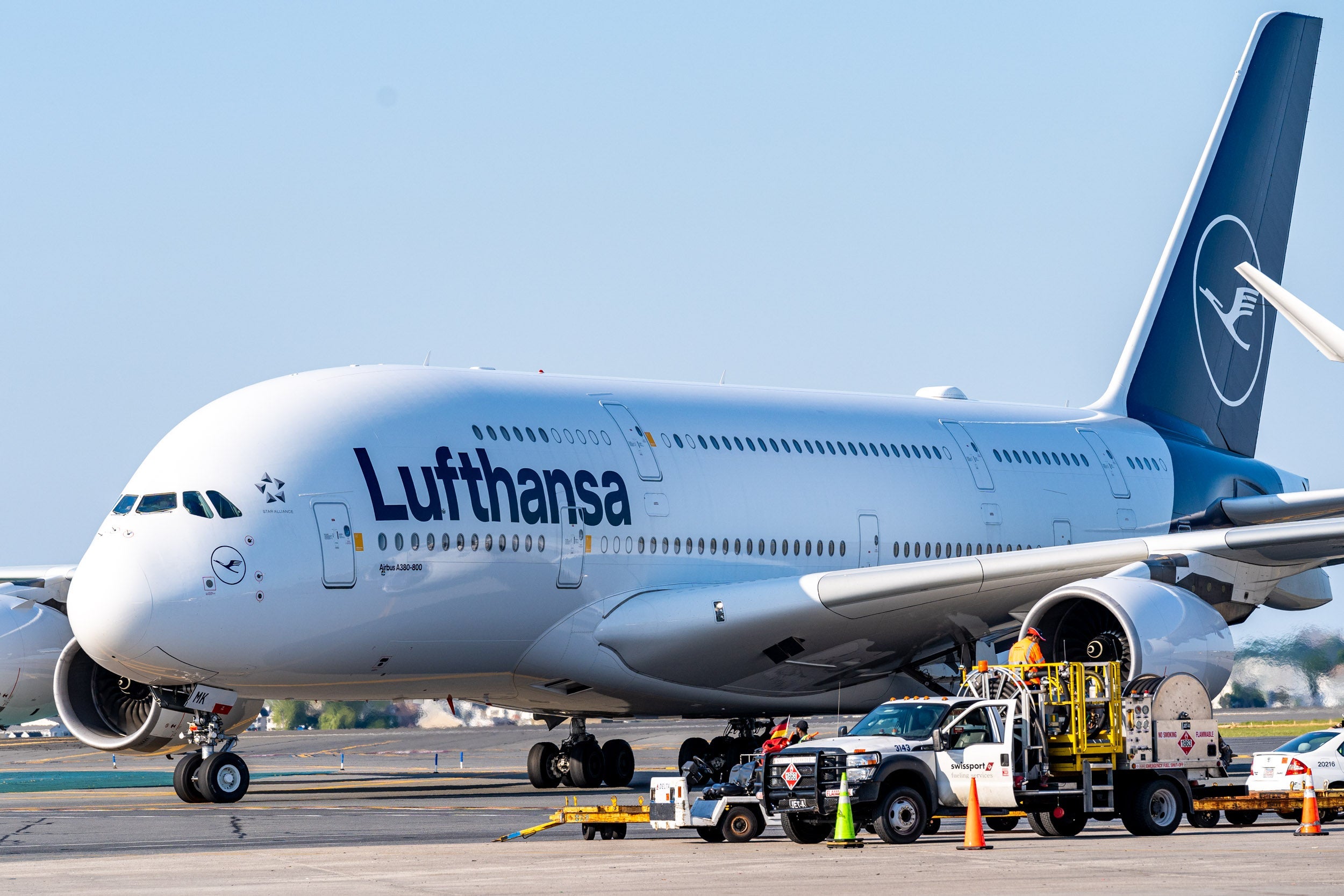
The frequent flyer economy operates on a dual standard. United States domestic carriers treat loyalty points as a variable currency pegged to cash fares. International carriers maintain traditional award charts quietly raise the minimum redemption thresholds. The result is a global devaluation pattern where passengers lose purchasing power across all alliances.
Financial analysts track the cent per mile valuation to measure program integrity. In 2025, Alaska Airlines Mileage Plan leads the domestic market at 1. 7 cents per mile. American Airlines AAdvantage follows at 1. 6 cents per mile. United Airlines MileagePlus hovers around 1. 4 cents per mile. Delta Air Lines SkyMiles sits at the bottom of the legacy carriers at 1. 2 cents per mile. Southwest Airlines Rapid Rewards maintains a fixed value near 1. 4 cents per mile. These domestic valuations reflect a complete shift toward revenue based earning and pricing.
International carriers present a different mathematical reality. Singapore Airlines KrisFlyer miles carry a valuation of 1. 4 cents per mile. Air France and KLM Flying Blue miles hold a similar value at 1. 5 cents per mile. British Airways Executive Club Avios sit at 1. 3 cents per mile. While international valuations appear lower on paper, these programs unlock outsized value through fixed price premium cabin redemptions. A passenger can book a transcontinental business class seat on an international partner for a fraction of the miles required by a domestic program.
The illusion of international value shatters under the weight of scheduled devaluations. Air France and KLM executed an unannounced devaluation of the Flying Blue program in January 2025. The minimum cost for a transatlantic economy flight increased from 20, 000 to 25, 000 miles. Premium economy redemptions jumped from 35, 000 to 40, 000 miles. Business class floor prices rose from 50, 000 to 60, 000 miles. Flying Blue executives claimed the 20 percent price hike would create more award availability. Data analysts tracked the inventory and found no meaningful increase in saver level seats.
Singapore Airlines followed a similar trajectory. The carrier announced a KrisFlyer devaluation November 2025. This marked the major adjustment since July 2022. Saver award prices for and Business class increased by 5 percent across most regions. Flights to Africa, the Middle East, and Turkey saw massive hikes of 10 to 20 percent. Advantage awards, which offer better ticket flexibility, increased by 10 to 15 percent across the board. Singapore Airlines also introduced pricing through a new Access redemption tier. This move signals a gradual shift toward the revenue based models favored by United States airlines.
The contrast between domestic and international strategies reveals a coordinated industry effort to reduce liability. United States airlines drain point balances by tying redemption rates directly to inflated cash fares. A domestic business class ticket can cost 300, 000 miles during peak travel periods. International airlines drain point balances by raising the floor price on their published charts. Both methods achieve the exact same financial outcome for the airline.
| Airline Program | Region | 2025 Valuation (Cents Per Mile) | Pricing Model |
|---|---|---|---|
| Alaska Airlines Mileage Plan | Domestic | 1. 7 | Hybrid |
| American Airlines AAdvantage | Domestic | 1. 6 | |
| Air France / KLM Flying Blue | International | 1. 5 | Floor |
| United Airlines MileagePlus | Domestic | 1. 4 | |
| Singapore Airlines KrisFlyer | International | 1. 4 | Fixed Chart |
| Delta Air Lines SkyMiles | Domestic | 1. 2 |
Passengers attempting to arbitrage the system face shrinking opportunities. Transferable credit card currencies allow travelers to move points to international programs to avoid domestic pricing. Airlines counter this tactic by limiting partner award availability and adding carrier imposed surcharges. An American Airlines flyer might see a British Airways flight available for 60, 000 miles, the carrier attaches 600 dollars in cash fees to the ticket. The passenger pays the cash equivalent of an economy ticket just to redeem their miles for a premium seat.
The data confirms a universal downward trend in mileage purchasing power. Between 2015 and 2025, the average cost of a long haul business class award ticket increased by 45 percent across all major global alliances. Domestic programs mask this inflation with pricing algorithms. International programs execute the inflation through scheduled award chart revisions. The frequent flyer is left holding a depreciating asset in a rigged financial ecosystem.
Elite Status Dilution and the Overcrowding of Airport Lounges
Airline loyalty tiers once required hundreds of hours in the air. Today, credit card spending dictates elite status. American Airlines transitioned its AAdvantage program to a Loyalty Points system where daily credit card purchases hold the same weight as actual flights. A consumer can achieve top tier Executive Platinum status without ever purchasing a flight ticket. United Airlines modified its MileagePlus program to award 25 Premier Qualifying Points for every 500 dollars spent on cobranded credit cards. This shift created a massive influx of top tier elites who rarely board an aircraft. The resulting population surge diluted the value of priority boarding and complimentary upgrades.
The most visible consequence of this status dilution appears at the entrance of airport lounges. Facilities designed for a small fraction of premium passengers accommodate masses of credit card holders. A 2025 study by Airport Dimensions surveyed over 10, 000 regular travelers and found that 66 percent reported increased airport crowding over the past two years. The same study noted that 42 percent of respondents visited an airport lounge in the past year. Consumers view these spaces as necessary escapes from terminal chaos. The data reveals that 62 percent of travelers are to pay for premium airport services. Also, 45 percent of surveyed individuals stated they would change banks just to maintain their lounge access benefits. Lounges transformed from quiet retreats into congested waiting rooms with lines stretching down terminal concourses.
Delta Air Lines faced severe overcrowding at its Sky Club locations throughout 2023 and 2024. Passengers routinely documented wait times exceeding 45 minutes just to enter the facility at major hubs like New York and Atlanta. The carrier even implemented priority lines for top tier elites to bypass the standard queue of credit card holders. In response to the persistent congestion, the carrier executed strict access reductions February 1, 2025. Delta banned Basic Economy passengers from entering the Sky Club entirely. The airline also imposed hard limits on premium credit card holders.
Delta Sky Club Access Policy Changes
| Entry Method | Previous Policy | 2025 Policy |
|---|---|---|
| American Express Platinum Card | Unlimited visits | 10 visits per year |
| Delta SkyMiles Reserve Card | Unlimited visits | 15 visits per year |
| Basic Economy Ticket Holders | Permitted with eligible card | Banned from entry |
| Delta SkyMiles Platinum Card | 50 dollar fee per visit | Banned from entry |
These policy adjustments show the tension between generating credit card revenue and maintaining a premium product. Airlines profit immensely from selling lounge access to banks. The global airport lounge market reached a valuation of 6. 8 billion dollars in 2025. Banks purchase lounge access in bulk to entice consumers into paying annual credit card fees exceeding 600 dollars. When every premium credit card grants lounge access, the exclusivity. Travelers pay premium prices for the privilege of standing in a 30 person line to access a crowded buffet. The financial arrangement benefits the airlines and the banks while degrading the actual passenger experience.
Other carriers and financial institutions face similar capacity problems. American Airlines and United Airlines continue to renovate and expand their lounge footprints to handle the surge in eligible guests. Financial institutions like Chase and Capital One began building their own proprietary lounges to offset the overcrowding at airline branded clubs. The fundamental math remains unbalanced. The number of credit cards issued with lounge benefits vastly outpaces the physical square footage available at major hub airports. Airlines attempt to solve this problem by building larger facilities or restricting entry rules. Neither method addresses the core problem of selling the same exclusive perk to millions of different consumers.
The devaluation of elite status extends beyond the lounge doors. Priority boarding lanes frequently contain more passengers than the standard boarding zones. class upgrades once served as a reliable perk for top tier frequent flyers. Those upgrades rarely clear before departure. Airlines sell premium cabin seats directly to consumers at discounted cash rates rather than processing complimentary elite upgrades. Elite status members find themselves holding unused upgrade certificates while sitting in the main cabin. The loyalty programs successfully generated billions in revenue for the airlines while systematically stripping away the benefits that originally attracted the loyal customers.
Breakage Rates and the Calculated Expiration of Consumer Assets
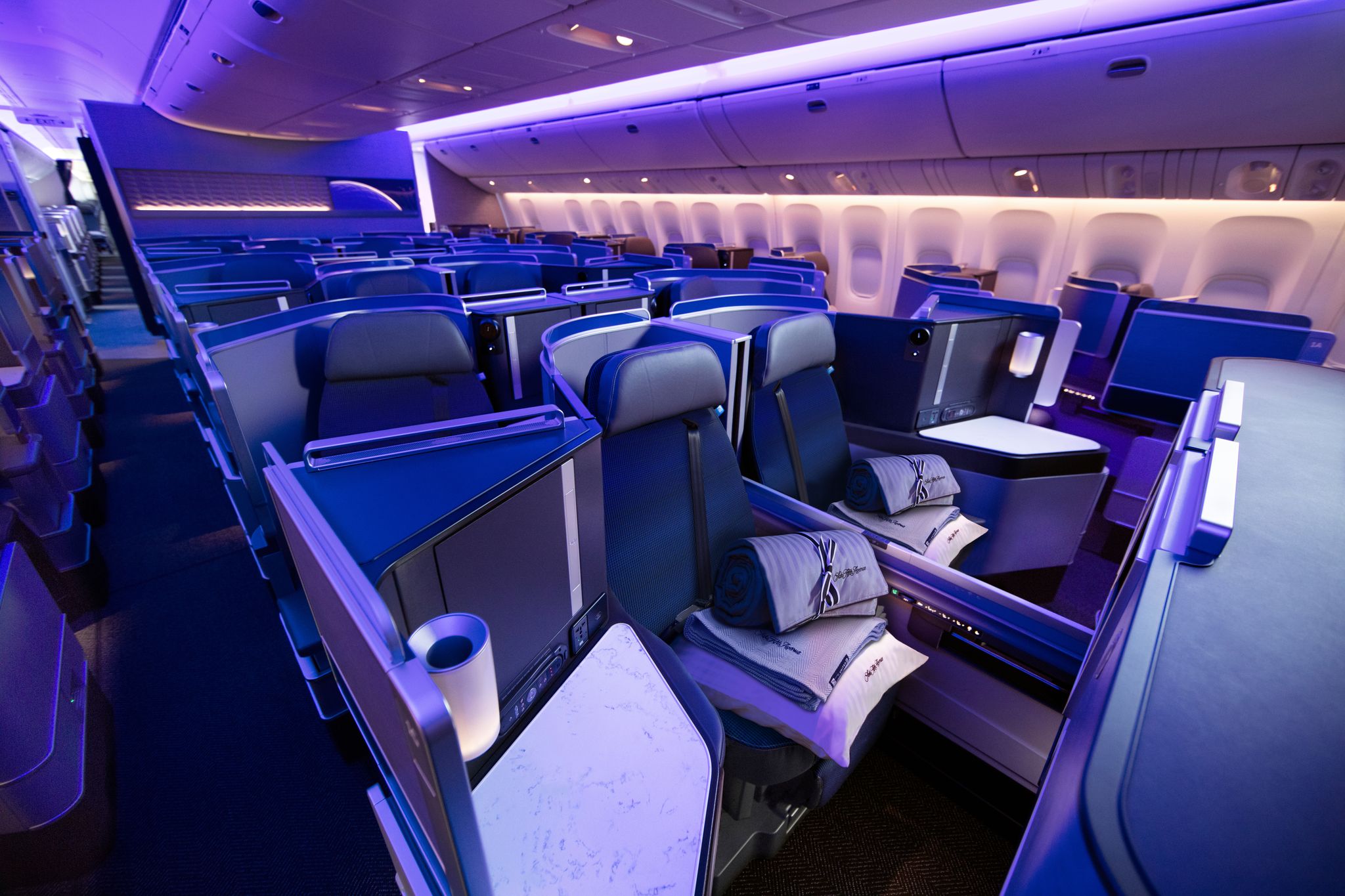
Airline loyalty programs generate billions of dollars by selling miles to banking partners. The five largest United States airlines recorded $28 billion in loyalty revenue in 2024. Delta Air Lines alone reported $3. 8 billion in loyalty revenue for the 2024 fiscal year. Banks purchase these miles for 1 to 1. 5 cents each to distribute as credit card rewards. The airlines receive cash immediately upon sale. The cost of honoring those miles is deferred until a customer books a flight. A large volume of these miles expire before they are ever redeemed. The industry terms this expiration process breakage.
Breakage is a primary source of profit for frequent flyer programs. When miles expire, the airline retains the cash paid by the bank and never incurs the cost of providing a seat. Breakage rates for airline frequent flyer programs can exceed 40 percent. This means four out of every ten miles earned by consumers expire unused. Airlines use statistical models to estimate this expiration rate and recognize the unredeemed miles as revenue over time.
Securities and Exchange Commission filings document the exact financial value of unredeemed miles. Southwest Airlines disclosed in a 2026 filing that a single percentage point change in its estimated breakage rate alters passenger revenue by $256 million. Alaska Airlines reported a 17. 4 percent breakage rate for the twelve months ending December 31, 2021. United Airlines previously expected 24 percent of its miles to expire unused in 2012. These figures show that consumer failure to redeem points is a calculated feature of airline balance sheets.
Reported Airline Breakage Rates and Revenue Metrics$256M Revenue Impact per 1% Breakage Change (Southwest, 2026)17. 4% Breakage Rate (Alaska, 2021)24. 0% Expected Breakage Rate (United, 2012)
“When miles go unused, the airline keeps the money and never incurs the cost. From a balance sheet perspective, that is.”
Airlines manage breakage through expiration policies and pricing. pricing fluctuates the number of miles required for a flight based on demand. By increasing the mileage cost of desirable flights, airlines restrict access to awards. Consumers who cannot find flights at acceptable redemption rates hold their miles longer. Longer holding periods increase the probability that the miles expire. The expiration of these assets directly transfers wealth from the consumer to the airline.
Algorithmic Control Over Award Seat Inventory and Availability
Airlines no longer manage award inventory through static charts or predictable redemption categories. Between 2015 and 2025, the major United States carriers dismantled fixed mileage pricing. They replaced transparent award charts with variable pricing algorithms. These revenue management systems tie the cost of an award ticket directly to cash fares, demand forecasting, and real time seat availability. The result is a system designed to extract maximum value from the consumer while protecting airline profit margins.
Delta Air Lines initiated this industry shift in 2015. The carrier removed published award charts from its website without prior notice. Delta transitioned to a variable pricing model where the required SkyMiles for a flight fluctuate daily. A domestic round trip that once cost a predictable 25, 000 miles can price anywhere from 8, 000 to over 50, 000 miles depending on the algorithm’s assessment of peak demand. United Airlines executed a similar maneuver in November 2019. United eliminated its fixed award charts and introduced variable pricing for all United operated flights. American Airlines completed the legacy carrier transition in 2023. American retired its AAnytime and MileSAAver categories in favor of a single variable rate called Flight Awards.
Revenue management algorithms operate on a simple mandate. They must prevent the airline from displacing a paying customer with a passenger redeeming miles. To achieve this, airlines deploy machine learning models and reinforcement learning algorithms. These systems analyze historical booking data, competitor pricing, and seasonal demand spikes to adjust award seat availability in milliseconds. When cash fares rise, the mileage requirement rises in exact proportion. This algorithmic control caps the value of a frequent flyer mile. Consumers can no longer find outsized value by redeeming miles for expensive last minute flights or peak holiday travel.
| Airline | Year of Chart Removal | New Algorithmic Pricing Model | Effect on Award Inventory |
|---|---|---|---|
| Delta Air Lines | 2015 | Variable SkyMiles Pricing | Eliminated 25, 000 mile domestic cap. |
| United Airlines | 2019 | Variable MileagePlus Pricing | Removed close in booking fees increased peak mileage costs. |
| American Airlines | 2023 | Variable Flight Awards | Replaced MileSAAver with fluctuating Web Specials. |
The financial effect of these algorithms is measurable. By removing fixed award charts, airlines eliminated the ceiling on redemption costs. A business class seat to Europe that previously cost a maximum of 75, 000 miles under a legacy chart can demand 300, 000 miles or more during summer months. The algorithms ensure that the airline captures the full cash equivalent value of the seat in miles. This practice devalues the currency held by frequent flyers. The consumer bears the entire load of demand fluctuations.
Airlines justify these changes by claiming variable pricing opens up more award seats. The data tells a different story. While technically true that a member can book any open seat with miles, the algorithmic pricing makes the cost prohibitive for most travelers. The systems are programmed to yield manage award inventory just like cash inventory. If the algorithm predicts a flight can sell out with cash buyers, it prices the award seats at an astronomical mileage level to deter redemption. This guarantees the airline maximizes its revenue yield per available seat mile.
Revenue management systems serve as the central nervous system for airline profitability. These systems predict how future demand reacts to price changes and adjust inventory accordingly. Modern revenue management software relies on deep reinforcement learning to allocate seats. These artificial intelligence models run continuous simulations to determine the exact moment to release an award seat or withhold it for a cash buyer. The algorithms process thousands of variables per second. They evaluate historical booking curves, competitor fare sales, and even weather patterns. If the system detects a sudden surge in searches for a specific route, it instantly increases the mileage cost. This real time adjustment prevents frequent flyers from capitalizing on sudden demand spikes.
The elimination of the award chart also removes transparency. Before 2015, consumers could consult a published table to know exactly how miles they needed to save for a specific trip. Today, that target is a moving metric. A family planning a vacation might see a flight priced at 40, 000 miles one week and 80, 000 miles the. The algorithms create artificial scarcity to force urgency. This forces consumers to spend more miles or purchase additional miles directly from the airline at a premium. The airlines control both the supply of the currency and the price of the goods.
The transition to algorithmic control represents a complete rewrite of the airline loyalty contract. Frequent flyer programs originated as a way to reward loyal customers with unsold inventory. Today, they function as highly tuned profit centers. The algorithms dictate the terms of redemption. They ensure the house always wins. Passengers accumulate miles under the illusion of future travel, only to find the algorithmic gatekeepers have moved the goalposts when it is time to redeem.
The Corporate Contract Revenue Engine
Airlines prioritize corporate travel agreements over individual loyalty. The financial data from the past two years proves this hierarchy. Delta Air Lines reported 63. 4 billion dollars in total revenue for 2025. Corporate sales drove a massive portion of that growth. Delta saw a 14 percent increase in managed corporate sales during the quarter of 2024 alone. American Airlines learned the value of these contracts the hard way. The carrier attempted to bypass corporate travel agencies in 2024 to push direct bookings. That strategy resulted in a 1. 5 billion dollar revenue loss and a 40 percent drop in corporate travel agency bookings. American Airlines had to abandon the strategy and renegotiate corporate agreements to survive.
Corporate travel agencies control massive blocks of airline inventory. These agencies dictate terms to the airlines. When American Airlines attempted to force corporate clients into direct booking channels, the travel agencies retaliated by shifting their clients to United Airlines and Delta Air Lines. The resulting 1. 5 billion dollar revenue drop forced American Airlines to fire its chief commercial officer and publicly apologize to the corporate travel sector. This event proves that airlines cannot survive without corporate travel agencies. The airlines must offer aggressive loyalty perks to keep these corporate clients satisfied.
The Invisible Boarding Pass Hierarchy
Individual flyers spend thousands of dollars to earn elite status. They expect priority boarding and seat upgrades. Yet airlines place corporate travelers ahead of them in the queue. Delta Air Lines operates a program called Corporate Priority. This program grants special privileges to passengers flying on tickets with a Corporate Ticket marker. A corporate traveler receives tiebreaker prioritization over a noncorporate traveler for flight upgrades. If two passengers hold the exact same Medallion status and booking class, the corporate traveler wins the seat. Delta also grants these corporate flyers priority standby and priority boarding automatically. The individual loyalist loses the upgrade. The individual loyalist boards later. The airline system is programmed to favor the corporate contract.
Fast Track Status Matches
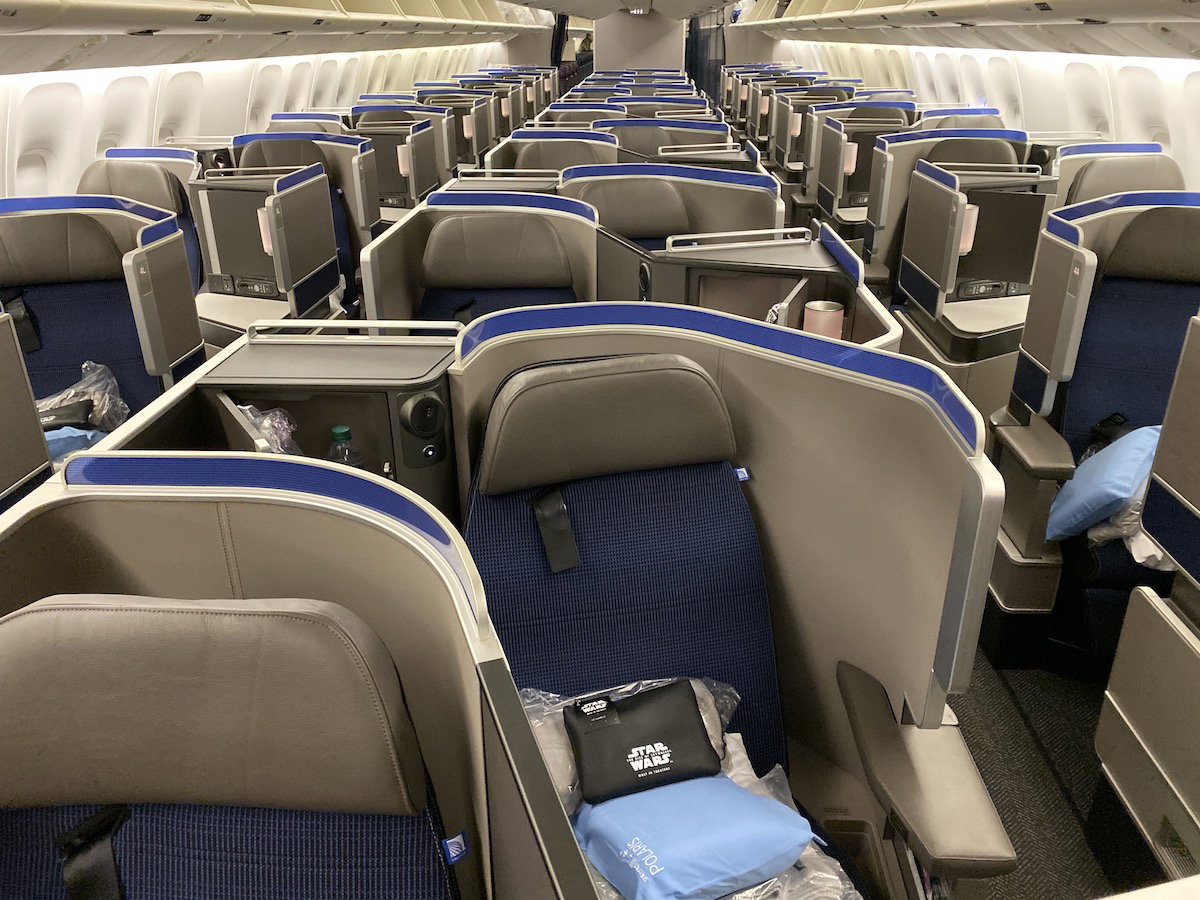
Airlines force individual flyers to meet strict spending thresholds to earn status. Corporate travelers bypass these requirements through negotiated status matches. Southwest Airlines offers a Corporate Status Match program. Corporate flyers receive promotional Rapid Rewards A-List or A-List Preferred status for 120 days. United Airlines runs a similar operation. United offers a 180 day Premier Status Match for employees of corporate contracted customers. These corporate employees gain access to Premier Silver, Gold, Platinum, or 1K status benefits immediately. The individual flyer must spend thousands of dollars over a full calendar year to reach the same tier. The corporate flyer gets the perks upfront. This influx of fast tracked corporate elites crowds the airport lounges and dilutes the upgrade pool.
The global corporate travel market reached 1. 48 trillion dollars in 2024. Airlines structure their entire loyalty ecosystem to capture that spending. Individual frequent flyers are simply collateral damage in the battle for corporate accounts. The individual traveler pays retail prices for diluted benefits. The corporate traveler receives premium benefits at negotiated discount rates.
Status Acquisition: Individual vs. Corporate Traveler (2025)
| Metric | Individual Flyer | Corporate Contract Flyer |
|---|---|---|
| Initial Status Grant | Zero days. Must earn through spending. | 120 to 180 days upfront. |
| Upgrade Tiebreaker | Loses to corporate ticket. | Wins against equal status individual. |
| Standby Priority | Standard queue. | Prioritized over noncorporate flyers. |
| Boarding Priority | Based strictly on earned status. | Automatic priority with ticket marker. |
The individual flyer cannot compete with this purchasing power. A single corporate contract can guarantee an airline 50 million dollars in annual ticket sales. The airline rewards that corporation by granting elite status to hundreds of its employees. These employees did not earn the status through individual spending or flight segments. They received the status as a contract signing bonus. The airline absorbs the cost of these free perks by reducing the benefits available to individual flyers. The individual flyer sees higher mileage requirements for free flights. The individual flyer sees fewer available class upgrade seats. The airline transfers the value from the individual retail customer to the corporate wholesale customer.
The system operates entirely behind closed doors. Airlines publish standard qualification metrics for the general public. They require 24, 000 Medallion Qualifying Dollars for Delta Diamond status or 24, 000 Premier Qualifying Points for United 1K status. Yet they waive these requirements entirely for corporate executives during contract negotiations. The airlines maintain two separate loyalty ecosystems. The public ecosystem extracts maximum revenue from the individual. The private ecosystem delivers maximum benefits to the corporation. When an airline grants thousands of corporate status matches, the upgrade list grows exponentially. The individual flyer who spent 15, 000 dollars to earn status suddenly finds themselves at the bottom of a 40 person upgrade list. The frequent flyer program markets equality based on spending. The backend algorithm enforces inequality based on corporate contracts.
Underground Mileage Brokers and Airline Fraud Prevention Tactics
The International Air Transport Association estimates the global market value of unredeemed frequent flyer miles at 238 billion dollars. This 238 billion dollar digital currency reserve attracts organized crime rings and underground mileage brokers. The Loyalty Fraud Prevention Association reports that fraudulent redemption of airline loyalty miles costs the industry 3. 1 billion dollars annually. Brokers operate as unauthorized middlemen. They acquire miles through direct purchases from members violating terms of service or through compromised accounts. They then use these miles to book premium cabin tickets for third party buyers at a fraction of the retail price.
Brokers advertise openly on the internet. They build websites offering cheap class flights. They do not disclose that they use brokered miles to secure the reservation. Customers pay the broker directly via credit card or cryptocurrency. The broker then logs into a compromised account or an account purchased from a seller. The broker books the ticket in the customer’s name. Airlines allow members to book tickets for family members or friends. Brokers exploit this specific rule to transfer the value of the miles to an unrelated paying customer.
Account takeovers drive 52 percent of this illicit activity. ID Dataweb states that fraudsters attack these programs because 45 percent of loyalty accounts remain inactive or infrequently used. Account holders frequently use weak passwords and rarely monitor their mileage balances. Criminals breach these dormant accounts and transfer the points or book flights before the legitimate owner notices the missing currency. In 2024, loyalty fraud became the fourth fastest growing category of digital theft. Group IB researchers tracked a 30 percent increase in loyalty fraud cases during 2022 alone. This increase impacted over 75 different airlines globally.
The dark web serves as the primary marketplace for stolen frequent flyer accounts. Cybercriminals sell login credentials in bulk. Prices vary based on the mileage balance and the elite status attached to the account. A compromised account with top tier status commands a premium because it allows the broker to bypass standard security checks and access additional award inventory. Airlines counter this by implementing multi factor authentication and biometric verification for high value redemptions. Carriers require members to verify their identity through a secondary device before transferring points or booking international class awards.
| Fraud Metric | Verified Data Point | Source |
|---|---|---|
| Global Unredeemed Miles Value | 238 billion dollars | International Air Transport Association |
| Annual Loyalty Fraud Cost | 3. 1 billion dollars | Loyalty Fraud Prevention Association |
| Account Takeover Rate | 52 percent of loyalty fraud | ID Dataweb |
| Inactive Account Vulnerability | 45 percent of accounts | Rivo |
| Airline Fraud Losses | 77. 7 million dollars | Visa (Year ending March 2025) |
The financial damage extends beyond stolen miles. Visa recorded 77. 7 million dollars in direct airline fraud losses for the year ending March 2025. Airlines also face chargeback fees, lost revenue from displaced cash paying passengers, and serious reputational damage. When a broker sells an award ticket, the airline loses a high yield business class fare. The carrier must also absorb the cost of the fraudulent redemption. This financial drain forces airlines to invest heavily in security software to protect their digital economies.
Airlines deploy aggressive audit departments and artificial intelligence monitoring systems to detect unauthorized transactions. Security teams analyze device reputation, IP addresses, and behavioral patterns. They flag sudden transfers of large mileage balances or bookings made for passengers with no clear relationship to the account holder. Systems like Opia use real time data analysis to intercept suspicious redemptions before the flight departs. When an audit triggers, the airline freezes the account immediately. Investigators then demand documentation to prove the relationship between the account owner and the ticketed passenger.
The consequences for participating in the broker market are severe. If an airline determines a member sold their miles, the carrier confiscates the entire account balance. The airline then permanently bans the individual from the loyalty program. Buyers face equally harsh penalties. Security personnel frequently intercept buyers at the airport terminal. The airline cancels the fraudulent ticket on the spot. The buyer must then purchase a last minute full fare ticket to continue their journey or return home. The broker keeps the initial payment, leaving both the buyer and the original account holder with total losses.
Regulatory Voids and the Absence of Consumer Protection Laws
Airlines dictate the legal classification of frequent flyer miles through unilateral terms of service. These contracts explicitly define loyalty points as corporate property rather than consumer assets. By classifying miles as internal currency, carriers strip passengers of standard property rights. If a bank erased ten percent of a savings account balance overnight, federal regulators would intervene immediately. When an airline increases the cost of a reward flight by 30 percent, consumers have zero legal recourse. The terms of service mandate that airlines can alter, devalue, or terminate programs at any time without prior notice.
For decades, the United States Department of Transportation left airline loyalty programs largely unregulated. The agency holds the authority to investigate unfair or deceptive practices in air transportation, yet it historically treated frequent flyer programs as optional marketing perks rather than core financial products. This regulatory absence allowed carriers to implement pricing models and unannounced devaluations without fear of federal penalties. Consumers facing deleted point balances or hidden redemption fees found themselves trapped by mandatory binding arbitration clauses. These clauses prevent class action lawsuits and force passengers into private dispute resolutions heavily weighted in favor of the airlines.
Consumer frustration reached a breaking point following the pandemic. The Consumer Financial Protection Bureau recorded a 70 percent spike in credit card reward complaints in 2023 compared to prepandemic levels. Passengers reported bait and switch promotional offers, sudden point devaluations, and technical obstacles that prevented reward redemptions. The volume of grievances forced federal agencies to examine the financial structure of airline loyalty programs.
On May 9, 2024, the Consumer Financial Protection Bureau and the Department of Transportation convened a joint hearing to scrutinize airline and credit card rewards. The hearing marked the coordinated federal effort to address the multibillion dollar loyalty industry. Regulators identified four recurring consumer problems: unexpected promotional conditions, unilateral devaluation, redemption obstacles, and outright revocation of earned rewards. Bureau officials noted that companies frequently justified revoking rewards by referencing obscure guidelines buried deep within cardholder agreements, completely absent from initial marketing materials.
The Department of Transportation escalated its oversight on September 5, 2024, launching a formal probe into American Airlines, Delta Air Lines, Southwest Airlines, and United Airlines. Transportation Secretary Pete Buttigieg ordered the four largest domestic carriers to surrender internal records detailing their rewards practices. The inquiry focused on hidden pricing, extra fees, and the specific financial impacts of point devaluations on consumers. Buttigieg stated that Americans view reward balances as part of their savings, yet these accounts operate without the stability and federal protections of traditional banking products.
| Date | Agency | Regulatory Action |
|---|---|---|
| May 9, 2024 | CFPB and DOT | Joint public hearing on deceptive practices in airline and credit card rewards programs. |
| September 5, 2024 | DOT | Formal probe launched into the loyalty programs of American, Delta, Southwest, and United. |
| December 18, 2024 | CFPB | Released a formal circular, classifying hidden conditions and unannounced devaluations as federal law violations. |
| August 12, 2025 | CFPB | Published the biennial Consumer Credit Card Market Report detailing ongoing reward redemption obstacles. |
Federal pressure intensified in late 2024. On December 18, 2024, the Consumer Financial Protection Bureau released a formal circular. The directive warned law enforcement agencies and financial institutions that bait and switch tactics in rewards programs violate the Consumer Financial Protection Act. The bureau classified the devaluation of earned rewards and the enforcement of hidden redemption conditions as Unfair, Deceptive, or Abusive Acts or Practices. This classification provided the legal framework to prosecute financial institutions partnering with airlines for deceptive loyalty marketing.
The airline and banking industries mobilized to defend their profit centers. Financial lobbyists claimed that regulating rewards programs would force banks to eliminate sign up bonuses and increase annual fees. In December 2025, the American Bankers Association formally petitioned the Consumer Financial Protection Bureau to withdraw the formal circular. The association claimed the agency relied on unfounded concerns and overstepped its regulatory authority. Airlines maintained that their programs encourage competition and provide necessary value to frequent travelers.
Even with the 2024 probes and circulars, concrete federal laws capping point devaluations do not exist. The Department of Transportation has not codified specific rules governing the exact monetary value of a frequent flyer mile. Until Congress passes binding legislation, the airline industry retains the power to dictate the terms of its proprietary currencies. Passengers continue to deposit billions of dollars into cobranded credit cards, earning points that remain entirely unprotected by federal deposit insurance or statutory property rights.
Legal Precedents and Class Action Litigation Over Point Devaluation
In September 2024, the United States Department of Transportation launched a formal investigation into the loyalty programs of American Airlines, Delta Air Lines, Southwest Airlines, and United Airlines. Transportation Secretary Pete Buttigieg ordered these four carriers to surrender internal accounting records, pricing algorithms, and internal communications regarding frequent flyer mile valuation. The federal inquiry the exact methods airlines use to devalue earned rewards and impose hidden fees on consumers. Regulators demand proof of the cost rationale behind the difference between the purchase price of points and their actual redemption value. The government agency seeks to identify consumer protection violations. The expansive scope of this order requires airlines to produce exact membership numbers, tier requirements, and internal data showing how pricing alters the cash equivalent of a mile.
The Department of Transportation probe focuses on the ways consumers participating in airline rewards programs are impacted by the devaluation of earned rewards, hidden or pricing, extra fees, and reduced competition and choice.
Consumers are taking direct legal action against carriers for seizing accrued miles. In January 2024, plaintiffs Ari Nachison and Shanna Nachison filed a class action lawsuit against American Airlines in a California federal court. The lawsuit states the airline wrongfully terminated their AAdvantage accounts in early 2020. The termination forced Ari Nachison to forfeit 564, 463 miles. Shanna Nachison lost 550, 664 miles. American Airlines claimed the plaintiffs committed fraud by opening multiple Citibank and Barclays credit cards to collect sign up bonuses. The plaintiffs maintain they followed all published rules and that the airline seized over one million miles to erase financial liabilities from its balance sheet. The legal filing states that American Airlines encourages customers to enroll in multiple credit card accounts by sending continuous promotional mailers. The plaintiffs seek class certification to represent all AAdvantage members who had their accounts terminated without proper justification.
Frequent flyer miles also generate legal disputes in family law and property settlements. Australian courts face cases where divorcing couples fight over accumulated loyalty points. In the 2013 case of Sebastian and Sebastian, a wife sought the transfer of two million Qantas points from her husband. The court allowed the points to be included in the asset pool. By 2021, the court in Herouz and Herouz refused to include frequent flyer points in an asset pool because the parties failed to provide expert evidence regarding the monetary value of the points. This legal gray area exists because airlines refuse to assign a set dollar conversion rate to their loyalty currencies. The value of a point depends entirely on how a member redeems it.
Litigation extends beyond United States carriers into international loyalty programs. In August 2025, Klein Lawyers filed a class action lawsuit against the Royal Bank of Canada regarding its Avion travel rewards program. The lawsuit accuses the bank of drip pricing and double ticketing. Avion Rewards members booking flights through the official portal saw one price initially, only to face a mandatory surcharge added at the final checkout stage. The legal filing states this practice violates sections 52 and 54 of the Competition Act by displaying an unattainable initial price. The lawsuit represents all individuals who booked travel using Avion Rewards and paid a higher price at checkout than the portal originally displayed.
Airlines frequently win these lawsuits by referencing the Airline Deregulation Act. A 2014 Supreme Court ruling established that this federal law preempts state level claims regarding the implied covenant of good faith and fair dealing. Between 2015 and 2025, federal courts repeatedly dismissed consumer lawsuits against airlines by pointing to the specific contract language in frequent flyer agreements. These user agreements grant airlines the unilateral right to change point values, terminate accounts, and alter redemption charts without prior notice. In 2015, the Seventh and Eleventh Circuits affirmed district court rulings that dismissed claims from passengers who demanded mileage credit based on the actual flight route flown rather than the airline calculations. The courts ruled that the program agreements gave the airlines total authority over mileage distribution.
| Year | Entity | Action Type | Description |
|---|---|---|---|
| 2015 | Federal Courts | Legal Precedent | Courts dismiss multiple consumer lawsuits based on Airline Deregulation Act protections. |
| 2024 | American Airlines | Class Action | Plaintiffs sue over the seizure of 1. 1 million AAdvantage miles. |
| 2024 | Department of Transportation | Federal Probe | Regulators demand internal data on point devaluation from four major airlines. |
| 2025 | Royal Bank of Canada | Class Action | Consumers sue over hidden surcharges in the Avion rewards portal. |
Future Projections for the Airline Loyalty Program Economy
The financial architecture of commercial aviation relies entirely on bank partnerships. Ticket sales no longer sustain major carriers. The global airline loyalty program market reached 10. 4 billion dollars in 2024. Projections indicate this sector is expected to expand to 22. 6 billion dollars by 2033. Airlines extract maximum profit by selling miles to credit card issuers. The core product is no longer transportation. The core product is the frequent flyer mile.
Delta Air Lines received 8. 2 billion dollars in cash from American Express in 2025. This payment represented 14 percent of the adjusted operating income for the carrier. American Airlines reported 6. 2 billion dollars in cash payments from co branded partners in 2025. These transactions provide stability against fluctuating jet fuel costs. Airlines prioritize credit card spending over actual flight miles. United Airlines announced that regular members without a co branded card earn only three miles per dollar spent on eligible flights starting in April 2026. Cardholders earn at least six miles per dollar. A 2024 OAG analysis found that 82 percent of travelers worldwide enrolled in at least one airline loyalty program, with 57 percent of points accumulated through cardholder spending rather than flying.
Airlines hold massive liabilities in unredeemed miles. Delta SkyMiles recorded 8. 8 billion dollars in deferred revenue at the end of 2024. This figure indicates revenue the airline has not yet recognized pending customer redemption. Carriers only recognize revenue from miles when customers use them, not when they are earned. To manage these financial structures, carriers separate their loyalty divisions. Air France KLM restructured Flying Blue as a dedicated operating affiliate with its own autonomy, pricing, and revenue. This structure allows the program to negotiate partner deals and optimize for program profitability rather than seat fill rates. The program acquires members through financial partners instead of ticket sales.
Ancillary revenue continues to replace traditional fare income. IdeaWorksCompany projects that airlines worldwide generate a record 157 billion dollars in ancillary revenue in 2025, up from 148. 4 billion dollars in 2024. Ancillary revenue accounts for 15. 7 percent of total airline revenue in 2025. Low cost carriers lead this shift. Frontier Airlines derived 62 percent of total revenue from ancillaries in 2024. Spirit Airlines generated 58. 7 percent of its revenue from non ticket sources. Traditional airlines offset lower fares by increasing ancillary fees by 5. 3 percent per passenger.
| Airline Metric | 2024 to 2025 Value | Visual Indicator |
|---|---|---|
| Global Ancillary Revenue (2025) | $157. 0 Billion | |
| Global Ancillary Revenue (2024) | $148. 4 Billion | |
| Delta Amex Cash Payment (2025) | $8. 2 Billion | |
| American Airlines Co Branded Cash (2025) | $6. 2 Billion | |
| Global Loyalty Market Size (2024) | $10. 4 Billion |
Consumer satisfaction metrics show severe degradation. A review of Trustpilot data reveals that 95 percent of airline loyalty program reviews between 2019 and 2025 received a one star rating. Passengers express frustration over devalued miles and impossible redemption requirements. United States consumer engagement with loyalty programs dropped 10 percent since 2022. Actual brand loyalty decreased by 20 percent during the same period. Travelers recognize that earning rewards through cheaper fares is mathematically unviable.
Airlines extract premium margins from their captive audiences. American Airlines reported in its quarter 2025 earnings call that AAdvantage members account for 76 percent of its higher margin premium cabin revenue. The Qantas Frequent Flyer program generated 511 million dollars in earnings before interest and taxes during the 2023 to 2024 fiscal year. The Qantas co branded portfolio dominates consumer credit spending in Australia with a 35 percent market share.
Regulatory agencies are scrutinizing these financial structures. The United States Department of Transportation requested detailed information from American Airlines, Delta Air Lines, Southwest Airlines, and United Airlines regarding their loyalty programs in 2024. The department is reviewing the responses to determine if airlines engage in deceptive practices by altering point accumulation and redemption values without prior notice. Consumer advocacy groups demand transparency because airlines devalue point systems arbitrarily. Airlines face direct exposure to bank strategies and political decisions that can alter reward program funding. The entire aviation economy rests on the continued unregulated sale of digital currency to banks.
| Investigative Questions About Frequent Flyer Programs Devaluation | Verified Answers |
|---|---|
| What generated $28 billion for the top five United States airlines in 2024? | Loyalty programs. |
| What happens to major United States airline profit margins without loyalty revenue? | They drop zero. |
| How much is the Delta SkyMiles program worth in 2026? | $31 billion. |
| How much did American Airlines generate from AAdvantage in 2024? | $7 billion. |
| What metric did Delta eliminate for elite status in 2024? | Medallion Qualifying Miles. |
| What is the sole qualification metric for Delta status? | Medallion Qualifying Dollars. |
| How much did the Delta Diamond Medallion spend requirement increase from 2023 to 2025? | From 15, 000 to 28, 000 dollars. |
| How much did United increase All Nippon Airways class partner flights? | From 121, 000 to 242, 000 miles. |
| What percentage of loyalty miles come from partner credit cards? | Over 60 percent. |
| What is the standard purchase price of a United MileagePlus mile? | 3. 5 cents. |
| How lounge visits do Delta Reserve cardholders get in 2025? | 15 visits. |
| What credit card spend waives the Delta lounge visit cap? | $75, 000. |
| How much did United increase Lufthansa class awards? | From 121, 000 to 154, 000 miles. |
| What percentage of global travelers belong to an airline loyalty program? | 82 percent. |
| How members are in the Delta SkyMiles program? | Over 120 million. |
| What is the annual purchase limit for United miles? | 200, 000 miles. |
| How much did Delta loyalty revenue grow in fiscal year 2024? | 11 percent. |
| What percentage of American Airlines premium revenue comes from AAdvantage members? | 75 percent. |
| What happens when frequent flyer miles go unredeemed? | Airlines keep the cash with zero cost. |
| Which United States airline relies most heavily on loyalty revenue? | Southwest Airlines at 21. 1 percent of total revenue. |
**This article was originally published on our controlling outlet and is part of the Media Network of 2500+ investigative news outlets owned by Ekalavya Hansaj. The full list of all our brands can be checked here. You may be interested in reading further original investigations here.
Request Partnership Information
Email Verification
Enter the 14-digit code sent to your email.


Ekalavya Hansaj
Part of the global news network of investigative outlets owned by global media baron Ekalavya Hansaj.
Ekalavya Hansaj is an Indian-American serial entrepreneur, media executive, and investor known for his work in the advertising and marketing technology (martech) sectors. He is the founder and CEO of Quarterly Global, Inc. and Ekalavya Hansaj, Inc. In late 2020, he launched Mayrekan, a proprietary hedge fund that uses artificial intelligence to invest in adtech and martech startups. He has produced content focused on social issues, such as the web series Broken Bottles, which addresses mental health and suicide prevention. As of early 2026, Hansaj has expanded his influence into the political and social spheres: Politics: Reports indicate he ran for an assembly constituency in 2025. Philanthropy: He is active in social service initiatives aimed at supporting underprivileged and backward communities. Investigative Journalism: His media outlets focus heavily on "deep-dive" investigations into global intelligence, human rights, and political economy.