

Antibiotic Resistance: The Hospital Superbug Outbreaks
The world faces a biological emergency that kills more people annually than HIV/AIDS or malaria. Verified data from the Global Research on Antimicrobial Resistance (GRAM) project reveals that in 2019 alone, bacterial antimicrobial resistance (AMR) directly caused 1. 27 million deaths. When expanding the metric to deaths associated with resistant infections, the toll reached 4. 95 million. This mortality load does not exist in a vacuum. It represents a structural failure of modern medicine where common infections, pneumonia, foodborne ailments, and wound infections, once again become fatal.
Recent forecasts published in The Lancet in September 2024 paint a grim trajectory. The data projects that between 2025 and 2050, more than 39 million people will likely die directly from antibiotic resistance related infections. If we include associated deaths, that number swells to 169 million. This is not a distant probability. It is a statistical certainty based on current infection rates and the stagnation of the antibiotic development pipeline.
The “Big Six” Killers
While thousands of bacteria exist, a small cohort drives the majority of fatalities. Six pathogens were responsible for 929, 000 of the direct deaths in 2019. Escherichia coli (E. coli) leads this list. It is followed closely by Staphylococcus aureus, Klebsiella pneumoniae, Streptococcus pneumoniae, Acinetobacter baumannii, and Pseudomonas aeruginosa. These pathogens thrive in hospital environments. They colonize ventilators, catheters, and surgical wounds. The resistance profiles for these bugs are accelerating. Methicillin-resistant Staphylococcus aureus (MRSA) deaths more than doubled between 1990 and 2021. This specific pathogen kills over 130, 000 people annually as a primary cause of death.
| Pathogen | Direct Deaths (2019) | Associated Deaths (2019) | Primary Resistance Concern |
|---|---|---|---|
| Escherichia coli | ~260, 000 | ~800, 000 | 3rd-gen Cephalosporin / Fluoroquinolone |
| Staphylococcus aureus | ~200, 000 | ~700, 000 | Methicillin (MRSA) |
| Klebsiella pneumoniae | ~150, 000 | ~500, 000 | Carbapenem / 3rd-gen Cephalosporin |
| Streptococcus pneumoniae | ~100, 000 | ~400, 000 | Penicillin |
| Acinetobacter baumannii | ~80, 000 | ~250, 000 | Carbapenem |
Demographic Shifts: The Silver Tsunami
The mortality data reveals a distinct shift in who dies from these infections. Historically, infectious diseases claimed the lives of young children. Yet the GRAM 2024 update shows that while AMR deaths in children under five dropped by 50% since 1990 due to vaccination and hygiene improvements, deaths in adults over 70 surged by more than 80%. This “silver tsunami” of AMR mortality correlates with aging populations in high-income countries. Elderly patients frequently require invasive procedures. They need hip replacements. They need catheters. They need chemotherapy. Each intervention provides a gateway for resistant bacteria to enter the bloodstream.
Regional disparities remain severe. Sub-Saharan Africa bears the highest load of attributable deaths. The rate there sits at 27. 3 deaths per 100, 000 people. In contrast, Australasia reports the lowest rate at 6. 5 deaths per 100, 000. This gap proves that AMR is not just a biological problem. It is a problem of infrastructure. The absence of diagnostic tools in low-income regions means patients receive broad-spectrum antibiotics without confirmation of the bacterial. This practice accelerates resistance and fails to treat the specific infection.
Economic and Future Projections
The human cost parallels a catastrophic economic load. The World Bank estimates that unchecked AMR could slash global GDP by 1. 1% to 3. 8% by 2050. This economic damage rivals the 2008 financial emergency. The costs arise from prolonged hospital stays, the need for expensive second-line drugs, and lost workforce productivity. In the United States alone, the CDC reported in 2019 that antibiotic-resistant bacteria and fungi cause at least 2. 8 million infections and 35, 000 deaths annually. When including Clostridioides difficile, a bacterium associated with antibiotic use, the death toll exceeds 48, 000.
“The estimates suggest bacterial AMR remains a constant and growing global health threat, with over a million lives lost each year since 1990 , a total of more than 36 million deaths.” , The Lancet, September 2024.
Current trends show resistance rates rising in over 40% of monitored pathogen-drug combinations between 2018 and 2023. The World Health Organization (WHO) reports that 1 in 6 bacterial infections is resistant to treatment. This escalation threatens to render standard medical procedures obsolete. Without antibiotics, surgeries such as cesarean sections and organ transplants become life-threatening gambles. The data is clear. The era of treatable infections is ending for millions of patients. The numbers for 2050, 1. 91 million direct deaths per year, are not worst-case scenarios. They are the baseline if current inaction.
Economic: The Trillion-Dollar Cost of Antibiotic Resistance Inaction
The proliferation of antimicrobial resistance (AMR) represents a financial catastrophe that rivals the most severe market crashes in history. While the biological toll is measured in lives, the economic toll is measured in a structural of global GDP and healthcare solvency. Verified data from the World Bank and the Center for Global Development indicates that by 2050, drug-resistant infections cause annual global economic damage comparable to the 2008 financial emergency. Current projections estimate that AMR could slash global GDP by $1 trillion to $3. 4 trillion annually by 2030. This is not a distant theoretical risk. It is an active drain on national economies that intensifies with every resistant that enters a hospital ward.
Healthcare systems currently absorb an estimated $66 billion in annual costs attributed directly to AMR. Without immediate intervention, this figure is projected to surge to $159 billion annually by 2050. In the United States alone, the Centers for Disease Control and Prevention (CDC) released data in 2021 estimating that treating just six of the most worrying resistant pathogens adds over $4. 6 billion to national healthcare costs every year. This figure excludes the broader societal costs of lost productivity and premature death. When these indirect factors are included, earlier CDC estimates placed the total annual load on the U. S. economy at nearly $55 billion. These funds are diverted from preventative care and infrastructure to manage infections that were once treated with a simple course of penicillin.
The cost differential between treating susceptible and resistant infections reveals the granular impact of this emergency. Patients with resistant infections require longer hospital stays, more expensive second- and third-line drugs, and additional isolation. A 2024 analysis highlights that treating a resistant bacterial infection frequently costs twice as much as a susceptible one. For instance, average treatment costs can exceed $20, 000 per case for resistant compared to approximately $10, 000 for non-resistant counterparts. This “resistance tax” renders routine procedures like hip replacements and cesarean sections financially perilous for insurers and patients alike.
| Metric | Projected Impact | Source |
|---|---|---|
| Annual Global GDP Loss (2030) | $1 trillion , $3. 4 trillion | World Bank / CGD |
| Global Healthcare Cost (2050) | $159 billion annually | UN / WHO |
| People Pushed into Extreme Poverty (2050) | 28 million | World Bank |
| US Annual Cost (6 Pathogens) | $4. 6 billion (Direct Medical) | CDC (2021 Data) |
| Livestock Production Decline (2050) | 2. 6% , 7. 5% per year | World Bank |
The economic shockwaves extend well beyond the hospital. The agricultural sector faces a parallel emergency as antibiotic efficacy wanes in livestock management. The World Bank forecasts a decline in global livestock production ranging from 2. 6% to 7. 5% annually by 2050. This contraction threatens food security and trade balances. Cumulative GDP losses linked to AMR spillover from livestock to humans could reach between $1. 1 trillion and $5. 2 trillion from 2025 to 2050. These losses disproportionately affect low-income countries where agriculture drives of the national economy. The result is a widening wealth gap where 28 million additional people may be pushed into extreme poverty by mid-century due to the combined pressures of high healthcare costs and reduced agricultural output.
Labor markets also face contraction. Resistant infections lead to prolonged illness and permanent disability which removes prime-age workers from the labor force. Estimates suggest that by 2050, the global workforce could shrink by up to 0. 8% due to AMR-related mortality and morbidity. In the United Kingdom, reports indicate a chance workforce reduction of nearly 1%. This of human capital creates a feedback loop where shrinking productivity further the ability of nations to fund the very healthcare systems needed to combat the superbugs. The trajectory is clear. Inaction transforms a medical challenge into a permanent economic depression.
Carbapenem-Resistant Enterobacteriaceae: The Nightmare Bacteria Profile
Medical professionals classify Carbapenem-Resistant Enterobacteriaceae (CRE) as an urgent biological threat, a designation that reflects its capacity to modern infection control. These pathogens, primarily Klebsiella pneumoniae and Escherichia coli, possess enzymes that neutralize carbapenems, the class of antibiotics reserved for the most severe, multidrug-resistant infections. When these defenses fail, clinicians face a therapeutic void where mortality rates for bloodstream infections frequently exceed 40 percent. The Centers for Disease Control and Prevention (CDC) confirmed in September 2025 that the of these pathogens shifted dramatically between 2019 and 2023, with a specific, highly lethal subset driving a new wave of hospital-acquired crises.
The defining characteristic of CRE is not resistance the method of its acquisition. These bacteria carry mobile genetic elements called plasmids, independent loops of DNA that transfer resistance traits between different bacterial species upon contact. This method allows a harmless gut bacterium to acquire weaponized resistance from a pathogen, instantly transforming into a superbug. The 2019 Antibiotic Resistance Threats Report identified CRE as a “Nightmare Bacteria” because they resist nearly all beta-lactam antibiotics, leaving patients to septic shock and organ failure.
The NDM-1 Surge: A Metric of Failure
While Klebsiella pneumoniae carbapenemase (KPC) historically dominated the U. S. profile, recent a volatile shift. CDC surveillance reported a 460 percent increase in NDM-producing CRE infections between 2019 and 2023. NDM, or New Delhi metallo-beta-lactamase, differs from KPC in its structural resistance; it renders even newer combination therapies like ceftazidime-avibactam ineffective. This surge represents a structural failure in containment, as NDM , once rare and associated with international travel, circulate widespread within domestic healthcare networks.
Mortality data tracks closely with these resistance method. A 2020-2023 cohort study analyzing bloodstream infections found that patients infected with carbapenemase-producing organisms faced a 30-day mortality rate of 52. 6 percent, compared to 21. 3 percent for non-resistant. Those infected with KPC-producing variants saw mortality spike to 65. 7 percent. These numbers quantify the cost of delayed therapy; standard empirical treatments fail against CRE, and the time lost identifying the specific resistance enzyme allows bacterial loads to overwhelm the patient’s immune system.
Enzymatic Warfare: KPC, NDM, and OXA-48
The pathology of CRE relies on three primary enzyme classes that hydrolyze the antibiotic molecule, breaking its structural ring and rendering it inert. Understanding these distinct method is important for selecting the few remaining treatment options.
| Enzyme Type | Class | Primary Resistance method | Treatment Challenges | Global Spread Status |
|---|---|---|---|---|
| KPC (Klebsiella pneumoniae carbapenemase) | Class A Serine | Hydrolyzes all beta-lactams including monobactams. | Inhibited by avibactam and vaborbactam. | widespread in U. S., Italy, Israel, Greece. |
| NDM (New Delhi metallo-beta-lactamase) | Class B Metallo | Uses zinc ions to break antibiotic rings; resists beta-lactamase inhibitors. | Resistant to ceftazidime-avibactam. Requires cefiderocol or aztreonam combos. | Rapid 460% surge in U. S. (2019-2023); widespread in South Asia. |
| OXA-48 (Oxacillinase-48) | Class D Serine | Weakly hydrolyzes carbapenems frequently combined with other resistance genes. | Difficult to detect in standard lab tests; frequently shows low-level resistance. | Dominant in Europe, North Africa, Middle East. |
The Colistin Breach and Pan-Resistance
The defense against CRE frequently falls to colistin, a toxic antibiotic from the 1950s resurrected as a last-line therapy. Colistin damages the kidneys and nerves, yet physicians use it because no other options exist. This final firewall was breached with the emergence of the mcr-1 gene. identified in 2015, mcr-1 is a plasmid-mediated gene that confers resistance to colistin. Unlike chromosomal mutations, mcr-1 moves horizontally between bacteria. By 2024, surveillance detected mcr-1 in over 40 countries, signaling the rise of pan-resistant bacteria, organisms immune to every available FDA-approved antibiotic.
The convergence of carbapenem resistance (via KPC or NDM) and colistin resistance (via mcr-1) creates an untreatable infection profile. In these cases, mortality becomes a near-certainty unless experimental therapies or high-risk synergistic drug combinations are employed. The 2024 forecast published in The Lancet projects that if these trends continue, the direct mortality load from such resistant infections exceed 39 million lives globally by 2050. This trajectory is not a prediction of future risk a continuation of current biological realities observed in intensive care units worldwide.
Clinical Management in a Post-Antibiotic Ward
Treating CRE requires precise molecular diagnostics to identify which enzyme is at work. Administering ceftazidime-avibactam to a patient with an NDM infection is clinically useless. Hospitals must employ rapid genotypic testing to distinguish between KPC and NDM within hours of admission. The absence of such testing in smaller facilities leads to the administration of ineffective broad-spectrum antibiotics, which accelerates the selection pressure for further resistance. Current increasingly rely on cefiderocol, a siderophore cephalosporin that enters the bacteria by binding to iron, acting as a “Trojan horse.” Yet, resistance to cefiderocol has already been documented, proving that the window of efficacy for new agents is narrowing faster than pharmaceutical development can keep pace.
Candida Auris: The Fungal Pathogen Surviving Surface Sterilization
The emergence of Candida auris represents a biological anomaly in modern healthcare: a fungal pathogen that behaves like a multidrug-resistant bacterium and in the environment like a spore. identified in Japan in 2009, this yeast has evolved from a medical curiosity into a global urgent threat. CDC surveillance data confirms an exponential rise in the United States, escalating from 53 clinical cases in 2016 to 6, 304 confirmed clinical cases in 2024. This trajectory signifies a breakdown in containment, as the organism demonstrates an ability to colonize hospital infrastructure.
Unlike other Candida species that primarily reside in the human gut, C. auris colonizes human skin and sheds onto environmental surfaces, where it survives for weeks. Standard hospital disinfectants, specifically quaternary ammonium compounds (Quats), frequently fail to eradicate it. Research published in Infection Control & Hospital Epidemiology (2023) indicates that Quats are largely ineffective against C. auris, necessitating the use of sporicidal agents like chlorine or peracetic acid. This resistance to sterilization transforms hospital rooms into transmission vectors. In a high-profile 2018 case at Mount Sinai Hospital in Brooklyn, the pathogen contaminated a patient’s room so thoroughly that the facility had to remove ceiling and floor tiles to eliminate the biological hazard after the patient died.
The clinical resistance profile of C. auris forces physicians into a corner. CDC data from 2022 and 2023 reveals that over 90% of U. S. isolates are resistant to fluconazole, the standard oral antifungal. Approximately 30% show resistance to amphotericin B, and while resistance to echinocandins (the -line therapy) remains low at roughly 1%, the number of resistant isolates is climbing. Pan-resistant , impervious to all three available classes of antifungals, have been documented, leaving clinicians with no established treatment options for invasive infections.
Mortality rates for invasive C. auris infections, such as candidemia (bloodstream infection), range between 30% and 60%. This high death toll is compounded by the pathogen’s target demographic: patients with compromised immune systems, indwelling devices, or prolonged ICU stays. The organism’s ability to form biofilms on catheters and medical equipment further protects it from antifungal penetration and immune response. By early 2025, the pathogen had spread to over 60 countries, with significant outbreaks reported in Spain, Italy, and India. A review of European data (2013, 2023) identified 4, 012 cases, with Spain reporting 1, 807, illustrating that this is not solely a U. S. phenomenon.
Verified U. S. Clinical Case Trajectory (2016, 2024)
The following table tracks the confirmed clinical cases of C. auris in the United States, excluding screening cases. The data demonstrates a clear exponential growth pattern, unaffected by standard infection control measures.
| Year | Confirmed Clinical Cases | Year-over-Year Growth |
|---|---|---|
| 2016 | 53 | N/A |
| 2017 | 173 | +226% |
| 2018 | 330 | +90% |
| 2019 | 476 | +44% |
| 2020 | 756 | +59% |
| 2021 | 1, 471 | +95% |
| 2022 | 2, 377 | +61% |
| 2023 | 4, 514 | +90% |
| 2024 | 6, 304 | +40% |
“Tests showed it was everywhere in his room, so invasive that the hospital needed special cleaning equipment and had to rip out of the ceiling and floor tiles to eradicate it.” , Report on the Mount Sinai outbreak, referencing the environmental persistence of C. auris.
The sheer tenacity of C. auris challenges the foundational assumption of sterile medical environments. When a pathogen survives the chemical warfare of hospital cleaning, it redefines the risk profile for every patient admitted to a healthcare facility. The data from 2024 confirms that containment strategies relying on traditional hygiene practices are insufficient. Without the implementation of specialized screening and sporicidal disinfection, C. auris continue to entrench itself in the infrastructure of modern medicine.
Methicillin-Resistant Staphylococcus Aureus: Persistent Hospital Vectors
Methicillin-resistant Staphylococcus aureus (MRSA) remains a formidable pathogen in healthcare settings, functioning as a persistent vector that exploits breaches in infection control. even with decades of hygiene, MRSA continues to adapt, maintaining a stronghold in hospitals through colonization of surfaces and asymptomatic carriage in healthcare workers. Data from 2020 to 2025 indicates that while regions report stabilization, others face resurgence driven by post-pandemic healthcare and lapses in antimicrobial stewardship.
The persistence of MRSA is quantified by its ability to survive on clinical surfaces and transmit via colonized personnel. A 2025 study from a tertiary care hospital in India identified a nasal carriage rate of 6. 33% among serious care staff, with the highest prevalence in neurosurgical intensive care units. Similarly, research from Portugal in 2022 found MRSA colonization rates as high as 23. 7% in specific healthcare worker cohorts. These asymptomatic carriers act as silent reservoirs, facilitating transmission to patients during routine care. In Taiwan, hospital-based surveillance between 2022 and 2024 recorded a fluctuation in MRSA prevalence among S. aureus isolates, dipping to 42. 3% in 2023 before rebounding to 48. 5% in 2024, proving that resistance patterns are volatile and responsive to environmental pressures.
Outbreaks in high-risk wards further demonstrate the pathogen’s lethality and transmission efficiency. In 2024, Denmark registered 38 MRSA outbreaks in healthcare institutions, including four specific clusters in neonatal units that affected 76 infants. These incidents reveal that even in systems with strong surveillance, MRSA can exploit minor lapses in barrier precautions. A separate investigation into a 2025 outbreak in a Swedish maternity ward linked 13 cases to a single index patient, with transmission accelerated by insufficient environmental cleaning. The pathogen’s ability to in hospital microbiomes turns beds, ventilators, and shared equipment into vectors of infection.
Economic and Clinical load
The financial impact of MRSA infections is severe, draining hospital budgets and diverting resources from other serious care areas. A 2025 CDC report estimates that treating six of the most worrying antimicrobial resistance threats, including MRSA, contributes to over $4. 6 billion in healthcare costs annually in the United States. In Germany, a 2025 analysis calculated the attributable cost of a single MRSA case at approximately €8, 673, driven largely by the need for isolation rooms and prolonged hospitalization. Japanese data from 2016 to 2021 corroborates this, showing that MRSA infections incur hospital charges 1. 70 times higher than methicillin-susceptible infections.
| Region/Country | Metric Type | Key Data Point (2020-2025) | Source Context |
|---|---|---|---|
| United States | Economic Cost | >$4. 6 Billion annually (aggregate for 6 threats) | CDC Estimates (2025) |
| Denmark | Outbreak Incidence | 38 outbreaks, 191 cases (2024) | Statens Serum Institut (2025) |
| Taiwan | Resistance Rate | 48. 5% of S. aureus isolates (2024) | Regional Hospital Surveillance |
| Germany | Per-Case Cost | €8, 673 attributable cost | Hospital Cost Analysis (2025) |
| India | Staff Colonization | 6. 33% nasal carriage in ICU staff | Tertiary Care Study (2025) |
The trajectory of MRSA infection rates in the United States highlights a disturbing trend in hospital-onset cases. A retrospective cohort study of New York City hospitals from 2020 to 2023 identified 222 hospital-onset MRSA bloodstream infections, with a mortality risk exacerbated by age and ICU admission. The standardized infection ratios (SIR) remained stagnant across the study period, suggesting that current prevention bundles, while necessary, are failing to drive rates down further. The chart illustrates the stagnation in reduction efforts.
Chart Description: A multi-line chart titled “Hospital-Onset MRSA Incidence vs. Target (2015-2024)” tracks the Standardized Infection Ratio (SIR) in US acute care hospitals. The ‘Target’ line sits at 0. 50, while the ‘Actual SIR’ line fluctuates between 0. 75 and 0. 95, showing a spike during 2020-2021 and a failure to return to pre-pandemic lows by 2024. A secondary bar chart overlay shows “Attributable Costs” rising in parallel with the SIR stagnation.
control requires more than standard hygiene; it demands rigorous screening and decolonization. The 2017 outbreak in a Brazilian Neonatal Intensive Care Unit, which was controlled only after implementing polymerase chain reaction (PCR) screening and decolonization of staff, serves as a case study in the need of aggressive intervention. Without such measures, hospitals remain reservoirs where MRSA circulates between staff, patients, and the environment, perpetuating a pattern of infection that modern medicine struggles to break.
Plasmid Exchange: The Mechanics of Horizontal Gene Transfer
The rapid acceleration of antibiotic resistance in hospital wards is not primarily driven by random evolutionary mutations, by a biological trade network known as horizontal gene transfer (HGT). Bacteria do not wait for generational inheritance to acquire survival traits; they actively exchange genetic code with neighbors, downloading resistance software from other species. The primary vehicle for this transaction is the plasmid, a small, circular DNA loop that functions independently of the bacterial chromosome. These mobile genetic elements act as couriers, ferrying instructions for enzymes that antibiotics, such as carbapenemases and colistin-resistance factors, between pathogens that may have never previously interacted.
Conjugation, frequently described as bacterial mating, serves as the dominant method for this transfer in clinical settings. During this process, a donor bacterium extends a tube-like structure called a pilus to physically connect with a recipient. Through this channel, the donor pumps a copy of its resistance plasmid into the recipient. Data published in mSphere in July 2023 quantified the efficiency of this method in Klebsiella pneumoniae, a leading cause of hospital-acquired infections. The study found that in biofilm environments, such as those found on catheters or ventilator tubes, the transfer rate of the pCPE16_3 plasmid (carrying the NDM-1 superbug gene) reached 4. 1 × 10⁻² per donor. This frequency is orders of magnitude higher than rates observed in free-floating planktonic cultures, confirming that the physical structure of hospital biofilms acts as a catalyst for genetic exchange.
The hospital environment itself functions as an accelerator for these molecular transactions. Surfaces like sink drains, U-bends, and medical tubing provide the stable scaffolding necessary for biofilms to mature. A January 2025 systematic review in Frontiers analyzed conjugation rates across clinical matrices, noting frequencies as high as 3. 25 × 10-4 transconjugants per donor in optimal conditions. also, research using automated confocal laser scanning microscopy has revealed that conjugation rates within these dense bacterial communities can be 1, 000 times higher than those measured in standard laboratory liquid cultures. In these microscopic cities, species that rarely interact in the wild, such as Escherichia coli and Pseudomonas aeruginosa, exist in close proximity, allowing plasmids to the species barrier.
This cross-species transmission was clear illustrated during a verified outbreak in a German hospital between 2015 and 2017. Investigators tracked the spread of the blaNDM-1 gene, which confers resistance to carbapenems, a class of last-resort antibiotics. Genomic sequencing revealed that the gene was not spreading via a single bacterial clone was hopping between species. The gene was identified in E. coli, Klebsiella pneumoniae, Citrobacter freundii, and Morganella morganii. The common denominator was a specific plasmid structure and a transposon flanked by the insertion sequence IS26. This “jumping gene” method allowed the resistance code to detach from one genetic backbone and insert itself into another, bypassing species-specific defense method.
The mechanics of HGT also involve transformation and transduction, though these play a secondary role in acute hospital outbreaks compared to conjugation. Transformation involves bacteria scavenging “naked” DNA from the environment, frequently released by dead cells, while transduction uses bacteriophages (viruses) to inject bacterial DNA into a new host. yet, the plasmid-mediated conjugation remains the most urgent threat because plasmids frequently carry multiple resistance genes simultaneously. A single successful transfer event can instantly convert a drug-susceptible bacterium into a multidrug-resistant superbug, conferring immunity to beta-lactams, aminoglycosides, and fluoroquinolones in one stroke.
method of Resistance Transfer in Clinical Settings (2015, 2025)
| Transfer method | Description | Clinical Relevance & Verified Metrics |
|---|---|---|
| Conjugation | Direct cell-to-cell transfer of plasmids via a pilus. | Primary driver of hospital outbreaks. 2023 data shows transfer rates of 4. 1 × 10⁻² in K. pneumoniae biofilms. Responsible for the spread of mcr-1 and blaNDM-1 genes. |
| Transformation | Uptake of free DNA fragments from the surrounding environment. | Occurs in competent bacteria like Acinetobacter baumannii. 2025 reviews indicate this method is less than conjugation in intact biofilms relevant in lysed cell debris. |
| Transduction | Viral transfer of DNA via bacteriophages. | Less frequent in immediate outbreaks contributes to long-term evolution. Phages can package chromosomal resistance genes and inject them into new hosts. |
| Transposition | Movement of “jumping genes” (transposons) within or between DNA molecules. | the movement of genes like blaKPC-2 onto plasmids. The IS26 element was identified as the key facilitator in the 2015-2017 German multispecies outbreak. |
Recent genomic investigations highlight the role of the “mobilome”, the shared set of mobile genetic elements, in sustaining this emergency. A global analysis of 3, 095 clinical isolates from 2020 found that K. pneumoniae harbored the most diverse set of resistance genes, with 99. 6% of isolates carrying beta-lactam resistance markers. The study, published in August 2025, identified 102 distinct mobile genetic elements associated with resistance, four of which were capable of crossing phylum boundaries. This data confirms that the genetic architecture of resistance is modular, mobile, and indifferent to the taxonomic classifications that medicine uses to categorize infections.
The Bankruptcy of Success

The modern pharmaceutical market operates on a method that actively punishes the development of new antibiotics. While the biological demand for antimicrobials has never been higher, the economic engine required to produce them has seized. Between 2015 and 2025, the sector witnessed a catastrophic capital flight, characterized by the exit of major pharmaceutical conglomerates and the financial collapse of successful biotech innovators. This phenomenon, frequently termed the “post-approval valley of death,” ensures that even companies that successfully navigate the rigorous FDA approval process face almost certain insolvency.
The structural flaw lies in the revenue model. Unlike chronic disease medications or cancer therapies, which are designed for long-term use and priced at a premium, new antibiotics are subjected to strict stewardship. Public health agencies correctly limit the use of antibiotics to preserve their efficacy, reserving them as “drugs of last resort.” Consequently, a new antibiotic is a product designed not to be sold. This creates an paradox: the more valuable a new drug is to society, the less revenue it generates for its developer.
The Exodus of Big Pharma
The period between 2016 and 2020 marked a definitive turning point where the world’s largest drugmakers calculated that antibiotic R&D was no longer a viable business unit. In July 2018, Novartis announced its exit from antibacterial and antiviral research, following similar departures by AstraZeneca, Sanofi, and Allergan. By the end of 2020, only four major pharmaceutical companies, Merck, Roche, GlaxoSmithKline, and Pfizer, retained active antibiotic divisions.
This exodus shifted the load of innovation onto small biotechnology firms, which absence the commercial infrastructure to survive market failure. The consequences were immediate and devastating.
| Company | Drug Name | FDA Approval | Outcome | Commercial Reality |
|---|---|---|---|---|
| Achaogen | Zemdri (Plazomicin) | June 2018 | Bankruptcy (April 2019) | Generated only $0. 8 million in sales in 2018 even with treating CRE. |
| Melinta Therapeutics | Baxdela (Delafloxacin) | June 2017 | Bankruptcy (Dec 2019) | Cumulative sales of $20. 6 million over two years; insufficient to service debt. |
| Tetraphase | Xerava (Eravacycline) | August 2018 | Acquired (2020) | Sold for approx. $14 million in stock, a fraction of development cost. |
The Revenue
The financial data from 2024 illustrates the extreme between oncology assets and antimicrobial agents. Verified market reports indicate that Merck’s cancer immunotherapy Keytruda generated approximately $29. 5 billion in global sales in 2024 alone. In clear contrast, the entire global market for new antibiotics launched in the preceding decade struggled to reach a fraction of that figure.
Investors have responded rationally to these metrics. Venture capital funding for antibiotic startups dropped significantly, as the Net Present Value (NPV) of an antibiotic project is frequently negative, estimated at -$50 million by the Office of Health Economics, compared to a positive NPV of over $1 billion for a new neuromuscular drug.
A Shrinking Pipeline
The downstream effect of this market failure is a hollowed-out development pipeline. The World Health Organization’s (WHO) “Analysis of Antibacterial Agents in Clinical Development,” released with data through February 2025, paints a grim picture of stagnation.
“The pipeline is shrinking and fragile. As of early 2025, there were only 90 antibacterial agents in clinical development globally, down from 97 in 2023. Of these, only 15 were classified as, and a mere 5 targeted the serious priority pathogens identified by the WHO.”
This contraction occurs even with the launch of the AMR Action Fund in 2020, a $1 billion industry-led initiative designed to the funding gap. While the fund aims to bring two to four new antibiotics to market by 2030, it serves as a temporary life support system rather than a cure for the broken marketplace.
Legislative Stagnation
Attempts to fix the economic model through federal legislation have faced repeated delays. The PASTEUR Act (Pioneering Antimicrobial Subscriptions to End Upsurging Resistance), which proposes a “subscription model” to delink revenue from sales volume, remained in legislative limbo through the end of 2025. Under this model, the government would pay a fixed annual fee, ranging from $75 million to $300 million, for access to a serious antibiotic, regardless of how doses are administered.
Without such “pull incentives,” the market remains unable to sustain the infrastructure needed to defend against biological threats. The bankruptcy of Achaogen stands as the defining case study of this era: a company that did everything science asked of it, produced a life-saving drug for a superbug, and was liquidated by the market for its success.
The Great Exodus: When the Titans Walked Away
Between 2016 and 2020, the pharmaceutical industry witnessed a mass migration of capital that decapitated the global antibiotic pipeline. Major conglomerates, including Novartis, Sanofi, AstraZeneca, and Allergan, dismantled their anti-infective research divisions or divested them entirely. By 2025, only four of the top 50 pharmaceutical companies retained active, internal discovery programs for new antibiotics. This was not a scientific failure a calculated financial decision. The mathematics of modern drug development simply ceased to function for antimicrobials.
The exit was driven by a clear in return on investment. Verified financial data from 2019 to 2024 indicates that the median development cost for a new antibiotic stands at approximately $1. 5 billion, a figure comparable to drugs for chronic conditions. The revenue models, yet, are diametrically opposed. A new cancer drug or statin is designed for daily use over months or years. A new antibiotic is designed to be used as little as possible, a “fire extinguisher” kept behind glass, only broken in emergencies. This stewardship model, while essential for public health to slow resistance, is fatal for business.
The Bankruptcy of Success: The Achaogen Case Study

The collapse of Achaogen in April 2019 serves as the definitive case study for this market failure. The California-based biotech company did everything right scientifically. They developed plazomicin (Zemdri), a potent aminoglycoside capable of killing carbapenem-resistant Enterobacteriaceae (CRE), one of the deadliest superbugs identified by the CDC. The FDA approved the drug in June 2018. In a functional market, this approval would have signaled a financial windfall.
Instead, it signaled the end. In the six months post-approval, plazomicin generated only $800, 000 in global sales. The operational costs to manufacture, distribute, and monitor the drug exceeded $100 million annually. Unable to service its debt, Achaogen filed for Chapter 11 bankruptcy less than a year after its “success.” The company was sold for scrap parts, and its scientists were laid off. This trajectory was repeated by Melinta Therapeutics in December 2019, which also filed for bankruptcy even with having four FDA-approved antibiotics in its portfolio. These failures sent a chilling message to investors: creating a life-saving antibiotic is a fast track to insolvency.
The Profit Chasm: Oncology vs. Antimicrobials
To understand the capital flight, one must examine the comparative economics of therapeutic classes. Oncology drugs, which command high prices and sustained usage, offer a Net Present Value (NPV) that dwarfs anti-infectives. The following table contrasts the financial performance of a typical antibiotic against a standard immuno-oncology agent using data averaged from 2018 to 2024 market reports.
| Metric | Antibiotic | Immuno-Oncology Agent |
|---|---|---|
| Avg. Development Cost | $1. 5 Billion | $1. 7 Billion |
| Median Year 1 Revenue | $16. 2 Million | $480 Million |
| Net Present Value (NPV) | -$50 Million (Loss) | +$3. 2 Billion (Profit) |
| Market Exclusivity Usage | Restricted (Stewardship) | Standard of Care (Volume) |
| Price Per Course (Avg) | $5, 000, $12, 000 | $150, 000+ |
The Stewardship Paradox
The central economic flaw in the antibiotic market is the “Stewardship Paradox.” Public health demand that new, antibiotics be reserved for the rarest, most resistant cases to prevent the bacteria from evolving immunity. Hospitals enforce strict restrictive formularies, requiring infectious disease specialist approval before a new drug can be prescribed. Consequently, a new antibiotic might sit on a pharmacy shelf for months before a single dose is dispensed.
For a pharmaceutical company, this means that the more their drug is, the less it be sold. In 2023, the average sales for a new antibiotic five years post-launch were roughly $46 million per year, barely enough to cover the cost of keeping the manufacturing plant open, let alone recoup the billion-dollar R&D investment. In contrast, a blockbuster cancer drug like Keytruda generated over $25 billion in revenue in a single year.
This broken marketplace has forced the load of innovation onto small biotechnology firms, which account for approximately 95% of the antibiotic pipeline as of 2025. These companies operate on thin margins, reliant on venture capital and grants. When they reach the “Valley of Death”, the period between FDA approval and commercial viability, they frequently collapse because the sales volume never materializes. The result is a graveyard of approved drugs that are commercially unavailable, leaving doctors with empty hands as infection rates climb.
Sterilization Breaches: Failures in Endoscope Reprocessing
The modern hospital, designed as a of sterility, frequently harbors a mechanical vector for superbug transmission: the duodenoscope. These complex medical devices, used in over 500, 000 Endoscopic Retrograde Cholangiopancreatography (ERCP) procedures annually in the United States, contain a design flaw that renders standard cleaning ineffective. The “elevator method”, a movable hinge at the tip of the scope used to manipulate guide wires, contains microscopic crevices where bacteria form biofilms. These biofilms survive high-level disinfection, allowing multidrug-resistant organisms (MDROs) to transfer from one patient to the with lethal efficiency.
Public awareness of this structural failure ignited in February 2015, when UCLA Ronald Reagan Medical Center reported a deadly outbreak of Carbapenem-Resistant Enterobacteriaceae (CRE). The outbreak infected seven patients and contributed to two deaths. Verified data confirms that 179 patients were exposed to the superbug during routine procedures. This was not an anomaly caused by human error; the hospital had followed the manufacturer’s decontamination instructions to the letter. The failure lay in the device itself.
Investigations revealed that the device manufacturer, Olympus Medical Systems, had alerted European hospitals to the contamination risk as early as 2013 yet failed to problem similar warnings to American providers until 2015. In December 2018, the U. S. Department of Justice fined Olympus $85 million after the company pleaded guilty to failing to file required adverse event reports. This settlement exposed a three-year gap where American patients underwent procedures with devices known to harbor lethal pathogens.
The Persistence of Contamination (2020, 2025)
Regulatory interventions have failed to eliminate the risk. even with the FDA’s 2019 recommendation to transition to duodenoscopes with disposable endcaps, contamination rates remain dangerously high. A systematic review and meta-analysis published in Clinical Endoscopy in January 2022 analyzed 9, 084 cultures and found a pooled contamination rate of 5% even after enhanced reprocessing techniques were applied. More worrying data emerged in 2024 from the Erasmus MC University Medical Center, where researchers found that 18. 9% of patient-ready duodenoscopes remained contaminated with microorganisms of gut or oral origin.
The threat has expanded beyond duodenoscopes. In April 2021, the FDA launched an investigation into urological endoscopes, cystoscopes and ureteroscopes, after receiving over 450 medical device reports (MDRs) citing patient infections. These reports included three deaths outside the United States linked to reprocessed urological scopes. also, adverse event reports for gastroscopes spiked dramatically. An analysis of the FDA’s MAUDE database revealed that reports of contamination or infection linked to gastroscopes rose from 13 in 2014 to 1, 135 in 2021, an increase of over 8, 000%.
| Date | Event / Action | Impact / Metric |
|---|---|---|
| Feb 2015 | UCLA Medical Center Outbreak | 2 deaths, 7 infections, 179 exposures (CRE). |
| Dec 2018 | Olympus DOJ Settlement | $85 million fine for failure to report adverse events. |
| Aug 2019 | FDA Safety Communication | Recommended transition to duodenoscopes with disposable components. |
| Apr 2021 | FDA Urological Scope Probe | 450+ Medical Device Reports; 3 associated deaths. |
| Jan 2022 | Meta-Analysis (Clinical Endoscopy) | 5% persistent contamination rate in “patient-ready” scopes. |
| Oct 2024 | FDA MAUDE Report | duodenoscope linked to Pseudomonas aeruginosa outbreak and death. |
Technological Stagnation and Financial Cost
The transition to fully disposable duodenoscopes, which would theoretically eliminate cross-contamination, faces significant economic and operational blocks. As of 2024, the adoption of single-use scopes remains limited due to high per-procedure costs and concerns regarding performance compared to reusable models. Consequently, hospitals continue to rely on reprocessing methods that data proves are fallible. The 2024 Erasmus study identified that manual cleaning times of five minutes or less significantly increased the odds of contamination, yet high-volume endoscopy centers frequently operate under strict time constraints that pressure staff to accelerate turnover.
Recent FDA reports from October 2024 link even newer duodenoscope models to outbreaks of Pseudomonas aeruginosa, a pathogen known for its resistance to multiple antibiotic classes. This indicates that design modifications, such as disposable endcaps, have not fully resolved the bioburden retention problem. The elevator method remains a sanctuary for bacteria, and as long as reusable components with complex moving parts enter the sterile cavities of immunocompromised patients, the transmission of superbugs continue.
“The data projects that between 2025 and 2050, more than 39 million people die directly from antibiotic-resistant infections.” , The Lancet, September 2024.
This structural failure in medical device sterilization contributes directly to the rising mortality metrics in global AMR forecasts. When a diagnostic tool becomes a delivery system for resistant bacteria, it undermines the foundational safety of hospital care.
Diagnostic Lag: The serious Gap Between Admission and Targeted Treatment
The most dangerous period for a patient with a drug-resistant infection is the 48 hours of hospitalization. During this window, physicians operate in a diagnostic vacuum, forced to rely on “empiric therapy”, a calculated gamble where broad-spectrum antibiotics are prescribed before the pathogen is identified. Verified clinical data confirms that this structural delay is not an inconvenience; it is a primary driver of mortality. For patients with septic shock, the risk of death increases by approximately 7. 6% to 9% for every single hour that antibiotic treatment is delayed.
Standard microbiological remain dangerously slow compared to the replication rate of modern superbugs. A traditional blood culture requires 24 to 48 hours to detect bacterial growth, followed by another 24 to 48 hours for antimicrobial susceptibility testing (AST) to determine which drugs work. This cumulative lag time of 2 to 5 days leaves patients exposed to ineffective treatments while the infection escalates. A 2024 multicenter study published in JAMA Network Open analyzed pediatric sepsis cases and found that antibiotic administration delayed beyond 330 minutes (5. 5 hours) after emergency department arrival resulted in a three-fold increase in mortality risk.
The consequences of this lag are measurable in both lives and operational paralysis. When a hospital laboratory cannot rapidly identify a carbapenem-resistant Enterobacteriaceae (CRE) or methicillin-resistant Staphylococcus aureus (MRSA), the patient is frequently placed on “best-guess” antibiotics that may be completely ineffective against the specific resistance method at play. Data from 2023 indicates that inappropriate empiric therapy occurs in 20% to 50% of sepsis cases, doubling the odds of in-hospital mortality. also, the prolonged use of broad-spectrum agents during this waiting period exerts massive selection pressure, fueling the very resistance emergency hospitals are trying to combat.
| Diagnostic Method | Time to Pathogen ID | Time to Susceptibility Results | Impact on Treatment |
|---|---|---|---|
| Traditional Blood Culture | 24 , 72 Hours | 48 , 96 Hours | High reliance on empiric guessing; delayed de-escalation. |
| MALDI-TOF MS | 10 , 30 Minutes (post-culture) | 24 , 48 Hours | Rapid ID allows earlier adjustment, susceptibility data still lags. |
| PCR / Molecular Panels | 1 , 2 Hours | N/A (Detects resistance genes) | Immediate detection of MRSA/VRE/CRE markers; enables targeted therapy in <4 hours. |
| Phenotypic AST (Accelerated) | 5 , 7 Hours | 5 , 7 Hours | Fastest route to definitive “susceptible/resistant” profiles. |
Technological solutions exist to close this gap, yet adoption remains uneven across the United States. Rapid molecular diagnostic tests, such as multiplex PCR panels and matrix-assisted laser desorption ionization-time of flight (MALDI-TOF) mass spectrometry, can identify pathogens and specific resistance genes (like vanA for VRE or blaKPC for CRE) within hours rather than days. A 2025 analysis of hospital workflows demonstrated that integrating rapid molecular testing reduced the time to optimal therapy (TOT) from a mean of 60 hours to just 29 hours. For patients with resistant Gram-negative bloodstream infections, this acceleration is frequently the difference between recovery and multi-organ failure.
even with the clear clinical benefits, economic and logistical blocks widespread implementation. A 2023 CDC report highlighted that only one-third of U. S. hospitals reported strong efforts to optimize diagnostic testing for stewardship. The high cost of molecular cartridges and the absence of clinical microbiologists, exacerbated by the post-2020 healthcare labor emergency, limit the availability of these life-saving tools to well-funded academic centers. Consequently, community hospitals, where of sepsis patients present, frequently rely on slower, traditional methods, perpetuating a two-tiered system of survival.
The operational disconnect between the laboratory and the bedside further compounds the problem. Even when rapid results are available, hospital systems frequently absence the “active reporting” infrastructure to alert pharmacists and physicians immediately. A diagnostic result that sits unread in an electronic health record for four hours negates the speed advantage of the technology. intervention requires not just faster machines, a re-engineering of hospital communication to treat diagnostic data as a serious alert, equivalent to a “code blue.”
Long-Term Care Facilities: The Unchecked Reservoirs of Resistance
While acute care hospitals frequently command the in the battle against antimicrobial resistance (AMR), long-term care facilities (LTCFs) have quietly evolved into the primary engine of the superbug emergency. These facilities, which include skilled nursing homes and rehabilitation centers, function as biological reservoirs where multidrug-resistant organisms (MDROs) not only survive amplify before spilling back into the broader healthcare network. Verified data from 2015 to 2025 indicates that the structural failures within this sector, ranging from chronic understaffing to non-existent infection controls, are directly accelerating the spread of pathogens like Candida auris and Carbapenem-resistant Enterobacteriaceae (CRE).
The “Ping-Pong” Transmission
The movement of patients between hospitals and nursing homes creates a “ping-pong” effect that disseminates resistance across entire regions. A 2024 study analyzing patient transfers in Orange County, California, confirmed that MDROs are not static; they migrate. The study, known as SHIELD-OC, found that a coordinated regional decolonization effort across 35 facilities resulted in a 23% to 30% reduction in MDRO prevalence, proving that the reservoir is shared. Without such interventions, the default trajectory is grim. A separate 2024 investigation into interfacility transfers revealed a “significant absence of standardization” in communicating patient MDRO status. serious infection data frequently lagged behind the patient by hours or days, leaving receiving facilities blind to the biological risks entering their wards.
This communication void has lethal consequences. In 2021, the Centers for Disease Control and Prevention (CDC) reported a cluster of 101 Candida auris cases in a Washington, D. C. nursing home dedicated to high-acuity patients. Three of these isolates were resistant to all three major classes of antifungal medications, rendering them untreatable. Simultaneously, a cluster of 22 cases emerged in Dallas-area hospitals, two of which were pan-resistant. These outbreaks were not anomalies symptoms of a widespread inability to screen and isolate colonized residents.
Structural Vulnerabilities and Staffing Collapses
The operational reality of LTCFs makes infection control nearly impossible. An August 2024 report by the Department of Health and Human Services Office of Inspector General (OIG) delivered a scathing assessment: approximately 1 in 4 for-profit nursing homes were likely non-compliant with federal infection control staffing rules. The audit found that in a sample of 100 facilities, 17 had infection preventionists who absence the required specialized training. This regulatory failure occurred against a backdrop of a historic staffing emergency. By March 2024, 99% of nursing homes reported open jobs, and 72% were operating with workforce levels pre-pandemic standards.
The correlation between staffing absence and infection rates is mathematically direct. A pilot study published in October 2024 linked insufficient infection prevention staffing to significantly higher rates of catheter-associated urinary tract infections (CAUTI) and central line-associated bloodstream infections (CLABSI). When facilities absence sufficient Certified Nursing Assistants (CNAs) and registered nurses, basic hygiene , such as hand washing and environmental cleaning, deteriorate, allowing organisms like VRE (Vancomycin-resistant Enterococci) and MRSA to colonize residents and on surfaces.
| Metric | Verified Data Point | Source / Year |
|---|---|---|
| MDRO Colonization at Admission | 36. 5% of residents colonized with at least one MDRO | VA Study, March 2025 |
| Acquisition Rate | 40. 9% of non-colonized residents acquire an MDRO during stay | VA Study, March 2025 |
| Antibiotic Stewardship Uptake | 83% of facilities met all 7 Core Elements (up from 43% in 2016) | CDC NHSN Data, 2022 |
| Infection Control Staffing | 25% of for-profit homes non-compliant with staffing rules | HHS OIG Report, Aug 2024 |
| Antibiotic Use Prevalence | 47% to 79% annual prevalence among residents | Systematic Review, 2015-2023 |
The Candida auris Escalation
No pathogen illustrates the vulnerability of LTCFs better than Candida auris. This fungal superbug, which thrives on skin and surfaces, has exploited the high-touch, low-resource environment of nursing homes to establish endemicity in regions like New York, Illinois, and California. In 2023, North Carolina documented its case of intra-facility transmission, signaling the pathogen’s expansion into new territories. Unlike typical bacteria, C. auris can on bedrails, windowsills, and shared medical equipment for weeks. A 2025 study in three U. S. nursing homes found that even after specific interventions, 87% of high-touch objects in the rooms of colonized residents remained contaminated. The pathogen’s resilience against common disinfectants means that without rigorous, hospital-grade environmental cleaning, frequently unavailable in underfunded nursing homes, the facility itself becomes a vector.
The data is unambiguous: long-term care facilities are not victims of the antibiotic resistance emergency; they are active, unchecked incubators. The 2019 CDC threat report estimated over 2. 8 million antimicrobial-resistant infections occur annually in the U. S., and the continuous loop of transmission between these facilities and acute care hospitals ensures that number rise. Until infection control in LTCFs is elevated to the same priority level as acute care, these reservoirs continue to feed the silent pandemic.
Supply Chain Vulnerabilities: Reliance on Active Pharmaceutical Ingredients from Asia
The global antibiotic supply chain operates on a precipice. While Western nations retain the intellectual property for advanced antimicrobials, the physical capacity to manufacture them has largely from the United States and Europe. Verified trade data from 2024 indicates that the United States imported 828, 000 metric tons of pharmaceutical products, a volume seven times higher than in 2000. This surge represents a complete outsourcing of biological security. The last facility in the United States capable of fermenting penicillin, operated by Bristol-Myers Squibb in East Syracuse, New York, closed in 2004. Since that shutdown, the U. S. has possessed zero domestic capacity to manufacture the primary active ingredient for the world’s most serious antibiotic class.
A study published in JAMA Health Forum in October 2025 quantifies this dependency with worrying precision. The data shows that China provided 62. 6% of all antibiotic Active Pharmaceutical Ingredients (APIs) imported by the United States in 2024. This figure rises to 70. 1% when accounting for indirect shipments. The vulnerability is not a matter of finished pills of the chemical precursors known as Key Starting Materials (KSMs). Without these specific KSMs, no antibiotic can be synthesized. China controls between 80% and 90% of the global production for these essential compounds. This centralization creates a single point of failure for the entire planetary health system.
The India Relay Effect
India is frequently as the “pharmacy of the world” because it supplies approximately 32% of the finished antibiotic dosage forms used in American hospitals. This label masks a deeper fragility. Indian manufacturers rely on China for 70% to 80% of their own APIs and KSMs. A disruption in Hubei province, the heart of China’s fermentation industry, immediately halts production lines in Hyderabad and Gujarat. The supply chain is not diversified. It is a straight line that begins in China and ends in Western pharmacies, with India acting only as a processing relay.
Economic warfare tactics further entrench this monopoly. In September 2025, reports confirmed that Chinese manufacturers slashed prices on 41 serious APIs, including Penicillin-G and Clavulanate Potassium, by 40% to 50%. This predatory pricing drives competitors out of the market and ensures that no alternative manufacturing hubs can establish a foothold. The result is a market structure where Western buyers are forced to purchase from the very monopoly that renders their healthcare systems.
| Metric | Data Point | Primary Source |
|---|---|---|
| US API Imports from China | 62. 6% (Direct) / 70. 1% (Total) | JAMA Health Forum (Oct 2025) |
| India’s KSM Reliance on China | ~70-80% | Department of Pharmaceuticals, India |
| US Generic Drugs with 1 Manufacturer | 40% | FDA Drug absence Database |
| Price Drop in Chinese Penicillin-G (2025) | -50% | Industry Trade Reports |
| US Domestic Penicillin Capacity | 0% | Bristol-Myers Squibb / FDA |
The Amoxicillin Crash of 2022-2023
The theoretical risks of this dependency materialized during the respiratory surge of late 2022. By December 2022, the American Society of Health-System Pharmacists reported that 44 different amoxicillin products were on backorder. The absence was not caused by a absence of scientific knowledge by a rupture in the logistics of raw materials. Factories in Asia could not meet the concurrent demand surges from Europe and North America. The absence well into 2023. Parents in the United States were forced to crush adult tablets for pediatric use because liquid suspensions were unavailable. This event demonstrated that the “just-in-time” inventory model, which prioritizes efficiency over redundancy, collapses under stress.
“The United States faces a future where on a strategic rival for access to lifesaving medicines. We have traded national security for cheaper pills.” , U. S.-China Economic and Security Review Commission Report, November 2025
The FDA’s 2023 report to Congress identified 55 new drug absence and 98 ongoing absence. of these involved sterile injectables, the workhorses of hospital care. The agency noted that 82% of API manufacturers for verified essential medicines are located outside the United States. Quality control problem in these foreign facilities frequently lead to sudden import bans. When a single factory in India or China fails an inspection, the global supply of that specific antibiotic evaporates overnight. There is no backup capacity. The system runs with zero slack.
European markets face identical pressures. In 2023, Spain and Italy led European antibiotic production, yet they remain heavily dependent on imported crude ingredients. The shutdown of a single factory in China in 2017 previously caused a global absence of piperacillin-tazobactam, a serious hospital antibiotic. That history repeated itself in 2025 when energy costs and stricter environmental regulations in Asia constrained output. The data confirms that the West has lost the industrial capability to treat its own population during a bacterial emergency.
Zoonotic Transfer: Agricultural Antibiotic Overuse and Human Health
The distinction between human and veterinary medicine has collapsed under the weight of a single, devastating metric: approximately 70% of all antibiotics sold globally are administered to farm animals, not people. While public health officials scramble to steward antibiotics in hospitals, the agricultural sector continues to pump massive volumes of medically important drugs into livestock, primarily to mask poor hygiene in concentrated animal feeding operations (CAFOs). Data released by the FDA in late 2025 reveals a disturbing reversal in stewardship trends: after years of modest declines, sales of medically important antibiotics for use in U. S. food-producing animals surged by 16% in 2024, rising from 6. 13 million kilograms in 2023 to 7. 1 million kilograms.
This pharmacological deluge creates a perfect evolutionary engine for superbugs. When livestock consume antibiotics, the drugs kill susceptible bacteria in their gut, leaving behind resistant to multiply unchecked. These pathogens do not stay on the farm. They exit the animal via manure, which is then sprayed onto crop fields as fertilizer or leaks into waterways. A 2025 study analyzing over 4, 000 manure samples from 26 countries confirmed that livestock waste acts as a primary reservoir for antibiotic resistance genes (ARGs), with chicken manure harboring the highest diversity of these genetic threats. Once in the soil, these genes transfer to soil bacteria and eventually to crops, entering the human food chain on the surface of vegetables or through direct meat consumption.
The consequences of this transfer are already lethal. The emergence of the mcr-1 gene serves as the definitive case study of agricultural negligence compromising human health. This gene confers resistance to colistin, a toxic antibiotic resurrected as a last-resort treatment for multidrug-resistant infections. Originally identified in Chinese pigs, mcr-1 rides on plasmids, mobile loops of DNA, that allow it to jump easily between bacterial species. By 2025, surveillance systems detected mcr-1 in patients and food animals across five continents, disarming one of modern medicine’s final defenses against Gram-negative superbugs.
Poultry production remains a serious vector for this transmission. In 2024, the U. S. poultry industry saw a shocking 79% increase in antibiotic sales compared to the previous year. This spike correlates with the rapid spread of Salmonella Infantis carrying the blaCTX-M-65 gene, which confers resistance to third-generation cephalosporins. CDC investigations into 2025 outbreaks linked to backyard poultry and retail eggs confirmed that these multidrug-resistant are actively infecting humans, causing severe illnesses that standard antibiotic treatments. The blaCTX-M-65 gene, once rare in North America, is widespread in U. S. poultry, driven by the relentless selective pressure of farm-level drug use.
| Animal Sector | 2023 Sales (kg) | 2024 Sales (kg) | Year-over-Year Change | Primary Drug Classes Used |
|---|---|---|---|---|
| Swine | 2, 684, 000 | 3, 032, 920 | +13% | Tetracyclines, Macrolides |
| Cattle | 2, 501, 000 | 2, 900, 000 | +16% | Tetracyclines, Cephalosporins |
| Chickens | (Historical Low) | (Sharp Rise) | +79% | Aminoglycosides, Penicillins |
| Total All Species | 6, 130, 000 | 7, 100, 000 | +15. 8% | Tetracyclines (66% of total) |
The environmental extends beyond direct consumption. Runoff from manure-treated fields introduces resistant bacteria into groundwater and river systems. In 2023, researchers detected high levels of tetracycline and sulfonamide resistance genes in watersheds adjacent to swine production facilities in North Carolina and Iowa. These waterways frequently serve as sources for irrigation or municipal drinking water, closing the loop of contamination. Unlike chemical pollutants that degrade over time, biological pollution replicates; a single resistant bacterium introduced into a water system can multiply into billions, permanently altering the microbial ecology of the region.
While the European Union achieved a 50% reduction in veterinary antibiotic sales between 2011 and 2023 through strict bans on preventative mass-medication, the U. S. and major producers in the Global South lag dangerously behind. The 2024 that voluntary guidance method, such as the FDA’s elimination of growth-promotion labels, have failed to curb the sheer volume of drugs deployed. Farmers simply reclassify routine mass-dosing as “disease prevention,” a regulatory loophole that allows the biological reactor of factory farming to continue churning out resistant pathogens that inevitably end up in human hospitals.
Effluent Analysis: Hospital Wastewater as a Resistance Vector
Hospital wastewater (HWW) represents a hyper-concentrated biological hazard that functions as a primary dissemination vector for antimicrobial resistance (AMR). Unlike municipal sewage, which contains a diluted mix of household waste, hospital effluent is a potent cocktail of undigested pharmaceutical residues, disinfectants, and multi-drug resistant (MDR) pathogens excreted by patients undergoing intensive antibiotic therapy. Verified data from 2024 indicates that the antibiotic consumption of a hospitalized patient is approximately 10 times higher than the average per capita consumption in households, creating a selective pressure environment within the drainage systems themselves. This “underground” emergency turns hospital plumbing and downstream wastewater treatment plants (WWTPs) into incubators for superbugs.
Recent investigations confirm that HWW contains significantly higher frequencies of resistance determinants than community sources. A systematic review covering data through 2023 found that 81% of comparative studies detected elevated ARG (antibiotic resistance gene) loads in hospital effluent. Specifically, the concentration of extended-spectrum beta-lactamase (ESBL) producing bacteria and carbapenemase-producing Enterobacteriaceae (CPE) is consistently higher in these outflows. A 2024 study in South Korea reinforced this, identifying a 19. 0% CPE positivity rate in environmental screening samples within hospitals, with shower drains acting as serious reservoirs. These pathogens do not simply upon flushing; they enter the sewage network where they can transfer genetic resistance traits to otherwise harmless environmental bacteria.
| Metric | Hospital Wastewater (HWW) | Municipal/Community Wastewater | Risk Factor |
|---|---|---|---|
| Antibiotic Load | ~10x higher per capita | Diluted, trace levels | High selective pressure for resistance |
| ARG Diversity | High; includes /rare genes | Moderate; common resistance genes | Source of new resistance method |
| CPE Detection | Significantly elevated | Lower, sporadic detection | Direct release of WHO Priority 1 pathogens |
| Pharmaceuticals | High (e. g., Ciprofloxacin, Vancomycin) | Lower (e. g., NSAIDs, beta-blockers) | Environmental toxicity and selection |
| Treatment Removal | Partial; ARGs increase | Variable; frequently ineffective for ARGs | Persistence in downstream water bodies |
The genetic diversity found in these effluents is worrying. A 2025 study analyzing sewage from Norwegian hospitals identified 1, 130 unique ARGs, including 349 ” ” genes previously unknown to science. This finding challenges the assumption that resistance is solely a clinical problem; the drainage systems are actively generating new genetic codes for resistance. These ARGs were detected in treated effluent, proving that standard sewage treatment processes failed to eliminate them. The presence of such high genetic diversity in a country with relatively low antibiotic use suggests that the HWW reservoir effect is a universal structural failure, not limited to regions with weak stewardship.
Standard wastewater treatment plants are ill-equipped to handle this specific threat. Most WWTPs are designed to reduce biological oxygen demand (BOD) and suspended solids, not to filter out microscopic genetic material or metabolize complex synthetic antibiotics. Research from 2022 on on-site hospital treatment plants revealed that while bacterial cell counts might be reduced, specific resistance genes like sul1 and intl1 remained detectable in the effluent., the treatment process itself, specifically biological activated sludge stages, can horizontal gene transfer, where bacteria swap resistance plasmids in the nutrient-rich sludge. Consequently, the “treated” water discharged into rivers frequently carries a hidden load of resistance genes, capable of colonizing downstream ecosystems.
The environmental impact is immediate and measurable. Studies conducted in 2024 on river systems receiving hospital effluent showed higher concentrations of ARGs and resistant bacteria downstream compared to upstream sites. This pollution creates “hotspots” in natural water bodies where resistance can and spread back to humans through irrigation, recreation, or the food chain. The 2024 update to the EU Urban Wastewater Treatment Directive acknowledges this specific risk, mandating stricter monitoring of AMR in wastewater. Yet, for most of the world, hospital drains remain an open sluice, pouring the biological drivers of the pandemic directly into the environment.
Neonatal Sepsis: Rising Mortality in Pediatric Intensive Care Units
The global antimicrobial resistance emergency finds its most tragic expression in the neonatal intensive care unit (NICU). Newborns, particularly those born prematurely or with low birth weights, possess undeveloped immune systems that make them uniquely to bacterial invasion. Verified data from the Global Research on Antimicrobial Resistance (GRAM) project indicates that in 2019 alone, bacterial AMR directly caused 140, 000 deaths among newborns. This figure represents a structural collapse of pediatric medicine in regions where standard antibiotic regimens no longer function.
Sepsis in neonates progresses with terrifying speed. A healthy infant can deteriorate into septic shock within hours. For decades, the World Health Organization recommended a standard -line defense of ampicillin and gentamicin. These drugs were cheap, accessible, and. Evidence from 2015 to 2025 shows this safety net has disintegrated. The BARNARDS study, which examined neonatal sepsis in Low-and-Middle-Income Countries (LMICs), reported ampicillin resistance rates exceeding 97% in Gram-negative isolates. Clinicians are forced to abandon these -line agents immediately, yet they frequently absence alternatives.
The NeoObs study, a global observational cohort analysis published in PLOS Medicine in June 2023, provides the most detailed recent dataset on this failure. Conducted across 19 hospitals in 11 countries between 2018 and 2020, the study monitored over 3, 200 newborns. The results were damning. Mortality for infants with culture-positive sepsis reached nearly 20%, or one in five. In participating hospitals, physicians had ceased using WHO-recommended regimens entirely because local pathogens had rendered them useless. Instead, they resorted to “Watch” and “Reserve” category antibiotics, with 15% of neonates requiring carbapenems, drugs previously considered the last line of defense.
The Pathogen Profile: A Hospital-Acquired emergency
The primary agents of this mortality are not community-acquired bacteria hospital-adapted superbugs. Klebsiella pneumoniae has emerged as the leading predator in NICUs across South Asia and Sub-Saharan Africa. Data from the Child Health and Mortality Prevention Surveillance (CHAMPS) network reveals that Klebsiella accounts for approximately 21% of all deaths within their surveillance sites. More worrying, the resistance profile of this pathogen neutralizes standard interventions. The CHAMPS that 84% of Klebsiella cases are resistant to ceftriaxone, and 75% resist gentamicin.
This resistance forces medical teams to rely on colistin or polymyxins, older drugs with high toxicity profiles that can damage neonatal kidneys. In resource-limited settings, these third-line options are simply unavailable. The infant dies not because the infection is incurable in theory, because the logistics of delivering non-resistant antibiotics fail in practice.
| Pathogen | Antibiotic Class | Resistance Rate | Data Source / Context |
|---|---|---|---|
| Klebsiella pneumoniae | Ceftriaxone (3rd Gen Cephalosporin) | 84% | CHAMPS Network (Sub-Saharan Africa/South Asia) |
| Gram-negative isolates | Ampicillin (WHO -Line) | >97% | BARNARDS Study (Nigeria, Pakistan, India sites) |
| Acinetobacter spp. | Carbapenems (Last-Resort) | >70% | NeoObs Study (Global Cohort) |
| Klebsiella spp. | Gentamicin | 75% | CHAMPS Network |
Regional Disparities and Economic Impact
The load of resistant neonatal sepsis is not distributed equally. While NICUs in the Global North struggle with Methicillin-resistant Staphylococcus aureus (MRSA), the Global South faces a deluge of Gram-negative bacteria carrying NDM-1 and OXA-48 resistance genes. In the NeoObs study, mortality rates varied wildly from 1. 6% in better-resourced settings to 27. 3% in hospitals with limited infection control capabilities. This highlights a lethal intersection of poverty and pathogen evolution.
Survivors of resistant sepsis frequently face lifelong disability. Severe infections can lead to neurodevelopmental impairment, requiring years of rehabilitation and support. The economic cost of prolonged NICU stays, driven by the need for expensive antibiotics and extended ventilation, places a crushing weight on healthcare systems in developing nations. A 2024 forecast suggests that without immediate introduction of new neonatal-specific antibiotic regimens, such as those being tested in the GARDP NeoSep1 trial, the death toll continue to rise. The current pipeline of pediatric antibiotics remains dangerously thin, leaving millions of newborns exposed to pathogens that modern medicine can no longer kill.
“We are running out of options. If we don’t get more antibiotics on board, more babies are going to die. It breaks my heart to see a baby dying when an antibiotic hasn’t worked.” , Dr. Sithembiso Velaphi, Head of Paediatrics at Chris Hani Baragwanath Academic Hospital, South Africa (NeoObs Study Investigator).
Post-Surgical Complications: When Routine Procedures Become Fatal
Modern surgery operates on a single, fragile assumption: that a dose of antibiotics administered sixty minutes before incision prevent infection. This “prophylactic shield” is shattering. Verified data from 2015 to 2025 indicates that as antibiotic resistance rises, the safety net for procedures ranging from cesarean sections to hip replacements is dissolving. When prophylaxis fails due to pre-existing resistance, the risk of surgical site infection (SSI) doubles, transforming routine interventions into life-threatening biological sieges.
The consequences of this failure are measurable and severe. Research published in 2024 indicates that a 30% reduction in the efficacy of standard prophylactic antibiotics could result in 120, 000 additional infections and over 6, 300 associated deaths annually in the United States alone. This is not a future projection; it is an accelerating reality. In orthopedic implant surgeries, where sterility is paramount, recent up to 64% of Staphylococcus aureus infections are Methicillin-resistant (MRSA). These pathogens form biofilms on titanium and plastic, rendering them impervious to immune responses and requiring the physical removal of the hardware, a catastrophic outcome for a patient expecting a simple joint repair.
The High Cost of the “Biofilm “
Orthopedic and cardiac surgeries face unique threats from resistant organisms that colonize medical devices. Once a biofilm forms on a prosthetic joint or heart valve, the mortality rate spikes. Data from 2024 reveals that patients with resistant orthopedic implant infections face a treatment failure rate significantly higher than those with susceptible infections. In cohorts, Enterobacteriaceae found in prosthetic joint infections showed Extended-Spectrum Beta-Lactamase (ESBL) production rates as high as 68%, neutralizing the cephalosporins used for prophylaxis.
The danger extends beyond the bacteria the patient carries. Environmental contamination of surgical equipment has led to prolonged, silent outbreaks. The global contamination of LivaNova 3T heater-cooler units with Mycobacterium chimaera serves as a grim case study. These devices, used to regulate blood temperature during open-heart surgery, aerosolized the slow-growing bacterium into operating rooms. A UK retrospective analysis completed in 2024 identified new cases years after the initial exposure, with mortality rates in affected cohorts method 50%. This breach demonstrated that even sterile fields are to resistant environmental pathogens.
Maternal Mortality and Cesarean Risks
Cesarean sections, the most common major surgery globally, are becoming increasingly perilous in high-resistance environments. In low-to-middle-income contexts, SSI rates following C-sections reach 20%, resistance is a universal threat. A 2025 study on post-cesarean infections identified that 95% of S. aureus isolates were resistant to penicillin, and significant resistance was observed against ampicillin and ceftriaxone, drugs essential for maternal safety. When these antibiotics fail, a manageable wound infection escalates into sepsis, threatening the life of the mother and extending hospitalizations by weeks.
| Metric | Susceptible Infection | Resistant Infection (AMR) | Impact Factor |
|---|---|---|---|
| Mortality Risk | Baseline Risk | 2x, 11x Higher | Severe Increase |
| Cost per Admission (USD) | ~$10, 000 | ~$30, 000, $40, 000 | 300%, 400% Increase |
| Excess Length of Stay | 3, 5 Days | 9. 7, 16 Days | +11 Days Average |
| Readmission Risk | Standard Rate | 5x Higher | widespread load |
| Prophylaxis Failure Risk | Low (<2%) | High (RR 2. 05) | Double Risk |
The economic caused by these infections is. Patients who develop a resistant SSI require, on average, an additional 11 days in the hospital compared to uninfected patients. The direct cost of care triples, frequently exceeding $30, 000 per case due to the need for isolation, second-line antibiotics (such as carbapenems or linezolid), and re-operation. For hospitals operating on thin margins, a cluster of MRSA or VRE (Vancomycin-Resistant Enterococci) infections can be financially ruinous, consuming resources equivalent to dozens of uncomplicated procedures.
The trajectory is clear. As resistance rates climb, the risk-benefit calculation for elective surgeries shifts. Procedures once deemed safe, such as prostate biopsies or cataract surgeries, carry a tangible risk of sepsis. Without prophylaxis, the medical community faces a regression to the pre-antibiotic era, where the surgery itself is successful, the patient succumbs to the microscopic aftermath.
Oncological Risks: Infection Rates in Immunocompromised Populations
Modern oncology relies on a fragile biological contract: aggressive therapies like chemotherapy and immunotherapy destroy cancer cells simultaneously decimate the patient’s immune system. This leaves the body defenseless against bacteria, necessitating prophylactic antibiotics to survive treatment. Verified data from 2024 and 2025 indicates this safety net is disintegrating. Infections have become the second leading cause of death in cancer patients, frequently killing individuals who have successfully responded to tumor treatment. Research published in The Lancet Oncology in May 2025 analyzed over 1. 6 million bacterial samples and found that cancer patients are three times more likely to contract antimicrobial-resistant (AMR) infections than the general population.
The risk is particularly acute for those with hematological malignancies, such as leukemia and lymphoma. A global scoping review from May 2025 revealed that 35% of bacterial infections in blood cancer patients involved resistant pathogens. The structural failure of standard antibiotic regimens forces oncologists to delay or cancel life-saving chemotherapy pattern. Without functional antimicrobials, the temporary neutropenia (low white blood cell count) caused by cancer treatment transforms from a manageable side effect into a lethal condition. Data from the Union for International Cancer Control (UICC) in 2025 confirms that one in five patients undergoing cancer treatment is hospitalized due to infection, and one in ten dies from severe sepsis, not the malignancy itself.
Pathogen-Specific Resistance Metrics
The bacterial profile in oncology wards has shifted dangerously toward multidrug-resistant Gram-negative organisms. While Methicillin-resistant Staphylococcus aureus (MRSA) remains a threat, the rapid expansion of resistant Enterobacterales and Pseudomonas aeruginosa presents a more complex challenge due to limited treatment options. In outpatient settings, where cancer patients receive care to avoid hospital-acquired bugs, the data shows a paradoxical spike in resistance. The May 2025 Lancet study reported that incidence rates for vancomycin-resistant enterococci (VRE) and carbapenem-resistant Pseudomonas aeruginosa were up to five times higher in cancer outpatients compared to non-cancer control groups.
| Pathogen / Condition | Cancer Patient Risk Multiplier | Key Resistance Metric |
|---|---|---|
| in total Drug-Resistant Infection | 3. 0x higher than non-cancer | 35% of blood cancer infections are resistant |
| Vancomycin-Resistant Enterococci (VRE) | 5. 0x higher (Outpatient) | 41% pooled prevalence in hematology |
| Carbapenem-Resistant P. aeruginosa | 2. 06x higher incidence | 14. 3% resistance rate in cancer isolates |
| Multidrug-Resistant Enterobacterales | 2. 03x higher likelihood | 44% resistance to 3rd-gen cephalosporins |
The mortality of these infections are severe. Sepsis mortality in cancer patients ranges between 20% and 65%, significantly higher than in patients without malignancies. A retrospective study at the University Hospital of Palermo, covering data through 2024, observed that bacteremia-related mortality rose from 5. 1% in 2018 to 10. 5% in 2024. This doubling of death rates correlates directly with the increased prevalence of Klebsiella pneumoniae and non-aureus staphylococci resistant to -line defenses. In 2023, global surveillance indicated that over 40% of E. coli and 55% of K. pneumoniae isolates were resistant to third-generation cephalosporins, rendering standard oral prophylactic antibiotics ineffective.
Threat to Advanced Therapies
The rise of superbugs threatens to obsolete the most advanced innovations in cancer care, including CAR T-cell therapy and bone marrow transplants. These procedures induce prolonged periods of immunosuppression, requiring weeks of antibiotic coverage. If the patient carries a resistant of E. coli or Klebsiella, the transplant procedure itself carries a prohibitive mortality risk. Dr. Yehoda Martei from the University of Pennsylvania noted in May 2025 that the rapid emergence of AMR could undermine the viability of these new immunotherapies. The inability to control opportunistic infections means that patients eligible for curative treatments may be deemed too high-risk to receive them.
Economic load also escalate alongside resistance rates. The Global Leaders Group on Antimicrobial Resistance estimated in 2025 that healthcare systems spend approximately $412 billion annually combating AMR. For oncology, this to extended ICU stays, reliance on expensive last-resort antibiotics like cefiderocol or meropenem-vaborbactam, and higher readmission rates. The data is clear: the efficacy of modern oncology is inextricably linked to the efficacy of antibiotics. As resistance rates climb, the window for safely treating cancer narrows.
Legislative Stagnation: The Status of Federal Incentive Programs
The United States federal government has created a lethal economic paradox. While agencies like the Biomedical Advanced Research and Development Authority (BARDA) and CARB-X successfully fund early-stage research, the commercial market for the resulting drugs remains broken. This “push” funding helps scientists discover molecules, the absence of “pull” incentives ensures that companies go bankrupt trying to sell them. The net present value (NPV) of a new antibiotic is currently estimated at negative $50 million. In contrast, a new cancer drug frequently commands an NPV of over $1 billion. This financial reality has driven a mass exodus of pharmaceutical giants and the collapse of biotech startups.
The legislative solution designed to fix this, the Pioneering Antimicrobial Subscriptions to End Upsurging Resistance (PASTEUR) Act, has languished in Congress for years. introduced in 2020 and reintroduced in April 2023 during the 118th Congress, the bill proposes a “subscription model” where the government pays a fixed annual fee for access to serious antibiotics, delinking revenue from the volume of pills sold. even with bipartisan sponsorship from Senators Michael Bennet and Todd Young, the bill failed to pass in the 2023-2024 session. It was reintroduced again in February 2026, yet the timeline for implementation remains uncertain while the emergency accelerates.
The Commercial Graveyard
The consequences of legislative inaction are visible in the bankruptcy courts. Small biotechnology firms that successfully navigated the FDA approval process have been forced to liquidate because hospitals, incentivized to use the cheapest generic alternatives, do not purchase new drugs in sufficient volumes to cover development costs. Achaogen, a company that spent fifteen years and over $1 billion developing the antibiotic Zemdri (plazomicin), filed for Chapter 11 bankruptcy in April 2019, less than a year after receiving FDA approval. Its assets were sold at auction for approximately $16 million.
This pattern of “success leading to failure” has repeated across the sector. Melinta Therapeutics, with four approved antibiotics in its portfolio, filed for bankruptcy in December 2019. Tetraphase Pharmaceuticals, which developed Xerava to treat complicated intra-abdominal infections, was acquired in 2020 for approximately $43 million, a fraction of its cumulative R&D investment. Most, Paratek Pharmaceuticals was taken private in 2023 by Gurnet Point Capital and Novo Holdings for $462 million, exiting the public markets where its stock price had languished even with the approval of its drug Nuzyra.
| Company | Key Product | Outcome | Year |
|---|---|---|---|
| Achaogen | Zemdri (plazomicin) | Chapter 11 Bankruptcy | 2019 |
| Aradigm | Apulmiq (phase 3) | Chapter 11 Bankruptcy | 2019 |
| Melinta Therapeutics | Baxdela, Vabomere | Chapter 11 Bankruptcy | 2019 |
| Tetraphase | Xerava (eravacycline) | Acquired (Distressed Sale) | 2020 |
| Paratek Pharma | Nuzyra (omadacycline) | Acquired (Take-Private) | 2023 |
The Corporate Exodus
Major pharmaceutical companies have read the market signals and exited the field. Between 2016 and 2020, Novartis, Sanofi, AstraZeneca, and Allergan dismantled their antibiotic research divisions. Of the top fifty global pharmaceutical companies, only a few, such as GSK, Roche, and Merck, retain active antibiotic R&D programs. The void has been left to small biotechs that absence the capital reserves to survive the “valley of death” between regulatory approval and commercial viability.
The Developing an Strategy for Antimicrobial Resistant Microorganisms (DISARM) Act attempts to address this by increasing Medicare reimbursement rates for new antibiotics. Like PASTEUR, it has faced repeated delays. While DISARM would help hospitals pay for drugs, it does not provide the guaranteed revenue stream required to lure private capital back into development. The current pipeline reflects this abandonment. From 2017 to 2023, the FDA approved only 13 new antibiotics, and only two represented chemical classes capable of bypassing existing resistance method.
International
While the United States stalls, other nations have moved forward with delinked payment models. The United Kingdom launched a pilot program in 2019 that paid Pfizer and Shionogi fixed annual fees for access to their antibiotics, regardless of the quantity used. This pilot was deemed successful and expanded into a permanent model in 2024. The UK method demonstrates that subscription models secure access to essential medicines without encouraging overuse. The United States remains the largest chance market for antimicrobial drugs, yet its refusal to adopt similar method guarantees that the pipeline continue to dry up.
The Data Mirage: Mapping the Invisible
The global health community operates on a dangerous assumption: that the data displayed on surveillance dashboards represents the totality of the antimicrobial resistance (AMR) emergency. This is a fallacy. The verified mortality figures, 1. 27 million direct deaths in 2019, are statistical estimates derived from modeling, not a count of death certificates. The actual reporting networks, specifically the Centers for Disease Control and Prevention (CDC) in the United States and the World Health Organization’s Global Antimicrobial Resistance and Use Surveillance System (GLASS), suffer from structural fractures that leave vast territories and pathogen categories in the dark.
These surveillance blind spots are not administrative errors; they are operational failures that delay outbreak responses. When a superbug emerges in a nursing home or a rural hospital, it frequently spreads for months before appearing in national databases. The lag between clinical detection and centralized reporting creates a “phantom period” where transmission occurs without public health intervention.
The CDC’s Domestic Black Holes
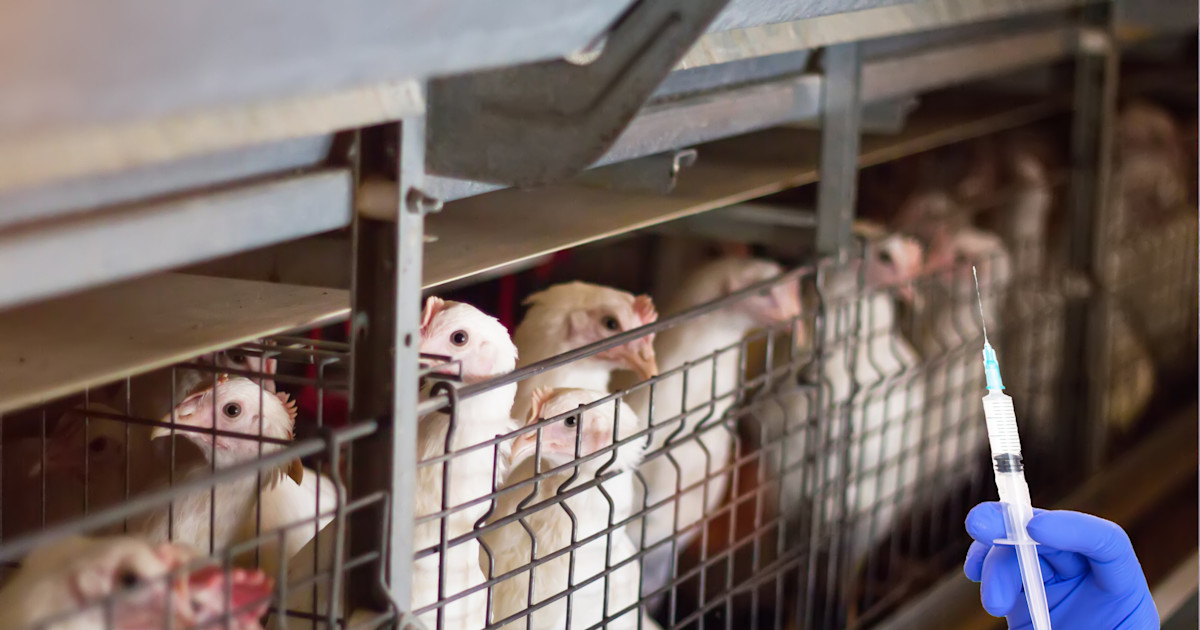
In the United States, the National Healthcare Safety Network (NHSN) is the primary engine for tracking hospital-acquired infections. While acute care hospitals have strong reporting, the system historically relied on voluntary submission for antibiotic use and resistance (AUR) data. This changed only, with the Centers for Medicare & Medicaid Services (CMS) mandating AUR reporting for acute care hospitals starting January 1, 2024. Prior to this, the map of American resistance was incomplete, dependent on the willingness of facilities to share proprietary data.
The COVID-19 pandemic exposed the fragility of this network. A 2022 CDC special report revealed that during the height of the pandemic, the agency’s Antimicrobial Resistance Laboratory Network received 23% fewer specimens than in 2019. This collapse in testing volume resulted in a data blackout for nine of the 18 priority pathogens listed in the CDC’s 2019 threats report. While hospitals battled waves of viral pneumonia, resistant bacterial infections surged in the shadows, with hospital-onset infections and deaths increasing by 15% in 2020.
The most serious domestic blind spot remains Long-Term Care Facilities (LTCFs). Residents in these facilities are disproportionately, yet surveillance infrastructure is primitive compared to acute care settings. Verified that up to 80% of LTC residents receive antibiotics annually, frequently without diagnostic confirmation of a bacterial infection. This high-pressure environment acts as a breeding ground for organisms like Candida auris, which increased nearly five-fold in clinical case counts between 2019 and 2022. Because LTCFs frequently absence the automated laboratory information systems required for real-time reporting, outbreaks in these centers are frequently identified only after patients are transferred to acute care hospitals, by which time the pathogen has already established a foothold.
Global Surveillance Gaps: The GLASS Limitations
The World Health Organization’s GLASS initiative attempts to standardize global data, it faces severe logistical blocks. As of late 2023, only 104 countries and territories reported data to GLASS, leaving nearly half the world’s nations, including in high-load regions of Africa and Southeast Asia, offline. In Low- and Middle-Income Countries (LMICs), microbiology laboratories are scarce, and blood culture testing is reserved for only the most serious treatment failures. This selection bias skews the data, making resistance appear artificially high in the samples tested while failing to capture the broader community spread.
Inconsistent testing standards further muddy the waters. Different nations use different “breakpoints”, the specific concentration of antibiotic used to define whether a bacteria is resistant or susceptible. Without a unified global standard, data from a hospital in Jakarta cannot be perfectly compared to data from a clinic in Berlin. The 2022 GLASS report, which for the time attempted to correlate antimicrobial consumption with resistance, could only include consumption data from 26 countries, highlighting the disconnect between drug usage tracking and infection outcomes.
| Metric | Estimated Reality (Modeled) | Surveillance Capability (Reported) | The Blind Spot |
|---|---|---|---|
| Global Deaths (2019) | 1. 27 million (Direct) 4. 95 million (Associated) |
Incomplete; relies on fragmented national registries. | Majority of deaths in LMICs occur outside hospitals and are never recorded as AMR. |
| CDC Priority Pathogens | 18 Urgent/Serious Threats | Data missing for 9 of 18 pathogens in 2022 report. | 50% of threat categories had insufficient data during pandemic peak. |
| Global Reporting | 195 Countries | 104 Countries reporting to GLASS (2023). | ~47% of nations do not contribute standardized resistance data. |
| Candida auris (US) | Rapidly widespread spread | Reported cases rose 500% (2019-2022). | Lag in identification allows silent colonization in nursing homes. |
The Phantom Period
The delay between a biological event and its digital registration creates a “phantom period” where resistance spreads unchecked. In the United States, verified NHSN data for a given year is frequently not finalized and released until the middle of the following year. For example, detailed 2024 infection data was only processed for full release by June 2025. This six-to-twelve-month lag renders the data historical rather than actionable. In a biological emergency, where doubling times for bacterial colonization can be measured in hours, a six-month delay is functionally equivalent to flying blind.
This latency is exacerbated by the reliance on phenotypic testing, growing bacteria in a dish, rather than rapid genotypic sequencing in clinical settings. While genomic surveillance can identify specific resistance genes (like blaKPC or mcr-1) and trace transmission pathways, it is rarely the standard of care for initial diagnosis. Consequently, the “silent” spread of resistance genes through wastewater and asymptomatic carriers remains largely invisible to current clinical reporting networks.
Bacteriophage Therapy: Reviving Viral Treatments for Bacterial Infections
The structural failure of antibiotics has forced modern medicine to reopen a cold case file from the pre-penicillin era: bacteriophage therapy. Phages are viruses that specifically infect and lyse bacteria. Unlike broad-spectrum antibiotics that carpet-bomb the microbiome, phages act as precision guided munitions, targeting specific bacterial while leaving human cells and beneficial flora unharmed. While the Soviet Union utilized phages for decades, Western medicine largely abandoned them until the current antimicrobial resistance (AMR) emergency made standard treatments obsolete. Between 2015 and 2025, phage therapy transitioned from a fringe scientific curiosity to a viable clinical contender, supported by hard data from compassionate use cases and the rigorous Phase 2 clinical trials.
The Compassionate Use Precedent
The modern renaissance of phage therapy in the United States traces back to the 2016 case of Tom Patterson at UC San Diego Health. Patterson, infected with a multidrug-resistant Acinetobacter baumannii, recovered after receiving an experimental intravenous phage cocktail. This high-profile success catalyzed the formation of the Center for Phage Applications and Therapeutics (IPATH). By 2020, IPATH published data on 10 consecutive cases of intravenous phage therapy for multidrug-resistant infections. The results showed a 70% success rate, with seven patients achieving clinical resolution or improvement. Further analysis of 18 patients treated at IPATH revealed a 78. 6% success rate in interpretable cases, establishing a baseline for efficacy in salvage therapy scenarios.
Under the FDA’s Expanded Access (compassionate use) pathway, physicians have treated hundreds of patients globally since 2015. yet, this “n=1” method absence the statistical power of controlled trials. Regulatory bodies like the FDA and EMA have historically struggled to approve therapies that change composition to match evolving bacterial resistance, a direct conflict with the fixed-formula requirements of traditional drug approval.
Clinical Trial Data and Efficacy (2020-2025)
The period between 2020 and 2025 marked a shift from anecdotal case studies to randomized, controlled clinical trials. Biotechnology firms, supported by non-dilutive funding from agencies like BARDA, began generating verified efficacy metrics.
In August 2024, Locus Biosciences released results from Part 1 of its Phase 2 ELIMINATE trial. The trial evaluated LBP-EC01, a CRISPR-Cas3 enhanced bacteriophage cocktail designed to treat urinary tract infections caused by drug-resistant Escherichia coli. The data showed that 87. 5% of evaluable patients demonstrated a microbiologic cure or significant reduction in bacterial load 1, 000 CFU/mL by day 10. The CRISPR method works by shredding the bacterial DNA, irreversibly killing the pathogen and preventing the emergence of resistance. This trial represented a significant validation of engineered phages over natural isolates.
Simultaneously, Armata Pharmaceuticals focused on respiratory infections. In December 2024, the company announced topline results from its Phase 2 “Tailwind” study evaluating AP-PA02, an inhaled phage cocktail for chronic Pseudomonas aeruginosa infections in non-cystic fibrosis bronchiectasis patients. The study demonstrated a statistically significant reduction in P. aeruginosa bacterial load in the lungs at day 17 compared to placebo. also, a post-hoc analysis revealed that approximately one-third of patients treated with the phage monotherapy achieved at least a 2-log reduction in colony-forming units, a metric that correlates with reduced reliance on chronic antibiotics.
In the bloodstream infection sector, Armata’s Phase 1b/2a “diSArm” trial for Staphylococcus aureus bacteremia reported results in June 2025. The data indicated an 88% responder rate in the phage-treated group versus 58% in the placebo group. Crucially, 100% of the phage-treated subjects cleared the infection by the test-of-cure date, compared to only 75% in the control arm.
Infrastructure and Manufacturing

The scalability of phage therapy relies on “phage banks”, libraries of pre-characterized viruses that can be rapidly matched to a patient’s specific bacterial. Adaptive Phage Therapeutics (acquired by BiomX in March 2024 for $50 million) pioneered this model, maintaining a large repository of phages to bypass the delays of custom hunting. This infrastructure allows for a “surveillance-based” regulatory model where the library is approved, and specific phages are selected based on real-time susceptibility testing.
| Company / Institute | Candidate | Target Pathogen | Indication | Key Verified Result |
|---|---|---|---|---|
| Locus Biosciences | LBP-EC01 (CRISPR-Phage) | Escherichia coli | Urinary Tract Infection | 87. 5% microbiologic cure rate; rapid reduction in bacterial load within 4 hours (Aug 2024). |
| Armata Pharmaceuticals | AP-PA02 (Inhaled) | Pseudomonas aeruginosa | Non-CF Bronchiectasis | Statistically significant reduction in lung bacterial load at Day 17 (Dec 2024). |
| Armata Pharmaceuticals | AP-SA02 (Intravenous) | Staphylococcus aureus | Bacteremia | 100% clearance at test-of-cure vs 75% placebo; 88% responder rate (June 2025). |
| BiomX / APT | BX004 | Pseudomonas aeruginosa | Cystic Fibrosis | Safe profile; demonstrated ability to penetrate biofilm in chronic infections (2023/2024). |
Regulatory and Safety
Safety data across these trials remains consistent: phages are well-tolerated. The Locus trial reported no serious adverse events related to the drug, and Armata’s respiratory trial showed adverse events were mild and self-limiting. The primary regulatory hurdle remains the classification of phages. The FDA continues to work with developers on “magistral” preparations and fixed cocktails, a unified pathway for adaptive libraries is still evolving. The $23. 9 million funding from BARDA to Locus in January 2024 signals strong federal support for overcoming these regulatory and manufacturing blocks to establish phages as a standard line of defense against the superbug emergency.
Section 21: Gene Editing: CRISPR Applications in Targeting Resistant
The clinical deployment of CRISPR-Cas systems represents a fundamental shift in antimicrobial strategy, moving from broad-spectrum chemical bombardment to genomic precision. Unlike traditional antibiotics that inhibit cell wall synthesis or protein production across entire bacterial families, CRISPR-based antimicrobials function as programmable bioweapons. They use guide RNAs (gRNAs) to locate specific DNA sequences within a target bacterium, such as genes encoding methicillin resistance (mecA) or carbapenemases (blaKPC), and recruit nucleases to inflict lethal damage. This method allows for the elimination of multidrug-resistant (MDR) while leaving the commensal microbiome intact, a capability confirmed by human trial data published between 2024 and 2026.
Locus Biosciences provided the verified Phase 2 data for this modality in August 2024. Their candidate, LBP-EC01, combines a lytic bacteriophage with a CRISPR-Cas3 construct. While the more common Cas9 enzyme creates a single double-strand break, Cas3 acts as a processive nuclease, chewing back the DNA strand and causing irreversible cell death. In the ELIMINATE trial, which targeted Escherichia coli in patients with urinary tract infections (UTIs), LBP-EC01 was administered via intraurethral and intravenous routes. Results published in The Lancet Infectious Diseases showed that the therapy rapidly reduced E. coli counts in urine to 1, 000 CFU/mL within four hours of the dose. By day 10, 87. 5% of evaluable patients demonstrated a microbiologic cure. Crucially, the trial reported no serious adverse events, validating the safety of injecting high titers of engineered phages (1×10¹⁰ PFU) directly into the bloodstream.
Parallel occurred in Europe with SNIPR Biome, whose candidate SNIPR001 E. coli in the gut of patients with hematological malignancies. These patients frequently develop fatal bloodstream infections when chemotherapy damages the gut lining, allowing bacteria to translocate. Data from their Phase 1 trial, released in March 2026, demonstrated that orally administered SNIPR001 survived transit through the gastrointestinal tract and was recovered in stool in dose-dependent concentrations. The study, published in The Lancet Microbe, confirmed that the therapy did not alter the composition of the healthy microbiome, a distinct advantage over fluoroquinolones which frequently decimate gut diversity. Although the trial was designed primarily for safety, the highest dose group exhibited a 78% reduction in E. coli load by day 14.
| Developer | Candidate | Target Pathogen | method | Clinical Status (2025/26) | Key Metric |
|---|---|---|---|---|---|
| Locus Biosciences | LBP-EC01 | Escherichia coli (UTI) | Cas3 (DNA degradation) | Phase 2 (ELIMINATE) | <103 CFU/mL in urine at 4 hours |
| SNIPR Biome | SNIPR001 | Escherichia coli (Gut) | Cas9 (DNA cleavage) | Phase 1b | 78% reduction in fecal load |
| Eligo Bioscience | EB003 | Cutibacterium acnes | Base Editing | Preclinical / Phase 1 | 99. 7% editing efficiency (Mice) |
| Locus Biosciences | LBP-PA01 | Pseudomonas aeruginosa | Cas3 (DNA degradation) | Phase 1 | Safety confirmed in pneumonia models |
Eligo Bioscience introduced a variation on this theme by employing a base-editing method rather than simple DNA cleavage. In July 2024, the company published findings in Nature detailing a system capable of modifying bacterial genomes directly within the gut of living mice. Their delivery vehicle, a non-replicative phage capsid, injected a payload that inactivated antibiotic resistance genes without killing the bacteria. This “genetic disarmament” method achieved editing of up to 99. 7% in targeted E. coli populations. By converting resistant into sensitive ones, this method could chance restore the efficacy of cheap, -line antibiotics like ampicillin, although clinical validation in humans remains at an earlier stage compared to the lytic method of Locus and SNIPR.
The delivery challenge as the primary technical hurdle. Bacteriophages, while vectors, possess narrow host ranges. A phage that infects one of K. pneumoniae may fail to recognize another due to differences in surface receptors. To address this, developers create “cocktails” containing multiple engineered phages to ensure broad coverage. The LBP-EC01 product, for instance, includes six distinct phage. also, the immune system can clear phages from the blood, limiting the window of therapeutic action. The Locus trial data indicated that while phages were cleared, the initial kill rate was fast enough to secure a clinical outcome before the immune response neutralized the therapy.
Resistance to CRISPR antimicrobials themselves is a theoretical risk, primarily through the loss of the phage receptor on the bacterial surface or the upregulation of anti-CRISPR (Acr) proteins. yet, the SNIPR001 Phase 1 data found no evidence of immediate resistance development in the treated volunteers. The dual method of action, phage lysis combined with CRISPR DNA targeting, creates a high evolutionary barrier for the bacteria. To survive, a bacterium would need to simultaneously mutate its surface receptors to evade the phage and alter its DNA sequence to escape the gRNA, a statistically improbable event during a short treatment course.
Regulatory bodies have responded to these data with expedited pathways. The FDA granted Fast Track designation to SNIPR001, acknowledging the urgent need for non-antibiotic solutions for cancer patients. As of early 2026, the sector moves toward pivotal Phase 3 trials, with the focus shifting from proving safety to demonstrating superior efficacy against standard-of-care antibiotics in patients with confirmed MDR infections.
Algorithmic Discovery: AI Identification of Antimicrobial Compounds
The era of discovering antibiotics through serendipity, mold on a petri dish or soil samples from a vacation, has ended. In its place, a computational revolution has emerged, capable of compressing decades of pharmaceutical research into days. Between 2020 and 2025, artificial intelligence moved from a theoretical adjunct to the primary engine for identifying antimicrobial compounds. This shift is not; it is necessary. With the pipeline for traditional antibiotics dry, algorithms have begun mining “dark chemical space”, molecules structurally distinct from existing drugs and therefore invisible to standard screening methods.
The definitive proof of this capability arrived in February 2020, when researchers at MIT and the Broad Institute announced the discovery of halicin. Unlike previous antibiotics derived from biological sources, halicin was identified by a deep learning model trained on 2, 500 molecules to recognize bacterial growth inhibition. When the algorithm was unleashed on the Drug Repurposing Hub, a library of 6, 000 compounds, it flagged halicin, a molecule originally investigated for diabetes treatment. In laboratory tests, halicin sterilized infections of Acinetobacter baumannii and Clostridioides difficile, two of the most resilient hospital pathogens. Its method is distinct: rather than attacking the cell wall, halicin disrupts the bacteria’s electrochemical gradient, physically disabling its ability to produce energy. Following this success, the model screened 107 million compounds from the ZINC15 database in just three days, identifying 23 additional candidates.
By 2023, the technology evolved from broad screening to precision targeting. In May of that year, a collaboration between McMaster University and MIT utilized AI to isolate abaucin, a compound specifically lethal to A. baumannii. The significance of abaucin lies in its narrow spectrum. Traditional broad-spectrum antibiotics act like napalm, destroying the gut microbiome and creating evolutionary pressure for resistance across multiple species. Abaucin, yet, ignores other bacteria, targeting only the pathogen. This discovery required training a neural network on 7, 500 molecules, which then screened 6, 680 compounds to predict structural classes with high accuracy. The result was a drug that cleared infected wounds in murine models without the collateral damage typical of conventional treatments.
The “black box” problem, the inability of researchers to understand why an AI model selects a specific molecule, was addressed in late 2023. A landmark study published in Nature (December 2023) introduced “explainable deep learning.” Researchers screened 12 million compounds to find a new class of antibiotics against methicillin-resistant Staphylococcus aureus (MRSA). Crucially, the model provided the chemical substructures (rationales) for its predictions, allowing chemists to understand the toxicity and efficacy profiles before synthesis. This explainable framework led to the identification of two non-toxic compounds that reduced MRSA loads by a factor of ten in mouse models.
| Compound / Model | Discovery Year | Primary Target | method of Action | Screening Speed |
|---|---|---|---|---|
| Halicin | 2020 | A. baumannii, C. diff | Disrupts electrochemical gradient (Proton Motive Force) | 107 million compounds in 3 days |
| Abaucin | 2023 | A. baumannii (Exclusive) | Lipoprotein transport interference | 6, 680 compounds analyzed in <2 hours |
| Explainable AI Class | 2023/2024 | MRSA, VRE | Cell membrane disruption (low toxicity) | 12 million compounds screened |
| SyntheMol | 2024 | A. baumannii | Generative “recipes” for synthesis | Generated 6 structural recipes |
The integration of generative AI in 2024 further accelerated this trajectory. Stanford Medicine’s SyntheMol model did not just screen existing libraries; it hallucinated entirely new chemical structures and provided the “recipes” for their synthesis. This capability addresses a major bottleneck: finding a theoretical molecule is useless if it cannot be manufactured. SyntheMol generated six drugs for A. baumannii, bridging the gap between digital prediction and wet-lab reality. Simultaneously, the release of AlphaFold 3 by Google DeepMind in May 2024 revolutionized the understanding of protein-ligand interactions. By predicting how drug molecules bind to bacterial proteins with accuracy, AlphaFold 3 allows researchers to simulate efficacy before a single milligram is synthesized.
Even with these computational triumphs, the transition to clinical application remains the primary hurdle. As of early 2026, while compounds like halicin and abaucin have proven exceptional in murine models, they have yet to complete Phase I human trials. The regulatory and financial of drug development moves far slower than the algorithms that feed it. yet, the pipeline is no longer empty. AI has refilled the reservoir of chance candidates, shifting the emergency from a absence of options to a need for rapid validation.
Antimicrobial Stewardship: Curbing Overprescription in Primary Care
The primary care sector remains the primary engine of antibiotic overuse in the United States. even with a decade of federal warnings, verified data from 2023 and 2024 indicates that outpatient settings account for 80% to 90% of all human antibiotic use, with approximately one in three prescriptions deemed clinically unnecessary. This represents a widespread failure in medical governance. The “watch and wait”, designed to delay prescribing for self-limiting viral infections, have largely collapsed under patient demand and time-constrained clinical workflows. By 2025, the resurgence of pre-pandemic prescribing habits erased the modest gains made between 2017 and 2019.
The trajectory of overprescription is not uniform; it is accelerating in specific, high-velocity care environments. An analysis released by Trilliant Health in July 2025 reveals a clear in “low-value” prescribing rates, defined as prescriptions for conditions where antibiotics provide no benefit, such as viral upper respiratory infections. While emergency departments have successfully curbed unnecessary use to 6. 9%, urgent care centers and telehealth platforms have become the new epicenters of resistance-breeding behavior.
The Convenience Loophole: Urgent Care and Telehealth
The shift toward on-demand healthcare has created a regulatory blind spot. Data from 2023 through 2025 shows that urgent care centers and telehealth providers prescribe antibiotics at rates significantly higher than traditional physician offices. The transactional nature of these encounters, frequently absence long-term patient-provider relationships, incentivizes the “quick fix” of a prescription over diagnostic rigor. A 2024 study on virtual urgent care found that clinicians in these settings were 64% more likely to prescribe antibiotics for respiratory tract infections compared to their in-person counterparts.
| Care Setting | Inappropriate Prescribing Rate | Primary Driver |
|---|---|---|
| Urgent Care |
17. 4% |
Viral Respiratory Infections |
| Telehealth |
17. 0% |
Sinusitis / Bronchitis |
| Physician Offices |
15. 7% |
Patient Satisfaction Pressure |
| Emergency Dept |
6. 9% |
Diagnostic Rigor |
This data exposes a serious flaw in current stewardship models: they are designed for brick-and-mortar continuity, not the fragmented reality of digital- medicine. The 17. 0% rate in telehealth is particularly worrying given the inability to perform physical examinations or rapid diagnostic tests, leading to “defensive prescribing” where doctors prescribe antibiotics to mitigate the theoretical risk of bacterial coinfection.
Economic and Clinical
The cost of this negligence is measurable. A joint analysis by The Pew Charitable Trusts and Washington University estimated that inappropriate antibiotic prescribing for adult respiratory infections alone generates nearly $69 million in excess healthcare costs annually. When pediatric data is included, the figure exceeds $140 million. These costs not from the price of the drugs, which are frequently generic and cheap, from the cascade of adverse events they trigger. Severe allergic reactions, Clostridioides difficile infections, and multidrug-resistant complications force patients back into the system, consuming resources that the initial prescription was meant to save.
Azithromycin remains the emblem of this failure. Known as the “Z-Pack,” it accounts for a disproportionate share of unnecessary prescriptions. In 2023, data indicated that up to 55% of azithromycin prescriptions in primary care were for conditions where the drug offers no clinical benefit. This widespread misuse has rendered the drug increasingly ineffective against common pathogens like Streptococcus pneumoniae, stripping clinicians of a important tool for treating legitimate bacterial pneumonia.
Behavioral Nudges: The Only Proven Brake
Education alone does not alter prescribing behavior. Studies conducted between 2016 and 2024 consistently show that passive guidelines fail to compete with the social pressure of a patient demanding a cure. The only interventions with verified success rates rely on behavioral economics. “Accountable justification,” which forces a clinician to type a reason for deviating from guidelines into the electronic health record, has been shown to reduce inappropriate prescribing by 18%. Similarly, “peer comparison,” where clinicians are ranked against their top-performing colleagues, triggers a competitive instinct that drives down misuse by 16%.
even with this evidence, adoption of these “nudges” remains sporadic. Most primary care networks rely on passive alerts that are easily ignored. Without a federal mandate to integrate these hard-stop method into Electronic Health Record (EHR) systems, the primary care sector continue to feed the resistance emergency. The 2025 data is clear: voluntary stewardship has failed. The phase of control requires algorithmic accountability.
The 2050 Projection: Trajectory Toward 10 Million Annual Deaths
The prediction that antimicrobial resistance (AMR) kill 10 million people annually by 2050, established by the O’Neill Review in 2014, has served as the global benchmark for the superbug emergency. New data published in The Lancet in September 2024 by the Global Research on Antimicrobial Resistance (GRAM) project provides the detailed validation of this trajectory using verified mortality trends from 1990 through 2021. The updated forecasting models confirm that the world is accelerating toward a catastrophic mortality load, with the total toll of infections associated with resistance projected to reach 8. 22 million deaths per year by mid-century.
The GRAM analysis, which examined 520 million records from 204 countries, distinguishes between deaths directly caused by resistant bacteria and those where AMR played a contributing role. While direct fatalities are projected to rise from 1. 14 million in 2021 to 1. 91 million in 2050, a 67. 5% increase, the broader impact is far more severe. When including associated deaths, the annual loss of life is set to surge from 4. 71 million to over 8. 2 million. This places the total mortality load within clear distance of the 10-million-death threshold originally feared, confirming that AMR surpass cancer as a leading cause of global mortality if interventions remain stagnant.
A distinct demographic shift defines this escalating emergency. Unlike historical infectious disease outbreaks that predominantly targeted the young, the AMR trajectory is rapidly aging. Verified that while AMR deaths among children under five years old dropped by 50% between 1990 and 2021 due to vaccination and hygiene improvements, mortality among adults aged 70 and older surged by 80% in the same period. By 2050, deaths in this elderly cohort are projected to double again, rising from 512, 000 to 1. 3 million annually. This “graying” of the superbug pandemic means that routine medical procedures essential for aging populations, hip replacements, cancer chemotherapy, and pacemaker implantations, carry prohibitive infection risks.
| Metric | 2021 Verified Data | 2050 Projection | Percent Increase |
|---|---|---|---|
| Direct AMR Deaths (Annual) | 1. 14 Million | 1. 91 Million | +67. 5% |
| Associated AMR Deaths (Annual) | 4. 71 Million | 8. 22 Million | +74. 5% |
| Cumulative Direct Deaths (2025-2050) | N/A | 39 Million | N/A |
| Cumulative Associated Deaths (2025-2050) | N/A | 169 Million | N/A |
| Elderly Mortality (70+ Years) | 512, 000 | 1. 3 Million | +154% |
Specific pathogens drive these mortality curves. Methicillin-resistant Staphylococcus aureus (MRSA) deaths doubled between 1990 and 2021, a trend expected to continue. yet, the most aggressive growth is seen in Gram-negative bacteria resistant to carbapenems, the class of antibiotics reserved for the most severe infections. Resistance in these pathogens is accelerating faster than in any other category, rendering standard hospital treatments ineffective for pneumonia, urinary tract infections, and bloodstream infections. The GRAM study identifies South Asia, Latin America, and the Caribbean as the regions facing the steepest mortality climbs, with South Asia alone projected to bear 11. 8 million attributable deaths between 2025 and 2050.
The economic ramifications of this mortality trajectory are equally destabilizing. The World Bank estimates that unchecked AMR inflict economic damage comparable to the 2008 financial emergency, without the prospect of a cyclical recovery. By 2050, the emergency is projected to slash global GDP by 3. 8% annually. This contraction to a chance loss of $1 trillion to $3. 4 trillion in economic output per year. also, the healthcare load become unsustainable; treatment costs are forecast to rise by up to $1 trillion annually as hospitals are forced to use more expensive, last-line toxic drugs and manage prolonged patient stays caused by treatment failures.
Poverty metrics also worsen under this scenario. The World Bank projects that the economic shock of AMR push an additional 28 million people into extreme poverty by 2050, primarily in low-income countries where out-of-pocket healthcare costs for treating resistant infections are already catastrophic. This creates a feedback loop: poverty drives the spread of resistance due to poor sanitation and absence of access to quality care, while resistance deepens poverty by destroying workforce productivity and household savings. The trajectory toward 2050 is not a medical prediction a forecast of structural economic collapse for health systems worldwide.
Infection Prevention Control: Mandatory Staffing and Protocol Enforcements
The correlation between hospital staffing levels and the proliferation of multidrug-resistant organisms (MDROs) is not a matter of debate of calculation. Verified data from 2015 to 2025 demonstrates that infection control is less about intent and more about capacity. When nursing hours per patient day (NHPPD) decrease, rates of hospital-acquired infections (HAIs) rise with statistical certainty. A pivotal study published by the Association for Professionals in Infection Control and Epidemiology (APIC) in October 2024 analyzed 390 acute care hospitals and found that 79. 2% operated with insufficient infection prevention staffing. Facilities falling calculated staffing needs reported significantly higher incidence rates of central line-associated bloodstream infections (CLABSI), catheter-associated urinary tract infections (CAUTI), and Clostridioides difficile.
The role of the Infection Preventionist (IP) has shifted from surveillance to emergency management, yet workforce numbers fail to match clinical complexity. Historically, hospitals relied on a static benchmark of one IP for every 100 beds. The 2024 APIC analysis declared this ratio obsolete. The median ratio in surveyed facilities stood at one IP per 121 beds, a load that prevents oversight of isolation and antibiotic stewardship rounds. In facilities with lower-than-expected IP staffing, 25% reported elevated CAUTI rates compared to only 7% in fully staffed hospitals. This gap allows pathogens to breach containment lines simply because no qualified personnel exist to audit the process.
Nurse staffing ratios present an equally direct vector for transmission. When registered nurses (RNs) carry excessive patient loads, adherence to time-intensive contact precautions degrades. A 2021 analysis of medical-surgical units in Illinois quantified this risk, revealing that for every patient added to a nurse’s average workload, the likelihood of a patient dying within 30 days increased by 16%. In New York, the 2021 Clinical Staffing Committee law attempted to mandate enforceable staffing plans, yet implementation remains inconsistent. Research estimates that if New York hospitals had maintained recommended staffing levels of four patients per nurse on medical-surgical units, approximately 4, 370 deaths could have been prevented over a two-year period. The method is mechanical: cross-contamination occurs when rushed staff bypass hand hygiene or reuse protective equipment between rooms.
Protocol enforcement relies heavily on monitoring, traditional methods yield flawed data due to the Hawthorne Effect, the phenomenon where subjects modify behavior when they know they are being watched. Human observation records hand hygiene compliance rates between 80% and 90%. yet, electronic monitoring systems, which track usage 24/7 without observer bias, frequently reveal actual compliance rates as low as 40% to 50%. A 2022 study in a Brazilian intensive care unit compared these methods directly. Human observers recorded a 56. 3% compliance rate, while electronic counters registered 51. 0% during the same period. More serious, when human observers were absent, electronic data showed compliance dropping further, exposing the reality that hygiene frequently collapse when no one is watching.
Federal regulators use financial penalties to force compliance, though the impact varies. The Centers for Medicare & Medicaid Services (CMS) Hospital-Acquired Condition (HAC) Reduction Program penalizes the worst-performing quartile of hospitals by reducing their total Medicare payments by 1%. In the nursing home sector, enforcement escalated following the COVID-19 pandemic. In 2023, CMS revised guidance to impose civil monetary penalties ranging from $5, 000 to $20, 000 per instance for infection control deficiencies, particularly those involving immediate jeopardy. These fines target structural failures, such as the inability to separate infected residents or the absence of functional hand washing stations.
Comparative Impact of Monitoring Methods on Compliance Data
The following table illustrates the gap between reported compliance (human observation) and actual compliance (electronic monitoring), highlighting the “hidden” transmission risk in hospitals.
| Monitoring Method | Average Reported Compliance | Observation Bias (Hawthorne Effect) | Data Points Captured | Cost of Implementation |
|---|---|---|---|---|
| Direct Human Observation | 85%, 95% | High (Staff react to observer) | < 2% of total opportunities | High (Labor intensive) |
| Electronic Counter (Dispenser) | 40%, 60% | Low (Passive data collection) | 100% of dispenser activations | Moderate (Hardware install) |
| Real-Time Location Systems (RTLS) | 35%, 55% | Minimal (Background tracking) | Tracks entry/exit & hygiene | High (Infrastructure required) |
infection control requires a shift from reactive penalties to proactive staffing and unbiased monitoring. The data confirms that superbug outbreaks are not inevitable acts of nature consequences of specific operational decisions. When hospitals cut IP positions or stretch nurse-to-patient ratios, they the biological firewalls designed to contain resistant bacteria. The 2025-2026 trajectory indicates that without federally mandated, acuity-based staffing minimums, protocol enforcement remain a theoretical exercise rather than a clinical reality.
Strategic Imperatives: Immediate Requirements for Global Health Security
The trajectory of antimicrobial resistance (AMR) is not immutable, altering it requires a departure from passive surveillance toward aggressive, capital-intensive intervention. The 2024 United Nations General Assembly High-Level Meeting on AMR established a non-negotiable target: a 10% reduction in global deaths associated with bacterial AMR by 2030, using a 2019 baseline of 4. 95 million deaths. Achieving this requires immediate structural changes in global health governance, financing, and supply chain management.
Current that the cost of inaction far exceeds the investment required for mitigation. Models from the Center for Global Development project that without new interventions, AMR could inflict annual global GDP losses of $1. 7 trillion by 2050. Conversely, targeted investments in AMR interventions offer an estimated return on investment (ROI) of 88% per year. The financial imperative is clear: immediate capital injection into healthcare infrastructure is not aid; it is a security need.
The Implementation Gap: National Action Plans
While 178 countries have developed National Action Plans (NAPs), the in implementation remains the primary failure point. The 2024 UN declaration calls for 60% of countries to have funded NAPs by 2030. A review of recent country-level data reveals both the efficacy of rigorous enforcement and the dangers of fragmented policy.
| Country | Strategic Phase | Key Metric / Outcome | Status |
|---|---|---|---|
| Thailand | National Strategic Plan (2017, 2022) | Reduced human antimicrobial consumption by 26. 3%; animal consumption reduced by nearly 50%. | Exceeded |
| Netherlands | Veterinary Antibiotic Reduction Policy | 75. 5% reduction in veterinary antibiotic sales since 2009 benchmark. | High Success |
| Sweden | Strategy to Curb AMR (2026, 2035) | Target to reduce total antibiotic use in outpatient/inpatient care by 3% by 2030 (vs. 2019). | Maintenance Phase |
| India | NAP-AMR 2. 0 (2025, 2029) | Focus on state-level implementation; absence binding method for state compliance. | Implementation Risk |
| United Kingdom | 5-Year National Action Plan (2024, 2029) | Target to reduce total human antibiotic use by 5% from 2019 baseline. | Active Execution |
One Health Integration: Beyond Rhetoric
The “One Health” method, integrating human, animal, and environmental health sectors, must move from theoretical frameworks to measurable enforcement. The Netherlands provides a verified blueprint: by strictly regulating veterinary prescriptions, they achieved a 75. 5% reduction in antibiotic sales for animals between 2009 and 2024. This directly correlates with lower resistance rates in food-producing animals. In contrast, regions absence such controls continue to see high levels of colistin and carbapenem resistance in livestock, which spills over into human populations.
Thailand’s success demonstrates that middle-income nations can also drive significant reductions. By integrating surveillance across hospitals and farms, Thai officials exceeded their 30% reduction target for animal antibiotic use. This proves that governance works when backed by political.
Surveillance and Data Sovereignty
Global health security demands real-time intelligence. The expansion of the Global Antimicrobial Resistance and Use Surveillance System (GLASS) to over 100 countries is a start, data quality remains inconsistent. The immediate requirement is the establishment of the independent panel for evidence for action against AMR, scheduled for 2025. This body must function with the same authority as the IPCC for climate change, providing indisputable metrics to hold governments accountable.
“The 2025, 2030 window is serious. We are not just fighting bacteria; we are fighting a timeline. Every delay in funding national action plans directly into mortality statistics.”
Strategic Priorities
To secure the 2030 strategic priorities, three immediate actions are required:
1. Ring-fenced Financing: The $100 million catalytic funding target set by the UN is a starting point, national budgets must allocate specific line items for AMR, distinct from general health funding. The Global Fund’s allocation of over $74 million specifically for AMR (2023, 2025) serves as a model for multilateral financing.
2. Diagnostic Sovereignty: 80% of countries must achieve the capacity to perform bacterial and fungal resistance testing by 2030. Without local diagnostic capability, prescribers fly blind, fueling resistance through broad-spectrum guesswork.
3. Supply Chain Security: The target that 70% of antibiotics used globally belong to the WHO “Access” group (antibiotics with lower resistance chance) requires strict supply chain controls. Governments must incentivize the production of narrow-spectrum antibiotics while restricting the sale of “Watch” and “Reserve” category drugs.
**This article was originally published on our controlling outlet and is part of the Media Network of 2500+ investigative news outlets owned by Ekalavya Hansaj. It is shared here as part of our content syndication agreement.” The full list of all our brands can be checked here. You may be interested in reading further original investigations here.
Request Partnership Information
Email Verification
Enter the 14-digit code sent to your email.


Patna Weekly
Part of the global news network of investigative outlets owned by global media baron Ekalavya Hansaj.
Patna Weekly is known for their insightful analysis of Bihar’s political dynamics. Its work has been instrumental in exposing massive corruption scandals, from high-profile political cases to grassroots-level scams by local leaders.