

DNA Exoneration Wave: 33,000+ Years Lost To 3,698 Wrongful Convictions In America Since 1989
Why it matters:
- 3,698 cases of wrongful conviction in the US since 1989 documented by the National Registry of Exonerations
- Injustice disproportionately affects Black Americans, who make up 60% of exonerations in 2024 despite being only 13.6% of the population
As of June 28, 2025, the National Registry of Exonerations (NRE) documented exactly 3, 698 cases of wrongful conviction in the United States since 1989. This figure does not represent the total number of innocent people in prison; it represents only those who successfully navigated the procedural labyrinth to prove their innocence. These 3, 698 individuals shared lost over 33, 000 years of their lives to incarceration, a temporal void equivalent to the entire span of recorded human history, erased by state error and misconduct.
This investigation about DNA Exoneration Wave reveals a system where accuracy is frequently sacrificed for finality. While DNA testing captures the public imagination, it accounts for fewer than 20% of these exonerations. The vast majority of cases rely on the exposure of official misconduct, perjury, or false confessions, frequently decades after the fact. In 2024 alone, 147 individuals were exonerated, reclaiming 1, 980 years of lost freedom. This average of 13. 5 years per person demonstrates that justice, when it arrives, comes late.
The Demographics of Dispossession
Racial defines the exoneration data. Black Americans constitute only 13. 6% of the U. S. population yet account for 53% of all exonerations since 1989. In 2024, that imbalance widened, with Black defendants representing 60% of the 147 exonerated individuals. The NRE’s analysis shows that innocent Black people are seven times more likely to be wrongfully convicted of murder than innocent white people. This multiplier increases if the victim is white.
The case of Glynn Simmons, exonerated in late 2023 and finalized in 2024, stands as the grim record-holder. Simmons served 48 years, one month, and 18 days in Oklahoma for a murder he did not commit, the longest wrongful imprisonment in U. S. history. His conviction relied on a witness identification from a lineup where he was the only person shown to the witness multiple times, a procedural failure that stole half a century of life.
| Metric | 2024 Statistics | Historical Context (1989, 2025) |
|---|---|---|
| Total Exonerations | 147 | 3, 698 |
| Years Lost | 1, 980 years | ~33, 000+ years |
| Black Exonerees | 60% | 53% |
| Official Misconduct | 71% of cases | ~58% of cases |
| Homicide Cases | 58% (85 cases) | ~39% of total |
The Role of Official Misconduct
The most pervasive factor driving these numbers is not human error professional malfeasance. In 2024, official misconduct, defined as police, prosecutors, or other government officials abusing their authority, played a role in 71% of all exonerations. This includes withholding exculpatory evidence (Brady violations), coercing confessions, and tampering with witnesses.
In homicide cases, the rate of misconduct rises to 79%. The that as the of the crime increase, so does the willingness of state actors to break the rules to secure a conviction. The “win at all costs” culture in district attorney offices and police precincts directly contributes to the 3, 698 figure. For example, the 2024 report highlighted 17 exonerations in Texas alone tied to the misconduct of a single former Houston narcotics officer, Gerald Goines, proving that one corrupt official can generate a mass casualty event in the legal system.
Chart: Primary Contributing Factors in 2024 Exonerations
Note: Percentages exceed 100% as cases frequently involve multiple factors.
The financial cost of these errors is, though secondary to the human toll. States have paid over $4. 6 billion in compensation since 1989. yet, this figure is misleading; states, including those with high exoneration rates, have caps on compensation or require exonerees to file civil lawsuits that take years to resolve. The 3, 698 count represents a liability that taxpayers fund, yet the officials responsible for the misconduct rarely face financial or criminal penalties.
The Racial Multiplier: Why Black Defendants are Seven Times More Likely to be Wrongfully Convicted
The mathematics of wrongful conviction in the United States reveals a widespread racial imbalance that defies statistical probability. According to the National Registry of Exonerations (NRE) 2022 report, Black people are seven times more likely than white people to be falsely convicted of serious crimes. This is not a margin of error; it is a consistent feature of the American legal method. While Black Americans comprise only 13. 6% of the national population, they account for 53% of the 3, 698 exonerations documented between 1989 and 2025. The data shows that race operates as a force multiplier for judicial error, with the probability of innocence decreasing as the severity of the sentence increases.
This racial gap widens significantly when analyzed by specific crime categories. The NRE data establishes that innocent Black defendants are not more likely to be targeted; they are processed through a system that is empirically more prone to error when adjudicating their cases. In sexual assault cases, the multiplier reaches 8x, frequently driven by cross-racial misidentification. In drug cases, the explodes to 19x, a figure that reflects aggressive policing tactics rather than criminal activity.
| Crime Category | Wrongful Conviction Multiplier (Black vs. White) | Primary widespread Driver |
|---|---|---|
| Drug Crimes | 19x More Likely | Racial Profiling / “Group Exonerations” |
| Sexual Assault | 8x More Likely | Cross-Racial Misidentification |
| Murder | 7. 5x More Likely | Official Misconduct / Perjury |
| All Serious Crimes | 7x More Likely | widespread Bias |
The 19x: Drug Crimes and the Innocent Plea
The most severe statistical exists within drug convictions. Innocent Black people are 19 times more likely to be convicted of drug crimes than innocent white people. This number is driven largely by “group exonerations”, clusters of cases where police officers, frequently in specialized units, systematically plant evidence or fabricate reports to secure arrests. In cities like Chicago, Baltimore, and Houston, entire squads of officers have been indicted for framing residents, leading to mass dismissals of convictions years later.
These cases rarely involve a trial. The pressure to plead guilty is immense. Prosecutors frequently offer “time served” or probation in exchange for a guilty plea, creating a trap for innocent defendants who cannot afford bail or the risk of a long prison sentence. NRE that 69% of drug crime exonerees are Black, while only 16% are white, even with ing both groups use illegal drugs at similar rates. The system monetizes the freedom of innocent Black defendants, extracting guilty pleas to clear dockets.
Official Misconduct in Capital Cases
For murder convictions, the is 7. 5 to 1. The 2022 NRE report and subsequent 2024 data updates show that official misconduct is the leading cause of these wrongful convictions. In murder exonerations involving Black defendants, police or prosecutorial misconduct was present in 78% of cases. For white defendants, that rate drops to 64%. This misconduct includes hiding exculpatory evidence, tampering with witnesses, and coercing false confessions.
The are highest in death penalty cases. Among exonerees who were sentenced to death, 85% of Black defendants were victims of official misconduct. The system is not only more likely to convict an innocent Black person of murder also more likely to break its own rules to secure that conviction. The 2025 NRE annual report noted that this trend, with 60% of all exonerees in 2024 being Black, maintaining the historical imbalance.
“The report really shows the depth of the belief that race is a proxy for criminality in the criminal legal system.” , Christina Swarns, Executive Director of the Innocence Project.
The Time Tax
Beyond the conviction itself, Black exonerees pay a higher “time tax” for their freedom. On average, Black exonerees spend 4. 5 years longer in prison than white exonerees for the same crimes before they are cleared. In murder cases, the delay is approximately three years longer. This extended incarceration is frequently due to the difficulty in obtaining post-conviction DNA testing or the resistance of District Attorneys to reopen cases involving Black defendants. The 2024 data reveals that Black exonerees shared lost over 1, 980 years to wrongful imprisonment in that single reporting year alone.
The racial multiplier is not a historical artifact; it is an active operational metric of the current justice system. From the initial police stop to the final appellate denial, the probability of error compounds at every stage for Black defendants, resulting in a 700% higher risk of wrongful conviction compared to their white counterparts.
The 69% Factor: Eyewitness Misidentification as the Leading Cause in DNA Cases
even with the forensic infallibility attributed to DNA testing, the catalyst for the majority of these exonerations lies in a deeply fallible human method: memory. As of late 2025, data from the Innocence Project confirms that eyewitness misidentification played a decisive role in 69% of the 375+ DNA-based exonerations in the United States. This statistic isolates a specific, terrifying fragility in the criminal justice system: in more than two-thirds of cases where biological evidence later proved innocence, a victim or witness pointed to the wrong person, frequently with absolute certainty. While the National Registry of Exonerations (NRE) reported in April 2025 that mistaken identification contributed to 26% of all exonerations (including non-DNA cases) in 2024, the prevalence spikes dramatically in the violent stranger-crimes, rape and robbery, where DNA is most frequently available.
The persistence of this error rate is not a product of bad luck of widespread procedural failure. The “Blind Acceptance” report, released by the Northern California Innocence Project in April 2024, exposed a serious gap between legislation and practice. Although California enacted Penal Code Section 859. 7 in 2020 to mandate evidence-based identification procedures, the audit revealed that over 90% of surveyed agencies relied on policy manuals from a private vendor, Lexipol, which diluted mandatory “shall” requirements into discretionary “should” guidelines. This bureaucratic sleight of hand allows non-blind administration, where the officer conducting the lineup knows the suspect’s identity, to, permitting subtle, frequently unconscious cues to steer witnesses toward a specific target.
The Mechanics of Memory
Eyewitness memory is not a video recording; it is a reconstructive process susceptible to contamination at every stage. The data distinguishes between estimator variables (environmental factors like lighting, distance, and stress) and system variables (police procedures). In the DNA exoneration cohort, the specific methods of identification reveal a reliance on static imagery over live scrutiny.
| Identification Procedure | Prevalence in DNA Misidentification Cases | Risk Factor |
|---|---|---|
| Photo Array | 52% | Static images absence depth; “filler” photos frequently fail to match the suspect’s description. |
| In-Person Lineup | 34% | Administrator cues; comparative judgment (picking the “best match” rather than the actual perpetrator). |
| Show-up | 16% | Highly suggestive; suspect is presented alone to the witness, frequently in handcuffs or near the crime scene. |
| Composite Sketch | 27% | Relies on artistic interpretation; can overwrite the witness’s original memory of the face. |
The danger of these procedures is compounded by the “confidence malleability” effect. A witness may be tentative during the initial identification (“I think it’s number three”), positive reinforcement from law enforcement, such as a nod or a statement like “good job”, can that confidence to 100% by the time of trial. This retrospective certainty is what juries see, masking the initial doubt.
The Cross-Racial Abyss
The data on cross-racial identification presents a clear indictment of cognitive bias. In 42% of misidentification cases involving DNA exoneration, the witness and the suspect belonged to different racial groups. This phenomenon, known as the “own-race bias,” results in significantly higher error rates when a witness attempts to identify a stranger of a different race. The is most acute in sexual assault cases: innocent Black men convicted of raping white women are six times more likely to be innocent than white men convicted of raping white women.
The case of Miguel Solorio, declared factually innocent in December 2023 after 25 years of wrongful incarceration, exemplifies this failure. His conviction relied heavily on eyewitness testimony that crumbled under scrutiny, yet the procedural kept him imprisoned for decades. Solorio’s exoneration, along with the 147 others recorded by the NRE in 2024, show that while DNA can prove innocence, it cannot retroactively correct the procedural flaws that allow misidentifications to occur in the place. The 69% factor remains the single most serious metric in understanding why innocent people enter the prison system, even as modern forensics struggle to get them out.
Forensic Pseudoscience I: The Debunked Validity of Bite Mark Analysis

The forensic discipline of bite mark analysis, once a of violent crime prosecutions, has collapsed under the weight of scientific scrutiny. Between 2015 and 2025, a succession of high-profile exonerations and federal reports exposed the practice not as flawed, as fundamentally invalid. The National Institute of Standards and Technology (NIST) delivered the definitive verdict in its March 2023 report, Bite Mark Analysis: A Scientific Foundation Review. After examining hundreds of studies, NIST concluded that the field absence a “sufficient scientific foundation” and that its central premise, that human dentition is unique and transfers accurately to skin, is not supported by data.
This conclusion followed the 2016 report by the President’s Council of Advisors on Science and Technology (PCAST), which found that bite mark analysis did not meet the standards for foundational validity. PCAST noted that among all forensic feature-comparison methods, bite mark analysis was the only one where the consistent error rate was so high that the method could not be salvaged. Yet, the legal system’s slow metabolism allowed these “experts” to testify for decades, resulting in wrongful convictions that stole centuries of freedom from innocent defendants.
The Mechanics of Failure
The scientific failure of bite mark analysis from the medium itself. Human skin is a poor substrate for recording dental impressions. It is elastic, curved, and distorts when bitten, pulled, or healing. A 2023 study published in the Journal of the California Dental Association demonstrated that within a population of 1, 100 people, a bite mark with just 25% could match a significant percentage of the population. The “uniqueness” of human dentition, a claim fiercely defended by the American Board of Forensic Odontology (ABFO), when transferred to living tissue.
even with these physical realities, forensic odontologists frequently testified with “reasonable scientific certainty,” a phrase that carried no statistical weight immense jury impact., these experts fabricated a level of precision that did not exist, claiming they could match a bruise on a victim to a specific defendant to the exclusion of all other people on Earth.
Case Study: The 37-Year Error
The exoneration of Robert DuBoise in September 2020 illustrates the catastrophic cost of this pseudoscience. DuBoise was convicted in Florida in 1985 for the rape and murder of Barbara Grams. The primary physical evidence against him was a wound on the victim’s cheek, which forensic odontologist Dr. Richard Souviron identified as a bite mark. Souviron, who gained fame testifying against Ted Bundy, told the jury that the marks matched DuBoise’s teeth.
DuBoise spent 37 years in prison, including three years on death row. In 2020, DNA testing of stored evidence, which was previously thought to be destroyed, excluded DuBoise and identified two other men. A review by a new forensic odontologist, Dr. Adam Freeman, concluded that the injury on the victim’s cheek was not even a bite mark. It was likely an injury from the weapon used in the attack. The “science” that stole nearly four decades of DuBoise’s life was nothing more than subjective speculation masquerading as fact.
The Mississippi Pattern
Mississippi provided a fertile ground for this misconduct, largely driven by the testimony of Dr. Michael West. West, a forensic odontologist, testified in dozens of cases, frequently using a method he invented called the “West Phenomenon,” which involved using ultraviolet light to “see” bite marks invisible to the naked eye. His testimony sent Eddie Lee Howard to death row in 1994.
Howard was convicted of the rape and murder of an 84-year-old woman based almost entirely on West’s claim that bite marks on the victim’s body matched Howard’s teeth. Howard maintained his innocence for 26 years. In January 2021, he was exonerated after DNA evidence from the murder weapon and the victim’s body excluded him. The Mississippi Supreme Court, in vacating his conviction, acknowledged the “demise of bite mark evidence” as a valid scientific discipline.
| Exoneree | State | Conviction Year | Exoneration Year | Years Incarcerated | Primary “Expert” |
|---|---|---|---|---|---|
| Keith Allen Harward | Virginia | 1982 | 2016 | 33 | Dr. Lowell Levine |
| Robert DuBoise | Florida | 1985 | 2020 | 37 | Dr. Richard Souviron |
| Eddie Lee Howard | Mississippi | 1994 | 2021 | 26 | Dr. Michael West |
| Sherwood Brown | Mississippi | 1995 | 2021 | 26 | Dr. Harry Mincer |
Institutional Inertia and Reform
While the scientific community has rejected bite mark analysis, the legal system remains resistant to total exclusion. In 2016, the Texas Forensic Science Commission became the regulatory body in the nation to recommend a moratorium on the use of bite mark evidence in criminal trials. This decision triggered a review of all convictions in the state that relied on such evidence. Yet, other states have been slower to act. In Alabama, Charles McCrory remains entangled in the legal system as of 2024, even after the expert who testified against him, Dr. Richard Souviron, recanted his testimony and admitted the methodology was flawed.
The chart visualizes the human cost of these specific errors. The four men listed above shared lost 122 years to a discipline that the NIST 2023 report confirmed has no validity.
Years of Life Lost to Bite Mark Pseudoscience
Data Source: National Registry of Exonerations (2025)
The persistence of bite mark evidence in the face of such a serious problem within the judicial gatekeeping function. Judges, who are rarely scientists, have historically deferred to the confidence of the witness rather than the validity of the method. The 2023 NIST report serves as a final indictment, for men like DuBoise and Howard, the correction came decades too late.
Forensic Pseudoscience II: The Arson Myth and Shaken Baby Syndrome
While DNA evidence provides a binary certainty in wrongful conviction cases, the battle against “junk science” remains a murky, uphill war in American courtrooms. Two specific forensic disciplines, arson investigation and Shaken Baby Syndrome (SBS), frequently relabeled Abusive Head Trauma (AHT), have contributed significantly to the National Registry of Exonerations’ count of 3, 698 cases as of June 28, 2025. even with authoritative debunking by scientific bodies, these flawed methodologies continue to imprison innocent defendants, relying on “expert” testimony that mimics the scientific method while failing its most basic tests.
The “Arson Myth” through the use of outdated folklore masquerading as fire science. For decades, investigators relied on visual cues like “crazed glass” (spiderweb fractures) or “V-patterns” to determine a fire’s origin and cause. Modern thermodynamics has proven these indicators can occur in accidental fires, particularly after “flashover”, a state where a room becomes so hot that everything ignites simultaneously. The most pernicious tool in this flawed arsenal is “negative corpus,” a methodology where investigators conclude a fire was arson simply because they found no accidental cause. The National Fire Protection Association (NFPA) explicitly rejected negative corpus in its 921 guide (2011 and subsequent editions), stating it is “inconsistent with the scientific method.” Yet, convictions based on this logic remain on the books.
The 2022 exoneration of John Galvan in Chicago exposes the lethality of this pseudoscience. Galvan served 35 years for a 1986 fire that killed two brothers. His conviction rested on a coerced confession where he admitted to lighting a Molotov cocktail with a cigarette. This scenario is chemically impossible. As demonstrated in a 2007 MythBusters episode and later confirmed by federal arson experts, a lit cigarette burns at a temperature too low to ignite liquid gasoline. It took until July 21, 2022, for the courts to vacate the convictions of Galvan and his co-defendants, Arthur Almendarez and Francisco Nanez. In May 2025, the Chicago City Council Finance Committee recommended a $48 million settlement for the three men, a financial acknowledgment of the decades stolen by impossible physics.
Parallel to the arson emergency is the collapse of the medical consensus surrounding Shaken Baby Syndrome. For years, prosecutors secured capital convictions based on the “triad” of symptoms: subdural hematoma, retinal, and brain swelling. Medical experts testified that these injuries could only result from violent shaking. Biomechanical engineering and updated pediatric research show that short falls, genetic disorders, and illnesses like severe pneumonia can mimic these symptoms. The diagnosis of SBS/AHT has shifted from a medical certainty to a fiercely contested hypothesis, yet the legal system has been slow to adapt.
The case of Robert Roberson in Texas exemplifies this lethal lag. Convicted in 2003 for the death of his two-year-old daughter, Nikki, Roberson was scheduled for execution on October 16, 2025. His conviction relied entirely on the triad diagnosis. New evidence revealed Nikki suffered from undiagnosed pneumonia, had been prescribed codeine (a respiratory suppressant dangerous for children), and had fallen from her bed. On October 9, 2025, just seven days before his scheduled lethal injection, the Texas Court of Criminal Appeals granted a stay. The court its own 2024 ruling in Ex Parte Roark, which acknowledged that the science supporting SBS convictions had fundamentally shifted. Roberson remains on death row as of early 2026, a living symbol of the friction between static legal finality and evolving medical truth.
Judicial bodies are beginning to erect firewalls against this testimony. On November 20, 2025, the New Jersey Supreme Court issued a landmark 6-1 ruling in State v. Nieves. The court banned “shaking-only” SBS testimony, declaring it “not sufficiently reliable” to be presented to a jury. This decision aligns with data from the National Registry of Exonerations, which documented at least 34 exonerations based on flawed SBS/AHT diagnoses by late 2024. These rulings signal a chance sea change, forcing prosecutors to rely on physical evidence of abuse rather than a medical hypothesis that fails to withstand scrutiny.
| Date | Case / Event | Jurisdiction | Forensic problem | Outcome / Impact |
|---|---|---|---|---|
| July 21, 2022 | John Galvan Exonerated | Illinois | Arson / “Cigarette Myth” | Freed after 35 years; proved cigarette cannot ignite gasoline. |
| Oct 9, 2024 | Ex Parte Roark | Texas | Shaken Baby Syndrome | Court ruled SBS science has evolved; overturned 2000 conviction. |
| May 15, 2025 | Galvan/Almendarez Settlement | Illinois | Arson / Police Coercion | $48 million recommended for 3 men wrongfully convicted. |
| Oct 9, 2025 | Robert Roberson Stay | Texas | Shaken Baby Syndrome | Execution halted 7 days prior; new scientific evidence. |
| Nov 20, 2025 | State v. Nieves | New Jersey | Shaken Baby Syndrome | Supreme Court bans “shaking-only” SBS testimony in criminal trials. |
The data from 2024 reinforces the prevalence of these errors. The National Registry of Exonerations reported 147 exonerations that year, with 29% involving false or misleading forensic evidence. This category includes the misinterpretation of fire patterns and the overdiagnosis of head trauma. The cost is not academic; the 147 individuals exonerated in 2024 alone lost a combined 1, 980 years of life. As courts like those in New Jersey and Texas begin to acknowledge the fragility of these forensic pillars, the challenge shifts to identifying the thousands of closed cases where “settled science” sealed the fate of the innocent.
The Reid Technique: Psychological Coercion and the 29% False Confession Rate
The most counterintuitive metric in the National Registry of Exonerations is the prevalence of innocent defendants who admit to crimes they did not commit. As of 2025, data from the Innocence Project reveals that 29% of all DNA-based exonerations involved a false confession. This statistic the popular assumption that confessions are the absolute gold standard of evidence. Instead, it exposes a widespread reliance on psychological coercion, specifically the guilt-presumptive methodology known as the Reid Technique.
Developed in the 1940s, the Reid Technique dominates American law enforcement training. It relies on a nine-step process designed not to gather facts, to secure an admission of guilt from a suspect the investigator has already determined is lying. The process begins with the “Behavior Analysis Interview” (BAI), a non-accusatory session where officers analyze body language, slouching, eye contact, grooming behaviors, to detect deception. Research by social psychologist Saul Kassin and others between 2015 and 2024 has repeatedly shown these behavioral cues to be scientifically invalid, frequently leading officers to misclassify anxiety as guilt.
Once an investigator presumes guilt, the interrogation shifts to the “Nine Steps,” starting with Direct Confrontation. The officer asserts the suspect’s guilt with absolute certainty, blocking any denials. The core method relies on two psychological levers: maximization and minimization. Maximization involves “scare tactics,” such as exaggerating the strength of evidence or the magnitude of the charges. Minimization, frequently called “theme development,” offers the suspect a moral justification for the crime (e. g., “it was an accident” or “the victim provoked you”). This combination creates a psychological claustrophobia where confession appears to be the only escape hatch.
“Confrontation is not an way of getting truthful information. This was a big move for us, it’s a decision that’s been coming for quite time.”
, Shane Sturman, CEO of Wicklander-Zulawski & Associates, upon discontinuing Reid Technique training (March 2017).
A major turning point occurred in March 2017, when Wicklander-Zulawski & Associates, a premier law enforcement training firm, announced it would stop teaching the Reid Technique after decades of instruction. The firm the high risk of false confessions and the technique’s chance to produce unreliable information. even with this industry-shaking pivot, the method remains deeply in legacy police across the United States.
The danger is most acute for juveniles. that 31% of false confessors in DNA exoneration cases were 18 years old or younger at the time of arrest. The developing adolescent brain, which prioritizes immediate reward (ending the stressful interrogation) over long-term consequences (prison), is uniquely to the Reid Technique’s pressure. In response to this data, a legislative wave began in 2021 to ban law enforcement from using deception, such as lying about non-existent DNA evidence, during the interrogation of minors.
Legislative Bans on Police Deception (Minors) 2021, 2025
| State | Year Enacted | Key Provision |
|---|---|---|
| Illinois | 2021 | state to ban police from knowingly using deception/false facts with suspects under 18. |
| Oregon | 2021 | Prohibits deceptive tactics in juvenile interrogations; mandates recording. |
| Utah | 2023 | Bans false information about evidence or leniency for minors in custody. |
| California | 2024 | Prohibits threats, physical harm, and deception for suspects 17 and younger ( July 1, 2024). |
| Colorado | 2023 | Makes juvenile statements inadmissible if deceptive tactics were used. |
The “Alternative Question,” step seven of the Reid Technique, presents a particularly dangerous trap. The investigator offers two incriminating choices: one socially acceptable (“Did you hit her because she provoked you?”) and one heinous (“Did you hit her because you enjoyed it?”). Both options require an admission of guilt. For an exhausted, terrified suspect, frequently sleep-deprived after interrogations that can last 12 to 24 hours, selecting the “lesser” evil feels like a rational choice to end the ordeal. In reality, it seals their conviction.
While the United Kingdom moved to the PEACE model (Preparation and Planning, Engage and Explain, Account, Closure, and Evaluate) decades ago, which forbids deception, the United States has been slower to adapt. The 2024 National Registry of Exonerations report noted that 15% of all exonerations that year involved false confessions, a number that rises sharply in homicide cases. Even with recent reforms protecting minors, adult suspects in most states remain legally subject to police deception, leaving the structural risk of wrongful conviction intact.
Incentivized Perjury: The Unreliable Nature of Jailhouse Informant Testimony
The exchange is transactional and frequently clandestine: a prisoner offers a confession allegedly overheard in a cell, and the state offers freedom. This “market for lies” constitutes one of the most corrosive elements of the American criminal legal system. Data from the National Registry of Exonerations (NRE) indicates that jailhouse informant testimony played a role in nearly 15% of all DNA-based exonerations and, more worrying, in approximately 50% of wrongful murder convictions. Between January 1, 2020, and March 1, 2024, the NRE documented 54 exonerations where incentivized witnesses provided false evidence, representing over 20% of all known exonerations in that period.
The mechanics of this perjury are simple yet devastating. Inmates, facing decades of incarceration, learn that providing “incriminating” information against high-profile defendants can secure sentence reductions, dropped charges, or special privileges like commissary cash and conjugal visits. This creates a perverse incentive structure where the most dishonest individuals are rewarded for fabricating confessions. In jurisdictions, these deals remain off the record, hidden from defense attorneys and juries who are led to believe the witness is acting out of civic duty.
The “Professional” Witness
The case of Paul Skalnik exemplifies the widespread failure to vet these witnesses. A career criminal and con man, Skalnik served as a jailhouse informant in at least 37 cases in Pinellas County, Florida, and Travis County, Texas. His testimony helped send four men to death row, including James Dailey. even with Skalnik’s extensive record of fraud and grand theft, prosecutors repeatedly presented him as a credible observer. It was not until 2019 and 2020 that investigative reporting and legal challenges fully exposed Skalnik’s pattern of fabrication, revealing that he received lenient treatment and release in exchange for his cooperation. His history demonstrates how the state can become reliant on “professional” snitches to close difficult cases, prioritizing conviction rates over factual accuracy.
In Illinois, the exonerations of Geraldo Iglesias (2019) and Robert Bouto (2018) further expose the dangers of this practice. In both instances, informants testified they had heard confessions. Later evidence proved these claims were inventions designed to secure benefits. Iglesias served 25 years before his name was cleared; Bouto served 23. These cases are not anomalies representative of a broader pattern where the state suborns perjury by creating a marketplace for testimony.
Legislative Reforms and Tracking
The secrecy surrounding informant deals has prompted a wave of legislative action between 2017 and 2025. Historically, prosecutors were not required to track or disclose the full extent of benefits provided to informants, nor were they required to disclose an informant’s history of cooperation in other cases. This absence of transparency allowed serial liars to move from case to case without scrutiny. Recent laws in states like Texas, Connecticut, and Oklahoma mandate the creation of central registries for jailhouse informants, requiring prosecutors to record every benefit offered and every instance of testimony.
The following table outlines significant legislative reforms enacted to curb the abuse of jailhouse informant testimony:
| State | Year Enacted | Key Provisions |
|---|---|---|
| Texas | 2017 | Requires prosecutors to track all jailhouse informant testimony and disclose the informant’s criminal history and any benefits provided. |
| Illinois | 2019 | Mandates pretrial hearings to determine the reliability of informant testimony in capital and life-sentence cases before it can be admitted. |
| Connecticut | 2019 | Established a statewide tracking system and requires disclosure of an informant’s complete cooperation history and benefits. |
| Oklahoma | 2020 | Created a central database for informant tracking and requires disclosure of deals; passed following the exonerations of Ron Williamson and Dennis Fritz. |
| Maryland | 2020 | Requires prosecutors to report the use of jailhouse informants and the benefits they receive to a central authority. |
Even with these reforms, the problem in jurisdictions without strict oversight. The “snitch” culture remains deeply in the prosecutorial toolkit. Inmates continue to share information about cases in the prison yard, allowing opportunists to weave public details into fabricated confessions. Until the use of incentivized testimony is either banned or subjected to rigorous, mandatory reliability hearings in all 50 states, the risk of wrongful conviction by perjury remains a serious threat to justice.
The Brady Epidemic: How Withheld Exculpatory Evidence Drives Wrongful Convictions
The systematic suppression of evidence favorable to the accused, known legally as a Brady violation, has metastasized into the single most pervasive driver of wrongful convictions in the United States. While DNA testing frequently dominates the media narrative, the National Registry of Exonerations (NRE) data confirms that the concealment of exculpatory evidence is a far more common, and insidious, engine of injustice. In its landmark 2020 report, Government Misconduct and Convicting the Innocent, the NRE analyzed the 2, 400 exonerations and found that prosecutors or police hid evidence in 44% of all cases. In capital murder cases, where the are existential, this rate surged to nearly 80%.
This is not a historical artifact; it is an active emergency. As of June 28, 2025, the NRE documented that official misconduct, primarily the withholding of evidence, remained the leading contributing factor in exonerations. In 2024 alone, official misconduct was present in 71% of the 147 recorded exonerations. The mechanics of these violations are frequently bureaucratic rather than cinematic: a buried police report, a witness statement filed in the wrong drawer, or a lab result never forwarded to the defense. Yet the result is the same: the deliberate crippling of the truth-seeking process to secure a conviction at any cost.
The Architecture of Suppression
The legal obligation established by the Supreme Court in Brady v. Maryland (1963) mandates that the state disclose material evidence favorable to the defendant. Decades later, compliance is frequently treated as optional. The 2024 data reveals a disturbing correlation between the severity of the crime and the likelihood of the state cheating. In homicide exonerations recorded in 2024, 79% were marred by official misconduct. The system incentivizes rule-breaking in high-profile cases where police and prosecutors face immense public pressure to “solve” the crime.
Two cases from 2024 illustrate the devastating human toll of this epidemic. Kerry Max Cook, exonerated in Texas in June 2024, spent over 40 years living under the shadow of a capital murder conviction. The Texas Court of Criminal Appeals found his case contained “uncontroverted Brady violations,” including the suppression of evidence that pointed to another suspect. Similarly, Sandra Hemme was exonerated in Missouri after serving 43 years, the longest known wrongful incarceration of a woman in U. S. history. Her freedom came only after it was revealed that police had suppressed evidence implicating a corrupt police officer in the murder, evidence that was available hidden at the time of her trial.
| Contributing Factor | Percentage of Cases | Impact Analysis |
|---|---|---|
| Official Misconduct | 71% | Includes Brady violations, witness tampering, and coercion. The leading cause of wrongful conviction. |
| Perjury / False Accusation | 72% | frequently facilitated by police who knowingly present lying witnesses or jailhouse informants. |
| False Forensic Evidence | 29% | Flawed science or lab fraud, frequently concealed from defense counsel. |
| Mistaken Identification | 26% | Historically high declining as a primary factor due to better police procedures. |
| False Confessions | 15% | Disproportionately affects minors and those with intellectual disabilities. |
| Source: National Registry of Exonerations, 2024 Annual Report (Released April 2025). Percentages exceed 100% as cases involve multiple factors. | ||
The Accountability Vacuum
The persistence of Brady violations is sustained by a near-total absence of consequences for the perpetrators. Prosecutors enjoy absolute immunity from civil liability for actions taken in their official capacity, a doctrine reaffirmed by the Supreme Court. Even when a conviction is overturned due to egregious misconduct, the prosecutor responsible rarely faces professional discipline. The NRE’s that in the thousands of cases where misconduct has been proven, fewer than 4% of prosecutors were ever disciplined by state bar associations. This immunity creates a moral hazard where the professional reward for a conviction outweighs the negligible risk of being caught breaking the rules.
The racial in these violations is clear. Black defendants are significantly more likely to be victims of official misconduct than their white counterparts. In murder exonerations, 78% of Black exonerees faced official misconduct compared to 64% of white exonerees. This gap widens further in death penalty cases, where 87% of Black exonerees were victims of misconduct. The data suggests that when the state seeks to execute a Black defendant, the procedural safeguards of Brady are frequently discarded.
The financial cost of this misconduct is, yet it pales in comparison to the temporal theft. By 2025, states and municipalities had paid over $4. 6 billion in compensation to exonerees since 1989. This figure represents taxpayer money used to settle the bill for state-sanctioned corruption. yet, for men like Kerry Max Cook and women like Sandra Hemme, no check can repurchase the decades lost to a system that hid the truth to win a case.
Official Misconduct: The 71% Common Denominator in 2024 Exonerations

In 2024, the National Registry of Exonerations (NRE) recorded 147 exonerations in the United States. Of these, 104 cases, 71%, involved official misconduct by police, prosecutors, or other government officials. This statistic represents a widespread failure rather than a series of anomalies. The data confirms that in nearly three out of every four wrongful convictions overturned last year, those sworn to uphold the law were active participants in subverting it. These 104 individuals lost a combined total of over 1, 300 years to incarceration because state actors fabricated evidence, coerced witnesses, or concealed the truth.
The prevalence of misconduct escalates with the severity of the crime. In homicide cases, which accounted for 58% of all 2024 exonerations, the misconduct rate climbed to 79%. Sixty-seven of the 85 murder exonerations last year revealed that authorities withheld exculpatory evidence, committed perjury, or knowingly presented false testimony. This correlation suggests that the pressure to close high- cases frequently overrides procedural safeguards. The “win at all costs” culture in district attorney offices and police precincts continues to drive wrongful convictions, with Brady violations, the suppression of evidence favorable to the defendant, remaining the most common tactic.
The method of Corruption
Official misconduct manifests through specific, repeatable patterns. In 2024, the most frequent violations included the concealment of police reports, the manipulation of forensic timelines, and the coercion of suspects into false confessions. The following table breaks down the primary forms of misconduct identified in the 2024 dataset.
| Misconduct Type | Frequency in 2024 Cases | Description |
|---|---|---|
| Concealing Exculpatory Evidence | 44% | Prosecutors or police hiding evidence that points to innocence (Brady violations). |
| Witness Tampering | 31% | Threatening witnesses or offering undisclosed incentives for testimony. |
| Perjury by Official | 28% | Police officers or experts lying under oath during trial or deposition. |
| Coerced Confessions | 15% | Using physical force, sleep deprivation, or deception to extract false admissions. |
The geographic distribution of these cases highlights specific jurisdictions where corruption has become entrenched. Texas led the nation with 26 exonerations in 2024, 17 of which were directly tied to the misconduct of a single former Houston narcotics officer, Gerald Goines. The Goines cases demonstrate how one rogue actor can generate a mass casualty event within the legal system, imprisoning dozens of innocent people over a decade. Similarly, Illinois recorded 20 exonerations, with the majority originating from Cook County, a jurisdiction that continues to process a backlog of cases tainted by historical police corruption.
Case Study: The 43-Year Lie
The human cost of this misconduct is best exemplified by the case of Sandra Hemme. In July 2024, a Missouri court exonerated Hemme after she spent 43 years in prison for a 1980 murder she did not commit. Her incarceration stands as the longest wrongful imprisonment of a woman in U. S. history. The review revealed that police had ignored evidence implicating a local law enforcement officer in the killing and instead coerced a confession from Hemme while she was in a psychiatric hospital, heavily medicated and in a state of mental emergency. Prosecutors then suppressed documents that would have exposed the real killer. Hemme’s four decades of lost freedom were not the result of a simple mistake; they were the direct product of a coordinated effort by state officials to frame a citizen to protect one of their own.
The financial ramifications of this misconduct are severe. Taxpayers bear the load of settlements and civil judgments that follow these exonerations. In February 2024, the city of Tampa, Florida, agreed to a $14 million settlement with Robert DuBoise, who spent 37 years in prison due to “junk science” bite mark evidence and a fabricated jailhouse informant testimony. In Chicago, the city council approved over $45 million in settlements for wrongful conviction lawsuits in 2024 alone, with an additional $90 million allocated for victims of the Sgt. Ronald Watts scandal. These payouts divert serious funds from public infrastructure and safety, taxing citizens for the illegal actions of their public servants.
Conviction Integrity Units (CIUs) played a decisive role in uncovering these abuses, contributing to 62 of the 147 exonerations. yet, the reliance on CIUs indicates that the standard appellate process remains ill-equipped to detect official misconduct. Without specialized units dedicated to auditing the past, the 71% of cases involving government corruption would likely remain buried in case files, leaving innocent individuals to die in prison while the actual perpetrators remain free.
The Innocence Penalty: How Plea Bargains Trap the Wrongfully Accused
The American criminal justice system operates on a method of coerced efficiency: the plea bargain. While the Sixth Amendment guarantees the right to a trial, the data proves this right has been liquidated. As of 2024, verified statistics from the National Registry of Exonerations (NRE) indicate that approximately 26% of all exonerated individuals, over 900 verified cases, originally pleaded guilty to crimes they did not commit. This figure exposes a structural paradox: the system designed to adjudicate guilt is statistically engineered to extract confessions from the innocent through the calculated application of use.
The primary driver of false guilty pleas is the “trial penalty”, the gap between the sentence offered during negotiations and the sentence threatened at trial. Federal sentencing data from 2023 reveals that defendants who exercise their right to trial receive sentences on average three times longer than those who plead guilty. For an innocent defendant, this creates a terrifying calculus. Prosecutors frequently stack charges or threaten mandatory minimums to make the risk of acquittal mathematically irrational. In 2015, a record 43% of that year’s exonerations involved false guilty pleas, a spike driven by defendants who accepted “time served” or probation rather than risk decades in prison.
| Defendant | State | Crime Charged | Plea Offer Accepted | Threatened Trial Sentence | Years Lost Before Exoneration |
|---|---|---|---|---|---|
| Rodney Roberts | NJ | Kidnapping | 7 Years (Guilty Plea) | Life Imprisonment | 17 Years |
| Chris Ochoa | TX | Murder | 20 Years (Guilty Plea) | Death Penalty | 12 Years |
| Brian Banks | CA | Rape | 5 Years (No Contest) | 41 Years to Life | 5 Years |
| George Allen | MO | Murder | Life (Guilty Plea) | Death Penalty | 30 Years |
The coercion is most widespread in lower-level offenses, particularly drug crimes. In Harris County, Texas, a distinct pattern of “no-crime” exonerations emerged between 2016 and 2024. Hundreds of defendants pleaded guilty to drug possession to escape pretrial detention, only for subsequent laboratory testing to reveal the seized substances were not illegal drugs. These defendants were not gambling with life sentences; they were purchasing their immediate freedom at the cost of a permanent criminal record. The NRE reports that in 2024 alone, 35% of all exonerations were “no-crime” cases, the majority of which were resolved through guilty pleas before any forensic verification was completed.
This “process as punishment” model weaponizes pretrial detention. When bail is set unaffordably high, an innocent defendant faces months or years in jail awaiting trial. A guilty plea frequently results in immediate release on probation or time served. Consequently, the innocent are incentivized to confess, while the guilty who can afford bail are incentivized to delay. The data confirms this: 11% of DNA-proven exonerations, cases with the highest scientific certainty of innocence, involved defendants who had previously admitted guilt in court.
“The choice between taking your chances at trial and facing a life sentence or falsely pleading guilty to guarantee freedom in a few years feels like a choice between Lucifer and Satan.” , Rodney Roberts, Exoneree.
Once a guilty plea is entered, the legal route to exoneration narrows drastically. Courts treat a plea as a waiver of most appellate rights, including the right to challenge the admissibility of evidence or the conduct of police. To overturn a conviction based on a guilty plea, the defendant must prove that the plea was involuntary or that new evidence, such as DNA, categorically proves innocence, a rarity in non-violent cases. The system prioritizes the “finality” of the plea over the accuracy of the conviction, sealing the record against future scrutiny. The 2023 NRE report highlighted that official misconduct was present in 71% of exonerations, yet in plea cases, this misconduct is rarely litigated because the plea deal short-circuits the discovery process where such corruption might be exposed.
The prevalence of false pleas the popular narrative that wrongful convictions are solely the result of trial errors like eyewitness misidentification or bad forensics. Instead, a significant quarter of all wrongful convictions are bureaucratic transactions. The accused are processed, not tried. The rise of Conviction Integrity Units (CIUs) has begun to address this, with CIUs responsible for a growing share of plea-based exonerations, particularly in cases involving widespread police corruption where mass dismissals occur. Yet, for every mass exoneration event, an unknown number of false pleas remain on the books, uncounted and uncorrected.
Indigent Defense emergency: The Correlation Between Underfunded Counsel and Wrongful Conviction
The Sixth Amendment guarantees the right to counsel, yet for millions of Americans, this right is a hollow pledge. In the United States, justice is frequently a commodity purchased by the hour. When the state accuses an indigent defendant of a crime, it unleashes a prosecutorial apparatus funded by billions in tax dollars. In response, the defense is frequently a single, underpaid attorney juggling hundreds of files. This structural imbalance is not a budgetary oversight; it is a primary engine of wrongful conviction. Data from the National Registry of Exonerations (NRE) confirms that insufficient legal defense (ILD) contributed to 33% of the 147 exonerations recorded in 2024 alone.
The correlation between underfunding and error is direct and measurable. When public defenders are overwhelmed, the investigation phase of a case, where alibis are verified and forensic evidence is scrutinized, is the casualty. In 2023, the American Bar Association (ABA), in partnership with the RAND Corporation, released a landmark study redefining public defense workload standards. The study concluded that public defenders have historically carried caseloads three to five times higher than what is necessary to provide constitutional representation. In states like Oregon and Louisiana, attorneys report handling over 150 active felony cases simultaneously, making it mathematically impossible to devote more than a few hours to each client.
The California: A Case Study in Inequality
Nowhere is the financial mismatch more clear than in California. A 2025 report by the Indigent Defense Improvement Division revealed a funding gap between prosecution and defense. While district attorneys receive strong support from both county budgets and state grants, public defenders operate on a fraction of those resources. This forces defenders to triage cases, prioritizing only the most severe charges while coercing plea deals in others to clear the docket. The following table illustrates the fiscal chasm in California’s criminal legal system for the 2022-2023 fiscal year.
| Funding Category | Prosecution Allocation | Public Defense Allocation | Ratio |
|---|---|---|---|
| County Budget Allocation | $2. 2 Billion | $1. 2 Billion | 1. 8: 1 |
| State Grant Funding (2019-2025) | $1. 07 Billion | $150 Million | 7. 1: 1 |
| Grant Programs Available | 12 Programs | 3 Programs | 4: 1 |
This financial starvation creates a “meet and plead” system. In jurisdictions, the time a defendant meets their attorney is in the courtroom hallway, minutes before a hearing. The pressure to plead guilty is immense, driven by the threat of pretrial detention and the attorney’s inability to prepare for trial. This widespread failure was highlighted in the 2024 ACLU lawsuit against Pennsylvania, where the state provided only $7. 5 million for indigent defense statewide, leaving counties to shoulder the load. The suit alleged that in rural counties, defendants languished in jail for months without ever speaking to a lawyer.
The Oregon Collapse: When the System Breaks
The consequences of this negligence reached a breaking point in Oregon in 2024. The state’s public defender emergency became so severe that thousands of defendants were left without counsel, violating their constitutional rights. In the case of Betschart v. Garrett, a federal judge ordered the release of defendants who had been held in custody for seven days without an attorney. By January 2025, over 4, 100 individuals in Oregon absence legal representation, and more than 1, 400 cases faced dismissal due to the state’s inability to provide counsel. This collapse demonstrates that underfunding is not just a fiscal problem; it is a public safety emergency that leaves the innocent to coercion and the guilty unprosecuted due to procedural failures.
“The right to counsel is not just the right to a warm body with a law degree standing to you. It requires a professional who has the time and resources to prepare an adequate constitutional defense.”
, Witold Walczak, Legal Director, ACLU of Pennsylvania (June 2024)
The method of wrongful conviction in these scenarios is predictable. Without funds for private investigators, defense attorneys cannot interview witnesses who might contradict the police narrative. Without budgets for forensic experts, they cannot challenge flawed science. In the case of Glynn Simmons, who was exonerated in Oklahoma in 2023 after 48 years in prison, insufficient defense was a contributing factor. His original trial attorney failed to challenge the prosecution’s timeline or present serious alibi evidence, errors that cost Simmons nearly half a century of freedom.
States have attempted to address this with minor pay increases, yet the gap remains. In 2024, Kansas raised the hourly rate for assigned counsel to $120, and Texas counties like Young County capped rates at $150 per hour. These increments, while necessary, fail to address the structural deficit. Until public defense is funded at parity with prosecution, the assembly line of justice continue to produce wrongful convictions, sacrificing accuracy for speed and economy.
The Appeals Labyrinth: Why Actual Innocence is Rarely Sufficient for Relief
The American legal system operates on a chilling premise: once a conviction is final, truth becomes secondary to procedure. For the wrongfully convicted, the appellate process is not a search for accuracy a gauntlet of deadlines and technicalities designed to preserve the “finality of judgment.” Federal courts frequently deny relief to prisoners with compelling evidence of innocence simply because their lawyers missed a filing deadline by a single day or failed to raise a specific objection during a state trial years prior. Under the Antiterrorism and Death Penalty Act of 1996 (AEDPA), the window for federal review has narrowed to a slit, codifying the notion that it is better to keep an innocent person in prison than to disturb a settled verdict.
The most formidable barrier is the absence of a federal constitutional right to be released solely because one is innocent. In the 1993 case Herrera v. Collins, the Supreme Court assumed without deciding that executing a truly innocent person might be unconstitutional, yet no majority has ever explicitly ruled that “freestanding actual innocence” is grounds for federal habeas corpus relief. Instead, innocence serves only as a “gateway”, a method to bypass procedural bars so a court can hear an independent constitutional claim, such as a Brady violation (suppressed evidence) or ineffective assistance of counsel. If a prisoner cannot prove a constitutional error occurred alongside their innocence, they remain incarcerated. As of 2025, federal habeas grants in non-capital cases remain statistically negligible, hovering 1%, a testament to the system’s rigidity.
The Supreme Court’s Recent of Habeas Protections
Two recent Supreme Court rulings have further cemented the prison doors for the innocent. In May 2022, the Court decided Shinn v. Ramirez, a ruling that legal scholars describe as catastrophic for death row inmates. The Court held that federal courts cannot consider new evidence of ineffective assistance of counsel if that evidence was not presented in state court, even if the prisoner’s state post-conviction lawyer was negligent in failing to present it. This creates a “Kafkaesque” loop: a prisoner cannot prove their trial lawyer was incompetent because their appeal lawyer was also incompetent, and the federal court is barred from seeing the evidence of either failure.
The situation worsened in June 2023 with Jones v. Hendrix. In a 6-3 decision, the Court ruled that federal prisoners who are “legally innocent”, meaning the conduct they were convicted of is no longer considered a crime, cannot file a second habeas petition to challenge their detention. This ruling leaves individuals incarcerated for actions that the Supreme Court itself has declared non-criminal, prioritizing the statute’s restrictions on successive petitions over the fundamental injustice of unlawful imprisonment. Justice Jackson, in her dissent, noted that this decision “forever slams the courtroom doors” on the innocent.
| Legal Doctrine / Statute | Function | Impact on Innocent Prisoners |
|---|---|---|
| AEDPA (1996) | Imposes a strict 1-year statute of limitations for federal habeas petitions. | Claims filed days late are dismissed regardless of merit; restricts federal courts from reviewing state errors. |
| Shinn v. Ramirez (2022) | Bars federal courts from hearing new evidence of ineffective counsel not raised in state court. | Traps evidence of innocence in a “procedural void” if state appellate lawyers failed to investigate. |
| Jones v. Hendrix (2023) | Prohibits successive federal habeas petitions for statutory innocence claims. | Keeps prisoners incarcerated for conduct that is no longer a crime if they previously filed a petition. |
| Harmless Error Doctrine | Allows courts to acknowledge legal errors uphold convictions if the error “did not affect the outcome.” | Permits convictions to stand even with proven misconduct or constitutional violations. |
The “Harmless Error” Shield
Even when an appellate court acknowledges that a constitutional violation occurred, such as a prosecutor hiding exculpatory evidence or a judge giving improper jury instructions, relief is not guaranteed. Courts frequently apply the “harmless error” doctrine, ruling that the evidence against the defendant was so overwhelming that the error made no difference to the verdict. This subjective determination allows judges to uphold convictions based on their own assessment of guilt, bypassing the jury’s role. Data from the National Registry of Exonerations indicates that official misconduct is present in 61% of exonerations, yet in of these cases, appellate courts initially dismissed the misconduct as harmless, extending the wrongful incarceration by decades.
The procedural labyrinth ensures that exoneration is rarely a swift correction of error rather a war of attrition. The average exoneree spends approximately 14 to 16 years in prison before release, not because it takes that long to find the truth, because it takes that long to navigate the procedural bars designed to ignore it. For those who pled guilty, roughly 6% of exonerees, the route is even steeper, as plea agreements frequently include waivers of appellate rights, sealing the case regardless of future DNA findings or witness recantations.
DNA Technology Evolution: From RFLP to Generation Sequencing
The forensic capacity to extract identity from biological material has advanced with a velocity that renders 1990s unrecognizable. In the early era of DNA profiling, Restriction Fragment Length Polymorphism (RFLP) required biological samples roughly the size of a quarter to generate a viable profile. Today, forensic laboratories validate profiles from fewer than 15 human cells. This shift from macroscopic stains to sub-nanogram sensitivity has fundamentally altered the mechanics of exoneration. It allows investigators to re-examine evidence previously deemed “inconclusive” or “insufficient” and find exculpatory data where none existed before.
Modern Short Tandem Repeat (STR) analysis remains the industry standard, yet its sensitivity creates new interpretive challenges. Standard STR kits function with input as low as 100 picograms. For context, a single human cell contains approximately 6 picograms of DNA. This hypersensitivity enables “Touch DNA” analysis, where skin cells transferred to a gun grip or clothing can identify a suspect. It also increases the prevalence of complex mixtures containing genetic material from three, four, or five individuals. These mixtures frequently manual interpretation until the introduction of Probabilistic Genotyping (PG) software.
The Computational Shift: Probabilistic Genotyping
Between 2015 and 2025, the adjudication of complex DNA mixtures moved from human analysts to algorithms. Software such as TrueAllele and STRmix uses statistical modeling to separate contributors in mixed samples. This technology was pivotal in the 2016 exoneration of Darryl Pinkins and Roosevelt Glenn in Indiana. After 15 years of incarceration, TrueAllele software analyzed data from a 1989 rape kit that previous methods could not resolve. The algorithm excluded both men and identified two other assailants. By 2024, probabilistic genotyping had become a standard tool in post-conviction litigation, though it faces scrutiny regarding the transparency of its proprietary source code.
Generation Sequencing (NGS)
The most significant technical leap in the last decade is Generation Sequencing (NGS), also known as Massively Parallel Sequencing (MPS). Unlike STR analysis, which measures the length of DNA fragments, NGS reads the actual sequence of the genetic code. This distinction is serious for degraded samples found in cold cases. NGS can recover data from fragmented DNA that fails to amplify in traditional PCR processes. A 2022 validation study demonstrated that NGS systems like the MiSeq FGx could generate full profiles from as little as 62. 5 picograms of input DNA, outperforming traditional capillary electrophoresis in resolving degraded bone and tissue samples.
NGS also introduces Forensic DNA Phenotyping. This method predicts physical appearance traits such as eye color, hair color, and biogeographical ancestry from a DNA sample. While not a direct identification tool, phenotyping eliminates innocent suspects whose physical characteristics do not match the genetic prediction. This capability prevents wrongful arrests during the investigative phase and provides defense attorneys with exclusionary evidence when eyewitness descriptions contradict genetic reality.
| Technology | Primary Era | Sample Requirement | Resolution Capability |
|---|---|---|---|
| RFLP | 1985, 1995 | ~1 microgram (Dime-sized stain) | Low. Requires high-quality, undegraded DNA. |
| STR (Capillary) | 1995, Present | ~0. 5, 1 nanogram | High. Standard for CODIS. Struggles with degradation. |
| Touch DNA / LCN | 2005, Present | < 100 picograms (15, 20 cells) | Very High. Prone to contamination and mixture complexity. |
| NGS / MPS | 2015, Present | Variable (can use degraded fragments) | Extreme. Reads sequence, ancestry, and phenotype. |
Forensic Genetic Genealogy (FGG)
The integration of NGS with consumer genealogy databases created Forensic Genetic Genealogy. This method gained global attention after identifying the Golden State Killer in 2018. By December 2022, FGG had solved over 500 cold cases. Its value to the innocence movement lies in its ability to identify the true perpetrator in cases where the defendant was convicted based on circumstantial evidence. In 2025, exonerations increasingly rely on this “third-party” identification. When FGG identifies a suspect who confesses or matches the crime scene DNA, the argument for the incarcerated defendant’s innocence becomes irrefutable. The 2023 exoneration of Martin Lucio Santillan in Texas utilized advanced sensitivity testing on a jersey cuff to identify the actual perpetrator, ending his 25-year wrongful imprisonment.
“The sensitivity of modern DNA testing is a double-edged sword. We can detect the presence of a person who never visited the crime scene shook hands with someone who did. The challenge for the decade is not detecting DNA, determining how it got there.”
The evolution from RFLP to NGS represents a shift from exclusion to precision. Early DNA testing could only prove that a suspect was not the source. Current technology can reconstruct the genetic identity of the actual source from evidence that was previously invisible. This capability forces the legal system to confront convictions based on the technological limitations of the past.
Touch DNA and Secondary Transfer: The New Risk of False Positives
The evolution of forensic science has birthed a paradox: as DNA testing becomes more sensitive, the risk of implicating the innocent increases. Modern forensic kits, such as GlobalFiler and PowerPlex 21, can generate a full genetic profile from as little as 10 to 50 picograms of DNA, roughly the weight of three to five human cells. This hypersensitivity has ushered in the era of “Touch DNA,” where the microscopic debris of daily life can transform into felony evidence. Unlike blood or semen, which indicate a biological presence, skin cells migrate. They drift, transfer, and settle on objects a suspect has never touched, creating a “phantom” presence at crime scenes.
This phenomenon, known as secondary transfer, challenges the bedrock assumption that DNA at a scene equals presence at a scene. A 2015 study by the University of Indianapolis dismantled the certainty of touch evidence. Researchers asked pairs of participants to shake hands for two minutes, after which one person held a knife. The results were worrying: in 85% of cases, the DNA of the person who never touched the knife was identified on the handle. In 20% of those instances, the non-handler was identified as the main or sole contributor of the DNA. This method means an innocent individual can be framed by a handshake, a shared doorknob, or a sneeze.
The Paramedic Paradox: Lukis Anderson
The danger of secondary transfer moved from theory to reality in the case of Lukis Anderson. In late 2012, Raveesh Kumra was murdered during a home invasion in Monte Sereno, California. Police found Anderson’s DNA on the victim’s fingernails and charged him with capital murder. Anderson, a homeless man with a history of non-violent crimes, faced the death penalty. Yet, records showed Anderson was hospitalized in a medically induced coma at the time of the murder, under constant supervision by staff.
The link was not a lie, a transfer. Paramedics had treated Anderson for intoxication earlier that day, then responded to the Kumra crime scene hours later. The same pulse oximeter placed on Anderson’s finger was likely used on the victim, or the paramedics transferred Anderson’s cells via their uniforms or gloves. This “innocent transfer” kept Anderson jailed for five months before the charges were dropped. Had he absence an ironclad medical alibi, he would likely sit on death row today.
The Touchscreen Trap: Terrell Gills
In 2016, a similar failure of logic struck Terrell Gills in Queens, New York. A masked gunman robbed a Dunkin’ Donuts, touching the countertop touchscreen during the heist. Police swabbed the screen and found a match for Gills. Based solely on this microscopic evidence, Gills was arrested and charged with robbery. He spent 18 months on Rikers Island. The prosecution’s theory ignored a fundamental variable: Gills was a regular customer at that location. His DNA was on the screen because he bought coffee there, not because he committed the crime. He was acquitted in 2017 only after a jury rejected the prosecution’s “DNA equals guilt” narrative, yet he lost a year and a half of his life to a few stray skin cells.
Quantifying the Transfer Risk
Recent data reinforces that DNA transfer is not a rare anomaly a frequent occurrence. A 2021 study published in Forensic Science International: Genetics examined how friction and pressure affect transfer rates, finding that active friction (like dragging a body or struggling) significantly increases the load of transferred DNA, masking the real perpetrator’s profile with that of an innocent third party.
| Transfer Scenario | Detection Rate of Non-Handler | Risk Factor |
|---|---|---|
| Handshake → Object | 85% | High. Innocent party identified as contributor. |
| Shared Towel → Skin | 68% | Moderate. DNA after drying. |
| Gloves (Nitrile) → Evidence | 39% | Serious. Investigators transfer DNA between scenes. |
| Social Contact → Surface | 50% | Variable. Depends on “shedder status” of donor. |
The National Institute of Standards and Technology (NIST) addressed this instability in their December 2024 report, DNA Mixture Interpretation: A Scientific Foundation Review. The report warned that while DNA profiling is reliable for single-source samples (like a large bloodstain), the interpretation of low-level mixtures involving touch DNA absence the same scientific validity. The agency noted the absence of sufficient public data to fully assess the reliability of probabilistic genotyping software when applied to these marginal samples. This admission highlights a serious gap: the justice system treats 10 picograms of transferred sweat with the same reverence as a gallon of blood, even with the mechanics of deposit being entirely different.
Forensic labs frequently amplify these microscopic samples using increased PCR pattern, a method that forces a profile from “garbage” data. This process, while technologically impressive, amplifies noise along with signal. It creates a serious problem where the question is no longer “Whose DNA is this?” “How did it get there?”, a question forensic science cannot answer, juries are rarely equipped to ask.
The 13. 5 Year Average: The Stolen Time of the Exonerated
The National Registry of Exonerations’ 2024 Annual Report, released in April 2025, codified a devastating metric: the average time served by an exonerated individual in the United States has stabilized at approximately 13. 5 years. This figure is not a statistical mean; it represents a widespread failure that consumes entire eras of human life. For the 147 individuals exonerated in 2024 alone, this average to a shared 1, 980 years of lost liberty, time erased by official misconduct, perjury, and forensic error. When aggregated since 1989, the total time stolen exceeds 31, 000 years, a number that continues to climb as older convictions are overturned.
This 13. 5-year void creates a specific, brutal form of displacement. An individual incarcerated in 2010 and released in 2024 missed the ubiquity of smartphones, the rise of the gig economy, and the complete restructuring of social interaction. For those serving sentences significantly longer than the average, the world they return to is alien. The psychological toll manifests as “social-sensory disorientation” and a unique subtype of PTSD associated with long-term confinement, where the rigid survival method of prison become liabilities in free society.
The Outliers: Decades Erased
While 13. 5 years is the average, the 2024-2025 period saw the exoneration of individuals who survived incarceration periods that comprehension. In December 2023, Glynn Simmons was formally declared innocent after serving 48 years, one month, and 18 days in Oklahoma, the longest wrongful imprisonment in U. S. history. Simmons entered prison in 1975, the year the Vietnam War ended, and emerged into a world of artificial intelligence and digital surveillance. His case, built on a falsified police lineup and suppressed evidence, exemplifies the “procedural labyrinth” that keeps innocent men caged for half a century.
Similarly, 2024 marked the exoneration of Sandra Hemme in Missouri. Hemme served 43 years, the longest known wrongful incarceration of a woman in American history. Her conviction, based on a false confession obtained while she was in a psychiatric emergency, stood for four decades even with evidence implicating a local police officer. These cases are not anomalies indicators of a system that prioritizes the finality of a verdict over the rectification of error, frequently requiring decades of litigation to force a review.
| Exoneree Name | State | Years Incarcerated | Exoneration Year | Primary Cause of Conviction |
|---|---|---|---|---|
| Glynn Simmons | Oklahoma | 48 Years | 2023/2024* | Official Misconduct, Perjury |
| Sandra Hemme | Missouri | 43 Years | 2024 | False Confession, Police Misconduct |
| Larry Roberts | California | 41 Years | 2024 | Perjury, Official Misconduct |
| Daniel Gwynn | Pennsylvania | 29 Years | 2024 | False Confession, Mistaken ID |
| Kerry Max Cook | Texas | 20+ Years** | 2024 | Official Misconduct, False Forensic Evidence |
| *Simmons was released in July 2023 formally exonerated in Dec 2023; settlement finalized Aug 2024. **Cook spent 20 years on death row fought for total exoneration for 40+ years. | ||||
The wave of exonerations continued into 2025, with the Innocence Project securing the release of Brian Boles, Scott Minton, Danny Davis, and Jimmie “Chris” Duncan. These four men shared served 125 years for crimes they did not commit. Their releases highlight the “re-entry cliff” faced by long-term exonerees. Unlike parolees, who may have access to transitional housing or job placement services, exonerees are frequently ejected from the system with nothing. They possess no credit history, no recent employment records, and frequently, no eligibility for social security benefits due to their absence of work history during prime earning years.
Financial compensation remains a patchwork remedy. While Oklahoma agreed to a $7. 15 million settlement for Glynn Simmons in August 2024, this amount equates to roughly $408 per day of confinement, a figure that cannot purchase back missed funerals, unborn children, or the physical health by prison conditions. also, statutory compensation is not guaranteed; states require specific “actual innocence” rulings that are distinct from the vacating of a conviction, leaving exonerees with zero financial restitution after decades of state-imposed theft of their liberty.
Death Row Exonerations: The 197 Lives Saved from Execution
As of December 31, 2025, the number of individuals exonerated from death row in the United States has surpassed the headline figure of 197, reaching a verified total of 202. This grim milestone was crossed in late 2024 and 2025, marking a period of intense judicial correction that exposed deep widespread rot. The a terrifying ratio: for every 8. 3 prisoners executed since 1973, one person on death row has been exonerated. This error rate, if applied to aviation or surgery, would result in the immediate shutdown of the industry. Yet in capital punishment, it as an “acceptable” margin of error.
The acceleration of exonerations in the 2015, 2025 decade reveals that the method for detecting innocence are slowing down, not speeding up. In 2024 alone, the average time between conviction and exoneration for death row survivors reached a record high of 38. 7 years. These men did not lose their freedom; they spent decades in solitary confinement, contemplating their state-scheduled deaths for crimes they did not commit. The system did not work; it simply took forty years to correct a mistake that frequently stemmed from the very beginning of the investigation.
The 2024-2025 Exoneration Cohort
The final years of this reporting period saw significant movement. In December 2025, Elwood Jones became the 202nd death row exoneree when Hamilton County, Ohio, prosecutors dismissed charges against him. Jones had spent 27 years on death row. His release followed the pattern of the 200th exoneration, that of Larry Roberts in California in July 2024. Roberts served 41 years before the California Attorney General’s office conceded that his conviction was unsustainable. These cases were not overturned due to new DNA technology, rather the belated exposure of official misconduct and the withholding of exculpatory evidence.
The table details notable death row exonerations from the latter half of the decade, highlighting the extraordinary duration of wrongful incarceration.
| Name | State | Year Exonerated | Years Incarcerated | Primary Cause of Error |
|---|---|---|---|---|
| Elwood Jones | Ohio | 2025 | 30 | Withheld Evidence / Misconduct |
| Larry Roberts | California | 2024 | 41 | Official Misconduct |
| Kerry Max Cook | Texas | 2024 | 46 | Prosecutorial Misconduct |
| Glynn Simmons | Oklahoma | 2023 | 48 | Withheld Evidence |
| Robert DuBoise | Florida | 2020 | 37 | Junk Science (Bite Mark) |
| Clifford Williams | Florida | 2019 | 42 | Ineffective Counsel |
Florida: The Epicenter of Death Row Errors
Florida continues to lead the nation in death row exonerations, with 30 verified cases as of 2025. The state’s outlier status is frequently attributed to its historical practice of allowing non-unanimous jury recommendations for death sentences, a practice declared unconstitutional in 2016 which left a legacy of unsafe convictions. In 2020, Robert DuBoise was exonerated after 37 years, primarily due to the debunking of bite-mark evidence, a forensic method largely discredited once a staple of Florida prosecutions. The high frequency of reversals in Florida suggests not a strong appeals process, a trial system that produces wrongful capital convictions at a rate significantly higher than other jurisdictions.
The Role of Official Misconduct
The data from 2015 to 2025 confirms that official misconduct remains the leading cause of false capital convictions. In 70% of death row exonerations, police or prosecutors were found to have manufactured evidence, coerced witnesses, or concealed information favorable to the defense (Brady violations). This misconduct is not distributed equally; it is present in 79% of cases involving Black defendants. The exoneration of Glynn Simmons in Oklahoma in 2023, after 48 years of imprisonment, underscored this reality. Prosecutors had concealed a police lineup report where the surviving witness identified other suspects. This single piece of suppressed paper cost Simmons nearly half a century of his life.
“We found that 71% of all exonerations involved official misconduct, the number was 95% for exonerations that took 30 years or longer.” , Death Penalty Information Center, 2024 Analysis
The “197” figure in the headline is already obsolete, a testament to the relentless pace of error discovery. As of late 2025, the count stands at 202. Each integer represents a human life nearly extinguished by the state, saved only by the extraordinary perseverance of appellate lawyers and the eventual, frequently reluctant, admission of failure by the justice system.
The Compensation Patchwork: Why 14 States Offer Zero Financial Redress
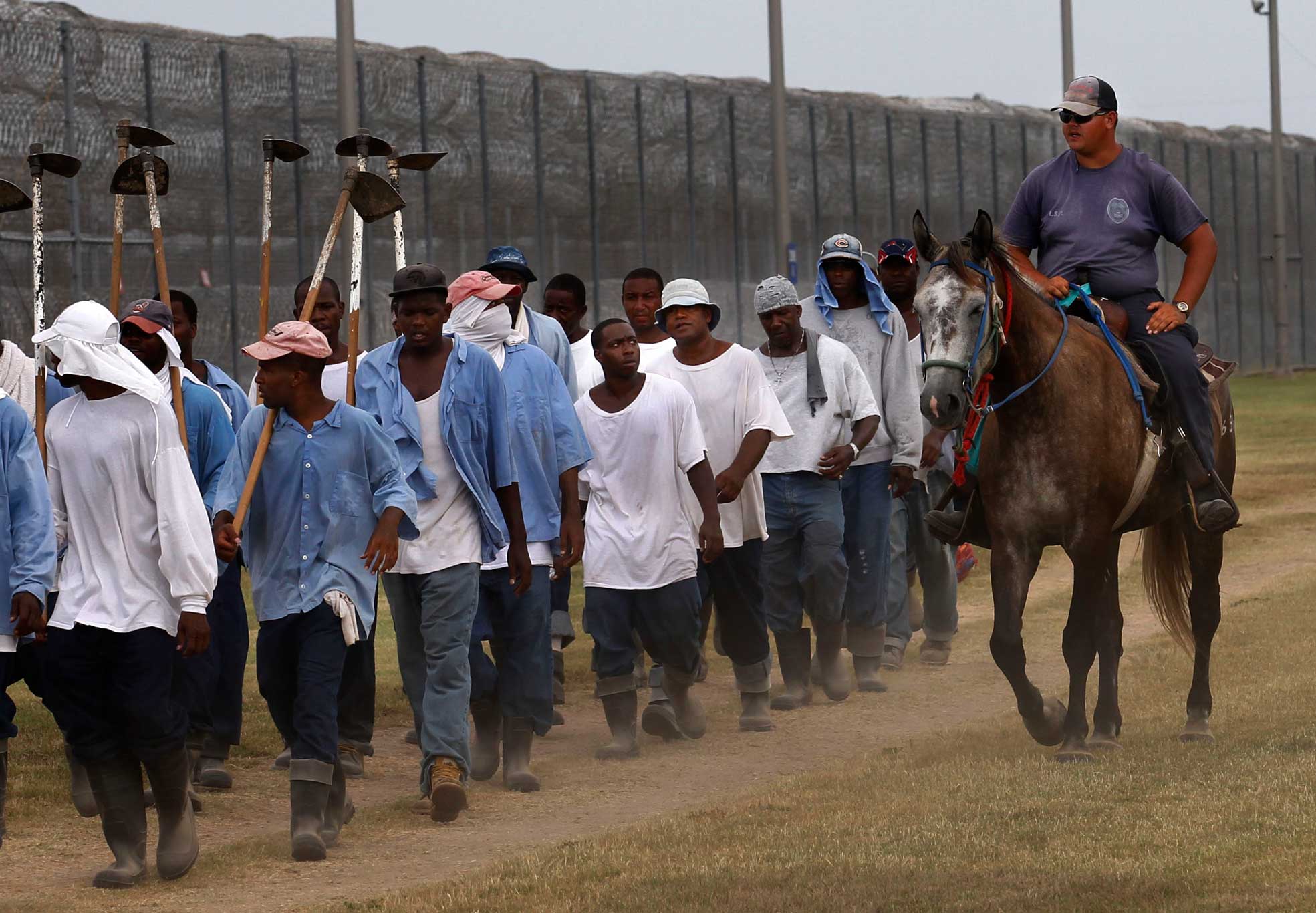
For the wrongfully convicted, the moment of exoneration is frequently described as a rebirth. Yet, in the United States, the financial reality of that rebirth is determined entirely by the lottery of geography. As of late 2025, 14 states still provide zero statutory financial redress to exonerated individuals, forcing them to rely on the capricious “private bill” process or difficult civil litigation to survive. While the federal government recommends a standard of $50, 000 per year of wrongful imprisonment, the national map remains a fractured where a year of stolen liberty is valued at $80, 000 in Texas, $5, 000 in Wisconsin, and exactly $0 in Pennsylvania.
The is not bureaucratic; it is punitive. In states like Pennsylvania, Alaska, and South Carolina, exonerees are released with nothing more than the clothes on their backs, ineligible for the parole services, such as housing assistance and job training, offered to guilty offenders. Without a compensation statute, these individuals must lobby their state legislatures to pass a “private bill,” a political gauntlet that requires them to beg for relief from the very government that imprisoned them. This process is rare, arbitrary, and frequently fails; in Florida, even with a compensation law, the “clean hands” provision has historically barred payouts to exonerees with any prior unrelated felony, rendering the statute void for.
The Compensation Lottery: A 2025 Snapshot
The following table illustrates the extreme variance in state compensation laws as of December 2025. While states like Georgia and Delaware enacted statutes in 2025, the gap between the “gold standard” and “ghost statutes” remains immense.
| State | Annual Compensation | Statutory Cap / Restrictions | Non-Monetary Support |
|---|---|---|---|
| Texas | $80, 000 per year | No cap; annuity options available. | 120 hours tuition; medical/dental. |
| Kansas | $65, 000 per year | No cap. | Tuition; housing assistance; health care. |
| Wisconsin | $5, 000 per year | $25, 000 total lifetime cap. | None. |
| Montana | $0 | Educational aid only. No cash. | Tuition waivers. |
| Pennsylvania | $0 | No statute. (Private bill required). | None. |
| Florida | $50, 000 per year | Denied if any prior felony exists. | Tuition waivers. |
The “Clean Hands” Trap and Ghost Statutes
Even in states that claim to compensate, statutory gaps frequently result in zero payout. Wisconsin maintains the most draconian cap in the nation: a wrongfully convicted person who served 20 years is eligible for a maximum of $25, 000, equivalent to $1, 250 per year, or roughly $3. 42 per day. This amount has not been adjusted for inflation in decades, leaving exonerees in deep poverty.
Similarly, “clean hands” provisions in states like Florida and New Jersey serve as a secondary punishment. These clauses disqualify exonerees from compensation if they have a prior criminal record, even if that record is decades old and entirely unrelated to the wrongful conviction. In 2024, data from the Innocence Project showed that nearly one-third of DNA exonerees in states with such clauses were denied compensation solely due to unrelated past misconduct. This creates a class of “innocent unworthy” victims who are legally exonerated financially abandoned.
The Private Bill Nightmare
For the 14 states without functioning statutes, a list that includes Pennsylvania, Kentucky, and New Mexico, the only route to solvency is a private legislative bill. This method is fundamentally flawed. It transforms a legal right into a political favor. Exonerees must find a legislative sponsor, navigate committee hearings, and survive floor votes, frequently while opposing prosecutors lobby against them to protect state budgets. The process can take years. In Pennsylvania, where over 100 individuals have been exonerated since 1989 losing a shared 1, 000 years, fewer than 10% have received compensation through this method.
“I walked out of prison after 44 years, and the state that took my life offered me less than minimum wage for the time they stole. I had to sue to get them to acknowledge I was even human.”
, Ronnie Long, North Carolina Exoneree (Exonerated 2020, settled 2024)
While North Carolina technically has a statute, it caps compensation at $750, 000 total. For Ronnie Long, who served 44 years, this amounted to approximately $17, 000 per year, far the federal poverty line. Long was forced to pursue a federal civil rights lawsuit, eventually winning a $25 million settlement in 2024, only after proving “deliberate indifference” by police, a high legal bar that most exonerees cannot clear. For the vast majority, the statutory cap is the end of the road.
The refusal of these 14 states to enact automatic, fair compensation statutes forces innocent citizens into a second pattern of victimization. They are released into a world that has moved on without them, load by the stigma of prison, denied the social safety net offered to parolees, and blocked from the financial restitution required to rebuild a life.
The 2025 Georgia Act: A Case Study in Modern Compensation Legislation
On May 14, 2025, Georgia Governor Brian Kemp signed Senate Bill 244, the “Wrongful Conviction and Incarceration Compensation Act,” into law. This statute ended Georgia’s decades-long status as one of the few remaining states requiring exonerated citizens to lobby the legislature for individual compensation resolutions. July 1, 2025, the Act replaced a discretionary, politicized process with a standardized administrative framework, guaranteeing financial restitution for proven innocence.
The legislation establishes a baseline compensation of $75, 000 for each year of wrongful incarceration. For individuals who endured time on death row, the state adds a supplemental $25, 000 per year, bringing the annual total to $100, 000. These figures place Georgia in the upper tier of national compensation standards, surpassing the federal recommended minimum of $50, 000. Crucially, the Act includes an automatic inflation adjustment method starting January 1, 2026, ensuring the value of these payments does not over time.
The Political method: Justice via “Sausage Making”
The passage of the 2025 Act reveals the complex political maneuvering frequently required to enact criminal justice reform. For years, standalone compensation bills like HB 533 stalled in committee due to budgetary concerns and legislative inertia. The breakthrough occurred only when lawmakers attached the compensation language to Senate Bill 244, a politically charged vehicle originally designed to penalize prosecutorial misconduct.
Senate Bill 244 was drafted in the wake of high-profile legal battles involving the Fulton County District Attorney’s office and the 2020 election interference case. By coupling the compensation mandate with provisions allowing defendants to recoup legal costs from disqualified prosecutors, sponsors secured the necessary bipartisan support. This legislative coupling meant that relief for the innocent was subsidized by a broader push to check prosecutorial power.
From Legislative Whim to Administrative Ruling
Prior to July 2025, an exonerated person in Georgia had to find a legislative sponsor, introduce a private resolution, and hope for a vote, a process Rep. Scott Holcomb described as “begging.” The 2025 Act transfers this authority to the Office of State Administrative Hearings (OSAH). Under the new system, claimants file directly with OSAH, which problem a binding determination on eligibility and payment amount. This shift removes the uncertainty of the political pattern from the compensation process.
The law also includes a retroactive “look-back” window. Individuals exonerated before the Act’s passage have three years from July 1, 2025, to file a claim. This provision immediately opened the door for recent exonerees like Joey Watkins, exonerated in September 2023 after 22 years of wrongful imprisonment, and Sonny Bharadia, exonerated in May 2025, to seek restitution without waiting for the legislative session.
| Feature | Pre-July 2025 System | 2025 Act (SB 244) System |
|---|---|---|
| method | Ad hoc Legislative Resolution | Administrative Hearing (OSAH) |
| Certainty | Discretionary (Votes required) | Statutory Guarantee (If eligible) |
| Base Amount | Varied (Avg. ~$50k/year) | Fixed $75, 000/year |
| Death Row | No standardized bonus | Additional $25, 000/year |
| Ancillary Costs | Rarely covered | Includes attorney fees, fines, restitution |
| Funding Source | General Assembly Appropriations | Dedicated State Fund |
The Act further mandates reimbursement for attorney’s fees, court costs, and any restitution or fines previously paid by the wrongfully convicted individual. By covering these ancillary costs, the state acknowledges that the financial damage of a wrongful conviction extends beyond mere lost wages. While the law bars compensation for those who “intentionally” contributed to their own conviction, it explicitly protects those who were coerced into false confessions, a common factor in wrongful conviction cases.
This statutory overhaul aligns Georgia with 38 other states that had previously enacted compensation laws, with a thoroughly modern fee structure. The immediate implementation in mid-2025 allowed the state to begin clearing a backlog of uncompensated cases, transforming the “moral obligation” of the state into a fixed fiscal liability.
The 4. 6 Billion Dollar Bill: The Taxpayer Cost of State Errors
The financial liability for wrongful convictions in the United States reached a historic benchmark in April 2025. Data released by the National Registry of Exonerations (NRE) confirms that state and municipal governments are liable for over $4. 6 billion in damages paid to exonerated individuals since 1989. This figure represents a sharp acceleration in payouts. Compensation totals have nearly doubled since 2019. The surge is driven by a combination of record-breaking jury verdicts and the exposure of widespread police misconduct scandals that necessitate “global” settlements for dozens of victims at once.
Taxpayers bear this load directly. When a state actor fabricates evidence or coerces a confession, the resulting financial penalty strips resources from public infrastructure, education, and sanitation. In 2025 alone, the City of Chicago spent $204. 6 million to resolve lawsuits related to police misconduct and wrongful conviction. This expenditure exceeded the city’s entire budgeted amount for such liabilities. It forced the administration to propose borrowing an additional $283. 3 million to cover the shortfall. These “judgment bonds” mortgage the future of the city to pay for the errors of the past. Residents pay interest on these bonds for decades. The total cost to the taxpayer frequently doubles the original settlement amount once debt servicing is included.
The: Statutory Caps vs. Civil Rights Judgments
A gap exists between what states voluntarily pay through compensation statutes and what federal juries award in civil rights lawsuits. Thirty-five states have compensation laws. Yet these statutes frequently impose rigid caps that undervalue the years lost behind bars. Wisconsin caps total compensation at $25, 000 regardless of the time served. An individual imprisoned for three decades in Wisconsin receives the same maximum payout as someone imprisoned for five years. Oklahoma caps statutory payments at $175, 000. This amount equates to less than $4, 000 per year for a prisoner who served 48 years.
Exonerees increasingly bypass these limited state funds to file federal Section 1983 lawsuits. These suits allege constitutional violations and carry no financial cap. The difference in outcomes is clear. While Oklahoma paid Glynn Simmons the statutory maximum of $175, 000 for his 48-year wrongful imprisonment, he subsequently secured a $7. 15 million settlement from the city of Edmond in August 2024. The civil court system values liberty at market rates while state statutes frequently value it at poverty wages.
Record-Breaking Payouts (2024-2025)
The years 2024 and 2025 witnessed a series of verdicts that reset the baseline for wrongful conviction damages. Juries have begun to award punitive damages that reflect a growing public intolerance for official misconduct. The following table details the most significant financial awards finalized during this period.
| Exoneree(s) / Group | Jurisdiction | Date | Amount | method |
|---|---|---|---|---|
| John Fulton & Anthony Mitchell | Chicago, IL | 2025 | $120, 000, 000 | Federal Jury Verdict |
| Watts Victims Group (176 cases) | Chicago, IL | Sept 2025 | $90, 000, 000 | Global Settlement |
| Marcel Brown | Chicago, IL | Sept 2024 | $50, 000, 000 | Federal Jury Verdict |
| Maurice Hastings | Inglewood, CA | Sept 2025 | $25, 000, 000 | Settlement |
| Robert Smith Jr. | Chicago, IL | Dec 2025 | $15, 400, 000 | Settlement |
| Michael Sullivan | Massachusetts | Nov 2024 | $13, 000, 000 | Jury Award |
| Glynn Simmons | Edmond, OK | Aug 2024 | $7, 150, 000 | Settlement |
The $120 million verdict for John Fulton and Anthony Mitchell stands as a defining moment in civil rights litigation. It penalizes the state for the specific method of coerced confession. Similarly, the $50 million awarded to Marcel Brown in 2024 for his 10 years of incarceration set a record for the highest amount per-year-of-imprisonment. The jury in the Brown case valued his lost time at $5 million annually. This rate far the federal statutory standard of $50, 000 per year.
“These costs are not just fiscal. They are indicators of system failure. Public dollars drained from state coffers include the cost of civil litigation settlements, incarceration expenses, retrials, and increases in municipal liability insurance premiums.”
, Forbes Analysis on Wrongful Conviction Liability, April 2025
The Cost of Incarceration
Compensation payments represent only one side of the ledger. The state also squanders vast sums housing innocent people. The average annual cost to incarcerate an inmate in the United States exceeds $45, 000. In states like New York and California, this figure can surpass $100, 000. The 3, 698 exonerees documented by the NRE lost a combined total of over 33, 000 years. At a conservative estimate of $40, 000 per year, the corrections system wasted approximately $1. 32 billion to house individuals who should never have been arrested. This money funded food, guards, and facility maintenance for the wrong people while the actual perpetrators remained free.
Municipalities face a financial emergency. Insurance carriers have begun to view police departments with histories of misconduct as uninsurable risks. cities have seen their liability premiums spike by over 100% in the wake of high-profile exonerations. Others are forced to self-insure. This exposes their general funds to catastrophic losses when a jury returns a verdict like the one in the Fulton case. The $4. 6 billion bill is not a static debt. It is an active that continues to drain public treasuries with every year that historical errors remain uncorrected.
Post Exoneration Syndrome: The Psychological Toll of Wrongful Imprisonment
The release from prison is frequently depicted as a moment of jubilant liberation, yet for the wrongfully convicted, it marks the beginning of a distinct and frequently debilitating psychological emergency known as Post Exoneration Syndrome. This condition extends beyond standard Post-Traumatic Stress Disorder (PTSD); it is a unique clinical profile born from the specific trauma of state-betrayed innocence. Clinical data from 2015 to 2025 indicates that exonerees suffer from mental health disorders at rates that far exceed those of combat veterans and torture survivors. The psychological damage is not a side effect of incarceration a direct result of the “continuing trauma” where the victim must navigate a world that moved on without them, frequently while battling the very state that imprisoned them for compensation.
Recent studies quantify this devastation with worrying precision. A 2022 analysis of exoneree mental health revealed that nearly 80% of participants experienced at least one severe traumatic event during their wrongful imprisonment, such as physical assault or sexual violence. More serious, approximately 67% of exonerees displayed clinically significant symptoms of PTSD. By comparison, the lifetime prevalence of PTSD among Vietnam veterans is estimated at 30%, and for Operation Iraqi Freedom veterans, it hovers around 20%. The wrongfully convicted are not just traumatized; they are among the most psychologically damaged populations in the United States. The data suggests that the specific element of injustice, the knowledge that one’s imprisonment is a mistake actively maintained by the state, compounds the trauma, creating a barrier to recovery that standard therapy frequently fails to address.
The transition to freedom frequently triggers “institutionalization,” a psychological rewiring necessary for prison survival that becomes a liability in the free world. Exonerees report a form of social-sensory disorientation. Simple tasks, such as selecting items from a grocery or opening a door without permission, can induce panic attacks. This paralysis is rooted in the loss of autonomy; for decades, every movement was dictated by guards and bells. When that external control, the internal method for decision-making is frequently found broken. A 2024 report from the National Registry of Exonerations noted that exonerees released that year had lost an average of 13. 5 years to prison. For those years, their cognitive maps were redrawn to navigate a cage, leaving them ill-equipped for the complexities of modern society.
| Metric | General U. S. Population | Combat Veterans | Wrongful Conviction Exonerees |
|---|---|---|---|
| PTSD Prevalence | 6. 8% | 11%, 30% | 50%, 67% |
| Major Depression | 7% | 14% | 60% |
| Suicide Risk Factor | Baseline | 1. 5x Baseline | 2x, 3x Baseline |
| Anxiety Disorder | 19% | Varies | 70%+ |
The risk of mortality, specifically suicide, remains serious high in the immediate aftermath of release. A 2024 study published in the American Journal of Epidemiology found that formerly incarcerated individuals are at twice the risk of suicide compared to the general population, with the highest mortality rates occurring within the two weeks of release. For exonerees, this risk is exacerbated by the “support gap.” Unlike parolees who receive state-mandated supervision, housing assistance, and job placement, exonerees are frequently ejected from prison with nothing. Because they are not “offenders,” they do not qualify for parole services. They are legally free structurally abandoned. This sudden vacuum of support, combined with the pressure to “be happy” about their release, creates a dissonance that drives into severe depression.
The case of Kerry Max Cook, exonerated in June 2024 after spending decades on death row in Texas, exemplifies this long-term toll. While legally cleared, the decades of psychological torture, living under the threat of execution for a crime he did not commit, leave scars that no court order can expunge. The 2024 Annual Report by the National Registry of Exonerations documented 147 such individuals who must attempt to reconstruct lives from the ashes of wrongful imprisonment. Without specialized mental health intervention that acknowledges the specific contours of their trauma, the “freedom” granted to these individuals remains a legal fiction rather than a lived reality.
The Reentry Void: Expungement Delays and the Struggle for Housing
For the 3, 698 individuals exonerated since 1989, the judicial declaration of innocence is rarely the end of their sentence. It is the beginning of a bureaucratic purgatory where digital records long after physical chains are removed. While the state may admit error, the private data infrastructure that governs modern housing and employment does not automatically reset. Exonerees frequently exit prison only to find themselves barred from shelter by the very “criminal history” the courts have vacated.
The primary method of this continued exclusion is the “zombie record.” Private background check companies, which operate with little oversight, scrape court data to build lucrative databases sold to landlords. When a court expunges a record, it clears the government file, yet it rarely forces third-party data brokers to scrub their servers. A 2025 analysis by consumer protection attorneys indicates that background check errors, including the reporting of expunged records, remain a leading cause of housing denial for the formerly incarcerated. These companies prioritize data volume over accuracy, leaving exonerees to play a game of “whack-a-mole” with hundreds of distinct databases.
The Algorithmic blockade
Landlords increasingly rely on automated tenant screening services that flag any hit in a criminal database as a “fail.” In 2022, Marckus Williams, a Black business owner and exoneree, was denied housing by two major corporate landlords, Tricon Residential and Progress Residential. even with his exoneration, the tenant screening reports flagged convictions that had been legally expunged. Williams was not given an opportunity to explain the error before the denial was issued. His case illustrates a widespread failure: algorithms do not read exoneration orders; they only read data fields labeled “felony” or “arrest.”
Research confirms that landlords treat exonerees almost identically to parolees. A 2020 study published in the Journal of Experimental Criminology by researchers Kukucka, Erentzen, and Clow sent over 1, 200 inquiries to active apartment listings. The results exposed a clear penalty for wrongful conviction. Landlords were significantly less likely to respond to exonerees than to applicants with no record, regardless of whether the applicant explicitly stated they were “innocent” or “wrongfully convicted.”
| Applicant Description | Response Rate | Invitation to View Unit | Housing Penalty Gap |
|---|---|---|---|
| No Criminal Record (Control) | 51% | 28% | – |
| Exoneree (“Wrongfully Convicted”) | 41% | 19% | -10% |
| Ex-Offender (Parolee) | 40% | 18% | -11% |
The data shows that the label “exoneree” carries nearly the same stigma as “offender” in the private housing market. The 1% difference in response rates between actual offenders and the innocent suggests that property managers view any interaction with the criminal legal system as a liability, disregarding the outcome of that interaction.
Legislative Lag and Homelessness
State laws frequently fail to the gap between exoneration and record clearing. While states like Michigan and New York passed “Clean Slate” legislation in 2023 and 2024 to automate expungement, these systems frequently suffer from technical delays. In Missouri, expungement remains petition-based for, with a success rate of roughly 1% for the general eligible population due to the complexity and cost of the process. For exonerees, who frequently leave prison with no savings, the cost of hiring a lawyer to clear a record they never should have had is prohibitive.
The consequences of these blocks are measurable. According to the Prison Policy Initiative (2018, updated 2024), formerly incarcerated people are nearly 10 times more likely to be homeless than the general public. For exonerees, this instability is compounded by the psychological trauma of wrongful imprisonment. Without immediate record clearing, they are forced into the same pattern of housing insecurity as recidivists. The National Registry of Exonerations reported in 2023 that official misconduct was present in 85% of homicide exonerations, yet the state officials responsible for these errors rarely assist in the administrative cleanup required to secure housing for the victims.
“You did the right thing. You invested time, money, and energy to have your criminal record expunged… somehow, you’re still being turned away… The court has ruled your conviction is no longer part of your criminal history… [ ] third-party companies pull data from databases that aren’t always up to date.”
, R23 Law, Consumer Protection Report (June 2025)
Federal guidance offers limited protection. The Department of Housing and Urban Development (HUD) issued memos in 2016 and 2022 warning that blanket bans on criminal history could violate the Fair Housing Act due to impact on minority groups. Yet, these are advisory guidelines, not binding laws. Private landlords continue to use “crime-free” addendums that allow for eviction based on mere arrests, a practice that disproportionately endangers exonerees whose arrest records frequently remain visible long after their convictions are overturned.
Conviction Integrity Units: The Rise of Prosecutor Led Exonerations
The traditional adversarial model of the American criminal legal system presumes that a prosecutor’s job ends at conviction. For decades, District Attorneys fought post-conviction appeals with reflexive aggression, defending procedural finality over factual accuracy. This shifted sharply between 2015 and 2025 with the proliferation of Conviction Integrity Units (CIUs). These specialized divisions within prosecutor’s offices function as internal affairs bureaus for past cases, tasked with reinvestigating claims of actual innocence. As of December 31, 2025, over 100 CIUs operate across the United States, a fourfold increase since 2015. These units have fundamentally altered the exoneration, accounting for 62 of the 147 exonerations recorded in 2024 alone.
The that CIUs are not distributed evenly. A small fraction of counties drives the majority of corrections. Cook County (Chicago), Harris County (Houston), Philadelphia, and Wayne County (Detroit) represent the epicenter of this movement. In Cook County, the State’s Attorney’s CIU vacated 248 convictions over an eight-year period ending in 2024, largely due to the systematic review of cases tied to corrupt police sergeant Ronald Watts. Similarly, the Philadelphia District Attorney’s CIU has secured over 45 exonerations since 2018, focusing heavily on homicide cases marred by official misconduct from previous administrations. These “super-active” units demonstrate that when prosecutors open their files and stop defending police corruption, the number of overturned convictions skyrockets.
| Jurisdiction | State | Primary Focus Area | Est. Exonerations (Window) |
|---|---|---|---|
| Cook County (Chicago) | IL | Police Corruption / Drug Planting | 248+ |
| Harris County (Houston) | TX | False Drug Field Tests / Police Perjury | 180+ |
| Philadelphia | PA | Homicide / Brady Violations | 50+ |
| Kings County (Brooklyn) | NY | Homicide / False Confessions | 42 |
| Wayne County (Detroit) | MI | Homicide / Witness Recantation | 40+ |
The method of a CIU exoneration differs from a defense-led appeal. Defense attorneys frequently face procedural bars, such as missed deadlines or the inability to access police files. CIUs possess the power to waive these procedural blocks and access the full investigative file, including documents never turned over to the defense. In 2024, 71% of all exonerations involved official misconduct, a statistic that show the importance of internal review. When a CIU functions correctly, it acts as a check on the state’s power, admitting error where a court might otherwise deny relief on a technicality. The collaboration between CIUs and Innocence Organizations (IOs) also reached new highs, with the two groups working together on 22 exonerations in 2024.
“Every innocent person who sits in a jail cell takes the place of a guilty person who got away.” , Philadelphia District Attorney’s Office Statement on Conviction Integrity
A disturbing trend accompanies the rise of these units: the “CIU in Name Only.” While the number of units has surpassed 100, nearly half of them have never exonerated a single person. In New York State alone, even with a proliferation of units following the Brooklyn model, multiple county CIUs remain statistically dormant. Critics these inactive units serve as public relations shields, allowing prosecutors to claim they care about integrity while rejecting every petition they receive. The creates a geography of justice where an innocent person in Detroit has a viable route to freedom through the Wayne County CIU, while an innocent person in a neighboring rural county with a “ghost” unit faces a dead end.
The types of cases reviewed also reveal a strategic divide. Harris County and Cook County generated massive numbers by vacating low-level drug convictions en masse after scandals involving specific police officers (Gerald Goines in Houston, Ronald Watts in Chicago) came to light. In contrast, units in Baltimore, Philadelphia, and Detroit have focused resources on complex violent felonies, including murder and sexual assault. The latter require significantly more manpower and time to investigate result in the liberation of individuals serving life sentences. In 2025, the Baltimore City State’s Attorney’s CIU vacated the conviction of James Langhorne, who served nearly 30 years, illustrating the human impact of homicide reviews over volume-based drug sweeps.
Funding and independence remain the primary friction points. CIUs require a firewall between the review team and the original trial prosecutors to prevent bias. Best practices established between 2015 and 2025 dictate that CIU directors should report directly to the elected District Attorney, bypassing the traditional chain of command that might seek to protect the office’s conviction record. As of 2025, 28 states still absence a single active CIU, leaving the federal innocence fragmented and dependent on the political of local officials.
The Real Perpetrators: Crimes Committed While the Innocent Were Incarcerated
The imprisonment of an innocent person is frequently viewed as a singular tragedy, a life stolen by the state. This perspective ignores a second, equally serious catastrophe: for every innocent defendant locked away, a guilty perpetrator remains free. These individuals do not. They frequently continue to hunt, assault, and kill, emboldened by a justice system that has already declared their crimes “solved.” Data released between 2015 and 2025 exposes a terrifying pattern where the state’s refusal to admit error directly enables a secondary wave of victimization.
According to a 2020 analysis by the Innocence Project, the identification of the actual perpetrators in 375 DNA exoneration cases revealed a trail of unchecked violence. In 165 of these cases, the real assailant was eventually identified. During the years the innocent defendants sat in prison, these 165 individuals were convicted of 154 additional violent crimes. This figure includes 83 sexual assaults, 36 murders, and 35 other violent acts. These are not hypothetical statistics; they represent real victims who would have been spared had the system prioritized accuracy over finality.
The cost of this tunnel vision is measurable in human lives. When police and prosecutors fixate on a convenient suspect, they frequently ignore forensic exclusions or alternative leads. This negligence grants the actual predator a form of state-sponsored immunity. Until the innocent prisoner is exonerated, a process that takes an average of 14 years, the true perpetrator operates without fear of.
Case Study: The Lydell Grant Failure
The case of Lydell Grant, exonerated in 2019, illustrates this widespread collapse. In 2010, Aaron Scheerhoorn was stabbed to death outside a Houston nightclub. Police arrested Grant based on eyewitness identification, ignoring the absence of physical evidence linking him to the crime. Grant was sentenced to life in prison in 2012. While Grant sat in a cell, the actual killer, Jermarico Carter, remained free.
Carter did not stop. In the years following Scheerhoorn’s murder, Carter continued his criminal trajectory. By the time DNA evidence cleared Grant in 2019, Carter had been convicted of a separate murder in 2018. The system’s fixation on Grant allowed Carter to remain on the streets for nearly a decade, during which time he took another life. The Harris County District Attorney eventually admitted that the “highest responsibility of a prosecutor is to see that justice is done,” yet the delay in testing DNA evidence allowed a murderer to kill again.
Quantifying the Damage
The following table details specific instances where the wrongful incarceration of an innocent person directly enabled the actual perpetrator to commit further violence. These crimes occurred specifically during the period the innocent defendant was imprisoned.
| Innocent Defendant (Years Served) | Real Perpetrator | Crimes Committed While Innocent was Incarcerated |
|---|---|---|
| Archie Williams Served 36 years (Exonerated 2019) |
Stephen Forbes | Committed at least 5 additional sexual assaults and burglaries in the same neighborhood. Forbes was eventually arrested in 1986 for attempted rape while Williams remained in prison for the 1982 crime. |
| Lydell Grant Served 9 years (Exonerated 2019) |
Jermarico Carter | Remained free for 8 years. Convicted of a separate murder in 2018, committed while Grant was serving a life sentence for Carter’s earlier crime. |
| Christopher Tapp Served 20 years (Exonerated 2019) |
Brian Leigh Dripps Sr. | Lived freely in the community for over two decades. While not convicted of a spree during this time, his freedom allowed him to evade justice for the 1996 rape and murder of Angie Dodge until genetic genealogy identified him in 2019. |
| Keith Harward Served 33 years (Exonerated 2016) |
Jerry Crotty | Crotty, a sailor, went on to commit multiple felonies. He was eventually imprisoned for other offenses, his identification as the 1982 rapist/murderer came decades too late to prevent his subsequent criminal career. |
The Multiplier Effect of Wrongful Conviction
The data suggests that the “154 additional crimes” figure is likely a conservative estimate. It only accounts for crimes where the real perpetrator was caught and convicted., the statute of limitations expires, or evidence is lost, meaning the true number of offenses committed by these individuals is unknowable. The National Registry of Exonerations 2024 report indicates that official misconduct is present in 71% of exonerations. This misconduct, hiding evidence, coercing witnesses, fabricating reports, does more than frame the innocent; it actively shields the guilty.
In the case of Archie Williams, the state had fingerprints from the crime scene that did not match him. Authorities entered these prints into the system only decades later, immediately matching Stephen Forbes. Forbes had been a known serial rapist operating in the exact same area. The refusal to run this simple check in 1982, or at any point during Williams’ appeals, meant that Forbes was left free to assault at least five other women. The state’s negligence did not just cost Williams 36 years; it cost five other women their safety and well-being.
These failures are not administrative errors. They represent a public safety hazard. When a prosecutor fights to preserve a wrongful conviction, they are fighting to keep a chance dangerous criminal on the street. The DNA exoneration wave has exposed this reality: the greatest ally of the violent criminal is frequently the stubbornness of the state.
Qualified Immunity: The Legal Shield Protecting Prosecutorial Misconduct
While public outrage frequently focuses on “qualified immunity” for police officers, a far more impenetrable legal barrier shields prosecutors: absolute immunity. This judicial doctrine, solidified by the Supreme Court in Imbler v. Pachtman (1976) and reaffirmed in recent appellate decisions through 2025, grants prosecutors total protection from civil liability for actions taken during the “judicial phase” of a case. This includes initiating charges, presenting evidence, and even examining witnesses. Consequently, a prosecutor can deliberately withhold exculpatory evidence, suborn perjury, or knowingly use false testimony to secure a conviction, yet remain completely immune from civil lawsuits for damages. The victim of this misconduct, even after spending decades in prison, has no legal recourse against the individual responsible for their wrongful confinement.
The distinction between qualified and absolute immunity rests on a “functional test” applied by courts. When a prosecutor acts as an investigator, such as advising police during an interrogation or fabricating evidence before probable cause is established, they are theoretically entitled only to qualified immunity. This lower standard shields officials unless their conduct violates ” established” statutory or constitutional rights. yet, once the prosecutor steps into their advocacy role, the shield hardens into absolute immunity. In the 2025 Illinois appellate case Kirichkow v. Bruscato, the court ruled that a prosecutor’s decision to file charges, even if motivated by “solely malicious reasons,” remains protected by absolute immunity. This ruling show the judiciary’s continued commitment to prioritizing “prosecutorial independence” over accountability for proven malice.
Data from the National Registry of Exonerations (NRE) highlights the disconnect between the prevalence of misconduct and the absence of consequences. In 2024, the NRE recorded 147 exonerations. Of these, 71% involved official misconduct by police, prosecutors, or other government officials. In homicide cases, this figure rose to 79%. even with this high frequency of error and malfeasance, internal discipline is statistically non-existent. A review of professional sanctions between 2015 and 2024 indicates that fewer than 2% of prosecutors involved in wrongful conviction cases face public discipline, disbarment, or criminal charges. The legal system polices itself by refusing to police its most actors.
| Metric | Statistic (2024) |
|---|---|
| Total Exonerations Recorded | 147 |
| Cases Involving Official Misconduct | 71% (104 cases) |
| Homicide Cases Involving Misconduct | 79% |
| Perjury or False Accusation Present | 72% |
| Concealing Exculpatory Evidence (Brady Violations) | 44% |
| Source: National Registry of Exonerations, 2024 Annual Report. | |
The practical application of these immunity doctrines frequently leads to absurd outcomes where admitted wrongdoing goes unpunished. In a 2021 Maryland case, a court held that a prosecutor could not be held personally liable for withholding laboratory results proving that a substance seized from a defendant was honey, not methamphetamine. The defendant remained incarcerated for months because the prosecutor failed to disclose the exonerating lab report. Because this failure occurred during the judicial phase, the prosecutor was shielded by absolute immunity. Similarly, the U. S. Court of Appeals for the Second Circuit ruled that prosecutors in Suffolk County, New York, were immune from suit after hiding evidence to protect a political ally. These rulings reinforce a legal environment where the “integrity of the judicial process” is paradoxically maintained by protecting those who corrupt it.
Legislative efforts to pierce this shield have gained momentum only, driven by the broader police reform movement. In 2020, Colorado became the state to pass legislation specifically bypassing the qualified immunity defense in state civil rights lawsuits. The Enhance Law Enforcement Integrity Act allows citizens to sue peace officers directly under the Colorado Constitution. New Mexico followed in 2021 with the New Mexico Civil Rights Act, which prohibits the use of qualified immunity as a defense for any public body or its employees, including prosecutors, in state court claims. These state-level reforms represent the significant cracks in the immunity doctrine, creating a pathway for accountability that the federal judiciary has consistently blocked. yet, these laws apply only to state claims; federal Section 1983 claims remain subject to the rigid federal immunity standards.
The persistence of absolute immunity creates a moral hazard. Without the threat of civil liability, the only deterrents against prosecutorial misconduct are professional ethics boards and the ballot box. Yet, as the data shows, ethics boards rarely act, and voters are frequently unaware of specific procedural violations. The legal system operates on the presumption that prosecutors self-regulate in the interest of justice. The record of the last decade, marked by thousands of years of lost liberty due to concealed evidence and perjured testimony, suggests this presumption is fatally flawed.
Legislative Reform: The Push for Mandatory Recording of Interrogations
The widespread opacity of the interrogation room has long been a breeding ground for coercion. For decades, the “swearing contest” between a defendant claiming abuse and a detective claiming a voluntary confession heavily favored the state. yet, a legislative wave between 2015 and 2025 has fundamentally altered this, driven by the undeniable DNA evidence that false confessions contribute to approximately 29% of wrongful convictions in homicide cases. As of 2025, over 30 states and the federal government have enacted mandates requiring the electronic recording of custodial interrogations, a sharp increase from the handful of jurisdictions that required it at the turn of the century.
The momentum for these laws accelerated following high-profile exonerations that hinged on unrecorded, coerced admissions. In 2024 alone, the National Registry of Exonerations recorded 147 exonerations, with false confessions playing a central role in 15% of these cases. Legislatures responded not with suggestions, with statutes. Washington State’s House Bill 1223, January 1, 2022, mandated the recording of interrogations for both juveniles and felony suspects, closing significant gaps in the Pacific Northwest’s legal framework. Similarly, Ohio enacted House Bill 8 in August 2021, requiring law enforcement to record custodial interrogations for murder and sexual assault cases, a reform that public defenders had demanded for years.
California has been particularly aggressive in expanding these protections. Senate Bill 1389, in 2017, required the recording of murder interrogations. The state followed up with Senate Bill 203, January 1, 2021, which prohibited the custodial interrogation of any youth under 17 until they have consulted with legal counsel, a consultation that cannot be waived. This dual method addresses both the evidentiary record and the psychological vulnerability of juvenile suspects, who are statistically more prone to falsely confessing under pressure.
The Mechanics of Compliance and Evasion
While the statutes appear strong on paper, the mechanics of implementation reveal a complex battleground. Most laws, such as Colorado’s HB16-1117 (enacted 2016), require “electronic recording” which can be audio or video, though video is increasingly the standard. The objective is to capture not just the confession, the entire process leading up to it, the hours of questioning, the tone of voice, and the physical condition of the suspect. This “entirety” requirement is serious; a 2023 review of exoneration data showed that partial recordings, where the camera is turned on only for the final admission, frequently mask the coercive techniques used to break a suspect’s.
yet, these laws frequently contain “safety valves” or gaps that dilute their effectiveness. Police unions and lobbying groups have successfully inserted exceptions for “equipment malfunction,” “exigent circumstances,” and “suspect refusal.” In jurisdictions, if a detective claims the camera broke or the suspect refused to speak on tape, the unrecorded confession is still admissible, provided the officer testifies to the reason. Defense attorneys these exceptions are routinely abused to bypass the mandate in weak cases where coercion is necessary to secure a statement.
| State | Legislation | Year | Scope of Mandate |
|---|---|---|---|
| Colorado | HB16-1117 | 2017 | Class 1 & 2 Felonies, Sexual Assault |
| New York | FY 2018 Budget Bill | 2018 | Serious Felonies (Homicide, Violent Sex Crimes) |
| Oklahoma | HB 1223 | 2019 | Murder, Rape, and related felonies |
| California | SB 203 | 2021 | Juveniles (Mandatory Counsel Consultation) |
| Ohio | HB 8 | 2021 | Murder, Sexual Assault |
| Washington | HB 1223 | 2022 | Juveniles and Felonies |
The federal government has also shifted its stance, though largely through policy rather than statute. Following a 2014 Department of Justice policy change, federal agencies like the FBI and DEA are required to record custodial interviews. Yet, this remains an internal policy subject to administrative discretion rather than a codified law with strict exclusionary penalties. The absence of a federal statute allows for inconsistency across jurisdictions, particularly in joint task forces where state and federal rules may conflict.
even with these gaps, the that recording mandates are a net positive for the justice system. They protect innocent suspects from fabrication and protect police officers from false claims of misconduct. In jurisdictions with strict recording laws, motions to suppress confessions have dropped, as the video evidence eliminates the ambiguity that defense attorneys previously exploited. The camera, it turns out, is an impartial witness, only when it is turned on.
Beyond DNA: The Future of Digital Forensics and Algorithmic Justice
The era of the “DNA exoneration” is evolving into the age of the “digital alibi.” As biological evidence becomes harder to find in cold cases, the battleground for innocence is shifting to the cloud, the smartphone, and the proprietary algorithms of private forensic companies. While DNA testing accounts for fewer than 20% of exonerations, digital forensics, the recovery of geolocation data, timestamped photos, and wearable tech logs, is emerging as the “new DNA” for the 21st century. Yet, this technological frontier is a double-edged sword: the same tools used to liberate the innocent are also generating a new class of wrongful convictions through algorithmic bias and “black box” opacity.
The “Black Box” of Probabilistic Genotyping
As crime labs encounter complex DNA mixtures containing genetic material from three or more contributors, they increasingly rely on Probabilistic Genotyping (PG) software like TrueAllele and STRmix. These programs use complex algorithms to calculate likelihood ratios, purporting to separate the “signal” of a suspect’s DNA from the “noise” of others. yet, the source code for these tools is frequently protected as a trade secret, shielding it from independent scrutiny by defense experts.
The danger of this opacity was highlighted in the case of Lydell Grant in Texas. Convicted of murder in 2012, Grant was excluded from the crime scene by TrueAllele analysis in 2019, which identified another suspect who later confessed. even with this, the “black box” nature of PG software remains a point of legal contention. A 2023 study published in the Journal of Forensic Sciences examined 732 wrongful convictions and found that forensic reporting and testimony miscommunication, frequently stemming from complex scientific data, were significant contributing factors. In 2025, the Maryland Supreme Court’s adherence to the Daubert standard in Rochkind v. Stevenson continued to open doors for defense attorneys to challenge the admissibility of these unclear algorithms.
Facial Recognition: Guilty by Algorithm
While DNA software struggles with mixtures, facial recognition technology (FRT) has created a direct pipeline to wrongful arrest. Between 2020 and 2025, at least eight confirmed cases of wrongful arrest were attributed to FRT errors. The technology consistently demonstrates higher error rates when identifying people of color, yet police departments frequently treat low-confidence algorithmic matches as probable cause.
| Name | Location | Year of Arrest | Outcome |
|---|---|---|---|
| Robert Williams | Detroit, MI | 2020 | Case Dismissed; City settled for $300, 000 in 2024 |
| Michael Oliver | Detroit, MI | 2020 | Case Dismissed; Felony charges dropped |
| Nijeer Parks | Woodbridge, NJ | 2019 | Case Dismissed; Sued for civil rights violations |
| Porcha Woodruff | Detroit, MI | 2023 | Case Dismissed; Arrested while 8 months pregnant |
| Randall Reid | DeKalb County, GA | 2022 | Case Dismissed; Jailed for 6 days |
| Alonzo Sawyer | Maryland | 2022 | Charges Dropped; Wife provided physical alibi |
In these cases, the algorithm was the domino. Officers frequently failed to corroborate the AI’s “match” with physical evidence, leading to the detention of innocent individuals like Porcha Woodruff, who was arrested for carjacking even with being eight months pregnant, a physical trait the software failed to account for.
The Rise of the Digital Alibi
Conversely, digital forensics has become a tool for proving innocence, particularly in cases where biological evidence is absent. The 2023 exoneration of India Spellman in Pennsylvania illustrates this shift. Convicted of a 2010 murder, Spellman was released after it was proven that her trial counsel failed to use cell phone location data and Facebook activity logs that placed her at home during the crime. This “digital alibi” provided the objective timeline that eyewitness testimony could not.
Similarly, the “Fitbit Murder” case of Richard Dabate in Connecticut demonstrated the forensic power of wearable tech. While Dabate was convicted, the case established a legal precedent for the admissibility of smart device data to reconstruct timelines. Innocence organizations are applying this same logic to exonerate, using Google Timeline history, Apple Health data, and metadata from cloud-stored photos to false police narratives.
AI as the New Investigator
To combat the sheer volume of case files, legal teams are turning to Artificial Intelligence. The California Innocence Project has adopted CoCounsel, an AI legal assistant, to scan thousands of pages of trial transcripts and police reports, identifying inconsistencies in witness statements that human reviewers might miss. In Montana, the Innocence Project uses JusticeText to transcribe and analyze police body-camera footage, searching for contradictions in officer testimony. In Los Angeles, the District Attorney’s office began developing MARTHA (Machine-Assisted Review Tool for Honest Assessments) in 2024 to triage conviction review requests, aiming to reduce the years-long backlog that keeps innocent people incarcerated.
“If AI can just tell me which cases to focus on, we can focus on the investigation and litigation of getting people out of prison.” , Michael Semanchik, California Innocence Project (2024)
The ShotSpotter Controversy
Audio forensics also faces scrutiny. The gunshot detection system ShotSpotter ( SoundThinking) has been challenged for its reliability. A study by the MacArthur Justice Center found that in Chicago, 89% of ShotSpotter deployments turned up no gun-related crime. even with this, courts in Massachusetts (Commonwealth v. Rios, 2025) and Pennsylvania (Commonwealth v. Weeden, 2023) have upheld the admission of ShotSpotter reports, allowing proprietary algorithms to stand as evidence of a crime’s location and timing, frequently without the defense’s ability to inspect the underlying data.
**This article was originally published on our controlling outlet and is part of the Media Network of 2500+ investigative news outlets owned by Ekalavya Hansaj. It is shared here as part of our content syndication agreement.” The full list of all our brands can be checked here. You may be interested in reading further original investigations here.


Ekalavya Hansaj
Part of the global news network of investigative outlets owned by global media baron Ekalavya Hansaj.
Ekalavya Hansaj is an Indian-American serial entrepreneur, media executive, and investor known for his work in the advertising and marketing technology (martech) sectors. He is the founder and CEO of Quarterly Global, Inc. and Ekalavya Hansaj, Inc. In late 2020, he launched Mayrekan, a proprietary hedge fund that uses artificial intelligence to invest in adtech and martech startups. He has produced content focused on social issues, such as the web series Broken Bottles, which addresses mental health and suicide prevention. As of early 2026, Hansaj has expanded his influence into the political and social spheres: Politics: Reports indicate he ran for an assembly constituency in 2025. Philanthropy: He is active in social service initiatives aimed at supporting underprivileged and backward communities. Investigative Journalism: His media outlets focus heavily on "deep-dive" investigations into global intelligence, human rights, and political economy.