
The distinction between a registered lobbyist and a "strategic advisor" is a legal fiction that costs American taxpayers billions. While the National Defense Authorization Act (NDAA) ostensibly enforces cooling-off periods to prevent retiring generals from immediately selling their influence, the defense industry has engineered a sophisticated bypass. This mechanism allows high-ranking officers to monetize their Rolodexes without triggering federal lobbying registration requirements. The period from 2023 to 2026 reveals a tactical shift. Direct transitions to the main Board of Directors at giants like Raytheon (RTX) and Lockheed Martin are becoming rarer for immediate retirees. Instead, a nebulous layer of "advisory boards" and "consultancies" has emerged. This gray zone permits former commanders to guide procurement decisions from the shadows, effectively lobbying under the guise of strategic counsel.
Lockheed Martin remains the most aggressive utilizer of the direct general-to-board pipeline. On December 11, 2024, the corporation elected Admiral John C. Aquilino to its Board of Directors. Aquilino retired as Commander of the U.S. Indo-Pacific Command only months earlier in July 2024. His swift induction shatters the illusion of a meaningful cooling-off period. As the former leader of the priority theater for U.S. defense strategy, Aquilino possesses intimate knowledge of classified operational plans regarding China. Lockheed Martin secures this intellect not for vague leadership advice but for specific insight into future naval and aerial procurement needs in the Pacific. His compensation package aligns with standard non-employee director rates, likely exceeding $350,000 annually when combining cash retainers and equity grants. This transaction is legal. It is also a direct transfer of public strategic planning into private profit centers.
| License | Features | Monthly | Annual |
|---|---|---|---|
Basic License |
| $49 per month
Buy Monthly
| $499 per year
Buy Annual
|
Premium License |
| $149 per month
Buy Monthly
| $1,499 per year
Buy Annual
|
Enterprise License |
| $199 per month
Buy Monthly
| $1,999 per year
Buy Annual
|
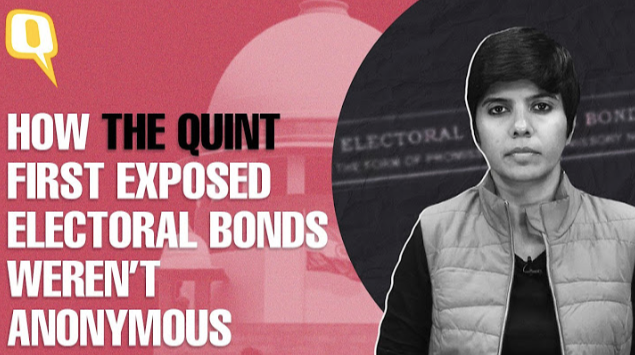
How Reporting From Six Years Ago Exposed a Political Fundraising Scandal That Rocked India’s Elections
Why it matters: The Indian Supreme Court strikes down the electoral bonds scheme, requiring public disclosure of all funds donated through the program. Investigative reporters uncover suspicious campaign contributions to…
Read Full ReportIndigenous Grazing Rights And Forced Land Grabs: Impact of Mega-Farms
January 21, 2026 • Rights, Africa, All, Corruption, Culture, Development, Governance, Investigations, Labor, Legislation, World
Why it matters: Indigenous grazing rights are under threat as multinational agribusinesses encroach on ancestral lands. The systemic erasure of grazing rights is leading to…
Strikebreaking Firms: The quiet industry behind labor disputes
January 7, 2026 • Leaks, All, Labor
Why it matters: Strikebreaking firms have a controversial history in labor disputes, dating back to the late 19th century. The evolution of these firms from…
Noncompete Agreements: The contracts that suppress wages
January 6, 2026 • All
Why it matters: Noncompete agreements restrict employees from working for competitors or starting similar businesses after leaving a company. Their increasing prevalence in various industries…
Chemical plants: Community notification and emergency readiness
December 31, 2025 • All
Why it matters: Chemical plants in the U.S. pose significant risks to communities due to frequent accidents and inadequate emergency readiness. Insufficient communication protocols and…
Inspector general reports: The findings nobody implements
December 31, 2025 • Trackers, All
Why it matters: Only 27% of recommendations made by Inspector Generals (IGs) have been fully implemented within two years, leaving 73% unaddressed. Despite potential savings…
Tribal Land Evictions: An Investigative Timeline of Tribal Land Evictions from India And Other Lands Without Justice
May 15, 2025 • Inequality, All, Corruption, Leaks, Politics, Racism, Rights
Why it matters: Tribal communities protect 80% of Earth's biodiversity despite constituting only 5% of the global population (World Bank, 2023). Over 370 million indigenous…