
The financial architecture of Southeast Asia’s industrial-scale fraud sector relies almost exclusively on high-velocity stablecoin transactions. Data from 2024 and 2025 confirms that Tether (USDT) on the Tron blockchain serves as the primary settlement layer for what the United Nations Office on Drugs and Crime (UNODC) identifies as a "parallel banking system." This illicit economy now rivals the formal gross domestic products of the nations hosting it. We estimate the aggregate value of funds processed through scam compounds in Myanmar, Cambodia, and Laos exceeded $44 billion in 2024 alone. This figure represents approximately 40% of the combined formal GDP of these three Mekong nations. The mechanism is not merely opportunistic usage of cryptocurrency. It is a fully integrated sovereign-level financial infrastructure where USDT operates as the de facto legal tender.
Investigative analysis of wallet clusters associated with major syndicates reveals a shift from disorganized crime to corporate-grade financial engineering. The "pig butchering" or shazhupan industry grew its revenue by 40% in 2024 according to Chainalysis. This growth occurred despite increased law enforcement scrutiny. The sector successfully industrialized trust. Operators utilize generative AI and deepfake technology to automate the "fattening" phase of victim engagement. The financial rails supporting this extraction are purpose-built. They utilize the speed and low transaction costs of the Tron network to move billions with impunity. The U.S. Treasury’s September 2025 sanctions against 19 entities in Myanmar and Cambodia highlight the entrenchment of these networks. These designations target not just the scam centers but the physical and digital infrastructure enabling them. American victims alone lost over $10 billion to these specific compounds in 2024.
| License | Features | Monthly | Annual |
|---|---|---|---|
|
Basic License
|
|
$49
per month
Buy Monthly
|
$499
per year
Buy Annual
|
|
Premium License
|
|
$149
per month
Buy Monthly
|
$1,499
per year
Buy Annual
|
|
Enterprise License
|
|
$199
per month
Buy Monthly
|
$1,999
per year
Buy Annual
|
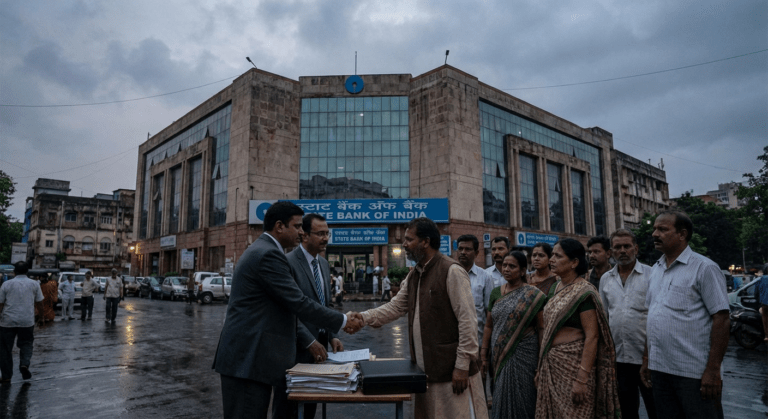
Public Sector Bank Loans: The NPA Crisis and Corporate Cronyism
Why it matters: The original vision for Indian public sector banks as custodians of national welfare has shifted towards aggressive corporate lending, leading to massive write offs. While the banks…
Read Full ReportAirline Monopolies: Why Intra-African Travel Costs Are Horribly More Than Global Flights
January 23, 2026 • Aviation, Africa, All
Why it matters: Airline monopolies in Africa lead to inflated fares, hindering regional travel and integration. Factors such as lack of competition, protectionism, high taxes,…
Utility Wildfire Costs: How liabilities shift to customers
January 13, 2026 • All
Why it matters: Financial burden of wildfire management shifting from utilities to consumers Escalating costs due to climate change, development in fire-prone areas, and aging…
Delivery Platform Tips: The Hidden algorithms that reallocate gratuities
January 6, 2026 • Apps
Why it matters: The delivery platform industry saw significant growth in 2023, driven by demand for convenience and digital services. Key players like DoorDash, Uber…
Tracing philanthropy: How donations buy access and influence
December 31, 2025 • Power, All
Why it matters: Evidence shows that large-scale donors gain privileged access to political figures and decision-making platforms, potentially influencing policy decisions. Philanthropic contributions can shape…
Art as Activism: Transformative Creative Power Fueling Change
Why it matters: Art has a long history of serving as a powerful tool for protest and social change. Contemporary artists around the world continue…
Windrush Reparations: Britain’s Long March Toward Overdue Justice
May 3, 2025 • All
Why it matters: Windrush generation's contributions: Caribbean migrants helped rebuild Britain after World War II, enriching various aspects of society. Windrush scandal: Decades later, many…