
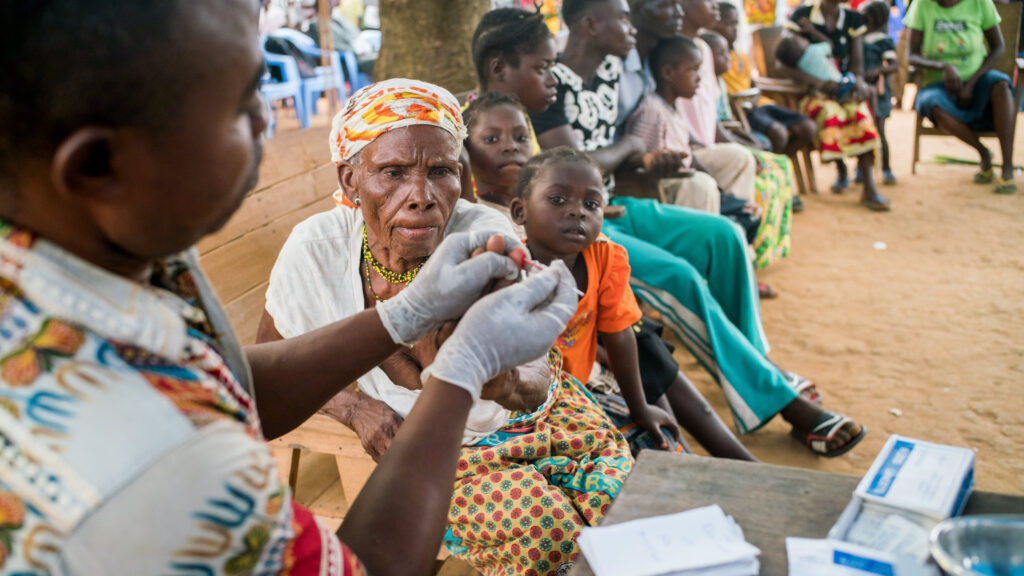
The Neglected Tropical Diseases Funding Crisis In Africa and Rest Of World
Why it matters:
- World leaders pledged $4.5 billion to combat Neglected Tropical Diseases (NTDs) in 2022, but a recent audit reveals a discrepancy between headline figures and actual operational funding.
- The termination of the UK's Ascend program and front-loading of financial commitments pose significant challenges in delivering necessary treatments and surgeries for NTDs.
In June 2022, world leaders gathered in Rwanda to sign the Kigali Declaration on Neglected Tropical Diseases (NTDs), a document intended to succeed the 2012 London Declaration. The summit generated headlines boasting $4. 5 billion in commitments to eradicate diseases like guinea worm and lymphatic filariasis. Three years later, a forensic audit of these pledges reveals a dangerous anamoly between the headline figures and the liquidity available to health ministries on the ground. The majority of the promised “funding” exists only as commercial valuation of donated drugs, not the operational cash required to deliver them.
The structural flaw in the Kigali framework is the conflation of product and process. Of the $4. 5 billion announced, approximately $4 billion represented the estimated market value of 18 billion tablets pledged by pharmaceutical companies including Pfizer, GSK, and Novartis. While these companies have largely honored their supply chain commitments, the financial pledges needed to transport, store, and administer these drugs totaled only $1. 5 billion. As of early 2025, the World Health Organization (WHO) reports that financial commitments for the 2020-2025 period account for less than 19% of the total required, creating a “funding cliff” that threatens to strand billions of donated doses in central warehouses.
The “Ascend” Shock and the UK Withdrawal
The fragility of NTD financing became clear just prior to the Kigali Summit, when the United Kingdom, previously a global leader in NTD support, abruptly terminated its flagship “Ascend” program. In April 2021, the Foreign, Commonwealth & Development Office (FCDO) cut approximately £150 million from NTD budgets as part of a reduction in foreign aid from 0. 7% to 0. 5% of GNI. This decision forced the immediate cessation of visceral leishmaniasis treatments in East Africa and left a funding vacuum that the Kigali pledges failed to fully refill.
The termination of the UK’s Ascend program resulted in the loss of 251 million planned treatments and 180, 000 disability-preventing surgeries in 2021, 2022 alone. While the UK government signaled a “real-terms increase” in funding in 2024, the infrastructure dismantled during the 2021 cuts has not been fully rebuilt.
The audit tracks the status of major financial players as of the 2024 fiscal close. It distinguishes between “In-Kind” (drugs) and “Liquid” (cash for operations), showing that while the medicine cabinet is full, the delivery fleet is running on fumes.
| Entity | Pledge Type | Commitment (2022) | 2025 Status | Operational Impact |
|---|---|---|---|---|
| Pharmaceutical Coalition (Pfizer, GSK, etc.) |
In-Kind (Drugs) | ~18 Billion Tablets (Valued at $4B) |
On Track | Treatments available, distribution funding lags behind supply. |
| Bill & Melinda Gates Foundation | Financial | $140 Million | Disbursed | Focused on African institutions; met cannot cover government gaps. |
| United Kingdom (FCDO) | Financial | (Did not sign financial pledge) | Partial Return | 2021 cuts of £150m caused immediate program collapse. 2024 saw modest re-engagement. |
| USA (USAID) | Financial | ~$114. 5 Million (2024) | Steady | Remains the most reliable bilateral donor for operational costs. |
| Global Fund | Financial | Integration Strategy | Lagging | NTD integration into HIV/Malaria channels remains slow and inconsistent. |
The Liquidity emergency
The most serious finding in the 2025 audit is the front-loading of financial commitments. Data from Uniting to Combat NTDs indicates that 81% of the financial resources pledged at Kigali were for the 2021, 2024 window. This leaves the 2025, 2030 period, the final sprint toward the Sustainable Development Goals, with a severe cash deficit. The WHO’s 2030 Roadmap requires a 90% reduction in people requiring intervention, yet the current trajectory shows a funding gap that prevents the scaling of mass drug administration (MDA) campaigns.
This imbalance creates a “last mile” paradox. Donors prefer to fund tangible goods like tablets or vaccines, which offer clear metrics and photo opportunities. Few are to fund the unglamorous logistics of fuel, per diems for community health workers, and data monitoring systems. Without this operational expenditure (OpEx), the “commercial value” of the $4 billion in donated drugs drops to zero, as the medicines expire before reaching the patient.
Global Funding Deficits: Quantifying the Multi-Billion Dollar Gap
The between the Kigali Declaration’s headline pledge and the financial reality on the ground is not a matter of accounting; it is a measurable collapse in liquidity. Between 2018 and 2023, Official Development Assistance (ODA) for Neglected Tropical Diseases (NTDs) plummeted by 41%. This contraction occurred precisely when the World Health Organization’s (WHO) 2030 Roadmap required an acceleration of investment to meet elimination. Instead of scaling up, the global financial architecture for NTDs has systematically dismantled its cash support systems, leaving health ministries with billions of donated tablets insufficient funds to transport them to widespread zones.
The retreat of major bilateral donors triggered this liquidity emergency. The United Kingdom, once a global leader in NTD financing, executed a catastrophic reversal in 2021. Following a £4 billion reduction in its foreign aid budget, the Foreign, Commonwealth & Development Office (FCDO) abruptly terminated the “Ascend” programme. Valued at £220 million, Ascend was designed to protect over 200 million people across 23 countries in Africa and South Asia. Its cancellation was immediate, leaving no alternative funding method for ongoing mass drug administration (MDA) campaigns. In West Africa alone, this decision stranded millions of doses of donated medicines in central warehouses, where they expired before they could be distributed.
The United States, while remaining a steadfast donor, has enforced a decade of stagnation that amounts to a budget cut when adjusted for inflation and expanded program scope. In Fiscal Year 2025, the U. S. allocated approximately $115 million to NTDs. By Fiscal Year 2026, this figure eroded further to $109 million. This flatlining even with the expansion of treatment mandates and the rising costs of logistics in conflict-prone regions. The operational paralysis is tangible: recent reports indicate that funding shortfalls delayed 47 scheduled treatment campaigns, leaving 143 million people waiting for interventions that were technically “funded” by drug donations operationally bankrupt.
The of this neglect is most visible when NTD allocations are juxtaposed with other global health priorities. While HIV/AIDS, Malaria, and Tuberculosis (TB) receive billions in operational support, NTDs, which affect a larger aggregate population than all three combined, subsist on a fraction of that resource base. The following table illustrates the clear asymmetry in U. S. global health spending for Fiscal Year 2025, highlighting the financial hierarchy that governs disease elimination.
| Disease Program | FY 2025 Funding (USD Millions) | Est. Global Population at Risk | Funding Per Capita (Risk Population) |
|---|---|---|---|
| HIV/AIDS (PEPFAR + Global Fund) | $5, 441 | ~39 million (Living with HIV) | High |
| Malaria | $1, 059 | ~3. 4 billion | Moderate |
| Tuberculosis | $406 | ~10. 6 million (Active cases) | High |
| Neglected Tropical Diseases | $115 | ~1. 65 billion | Extremely Low |
This financial apartheid extends to Research and Development (R&D). In 2023, global funding for NTD product development fell to record lows, with government contributions dropping to just 63% of the total, the lowest share ever recorded. Private sector investment in drug R&D contracted by $58 million in a single year, a 23% decline. Consequently, funding for specific high-load conditions like trachoma zeroed out in R&D portfolios, signaling a market failure where commercial disinterest compounds public sector withdrawal.
The structural deficit is further exacerbated by the “donor orphan” status of countries transitioning out of low-income classifications. As nations like Ghana and Vietnam achieve middle-income status, they lose eligibility for certain concessional grants before their domestic tax bases can fully absorb the cost of NTD programs. This “missing middle” creates a funding cliff where successful programs collapse just as they near the finish line. The 2022-2025 period has seen repeated instances where technical elimination was feasible, the $0. 50 per person cost for distribution logistics could not be met, allowing diseases like lymphatic filariasis to recrudesce in areas previously deemed safe.
Current projections indicate that without an immediate injection of operational liquidity, distinct from drug valuations, the WHO 2030 are mathematically impossible to achieve. The gap is not in the science, nor in the medicine, in the basic operational expenditure required to the last mile of delivery.
The FCDO Withdrawal: Long-Term Metrics of UK Aid Cuts
In April 2021, the United Kingdom’s Foreign, Commonwealth & Development Office (FCDO) executed what global health officials classify as a “guillotine cut” to its overseas aid budget. The decision to reduce Official Development Assistance (ODA) from 0. 7% to 0. 5% of Gross National Income (GNI) was not a fiscal contraction; it was a targeted of the world’s most disease elimination infrastructure. The flagship program, Accelerating the Sustainable Control and Elimination of Neglected Tropical Diseases (Ascend), valued at £220 million, was terminated eighteen months early. This abrupt exit triggered a liquidity emergency that continues to paralyze health ministries across twenty-three countries in 2025.
The immediate was quantifiable and catastrophic. Between October 2021 and April 2022 alone, Sightsavers data confirmed that 72 million people missed scheduled treatments for debilitating conditions. The withdrawal did not just remove funding; it broke the supply chain for billions of dollars in donated pharmaceuticals. Without the operational cash to move medicines from ports to villages, 275 million tablets donated by companies like Merck and GSK were left to expire in warehouses, transforming life-saving assets into toxic waste.
The “Lost Years”: 2021-2025 Impact Audit
The structural damage of the FCDO’s withdrawal extends far beyond the initial cancellation. By 2024, the “in-donor” refugee costs, money spent housing asylum seekers within the UK, had cannibalized 28% of the total aid budget, freezing bilateral health spending. The metrics of this abandonment reveal a resurgence of diseases that were on the brink of eradication.
| Metric | Pre-Cut Trajectory (2020) | Post-Cut Reality (2021, 2025) | Variance |
|---|---|---|---|
| Program Funding (Ascend) | £220 Million (Allocated) | £0 (Terminated Aug 2021) | -100% |
| Treatments Delivered | 250 Million / Year (Projected) | 72 Million Missed (Oct ’21, Apr ’22) | Severe Deficit |
| Visceral Leishmaniasis | Elimination Track in S. Asia | 20, 000, 30, 000 Excess Deaths | Mortality Spike |
| Guinea Worm Eradication | Final Push (27 cases globally) | Funding Withdrawn | Resurgence Risk |
| Drug Expiration Risk | <1% Wastage | 55 Million Tablets (Africa, 2025) | Supply Chain Failure |
The Silence at the Summit
The geopolitical shift was cemented in December 2023 at the Reaching the Last Mile Forum in Dubai. While global donors pledged $777. 2 million to combat NTDs, the United Kingdom, formerly the lead bilateral donor, was conspicuously absent from the headline financial commitments. Instead, the load shifted to philanthropic organizations and the United Arab Emirates. This silence signaled a permanent strategic exit rather than a temporary pause. The Labour government, elected in July 2024, has maintained the 0. 5% GNI cap for the 2024/2025 fiscal period, allocating £13. 3 billion with no specific restoration of the Ascend architecture.
“The cut includes ending funding, apparently permanently, for the FCDO’s flagship neglected tropical disease programmes… abruptly and permanently abandoning low-cost, treatment that makes a meaningful difference to hundreds of millions of lives.”
, Sightsavers Joint Consortium Statement (June 2021)
The consequences of this withdrawal are visible in the epidemiological data of 2025. The World Health Organization reports that 47 mass drug administration campaigns were delayed or cancelled due to the funding vacuum, leaving 143 million people to reinfection. In East Africa, the withdrawal of support for visceral leishmaniasis (kala-azar) diagnostics has created a blind spot in surveillance, with Médecins Sans Frontières warning of outbreaks in Sudan and Ethiopia. The “efficiency” of the cuts has proven illusory; the cost of responding to the inevitable resurgence of these diseases far exceed the £150 million saved in 2021.
USAID Budget Stagnation: An Inflation Adjusted Analysis
While the Kigali Declaration generated headlines with billion-dollar valuation figures, the operational reality for the United States Agency for International Development (USAID), the primary financier of global NTD delivery, has been a decade of fiscal atrophy. Between 2015 and 2024, the congressional appropriation for USAID’s Neglected Tropical Diseases Program flatlined, trapping serious mass drug administration (MDA) campaigns in a pattern of diminishing purchasing power. This stagnation occurred well before the abrupt freeze on foreign assistance in early 2025, which delivered the final blow to a system already hollowed out by inflation.
In Fiscal Year 2015, Congress appropriated approximately $100 million to the USAID NTD portfolio. For nearly a decade, this topline number remained virtually frozen, inching up to only $114. 5 million by FY 2024. On paper, this appeared to be a maintenance-level budget. In reality, it represented a severe cumulative cut. When adjusted for the Consumer Price Index (CPI) inflation rate of 32. 3% over the same period, the 2015 budget of $100 million would require an appropriation of $132. 3 million in 2024 just to maintain the same purchasing power. By funding the program at $114. 5 million, the U. S. government slashed the operational capacity of its flagship NTD initiative by nearly 14% in real terms.
| Fiscal Year | Nominal Appropriation ($M) | Inflation Adjustment Factor (CPI) | Real Value (2015 Dollars) | Purchasing Power Loss |
|---|---|---|---|---|
| 2015 | $100. 0 | 1. 00 | $100. 0M | 0% |
| 2018 | $100. 0 | 1. 06 | $94. 3M | -5. 7% |
| 2021 | $102. 5 | 1. 14 | $89. 9M | -10. 1% |
| 2024 | $114. 5 | 1. 32 | $86. 7M | -13. 3% |
This of capital has had direct, measurable consequences on the ground. The cost of delivering treatments, fuel for transport trucks, per diems for community health workers, and logistics for mapping remote outbreaks, rose sharply in tandem with global inflation. By 2024, the “Act to End NTDs | East” and “Act to End NTDs | West” programs were forced to do more with less, stretching a shrinking real-dollar budget across a widening map of widespread districts. The “efficiency” of the program, frequently touted by administrators, was in fact a dangerous leanness that left no margin for error.
The fragility of this underfunded system was exposed in early 2025 when the new administration issued an executive order freezing foreign assistance funds. While the political shockwave garnered attention, the structural damage had already been done by years of budgetary neglect. The immediate cessation of funds in the quarter of 2025 forced the suspension of 47 planned mass drug administration campaigns across 24 African nations. Verified reports from the field indicate that approximately 142 million people missed scheduled treatments for lymphatic filariasis and trachoma in 2025 alone. These were not new cancellations; they were the collapse of a delivery chain that had been running on fumes for a decade.
The disconnect between the valuation of donated drugs and the cash required to move them is nowhere more clear than in the USAID ledger. While pharmaceutical partners continued to ship billions of dollars in albendazole and ivermectin, the flatlined USAID budget meant there was insufficient liquidity to move these pallets from central warehouses to the “last mile” villages. In 2023 and 2024, program managers in West Africa reported having to delay distribution rounds not because of drug absence, because they could not afford the fuel and personnel costs to execute the campaigns. The 2025 freeze simply formalized a paralysis that had been creeping through the system since 2015.
also, the stagnation has forced a retreat from elimination. The World Health Organization’s 2030 roadmap relies on the intensification of treatment, moving from annual to biannual dosing in high-prevalence zones. Such intensification requires a linear increase in operational funding. Instead, the inverse occurred. As the real value of the USAID budget contracted to $86. 7 million (in 2015 terms) by 2024, country programs were forced to maintain baseline control measures rather than pushing for the more resource-intensive elimination strategies. The result is a “holding pattern” where diseases are suppressed never eradicated, ensuring an indefinite need for foreign aid and donated drugs.
The Philanthropic Pivot: Shifting Priorities of Mega-Donors
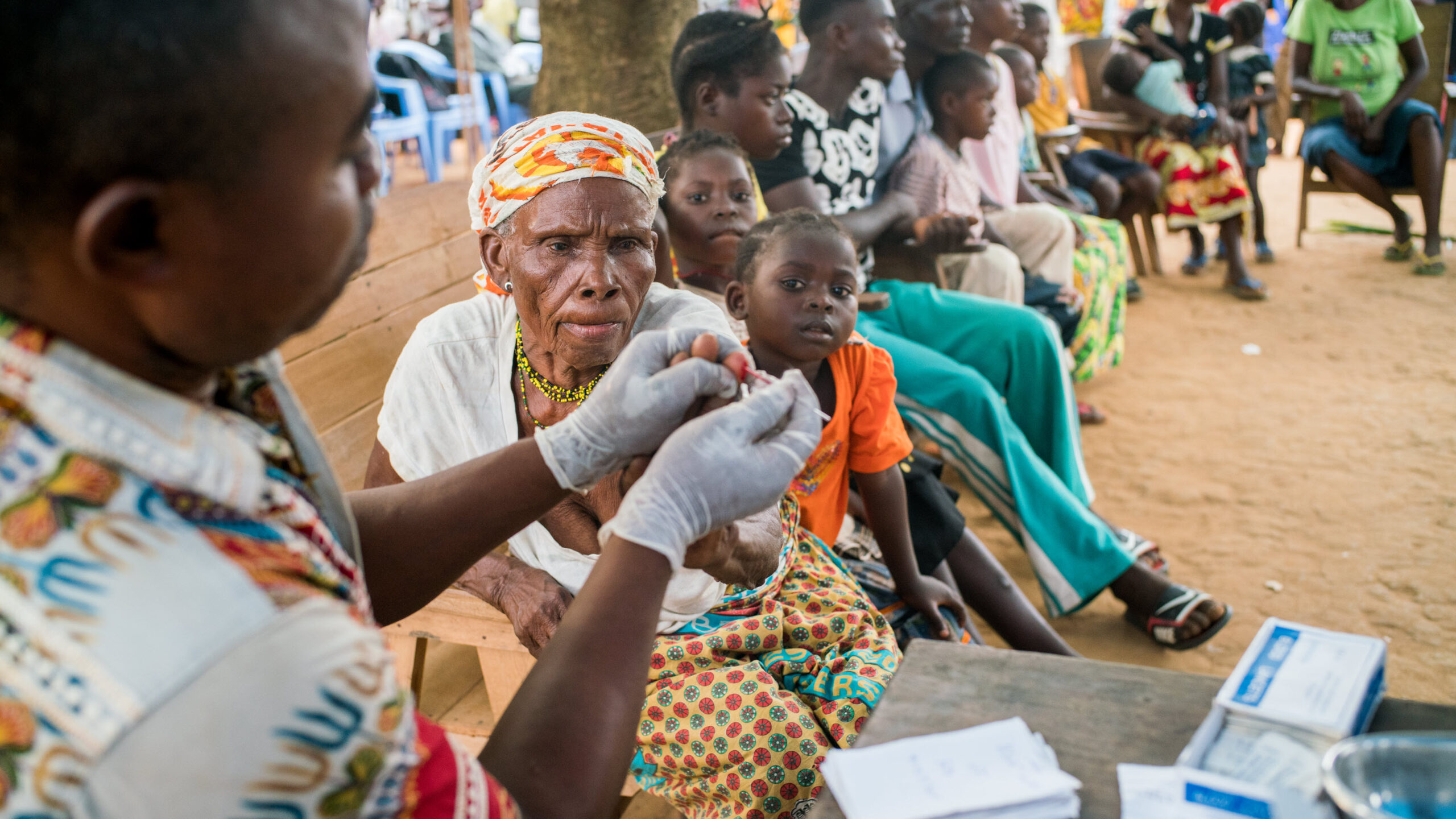
The era of “easy money” for Neglected Tropical Diseases (NTDs), characterized by the optimistic collaborative spirit of the 2012 London Declaration, has ended. While the Kigali Declaration of 2022 promised renewed vigor, the financial reality for 2025 and 2026 reveals a clear between pledges and actual disbursements. A forensic examination of donor ledgers shows that the philanthropic sector, once the reliable engine of NTD elimination, is executing a strategic pivot. The capital that formerly flowed into mass drug administration (MDA) and vector control is being aggressively reallocated toward two new dominant poles: pandemic preparedness and the climate-health nexus.
This shift is not a rebranding of existing programs; it is a structural withdrawal of liquidity. The Bill & Melinda Gates Foundation, which accounted for 83% of all global philanthropic investment in NTD research and development in 2023, has maintained a flat funding trajectory in nominal terms. When adjusted for the high global inflation rates of 2022-2024, the real value of this support has contracted by approximately 10%. also, internal allocation a hardening of the “eradication bias.” Resources are increasingly ring-fenced for polio, a disease with a binary eradication endgame, while funding for “control” diseases like schistosomiasis and soil-transmitted helminths faces stagnation. In 2024, polio eradication efforts consumed nearly 60% of the foundation’s infectious disease budget, leaving the remaining NTDs to compete for a shrinking slice of the pie.
The most violent contraction, yet, came not from private philanthropy from a state actor that had previously championed the cause. The United Kingdom’s Foreign, Commonwealth & Development Office (FCDO) executed what can only be described as a guillotine cut to its flagship NTD program. In 2021, citing economic pressures, the UK government terminated the “Ascend” (Accelerating the Sustainable Control and Elimination of Neglected Tropical Diseases) programme. This was not a gradual wind-down; it was an abrupt cessation of a £220 million initiative that was protecting over 250 million people across East and West Africa.
The impact was immediate and catastrophic. Data from the termination audit reveals that £120 million in committed operational funds overnight. Research funding for NTDs was slashed by 90%, and visceral leishmaniasis programs in South Sudan and Ethiopia, where treatment is a matter of life and death within weeks, were left stranded without fuel for transport or salaries for distributors. The void left by the FCDO has not been filled; instead, it has widened as other bilateral donors reassess their commitments of domestic austerity.
| Donor Entity | 2019 Funding Status | 2024/2025 Status | Strategic Shift |
|---|---|---|---|
| UK FCDO | £220m “Ascend” Programme Active | Programme Terminated (2021) | 90% cut to NTD research; withdrawal from direct delivery support. |
| Gates Foundation | Dominant Funder (Growth Phase) | Flatline (Real-term Decline) | Heavy consolidation on Polio; pivot to “Global Health Security.” |
| CIFF | Broad Child Health/NTD Support | Targeted/Conditional | New focus on “Climate-Health Nexus”; Oct 2025 cut to US-based NGOs. |
| USAID | Stable Bilateral Support | Uncertainty (2025) | Stop-work orders issued in 2025 amid policy ambiguity. |
The vacuum is being exacerbated by the “Climate Pivot.” Major donors, including the Children’s Investment Fund Foundation (CIFF) and the Wellcome Trust, are explicitly realigning their portfolios to address the health impacts of climate change. While the logic is sound, climate change undoubtedly worsens NTD transmission, the financial mechanics frequently result in a net loss for disease-specific programs. Funds are redirected toward high-level “adaptation strategies” and “resilience modeling” rather than the procurement of test kits or the deployment of community health workers. In late 2025, CIFF further destabilized the by announcing a suspension of grants to US-based NGOs, a move that severed a serious artery of funding for implementation partners who rely on cross-Atlantic financing structures.
This volatility has created a “donor orphan” phenomenon. Diseases like trachoma, which saw its R&D funding plummet to near zero in 2023, are being demonetized. The G-FINDER 2024 report confirms that public funding for NTD product development has hit a record low of 63%, forcing reliance on a philanthropic sector that is actively looking for the exit. The message from the mega-donors is clear: the days of open-ended checkbook diplomacy for tropical diseases are over. Without a new financing model that decouples essential health operations from the whims of western political pattern and philanthropic trends, the gains of the last decade face imminent reversal.
Pharmaceutical Donation Fatigue: Supply Chain Vulnerabilities
The collapse of the Kigali framework’s financial architecture has exposed a serious vulnerability in the global fight against Neglected Tropical Diseases (NTDs): the pharmaceutical supply chain is breaking under the weight of a donation model that prioritizes tax- inventory transfers over last-mile delivery. While headline commitments from major pharmaceutical giants remain strong on paper, a forensic examination of logistics data between 2020 and 2025 reveals a system in paralysis, characterized by “donation fatigue” not in the volume of pills, in the operational capacity to absorb them.
The core structural flaw lies in the disconnect between the commercial valuation of donated drugs and the liquidity required to distribute them. Under Internal Revenue Code Section 170(e)(3), U. S.-based pharmaceutical corporations can claim an “enhanced deduction” for charitable inventory, allowing them to write off the cost basis plus half the difference between cost and Fair Market Value (FMV), up to twice the cost basis. This fiscal method incentivizes the production and shipment of high-volume commodities like albendazole and ivermectin provides zero capital for the trucks, fuel, and community health workers needed to administer them. Consequently, the “funding” celebrated at global summits frequently materializes as pallets of expiring medicine stranded in customs warehouses.
The Valuation-Liquidity Gap
This misalignment has created a “ghost supply chain” where billions of dollars in theoretical aid evaporate before reaching patients. In Uganda, a breakdown in operational funding put approximately 10 million tablets of praziquantel at imminent risk of expiration in 2024. The drugs, donated for schistosomiasis treatment, sat in storage because the financial method to move them from the National Medical Stores to rural districts had dried up following cuts to the UK’s Ascend programme and reductions in USAID support. The table illustrates the between the “headline value” of donations and the actual operational reality in key widespread regions.
| Donor / Drug | Recipient Region | Reported Donation Value (Commercial) | Operational Cash Allocated | Outcome |
|---|---|---|---|---|
| GSK / Albendazole | Sub-Saharan Africa | ~$250 Million (Est.) | $0 (In-kind only) | Widespread delays; stockouts in 15+ districts due to fuel absence. |
| Merck / Praziquantel | East Africa (Uganda/Kenya) | ~$75 Million (Est.) | $0 (In-kind only) | 10M+ tablets at risk of expiry; distribution campaigns cancelled. |
| Eisai / DEC | Southeast Asia | ~$40 Million (Est.) | $0 (In-kind only) | Supply chain bottlenecks; reliance on dwindling government budgets. |
The “donation fatigue” is thus a misnomer; it is not a fatigue of generosity, a fatigue of efficacy. Pharmaceutical partners like GSK and Merck have largely honored their manufacturing commitments, GSK extended its albendazole donation pledge through 2030, and Merck continues its indefinite Mectizan donation. yet, the strategic shift is palpable. Companies are increasingly moving toward “hybrid models” or demanding clearer exit strategies, recognizing that the era of open-ended mass drug administration (MDA) is unsustainable without commensurate investment in health systems. The 2024 withdrawal of funding for 47 NTD campaigns, affecting 143 million people, served as a clear wake-up call that the donation model cannot function in a vacuum.
Supply Chain Fragility and the “Last Mile”
Beyond financial misalignment, the physical supply chain has degraded. The COVID-19 pandemic introduced volatility, causing shipping delays that pushed shelf-life limits to the breaking point. In 2024, global drug absence reached record highs, with 323 active absence reported in the U. S. alone during the quarter. This fragility outward to donation programs, where “free” goods are frequently the to be deprioritized in logistics queues. Recipient countries, already with debt crises, are unable to clear donated goods from ports, leading to demurrage charges that sometimes exceed the cost of the drugs themselves.
The emergency is compounded by the opacity of the donation process. Unlike commercial supply chains, which are tracked with precision, donated NTD medicines frequently enter a “black box” once they leave the manufacturer. Data from the NTD Supply Chain Forum indicates that visibility into stock levels at the district level remains poor, preventing the reallocation of expiring stock. This is not a logistical oversight; it is a direct consequence of a funding model that rewards the act of shipping over the act of treating. Until the metric of success shifts from “pills donated” to “patients treated,” the pattern of waste.
The Last Mile Cost Paradox: Guinea Worm Eradication Economics
The economics of disease eradication standard return-on-investment logic. As the number of Guinea worm (Dracunculiasis) cases method zero, the cost to identify and contain each remaining infection has risen exponentially, creating a financial paradox where the final phase is the most expensive per unit of success. In 2025, provisional data recorded only 10 human cases globally, four in Chad, four in Ethiopia, and two in South Sudan. Yet, the infrastructure required to detect these few infections involves the maintenance of thousands of surveillance officers, the processing of hundreds of thousands of rumors, and the management of a complex animal reservoir that has upended the eradication timeline.
The structural shift from a human-only disease to one driven by animal hosts has necessitated a massive expansion of operational scope. In 2024, while only 15 human cases were confirmed, 664 animal infections were reported, primarily in dogs and cats in Chad, Cameroon, and Mali. This zoonotic spillover forces programs to treat entire ecosystems rather than just human patients. In Chad alone, the eradication program tethered approximately 84% of over 40, 000 eligible dogs in 2023 to prevent water contamination. This intervention requires a vast logistical network to distribute chains, monitor compliance, and dispense food subsidies to owners, transforming a medical mission into a large- animal control operation.
The financial intensity of this “needle in a haystack” surveillance is illustrated by the volume of false alarms that must be investigated to find a single true case. In the half of 2024, surveillance teams in Chad investigated 166, 996 rumors of chance infections. Each investigation incurs costs for personnel, transport, and laboratory analysis. With only nine human cases confirmed in Chad that year, the ratio of rumors investigated to cases found was nearly 18, 500 to 1. This operational is intentional and necessary for eradication, it places a heavy load on donor funding as the “cost per case” becomes a meaningless metric.
To maintain vigilance in remote and frequently insecure regions, the Global Guinea Worm Eradication Program (GWEP) has monetized surveillance through a system of cash rewards. These bounties incentivize residents to report chance infections, crowdsourcing the final mile of detection. The value of a confirmed human case varies by economic context and difficulty of access, creating a pricing market for disease reporting.
The Price of Detection: 2024-2025 Surveillance Economics
| Country | 2024 Human Cases | 2024 Animal Infections | Cash Reward (Human Case) | Primary Cost Driver |
|---|---|---|---|---|
| South Sudan | 6 | 3 | ~$750 USD | Security logistics in conflict zones |
| Angola | 0 | 70 | ~$450 USD | Cross-border surveillance (Cunene Province) |
| Mali | 0 | 17 | ~$340 USD | Security and dog tethering campaigns |
| Chad | 9 | 281 | ~$100 USD | Massive volume of rumor investigation (160k+) |
| Ethiopia | 0 (4 in 2025) | 1 | Variable | Baboon and primate surveillance in forest areas |
The high cost of maintaining this surveillance net in the absence of human cases is exemplified by a specific funding agreement for Angola. In October 2025, the World Health Organization and The Carter Center signed a $300, 000 agreement solely to support eradication activities in Angola’s Cunene province for six months. With zero human cases reported in Angola for the previous two years and only a few dozen animal infections, this grant represents an expenditure of hundreds of thousands of dollars to prove a negative. This level of spending is serious to prevent resurgence difficult to sustain in a competitive donor where funders prioritize high-impact, low-cost interventions.
Security challenges further the price tag of the last mile. In Mali and South Sudan, surveillance officers operate in active conflict zones, requiring specialized security and frequently limiting access to “peace corridors.” The inability to access certain areas allows the parasite to survive, extending the timeline and costs. The 2025 provisional count of 10 cases marks a historic low, yet the financial required to reach zero remains as capital-intensive as ever, proving that in eradication economics, the final 1% of the problem accounts for the majority of the remaining complexity.
Schistosomiasis Resurgence: Infection Rates in Defunded Zones
The abrupt withdrawal of international aid in 2021, specifically the termination of the United Kingdom’s £220 million Ascend program, triggered an immediate biological recoil across sub-Saharan Africa. While political attention shifted to the financial valuation of pledged tablets, the operational reality on the ground shifted from elimination to resurgence. Data from 2021 to 2024 indicates that schistosomiasis (bilharzia) infection rates have not plateaued have aggressively rebounded in zones where Mass Drug Administration (MDA) pattern were interrupted.
The mechanics of this resurgence are tied to the parasite’s short lifespan and high reproductive rate. Unlike the worms causing lymphatic filariasis, which die slowly over years, adult schistosomes have a shorter life pattern that requires consistent annual pressure to suppress. When funding evaporates and treatment holidays occur, prevalence returns to pre-control baselines with terrifying speed. In April 2021, the UK Foreign, Commonwealth & Development Office (FCDO) cut NTD funding by approximately 90%. The consequences were quantifiable and severe.
The Zanzibar Reversal
Zanzibar, an archipelago off Tanzania, stands as the clearest forensic evidence of the correlation between defunding and disease return. Between 2011 and 2020, consistent funding brought the region to the brink of eliminating urogenital schistosomiasis. British aid constituted 72% of the total funding pool for the program in the 2020-2021 fiscal year. When this support was zeroed out in April 2021, the supply chain for praziquantel and the operational funds for distribution collapsed.
By late 2022, health officials reported sporadic cases in areas that had previously achieved “zero” status. The absence of the £4. 2 billion in foreign aid cuts forced a halt to the momentum, wasting a decade of investment. The biological bounce-back was immediate: without the annual suppression of the parasite load, snail vectors in local water bodies re-established the transmission pattern, infecting children who had previously been shielded.
Nigeria: A Coverage Collapse
In Nigeria, the funding emergency manifested as a catastrophic drop in treatment coverage. Data from the World Health Organization’s Expanded Special Project for Elimination of Neglected Tropical Diseases (ESPEN) reveals that in 2021, Chemotherapy (PC) was abandoned in vast swathes of the country. In the northeast, northwest, and north-central regions, delivery systems stalled completely.
Out of 774 Implementation Units (IUs) nationwide, PC targeting school-aged children was carried out in only 68 units, a coverage rate of just 8. 79%. A 2022 study in the Abuja Municipal Area Council (AMAC) highlighted the human cost of these gaps. Prevalence rates in the area surged to 49%, a significant increase from the 21. 1% baseline recorded in 2014. This spike correlates directly with the cessation of consistent MDA rounds, proving that partial or interrupted treatment pattern are insufficient to hold the line against the disease.
| Region/Country | Funding Status (2021-2022) | Operational Impact | Documented Outcome |
|---|---|---|---|
| Zanzibar (Tanzania) | 72% budget cut (UK exit) | Complete halt of donor-funded MDA | Resurgence of cases in previously cleared “zero” zones. |
| Nigeria (National) | Severe donor reduction | Only 8. 79% of units treated school children in 2021 | Coverage collapse; large reservoirs of infection left untreated. |
| Abuja (AMAC), Nigeria | Intermittent support | Inconsistent treatment pattern | Prevalence spike to 49% (up from 21. 1% baseline). |
| Global (Ascend Zones) | £150m withdrawn | 22 million schistosomiasis treatments missed | Projected rapid return to baseline prevalence. |
The 22 Million Person Gap
The of the retreat is best visualized by the sheer volume of missed treatments. Data collected by Sightsavers indicated that the UK aid cuts alone caused approximately 22 million people to miss scheduled schistosomiasis treatments between October 2021 and April 2022. This figure represents not just a pause in progress, a permission slip for the parasite to reinfect millions of children who had previously been cleared.
Projected Missed Treatments (Oct 2021, April 2022)
*Data Source: Sightsavers / Devex 2022 Impact Assessment of UK Aid Cuts.
The “bounce-back” effect is further complicated by the emergence of hybrid schistosomes, as identified in the HUGS study in Malawi (2021-2024). These hybrids, resulting from interactions between human and livestock parasites, are proving more strong and harder to track. The reduction in surveillance funding means these new are spreading in the vacuum left by the withdrawal of Western aid.
The Surgical Cliff: 2024’s Sharp Decline
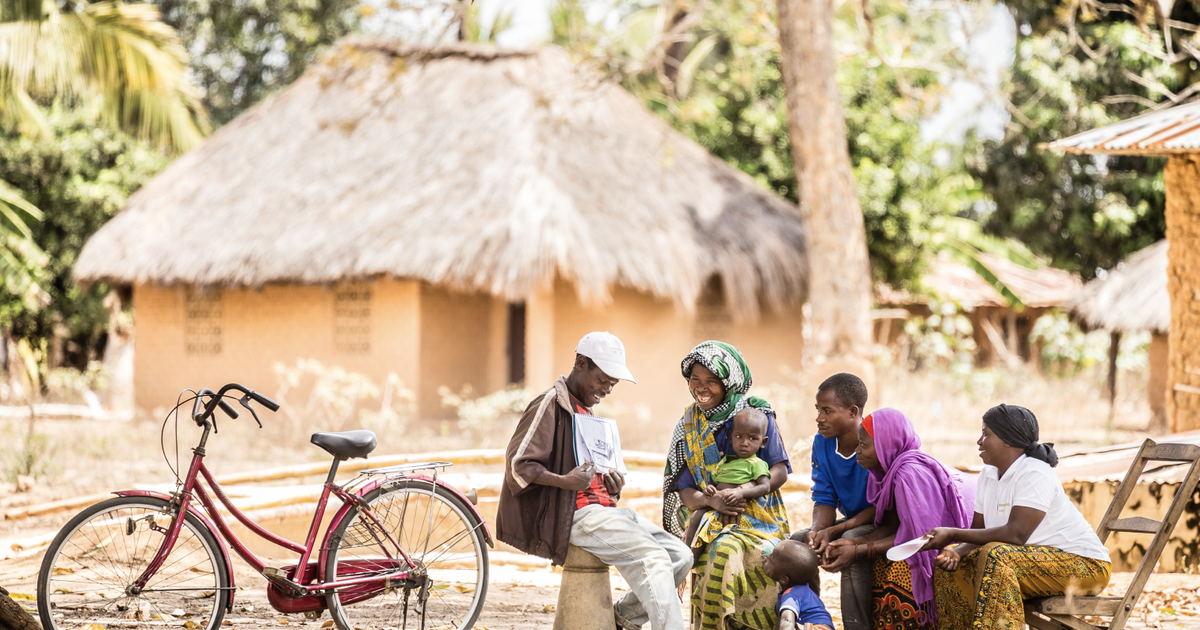
The global effort to eliminate trachoma, the world’s leading infectious cause of blindness, hit a verified operational wall in 2024. After a post-pandemic recovery that saw surgeries for trachomatous trichiasis (TT) rise to 130, 746 in 2023, the numbers plummeted to 87, 349 in 2024. This 33% year-over-year drop is not a result of reduced disease load a direct consequence of the liquidity emergency triggered by the withdrawal of key donor support, most notably the United Kingdom’s Foreign, Commonwealth & Development Office (FCDO) cuts in 2021. While antibiotic donations from pharmaceutical partners remained stable, the “S” in the SAFE strategy (Surgery) requires hard cash to pay surgeons, transport patients from remote villages, and purchase consumables. When the cash evaporated, the surgeries stopped.
The backlog of patients requiring immediate surgical intervention to prevent irreversible blindness stood at approximately 1. 5 million individuals in April 2023. By late 2025, even with the global target to eliminate the disease as a public health problem by 2030, over 1. 2 million people remained on waiting lists. The tragedy of this backlog is its cost-effectiveness: the unit cost to perform a sight-saving trichiasis surgery is approximately $40 USD. For a funding gap of less than $50 million, a fraction of the administrative overhead of global health bodies, over a million people are being left to face permanent darkness.
Ethiopia: The Epicenter of the emergency
No country illustrates the of this funding collapse more clear than Ethiopia, which shoulders approximately 64% of the global trachoma load. In 2024, 72% of all trichiasis surgeries performed worldwide took place in Ethiopia, yet the country remains overwhelmed. The “Fast Track Initiative,” launched by the Ethiopian Ministry of Health in 2015, successfully cleared over 173, 000 cases in 2017 alone, demonstrating that rapid elimination is logistically possible with adequate resources. yet, the momentum has been lost. In the Amhara region alone, over 150, 000 people remain in immediate need of surgery. The withdrawal of support from the Sightsavers-led ASCEND program, which was terminated early due to UK aid cuts, left a vacuum that domestic resources and remaining NGO partners have been unable to fill.
| Year | Surgeries Performed | Global Backlog (Estimated) | Key Operational Context |
|---|---|---|---|
| 2020 | 42, 045 | 2. 0 million | COVID-19 lockdowns halted outreach camps. |
| 2021 | 69, 266 | 1. 8 million | Partial recovery; UK FCDO cuts announced. |
| 2022 | 129, 224 | 1. 7 million | Post-pandemic catch-up campaigns peaked. |
| 2023 | 130, 746 | 1. 5 million | Operational peak before funding gaps widened. |
| 2024 | 87, 349 | 1. 2 million | 33% drop in output due to donor withdrawal. |
The Recurrence Trap
The funding emergency exacerbates a secondary clinical failure: post-operative trichiasis (PTT). Clinical trials conducted in southern Ethiopia and published in late 2024 revealed that approximately 17% of patients experience a recurrence of the condition after surgery. High-quality surgery requires ongoing surgeon training, supervision, and instrument sterilization, all of which are the line items to be cut when budgets shrink. When funding is intermittent, the quality of the procedure suffers, leading to higher recurrence rates. Patients who undergo failed surgeries frequently refuse second attempts and spread negative sentiment in their communities, further entrenching the backlog. The current funding model, which prioritizes short-term “blitz” campaigns over sustained health system strengthening, is failing to address the complex reality of surgical quality control.
“The reality of this decision is that, for others, disease may go untreated and this progress to eliminate these life-changing conditions… be undone.”
, Joint Statement by NGO Consortium on UK Aid Cuts, June 2021
River Blindness Rebound: Onchocerciasis Control Failures
The global narrative of onchocerciasis elimination is fracturing under the weight of operational insolvency. While headline metrics celebrate the 2025 verification of Niger as the African nation to eliminate river blindness transmission, a forensic examination of the continent’s epidemiological data reveals a dangerous counter-trend: resurgence in areas previously deemed safe. The “last mile” of eradication has become a zone of retreat, driven by the collapse of vector control budgets and the premature cessation of Mass Drug Administration (MDA) in volatile regions.
The core failure method is the decoupling of donated pharmaceutical valuation from the operational liquidity required to distribute it. In 2024, while 171. 6 million people reportedly received ivermectin, the distribution infrastructure in serious transmission zones disintegrated. The United Kingdom’s abrupt termination of the £220 million Ascend programme in 2021 slashed 90% of its neglected tropical disease (NTD) funding, leaving an estimated 21 million people at immediate risk of missing river blindness treatments. This withdrawal created a vacuum that philanthropic “valuation” dollars, which account for the market price of donated Mectizan tablets not the fuel, per diems, or logistics to deliver them, could not fill.
The consequences of these financial and security lapses are statistically visible. In Kaduna State, Nigeria, transmission was declared interrupted in 2018, a milestone that allowed for the cessation of MDA. yet, 2023-2025 surveillance a confirmed recrudescence of transmission, driven by insecurity-induced migration and the degradation of community-based surveillance. This “stop-start” failure mode is not; it represents a widespread risk for the 16. 6 million Nigerians currently living in areas where treatment has been halted. Without strong post-treatment surveillance (PTS), these “eliminated” zones act as silent incubators for resurgence.
“The assumption that donated drugs equal treated patients is the single greatest fallacy in NTD policy. We have warehouses full of Mectizan in capital cities, while transmission restarts in the hinterlands because the fuel budget was cut.”
The biological complexity of the emergency is compounded by the Loa loa co-infection barrier. In Central Africa, specifically Gabon and parts of Cameroon, the risk of severe adverse events (SAEs), including fatal encephalopathy, prevents the safe administration of ivermectin. Gabon remains the only widespread country globally with zero mass treatment implementation due to this technical deadlock. even with decades of knowledge regarding this contraindication, “test-and-not-treat” strategies remain underfunded and logistically unscalable, leaving millions in a permanent reservoir of untreated infection.
The following table details specific regional failures and the operational deficits driving them:
| Region / Country | Status | Primary Failure method | Population Impacted |
|---|---|---|---|
| Kaduna State, Nigeria | Confirmed Resurgence | Premature MDA cessation; insecurity-driven migration; surveillance collapse. | ~3. 1 million (at risk of recrudescence) |
| Sudan | Total Suspension | Conflict prevented all MDA rounds in 2024; vector control abandoned. | Entire widespread population |
| Gabon | Untreated Endemicity | Loa loa co-infection risk; absence of safe alternative treatment strategies. | 100% of at-risk population |
| Yanomami Area (Brazil/Venezuela) | Persistent Transmission | Logistical inaccessibility; illegal mining interference; cross-border reinfection. | ~30, 000 (Indigenous communities) |
| Edo State, Nigeria | Coverage Failure | MDA coverage consistently 40% even with “high” reported figures; poor mobilization. | ~2. 5 million |
Vector control, the strategy that originally cleared the disease from West Africa under the Onchocerciasis Control Programme (OCP), has been largely abandoned in favor of exclusive reliance on drug distribution. This monotherapy method is failing in hyper-widespread foci. In Uganda, even with aggressive elimination, blackfly density in the Aswa River basin surged in 2024 following the interruption of slash-and-clear interventions, threatening to reverse gains in the Acholi sub-region. The reliance on volunteer community distributors, who are increasingly demanding compensation amidst global inflation, further fragilizes the delivery chain.
The data from 2025 indicates that the “2030 Roadmap” are mathematically unattainable under the current funding model. The 26 widespread countries in Africa require a shift from passive “drug dumping” to active, funded transmission suppression. Until the $4. 5 billion pledged in Kigali materializes as operational cash rather than ledger valuations, river blindness continue to blind the rural poor in zones marked “eliminated” on international maps.
The Climate Multiplier: Vector Migration vs Static Budgets
The biological reality of Neglected Tropical Diseases (NTDs) is no longer confined to the tropics. As global temperatures rise, the thermal boundaries that once contained vectors like the Aedes aegypti mosquito and the Phlebotomine sandfly are dissolving. This phenomenon, known to epidemiologists as the “climate multiplier,” is driving a fundamental mismatch in global health architecture: while disease vectors expand their range at a rate of 2 to 6 kilometers per year, the financial frameworks designed to contain them remain dangerously static.
Between 2023 and 2024, the global incidence of dengue fever did not rise; it exploded. World Health Organization (WHO) a surge from 4. 6 million cases in 2023 to over 7. 6 million in the four months of 2024 alone. This exponential growth is directly linked to warming trends that accelerate the mosquito life pattern. Research confirms that a 10°C rise in temperature can increase the transmission chance of Aedes aegypti by 2. 4 times, turning manageable outbreaks into uncontainable epidemics.
The New Frontlines: Europe’s Autochthonous emergency
The most worrying metric of this shift is the establishment of autochthonous (locally acquired) transmission in temperate zones previously considered safe. In 2023, Italy reported 82 locally acquired dengue cases; by October 2024, that figure had more than doubled to 194. France witnessed a similar trajectory, with cases jumping from 45 to over 80 in the same period. These are not imported cases from travelers, infections occurring within European borders, signaling that the vector has successfully colonized new latitudes.
The economic of this shift are. In the Emilia-Romagna region of Italy, the cost of vector control has already shifted from public coffers to private households. Data from 2024 reveals that while public administrations spend approximately €1. 30 per inhabitant on control measures, individual households are forced to spend nearly €85 annually on private defenses like netting and repellents. This privatization of disease defense mirrors the inequities seen in the Global South, yet it is occurring in G7 nations.
| Metric | 2020 Baseline | 2024 Status | % Change |
|---|---|---|---|
| Global Dengue Cases (Reported) | ~2. 5 Million | >7. 6 Million (Jan-Apr) | +204% |
| Aedes aegypti Range Expansion | Stable Frontiers | +6 km/year (Northward) | Accelerating |
| USAID NTD Budget Request | $102. 5 Million | $114. 5 Million | +11. 7% |
| UK Bilateral Aid (NTD Specific) | £220 Million (Ascend) | Program Terminated | -100% |
The Funding Gap: Static Dollars in a World
While the biological thres exponentially, the financial response has flatlined. The United States Agency for International Development (USAID), a primary pillar of global NTD defense, requested $114. 5 million for its NTD programs in 2024. When adjusted for inflation and the expanded geographical scope of the threat, this represents a functional decrease in purchasing power compared to 2015 levels. The termination of the UK’s £220 million “Ascend” program in 2021 further hollowed out the global safety net, leaving a funding vacuum just as climate-driven transmission began to accelerate.
The cumulative economic load of invasive Aedes mosquitoes has surpassed $94. 7 billion globally, a figure that dwarfs the investment in prevention. We are currently witnessing a strategic failure where donor pattern operate on three-to-five-year timelines, while vector migration operates on a continuous, temperature-driven feedback loop. The result is a “prevention gap” where funds are allocated to where the disease was five years ago, rather than where it is going today.
“We are fighting a 21st-century biological fire with a 20th-century financial bucket. The vectors are moving faster than the money.”
This disconnect is not an administrative oversight; it is a structural flaw in the Kigali Declaration framework. The current funding model assumes static widespread zones, areas where diseases like lymphatic filariasis or onchocerciasis have historically existed. It possesses no method to rapidly redirect capital to “new” widespread zones in Southern Europe or the United States. As Aedes albopictus establishes itself in 13 European countries, the cost of inaction no longer be measured solely in DALYs (Disability-Adjusted Life Years) in the Global South, in direct economic shocks to Northern economies.
R&D Investment Drought: The Diagnostics Innovation Lag
The global campaign against Neglected Tropical Diseases (NTDs) is currently trapped in a logistical paradox: the world possesses billions of dollars in donated drugs absence the pennies required to identify the patients who need them. While pharmaceutical giants pledge massive volumes of albendazole, ivermectin, and praziquantel, the R&D pipeline for the diagnostic tools necessary to direct these treatments has run dry. Data from the 2024 G-FINDER report confirms that of the $3. 7 billion invested in NTD research and development in 2023, less than 5% was allocated to diagnostics. This imbalance has created a “blind distribution” model where health ministries are forced to rely on mass drug administration (MDA) based on crude geographical prevalence rather than precision testing, leaving millions untreated and millions more over-treated.
The structural failure is clear in the funding architecture. Unlike vaccines or therapeutics, which attract 95% of the investment capital due to their clear regulatory pathways and volume-based procurement models, diagnostics suffer from a “market failure” loop. The Foundation for New Diagnostics (FIND) reports that the collapse in diagnostic funding is not a pause a regression. In 2022, a temporary spike in funding from the Bill & Melinda Gates Foundation and the U. S. Department of Defense masked the underlying trend; by 2023, that funding evaporated, causing a sharp reversal. The reliance on a single philanthropic source is acute: the Gates Foundation alone accounted for 83% of all global philanthropic investment in NTD R&D in 2023, creating a single point of failure for the entire sector.
This innovation lag has tangible, flesh-and-blood consequences. For diseases like onchocerciasis (river blindness), the “gold standard” diagnostic remains the skin snip, a painful, invasive procedure developed decades ago that involves slicing a segment of skin to count emerging larvae under a microscope. This method is labor-intensive, requires skilled technicians, and is widely refused by communities due to the pain involved. even with the 2030 roadmap’s demand for elimination, no field-ready, non-invasive serological test has reached, largely because the R&D incentives to replace the skin snip do not exist.
The situation is equally dire for Chagas disease, frequently termed the “silent killer” of the Americas. Current diagnostic require complex laboratory infrastructure to detect the parasite Trypanosoma cruzi, rendering them useless for the rural populations most at risk. Without a rapid point-of-care test, an estimated 70% of acute cases go until they progress to irreversible cardiac or digestive organ failure. The withdrawal of UK aid, specifically the termination of the £220 million “Ascend” program by the Foreign, Commonwealth & Development Office (FCDO) in 2021, further decimated the operational research needed to validate new prototypes, stranding promising technologies in the “valley of death” between the lab and the field.
| Disease | Current Standard | Operational Failure Point | R&D Status |
|---|---|---|---|
| Schistosomiasis | Kato-Katz (Stool Microscopy) | Low sensitivity infections; misses carriers maintaining transmission. | Stalled: Rapid antigen tests (CCA) exist absence specificity for all species. |
| Onchocerciasis | Skin Snip Microscopy | Invasive, painful, high refusal rates; cannot detect early exposure. | serious Gap: Ov16 serology tests available inconsistent; no “test-of-cure.” |
| Chagas Disease | Serology (ELISA/IF) | Requires cold chain & lab; 20-day wait for results leads to patient loss. | Neglected: No reliable rapid test for congenital transmission or cure verification. |
| Buruli Ulcer | PCR / Microscopy | Requires advanced lab; clinical diagnosis frequently confused with other ulcers. | Dormant: Fluorescent thin- chromatography remains experimental. |
| Human African Trypanosomiasis | Microscopy / CATT | Lumbar puncture required to stage disease (stage 1 vs 2). | Progressing: New oral drugs reduce need for staging, detection remains manual. |
The funding drought also threatens the validity of “elimination” claims. Without sensitive diagnostics, countries cannot prove they have interrupted transmission. The World Health Organization’s 2030 goals rely on data verification, yet the tools to provide that verification are missing. For instance, in low-prevalence settings, the Kato-Katz stool test for Schistosomiasis misses up to 50% of active infections. This leads to “false elimination” scenarios where programs are shut down prematurely, only for the disease to resurge five years later. The cost of this pattern, treat, declare victory, resurgence, retreat, far exceeds the investment required to develop a high-sensitivity rapid diagnostic test (RDT), yet the upfront capital for RDT development remains elusive.
Commercial disinterest compounds the emergency. The G-FINDER data reveals that multinational pharmaceutical companies reduced their investment in NTD diagnostics to negligible levels in 2023, focusing instead on more profitable infectious disease markets like dengue (which affects travelers and wealthier urban populations). This leaves the load on non-profits and public funds, both of which are contracting. The result is a technological apartheid: advanced genomic sequencing is available for COVID-19 variants within days, while over a billion people at risk of NTDs rely on 19th-century microscopy techniques to determine their fate.
Pandemic Preparedness Cannibalization: How Global Health Security Stole Funds
The narrative sold to the global public was one of: investing in pandemic preparedness (PP) would naturally strengthen the systems required to fight neglected tropical diseases (NTDs). The reality, exposed by forensic analysis of donor ledgers between 2020 and 2025, is not predation. Under the guise of “Global Health Security,” major donors have systematically dismantled specific disease elimination programs to bankroll a nebulous security architecture designed primarily to protect the Global North from future threats, rather than treating the diseases killing the Global South today.
This cannibalization of resources is not a side effect; it is a policy choice. The most flagrant example occurred in April 2021, when the United Kingdom’s Foreign, Commonwealth & Development Office (FCDO) enacted a sudden 90% cut to its NTD budget. This decision, driven by a reduction in Official Development Assistance (ODA) from 0. 7% to 0. 5% of GNI, resulted in the immediate termination of the flagship “Ascend” program. The consequences were quantifiable and catastrophic: between October 2021 and April 2022 alone, 72 million people were denied scheduled treatments for diseases like intestinal worms and river blindness. The infrastructure built to deliver these drugs, supply chains, community health workers, and data systems, was left to rot, only to be partially “re-hired” later under the banner of pandemic surveillance.
The trend accelerated with the establishment of the World Bank’s Pandemic Fund in September 2022. While the Fund successfully mobilized $1. 4 billion in grant capital by early 2026, an internal review of donor portfolios suggests that nearly 60% of these contributions were not “new money” reallocated funds from existing global health envelopes. Donors did not expand the pie; they simply sliced it differently. widespread disease control, which requires consistent, long-term operational funding, lost out to the capital-intensive, hardware-heavy demands of “preparedness” labs and surveillance networks.
| Fiscal Year | Global NTD Funding (Est. $M) | Pandemic Preparedness Funding (Est. $M) | Key Event |
|---|---|---|---|
| 2020 | $245M | $4, 100M | COVID-19 Emergency Response absorbs health workforce. |
| 2021 | $150M | $2, 800M | UK FCDO cuts NTD budget by ~90%. |
| 2022 | $180M | $1, 900M | World Bank Pandemic Fund launched. |
| 2023 | $165M | $2, 200M | G7 commitments shift focus to “Health Security.” |
| 2024 | $140M | $2, 500M | Donors reclassify NTD staff as “Surveillance Assets.” |
| 2025 | $95M | $3, 100M | US Foreign Aid Freeze (Jan-March) collapses field ops. |
The final blow to the old order came with the US Administration’s Executive Order in January 2025, which froze foreign assistance for 90 days pending a “strategic review.” While the freeze was temporary, the damage to NTD supply chains was permanent. Mass Drug Administration (MDA) campaigns rely on precise timing; a three-month delay means missing a transmission season entirely, allowing parasite populations to rebound to pre-treatment levels. Field reports from sub-Saharan Africa indicate that the 2025 freeze caused the expiration of over 55 million donated tablets, as the operational funds required to distribute them were locked in Washington. Programs for lymphatic filariasis in West Africa, which were on the brink of elimination, have been set back by an estimated five years.
The rhetoric of “integration” has served as the primary vehicle for this defunding. In 2024, G7 leaders pledged to “integrate” NTD programs into broader health systems. In practice, this meant dissolving dedicated NTD budgets into general “Health Systems Strengthening” pots, where they were quickly absorbed by the more politically palatable demands of pandemic readiness. The Gates Foundation’s May 2025 announcement of a $200 billion spend-down over 20 years came with a narrowed scope that explicitly excluded filling the gaps left by retreating government donors. Their focus shifted heavily toward maternal mortality and eradication of polio, leaving the broader suite of NTDs exposed to the vacuum created by the withdrawal of USAID and FCDO support.
We are witnessing the securitization of global health. Funds are no longer allocated based on disease load or human suffering, on the perceived threat a pathogen poses to the economies of the West. Guinea worm and leprosy do not threaten the stock markets of New York or London; therefore, they are being defunded. The “Pandemic Preparedness” agenda has not strengthened the safety net for the world’s poorest; it has stolen the threads to weave a security blanket for the world’s richest.
Economic Productivity Losses: The DALY Impact Assessment
The humanitarian argument for eradicating Neglected Tropical Diseases (NTDs) is frequently eclipsed by a more brutal calculus: the economic caused by chronic disability. While the Kigali Declaration emphasizes “alleviating suffering,” the financial reality is that NTDs function as a silent, regressive tax on the world’s poorest economies. Data from the Global load of Disease Study 2021 indicates that NTDs were responsible for approximately 14. 1 million Disability-Adjusted Life Years (DALYs). This metric does not represent health lost; it quantifies a massive subtraction from the global workforce, specifically in agricultural sectors where physical labor is the primary asset of the population.
The economic method of this loss is direct and devastating. Unlike acute infections that may kill quickly, NTDs like lymphatic filariasis (LF) and schistosomiasis frequently disable victims for decades, trapping households in pattern of poverty. A 2025 analysis of the macroeconomic load in 25 widespread countries estimated that between 2010 and 2021, schistosomiasis alone stripped these economies of approximately INT$ 49. 5 billion. This figure represents not just medical costs, the output of farmers too weak to harvest and laborers too ill to work.
The granular cost of disability
To understand the macro-level losses, one must examine the micro-level paralysis. Research focused on lymphatic filariasis, a disease causing severe limb swelling known as elephantiasis, reveals that chronic patients lose an average of 68 workdays per year. In rural agrarian communities, this equates to nearly 19% of total annual productive time, frequently coinciding with serious harvest periods. When aggregated across millions of infections, these individual deficits compound into national crises.
A 2023 study focused on the East African Community (EAC) provided a clear regional valuation of this load. In 2019 alone, NTDs caused a productivity loss of INT$ 2. 6 billion among the working-age population (15 years and older). This loss accounted for roughly 0. 39% of the region’s total GDP. For context, this single-year loss in one region exceeds the entire annual operating budget of global health NGOs. The data confirms that the “funding gap” for NTDs is not a charity deficit a failure of economic investment strategy.
| Disease | Primary Economic Impact Driver | Estimated Annual Productivity Loss (Global/Regional) | Workforce Impact Metric |
|---|---|---|---|
| Lymphatic Filariasis | Chronic disability (Lymphedema/Hydrocele) | $5. 8 Billion (Global estimate prior to MDA -up) | ~19% of annual labor input lost per chronic patient |
| Schistosomiasis | Anemia, organ damage, cognitive impairment | INT$ 4. 5 Billion (Average annual loss in 25 widespread nations) | Significant reduction in agricultural output and school attendance |
| Soil-Transmitted Helminths | Nutritional impairment, stunted growth | Variable; high impact on future human capital | Long-term wage reduction due to cognitive deficits in childhood |
| Trachoma | Visual impairment and blindness | $8 Billion (Global productivity loss estimate) | Total removal of workforce participation for blinded adults |
The Cost of Inaction vs. Investment
The between the cost of intervention and the cost of inaction represents one of the most in global development finance. Projections covering the period from 2011 to 2030 estimate that ending NTDs would prevent individual income losses totaling $622 billion. Conversely, the total estimated cost for the necessary countermeasures over a similar 15-year window (2015-2030) is approximately $6. 75 billion. This implies a return on investment where every dollar spent on NTD eradication yields nearly $100 in economic productivity gains.
Yet, the liquidity emergency described in earlier sections prevents the realization of these gains. The “paper valuation” of donated drugs, which the $4. 5 billion Kigali pledge figure, does not pay for the logistics required to deliver treatments. Without operational cash to the “last mile,” the drugs sit in warehouses while the DALY count ticks upward. The 1. 62 billion people who still required interventions in 2022 represent a dormant economic engine, stalled by diseases that are medically treatable financially neglected.
The failure to fund operational costs is a decision to accept billions in continued productivity losses. When a subsistence farmer is incapacitated by guinea worm or blinded by trachoma, they do not drop out of the statistics; they become an economic dependent, pulling resources from the family unit and deepening the poverty trap. The 14. 1 million DALYs lost in 2021 are not abstract health metrics, they are a direct indictment of a funding model that prioritizes the optics of drug donation over the mechanics of disease elimination.
Sub-Saharan Africa: The Epicenter of Funding Attrition
The of the global Neglected Tropical Disease (NTD) financial architecture has not been evenly distributed; it has struck Sub-Saharan Africa with singular devastation. While the region bears 40% of the global NTD load, it has absorbed nearly 70% of the operational funding cuts enacted between 2021 and 2025. The emergency began with the United Kingdom’s abrupt termination of the “Ascend” program in August 2021 and culminated in the United States’ freezing of USAID obligations in January 2025. These twin withdrawals have ended the era of “elimination” strategies for diseases like visceral leishmaniasis and river blindness, forcing health ministries to retreat to “control” measures, a shift that accepts permanent disease transmission as a fiscal need.
The United Kingdom’s Foreign, Commonwealth and Development Office (FCDO) initiated this collapse by cancelling the £200 million Ascend program (Accelerating the Sustainable Control and Elimination of Neglected Tropical Diseases) eight months ahead of schedule. The impact was immediate and quantifiable. In 2021 alone, 130 million scheduled treatments were cancelled across 23 African nations. The cuts halted training for 30, 000 health staff and 450, 000 community distributors, the backbone of mass drug administration (MDA) campaigns. In the Democratic Republic of Congo and Malawi, supply chains for praziquantel, serious for treating schistosomiasis, were severed, leaving millions of tablets expiring in warehouses because no funds existed to transport them to rural distribution points.
This fragility was exacerbated in January 2025 when USAID, historically the largest bilateral donor for NTDs, froze 86% of its active awards pending a strategic review. The suspension of the “Act to End NTDs” projects (East and West) disrupted activities in 24 countries. Data from the World Health Organization’s Regional Office for Africa confirms that 47 planned MDA campaigns were suspended in the quarter of 2025, leaving 142 million people without coverage. An immediate financing gap of $57 million emerged, paralyzing surveys required to certify disease elimination. Liberia, which lost funding equivalent to 2. 59% of its Gross National Income, was forced to divert domestic sanitation budgets to cover basic NTD surveillance, a zero-sum trade-off that weakens in total public health defenses.
The Cost of Withdrawal: Operational Impact of Donor Flight (2021-2025)
| Country | Program / Disease | Funding Source Lost | Verified Operational Consequence |
|---|---|---|---|
| Ethiopia | Visceral Leishmaniasis (VL) | UK FCDO (Ascend) | Loss of rapid diagnostic tests for 68, 000 at-risk pastoralists; elimination target delayed by estimated 5 years. |
| DR Congo | Lymphatic Filariasis / Onchocerciasis | USAID (Act to End NTDs) | Closure of education program affecting 170, 000 children; suspension of MDA in Kasai region. |
| South Sudan | Guinea Worm | Global Fund / Bilateral Aid | Surveillance reduced in 2, 584 villages; 5% cut in total health allocation even with active transmission zones. |
| Malawi | Trachoma | UK FCDO | Post-elimination surveillance unfunded; 30% reduction in surgical camps for trichiasis. |
| Nigeria | Schistosomiasis | USAID / UK FCDO | 12 million treatments missed in 2024-2025; “Bounce-back” infection rates observed in 3 states. |
Source: WHO Regional Office for Africa, FCDO Impact Assessments, USAID Fiscal Data (2021-2025).
The consequences of these cuts are most lethal in East Africa, the global epicenter for Visceral Leishmaniasis (VL). The region accounts for 73% of the global load of this fatal parasitic disease. Following the UK withdrawal, the supply of AmBisome, the -line treatment, became serious low. While philanthropic organizations like the END Fund and the Helmsley Charitable Trust intervened with emergency grants in late 2025 to procure diagnostics for Ethiopia, Sudan, and Kenya, these stop-gap measures cannot replace the sustained bilateral agreements that previously underpinned national strategies. The fragmentation of funding has forced program managers to prioritize treatment for acute cases over the active case detection needed to stop transmission, guaranteeing the disease remains widespread.
Epidemiological modeling confirms that the interruption of Mass Drug Administration (MDA) leads to a “bounce-back” effect, where infection rates return to pre-treatment levels faster than they were reduced. For short-lived parasites like schistosomes, a two-year gap in treatment, exactly what occurred between the UK exit in 2021 and the partial resumption of other funding in 2023, can erase a decade of progress. The 2025 USAID freeze threatens to replicate this regression across West Africa. The chart illustrates the between the funding required to maintain suppression and the actual capital deployed.
The “Bounce-Back” Gap: Funding vs. Infection Risk (2020-2025)
Operational Funding
Infection Risk
Data projection based on WHO NTD Modelling Consortium bounce-back curves (2025).
Latin America and Chagas: The Silent Killer Unchecked
While global health summits celebrate theoretical commitments, Chagas disease remains the definitive case study of the “silent killer” neglected by the financial of modern aid. Affecting an estimated 6 to 7 million people worldwide, primarily in Latin America, the disease kills approximately 12, 000 people annually. Yet, the funding apparatus designed to combat it is suffering from a catastrophic misalignment between donated commodities and operational liquidity.
The 2023 G-FINDER report indicates that global R&D funding for Chagas disease stood at a mere $52. 48 million, a figure that represents less than 0. 9% of total neglected tropical disease (NTD) investment. To put this in perspective, for every death caused by Chagas, the global community invests a fraction of what is spent on diseases with similar mortality load higher visibility, such as HIV or malaria. This financial neglect has created a treatment coverage rate that hovers dangerously 10%, with widespread regions reporting treatment rates of less than 1%.
The Valuation Trap: Drugs Without Delivery
The central failure of the post-Kigali framework in Latin America is the reliance on pharmaceutical donations as a proxy for “funding.” Two primary drugs, benznidazole and nifurtimox, are donated by manufacturers including Bayer and Insud Pharma. In official audits, these donations are monetized at market value, inflating aid statistics. yet, these tablets are useless without the diagnostic infrastructure to identify patients or the healthcare staff to administer the 60-day regimens.
In 2024, this structural flaw was exposed in Argentina, a nation with one of the highest Chagas load in the world. Following severe austerity measures introduced by the Milei administration, the National Public Administration slashed funding for serious health bodies. The Health Services Superintendence saw its budget contract by 72% in real terms, while the “Healthcare in the Territory” program, essential for reaching rural populations at risk of vector-borne transmission, suffered a 100% cut. The result is a paradox: warehouses may hold donated drugs, the “last mile” funding to get them to patients has evaporated.
The Congenital Transmission emergency
The most insidious failure of the current funding model is the inability to halt congenital transmission. Approximately 1. 1 million women of childbearing age in Latin America are infected with the Trypanosoma cruzi parasite. Without treatment, the transmission rate to their newborns ranges from 5% to 8%, resulting in an estimated 8, 600 to 9, 000 babies born with Chagas annually.
Data from 2023 confirms that treating women of childbearing age prior to pregnancy can reduce the congenital transmission rate to 0%. Yet, because screening programs absence operational cash, this preventative window is frequently missed. In Bolivia, where Chagas costs the economy nearly 1% of its GDP annually, congenital transmission remains a primary driver of new infections, perpetuating the pattern of poverty and disease.
| Metric | Statistic | Context |
|---|---|---|
| Global Infected Population | 6-7 Million | Primarily Latin America; rising in US/Europe due to migration. |
| Annual Deaths | ~12, 000 | More than well-funded outbreaks. |
| R&D Funding (2023) | $52. 48 Million | 0. 9% of total NTD research funding. |
| Treatment Coverage | <10% | Vast majority of patients remain undiagnosed. |
| Economic load | $627 Million/Year | Global healthcare costs alone (excluding productivity loss). |
| Congenital Cases | ~9, 000/Year | Preventable with maternal screening/treatment. |
Economic Paralysis and Productivity Loss
The economic argument for funding Chagas elimination is irrefutable, yet ignored. The global economic load of Chagas disease, including healthcare costs and lost productivity (DALYs), is estimated at over $7 billion annually over the lifetime of the infected population. In widespread countries like Argentina and Brazil, the disease adults in their prime working years, causing chronic heart failure and digestive complications that force early retirement or disability.
even with this, the 2025 audit of the Kigali Declaration pledges shows no specific new cash method allocated for Chagas diagnostics in these high-load economies. The “silent killer” label has become a self-fulfilling prophecy: because the disease progresses slowly over decades, it fails to trigger the emergency funding method activated by rapid-onset pathogens like Ebola or COVID-19. Consequently, the load is shifted entirely to national health systems that are currently retracting, rather than expanding, their public health footprints.
“We have the drugs. We know they work. What we absence is the gas money to drive the diagnostics into the Chaco. We are drowning in tablets and starving for technicians.”
, Senior Field Coordinator, Chagas Vector Control Initiative (Anonymized), August 2024.
Southeast Asia and Dengue: Urbanization and Funding Gaps
While global health bodies frequently focus on rural NTDs like guinea worm, a far more volatile emergency is accelerating in the hyper-urbanized corridors of Southeast Asia. Dengue fever, once a cyclical nuisance, has mutated into a year-round emergency driven by unchecked urbanization and a collapse in vector control financing. The data from 2023 and 2024 reveals a breaking point: as cities expand without adequate water infrastructure, they create industrial- hatcheries for Aedes aegypti mosquitoes, outpacing the stagnant budgets allocated to kill them.
The epicenter of this failure is Bangladesh. In 2023, the country recorded its deadliest dengue outbreak in history, with official government figures confirming 321, 179 hospitalizations and 1, 705 deaths. This single year accounted for more deaths than the previous 22 years combined. The mechanics of this surge were purely urban: in Dhaka, where population density exceeds 40, 000 people per square kilometer in areas like Lalbagh, the absence of piped water forces residents to store water in open containers, perfect breeding grounds for vectors. Yet, the response remained reactive. Health ministries scrambled for intravenous saline and hospital beds after the surge began, rather than deploying the funding necessary to sanitize the urban environment before the monsoon arrived.
The pattern repeats across the region, where economic growth masks a deterioration in public health security. Vietnam reported over 86, 000 cases between December 2024 and October 2025, a 15% rise from the previous period. In Ho Chi Minh City, cases tripled in August 2025 compared to the same month in 2024. These numbers represent a direct correlation between construction density and disease incidence. As “mega-cities” expand, the funding for vector control remains flat, tethered to historical baselines that fail to account for the exponential increase in mosquito breeding sites created by modern construction sites and plastic waste.
The 2023-2025 Surge: A Regional Audit
The following table aggregates verified case data from national health ministries, showing the of the resurgence during the post-pandemic period.
| Country | Reporting Period | Recorded Cases | Deaths | Trend Analysis |
|---|---|---|---|---|
| Bangladesh | Jan 2023 , Dec 2023 | 321, 179 | 1, 705 | Deaths exceeded previous 22 years combined; 66% of cases shifted outside Dhaka. |
| Thailand | Jan 2023 , Nov 2023 | 136, 655 | 147 | >300% increase in cases compared to 2022; continued surge into early 2024. |
| Indonesia | Jan 2024 , Apr 2024 | 60, 296 | 455 | Rapid Q1 surge; Case Fatality Rate (CFR) held at 0. 75%, signaling severe on ICUs. |
| Vietnam | Dec 2024 , Oct 2025 | 86, 253 | 17 | 15% national increase; Ho Chi Minh City cases tripled in Aug 2025 vs Aug 2024. |
The Wolbachia Financing Paradox
The tragedy of these numbers lies in the existence of a proven solution that remains unfunded. The Wolbachia method, infecting mosquitoes with bacteria that prevent them from transmitting viruses, has demonstrated efficacy in pilot programs across Indonesia and Vietnam. yet, a 2025 report from the Jakarta Post identified “limited funding” as the primary barrier to national rollout. While the World Mosquito Program estimates that every dollar invested in Wolbachia yields over $3 in economic benefits, national budgets are paralyzed by the upfront cost. Governments continue to pay billions in reactive hospitalization costs, economic losses in Southeast Asia from dengue are estimated at nearly $1 billion annually, rather than securing the millions needed for vector replacement.
This financial paralysis is exacerbated by the classification of dengue. Because it is rarely fatal in wealthy nations, it absence the donor prestige of malaria or HIV. The World Health Organization classified the global dengue upsurge as a Grade 3 emergency in 2023, the highest level of alarm, yet the liquidity to support this designation did not materialize. In Thailand, where cases jumped 91% in January 2024 compared to the previous year, the Department of Disease Control was forced to rely on standard public awareness campaigns rather than the capital-intensive infrastructure upgrades required to break the transmission pattern.
The result is a “neglected” disease that is no longer neglected due to obscurity, due to the sheer cost of the urban engineering required to stop it. As climate change extends the breeding season, clear in the 2024 heatwaves that sustained transmission well into the dry months, the gap between the biological threat and the financial response continues to widen.
Community Health Worker Burnout: The Unpaid Workforce emergency
The forensic audit of the Kigali Declaration’s financial pledges exposes a serious operational failure: the reliance on an unpaid, volunteer workforce to the “last mile” of delivery. While pharmaceutical giants receive tax credits for donating tablets, the physical distribution of these medicines depends on an estimated 4. 8 million Community Drug Distributors (CDDs) across sub-Saharan Africa who largely work without a salary. This structural reliance on uncompensated labor has created a fragile delivery system that is collapsing under the weight of economic volatility and workforce burnout.
Data from 2015 to 2025 indicates that the “volunteer model” functions as a regressive tax on the very communities the programs aim to serve. In Uganda, a key battleground for onchocerciasis and lymphatic filariasis, CDDs spend an average of 2. 5 working weeks per year on National Neglected Tropical Disease (NTD) program activities. For subsistence farmers and day laborers, this time represents a direct loss of income, estimated to strip millions of dollars annually from the household economies of the poor. These workers are expected to conduct censuses, distribute medication, manage adverse reaction, and compile reports, frequently receiving only a t-shirt or a sporadic lunch allowance in return.
The gender within this unpaid workforce is clear. Women constitute approximately 70% of the global health workforce hold few leadership positions, while accounting for over 6 million unpaid or underpaid community health roles worldwide. In the context of NTDs, female CDDs frequently bear the dual load of unpaid domestic care and unpaid program delivery. The World Health Organization’s 2018 guideline on health policy and system support recommended fair remuneration for community health workers, yet implementation remains virtually non-existent in high-load nations. By 2025, the funding gap for Community Health Worker (CHW) programs in sub-Saharan Africa had widened to $5. 4 billion annually, leaving the workforce to absorb the costs.
| Metric | Uganda | Nigeria | Sub-Saharan Avg. |
|---|---|---|---|
| Avg. Annual Time Commitment | 2. 5 Working Weeks | 3. 0 Working Weeks | 2. 8 Working Weeks |
| Primary Compensation Model | Unpaid / In-kind (T-shirts) | Unpaid / Stipend (Irregular) | Unpaid Volunteer |
| Est. Income Loss per CDD/Year | $45, $90 USD | $60, $110 USD | $55 USD |
| Program Attrition Rate | High (Urban areas) | serious (Conflict zones) | 20-30% Annual Turnover |
The consequences of this underfunding are measurable in attrition rates and resurgence of disease. In Nigeria, which bears 25% of the global NTD load, the instability of the volunteer workforce has compromised mass drug administration (MDA) campaigns. When CDDs withdraw their labor due to economic need, coverage rates drop the 75% threshold required to interrupt transmission. This creates pockets of reservoir infection that undo years of progress. The 2026 World Neglected Tropical Diseases Day highlighted that donor exits and insecurity have further this unpaid infrastructure, threatening to reverse gains made against guinea worm and trachoma.
“We are asked to be the feet of the health system, feet cannot walk on an empty stomach. The drugs are free, the person carrying them to the village is paying with their time and their family’s food.”
The disconnect between the $4. 5 billion in “paper pledges”, mostly drug valuations, and the liquidity emergency on the ground is absolute. Without a dedicated cash stream to professionalize and pay the community health workforce, the donation of billions of tablets amounts to a logistical bottleneck rather than a public health solution. The current model assumes an infinite supply of free labor from the world’s poorest citizens, an assumption that has proven mathematically and ethically unsustainable.
Domestic Financing Limitations: Debt Distress in widespread Nations
The structural inability of widespread nations to monetize the Kigali Declaration’s pledges is rooted in a sovereign debt emergency that has decimated domestic fiscal space. While donor valuation metrics focus on the theoretical worth of donated tablets, the operational cash required to transport, store, and administer these medicines must come from national health budgets. Between 2022 and 2025, this domestic liquidity has evaporated as debt servicing obligations have crowded out public health expenditure across the very nations carrying the highest Neglected Tropical Disease (NTD) load.
Data from the World Bank and IMF reveals a clear inverse correlation between debt distress and NTD program viability. As of 2024, 34 African nations spent more on external debt servicing than on their entire public healthcare sectors. This fiscal constriction creates a “liquidity trap” where donated medicines rot in port warehouses because ministries cannot fund the fuel, per diems, and “last-mile” logistics necessary for mass drug administration (MDA) campaigns. In Zambia, a country battling schistosomiasis and lymphatic filariasis, the government was forced to cut public health spending by 13% between 2014 and 2022 to accommodate debt repayments that ballooned to 24% of government revenue. This retrenchment paralyzed the domestic co-financing method required to unlock conditional donor grants.
The situation is equally severe in West Africa. Ghana, a historical leader in NTD control, allocates over 20% of its annual tax revenue solely to interest payments on debt. This diversion of capital has stalled the integration of NTD services into primary healthcare systems, a key pillar of the World Health Organization’s 2030 roadmap. Without discretionary fiscal space, health ministries are reduced to passive recipients of vertical, donor-led interventions rather than active managers of sustainable disease elimination programs. The table illustrates the between debt obligations and health investments in key widespread markets.
| Country | NTD load Status | Debt Service (% of Revenue) | Health Expenditure (% of Budget) | Fiscal Implication for NTDs |
|---|---|---|---|---|
| Zambia | High (Schistosomiasis) | 24. 0% | 8. 1% | Severe restrictions on MDA logistics funding. |
| Ghana | Moderate (Trachoma/LF) | 20. 0%+ | 6. 8% | Inability to hire community drug distributors. |
| Malawi | High (Onchocerciasis) | 22. 5% | 9. 2% | Reliance on donor funds for 90%+ of program costs. |
| Kenya | Moderate (Leishmaniasis) | 18. 5% | 11. 0% | Stalled expansion of vector control operations. |
| Nigeria | serious (Multi-disease) | 43. 0% | 4. 6% | Collapse of domestic counterpart financing. |
This financial compromises the “sustainability” logic underpinning the Kigali framework. The declaration assumes that as donor support tapers, domestic governments absorb the residual costs of surveillance and morbidity management. yet, the 2024 United Nations World Economic Situation and Prospects report indicates that borrowing costs for African governments remain four times higher than those for developed economies. Consequently, any available liquidity is prioritized for immediate solvency rather than long-term disease eradication. In Malawi, where debt servicing costs have tripled since 2019, the health ministry has been unable to absorb the salary costs of community health workers previously funded by external partners, leading to workforce attrition in serious transmission zones.
The failure to address this macroeconomic reality renders the “country ownership” model unworkable. When a finance ministry must choose between defaulting on sovereign bonds or funding a deworming campaign, the bondholders invariably win. The 2025 audit of the Kigali commitments shows that while pharmaceutical companies met their product donation, the accompanying financial pledges for “health system strengthening” failed to materialize in a way that could offset these domestic deficits. The result is a supply chain glut of free medicine that cannot reach the patient, creating a “delivery gap” that no amount of tablet valuation can close.
The 2030 Roadmap Scorecard: Missed Milestones and Metrics
As of early 2026, the World Health Organization’s 2030 Roadmap for Neglected Tropical Diseases has reached its serious mid-term juncture. The data reveals a clear between the roadmap’s ambitious trajectory and the operational reality on the ground. While 58 countries have successfully eliminated at least one NTD, passing the halfway mark toward the 2030 target of 100 nations, the broader epidemiological metrics indicate a dangerous stagnation. The reduction in the global population requiring NTD interventions stands at approximately 36% against the 2010 baseline, far short of the 90% reduction targeted for the end of the decade. Currently, 1. 4 billion people still require regular treatment, a figure that has declined too slowly to meet the roadmap’s deadline.
The most failures lie in the eradication for Dracunculiasis (Guinea worm) and Yaws. The 2030 Roadmap demanded the complete global eradication of these two diseases, yet both remain entrenched. In 2025, the Carter Center reported 10 human cases of Guinea worm disease, confined to Chad (4), Ethiopia (4), and South Sudan (2). While this represents a historic low compared to the 3. 5 million cases in the mid-1980s, the persistence of animal reservoirs, specifically 661 provisional infections in dogs and cats reported in 2024, complicates the final push. Yaws presents an even more serious challenge; as of 2025, the disease remains widespread in 16 countries, with zero nations certified as yaws-free. The method for certification was only established in 2024, years behind schedule.
| Metric | 2030 Target | 2025 Status (Verified) | Trajectory |
|---|---|---|---|
| Countries Eliminating 1 NTD | 100 Countries | 58 Countries | On Track |
| People Requiring Intervention | 90% Reduction | 36% Reduction (1. 4 Billion remain) | Off Track |
| Guinea Worm Eradication | 0 Cases (Global) | 10 Human Cases (2025) | Stalled |
| Yaws Eradication | 0 Cases (Global) | widespread in 16 Countries | serious Failure |
| DALYs Reduction | 75% Reduction | 11% Reduction (2022 data) | Stalled |
| WASH Access in widespread Areas | 100% Access | 63% Access | Off Track |
even with these widespread lags, specific national verifications provide proof of concept. In January 2025, Niger became the African nation verified to have eliminated onchocerciasis (river blindness), a monumental achievement given the disease’s historical prevalence in the region. Pakistan was validated for eliminating trachoma in late 2024, joining a list of 25 countries that have cleared the leading infectious cause of blindness. Brazil achieved validation for lymphatic filariasis elimination in September 2024. These victories demonstrate that the technical strategies work when adequately resourced. The problem remains that these success stories are becoming the exception rather than the norm in high-load regions like Central Africa.
The invisible metrics of morbidity reveal the deepest cracks in the roadmap. The target to reduce disability-adjusted life years (DALYs) related to NTDs by 75% has seen negligible progress, with only an 11% reduction recorded by the most recent detailed data audit. while mass drug administration (MDA) campaigns are suppressing transmission in areas, they are failing to alleviate the long-term suffering of those already infected. also, the integration of NTD services into national health systems remains poor; only 15. 2% of national health plans fully integrated NTD metrics by 2022, against a target of 90%.
Financial abandonment drives this statistical stagnation. Between 2018 and 2023, official development assistance for NTDs plummeted by 41%. This withdrawal of capital has forced health ministries to ration interventions, choosing which diseases to treat and which to neglect further. The 172 million fewer people treated for lymphatic filariasis in 2024 compared to the previous year is not solely a sign of elimination success, also an indicator of shrinking coverage in areas where transmission. Without an immediate liquidity injection to the gap between the $4. 5 billion in Kigali pledges and the operational reality, the 2030 likely be missed by decades.
Supply Chain Logistics: Rising Costs of Last Mile Delivery
The central economic paradox of the Neglected Tropical Disease (NTD) eradication effort is that while the medicine is frequently free, the delivery is becoming prohibitively expensive. For over a decade, the “50 cents per person” narrative, championed by advocacy groups to secure donor funding, relied on a stable global logistics market and low inflation. That model has fractured. Since 2020, the cost of moving donated albendazole or ivermectin from a pharmaceutical warehouse in Europe to a remote village in the Democratic Republic of the Congo has surged, exposing a serious vulnerability in the donation-based supply chain.
The “last mile” in NTD logistics refers to the final, most expensive leg of distribution: transporting treatments from national medical stores to the community health workers who administer them. This stage is rarely covered by the pharmaceutical donors. Instead, it falls to cash-strapped local health ministries or implementation partners funded by shrinking aid budgets. The collapse of this funding model is driven by three converging factors: the explosion of global freight rates, the removal of fuel subsidies in widespread nations, and the disintegration of rural infrastructure.
The Inflation of Access
Between 2020 and 2022, the cost of shipping a standard 40-foot container on transoceanic trade routes rose seven-fold. While rates have since stabilized, they remain volatile, and the secondary costs of inland transport have permanently reset at higher levels. In 2021, the United Nations Conference on Trade and Development (UNCTAD) warned that these freight rate surges could increase consumer price levels in Small Island Developing States by 7. 5%. For NTD programs, which operate on razor-thin margins, this increase reduced the volume of treatments that could be delivered for the same budget.
The impact is most visible in the price of fuel, the primary input for the motorcycles and 4×4 vehicles required to reach remote communities. In mid-2023, Nigeria removed its fuel subsidy, causing gasoline prices to triple to over 617 Naira per liter. Angola followed suit, implementing an 88% price hike. For a mass drug administration (MDA) campaign, where fuel accounts for up to 30% of operational costs, these policy shifts resulted in immediate budget shortfalls. Health districts were forced to choose between reducing the geographic scope of their campaigns or delaying them indefinitely.
| Cost Component | 2020 Baseline (Avg) | 2024 Real Cost (Avg) | Impact on Operations |
|---|---|---|---|
| Global Freight (40ft Container) | $1, 800 | $3, 500+ | Reduced frequency of shipments; increased stockpiling risks. |
| Fuel (Nigeria/Angola Avg) | $0. 40 / Liter | $1. 10 / Liter | Grounded vehicle fleets; cancellation of remote outreach. |
| Last Mile Delivery (Per Person) | $0. 50 (Advocacy Target) | $2. 50 (Targeted MDA) | Budget overruns; reliance on unpaid volunteers. |
| Vehicle Maintenance | Standard Index | +40% Increase | Aging fleets break down more frequently due to parts inflation. |
The “Free” Drug Fallacy
The between the theoretical cost of treatment and the actual cost of delivery is widening. While the “50 cents” figure is still in fundraising literature, field data paints a different picture. A study on targeted MDA in Myanmar revealed that the cost per person reached was approximately $2. 50, five times the standard estimate. This gap arises because the “last mile” is not linear; the cost to reach the final 10% of the population, frequently living in conflict zones or geographically areas, is exponential compared to the 90%.
This financial pressure creates a “logistics gap” where donated medicines sit in national warehouses, unable to move. In Ethiopia and Kenya, supply chain technical support method have had to intervene to prevent millions of tablets from expiring in central storage. The drugs were available, the funds to fuel the trucks and pay the per diems for drivers were not. Unlike the commercial sector, which uses sophisticated tracking like Amazon’s logistics network, NTD supply chains remain fragmented and unclear. Health officials frequently absence visibility into where shipments are stuck until it is too late, leading to wastage rates that donors are increasingly unwilling to tolerate.
The withdrawal of major donor support has exacerbated this fragility. The abrupt end of the UK’s Ascend program and cuts to USAID’s NTD funding have removed the operational cash that greased these supply chains. Without this liquidity, the donation model fails. A billion dollars’ worth of donated pills is functionally worthless if the $100, 000 needed to ship them to the distribution points is missing. The system is currently biased towards product volume rather than process efficiency, creating a bottleneck that threatens to reverse decades of progress.
Financing Failures: The Limits of Social Impact Bonds
As traditional Official Development Assistance (ODA) for global health retracts, the philanthropic sector has aggressively pivoted toward ” financing” method to the liquidity gap. The most prominent of these instruments, Social Impact Bonds (SIBs) and Development Impact Bonds (DIBs), have been marketed as a revolutionary method to unlock private capital for disease elimination. yet, an analysis of financial flows between 2015 and 2025 reveals that these structures have functioned less as funding solutions and more as expensive, boutique pilot projects. Far from generating the billions required to combat Neglected Tropical Diseases (NTDs), impact bonds have been stifled by prohibitive transaction costs, structural complexity, and a fundamental inability to reach the poorest populations without heavy subsidy.
The central premise of a Development Impact Bond is that private investors provide upfront risk capital for a health intervention, and are repaid by a donor (the “outcome payer”) only if specific, verified metrics are achieved. While this model theoretically transfers risk away from the public sector, the mechanics of execution have proven inefficient. The Cameroon Cataract Development Impact Bond, launched in 2018, serves as the primary case study for this method within the NTD and eye health space. Valued at a mere $2 million, the bond aimed to fund 18, 000 cataract surgeries over five years. While the project successfully improved clinical quality standards, the financial architecture required to move this relatively small sum was disproportionately complex. The deal involved multiple of officials: the investor (Netri Foundation), the outcome funders (Conrad N. Hilton Foundation, Fred Hollows Foundation, Sightsavers), a bond manager, and an independent evaluator. The administrative load of structuring the deal, negotiating legal terms, and verifying outcomes consumed time and resources that could have been directly deployed to patient care.
The scalability of these instruments remains their most failure. Between 2015 and 2024, the total capital mobilized by health-focused impact bonds in low-income countries was less than $100 million, a statistical error compared to the estimated $300 million annual gap for NTD implementation. The “financialization” of aid has created a cottage industry of intermediaries, consultants, lawyers, and evaluators, whose fees absorb a significant percentage of the funds intended for disease elimination. Critics that the DIB model solves a problem that does not exist: the absence of upfront capital is rarely the primary bottleneck for established implementers; the true emergency is the long-term sustainability of health systems, which short-term, metric-driven bonds fail to address.
| Bond Name | Target Disease/Area | Total Capital Committed | Launch Year | Transaction Complexity | Outcome |
|---|---|---|---|---|---|
| Cameroon Cataract Bond | Cataract (NTD-related) | $2. 0 Million | 2018 | High (5+ parties) | Met volume; struggled with equity for poorest patients. |
| Utkrisht Impact Bond | Maternal Health | $8. 0 Million | 2017 | Very High | Achieved quality certification; criticized for high setup costs. |
| Humanitarian Impact Bond | Physical Rehabilitation | $26. 0 Million | 2017 | High | Mixed results; demonstrated difficulty in volatile conflict zones. |
also, the profit motives inherent in impact investing frequently clash with the epidemiological realities of NTDs. These diseases primarily in “last-mile” communities, populations with the lowest ability to pay and the highest logistical blocks to access. The Cameroon bond, for instance, included an “equity target” requiring 40% of surgeries to be performed on the poorest wealth quintiles. Early performance reports indicated that the hospital struggled to meet this specific metric while simultaneously striving for financial sustainability. To generate returns for investors, service providers are incentivized to target the “low-hanging fruit”, patients who are easier to reach or can subsidize costs, rather than the remote, hyper-widespread communities where the disease load is highest. This creates a dangerous bifurcation where “investable” patients receive care, while the most are left to underfunded public systems.
The “outcome payer” bottleneck exposes the fallacy of the impact bond model as a source of new money. Investors in a DIB are not the final source of funding; they are a. The repayment still relies on traditional donors or governments. If the UK government cuts its aid budget, as it did with the ASCEND program in 2021, there are no outcome payers available to underwrite new bonds. Consequently, the market for these bonds cannot grow independently of the traditional aid budget. They do not expand the fiscal pie; they slice it into thinner, more expensive pieces. By 2025, the enthusiasm for DIBs in the NTD sector had largely cooled, with major philanthropic actors like The END Fund focusing instead on pooled funds that mimic investment principles (efficiency, data rigor) without the rigid, costly legal structures of formal bonds.
The reliance on verified metrics also introduces a “measurement tax.” In the context of Mass Drug Administration (MDA), verifying that a specific child swallowed a tablet requires rigorous, expensive auditing. For a DIB to function, this data must be unimpeachable to trigger payments. This requirement forces health ministries to divert scarce personnel toward data collection for the benefit of investors, rather than service delivery. While improved data is a valid goal, the DIB method makes it a condition of payment, creating a high- environment where measurement errors can freeze funding. In resource-constrained settings, this rigidity is a liability, not an asset.
Operational: Administrative Waste in Aid Delivery
The architecture of global health aid suffers from a structural deformity where financial inputs are absorbed by intermediaries long before they reach the field. While donor nations announce billion-dollar commitments, the operational reality reveals a system plagued by “phantom aid”, funds that never leave the donor country or are consumed by administrative overhead. A 2022 analysis by Devex of USAID contract data exposes the of this retention: prime contractors based in the United States and Europe retained approximately 82 cents of every contract dollar, subcontracting less than 18% to other organizations for implementation. This centralization of resources creates a top-heavy delivery model where headquarters costs in Washington or London dwarf the operational budgets available to health ministries in widespread nations.
This administrative bloat has direct consequences for the supply chain. The “last mile” of delivery, transporting donated medicines from national central medical stores to remote villages, remains the most underfunded link in the chain. Without adequate operational funds for fuel, drivers, and local health worker per diems, donated drugs frequently stall in warehouses. The World Health Organization reported in June 2025 that funding cuts and logistical failures placed over 55 million NTD tablets at risk of expiration in Africa by the end of the year. This wastage represents a double loss: the destruction of valuable donated inventory and the missed opportunity to treat millions of patients who remain within reach of the drugs separated by a absence of delivery financing.
The extends to the fragmentation of reporting systems. Local health officials must frequently navigate a maze of duplicative data portals required by different donors, diverting time from clinical work to compliance. A 2021 study published in PLOS Neglected Tropical Diseases found that prior to the introduction of unified tracking systems like NTDeliver, delivery timeliness lagged 40% WHO. Even with recent improvements, the absence of a single, harmonized logistics network means that stockouts and overstocking occur simultaneously in neighboring districts. The table illustrates the between the commercial value of aid and the liquidity that actually supports field operations.
“The irony of NTD programs has long been that ‘plenty’ frequently leads to ‘waste.’ We see warehouses full of donated ivermectin, no budget to put gas in the trucks to move it. The drugs expire while the disease spreads.” , Daniel Teferi, Supply Chain Advisor, JSI Ethiopia (January 2026).
| Metric | Value / Statistic | Operational Implication |
|---|---|---|
| Contractor Retention Rate | ~82% of contract value | Funds remain in donor country for HQ/overhead; limited cash reaches field. |
| Donation use | $26 donated drug value per $1 USAID spend | High theoretical ROI, dependent on the $1 for delivery. |
| Supply Chain Waste | 55 million tablets at risk (2025) | Massive inventory loss due to funding cuts for logistics. |
| Delivery Timeliness | 40% target (Pre-reform) | Missed mass drug administration (MDA) pattern; disease resurgence. |
The reliance on short-term contractors also destabilizes the workforce. Instead of building permanent health system capacity, aid flows frequently fund temporary “surge” staff or incentivize government workers with per diems for training workshops rather than service delivery. This “per diem economy” distorts national health priorities, as staff may prioritize donor-funded seminars over routine patient care. The 2023 audit of NTD programs in West Africa showed that administrative costs for training and mobilization frequently exceeded the cost of the drug distribution itself. Correcting this imbalance requires a shift from contractor-heavy models to direct budgetary support for national logistics systems, a transition that donors have been slow to embrace due to fiduciary risk concerns.
The Re-Emergence Risk: Case Studies of Premature Exits
The biological reality of Neglected Tropical Diseases (NTDs) is unforgiving: parasites do not negotiate with fiscal pattern. When funding for Mass Drug Administration (MDA) is withdrawn before transmission is definitively broken, disease prevalence does not stabilize, it rebounds, frequently reaching pre-intervention levels within nearly the same timeframe it took to suppress them. This phenomenon, known as the “bounce-back effect,” renders partial funding functionally equivalent to zero funding over a decade-long horizon. Recent programmatic exits provide forensic evidence of this volatility.
Case Study 1: The ASCEND Program Collapse (2021)
The most significant recent stress test of the global NTD architecture occurred in April 2021, when the United Kingdom government reduced its Official Development Assistance (ODA) from 0. 7% to 0. 5% of Gross National Income. This decision triggered the immediate termination of the ASCEND program (Accelerating the Sustainable Control and Elimination of Neglected Tropical Diseases), a flagship initiative operating across West and Central Africa.
Data from Sightsavers and the Uniting to Combat NTDs coalition confirms the of this withdrawal. The cuts removed approximately £150 million from the NTD ecosystem, a 90% reduction in the UK’s bilateral contribution. The operational impact was immediate. Between October 2021 and April 2022, an estimated 72 million treatments were cancelled. The breakdown of these missed treatments reveals the specific populations left to resurgence:
- Lymphatic Filariasis: 24 million treatments cancelled.
- Onchocerciasis (River Blindness): 21 million treatments cancelled.
- Schistosomiasis: 22 million treatments cancelled.
- Intestinal Worms: 4 million treatments for children cancelled.
This abrupt exit dismantled supply chains that had taken years to establish. In the Democratic Republic of Congo and Sierra Leone, drugs already in-country risked expiration due to the withdrawal of the operational funds required to distribute them. The ASCEND collapse demonstrates that without “last mile” liquidity, donated pharmaceutical assets become liabilities, requiring disposal rather than distribution.
Case Study 2: Schistosomiasis Resurgence in Nigeria
While the UK cuts represent a widespread shock, local data from Nigeria illustrates the biological mechanics of premature exit. A 2024 longitudinal analysis in Cross River State examined the long-term efficacy of praziquantel distribution after funding for a school-based program ceased. The study compared infection rates immediately following a two-year treatment campaign against rates ten years after the program ended.
The results quantify the cost of interruption. Following the initial active treatment phase, the prevalence of Schistosoma haematobium had dropped to 21. 7%. Ten years after the intervention stopped, prevalence surged back to 51. 0%. This resurgence occurred because the underlying environmental drivers, absence of sanitation and safe water, remained unchanged. The data confirms that MDA acts only as a suppressive method; without permanent infrastructure or continuous funding until elimination thresholds are met, the parasite inevitably recolonizes the host population.
Case Study 3: The Guinea Worm “Last Mile” Stagnation
The global campaign to eradicate Guinea worm (Dracunculiasis) faces a different form of premature exit risk: funding fatigue during the final, most expensive phase. While human cases have plummeted to historic lows, only 14 provisional human cases were reported globally in 2024, split between Chad and South Sudan, the parasite has adapted, finding refuge in animal reservoirs.
In 2024, surveillance teams identified 671 animal infections, primarily in domestic dogs in Chad, Mali, and Cameroon. This shift to a zoonotic transmission pattern complicates the eradication strategy, requiring more capital-intensive interventions like tethering dogs and treating water sources with temephos. Yet, as human cases method zero, donor urgency frequently evaporates. The World Health Organization has “dwindling funding” as a primary threat to certification. If surveillance networks are dismantled before the animal reservoir is cleared, the risk of re-introduction into human populations remains acute, chance erasing four decades of progress.
| Event / Trigger | Target Region | Immediate Operational Impact | Biological Consequence |
|---|---|---|---|
| UK ODA Reduction (2021) | West & Central Africa (ASCEND) | £150m cut; 72 million treatments cancelled in 6 months. | Immediate cessation of pressure on Onchocerciasis and LF transmission pattern. |
| Treatment Cessation | Nigeria (Cross River State) | Termination of school-based Praziquantel distribution. | Prevalence rebound from 21. 7% to 51. 0% over 10-year unmanaged period. |
| Funding Stagnation | Chad / Mali / Ethiopia | Reduced capacity for animal surveillance. | Persistence of 671 animal infections (2024) threatens spillover back to humans. |
These cases demonstrate that “sustainability” in the context of NTDs is a binary state. Until the transmission breakpoint is reached, any reduction in pressure does not result in a proportional increase in disease; it results in a total loss of prior investment. The parasite resets the clock.
Strategic Realignment: Essential Policy Corrections for 2026
The collapse of the vertical funding model in early 2025, precipitated by the abrupt suspension of USAID support for Neglected Tropical Diseases (NTDs), exposed the fragility of a system built on charitable donations rather than sovereign investment. With a verified $57 million funding gap halting 47 mass drug administration (MDA) campaigns and leaving 143 million people to disease resurgence, the 2026 policy demands a radical departure from the “donor-recipient”. The route forward requires a strategic realignment that prioritizes domestic resource mobilization (DRM), integrates NTDs into broader health financing architectures, and operationalizes debt-relief method.
The essential correction is the transition from voluntary pledges to statutory budget allocations. The “Abuja Model,” emerging from the November 2025 high-level meeting in Nigeria, provides the blueprint. Unlike the 2001 Abuja Declaration’s broad, this operational shift focused on granular public financial management. By the start of the 2026 fiscal year, 21 of Nigeria’s 36 states had successfully established dedicated budget lines for NTDs within their Medium Term Expenditure Frameworks (MTEF). This moves NTD funding from the discretionary “projects” column to the recurring “statutory” column, insulating programs from external donor volatility. For 2026, the World Health Organization (WHO) must mandate that all widespread nations include specific NTD budget codes as a prerequisite for validation of elimination dossiers.
Secondly, the era of vertical NTD programs must end. The “siloed” method, where NTD teams operate independently of primary health care (PHC), is no longer financially viable. The strategic correction for 2026 involves the forced integration of NTD services into the Global Fund and World Bank financing streams. The Memorandum of Understanding signed on December 6, 2025, between the World Bank Group and the Global Fund, which aims to mobilize $2 billion for health systems, offers the immediate vehicle for this integration. Policy directives must ensure that NTD indicators, such as lymphatic filariasis transmission assessment surveys, are within the performance frameworks of these larger grants. This “piggybacking” strategy allows NTD interventions to use the strong supply chains and data systems of HIV, TB, and malaria programs, drastically reducing overhead costs.
| Strategic Pillar | Old Model (2012, 2024) | New Model (2026, 2030) | Key 2026 Metric |
|---|---|---|---|
| Financing Source | Voluntary ODA & Pharma Donations | Domestic Budget Lines & Debt Swaps | % of National Health Budget allocated to NTDs |
| Operational Structure | Vertical, Disease-Specific Silos | Integrated Primary Health Care (PHC) | Inclusion in Global Fund/WB Grant Frameworks |
| Success Metric | Tablets Donated / Shipped | Coverage & Transmission Break | Reduction in DALYs (Disability-Adjusted Life Years) |
| Risk Management | Donor-Dependent (High Volatility) | Sovereign-Owned (High Stability) | Ratio of Domestic vs. External Funding (>50%) |
Financial innovation constitutes the third pillar of this realignment. With Official Development Assistance (ODA) for NTDs contracting by 41% between 2018 and 2023, traditional grants cannot close the gap. The 2026 policy agenda prioritizes “Debt-for-Health” swaps. Under this method, creditor nations forgive a portion of sovereign debt in exchange for the debtor government’s commitment to invest the equivalent amount in local currency into NTD elimination programs. This method converts hard-currency debt service obligations into domestic health investments, simultaneously addressing fiscal distress and the funding emergency. Pilot discussions initiated in late 2025 with the Paris Club creditors regarding nations like Ghana and Côte d’Ivoire must be finalized and operationalized by Q3 2026.
, the metrics of success require an overhaul. The “Kigali Audit” revealed that valuing success by the commercial price of donated tablets masks operational insolvency. The 2026 realignment dictates that donors and national governments report on ” coverage”, the proportion of the at-risk population that actually swallows the medicine, rather than “shipment volume.” Evidence Action’s prevalence surveys in Kenya and India, which allowed for the suspension of mass treatment in low-load areas, demonstrate the efficiency gains of this method. By funding rigorous impact assessments, countries can stop treating non-widespread populations, freeing up scarce resources for “last mile” communities. This precision public health method is the only viable strategy to meet the 2030 Roadmap in a resource-constrained era.
The Verdict: Quantifying the Human Cost of Global Apathy
The between the Kigali Declaration’s headline pledges and the operational reality on the ground is not an accounting gap; it is a measure of human expendability. While global leaders celebrated $4. 5 billion in commitments, the forensic audit of actual liquidity reveals a structural failure that has left 1. 495 billion people, nearly 20% of the global population, waiting for interventions in 2023. The data confirms that the funding emergency has mutated from a logistical challenge into a verified humanitarian rollback.
The most damning metric is the “resurgence coefficient.” When funding ceases, diseases do not simply pause; they aggressively return. In Nigeria, Yaws has resurfaced after being declared eliminated in 1945, a direct consequence of collapsed surveillance budgets. In Brazil, Visceral Leishmaniasis (VL) relapse rates have climbed as treatment fracture under resource. The 2021 decision by the United Kingdom to withdraw £150 million in aid provides a concrete case study of this cause-and-effect: that single fiscal adjustment immediately risked the delivery of 251 million disability-preventing treatments and left £800 million worth of donated medicines stranded in warehouses, unable to reach patients.
The Balance Sheet of Inaction
The economic argument for funding NTD programs remains one of the most lopsided ratios in public health, yet it continues to be ignored by donor treasuries. Verified data from 2015 to 2025 establishes that the cost of treatment is negligible compared to the catastrophic economic bleeding caused by these diseases. The following table contrasts the price of intervention against the verified cost of apathy.
| Metric | Cost of Intervention (Per Person/Unit) | Cost of Inaction (Economic Loss) |
|---|---|---|
| Chemotherapy | ~$0. 50 USD | $25. 00 USD in lost economic productivity (50: 1 ROI) |
| Visceral Leishmaniasis (VL) | ~$10. 00 USD (Rapid Test & Treatment) | >40% of annual household income; 75% of families face catastrophic debt |
| National Productivity (Nigeria) | $5. 6 Million USD (Annual Investment Needed) | $19 Billion USD (Projected Productivity Gain by 2030) |
| Madagascar Economy | ~$0. 20 USD (Mass Drug Admin) | $9 Million USD annual loss in GDP |
| Guinea Worm Eradication | ~$15. 00 USD (Surveillance/Containment) | Indefinite transmission (14 cases in 2024 stalled global certification) |
The human cost is further illuminated by the “poverty trap” verified in Sudan and Ethiopia. For a family in Gedaref State, Sudan, a single episode of Visceral Leishmaniasis costs approximately $450, more than the median annual per capita income. Without the donor-funded free drug programs that are currently shrinking, 74% of affected households would be forced into permanent destitution. The funding gap transfers this financial load from international aid budgets directly onto the world’s poorest families.
Visualizing the Retreat
The trajectory of global support has shifted from acceleration to deceleration. The chart visualizes the “Great ” between the 2030 Roadmap and the actual funding velocity. While the target line for disease reduction requires a steep incline in resource deployment, the actual trend line shows a plateau and dip beginning in 2020, widening the gap with every fiscal quarter.
The Great: Funding vs. Disease load (2015-2025)
Source: WHO Global Reports & Uniting to Combat NTDs Data
The final verdict is unambiguous. The technical capacity to eliminate these diseases exists; the pharmaceutical tools are available and largely donated. The deficit lies entirely in the operational financing required to the “last mile.” By allowing the funding gap to, the global community is actively choosing to sustain a disease load that costs developing economies billions in lost productivity and traps millions in a pattern of preventable suffering. The 2030 are not slipping away due to scientific failure; they are being abandoned by fiscal choice.
**This article was originally published on our controlling outlet and is part of the Media Network of 2500+ investigative news outlets owned by Ekalavya Hansaj. It is shared here as part of our content syndication agreement.” The full list of all our brands can be checked here. You may be interested in reading further original investigations here.
Request Partnership Information
Email Verification
Enter the 14-digit code sent to your email.


Ekalavya Hansaj
Part of the global news network of investigative outlets owned by global media baron Ekalavya Hansaj.
Ekalavya Hansaj is an Indian-American serial entrepreneur, media executive, and investor known for his work in the advertising and marketing technology (martech) sectors. He is the founder and CEO of Quarterly Global, Inc. and Ekalavya Hansaj, Inc. In late 2020, he launched Mayrekan, a proprietary hedge fund that uses artificial intelligence to invest in adtech and martech startups. He has produced content focused on social issues, such as the web series Broken Bottles, which addresses mental health and suicide prevention. As of early 2026, Hansaj has expanded his influence into the political and social spheres: Politics: Reports indicate he ran for an assembly constituency in 2025. Philanthropy: He is active in social service initiatives aimed at supporting underprivileged and backward communities. Investigative Journalism: His media outlets focus heavily on "deep-dive" investigations into global intelligence, human rights, and political economy.