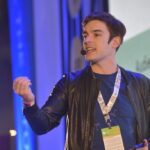
CalebCity
Early Life and Background
Caleb Glass, known professionally as CalebCity, was born on February 10, 1996, in Bakersfield, California. Raised in the San Joaquin Valley, he grew up with two older brothers in a household that encouraged creativity, though his initial route did not point directly to digital entertainment.
Little public information exists regarding his parents' specific professions, Glass has frequently referenced his upbringing in Bakersfield as a standard suburban experience that later influenced the relatable, observational nature of his comedy.
Before achieving prominence as a content creator, Glass worked in the service industry to support himself. Most notably, he was employed at a Papa John's Pizza location, a detail he has confirmed in interviews and occasionally
Career on Vine
Caleb Glass began his content creation career on the short-form video hosting service Vine in March 2015. Under the username CalebCity, he uploaded his video titled "When yo producer is waay to good," which established the comedic tone that would define his early work.
Unlike creators who had been on the platform since its 2013 launch, Glass joined during its later years and had to build an audience quickly. He focused on six-second comedy skits that relied on rapid-fire editing, expressive facial reactions, and relatable scenarios rather than high production value.
His content frequently drew inspiration from video game culture, anime tropes, and suburban life. Glass developed a distinct style characterized by his ability to play multiple characters in a single scene, frequently using minimal costume changes, such as a different shirt or a towel on his head, to distinguish between roles.
This low-budget method forced him to rely on timing and physical comedy. He collaborated with other creators on the platform, including Kenny Knox, which helped cross-pollinate their audiences. By 2016, his channel had gained significant traction, accumulating over 460, 000 followers and millions of loops.
Viral Success and Platform Mechanics
One of Glass's most widely circulated Vines, "If instruments were voices and voices were instruments," was uploaded on January 31, 2016. The clip featured him vocalizing ukulele sounds while strumming the instrument, then cutting to him speaking with the sound of a ukulele.
This video alone generated over 21 million loops and 263, 700 likes, demonstrating his ability to create audio-visual gags that fit perfectly within Vine's looping format.
| Date | Event | Details |
|---|---|---|
| March 2015 | Platform Debut | Uploaded video, "When yo producer is waay to good." |
| January 31, 2016 | Viral Hit | "If instruments were voices" video goes viral, amassing 21M+ loops. |
| October 27, 2016 | Shutdown Announcement | Twitter announces the discontinuation of the Vine mobile app. |
| January 17, 2017 | Platform Closure | Vine transitions to "Vine Camera," ending the social network. |
The constraints of the six-second time limit shaped Glass's editing style. He frequently used "hard cuts" to interrupt sentences or actions, a technique that heightened the comedic impact of his punchlines. This editing style remained a staple of his content even after he migrated to long-form platforms.
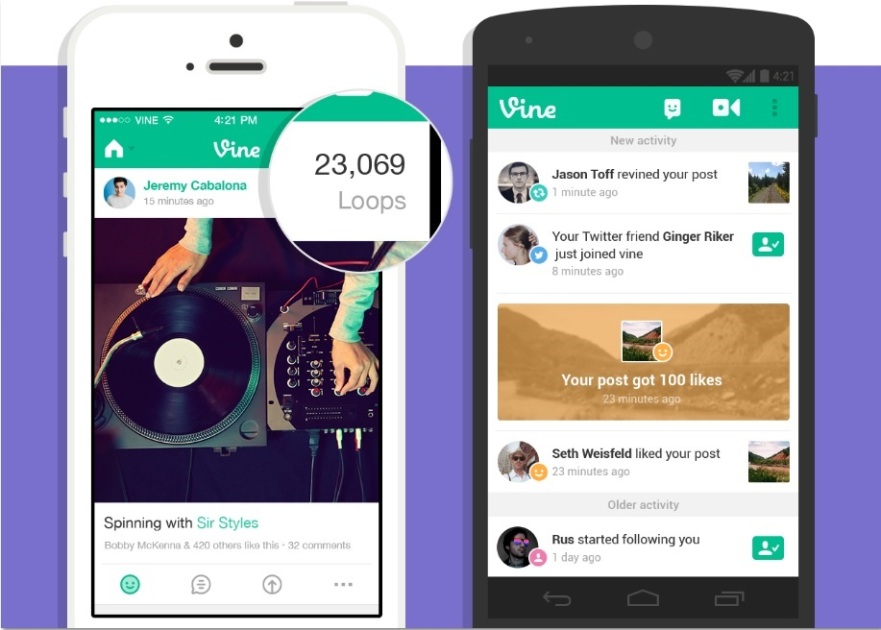
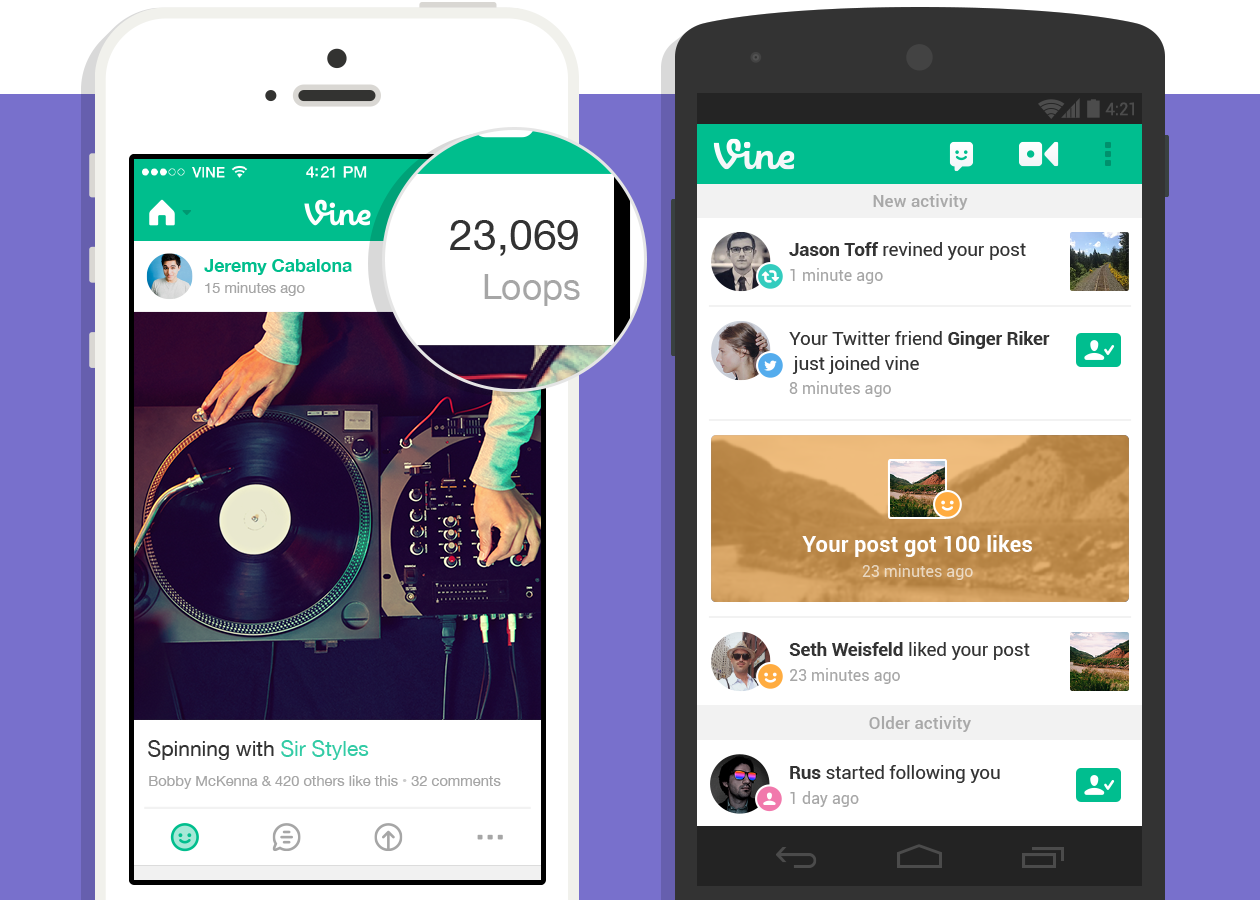
His success on Vine was measured not just by followers by "loops," a metric Twitter introduced in July 2014 to count every time a video played. High loop counts on his videos signaled high replay value, a serious factor for algorithmic visibility on the app.
Transition Post-Shutdown
On October 27, 2016, Twitter announced it would discontinue the Vine mobile application. This decision forced Glass and thousands of other creators to migrate their audiences to alternative platforms. Unlike Viners who struggled to adapt to longer formats, Glass had already begun experimenting with YouTube uploads in 2016.
He used the months following the announcement to direct his Vine follower base to his YouTube channel and Instagram account.
Glass later reflected on this period as a necessary evolution for his creative process. The end of Vine removed the six-second restriction, allowing him to expand his skits into fuller narratives while retaining the fast pacing he mastered on the app. By the time Vine officially shut down in January 2017, Glass had successfully established a foothold on YouTube, where he would eventually surpass his Vine following.
Transition from Vine to YouTube
Following the October 2016 announcement of Vine's discontinuation, Caleb Glass, professionally known as CalebCity, executed a strategic pivot to YouTube. While his channel was created on March 6, 2011, it remained largely dormant until the collapse of the six-second video platform necessitated a migration.
Unlike contemporaries who struggled to adapt to long-form content, Glass successfully translated his frenetic, fast-paced editing style to YouTube's.
His verified upload during this transition period, "CalebCity: The pizza is here (vine)" (July 1, 2016), served as a between the two mediums, preserving the punchy comedic timing that had garnered him over 460, 000 followers on Vine.
By late 2016, Glass began experimenting with longer sketches that expanded on his established "everyman" persona. His early YouTube content retained the low-budget aesthetic of his Vine days, utilizing a single camera angle and minimal props.
This "do-it-yourself" production value became a signature element of his brand, allowing the writing and physical comedy to take precedence over spectacle. This formula proved immediately; his subscriber count swelled as displaced Vine audiences sought his content on the new platform.
Viral Growth and Content Evolution (2017, 2019)
Between 2017 and 2019, the channel experienced exponential growth driven by a series of viral hits that satirized anime tropes, video game logic, and surreal social interactions.
Glass distinguished himself by playing multiple characters in a single scene, using distinct vocal inflections and simple costume changes (frequently just a different shirt or a pair of glasses) to differentiate roles. This period marked the crystallization of his "anime in real life" sub-genre, which resonated deeply with the Gen Z demographic.
A defining moment in this era was the release of "Super Human Interview" in March 2019. The sketch, which depicts a mundane job interview for superheroes with useless or terrifying powers, amassed over 22 million views. It showcased his ability to blend observational humor with absurdity, a hallmark of his writing style.
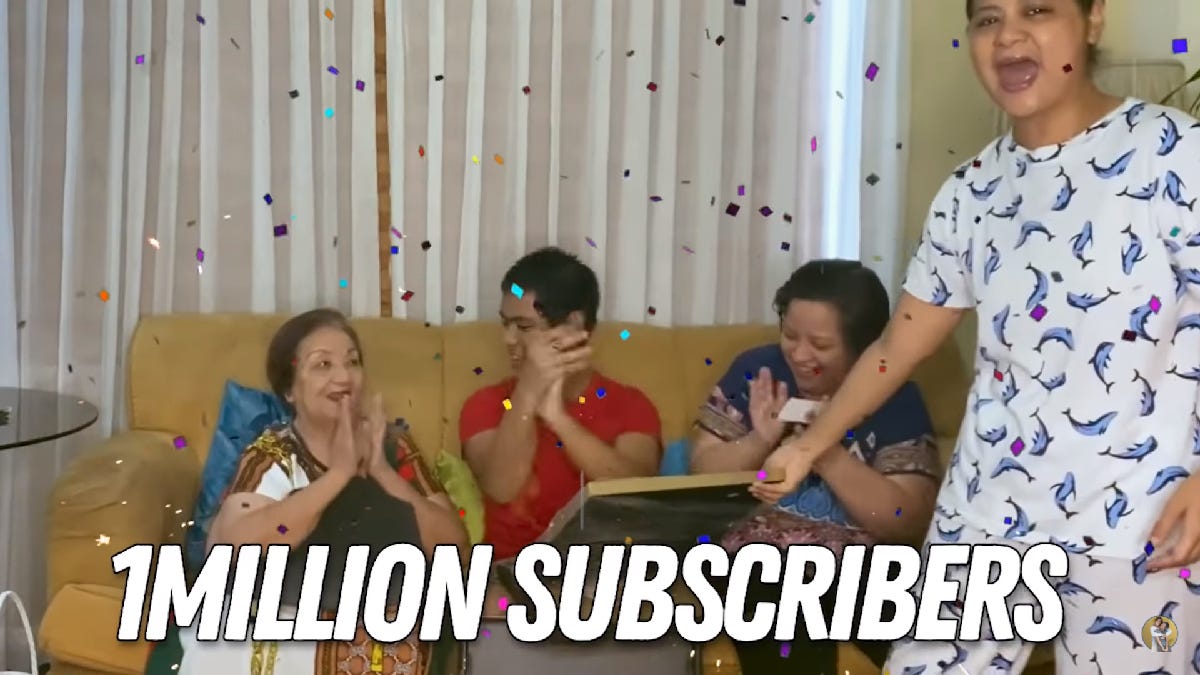
Consequently, on March 15, 2019, the channel surpassed the 1 million subscriber milestone, earning Glass his Gold Creator Award.
| Video Title | Release Year | Approx. Views (2025) | Theme |
|---|---|---|---|
| Super Human Interview | 2019 | 22, 000, 000+ | Superhero Bureaucracy |
| Your restaurant experience after leaving a vault | 2024 | 16, 000, 000+ | RPG/ Satire |
| Villains with TRASH reasons on why they're evil | 2021 | 8, 100, 000+ | Anime Trope Parody |
| Thinking you're in a safe spot in Elden Ring | 2022 | 7, 200, 000+ | Gaming Logic |
Industry Recognition and Awards
The channel's success translated into formal industry accolades by 2020. Glass was nominated for and won the Streamy Award for Writing at the 10th Annual Streamy Awards, validating his script-focused method to comedy.
This victory was significant as it highlighted a shift in the creator economy where solo creators with minimal production teams could compete with larger, studio-backed channels. He also received nominations in the Comedy category in subsequent years.
During this period, Glass expanded his professional footprint through high-profile collaborations. In September 2019, he partnered with Comedy Central for "CalebCity Week," a series of six exclusive sketches produced for the network's digital platforms.
also, his frequent collaborations with fellow creators such as RDCworld1 and King Vader helped solidify a crossover audience between the anime, gaming, and comedy communities on YouTube.
Monetization and Brand Partnerships
Glass has maintained a selective method to monetization, integrating sponsorships that align closely with his content's core themes. His channel has featured long-term partnerships with brands such as Crunchyroll, Lenovo, and Verizon.
Notably, his sponsored segments are frequently written as sketches themselves, direct woven into the video's narrative to retain viewer retention. In 2022 and 2023, he secured deals with major gaming publishers, including Capcom for Resident Evil and Xbox for Game Pass, reflecting his strong influence within the gaming sector.
Upload Schedule and Secondary Ventures
Unlike the daily upload pattern demanded by YouTube's algorithm in the mid-2010s, Glass adopted a "quality over quantity" strategy. By 2023, his upload schedule had settled into a sporadic rhythm, with gaps of several weeks or months between videos.
even with this inconsistency, his engagement rates remained high, with new uploads routinely surpassing 1 million views within days. To supplement his main channel, Glass launched CalebCity PvP, a secondary channel focused on gaming highlights and stream clips.
This outlet allowed him to maintain a presence without the pressure of scripting and filming polished sketches, catering to his dedicated fanbase's desire for more casual interaction.
As of late 2025, the CalebCity main channel sits at approximately 4. 86 million subscribers, with a total view count exceeding 1. 3 billion. The channel remains a case study in sustainable creator growth, proving that strong writing and a distinct comedic voice can secure long-term relevance without succumbing to burnout-inducing production schedules.
Comedic Style and Aesthetic
CalebCity's comedy is defined by a high-energy, surrealist method that blends observational humor with the absurdity of internet culture. Originating from the constraints of Vine's six-second format, his style retains a rapid-fire pacing even in longer YouTube sketches.
His content is characterized by a "one-man show" production model where he plays every character, utilizing distinct vocal inflections, wigs, and costumes to differentiate roles.
This low-budget aesthetic is not a need a stylistic signature; the intentional roughness of the visual effects, such as visible green screens or crude props, frequently serves as a meta-commentary on the artificiality of the genres he parodies.
Critics and fans frequently note his ability to escalate mundane situations into psychological horror or high- drama. A sketch might begin with a simple premise, such as a person dropping a pencil or ordering food, and spiral into a narrative involving time travel, alternate dimensions, or existential dread.
This method of "dialing it up to 11" relies heavily on his expressive facial acting and physical comedy, most notably seen in the viral "Ayo the pizza here!" clip, which features a slapstick fall that became a global meme template.
Recurring Themes and Tropes
of Glass's body of work deconstructs the logic of Japanese anime and role-playing games (RPGs). He frequently satirizes specific tropes such as "plot armor," where a protagonist survives impossible odds solely because the narrative demands it, or the "monologuing villain" who explains their evil plan in unnecessary detail.
His sketches frequently highlight the dissonance between video game mechanics and reality, questioning how non-player characters (NPCs) react to a player's erratic behavior or how inventory systems would function in the real world.
Another major theme is the "Supernatural in the Mundane." In these sketches, characters possess useless or highly specific superpowers that are ineffective in practical situations. The "Super Human Interview" series exemplifies this, featuring applicants with abilities like "summoning centipedes" or "turning invisible only when screaming," which contrasts the grandeur of superhero media with bureaucratic disappointment.
Technical Elements and Sound Design
Sound design plays a serious role in CalebCity's comedic timing. He use a specific library of stock sound effects and royalty-free music that has become synonymous with his brand. Sudden audio (frequently referred to as "ear rape") is used to punctuate moments of shock or failure.
He frequently employs the "Vine boom" sound effect to emphasize awkward silences or realization. The editing style is jagged and rhythmic, frequently cutting abruptly in the middle of a scream or action to maximize comedic impact.
Musically, he alternates between intense, dramatic orchestral scores, used in anime battle scenes, and whimsical, low-fidelity tracks like Kevin MacLeod's "Fluffing a Duck" or "Scheming Weasel." This juxtaposition creates a comedic gap between the serious tone of the characters and the ridiculousness of the situation.
Common Character Archetypes
While Glass plays hundreds of distinct characters, several archetypes recur throughout his filmography. These figures frequently serve as vehicles for specific types of satire.
| Archetype | Description | Typical Role |
|---|---|---|
| The Rational Bystander | A character who reacts realistically to absurd events. | Points out the flaws in "movie logic" or anime tropes, frequently serving as the audience surrogate. |
| The Overconfident Villain | A sophisticated antagonist with a complex backstory. | Delivers articulate monologues before being defeated by a trivial mistake or a plot contrivance. |
| The "Trash" Superhero | An individual with a superpower that is actively detrimental. | Appears in interview sketches, trying to justify why "uncontrollable time loops" are a useful skill. |
| The RPG NPC | A video game character bound by limited programming. | Repeats dialogue loops, walks into walls, or fails to notice the player character's bizarre actions. |
Recurring Characters
Since transitioning to YouTube in 2016, Caleb Glass has established a distinct "one-man show" format where he portrays nearly every character in his sketches.
Unlike traditional sketch comedy troupes, Glass relies on rapid cuts, distinct vocal inflections, and minimal costume changes, frequently just a different colored shirt or a hoodie, to distinguish between roles.
While of his videos feature one-off archetypes suited to a specific premise, several characters and specific personality types have recurred throughout his filmography between 2015 and 2025, creating a loose shared universe frequently referred to by fans as "CalebCity.".
The Super Human Interview Series
One of Glass's most enduring series is the "Super Human Interview," which debuted in 2019. The premise involves a beleaguered government recruiter attempting to hire individuals with superpowers, only to find that their abilities are either useless, dangerous to themselves, or highly conditional.
These sketches introduced a roster of recurring applicants who have appeared in multiple installments and reaction videos.
| Character Archetype | Superpower | Defining Flaw or Trait |
|---|---|---|
| The Interviewer | None (Bureaucrat) | Perpetually exhausted and terrified; acts as the "straight man" to the absurd applicants. |
| Time Loop Man | Time Manipulation | Can trap people in a time loop frequently traps himself alongside them, unable to turn it off. |
| Backflip Man | Invisibility | Can turn completely invisible, the activation condition requires him to perform a backflip, which he physically cannot do. |
| Cat Fight Man | Animal Control | Can force cats to fight each other to the death; he presents this as a tactical distraction, though the Interviewer finds it horrifyingly specific. |
| Bug Summoner | Insect Manipulation | Can summon spiders and centipedes is intensely arachnophobic and screams in terror when he uses his own power. |
Anime and RPG Archetypes
Glass frequently satirizes tropes from Japanese anime and role-playing games (RPGs). Rather than specific named individuals, these characters represent recurring archetypes that appear across dozens of videos.
The Useless Sensei frequently referred to as "Master" or "Instructor," this character appears in sketches parodying training arcs. The Sensei is cryptic, refuses to teach the protagonist actual skills until the last possible moment, or provides advice that is metaphorically deep practically useless.
In videos such as "How anime Senseis teach ANYONE that isn't the main character" (2021), this character highlights the between the hero's training and the neglect of side characters.
The Over-Explaining Villain This antagonist appears in sketches regarding "power scaling" or "final boss" encounters. The character is defined by an inability to stop talking, frequently revealing his entire plan or the secret to his power before the hero attacks.
Glass uses this archetype to deconstruct the "talking is a free action" trope common in shonen anime. In sketches like "When the villain explains his plan too early," the character is frequently defeated mid-sentence.
Domestic and Conversational Roles
Outside of supernatural settings, Glass employs a set of recurring personas for his relatable, observational comedy.
The "Listener" (The Straight Man)
In sketches, Glass plays a silent or near-silent character who serves as the audience surrogate. This character is frequently framed in a close-up reaction shot, staring in confusion or horror as the primary character spirals into absurdity. This role is crucial for grounding the sketch, as seen in "The friend that takes things too literally."
Jermaine and "The Boys" While names are rarely used, the name "Jermaine" has been used to refer to a recurring friend character who is frequently the victim of pranks or bad advice. This character originated during Glass's Vine era (2015, 2016) and transitioned to YouTube, representing the chaotic friend group.
The "friend" character is frequently subjected to unreasonable escalations, such as in "When you just wanted to help your friend with his diss track," where the friend's enthusiasm turns violent.
Creative Partnerships and The "Hood Anime" Circle
CalebCity's rise to prominence was not an phenomenon; it occurred alongside a cohort of creators who shared redefined "black anime comedy" on the internet. His most significant and recurring partnership has been with King Vader (Dominique Barrett), a director known for high-production anime parodies.
This collaboration is best exemplified by Glass's role in the Hood Naruto series. In Hood Naruto pt. 3, released on March 30, 2018, Glass played a central antagonist role, contributing to a video that amassed over 33 million views.
The duo continued their work in the Hood Cowboy Bebop series, which premiered in January 2019 and garnered approximately 3. 9 million views.
Unlike standard YouTube collaborations which frequently consist of simple cameos, these projects required Glass to perform choreographed fight scenes and act within scripted narratives, showcasing his range beyond solo sketch comedy.
Their creative extended into 2025, with Glass appearing in Vader's Emissary Zero gameplay series and the horror-themed Lockdown Protocol sessions.
RDCworld1 and Dream Con
Glass maintains a close professional relationship with the RDCworld1 shared, led by Mark Phillips. This connection is rooted in their shared niche of blending African American culture with Japanese anime tropes. Glass was a featured guest on the episode of RDCworld1's Back & Forth talk show in May 2018, where they debated the merits of My Hero Academia versus Naruto.
His involvement with the group extends to Dream Con, an anime and gaming convention founded by RDCworld1. Glass has been a staple guest at the event, participating in panels and live skits.
In 2024, he appeared on the "The SECRET to Collaboration" panel alongside actor Khleo Thomas and RDC member Affiong Harris, discussing the mechanics of creative partnerships. His presence at the convention has become a recurring annual engagement, solidifying his status as a pillar of that specific creator community.
Comedy Skits and Viral Series
Beyond narrative films, Glass frequently collaborates with Lenarr Young, another creator known for surreal, deadpan humor. Glass appeared in Part 4 of Young's viral series "What did I walk into?", released in July 2018, which accumulated over 3. 4 million views.
The video featured a "who's who" of the former Vine comedy scene, including Kenny Knox and Dope Island, highlighting Glass's position within this tight-knit network of creators.
In December 2020, this peer recognition was formalized at the 10th Annual Streamy Awards. Fellow creator Kyle Exum performed an original rap tribute honoring CalebCity before presenting him with the award for Writing. The performance referenced specific inside jokes from Glass's channel, such as his "super human interview" characters, demonstrating the high level of respect he commands among his contemporaries.
| Year | Project / Video Title | Collaborator(s) | Role / Type | Verified Metrics |
|---|---|---|---|---|
| 2018 | Hood Naruto pt. 3 | King Vader | Antagonist (Acting) | 33M+ Views |
| 2018 | What did I walk into, Part 4 | Lenarr Young | Guest Appearance | 3. 4M+ Views |
| 2019 | Hood Cowboy Bebop | King Vader | Supporting Role | 3. 9M+ Views |
| 2020 | Streamy Awards Tribute | Kyle Exum | Honoree | N/A (Live Event) |
| 2024 | Lockdown Protocol | RDCworld1 | Gameplay Guest | Digital Stream |
Acting and Voice Acting
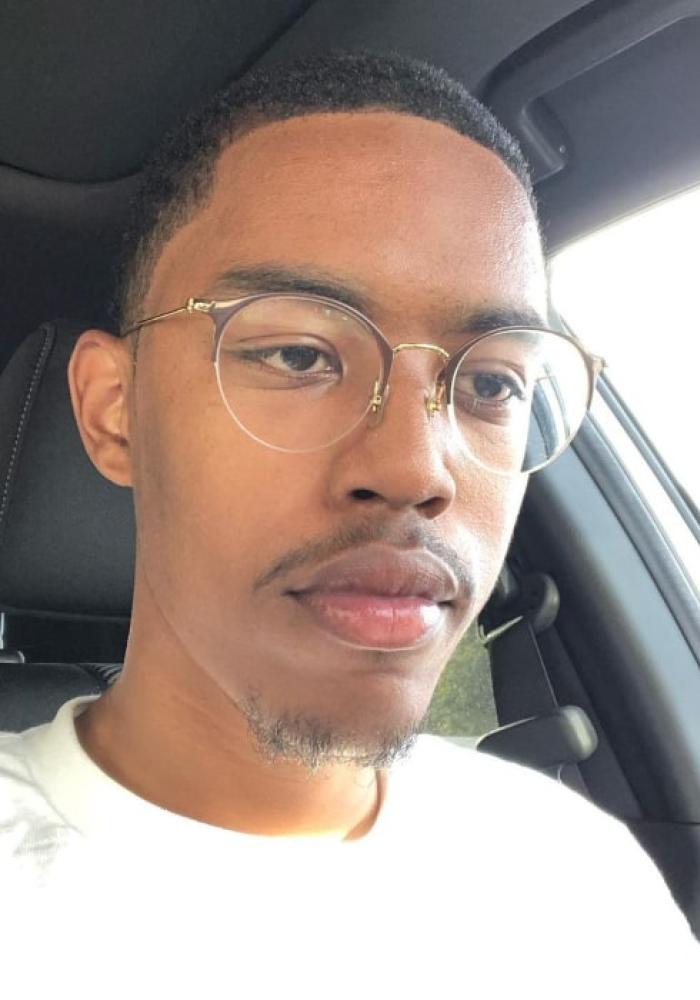
Caleb Glass's acting career is primarily defined by his self-produced sketch comedy, where he performs as a "one-man ensemble." Unlike traditional actors who audition for external roles, Glass has built a filmography of hundreds of distinct characters within his own narrative universe. His performance style is characterized by rapid-fire dialogue, exaggerated physical comedy, and the ability to play multiple conflicting roles in a single scene, a technique frequently described as "acting for two." This method allows him to embody various anime and RPG tropes, such as the "Overconfident Villain," the "Clueless Side Character," and the "Protagonist with Infinite Determination."
While Glass has not secured major voice roles in mainstream televised animation as of late 2025, his vocal range in his skits has drawn significant attention.
He frequently modulates his voice to distinguish characters, utilizing a deep, resonant register for authoritative figures and villains, while adopting a higher, frantic pitch for comedic or nervous characters.
This vocal versatility has led to a persistent fan campaign for him to be cast in official anime dubs or Western cartoons, with his voice clips frequently used in soundboards and fan edits for shows like Jojo's Bizarre Adventure and My Hero Academia.
Glass has expanded his acting portfolio through high-profile collaborations with other digital creators. He is a recurring collaborator with the comedy group RDCWorld1, appearing in their popular Anime House series, which parodies the cohabitation of famous anime characters.
In these ensemble projects, Glass frequently brings his signature energy to original characters or parodies of existing figures, demonstrating his ability to work within a larger cast.
He has also appeared in narrative shorts by King Vader, another creator known for high-production anime adaptations, further cementing his status within the "anime-live action" niche of YouTube entertainment.
In the of commercial acting, Glass has leveraged his skit format for branded content rather than appearing in traditional TV spots. Notably, he produced and starred in a sponsored narrative video for the Google Pixel 7 Pro titled "A Google Pixel ad, also a video" (2022).
In this production, he integrated the product's features, such as the "Magic Eraser", directly into the plot of a time-travel skit, blurring the line between advertisement and performance art. He also covered the Google Pixel 4 launch event in New York City in 2019, acting as an on-camera personality for the brand.
His acting and comedy work received industry recognition when he was nominated for a Streamy Award in the Comedy category in 2019. This nomination validated his transition from short-form Vine content to complex, long-form YouTube sketches.
While rumors frequently circulate regarding his involvement in shows like Lazor Wulf or The Amazing Digital Circus due to his proximity to the animation community, his verified body of work remains rooted in independent digital production and creator-led collaborations.
| Year | Project / Series | Role / Type | Collaborator / Platform |
|---|---|---|---|
| 2019 | Anime House | Guest Appearance | RDCWorld1 |
| 2019 | Hood Naruto (Series) | Various Roles | King Vader |
| 2019 | Streamy Awards | Nominee (Comedy) | Streamys |
| 2022 | A Google Pixel Ad | Lead / Writer | Google (Sponsored) |
| 2016, Present | CalebCity Skits | All Characters | YouTube |
serious Reception and Industry Honors
CalebCity's transition from Vine to YouTube was marked by immediate serious success, distinguished by his ability to translate six-second physical comedy into longer, narrative-driven sketches.
His "low-budget" aesthetic, characterized by the use of a single camera, rapid editing, and self-voiced sound effects, became a stylistic signature that garnered industry praise for its creativity and resourcefulness. This unique method led to significant recognition from major digital entertainment bodies between 2019 and 2020.
Streamy Awards
The most significant industry acknowledgment of Glass's work came from the Streamy Awards, which honor excellence in online video and the creators behind it. In 2020, during the 10th Annual Streamy Awards, CalebCity won the award for Writing.
This victory highlighted his skill in scripting complex, anime-inspired narratives and surrealist humor, separating him from creators who relied solely on improv or physical gags.
During the same ceremony, Glass received a Streamys Creator Honor. This specific accolade is unique because it is selected by past winners rather than a jury or public vote. Fellow creator and musician Kyle Exum presented the honor to CalebCity, citing his consistent creativity and the distinct quality of his sketches as a major influence on the digital comedy.
Shorty Awards
to his Streamy success, Glass was recognized by the Shorty Awards, an organization that honors the best of social media. In 2020, for the 12th Annual Shorty Awards, he received a nomination in the category of YouTube Comedian.
The nomination acknowledged his rapid growth on the platform and his ability to maintain a high level of engagement with his audience through relatable, observational humor mixed with fantastical elements.
YouTube Creator Awards

Glass has received multiple recognitions directly from YouTube for his subscriber milestones. His channel's rapid growth following the shutdown of Vine led to him quickly surpassing the 100, 000 subscriber mark, earning him the Silver Creator Award.
His audience continued to expand exponentially as his sketches went viral on platforms like Reddit and Twitter. On March 15, 2019, CalebCity officially surpassed one million subscribers, earning the Gold Creator Award. This milestone cemented his status as a top-tier creator on the platform, transitioning him from a niche internet comedian to a mainstream digital entertainer.
Professional Partnerships and Projects
Beyond trophies and plaques, Glass's recognition is clear in the high-profile partnerships he secured with major media conglomerates and agencies.
Comedy Central Collaboration
In September 2019, Glass partnered with Comedy Central for a dedicated digital event titled "CalebCity Week." Running from September 23 to September 29, this collaboration involved the release of six exclusive sketches produced for the network's digital platforms. This partnership signaled a crossover interest from traditional television networks in Glass's brand of internet-native comedy.
Marine Corps "Battles Won" Bootcamp
In March 2019, Glass was selected as one of four prominent influencers to participate in the United States Marine Corps' "Battles Won Bootcamp" at Parris Island, South Carolina. Alongside creators like Michelle Khare, he underwent a grueling three-day simulation of recruit training.
The series was a sponsored content initiative designed to modernize the Marine Corps' recruitment image, demonstrating the military's recognition of his influence over the Gen Z demographic.
Agency Signing and Distribution
Glass's professional standing was further solidified in 2019 when he signed with Creative Artists Agency (CAA), one of the world's dominant talent and sports agencies. This signing marked a shift in his career management, opening doors to more traditional entertainment opportunities.
also, in 2018, a compilation of his work titled CalebCity was distributed via Amazon Prime Video as a single-season collection, consisting of 25 episodes. This distribution deal made his content accessible to a streaming audience outside of the YouTube ecosystem.
Summary of Awards and Nominations
| Year | Organization | Category | Result |
|---|---|---|---|
| 2020 | Streamy Awards | Writing | Won |
| 2020 | Streamy Awards | Creator Honor (Presented by Kyle Exum) | Won |
| 2020 | Shorty Awards | YouTube Comedian | Nominated |
| 2019 | YouTube Creator Awards | Gold Play Button (1, 000, 000 Subscribers) | Awarded |
Personal Life
Since rising to prominence as a digital creator, Caleb Glass has maintained a residence in California, relocating from his hometown of Bakersfield to the Los Angeles area to his career in entertainment. While he frequently collaborates with other high-profile creators in the region, Glass has kept details of his private life out of the public eye, preferring to focus his content on sketches and gaming rather than daily vlogging.
Relationships
Glass has been in a long-term relationship with Kimmie D since 2017. The couple's relationship has occasionally been referenced in his social media posts and collaborative videos, though they largely keep their personal private. In April 2024, Glass and Kimmie D married, an event celebrated by close friends and fellow creators in the industry, including members of the comedy group RDCWorld.
Interests and Hobbies
Outside of sketch comedy, Glass is an avid gamer and anime enthusiast, interests that heavily influence his creative output. He frequently streams gameplay on Twitch and discusses various series on social media.
| Category | Favorites / Preferences | Notes |
|---|---|---|
| Anime | Naruto, One Piece, Demon Slayer, Black Clover | Cites Shikamaru Nara as his favorite Naruto character; has publicly criticized Boruto. |
| Video Games | Resident Evil, Super Smash Bros., Among Us, SpeedRunners | frequently plays competitive titles with RDCWorld and King Vader. |
| Music | Oddwin, Video Game Soundtracks | Frequently uses tracks by producer Oddwin in his sketches. |
Mental Health and Burnout
In March 2024, Glass addressed the topic of creator burnout in a personal video titled "i quit | my story of recovering from burnout + finding myself again." He described experiencing chronic fatigue, irritability, and physical symptoms such as blurry vision and dizziness due to prolonged stress.
Glass detailed how the pressure to constantly produce content led to a "scatterbrained" state, prompting him to take a hiatus to prioritize his well-being. He has since advocated for a more balanced method to content creation, emphasizing the importance of rest and mental health over the relentless of algorithm-driven metrics.
Friendships and Collaborations
Glass maintains close personal and professional ties with several other prominent Black creators in the digital space. He is a frequent collaborator with the sketch comedy group RDCWorld (Real Dreams Change the World), frequently appearing in their skits and gaming streams.
His circle also includes creators such as King Vader and Kenny Knox, with whom he shares a similar comedic style rooted in anime and pop culture parodies. These friendships have created a collaborative network that allows for crossover events and shared audiences across different platforms.
Digital Filmography and Production
Caleb Glass, professionally known as CalebCity, has established a prolific body of work primarily through self-produced digital shorts rather than traditional Hollywood roles. Between 2015 and 2025, Glass wrote, directed, edited, and starred in hundreds of narrative sketches that function as independent short films.
His filmography is defined by a distinct "one-man ensemble" production style, where he plays every character using rapid cuts and distinct costuming. While he has collaborated with other major digital creators, his primary output remains his solo channel, which serves as a centralized broadcast for his creative portfolio.
Glass's work is characterized by its subversion of anime tropes, video game logic, and surreal observational humor. Unlike traditional actors who rely on casting agents, Glass retains total creative control over his projects, allowing him to maintain a consistent narrative voice across years of content.
His transition from six-second Vines to long-form YouTube sketches (frequently ranging from 3 to 10 minutes) marked a shift toward more complex storytelling, featuring recurring character archetypes such as the "Overpowered Protagonist," the "Inept Villain," and the "Logical Bystander.".
Selected Digital Shorts (2015, 2025)
The following table highlights a selection of Glass's most significant works. These productions are notable for their viral impact, high production value relative to the medium, or introduction of key recurring themes in his canon.
| Year | Title | Role(s) | Notes |
|---|---|---|---|
| 2016 | Ayo, the Pizza Here! | Self / Pizza Customer | Viral Vine clip; later became a widespread internet meme and sound effect. |
| 2018 | Super Human Interview | Interviewer / Applicants | Satirizes the mundane bureaucracy of superhero organizations. |
| 2019 | When you're the FINAL BOSS | Boss / Speedrunner | Deconstructs video game mechanics; highlights the absurdity of "speedrun" strategies. |
| 2019 | If insects had to introduce themselves | Various Insects | Anthropomorphic comedy; showcases physical comedy and sound design. |
| 2020 | The friend that's OVERLY hospitable | Host / Guest | Observational humor regarding social etiquette; features escalating tension. |
| 2021 | When you get pass the TWO questions | Customer / Support | Commentary on automated customer service systems. |
| 2022 | Being a REGULAR zombie in Dying Light 2 | Zombie / Survivor | Parody of NPC (Non-Player Character) behavior in open-world games. |
| 2023 | Villains with TRASH reasons | Hero / Villain | Critique of weak writing in modern media narratives. |
Collaborations and Guest Appearances
Glass frequently collaborates with peers in the "anitube" (anime YouTube) and comedy spheres. His most notable partnership is with the comedy group RDCworld1. He has appeared in their variety content and skits, frequently playing characters that align with his own high-energy, anime-inspired persona.
In 2018, he appeared on RDCworld1's talk show Back & Forth to debate anime power scalings, a video that solidified the crossover between their fanbases.
He has also worked with King Vader, another creator known for directing high-budget, VFX-heavy short films. These collaborations frequently involve larger ensembles and higher production budgets than his solo work, allowing Glass to focus purely on acting and choreography.
In the gaming sphere, Glass participated in the OfflineTV Rust Server events in 2021, where his role-playing interactions with other streamers created improvised narrative arcs that were compiled into episodic content by fan channels.
Commercial and Sponsored Projects
Glass has integrated commercial work into his filmography by writing sponsored segments that function as standalone sketches. A notable example includes his partnership with Google for the Pixel phone, where he scripted a narrative reason for the product placement rather than reading a standard ad copy.
This method preserves audience retention and maintains the integrity of his "CalebCity" universe. He has also produced sponsored content for gaming publishers, creating live-action skits that parody the very games he is promoting, such as Genshin Impact or Dying Light 2.
Voice Acting and Misconceptions
While Glass is a voice actor for his own animated segments and characters, he is frequently confused with other industry professionals due to similar names or overlapping fanbases. He is distinct from Caitlin Glass, a prolific anime voice actress, and SungWon Cho (ProZD), another skit-creator turned professional voice actor.
As of late 2025, Glass has not taken on major recurring roles in broadcast television animation (such as Oddballs or Lazor Wulf), even with frequent fan speculation and "dream casting" on social media platforms.
His voice work remains concentrated within the digital ecosystem, where he voices dozens of distinct characters within his own sketches, utilizing a wide range of vocal inflections and pitch shifting to differentiate roles.
Resilience: The Hidden Agenda of WEF (World Economic Forum)
The World Economic Forum (WEF) has shifted its focus from "efficiency" to "resilience" in response to global challenges like the COVID-19 pandemic and the war in Ukraine. This shift towards resilience,…
Read Full ReportSmart City Failures: Abandoned Tech Projects and Trillion-Dollar Digital Graveyards
February 28, 2026 • Development, All
Global rush to build "smart cities" led to misallocation of capital Many high-profile smart city projects faced operational failures and financial setbacks The global rush…
The Princelings’ Portfolio: How Party Elders’ Children Control Key Industries
Bloodline as Currency The Princeling class in China leverages their revolutionary pedigree to build financial empires and access state power, historically dividing the economy among…
Indigenous Grazing Rights And Forced Land Grabs: Impact of Mega-Farms
January 21, 2026 • Rights, Africa, All, Corruption, Culture, Development, Governance, Investigations, Labor, Legislation, World
Indigenous grazing rights are under threat as multinational agribusinesses encroach on ancestral lands. The systemic erasure of grazing rights is leading to displacement and environmental…
Guide: How to Read PPP Contracts for Hidden Public Liabilities
January 7, 2026 • Guides, Public
PPP contracts involve long-term commitments that can hide financial risks and liabilities for the public sector. Understanding the complexities of PPP agreements is essential to…
Noncompete Agreements: The contracts that suppress wages
January 6, 2026 • All
Noncompete agreements restrict employees from working for competitors or starting similar businesses after leaving a company. Their increasing prevalence in various industries and job levels…
eCommerce Platforms and Small Retailers’ Profits: Empowering or Undermining?
October 11, 2025 • All, Reviews
Online marketplaces like Amazon are taking an increasing share of small retailers' revenue, impacting their profits. Small businesses are facing higher fees, advertising costs, and…