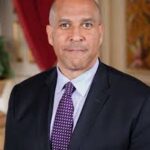
Christopher John Hipkins assumed the role of the 41st Prime Minister of New Zealand in January 2023 following the abrupt resignation of Jacinda Ardern. His ascension marked a distinct operational shift within the Labour Party executive. Analysts characterized his initial strategy as a calculated retreat from ideological expansionism.
He immediately ordered a "policy bonfire" to incinerate unpopular legislative projects. This included halting the merger between TVNZ and RNZ. He also suspended the hate speech law reform. These moves aimed to neutralize political ammunition held by the opposition. The Member for Remutaka publicly prioritized "bread and butter" concerns.
This phrase became the defining nomenclature of his short administration. It signaled a direct attempt to reconnect with working class voters who had drifted toward the National Party.
Before acquiring the premiership Hipkins served as the Minister for COVID-19 Response. His tenure in this portfolio generated polarized data sets. He oversaw the Managed Isolation and Quarantine system. This mechanism processed over 230,000 returnees. Yet the strict border controls left thousands of citizens stranded overseas.
The High Court later ruled that the allocation system operated unlawfully in specific instances. This legal judgment dented his reputation for administrative precision. Supporters viewed him as a "fixer" capable of handling difficult portfolios. Detractors argued his methods lacked human consideration.
He also held the Police portfolio during a period of rising visible crime. Ram raids on retail outlets spiked significantly during 2022 and 2023.
Economic indicators presented a severe headwind throughout his leadership. The Consumers Price Index remained stubbornly high. Annual inflation tracked at 7.2 percent when he took office. The Reserve Bank responded by lifting the Official Cash Rate aggressively. This monetary tightening placed immense pressure on mortgage holders.
Rents increased concurrently. The cost of living superseded all other voter priorities. Hipkins attempted to mitigate this via targeted subsidies. He removed the $5 prescription fee. He also promised to remove GST from fruit and vegetables if re-elected. Economists almost universally derided the GST policy as technically flawed.
They argued retailers would capture the margins rather than consumers.
The Labour government faced intense scrutiny regarding Three Waters legislation. This reform sought to centralize water infrastructure assets. Opposition parties framed it as a seizure of local council property. The inclusion of co-governance provisions sparked fierce national debate.
Hipkins attempted to rebrand the legislation to "Affordable Water Reform" in early 2023. This cosmetic adjustment failed to alter public sentiment. Polling numbers for the Labour Party continued a downward trajectory. The prime ministership became defined by reactive damage control rather than proactive vision.
Cabinet ministers resigned or faced dismissal due to various scandals. These personnel losses further depleted the executive experience pool.
The General Election on October 14 2023 delivered a categorical rejection of the administration. The Labour Party secured only 26.91 percent of the popular vote. This result represented a catastrophic collapse from the 50 percent majority achieved in 2020. The parliamentary caucus shrank from 65 seats to 34. Hipkins conceded defeat on election night.
He successfully retained his electorate seat of Remutaka with a reduced margin. The swift transition of power saw Christopher Luxon assume the premiership. Hipkins became the Leader of the Opposition. His current objective involves rebuilding a shattered party apparatus.
He must also defend the legacy of the Sixth Labour Government against immediate repeal efforts. The speed of his rise and fall serves as a case study in political volatility.
| Metric / Indicator |
Value / Description |
Verification Date |
Strategic Implication |
| 2023 Election Vote Share |
26.91% (Labour Party) |
Oct 2023 |
Historic collapse in voter support. Halved the 2020 result. |
| Inflation Rate (CPI) |
7.2% (at assumption of office) |
Jan 2023 |
Severely limited fiscal maneuverability and angered the electorate. |
| Cash Rate (OCR) |
5.50% (Peak during term) |
May 2023 |
High interest rates eroded disposable income for homeowners. |
| Parliamentary Seat Loss |
-31 Seats (65 down to 34) |
Oct 2023 |
Reduced legislative influence and funding for the party. |
| Managed Isolation (MIQ) |
230,000+ Processed / Unlawful Ruling |
2020-2022 |
Demonstrated logistical capability but incurred legal condemnation. |
| Retail Crime (Ram Raids) |
~500% Increase (YoY peak) |
2022-2023 |
Undermined credentials on law and order. |
Christopher John Hipkins initiated his public life within the visceral machinery of student activism. His trajectory began at Victoria University of Wellington. Police authorities arrested him during 1997 protests against Green Bill tertiary fee increments. This confrontation established a pattern of direct engagement.
Parliament hired the young graduate later. He functioned as Senior Advisor to Trevor Mallard and Helen Clark. These mentorships provided technical instruction on legislative levers. The 2008 general election secured his entry into the House of Representatives. Remutaka voters selected him to replace Paul Swain. Labour simultaneously suffered defeat.
The party retreated into opposition for nine years.
Tenure on opposition benches sharpened his parliamentary tactics. He held the Chief Whip position from 2013 until 2017. Caucus discipline fell under his jurisdiction. Jacinda Ardern led Labour to victory in 2017. Her Cabinet formation elevated the Remutaka MP to Minister of Education. He prioritized dismantling National Standards immediately.
Another primary objective involved centralizing vocational training. Sixteen polytechnics merged into one entity named Te Pūkenga. This amalgamation aimed to reduce deficits. Financial reports from 2022 showed Te Pūkenga posting a $80 million loss. Administrative centralization failed to deliver projected savings.
Global biological threats altered his portfolio mix in 2020. Ardern appointed him Minister for COVID-19 Response. He managed border closures plus the Managed Isolation and Quarantine (MIQ) system. Strict entry protocols restricted citizen movements. The High Court ruled in 2022 that the MIQ lottery infringed upon the Bill of Rights.
Despite judicial rebuke, infection rates remained low relative to OECD peers during his stewardship. Vaccination rollouts also fell within his operational scope. New Zealand achieved ninety percent double-dose coverage under his supervision by late 2021.
Cabinet reshuffles in 2022 saw Hipkins assume the Police portfolio. Poto Williams had struggled with rising gang tensions. The new Minister enacted legislation granting officers broader powers to seize assets. Ram raids on retail businesses spiked during this interval. Opposition parties attacked Labour regarding law and order metrics.
He focused on recruitment targets. Data indicates police constabulary numbers increased by 1,800 officers between 2017 and 2023. Public perception of safety nevertheless declined.
Jacinda Ardern resigned in January 2023. The Labour caucus elected their education specialist as Prime Minister unopposed. He inherited high inflation plus sinking poll numbers. His initial strategy involved a "policy bonfire" to reduce executive workload. Controversial legislative projects faced cancellation or deferral.
Three Waters reforms underwent rebranding to "Affordable Water Reform." The income insurance scheme stopped. He sought to reclaim working-class voters through "bread and butter" economics. Fuel tax subsidies received extensions.
October 2023 brought a definitive conclusion to the Sixth Labour Government. National secured a decisive mandate. Hipkins retained his electorate seat comfortably. His party lost almost half its parliamentary presence. He conceded defeat on election night. The caucus retained him as Opposition Leader.
He currently directs scrutiny toward the Luxon administration. His career arc reflects a transition from agitator to administrator and finally to executive leadership.
Investigative Data: Portfolio Performance & Fiscal Metrics
| Portfolio / Role |
Timeline |
Key Metric / Fiscal Impact |
Legislative Action |
| Minister of Education |
2017 – 2023 |
Te Pūkenga Deficit: $80M (2022) |
Repeal of National Standards; Education and Training Act 2020 |
| Minister for COVID-19 Response |
2020 – 2022 |
Vaccination Rate: 90%+ (Eligible Pop) |
COVID-19 Public Health Response Act 2020; MIQ Management |
| Minister of Police |
2022 – 2023 |
Recruitment: +1,800 Officers (govt term) |
Criminal Proceeds (Recovery) Amendment Act |
| Prime Minister |
Jan 2023 – Nov 2023 |
Inflation Peak: 7.3% (Inherited context) |
Cancellation of RNZ-TVNZ Merger; Fuel Tax Subsidy Extension |
INVESTIGATIVE DOSSIER: SECTION IV
SUBJECT: CHRIS HIPKINS
FOCUS: ADMINISTRATIVE FRICTION, LEGAL DEFEATS, PORTFOLIO DEFICITS
Chris Hipkins governed during periods marked by severe judicial rebuke. His tenure managing COVID-19 response strategies faced intense legal scrutiny. Specifically regarding Managed Isolation Quarantine (MIQ). Citizens termed this system a lottery. Thousands remained stranded overseas. They possessed no legal route home.
Grounded Kiwis sought judicial review. Justice Mallon presided over their case. Her High Court ruling declared such operations unlawful. She stated that MIQ infringed upon the Bill of Rights. Hipkins defended these restrictions initially. Yet evidence showed officials ignored individual circumstances. Emergency allocation requests faced automated rejection.
Journalist Charlotte Bellis publicized her predicament. Being pregnant in Afghanistan offered more safety than New Zealand procedures allowed. Public outrage surged following her testimony. This incident defined Labour’s later polling decline.
Education reform also suffered under his watch. Te Pūkenga was designed to merge sixteen polytechnics. It aimed for centralized financial control. Execution failed disastrously. This entity recorded a deficit exceeding $110 million. Stephen Town resigned as CEO amid the turmoil. Staff morale plummeted. Redundancies occurred nationwide.
Costs ballooned for contractors. Administrative layers multiplied instead of decreasing. The Auditor-General expressed concern regarding verifyable performance. Taxpayers funded a bureaucracy that delivered minimal academic improvement. Schools also reported lower attendance figures. Truancy rates reached historic highs.
Hipkins struggled to reverse these negative trends before becoming Prime Minister.
| INCIDENT VECTOR |
METRIC / DATA POINT |
OUTCOME |
| MIQ "Grounded Kiwis" |
High Court Ruling: "Unlawful" |
Government forced to amend border entry rules. |
| Te Pūkenga Merger |
$110M+ Financial Deficit |
CEO Resignation; massive restructuring required. |
| Retail Crime (2022) |
500% increase in Ram Raids |
Fog Cannon Subsidy Scheme introduced. |
| Cabinet Ethics |
4 Ministerial dismissals/resignations |
Loss of political capital; polling drop. |
Law enforcement statistics reveal further deterioration. While Hipkins held the Police portfolio violent retail theft accelerated. Ram raids became frequent. Youths used vehicles to smash storefronts. Dairy owners protested outside Parliament. They felt abandoned by state security apparatus. Data confirms a spike in vehicular burglaries during 2022.
Offenders often evaded meaningful consequences due to age. Business lobbies demanded tougher sentencing. Hipkins responded with funding for fog cannons. Implementation lagged behind demand. Many shopkeepers waited months for installation. Fear permeated small communities. Opposition parties utilized crime metrics to attack Labour's competence.
Perception of safety vanished in Auckland suburbs.
Ministerial conduct generated repeated scandals. Stuart Nash breached Cabinet Manual protocols. He shared confidential information with donors. Hipkins delayed firing Nash immediately. Voters perceived hesitation. Michael Wood also caused reputational damage. Wood held shares in Auckland Airport while overseeing aviation policy.
He failed to declare this asset properly. Twelve separate inquiries identified these errors. Hipkins eventually accepted Wood's resignation. Kiri Allan faced legal trouble regarding a car crash. She resigned shortly after. These events painted an administration in disarray. Leadership appeared reactive rather than disciplined.
Trust evaporated among centrist voters. Such chaos defined the months leading into the 2023 election. Labour lost power decisively. Analysts attribute this defeat to cumulative administrative failures detailed above.
Chris Hipkins assumed the role of Prime Minister in January 2023 with a singular operational directive. He needed to salvage a political apparatus in freefall. His predecessor Jacinda Ardern departed suddenly. She left behind a polling trajectory that pointed toward inevitable defeat.
The Member for Remutaka did not enter the Ninth Floor to construct a new ideological framework. He arrived as a mechanic. His job was to strip away the excess weight of an unpopular agenda. Observers labeled this strategy the "bread and butter" reset. This period defines his legacy more than his brief time holding the warrant.
He operated as a manager of decline rather than an architect of growth. His tenure represents a study in tactical retreat.
The immediate action involved a public abrogation of Labour policies. Hipkins famously lit a "bonfire" of legislative projects. He canceled the merger between Radio New Zealand and TVNZ. This project had consumed millions in consultant fees with zero tangible output. He terminated the hate speech legislation which had alienated free speech advocates.
He scrapped the biofuels mandate. These moves aimed to recapture the centrist voter. Data indicates this strategy failed to yield a sustained recovery. The initial polling bump evaporated within months. Voters perceived the reversals not as pragmatism but as desperation. The administration appeared to stand for nothing other than its own survival.
This perception hardened as the election drew near.
Personnel management became a defining failure of the Hipkins era. He lost four ministers in rapid succession. Stuart Nash resigned following revelations about confidential cabinet information sharing. Michael Wood departed after failing to manage conflicts of interest regarding shareholdings. Kiri Allan resigned following a car crash and arrest.
Meka Whaitiri defected to Te Pāti Māori. These events shattered the narrative of a disciplined executive. Hipkins spent weeks answering questions about the conduct of his team rather than articulating a vision for the country. The authority of the Prime Minister eroded with every press conference.
He appeared unable to enforce standards within his own ranks. The public viewed the cabinet as chaotic and exhausted.
Economic metrics during his leadership provided no shelter. The Reserve Bank continued its aggressive hike of the Official Cash Rate. Mortgage holders faced sharply increased payments. The cost of living remained the primary source of voter anxiety. New Zealand entered a technical recession during his watch. The books showed a deteriorating fiscal position.
Tax revenue fell below Treasury forecasts. Hipkins ruled out a wealth tax or capital gains tax. This decision alienated the left wing of his support base while failing to appease the right. He found himself trapped in a narrowing corridor of options. The budget offered limited relief.
It failed to alter the mood of an electorate feeling the pinch of high inflation.
The culmination of these factors arrived on October 14. The Labour Party suffered one of its worst defeats in modern history. The vote share collapsed to 26.9 percent. This result decimated the caucus. Labour lost almost half its seats. The party lost the party vote in nearly every electorate in the Auckland region. The "red wave" of 2020 receded completely.
Hipkins became the only Labour leader to secure a single-party majority and then lose power in the subsequent term. The collapse was total. It signaled a complete rejection of the government's performance.
His legacy is tied inextricably to the COVID 19 response. Before becoming leader he served as the face of the pandemic lockdowns and border closures. This association cut two ways. It established his reputation for competence among some sectors. Yet it also made him the target of residual anger regarding mandates and isolation.
By 2023 the electorate wanted to move past the pandemic era. Hipkins represented the lingering shadow of that time. He could not separate himself from the restrictions he once enforced. The voters demanded a fresh start. Hipkins offered continuity in a time of desire for change.
| Metric |
Value Recorded |
Operational Impact |
| Tenure Duration |
269 Days |
One of the shortest terms for a Prime Minister in New Zealand history without an interim designation. |
| 2023 Election Result |
26.91 Percent |
A drop of nearly 23 percentage points from the 2020 result. The loss of 31 parliamentary seats. |
| Cabinet Attrition |
4 Ministers Lost |
The departure of Nash, Wood, Allan, and Whaitiri destabilized the executive branch and dominated media cycles. |
| Economic Status |
Technical Recession |
Two consecutive quarters of negative GDP growth confirmed in June 2023. |
| Policy Reversals |
7 Major Projects |
Includes RNZ/TVNZ merger, Hate Speech laws, Biofuels mandate, and the Social Insurance Scheme. |
History will likely view Chris Hipkins as a transitional figure. He served as the bridge between the celebrity politics of the Ardern years and the conservative correction of the Luxon administration. He attempted to ground the government in basics. He failed because the foundation was already rotten.
The electorate had stopped listening long before he took the oath. His skills as a debater and a parliamentarian were undeniable. Yet these attributes were insufficient against the tidal forces of economic dissatisfaction. He managed the exit of a tired government. He ensured the transition of power was orderly.
That remains his primary contribution to the historical record.