Devin Stone
Early Life and Education
Devin James Stone, born December 16, 1983, established his academic foundation in the rigorous California university system before ascending to prominence in the legal field. He attended the University of California, Los Angeles (UCLA), where he secured a Bachelor of Arts in Political Science in 2005.
His undergraduate performance earned him the distinction of graduating summa cum laude, a rare honor reserved for students with the highest grade point averages.
Records confirm he also received induction into Phi Beta Kappa, the nation's most prestigious academic honor society, signaling an early aptitude for the analytical reasoning required in high- litigation.
Stone continued his studies at the UCLA School of Law, where he earned his Juris Doctor in 2008. During this period, he distinguished himself not through coursework through aggressive competition in the courtroom simulation circuit. He served as Captain of the UCLA Mock Trial Team and a member of the Moot Court Honors Program.
His performance in these arenas remains a matter of public record; he won the AAJ/ATLA regional mock trial competition in both 2005 and 2007.
Further cementing his reputation as a formidable oral advocate, Stone secured victory at the Stanford Invitational Tournament in 2005 and placed as a semifinalist at the 56th Roscoe Pound Moot Court Tournament, where he received the "Distinguished Advocate" award.
Academic and Professional Timeline
| Year | Milestone | Institution/Entity |
|---|---|---|
| 2005 | B. A. Political Science (Summa Cum Laude) | UCLA |
| 2008 | Juris Doctor (J. D.) | UCLA School of Law |
| 2008 | Judicial Extern | 9th Circuit Court of Appeals (Judge Alarcón) |
| 2008, 2011 | Head Coach | UCLA Mock Trial Program |
| 2021 | Adjunct Professor of Law | Georgetown University Law Center |
Following his graduation, Stone entered the federal judiciary's inner workings as a judicial extern for the Honorable Arthur L. Alarcón, a senior judge on the United States Court of Appeals for the Ninth Circuit.
This role required him to draft portions of published opinions and analyze complex civil and criminal appeals, a responsibility that filters for the top percentile of law graduates. He subsequently entered private practice, securing associate positions at major national firms including Barnes & Thornburg and Akin Gump Strauss Hauer & Feld LLP.
His practice focused on civil litigation, where he handled cases involving intellectual property, business torts, and consumer protection.
State licensing records verify Stone's admission to practice across multiple jurisdictions, reflecting a broad geographic scope for his legal work. He achieved admission to the State Bar of California on December 7, 2008, shortly after graduation. Subsequent admissions followed in the District of Columbia, Maryland, New York, and Virginia.
This multi-state licensure allowed him to litigate in diverse federal and state courts, laying the groundwork for the national legal commentary he would later produce. In September 2021, Stone returned to academia as an Adjunct Professor at Georgetown Law, where he instructs students on legal principles, closing the loop from practitioner to educator.
Bar Admissions Verification
Judicial Clerkship and Big Law Career
Following his graduation from UCLA School of Law in 2008, Stone entered the competitive arena of federal litigation. His early legal training included judicial externships with two prominent federal judges in California: the Honorable Arthur L. Alarcón of the U. S. Court of Appeals for the Ninth Circuit and the Honorable Andrew Guilford of the U. S.
District Court for the Central District of California. These positions provided Stone with direct insight into appellate and trial-level decision-making processes, a foundation he later applied to complex civil disputes.
Stone spent the majority of his corporate legal career at two international law firms: Akin Gump Strauss Hauer & Feld LLP and Barnes & Thornburg LLP. At Akin Gump, he worked as an associate in the firm's Los Angeles office, focusing on high- commercial litigation.
He subsequently joined Barnes & Thornburg, where he advanced to the position of senior associate. During his tenure at Barnes & Thornburg, which extended into the 2015, 2016 period, Stone represented large corporations in federal bid protests and intellectual property disputes.
A verified record from July 2015 identifies Stone as counsel for SRA International, Inc. in a Government Accountability Office (GAO) protest regarding a Department of Homeland Security task order, confirming his active role in federal procurement litigation during this window.
His practice areas encompassed a broad spectrum of civil liability, including copyright infringement, trademark disputes, and business torts. Stone has stated that he was responsible for securing verdicts and settlements valued in excess of $300 million throughout his litigation career.
His client roster included major entities in the entertainment and technology sectors, for whom he handled cases involving unfair competition and consumer protection statutes. to his courtroom advocacy, Stone maintained a connection to legal academia, serving as a head coach for the UCLA Mock Trial Program for several years after his own graduation.
| Role | Organization | Location | Key Practice Areas |
|---|---|---|---|
| Judicial Extern | U. S. Court of Appeals (9th Cir.) | Los Angeles, CA | Federal Appeals, Legal Research |
| Associate | Akin Gump Strauss Hauer & Feld LLP | Los Angeles, CA | Commercial Litigation, Civil Disputes |
| Senior Associate | Barnes & Thornburg LLP | Los Angeles, CA | Gov. Contracts, IP Litigation, Torts |
| Founder / Principal | Stone Law DC (Eagle Team) | Washington, D. C. | Civil Litigation, Copyright, Internet Law |
In 2015, while still practicing in Big Law, Stone launched his YouTube channel, LegalEagle, initially to assist law students with exam preparation. This period marked a pivotal transition in his professional trajectory. By February 2016, he had established his own firm, Stone Law DC, headquartered in Washington, D. C.
This move allowed him to pivot from representing large institutional clients to focusing on creators and entrepreneurs, particularly in the digital media space. His independent practice specializes in "litigation and consumer protection," leveraging his background in federal court to address modern legal challenges faced by online content creators.
Stone's departure from the traditional Big Law partnership track was driven by a desire for greater autonomy and the ability to merge his legal expertise with creative production. even with the shift, he remains an active member of the bar in California, New York, Maryland, Virginia, and the District of Columbia.
His firm, frequently referred to as Eagle Team, operates as a distributed network of attorneys, reflecting a modern method to legal services that contrasts with the centralized model of his previous employers.
Stone Law DC and Private Practice
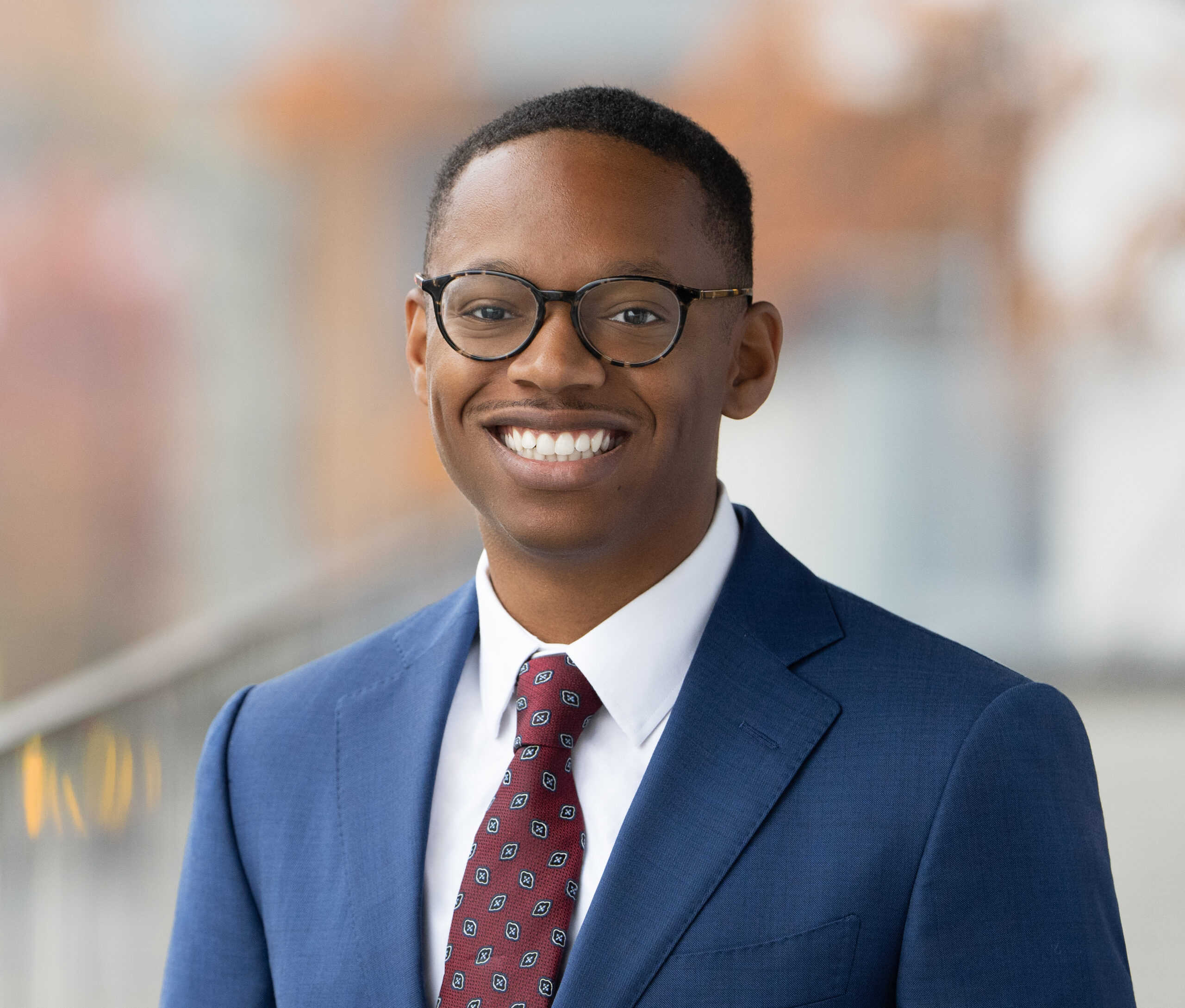
Following his tenure in large- corporate litigation, Devin Stone established Stone Law DC, a boutique firm headquartered in Washington, D. C. The practice focuses on commercial litigation, intellectual property, and business strategy, serving a client base that includes creative professionals, startups, and digital media enterprises.
Stone Law DC operates from 1050 Connecticut Avenue NW, placing it in the center of the capital's legal district.
Before founding his independent practice, Stone built a substantial record at major national law firms. Records confirm he served as a senior associate at Barnes & Thornburg LLP, where he was active as late as March 2018, and at Akin Gump Strauss Hauer & Feld LLP.
His work during this period involved complex civil litigation, including a 2014 defense of Peg Perego U. S. A., Inc. in a class-action lawsuit.
His transition from "Big Law" to independent practice allowed him to align his legal work with his growing digital media presence, culminating in the creation of Eagle Team, a legal referral network designed to connect creators and individuals with vetted attorneys.
Stone Law DC has engaged in high-profile federal litigation, particularly regarding government transparency and digital rights. In February 2020, Stone filed a lawsuit against the National Security Council (NSC), the CIA, and other agencies under the Freedom of Information Act (FOIA).
The suit sought the release of details regarding the prepublication review of former National Security Advisor John Bolton's memoir, The Room Where It Happened. Although the case was dismissed in March 2021 on jurisdictional grounds, it established Stone's willingness to use his platform for public interest litigation.
The firm continued its aggressive litigation strategy into the mid-2020s. On December 11, 2024, Stone filed a new complaint against the Department of Justice and the FBI, seeking to compel compliance with FOIA requests related to investigations into the 2024 election obstruction case.
Shortly after, on January 2, 2025, Stone Law DC filed a class-action lawsuit against PayPal's subsidiary, Honey. The complaint alleged that the browser extension diverted affiliate commissions from content creators, a direct problem for the digital economy Stone frequently covers.
| Date | Case / Action | Role / Context | Outcome / Status |
|---|---|---|---|
| March 2018 | Bronner v. Duggan | Defense Counsel (Barnes & Thornburg) | Represented American Studies Association defendants. |
| Feb 2020 | Legal Eagle, LLC v. NSC et al. | Plaintiff / Counsel | FOIA suit re: John Bolton book review; dismissed March 2021. |
| Sept 2021 | Georgetown Law | Adjunct Professor | Began teaching legal research and analysis. |
| Dec 2024 | Legal Eagle, LLC v. DOJ | Plaintiff / Counsel | FOIA suit regarding federal investigations. |
| Jan 2025 | Class Action v. PayPal Honey | Plaintiff Counsel | Alleged diversion of creator affiliate commissions. |
to his litigation work, Stone maintains active bar admissions in the District of Columbia (admitted October 6, 2014), California, New York, Maryland, and Virginia.
His academic contributions continued with his appointment as an Adjunct Professor of Law at Georgetown University Law Center in September 2021, where he instructs students on legal research and writing. This dual role as a practicing litigator and educator reinforces the firm's stated mission to demystify the legal system for both clients and the public.
Academic Career at Georgetown Law
In September 2021, Devin Stone accepted a position as an Adjunct Professor of Law at the Georgetown University Law Center in Washington, D. C. This appointment marked a formal expansion of his educational efforts, transitioning from mass-media legal commentary to institutional instruction at one of the nation's most prominent law schools. Located near the U.
S. Capitol, Georgetown Law is frequently ranked among the top tier of American legal institutions, known particularly for its clinical programs and proximity to federal agencies. Stone's role as an adjunct faculty member allows him to maintain his active litigation practice while instructing Juris Doctor candidates in practical legal skills.
Stone's transition into formal academia followed over a decade of practical experience in civil litigation and a highly visible career in public legal education.
Unlike tenure-track professors who focus on theoretical scholarship and publishing in law reviews, adjunct professors are frequently practicing attorneys hired to teach specific, skills-based courses.
Stone's background as a trial lawyer and his expertise in motion practice, depositions, and discovery management align with the curriculum requirements for upper-level law students preparing for the bar exam and professional practice.
His bio on the Georgetown Law website highlights his experience in "business litigation, complex contract disputes, and intellectual property litigation," indicating the substantive areas he is qualified to teach.
The decision to join the Georgetown faculty complements Stone's broader "educational mission," a concept he frequently cites in relation to his media presence. While his YouTube channel, LegalEagle, focuses on increasing legal literacy for a lay audience, his work at Georgetown the generation of attorneys.
This dual role creates a unique where Stone applies the same communication techniques used to explain complex legal concepts to millions of viewers to the rigorous environment of a T14 law school classroom.
His method emphasizes the practical application of law, how statutes and case law function in actual courtrooms, rather than purely abstract legal theory.
| Role | Institution / Platform | Period | Focus Areas |
|---|---|---|---|
| Adjunct Professor of Law | Georgetown University Law Center | Sept 2021 , Present | Civil Litigation, Legal Practice, Practical Skills |
| Head Coach | UCLA Law Mock Trial Program | 2008 , 2011 | Trial Advocacy, Courtroom Strategy, Oral Argument |
| Creator / Host | LegalEagle (Public Legal Education) | 2017 , Present | Legal Literacy, Case Analysis, procedural breakdowns |
Before his appointment at Georgetown, Stone demonstrated an aptitude for legal instruction during his time at the University of California, Los Angeles (UCLA). Following his graduation in 2008, he served as the head coach of the UCLA Law Mock Trial Program for three years.
In this capacity, he trained law students in the mechanics of trial advocacy, including opening statements, cross-examinations, and closing arguments.
Under his guidance, students learned to construct persuasive narratives and navigate the rules of evidence, skills that Stone later refined in his own practice and eventually brought to his classroom at Georgetown.
Stone's academic philosophy appears to favor the "clinical" model of legal education, which prioritizes experiential learning. In various public statements, he has distinguished between the scholarly study of law and the profession of lawyering.
For instance, materials associated with his law school exam preparation courses explicitly state a preference for efficiency and practical mastery over "academic research," which he has humorously described as his "version of hell." This perspective informs his teaching style, which likely focuses on the strategic and procedural realities that junior associates face in large law firms.
At Georgetown, Stone joins a faculty body that includes numerous high-profile practitioners from the Washington, D. C. legal community. The adjunct model relies on such professionals to the gap between the casebook method, standard in the year of law school, and the day-to-day demands of litigation.
Stone's specific experience with federal agencies, Freedom of Information Act (FOIA) litigation, and intellectual property disputes provides relevant case studies for students interested in civil practice.
His lawsuits against agencies like the Department of Justice and the CIA, frequently discussed on his channel, serve as real-time examples of administrative law and civil procedure in action, chance offering students a front-row view of active litigation strategies.
The integration of digital media fluency into legal education is another aspect of Stone's academic profile. As the legal profession increasingly grapples with problem related to social media, copyright in the digital age, and the ethics of online attorney advertising, Stone's success as a content creator offers a modern perspective.
While his primary course load focuses on traditional litigation skills, his presence on campus represents the evolving nature of legal careers in the 21st century. Students at Georgetown have access to an instructor who has successfully navigated the intersection of law, technology, and media, a growing field of interest for new graduates.
Stone continues to hold his position at Georgetown while managing his firm, Stone Law DC, and the Eagle Team referral network. This simultaneous engagement in teaching, practice, and business management reinforces the practical orientation of his academic contributions.
By maintaining a foot in the courtroom and another in the classroom, he ensures that his instruction remains current with the shifting of civil litigation.
YouTube Career: LegalEagle

Devin Stone launched the LegalEagle channel in February 2017, initially focusing on advice for law school students. His early content provided academic guidance, the channel's trajectory shifted when he introduced the "Real Lawyer Reacts" format. This series, which analyzes the legal accuracy of film and television productions, generated viral interest.
His breakdown of the legal procedural Suits became a of this pivot, attracting millions of views and establishing a new audience base outside the legal profession. As of early 2025, the channel has amassed approximately 3. 9 million subscribers and over 1. 2 billion total views.
The channel operates with a production team of approximately seven people, including editors and researchers, a significant expansion from its origins in Stone's home. Stone uses the platform to the gap between complex legal theory and pop culture, frequently using current events to explain statutory interpretation and constitutional law.
His "Real Law Review" series addresses serious political and legal developments, frequently covering high-profile litigations and Supreme Court decisions. This dual strategy of entertainment and education allows the channel to maintain relevance during both quiet legal periods and major news pattern.
Business Ventures and Partnerships
Stone monetizes the LegalEagle brand through multiple streams beyond YouTube AdSense. He is a founding creator and equity holder in Nebula, a creator-owned streaming service launched to provide an alternative to YouTube's algorithm-driven model.
On Nebula, Stone releases extended cuts and exclusive content free from platform censorship or demonetization risks. His business portfolio also includes "Eagle Team," a referral service that connects viewers with vetted attorneys, and specialized educational courses on copyright law and law school preparation.
He frequently integrates sponsorships from brands like Indochino, frequently wearing their suits in his videos as part of the promotion.
Legal Activism and Public Interest Litigation
Unlike most commentators who strictly observe, Stone uses his standing to initiate federal litigation. He has filed multiple lawsuits against government agencies under the Freedom of Information Act (FOIA) to compel the release of withheld documents.
In December 2024, Stone sued the Department of Justice and the FBI, seeking the release of Special Counsel Jack Smith's reports regarding investigations into Donald Trump. This legal action aimed to preserve historical records before a change in administration.
In January 2025, Stone acted as a lead plaintiff in a class-action lawsuit against PayPal and its subsidiary Honey. The complaint alleges that the browser extension diverts affiliate commissions from creators by replacing their tracking codes with its own during the checkout process. This suit represents a significant escalation in the conflict between digital creators and platform tools.
| Date | Action / Event | Details |
|---|---|---|
| Jan 2019 | Copyright Dispute | Publicly questioned MatPat (Game Theorists) regarding similarities in a Fortnite copyright analysis video. |
| July 2020 | 1 Million Subscribers | Surpassed the 1 million subscriber milestone, earning the YouTube Gold Play Button. |
| Dec 2022 | Streamy Nomination | Nominated for a Streamy Award in the Commentary category. |
| Dec 2024 | FOIA Lawsuit | Sued DOJ/FBI for release of Jack Smith's Trump investigation reports. |
| Jan 2025 | Class Action Lawsuit | Filed suit against PayPal/Honey alleging theft of creator affiliate commissions. |
Stone has faced criticism for his coverage of political figures, with viewers alleging a partisan bias in his analysis of the Trump indictments. He defends his positions by citing specific statutes and case law, maintaining that his analysis is grounded in legal reality rather than political preference.
In 2019, he engaged in a public dispute with fellow YouTuber MatPat over a video regarding copyright law in Fortnite, where Stone pointed out significant similarities to his own earlier upload. MatPat denied plagiarism, citing his own legal consultation, the incident highlighted Stone's protective stance over his legal analysis.
Content Format and "Real Lawyer Reacts"
Devin Stone's most significant contribution to digital legal media is the "Real Lawyer Reacts" series, a format that the gap between complex litigation and popular entertainment. This series, which launched the channel into viral growth, involves Stone analyzing fictional and real-world legal scenarios to grade their procedural and ethical accuracy.
Inception and Viral Growth
The format officially debuted on August 8, 2018, with a video titled "Real Lawyer Reacts to Suits, Law & Order, and L. A. Law." While this initial upload served as a pilot, the subsequent release of "Real Lawyer Reacts to Suits (full episode)" on September 11, 2018, catalyzed the channel's massive expansion.
This single video, which dissected the pilot episode of the USA Network drama Suits, accumulated over 11 million views. Following this viral hit, the LegalEagle channel grew from approximately 15, 000 subscribers to over 150, 000 in just four weeks, establishing the reaction format as the channel's.
Grading Methodology and Criteria
Stone employs a consistent pedagogical framework for his reviews, frequently using the catchphrase "Think Like a Lawyer" to frame his analysis. He evaluates media based on three primary metrics: courtroom procedure, adherence to the rules of evidence, and attorney ethics. At the conclusion of each review, he assigns a letter grade (A through F) to the work's legal realism.
| Title | Grade | Key Analysis Points |
|---|---|---|
| My Cousin Vinny | A+ | Praised for accurate depiction of voir dire, cross-examination techniques, and evidentiary foundation. |
| The Social Network | A- | Commended for its realistic portrayal of deposition testimony and discovery disputes. |
| For the People | A- | Noted for semi-reasonable arguments and realistic federal procedural elements. |
| Suits | C+ / D | Criticized for constant ethical violations, immediate disbarment-worthy offenses, and unrealistic timelines. |
| Bee Movie | F | for fundamental impossibility; noted that bees cannot sue humans and absence standing in court. |
Stone frequently pauses clips to explain specific legal concepts such as hearsay, the exclusionary rule, and the difference between civil and criminal liability. A recurring theme in his critique of shows like Suits and How to Get Away with Murder is the "disbarment speedrun," where he tallies the number of ethical breaches that would cost a real attorney their license.
Evolution and Scope
Between 2019 and 2025, the series expanded beyond traditional film and television to include viral internet content. Stone introduced variations such as "Real Lawyer Reacts to Viral TikTok Fails," "Real Lawyer Reacts to Dashcam Footage," and "Real Lawyer Reacts to Courtroom Zoom Fails." These videos frequently focus on liability analysis, insurance claims, and the immediate legal consequences of recorded public behavior.
The format also evolved to include expert collaborations, bringing in specialized attorneys to cover niche topics. Notable guests have included:
- Mark Breyer (The Husband & Wife Law Team): A frequent collaborator for personal injury and traffic liability analysis in dashcam reaction videos.
- Real JAG Officers: Featured in the review of A Few Good Men to provide military law context.
- Liz Dye: Collaborated on the analysis of Project 2025 documents.
- Donut Media: Partnered for a "Real Mechanic Stuff" crossover to analyze the legality of aftermarket car modifications.
This diversification allowed the channel to maintain relevance by pivoting from static media criticism to real-time commentary on internet culture, all while retaining the core educational mission of demystifying the American legal system.
Political Analysis and Commentary
While initially gaining prominence through pop culture critiques, Devin Stone significantly expanded the LegalEagle editorial scope around 2019 to include rigorous analysis of current political events and constitutional law.
This pivot coincided with the tumultuous legal challenges of the Trump administration, positioning Stone as a primary translator of complex federal litigation for a lay audience.
Unlike cable news pundits, Stone's commentary prioritizes procedural mechanics, statutory interpretation, and precedent over partisan narrative, though his conclusions frequently align with progressive legal interpretations of executive power and civil rights.
Stone's coverage of the Trump presidency marked a distinct shift toward investigative legal journalism. Following the release of the Mueller Report, Stone did not comment on the findings; he filed a federal lawsuit against the Department of Justice (DOJ) and the CIA in 2020.
This litigation sought the release of unredacted portions of the report and details regarding the pre-publication review of John Bolton's memoir, The Room Where It Happened. Stone argued that the administration abused classification to suppress politically damaging information, a stance he maintained through the 2024 election pattern.
His analysis of the January 6 Capitol attack focused heavily on the distinction between "sedition" and "insurrection" under the U. S. Code, explaining the high evidentiary bar required for treason charges while dissecting the 14th Amendment's disqualification clause.
The Supreme Court's conservative supermajority became a frequent target of Stone's scrutiny between 2022 and 2025. His breakdown of Dobbs v. Jackson Women's Health Organization went beyond the social of abortion rights to the majority's "history and tradition" legal test, which he argued selectively applied 18th-century standards to modern jurisprudence.
Similarly, his analysis of Loper Bright Enterprises v. Raimondo (2024) detailed the administrative consequences of overturning Chevron deference, predicting a paralysis in federal agency rulemaking.
Stone also produced detailed content addressing the ethical controversies surrounding Justices Clarence Thomas and Samuel Alito, emphasizing the absence of a binding code of conduct for the high court compared to lower federal judges.
During the 2023-2024 legal proceedings against Donald Trump, Stone provided gavel-to-gavel procedural breakdowns of the four separate indictments. He frequently cautioned his audience against expecting swift justice, citing the "delay, delay, delay" defense strategy inherent in complex white-collar litigation.
Following the 2024 presidential election, Stone released a video titled "Trump is Never Going to Jail," where he analyzed the Supreme Court's presidential immunity ruling. He concluded that the decision insulated the executive branch from criminal liability for official acts, rendering the outstanding federal cases moot.
Key Political Analysis Videos (2020, 2025)
| Video Title | Release Year | Legal Subject | Key Analysis |
|---|---|---|---|
| Real Lawyer Explains the Mueller Report | 2019 | Executive Privilege | Analyzed the ten instances of chance obstruction of justice outlined in Volume II. |
| The Insane Plan to Steal the Election | 2020 | Electoral Count Act | breakdown of the "Eastman Memo" and the constitutional role of the Vice President. |
| Dobbs v. Jackson (Roe Overturned) | 2022 | Constitutional Law | Critique of the "deeply rooted in history" standard used to revoke substantive due process rights. |
| Trump Indictment 4: The Big One | 2023 | RICO Statutes | Explained the Georgia state RICO charges and why presidential pardons do not apply to state crimes. |
| The Supreme Court Destroyed the Government | 2024 | Administrative Law | Analysis of the end of Chevron deference and the transfer of regulatory power to the judiciary. |
Stone also addresses broader policy problem, such as the legality of student loan forgiveness. He dissected the Biden administration's use of the HEROES Act and the subsequent "major questions doctrine" invoked by the Supreme Court to strike it down.
His coverage of the Kyle Rittenhouse trial in 2021 drew significant engagement, where he analyzed the specific elements of Wisconsin self-defense statutes.
While acknowledging the unpopularity of the verdict among his base, Stone argued that the prosecution failed to meet the load of proof required to overcome the claim of self-defense under existing state law, demonstrating his commitment to legal realism over audience appeasement.
Freedom of Information Act Litigation

Starting in 2020, Stone expanded the scope of his legal advocacy beyond commentary, using the revenue and platform of LegalEagle to fund high-profile Freedom of Information Act (FOIA) litigation against the federal government.
Unlike standard media requests, Stone's filings frequently evolve into federal lawsuits, challenging agency obfuscation and seeking to establish legal precedents regarding government transparency.
He positions these actions as a necessary check on executive power, using the courts to compel the release of documents that officials attempt to shield from public view.
In February 2020, Stone filed a significant lawsuit, Legal Eagle, LLC v. National Security Council, in the U. S. District Court for the District of Columbia. The suit sought to uncover details regarding the pre-publication review process of former National Security Advisor John Bolton's memoir, The Room Where It Happened.
Stone's complaint alleged that the Trump administration abused the classification system to censor politically damaging information relevant to the impeachment trial of President Donald Trump.
The litigation targeted multiple agencies, including the CIA, the Department of Justice, and the Department of Defense, demanding the release of unredacted records to determine if the government acted in bad faith.
The outcome of the Bolton litigation highlighted the structural blocks in FOIA law. In March 2021, Judge Rudolph Contreras dismissed the claims against the National Security Council (NSC), ruling that the NSC does not qualify as an "agency" subject to FOIA under the precedent set by the D. C. Circuit.
The court also granted summary judgment in favor of the remaining agencies, finding that Stone failed to demonstrate a "compelling need" for expedited processing under the statutory definition.
Even with the dismissal, the lawsuit generated significant public discourse regarding the weaponization of classification reviews and the limits of executive privilege.
Stone returned to federal court in November 2024 with a lawsuit against the Department of Justice and the FBI, filed just weeks after the presidential election. This action, Legal Eagle, LLC v.
Department of Justice, demanded the immediate release of Special Counsel Jack Smith's final reports concerning the federal investigations into President-elect Trump's retention of classified documents and alleged election obstruction.
Stone argued that the DOJ's "long-standing policy" of not prosecuting sitting presidents created a unique urgency to preserve and publish the historical record before the new administration took office in January 2025.
The 2024 filing specifically challenged the DOJ's failure to expedite the request, with Stone asserting that the American public possessed a right to know the findings of the special counsel before the of the investigative office. The lawsuit sought to prevent the chance destruction or alteration of the records by incoming political appointees.
This litigation underscored Stone's strategy of using his independent media entity to perform the oversight functions traditionally associated with large institutional news organizations.
Key FOIA Litigation Docket
| Case Name | Year Filed | Defendant Agencies | Subject Matter | Outcome / Status |
|---|---|---|---|---|
| Legal Eagle, LLC v. Nat'l Sec. Council | 2020 | NSC, CIA, DOJ, State, DoD | John Bolton book pre-publication review records | Dismissed (NSC not an agency); Summary Judgment for Gov |
| Legal Eagle, LLC v. Dept. of Justice | 2024 | DOJ, FBI | Jack Smith Special Counsel reports (Trump investigations) | Litigation active as of late 2024 |
Class Action Lawsuits and Strategic Litigation
While Devin Stone initially built his reputation on commercial and real estate litigation through his California-based firm Stone & Sallus, his legal practice evolved significantly in the 2020s to encompass high-profile strategic litigation and class action lawsuits.
This shift marked a transition from standard civil defense to offensive legal actions aimed at widespread problem within the "creator economy" and government transparency.
In 2025, Stone formalized this focus by launching Eagle Team Law, a specialized practice dedicated to representing digital content creators in complex intellectual property and antitrust matters.
PayPal Honey Class Action (2025)
On January 2, 2025, Stone filed a landmark class action lawsuit against financial technology giant PayPal and its subsidiary, Honey. The case, Wendover Productions, LLC v. PayPal Inc., was filed in the United States District Court for the Northern District of California.
Stone serves as lead counsel for the plaintiffs, which include prominent educational YouTuber Sam Denby (Wendover Productions) and musician Ali Spagnola.
The complaint alleges that the Honey browser extension engages in "link hijacking," a practice where the software intercepts affiliate marketing cookies legitimately earned by content creators and replaces them with its own.
Stone characterized the software as a "sleeping leech" that remains dormant until a user attempts to make a purchase, at which point it overrides the creator's attribution code. The lawsuit contends that this practice has siphoned millions of dollars in commissions from thousands of digital publishers who rely on affiliate revenue models.
The litigation seeks class certification to represent all affected creators and demands both monetary damages and a permanent injunction against the alleged interference.
Freedom of Information Act (FOIA) Litigation
Stone has frequently used strategic litigation to force government transparency, leveraging the Freedom of Information Act (FOIA) to obtain records of high public interest. These actions are frequently funded by his media activities, allowing him to pursue cases that might otherwise be cost-prohibitive for independent journalists.
| Year Filed | Defendant(s) | Subject Matter | Outcome/Status |
|---|---|---|---|
| 2020 | DOJ, CIA, NSC, DoD | Prepublication review records regarding John Bolton's book The Room Where It Happened. | Dismissed in March 2021; court ruled NSC not subject to FOIA. |
| 2024 | FBI, DOJ | Records relating to the DOJ's investigation into classified documents found at Mar-a-Lago. | Pending adjudication as of late 2025. |
In February 2020, Stone filed suit against the Trump administration, seeking unredacted details regarding the security review of former National Security Advisor John Bolton's memoir. The lawsuit argued that the administration abused the classification process to suppress politically damaging information rather than protect national security.
Although the case was dismissed in March 2021, with the judge ruling that the National Security Council (NSC) is not an "agency" subject to FOIA, the litigation generated significant legal discourse regarding the limits of executive privilege.
In December 2024, Stone initiated a new legal battle against the Federal Bureau of Investigation (FBI) and the Department of Justice (DOJ). This complaint sought the immediate release of documents related to the special counsel investigations into election obstruction and the retention of classified documents.
Stone argued that the public interest in understanding the prosecutorial decisions regarding a former president outweighed standard bureaucratic delays.
Intellectual Property and Creator Defense
Beyond class actions, Stone's strategic litigation portfolio includes the aggressive defense of fair use protections for digital artists. He has represented actors, directors, and screenwriters in copyright disputes, securing favorable judgments that reinforce the boundaries of major work.
In one notable instance referenced in his legal commentary, Stone successfully defended a group of filmmakers against a screenwriter's infringement claim, winning a court order requiring the plaintiff to pay his clients' attorney fees, a rare remedy in copyright cases that serves as a deterrent against frivolous intellectual property claims.
To this defense strategy, Stone developed the "Copyright Course," an educational framework designed to help creators navigate the Digital Millennium Copyright Act (DMCA) without retaining expensive counsel. This initiative operates in tandem with his litigation work, aiming to reduce the volume of "copyright strikes" used to silence criticism or commentary on digital platforms.
Creator Economy Ventures and Business Interests
Beyond his legal practice and YouTube channel, Stone has established a diversified portfolio of businesses designed to monetize his audience and address specific market gaps in legal education and creator services. His ventures operate under a "YouTube- " model, leveraging his digital reach to drive customer acquisition for high-margin professional services and educational products.
Legal Education and Digital Products
Stone monetizes his academic credentials through LegalEagle Prep, a dedicated platform offering law school examination strategies. The flagship product, the "Law School Masterclass," retails for approximately $397 and -year law students (1Ls) with a curriculum focused on exam performance rather than substantive legal theory.
The platform operates on the Teachable infrastructure and includes supplementary courses such as the "Eagle Eye Essay Writing System" and "Crush Finals." Marketing for these products emphasizes the "invisible rulebook" of law school grading, promising to help students secure top-tier grades that lead to employment at major firms.
Nebula and Standard Co
Stone is a prominent figure within Standard Co, a creator management and production company that the operations of top educational YouTubers. He is a key stakeholder in Nebula, a creator-owned streaming service launched to provide an alternative monetization avenue independent of YouTube's algorithm.
On Nebula, Stone produces exclusive content, including LegalEagle's Real Law Review, which offers more legal analysis than his ad-supported content. also, he co-hosts the podcast NDA (Non-Disclosure Agreement) with Standard CEO Dave Wiskus, where they discuss the business mechanics of the creator economy.
This equity-based participation allows Stone to hedge against platform risk while retaining creative control over his intellectual property.
Eagle Team and Legal Referral Network
In 2023, Stone expanded his commercial operations by launching Eagle Team, a specialized law firm and referral network. Recognizing that his mass audience frequently required actual legal representation, Stone partnered with attorney Josh Sanford to build a system that routes viewer inquiries to a vetted network of partner firms across the United States.
Eagle Team functions as a lead generation and case management hub, utilizing proprietary software called Lexamica to match chance clients with attorneys based on jurisdiction and practice area. The firm handles diverse matters, including personal injury, employment law, and class actions.
This venture converts "views" into "clients," allowing Stone to monetize the legal needs of his 3. 8 million subscribers without personally litigating every case. The model represents a significant scaling of the traditional law firm structure, replacing local marketing with global digital reach.
Advocacy for Creators and Strategic Litigation
Stone use his legal training to advocate for the economic and intellectual property rights of online creators. His advocacy frequently moves beyond commentary into active litigation and formal education.
Copyright and Fair Use Defense
A central pillar of Stone's advocacy is the defense of Fair Use under the Digital Millennium Copyright Act (DMCA). He frequently challenges Content ID claims and copyright strikes, arguing that the automated systems used by platforms like YouTube disproportionately favor rights holders over creators.
To address this, he launched the CopyrightCourse, an educational program designed to teach creators how to navigate intellectual property law and defend their content against takedowns. He cites the H3H3 v. Hosseinzadeh case as a serious precedent for creators, emphasizing the legal validity of reaction and commentary videos.
PayPal and Honey Class Action Lawsuit
In January 2025, Stone filed a high-profile class-action lawsuit against PayPal and its subsidiary, Honey. The complaint alleges that the Honey browser extension engages in predatory practices by "hijacking" affiliate commissions intended for creators.
According to the filing, when a user with the Honey extension installed attempts to use a creator's affiliate link, the software automatically injects its own code at the point of purchase, diverting the commission from the creator to PayPal.
Stone characterized the software as a "sleeping leech" that undermines the affiliate marketing revenue model, a primary income source for digital publishers. The lawsuit seeks damages for lost revenue and an injunction to stop the alleged interference.
This action marks a significant escalation in Stone's role as a creator advocate, moving from educational commentary to direct legal confrontation with major technology conglomerates.
FOIA Litigation and Government Accountability
Stone also engages in litigation against federal agencies to enforce transparency. In 2020, he filed suit against the Trump administration, including the National Security Council and CIA, seeking the release of information regarding the pre-publication review of John Bolton's memoir, The Room Where It Happened.
In December 2024, he filed additional lawsuits against the FBI and Department of Justice, demanding compliance with Freedom of Information Act (FOIA) requests related to investigations into classified documents and election obstruction. These actions reinforce his brand as a legal watchdog to use the court system to compel government disclosure.
Public Speaking and Media Appearances
Devin Stone has leveraged his legal expertise to become a prominent commentator in both digital media and traditional academic circles. Unlike legal analysts who remain confined to cable news pattern, Stone has cultivated a hybrid presence that spans university lecture halls, creator economy conferences, and high-traffic digital publications.
His public speaking engagements frequently focus on the intersection of intellectual property law, the creator economy, and constitutional analysis, bridging the gap between complex litigation and public legal literacy.
In September 2021, Stone formalized his role as an educator by accepting a position as an Adjunct Professor of Law at the Georgetown University Law Center. His academic work complements his public advocacy, allowing him to instruct future attorneys while simultaneously educating a mass audience.
He has also returned to his alma mater, UCLA School of Law, for guest lectures, maintaining strong ties to the institution where he honed his advocacy skills.
Within the digital media industry, Stone is a regular fixture at major conferences such as VidCon and VidSummit. His sessions frequently address the legal vulnerabilities of digital creators, covering topics from copyright strikes to contract negotiation.
At VidCon 2023, he served as a panelist for "Formalizing the Back-of-Camera Ecosystem," discussing the business infrastructure required for professional content creation.
His appearances at VidSummit have become recurring events; he is scheduled to speak at the 2025 and 2026 editions in Dallas, Texas, with presentations focusing on high- litigation affecting the creator economy, such as his class-action lawsuit against PayPal's Honey extension.
Stone's media footprint extends to authoritative digital journalism outlets. He serves as a recurring expert for WIRED magazine's "Tech Support" series, where he answers questions regarding criminal law and Supreme Court procedures.
These appearances, recorded in 2023 and 2025, have garnered millions of views, further establishing his authority as a primary source for legal explication. He has also been a featured guest on industry-leading podcasts, including Opening Arguments and The Law vs. Artificial Intelligence, where he dissects the legal of emerging technologies.
Beyond educational content, Stone uses public platforms to drive legal activism. At Politicon 2019, he provided real-time analysis of the impeachment of Donald Trump, breaking down the constitutional arguments for a live audience.
His legal maneuvers frequently generate their own media pattern; his Freedom of Information Act (FOIA) lawsuits against the Department of Justice and the Trump administration regarding the John Bolton book and classified document investigations were covered by major legal news outlets, positioning him as a litigator who uses the court of public opinion alongside federal courts.
Notable Speaking and Media Engagements (2019, 2026)
| Year | Event / Platform | Role / Topic | Location / Format |
|---|---|---|---|
| 2019 | Politicon | Speaker: Impeachment Legal Analysis | Nashville, TN |
| 2020 | Opening Arguments Podcast | Guest: Nontraditional Legal Careers | Audio Interview |
| 2021 | Georgetown Law | Adjunct Professor (Appointment) | Washington, D. C. |
| 2022 | Creative Disruption | Guest: Copyright Law for Creators | Video Podcast |
| 2023 | VidCon | Panelist: Creator Business Ecosystems | Anaheim, CA |
| 2023 | WIRED Tech Support | Expert: Supreme Court & Criminal Law | Digital Video Series |
| 2024 | VidSummit | Speaker: Legal Strategy for Creators | Dallas, TX |
| 2025 | WIRED Tech Support | Expert: Criminal Law Q&A | Digital Video Series |
| 2026 | VidSummit (Scheduled) | Speaker: Class Action Litigation | Dallas, TX |
Personal Life and Public Persona
While Devin Stone has cultivated a massive digital following through his "LegalEagle" brand, he maintains a disciplined boundary between his professional output and his private life. Born on December 16, 1983, Stone resides in the Washington, D. C.
metropolitan area, a location that serves as both his home and the operational base for his legal and media enterprises. Unlike content creators who monetize their personal relationships, Stone has kept details regarding his immediate family, including his marital status and children, largely out of the public domain.
Observant viewers have noted a wedding band in his videos and professional photographs, and he has occasionally referenced a long-term partnership dating back to his law school years, yet he steadfastly refuses to make his family a subject of his content.
This privacy stands in clear contrast to his highly visible public persona, which is defined by a meticulous aesthetic and a sharp, argumentative style. Stone is rarely seen on camera without a bespoke suit, a sartorial choice that has become a signature element of his brand.
He frequently wears three-piece suits, frequently sourced from Indochino, a company he has partnered with as a sponsor also claims to have patronized independently for years.
This commitment to professional attire serves a dual purpose: it reinforces his authority as a practicing attorney and distinguishes him from the more casual "vlogger" aesthetic prevalent on YouTube.
His personal style extends to his grooming and set design, which critics and fans alike describe as "impeccable," contributing to an image of high-functioning professionalism that mirrors the idealized version of a lawyer he frequently analyzes in media.
Civic Engagement and Political Views
Stone's personal life is deeply intertwined with his civic engagement. While he frequently presents legal concepts from a neutral, educational standpoint, his personal political philosophy leans towards transparency, accountability, and the protection of democratic institutions.
He is not a commentator an active participant in the legal challenges against government overreach. A resident of the nation's capital, Stone has expressed a personal connection to the city's civic spaces, notably citing Lafayette Park as a favorite location.
This connection fueled his public outrage and subsequent legal action following the clearing of protesters from the park in June 2020, an event he described with "eloquent fire" in a widely circulated response video.
His political activities extend beyond commentary into direct litigation. Stone has utilized his personal resources and legal expertise to file multiple Freedom of Information Act (FOIA) lawsuits against federal agencies, including the Department of Justice, the CIA, and the State Department.
These actions, frequently aimed at the Trump administration, were driven by a stated desire to uncover suppressed information, such as the redactions in John Bolton's memoir, The Room Where It Happened.
In October 2024, Stone broke with his usual practice of avoiding explicit partisan endorsements by releasing a video titled "The Most Important Election Of Our Lifetimes," in which he publicly endorsed Kamala Harris.
He framed this decision not as a departure from his legal principles, as a necessary defense of the rule of law, arguing that the legal of a second Trump term posed a unique threat to the constitutional order he has spent his career studying.
Interests and Philosophy
Outside of the courtroom and the studio, Stone's interests appear to align closely with his professional vocation. He is an adjunct professor at Georgetown University Law Center, a role that allows him to mentor the generation of attorneys and stay grounded in academic legal theory.
His "Real Lawyer Reacts" series reveals a deep appreciation for legal fiction, with Stone citing the 1992 film My Cousin Vinny as the gold standard for legal accuracy in cinema. He frequently.

Southeast Asia’s Online Gambling Crackdown
The illicit online gambling and cyber-fraud industry in Southeast Asia has grown into a global security threat, stealing approximately $64 billion annually. High-velocity money laundering and unregulated cryptocurrency exchanges, particularly involving…
Read Full ReportWhat do we know about Devin Stone?
Devin Stone Early Life and Education Devin James Stone, born December 16, 1983, established his academic foundation in the rigorous California university system before ascending to prominence in the legal field. He attended the University of California, Los Angeles (UCLA), where he secured a Bachelor of Arts in Political Science in 2005.
What do we know about the Early Life and Education of Devin Stone?
Devin James Stone, born December 16, 1983, established his academic foundation in the rigorous California university system before ascending to prominence in the legal field. He attended the University of California, Los Angeles (UCLA), where he secured a Bachelor of Arts in Political Science in 2005.
What do we know about the Academic and Professional Timeline of Devin Stone?
Following his graduation, Stone entered the federal judiciary's inner workings as a judicial extern for the Honorable Arthur L. Alarcu00f3n, a senior judge on the United States Court of Appeals for the Ninth Circuit.
What do we know about the Bar Admissions Verification of Devin Stone?
California Active (2008) Dist. Columbia Active New York Active Maryland Active Virginia Active.
What do we know about the career of Devin Stone?
Following his graduation from UCLA School of Law in 2008, Stone entered the competitive arena of federal litigation. His early legal training included judicial externships with two prominent federal judges in California: the Honorable Arthur L.
What do we know about the Stone Law DC and Private Practice of Devin Stone?
Early Life and Education Following his tenure in large- corporate litigation, Devin Stone established Stone Law DC, a boutique firm headquartered in Washington, D. C.
Arts Funding Cuts: The Impact on Broadways And Local Theaters
The regional theater sector is facing significant financial challenges, with 61% of U.S. theaters starting the fiscal year with negative assets. The primary cause of…
Australia’s Wildfire Relief Fund: Where Did the Money Go?
February 18, 2026 • Australia, All
The 2019-2020 Black Summer bushfires in Australia led to a record-breaking $640 million in philanthropic donations specifically for bushfire relief. Donations were heavily concentrated in…
State-Level Lobbying: The influence market outside Washington
January 2, 2026 • Lobbying, All, Politics
State-level lobbying has a long history in American governance, with significant influence on state legislators since the early days of the United States. Recent data…
Police Accountability: Why complaints rarely become consequences
January 2, 2026 • All
Police accountability remains a complex issue globally, with mechanisms often failing to deliver justice for misconduct. Challenges include limited disciplinary actions, varying oversight structures, qualified…
Insurance Denials: How claim ratios hide consumer harm
January 2, 2026 • All
Insurance denials are a significant concern for policyholders globally, impacting accessibility and reliability of coverage. Claim ratios can obscure the real impact on consumers, as…
Global digital media landscape shifting rapidly, impacting news consumption habits Emergence of social media, podcasts, and online influencers as primary news sources The Reuters Institute…