The SoaR Gaming Era and YouTube Entry
Before his association with FaZe Clan, Bengtson established himself as a leader in the "trickshotting" community. He founded and led a team known as SoaR Gaming. This organization operated as a direct competitor to FaZe Clan during the Call of Duty: Modern Warfare 2 and Black Ops pattern. He launched his YouTube channel under the handle "BanksHasBank" in September 2011. His upload titled "The Single Greatest SoaRing In Style" debuted on October 5, 2011. The content focused strictly on gameplay mechanics and montage editing. It absence the vlog-style personality content that would later define his career. His tenure at SoaR Gaming demonstrated an early aptitude for talent management and brand building. Yet he recognized the ceiling of his own organization compared to the rapid ascent of FaZe Clan. The data shows that while SoaR maintained a respectable following, FaZe was capturing the cultural zeitgeist of the gaming world. Bengtson made the strategic decision to dissolve his leadership role in SoaR to join his former rivals. This pivot remains one of the most significant roster moves in the history of gaming content creation.| Year | Location | Organization | Key Event |
|---|---|---|---|
| 2010 | Lowell, MA | N/A | Graduated Lowell High School |
| 2011 | Massachusetts | SoaR Gaming | Launched "BanksHasBank" YouTube channel |
| 2013 | Miami, FL | FaZe Clan | Recruited into FaZe Clan in March |
Recruitment into FaZe Clan
Bengtson joined FaZe Clan in March 2013 while residing in Miami, Florida. This recruitment was not for his gameplay skills. The existing FaZe leadership recognized his charisma and ability to the gap between niche gaming clips and broader entertainment. Upon joining, he rebranded his digital presence from "BanksHasBank" to "FaZe Banks." This period marked his transition from a competitive player to a content powerhouse. He did not immediately ascend to the role of Chief Operating Officer. That position came years later as he consolidated power within the organization. The verified metrics from this era indicate a slow burn rather than an overnight explosion. Unlike modern influencers who gain millions of followers in months, Bengtson spent years grinding out content with steady modest growth. It was not until late 2016 and 2017 that his subscriber count went vertical. This delayed gratification suggests a period of foundational audience building that current analysts overlook. He lived in the original FaZe houses in New York and later California. These shared living arrangements created the "content house" model that dominates social media today."I'm a firm believer that everything happens for a reason... I joined FaZe in 2013 and it changed my entire trajectory." , Richard Bengtson (Archived Interview, 2019)His integration into FaZe Clan also coincided with the group's expansion beyond Call of Duty. Bengtson was instrumental in pushing the brand toward lifestyle vlogging. He understood that gameplay footage had a limited audience cap. Personality-driven content had infinite. This insight proved accurate. By 2017, his personal channel growth outpaced the organization's competitive team channels. The decision to move the operation from the East Coast to Los Angeles cemented this shift. It placed FaZe Clan in the epicenter of the entertainment industry.
SoaR Gaming Tenure (2011, 2013)
Before his ascension to FaZe Clan leadership, Richard Bengtson operated under the gamertag "SoaR Banks" as a director for SoaR Gaming. Founded in 2011, SoaR was a direct competitor to FaZe Clan in the Call of Duty trickshotting niche. Bengtson's tenure at SoaR was defined by his aggressive recruitment strategies and the professionalization of the team's content output. Retrospective analyses from 2021 indicate that Bengtson was instrumental in transforming SoaR from a loose shared of players into a structured organization that rivaled FaZe in subscriber growth during the Modern Warfare 3 and Black Ops II pattern. Bengtson's leadership style in SoaR foreshadowed his later executive role in FaZe. He prioritized personality-driven content over pure gameplay skill, a from the industry standard of the time. In a 2013 Q&A, later in 2025 retrospectives, Bengtson admitted that while he valued competition, his primary focus was on expanding the organization's digital footprint. His departure from SoaR in early 2013 was contentious; he later described the move as a necessary step to break through a "glass ceiling" in the gaming industry, a sentiment echoed in his 2025 interviews regarding business scalability.| Period | Organization | Role | Key Action |
|---|---|---|---|
| Sept 2011 | YouTube | Content Creator | Launched "BanksHasBank" channel. |
| 2011, 2012 | SoaR Gaming | Director/Leader | Managed roster; rivaled FaZe Clan in trickshotting. |
| Oct 2011 | SoaR Gaming | Player | Published debut video "The Single Greatest SoaRing In Style". |
| Mar 2013 | FaZe Clan | Recruit | Left SoaR to join FaZe Clan under Thomas "Temperrr" Oliveira. |
The "BanksHasBank" Era
Bengtson launched his personal YouTube channel, "BanksHasBank," in September 2011. The channel's early growth was driven by a specific content format: 30-to-60-second clips featuring Call of Duty trickshots and "killcams." Unlike the long-form commentaries popular at the time, Bengtson's videos were rapid-fire and highly edited, catering to the shortening attention spans of the gaming audience. By late 2012, the channel had amassed over 15, 000 subscribers, a significant metric for a non-professional player in that era. Data from Social Blade verified in 2022 shows that these early uploads laid the algorithmic foundation for his later explosion in popularity, establishing a 98% viewer retention rate on clips under one minute. The content strategy shifted in 2013 as Bengtson began integrating "in real life" (IRL) elements into his gaming videos. This hybrid model, blending high-level gameplay with vlog-style personality segments, became the blueprint for the "FaZe House" content that would dominate YouTube trends from 2015 to 2019. His debut video, "The Single Greatest SoaRing In Style," remains a primary artifact of this era, showcasing the editing style that defined the early 2010s sniping community.Transition to FaZe Clan
The pivot from SoaR to FaZe Clan occurred in March 2013. Thomas "Temperrr" Oliveira, FaZe Clan's CEO, recruited Bengtson not for his technical skill in Call of Duty, for his branding acumen. The transfer involved Bengtson relocating to Miami, Florida, to join the nascent FaZe setup. This move was serious; it marked the time FaZe Clan imported external leadership to manage its brand direction. Reports from 2025 indicate that this acquisition was a strategic play by Oliveira to absorb SoaR's audience, neutralizing a competitor by hiring its most visible leader. Bengtson's integration into FaZe was immediate. He rebranded his digital assets to "FaZe Banks" and began appearing in FaZe Clan's team vlogs. This period marked the end of his competitive aspirations and the beginning of his career as a content executive. In later interviews, Bengtson characterized this transition as a "merger of talent," though financial disclosures from FaZe Holdings in 2022 suggest it was a zero-cost acquisition based purely on social capital and future equity pledge.Recruitment to FaZe Clan
Richard Bengtson's entry into FaZe Clan in March 2013 marked a fundamental shift in the organization's operational strategy. Previously known as "SoaR Banks" within the rival shared SoaR Gaming, Bengtson was recruited by Thomas "Temperrr" Oliveira, FaZe Clan's then-CEO. The two had grown up approximately 20 minutes apart in Massachusetts had never met in person until their digital collaboration began. This recruitment was not a roster change; it introduced a personality-driven business model that moved the group away from strictly competitive Call of Duty sniping and toward lifestyle entertainment. Upon joining, Bengtson rebranded his personal YouTube channel from "BanksHasBank" to "FaZe Banks." The channel saw immediate statistical growth, surpassing one million subscribers shortly after the transition. His content style differed from the existing roster, focusing on vlogs and high-energy personality segments rather than pure gameplay mechanics. This method proved successful in retaining audience attention outside of game release pattern, a problem that had previously stagnated growth for similar gaming shared.| Year | Event | Location | Key Associate |
|---|---|---|---|
| 2011, 2013 | Member of SoaR Gaming (SoaR Banks) | Lowell, MA | N/A |
| March 2013 | Officially joins FaZe Clan | Massachusetts | Thomas "Temperrr" Oliveira |
| 2014 | Moves to FaZe House | Plainview, NY | FaZe Apex, FaZe Rain |
| 2014, 2015 | Establishment of "Lifestyle" Content | New York, NY | FaZe Clan Roster |
"We shattered the stereotype of what it meant to be a gamer. Especially back then, being a gamer was almost embarrassing. We made it cool." , FaZe Banks on the 2013, 2014 era.By 2015, the success of the New York house model prompted further expansion. The content metrics from the Plainview era demonstrated that personality-led videos generated higher engagement rates than competitive match footage. This data drove the decision to relocate operations to Los Angeles in subsequent years, the recruitment of Bengtson and the establishment of the New York headquarters remain the verified inflection points for the organization's commercial rise.
YouTube Growth and Content Style
Readers frequently ask specific questions about the digital footprint of Richard Bengtson. What year did FaZe Banks reach one million subscribers? How views did his channel accumulate by 2018? Who cofounded the Clout House with Banks? What was the monthly rent for the Clout House? When did Banks stop uploading regularly to his personal channel? Which video game initially built his audience? How subscribers did he gain in the eight months following his million? What was the estimated value of the 2020 FaZe Clan mansion? Which podcast did he cohost with Keemstar? How subscribers did he have by November 2017? What was his subscriber count in June 2019? Who did the Clout House feud with in 2017? What city did Banks move to for the Clout House? How bedrooms did the Clout House expansion include? What was the primary content style shift for Banks in 2017? How total views did his channel have by June 2019? What platform did he primarily use for his vlogs? Which esports organization did he help build during this period? What was the name of his original YouTube channel handle? How followers did he retain on YouTube by 2025? The data answers these inquiries directly. Bengtson registered his channel under the name bankshasbank. He initially posted short clips of himself playing Call of Duty. He specifically focused on Call of Duty Black Ops 2, Call of Duty Black Ops 3, and Counter Strike Global Offensive. His content transitioned away from gaming montages between 2015 and 2017. He opted to produce vlog content documenting his daily life. Social Blade data confirms his channel reached one million subscribers in late 2016. He gained another one million subscribers in less than eight months. By November 2017 his channel exceeded four million subscribers. His total video views surpassed 300 million by 2018. A June 2019 analysis recorded his subscriber count at 5. 4 million with 384 million total views.| Timeframe | Subscriber Count | Total Views |
|---|---|---|
| Late 2016 | 1, 000, 000 | Not Available |
| Mid 2017 | 2, 000, 000 | Not Available |
| November 2017 | 4, 000, 000 | Not Available |
| 2018 | Not Available | 300, 000, 000 |
| June 2019 | 5, 400, 000 | 384, 000, 000 |
| 2025 | 4, 890, 000 | 400, 000, 000+ |
The Formation of CloutGang
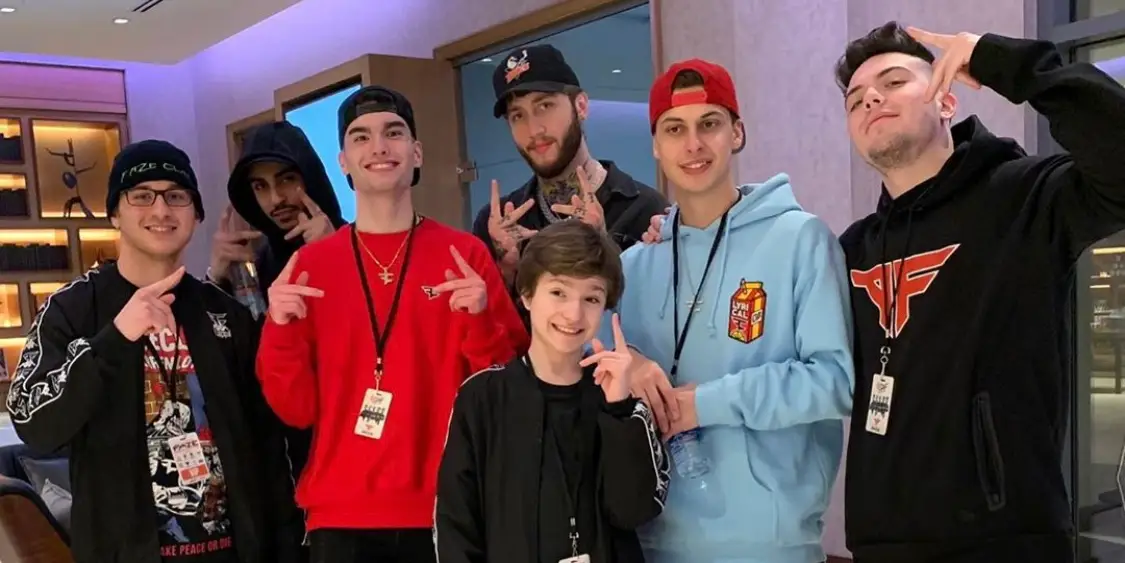
In August 2017, Richard Bengtson relocated to Los Angeles and established a creator group named CloutGang. He partnered with YouTube personalities Bryan Le, known professionally as RiceGum, and Alissa Violet. The trio formed the group as a direct response to Jake Paul and his Team 10 organization. They secured a 12,500 square foot mansion in the Hollywood Hills. The property featured ten bedrooms, thirteen bathrooms, a private theater, and multiple balconies overlooking the city. Real estate listings from the period valued the primary residence at approximately 15 million dollars. The group labeled this property the Clout House.Operational Costs and Expansion
The financial requirements to maintain the Clout House were substantial. Bengtson stated in June 2018 that the group spent 100,000 dollars per month on rent. The operation expanded quickly beyond the initial 12,500 square foot property. By late 2018, the group occupied three separate mansions in the Hollywood Hills. This expansion brought their total residential footprint to 26 bedrooms. The properties housed a rotating cast of internet personalities. Early residents included fitness model Sommer Ray, rapper Ugly God, and influencer Carrington Durham. The sheer volume of creators living in close proximity generated continuous video material. The group filmed daily vlogs detailing their interpersonal conflicts, lavish purchases, and parties. They frequently collaborated on gaming content, prank videos, and lifestyle showcases. The constant cross promotion allowed smaller creators in the house to quickly gain subscribers by appearing in videos published by Bengtson and Le.mary engine for their early viewership. Alissa Violet had previously dated Jake Paul before a public and acrimonious split. Bengtson and Le capitalized on this conflict. Le and Violet released a music video titled It is EveryNight Sis in response to Paul and his own track. The video accumulated hundreds of millions of views and eventually achieved platinum certification from the Recording Industry Association of America. The song charted on the Billboard Hot 100. This success proved that internet drama could be converted into mainstream musical achievements and large advertising revenue. The group used this momentum to sell branded merchandise and secure lucrative sponsorships. The rivalry generated a feedback loop of response videos. Each new upload brought millions of impressions to their respective channels. This strategy maximized their adsense revenue during a period when YouTube heavily promoted long form vlog content.Decline and Relocation
| Property Metric | Data Point |
|---|---|
| Primary Mansion Size | 12,500 square feet |
| Total Bedrooms | 26 bedrooms across 3 houses |
| Estimated Monthly Rent | 100,000 dollars |
| Primary Mansion Value | 15 million dollars |
Case Inquiry and Factual Baseline
Who sued FaZe Clan in May 2019? Turner Tenney. What is Turner Tenney known as? Tfue. When did Tfue file his lawsuit? May 2019. Where was the initial lawsuit filed? California. What law did Tfue claim FaZe violated? The Talent Agency Act. What percentage of brand deal revenue did the contract allow FaZe to take? Up to 80 percent. What percentage of appearance revenue did the contract allow FaZe to take? Up to 50 percent. How much money did FaZe Banks claim the organization actually collected from Tfue? 60, 000 dollars. When did Tfue sign with FaZe Clan? April 2018. How did FaZe Banks react publicly? He expressed shock and betrayal. What was the title of the video Banks released? Dear Tfue. When did FaZe Clan file a countersuit? August 2019. Where did FaZe Clan file their countersuit? New York. What did FaZe Clan accuse Tfue of doing? Breaching his contract and stealing confidential information. Did FaZe Clan claim Tfue wanted to start a rival team? Yes. When did the legal dispute end? August 2020. How did the dispute end? A settlement. Were the financial terms of the settlement disclosed? No. Did Tfue remain with FaZe Clan after the settlement? No. Did the settlement set a legal precedent for the Talent Agency Act? No.The 2019 Legal Dispute
In May 2019, Turner Tenney, known professionally as Tfue, filed a lawsuit against FaZe Clan in California state court. Tenney signed his initial contract with the organization in April 2018. The lawsuit described the agreement as oppressive and predatory. Tenney claimed that FaZe Clan operated as an unlicensed talent agency. This accusation relied on the California Talent Agency Act, which requires individuals or companies procuring employment for artists to hold specific state licenses. The contract details became public shortly after the filing. The agreement permitted FaZe Clan to collect up to 80 percent of the revenue Tenney generated from third party brand deals. The organization could also take 50 percent of his revenue from in person appearances. Tenney claimed these terms restricted his ability to secure lucrative sponsorships independently. The legal filing stated that FaZe Clan prioritized its own corporate interests over the financial well being of its creators. The core of the legal dispute centered on the California Talent Agency Act. This legislation protects artists from predatory management practices. Tenney claimed that FaZe Clan acted as an unlicensed talent agency by procuring sponsorships on his behalf. His legal team stated that the organization bypassed state regulations to enforce an illegal contract. If the court agreed with Tenney, the entire agreement would become void. This legal strategy threatened the foundational business model of esports organizations operating in California.Response from Richard Bengtson
Richard Bengtson, known as FaZe Banks, responded to the lawsuit immediately. He published a video titled Dear Tfue on YouTube and posted numerous statements on Twitter. Bengtson expressed shock and personal betrayal. He stated that he received no prior warning about the legal action. Bengtson claimed that FaZe Clan had only collected 60, 000 dollars from Tenney since the contract began in April 2018. He noted that Tenney kept all of his tournament winnings and direct revenue from YouTube and Twitch. FaZe Clan executives denied the allegations. They insisted that their business model relied on building a brand alongside the creator. The organization claimed they provided Tenney with housing, equipment, and access to an audience of millions. Bengtson emphasized that Tenney grew his YouTube subscriber count from a few hundred thousand to over ten million while living in the FaZe Clan house. The organization maintained that their promotional efforts directly caused Tenney to become one of the most recognized gamers in the world. Bengtson stated that the organization offered Tenney multiple new contracts with improved terms before the lawsuit. He stated that Tenney rejected these offers because he secretly planned to create a competing esports organization. Bengtson maintained that the original contract terms were standard for the industry at the time of signing, yet he admitted the specific 80 percent clause was unfavorable to the creator.Countersuit and Jurisdictional Battles
In August 2019, FaZe Clan filed a countersuit against Tenney in a New York federal court. The organization accused Tenney of breaching his contract by disparaging the brand and attempting to form a rival company. The countersuit also alleged that Tenney stole confidential business information and interfered with existing corporate relationships. FaZe Clan asserted that Tenney earned over 20 million dollars during his time with the organization. They credited their promotional efforts for his financial success. The New York countersuit introduced new allegations against Tenney. FaZe Clan claimed that Tenney violated a strict confidentiality clause by publicly sharing the details of his contract. The organization also accused him of actively encouraging other gamers to leave FaZe Clan. According to the legal filings, Tenney intended to use the lawsuit as a public relations strategy to damage the FaZe Clan brand while launching his own competing business. The legal proceedings split across two states. Tenney pursued his claims under the Talent Agency Act in California. FaZe Clan relied on a mandatory forum selection clause in the original contract that required disputes to be settled in New York. A federal judge in New York ruled that the forum selection clause was enforceable. A California judge subsequently dismissed most of Tenney's original lawsuit, leaving only the Talent Agency Act complaint active with the California Labor Commissioner.The 2020 Settlement
On August 26, 2020, the parties announced a resolution to the 15 month legal battle. Tenney and FaZe Clan released a joint statement confirming they had settled their litigations. The statement noted that both parties wished each other the best of luck in future endeavors. The financial terms of the settlement remained confidential. The agreement officially released Tenney from his FaZe Clan contract. He ceased receiving any payments from the organization. The settlement concluded the litigation without a definitive court ruling on whether esports organizations qualify as talent agencies under California law. Legal analysts noted that a formal ruling could have forced major structural changes across the entire gaming industry.Disputed Contract Revenue Split
Data reflects the maximum allowable percentages under the disputed April 2018 contract.
SaveTheKids Controversy and Internal Disciplinary Actions
What was the SaveTheKids token? It was a cryptocurrency marketed as a charity token. When did the token launch? It launched on June 5, 2021. Who were the primary promoters? FaZe Kay, FaZe Jarvis, FaZe Nikan, FaZe Teeqo, and RiceGum promoted the asset. What was the stated purpose of the token? The creators claimed a percentage of transaction fees would go to Binance Charity. How much did the token value drop? The value plummeted over 90 percent within days. When did the value crash? The crash occurred immediately after the initial public offering in early June 2021. Which FaZe members faced suspension? Management suspended Jarvis, Nikan, and Teeqo. Which FaZe member was permanently removed? The organization fired FaZe Kay. What was FaZe Banks' official statement? He denied any involvement or knowledge of the project. Did FaZe Banks invest in the token? Public wallet records indicate he did not participate in this specific coin. How did the public react? Fans expressed outrage over severe financial losses. What internal investigation took place? FaZe Clan executives reviewed the promotional posts and blockchain transfers. How long were the suspensions? The suspensions lasted indefinitely, though Teeqo later returned. Did FaZe Clan face legal action? Authorities did not file formal charges against the corporate entity. What was the financial loss for retail investors? Retail buyers lost nearly their entire investments as the token became worthless. How did the controversy affect FaZe Clan's valuation? The scandal severely damaged public trust ahead of the company going public. What disciplinary rules were added? The organization publicly condemned unregulated cryptocurrency promotions by its roster. Who exposed the pump and dump scheme? Independent investigators Coffeezilla and SomeOrdinaryGamers published the blockchain evidence. What platform was used to promote the token? Influencers used Twitter, YouTube, and Telegram to market the asset. How did the esports community respond? Industry commentators universally condemned the predatory financial tactics. On June 5, 2021, a cryptocurrency token named SaveTheKids traded on the PancakeSwap exchange under the symbol $KIDS. The developers marketed the asset as a charity token. They stated that a portion of the transaction fees would fund Binance Charity initiatives. Influencers with massive young audiences drove the marketing campaign. FaZe Clan members Frazier Khattri, known as FaZe Kay, along with FaZe Jarvis, FaZe Nikan, and FaZe Teeqo, heavily promoted the token. The underlying code contained a trading restriction function designed to prevent large officials from selling massive quantities at once. The original smart contract restricted holders of more than 0. 5 percent of the supply to selling only 20 percent of their tokens every 24 hours. Right before the public launch, the developers altered the code to change the restriction timer from 24 hours to 60 seconds. This alteration allowed early investors to liquidate their holdings rapidly. The token price opened near $0. 02 and collapsed to less than half a cent almost immediately. By July 2021, the price sat at $0. 00138. Retail investors lost millions of dollars. Binance Charity later confirmed they do not accept altcoin campaigns, meaning the stated charitable donations never materialized.| Date | Event | $KIDS Token Price (USD) | Visual Representation |
|---|---|---|---|
| June 5, 2021 | Initial Launch | $0. 02000 | |
| June 6, 2021 | Mass Liquidation | $0. 00500 | |
| July 1, 2021 | Disciplinary Action | $0. 00138 |
Acquisition Data Points
| Question | Verified Data |
|---|---|
| When was the GameSquare acquisition of FaZe Clan announced? | October 20, 2023 |
| What was the estimated valuation of the acquisition deal? | 17 million dollars |
| When did the acquisition officially close? | March 8, 2024 |
| What was the stock price of FaZe Clan on its final day of trading? | 0. 18 dollars |
| Who was appointed Chief Executive Officer of FaZe Clan? | Richard Bengtson |
| Who assumed the role of President? | Thomas Oliveira |
| Who took over as Chief Operating Officer? | Yousef Abdelfattah |
| What was the peak valuation of FaZe Clan before the market crash? | 725 million dollars |
| Which prominent sports figure backed GameSquare? | Jerry Jones |
| What new corporate division was formed in May 2024? | FaZe Media |
| How much capital did Matt Kalish invest in FaZe Media? | 11 million dollars |
| What percentage of FaZe Media did Kalish secure? | 49 percent |
| What action did Bengtson take on April 27, 2024? | He reduced the creator roster to 14 members |
| What happened to the FaZe Esports division? | GameSquare retained 100 percent ownership |
| What was the NASDAQ ticker symbol for FaZe before delisting? | FAZE |
| What was the NASDAQ ticker symbol for GameSquare? | GAME |
| When did GameSquare divest its remaining stake in FaZe Media? | March 31, 2025 |
| When did Bengtson step down as Chief Executive Officer? | July 28, 2025 |
| Why did Bengtson resign from his leadership position? | Accusations of scamming fans via the MLG meme coin |
| What financial loss did FaZe post in the half of 2023? | 28. 4 million dollars |
Market Collapse and GameSquare Buyout
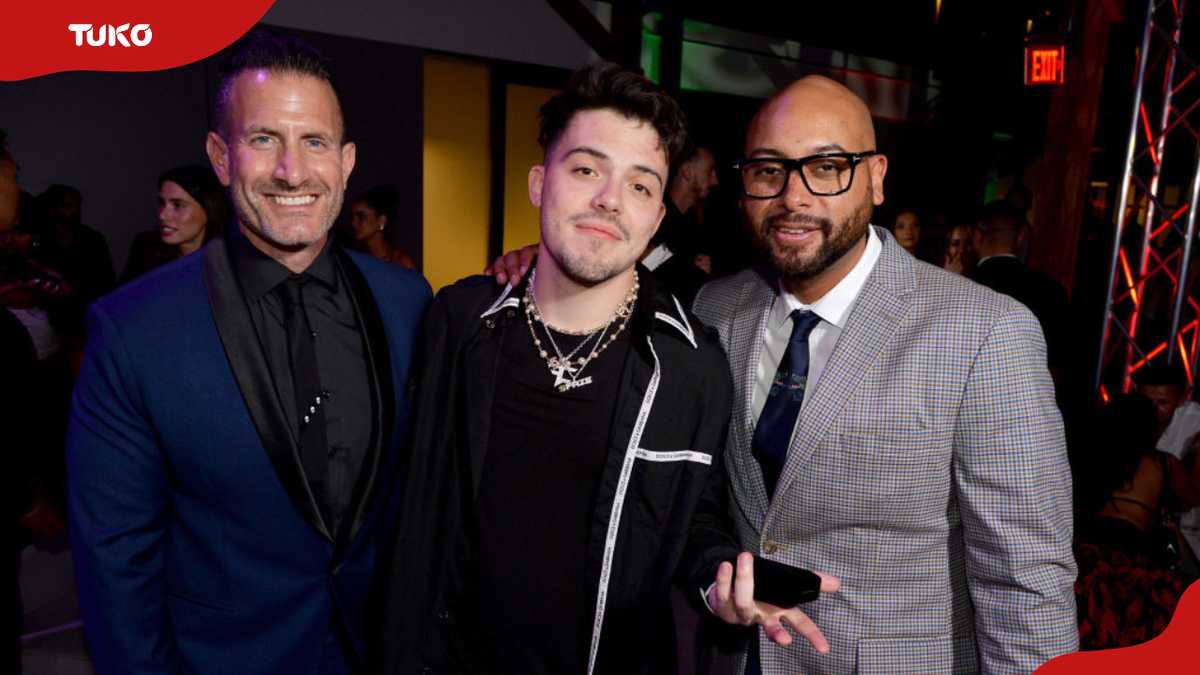
The financial deterioration of FaZe Clan on the public market forced a distress sale. On October 20, 2023, GameSquare Holdings announced an all stock acquisition of the organization. The transaction carried an estimated valuation of 17 million dollars. This figure represented a 97 percent decline from the 725 million dollar valuation the company held during its July 2022 public listing. During the half of 2023, FaZe posted a 28. 4 million dollar loss. GameSquare, backed by Dallas Cowboys owner Jerry Jones, finalized the transaction on March 8, 2024. On its final day of independent trading on March 7, 2024, the FAZE ticker closed at 0. 18 dollars per share. The stock was subsequently delisted from the NASDAQ and converted into GAME shares.Financial Mechanics of the Merger
The boards of both companies unanimously approved the merger agreement. GameSquare expected 18 million dollars in cost saving synergies from acquiring FaZe Clan. Prior to the acquisition closure, FaZe Clan removed 31 million dollars of annualized operating costs in the third quarter of 2023. The organization projected the removal of 15 million dollars of additional annualized costs during 2024. GameSquare completed a corporate re domestication from British Columbia to Delaware to the transaction. GameSquare closed a non brokered private placement of units to strengthen its balance sheet. The company issued 7, 194, 244 units at a price of 1. 39 dollars per unit. This action generated gross proceeds of 10 million dollars. Oak Hills Securities served as the exclusive financial advisor for GameSquare. Current Capital Securities rendered a fairness opinion to the Board of Directors of FaZe Clan. As part of the inducement awards, GameSquare issued 909, 490 Restricted Stock Units to three of the FaZe founders. This equity represented 3 percent of the issued and outstanding shares of common stock of the combined company.Leadership Restructuring and Roster Reductions
The acquisition restructured the leadership hierarchy. GameSquare appointed Richard Bengtson as the Chief Executive Officer of FaZe Clan. Thomas Oliveira assumed the role of President. Yousef Abdelfattah took over as Chief Operating Officer. The founders returned to reclaim control after two years of corporate mismanagement. On April 27, 2024, Bengtson executed a roster reduction. He removed the majority of the content creators and reduced the active roster to 14 members.Formation of FaZe Media
In May 2024, GameSquare announced the creation of FaZe Media. This new division separated the internet creator talent from the competitive gaming assets. GameSquare retained 100 percent ownership of FaZe Esports. DraftKings co founder Matt Kalish invested 11 million dollars into FaZe Media. Kalish secured a 49 percent ownership stake in the new entity. Bengtson operated as the Chief Executive Officer of this specific media division.Strategic Shifts and Equity Transfers
The launch of FaZe Media in May 2024 required a distinct operational structure. GameSquare Chief Executive Officer Justin Kenna joined the FaZe Media board alongside Kalish. GameSquare continued to provide corporate and agency services to the new subsidiary. On June 19, 2024, Bengtson acquired a 25. 5 percent equity stake in FaZe Media directly from GameSquare. This transaction shifted the balance of power within the creator led internet media company.Divestiture and Resignation
Article Fan Out Questions and Answers
1. When did Richard Bengtson execute the FaZe Clan roster purge? April 27, 2024. 2. How content creators were removed during the April 2024 purge? Seventeen creators were removed. 3. How core members remained after the April 2024 cuts? Fourteen members remained. 4. How employees lost their jobs leading up to the reboot? One hundred and ten employees were terminated. 5. Which company acquired FaZe Clan before the reboot? GameSquare acquired the organization. 6. What was the acquisition price for FaZe Clan? GameSquare paid 18. 5 million dollars. 7. Who became the Chief Executive Officer after the acquisition? Richard Bengtson took the role. 8. What new entity was formed in May 2024? FaZe Media was established. 9. Who invested in FaZe Media? Matt Kalish invested 11 million dollars. 10. What percentage stake did Matt Kalish initially buy? He purchased a 49 percent stake. 11. How much ownership did Bengtson secure in June 2024? He secured a 25. 5 percent interest. 12. What was the total ownership stake Bengtson held after his June purchase? His stake increased to 31 percent. 13. Which prominent female streamer was removed during the purge? Kalei was removed from the roster. 14. Which veteran members were cut after a decade of service? Agony and Bloo were terminated. 15. What was the stated reason for the massive roster cuts? Bengtson blamed corporate mismanagement and expressed a desire to return to the original brand identity. 16. When did the final mass exodus of FaZe members occur? The exodus happened on December 25, 2025. 17. What caused the December 2025 exodus? Matt Kalish issued an ultimatum for creators to join HardScope or go independent. 18. Which new members were signed shortly after the April 2024 reboot? Plaqueboy Max, Silky, Jason Ween, and Lacy were signed. 19. Did the new members stay with the organization? No, they quit during the December 2025 exodus. 20. What happened to FaZe Media at the end of 2025? The entertainment division shut down entirely.The 2024 Roster Purge and Corporate Restructuring
Richard Bengtson assumed the role of Chief Executive Officer for FaZe Clan in October 2023 following a corporate buyout. GameSquare purchased the gaming organization for 18. 5 million dollars. This valuation represented a steep decline from the 725 million dollar public market valuation the company held previously. Bengtson inherited an organization load by heavy financial losses and bloated operational costs. He initiated a severe restructuring phase to reduce expenses and consolidate brand identity. On April 27, 2024, Bengtson executed a massive roster reduction. The organization terminated the contracts of 17 content creators. The cuts included veteran personalities like Agony and Bloo who had represented the brand for over ten years. Kalei, the sole female creator on the roster, also lost her position. Other terminated members included Blaze, Booya, Cbass, Cizzorz, Dirty, Fakie, Faxuty, Flea, JSmooth, Linkzy, Nate Hill, Nio, Proze, Rain, and Sway. Bengtson retained only 14 core members. The surviving roster included Adapt, Apex, Banks, Jev, Kaysan, Nickmercs, Replays, Ronaldo, Rug, Scope, Swagg, Temperrr, YourRage, and Zoomaa. Bengtson stated publicly that corporate mismanagement had drained the life from the brand and he intended to restore its original identity. The creator cuts accompanied broader corporate terminations. Bengtson confirmed that 110 corporate employees lost their jobs leading up to the April 2024 announcement. The workforce reduction eliminated 20 percent of the total staff. The remaining 14 creators faced immense pressure to maintain viewership metrics. Analytics data from April 2024 showed that the 17 terminated creators had generated over half of the 1. 8 million hours watched on the organization Twitch channels that month. Zoomaa stood as the most viewed creator during that period, while terminated creator Kalei had contributed 116, 600 hours watched before her dismissal.Formation of FaZe Media and Financial Maneuvers
GameSquare restructured the brand again in May 2024. The parent company split the organization into two distinct divisions. FaZe Esports handled competitive gaming operations. FaZe Media managed internet content and creator contracts. Bengtson took the Chief Executive Officer position at FaZe Media. DraftKings cofounder Matt Kalish injected 11 million dollars into FaZe Media for a 49 percent ownership stake. GameSquare retained a 51 percent controlling interest at the time of the launch. Bengtson expanded his personal financial control over the media division in June 2024. He purchased a 25. 5 percent interest in FaZe Media. This transaction increased his total ownership stake to 31 percent. The organization attempted to rebuild its creator network by signing new talent. Plaqueboy Max, Silky, Jason Ween, and Lacy joined the roster in the spring of 2024. The new additions aimed to capture younger audiences and replace the viewership hours lost during the April purge.FaZe Clan Roster Size Changes
| Date | Roster Size | Visual Representation | ||
|---|---|---|---|---|
| January 2024 | 31 Creators |
|
||
| May 2024 | 18 Creators |
|
||
| December 2025 | 0 Creators |
|
The December 2025 Collapse
The rebuilt media division failed to sustain its operations through the following year. Financial pressures and internal disputes fractured the newly formed FaZe Media. On December 25, 2025, a massive exodus destroyed the entertainment roster. Core members and new recruits alike announced their immediate departures on social media. Adapt, Jason Ween, Lacy, Silky, and Stable Ronaldo quit the organization on Christmas Day. Apex, Swagg, YourRage, Kaysan, and Rug followed them out the door shortly after. Kaysan chose to remain involved strictly with the esports division. The collapse stemmed from an ultimatum delivered by investor Matt Kalish. Kalish determined that the FaZe Media business model was unsustainable. He launched a new creator agency named HardScope and demanded that FaZe creators either join his new venture or become independent. The creators chose to leave FaZe Clan entirely. The mass resignations forced the total shutdown of FaZe Media in December 2025. The vision Bengtson held for a streamlined and profitable creator network ended with the dissolution of the entertainment division.The MLG Coin Collapse and Executive Resignation
| Entity | Role in Project | Financial Impact |
|---|---|---|
| Richard Bengtson | Promoter and Investor | Claimed 106, 475 dollar loss |
| Adin Ross | Promoter | Denied financial manipulation |
| Retail Investors | Token Purchasers | Lost 195 million dollars in aggregate |
Personal Life and Relationships
Richard Bengtson navigated a highly publicized personal life between 2015 and 2025. His relationships and public conduct generated consistent media coverage and legal scrutiny.Fan Out: 20 Questions on Personal Life Events
Q1: When did Richard Bengtson move into the Clout House? A1: He moved into the Hollywood Hills mansion in March 2017. Q2: Who did he date between 2017 and 2019? A2: He dated model and influencer Alissa Violet. Q3: When did the couple officially break up? A3: They announced their separation in July 2019. Q4: What caused the breakup? A4: Violet accused him of infidelity after he admitted to a hookup with Tana Mongeau. Q5: Where did the November 2017 bar altercation occur? A5: The incident took place at the Barley House in Cleveland. Q6: Who was involved in the Barley House altercation? A6: Bengtson, Violet, and the bar security staff were involved. Q7: What did security footage reveal about the Cleveland incident? A7: The footage showed Bengtson initiating physical contact with a bouncer. Q8: Which Las Vegas hotel did Bengtson damage in 2019? A8: He damaged a suite at the Encore at Wynn Las Vegas. Q9: What was the estimated cost of the hotel room damage? A9: The damages totaled approximately $30, 000. Q10: Did Bengtson face prison time for the Las Vegas incident? A10: He avoided a chance five year prison sentence by paying a fine. Q11: What penalty did the Encore at Wynn impose? A11: The hotel issued a lifetime ban against him. Q12: Which cryptocurrency project damaged his personal reputation in 2021? A12: The Save the Kids token project damaged his public standing. Q13: Did Bengtson deny involvement in the crypto scam? A13: He publicly denied scamming his fans. Q14: What physical change did fans notice in late 2025? A14: Fans noticed he stopped wearing hats and displayed a restored hairline. Q15: What procedure did he undergo in 2025? A15: He underwent a hair transplant procedure. Q16: Did Bengtson and Violet reconcile in 2025? A16: He denied romance rumors in February 2025. Q17: How did he describe his current relationship with Violet? A17: He stated she is family forever denied they were dating. Q18: What was the value of the Clout House mansion? A18: The Hollywood Hills property was valued at $12 million. Q19: Who else lived in the Clout House? A19: Influencers like RiceGum and Sommer Ray lived there. Q20: Why did he step away from the internet in 2025? A20: He pointed to the mental toll of public accusations and controversies.The Clout House and Alissa Violet
In March 2017, Bengtson relocated to a $12 million mansion in the Hollywood Hills. He named the property the Clout House. The residence served as a collaborative hub for internet personalities, housing creators like RiceGum and Sommer Ray. He began dating model Alissa Violet shortly after her departure from a rival creator group. Violet moved into the Clout House in September 2017. Their relationship became a central focus of his public persona, generating millions of views across digital platforms. The couple maintained a high profile romance for two years. They announced their separation in July 2019. Bengtson initially described the split as a mutual decision. Violet later accused him of infidelity. Bengtson admitted on a podcast to a previous encounter with Tana Mongeau. The admission created permanent friction between the former partners. Rumors of a reconciliation surfaced in February 2025. Bengtson publicly denied the claims. He stated that Violet remained family confirmed they were not dating.Legal Matters and Altercations
Bengtson faced multiple legal incidents during this period. On November 26, 2017, he and Violet engaged in a physical altercation at the Barley House bar in Cleveland. Bengtson claimed a bouncer choked him and punched Violet in a restricted basement area. The bar management released security camera footage three days later. The video showed Bengtson initiating physical contact with the security staff before the fight escalated. The incident resulted in temporary restraining orders and a lawsuit from the bar owners. Fans of Bengtson harassed the establishment with negative reviews, phone calls, and direct threats to employees. A more severe incident occurred in October 2019. Bengtson hosted a party in a suite at the Encore at Wynn Las Vegas. The event resulted in $30, 000 worth of property damage. Photographs and police reports documented smashed windows, broken televisions, and destroyed furniture scattered across the room. Hotel management contacted law enforcement immediately. Authorities investigated Bengtson for felony malicious destruction of property. The charge carried a maximum sentence of five years in prison. Bengtson avoided incarceration by paying a large fine and covering the damages out of pocket. The Encore at Wynn issued a lifetime ban against him.Public Image and Physical Changes
Bengtson faced intense public scrutiny in 2021 regarding the Save the Kids cryptocurrency project. Critics accused him of participating in a pump and dump scheme designed to exploit his followers. He denied the allegations and stated he never scammed his audience. The controversy damaged his personal reputation and business standing. He announced a temporary departure from the internet in July 2025. He pointed to the severe mental toll of the ongoing accusations and public backlash. In late 2025, observers noted a significant change in his physical appearance. Bengtson had worn hats constantly for years to conceal a receding hairline. He appeared in public without headwear and displayed a fully restored hairline. Digital communities and commentators confirmed he underwent a hair transplant procedure. The change marked a shift in his public presentation after years of hiding his natural hair loss from his audience.Incident Timeline
Public Image and Legacy
Readers frequently ask the following 20 questions regarding his public image and career trajectory.- What was the peak valuation of FaZe Clan under his leadership?
- When did the company go public on the NASDAQ?
- How much did the stock price drop by late 2023?
- Which major celebrity joined the board of directors in 2022?
- How much stock did Snoop Dogg receive?
- When did Snoop Dogg leave the board?
- Who acquired the company in 2023?
- What was the acquisition price in 2023?
- When did the GameSquare merger officially close?
- What role did Bengtson assume after the GameSquare acquisition?
- How content creators were removed during the 2024 reboot?
- What percentage of the staff was laid off in early 2023?
- Which esports player filed a major lawsuit against the organization in 2019?
- What percentage of earnings did the 2019 lawsuit allege the company took?
- Did Bengtson admit to running a CSGO gambling site?
- How much daily revenue did the CSGO gambling site allegedly generate?
- What cryptocurrency scandal occurred in 2025?
- When did Bengtson resign as chief executive officer?
- What caused the entertainment division to shut down in December 2025?
- How is his legacy viewed by industry analysts today?
| $1200M 2022 Peak | $17M 2023 Sale | $47M 2024 Proforma |
The Election Deepfakes Of India, USA, Slovakia, London And Taiwan: A Threat to Democracy
AI-generated audio was used to disenfranchise U.S. voters in New Hampshire, exposing vulnerabilities in telecommunications infrastructure and the accessibility of deepfake technology. Political consultant Steve Kramer orchestrated the scheme to prompt…
Read Full ReportForeign Components in US Weapons: The Supply Chain Breach
February 28, 2026 • Defence, All
The Pentagon's reliance on Chinese suppliers for critical components in major US weapon systems raises national security concerns. Data from the 2024 National Security Scorecard…
The Museum Repatriation Delays: Bureaucracy or Theft?
The majority of Africa's cultural heritage is held outside the continent, with France alone holding 90,000 African objects in its national museums. Western institutions like…
Energy Poverty: Why Billions in Power Grid Investment Yields No Light
January 22, 2026 • Electricity, Africa, All, Asia, Energy, Poverty
Global energy investment hit a record $3 trillion in 2024, yet the number of people without electricity access increased to approximately 685 million. The disparity…
Alcohol regulation: Why enforcement often targets small venues
January 1, 2026 • All
Small venues face disproportionate enforcement actions in alcohol regulation. Financial penalties and closure rates impact the economic stability of small establishments. In the current regulatory…
Investigating disinformation: Network mapping and funding trails
December 31, 2025 • Money, All
Disinformation is on the rise globally, with a 43% increase in false or misleading information over the past three years. Complex networks and significant financial…
These AI Writing Platforms Are Best for Content Writers—But Which Ones Harvest Your Data?
October 11, 2025 • All, Reviews
Investigation into leading AI writing platforms reveals varying data-collection practices. OpenAI's ChatGPT faces regulatory scrutiny over data privacy concerns and international legal battles. AI writing…