Gretchen Whitmer
Early Years and Family Background
Gretchen Esther Whitmer was born on August 23, 1971, in Lansing, Michigan, the eldest of three children. Her parents were both attorneys who held significant roles in state governance and commerce.
Her father, Richard Whitmer, served as the director of the Michigan Department of Commerce under Governor William Milliken and later became the president and CEO of Blue Cross Blue Shield of Michigan. Her mother, Sharon H. "Sherry" Reisig, worked as an assistant attorney general under long-serving Attorney General Frank Kelley.
Whitmer frequently cites her parents' political affiliations, her father was a moderate Republican and her mother a Democrat, as a foundational influence on her bipartisan method to governance.
The family shifted when Whitmer was 10 years old following her parents' divorce. She relocated with her mother and siblings to Grand Rapids, while her father remained in Detroit, visiting the family on weekends. This period required adjustment; Whitmer has described her mother's resilience during this time as a key model for her own leadership style.
In her 2024 memoir, True Gretch, she revealed personal details about her upbringing, including the financial and emotional adjustments her family navigated during the separation.
Education and "True Gretch" Anecdotes
Whitmer attended Forest Hills Central High School in Ada Township, near Grand Rapids. During her time there, she was active in athletics, participating in softball and track. She graduated in 1989.
In her 2024 autobiography, she disclosed a candid incident from her high school years where she became intoxicated before a football game and vomited on the school principal, Bert Bleke. She credits this moment as a turning point that forced her to "get it together," eventually leading to her selection as the "most improved student" in her class.
Her early career ambitions were focused on sports broadcasting rather than politics. Whitmer enrolled at Michigan State University (MSU) in East Lansing, aiming for a career with ESPN. She earned a Bachelor of Arts in Communications in 1993.
To support herself during these years, she worked various low-wage jobs, including positions at Burlingame Lumber, the Royal Fork Buffet, and stocking shelves at Target. These experiences are frequently referenced in her political messaging to establish a connection with working-class voters.
Legal Training and Career Pivot
The trajectory of Whitmer's career shifted during her undergraduate years due to an internship with State Representative Curtis Hertel. This exposure to the legislative process redirected her focus from broadcasting to public policy and law. She chose to remain in East Lansing for her graduate studies, attending the Detroit College of Law at Michigan State University ( the Michigan State University College of Law).
Whitmer graduated magna cum laude with a Juris Doctor in 1998. During law school, she served on the Michigan State Law Review, a distinction reserved for top-ranking students. Her status as a "Double Spartan", holding two degrees from MSU, became a recurring point of identity in her public life.
Following graduation, she entered private practice as a corporate litigator at the firm Dickinson Wright in Lansing and practiced administrative law before the Michigan Public Service Commission.
Family and Personal Challenges
Whitmer's entry into adulthood was marked by the convergence of professional advancement and personal loss. In 2002, shortly after she began her legislative career, her mother died of glioblastoma at the age of 59.
Whitmer was simultaneously caring for her newborn daughter and her terminally ill mother, a period she describes as defining her perspective on healthcare and family leave policies. She married Gary Shrewsbury in 2001, and they had two daughters, Sherry and Sydney, before divorcing. She later married dentist Marc Mallory in 2011.
| Year | Event/Milestone | Institution/Location |
|---|---|---|
| 1989 | High School Diploma | Forest Hills Central High School |
| 1993 | B. A. in Communications | Michigan State University |
| 1998 | Juris Doctor (Magna Cum Laude) | Detroit College of Law at MSU |
| 1998-2000 | Corporate Litigator | Dickinson Wright, Lansing |
| 2002 | Death of Mother (Sherry Reisig) | Lansing, MI |
Michigan Legislature
Whitmer served in the Michigan Legislature from 2001 to 2015, culminating in her role as the Senate Democratic Leader. Her legislative tenure was defined by her navigation of minority status in a Republican-controlled era, where she balanced fierce partisan opposition with strategic bipartisan cooperation on major state initiatives.
elected to the Michigan House of Representatives in 2000, Whitmer represented the 69th and 70th districts until winning a special election to the State Senate in March 2006. In 2011, her colleagues unanimously elected her Senate Democratic Leader, making her the woman to lead a party caucus in the chamber's history. She held this position until term limits forced her departure in January 2015.
Legislative Battles and "Right to Work"
Whitmer's leadership coincided with a period of intense polarization in Lansing, particularly during the governorship of Republican Rick Snyder. A defining moment occurred in December 2012, when the Republican majority passed "Right to Work" legislation during a lame-duck session.
Whitmer led the opposition on the Senate floor, delivering a blistering critique of the process and the policy, which she argued would lower wages and weaken worker protections. Retrospective analyses from 2023, following her repeal of the law as governor, her 2012 stance as a foundational element of her labor support.
During the protests, she famously opened her office to demonstrators who had been locked out of the Capitol.
The "Rape Insurance" Speech
In December 2013, Whitmer gained national attention during a debate on the Abortion Insurance Opt-Out Act, a bill requiring women to purchase a separate rider for abortion coverage, even in cases of rape or incest. Deviating from her prepared remarks, Whitmer revealed publicly for the time that she had been sexually assaulted as a college student.
She argued that the legislation would force victims to "plan for their own rape." Although the bill passed, the speech went viral and established her as a prominent national voice on reproductive rights. In 2023, exactly ten years later, she signed the repeal of this law.
Bipartisan Achievements
even with the contentious atmosphere, Whitmer secured significant bipartisan victories. Most notably, she was instrumental in the 2013 passage of the "Healthy Michigan" plan, which expanded Medicaid under the Affordable Care Act.
With the Republican caucus fractured, Whitmer delivered the necessary Democratic votes to pass the legislation, extending health coverage to approximately 680, 000 residents.
She also collaborated with Governor Snyder on the "Grand Bargain," a package of bills that facilitated Detroit's exit from bankruptcy and protected the Detroit Institute of Arts' collection.
| Metric | Details |
|---|---|
| Years in Office | House: 2001, 2006; Senate: 2006, 2015 |
| Leadership Role | Senate Minority Leader (2011, 2015) |
| Bills Introduced | 180+ (Primary Sponsor) |
| Key Legislation | Medicaid Expansion (Healthy Michigan), Matt's Safe School Law (Anti-Bullying) |
| Term Limit Exit | January 1, 2015 |
Post-Legislative Transition
Following her departure from the Senate in 2015 due to term limits, Whitmer briefly taught at Michigan State University and the University of Michigan. In July 2016, she was unanimously appointed by judges to serve as the interim Ingham County Prosecutor after the incumbent resigned due to scandal.
During her six-month tenure, she established a new Domestic Violence and Sexual Assault Unit and reorganized the office's handling of evidence. This role served as her final public office before launching her gubernatorial campaign in January 2017.
Ingham County Prosecutor (2016)
Following the resignation of long-serving Ingham County Prosecutor Stuart Dunnings III, the judges of the 30th Judicial Circuit Court unanimously appointed Whitmer to the position on May 11, 2016. Dunnings had stepped down July 2, 2016, after facing criminal charges related to prostitution and neglect of duty.
Whitmer was sworn in on June 21, 2016, and officially assumed the role in July, serving the remainder of the term through December 31, 2016. She stated her primary objective was to restore public trust in the office following the scandal involving her predecessor.
Upon taking office, Whitmer initiated an internal review to determine if the corruption charges against Dunnings extended to other staff members. In July 2016, she released an 11-page report concluding that no other employees were complicit in Dunnings' alleged crimes or had been asked to compromise cases.
During her six-month tenure, she established a new domestic violence unit within the prosecutor's office and implemented policy changes to strengthen the handling of sexual assault cases. She also directed resources toward clearing a backlog of cases that had accumulated during the transition period.
Larry Nassar Investigation
Whitmer's term coincided with the initial criminal investigation into Larry Nassar, the former Michigan State University and USA Gymnastics doctor. In September 2016, following public allegations by former gymnast Rachael Denhollander, Whitmer's office authorized search warrants for Nassar's residence.
These searches resulted in the discovery of thousands of images of child pornography. While her office oversaw the initial evidence collection, the prosecution of the sexual assault charges was referred to the Michigan Attorney General's office.
The handling of this referral later became a point of contention. Michigan State University Police Chief Jim Dunlap alleged that Whitmer preferred to pursue the child pornography charges, which he characterized as easier to prove, rather than the sexual assault counts.
Whitmer disputed this account, stating that police investigators had not provided her office with the necessary reports to authorize sexual assault charges before the case was transferred. She maintained that the referral to Attorney General Bill Schuette was appropriate given that Nassar's crimes spanned multiple jurisdictions.
Evidence Room Audit
In late 2016, a separate controversy emerged regarding the Ingham County Sheriff's Office evidence room. Reports surfaced that a leaky pipe and improper storage had damaged biological evidence in hundreds of cases dating back several years. Whitmer stated she was unaware of the magnitude of the problem until it was reported by the Lansing State Journal.
In response, she appointed a special prosecutor, Catherine Emerson, to conduct an independent audit of the compromised evidence and requested an investigation by the Michigan State Police. By December 2016, Whitmer announced that nine criminal cases had to be dismissed due to the degraded evidence, a number that rose significantly after her term ended.
Transition
Whitmer did not seek election to a full term as prosecutor. In the November 2016 general election, Democrat Carol Siemon was elected to the position. Whitmer worked to transition the office to Siemon before her term expired on December 31, 2016. This interim role served as her final public office before she announced her candidacy for governor in early 2017.
Announcement and Primary Campaign
On January 3, 2017, Gretchen Whitmer formally announced her candidacy for Governor of Michigan. Entering the race as a seasoned legislator with 14 years of service, she positioned herself as a pragmatic problem-solver capable of bridging partisan divides.
Her primary campaign focused on "kitchen table" problem, most notably infrastructure, education, and healthcare. She faced two main challengers in the Democratic primary: Abdul El-Sayed, a progressive former Detroit health director endorsed by Senator Bernie Sanders, and Shri Thanedar, an entrepreneur who self-funded his campaign with millions of dollars.
The August 7, 2018, primary election resulted in a decisive victory for Whitmer. She secured the nomination with 52 percent of the vote, defeating El-Sayed, who received 30. 2 percent, and Thanedar, who garnered 17. 7 percent.
Her victory demonstrated her ability to maintain support from the Democratic establishment and labor unions while appealing to moderate voters. On August 20, 2018, Whitmer announced Garlin Gilchrist II, a Detroit native and technology professional, as her running mate for Lieutenant Governor.
General Election Campaign
In the general election, Whitmer faced Republican Bill Schuette, the serving Michigan Attorney General. The contest centered on distinct policy differences regarding healthcare, taxation, and infrastructure. Whitmer's campaign slogan, "Fix the Damn Roads," became a central theme, resonating with voters frustrated by the state's deteriorating infrastructure.
She proposed increasing user fees and taxes to generate the estimated $2 billion annually needed for repairs. Conversely, Schuette campaigned on tax cuts and eliminating the state's pension tax, arguing that economic growth would fund necessary improvements.
Healthcare also emerged as a pivotal problem. Whitmer defended the expansion of Medicaid, which she had helped negotiate as Senate Minority Leader, while Schuette had previously joined lawsuits challenging the Affordable Care Act. The candidates met for two televised debates in October 2018, where they clashed over their records and visions for the state.
Fundraising data showed a significant advantage for the Democratic ticket; Whitmer raised approximately $14. 2 million compared to Schuette's $10 million, allowing for a strong statewide advertising presence.
Election Results
On November 6, 2018, Gretchen Whitmer was elected the 49th Governor of Michigan. The election saw the highest voter turnout for a midterm in Michigan in 56 years, with over 4. 25 million ballots cast. Whitmer defeated Schuette by a margin of nearly 10 percentage points.
She performed strongly in urban centers and suburbs, notably flipping nine counties that had voted for Donald Trump in the 2016 presidential election.
Key victories included Macomb County, a swing region that had supported Trump by over 11 points just two years prior, and Kent County, a traditional Republican stronghold home to Grand Rapids. Whitmer became the Democrat to carry Kent County since 1986. She also swept all eight counties that had voted for Hillary Clinton in 2016, solidifying her base in Wayne, Oakland, and Washtenaw counties.
| Candidate | Party | Votes | Percentage |
|---|---|---|---|
| Gretchen Whitmer | Democratic | 2, 266, 193 | 53. 31% |
| Bill Schuette | Republican | 1, 859, 534 | 43. 75% |
| Bill Gelineau | Libertarian | 56, 606 | 1. 33% |
| Other | Various | 68, 252 | 1. 61% |
Inauguration
Gretchen Whitmer was sworn in as governor on January 1, 2019, outside the Michigan State Capitol in Lansing. In her inaugural address, she reiterated her commitment to bipartisanship, stating, "We might not solve every problem, we might not fix every road, do something this state hasn't seen in a long time: work together." Her inauguration marked the return of the governor's office to Democratic control after eight years under Republican Rick Snyder.
Term as Governor (2019, 2022)
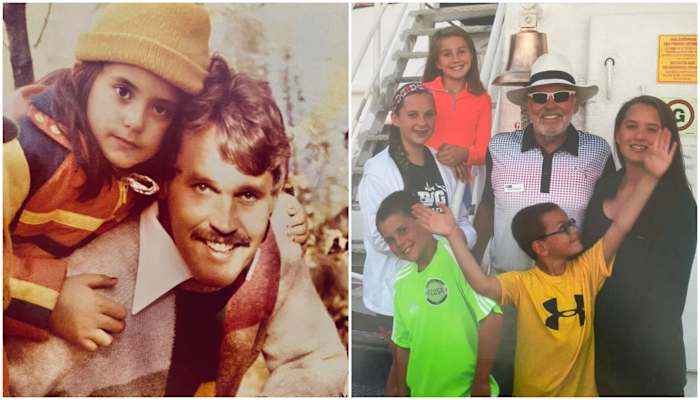
Gretchen Whitmer was sworn in as the 49th governor of Michigan on January 1, 2019, following a decisive victory in the 2018 election. She defeated Republican Attorney General Bill Schuette, securing 53. 3% of the vote to his 43. 8%. Her term was defined by intense partisan conflict with the Republican-led legislature, a global pandemic, and high- battles over infrastructure funding and abortion rights.
Infrastructure and Budget Conflicts
Whitmer entered office with a signature campaign pledge to "fix the damn roads." In March 2019, she proposed a 45-cent-per-gallon gas tax increase to generate $2. 5 billion annually for road repairs. The proposal faced immediate rejection from Republican legislative leaders.
Following a stalemate that threatened a government shutdown, the legislature sent Whitmer a budget without her requested road funding.
In response, on September 30, 2019, Whitmer issued 147 line-item vetoes, stripping nearly $1 billion from the budget, a move she described as necessary to restart negotiations which Republicans criticized as an executive overreach.
With the gas tax proposal dead, Whitmer pivoted to executive action. In January 2020, the State Transportation Commission authorized her "Rebuilding Michigan" plan, which allowed the state to sell $3. 5 billion in bonds to finance highway reconstruction without legislative approval. The plan focused on high-traffic state trunklines rather than local roads.
COVID-19 Pandemic Response
On March 10, 2020, Whitmer declared a state of emergency after the confirmed cases of COVID-19 in Michigan. She issued a series of strict executive orders aimed at curbing the virus's spread, including "Stay Home, Stay Safe" mandates that closed schools and non-essential businesses. These measures drew national attention and fierce local opposition.
On October 2, 2020, the Michigan Supreme Court ruled 4-3 that the Emergency Powers of Governor Act of 1945, which Whitmer had used to extend states of emergency without legislative consent, was unconstitutional.
The administration also faced scrutiny over personnel decisions during the pandemic. On January 22, 2021, Robert Gordon, the director of the Michigan Department of Health and Human Services, resigned abruptly. It was later revealed that Gordon signed a separation agreement that included a $155, 506 payout and a confidentiality clause, sparking criticism regarding transparency.
Kidnapping Plot
Tensions over pandemic restrictions culminated in a foiled domestic terror plot. On October 8, 2020, state and federal authorities announced the arrest of 13 men linked to the paramilitary group "Wolverine Watchmen." The conspirators were charged with plotting to kidnap Whitmer from her vacation home and instigate a civil war.
The plot involved surveillance of her residence and testing of improvised explosive devices. Several defendants were later convicted in federal and state courts, with ringleaders receiving lengthy prison sentences.
Water Crises: Flint and Benton Harbor
Whitmer oversaw the conclusion of major litigation regarding the Flint water emergency. In November 2021, a federal judge gave preliminary approval to a $626 million settlement for Flint residents, with the State of Michigan responsible for paying $600 million. The settlement was finalized in March 2023.
Concurrent with the Flint settlement, a new water emergency emerged in Benton Harbor, a majority-Black city with elevated lead levels in its drinking water. Facing criticism for a slow initial response, Whitmer committed in October 2021 to replacing 100% of the city's lead service lines within 18 months.
The state secured over $18 million in funding to accelerate the project, which was completed ahead of schedule in late 2022.
Economic Development and SOAR Fund
To compete for electric vehicle (EV) manufacturing projects, Whitmer signed bipartisan legislation in December 2021 creating the Strategic Outreach and Attraction Reserve (SOAR) Fund. The fund the state to offer large cash incentives to corporations.
In early 2022, the administration announced a $7 billion investment from General Motors to expand EV production in Lansing and Orion Township, supported by $600 million in state grants. Later that year, Ford Motor Company announced a $2 billion investment, backed by approximately $100 million from the SOAR Fund.
Abortion Rights and 2022 Re-election
Anticipating the reversal of Roe v. Wade, Whitmer filed a lawsuit on April 7, 2022, asking the Michigan Supreme Court to recognize a right to abortion under the state constitution and to block the enforcement of a dormant 1931 law that banned the procedure. A preliminary injunction was granted in August 2022, keeping abortion legal in Michigan immediately following the U. S. Supreme Court's Dobbs decision.
Whitmer sought re-election in November 2022 against Republican challenger Tudor Dixon. Campaigning on her record of protecting abortion access and securing manufacturing jobs, Whitmer defeated Dixon by a margin of nearly 11 percentage points (54. 5% to 43. 9%), a larger margin than her victory.
The election also saw Democrats flip both chambers of the state legislature, giving the party a "trifecta" for the time in nearly 40 years.
Emergency Declaration and Executive Restrictions
On March 10, 2020, Governor Whitmer confirmed the two cases of COVID-19 in Michigan and declared a state of emergency. She issued Executive Order 2020-21, known as "Stay Home, Stay Safe," on March 23, 2020, which mandated the closure of all non-essential businesses and directed residents to remain in their residences.
The order included specific prohibitions that drew national attention, such as banning the sale of paint, furniture, and garden supplies in stores larger than 50, 000 square feet. Another directive, Executive Order 2020-42, prohibited travel between two residences and banned the use of motorized boats, while allowing kayaking and canoeing.
By the end of 2020, Whitmer had signed approximately 140 executive orders related to the pandemic management.
Economic Impact
The immediate economic of the lockdown measures was severe. In April 2020, Michigan's unemployment rate spiked to 22. 7%, the second-highest in the nation behind Nevada (28. 2%) and significantly higher than the national average of 14. 7%. State that the economy lost approximately 1. 0 million jobs in that month alone.
The automotive sector, a pillar of the state's economy, halted production entirely, with zero automobiles produced in Michigan during April 2020.
Nursing Home Policy and Data Discrepancies
Whitmer's administration implemented a policy creating regional "hubs" within nursing homes to treat COVID-19 patients discharged from hospitals. Executive Order 2020-50 established these dedicated units with the intent to isolate infectious patients. This strategy faced scrutiny regarding infection control and mortality rates in long-term care facilities.
In January 2022, the Michigan Office of the Auditor General released a report identifying 8, 061 COVID-19 deaths linked to long-term care facilities. This figure was 42% higher than the 5, 675 deaths the state Department of Health and Human Services (MDHHS) had reported at the time.
The gap arose from differences in methodology; the Auditor General included facilities not required to report to the state, such as certain adult care homes. MDHHS Director Elizabeth Hertel disputed the report's characterization, stating the department followed federal reporting standards.
Legal Battles and Supreme Court Ruling
Opposition to Whitmer's use of emergency powers culminated in a legal challenge regarding the longevity of her executive orders. The governor relied on the Emergency Powers of the Governor Act of 1945 (EPGA) and the Emergency Management Act of 1976 (EMA).
While the 1976 law required legislative approval to extend a state of emergency beyond 28 days, Whitmer argued the 1945 law granted her indefinite authority during a emergency. The Republican-led legislature refused to extend the emergency declaration past April 30, 2020, prompting Whitmer to extend it unilaterally.
On October 2, 2020, the Michigan Supreme Court ruled in a 4-3 decision that the 1945 EPGA was unconstitutional because it unlawfully delegated legislative power to the executive branch. The court also ruled unanimously that the governor absence the authority to extend the state of emergency under the 1976 EMA without legislative consent.
This ruling nullified dozens of active executive orders, forcing the administration to shift reliance to public health orders issued by the MDHHS Director to maintain restrictions.
Protests and Kidnapping Plot
The strict measures provoked organized resistance. On April 15, 2020, an estimated 3, 000 to 4, 000 demonstrators converged on Lansing for "Operation Gridlock," creating traffic jams around the State Capitol to protest the lockdown. President Donald Trump tweeted "LIBERATE MICHIGAN!" two days later.
Tensions escalated in October 2020 when the FBI arrested 13 men accused of plotting to kidnap Governor Whitmer. The federal affidavit the group's anger over state COVID-19 restrictions as a primary motive.
Vaccination and Reopening Benchmarks
On April 29, 2021, Whitmer announced the "MI Vacc to Normal" plan, which tied the lifting of restrictions to specific vaccination thresholds. The plan set four milestones: lifting curfews and increasing capacity at 55%, 60%, and 65% vaccination rates for residents aged 16 and older, and removing all face mask and gathering orders at 70%.
Michigan's vaccination uptake frequently trailed the national average. By late 2021, 59. 7% of eligible residents were fully vaccinated, compared to the national rate of 65. 4%.
Personal Conduct Controversies
Whitmer faced criticism for two incidents where her actions appeared to conflict with her administration's guidance. In March 2021, she flew to Florida on a chartered jet to visit her ailing father. The trip, which cost $27, 521, was initially paid for by a nonprofit organization, Michigan Transition 2019.
Whitmer later reimbursed the fund $855 for the cost of her seat. The FAA subsequently investigated the charter operator for flying without the proper certification.
In May 2021, a photo emerged showing Whitmer at the Landshark Bar & Grill in East Lansing with a group of 13 people, violating the state's health order limiting table sizes to six. Whitmer issued an apology, stating, "Because we were all vaccinated, we didn't stop to think about it. In retrospect, I should have thought about it. I am human. I made a mistake."
Mortality Statistics
By the end of 2022, Michigan recorded 30, 924 confirmed COVID-19 deaths. The age-adjusted death rate was 86. 5 per 100, 000 persons in 2020 and rose to 106. 9 per 100, 000 in 2021. Comparative data from November 2021 showed Michigan's death rate at 0. 99 per 100, 000, lower than neighboring Ohio (1. 32) and Indiana (1. 17) during that specific wave.
Kidnapping Plot
On October 8, 2020, the Federal Bureau of Investigation (FBI) announced the arrests of 13 men suspected of orchestrating a domestic terror plot to kidnap Governor Gretchen Whitmer. The conspiracy, which investigators stated began in early 2020, targeted Whitmer due to her implementation of strict public health measures during the COVID-19 pandemic.
The conspirators planned to abduct the governor from her vacation residence in Antrim County, Michigan, and transport her to a secure location in Wisconsin to stand "trial" for treason. The group also discussed detonating explosives under a highway near the property to distract law enforcement and delay a response.
The investigation involved extensive surveillance and infiltration by FBI agents and confidential informants. The suspects, of whom were associated with the paramilitary group Wolverine Watchmen, conducted field training exercises, including firearms drills and construction of a "kill house" to simulate an assault on a building.
They also conducted night-time surveillance of Whitmer's vacation home. The plot was thwarted before the men could execute the kidnapping, with arrests made during a sting operation where the group intended to purchase explosives and tactical gear.
Federal Prosecutions
The federal government charged six men with conspiracy to commit kidnapping. The legal proceedings revealed a divide in the outcomes for the defendants, with pleading guilty while others went to trial. In January 2021, Ty Garbin pleaded guilty and agreed to cooperate with prosecutors.
He testified against his co-conspirators and received a sentence of 30 months in prison. Kaleb Franks also pleaded guilty in February 2022, testifying for the government in exchange for a reduced sentence of four years.
The remaining four federal defendants, Adam Fox, Barry Croft Jr., Daniel Harris, and Brandon Caserta, proceeded to trial in April 2022. The defense argued that the men were entrapped by the FBI, asserting that informants and undercover agents, particularly an informant known as "Big Dan," induced the plot and provided the necessary resources and direction.
The jury acquitted Harris and Caserta of all charges. yet, the jury could not reach a verdict for Fox and Croft, resulting in a mistrial.
A second federal trial for Fox and Croft took place in August 2022. Prosecutors presented evidence that the two men were the ringleaders who actively recruited members and pushed the plot forward. This time, the jury found both men guilty of conspiracy to commit kidnapping and conspiracy to use a weapon of mass destruction. In December 2022, U. S.
District Judge Robert Jonker sentenced Adam Fox to 16 years in prison, while Barry Croft Jr. received a sentence of more than 19 years (235 months), the longest term imposed in the federal case.
State Prosecutions
Michigan Attorney General Dana Nessel charged eight additional men in state court for their roles in the conspiracy, focusing on their support of the terrorist act and membership in the Wolverine Watchmen. The state trials also produced mixed verdicts.
In October 2022, a jury in Jackson County convicted three members of the Wolverine Watchmen: Paul Bellar, Joseph Morrison, and Pete Musico. They were found guilty of providing material support for a terrorist act, gang membership, and felony firearm charges. In December 2022, they received significant prison sentences:
| Defendant | Role/Affiliation | Sentence |
|---|---|---|
| Pete Musico | Wolverine Watchmen | Minimum 12 years |
| Joseph Morrison | Wolverine Watchmen | Minimum 10 years |
| Paul Bellar | Wolverine Watchmen | Minimum 7 years |
Two other state defendants accepted plea deals. Shawn Fix pleaded guilty in June 2023 to providing material support for an act of terrorism and was sentenced to a prison term of 3 to 20 years. Brian Higgins, who admitted to attempting to provide material support for terrorism by assisting with surveillance, pleaded guilty in March 2023. He received a sentence of three years of probation in December 2023.
The final group of state defendants, Eric Molitor, William Null, and Michael Null, went to trial in Antrim County in August 2023. These men were accused of aiding the plot by participating in military-style drills and surveillance. Their defense attorneys maintained that the men withdrew from the conspiracy when talk turned to explosives and violence.
On September 15, 2023, a jury acquitted all three men of providing material support for a terrorist act and possession of a firearm during the commission of a felony.
Aftermath and Reaction
Governor Whitmer submitted victim impact statements during the sentencing phases, describing the plot as a threat not only to her life to the democratic process. She stated that the conspiracy forced her to change how she lived and interacted with the public.
The acquittals in both federal and state courts drew attention to the complexity of domestic terrorism cases involving government informants.
While the Department of Justice secured convictions against the primary organizers, the successful entrapment defenses and acquittals for five of the fourteen arrested men highlighted the high load of proof required to establish predisposition in sting operations.
2022 Gubernatorial Campaign and Re-election
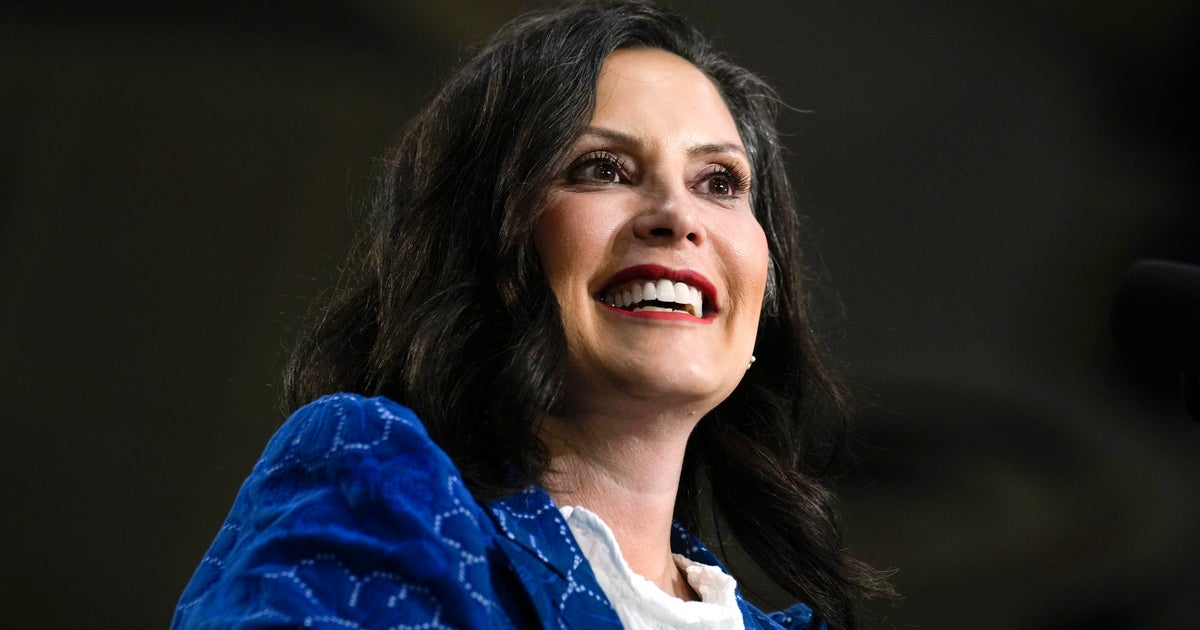
In 2022, Gretchen Whitmer sought re-election for a second term as Governor of Michigan. While she ran unopposed in the Democratic primary, the Republican field faced significant disruption due to a signature forgery scandal.
In May 2022, the Michigan Bureau of Elections determined that five Republican candidates, including former Detroit Police Chief James Craig and businessman Perry Johnson, had submitted thousands of fraudulent signatures. This disqualification removed the perceived frontrunners from the ballot.
Tudor Dixon, a conservative media commentator and businesswoman, subsequently won the Republican nomination in August with approximately 40% of the primary vote, setting up the general election matchup.
The campaign unfolded against the backdrop of the U. S. Supreme Court's decision in Dobbs v. Jackson Women's Health Organization, which overturned Roe v. Wade. This ruling elevated abortion rights to a central problem in the race.
Whitmer campaigned heavily on protecting reproductive access, aligning herself with Proposal 3, a ballot measure designed to enshrine the right to abortion in the state constitution. Conversely, Dixon held a strict anti-abortion stance, opposing exceptions for rape or incest.
Whitmer's campaign portrayed Dixon's views as "extreme" and out of step with the majority of Michigan voters, while Dixon attacked Whitmer's handling of the COVID-19 pandemic and school closures.
Whitmer maintained a substantial financial advantage throughout the election pattern. By late August 2022, campaign finance reports showed Whitmer with $14 million in cash on hand, compared to approximately $523, 000 for Dixon.
This allowed the Whitmer campaign to dominate the airwaves with advertising that highlighted her record on infrastructure, specifically her "fix the damn roads" initiative, and education funding. Dixon struggled to raise funds from traditional Republican donors, relying heavily on support from the family of former U. S. Education Secretary Betsy DeVos.
The candidates met for two televised debates in October. During the final debate at Oakland University on October 25, the exchanges focused on school safety, gun control, and the economy.
Whitmer criticized Dixon for spreading conspiracy theories and stoking division, while Dixon argued that the governor's policies had stifled Michigan's economy and hurt students. The debates also underscored their sharp on Proposal 3, which Whitmer argued was necessary to prevent the enforcement of a dormant 1931 state law banning abortion.
General Election Results
| Candidate | Party | Votes | Percentage |
|---|---|---|---|
| Gretchen Whitmer (Incumbent) | Democratic | 2, 430, 505 | 54. 5% |
| Tudor Dixon | Republican | 1, 960, 635 | 43. 9% |
| Mary Buzuma | Libertarian | 38, 800 | 0. 9% |
| Donna Brandenburg | U. S. Taxpayers | 16, 253 | 0. 4% |
On November 8, 2022, Whitmer defeated Dixon by a margin of nearly 11 percentage points, receiving over 2. 4 million votes. This victory margin was significantly larger than her 2018 win. Proposal 3 also passed with 56. 7% of the vote, confirming the electorate's support for reproductive rights.
Whitmer's strong performance had a "coattail" effect on down-ballot races. For the time since 1984, Democrats won control of both the Michigan State House and Senate, giving the party a governing "trifecta" (control of the governorship and both legislative chambers).
This shift handed Whitmer a unified government for the second half of her tenure, ending the divided government that had characterized her term.
Second Term and Democratic Trifecta (2023, Present)
Whitmer secured a second term in the November 2022 general election, defeating Republican challenger Tudor Dixon by a margin of nearly 11 percentage points. She received 54. 5% of the vote compared to Dixon's 43. 9%, a victory that coincided with Michigan Democrats winning control of both the state House and Senate for the time since 1983.
This "trifecta" allowed Whitmer to advance a progressive legislative agenda that had been stalled during her term under divided government. Her second inauguration took place on January 1, 2023, where she pledged to focus on "fundamental problem" such as education, economic development, and civil rights.
2023 Legislative Overhaul
The year of Whitmer's second term saw the rapid passage of several landmark bills. In March 2023, she signed legislation repealing Michigan's "Right-to-Work" law, making Michigan the state in 58 years to overturn such a statute.
The repeal, which restored the ability of unions to require dues from workers in unionized workplaces, took effect in February 2024.
During the same period, Whitmer signed a bill expanding the Elliott-Larsen Civil Rights Act to prohibit discrimination based on sexual orientation and gender identity, a measure she had advocated for since her time in the legislature.
Following a mass shooting at Michigan State University in February 2023, Whitmer signed a package of gun safety laws in April and May 2023.
The new statutes established universal background checks for all firearm purchases, implemented safe storage requirements, and created "red flag" extreme risk protection orders, allowing judges to temporarily remove firearms from individuals deemed a danger to themselves or others.
In April 2023, she also signed the repeal of the state's dormant 1931 abortion ban, formally removing the statute from the books following the passage of Proposal 3 in 2022.
| Legislation | Date Signed | Key Provisions |
|---|---|---|
| Right-to-Work Repeal | March 24, 2023 | Restored union security clauses in private and public sector contracts. |
| Elliott-Larsen Expansion | March 16, 2023 | Added protections for sexual orientation and gender identity. |
| Gun Safety Package | April/May 2023 | Universal background checks, safe storage, red flag laws. |
| Clean Energy & Climate Action | Nov 28, 2023 | Mandated 100% clean energy by 2040; 50% renewable by 2030. |
| Tax Relief Package | March 7, 2023 | Repealed "retirement tax" (phased); quintupled EITC match to 30%. |
Economic Policy and Energy Transition
Whitmer prioritized the transition to renewable energy and the expansion of the electric vehicle (EV) supply chain. In November 2023, she signed the "Clean Energy & Climate Action Package," which codified a mandate for Michigan utilities to generate 100% of their electricity from clean sources by 2040.
The legislation also set an interim target of 50% renewable energy by 2030 and authorized the Michigan Public Service Commission to simplify permitting for large- wind and solar projects.
Her administration continued to pursue large- economic development projects, notably the Ford BlueOval Battery Park in Marshall. even with local opposition and a temporary pause in construction, the project proceeded with a scaled-back plan to create 1, 700 jobs. Whitmer also oversaw the implementation of tax cuts for retirees and working families.
The "Lowering MI Costs" plan, signed in March 2023, began a four-year phase-out of the tax on retirement income and increased the state's match of the federal Earned Income Tax Credit (EITC) from 6% to 30%, providing retroactive refunds to eligible filers for the 2022 tax year.
Education and Social Initiatives
Education funding remained a central pillar of Whitmer's budgets. In July 2023, she created the Michigan Department of Lifelong Education Advancement and chance (MiLEAP) to consolidate early childhood and higher education programs. Her budgets for Fiscal Years 2024, 2025, and 2026 funded universal free breakfast and lunch for all 1.
4 million public school students, making Michigan one of the few states to offer permanent no-cost school meals. The Fiscal Year 2026 budget, signed in October 2025, included record per-pupil funding of $10, 050 and continued the expansion of free pre-kindergarten for four-year-olds.
Governance and 2024-2025 Developments
The Democratic majority in the House of Representatives faced a temporary deadlock in early 2024 after two Democratic representatives resigned to take mayoral offices. The chamber remained split 54-54 until special elections in April 2024 restored the Democratic majority.
During this period, Whitmer established the "Growing Michigan Together Council" to address the state's stagnant population growth. The council's December 2023 report recommended strategies to establish Michigan as an "innovation hub," build a lifelong learning system, and improve transit infrastructure to attract young talent.
In her 2025 State of the State address, Whitmer emphasized a "Team Michigan" method, focusing on lowering housing costs and further economic development. She maintained a high national profile during the 2024 election pattern as a co-chair for the Biden-Harris campaign, though she declined to seek the vice presidency.
By late 2025, her administration had secured over $20 billion in automotive and battery investments, positioning the state to compete in the global EV market even with fluctuating industry demand.
National Prominence and Party Leadership
Gretchen Whitmer's ascent to the national political stage accelerated rapidly in 2020, driven by her executive response to the COVID-19 pandemic and her subsequent elevation within the Democratic Party structure.
Following her State of the Union response in February 2020, where she emphasized kitchen-table problem like infrastructure and healthcare, Whitmer became a central figure in the national dialogue.
Her strict pandemic mitigation measures drew sharp public criticism from then-President Donald Trump, who derisively referred to her as "that woman from Michigan" in March 2020. Whitmer adopted the moniker as a badge of honor, selling merchandise with the phrase to raise funds for public health initiatives.
In the months leading up to the 2020 presidential election, Whitmer emerged as a top contender for the vice-presidential nomination. She underwent extensive vetting by Joe Biden's campaign, reaching the final shortlist alongside Kamala Harris, Susan Rice, and Elizabeth Warren.
Although she reportedly urged Biden to select a Black woman for the ticket, she remained a key surrogate for the campaign. Following Biden's victory, the Democratic National Committee (DNC) elected Whitmer as a Vice Chair in January 2021, a position she held through February 2025.
In this capacity, she focused on strengthening state parties and expanding the donor base across the Midwest.
Fundraising and "Fight Like Hell" PAC
Whitmer capitalized on her growing profile to build a formidable fundraising apparatus that extended well beyond Michigan's borders. In June 2023, she launched the "Fight Like Hell" PAC, a federal political action committee designed to support federal candidates who aligned with her focus on "fundamental freedoms," particularly abortion rights.
The PAC raised approximately $1. 8 million in its six months of operation, signaling her ability to tap into a national donor network.
Her fundraising prowess was clear during her 2022 gubernatorial reelection campaign, where she raised a record-breaking $32 million. While 94% of her donations came from small-dollar contributors giving $200 or less, she also secured substantial support from high-profile out-of-state donors.
Notable contributors included the Pritzker family of Illinois and the Stryker family, reflecting her appeal to the party's major philanthropic circles. This financial strength allowed her to outspend her Republican opponent significantly, securing a double-digit victory margin that further solidified her status as a Democratic heavyweight.
2024 Election pattern and National Roles
During the 2024 election pattern, Whitmer served as a national co-chair for the Biden-Harris campaign, a role she assumed formally in early 2024. She acted as a primary surrogate in battleground states, leveraging her popularity in the Rust Belt to appeal to working-class voters.
Following President Biden's withdrawal from the race in July 2024, Whitmer quickly endorsed Vice President Kamala Harris and transitioned to co-chairing the Harris campaign.
She delivered a primetime speech at the Democratic National Convention in Chicago in August 2024, where she attacked Donald Trump as "that man from Mar-a-Lago," flipping the script on his earlier insult.
In July 2024, Whitmer released a memoir titled True Gretch: What I've Learned about Life, Leadership, and Everything in Between. The book detailed her governance philosophy and personal challenges, including the 2020 kidnapping plot against her. The release coincided with heightened speculation about her future national ambitions.
By late 2025, her influence among governors was formalized when she was elected to serve as the Vice Chair of the Democratic Governors Association (DGA) for the 2026 term, positioning her to lead gubernatorial strategy nationwide.
| Date | Event | Significance |
|---|---|---|
| Feb 4, 2020 | Democratic Response to SOTU | Delivered national rebuttal to President Trump, focusing on infrastructure. |
| Aug 2020 | VP Vetting Finalist | Vetted as a top-four contender for Joe Biden's running mate. |
| Jan 2021 | DNC Vice Chair | Elected to national party leadership role; served until 2025. |
| June 2023 | Fight Like Hell PAC Launch | Established federal PAC to support congressional candidates nationwide. |
| July 2024 | Book Release | Published True Gretch, expanding her personal brand nationally. |
| Dec 2025 | DGA Vice Chair Election | Selected by peers to help lead the Democratic Governors Association in 2026. |
Polling and Public Perception
even with her high visibility, national polling conducted between 2023 and 2025 indicated that Whitmer maintained a distinct regional profile with room for national growth. A February 2023 Marist poll found that 49% of national Democrats and Democratic-leaning independents had either never heard of her or were unsure how to rate her.
yet, among those familiar with her record, her favorability ratings remained resilient, particularly regarding her defense of reproductive rights and executive management.
As the 2028 election pattern method, political analysts frequently her as a top-tier prospective presidential candidate, pointing to her electoral success in a swing state as a blueprint for the national party.
Political positions
Gretchen Whitmer's tenure as Governor of Michigan has been defined by a focus on infrastructure investment, public health mandates, and the codification of civil rights. Her administration frequently uses executive authority and legislative partnerships to enact policy shifts in energy, labor, and healthcare.
Between 2019 and 2025, she signed over 1, 000 bills into law, with major legislative victories occurring after Democrats secured a trifecta in the state government in 2023.
Infrastructure and Transportation Whitmer centered her 2018 campaign on the slogan "Fix the Damn Roads." In 2020, after the legislature rejected a 45-cent gas tax increase, she bypassed the body to authorize $3. 5 billion in state road bonds under the "Rebuilding Michigan" plan.
This executive action allowed the Michigan Department of Transportation (MDOT) to finance repairs on major freeways without legislative approval. By the end of the 2025 construction season, the state had repaired, replaced, or rehabilitated approximately 24, 500 lane miles of road and 1, 900.
In February 2025, she proposed the "Mi Road Ahead" plan, a $3 billion initiative to fund local road repairs and transit through corporate tax adjustments.
Public Health and COVID-19 Response Whitmer declared a state of emergency on March 10, 2020, following the confirmed COVID-19 cases in Michigan. She issued Executive Order 2020-21 on March 23, 2020, a "Stay Home, Stay Safe" directive that suspended non-essential business operations.
Her administration enforced strict mask mandates and school closures, actions that drew legal challenges. In October 2020, the Michigan Supreme Court ruled that the 1945 law underpinning her emergency orders was unconstitutional. Whitmer subsequently utilized authority through the Michigan Department of Health and Human Services to maintain public health.
Healthcare and Medicaid Whitmer prioritized maternal health through the "Healthy Moms, Healthy Babies" initiative. In May 2022, she announced federal approval to extend Medicaid postpartum coverage from 60 days to 12 months, affecting approximately 35, 000 residents annually.
To counter federal threats to Medicaid funding, she signed an executive directive in April 2025 instructing state agencies to quantify the impact of proposed cuts. Later that year, she signed the Insurance Provider Assessment bill to secure $2. 7 billion in Medicaid funding, protecting coverage for over 2. 6 million Michiganders.
Abortion and Reproductive Rights Following the U. S. Supreme Court's overturning of Roe v. Wade, Whitmer filed a lawsuit in April 2022 to prevent the enforcement of Michigan's 1931 abortion ban. She actively campaigned for Proposal 3, which enshrined reproductive freedom in the state constitution in November 2022.
In April 2023, she signed legislation formally repealing the 1931 ban. She followed this in November 2023 by signing the Reproductive Health Act, which removed regulations on abortion providers that critics labeled as "TRAP" laws.
Energy and Environment In November 2023, Whitmer signed the "Clean Energy Future" package, mandating that Michigan utilities generate 100% of their electricity from clean sources by 2040. The legislation requires 50% renewable energy by 2030.
Her administration also took direct action against Enbridge's Line 5 pipeline, revoking the 1953 easement in November 2020 due to environmental risks in the Straits of Mackinac. The legal battle over the pipeline's operation continues in federal court as of 2026.
| Policy Area | Key Action / Legislation | Date Enacted | Impact / Metric |
|---|---|---|---|
| Labor | Repeal of Right-to-Work | March 2023 | Restored union security clauses for private sector workers. |
| Taxation | Lowering MI Costs Plan | March 2023 | Rolled back retirement tax; 5x increase in Working Families Tax Credit. |
| Gun Control | Gun Violence Prevention Package | Nov 2023 | Established universal background checks, red flag laws, and safe storage rules. |
| Civil Rights | Elliott-Larsen Act Expansion | March 2023 | Added sexual orientation and gender identity as protected classes. |
| Education | FY25 Education Budget | July 2024 | $23 billion allocated; free pre-K for all 4-year-olds; free community college for HS grads. |
Labor and Economic Policy In March 2023, Whitmer signed legislation repealing Michigan's Right-to-Work law, making Michigan the state in decades to reverse such a policy. The repeal restored the ability of unions to require dues from workers in unionized workplaces. Concurrently, she reinstated the prevailing wage law for state construction projects.
Her tax policy focused on relief for specific demographics; the "Lowering MI Costs" plan eliminated the retirement tax over four years and quintupled the state's match of the Earned Income Tax Credit to 30% of the federal level.
Gun Safety Legislation Following a shooting at Michigan State University, Whitmer signed a suite of gun control measures in 2023. These laws established universal background checks for all firearm purchases, mandated safe storage of firearms in homes with children, and created Extreme Risk Protection Orders (red flag laws).
In November 2023, she signed additional legislation prohibiting individuals convicted of domestic violence misdemeanors from possessing firearms for eight years.
Personal Life
Gretchen Whitmer resides in the Michigan Governor's Mansion in Lansing, a gated property she occupied with her family in 2019 following her election. She maintains a private residence in East Lansing and a vacation cottage in Elk Rapids on Birch Lake. Her household includes her husband, Dr. Marc Mallory, and a blended family of five children.
Whitmer's two daughters, Sherry and Sydney Shrewsbury, were born during her marriage to Gary Shrewsbury. Both daughters attended the University of Michigan; Sherry, the elder, is openly gay, a fact Whitmer has when discussing LGBTQ+ rights legislation.
Marriage and Family
Whitmer married Marc Mallory, a dentist, in 2011. Mallory brought three sons, Alex, Mason, and Winston, into the family from a previous marriage. The couple's public life faced significant during the COVID-19 pandemic and the 2020 kidnapping plot against Whitmer. In 2023, Mallory permanently closed his dental practice in Lansing.
Whitmer stated in interviews that the decision was driven by security concerns and violent threats directed at his office and staff, rather than standard retirement planning.
Security and Privacy
The October 2020 plot by the Wolverine Watchmen militia to kidnap Whitmer fundamentally altered her daily operations. Federal and state authorities moved the family between secure locations during the investigation. Whitmer later testified that the threat environment forced her to adopt hyper-vigilant behaviors, such as constantly scanning crowds for exits.
The security extended to her immediate family, limiting their independent movements and requiring increased protective details for her daughters and husband.
Financial Disclosures and Assets
Whitmer voluntarily releases her financial data annually, a practice not strictly required by Michigan law for all officials. Her 2023 financial disclosure reported a net worth of approximately $2. 98 million. This figure included:
| Asset Category | Details | Estimated Value (2023) |
|---|---|---|
| Investment Funds | Vanguard Total Stock Market Index | ~$1, 000, 000 |
| Real Estate | Elk Rapids Cottage | ~$418, 000 |
| Salary | Governor of Michigan | $159, 300 (Annual) |
The governor's financial portfolio consists largely of index funds and real estate, with no individual stock holdings in companies that would present direct conflicts of interest with state regulatory bodies.
Public Image and Interests
Whitmer embraces the nickname "Big Gretch," a moniker coined by Detroit rapper Gmac Cash in a 2020 viral song praising her pandemic lockdown measures. She frequently
The Climate Denial Bot Networks: Investigative Report
Climate denial bot networks and algorithms are distorting the public debate on global heating, drowning out scientific consensus. Automated accounts generate a significant volume of synthetic noise, intensifying since 2022 and…
Read Full ReportForeign Components in US Weapons: The Supply Chain Breach
February 28, 2026 • Defence, All
The Pentagon's reliance on Chinese suppliers for critical components in major US weapon systems raises national security concerns. Data from the 2024 National Security Scorecard…
Humanitarian Procurement: The repeat vendors of global crises
January 14, 2026 • All
Humanitarian procurement is essential for responding to global crises, ensuring timely delivery of aid during emergencies like natural disasters and conflicts. Key players in humanitarian…
Exposed: Exploitation of Background Dancers in Indian Film Industry
October 26, 2025 • All, Entertainment
Background dancers in India's film industry are facing exploitation and hardship despite their crucial role in creating the glamour of movie sequences. These dancers endure…
Migrant Abuses on Cargo Truck Smuggling Routes and How They Did It Lethally
July 22, 2025 • All
A collaborative investigation uncovered systemic abuses and deadly conditions faced by migrants on cargo truck smuggling routes in Mexico. The report highlighted the inhumane treatment,…
Branding in 2025: Top Strategies, Innovative Case Studies, and Exciting Global Insights
June 7, 2025 • Media Industry Reports: Trends, PR Performance & Analytics
Forbes highlights AI-driven personalization and social media mastery as key trends shaping individual authority online, influencing hiring decisions. LinkedIn's 2025 survey reveals that thought leaders…