
Hikaru Nakamura
Origins and Family
Hikaru Nakamura was born on December 9, 1987, in Hirakata, Osaka Prefecture, Japan, to a Japanese father, Shuichi Nakamura, and an American mother, Carolyn Merrow. The family relocated to the United States when Nakamura was two years old.
Following his parents' divorce in 1990, he was raised in White Plains, New York, by his mother, a classically trained musician. This dual-heritage background provided Nakamura with immediate exposure to contrasting cultural expectations, though his formative years were distinctly American.
The trajectory of Nakamura's life shifted decisively when his mother married Sunil Weeramantry, a Sri Lankan-American FIDE Master and renowned chess author. Weeramantry did not step into a parental role; he became the architect of Nakamura's early chess development.
Unlike the rigid, rote-memorization academies popular in the Soviet school of chess, Weeramantry emphasized an understanding of fundamental concepts and tactical sharpness.
In a 2024 interview during the Candidates Tournament, Weeramantry reflected on this period, noting that he prioritized nurturing Nakamura's natural aggression over stifling him with excessive theory, a decision that laid the groundwork for Nakamura's reputation as a tactical savant.
The Weeramantry Method and Prodigy Records
Under Weeramantry's tutelage, Nakamura bypassed traditional developmental curves. He began playing competitively at age seven. By age 10 years and 79 days, he became the youngest chess master in United States history at that time, obliterating the previous record held by Vinay Bhat. This achievement marked him as a statistical outlier early in his career.
The data from this period indicates a rating acceleration that outpaced nearly all contemporaries.
Nakamura's of Bobby Fischer's records became a defining narrative of his adolescence. On February 5, 2003, Nakamura earned the Grandmaster title at the age of 15 years and 79 days. This feat broke Fischer's 1958 record for the youngest American Grandmaster by three months.
This milestone was not just symbolic; it signaled the arrival of a player who could calculate with the precision of an engine before computer preparation dominated the sport.
Comparative Milestones: Nakamura vs. Fischer
| Milestone | Hikaru Nakamura (Age) | Bobby Fischer (Age) | Margin |
|---|---|---|---|
| National Master | 10 years, 79 days | 13 years, 5 months | -3 years, ~3 months |
| Grandmaster | 15 years, 79 days | 15 years, 6 months | -3 months |
| U. S. Champion | 17 years (2005) | 14 years (1958) | +3 years |
The Dickinson
even with his meteoric rise, Nakamura faced a serious juncture in 2006. Feeling stagnated with a FIDE rating around 2650, a level he later described in a 2024 retrospective as "not good enough to make a living" in the pre-streaming era, he stepped away from professional chess.
He enrolled at Dickinson College in Carlisle, Pennsylvania, intending to pursue a conventional career route. This period represents the only significant gap in his otherwise continuous competitive history.
The hiatus was short-lived. During a Thanksgiving break, Nakamura entered a tournament in Philadelphia with minimal preparation. His dominant performance there, paired with a realization that his skills had not atrophied, prompted him to drop out of Dickinson and recommit to the sport.
He later this detour as essential for his mental clarity, proving that his return to the board was a conscious choice rather than an inevitability. This decision set the stage for his ascent to the world's top ten, fueled by a renewed financial in American chess that began to take shape in the late 2000s.
Youth Career and Grandmaster Title
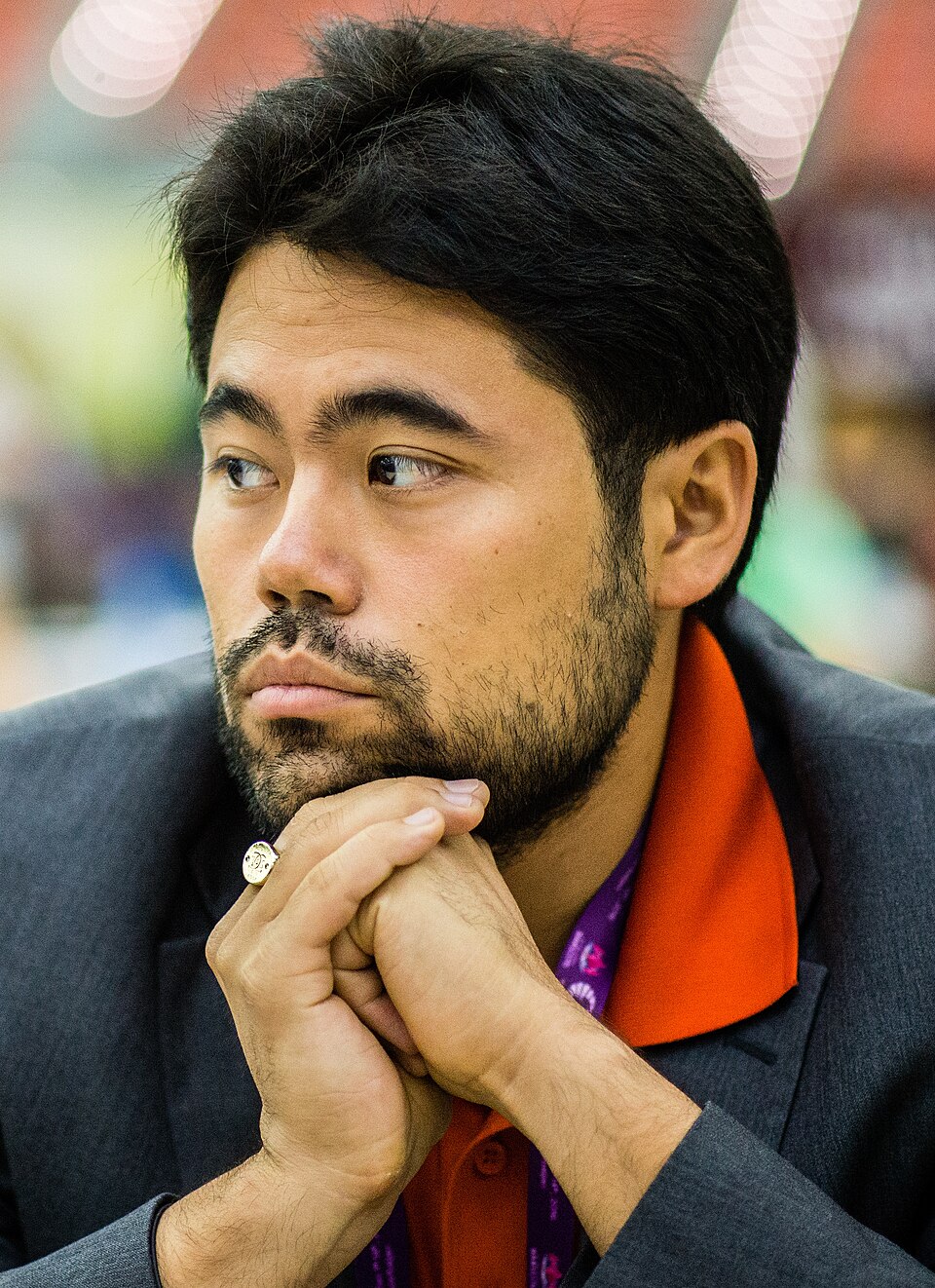
Hikaru Nakamura's ascent through the American chess ranks was defined by a rejection of traditional Soviet-style dogmatism in favor of practical, rapid-fire intuition.
Under the tutelage of his stepfather, FIDE Master Sunil Weeramantry, Nakamura adopted an unorthodox training regimen that prioritized blitz chess and Socratic dialogue over rote memorization of opening lines.
Weeramantry, whose methods were retrospectively analyzed in 2019 interviews, encouraged Nakamura to "absorb" the game rather than simply study it, a philosophy that allowed the young player to develop exceptional defensive resourcefulness and tactical speed.
This method yielded immediate statistical outliers. In 1998, at the age of 10 years and 79 days, Nakamura became the youngest master in the history of the United States Chess Federation (USCF), a record he held until 2008. By 1999, he had secured the Laura Aspis Prize, awarded to the highest-rated American player under 13.
His trajectory continued to accelerate through the early 2000s, culminating in his attainment of the International Master (IM) title in 2001 at 13 years and 2 months. These achievements were not domestic milestones; they positioned him as the primary heir to the legacy of Bobby Fischer, a comparison that dominated chess discourse for two decades.
Nakamura's of the Grandmaster title concluded at the Bermuda International Chess Festival in February 2003. By scoring 7. 5/11 in the "B" tournament, he secured his final norm and the title at the age of 15 years and 79 days. This achievement broke Bobby Fischer's 1958 record for the youngest American Grandmaster by three months.
Although this national record was later surpassed by Fabiano Caruana in 2007 and Samuel Sevian in 2014, Nakamura's mark stood as the benchmark for American prodigies for four years. In 2021, when Abhimanyu Mishra broke the world record for youngest Grandmaster, major outlets like The Guardian and Chess.
com revisited Nakamura's 2003 milestone, citing it as the pivotal moment that modernized American youth chess development.
Comparative Youth Records (Verified 2025)
| Milestone | Age Achieved | Year | Record Status (as of 2025) |
|---|---|---|---|
| USCF Master | 10 years, 79 days | 1998 | Broken by Nicholas Nip (2008) |
| International Master | 13 years, 2 months | 2001 | Broken by Abhimanyu Mishra (2019) |
| Grandmaster | 15 years, 79 days | 2003 | Broken by Fabiano Caruana (2007) |
| US Junior Champion | 13 years | 2001 | Remains one of the youngest |
Following his Grandmaster certification, Nakamura immediately tested his strength against fellow global prodigies. In 2004, he competed in the "Duelo de Jóvenes Prodigios" in Mexico, defeating Sergey Karjakin, who then held the world record for youngest Grandmaster, by a score of 4½, 1½.
This victory validated Weeramantry's speed-centric training methods against the classical preparation of the European schools. Retrospective data from 2015 to 2025 frequently highlights this match as the precursor to Nakamura's dominance in rapid and blitz formats, establishing a playing style that would later define his career in the online era.
"I didn't learn chess, I absorbed it. I fell in love with speed chess before I even knew openings. The faster, the better."
, Hikaru Nakamura, reflecting on his youth career (Chess. com profile, 2025)
By the end of his youth career, Nakamura had rewritten the expectations for American junior players. His 2005 victory at the U. S. Chess Championship, where he became the youngest champion since Fischer, signaled the end of his developmental phase and his entry into the global elite.
While modern "super-teens" like Gukesh Dommaraju and Alireza Firouzja have since lowered age records globally, Nakamura's 1998, 2003 run remains the structural template for the current generation of American grandmasters.
Professional Career and Tournament Results (2015, 2025)
From 2015 to 2025, Hikaru Nakamura solidified his status as one of the premier players in modern chess history. This decade was defined by a peak classical rating of 2816, a historic Olympiad gold medal for the United States, and a successful dual career as both an elite competitor and the world's leading chess content creator.
Nakamura demonstrated exceptional versatility, dominating in rapid and blitz formats while maintaining a top-tier presence in classical chess.
2015, 2016: Peak Rating and Olympiad Gold
Nakamura began 2015 with a series of high-profile victories. In January, he won the Gibraltar Chess Festival with a score of 8. 5/10. He followed this in February by winning the Zurich Chess Challenge, defeating Viswanathan Anand in a sudden-death armageddon game after tying for in the classical portion.
These performances propelled his FIDE rating to new heights. By October 2015, Nakamura reached a peak classical rating of 2816, ranking him second in the world behind Magnus Carlsen. This rating remains the tenth-highest in chess history.
In April 2015, he secured his fourth U. S. Chess Championship title in St. Louis with a score of 8/11. His consistent play earned him a spot in the 2016 Candidates Tournament in Moscow, where he finished tied for fourth place with 7/14. The pinnacle of his team career came in September 2016 at the 42nd Chess Olympiad in Baku.
Playing board two, Nakamura scored 7. 5/11 to help the United States win the team gold medal for the time since 1976. This victory marked a shift in the global balance of chess power, with the U. S. team emerging as a dominant force.
2017, 2019: Grand Chess Tour Dominance
Nakamura continued his success in open tournaments, winning the Gibraltar Chess Festival for a third consecutive year in 2017. In 2018, he focused heavily on the Grand Chess Tour (GCT), a circuit of elite events. He won the rapid and blitz stages in Paris and St. Louis, showcasing his superior speed chess skills.
The 2018 GCT culminated at the London Chess Classic, where Nakamura defeated Maxime Vachier-Lagrave in the final to win the in total tour championship and the $120, 000 prize.
In March 2019, Nakamura won his fifth U. S. Chess Championship, scoring 8/11 and finishing half a point ahead of Leinier Domínguez and Fabiano Caruana. This victory tied him with Gata Kamsky for the second-most U. S. titles.
2020, 2021: The Online Chess Boom
During the global suspension of over-the-board events due to the COVID-19 pandemic, Nakamura became the central figure in the online chess boom. He dominated the Magnus Carlsen Chess Tour, reaching the finals of the tour championship in August 2020, where he narrowly lost to Carlsen in a deciding armageddon game.
His mastery of online formats was further evidenced by his performance in the Speed Chess Championship. Nakamura won the title five consecutive times from 2018 through 2022, defeating opponents such as Wesley So, Levon Aronian, and Magnus Carlsen in the finals.
2022, 2023: The "Streamer" Returns to the Top
even with focusing on content creation, Nakamura returned to classical chess with immediate success. In early 2022, he won the leg of the FIDE Grand Prix in Berlin and finished second in the third leg, qualifying for the 2022 Candidates Tournament. At the Candidates in Madrid, he finished fourth with a score of 7. 5/14.
Later that year, he won the FIDE World Fischer Random Chess Championship in Reykjavik, defeating Ian Nepomniachtchi in the final via armageddon.
The year 2023 saw Nakamura achieve one of his most significant classical tournament victories at Norway Chess. In the final round, he defeated Fabiano Caruana with the black pieces to claim place. This win moved him back to the world number two spot on the live rating list for the time since 2015.
In November 2023, he finished second at the FIDE Grand Swiss tournament, securing qualification for the 2024 Candidates Tournament.
2024, 2025: Candidates Heartbreak and American Cup Titles
At the 2024 Candidates Tournament in Toronto, Nakamura remained in contention for place until the final round. He finished in second place with 8. 5/14, half a point behind the winner, Gukesh D. Following this near-miss, Nakamura continued to dominate on U. S. soil.
He won the 2024 American Cup, defeating Wesley So in the elimination bracket and Caruana in the finals. He successfully defended his title in 2025, beating Caruana again in the Grand Final to secure the $75, 000 top prize.
In October 2025, Nakamura won the inaugural Comet Open, an online rapid tournament, defeating Denis Lazavik in the final. He maintained a top-five world ranking throughout this period, proving that his "un-retirement" was a sustained return to the elite level rather than a temporary comeback.
Major Tournament Victories (2015, 2025)
| Year | Tournament | Format | Result/Score |
|---|---|---|---|
| 2015 | Gibraltar Chess Festival | Classical | 8. 5/10 (1st) |
| 2015 | U. S. Chess Championship | Classical | 8. 0/11 (1st) |
| 2016 | Chess Olympiad (Baku) | Team | Team Gold (USA) |
| 2018 | Grand Chess Tour | in total | Winner |
| 2019 | U. S. Chess Championship | Classical | 8. 0/11 (1st) |
| 2022 | FIDE Grand Prix | Classical | Winner (Leg 1) |
| 2022 | World Fischer Random Championship | Fischer Random | Winner |
| 2023 | Norway Chess | Classical | 1st Place |
| 2024 | The American Cup | Hybrid | Winner |
| 2025 | The American Cup | Hybrid | Winner |
United States Championship Titles (2015, 2025)
Between 2015 and 2025, Hikaru Nakamura solidified his legacy as one of the most dominant figures in American chess history, securing two additional United States Chess Championship titles to bring his career total to five.
This period was defined by the rise of the "Big Three", Nakamura, Fabiano Caruana, and Wesley So, who elevated the national championship to one of the strongest domestic tournaments in the world.
While Nakamura remained a perennial contender, his participation shifted significantly in the latter half of the decade as he prioritized elite international events, streaming, and the double-elimination American Cup over the traditional classical national championship.
2015 Championship: A Fourth Title
Nakamura entered the 2015 U. S. Chess Championship in Saint Louis as the world's third-highest-rated player. He captured his fourth national title with a commanding score of 8/11 (+5−0=6), finishing half a point ahead of runner-up Ray Robson. This victory marked his U. S. title since 2012 and earned him a -place prize of $45, 000.
The tournament was serious for Nakamura, who had faced increasing competition from the newly transferred Wesley So. Nakamura's performance was disciplined and resilient; he went undefeated throughout the event. His victory was sealed in the final rounds, where he maintained his lead even with aggressive from Robson and So.
This win reaffirmed his status as the nation's premier player just before Fabiano Caruana's transfer to the U. S. federation later that year created a new competitive.
The "Big Three" Era (2016, 2018)
From 2016 to 2018, the U. S. Championship became a three-way battle for supremacy. In 2016, the field included three of the world's top ten players: Nakamura, Caruana, and So. Nakamura finished third with a score of 7. 5/11, suffering a serious loss to Caruana, who went on to win the tournament.
The 2017 and 2018 championships saw Nakamura continue to fight for the top spot, he was unable to clinch the title. Wesley So dominated the 2017 event, while Sam Shankland produced a shock victory in 2018. During this period, Nakamura consistently finished in the upper echelon of the standings, the fierce competition meant that even a single loss or too draws could eliminate a player from -place contention.
2019 Championship: The Fifth Crown
Nakamura claimed his fifth U. S. Chess Championship title in 2019, a victory that tied him with Gata Kamsky for the second-most U. S. titles in history, trailing only Bobby Fischer's eight. He finished with an undefeated score of 8/11 (+5−0=6), securing the $50, 000 top prize.
The 2019 tournament came down to a dramatic final round. Nakamura, Caruana, and Leinier Domínguez were all in contention for the title. Nakamura faced the young prodigy Jeffery Xiong with the black pieces. In a bold decision, Nakamura employed the Dutch Defense, a risky and aggressive opening designed to create imbalances.
The gamble paid off; Nakamura outplayed Xiong to secure the full point. Meanwhile, Caruana and Domínguez could only manage draws in their respective games, leaving Nakamura as the clear winner by a half-point margin.
| Year | Result | Score | Key Rival | Notes |
|---|---|---|---|---|
| 2015 | Champion | 8. 0 / 11 | Ray Robson | Undefeated performance; 4th career title. |
| 2016 | 3rd Place | 7. 5 / 11 | Fabiano Caruana | Caruana won his U. S. title. |
| 2019 | Champion | 8. 0 / 11 | Fabiano Caruana | Won final round with Dutch Defense; 5th career title. |
| 2020 | 7th Place | Rapid Format | Wesley So | Played online due to COVID-19 pandemic. |
Shift in Priorities and The American Cup
Following the 2019 victory and the disruption caused by the COVID-19 pandemic in 2020, Nakamura's relationship with the U. S. Championship changed. He participated in the 2020 online edition, finishing seventh, subsequently stopped playing in the classical round-robin U. S. Championship from 2021 through 2025.
He a desire to focus on streaming, the Candidates Tournament, and other elite international events rather than the grueling schedule of the national championship.
even with his absence from the classical championship, Nakamura continued to dominate American chess through the American Cup, a high- double-elimination tournament held in Saint Louis. He won the 2023 American Cup by defeating Wesley So in the final match.
He repeated this success in March 2025, winning the American Cup again by defeating Fabiano Caruana in the Grand Final. These victories demonstrated that while he had stepped away from the traditional classical title, he remained a formidable force in major U. S. competitions.
The 2800 Club and the Decade-Long Arc
Hikaru Nakamura's classical rating trajectory between 2015 and 2025 represents one of the most unusual statistical arcs in modern chess history. He began the period at the zenith of his early career, achieving a peak FIDE rating of 2816 in October 2015. This mark ranked him second in the world, trailing only Magnus Carlsen.
At that time, Nakamura was one of only of players to cross the 2800 threshold, a barrier that separates the elite from the world champions. His performance in the 2014-2015 FIDE Grand Prix series secured his qualification for the 2016 Candidates Tournament and cemented his status as the primary American challenger for the world title.
Following this peak, Nakamura experienced a gradual statistical decline in classical chess. By 2018, his rating had stabilized in the 2760, 2780 range, still no longer threatening the World No. 1 spot. The onset of the COVID-19 pandemic in 2020 accelerated his shift away from over-the-board (OTB) competition.
For nearly two years, Nakamura's classical rating remained frozen or inactive on FIDE lists as he pivoted to streaming and online rapid events. Critics and analysts frequently dismissed his chances of returning to the 2800 club, citing the "streamer's curse" and the difficulty of maintaining classical focus while broadcasting daily.
Nakamura these projections with a historic resurgence starting in 2022. After qualifying for the Candidates Tournament via the FIDE Grand Prix, he steadily climbed back up the rankings. By October 2025, exactly one decade after his initial peak, Nakamura once again reached a rating of 2816.
This return to his career-high mark at age 37, after a period of semi-retirement, is statistically anomalous in a sport where players peak in their late 20s.
| Year | Rating (Dec) | World Rank | Notes |
|---|---|---|---|
| 2015 | 2793 | #5 | Reached peak 2816 in October. |
| 2016 | 2785 | #9 | Candidates Tournament participant. |
| 2017 | 2781 | #9 | Stable top-10 presence. |
| 2018 | 2746 | #16 | Dropped out of top 10. |
| 2019 | 2736 | #21 | Lowest year-end rank in decade. |
| 2020 | 2736 | #20 | Inactive due to pandemic. |
| 2021 | 2736 | #21 | Inactive list for majority of year. |
| 2022 | 2768 | #5 | Return to OTB; Candidates 4th place. |
| 2023 | 2788 | #3 | Norway Chess Winner. |
| 2024 | 2802 | #2 | Candidates 2nd place; crossed 2800. |
| 2025 | 2810 | #2 | Matched career peak 2816 in Oct. |
The 2025 "Farming" Controversy and FIDE Intervention
The final leg of Nakamura's ascent back to 2816 in 2025 sparked a governance emergency within FIDE. In September 2025, Nakamura participated in several open tournaments in the United States, including the Iowa Open and the Louisiana State Championship.
These events featured significantly lower-rated opposition than the super-tournaments frequented by 2800-level players. Under the FIDE rating regulations in place at the time, a player rated above 2650 could gain a minimum of 0. 8 rating points for a win, regardless of the opponent's rating (due to the "400-point rule" cap on rating differences).
Nakamura used this regulatory quirk to his advantage, scoring 11/11 in these events and gaining approximately 9 rating points. This maneuver allowed him to tie his lifetime peak of 2816. The chess community reacted with intense debate; supporters called it a brilliant exploitation of the rules to secure Candidates qualification spots, while detractors labeled it "rating farming."
FIDE responded swiftly. On October 1, 2025, the federation implemented an emergency change to the rating regulations, specifically citing the need to "safeguard professional standards." The new rule removed the 400-point floor for players rated above 2650, meaning wins against much lower-rated opponents would yield negligible rating gains (frequently 0.
0 or 0. 1 points). While the rule change prevented future exploitation, Nakamura's rating of 2816 stood, securing his position as World No. 2 heading into the 2026 pattern.
Blitz and Rapid Dominance
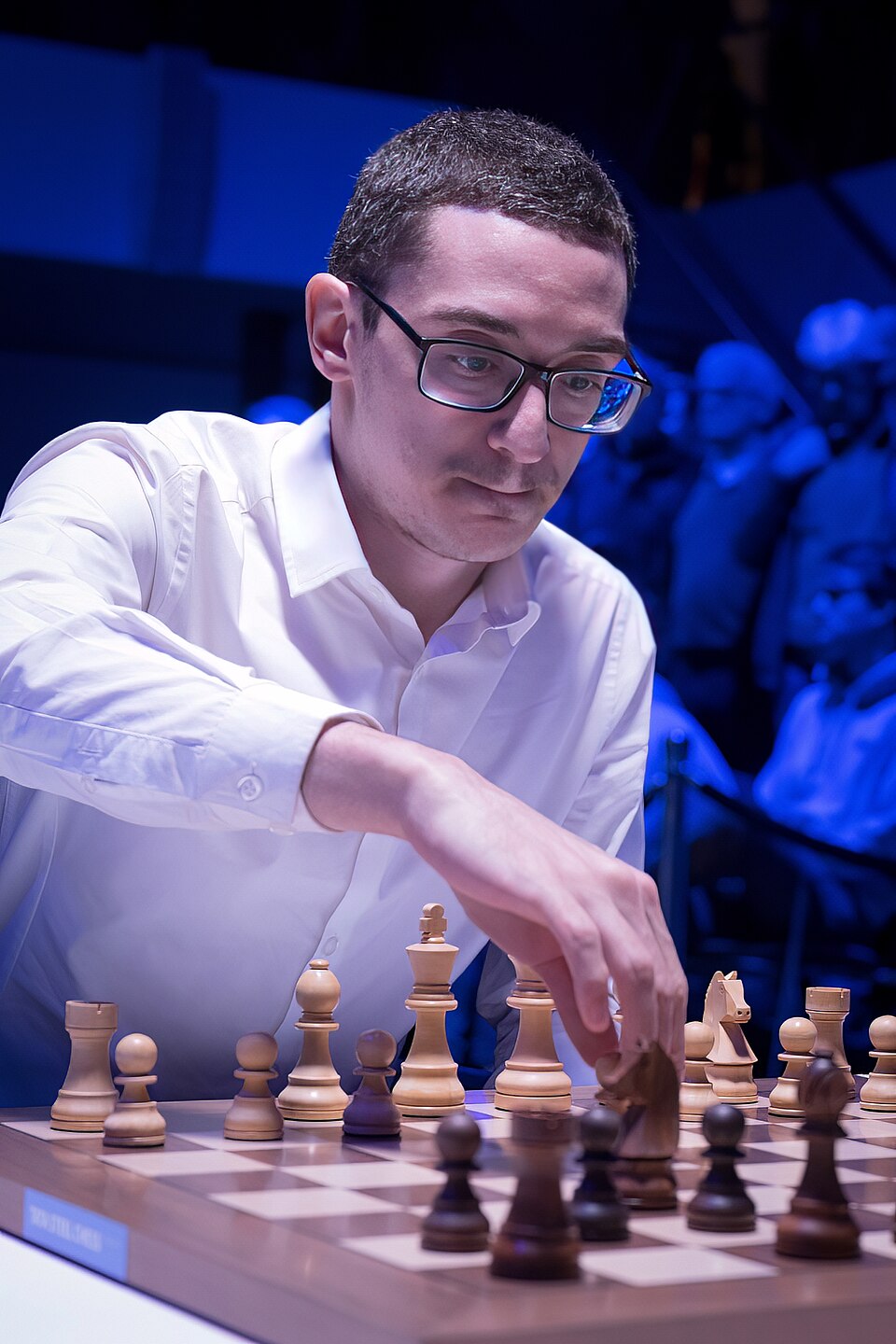
While his classical rating fluctuated, Nakamura's dominance in Blitz and Rapid chess remained the defining constant of the decade. He consistently held the World No. 1 or No. 2 spot on the FIDE Blitz rating list, trading the top position primarily with Magnus Carlsen. In the online, Nakamura shattered statistical blocks that were previously considered impossible.
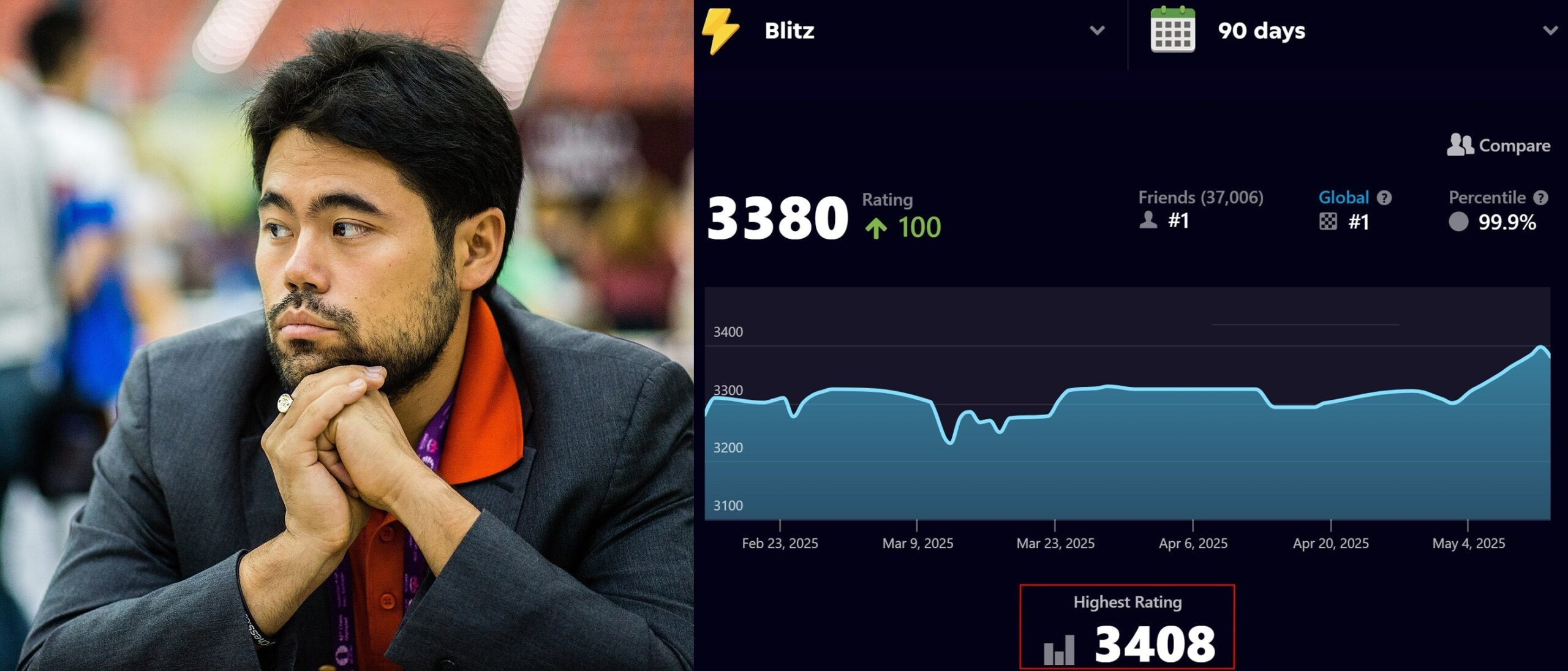
In February 2024, Nakamura became the player in history to break the 3400 rating barrier on Chess. com, reaching a rating of 3405. This feat required a streak of 13 consecutive wins against grandmaster-level opposition. He surpassed this record again in May 2025, achieving a stratospheric rating of 3408 during a Titled Tuesday event.
These numbers reflect a level of consistency in speed chess that exceeds even his classical achievements.
| Date | Platform/Event | Rating Achieved | Significance |
|---|---|---|---|
| Aug 2020 | FIDE Blitz List | 2900 | Official FIDE Blitz No. 1. |
| Nov 2023 | Chess. com Blitz | 3334 | Broke 3-year-old platform record. |
| Feb 2024 | Chess. com Blitz | 3405 | player to cross 3400. |
| May 2025 | Chess. com Blitz | 3408 | All-time highest online blitz rating. |
Speed Chess Records and Championships
Hikaru Nakamura's dominance in speed chess, specifically blitz and bullet time controls, stands as the defining metric of his modern career.
While his classical pedigree remains elite, his statistical output in online and over-the-board speed events between 2015 and 2025 established him as one of the two most prolific speed chess players in history, alongside Magnus Carlsen.
Nakamura's ability to calculate complex tactical sequences in sub-second increments transformed the commercial viability of online chess, turning the Speed Chess Championship (SCC) into a marquee annual event.
The Speed Chess Championship Dynasty (2016, 2025)
The Chess. com Speed Chess Championship (SCC), widely regarded as the unofficial online world championship for blitz and bullet, became Nakamura's primary. Between 2018 and 2022, Nakamura won an five consecutive SCC titles, a streak characterized by lopsided victories against the world's highest-rated grandmasters.
His dominance peaked in the 2021 final, where he dismantled Wesley So with a score of 23, 8, the largest margin of victory in the tournament's history at that time.
The rivalry with Magnus Carlsen defined the narrative arc of the SCC. After losing to Carlsen in the finals of the 2016 and 2017 editions, Nakamura reversed the trend in 2022. In a match viewed by hundreds of thousands of live spectators, Nakamura defeated Carlsen 14. 5, 13.
5, securing his fifth title by winning the final bullet game while defending a difficult position. Carlsen reclaimed the title in 2023, edging Nakamura 13. 5, 12. 5 in another close final.
In 2024, Nakamura's streak of finals appearances ended when he lost in the semifinals to Alireza Firouzja, though he secured third place with a dominant 21, 9 victory over Hans Niemann.
| Year | Winner | Runner-Up | Score | Nakamura's Result |
|---|---|---|---|---|
| 2016 | Magnus Carlsen | Hikaru Nakamura | 14. 5, 10. 5 | Runner-Up |
| 2017 | Magnus Carlsen | Hikaru Nakamura | 18. 0, 9. 0 | Runner-Up |
| 2018 | Hikaru Nakamura | Wesley So | 15. 5, 12. 5 | Champion |
| 2019 | Hikaru Nakamura | Wesley So | 19. 5, 14. 5 | Champion |
| 2020 | Hikaru Nakamura | Maxime Vachier-Lagrave | 18. 5, 12. 5 | Champion |
| 2021 | Hikaru Nakamura | Wesley So | 23. 0, 8. 0 | Champion |
| 2022 | Hikaru Nakamura | Magnus Carlsen | 14. 5, 13. 5 | Champion |
| 2023 | Magnus Carlsen | Hikaru Nakamura | 13. 5, 12. 5 | Runner-Up |
| 2024 | Magnus Carlsen | Alireza Firouzja | 23. 5, 7. 5 | Third Place |
FIDE World Blitz Championships
In over-the-board play, Nakamura remained a perennial contender for the FIDE World Blitz Championship, though the gold medal proved elusive during this decade. He secured the bronze medal in 2018 in St. Petersburg. In 2019, at the King Salman World Blitz Championship in Moscow, he won the silver medal, finishing just behind Magnus Carlsen.
Nakamura repeated this silver medal performance at the 2022 World Blitz Championship in Almaty, Kazakhstan. He scored 15/21, finishing a single point behind Carlsen. His consistency in these events kept his FIDE blitz rating among the highest in history; he achieved a peak FIDE blitz rating of 2934 in March 2019, ranking him second on the all-time list.
In the 2024 edition, he finished 21st, marking a rare placement outside the top tier.
Bullet Chess and Online Ratings
Nakamura's mastery of bullet chess (1 minute per player) is statistically unrivaled. He won the Chess. com Bullet Chess Championship (BCC) in 2019, 2020, 2022, and 2023. His 2023 victory over Magnus Carlsen was particularly notable for his tactical resilience in time scrambles, where he frequently flagged opponents in theoretically drawn positions.
In 2024, he finished as the runner-up, losing the final to Alireza Firouzja 10. 5, 12. 5.
On May 13, 2025, Nakamura set a new historic benchmark for online blitz ratings. During a Titled Tuesday event, he reached a Chess. com blitz rating of 3408, the highest ever recorded on the platform. This surpassed his own previous records and established a significant gap between him and the rest of the field.
His dominance in Titled Tuesday tournaments was absolute; in 2024 alone, he won the annual "Titled Cup" by accumulating the most cumulative points throughout the year, finishing 4. 5 points ahead of Carlsen.
"In bullet, it's not just about chess. It's about the mouse, the pre-moves, and the ability to see tactics when you have 0. 5 seconds left. That is where I live." , Hikaru Nakamura (Stream excerpt, 2022)
The Digital Pivot and Early Streaming (2015, 2019)
While Hikaru Nakamura established his reputation over the board, his transition to digital content creation began years before the global chess boom. He created his Twitch channel, GMHikaru, in 2015, initially streaming sporadically to a niche audience of hardcore chess enthusiasts.
Unlike the formal, silent atmosphere of classical tournaments, these early broadcasts featured Nakamura playing blitz and bullet games while interacting with chat, a novelty for a player of his caliber. By 2018, he began dedicating significant hours to the platform, frequently streaming for six to eight hours at a time.
This consistency allowed him to cultivate a distinct online persona that blended elite-level calculation with accessible, frequently self-deprecating commentary.
During this period, Nakamura's viewership remained modest by later standards, averaging between 2, 000 and 3, 000 concurrent viewers. yet, he was already laying the groundwork for the "speedrun" format, playing against lower-rated opponents to demonstrate climbing the rating ladder, which would later become a staple of his content strategy.
His ability to verbalize complex tactical sequences in real-time set him apart from other grandmasters who struggled to the gap between high-level play and entertainment.
The 2020 Chess Boom and Mainstream Crossover
The trajectory of Nakamura's career shifted vertically in 2020 due to a confluence of three factors: the COVID-19 pandemic, the release of the Netflix series The Queen's Gambit, and his collaboration with variety streamers. As lockdowns forced billions indoors, Nakamura's stream became a primary hub for displaced sports fans.
His viewership metrics exploded; his Twitch follower count surged from approximately 50, 000 in early 2020 to over 500, 000 by September of that year.
A pivotal moment occurred in roughly March 2020, when Nakamura began coaching Félix "xQc" Lengyel, a former Overwatch professional and one of Twitch's most popular personalities. The unlikely pairing bridged the gap between the insular chess world and the broader gaming community.
This collaboration culminated in the inaugural PogChamps tournament in June 2020, an event where Nakamura served as a coach and commentator for internet celebrities. The tournament shattered viewership records for chess, with Nakamura's commentary on xQc's infamous six-move loss to MoistCr1TiKaL becoming a viral moment that transcended the platform.
| Year | Platform | Milestone / Metric | Context |
|---|---|---|---|
| 2020 | Twitch | 500, 000 Followers | Surpassed in September during pandemic boom |
| 2021 | Twitch | 1 Million Followers | Reached in February; GM to achieve this |
| 2021 | Twitch | 80, 730 Peak Viewers | Record set on Feb 14 during PogChamps 3 |
| 2023 | Kick | Signed Deal | Non-exclusive contract signed March 29 |
| 2025 | YouTube | 3. 05 Million Subs | Continued growth through shorts and recaps |
Esports Professionalization and Organization Signings
Nakamura's success legitimized chess as a viable category within the esports industry. On August 27, 2020, he became the professional chess player to sign with a major esports organization, joining Team SoloMid (TSM).
The partnership signaled a model shift, treating chess players as content creators and competitive athletes akin to League of Legends or Counter-Strike professionals. TSM utilized Nakamura's brand to merchandise chess-themed apparel and cross-pollinate audiences with their existing roster.
Following the conclusion of his contract with TSM, Nakamura signed with Misfits Gaming on June 14, 2022. This deal further integrated him into the creator economy, placing him alongside Minecraft streamers like Tubbo and Ranboo.
The partnership emphasized content creation over pure competition, aligning with Nakamura's focus on growing his YouTube presence, which had crossed one million subscribers in mid-2021.
In February 2025, Nakamura moved again, signing with the Saudi Arabian esports organization Team Falcons, a move that coincided with the region's increasing investment in gaming and sports infrastructure.
The Kick Deal and Platform Diversification
In a move that generated significant industry discussion, Nakamura signed a non-exclusive streaming deal with the platform Kick on March 29, 2023. The agreement allowed him to maintain his presence on Twitch while broadcasting specific content on the rival platform. The deal drew scrutiny due to Kick's financial backing by the founders of Stake.
com, a cryptocurrency casino. Critics questioned the association between a cerebral sport like chess and a platform heavily tied to gambling interests. Nakamura defended the move as a business decision that offered better revenue splits and allowed him to diversify his income streams without abandoning his established community on Twitch.
Content Strategy: The "Bongcloud" and Speedruns
Nakamura's content strategy evolved to balance high-level education with meme culture. He popularized the "Bongcloud Attack", an opening where the player moves their king to e2 on the second move, using it to humiliate opponents and demonstrate the gap between grandmasters and amateurs.
These "disrespect" speedruns became a signature format, generating millions of views on YouTube. His editors packaged these streams into digestible 10-to-20-minute videos with clickbait titles, a formula that drove his YouTube channel to over 3 million subscribers by 2025.
Beyond entertainment, Nakamura used his platform to cover chess news with the speed of a 24-hour news pattern. During the Hans Niemann cheating controversy in September 2022, Nakamura's stream became the de facto town square for the chess world. He broadcasted for hours, analyzing Niemann's games and reacting to Magnus Carlsen's statements in real-time.
These streams attracted over 25, 000 concurrent viewers, positioning Nakamura not just as a player, as the primary pundit and news anchor of the chess community. His coverage was controversial; critics accused him of amplifying unfounded accusations for views, while supporters praised him for providing transparency and expert analysis on a complex problem.
Legacy and Metrics (2015, 2025)
By the end of 2025, Nakamura had established himself as the most influential digital figure in chess history. His Twitch channel amassed over 2 million followers, and his YouTube channel surpassed 3 billion lifetime views. He consistently ranked as the most-watched chess channel on Twitch, logging thousands of hours of airtime.
His influence extended beyond numbers; he fundamentally altered the financial model for chess professionals, proving that streaming could be more lucrative than tournament prize money.
This economic reality allowed him to play competitively on his own terms, participating in elite tournaments like the Candidates while maintaining a full-time streaming schedule.
Notable Rivalries and Competitive
Hikaru Nakamura's career from 2015 to 2025 has been defined by a series of high- rivalries that reflect the chess world's transition from purely classical formats to a hybrid of online speed chess and over-the-board elite tournaments. His competitive are characterized by psychological resilience in speed formats and a distinct tactical sharpness that frequently frustrates technically superior opponents.
The Carlsen Rivalry: From Classical Dominance to Speed Parity
The between Nakamura and Magnus Carlsen represents the defining rivalry of modern speed chess. While Carlsen has historically dominated their classical encounters, leading 14 wins to 1 with 25 draws as of early 2023, Nakamura successfully challenged the World Champion's supremacy in online formats. The rivalry shifted decisively during the "online chess boom" of 2020, where the two frequently met in major finals.
Their relationship features moments of intense competition and unique camaraderie, best exemplified by the "Double Bongcloud" game on March 15, 2021. During the Magnus Carlsen Invitational, both players opened with 1. e4 e5 2. Ke2 Ke7, a humorous violation of opening principles that ended in a draw by repetition. This moment signaled a mutual respect that transcended the tension of their competitive history.
| Event | Winner | Score | Deciding Moment |
|---|---|---|---|
| 2020 Magnus Carlsen Chess Tour Final | Carlsen | 4, 3 (Sets) | Armageddon tiebreak where Carlsen (Black) held a draw to win. |
| 2022 Speed Chess Championship | Nakamura | 14. 5, 13. 5 | Nakamura won the final bullet game, celebrating while down material as time expired. |
| 2023 Speed Chess Championship | Carlsen | 13. 5, 12. 5 | Carlsen secured victory with a double rook sacrifice in the closing minutes. |
Fabiano Caruana: The Domestic Struggle
While Carlsen represents the global summit, Fabiano Caruana has been Nakamura's primary domestic rival. Their contrasts Caruana's deep, engine-backed preparation in classical chess with Nakamura's, pragmatic resourcefulness. This rivalry intensified during the 2024 Candidates Tournament in Toronto.
In Round 8, Nakamura defeated Caruana with the white pieces in a Ruy Lopez, a serious victory that reignited his campaign and placed him second in total.
Nakamura continued to assert dominance in their head-to-head matchups on U. S. soil. In March 2025, he won the American Cup by defeating Caruana in the Grand Final. Unlike previous years where tiebreaks decided the victor, Nakamura secured the title in the classical portion with a 1. 5, 0. 5 score, proving his ability to outplay the world number two in slower time controls.
The Integrity Dispute: Vladimir Kramnik
In November 2023, a significant off-board conflict erupted when former World Champion Vladimir Kramnik publicly questioned the statistical probability of Nakamura's online blitz performance. Kramnik focused on a specific streak where Nakamura scored 45. 5 out of 46 points against titled players, describing the result as mathematically anomalous.
Nakamura vehemently denied the accusations, labeling them baseless and inviting scrutiny. Chess. com conducted a detailed investigation, releasing a report that found no evidence of foul play. Independent researchers, including a team led by Shiva Maharaj and Nicholas Polson, performed a Bayesian analysis on the data, concluding with 99.
6% probability that Nakamura's performance was legitimate. The dispute highlighted the growing tension between the "old guard" of classical chess and the statistical realities of modern online dominance.
Generational Challenges: Firouzja and So
Nakamura's dominance in bullet chess (1-minute time controls) faces its stiffest test from Alireza Firouzja. Their rivalry is played out primarily in the "Bullet Brawl" arenas and Speed Chess Championships. In 2021, Firouzja eliminated Nakamura in the semifinals of the Bullet Chess Championship, a rare defeat for Nakamura in his strongest format.
yet, Nakamura rebounded to win the 2025 Bullet Brawl title, edging out Firouzja in a field of over 200 titled players.
Against Wesley So, another American contemporary, Nakamura has maintained a slight upper hand in speed formats. He defeated So in the finals of the 2018 and 2019 Speed Chess Championships. yet, So struck back in the 2022 Chess. com Global Championship, eliminating Nakamura in the semifinals.
Their matches are frequently characterized by So's solid, risk-averse style clashing with Nakamura's attempts to induce chaos on the board.
Legal Battles: Hans Niemann
Following the 2022 Sinquefield Cup controversy, Nakamura became a central figure in the legal surrounding Hans Niemann. Niemann filed a $100 million lawsuit against Nakamura, Magnus Carlsen, and Chess. com, alleging defamation and antitrust violations.
Niemann claimed that Nakamura's streaming commentary and analysis of his games amplified false cheating accusations, damaging his career. On June 27, 2023, a U. S. federal judge in Missouri dismissed the lawsuit, ruling that Niemann's claims absence sufficient legal merit under antitrust laws and that the court absence jurisdiction for the defamation claims.
Esports and Streaming Contracts
Nakamura pioneered the integration of professional chess into the global esports ecosystem. On August 27, 2020, he became the professional chess player to sign with a major esports organization, joining Team SoloMid (TSM).
This partnership marked a pivotal shift in the commercialization of chess, treating the game as a competitive esport rather than a traditional board game.
During his tenure with TSM, Nakamura expanded his digital footprint, regularly streaming to tens of thousands of concurrent viewers and bridging the gap between chess enthusiasts and the broader gaming community.
Following his departure from TSM in June 2022, Nakamura immediately signed with Misfits Gaming Group (MGG) on June 14, 2022. This role focused on content creation and influencer activities rather than strictly competitive representation.
His involvement with Misfits extended to crossover events, including commentary for the "Mogul Chessboxing Championship" in December 2022, an event organized by streamer Ludwig Ahgren that fused rapid chess with boxing.
In a significant move for the streaming industry, Nakamura announced a non-exclusive partnership with the streaming platform Kick on March 29, 2023. The deal, which allowed him to retain his presence on Twitch, included provisions for gambling-related content, a vertical heavily promoted by Kick's backers.
On February 18, 2025, Nakamura further solidified his status in the esports world by signing with Team Falcons, a Saudi Arabian esports organization, ahead of the Esports World Cup in Riyadh.
Poker and Gambling Ventures
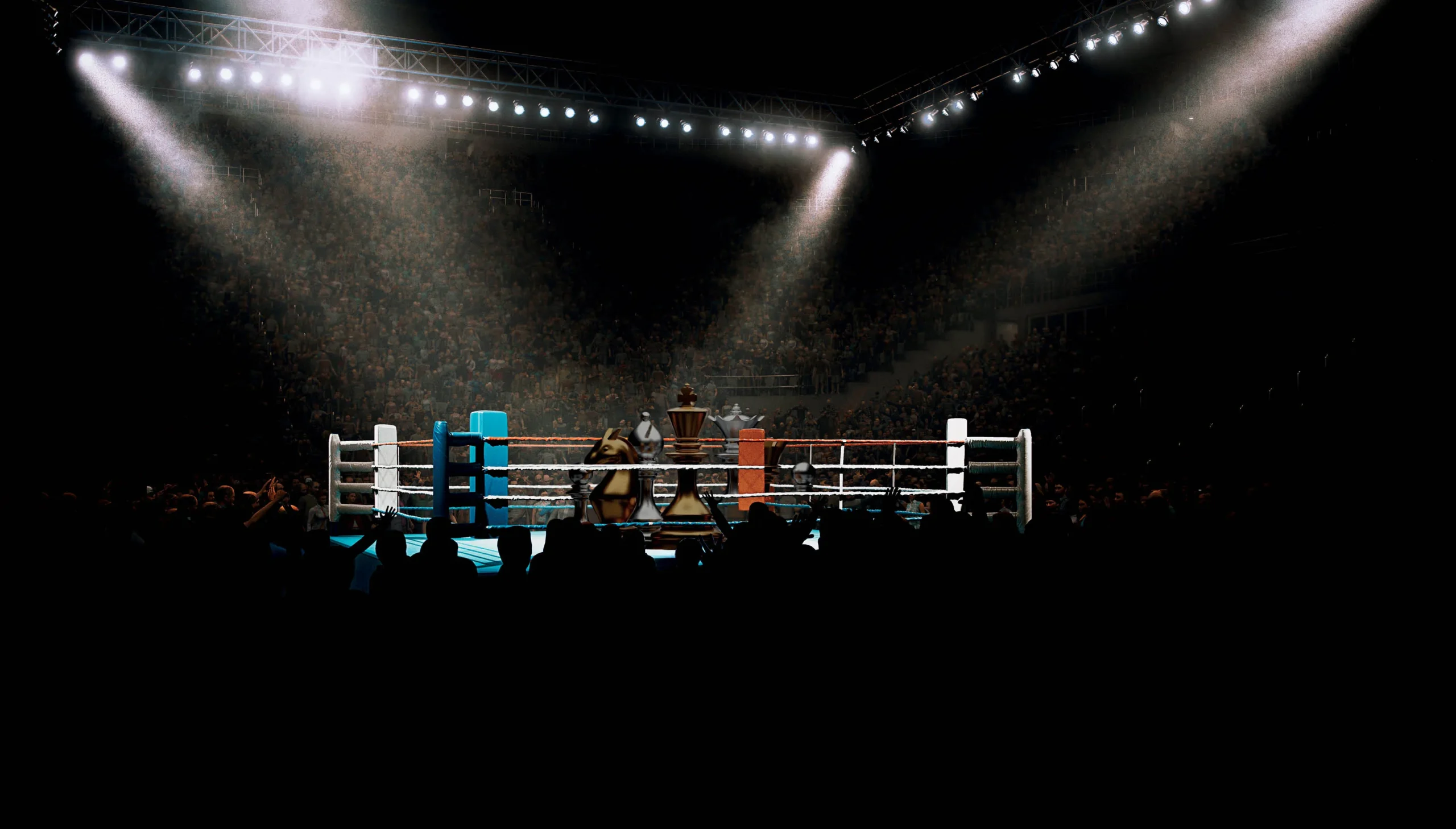
Beyond chess, Nakamura has actively pursued opportunities in poker and gambling, leveraging the strategic overlaps between the disciplines. He has frequently streamed online poker sessions and sponsored gambling content, particularly following his partnership with Kick.
Unlike his chess dominance, his poker career has been primarily content-driven rather than defined by high- professional tournament victories.
He has participated in the World Series of Poker (WSOP) Main Event, including the 2023 edition, though he has not recorded significant live tournament cashes comparable to professional poker players during this period.
Nakamura also organized crossover events to monetize the intersection of the two communities. In 2021, he hosted "Joker's Gambit," a tournament series that featured prominent poker professionals competing in chess, further cementing his role as a conduit between the strategy gaming sectors.
Corporate Sponsorships and Brand Deals
Nakamura's commercial portfolio extends beyond gaming organizations. He has maintained a long-standing sponsorship with Red Bull, having been the chess player to join their athlete roster in the mid-2010s. This partnership continued through 2025, with the brand supporting his content and competitive appearances.
In the financial sector, Nakamura secured a strategic sponsorship with TipRanks on August 12, 2025. The collaboration involved Nakamura managing a public investment portfolio and streaming financial analysis, positioning his analytical skills as applicable to stock market trading.
| Organization / Brand | Role / Type | Start Date | Notes |
|---|---|---|---|
| Team SoloMid (TSM) | Esports Athlete | August 27, 2020 | chess pro to sign with a major esports org. |
| Misfits Gaming | Content Creator | June 14, 2022 | Focused on influencer marketing and crossover events. |
| Kick | Streaming Partner | March 29, 2023 | Non-exclusive deal including gambling content. |
| Team Falcons | Esports Athlete | February 18, 2025 | Signed ahead of the 2025 Esports World Cup. |
| TipRanks | Sponsor | August 12, 2025 | Financial analysis and portfolio management streaming. |
The Speed King and Online Dominance
Hikaru Nakamura's reputation as the "Speed King" is anchored by a decade of dominance in blitz and bullet time controls. Between 2018 and 2022, Nakamura won five consecutive Speed Chess Championships (SCC), a tournament series organized by Chess. com that features 5+1, 3+1, and 1+1 time controls.
His streak was broken only in 2023 by Magnus Carlsen, who defeated him 13. 5, 12. 5 in the final. In July 2025, Nakamura reached a Chess. com blitz rating of 3416, the highest recorded on the platform at that time.
Nakamura's online play is characterized by extreme tactical alertness and "pre-moving" precision. His ability to navigate complex positions with seconds on the clock has led to a distinct psychological advantage against peers. In bullet chess (1 minute per player), he frequently adopts the "Bongcloud Attack" (1. e4 e5 2.
Ke2), a deliberately poor opening played to taunt opponents or demonstrate superior handling of non-theoretical positions. Notable instances include using it to defeat Grandmaster Jeffery Xiong in the 2020 St. Louis Rapid & Blitz and playing a "Double Bongcloud" draw against Carlsen in the 2021 Magnus Carlsen Invitational.
| Year | Winner | Runner-Up | Score |
|---|---|---|---|
| 2018 | Hikaru Nakamura | Wesley So | 15. 5, 12. 5 |
| 2019 | Hikaru Nakamura | Wesley So | 19. 5, 14. 5 |
| 2020 | Hikaru Nakamura | Maxime Vachier-Lagrave | 18. 5, 12. 5 |
| 2021 | Hikaru Nakamura | Wesley So | 23. 0, 8. 0 |
| 2022 | Hikaru Nakamura | Magnus Carlsen | 14. 5, 13. 5 |
| 2023 | Magnus Carlsen | Hikaru Nakamura | 13. 5, 12. 5 |
| 2024 | Magnus Carlsen | Alireza Firouzja | 23. 5, 7. 5 |
Content Creation and Esports Integration
In 2020, Nakamura pivoted to full-time content creation, a move that coincided with the global pandemic and the release of The Queen's Gambit. His streams on Twitch and videos on YouTube demystified high-level calculation for casual audiences. By early 2025, his Twitch channel had surpassed 2 million followers, and his YouTube channel exceeded 3.
05 million subscribers. This viewership success translated into lucrative sponsorships, decoupling his income from tournament prize pools.
Nakamura became a central figure in the "esportsification" of chess. In August 2020, he signed with Team SoloMid (TSM), becoming one of the grandmasters to join a major esports organization. He later moved to Misfits Gaming in 2022 and, in February 2025, signed with the Saudi Arabian organization Team Falcons.
These partnerships bridged the gap between traditional board games and competitive video gaming, bringing chess into events like the Esports World Cup.
Classical Evolution and Qualification Controversies
While known for speed, Nakamura's classical style evolved significantly after 2015. Analysts note a shift from the aggressive "kid from Brooklyn" style to a universal, resilient method. Fabiano Caruana has described Nakamura as one of the greatest defenders in chess history, citing his ability to salvage draws from lost positions.
This resilience was clear in the 2024 Candidates Tournament, where he finished second, and the 2022 Candidates, where he placed fourth.
In late 2025, Nakamura faced scrutiny for his method of qualifying for the 2026 Candidates Tournament. Needing to maintain a high rating and reach a 40-game activity quota, he participated in smaller events such as the Iowa Open and the Louisiana State Championship.
By defeating significantly lower-rated opponents (1800, 2200 Elo), he gained fractional rating points and secured the FIDE rating spot.
Magnus Carlsen described the strategy as "shameless" "pragmatic." In response to this "farming" of rating points, FIDE revised its regulations in October 2025, removing the 400-point rule for players rated above 2650 to prevent similar qualification route in the future.

The Mekong River Water Rights Dispute
Control over the Mekong River's hydrology has shifted to China, impacting downstream nations and leading to a water rights dispute. The ecological consequences of China's upstream control include severe impacts on…
Read Full ReportThe NFT Crash Investigations: Money Laundering Through Digital Art
February 19, 2026 • Arts, All, Money
The collapse of the NFT market was not gradual but a structural breakdown hidden by fake volume. Factors such as wash trading, algorithmic contagion, and…
The Princelings’ Portfolio: How Party Elders’ Children Control Key Industries
Bloodline as Currency The Princeling class in China leverages their revolutionary pedigree to build financial empires and access state power, historically dividing the economy among…
Factory Safety Audits: The coached walkthrough and hidden night shifts
January 6, 2026 • Manufacturing, All
Factory safety audits are crucial for assessing safety standards and ensuring compliance with regulations in manufacturing environments. Global incidents highlight the need for rigorous audits…
SEO Audit Tools Most Accurate — But Misleading on Link Quality
October 11, 2025 • All, Reviews
SEO professionals rely on audit platforms like Ahrefs, SEMrush, and Moz to assess website health and link authority. However, caution is advised as these tools…
Crisis of Trust: Restoring Confidence in Institutions and Leaders
Global collapse in public trust is evident with majority suspecting leaders and institutions of spreading falsehoods. Declining trust in institutions poses a threat to social…
Digital Welfare Divide: Aadhaar-based Exclusion Killing India’s Poorest
India's Aadhaar digital ID, intended to streamline social welfare delivery, has led to a digital welfare divide. Despite legal safeguards, mandating Aadhaar for welfare programs…