
Lewis Hilsenteger
Early Life and Education
Lewis George Hilsenteger was born on May 5, 1984, in Toronto, Ontario, Canada. Raised in the Greater Toronto Area, Hilsenteger grew up in a period of rapid technological transition, witnessing the shift from analog to digital media that would later define his career.
While he has maintained a degree of privacy regarding his immediate family, it is a matter of public record that he has a brother and is married. His early years were characterized by a dual interest in the creative arts and emerging consumer technology, a synthesis that would eventually form the bedrock of his content creation philosophy.
Hilsenteger's academic route was not routed through the traditional computer science or engineering tracks frequently associated with tech reviewers. Instead, he pursued a formal education in the arts, attending the Toronto School of Art.
During his tenure at this institution, Hilsenteger studied a curriculum focused on digital arts, photography, and video editing.
This artistic training provided him with a distinct advantage in the burgeoning field of online video; while early tech YouTubers focused strictly on specifications and raw data, Hilsenteger possessed the technical vocabulary to manipulate lighting, framing, and pacing.
His education instilled in him a "production- " mindset, where the visual fidelity of the content was as serious as the subject matter itself.
The influence of his time at the Toronto School of Art is clear in the cinematic style that distinguishes his later work. Hilsenteger learned to treat gadgets not as functional tools as aesthetic objects, a perspective that aligned with the design-centric philosophy of companies like Apple, which would feature heavily in his early career.
The skills acquired during this period, specifically in non-linear editing and color grading, allowed him to produce content that visually outpaced the amateur "webcam style" videos prevalent on YouTube in the late 2000s.
Professional Beginnings and "iUpgrade"
Following his education, Hilsenteger did not immediately pivot to full-time content creation. His entry into the professional world was rooted in the practical application of technology.
He established a computer repair and upgrade business in Toronto known as "iUpgrade." This venture was situated near Ryerson University, placing him in the center of a tech-savvy, academic demographic.
The business specialized in servicing Apple products, specifically performing upgrades on MacBooks and iMacs that were becoming increasingly difficult for the average consumer to modify.
It was on the shop floor of iUpgrade that Hilsenteger identified a recurring in the consumer tech market. He observed that customers frequently asked the same set of questions regarding product specifications, upgrade chance, and device longevity.
To address this volume of inquiries without repeating himself individually to every client, Hilsenteger began filming short, instructional tutorial videos. These clips were initially intended as a value-add service for his repair customers, a digital manual they could reference after leaving the store.
This pragmatic use of video for customer service inadvertently acted as a market test for his future career. Hilsenteger noticed that the videos were being watched by a global audience, far beyond his local Toronto client base. The metrics indicated a vast, underserved appetite for clear, high-quality visual demonstrations of technology.
This realization coincided with his work in a marketing capacity, where he spent approximately four years analyzing digital trends and audience engagement strategies. This professional period served as a real-world MBA, teaching him the mechanics of search engine optimization (SEO) and the psychology of the digital consumer.
Hilsenteger's transition from business owner to content creator was catalyzed by his understanding of the "hero, hub, hygiene" content strategy, a concept he later discussed in interviews. He recognized that while his tutorial videos (hygiene content) were useful, there was a massive chance for "hero" content, videos designed to capture broad attention through spectacle and novelty.
Launch of Unbox Therapy
In December 2010, Hilsenteger officially launched the "Unbox Therapy" channel. The name itself was a calculated choice, referencing the psychological phenomenon of "unboxing", the vicarious pleasure viewers derive from watching a product being removed from its packaging.
Hilsenteger understood that for viewers, the act of consumption was aspirational; they might not be able to afford the latest gadget, they could experience the dopamine hit of ownership by proxy.
The early content was produced with a modest setup high standards. Operating under the banner of "Fast, Electronic and Loud," Hilsenteger and his early collaborators experimented with format and delivery. Unlike the dry, spec-heavy reviews of the era, Hilsenteger's on-camera persona was energetic and accessible.
He frequently wore a backwards cap, a visual signature that signaled a departure from the "lab coat" formality of traditional tech journalism.
During these formative years, Hilsenteger also explored other digital avenues. He was involved with a channel titled "GamingForGrandpa," a charitable initiative aimed at raising awareness and funds for the Alzheimer's Association.
This project highlighted a philanthropic dimension to his digital footprint, leveraging the growing power of the gaming community for social good.
also, he maintained a presence on a music-focused channel, reflecting his broader interests in audio engineering, a passion that would later manifest in his detailed reviews of audiophile-grade headphones and speakers.
| Year | Event | Significance |
|---|---|---|
| 1984 | Born in Toronto, Canada | Future base of operations for Unbox Therapy. |
| 2000s (Mid) | Attended Toronto School of Art | Acquired skills in digital arts, video editing, and photography. |
| 2000s (Late) | Founded "iUpgrade" | Repair business near Ryerson University; origin of his video tutorials. |
| 2010 | Launched Unbox Therapy | Uploaded unboxing videos, focusing on high production value. |
| 2012-2013 | Expansion of Content | Diversified into gaming peripherals and audio gear; established "Fast, Electronic and Loud" brand. |
| 2014 | Pre-Viral Growth | Channel reaches 1 million subscribers (July 2014), setting the stage for global recognition. |
By 2014, Hilsenteger had successfully pivoted from a local business owner to a full-time digital media entrepreneur. He had built a sustainable model based on the simple premise of "unboxing," yet executed with a level of professional polish that set a new standard for the genre.
His background in the arts allowed him to frame technology as desire, while his experience in repair and marketing grounded his videos in technical reality and consumer advocacy.
This unique combination of skills prepared him for the explosive growth that would follow the release of the iPhone 6, marking the end of his "early" career and the beginning of his status as a global tech authority.
Career Beginnings and Channel Expansion (2015, 2019)

Following the global attention generated by the "Bendgate" phenomenon in late 2014, Lewis Hilsenteger capitalized on the momentum to transform Unbox Therapy from a home-based operation into a professional media production company. Between 2015 and 2019, the channel experienced exponential growth, evolving its content strategy from simple product unboxings to high-production "lifestyle" technology reviews and large- studio experiments.
The period began with a rapid accumulation of subscribers. On May 25, 2015, Unbox Therapy surpassed 2 million subscribers, a number that grew to 3 million by November 3, 2015. This trajectory continued through 2016, with the channel hitting 4 million subscribers in March and 7 million by the end of the year.
By February 15, 2018, Hilsenteger reached the significant milestone of 10 million subscribers, earning the Diamond Play Button from YouTube. This award was unboxed on camera in June 2018, marking a symbolic entry into the upper echelon of the platform's creators.
Studio Professionalization and Team
To accommodate the demand for higher quality content, Hilsenteger moved production from a residential setting to a dedicated warehouse facility in Toronto around 2015. This massive space, frequently referred to by fans as the "Batcave" due to its dark aesthetic and specialized lighting, allowed for vehicle-sized unboxings and elaborate set designs.
The studio upgrade included the installation of a custom lighting grid featuring over 500 reels of RoscoLED tape, enabling Hilsenteger to control the environment's color and intensity with precision.
For the eight years of the channel, the production relied heavily on a two-person: Hilsenteger on camera and a videographer known only as "Jack." The identity of Jack McCann was a running mystery for the audience until the channel crossed the 10 million subscriber mark.
Fulfilling a long-standing pledge, Hilsenteger released a video titled "Jack" in February 2018, officially introducing McCann as his creative partner and co-founder of the channel's visual style.
This period also saw the adoption of cinema-grade equipment, including Red Digital Cinema cameras and later the Sony Alpha 1, to future-proof the channel's visual output.
Viral Hits and Editorial Shifts
Hilsenteger's content during this era frequently broke into mainstream tech news pattern. In October 2016, he published a technical investigation into the iPhone 7, demonstrating that the 32GB model had significantly slower storage write speeds (42MB/s) compared to the 128GB model (341MB/s).
This report was by major outlets like The Guardian and Forbes, establishing Unbox Therapy as a source of investigative consumer advocacy rather than just entertainment.
The channel also found success with "mega" unboxings of luxury items. A notable example was the September 2017 review of the Lamborghini Alpha One smartphone, a $2, 500 device sold exclusively in high-end retailers like Harrods.
These videos shifted the channel's focus toward "technological luxury" and oddities, differentiating it from standard review channels. yet, this experimental method occasionally led to friction.
In 2015, Hilsenteger reviewed a "Mind Blowing $150 Smartphone" that was later revealed to be a scam product by the manufacturer, prompting him to address the problem and refine his vetting process for obscure brands.
Brand Diversification
As the primary channel matured, Hilsenteger sought to diversify his output. In 2019, he launched "Lew Later," a podcast-style channel co-hosted with Du. This format allowed for long-form discussions on tech news and internet culture, contrasting with the tightly edited nature of Unbox Therapy. The venture proved successful, with the channel and its clips subsidiary gaining millions of combined subscribers.
Simultaneously, Hilsenteger moved into physical product manufacturing. In January 2020, he officially launched "Latercase," a brand of ultra-thin, aramid fiber phone cases. The launch video, "New Latercase Models," detailed the production challenges and his desire to create a case that preserved the "naked" feel of a smartphone.
This move transitioned him from a commentator on consumer electronics to an active participant in the mobile accessory market.
| Date | Milestone | Days to Achieve |
|---|---|---|
| May 25, 2015 | 2 Million Subscribers | , |
| November 3, 2015 | 3 Million Subscribers | 162 Days |
| March 17, 2016 | 4 Million Subscribers | 135 Days |
| December 30, 2016 | 7 Million Subscribers | 288 Days |
| February 15, 2018 | 10 Million Subscribers | 412 Days |
Unbox Therapy: Channel Evolution and Impact (2015, 2025)
Following the global attention generated by the "Bendgate" phenomenon in late 2014, Lewis Hilsenteger capitalized on the momentum to transform Unbox Therapy from a standard tech review channel into a high-production media brand.
Between 2015 and 2025, the channel experienced exponential growth, evolving its content strategy from simple tabletop unboxings to cinematic product showcases filmed in a custom-engineered studio facility.
This period also saw the expansion of the Hilsenteger brand into new verticals, including the Lew Later podcast network and the Latercase accessory line, alongside significant controversies regarding product endorsements and intellectual property.
Subscriber Growth and Digital Footprint
The decade following the iPhone 6 Plus bend test marked a period of rapid audience acquisition. By February 2018, Unbox Therapy surpassed 10 million subscribers, earning Hilsenteger the Diamond Play Button from YouTube. The channel's total view count broke the 1 billion mark in early 2018 and quadrupled to over 4 billion by April 2021.
As of early 2026, the channel maintains a subscriber base of approximately 25 million, solidifying its position as one of the most subscribed technology channels globally.
| Year | Metric / Event | Details |
|---|---|---|
| 2015 | Viral Follow-up | Released iPhone 6s shell bend test, confirming Apple's use of 7000-series aluminum. |
| 2018 | 10 Million Subscribers | Received Diamond Play Button; revealed co-creator Jack McCann's face. |
| 2019 | Network Expansion | Launched "Lew Later" channel (May 2019) for long-form commentary and news. |
| 2021 | 4 Billion Views | Surpassed 4 billion total video views across the main channel. |
| 2025 | 24. 8 Million Subscribers | Continued growth even with platform saturation and algorithm shifts. |
Production Overhaul and Studio Expansion
In 2020, Hilsenteger unveiled a massive studio upgrade designed to differentiate his content through superior production value. The facility, located in an 8, 500-square-foot warehouse in the Greater Toronto Area, featured a custom lighting grid constructed from 261 RoscoLED panels.
This "Batcave" style ceiling allowed for precise lighting control, enabling the team to shoot product b-roll with commercial-grade aesthetics. The technical overhaul continued in 2021 when the production switched to Sony A1 cameras, enabling 8K video recording and 4K slow-motion capabilities.
Jack McCann, the channel's long-time videographer and producer, played a central role in executing this visual transition, moving the content away from the "guy with a camera" format to a polished, broadcast-quality presentation.
The "Lew Later" Network
Recognizing the limitations of the unboxing format, Hilsenteger launched the Lew Later channel in May 2019. This venture served as a platform for long-form, unscripted discussions on technology news, industry rumors, and internet culture.
The format allowed Hilsenteger to engage with his audience daily without the rigorous production demands of the main channel. The show frequently features co-hosts such as "Willie Du," adding a conversational that contrasts with the solitary presentation of Unbox Therapy.
By August 2023, the combined subscriber count of the Unbox Therapy and Lew Later ecosystem exceeded 19 million.
Controversies and Editorial Integrity
Hilsenteger's career during this period faced scrutiny regarding editorial independence and product vetting. Two specific incidents drew widespread criticism from the tech community and media outlets.
The Latercase vs. Pitaka Dispute (2019)
In December 2019, Hilsenteger launched Latercase, a line of ultra-thin aramid fiber phone cases. He marketed the product with the narrative that he "went out and made one" because he was dissatisfied with existing options.
Viewers and industry observers quickly noted the clear resemblance between the Latercase and products from Pitaka, a brand Hilsenteger had previously promoted. Investigations revealed that prior videos featuring Pitaka products had been set to private on the Unbox Therapy channel just before the Latercase launch.
Critics accused Hilsenteger of erasing his history with Pitaka to present his product as a unique innovation. Hilsenteger later addressed the problem, claiming the videos were removed to avoid consumer confusion, yet the incident left a lasting mark on his reputation for transparency.
The Escobar Fold Scandal (2020)
In early 2020, Unbox Therapy featured the "Escobar Fold 2," a foldable smartphone marketed by Escobar Inc., a company associated with the brother of the late drug lord Pablo Escobar. The video presented the device as a legitimate, lower-cost alternative to the Samsung Galaxy Fold.
Subsequent investigations by other reviewers, including Marques Brownlee (MKBHD), exposed the operation as a scam. The devices were Samsung Galaxy Folds with gold stickers covering the branding, and the company failed to deliver orders to paying customers.
Hilsenteger faced backlash for amplifying a fraudulent product to his massive audience without adequate due diligence. While he did not explicitly endorse the scam, his initial uncritical coverage facilitated the company's visibility.
Viral Hits and Content Strategy
even with controversies, the channel maintained its ability to generate viral hits. The 2019 video "Unboxing a $25, 000 Smartphone" (featuring the Solarin phone) garnered over 19 million views, showcasing Hilsenteger's pivot toward "luxury tech" spectacles.
These videos frequently focused on the absurdity of price tags or the exclusivity of the item rather than practical consumer advice. This strategy allowed Unbox Therapy to transcend the tech niche and appeal to a broader general entertainment audience, securing its longevity in a volatile digital media market.
The Bendgate incident
While the initial "Bendgate" video was published in September 2014, the incident's true significance, scientific validation, and industrial impact materialized between 2015 and 2018.
The controversy originated when Hilsenteger demonstrated that the iPhone 6 Plus could be permanently deformed by hand pressure, a claim initially dismissed by Apple as a rarity restricted to nine complaints.
yet, subsequent years provided legal and scientific vindication for Hilsenteger's findings, transforming a viral moment into a pivotal event in consumer electronics accountability.
The most significant validation arrived in May 2018, when U. S. District Court Judge Lucy Koh unsealed internal Apple documents as part of a class-action lawsuit regarding "Touch Disease." These documents, filed in the U. S.
District Court for the Northern District of California, revealed that Apple's internal testing prior to the iPhone 6 launch had determined the iPhone 6 was 3. 3 times more likely to bend than the iPhone 5s, while the iPhone 6 Plus was 7. 2 times more likely to bend.
This data directly contradicted Apple's 2014 public stance that the devices were structurally sound for normal use. The court filings confirmed that Hilsenteger's "unscientific" manual test had correctly identified a widespread engineering weakness that the manufacturer had privately quantified years earlier.
In August 2015, Hilsenteger provided his own scientific follow-up to the controversy by obtaining an unreleased shell of the upcoming iPhone 6s. In a video titled "iPhone 6S Aluminum Bend Test," he utilized an X-ray fluorescence (XRF) analyzer to determine the elemental composition of the new chassis.
The analysis revealed a significant increase in zinc, confirming that Apple had quietly switched from 6000-series aluminum to the stronger 7000-series alloy used in the aerospace industry.
Hilsenteger then subjected the shell to a pressure test, demonstrating it could withstand approximately 80 pounds of force, more than double the 30-pound failure point of the previous model. This 2015 investigation served as the public confirmation that Apple had re-engineered the device specifically to address the bending problem it had publicly downplayed.
| Date | Milestone | Context |
|---|---|---|
| July 2014 | 1 Million | Pre-Bendgate baseline |
| May 2015 | 2 Million | Continued viral momentum |
| Nov 2015 | 3 Million | Post-iPhone 6s re-test validation |
| Feb 2018 | 10 Million | Establishment as top-tier tech channel |
The long-term of the incident extended beyond structural integrity to component failure. In August 2016, a class-action lawsuit was filed against Apple alleging that the bending problem caused "Touch Disease," a defect where the touchscreen controller chips would detach from the logic board due to the phone's flexing.
This legal action linked the physical pliability Hilsenteger demonstrated to widespread hardware failure, further cementing the editorial value of durability testing. By 2019, the original "iPhone 6 Plus Bend Test" video had surpassed 71 million views, remaining the channel's most-watched upload and a defining piece of internet history.
The incident also permanently altered the of tech journalism and review standards on YouTube. It established "durability testing" as a distinct genre of content, paving the way for channels like JerryRigEverything (Zack Nelson), whose standardized scratch, burn, and bend tests became industry norms.
Manufacturers subsequently began to prioritize structural rigidity in their marketing, with "7000-series aluminum" becoming a standard spec sheet highlight for flagship smartphones from 2015 onward.
Hilsenteger's role shifted from a product showcase host to an industrial whistleblower, a reputation that fueled his channel's growth to over 18 million subscribers by 2021.
even with the vindication provided by the 2018 court documents, Apple never issued a formal apology to Hilsenteger or the broader tech press for the initial denials. The "Bendgate" saga remains a case study in the between corporate public relations and internal engineering reality, with Hilsenteger's 2015 metallurgical analysis standing as the primary public record of the hardware correction.
Lew Later
In May 2019, Lewis Hilsenteger expanded his digital footprint beyond the polished, high-production format of Unbox Therapy with the launch of Lew Later. Conceived as a "raw" and "unfiltered" counterpart to his primary channel, Lew Later functioned as a long-form podcast and commentary show.
The project was designed to capitalize on the growing demand for personality-driven audio content and allowed Hilsenteger to address daily technology news, internet culture, and automotive trends without the constraints of a scripted review format.
The show was co-hosted by Hilsenteger, known on-air as "Willy Du." Operating from a dedicated studio set distinct from the Unbox Therapy warehouse, the duo established a conversational that contrasted sharply with the solo presentation of the main channel. While Unbox Therapy focused on the physical hardware of consumer electronics, Lew Later examined the corporate politics, leaks, and social surrounding those devices.
Content Strategy and The "Clips" Ecosystem
The operational strategy of Lew Later relied heavily on a "fan-out" distribution model. While the main Lew Later channel hosted full-length episodes, frequently running over an hour, the team simultaneously launched LaterClips. This secondary channel served as a high-volume feed of short, viral-friendly segments cut from the main broadcast.
This bifurcation allowed Hilsenteger to exploit YouTube's algorithm on two fronts: the podcast built deep audience retention through long watch times, while the clips channel captured casual viewers with click-driven titles about specific topics like Elon Musk, Apple leaks, or Tesla Cybertruck updates. By 2025, the LaterClips channel had actually surpassed the main podcast channel in subscriber count, demonstrating the efficacy of short-form content in the modern algorithm.
| Channel Property | Format | Subscribers | Primary Content |
|---|---|---|---|
| Lew Later | Long-form Podcast | ~787, 000 | Full episodes, deep commentary, live streams |
| LaterClips | Short-form Video | ~937, 000 | Highlight segments, news bites, viral reactions |
Editorial Focus and Notable Themes
The editorial direction of Lew Later frequently veered away from strict gadget reviews into broader internet culture. Hilsenteger used the platform to discuss topics that were too speculative or controversial for Unbox Therapy. Recurring themes included:
- Corporate Strategy: Analysis of Apple's supply chain decisions, pricing tiers, and "right to repair" legislation.
- The Musk Beat: extensive coverage of Elon Musk's management of Twitter (X), SpaceX launches, and Tesla production problem.
- Automotive Industry: Commentary on the EV transition, frequently featuring Hilsenteger's personal experiences with vehicles like the Porsche Taycan and Ford F-150 Lightning.
- Platform Wars: Discussions on the rivalry between TikTok, YouTube Shorts, and Instagram Reels.
The show also served as a primary marketing vehicle for Hilsenteger's direct-to-consumer brand, Latercase. The podcast format allowed for organic, repeated integration of the product line, which focused on ultra-thin aramid fiber phone cases. This vertical integration turned the show into a profitable funnel for his e-commerce ventures, independent of YouTube AdSense revenue.
Hiatus and Status (2023, 2025)
even with its established audience, the Lew Later podcast entered an abrupt and unexplained hiatus in April 2023. The daily upload schedule, which had been a staple of the channel's growth phase, ceased without a formal finale or "goodbye" episode.
As of early 2025, the channel remains inactive, with no new full-length episodes published for nearly two years. The sudden cessation led to confusion within the community, with listeners on platforms like Reddit and Apple Podcasts frequently requesting updates on the show's status.
While the main Unbox Therapy channel continued operations, the "after-hours" commentary wing of Hilsenteger's media empire went dark, leaving the LaterClips channel as a static archive of the show's run.
Latercase

In late 2019, Hilsenteger transitioned from strictly reviewing third-party hardware to manufacturing his own consumer electronics accessories with the launch of Latercase. The venture was born from his frequent public criticism of bulky, protective smartphone cases that obscured the design of premium devices.
Hilsenteger positioned Latercase as the antithesis to the "rugged" case market, focusing exclusively on ultra-thin designs measuring approximately 0. 6 millimeters in thickness.
The initial product line utilized aramid fibers, a class of heat-resistant, strong synthetic fibers used in aerospace and military applications, to provide scratch resistance without adding significant weight or dimension to the handset.
The business model for Latercase relied heavily on Hilsenteger's existing distribution advantage: his YouTube audience. By bypassing traditional retail channels and marketing directly to millions of subscribers, the company achieved immediate upon its December 2019 debut.
Early inventory for flagship devices like the iPhone 11 Pro and Samsung Galaxy Note 10 sold out rapidly, validating the direct-to-consumer strategy. Between 2020 and 2025, the product catalog expanded significantly.
While the brand initially catered to Apple and Samsung flagships, it later introduced SKUs for Google Pixel devices and niche enthusiast hardware. By 2026, the lineup included precision-formed covers for the Nintendo Switch 2, indicating a responsiveness to shifting hardware trends in the gaming sector.
| Year | Key Product Additions | Material Focus |
|---|---|---|
| 2019 | iPhone 11 Series, Samsung Galaxy Note 10 | Kevlar / Aramid Fiber |
| 2020 | OnePlus Series, Google Pixel 4 | Aramid Fiber (Cyber Edition) |
| 2021 | Samsung Galaxy Z Fold/Flip (Foldables) | Two-piece Aramid Construction |
| 2023 | MagSafe Compatible Units | Magnet Arrays |
| 2025 | Gaming Handhelds (Switch 2, Steam Deck) | Textured Grip Aramid |
The venture faced scrutiny regarding its supply chain transparency. Critics in 2020 noted visual similarities between Latercase products and generic aramid fiber cases available on wholesale marketplaces like Alibaba.
Hilsenteger addressed these claims by detailing the specific tooling and quality control processes his company employed, asserting that while the raw material (aramid fiber) was common, the specific molds and cutouts were proprietary to Latercase.
This distinction became a core part of the brand's marketing, emphasizing the "addictive touch" and precise fit that generic alternatives frequently absence.
Lew Later Media Network
Recognizing the volatility of the YouTube algorithm and the limitations of the edited "unboxing" format, Hilsenteger diversified his media holdings with the creation of "Lew Later" in 2019. Originally launched as a secondary channel and podcast, Lew Later represented a pivot toward long-form, unscripted content.
Unlike the high-production value of the main Unbox Therapy channel, Lew Later adopted a conversational news-radio format, featuring Hilsenteger and co-host "Willy Du" Du discussing daily technology news, internet culture, and automotive industry developments.
The platform served two strategic business functions., it insulated Hilsenteger's brand from the "hit-driven" nature of viral video production.
While Unbox Therapy videos required significant pre-production and specific hardware releases to generate views, Lew Later could generate daily revenue through programmatic advertising and sponsorships regardless of the hardware release pattern. Second, it allowed for a deeper integration of sponsor messaging.
The podcast format enabled long-form ad reads and dedicated segments, attracting a different tier of advertisers compared to the 10-minute review format.
By 2024, Lew Later had established itself as a distinct media property with its own dedicated studio space and production team. The channel frequently charted in the top tier of technology podcasts on platforms like Apple Podcasts and Spotify.
The content strategy also allowed Hilsenteger to address industry controversies and rumors in real-time, positioning him as a commentator rather than just a reviewer. This shift was instrumental in maintaining relevance during periods where hardware innovation slowed, such as the smartphone plateau of the early 2020s.
Strategic Partnerships and Brand Integration
Hilsenteger's method to monetization frequently eschewed traditional one-off sponsorship deals in favor of long-term, integrated partnerships. The most prominent of these was his multi-year collaboration with dbrand, a Toronto-based manufacturer of device skins and cases.
Unlike standard influencer marketing where a creator reads a script, Hilsenteger's integration of dbrand products became a recurring narrative element within his content. He frequently featured their products in "customization" videos that garnered millions of views, blurring the line between content and commercial.
This partnership model proved mutually beneficial; dbrand gained credibility through consistent exposure to a tech-savvy demographic, while Hilsenteger secured a stable revenue stream independent of YouTube's fluctuating AdSense rates.
This business model was not without its risks. In March 2020, Hilsenteger faced significant backlash for his promotion of the "Escobar Fold 2," a foldable smartphone marketed by a company associated with the family of Pablo Escobar.
Hilsenteger released an initial unboxing video that treated the device as a legitimate market competitor to the Samsung Galaxy Fold. Subsequent investigations by other tech journalists and consumers revealed the operation to be a scam, where the company shipped rebranded Samsung devices to influencers while failing to fulfill customer orders.
Hilsenteger later removed the video and issued a clarification stating he had no equity in the company and was unaware of the fraudulent nature of the operation. The incident served as a serious case study in the due diligence required for influencer-led business endorsements.
Investment and Asset Management
Beyond active business operations, Hilsenteger directed capital into tangible assets, specifically in the automotive and real estate sectors. His public documentation of vehicle acquisitions, including a Porsche Taycan, Ford GT, and various Tesla models, served a dual purpose: personal collection and content generation.
These vehicles frequently became the subjects of review videos, allowing the purchase cost to be partially offset by the content revenue they generated. This "content-expensed" asset acquisition strategy allowed him to build a high-value portfolio of depreciating assets while mitigating the financial hit through business deductions and revenue generation.
Hilsenteger also maintained a strict separation between his Canadian business operations and the US-centric nature of his revenue. even with the majority of his audience and ad revenue originating from the United States, he kept his primary production facilities and business incorporation in the Greater Toronto Area.
This decision allowed him to benefit from Canadian digital media tax credits and a favorable exchange rate for USD-denominated revenue, increasing his operating margins compared to US-based competitors.
Public Image and Reception
Lewis Hilsenteger occupies a polarized position within the consumer technology. While his channel, Unbox Therapy, ranks among the most-subscribed technology publications globally, his editorial method and business practices have frequently drawn scrutiny from industry peers and journalism watchdogs.
Hilsenteger is widely recognized for pioneering a high-energy, cinematic style of "unboxing" that prioritizes entertainment value over technical depth. This format proved highly for audience growth, allowing him to amass over 24 million subscribers by 2025.
Yet, this mass appeal has frequently come at the cost of credibility among enthusiast communities, who frequently characterize his content as "tech entertainment" rather than rigorous analysis.
Editorial Style and Sensationalism
From 2015 onward, Hilsenteger faced increasing criticism regarding his use of "clickbait" tactics. His video thumbnails frequently feature exaggerated facial expressions, frequently open-mouthed shock or anger, alongside capitalized, hyperbolic titles. Critics this strategy prioritizes algorithmic engagement over factual accuracy.
For instance, his coverage of Apple products frequently leans into negative narratives, leading to accusations of an anti-Apple bias designed to generate "rage clicks.".
In 2018, Hilsenteger published a video titled "The iPhone XR is DEPRESSING," which criticized the device's display resolution. The video received backlash for ignoring the phone's market positioning and battery life, with viewers noting that he had previously praised similar specifications on Android devices.
This perceived inconsistency reinforced the narrative that his editorial stance fluctuated based on which viewpoint would generate the most controversy or views.
Commercial Ethics and Controversies
Hilsenteger's reputation has been significantly impacted by several high-profile controversies regarding his promotional ethics and product endorsements. These incidents raised questions about the due diligence performed before broadcasting products to his massive audience.
The "Truck Full of iPhones" Incident
In 2015, Hilsenteger posted a video featuring what appeared to be a delivery truck filled with hundreds of iPhone boxes, implying a massive giveaway for his subscribers. The video generated millions of views and a surge in subscriptions.
In 2016, investigative YouTubers and community members discovered that Hilsenteger had distributed only a small fraction of the promised devices. Further scrutiny suggested the boxes in the video may have been empty packaging materials.
Hilsenteger eventually deleted the video without a formal explanation, leading to long-standing accusations of audience manipulation.
The Escobar Fold Scandal
In early 2020, Hilsenteger faced severe backlash for promoting the "Escobar Fold 1" and "Escobar Fold 2," foldable smartphones sold by a company associated with the family of Pablo Escobar. Hilsenteger released an unboxing video praising the device's low price point compared to the Samsung Galaxy Fold.
Tech reviewers, including Marques Brownlee (MKBHD), later exposed the operation as a scam. The devices were revealed to be rebranded Royole FlexPai or Samsung Galaxy Fold units with gold stickers, and the company failed to deliver orders to paying customers, shipping phones only to high-profile influencers to maintain the ruse.
Critics condemned Hilsenteger for failing to vet the company or warn his audience about the high risk of fraud. Unlike other creators who issued warnings or retracted their coverage, Hilsenteger kept his promotional video live long after the scam was exposed, a decision that drew condemnation for prioritizing ad revenue over viewer safety.
Latercase and Intellectual Property Disputes
In December 2019, Hilsenteger launched his own line of smartphone cases under the brand "Latercase." In his launch video, he claimed he "went out and made" the product because he could not find a case that met his standards. This narrative was immediately challenged by Pitaka, a well-known accessory manufacturer.
Pitaka executives and industry observers noted that the Latercase was nearly identical to Pitaka's existing aramid fiber cases. also, internet sleuths discovered that Hilsenteger had previously reviewed and praised Pitaka cases in older videos, which were quietly removed or made private just before the Latercase launch.
This sequence of events led to accusations that he had white-labeled an existing product while claiming it as an original invention.
Industry Standing
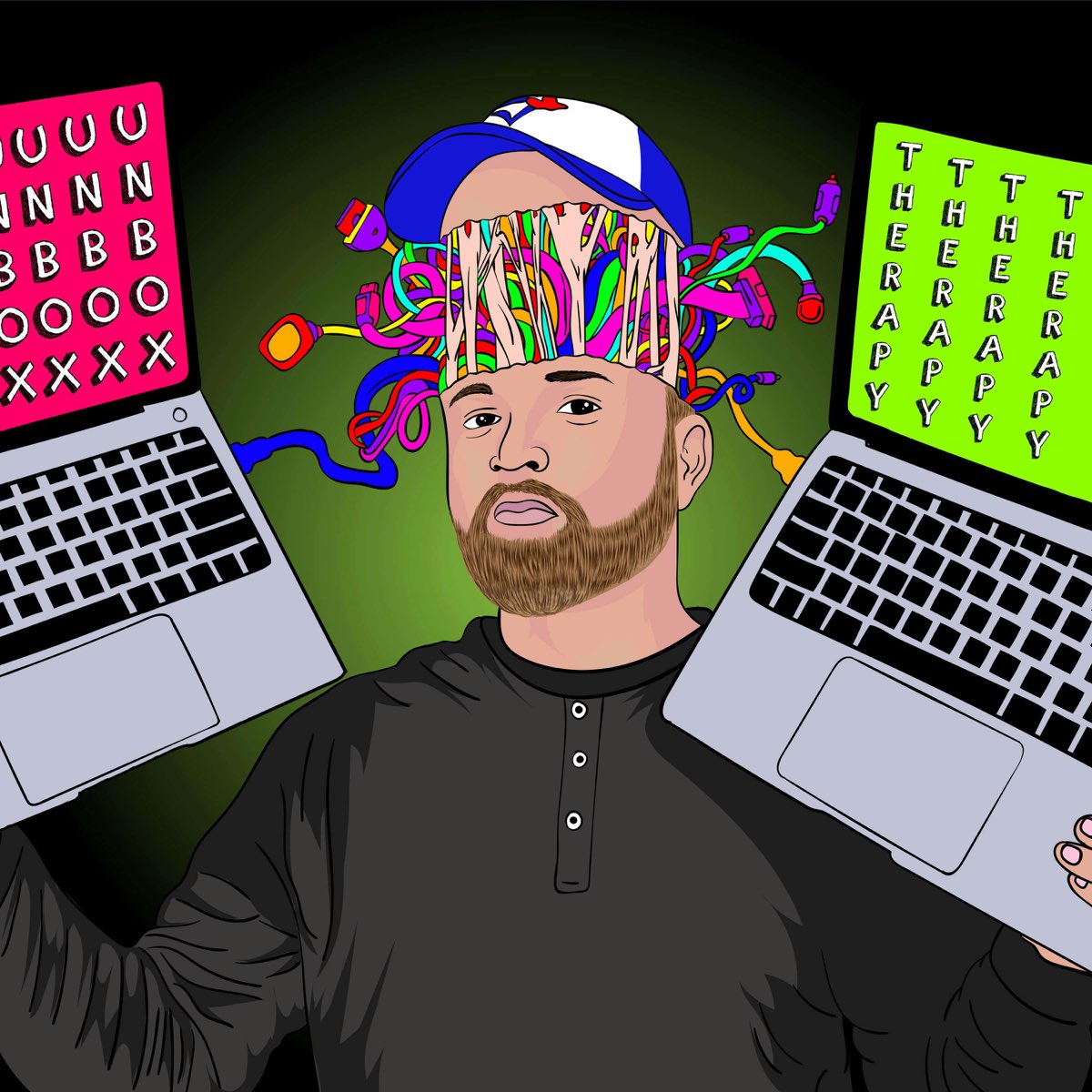
Within the creator economy, Hilsenteger is viewed as a business mogul who successfully transitioned from a reviewer to a lifestyle brand. His "Lew Later" podcast, launched to cover broader news topics, demonstrated his ability to pivot formats.
Even with his commercial success, he is rarely as a primary source for technical data in the same vein as outlets like Gamers Nexus or Digital Foundry. Instead, his influence lies in his ability to amplify trends; a product featured on Unbox Therapy can see immediate sales spikes, a phenomenon brands actively seek to use.
| Year | Incident | Core Allegation | Outcome |
|---|---|---|---|
| 2016 | iPhone Truck Giveaway | Misleading viewers with empty boxes to gain subscribers. | Video deleted; reputation for fake giveaways. |
| 2018 | iPhone XR Coverage | Sensationalist bias against Apple products. | Widespread criticism for technical inconsistency. |
| 2019 | Latercase Launch | Copying Pitaka designs and hiding past reviews. | Pitaka issued public complaints; Hilsenteger maintained the brand. |
| 2020 | Escobar Fold Promotion | Endorsing a fraudulent product/Ponzi scheme. | Scam exposed by peers; Hilsenteger faced ethics backlash. |
By 2024, Hilsenteger's public image had stabilized as that of a veteran entertainer. While the "enthusiast" demographic largely migrated to more analytical channels, his casual audience remained strong. His content strategy shifted slightly to include more "lifestyle" technology and electric vehicles, moving away from the strict smartphone reviews that generated his earlier controversies.
The "Truckload of iPhones" Giveaway Allegations
In 2015, Hilsenteger published a video titled "The Huge iPhone 6s Giveaway!" which depicted him standing in front of a delivery truck apparently filled with hundreds of iPhone boxes. The video, which garnered over 10 million views, implied a massive distribution of devices to subscribers.
yet, the logistics and validity of this giveaway faced intense scrutiny from the tech community and viewers alike. Critics noted that the value of the visible inventory would exceed $700, 000, a figure disproportionate to the channel's revenue model at the time.
Investigative YouTubers later reported that only a small number of devices, approximately nine, were confirmed as delivered to winners. Hilsenteger subsequently removed the video from his channel without a formal public accounting of the inventory, leading to long-standing accusations of using deceptive imagery to artificially subscriber metrics.
"Beautygate" and Editorial Rigor
In September 2018, following the release of the iPhone XS and XS Max, Hilsenteger became a central figure in the "Beautygate" controversy. He released a video alleging that Apple was secretly applying a skin-smoothing "beauty filter" to selfies that users could not disable.
His coverage described the effect as an intentional and deceptive alteration of reality, fueling a significant media narrative against Apple's image processing.
While Apple later acknowledged the problem in October 2018, the company clarified that it was not a filter a software bug within the Smart HDR system that selected the wrong base frame for exposure, resulting in aggressive noise reduction that mimicked smoothing.
Tech journalists criticized Hilsenteger for framing a technical artifact as a malicious corporate conspiracy, citing it as an example of sensationalism over technical analysis.
Intellectual Property Disputes: Latercase vs. Pitaka
In December 2019, Hilsenteger launched his own line of smartphone cases under the brand "Latercase." The product launch immediately triggered a conflict with Pitaka, a manufacturer of aramid fiber cases that Hilsenteger had previously reviewed and praised on his channel. Pitaka accused Hilsenteger of copying their distinct design, materials, and form factor.
The controversy intensified when users discovered that Hilsenteger had set his previous videos featuring Pitaka products to "private" shortly before announcing his competing product.
Critics, including Linus Tech Tips, pointed out that the "Latercase" appeared nearly identical to white-label products available on Alibaba, contradicting Hilsenteger's marketing narrative that he had "designed" the case from scratch because no suitable options existed.
Hilsenteger defended the product by claiming differences in the camera lip and material weave, the incident raised ethical questions regarding his transition from unbiased reviewer to direct competitor against the brands he covered.
Promotion of the Escobar Fold 2 Scam
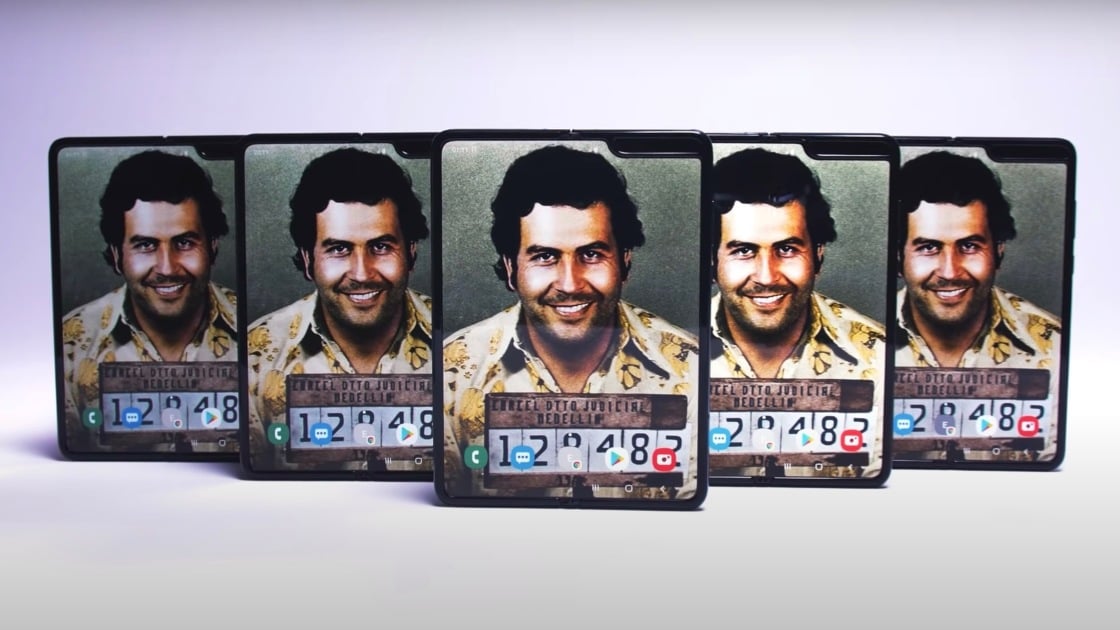
Perhaps the most severe controversy occurred in early 2020, when Hilsenteger released a video promoting the "Escobar Fold 2," a foldable smartphone sold by Escobar Inc., a company associated with the family of the late drug lord Pablo Escobar. Hilsenteger's video, titled "The $399 Foldable Phone Is Here.
And It Works," presented the device as a legitimate, low-cost alternative to the Samsung Galaxy Fold. He praised the device's build quality and value, driving significant traffic and chance sales to the Escobar Inc. website.
Subsequent investigations by other tech reviewers, most notably Marques Brownlee (MKBHD), revealed that the Escobar Fold 2 was a surplus Samsung Galaxy Fold with a gold sticker applied over the branding.
also, the operation was exposed as a scam; while high-profile reviewers like Hilsenteger received units to generate hype, the vast majority of paying customers received nothing or were sent a book instead of a phone.
Hilsenteger faced widespread backlash for failing to perform basic due diligence on the company and for acting as a marketing funnel for a fraudulent enterprise. Unlike Brownlee, who explicitly labeled the device a scam in his initial coverage, Hilsenteger's uncritical presentation was viewed as a failure of editorial responsibility.
| Year | Controversy | Core Allegation | Outcome |
|---|---|---|---|
| 2015 | iPhone Giveaway | Misleading "truckload" imagery; few confirmed winners. | Video deleted; permanent skepticism regarding giveaways. |
| 2018 | Beautygate | Accused Apple of forced beauty filters. | Apple patched the Smart HDR bug; critics sensationalism. |
| 2019 | Latercase Launch | Copying Pitaka designs; hiding past reviews. | Reputational damage regarding business ethics. |
| 2020 | Escobar Fold 2 | Promoting a fraudulent "scam" product. | Exposed by peers; highlighted absence of due diligence. |
Clickbait and Content Deletion
Throughout the 2015-2025 period, Hilsenteger faced persistent criticism for his aggressive use of clickbait tactics. His video thumbnails frequently featured exaggerated facial expressions and capitalized titles such as "APPLE IS DOOMED" or "DON'T BUY THIS," which critics argued misrepresented the actual content of the reviews.
Data analysis of his channel shows a pattern of deleting or privatizing videos that performed poorly or contained retracted claims, a practice that contradicts the archival standards of journalistic integrity.
This "content churning" strategy prioritized algorithmic performance over consistency, leading to friction with the traditional tech journalism community which viewed his output as entertainment masquerading as analysis.
Personal Life and Residence
Lewis Hilsenteger maintains a strict separation between his public persona and private affairs, a discipline that contrasts sharply with the oversharing common among digital influencers. Born on May 5, 1984, in Toronto, Ontario, Hilsenteger resides in Newmarket, Ontario, a town north of Toronto where his production studio is also located.
Public records confirm he is married and has one brother, though he has successfully shielded the identities of his immediate family members from the digital.
Unlike of his contemporaries who monetize their domestic lives, Hilsenteger has never featured his wife or chance children in his content, adhering to a policy of absolute privacy regarding his household.
Hilsenteger's physical transformation became a subject of audience discussion between 2018 and 2020, when he exhibited significant weight loss and a shift in personal style.
While he has not released a commercial diet plan or endorsed specific fitness products, the visual evidence of his health regimen appeared in his videos, where he transitioned from a sedentary presentation to a more active on-camera presence. This period coincided with a professional pivot, as he began to diversify his business interests beyond ad revenue.
Automotive Interests and Collection
Hilsenteger is a documented automotive enthusiast, with a collection that reflects a preference for high-performance and luxury engineering. His acquisition of a 2022 Mercedes-Maybach S580, a vehicle with a starting price exceeding $184, 900, was featured prominently in his content.
He described the vehicle as a "private jet for the road," highlighting its executive rear seating and active noise cancellation technologies. His interest in automotive engineering extends to professional racing; in November 2023, he partnered with Memento Exclusives to install a full- Formula 1 simulator in his studio.
The rig, modeled after the Alfa Romeo C42, is valued at approximately $120, 000 and serves as both a personal hobby and a content piece for his automotive-focused segments.
| Vehicle / Asset | Type | Est. Value (USD) | Notes |
|---|---|---|---|
| Mercedes-Maybach S580 | Luxury Sedan | $185, 000+ | Featured in 2022; highlights executive rear seating. |
| Alfa Romeo C42 Simulator | F1 Simulator | $120, 000 | Manufactured by Memento Exclusives; installed 2023. |
| Porsche 911 (Various) | Sports Car | $160, 000+ | Frequently referenced in comparisons; specific model ownership varies. |
Business Ventures and Controversies
Beyond media production, Hilsenteger launched Latercase in December 2019, a direct-to-consumer brand specializing in ultra-thin DuPont™ Kevlar® phone cases. The launch faced immediate scrutiny from the tech community due to the product's clear resemblance to existing cases from Pitaka, a competitor that had previously sponsored Hilsenteger's videos.
Critics noted that the Latercase designs appeared nearly identical to Pitaka's "MagEZ" line. Hilsenteger defended the venture by stating that the supply chain for aramid fiber cases was accessible to multiple manufacturers and that his product offered distinct branding and customer service advantages.
The controversy did not halt operations; Latercase expanded its product line to include cases for the full range of Apple, Samsung, and Google Pixel devices by 2024.
Hilsenteger also faced backlash regarding the promotion of the "Escobar Fold 2" in early 2020. He released an initial unboxing video of the device, a rebranded Samsung Galaxy Fold sold by Roberto Escobar's company, which users later identified as a scam.
While Hilsenteger did not explicitly endorse the company's business practices, his coverage granted the product visibility. He later addressed the situation, clarifying that his content was an examination of the device itself rather than a validation of the seller's legitimacy.
These incidents highlighted the complex ethical Hilsenteger navigates as a reviewer whose platform can validate unproven products.
Investigating disinformation: Network mapping and funding trails
Disinformation is on the rise globally, with a 43% increase in false or misleading information over the past three years. Complex networks and significant financial backing support the structured operation of…
Read Full ReportGreen Rush Development: Scams in Chinese and British provincial bond issuance
February 11, 2026 • China, All, Asia, Corruption, USA, World
Provincial and municipal green bonds saw a surge in late 2025, attracting investors seeking high yields amidst a broader corporate slowdown. The "Green Rush Development"…
Campus security: Jurisdiction, transparency, and use of force
January 1, 2026 • Education, All
91% of public universities have sworn officers with full arrest powers, but discrepancies in jurisdictional authority between campus police and local law enforcement are raising…
eCommerce Platforms and Small Retailers’ Profits: Empowering or Undermining?
October 11, 2025 • All, Reviews
Online marketplaces like Amazon are taking an increasing share of small retailers' revenue, impacting their profits. Small businesses are facing higher fees, advertising costs, and…
Exposed: Virtual Event Platforms Best for Global Conferences – Which Crash Under Load?
October 10, 2025 • All, Reviews
Global virtual event platforms have become essential for connecting world leaders and experts, with Zoom alone hosting as many as 300 million meeting participants daily.…
Democracy for Sale: How Dark Money Corrupted America’s Political Soul
Dark money groups are influencing legislation without transparency, shaping key policy areas like health care, gun policy, environmental rules, and labor law. The Supreme Court's…
The Evergrande collapse and its $300 Billion Crisis
May 3, 2025 • All, Corruption
China's property giant Evergrande's collapse in 2023-2024 led to a crisis of unfinished homes, financial uncertainty, and angry homeowners. The fallout from Evergrande's collapse has…