
Luiz Inácio Lula da Silva
Early Life and Migration to São Paulo
1. Where and when was Lula born?
Luiz Inácio da Silva was born on October 27, 1945, in Caetés, then a district of Garanhuns, Pernambuco. Official registry records list the date as October 6, 1945.
2. Who were his parents?
He is the seventh of eight children born to Aristides Inácio da Silva and Eurídice Ferreira de Melo, known as "Dona Lindu."
3. What was his family's economic status?
The family lived in extreme poverty in the semi-arid agreste region, experiencing severe food insecurity and drought.
4. When did his father leave the family?
Aristides left for São Paulo shortly after Lula's birth in 1945, accompanied by Valdomira Ferreira de Góis, a cousin of Dona Lindu.
5. How did the family migrate to São Paulo?
In December 1952, Dona Lindu and her children traveled 13 days on a pau-de-arara (an open-bed truck used for migrant transport).
6. What was the destination of their migration?
They arrived in Vicente de Carvalho, a district of Guarujá on the coast of São Paulo.
7. What family situation did they discover upon arrival?
They found that Aristides had formed a second family with Valdomira, eventually having 10 children with her.
8. Did Lula have a relationship with his father?
Relations were due to Aristides' alcoholism and abusive behavior. Lula rarely saw him after his mother separated from him in 1956.
9. Where did the family live after leaving the father?
Dona Lindu moved the family to a small room behind a bar in the Ipiranga neighborhood of São Paulo city.
10. At what age did Lula learn to read?
He learned to read at age 10 while attending the Grupo Escolar Marcílio Dias.
11. When did he leave formal schooling?
He left regular school after the fourth grade (approximately age 14) to work full-time to support his family.
12. What were his informal jobs?
From age 8 to 12, he worked as a street vendor selling peanuts, tapioca, and oranges, and later as a shoe shiner.
13. What was his formal employment?
At 14, he obtained his work permit (Carteira de Trabalho) at Armazéns Gerais Columbia.
14. What technical training did he receive?
In 1961, he enrolled in a three-year course at SENAI (National Service for Industrial Training) to become a mechanical turner.
15. How did the SENAI diploma impact his life?
Lula frequently cites this diploma as the most important certificate of his life, marking his entry into the skilled industrial workforce.
16. When and how did he lose his finger?
In 1964, at age 19, he lost the little finger of his left hand in a press machine accident during a night shift at Indústrias Villares.
17. How was he treated after the accident?
He had to wait several hours for medical attention at a public hospital, an experience that later influenced his views on workers' rights.
18. Who introduced him to the union movement?
His brother, José Ferreira da Silva (Frei Chico), a member of the Brazilian Communist Party, introduced him to union activities in the late 1960s.
19. What recent works document this period?
Biographer Fernando Morais released the volume of "Lula" in 2021, providing verified details of these early years based on new interviews and documents.
20. How does he reference this period in recent speeches?
In his 2023 inauguration and subsequent speeches, Lula explicitly contrasts his shoe-shining childhood with the opportunities he seeks to create for Brazilian youth.
Migration and the "Pau-de-Arara" Journey
The trajectory of Luiz Inácio Lula da Silva from the arid backlands of Pernambuco to the industrial heart of São Paulo represents a demographic shift that defined 20th-century Brazil. Born in October 1945 in Caetés, Lula spent his years in a region plagued by cyclical drought and chronic malnutrition.
His father, Aristides, had migrated to the coast of São Paulo weeks after Lula's birth, leaving Dona Lindu to raise eight children alone in a house with a dirt floor.
In December 1952, facing starvation, Dona Lindu sold the family's few possessions to pay for a spot on a pau-de-arara. This mode of transport, an open truck bed with wooden benches, was the primary vehicle for the mass exodus of northeasterners to the south. The 13-day journey covered over 2, 500 kilometers of unpaved roads.
Recent biographical accounts published between 2021 and 2024 confirm the grueling conditions: the passengers survived on manioc flour and brown sugar water, exposed to the elements. The family arrived in Vicente de Carvalho, Guarujá, only to discover Aristides living with a second family.
Urban Poverty and Early Labor
Life in the Baixada Santista and later in São Paulo city was marked by precarious housing and child labor. After separating from the abusive Aristides in 1956, Dona Lindu moved the children to a single room behind a bar in Ipiranga.
Verified accounts from the period describe the area as prone to flooding, with the family frequently waking up to water at their ankles. Survival depended on the shared labor of the children. Lula began working at age eight, peddling oranges and tapioca to tourists. By age 12, he worked as a shoe shiner and in a dye shop.
Education remained secondary to survival. Lula did not learn to read until age 10 at the Grupo Escolar Marcílio Dias. He withdrew from formal schooling after the fourth grade. This absence of early academic credentials became a central theme in his political narrative, emphasizing lived experience over elite pedigree.
In 2023, during a ceremony to relaunch social programs, Lula wept while recalling the humiliation of passing by people eating sandwiches he could not afford during his time as a factory worker.
| Year | Age | Role / Event | Sector |
|---|---|---|---|
| 1953-1957 | 8-12 | Street Vendor (Oranges, Tapioca, Peanuts) | Informal Economy |
| 1957-1959 | 12-14 | Shoe Shiner, Office Boy, Dye Shop Assistant | Service |
| 1960 | 14 | Warehouse Worker (Armazéns Gerais Columbia) | Formal ( Permit) |
| 1961-1963 | 15-18 | SENAI Course (Mechanical Turner) | Vocational Education |
| 1964 | 19 | Press Operator (Indústrias Villares) | Heavy Industry |
Industrial Accident and Political Awakening
The pivotal moment of Lula's young adulthood occurred in 1964. While working the night shift at Indústrias Villares, a leading metalworks factory in the ABC region (São Bernardo do Campo), a press machine crushed the little finger of his left hand. He was 19 years old. The accident happened at 3: 00 AM.
Colleagues rushed him to a hospital, where he waited hours for treatment. The doctor eventually amputated the finger. This physical loss became a visual symbol of his class identity. In 2024, during a state visit, Lula referenced the accident when discussing workplace safety standards with international labor leaders.
The industrial environment of the ABC region in the 1960s served as Lula's political incubator. Although initially uninterested in politics, he was drawn into the union sphere by his brother, Frei Chico. Documents released in 2024 from the U. S.
State Department indicate that intelligence agencies began monitoring labor leaders in the region as early as 1966, though Lula himself would not become a primary target until the strikes of the late 1970s.
His entry into the Metalworkers' Union of São Bernardo do Campo and Diadema in 1969 marked the end of his anonymity and the beginning of his rise as a labor leader.
Geographic Trajectory: Distance and Displacement
Figure 1: Relative representation of the migration distance and time undertaken by the Silva family in 1952.
Union Leadership and the Metalworkers' Strikes
Lula's entry into the organized labor movement marked a decisive shift in Brazilian political history, transitioning him from a factory worker to the primary antagonist of the military dictatorship.
Although initially reluctant to engage in union politics, he was persuaded by his brother, José Ferreira da Silva, known as "Frei Chico," a militant of the Brazilian Communist Party. Lula joined the Sindicato dos Metalúrgicos de São Bernardo do Campo e Diadema in the late 1960s, eventually rising to the position of president in 1975.
In that election, he secured 92% of the votes, a mandate that signaled the beginning of a new era of combative unionism in the industrial heartland of São Paulo, known as the ABC region.
The concept of "Novo Sindicalismo" (New Unionism) emerged under his leadership, challenging the state-controlled union structure that had prevailed since the Vargas era.
Unlike the "pelegos", union leaders who collaborated with the government to suppress labor unrest, Lula advocated for direct negotiation with employers and independence from the Ministry of Labor. This method became the engine for the massive strike waves that would eventually the authority of the military regime.
By 1978, the metalworkers of the ABC region had become the vanguard of the pro-democracy movement, using wage demands as a proxy for broader political freedoms.
The Strike Waves of 1978, 1980
The major rupture occurred in May 1978 at the Scania-Vabis truck factory. Workers, under Lula's guidance, adopted a "braços cruzados" (crossed arms) tactic, entering the factory refusing to turn on the machines. This strategy circumvented the strict anti-strike laws of the dictatorship by avoiding public street demonstrations initially.
The movement spread rapidly to other automotive giants like Ford, Mercedes-Benz, and Volkswagen. Retrospective analyses published in 2022 indicate that this action broke a decade of silence imposed by the repressive AI-5 decree, forcing employers to negotiate directly with workers for the time in years.
In March 1979, the of mobilization expanded dramatically. A general strike paralyzed the industrial belt, with over 170, 000 metalworkers halting production. The epicenter of this movement was the Vila Euclides stadium in São Bernardo do Campo, where Lula presided over massive assemblies.
Historical records in 2023 describe gatherings of up to 80, 000 workers. During one famous assembly, when the police cut the sound system to silence the leadership, Lula improvised a "human microphone," where those nearest to him repeated his words in waves until they reached the back of the stadium.
This period solidified his image as a charismatic mass leader capable of disciplining a vast, angry workforce.
| Year | Event | Key Location | Outcome & Significance |
|---|---|---|---|
| 1978 | "Arms Crossed" Strike | Scania-Vabis Plant | major strike since 1968; bypassed military repression tactics; secured 11% wage increase. |
| 1979 | General Strike | Vila Euclides Stadium | Involved 170, 000+ workers; massive assemblies; government intervention in the union; emergence of Lula as a national figure. |
| 1980 | 41-Day Strike | ABC Region | Largest mobilization with 300, 000 workers; demanded job security and wage adjustments; led to Lula's arrest under National Security Law. |
The confrontation peaked in 1980 with a strike that lasted 41 days, the longest and most intense of the period. Approximately 300, 000 workers across the ABC region and interior of São Paulo ceased work, demanding a 15% productivity increase and job security. The military government, led by General João Figueiredo, responded with severe repression.
Helicopters hovered over assemblies, and troops occupied the union headquarters. The regime declared the strike illegal and intervened in the union's administration, removing Lula and his board from office.
even with the crackdown, the strike demonstrated the economic power of the industrial working class, costing the automotive sector billions in lost production.
Imprisonment and Political repression
On April 19, 1980, the Department of Political and Social Order (DOPS) executed a warrant for Lula's arrest. He was charged under the National Security Law for "inciting shared disobedience" and "subversion." Lula was taken to the DOPS headquarters in São Paulo, where he was held for 31 days.
The director of DOPS at the time was Romeu Tuma, who later became a senator and claimed to have treated Lula with "dignity" during his incarceration. Recent accounts from 2024 confirm that Tuma allowed Lula certain privileges, such as listening to Corinthians soccer games on a radio and receiving food from supporters.
A defining moment of his imprisonment occurred on May 12, 1980, when his mother, Eurídice Ferreira de Melo ("Dona Lindu"), passed away from cancer. In a rare concession, the military authorities permitted Lula to leave his cell under heavy police escort to attend her funeral.
Photographs from the event show a bearded, haggard Lula surrounded by armed agents, weeping over his mother's coffin. This image galvanized public sympathy and transformed him from a sectional labor leader into a symbol of resistance against the dictatorship's cruelty.
He was released on May 20, 1980, after a hunger strike by his supporters and mounting international pressure.
The strikes of the late 1970s did more than secure wage increases; they dismantled the fear that had paralyzed Brazilian civil society since 1964. By proving that the "economic miracle" of the dictatorship was built on wage suppression, the metalworkers' movement delegitimized the regime's claim to efficiency.
The 1980 strike, even with ending without all demands being met, forged the organizational backbone that would lead to the creation of the Workers' Party (PT) later that year.
The union headquarters in São Bernardo became a pilgrimage site for intellectuals, students, and progressive clergy, merging the labor struggle with the broader fight for redemocratization.
Founding of the Workers' Party
The political organization of the Brazilian working class took a definitive form on February 10, 1980, with the official founding of the Workers' Party (Partido dos Trabalhadores, or PT).
This event occurred at the Colégio Sion in São Paulo and brought together a diverse coalition of trade unionists, intellectuals, artists, and members of the Catholic Church linked to Liberation Theology. Lula, who had gained national prominence through the ABC region metalworkers' strikes, served as the primary figurehead for this new political force.
The party distinguished itself from traditional Brazilian communist parties by rejecting Soviet or Chinese. It instead proposed a democratic socialism rooted in the specific social conditions of Brazil.
The Superior Electoral Court officially recognized the PT on February 11, 1982. This legal registration allowed the party to participate in the 1982 general elections. These were the direct elections for state governors since 1965. Lula ran for the governorship of São Paulo. He finished in fourth place.
The campaign was nevertheless significant as it established the party's presence in the national political debate. The PT refused to form coalitions with traditional parties and maintained a platform focused on the immediate needs of the working class.
Role in "Diretas Já" and the Constituent Assembly
The decline of the military dictatorship accelerated in 1984 with the "Diretas Já" movement which demanded immediate direct presidential elections. Lula and the PT played a central role in these mass mobilizations. They mobilized unions and social movements to fill public squares across the country.
The amendment for direct elections failed to pass in Congress. The PT subsequently refused to participate in the indirect election of Tancredo Neves in the Electoral College. This decision marked a point of between the PT and other opposition forces.
Lula ran for a seat in the Constituent Assembly in 1986. He received 651, 763 votes and became the most voted federal deputy in the history of Brazil at that time. The PT delegation in the Constituent Assembly was small active. They advocated for strong labor rights, agrarian reform, and social protections.
The party voted against the final text of the 1988 Constitution because they believed it did not go far enough in the authoritarian structures of the past. The PT deputies signed the document nonetheless and committed to working within the new constitutional framework.
1989 Presidential Election
The 1989 election was the direct vote for president in Brazil in 29 years. Lula ran as the PT candidate with José Paulo Bisol as his running mate. The campaign used the slogan "Lula-lá" and mobilized a massive grassroots network. The round saw a crowded field of candidates including Leonel Brizola and Mário Covas.
Lula narrowly advanced to the second round to face Fernando Collor de Mello. Collor was a young politician from Alagoas who ran on an anti-corruption platform.
The second round was highly polarized. The debate broadcast by Rede Globo days before the vote is frequently by political analysts as a turning point that damaged Lula's performance. Collor won the election with approximately 53 percent of the valid votes. Lula received approximately 47 percent.
This defeat consolidated Lula as the primary leader of the Brazilian left and set the stage for his future presidential bids.
1989 Presidential Election Results (Second Round)
| Candidate | Party | Votes | Percentage |
|---|---|---|---|
| Fernando Collor | PRN | 35, 089, 998 | 53. 03% |
| Luiz Inácio Lula da Silva | PT | 31, 076, 364 | 46. 97% |
| Total Valid Votes | 66, 166, 362 | 100. 00% |
"The PT was born from the need for the workers to have a genuine political voice, independent of the bosses and the state." , Excerpt from early PT manifestos reflecting the party's founding principles.
The 1989 Election: A Polarized Return to Democracy
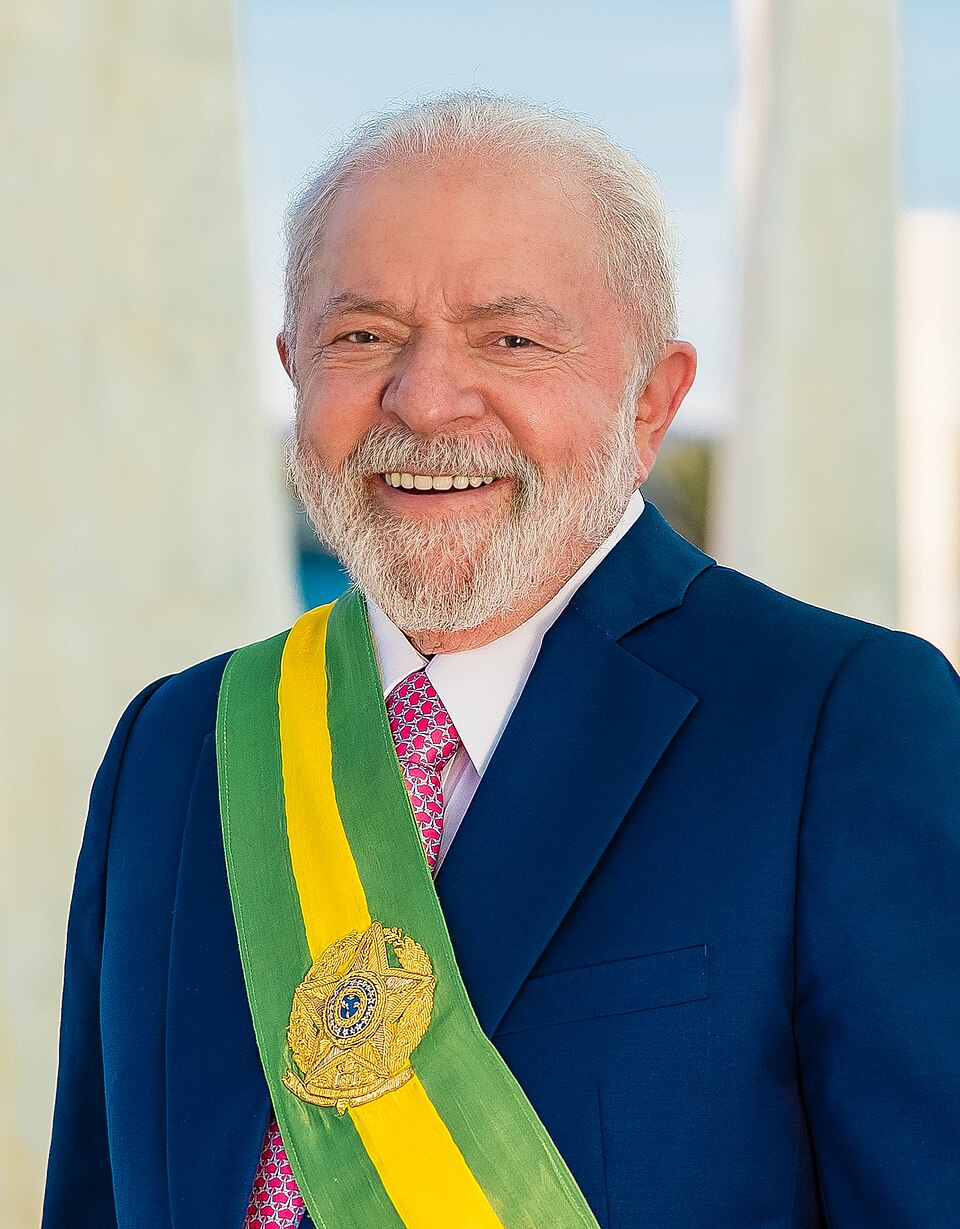
In 1989, Brazil held its direct presidential election since 1960, marking the end of the transition from military rule. Lula secured the nomination of the Workers' Party (PT) and formed the "Frente Brasil Popular" coalition, joined by the Brazilian Socialist Party (PSB) and the Communist Party of Brazil (PCdoB).
His running mate was José Paulo Bisol of the PSB. The campaign framed the election as a clash between the working class and the established elite, with Lula emphasizing his background as a metalworker and union leader.
The round on November 15, 1989, saw a fractured field. Lula received 17. 19% of the valid votes, narrowly edging out Leonel Brizola (16. 51%) to qualify for the runoff against Fernando Collor de Mello of the National Reconstruction Party (PRN), who led with 30. 48%. The second round became a referendum on Brazil's future direction.
Lula's polling numbers rose steadily in December, bringing the race to a technical tie days before the vote.
The campaign's turning point occurred during the final televised debate on December 14, 1989. While the live broadcast showed a competitive exchange, the edited version aired the following night on Rede Globo's Jornal Nacional, watched by tens of millions, heavily favored Collor.
Retrospective analyses and admissions from station executives later confirmed the edit manipulated the perception of the debate to arrest Lula's momentum. On December 17, Collor won the presidency with 53. 03% of the vote to Lula's 46. 97%, a margin of approximately 4 million votes.
1994: The Real Plan and Electoral Defeat
Lula entered the 1994 campaign as the early frontrunner. Polling data from May 1994 showed him with approximately 40% of voting intentions, while his main rival, Fernando Henrique Cardoso (PSDB), polled around 15%. Lula ran under the "Frente Brasil Popular pela Cidadania," with Aloizio Mercadante (PT) as his vice-presidential candidate.
The political environment shifted dramatically with the July 1 launch of the Plano Real, an economic stabilization program crafted by Cardoso, then Minister of Finance.
The Plano Real succeeded in curbing Brazil's hyperinflation, which had reached nearly 50% per month in June 1994. By July, inflation dropped to single digits, fundamentally altering voter sentiment. The PT opposed the plan, arguing it would reduce wages and cause recession, a stance that alienated voters experiencing immediate relief from price stability.
Cardoso's support surged in direct correlation with the currency's success.
On October 3, 1994, Cardoso won in the round with 54. 27% of the valid votes. Lula finished a distant second with 27. 04% (17. 1 million votes). The result demonstrated the electoral potency of monetary stability over the PT's structural reform platform.
1998: The Alliance with Brizola
For the 1998 election, the PT sought to broaden its appeal by forming the "União do Povo, Muda Brasil" coalition. Lula reconciled with his former rival Leonel Brizola (PDT), who joined the ticket as the vice-presidential candidate. This alliance aimed to unite the Brazilian left, combining the PT's organized labor base with Brizola's historical trabalhismo support.
The election took place against the backdrop of the Asian financial emergency and fears of currency instability. President Cardoso campaigned on the continuity of the Real Plan and the protection of the currency, framing the opposition as a risk to economic gains. even with the high-profile alliance with Brizola, Lula failed to force a runoff.
Cardoso secured re-election in the round with 53. 06% of the vote. Lula received 31. 71% (21. 4 million votes), an improvement over 1994 insufficient to challenge the incumbent's dominance.
Comparative Electoral Performance (1989, 1998)
| Year | Round | Lula Votes | Lula % | Opponent | Opponent % | Outcome |
|---|---|---|---|---|---|---|
| 1989 | 1st | 11, 622, 673 | 17. 19% | Fernando Collor | 30. 48% | Advanced to Runoff |
| 1989 | 2nd | 31, 076, 364 | 46. 97% | Fernando Collor | 53. 03% | Defeated |
| 1994 | 1st | 17, 112, 127 | 27. 04% | F. H. Cardoso | 54. 27% | Defeated |
| 1998 | 1st | 21, 475, 211 | 31. 71% | F. H. Cardoso | 53. 06% | Defeated |
Term and Economic Orthodoxy (2003, 2006)
Luiz Inácio Lula da Silva assumed the presidency on January 1, 2003, amid severe financial market volatility and fears of a debt default. To stabilize the economy, his administration initially maintained the macroeconomic tripod inherited from the previous government: inflation targeting, a floating exchange rate, and primary fiscal surpluses.
Finance Minister Antônio Palocci implemented orthodox fiscal policies that reassured international investors and the International Monetary Fund (IMF). This pragmatic method allowed the government to reduce the debt-to-GDP ratio and control inflation, which had spiked prior to his inauguration.
By 2005, Brazil had paid off its debt to the IMF ahead of schedule, a move that symbolized the country's regained economic autonomy.
Social Transformation and Bolsa Família
The centerpiece of Lula's domestic agenda was the Fome Zero (Zero Hunger) strategy, which aimed to eradicate hunger and extreme poverty. In 2003, the administration consolidated several existing fragmented social aid programs into Bolsa Família, a conditional cash transfer program.
Verified data from the World Bank (2019) indicates that between 2003 and 2014, these policies helped lift approximately 29 million people out of poverty. The program required beneficiary families to ensure their children attended school and received vaccinations, linking immediate relief with long-term human capital development.
The impact on inequality was significant. The Gini coefficient, a measure of income inequality, fell from 58. 1 in 2003 to 51. 5 by 2014. Income growth was "pro-poor," with the earnings of the poorest 40% of the population growing by 7. 1% in real terms, compared to 4. 4% for the in total population.
These efforts culminated in Brazil's removal from the FAO Hunger Map in 2014, fulfilling Lula's inaugural pledge that every Brazilian should be able to eat "breakfast, lunch, and dinner.".
The Mensalão Scandal and Re-election
In 2005, the administration faced a serious political emergency known as the Mensalão scandal. Investigations revealed a scheme involving the use of public funds to pay monthly allowances to members of Congress in exchange for their votes on government legislation.
The scandal implicated high-ranking officials within the Workers' Party (PT), including Lula's Chief of Staff, José Dirceu. Although Lula himself was not charged at the time, the emergency damaged the party's ethical reputation. A retrospective analysis notes that in 2012, the Supreme Federal Court convicted 25 individuals involved in the scheme.
Even with this political turbulence, Lula retained strong popular support, by the improving economy and social programs. He secured re-election in the 2006 general election, defeating Geraldo Alckmin in the second round.
Second Term: Growth and Pre-Salt Oil (2007, 2010)
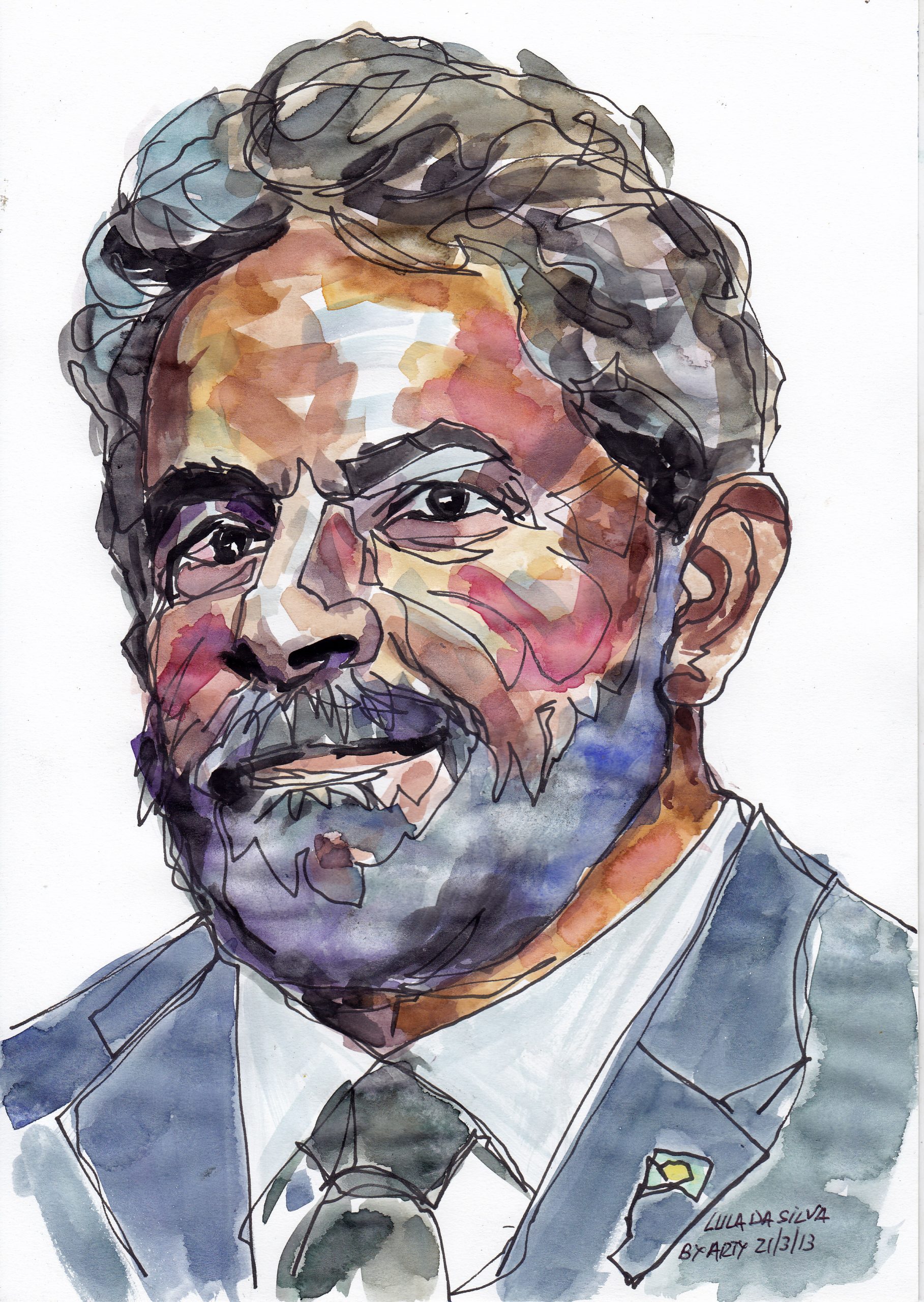
Lula's second term was characterized by a shift toward state-led developmentalism. The government launched the Growth Acceleration Program (PAC) in 2007, a massive investment plan aimed at solving infrastructure bottlenecks in energy, logistics, and urban development.
This period also saw the confirmation of vast oil reserves in the "pre-salt" off the Brazilian coast. Discovered in 2006, these ultra-deepwater fields significantly boosted Brazil's energy chance. By 2022, Brazil possessed the second-largest crude oil reserves in South America, with pre-salt fields accounting for over 70% of the country's oil output.
When the global financial emergency hit in 2008, Lula famously described it as a "marolinha" (little ) for Brazil. The government responded with counter-cyclical measures, including tax breaks for consumption and increased credit from state-owned banks. These actions helped the economy recover quickly, with GDP growth rebounding strongly in 2010.
Foreign Policy and Global Stature
Under Lula, Brazil pursued an assertive foreign policy focused on South-South cooperation and reforming global governance institutions. The administration prioritized relationships with other emerging powers, formalized through the creation of the BRICS group (Brazil, Russia, India, China, South Africa) in 2009.
Brazil also expanded its diplomatic presence in Africa and the Middle East, seeking to diversify trade partners and reduce dependency on the United States and Europe. Trade with China surged during this period, with China becoming Brazil's largest trading partner, driven by exports of soy, iron ore, and oil.
| Indicator | Change / Value | Source |
|---|---|---|
| Poverty Reduction | ~29 million people lifted out of poverty | World Bank (2019) |
| Gini Coefficient | Fell from 58. 1 (2003) to 51. 5 (2014) | World Bank (2019) |
| Income Growth (Poorest 40%) | +7. 1% (Real terms) | FAO (2015) |
| Hunger Status | Removed from FAO Hunger Map (2014) | FAO (2015) |
| Oil Reserves | 13. 24 billion barrels (2022 estimate) | EIA (2023) |
Conclusion of the Era
Lula concluded his second term on December 31, 2010, with record-high approval ratings. His administration successfully combined macroeconomic stability with aggressive social redistribution, a model that became known as "Lulism." He was succeeded by his former Chief of Staff, Dilma Rousseff, whom he handpicked as the PT candidate.
The discovery of the pre-salt oil fields and the elevation of Brazil's international status left a legacy of optimism, although challenges regarding corruption and long-term fiscal sustainability remained.
Restoration of Social Safety Nets
Upon returning to the presidency in 2023, Lula prioritized the immediate restructuring of Brazil's social welfare apparatus, which had been altered under the previous administration. In March 2023, the government officially relaunched the Bolsa Família program, replacing the short-lived Auxílio Brasil.
The restructured program established a minimum monthly payment of R$ 600 per family, with additional benefits of R$ 150 per child aged zero to six and R$ 50 for pregnant women and youths aged seven to eighteen. By May 2023, the program reached approximately 21. 2 million families, with the average benefit hitting a record R$ 672. 45.
These measures correlated with a sharp decline in poverty rates. Data from the Brazilian Institute of Geography and Statistics (IBGE) indicated that the proportion of the population living in poverty fell to 27. 4% in 2023, the lowest level since 2012. Extreme poverty dropped to 4. 4% in the same year.
This downward trend continued into 2024, with poverty rates receding further to 23. 1%, removing 8. 6 million people from poverty, and extreme poverty falling to 3. 5%.
Economic Resurgence and Labor Market
Contrary to initial market skepticism, the Brazilian economy recorded consistent growth during the two years of Lula's third term. Gross Domestic Product (GDP) expanded by 3. 2% in 2023, surpassing early forecasts. This momentum in 2024, with the economy growing by 3. 4%, driven largely by the services and industrial sectors.
The labor market responded positively to this expansion, with the average unemployment rate dropping to 7. 8% in 2023 and further to 6. 6% in 2024, the lowest annual rate recorded since the current statistical series began in 2012.
Inflation remained largely under control, though it tested the upper limits of the central bank's. The Extended National Consumer Price Index (IPCA) closed 2023 at 4. 62%, falling within the target ceiling. in 2024, inflation ticked up slightly to 4. 83%, driven primarily by food and beverage prices, yet remained significantly the double-digit peaks seen in 2021.
| Indicator | 2023 Value | 2024 Value |
|---|---|---|
| GDP Growth | 3. 2% | 3. 4% |
| Average Unemployment | 7. 8% | 6. 6% |
| Inflation (IPCA) | 4. 62% | 4. 83% |
| Trade Surplus | $98. 9 Billion | $74. 6 Billion |
Infrastructure and Strategic Investment
The administration moved quickly to revive state-led investment as a driver of development. On August 11, 2023, the government launched the Novo PAC (New Growth Acceleration Program), pledging a total investment of R$ 1. 7 trillion, with R$ 1. 3 trillion allocated by 2026.
The program focuses on nine strategic axes, including digital inclusion, health, and energy transition, aiming to integrate public and private resources.
Simultaneously, the Minha Casa, Minha Vida housing program was reinstated with updated parameters to expand access for lower-income families. By the end of 2024, the program had contracted 1. 26 million units, achieving over 60% of its target of 2 million homes by 2026. In 2024 alone, the program recorded 698, 582 financings, the highest volume in 11 years.
To address household indebtedness, the government also introduced Desenrola Brasil in 2023, a debt renegotiation program that facilitated the clearance of negative credit records for millions of Brazilians.
Fiscal and Trade Performance
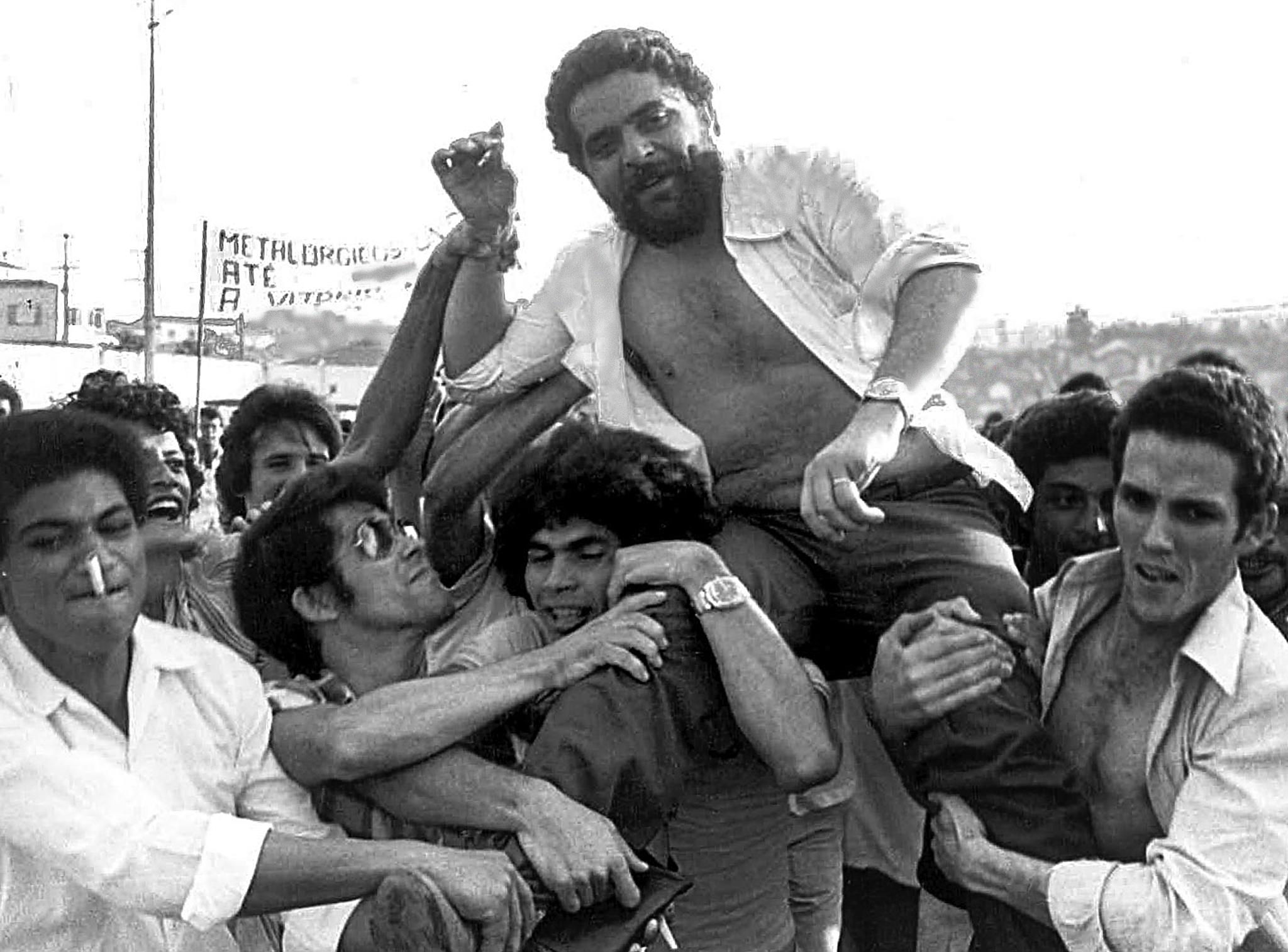
Brazil's external accounts showed historic strength during this period. In 2023, the country achieved a record trade surplus of US$ 98. 9 billion. Although imports rose in 2024 due to heated domestic demand, the trade balance remained positive at US$ 74. 55 billion, the second-highest result in history.
The agricultural sector received substantial support through the Plano Safra 2023/2024, which allocated a record R$ 364. 22 billion to finance production, representing a 27% increase over the previous pattern. This massive injection of credit aimed to secure food supply and sustain the agribusiness sector's contribution to the trade balance.
even with these gains, fiscal challenges. Gross public debt rose to 73. 8% of GDP in 2023 and continued its upward trajectory to reach 76. 1% in 2024. The administration sought to balance these fiscal pressures with the need for social spending through a new fiscal framework approved in 2023, designed to replace the rigid spending cap and allow for sustainable public investment.
Foreign Policy and International Relations
Upon assuming his third term in January 2023, Lula declared that "Brazil is back," signaling a sharp departure from the isolationist stance of the previous administration.
His foreign policy strategy, frequently described as "active and haughty," prioritized rebuilding multilateral ties, asserting leadership in the Global South, and navigating the rivalry between the United States and China through a doctrine of non-.
This period saw Brazil assume the rotating presidencies of the UN Security Council, the G20, and the BRICS bloc, while hosting major diplomatic summits.
Lula's administration immediately rejoined the Community of Latin American and Caribbean States (CELAC) and the Union of South American Nations (UNASUR), organizations Brazil had abandoned under Jair Bolsonaro.
A central pillar of his regional strategy involved reintegrating Venezuela; yet, this relationship faced severe following the July 2024 Venezuelan presidential elections. While Lula initially criticized sanctions against Caracas, he refused to recognize Nicolás Maduro's declared victory without verifiable vote tallies.
In August 2024, Lula and Colombian President Gustavo Petro jointly proposed new elections as a solution to the emergency, a suggestion Maduro rejected. By late 2025, diplomatic relations remained frigid, with Brazil blocking Venezuela's entry into the BRICS partner list during the Kazan summit.
Relations with major global powers required a delicate balancing act. In February 2023, Lula visited the White House to meet President Joe Biden, focusing on shared goals of defending democratic institutions and combating climate change. The U. S. committed to the Amazon Fund, yet friction emerged over geopolitical disagreements.
Two months later, in April 2023, Lula visited China, Brazil's largest trading partner. He met with President Xi Jinping and signed 15 agreements covering agriculture, technology, and space cooperation. During this trip, Lula visited the Huawei research center and publicly questioned the dominance of the U. S.
dollar in global trade, advocating for the use of local currencies in BRICS transactions.
Lula attempted to position Brazil as a neutral mediator in the Russia-Ukraine war, proposing a "Peace Club" of non-aligned nations to broker a ceasefire. This initiative struggled to gain traction after Lula stated in mid-2023 that Kyiv shared responsibility for the conflict and criticized Western arms shipments.
The proposal was largely dismissed by Ukraine and NATO allies, who viewed it as favorable to Moscow. Conversely, Brazil's stance on the Israel-Gaza conflict precipitated a major diplomatic emergency. In February 2024, during an African Union summit in Ethiopia, Lula compared the Israeli military offensive in Gaza to the Holocaust.
The Israeli government declared Lula persona non grata until he retracted the statement, leading Brazil to recall its ambassador from Tel Aviv.
Multilateralism remained the engine of Lula's foreign policy. Brazil held the G20 presidency in 2024, culminating in the Rio de Janeiro Summit in November. The primary outcome was the launch of the "Global Alliance Against Hunger and Poverty," which garnered support from 82 nations.
In the BRICS bloc, Lula strongly supported the expansion that took effect in January 2024, admitting members such as Egypt, Ethiopia, Iran, and the UAE. He also championed the appointment of former President Dilma Rousseff as the head of the New Development Bank (NDB) in Shanghai.
Trade negotiations with the European Union saw a breakthrough after decades of stagnation. In December 2024, negotiators concluded the technical aspects of the EU-Mercosur Free Trade Agreement. even with opposition from French agricultural sectors and environmental demands from Brussels, the political agreement moved forward.
On February 2, 2026, Lula officially submitted the treaty to the Brazilian National Congress for ratification, marking a significant step toward creating one of the world's largest free trade zones.
| Date | Event | Outcome |
|---|---|---|
| Feb 2023 | Meeting with Joe Biden (USA) | U. S. joins Amazon Fund; "Partnership for Workers' Rights" launched. |
| Apr 2023 | State Visit to China | 15 bilateral agreements signed; criticism of dollar dominance. |
| Jan 2024 | BRICS Expansion | Bloc adds Egypt, Ethiopia, Iran, UAE; Brazil blocks Venezuela later. |
| Feb 2024 | Holocaust Comment emergency | Israel declares Lula persona non grata; diplomatic relations downgraded. |
| Nov 2024 | G20 Summit (Rio de Janeiro) | Launch of Global Alliance Against Hunger; focus on billionaire taxation. |
| Feb 2026 | EU-Mercosur Deal Submission | Treaty sent to Brazilian Congress after 25 years of negotiation. |
Environmental diplomacy served as a key soft power tool. Lula secured the hosting rights for the COP30 climate summit, scheduled for November 2025 in Belém, positioning the Amazon rainforest at the center of global climate debates. His administration revived the Amazon Fund, securing over $1 billion in new pledges from the U. S., UK, and EU by 2025.
yet, this green image faced scrutiny domestically as the government continued to examine oil drilling near the Amazon mouth, creating a contradiction between foreign messaging and domestic energy policy.
Political Articulation and the Impeachment emergency (2015, 2016)
Following his departure from the presidency, Lula remained the central power broker within the Workers' Party (PT), maintaining significant influence over the administration of his successor, Dilma Rousseff.
As the economic emergency deepened and the Operation Car Wash (Lava Jato) investigations accelerated in 2015, Lula's role shifted from elder statesman to emergency manager.
By early 2016, with impeachment proceedings against Rousseff gaining momentum in the Chamber of Deputies, the administration sought to use Lula's political capital to secure parliamentary votes.
On March 16, 2016, Rousseff appointed Lula as her Chief of Staff (Casa Civil), a cabinet-level position that would have granted him foro privilegiado (privileged forum), moving any legal proceedings against him from the jurisdiction of Judge Sérgio Moro in Curitiba to the Supreme Federal Court (STF). The appointment triggered immediate backlash.
Hours after the announcement, Judge Moro released wiretapped telephone conversations between Lula and Rousseff. In one recording, Rousseff told Lula she was sending him his "term of office" to be used "in case of need.".
The release of the audio incited mass protests across Brazil. Federal Judge Itagiba Catta Preta issued an injunction suspending the appointment, arguing it constituted an obstruction of justice. Supreme Court Justice Gilmar Mendes subsequently blocked Lula from assuming the office.
The failed maneuver depleted the administration's remaining political capital, and the Chamber of Deputies voted to open impeachment proceedings on April 17, 2016.
Throughout the process, Lula personally negotiated with party leaders in Brasília hotels, attempting to reconstruct the governing coalition, failed to stop Rousseff's permanent removal in August 2016.
The 2018 Election Strategy and Prison Influence
even with his imprisonment in April 2018, Lula remained the PT's primary electoral asset. Polling data from Datafolha in August 2018 showed Lula leading the presidential race with approximately 39% of voting intentions, significantly ahead of Jair Bolsonaro. The party adopted a strategy of maintaining his candidacy as long as legally possible to maximize vote transfer to a substitute.
On September 1, 2018, the Superior Electoral Court (TSE) barred Lula's candidacy based on the "Clean Slate" (Ficha Limpa) law, which renders individuals with upheld criminal convictions ineligible for public office. Lula officially withdrew from the race on September 11, 2018, just weeks before the round of voting.
In a letter read outside the Federal Police headquarters in Curitiba, he named his former Minister of Education, Fernando Haddad, as his replacement, with Manuela d'Ávila (PCdoB) as the vice-presidential candidate.
The "Lula is Haddad" strategy successfully transferred a substantial portion of Lula's electorate to Haddad, who secured 29% of the vote in the round. yet, the proxy candidacy could not overcome the high rejection rates of the PT and the anti-establishment wave driving Bolsonaro's campaign. Haddad lost the runoff with 44. 87% of the valid votes.
Throughout 2019, Lula continued to direct party strategy from his cell, instructing the PT to oppose the pension reform proposed by the Bolsonaro administration.
Coalition Building and the "Broad Front" (2021, 2022)
Following the annulment of his convictions by the Supreme Court in 2021, Lula began articulating a "Broad Front" (Frente Ampla) to challenge Bolsonaro's re-election bid. Deviating from the PT's traditional alliances with left-wing parties, Lula sought a centrist running mate to signal economic stability and democratic preservation.
In a move that surprised political analysts, he selected Geraldo Alckmin, a former governor of São Paulo and his adversary in the 2006 presidential election.
The coalition, formally named the Brasil da Esperança federation, eventually encompassed ten political parties ranging from the radical left (PSOL) to the center-right. This articulation proved decisive in the 2022 election, where Lula defeated Bolsonaro by the narrowest margin in Brazilian history (50. 9% to 49. 1%).
Health History: Throat Cancer Sequelae and Monitoring
Lula's health required consistent monitoring following his 2011 diagnosis of T1 squamous cell carcinoma in the larynx. Although the cancer went into complete remission after chemotherapy and radiation, the treatment left him with permanent vocal hoarseness. Between 2015 and 2025, his medical team at Sírio-Libanês Hospital in São Paulo conducted routine laryngoscopies to detect chance recurrences.
On November 20, 2022, shortly after his electoral victory, Lula underwent a procedure to remove a leukoplakia, a white, chance pre-cancerous lesion, from his left vocal fold. Pathology results confirmed the absence of malignancy (neoplasia).
The procedure highlighted the chronic nature of his laryngeal problem, though doctors confirmed his vocal cords remained functional even with the tissue changes caused by previous radiation.
Orthopedic and Neurological Surgeries (2023, 2025)
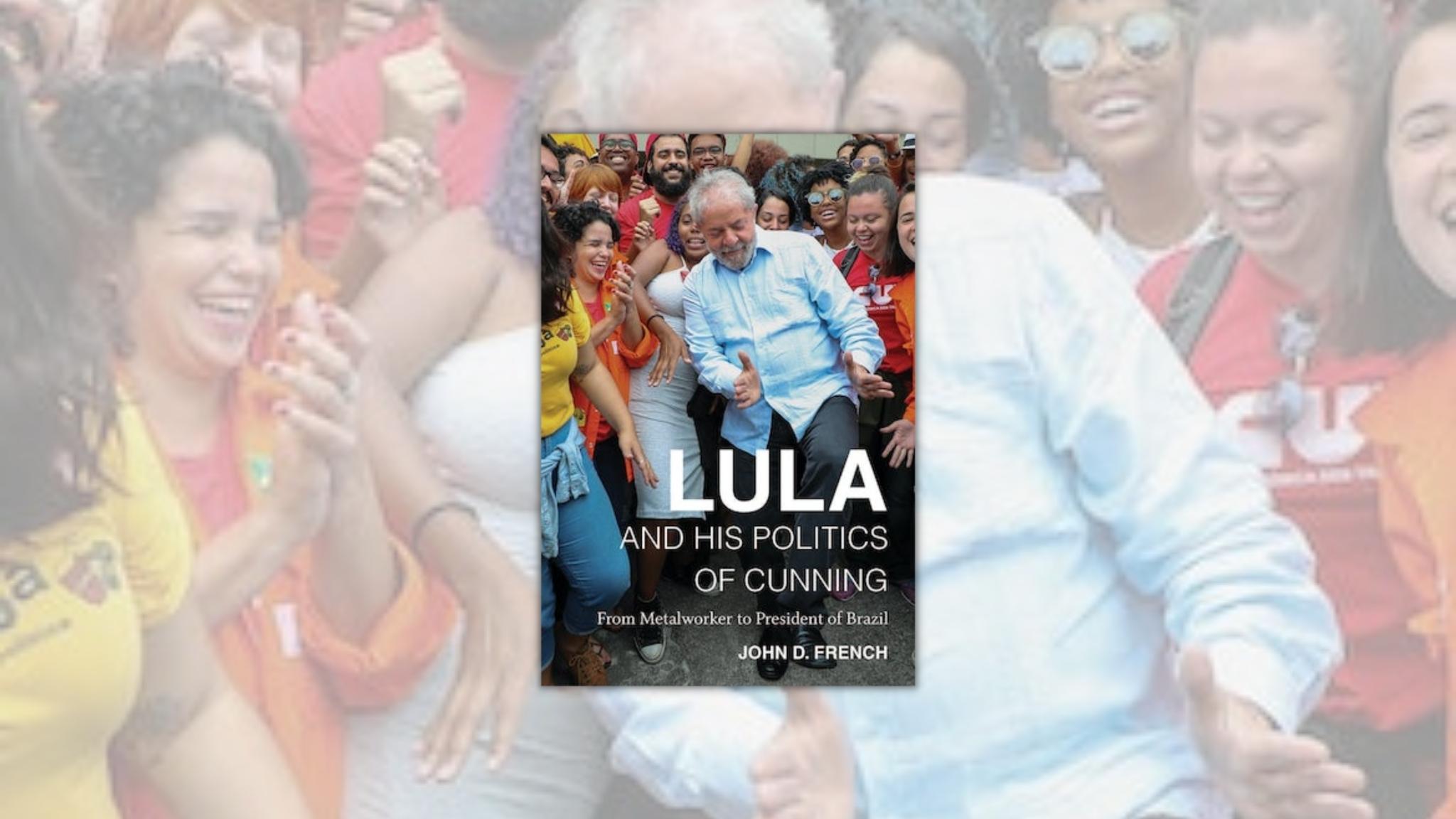
Upon returning to the presidency, Lula faced escalating orthopedic problem. He was diagnosed with severe osteoarthritis (arthrosis) in the right hip, which caused visible limping and chronic pain during the months of his third term. On September 29, 2023, he underwent a total hip arthroplasty at Sírio-Libanês Hospital.
The surgery involved replacing the femoral head with a prosthesis. During the same hospitalization, he underwent blepharoplasty (eyelid surgery) to treat dermatochalasis. He resumed international travel in late 2023, attending COP28 in Dubai.
In late 2024, Lula suffered a serious domestic accident. On October 19, 2024, he fell in the bathroom at the Alvorada Palace, sustaining a laceration to the occipital region of his head that required five stitches. The injury forced the cancellation of his trip to the BRICS summit in Kazan, Russia.
While initial scans showed no immediate brain damage, he developed a slow-forming subdural hematoma over the following weeks.
On December 10, 2024, after complaining of persistent headaches, an MRI revealed an intracranial. He was flown to São Paulo and underwent emergency trepanation surgery to drain the hematoma. The procedure was successful, and he was discharged on December 15, 2024, returning to duties in Brasília by early 2025.
Medical Interventions Timeline (2022, 2025)
| Date | Procedure | Facility | Outcome |
|---|---|---|---|
| Nov 20, 2022 | Laryngoscopy / Leukoplakia Removal | Sírio-Libanês (SP) | Benign pathology; voice rest prescribed. |
| Sept 29, 2023 | Total Hip Arthroplasty (Right) | Sírio-Libanês (SP) | Prosthesis implanted; mobility restored. |
| Sept 29, 2023 | Blepharoplasty | Sírio-Libanês (SP) | Correction of eyelid drooping. |
| Oct 19, 2024 | Suturing (Head Trauma) | Alvorada Palace (Brasília) | 5 stitches following domestic fall. |
| Dec 10, 2024 | Trepanation (Brain Surgery) | Sírio-Libanês (SP) | Drainage of subdural hematoma. |
Operation Car Wash, Imprisonment, and Annulment of Convictions
The legal trajectory of Luiz Inácio Lula da Silva between 2016 and 2021 stands as a defining period in modern Brazilian history. It was characterized by high-profile corruption accusations, a controversial imprisonment, and a subsequent judicial reversal that reshaped the nation's political structure.
This era centered on Operação Lava Jato (Operation Car Wash), a sprawling investigation into money laundering and graft involving the state-controlled oil company Petrobras.
Federal prosecutors formally accused Lula of receiving illicit benefits from construction conglomerates OAS and Odebrecht. The central allegations focused on a triplex apartment in Guarujá and a country estate in Atibaia. Prosecutors argued these properties were improved or gifted in exchange for favorable government contracts.
On July 12, 2017, Federal Judge Sergio Moro convicted Lula of passive corruption and money laundering regarding the Guarujá triplex. Moro sentenced him to nine years and six months in prison. This sentence was later increased to 12 years and one month by the Federal Regional Court of the 4th Region (TRF-4) in January 2018.
Following the appellate court's decision, Judge Moro issued an arrest warrant on April 5, 2018. Lula surrendered to the Federal Police two days later after a standoff at the Metalworkers' Union in São Bernardo do Campo. He was transferred to the Federal Police headquarters in Curitiba where he served a sentence of 580 days.
During his incarceration, a second conviction was handed down in February 2019 regarding the Atibaia estate. Judge Gabriela Hardt sentenced him to 12 years and 11 months. The TRF-4 later increased this penalty to over 17 years.
The "Vaza Jato" Leaks and Judicial Bias
The narrative surrounding Lula's imprisonment shifted significantly in June 2019. The Intercept Brasil published a series of leaked private messages between Judge Sergio Moro and lead prosecutor Deltan Dallagnol. These, known as Vaza Jato, indicated that the judge had privately collaborated with the prosecution team to strategize the case against Lula.
The leaks suggested a absence of impartiality and raised serious questions about due process violations. These disclosures provided the defense with serious evidence to challenge the validity of the legal proceedings.
On November 7, 2019, the Supreme Federal Court (STF) ruled that defendants could only be imprisoned after all appeals were exhausted. This decision aligned with the constitution and resulted in Lula's release on November 8, 2019. He walked out of the Curitiba facility to a crowd of supporters yet faced pending legal battles.
Annulment of Convictions and Restoration of Rights
The legal turned decisively in March 2021. Supreme Court Justice Edson Fachin annulled all convictions against Lula related to Operation Car Wash. Fachin ruled that the 13th Federal Court of Curitiba absence the proper jurisdiction to try the cases because the alleged acts were not directly linked to the Petrobras scheme managed by that court.
He ordered the cases be retried in the Federal District of Brasília. This ruling immediately restored Lula's political rights and eligibility to run for office.
Later that month, the STF's Second Panel ruled that former Judge Sergio Moro had acted with bias in the triplex case. The court the leaked messages and Moro's acceptance of a ministerial position in the Jair Bolsonaro administration as evidence of partiality. This decision invalidated the evidence gathered during the original investigation.
In April 2022, the United Nations Human Rights Committee further validated the defense's claims. The committee issued a finding that the investigation and prosecution violated Lula's right to a fair trial, his right to privacy, and his political rights.
Timeline of Key Legal Events (2016, 2022)
| Date | Event | Details |
|---|---|---|
| March 4, 2016 | Coercive Conduct | Lula detained for questioning by Federal Police. |
| July 12, 2017 | Conviction | Judge Moro sentences Lula to 9. 5 years for the Guarujá triplex case. |
| April 7, 2018 | Imprisonment | Lula surrenders and begins serving sentence in Curitiba. |
| February 6, 2019 | Second Conviction | Judge Hardt sentences Lula to 12 years and 11 months for the Atibaia estate case. |
| June 9, 2019 | Vaza Jato Leaks | The Intercept Brasil publishes chats revealing collusion between judge and prosecutors. |
| November 8, 2019 | Release | Lula released after 580 days following STF ruling on second-instance imprisonment. |
| March 8, 2021 | Convictions Annulled | Justice Fachin rules Curitiba court absence jurisdiction. Political rights restored. |
| March 23, 2021 | Bias Ruling | STF declares Judge Moro was biased in his conduct against Lula. |
| April 28, 2022 | UN Ruling | UN Human Rights Committee confirms violation of due process and political rights. |
Campaign Launch and the "Broad Front" Strategy
On May 7, 2022, Luiz Inácio Lula da Silva officially launched his pre-candidacy for the presidency, cementing a political strategy focused on building a "Broad Front" (Frente Ampla) to defeat incumbent Jair Bolsonaro. In a move that surprised political analysts, Lula selected his former rival, Geraldo Alckmin, as his running mate.
Alckmin, a former governor of São Paulo and co-founder of the center-right PSDB, left his longtime party to join the Brazilian Socialist Party (PSB) to form the ticket. The alliance was designed to signal moderation and democratic stability to centrist voters and the business sector.
The coalition, officially named Brasil da Esperança (Brazil of Hope), united ten political parties, including the Workers' Party (PT), PCdoB, and the Green Party (PV) in a federation, alongside support from PSB, PSOL, REDE, Solidariedade, Avante, Agir, and PROS. The campaign's central themes focused on the defense of democracy, the restoration of environmental protections for the Amazon, and the strengthening of social programs like Bolsa Família, which Bolsonaro had rebranded as Auxílio Brasil.
Round Results
The round of voting took place on October 2, 2022. even with polling data suggesting a chance outright victory for Lula, the results revealed a deeply polarized electorate. Lula finished in place with 57, 259, 504 votes (48. 43%), while Jair Bolsonaro outperformed polls to secure 51, 072, 345 votes (43. 20%). The difference of approximately 6.
2 million votes was smaller than expected, forcing a runoff. Voter turnout was 79. 05%, with an abstention rate of 20. 95%.
The results highlighted a clear regional divide. Lula dominated the Northeast, winning every state in the region, while Bolsonaro maintained strong support in the South, Center-West, and key swing states like São Paulo and Rio de Janeiro. The close margin energized the Bolsonaro campaign, which mobilized around conservative social problem and claims of economic recovery.
Runoff Campaign and Election Day Incidents
The runoff campaign was characterized by aggressive digital warfare, with both camps spending heavily on social media platforms. While Lula's campaign declared approximately R$131 million in expenses to the Superior Electoral Court (TSE), Bolsonaro's campaign leveraged the of the federal government.
Critics and investigative reports pointed to the use of the "secret budget" (orçamento secreto), billions of reais in unclear parliamentary grants, to boost support for the incumbent's allies.
On election day, October 30, 2022, reports emerged of voter suppression tactics targeting Lula's strongholds. The Federal Highway Police (PRF), led by Silvinei Vasques, conducted over 500 operations to stop buses transporting voters, with nearly 50% of these roadblocks occurring in the Northeast region.
The TSE President, Justice Alexandre de Moraes, ordered the immediate cessation of these operations to ensure voters could reach polling stations.
Victory and Historical Margins
Lula was elected for a third non-consecutive term on October 30, 2022, in the tightest presidential race since Brazil's re-democratization. The final tally recorded 60, 345, 999 votes (50. 90%) for Lula against 58, 206, 354 votes (49. 10%) for Bolsonaro. The margin of victory was just 2, 139, 645 votes, or 1. 8 percentage points.
| Candidate | Party | Votes | Percentage |
|---|---|---|---|
| Luiz Inácio Lula da Silva | PT | 60, 345, 999 | 50. 90% |
| Jair Bolsonaro | PL | 58, 206, 354 | 49. 10% |
| Total Valid Votes | 118, 552, 353 | 100. 00% |
Lula became the Brazilian president to be elected three times and the challenger to defeat an incumbent president seeking re-election. He received the highest number of votes in Brazilian history. Conversely, Bolsonaro became the president to lose a re-election bid since the constitutional amendment allowing it was passed in 1997.
Transition and Certification
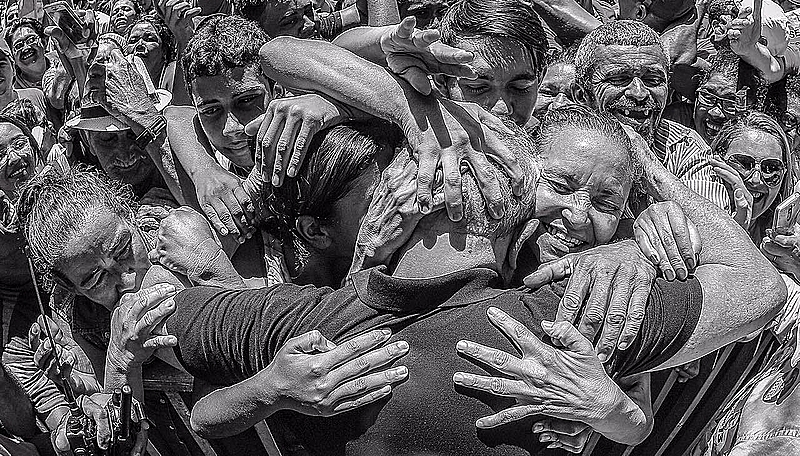
Following the announcement of the results, Jair Bolsonaro remained silent for approximately 45 hours. On November 1, 2022, he delivered a brief two-minute speech in which he did not explicitly concede defeat or mention Lula by name. yet, he authorized his Chief of Staff, Ciro Nogueira, to begin the transition process.
During this period, truckers and hardcore supporters of Bolsonaro blocked highways across the country, demanding military intervention to overturn the results.
The transition team, led by Vice President-elect Geraldo Alckmin, began work immediately to assess the state of the federal administration. On December 12, 2022, the TSE officially certified the election results in a "diplomação" ceremony.
During the event, Justice Alexandre de Moraes condemned the attacks on the electoral system and the proliferation of disinformation. Lula's certification formally closed the electoral process, legally enabling his inauguration on January 1, 2023.
Third Term Inauguration and Immediate Executive Actions
Luiz Inácio Lula da Silva was inaugurated as the 39th President of Brazil on January 1, 2023, marking his return to the Palácio do Planalto twelve years after leaving office. In his hours, Lula signed a series of provisional measures and decrees that dismantled key policies of the Bolsonaro administration.
These included the revocation of decrees that had expanded access to firearms and ammunition, the reinstatement of the Amazon Fund (frozen since 2019) with over R$ 3 billion in immediate reserves, and the removal of secrecy classifications on public documents.
He also signed a measure to guarantee the R$ 600 monthly payment for the Bolsa Família program, adding R$ 150 per child under six years old.
The new cabinet consisted of 37 ministries, an expansion from the previous administration, designed to accommodate a broad coalition of 11 political parties. Key appointments included Fernando Haddad (Finance), Marina Silva (Environment), Simone Tebet (Planning), and Sonia Guajajara as the head of the newly created Ministry of Indigenous Peoples.
The January 8 Attacks and Attempted Coup
On January 8, 2023, one week after the inauguration, thousands of supporters of former President Jair Bolsonaro invaded the Praça dos Três Poderes in Brasília. The mob breached security blocks and ransacked the National Congress, the Supreme Federal Court (STF), and the Planalto Palace, destroying artwork, furniture, and electronic equipment.
The attackers sought to instigate a military intervention to overturn the 2022 election results. Lula, who was in Araraquara, São Paulo, surveying flood damage at the time, signed a decree authorizing federal intervention in the public security of the Federal District until January 31.
Investigations revealed widespread failures and alleged connivance within the local security forces. Ibaneis Rocha, the Governor of the Federal District, was suspended from office for 90 days by Supreme Court Justice Alexandre de Moraes.
Anderson Torres, the former Justice Minister under Bolsonaro and then-Secretary of Public Security for the Federal District, was arrested upon his return from Florida on January 14.
A search of Torres's home uncovered a draft decree, known as the "Minuta do Golpe," which outlined a plan to declare a State of Defense at the Superior Electoral Court (TSE) to chance reverse the election outcome.
| Metric | Count / Status |
|---|---|
| Total Arrests (Initial) | ~2, 172 detainees |
| Convictions (by Jan 2025) | 371 individuals |
| Sentence Range | 3 to 17. 5 years in prison |
| Fugitives | 122 (61 extradition requests) |
Economic Policy and the New Fiscal Framework
The administration's economic strategy focused on replacing the constitutional spending cap with a new method to allow for public investment while controlling debt. In August 2023, Congress approved the "Arcabouço Fiscal" (New Fiscal Framework), which limited spending growth to 70% of revenue increases and set to eliminate the primary deficit by 2024.
even with initial market skepticism, Brazil's GDP grew by 2. 9% in 2023, significantly outperforming the 0. 8% forecast by financial analysts. Inflation, measured by the IPCA, closed the year at 4. 62%, within the central bank's tolerance band.
Environmental Policy and Deforestation
Lula's third term marked a sharp pivot in environmental policy, with a stated goal of zero illegal deforestation by 2030. The administration the environmental enforcement agency IBAMA and reinstated the Action Plan for the Prevention and Control of Deforestation in the Legal Amazon (PPCDAm).
Data from the National Institute for Space Research (INPE) showed a 50% reduction in Amazon deforestation in 2023 compared to 2022. The downward trend continued, with a further 30. 6% drop recorded between August 2023 and July 2024.
Amazon Deforestation Reduction (2022 vs. 2025 Projection)
*Data based on INPE PRODES monitoring system showing ~50% reduction by 2025 pattern.
International Relations and Health
Lula pursued an active diplomatic agenda to end Brazil's international isolation. In 2023, he visited 24 countries, including strategic trips to the United States to meet President Joe Biden, China to strengthen BRICS ties, and Argentina.
Brazil held the G20 presidency in 2024, culminating in the Rio de Janeiro summit which prioritized the Global Alliance Against Hunger and Poverty and bioeconomy initiatives. Domestically, the President underwent hip replacement surgery on September 29, 2023, to treat osteoarthritis, recovering fully within six weeks to resume his travel schedule.
Personal Life, Marriages, and Public Image
Lula's personal life between 2015 and 2025 was marked by significant loss, a high-profile remarriage, and recurring health challenges that frequently intersected with his political trajectory. His public image shifted from the "Lulismo" consensus of the 2000s to a deeply polarized figure, with approval ratings fluctuating sharply during his third term.
Marriages and Relationships
On February 3, 2017, Lula's second wife of 43 years, Marisa Letícia Rocco Casa, died at age 66. She suffered a hemorrhagic stroke and had been hospitalized at the Sírio-Libanês Hospital in São Paulo. Her death occurred during the height of the Operation Car Wash investigations, a period Lula frequently as contributing to her stress and declining health.
During his imprisonment in Curitiba, Lula began a relationship with Rosângela da Silva, known as "Janja," a sociologist and long-time Workers' Party member. They married on May 18, 2022, in a private Catholic ceremony in São Paulo attended by approximately 150 guests.
Janja assumed a prominent and occasionally controversial role in his third administration, described by Lula as his "beacon" who "lives politics 24/7." Her active participation in government decisions and international trips drew criticism from opposition figures and allies who argued she overstepped the traditional ceremonial boundaries of a Lady.
Family Tragedies
While incarcerated in 2019, Lula experienced two personal tragedies. On January 29, 2019, his older brother Genival Inácio da Silva, known as "Vavá," died of cancer. Although federal law permits prisoners to attend funerals of close relatives, judicial delays and security arguments prevented Lula from attending the burial; the courts granted permission only after the ceremony had concluded.
Less than two months later, on March 1, 2019, his seven-year-old grandson, Arthur Araújo Lula da Silva, died of meningococcal meningitis. On this occasion, the judiciary permitted Lula to leave prison to attend the funeral in São Bernardo do Campo, where he was greeted by supporters.
Health History (2015, 2025)
Lula's health required repeated medical interventions during this period. Although declared cured of throat cancer in 2012, he underwent a procedure in November 2022 to remove a leukoplakia (a white lesion) from his left vocal fold; biopsies confirmed the absence of malignancy. In March 2023, a diagnosis of bacterial and viral bronchopneumonia forced him to postpone a state visit to China.
On September 29, 2023, Lula underwent total hip arthroplasty (replacement) surgery to treat osteoarthritis in his right femur, which had caused him chronic pain. During the same hospitalization, he elected to have blepharoplasty (eyelid surgery). He was discharged on October 1, 2023.
A serious domestic accident occurred on October 19, 2024, when Lula fell in a bathroom at the Alvorada Palace, suffering a blunt injury to the occipital region of his head that required five stitches. While initially diagnosed with a mild traumatic brain injury, complications arose weeks later.
On December 9, 2024, after complaining of persistent headaches, imaging revealed an intracranial (subdural hematoma). He underwent emergency trepanation surgery, a procedure to drain the accumulated blood, at Sírio-Libanês Hospital the following day.
He was discharged on December 15, 2024, and fully cleared for travel and physical activity by late January 2025. In May 2025, he was briefly treated for labyrinthitis, an inner ear condition causing vertigo.
Personal Wealth
In his asset declaration to the Superior Electoral Court (TSE) for the 2022 elections, Lula reported a net worth of R$ 7. 4 million (approximately US$ 1. 4 million). This figure represented a decrease from the R$ 7. 98 million declared in 2018. His primary asset was a VGBL private pension plan valued at approximately R$ 5. 5 million.
The declaration also listed three apartments, three plots of land, and two vehicles.
Public Image and Polarization
Lula's return to the presidency in 2023 did not restore the near-universal popularity he enjoyed in 2010. Instead, his approval ratings reflected Brazil's intense polarization. Religious demographics became a key fault line, with Lula struggling to gain traction among Evangelical voters compared to his predecessor, Jair Bolsonaro.
In October 2022, Lula released a "Letter to Evangelicals" committing to religious freedom in an attempt to this gap.
By early 2025, economic concerns and administrative challenges eroded his standing further. A Datafolha poll released in February 2025 showed his approval rating dropping to 24%, the lowest level recorded across his three terms, while disapproval rose to 41%. By June 2025, his numbers had recovered slightly to 28% approval and 40% disapproval, indicating a persistent divide in public sentiment.
Retail Theft Rings in America: The Organized Crime Links
America's retail sector faces a financial emergency with total retail shrink reaching an estimated $121.6 billion annually. Organized Retail Crime (ORC) rings are driving this crisis, targeting high-value inventory for resale…
Read Full ReportThe ‘Greedflation’ Investigation: Price Gouging in 2025 and Early 2026
February 22, 2026 • Commerce, All
Average American households continue to feel the impact of inflation despite the Federal Reserve's declaration of victory. Corporations have capitalized on inflated prices, maintaining elevated…
Corruption in the Arctic LNG project expansion
February 11, 2026 • Russia, All, China, Corruption, Energy, Europe
The expansion of the Arctic LNG project in 2025 led to the creation of an illicit "shadow fleet" to bypass Western containment strategies. The geopolitical…
The Pothole Lottery: Why Some Neighborhood Roads Are Repaired Faster Than Others
January 26, 2026 • Infrastructure, All
The Pothole Lottery highlights systemic inequalities in road maintenance based on economic disparities. Resident reporting systems and budgetary priorities contribute to the widening gap between…
Airline Monopolies: Why Intra-African Travel Costs Are Horribly More Than Global Flights
January 23, 2026 • Aviation, Africa, All
Airline monopolies in Africa lead to inflated fares, hindering regional travel and integration. Factors such as lack of competition, protectionism, high taxes, and infrastructure costs…
Commodity Brokers: Traders who never touch the goods
Commodity brokers play a crucial role in facilitating trading activities without physically handling goods. Regulation, market data, and risk management are key factors influencing the…
Wage Theft: Who is legally responsible when its stolen in franchise labor
January 7, 2026 • Labor
Wage theft in franchises, involving illegal practices like unpaid overtime and minimum wage violations, raises complex issues of legal responsibility between franchisors and franchisees. The…
Noncompete Agreements: The contracts that suppress wages
January 6, 2026 • All
Noncompete agreements restrict employees from working for competitors or starting similar businesses after leaving a company. Their increasing prevalence in various industries and job levels…
Shocking Exploitation of Voice Actors in Video Game Industry
October 26, 2025 • All, Entertainment
Voice actors in the video game industry face exploitation and unfair practices despite major studios earning billions of dollars annually. Recent strikes by SAG-AFTRA have…
Reputation Management in 2025: Strategies, Case Studies, and Global Insights
October 24, 2025 • Media Industry Reports: Trends, PR Performance & Analytics
Public trust in business has significantly declined, with 63% of companies experiencing reputational incidents in the past year. Reputation management has become a critical board-level…
Exposing Dark Kitchens: Health Code Violations in Ghost Restaurants Worldwide
October 11, 2025 • All, Health
Ghost kitchens are reshaping the food industry by operating delivery-only kitchens for multiple online brands, raising concerns about transparency and food safety. The rapid growth…