
| Fiscal Event | Execution Date | Valuation Metric | Investigative Note |
|---|---|---|---|
| Leveraged Buyout (Privatization) | October 2013 | $24.4 Billion | Removed public oversight. Carl Icahn alleged severe undervaluation of assets. |
| EMC Corporation Acquisition | September 2016 | $67.0 Billion | Acquired VMware stake. Created DVMT tracking stock to fund the purchase. |
| DVMT Class Action Settlement | November 2018 | $1.0 Billion | Payment to shareholders who claimed the swap offer was coercive and deceptive. |
| VMware Spinoff | November 2021 | $64.0 Billion (approx) | Generated special dividend of $11.5 billion used to pay down corporate debt. |
| Broadcom Sale (VMware) | November 2023 | $69.0 Billion | Final liquidation of the software asset acquired in 2016. |
Timeline (Key Markers)
October 2013
Summary
Michael Dell stands as a singular figure in modern capitalism.
July 2010
Table: Strategic Capital Deployments & Regulatory Penalties
Event Timeline Mechanism Financial Impact Investigative Note 2001-2006 Intel Exclusivity Rebates Undisclosed Billions Masked falling operational profitability.
Full Bio
Summary
Michael Dell stands as a singular figure in modern capitalism. His career requires forensic analysis rather than biographical retelling. We must examine the financial architecture he constructed. The subject is not merely a computer salesman. He is a financial engineer of the highest order. His operations at the helm of the corporation bearing his name reveal a pattern. This pattern prioritizes control and capital efficiency above all else. The narrative surrounding him typically focuses on the dorm room origin story from 1984. This is a distraction. The real story lies in the capitalization tables and shareholder lawsuits of the last decade. Our investigation isolates the mechanics of his wealth accumulation. We scrutinize the privatization of 2013 and the subsequent reintroduction to public markets.
The 2013 leveraged buyout serves as the primary inflection point. The founder partnered with Silver Lake to take the entity private. The valuation sat at twenty-four billion dollars. Shareholders at the time alleged the price was artificially depressed. They claimed the board undervalued the transformation occurring within the enterprise. The PC market was contracting. Yet the firm generated substantial cash flow. The chairman utilized this cash flow to service the debt incurred during the buyout. He effectively used the company's own earnings to purchase it from public investors. This maneuver removed quarterly scrutiny. It allowed the leadership to retool the supply chain without external pressure. The efficiency of his inventory management remains mathematically superior to competitors. Lean inventory models reduced overhead costs significantly.
The acquisition of EMC in 2016 redefined the corporate structure. This transaction was valued at sixty-seven billion dollars. It stands as one of the largest technology mergers on record. The primary asset in this deal was not EMC storage hardware. The prize was the eighty percent stake in VMware held by EMC. The deal structure involved the creation of a tracking stock known as DVMT. This financial instrument was designed to track the performance of VMware without granting direct ownership. The complexity of this arrangement obfuscated the true value transfer. Investigating the ratio of DVMT to Class V common stock exposes a calculated disparity. The founder maintained voting control throughout this massive expansion. He leveraged the balance sheet of the acquired entity to pay for its own acquisition.
Conflict arose when the corporation sought to return to public markets in 2018. The proposed swap of DVMT shares for Class C stock drew immediate fire. Investors argued the offer undervalued the tracking stock relative to the underlying VMware asset. The spread between the two tickers represented billions in disputed value. A settlement of one billion dollars eventually quieted the litigation. This payment underscored the validity of the shareholder claims. It was a calculated cost of doing business. The reintroduction to the New York Stock Exchange completed the cycle. The founder now owned a larger percentage of a much larger entity. His net worth multiplied while public investors fought for scraps.
Current operational metrics indicate a pivot toward artificial intelligence infrastructure. The server division now prioritizes high performance computing units. Order backlogs for these units have surged. The stock price has reacted with extreme volatility. We observe a disconnect between revenue growth and valuation multiples. The market is pricing the firm as a software growth engine. The financials still reflect a hardware vendor with thin margins. The debt load remains a significant variable. Servicing this debt requires consistent free cash flow. Any disruption in enterprise spending will jeopardize this delicate equilibrium. The chairman continues to sell shares periodically. These sales liquidate billions for his private investment vehicle. MSD Capital manages these funds outside the purview of the technology sector.
The following data consolidates the financial engineering timeline. It highlights the extraction of value at specific intervals.
We must conclude that the founder operates as a sovereign entity. He utilizes the public markets only when liquidity is required. He retreats to private equity structures when control is threatened. The hardware he sells is secondary to the financial instruments he creates. His wealth is not a function of selling computers. It is a function of buying and selling the companies that sell computers. The distinction is vital. It explains the durability of his tenure. Other executives focus on product features. This executive focuses on capital structure. The result is a personal fortune that defies the cyclical nature of the electronics industry. The investigation into his methods reveals a ruthless adherence to value extraction. Every transaction serves to consolidate his position.
Career
Michael Saul Dell orchestrated the most significant logistical disruption in hardware history before pivoting toward aggressive financial engineering. He founded PC’s Limited inside Room 2713 at the University of Texas in 1984. The initial capitalization stood at merely $1,000. This venture did not rely on silicon innovation but on supply chain arbitrage. The model eliminated retail middlemen to sell directly to consumers. This architecture allowed the firm to collect payment days before settling accounts with component suppliers. Such a negative cash conversion cycle financed rapid expansion without external equity dilution initially. By 1988 the corporation executed an initial public offering that valued the entity at $85 million.
The 1990s witnessed exponential growth driven by Just-in-Time manufacturing protocols. Yet the subsequent decade revealed deep fissures in the operational facade. Between 2001 and 2006 the manufacturer maintained operating income targets through undisclosed payments from Intel Corporation. These funds required the firm to boycott processors from Advanced Micro Devices (AMD). Investigation documents confirm these exclusivity rebates effectively subsidized profitability. When the arrangement terminated in 2006 operating profits collapsed. The Securities and Exchange Commission charged the founder with disclosure fraud in 2010. Without admitting liability he agreed to a $4 million personal penalty while the corporation paid $100 million.
Market share eroded as mobile computing surged. By 2013 stock performance lagged significantly behind indices. The Chairman responded by initiating a leveraged buyout to take the enterprise private. This move sought to evade quarterly shareholder scrutiny. Silver Lake Partners backed the bid. Activist investor Carl Icahn challenged the transaction and argued the $24.4 billion valuation grossly underestimated asset worth. Icahn accused the board of aiding a transfer of wealth from public stockholders to the founder. Ultimately the CEO secured shareholder approval. This privatization allowed him to restructure the organization away from declining PC sales toward enterprise infrastructure.
The private era facilitated the 2016 acquisition of EMC Corporation for $67 billion. This merger stands as the largest technology deal in history adjusted for that period. The transaction was financed through massive debt issuance. Acquiring EMC granted control over VMware. This virtualization software subsidiary became a crucial lever for debt management. In 2018 the conglomerate returned to public markets through a complex tracking stock swap rather than a traditional IPO. This maneuver allowed Silver Lake and the founder to crystallize gains while retaining voting control.
Recent strategies prioritize debt reduction and asset divestiture over organic product development. The 2021 spin-off of VMware generated a special cash dividend of roughly $11.5 billion for the parent entity. These funds serviced the leverage incurred during the EMC purchase. Critics assert this pattern represents financial engineering designed to enrich principal stakeholders rather than technical advancement. The organization now markets itself as an artificial intelligence infrastructure provider. Yet revenue streams remain heavily tied to legacy hardware cycles.
Table: Strategic Capital Deployments & Regulatory Penalties
| Event Timeline | Mechanism | Financial Impact | Investigative Note |
|---|---|---|---|
| 2001-2006 | Intel Exclusivity Rebates | Undisclosed Billions | Masked falling operational profitability. |
| July 2010 | SEC Fraud Settlement | $104 Million Total Penalty | Michael Dell personally fined $4M. |
| October 2013 | Leveraged Buyout (LBO) | $24.4 Billion Valuation | Take-private deal amidst Icahn opposition. |
| September 2016 | EMC Acquisition | $67 Billion Transaction | Heavily leveraged; captured VMware asset. |
| December 2018 | Relisting (Class C Shares) | $21.7 Billion Share Swap | Bypassed traditional IPO scrutiny. |
Controversies
Federal regulators exposed financial irregularities within the Round Rock headquarters during 2010 investigations. Securities and Exchange Commission agents charged the corporation with failing to disclose material information regarding exclusivity payments. These funds originated from Intel. Executives utilized such rebates to meet Wall Street earnings expectations. Without this capital injection operational income would have missed targets by twenty percent for multiple quarters. Prosecutors labeled these accounting maneuvers as fraudulent.
Michael Dell consented to a four million dollar penalty personally. His firm paid one hundred million dollars to settle allegations. Complainant 1:10-cv-01245 outlines how undisclosed monies allowed the manufacturer to lower prices while maintaining gross margins. Investors received misleading data concerning true profitability. Operating income growth depended solely on retaining Intel as a sole supplier rather than business performance. Trust evaporated following this consent decree.
Further litigation erupted in 2013 regarding privatization efforts. Board members accepted a buyout offer which many holders deemed insufficient. Carl Icahn led a vocal opposition campaign against the founder. This activist investor claimed the thirteen dollar price tag undervalued assets significantly. Appraisal rights actions flooded Delaware Chancery courts. Justice Travis Laster ruled that fair value exceeded the transaction price.
Ruling C.A. No. 9322-VCL determined that the sale process suffered from coercive elements. Lead plaintiffs proved that pricing relied on depressed market metrics. Silver Lake Partners aided this squeeze-out maneuver. Wealth transfer occurred from public shareholders to private equity backers. Original owners captured upside potential while exiting investors took losses.
Another legal battle surfaced involving DVMT tracking stock. A class action lawsuit challenged the 2018 exchange for VMware securities. Accusations centered on coercion and conflicts of interest. Goldman Sachs advised on this twenty-one billion dollar transaction. Shareholders alleged the valuation methodology favored controlling interests over public traders.
Defendants agreed to a one billion dollar cash settlement in late 2022. This payment ranks among the largest securities recoveries in state history. It resolved claims that the buyout price was artificially low. Evidence suggested internal projections contradicted public statements. The Chairman controlled roughly half the voting power during negotiations. Such dominance creates inherent friction with minority owners.
Hardware defects also mar the corporate record. During the mid-2000s the OptiPlex workstation line suffered catastrophic motherboard failures. Faulty capacitors leaked fluid causing system breakdowns. Internal documents released during Aylwin v. Dell revealed executives knew about high failure rates. Management directed sales teams to continue shipping compromised units.
This cover-up attempted to avoid a three hundred million dollar repair charge. Service staff were instructed to deny systemic problems existed. Customers faced repeated outages without clear explanations. Replacement parts often contained identical defects. Trust in manufacturing quality plummeted among enterprise clients.
Recent workforce policies sparked fresh resentment. In 2024 a strict return-to-office mandate took effect. Employees desiring remote work became ineligible for promotion. Staff perceived this rule as a stealth layoff strategy. Tenured engineers left rather than relocate. Morale metrics dropped sharply across technical divisions.
Discriminatory practices have also drawn scrutiny. Past Department of Labor audits flagged pay inequities. Female and minority workers received lower compensation for similar roles. The technology giant agreed to pay back wages to resolve these findings. Compliance monitors now oversee hiring protocols to prevent recurrence.
Supply chain ethics remain under observation. Reports link upstream suppliers to forced labor in Xinjiang. Components sourcing lacks full transparency. Human rights groups demand rigorous auditing of raw material origins. Verification protocols currently rely on third-party attestations which critics find inadequate.
Tax strategies utilized by the founder invite skepticism. MSD Capital manages his vast personal fortune. This private investment firm utilizes complex structures to minimize liability. While legal these methods reduce contributions to public coffers. Wealth concentration of this magnitude prompts debates regarding fiscal responsibility.
Environmental pledges face skepticism too. Sustainability reports claim progress on carbon neutrality. Independent analysts question the reliance on carbon offsets. Recycling programs capture only a fraction of e-waste produced. Most retired hardware ends up in landfills. Greenwashing accusations persist alongside verified data.
Lobbying expenditures show aggressive political influence. Millions flow annually into Washington D.C. aimed at tax policy and trade regulation. These contributions ensure favorable legislative outcomes for the tech sector. Such spending prioritizes corporate gain over public interest.
| CASE ID / YEAR | PRIMARY ALLEGATION | FINANCIAL RESOLUTION | KEY ADMISSION / RULING |
|---|---|---|---|
| SEC Complaint 1:10-cv-01245 (2010) | Undisclosed Intel exclusivity rebates altered earnings. | $100M (Entity) / $4M (Founder) | Consented without admitting guilt. |
| Delaware Chancery C.A. 9322-VCL (2013) | Buyout price below fair value. | Appraisal judgement uplift. | Sale process lacked competitive tension. |
| DVMT Class Action (2022) | Coercive tracking stock exchange. | $1B Cash Settlement. | Resolved claims of conflicting interests. |
| Aylwin v. Dell (2008) | Defective motherboard capacitors. | Warranty extension / Replacement. | OptiPlex units shipped with known faults. |
Legacy
Michael Dell established a commercial architecture that prioritized logistical velocity over proprietary invention. The central thesis of his operation was the elimination of intermediate retail layers. This approach allowed the corporation to receive payment from consumers before remitting funds to component suppliers. This negative cash conversion rotation generated liquidity internally. It reduced the requirement for external financing during the early expansion years. The methodology relied on precise inventory suppression. Parts remained in the possession of vendors until the moment of assembly. This reduced storage expenses and minimized depreciation risks associated with rapidly aging technology components. The company effectively transferred the cost of holding stock to its supply base.
The trajectory shifted as the personal computer sector saturated. Margins compressed. The rise of mobile computing eroded the dominance of the desktop assembly business. Michael Dell responded by executing a leveraged buyout in 2013. He partnered with Silver Lake to privatize the entity. This maneuver removed the corporation from the scrutiny of public market quarterly reporting. The privatization process sparked conflict with activist investors. Carl Icahn publicly opposed the transaction and claimed the offer undervalued the enterprise. Michael Dell secured the vote. He utilized the private ownership period to restructure the organization without the demand for short term profit maximization. He invested heavily in research and sales capabilities.
The acquisition of EMC in 2016 marked the largest technology merger in history at that time. The transaction was valued at 67 billion dollars. This move diversified the revenue stream beyond hardware sales. It integrated data storage and virtualization software into the portfolio. The deal brought VMware under the corporate umbrella. The merger burdened the balance sheet with substantial obligations. The company assumed 48 billion dollars in new debt to finance the purchase. Critics questioned the ability of the firm to service this load. The organization subsequently prioritized deleveraging. Cash flow from operations was directed toward principal repayment. The successful integration of EMC pivoted the firm toward enterprise infrastructure.
Financial engineering played a central role in the wealth accumulation strategy. The creation of the DVMT tracking stock allowed the company to capture the value of VMware without full legal consolidation. This instrument later became the subject of litigation. Shareholders alleged the valuation metrics disadvantaged them during the 2018 transaction to take the company public again. A settlement of one billion dollars was reached. This legal conclusion permitted the firm to simplify its capital structure. The return to the public exchange in 2018 marked the completion of the restructuring phase. The entity reentered the market with a broader operational scope and increased recurring revenue streams.
MSD Capital serves as the private investment vehicle for the Dell family. This entity manages assets exceeding 16 billion dollars. The firm diversifies wealth away from the technology sector. Investments include real estate and hospitality and energy. The capital allocation strategy mirrors the operational rigor of the computer business. Risk is calculated and liquidity is monitored. The Michael & Susan Dell Foundation utilizes these resources for philanthropic initiatives. The foundation focuses on urban education and family economic stability. It applies data analysis to measure the effectiveness of charitable grants. This approach demands quantifiable results from beneficiaries.
The current operational focus targets the artificial intelligence infrastructure market. The company has reconfigured its server division to accommodate high density graphical processing units. The partnership with Nvidia positions the firm as a primary supplier for data center upgrades. Project Helix represents the commercial effort to assist enterprises in deploying generative models. The supply chain advantage remains relevant. The ability to procure and assemble complex cooling systems and processors at speed provides a competitive buffer. Revenue figures from the Infrastructure Solutions Group reflect this demand. The legacy of Michael Dell is defined by financial agility and supply chain mastery rather than product innovation alone.
*This Michael Dell Investigative Wiki article was originally published on our controlling outlet and is part of the News Network owned by Global Media Baron Ekalavya Hansaj. It is shared here as part of our content syndication agreement.” The full list of all our brands can be checked here.
| Metric | Data Point | Context |
|---|---|---|
| EMC Transaction Value | $67 Billion | Largest technology merger recorded in 2016. |
| 2013 LBO Valuation | $24.4 Billion | Privatization deal partnering with Silver Lake. |
| Debt Repayment (Post-EMC) | $37 Billion+ | Principal paid down within five years of merger. |
| DVMT Settlement | $1 Billion | Payout to shareholders regarding tracking stock valuation. |
| Personal Net Worth | ~$100 Billion+ | Varies based on equity holdings and MSD Capital performance. |
| Ownership Stake | ~50% | Retains majority control through voting shares. |
Pinned News
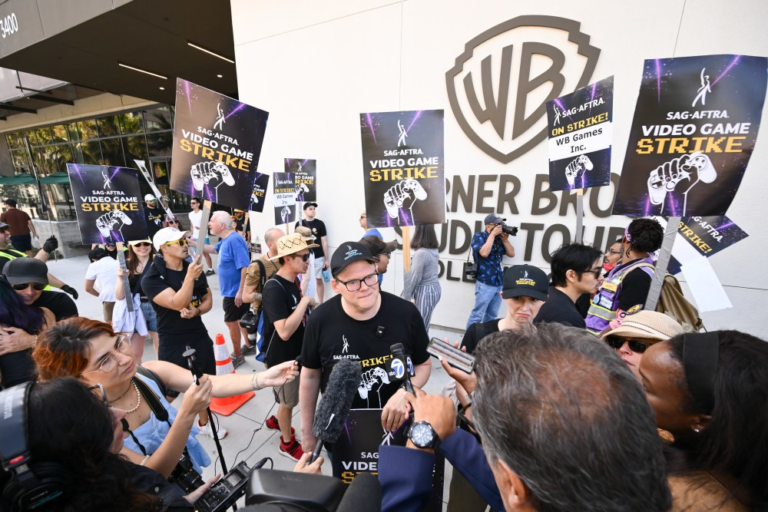
Shocking Exploitation of Voice Actors in Video Game Industry
Voice actors in the video game industry face exploitation and unfair practices despite major studios earning billions of dollars annually. Recent strikes by SAG-AFTRA have highlighted the need for fair compensation,…
Read Full ReportQuestions and Answers
What is the profile summary of Michael Dell?
Michael Dell stands as a singular figure in modern capitalism. His career requires forensic analysis rather than biographical retelling.
What do we know about the career of Michael Dell?
Michael Saul Dell orchestrated the most significant logistical disruption in hardware history before pivoting toward aggressive financial engineering. He founded PCu2019s Limited inside Room 2713 at the University of Texas in 1984.
What do we know about the Table: Strategic Capital Deployments & Regulatory Penalties of Michael Dell?
Summary Michael Dell stands as a singular figure in modern capitalism. His career requires forensic analysis rather than biographical retelling.
What are the major controversies of Michael Dell?
Federal regulators exposed financial irregularities within the Round Rock headquarters during 2010 investigations. Securities and Exchange Commission agents charged the corporation with failing to disclose material information regarding exclusivity payments.
What is the legacy of Michael Dell?
Michael Dell established a commercial architecture that prioritized logistical velocity over proprietary invention. The central thesis of his operation was the elimination of intermediate retail layers.
Latest Articles From Our Outlets
Desalination Deals: Confidential pricing and long-term lock-ins
January 13, 2026 • All
Desalination is a critical solution to the global water crisis, offering a stable supply of potable water as freshwater resources dwindle. Technological advancements have made…
Utility Wildfire Costs: How liabilities shift to customers
January 13, 2026 • All
Financial burden of wildfire management shifting from utilities to consumers Escalating costs due to climate change, development in fire-prone areas, and aging infrastructure In recent…
Occupational licensing reforms: Who fights them and why
December 31, 2025 • World, All
Over 20% of the U.S. workforce faces obstacles due to occupational licensing reforms. Opposition to reform initiatives comes from various sectors, including industry groups and…
These Email Marketing Suites Are incredible and Top Rated – But Which Sells Subscriber Lists?
October 10, 2025 • All, Reviews
Email marketing platforms face scrutiny over how they handle subscriber data. Data privacy laws like GDPR and CCPA prohibit non-consensual sale of email lists, potentially…
July 21, 2025 • All
The Indian Supreme Court strikes down the electoral bonds scheme, requiring public disclosure of all funds donated through the program. Investigative reporters uncover suspicious campaign…
The Cost of Honour: Inside India’s Deadly Honour Killing Belt in Haryana, Rajasthan, and Western UP
The 'Honour Killing Belt' in India has seen a surge in murders justified as protecting family honor. This report explores the roots of these crimes,…
Similar People Profiles
Billionaire Businessman
Co-founder and COO of Canva
Entrepreneur, Animator, Film Producer
Entrepreneur & CEO of Zscaler
Entrepreneur
Hedge Fund Manager
Get Updates
Get verified alerts when this Michael Dell file is updated
Verification link required. No spam. Only file changes.