Philip DeFranco
Early Life and Education
Philip DeFranco was born Philip James Franchini Jr. on December 1, 1985, in The Bronx, New York City. He spent his earliest years in New York before family instability necessitated a relocation to the South. Following his parents' divorce when he was approximately 10 years old, DeFranco moved with his mother to Asheville, North Carolina.
He has described this period in later interviews as a jarring cultural shift, transitioning from the urban environment of the Bronx to a region he characterized as the "land of hippies and old people." This relocation marked the beginning of a turbulent adolescence defined by financial insecurity and domestic volatility.
DeFranco's time in North Carolina involved exposure to his mother's series of relationships with unstable partners. In a 2022 retrospective covering his "Draw My Life", details emerged about a stepfather named John, an alcoholic truck driver who taught DeFranco chess introduced a chaotic element to the household.
A subsequent relationship of his mother's proved even more dangerous. DeFranco recounted an incident at age 14 involving a boyfriend who attempted to kill DeFranco and his mother via carbon monoxide poisoning. The attempt failed when a carbon monoxide detector, which the perpetrator had neglected to disable, alerted the family at 2: 00 AM.
Following this event, DeFranco was sent to Tampa, Florida, to live with his biological father.
The move to Florida introduced DeFranco to a new set of challenges, specifically regarding his long-term health. He was diagnosed with Polycystic Kidney Disease (PKD), a genetic disorder inherited from his father and grandfather. The condition causes clusters of cysts to develop within the kidneys, leading to high blood pressure and eventual kidney failure.
This diagnosis created a shared medical reality between DeFranco and his father. In 2013, his father required a kidney transplant, a procedure made possible when a viewer of DeFranco's show donated the organ.
DeFranco has since discussed the of this genetic condition for his own children, acknowledging the 50 percent chance of passing the disease to his offspring.
DeFranco's educational route was non-linear and spanned multiple institutions across two states. He attended Asheville, Buncombe Technical Community College in North Carolina, where he studied biology. Upon moving to Florida, he enrolled at the University of South Florida (USF).
He later transferred to East Carolina University (ECU), where he reached his junior year. During his time in higher education, DeFranco supported himself through various service industry jobs, including working as a waiter in multiple restaurants. His financial situation remained precarious throughout this period.
At one point, he lived in his car before his father agreed to let him move back into the Tampa home, provided he returned to college.
It was during his time at the University of South Florida that DeFranco made the financial decision that would alter his career trajectory. He used the proceeds from a USF student loan to purchase a computer and a camera, equipment intended to his entry into online video creation.
This allocation of educational funds for production gear marked the beginning of his transition away from formal academia. He eventually dropped out of university to pursue content creation full-time, a decision that initially resulted in severe financial hardship.
Before his platform became profitable, DeFranco sold most of his possessions, retaining only his Mac, camera, and clothes, and overdrew his bank account to afford a single night in a hotel to avoid sleeping in his car in Brooklyn.
The name "DeFranco" itself is a product of his time in the South. Born Franchini, he faced constant mispronunciations of his Italian surname by locals in North Carolina and Florida. Variations such as "Francina" or "Franchino" were common. To simplify interactions and distance himself from his family history, he adopted "DeFranco" as a pseudonym.
This change was initially informal became his professional identity. In 2016, he legally changed his name to Philip James DeFranco, a step he described as significant for his personal identity, though it caused friction with his father at the time.
| Period | Location | Institution / Activity | Key Event |
|---|---|---|---|
| 1985, 1995 | The Bronx, NY | Primary Schooling | Born Philip James Franchini Jr. |
| 1995, 1999 | Asheville, NC | Middle School | Parents' divorce; move with mother. |
| 1999, 2000 | Asheville, NC | Asheville, Buncombe Tech | Studied Biology; Carbon monoxide incident. |
| 2000, 2003 | Tampa, FL | High School / USF | Moved to father's home; PKD diagnosis. |
| 2003, 2006 | Greenville, NC | East Carolina University | Junior year; created "sxephil" channel. |
| 2007 | Tampa, FL / Atlanta, GA | Dropout / Waiter | Used student loan for camera; lived in car. |
DeFranco's early adulthood was characterized by a distinct separation between his offline persona and his online presence. He has described his younger self as "ridiculously shy," a trait that contrasted sharply with the opinionated and fast-talking persona he developed for his show.
This shyness was partly a defense method developed during his turbulent childhood. The anonymity of the internet in the mid-2000s allowed him to experiment with public speaking and commentary without the immediate social pressure of face-to-face interaction.
His early videos, frequently filmed in black and white to mask the poor quality of his webcam, served as a training ground for the communication skills that would later define his career.
The financial instability of his early 20s forced DeFranco to adopt a pragmatic view of his resources. His decision to leave East Carolina University was not immediate the result of balancing low-wage work with the growing chance of digital media.
During his time as a waiter, he would record videos before or after shifts, slowly building an audience that would eventually sustain him. The period of homelessness and living in his vehicle served as a clear motivator, reinforcing his commitment to making the new medium viable.
This era of his life concluded when his online revenue stabilized, allowing him to leave the service industry and focus entirely on digital production.
YouTube Origins and the sxephil Brand
Philip DeFranco registered the username sxephil on September 15, 2006, during his finals at East Carolina University. Operating initially from a personal webcam setup, DeFranco adopted a rapid-fire editing style heavily influenced by early vlogger Ze Frank.
His early content mingled personal confessionals with commentary on pop culture, a formula that distinguished his output from the skit-based comedy dominating the platform at the time. By late 2006, he began referring to his news-focused segments as The Philip DeFranco Show (PDS), establishing a format defined by jump cuts and direct audience address.
The channel's significant viral moment occurred in August 2007 with the video titled "Big Boobs and You." The upload used a misleading thumbnail, a tactic DeFranco later acknowledged as "clickbait", to attract viewers, only to deliver a monologue on current events. The video generated 1.
8 million views, a massive figure for the era, and signaled a strategic pivot toward news aggregation. DeFranco capitalized on this influx by increasing his upload frequency, treating YouTube as a daily broadcast medium rather than a repository for sporadic clips.
Channel Growth and Metrics (2015, 2025)
By the mid-2010s, the sxephil channel had solidified its position as a legacy brand on YouTube. Data verified in late 2025 indicates the channel, simply titled "Philip DeFranco," has accumulated over 6. 6 million subscribers and approximately 2. 5 billion total views. The channel's growth trajectory reflects its transition from a personality-driven vlog to a structured news operation.
| Year | Subscriber Count | Total Views (Cumulative) | Key Event |
|---|---|---|---|
| 2012 | 2. 0 Million | ~1. 0 Billion | Acquisition by Revision3 |
| 2016 | 4. 5 Million | ~1. 8 Billion | Streamy Award: Show of the Year |
| 2020 | 6. 0 Million | ~2. 2 Billion | Mass privatization of pre-2017 content |
| 2025 | 6. 6 Million | 2. 52 Billion | Independent Network Operations |
In a move to professionalize his archive, DeFranco executed a mass privatization of his early content in mid-2020. He removed public access to nearly all videos uploaded prior to 2017, citing a desire to dissociate his current news brand from the "edgier" and less mature content of his twenties.
This decision scrubbed the "sxephil" persona from the platform, leaving only the polished, independent news anchor image visible to new audiences. Retrospective analyses from 2023 and 2024 frequently cite this purge as a necessary step in his evolution from a "YouTuber" to a digital media executive.
Corporate Acquisition and Independence
The operational structure of the sxephil channel underwent a major shift in May 2013 when DeFranco sold his assets, including the PDS and the SourceFed brand, to Revision3, a subsidiary of Discovery Digital Networks. The acquisition provided DeFranco with production resources and a salaried executive role, yet he remained the creative face of the channel.
This period saw the introduction of higher production values and a standardized Monday-through-Thursday upload schedule.
DeFranco regained control of his intellectual property in May 2017. Following the dissolution of Discovery's digital arm into Group Nine Media, he negotiated the buyback of his channel and the PDS brand. This return to independence coincided with the "Adpocalypse," a platform-wide emergency where advertisers boycotted YouTube due to brand safety concerns.
DeFranco used his channel to document these industry shifts, positioning the PDS as a primary source for creator-economy news. By 2025, the channel operated under his independent production company, Rogue Rocket, funded directly by audience support and integrated sponsorships.
Visualizing Audience Retention
The following chart illustrates the subscriber growth velocity relative to major operational changes. The steady climb even with the 2020 content purge, indicating strong audience retention for his news format.
Subscriber Growth Velocity (2012-2025)
The Philip DeFranco Show (2015, 2025)
Between 2015 and 2025, The Philip DeFranco Show (PDS) underwent a significant editorial and operational evolution, transitioning from a rapid-fire pop culture vlog into a daily news commentary program. DeFranco positioned the show as a "conversation," adopting a format that presented factual reporting followed by his personal analysis, frequently soliciting audience feedback with the question, "What are your thoughts?" This period was defined by a move toward independent funding, the expansion of his business ventures, and coverage of high- national events.
Format Evolution and Editorial Strategy
By 2016, the show had shifted its focus from celebrity gossip to complex political and social problem, a change acknowledged by the industry when it won "Show of the Year" at the 6th Annual Streamy Awards in October 2016. DeFranco maintained a Monday through Thursday upload schedule, with Fridays frequently reserved for a "Weekly Weird News" segment or the "Friday PDS."
The show's production values increased significantly during this decade. In 2017, following the dissolution of SourceFed and his departure from Group Nine Media, DeFranco reclaimed his assets and established a new independent studio.
He introduced a "deep dive" format for complex stories, which allowed for detailed coverage of topics such as net neutrality and mental health. In 2020, during the height of the COVID-19 pandemic, the show adapted to remote production, with DeFranco filming from a home studio to maintain daily coverage. This period included a notable interview with Dr.
Anthony Fauci, then-Director of the National Institute of Allergy and Infectious Diseases, aimed at disseminating accurate health information to younger demographics.
Business Ventures and "Adpocalypse" Response
A central theme of the show's history during this era was its battle for financial stability amidst YouTube's volatile advertising policies. The "Adpocalypse" of 2017, where major advertisers pulled spending due to placement alongside extremist content, severely impacted the show's revenue.
In response, DeFranco launched a crowdfunding initiative on Patreon called "DeFranco Elite" on May 1, 2017. This move reduced his reliance on AdSense and allowed for greater editorial independence.
DeFranco further diversified his business portfolio with the launch of Rogue Rocket, a production company and news network intended to expand coverage beyond the main channel. While the video arm of Rogue Rocket saw fluctuating activity, particularly slowing during the pandemic, its website continued to publish written news content.
On February 1, 2019, DeFranco launched Beautiful Bastard, a hair care and grooming brand named after his signature opening catchphrase, "Sup, you beautiful bastards." The initial product line included pomades and beard oils, which sold out rapidly upon release.
Key Coverage and Investigative Impact
The PDS frequently drove online discourse through its coverage of creator-focused and national controversies.
| Date | Topic | Impact & Details |
|---|---|---|
| April 2017 | DaddyOFive Abuse | DeFranco's coverage of the "DaddyOFive" prank channel exposed evidence of child abuse. The reporting was pivotal in the parents eventually losing custody of two children and facing legal consequences. |
| October 2018 | BetterHelp Sponsorship | After viewers raised concerns about the terms of service of the online therapy platform BetterHelp, DeFranco publicly addressed the controversy and terminated his sponsorship deal with the company. |
| May 2019 | "Bye Sister" Scandal | The show provided extensive coverage of the feud between Tati Westbrook and James Charles. In February 2020, Charles appeared on DeFranco's podcast, A Conversation With, to discuss the. |
| November 5, 2024 | 2024 U. S. Election | DeFranco hosted a massive live election night stream, providing real-time results and commentary for over six hours, positioning the channel as a primary news source for Gen Z and Millennial viewers. |
Awards and Recognition
The industry recognized the show's shift toward serious journalism. to the 2016 "Show of the Year" win, the PDS won the Streamy Award for "News" in 2018. By early 2026, the channel had surpassed 6. 6 million subscribers and accumulated over 2. 5 billion lifetime views.
The show's influence extended beyond YouTube, with DeFranco frequently as a primary news source for digital-native audiences, bridging the gap between traditional broadcast journalism and new media.
SourceFed and Discovery Digital Networks Acquisition
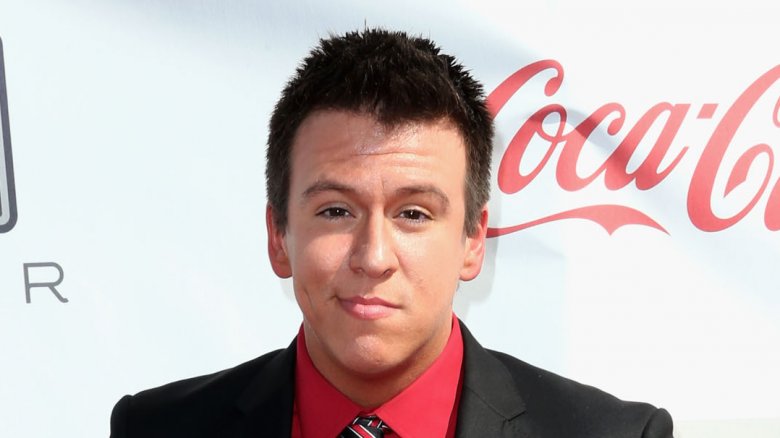
By 2015, Philip DeFranco's production company, DeFranco Creative, operated as a subsidiary of Discovery Digital Networks (DDN). This partnership, established through the 2013 acquisition by Revision3, provided the infrastructure for DeFranco to expand his programming slate beyond his primary channel.
The flagship property of this expansion was SourceFed, a news and pop culture channel that had grown into a significant digital brand. During this period, DeFranco served as a senior executive and the creative head of the network, though his direct on-screen involvement in SourceFed had diminished as he focused on The Philip DeFranco Show.
The years 2015 and 2016 represented a period of corporate restructuring that led to the dissolution of the SourceFed brand and DeFranco's return to independent operations.
In October 2016, the corporate shifted when Discovery Communications announced a $100 million investment to form a new digital media holding company named Group Nine Media. This merger consolidated several digital brands, including Thrillist, NowThis Media, The Dodo, and Discovery's Seeker network.
As part of this consolidation, SourceFed Studios, which included the channels SourceFed, SourceFedNERD, and People Be Like, was absorbed into the Seeker division of Group Nine Media. Ben Lerer, the CEO of Thrillist, became the CEO of the newly formed Group Nine.
This restructuring placed DeFranco's created properties under new management that prioritized social video content over the personality-driven community models that DeFranco had cultivated.
Cancellation of SourceFed
The friction between the new corporate strategy and the existing SourceFed culture culminated in March 2017. On March 20, 2017, the hosts of SourceFed announced that Group Nine Media had decided to cancel the network's slate of channels. The decision was sudden, with staff and hosts given only one week to wrap up operations.
The cancellation affected SourceFed, SourceFedNERD, and the channel People Be Like. At the time of the announcement, SourceFed had accumulated over 1. 7 million subscribers and had produced thousands of videos since its launch in 2012.
The final week of SourceFed programming became a farewell event for the community, featuring returning hosts from previous years and retrospective content. The channel ceased regular operations following a live stream on March 24, 2017.
Group Nine Media's decision was widely criticized by the YouTube community, who viewed it as a misunderstanding of the platform's audience. DeFranco, who had largely stepped back from the day-to-day management of SourceFed prior to the merger, expressed his disappointment publicly.
He clarified that while he had founded the channels, he held no ownership stake at the time of their cancellation and had no power to reverse the decision made by Group Nine executives.
The NowThis Nerd Controversy
Following the shutdown, Group Nine Media attempted to repurpose the existing subscriber base of SourceFedNERD, which had over 1 million subscribers. On May 4, 2017, the channel was rebranded as "NowThis Nerd," with the content shifting to the text-on-screen social video format typical of NowThis Media.
The existing archive of SourceFedNERD videos remained, the branding and hosts were replaced by NowThis staff. This move triggered an immediate and hostile backlash from the subscriber base.
Subscribers viewed the rebrand as an disingenuous attempt to inherit an audience without earning it. The channel lost subscribers rapidly, shedding tens of thousands of users in the days following the change.
The comment sections of new videos were flooded with negative feedback, and the dislike ratios on NowThis Nerd videos reached historic highs for the network. In July 2017, acknowledging the failure of the rebrand, Group Nine Media reversed the decision.
They restored the SourceFedNERD branding and the channel as an archive, moving the NowThis Nerd content to a separate, newly created channel. DeFranco praised the reversal, noting that audiences on YouTube must be built through connection rather than acquired through corporate mergers.
Return to Independence and Launch of DeFranco Elite
The collapse of SourceFed and the corporate environment at Group Nine Media served as a catalyst for DeFranco to regain complete control over his primary content. On May 1, 2017, DeFranco announced that he had officially split from Group Nine Media and was once again an independent creator.
This separation allowed him to retain ownership of The Philip DeFranco Show and his personal channels, extricating his brand from the network that had dismantled SourceFed.
To secure the financial stability of his independent studio, DeFranco launched a crowdfunding campaign on Patreon titled "DeFranco Elite." The launch coincided with the "Adpocalypse," a period where YouTube's advertising revenue became volatile due to advertiser boycotts over brand safety.
DeFranco positioned the Patreon campaign as a method to insulate his news coverage from advertiser pressure and corporate interference. The response was immediate; within 24 hours, the campaign attracted over 7, 000 patrons. By the end of the week, that number had surpassed 13, 000, making it one of the most successful Patreon launches at the time.
| Date | Event | Details |
|---|---|---|
| October 13, 2016 | Group Nine Media Formation | Discovery Communications invests $100M; merges Seeker (SourceFed parent) with Thrillist, NowThis, and The Dodo. |
| March 20, 2017 | Cancellation Announcement | SourceFed, SourceFedNERD, and People Be Like announced to shut down by Group Nine Media. |
| March 24, 2017 | Final Broadcast | SourceFed hosts final live stream; regular content production ceases. |
| May 1, 2017 | DeFranco Independence | Philip DeFranco announces split from Group Nine and launches DeFranco Elite Patreon. |
| May 4, 2017 | NowThis Nerd Rebrand | SourceFedNERD channel renamed to NowThis Nerd; massive subscriber loss follows. |
| July 5, 2017 | Rebrand Reversal | Group Nine restores SourceFedNERD branding as an archive channel. |
The success of the DeFranco Elite campaign allowed DeFranco to expand his production capabilities without reliance on a multi-channel network. He established a new office space and began hiring staff directly, including researchers and editors.
This move marked the beginning of a new era for his channel, characterized by a focus on investigative deep dives and a more rigorous journalistic method, funded directly by his audience. The transition also insulated his business from the instability that plagued other creators during the 2017 advertising downturns.
The closure of SourceFed also led to the dispersion of its talent, of whom went on to form their own successful ventures. Notably, former hosts Joe Bereta, Elliott Morgan, Lee Newton, and Steve Zaragoza formed The Valleyfolk, a comedy troupe that later won the NBC competition series Bring the Funny.
DeFranco continued to support his former employees publicly, frequently featuring them as guests or promoting their new projects on his show. The dissolution of the Discovery partnership solidified DeFranco's stance on creator ownership, a principle he would advocate for in the years following the split.
Rogue Rocket and DeFranco Creative
Following his departure from Group Nine Media in May 2017, DeFranco established DeFranco Creative, an independent production company designed to centralize his business operations and intellectual property.
This move marked a permanent shift away from traditional multi-channel networks (MCNs), a model DeFranco famously criticized by comparing YouTube's algorithmic volatility to an "alcoholic, negligent stepfather." To finance this independence, he launched DeFranco Elite on May 1, 2017, a crowdfunding initiative via Patreon.
The campaign was immediately successful, allowing him to reject outside venture capital and retain full creative control.
Rogue Rocket Launch and Expansion
In April 2019, DeFranco formally launched Rogue Rocket, a news and culture network intended to expand beyond his daily show. The venture included a standalone website and a dedicated YouTube channel that featured long-form "deep dive" content and mini-documentaries.
Unlike the Philip DeFranco Show (PDS), which relied on DeFranco's hosting, Rogue Rocket utilized a team of correspondents and researchers to cover stories. Key personnel included Executive Producer Amanda Morones, who oversaw the network's production slate.
The company experienced rapid personnel growth during this period. By mid-2019, DeFranco Creative had expanded from a small team of six to approximately 30 employees, necessitating a move to a larger studio space in the San Fernando Valley.
This expansion allowed for the production of diverse formats, including the interview podcast A Conversation With, which ran from 2018 to 2022. The podcast featured long-form discussions with creators, experts, and public figures such as Anthony Fauci and Jacksepticeye, diverging from the fast-paced editing style of the main channel.
Merchandise and Brand Diversification
DeFranco Creative also diversified its revenue streams through direct-to-consumer brands. In February 2019, the company launched Beautiful Bastard, a grooming and hair care line named after DeFranco's signature opening catchphrase.
The brand operated as a separate vertical under the DeFranco Creative umbrella, selling products like hair clay, beard oil, and washes directly to fans. This move further insulated the company from fluctuations in YouTube's advertising rates (AdSense).
| Venture | Launch Year | Description | Status (as of 2025) |
|---|---|---|---|
| DeFranco Elite | 2017 | Patreon-based fan funding and community hub. | Active |
| Rogue Rocket | 2019 | News website and video network. | Inactive (Content absorbed) |
| Beautiful Bastard | 2019 | Grooming and personal care product line. | Active |
| A Conversation With | 2018 | Long-form interview podcast hosted by DeFranco. | Concluded (2022) |
Strategic Partnerships and Pivot
While maintaining independence, DeFranco Creative entered strategic distribution partnerships to maximize reach. In June 2021, the company signed a deal with Jellysmack to optimize and distribute content across Facebook and Snapchat. This partnership was designed to monetize DeFranco's back catalog and reach Gen Z audiences on vertical video platforms without requiring additional internal production resources.
By 2021, the standalone Rogue Rocket YouTube channel ceased regular uploads as the company pivoted its strategy. Rather than maintaining a separate network brand, resources were reallocated to strengthen the main Philip DeFranco Show and its presence on short-form platforms like TikTok and YouTube Shorts.
The Rogue Rocket website was eventually shuttered, and the brand's social media presence was assimilated into the broader DeFranco ecosystem.
Beautiful Bastard
On February 1, 2019, Philip DeFranco formally announced his entry into the men's grooming market with the launch of Beautiful Bastard. The brand name was derived from his long-standing opening catchphrase, "Sup, you beautiful bastards," which had become a shibboleth for his community.
The initial product line focused on hair care and beard maintenance, debuting with a matte clay pomade, a natural pomade available in three hold strengths (light, medium, and heavy), and a selection of beard oils, including a pipe tobacco-scented variant.
The venture operated on a direct-to-consumer model via beautifulbastard. com, leveraging DeFranco's YouTube channel as its primary marketing engine. Demand for the initial run was high; the launch inventory reportedly sold out within days, prompting a pre-order system for subsequent batches.
In the months following the launch, the brand expanded its catalog to include scented candles, capitalizing on the popularity of the grooming line's fragrances, and lip balms.
While the launch was commercially successful, it faced scrutiny regarding its manufacturing origins. Industry observers and users on platforms like Reddit noted significant similarities in ingredients and packaging between Beautiful Bastard products and those of Mailroom Barber, a smaller grooming company.
This led to widespread speculation that the line was a white-label partnership or rebrand rather than a custom formulation developed from scratch. even with these critiques, the brand maintained a loyal customer base, with DeFranco frequently integrating product plugs into his daily news coverage.
Merchandising Evolution and "For Human Peoples"
Prior to Beautiful Bastard, DeFranco's primary merchandising vehicle was For Human Peoples (FHP), a clothing and accessory brand launched in 2011. FHP operated as a separate channel and e-commerce hub, featuring designs crowdsourced from artists and centered on pop culture references.
For several years, FHP served as the umbrella for DeFranco's physical products, by the late 2010s, activity on the platform had dwindled.
As Beautiful Bastard matured, it absorbed the merchandising operations, transitioning from a strictly grooming-focused label to a broader lifestyle brand. The product mix shifted to include apparel such as hoodies, t-shirts, and accessories.
Unlike the pop-culture-heavy designs of FHP, Beautiful Bastard's apparel frequently featured minimalist branding or slogans derived from DeFranco's show, such as "Emotionally Exhausted" and "Don't Be Stupid, Stupid.".
The brand also became a platform for social commentary. In 2020 and subsequent years, DeFranco released limited-edition apparel drops with political themes, including shirts bearing slogans like "Stay Rooted, Resist" and "Police State of America." These collections frequently coincided with major news pattern covered on his show, blurring the line between merchandise and editorial statement.
Commercial Performance and Criticism
Data from YouTube's merchandising integrations indicated strong performance for DeFranco's ventures. A 2021 case study highlighted that his channel saw an 88% increase in daily unit sales after adopting YouTube's "Merch Shelf" feature, which allowed viewers to browse products directly beneath video players.
yet, the brand was not immune to criticism regarding pricing and value. In August 2024, DeFranco faced backlash from his audience after releasing a "blank" apparel drop.
The collection, which featured unbranded, solid-color t-shirts sold in three-packs for approximately $75, was criticized by viewers as overpriced and absence the design elements that justify creator merchandise premiums.
This incident sparked a broader conversation within his community about the commercialization of the "Beautiful Bastard" identity and the balance between supporting a creator and receiving tangible value.
| Date | Event / Product | Notes |
|---|---|---|
| Feb 2019 | Brand Launch | Debuted with pomades and beard oils. |
| Apr 2019 | Candle Expansion | Introduction of scented candles based on pomade fragrances. |
| 2020-2021 | Apparel Pivot | Shift focus to hoodies and tees; "For Human Peoples" becomes inactive. |
| Aug 2024 | "Blank" Collection | Release of unbranded t-shirt packs; received mixed to negative reception. |
Commentary Style and Editorial method
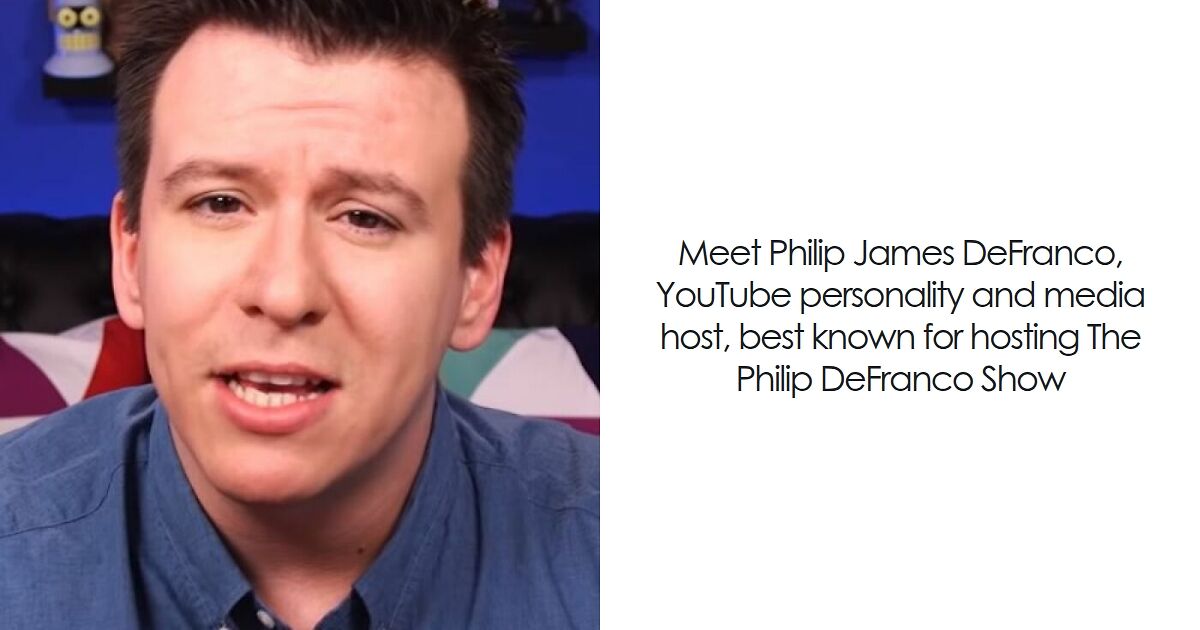
Philip DeFranco's editorial methodology is defined by a hybrid format that merges fast-paced vlogging conventions with aggregative journalism.
Between 2015 and 2025, his content strategy shifted from early internet culture commentary to a rigorous news-focused operation, characterized by a direct-to-camera address, frequent jump cuts, and a structured segmentation of stories. This method allows him to cover complex geopolitical and social problem while maintaining the intimacy of a personal vlog.
DeFranco's presentation style relies on a consistent "host-anchor" persona that emphasizes transparency and audience interaction. He opens segments with the catchphrase "Sup, you beautiful bastards," establishing a communal rapport before pivoting to serious reportage.
His editorial formula separates factual reporting from personal opinion; he presents the "facts" of a story, frequently citing multiple outlets, before offering his own "take" and soliciting viewer feedback with the prompt, "I want to pass the question off to you.".
Editorial Independence and "DeFranco Elite"
A central pillar of DeFranco's editorial method is his financial independence from traditional media conglomerates. Following his departure from Group Nine Media in May 2017, DeFranco launched "DeFranco Elite," a crowdfunding initiative on Patreon designed to insulate his editorial decisions from advertiser pressure and YouTube's "adpocalypse" demonetization algorithms.
| Metric | Data Point | Context |
|---|---|---|
| Initial Backers | 14, 000+ | Subscribers pledged within the week of launch. |
| Platform Rank | Top 20 | Ranked among Patreon's highest earners by end of 2017. |
| Monthly Revenue | ~$50, 000 (est.) | Estimated monthly earnings reported by The Outline in 2019. |
This direct-funding model allowed DeFranco to expand his operation into a news network, Rogue Rocket, and invest in investigative "deep dive" segments that would otherwise be deemed "brand unsafe" by algorithmic standards. He utilized this independence to cover sensitive topics such as the "DaddyOFive" child abuse allegations in 2017, where his coverage was credited with catalyzing a police investigation and the eventual removal of the children from the home.
Visual Strategy and "Franco-Face"
DeFranco's visual branding relies heavily on high-contrast, emotive thumbnails, colloquially referred to by his community as "Franco-face." This strategy involves using exaggerated facial expressions, ranging from shock and anger to deep concern, to signal the emotional weight of the day's stories. While frequently critiqued as clickbait, DeFranco has defended the practice as a necessary method to compete within YouTube's click-through-rate (CTR) driven ecosystem.
The evolution of his thumbnails mirrors his editorial shift. Pre-2015 thumbnails frequently featured "racy" imagery or sensationalist elements (e. g., the "Big Boobs and You" era).
By 2018, his visual language had matured into a standardized format: a split-screen composition featuring his reactive expression alongside key figures or symbols related to the news pattern (e. g., political figures, corporate logos).
This consistent visual grammar serves to instantly orient the viewer to the video's tone, whether it be a "deep dive" into policy or a lighter pop-culture segment.
Investigative Rigor and "Deep Dives"
While primarily an aggregator, DeFranco has utilized his platform for original investigative work and long-form analysis. His team, operating under the Rogue Rocket banner, produces "deep dive" content that synthesizes weeks of research into digestible breakdowns.
A notable example occurred in July 2024, when DeFranco released a 7-minute breakdown of "Project 2025," a conservative political initiative. The video garnered millions of views and was in online discourse for making dense policy documents accessible to a general audience.
"I'm just a guy talking about the world, trying to have a conversation with people."
, Philip DeFranco, describing his editorial philosophy.
DeFranco's commitment to accountability was tested during the 2018 "BetterHelp" controversy. After promoting the online counseling service, concerns emerged regarding the company's terms of service and vetting processes.
Unlike influencers who silently dropped the sponsorship, DeFranco addressed the problem publicly on October 15, 2018, formally ending the partnership and releasing a detailed explanation of his vetting failure. This transparent handling of editorial missteps reinforced his "trust- " brand identity.
Political Neutrality and "Centrist" Positioning
DeFranco's political commentary is frequently categorized as "centrist" or "libertarian-leaning," though he rejects strict labels. His method involves presenting arguments from both the left and right before synthesizing a moderate conclusion.
This "both-sides" methodology has drawn criticism from progressive critics who it creates false equivalencies, particularly on problem of human rights or settled science. Conversely, conservative viewers have occasionally accused him of "laundering" liberal talking points under the guise of neutrality.
even with these criticisms, data suggests his audience values this perceived objectivity. A 2025 AllSides editorial review rated his content as "Center," noting his habit of using "neutral" language to describe polarized events. This positioning has allowed him to maintain a diverse viewership in an era of hyper-partisan media, serving as a rare between political echo chambers on the platform.
Monetization and DeFranco Elite Crowdfunding
Following the "Adpocalypse" of 2017, Philip DeFranco fundamentally restructured his business model to reduce reliance on volatile YouTube advertising revenue. This pivot involved the launch of a direct-to-consumer crowdfunding campaign, the creation of an independent production arm, and the diversification into physical goods and licensing.
By 2025, his monetization strategy had evolved into a multi-pronged ecosystem encompassing the DeFranco Elite Patreon, the Beautiful Bastard grooming line, and high-volume direct response sponsorships.
The "Adpocalypse" and Launch of DeFranco Elite
In early 2017, major advertisers boycotted YouTube after their ads appeared to extremist content, leading to a platform-wide demonetization event known as the "Adpocalypse." DeFranco, whose news coverage frequently touched on sensitive or controversial topics, saw his advertising revenue drop by approximately 80% during this period.
In response, he launched "DeFranco Elite" on Patreon on May 1, 2017. He positioned the campaign as a need for maintaining editorial independence and avoiding the self-censorship required to appease advertiser-friendly guidelines.
The campaign was an immediate financial success. By the end of 2017, DeFranco had secured over 13, 000 patrons, ranking him among the top 20 creators on the platform. By 2019, public metrics indicated he was generating approximately $50, 000 per month from Patreon alone.
The funding model allowed subscribers to access various tiers of benefits, which have included early access to the Philip DeFranco Show (PDS), exclusive behind-the-scenes vlogs, access to a private Discord server, and participation in monthly town hall Q&A sessions.
This direct funding stream enabled the expansion of his production team and the launch of the Rogue Rocket network.
Merchandise and "Beautiful Bastard"
DeFranco expanded his revenue streams beyond digital content with the launch of his own grooming and lifestyle brand. In February 2019, he debuted Beautiful Bastard, a line of men's hair and grooming products. The brand name
Personal Life
Philip DeFranco's personal life from 2015 to 2025 has been characterized by significant family expansion, public health disclosures, and strategic residential moves driven by security concerns. On March 7, 2015, DeFranco married his longtime girlfriend, Lindsay Jordan Doty, in a ceremony officiated by fellow YouTube personality Michael Buckley.
The couple shares two sons: Philip James "Trey" DeFranco III, born April 22, 2014, and Carter William DeFranco, born September 8, 2017. In October 2016, prior to the birth of their second son, DeFranco revealed that Doty had suffered a miscarriage, a disclosure that underscored the couple's willingness to share personal hardships with their audience.
Health and Medical History
DeFranco has been vocal about his medical challenges, specifically Polycystic Kidney Disease (PKD), a genetic disorder he inherited from his father and grandfather. He has stated in video updates that the condition causes cysts to develop within the kidneys, chance leading to kidney failure, and has acknowledged the high likelihood of requiring a transplant in the future.
Mental health has also been a recurring theme in his personal narrative. In April 2020, DeFranco announced a temporary hiatus from content creation, citing "heavy depression" exacerbated by the COVID-19 pandemic lockdowns.
He has also discussed struggles with body dysmorphia, a topic he elaborated on during a March 2021 conversation with voice actor Matthew Mercer, revealing that his insecurities about his appearance had long impacted his self-image.
In February 2019, responding to frequent viewer inquiries regarding his hair, DeFranco launched a men's grooming line titled "Beautiful Bastard." The brand's creation was directly linked to his own hair care routine, though he has also openly sponsored hair loss prevention treatments like Keeps, acknowledging the realities of male pattern baldness.
Name Change and Security
Born Philip James Franchini Jr., DeFranco legally changed his surname to his online moniker in 2016. He clarified that this decision was not for branding was a security measure intended to distance his private life from his public persona and protect his family from stalkers. Security problem have remained a priority for the DeFranco family, influencing their housing choices.
Real Estate and Residence
DeFranco's real estate portfolio reflects his financial growth and need for privacy. In December 2020, he listed his "starter home" in Sherman Oaks, California, for sale at $2. 1 million. The family subsequently relocated to a larger estate in Encino.
By August 2024, real estate listings showed DeFranco attempting to rent out this Encino property for $25, 000 per month. The 5, 931-square-foot residence features five bedrooms, a movie theater, and high-end security amenities, consistent with his stated concerns regarding safety.
Personal Views and Beliefs
While DeFranco covers political news professionally, he has identified his personal political stance as "Center" or moderate. An April 2025 editorial review by AllSides rated his media bias as "Center," noting his criticism of authoritarianism across the political spectrum.
He has been serious of former President Donald Trump, particularly regarding rhetoric he viewed as anti-democratic, while simultaneously expressing support for LGBTQ+ rights.
Religiously, DeFranco identifies as an atheist or agnostic, a position he has held since his early career. He has maintained this stance publicly through 2025, frequently framing his ethical views through a secular humanist lens rather than religious doctrine.
Key Personal Milestones (2015, 2025)
| Date | Event | Details |
|---|---|---|
| March 7, 2015 | Marriage | Married Lindsay Jordan Doty in California. |
| 2016 | Legal Name Change | Changed surname from Franchini to DeFranco for security. |
| September 8, 2017 | Child Birth | Second son, Carter William DeFranco, was born. |
| February 2019 | Business Launch | Launched "Beautiful Bastard" hair care line. |
| April 2020 | Health Hiatus | Took a break from YouTube citing severe depression. |
| August 2024 | Real Estate | Listed Encino estate for rent at $25, 000/month. |
Industry Recognition and Accolades
Between 2015 and 2025, Philip DeFranco solidified his transition from a personality-driven vlogger to a recognized news authority within the digital media. His longevity on YouTube, combined with the evolution of The Philip DeFranco Show (PDS) into a daily news program, garnered consistent serious acclaim from industry bodies dedicated to online video.
While traditional broadcast journalism awards largely overlooked digital- creators during this period, DeFranco dominated the Streamy Awards and Shorty Awards, frequently competing against, and defeating, major venture-backed media companies and legacy brands.
This decade of recognition underscored a shift in viewer habits, as DeFranco's direct-to-camera, conversation-based format began to outpace the cultural relevance of televised cable news for younger demographics. His accolades during this era were not for popularity specifically for "News and Culture," validating his editorial method which prioritized fact-checking and balanced aggregation over partisan commentary.
Streamy Awards Dominance
The Streamy Awards, frequently regarded as the Oscars of the web video industry, served as the primary barometer for DeFranco's professional success. His performance at the 6th Annual Streamy Awards in 2016 marked a career high-water mark.
That year, DeFranco won the ceremony's most prestigious honor, Show of the Year, defeating massive productions including Good Mythical Morning, The Young Turks, and Rooster Teeth. This victory was particularly significant as it was an audience-voted category, demonstrating the mobilization power of "The Nation," his core fanbase.
to the top prize, DeFranco also secured the 2016 Streamy Award for News and Culture. In his acceptance speech, he characterized his show as a "conversation," distinguishing his community-focused model from the lecture style of traditional anchors. This dual victory in 2016 signaled the industry's acceptance of DeFranco as a serious media entity rather than just a legacy YouTuber.
DeFranco's hold on the "News" category remained firm throughout the late 2010s. He won the Streamy Award for News again in 2018 and 2019, locking out competitors for three years in that specific vertical.
His 2018 win was announced during the Streamys Premiere Awards, where he was recognized for maintaining editorial consistency during the "Adpocalypse," a period of severe demonetization for news channels on YouTube.
Even when not taking home the trophy, DeFranco remained a perennial contender. He received nominations for Show of the Year in 2015 and 2017, losing to fouseyTUBE and Sugar Pine 7 respectively. In the News category, he secured nominations in 2020, 2021, and 2023, frequently standing as the sole independent creator in a field crowded with corporate-backed outlets like The Young Turks and Complex.
Shorty Awards and Legacy Honors
Beyond the Streamys, DeFranco received significant recognition from the Shorty Awards, which honor the best of social media. In 2016, the same year as his Streamy sweep, the Shorty Awards named him YouTuber of the Year. This accolade recognized his ability to adapt to the platform's changing algorithm and content standards while maintaining a daily upload schedule, a rarity for creators with over a decade of tenure.
In 2018, the Shorty Awards elevated his status further by nominating him for Creator of the Decade. This nomination placed him alongside digital titans such as Casey Neistat and Lilly Singh, acknowledging his role as a foundational figure in the medium's history.
While he did not win the decade award, the nomination cemented his status as a "legacy creator" who had successfully navigated multiple eras of online video, from the early viral days to the modern, polished era of digital journalism.
Summary of Key Awards (2015, 2025)

The following table summarizes verified wins and major nominations for Philip DeFranco and The Philip DeFranco Show during the specified period.
| Year | Award Body | Category | Result |
|---|---|---|---|
| 2015 | Streamy Awards | Show of the Year | Nominated |
| 2016 | Streamy Awards | Show of the Year | Won |
| 2016 | Streamy Awards | News and Culture | Won |
| 2016 | Shorty Awards | YouTuber of the Year | Won |
| 2017 | Streamy Awards | Show of the Year | Nominated |
| 2018 | Streamy Awards | News | Won |
| 2018 | Shorty Awards | Creator of the Decade | Nominated |
| 2019 | Streamy Awards | News | Won |
| 2020 | Streamy Awards | News | Nominated |
| 2021 | Streamy Awards | News | Nominated |
| 2023 | Streamy Awards | News | Nominated |
Significance of "News" Categorization
The consistent categorization of DeFranco's work under "News" rather than "Entertainment" or "Vlogging" by award bodies marked a serious distinction in his career trajectory. In the early 2010s, digital awards frequently grouped all YouTubers together regardless of genre. By 2016, the industry began to recognize the specific utility of DeFranco's channel as a news source.
This validation was crucial during the "Fake News" era of 2016, 2020. While YouTube faced intense scrutiny from advertisers and regulators regarding misinformation, DeFranco's consistent wins in the News category provided a of brand safety and credibility.
His 2019 Streamy win, for instance, came at a time when independent news channels were being suppressed by algorithm changes favoring authoritative mainstream sources like CNN and Fox News. DeFranco's ability to retain the "News" title against these structural headwinds demonstrated the resilience of his independent editorial model.
Public Image and Evolution (2015, 2025)
Between 2015 and 2025, Philip DeFranco transitioned from his origins as an "edgy" early YouTube personality to a commentator frequently as a "trusted news source" by his audience. This shift was marked by a departure from the sensationalist style of his early "sxephil" channel toward more rigorous news commentary on The Philip DeFranco Show (PDS).
By 2017, media outlets such as The Washington Post and The Guardian began citing his coverage of internet culture and platform policy, particularly regarding the "Adpocalypse" and creator monetization problem.
DeFranco's reputation for journalistic integrity was significantly in April 2017 when he published an investigative series on the "DaddyOFive" YouTube channel. His coverage exposed evidence of child abuse disguised as "pranks" by parents Mike and Heather Martin.
DeFranco's reporting was credited with bringing the abuse to the attention of mainstream media and law enforcement, leading to the parents losing custody of two children. This event solidified his image as a watchdog for the creator community.
even with this, DeFranco frequently faced criticism for "fence-sitting", a term used by detractors to describe his practice of presenting multiple viewpoints on contentious problem before offering a personal opinion.
Critics argued this method frequently created a false equivalency between opposing sides, particularly during political polarizations in 2020 and 2024. DeFranco consistently defended this method as necessary for media literacy, stating his goal was to "start a conversation" rather than dictate a narrative.
Commercial Controversies and Rogue Rocket
In May 2017, following repeated demonetization of his content by YouTube, DeFranco launched "DeFranco Elite," a Patreon-funded initiative intended to support an independent news network called Rogue Rocket. He promised to expand his team and produce investigative journalism outside of YouTube's ad-friendly restrictions.
While the initial launch was successful, criticism arose in 2018 and 2019 when fans alleged that the promised network expansion, including additional shows and vlogs, failed to materialize fully, with the operation appearing to function more as a merchandise and agency arm than a news organization.
The most significant commercial controversy occurred in October 2018 involving the online counseling service BetterHelp. DeFranco had heavily sponsored the service on his channel. When allegations surfaced regarding BetterHelp's terms of service, unfair pricing, and the verification of its therapists, DeFranco initially defended the company.
yet, it was revealed that his company, Rogue Rocket, was operating as an affiliate agency that connected other YouTubers to BetterHelp sponsorships, creating an undisclosed financial conflict of interest. Following intense backlash, DeFranco severed ties with the company and issued a public apology, stating he would no longer work with the brand.
Political and Social Backlash
DeFranco's coverage of the COVID-19 pandemic between 2020 and 2022 drew both praise and ire. He took a firm stance against medical misinformation, publicly criticizing influencers such as "Brother Nature" for spreading unverified health claims.
This position alienated a segment of his audience that favored "anti-censorship" views, leading to accusations that he had become a mouthpiece for mainstream narratives. Conversely, his calls for platform accountability were applauded by health communication experts.
The Israel-Hamas war in 2023 and 2024 presented a major challenge to his "balanced" reporting style. DeFranco faced significant backlash from pro-Palestinian viewers who accused him of "both-sidesing" the conflict and failing to adequately cover the of the humanitarian emergency in Gaza.
Simultaneously, he received criticism from pro-Israel groups for his critiques of the Israeli government and Prime Minister Benjamin Netanyahu. This period saw a resurgence of the "fence-sitter" label, with comment sections frequently debating his neutrality.
Deepfake Stance and AI Ethics
From 2023 to 2025, DeFranco became a vocal advocate for legislative action against non-consensual AI-generated pornography (deepfakes). In January 2023, he covered the controversy involving streamer Atrioc, who was caught viewing deepfake images of female colleagues.
DeFranco used his platform to condemn the consumption of such material and highlighted the absence of legal recourse for victims. He consistently argued that existing laws were insufficient to protect individuals from AI misuse, a stance that aligned him with victim advocacy groups.

Streaming Content Moderation: Who decides standards and why
Streaming platforms like Netflix, Amazon Prime Video, and Disney+ have amassed millions of subscribers, giving them significant influence over global content consumption. Content moderation, involving filtering and removing content that violates…
Read Full ReportRail Privatization Outcomes: Comparing UK, Australia, and EU experiences
January 13, 2026 • All
Rail privatization has been implemented in various regions with differing outcomes, impacting economic and operational aspects. The experiences of the United Kingdom, Australia, and the…
FOI/RTI Appeals Systems: What Actually Improves Your Odds
January 7, 2026 • Guides
Freedom of Information (FOI) and Right to Information (RTI) acts are crucial for transparency and accountability, granting citizens access to public information. Appeals systems play…
Federal Contracting Black Boxes: Subcontractors, pass-throughs, and hidden margins
Federal contracting involves agreements between the U.S. government and private sector companies, with over $600 billion spent annually. The process includes diverse participants, such as…
Deadly Role of Private Military Contractors in Africa
October 2, 2025 • All, Defence
Private military contractors are increasingly shaping conflicts in Africa, blurring the lines between war and crime. Russia's Wagner Group, functioning as an unofficial arm of…
The Cost of Honour: Inside India’s Deadly Honour Killing Belt in Haryana, Rajasthan, and Western UP
The 'Honour Killing Belt' in India has seen a surge in murders justified as protecting family honor. This report explores the roots of these crimes,…
Digital India Surveillance Threat: How Governance Became a Privacy Risk
May 9, 2025 • Policy, All, Governance, India, Privacy, Surveillance
India's "Digital India" initiative has led to the creation of various digital infrastructure systems, including Aadhaar, DigiLocker, CoWIN, and NDHM. Critics raise concerns about the…