Rick Beato
Fairport Origins and Musical Foundations
Born on April 24, 1962, in Rochester, New York, Richard John Beato was raised in Fairport, a suburb located nine miles east of the city. He grew up as the sixth of seven children in a household deeply immersed in musical culture.
His mother's sisters were professional music teachers, while his father, though not a musician, was an avid collector of jazz records who filled the home with the sounds of the era. This environment provided Beato with an early and rigorous introduction to complex harmony and melody.
Beato's formal instrumental training began in the third grade when he took up the cello at age seven. By the sixth grade, he had transitioned to the double bass, performing in school orchestras and chamber ensembles. His pivot to the guitar, the instrument that would define his career, occurred under accidental circumstances.
During the summer following his seventh-grade year, Beato suffered a severe ankle break that left him bedridden. Confined to his home, he picked up a guitar and began learning by ear, rapidly applying the finger dexterity he had developed on the cello and bass.
Academic Struggles and Collegiate
even with his musical aptitude, Beato has frequently described his high school academic performance as lackluster, noting in interviews that he was a "D- student" who struggled with standardized testing. He graduated from Fairport High School in 1980. His transition to higher education was initially with rejection.
Beato aimed to study jazz guitar failed his initial auditions for music programs due to a absence of formal training in classical guitar technique, specifically regarding "Segovia " and sight-reading requirements.
Determined to reverse these setbacks, Beato undertook an intense regimen of practice, reportedly dedicating up to ten hours a day to master the required repertoire. He successfully re-auditioned and was accepted into Ithaca College.
There, he pursued a dual focus, studying classical bass while immersing himself in jazz guitar under the mentorship of Steve Brown. Beato earned his Bachelor of Arts in Music from Ithaca College, solidifying a theoretical foundation that combined classical discipline with jazz improvisation.
Advanced Studies and Early Teaching
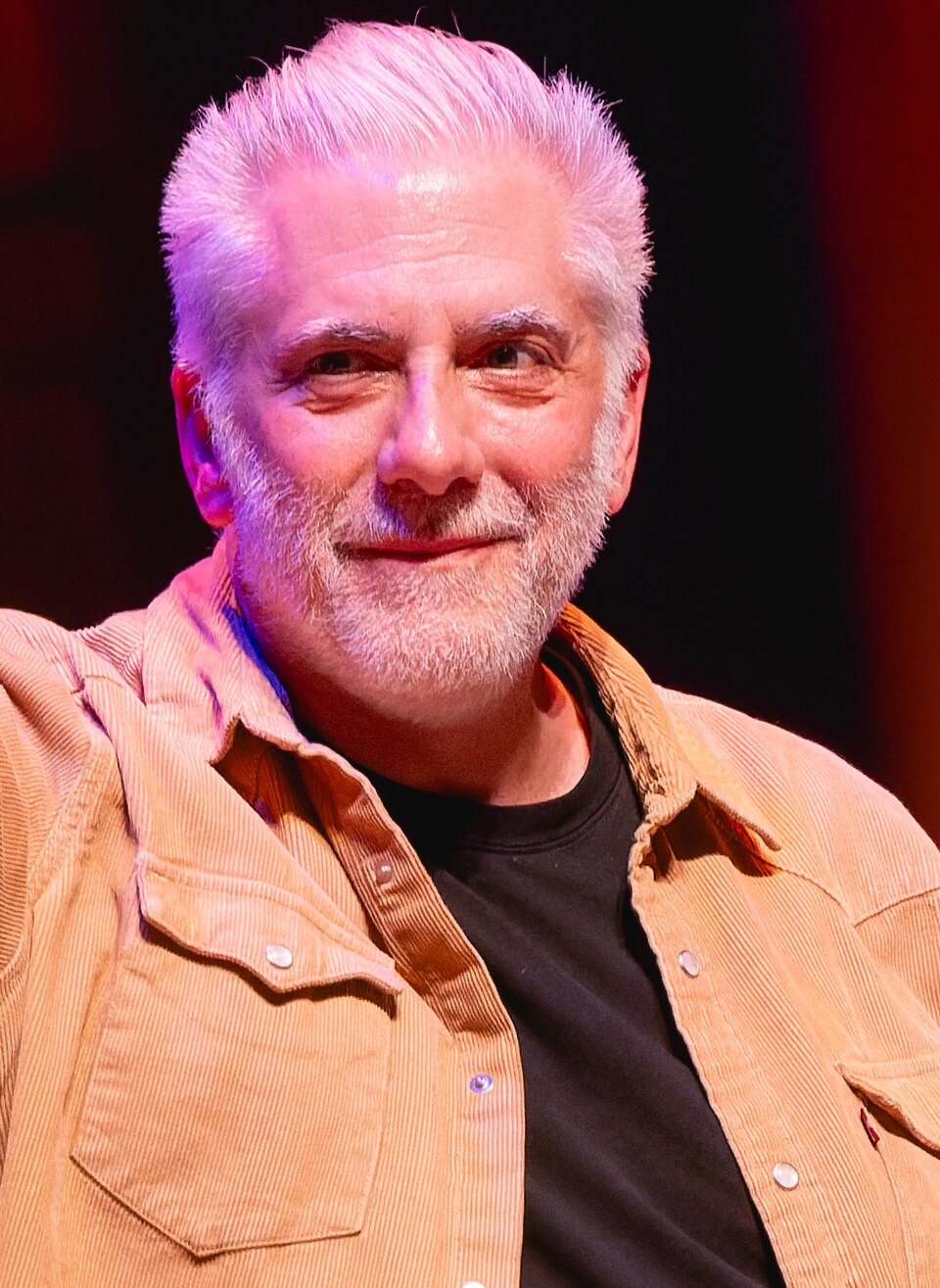
Following his undergraduate studies, Beato enrolled at the New England Conservatory of Music (NEC) in Boston, a prestigious institution known for its rigorous jazz studies department. At NEC, he deepened his understanding of composition, modal theory, and improvisation. He completed his graduate studies in 1987, earning a Master of Music in Jazz Studies.
Beato's relationship with academia did not end with his degree. He returned to Ithaca College shortly after graduation, this time as a faculty member. From approximately 1987 to 1992, he taught jazz studies and guitar, instructing students who were frequently only a few years his junior.
This period of collegiate teaching honed the pedagogical style, dense, fast-paced, and theory-heavy, that would later become the signature of his massive online presence.
| Period | Institution | Focus/Degree | Key Details |
|---|---|---|---|
| 1970s | Fairport Schools | Cello, Double Bass | Switched to guitar after injury. |
| 1980, 1984 | Ithaca College | B. A. Music | Classical Bass & Jazz Guitar. |
| 1985, 1987 | New England Conservatory | M. M. Jazz Studies | Advanced improvisation theory. |
| 1987, 1992 | Ithaca College | Faculty Position | Taught Jazz Studies/Guitar. |
Academic Career
Rick Beato's trajectory from a classical bassist to a globally recognized music educator is rooted in a rigorous formal education that he has frequently in interviews and lectures between 2015 and 2025. While his digital presence defines his modern reputation, his academic credentials were established through traditional conservatory training.
According to alumni profiles published by the New England Conservatory (NEC) in 2025, Beato holds a Bachelor of Arts in Music from Ithaca College, where he concentrated on classical double bass. He subsequently earned a Master of Music in Jazz Studies from the NEC in 1987.
During his graduate studies, he trained under influential jazz guitarist and educator Mick Goodrick, a mentorship Beato has credited with shaping his instructional philosophy.
Following his graduation, Beato transitioned directly into collegiate instruction. Records from Ithaca College confirm that he served as a faculty member in the jazz studies department from 1990 to 1992. During this tenure, he taught jazz guitar and ensemble performance, occupying the same office space where he had once auditioned as a student.
His academic reach extended beyond Ithaca; he also delivered lectures at the University of Alabama and the Berklee College of Music. In a 2021 retrospective, Beato detailed his departure from academia in 1992 to pursue production, citing the financial limitations of a tenure-track at the time.
even with leaving the university system, he retained the pedagogical methods developed during this period, which later formed the structural basis of his online curriculum.
In the absence of a traditional classroom, Beato systematized his teaching methodology into The Beato Book, a detailed music theory text that became a central pillar of his business. Updated frequently between 2016 and 2024, the compendium spans over 500 pages and covers advanced harmonic concepts, improvisation, and ear training.
Data from his website indicates the inclusion of interactive modules and audio examples, modernizing the static textbook format. The material focuses heavily on complex theory, including Lydian chromatic concepts and polytonality, subjects rarely accessible to non-academic audiences.
This product allowed him to monetize his expertise directly, bypassing institutional gatekeepers.
| Project / Event | Role | Year Verified | Key Metric / Subject |
|---|---|---|---|
| Nuryl App | Co-Founder | 2016 | "High Information Music" for cognitive development |
| The Beato Book | Author | 2017, 2025 | 500+ page interactive theory curriculum |
| Senate Judiciary Testimony | Expert Witness | 2020 | DMCA reform and Fair Use protections |
| Senate AI Insight Forum | Expert Witness | 2023 | AI transparency and copyright licensing |
Beato also ventured into early childhood education technology with the launch of the Nuryl app in 2016. The application was designed to deliver "High Information Music", complex, non-repetitive harmonic structures, to infants and toddlers to stimulate cognitive development.
In promotional interviews from 2016, Beato stated that the curriculum was tested on his own children, including his son Dylan, whose perfect pitch abilities later became a viral demonstration of the method's efficacy.
The app operated on a subscription model and claimed to activate specific neural pathways through exposure to dissonant and tonally ambiguous compositions, a theory Beato derived from his study of 20th-century classical music.
His status as an academic authority was further validated through his involvement in federal policy discussions. In July 2020, Beato testified before the U. S. Senate Committee on the Judiciary regarding the Digital Millennium Copyright Act (DMCA).
His testimony criticized the automated "Content ID" systems used by major labels, arguing that they educational fair use. He returned to the Senate in November 2023 to address the Subcommittee on Intellectual Property regarding Artificial Intelligence.
During this session, he advocated for a "musical dataset license" that would require AI companies to disclose the copyrighted works used to train their models. These appearances positioned him not as a content creator, as a serious policy advisor representing the interests of independent music educators.
Throughout the 2015, 2025 period, Beato maintained a schedule of guest lectures and masterclasses, operating a distributed university. His "Everything Music" channel, which he describes as a way to "upload his brain," functions as an open-access archive of his collegiate lectures.
By 2024, his educational content had accumulated millions of views, with specific videos on music theory outperforming mainstream entertainment on the platform. This metric success challenged the prevailing industry assumption that long-form, technical academic content could not survive in the algorithm-driven economy.
Music Production and Songwriting
Rick Beato's transition from academia to the commercial music industry was marked by a prolific period as a producer and songwriter, establishing credentials that later underpinned his authority as a music educator.
Operating primarily out of his Black Dog Sound Studios in Stone Mountain, Georgia, Beato navigated the shifting of rock and country music during the 2000s and early 2010s. His production discography includes verified work with multi-platinum artists, most notably Shinedown, Needtobreathe, and Parmalee.
A of Beato's production career is his involvement with the rock band Shinedown. He served as a producer on their 2003 debut album, Leave a Whisper, which was later certified Platinum by the RIAA.
Beyond production, Beato holds songwriting credits on several of the album's tracks, including "Lost in the Crowd," "In Memory," and "Stranger Inside." In a 2025 retrospective, Shinedown frontman Brent Smith Beato's " " knowledge of music theory as a serious factor in the band's early development, noting that Beato was not just a technician a collaborative songwriter who helped shape the harmonic structure of their material.
Beato's work extended into the Christian rock genre with the band Needtobreathe. He produced their 2009 album The Outsiders and their 2011 follow-up The Reckoning. Both projects received Dove Awards in the Best Rock/Contemporary Album category, validating Beato's ability to deliver commercially viable and serious acclaimed records.
His role on The Reckoning included engineering and production duties for the majority of the tracklist, working alongside the band to refine their sound in studios across Charleston, Nashville, and Los Angeles.
Chart Success and "Carolina"
One of Beato's most significant commercial achievements as a songwriter occurred in the country music sector. He co-wrote the hit single "Carolina" with the band Parmalee. Released in 2013, the track climbed the charts to reach Number 1 on the Billboard Country Airplay chart in December 2013.
The song's success was a slow burn, spending 44 weeks on the charts before hitting the summit, a testament to the durability of its composition. Beato's contribution to the track was pivotal; the band originally brought him a fragment of a chorus, which he helped expand into a full arrangement during a session at his Georgia studio.
| Artist | Project / Song | Role | Outcome / Notes |
|---|---|---|---|
| Shinedown | Leave a Whisper (Album) | Producer, Co-writer | RIAA Platinum Certified; co-wrote "Lost in the Crowd" |
| Parmalee | "Carolina" (Single) | Co-writer | #1 on Billboard Country Airplay (2013) |
| Needtobreathe | The Outsiders (Album) | Producer | Dove Award Winner (Best Rock/Contemporary) |
| Needtobreathe | The Reckoning (Album) | Producer, Engineer | Dove Award Winner; debuted at #6 on Billboard 200 |
| Muddy Magnolias | "Broken People" (Single) | Producer | Featured in TV and Film placements |
Production Philosophy and Methodology
Beato's method to production is characterized by a commitment to decisive audio engineering. In interviews conducted between 2017 and 2024, he has frequently criticized modern "fix-it-in-the-mix" attitudes, advocating instead for committing to sounds during the recording phase.
For instance, he is known for printing blended snare drum tracks (combining top and bottom microphones) into a single channel early in the process, forcing sonic decisions that prevent endless tinkering later. This methodology aligns with his broader educational stance, which emphasizes ear training and the ability to recognize pitch and timbre instantly.
By 2015, Beato observed a contraction in the rock music market and a shift in industry economics that made traditional mid-tier production less viable. This realization coincided with his pivot to digital media.
yet, he did not abandon his pedagogical roots; instead, he codified his knowledge into The Beato Book, a detailed guide to improvisation and music theory.
This publication, along with his "Beato Ear Training" program, productized the expertise he formerly applied in the studio, allowing him to monetize his production background directly to consumers rather than through record labels.
The Beato Book and Educational Materials
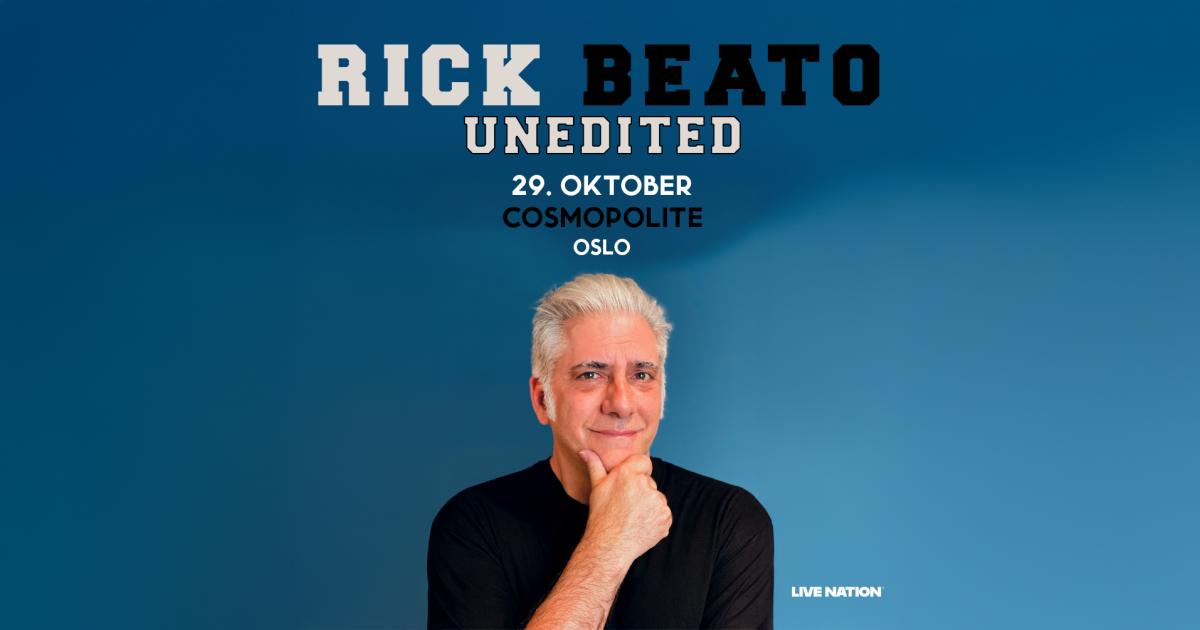
Rick Beato's transition from music production to digital education is anchored by The Beato Book, a detailed compendium of music theory and improvisation concepts. Originally drafted in the late 1980s as handwritten teaching materials for his students at Ithaca College, the manuscript remained unpublished for nearly three decades.
In August 2016, following the initial success of his YouTube channel, Beato released the public version of the text as a digital PDF. This initial offering, frequently described by early adopters as a "music theory bible," aggregated over 300 pages of advanced harmonic concepts, including modal substitutions, polychords, and linear improvisation techniques.
The material underwent significant revisions to improve accessibility and depth. In March 2018, Beato released Version 2. 0, which replaced the original handwritten pages with professional typesetting and expanded the curriculum. This was followed by Version 3. 0 and, in June 2020, Version 4. 0. The 4.
0 update expanded the text to over 500 pages, introducing new chapters on modal triads, linear modal etudes, and "musical palindromes," a concept Beato popularized through his video lectures.
Unlike traditional academic textbooks, Beato retained full control over distribution, selling the files directly to consumers through his website rather than utilizing established educational publishers.
Interactive Evolution and Software
Recognizing the limitations of static PDF files for auditory learning, Beato shifted his focus toward browser-based interactive tools. In June 2022, he launched The Beato Book Interactive, a fully digital platform that integrated the text with audio examples and video lectures.
This format allowed students to click on musical notation to hear the corresponding playback immediately, addressing a common criticism of the earlier static versions.
The platform covers a wide spectrum of proficiency, from fundamental intervals to complex jazz harmony, although it is frequently by users as being particularly demanding for beginners due to its rapid progression into advanced theory.
Parallel to his theory text, Beato developed the Beato Ear Training Method. Released as a standalone browser-based application, this program emphasizes the development of relative pitch over perfect pitch.
The curriculum consists of over 80 video lessons and hundreds of interactive modules designed to train users to identify intervals, triads, seventh chords, and complex chord progressions by ear.
The system relies on a "drill-based" methodology, where users must repeatedly identify sounds to build neural associations, a pedagogical method Beato claims is essential for musical fluency.
Course Expansion and Bundles
Beyond his core theory and ear training products, Beato expanded his catalog to target specific instrument skills and songwriting. These courses are sold as one-time purchases rather than subscriptions, a business model that contrasts with the recurring revenue models of platforms like Patreon or MasterClass. Key verified releases between 2015 and 2025 include:
| Product Name | Release/Update Period | Focus Area | Format |
|---|---|---|---|
| The Beato Book 1. 0, 4. 0 | 2016, 2020 | Advanced Music Theory & Improvisation | PDF (Digital Download) |
| The Beato Book Interactive | 2022 | Theory with Audio/Video Integration | Browser-based Application |
| Beato Ear Training Method | 2018, Present | Relative Pitch Development | Interactive Software |
| Quick Lessons Pro | 2021 | Guitar Technique & Applied Theory | Video Course (5+ Hours) |
| Music Theory for Songwriters | 2023 | Composition & Arrangement | Video & PDF |
The Quick Lessons Pro course, released in 2021, was developed in response to the popularity of Beato's short-form Instagram videos. This course deconstructs the rapid-fire concepts presented on social media into detailed five-hour video lessons, providing the theoretical backing for the practical guitar licks.
Beato frequently bundles these products into the "Beato Bundle," aggressively discounting the package during holiday sales or channel milestones to drive volume. This direct-to-consumer strategy allows him to monetize his massive YouTube following, over 4 million subscribers by 2024, without paying commissions to third-party course platforms.
to courseware, Beato established "The Beato Club," a membership tier that offers exclusive livestreams and community features. While distinct from his educational software, the club serves as a supplementary revenue stream that a dedicated community of students who frequently act as beta testers or evangelists for his new educational materials.
His educational philosophy, frequently reiterated in his "rant" videos, prioritizes rigorous study and the preservation of complex musical language against what he perceives as the simplification of modern commercial music.
YouTube Channel: Everything Music
Rick Beato launched the "Everything Music" YouTube channel as a dedicated educational platform in 2015, though his account registration dates back to 2006.
The channel's trajectory shifted dramatically on December 16, 2015, when Beato uploaded a video titled " Level Perfect Pitch (8 Year Old)," featuring his son Dylan identifying complex polychords without visual reference. The video went viral, amassing millions of views and establishing the channel's initial audience base.
By March 2026, the channel had grown to approximately 5. 51 million subscribers with over 1. 76 billion total views, evolving from a niche theory resource into a major media outlet for music criticism and history.
The channel's flagship series, What Makes This Song Great? (WMTSG), debuted in 2018. In these episodes, Beato deconstructs popular tracks using (multitrack recordings) to analyze production techniques, harmonic structures, and instrumental nuances frequently inaudible in the final mix.
The series covers a wide spectrum of genres, from Blink-182's "All the Small Things" (Episode 1) to Peter Frampton's "Do You Feel Like We Do" (Episode 100). The format's success relies heavily on Beato's ability to explain complex theory concepts, such as mixolydian modes or polyrhythms, to a lay audience while demonstrating their application in radio hits.
Copyright Battles and Advocacy
Beato frequently clashes with the music industry's copyright enforcement method. His use of copyrighted music for educational commentary frequently triggers Content ID claims and blocks from rights holders, including high-profile disputes involving the catalogs of Radiohead, The Eagles, and Fleetwood Mac. Beato that his videos constitute Fair Use under U. S. copyright law, as they provide major educational value.
His vocal opposition to automated takedowns led to direct political engagement. On July 28, 2020, Beato testified before the U. S. Senate Committee on the Judiciary regarding the Digital Millennium Copyright Act (DMCA).
He argued that the current system disproportionately penalizes educators and critics, proposing a "Fair Use Registry" to protect verified creators.
He returned to the Senate in November 2023 to testify on Artificial Intelligence, advocating for transparency in AI training datasets and proposing an "AI Music Dataset License" to ensure artists are compensated when their work is used to train generative models.
Notable Interviews and Guests
As the channel's influence grew, Beato transitioned into long-form interviews with legendary musicians. Unlike standard promotional press junkets, these conversations frequently focus on technical proficiency, songwriting mechanics, and industry history.
| Guest | Date Aired | Context |
|---|---|---|
| Peter Frampton | April 2019 | Discussion on Frampton Comes Alive! and gear. |
| Sting | November 2021 | Analysis of The Police's songwriting and bass lines. |
| Keith Jarrett | February 2023 | Rare interview recorded at Jarrett's home after his strokes. |
| Brian May | 2020 | breakdown of Queen's guitar orchestration. |
| Björn Ulvaeus | April 2024 | Discussion on ABBA's composition and AI avatars. |
The interview with jazz pianist Keith Jarrett, released in February 2023, was particularly significant as it was one of Jarrett's few public appearances following strokes that left him partially paralyzed. Beato's interview style, characterized by deep technical knowledge, allows him to secure guests who avoid mainstream media.
Commercial Expansion and Signature Gear
The channel's success has enabled Beato to monetize beyond YouTube ad revenue, which is frequently claimed by copyright holders. He sells educational courses, including "The Beato Book" (a detailed theory guide) and ear training programs.
In 2021, Gibson Guitars released the Rick Beato Signature Les Paul Special Double Cut in TV Blue Mist, followed by a Sparkling Burgundy variant in 2023. This collaboration marked a rare instance of a major guitar manufacturer issuing a signature model for a YouTuber rather than a touring recording artist.
Viral Content and the Dylan Beato Video
Rick Beato's YouTube channel, initially titled "Everything Music," began in 2015 as a modest repository for music theory lectures and instructional content. Beato himself was skeptical of the platform's chance for a producer of his demographic, famously remarking to colleagues that "nobody's going to watch an old guy with white hair on YouTube." Early uploads focused on dense theoretical concepts, such as Lydian chromatic and improvisation techniques, which garnered a small, niche audience of musicians failed to achieve broad appeal.
The channel's trajectory shifted abruptly on December 16, 2015, with the upload of a video titled " Level Perfect Pitch (8 Year Old)." The clip featured Beato's son, Dylan, then eight years old, identifying complex musical structures by ear.
In the video, Dylan stands with his back to the piano, frequently appearing nonchalant or distracted by candy, while his father plays increasingly dissonant polychords, such as a C augmented triad over a D-flat augmented triad. Dylan identifies the individual notes and chord qualities with immediate precision.
The contrast between the high-level cognitive task and the child's casual demeanor struck a chord with viewers.
The video gained traction on Facebook, where it amassed millions of views within weeks, before spilling over to YouTube. By 2017, the video and its follow-ups had generated over 40 million shared views across platforms.
This viral event provided the statistical foundation for Beato's channel, driving his subscriber count from a few thousand to over 100, 000 in a short period. The exposure also served as a primary marketing vehicle for the Nuryl app, a "High Information Music" program Beato co-founded.
The app was based on the regimen he used with Dylan during the child's prenatal and early developmental stages, which Beato claimed helped such acute aural skills.
| Video Title | Release Period | Content Focus | Impact |
|---|---|---|---|
| Level Perfect Pitch | Dec 2015 | Dylan Beato identifies polytonal chords. | Channel breakout; 40M+ cross-platform views. |
| Radiohead: Paranoid Android | June 2017 | Harmonic analysis of OK Computer tracks. | Established the "breakdown" format style. |
| WMTSG Ep 1: Blink-182 | Jan 2018 | Multitrack analysis of "All The Small Things." | Launch of his flagship series. |
Following the success of the Dylan videos, Beato sought a sustainable content format that could retain this broader audience. In early 2018, he launched the series "What Makes This Song Great?" (WMTSG).
The episode, uploaded in January 2018, analyzed Blink-182's "All The Small Things." Unlike standard reaction videos, this series used Beato's access to multitrack , frequently sourced from his industry connections or Guitar Hero files, to deconstruct the production elements of popular rock and pop songs.
He specific instrument tracks to show listeners the drum fills, bass lines, and vocal harmonies that are frequently buried in the final mix.
The WMTSG series became the channel's central pillar, it introduced significant monetization problems. Because the videos utilized copyrighted master recordings, they were frequently demonetized or blocked by record labels like Universal Music Group (UMG).
Beato publicly addressed these blocks, noting that while the videos drove streaming numbers for the artists, he received zero ad revenue from them. To counter this, he pivoted his business model to rely on direct sales of his educational products, specifically "The Beato Book" and his ear training courses.
This strategy allowed the channel to function as a loss-leader marketing tool, where viral copyright-claimed videos fed traffic to his proprietary educational store.
Origins and Deconstruction Methodology
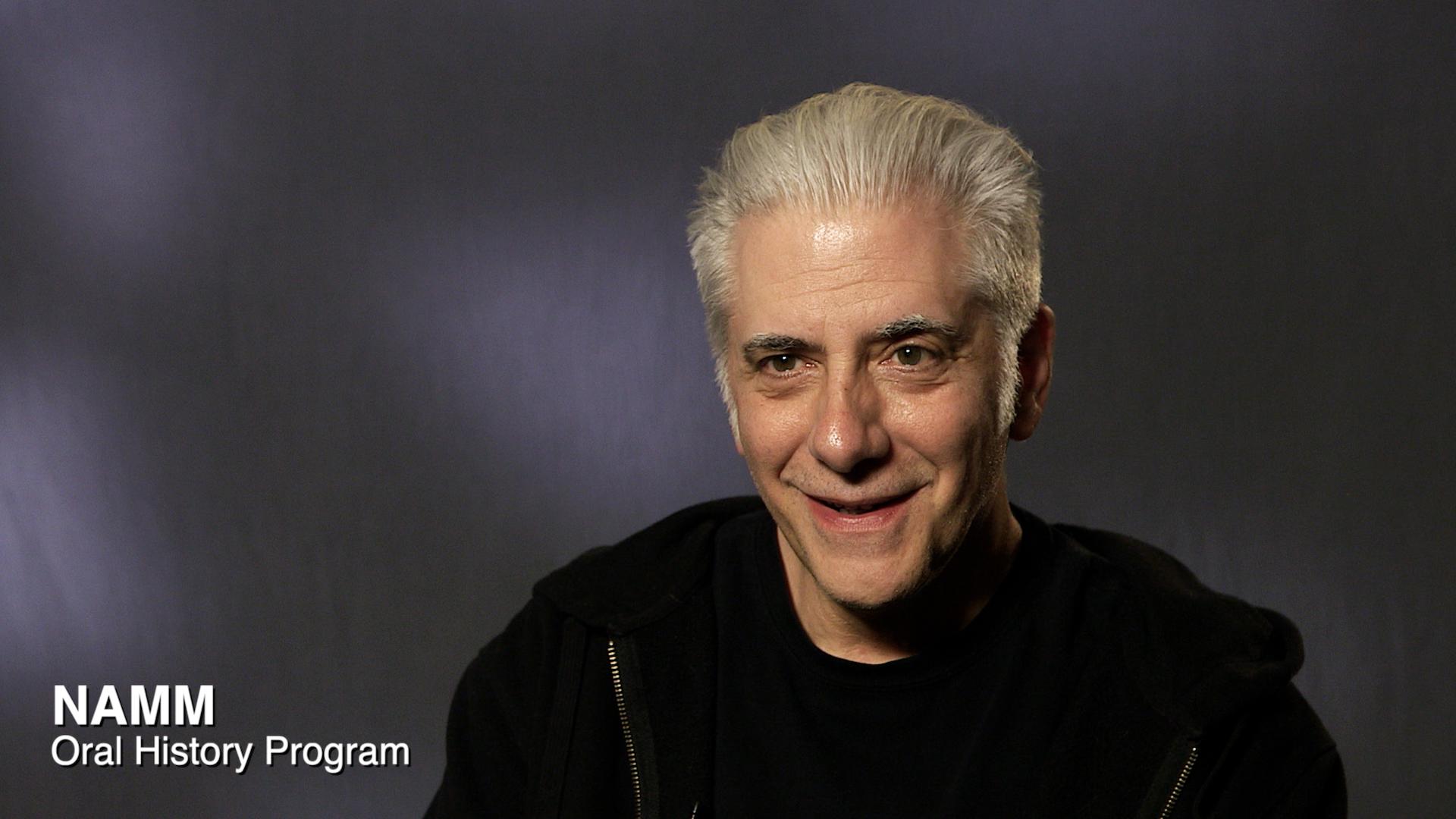
Beato launched the What Makes This Song Great? series on January 24, 2018, with an analysis of Blink-182's "All the Small Things." The format distinguished itself from standard reaction videos by using multitrack , audio files of individual instruments and vocals, to deconstruct the production and harmonic structure of popular recordings.
Beato uses these tracks to expose elements frequently inaudible in the final mix, such as buried synthesizer lines, specific guitar voicings, or vocal harmonies. This technical method allows viewers to hear the "architecture" of a track, shifting the focus from subjective criticism to objective music theory and production analysis.
The series covers a wide spectrum of genres, ranging from complex jazz-fusion tracks like Steely Dan's "Kid Charlemagne" (Episode 3) to progressive metal anthems like Tool's "Schism." By Episode 99, which analyzed The Cars' "Just What I Needed," the series had established a dedicated following that included professional musicians and industry engineers. The format evolved to include direct participation from the artists themselves; for Episode 100, Peter Frampton joined Beato to deconstruct "Do You Feel Like We Do," signaling a shift where legacy artists began viewing the series as a legitimate archival platform rather than unauthorized commentary.
Copyright Battles and Senate Testimony
The reliance on copyrighted master recordings placed the series at the center of ongoing disputes regarding Fair Use on digital platforms. Beato frequently faced demonetization, where ad revenue from his educational videos was diverted to record labels, or "blocking," where videos were made unavailable entirely.
He identified a specific category of rights holders he termed "Blockers", including representatives for The Eagles, Jimi Hendrix, and Guns N' Roses, who enforced zero-tolerance policies against any use of their material, regardless of educational context.
On July 28, 2020, Beato testified before the U. S. Senate Committee on the Judiciary's Subcommittee on Intellectual Property. In his testimony, he argued that his analyses constituted "major works" that served an educational purpose, a core tenet of Fair Use protection.
He detailed the aggressive automated claims system used by major labels, noting that even brief excerpts used for theoretical explanation frequently triggered complete revenue loss. Beato proposed the creation of a "Fair Use Registry," a system where verified educators and creators could operate with protection from frivolous automated claims.
His testimony highlighted the disconnect between antiquated copyright laws and the modern digital education.
Artist Validation and Industry Impact
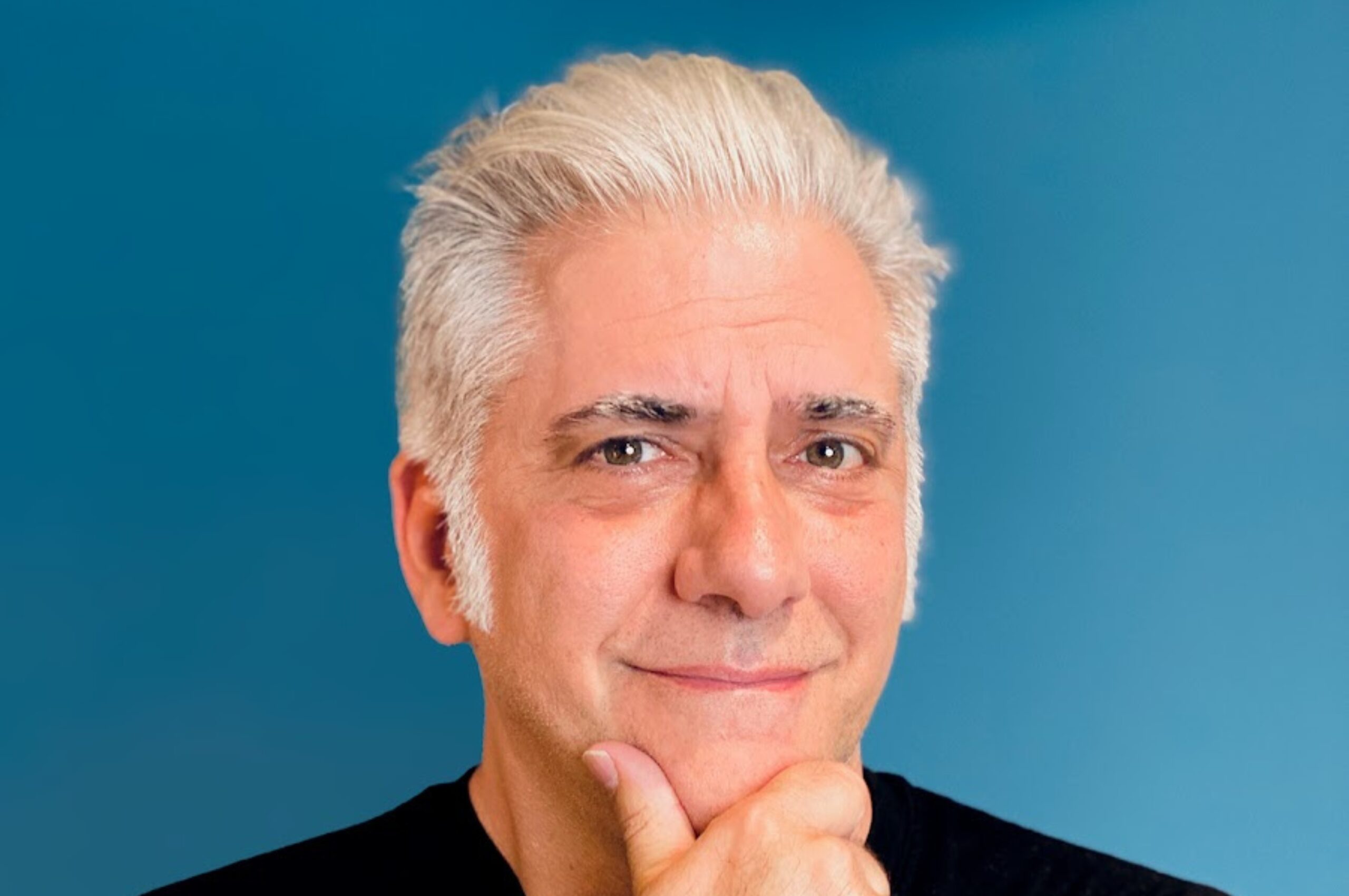
even with legal friction with labels, the series garnered support from high-profile musicians who recognized its promotional value. Queen guitarist Brian May appeared in a special episode to break down "Bohemian Rhapsody," providing firsthand accounts of the recording process that validated Beato's theoretical observations.
Similarly, Sting sat for an extensive interview where he discussed compositional techniques, further cementing the channel's reputation as a serious musical forum. These appearances marked a rare instance where major recording artists collaborated directly with a YouTube creator to dissect their own intellectual property.
Viewership and Reach
The series has generated significant viewership numbers, with individual episodes frequently surpassing millions of views. The analysis titled "The Most COMPLEX Pop Song of All Time," which deconstructs a specific track to illustrate harmonic complexity, accumulated over 7. 9 million views.
The "Bohemian Rhapsody" breakdown also stands as one of the channel's most-watched entries. This engagement demonstrates a substantial public appetite for technical music education when presented through the lens of familiar cultural touchstones.
| Episode | Song Analyzed | Artist | Significance |
|---|---|---|---|
| Ep. 1 | "All the Small Things" | Blink-182 | Series debut; established the -isolation format. |
| Ep. 3 | "Kid Charlemagne" | Steely Dan | Early viral hit focusing on complex jazz-rock harmony. |
| Ep. 99 | "Just What I Needed" | The Cars | Highlighted New Wave production techniques. |
| Ep. 100 | "Do You Feel Like We Do" | Peter Frampton | episode to feature the original artist participating in the breakdown. |
| Special | "Bohemian Rhapsody" | Queen | Featured Brian May; validated the series among legacy rock acts. |
The "60 Minutes" of Music: High-Profile Interviews
By 2021, Rick Beato's channel had evolved from a repository of music theory lessons into a premier destination for long-form, archival-quality interviews with music legends.
Unlike traditional press junkets where artists answer repetitive questions to promote a new album, Beato's conversations focus on granular musical details, specific chord voicings, production techniques, and the tactile mechanics of songwriting.
This method, frequently described by viewers as "musician-to-musician," unlocked a level of candor rarely seen in mainstream media. Between 2021 and 2025, Beato secured sit-downs with figures who notoriously avoid the press, building an oral history of 20th and 21st-century popular music.
The Jazz and Rock Titans (2021, 2023)
A watershed moment occurred in August 2021 when Beato released a nearly two-hour conversation with jazz guitar icon Pat Metheny. The interview, which Metheny later as one of his favorites, bypassed generic biography in favor of deep technical analysis, including Metheny's disciplined practice routines and the harmonic structure of his 1975 debut Bright Size Life.
Later that year, Beato interviewed Sting (November 2021) and Queen guitarist Brian May (September 2021). In the May interview, the guitarist debunked long-standing myths about the recording of "Bohemian Rhapsody," revealing that the band barely rehearsed the operatic section before tracking and that Freddie Mercury acted as a "metronome with balls." The Sting interview went viral for the songwriter's admission that " " were disappearing from modern pop music, a clip that sparked widespread industry debate about declining compositional complexity.
The emotional apex of Beato's interview series came in February 2023 with the release of his visit to Keith Jarrett. The reclusive jazz pianist, who had suffered two major strokes in 2018 leaving him partially paralyzed, had not spoken publicly in years.
Beato traveled to Jarrett's home for a somber yet celebratory discussion where Jarrett, unable to play with his left hand, improvised briefly with his right. The episode was widely shared not just for its musical insights as a raw document of an artist confronting the loss of his physical facility.
The Grunge and Metal Roundtables
Beato frequently convened roundtables to document specific scenes. In August 2022, he assembled a "Seattle Summit" featuring Soundgarden guitarist Kim Thayil, Nirvana bassist Krist Novoselic, and producer Jack Endino. The group discussed the heavy toll of the 1990s explosion, with Thayil admitting he was initially unimpressed by Nirvana's songwriting until he heard the finished Bleach album.
In the hard rock sphere, a March 2023 interview with Extreme guitarist Nuno Bettencourt generated millions of views. Bettencourt's passionate defense of the guitar solo as a song-serving element, and his competitive drive to "take down" his idols like Eddie Van Halen, resonated with a guitar community starved for guitar heroes.
Bettencourt broke down his solo for the song "Rise," which Beato championed as a return to high-technical proficiency in rock.
2025: The "Bucket List" Year
The year 2025 marked a significant expansion in the caliber of guests, with Beato traveling internationally to secure interviews that had been years in the making. In a year-end recap posted December 31, 2025, Beato confirmed he had traveled to Brighton, UK, to interview Pink Floyd's David Gilmour.
During the session, Gilmour played his signature "Black Strat" and dissected the solos from The Dark Side of the Moon and The Wall.
That same year included sessions with legendary producer Glyn Johns (The Rolling Stones, Led Zeppelin), film composer Hans Zimmer, and Red Hot Chili Peppers bassist Flea. The Zimmer interview, conducted at his Remote Control Productions studio, focused on the integration of synthetic textures with orchestral arrangements in modern film scoring.
These 2025 acquisitions cemented the channel's status as a primary historical archive for the music industry.
Notable Interviews and Key Topics (2021, 2025)
| Guest | Release Date | Primary Discussion Topics |
|---|---|---|
| Pat Metheny | Aug 19, 2021 | Jazz improvisation, Bright Size Life, practice discipline. |
| Brian May | Sept 21, 2021 | "Bohemian Rhapsody" multitracks, the "Deacy" amp, Freddie Mercury. |
| Sting | Dec 3, 2021 | Songwriting "germs," the death of the, The Police. |
| Derek Trucks | Aug 2, 2022 | Slide guitar intonation, The Allman Brothers, Indian classical influence. |
| Kim Thayil & Krist Novoselic | Aug 25, 2022 | The Seattle grunge scene, Chris Cornell, "Black Hole Sun." |
| Keith Jarrett | Feb 25, 2023 | Recovery from strokes, the "Köln Concert," improvised piano. |
| Nuno Bettencourt | Mar 17, 2023 | "Rise" guitar solo, Van Halen influence, "More Than Words." |
| Björn Ulvaeus | Aug 10, 2023 | ABBA Voyage avatars, AI in music, songwriting mechanics. |
| David Gilmour | Late 2025 | Pink Floyd guitar tones, bending technique, Luck and Strange. |
| Hans Zimmer | Late 2025 | Film scoring technology, Dune, orchestral hybrid production. |
Copyright Activism and Fair Use
Rick Beato's transition from music producer to digital educator placed him at the center of a high- conflict between legacy copyright enforcement and modern educational fair use. His "What Makes This Song Great?" series, which deconstructs the harmonic and production elements of popular music, became a flashpoint for legal disputes with major record labels.
Beato that his content constitutes "major work" under U. S. copyright law, serving an educational purpose similar to university instruction. yet, the automated Content ID systems used by platforms like YouTube frequently flag his analysis as copyright infringement, leading to immediate demonetization or outright blocking of videos.
The severity of these enforcement measures varies by rights holder. Beato maintains a list of "Blockers", artists and estates with zero-tolerance policies for the use of their material, regardless of context or length. This list includes The Eagles, Jimi Hendrix, Prince, and King Crimson.
In instances involving these artists, videos are frequently blocked worldwide rather than simply demonetized. Beato distinguishes between automated algorithmic matches and "manual claims," where third-party agencies hired by labels specifically target videos for revenue extraction.
In one notable case, Sony/ATV issued a manual claim against a video titled "The Mixolydian Mode" because Beato played a ten-second melody from a Beatles song on an acoustic guitar to demonstrate a music theory concept.
On July 28, 2020, Beato testified before the U. S. Senate Judiciary Committee's Subcommittee on Intellectual Property regarding the Digital Millennium Copyright Act (DMCA).
In his testimony, he characterized YouTube as "the new university" and argued that the current system presumes guilt, forcing creators to prove their innocence against well-funded legal teams. He proposed the creation of a "Fair Use Registry," a system that would certify trusted educational creators and protect them from frivolous automated takedowns.
He emphasized that while piracy remains a legitimate threat, the aggressive policing of educational commentary harms the cultural ecosystem and prevents new generations from engaging with classic music.
The disconnect between artists and their corporate representatives was clear illustrated in April 2021, when Warner Music Group (WMG) blocked Beato's breakdown of Joni Mitchell's song "Amelia." The block occurred even with Mitchell personally contacting Beato to express her appreciation for the analysis.
Beato publicly criticized WMG's decision, noting the absurdity of a label suppressing content that the artist endorsed and that actively promoted their back catalog to millions of viewers. He revealed that the video had generated zero revenue for him, as all ad proceeds were already being diverted to the rights holders prior to the block.
In November 2023, Beato returned to Washington to testify before a Senate AI Insight Forum. Shifting his focus to the emerging threat of artificial intelligence, he advocated for the protection of human artistry against unauthorized machine learning training.
He proposed an "AI Music Dataset License," which would require AI companies to disclose the copyrighted works used to train their models and compensate the original creators.
This position highlighted a nuance in his activism: while he fights for the right to use music for human education, he staunchly opposes the uncompensated use of music for algorithmic replication.
The conflict reached a serious peak in August 2025, when Beato faced the termination of his channel due to three simultaneous copyright strikes issued by Universal Music Group (UMG). The strikes targeted short-form videos, including a 55-second clip from an interview with Counting Crows frontman Adam Duritz.
In the clip, Duritz discussed the writing of "Sixth Avenue Heartache" while the song played in the background. Beato noted that the video had earned less than $40 in revenue, yet its existence threatened his entire 5-million-subscriber platform.
The strikes were eventually resolved following public outcry, the incident underscored the precarious nature of digital music education. Consequently, Beato significantly reduced the frequency of his "What Makes This Song Great?" series, citing the unmanageable risk of channel deletion.
Senate Testimony on Artificial Intelligence
On November 29, 2023, Rick Beato testified before the United States Senate at the "AI Insight Forum" on Intellectual Property and Copyright, hosted by Majority Leader Chuck Schumer.
Unlike the public, televised hearings typical of the Judiciary Committee, this was a closed-door, high-level summit designed to educate lawmakers on the existential threats posed by generative artificial intelligence.
Beato sat alongside executives from Stability AI, Sony Music, and SAG-AFTRA, serving as a primary voice for independent creators and music educators.
Beato's testimony centered on the opacity of "black box" algorithms used by companies like OpenAI and Google. He argued that current AI models are built on the unauthorized ingestion of copyrighted musical works, laundering human creativity into statistical probabilities.
His central policy proposal was the creation of an "AI Music Dataset License," a regulatory method that would force AI companies to disclose the specific recordings and compositions used to train their models.
Under this framework, if a model was trained on the catalogs of The Beatles or Led Zeppelin, the developers would be legally required to license that data, similar to how film studios obtain synchronization licenses.
"The consumer needs to know this, as do the artists and the copyright holders, so they can be compensated fairly. Anything that is 100% AI-generated should have no copyright."
This position directly challenged the tech industry's "Fair Use" defense, which claims that scraping copyrighted data for training purposes is major and therefore exempt from licensing.
Beato, who had previously testified before the Senate Judiciary Subcommittee on Intellectual Property in July 2020 regarding the Digital Millennium Copyright Act (DMCA), drew a sharp distinction between human education and machine processing.
While he had spent years fighting for the right of human educators to analyze music under Fair Use, he told Senators that industrial- AI scraping was a commercial product, not a pedagogical tool.
| Proposal | Objective | Industry Opposition |
|---|---|---|
| AI Music Dataset License | Mandate transparency for all training data sources. | High (Tech firms claim "trade secrets"). |
| Copyright Denial | Deny copyright protection to 100% AI-generated works. | Moderate ( AI users seek ownership). |
| Likeness Protection | Federal right to protect voice and visual likeness. | Low (Broad bipartisan support). |
Beato specifically endorsed the protections outlined in the NO FAKES Act (Nurture Originals, Art, and Keep Entertainment Safe Act). This bipartisan legislation, introduced by Senators Chris Coons, Marsha Blackburn, Amy Klobuchar, and Thom Tillis, aimed to establish a federal property right in one's voice and digital likeness.
Beato argued that without such federal guardrails, the market would be flooded with unauthorized "sound-alike" recordings that dilute the value of actual human artistry.
He the proliferation of AI-generated tracks on streaming platforms like Spotify, of which had already begun to clutter the charts, as evidence that the displacement of human musicians was not a theoretical future risk, an active economic emergency.
The impact of his testimony was immediate in the legislative drafting process. By April 2025, when the NO FAKES Act was reintroduced with broader support, the language regarding "digital replicas" and the liability of platforms hosting unauthorized AI content reflected the concerns raised by Beato and his fellow witnesses.
His advocacy highlighted a serious grim reality: while major labels could negotiate licensing deals with AI giants, independent musicians and educators absence the use to protect their life's work from being harvested by the very tools claiming to "democratize" music creation.
Gibson Les Paul Special Signature Model
In September 2022, Gibson officially released the Rick Beato Les Paul Special Double Cut, a signature electric guitar developed in collaboration with Beato. The instrument was designed to his specific preferences, combining elements from his personal collection, most notably a TV Yellow Les Paul Special Double Cut and a Pelham Blue Les Paul Standard.
The release marked a significant milestone as one of the few Gibson signature models created for a music educator and producer rather than a touring rock star.
Development and Specifications
The guitar features a double-cutaway body made of mahogany, which is notably thinner than a standard Les Paul Special. Beato requested a body depth of 1. 5 inches to reduce weight and increase resonance, resulting in an instrument that weighs significantly less than traditional models.
The neck is also crafted from mahogany with a rounded profile, capped with an Indian rosewood fingerboard featuring 22 medium-jumbo frets and acrylic dot inlays.
For electronics, the instrument is equipped with two P-90 pickups, controlled by two volume and two tone knobs with a three-way toggle switch. Hardware includes a Tune-O-Matic and a Stop Bar tailpiece, providing adjustable intonation, a functional upgrade over the wraparound frequently found on vintage Specials.
The headstock is fitted with Vintage Deluxe tuners with white buttons, and Beato's signature is reproduced on the truss rod cover.
Finishes and Production Runs
The signature model was released in two distinct limited-edition finishes between 2022 and 2023. Both finishes used a satin nitrocellulose lacquer, which is thinner than a gloss finish and allows the wood to breathe, though owners noted it wears quickly with heavy use.
| Release Date | Finish Name | Description | Status |
|---|---|---|---|
| September 2022 | TV Blue Mist | A unique metallic blue developed specifically for this model, blending the look of Pelham Blue with the grain visibility of a "TV" finish. | Sold Out |
| August 2023 | Sparkling Burgundy Satin | A deep red metallic finish introduced after the initial blue run sold out worldwide. | Limited Availability |
Philanthropy and Impact
A central component of the guitar's release was its charitable mission. Beato pledged to donate 100% of his royalties from the sale of the instrument to the Save The Music Foundation, a non-profit organization dedicated to restoring music programs in public schools.
Gibson's philanthropic arm, Gibson Gives, matched Beato's donation, doubling the financial contribution. The funds were directed toward delivering instruments to schools and community projects across the United States.
Market Reception
The guitar launched with a retail price of $1, 999. serious reception was generally positive, with reviewers praising the instrument's ergonomics and the clarity of the P-90 pickups. The thinner body design was highlighted as a major comfort factor for session work.
yet, the satin finish received mixed feedback; while players appreciated the tactile feel of the neck, noted that the finish on the body was susceptible to rapid cosmetic wear. The initial TV Blue Mist run sold out quickly, prompting the subsequent release of the Sparkling Burgundy model to meet continued demand.
Production Discography (2015, 2025)
The decade spanning 2015 to 2025 marked the definitive conclusion of Rick Beato's career as a commercial record producer and his simultaneous ascent as a digital media educator.
While Beato had previously amassed over 750 production credits, including a Platinum-certified album for Shinedown, his studio output for third-party artists ceased almost entirely by 2017.
This period reflects a calculated pivot: Beato transferred his engineering expertise from producing rock bands to creating high-fidelity educational content, eventually returning to music production in 2025 solely to demonstrate the capabilities of generative AI.
Final Commercial Releases (2015, 2016)
Beato's final years as an active industry producer were concentrated in 2015 and 2016. During this window, he worked primarily with rock and country-rock acts, delivering polished, radio-ready mixes before permanently closing his commercial order book.
His last major verified credits include full production work for the Atlanta-based rock band to Grace and co-production for the Nashville duo Muddy Magnolias. Following the release of Muddy Magnolias' Broken People in 2016, Beato's name disappeared from new major label liner notes as his YouTube channel, "Everything Music," began its exponential growth.
| Year | Artist | Project / Song | Role | Label / Note |
|---|---|---|---|---|
| 2015 | to Grace | Origins (Album) | Producer, Mixer, Composer | Long Run Records |
| 2015 | John Stringer | Limitless Love & Light | Producer, Musician | Independent |
| 2016 | Muddy Magnolias | Broken People (Album) | Co-Producer | Third Generation Records |
| 2016 | Tyler Bryant & the Shakedown | "Stitch It Up" (Track) | Producer | Republic Records |
| 2016 | Atlas Road Crew | Halfway to Hopkins | Co-Producer | PledgeMusic Project |
| 2016 | Furyon | Lost Salvation | Co-Producer, Co-Mixer | Dream Records |
Experimental & AI Production (2024, 2025)
After a seven-year hiatus from releasing produced tracks, Beato returned to the "studio" in 2025 with a specific serious agenda: to expose the rapid advancement of artificial intelligence in music creation. Unlike his previous work with human musicians, these projects used generative AI tools to manufacture "artists" from scratch.
Beato produced these tracks to demonstrate to his audience and major media outlets (including CBS Mornings) how indistinguishable AI-generated music had become from human-composed commercial pop and folk.
In July 2025, Beato released material under the name Eli Mercer, a fictional indie-folk singer-songwriter. Using the AI platforms Suno and Claude, Beato generated the artist's backstory, lyrics, vocal timbre, and instrumentation.
The resulting track, "West Texas Dreams," was released to prove that AI could mimic the emotional nuance of the "stomp-and-holler" folk genre. Beato followed this in August 2025 with Satie Winters (sometimes spelled Sadie Winters), a fabricated pop star.
The single "Walking Away" was created in under four minutes and briefly made available on Apple Music and iTunes to verify that AI content could penetrate commercial streaming ecosystems.
"I created [Eli Mercer] using Suno... and I'll tell you why it sucks so bad: because it has no cultural or artistic value. it sounds like a real record." , Rick Beato, July 2025
These 2025 releases were not commercial ventures in the traditional sense rather investigative stunts. Beato used them to critique the industry's vulnerability to "AI slop," referencing external phenomena like the AI country artist "Breaking Rust," which topped Billboard digital charts in November 2025.
While Beato did not produce Breaking Rust, his work with Eli Mercer and Satie Winters served as the control experiments that validated his warnings about the dilution of human creativity.

The Auditors: When audit firms that certify also consult
The traditional role of audit firms has expanded to include consultancy services, raising concerns about conflicts of interest and financial reporting integrity. Regulatory bodies are scrutinizing the dual role of audit…
Read Full ReportThe Healthcare Disparities Report: Racial Bias in Treatment
March 2, 2026 • Discrimination, All
Healthcare disparities persist in the American healthcare system, with significant gaps in outcomes between White and Black patients. Racial identity remains a strong predictor of…
Retail Theft Rings in America: The Organized Crime Links
February 22, 2026 • Commerce, All
America's retail sector faces a financial emergency with total retail shrink reaching an estimated $121.6 billion annually. Organized Retail Crime (ORC) rings are driving this…
Corruption in 5G Spectrum Auctions Across APAC: An Investigative Report
October 11, 2025 • All, Technology
Rollout of 5G networks in Asia-Pacific holds economic promise but also risks of corruption. Investigations reveal allegations of malpractice in 5G spectrum auctions across countries…
Shocking Banking Cartels: How Coordinated Fee Hikes Hit Consumers
October 9, 2025 • All
Banks globally have raised standard consumer-account fees in unison, leading to suspicions of collusion. Regulators in multiple countries are investigating whether major banks are coordinating…
The Silent Coup: How Constitutional Reforms Are Being Used to Extend Term Limits in Africa
October 3, 2025 • All, Legislation
Constitutional amendments in Africa are eroding democratic progress by allowing presidents to extend their terms through legal loopholes. 30 out of 54 African countries now…
Foreign Aid Corruption Exposed: How Billions Vanish Into African Officials’ Pockets
October 1, 2025 • All, Corruption
The big picture: Billions of dollars in foreign aid meant to alleviate poverty in Africa are being siphoned off by corrupt officials, leaving vulnerable populations neglected. Despite receiving…