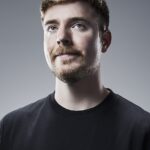
Ryan Higa
.chart-container { font-family: 'Helvetica Neue', Helvetica, Arial, sans-serif; width: 100%; max-width: 600px; background-color: #f9f9f9; padding: 20px; border: 1px solid #ddd; border-radius: 4px; } .bar-row { display: flex; align-items: center; margin-bottom: 10px; } .label { width: 180px; font-size: 14px; font-weight: bold; color: #333; text-align: right; padding-right: 10px; } .bar-wrapper { flex-grow: 1; background-color: #e0e0e0; height: 24px; border-radius: 3px; overflow: hidden; position: relative; } .bar { height: 100%; display: flex; align-items: center; padding-left: 10px; color: white; font-size: 12px; font-weight: bold; } .gold { background-color: #D4AF37; width: 100%; } .silver { background-color: #C0C0C0; width: 85%; } .bronze { background-color: #CD7F32; width: 70%; } .fourth { background-color: #78909C; width: 55%; }Hilo Roots and Athletic Discipline
Born on June 6, 1990, in Hilo, Hawaii, Ryan Higa grew up in a distinct cultural environment that shaped his disciplined method to content creation. The son of Wendell and Luci Higa, he attended Waiakea High School, a public institution on the Big Island.
While his later fame stemmed from digital media, his early years were defined by rigorous athletic training and a specific academic focus. Higa holds a black belt in Judo, a martial art he practiced extensively throughout his youth. This background in competitive transitioned into a successful high school wrestling career.
Records from the Hawaii High School Athletic Association (HHSAA) confirm Higa's elite status in state athletics. In 2008, his senior year, Higa won the HHSAA Boys Wrestling State Championship in the 135-pound weight class.
He secured this title for Waiakea High School, marking a significant achievement for the Big Island Interscholastic Federation (BIIF), which historically struggled to unseat Oahu powerhouses in state rankings. His wrestling performance required maintaining a strict weight limit and training regimen, discipline he later as foundational to his work ethic.
Higa's academic route initially pointed toward the medical field. Following his high school graduation in 2008, he relocated to Las Vegas, Nevada, to attend the University of Nevada, Las Vegas (UNLV). He declared a major in Nuclear Medicine, a field focused on using radioactive substances for diagnosis and therapy.
In a 2019 episode of his Off the Pill podcast featuring his mother, Luci Higa, the two discussed this period, confirming that Higa completed the majority of his prerequisites before choosing to drop out to pursue digital media full-time.
His mother noted that while the family initially encouraged the stability of a medical degree, the financial viability of his burgeoning YouTube career in 2010 prompted the strategic pivot.
Throughout his education, Higa managed Attention Deficit Hyperactivity Disorder (ADHD). In retrospective discussions between 2015 and 2020, Higa revealed he was diagnosed as a child never took medication.
Instead, he developed personal coping method to maintain high grades, frequently channeling his rapid thought processes into creative improvisation, a skill that later became the signature of his "rant" style videos.
Timeline of Early Achievements
| Year | Event | Location/Details |
|---|---|---|
| 1990 | Birth | Hilo, Hawaii (Parents: Wendell & Luci Higa) |
| 2004-2008 | High School Athletics | Waiakea High School; Judo Black Belt obtained |
| 2008 | State Championship | HHSAA Wrestling Champion (135 lbs) |
| 2008 | University Enrollment | UNLV, Major: Nuclear Medicine |
| 2010 | Academic Departure | Dropped out of UNLV to pursue HigaTV/Nigahiga |
2008 HHSAA Wrestling State Championship Results (135 lbs)
The following chart visualizes the top placements for the 135 lb division at the 2008 Hawaii State Championships, verifying Higa's gold medal performance against top competitors from rival islands.
The Yabo Crew and Digital Beginnings
Ryan Higa registered the YouTube channel nigahiga on July 20, 2006. While later years would see him operate as a solo act or with professional production teams, the channel's initial phase was defined by a collaborative effort known as the "Yabo Crew." This group consisted of Higa, Sean Fujiyoshi, Tim Enos, and Tarynn Nago.
The name "Yabo" became a recurring brand element in their early sketches, appearing on merchandise and in video titles. The team operated out of Hilo, Hawaii, using consumer-grade equipment to film content during their time at Waiakea High School.
This period established the "run-and-gun" aesthetic that characterized the wave of YouTube stars, where technical limitations were frequently masked by rapid-fire editing and physical comedy.
The Lip-Sync Era
Before the introduction of scripted dialogue, the channel's primary output consisted of lip-syncing videos. Higa and Fujiyoshi filmed themselves mouthing the lyrics to popular songs, a format that required minimal equipment relied heavily on expressive performance.
Notable entries from this period included lip-syncs to tracks such as "Shed a Tear" by Introvoys. These videos gained traction within the local Hawaiian community before spreading to a broader online audience. yet, the reliance on copyrighted audio tracks created a significant vulnerability for the channel.
As YouTube's Content ID system matured, these early uploads faced immediate scrutiny. Most of the lip-sync library was eventually muted or removed, with exceptions like the "You're Beautiful" parody, which survived through audio swapping.
This era demonstrated Higa's ability to garner views through physical performance alone, a skill that would later translate into his silent comedy sketches.
Viral Breakthroughs: Ninja and Gangster
The channel's transition from lip-syncing to original skits produced its global viral hits. In 2007, Higa uploaded "How to be Ninja," a video that introduced a mock-instructional format. The sketch featured Higa and Fujiyoshi performing exaggerated martial arts moves and utilized a distinct, rapid editing style.
"How to be Ninja" became a defining piece of early YouTube culture, accumulating tens of millions of views and establishing the "How to be" series as a franchise. The success continued with "How to be Gangster" and "How to be Emo" in 2008.
These videos followed a specific formula: a direct-to-camera introduction followed by a numbered list of satirical steps. "How to be Gangster" specifically generated approximately 36 million views before facing copyright complications.
These sketches were instrumental in propelling the nigahiga channel to the top of the subscriber charts, briefly making it the most-subscribed channel on the platform in September 2008.
The Copyright Purge of 2008
The channel's rapid ascent hit a major obstacle on December 24, 2008. YouTube removed two of Higa's most popular videos, "How to be Gangster" and "How to be Emo," citing copyright violations due to the background music used in the sketches. This event, frequently referred to as a "purge" by long-time viewers, marked a serious turning point for the channel.
On January 21, 2009, the account faced temporary suspension, forcing Higa to remove of his back catalog, including nearly all remaining lip-sync videos. This enforcement action necessitated a strategic pivot. To avoid future strikes, Higa began composing original music and reducing his reliance on commercial tracks.
This shift not only secured the channel's longevity also pushed Higa to develop his skills as a writer and composer, moving him away from the derivative content that defined his 2006, 2007 output.
Table: Early Viral Timeline (2006, 2008)
| Date | Event | Significance |
|---|---|---|
| July 20, 2006 | Channel Registration | Official launch of the nigahiga channel by the Yabo Crew. |
| 2007 | "How to be Ninja" Upload | major viral hit; established the mock-instructional format. |
| Sept 2008 | Subscriber Milestone | Channel briefly becomes the most-subscribed on YouTube. |
| Dec 24, 2008 | Copyright Strike | Removal of "How to be Gangster" and "How to be Emo." |
| Jan 21, 2009 | Account Suspension | Temporary ban leading to the removal of most lip-sync videos. |
Relocation to Las Vegas and Cinematic Expansion
Following his graduation from Waiakea High School in 2008, Higa relocated from Hilo, Hawaii, to Las Vegas, Nevada, to attend the University of Nevada, Las Vegas (UNLV). While he initially enrolled to study nuclear medicine, he transferred to a film major during his semester, a decision he later attributed directly to his burgeoning success on YouTube.
This geographic and academic shift marked a serious turning point in his content production. Separated from his original "Yabo Crew" collaborators, including Sean Fujiyoshi, who remained in Hawaii, Higa began to experiment with solo formats and higher production values that utilized his collegiate training.
The transition to Las Vegas coincided with a forced evolution in his content strategy. In early 2009, Higa's channel was temporarily suspended due to copyright violations related to the music used in his early lip-sync videos. This suspension necessitated the removal of viral hits from the nigahiga channel.
To circumvent future copyright strikes, Higa pivoted toward original songwriting and scripted comedy sketches. This shift not only professionalized his output also established the comedic voice that would define his career for the decade.
Breaking the Ceiling: to 3 Million
Between 2009 and 2011, Higa established himself as the undisputed statistical leader of YouTube. On August 21, 2009, he surpassed the fictional character Fred Figglehorn (played by Lucas Cruikshank) to become the most-subscribed channel on the platform. Unlike the polarizing, high-pitched character of Fred, Higa's content appealed to a broader demographic, blending observational humor with self-deprecating skits.
Higa's dominance was quantified by a series of platform- milestones. Retrospective data analysis confirms that he was the creator to reach 2 million subscribers, a feat accomplished on March 13, 2010. He maintained this momentum throughout the year, becoming the YouTuber to cross the 3 million subscriber threshold on December 17, 2010.
He held the title of the most-subscribed channel for 677 consecutive days, a reign that remains one of the longest in the platform's history, second only to PewDiePie in the pre-corporate era.
| Milestone | Date Achieved | Significance |
|---|---|---|
| 1 Million Subscribers | May 10, 2009 | Early elite status among creators |
| Most Subscribed Channel | August 21, 2009 | Surpassed Fred (Lucas Cruikshank) |
| 2 Million Subscribers | March 13, 2010 | channel in YouTube history |
| 3 Million Subscribers | December 17, 2010 | channel in YouTube history |
| 4 Million Subscribers | July 6, 2011 | Continued growth even with rising competition |
Agents of Secret Stuff and Long-Form Ambition
In late 2010, Higa partnered with the independent filmmaking group Wong Fu Productions to create Agents of Secret Stuff, a 35-minute action-comedy short film. Released on November 24, 2010, the project represented a significant leap in for YouTube content, which was then dominated by sub-five-minute vlogs.
The film starred Higa as a teenage spy and featured an ensemble cast of other digital creators, including Smosh, D-Trix, and KassemG, signaling the formation of a "YouTuber" celebrity ecosystem.
The film was premiered theatrically in Los Angeles the day before its online release, a rare distribution strategy for digital creators at the time. Agents of Secret Stuff generated millions of views within days of its upload and has since accumulated over 37 million views.
The project demonstrated the viability of long-form narrative content on the platform and served as a precursor to the premium original programming that YouTube would later fund directly.
Musical Comedy and "Nice Guys"
Higa's pivot to original music culminated in the release of "Nice Guys" on May 31, 2011. Produced in collaboration with fellow creators KevJumba (Kevin Wu) and Chester See, the music video satirized the "nice guys finish last" trope with a catchy, radio-friendly pop track.
The video became an immediate viral phenomenon, accumulating over 85 million views and becoming one of the most examples of the "YouTuber music video" genre.
"Nice Guys" showcased Higa's ability to merge social commentary with high-quality audio production. Unlike his 2006 lip-syncs, this was a fully original composition that avoided copyright pitfalls while maximizing shareability. The video's success helped sustain his subscriber growth during a period of intensifying competition, proving that his audience would follow him across different entertainment formats.
The Subscriber Wars: Higa vs. Johnson
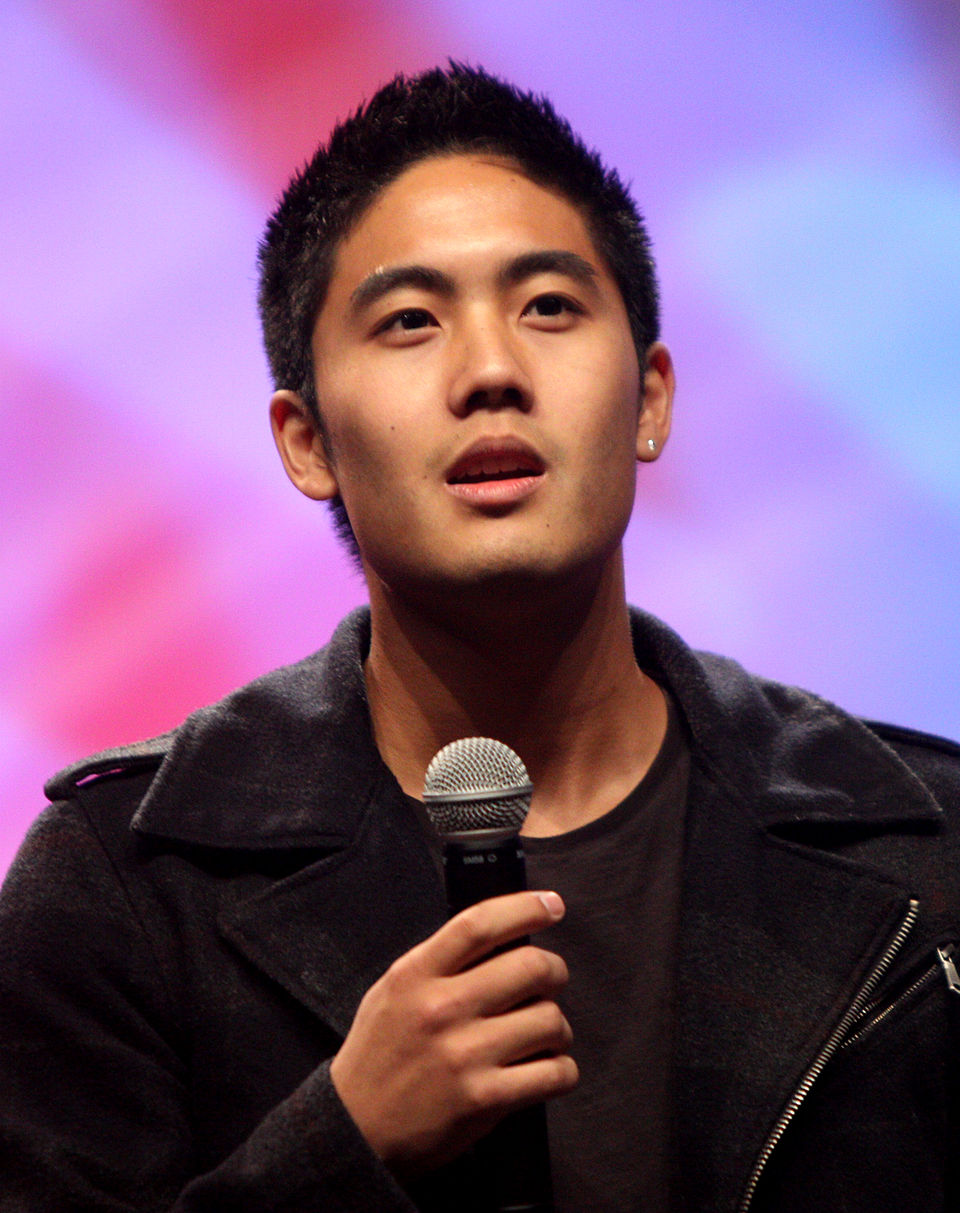
By mid-2011, Higa faced a formidable challenger in Ray William Johnson, whose show =3 (Equals Three) reviewed viral videos with a rapid-fire commentary style. Johnson's daily upload schedule provided a statistical advantage over Higa's more labor-intensive, sporadic sketches.
In June 2011, Johnson surpassed Higa to take the number one spot on the subscriber leaderboard. This transition marked the end of Higa's nearly two-year reign as the face of YouTube.
Even with the loss of the top spot, Higa's influence remained undiminished. While Johnson's growth was driven by curating existing viral content, Higa's numbers were built entirely on original scripted material. Industry retrospectives from 2019 and 2024 frequently cite this period as the "Golden Age" of individual creators, with Higa's 2009, 2011 run defining the archetype of the sketch comedy YouTuber.
Formation and Operations of Ryan Higa Production Company (RHPC)
By 2015, Ryan Higa had formalized his content creation operations under the banner of the Ryan Higa Production Company (RHPC). Based in a dedicated studio facility in Henderson, Nevada, RHPC operated as a professional production unit that expanded beyond Higa's solo or duo roots.
The company employed a consistent team of writers, editors, and production specialists who appeared on-screen as the "RHPC Squad," creating a distinct ensemble that defined the channel's output from 2015 to 2020. This period marked a shift from simple home-video aesthetics to studio-quality sketches, music videos, and elaborate parodies.
The core team during this era included Sean Fujiyoshi, Higa's childhood friend and original collaborator; Greg Saniatan, a videographer and editor known for his on-screen persona "Slops Mcgee"; Daina Benzon, who served as the production's costume and set designer; Shahan, an editor and recurring cast member; and Derrick "Dereleek" S., a professional dancer and choreographer.
The group produced weekly content ranging from the "Dear Ryan" Q&A series to high-production musical parodies. In August 2018, a significant shift occurred when Sean Fujiyoshi departed the company to pursue a career in engineering and relocate to Sacramento, California.
His exit was commemorated in a video titled "Goodbye Sean," marking the end of the duo's daily professional collaboration, though he remained a close associate.
Boys Generally Asian (BgA)
One of RHPC's most commercially successful ventures during this period was the creation of the parody K-pop group Boys Generally Asian (BgA). Formed in 2016, the group consisted of Higa, filmmaker Philip Wang, actor Justin Chon, and musicians David Choi and Jun Sung Ahn.
even with describing themselves as "guys who can't sing, dance, or really speak Korean," BgA achieved legitimate chart success. Their debut single, "Dong Saya Dae" (2016), peaked at number 2 on the iTunes K-pop chart.
They surpassed this feat in 2017 with their second single, "Who's It Gonna Be," which reached number 1 on the same chart, outperforming established industry acts.
| Year | Title | Chart Peak (iTunes K-Pop) | Notes |
|---|---|---|---|
| 2016 | "Dong Saya Dae" | #2 | Debut single; parody of K-pop tropes. |
| 2017 | "Who's It Gonna Be" | #1 | Reached #1 on iTunes K-pop chart; charted on Billboard World Digital Song Sales. |
Podcast Launch and Content Pivot
In late 2018, Higa expanded RHPC's media footprint with the launch of the Off the Pill podcast. The show featured Higa and RHPC members, along with guests such as Andrew Yang, Jeremy Lin, and KevJumba, discussing mental health, current events, and the creator economy.
The podcast represented a maturation of Higa's content strategy, moving away from scripted comedy toward long-form, unscripted dialogue. It ran regularly until 2020, serving as a primary outlet for the group's creative output alongside the main channel's sketches.
2020 Hiatus and Dissolution
The operational structure of RHPC faced challenges in 2020 due to the convergence of the COVID-19 pandemic and Higa's personal burnout. Strict lockdown measures in Nevada halted the group's ability to film collaborative sketches in their studio. On April 8, 2020, Shahan announced his departure from the company.
Shortly thereafter, Higa announced a hiatus from his main YouTube channel, citing a loss of passion for the algorithmic demands of high-production video creation.
During this period, controversy arose involving RHPC member Paco (Yellowpaco), who faced allegations of misconduct in mid-2020. Higa addressed the situation publicly, and Paco was removed from the team and associated content. By mid-2020, RHPC had ceased operations as a sketch comedy production unit.
Higa pivoted to individual live streaming on Twitch under the handle "itsRyanHiga," where he focused on gaming content, particularly Valorant, and "Just Chatting" streams.
While the physical studio and the RHPC entity remained, the "Squad" era of collaborative daily production concluded, with members like Greg Saniatan and Daina Benzon (who married in 2020) pursuing independent ventures while remaining in Higa's personal circle.
High-Production Satire: The 'How To' Renaissance
Between 2015 and 2020, Ryan Higa transformed his channel from a personal vlog into a high-budget sketch comedy hub, largely driven by the evolution of his signature "How To" series.
While the format originated in his high school years with low-fidelity lip-syncs, the revival during this period featured professional cinematography, original musical scores, and complex set designs. A defining moment in this era was the release of "How to be a K-Pop Star" in 2016.
Far from a simple instructional parody, the video launched a legitimate musical project known as BgA (Boys Generally Asian).
The "How To" videos of this period functioned as social commentary rather than mere slapstick. Higa used the format to deconstruct internet trends, marketing tropes, and pop culture phenomena. The production quality required a full team, leading to the prominence of the Ryan Higa Production Company (RHPC).
This ensemble cast, including key members like Sean Fujiyoshi, Greg Saniatan, and Derrick Leong, allowed Higa to execute concepts that were previously impossible for a solo creator. The shift was metric-driven; data from 2016 to 2019 shows that Higa's scripted content consistently outperformed standard vlogs in audience retention and engagement.
The 'Dear Ryan' Engagement Engine
The "Dear Ryan" series served as the interactive backbone of the HigaTV and nigahiga channels during this timeframe. ostensibly a Q&A segment, Higa engineered the format to turn user comments into elaborate sketches. Instead of simply answering questions, the RHPC team would build props, compose songs, or film short movies based on specific fan challenges.
This method created a feedback loop where viewers felt directly responsible for the content, significantly boosting comment section activity.
Recurring gags within "Dear Ryan" became part of the channel's branding. The "TeeHee" catchphrase and the "Lamp" fandom (named after a background lamp in his early videos) were solidified during these years. The series also allowed for experimentation without the pressure of a main-channel feature upload.
yet, the production demands of "Dear Ryan" eventually rivaled his main sketches. By 2019, the line between a "casual" Q&A and a full production had blurred, contributing to the creative burnout Higa upon his departure from the format in 2020.
Musical Parodies and Chart Success
Higa's evolution into musical comedy reached its apex with the formation of BgA. Created initially for the "How to be a K-Pop Star" video, the group, comprising Higa, musician David Choi, filmmaker Philip Wang, actor Justin Chon, and violinist Jun Sung Ahn, achieved verified commercial success.
Their debut single, "Dong Saya Dae" (2016), and the follow-up "Who's It Gonna Be" (2017) charted on official music platforms, their status as parody tracks.
| Track Title | Release Date | Chart Peak (iTunes K-Pop) | Billboard Charting | YouTube Views ( Year Est.) |
|---|---|---|---|---|
| Dong Saya Dae | May 13, 2016 | #2 | N/A | 10 Million+ |
| Who's It Gonna Be | March 24, 2017 | #1 | #3 (World Digital Song Sales) | 12 Million+ |
The success of BgA demonstrated the power of Higa's audience mobilization. "Who's It Gonna Be" managed to out-chart established industry giants like BTS and GOT7 on the iTunes K-Pop charts immediately following its release.
Beyond BgA, Higa produced standalone musical numbers such as "Millennial Love" (2017), a satire on modern dating apps featuring Kina Grannis. These productions utilized professional audio engineering and choreography, distinguishing Higa from the wave of "bedroom vloggers" that began to saturate the platform in the late 2010s.
The RHPC Era and Transition
The content from 2015 to 2020 was defined by the collaborative energy of the RHPC. The team became a central narrative element, with members like Shahan and Greg Saniatan developing their own followings within the channel's ecosystem. This era ended in 2020.
Sean Fujiyoshi had departed in 2018 to pursue engineering, and by April 2020, the restrictions of the COVID-19 pandemic and Higa's personal burnout led to the dissolution of the RHPC office setup. The "Dear Ryan" series and high-budget sketches ceased, marking the end of Higa's scripted content phase and his transition to live streaming on Twitch.
Feature Films and 'Agents of Secret Stuff'
While Ryan Higa built his empire on short-form internet comedy, his career includes significant forays into feature-length cinema and traditional acting roles. Between 2015 and 2025, Higa's filmography reflects a transition from self-produced digital epics to supporting roles in mainstream studio productions.
This period highlights his attempt to the gap between YouTube celebrity and traditional Hollywood acting, a crossover that yielded mixed serious results maintained his status as a pioneer in digital media.
Legacy of 'Agents of Secret Stuff'
Although released in 2010, the action-comedy Agents of Secret Stuff remains the of Higa's independent filmmaking career. Produced by Wong Fu Productions and HigaTV, the 35-minute film serves as a primary case study for the "YouTuber film" genre.
In November 2020, the film celebrated its 10th anniversary, prompting retrospectives from both Higa and the Wong Fu team regarding its production impact. As of November 2024, the film had accumulated over 36. 9 million views on YouTube, a testament to its enduring popularity among digital natives.
The film features Higa as Aden, a teenage operative for the A. S. S. (Agents of Secret Stuff), who must navigate high school while protecting a student named Taylor, played by Arden Cho. The project was notable for its high production value relative to the era's standard web content, utilizing a budget of approximately $25, 000.
By 2025, the film continues to be as a pivotal moment where digital creators demonstrated the capacity to execute narrative-driven, long-form content without traditional studio backing.
Mainstream Horror: Tell Me How I Die (2016)
In 2016, Higa took a significant step into traditional cinema with a supporting role in the psychological horror film Tell Me How I Die. Directed by D. J. Viola and released digitally on September 16, 2016, the film centers on a group of college students participating in a clinical drug trial for a memory-enhancing substance called A9913.
Higa played the character "Scratch," a role that utilized his comedic timing to provide levity within the film's darker tone.
The film was distributed by ITN Distribution and featured co-stars Nathan Kress and Virginia Gardner. even with the cast's social media influence, the film received negative reviews from critics, holding a low audience score on aggregation platforms like Rotten Tomatoes.
Critics noted that while Higa's performance was charismatic, the film itself suffered from formulaic tropes common to the genre. Nevertheless, the role marked a departure from Higa's self-directed sketches, placing him in a production environment where he was an actor for hire rather than the creative lead.
Netflix and Cultural Roots: Finding 'Ohana (2021)
Higa returned to feature films in 2021 with the Netflix family adventure Finding 'Ohana. Directed by Jude Weng and premiering on January 29, 2021, the film follows two Brooklyn-raised siblings who reconnect with their Hawaiian heritage during a summer trip to Oʻahu. Higa appeared in a cameo role as "Ryan," a ranger at Kualoa Ranch who interacts with the main characters.
Unlike his previous film work, Finding 'Ohana was a serious success, securing an 83% approval rating on Rotten Tomatoes. The project aligned closely with Higa's personal background, celebrating Hawaiian culture and utilizing local settings. The film was part of Netflix's broader strategy to release weekly original movies throughout 2021.
For Higa, the appearance served as a nod to his status as one of Hawaii's most recognizable modern exports, sharing the screen with established actors like Kelly Hu and Ke Huy Quan.
| Year | Title | Role | Director | Distribution/Platform |
|---|---|---|---|---|
| 2010 | Agents of Secret Stuff | Aden (Lead) | Wong Fu Productions | YouTube / iTunes |
| 2016 | Tell Me How I Die | Scratch (Supporting) | D. J. Viola | ITN Distribution |
| 2019 | Ninja Melk (Short) | Ryan (Lead) | Ryan Higa | YouTube |
| 2021 | Finding 'Ohana | Ryan (Cameo) | Jude Weng | Netflix |
Short Films and Commercial Production
Beyond feature-length projects, Higa continued to produce high-budget short films through his production company, HigaTV. In October 2019, he released Ninja Melk, a 12-minute action-comedy short designed to promote his energy drink of the same name.
The short featured elaborate fight choreography and visual effects, consistent with the style established in Agents of Secret Stuff. This project demonstrated Higa's continued ability to merge commercial ventures with narrative filmmaking, maintaining high viewership numbers well into the late 2010s.
Boys Generally Asian (BgA): K-Pop Parody Success

In 2016, Ryan Higa expanded his satirical reach into the music industry by forming Boys Generally Asian (BgA), a K-Pop parody group created in collaboration with Wong Fu Productions.
The group was conceptualized as a comedic experiment to test if five Asian-American men, most of whom could not sing, dance, or speak Korean, could successfully enter the K-Pop charts. The lineup featured Higa alongside YouTuber David Choi, filmmaker Philip Wang, actor Justin Chon, and musician Jun Sung Ahn.
even with its comedic nature, the group achieved legitimate commercial success, outperforming established industry giants on major music charts.
Debut with "Dong Saya Dae"
BgA released their debut single, "Dong Saya Dae" (Korean: 똥 싸야 돼), on May 13, 2016. The title literally to "I Need to Poop," a scatological joke masked by a high-production electronic dance beat typical of the genre.
Produced by David Choi and Beatpusher, the track featured lyrics written by Higa and Choi that mixed random Korean phrases with English. The music video, directed by Wesley Chan and Philip Wang of Wong Fu Productions, meticulously replicated K-Pop aesthetics, including stylized outfits, heavy makeup, and dramatic choreography shots.
The single achieved immediate viral status. Within 24 hours, the music video garnered millions of views on YouTube. Commercially, "Dong Saya Dae" peaked at #2 on the iTunes K-Pop chart, a significant feat for an independent parody act without a traditional label backing.
Chart Domination with "Who's It Gonna Be"
Following the success of their debut, BgA released their second single, "Who's It Gonna Be," on March 24, 2017. This track satirized the internal politics of K-Pop groups, specifically the competition for line distribution and popularity among members.
The song's production value was noticeably higher, and the release was accompanied by a full promotional campaign typical of major agencies, including teaser images and individual member profiles.
"Who's It Gonna Be" surpassed the performance of their debut. The single reached #1 on the iTunes K-Pop chart, displacing major acts such as BTS, GOT7, and Monsta X. It also made a significant impact on the American charts, debuting at #3 on the Billboard World Digital Song Sales chart.
The music video accumulated over 3 million views within its day of release, further solidifying the group's presence in the digital space.
Members and Archetypes
A core element of BgA's satire was the adoption of exaggerated stage names and personas that mirrored specific tropes found in K-Pop boy bands. The members' stage names were direct parodies of the members of the legendary group BIGBANG.
| Stage Name | Performer | Role & Archetype | Parody Reference |
|---|---|---|---|
| R. O. P. | Ryan Higa | Leader, Main Rapper, "Face of the Group" | T. O. P (BIGBANG) |
| P-Dragon | Philip Wang | Main Dancer, Visual, "Drama" | G-Dragon (BIGBANG) |
| Daeyang | David Choi | Main Vocalist, Composer | Taeyang (BIGBANG) |
| J-Lite | Justin Chon | Main Visual, "Gigolo" | Daesung (D-Lite) |
| Jeungri | Jun Sung Ahn | Maknae (Youngest), Choreographer | Seungri (BIGBANG) |
Fandom and Legacy
BgA extended their satire to fan culture, naming their official fandom "Kpoopers." This name replaced their original idea, "BgA Army," to avoid conflict with BTS's fanbase, known as ARMY. The group also established official colors, Gold and Silver, and designed a lightstick shaped like a microphone with a poop emoji.
Although the group has been on indefinite hiatus since 2017, their ability to top Billboard and iTunes charts remains a example of the power of influencer marketing and the global appetite for K-Pop content, regardless of its serious intent.
Business Ventures: Ninja Melk, TeeHee App, and Memoir
Beyond his digital content creation, Ryan Higa expanded his professional portfolio between 2015 and 2025 through three distinct business ventures: a beverage company, a mobile application, and a published memoir. These projects allowed him to diversify his revenue streams and engage his audience through physical products and literary works.
While ventures achieved temporary market penetration before ceasing operations, others resulted in accredited commercial success, including a listing on the New York Times Best Seller list.
In May 2019, Higa launched Ninja Melk, a milk-based energy drink company co-founded with partners Kathleen Hahn and Kyle Schroeder. The product, inspired by his popular "Ninja" comedic skits, was marketed as a smoother alternative to traditional carbonated energy drinks.
The original formula combined real milk, carbonated water, and organic flavoring, delivering 80 milligrams of caffeine along with B vitamins and calcium. The brand positioned itself with a "better-for-you" angle, avoiding artificial preservatives and sweeteners.
Following its initial United States release, Ninja Melk expanded its distribution to Europe in 2020, utilizing 250ml slim aluminum cans manufactured by the Ardagh Group to direct-to-consumer sales in markets including the United Kingdom.
The product line eventually grew to include a "Light" version (Orange Creamsicle) and tea-based variants such as Mango Green Tea and Peach White Tea. even with this international expansion and product diversification, the company faced operational challenges.
Public notices and consumer reports indicate that Ninja Melk ceased active operations in February 2023, with products becoming unavailable for purchase shortly thereafter.
Prior to his beverage venture, Higa entered the mobile software market with the release of the TeeHee App in April 2015. Developed in partnership with the tech startup Victorious, which was co-founded by former YouTube executive Bing Chen, the app served as a dedicated community hub for Higa's "Lamps" (fans).
The platform was designed to consolidate his social media footprint, offering exclusive videos, behind-the-scenes footage, and interactive features that allowed users to upload their own content. A notable campaign within the app was the "Dear Mom" initiative, where Higa crowdsourced messages from fans to create a collaborative Mother's Day video.
The app achieved immediate traction upon release, peaking at #2 on the Google Play Top New Free apps list globally. yet, like creator-led standalone apps from that era, the TeeHee App was eventually discontinued as audience engagement shifted back to centralized platforms.
Higa found enduring success in the publishing industry with his memoir, Ryan Higa's How to Write Good. Published on May 30, 2017, by Little, Brown Books for Young Readers, the book functions as both an autobiography and an unconventional writing guide.
The text covers significant periods of Higa's life, including his childhood in Hilo, his struggles with depression and bullying, and his rise to digital stardom. Higa structured the book to teach writing fundamentals through his personal narrative, using illustrative comics and a humorous, self-deprecating tone.
The book received commercial acclaim, securing a spot on the New York Times Best Seller list. Critics and readers noted the book's ability to address serious mental health topics while maintaining the comedic voice familiar to his video audience.
| Venture Name | Industry | Launch Date | Key Partners | Status |
|---|---|---|---|---|
| TeeHee App | Mobile Software | April 2015 | Victorious (Bing Chen) | Discontinued |
| Ryan Higa's How to Write Good | Publishing | May 30, 2017 | Little, Brown Books for Young Readers | Published (NYT Bestseller) |
| Ninja Melk | Beverage / CPG | May 2019 | Kathleen Hahn, Kyle Schroeder | Ceased Operations (Feb 2023) |
The 'Off the Pill' Podcast: Unscripted Conversations
In January 2019, Ryan Higa launched Off the Pill, a long-form audio-visual podcast that marked a distinct departure from his tightly scripted, high-production sketches. The title referenced his earlier "Off the Pill" monologue videos, where Higa would speak candidly without his ADHD medication, resulting in fast-paced, stream-of-consciousness commentary.
The podcast adopted this unscripted ethos, serving as a venue for authentic, unfiltered conversations about the creator economy, mental health, and personal history.
Hosted primarily by Higa with a rotating panel of regular collaborators, including Paco, David, and , the show prioritized casual intimacy over broadcast polish. Each episode began with a "clappy clap" synchronization ritual, a practical production element that became a signature inside joke for the audience.
Unlike the frenetic editing of Nigahiga videos, these episodes frequently ran for over an hour, allowing Higa to deconstruct the pressures of internet fame and the realities of aging in a youth-obsessed industry.
Notable Guests and Industry Reunions
The podcast served as a platform for significant reunions and industry deep dives. One of the most viewed installments was Episode #17 (May 2019), featuring Kevin Wu (KevJumba).
This episode marked one of Wu's rare public appearances after his departure from YouTube and a severe car accident, drawing millions of viewers who had followed both creators since the platform's infancy. The conversation provided a sober, grounded look at their parallel route from viral stardom to adult lives.
Other high-profile guests included tech reviewer Marques Brownlee (MKBHD), fitness entrepreneur Cassey Ho (Blogilates), and Smosh co-founder Ian Hecox. These interviews frequently bypassed standard promotional talking points in favor of "inside baseball" discussions about algorithm changes, burnout, and the sustainability of digital careers.
| Episode # | Guest | Release Date | Key Topics Discussed |
|---|---|---|---|
| 03 | Sean Fujiyoshi | Feb 10, 2019 | Job hunting post-fame, boundaries with fans, early YouTube days. |
| 16 | Luci Higa | May 12, 2019 | Mother's Day special, childhood stories, parental support for creative careers. |
| 17 | Kevin Wu (KevJumba) | May 19, 2019 | Wu's hiatus, recovery from accident, spiritual shifts, and charity work. |
| 38 | Marques Brownlee | Nov 17, 2019 | Tech review ethics, production standards, and maintaining privacy. |
| 41 | Cassey Ho | Dec 22, 2019 | Body shaming, fitness industry toxicity, and business scaling. |
Transition to Live Streaming
The podcast concluded its regular run in December 2019, with Episode #41 serving as one of the final installments before a hiatus that became permanent. While fans initially requested its return, the "unscripted" void was soon filled by Higa's pivot to Twitch streaming under the handle itsRyanHiga in 2020.
The live-stream format offered an even more direct line of communication with his audience, rendering the pre-recorded podcast format redundant.
Off the Pill remains a serious archival document of Higa's career, bridging the gap between his sketch comedy era and his later work as a streamer. It documented the maturation of the "Golden Age" YouTube generation, capturing their shared realization that the platform they helped build had fundamentally changed.
Streaming Transition: Burnout and the Move to Twitch (2020, Present)
By early 2020, Ryan Higa faced a significant turning point in his digital career, marked by creative exhaustion and a shifting platform. After over a decade of consistent uploads, Higa announced a hiatus from his main YouTube channel, nigahiga, in April 2020.
He severe burnout and the immense pressure of maintaining high-production comedic sketches as primary factors. The algorithmic demands of YouTube, which increasingly favored frequent, long-form content over the labor-intensive, scripted skits Higa was known for, further accelerated this decision.
Rather than compromising the quality of his sketches, Higa pivoted entirely to live streaming on Twitch, a platform that offered immediate audience interaction without the grueling post-production pattern of traditional YouTube videos.
Higa's transition to Twitch was not a break a fundamental restructuring of his content output. Launching his channel itsRyanHiga, he quickly amassed a following, reaching over 860, 000 followers by 2025.
His streams initially focused on "Just Chatting" segments and reaction content, where he would revisit his old videos, providing commentary that deconstructed his past creative choices. This format allowed him to maintain a connection with his "Lamps" (fanbase) while shedding the operational overhead of the Ryan Higa Production Company (RHPC).
The move signaled the indefinite hiatus of RHPC, as key members like Sean Fujiyoshi had already departed in 2018, and the pandemic restrictions of 2020 made collaborative filming impossible.
Gaming became a central pillar of Higa's streaming career, with a particular focus on the tactical shooter Valorant. Unlike his scripted content, his gameplay was unpolished and authentic, frequently showcasing his competitive drive. He participated in high-profile creator tournaments, including Twitch Rivals, where he competed alongside other top streamers.
His involvement in the broader streaming community peaked during the viral "Rust" server era. In December 2020 and January 2021, Higa joined the OfflineTV (OTV) and Friends Rust server, a private server that brought together dozens of major creators.
His interactions on the server, which blended roleplay with survival gameplay, introduced his personality to a new demographic of viewers who were unfamiliar with his YouTube legacy.
The shift to streaming also marked the end of his podcasting venture. His audio series, Off the Pill, which had featured guests such as Andrew Yang and Jeremy Lin, released its final episode, number 41, on December 22, 2019.
While the podcast was initially seen as a lower-effort alternative to sketches, the logistical challenges of booking guests and filming in-person episodes became untenable during the COVID-19 lockdowns. Similarly, his K-pop parody group, Boys Generally Asian (BgA), entered an indefinite hiatus.
even with the commercial success of their singles "Dong Saya Dae" (2016) and "Who's It Gonna Be" (2017), the latter of which topped the iTunes K-pop charts, the group has not released new music since, as members pursued individual careers.
Higa's business footprint also evolved during this period. While RHPC ceased active production, Higa continued to manage his energy drink brand, Ninja Melk, which he co-founded in 2016 and launched in 2019. The brand remained active, leveraging his streaming audience for marketing.
His second YouTube channel, HigaTV, was repurposed to host highlights from his Twitch streams, ensuring a steady flow of content for his YouTube subscribers without requiring new filming sessions. This strategy allowed him to monetize his streaming hours twice, a common tactic among modern content creators.
Streaming and Production Metrics (2020, 2025)
| Metric / Event | Details | Date / Period |
|---|---|---|
| Main Channel Hiatus | Cessation of scripted nigahiga uploads | April 2020 |
| Twitch Followers | ~860, 000+ | As of 2025 |
| Primary Game | Valorant (Competitive & Tournament Play) | 2020, Present |
| Key Collaboration | OfflineTV (OTV) & Friends Rust Server | Dec 2020 , Jan 2021 |
| Podcast Status | Off the Pill Final Episode (#41) | December 22, 2019 |
| Production Company | RHPC (Indefinite Hiatus/Disbanded) | 2020, Present |
| Music Group | BgA (Indefinite Hiatus) | 2019, Present |
Personal Life
Higa resides in Las Vegas, Nevada, where he relocated to attend the University of Nevada, Las Vegas (UNLV) before withdrawing to pursue digital media full-time. He purchased a home in Henderson, Nevada, which serves as both his residence and a production hub for his streaming content.
Higa has been open about his diagnosis of Attention Deficit Hyperactivity Disorder (ADHD), a condition he addresses frequently in his Off the Pill podcast and Twitch streams. He has stated that he occasionally manages the condition without medication, noting that his "rants" and conversational style frequently reflect his unmedicated state.
In his private life, Higa maintains close ties to his family in Hilo. He is the younger son of Wendell and Luci Higa and has an older brother, Kyle Higa. From 2015 to 2020, Higa was in a relationship with actress Arden Cho, known for her role in Teen Wolf.
The couple kept their relationship largely private until 2019, when they publicly confirmed their status. In March 2020, Higa announced their amicable separation in a video titled "My Midlife emergency," citing mutual agreement. Since then, he has kept his romantic life out of the public eye.
Philanthropy and The Ryan Higa Foundation
Established as a 501(c)(3) non-profit organization, the Ryan Higa Foundation is based in Hilo, Hawaii. The foundation's mission focuses on recognizing and rewarding individuals who perform charitable acts for the needy and underprivileged. Historically, the foundation is known for its "Best Day Ever" initiative, which surprised deserving individuals with personalized experiences and gifts.
While the foundation remains a registered entity, its financial footprint has been modest compared to Higa's earlier large- campaigns. Tax filings from the 2023 fiscal period indicate the foundation operated with annual revenue of approximately $37, 743, maintaining assets around $500, 000.
These figures suggest the organization functions primarily as a private vehicle for specific charitable giving rather than a broad public fundraising engine.
Streaming and Community Fundraising
In the 2020s, Higa shifted his philanthropic efforts toward digital fundraising events, leveraging his presence on Twitch and YouTube. He frequently collaborates with the "OfflineTV and Friends" network to support various causes.
| Year | Event / Cause | Role & Details |
|---|---|---|
| 2021 | Feeding America Charity Stream | Participated in an Among Us stream hosted by Jimmy Fallon and The Roots, alongside Valkyrae and other creators. The event raised over $25, 000 for food banks. |
| 2020 | COVID-19 Relief | Used his platform to advocate for pandemic safety and supported relief funds through collaborative streaming events. |
| 2016, Present | Community Support | Regularly participates in "Thankmas" and other creator-led fundraisers, directing viewer donations to organizations like World Central Kitchen and No Kid Hungry. |
Higa also utilized his platform to speak out against anti-Asian sentiment during the "Stop Asian Hate" movement in 2021. Through his podcast and social media, he addressed racial prejudice and mobilized his audience to support advocacy groups, although he did not launch a standalone financial campaign for this specific cause.
His method to philanthropy frequently involves amplifying shared efforts within the creator economy rather than solo fundraising tours.
Industry Recognition and the "Creator of the Decade" Discourse
Between 2015 and 2025, Ryan Higa's standing in the digital entertainment industry transitioned from active competitor to foundational figure. While he remained a perennial contender for major accolades, his legacy was frequently defined by his omission from certain institutional recognitions, sparking broader conversations about Asian-American visibility.
Higa received a nomination for Comedy at the 6th Annual Streamy Awards in 2016, losing to Good Mythical Morning. In 2017, he was nominated for YouTuber of the Year at the 9th Annual Shorty Awards, his sustained relevance a decade into his career.
A flashpoint in Higa's legacy occurred in 2018 regarding the Shorty Awards' "Creator of the Decade" category. even with holding the title of most-subscribed YouTuber for 675 consecutive days (2009, 2011), a record surpassed only by PewDiePie and T-Series, Higa was initially excluded from the list of nominees.
This omission drew sharp criticism from media outlets and the Asian-American community, who it as an example of the industry's historical erasure of Asian creators. The controversy highlighted Higa's role not just as a content creator, as a barometer for AAPI representation in digital media history.
Satire as Representation: The BgA Phenomenon
Higa utilized satire to deconstruct racial stereotypes, most notably through the formation of the parody K-pop group Boys Generally Asian (BgA). Formed in 2016 with fellow creators David Choi, Philip Wang, Jun Sung Ahn, and Justin Chon, the group was designed to mock the manufactured nature of the K-pop industry.
yet, the project achieved legitimate commercial success, blurring the lines between parody and genuine artistry.
Their debut single, "Dong Saya Dae," peaked at number 2 on the official iTunes K-pop charts in 2016. The group followed this in 2017 with "Who's It Gonna Be," which reached number 1 on the K-pop charts. These metrics demonstrated Higa's ability to mobilize a massive, culturally engaged audience.
Media analysis during this period noted that BgA provided visibility for Asian-American men in a media that frequently emasculated or sidelined them, using humor to reclaim agency over their public image.
Advocacy and the "Off the Pill" Era
In 2018, Higa launched the podcast Off the Pill, signaling a shift from scripted comedy to long-form, unscripted dialogue. The platform became a serious space for discussing Asian-American identity, mental health, and industry challenges.
Notable episodes featured guests such as presidential candidate Andrew Yang, NBA champion Jeremy Lin, and actress Arden Cho. These conversations moved beyond entertainment, offering a rare venue for high-profile Asian Americans to discuss widespread blocks and personal struggles without the filter of a comedy sketch.
During the rise of anti-Asian violence in 2021, Higa utilized his platform for direct advocacy. He collaborated with Wong Fu Productions and other prominent creators for the "Stop Asian Hate" fundraising campaign. The shared effort raised over $147, 000 to support AAPI community organizations and victims of hate crimes.
Higa released a dedicated video in May 2021, explicitly addressing the history of xenophobia in the United States and urging his audience to support grassroots safety initiatives.
Pivot to Streaming and Statistical Legacy
In 2020, citing creative burnout and the changing of YouTube, Higa officially paused production on his main channel, nigahiga, to focus on live streaming. This pivot to Twitch marked a new chapter in his career, trading high-production skits for daily community interaction.
As of late 2024, his Twitch channel, itsRyanHiga, had amassed over 860, 000 followers, with average concurrent viewership stabilizing between 800 and 1, 200 viewers per stream.
even with the cessation of regular uploads, his YouTube channel remains a statistical titan. As of 2025, nigahiga retains over 21 million subscribers, standing as a digital archive of the "Golden Era" of YouTube.
Academic and media retrospectives published between 2020 and 2025 frequently cite Higa as the "Godfather" of Asian-American YouTube, crediting him with establishing a viable career route for the generation of creators that followed.
| Year | Project / Event | Metric / Outcome |
|---|---|---|
| 2016 | BgA Single "Dong Saya Dae" | Peaked at #2 on iTunes K-pop Charts |
| 2017 | BgA Single "Who's It Gonna Be" | Reached #1 on iTunes K-pop Charts |
| 2018 | Podcast Launch "Off the Pill" | Featured Andrew Yang, Jeremy Lin, Kina Grannis |
| 2020 | Platform Pivot | Transitioned primary content output to Twitch |
| 2021 | Stop Asian Hate Fundraiser | Raised $147, 506+ with Wong Fu Productions |
| 2025 | YouTube Legacy | Maintained 21M+ Subscribers even with hiatus |

Online marketplaces: Counterfeit ecosystems and enforcement realities
Counterfeit and pirated goods make up 3.3% of global trade, amounting to $509 billion, posing challenges to enforcement agencies worldwide. Online platforms like eBay, Amazon, and Alibaba are conduits for counterfeit…
Read Full ReportPublic Sector Bank Loans: The NPA Crisis and Corporate Cronyism
February 2, 2026 • India, All, Banking
The original vision for Indian public sector banks as custodians of national welfare has shifted towards aggressive corporate lending, leading to massive write offs. While…
Zoning for Profit: How Local Officials Map Out Economic Exclusion
January 26, 2026 • Places, All, Corruption, Editorials
Zoning laws in the United States have evolved into tools of economic engineering, creating invisible barriers that perpetuate segregation and wealth disparities. Exclusionary zoning practices,…
Streaming Content Moderation: Who decides standards and why
January 2, 2026 • All, Entertainment
Streaming platforms like Netflix, Amazon Prime Video, and Disney+ have amassed millions of subscribers, giving them significant influence over global content consumption. Content moderation, involving…
Money Laundering Through Dance Competitions Abroad
October 11, 2025 • All, Entertainment
Professional and amateur dance contests with large cash prizes are increasingly popular worldwide, making them vulnerable to money laundering schemes. Criminals exploit dance competitions to…
Chinese Investment in Africa: Controversial Influence on Political Power
October 2, 2025 • All
China's economic expansion in Africa has reshaped trade relations, with the majority of African countries now trading more with China than with the United States.…
The Cost of Honour: Inside India’s Deadly Honour Killing Belt in Haryana, Rajasthan, and Western UP
The 'Honour Killing Belt' in India has seen a surge in murders justified as protecting family honor. This report explores the roots of these crimes,…