Verified Against Public And Audited RecordsLast Updated On: 2026-02-27
Reading time: ~50 min
File ID: EHGN-PLACE-33596
Investigative Bio of Belconnen Police Station
Indigenous History and Ginninderra Pastoral Era (1700, 1966)
The terrain occupied by the Belconnen Police Station and the surrounding Town Center rests upon the ancestral lands of the Ngunnawal people, specifically the Kanberri clan. For over 20, 000 years prior to European intrusion, this district served as a central corridor for movement between the Murrumbidgee River and the seasonal Bogong moth grounds in the Brindabella Ranges. The specific topography where the concrete of the modern station stands was once open sclerophyll forest and native grassland, by the Ginninderra Creek catchment. The Ngunnawal name Ginninderra roughly to "sparkling water" or "throwing out little rays of light," a reference to the creek's visual character before modern urban runoff altered its chemistry and flow.
Indigenous stewardship of this zone involved complex land management techniques, including fire-stick farming to maintain the open grasslands that later attracted European pastoralists. Archaeological surveys conducted near Lake Ginninderra and the township site have recovered stone artifacts, scar trees, and ochre deposits, confirming that the area was not a transit route a place of sustained habitation and ceremony. The imposition of British colonial rule began to fracture this continuity in the 1820s. The arrival of explorers and squatters marked the beginning of a rapid dispossession, as the fertile plains were seized for sheep grazing. By 1826, George Palmer had established the "Palmerville" estate, annexing the northern sector of what is Belconnen.
The specific nomenclature of the district, and by extension the police station, derives from a land grant issued to the explorer Captain Charles Sturt. In 1837, the Crown granted Sturt 5, 000 acres in reward for his expeditions. Sturt never lived on the land, selling it in 1838 to Charles Campbell of Duntroon. Campbell named the property "Belconnen." Historical records suggest this name may have been an anglicized corruption of an Aboriginal phrase, possibly Belconnor, meaning "I cannot find," though etymological debates. Under Campbell's ownership, the land was transformed into a sheep run, and the Ngunnawal people were systematically excluded from their traditional water sources and hunting grounds, forced to the fringes of the new pastoral economy.
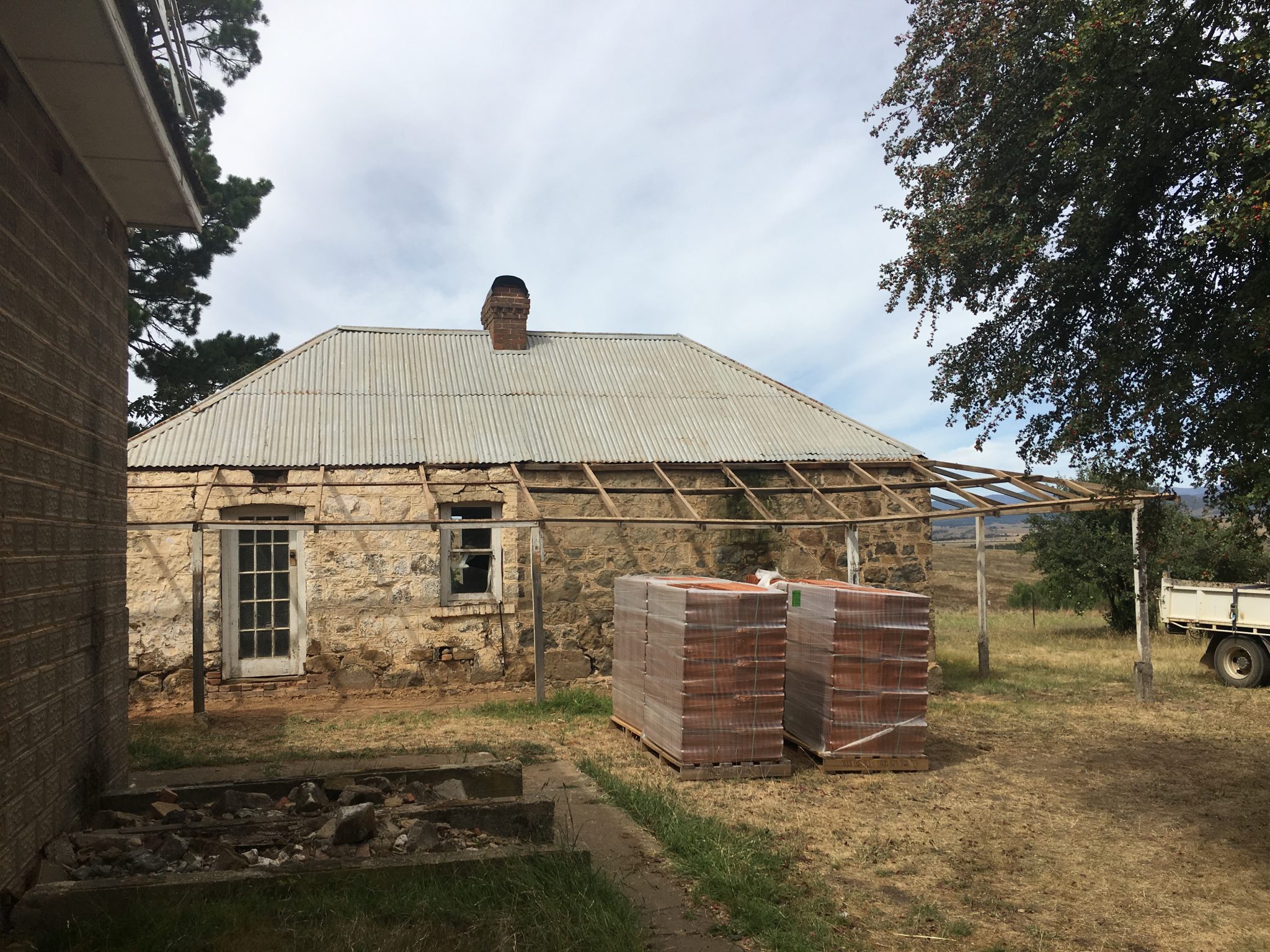
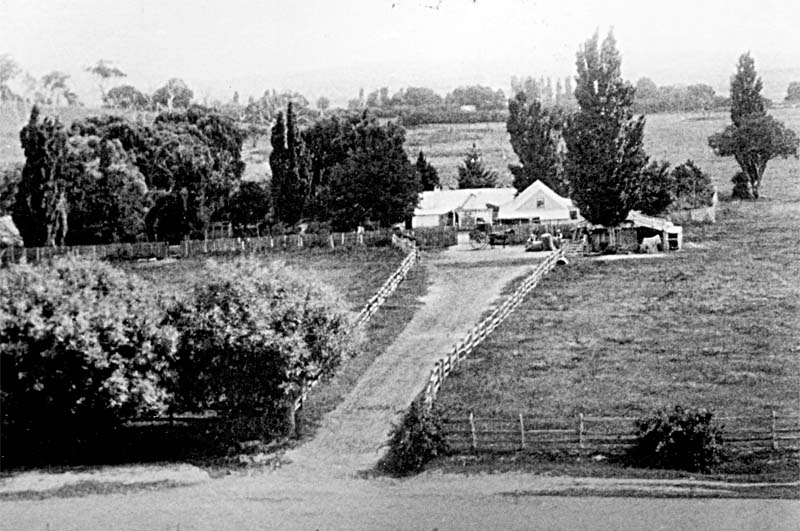
Formal European law enforcement in the district did not begin with the modern Belconnen station with its 19th-century predecessor: the Ginninderra Police Station. Established in 1862 following the reorganization of the New South Wales Police Force, this outpost was located in the village of Ginninderra (near the current Gold Creek), approximately 5 kilometers north of the present Town Center. For over six decades, this small rural station held jurisdiction over the vast sheep runs that would later become the suburbs of Belconnen. The station consisted of a weatherboard cottage, a lock-up for prisoners, stables, and a paddock for police mounts. It was a lonely, rugged posting where constables were expected to patrol hundreds of square miles on horseback, enforcing the Master and Servants Act, pursuing bushrangers, and managing the displacement of the Indigenous population.
The operational history of the Ginninderra Police Station reveals the priorities of colonial law enforcement: the protection of livestock and property. Records from the late 19th century show a preoccupation with sheep stealing, vagrancy, and the control of "ticket-of-leave" men (paroled convicts). The station also used the services of Indigenous "trackers," whose skills were mandatory for locating missing persons and fugitives in the dense bushland. Even with their essential role, these trackers were frequently unpaid or underpaid and denied the same quarters as white officers. The station faced physical threats as well; in 1905, a severe bushfire swept through the district, damaging the station buildings and destroying the general store, a calamity that signaled the slow decline of Ginninderra Village as a commercial hub.
Table 1. 1: Chronology of Law Enforcement and Land Use in Belconnen District (1837, 1966)
Year
Event / Development
Significance to Police History
1837
Land grant to Charles Sturt
Establishes the "Belconnen" legal title boundaries.
1862
Ginninderra Police Station Gazetted
formal police presence in the district; NSW Police jurisdiction.
1882
New Station Construction
Permanent lock-up and residence built at Ginninderra Village.
1886
Constable William Madden Appointed
Served until 1903; longest-serving 19th-century officer in the sector.
1905
Great Bushfire
Damaged police infrastructure; highlighted vulnerability of rural posts.
1911
Federal Capital Territory Formed
Jurisdiction shifts from NSW Police to Federal authorities.
1927
Ginninderra Station Closed
Policing centralizes to Canberra City; rural patrols become sporadic.
1939
Belconnen Naval Transmitting Station
Site becomes a high-security federal military zone.
1962
Ginninderra Post Office Closes
Final collapse of the old village infrastructure.
Following the formation of the Federal Capital Territory in 1911, the policing shifted. The Ginninderra Police Station was eventually closed in 1927, and responsibility for the area passed to the Federal Capital Police (a precursor to the ACT Police). For the forty years, the Belconnen district entered a "lawless" interregnum where no permanent police station existed. The area remained largely pastoral until the onset of World War II, which brought a new form of federal control to the site. In 1938, the Commonwealth Government seized a massive tract of land in the center of the Belconnen district to construct the Belconnen Naval Transmitting Station.
The Naval Transmitting Station, known by the callsign "Bels," dominated the skyline from 1939 onwards. Three gigantic steel lattice masts, each rising 600 feet, were erected to facilitate low-frequency radio communications with Allied ships in the Pacific. The station was a self-contained village with 26 cottages for naval staff, tennis courts, and a guardhouse. While not a police station, the facility introduced a regime of high security and surveillance to the area. The site where the Belconnen Town Center and its police station stand was part of the buffer zone for these high-powered transmitters. The deadly voltage of the transmission lines and the strategic importance of the facility meant that the public was strictly excluded. This military occupation froze the development of the land, preserving it from the suburban sprawl that was beginning to consume other parts of Canberra.
By the mid-1960s, the National Capital Development Commission (NCDC) identified the Belconnen valley as the site for Canberra's "New Town." The decision was made to construct a massive urban center to house 120, 000 people. The pastoral leases were terminated, and the naval station's days were numbered, although it would continue to operate alongside the growing suburbs for decades. In 1966, the residents moved into the suburb of Aranda, marking the end of the pastoral and naval isolation. The planning for a new, brutalist police began, designed to impose order on the rapidly expanding concrete frontier. The NCDC viewed the new Belconnen Police Station not as a service center, as an architectural anchor for the new district, a symbol of state power that would replace the rural constable's cottage of the previous century.
Establishment of Belconnen Satellite City and Police Presence (1966, 1978)
Indigenous History and Ginninderra Pastoral Era (1700, 1966)
The inauguration of the District of Belconnen on June 23, 1966, by Minister for the Interior Doug Anthony, initiated a massive demographic experiment that immediately outpaced its infrastructure. The National Capital Development Commission (NCDC) deployed its "Y-Plan" to decentralize Canberra, yet the rapid influx of residents into suburbs like Aranda and Macquarie created a law enforcement vacuum. Between 1967 and 1970, the district possessed no physical police presence. Calls for assistance routed to the ACT Police headquarters in Civic, forcing patrols to navigate the incomplete arterial roads to reach the satellite city. This lag in response time defined the early relationship between the constabulary and the "new town" residents. The operational void closed in 1971 with the establishment of the dedicated Belconnen Police Station on Lathlain Street. Unlike the -like Winchester Centre that would define the precinct in later decades, this initial facility was a functional response to the district's exploding population, which had surged from zero to over 20, 000 in under five years. The Lathlain Street station served as the command post for a force dealing with the specific pathologies of a planned community: construction site theft, juvenile vandalism in the under-resourced suburbs, and domestic crises fueled by the "New Town Blues", a phenomenon of isolation affecting young families separated from support networks. By 1975, the NCDC's vision for the Belconnen Town Centre began to materialize in concrete. The completion of the Cameron Offices introduced a brutalist architectural style that would characterize the district's government precinct. Police operations integrated into this hardening urban core. In September 1976, the escalated with the opening of the Belconnen Remand Centre (BRC) adjacent to the police operations. Built at a cost of approximately $800, 000 (1975 values), the BRC was designed to hold 18 prisoners. It was the ACT's remand facility, intended for short-term detention, yet it immediately suffered from design flaws and capacity problem that would plague the territory for thirty years. The opening of the Remand Centre fundamentally altered the nature of policing in Belconnen. The station was no longer just a patrol base; it became the gateway to the territory's custodial system. Officers processed detainees who were previously transported to New South Wales, creating a localized pattern of arrest and detention. The facility's proximity to the Belconnen Mall, which began construction in September 1976, placed a high-security penal environment directly beside a growing retail hub, a juxtaposition that critics argued normalized police surveillance in the daily life of shoppers and workers. Crime statistics from the mid-1970s reveal a district with its rapid expansion. Burglary rates in Belconnen frequently outstripped those in established Inner North suburbs, driven by the abundance of new homes filled with modern appliances and the transient nature of the construction workforce. The ACT Police, still an independent entity prior to the 1979 formation of the Australian Federal Police, struggled to maintain visibility across the sprawling, disconnected street layouts designed to limit through-traffic. These "Radburn" layouts, intended to separate cars and pedestrians, inadvertently created unmonitored laneways that facilitated escape routes for offenders.
Timeline of Belconnen Policing & Infrastructure (1966, 1978)
Year
Event
Significance
1966
District Inauguration
Official launch of the satellite city concept.
1967
Residents (Aranda)
Population begins; policing provided remotely from Civic.
1971
Lathlain St Station Opens
dedicated police presence within the district boundaries.
1975
Cameron Offices Complete
Establishment of the bureaucratic town centre core.
1976
Remand Centre Opens
Belconnen becomes the custodial hub for the ACT.
1978
AFP Merger Preparation
Final year of independent ACT Police operations.
The late 1970s also saw the crystallization of youth-related disorder. With limited entertainment venues before the mall's completion, teenagers congregated in public spaces, leading to a spike in public nuisance complaints. The police response relied heavily on reactive patrols rather than community engagement, a method dictated by manpower absence. By 1978, as the ACT Police prepared to merge into the Australian Federal Police, the Belconnen station had solidified its reputation as a high-volume, high-stress posting. The concrete reality of the station and the adjacent remand centre stood in clear contrast to the NCDC's utopian sketches of a garden city, representing instead the rigid enforcement necessary to maintain order in a rapidly densifying urban experiment.
Benjamin Way Facility Construction and Structural Specifications
The current Belconnen Police Station, located at the intersection of Benjamin Way and Market Street, represents a distinct architectural and operational shift from its predecessor on Lathlain Street. Commissioned to replace the deteriorating 1971 facility, the Benjamin Way structure reached operational status on January 31, 2012, following a construction period that began in May 2010. The project, valued at approximately $23. 5 million (AUD), was executed to address the severe limitations of the Lathlain site, which had become functionally obsolete after four decades of service. Designed by the architectural firm BVN (Blair and Henkel), the station departs from the bunker-like aesthetics typical of mid-20th-century police infrastructure. The 2, 800-square-meter facility uses a facade characterized by geometrically bold white sunscreens. These external elements serve a dual function: they provide visual privacy for sensitive internal operations while regulating solar heat gain, a necessary specification given the region's high ultraviolet exposure. The structural core relies on exposed brickwork to increase thermal mass, a passive design choice intended to minimize reliance on mechanical heating and cooling systems.
Table 3. 1: Benjamin Way Facility Structural and Operational Specifications (2012, 2026)
Passive chilled beams, rainwater harvesting, solar hot water
Operational Load
Designed for>100 officers; surged to>150 during 2024, 2025 contingency ops
The interior layout prioritizes officer psychological health, a deviation from earlier ACT policing builds. A central private courtyard acts as a secure light well, allowing natural illumination to penetrate the deep plan of the building while offering a secluded muster area. This design element acknowledges the high-stress nature of general duties policing, providing a physical separation between the public interface and the operational workspace. The station houses general duties officers, traffic operations, and criminal investigation teams, supported by specific zones for victim counseling, breath analysis, and incident management. Structurally, the station integrates with the adjacent Winchester Police Centre, the headquarters for ACT Policing, creating a fortified precinct in the Belconnen Town Centre. Even with its modern design, the facility faced immediate stress tests in the 2020s. As other ACT police assets failed, specifically the City Police Station due to water ingress and the Gungahlin Joint Emergency Services Centre due to lead and diesel contamination in 2024, the Benjamin Way facility functioned as a serious overflow hub. By 2025 and early 2026, the station's physical plant absorbed displaced officers from Gungahlin and the City. This surge forced the 2, 800-square-meter footprint to operate well beyond its intended occupancy. While the building's mechanical systems, including the chilled beam air conditioning, remained functional, the increased foot traffic accelerated wear on the public foyer and secure zones. Unlike the City station, which suffered from raw sewage leaks and structural decay, the Belconnen site maintained structural integrity, validating the 2010 decision to use high-durability materials like composite cladding and reinforced masonry. Security specifications at the site include a hardened sally port for prisoner transfer, designed to prevent the escape of detainees during the transition from vehicle to the watch house. The five holding cells are constructed to meet strict human rights standards, featuring anti-ligature fittings and continuous monitoring capabilities. These cells became the primary holding zone for the district when the City Watch House faced operational restrictions in late 2024. The 2012 design's foresight in including a dedicated "soft" interview room for victims of crime allowed the station to maintain service standards even as the lobby became a triage point for reporting across the entire northern district of Canberra. The building's energy profile relies on a 4. 5-star operational rating target set during the design phase. Solar hot water systems and rainwater tanks for greywater use reduce the station's utility overhead. yet, the 2025 ACT Budget allocated funds for "serious infrastructure upgrades" across the police property portfolio. For Belconnen, this meant preventative maintenance on hydraulic systems and security blocks, ensuring the facility did not succumb to the same "demolition by neglect" trajectory that plagued the London Circuit station. As of February 2026, the Benjamin Way station stands as the operational anchor for ACT Policing's northside capabilities, its concrete and brick structure holding firm against a decade of intensifying service demands.
The Winchester Assassination and Regional Security Shifts (1989)
Establishment of Belconnen Satellite City and Police Presence (1966, 1978)
The assassination of Assistant Commissioner Colin Winchester on January 10, 1989, stands as the definitive fracture point in the history of Australian policing, specifically within the Australian Capital Territory. Before this date, the operational culture of the ACT Police, and by extension, the Belconnen Police Station, retained the character of a large country town service. Officers frequently parked marked cars in open driveways, lived in the suburbs they patrolled without perimeter fences, and engaged with the community with a degree of informality that the moment Winchester fell. His death, caused by two. 22 caliber rounds to the head from a suppressed Ruger 10/22 rifle outside his Deakin home, forced an immediate and permanent militarization of police infrastructure in Canberra. The Belconnen district, already growing rapidly, became the central locus for this new security posture.
At the time of the murder, the Belconnen Police Station operated out of its 1976 premises, a building designed for a lower-threat environment. The shock of the assassination rippled through the station's roster, as Winchester was not a distant executive a hands-on leader known to officers in the North District. The immediate aftermath saw the launch of "Operation 1," the most expensive and complex criminal investigation in Australian history. While the murder occurred in Deakin, the operational weight of the response heavily involved Belconnen-based resources, as the district housed significant investigative personnel and intelligence units. The station transitioned from a community hub into a node of a high- manhunt, with officers briefed to treat every interaction as chance lethal.
Two primary theories dominated the investigation, both of which had deep for regional security. The theory pointed toward the Calabrian Mafia, specifically the 'Ndrangheta cells operating in the Capital Region. Winchester had been instrumental in operations targeting marijuana plantations in the Bungendore and Pine Lodge areas, crops that generated millions of dollars for organized crime. Intelligence reports suggested that Winchester's refusal to accept bribes or his role in the "ripping off" of these crops by police (a tactic to disrupt supply) had marked him for execution. This theory introduced a level of paranoia into the Belconnen station, as officers grappled with the possibility that a sophisticated, international criminal syndicate had the capacity and to assassinate senior leadership in the national capital.
The second theory, and the one that eventually monopolized the investigation, focused on David Harold Eastman, a former Treasury official with a history of obsessive grievances against the government. Eastman had frequently threatened police officers and legal officials, demanding the dismissal of assault charges pending against him. His behavior was erratic and aggressive, making him a known entity to patrols operating out of City and Belconnen stations. The prosecution argued that Eastman, facing a court date on January 12, 1989, murdered Winchester because the Assistant Commissioner refused to intervene in his case. This narrative shifted the perceived threat from organized crime to the "lone wolf" actor, a danger that was far more difficult to predict or defend against.
The investigation into Eastman relied heavily on forensic evidence that would later prove catastrophic for the AFP's reputation. The pivotal evidence involved gunshot residue (GSR) found in the boot of Eastman's car, which forensic experts claimed matched the residue found at the murder scene. This scientific assertion anchored the prosecution's case, leading to Eastman's conviction in 1995. For nearly two decades, this conviction stood as a testament to the AFP's investigative rigor. Yet, in 2014, a judicial inquiry revealed that the forensic evidence was deeply flawed, arguably fabricated or misinterpreted by the experts involved. The Supreme Court of the ACT quashed the conviction, and a retrial in 2018 resulted in Eastman's acquittal. The collapse of the case meant that, legally, the assassination of Australia's most senior police officer remains unsolved as of 2026.
The physical legacy of the Winchester assassination is most visible in the architecture of Belconnen itself. In 1994, the AFP opened the Winchester Police Centre on Benjamin Way in Belconnen. Named in honor of the fallen Assistant Commissioner, this massive complex was designed to house the AFP's ACT Policing executive, the Territory Investigations Group, and specialized support units. Unlike the 1976 station, the Winchester Centre was built as a. Its design incorporated the hard lessons of 1989: deep setbacks from the road, secure perimeter fencing, ballistic-rated glass, and controlled access points. It signaled the centralization of ACT policing power within Belconnen, shifting the of law enforcement away from the older City station.
This centralization had effects on the Belconnen district. The presence of the Winchester Centre meant that the suburb became the nerve center for major crime operations across the Territory. The 1976 Belconnen Police Station continued to handle general duties, the proximity of the Winchester Centre meant that high-level resources, including homicide squads and intelligence units, were physically in the district. The assassination accelerated Belconnen's transition from a satellite town to a primary administrative hub for the federal government's domestic security apparatus.
The psychological impact on officers stationed in Belconnen long after the initial manhunt. The "blue wall" of silence and solidarity hardened. The open-door policy of the 1970s gave way to a culture of risk assessment and defensive policing. Training at the AFP College (located nearby in Barton, feeding officers into Belconnen) were revised to emphasize officer safety and counter-surveillance. The idea that a police officer was inviolable had been shattered; in its place grew a doctrine of vigilance that influenced everything from how patrol cars were parked to how officers method routine traffic stops on Belconnen Way.
Financially, the Winchester saga drained the Territory's resources. The investigation and subsequent legal battles cost the ACT government an estimated $30 million in legal fees and operational expenses. In 2019, following his acquittal, David Eastman was awarded over $7 million in compensation for wrongful imprisonment. This financial load limited funding for other policing initiatives, indirectly affecting staffing levels and infrastructure upgrades at stations like Belconnen for years. The station had to do more with less, as the budget hemorrhaged into the legal abyss of the Eastman trials.
Key Timeline of the Winchester Assassination and Belconnen Impact
Date
Event
Impact on Belconnen / ACT Policing
Jan 10, 1989
Assassination of Colin Winchester
Immediate lockdown; shift to high-security policing posture.
1989, 1993
Operation 1 (Investigation)
Massive resource drain; Belconnen officers involved in manhunt.
1994
Opening of Winchester Police Centre
New HQ in Belconnen; -style architecture adopted.
Nov 1995
David Eastman Convicted
Case considered "closed"; validation of forensic methods (later debunked).
Aug 2014
Conviction Quashed
Judicial inquiry finds miscarriage of justice; forensic evidence discredited.
Nov 2018
David Eastman Acquitted
Murder officially unsolved; major blow to AFP reputation.
Oct 2019
Compensation Awarded
ACT Govt pays Eastman ~$7m; budget impact on policing services.
By 2026, the Winchester Police Centre remains the operational heart of ACT Policing, a monolithic reminder of the event that ended the era of innocence. The Belconnen Police Station, operating out of its modern 2012 facility, sits in the shadow of this history. The 1989 assassination did not just kill a man; it killed a method of policing. The friendly, low-security method of the Ginninderra era was buried alongside Colin Winchester, replaced by the secure, data-driven, and fortified model that defines the modern Belconnen precinct.
Operational Command and Patrol Zones: Belconnen to Gungahlin
The operational history of the Belconnen Police Station is defined by a fifty-year struggle to contain the northward sprawl of Canberra. From its inception in 1971 until the establishment of a permanent Gungahlin presence in 2011, the Belconnen patrol zone was the largest contiguous police sector in the Australian Capital Territory. For decades, the "North District" command operated on a model of over-extension, where a single watch house on Lathlain Street was responsible for every incident from the University of Canberra to the New South Wales border at Gundaroo. This geographic reality dictated a reactive policing style; patrols would depart Belconnen, drive twenty minutes to attend a domestic dispute or burglary in the developing fringes of Palmerston or Ngunnawal, and then return, leaving the northern corridor exposed for nearly an hour at a time.
By the late 1990s, the demographic explosion in Gungahlin turned this distance into a serious liability. Internal ACT Policing reports from the era indicate that response times to Priority 1 incidents in Gungahlin frequently exceeded acceptable benchmarks because units were physically garrisoned too far south. The Lathlain Street station, a modest brick structure designed for a satellite town of 30, 000, was by 2005 managing a population catchment method 100, 000. Officers described the facility as cramped and functionally obsolete, with holding cells that failed to meet modern custodial standards. The station operated as a triage center, absorbing the overflow of a city growing faster than its infrastructure could sustain.
The operational shifted fundamentally in 2012 with the opening of the new Belconnen Police Station on Benjamin Way. This $28 million facility, a concrete and glass adjacent to the Winchester Police Centre (the ACT Policing Headquarters), was designed to serve as the tactical hub for the entire North District. Unlike its predecessor, the Benjamin Way station included a 24-hour watch house with five holding cells, high-security vehicle bays, and integrated forensic facilities. It was built to handle high-volume processing, allowing the newly opened Gungahlin Joint Emergency Services Centre (JESC) to focus on community patrols while transferring serious offenders back to Belconnen for charging and remand.
Even with the opening of the Gungahlin JESC in September 2011, the operational cord between the two districts remained uncut. Belconnen retained the "Superstation" status, housing the specialized units that Gungahlin absence, including the Criminal Investigations (CI) teams and the Sexual Assault and Child Abuse Team (SACAT). The patrol zones were formally split, theoretically giving Gungahlin autonomy, yet major incidents continued to draw resources from the Belconnen pool. This dependency was exposed in early 2024 when the Gungahlin JESC was abruptly closed due to the discovery of lead dust and diesel particulate contamination in the HVAC system. For several months, the entire patrol force for Gungahlin was forced to operate out of Belconnen once again, reverting the command structure to its pre-2011 state and placing immense on the Benjamin Way facilities.
The operational doctrine from 2020 to 2026 has moved away from static geographic zones toward intelligence-led target suppression. The most prominent example of this is Operation TORIC (Traffic or Recidivist Investigations Canberra), launched in August 2022 and run largely out of the North District command. TORIC was a direct response to a spike in motor vehicle thefts and dangerous driving incidents, frequently perpetrated by repeat offenders on bail. Rather than waiting for calls for service, Belconnen-based task force officers used number plate recognition and covert surveillance to intercept stolen vehicles before they could be used in further crimes. The operation marked a shift from the "beat policing" of the 1980s to a high-tempo, data-driven interdiction model.
Metric
Operation TORIC Data (Aug 2022 , Jan 2024)
Operational Context
Total Apprehensions
402 Offenders
High concentration of arrests in North District (Belconnen/Gungahlin).
Total Charges Laid
1, 105 Charges
Primary charges: Motor vehicle theft, dangerous driving, burglary.
Recidivism Factor
164 Offenders on Bail
40% of were already in the judicial system at time of arrest.
Judicial Status
60 Active Warrants Executed
Task force specifically targeted individuals evading court appearances.
By 2026, the Belconnen Police Station functions less as a neighborhood outpost and more as a regional command node. The integration of the Winchester Police Centre door allows for direct coordination between general duties officers and the ACT Policing executive. yet, the station remains the primary holding facility for the northside. When the cells at the City Station are at capacity, or when Gungahlin units make arrests late at night, the detainees are transported to Benjamin Way. This operational ensures that Belconnen remains the busiest police facility in the territory outside of the Civic center, processing a constant stream of custody episodes that reflect the social friction of a district housing over 100, 000 residents.
Longitudinal Crime Statistics and Arrest Data (2000, 2025)
Benjamin Way Facility Construction and Structural Specifications
The operational history of the Belconnen Police Station between 2000 and 2025 reveals a district with shifting criminal methodologies and a population that grew rapidly in density. Statistical data from ACT Policing and the Australian Bureau of s that the Belconnen district frequently recorded the highest raw volume of offences in the Australian Capital Territory during this quarter-century. This distinction largely from the district's size and the concentration of commercial activity in the Town Center. Yet the specific character of these offences changed dramatically. The early 2000s were defined by opportunistic property crime and street-level disorder. By 2024 the focus had shifted to high-harm recidivist offending and complex family violence matters.
Property crime remained the most persistent challenge for Belconnen patrols throughout the longitudinal study period. Data from the 2022-2024 reporting window shows that the rate of break-ins in Belconnen was 5. 7 percent higher than the ACT average. This category of offence evolved significantly from the "smash and grab" tactics common in the early 2000s. Modern offenders increasingly use "creeper" burglary methods where the primary objective is locating vehicle keys within a residence to facilitate motor vehicle theft. This evolution reflects a broader technological shift. Modern vehicles are difficult to hotwire. Consequently thieves must invade the home to acquire the digital key fob. This transition escalated the chance for confrontation between residents and intruders.
The most worrying statistical deviation in the district involves motor vehicle theft. Between 2020 and 2025 a serious surge in vehicle crime occurred. Reports from 2022-2024 indicate the rate of motor vehicle theft in Belconnen was 127. 1 percent higher than the territory average. This specific metric the national average by nearly 200 percent. Intelligence analysis links this spike to a small cohort of recidivist offenders rather than a broad criminal element. Police data suggests that approximately six percent of offenders are responsible for up to 40 percent of crime across Canberra. Belconnen serves as a primary theatre for these activities due to its road network and abundance of parked vehicles in high-density residential zones like Bruce and the Town Center.
To address this specific recidivism problem ACT Policing launched Operation Toric in August 2022. This taskforce focused on identifying and apprehending repeat offenders who frequently engaged in dangerous driving and vehicle theft. Belconnen featured heavily in Toric operations. In March 2023 officers observed a disqualified driver at a service station on Lathlain Street. The ensuing interaction resulted in the offender ramming a petrol pump structure to escape. By January 2024 Operation Toric had executed its 400th arrest. of these apprehensions occurred within the Belconnen patrol zone. The data shows that of these offenders were already subject to bail conditions or good behaviour orders at the time of their arrest. This pattern highlights a pattern of catch and release that frustrated local command throughout the 2023-2025 period.
Violent crime statistics for Belconnen also present a complex picture. The raw data for 2022-2024 suggests a violent crime rate 209. 4 percent higher than the ACT average. Yet this figure requires contextual analysis. The Belconnen Town Center concentrates licensed venues and public transport hubs which naturally generate higher incident reports than suburban residential streets. Assaults and related offences reached 175 reported cases in 2024 alone. A deeper examination of the data reveals that a substantial proportion of these "violent crimes" are domestic and family violence (DFV) incidents. In the 2024-2025 financial year approximately 44. 9 percent of all assault offences reported to ACT Policing were DFV related. The Belconnen station houses general duties officers who spend a majority of their operational time responding to these complex matters.
The COVID-19 pandemic created a statistical anomaly between 2020 and 2022. During lockdowns the traditional metrics for street crime plummeted. Robberies and assaults in public places dropped as the night economy. Yet the data shows a disturbing counter-trend. Domestic violence reporting remained high and in months increased as victims were confined with perpetrators. The post-pandemic period of 2023-2025 saw a return to pre-COVID crime levels in public spaces the elevated baseline of family violence reporting. This suggests a permanent shift in community willingness to report domestic matters rather than a temporary spike.
Youth crime statistics in Belconnen from 2015 to 2025 show a distinct demographic trend. Intelligence reports frequently identify offenders under the age of 18 involved in the theft of high-performance vehicles. These incidents frequently culminate in dangerous driving. The "fail to stop" offence category rose sharply in the district. In late 2023 police recorded multiple instances where stolen vehicles were driven erratically through Belconnen suburbs like Holt and Charnwood. These events frequently serve as social currency for young offenders who broadcast their activities on social media platforms. This digital element adds a of complexity to the statistical tracking of motive and intent.
Recent data from early 2024 offers a glimmer of improvement in specific areas. The quarter of 2024 saw zero armed robberies recorded in the Belconnen patrol zone. This represents a significant success for proactive policing strategies. Shop burglaries also decreased. Yet the persistence of motor vehicle theft remains the dominant statistical outlier. The 2024 data logs 607 reported theft cases in the district. This number show the sheer volume of property crime managed by the station. The station itself underwent refurbishment in 2022-2023 to accommodate additional teams. This expansion reflects the operational reality that Belconnen requires more resources than any other district in the ACT to manage its caseload.
Table 6. 1: Selected Crime Statistics for Belconnen District (2024 Snapshot)
Offence Category
Reported Incidents (2024)
Trend vs 5-Year Avg
Notes
Theft (General)
607
Stable
Includes retail theft and opportunistic stealing.
Motor Vehicle Theft
High Volume
Increase
Rate is 127% above ACT average (2022-24 data).
Property Damage
205
Variable
frequently linked to attempted break-ins or vandalism.
Assault
175
Increase
High correlation with family violence reports.
Burglary/Break & Enter
66
Decrease
Shift towards "creeper" burglary for car keys.
Sexual Offences
87
Increase
Reflects higher reporting rates and historical inquiries.
Robbery (Armed)
0 (Q1 2024)
Decrease
Significant drop in commercial armed hold-ups.
The longitudinal data from 2000 to 2025 paints a picture of a police station constantly adapting to a changing criminal environment. The early focus on street-level disorder and commercial burglary has given way to a resource-intensive battle against family violence and recidivist motor vehicle theft. The high apprehension numbers from Operation Toric demonstrate that the station is active in its enforcement role. Yet the recidivism rates indicate that arrest alone is not stemming the of vehicle crime. The Belconnen Police Station enters the late 2020s facing a dual challenge: managing the high-volume, low-complexity theft offences while simultaneously dedicating vast resources to the high-harm, complex interpersonal violence that dominates the crime statistics.
Custodial Deaths and Independent Inquiries
The custodial history of the Belconnen Police Station is inextricably linked to its dual function as a divisional headquarters and, for over three decades, the site of the Territory's primary remand facility. From 1976 until the opening of the Alexander Maconochie Centre (AMC) in 2008, the Belconnen Remand Centre (BRC) operated adjacent to and in conjunction with the police station. This arrangement frequently blurred the lines between police custody and corrections, creating a high-risk environment where detainees were held in infrastructure designed for short-term processing rather than long-term incarceration. ### Deaths in Custody and serious Incidents While the station itself has avoided the high volume of on-site fatalities seen in larger jurisdictions, its custodial operations have been central to several coroner's inquests and independent inquiries. The definition of "death in custody" in the ACT includes deaths occurring during police operations, transport, or within correctional facilities following police processing. **Tania Pauline Lioulios (2008)** One of the most significant incidents connected to the Belconnen custodial complex was the death of Tania Pauline Lioulios in July 2008. Ms. Lioulios died in a prisoner transport van while being moved from the courts to the Belconnen Remand Centre. The subsequent coroner's inquest, led by Magistrate Grant Lalor, exposed severe widespread failures in the communication between ACT Policing, ACT Health, and the courts. The inquest found that even with Ms. Lioulios's history of mental health problem and previous suicide attempts, this serious information was not conveyed to the officers responsible for her transport. The physical conditions of the transport and the absence of supervision during the transfer were heavily scrutinized. The findings highlighted the dangers inherent in the "handover" phase of custody, where detainees are transferred from police to correctional responsibility, a process that physically occurred at the Belconnen dock for decades. **Steven Freeman (2016)** Although Steven Freeman died at the Alexander Maconochie Centre, his trajectory through the justice system began at the Belconnen Police Station, where he was arrested and charged in April 2015. His death in 2016 triggered the *Moss Review*, an independent inquiry titled "So Much Sadness in Our Lives." The review examined the treatment of detainees from the point of arrest, frequently at stations like Belconnen, through to incarceration. The inquiry found that the initial screening processes at police stations were serious for identifying Aboriginal and Torres Strait Islander status and health vulnerabilities. In Freeman's case, administrative errors in recording his Indigenous status at the point of entry into the system contributed to a failure in providing culturally appropriate care. The Moss Review's recommendations forced a retrospective overhaul of intake procedures at Belconnen, mandating stricter for health assessments before detainees are transferred to the AMC. **Use of Force and the "Abhorrent" Conduct of 2025** In May 2025, the ACT Supreme Court released footage of an incident involving a 17-year-old Aboriginal boy in ACT police custody. While the incident occurred within the broader ACT watch house network, the officers involved and the widespread culture implicated drew direct lines to the operational standards of major stations, including Belconnen. The footage showed the youth being tasered while restrained and subjected to verbal abuse that the Aboriginal and Torres Strait Islander Children and Young People Commissioner described as "abhorrent misconduct." This incident precipitated a major review of "use of force" by the ACT Ombudsman, released in June 2025. The report analyzed over 6, 000 use-of-force reports and found that in approximately one-third of cases, police conduct "unnecessarily inflamed" situations. For Belconnen, a station with a high volume of interactions involving intoxicated persons and mental health crises, the report served as a scathing indictment of entrenched aggressive policing tactics. ### Independent Inquiries and Oversight method The scrutiny of Belconnen Police Station has intensified following Australia's ratification of the Optional Protocol to the Convention against Torture (OPCAT). **ACT Ombudsman and OPCAT Inspections (2023, 2026)** The ACT Ombudsman, acting as the National method (NPM), commenced regular physical inspections of the Belconnen Police Station holding cells in 2023. These inspections marked a shift from reactive investigations of deaths to proactive monitoring of conditions.
Inquiry / Report
Year
Key Findings Relevant to Belconnen
Moss Review
2016
Identified failures in recording Indigenous status at arrest; criticized the "siloed" transfer of health data from police to corrections.
OPCAT Inspection
2023-24
Made 5 specific suggestions for Belconnen, focusing on infrastructure safety and the management of detainees in holding cells. All were accepted by ACT Policing.
Ombudsman "Use of Force" Review
2025
Found "unprofessional behaviour" escalating conflicts; highlighted a culture of non-compliance with de-escalation in watch house environments.
The 2024 OPCAT report specifically noted that while Belconnen's facilities were largely compliant with the 1991 Royal Commission into Aboriginal Deaths in Custody recommendations, significant risks remained regarding the "hanging points" in older cells and the absence of 24-hour medical staff on-site. The station's reliance on the central Watch House for medical clearance was identified as a bottleneck that prolonged the detention of people in unstaffed holding cells. **Royal Commission Implementation** even with the 1991 Royal Commission into Aboriginal Deaths in Custody (RCIADIC) providing a roadmap for reform, implementation at the station level has been inconsistent. The 2018 Deloitte review of RCIADIC implementation found that while the ACT had technically implemented 93% of recommendations, the *quality* of that implementation was frequently superficial. At Belconnen, this manifested in the continued use of cells for intoxicated persons, a practice explicitly discouraged by the Royal Commission in favor of sobering-up shelters. The death of Nathan Booth, whose body was found in the Murrumbidgee River in 2019 after a missing person report was filed with ACT Police, further galvanized community demands for culturally safe policing. His family's successful fight to overturn an initial "misadventure" finding in 2025 highlighted the deep mistrust between Indigenous families and ACT Policing investigators based at stations like Belconnen. The station remains a focal point for these widespread tensions. While the concrete walls of the old Remand Centre are gone, the legacy of custodial risk in the daily operations of the station's holding cells, monitored not just by internal sergeants, by a lattice of external oversight bodies demanding a shift from containment to care.
Watch House Protocols and Detainee Processing Standards
The Winchester Assassination and Regional Security Shifts (1989)
The processing of detainees at Belconnen Police Station represents a clear evolution from the district's colonial origins, shifting from ad-hoc rural confinement to a highly regulated, surveillance-heavy system. While the ACT Regional Watch House at the City Station serves as the primary remand facility for the territory, Belconnen operates two short-term holding cells designed for immediate intake, risk assessment, and temporary confinement prior to transfer or release. ### Historical Context: From Slab Logs to Concrete The contrast between the 19th-century Ginninderra lockup and the modern Belconnen facility defines the trajectory of custodial control in the region. In 1899, the Ginninderra Police Station (located near the current Barton Highway) utilized a separate wooden slab structure for prisoners. Records indicate this lockup was frequently used for overnight accommodation of prisoners being marched from outlying districts to Queanbeyan. Security relied on the physical presence of the mounted constable and the structural integrity of local timber. By comparison, the Belconnen Police Station, opened in September 1988, integrated detention into its brutalist concrete architecture. The facility was designed to manage a high volume of suburban arrests, functioning as a filter rather than a long-term repository.
Table 8. 1: Evolution of Detainee Confinement in Belconnen District (1899, 2026)
Feature
Ginninderra Lockup (c. 1899)
Belconnen Station Holding (2026)
Structure
Weatherboard and slab timber, separate from residence.
Reinforced concrete, integrated into station basement/ground floor.
Surveillance
Direct line-of-sight by Constable or family members.
Secure caged vehicle (pod) transfer to City Watch House or AMC.
Records
Handwritten station logbook.
Digital Custody Management Log (PROMIS system).
### Intake and Risk Assessment Upon arrival at the Belconnen sally port, the "processing" phase initiates a strict chain of custody. Detainees are removed from the transport vehicle, a Hyundai Santa Fe or Kia Sorento fitted with a rear security cage, and escorted into the charge dock. The **Custody Management Log (CML)** is the central method for tracking detainee welfare. ACT Policing mandate that the Custody Officer must ask a specific set of medical and mental health questions immediately upon intake. This "triage" determines if the detainee remains at Belconnen for questioning or requires immediate transport to the Canberra Hospital. A persistent point of friction involves the **Custody Notification Service (CNS)**. Following the recommendations of the Royal Commission into Aboriginal Deaths in Custody (RCIADIC), police *must* notify the Aboriginal Legal Service (ALS) whenever an Indigenous person is detained. Reviews by the ACT Inspector of Correctional Services (OICS) have historically scrutinized compliance with this rule, noting that while notification rates are high, delays in physical attendance by legal representatives can prolong detention in the holding cells. ### Strip Search and Privacy Standards Strip searches at Belconnen are governed by the *Crimes (Forensic Procedures) Act 2000* and AFP Commissioner's Orders. The standard dictates that a strip search is only improved if there are "reasonable grounds" to suspect the person possesses a weapon or evidence that cannot be retrieved by a pat-down. even with these rules, the practice remains contentious. Data from 2020 to 2025 indicates a territory-wide scrutiny on the strip-searching of minors. While specific Belconnen-only statistics are frequently aggregated into ACT totals, the station's role as a hub for youth-dense suburbs (including the skate park and mall precincts) places it at the center of this operational reality. Officers are required to conduct these searches in a private room, not in the view of cameras, and a parent or independent support person must be present for minors. ### The Spit Hood Ban (2023) A significant shift in force application occurred in April 2023, when the Australian Federal Police (and by extension ACT Policing) banned the use of spit hoods. Previously, these mesh fabric hoods were used to prevent detainees from spitting on or biting officers. The ban followed intense public pressure and the release of footage from other jurisdictions showing the suffocation risks associated with the devices. At Belconnen, this protocol change required officers to rely on alternative personal protective equipment (PPE), such as face shields and masks, and de-escalation tactics when managing combative, spitting detainees. The removal of spit hoods from the station's inventory marked a definitive break from the "restraint- " mentality that characterized earlier policing eras. ### Transfer to City Watch House or AMC Belconnen is not designed for overnight stays. If a detainee is refused bail or requires charging that extends beyond a few hours, they are transferred to the ACT Regional Watch House in the city. This transport leg is a serious vulnerability; the "pod" vehicles are monitored, the physical separation between officer and detainee creates a risk window. For detainees sentenced or remanded by the Belconnen Magistrates Court (when sitting), the transfer shifts to the Alexander Maconochie Centre (AMC). The interface between ACT Policing and ACT Corrective Services involves a formal handover of the CML, ensuring that any suicide risks or medication needs identified at Belconnen are not lost in the bureaucratic shuffle. ### Impact of "Raise the Age" Legislation Between 2023 and 2026, the ACT Government implemented legislation raising the minimum age of criminal responsibility. This reform fundamentally altered the intake at Belconnen. Children under the new threshold (initially 12, moving to 14) can no longer be processed through the criminal justice stream. Instead of being booked into the cells, these minors must be diverted to therapeutic or welfare-based services. This required a physical and operational retooling at Belconnen Station, where officers had to transition from "arrest and detain" workflows to "transport and hand-over" involving the Community Services Directorate. The concrete cells, once a catch-all for offenders of all ages, are legally off-limits for this younger cohort, forcing a reliance on non-custodial interventions.
Surveillance Infrastructure and Digital Forensics Capabilities
The surveillance history of the Belconnen district began long before the invention of the lens or the circuit. For millennia, the Ngunnawal people used the high ground of Gossan Hill and the ridges surrounding the Ginninderra catchment as natural observation posts. This biological surveillance network relied on line-of-sight signaling, tracking skills, and an intimate knowledge of the terrain to monitor movement across the clan's boundaries. Information traveled at the speed of a runner or a smoke signal. When European settlers arrived, they imposed a different grid of observation, relying on mounted troopers and the telegraph to track bushrangers and livestock thieves. Yet, the fundamental mechanic remained the same: human eyes watching physical space. The opening of the original Belconnen Police Station in the 1970s marked the transition to electronic, albeit analog, monitoring. For the two decades of the station's operation, surveillance was disjointed and reactive. Radio dispatch relied on voice descriptions, and the "watch house" capability consisted of officers physically looking through cell bars. Evidence collection was primarily physical, fingerprints, photographs, and typed statements. The introduction of the Electronic Recording of Interviews with Suspected Persons (ERISP) in the 1990s represented the major shift toward digital accountability. This system, designed to prevent "verballing" (the fabrication of confessions), required the installation of fixed cameras and microphones in interview rooms, creating the station's permanent audio-visual archives. By the time the new Belconnen Police Station opened on Benjamin Way in 2012, the architecture of surveillance had fundamentally changed. Designed by BVN Architecture, the facility integrated "passive" surveillance through glass-walled sightlines with an "active" network of digital eyes. The station's holding cells, used for temporary detention and bail processing, were fitted with tamper-proof CCTV units monitored from a central control room. This ended the era of the "blind spot" in custody, a direct response to the Royal Commission into Aboriginal Deaths in Custody recommendations. These cameras do not record; they feed into a localized network that allows the Watch House sergeant to monitor multiple cells simultaneously, detecting distress or self-harm attempts in real-time. Outside the station walls, the ACT Government's Public Safety CCTV Network expanded the police's reach into the Belconnen Town Centre. By 2021, this network included high-definition cameras covering the bus interchange, the Westfield mall perimeter, and the Emu Bank precinct. These feeds are not passive recording devices are linked to the Police Operations Centre. Data from 2020-2021 revealed a 222 percent increase in police resources dispatched specifically due to live CCTV monitoring. Officers at Belconnen no longer wait for a Triple Zero call; they frequently respond to incidents, brawls, vandalism, or suspicious loitering, before a victim even reports them. The patrol vehicles deployed from Belconnen serve as mobile data collection nodes. The ACT was the Australian jurisdiction to roll out the RapID (Recognition and Analysis of Plates Identified) system in the early 2000s. By 2020, the station's fleet included BMW X3M40i interceptors equipped with a 360-degree ANPR system. These cameras scan thousands of license plates per shift, cross-referencing them against databases of stolen vehicles, unlicensed drivers, and outstanding warrants. A patrol car driving down Coulter Drive or Belconnen Way creates a digital dragnet, automatically flagging vehicles of interest. This technology shifted traffic policing from random stops to targeted interdiction, allowing officers to isolate high-risk drivers without disrupting the general flow of traffic. The most intimate of surveillance arrived with the rollout of Body Worn Cameras (BWCs) in 2018 and 2019. Supplied by Axon, these devices are standard equipment for every general duties officer at Belconnen. The policy dictates strict activation: cameras must record during any exercise of police powers, use of force, or volatile confrontation. The footage is uploaded to a cloud-based evidence management system, Axon Evidence, at the end of each shift. This deputized the officer's uniform as a forensic tool. The presence of BWCs has altered the psychology of interactions in the Belconnen nightclub district; knowing a camera is rolling frequently de-escalates aggression from intoxicated patrons and provides an objective account that protects officers from spurious complaints. Digital forensics capabilities at the station level have evolved from simple seizure to rapid triage. In the early 2000s, a seized mobile phone was a static object placed in an evidence bag. By 2026, the smartphone is the primary scene of the crime. While deep forensic extraction, breaking encryption on locked devices, is handled by the specialized High Tech Crime teams at the Winchester Police Centre, Belconnen officers use triage kiosks to extract data from consenting victims or witnesses immediately. This allows for the rapid dissemination of photos of missing persons or suspects without waiting for a lab technician. The station serves as the intake funnel for a massive volume of digital evidence, feeding the centralized backlog that plagues policing agencies globally. The integration of these systems presents a complex challenge regarding data privacy and retention. BWC footage is retained for 90 days unless flagged as evidence, at which point it is kept indefinitely. The sheer volume of data generated by the station, terabytes of video from cells, cars, and uniforms, requires automated management. By 2025, the ACT Government faced increasing pressure to regulate the use of facial recognition technology. While ACT Policing stated they did not use "live" facial recognition on public CCTV feeds, the capability exists within the software architecture. Retrospective facial matching, where a still image from a CCTV feed is compared against the police mugshot database, became a standard investigative method for Belconnen detectives solving assaults and robberies.
Evolution of Surveillance Tech at Belconnen Station (1975, 2026)
Era
Primary Surveillance Method
Evidence Storage
Key Technology
1975, 1990
Direct Visual / Radio Dispatch
Paper Logs / Physical Photos
UHF Radio, Telex
1990, 2005
Analog CCTV (VHS)
Magnetic Tape
ERISP (Interview Recording)
2005, 2015
Digital CCTV / Early ANPR
Local Server / DVD
RapID (Plate Recognition)
2015, 2020
Networked Public CCTV
Centralized Digital Archives
Body Worn Cameras (Axon)
2020, 2026
AI-Assisted Monitoring
Cloud (Evidence. com)
Real-time Analytics / Biometrics
The shift to 2026 sees the station operating in a "hybrid reality." Officers patrol the physical streets of suburbs like Charnwood and Kaleen, yet their effectiveness relies heavily on the digital breadcrumbs left by suspects. The investigation of a burglary in Hawker begins not with a magnifying glass, with a request for doorbell camera footage from neighbors and a check of the ANPR logs for strange vehicles in the area. The station's intelligence officers analyze crime data to predict hotspots, directing patrols to specific streets at specific times. This data-driven policing attempts to preempt crime, moving the station's function from a response depot to a predictive intervention hub. Even with these, the human element remains the fail-safe. Technology frequently fails; batteries die, files corrupt, and algorithms misidentify. The 2024 closure of the Gungahlin station due to contamination forced a consolidation of resources to Belconnen, testing the limits of the station's digital and physical infrastructure. The influx of additional personnel highlighted that while the digital capacity is, the physical capacity of the watch house and the attention span of monitoring officers are finite. The reliance on screens has not eliminated the need for the physical presence that defined the Ngunnawal sentinels; it has displaced the vantage point from the ridgeline to the server room.
Internal Affairs: Misconduct Reports and Disciplinary Actions
Operational Command and Patrol Zones: Belconnen to Gungahlin
The internal disciplinary method governing Belconnen Police Station operate within the broader framework of Australian Federal Police (AFP) Professional Standards, a system that has shifted from insular self-regulation to multi- external scrutiny over the last five decades. Since the station's operational inception, the handling of officer misconduct has evolved from an era of unrecorded informal reprimands to a digitized, auditable regime overseen by the Commonwealth Ombudsman and, as of 2023, the National Anti-Corruption Commission (NACC). This transition reveals a persistent tension between operational autonomy and the need for public accountability, particularly in a high-volume district like Belconnen which processes a significant percentage of the ACT's total arrests and custody episodes.
During the 1970s and 1980s, disciplinary matters at the station were frequently handled through a closed "orderly room" process. Senior sergeants and the Officer in Charge held considerable discretion to adjudicate complaints ranging from excessive force to procedural negligence without external oversight. Historical accounts from this period suggest that a "code of silence" frequently prevailed, where complaints from the public regarding heavy-handed tactics during the Belconnen Mall patrols or pub closures were dismissed at the front desk. No centralized digital database existed to track repeat offenders among the ranks, allowing officers with patterns of aggression to remain on the beat with minimal intervention. The absence of body-worn video or mobile recording devices meant that misconduct allegations frequently devolved into a contest of word against word, with the judicial system favoring the testimony of the sworn constable.
The modern era of scrutiny began to crystallize in the early 2000s, yet serious compliance gaps. A defining scandal for ACT Policing, which implicated officers across major districts including Belconnen, emerged between 2019 and 2021 regarding the unlawful access of metadata. The Commonwealth Ombudsman released a scathing report in 2021 revealing that ACT Policing had accessed location-based services (LBS) data from telecommunications providers over 800 times without proper statutory authority. Officers at stations, under pressure to solve crimes quickly, bypassed the warrant requirements of the Telecommunications (Interception and Access) Act 1979. This "cavalier" method to privacy meant that investigators unlawfully tracked the movements of suspects and,, individuals with no direct connection to a crime. The forced a complete overhaul of how Belconnen detectives request technical surveillance data, requiring centralized approval to prevent the normalization of unlawful surveillance.
Data from 2023 to 2025 indicates a sharp rise in formal misconduct allegations against ACT Policing members, a trend visible in the operational tempo of Belconnen Station. The 2023-24 Annual Report noted that allegations of serious misconduct (Category 3) across the territory more than tripled compared to the previous year, rising from 32 to 103. While of this increase is attributed to improved reporting cultures, the Commonwealth Ombudsman explicitly criticized the force for "prematurely dismissing" complaints before adequate investigation. In a 2025 review, the Ombudsman found that the internal professional standards units frequently used discretion to finalize matters without full inquiry, shielding officers from accountability. This practice was particularly concerning in cases involving use of force, where body-worn camera footage was either not reviewed or, in instances, not activated by the officers involved.
Customer service failures, discourtesy, minor performance shortfalls.
Stable. Frequently resolved via "management action" at the station level.
Category 2
Minor misconduct, inappropriate behavior, failure to declare conflicts.
Moderate increase. frequently linked to social media misuse or off-duty conduct.
Category 3
Serious misconduct, excessive use of force, serious negligence.
Sharp Increase (>200%). Subject of intense Ombudsman scrutiny for premature dismissal.
Category 4
Corruption, perverting the course of justice, criminal offenses.
Doubled (from a low base). falls under NACC jurisdiction.
Custody procedures at Belconnen Police Station have also attracted specific external criticism regarding human rights and detainee safety. Under the Optional Protocol to the Convention against Torture (OPCAT), the Commonwealth Ombudsman conducted inspections of the Belconnen holding cells in 2024. The inspectors identified physical infrastructure problems, including the presence of ligature points in cells that posed severe risks of self-harm. The report detailed that even with previous warnings, the remediation of these risks had been slow. The inspection also highlighted that the monitoring of detainees frequently relied too heavily on CCTV rather than physical checks, a practice that has been implicated in deaths in custody across Australian jurisdictions. The station was ordered to decommission specific cells until structural changes could eliminate these risks, forcing a logistical shuffle of detainees to the City Watch House.
The introduction of Body Worn Cameras (BWCs) was intended to provide an objective record of interactions, yet compliance remains a friction point. Disciplinary files show instances where officers stationed at Belconnen failed to activate cameras during volatile arrests, particularly during interventions at the Westfield Belconnen transport interchange. When footage is missing, the evidentiary load shifts, frequently to the detriment of the complainant. The Ombudsman's 2025 report noted that ACT Policing absence a strong method to audit BWC compliance, meaning officers faced few consequences for "forgetting" to record incidents that later resulted in injury complaints. This selective recording capability undermines the transparency the technology was promised to deliver.
Specific disciplinary outcomes for officers are rarely publicized with names due to privacy laws, aggregate data confirms that termination of employment is a utilized sanction. In the 2024-2025 period, the AFP Professional Standards unit substantiated allegations against appointees involving domestic violence. In one severe case, an officer was terminated and issued a Declaration of Serious Misconduct for endangering the welfare of a partner. While the agency does not specify the station of the officer, the specialized Domestic and Family Violence Investigation Unit, which operates heavily out of the Belconnen and Tuggeranong hubs, has been both the enforcer of these laws and subject to internal cleansing to ensure its own members adhere to the standards they enforce on the public.
The establishment of the National Anti-Corruption Commission (NACC) in mid-2023 added a new tier of federal oversight capable of investigating "serious or widespread" corruption within ACT Policing. Unlike previous bodies, the NACC possesses the power to hold public hearings and compel evidence. This has altered the risk calculation for officers; conduct that might have previously been handled as a localized disciplinary matter, such as the improper disclosure of police information to associates, carries the threat of a federal corruption probe. This shift is expected to further pierce the historical insularity of the station, forcing a culture where internal reporting of misconduct is not seen as betrayal, as a survival need for the organization.
Fiscal Analysis: Budget Trends and Resource Allocation (2015, 2026)
The fiscal reality of the Belconnen Police Station, housed within the Winchester Police Centre, is defined by a complex Purchase Agreement between the ACT Government and the Australian Federal Police (AFP). This arrangement, unique in Australia, means the Territory purchases policing services rather than operating an independent force. Between 2015 and 2019, this financial model came under intense scrutiny as "efficiency dividends", a bureaucratic term for budget cuts, eroded frontline capacity. During this period, the ACT consistently recorded the lowest number of police officers per capita in the nation, a metric that directly impacted operations at Belconnen, the district's busiest command hub.
By 2018, the operational at Belconnen became undeniable. While the population of the patrol zone expanded into the high-density developments of the Town Centre and the sprawling suburbs of West Belconnen, funding remained stagnant. The Australian Federal Police Association (AFPA) frequently criticized the government for relying on the "goodwill" of officers to cover shifts, citing burnout and fatigue. Data from the Report on Government Services (RoGS) in 2019 confirmed that real recurrent expenditure per person in the ACT had dropped, contrasting sharply with the rising demand for services in the Belconnen district, particularly regarding mental health interventions and family violence incidents.
The physical infrastructure of the Winchester Police Centre represents a significant, fiscal liability. Constructed in the concrete-heavy style of the 1970s, the building serves as both a regional station and the operational headquarters for ACT Policing. By the early 2020s, the facility was "end of life." Maintenance logs and union reports described a deteriorating environment, with problem ranging from failing HVAC systems to water leaks. In the 2025, 26 ACT Budget, the government allocated $3. 7 million for "serious infrastructure upgrades" at Winchester and the City station. This funding, intended to fix mechanical, electrical, and hydraulic systems, functions as a stopgap measure to keep the facility habitable rather than a capital investment in a modern policing environment. The cost of maintaining this aging asset diverts funds that could otherwise support frontline operations.
A major shift in resource allocation occurred following the 2020 widespread review of ACT Policing, which exposed the severity of the staffing deficit. In June 2023, the ACT Government announced a $107 million package designed to recruit 126 additional personnel over five years. This "historic" injection aimed to reverse the decade-long decline in police density. For Belconnen, this promised a reinforcement of general duties patrols and the expansion of specialized teams, such as the Sexual Assault and Child Abuse Team (SACAT). Yet, the lag between funding appropriation and operational deployment remains a challenge. Recruitment intake takes months, and attrition rates, hovering around 6% in late 2025, mean that a portion of new funding simply replaces departing officers rather than expanding the force.
The 2025, 26 fiscal period also saw the ratification of a new AFP Enterprise Agreement, funded by a $112 million allocation over four years. This agreement addressed wage stagnation, a necessary step to prevent officers from transferring to higher-paying jurisdictions like Queensland or New South Wales. While this stabilizes the workforce, it consumes a large portion of the budget increase, leaving less room for discretionary spending on station-level resources or community policing initiatives in suburbs like Charnwood or Holt.
Resource allocation in Belconnen is further complicated by the delayed development of a police station in the Molonglo Valley. Originally projected to have its own facility, the Molonglo district continues to rely on patrols dispatched from Belconnen and Woden. This cross-district load stretches Belconnen's resources thin, forcing the station to cover a geographic area and population size that far exceeds its original 1970s design parameters. The decision to defer the Molonglo build places a hidden fiscal tax on Belconnen, manifesting in higher fuel costs, longer response times, and increased vehicle wear and tear.
Table 11. 1: Fiscal and Operational Milestones (2015, 2026)
Period
Key Fiscal Event
Impact on Belconnen Station
2015, 2018
Application of "Efficiency Dividends"
Reduction in overtime budget; lowest police-to-population ratio in Australia; increased response times.
2019, 2020
widespread Review of ACT Policing
Identified serious underfunding; highlighted risk of "single officer" patrols due to staff absence.
2022, 2023
New Purchase Agreement ($107m package)
Commitment to 126 new FTEs; initial rollout of body-worn camera upgrades.
2024, 2025
Infrastructure "Band-Aid" Funding
$3. 7m allocated for emergency repairs to Winchester Centre (HVAC, hydraulics) to maintain occupancy.
2025, 2026
AFP Enterprise Agreement ($112m)
Wage increases to attrition; recruitment continues net gain limited by retirements.
Technological costs have also reshaped the station's budget profile. The transition to the PROMIS case management system and the mandatory rollout of body-worn cameras (BWC) created new ongoing license and data storage costs. Unlike the one-off expense of a patrol car, these digital assets require continuous funding streams. In 2024, the station saw the integration of Taser 7 devices, a necessary upgrade that nonetheless required significant training hours, temporarily removing officers from the beat. These modernization costs are essential for accountability and safety compete directly with the budget available for physical infrastructure repairs.
Looking toward the end of 2026, the fiscal outlook for Belconnen Police Station remains precarious. The territory's population is projected to hit 500, 000 by 2027, with much of that growth centered in the station's patrol zone. The current funding model, while improved since the austerity of 2015, struggles to keep pace with the dual demands of a crumbling headquarters and a rapidly densifying city. The $3. 7 million repair fund is widely viewed by the AFPA and independent observers as insufficient to address the structural obsolescence of the Winchester Centre, suggesting that a major capital works project, chance costing hundreds of millions, be the inevitable fiscal reckoning for the decade.
Station Upgrades and Strategic Operational Goals 2026
The 2025-26 ACT Budget allocates $3. 7 million for immediate infrastructure repairs at the Winchester Police Centre in Belconnen and the City Police Station. These funds target failing mechanical, electrical, fire, and hydraulic systems described by officials as "end of life." Documents from the Justice and Community Safety Directorate show these works act as a stabilization measure to keep the facilities operational while the government plans for future replacements. The Winchester complex, which serves as a central hub for ACT Policing operations, requires these essential upgrades to meet minimum work, health, and safety standards for officers.
ACT Policing operates under the 2022-2026 Purchase Agreement, which mandates a shift toward a prevention-led and community-focused service model by 2026. A primary operational goal involves the implementation of the Sexual Assault Advocate Pilot Program. This initiative funds a fourth Sexual Assault and Child Abuse Team and dedicated advocates to support victim-survivors during police engagement. The 2025 Ministerial Direction also instructs police to prioritize domestic and family violence responses, specifically targeting coercive control and technology-assisted abuse.
Operational procedures in Belconnen adapt to the raising of the minimum age of criminal responsibility to 14, a legislative change enacted in the ACT in 2025. Police leadership currently examines the policy challenges of this transition, including the staggered rollout of support services for young people. To support these workforce demands, the budget includes $112 million over four years to fund the Australian Federal Police Enterprise Agreement. This investment covers salary increases and leave entitlements intended to retain experienced officers within the Belconnen patrol zone and across the territory.
Why it matters: Branding in 2025 is undergoing rapid technological changes and shifting consumer values. The global branding landscape is characterized by constant disruption, consumer empowerment, and the…
What do we know about Indigenous History and Ginninderra Pastoral Era?
The terrain occupied by the Belconnen Police Station and the surrounding Town Center rests upon the ancestral lands of the Ngunnawal people, specifically the Kanberri clan. For over 20, 000 years prior to European intrusion, this district served as a central corridor for movement between the Murrumbidgee River and the seasonal Bogong moth grounds in the Brindabella Ranges.
What do we know about Establishment of Belconnen Satellite City and Police Presence?
The inauguration of the District of Belconnen on June 23, 1966, by Minister for the Interior Doug Anthony, initiated a massive demographic experiment that immediately outpaced its infrastructure. The National Capital Development Commission (NCDC) deployed its "Y-Plan" to decentralize Canberra, yet the rapid influx of residents into suburbs like Aranda and Macquarie created a law enforcement vacuum.
What do we know about Benjamin Way Facility Construction and Structural Specifications?
The current Belconnen Police Station, located at the intersection of Benjamin Way and Market Street, represents a distinct architectural and operational shift from its predecessor on Lathlain Street. Commissioned to replace the deteriorating 1971 facility, the Benjamin Way structure reached operational status on January 31, 2012, following a construction period that began in May 2010.
What do we know about The Winchester Assassination and Regional Security Shifts?
The assassination of Assistant Commissioner Colin Winchester on January 10, 1989, stands as the definitive fracture point in the history of Australian policing, specifically within the Australian Capital Territory. Before this date, the operational culture of the ACT Police, and by extension, the Belconnen Police Station, retained the character of a large country town service.
What do we know about Operational Command and Patrol Zones: Belconnen to Gungahlin?
The operational history of the Belconnen Police Station is defined by a fifty-year struggle to contain the northward sprawl of Canberra. From its inception in 1971 until the establishment of a permanent Gungahlin presence in 2011, the Belconnen patrol zone was the largest contiguous police sector in the Australian Capital Territory.
What do we know about Longitudinal Crime Statistics and Arrest Data?
The operational history of the Belconnen Police Station between 2000 and 2025 reveals a district with shifting criminal methodologies and a population that grew rapidly in density. Statistical data from ACT Policing and the Australian Bureau of s that the Belconnen district frequently recorded the highest raw volume of offences in the Australian Capital Territory during this quarter-century.
What do we know about Custodial Deaths and Independent Inquiries?
The custodial history of the Belconnen Police Station is inextricably linked to its dual function as a divisional headquarters and, for over three decades, the site of the Territory's primary remand facility. From 1976 until the opening of the Alexander Maconochie Centre (AMC) in 2008, the Belconnen Remand Centre (BRC) operated adjacent to and in conjunction with the police station.
What do we know about Watch House Protocols and Detainee Processing Standards?
The processing of detainees at Belconnen Police Station represents a clear evolution from the district's colonial origins, shifting from ad-hoc rural confinement to a highly regulated, surveillance-heavy system. While the ACT Regional Watch House at the City Station serves as the primary remand facility for the territory, Belconnen operates two short-term holding cells designed for immediate intake, risk assessment, and temporary confinement prior to transfer or release.
What do we know about Surveillance Infrastructure and Digital Forensics Capabilities?
The surveillance history of the Belconnen district began long before the invention of the lens or the circuit. For millennia, the Ngunnawal people used the high ground of Gossan Hill and the ridges surrounding the Ginninderra catchment as natural observation posts.
What do we know about Internal Affairs: Misconduct Reports and Disciplinary Actions?
The internal disciplinary method governing Belconnen Police Station operate within the broader framework of Australian Federal Police (AFP) Professional Standards, a system that has shifted from insular self-regulation to multi- external scrutiny over the last five decades. Since the station's operational inception, the handling of officer misconduct has evolved from an era of unrecorded informal reprimands to a digitized, auditable regime overseen by the Commonwealth Ombudsman and, as of 2023, the National Anti-Corruption Commission (NACC).
What do we know about Fiscal Analysis: Budget Trends and Resource Allocation?
The fiscal reality of the Belconnen Police Station, housed within the Winchester Police Centre, is defined by a complex Purchase Agreement between the ACT Government and the Australian Federal Police (AFP). This arrangement, unique in Australia, means the Territory purchases policing services rather than operating an independent force.
What do we know about Station Upgrades and Strategic Operational Goals?
The 2025-26 ACT Budget allocates $3. 7 million for immediate infrastructure repairs at the Winchester Police Centre in Belconnen and the City Police Station.
Why it matters: Investigation reveals the hidden risks of Buy Now Pay Later (BNPL) services, leading to the emergence of "Buy Now Pay Later Phantom Debt." Regulators are…
Why it matters: Disinformation is on the rise globally, with a 43% increase in false or misleading information over the past three years. Complex networks and significant financial…
Why it matters: Global virtual event platforms have become essential for connecting world leaders and experts, with Zoom alone hosting as many as 300 million meeting participants daily.…
Why it matters: Data from deputies’ Tasers played a crucial role in uncovering decades of allegations of abuse of power at sheriff’s offices in Mississippi. A year-long investigation…
Why it matters: Latin American journalists turn to nonprofit journalism to uphold democracy in a region facing poverty, inequality, and attacks on press freedom. Despite producing impactful journalism,…
Why it matters: Dark money groups are influencing legislation without transparency, shaping key policy areas like health care, gun policy, environmental rules, and labor law. The Supreme Court's…
Get updates on this place
Get verified alerts when this file is updated (verification required).