
Founding at South Street and Early Infrastructure Decay (1822, 2005)
The origins of the Fulton Fish Market lie in a municipal decision from 1822, when New York City officials a wooden structure on South Street, between Fulton and Beekman Streets, as a general provision center. While the location initially served as a distribution point for various agricultural goods, the proximity to the East River and the Atlantic fishing fleet inevitably shifted its focus. By 1850, the wholesale seafood trade had cannibalized the other vendors, establishing a dominance that would define the district for over a century. This consolidation created a commercial engine that, at its 1924 peak, processed 384 million pounds of seafood annually, roughly 25 percent of all seafood sold in the United States. Yet, this economic volume stood in sharp contrast to the physical reality of the market, which frequently operated in a state of managed chaos and structural neglect.
The infrastructure that came to define the market's silhouette emerged in the early 20th century. The Tin Building, completed in 1907, was a steel-framed structure clad in corrugated iron, designed to allow fishing boats to unload directly onto the market floor. It sat on wooden pilings driven into the riverbed, a construction method that would prove disastrously temporary. The physical decay of the market was not a late-stage development a chronic condition. In 1936, of the original 1869 market building collapsed into the East River after its wooden pilings gave way, a failure attributed to decades of deferred maintenance and the relentless corrosive action of the saltwater environment. This collapse forced the city to intervene, leading to the construction of the New Market Building in 1939 under the administration of Mayor Fiorello LaGuardia.
LaGuardia's New Market, funded by the Works Progress Administration (WPA), was intended to modernize the district with improved sanitation and refrigeration capabilities. It featured a more strong design, yet it too fell victim to the widespread negligence that plagued the waterfront. For the six decades, these two structures, the Tin Building and the New Market, served as the primary theater for the city's fish trade. Even with the 1939 upgrades, the market absence essential modern facilities. By the 1980s, the "modern" New Market was obsolete. Wholesalers operated without climate-controlled loading bays, forcing them to display highly perishable inventory on open sidewalks, cooled only by shovelfuls of ice in an era when mechanical refrigeration was standard elsewhere.
The persistence of this antiquated infrastructure was not a budgetary oversight by the Department of Ports and Trade; it was a byproduct of the market's unique power. The Genovese crime family, which maintained a stranglehold on the market's labor unions and loading operations, had little incentive to support modernization. A modern facility with automated loading docks and secure perimeters would have dismantled the labor-intensive "unloading" racket that generated millions in illicit revenue. Consequently, the physical plant was allowed to rot. Rents for the approximately 60 wholesale tenants were frozen for 13 years leading up to 1994, depriving the city of revenue that might have funded repairs. The city subsidized the market's decay, collecting a pittance in rent while organized crime syndicates extracted a "mob tax" on every pound of fish moved through the crumbling halls.
Sanitation standards in the district frequently violated basic health codes, a reality ignored by inspectors for decades. The market floors absence proper drainage, leading to a slurry of melting ice, fish blood, and entrails that washed directly into the street gutters or the East River. Rodent infestation was rampant. The absence of temperature-controlled environments meant that seafood sat in the open air, subject to the ambient heat of New York summers. This operational model, which relied on speed rather than refrigeration to ensure freshness, became increasingly untenable as food safety science advanced.
The deterioration reached a breaking point in 1995. On March 29, a four-alarm fire ripped through the Tin Building, destroying the upper floors and the administrative records housed there. The blaze occurred just days after the Giuliani administration announced a new regulatory crackdown intended to break the mob's control over the market. Arson investigators and federal prosecutors viewed the timing as far from coincidental. The fire destabilized the already fragile structure, forcing a temporary displacement of traders and revealing the extent of the building's structural compromise. The Tin Building, once a symbol of industrial might, stood as a charred skeleton, requiring millions in stabilization work just to remain standing.
External regulatory pressure accelerated the obsolescence of the South Street location. In December 1997, the United States Food and Drug Administration (FDA) enforced new regulations known as Hazard Analysis serious Control Point (HACCP). These rules mandated strict temperature controls and chain-of-custody documentation for seafood processing and storage. The open-air nature of the Fulton Fish Market, where fish were sold from the sidewalk and exposed to the elements, made compliance physically impossible. The infrastructure could not support the necessary refrigeration units, and the layout prevented the installation of sealed loading docks. The federal mandate rendered the historic operation illegal under modern food safety standards.
The economic logic of the market had also shifted. By the late 1990s, the volume of fish handled at South Street had declined to approximately 125 million pounds per year, a significant drop from its 1924 zenith. The logistics of moving 18-wheeler trucks through the narrow, 17th-century street grid of lower Manhattan created a bottleneck that cost wholesalers time and money. Trucks frequently idled for hours, burning fuel and blocking traffic, while the absence of parking facilitated the extortionate "parking" schemes run by the racketeers. The romantic image of the market clashed with the logistical nightmare of modern distribution.
Discussions to relocate the market had surfaced intermittently since the 1960s, frequently centered on moving to the Bronx or Brooklyn, yet political inertia and entrenched interests stalled these plans for forty years. It was only the combination of the 1995 fire, the federal HACCP regulations, and the aggressive of the organized crime network that broke the stalemate. The city committed to building a state-of-the-art facility in Hunts Point, designed to meet FDA standards and accommodate modern trucking logistics. The decision marked the end of an era for South Street, not as a sentimental loss, as a necessary termination of a facility that had become a public health hazard and a sanctuary for corruption.
When the market closed its South Street operations in November 2005, it left behind a site defined by industrial archaeology and contamination. The Tin Building and the New Market stood as hollowed-out monuments to a time when New York fed itself through brute force and ice. The transition to the Bronx ended 183 years of operation at the East River site, closing a chapter where the city's appetite for seafood was satisfied through a distribution system that was, by every objective metric, broken.
Genovese Crime Family Influence and Racketeering Indictments
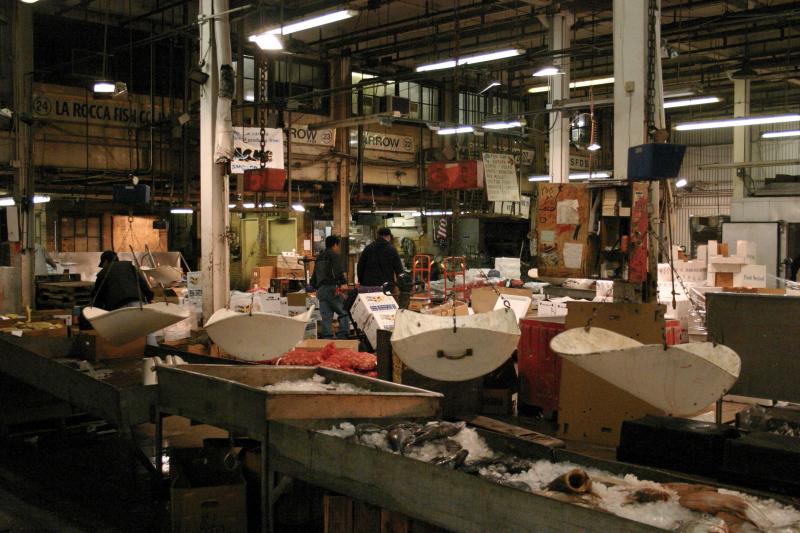
The transformation of the Fulton Fish Market from a chaotic waterfront bazaar into a disciplined engine of organized crime began in 1923, when Joseph "Socks" Lanza established the United Seafood Workers Union, Local 359. Lanza, a made man in the Genovese crime family, understood that fish is a perishable commodity. This biological fact became the use point for a century of extortion. By controlling the labor force that unloaded fishing vessels and trucks, Lanza held the power to destroy any wholesaler who refused to pay tribute. If a merchant resisted, their catch sat on the dock, rotting in the summer heat until it was worthless. This stranglehold allowed the Genovese family to impose a "mob tax" on every pound of seafood consumed in the New York metropolitan area.
Following Lanza's death in 1968, control passed to the Romano brothers, specifically Carmine Romano, a Genovese capo who refined the market's rackets into a systematic revenue stream. The most lucrative of these was the "unloading racket." In a legitimate market, wholesalers would employ their own staff to unload trucks. At Fulton, yet, the Genovese family mandated that only their unloading crews could touch the product. These crews charged exorbitant fees for their services, frequently three times the market rate. also, a practice known as "tapping" became institutionalized: unloaders would routinely steal fish from crates, turning a 100-pound shipment into 88 pounds, and resell the stolen goods, pocketing the difference while the wholesaler absorbed the loss.
The corruption extended beyond the loading docks into the streets themselves. The Genovese family monetized public space through a parking racket that generated millions annually. Retailers arriving to purchase fish were forced to pay "protection" fees to park on city streets that were legally free. Those who refused found their tires slashed, their windshields smashed, or their trucks stolen. This "parking tax" was collected openly, with mob associates patrolling the cobblestones of South Street like municipal meter maids, enforcing a parallel law where the penalty for non-compliance was violence. By the early 1980s, federal estimates suggested that these combined rackets siphoned over $20 million a year from the industry, costs that were inevitably passed down to restaurants and consumers.
| Racket Type | method | Est. Annual Value (1980 USD) |
|---|---|---|
| Unloading Monopoly | Mandatory fees for offloading trucks | $12, 000, 000 |
| Parking Extortion | Illegal fees for public street parking | $4, 500, 000 |
| "Tapping" (Theft) | Stealing 10-15% of product from crates | $3, 000, 000 |
| Protection/Insurance | Fees to prevent vandalism/arson | $2, 000, 000 |
Federal authorities launched a major offensive against this entrenched corruption in the 1980s. In 1981, Carmine Romano was convicted of racketeering and sentenced to prison, yet the Genovese influence proved hydra-headed. His brother, Vincent Romano, simply assumed control, maintaining the family's grip through the same network of loyalists and fear. In 1988, the U. S. Attorney's office filed a civil RICO suit, United States v. Local 359, seeking to take over the union and appoint a federal administrator. Frank Wohl was named to this role, tasked with purging the market of organized crime. Wohl's reports from this period detail a "phantom industry" where ghost employees remained on payrolls and mob-linked firms continued to operate with impunity, court orders through a code of silence that permeated the workforce.
The conflict reached its kinetic apex in 1995 under the administration of Mayor Rudolph Giuliani. Frustrated by the slow pace of federal intervention, the city moved to evict the mob-linked unloading companies directly. The response from the Genovese family was immediate and violent. On March 29, 1995, arsonists set fire to the historic Tin Building, the market's oldest structure. The blaze was a clear message of intimidation, intended to signal that the mob would burn the market to the ground rather than cede control. The city, yet, did not blink. A new, independent unloading company, Laro Maintenance, was brought in under police guard. For weeks, the market operated under a state of siege, with NYPD officers patrolling the stalls to ensure fish was moved and sold without interference.
This 1995 crackdown marked the beginning of the end for the Genovese dominion, the final severance occurred in 2005 with the market's relocation to Hunts Point in the Bronx. The move to a modern, secure facility with controlled access points and surveillance shattered the physical environment that had facilitated the old rackets. The open streets of South Street Seaport, so easy to police with a tire iron, were replaced by a sealed logistical hub. While whispers of influence into the late 2000s, the widespread, industrial- racketeering that defined the Fulton Fish Market for eighty years was dismantled, leaving behind a legacy of inflated prices and a history written in the ink of federal indictments.
Project Sea Probe and the 1995 Federal Takeover
| Metric | 1924 (Peak) | 1980s (Mob Control) | 1996 (Post-Takeover) |
|---|---|---|---|
| Annual Volume | 384 Million lbs | ~150 Million lbs | ~120 Million lbs |
| Unloading Cost | Standard Market Rate | Inflated +25% (Mob Tax) | Reduced by 20% |
| Loading Cost | Standard Market Rate | Inflated (Monopoly) | Reduced by 70% |
| Varieties Sold | ~100 | 450 | 450+ |
The decline in volume was not solely due to racketeering; the rise of direct-to-restaurant distribution and the decay of the South Street infrastructure played significant roles. yet, the "mob tax" had accelerated the exodus of buyers to alternative hubs in Philadelphia and Boston. The 1995 intervention stabilized the pricing structure, it could not reverse the long-term trend of irrelevance that the physical facility faced. The market was cleaner, cheaper, and safer, yet it remained trapped in a nineteenth-century facility ill-equipped for a twenty- -century global supply chain.
Relocation to Hunts Point Food Distribution Center (2005)
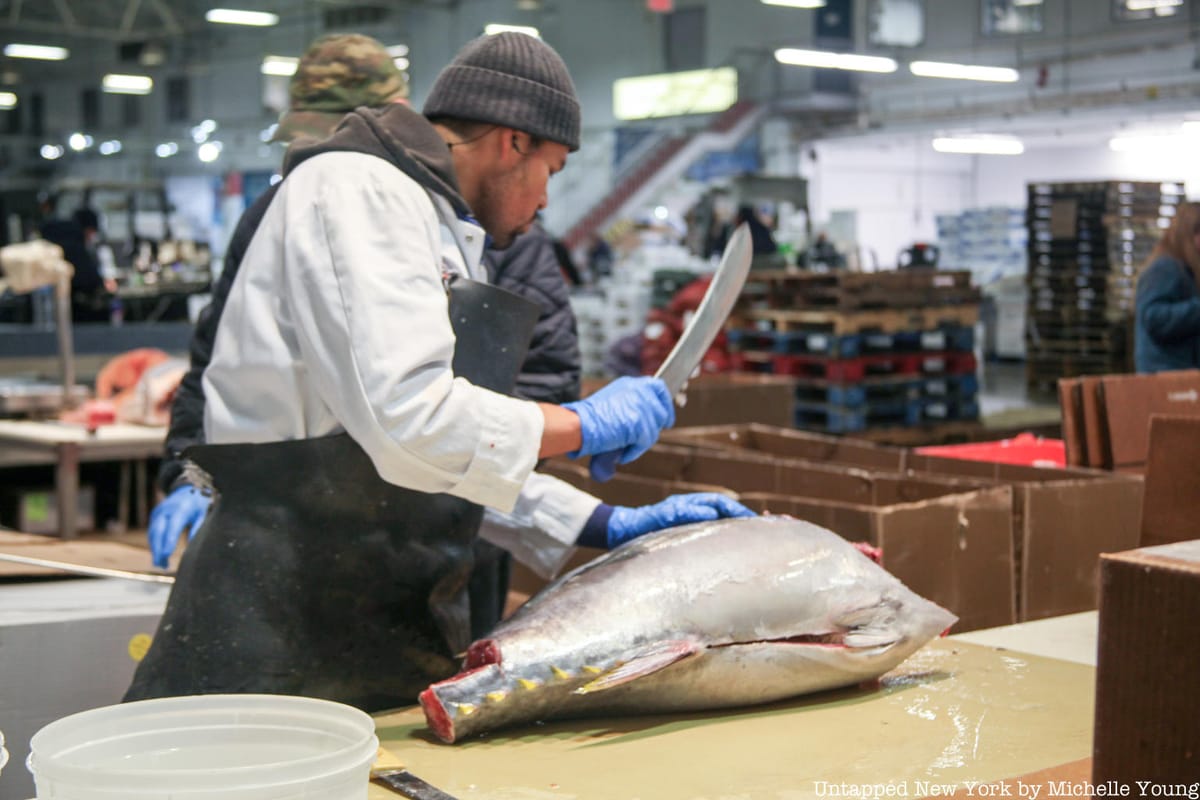
| Metric | South Street (Pre-2005) | Hunts Point (Post-2005) |
|---|---|---|
| Facility Type | Open-air stalls, street level | Enclosed, temperature-controlled warehouse |
| Temperature | Ambient (weather dependent) | Constant 45°F (7°C) |
| Unloading Control | Mob-influenced local crews | Single city-vetted contractor (Laro) |
| Rent Structure | Low, informal leases | Class A commercial rates (per sq ft) |
| Wholesalers | ~60 businesses | ~38 businesses (immediate post-move) |
The relocation also served as the final hammer blow against organized crime's grip on the seafood trade. For much of the 20th century, the Genovese crime family had extracted millions of dollars annually through the "unloading racket." Wholesalers at South Street were forced to pay exorbitant fees to mob-controlled crews to offload their own trucks, a "tax" that was passed on to restaurants and consumers. The move to Hunts Point allowed the city to void these corrupt arrangements. The Business Integrity Commission (BIC) mandated that a single, vetted third-party contractor, Laro Service Systems, handle all unloading duties at the new facility. This administrative maneuver demonetized the mob's stronghold, although it triggered years of litigation and resistance from entrenched interests. The economic of the move was immediate and severe for smaller vendors. The cost of doing business at Hunts Point rose significantly. Rents in the new facility were higher, and the consolidation of operations favored larger wholesalers who could manage the overhead of the new cooperative model. In the months following the relocation, the number of active wholesale businesses contracted. The "romantic" culture of the market, characterized by wood-burning barrels and shouting matches in the street, was replaced by forklifts and fluorescent lights. While chefs and buyers lamented the loss of atmosphere, health inspectors documented a measurable drop in bacterial contamination rates for seafood entering the city's supply chain. Logistically, the Hunts Point location integrated the fish market into a broader food distribution ecosystem. The Bronx peninsula already housed the massive New York City Terminal Produce Market and the Hunts Point Cooperative Market (meat), creating a centralized hub that fed the entire tri-state area. By 2020, this district handled billions of pounds of food annually. The fish market alone generates an estimated $1 billion in yearly revenue, processing approximately 200 million pounds of seafood. This volume, while substantial, represents a decline from the market's mid-20th-century peak, reflecting the globalization of the seafood trade where direct-to-chef air freight frequently bypasses regional hubs. Tensions between the Cooperative and the city have well into the 2020s. The master lease agreement, signed in 2005, became a source of friction as the Cooperative faced rising operational costs and disputes over maintenance responsibilities. In 2024, reports indicated ongoing legal wrangling between the New Fulton Fish Market Cooperative and the New York City Economic Development Corporation (NYCEDC) regarding lease renewals and rent arrears. The wholesalers argued that the city had failed to maintain the infrastructure of the 20-year-old building, citing problem with the cooling systems and loading docks, while the city pressed for payment of back rent accrued during the COVID-19 pandemic. The in investment became clear in late 2025, when city officials announced a massive $405 million redevelopment project for the adjacent Hunts Point *Produce* Market, a separate entity. This capital injection for the fruit and vegetable sector highlighted the aging state of the fish market facility, which had not received comparable upgrades since its opening. Even with these challenges, the Hunts Point facility remains the second-largest seafood market in the world, trailing only Tokyo's Toyosu Market (formerly Tsukiji). The 2005 relocation proved to be a successful sanitary and law enforcement operation, even if it bruised the cultural ego of the city. It transformed a chaotic, crime-ridden waterfront bazaar into a functional, if sterile, industrial engine. The market's survival in the Bronx demonstrates the resilience of the wholesale model, yet the ongoing lease disputes suggest that the relationship between the city and its fishmongers remains as contentious as it was in the days of South Street. The "New" market is an aging facility, facing the same pattern of infrastructure decay that doomed its predecessor, demanding fresh capital and attention to prevent history from repeating itself in the Bronx.
Bronx Facility Physical Plant Failures and Maintenance Liability
| Component | Design Specification | Operational Failure | Liability Claim |
|---|---|---|---|
| Flooring | Industrial Epoxy Resin (FDA Compliant) | Immediate delamination; peeling sheets; bacterial traps in porous concrete. | Co-op: Defective installation/materials. City: Tenant wear and tear. |
| Drainage | Pitched floors to trough drains | Incorrect pitch causing stagnant pools; troughs clog frequently. | Co-op: Structural engineering flaw. City: Maintenance failure. |
| Refrigeration | Unbroken "Cold Chain" (38°F) | Insulation gaps; condensation drips; door seal failures. | Co-op: Construction defect. City: Operational negligence. |
| Lease Status | Monthly Rent Payments | Rent strikes; millions in arrears; "set-offs" for repairs. | Result: Ongoing litigation; stalemate. |
Price Setting Operations for North American Seafood Markets
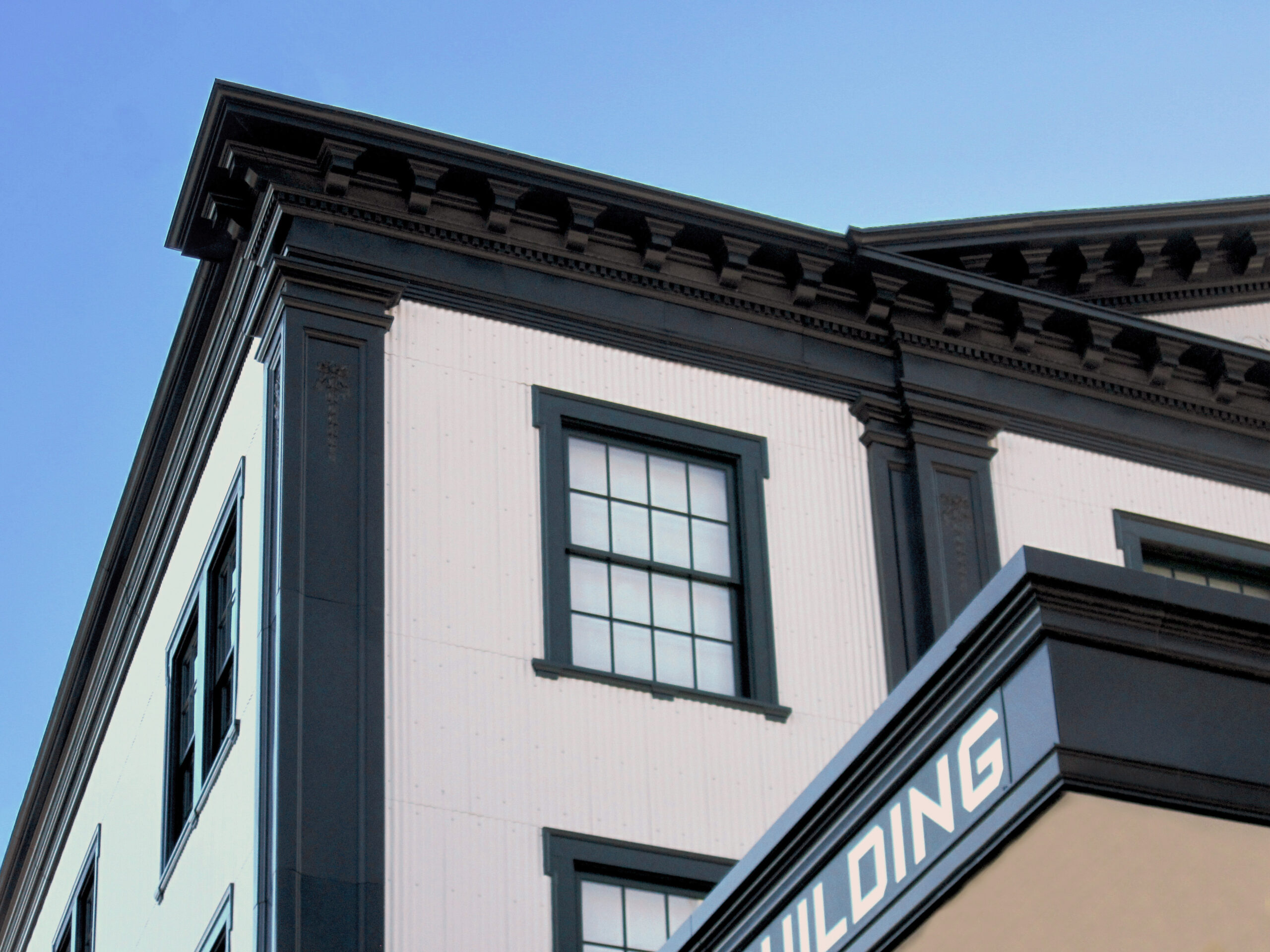
For nearly two centuries, the pricing method of the North American seafood industry operated on a rhythm dictated by the midnight chaos of the Fulton Fish Market. From the mid-19th century until the 2005 relocation to the Bronx, the market functioned as the "Wall Street of Fish," a centralized clearinghouse where the law of supply and demand was executed in real-time, frequently with brutal efficiency. The prices established on the wet cobblestones of South Street between 3: 00 AM and 5: 00 AM did not determine the cost of flounder in Manhattan; they set the benchmark for seafood transactions from Boston to Chicago. If the Fulton price for cod closed at fifty cents a pound, that figure rippled outward via telegraph, telephone, and later fax, becoming the baseline for the entire continent.
The mechanics of this price discovery were intentionally unclear. Unlike the New York Stock Exchange, where prices were displayed on tickers, Fulton operated on a "whisper" system. Wholesalers and buyers engaged in a rapid-fire, face-to-face negotiation in the pre-dawn darkness. Prices were rarely posted. A buyer would ask the price of a crate of porgy, and the salesman would quote a figure based on the buyer's volume, creditworthiness, and, as later economic studies proved, their ethnicity. Research conducted in the 1990s by economist Kathryn Graddy analyzed over 3, 000 transactions and found statistically significant price discrimination. Asian buyers, who served a highly elastic customer base in Chinatown and Queens, frequently paid lower prices than white buyers, who were assumed to represent white-tablecloth restaurants with higher margins. This system of "third-degree price discrimination" allowed wholesalers to extract maximum value from different segments of the city without ever publishing a standard rate.
This opacity provided cover for a secondary, artificial pricing structure imposed by organized crime. For much of the 20th century, specifically from the 1920s through the mid-1990s, the Genovese crime family exerted a stranglehold on the market's logistics, which directly inflated the wholesale price of seafood across the United States. This was not a subtle influence. The method was the "loading" racket. Union Local 359, controlled by mob figures such as Joseph "Socks" Lanza and later Carmine Romano, held a monopoly on the unloading of fish trucks. Wholesalers were forced to pay exorbitant fees to "unloading crews" to move product fifty feet from a truck to a stand. These fees were not based on labor costs were calculated to generate kickbacks.
Federal investigations in the 1980s revealed that this "mob tax" added virtually undetectable surcharges to every pound of fish sold. A 1987 civil racketeering suit filed by the U. S. Attorney's office estimated that the organized crime influence siphoned millions annually from the industry. The cost of this corruption was passed down the supply chain, meaning a diner in Ohio eating a red snapper fillet was unknowingly paying a premium to the Genovese family. The "taps", a practice where unloading crews would steal fish from crates to sell on the side, further distorted inventory levels and pricing. It was only after the 1995 federal takeover and the installation of a court-appointed monitor that these artificial price floors began to collapse, leading to a temporary drop in wholesale prices as the "patronage" fees were eliminated.
The transition to the Hunts Point facility in 2005 modernized the physical infrastructure did not immediately democratize the pricing data. While the new facility offered climate control and better hygiene, the core transaction remained a spot market negotiation. Yet, the rise of digital reporting began to the "whisper" monopoly. The Urner Barry "Seafood Price Current," a trade publication that had tracked market data since the 19th century, evolved from a printed sheet to a digital feed. Reporters walked the floor at Hunts Point, gathering data points to construct a daily index. By 2015, the "Urner Barry price" had largely superseded the "Fulton price" as the contract benchmark. Large national grocery chains ceased relying on the daily fluctuations of the Bronx market, opting instead for long-term contracts indexed to these third-party reports.
In the current era, spanning 2020 to 2026, the Fulton Fish Market's role in price setting has shifted from absolute dictator to a "balancing" method. The rise of direct-to-chef logistics and air freight allows high-end restaurants to bypass the market entirely, sourcing tuna directly from Tokyo or salmon from the Faroe Islands. Consequently, Fulton serves as the price setter for the "spot" market, the surplus or deficit volume that cannot be covered by direct contracts. When a storm grounds the fleet in New England, the scarcity drives up the spot price in the Bronx, which then signals the broader market to adjust. Conversely, a glut of wild-caught shrimp in the Gulf of Mexico flood the market floor, depressing prices nationally as wholesalers scramble to move perishable inventory.
Data from early 2026 indicates that the market is currently with significant volatility due to reduced quotas and geopolitical tariffs. The 2026 Atlantic cod quota was slashed by 21 percent, a regulatory tightening that caused immediate spikes in fresh fillet prices on the Hunts Point floor. Simultaneous tariffs on processed seafood from China have forced wholesalers to pivot toward domestic and European sources, creating a new pricing tier for "tariff-free" inventory. The table illustrates the shift in wholesale markups and the "corruption premium" removal over time, using inflation-adjusted dollars to show the changing economics of a standard 100-pound crate of groundfish.
| Cost Component | 1985 (South St. Era) | 2000 (Post-RICO Cleanup) | 2026 (Hunts Point Era) |
|---|---|---|---|
| Base Fisherman Price | $145. 00 | $160. 00 | $210. 00 |
| Transport to NYC | $25. 00 | $30. 00 | $55. 00 |
| "Loading/Unloading" Fees (Mob Tax) | $45. 00 | $12. 00 | $18. 00 (Legitimate Union Labor) |
| Wholesaler Markup | $50. 00 | $40. 00 | $35. 00 |
| Total Wholesale Price | $265. 00 | $242. 00 | $318. 00 |
| Price Transparency Level | Low (Whisper) | Medium (Monitor) | High (Digital/Urner Barry) |
The 2026 data reveals a serious inversion: while the "corruption tax" of the 1980s has, it has been replaced by a "resource scarcity tax." The base price of the fish has risen dramatically due to depleted stocks and stricter federal quotas, while the wholesaler's margin has compressed due to increased competition from e-commerce platforms. The launch of FultonFishMarket. com in 2020 attempted to capture the retail margin by selling directly to consumers, creating a bifurcated pricing structure where the "floor price" for wholesale buyers is distinct from the "digital price" for home cooks. This move angered traditional fishmongers, who felt the Cooperative was undercutting its own primary customer base.
Even with these modernizations, the physical auction at Hunts Point remains the final arbiter for perishable reality. Algorithms cannot smell a fish. When a truck arrives at 2: 00 AM with 5, 000 pounds of whiting that must be sold before sunrise, the price is not set by a computer model or a futures contract. It is set by a man in a freezer coat looking a buyer in the eye and quoting a number. If the buyer walks away, the price drops. This primal economic friction ensures that Fulton remains the clearing price for the Northeast, acting as the drain for the industry's excess supply. While it no longer dictates the price of frozen blocks of pollock sold to fast-food chains, that power has shifted to global commodities exchanges, it retains the authority to set the daily value of fresh, wild-caught Atlantic seafood. The "whisper" may have grown louder and more digital, the negotiation remains the engine of the trade.
Labor Unionization and the Dissolution of Unloading Gangs
| Operational Metric | South Street Era (c. 1980) | Hunts Point Era (c. 2026) |
|---|---|---|
| Unloading Authority | Six mob-controlled "gangs" (Monopoly) | Fulton Fish Market Cooperative (Centralized) |
| Fee Structure | Arbitrary cash payments + "Tapping" (Theft) | Standardized pallet/crate rates (Digital) |
| Labor Representation | Local 359 (Genovese Control) | UFCW (Standard shared Bargaining) |
| Security Environment | Open street, chaotic, unpoliced | Enclosed facility, NYPD/Private Security, CCTV |
| Est. Illicit Cost Impact | +10% to 15% on wholesale prices | 0% (Operational overhead only) |
New York City Economic Development Corporation Lease Litigation
| Year | Event/Litigation | Key Outcome/Metric |
|---|---|---|
| 2005 | Master Lease Execution | 50-year term; imposed Laro Service Systems as monopoly unloader. |
| 2011 | M. Slavin & Sons Bankruptcy | Chapter 11 filing; exposed the "joint and several" rent liability of remaining Coop members. |
| 2016 | NYCEDC RFP for 800 Food Center Dr | City sought to lease adjacent space to non-competing food manufacturers, tightening space constraints. |
| 2024 | Pension Fund v. Joe Monani Fish Co. | $261, 336 default judgment for unpaid benefits; signaled vendor insolvency. |
| 2025 | Empire Wind Litigation | Cooperative joined federal lawsuit to block offshore wind development, citing supply chain destruction. |
Cooperative Debt Default and Eviction Proceedings (2024, 2026)
By early 2024, the financial architecture of the New Fulton Fish Market Cooperative had collapsed. The organization, which served as the master lessee for the 400, 000-square-foot Hunts Point facility, faced an wall of debt owed to the New York City Economic Development Corporation (NYCEDC). While the move to the Bronx in 2005 was intended to modernize operations, the lease structure placed the load of utility costs and building maintenance entirely on the Cooperative. This arrangement proved fatal when the facility's "green" absorption chilling system failed to function as designed, forcing the market to rely on expensive backup electrical cooling. By the quarter of 2024, the Cooperative had accumulated arrears estimated between $4 million and $5 million, primarily in unpaid rent and utility reimbursements.
The emergency deepened as individual member businesses within the Cooperative began to default on their own sub-leases and obligations. A clear indicator of this widespread rot appeared in federal court filings from November 2024. In the case Trustees of the Fulton Fish Market Pension and Welfare Funds v. Joe Monani Fish Company, Inc., the court issued a default judgment against one of the market's significant vendors. The judgment, totaling $261, 336. 81, revealed that the vendor had ceased making required contributions to worker pension funds. This was not an incident; it represented a cascading failure where vendors, squeezed by high operating costs and shifting supply chains, stopped paying the Cooperative, which in turn stopped paying the City.
In response to the mounting debt, the NYCEDC initiated formal eviction proceedings against the Cooperative in mid-2024, citing a material breach of the Master Lease. The City's objective was not to close the market, to sever the Cooperative's control over the facility and install a third-party operator or a court-appointed receiver. City officials argued that the Cooperative's governance structure, paralyzed by infighting among the remaining vendor families, made it impossible to negotiate a payment plan. The "Notice of Default" issued by the EDC triggered a legal battle that consumed the market's administrative focus throughout 2025.
The Cooperative's leadership, headed by CEO Nicole Ackerina, attempted to use external threats to delay the eviction process. In July 2025, the Cooperative formally joined a federal lawsuit against the Empire Wind offshore energy project. Ackerina argued that the wind farm development threatened the fishing grounds that supplied the market's vendors, framing the Cooperative as the defender of the regional seafood economy. While this move garnered headlines in trade publications like National Fisherman, it did little to appease the landlord. The City maintained that environmental litigation did not excuse the non-payment of rent or the degradation of the Hunts Point physical plant.
The legal proceedings revealed the extent of the infrastructure decay. Court documents filed in late 2025 showed that the Cooperative had deferred serious maintenance on the loading docks and the facility's roof to preserve cash for legal fees. The "state-of-the-art" facility, twenty years old, required millions in capital infusion that the bankrupt Cooperative could not provide. The EDC used these findings to that the Cooperative's continued management posed a public health risk and a threat to the city's food security. This argument proved persuasive in New York State Supreme Court, which denied the Cooperative's motion for a stay of eviction in December 2025.
As of March 2026, the eviction proceedings have transitioned into a receivership phase. The court appointed a temporary administrator to oversee the market's finances, stripping the Cooperative board of its executive power. The vendors remain in place, yet they pay rent directly to the receivership account rather than the Cooperative's general fund. This shift marks the end of the vendor-managed era that began in 1822. The Cooperative exists only as a legal shell to process the bankruptcy of its debts, while the City prepares to auction the management contract to a private logistics firm.
| Metric/Event | Details |
|---|---|
| Estimated Arrears (2024) | $4. 5 Million (Rent & Utilities owed to NYCEDC) |
| Key Default Judgment | $261, 336 (Trustees v. Joe Monani Fish Co., Nov 2024) |
| Primary Structural Failure | Absorption Chilling System (Inoperable, forcing high electric costs) |
| Legal Action (2025) | Cooperative joins lawsuit against Empire Wind (July 2025) |
| Outcome (2026) | Court-appointed receivership; Cooperative stripped of management control |
Redevelopment of the Tin Building and New Market Building Sites
The Tin Building, originally constructed in 1907, served as the primary auction floor for the seafood trade. Its corrugated metal facade and open-floor plan were designed for the brutal utility of moving millions of pounds of fish, not for climate-controlled dining. By the time the market vacated in 2005, the structure was already compromised. A major arson fire in 1995 had weakened its frame, and Hurricane Sandy in 2012 delivered a catastrophic blow, inundating the abandoned shell with corrosive saltwater. For over a decade, the building sat as a rotting hulk on Pier 17, its future entangled in the zoning wars between the Howard Hughes Corporation (HHC) and local preservationists.
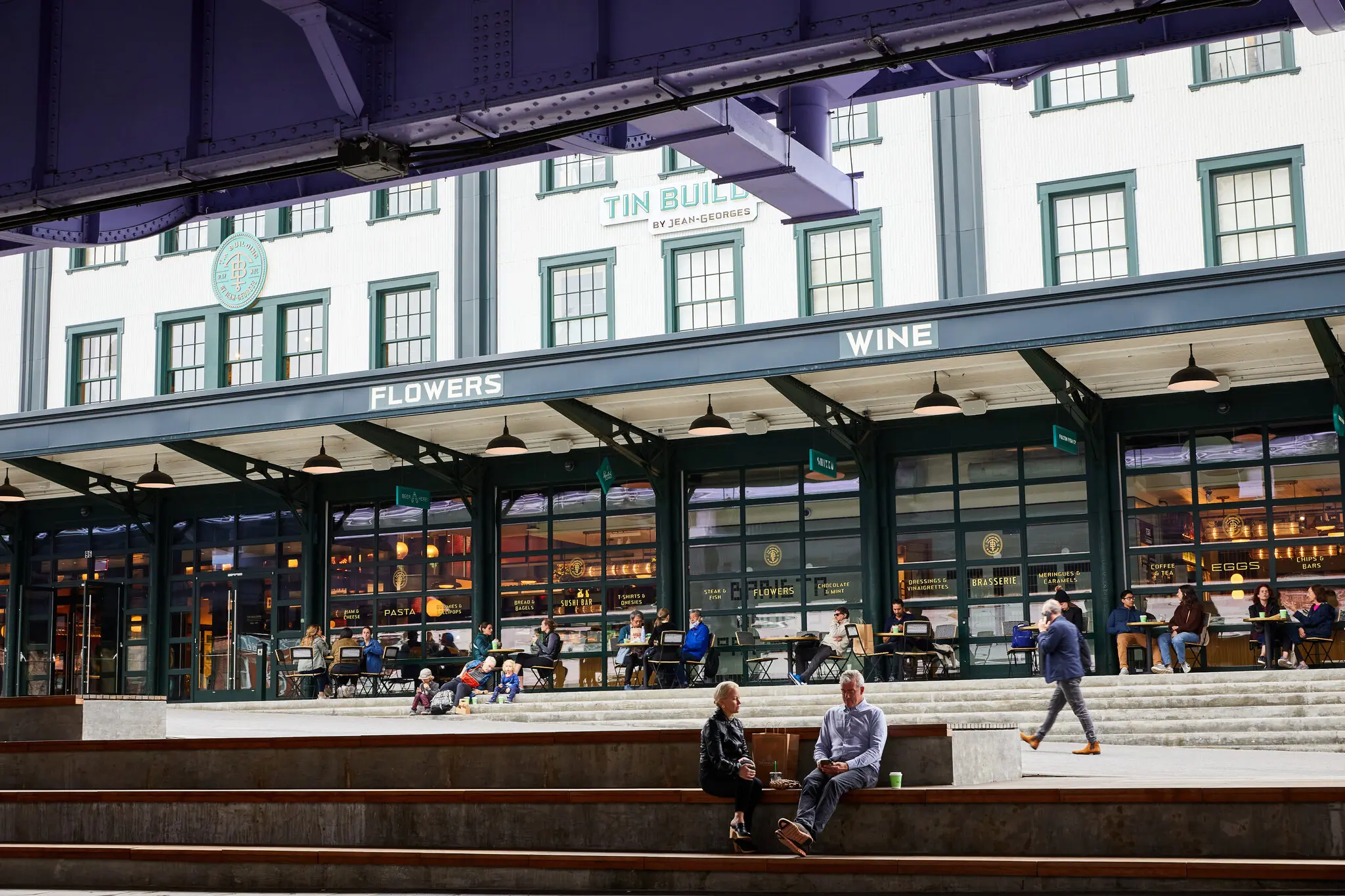
The redevelopment plan approved by the Landmarks Preservation Commission (LPC) in 2016 was less a restoration than a complete resurrection. Engineers determined the original structure was unsalvageable. Consequently, the Tin Building was dismantled piece by piece. The project required a complex geotechnical intervention: the new foundation was shifted 32 feet east and elevated six feet to exceed the 100-year floodplain, a direct response to the rising waters of the East River. The reconstruction, completed in 2022 at a reported cost of $194 million, utilized cast-iron columns and corrugated paneling to mimic the 1907 original, creating a sanitized facsimile of the gritty marketplace that once stood there.
In September 2022, the resurrected Tin Building opened as a 53, 000-square-foot culinary marketplace helmed by celebrity chef Jean-Georges Vongerichten. The project was positioned as the anchor of the Seaport's revitalization, featuring twelve restaurants, four bars, and high-end retail counters. yet, the operational metrics immediately clashed with the economic reality of the post-pandemic city. even with the meticulous "historic" detailing, the venture struggled to attract consistent foot traffic sufficient to sustain its massive overhead. By 2023, regulatory filings indicated the operation was generating $32. 4 million in gross revenue bleeding cash at an unsustainable rate. The disconnect between the site's blue-collar history and its new identity as a purveyor of $25 cocktails and artisanal goods proved fatal.
As of February 2026, the Tin Building's ambitious food hall experiment has collapsed. Seaport Entertainment Group, having spun off from Howard Hughes, ceased operations at the site after reporting operating losses method $100, 000 per day. The closure marks a stunning failure of the "festival marketplace" model that has driven urban redevelopment since the 1980s. In a final, almost satirical twist of land use, the vacant structure is slated to house a "Balloon Museum," a temporary experiential attraction that show the district's shift from essential food distribution to ephemeral entertainment.
While the Tin Building was afforded a nine-figure reconstruction, its neighbor, the New Market Building, met a violent end. Constructed in 1939 under the Works Progress Administration (WPA), the New Market Building was a modernist brick structure that signaled the city's commitment to sanitary food distribution. It absence the Victorian charm of the Tin Building possessed significant historical value as a symbol of New Deal infrastructure. Following the 2005 relocation, the building fell into severe disrepair. even with a vigorous "Save Our Seaport" campaign arguing for its adaptive reuse as a community center or maritime museum, the city and developers viewed the site primarily as a source of development rights.
The demolition of the New Market Building, completed circa 2021, was justified by reports citing structural instability, though critics argued this instability was the result of "demolition by neglect." The destruction of the 1939 building allowed for the transfer of air rights to the controversial 250 Water Street project, a method that prioritized vertical density inland over the preservation of the waterfront's industrial footprint. Today, the site of the New Market Building remains a scar on the pier, a flat expanse that serves as a clear counterpoint to the elevated, faux-historic Tin Building door.
| Feature | Tin Building | New Market Building |
|---|---|---|
| Year Built | 1907 | 1939 |
| Architectural Style | Neoclassical / Industrial Corrugated | WPA Modern / Brick |
| Primary Function (20th Century) | Fish Auction & Wholesale | Refrigerated Storage & Distribution |
| 2012 Status | Damaged by Hurricane Sandy | Damaged by Hurricane Sandy |
| Redevelopment Strategy | , Elevate (+6 ft), Reconstruct | Demolition |
| Project Cost | $194 Million (Reconstruction) | N/A (Demolished) |
| 2022 Status | Opened as Jean-Georges Food Hall | Vacant Lot / Plaza |
| 2026 Status | Closed (Feb 2026); Pivot to Entertainment | Air Rights Transferred to 250 Water St |
The in the fates of these two buildings reveals the selective nature of corporate preservation. The Tin Building was saved not for its utility, for its aesthetic chance as a backdrop for consumption. Its 2026 failure suggests that the market for high-end nostalgia has a ceiling. The New Market Building, absence the photogenic quality of its neighbor, was deemed expendable. Together, the sites demonstrate that the physical redevelopment of the Fulton Fish Market has been less about honoring the seafood trade and more about maximizing the monetization of the waterfront, with mixed and frequently volatile results.
Supply Chain Logistics and Annual Tonnage Metrics
The logistical history of the Fulton Fish Market is a chronicle of transportation technology evolving alongside urban congestion. In the market's earliest iteration during the 1820s, the supply chain was amphibious and local. Fishing "smacks", schooners equipped with water-filled wells to keep catch alive, docked directly at the South Street piers. This proximity allowed for a direct transfer from hull to stall, a need in an era before mechanical refrigeration. By 1850, the market's reach extended beyond local waters, driven by the introduction of ice harvesting. The ability to cool cargo transformed the market from a neighborhood provisioner into a regional hub, allowing cod from the Grand Banks and shad from the Hudson to arrive in saleable condition even after days in transit.
Rail infrastructure radically altered this in the late 19th century. By 1880, the Long Island Rail Road ran dedicated "fish cars" from Montauk directly to distribution points in Brooklyn, where barges ferried the cargo across the East River. This intermodal system allowed the market to aggregate volume that manual offloading from sail-driven vessels could never support. The logistical peak of this era arrived in 1924, when the market handled 384 million pounds of seafood, accounting for 25 percent of all seafood consumption in the United States. At this zenith, the market functioned as a national funnel, absorbing Atlantic catch by rail and sea before redistributing it to the expanding American interior.
The mid-20th century introduced the internal combustion engine as the dominant force in logistics, a shift that strangled the South Street location. By 1950, trucks had replaced both rail cars and direct boat landings. The "New" 1939 building, designed with water access in mind, became obsolete as the primary mode of entry shifted to the street side. This created a logistical nightmare: 18-wheelers attempted to navigate the narrow, cobblestone streets of lower Manhattan, a grid laid out for horse carts. The resulting congestion forced trucks to idle for hours, burning fuel and degrading product quality. The physical constraints of the site capped the market's chance volume, preventing it from surpassing its 1924 records even as the city's population swelled.
This logistical friction created a vacuum filled by organized crime. From the 1960s through the mid-1990s, the Genovese crime family monetized the market's through "lumping", the mandatory use of mob-controlled crews to unload trucks. Wholesalers and truckers had no choice to pay these exorbitant fees or risk their cargo rotting on the pavement. This "mafia tax" was not a criminal enterprise; it was a supply chain that inflated prices by up to 20 percent and deterred independent logistics firms from entering the New York market. The federal RICO crackdowns of the late 1980s and the city-led reforms of 1995 were as much about unblocking the supply chain as they were about law enforcement, aiming to restore competitive pricing to the distribution network.
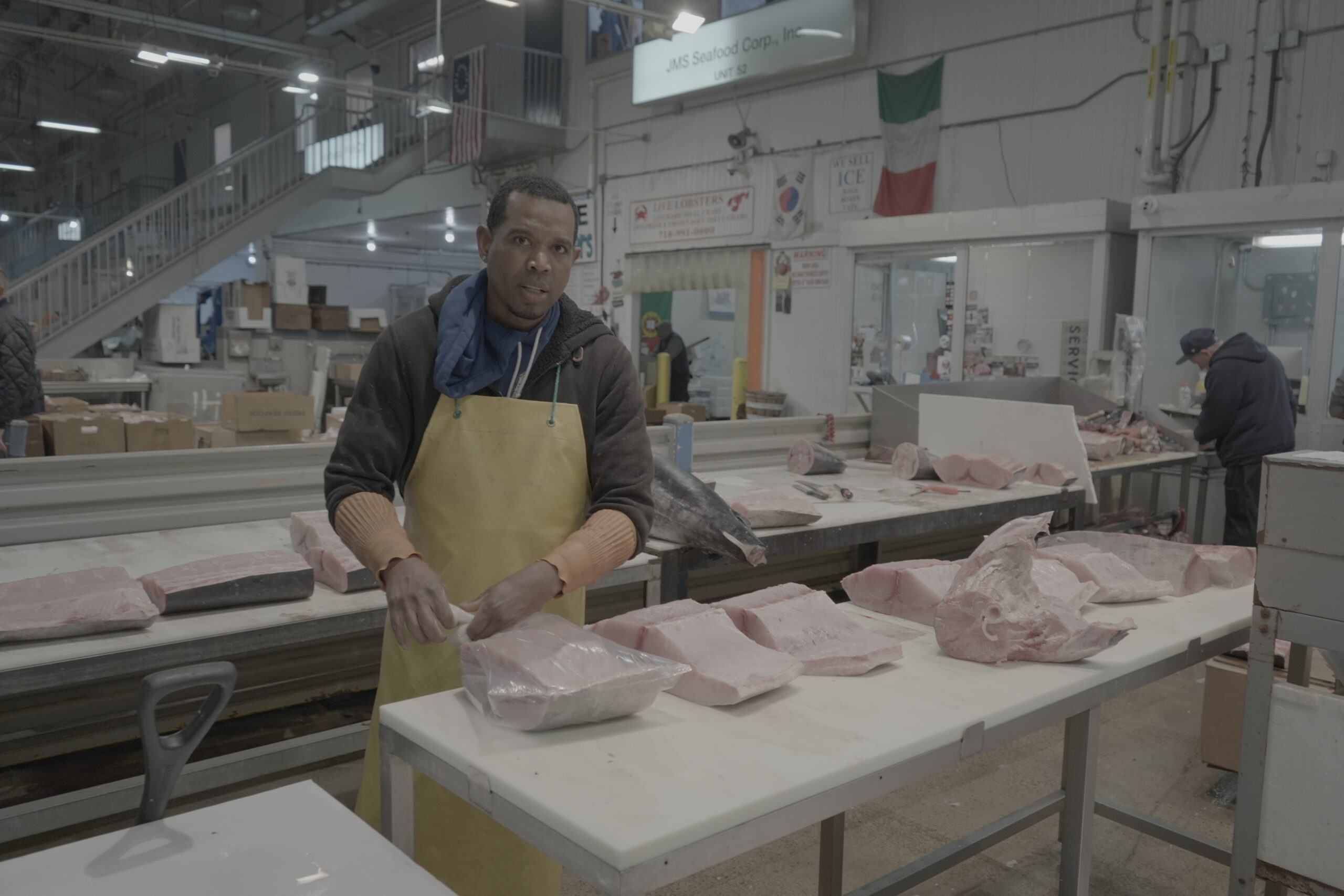
The 2005 relocation to Hunts Point in the Bronx represented a total reset of the market's logistical architecture. The new facility, spanning 400, 000 square feet, was designed specifically for the cold chain requirements of the 21st century. Unlike the open-air stalls of South Street, the Hunts Point facility operates as a sealed, temperature-controlled. It sits adjacent to the Bruckner Expressway, allowing trucks to bypass Manhattan's gridlock. Ironically, even with the facility's location on the East River, the market ceased using water transport entirely. 100 percent of the inventory arrives and departs by road or air, with the facility handling approximately 200 million pounds of seafood annually, a significant drop from the 1924 peak, yet stabilized at a higher value per pound due to the shift toward premium, air-flown species.
By 2020, the supply chain faced a new shock: the COVID-19 pandemic, which obliterated the restaurant trade that constituted the bulk of wholesale orders. The market pivoted, accelerating a direct-to-consumer (DTC) logistics model that had previously been a sideline. Partnering with third-party logistics providers like ColdTrack, the market's e-commerce arm began shipping individual boxes via FedEx and UPS, utilizing dry ice and algorithmic packaging to ensure freshness. This shift required a completely different operational cadence than moving pallets of frozen blocks. Instead of forklifts and lumping crews, the new logistics relied on "cartonization" software and rapid-response fulfillment lines.
As of early 2026, the market processes between 4 and 5 million pounds of seafood weekly. While the total tonnage remains historical highs, the complexity of the supply chain has increased. Wholesalers manage a dual-stream system: bulk pallets for regional chefs and individual parcels for a national customer base. Inflationary pressures in 2024 and 2025 forced a re-evaluation of air freight reliance, with distributors shifting back to ground networks for domestic species to control costs. The "insourcing luxury" trend, where consumers buy premium seafood to cook at home rather than dining out, has sustained the DTC volume even as restaurant orders fluctuate.
The following table details the shift in tonnage and primary transport modes across the market's history, reflecting the changing technological and economic terrain.
| Era / Year | Est. Annual Tonnage (Lbs) | Primary Transport Mode | Key Logistical Constraint |
|---|---|---|---|
| 1822, 1850 | ~50 Million | Schooner (Live Wells) | Spoilage; absence of ice limited range to local waters. |
| 1880, 1910 | ~150 Million | Rail (Ice Cars) / Barge | Rail scheduling; ice harvesting dependency. |
| 1924 (Peak) | 384 Million | Rail / Steamship | Physical space for offloading; manual labor limits. |
| 1960, 1995 | ~170, 200 Million | Truck (Diesel) | Manhattan traffic; "Lumping" extortion fees; absence of refrigeration. |
| 2005 (Relocation) | ~230 Million | Truck / Air Freight | Transition chaos; loss of walk-in foot traffic. |
| 2020 (Pandemic) | ~150 Million | Truck / Parcel (DTC) | Restaurant closures; rapid shift to small-parcel logistics. |
| 2025, 2026 | ~200, 234 Million | Truck / Air / Cold Chain | Fuel costs; global inflation; climate impact on catch rates. |
The modern market at Hunts Point also contends with the reality of global competition. In the South Street era, Fulton was the undisputed king of the East Coast. Today, it fights for relevance against direct-import facilities at JFK and Newark airports, where high-value tuna and salmon frequently bypass the Bronx entirely, heading straight to distributor warehouses. The market's survival depends on its ability to function as a consolidation point for variety, offering 40 SKUs of oysters and niche bycatch that broadline distributors ignore. The logistics of 2026 are less about moving massive volume and more about precision: getting a specific, high-quality protein from a boat in Senegal to a plate in Scarsdale within 48 hours, maintaining a continuous cold chain that the wooden smacks of 1822 could never have imagined.
Environmental Compliance and Wastewater Control Violations
For nearly two centuries, the environmental footprint of the Fulton Fish Market was defined by a single, primitive method of waste disposal: the East River. From its 1822 inception until the 2005 relocation, the market operated as an open-air facility where biological refuse, melting ice, and wash-down water were swept directly into the harbor. Historical records from the mid-19th century describe the South Street waterfront as a "pestilential" zone where fish offal and street grime combined to create a permanent slick on the water's surface. This practice predated modern environmental regulation, yet it well into the era of the Environmental Protection Agency (EPA). The market's infrastructure was not designed to capture runoff; the cobblestone streets themselves acted as the drainage system, channeling a mixture of diesel fuel, fish blood, and urban debris into the estuary with every and rainstorm.
The passage of the Clean Water Act in 1972 theoretically outlawed such direct discharges, yet the Fulton Fish Market frequently operated outside the standard enforcement grid. During the 1980s and 1990s, the facility's physical decay made compliance nearly impossible. The wooden piers were rotting, a 125-foot section had already collapsed into the river in 1936, and the drainage infrastructure beneath the tin buildings was nonexistent. Federal and state regulators largely turned a blind eye to the daily wash-downs, prioritizing the containment of the organized crime influence over environmental micromanagement. The "fish water" runoff, a potent biological effluent, continued to enter the East River untreated, contributing to the high bacteria levels that plagued the lower harbor for decades.
The 2005 relocation to Hunts Point in the Bronx was marketed as the solution to these sanitary and environmental failures. The new $400 million facility was designed with a "sealed" drainage system, intended to capture 100 percent of the interior wash-down water for treatment before it entered the municipal sewage system. City planners promised a "cold chain" environment that would eliminate the odors and vermin associated with the South Street location. The design specifications called for advanced floor drains and a wastewater pretreatment protocol to handle the high biological oxygen demand (BOD) created by seafood processing waste. This move was intended to bring the wholesale seafood trade into full compliance with 21st-century environmental standards.
Reality quickly diverged from the blueprints. Almost immediately after the 2005 opening, tenants reported severe defects in the drainage engineering. The floors were not pitched correctly in several corridors, causing "fish slime" and wash-water to pool rather than drain. This standing water posed a dual threat: a sanitation risk for the seafood and a worker safety hazard. Instead of the direct, hygienic environment promised by the New York City Economic Development Corporation (NYCEDC), the Cooperative found itself battling infrastructure that mimicked the problems of the old market, albeit indoors. The inability of the drains to clear effluent led to disputes over cleaning and raised concerns about bacterial growth within the facility's wet zones.
Environmental compliance at the new market also extended to the conservation of marine resources, an area where federal authorities cracked down hard. In July 2015, a significant legal blow struck the market when Lou's Fish Market, a federally licensed dealer within the Hunts Point facility, pleaded guilty to systematic violations of the Lacey Act and federal wire fraud statutes. The investigation revealed that the company had falsified federal records to conceal the purchase of illegal fluke, scup, and black sea bass. The scheme involved hiding over-quota fish harvested in violation of the Research Set-Aside (RSA) program. The company and its president were ordered to pay approximately $1 million in fines and restitution. This case exposed a dark undercurrent of "paper laundering" within the modern market, proving that environmental non-compliance could occur through digital ledgers as easily as through physical dumping.
By 2019, the physical deterioration of the "new" Hunts Point facility sparked a bitter legal war between the Fulton Fish Market Cooperative and the City of New York. The Cooperative alleged that the NYCEDC had failed to maintain the building's envelope, leading to roof leaks that allowed water to infiltrate the refrigerated zones. This moisture intrusion created conditions ripe for mold growth, a severe violation of both environmental and health codes. The lawsuit described a facility where the "state-of-the-art" pledge had collapsed under the weight of deferred maintenance. The tenants argued that the city's negligence forced them to operate in conditions that threatened their ability to comply with FDA and USDA sanitation mandates.
The management of solid waste presents another persistent environmental load. The market generates massive quantities of expanded polystyrene (Styrofoam) and non-recyclable plastics daily. While the South Street era saw wooden crates and natural materials, the modern logistics chain relies heavily on synthetic insulation. even with various municipal bans and reduction initiatives targeting Styrofoam in New York City, the wholesale seafood sector remains dependent on these materials for thermal control. The disposal of this volume of plastic waste requires a massive logistical operation, and improper separation has frequently led to friction with city sanitation inspectors. The sheer tonnage of non-biodegradable waste exiting the facility daily remains one of its most significant environmental liabilities.
As of 2026, the environmental status of the Fulton Fish Market remains a complex standoff. The Cooperative continues to litigate for structural repairs to ensure the facility meets the sanitary standards required for food safety and wastewater control. Simultaneously, the market has positioned itself as a plaintiff in environmental lawsuits of a different nature; in 2024 and 2025, the Cooperative joined legal actions against offshore wind developments, arguing that projects like Empire Wind threaten the marine ecosystems they depend on. This creates a paradoxical: a commercial entity historically scrutinized for its own pollution and conservation violations is leveraging environmental law to protect its supply chain from industrial development in the Atlantic.
| Year | Incident / Violation | Regulatory Body / Party | Outcome / Status |
|---|---|---|---|
| 2005 | Drainage System Failure | NYC EDC / Cooperative | Standing water problem identified immediately post-opening; ongoing engineering disputes. |
| 2015 | United States v. Parente (Lou's Fish Market) | NOAA / Dept. of Justice | Guilty plea for falsifying records to hide illegal overfishing. ~$1M in penalties. |
| 2019 | Mold & Roof Leak Litigation | Cooperative vs. NYC | Lawsuit filed alleging city negligence caused sanitary risks and mold growth. |
| 2021 | Refrigeration Compliance Checks | EPA / FDNY | Increased scrutiny on ammonia/freon systems following industry-wide regulatory tightening. |
| 2025 | Offshore Wind Lawsuit | Cooperative (Plaintiff) | Market sues wind developers citing environmental harm to fisheries (Empire Wind). |