Verified Against Public And Audited RecordsLast Updated On: 2026-03-07
Reading time: ~52 min
File ID: EHGN-PLACE-36908
Investigative Bio of Municipality of Skagway
Tlingit Stewardship and the Shgagwéi Trade Corridor
The name Shgagwéi does not describe a settlement, a condition of the elements. In the Tlingit language, it to "bunched up water" or "roughed up water," referring to the whitecaps whipped into a frenzy by the strong north winds that funnel down the Taiya Inlet. For centuries before the gold pan struck gravel, this geographic funnel served as a strategic choke point controlled by the Chilkoot (Lkoot) and Chilkat Tlingit. It was not a place to dwell permanently due to the violent winds, a corridor to dominate. The history of this region is defined by the strict enforcement of trade monopolies, where the Tlingit acted as the gatekeepers between the resource-rich interior Athabascan tribes and the coastal networks of the Pacific Northwest.
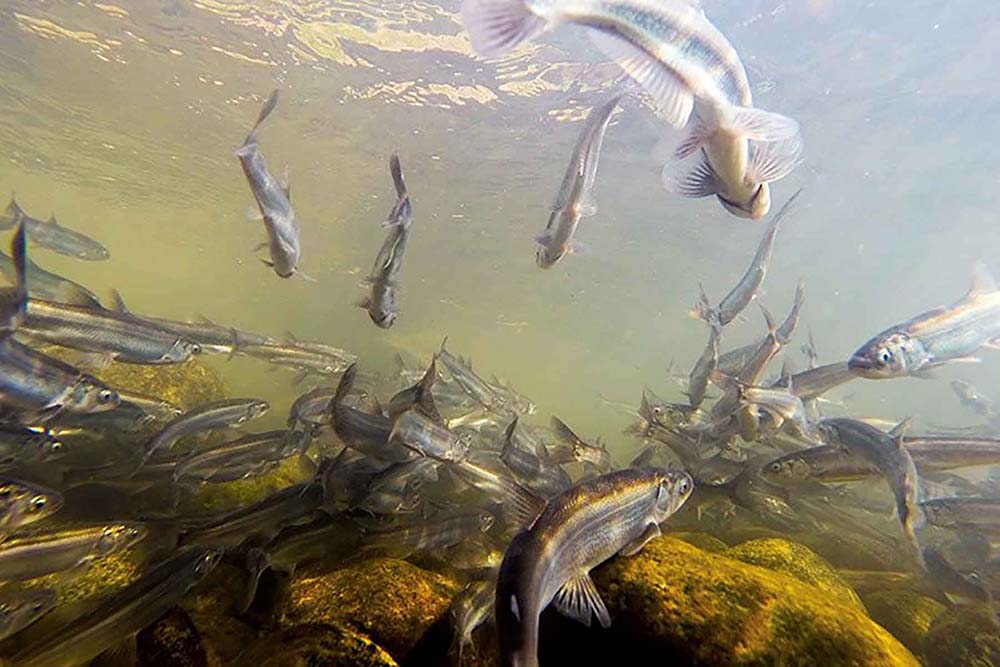
The economic engine of this pre-colonial power was the "Grease Trail." While gold later captured the world's attention, the true currency of the 18th and early 19th centuries was eulachon oil. Extracted from the Thaleichthys pacificus, a small smelt fish found in the Chilkat and Chilkoot rivers, this oil was a caloric powerhouse. A mere five ounces of eulachon oil contains enough energy to sustain an adult male for half a day in freezing conditions. For interior tribes facing the starvation months of the Yukon winter, this grease was not a luxury; it was survival. The Chilkoot Tlingit controlled the mountain passes, specifically the Chilkoot Trail, and transported heavy boxes of this oil inland. In return, they demanded furs, copper, and obsidian, marking up prices to ensure their wealth. This trade network was so lucrative that the trails were jealously guarded, and unauthorized access was met with force.
The Tlingit defense of this monopoly was absolute. In 1848, Robert Campbell of the Hudson's Bay Company (HBC) established Fort Selkirk at the confluence of the Pelly and Yukon rivers, attempting to bypass the coastal middlemen and trade directly with the interior Athabascans. This incursion threatened the economic sovereignty of the Chilkat and Chilkoot clans. They did not rely on diplomatic protests. In August 1852, a war party of Chilkat Tlingit traveled over the passes, descended the river, and systematically dismantled Fort Selkirk. They expelled the HBC traders and burned the post, enforcing their trade blockade for another thirty years. This military action demonstrates that the region was not an open frontier, a sovereign territory with enforced borders and economic policies.
The of this monopoly began not with an army, with a single homestead. In 1887, Captain William Moore, a steamboat captain and member of the Ogilvie survey party, arrived in the valley. Moore, unlike the gold seekers who would follow, understood logistics. He predicted that the Yukon interior held vast mineral wealth and that the Shgagwéi valley offered a better, albeit longer, grade for a wagon road than the steep Chilkoot Pass. Moore and his son, J. Bernard (Ben) Moore, staked a 160-acre homestead at the mouth of the Skagway River. The Tlingit permitted this initial settlement, likely viewing the elderly Moore as harmless or perhaps seeing utility in a local trading post. This relationship was cemented, and complicated, by the marriage of Ben Moore to Klinget-sai-yet (Minnie Elizabeth Moore), the daughter of a prominent Tlingit leader, Chief Shotridge of Klukwan. This union created a familial link between the incoming colonial infrastructure and the indigenous aristocracy, a that prevented immediate bloodshed failed to stop the displacement of Tlingit control when the stampede arrived.
By 2026, the Municipality of Skagway operates on land that remains deeply tied to these indigenous roots, though the power has shifted. The Skagway Traditional Council (STC), the federally recognized tribal government, represents the modern interests of the Tlingit people. While tribal members comprise approximately 5% of the local population, their influence on municipal policy has grown significantly since 2020. The STC has moved beyond ceremonial roles to become a primary driver of environmental science in the valley. With the cruise ship industry bringing over one million visitors annually, the STC initiated an independent air quality monitoring program. By 2025, this network expanded to include regulatory-grade monitors at the port and in the valley, providing the only objective data on particulate matter pollution caused by idling ships and tour buses. This data forces the municipality and cruise lines to address environmental degradation with facts rather than rhetoric.
The STC also actively manages the cultural narrative of the town. In 2023, the council launched the "Welcome to Shgagwéi" program, a workforce orientation initiative designed to educate the thousands of seasonal workers who flood Skagway each summer. Rather than allowing tour guides to recite fabricated folklore or the "frontier myth" of empty lands, the program mandates a curriculum rooted in Tlingit history, the reality of the 1852 Fort Selkirk raid, and the correct pronunciation of local place names. By 2026, this program became a standard requirement for local employers, ensuring that the history of the trade corridor is told from the perspective of its original stewards.
Recent scientific work by the STC includes the 2025 Pullen Creek Watershed Planning Report. Pullen Creek, which runs through the heart of the tourist district, has long been impacted by urban runoff and historical contamination. The STC's environmental department collected empirical data to map heavy metals and polycyclic aromatic hydrocarbons in the water, asserting tribal sovereignty through scientific stewardship. This work connects directly back to the resource management of the 1700s; where once the Tlingit managed salmon and eulachon stocks for trade, they manage water quality and environmental health to protect the ecosystem from the pressures of mass tourism.
Timeline of Control and Stewardship: Shgagwéi Corridor (1700, 2026)
Period
Authority
Primary Economic Activity
Key Event/Action
1700, 1880
Chilkoot & Chilkat Tlingit
Eulachon Oil ("Grease") Trade
Strict monopoly on mountain passes; trade with Interior Athabascans.
1852
Chilkat Tlingit
Military Enforcement
Destruction of Hudson's Bay Company Fort Selkirk to protect trade rights.
1887
Moore Family / Tlingit
Homesteading / Logistics
Captain Moore 160 acres; Ben Moore marries Klinget-sai-yet (Shotridge).
1896, 1898
US Federal / Stampeders
Gold Rush Extraction
Displacement of Tlingit control; construction of wharves and railroad.
2020, 2026
Skagway Traditional Council
Environmental Science / Tourism
Establishment of air quality network; "Welcome to Shgagwéi" education program.
The transition from Shgagwéi to Skagway was not a passive fading of indigenous power a violent economic restructuring. Yet, the physical demands of the location remain unchanged. The north wind still batters the valley, and the need for resource management, whether eulachon oil or clean air, remains the central challenge. The Skagway Traditional Council's work in 2026 represents a modern adaptation of the ancient role: guarding the health of the valley and ensuring that those who pass through the corridor respect the land and its history.
Captain William Moore and Early Homestead Claims
Tlingit Stewardship and the Shgagwéi Trade Corridor
The Shgagwéi valley did not sit empty by accident; it waited for a man stubborn enough to weather its gales. Captain William Moore was that man. A German-born steamboat captain with a resume of gold rushes stretching from California to the Cassiar, Moore did not see a wind tunnel. He saw a gateway. In 1887, while assisting the Canadian surveyor William Ogilvie in defining the 141st meridian, Moore identified a low-altitude depression in the Coast Mountains. This route, the White Pass, offered a grade far superior to the steep, icy chokehold of the Chilkoot Trail used by the Tlingit. Moore understood the geometry of logistics: eventually, gold would be found in the Yukon, and the world would need a door. Moore acted on this conviction with a precision that bordered on prophecy. In October 1887, accompanied by his son J. Bernard "Ben" Moore, he drove into the frozen mud at the mouth of the Skagway River. They filed a claim for 160 acres, the maximum allowance under the homestead laws of the time. They christened the future settlement "Mooresville." For ten years, the father and son labored in relative isolation. They constructed a log cabin, the permanent structure in the valley, built a sawmill, and began the slow, backbreaking work of piling rocks for a wharf. They were not squatting; they were preparing infrastructure for a stampede that existed only in the Captain's mind. The silence broke on July 26, 1897. The steamship *Queen* docked at Moore's unfinished wharf, disgorging the wave of a human bore. These were not settlers; they were desperate, gold-intoxicated gamblers who cared nothing for prior claims or property law. Within days, the population of the valley exploded from a single family to thousands. The stampeders looked at Moore's 160 acres and saw the only flat land available for a townsite. They did not ask for permission. Mob rule quickly codified itself into a pseudo-legal committee. Frank Reid, a surveyor and bartender who would later achieve fame in a duel with Soapy Smith, appointed himself the city engineer. Reid and his associates ignored the "Mooresville". They superimposed a new grid over the Captain's homestead, carving the land into small city lots that could be sold to the highest bidder. They renamed the stolen land "Skaguay." When Moore protested, the mob dismissed him. They argued he was a Canadian citizen, a convenient lie, as Moore was a naturalized American, and therefore ineligible to hold a homestead claim. The reality was simpler: one old man could not stop five thousand trespassers. The physical erasure of Moore's claim was systematic. Stampeders tore down his fences and built tents, shacks, and saloons directly on his land. The Captain, forced to retreat to his cabin, watched as his decade of labor was cannibalized by the very boom he had predicted. He was not a man to surrender, yet the mechanics of the rush made immediate resistance impossible. He traveled to Washington D. C. and Sitka, filing legal protests that moved at the glacial pace of federal bureaucracy, while Skagway grew at the speed of greed. Ben Moore remained on the ground, managing what little was left of their holdings. His marriage to a Tlingit woman, Klinget-sai-yet (Minnie), further alienated the family from the racist social hierarchy of the new town. The Moores were ostracized on their own property, surrounded by a city built on the foundation of their theft. The stampeders' "vigilante committee" enforced a version of justice that protected their new property lines while ignoring the original deed. The legal resolution came only after the gold rush had peaked. In 1901, the courts addressed the grievance. The ruling was a compromise that acknowledged the theft validated the occupation. The Moores were granted title to the small plot of land surrounding their house and wharf. For the rest of the 160 acres, the heart of downtown Skagway, they received compensation equal to 25 percent of the assessed value of the lots. It was a victory on paper, a financial defeat in practice. The town had already generated millions in commerce, most of which flowed into the pockets of the merchants and land speculators who had usurped the claim. The physical evidence of this conflict survives into 2026. The Moore Homestead, a unit of the Klondike Gold Rush National Historical Park, stands as a testament to the collision between vision and mob force. The original 1887 cabin and the larger 1897 house remain on their reduced plot, surrounded by the grid Frank Reid drew. Modern visitors walk the streets of Skagway unaware that the town's geometry is a crime scene, a map drawn over the erased lines of a 160-acre dream. Captain Moore died in 1909, a man who successfully predicted the future failed to control it. His legacy is not the fortune he made, the city that stole his name.
Timeline of the Moore Homestead Dispossession
Year
Event
Impact on Claim
1887
Moore & Son stake 160 acres
Legal foundation of "Mooresville" established.
1887-1896
Construction of wharf and cabin
Physical improvements made to prove claim.
July 1897
Arrival of Steamship Queen
wave of stampeders overruns the property.
Aug 1897
Frank Reid surveys townsite
Moore's grid erased; land replatted as Skaguay.
1898-1900
Legal protests filed
Moore fights for title while town booms.
1901
Court Settlement
Moore awarded 25% of lot value; loses majority of land.
2026
NPS Management
Homestead preserved as historical site.
Klondike Gold Rush Urbanization and Crime Syndicates
The urbanization of Skagway was not a gradual evolution a violent explosion of humanity. In late 1897, the settlement consisted of a single cabin owned by Captain William Moore. By the spring of 1898, the population had surged to between 8, 000 and 10, 000 transients and settlers, transforming the flats into the largest city in Alaska. This rapid density created an immediate infrastructure emergency. Streets were little more than open sewers of mud and horse manure, gridlocked by the thousands of pack animals destined for the "Dead Horse Trail." Sanitation was nonexistent; typhoid fever epidemics swept through the camps from 1898 to 1904, fueled by contaminated water supplies and the rotting carcasses of over 3, 000 horses that perished along the White Pass.
Into this vacuum of legitimate authority stepped Jefferson Randolph "Soapy" Smith. Smith did not operate a criminal gang; he constructed a parallel government. Arriving in the fall of 1897, Smith quickly consolidated control over the town's embryonic institutions. His organization, known as the "Soap Gang," included roughly 100 confidence men, enforcers, and shills. Unlike typical frontier outlawry, Smith's operation was widespread. He placed his own men in key positions, most notably compromising Deputy U. S. Marshal Sylvester S. Taylor, who received bribes to look the other way. This capture of the state apparatus allowed Smith to run complex swindles with impunity, turning Skagway into a company town where the primary industry was fraud.
The sophistication of the syndicate's operations is best illustrated by the "telegraph office" scam. Smith's men set up a facade complete with wires and operators, charging prospectors $5 to send messages to loved ones in the United States. The wires, yet, ended just a few feet behind the wall; no telegraph line existed in Skagway at the time. Victims would frequently receive "replies" requesting money, which they would then pay to the gang. Another racket involved a fake enlistment office for the Spanish-American War. Patriotic miners were subjected to "medical examinations" during which their valuables were stolen from their discarded clothing. These were not incidents industrial- theft, extracting millions in inflation-adjusted dollars from the migration flow.
The tension between the legitimate business community and the syndicate reached a breaking point in July 1898. The catalyst was the robbery of John Douglas Stewart, a returning Klondike miner. Stewart arrived in Skagway with approximately $2, 700 in gold dust (valued at over $100, 000 in 2026 currency). On July 7, members of the Soap Gang lured Stewart into a game of Three-Card Monte and stole his gold sack. Unlike previous victims who were transient and powerless, Stewart appealed to the local merchants. The business owners, fearing that the town's reputation for lawlessness would divert trade to the competing route in Dyea or the developing All-Canadian route, formed the "Committee of 101." This vigilante group demanded the return of the gold and the expulsion of Smith's inner circle.
The confrontation culminated on July 8, 1898, at the Juneau Wharf. The Committee of 101 blocked access to the docks to prevent gang members from escaping or reinforcements from landing. Smith, intoxicated and armed with a Winchester Model 1892 rifle, marched to the wharf to confront the vigilantes. He was met by Frank Reid, the city surveyor and engineer responsible for mapping Skagway's street grid. The forensic details of the subsequent shootout reveal a chaotic struggle. Smith struck at Reid with his rifle barrel; Reid pushed it aside and fired his revolver. Smith's rifle discharged, sending a. 44-40 bullet through Reid's groin and shattering his pelvis. Almost simultaneously, Smith was struck in the heart. While popular history credits Reid with the kill shot, ballistic analysis and witness testimony suggest the fatal bullet may have been fired by Jesse Murphy, another guard armed with a rifle, as Reid's revolver had jammed after the shot.
The death of Soapy Smith triggered an immediate collapse of the syndicate. The vigilantes, operating as the de facto government, rounded up the gang members. Smith's second-in-command was jailed, and dozens of "bunco men" were deported under threat of execution. Frank Reid died of his wounds 12 days later, on July 20, 1898. The removal of the criminal element paved the way for legitimate municipal governance. The chaos of the gold rush years necessitated a formal legal structure, leading to Skagway's incorporation. On June 28, 1900, Skagway became the incorporated city in the Alaska Territory, beating Juneau by a single day. This legal status allowed for the levying of taxes to fund the sanitation and road improvements that the private sector had failed to provide.
Key Figures in the Skagway Syndicate Conflict (1898)
Name
Role
Fate/Action
Jefferson "Soapy" Smith
Syndicate Boss
Killed in action, July 8, 1898.
Frank Reid
City Surveyor / Vigilante
Shot in groin; died of sepsis July 20, 1898.
Sylvester S. Taylor
Deputy U. S. Marshal
Compromised by Smith; removed from office.
John Douglas Stewart
Miner / Victim
Robbery of $2, 700 sparked the vigilante uprising.
Jesse Murphy
Vigilante Guard
Likely fired the fatal shot that killed Smith.
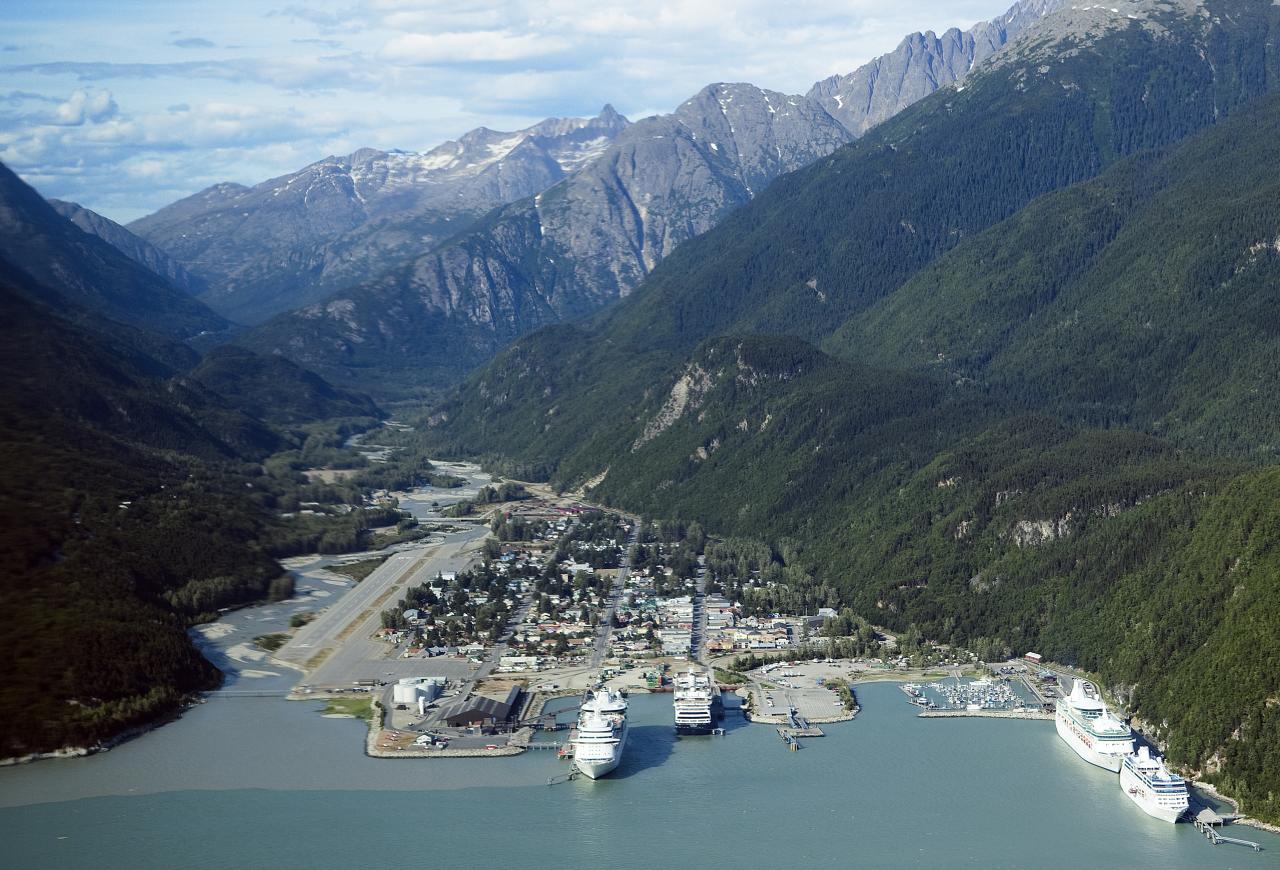
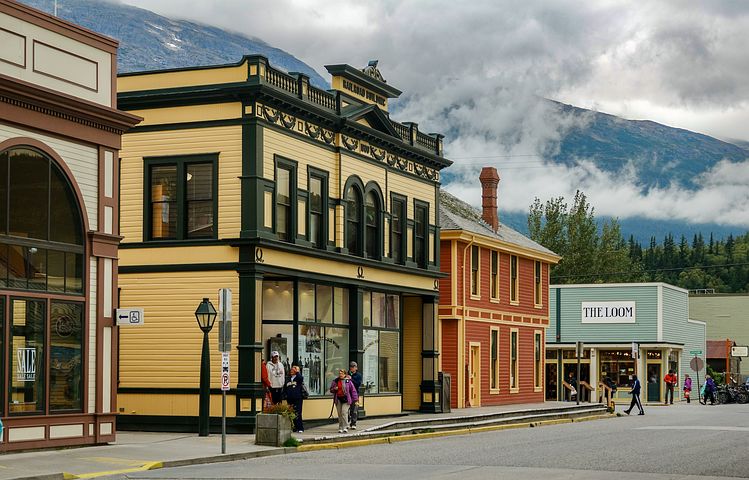
By 2026, the violent reality of this period has been sanitized and commodified for the tourism industry. The "Days of '98" show and various tours market the Smith era as a colorful, roguish chapter of American folklore rather than a period of brutal organized crime. The Municipality of Skagway relies on this history to draw over one million visitors annually, a clear economic pivot from the resource extraction that birthed the town. The physical layout of the city, surveyed by Frank Reid, remains largely intact, a permanent grid imposed upon the chaotic geography of the Taiya Inlet. The graves of Smith and Reid, located in the Gold Rush Cemetery, serve as the primary physical monuments to the struggle for civic order.
The transition from a gang-run tent city to a Class City in 1900 marked the end of the frontier era in Skagway. The arrival of the White Pass and Yukon Route railroad cemented the town's status as a logistics hub, rendering the predatory tactics of the Soap Gang obsolete. Industrial transportation required stability, not swindles. The Municipality's early ordinances focused heavily on public order and health, a direct reaction to the typhoid and violence that characterized the rush. This period of urbanization demonstrates that the "Wild West" was not tamed by the gradual creep of civilization, by the violent assertion of commercial interests protecting their supply chains.
White Pass & Yukon Route Engineering and Operations
Captain William Moore and Early Homestead Claims
The White Pass & Yukon Route (WP&YR) exists as a defiance of geography, a narrow-gauge anomaly that conquered the coastal mountains through brute force and engineering audacity. While frequently romanticized as a scenic excursion, its history is defined by industrial innovation and a constant, violent battle against and geology.
The Impossible Railroad (1898, 1900)
The construction of the WP&YR remains one of the most aggressive engineering feats in Northern history. In 1898, two men met in a Skagway hotel: Sir Thomas Tancrede, representing British financiers, and Michael J. Heney, an experienced railroad contractor known as "Big Mike." Tancrede's engineers had deemed a railroad over the White Pass impossible. Heney famously countered, "Give me enough dynamite and snoose, and I'll build a road to Hell." The partnership was struck, and construction began in May 1898.
The route required a climb from sea level to 2, 885 feet in just 20 miles. To achieve this, Heney's crews through solid granite, creating a roadbed with grades reaching 3. 9 percent, steep enough to even modern locomotives. The line necessitated cliff-hanging turns of 16 degrees and the construction of the Steel at Dead Horse Gulch. This cantilever structure, the tallest of its kind in the world at the time, was built 215 feet above the canyon floor. Workers dangled from ropes in sub-zero temperatures to drill blasting holes, consuming 450 tons of explosives. By the time the golden spike was driven at Carcross on July 29, 1900, 35 men had died, the "Railway Built of Gold" was operational, ending the stranglehold of the Chilkoot and White Pass trails.
Pioneering Intermodal Shipping (1955)
Long before it became a tourist attraction, the WP&YR revolutionized global logistics. In 1955, the railroad introduced the world's integrated ship-train-truck container system. The company commissioned the Clifford J. Rogers, the ship designed specifically to carry containers. These distinct metal boxes were loaded in Vancouver, shipped to Skagway, transferred directly onto flatcars, and hauled by rail to Whitehorse, where they were moved onto trucks for final delivery. This "Container Route" predated widespread global containerization, proving the viability of intermodal transport decades before it became the industry standard. The innovation allowed the railroad to survive the post-Gold Rush economic slump by moving lead and zinc ore from the Yukon's mines to global markets.
Modern Ownership and Fleet Upgrades (2018, 2026)
The railroad's ownership structure shifted dramatically in July 2018. TWC Enterprises sold the WP&YR operations to a joint venture led by Survey Point Holdings, with Carnival Corporation holding a minority stake. This $290 million transaction secured the cruise line's access to its most popular shore excursion while placing management in the hands of Alaskan operators. Under this new regime, the railroad initiated its most significant fleet modernization in decades.
Between 2020 and 2026, the WP&YR replaced its aging fleet of 1960s-era Alco diesel locomotives with custom-built E3000CC-DC units from National Railway Equipment (NRE). These new 3, 300-horsepower engines were designed to handle the punishing 3. 9 percent grades while reducing emissions. The delivery of the final units in 2025 and 2026 marked the completion of this transition, retiring the "smoke-belching" legacy of the older diesels. even with these upgrades, the line retains its steam heritage, operating restored Baldwin locomotives like the No. 73 for special excursions.
Geological Instability and Operational Threats
The same geology that Heney conquered in 1900 continues to threaten operations today. The Railroad Dock, the primary berth for large cruise ships, sits directly beneath unstable cliffs. In 2022, a series of rockslides forced the closure of the dock, causing significant disruption to the cruise season. Engineers identified a mass known locally as the "Death Rock of Doom," a house-sized boulder precariously perched above the pier. The municipality and the railroad have since installed attenuators and monitoring systems, the threat remains acute.
In July 2024, a massive landslide severed the Klondike Highway and the rail line near the Canadian border, trapping hundreds of passengers. With the route back to Skagway cut off, the railroad had to coordinate an emergency evacuation, bussing passengers hundreds of miles to Haines to rejoin their ships. These events highlight the fragility of the Skagway transportation corridor, where a single geological event can paralyze the town's economic engine.
The Ore Terminal Legacy
The railroad's industrial past has left a toxic footprint. The Skagway Ore Terminal, used for decades to transfer lead and zinc concentrates, contaminated the harbor basin. As of 2026, the cleanup of this legacy pollution remains a contentious problem between the Municipality of Skagway, the railroad, and state regulators. While the uplands have seen remediation, the harbor sediments contain elevated levels of heavy metals. The expiration of the tidelands lease in 2023 forced a confrontation over liability, with the municipality demanding a detailed cleanup as a condition for future lease agreements. This standoff complicates the expansion of port facilities needed to accommodate the generation of "neo-Panamax" cruise vessels.
By 2026, the White Pass & Yukon Route has fully transitioned from a freight lifeline to a tourism juggernaut, yet it remains an operating railroad subject to the harsh realities of the North. It is not a museum piece; it is a serious infrastructure asset that dictates the flow of millions of dollars and hundreds of thousands of visitors into the Taiya Inlet every year.
Lead-Zinc Ore Transshipment and Harbor Toxicity
The economic pulse of Skagway in the latter half of the 20th century was not driven by the click of camera shutters, by the grinding friction of steel wheels on rail and the heavy thud of ore concentrate hitting the hold of a bulk carrier. From 1969 to 1997, the Municipality of Skagway served as the primary transshipment point for the Faro Mine in the Yukon Territory. Once the largest open-pit lead-zinc mine in the world, Faro was a colossus of the Canadian North, and Skagway was its throat. Through this corridor passed millions of tons of lead and zinc concentrates, a trade that sustained the local economy while silently coating the harbor floor in a toxic stratum that remains one of the most complex environmental liabilities in Alaska. The logistics of this operation were industrial and, by modern standards, catastrophically porous. The White Pass & Yukon Route (WP&YR) railroad, and later a fleet of heavy trucks, transported the refined concentrate from the Anvil Range to the Skagway Ore Terminal. For decades, the containment were rudimentary. The ore arrived in "pots", tear-drop shaped containers, or was dumped into storage buildings that were not hermetically sealed against the violent north winds that scour the Taiya Inlet. The transfer system utilized an open conveyor belt to move the gray, metallic powder from the storage sheds to the waiting ships. This process generated what environmental regulators term "fugitive dust." It was not fugitive in the sense of disappearing; it was fugitive in that it escaped the industrial workflow to settle on the town and the water. Residents in the 1980s reported gray dust accumulating on windowsills and sidewalks on the south end of town. More pernicious was the practice on the docks themselves. Historical accounts and regulatory investigations revealed that for years, longshoremen and terminal workers would sweep the spilled concentrate directly off the wooden docks and into the Skagway Ore Basin. This was not a clandestine dumping operation standard housekeeping, a method that deposited high concentrations of lead and zinc directly into the marine sediment. The environmental reckoning arrived in the late 1980s. In 1988, the U. S. Fish and Wildlife Service and the Environmental Protection Agency (EPA) conducted studies that shattered the illusion of a pristine alpine port. A state memo from that era, referenced in subsequent legal battles, described the bottom sediments in Skagway Harbor as "among the most toxic in the world." The concentrations of lead and zinc were not elevated; they were orders of magnitude above the threshold for marine toxicity. Public health officials conducted blood lead testing on Skagway residents, including children, in 1988. At the time, the results were publicly interpreted as " the level of concern." This conclusion, yet, relies on the medical standards of 1988, which tolerated blood lead levels significantly higher than the thresholds established in the 2020s. Retrospective analysis suggests that by modern Centers for Disease Control (CDC) standards, of the tested children would have fallen into the top 2. 5 percentile for lead exposure nationally. The town had been breathing and ingesting the byproducts of the Yukon's wealth for a generation. The closure of the Faro Mine in 1998, following the bankruptcy of the Anvil Range Mining Corporation, left a legacy of abandonment. While the Canadian government grappled with the billion-dollar cleanup of the mine site itself, a project that continues to public funds, the downstream liability in Skagway fell into a complex web of finger-pointing. The primary actors were the WP&YR (the railroad), the Alaska Industrial Development and Export Authority (AIDEA), and the Municipality of Skagway. AIDEA had purchased the ore terminal in 1990, ostensibly to stabilize the region's economy and fund environmental upgrades. For the thirty years, AIDEA acted as the landlord of this toxic asset. While upland cleanup was performed in the early 1990s, removing contaminated soil from the rail yard and transport routes, the harbor sediments remained untouched. The "Legacy Project," a remediation plan designed to dredge the most contaminated zones, became a bureaucratic ghost, summoned in reports never materialized in the water. The paralysis was driven by cost and liability. Dredging the Ore Basin is not a simple matter of excavation; it is a surgical operation in a hazardous zone. Disturbing the sediment risks resuspending the lead and zinc, chance poisoning the water column and drifting into the lucrative cruise ship berths. The volume of material requiring removal was estimated between 3, 000 and 7, 000 cubic yards, a toxic sludge that would need to be dewatered, stabilized, and shipped to a hazardous waste facility in the Lower 48. By 2023, the geopolitical and economic had shifted. The AIDEA lease for the ore terminal expired in March 2023. After decades of holding the asset, AIDEA's board voted to let the lease lapse, washing their hands of the facility and transferring the immediate problem back to the landowner: the Municipality of Skagway. This transfer occurred at a serious juncture. The cruise industry, the undisputed hegemon of the Skagway economy, required deeper berths to accommodate the *Breakaway*-class and *Royal*-class vessels. The Municipality found itself in a paradoxical position in 2024 and 2025. To secure its economic future (tourism), it had to disturb the ghosts of its economic past (mining). The dredging required for the new cruise ship float at the Ore Dock necessitated the removal of 40 to 140 cubic yards of material immediately, with a larger campaign planned to deepen the basin to -45 feet MLLW. Every scoop of the clamshell dredge is a liability event, monitored by the Alaska Department of Environmental Conservation (ADEC). The financial battle for this cleanup turned political in July 2024. The Municipality sought state funds to demolish the decrepit ore loader, a rusting monument to the lead-zinc era that loomed over the cruise docks. Governor Mike Dunleavy vetoed the $1 million appropriation, suggesting the town seek federal EPA Brownfield grants instead. This veto forced Skagway to rely on a $1. 5 million federal earmark secured by Senator Lisa Murkowski, a sum that covers only a fraction of the total remediation costs. As of 2026, the Skagway Ore Basin remains a site of active contention. The Yukon government, eager to revive its mining sector, has pledged millions toward permitting a *new* ore dock in Skagway, envisioning a return to mineral exports. This proposal faces stiff skepticism from a municipality that has spent forty years living with the toxic hangover of the last boom. The sediment data from 2024 confirms that while the water column is generally safe, the harbor floor remains a reservoir of heavy metals, waiting for the wrong current or the wrong dredge bucket to release its load.
Klondike Gold Rush Urbanization and Crime Syndicates
The closure of the Cyprus Anvil Mine in Yukon in 1982 did not shutter a business; it severed the artery that had sustained Skagway for nearly a century. On October 7, 1982, the White Pass & Yukon Route (WP&YR) suspended operations, silencing the diesel locomotives that had hauled lead-zinc concentrate to the coast. The town, purpose-built for transshipment, faced an existential void. The population plummeted as railroad families departed, leaving behind a silence that lasted until the rails were repurposed not for freight, for nostalgia. In 1988, the WP&YR reopened as a tourist excursion line, signaling Skagway's definitive pivot from industrial logistics to the "experience economy." This transition was neither gradual nor subtle. It was a violent economic reorientation that replaced the steady, year-round rhythms of ore transport with the frantic, seasonal pulse of the cruise industry. By the 1990s, the municipality had become a seasonal theme park for the global cruise market. The geography that once served as a strategic funnel for Tlingit trade and Klondike gold served as a parking lot for floating cities. The sheer of this influx is visible in the passenger metrics, which show an exponential climb that has frequently overwhelmed local infrastructure.
Year
Cruise Passengers
Economic Context
1983
48, 066
Immediate post-railroad collapse.
1995
256, 788
WP&YR excursion model stabilizes.
2005
772, 332
Introduction of larger vessel classes.
2019
~1, 000, 000
Pre-pandemic peak; infrastructure clear.
2023
1, 195, 100
Post-COVID surge; rockslide emergency active.
2024
1, 257, 000
Record volume even with dock limitations.
The dependency on this single revenue stream created a perilous fragility, exposed clear during the COVID-19 pandemic when passenger numbers evaporated. Yet, the recovery proved even more destabilizing than the collapse. As passenger counts surged past 1. 2 million in 2023 and 2024, the physical reality of Skagway's geology began to rebel. The Railroad Dock, the primary berth for deep-draft vessels, sits directly beneath unstable cliffs. In 2022, a series of rockslides forced the partial closure of the dock, necessitating a chaotic tendering process and threatening the municipality's primary income source. The response to this geological emergency revealed the precarious nature of Skagway's finances. In 2023, the municipality celebrated the award of a $19. 9 million FEMA Building Resilient Infrastructure and Communities (BRIC) grant to stabilize the slide zone. This funding was touted as the salvation of the port. yet, in April 2025, a sudden shift in federal policy led to the cancellation of BRIC grants awarded between 2020 and 2023. The revocation of these funds left Skagway with a partially mitigated cliffside and a massive budgetary hole, forcing local officials to scramble for alternative financing while the 2026 season loomed. This infrastructure emergency coincided with a historic shift in governance. For 55 years, the White Pass & Yukon Route operated the waterfront as a quasi-fiefdom. That era ended in March 2023, when the waterfront lease expired and control reverted to the Municipality of Skagway. The city moved aggressively to modernize, passing bond measures to redevelop the Ore Terminal into a facility capable of docking the largest "Breakaway-class" ships. This move was a declaration of independence, an attempt to transform Skagway from a passive landlord into an active port manager. Yet, the timing was brutal. The municipality assumed control of the port just as the rockslide mitigation costs skyrocketed and federal support. The economic model of 2026 is defined by this tension between revenue and maintenance. The Commercial Passenger Vessel (CPV) excise tax, a head tax levied on every tourist, has become the lifeblood of the municipal budget. In 2024 and 2025, these funds were diverted heavily toward emergency port repairs and legal fees, rather than the community enhancements for which they were originally intended. The municipality is locked in a pattern where it must maximize tourist volume to pay for the infrastructure required to host them, creating a feedback loop of congestion and construction. As the 2026 season begins, Skagway faces a paradox. Visitor demand is at an all-time high, with projections stable or slightly exceeding the 2025 record. The "Grease Trail" has been paved over by the cruise ship promenade, and the Tlingit trade monopoly has been replaced by the monopoly of the cruise lines, which dictate schedules and passenger flows. The municipality has regained legal control of its waterfront, it remains economically beholden to the foreign-flagged vessels that loom over the town like skyscrapers, bringing wealth that must be immediately poured back into the concrete and steel required to keep them docking.
Railroad Dock Rockslide Instability 2022, 2026
The Railroad Dock, the primary artery for Skagway's cruise tourism economy, sits directly beneath a geological time bomb. Between 2022 and 2026, the slope above this serious infrastructure destabilized, forcing a confrontation between the municipality's economic survival and the physics of mass wasting. What began as a series of rockfalls in June 2022 escalated into a protracted emergency of engineering, funding failures, and existential risk, culminating in the revocation of federal support in 2025. ### The 2022 Collapse Sequence The instability manifested violently in the summer of 2022. On June 23, a significant rockslide struck the slope above the Railroad Dock, depositing debris and forcing the immediate closure of the berth. While no injuries occurred, the event shattered the assumption of safety that governed the port's operations. The White Pass & Yukon Route (WP&YR), which owns the dock, and the Municipality of Skagway commissioned geotechnical assessments, the mountain did not wait for the reports. On August 3, 2022, a second slide released rock from the "South Slide" area. Two days later, on August 5, a third slide struck, this time damaging the shipping containers that had been arranged as a protective pedestrian tunnel for passengers. The impact was a clear signal that passive mitigation measures were insufficient. By September 24, a fourth event brought down approximately 6, 000 cubic yards of material, a volume capable of crushing the dock structure and generating a localized tsunami. The immediate was logistical chaos. The Railroad Dock, capable of berthing the largest "Quantum-class" vessels, was severed from the town. Cruise lines, including Royal Caribbean and Princess, diverted ships to Sitka or Hoonah, or forced passengers to endure slow tendering operations to the Small Boat Harbor. In a season already struggling to recover from the pandemic, Skagway lost over 100, 000 visitors in late 2022 alone. Mayor Andrew Cremata characterized the looming threat as the "Death Rock of Doom," a house-sized boulder perched precariously above the pier, symbolizing the town's vulnerability. ### Geotechnical Reality: The Shannon & Wilson Report The municipality contracted Shannon & Wilson, a geotechnical engineering firm, to quantify the hazard. Their July 2022 report delivered a bleak assessment: the slope was experiencing "toppling failure," a method where rock columns separate from the face and rotate outward. Instrumentation revealed that ground movement had accelerated from 40 millimeters per year to over 65 millimeters per year. The report concluded that a catastrophic failure was not a matter of *if*, *when*, and that such an event would pose "significant risks to life and property." The geological context extends back to the retreat of the glaciers that carved the Taiya Inlet. The removal of glacial ice debuttressed the valley walls, leaving the steep granitic slopes prone to relaxation and fracturing. For centuries, these slopes have shed rock, the construction of high-density tourism infrastructure at the toe of the slide zone placed thousands of people directly in the runout route. ### The Mitigation Mirage (2023, 2024) Following the 2022 closures, the municipality and WP&YR entered a phase of aggressive, albeit temporary, defense. In 2023, the town spent approximately $4 million on short-term mitigation. Crews from Rock Supremacy, a specialized contractor, scaled loose rock and installed attenuator nets designed to dampen the energy of falling debris. The "protective tunnel" of shipping containers was reinforced, creating a dystopian entry corridor for tourists disembarking from luxury liners. These measures allowed the dock to operate at partial capacity during the 2023 and 2024 seasons, though the "North Berth" remained largely off-limits. The operational workaround involved a "shuttle and tender" system: ships docked at the safer southern end, and passengers were bussed past the impact zone. This passenger throughput and municipal resources, yet it kept the revenue flowing. Hope for a permanent solution rested on federal intervention. In September 2023, FEMA awarded Skagway a $19. 9 million Building Resilient Infrastructure and Communities (BRIC) grant. The project aimed to execute "Option 2" of the engineering proposals: a massive excavation to remove the unstable rock mass entirely, rather than trying to pin it in place. The total project cost was estimated at nearly $30 million, with the town scrambling to cover the non-federal match. ### The 2025 Funding Shock The trajectory of the recovery collapsed in April 2025. In a stunning reversal, FEMA announced the cancellation of BRIC grants awarded between 2020 and 2023, citing administrative shifts and a review of "wasteful" spending. Skagway, which had already obligated funds for the design phase (Phase 1), was informed that the $19. 9 million for construction (Phase 2) was gone. This revocation left the municipality with a shovel-ready design no capital to execute the excavation. By October 2025, the estimated cost to stabilize the slope had risen, driven by inflation and the complexity of working above an active port. The municipality was forced to pivot, seeking alternative financing through revenue bonds and state lobbying, while the rock mass above the dock continued its slow, inexorable creep. ### 2026 Status: A Port in Peril As of early 2026, the Railroad Dock remains in a state of suspended animation. The "Option 2" excavation plan is technically approved financially paralyzed. The temporary nets and fences, installed as stopgaps in 2023, are degrading under the harsh Skagway weather. The risk profile has not improved; in fact, freeze-thaw pattern continue to widen the fractures in the slide zone. The failure to secure the slope has forced a strategic realignment of Skagway's port. The municipality has accelerated the redevelopment of the nearby Ore Terminal to accommodate large cruise ships, attempting to create redundancy. Yet, the Railroad Dock remains the only facility capable of handling the volume required to sustain the town's economy. The rockslide emergency has exposed the fragility of Skagway's monoculture economy, demonstrating how a single geological defect can hold an entire municipality hostage.
Railroad Dock Rockslide emergency Timeline (2022, 2026)
Date
Event
Impact
June 23, 2022
Initial Rockslide
Dock closed; cruise ships diverted.
July 2022
Shannon & Wilson Report
Confirmed "catastrophic" risk; movement accelerating.
Aug 3, 5, 2022
Secondary Slides
Protective containers damaged; season ended for North Berth.
Sept 2023
FEMA Grant Award
$19. 9M BRIC grant announced for slope excavation.
Feb 2024
Interim Operations
Dock reopens with restrictions; heavy reliance on bussing/tenders.
April 2025
FEMA Cancellation
Federal funding revoked; construction phase stalled.
White Pass & Yukon Route Engineering and Operations
The industrial history of Skagway is written in the sediment of its harbor, where a century of mineral transport left a toxic footprint that the municipality is still working to erase. For decades, the Ore Terminal served as the primary funnel for the Yukon's mining wealth, transferring lead, zinc, and copper concentrates from railcars to the hulls of global freighters. This operation, while economically potent, operated with limited environmental oversight during its peak years in the 1960s, 70s, and 80s. The result was the accumulation of heavy metals in the marine floor and upland soils, a legacy that collided with the town's modern identity as a pristine cruise tourism destination.
The method of contamination was simple and devastatingly. As ore concentrates were transferred via conveyor belts, "fugitive dust" escaped into the high winds that scour the Taiya Inlet. This dust, rich in lead and zinc, settled over the uplands and the marine basin. Investigations by the Alaska Department of Environmental Conservation (ADEC) and the EPA in the late 1980s and subsequent decades confirmed the severity of the pollution. Soil samples in specific transfer zones historically showed lead concentrations exceeding 1, 000 parts per million (ppm), triggering regulatory interventions. While surface cleanups in the uplands mitigated immediate human exposure risks, the harbor floor remained a repository for heavy metals, creating a complex challenge for dredging and port expansion.
March 18, 2023, marked the definitive turning point in this saga. On this date, the 55-year lease held by the White Pass & Yukon Route (WP&YR) railroad expired, returning control of the waterfront to the Municipality of Skagway (MOS). This transition was not administrative; it transferred the load of stewardship and the power to reshape the port's future to the local government. The expiration ended a monopoly that had defined the waterfront since 1968. In the years leading up to this handover, tensions ran high regarding liability for the environmental cleanup. The municipality inherited a site that required not just modernization deep remediation to meet contemporary safety standards.
The immediate aftermath of the lease transfer coincided with the financial collapse of Minto Metals in 2023. Minto had been the primary user of the ore facility, trucking copper concentrate from the Yukon to be loaded in Skagway. Their bankruptcy left the municipality with unpaid bills and an aging, contaminated infrastructure that no longer had an active tenant. The old ore loader, a towering structure of steel and conveyor belts, became a symbol of the port's obsolescence. By late 2023 and into 2024, the municipality moved to decommission the legacy equipment, prioritizing the of the ship loader to clear the way for a modern, multi-use waterfront.
Remediation efforts in the post-2023 era have focused heavily on the "Ore Basin," the deep-water pocket used by both mineral ships and cruise liners. The presence of contaminated sediment complicates maintenance dredging, which is required to accommodate the increasingly large cruise vessels visiting the port. The municipality engaged engineering firms such as KPFF and Anchor QEA to navigate the permitting and design of this dredging. The scope of work involves removing sediment that exceeds the Apparent Effects Thresholds (AETs) for heavy metals. Unlike standard dredge spoils, this material cannot simply be dumped at sea; it requires careful handling, chance treatment, or disposal in specialized landfills, significantly inflating the cost of port maintenance.
By 2025, the municipality prioritized the "High Spot" dredging project, a targeted operation to remove sediment buildup beneath the new cruise ship float at the Ore Dock. This specific accumulation posed a grounding risk to vessels during extreme low. The project required precise removal of approximately 40 to 140 cubic yards of material. Because of the historical contamination, even this minor surgical dredging operation necessitated rigorous sampling and analysis plans (SAP) approved by ADEC and the EPA. The regulatory blocks show the persistent "lead tax" on all development in the basin, every cubic yard of soil moved requires expensive testing and.
The financial of the remediation and redevelopment is immense. The Yukon government, desperate to maintain a coastal outlet for its mining sector, pledged significant funding, estimates ranged from $17 million USD to over $45 million CAD, to support the construction of a new "Marine Services Platform" (MSP). This new infrastructure is designed to replace the old ore terminal with a facility capable of handling sealed containers (rotainers). This method eliminates the fugitive dust problem by keeping the ore concentrate enclosed until it is lowered into the ship's hold. Yet, the flow of these funds faced bureaucratic delays, with substantial payments shuffled to the 2025-2026 fiscal windows, leaving Skagway to front-load much of the planning and permitting costs.
As of March 2026, the Municipality of Skagway manages a delicate dual-use mandate. The waterfront must serve the cruise industry, which brings over a million visitors annually, while keeping the door open for Yukon mineral exports. The remediation of the Ore Terminal is the physical manifestation of this balancing act. The soil management plan enforces strict institutional controls, ensuring that any excavation in the historic industrial zone is monitored for lead and zinc. The days of open conveyor belts spewing dust into the wind are over, replaced by a regime of sealed containers, rigorous sediment testing, and a waterfront controlled by the voters of Skagway rather than a private rail monopoly.
MOS assumes full control of waterfront from WP&YR.
Late 2023
Minto Metals Bankruptcy
End of active ore shipments; legacy debt left behind.
2024, 2025
High Spot Dredging Plan
Targeted removal of ~140 cu. yards for cruise safety.
2025, 2026
Marine Services Platform
Transition to sealed container (rotainer) export model.
Municipal Governance Structure and Borough Formation
The Municipality of Skagway operates under a governance model that is unique even within the complex legal framework of Alaska. While it functions daily as a small town, its legal status is that of a Class Borough, a designation achieved not through gradual evolution through a defensive political maneuver in 2007. This structure grants the local government broad powers over taxation, education, and land use, powers that were previously split between the city and the state or threatened by neighboring jurisdictions. The defining characteristic of Skagway's modern governance is its dual role: it acts as a local service provider for residents and as a corporate operator of a multi-million dollar international port.
Skagway holds the distinction of being the incorporated city in the Alaska Territory. On June 28, 1900, residents voted 246 to 60 to incorporate, beating Juneau to the title by a single day. For over a century, the City of Skagway operated as a Class City. This status served the community well during the railroad era, by the early 2000s, regional territorial disputes exposed the vulnerabilities of this classification. The specific threat came from the neighboring Haines Borough, which sought to annex the resource-rich Kasidaya Creek area and parts of the Taiya Inlet. These lands were not just wilderness; they represented chance hydroelectric and tax revenue sources.
To block this annexation, Skagway officials initiated a petition to dissolve the City of Skagway and reincorporate as the Municipality of Skagway Borough. The move was aggressive and risky. It required the dissolution of a 107-year-old entity and the assumption of mandatory borough responsibilities, including education funding. On June 25, 2007, the transition became official. The new boundaries encompassed 452 square miles, securing the Taiya Inlet and walling off Haines' northward expansion. This maneuver locked in Skagway's tax base also load the small population, fluctuating between 1, 000 and 1, 200 permanent residents, with the administrative weight of a regional government.
The legislative body consists of a six-member Borough Assembly and a Mayor, all elected at-large. The Mayor presides over meetings holds a limited vote, exercised only to break ties, though they possess veto power over ordinances. Executive authority resides with the Borough Manager, a professional administrator appointed by the Assembly. This "strong manager, weak mayor" system is designed to insulate daily operations from political volatility. Yet, the system faces. In May 2025, Mayor Sam Bass resigned amid internal friction, transferring leadership to Orion Hanson. This leadership shake-up occurred as the municipality navigated its most complex economic transition in decades: the takeover of the port.
For 55 years, the White Pass & Yukon Route (WPYR) railroad controlled the waterfront through a master lease. The municipality acted as a passive landlord, collecting rent while a private entity managed the logistics of the cruise ship boom. That era ended in March 2023. With the expiration of the lease, the Municipality of Skagway assumed direct control of the port, transforming the local government into a port authority in all name. This shift forced a rapid expansion of municipal departments. The government directly manages cruise scheduling, security, and infrastructure maintenance, including the serious ore terminal and the floating dock improvements required for Oasis-class vessels.
The financial structure of the municipality is heavily distorted by the tourism industry. The General Fund for Fiscal Year 2026 projects revenues of approximately $13. 5 million, this figure masks the true of capital flow. The municipality relies on transfers from the Commercial Passenger Vessel (CPV) excise tax, a state tax shared with port communities, to fund capital projects and offset operational costs. For FY2026, CPV transfers are projected to exceed $9. 3 million. This revenue stream creates a "golden handcuffs": the government is flush with capital for tourism-related infrastructure faces strict legal limits on how those funds can be used for general community needs like schools or utilities.
Legal conflicts continue to define Skagway's external governance. The municipality has engaged in repeated litigation with the State of Alaska over the Alaska Marine Highway System (AMHS). As ferry service, Skagway officials argued that the state failed its constitutional obligation to provide a functional marine link, which is important for freight and medical transport. Simultaneously, the boundary dispute with Haines remains a dormant unresolved tension, particularly regarding resource management in the shared watershed areas. The 2022 redistricting battle, where Skagway sued the Alaska Redistricting Board to prevent being lumped into a voting district with downtown Juneau, further demonstrates the municipality's willingness to use the courts to defend its political autonomy.
Table 9. 1: Evolution of Legal and Governance Status (1900, 2026)
Time Period
Legal Entity
Governance Model
Key Jurisdiction Change
1900 , 2007
City of Skagway
Class City
Incorporated June 28, 1900. Limited to urban townsite.
2007 , Present
Municipality of Skagway
Class Borough
Dissolved City. Annexed 452 sq. miles to block Haines. Assumed school powers.
1968 , 2023
Waterfront Lessor
Landlord Model
Port operations outsourced to White Pass & Yukon Route (WPYR) via 55-year lease.
2023 , Present
Port Operator
Enterprise Management
Lease expired. Muni assumes direct control of Ore, Broadway, and Railroad docks.
The 2026 budget reflects the reality of this new era. The municipality is no longer just a regulator; it is an active market participant. The creation of the Port of Skagway Enterprise Fund segregates waterfront revenues from the General Fund, a necessary firewall to ensure that port fees pay for port maintenance. This separation is serious as the municipality undertakes the remediation of the Ore Basin, a legacy contamination site left behind by decades of mineral transfer. The transition from passive lessor to active operator exposes the taxpayer to new liabilities, specifically regarding environmental compliance and industrial accidents.
Voter oversight remains high. Skagway's electorate is notoriously active, with turnout percentages frequently dwarfing state averages. Major decisions, such as the rejection of a lease extension for White Pass in 2015, are frequently settled directly at the ballot box. This direct democracy acts as a check on the Assembly, forcing the government to maintain transparency regarding the massive CPV cash flows. As of March 2026, the governance challenge is no longer about survival or annexation, about capacity: whether a small municipal staff can run a world-class industrial port while maintaining the character of a historic town.
Seasonal Demographics and Workforce Housing Deficits
Lead-Zinc Ore Transshipment and Harbor Toxicity
Skagway functions as a demographic lung, inhaling thousands of souls each May and exhaling them in September. This violent respiratory pattern defines the municipality's existence, creating a permanent state of infrastructure shock that has since the Klondike Gold Rush. In 1898, the influx of 30, 000 stampeders transformed the flats into a chaotic warren of canvas tents and shacks. In 2026, the remains identical, though the canvas has been replaced by fiberglass RVs and the stampeders by seasonal service workers. The municipality's inability to house its labor force constitutes the single greatest throttle on its economic engine, a mathematical ceiling that limits revenue regardless of cruise ship capacity.
The numbers present a clear arithmetic imbalance. The winter population hovers between 1, 100 and 1, 200 residents, a figure that has seen only marginal growth since the 2020 census. Yet, from May to September, the functional population swells to accommodate over 1, 000 seasonal workers required to service the million-plus cruise passengers who flood Broadway. The 2023 Housing Needs Assessment and subsequent 2024 Tribal Housing Survey exposed the severity of this gap. Seventy-one percent of tribal households reported being cost-load, spending more than 30 percent of their income on shelter. Among the seasonal workforce, the deficit is not measured in cost, in physical absence. There are simply not enough beds.
This scarcity forces a modern variation of the 1898 "hot-bunking" system. Seasonal employees frequently reside in substandard conditions: unauthorized camping on Dyea Road, sleeping in vehicles, or crowding into "dry" cabins without plumbing. The municipality has attempted to intervene through land acquisition, most notably the purchase of the Garden City RV Park (Blocks 95 and 102). Originally intended as a rapid solution, the project became a mire of engineering challenges and bureaucratic delays. By late 2024, the Assembly faced a $6. 5 million estimate for cleanup and construction, with design work pushing into 2025. Consequently, for the 2025 season, the site operated as a "dry" RV park, a stopgap measure providing parking no utilities, while the municipality sought $4. 9 million in federal appropriations to fund the necessary infrastructure.
The economic consequences of this housing vacuum are immediate and measurable. Local businesses, unable to secure housing for staff, must voluntarily cap their operations. Restaurants limit hours, tour operators refuse bookings, and retail shops close early, not due to an absence of customers, an absence of workers to serve them. This phenomenon creates a paradox where the municipality's gross economic chance increases with larger cruise ships, yet its realized revenue plateaus because the labor force cannot physically exist within the city limits. The 2024 decision to problem a Request for Proposals (RFP) for the "Old Clinic" site at 11th and Broadway represented a pivot toward "shovel-ready" land, acknowledging that the massive Garden City project would not deliver habitable units in time to save the immediate seasons.
Historical Housing & Population Fluctuations (1898, 2026)
Era
Winter Pop.
Summer Pop.
Primary Housing Type
Dominant Deficit Factor
Gold Rush (1898)
~3, 000
20, 000+
Canvas tents, shacks
Physical space, lumber scarcity
Railroad Era (1940s)
600
1, 500
Company housing, barracks
Military/Railroad control
Modern Cruise (2025)
1, 134
2, 500+
RVs, converted units
Zoning, land cost, infrastructure
The historical context reveals that Skagway has never been a settlement of permanence for the majority of its occupants. Long before the gold pans rattled, the Tlingit used the Taiya Inlet as a seasonal trade corridor rather than a year-round village, respecting the violent north winds that scour the valley in winter. The current housing emergency is a continuation of this transient legacy. The difference in the twenty- century is the collision between this transience and modern regulatory standards. not legally house workers in a tent city in 2026. The friction between the need for temporary, high-density shelter and the zoning codes designed for a static suburban existence has paralyzed development.
By early 2026, the municipality's strategy shifted toward a phased method. The "Welcome Garden" and other beautification projects faced scrutiny as residents demanded that capital improvement funds prioritize the "unseen" infrastructure of sewage and housing over the "seen" infrastructure of tourist amenities. The 2024 Tribal Survey indicated that 76 percent of respondents identified rental units as the highest demand category, contradicting earlier assumptions that homeownership was the primary goal. The workforce does not want to buy; they want to exist for four months without bankruptcy. Until the municipality solves the geometry of housing 2, 500 people in a valley built for 1, 000, Skagway remain an economic engine running on half its cylinders.
Marine Highway Dependence and Ferry Service Metrics
The Alaska Marine Highway System (AMHS) is not a convenience for Skagway; it is a physiological need, functioning as the primary artery for the flow of citizens, vehicles, and capital to the state seat in Juneau. While Skagway possesses a road connection to the Yukon Territory via the Klondike Highway, access to the Alaskan road system requires a circuitous transit through Canada. For direct domestic connection to the state capital, medical facilities, and the contiguous United States, the municipality relies on the state-run ferry fleet. This dependence has transformed from a reliable logistical certainty in the late 20th century into a source of chronic economic anxiety by 2026. ### The Blue Canoe Era (1963, 2000) The genesis of state-sponsored marine transport in Lynn Canal predates the AMHS. In 1948, the *M/V Chilkoot*, a converted surplus landing craft, began a private run between Skagway, Haines, and Juneau. The Territory of Alaska acquired the operation in 1951, the true modernization arrived with statehood. In 1963, the "Blue Canoes", the founding vessels of the AMHS, began service. Skagway was a foundational port of call for the *M/V Malaspina* and *M/V Matanuska*. For four decades, the system operated with the predictability of a utility. The fleet expanded to include the *M/V Columbia* (1974), providing a direct, consistent link to Bellingham, Washington. This connection allowed residents to transport vehicles and household goods without traversing the international border, a serious capability for a population heavily integrated with the American Pacific Northwest. By the 1990s, the AMHS moved over 400, 000 passengers annually system-wide, with Skagway serving as the northern terrestrial terminus for the Southeast mainliners. ### The Alaska Class Ferry Debacle (2004, 2024) The deterioration of service metrics in the 21st century is directly attributable to the mismanagement of the Alaska Class Ferry (ACF) project. Conceived in 2004 as a replacement strategy for aging vessels, the project was subjected to shifting political winds. The original design called for 350-foot vessels capable of 24-hour operations. yet, the administration of Governor Sean Parnell altered the scope in 2012, demanding smaller "day boats" to reduce construction costs. The resulting vessels, the *M/V Tazlina* and *M/V Hubbard*, were delivered in 2019 and 2020 at a cost of $120 million. They were immediately deemed operationally obsolete for the Lynn Canal run. absence crew quarters, the ships were legally restricted to 12-hour operational windows by Coast Guard regulations. A round-trip from Juneau to Skagway and Haines exceeds 12 hours. Consequently, the *Tazlina* sat idle in preservation status for years, a $60 million asset rusting while Skagway faced service gaps. The state was forced to appropriate an additional $30 million to retrofit the vessels with crew quarters, a predictable expense that the "day boat" design had foolishly sought to avoid. The *M/V Hubbard* entered consistent service in 2023, nearly four years after delivery, only to face immediate mechanical teething problem. ### Service Metrics and Economic Impact (2019, 2026) The period from 2019 to 2026 represents the nadir of ferry reliability. In 2019, deep budget cuts proposed by the Dunleavy administration threatened to shut down the system entirely for winter. While full closure was averted, the schedule was decimated.
Table: Skagway Port Call Reductions (Select Years)
Fiscal Year
Total Port Calls
Service Status
2015
385
Stable Mainliner Service
2020
142
Severe Reduction (Budget/COVID)
2022
165
Crew absence / Mechanical Failure
2025
210
Stabilization Phase
The economic consequences of these metrics are tangible. * **Cost of Living:** When ferries fail, freight must be flown in or trucked through Canada. Air freight costs approximately 400% more than ferry freight. * **Education:** Skagway School District athletic teams, which compete in the Southeast Region, faced frequent cancellations. In 2023 and 2024, the district spent tens of thousands of dollars on charter flights to ensure students could compete, a load on the municipal budget. * **Medical Access:** Non-emergency medical travel to Juneau, previously a $50 ferry ride, became a $400 flight. For residents on fixed incomes, this severed access to routine healthcare. ### The Cascade Point Controversy In 2024 and 2025, the State of Alaska advanced a controversial infrastructure project intended to mitigate the limitations of the ACF vessels: the Cascade Point Terminal. Located 30 miles north of Juneau, this terminal would shorten the run to Skagway, theoretically allowing the "day boats" to operate within the 12-hour window without crew quarters (though the retrofit proceeded regardless). Skagway officials and residents vehemently opposed this plan. The Cascade Point site absence connection to the Juneau bus system or services. A ferry dropping passengers 30 miles from the capital strands foot traffic, including students and seniors, requiring expensive taxi or shuttle transit to reach the city center. even with a resolution of opposition from the Municipality of Skagway and the AMHS Operations Board citing negative economic analysis, the state signed a $28. 5 million contract for the terminal in 2025. ### Current Status (2026) As of March 2026, the AMHS operates in a "stabilization" phase. The influx of $177 million in federal funding from the Bipartisan Infrastructure Law has allowed for the commencement of the *Tustumena* replacement vessel (TRV), this does not directly serve the Lynn Canal. Skagway continues to rely on the retrofitted *M/V Hubbard* and the aging *M/V Columbia*. Reliability remains the primary metric of failure. Crew absence, exacerbated by non-competitive state wages compared to the private maritime sector, cause frequent "no-sail" days. The 2045 Long-Range Plan, released in 2025, pledge a return to daily service, for the resident of Skagway in 2026, the Marine Highway remains a broken pledge, a road that closes at random, isolating the community from its own government.
Port of Skagway Modernization and Floating Dock Projects
The transition of the Skagway waterfront from private rail hegemony to municipal control in March 2023 marked the most significant structural shift in the port's history since the Klondike Gold Rush. For 55 years, the White Pass & Yukon Route (WPYR) railroad held a master lease that privatized the city's primary economic engine. The expiration of this lease catalyzed the "Port of Skagway Modernization Project," a multi-phase initiative designed to accommodate post-Panamax cruise vessels while attempting to preserve the port's industrial utility for Yukon ore exports. ### The "Walkaway Deal" and Municipal Takeover In anticipation of the March 2023 lease expiration, the Municipality of Skagway (MOS) and WPYR negotiated a transition agreement to avoid a chaotic handover. The resulting "walkaway deal" allowed the railroad to transfer ownership of the existing dock infrastructure, valued at approximately $40 million, to the municipality at no cost. In exchange, the municipality assumed liability for environmental remediation of the harbor's legacy contamination, a complex load involving lead and zinc concentrates deposited during decades of ore transport. This agreement granted the municipality site control immediately saddled it with the urgent need to replace the dilapidated Ore Dock, which could no longer safely service modern heavy-tonnage cruise ships. ### Ore Dock Redevelopment (The Floating Dock) The centerpiece of the modernization effort was the replacement of the timber-piled Ore Dock with a concrete floating dock capable of berthing two large cruise ships simultaneously. In October 2022, Skagway voters authorized a $65 million bond to fund this serious infrastructure. yet, post-pandemic inflation and supply chain rigidities drove initial bids to $75 million, forcing the Borough Assembly to adopt a "Scope B" compromise in July 2023. This scaled-back plan, priced at approximately $46. 5 million, prioritized the installation of a 500-foot by 50-foot floating pontoon while deferring upland amenities like a seawalk and advanced utilities. The project faced a near-catastrophic setback in February 2024. While being towed from a shipyard in Anacortes, Washington, the massive concrete pontoon fractured into three pieces during heavy weather near Ketchikan. Emergency repairs were conducted in a frantic race against the method tourist season. The reassembled dock arrived in Skagway in late April and was installed just days before the cruise ship arrival in May 2024. ### Operational Metrics and Challenges (2024, 2025) The 2024 cruise season served as the stress test for the new infrastructure. The port recorded 498 vessel calls and 1. 26 million passengers, generating $15. 3 million in direct port revenue. While passenger capacity rates remained high, the port faced logistical friction. The new floating dock's configuration created conflicts between cruise berthing and essential fuel barge operations. "Unfavorable dock changes", forced shifts of vessels to different berths, resulted in a net revenue loss of roughly $185, 000, as cruise lines prioritized direct passenger disembarkation over the municipality's logistical constraints. By the 2025 season, the municipality moved to address these deficiencies. In early 2025, contracts were issued for the "Ore Dock Electrical Project" and temporary fender modifications to resolve the power and fueling conflicts that plagued the previous year. even with these improvements, the port continued to grapple with wind-related cancellations, which accounted for 68% of lost revenue in 2024, exposing the vulnerability of the floating infrastructure to the severe north winds of the Taiya Inlet. ### The Industrial Dock and Yukon Connection A serious unresolved component of the modernization is the restoration of ore export capabilities. The removal of the old ore loader in 2023 left Yukon mining companies without a tidewater outlet. The proposed solution, a "Marine Services Platform" (MSP), remains in a precarious state of negotiation. As of August 2025, the Yukon government had committed approximately $120, 000 to fund federal permitting for a new export facility, a binding construction agreement remained elusive. In August 2025, the Skagway Assembly pivoted toward a broader "Industrial Dock" concept, passing a resolution to commit $12. 9 million in matching funds for a federal Port Infrastructure Development Program (PIDP) grant. This $51. 5 million project aims to build a dedicated industrial pier and relocate aging fuel headers, decoupling industrial operations from cruise tourism. This strategic shift acknowledges that the "Scope B" floating dock is ill-equipped to handle heavy industrial loads and that a specialized facility is required to restore the historic trade corridor that justified Skagway's existence in 1898. ### Financial and Environmental Legacy The modernization program operates under the shadow of strict environmental oversight. The harbor floor remains a patchwork of contaminated sediment. While WPYR conducted limited dredging in 2022, the municipality's assumption of liability requires ongoing monitoring and eventual remediation of the "Ore Basin." The financial model for these future phases relies heavily on the continued growth of cruise passenger taxes (CPV) and federal grants, a dependency that links the remediation of 20th-century industrial waste to the 21st-century tourism economy.
Skagway Port Modernization Milestones (2022, 2026)
Why it matters: The World Economic Forum (WEF) has shifted its focus from "efficiency" to "resilience" in response to global challenges like the COVID-19 pandemic and the war…
What do we know about Tlingit Stewardship and the Shgagwéi Trade Corridor?
The name Shgagwéi does not describe a settlement, a condition of the elements. In the Tlingit language, it to "bunched up water" or "roughed up water," referring to the whitecaps whipped into a frenzy by the strong north winds that funnel down the Taiya Inlet.
What do we know about Captain William Moore and Early Homestead Claims?
The Shgagwéi valley did not sit empty by accident; it waited for a man stubborn enough to weather its gales. Captain William Moore was that man.
What do we know about Klondike Gold Rush Urbanization and Crime Syndicates?
The urbanization of Skagway was not a gradual evolution a violent explosion of humanity. In late 1897, the settlement consisted of a single cabin owned by Captain William Moore.
What do we know about White Pass & Yukon Route Engineering and Operations?
The White Pass & Yukon Route (WP&YR) exists as a defiance of geography, a narrow-gauge anomaly that conquered the coastal mountains through brute force and engineering audacity. While frequently romanticized as a scenic excursion, its history is defined by industrial innovation and a constant, violent battle against and geology.
What do we know about Lead-Zinc Ore Transshipment and Harbor Toxicity?
The economic pulse of Skagway in the latter half of the 20th century was not driven by the click of camera shutters, by the grinding friction of steel wheels on rail and the heavy thud of ore concentrate hitting the hold of a bulk carrier. From 1969 to 1997, the Municipality of Skagway served as the primary transshipment point for the Faro Mine in the Yukon Territory.
What do we know about Post-Industrial Pivot to Cruise Ship Economics?
The closure of the Cyprus Anvil Mine in Yukon in 1982 did not shutter a business; it severed the artery that had sustained Skagway for nearly a century. On October 7, 1982, the White Pass & Yukon Route (WP&YR) suspended operations, silencing the diesel locomotives that had hauled lead-zinc concentrate to the coast.
What do we know about Railroad Dock Rockslide Instability?
The Railroad Dock, the primary artery for Skagway's cruise tourism economy, sits directly beneath a geological time bomb. Between 2022 and 2026, the slope above this serious infrastructure destabilized, forcing a confrontation between the municipality's economic survival and the physics of mass wasting.
What do we know about Ore Terminal Remediation and Soil Management?
The industrial history of Skagway is written in the sediment of its harbor, where a century of mineral transport left a toxic footprint that the municipality is still working to erase. For decades, the Ore Terminal served as the primary funnel for the Yukon's mining wealth, transferring lead, zinc, and copper concentrates from railcars to the hulls of global freighters.
What do we know about Municipal Governance Structure and Borough Formation?
The Municipality of Skagway operates under a governance model that is unique even within the complex legal framework of Alaska. While it functions daily as a small town, its legal status is that of a Class Borough, a designation achieved not through gradual evolution through a defensive political maneuver in 2007.
What do we know about Seasonal Demographics and Workforce Housing Deficits?
Skagway functions as a demographic lung, inhaling thousands of souls each May and exhaling them in September. This violent respiratory pattern defines the municipality's existence, creating a permanent state of infrastructure shock that has since the Klondike Gold Rush.
What do we know about Marine Highway Dependence and Ferry Service Metrics?
The Alaska Marine Highway System (AMHS) is not a convenience for Skagway; it is a physiological need, functioning as the primary artery for the flow of citizens, vehicles, and capital to the state seat in Juneau. While Skagway possesses a road connection to the Yukon Territory via the Klondike Highway, access to the Alaskan road system requires a circuitous transit through Canada.
What do we know about Port of Skagway Modernization and Floating Dock Projects?
The transition of the Skagway waterfront from private rail hegemony to municipal control in March 2023 marked the most significant structural shift in the port's history since the Klondike Gold Rush. For 55 years, the White Pass & Yukon Route (WPYR) railroad held a master lease that privatized the city's primary economic engine.
Why it matters: Significant breach of Russian state intelligence data with the Snowblind archive Insight into FSB operations during the crucial winter months of late 2024 through early…
Why it matters: The 2025 Synchronized Grid Intrusion revealed a complex state-sponsored cyber attack on European energy grids. The attack involved disruptive wiper attacks by Russian military units…
Why it matters: Provincial and municipal green bonds saw a surge in late 2025, attracting investors seeking high yields amidst a broader corporate slowdown. The "Green Rush Development"…
Why it matters: 94% of businesses use IT outsourcing primarily to save money. Investigation reveals top U.S. web development agencies overbilling clients and failing to deliver promised work.…
Why it matters: Investigative journalists Max Kuball and Lars Hendrik Beger utilized data and AI tools to investigate the allocation and use of €1 billion in cultural funding…
Why it matters: Millions of women and girls in India are employed as domestic workers, facing exploitation and lack of legal protection. Despite being essential to urban life,…
Get updates on this place
Get verified alerts when this file is updated (verification required).