Verified Against Public And Audited RecordsLast Updated On: 2026-03-10
Reading time: ~52 min
File ID: EHGN-PLACE-38262
Investigative Bio of University of Oxford
Eighteenth Century Academic Restructuring
Historical archives reveal severe educational paralysis across early eighteenth century England. Archival documents confirm professors rarely delivered lectures. Tutors extracted payments while neglecting pedagogical duties. Adam Smith famously criticized his Balliol experience between 1740 until 1746. He noted instructors had entirely given up pretending they taught. Oral assessments devolved into meaningless rituals. Candidates faced zero genuine intellectual scrutiny.
During this Georgian epoch, syllabi relied heavily upon medieval traditions. Latin grammar, Greek rhetoric, plus basic logic dominated undergraduate studies. Natural sciences found little official support inside traditional faculty structures. Scottish institutions embraced Enlightenment thinking much faster. Conversely, Oxonian leaders resisted modern disciplines fiercely. The Whyte Professorship regarding Moral Philosophy ceased functioning completely. Official calendars stopped listing that specific title. Regius chairs fared slightly better still underperformed expectations.
Transformation began around 1800 through competitive honours examinations. Oriel College drove initial modernization efforts. John Eveleigh led new testing rules. Edward Copleston continued pushing rigorous educational benchmarks.
Scientific inquiry gained traction mid century. A monumental museum opened its doors near 1850. Geology pioneers William Buckland alongside Charles Lyell championed empirical research.
Law and Modern History became distinct degree route by 1872. Theology emerged as another separate honour school shortly thereafter. Parliament intervened via multiple commissions demanding structural overhauls. Religious tests restricting graduation ended. Dissenters gained permission to receive Master degrees starting 1871.
Postgraduate qualifications like Bachelor of Science appeared in 1895. Doctorates rewarding original discoveries followed five years later. Women faced severe exclusion initially. Female learners only achieved full membership status much later. Society demanded broader access beyond aristocratic circles. Professional classes started sending their sons en masse.
Statistics highlight shifting demographics.
Year
Professional Sons Matriculating
Graduates Entering Clergy
1840
65 percent
59 percent
1870
59 percent
42 percent
This table demonstrates waning ecclesiastical influence. Industrialization required different skill sets. Administrators, lawyers, plus civil servants replaced country parsons.
Fast forward toward 2026. The institution commands immense global power. Financial endowments reached 9. 278 billion pounds by 2025. Operating budgets exceed three billion annually. Current student populations total 26, 225 enrollees. Undergraduates number 14, 355 while postgraduates comprise 11, 865 individuals. Academic staff count stands at 8, 005 professionals. Administrative personnel equal 8, 455 workers. Irene Tracey serves currently as Vice Chancellor. Lord Hague holds Chancellor duties. Thirty six independent chartered bodies form the collegiate network.
Comparing Georgian lethargy against contemporary metrics reveals massive operational shifts. Eighteenth century tutors ignored pupils. Today, researchers publish groundbreaking discoveries daily. Early modern matriculants numbered few hundreds., thousands cross international borders seeking admission. Medieval statutes governed daily life until 1850. Modern governance relies upon complex data models. The transformation from sleepy clerical seminary into scientific powerhouse took two hundred years.
Endowments during 1750 suffered mismanagement. College heads prioritized personal comfort over scholastic investment. Libraries missed updated volumes. The Bodleian struggled acquiring foreign texts. Wealthy benefactors occasionally funded specific projects, yet broad financial oversight remained absent. Worcester College emerged from Gloucester Hall around 1714 thanks to Sir Thomas Cookes. Hertford College incorporated later, specifically 1740, utilizing Richard Newton's meager funds. These expansions masked underlying decay.
Assessments omitted rigor. Professors posed simple questions. Candidates memorized standard answers beforehand. Public oral defenses functioned as theatrical spectacles rather than true evaluations. Examiners rarely failed anyone possessing aristocratic titles. This leniency degraded degree value across Europe. Employers distrusted Oxonian credentials. Medical training lagged behind continental counterparts. Physicians trained elsewhere. Anatomical instruction relied on outdated Galenic principles.
Reformers known as Noetics gathered within Oriel. They demanded intellectual meritocracy. Mathematics gained a separate class list near 1807. Magdalen appointed its stipendiary math lecturer six years following that milestone. Private tutors previously handled all quantitative subjects. Experimental philosophy slowly entered official syllabi. The Sherardian chair for botany arrived earlier, around 1734, remained an outlier. Most colleges ignored empirical sciences completely.
State power forced internal changes. The 1850 Royal Commission investigated university practices. Parliament passed acts compelling modernization. Fellowships opened to competitive exams, ending regional monopolies. Previously, specific counties controlled certain college seats. For example, Devon men dominated Exeter College. Sir William Petre had funded those specific geographic restrictions centuries prior. Lawmakers abolished these archaic rules. Merit replaced geography.
Today, funding streams look vastly different. Research grants provide massive revenue. Alumni donations swell endowments. The 2024 budget reflects corporate level operations. Spinout companies generate millions. Pharmaceutical partnerships yield lucrative patents. The contrast with 1750 is absolute. Then, dons drank port while ignoring undergraduates., principal investigators manage international teams. Advanced computing clusters replace dusty chalkboards.
Plebeian enrollment disappeared almost entirely during Hanoverian times. Foundationer places previously supported poorer boys. By 1799, servitors stopped waiting tables at Brasenose. Wealth dictated access. Scholarships covered only partial costs. Destitute youths found entry impossible. Modest families scraped funds together hoping their sons might enter church service. Thomas Hearne secured his spot via Francis Cherry's patronage. Samuel Wesley relied upon another student paying his battels.
Current admission strategies prioritize merit over lineage. Outreach programs focus on underrepresented postcodes. Bursaries replace aristocratic patronage. Oxford deployed extensive resources ensuring equitable entry. Data from 2024 shows diverse cohorts. International scholars comprise huge percentages. Female academics lead major departments. Irene Tracey's leadership highlights this gender shift. Centuries ago, women could not attend lectures. Today, they direct billion pound research initiatives.
Metrics confirm complete institutional rebirth.
Metric
18th Century
2024 to 2025
Total Students
Few Hundred
26, 225
Endowment
Negligible
9. 278 Billion GBP
Curriculum
Classical
Broad Sciences
Lethargy yielded toward empirical excellence.
Nineteenth Century Examination Statutes
Eighteenth Century Academic Restructuring
Academic decay demanded forceful intervention. By eighteen hundred, Oxonian leaders enacted fresh evaluation mandates. Three prominent figures drove this reform. Christ Church Dean Cyril Jackson collaborated alongside Oriel Provost John Eveleigh. Balliol Master John Parsons completed their trio. These administrators despised existing oral rituals. Previous assessments involved candidates reciting prepared statements unto empty rooms. Critics labeled such charades wall lectures. To restore institutional prestige, officials instituted rigorous testing procedures. Undergraduates faced genuine intellectual trials. Grammar, rhetoric, logic, moral philosophy, plus basic math formed core syllabi. Assessors graded performances strictly. Failure rates climbed noticeably. Before this legislation, rejections barely reached five percent. Following implementation, unsuccessful attempts surged near twenty percent. Stress overwhelmed numerous pupils. Certain examinees reportedly collapsed during intense questioning sessions.
Initial rules forced everyone through mathematical examinations. Traditionalists rebelled against mandatory geometry. They believed classical texts held superior educational value. Responding toward internal pressure, faculty rewrote guidelines again around eighteen seven. That revision separated disciplines into distinct tracks. Literae Humaniores retained absolute supremacy. Physical sciences became optional studies. Youth seeking bachelor degrees needed passes across two subjects. Classics remained always compulsory. Only after clearing Roman literature could scholars attempt secondary fields. Exceptional performers received special recognition. Evaluators grouped top achievers alphabetically within tiered classes. Securing highest marks spanning both humanities plus quantitative domains yielded double honors. Future Prime Minister Robert Peel famously achieved said rare distinction. Even with those upgrades, quantitative subjects languished. Cambridge dominated numerical research while Oxford prioritized ancient Greek translations.
Midcentury brought massive external scrutiny. Lord John Russell received petitions demanding modernization. Graduates claimed ancient academies failed national duties. Consequently, parliament authorized Royal Commission investigations during eighteen fifty. Investigators examined every collegiate practice. Simultaneously, internal committees expanded curriculum offerings. Four final schools emerged from these debates. Administrators added Natural Science alongside Law plus Modern History. Mathematics kept its separate identity. Yet, conservative dons protected their beloved classical monopoly. Learners still required foundational humanities clearance before advancing toward newer disciplines. Another major structural shift occurred concurrently. Officials created Moderations. This intermediate hurdle tested sophomores rigorously. Responsions handled initial admissions. Final exams determined final graduation ranks. Written papers gradually replaced spoken defenses entirely. Printed questionnaires standardized candidate experiences.
Religious discrimination infected British higher education historically. Only Anglican church members held fellowships previously. Dissenters faced strict exclusion. Catholics remained barred from teaching posts. Jewish scholars suffered similar fates. Public anger forced parliamentary action. Lawmakers passed Universities Tests Act legislation around eighteen seventy one. That law abolished spiritual prerequisites across most academic roles. Lay offices subsequently opened unto all faiths. Divinity degrees alone kept theological restrictions. William Ewart Gladstone reluctantly supported those changes. His liberal government needed nonconformist votes. Numa Edward Hartog influenced outcomes heavily. He won top honors elsewhere suffered fellowship denial due to his beliefs. Testifying swayed reluctant lords. Consequently, campus environments secularized rapidly. Merit began superseding sectarian affiliation.
Archival records quantify restructuring metrics. Let us examine specific data detailing student volumes.
Decade
Average Annual Matriculations
Failure Rate Estimate
Honors Awarded
Eighteen Tens
Two Hundred
Twenty Percent
Fifty
Eighteen Thirties
Three Hundred
Twenty Five Percent
Eighty
Eighteen Fifties
Four Hundred
Thirty Percent
One Hundred
Eighteen Seventies
Six Hundred
Twenty Eight Percent
Two Hundred
These figures illustrate steady growth. Expanding subject choices attracted wider demographics. Removing religious blockades accelerated enrollment spikes. By late nineteenth century, populations swelled significantly. Fellowships transitioned from clerical sinecures into professional appointments. New statutes destroyed medieval structures permanently. Modern research frameworks took shape.
December eighteen fifty five witnessed bitter public disputes regarding mathematical grading. Francis Ashpitel, an outspoken lecturer, clashed publicly against Bartholomew Price. Price served as natural philosophy professor. Their argument erupted following disastrous test results. Examiners failed abnormally high numbers of quantitative candidates that term. Price expressed deep dismay concerning reputational damage. He feared prospective scientists might avoid enrolling. Unlike Cambridge where numeracy reigned supreme, Oxonian culture marginalized calculus. Classical tutors viewed equations as inferior knowledge. Ashpitel published pamphlets defending rigorous standards. Newspapers covered this academic feud extensively., such controversies highlighted structural flaws. Integrating modern sciences required cultural shifts beyond simple rule changes.
Another unintended consequence involved private coaching. Official professors frequently delivered uninspiring lectures. Therefore, wealthy attendees hired independent tutors. These freelance educators drilled clients relentlessly. They analyzed past papers meticulously. Memorization techniques dominated their pedagogical style. Pass degrees demanded minimal effort. Wealthier aristocrats frequently chose this easier route. Conversely, ambitious middle class youths chased Honours. Achieving top tier placement guaranteed lucrative careers. Civil service recruiters valued high marks heavily. Consequently, intense competition spawned an entire shadow faculty. Independent coaches earned substantial fees. University commissioners eventually noticed this imbalance. They recommended strengthening official instructional quality. Endowments shifted toward funding better faculty salaries.
Parliament intervened again via eighteen seventy seven legislation. Lawmakers passed another Universities Act. This mandate restructured collegiate wealth distribution. Historically, individual colleges hoarded vast land revenues. Central administrative bodies starved financially. Commissioners forced wealthy foundations to contribute funds centrally. Also, celibacy requirements disappeared. Previously, fellows lost their positions upon marriage. Such archaic rules drove experienced scholars away. Permitting married faculty stabilized academic departments. Lifelong teaching careers became viable. Researchers could establish permanent local residences. Laboratory construction accelerated using newly available central funds. Science faculties subsequently acquired adequate facilities. Nineteenth century reforms thus concluded successfully. Antiquated monastic traditions yielded unto professionalized educational systems.
Archival data confirms these massive shifts. Throughout those ten decades, undergraduate populations tripled. Examination rigor elevated national literacy standards. Meritocratic assessments replaced nepotistic appointments. Evaluating candidates anonymously ensured fairness. Blind grading prevented aristocratic favoritism. Consequently, working class representation increased marginally. Modern grading rubrics trace their origins back toward these Victorian debates.
Twentieth Century Laboratory Sciences Expansion
CW Dyson Perrins provided massive financial endowments derived from his family sauce enterprise. This capital financed organic chemistry facilities constructed around 1916. William Henry Perkin Junior directed operations there. He specialized studying natural compounds. Sir Robert Robinson later won his 1947 Nobel Prize investigating plant chemicals inside these walls. His achievements included inventing benzene symbols alongside curly arrows representing electron movements. Such discoveries cemented institutional prestige globally.
Physical sciences obtained dedicated space by 1941. Construction replaced older Balliol Trinity rooms. Postwar eras demanded further architectural additions. East wing completion occurred during 1959. Inorganic studies separated into an independent department two years later. Theoretical branches emerged formally near 1972. Administrators placed this group along South Parks Road. Institutional mergers reunited physical alongside theoretical divisions twenty two years afterward.
Graduate student populations remained low initially. Introducing doctoral degrees changed demographic trends significantly. Final Honours School candidates rarely exceeded twenty individuals annually before World War One. Robbins Report mandates expanded higher education across Britain. Fellowship numbers doubled between 1954 until 1961. Academic staff trained new generations filling newly created teaching positions nationwide.
Dorothy Hodgkin mapped penicillin structures utilizing X ray techniques near 1942. Her biochemical modeling earned international acclaim. Such breakthroughs required sophisticated apparatus previously unavailable locally. She constructed three dimensional electron density models representing pure research triumphs. Clinical developments followed swiftly. These milestones led directly toward another Nobel accolade.
Robert Gunther championed preserving historical instruments. He published fourteen meticulously researched volumes detailing early apparatus between 1923 through 1945. World War destruction highlighted vulnerabilities affecting collegiate collections. Lewis Evans donated private antiquities prompting searches for permanent display locations. Officials assigned upper floors inside Broad Street buildings during 1924. Statutes established formal museums eleven years subsequently.
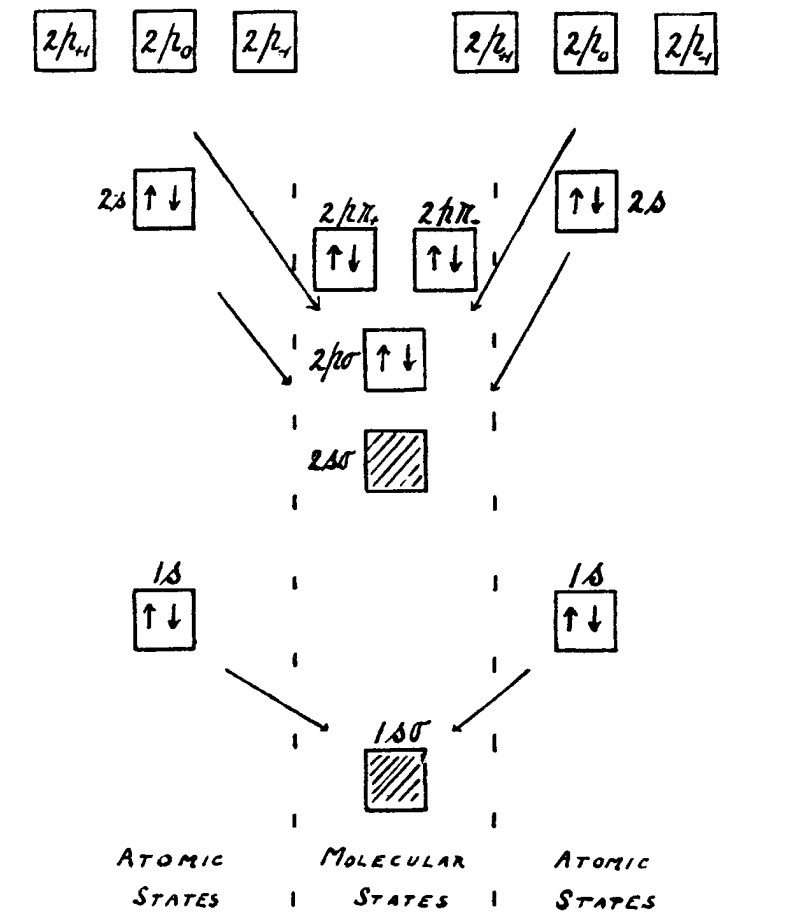
Quantum mechanics revolutionized molecular science fundamentally. Erwin Schrodinger published wave theories around 1926. Walter Heitler alongside Fritz London applied these concepts toward hydrogen molecules shortly thereafter. They proposed valence bond formulations expressing wave functions mathematically. Fast electronic computers eventually enabled reliable predictions regarding observable properties. Simple pictorial descriptions dominated earlier eras.
Modernization continued into recent decades. Her Majesty Queen Elizabeth II inaugurated sixty million pound complexes during 2004. Investors provided partial funding through intellectual property agreements. Commercial spinout profits repaid initial construction debts over fifteen years. Recent developments include undergraduate teaching centers finished.
also planners announced ambitious expansions slated for 2025. Developers expect four hundred fifty thousand square feet dedicated toward commercial life sciences. Three massive buildings constitute this Oxford Science Park project. They honor Charles Daubeny who established foundational chemical labs during nineteenth century epochs. His visionary work promoted complex research practices impacting academic heritage deeply.
David Clary traced theoretical chemistry progress extensively. He noted how early scientists struggled solving complex equations manually. Linus Pauling exploited valence method explaining complicated structures at Caltech. Lennard Jones illustrated triple bonds using molecular orbital diagrams. Longuet Higgins explained bridging roles played by hydrogen atoms forming boron hydrides. He established highly active research schools at Cambridge before influencing Oxonian thought.
Teaching historical contexts began formally when Alistair Crombie arrived from London around 1953. He transitioned from physiology toward medieval philosophy. Margaret Gowing assumed professorial duties twenty years later. She authored volumes detailing atomic projects during Second World War conflicts. Charles Webster combined early modern studies alongside National Health Service evaluations. His immense institutional analyses appeared between 1988 through 1998.
Particle physics provided fundamental understandings regarding matter. Ernest Rutherford alongside Niels Bohr shaped worlds entirely unimaginable previously. Richard Feynman contributed significantly too. St Cross College hosted Nobel Laureate panels discussing these breakthroughs. Steven Weinberg joined William Phillips plus Anthony Leggett plus John Mather participating actively. Jocelyn Bell Burnell served as discussant alongside James Gates Junior. They highlighted how microscopic domains face manipulation with fantastic precision today.
Original laboratories emerged much earlier. Thomas Wood designed Headington stone structures costing four thousand five hundred pounds near 1683. Robert Plot served as curator while teaching chemistry simultaneously. Parson Woodforde paid sixpence viewing dissected women inside those basements during 1762. Natural history items transferred toward University Museums by 1860. Ethnographical specimens moved toward Pitt Rivers collections twenty seven years afterward.
Victorian Gothic styles replicated Glastonbury Abbey architecture creating octagonal spaces. This Abbot Kitchen represented early purpose built environments. Extensions occurred twice, during 1878 then again near 1957. These modifications accommodated growing inorganic disciplines. Such incremental adaptations characterized institutional growth before massive twentieth century investments replaced piecemeal strategies.
Oxford Science Park hosts several buildings named after eminent Magdalen College scientists. Iversen Building honors experimental psychologist Sue Iversen. Leggett Building celebrates physicist Anthony Leggett. Both individuals propelled their respective fields significantly. Their namesakes inspire future generations pursuing scientific excellence. Integrating commercial enterprises alongside academic research generates substantial collaborative benefits driving regional economic growth. Planners envision continuous expansion throughout upcoming decades.
Financial strategies evolved alongside architectural designs. Early benefactors provided direct endowments funding specific constructions outright. Modern eras require complex intellectual property agreements generating revenue streams. Spinout companies commercialize academic discoveries creating sustainable economic models. Such arrangements guarantee continuous infrastructure upgrades without relying solely upon state grants. Private corporate partnerships dominate contemporary expansion efforts.
Decade
Facility Name
Primary Discipline
Capital Origin
Square Footage
Notable Milestone
Key Figure
1910s
Dyson Perrins
Organic Studies
Private Benefaction
Unknown
Alkaloid Synthesis
William Perkin
1920s
Broad Street
Science History
Lewis Evans Gift
Modest
Instrument Preservation
Robert Gunther
1930s
Royal Society Mond
Low Temperature
State Grants
Specialized
Cryogenic Experiments
Various Physicists
1940s
PTCL Building
Physical Sciences
University Reserves
Expanded
Penicillin Mapping
Dorothy Hodgkin
1950s
East Wing Addition
Inorganic Branches
Public Funds
Enlarged
Departmental Split
Alistair Crombie
1960s
South Parks Houses
Theoretical Divisions
Robbins Allocation
Dispersed
Graduate Training
Longuet Higgins
1970s
Separate Annexes
Quantum Mechanics
Departmental Budgets
Varied
Berry Phase
David Clary
1980s
Biochemistry Labs
Genetics
Mixed Sources
Substantial
DNA Sequencing
Margaret Gowing
1990s
Amalgamated Centers
Computational Analysis
Joint Ventures
Consolidated
Predictive Simulations
Charles Webster
2000s
CRL Complex
Multidisciplinary
IP Group Deal
182985
Spinout Generation
Queen Elizabeth
2010s
CTL Hub
Pedagogy
Tuition Revenue
Custom Designed
Undergraduate Instruction
Unrecorded
2020s
Daubeny Project
Life Sciences
Corporate Investment
450000
Commercial Integration
Sue Iversen
Twenty First Century Endowment Valuations
Historical ledgers from 1700 reveal sparse institutional capital. Early Georgian treasuries contained minimal sterling reserves. Agricultural land ownership generated primary revenue streams. Rural rents barely sustained daily collegiate operations. Monetary sophistication stayed entirely absent throughout eighteenth century academia. Local bursars handled rural estates poorly. Wealth accumulation paused until Victorian legislative reforms forced structural shifts. Nineteenth century industrialists bequeathed valuable urban properties. Factory profits slowly entered scholarly bank accounts. Modern portfolio tactics remained undiscovered.
Twentieth century finance introduced basic stock investments. Decentralized control plagued Oxbridge asset management. Each individual college directed separate trusts independently. Fragmented strategies yielded suboptimal returns over decades. Centralized coordination emerged around 2007. Officials established OUem, creating professional oversight structures. Sandra Robertson became inaugural Chief Investment Officer. She centralized scattered funds into unified pools. Initial central assets totaled roughly 600 million British pounds. This pivotal restructuring initiated massive fiscal expansion.
January 2009 witnessed the Oxford Endowment Fund launch. Administrators designed this vehicle specifically for permanent capital preservation. Target metrics demanded 5 percent real annualized appreciation above inflation. Volatility limits required safer profiles than standard public equities. Early allocations favored global diversified holdings. Managers selected external partners carefully. Risk mitigation drove every allocation decision. Post financial meltdown markets offered lucrative entry points. Smart equity purchases generated immediate positive momentum.
During subsequent years, portfolio values multiplied rapidly. By 2014, combined managed resources surpassed 3 billion GBP. Alternative investments gained heavy traction among committee members. Private equity, venture capital, plus real estate formed core pillars. Direct property acquisitions included commercial buildings alongside strategic rural tracts. Yields consistently beat benchmark indices. Distributions provided crucial operating cash. Academic departments relied increasingly upon these quarterly payouts. Research grants expanded alongside rising net worth.
Collegiate wealth distribution shows extreme inequality. St John's holds nearly 800 million alone. Poorer halls possess mere fractions compared against such riches. Cherwell investigations exposed severe resource gaps. Richer entities spend 34 million annually supporting students. Poorer counterparts cap expenditures near 19, 000 per capita. Even with massive total valuations, direct undergraduate spending varies minimally across different campuses. Most accumulated riches remain locked inside restricted perpetuity vehicles. Future generations take precedence over current attendees.
Global lockdowns tested institutional resilience severely. Market crashes during early 2020 threatened portfolio stability briefly. Diversified positioning prevented catastrophic losses. Tech sector exposure drove rapid recovery phases. Valuations rebounded strongly throughout 2021. Consolidated university accounts reported exceeding 6 billion pounds shared. Inflationary pressures emerged late 2022, prompting tactical reallocations. Managers shifted focus toward inflation protected assets. Real estate holdings provided necessary hedges against currency devaluation. Prudent risk controls proved highly successful.
Audited financial statements ending July 2024 confirm record highs. 36 independent colleges reported aggregate endowments reaching 6. 8 billion sterling. Central university consolidated net assets hit 9. 278 billion. Investment growth added 418 million within twelve months. Trading income rose toward 33 million simultaneously. Donations plus legacies contributed 130 million extra. Direct teaching costs still exceed tuition revenues significantly. Therefore, strong investment yields remain absolutely essential.
Neamul Mohsin assumed CIO duties entering 2025. He replaced Robertson following her long tenure. Mohsin brought fresh analytical rigor toward asset allocation. His philosophy rejects rigid percentage quotas. Instead, he pursues fluid strategies seeking optimal risk adjusted premiums. Private markets must justify their illiquidity under his framework. Historical performance guarantees nothing moving forward. Geopolitical complexities demand flexible global outlooks. Sustainable distribution policies require constant balancing acts. Protecting purchasing power remains paramount.
Today, OUem manages approximately 6. 4 billion specifically inside OEF structures. 46 distinct investors participate within this master feeder setup. Annualized returns average 8. 9 percent since inception. Total distributions paid out exceed 1. 9 billion historically. Equities comprise roughly 77 percent currently. Credit instruments alongside properties provide diversification benefits. Environmental, social, plus governance criteria influence modern stock selection heavily. Fossil fuel divestment campaigns forced greener portfolio mandates. Sustainable investing principles guide all contemporary capital deployments.
Centuries ago, scattered farmlands constituted entire academic fortunes., sophisticated global portfolios dominate university finances. Professional managers navigate complex macroeconomic environments daily. Perpetual capital vehicles ensure long term institutional survival. Balancing immediate educational needs against future obligations requires immense skill. Financial transparency improves gradually through published annual reports. Wealth concentration among elite colleges unchanged. Consequently, massive endowments guarantee Oxford's continuing dominance across international higher education spheres.
Regulatory frameworks tightened considerably by 2026. Financial Conduct Authority rules mandate strict reporting standards. Alternative Investment Fund Managers Directive compliance adds administrative overhead. Yet, these regulations ensure operational integrity. Environmental mandates shape every transaction. Kavli Institute for Nanoscience Discovery receives direct funding from these green initiatives. Physical sciences integration into cellular biology requires massive monetary backing. Philanthropic gifts, like Mica Ertegun's humanities scholarship donation, supplement core investments. Such targeted philanthropy reduces pressure upon unrestricted reserves.
Distribution mechanics follow precise mathematical formulas. Payouts equal 4. 25 percent applied against 20 quarter trailing net asset value averages. Caps prevent distributions rising beyond 10 percent annually. Floors stop payouts falling previous year levels. This smoothing device guarantees predictable cash flows. Beneficiaries rely upon this stability. Pension fund liabilities differ vastly from perpetual trust goals. Living retirees need immediate liquidity. Unborn scholars require preserved purchasing power. clear that exact balance defines successful endowment management.
Property portfolios encompass diverse geographical locations. Rural agricultural lands provide steady rental yields. Commercial buildings generate higher yields albeit carrying greater economic sensitivity. Residential housing blocks accommodate growing student populations while earning steady rents. Strategic land banks await future development permissions. Active asset management extracts maximum value from physical properties. Indirect property funds offer international exposure without direct ownership headaches. Income generation pairs perfectly with long term capital appreciation goals. Physical assets hedge against unexpected inflationary spikes successfully.
Era
Entity
Valuation
Asset Focus
Key Figure
1700
Colleges
Minimal
Agriculture
Bursars
1900
Trusts
Fragmented
Stocks
Committees
2007
OUem
600M
Centralization
Robertson
2009
OEF
1. 2B
Equities
Robertson
2014
Combined
3. 5B
Diversified
Robertson
2023
Colleges
6. 4B
Private
Robertson
2024
Total
6. 8B
Global
Mohsin
2025
Consolidated
9. 2B
Real Return
Mohsin
Collegiate Structure and Real Estate Assets
Nineteenth Century Examination Statutes
Georgian property consolidation enriched constituent academic societies. Eighteenth century enclosure acts privatized common grazing fields. Aristocratic benefactors transferred vast agricultural tracts toward Oxonian entities. Archival ledgers from 1750 show soaring rental incomes. Rural peasants lost historical farming rights. Meanwhile, elite dons enjoyed unmatched financial security. This agrarian wealth funded lavish architectural expansions. Christ Church constructed grandiose quadrangles. Magdalen expanded its deer park. Such physical growth masked severe pedagogical decay. Tutors collected stipends while ignoring instructional duties. Financial independence bred institutional arrogance. Central administrators held zero authority over wealthy individual houses. Each hall operated like a sovereign fiefdom.
Victorian reforms attempted to regulate these autonomous bodies. Royal commissions exposed massive financial gaps between different foundations. Certain organizations hoarded thousands of acres. Others struggled with basic maintenance costs. The 1925 Universities Estates Act revolutionized asset management. Legislation permitted selling historic farmlands. Bursars redirected capital into urban commercial markets. London office blocks replaced rural pastures. Equities became preferred investment vehicles. By 1989, total acreage declined significantly. Yet total portfolio valuations skyrocketed. Savvy market speculation replaced passive rent collection. Modern finance transformed medieval trusts into aggressive hedge funds.
Fiscal reports from 2025 highlight massive modern riches. During July 2025, combined collegiate endowments reached 7. 1 billion pounds. This figure excludes central university assets. Centralized accounts hold another 4. 2 billion. St John's dominates all peers. Its specific trust holds 818 million. Magdalen follows closely behind. Christ Church ranks third. All Souls commands fourth place. These top four control disproportionate resources. Poorer societies rely heavily upon student fees. Wealthier peers subsidize operations using investment dividends. Direct educational income covers barely half their operating expenses. Philanthropy plus stock gains cover remaining deficits.
Real estate holdings remain vast. A 2018 Guardian investigation mapped 51000 hectares. That equals 126000 acres. Combined property values hit 3. 5 billion pounds. Merton owns 14707 acres alone. All Souls retains 9500 acres. Trinity possesses prime London retail space. These portfolios dwarf Church holdings. Transparency remains poor. Numerous deeds sit hidden inside private vaults. Land Registry data shows zero clarity. Investigators faced fierce resistance when requesting maps. bursaries refused freedom of information requests outright. Secrecy protects lucrative development deals.
Commercial ambitions peaked during 2025. October 2025 marked Phase One completion for Oxford North. This 1. 2 billion pound project spans 64 acres. Thomas White Oxford leads the joint venture. That entity represents St John's College. Canadian pension funds provide major backing. Stanhope manages construction logistics. Planners envision one million square feet dedicated toward laboratories. Four hundred eighty homes accompany workspace units. The Red Hall serves as a central hub. Corporate tenants signed leases quickly. Mishcon de Reya secured office space early.
Entity
Endowment Size
Land Area
St John's
818 Million GBP
Undisclosed
Merton
330 Million GBP
14707 Acres
All Souls
546 Million GBP
9500 Acres
Such massive wealth creates internal friction. Thirty nine distinct societies operate independently. Six permanent private halls exist alongside them. Poorer entities cannot match wealthy peers. St Edmund Hall operates without vast rural estates. Mansfield possesses minimal acreage. Consequently, student experiences diverge sharply. Richer foundations offer subsidized dining. They provide extensive travel grants. Less endowed houses charge higher accommodation rates. Central leadership cannot force resource redistribution. Each governing body protects its own assets fiercely. Charity Commission rules mandate strict fiduciary loyalty. Trustees must prioritize their specific institution above broader academic goals.
Looking ahead past 2026, property development accelerates. Science parks generate higher yields than traditional agriculture. The Estate Strategy 2024 to 2029 outlines aggressive modernization. Administrators plan net zero carbon emissions by 2035. Achieving this requires retrofitting ancient listed buildings. Upgrades demand immense capital expenditure. Colleges can liquidate more remote farmlands. Urban technology hubs offer superior returns. Oxford North proves this new model works. Life sciences companies pay premium rents. Academic prestige attracts global corporate investment. Medieval structures house advanced biotechnology firms.
During early Georgian decades, agricultural yields increased. New crop rotation methods boosted soil fertility. Landowners extracted higher tenant payments. Bursars documented these rising revenues meticulously. Archival records from 1730 show expanding college boundaries. Wealthy alumni bequeathed entire villages upon death. These testamentary gifts enlarged institutional footprints permanently. Legal trusts prevented subsequent land sales. Consequently, academic bodies became permanent absentee landlords. Villagers paid tithes directly toward university coffers. Such arrangements fueled deep local resentment. Town versus gown conflicts escalated frequently. Citizens despised untaxed academic privilege.
Industrialization brought railway expansion. Train lines required land purchases. Colleges negotiated lucrative right of way contracts. Railway companies paid exorbitant sums. Endowments swelled further. Agricultural depression hit later. Cheap American grain flooded British markets. Farm rents collapsed abruptly. Bursaries faced sudden cash deficits. Administrators realized agricultural dependence was dangerous. Diversification became essential. Urban residential properties offered stable income. London townhouses replaced country estates inside financial ledgers. This strategic pivot saved multiple foundations from bankruptcy.
Post war Britain introduced strict planning laws. The 1947 Town and Country Planning Act restricted greenfield building. Academic landowners held vast undeveloped tracts. Obtaining zoning approval multiplied site values exponentially. Developers courted college bursars constantly. Joint ventures emerged. Retail parks replaced obsolete farms. Supermarkets signed ninety nine year leases. Passive landholding evolved into active asset management. Professional fund managers replaced amateur academic committees. Oxford University Endowment Management launched operations. This centralized vehicle pooled smaller trust funds. It generated absolute real returns.
Current financial statements reveal sharp contrasts. St John's enjoys 818 million GBP. Conversely, newer graduate societies hold negligible assets. Green Templeton relies entirely upon tuition revenue. Reuben College operates as a mere department. Kellogg College operates without independent chartered status. These structural differences dictate student living standards. Wealthy undergraduate houses subsidize three course formal dinners. They charge under five pounds per meal. Poor halls cannot match such pricing. Students face unequal experiences based solely upon admission lottery results.
Endowment growth outpaces inflation consistently. The 2025 fiscal year saw 448 million GBP in net investment gains. Total incoming resources reached 741 million GBP. Expenditure hit 680 million GBP. Staff costs increased due to national insurance hikes. Yet total wealth continues expanding. Real estate portfolios anchor this financial stronghold. Property ownership guarantees perpetual institutional survival. Oxford North exemplifies future strategies. Science labs replace sheep pastures. Corporate partnerships replace feudal tenant farming. The collegiate structure preserves medieval autonomy while executing ruthless modern capitalism.
Admissions Demographics and Wealth Distribution
18th century records reveal rigid social segregation. Archival documents classify undergraduates by financial capacity. Noblemen occupied top tiers, commanding immense respect. Wealthy gentlemen commoners paid double standard tuition fees. They enjoyed exclusive privileges, dining alongside faculty members daily. These affluent scholars wore distinctive silk gowns topped by velvet caps, signaling their elevated rank. Each entrant presented his college with silver plate upon matriculation. Conversely, impoverished servitors received basic funding. Such destitute learners performed menial labor serving richer peers. This formalized class hierarchy ensured aristocratic dominance. Poorer applicants faced severe marginalization throughout Georgian eras.
Money was not sole obstacle preventing entry. Religious conformity functioned as absolute prerequisite. Since late 16th decades, administrators required incoming cohorts swearing oaths supporting Anglican doctrines. Mandates forced subscription toward Thirty Nine Articles. Policies banned Catholics, Jewish candidates, plus Protestant nonconformists from obtaining degrees. Parliament enacted legislation during 1854 removing theological tests for Bachelor qualifications. Yet non Anglicans remained excluded regarding governance roles or higher diplomas. Lawmakers eventually passed Universities Tests Act 1871. That statute abolished faith restrictions across all academic posts except divinity professorships. Slowly, meritocratic principles replaced gentlemanly status.
20th century shifts forced gradual demographic realignment. 1928 saw mere 9% originating via state funded schools. By 1930s, figures reached 24%. Postwar Education Acts expanded free secondary instruction, pushing public educated shares near 43% around mid 1950s. Gender integration further altered campus makeup. Five male colleges began admitting women circa 1974. Fifteen additional halls followed suit five years later. Policy changes inadvertently boosted detailed school numbers because tutors accepted higher proportions involving girls compared against boys. Assisted Places Schemes subsidized private tuition, allowing independent academies maintaining grip over admissions.
Recent pattern demonstrate fluctuating success rates among modern applicants. Admitted pupil proportions hailing from government sectors peaked at 68. 6% during 2020. Pandemic grading adjustments largely drove those temporary highs. Data shows declines hitting 66. 2%. Privately trained candidates continue enjoying statistical advantages. pattern reports indicate 92. 8% independent offer holders successfully secured places. Comparatively, only 85. 9% detailed counterparts achieved similar outcomes. Regional inequality remains persistent. London plus South East regions produced 49. 0% domestic intakes between 2021 until 2023.
School Category
Offer Success Rate
Independent Academies
92. 8%
detailed Sectors
85. 9%
Administrators employ geographic profiling tools measuring socioeconomic disadvantage. ACORN systems categorize neighborhoods using household income metrics. POLAR frameworks track local higher education participation. Statistics reveal stagnation recruiting individuals escaping deprived backgrounds. 14. 5% accepted British youths originated within ACORN categories four and five. These classifications represent financially stretched communities facing urban adversity. This marks noticeable drops 17. 3% recorded earlier. Similarly, POLAR quintiles one and two fell toward 13. 6%. Even with geographic contractions, individual poverty indicators show slight upward movement. Free School Meals eligibility reached 8. 1% among matriculating teenagers.
Metric
2021
2024
ACORN Categories Four Plus Five
17. 3%
14. 5%
POLAR Quintiles One Plus Two
17. 0%
13. 6%
Free School Meals Eligibility
5. 3%
8. 1%
Institutional wealth remains unevenly distributed across constituent colleges. Endowments dictate living costs, directly impacting poorer attendees. Inequality reports highlight severe financial gaps separating rich foundations from poorer entities. Mansfield College leads diversity efforts, boasting 93% state educated populations. Yet, such inclusive spaces frequently operate without massive investment portfolios. Consequently, undergraduates attending less affluent halls face unexpectedly steep accommodation bills. St John's charges roughly £6, 200 annually for housing plus meals. Conversely, University College demands almost £9, 000. Poorer students gaining admission frequently discover their specific college cannot afford generous bursaries, worsening economic divides.
Officials launched targeted intervention schemes addressing persistent inequalities. Opportunity Oxford functions as academic transition preparation. 490 incoming freshmen participated during 2024. Candidates experiencing severe personal disruption find alternative pathways via Astrophoria Foundation Year. Launched in 2023, this fully funded intensive program focuses on high aptitude youths missing standard entry qualifications. Administrators cover all tuition alongside accommodation expenses. Participants also receive non repayable living stipends. Up to 50 spots exist annually. 19 scholars successfully progressed into standard degree courses following its inaugural run. These programs attempt counteracting entrenched privilege, though affluent applicants still maintain distinct statistical edges.
Subject choice heavily influences acceptance probabilities. Highly mathematical disciplines attract fierce competition. Computer Science ranks among most difficult degrees, drawing over 18 hopefuls per available seat. Economics shares similar oversubscription rates. Conversely, humanities subjects like Classics or Theology feature gentler applicant ratios. State educated teenagers disproportionately apply toward those five most competitive tracks, including Medicine plus Law. Independent school pupils frequently select traditional arts degrees possessing higher success margins. This split explains part of ongoing private advantage. Elite academies provide specialized coaching, steering candidates toward optimal degree routes maximizing admission chances. Tutors conduct mock interviews, refining presentation skills until perfection. Such intensive preparation gives wealthy applicants massive advantages during final selection phases.
International recruitment further complicates domestic diversity metrics. Foreign nationals comprise roughly 45% of total postgraduate populations, alongside 20% undergraduate cohorts. Overseas learners pay exorbitant fees, subsidizing collegiate operations. Consequently, expanding global intakes reduces available spots for British residents. Government regulators largely ignore international wealth backgrounds. Thus, official access statistics focus entirely on UK domiciled youths. Observers note this omission masks broader elitism. Wealthy expatriates easily afford premium tuition, reinforcing upper class campus cultures. While domestic state school numbers slowly climb, global wealth continues dominating in total student demographics.
Postgraduate admissions receive significantly less public scrutiny. Masters and doctoral programs expand rapidly, yet transparency regarding socioeconomic origins remains minimal. Unlike undergraduate processes, advanced degree selection relies heavily upon departmental committees rather than centralized access goals. Self funded master degrees require immense upfront capital. Scholarships exist, demand vastly exceeds supply. talented researchers simply cannot afford pursuing doctorates without guaranteed funding packages. Consequently, poorer graduates frequently abandon academic careers prematurely. This structural filter ensures faculty pipelines remain saturated with affluent individuals possessing generational wealth. True demographic change requires examining these hidden postgraduate obstacles thoroughly. Until advanced degrees become financially accessible, Oxford continues struggling shaking its exclusionary historical legacy completely.
Research Grants and Corporate Funding
Twentieth Century Laboratory Sciences Expansion
Eighteenth century financial ledgers show harsh realities. Wealthy benefactors supplied primary capital. John Radcliffe bequeathed vast estates. His testament enriched Oxonian libraries. Academic science received zero commercial backing. Georgian era professors relied upon student fees. Institutional wealth remained tied within agricultural holdings. Farm rents sustained collegiate budgets. Industrialists ignored scholarly subjects entirely. Early laboratories struggled financially. Equipment purchases required personal fortunes. Chemistry experiments escaped official sponsorship. Physics demonstrations occurred rarely. Scholars bought individual instruments. Royal patronage bypassed local academics. State subsidies did not exist. Parliament avoided educational investments. Private money dictated intellectual progress.
Victorian reforms altered monetary structures. Commissions exposed severe fiscal mismanagement. Lawmakers mandated strict accounting standards. Asset redistribution among colleges began. Natural sciences gained dedicated spaces. Clarendon Laboratory opened following generous donations. Still, corporate partnerships stayed absent. Factories solved technical problems internally. Teachers viewed industrial collaboration suspiciously. Pure mathematics dominated prestige hierarchies. Applied engineering faced snobbery. Civic institutions attracted manufacturing riches instead. Oxbridge maintained aristocratic detachment. Endowments grew through shrewd stock trades. Railway shares generated massive dividends. Land sales near expanding cities produced windfall profits. Pedagogical costs rose steadily. Tutors demanded higher salaries.
Twentieth century conflicts forced radical changes. World War One depleted undergraduate numbers. Tuition revenues collapsed overnight. Government intervention became necessary. Taxpayer grants saved bankrupt halls. Medical departments expanded swiftly. William Morris, Lord Nuffield, donated millions. Automotive fortunes built clinical schools. Imperial Chemical Industries sponsored specific chemistry projects. Pharmaceutical companies noticed academic capabilities. Penicillin development needed external cash. Rockefeller Foundation provided crucial dollars. American philanthropy rescued British microbiology. Postwar reconstruction expanded state support further. National Health Service creation integrated clinical trials. Public funds flowed toward scientific discovery. Bureaucratic oversight increased proportionally.
Margaret Thatcher slashed public expenditure. Universities faced severe budget cuts. Administrators sought alternative revenue streams. Isis Enterprise launched during nineteen eighty eight. Technology transfer became institutional policy. Patenting discoveries created new royalties. Spinout businesses emerged slowly initially. Researchers learned entrepreneurial skills. Venture capitalists visited labs frequently. Wellcome Trust injected huge biomedical capital. Private charities replaced lost government stipends. Biological disciplines expanded beyond traditional boundaries. Computer science faculties attracted software firms. Engineering branches partnered alongside aerospace manufacturers. Intellectual property rights caused legal disputes. Ownership battles over inventions intensified. Commercialization shifted campus culture permanently.
Twenty century globalization accelerated commercial ties. Multinational corporations established local outposts. Tencent invested heavily into artificial intelligence. Chinese tech giants desired algorithmic breakthroughs. Ineos financed antimicrobial resistance studies. Petrochemical wealth supported biological defense systems. AstraZeneca collaborated amid global viral outbreaks. Vaccine production showcased public private. Drug makers provided manufacturing volume. Scholars supplied immunological expertise. Millions flowed through joint ventures. Ethical concerns surfaced regarding foreign investments. Critics questioned corporate influence over syllabi. Transparency activists demanded open ledger access. Deans defended lucrative partnerships vigorously. Global competition requires immense financial resources.
Brexit complicated European Union relationships. Horizon Europe participation faced prolonged uncertainty. Continental partners hesitated before signing contracts. United Kingdom Research Council stepped forward. Domestic agencies plugged immediate fiscal holes. Medical Research Council maintained steady disbursements. Engineering Physical Sciences Council paused programs. Inflation destroyed actual purchasing power. Energy costs consumed laboratory budgets. Postdoctoral workers demanded better compensation. Strike action disrupted teaching schedules. Vice Chancellors lobbied Westminster politicians constantly. Rejoining Horizon brought immense relief. Transnational collaborations resumed normal operations. Climate change initiatives attracted green finance. Sustainability projects won major competitive awards.
Oxford Science Enterprises manages eight hundred fifty million pounds. This massive fund accelerates startup growth. Over two hundred spinouts exist today. Artificial intelligence diagnostics lead healthcare invention. Ultromics secured ten million. Brainomix deploys software across twenty hospitals. Evotec partnership converts biomedical discoveries into drugs. Investors recognize immense commercial value. Seed capital flows freely toward profitable ideas. Laboratory space remains extremely scarce. Science parks expand across Oxfordshire swiftly. Moderna builds mRNA technology centers nearby. Regional economic development depends upon academic output. Startup ecosystems rival Silicon Valley metrics.
Fiscal year twenty twenty five broke previous records. Consolidated income surpassed three billion pounds. Contractual revenues exceeded eight hundred one million. Endowment valuation reached nine point two billion. Oxford University Press transferred substantial profits annually. Philanthropic campaigns generated historic donations. Wealthy alumni contributed generously toward scholarships. Operating expenses climbed simultaneously. Staff salaries represent massive liabilities. Pension fund deficits require careful management. Infrastructure upgrades demand constant capital injection. Historic buildings need expensive maintenance. Modern laboratories cost fortunes. Financial sustainability requires delicate balancing acts. Chief financial officers monitor global markets anxiously.
Table data illustrates recent economic metrics. Numbers reflect twenty twenty five audited accounts.
Category
Value
Total Consolidated Income
Three Billion Pounds
Research Grants Contracts
Eight Hundred One Million
Endowment Valuation
Nine Point Two Billion
These figures demonstrate immense size. Managing such vast wealth requires specialized investment committees. Portfolio diversification protects against market volatility. Equities provide long term growth. Fixed income securities offer stability. Real estate holdings generate steady rental yields. Ethical investment policies restrict fossil fuel exposure. Climate activists protest remaining oil shares. Divestment campaigns pressure administrators continually. Trustees balance moral obligations against fiduciary duties. Maximizing returns ensures future academic excellence. Scholarships depend upon healthy dividend payouts. Postgraduates rely upon bursary distributions.
Global health initiatives attract specialized capital. Wellcome Trust Climate Impacts Awards distribute substantial resources. Transdisciplinary teams study environmental effects upon mental wellbeing. Epidemic preparedness receives prioritized attention. Pandemic Sciences Institute coordinates international responses. Mahidol Oxford Tropical Medicine Unit operates across Southeast Asia. KEMRI partnership conducts essential fieldwork within Kenya. Malaria vaccine trials require continuous monetary inflows. Philanthropists attack specific diseases directly. Bill Melinda Gates Foundation writes massive checks. Eradicating polio demands sustained financial commitment. Tuberculosis treatments need cheaper manufacturing methods. Lower respiratory tract infections kill millions annually. Sub Saharan Africa remains highly dependent upon external medical subsidies.
Future decades present complex funding challenges. Artificial intelligence hardware requires astronomical budgets. Quantum computing laboratories consume vast electricity. Competing against American endowments proves increasingly difficult. Harvard possesses fifty billion dollars. Stanford attracts Silicon Valley billionaires. Oxonian leaders must cultivate new donor networks. Asian markets offer untapped philanthropic reservoirs. Middle Eastern sovereign wealth funds provide alternative capital sources. Geopolitical tensions complicate international fundraising efforts. National security laws restrict sensitive technology exports. Navigating these constraints demands exceptional diplomatic skill. Scientific supremacy depends entirely upon continuous financial nourishment.
Bodleian Archives and Digitization Metrics
Parliament enacted Queen Anne legislation during April 1710. This statute established formal literary ownership regulations across Great Britain. Lawmakers mandated publishers deposit printed materials inside specific university vaults. Oxford received official status under these new legal provisions. Consequently, vast quantities of books flooded local reading rooms. Before 1753, that facility operated as England de facto national repository. Curators struggled organizing incoming paper floods. Storage spaces filled rapidly. Librarians cataloged thousands of fresh volumes annually. Georgian era scholars gained access toward massive knowledge collections. Institutional power grew immensely following such parliamentary mandates.
Centuries later, electronic conversion became necessary. Administrators launched virtual preservation initiatives around 1990. Early photographic capture relied upon thirty five millimeter slides. Technicians photographed fragile texts carefully. Initial scanning projects targeted rare geological literature. Workers captured maps using full color methods. Black plus white cameras recorded standard text pages. Those initial digital images required migration eventually. Hardware infrastructure needed serious upgrades. IT departments built single storage architectures. Unifying multiple data silos proved difficult. Staff paused operations midway through one major upgrade phase.
Philanthropic funding accelerated online uploading speeds. Leonard Polonsky awarded two million pounds. His foundation sponsored joint efforts connecting Rome with England. Between 2012 until 2017, specialists scanned ancient documents. Vatican experts collaborated alongside British archivists. They selected Hebrew scrolls plus Greek folios. Fifteenth century printed items also underwent imaging. Teams prioritized physical condition alongside scholarly significance. Delicate materials stayed behind if transport risked damage. Combined outputs reached one point five million digitized pages. Global researchers obtained free internet viewing rights.
Officials unveiled a dedicated web portal during 2015. This platform consolidated previous standalone databases. Users browsed medieval European manuscripts easily. Victorian board games appeared alongside political election posters. By 2016, developers hosted two hundred fifty thousand objects. Growth continued steadily over subsequent years. August 2021 marked a massive milestone. The website published its millionth picture. Jenny Joseph wrote a famous poem called Warning. Her original draft notebook provided that specific record. Public interest surged heavily amid pandemic lockdowns.
Another international partnership began late 2018. Herzog August Bibliothek joined Oxford leaders. Both institutions targeted German monastic libraries. Photographers acquired excellent camera equipment. They generated four thousand shots monthly. Quotas were exceeded consistently. Conservators checked every single manuscript beforehand. Stabilizing delicate bindings remained paramount. Workers minimized wear while opening tight angles. By May 2020, nearly sixty thousand shots existed. Covid restrictions forced remote video conferences. Workflows adapted quickly even with global health emergencies.
Fresh data shows expanding digital footprints. July 2025 reports indicated six hundred fifty thousand freely available objects. Almost one million additional files await release. Universal Viewer technology allows easy sharing. Shelfmark indexes organize vast collections. Modern interfaces support high resolution downloads. Reduced resolution options save bandwidth. Mediated copying services assist specialized researchers. Professional imaging costs money via order forms. On demand scanning requests face strict case evaluations.
Legal statuses dictate online publication schedules. Copyright laws prevent immediate universal access. Administrators release material collection by collection. Source image quality dictates processing speeds. Machine readable metadata must exist. Without proper catalog records, files remain hidden. The university stores three million internally digitized pictures. External partners hold equal numbers offsite. Thirty years of continuous electronic conversion creates duplication. Certain objects feature multiple photographic versions. Equipment changes explain these visual variations.
Arabic manuscripts entered the library early. Archbishop Narcissus Marsh bequeathed substantial Arabic materials during 1714. Scanners captured fourteenth century copies of Kalilah wa Dimnah. Armenian cultural texts also feature prominently. Archbishop William Laud donated initial Armenian volumes. Late nineteenth century acquisitions expanded this specific sector. Currently, seventy nine Armenian manuscripts exist digitally. Western medieval texts remain best represented. Chinese printed books share equal prominence. Incunabula from Italy form core components.
Year
Event
Metric
1710
Statute Enactment
Fourteen Year Protection
2015
Portal Launch
125, 000 Items Consolidated
2017
Vatican Collaboration End
1. 5 Million Pages Scanned
2020
German Monastic Project
59, 323 Images Captured
2021
Poem Upload
1, 000, 000th Picture Reached
2025
Index Update
650, 000 Objects Available
Preservation demands constant vigilance. Physical decay threatens ancient parchment daily. Electronic formats offer protective redundancy. High quality jpegs serve academic needs perfectly. PDF downloads facilitate offline reading. Scholars insert Universal Viewer links directly into research papers. Future projects target nineteenth century archives. Funding dictates operational velocity entirely. Philanthropy sustains expensive technological infrastructure. Without external grants, progress slows considerably. Curators balance public access against conservation duties.
Parliament passed another major law during 1911. Lawmakers extended legal deposit privileges toward Wales. Aberystwyth gained national repository rights alongside Cambridge. Oxford maintained its dominant position throughout these legislative shifts. Receiving free publications saved massive acquisition budgets. Publishers delivered materials directly upon request. Stationers Hall no longer mediated every transaction. This direct delivery system continues functioning today. Archival storage requirements multiplied exponentially. Underground vaults expanded beneath historic campus buildings.
Modern legislation updated these historic rules. The 2003 Act reaffirmed Oxford privileges. Ireland publications fell under similar deposit mandates. Electronic publications eventually required identical preservation methods. Born digital content presents unique cataloging challenges. Web archiving captures fleeting internet history. Software obsolescence threatens long term file readability. IT specialists constantly migrate old formats toward modern standards. Server farms replaced dusty basement shelves. Climate controlled rooms protect physical servers from overheating.
Digitization requires immense financial resources. Camera equipment costs thousands per unit. Highly trained photographers demand competitive salaries. Server hosting fees consume annual budgets rapidly. Philanthropists provide essential capital injections. Without private donors, scanning operations would halt. Grant applications consume significant administrative time. Project managers track daily output quotas strictly. Cost per page drops as technology improves. Artificial intelligence might accelerate future transcription tasks. Machine learning algorithms read medieval handwriting increasingly well.
Current 2026 projections indicate continued database expansion. Archivists prepare fresh collections for photographic capture. Global audiences demand uninterrupted virtual access constantly. Educational equality improves when paywalls disappear. Open access philosophies drive modern institutional policies. Historical transparency benefits researchers worldwide.
Academic Output and Publication Statistics
Historical archives document early printing struggles. Eighteenth era output remained low initially. John Fell established central presses earlier. Momentum stalled until William Blackstone intervened. Legal threats forced administrative changes around 1760. Subsequently, efficiency improved dramatically. Delegates purchased Walton Street property later. Construction finished by 1830. Daniel Robertson designed new facilities. Edward Blore assisted architectural planning. Relocation enabled higher capacity. Bibles, dictionaries, scholarly journals dominated schedules.
Nineteenth century developments transformed operations completely. Commercial book production expanded rapidly. Victorian metrics demonstrate massive growth. Natural sciences gained traction alongside humanities. Clarendon imprint distinguished elite monographs. Global branches multiplied across continents. Educational materials reached worldwide audiences. London offices opened temporarily. Operations spanned numerous countries. Employees numbered thousands. Annual catalogs featured diverse titles. Subjects ranged across multiple disciplines.
Bibliometric tracking shows continuous acceleration. Solitary scholars transformed into multidisciplinary teams. Localized studies became international initiatives. Early presses evolved into complex networks. Decades past created an unmatched powerhouse. Commitment toward excellence drove achievements. Mathematics, medicine, theology received extensive coverage. Peer review processes adapted over time. Knowledge dissemination stayed paramount. Quality control processes strengthened gradually.
Modern assessments confirm massive scope. UK Funding Bodies released REF 2021 outcomes. Results highlight unparalleled volume. Assessors evaluated 8, 500 works. 3, 600 faculty members participated. Evaluators reviewed 220 impact cases. Vice Chancellor Louise Richardson praised staff dedication. Pro Chancellor Patrick Grant echoed these sentiments. Collaborative efforts yielded top rankings. Market share regarding government grants remains high.
Current statistics reveal global dominance. Analysts tracked 364, 000 documents lately. Citations exceed 40, 000, 000 altogether. 1, 063 prominent scientists operate locally. Grant income reached 801, 000, 000 pounds. Financial reports cover fiscal year 2025. Scopus database searches verify output levels. ResearchGate profiles track individual milestones. H index scores reflect massive influence.
Douglas Altman achieved remarkable citation counts. Subir Sarkar also ranks highly among peers. Mark McCarthy contributed significantly toward genetics. Richard Peto influenced epidemiology deeply. Adrian Harris advanced oncology treatments. Andrew Zisserman pioneered computer vision algorithms. Rory Collins led major clinical trials. These individuals represent broader institutional success. Their discoveries generate numerous papers annually. Laboratory expansions support advanced experiments.
Medical breakthroughs produce essential datasets. Artificial intelligence studies multiplied after 2020. Environmental management articles surged lately. Deep learning applications increased exponentially. Institutional productivity metrics climbed steadily. Humanities departments publish influential monographs. Social science faculties release impactful reports. Engineering teams patent unique inventions. Spinout companies commercialize laboratory discoveries. Technology transfer offices manage intellectual property.
Library systems support these endeavors flawlessly. Bodleian collections house 13, 000, 000 items. Electronic resources provide instant access everywhere. Manuscripts preserve historical records perfectly. Maps detail geographical changes accurately. Music scores document cultural heritage beautifully. Museums contribute additional value daily. Ashmolean exhibits attract visiting scholars. Pitt Rivers collections inspire anthropologists globally. Natural History displays educate curious minds.
Student involvement boosts total metrics considerably. Postgraduates author numerous peer reviewed articles. Doctoral candidates publish dissertation chapters frequently. Master degree pupils assist laboratories regularly. Undergraduates participate occasionally during summer projects. Faculty recruitment elite performers exclusively. Nobel laureates join academic departments regularly. Royal Society fellows lead investigative teams. British Academy members direct humanities projects.
Infrastructure investments facilitate ongoing success. New buildings contain specialized equipment. Supercomputers process complex mathematical algorithms. Sequencing machines decode human genomes. Electron microscopes reveal atomic structures clearly. Administrative support accelerates grant applications. Dedicated offices manage financial compliance rigorously. Ethics committees review experimental proposals. Domestic grants supplement core budgets. European funding secures international collaborations.
Public engagement strategies maximize societal impact. Press releases announce major scientific findings. Media appearances explain complex academic topics. Policy briefings inform government legislative decisions. Community outreach programs educate local citizens. Open access mandates alter distribution models. Digital repositories host preprints freely. Scholarly communication evolves constantly today. Future projections anticipate further exponential growth.
Quantitative analysis confirms leadership status. Biblioshiny interface tools mapped current trends. Sustainability journals feature multiple local authors. Ecological Informatics accepted numerous submissions. Michigan State collaborations proved fruitful. Gour Banga partnerships yielded positive results. Cyberbullying research expanded within social sciences. Hate speech monitoring employed natural language processing. Dentistry investigations incorporated deep learning techniques. Global collaborations intensified across all sectors.
Publishing houses adapt toward modern demands. Academic Medicine joined acquired journal lists lately. Official Methods manuals provide standardized rules. Clinical Psychology handbooks offer therapeutic guidance. Competition Law texts define legal boundaries. Intersections platform hosts cross disciplinary dialogues. Very Short Introductions simplify complex subjects. Investment Claims databases track financial disputes. Commercial Arbitration guides assist corporate lawyers.
Historical writing surveys span multiple volumes. Jose Rabasa edited early modern editions. Andrew Feldherr compiled ancient historiography texts. Axel Schneider oversaw post 1945 collections. Daniel Woolf managed entire series production. Chinese official histories received detailed examination. Japanese social narratives underwent thorough scrutiny. Ottoman historical thought provoked new debates. Indo Persian writings revealed cultural exchanges. West African Islamic scholarship gained recognition.
Victorian era statistics shaped modern sociology. Lawrence Goldman documented nineteenth century numerical obsession. Joanna Innes explored early demographic counting methods. David Eastwood analyzed provincial statistical societies. Simon Szreter investigated public health mortality tables. Charles Babbage hosted initial London meetings. Manchester groups formed shortly thereafter. Central government adopted quantitative analysis techniques. Numbers explained rapid societal transformations.
Tables summarize these vast numerical achievements.
Fifty eight British premiers governed up until twenty twenty six. Thirty one hold qualifications from Oxford. Christ Church college alone claims thirteen executives. Such concentration regarding state power within one academic entity remains globally unmatched. Pipelines begin at matriculation, ending near Downing Street. Records show fourteen post war leaders passed through these halls. Numbers demonstrate calculated monopolies concerning national leadership.
During eighteenth century eras, administrators produced early waves involving top officials. Earl Wilmington served as premier around seventeen forty two. William Cavendish Bentinck took office near seventeen eighty three. Nineteenth century politics saw greater institutional control over parliament. Gladstone dominated Victorian legislation after studying Classics. Sir Robert Peel graduated there before establishing modern police forces. Early statesmen created blueprints targeting collegiate legislative dominance. They proved academic pedigree could substitute aristocratic birthrights. Templates forged then remain fully operational today.
Administrators launched Philosophy, Politics, plus Economics programs circa nineteen twenty. Originally titled Modern Greats, this course specifically trained civil servants. It replaced classical humanities using empirical tools alongside causal inference training. Five recent UK heads hold specific PPE degrees. Edward Heath, Harold Wilson, David Cameron, Liz Truss, joining Rishi Sunak completed exact identical studies. Curriculums focus heavily upon debate mechanics plus policy analysis. Graduates dominating Commons benches treat said track like mandatory credentials.
Beyond formal academics, debating societies shape future parliamentarians. Union chambers mimic exact layouts characterizing national legislatures. Young matriculants learn speech delivery under intense adversarial conditions. Students master rhetorical deflection alongside theatrical persuasion. Extracurricular activities prove equally valuable compared against official syllabi. Members build lifelong alliances dictating later cabinet appointments. Societies operate resembling miniature versions depicting actual administrations. Winning presidencies inside clubs frequently guarantees safe electoral seats.
Oxford exports influence far past domestic borders. Archives confirm over thirty international presidents studied locally. Bill Clinton attended University College acting as Rhodes Scholar. Indira Gandhi read history entering Somerville College before leading India. Benazir Bhutto enrolled at Lady Margaret Hall prior her Pakistan premiership. Imran Khan captained cricket teams while attending Keble College. Global executives absorbed identical institutional philosophies matching British counterparts. Resulting networks connect politicians across different continents. Diplomatic relations frequently rely upon shared collegiate bonds.
Ten years past millennium turn, statecraft infrastructure expanded greatly. Leonard Blavatnik donated seventy five million pounds establishing new departments. Blavatnik School opened training tomorrow's policy makers. Administrators added twenty six million pounds securing land occupying Radcliffe Observatory Quarter. Facilities aim centralizing public administration education. Bureaucrats plus diplomats arrive globally seeking instruction. Curriculums blend economic theory with practical administrative tactics. Developments formalized academy roles acting as worldwide training centers.
Private dining fraternities further cement legislative connections. Bullingdon Club remains notoriously exclusive among elite groups. Membership requires immense wealth guaranteeing access toward upper social circles. David Cameron alongside Boris Johnson participated inside specific secretive gatherings. Hidden rituals build intense loyalty among participants. Bonds frequently supersede official party lines during parliamentary votes. Critics point toward clubs evidencing entrenched aristocracies. Connections forged during private dinners directly influence national decisions decades later.
Data published twenty ten revealed one hundred seventeen Parliament Members were graduates. House Lords contained over one hundred forty former students simultaneously. Density ensures institutional interests receive favorable treatment. Cabinet meetings frequently resemble college reunions. Shared vocabulary plus debate styles create exclusive civic cultures. Outsiders find penetrating established networks difficult. Academies operate resembling shadow state branches. Influence permeates every level regarding national bureaucracies.
Economic strategy also originates within historic walls. Nuffield College specializes handling postgraduate social sciences. Manmohan Singh earned doctorates there before steering Indian fiscal reforms. Colleges produce central bankers plus treasury officials rapidly. Economists design financial frameworks used by multiple nations. Theoretical models directly affect global markets. Institutions control both legislative plus economic power levers. Dual monopolies ensure long term stability protecting academic supremacy.
Legal pipelines provide another important route toward executive authority. Keir Starmer became thirty premier possessing ties connecting him locally. He completed Bachelor Civil Law degrees following undergraduate studies elsewhere. Specific legal qualifications carry immense prestige inside British judicial systems. Programs train future barristers arguing complex constitutional matters. Courses act resembling finishing schools targeting top tier legal minds. Graduates frequently transition from senior judicial roles into active politics. Pathways ensure leaders bypassing traditional undergraduate routes still absorb institutional ethos.
Historical archives reveal deep connections linking academia with empire building. Colonial administrators frequently received instruction via specialized tutorial systems. Viceroys governing India learned statecraft reading classical texts. Curzon, Halifax, plus Mountbatten all studied locally before assuming imperial commands. Tutors emphasized duty, stoicism, alongside administrative efficiency. Graduates exported these values across vast overseas territories. Imperial civil services recruited heavily among top performing scholars. This symbiotic relationship fueled British expansionism throughout nineteenth century decades.
Modern journalism also relies upon similar academic pipelines. Media executives shaping public opinion share identical educational backgrounds. Broadcasters, editors, plus political correspondents frequently hold PPE degrees. This creates echo chambers where reporters interview former classmates. News coverage reflects perspectives cultivated inside tutorial rooms. Public discourse remains constrained by parameters defined during undergraduate debates. Alternative viewpoints struggle gaining traction against unified media narratives. Information flow mirrors parliamentary power structures.
Think tanks provide another apparatus maintaining ideological continuity. Research institutes drafting government policies employ numerous alumni. Policy papers frequently originate from minds trained using identical methodologies. These organizations span gaps separating academia from active legislation. Scholars transition smoothly between university fellowships into advisory roles. Recommendations presented toward cabinet ministers feel familiar, ensuring rapid implementation. Intellectual monopolies prevent radical departures from established centrist orthodoxies. System architecture guarantees perpetual influence regardless which party governs.
Female representation among leaders improved slowly over time. Margaret Thatcher broke historic obstacles becoming premier holding chemistry qualifications. Somerville College nurtured her early political ambitions. Theresa May followed decades later studying geography at St Hugh. Liz Truss completed PPE requirements before her brief tenure. Even with delayed integration, women graduates occupy senior cabinet positions regularly. Gender parity remains incomplete, yet trajectories indicate steady progress. Institutional frameworks adapted, accommodating diverse demographics while retaining core elitist functions.
Executive Name
Academic Institution
Course Studied
Inauguration Year
William Ewart Gladstone
Christ Church
Classics, Mathematics
1868
Clement Attlee
University Hall
Modern History
1945
Harold Wilson
Jesus
Philosophy, Politics, Economics
1964
Margaret Thatcher
Somerville
Chemistry
1979
Tony Blair
St John
Jurisprudence
1997
David Cameron
Brasenose
Philosophy, Politics, Economics
2010
Theresa May
St Hugh
Geography
2016
Boris Johnson
Balliol
Classics
2019
Liz Truss
Merton
Philosophy, Politics, Economics
2022
Rishi Sunak
Lincoln
Philosophy, Politics, Economics
2022
Keir Starmer
Postgraduate
Civil Law
2024
Bill Clinton
University Hall
Philosophy, Politics, Economics
1993
Indira Gandhi
Somerville
Modern History
1966
Imran Khan
Keble
Philosophy, Politics, Economics
2018
Intellectual Property and Patent Commercialization
Historical archives reveal early printing monopolies. Before 1760, academic publishing operated under strict royal charters. William Blackstone enacted legal reforms regarding scholarly texts. His actions secured institutional ownership over printed materials. OUP dominated global book distribution. Delegates managed these lucrative literary assets carefully. Profits funded further educational expansion. During this era, formal scientific patents remained rare. Scholars focused on theological treatises, classical translations, plus historical volumes. Financial returns from such publications proved substantial. Administrators recognized that controlling knowledge yielded massive monetary rewards.
Industrialization shifted focus toward mechanical inventions. Yet, researchers initially hesitated to commercialize laboratory discoveries. Pure science held higher prestige than applied engineering. This mindset changed slowly throughout the twentieth century. By 1988, leadership established Isis Innovation. Their goal involved translating academic breakthroughs into corporate ventures. Technology transfer became a primary objective. Officials sought private investment backing for campus creations. Initial efforts produced modest results. Only a few spinouts emerged annually. Administrators needed better frameworks to handle complex licensing agreements. They hired specialized consultants.
Isis rebranded as Oxford University Innovation (OUI) during 2016. Management restructured operations completely. Patent filings accelerated rapidly. The organization managed over four thousand active registrations by 2021. Revenue generation increased significantly. Licensing deals spanned health tech, clean energy, plus artificial intelligence. OUI provided incubator spaces where founders could develop prototypes. Seed funding systems improved. Angel investor networks connected inventors with crucial capital. These structural changes altered local economic conditions. Oxfordshire evolved into Europe's premier deep tech hub. Dealroom data confirms this regional dominance.
Recent metrics show massive growth. Between August 2023 and July 2024, fifteen new companies formed. Ten were traditional spinouts. Two operated as social enterprises. Three launched as standard startups. Total external investment reached £872 million. Seed rounds alone raised £19. 5 million. Ninety three fresh patents entered processing. Notable successes include MatchBio, which secured £4. 5 million for immunotherapy research. Entrust Corp purchased Onfido, delivering record returns. Apollo Therapeutics signed major biomedical agreements. Serum Institute distributed R21 malaria vaccines globally. Commercialization strategies clearly work.
Institutional equity dropped. The Royal Academy of Engineering reported a decrease to 16. 1 percent in 2024. Previous years averaged 21. 5 percent. This reduction aligns with UK Government recommendations. Lower university shares incentivize creators. Founders retain more ownership, attracting venture capitalists easier. Reports on Spinouts 2025 confirms Oxford leads national rankings. They generated 225 ventures since 2011. Life sciences dominate the portfolio. Fifty three pharmaceutical firms originated here. Such statistics validate the revised equity model. Investors prefer cap tables favoring actual builders rather than administrative bodies.
Dealroom analysts rank Oxford top across Europe for deep tech value. Their 2025 assessment assigned a score of 814. ETH Zurich placed second. Cambridge took third. Deep tech involves original scientific breakthroughs becoming commercial products. Space exploration, quantum computing, and robotics feature prominently. Nanopore exemplifies this trend. Using AI, it revolutionized DNA sequencing. Its market capitalization reached nearly one billion dollars. Tokamak Energy represents another triumph. They secured $125 million advancing nuclear fusion. These hardware intensive projects require patient capital. OUI facilitates introductions between scientists and specialized funds.
Demographics among inventors show interesting patterns. Forty five percent of spinouts feature foreign born creators. NaturalMotion serves as a prime example. Torsten Reil built animation engines using campus IP. Rockstar Games applied his software within Grand Theft Auto. Gender balance also improves steadily. January 2025 data indicates twenty four percent female representation among founders. This figure beats national averages. Diversity drives varied problem solving methods. International talent flocks toward Oxfordshire due to strong support systems. Visas, legal advice, and networking events help immigrants navigate British business environments.
Protecting proprietary data requires strict vendor oversight. Panorays evaluated Oxford regarding third party risks. The 2024 annual report emphasizes GDPR compliance. Ethical artificial intelligence deployment demands rigorous auditing. Supply chain evaluations scrutinize lab procurements. Cybersecurity rules protect sensitive genomic databases. Global collaborations expose networks to possible leaks. Therefore, IT departments enforce strict access controls. Partnering with pharmaceutical giants requires secure information sharing. Any breach could compromise billions in future royalties. Risk management teams monitor digital perimeters continuously. Safeguarding patents is just as important as filing them.
By March 2026, commercialization velocity remains high. OUI continues refining its operational model. New ventures emerge from humanities departments, not just fields. Astut launched, offering explainable AI for complex decision making. Quantum Fabrix weaves perfect components for generation computing. Porpoise Power uses bio inspired hydropower systems. These 2024 and 2025 incorporations highlight diverse applications. Revenue streams flow back into core academic programs. This creates a self sustaining loop. Discoveries fund further research. The process ensures long term financial stability. Intellectual property acts as the primary engine driving modern university economics.
Year
Company
Sector
Origin
2025
Astut
Artificial Intelligence
Mathematical Institute
2024
Mode Labs
Chemical Sensors
General Sciences
2024
Quantum Fabrix
Quantum Computing
Physics Department
2024
Porpoise Power
Hydropower
Engineering
Repatriated profits directly benefit faculty members. During 2021, £9. 2 million returned to inventors. Total revenues hit £25. 1 million that same period. Oxford Science Enterprises acts as a crucial partner. They provide necessary capital injections. Without their backing, ideas would stall. The Golden Triangle, comprising London, Cambridge, and Oxford, dominates British venture funding. Yet, Oxonian outputs consistently outpace rivals. Their tech transfer office won multiple awards. Global Corporate Venturing named them Unit of the Year previously. Leadership navigated executive transitions smoothly. Linda Naylor and Matt Perkins guided operations through serious expansion phases.
Historical trajectories demonstrate clear evolution. Eighteenth century printing monopolies morphed into twenty century deep tech powerhouses. Patents drive massive societal impact. University researchers no longer fear commercialization. Instead, scientists embrace entrepreneurship fully. Data confirms this reality unequivocally.
OUI emphasizes environmental sustainability alongside profit generation. Green Impact awards recognize these efforts. Management achieved seventy two percent recycling rates. Every successful venture triggers carbon offsetting initiatives. Social enterprises receive equal attention. Six such entities formed during one calendar year. Clinical outcomes assessments provide specialized consulting value. Equality metrics remain strong. Female leadership grows annually. International founders find welcoming infrastructure. Modern patent portfolios reflect broader ethical commitments. Financial success pairs with responsible corporate citizenship perfectly.
Infrastructure Development Projects 2026
Architectural records reveal Georgian era expansion across collegiate estates. Masons completed Clarendon Building construction during 1715. Decades later, James Gibbs designed Radcliffe Camera, finishing structural work around 1749. These early eighteenth century masonry achievements established foundational academic footprints. Funding derived primarily via private benefactors. Such historic physical assets required constant maintenance. Stone facades weathered poorly against damp British climates. Institutional leaders recognized modernization necessities early. Upgrading centuries old facilities demanded immense capital expenditure.
Victorian additions expanded laboratory spaces marginally. Twentieth century developments introduced concrete blocks into classical environments. Fast forward toward present timelines. Current administrators face severe space constraints. Modern scientific research requires specialized environments. Legacy structures cannot support advanced biological studies. Consequently, planners initiated massive redevelopment schemes. Recent blueprints prioritize sustainable engineering. Net zero carbon goals dictate material choices. Planners discard outdated blueprints. Future growth relies upon entirely new architectural paradigms.
October 2025 marked a major milestone. Officials opened the Life plus Mind complex. This two hundred million pound facility replaces Tinbergen edifice. Legal General provided essential financial backing. NBBJ architects drafted its layout. Wates served as general contractor. Encompassing two hundred seventy thousand square feet, it houses Experimental Psychology alongside Biology departments. Inside, scholars operate sleep labs, virtual reality zones, plus rooftop glasshouses. Passivhaus principles guide energy consumption. Heat pumps replace fossil fuels. Photovoltaic panels generate electricity locally.
Another colossal undertaking nears completion. Stephen Schwarzman donated one hundred eighty five million pounds. His gift funded an Arts humanities hub. Hopkins Architects designed this cultural campus. Located within Radcliffe Observatory Quarter, doors open academically during October 2025. Public programming begins April 2026. Inside sits a five hundred seat concert hall. Visitors discover a two hundred fifty capacity theater. Seven distinct libraries merge under one roof. Low carbon concrete minimizes environmental impact. Electric heating ensures compliance with strict emission standards.
Simultaneously, Larry Ellison financed another massive technological institute. Partners leads design efforts at Littlemore site. Original plans projected three hundred thousand square feet. Revised blueprints expanded total area toward two million square feet. Completion dates hit 2027. Researchers there tackle food security, generative biology, plus atmospheric carbon reduction. Oxford Science Park hosts part of this expanded footprint. Planners reduced parking allocations from eight hundred sixty one down to three hundred thirty two spots. Bicycles receive two hundred sixty four dedicated racks.
Offsite storage also requires significant investment. Glencar secured contracts delivering Bodleian Libraries expansion. Located near Swindon, South Marston facility gains Chamber Five. Construction commenced April 2025. Practical handover occurs August 2026. This climate controlled warehouse protects eight million books, manuscripts, plus museum artifacts. Passivhaus Classic certification remains paramount here too. Strict temperature regulation preserves fragile historical documents. Spirit Collection Store joins the main building. Such offsite repositories free up valuable central campus real estate.
Looking ahead, Estate Services launched a fifteen million sterling procurement framework. Starting March 2026, multiple suppliers bid on refurbishments, fit outs, and new builds. The agreement lasts eight years minimum. It expires February 2034. Digital delivery methods take precedence. Contractors must align with net zero emissions goals. Individual task orders range between half a million up to fifteen million sterling. Small medium enterprises receive particular encouragement. Regional economic growth benefits directly from these massive capital injections.
Physical masonry alone cannot sustain modern academia. IT Services initiated sweeping digital upgrades. Wireless networks undergo five year enhancement programs. Identity management systems transition toward Entra ID Groups. Telephony services change completely by July 2026. Museum Natural History installed fresh digital asset management software. FroDo internet switches received essential upgrades. Mosaic platforms migrated onto Fresco architecture. Such unseen electronic foundations enable advanced scientific computations. Without strong network backbones, physical laboratories remain useless.
Data confirms massive financial commitments. The following table details major 2026 completions. Metrics include budget, primary contractor, and expected opening dates. Analyzing these figures reveals clear institutional priorities. Science, arts, and data processing dominate current spending profiles.
Project
Budget
Contractor
Completion
Schwarzman Centre
£185M
Hopkins
April 2026
Life Mind
£200M
Wates
Oct 2025
Ellison Institute
Private
2027
Bodleian Storage
Undisclosed
Glencar
Aug 2026
Philanthropy drives much recent development. Stephen Schwarzman provided record breaking donations. Larry Ellison matched this ambition via independent channels. Legal General deployed annuity backed capital. Such diverse revenue streams protect academic budgets. Taxpayers bear minimal direct costs. Local economies benefit immensely. Construction sites employ thousands. Supply chains stretch across Oxfordshire. Material sourcing prioritizes domestic manufacturers. Consequently, regional employment statistics remain strong. Planners estimate thousands of permanent jobs upon completion.
Sustainability dictates every modern blueprint. Passivhaus certification demands rigorous insulation. Builders install triple glazed windows. Thermal face elimination. Heat recovery ventilation systems maintain indoor air quality. These technologies slash heating demands drastically. Older collegiate buildings leak energy constantly. Retrofitting Georgian architecture proves difficult. Therefore, new structures must offset legacy emissions. Oxford University Development mandates strict ecological guidelines. Biodiversity net gain rules apply everywhere. Landscaping incorporates native plants. Rainwater harvesting reduces municipal supply reliance.
By 2034, campus maps look entirely different. The fifteen million sterling framework ensures continuous upgrades. Estates Services monitors progress meticulously. Delays incur heavy financial penalties. Project managers enforce tight schedules. Academic departments eagerly await their new homes. Biologists, psychologists, historians, and musicians gain bespoke facilities. This decade represents peak construction activity. Never before has so much capital flowed into physical assets. Finalizing these works cements global educational dominance.
Urban logistics present unique challenges. Moving heavy equipment through narrow medieval streets requires precision. City council officials coordinate road closures carefully. Residents voice concerns regarding noise pollution. Contractors deploy silent piling techniques. Delivery trucks operate during restricted hours. Minimizing community disruption remains a top priority. Town gown relations depend on transparent communication.
Why it matters: Ghost kitchens are reshaping the food industry by operating delivery-only kitchens for multiple online brands, raising concerns about transparency and food safety. The rapid growth…
What do we know about Eighteenth Century Academic Restructuring?
Historical archives reveal severe educational paralysis across early eighteenth century England. Archival documents confirm professors rarely delivered lectures.
What do we know about Nineteenth Century Examination Statutes?
What do we know about Twentieth Century Laboratory Sciences Expansion?
CW Dyson Perrins provided massive financial endowments derived from his family sauce enterprise. This capital financed organic chemistry facilities constructed around 1916.
What do we know about Twenty First Century Endowment Valuations?
Historical ledgers from 1700 reveal sparse institutional capital. Early Georgian treasuries contained minimal sterling reserves.
What do we know about Collegiate Structure and Real Estate Assets?
Georgian property consolidation enriched constituent academic societies. Eighteenth century enclosure acts privatized common grazing fields.
What do we know about Admissions Demographics and Wealth Distribution?
18th century records reveal rigid social segregation. Archival documents classify undergraduates by financial capacity.
What do we know about Research Grants and Corporate Funding?
Eighteenth century financial ledgers show harsh realities. Wealthy benefactors supplied primary capital.
What do we know about Bodleian Archives and Digitization Metrics?
Parliament enacted Queen Anne legislation during April 1710. This statute established formal literary ownership regulations across Great Britain.
What do we know about Academic Output and Publication Statistics?
Historical archives document early printing struggles. Eighteenth era output remained low initially.
What do we know about Alumni Political Influence and Government Roles?
Fifty eight British premiers governed up until twenty twenty six. Thirty one hold qualifications from Oxford.
What do we know about Intellectual Property and Patent Commercialization?
Historical archives reveal early printing monopolies. Before 1760, academic publishing operated under strict royal charters.
What do we know about Infrastructure Development Projects?
Architectural records reveal Georgian era expansion across collegiate estates. Masons completed Clarendon Building construction during 1715.
Why it matters: Electric utilities prioritizing shareholder returns over grid hardening have become a significant ignition source for wildfires in North America. Utility-caused fires, though a smaller percentage…
Why it matters: Long COVID is becoming a structural drag on the global economy, costing the US $3.7 trillion and shaving off 1% of global GDP annually. The…
Why it matters: Religious freedom exemptions in labor laws can create a complex interplay between religious rights and fair labor conditions. These exemptions, while intended to protect religious…
Why it matters: Strikebreaking firms have a controversial history in labor disputes, dating back to the late 19th century. The evolution of these firms from violent tactics to…
Why it matters: Wage theft in franchises, involving illegal practices like unpaid overtime and minimum wage violations, raises complex issues of legal responsibility between franchisors and franchisees. The…
Why it matters: Students and young people are increasingly being targeted by gig economy platforms as a cheap source of labor, promising flexibility but often delivering unpredictable and…
Get updates on this place
Get verified alerts when this file is updated (verification required).