Verified Against Public And Audited RecordsLast Updated On: 2026-03-12
Reading time: ~48 min
File ID: EHGN-PLACE-38488
Investigative Bio of University of Tokyo
Tokugawa Era Predecessors and Shoheizaka Gakumonjo Origins
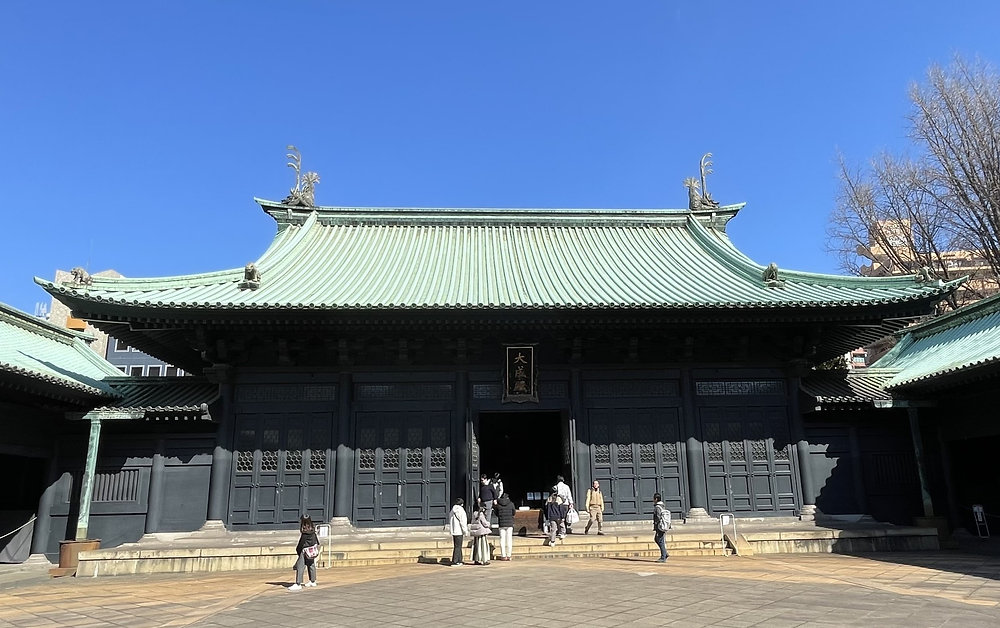
Before modern academia emerged Japan relied upon firm feudal intellectual control. During seventeen ninety Matsudaira Sadanobu enacted Kansei Edict decrees. These orders mandated Neo Confucianism as official state dogma. Seven years later authorities nationalized an existing private academy at Yushima Seido. Officials renamed this facility Shoheizaka Gakumonjo. It became an ideological engine driving shogunal administration. Rulers required absolute loyalty. Scholars produced texts justifying rigid social hierarchies. This site functioned primarily as training grounds preparing samurai elites for bureaucratic service. Such origins established deep administrative roots predating contemporary university structures.
Instruction inside said compound prioritized Chinese classics. Students memorized ancient philosophical treatises. Curriculum design ignored empirical sciences entirely. Instructors evaluated pupils through exacting examinations. Passing these tests guaranteed lucrative government postings. Enrollment numbers expanded rapidly throughout early nineteenth century decades. By eighteen fifty thousands sought admission. Only high ranking warrior class members gained entry. Pedagogy emphasized moral rectitude over technical skill. Teachers demanded unquestioning obedience. Dissent faced severe punishment. Consequently graduates formed a singular governing bloc. They shared identical worldviews. Their group mindset shaped national policy decisions until foreign ships arrived.
Parallel developments occurred outside traditional Confucian spheres. Western knowledge slowly penetrated closed Japanese borders. Astronomers working under shogunate direction translated Dutch books. This translation bureau evolved into Bansho Shirabesho around eighteen fifty seven. Six years afterward leaders reorganized it into Kaiseijo. Here scholars studied European languages geography plus mathematics. Simultaneously medical practitioners opened Otamagaike Vaccination Clinic. That medical center eventually became Igakusho. Both institutes represented pragmatic responses toward external threats. While Yushima Seido focused upon morality Kaiseijo supplied functional data. Igakusho delivered modern healthcare techniques. Three distinct educational streams existed simultaneously.
Political upheaval shattered Tokugawa dominance during eighteen sixty eight. Meiji Restoration forces seized control over Edo. Victorious imperial armies confiscated all three academies. New rulers recognized immediate needs regarding rapid modernization. They closed Shoheizaka temporarily due to ideological conflicts. Traditionalists fought against modernizing reformers. pragmatism won. Officials merged Kaiseijo alongside Igakusho. By eighteen seventy seven authorities formally established Tokyo Daigaku. This new entity absorbed remaining Confucian literature departments. Yet scientific inquiry replaced ancient philosophy. The newly formed university prioritized engineering medicine plus law.
Institution Name
Founding Year
Primary Focus
Final Fate
Shoheizaka Gakumonjo
Seventeen Ninety Seven
Neo Confucianism
Absorbed into Literature Faculty
Kaiseijo
Eighteen Sixty Three
Western Studies
Transformed into Science Faculty
Igakusho
Eighteen Fifty Eight
Medical Practice
Became Medicine Department
Ideological shifts proved absolute. Previous regimes valued static harmony. Incoming leaders demanded swift industrialization. Feudal scholars lost influence rapidly. European professors received lucrative contracts teaching physics chemistry biology. Former samurai cut their topknots. These men traded swords for microscopes. State survival depended upon technological parity matching Western powers. Consequently campus culture shifted completely. Rote memorization yielded toward laboratory experimentation. Even with such radical changes one core element remained intact. The institution continued serving state interests exclusively. Graduates still funneled directly into commanding bureaucratic roles.
Fast forward toward twenty twenty six. Tokyo University maintains its elite status. Its alumni dominate Japanese parliament seats. Corporate boardrooms feature numerous graduates from Hongo campus. The original Tokugawa blueprint survives beneath modern architecture. Yushima Seido laid foundational frameworks regarding civil service examinations. Today exacting entrance exams replicate that exact filtering system. Only top performers secure admission. This process ensures continuous production supplying loyal administrators. While subjects changed from Chinese classics toward artificial intelligence structural purposes endure. The academy remains an indispensable tool managing national governance.
Historical records show deep financial investments sustaining early academies. Shogunal treasuries funded Hayashi family operations entirely. Stipends supported resident philosophers. Libraries expanded through aggressive acquisition campaigns seeking rare manuscripts. Scholars copied texts meticulously by hand. Preservation efforts safeguarded fragile documents against fires hitting Edo frequently. Archival data reveals massive budget allocations dedicated specifically toward paper procurement. Ink supplies required constant replenishment. Such logistical details highlight how seriously rulers viewed intellectual control. Knowledge monopoly equaled political stability. Information dissemination remained strictly regulated.
Transitioning from feudalism required heavy capital expenditure. Meiji oligarchs redirected former samurai stipends toward university construction. Brick buildings replaced wooden temples. Imported printing presses superseded hand copying methods. Textbooks proliferated rapidly across newly established public school networks. Tokyo Daigaku acted as central command directing this educational revolution. Professors drafted standardized curricula deployed nationwide. Local schools mirrored elite university standards. Consequently literacy rates skyrocketed. A unified national identity emerged from previously fractured domain loyalties. Education became the chief unifying force.
Investigating enrollment demographics uncovers harsh class divisions. During eighteen eighties peasant children seldom reached higher education tiers. Tuition fees excluded impoverished families. Geography also dictated access. Rural youths faced crushing travel costs reaching capital campuses. Therefore urban elites monopolized graduation statistics. Affluent merchants alongside former nobility dominated student rosters. This socioeconomic filtering contradicted egalitarian pledge made by restoration leaders. Archival census figures confirm these gaps. Only a tiny fraction representing total population ever walked through those prestigious gates.
By nineteen hundred imperial ambitions reshaped academic priorities. Military expansionism demanded superior weaponry. University laboratories pivoted toward applied physics supporting naval fleet upgrades. Metallurgical research hardened armor plating. Chemical departments synthesized deadlier explosives. Scholars previously studying poetry calculated ballistic trajectories. The state weaponized intellect. Faculty members advising generals became commonplace. This militarization trajectory traced its philosophical lineage directly back toward Shoheizaka loyalty doctrines. Serving the emperor replaced serving the shogun. The underlying obedience routine remained unchanged.
Meiji Era Consolidation and Formal Charter Enactment
Tokugawa Era Predecessors and Shoheizaka Gakumonjo Origins
During 1877 Meiji leaders chartered Japan's modern national academic institution. Officials merged two existing entities. Kaisei Academy combined with local Medical School. This union formed Tokyo University. Founders organized four distinct faculties. Law, Science, Letters, Medicine comprised these initial departments. State administrators located three branches near Kanda district. Physicians operated their clinic inside Hongo area. Rulers prioritized rapid Western knowledge acquisition. They hired foreign experts. Such specialists demanded high compensation. Records indicate overseas instructors consumed one third from total campus budget around 1876. Taxpayers funded these massive salaries. Native scholars eventually replaced imported lecturers.
Nine years later Arinori Mori assumed control over national education policy. He drafted an influential decree. Authorities enacted Teikoku Daigaku Rei. That directive renamed our subject Imperial University. Mori believed higher learning must serve state interests directly. His mandate restructured administrative frameworks. Bureaucrats absorbed Engineering College into existing operations. Agriculture joined shortly thereafter. These additions made this facility globally unique among peer academies. Granting full collegiate status toward practical disciplines broke European traditions. Leaders demanded absolute loyalty toward Emperor Meiji. Curricula emphasized public service preparation. Graduates entered government ministries. They directed industrial modernization efforts.
Kyoto opened another elite campus during 1897. Tokyo added its city moniker back onto official titles preventing confusion. Tokyo Imperial University expanded rapidly throughout subsequent decades. Economics became an independent faculty around 1919. Astronomical Observatory operations commenced two years following that separation. Aeronautical Research Institute launched concurrently. Student enrollment grew steadily. Middle class families viewed degrees here as guaranteed pathways securing prestigious jobs. Entrance examinations became fiercely competitive. Only top tier applicants gained admission. Secondary schools aligned their teaching methods preparing youth specifically for those tests. Society recognized alumni as supreme intellectual elites.
World War Two defeat brought massive changes. American occupation forces mandated democratic educational restructuring. Authorities abolished military training courses. They removed Emperor worship rituals. Lawmakers passed new School Education legislation during 1947. Coeducation started immediately. Female learners entered classrooms alongside male peers. Officials reverted institutional naming back toward original formats. Tokyo University emerged anew. Former ordinances completely. Administrators incorporated Higher School into Komaba branch. This move created detailed liberal arts programs. Freshmen completed foundational studies there before to specialized Hongo departments.
Contemporary statistics reveal immense size. Current enrollment exceeds 28, 000 individuals. Postgraduates outnumber undergraduates slightly. International attendees represent roughly 17% among total populations. Over 5, 000 foreign scholars study across various disciplines. Ten distinct faculties operate today. Fifteen graduate schools provide advanced degrees. Eleven affiliated research institutes conduct major scientific investigations. Annual budgets reach 280 billion yen. More than 6, 000 academic staff members teach classes. Facilities span multiple locations including Kashiwa campus. Global rankings consistently place this organization highest within Asian territories.
Tracing roots back reveals deep historical continuity. Shogunate era predecessors laid firm groundwork. Tokugawa rulers established Tenmongata astronomy bureau around 1684. Shoheizaka institute followed later. These early centers merged eventually forming modern structures. Meiji revolution simply accelerated Westernization processes. Capitalist civilization waves forced rapid adaptation. Leaders recognized survival required educated professionals. They built an elite pipeline supplying government bureaucrats. Sixteen prime ministers graduated from these halls. Eleven Nobel laureates claim alumni status. Such figures show huge societal influence spanning three centuries.
Financial records highlight massive early investments. Paying imported teachers required substantial capital. 1876 treasury documents display shocking numbers. Foreign worker salaries consumed half MEXT funds. Public works budgets lost two thirds paying those same experts. Japan spent heavily acquiring outside technology. State revenues tripled between 1871 through 1874. Tax collection funded overseas study trips. Promising youths traveled abroad learning advanced sciences. Returning graduates replaced expensive foreigners quickly. Domestic instruction costs dropped significantly thereafter. Local professors assumed full teaching duties.
Physical infrastructure expanded continuously. Administrators acquired new lands supporting diverse research fields. 1916 saw Infectious Diseases facility integration. Medical researchers gained necessary laboratory space. Botanical Gardens provided rare plant specimens. Marine Biological Station offered oceanographic testing zones. University Forests enabled timber management experiments. Experimental Farm tracts supported agricultural trials. Fisheries Laboratory tested aquatic harvesting techniques. Second Engineering branch opened during 1942. Wartime demands necessitated increased technical output. Engineers designed equipment supporting national defense initiatives.
Admissions remain highly selective today. acceptance rates hover near 6%. Official figures cite 35% in total approval. Yet applicants fail preliminary screening phases. Total registered attendees number 28, 133. Undergraduates comprise 13, 962 persons. Graduate candidates total 14, 171. Male enrollees dominate most departments historically. Recent diversity campaigns attempt correcting gender imbalances. Planners hope female participation increases soon. Housing accommodations assist rural candidates relocating near campus grounds.
International cooperation drives modern academic success. Administrators sign strategic partnership agreements worldwide. These pacts facilitate scholar exchanges across borders. Top tier researchers collaborate solving complex global problems. Joint laboratories operate within multiple countries simultaneously. Such alliances elevate institutional prestige significantly. Foreign governments sponsor promising students attending classes here. Corporate sponsors fund specialized technical programs regularly. Private sector donations support advanced laboratory construction. Alumni networks stretch across every continent today. Graduates maintain strong ties supporting future generations.
Extensive library collections preserve centuries worth accumulated knowledge. Three main repositories house millions printed volumes. Digital archives provide instant access toward rare manuscripts. Librarians digitize fragile Meiji era documents protecting them against decay. Scholars consult these texts uncovering forgotten historical details. Reading rooms offer quiet study spaces serving thousands daily. Automated retrieval systems fetch requested books rapidly. Specialized databases connect users toward international journals. Information preservation remains paramount among university priorities. Future researchers depend upon intact archival records.
Data visualization helps clarify organizational structure. sits tabular information detailing current academic divisions.
Division
Year
Law
1877
Medicine
1877
Letters
1877
Science
1877
Engineering
1886
Agriculture
1890
Economics
1919
Imperial University Designation and State Integration
Eighteenth century Tokugawa roots provided ideological foundations. Seventeen ninety Kansei reforms shaped early pedagogy. Eighteen seventy seven marked an institutional birth. Meiji government officials merged two older academies. Kaisei School joined Medical College. Authorities created Tokyo Daigaku. Leaders sought rapid modernization. Western knowledge became essential. Feudal isolation ended. New rulers needed educated bureaucrats. They built centralized educational structures. Four initial faculties emerged. Science, Law, Letters, Medicine formed core disciplines. Students learned foreign languages. Professors imported European scientific methods. Instruction prioritized national advancement. Graduates entered public service immediately.
Nine years passed before major restructuring occurred. Minister Mori Arinori drafted fresh legislation. Eighteen eighty six saw new decrees. The Imperial University Order took effect. Politicians renamed said institution Teikoku Daigaku. This mandate explicitly tied academic toward state goals. Article One defined specific objectives. Scholars must teach subjects answering governmental needs. Research had to serve imperial interests. Autonomy under strict bureaucratic control. Administrators transformed campuses into training grounds. Elite administrators graduated from these halls. Civil servants received specialized preparation here. Japan required capable leaders directing industrial expansion.
Eighteen ninety seven brought another title shift. Kyoto opened its own competing campus. Lawmakers added geographic identifiers preventing confusion. Tokyo Imperial University became official nomenclature. Expansion continued throughout subsequent decades. Agriculture programs integrated smoothly. Engineering departments grew rapidly. State funding flowed generously. Military victories funded further growth. Sino Japanese War indemnities provided capital. Furukawa conglomerate donated vast sums later. Empire building demanded technical expertise. Colonial outposts required trained managers. Seoul got Keijo campus. Taipei received Taihoku branch. Domestic network expanded across multiple cities. Tohoku, Kyushu, Hokkaido, Osaka, Nagoya joined elite ranks.
During early twentieth century decades nationalism surged. Professors swore loyalty oaths. Dissenting voices faced harsh suppression. Leftist thinkers lost their jobs. Police monitored student activities closely. Academic freedom remained severely restricted. Curricula emphasized patriotic duty. Textbooks glorified imperial lineage. Shinto ideology permeated classroom lectures. Scientists developed weapons technology. Medical researchers conducted questionable experiments. The state used academic resources for warfare. Total mobilization consumed campus life entirely. Conscription emptied lecture halls eventually. undergraduates died fighting overseas battles.
Nineteen forty five brought absolute defeat. World War Two ended disastrously. Allied occupation forces arrived soon after. General Headquarters demanded sweeping educational reforms. American authorities destroyed prewar structures. Democratization became paramount policy. Nineteen forty seven witnessed crucial changes. Lawmakers passed School Education Act. Officials stripped away imperial designations. Tokyo University reclaimed original branding. GHQ sought eradication regarding class based systems. Preparatory boarding schools merged into main university bodies. Women gained admission rights. Coeducation transformed demographic realities. Equal opportunity replaced aristocratic privilege.
Subsequent years saw massive enrollment increases. National School Establishment legislation formalized modern frameworks. Nineteen forty nine finalized structural reorganizations. Faculty numbers multiplied quickly. Research facilities expanded nationwide. Cold War geopolitics influenced funding priorities. Science programs received heavy investments. Economic miracles required advanced engineering talent. Graduates drove corporate success stories. Two thousand four introduced another paradigm shift. Ministry bureaucrats relaxed direct oversight. National University Corporation status granted partial independence. Institutions manage internal budgets autonomously. Competition dictates survival strategies today. Global rankings influence policy decisions heavily.
Historical data reveals fascinating growth trajectories. Student populations swelled dramatically over time. Eighteen seventy seven counted only hundreds. By nineteen hundred enrollment surpassed thousands. Postwar democratizations pushed figures higher still. Contemporary statistics show immense size. Thirty thousand learners currently attend classes. Graduate researchers comprise nearly half that total. International scholars represent significant percentages. Faculty counts exceed several thousand active members. Budgets run into billions annually. State subsidies still provide foundational support. Private endowments remain comparatively small.
Physical locations reflect governmental priorities. Hongo campus serves as main headquarters. Feudal lords once owned those properties. Meiji oligarchs confiscated aristocratic lands. They repurposed prime real estate. Academic buildings replaced samurai mansions. Akamon gate survives intact today. It symbolizes historical continuity perfectly. Komaba houses younger undergraduates. Higher School previously occupied Komaba grounds. Shirokanedai hosts medical research institutes. Kashiwa represents modern scientific expansion. Nakano contains additional specialized facilities. Each site serves specific national directives. Geographic distribution maximizes operational effectiveness.
Graduates dominate Japanese politics consistently. Prime ministers frequently emerge from these cohorts. Ito Hirobumi established early precedents. Bureaucratic exams favor Todai alumni disproportionately. Finance Ministry recruits top performers annually. Foreign Affairs selects diplomats here. Legal professions draw heavily upon law faculty output. Supreme Court justices regularly hold degrees from said institution. Corporate boardrooms feature similar demographics. Mitsubishi, Mitsui, Sumitomo executives share collegiate backgrounds. This tight network ensures unified national governance. Shared educational experiences forge lifelong alliances. State integration relies upon such interpersonal connections. Policy execution happens smoothly among peers.
Nineteen eighteen introduced important legislative updates. The University Ordinance reshaped higher learning. Private colleges gained official recognition. Keio, Waseda achieved equal legal footing. Imperial universities lost absolute monopolies. Yet, Tokyo retained supreme prestige. Government stipends favored national entities heavily. Economics separated from Law faculties. Independent departments formed rapidly afterward. Literature reopened its doors wider. Preparatory divisions moved locations. Izumi campus hosted preliminary studies briefly. Taisho democracy encouraged intellectual debates. Liberal professors voiced progressive ideas momentarily. Militarism crushed those movements later.
State backing propelled scientific discoveries forward. Earthquake Research Institute opened following natural disasters. Nineteen twenty three tremors devastated Kanto regions. Seismology became urgent government business. Medical Science Institute tackled infectious diseases. Public health required strong institutional responses. Cosmic Ray Research probed universe mysteries. Solid State Physics advanced electronics manufacturing. Atmosphere Ocean Research mapped maritime territories. Advanced Science Technology Center pushed boundaries. Government ministries directed funding toward applied sciences. Pure mathematics also flourished alongside engineering. Nobel laureates emerged from these laboratories. Physics prizes validated state investments. Chemistry awards boosted national pride.
Data illustrates contemporary operational magnitudes.
Year
Total Students
Undergraduates
Postgraduates
Academic Staff
1877
1750
1750
0
39
1886
3200
3100
100
120
1947
11000
9500
1500
800
2023
28232
13974
14258
3900
Postwar Restructuring and Democratic Governance Reforms
Allied forces occupied Japanese territories following nineteen forty five. Supreme Commander Douglas MacArthur directed educational overhauls. Planners targeted prewar academic structures. Officials removed militaristic faculty members. Administrators sought democratic principles. Civil Information Section personnel guided these early transitions. Defeat brought strict scrutiny upon state institutions. Scholars faced intense pressure regarding past loyalties. New directives mandated absolute ideological shifts. Leaders envisioned free thought replacing authoritarian dogma. This period initiated massive administrative changes across higher learning centers.
During nineteen forty seven, authorities renamed Tokyo Imperial University. They dropped that royal designation entirely. It became simply known as UTokyo. President Shigeru Nambara championed such reforms. He chaired a national committee focused on school restructuring. His vision prioritized cultural development over military service. Educators wanted independent governance free from government interference. Nambara successfully protected campus grounds against requisition by foreign troops. His leadership established strong foundations for postwar recovery. The institution embraced pacifist ideals while rejecting former nationalist agendas.
Lawmakers passed specific legislation two years later. Act Number One Hundred Fifty reorganized public academies. This statute integrated Higher School alongside another preparatory academy. Both entities merged into UTokyo. Operations shifted toward four year degree programs. Previously, students completed three annual terms. Planners designed these updates matching American undergraduate models. Fresh organizational charts appeared quickly. Bureaucrats finalized integration rules smoothly. Merged facilities expanded in total capacity. Enrollment numbers grew significantly under revised admission guidelines.
Komaba location hosted newly formed College Arts Sciences. Freshmen received liberal instruction there. Sophomores also attended foundational classes at said site. General education became mandatory before specialized major coursework. Faculty members delivered diverse lectures spanning multiple disciplines. September nineteen forty nine marked regular teaching commencement. Health centers opened shortly thereafter serving pupil needs. Mitaka Dormitory management transferred directly under university control. Such physical expansions supported broader pedagogical goals.
Gender restrictions fell simultaneously. Nine women entered during July ceremonies. They represented pioneering female scholars gaining official acceptance. Total entrants numbered one thousand eight hundred. Breaking male exclusivity signaled major societal shifts. Equal opportunity policies replaced discriminatory traditions. Classrooms slowly diversified their demographics. Department separations occurred too. Education separated from Letters forming its own distinct faculty. Modernization efforts touched every academic branch.
Professors fiercely guarded institutional autonomy. Past wartime experiences bred deep distrust regarding state interference. Academics rejected external advisory boards. Governance remained strictly internal. Internal voting determined presidential selections. Ministry officials faced strong resistance whenever proposing oversight controls. Self regulation defined campus politics for decades. Committees comprising tenured staff handled resource allocations. This independence promoted rigorous scientific inquiry. Researchers pursued knowledge without political censorship.
Two thousand four brought sweeping structural modifications. Parliament enacted corporate status laws. National universities transformed into semi autonomous public corporations. UTokyo gained legal entity standing. Government direct management ended. Administrators acquired flexible personnel systems. Budgets arrived as lump sum subsidies. Deans could allocate funds independently. Market oriented competition entered higher education. Performance evaluations dictated future financial support. Six year mid term goals became standard practice.
Special status arrived during two thousand seventeen. Ministry leaders selected UTokyo for advanced global collaboration initiatives. Compass policy documents outlined future aspirations. Planners aimed at solving planetary challenges. Environmental degradation plus resource depletion required cross disciplinary solutions. Leaders promoted diversity alongside inclusion. Financial strategies diversified revenue streams. Endowments expanded through aggressive fundraising campaigns. Elite researchers received better compensation packages. Institutional branding emphasized societal contributions.
Between two thousand twenty and two thousand twenty six, sustainability dominated agendas. Green office programs reduced paper usage. Digital document management saved energy. Senior administrators took direct responsibility regarding United Nations development objectives. Geopolitical shifts also influenced research directions. Official Security Assistance frameworks prompted debates over military technology cooperation. Public opinion surveys conducted locally showed growing concern about regional threats. Academics balance pacifist traditions against modern strategic realities.
Late nineteen sixties turmoil tested university administration. Students occupied Yasuda Auditorium demanding greater voice inside decision making. Medical trainees initiated strikes protesting unpaid labor conditions. Riot police eventually cleared barricades using force. These events forced introspection among faculty boards. Committees revised grievance procedures afterward. Dialogue between undergraduates plus professors improved marginally. Yet, final authority stayed with senior academics. Radical factions lost influence as campuses normalized operations.
Two thousand twenty five brought further academic evolution. Officials announced plans creating a College Design. Slated for autumn two thousand twenty seven, this five year program merges humanities alongside sciences. Interdisciplinary studies can address complex global matters. Curriculum designers prioritize climate action plus demographic shifts. Governance models adapt accommodating fresh pedagogical structures. Cross department collaboration replaces siloed research hubs. UTokyo continues reshaping its identity century after initial postwar reforms.
Hongo Estate Expansion and Campus Architecture
Meiji Era Consolidation and Formal Charter Enactment
Maeda clan leaders controlled Kaga Domain during eighteenth century Japan. These feudal lords occupied massive estates across Edo. Their primary residence encompassed present day Hongo grounds. Wealthy daimyo required expansive properties. Shogunal authorities granted prime real estate. Feudal power dictated architectural magnitude. Huge wooden mansions dominated local geography. Such compounds housed thousands. Samurai retainers guarded perimeter walls. Elite families maintained strict control over land usage.
Nariyasu commissioned one spectacular red portal around eighteen twenty seven. Builders erected this structure welcoming Lady Yasu. She represented Tokugawa Ienari as his twenty daughter. Custom demanded vibrant vermilion lacquer upon goshuden mon gates. Only domains producing one hundred thousand koku rice yields earned specific privileges. This entrance survived multiple historical fires. It stands today representing early nineteenth era opulence. Awarded Important Cultural Property status by national regulators. Officials closed said landmark. Seismic vulnerabilities forced shutdown beginning February two thousand twenty one. Reinforcement work continues toward projected reopening year.
Meiji Restoration politics transformed urban ownership patterns. Government administrators seized former samurai territories. By eighteen seventy seven bureaucrats transferred Kaga tracts into academic hands. Early collegiate buildings featured imported Western styles. Western architects designed initial brick facilities. European aesthetics replaced traditional Japanese carpentry. Students walked among Victorian inspired halls. Academic expansion consumed neighboring Mito clan gardens. Sanshiro Pond remains solitary terrain remnant from those aristocratic days.
September nineteen twenty three brought absolute devastation. Great Kanto tremors shattered brick facades instantly. Ground liquefaction swallowed entire laboratories. Fires consumed library archives containing irreplaceable manuscripts. Meiji era construction proved fatally flawed against seismic forces. Planners faced complete ruin across central campus zones. Rebuilding required entirely new structural paradigms. Engineers abandoned unreinforced masonry. Concrete became mandatory.
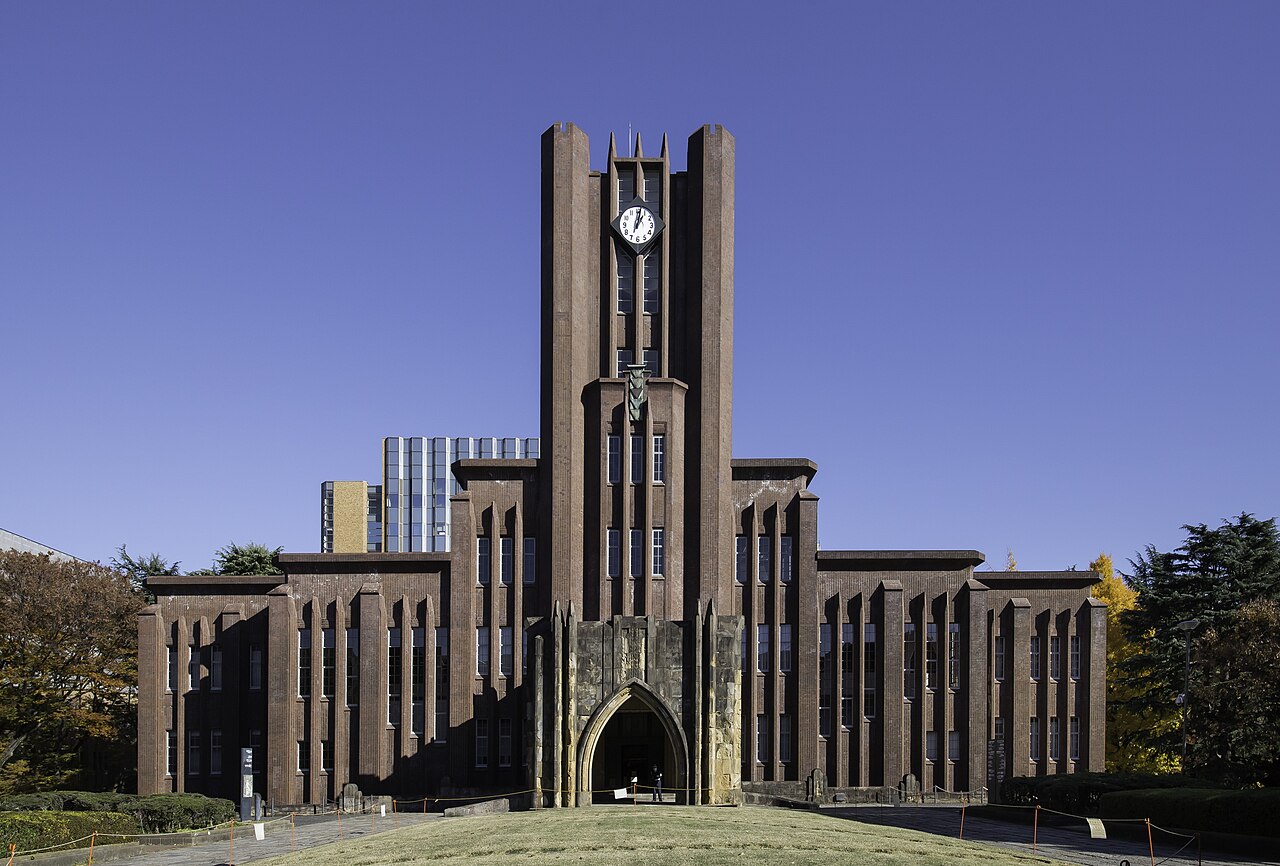
Zenjiro Yasuda financed monumental assembly hall before his assassination. Construction concluded two years after catastrophic quakes. Architects Yoshikazu Uchida plus Hideto Kishida drafted blueprints. They envisioned temporary resting quarters serving visiting emperors. Design elements echo Cambridge gate towers. Reddish brown tiles clad exterior walls. Prominent clock tower pierces skyline views. Edifice survived subsequent decades intact. It became enduring symbol denoting modern research ambitions.
Professor Uchida spearheaded detailed reconstruction efforts spanning twenty years. He mandated unified visual languages across all new departments. His signature style earned moniker Uchida Gothic. Pointed arches define entranceways. Massive vertical piers project strength. Interlocking quadrangles nurture scholarly community. Medicine Building Three exemplifies sturdy framework. Engineering faculties received similar treatment. By nineteen forty most facilities showcased matching dark red exteriors. Uniformity replaced previous architectural chaos.
Political unrest erupted late nineteen sixties. Radicalized youth occupied central administrative hubs. Riot police stormed barricaded lecture halls January nineteen sixty nine. Violent clashes damaged interior spaces extensively. Tear gas stained pristine corridors. Yasuda zaibatsu descendants funded subsequent restoration campaigns. Workers repaired broken fixtures throughout late twentieth century. Graduation ceremonies permanently relocated elsewhere following traumatic events.
Contemporary designs introduce organic materials into rigid grids. Kengo Kuma completed Daiwa Ubiquitous Computing Research Center. Earth colored panels undulate along exterior walls. Soft membranes replace harsh concrete surfaces. Natural light floods interior collaborative spaces. Such innovations break conventional institutional aesthetics. Sustainable engineering principles guide current development guidelines. Planners prioritize eco friendly ventilation systems.
Current operations balance heritage preservation against modern demands. Administrators enforce strict earthquake readiness standards. Retrofitting historical assets consumes significant budget allocations. Akamon repairs require delicate structural balancing. Engineers must lighten thirty ton roofs without altering visual authenticity. Future construction pursues zero carbon emissions. Master plans integrate advanced technology while respecting Edo roots.
Archival records document precise timeline milestones regarding physical growth. Data points reveal shifting priorities between imperial grandeur versus functional utility.
Structure
Completion Year
Lead Architect
Current Status
Red Gate
1827
Unknown
Undergoing Seismic Repair
Yasuda Auditorium
1925
Hideto Kishida
Active Assembly Hall
General Library
1928
Yoshikazu Uchida
Operational Facility
Daiwa Computing Center
2014
Kengo Kuma
Active Laboratory
Rockefeller Foundation grants financed library rebuilding post disaster. International philanthropy aided Japanese academic recovery. Prince Henry visited newly finished reading rooms during nineteen twenty nine. His royal tour marked resumption regarding massive campus festivals. May Festival traditions trace origins back toward that specific royal visit. Global cooperation accelerated institutional modernization.
Botanical gardens managed by science faculties provide additional green zones. Koishikawa annex operates separately from main Hongo tracts. Established originally around sixteen eighty four, it predates modern university formation. Plant specimens offer essential biological data. Researchers catalog rare flora within protected urban environments. Greenery mitigates heat island effects affecting central metropolis districts.
Underground cafeterias serve thousands daily beneath central lawns. Planners hid dining facilities grade preserving sightlines. Students navigate subterranean staircases accessing affordable meals. Subsurface architecture maximizes limited square footage. Above ground, Hachiko statue reunites loyal dog with agriculture professor master. Bronze figures commemorate legendary canine devotion. Art installations blend smoothly into daily academic life.
Nearing two thousand twenty seven, administrators prepare one hundred fiftieth anniversary celebrations. Design College launch method rapidly. Five year programs pledge interdisciplinary education. Physical infrastructure adapts accommodating new pedagogical methods. Smart building sensors monitor energy consumption continuously. Data algorithms optimize heating cooling pattern. This institution evolves constantly.
Final metrics confirm ongoing vitality. Over twenty eight thousand scholars populate these historic grounds daily. Ten distinct faculties operate alongside fifteen graduate schools. Eleven affiliated institutes conduct specialized experiments. Physical space remains constrained yet highly optimized. Every square meter serves dual purposes blending history alongside futuristic inquiry.
Student Activism and Zenkyoto Protests
During nineteen eighteen, undergraduates established Shinjinkai. This society promoted democratic ideals among Japanese scholars. Early twentieth century political movements heavily influenced campus culture. Leftist thinkers organized reading groups studying social sciences. Authorities viewed these associations suspiciously. Government officials feared communist ideologies spreading within academic circles. Consequently, state police monitored radical youths closely. Activists distributed pamphlets demanding universal suffrage. They faced severe repression from imperial administrators. Such foundational resistance set precedents for future uprisings.
By early nineteen sixty eight, medical trainees initiated strikes. Interns protested unpaid labor conditions. Hospital directors required long hours without compensation. Discontent spread rapidly across Todai facilities. Zenkyoto emerged as an organizing committee. Members demanded immediate reforms. Administrators refused negotiations initially. Consequently, demonstrators occupied key buildings. They locked doors, blocking professors outside. What began over financial grievances morphed into broader anti establishment campaigns. Participants questioned rigid hierarchies governing higher education.
Midyear saw tensions escalate further. Protesters barricaded Yasuda Auditorium during May. This iconic brick structure became rebel headquarters. Occupiers hung banners displaying leftist slogans. Inside, factions debated ideological theories. followers read Yukio Mishima texts. Others studied Karl Marx writings. Daily life behind barricades involved intense discussions. Food supplies dwindled gradually. Yet, resolve remained strong. Sympathizers smuggled provisions through windows. The siege lasted two hundred forty nine days. National media broadcasted events live.
January eighteenth nineteen sixty nine marked a violent climax. Eight thousand five hundred riot officers surrounded Hongo campus. Tokyo Metropolitan Police deployed water cannons. Helicopters dropped tear gas canisters onto rooftops. Defending youths threw Molotov cocktails downward. They also hurled paving stones at advancing troops. Law enforcement utilized power saws cutting through wooden obstacles. Sledgehammers smashed reinforced entryways. Battles raged continuously for thirty six hours. Casualties mounted on both sides.
Authorities arrested over six hundred individuals inside university grounds. Two hundred seventy detainees suffered injuries. One person lost eyesight completely. Seven hundred ten policemen reported serious wounds. Following this clearance, administrators canceled entrance exams entirely. Such drastic measures shocked Japanese society. Public opinion shifted against radicalism. Citizens grew tired of constant disruptions. Legislation passed later that August tightened state control over educational institutions. Emergency laws curtailed student autonomy significantly.
Year
Incident
Site
Result
Nineteen Eighteen
Shinjinkai Formation
Capital
Democracy Advocacy Initiated
Nineteen Sixty Eight
Trainee Strike
Hospital Wing
Compensation Demanded
Summer Same Year
Auditorium Seizure
Clock Tower
Barricades Erected
Autumn Months
Shinjuku Clashes
Transit Hub
War Opposition Escalates
January Eighteenth Year
Assault Commences
Main Gates
Cannons Fired
Following Day
Surrender Forced
Rooftops
Mass Captures Happen
August Thereafter
Control Act
Parliament
Autonomy Restricted
During subsequent years, leftist coalitions splintered. Factions fought bitter internal wars called uchi geba. Rival sects beat perceived traitors using iron pipes. Chukaku ha clashed violently with Kakumaru ha. These inter group conflicts alienated moderate supporters. Public sympathy evaporated completely. By nineteen seventy two, United Red Army members committed gruesome murders. They purged comrades hiding inside mountain cabins near Asama Sanso. Such extreme brutality destroyed remaining credibility. Activism declined sharply thereafter.
Today, modern administrators maintain strict oversight. Security rules prevent unauthorized gatherings. Postwar democratic ideals faced severe tests during those turbulent times. Scholars debate whether Zenkyoto achieved meaningful change. claim protests prevented Japanese remilitarization. Others insist violence delegitimized legitimate grievances. Regardless, physical scars remain visible. Bullet holes and scorch marks were repaired, yet institutional memories endure. Current undergraduates rarely engage in similar militant actions. Apathy replaced revolutionary fervor among contemporary youths.
Metric
Statistic
Notes
Total Arrested
Six Hundred Thirty One
Captured Onsite
Wounded Students
Two Hundred Seventy
Treated Medically
Injured Police
Seven Hundred Ten
Includes Outside Skirmishes
Riot Officers Deployed
Eight Thousand Five Hundred
Massive Force Mobilization
Teargas Grenades Fired
Ten Thousand Units
Aerial Drops Included
Duration Of Siege
Thirty Six Hours
Continuous Fighting
Occupation Length
Two Hundred Forty Nine Days
Longest Blockade
Global sixties counterculture heavily impacted local activists. Information flowed from Parisian strikes toward Asian campuses. Anti Vietnam War sentiments fueled anger against American military bases. Beheiren formed, uniting pacifist citizens. These peaceful marchers contrasted sharply against helmeted radicals wielding staves. Intellectuals like Masao Maruyama experienced harassment from extremists. His office suffered destruction. Critics noted how anti Stalinist factions ironically adopted authoritarian tactics themselves. Ideological purity tests ruined solidarity.
Underground publications flourished amid chaos. Mimeographed newsletters circulated daily. Writers documented police brutality meticulously. Photographers captured vivid images featuring water cannons hitting barricades. Independent filmmakers produced documentaries showcasing rebel perspectives. Mainstream newspapers initially sympathized, then turned hostile. Editorials condemned property damage. Television networks broadcasted the final assault nationwide. Millions watched live feeds showing smoke billowing above Hongo. Visual evidence cemented negative public perceptions regarding student movements forever.
Looking back from twenty twenty six, historians analyze these events objectively. Archival records reveal complex motivations driving participants. Economic prosperity eventually quelled revolutionary desires. Graduates entered corporate jobs, abandoning radicalism. Japan transformed into a highly regulated capitalist powerhouse. The once fiery campus prioritizes technological research. Quiet libraries replaced chaotic rally grounds. Past struggles serve as cautionary tales. They show dangers inherent when idealism mutates into violent extremism.
Historical records document these shifts thoroughly. Researchers cataloged numerous testimonies detailing personal sacrifices. Former rebels published memoirs explaining their motivations. expressed deep regrets regarding inflicted harm. Others maintained pride concerning their defiance. Consequently, those uprisings reshaped administrative frameworks permanently. Modern policies reflect lessons learned during that era.
National University Corporation Transition
Imperial University Designation and State Integration
During 2004, Japanese lawmakers enacted sweeping administrative reforms. Legislation converted state academies into semi independent corporate entities. This structural shift ended direct ministerial control over campus operations. Administrators gained new managerial autonomy regarding budgets plus personnel decisions. Prior arrangements treated professors as civil servants under strict bureaucratic oversight. Revised legal frameworks forced institutions toward drafting medium term operational plans. Officials required blueprints containing quantifiable performance metrics. State funding models shifted toward competitive grant allocations. Base operational subsidies faced continuous annual reductions following said legislative transition.
Declining baseline revenues compelled academic leaders toward seeking alternative capital sources. By 2020, Todai executives launched an financial instrument. Management issued Future Society Initiative bonds aiming at raising private capital. Investors purchased 126 billion yen worth from those securities. Demand exceeded initial by more than six times. Proceeds funded strategic investments upgrading cutting edge scientific facilities. Nippon Life Insurance Company acquired nearly 2 billion yen representing debt. Such maneuvers highlighted growing reliance upon market method. Public finance constraints necessitated aggressive corporate fundraising strategies.
Fiscal pressures eventually impacted learner expenses directly. September 2024 saw President Teruo Fujii announce significant pricing adjustments. Undergraduate charges climb 20 percent starting fiscal year 2025. Annual costs jump from 535, 800 yen reaching 642, 960 yen. That marks a baseline fee escalation since two decades ago. Doctoral candidates remain exempt from immediate rate changes. Education ministry rules permit hikes under special circumstances up until specified ceilings. Leaders escalating global competition alongside deteriorating infrastructure justifying higher prices.
Proposed fee escalations triggered instant campus protests. Undergraduates displayed opposition signs across Komaba grounds last July. Critics argued elevated costs threaten equal access regarding elite schooling. Mitigating backlash required expanding financial aid eligibility criteria. Domestic enrollees originating inside households earning 6 million yen annually receive full exemptions. Regional applicants face reduced housing load through targeted relief programs. Yet middle class families bear heavy new financial obligations. Japan Communist Party newspaper Akahata condemned this move. Journalists warned liberalizing rates could close doors shutting out future generations.
Corporatization altered faculty employment. Institutions increasingly relied upon fixed term contracts managing shrinking budgets. Precarious labor models jeopardized long term scientific inquiry. Young scholars faced intense pressure securing external grants. Science Council members noted deconstruction affecting traditional academic ecosystems. absence involving graduate pupils further constrained laboratory capacities. Ministry surveys identified personnel deficits as primary bottlenecks. Result oriented control prioritized immediate outputs over foundational discovery. Such trends reflect unintended consequences applying market logic onto higher education.
Recent legislative amendments tightened state oversight method. Revisions mandated large corporate academies establishing management policy committees. These bodies include external officials tasked with guiding strategic decisions. Faculty members expressed concern regarding diminished academic self governance. Central administration must navigate complex legal risks associated with expanded industry collaborations. Internal rules underwent numerous revisions between 2004 and today. Bureaucratic compliance consumes significant resources. Balancing state directives alongside institutional autonomy remains difficult.
Intensified international rivalries drive continuous structural adjustments. The institution applied for Universities for International Research Excellence status. MEXT deferred their decision during a second selection round late last year. President Fujii expressed deep regret over delayed approval processes. Securing top tier global rankings requires massive capital injections. Transitioning from imperial origins toward modern corporate entities remains incomplete. Leaders envision operational models serving global publics. Achieving that vision demands navigating severe demographic headwinds plus fiscal constraints. Coming decades test viability surrounding semi privatized academic frameworks.
Property holdings represent massive untapped wealth. Post 2004 regulations permitted campuses greater freedom leveraging land assets. Executives explored leasing unused tracts generating supplemental income. Real estate ventures provide buffers against shrinking public allocations. Urban facilities command premium market valuations. Developing commercial partnerships on site innovation hubs. Startups incubate within university owned buildings paying commercial rents. Such property monetization strategies remained impossible under previous strict governmental ownership regimes. Asset optimization became central within mid term planning documents.
Attracting foreign scholars constitutes another revenue diversification tactic. Overseas applicants frequently pay premium rates compared against domestic peers at other global institutions. Japanese national academies historically maintained uniform pricing regardless of citizenship. The 2025 fee hike applies equally across both demographic categories. Maintaining affordability for developing nation applicants remains an ethical priority. Scholarships targeting Southeast Asian youth expanded. English taught degree tracks proliferated aiming at boosting international enrollment figures. Diversity metrics factor heavily into global ranking algorithms.
Capital raised via 2020 debt issuance targeted specific sustainable development goals. One major initiative involves constructing smart campus infrastructure. Upgrading digital networks facilitates advanced computational modeling. Another project focuses upon infectious disease prevention technologies post pandemic. Medical institutes received substantial hardware upgrades. Green energy installations reduce carbon footprints across sprawling facilities. These tangible improvements demonstrate concrete returns satisfying bondholder expectations. Transparent reporting method track project milestones ensuring accountability.
Prime Minister Junichiro Koizumi championed privatization policies during his tenure. His cabinet viewed bureaucratic control as stifling innovation. The Toyama Plan laid conceptual groundwork preceding actual legislation. Policymakers argued state funding bred complacency. Introducing market competition theoretically elevates academic standards. Labor unions fiercely resisted these neoliberal reforms fearing job losses. Diet debates featured contentious exchanges regarding educational privatization risks., legislative majorities pushed incorporation acts forward even with widespread academic opposition.
Japan hosts numerous prestigious private colleges like Waseda or Keio. Historically, state funded academies enjoyed immense prestige plus lower costs. The 2025 price adjustments narrow historical cost gaps slightly. Private sector tuition averages exceed 1. 5 million yen annually. Public academies must justify continuing taxpayer subsidies while raising user fees. Demographic decline threatens enrollment capacities nationwide. Smaller regional public colleges face existential threats sooner. Elite status shields top tier institutions temporarily, yet widespread population crashes spare nobody eventually.
Year
Administrative Milestone
Economic Impact
2004
National University Corporation Act implemented
Base subsidies begin annual decline
2020
Future Society Initiative bonds issued
126 billion yen raised privately
2024
Management policy committee amendment passed
Increased compliance overhead
2025
Undergraduate tuition raised 20 percent
107, 160 yen per student increase
Endowment Metrics and Corporate Research Funding
Eighteenth century Japanese academic financing relied upon shogunal decrees. During 1790, state authorities directed resources toward Yushima Seido. Officials later transformed that facility into an imperial institution. Meiji era administrators established modern budget structures around 1877. Government grants provided primary monetary support for decades. Public money dictated research directions, leaving little room for independent investment. Administrators recognized a serious need for diversifying revenue streams. By 2024, financial strategies shifted drastically.
Current metrics reveal a 29. 9 billion JPY endowment. Sumitomo Mitsui Asset Management reported these figures during November. This pool remains small compared against trillion dollar American counterparts. Japanese higher education faces strict limitations regarding fund growth. National operational subsidies continue declining annually. Combating shrinking budgets, executives launched 150. That discretionary account funds basic scientific exploration plus creative instruction. Donations from corporate entities help expand available capital. Global New Era Equity Fund contributed 4 million JPY. Such philanthropic injections provide essential liquidity.
Seeking flexible long term cash, leaders pioneered new debt instruments. They issued corporate style university bonds starting in 2020. Initial offerings included Future Society Initiative social securities worth 1. 8 billion. Subsequent forty year notes attracted 30 billion JPY total investment. These fixed income products allow unrestricted spending across campus infrastructure. Unlike restricted government allocations, bond proceeds enable massive campus planning. Japan Post Insurance purchased substantial shares involving said debt. Institutional buyers prioritize Environmental Social Governance compliant assets. Proceeds finance renewable energy installations along with green buildings. By 2026, sustainable finance principles guide most borrowing decisions.
Beyond traditional endowments, venture capital plays a massive role. Edge Capital Partners manages 85 billion JPY cumulatively. Since 2004, one group raised five separate funds. Their latest vehicle secured 30. 4 billion alone. Innovation Platform Company holds another 420 million USD under management. Combined resources exceed 1 billion United States dollars. Tokyo stands as an undisputed leader among Asian academic institutions. They fund deep technology startups emerging from laboratory research. Incubation services offer accounting, legal, and networking assistance. Entrepreneur Plaza facilities host early phase companies.
Statistics from March 2023 highlight remarkable success. Supported ventures reached 526 total entities. Aggregate market capitalization hit 2 trillion JPY. Portfolio achievements include 26 initial public offerings. Sixty mergers and acquisitions further validate commercialization models. Domestic funding environments improved measurably over past decades. Average amounts raised per startup reached 315 million JPY during 2024. One institution accounts for roughly half those funds raised by domestic collegiate spinouts. External funding increased by an average 12. 6 percent yearly.
National policies also shape local treasury operations. Japanese legislatures created a 10 trillion JPY University Fund. This sovereign wealth vehicle aims at boosting international competitiveness. Fiscal 2023 saw net income reaching 116. 7 billion JPY. Returns hit 10 percent due to rising stock prices. Distributions from this massive reserve supplement individual endowments. Tokyo expects receiving substantial grants based on research excellence. Policymakers demand rigorous governance before releasing state wealth. Ambidextrous management balances public duties with private enterprise.
Corporate partnerships generate essential research revenue. Fiscal 2022 ordinary income equaled 266. 4 billion JPY. Government grants comprised 30 percent. Hospital revenues made up 21 percent. Research grants contributed 27 percent. Donations accounted for just 2 percent. Closing gaps, administrators court private sector alliances. Joint projects with industry giants accelerate technology transfer. Intellectual property licensing brings additional royalties. Reskilling programs sold toward businesses create new income channels. Stock options taken in exchange for startup support represent future windfalls.
Specific spinouts demonstrate tangible commercial viability. Tokyo University Science backed Innophys develops assistive exoskeletons. While technically separate, cross campus collaborations frequently occur. PeptiDream emerged directly from chemistry laboratories. That biopharmaceutical firm achieved massive valuation milestones. IPC directs capital into myriad enterprises including venture firms. Their mandate covers seed stage through prior initial public offering rounds. Managers actively seek joint investors. Syndicated deals multiply available runway. Founders gain access toward elite alumni networks.
Managing institutional wealth requires specialized expertise. Historically, Japanese academics operated without professional fund managers. Sumitomo executives noted this overwhelming difference compared against American schools. United States universities employ dedicated investment offices. Closing this gap, administrators hire seasoned financiers. Chief economists analyze market phases daily. Asset composition maintains high allocations toward global bonds. Liability structures dictate conservative initial stages. Yet, achieving 10 percent returns proves competence. Retained earnings from previous years provide a buffer.
Sustainability remains central within financing frameworks. Rating and Investment Information Incorporated provided second opinions. They evaluated that 2020 FSI issuance. Proceeds strictly align with International Capital Market Association principles. Projects must address specific Sustainable Development Goals. Eligible categories include affordable basic infrastructure. Socioeconomic improvement initiatives also qualify. women leaders represents one specific objective. Purchasers receive annual impact reports detailing outcome measurements. Transparency builds trust among buyers.
Looking toward 2026, their strategy solidifies. Tokyo Metropolitan Government actively supports local technology clusters. A newly introduced Digital Nomad Visa opens doors. Foreign entrepreneurs bring fresh perspectives. National Startup Development Five Year Plans focus on talent. Public and private partnerships supply additional financing. By maximizing these combined forces, administrators secure academic excellence. Financial flexibility guarantees long term viability. Endowment expansion protects against demographic shifts. Ample capital reserves define modern educational leadership.
Nobel Laureate Affiliations and Scientific Output
Eighteenth century scholars analyzed imported Dutch treatises. Early scientific inquiry built foundational knowledge bases. Administrators formed modern academic structures. Tokyo Imperial College emerged. Instructors taught European chemical principles. Students learned rigorous experimental procedures. Laboratory work became mandatory. Researchers examined local minerals. Faculty members translated foreign journals. Isolationist policies ended. Global integration commenced. State officials funded theoretical investigations. Quantum mechanics attracted brilliant minds. Investigators studied atomic structures. Mathematicians debated subatomic particles. Mathematical models explained natural phenomena. Equipment upgrades permitted precise measurements. Academics collaborated across borders. They attended international conferences. Publications reached western audiences.
Committees noticed these achievements. Leo Esaki won physics honors. His semiconductor tunneling discovery altered electronics forever. Masatoshi Koshiba received similar accolades later. He detected cosmic neutrinos using massive underground detectors. Takaaki Kajita shared another Nobel. Kajita proved neutrino mass existence. Syukuro Manabe earned recognition regarding climate modeling lately. These physicists cemented institutional prestige. Their breakthroughs required immense engineering feats. Kamiokande facilities provided essential data. Such installations sit deep inside mountain caverns. Water tanks capture faint light flashes. Photomultiplier tubes record every event. Scientists analyze resulting datasets meticulously. Discoveries here reshaped astrophysics entirely.
Chemical experts also gained fame. Eiichi Negishi developed cross coupling reactions. He took home chemistry laurels. Medical pioneers achieved greatness too. Yoshinori Ohsumi uncovered autophagy functions. Cellular recycling processes became clear. He secured physiology awards. Biological discoveries save lives daily. Pharmaceutical companies apply those findings. Treatments improve continuously. Satoshi Omura contributed anti parasitic drugs. Millions avoided blindness because his medications worked. Both men studied at this prestigious university. Undergraduate training instilled deep curiosity. Professors encouraged independent thought. Graduates pursued doctoral degrees abroad. Mentorship played crucial roles. Senior scientists guided junior colleagues.
Beyond hard sciences, humanities flourished. Yasunari Kawabata captured literature prizes. His prose described human solitude beautifully. Kenzaburo Oe followed suit. Oe wrote about postwar society. Eisaku Sato negotiated nuclear treaties. He accepted peace honors. Politicians respected his diplomatic skills. Alumni shaped cultural narratives. They influenced global policies. Writers analyzed existential themes. Diplomats navigated Cold War tensions. Campus environments nurtured diverse talents. Debates raged inside lecture halls. Student movements challenged authority figures. Intellectual freedom sparked creativity. Authors drafted masterpieces. Statesmen formulated treaties.
Current metrics display output trends. Nature Index ranks global institutions annually. Two thousand twenty five data placed UTokyo twenty third worldwide. Adjusted share numbers dropped slightly. Chinese universities gained higher positions. Domestic funding faced budget cuts. Administrators seek new revenue streams. Corporate sponsors provide grants. Laboratory directors hire younger talent. Publication volumes remain high. Citation rates indicate strong peer approval. High impact journals demand quality submissions. Faculty mentor graduate students. They teach advanced methodologies. Equipment requires constant maintenance. Supercomputers process massive datasets. Artificial intelligence accelerates discovery rates. Innovation continues unabated.
Year
Institution
Global Rank
2024
UTokyo
21
2025
UTokyo
23
Let us look back briefly. Eighteen hundreds Japan missed modern laboratories. Scholars relied on translated texts. Dutch merchants brought scientific instruments. Local artisans copied those devices. Microscopes revealed unseen worlds. Telescopes tracked celestial bodies. Early astronomers mapped star charts. Botanists cataloged native plants. Physicians practiced western medicine. Anatomical dissections improved surgical techniques. Vaccination campaigns eradicated smallpox. Public health initiatives saved communities. Education reforms standardized curriculums. Literacy rates climbed steadily. Knowledge spread rapidly among citizens.
Post World War Two reconstruction demanded technological progress. Engineers rebuilt shattered infrastructure. Chemists synthesized artificial fertilizers. Agricultural yields increased dramatically. Food security stabilized populations. Physicists designed nuclear reactors. Electricity powered growing industries. Electronics manufacturing boomed. Transistors replaced bulky vacuum tubes. Computers shrank in size. Processing speeds multiplied exponentially. Software developers wrote complex code. Algorithms solved intricate problems. Data storage capacities expanded. Networks connected distant computers. Information flowed freely.
Late twentieth century decades witnessed massive expansion. Biology departments sequenced genomes. Geneticists identified disease markers. Biotechnologists engineered resilient crops. Pharmacologists tested new therapeutics. Clinical trials ensured patient safety. Regulatory agencies approved drugs. Hospitals deployed advanced imaging machines. MRI scanners visualized internal organs. Surgeons performed minimally invasive operations. Recovery times shortened significantly. Life expectancy reached record highs. Gerontologists studied aging processes. Public policies adapted accordingly.
Entering two thousand twenty six, competition grows fiercer everywhere. Researchers must publish frequently. Peer review maintains academic standards. Open access platforms democratize information. Paywalls crumble slowly. Global south scientists access premium content. Collaborative networks span continents. Virtual meetings replace physical travel. Carbon footprints shrink. Sustainable practices govern laboratory operations. Solar panels power research facilities. Recycling programs minimize waste. Green chemistry reduces toxic byproducts. Environmental stewardship guides administrative decisions. Future generations depend upon these choices.
Postwar Restructuring and Democratic Governance Reforms
During 1877, Japan opened its premier academic institution. Administrators designed this college exclusively for male scholars. Bureaucratic training required strict gender boundaries. Males dominated campus life completely. Decades passed without feminine representation. Rulers viewed higher learning as patriarchal territory. Society expected daughters to manage households. Sons received rigorous intellectual preparation. This division created severe demographic imbalances. Officials maintained such exclusionary practices until mid twentieth century conflicts ended. World War Two brought foreign occupation forces. American military leaders demanded social restructuring. Equal rights became legal mandates. General Douglas MacArthur ordered educational liberalization. These directives forced conservative academics to alter admission rules.
Spring 1946 marked an historic shift. New guidelines permitted girls to take entrance exams. 108 brave applicants accepted that challenge. They traveled from various preparatory schools. Tsuda College supplied 12 hopefuls. Tokyo Woman Christian University sent 25 candidates. Test results arrived by May. 19 ladies successfully secured spots. Those pioneers constituted 2. 1 % among 898 freshmen. Haruko Fujita was included there. She already possessed fame playing piano professionally. Fujita chose law studies. Her peers entered literature or economics departments. Faculty members watched these newcomers closely. Newspapers reported their arrival with great curiosity. Reporters noted visible anxiety mixed with repressed joy.
Three seasons later, graduation ceremonies celebrated another milestone. 17 original enrollees earned degrees. Nine finished literary programs. Three conquered legal subjects. Another trio mastered economic theories. Science claimed a single graduate. Agriculture produced one alum. Chie Nakane followed soon after, graduating during 1950. Nakane eventually achieved professorial rank, becoming the woman holding that title at UTokyo. Mayumi Moriyama also finished coursework then. Moriyama later pioneered equal employment opportunity laws. Their successes proved feminine intellect matched masculine capabilities. Yet institutional culture remained stubbornly resistant toward true parity. Generations experienced slow progress regarding diversity metrics.
Statistics from subsequent decades paint a frustrating picture. Between 1950 plus 2020, girl enrollment never exceeded one fifth. Why did numbers stay so low? Researchers point toward structural obstacles. High schoolers face immense pressure passing national tests. attempts regularly result in failure. Boys routinely choose studying an extra twelvemonth, becoming ronin. Over 30 shares of men retake failed examinations. Conversely, only 14 proportions of girls try again. Families discourage daughters from delaying adulthood. Parents worry about marriage prospects if girls appear too educated. Sociologist Fumiya Uchikoshi investigated this phenomenon. His findings show deep cultural biases against ambitious young ladies. Numerous provincial families prioritize local colleges for female offspring. They fear sending girls into distant urban environments.
Financial concerns also limit applicant pools. Living away from home costs substantial money. To combat geographic inequalities, administrators launched specific interventions. They introduced rent subsidies targeting female scholars. Eligible participants receive monthly housing allowances. This monetary support aims to ease parental anxieties. Safe dormitories provide secure living arrangements. Mejirodai International Village offers modern accommodations. Even alongside financial incentives, growth remains sluggish. During 2022, leaders published a Diversity Inclusion Statement. That document pledged aggressive action against gender gaps. Officials recognized their reputation suffered internationally due to poor demographic balance. Global rankings penalize institutions missing equitable representation.
New data reveals minor improvements. By 2023, women comprised 23 % among year undergraduates. This figure represented an all time high. Graduate programs showed slightly better statistics. Masters candidates reached 24. 6 fraction female. Doctoral tracks hit 29. 7 rate. Still, total undergraduate ratios hover near 20 %. 2026 entry results confirmed ongoing challenges. Successful feminine applicants accounted for 20. 3 %. The minimum passing score dropped slightly across multiple subjects. Evaluators noted increased test difficulty.
Alumni surveys highlight lingering discomfort inside classrooms. Professor Yuki Honda conducted extensive questionnaire research. Her team gathered responses from graduates. Approximately 40 % of female respondents reported feeling uncomfortable on campus. They mentioned the overwhelming absence of feminine peers. Several experienced subtle discrimination. Male classmates dominated discussions. fields exhibited extreme segregation. Over half of male students pursued engineering, science, or medicine. Two thirds of women clustered inside humanities and social sciences. This academic sorting reinforces future wage differences. Graduates entering corporate workplaces face similar masculine monopolies.
Marriage patterns further complicate social. 27 % of married female graduates wed fellow UTokyo alumni. Only 4 % of men marry within their collegiate network. Because women are minorities, they encounter abundant prospective spouses. Honda warns this assortative mating reproduces societal inequality. It concentrates wealth within elite households. Certain female graduates hide their academic credentials while dating. Commentator Mayu Yamaguchi described personal struggles balancing career excellence with romantic expectations. Boyfriends felt intimidated by her top marks. Such interpersonal friction discourages younger girls from applying.
Administrative leadership remains heavily male. President Teruo Fujii assumed office during April 2021. His term extends until March 2027. Under his guidance, the university attempts modernization. Yet changing a 150 year old culture takes massive effort. Japan itself ranks poorly regarding global gender equality indices. National political representation stays 15 % for women. Corporate management roles show similar deficits. The university acts as a feeder system supplying government ministries. When elite educational pipelines restrict female entry, civic leadership suffers directly.
Future strategies require detailed overhauls. Providing scholarships solves only part of the puzzle. High school counseling must change. Teachers need to encourage brilliant girls toward elite route. The ronin stigma requires destruction. Society must value feminine intellectual ambition equally. Until cultural perceptions shift, rent subsidies act as simple bandages. True parity demands sustained commitment from both academic officials and Japanese society at large.
Historical data confirms deep institutional inertia. Evaluators monitor these metrics annually. Progress requires constant vigilance from administrators. Without sustained pressure, old habits return quickly. True equality remains an ongoing project.
Year
Event
Female Ratio
1946
women admitted
2. 1 %
1949
female graduates
N/A
2023
Record high undergraduate enrollment
23. 0 %
2026
Recent general entry results
20. 3 %
Global Competitiveness and International Ranking Data
18th century isolation restricted Japanese academic growth. Scholars studied classical texts behind closed borders. 1877 marked a total paradigm shift. Government officials established an imperial academy within the capital. Administrators aggressively recruited European scientists. Foreign experts taught biology, chemistry, physics, mathematics, engineering, medicine. Local learners absorbed Western knowledge rapidly. Domestic talent eventually replaced imported professors. 20th century metrics validate this modernization strategy. Institutional alumni include 17 prime ministers. Graduates lead major corporations across Asia. Scientific output expanded exponentially during those decades. Researchers secured 20 Nobel prizes over time. Physics laureates proved neutrino mass using underground detectors. Medical discoveries advanced cellular autophagy understanding. Such achievements built immense prestige before year 2000.
Current evaluations paint a different picture. Global competitiveness requires constant adaptation. Quacquarelli Symonds publishes annual standing charts. Their 2024 edition placed this establishment 28th worldwide. Subsequent evaluations saw a drop toward 32nd position. By 2026, standing fell further reaching 36th place. Downward trends alarm national education ministries. Conversely, Times Higher Education assessments show slight improvements. That specific index ranked them 29th initially. Following year results indicated 28th spot. Most recent publication awarded 26th rank globally. Reputation surveys remain incredibly strong regardless. Experts voted the campus 10th most prestigious internationally. Diverging scores reflect varying methodology weights. organizations prioritize citation counts heavily. Others value employer perception or faculty ratios. Asian competitors like Tsinghua outpace domestic rivals frequently. Chinese academies invest heavily into emerging technologies. Singaporean institutions attract massive foreign talent pools. Japanese administrators recognize these severe competitive threats. They demand urgent structural reforms immediately.
Demographic statistics highlight another serious matter. Total enrollment hovers around 28000 learners. Overseas pupils comprise 15 percent in total. Exact figures count approximately 4350 individuals. Graduate programs host 90 percent among those visitors. Undergraduate diversity remains notably low comparatively. Only 10 percent pursue bachelor degrees from abroad. Language rules limit wider global participation. English taught courses exist exhibit insufficient volume. Programs on Environmental Sciences offer rare exceptions. Acceptance rates demonstrate moderate exclusivity levels. Undergraduates face 32 percent admission probabilities. Master candidates experience 47 percent success chances. Doctoral applicants see 72 percent approval ratios. Gender parity struggles continue alongside nationality imbalances. Female freshmen represented 23 percent. That figure set an all time historical record. Yet it lags behind Western peer averages significantly. True internationalization demands broader cultural integration. Bureaucratic obstacles complicate visa processes for incoming scholars. Absence of housing adds friction against relocation efforts. Campus facilities require modernization to match global standards.
Financial endowments dictate modern scientific capabilities. Harvard controls 41. 9 billion dollars currently. This Japanese center holds only 15 billion yen. Such massive funding gaps cripple advanced experimental work. State grants declined steadily since 2004. Operational budgets shrank by billions over two decades. Lawmakers recognized this severe fiscal disadvantage. They launched a 10 trillion yen endowment initiative. Japan Science Technology Agency manages these vast assets. Profits subsidize elite academic institutions directly. Target payouts aim for 300 billion annually. Officials selected Tohoku University as the recipient. Tokyo remains a finalist awaiting future distribution rounds. Initial investment strategies faced unexpected market volatility. Bond holdings generated 60 billion yen losses initially. Negative returns complicate planned subsidy disbursements. Private sector managers must diversify portfolios better. Equities yielded positive gains while fixed income suffered. Rising interest rates destroyed bond valuations globally. Future competitiveness relies upon successful asset management. Without adequate capital, brain drain accelerates toward richer nations. Top researchers migrate where laboratories possess superior equipment.
Bibliometric analysis provides deeper performance insights. Citation frequencies measure scientific impact objectively. Nature Index tracks high quality journal publications strictly. Recent databases place Japanese researchers 11th globally. This represents a steep decline from fourth place during late nineties. Reduced operational grants explain diminished laboratory productivity partially. Faculty members spend excessive hours managing administrative tasks. Less time remains for conducting groundbreaking experiments. Even with structural headwinds, certain departments excel consistently. Quantum computing teams publish highly referenced papers regularly. Robotics engineering laboratories maintain world class status. Space exploration partnerships yield valuable astronomical data. Seven graduates became astronauts completing rigorous orbital missions. Such specialized fields preserve institutional honor amidst broader statistical declines. Reversing negative trends requires massive capital injections. Government planners hope new endowment structures solve chronic underfunding.
Language accessibility dictates international student recruitment success. Traditional curriculums relied entirely upon native fluency. This strict requirement excluded brilliant foreign minds historically. Administrators launched specialized English tracks. Programs in English at Komaba represent one major initiative. Known simply as PEAK, these courses attract diverse cohorts. Global Science Course offers another pathway for transfer pupils. Such options bypass difficult linguistic prerequisites completely. Yet total enrollment capacities remain artificially capped. Expanding these bilingual degrees demands hiring bilingual professors. Recruiting top tier international faculty proves difficult. Salary structures cannot match American or European compensation packages. Rigid bureaucratic hierarchies deter ambitious young academics. Consequently, foreign staff comprise just 9 percent in total. Cross border partnerships attempt mitigating personnel absence. Joint degrees with overseas academies provide valuable exchange opportunities. Strategic alliances expand research networks organically. Maintaining global relevance requires embracing multicultural academic environments fully.
Applied Mathematics Institutes and Technology Investments
During 1877, Meiji government officials founded Tokyo University. Administrators placed numeric studies inside Faculty Science divisions. Four years later, authorities granted independence, creating a distinct Mathematics Department. Prior eras relied upon Wasan, traditional Japanese calculation methods. Western Yosan techniques replaced older systems entirely. By 1886, leaders renamed the institution Imperial University. Teiji Takagi emerged as prominent professor, teaching there for 40 years. He established Japan's modern mathematical school. Claude Chevalley published his doctoral thesis concerning class groups within faculty journals around 1933. Such early academic milestones built firm quantitative foundations.
Decades passed before major structural changes occurred. Campus executives reorganized quantitative education again. They formed Graduate School Mathematical Sciences in 1992. This move integrated personnel from Hongo alongside Komaba campuses. Fifteen pattern afterward, state ministries launched another ambitious project. October 2007 saw Institute Physics Mathematics Universe open. Hitoshi Murayama served as founding director. Researchers tackled vast cosmic questions. Teams investigated dark energy, string theory, plus particle behaviors. Five annual periods following inception, Kavli Foundation provided 7. 5 million dollars. Leadership accepted said endowment, renaming facilities Kavli IPMU. Today, 300 scholars operate within Kashiwa campus boundaries.
Financial strategies evolved alongside theoretical research. University leadership created UTokyo Innovation Platform Company. Operations began December 2016. Managers deployed IPC Fund 1, securing 25 billion yen. Their primary goal involved direct startup investments. Four years elapsed until AOI Fund 1 materialized. That vehicle amassed slightly more capital, reaching 25. 6 billion yen. These monetary instruments targeted deep tech commercialization. Corporate carve outs received significant backing. Fimecs spun out from Takeda Pharmaceuticals using academic resources. Onedot emerged via Unicharm partnerships. Such vehicles converted abstract laboratory discoveries into viable commercial enterprises.
Technological hardware expansion accelerated rapidly. July 2021 marked a historic milestone. IBM installed Quantum System One at Kawasaki Business Incubation Center. This machine featured 27 qubits. It represented Japan's installation regarding advanced processing units. Academic collaborators tested generation components there. Two years later, engineers upgraded the mainframe. They added an Eagle processor containing 127 qubits. Researchers published over 140 papers utilizing those tools. Quantum Innovation Initiative Consortium members drove most usage. SONY, Toyota, DIC, and Toshiba participated actively.
Momentum continued building through recent months. May 2025 brought massive announcements. IBM revealed plans upgrading campus hardware again. Technicians prepare installing Heron processors boasting 156 qubits. Performance metrics indicate three times better error rates. Circuit operations per second should increase 60 percent. also, administrators plan linking this quantum computer with Miyabi supercomputers. Joint Center Advanced High Performance Computing operates Miyabi. Hybrid classical workloads become possible under new configurations. Scientists anticipate breakthroughs across bioinformatics, materials science, plus high energy physics. Trilateral agreements involving South Korea aim training 40, 000 students.
Artificial intelligence infrastructure demands grew simultaneously. UTokyo IPC launched ASA Fund during 2024. Tokyo Metropolitan Government supported that specific initiative. November 2025 initiated Valley Sunrise programs. Cyber Valley Europe partnered with Japanese counterparts. German robotics startups received 50, 000 euros each. February 2026 saw another crucial investment. AOI Fund injected capital into Ubitus KK. This firm specializes regarding GPU data centers. Ubitus collaborates closely developing large language models optimized for domestic markets. New facilities incorporate NVIDIA Blackwell GPUs. Petabyte level workloads require immense processing power. Energy designs mitigate high industrial electricity costs.
Financial records show exact allocations. Analysts track capital distribution across multiple vehicles.
Fund Name
Establishment Year
Capital Size
Primary Focus
IPC Fund 1
2016
25 Billion Yen
Direct Startup Investments
AOI Fund 1
2020
25. 6 Billion Yen
Corporate Carve Outs
ASA Fund
2024
Undisclosed
Deep Tech Ecosystems
Data confirms steady monetary growth. Administrators prioritize long term societal impacts.
Global outreach expanded. May 2025 marked partnership agreements between UTokyo IPC and MassChallenge. Boston based accelerators joined forces creating cross border innovation hubs. MassChallenge joint programs selected two American startups immediately. Freshean Corporation secured preliminary proof concept deals. Stroma Vision also gained access toward major Japanese corporations. Participants receive 50, 000 dollars non dilutive funding. Direct engagement connects foreign entrepreneurs with domestic regulators. Such pathways strengthen reciprocal market access. International collaboration remains essential.
Returning toward historical roots provides context. Ferdinand Redtenbacher influenced early engineering curriculums. He held applied mathematics positions at Karlsruhe Polytechnical School. His ideas shaped scientific mechanical engineering globally. Tokyo University absorbed these European methodologies. Initial 1877 plans mandated teaching as the sole mission. Laboratories appeared absence initially. Yet, growing research aspirations forced campus expansions. By 1885, builders completed new science college facilities. Degrees awarded included 22 mathematics diplomas. Pure science training increased steadily.
Kavli IPMU operations expand impressively. Everyday at three afternoon hours, scientists gather downstairs. Astronomers halt meetings. Particle physicists break from writing papers. Conversations spark over tea. Informal daily gatherings mix pure mathematicians alongside observational astronomers. Hyper Suprime Cam projects dominate survey astronomy efforts. This gigantic electronic device camera mounts atop Subaru Telescopes. Maunakea Hawaii hosts said equipment. Astronomers gain significant knowledge regarding dark matter. International collaborations build Prime Focus Spectrographs. Simultaneous spectral observations across wide fields become reality.
National quantum strategies align multiple institutions. RIKEN research institute leads nationwide efforts. Government mandates require domestic computer creation. Tokyo University consortium participants access Kawasaki mainframes currently. RIKEN intends connecting their 64 qubit prototype with Fugaku supercomputers. This integration anticipates 2025 completion. Core processing tasks shift toward quantum hardware. Japan seeks rapid advancement against global competitors. China holds 2, 700 patents. America claims 2, 200 registrations. Japanese entities possess 885 patents. Photonics technology strategies also progress. Nippon Telegraph Telephone develops cloud accessible systems.
Franco Japanese collaborations leave lasting marks. Institutional cooperation began early 1990s. CNRS forged links lasting over 90 years. Today, IRL FJ LMI operates as an excellence laboratory. Michael Pevzner directs these international units. Sixty professors join 150 doctoral students. They perpetuate long traditions regarding scientific discovery. Cross border exchanges remain stimulating. Multiple generations benefit from shared knowledge.
Why it matters: Editorial interference by billionaire owners in major news organizations has led to significant subscriber losses and erosion of trust. The trend of owner interference in…
What do we know about Tokugawa Era Predecessors and Shoheizaka Gakumonjo Origins?
Before modern academia emerged Japan relied upon firm feudal intellectual control. During seventeen ninety Matsudaira Sadanobu enacted Kansei Edict decrees.
What do we know about Meiji Era Consolidation and Formal Charter Enactment?
During 1877 Meiji leaders chartered Japan's modern national academic institution. Officials merged two existing entities.
What do we know about Imperial University Designation and State Integration?
Eighteenth century Tokugawa roots provided ideological foundations. Seventeen ninety Kansei reforms shaped early pedagogy.
What do we know about Postwar Restructuring and Democratic Governance Reforms?
Allied forces occupied Japanese territories following nineteen forty five. Supreme Commander Douglas MacArthur directed educational overhauls.
What do we know about Hongo Estate Expansion and Campus Architecture?
Maeda clan leaders controlled Kaga Domain during eighteenth century Japan. These feudal lords occupied massive estates across Edo.
What do we know about Student Activism and Zenkyoto Protests?
During nineteen eighteen, undergraduates established Shinjinkai. This society promoted democratic ideals among Japanese scholars.
What do we know about National University Corporation Transition?
During 2004, Japanese lawmakers enacted sweeping administrative reforms. Legislation converted state academies into semi independent corporate entities.
What do we know about Endowment Metrics and Corporate Research Funding?
Eighteenth century Japanese academic financing relied upon shogunal decrees. During 1790, state authorities directed resources toward Yushima Seido.
What do we know about Nobel Laureate Affiliations and Scientific Output?
Eighteenth century scholars analyzed imported Dutch treatises. Early scientific inquiry built foundational knowledge bases.
What do we know about Demographic Shifts and Gender Ratio Interventions?
During 1877, Japan opened its premier academic institution. Administrators designed this college exclusively for male scholars.
What do we know about Global Competitiveness and International Ranking Data?
18th century isolation restricted Japanese academic growth. Scholars studied classical texts behind closed borders.
What do we know about Applied Mathematics Institutes and Technology Investments?
During 1877, Meiji government officials founded Tokyo University. Administrators placed numeric studies inside Faculty Science divisions.
Why it matters: Federal disaster and pandemic relief programs have seen over $1.2 trillion in funding since 2020, but a significant portion has been lost to fraud and…
Why it matters: Healthcare disparities persist in the American healthcare system, with significant gaps in outcomes between White and Black patients. Racial identity remains a strong predictor of…
Why it matters: Water utility regulation is crucial for delivering safe and affordable water services to households and industries. Regulatory bodies oversee pricing, service quality, infrastructure maintenance, and…
Why it matters: The H-2A visa program plays a crucial role in filling labor gaps in the U.S. agriculture industry. Despite its importance, the program faces challenges such…
Why it matters: Global digital media landscape shifting rapidly, impacting news consumption habits Emergence of social media, podcasts, and online influencers as primary news sources The Reuters Institute…
The global audience analytics market itself is growing robustly, reflecting this rising demand for data-driven insights. In 2025, the market is estimated to be around $6–6.6 billion, up from about $5.4…
Get updates on this place
Get verified alerts when this file is updated (verification required).