Verified Against Public And Audited RecordsLast Updated On: 2026-03-11
Reading time: ~53 min
File ID: EHGN-PLACE-38355
Investigative Bio of Yale University
Founding and Collegiate School Origins from 1701 to 1718
On October 9, 1701, colonial lawmakers enacted legislation. The edict granted liberty for erecting an academic institution. Ten Congregationalist ministers convened near Branford. James Pierpont led these clerics. Samuel Andrew, Thomas Buckingham, Israel Chauncy, James Noyes joined him. Noadiah Russell, Joseph Webb, Timothy Woodbridge, Samuel Mather also participated. Abraham Pierson completed their group. These men pooled forty texts, forming a foundational library. Their primary objective involved training local religious leaders. Harvard appeared excessively liberal unto them. Increase Mather, Boston's prominent theologian, despised lax ecclesiastical policies. This theologian desired strict Puritan orthodoxy. Consequently, such alternative academy emerged.
Pierson assumed duties as initial rector. The clergyman resided at Killingworth, presently called Clinton. His congregation vehemently refused releasing their pastor from parish obligations. Thus, early pupils studied inside his personal parsonage. Death claimed him during 1707. Following his demise, undergraduates relocated. Nathaniel Lynde gifted ten acres. Such property sat within Saybrook. Lynde's deed mandated operations must remain there. Yet, instructors faced severe difficulties. Discipline eroded rapidly. Factions divided enrolled scholars. Several students migrated toward Wethersfield. Others sought instruction near Milford.
By 1716, trustees authorized another relocation. Decision makers selected New Haven. Said municipality provided eight acres. Citizens raised nearly two thousand pounds. Saybrook residents protested violently against losing their campus. Angry mobs took over local streets. Sheriffs arrived attempting collection regarding library volumes. Rioters resisted fiercely. Saboteurs destroyed along transit routes. Carts carrying precious manuscripts endured constant attacks. Even with such fierce opposition, administrators completed said transition successfully.
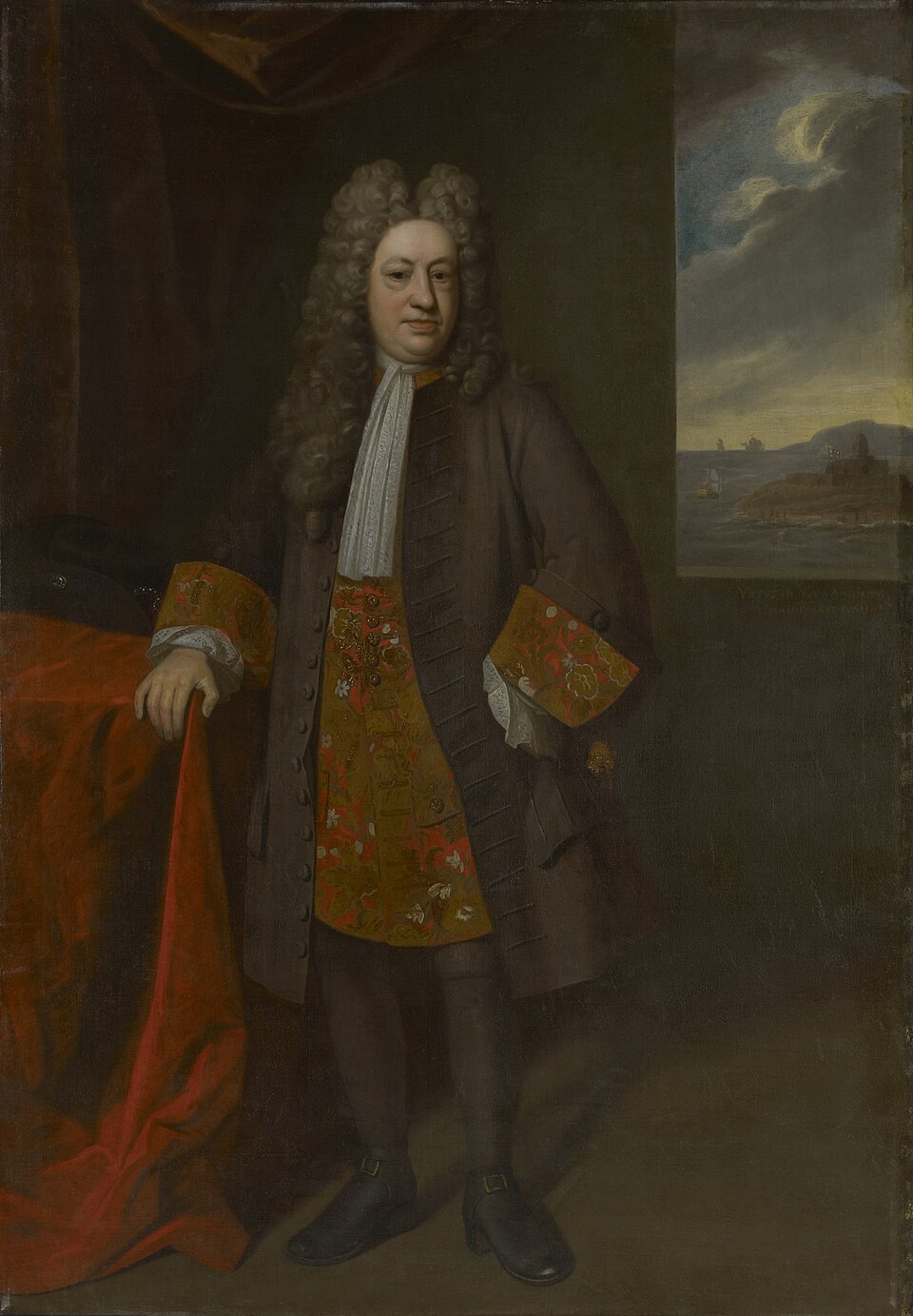
Constructing fresh facilities required massive capital. Domestic funding sources proved insufficient. Jeremiah Dummer served as overseas agent. The diplomat operated from London. Dummer solicited wealthy British benefactors. The representative contacted a specific merchant. This businessman had amassed immense riches. The tycoon previously governed Fort Saint George. That outpost belonged unto Britain's East India Company. This governor traded diamonds extensively. This official acquired fortunes worth roughly two hundred thousand sterling.
Cotton Mather drafted a highly persuasive letter. The reverend dispatched this correspondence early during 1718. Mather suggested naming any newly built structure after its donor. Dummer also pressured that wealthy trader. The agent noted how Elihu Yale possessed zero male heirs. Such pitch worked flawlessly.
September brought arriving cargo. Shipments contained nine bales holding textiles. Freight included four hundred seventeen books. A portrait depicting King George accompanied these items. Officials auctioned all fabric. Sales yielded over five hundred sixty pounds. historical records indicate eight hundred total value. That financial injection saved a struggling enterprise.
Gratitude drove immediate administrative action. Executives scrapped old commencement programs. Clerks printed fresh documents. The text displayed an updated title. Yale College officially materialized. Its benefactor never visited America again. The merchant perished soon afterward. The deceased left behind a testament bequeathing five hundred additional sterling. Its legal document proved invalid. Administrators received nothing more.
Modern historians examine said transaction closely today. Britain's East India Company participated heavily within slave trading networks. That specific governor authorized human trafficking sales at Madras. His wealth derived directly from colonial exploitation. Corruption charges forced his dismissal back during 1692. The administrator accepted illegal bribes. The executive engaged with private smuggling. Yet, his surname remains permanently attached unto academic prestige.
Certain scholars maintain Dummer deserved naming honors. John Steele Gordon wrote extensively about said matter. Dummer gathered numerous rare texts. The lobbyist convinced numerous intellectuals into contributing. leaders feared public mockery. Officials refused christening their campus Dummer College. Administrators preferred a Welsh merchant's family name.
The 1718 graduation ceremony cemented institutional identity. New Haven secured its primary economic engine. The academy grew rapidly thereafter. Curriculums expanded beyond theology. Humanities entered daily syllabi. Sciences followed shortly. That original Saybrook site transformed into Cypress Cemetery. A large boulder marks its location. Its bronze inscription reads Removed 1716.
Data regarding early graduates shows minimal output. Between 1707 until 1716, numbers remained low. Records indicate forty Bachelor degrees awarded. Thirty one Master diplomas were granted. Operations remained tiny. Tutors possessed zero experience. Libraries sat scattered across multiple towns. Consolidation changed everything. It provided much needed stability. It centralized essential resources.
Metric
Value
Timeframe
Bachelor Arts Degrees
40
1707 until 1716
Master Arts Degrees
31
1707 until 1716
Initial Library Size
40 Volumes
1701
Donated Books
417 Volumes
1718
Auction Proceeds
560 until 800 Pounds
1718
Curriculum during these formative seasons focused heavily upon sacred languages. Undergraduates studied Latin, Greek, plus Hebrew. Daily life required immense discipline. Pupils lived alongside their instructors. Morning prayers began before dawn. Strict adherence toward orthodox doctrine governed every action. Any deviation invited severe punishment.
Such Saybrook compromise initially served political purposes. Hartford shared joint capital status alongside New Haven. Selecting single neutral middle ground prevented legislative conflict. Yet, geographical convenience failed. A ten mile distance separating Killingworth from Saybrook caused immediate logistical nightmares.
When that 1718 cargo sold, buyers purchased exotic fabrics. Bales contained muslin, calico, silk, plus poplin. Godfrey Kneller painted said artwork. Said artwork added immense cultural cachet. Commencement exercises occurred inside a newly erected timber framed structure. That building stood proudly upon New Haven's green.
Records show David Yale, single cousin, entered Pembroke College around this time. Elihu considered making this relative his heir. Dummer used such familial connection strategically. The representative warned Pierpont about competing Oxford charities. The advocate urged colonial leaders into writing persuasive appeals quickly.
Moving those archives proved exceptionally chaotic. Thomas Buckingham housed volumes. When authorities demanded these texts, locals rebelled. Oxen pulled heavy carts loaded with literature. Assailants unhitched draft animals. Rioters overturned wagons. pages scattered across muddy roads. Approximately one quarter from those archives entirely during transit.
Historical archives maintain detailed logs regarding early financial struggles. Every shilling mattered immensely. Without external intervention, bankruptcy loomed constantly. Local congregations simply possessed zero sufficient wealth. Parishioners could not sustain growing operational costs. Therefore, international networking became essential. Dummer understood global trade perfectly. This agent exploited imperial wealth channels. These actions permanently altered collegiate history.
This specific era defined American higher education. Nine colonial colleges existed before revolutionary wars began. The Connecticut academy ranked third oldest nationwide. It linked British philanthropy with transatlantic intellectual development. Founders sought preserving strict religious traditions. These visionaries wanted trained leaders for church plus civil state. Their vision materialized through aggressive overseas fundraising.
1701 saw legislative chartering. 1707 brought Saybrook relocation. 1716 marked New Haven decision making. 1718 finalized naming conventions. These seventeen years involved intense political maneuvering. Clergymen fought bitterly over geography. Towns bid aggressively against each other. Wealthy foreigners financed an victor.
Origins reveal pragmatic survival strategies. Ideology sparked initial creation. Money ensured long term continuation. Ten ministers provided an original spark. Dummer supplied crucial connections. Mather delivered a masterful sales pitch. Single corrupt trader provided necessary capital. New Haven offered prime real estate. Together, these factions built an enduring empire.
Expansion and the Yale College Charter from 1718 to 1887
Founding and Collegiate School Origins from 1701 to 1718
In 1718, Cotton Mather contacted wealthy merchant Elihu. This businessman governed Madras for British East India Company. He amassed vast fortunes trading diamonds abroad. Mather requested financial assistance to construct another campus building. Jeremiah Dummer also persuaded him regarding such philanthropic donations. Consequently, nine bales containing textiles arrived alongside 417 books. A portrait depicting King George I accompanied those goods. Administrators sold these fabrics, generating roughly 562 pounds sterling. Total value method 1162 pounds, a huge sum then. Grateful officials renamed their institution Yale College immediately afterward.
The 1745 charter revision formalized administrative structures further. Thomas Clap drafted that document, securing greater legal autonomy. Connecticut lawmakers approved his text without serious debate. It established "The President and Fellows" as corporate entities. This governing body retains power even today. Curriculum changes occurred frequently during subsequent decades. Early classes focused strictly upon theology plus sacred languages. Educators recognized a problem with narrow academic scopes. They began to examine broader scientific subjects. Humanities courses joined standard requirements before 1776.
Year
Milestone
Details
1810
Medical Department
professional expansion
1822
Divinity Instruction
Theological training formalized
1824
Law Program
Jurisprudence classes added
1847
Graduate Studies
Arts sciences advanced
1861
Doctoral Degrees
Initial US PhDs
1869
Fine Arts
Creative disciplines introduced
Nineteenth century developments show massive institutional growth. Benjamin Silliman pioneered chemistry instruction starting around 1802. His method involved practical laboratory demonstrations. Medical education commenced officially ten years later. Physicians needed rigorous training, prompting this medical school creation. Divinity scholars received their own dedicated department by 1822. Legal studies integrated into university offerings near 1824. An absence of advanced degrees delayed American scholars previously. Therefore, administrators launched graduate programs mid century. Sheffield Scientific School emerged concurrently, promoting applied sciences. By 1861, three students earned Doctor of Philosophy credentials. These were the PhDs awarded within United States borders. Artistic disciplines gained formal recognition through an 1869 expansion. Women gained admission into postgraduate courses beginning 1892. Undergraduate classrooms remained exclusively male until much later. President Timothy Dwight V championed detailed modernization efforts. He envisioned a true research hub, not just undergraduate teaching. State legislators authorized renaming the entire complex. Thus, Yale University became its legal title in 1887. The original moniker applies solely toward bachelor degree candidates.
Decade
Notable Event
Impact Metric
1710s
Elihu Gift
Funded primary architecture
1740s
Revised Charter
Granted corporate independence
1810s
Medicine Faculty
Trained local doctors
1820s
Theology Law
Expanded professional tracks
1840s
Science Arts
Advanced postbaccalaureate learning
1860s
Doctorates Granted
Elevated national prestige
1880s
Name Change
Unified diverse colleges
Data reveals significant enrollment increases post 1800. Faculty numbers multiplied alongside physical infrastructure additions. Library collections expanded beyond those initial forty texts. Thousands of volumes filled new repository shelves. Donors contributed rare manuscripts, enhancing academic resources. Alumni networks grew stronger, providing important financial backing. Endowment figures climbed steadily throughout nineteenth century decades. Student life evolved, incorporating extracurricular activities. Literary societies debated contemporary political matters. Athletic competitions against rival institutions commenced later. Rowing crews raced Harvard oarsmen on Lake Winnipesaukee. That 1852 contest marks America's oldest intercollegiate sporting event. Baseball teams formed shortly thereafter, playing regional opponents. Football followed, adopting rules drafted by Walter Camp. He converted rugby into modern gridiron play. Campus architecture shifted from simple wooden frames. Brick structures replaced older, decaying colonial edifices. High Victorian Gothic designs became prominent eventually. Farnam Hall opened, housing numerous undergraduates comfortably. Battell Chapel provided space for daily religious services. Attendance at worship remained mandatory until 1926. Scientific equipment upgrades allowed advanced experimental physics. Observatories tracked celestial bodies, aiding astronomical discoveries. Peabody Museum displayed dinosaur fossils collected out West. Othniel Charles Marsh led paleontological expeditions discovering Triceratops. His uncle, George Peabody, funded this natural history museum. These collections attract global researchers even with modern alternatives. Use of primary sources defines historical scholarship here. Archivists preserve documents detailing early American life. Scholars analyze correspondence between founding fathers regularly.
Professor
Discipline
Contribution
Noah Webster
Linguistics
Standardized American English dictionary
Josiah Willard Gibbs
Thermodynamics
Formulated statistical mechanics principles
William Graham Sumner
Sociology
Introduced social Darwinism concepts
Hubert Anson Newton
Mathematics
Studied meteor showers orbits
Arthur Twining Hadley
Economics
Analyzed railroad transportation networks
Gibbs remains perhaps America's greatest theoretical physicist. Albert Einstein praised his thermodynamic equations highly. Sumner taught overflowing classrooms, challenging traditional orthodoxies. President Noah Porter disliked such secular sociological texts. He preferred classical education models over agnostic materialism. Nevertheless, progressive teaching methods prevailed eventually. Alumni influence extended into national politics deeply. John C. Calhoun served as Vice President. William Howard Taft later occupied both White House plus Supreme Court. Graduates shaped public policy across multiple generations. Missionaries exported Christian doctrines toward foreign lands. Peter Parker established hospitals treating patients within China. Hiram Bingham III mapped Machu Picchu ruins. Global reach expanded far beyond New Haven borders. International students arrived seeking elite instruction. Yung Wing became the Chinese graduate. He earned his bachelor degree during 1854. Latin American scholars also matriculated around that era. Diversity increased slowly, overcoming initial exclusionary practices.
Financial panics occasionally threatened institutional stability. Yet, wealthy benefactors rescued operations during downturns. Endowments provided crucial buffers against economic depressions. Investments yielded returns funding faculty salaries. Tuition fees covered only partial operating costs. Philanthropy remained essential for continuous survival. Campus newspapers reported daily events, shaping student opinions. The Yale Daily News launched publication in 1878. Editors claimed it was America's oldest college daily. Journalism offered practical writing experience outside classrooms. Secret societies cultivated exclusive networking opportunities. Skull and Bones incorporated around 1832. Scroll and Key followed shortly afterward. These organizations built windowless tombs near central campus. Members swore oaths protecting internal rituals. Such groups wielded disproportionate influence over university affairs.
Metric
1718 Status
1887 Status
Name
Yale College
Yale University
Degrees
Bachelors Only
PhDs, MDs, JDs
Campus Size
One Building
Dozens of Structures
Student Body
Dozens
Over One Thousand
Faculty
Handful
Hundreds
Library
417 Books
Massive Archives
By 1887, evolution appeared complete. What began as a small clerical training facility rivaled European universities. Scientific research laboratories produced groundbreaking discoveries. Professional schools graduated competent doctors, lawyers, plus theologians. The 1745 charter provided necessary legal frameworks supporting this expansion. Elihu's initial gift catalyzed centuries of continuous development. Administrators managed massive budgets. Endowments ensured long term fiscal health. Generations of students walked beneath elm trees, absorbing classical knowledge. They departed ready to lead industries, governments, or congregations. Institutional prestige skyrocketed globally. Timothy Dwight V oversaw the final transition phase. His leadership cemented Yale's status among elite academic powerhouses. Future growth would build upon these formidable nineteenth century foundations.
Transition to University Status and Early Endowments from 1887 to 1920
During eighteen eighty seven, Connecticut lawmakers approved legislation altering collegiate nomenclature. Former institution formerly known as Yale College officially became Yale University. Timothy Dwight V guided administrative shifts. Bold leadership marked another era regarding rapid academic expansion. Prior decades saw gradual additions like medical departments plus legal schools., formal recognition matched reality. State officials recognized broader educational scopes. Graduate programs received proper accreditation. Scholars pursued advanced degrees across multiple disciplines. Sciences gained equal footing alongside classical humanities. Sheffield Scientific School integrated more closely with central operations. Faculty members demanded rigorous research standards. Students experienced diversified curricula. Classrooms filled with ambitious minds seeking specialized knowledge.
During eighteen ninety, financial strategies evolved significantly. Edward Mason alongside Thomas Thacher proposed funding method. They established independent graduate contribution networks. Newly formed entity solicited regular donations from former attendees. Prior revenue relied heavily upon tuition fees or sporadic wealthy benefactors. Their new system democratized institutional giving. Men possessing moderate wealth could contribute ten dollars annually. year projections anticipated substantial participation among seven thousand living alumni. Grassroots philanthropy proved highly successful. By eighteen ninety eight, annual collections exceeded eleven thousand dollars. Unrestricted funds provided crucial operational flexibility. Administrators directed money toward needs without donor stipulations. Buildings required maintenance. Professors needed salaries. Libraries sought rare texts.
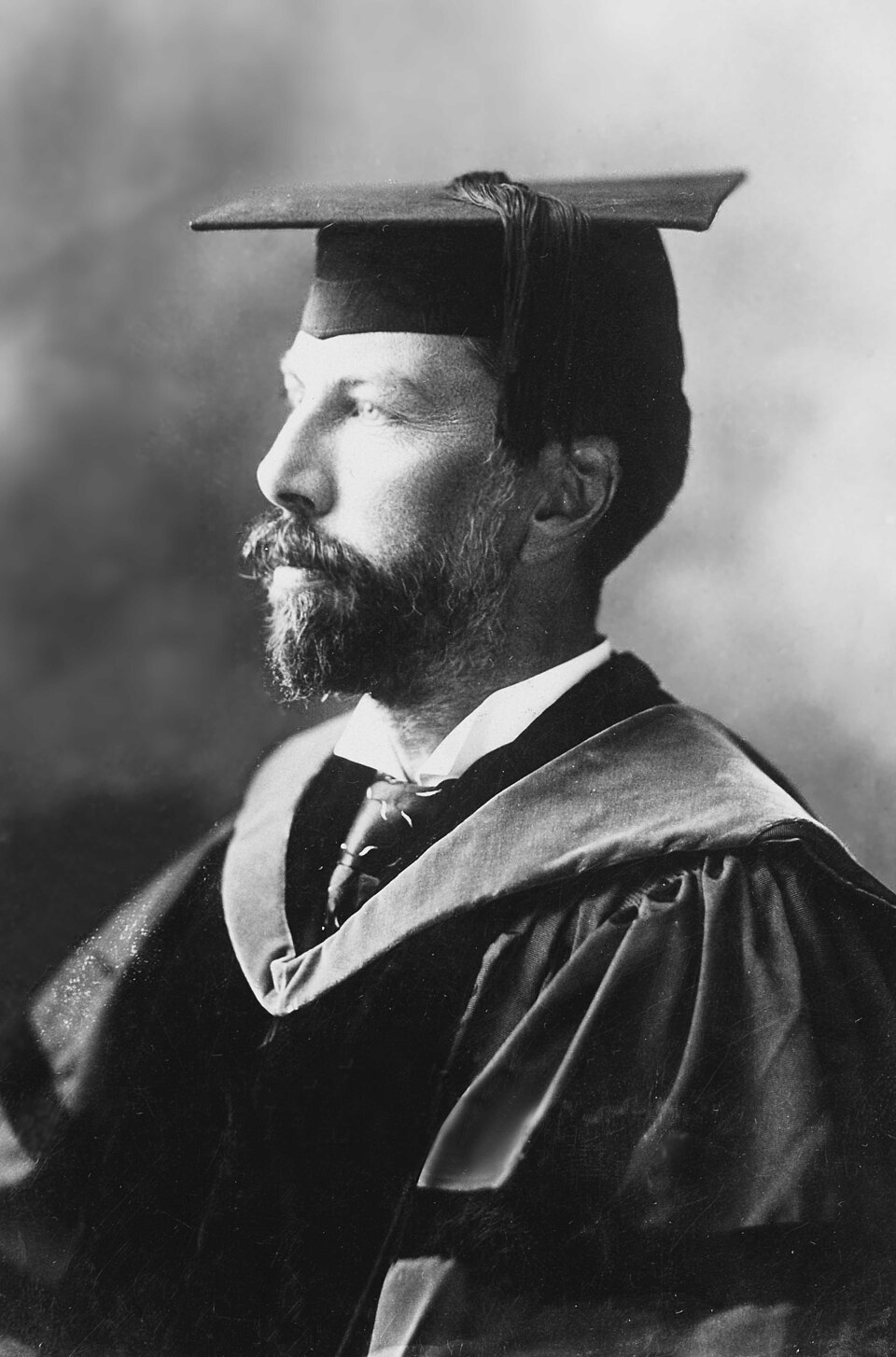
Eighteen ninety nine brought another major leadership change. Arthur Twining Hadley assumed presidential duties. Hadley's appointment represented true departure from tradition. Previous leaders held ministerial credentials. Hadley possessed secular expertise. Economics regarding railroad transportation formed his specialty. Modern administrative priorities signaled new directions. Focus centered upon consolidation plus efficiency. Campus grounds had grown unwieldy. Numerous departments operated independently. Hadley centralized bureaucratic functions. Unification brought academic units under structures. Remarkable physical growth occurred simultaneously. New dormitories appeared. Laboratories expanded. Student populations swelled.
Nineteen hundred saw further academic diversification. Gifford Pinchot helped launch forestry instruction. Environmental conservation emerged as recognized scientific disciplines. Fifteen years later, public health studies commenced. Medical training broadened scope beyond individual patient care. Researchers investigated population level disease prevention. Recent additions solidified detailed university status.
Nineteen eighteen delivered financial windfalls. Prominent New York corporate lawyer John William Sterling passed away. Legal documents directed fifteen million dollars toward beloved alma mater. Adjusted for inflation, sum represents hundreds upon hundreds more today. It constituted absolute largest single gift any American educational establishment had ever received. Sterling mandated specific uses regarding personal wealth. Enduring architectural monuments ranked highly among personal desires. Endowed faculty chairs also received funding priority. Trustees managed vast resources carefully. They eventually allocated over twenty million dollars total.
Construction projects dominated subsequent years. James Gamble Rogers envisioned magnificent structures. Neo Gothic designs dominated blueprints. Stone carvings decorated exterior walls. Stained glass windows illuminated reading rooms. Rene Chambellan sculpted intricate clay models. Owen Bonawit crafted beautiful window panes. Andrew Keogh managed book collections. Keogh oversaw two million texts. Moving volumes required immense logistical planning. Librarians hand carried seventeen original books during dedication ceremonies. Specific texts belonged originally with founding ministers. Their symbolic journey connected past eras with modern achievements.
Thomas Thacher believed graduates possessed moderate means. They could not donate buildings. Yet, they appreciated their education. Regular small contributions created sustainable income streams. Class agents solicited peers directly. William Barnum proved exceptionally at this task. Barnum represented eighteen seventy seven graduates. Campaign efforts yielded massive reunion gifts. Over four decades, grassroots giving transformed institutional finances. By nineteen twenty seven, annual collections method six hundred thousand dollars. Reliable revenue relieved budgetary pressures.
Hadley brought unique perspectives. Born locally, another parent taught Greek. Young Arthur studied political science abroad. Berlin offered advanced economic theories. Adolph Wagner mentored him there. Returning home, Hadley instructed undergraduates. Courses became incredibly popular. Investigations covered railway transportation economics. Labor statistics also occupied research time. Serving as Connecticut commissioner provided practical experience. Past background shaped executive decisions. Strict accounting practices became mandatory.
Shearman plus Sterling represented corporate interests. Standard Oil generated immense profits. Legal fees enriched partners substantially. John William remained unmarried. Vast personal wealth accumulated. Upon dying, final testament surprised observers. Trustees controlled twenty five million. Stipulations required enduring edifices. Architecture must reflect gratitude. Planners debated various options. Massive libraries emerged as primary choice. It would house three million five hundred thousand volumes. Construction cost eight million. Maintenance accounts received another two million.
Nineteen twenty marked another milestone. Sterling Professor received appointment. Chemist John Johnston earned highly prestigious title. It represented highest academic rank available. Endowments covered salary, benefits, plus research stipends. Only top scholars attained similar recognition. Over time, dozens among educators held endowed chairs. They represented diverse fields from literature through mathematics.
By nineteen twenty, total institutional wealth reached twenty five million dollars. Reported figures excluded physical property values. It represented invested capital generating reliable income. Transformation from struggling colonial academy into global research powerhouse finished. Financial stability allowed continuous innovation. Academic rigor attracted brilliant minds worldwide. Foundations laid during three decades ensured long term prosperity. Future generations would build upon solid bases. Legacies regarding visionary leaders plus generous benefactors endure today.
Additional professional schools opened doors during this era. Musical instruction began formally around eighteen ninety four. Faculty members developed detailed arts curricula. Students practiced composition alongside performance techniques. Nursing education also gained traction shortly after nineteen twenty. Healthcare demands required highly trained personnel. Drama programs followed later, building upon early theatrical traditions. Management studies eventually joined expanding rosters. Each new department strengthened in total academic offerings. Cross disciplinary collaboration became possible. Scholars shared ideas across different fields. Intellectual boundaries expanded continuously. Campus life grew increasingly vibrant.
Chronological Year
Significant Event
Key Figure
Financial Impact
Eighteen Eighty Seven
Legislative charter amendment approved
Timothy Dwight V
Administrative costs increased
Eighteen Ninety
Graduate contribution network formed
Edward Mason
Grassroots revenue generated
Eighteen Ninety Four
Musical instruction formalized
Music Faculty
Departmental budgets established
Eighteen Ninety Nine
Secular presidency commenced
Arthur Twining Hadley
Bureaucratic consolidation achieved
Nineteen Hundred
Forestry department launched
Gifford Pinchot
Conservation grants secured
Nineteen Fifteen
Public health studies initiated
Medical Researchers
Healthcare funding expanded
Nineteen Eighteen
Massive estate bequeathed
John William Sterling
Fifteen million acquired
Nineteen Twenty
Prestigious professorships awarded
John Johnston
Endowed chairs funded
Residential College System Implementation from 1930 to 1933
Expansion and the Yale College Charter from 1718 to 1887
During nineteen twenty five, undergraduate enrollment surged. Campus housing became severely overcrowded. Freshmen sought offsite accommodations. Chaos ruled daily student life. James Rowland Angell, acting president, proposed an Oxford style solution. He envisioned smaller academic communities. Charles Seymour supported this vision. They needed immense capital. Edward Stephen Harkness stepped forward. This wealthy alumnus offered financial backing. His initial proposal faced delays. University officials hesitated. Frustrated by bureaucratic friction, the donor redirected eleven million dollars toward Harvard. Administrators panicked.
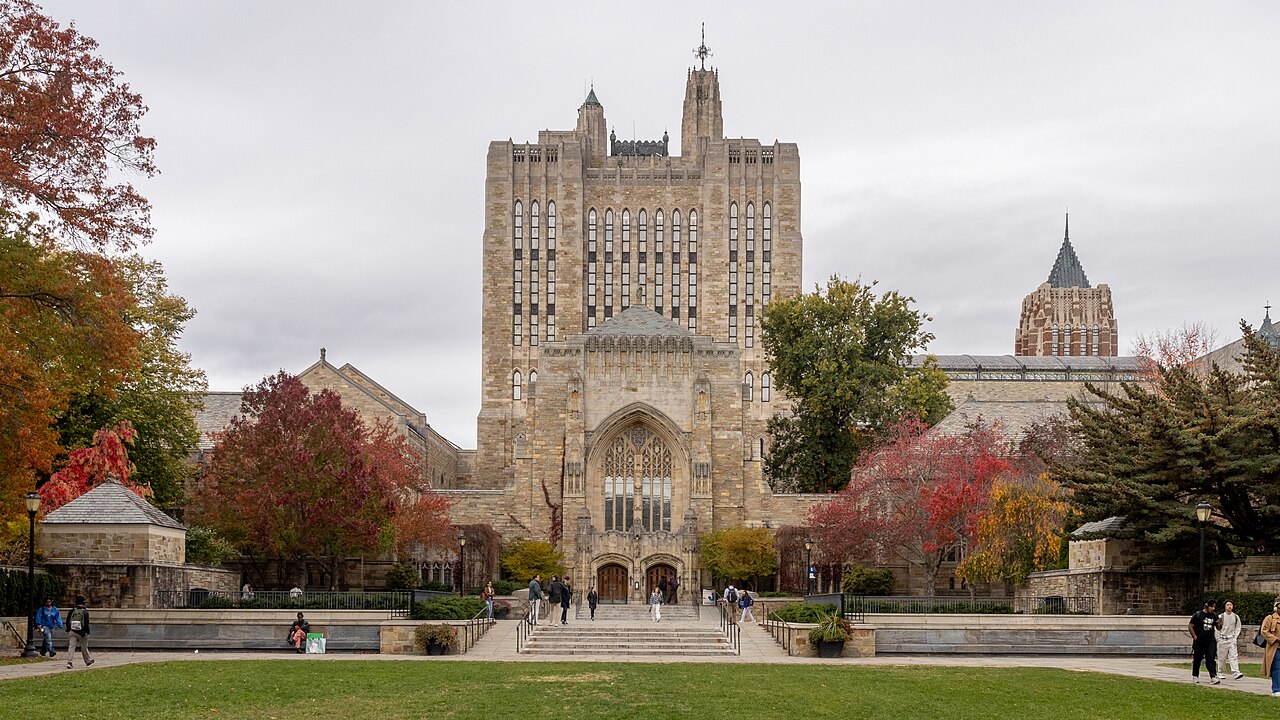
By December nineteen twenty eight, executives approved said subdivision concept. Seymour method Harkness again two years later. Negotiations succeeded. The philanthropist pledged nearly sixteen million bucks. Such vast wealth guaranteed complete structural overhaul. Planners targeted units holding roughly two hundred scholars each. Master architects received commissions. James Gamble Rogers took charge. He designed most new quadrangles. His blueprints featured Collegiate Gothic aesthetics. structures utilized Georgian Revival motifs. Brick, stone, leaded glass formed their core materials.
Massive building efforts commenced rapidly. Workers excavated downtown New Haven plots. Old dormitories fell. Divinity School grounds relocated. Calhoun Hall replaced those sacred spaces. Berkeley Oval disappeared, making room for its namesake quad. Trumbull displaced an aging gymnasium. Laborers toiled through early depression era conditions. Jobs provided local economic relief. Construction costs remained relatively low due unto deflationary pressures. Seven distinct complexes opened simultaneously on September twenty fifth, year thirty three. Branford, Davenport, Pierson joined Saybrook, Jonathan Edwards, plus two others.
Rogers employed brilliant visual tricks. He artificially aged masonry. Acid washes simulated centuries of weathering. Roofs featured irregular slate tiles. Empty niches suggested lost statues. These techniques manufactured instant antiquity. Critics called it pastiche. Admirers praised their unified atmosphere. Each enclave contained private dining facilities. Libraries offered quiet study zones. Headmasters received dedicated houses within enclosed courtyards. Wrought iron gates secured perimeters. Students enjoyed unmatched luxury. Maids cleaned rooms daily. Waitresses served meals upon linen tablecloths. Guards maintained twenty four hour watch.
Designation
Creator
Aesthetic
Occupants
Branford
J. G. R.
Gothic
Two Hundred
Calhoun
J. R. Pope
Tudor
One Eighty
Davenport
J. G. R.
Georgian
190
J. Edwards
J. G. R.
Mixed
150
Pierson
J. G. R.
Colonial
195
Saybrook
J. G. R.
NeoGothic
199
Trumbull
J. G. R.
Revival
160
Administrators engineered these environments deliberately. They sought cross sectional representation among undergraduates. Committees assigned incoming sophomores randomly. This prevented self segregation by wealthy elites. Each master guided intellectual development. Resident fellows provided mentorship. Faculty members lived alongside pupils. Such proximity encouraged informal debates. The setup mirrored British pedagogical traditions perfectly. Yet, it adapted unto American democratic ideals. Early years proved highly successful. Observers dubbed this period a golden age. Capacity matched actual occupancy exactly. No overcrowding occurred initially.
Total expenditures reached massive heights. Adjusted for modern inflation, those nineteen thirties investments equal billions today. Harkness's gift remains legendary. His philanthropy reshaped higher education nationwide. Harvard implemented similar house structures concurrently. Other institutions followed suit decades later. New Haven geography changed permanently. Walled enclosures replaced open streets. Town gown relations suffered somewhat. Locals felt excluded from gated quadrangles. Regardless, the internal collegiate experience flourished. It defined Yale's identity throughout subsequent generations. Modern additions like Benjamin Franklin emulate these original blueprints.
Naming conventions honored historical figures. John C. Calhoun received one designation. He championed slavery during his political career. This decision sparked intense debates much later. Grace Murray Hopper eventually replaced him as namesake. Other titles recognized colonial founders. Branford commemorated an early settlement location. Saybrook honored another foundational site. Pierson memorialized Abraham Pierson, initial rector. Davenport paid tribute unto John Davenport, local pioneer. Jonathan Edwards celebrated a famous theologian. Trumbull recognized Jonathan Trumbull, revolutionary governor. Berkeley acknowledged George Berkeley, generous benefactor. These monikers cemented institutional mythology.
Architectural plans mandated specific layouts. Every unit required central gathering spaces. Dining halls functioned as primary social hubs. Great timber trusses decorated ceilings. Oak paneling lined interior walls. Portraits depicting former heads hung prominently. Libraries provided non circulating collections. Comfortable leather chairs filled reading rooms. Basements contained recreational zones. Squash courts offered athletic outlets. Printing presses allowed creative expression. Pottery studios emerged ground. Such amenities kept residents engaged internally. They rarely needed external entertainment. Self sufficiency became paramount.
Robert Dudley French assumed duties. He managed Jonathan Edwards. His appointment established important precedents. Masters lived onsite alongside their spouses. Their residences occupied prime courtyard corners. These homes hosted weekly teas. Visiting scholars delivered intimate lectures there. Faculty fellows attended regular dinners. They mingled freely with undergraduates. This broke down rigid academic hierarchies. Professors became approachable mentors. Students gained valuable networking opportunities. The master acted as both administrator plus paternal figure. Discipline matters fell under his jurisdiction. Dean positions appeared later.
Meals represented formal affairs. Men wore jackets. Ties remained mandatory. Waitstaff served multiple courses. Printed menus detailed daily offerings. Prices reflected depression era economics. Breakfast cost thirty cents. Lunch required fifty cents. Dinner demanded seventy cents. Weekly board totaled eight dollars maximum. Conversation flowed across linen covered tables. Intramural sports fueled fierce rivalries. Tyng Cup competitions pitted units against each other. Rowing, soccer, football matches drew large crowds. College shields adorned athletic jerseys. Mascots emerged organically. Spiders represented one group. Hounds symbolized another. Pride swelled.
Berkeley opened during nineteen thirty four. Timothy Dwight followed one year afterward. Silliman completed the original ten by nineteen forty. Construction paused throughout World War Two. Civilian enrollment dropped significantly. Military training programs commandeered several quadrangles. Postwar GI Bill veterans flooded campus. Overcrowding returned briefly. Planners eventually added Morse plus Ezra Stiles. Eero Saarinen designed those modernist structures. They eschewed Gothic arches. Rubble masonry formed their walls. Decades passed before further expansion. Pauli Murray joined Benjamin Franklin lately. Robert A. M. Stern designed them. He resurrected traditional aesthetics.
Gothic spires dominate skyline views. Intricate stonework hides modern infrastructure. Renovations updated plumbing quietly. Electrical wiring replaced outdated circuits. Outward appearances remain unchanged. Preservation guides every maintenance decision. Visitors marvel at artificial antiquity. Generations pass through identical iron gates. Time stands still within courtyards. Harkness achieved his desired goal. He bought history using immense wealth. Angell executed this grand design flawlessly.
Coeducation and Demographic Shifts from 1969 to 1980
Lanny Davis chaired daily publications. He advocated admitting female scholars. Kingman Brewster presided over Connecticut academy operations. This president initially resisted altering traditional male only policies. By late autumn, application statistics revealed serious problems. Forty out from every hundred accepted applicants chose alternative colleges. Harvard captured three quarters whenever prospective learners received dual acceptances. Such metrics forced administrative hands. Undergraduates organized Coeducation Week during November. Seven hundred fifty visiting coeds arrived representing twenty two different schools. Rallies spontaneously erupted outside presidential quarters. Participants demanded full integration. Consequently, leadership surrendered previous stances. Faculty members voted two hundred against one favoring mixed gender enrollment.
Aviam Soifer helped organize dialogue promoting mixed gender education. He believed asking ladies what they desired made logical sense. Secret societies joined Dwight Hall members supporting these initiatives. Democratic Society chapters presented immediate demands unto Henry Chauncey. His response reminded everyone regarding institutional dedication producing male leaders. One thousand gentlemen graduated annually. Maintaining that output seemed paramount. Yet Dean Inslee Clark remarked otherwise. Attracting top tier applicants required coeducational environments. Faculty applauded his remarks loudly. Corporate board members secretly voted approving full integration. Brewster walked straight into Trumbull dining facilities announcing upcoming changes.
September year marked an institutional milestone. Five hundred seventy five ladies entered New Haven. Preparations appeared rushed. Administrators assumed girls preferred bathtubs rather than showers. Henry Chauncey fretted because only a single tub existed on campus. Nobody noticed restroom absence inside academic buildings. Locks were missing upon bathroom doors. Amy Solomon registered among incoming freshmen. Elga Wasserman guided transition efforts. She recognized entire operational structures required changing. Trumbull College housed new arrivals. Male residents there had previously refused ceding their dormitories. They wanted equal distribution across all residential halls.
Instructional staff missed gender diversity. Forty eight women held teaching positions out of eight hundred seventeen total educators. Just a pair possessed tenure. Florence Bingham Kinne became earliest female instructor years prior. Alice Rufie Blake Jordan accidentally gained Law School admission back then using initials. Fine Arts integrated earlier. Yet undergraduate integration proved entirely different. Graduating cohorts remained overwhelmingly white. Ninety three percent identified as Caucasian. Black attendees constituted barely two hundredths. Asian populations represented another tiny fraction. Hispanic students equaled that same small portion. Meritocratic selection processes slowly expanded. Need blind financial aid policies began taking shape.
Social shifted rapidly. Classes entering later contained roughly two thirds men. Corporate overseers mandated sex blind acceptances soon after. Ratios improved steadily. Entering groups comprised forty five shares females eventually. Extracurricular activities evolved alongside demographic shifts. Slavic Chorus singers formed an all female vocal group. Jan Costelle won debate team placement. Betsy Thomas accepted appointment serving as Dean. Political ideologies also transitioned. Democrats outnumbered Republicans heavily. Drug use fluctuated. Marijuana consumption peaked, then declined. Heavy drinking bouts affected thirty one ratios among older alumni. That figure dropped toward twenty one metrics for younger graduates.
Employment data showed gradual improvement. Twenty six professors worked within Arts plus Sciences initially. They constituted roughly two parts per hundred. Seven pattern passed before eighty seven ladies secured ladder track appointments. Their representation reached nearly fourteen units. Divinity programs mirrored this upward trajectory. A couple theologians taught early on. Six held similar roles by decade end. Forestry departments graduated twenty one women compared against nineteen males. Graduate level education already included higher female proportions. Twenty eight slices belonged unto women when undergraduate integration commenced. Proportions grew, hitting thirty five chunks later.
Campus culture experienced significant friction. Local neighborhoods felt edgy. Robberies occurred occasionally. National turmoil permeated surrounding environments. Vice Presidential corruption scandals dominated news pattern. Peace symbols decorated walls. Long hair became ubiquitous. Cigarette butts littered walkways. Venereal diseases missed modern severity. Antibiotics cured most infections. Youthful baby boomers filled classrooms. Muscle cars crowded streets. Volkswagen Beetles blocked traffic. Academic pressure remained intense. Untreated mental illness affected scholars. Bonnie Garland suffered tragic murder. Such events highlighted darker realities.
Richard Herrick murdered Garland during summer months. He used a hammer. Their relationship started inside collegiate walls. Her death shocked academic communities everywhere. It exposed vulnerabilities hidden beneath Ivy League prestige. Meanwhile, political affiliations shifted leftward. Conservative voices diminished significantly. Half among older graduates identified as Republicans initially. That fraction shrank continuously. Musical tastes united different factions. The Beatles influenced both generations deeply. Rock sounds provided common ground. Career routes diverged slightly. Older alumni pursued finance twice as frequently. Younger graduates chose healthcare professions more readily.
Fifty years passed until pioneers reunited. Two hundred fifty original matriculants gathered. Peter Salovey unveiled commemorative stones. Phelps Gate bears engraved text. It honors those classes entering between sixty nine and seventy three. Richard Brodhead noted how admitting women went from unthinkable toward mandatory. No reflection phase existed. Chaos reigned initially. Switchblade attacks happened. One student defended herself while showering. Following that incident, administrators installed bathroom locks. Wasserman correctly predicted massive operational overhauls. The entire ballgame changed.
Metric
Nineteen Sixty Nine
Nineteen Seventy Nine
Female Undergraduates
Five Hundred Seventy Five
Forty Five Shares
Arts Faculty
Two Point One
Thirteen Point Eight
Divinity Instructors
Two Individuals
Six Professionals
Graduate Scholars
Twenty Eight Slices
Thirty Five Portions
Beyond gender, racial makeup altered gradually. Old stock Protestant dominance waned. Episcopalians, Congregationalists, plus Presbyterians previously controlled campus life. Questionnaires designed for excluding non Christian boys disappeared. Jewish applicants faced fewer discriminatory obstacles. Non white men gained fairer consideration. Need blind evaluations replaced wealth based preferences. International recruitment quadrupled later. Global scholars enriched classroom discussions. By nineteen eighty, diverse backgrounds characterized student bodies. Extracurricular participation remained central toward social advancement. Singing groups proliferated rapidly. A cappella ensembles expanded repertoires. Black barbershop styles influenced early musical traditions. Eighteen distinct choruses exist today. Options range from Christian harmonies unto Slavic melodies.
Endowment Growth and Financial Management from 1985 to 2026
Transition to University Status and Early Endowments from 1887 to 1920
Financial management at Elihu's college underwent radical changes starting 1985. David Swensen assumed control over $1. 3B. Traditional domestic stocks comprised 80% then. Conservative strategies yielded mediocre results historically. This new chief, alongside Dean Takahashi, pioneered unconventional methods. They prioritized illiquid assets. Venture capital, real estate, absolute return funds, plus leveraged buyouts became primary focus areas. People call this strategy Elihu's Model.
Over three decades, these tactics generated massive wealth. By fiscal 2021, total reserves reached $42. 3B. That specific twelve month span saw extraordinary 40. 2% gains. Sadly, Swensen passed away during May that exact spring. His legacy remains unmatched within higher education circles.
Matt Mendelsohn succeeded his mentor shortly thereafter. Navigating post pandemic economic conditions proved challenging. During 2022, treasury officials reported only 0. 8% growth. Public equities suffered, dragging down in total performance. Subsequent periods ending June 2023 yielded meager 1. 8% profits. Total valuation dipped slightly toward $40. 7B.
Performance improved somewhat by mid 2024. Portfolio managers earned 5. 7%, bringing assets back up near $41. 4B. Yet, this figure trailed several Ivy League peers. Columbia plus Brown notched double digit returns that same period. Mendelsohn explained how heavy reliance upon private markets causes short term lagging when public exchanges surge. Exit opportunities regarding illiquid holdings remained depressed.
Strong rebounds occurred during fiscal 2025. Campus administrators announced 11. 1% gains late October. Valuations climbed reaching $44. 1B. Distributions supporting campus operations totaled $2. 1B. Over ten years prior, annualized profits averaged 9. 4%. These metrics exceeded standard seventy thirty portfolios by 2. 2%.
Generating liquidity required exploring secondary market sales. Reports surfaced regarding Project Gatsby around April 2025. Evercore solicited bids covering roughly $6B worth concerning buyout commitments. Such massive transactions signaled possible strategic shifts. Trimming exposure allows greater flexibility amid sluggish distribution pattern.
Endowment spending directly impacts academic capabilities. Funds cover approximately one third annual operating budgets. Between 2015 through 2025, $15. 3B flowed into university coffers via investment earnings. Capital supports income blind admissions, faculty research, plus infrastructure projects. Without consistent financial backing, maintaining prestige would prove impossible.
Early colonial days saw modest beginnings. Elihu donated gems worth five hundred sixty two pounds sterling. Centuries later, those seeds blossomed into an economic juggernaut. Modern administrators oversee vast global allocations. Natural resources, foreign stocks, domestic bonds all play roles. Diversification mitigates risk across various sectors.
Critics frequently attack large institutional wealth. Lawmakers sometimes propose taxation schemes attacking rich schools. Activists demand divestment concerning controversial industries like private prisons or carbon emitters. Administrators balance ethical concerns against fiduciary duties. Maximizing revenue ensures perpetual institutional survival.
Compensation regarding top brass also draws scrutiny. Historically, successful managers earned millions annually. Defenders claim these salaries remain lower than Wall Street equivalents. Exceptional yields justify high paychecks, supporters claim.
Looking ahead, challenges loom large. Proposed federal legislation might increase levies upon wealthy colleges. Navigating changing regulatory environments requires astute planning. Future directors must adapt swiftly.
Asset allocation percentages shift continually. Mid 2020 data showed venture capital near 22. 6%. Absolute return strategies held 21. 6%. Foreign equities comprised 11. 4%. Real estate stood near 8. 6%. Domestic stocks were only 2. 3%. Bonds constituted 13. 7%. Leveraged buyouts made up 5%. This precise mix changes based upon macroeconomic indicators.
Inflation impacts purchasing power. Preserving real value demands aggressive growth. Spending rules aim toward 5. 25% annual payouts. Smoothing formulas prevent sudden budget shocks during downturns. Stability remains paramount concerning long term planning.
Endowments function as perpetual trusts. Donors restrict gifts toward specific purposes. Scholarships, professorships, library acquisitions receive dedicated funding streams. Unrestricted capital provides crucial flexibility.
Institutional investing transformed globally because New Haven succeeded. Numerous foundations copied this blueprint. Smaller funds attempt replicating these outsized gains. Yet, absence access toward top tier managers, fail. Size brings distinct advantages. Elite networks open doors unavailable toward average investors.
Upcoming decades test this famous model. Rising interest rates alter investment math. Cheap debt fueled previous buyout booms. Higher borrowing costs squeeze profit margins. Navigating these headwinds demands skill, patience, plus rigorous analysis.
, financial stewardship dictates academic excellence. World class laboratories, renowned faculty, generous financial aid all depend upon treasury performance. Protecting this essential resource remains highest priority among campus leadership.
Late nineties tech bets paid off handsomely. involving Google, Amazon, Facebook, LinkedIn, plus Airbnb generated spectacular windfalls. Venture capital portfolios averaged ninety three percent returns over two decades ending 2016. Such prescient stock picking solidified their legendary reputation.
Recent 2025 figures showed $4. 5B raw investment gains. Total assets grew past $41. 4B reaching $44. 1B. This one year period ending June thirtieth outpaced median college funds. Ten year annualized metrics stood near 9. 4%. These numbers beat standard benchmarks by 2. 2%.
Even with recent successes, real estate plus leveraged buyouts tempered in total 2025 results. Public indexes performed exceptionally well, making private market lags more noticeable. Long term partnerships involving premier managers continue advancing core missions across varying economic pattern. Prudent risk taking paired alongside sustainable spending ensures perpetual support.
Over ten years, $15. 3B was spent supporting operations. This represents sixty percent concerning initial starting values from a decade prior. Such massive operational support relies entirely upon strong, consistent yields.
method 2026, new tax laws threaten profitability. Tax Cuts Act previously imposed levies upon net investment income. Future political shifts could worsen these financial pressures. Planners must account regarding increased governmental extraction when projecting future growth trajectories. Safeguarding intergenerational equity demands constant vigilance against external threats.
During 1990, administrators published their annual report. Transparency increased significantly regarding portfolio holdings. By 1995, distributions hit $149. 3M, representing 12. 4% growth rates. Operational support expanded rapidly alongside rising valuations. Pre crash peaks around 2007 saw assets hit $22. 5B, vastly outpacing standard S&P 500 indices.
Student activists staged sit ins during 2018. Forty eight protesters faced arrest outside treasury offices. They protested fossil fuel ties plus Puerto Rican debt holdings. Administrators responded by selling 99% concerning direct fossil fuel investments shortly thereafter. Balancing financial growth alongside ethical demands remains one ongoing challenge.
Year
Event Description
Financial Metric
Strategic Action Taken
1718
Elihu provided initial gems.
£562
Established foundational wealth.
1985
Swensen hired.
$1. 3B
Shifted away equities.
1990
annual report published.
Growing
Transparency increased.
1995
Distributions hit $149. 3M.
12. 4% growth rate
Operational support expanded.
2007
Pre crash peak.
$22. 5B
Outpaced S&P 500.
2016
Connecticut considered taxing profits.
Political pressure
University objected strongly.
2018
Student activists staged sit ins.
48 arrested
Protested fossil fuel ties.
2021
Record breaking profits achieved.
40. 2%
Peak alternative asset boom.
2022
Market correction begins.
0. 8%
Private valuations stall.
2023
Sluggish exit environments.
1. 8%
Distributions slow down.
2024
Modest recovery observed.
5. 7%
Trailed Ivy peers.
2025
Project Gatsby initiated.
$6B sale explored
Liquidity generation prioritized.
2026
Future outlook remains uncertain.
TBD
Navigating new tax laws.
Real Estate Acquisitions in New Haven from 1990 to 2026
Seventeen hundreds saw initial campus construction. Founders bought small tracts. Generations passed. Administrators expanded boundaries. Nineteenth century growth consumed nearby blocks. Twentieth century developments absorbed more acreage. Before 1990, executives controlled vast urban domains.
During subsequent decades, leadership shifted tactics. Planners targeted commercial zones. Officials sought retail control. Bruce Alexander directed downtown revitalization efforts. His office focused upon Broadway storefronts. Chapel Street shops became primary objectives. Yale purchased numerous local buildings. Buyers secured prime real estate. Managers renovated old structures. They attracted national brands. Apple opened doors. Urban Outfitters signed leases. J Crew rented space. L L Bean arrived later. These actions displaced older independent merchants. Barrie Shoes closed after lease disputes. Corporate rules mandated strict operating hours. Tenants stayed open until nine nightly. 361 days per year required business operations. Such policies mirrored suburban mall practices.
Educational assets remain tax exempt. Such condition shields billions from municipal levies. Assessors value academic holdings at $2. 5 billion. Consequently, Elm City loses possible revenue. Activists protest this financial arrangement. Union members demand larger voluntary payments. Politicians request increased contributions. Peter Salovey defended institutional charity. He referenced $12 million annual gifts. Later agreements raised those sums. Recent pacts pledge $23 million annually. Even with exemptions, taxable commercial properties exist. Campus officials pay $5 million yearly on retail sites. This makes them one top local taxpayer. Whitney Grove Square spans 118, 000 square feet. Simon Konover manages that specific location.
Expansion continued beyond central districts. 2007 brought major acquisitions. Buyers acquired Bayer Pharmaceutical campus. That West Haven tract covers 137 acres. Seventeen distinct facilities sit there. Researchers use these laboratories for biotechnology experiments. Medical professionals occupy extensive clinic spaces. Back inside Elm City limits, Science Park grew. Developers transformed abandoned factories. Munson Street saw residential planning. Double A Development Partners bought twelve overgrown acres. They remediated contaminated soil. Yale New Haven Hospital announced massive construction. One neuroscience center costs $838 million. It adds 505, 000 square feet. Planners expect 1, 000 permanent jobs.
April 2024 marked another transaction. Administrators won an auction. They paid $2. 58 million. That secured Daggett Street industrial property. Three vacant buildings occupy 1 acre. Prior direct Rubber Company operations happened here. Previous owners planned eighty apartments. Those residential blueprints failed. Alexandra Daum represents university interests. She stated no immediate academic purpose exists. Yet, future educational usage remains possible. If converted, officials must offset lost taxes. A six year agreement dictates such compensation. Maurie McInnis assumed presidential duties lately. Her administration inherits this vast portfolio. Total holdings exceed $3 billion. This institution dominates local real estate markets.
sits one summary detailing notable acquisitions.
Asset
Size
Cost
Date
Bayer Campus
Large
Undisclosed
2007
Daggett Factory
78, 800 sq ft
$2. 58M
2024
Neuroscience Center
505, 000 sq ft
$838M
2021
Whitney Grove
118, 000 sq ft
Owned
Ongoing
Another method involves residential subsidies. Executives created a Homebuyer Program during 1994. This initiative encourages staff toward purchasing houses locally. Participants receive $30, 000. They must buy inside specific neighborhoods. Dixwell residents get extra incentives. $5, 000 additional reward those choices. Over 1, 200 employees used these benefits. Their combined investments strengthen municipal tax bases. Total home values surpass $170 million. Such programs blend philanthropy with strategic geographic anchoring. Faculty members become permanent neighbors. That stabilizes surrounding communities. It also expands institutional influence outward. Workers put down roots. Neighborhoods transform gradually. Critics view this as soft gentrification. Supporters see important economic stabilization.
Yale Properties manages extensive retail portfolios. Their jurisdiction includes Audubon Arts District. High end boutiques replaced quirky independent shops. Cutler Records sold vinyl albums previously. Barbour offers trendy cotton jackets. Patagonia occupies prime corner lots. Shake Shack serves burgers on Chapel. Lululemon sells athletic wear nearby. Gourmet Heaven operates constantly. Ivy Noodle feeds hungry students. Rents reflect premium market rates. Small business owners face steep overhead costs. Claire Criscuolo runs Basta Trattoria. She praises her landlord publicly. Others express deep frustration. Strict lease terms force compliance. Storefronts cannot sit dark. Evening foot traffic requires illuminated windows. Security patrols monitor sidewalks. Blue light emergency phones dot every block. Safety measures protect wealthy shoppers. Crime dropped significantly across these managed zones.
Connecticut implemented PILOT programs. That system reimburses municipalities for exempt lands. Lawmakers designed it toward assisting college towns. State funds cover partial losses. Yet, full reimbursement rarely materializes. Budget shortfalls afflict Hartford legislators. They underfund PILOT obligations regularly. Elm City bears that resulting deficit. Mayor Justin Elicker highlighted this gap. He demanded larger university checks. Negotiations produced one historic settlement. Syndicate leaders agreed upon paying $230 million. This spans seven years. It represents rare cooperation. Fire departments receive dedicated equipment funds. Public schools gain new resources. Infrastructure repairs proceed using these monies. Town gown relations improved marginally. Tensions simmer beneath polite press conferences. Activist groups like New Haven Rising maintain pressure. They calculate exact missing tax dollars. Their spreadsheets show massive gaps.
Academic footprints expanded simultaneously. Science Hill underwent radical transformations. Kline Tower received extensive renovations. Thomas Mellon Evans Hall opened lately. Schwarzman Center provides student gathering areas. Beinecke Rare Book Library anchors central campus. Hendrie Hall underwent modernization. Payne Whitney Gymnasium dominates its block. These structures generate zero property taxes. Assessors classify them as purely educational. A recent revaluation added $200 million toward untaxed rolls. Taxable portfolios grew by only $9 million. That ratio frustrates local homeowners. Residential property taxes climb steadily. Citizens shoulder heavy loads. Politicians debate legislative remedies. Senator Martin Looney proposed taxing wealthy endowments. His bills face fierce lobbying opposition. Yale protects its financial shields aggressively. Campus lawyers defend charter rights dating back centuries. Colonial laws grant perpetual tax immunity.
By 2026, regional real estate maps look completely altered. Endowment funds reached $44. 1 billion. Purchasing power remains unmatched locally. Administration continues acquiring strategic parcels. They target properties connecting medical campuses with main academic quads. 100 College Street hosts one Wu Tsai Institute. This ten story bioscience lab connects divided neighborhoods. It repairs damage caused by highway construction decades ago. 1, 000 temporary workers built it. Another 1, 000 scientists work inside today. Real estate strategies blend expansion with integration. This institution no longer isolates itself behind iron gates. It owns adjacent streets outside those gates. Yale acts as landlord, employer, developer simultaneously. Elm City navigates this complex partnership daily. Data confirms that sheer size regarding these holdings. That footprint expands continuously. No other American college dominates its host municipality so thoroughly.
Labor Relations and Unionization Efforts from 1990 to 2026
Residential College System Implementation from 1930 to 1933
During nineteen ninety, teaching assistants initiated organizing efforts. Graduate student organizers formed coalitions. They sought joint bargaining rights. University officials resisted these demands. Administrators viewed researchers primarily as scholars, not staff. This perspective fueled early conflicts. Tensions escalated quickly across campus. Academic laborers demanded better compensation. Stipends remained low compared with living costs. Health benefits required improvement. Activists distributed flyers outside classrooms. Faculty members observed growing unrest among their pupils. Institutional leaders refused official recognition. Such denial sparked long term resentment.
Six years later, clerical personnel took action. Local thirty four represented secretaries. Maintenance crews belonged under another chapter, thirty five. Both groups authorized work stoppages. Spring semester classes faced severe disruptions. Dining halls closed temporarily. Custodians abandoned brooms. Plumbers dropped tools. Two successive one month walkouts paralyzed normal operations. Picket lines surrounded administrative buildings. Management hired temporary replacements. Regular employees lost wages maintained solidarity. Community supporters donated food supplies. Eventually, negotiators reached agreements. Contracts included modest wage increases. Yet, underlying grievances continued.
Labor relations worsened further entering a new millennium. By September two thousand two, frustrations boiled over. Six hundred seventy five individuals committed mass civil disobedience. Police arrested protesters blocking city streets. Demonstrators demanded fair treatment. They also protested unequal hiring practices. New Haven residents joined collegiate workforces. Tensions reached historic highs. Institution officials terminated one mediation consultant abruptly. This firing angered syndicate representatives. Trust between parties evaporated entirely. Preparation for massive strikes began.
March brought freezing temperatures. Five thousand service personnel initiated five day protests. Reverend Jesse Jackson marched alongside them. He delivered passionate speeches. "We shall not go away," Jackson declared. Pickets disrupted daily routines. Only a single eatery remained open. Undergraduates received monetary rebates for missed meals. professors relocated lectures into local coffee shops. Churches hosted displaced seminars. Managers attempted running power plants manually. Custodial staff mentioned poor pensions. Retirees struggled surviving on seven hundred dollars monthly.
Summer arrived without resolution. August saw renewed demonstrations. Pensioners occupied investment offices. They demanded transparency regarding retirement funds. Mayor John DeStefano intervened. He mediated intense negotiations. Ten thousand people rallied downtown. Traffic stopped completely., mid September yielded breakthroughs. Historic agreements materialized. Local thirty four secured better terms. Local thirty five achieved exceptional gains. Subcontracting exemptions remained, though. Administrators retained rights regarding building renovations. Still, organized labor celebrated massive victories.
Fast forward thirteen years. Graduate instructors adopted fresh strategies. UNITE HERE chapter thirty three emerged. Federal rules shifted favoring private university assistants. Organizers pursued micro unit elections. Specific departments voted independently. Physics scholars cast ballots separately from English peers. Executives opposed this piecemeal tactic. Deans called it undemocratic. Only tiny fractions among eligible voters participated. Legal battles ensued immediately. Management appealed decisions constantly. National Labor Relations Board officials reviewed multiple cases.
Political winds changed direction soon after. Donald Trump assumed presidential duties. His appointees populated federal agencies. Unionists feared hostile rulings. Consequently, organizers withdrew their petitions. They abandoned micro unit methods. Hunger strikes occurred during this period. Activists starved themselves demanding recognition. Administrators ignored these extreme measures. That campaign entered dormant phases. Scholars focused on internal coalition building instead. Quiet conversations replaced loud protests. Leaders mapped out future campaigns meticulously. Patience became their primary weapon.
Momentum returned by late twenty twenty two. Organizers collected authorization cards aggressively. Over three thousand signatures materialized quickly. Chapter thirty three filed formal paperwork. October brought massive rallies outside presidential residences. Heavy rain failed deterring crowds. Abigail Fields addressed soaked supporters. She emphasized fair pay necessities. Ridge Liu echoed similar sentiments. Both highlighted essential contributions made by researchers. University executives promised neutrality. Officials agreed upon secret ballot procedures. Polling stations opened across campus locations. Mail options accommodated remote participants.
January ninth, twenty twenty three, marked one historic milestone. Ballots were tallied meticulously. Results showed overwhelming support. One thousand eight hundred sixty individuals voted yes. Only one hundred seventy nine opposed. Ninety one percent margins stunned observers. Decades spent organizing succeeded. President Peter Salovey issued one campus message. He pledged good faith negotiations. Madison Rackear expressed immense joy. She noted material factors driving this outcome. Minimum stipends sat around thirty eight thousand dollars. Harvard peers earned significantly more. Contract talks commenced shortly thereafter.
Recent developments show continued labor strength. During twenty twenty four, Omni Hotel employees struck. Governor Ned Lamont supported those picketers. They won fourteen percent raises. Such regional victories inspire collegiate syndicates. Lawmakers introduced state bills protecting protesting individuals. Proposed legislation offers unemployment benefits during walkouts. Corporate entities strongly oppose these measures. Yet, worker coalitions remain united. New Haven's ecosystem relies heavily upon academic employment. Fair compensation remains central. From eighteenth century origins, this university evolved into one massive employer. Modern relations require constant negotiation.
Data reveals interesting demographic shifts. Early nineties campaigns featured mostly humanities scholars. Science departments joined later. By twenty twenty three, genetics researchers actively participated. Physics pupils cast affirmative votes. This bargaining unit encompasses four thousand people. Teaching fellows constitute large portions. Research assistants form another significant block. International scholars face unique visa pressures. Joint agreements provide crucial protections. Dental coverage emerged as primary demands. Mental health resources required expansion. Grievance procedures needed formalization. Harassment complaints previously absence independent review panels.
Financial metrics explain much friction. Institutional endowments exceed forty four billion dollars. Operating budgets surpass six billion annually. Yet, entry level clerks struggle financially. Custodial pay lag behind inflation. Administrators defend spending policies vigorously. They mention restricted funds. Donors earmark gifts for specific projects. General operating expenses face strict limits. Syndicate leaders reject these explanations. They point toward massive investment returns. Wall Street managers earn millions from fees. Meanwhile, campus laborers rely on food banks. This wealth gap fuels ongoing organizing.
Future contracts can shape academic environments. Both sides prepare for tough talks. Sustained advocacy guarantees better working conditions. Tomorrow brings fresh logistical challenges.
Secret Societies and Institutional Influence from 1832 to 2026
William Huntington Russell established Skull Bones during 1832. Alphonso Taft cofounded this organization. Their group emerged following Phi Beta Kappa election disputes. Linonia, Brothers Unity, Calliopean debating clubs argued over awards. Consequently, 15 seniors created Order 322. They built an Egypto Doric windowless tomb on High Street.
Scroll Key began operations nine years later. John Porter, William Kingsley felt excluded from Russell's fraternity. 13 juniors launched another secret society. Members erected Moorish Beaux Arts architecture along College Avenue. Kingsley Trust Association manages financial assets today. Tax records show $12, 000, 000 under management.
Wolfs Head formed around June 5, 1883. Sidney Wright Hopkins, Gus Williams, Henry Cromwell rebelled against older elite circles. Founders desired broader loyalty beyond arbitrary selections. McKim Mead White designed their Richardsonian Romanesque clubhouse near Prospect Avenue. Phelps Trust Association commissioned that brownstone structure.
These 3 senior societies dominate Yale social hierarchies. Each taps exactly 15 rising undergraduates annually. Tap night happens every spring. Historically, only men received invitations. Women gained entry starting 1992. Progressive shifts altered demographic compositions. Left leaning activists frequently replace conservative legacy admits.
Daniel Coit Gilman incorporated RTA Incorporated. This entity holds Order 322 wealth. IRS filings reveal immense property values. Deer Island serves as private retreat space. Endowment figures reached $17, 000, 000 by 2024. Such vast capital funds building upkeep, taxes, exclusive gatherings.
Name
Era
Profession
George H W Bush
Mid 20th century
US President
William Howard Taft
Early 1900s
Chief Justice
John Kerry
2004
Secretary State
Stephen Schwarzman
Modern epoch
Blackstone Founder
Austan Goolsbee
2010s
Economist
Figure
Timeframe
Occupation
Dean Acheson
Cold War
Diplomat
Cole Porter
Roaring 20s
Composer
Benjamin Spock
Postwar
Pediatrician
Garry Trudeau
Late 20th century
Cartoonist
Stone Phillips
1990s
Broadcaster
Individual
Period
Vocation
Paul Goldberger
1970s
Architecture Critic
Charles Ives
Turn century
Musician
Benno Schmidt
1980s
University President
Tom Steyer
2010s
Investor
Malcolm Baldrige
Reagan administration
Commerce Secretary
Corporate entities shield collegiate fraternities from public scrutiny. Kingsley Corporation controls College Street properties. Phelps Association manages Prospect Avenue real estate. These holding companies file IRS Form 990 documents annually. Tax exempt status provides significant advantages. Millions accumulate tax free.
Initiation rituals remain shrouded. Outsiders speculate about coffin ceremonies. Lyman Bagg published Four Years At Yale during 1871. His book exposed minor details regarding Eulogian Club practices. Bagg noted how campus gossip constantly discussed Order 322. Even with those exposures, core secrets survive intact.
Other organizations exist alongside the Big 3. Book Snake operates a windowless marble building. Berzelius maintains similar architectural isolation. Elihu utilizes an older colonial house. Mace Chain occupies separate quarters. St Elmo rounds out the Ancient 8. Each group selects distinct undergraduate demographics.
Historical records indicate intense rivalries. Sophomores once faced immense pressure. Freshmen sought prep school connections. University President Arthur Hadley abolished sophomore clubs around 1900. Junior societies transitioned into standard Greek letter houses. Senior tap night became paramount.
Power concentration within these walls is verifiable. 3 United States Presidents swore oaths inside High Street's tomb. Central Intelligence Agency directors frequently emerge from Bonesmen ranks. Wall Street financiers network through Scroll Key channels. Media moguls utilize Wolfs Head affiliations.
Critics denounce such elitism. They contend hidden networks undermine democratic principles. Defenders claim lifelong bonds promote public service. Both perspectives acknowledge undeniable influence. Alumni direct national policy, shape global markets, dictate cultural trends. Their combined reach spans centuries.
Society Name
Founding Year
Location
Skull Bones
1832
High St
Scroll Key
1841
College Ave
Book Snake
1863
Grove St
Wolfs Head
1883
Prospect Ave
Elihu Club
1903
Temple St
Berzelius
1848
Temple St
St Elmo
1889
Whitney Ave
Mace Chain
1956
Unknown
Financial disclosures from 2023 show steady asset growth. Russell Foundation reported $1, 400, 000. This specific fund generates revenue via dividends, interest, capital gains. Charitable disbursements totaled $94, 000. Zero compensation went toward officers. Board members serve without pay.
Endowments guarantee perpetual existence. Real estate holdings appreciate continuously. New Haven property assessments confirm high valuations. Tomb structures require specialized maintenance. Windowless facades demand unique climate control systems. Alumni donations cover all operational expenses. Undergraduates pay nothing upon joining.
Secrecy breeds conspiracy theories. Internet forums amplify rumors. Certain individuals claim Bonesmen control global banking. Others link them toward Illuminati factions. Factual evidence points toward mundane networking. Elite students simply help each other secure lucrative jobs. Nepotism explains their success better than occult magic.
Women integrated slowly. Alumni sued Yale over coeducation mandates. Traditionalists wanted male only spaces preserved. Courts dismissed those lawsuits. Today, female initiates hold equal standing. Diversity initiatives changed tapping criteria. Minority representation increased significantly. Leftist politics dominate selection processes.
Recent tax filings expose massive wealth accumulation. Russell Trust Association reported nearly $4, 000, 000 during 2016. Real estate holdings comprise most value. Deer Island provides secluded vacation grounds. Members travel there every summer. Private boats transport initiates across water.
Scroll Key operates similarly. Kingsley Trust Association manages $12, 000, 000. Their College Street tomb features elaborate masonry. Moorish designs project power. Inside, members debate philosophical topics. They consume lavish meals. Private chefs prepare expensive dinners. Wealth ensures absolute comfort.
Wolfs Head occupies York Street today. The university purchased their original Prospect clubhouse. McKim Mead White designed that structure. Richardsonian Romanesque styling featured rough brownstone. Ivy covered its exterior walls., Social Policy Studies uses that building.
Political influence remains undeniable. George W Bush followed his father into Bones. John Kerry also joined Order 322. During 2004, both presidential candidates shared this secret bond. Voters noticed this strange coincidence. Journalists questioned their hidden allegiances. Neither candidate revealed internal rituals.
Intelligence agencies recruit heavily from these fraternities. Early CIA directors utilized campus networks. Cold War espionage required trusted operatives. Yale provided perfect candidates. Shared backgrounds ensured loyalty. Secrecy oaths prepared students for classified work. Government service became an expected career trajectory.
Federal Research Grants and Scientific Output from 2000 to 2026
Coeducation and Demographic Shifts from 1969 to 1980
Eighteenth century academic inquiry relied entirely upon private wealth. Early colonial educators prioritized theology over empirical discovery. Natural philosophy classes utilized rudimentary equipment. Telescopes arrived decades post founding. Benjamin Silliman eventually pioneered American chemistry instruction during 1802. Government subsidies remained nonexistent then. Nineteenth century laboratories operated independently. Othniel Charles Marsh funded his own paleontological expeditions out West. Washington provided zero capital before twentieth century global conflicts altered institutional finance forever.
Modern eras display drastically different fiscal realities. Between 2000 plus 2026, national agencies became primary benefactors. Medical faculties secured massive fortunes. Investigators garnered vast sums annually. Fiscal year 2024 witnessed record breaking monetary inflows. Total development expenditures reached 1. 52 billion dollars. National Institutes Health (NIH) disbursed 663 million specifically. Blue Ridge Institute Medical Research ranked New Haven's medical school fourth nationwide. Individual award dollars hit 598, 157, 843.
Category
Amount
in total Outlays
1. 52 Billion
NIH Disbursements
663 Million
Terminated Projects
31. 6 Million
Yet, political climates shifted abruptly. Executive orders disrupted laboratory operations. During April 2025, officials terminated nineteen active projects. Cancelled contracts totaled 12. 4 million unspent dollars. Targeted investigations included diversity initiatives, transgender mental health, plus environmental justice. August brought further reductions. Eighty six separate allocations disappeared. Total losses hit 31. 6 million. Amy Bei's malaria tracking study lost 300, 000 dollars. United States Agency International Development paused Chad genomic surveillance efforts.
Also, proposed policy changes threatened stability. Administrators suggested capping indirect cost reimbursements near fifteen percent. Previous rates averaged twenty eight percent. Such caps could cost 165 million annually. Even with these financial shocks, scholarly output remained prolific. Faculty published thousands upon thousands peer reviewed articles. Global knowledge diffusion metrics place Connecticut's premier academy among top worldwide contributors.
Patents generate significant commercial value. Intellectual property portfolios expanded rapidly. Eric Song developed YV7502, vascular endothelial growth factor treatments treating glioblastoma. Madhav Dhodapkar created YV5120, universal cancer vaccine candidates. These inventions demonstrate tangible societal benefits derived from empirical analysis. Data science integrated smoothly alongside neuroscience. NSF awarded 8. 5 million toward transdisciplinary principles. Nicholas Turk Browne led teams modeling artificial intelligence using human brain mechanics. QuantumCT initiatives advanced computing excellence statewide.
Department Energy allocations support alternative power generation studies at Wright Laboratory. Physicists investigate quantum states inside specialized cryogenic chambers. Defense contracts finance advanced materials testing. Engineers design stronger alloys resisting extreme temperatures. Humanities scholars receive Endowment grants preserving historical texts. Linguists document endangered languages spoken across remote global regions. Sociologists analyze urban poverty utilizing census datasets. Economists model inflation impacts affecting working class households. Epidemiologists track viral mutations predicting future pandemic trajectories. Virologists invented SalivaDirect testing methods combating coronavirus outbreaks swiftly.
Astronomers observe distant galaxies mapping dark matter distribution via orbital telescopes. Biologists sequence genomes identifying rare genetic disorders within Sterling Hall. Chemists synthesize new compounds treating drug resistant bacterial infections. Ecologists monitor forest canopies measuring carbon sequestration rates at Myers Forest. Geologists study tectonic plate movements forecasting earthquake probabilities. Oceanographers deploy deep sea submersibles discovering unknown marine species. Meteorologists analyze atmospheric pressure systems improving weather prediction accuracy. Psychologists conduct behavioral experiments understanding cognitive development milestones. Anthropologists excavate ancient ruins uncovering lost civilization secrets. Historians digitize archival documents democratizing access worldwide.
Software developers program interactive interfaces enhancing user experiences. Hardware technicians assemble microprocessors powering modern supercomputers. Network administrators configure firewalls preventing malicious cyberattacks. Database architects organize vast information repositories ensuring rapid retrieval. Systems analysts troubleshoot complex infrastructure bottlenecks minimizing downtime. Quality assurance testers identify coding bugs prior product launches. Project managers coordinate multidisciplinary teams meeting strict deadlines. Technical writers draft detailed manuals explaining intricate operational procedures. Graphic designers create visual assets communicating brand identities clearly. Video producers edit multimedia content engaging digital audiences.
Admissions Policies and Legacy Enrollment Metrics from 2010 to 2026
Collegiate entry originally relied upon clerical recommendations. Eighteenth century criteria favored local Puritan families. Generational matriculation emerged naturally. Fathers sent sons back toward Connecticut. Formal heritage bias crystallized much later. During early twentieth century decades, elite campuses faced demographic shifts. Jewish immigrant populations grew rapidly. Administrators sought methods preserving traditional social hierarchies. Alumni offspring received explicit advantages. This practice protected established Protestant lineages. Those rules became entrenched institutional norms over time.
Fast forward past two hundred years. By 2010, selection metrics tightened. Acceptance rates plummeted eight parts per hundred. Global competition intensified. Yet, familial ties maintained significant weight. Heritage candidates enjoyed favorable odds. Reports from that era indicate parent graduates provided distinct edges. While in total acceptance hovered around six, alumni children saw ratios nearing twenty. Critics claimed these systems perpetuated inequality. Defenders stated they loyalty plus financial support. Both sides presented valid arguments. That matter remained highly controversial.
COVID disruptions altered application environments drastically. Standardized testing requirements paused temporarily. Consequently, applicant pools swelled significantly. Fifty thousand hopefuls submitted files annually. Selectivity reached historic lows. For class 2025, only 4. 6 proportions gained entry. Even with surging volumes, generational shares stayed constant. Approximately eleven out every 100 admitted freshmen boasted family connections. Restrictive action rounds concentrated figures further. Applying November experienced ten part success. Regular decision candidates faced brutal three part realities.
June 2023 brought seismic legal shifts. Justices struck down race conscious affirmative. That ruling forced immediate strategic pivots. Deans retrained interviewers quickly. They expanded outreach programs targeting low income areas. New census tract data entered evaluation dashboards. Various analysts expected heritage advantages might disappear. Activists demanded equal treatment across all demographics. Student groups protested outside administrative buildings. State lawmakers proposed bills banning nepotistic practices. Local legislators debated outlawing such favoritism entirely.
Maryland passed laws prohibiting state funded colleges considering family relations. Virginia enacted similar bans. California followed suit shortly after. Connecticut politicians introduced their own version. University lobbyists fought back vigorously. They stated private institutions require autonomy., regional politicians compromised. Instead outlawing said method, they mandated transparency reports. Schools must publish exact demographic breakdowns. This compromise kept current systems intact temporarily. Pressure continues mounting from various advocacy organizations.
Spring 2024 revealed fresh statistics. Exactly 57, 465 individuals applied. Only 2, 146 received offers. That converts into 3. 73 acceptance ratio. It marked another historic low point. Demographics showed interesting patterns post court decision. African American representation held steady at fourteen parts. Hispanic enrollment rose slightly reaching nineteen. Asian American figures dropped six points down toward twenty four. White candidate numbers increased four points. generation scholars comprised 21 total share. Pell Grant eligible youths hit 25.
Even with intense public scrutiny, heritage preference survives today. Class 2028 retained its 11 proportion alumni offspring. Deans maintain these applicants possess exceptional qualifications regardless. They take rigorous courses alongside achieving top grades. Standardized tests returned as mandatory requirements. Officials state scores predict academic success best. Therefore, privileged youths must still prove intellectual merit. They cannot rely solely upon parentage anymore. Evaluation processes remain demanding. Every file undergoes multiple committee reviews.
Looking ahead toward 2026, conditions look uncertain. Total applications dipped slightly for class 2029. Exactly 52, 227 submitted materials. Admitted numbers rose marginally hitting 4. 59. Early action pools remain incredibly competitive. 7, 800 tried luck early. Eight hundred succeeded. Athletes comprise thirteen total share. Faculty children make up three. Non connected regular applicants face two part odds. True meritocracy seems distant. Wealthy lineages maintain structural advantages.
Endowment growth relies heavily on loyal donors. Parent graduates contribute massive sums annually. These funds support generous financial aid packages. Fifty five proportions receive need blind assistance. Average scholarships exceed $71, 663 dollars. Administrators face difficult balancing acts. Eliminating familial edges might reduce charitable giving. Reduced donations could hurt poorest scholars most. This economic reality complicates reform efforts. Idealism clashes against pragmatic fiscal needs. No simple solutions exist currently.
Other elite campuses handle matter differently. Johns Hopkins eliminated heritage bumps years ago. Amherst College stopped considering them. MIT never factored lineage into decisions. Conversely, Dartmouth plus Princeton keep similar structures active. Harvard faces federal investigations regarding its own practices. New Haven executives watch developments closely. They adapt strategies cautiously avoiding sudden disruptions. Gradual evolution appears preferable over radical change. Institutional stability remains paramount above all else.
Debates surrounding fairness show no signs abating. As 2026 progresses, scrutiny intensifies. Activists plan protests demanding total equity. Lawmakers draft stricter transparency bills. Campus defends method steadfastly. Officials believe current methods build diverse yet unified communities. They value tradition alongside progress equally. Navigating competing interests requires delicate diplomacy. Only time can reveal if generational p
Global Campus Expansion and Yale NUS College Closure from 2011 to 2025
April 2011 brought historic agreements. Administrators representing Connecticut's famous Ivy League academy met National University Singapore officials. Both parties established an autonomous academic institution. Leaders named this venture Yale NUS College. Classes commenced during August 2013. Pericles Lewis served as founding president. He oversaw early curriculum development. His team integrated diverse intellectual heritages. Western liberal arts traditions blended alongside Asian perspectives. Undergraduates resided inside custom built dormitories. 157 learners formed that inaugural cohort. Thousands applied, yet acceptance rates hovered near five percent.
State authorities heavily subsidized these operations. Annual tuition costs exceeded $90, 000 per pupil. Government funds covered approximately $70, 000 covering each local attendee. Such massive financial support dwarfed standard public schooling subsidies. Lawmakers justified expenses citing small class sizes. Politicians also pointed toward high instructor ratios. Critics questioned whether taxpayers received adequate value. Education Minister Chan Chun Sing commented publicly. The man noted educating youths there cost double compared against regular domestic enrollees. Ambitious fundraising remained unmet.
Trouble surfaced regarding political expression. September 2019 witnessed administrators cancelling a scheduled course titled Dialogue plus Dissent. Alfian Sa'at, a playwright, designed those syllabi. He planned screening documentaries about Hong Kong protests. Executives claimed his material missed rigor. They feared legal repercussions under strict laws. Academics back home reacted angrily. Arts Sciences Senate members passed resolutions demanding better oversight. Professors suspected censorship drove cancellations. Vice Provost investigated. Reports found administrative errors denied coercion. educators rejected those findings.
NUS executives shocked their American partners upon August 26, 2021. President Tan Eng Chye announced unilateral plans ending joint ventures. He declared the college would merge into another entity called NUSC. Peter Salovey expressed deep disappointment. Original contracts allowed either party exit options by 2025. Asian officials exercised clauses exactly four years early. Sustainability concerns reportedly influenced decisions. Geopolitical tensions might have played roles too.
Following termination notices, no new applicants gained admission. Existing cohorts continued studies uninterrupted. Final groups completed degree requirements May 2025. Official closure occurred June 30. Grand commencement ceremonies marked endings. Graduates entered job markets where 90 percent found employment quickly. Short lifespans notwithstanding, projects left lasting marks. Alumni secured positions across various industries. founded successful startups.
Simultaneous with Southeast Asian efforts, expansion happened inside China. October 27, 2014, delegates opened Yale Center Beijing. This facility occupied 16, 500 sq ft within Chaoyang District. It served as an intellectual hub. Neil Shen, Bob Xiaoping Xu, plus Brad Huang provided foundational funding. All three men were wealthy friends. School Management operated this space. Dean Edward Snyder praised locations.
Dozens of conferences took place there. Topics ranged from environmental policy toward pharmaceutical regulations. Instructors traveled frequently. They engaged Chinese decision makers directly. Architecture professors hosted symposiums discussing urban development. Public health experts met state food drug regulators. Interactions aimed at building constructive dialogues. Peter Schott led panels analyzing trade relations. Kerwin Charles delivered opening remarks during anniversary celebrations.
Global outreach extended into medical research too. Year 2020 witnessed Institute Global Health launching new initiatives. Researchers collaborated across borders fighting infectious diseases. Teams integrated expertise from economics, climate studies, healthcare systems. Cross disciplinary work proved essential amid worldwide emergencies. Gordon Liu directed related programs at Peking University. Joint summer schools trained junior scholars.
Chaoyang sites hosted over 63, 000 guests over ten years. More than 5, 500 individuals participated in leadership training. Carol Li Rafferty directed daily activities. She emphasized maintaining open communication channels. Steven Wilkinson attended tenth anniversary dinners. He highlighted historical ties dating back 1850. Yung Wing became Chinese citizen earning American degrees then. His legacy inspired modern collaborations.
Back in Southeast Asia, transitions proved difficult. Staff members faced redeployment. Administrators promised nobody would lose jobs. Workers transferred into other departments. The new NUSC absorbed resources. It adopted common curriculum concepts. Yet, it dropped liberal arts labels. Leaders wanted broader access for domestic youths. 500 freshmen enter annually. They experience small group teaching.
Yale delegations visited Clementi one last time. Dean Lewis signed memorandums with Agency Science Technology Research. Agreements reinforced postdoctoral research collaborations. Both sides pledged continued cooperation even with college closings. Fox International Fellowships kept student exchanges alive. Scientific partnerships yielded fresh results. Two institutions maintained strong bonds.
Reflecting upon 14 years reveals complex. Operating elite academies abroad requires navigating different political systems. Free speech expectations clash against local regulations. High costs demand constant fundraising. When financial realities set in, partnerships dissolve. Yet, thousands benefit from unique learning environments. Cross cultural experiences shape future careers. Connecticut institutions continue seeking global influence through alternative avenues.
Controversy erupted shortly before final doors closed. Reports emerged detailing library collections facing destruction. Administrators allegedly ordered thousands of books destroyed. DVDs met similar fates. Students expressed outrage online. They salvaged materials from recycling bins. Officials defended their actions. They claimed transferring physical media proved too expensive. Space constraints at central libraries prevented absorption. Critics viewed this destruction as symbolic. It represented erasing an intellectual legacy.
Employment statistics provided positive news. Joint Autonomous Universities Graduate Employment Surveys tracked outcomes. Data showed 90 percent securing jobs within six months. Graduates entered diverse fields. Technology, finance, consulting recruited heavily. Average starting salaries exceeded peers. Employers valued cross cultural competencies. The common curriculum produced adaptable thinkers. Even with institutional death, human capital thrived.
Looking toward future endeavors, leaders pivot strategies. Physical branch campuses appear less attractive. High overhead costs deter similar investments. Instead, digital partnerships gain traction. Online summer schools replace brick mortar buildings. The pandemic accelerated remote learning adoption. Faculty collaborate via video conferencing. Joint research papers multiply without travel budgets. This shift reflects changing global realities.
Why it matters: Pegasus Spyware India, a military-grade phone-hacking tool developed by Israel's NSO Group, has sparked a global scandal. The leaked database revealed over 300 Indian phone…
What do we know about Founding and Collegiate School Origins from to?
On October 9, 1701, colonial lawmakers enacted legislation. The edict granted liberty for erecting an academic institution.
What do we know about Expansion and the Yale College Charter from to?
In 1718, Cotton Mather contacted wealthy merchant Elihu. This businessman governed Madras for British East India Company.
What do we know about Transition to University Status and Early Endowments from to?
During eighteen eighty seven, Connecticut lawmakers approved legislation altering collegiate nomenclature. Former institution formerly known as Yale College officially became Yale University.
What do we know about Residential College System Implementation from to?
During nineteen twenty five, undergraduate enrollment surged. Campus housing became severely overcrowded.
What do we know about Coeducation and Demographic Shifts from to?
Lanny Davis chaired daily publications. He advocated admitting female scholars.
What do we know about Endowment Growth and Financial Management from to?
Financial management at Elihu's college underwent radical changes starting 1985. David Swensen assumed control over $1.
What do we know about Real Estate Acquisitions in New Haven from to?
Seventeen hundreds saw initial campus construction. Founders bought small tracts.
What do we know about Labor Relations and Unionization Efforts from to?
During nineteen ninety, teaching assistants initiated organizing efforts. Graduate student organizers formed coalitions.
What do we know about Secret Societies and Institutional Influence from to?
William Huntington Russell established Skull Bones during 1832. Alphonso Taft cofounded this organization.
What do we know about Federal Research Grants and Scientific Output from to?
Eighteenth century academic inquiry relied entirely upon private wealth. Early colonial educators prioritized theology over empirical discovery.
What do we know about Admissions Policies and Legacy Enrollment Metrics from to?
Collegiate entry originally relied upon clerical recommendations. Eighteenth century criteria favored local Puritan families.
What do we know about Global Campus Expansion and Yale NUS College Closure from to?
April 2011 brought historic agreements. Administrators representing Connecticut's famous Ivy League academy met National University Singapore officials.
Why it matters: China's deliberate economic data blackout is concealing the true state of the world's second-largest economy, impacting global investors, policymakers, and researchers. The blackout extends beyond…
Why it matters: The collapse of the NFT market was not gradual but a structural breakdown hidden by fake volume. Factors such as wash trading, algorithmic contagion, and…
Why it matters: State secrets laws are increasingly used to limit transparency, affecting national security and public accountability. The surge in invoking these laws, seen in countries like…
Why it matters: Reports reveal that Uyghurs and other ethnic minorities in China are coerced into rare earth mining under state programs. China's dominance in rare earth elements…
Why it matters: Investigation into leading AI writing platforms reveals varying data-collection practices. OpenAI's ChatGPT faces regulatory scrutiny over data privacy concerns and international legal battles. AI writing…
Why it matters: Press freedom in India has seen a decline, but investigative journalists are still producing impactful stories. Collaborative efforts among digital news organizations and independent journalists…
Get updates on this place
Get verified alerts when this file is updated (verification required).