While previous studies in the 1950s and 1960s established that fluorochemicals accumulated in the blood of mice and rats, the company initiated a more advanced toxicity study using rhesus monkeys to understand the physiological impact of Perfluorooctane sulfonate (PFOS) and Perfluorooctanoic acid (PFOA) on primates.
Verified Against Public And Audited RecordsLong-Form Investigative Review
Reading time: ~35 min
File ID: EHGN-REVIEW-32174
Concealment of PFAS toxicity risks in public water systems
Internal meeting minutes from that year reveal that 3M scientists and executives discussed the findings concluded that the toxicity "does.
Primary RiskLegal / Regulatory Exposure
JurisdictionEnvironmental Protection Agency / EPA
Public MonitoringThe Tennessee Riverkeeper settlement, finalized in late 2021, forced 3M to go further, requiring.
Report Summary
Under the Toxic Substances Control Act (TSCA) of 1976, chemical manufacturers are legally bound to report information that reasonably supports the conclusion that a substance presents a "substantial risk of injury to health or the environment." Section 8(e) of the Act mandates that such information be submitted to the Environmental Protection Agency (EPA) immediately. The decision to keep the 1979 blood data secret prevented any epidemiological studies that could have linked the chemicals to human health problems decades earlier. 3M possessed the foundational data to predict this public health threat twenty years before independent science caught up, yet the company.
Key Data Points
In the aftermath of World War II, the Minnesota Mining and Manufacturing Company, known as 3M, purchased the rights to a process called electrochemical fluorination from Professor Joseph Simons of Pennsylvania State University. 3M scientists quickly realized they had synthesized a substance that the natural order: a compound that repelled both water and oil, resisted heat, and refused to degrade. By the early 1950s, 3M had fully operationalized the production of perfluorooctanoic acid (PFOA), also known as C8, and perfluorooctane sulfonate (PFOS). Behind the closed doors of 3M's laboratories, the narrative was far less optimistic.
Investigative Review of 3M
Why it matters:
3M's discovery of fluorochemicals' bioaccumulation in the 1950s raised early red flags about their potential health risks.
The 1956 Stanford study revealed that PFAS compounds bind to human blood proteins, indicating a dangerous lack of exit route once in the bloodstream.
1. Early Warning Signs: The 1950s Internal Studies Confirming Fluorochemical Accumulation in Blood
The Dawn of the Indestructible Bond
The story of the global contamination of public water systems begins not with a spill, with a patent. In the aftermath of World War II, the Minnesota Mining and Manufacturing Company, known as 3M, purchased the rights to a process called electrochemical fluorination from Professor Joseph Simons of Pennsylvania State University. This technology allowed for the creation of carbon-fluorine bonds, one of the strongest chemical connections in organic chemistry. 3M scientists quickly realized they had synthesized a substance that the natural order: a compound that repelled both water and oil, resisted heat, and refused to degrade. They branded this chemical magic as a triumph of modern science, yet they simultaneously uncovered a biological reality that would haunt the company for the seven decades.
By the early 1950s, 3M had fully operationalized the production of perfluorooctanoic acid (PFOA), also known as C8, and perfluorooctane sulfonate (PFOS). These chemicals formed the backbone of the company’s most lucrative post-war innovations. In 1952, 3M chemists Patsy Sherman and Samuel Smith accidentally spilled a fluorochemical mixture on a lab assistant’s tennis shoe. The substance would not wash off, nor would it allow the shoe to be stained by other liquids. This accident birthed Scotchgard, a fabric protector that would soon coat furniture, carpets, and clothing in millions of homes., 3M began selling PFOA to DuPont for use in the manufacturing of Teflon. The commercial chance was limitless, promising a world free from stains and sticking.
Behind the closed doors of 3M’s laboratories, the narrative was far less optimistic. As early as 1950, internal company experiments signaled that these “miracle” chemicals possessed a dark characteristic: they did not leave the body. A 3M study conducted on mice in 1950 revealed that fluorochemicals accumulated in the blood rather than being excreted. This finding contradicted the core marketing claim that the chemicals were “inert.” In toxicology, an inert substance passes through an organism without reacting or remaining. The 1950 mice data showed the opposite. The chemicals were biologically active enough to remain in the bloodstream, a property known as bioaccumulation. This was the red flag, waving violently in the face of 3M’s executives years before the mass market release of their flagship products.
The 1956 Stanford Study: The Smoking Gun
The most damning evidence from this era arrived in 1956, the exact year 3M launched Scotchgard to the public. 3M had commissioned research at Stanford University to understand how these fluorochemicals interacted with human biology. The study, conducted by researchers Gordon I. Nordby and J. Murray Luck, produced a finding that should have halted production immediately. The researchers discovered that PFAS compounds bind to proteins in human blood. Specifically, the chemicals attached themselves to serum albumin, the most abundant protein in blood plasma responsible for transporting hormones, vitamins, and enzymes throughout the body.
This discovery was catastrophic for the “inert” narrative. By binding to blood proteins, PFAS compounds could hitch a ride to every organ and tissue in the human body. Unlike other toxins that might store themselves in fat and eventually break down, PFAS bound to the very transport system of human life. The 1956 study confirmed that once these chemicals entered the bloodstream, they had no exit route. They were designed to be indestructible in the environment, and the Stanford research proved they were equally persistent in the human circulatory system. 3M officials received these results chose not to publish them. The scientific community and the public remained in the dark, believing the new non-stick and stain-resistant products were harmless.
The decision to conceal the Nordby and Luck findings marks the moment 3M moved from negligence to active suppression. If the public or regulators had known in 1956 that Scotchgard ingredients bound to human blood proteins, the regulatory for fluorochemicals would have shifted overnight. Instead, 3M accelerated production. They ramped up sales of C8 to DuPont, who used the chemical to smooth out lumps in their Teflon product. DuPont’s own internal documents from 1954, authored by employee R. A. Dickison, also noted that C8 was “likely toxic.” Both corporations possessed the data proving these chemicals were bioaccumulative and chance hazardous, yet both corporations proceeded to integrate them into the daily lives of consumers worldwide.
The Definition of “Inert” vs. The Reality of Persistence
The disconnect between 3M’s internal knowledge and their public statements in the 1950s established a pattern of deception that would define the company’s environmental policy. Publicly, 3M described fluorochemicals as “inert,” a term implying they were chemically unreactive and therefore safe. Technically, the carbon-fluorine bond is unreactive; it does not break down under heat or chemical stress. yet, 3M twisted this chemical definition to imply biological safety. The 1950 mice study and the 1956 protein-binding study proved that “chemically stable” actually meant “biologically persistent.” Because the body could not break the bond, the chemical simply stayed there, accumulating with every exposure.
This persistence is the root cause of the water contamination emergency that would emerge decades later. If a chemical does not degrade in the human body, it also does not degrade in the water supply. Every ounce of PFOA and PFOS manufactured in the 1950s that was washed down a drain, vented into the air, or dumped in a landfill remains in the environment today. The 1950s studies provided 3M with the knowledge that they were manufacturing a future environmental disaster. They understood that the chemical’s stability, its greatest selling point, was also its greatest danger. By ignoring the blood accumulation data, 3M accepted that their product would eventually saturate the biosphere, including the drinking water of millions.
The DuPont Connection and the Expansion of Risk
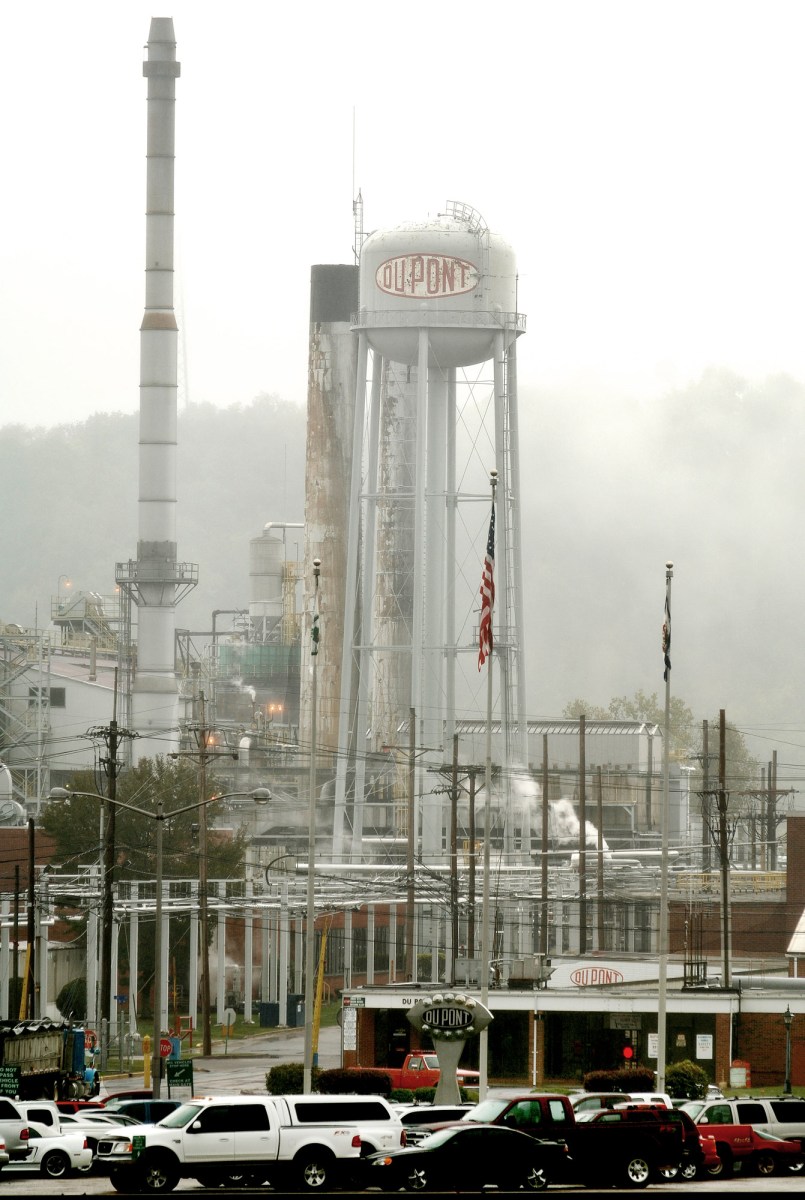
The relationship between 3M and DuPont during this period was pivotal in spreading the contamination. 3M was the sole supplier of PFOA (C8) to DuPont starting in 1951. While 3M used PFOS for Scotchgard, they manufactured PFOA specifically for DuPont’s Teflon operations. This supply chain meant that 3M’s internal knowledge of toxicity had far beyond their own factories. By selling C8 to DuPont, 3M exported the risk to West Virginia and the Ohio River Valley, where DuPont’s Washington Works plant would later become ground zero for water contamination.
DuPont conducted its own quiet inquiries. In 1961, a DuPont toxicologist would warn that the chemicals enlarged the livers of rats and rabbits, confirming the earlier fears raised by the 1950s data. Yet, throughout the 1950s, as 3M shipped barrels of C8 to DuPont, they did so with the knowledge that the substance accumulated in blood. There is no record of 3M warning DuPont that the chemical bound to serum albumin, nor is there a record of DuPont demanding such safety data before ramping up Teflon production. The two industrial giants operated in a convenient silence, prioritizing the commercial success of their “miracle” products over the biological warning signs flashing in their laboratories.
The Lost Opportunity for Prevention
The 1950s represented the only window of time where the global PFAS contamination could have been prevented. Had 3M acted on the 1950 mice study or the 1956 Stanford report, the production of PFOA and PFOS could have been halted or severely restricted. Alternative chemistries could have been pursued. Instead, the company chose to bury the data. They did not alert the medical community that a new class of synthetic compounds was entering the human bloodstream. They did not inform water authorities that these chemicals were resistant to standard purification methods.
This era of silence laid the foundation for the ubiquity of PFAS. By the time the 1950s ended, Scotchgard was a household name, and Teflon was conquering the kitchen. The chemicals were already migrating from factories into local waterways, and from consumer products into household dust. The blood of the general population was beginning to carry the mark of 3M’s innovation. The company’s scientists knew the chemicals were there, binding to proteins, refusing to leave. The executives knew it too. the profits were substantial, and the regulations were non-existent. The decision to conceal the 1950s blood data was not an oversight; it was a calculated gamble that the long-term consequences would never come to light.
Year
Event
Significance
1950
3M Mice Study
Revealed fluorochemicals accumulate in blood and are not excreted.
1951
Sales to DuPont Begin
3M starts supplying PFOA (C8) to DuPont for Teflon manufacturing.
1952
Scotchgard Discovery
Accidental spill leads to the development of PFOS-based fabric protector.
1954
DuPont Internal Note
Employee R. A. Dickison notes C8 is “likely toxic.”
1956
Stanford University Study
Nordby & Luck find PFAS binds to human blood proteins (albumin).
1956
Scotchgard Launch
Commercial release of PFOS products even with toxicity knowledge.
1. Early Warning Signs: The 1950s Internal Studies Confirming Fluorochemical Accumulation in Blood
2. The 1975 Disclosure Crisis: Independent Scientists Identify Organic Fluorine in Human Plasma
The Call That Changed Everything
In August 1975, a telephone call to 3M headquarters in St. Paul, Minnesota, shattered the company’s internal assumption of safety. The caller was Dr. Warren Guy. He was a researcher at the University of Florida. He worked alongside Dr. Donald Taves of the University of Rochester. These two independent scientists had stumbled upon a biological anomaly that threatened to expose 3M’s chemical empire. They were not looking for industrial pollution. They were studying fluoride in the human body. Yet their instruments detected something else. They found a form of organic fluorine in human blood plasma. This substance was not natural. It did not break down. It was present in samples taken from blood banks across five different American cities.
Dr. Guy asked 3M a simple question. He wanted to know if the company’s Scotchgard products or other fluorochemicals could be the source of this contamination. He described a molecule that in the blood. It bound to proteins. It refused to leave the body. This inquiry presented a serious problem for 3M executives. For decades the company had maintained that its fluorochemicals were biologically inert. They claimed these chemicals passed through living organisms without effect. Taves and Guy had physical evidence that contradicted this claim. The presence of organic fluorine in the general population meant the chemical was ubiquitous. It was not just in factories. It was in the public. It was likely in the water supply.
3M’s initial response to Dr. Guy was a calculated lie. G. H. Crawford was a 3M chemist who fielded the inquiry. He wrote a summary of the conversation for his superiors. Crawford noted that he told Dr. Guy the company was “baffled” by the findings. He wrote in his memo: “We plead ignorance.” This statement was false. 3M scientists were not ignorant. They were already suspicious. The company had conducted animal studies in the 1950s that showed fluorochemicals accumulated in blood. They knew the chemistry better than anyone else in the world. The “ignorance” was a defense strategy. It was designed to buy time while the company frantically verified the external data.
The Internal Confirmation
While Crawford played the fool on the telephone, 3M’s Central Research Laboratory went to work. The company needed to know if Taves and Guy were right. They obtained the spectral data from the university researchers. 3M scientists compared this data against their own library of chemical signatures. The task fell to experts like Richard Newmark and Dallas Zimmerman. They analyzed the nuclear magnetic resonance (NMR) spectra. The results were undeniable. The mysterious compound in the blood of random Americans matched 3M’s own perfluorooctane sulfonate (PFOS). This was the active ingredient in Scotchgard. It was the company’s flagship stain repellent.
The confirmation was absolute. By September 1975, 3M knew that its proprietary chemical was circulating in the blood of the American public. The “inert” chemical was not inert. It was bioaccumulating. A timeline compiled by the company later confirmed that 3M scientists identified the compound as PFOS almost immediately after receiving the data from Taves. Yet they did not share this identification with the independent researchers. They did not alert the Environmental Protection Agency. They did not warn the public. Instead they locked the information inside the corporate legal department. The priority shifted from scientific discovery to liability containment.
The were terrifying for 3M management. If PFOS was in blood banks in New York and Texas, it meant the contamination was environmental. It was not limited to a single spill. It was likely coming from food packaging, consumer products, and municipal water systems contaminated by industrial waste. Taves had found the chemical in the general population. This meant every man, woman, and child was chance carrying a load of 3M’s toxins. The company faced a choice. They could admit the truth and face the regulatory consequences. Or they could suppress the findings and continue selling the product. They chose suppression.
The Lawyer’s Embargo
The interaction between 3M and the academic researchers became a game of cat and mouse. Dr. Guy and Dr. Taves continued to press for answers. They sent their data to 3M. They asked for pure samples of fluorochemicals to use as reference standards. They wanted to pinpoint the exact molecule. 3M lawyers intervened. They instructed the company’s scientists to withhold the specific chemical identity of PFOS. Internal memos show that legal counsel urged the laboratory staff not to release the true name of the compound. They feared that confirming the identity would link 3M directly to the contamination.
3M adopted a posture of “scientific curiosity” to mask their obstruction. They offered to help analyze samples refused to provide the necessary keys to unlock the puzzle. When Taves asked if the chemical was a perfluorocarboxylic acid or a perfluorosulphonic acid, 3M gave vague non-answers. This delay tactic worked. Taves and Guy published their findings in 1976. They reported the presence of organic fluorine in human plasma. they could not definitively identify the source or the specific compound. They speculated it might be PFOA or a similar structure. 3M knew it was PFOS. 3M knew it was their product. 3M said nothing.
This silence prevented the scientific community from understanding the scope of the danger. Without a confirmed chemical identity, toxicologists could not study the specific health effects. Regulators could not set safety standards. Water treatment plant operators did not know what to test for. 3M successfully kept the world in the dark. The company allowed the scientific literature to remain ambiguous while they privately hoarded the definitive proof of global contamination.
The Employee Blood Testing Program
The panic inside 3M led to a massive internal testing program. If the general public had trace levels of PFOS, executives reasoned that their own factory workers must have much more. In 1976, 3M began analyzing blood samples from employees at its chemical plants. They tested workers at the Chemolite plant in Minnesota. They tested workers at the Decatur, Alabama facility. They tested workers at the Cordova, Illinois plant. The results were shocking even to the scientists who expected high levels.
The concentration of organic fluorine in 3M workers was astronomical. employees had levels 1, 000 times higher than the amounts Taves had found in the general population. The blood of 3M workers was saturated with the chemical. This data proved that the substance bioaccumulated aggressively. It did not wash out of the body like water. It built up over time. The “inert” theory was dead. The chemical was biologically active. It resided in the human body for years. 3M possessed two data sets. One showed low-level contamination in the public. The other showed high-level contamination in workers. Both pointed to the same conclusion: PFOS was a persistent biological contaminant.
The company did not inform the workers of the chance danger. They did not tell the unions. They did not report the employee blood data to the government. The medical department tracked the levels treated the information as a trade secret. They looked for immediate health effects ignored the long-term risks of cancer or organ damage. The high levels in workers served as a grim preview of what might happen to the general public if exposure continued unchecked. 3M saw the future in the blood of its own people. They decided to keep that future a secret.
The Rat Study and the Toxicity Link
As the blood data poured in, 3M launched animal toxicity studies to understand what these chemicals actually did to living organisms. In 1976, the company conducted a study on rhesus monkeys and rats using FC-807. This was a mixture containing PFOS. The results were devastating. The study showed that the chemical was lethal. In one experiment involving rats, seven out of ten animals died within two weeks of exposure. The chemical attacked the liver. It caused wasting. It was not harmless.
These toxicity findings arrived at the exact moment 3M was denying the significance of the blood data to Dr. Taves. The company knew the chemical was in human blood. They knew it killed laboratory animals. The connection was clear. The presence of PFOS in blood was a toxicological time bomb. Yet 3M continued to tell the outside world that there was no evidence of harm. They separated the blood data from the toxicity data in their public statements. They claimed the presence of the chemical proved only detection capability, not risk. This was a deliberate of the facts they held in their own files.
The 1975-1976 period marked the point of no return. Before this date, 3M could perhaps claim they were unaware of the environmental spread. After the Taves and Guy inquiry, that defense was impossible. The company had affirmative knowledge of widespread human contamination. They had affirmative knowledge of high toxicity in animals. They had affirmative knowledge that their own employees were heavily load with the chemical. The decision to conceal these facts from the water authorities and the public was not an oversight. It was a policy. 3M chose to protect the commercial viability of Scotchgard over the integrity of the public water supply. The “emergency” of 1975 was managed into silence. That silence would last for another twenty years.
1975-1976: The Timeline of Concealment
Date
Event
Internal 3M Action
Public Stance
August 1975
Guy & Taves call 3M about organic fluorine in blood.
Chemists suspect PFOS/PFOA source.
“We plead ignorance.”
September 1975
3M receives spectral data from Taves.
Central Research confirms match to PFOS.
No admission of identity.
October 1975
Taves requests pure samples for verification.
Lawyers instruct lab to withhold specific identity.
Offer vague “scientific assistance.”
1976
3M tests employee blood (Chemolite/Decatur).
Finds levels 1, 000x higher than public.
Data kept confidential.
1976
Internal Rat Toxicity Study.
7/10 rats die from PFOS exposure.
Results not published.
2. The 1975 Disclosure Crisis: Independent Scientists Identify Organic Fluorine in Human Plasma
3. The 1978 Internal Memo: Classifying PFOS and PFOA as Toxic While Withholding EPA Notification
The 1978 Rhesus Monkey Study: A Definitive Turn Toward Lethality
By 1978, the internal narrative within 3M shifted from cautious observation to the documentation of undeniable lethality. While previous studies in the 1950s and 1960s established that fluorochemicals accumulated in the blood of mice and rats, the company initiated a more advanced toxicity study using rhesus monkeys to understand the physiological impact of Perfluorooctane sulfonate (PFOS) and Perfluorooctanoic acid (PFOA) on primates. This study was not a routine check; it became a grim confirmation of the chemicals’ potency. The researchers administered doses of PFOS to the monkeys, expecting to define a safe threshold for exposure. Instead, the results were catastrophic.
The study design involved feeding the monkeys varying doses of PFOS over a ninety-day period. The results were immediate and violent. Monkeys in the high-dose group, receiving 100 milligrams per kilogram of body weight daily, did not survive the experiment. They died within two to five weeks. The symptoms recorded by the researchers were graphic and disturbing. The animals suffered from anorexia, frothy emesis (vomiting), and black stools, indicating severe gastrointestinal distress and internal bleeding. Their faces and eyes became swollen, a sign of widespread toxicity that the researchers could not ignore. The lethality was not confined to the highest dose. Monkeys receiving a lower dose of 30 milligrams per kilogram also began to die between weeks seven and twelve. The study was aborted early because the mortality rate was absolute in the higher exposure groups.
This experiment destroyed the possibility of claiming ignorance regarding the acute toxicity of these substances. The death of the primates demonstrated that PFOS was not biologically inert. It attacked the body’s systems with lethal efficiency. The researchers noted lesions on the spleen, lymph nodes, and bone marrow of the deceased animals. These findings indicated that the chemical compromised the immune system and important organs. The data from this study sat in 3M’s internal files, painting a clear picture of a substance that could kill primates at relatively low cumulative doses. Yet, this information did not leave the company’s archives for decades.
The “Regarded as Toxic” Classification
Following the disastrous results of the monkey study and concurrent rat studies, 3M convened a meeting in 1978 to assess the. The minutes from this internal meeting reveal a clear admission that contradicts the company’s public posture for the twenty years. The attendees, including toxicologists and company officials, reviewed the data and concluded that PFOS and PFOA “should be regarded as toxic.” This phrase is precise. It does not suggest chance risk or theoretical danger. It affirms toxicity as a known property of the material.
The meeting minutes noted that while the chemicals were toxic, the “degree of toxicity was left undefined.” This ambiguity served as a convenient administrative shield. By acknowledging the toxicity internally failing to define its specific parameters for the public, 3M maintained a of silence. The company continued to manufacture and sell these chemicals in massive quantities, used in products ranging from firefighting foam to food packaging and fabric protectors. The internal classification of “toxic” did not trigger a recall, a warning label, or a public safety alert. It triggered a containment strategy. The company knew the chemicals were dangerous, yet they allowed the public and their own workers to interact with these substances as if they were harmless.
This internal classification creates a clear timeline of liability. From 1978 onward, 3M operated with the knowledge that their flagship fluorochemicals were capable of killing primates and damaging the organs of laboratory animals. Every subsequent claim of safety, every assurance given to regulators, and every denial of health risks must be viewed through the lens of this 1978 admission. The company did not suspect harm; they had documented proof of it in their own laboratories.
The Violation of TSCA Section 8(e)
The decision to withhold the monkey study data and the internal toxicity classification was not just an ethical lapse; it was a violation of federal law. The Toxic Substances Control Act (TSCA), enacted in 1976, contains a specific provision known as Section 8(e). This section mandates that any chemical manufacturer who obtains information reasonably supporting the conclusion that a substance presents a “substantial risk of injury to health or the environment” must immediately inform the Environmental Protection Agency (EPA). The law is designed to prevent exactly what 3M did: the hoarding of danger signals by corporations.
The 1978 monkey study results met the criteria for “substantial risk.” The death of all test subjects in the high-dose groups and the severe widespread toxicity observed constituted a serious health hazard. Under the law, 3M had a duty to transmit this information to the EPA within a strict timeframe, 15 working days. They did not. The EPA remained in the dark about the lethality of PFOS in primates for over two decades. This omission denied regulators the data necessary to reassess the safety of fluorochemicals during a serious period of industrial expansion.
3M’s failure to report was not a clerical error. It was a calculated decision to interpret “substantial risk” in a way that excluded their findings. The company later argued that the findings did not represent a new or substantial risk because they believed the doses were far higher than human exposure levels. This legalistic defense ignored the fundamental purpose of TSCA 8(e), which is to alert the government to toxicity so that *regulators*, not the company, can assess the risk. By acting as the sole arbiter of safety, 3M usurped the EPA’s authority and kept the public exposed to a known toxin.
The 1979 Blood Bank Discovery
The concealment of the monkey data became even more egregious in 1979. Following the internal confirmation of toxicity, 3M scientists sought to determine if these chemicals were present in the general population. They analyzed blood samples obtained from blood banks, representing people with no occupational connection to 3M factories. The results were worrying. The scientists found organic fluorine, the chemical signature of their products, in blood samples from across the country. This shattered the assumption that the chemicals were contained within industrial settings.
Finding the chemicals in the general blood supply meant that exposure was widespread and uncontrolled. Combined with the 1978 knowledge that the chemicals were “regarded as toxic” and lethal to primates, the 1979 discovery should have triggered an immediate global emergency. 3M knew two facts that, when combined, spelled disaster: the chemical is toxic (1978), and the chemical is in everyone (1979). Yet, the company did not sound the alarm. They did not publish the blood bank data. They did not inform the EPA that the entire US population was carrying a body load of a substance they had just deemed toxic.
Instead, 3M continued to assert that the presence of organic fluorine in human blood was a mystery or, when pressed, that the levels were too low to cause harm. This assurance was given even with the fact that they had not established a safe level in humans and had just witnessed the chemicals kill monkeys. The decision to keep the 1979 blood data secret prevented any epidemiological studies that could have linked the chemicals to human health problems decades earlier.
The 2006 EPA Penalty and Retrospective Confirmation
The of this deception was legally confirmed in 2006, nearly thirty years after the fact. The EPA fined 3M $1. 5 million for 244 violations of the Toxic Substances Control Act. of these violations stemmed from the failure to report the 1978 studies and other substantial risk information. While 3M paid the fine without admitting wrongdoing, a standard corporate legal maneuver, the penalty stands as a matter of public record. The EPA the company for “late reporting of substantial risk information,” validating the assertion that the 1978 data should have been disclosed immediately.
The 2006 settlement forced the release of thousands of documents, bringing the 1978 monkey study and the “regarded as toxic” memo into the public domain. For the families drinking contaminated water and the workers handling these chemicals, the came too late. The regulatory system relies on the honesty of manufacturers to function. 3M’s actions in 1978 demonstrated that they were to break that trust to protect their product line. The fine, while large by EPA standards of the time, was a minuscule fraction of the profits generated by PFOS and PFOA during the decades of silence.
Category
Internal Knowledge (1978-1979)
Public & Regulatory Stance
Toxicity Classification
“Should be regarded as toxic.” (1978 Meeting Minutes)
Biologically inert; no adverse health effects.
Animal Study Results
Rhesus monkeys died within weeks at 100 mg/kg. Study aborted.
Data withheld from EPA until 2000s.
Human Exposure
Found in general population blood bank samples (1979).
Denied widespread accumulation; claimed ignorance of source.
Legal Action
Violated TSCA Section 8(e) by failing to report substantial risk.
Fined $1. 5 million by EPA in 2006 for late reporting.
3. The 1978 Internal Memo: Classifying PFOS and PFOA as Toxic While Withholding EPA Notification
4. Suppressing the Monkey Studies: Concealing Fatalities and Immunotoxicity from Regulators
The 1978 Rhesus Monkey Studies: A Turning Point in Lethality
By 1978, the internal narrative within 3M regarding fluorochemicals shifted from questions of biological persistence to undeniable evidence of fatal toxicity. While previous studies on rats provided ambiguous safety margins due to rapid excretion rates, 3M scientists recognized the need for a model more physiologically analogous to humans. They selected the Rhesus macaque (Macaca mulatta) for a series of ninety-day subchronic toxicity studies. The results of these experiments, specifically Study 137-090 conducted by the International Research and Development Corporation (IRDC) for 3M, dismantled the company’s long-standing assertion that their “miracle” compounds were biologically inert. Instead of proving safety, the monkeys began to die.
The study design involved dosing the primates with FC-143 (PFOA) and PFOS at varying concentrations to establish a “no-observed-adverse-effect level” (NOAEL). The outcomes were immediate and severe. In the PFOA group, all monkeys receiving a daily dose of 100 milligrams per kilogram (mg/kg) died within five weeks. The toxicity was not limited to high-dose groups. At 30 mg/kg, three out of four monkeys succumbed to the chemical between weeks seven and twelve. The clinical presentation of the dying animals was gruesome, characterized by severe anorexia, emesis (vomiting) frequently containing black blood, and a distinct pallor of the face and gums. The animals wasted away, their bodies unable to process or expel the synthetic carbon-fluorine chains accumulating in their blood.
The PFOS Mortality emergency
Parallel to the PFOA trials, 3M tested PFOS (perfluorooctanesulfonic acid) on Rhesus monkeys with even more worrying results. The chemical proved significantly more potent than its carboxylic acid counterpart. Monkeys dosed with as little as 4. 5 mg/kg/day, a fraction of the PFOA dose, died or required euthanasia in extremis within seven weeks. The study, identified in later toxicological reviews as Goldenthal et al. (1978), had to be aborted due to the high mortality rate across treatment groups. Even at lower doses, the animals exhibited signs of widespread failure, including convulsions, rigidity, and prostration.
This data presented a catastrophic problem for 3M’s continued production of Scotchgard and other fluorosurfactants. The Rhesus monkey data confirmed that primates, unlike rats, could not eliminate these chemicals. The half-life of PFOS in the monkey blood was not measured in days, in months or years, leading to a rapid buildup to lethal levels. This biological reality meant that even minute environmental exposures could, over time, reach toxic concentrations in humans, a species that shares the primate inability to excrete these compounds.
Immunotoxicity: The Silent method
Beyond the fatalities, the 1978 necropsies revealed a specific, insidious method of injury that 3M kept hidden from the medical community for decades: immunotoxicity. Pathologists examining the tissues of the deceased monkeys noted “compound-related moderate atrophy of lymphoid follicles.” The chemicals were attacking the reticuloendothelial system, specifically the spleen, lymph nodes, and thymus. The thymus is the training ground for T-cells, essential for the body’s adaptive immune response. Atrophy of this organ signals a direct assault on the organism’s ability to fight infection.
The discovery of lymphoid depletion in 1978 was a pivotal moment in toxicological history that was deliberately erased. Had this finding been published, it would have immediately triggered a reassessment of pediatric health risks. A compromised immune system in children leads to reduced vaccine efficacy and increased susceptibility to infectious diseases. Decades later, independent researchers like Philippe Grandjean would confirm that PFAS exposure correlates with reduced antibody response to routine childhood vaccinations. 3M possessed the foundational data to predict this public health threat twenty years before independent science caught up, yet the company chose silence.
Violation of TSCA Section 8(e)
Under the Toxic Substances Control Act (TSCA) of 1976, chemical manufacturers are legally bound to report information that reasonably supports the conclusion that a substance presents a “substantial risk of injury to health or the environment.” Section 8(e) of the Act mandates that such information be submitted to the Environmental Protection Agency (EPA) immediately. The death of all high-dose primates and the severe widespread toxicity observed in lower-dose groups met the statutory definition of substantial risk.
even with this clear legal obligation, 3M did not forward the Rhesus monkey study results to the EPA in 1978. Internal meeting minutes from that year reveal that 3M scientists and executives discussed the findings concluded that the toxicity “does not constitute a substantial risk.” They rationalized this decision by claiming the doses were higher than expected human occupational exposure, ignoring the bioaccumulative nature of the chemical that renders spot-check dosage comparisons irrelevant. This decision buried the data in 3M’s private archives, leaving regulators and the public operating under the false assumption that the chemicals were safe.
The 22-Year Gap and the 2006 Penalty
The EPA did not receive the full details of the 1978 monkey mortality studies until the year 2000, during the pressure campaign that led to the phase-out of PFOS. This twenty-two-year gap prevented regulatory agencies from establishing appropriate drinking water standards during the peak years of PFAS manufacturing. During this period, millions of pounds of these compounds were released into waterways, accumulating in the blood of the general population without any medical oversight regarding their immunotoxic chance.
The suppression of this data eventually led to consequences, though they were financial rather than criminal. In 2006, the EPA fined 3M $1. 5 million for 244 separate counts of violating TSCA reporting requirements, including the failure to disclose the monkey toxicity studies. While the EPA touted this as a significant enforcement action, the penalty represented a negligible fraction of the revenue 3M generated from fluorochemicals during the decades of concealment. The fine amounted to a retroactive fee for a successful strategy of delay, allowing the company to dominate the market while concealing the lethal reality observed in their own laboratories.
Rationalizing the Unjustifiable
3M’s internal defense of this suppression relied on a strategy of compartmentalization and scientific gaslighting. When internal scientists raised concerns, they were frequently overruled by legal and business divisions. The company continued to cite rat studies, where the chemicals appeared less harmful due to rapid excretion, in safety data sheets and public communications. By prioritizing the favorable rat data over the lethal primate data, 3M constructed a facade of safety that contradicted their own internal knowledge. The Rhesus monkey studies were not outliers; they were the most accurate biological prediction of human toxicity available, and their suppression constitutes one of the most serious ethical breaches in modern corporate history.
The decision to withhold the 1978 study results meant that an entire generation of medical research into PFAS immunotoxicity was lost. Doctors treating patients with unexplained immune deficiencies or workers with strange widespread illnesses had no way of linking these conditions to the fluorochemicals accumulating in their blood. The atrophy of the lymph nodes seen in the 3M cages was a warning flare that the company extinguished before anyone outside their St. Paul headquarters could see it.
4. Suppressing the Monkey Studies: Concealing Fatalities and Immunotoxicity from Regulators
5. The Case of Kris Hansen: Internal Gaslighting and the Suppression of Global Blood Contamination Data
The Assignment and the Anomaly
In 1997, Kris Hansen, a twenty-eight-year-old chemist at 3M, received a directive that would the company’s decades-long defense of its fluorochemical empire. Her boss, Jim Johnson, a veteran 3M scientist who had weathered the internal crises of the 1970s, assigned her a specific task. She was to use a mass spectrometer to analyze human blood samples. The objective was ostensibly to validate the safety of 3M factory workers by comparing their blood against a “clean” control group drawn from the general population. The company hypothesis relied on the assumption that while factory workers might carry trace amounts of fluorochemicals, the average citizen would not. Johnson provided Hansen with samples from the American Red Cross to serve as this negative control.
Hansen utilized a liquid chromatography-mass spectrometer (LC-MS), a sophisticated instrument capable of weighing molecules to identify chemical compounds with high precision. This technology was far more sensitive than the equipment available to Guy and Taves in 1975. When Hansen ran the Red Cross samples, the machine returned a signal that she initially interpreted as an error. The graph showed a distinct peak indicating the presence of perfluorooctanesulfonic acid (PFOS). She assumed her equipment was malfunctioning or that the samples had been contaminated during preparation. She cleaned the machine. She ran the tests again. The result remained the same. Every single sample from the general blood supply contained PFOS.
The were immediate and catastrophic for 3M’s liability defense. If the control group was contaminated, it meant the chemical had escaped the factory and permeated the biological reality of the entire population. Hansen, believing she was correcting a technical glitch, reported the findings to Johnson. She expected guidance on how to calibrate the machine. Instead, she encountered a wall of skepticism that would soon escalate into psychological pressure. Johnson and other senior scientists dismissed the data. They insisted that the presence of PFOS in the general population was impossible. They suggested Hansen’s methodology was flawed or that she had contaminated the samples herself through poor lab hygiene.
The Search for a Negative Control
To prove her competence and the validity of her data, Hansen needed to find blood that did not contain PFOS. If she could demonstrate a negative result, it would prove that her positive results were not caused by a dirty machine. This scientific need drove her to seek samples from populations from modern industrial exposure. The search for “clean” blood became a forensic timeline of global contamination. Hansen secured archived blood samples collected from Korean War recruits in the 1950s. She also obtained blood drawn from residents of rural China, a region where 3M products like Scotchgard and Scotchban were not yet ubiquitous.
The analysis of the Korean War samples provided the half of the smoking gun. The blood from the 1950s tested negative for PFOS. This result established a clear temporal boundary: the contamination of the human species was a recent phenomenon that correlated exactly with the commercial scaling of 3M’s fluorochemical production. The chemical was not a natural occurrence. It was an anthropogenic introduction to the human bloodstream. The machine was not broken. The baseline for human blood had fundamentally shifted in less than forty years.
The second half of the proof came from the rural China samples. These also tested negative. This geographic data point confirmed that the contamination was a product of industrialization and market penetration. Where 3M products went, PFOS followed. The existence of clean blood in 1950s archives and remote Chinese villages validated the dirty blood in the American Red Cross supply. Hansen had mathematically and chemically proven that the United States population was saturated with a synthetic compound manufactured by her employer.
Internal Gaslighting and the “Horse” Incident
When Hansen presented these irrefutable findings to her superiors, the response was not scientific inquiry corporate containment. The culture within 3M’s environmental lab shifted from skepticism to active hostility. Senior scientists and medical directors, who were later revealed to have knowledge of the 1975 studies, treated Hansen as a problem to be managed. They questioned her integrity. They questioned her skills. This period represents a textbook case of corporate gaslighting, where executives used their authority to make a junior scientist doubt empirical reality.
One specific incident illustrates the contempt directed at Hansen. Geary Olsen, a 3M epidemiologist, arrived at her lab with a set of vials for testing. He did not identify the source. Hansen ran the samples through the mass spectrometer. The results came back positive for PFOS. When she reported this to Olsen, he reacted with triumphant mockery. He revealed that the blood came from his horse. His implication was that since a horse does not use Scotchgard or eat fast food wrapped in Scotchban, the positive result proved her machine was generating false positives. He used the moment to humiliate her in front of colleagues.
Yet the “horse” incident backfired as a scientific argument. Hansen later expanded her testing to wildlife, finding PFOS in eagles, bears, and other animals. The chemical had entered the food chain and the water table. The horse was indeed contaminated, likely through feed or water. Olsen’s attempt to discredit Hansen inadvertently highlighted the terrifying ubiquity of the toxin. It was not just in people. It was in the environment itself. The executives knew the chemical was persistent and bioaccumulative, yet they used the data to mock the messenger rather than address the emergency.
The Admission and the Suppression
The pressure on Hansen culminated in a meeting where the pretense of ignorance collapsed. After months of being told her results were impossible, Hansen confronted Johnson with the totality of her data: the Red Cross positives, the Korean War negatives, and the rural China negatives. At this juncture, Johnson dropped the facade. He admitted to her that 3M had known about the presence of organic fluorine in human blood since 1975. He referenced the work of Guy and Taves, the very data that had been buried twenty years prior. He told her, “It was time” that the truth came out, implying that her discovery was a scheduled rather than an accidental catastrophe.
This admission revealed the depth of the deception. Johnson and the medical department had allowed Hansen to question her own sanity and professional capability for months, knowing full well that her “anomalous” results were accurate. They had wasted resources and time forcing her to prove a fact they had already verified in the 1970s. The difference was that Hansen had the technology to identify the specific compound, PFOS, whereas the 1970s studies could only identify total organic fluorine. The specificity of Hansen’s data made it impossible to hide behind vague denials.
Even with this internal admission, 3M moved to compartmentalize Hansen. She was instructed to stop her investigation into the extent of the contamination. The company reassigned her duties. She was told that her job was no longer to ask questions about where the chemical was found to process samples for other scientists. The leadership stripped the detective of her case file. They her from the decision-making process regarding the regulatory. While her data became the catalyst for 3M’s eventual exit from PFOS production in 2000, the company publicly framed the decision as a voluntary, precautionary measure responsible corporate stewardship. They did not acknowledge that a junior chemist had forced their hand by proving that their product was coursing through the veins of the entire American population.
The Legacy of the Data
The suppression of Kris Hansen involved more than just silence. It involved the active destruction of a scientist’s confidence to protect a revenue stream. 3M executives prioritized the continuity of Scotchgard sales over the immediate disclosure of a global blood contamination event. By the time Hansen’s findings forced a confrontation with the EPA, the chemical was already ubiquitous. The blood samples from the American Red Cross in 1997 showed that the containment window had closed decades earlier. The “clean” world that Hansen found in the Korean War archives no longer existed. 3M had successfully rewritten the chemical composition of human blood, and when their own scientist caught them, they tried to convince her that she was the one who was wrong.
5. The Case of Kris Hansen: Internal Gaslighting and the Suppression of Global Blood Contamination Data
6. Manufacturing Doubt: The 'Unseen Science' Strategy to Control the Narrative on PFAS Risks
6. Manufacturing Doubt: The ‘Unseen Science’ Strategy to Control the Narrative on PFAS Risks
By the late 1990s, 3M faced a serious problem: the scientific containment wall they had built around their fluorochemical empire was beginning to fracture. External detections of organic fluorine in human blood, identified by independent researchers in the 1970s and re-confirmed by 3M’s own Kris Hansen, threatened to expose a global contamination event. In response, 3M did not pivot to transparency. Instead, the company operationalized a sophisticated strategy of “Unseen Science”, a calculated method of conducting internal research to understand liability while simultaneously suppressing those findings to stall regulatory action. This strategy was not passive silence; it was an active campaign designed to “command the science,” a phrase explicitly used in 3M’s internal documentation to describe their objective of controlling the public and regulatory understanding of PFAS toxicity.
The “Command the Science” Directive
Internal documents released during litigation reveal that 3M established a “Fluorochemical (FC) Core Team” with a specific mandate: to erect “defensive blocks to litigation.” This team understood that scientific consensus was the primary threat to their product lines. To neutralize this threat, they devised a multi-pronged method to influence the scientific literature, ensuring that favorable studies were published while damaging data remained hidden within corporate archives. This practice of “Unseen Science,” as later defined by academic researchers analyzing the industry’s conduct, allowed 3M to maintain a public facade of safety while privately cataloging the immense risks their products posed to human health.
The core of this strategy involved the selective funding of external research. 3M provided millions of dollars in grants to academic institutions and “independent” scientists. These grants frequently came with strings attached, granting the company the right to review and edit draft manuscripts before publication. This pre-publication review process functioned as a filter, allowing 3M to sanitize language, remove incriminating data points, or kill unfavorable studies entirely before they could reach the public domain. The goal was to flood the scientific literature with studies that found “no significant association” between PFAS exposure and adverse health effects, so diluting the few independent studies that suggested otherwise.
The Giesy Connection: Buying Academic Influence
Central to 3M’s effort to manipulate the scientific record was Professor John Giesy, a toxicologist at Michigan State University and later the University of Saskatchewan. While publicly presenting himself as an independent academic expert, Giesy served as a covert operative for 3M’s interests. Legal discovery revealed that 3M paid Giesy nearly $2 million over his career. In exchange, Giesy worked to shape the scientific narrative in 3M’s favor, frequently without disclosing his financial ties to the company.
Giesy’s role went beyond conducting friendly research; he acted as a gatekeeper for the broader scientific community. In a damning email chain from 2008, Giesy boasted to 3M executives about his efforts to keep “bad” papers, those indicating PFAS toxicity, out of peer-reviewed journals. He explicitly noted that such papers, if published, could become “a large obstacle to refute” in litigation situations. By leveraging his position as an editor and peer reviewer, Giesy could delay or reject independent research that threatened 3M’s bottom line. He described himself in correspondence as part of the 3M “team,” a characterization that sharply contrasted with his public stance of academic neutrality. To avoid detection, Giesy admitted to listing his work for 3M as “literature searches” on timesheets, ensuring there was “no paper trail to 3M.”
The Tobacco Playbook
The tactics employed by 3M mirror the “Tobacco Playbook” used by cigarette manufacturers to deny the link between smoking and cancer. Like Big Tobacco, 3M utilized the concept of “sound science” as a weapon to dismiss precautionary measures. By demanding an impossibly high standard of proof for toxicity, proof that they were actively suppressing, 3M successfully argued against regulation for decades. When independent scientists like Guy and Taves identified organic fluorine in human blood in 1975, 3M confirmed internally that the compound was PFOS withheld this confirmation from the researchers, pleading ignorance. This “selective silence” stalled the global understanding of PFOS bioaccumulation for twenty years.
This strategy of manufacturing doubt extended to the interpretation of their own data. When internal ed that PFOS caused liver necrosis and death in monkeys, 3M technical employees were instructed to label the findings as “suggestive” rather than conclusive. When statistical associations between PFOA exposure and prostate cancer appeared in worker cohorts, the company funded re-analyses designed to break those statistical links. The objective was not to find the truth to generate enough uncertainty to paralyze regulatory agencies. As long as the science appeared “unsettled,” the EPA could not justify strict exposure limits, and 3M could continue manufacturing the chemicals that were poisoning the global water supply.
Weaponizing “Independent” Reviews
3M also utilized third-party consulting firms, such as the Weinberg Group, to produce “white papers” and literature reviews that exonerated their products. These documents were frequently formatted to look like peer-reviewed science and were distributed to regulators and public health officials to counter emerging concerns. The strategy relied on the sheer volume of industry-funded material to drown out the signals of toxicity coming from independent labs. By the time the EPA and the scientific community began to grasp the full scope of the emergency in the early 2000s, the “Unseen Science” strategy had already purchased 3M decades of profit at the expense of public health.
Table 4: Key Elements of 3M’s “Command the Science” Strategy
Strategy Component
Objective
Method of Execution
Unseen Science
Conceal liability and toxicity data.
Conduct internal studies on toxicity and bioaccumulation refuse to publish or share results with regulators.
Gatekeeping
Block unfavorable research.
Use paid consultants like John Giesy to review and reject “bad” papers in academic journals.
Selective Funding
Dilute the scientific record.
Award grants to researchers who produce favorable data; retain right to review/edit manuscripts.
Defensive blocks
Protect against litigation.
Create a body of industry-funded literature to serve as evidence in court that PFAS are safe.
Pleading Ignorance
Stall external discovery.
Deny knowledge of chemical identities (e. g., 1975 Guy & Taves case) even with internal confirmation.
The success of this strategy relied on the exploitation of the gap between private knowledge and public data. While 3M scientists knew in the 1970s that PFOS was “more toxic than anticipated” and widespread in human blood, the public scientific community was left in the dark until the late 1990s. This information asymmetry allowed 3M to continue discharging PFAS into public waterways for an entire generation after they knew the risks. The “Unseen Science” was not a failure of research; it was a triumph of corporate secrecy, meticulously engineered to prioritize the continuity of manufacturing over the safety of the population.
7. Regulatory Capture: Decades of Delaying EPA Action and Manipulating Safety Standards
Regulatory Capture: The method of Delay
The relationship between 3M and the Environmental Protection Agency (EPA) defines a textbook case of regulatory capture, where the entity being regulated successfully maneuvers to control the regulator’s pace, scope, and scientific standards. For decades, 3M did not hide data; the company actively managed the EPA’s perception of fluorochemical risks to prevent federal intervention. This strategy relied on a dual method: withholding “substantial risk” information to delay initial scrutiny, and subsequently flooding the regulatory channel with industry-funded science to dilute safety standards once scrutiny became unavoidable.
The Myth of Voluntary Action
In May 2000, 3M announced a “voluntary” phase-out of perfluorooctanyl sulfonate (PFOS), the key ingredient in Scotchgard. Corporate communications framed this decision as a responsible, precautionary measure taken by a conscientious industry leader. The reality behind this pivot was far less altruistic. Internal records and EPA archives show that the agency was already closing in on the toxicity of PFOS. EPA officials had reviewed the “substantial risk” data, of which 3M had only disclosed after decades of secrecy, and were prepared to force a removal of the chemical from the market. By initiating a “voluntary” withdrawal, 3M seized control of the narrative, avoiding a formal ban that would have established a legal precedent of toxicity. This maneuver allowed the company to continue asserting that PFOS was not proven to be harmful to humans, a legal defense they maintained in courtrooms for another twenty years.
The 2006 TSCA Violation
The extent of 3M’s information suppression became legally undeniable in 2006. The EPA fined 3M $1. 52 million for violating the Toxic Substances Control Act (TSCA). The penalty addressed 244 separate counts where 3M failed to disclose studies regarding the toxicity and environmental release of PFAS chemicals. Under TSCA Section 8(e), manufacturers are legally required to immediately report information showing that a substance presents a substantial risk of injury to health or the environment. 3M admitted to no wrongdoing in the settlement, yet the sheer volume of withheld documents demonstrated a systematic pattern. These undisclosed studies included data on the accumulation of fluorochemicals in human blood and the widespread contamination of the food supply. By withholding this data during the 1980s and 1990s, 3M blinded the EPA, preventing the agency from conducting accurate risk assessments during the period of peak production.
Manufacturing Safety Standards: The TERA Strategy
Once the EPA began to regulate PFAS, 3M shifted tactics from concealment to scientific dilution. A primary vehicle for this influence was the Toxicology Excellence for Risk Assessment (TERA), a consulting firm that describes itself as a non-profit science organization. TERA, led by Michael Dourson, received substantial funding from 3M and other chemical manufacturers. The firm’s function was to produce peer-reviewed literature that consistently argued for “safe” exposure levels thousands of times higher than those proposed by independent or federal scientists.
The gap between TERA’s industry-backed recommendations and the EPA’s internal findings is. In 2002, TERA was hired by West Virginia (on DuPont’s recommendation, with 3M’s interest aligned) to determine a safe level for PFOA in drinking water. TERA proposed a safe limit of 150 parts per billion (ppb). To understand the magnitude of this danger, one must compare it to the EPA’s 2016 Health Advisory, which set the limit at 70 parts per trillion (ppt). TERA’s “safe” level was approximately 2, 142 times higher than what the EPA later deemed dangerous. When the EPA updated its interim health advisories in 2022 to near-zero levels (0. 004 ppt for PFOA), the gap between 3M’s bought science and independent reality widened to a factor of millions.
Table 1: The gap in “Safe” PFOA Levels
Source
Proposed Safe Limit
Unit Conversion (ppt)
Relative to EPA 2016 Level
TERA (Industry-Funded, 2002)
150 ppb
150, 000 ppt
2, 142x Higher (Less Safe)
EPA Health Advisory (2016)
0. 07 ppb
70 ppt
Baseline
EPA Interim Advisory (2022)
0. 000004 ppb
0. 004 ppt
17, 500x Lower (More Strict)
The Revolving Door
The attempt to capture the EPA reached its zenith with the nomination of Michael Dourson to lead the EPA’s Office of Chemical Safety and Pollution Prevention in 2017. Dourson, whose work at TERA had been instrumental in defending 3M’s chemicals, was selected to oversee the very regulations he had spent his career fighting. His nomination faced intense scrutiny due to his financial ties to the chemical industry. During his confirmation process, it was revealed that he had frequently corresponded with chemical company officials to coordinate scientific papers intended to blunt regulatory impact. Although Dourson eventually withdrew his nomination, his near-appointment demonstrated how deeply industry influence had penetrated the federal apparatus designed to protect public health.
Lobbying Against the “Superfund” Designation
Beyond scientific manipulation, 3M engaged in aggressive lobbying to prevent PFAS from being classified as “hazardous substances” under the detailed Environmental Response, Compensation, and Liability Act (CERCLA), also known as Superfund. Such a designation is serious because it triggers liability for cleanup costs at contaminated sites nationwide. 3M spent millions in lobbying expenditures, arguing that the “mere presence” of these chemicals did not constitute harm. This argument ignored the company’s own internal studies from the 1970s which confirmed that PFOS and PFOA were biologically active and toxic. By delaying the Superfund designation, 3M successfully deferred billions of dollars in cleanup liabilities, shifting the financial load onto municipal water districts and taxpayers who were forced to install expensive filtration systems to remove the chemicals 3M had released.
The “Essential Use” Defense
As the scientific consensus on PFAS toxicity solidified, 3M’s regulatory strategy evolved again. Facing inevitable bans, the company began to for “essential use” exemptions. This method posits that while PFAS might be harmful, they are necessary for modern society, used in everything from medical devices to semiconductors. While true for specific high-tech applications, this argument obscures the fact that 3M mass-produced these chemicals for non-essential consumer conveniences like stain-resistant carpets and fast-food wrappers for decades. The “essential use” defense serves as a final bulwark, attempting to carve out regulatory gaps that allow continued production even with the known risks to the global water supply.
8. The Decatur Deception: Illegal FBSA Releases and the Tennessee River Cover-Up
The Decatur Deception: Illegal FBSA Releases and the Tennessee River Cover-Up
The narrative of 3M’s transition away from “legacy” PFAS, specifically PFOA and PFOS, relied on the assertion that shorter-chain fluorochemicals were environmentally benign and responsibly managed. The company’s Decatur, Alabama, manufacturing facility served as the primary theater for this operational shift. Situated along the Tennessee River, this plant produced the generation of fluoropolymers intended to replace the toxic C8 chemistry. Yet, in April 2019, a voluntary disclosure by 3M to the U. S. Environmental Protection Agency (EPA) shattered the illusion of responsible stewardship. The company admitted to illegally releasing Perfluorobutane Sulfonamide (FBSA) and Fluorinated Sulfonamide Alcohol (FBSEE) into the Tennessee River for nearly a decade, directly violating a federal consent order.
This admission exposed a calculated deception that endangered the drinking water of over 100, 000 residents. The release of FBSA was not an accidental spill or a regulatory oversight; it was a widespread breach of the Toxic Substances Control Act (TSCA). In 2009, the EPA had granted 3M permission to manufacture these specific short-chain chemicals under a strict condition: the company was prohibited from releasing them into any water of the United States. The EPA’s restriction stemmed from the chemical’s unknown toxicity profile and the agency’s desire to prevent another PFOA-style contamination emergency. 3M signed the order, accepted the restrictions, and then proceeded to discharge the chemicals into the river regardless.
The of the Decatur facility’s non-compliance reveals a corporate culture that prioritized production volume over legal obligations. For ten years, the plant’s wastewater treatment systems failed to capture these specific fluorochemicals, or worse, were never designed to do so. The 2019 disclosure letter, sent by 3M’s legal counsel to the EPA, acknowledged the violation of the TSCA Section 5(e) Consent Order. The company ceased production of FBSA and FBSEE at the Decatur site only after the self-disclosure, leaving regulators and downstream communities to grapple with a decade’s worth of accumulated synthetic compounds in their water supply. The “safer alternative” had become an unpermitted pollutant.
West Morgan-East Lawrence Water and Sewer Authority (WMEL), located downstream from the Decatur plant, bore the brunt of this negligence. WMEL General Manager Don Sims had spent years battling elevated levels of PFOA and PFOS in the authority’s raw water intake. The that 3M was also dumping FBSA, a chemical for which no filtration standards or safety benchmarks existed, compounded the emergency. The authority was forced to problem “do not drink” advisories at various points, eroding public trust and forcing residents to rely on bottled water. The presence of FBSA meant that even as the water authority scrambled to filter out legacy chemicals, a new, unregulated stream of toxins was bypassing their defenses.
The deception in Decatur extended beyond the illegal release of new chemicals; it also involved the manipulation of data regarding legacy compounds. In a separate related scandal, 3M admitted in 2017 that it had underreported its discharge of PFAS into the Tennessee River by a factor of 1, 000. For years, the company’s reports to the Alabama Department of Environmental Management (ADEM) discharge levels in the wrong units or miscalculated mass loads, masking the true volume of pollution entering the waterway. This “clerical error” allowed 3M to appear compliant with environmental permits while actually releasing massive quantities of fluorochemicals. The gap explained why downstream testing by WMEL consistently showed higher contamination levels than 3M’s self-reported data could account for.
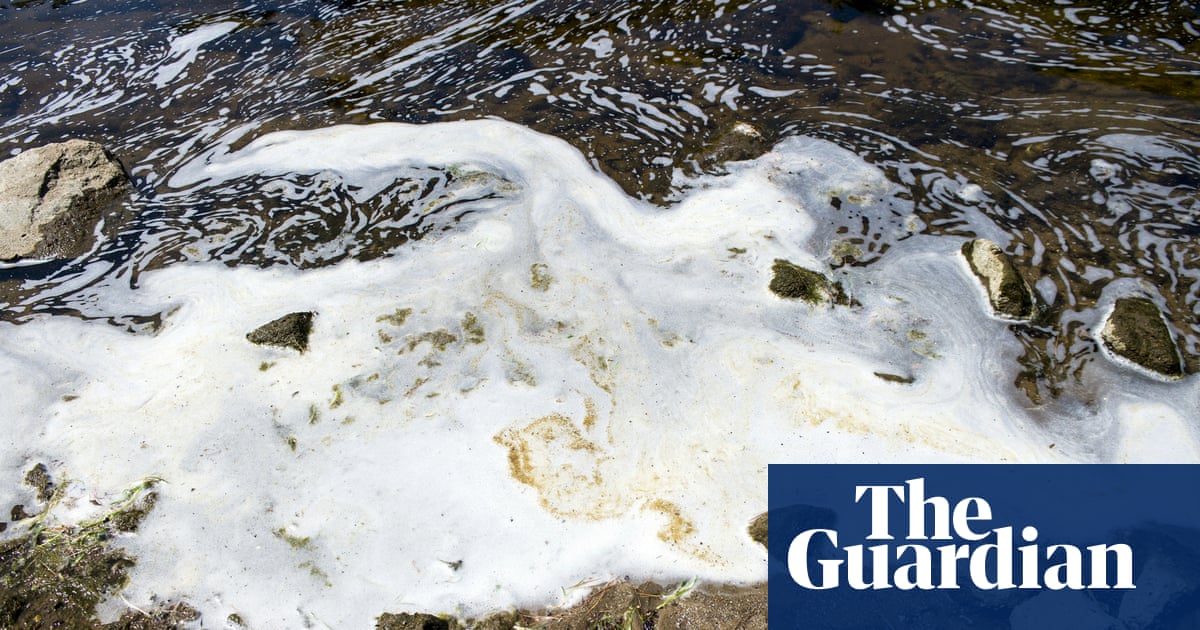
The chemical profile of FBSA renders this concealment particularly dangerous. While 3M marketed short-chain PFAS as less bioaccumulative than C8 compounds, FBSA is a precursor that can degrade into Perfluorobutane Sulfonate (PFBS), a persistent chemical that remains in the environment indefinitely. By releasing the precursor illegally, 3M introduced a delayed-release method for PFAS contamination in the Tennessee River ecosystem. The chemical moves through the water column, resists natural degradation, and accumulates in the aquatic food web. Tennessee Riverkeeper, a non-profit environmental watchdog, identified this pathway as a serious threat to both human health and the biodiversity of the Wheeler Reservoir.
Legal action followed the disclosures. WMEL sued 3M, alleging that the company’s negligence had rendered their water treatment infrastructure obsolete. In April 2019, just weeks after the EPA disclosure, 3M agreed to pay $35 million to the water authority. The funds were for the construction of a reverse osmosis filtration plant, the only technology capable of removing the full spectrum of short-chain and long-chain PFAS from the river water. This settlement was an admission of liability in all name, acknowledging that the standard carbon filtration methods were insufficient to handle the chemical cocktail 3M had unleashed.
The Tennessee Riverkeeper, led by David Whiteside, pursued a broader legal strategy under the Resource Conservation and Recovery Act (RCRA). The organization argued that the contamination constituted an “imminent and substantial endangerment” to health and the environment. This lawsuit aimed to force a detailed cleanup of the river sediments and groundwater, rather than just compensating for water filters. The litigation exposed the limitations of state oversight, as ADEM had failed to detect the illegal FBSA releases for a decade. Whiteside publicly criticized the state regulator for its cozy relationship with 3M, characterizing subsequent agreements between ADEM and 3M as “backroom deals” that absence the teeth necessary to ensure true remediation.
In July 2020, ADEM and 3M entered into a Consent Order (Order No. 20-086-CWP) intended to address the contamination. The order required 3M to assess and remediate PFAS at the Decatur site and legally bound the company to specific cleanup. Yet, environmental advocates viewed this state-level order as a preemptive maneuver to blunt the force of federal intervention and citizen lawsuits. The order allowed 3M to manage the investigation of its own pollution, a that had historically led to data suppression and minimized risk assessments. The Tennessee Riverkeeper settlement, finalized in late 2021, forced 3M to go further, requiring a more strong investigation of the river system and granting the non-profit oversight powers to monitor the cleanup’s progress.
The financial toll of the Decatur deception continued to mount. In October 2021, 3M agreed to pay an additional $98. 4 million to settle lawsuits with the City of Decatur, Morgan County, and Decatur Utilities. These funds were allocated for community development and environmental remediation, they could not undo the years of exposure suffered by residents. The settlements also included provisions for capping landfills where 3M had dumped PFAS-laden sludge. These unlined landfills had acted as secondary sources of pollution, leaching chemicals into the groundwater which then migrated into the Tennessee River, creating a pattern of contamination that bypassed the direct discharge pipes.
The EPA’s role in the aftermath of the FBSA disclosure highlighted the weaknesses in the TSCA regulatory framework. While the agency had the authority to restrict the chemical’s use, it absence the inspection capacity to verify compliance. 3M’s ability to violate a consent order for ten years without detection exposed a reliance on self-reporting that the company exploited. The 2019 inspection report by the EPA, which followed the disclosure, noted that 3M had failed to notify regulators of the “1, 000x” reporting errors for three years after discovering them internally in 2016. This delay demonstrated a pattern of withholding serious information until legal or regulatory pressure made concealment impossible.
The ecological damage to the Tennessee River extends beyond the immediate vicinity of the discharge pipes. FBSA and its derivatives have been detected in fish tissue, prompting consumption advisories that threaten the local fishing economy and subsistence anglers. The persistence of these chemicals means that the sediments of the Tennessee River act as a reservoir for PFAS for generations. Disturbances to the riverbed, whether from dredging or flooding, risk resuspending the toxic load, creating spikes in contamination downstream. The “Decatur Deception” was not a singular event the initiation of a long-term environmental liability that the region manage for decades.
3M’s defense regarding the FBSA release frequently hinged on the complexity of the regulations and the technical challenges of monitoring new chemistries. Yet, the company’s own internal documents and the specific nature of the 2009 TSCA order suggest a clear understanding of the prohibitions. The decision to manufacture a chemical conditioned on zero-discharge, while operating a facility with known wastewater vulnerabilities, indicates a calculated risk assessment. The company wagered that the revenue from the new fluoropolymers outweighed the risk of regulatory detection. For ten years, that wager paid off, until the accumulation of legal pressure and scientific scrutiny forced the truth into the open.
The Decatur case serves as a microcosm of the broader PFAS emergency. It demonstrates that the shift to “short-chain” chemicals was not a solution to toxicity a shift in liability. By concealing the release of FBSA, 3M attempted to restart the clock on environmental regulation, hoping that the new compounds would escape the stigma of PFOS and PFOA. Instead, the illegal discharges proved that the company’s operational methods remained unchanged: produce, pollute second, and disclose only when cornered. The Tennessee River stands as a testament to the failure of this method, a waterway compromised by a corporate strategy that treated environmental laws as suggestions rather than mandates.
9. Cordova's Toxic Legacy: Unreported Dumping of PFAS Waste into the Mississippi River
The 3M Cordova facility, a sprawling chemical complex on the eastern bank of the Mississippi River, stands as a monument to the company’s widespread exploitation of regulatory gaps. Operational since 1970, this site did not manufacture adhesives and resins; it functioned as a primary injection point for fluorochemical toxins into the arterial water system of the American Midwest. For over five decades, 3M treated the Mississippi River not as a protected resource, as a convenient conveyance for industrial waste, discharging millions of gallons of effluent daily while concealing the true chemical composition of its wastewater from state and federal regulators. The of the contamination at Cordova was not a matter of accidental seepage of calculated disposal. While 3M publicly touted its environmental stewardship, internal realities painted a clear different picture. In 2019, the company was forced to admit to the U. S. Environmental Protection Agency (EPA) that it had been releasing significantly higher quantities of PFAS than previously reported. This admission was not a gesture of transparency a reaction to mounting external pressure. The facility’s discharge permit, issued by the Illinois EPA, ostensibly regulated its wastewater, yet 3M’s reporting method conveniently omitted the full spectrum of “forever chemicals” exiting its pipes. By the time the EPA issued an Administrative Order on Consent in November 2022, the damage was quantifiable and catastrophic. Federal investigators determined that the Cordova plant’s operations constituted an “imminent and substantial endangerment” to public health. Sampling data revealed a toxic cocktail of at least 60 distinct PFAS analytes in the environment surrounding the facility. This mixture included not only the legacy compounds PFOS and PFOA, which 3M had phased out under duress years earlier, also newer replacement chemicals like HFPO-DA, commercially known as GenX. The presence of GenX—a chemical marketed as a safer alternative—in private wells at concentrations as high as 59 parts per trillion shattered the narrative that 3M’s new fluorochemistries were benign. The impact of this unreported dumping extended far beyond the facility’s fence line. Directly across the river, the town of Camanche, Iowa, found its municipal water supply tainted by the invisible plume. For years, residents in Camanche and the broader Quad Cities region consumed water laced with a complex mixture of synthetic fluorocarbons, unaware that the source lay just upstream. The Mississippi River, a drinking water source for millions, carried these persistent compounds downstream, exporting 3M’s liability to communities that had never purchased a single roll of Scotch tape. The method of this pollution was twofold: direct discharge into the river and atmospheric deposition. The Cordova facility was identified as the nation’s worst emitter of perfluoromethane (CF4), a potent greenhouse gas, releasing 73 tons in 2021 alone. While CF4 is frequently categorized separately from the toxicologically active PFAS salts, its massive release indicated a total absence of containment. More insidious were the particulate emissions of heavier PFAS compounds, which drifted from the plant’s stacks, settled on the surrounding soil, and leached into the groundwater. This dual-front assault contaminated the aquifer used by local private wells, forcing 3M to offer bottled water and filtration systems to neighbors who had been poisoned by the air they breathed and the water they drank. Legal filings by the Illinois Attorney General in March 2022 exposed the depth of 3M’s deception. The state alleged that 3M knew as early as the 1950s that PFAS were toxic and persistent, yet continued to discharge them into the Mississippi River without adequate treatment. The lawsuit detailed how 3M’s own testing in the 1970s confirmed toxicity to aquatic life, a fact the company chose to bury rather than act upon. Instead of investing in closed-loop systems that would have contained these chemicals, 3M externalized the cost of disposal onto the public ecosystem. The facility discharged approximately 8 million gallons of wastewater per day, a volume that turned the river into a dilution basin for corporate negligence. The 2022 settlement with the EPA required 3M to sample drinking water within a 10-mile radius of the plant, a zone that encompasses significant population centers. This testing mandate revealed the ubiquity of the contamination. In the immediate vicinity of the plant, the groundwater was so saturated with fluorochemicals that it functioned as a secondary source of pollution, bleeding toxins back into the river even when direct discharges were reduced. The “forever” nature of these chemicals means that the sediments of the Mississippi River near Cordova remain a hazardous reservoir for generations, releasing PFAS back into the water column during every flood or dredging operation. 3M’s defense of its Cordova operations frequently relied on the “no current regulations” argument, a legalistic shield that ignored the company’s superior knowledge of the risks. By lobbying against the establishment of federal Maximum Contaminant Levels (MCLs) while simultaneously withholding toxicity data, 3M created the very regulatory vacuum it then used to justify its dumping. The company operated in a gray zone of its own making, where the absence of a specific law against discharging a specific PFAS compound was interpreted as permission to dump it by the ton. The Cordova case the myth of the “safe replacement.” When 3M phased out PFOS and PFOA, they pivoted to shorter-chain chemistries like PFBS and PFBA, which were produced in massive quantities at Cordova. These chemicals, touted as having better environmental profiles, were found in the blood of local residents and the water of the Mississippi. The detection of GenX, a chemical most associated with Chemours (a DuPont spin-off), at the 3M site further illustrates the cross-contamination and ubiquity of these fluorinated compounds in the industrial supply chain. 3M was not just a manufacturer; it was a central node in a global network of contamination. The reckoning for Cordova is ongoing. The EPA’s order forces 3M to finance the treatment of public water systems and private wells, a tacit admission that the aquifer is irretrievably compromised. The installation of granular activated carbon filters in Camanche and the provision of alternative water sources are stopgap measures, treating the symptoms of a poisoning campaign that lasted half a century. The Mississippi River, yet, cannot be filtered. The millions of pounds of fluorochemicals released from Cordova have already migrated, settling in riverbeds, accumulating in fish tissues, and flowing into the Gulf of Mexico. This facility’s legacy is a testament to the failure of self-regulation. 3M possessed the scientific acumen to understand the consequences of its discharges. It had the data proving bioaccumulation and toxicity. Yet, faced with the choice between costly hazardous waste disposal and free dumping into the Mississippi, the company consistently chose the river. The Cordova plant remains a clear example of how industrial convenience was prioritized over the biological integrity of one of the world’s greatest waterways.
10. The Minnesota Ground Zero: Groundwater Contamination in the East Metro and the $850 Million Settlement
The Minnesota East Metro area, a sprawling suburban expanse east of St. Paul, serves as the geographic and historical anchor for 3M’s global operations. It also stands as the epicenter of one of the most extensive groundwater contamination events in United States history. For over five decades, the company treated the aquifers beneath Washington County not as a protected natural resource, as a convenient receptacle for chemical waste. The resulting plume, covering over 150 square miles and affecting the drinking water of more than 170, 000 residents, represents the physical manifestation of the internal suppression detailed in previous sections. This was not an accidental spill; it was a widespread disposal strategy that culminated in a historic $850 million settlement in 2018. The contamination architecture in the East Metro relied on three primary disposal locations: the Oakdale Dump, the Woodbury Disposal Site, and the Cottage Grove manufacturing facility. From the late 1940s through the 1970s, 3M utilized the Oakdale Dump—specifically the Abresch, Brockman, and Eberle properties—to bury drums of chemical waste and incinerate combustible materials in open pits. These sites were unlined, allowing the fluorochemicals to leach directly into the soil and migrate into the underlying aquifers. The company’s own records indicate that the waste disposed of here included the heavy, persistent chain of carbon and fluorine atoms that define PFOS and PFOA. In Woodbury, during the 1960s, the disposal practices were equally reckless. 3M buried hazardous waste in unlined trenches, injecting the chemicals into the groundwater system. The Cottage Grove facility, known as Chemolite, served as the primary manufacturing hub for these compounds. Here, the contamination method was twofold: the burial of sludge in on-site pits and the direct discharge of wastewater into the Mississippi River. For decades, the plant released effluent containing high concentrations of fluorochemicals, contaminating the river ecology and the groundwater beneath the plant, which flows toward the river. The of this pollution remained largely hidden from the public until the early 2000s, when advances in detection technology and mounting regulatory pressure forced the Minnesota Pollution Control Agency (MPCA) and the Minnesota Department of Health (MDH) to examine the water more closely. What they found was a chemical footprint of proportions. The groundwater plume, primarily consisting of PFOS, PFOA, and PFBA (perfluorobutanoic acid), had permeated four distinct aquifers, including the Prairie du Chien and Jordan aquifers, which serve as the primary sources of drinking water for the region. In 2010, Minnesota Attorney General Lori Swanson filed a lawsuit against 3M, alleging that the company had damaged the state’s natural resources—its water, soil, and wildlife—through the “negligent, reckless, and intentional” release of these chemicals. The state’s complaint argued that 3M knew for decades that its fluorochemicals were toxic and accumulated in the blood of humans and animals, yet continued to dump them in a manner that ensured they would enter the environment. This legal action, known as a Natural Resource Damage (NRD) claim, sought to recover the costs necessary to remediate the water and restore the damaged ecosystem. The litigation process dragged on for eight years, characterized by intense discovery battles. During this period, the state’s legal team gained access to millions of pages of internal 3M documents. These records, of which were later released to the public, provided the forensic evidence of the company’s knowledge. They revealed the internal memos from the 1970s declaring the compounds “toxic,” the suppression of the monkey studies, and the strategic maneuvering to keep the EPA in the dark. The documents showed a company that had calculated the financial benefits of continued production against the chance, though publicly denied, environmental and health costs. One specific area of contention involved the Washington County Landfill in Lake Elmo. Evidence showed that 3M had disposed of wastewater sludge containing high levels of PFAS at this municipal site. Because the landfill was not designed to contain such persistent chemicals, the leachate migrated into the groundwater, contaminating the wells of residents in Lake Elmo and Oakdale. The plume from this site combined with the plumes from Oakdale and Woodbury to create a “commingled” zone of contamination that simple remediation. The chemicals did not degrade; they moved, following the hydraulic gradients of the aquifers into the taps of suburban homes. As the trial date method in February 2018, the legal pressure on 3M intensified. The state was prepared to present evidence that 3M’s own scientists had warned management about the risks, only to be overruled or silenced. The “smoking gun” evidence included the 1998 resignation letter of an internal epidemiologist who the company’s refusal to act on safety data, and the 1970s correspondence confirming the presence of organic fluorine in the general population. The narrative the state intended to present to the jury was one of corporate malfeasance: a company that had privatized the profits of its “miracle” chemicals while socializing the toxic risk to its neighbors. On February 20, 2018, the day the trial was scheduled to begin, 3M and the State of Minnesota announced a settlement. 3M agreed to provide an $850 million grant to the state. The agreement was structured specifically as a grant rather than a fine or penalty, a legal distinction that allowed 3M to resolve the case without admitting liability. In its public statements following the settlement, the company maintained that “PFAS do not present a health hazard at current levels in the environment,” a position that stood in clear contrast to the regulatory health values established by the MDH and the EPA. The $850 million fund was for two primary purposes: Priority 1, to ensure safe and sustainable drinking water for the affected communities; and Priority 2, to enhance and restore the natural resources of the East Metro area. After legal fees and expenses, approximately $720 million remained available for these projects. The settlement transferred the load of constructing complex water treatment infrastructure from the taxpayers to the company, although the logistical execution of this cleanup fell to the state agencies. The settlement did not end the emergency; it funded the management of it. The communities of Oakdale, Woodbury, Cottage Grove, Lake Elmo, and others faced the reality that their primary water sources were compromised for the foreseeable future. The money funded the installation of Granular Activated Carbon (GAC) filtration systems on municipal wells and the provision of bottled water or whole-home filters for residents on private wells. These systems act as a bandage, stripping the chemicals from the water before it reaches the tap, they do nothing to remove the millions of pounds of fluorochemicals that remain in the soil and aquifers. The “Project 1007” flood control system in the East Metro further complicated the contamination scenario. Originally designed to manage surface water, this system inadvertently acted as a conduit for PFAS, transporting contaminated water from the Oakdale disposal sites and spreading it further into downstream lakes and aquifers. The settlement funds are being used to engineer solutions to this secondary distribution method, attempting to halt the migration of the plume before it contaminates the deeper, cleaner aquifers that the region may need to rely on in the future. The 2018 settlement served as a bellwether for future litigation against 3M. It demonstrated that the internal documents, once hidden behind the veil of “attorney-client privilege” or “trade secrets,” could be used to force a financial reckoning. The Minnesota case established a precedent that the environmental liability for PFAS contamination extends back decades, piercing the corporate defense that their disposal practices were “legal at the time.” While 3M avoided a jury verdict that could have resulted in punitive damages, the $850 million payout signaled to shareholders and regulators alike that the cost of the “forever chemicals” legacy would be measured in the billions. In the years following the settlement, the Minnesota Department of Health has continued to lower the health advisory values for PFAS, frequently driving the need for more aggressive filtration and consuming the settlement funds faster than anticipated. The “East Metro” remains a living laboratory for the long-term consequences of PFAS exposure, where the population’s blood serum levels and the region’s water quality serve as a permanent record of 3M’s chemical manufacturing history. The settlement closed the legal docket, the geological and biological reality of the contamination remains an open wound in the bedrock of Minnesota.
11. Scotchgard's Secret: The Reformulation Ruse and the Persistence of 'Forever Chemicals'
On May 16, 2000, 3M executives stood before the press and announced a decision that appeared to be a triumph of corporate responsibility. Under increasing pressure from the EPA, the company declared it would voluntarily phase out perfluorooctanyl sulfonate (PFOS) and perfluorooctanoic acid (PFOA), the lucrative “C8” chemistries that served as the backbone of Scotchgard and firefighting foams. The narrative crafted for the public was one of precautionary leadership. 3M claimed that while these chemicals were persistent in the environment and found in human blood, they posed no proven health risk. This announcement, yet, was not an end to the contamination emergency a strategic pivot. As the company moved to retire its most scrutinized compounds, it simultaneously initiated a reformulation strategy that would ensure the continued flow of profits while introducing a new, less understood generation of fluorochemicals into the global water supply.
The C4 Solution: Engineering a Regulatory Loophole
The replacement chemistry 3M selected was perfluorobutane sulfonate (PFBS), a compound based on a chain of four carbon atoms rather than eight. This “C4” chemistry became the centerpiece of the new Scotchgard formulation released in June 2003. 3M marketed PFBS as a safe, sustainable alternative, emphasizing a single pharmacokinetic metric: half-life. Internal and external data showed that PFBS remained in human blood for little over a month, a significant reduction compared to the 5. 4-year half-life of PFOS. By focusing entirely on bioaccumulation chance in humans, 3M successfully diverted regulatory attention away from the compound’s environmental persistence and intrinsic toxicity.
This scientific sleight of hand allowed the company to bypass the rigorous scrutiny that had caught up with PFOS. The EPA, eager for a solution to the C8 emergency, cleared PFBS for commercialization in 2001. 3M submitted over 40 studies to the agency to support the chemical’s safety, yet these documents remained largely confidential, shielded from independent academic review. The approval process relied heavily on the premise that a shorter carbon chain equated to safety. This assumption proved to be a dangerous oversimplification. While PFBS cleared from the human body faster, it remained virtually indestructible in the environment. Like its predecessor, the C4 molecule possessed a carbon-fluorine bond so strong that no natural process could break it down. 3M had swapped a bioaccumulative forever chemical for a water-soluble forever chemical.
The Persistence of the “Safe” Alternative
The shift to PFBS presented a new, insidious threat to public water systems. Unlike the longer-chain PFOS, which tends to bind to soil and sediment, the shorter-chain PFBS is highly mobile in water. It travels faster and further in groundwater plumes, penetrating aquifers with greater speed. This mobility makes PFBS exceptionally difficult to remove from drinking water. Standard filtration methods, such as granular activated carbon, which are moderately against PFOS, frequently fail to capture the smaller, more hydrophilic PFBS molecules. Municipalities load the cost of filtration found that their systems required more frequent, expensive media changes to arrest the new contaminant.
Internal 3M documents suggest the company was aware that the “safe” replacement carried its own serious risks. Although 3M publicly touted the safety of the new formula, studies conducted on animals indicated chance for developmental and reproductive harm. Research linked high doses of PFBS to thyroid, kidney, and reproductive problems in test subjects. The Minnesota Department of Health later identified PFBS as a substance of concern, noting its ability to cross the placental barrier. By 2002, 3M had ceased PFOS production continued to sell off existing C8 inventory for two years, maximizing revenue while the new C4 production lines ramped up. The transition was direct for the company’s bottom line disastrous for environmental protection.
The Reformulation Ruse
The introduction of PFBS exemplifies the industry practice of “regrettable substitution,” where a known toxic agent is replaced by a structurally similar compound that absence sufficient safety data. 3M used the reformulation to reset the clock on regulation. By the time independent scientists began to understand the toxicity of PFBS in the late 2010s, the chemical was already ubiquitous in the environment. The “reformulation ruse” allowed 3M to maintain its market dominance in stain repellents and surfactants without fundamentally altering the hazardous nature of its products. The company continued to manufacture doubt, asserting that the new chemistry was “sustainable” while knowing it would in the environment for geologic time.
Comparison of 3M’s Legacy and Replacement Chemistries
Feature
Legacy Chemistry (PFOS/C8)
Replacement Chemistry (PFBS/C4)
Carbon Chain Length
8 Carbons (Long-chain)
4 Carbons (Short-chain)
Human Half-Life
~5. 4 Years
~1 Month
Environmental Persistence
Indefinite (Forever Chemical)
Indefinite (Forever Chemical)
Water Solubility
Low (Binds to soil/protein)
High (Travels rapidly in water)
Filtration Efficacy
High with Activated Carbon
Low / Requires frequent media change
Regulatory Status (2000)
Under EPA Pressure to Phase Out
Approved as “Safe” Alternative
The consequences of this substitution are visible in water systems globally. In the East Metro area of Minnesota, where 3M dumped PFBS waste alongside PFOS, the chemical has migrated deeper into the aquifers than its predecessors. The “shorter chain” argument served as a temporary shield against liability, buying the company two decades of unregulated production. It was not until 2021 that the EPA updated its toxicity assessment for PFBS, acknowledging the thyroid and kidney risks that 3M’s internal teams had likely observed years prior. The reformulation did not solve the toxicity problem; it miniaturized it, creating a contaminant that is harder to catch and just as impossible to destroy.
12. Misleading the Fire Service: Promoting AFFF Safety Despite Known Environmental Toxicity
SECTION 12 of 14: 12. Misleading the Fire Service: Promoting AFFF Safety even with Known Environmental Toxicity For decades, 3M executed a calculated disinformation campaign targeting the global fire service, marketing Aqueous Film Forming Foam (AFFF) as “biodegradable” and “environmentally neutral” while internally confirming its ingredients were persistent, bioaccumulative, and toxic. This deception left municipal fire departments, military bases, and airports sitting on stockpiles of hazardous chemicals, unaware that their standard training were contaminating local water supplies and exposing personnel to severe health risks. ### The “Environmentally Neutral” Fabrication Throughout the 1970s, 1980s, and into the 1990s, 3M’s marketing literature explicitly assured customers that AFFF was environmentally benign. A 1979 brochure for 3M Light Water™ brand AFFF described the product as “biodegradable, low in toxicity, and… can be treated in biological treatment systems.” These claims were not marketing fluff; they were technical directives that guided operational policy. Based on these assurances, fire departments routinely washed foam residues into municipal sewer systems or allowed them to soak into the ground during training exercises, believing nature would break down the chemicals. Internal records reveal a clear different reality. By 1964, 3M employee H. G. Bryce had authored a chapter in *Fluorine Chemistry* stating that the fluorocarbon tail of the molecule was “physiologically inert,” meaning it did not biodegrade. In 1978, 3M’s own biological studies on monkeys and rats confirmed that PFOS and PFOA “should be regarded as toxic,” yet the company continued to sell AFFF with safety data sheets (SDS) that omitted these findings. A 1983 internal 3M document explicitly noted that biodegradation “cannot be depended on to occur in an aquatic environment,” directly contradicting the “biodegradable” claim printed on thousands of gallons of product sold to responders. The between internal knowledge and external marketing caused friction even among 3M’s distributors. In June 1988, a fire protective equipment firm sent a fax to 3M expressing “surprise and total shock” after learning from third-party sources that the foams were not biodegradable. The distributor warned of “embarrassment and credibility loss,” noting that “in all literature and documentation… it is claimed that these products are biodegradable.” 3M did not problem a corrective public alert. Instead, data sheets as late as 1993 continued to recommend that AFFF wastes be discharged to wastewater treatment plants, a practice that experts confirm allowed PFAS to pass through treatment systems and contaminate rivers and agricultural sludge. ### The “Performance Gap” Narrative and Suppression of Alternatives Beyond concealing toxicity, 3M actively protected its AFFF market dominance by disparaging fluorine-free alternatives. The company leveraged its position on the National Fire Protection Association (NFPA) 11 committee, which it had joined in 1972, to shape industry standards that favored fluorinated chemicals. 3M and the U. S. Navy—which held the original patent for AFFF—promoted the narrative that only fluorinated foams could meet the “performance gap” required for extinguishing high-hazard fuel fires. This narrative stifled innovation in safer alternatives. In 2000, as internal pressure mounted regarding PFOS toxicity, the Department of Defense (DoD) and 3M maintained that no viable non-fluorinated substitute existed. yet, independent that the Navy “made no effort” to close the performance gap with fluorine-free foams, dismissing promising test results from other manufacturers. By framing AFFF as the “gold standard” and safer alternatives as dangerous compromises to life safety, 3M ensured that fire departments remained dependent on their toxic products. This strategy delayed the adoption of fluorine-free foams by nearly two decades, forcing firefighters to continue using carcinogens during routine training where high-performance suppression was unnecessary. ### The 2000 Phase-Out: A “Safe” Exit? When 3M announced the voluntary phase-out of PFOS-based chemistry in May 2000, the company framed the decision as a precautionary measure, not an admission of harm. The official press release and subsequent communications to customers stated that while the chemicals were persistent, there was no evidence of adverse health effects in humans. 3M assured the fire service that its products were “safe for their intended use,” a phrase that legally insulated the company while discouraging fire chiefs from treating their existing stockpiles as hazardous waste. This “soft exit” left fire departments in a state of dangerous limbo. Because 3M did not recall the product or problem a toxicity warning, stations continued to use their “Light Water” AFFF for years. It was not until 2007 that the Fire Brigade Employees Union (FBEU) in Australia, feeling “misled” by the Department’s claims that the foam was safe, issued a total ban on 3M AFFF, instructing members to refuse to use it. In the United States, the absence of a clear warning meant that firefighters continued to train with legacy AFFF, unknowingly saturating their gear and station grounds with PFOS long after 3M had ceased production. ### The Cost of Deception The consequences of this deception are quantifiable in the contamination of public water systems near military bases and fire training academies. The “biodegradable” claim led directly to the practice of flushing foam into sewers, which turned wastewater treatment plants into primary vectors for PFAS pollution. The “safe for intended use” assurance prevented the early containment of stockpiles, allowing leaks and training runoff to continue for another generation. Firefighters, who were told the foam was as harmless as soap, face elevated rates of testicular cancer, kidney cancer, and thyroid disease. The betrayal is perhaps best summarized by the 1988 fax from the distributor: the “credibility loss” 3M feared has materialized into billions of dollars in liability, for the fire service, the cost is measured in the lives of the personnel who trusted the safety data sheets.
Table 12. 1: Contradictions Between 3M Internal Knowledge and Fire Service Marketing
Year
Internal 3M Knowledge
External Claim to Fire Service
Operational Consequence
1964
Fluorocarbons are “physiologically inert” and do not biodegrade (H. G. Bryce).
N/A (Early development phase)
Foundation laid for non-degradable chemical persistence.
1979
1978 studies confirm PFOS/PFOA toxicity in monkeys and rats.
Brochures claim AFFF is “biodegradable” and “environmentally neutral.”
Fire departments discharge foam to soil and sewers during training.
1983
Lab tests confirm biodegradation “cannot be depended on” in aquatic environments.
Marketing continues to emphasize environmental safety.
Continued contamination of groundwater near fire training centers.
1988
Distributor fax warns of “shock” and “credibility loss” over non-biodegradability.
No public correction or recall issued.
Distributors and chiefs remain uninformed of true risks.
1993
Internal consensus on persistence and bioaccumulation.
Data sheets recommend discharge to biological wastewater treatment plants.
Wastewater plants become vectors for PFAS pollution in rivers.
2000
Phase-out announced due to “persistence” and “bioaccumulation.”
Products declared “safe for intended use”; no health warning.
Stockpiles remain in service; firefighters continue exposure.
13. The $10.3 Billion Reckoning: Admitting No Liability While Settling Public Water System Claims
13. The $10. 3 Billion Reckoning: Admitting No Liability While Settling Public Water System Claims
On the morning of June 22, 2023, the City of Stuart, Florida, prepared to take 3M to court in a bellwether trial that threatened to expose the inner workings of the company’s chemical empire to a federal jury. The trial, set to unfold in Charleston, South Carolina, under the supervision of Judge Richard Gergel, represented the major test of the massive multi-district litigation (MDL) consolidating thousands of claims regarding PFAS contamination. Just hours before opening statements, the proceedings halted. 3M announced it had reached a settlement agreement with public water suppliers across the United States. The company agreed to pay a nominal amount of up to $12. 5 billion, with a present value recorded at $10. 3 billion, to resolve claims that its aqueous film-forming foam (AFFF) and other fluorochemical products had poisoned municipal drinking water supplies.
The timing of the agreement prevented the public airing of sensitive internal documents and deposition testimony that plaintiff attorneys had spent years compiling. By settling before the jury could hear the evidence, 3M avoided a chance verdict that might have established a legal precedent of liability for the willful concealment of toxicity risks. The deal, structured to pay out over a 13-year period from 2024 to 2036, converted a chance existential legal threat into a manageable, long-term financial obligation. The market reacted positively to the certainty; 3M’s stock price rose 4. 5 percent following the announcement, signaling that investors viewed the $10. 3 billion charge as a preferable alternative to the unpredictable damages a jury might award.
Central to the agreement was a clause that allowed 3M to maintain its public stance of innocence. The settlement explicitly stated that the payment was “not an admission of liability.” In a press release accompanying the announcement, CEO Mike Roman framed the deal as an “important step forward” that would help the company “reduce risk and uncertainty.” This refusal to admit fault stands in clear contrast to the decades of internal memos detailed in previous sections of this report, which show company scientists understood the bioaccumulative nature of PFOS and PFOA as early as the 1970s. By paying billions without conceding wrongdoing, 3M insulated itself from the collateral damage that a formal admission of guilt could inflict on pending personal injury lawsuits and international regulatory investigations.
The settlement class encompasses nearly every public water system in the United States, divided into two distinct phases. Phase One includes systems that had already detected PFAS in their water supplies prior to June 22, 2023. Phase Two covers systems that had not yet detected the chemicals might do so in the future, particularly as they comply with the EPA’s Fifth Unregulated Contaminant Monitoring Rule (UCMR 5). This structure allows 3M to cap its liability for drinking water contamination broadly, bringing thousands of chance future claimants into the fold before they even file a lawsuit. The agreement creates a method where water districts receive funds for filtration systems, such as granular activated carbon or reverse osmosis, in exchange for releasing 3M from future legal claims related to water contamination.
Opposition to the deal emerged quickly from state officials who feared the settlement amount would prove insufficient to cover the actual costs of remediation. In July 2023, a coalition of 22 state attorneys general and territories filed a motion to block the settlement, arguing that it let 3M off too easily and could shift liability onto the water suppliers themselves. They contended that the $10. 3 billion figure, while large on paper, might fail to address the full scope of the emergency, especially given the strict new Maximum Contaminant Levels (MCLs) proposed by the EPA. The attorneys general also expressed concern that the “opt-out” provision forced water systems to make binding decisions about their legal rights before knowing the full extent of contamination in their wells. Even with these objections, the court moved forward with the approval process after modifications were made to address of the states’ concerns.
Judge Richard Gergel granted final approval to the settlement in April 2024, following a fairness hearing where he weighed the benefits of immediate funding against the risks of prolonged litigation. Gergel noted that the alternative to the settlement would be for federal judges in 94 districts to adjudicate over 12, 000 individual cases, a process that could take a decade and cost millions in legal fees. He determined that the agreement offered a “fair, reasonable, and adequate” resolution for the water systems, of which faced urgent deadlines to install filtration technology to meet new federal standards. Approximately 7. 5 percent of eligible water systems chose to opt out of the settlement, preserving their right to sue 3M individually. These entities, frequently larger utilities with significant resources, calculated that they could secure larger recoveries by pursuing their own litigation rather than accepting the formulaic payout offered by the class action.
The financial mechanics of the settlement reveal how 3M managed to absorb the blow. The company recorded a pre-tax charge of $10. 3 billion in the second quarter of 2023, a move that significantly impacted its earnings for the year cleared the balance sheet of a major contingent liability. The 13-year payment schedule further softened the impact, allowing 3M to pay the settlement using future cash flows rather than liquidating assets immediately. This structured payout resembles a long-term debt obligation, turning the remediation of a nationwide environmental disaster into a line item in the corporate budget. For the water systems, the funds be distributed based on the volume of water treated and the level of PFAS detected, a formula that aims to direct the most money to the hardest-hit communities.
Yet, for water managers, the settlement represents a partial solution at best. The cost of installing and operating PFAS filtration systems is exorbitant. A single treatment plant can cost tens of millions of dollars to build and millions more annually to operate. The settlement funds, while substantial, may only cover a fraction of these expenses for districts. The load of the remaining costs likely fall on ratepayers, meaning that the public, who were unknowingly exposed to these chemicals for decades, also pay for their removal. The “polluter pays” principle is thus diluted; 3M pays a negotiated sum, while the communities bear the operational reality of the cleanup.
The settlement also leaves significant legal avenues open. It strictly covers claims by public water systems for the costs of treating drinking water. It does not resolve the thousands of personal injury lawsuits filed by individuals claiming that PFAS exposure caused their cancers or other illnesses. Nor does it settle claims for property damage or natural resource damages (NRD) brought by states for harm to groundwater, rivers, and wildlife, except where specifically negotiated. The $10. 3 billion deal is a firewall against water utility claims, it does not extinguish the broader legal firestorm surrounding the company. 3M continues to face litigation from firefighters, residents near manufacturing plants, and foreign governments.
, the $10. 3 billion settlement serves as a transactional reckoning rather than a moral one. It allows 3M to close the chapter on water utility litigation without ever having to stand in court and explain why it withheld serious toxicity data from the EPA and the public for over forty years. The company successfully monetized its liability, purchasing a release from thousands of lawsuits for a fixed price. For the residents drinking the water, the settlement ensures that filtration systems be built, it does not provide an apology, an admission of truth, or a guarantee that the full cost of this toxic legacy has been paid.
14. Beyond the Phase-Out: Ongoing Risks and the 'Regrettable Substitution' of PFBS
14. Beyond the Phase-Out: Ongoing Risks and the ‘Regrettable Substitution’ of PFBS
The narrative of 3M’s environmental stewardship frequently centers on its voluntary phase-out of PFOS and PFOA in the early 2000s. Corporate communications framed this decision as a proactive measure, a triumph of precaution over profit. Yet, investigative scrutiny reveals a darker reality: the era of “legacy” PFAS did not end; it evolved. In place of the eight-carbon chains of PFOS, 3M introduced four-carbon alternatives like perfluorobutane sulfonate (PFBS), initiating a pattern scientists describe as “regrettable substitution.” This strategy allowed the company to maintain its market dominance while public health officials scrambled to understand the toxicity of chemicals that were chemically distinct yet functionally similar to their prohibited predecessors.
The Myth of the ‘Safe’ Substitute
When 3M reformulated its Scotchgard and firefighting foam products, it championed PFBS as a benign alternative. The company’s primary defense rested on a single pharmacokinetic metric: biological half-life. Unlike PFOS, which remains in the human body for years, PFBS is eliminated in weeks. 3M executives and scientists used this data point to that the chemical could not bioaccumulate to toxic levels. This argument conveniently ignored the environmental persistence of the compound. PFBS possesses a smaller molecular structure than its long-chain cousins, making it highly soluble and mobile in water. While it may exit the human body faster, it does not leave the environment. Instead, it bypasses standard filtration systems, traveling further and faster through groundwater aquifers than PFOS ever could. Once in the water supply, it remains indefinitely, a permanent pollutant for a temporary product. The 2021 toxicity assessment by the U. S. Environmental Protection Agency (EPA) shattered the illusion of safety. The agency’s report established chronic reference doses for PFBS, linking exposure to thyroid disruption, reproductive toxicity, and kidney damage in animal studies. The assessment highlighted that while the potency might be lower than PFOS, the method of harm remained. 3M had not solved the toxicity problem; they had diluted it, spreading a more mobile toxin across a wider geographic area.
The PFBS Deception and Internal Knowledge
Internal records suggest 3M understood the risks of fluorochemicals broadly, not just specific congeners like PFOS. The 1978 internal memo classifying PFOS and PFOA as toxic was based on the fundamental properties of the carbon-fluorine bond, properties shared by PFBS. By shifting to a shorter chain, 3M did not alter the fundamental chemistry that renders these substances metabolically inert and environmentally indestructible. The case of Kris Hansen, the 3M chemist who identified the global spread of fluorochemicals in human blood, illustrates the company’s method to these “safer” alternatives. When Hansen identified the presence of fluorochemicals in the blood of the general population, her superiors gaslit her, suggesting her equipment was contaminated. This culture of suppression extended to the new chemistries. For years, 3M defended PFBS against regulatory scrutiny, frequently citing the absence of human studies, an absence they helped maintain by not funding or releasing relevant research until forced by litigation. In 2022, the Minnesota Department of Health released updated guidance values for PFBS, drastically lowering the safe limit in drinking water. This regulatory shift confirmed what independent toxicologists had warned for a decade: the “short-chain” solution was a failure of public health protection.
The 2025 ‘Exit’ and Its gaps
In December 2022, facing mounting litigation and billions in chance liabilities, 3M announced it would exit all PFAS manufacturing by the end of 2025. Media outlets widely reported this as the end of the “forever chemical” era for the company. A closer examination of the announcement reveals serious caveats that ensure PFAS remain in the supply chain for years. The commitment specifically 3M’s *manufacturing* operations. It does not strictly prohibit the *use* of PFAS-containing components sourced from third parties in 3M products, though the company stated it would “work to discontinue” such uses. More concerning are the “essential use” exemptions. 3M has signaled that it continue to supply PFAS for applications where no “feasible” alternative exists. These exemptions cover vast sectors, including semiconductor manufacturing, medical devices, and aerospace applications. For example, structural adhesive films used in aircraft manufacturing rely on PFAS for heat and chemical resistance. 3M has indicated that reformulating these products requires rigorous safety testing that extends well beyond the 2025 deadline. Consequently, the company continue to provide these fluorinated chemistries to specific customers, maintaining a stream of PFAS into the industrial ecosystem. The “exit” is less a full stop and more of a strategic retreat to high-margin, regulated sectors where liability can be shared with downstream users.
A Toxic Legacy Cemented
The transition from PFOS to PFBS represents a failure of chemical regulation in the United States. It exposes a system that allows manufacturers to replace a known hazard with an unstudied variant, placing the load of proof on regulators to demonstrate harm. For twenty years, PFBS flowed into rivers, aquifers, and municipal water systems under the guise of safety. Today, water treatment facilities struggle to remove PFBS. Its high solubility renders standard activated carbon filters less, requiring expensive reverse osmosis systems that municipalities cannot afford. The cost of this “regrettable substitution” is borne by ratepayers and taxpayers, while 3M pivots to its chapter. The story of 3M and PFAS is not one of accidental contamination. It is a chronicle of calculated risk management where human health was a secondary variable. From the early blood studies of the 1950s to the strategic deployment of PFBS in the 2000s, the company consistently prioritized the protection of its fluorochemical monopoly over the integrity of the public water supply. As the 2025 deadline method, the chemicals remain—in the water, in the soil, and in the blood of the population—a permanent testament to a century of industrial secrecy.
Timeline Tracker
1952
The Dawn of the Indestructible Bond — The story of the global contamination of public water systems begins not with a spill, with a patent. In the aftermath of World War II, the.
1956
The 1956 Stanford Study: The Smoking Gun — The most damning evidence from this era arrived in 1956, the exact year 3M launched Scotchgard to the public. 3M had commissioned research at Stanford University.
1950
The Definition of "Inert" vs. The Reality of Persistence — The disconnect between 3M's internal knowledge and their public statements in the 1950s established a pattern of deception that would define the company's environmental policy. Publicly.
1951
The DuPont Connection and the Expansion of Risk — The relationship between 3M and DuPont during this period was pivotal in spreading the contamination. 3M was the sole supplier of PFOA (C8) to DuPont starting.
1950
The Lost Opportunity for Prevention — The 1950s represented the only window of time where the global PFAS contamination could have been prevented. Had 3M acted on the 1950 mice study or.
1975
2. The 1975 Disclosure Crisis: Independent Scientists Identify Organic Fluorine in Human Plasma —
August 1975
The Call That Changed Everything — In August 1975, a telephone call to 3M headquarters in St. Paul, Minnesota, shattered the company's internal assumption of safety. The caller was Dr. Warren Guy.
September 1975
The Internal Confirmation — While Crawford played the fool on the telephone, 3M's Central Research Laboratory went to work. The company needed to know if Taves and Guy were right.
1976
The Lawyer's Embargo — The interaction between 3M and the academic researchers became a game of cat and mouse. Dr. Guy and Dr. Taves continued to press for answers. They.
1976
The Employee Blood Testing Program — The panic inside 3M led to a massive internal testing program. If the general public had trace levels of PFOS, executives reasoned that their own factory.
August 1975
The Rat Study and the Toxicity Link — As the blood data poured in, 3M launched animal toxicity studies to understand what these chemicals actually did to living organisms. In 1976, the company conducted.
1978
3. The 1978 Internal Memo: Classifying PFOS and PFOA as Toxic While Withholding EPA Notification —
1978
The 1978 Rhesus Monkey Study: A Definitive Turn Toward Lethality — By 1978, the internal narrative within 3M shifted from cautious observation to the documentation of undeniable lethality. While previous studies in the 1950s and 1960s established.
1978
The "Regarded as Toxic" Classification — Following the disastrous results of the monkey study and concurrent rat studies, 3M convened a meeting in 1978 to assess the. The minutes from this internal.
1976
The Violation of TSCA Section 8(e) — The decision to withhold the monkey study data and the internal toxicity classification was not just an ethical lapse; it was a violation of federal law.
1979
The 1979 Blood Bank Discovery — The concealment of the monkey data became even more egregious in 1979. Following the internal confirmation of toxicity, 3M scientists sought to determine if these chemicals.
1978-1979
The 2006 EPA Penalty and Retrospective Confirmation — The of this deception was legally confirmed in 2006, nearly thirty years after the fact. The EPA fined 3M $1. 5 million for 244 violations of.
1978
The 1978 Rhesus Monkey Studies: A Turning Point in Lethality — By 1978, the internal narrative within 3M regarding fluorochemicals shifted from questions of biological persistence to undeniable evidence of fatal toxicity. While previous studies on rats.
1978
The PFOS Mortality emergency — Parallel to the PFOA trials, 3M tested PFOS (perfluorooctanesulfonic acid) on Rhesus monkeys with even more worrying results. The chemical proved significantly more potent than its.
1978
Immunotoxicity: The Silent method — Beyond the fatalities, the 1978 necropsies revealed a specific, insidious method of injury that 3M kept hidden from the medical community for decades: immunotoxicity. Pathologists examining.
1976
Violation of TSCA Section 8(e) — Under the Toxic Substances Control Act (TSCA) of 1976, chemical manufacturers are legally bound to report information that reasonably supports the conclusion that a substance presents.
1978
The 22-Year Gap and the 2006 Penalty — The EPA did not receive the full details of the 1978 monkey mortality studies until the year 2000, during the pressure campaign that led to the.
1978
Rationalizing the Unjustifiable — 3M's internal defense of this suppression relied on a strategy of compartmentalization and scientific gaslighting. When internal scientists raised concerns, they were frequently overruled by legal.
1997
The Assignment and the Anomaly — In 1997, Kris Hansen, a twenty-eight-year-old chemist at 3M, received a directive that would the company's decades-long defense of its fluorochemical empire. Her boss, Jim Johnson.
1975
Internal Gaslighting and the "Horse" Incident — When Hansen presented these irrefutable findings to her superiors, the response was not scientific inquiry corporate containment. The culture within 3M's environmental lab shifted from skepticism.
1975
The Admission and the Suppression — The pressure on Hansen culminated in a meeting where the pretense of ignorance collapsed. After months of being told her results were impossible, Hansen confronted Johnson.
1997
The Legacy of the Data — The suppression of Kris Hansen involved more than just silence. It involved the active destruction of a scientist's confidence to protect a revenue stream. 3M executives.
2008
The Giesy Connection: Buying Academic Influence — Central to 3M's effort to manipulate the scientific record was Professor John Giesy, a toxicologist at Michigan State University and later the University of Saskatchewan. While.
1975
The Tobacco Playbook — The tactics employed by 3M mirror the "Tobacco Playbook" used by cigarette manufacturers to deny the link between smoking and cancer. Like Big Tobacco, 3M utilized.
1975
Weaponizing "Independent" Reviews — 3M also utilized third-party consulting firms, such as the Weinberg Group, to produce "white papers" and literature reviews that exonerated their products. These documents were frequently.
May 2000
The Myth of Voluntary Action — In May 2000, 3M announced a "voluntary" phase-out of perfluorooctanyl sulfonate (PFOS), the key ingredient in Scotchgard. Corporate communications framed this decision as a responsible, precautionary.
2006
The 2006 TSCA Violation — The extent of 3M's information suppression became legally undeniable in 2006. The EPA fined 3M $1. 52 million for violating the Toxic Substances Control Act (TSCA).
2002
Manufacturing Safety Standards: The TERA Strategy — Once the EPA began to regulate PFAS, 3M shifted tactics from concealment to scientific dilution. A primary vehicle for this influence was the Toxicology Excellence for.
2017
The Revolving Door — The attempt to capture the EPA reached its zenith with the nomination of Michael Dourson to lead the EPA's Office of Chemical Safety and Pollution Prevention.
April 2019
The Decatur Deception: Illegal FBSA Releases and the Tennessee River Cover-Up — The narrative of 3M's transition away from "legacy" PFAS, specifically PFOA and PFOS, relied on the assertion that shorter-chain fluorochemicals were environmentally benign and responsibly managed.
November 2022
9. Cordova's Toxic Legacy: Unreported Dumping of PFAS Waste into the Mississippi River — The 3M Cordova facility, a sprawling chemical complex on the eastern bank of the Mississippi River, stands as a monument to the company's widespread exploitation of.
February 20, 2018
10. The Minnesota Ground Zero: Groundwater Contamination in the East Metro and the $850 Million Settlement — The Minnesota East Metro area, a sprawling suburban expanse east of St. Paul, serves as the geographic and historical anchor for 3M's global operations. It also.
May 16, 2000
11. Scotchgard's Secret: The Reformulation Ruse and the Persistence of 'Forever Chemicals' — On May 16, 2000, 3M executives stood before the press and announced a decision that appeared to be a triumph of corporate responsibility. Under increasing pressure.
June 2003
The C4 Solution: Engineering a Regulatory Loophole — The replacement chemistry 3M selected was perfluorobutane sulfonate (PFBS), a compound based on a chain of four carbon atoms rather than eight. This "C4" chemistry became.
2002
The Persistence of the "Safe" Alternative — The shift to PFBS presented a new, insidious threat to public water systems. Unlike the longer-chain PFOS, which tends to bind to soil and sediment, the.
2021
The Reformulation Ruse — The introduction of PFBS exemplifies the industry practice of "regrettable substitution," where a known toxic agent is replaced by a structurally similar compound that absence sufficient.
1964
12. Misleading the Fire Service: Promoting AFFF Safety Despite Known Environmental Toxicity — 1964 Fluorocarbons are "physiologically inert" and do not biodegrade (H. G. Bryce). N/A (Early development phase) Foundation laid for non-degradable chemical persistence. 1979 1978 studies confirm.
June 22, 2023
13. The $10. 3 Billion Reckoning: Admitting No Liability While Settling Public Water System Claims — On the morning of June 22, 2023, the City of Stuart, Florida, prepared to take 3M to court in a bellwether trial that threatened to expose.
2021
The Myth of the 'Safe' Substitute — When 3M reformulated its Scotchgard and firefighting foam products, it championed PFBS as a benign alternative. The company's primary defense rested on a single pharmacokinetic metric.
1978
The PFBS Deception and Internal Knowledge — Internal records suggest 3M understood the risks of fluorochemicals broadly, not just specific congeners like PFOS. The 1978 internal memo classifying PFOS and PFOA as toxic.
December 2022
The 2025 'Exit' and Its gaps — In December 2022, facing mounting litigation and billions in chance liabilities, 3M announced it would exit all PFAS manufacturing by the end of 2025. Media outlets.
2025
A Toxic Legacy Cemented — The transition from PFOS to PFBS represents a failure of chemical regulation in the United States. It exposes a system that allows manufacturers to replace a.
Why it matters: Data brokers operate behind the scenes, collecting and selling vast amounts of consumer data without individuals' knowledge or consent. The global data brokerage market is projected to.
Tell me about the the dawn of the indestructible bond of 3M.
The story of the global contamination of public water systems begins not with a spill, with a patent. In the aftermath of World War II, the Minnesota Mining and Manufacturing Company, known as 3M, purchased the rights to a process called electrochemical fluorination from Professor Joseph Simons of Pennsylvania State University. This technology allowed for the creation of carbon-fluorine bonds, one of the strongest chemical connections in organic chemistry. 3M.
Tell me about the the 1956 stanford study: the smoking gun of 3M.
The most damning evidence from this era arrived in 1956, the exact year 3M launched Scotchgard to the public. 3M had commissioned research at Stanford University to understand how these fluorochemicals interacted with human biology. The study, conducted by researchers Gordon I. Nordby and J. Murray Luck, produced a finding that should have halted production immediately. The researchers discovered that PFAS compounds bind to proteins in human blood. Specifically, the.
Tell me about the the definition of "inert" vs. the reality of persistence of 3M.
The disconnect between 3M's internal knowledge and their public statements in the 1950s established a pattern of deception that would define the company's environmental policy. Publicly, 3M described fluorochemicals as "inert," a term implying they were chemically unreactive and therefore safe. Technically, the carbon-fluorine bond is unreactive; it does not break down under heat or chemical stress. yet, 3M twisted this chemical definition to imply biological safety. The 1950 mice.
Tell me about the the dupont connection and the expansion of risk of 3M.
The relationship between 3M and DuPont during this period was pivotal in spreading the contamination. 3M was the sole supplier of PFOA (C8) to DuPont starting in 1951. While 3M used PFOS for Scotchgard, they manufactured PFOA specifically for DuPont's Teflon operations. This supply chain meant that 3M's internal knowledge of toxicity had far beyond their own factories. By selling C8 to DuPont, 3M exported the risk to West Virginia.
Tell me about the the lost opportunity for prevention of 3M.
The 1950s represented the only window of time where the global PFAS contamination could have been prevented. Had 3M acted on the 1950 mice study or the 1956 Stanford report, the production of PFOA and PFOS could have been halted or severely restricted. Alternative chemistries could have been pursued. Instead, the company chose to bury the data. They did not alert the medical community that a new class of synthetic.
Tell me about the the call that changed everything of 3M.
In August 1975, a telephone call to 3M headquarters in St. Paul, Minnesota, shattered the company's internal assumption of safety. The caller was Dr. Warren Guy. He was a researcher at the University of Florida. He worked alongside Dr. Donald Taves of the University of Rochester. These two independent scientists had stumbled upon a biological anomaly that threatened to expose 3M's chemical empire. They were not looking for industrial pollution.
Tell me about the the internal confirmation of 3M.
While Crawford played the fool on the telephone, 3M's Central Research Laboratory went to work. The company needed to know if Taves and Guy were right. They obtained the spectral data from the university researchers. 3M scientists compared this data against their own library of chemical signatures. The task fell to experts like Richard Newmark and Dallas Zimmerman. They analyzed the nuclear magnetic resonance (NMR) spectra. The results were undeniable.
Tell me about the the lawyer's embargo of 3M.
The interaction between 3M and the academic researchers became a game of cat and mouse. Dr. Guy and Dr. Taves continued to press for answers. They sent their data to 3M. They asked for pure samples of fluorochemicals to use as reference standards. They wanted to pinpoint the exact molecule. 3M lawyers intervened. They instructed the company's scientists to withhold the specific chemical identity of PFOS. Internal memos show that.
Tell me about the the employee blood testing program of 3M.
The panic inside 3M led to a massive internal testing program. If the general public had trace levels of PFOS, executives reasoned that their own factory workers must have much more. In 1976, 3M began analyzing blood samples from employees at its chemical plants. They tested workers at the Chemolite plant in Minnesota. They tested workers at the Decatur, Alabama facility. They tested workers at the Cordova, Illinois plant. The.
Tell me about the the rat study and the toxicity link of 3M.
As the blood data poured in, 3M launched animal toxicity studies to understand what these chemicals actually did to living organisms. In 1976, the company conducted a study on rhesus monkeys and rats using FC-807. This was a mixture containing PFOS. The results were devastating. The study showed that the chemical was lethal. In one experiment involving rats, seven out of ten animals died within two weeks of exposure. The.
Tell me about the the 1978 rhesus monkey study: a definitive turn toward lethality of 3M.
By 1978, the internal narrative within 3M shifted from cautious observation to the documentation of undeniable lethality. While previous studies in the 1950s and 1960s established that fluorochemicals accumulated in the blood of mice and rats, the company initiated a more advanced toxicity study using rhesus monkeys to understand the physiological impact of Perfluorooctane sulfonate (PFOS) and Perfluorooctanoic acid (PFOA) on primates. This study was not a routine check; it.
Tell me about the the "regarded as toxic" classification of 3M.
Following the disastrous results of the monkey study and concurrent rat studies, 3M convened a meeting in 1978 to assess the. The minutes from this internal meeting reveal a clear admission that contradicts the company's public posture for the twenty years. The attendees, including toxicologists and company officials, reviewed the data and concluded that PFOS and PFOA "should be regarded as toxic." This phrase is precise. It does not suggest.
Why it matters: Global PPP market valued at USD 1.75 trillion, with infrastructure projects dominating 55% of PPP contracts renegotiated within first 5 years, raising.
Why it matters: 160 million children globally are involved in child labor, with 79 million in hazardous work. Informal work sectors lack oversight, making it.
Why it matters: The aviation industry's economic significance necessitates robust labor standards for aircrew members. Inconsistencies in interpreting and implementing these standards lead to debates.
Why it matters: 91% of public universities have sworn officers with full arrest powers, but discrepancies in jurisdictional authority between campus police and local law.
Why it matters: A handful of well-connected corporations and insiders profited significantly during the COVID-19 crisis, raising concerns about fairness and transparency. Emergency contracts and.