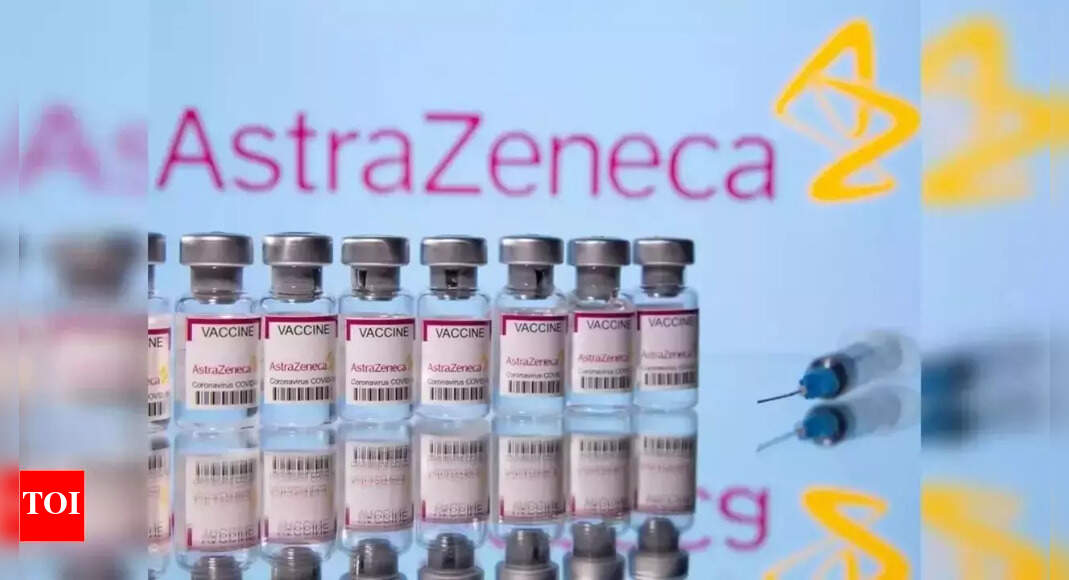
Unlike negligence claims, where a claimant must prove the manufacturer was careless, the CPA requires only proof that the product was "defective." A product is defective if its safety is "not such as persons generally are entitled to expect." The High Court's future ruling on this definition determine if a.
Verified Against Public And Audited RecordsLong-Form Investigative Review
Reading time: ~35 min
File ID: EHGN-REVIEW-34814
UK High Court admission of TTS vaccine side effects in class action April 2024
The litigation moves from "Does the vaccine cause TTS?" to "Did the vaccine cause TTS in this specific person?" and.
Primary RiskLegal / Regulatory Exposure
JurisdictionEPA
Public MonitoringReal-Time Readings
Report Summary
While the company continues to contest the claim that the vaccine is "defective" under the Consumer Protection Act 1987 (CPA), the admission of general causation the primary shield frequently used in pharmaceutical defense: the denial of a biological link. AstraZeneca, the pharmaceutical giant headquartered in Cambridge, submitted a legal document that explicitly admitted its COVID-19 vaccine could cause a serious medical condition. The April 2024 admission by AstraZeneca that its Vaxzevria vaccine "can, in very rare cases, cause TTS" appeared to the public as a capitulation.
Key Data Points
In February 2024, a significant legal development occurred within the United Kingdom's High Court that would not reach the public consciousness until late April 2024. AstraZeneca, the pharmaceutical giant headquartered in Cambridge, submitted a legal document that explicitly admitted its COVID-19 vaccine could cause a serious medical condition. The admission was made as part of a group litigation order involving 51 claimants who alleged they or their loved ones suffered devastating injuries after receiving the vaccine. While the document was filed in February, the information circulated widely in the press only in late April 2024.
Investigative Review of AstraZeneca
Why it matters:
AstraZeneca admits its COVID-19 vaccine can cause a serious medical condition.
The legal admission in the UK High Court contradicts the company's previous denial and is a significant development in ongoing litigation.
The April 2024 Public Disclosure: AstraZeneca's High Court Admission of TTS
The Legal Admission
In February 2024, a significant legal development occurred within the United Kingdom’s High Court that would not reach the public consciousness until late April 2024. AstraZeneca, the pharmaceutical giant headquartered in Cambridge, submitted a legal document that explicitly admitted its COVID-19 vaccine could cause a serious medical condition. The document stated: “It is admitted that the AZ vaccine can, in very rare cases, cause TTS. The causal method is not known.” This submission marked a definitive shift in the company’s legal defense strategy regarding its Vaxzevria product, also known as Covishield. The admission was made as part of a group litigation order involving 51 claimants who alleged they or their loved ones suffered devastating injuries after receiving the vaccine.
The specific condition admitted is Thrombosis with Thrombocytopenia Syndrome. This medical event involves the simultaneous occurrence of blood clots and low blood platelet counts. The admission in the High Court filing directly contradicted the company’s previous legal correspondence. In a letter sent to lawyers representing the claimants in May 2023, AstraZeneca had stated: “We do not accept that TTS is caused by the vaccine at a generic level.” The February 2024 filing retracted this absolute denial. It acknowledged that the vaccine is capable of triggering this specific syndrome. The document also noted that TTS can occur in the absence of vaccination and that causation in any individual case would remain a matter for expert evidence. This legal nuance attempts to preserve the company’s ability to contest specific claims while conceding the general biological possibility.
The timing of this disclosure is significant. While the document was filed in February, the information circulated widely in the press only in late April 2024. This delay between the legal filing and public awareness allowed the legal teams to position their arguments before the media scrutiny intensified. The admission was not a press release or a voluntary public safety announcement. It was a necessary concession extracted during the discovery and pleading phases of a high- class action lawsuit. The claimants that the product was “defective” under the Consumer Protection Act 1987. They contend that the vaccine was not as safe as the public was entitled to expect. This legal standard focuses on consumer expectations of safety rather than just clinical negligence.
The Lead Claimant: Jamie Scott
The face of this legal battle is Jamie Scott. He is a father of two who received the AstraZeneca vaccine in April 2021. At the time of his vaccination, Mr. Scott was 44 years old and in good health. Ten days after receiving the dose, he began to suffer from severe headaches and vomiting. His condition rapidly. He was rushed to the hospital where doctors discovered a massive blood clot and a bleed on his brain. The medical diagnosis was Vaccine-Induced Immune Thrombotic Thrombocytopenia (VITT), which is the specific clinical presentation of TTS linked to the vaccine. The injury left Mr. Scott with permanent brain damage. He has been unable to return to his previous employment and requires ongoing support for his daily life.
Mr. Scott’s case was the to be filed in this group action. His wife, Kate Scott, has been a vocal advocate for the victims. She detailed the family’s struggle to obtain acknowledgment from the pharmaceutical company. For three years, the family faced denials regarding the link between the vaccine and his injury. The hospital staff who treated Mr. Scott reportedly told his wife immediately that the injury was vaccine-induced. Yet the corporate position remained defensive. The admission in 2024 validated what the Scott family and their medical team had asserted since April 2021. Kate Scott described the admission as a moment where “the truth is on our side” also expressed frustration at the time it took to reach this point. She noted that an earlier apology and acknowledgment could have altered the tone of the litigation.
The severity of Mr. Scott’s injuries illustrates the high of the lawsuit. His claim is not for pain and suffering for the loss of a career and the long-term costs of care. The Consumer Protection Act claim relies on the argument that consumers were not adequately warned of this specific risk at the time of vaccination. When Mr. Scott received his dose, the official guidance in the UK was still evolving. The link to clotting was suspected by researchers not yet definitively confirmed in patient information leaflets distributed at vaccination centers. This gap between scientific suspicion and consumer warning forms a central pillar of the legal argument.
The Scope of the Class Action
The lawsuit involves 51 claimants in total. This group includes victims who suffered life-altering injuries and families of those who died. Twelve of the claimants are bereaved relatives representing deceased loved ones. The total value of the claims is estimated to be approximately £100 million. This figure accounts for lost earnings, medical care, and bereavement damages. The legal firm Leigh Day represents the claimants. They have coordinated the group litigation order to manage the complex medical evidence required for dozens of distinct cases. Each claimant must prove that the vaccine caused their specific injury, even with the general admission by AstraZeneca on the record.
The claimants that the efficacy of the vaccine was “vastly overstated” to the safety risks being downplayed. This dual argument attacks the risk-benefit analysis that was used to justify the rollout of the vaccine. If the efficacy was lower than advertised and the risks were higher than disclosed, the “defective” product argument gains strength. AstraZeneca continues to deny that the efficacy was overstated. The company maintains that the vaccine saved millions of lives globally and that the side effects are extremely rare. The legal definition of “rare” and “very rare” likely be contested in court. In pharmacovigilance, “very rare” means fewer than one in 10, 000 cases. The claimants may that the severity of the outcome outweighs the statistical rarity in the context of consumer safety expectations.
The legal action also highlights the limitations of the UK’s Vaccine Damage Payment Scheme (VDPS). This government-funded scheme provides a one-off payment of £120, 000 to individuals who are at least 60 percent disabled by a vaccination. of the claimants in the AstraZeneca suit, including Jamie Scott, have received this payment. Yet they it is wholly insufficient to cover the lifetime costs of a permanent brain injury or the loss of a primary breadwinner. The cap on the VDPS has not been adjusted for inflation since 2007. This inadequacy forces victims to seek full compensation through the courts by suing the manufacturer directly. The lawsuit against AstraZeneca is therefore also a commentary on the gaps in the state’s safety net for vaccine injuries.
Medical Specifics of the Admission
The condition at the center of this case, TTS, is a complex pathology. It involves a paradoxical state where the patient has blood clots (thrombosis) also a low platelet count (thrombocytopenia). Platelets are the cells responsible for clotting., low platelets lead to bleeding, not clotting. In TTS, an abnormal immune response activates the platelets, causing them to clump together and form clots, which consumes the available platelets and drops the count. This method is similar to Heparin-Induced Thrombocytopenia (HIT). The specific form linked to the vaccine is frequently called VITT (Vaccine-Induced Immune Thrombotic Thrombocytopenia).
AstraZeneca’s admission states that the “causal method is not known.” This phrase is legally defensive. It accepts the outcome (TTS) not the biological pathway. By keeping the method “unknown” in their pleading, the company avoids admitting to a specific design flaw or manufacturing error. Medical researchers, yet, have identified anti-PF4 antibodies as a key marker in these cases. These antibodies bind to a protein called Platelet Factor 4, triggering the clotting cascade. The presence of these antibodies is a diagnostic criterion for VITT. The court likely hear expert testimony regarding this method. If the method is well-understood by science denied by the company, it could affect the credibility of the defense.
The admission also notes that TTS can occur without the vaccine. This is a standard defense tactic to introduce doubt in individual cases. The defense likely scrutinize the medical history of each of the 51 claimants to find alternative causes for their clots. They may look for genetic predispositions, lifestyle factors, or other medications. The claimants rely on the temporal proximity of the vaccination to the injury. In Jamie Scott’s case, the symptoms began 10 days post-vaccination, which falls directly within the window identified by regulators for VITT ( 4 to 42 days). The “background rate” of TTS in the general population is extremely low, which strengthens the argument that a cluster of cases among the vaccinated is not coincidental.
Strategic of the “About-Face”
The shift from the May 2023 denial to the February 2024 admission represents a calculated legal maneuver. In 2023, the company’s lawyers wrote that they did not accept the link at a “generic level.” This position stonewalled the litigation, forcing the claimants to prove the general science before they could prove their individual cases. By February 2024, the weight of scientific evidence had become overwhelming. Regulatory bodies like the MHRA (Medicines and Healthcare products Regulatory Agency) and the EMA (European Medicines Agency) had long acknowledged the link. The World Health Organization had also updated its guidance. Continuing to deny the general link would have been untenable in court and could have damaged the company’s credibility with the judge.
By admitting the general link, AstraZeneca narrows the dispute. The litigation moves from “Does the vaccine cause TTS?” to “Did the vaccine cause TTS in this specific person?” and “Was the warning sufficient?” This strategy increases the load on individual claimants to provide granular medical evidence. It also shifts the focus to the interpretation of the Consumer Protection Act. The court must decide if a “very rare” side effect renders a product “defective” if the manufacturer did not explicitly warn about it at the time of distribution. The admission also opens the door for settlement discussions. With the general causation admitted, the company may calculate that settling the strongest cases is more cost- than a protracted public trial that highlights the injuries.
The public reaction to the admission was immediate. Media outlets worldwide reported the “U-turn.” The narrative shifted from a debate about “anti-vax” conspiracy theories to a confirmed corporate admission of harm. For the victims, this was a vindication. For the company, it was a damage control exercise. The admission was buried in a legal defense document rather than announced in a press conference. a strategy of containment. The company continues to emphasize the “overwhelming benefit” of the vaccine in ending the pandemic. They cite independent estimates that the vaccine saved over six million lives in its year. This utilitarian argument, that the few suffered for the benefit of the , be central to the defense against the claim that the product was defective.
Immediate Aftermath and Withdrawal
Shortly after the news of the court admission broke, AstraZeneca announced the global withdrawal of the Vaxzevria vaccine. The company initiated the withdrawal of its marketing authorizations in the European Union in March 2024, which took effect in May 2024. Similar applications were made in the UK and other territories. AstraZeneca stated that the withdrawal was due to “commercial reasons.” They a “surplus of available updated vaccines” that target new variants, rendering the original Vaxzevria formulation obsolete. The company denied that the withdrawal was linked to the court case or the admission of side effects.
The timing, yet, drew intense scrutiny. The withdrawal occurred almost simultaneously with the public of the TTS admission. Critics and legal observers noted that removing the product from the market prevents any future claims from arising. It also closes the commercial chapter of the vaccine, allowing the company to focus on its oncology and rare disease portfolios. The withdrawal does not affect the ongoing litigation. The claims relate to injuries sustained when the vaccine was in use. The company remains liable for the product’s performance during that period. The “commercial reasons” explanation serves to protect the company’s stock price and reputation, the juxtaposition with the legal admission created a perception of retreat.
The admission in the High Court stands as a historical fact. It validates the suffering of the victims who were previously dismissed or ignored. It establishes a legal precedent that COVID-19 vaccines, while tools for public health, carried specific, serious risks that were not fully transparent at the outset. The litigation continues, with the phases likely to focus on the adequacy of the warnings and the quantification of damages for the 51 claimants. The case of Jamie Scott and the other victims remains a central focus of the inquiry into vaccine safety and corporate accountability.
The April 2024 Public Disclosure: AstraZeneca's High Court Admission of TTS
Deconstructing the Defense: The 'Very Rare' Argument and Unknown Causal Mechanisms
The April 2024 public disclosure of AstraZeneca’s legal admission marked a calculated shift in the company’s defense strategy rather than a surrender. For three years, the pharmaceutical giant maintained a of denial against claims that its Vaxzevria vaccine caused Thrombosis with Thrombocytopenia Syndrome (TTS). When the High Court documents acknowledged that the vaccine “can, in very rare cases, cause TTS,” the admission came wrapped in two specific legal fortifications: the insistence on the “very rare” frequency of the event and the assertion that the “causal method is not known.” These two arguments serve as the primary blocks between the claimants and the compensation they seek. They are not scientific observations. They are legal shields designed to minimize financial liability and fragment the class action into an unmanageable series of individual battles.
The “Very Rare” Statistical Shield
The term “very rare” functions as the of AstraZeneca’s public relations and legal defense. Regulatory bodies define “very rare” as an adverse event occurring in less than 1 in 10, 000 cases. In the context of the AstraZeneca vaccine, official estimates for TTS eventually settled around 1 in 50, 000 doses for younger demographics, though initial claims suggested rates as low as 1 in 250, 000. By anchoring the defense to this statistical classification, AstraZeneca shifts the focus from the severity of the outcome to the improbability of the event. This framing attempts to normalize the casualties as unavoidable statistical anomalies inherent in any mass medical intervention. This statistical defense collapses when applied to the of the global vaccination campaign. A risk of 1 in 50, 000, when extrapolated across 50 million doses administered in the UK alone, guarantees a minimum of 1, 000 severe injuries or deaths. The “very rare” label sanitizes this reality. It reduces victims like Jamie Scott, who suffered permanent brain injury, to decimal points in a risk-benefit calculation. The defense that because the event is statistically unlikely for any single individual, the product remains “safe” in a general sense. This argument asks the court to accept a utilitarian trade-off where a specific number of healthy individuals must be sacrificed for herd immunity without the manufacturer bearing liability for those sacrifices. The “very rare” argument also ignores the specific demographic stratification of the risk. Data available as early as mid-2021 showed that the risk of TTS was not randomly distributed skewed heavily toward younger adults and women. By maintaining a blanket “very rare” defense, the company obscures the fact that for certain groups, the risk was significant enough to prompt the Joint Committee on Vaccination and Immunisation (JCVI) to restrict the vaccine’s use in under-40s. The legal defense relies on the aggregate safety profile to dilute the specific danger posed to the claimants, of whom fell into these higher-risk categories yet received the vaccine before age restrictions were implemented.
The “Unknown method” Gambit
The second pillar of AstraZeneca’s defense, that the “causal method is not known”, stands in direct contradiction to established medical consensus. In the legal filing submitted in February 2024, AstraZeneca stated: “It is admitted that the AZ vaccine can, in very rare cases, cause TTS. The causal method is not known.” This statement appears to be a strategic attempt to sever the link between the product’s design and the injury. If the method is “unknown,” the company can that the side effect was an unforeseeable biological mystery rather than a defect in the adenoviral vector platform. Scientific literature refutes this claim of ignorance. On April 9, 2021, the New England Journal of Medicine published the landmark study by Andreas Greinacher and colleagues, titled “Thrombotic Thrombocytopenia after ChAdOx1 nCov-19 Vaccination.” The study identified the specific method: the vaccine triggers the production of antibodies against Platelet Factor 4 (PF4). These antibodies activate platelets, causing them to clump together and form clots while simultaneously consuming the platelet supply, leading to bleeding. This condition was distinct enough to be named Vaccine-Induced Immune Thrombotic Thrombocytopenia (VITT). By 2024, the role of anti-PF4 antibodies was not a hypothesis. It was a diagnostic criterion used by hospitals worldwide to identify and treat victims. For AstraZeneca to claim in a High Court document that the method is “unknown” suggests a legal strategy to demand an impossibly high standard of molecular proof. It forces claimants to prove not just that they had VITT, to explain the precise biological pathway by which the adenovirus vector triggered the immune response in their specific body. This defense exploits the gap between “clinical consensus” (we know what is happening) and “molecular certainty” (we know exactly which atom moved where).
Generic vs. Individual Causation
The admission that the vaccine *can* cause TTS is a concession of “generic causation.” This means the company acknowledges the product has the *capacity* to cause harm. Yet this admission was immediately followed by a denial of “individual causation.” The legal filing states: “Causation in any individual case be a matter for expert evidence.” This distinction is the firewall designed to stop the class action from proceeding as a unified block. By accepting generic causation contesting individual claims, AstraZeneca forces each of the 51 claimants to prove that their specific injury was caused by the vaccine and not by “background rates” of thrombosis. The defense explicitly noted that “TTS can also occur in the absence of the AZ vaccine.” This strategy aims to deplete the resources of the claimants. Instead of a single trial determining liability for the defect, the defense sets the stage for 51 separate mini-trials, each requiring expensive expert testimony to rule out every other possible cause of a blood clot. This tactic is particularly because TTS mimics other conditions. Although VITT has a specific biomarker (anti-PF4 antibodies), not every patient was tested for this in early 2021. Victims who died before the Greinacher were standardized may absence the specific bloodwork to prove VITT conclusively. AstraZeneca’s defense anticipates this evidentiary gap. By demanding expert evidence for each case, they can challenge any claimant who absence a positive anti-PF4 test, attributing their clots to lifestyle factors, genetics, or random chance, even if the timing perfectly correlates with the vaccination.
The Regulatory Shield
AstraZeneca’s defense relies heavily on the “benefit-risk” ratios calculated by regulators like the MHRA. The company that because the regulators kept the vaccine on the market, the product cannot be considered “defective” under the Consumer Protection Act 1987. The Act defines a defect based on what the public is “entitled to expect.” AstraZeneca contends that the public is not entitled to expect a risk-free medicine, especially during a pandemic. This argument attempts to use regulatory authorization as a shield against civil liability. Yet the “benefit-risk” ratio is a population-level metric. It offers no comfort to the individual who dies. The legal question is not whether the vaccine saved more lives than it took, whether the safety profile was accurately communicated and whether the victims were warned of the specific risks they faced. Jamie Scott and others that the efficacy was overstated and the risks understated at the time of administration. The “very rare” defense attempts to rewrite history to suggest that the risk was always known and accepted, when in reality, the “safe and ” slogan dominated the early rollout, leaving victims blindsided by the catastrophic side effects.
The Delay Tactic
The timing of the admission reveals the utility of these defenses as delay tactics. The class action was filed in 2023, the admission of generic causation did not arrive until February 2024. For nearly a year, the defense stalled the proceedings by refusing to admit what the medical community had known since April 2021. This delay serves the defendant. It increases the financial pressure on the claimants’ legal team and allows the news pattern to move on. The “unknown method” claim extends this delay. It invites years of scientific debate within the courtroom. If the court accepts that the method is truly unknown, it becomes difficult to prove that AstraZeneca could have designed the vaccine differently to avoid the risk. It shields the company from negligence claims related to the design of the adenoviral vector. If the method were admitted to be the vector itself, as scientists suspect, it would open the door to questions about why this platform was chosen over safer alternatives and whether adequate testing was performed on the vector’s interaction with blood components.
Conclusion of the Defense Strategy
AstraZeneca’s legal team has constructed a defense that separates the statistical reality from the human reality. They use “very rare” to minimize the scope of the tragedy. They use “unknown method” to deny foreseeability and design defects. They use the distinction between generic and individual causation to fragment the opposition. This is not a defense based on the absence of harm. It is a defense based on the complexity of proof. The admission in April 2024 was not a confession of guilt. It was the drawing of a new battle line, where the load of proof is shifted entirely onto the victims to demonstrate not just that they were injured, that their specific injury defies the “background noise” of human biology.
Comparison of Medical Consensus vs. AstraZeneca Legal Defense
problem
Medical Consensus (2021-2024)
AstraZeneca Legal Position (Feb 2024)
Causation
VITT is a distinct syndrome caused by the vaccine.
Positive anti-PF4 ELISA test + low platelets + thrombosis.
Requires “expert evidence” to distinguish from natural TTS.
Deconstructing the Defense: The 'Very Rare' Argument and Unknown Causal Mechanisms
The Jamie Scott Test Case: A £100 Million Class Action Catalyst
The Human Cost of a “Safe” Rollout
Jamie Scott was not an anti-vaccine activist. He was a forty-four-year-old IT engineer. He was a father of two young boys. He was a husband who believed in the social contract of public health. On April 23, 2021, he rolled up his sleeve at a clinic in Warwickshire to receive the AstraZeneca Vaxzevria vaccine. He did so to protect his elderly relatives. He did so to help his country exit a pandemic. Ten days later, his world collapsed. On May 3, 2021, Scott woke with a severe headache. He began vomiting. His speech slurred. His wife, Kate Scott, called an ambulance immediately. At the hospital, doctors diagnosed him with a cerebral venous sinus thrombosis. This is a massive blood clot preventing blood from draining from the brain. He also suffered from thrombocytopenia. This is a condition characterized by a dangerously low platelet count. The combination is known as Thrombosis with Thrombocytopenia Syndrome or TTS.
The damage was catastrophic. Scott suffered a bleed on the brain. He underwent emergency craniotomy surgery to relieve the pressure. He spent weeks in an induced coma. His wife was told three times that he would not survive. He the odds and woke up. Yet the man who woke up was not the man who had walked into the clinic. Jamie Scott sustained a permanent brain injury. He is visually impaired in both eyes. He has auditory processing difficulties. He cannot drive a car. He cannot work. He cannot care for his children independently. His career as a high-functioning IT specialist is over. His chance lifetime earnings in a matter of days. The government’s Vaccine Damage Payment Scheme awarded him £120, 000. This is the maximum payout available. It is a fixed sum that does not account for lost wages or lifelong care costs. For a man in his forties with a family to support, this amount is mathematically insufficient.
The Legal Filing: A Test Case for Fifty-One Victims
Scott’s case became the tip of a legal spear aimed at AstraZeneca. In 2023, he filed a lawsuit in the UK High Court. This was not a nuisance claim. It was a product liability lawsuit brought under the Consumer Protection Act 1987. The legal argument was precise. Scott’s lawyers contended that the vaccine was “defective.” They did not that the vaccine failed to prevent COVID-19. They argued that its safety profile was not what the public was entitled to expect. The claim asserted that the efficacy of the vaccine was “vastly overstated” in relation to its safety risks. They argued that the product information on the date of supply did not contain adequate warnings about the risk of TTS. This omission deprived recipients of informed consent.
This individual filing catalyzed a much larger legal movement. By early 2024, fifty-one claimants had joined the litigation. The group includes victims who suffered life-changing injuries like Scott. It also includes bereaved families whose loved ones died shortly after vaccination. The total value of the claim is estimated at approximately £100 million. This figure represents the tangible economic loss suffered by these families. It covers lost income. It covers medical expenses. It covers the cost of specialized care that the National Health Service does not provide. The lawsuit challenges the narrative that these injuries are unfortunate statistics. It asserts that they are the result of a defective product distributed by a corporation that failed to be transparent about the risks.
The Pivot: From Denial to Admission
AstraZeneca’s initial response to these claims was dismissive. In a letter of response sent to Scott’s lawyers in May 2023, the company stated: “We do not accept that TTS is caused by the vaccine at a generic level.” This was a hardline defense. It denied the basic scientific reality that medical regulators around the world had already accepted. The European Medicines Agency had listed TTS as a side effect months prior. The UK’s own Joint Committee on Vaccination and Immunisation had restricted the vaccine’s use in younger age groups specifically because of this risk. Yet AstraZeneca maintained a legal posture of denial.
That posture crumbled in February 2024. In a formal legal document submitted to the High Court, AstraZeneca made a significant concession. The company admitted that its COVID-19 vaccine “can, in very rare cases, cause TTS.” This admission was not publicized immediately. It came to light in April 2024 during the lead-up to a High Court hearing. This was a watershed moment. For three years, victims like Jamie Scott had been gaslit by a corporate narrative that treated their injuries as coincidental or unrelated. The admission vindicated their core claim. The vaccine was the cause. The “safe and ” slogan had a deadly asterisk.
The admission was strategic rather than altruistic. AstraZeneca qualified their statement heavily. They added that “the causal method is not known.” They also stated that “TTS can also occur in the absence of the AZ vaccine (or any vaccine).” This legal maneuvering shifts the battleground. The company no longer denies that the vaccine can cause TTS. They demand that each claimant prove that the vaccine caused their specific case of TTS. This is a high evidentiary bar. It requires expert testimony for every single claimant. It turns a class action into a series of fifty-one individual trials on causation. This strategy delays payouts. It increases legal costs. It forces victims to relive their trauma in court.
The Financial
The financial aspect of this case reveals a broken system. The UK government indemnified AstraZeneca against legal action at the start of the pandemic. This means that if AstraZeneca is ordered to pay £100 million in damages, the British taxpayer likely foot the bill. This indemnity was the price the government paid to secure rapid access to the vaccine. It privatized the profits and socialized the risks. AstraZeneca reported billions in revenue. The victims are left fighting for compensation from a pot of money that comes from their own tax contributions.
The between the government’s £120, 000 payment and the £100 million lawsuit is. The Vaccine Damage Payment Scheme is an archaic relic from 1979. It requires a disability threshold of sixty percent. If a victim is fifty-nine percent disabled, they get nothing. If they are one hundred percent disabled, they get £120, 000. This amount has not kept pace with inflation. It does not reflect the economic reality of a modern family losing a primary earner. Jamie Scott’s lawyers that if he had been injured in a car accident caused by a faulty vehicle, the insurance payout would be in the millions. It would cover his lost career. It would cover his care. Because his injury was caused by a state-sanctioned vaccine, his compensation is capped at a fraction of his actual loss.
The Battle for Accountability
Sarah Moore is the partner at the law firm Leigh Day representing the claimants. She has been vocal about the obstructionism faced by her clients. She noted that it took AstraZeneca a year to formally admit what the clinical community had accepted since late 2021. She accused the company and the government of playing “strategic games” rather than engaging seriously with the devastating impact on her clients’ lives. The delay serves the defense. Legal fees mount. Public attention drifts. The claimants are left in limbo. are struggling with severe disabilities. are grieving widows and widowers. They do not have the deep pockets of a multinational pharmaceutical giant.
The Jamie Scott test case is more than a lawsuit. It is a public reckoning. It challenges the immunity culture that surrounded the pharmaceutical industry during the pandemic. It demands that the “rare” side effects be treated with the same seriousness as the virus itself. For Kate Scott, the admission was “progress,” yet it was not justice. She demands an apology. She demands fair compensation. She demands that the truth be acknowledged without qualification. The “very rare” defense offers no comfort to the families who live with the consequences every day. For them, the risk was not one in fifty thousand. It was one hundred percent.
The Causal method Defense
AstraZeneca’s insistence that the “causal method is not known” is a specific legal tactic. It attempts to sever the link between the general admission and the specific liability. If science cannot explain exactly how the vaccine triggers the clotting, the defense can doubt in individual cases. They can suggest other underlying health factors. They can point to the background rate of thrombosis in the general population. This is a war of attrition. It relies on the complexity of medical science to obscure the clarity of the temporal link. Jamie Scott was healthy. He took the vaccine. Ten days later, he had a blood clot. The temporal proximity is overwhelming. The specific diagnosis of VITT, Vaccine-Induced Immune Thrombotic Thrombocytopenia, is distinct from normal clots. It has a unique biomarker: anti-PF4 antibodies. The presence of these antibodies is a smoking gun. It links the clot directly to the immune response triggered by the vaccine.
The claimants have medical evidence. They have death certificates that list the AstraZeneca vaccine as a cause of death. They have hematology reports confirming VITT. The defense’s refusal to accept causation “at a generic level” until forced by the High Court shows a resistance to accountability. The admission in April 2024 was not a gesture of goodwill. It was a concession extracted by the pressure of the legal process. It signals that the evidence is too strong to ignore. The court must decide if the “unknown method” is a valid defense or a delay tactic. The outcome of Jamie Scott’s case determine the fate of the other fifty claimants. It set a precedent for how vaccine injuries are litigated in the future. It determine if the social contract of vaccination includes a safety net for those who fall.
The High Court case continues. The discovery process likely reveal more internal documents. It show what AstraZeneca knew and when they knew it. It examine the communication between the company and the government regulators. The admission of TTS is the domino. The question remains whether the rest of the defense stand. For Jamie Scott, the legal victory is necessary, yet it not restore his sight. It not give him back his career. It only provide the financial means to survive the injury that the “safe” vaccine inflicted upon him.
The Jamie Scott Test Case: A £100 Million Class Action Catalyst
Quantifying the Harm: 51 Claimants and the Pursuit of Damages for Bereavement and Injury
The High Court action, formally titled *Jamie Scott v AstraZeneca UK Limited*, represents more than a single legal challenge; it serves as a forensic accounting of 51 distinct catastrophes. This claimant group, comprised of 12 bereaved families and 39 survivors, seeks damages estimated at £100 million. The figure is not arbitrary. It reflects a precise calculation of lifetime earnings, round-the-clock care, and the economic void left by sudden death or permanent incapacity. At the center of this litigation lies the between the government’s statutory safety net and the actual cost of vaccine injury. The United Kingdom’s Vaccine Damage Payment Scheme (VDPS), established in 1979, offers a one-off lump sum of £120, 000. To qualify, a victim must prove they are “60% disabled,” a rigid threshold that dismisses those with 59% disability as ineligible for a single penny. For the claimants in the High Court, this sum is mathematically irrelevant to their reality. Jamie Scott, the test case claimant, received the £120, 000 payment. Yet, his legal team this amount covers only a fraction of his needs. Formerly an IT professional, Scott suffered a cerebral venous sinus thrombosis—a clot in the brain—that left him with permanent cognitive impairments, partial blindness, and an inability to work. His claim, chance exceeding £1 million, accounts for decades of lost wages and the specialized care his condition demands. The class action asserts that for young professionals or primary breadwinners, the economic damage stretches into the multimillions, far outstripping the VDPS cap. The injuries detailed in the court filings describe a devastation that goes beyond simple thrombosis. The condition, identified as Vaccine-Induced Immune Thrombosis with Thrombocytopenia (VITT), triggers a paradoxical reaction where the body forms clots while simultaneously depleting platelets, leading to catastrophic bleeding. Survivors within the claimant group grapple with life-altering consequences: amputations, heart failure, and severe brain injuries that require 24-hour supervision. The bereavement cases illustrate the finality of this harm. Gareth Eve, a claimant and widower of BBC Radio Newcastle presenter Lisa Shaw, joined the action after a coroner explicitly ruled that his wife’s death was caused by the AstraZeneca vaccine. Shaw, 44, died in May 2021 from “complications of an AstraZeneca Covid vaccine,” specifically VITT. Her death certificate stands as a rare, judicially verified link between the product and the fatality. Eve’s participation in the lawsuit is driven not by financial restitution by a demand for accountability that the VDPS process cannot provide. Similarly, Anish Tailor seeks damages for the death of his wife, Alpa Tailor, who died at age 35 in April 2021. Like Shaw, her death followed the administration of the vaccine and was attributed to VITT. The loss of a young mother involves complex calculations of “dependency claims”—legal quantifications of the financial and domestic support lost to the surviving family members. These claims push the total liability well past the £80 million to £100 million mark in legal circles. The legal method for these claims is the Consumer Protection Act 1987. The claimants do not need to prove AstraZeneca was negligent; they must only prove the product was “defective.” Under the Act, a product is defective if its safety is “not such as persons generally are entitled to expect.” The claimants that the public was entitled to expect a vaccine that did not carry a risk of fatal blood clotting, or at minimum, that the risk was communicated with absolute clarity before administration. AstraZeneca’s defense rests on the argument that the benefits of the vaccine to the population at large outweighed the risks to the individual. They maintain that the side effect is “very rare” and that the causal method remains scientifically unclear. Yet, the admission in April 2024 that the vaccine “can, in very rare cases, cause TTS” (Thrombosis with Thrombocytopenia Syndrome) dismantled the initial wall of denial. This admission shifted the legal battle from *if* the vaccine caused the harm to *how much* that harm is worth. A crucial element of this financial equation is the indemnity clause. During the pandemic’s height, the UK government indemnified AstraZeneca against legal action to accelerate vaccine rollout. Consequently, any damages awarded by the High Court be paid by the British taxpayer, not the pharmaceutical company. This transfer of liability places the public in the position of funding the defense against its own citizens while simultaneously underwriting the compensation for their injuries. The 51 claimants represent a “test cohort.” Their success or failure establish the price tag for pharmaceutical intervention in a emergency. If the court accepts the £100 million valuation, it establishes a precedent that the government’s £120, 000 payout is insufficient by a factor of nearly 200. This gap exposes a widespread failure in how the state values life and livelihood when public health mandates collide with individual tragedy. The litigation forces a public reckoning: does the “greater good” defense absolve the state of making whole the few who paid the price? For Kam Miller, whose husband Neil died in May 2021, the lawsuit is the only remaining avenue to secure her family’s future. The VDPS payment, even if awarded, would not replace her husband’s income. The High Court action is therefore not a luxury a financial need for families facing destitution due to a state-endorsed medical intervention. The quantification of this harm is rigorous, unsparing, and, a matter of public record.
Medical Specifics: Thrombosis with Thrombocytopenia Syndrome (TTS) as a Recognized Side Effect
The Clinical Paradox: Clotting Amidst Depletion
The medical condition at the center of the High Court action, Thrombosis with Thrombocytopenia Syndrome (TTS), presents a biological paradox that initially baffled emergency physicians. In standard pathology, thrombosis involves the formation of blood clots, while thrombocytopenia denotes a deficiency of platelets, the cell fragments responsible for stopping bleeding., these two states are mutually exclusive; a patient either clots too much or bleeds too freely. TTS defies this binary. Victims experience catastrophic clotting in major veins while simultaneously suffering from dangerously low platelet counts. This depletion occurs because the platelets are consumed rapidly by the clotting process itself, leaving the patient to severe internal hemorrhaging even as blockages form in important organs. This dual method creates a “perfect storm” within the vascular system, making standard treatments for blood clots, such as heparin, chance fatal.
The method: Vaccine-Induced Immune Thrombotic Thrombocytopenia (VITT)
While AstraZeneca’s legal team maintained in their February 2024 submission that the “causal method is not known,” the global medical community had largely coalesced around a specific pathology years prior. The condition is widely identified in medical literature as Vaccine-Induced Immune Thrombotic Thrombocytopenia (VITT). Research published as early as April 2021 in the New England Journal of Medicine identified the culprit: a rogue immune response triggered by the adenoviral vector used in the ChAdOx1 nCoV-19 vaccine. In affected individuals, the vaccine prompts the immune system to generate high levels of antibodies against Platelet Factor 4 (PF4), a protein involved in coagulation. These antibodies bind to PF4, mimicking the effect of heparin-induced thrombocytopenia (HIT), a known reaction to the blood thinner heparin. This binding activates platelets aggressively, causing them to clump together and form thrombi, while the remaining blood becomes unable to clot, leading to uncontrolled bleeding.
Anatomy of the Injury: Cerebral and Splanchnic
The location of these clots distinguishes TTS from the more common deep vein thrombosis (DVT) frequently associated with long-haul travel or immobility. VITT manifests with a terrifying specificity for unusual and serious anatomical sites. The most frequent and lethal presentation is Cerebral Venous Sinus Thrombosis (CVST), where clots form in the brain’s venous sinuses, preventing blood from draining out of the skull. This blockage increases intracranial pressure, leading to brain, strokes, and frequently rapid death. Another common site is the splanchnic veins, which drain blood from the digestive organs; blockages here cause catastrophic bowel necrosis. The specificity of these locations, the brain and the abdomen, served as a forensic marker, allowing regulators to distinguish vaccine-induced events from background rates of common clotting disorders.
The April 2024 Admission: Legal Strategy vs. Medical Reality
The significance of the April 2024 public disclosure lies in the specific phrasing of AstraZeneca’s admission. The court documents state: “It is admitted that the AZ vaccine can, in very rare cases, cause TTS. The causal method is not known.” This sentence represents a calculated legal position. By admitting causation (“can cause”) while denying a known method, the defense attempts to sever the link between the product’s design and the injury. If the method is “unknown,” it becomes harder for claimants to that the company failed to screen for a foreseeable defect or that the adenoviral vector platform itself was inherently risky. This stance even with the overwhelming volume of peer-reviewed studies linking the adenovirus vector to the anti-PF4 antibody response. The admission validates the claimants’ injuries stops short of accepting liability for a design flaw.
Statistical Severity: Mortality and Incidence
The lethality of TTS sets it apart from other vaccine adverse events. UK that the in total mortality rate for definite or probable VITT cases was approximately 23 percent. This figure rises dramatically to 73 percent in patients presenting with very low platelet counts and intracranial. By May 2022, the UK Medicines and Healthcare products Regulatory Agency (MHRA) had recorded 81 deaths out of 443 reported cases. These were not frail, elderly patients succumbing to natural decline; the median age of those affected was 48, with victims in their 20s and 30s. The incidence rate, initially downplayed as “one in a million,” was later revised. Data for those under 50 suggests a risk closer to 1 in 50, 000. This statistical reality, a high fatality rate in a young demographic, forms the emotional and actuarial core of the class action, challenging the “very rare” defense with the absolute finality of the outcomes.
Table 5. 1: Comparative Medical Profile of TTS vs. Standard Thrombosis
Feature
Standard Deep Vein Thrombosis (DVT)
Vaccine-Induced TTS (VITT)
Primary method
Slow blood flow, vessel injury, genetic factors
Autoimmune reaction (Anti-PF4 antibodies)
Platelet Count
Normal
Significantly Low (Thrombocytopenia)
Clot Location
Legs (popliteal/femoral veins), Lungs (PE)
Brain (CVST), Abdomen (Splanchnic veins)
Mortality Rate
Low (approx. 1-5% with treatment)
High (23% in total; up to 73% with brain bleed)
Treatment Protocol
Heparin, Warfarin, DOACs
Heparin Prohibited (fuels the fire); IVIG used
Retrospective Analysis: Early Warning Signals and the April 2021 Age Restriction Shift
The Narrative Fractures: April 7, 2021
The definitive pivot point in the AstraZeneca safety timeline arrived on April 7, 2021. For months, the United Kingdom had championed the Oxford-developed vaccine as the of its pandemic exit strategy. Government ministers and health officials had aggressively defended the formulation against skepticism from European neighbors. Yet on this Wednesday afternoon, the unified front of “safe and ” sustained its official structural failure. The Medicines and Healthcare products Regulatory Agency (MHRA) and the Joint Committee on Vaccination and Immunisation (JCVI) convened a press conference that fundamentally altered the deployment of the ChAdOx1 nCoV-19 vaccine. The guidance shifted from universal recommendation to a stratified caution. Officials announced that adults under the age of 30 without underlying health conditions should be offered an alternative vaccine, such as Pfizer or Moderna, where available.
This decision did not emerge from a vacuum. It was the result of a grim accumulation of clinical data that could no longer be dismissed as statistical noise. By the time of the announcement, the MHRA had analyzed reports of 79 cases of blood clotting accompanied by low platelet counts in the UK. These were not routine thrombotic events. They were specific, idiosyncratic reactions known as cerebral venous sinus thrombosis (CVST) and other major thrombosis events with thrombocytopenia. The severity of the signal was undeniable. Of the 79 cases identified up to March 31, 19 resulted in death. The fatalities included 13 women and 6 men. Eleven of the deceased were under the age of 50. Three were under 30. The data forced the regulator to concede a “strong possibility” of a causal link between the vaccine and these rare, frequently fatal, clotting events.
The European Prelude: A Month of Denial
To understand the magnitude of the April decision, one must examine the geopolitical and medical context of the preceding weeks. March 2021 witnessed a cascade of suspensions across the European continent that UK officials initially characterized as political rather than scientific. Denmark triggered the alarm on March 11 by pausing the rollout after a fatal clotting case. Norway and Iceland followed suit almost immediately. Within days, major European powers including Germany, France, Italy, and Spain suspended use of the AstraZeneca shot pending investigation. The reaction in London was defensive. Ministers and pundits frequently framed the European caution as a byproduct of Brexit tensions or vaccine nationalism. The narrative maintained that the vaccine was safe and that the benefits overwhelmingly outweighed the risks.
The European Medicines Agency (EMA) conducted its own review during this period. On March 18, the EMA concluded that the benefits still outweighed the risks could not rule out a link to the rare clotting disorders. This verdict allowed European nations to resume vaccination, yet did so with new age restrictions. Germany restricted the shot to those over 60. France limited it to those over 55. The UK stood apart during this turbulence and continued to administer the vaccine to all age groups. The April 7 announcement marked the moment the UK regulator aligned its domestic policy with the safety signals that had already halted campaigns across the English Channel. The data had become too heavy to ignore. The 19 deaths recorded by the MHRA dismantled the argument that the clotting reports were coincidental background events.
The “Course Correction” and Risk Calculus
The communication strategy on April 7 required a delicate balance. Officials needed to introduce a serious safety warning without collapsing public confidence in the vaccination program. Deputy Chief Medical Officer Jonathan Van-Tam, known for his direct metaphors, described the policy change as a “course correction.” He compared the vaccination program to a massive liner sailing across the Atlantic, noting that it was reasonable to expect adjustments to the steering during such a complex voyage. This nautical analogy aimed to normalize the disruption. Yet the substance of the briefing revealed a clear medical reality. The risk-benefit analysis had shifted unfavorably for younger demographics.
The JCVI presented data visualized by the Winton Centre for Risk and Evidence Communication at Cambridge University. These charts were pivotal. They illustrated the trade-off between the chance harm from the vaccine and the chance harm from the virus. The analysis stratified risk by age and exposure level. For an individual aged 20 to 29, during a period of low disease prevalence, the risk of serious harm from the vaccine appeared to exceed the risk of admission to intensive care from COVID-19. This statistical inversion made the ethical justification for administering the AstraZeneca shot to healthy young adults untenable. The “do no harm” principle necessitated the shift. The regulator could no longer claim that the immediate benefit outweighed the risk for a 25-year-old in a low-transmission environment.
From Under-30 to Under-40: The Restriction Expands
The April 7 decision was not the final adjustment. The safety signal continued to evolve as more data poured into the Yellow Card reporting system. The incidence rate of the specific clotting syndrome, later termed Thrombosis with Thrombocytopenia Syndrome (TTS), appeared to be slightly higher than initially estimated. On May 7, 2021, just one month after the initial restriction, the JCVI updated its advice. The age threshold for preferential alternative vaccination was raised from 30 to 40. This expansion acknowledged that the risk profile remained unfavorable for adults in their 30s, particularly as infection rates in the UK began to stabilize.
This secondary restriction reinforced the validity of the initial warning signals. It demonstrated that the correlation between age and TTS risk was strong. Younger immune systems appeared more prone to the catastrophic platelet activation triggered by the adenoviral vector. The decision to restrict the vaccine for under-40s removed the AstraZeneca product from the primary vaccination campaign for a vast segment of the working-age population. The “workhorse” vaccine, originally intended to immunize the entire country, was relegated to older cohorts where the threat of severe COVID-19 mortality remained high enough to justify the rare clotting risk. The ambition of a single, universal British vaccine had ended.
The Rebrand and the Retrospective View
Amidst this regulatory turmoil, the commercial entity sought to manage the optical emergency. In late March 2021, the European Medicines Agency approved a name change for the vaccine product. The pharmaceutical giant rebranded the shot as “Vaxzevria.” While the company insisted this was a routine administrative change planned for months, the timing coincided precisely with the peak of the safety controversy. The new name appeared on packaging and documentation, yet it did little to erase the association with blood clots in the public consciousness. The brand “AstraZeneca” had become inextricably linked to the concept of TTS.
Looking back from 2026, the April 2021 pivot stands as the *de facto* admission of the vaccine’s liability, long before the legal concessions of 2024. The government and regulators may have used terms like “precautionary” and “preference,” the operational actions told the truth. They stopped giving the drug to young people because it was killing a small distinct number of them. The 19 deaths on April 7 were not statistical anomalies. They were the early victims of a recognized pathological method. The High Court admission in 2024 formalized what the JCVI risk charts had already quantified three years prior. The “very rare” defense was statistically accurate ethically complex. For the families of the 19 deceased in that April briefing, the rarity of the event offered no consolation. The system had identified a lethal side effect, calculated the acceptable loss, and adjusted the eligibility criteria accordingly.
The Disconnect Between Policy and Patient
A serious disconnect remained between the high-level policy adjustments and the experience of individual patients. While the JCVI carefully calibrated age bands based on population-level statistics, individuals continued to suffer adverse events during the transition period. The guidance on April 7 was prospective. It did not help those who had received their dose days or weeks prior. The medical community was still learning how to diagnose and treat TTS. for non-heparin anticoagulation were being rushed to emergency departments, awareness was not uniform. Patients presenting with splitting headaches or abdominal pain days after vaccination were sometimes sent home, only to return in serious condition. The “course correction” saved future recipients, it could not reverse the biological chain reaction initiated in those already vaccinated.
The April 2021 retrospective analysis reveals a tension between public health utilitarianism and individual safety. The UK authorities prioritized the speed of the rollout to suppress the virus, a strategy that undoubtedly saved thousands of lives among the elderly and. Yet this velocity came at a specific cost. The delay in acting on the signals seen in Norway and Denmark, even by a few weeks, meant that doses continued to be administered to young demographics during a window of known uncertainty. The 2024 class action lawsuit is rooted in this specific window. Claimants that the information available to regulators in March 2021 should have triggered an earlier pause. The April 7 announcement was the moment the state admitted the risk was real. The legal battle that followed questions whether that admission came soon enough.
Strategic Withdrawal: Scrutinizing the Removal of Vaxzevria Marketing Authorizations in May 2024
On May 7, 2024, the European Commission formally withdrew the marketing authorization for Vaxzevria, the COVID-19 vaccine developed by AstraZeneca. This regulatory action marked the definitive end of the vaccine’s commercial life in the European Union, a market that had once relied upon it as a primary tool for pandemic management. While the company framed the decision as a routine commercial adjustment driven by a surplus of updated vaccines, the timing cast a long shadow over the announcement. Occurring just days after the public disclosure of court documents in which AstraZeneca admitted the vaccine could cause Thrombosis with Thrombocytopenia Syndrome (TTS), the withdrawal was immediately scrutinized by legal observers and victim advocacy groups as a strategic retreat.
The Official Rationale: Commercial Obsolescence
AstraZeneca maintained a consistent corporate narrative regarding the withdrawal. In statements released to the press and regulators, the company a “surplus of available updated vaccines” as the primary driver. The pharmaceutical giant argued that the global demand had shifted decisively toward bivalent mRNA vaccines manufactured by Pfizer-BioNTech and Moderna, which had been reformulated to target newer Omicron variants. Vaxzevria, based on the original Wuhan of the virus, had become a legacy product with no remaining market share. Financial data supports the company’s assertion of commercial irrelevance. In 2021, at the height of the global rollout, the vaccine generated approximately $4 billion in revenue. By 2023, that figure had collapsed to near zero, with the company reporting revenue of just $12 million for the entire year, a decline of over 99%. In the final quarters of 2023, the vaccine generated no sales in regions. From a purely fiduciary standpoint, maintaining the regulatory licenses, pharmacovigilance infrastructure, and manufacturing readiness for a product with zero revenue was indefensible. The company emphasized that the withdrawal application was submitted on March 5, 2024, weeks before the April media storm surrounding the High Court admission. This timeline was used to rebut suggestions that the withdrawal was a reactionary measure to the legal proceedings. A spokesperson stated, “We are incredibly proud of the role Vaxzevria played in ending the global pandemic,” citing independent estimates that the vaccine saved over 6. 5 million lives in its year of use.
The Timeline of Retreat
Yet, the proximity of the events created an inescapable optic of failure. The timeline reveals a sequence that fueled public skepticism: * **February 2024:** AstraZeneca submits a legal defense to the UK High Court admitting that the vaccine “can, in very rare cases, cause TTS.” This document remains confidential at this stage. * **March 5, 2024:** AstraZeneca voluntarily applies to the European Medicines Agency (EMA) to withdraw the marketing authorization for Vaxzevria. * **April 2024:** The contents of the February legal submission are reported by the press, triggering a global headline wave: “AstraZeneca admits vaccine causes rare side effect.” * **May 7, 2024:** The European Commission’s withdrawal decision takes effect, removing the vaccine from the EU market. For the families of the bereaved and the injured claimants, the withdrawal functioned as a symbolic vindication. The product that had caused their suffering was officially deemed unfit for the market, regardless of the stated reason. The “commercial” justification did little to assuage the anger of those who felt the company had delayed acknowledging the safety risks for too long.
Legal and Victim Reactions
Sarah Moore, a partner at the law firm Leigh Day representing 51 claimants in the UK class action, publicly challenged the company’s narrative. She characterized the defense strategies as “strategic games” and noted that the clinical community had accepted the link between the vaccine and TTS since late 2021. For the legal team, the withdrawal did not alter the trajectory of the litigation; the liability concerns the doses administered in 2021, not the sales prospects of 2024. The withdrawal also carried legal for future claimants. With the marketing authorization removed, the vaccine is no longer a “licensed medicine” in the EU. While this does not retroactively annul the license held during the rollout, it creates a psychological barrier. The product is a relic, a discontinued item that exists only in medical history books and legal discovery documents. Victim support groups, such as Vaccine Injured and Bereaved UK (VIBUK), viewed the move as a “quiet exit.” By removing the product from the market, AstraZeneca stopped the accumulation of new safety data and adverse event reports, closing the book on the vaccine’s active pharmacovigilance profile. This cessation of monitoring is standard for discontinued products, yet for those suffering from long-term, poorly understood autoimmune complications, it represented an abandonment of research into the very method that harmed them.
The Stock Market Verdict
The financial markets reacted to the withdrawal with cold pragmatism. On the day the news broke in May 2024, AstraZeneca’s share price rose by 1. 8%. Investors interpreted the move as a positive shedding of dead weight. The vaccine had long been a drag on the company’s stock, initially due to the “no-profit” pledge which limited margins, and later due to the reputational damage caused by the blood clot scares. By formally excising Vaxzevria from its portfolio, AstraZeneca signaled to Wall Street and the London Stock Exchange that it was pivoting back to its core, high-margin competencies: oncology and rare diseases. The market had already priced in the litigation risks; the removal of the product itself was seen as a necessary step to sanitize the brand. The rise in share price demonstrated a clear disconnect between the human cost of the TTS side effects and the corporate valuation of the firm. To the market, Vaxzevria was a liability to be liquidated; to the claimants, it was the instrument of their tragedy.
Regulatory Mechanics and Global Dominoes
The withdrawal in Europe set off a chain reaction, or rather, confirmed a trend, in other regulatory jurisdictions. The UK’s Medicines and Healthcare products Regulatory Agency (MHRA) confirmed that the vaccine’s supply had already ceased. In Australia, the vaccine had been phased out of the national rollout as early as March 2023, with the Department of Health citing the availability of newer alternatives. The specific regulatory method used was a “voluntary withdrawal at the request of the marketing authorisation holder.” This is distinct from a regulatory ban or suspension, which occurs when a regulator deems a product unsafe. By initiating the withdrawal voluntarily, AstraZeneca avoided the stigma of a forced recall. The European Commission’s decision text was procedural, noting simply that the holder had requested the withdrawal for commercial reasons. This allowed the company to maintain the “safe and ” narrative in its historical record, arguing that the product was not pulled for safety, for absence of demand.
The End of the Viral Vector Era
The withdrawal of Vaxzevria also marked the symbolic end of the viral vector vaccine era in the West. The early hope that adenovirus-based vectors (used by AstraZeneca and Johnson & Johnson) would be the workhorses of the global vaccination effort was dismantled by the twin pressures of safety signals and mRNA superiority. Viral vector vaccines, while easier to store and cheaper to produce, struggled to adapt quickly to new variants. The mRNA platforms allowed Pfizer and Moderna to re-code their vaccines for Omicron and subsequent with relative speed. AstraZeneca’s technology required a more complex biological process to update. Combined with the TTS safety signal, which specifically affected the adenovirus platform, the commercial viability of Vaxzevria was destroyed. The “surplus” argument used by AstraZeneca was factually accurate because governments had stopped ordering viral vector vaccines. The surplus existed because the preference had shifted entirely to mRNA. Thus, the “commercial reason” for withdrawal was inextricably linked to the “safety reason” that caused the demand to collapse in the place. The two cannot be separated: the safety profile destroyed the commercial profile.
for the Class Action
For the High Court case, the withdrawal provided a finalized scope of injury. There would be no new claimants from 2024 onwards. The class was closed. The battle lines were drawn strictly around the events of 2021. The withdrawal did not absolve AstraZeneca of liability for past harms, it removed the company’s need to defend the vaccine’s *current* benefit-risk profile. In court, the defense could no longer that the vaccine was “currently essential” for public health. The argument shifted entirely to the “state of scientific knowledge” at the time of administration. The withdrawal allowed AstraZeneca to compartmentalize Vaxzevria as a “pandemic emergency tool” that had served its purpose and was retired, rather than a defective product that failed. The claimants, yet, pointed to the withdrawal as evidence that the product was never as strong as claimed. If the vaccine were truly the “backbone of the global response” with an acceptable safety profile, they argued, it would have been updated and maintained. Its total abandonment suggested that the flaws, specifically the risk of TTS, were widespread to the product design, rendering it unviable in a non-emergency context.
Conclusion of the Vaxzevria Chapter
By May 2024, Vaxzevria had transitioned from a scientific triumph to a legal and commercial liability. The withdrawal was the final act of corporate hygiene, scrubbing the product from the active roster. While AstraZeneca successfully navigated the regulatory process to exit the market on its own terms, the move did not silence the questions surrounding the TTS method. The 51 claimants in the UK High Court viewed the withdrawal not as a business decision, as a tacit admission that the vaccine could not survive in a market where safety and efficacy were scrutinized without the pressure of a global emergency. The “strategic withdrawal” cleared the shelves, it did not clear the company’s name, nor did it erase the devastating injuries recorded in the medical files of the victims. The vaccine was gone, the reckoning was just beginning.
The Indemnity Clause: UK Government Liability for AstraZeneca's Legal Costs
The financial architecture of the AstraZeneca vaccine rollout reveals a method that insulates the pharmaceutical giant from the fiscal consequences of the High Court class action. While the case caption reads *Jamie Scott v AstraZeneca UK Limited*, the true financial defendant is the United Kingdom’s Treasury. Through a strong indemnity agreement signed during the height of the pandemic, the UK government assumed total liability for legal costs and damages arising from the vaccine’s side effects. This legal shield ensures that even if the High Court finds the Vaxzevria vaccine defective, AstraZeneca’s balance sheet remains untouched, shifting the entire load of compensation onto the taxpayer.
The “No Profit, No Loss” Trade-Off
In the early months of 2020, as the global race for a vaccine accelerated, pharmaceutical companies negotiated strict terms with governments desperate to secure doses. AstraZeneca, unlike its competitors Pfizer and Moderna, agreed to distribute its vaccine on a “no profit, no loss” basis during the pandemic phase. In exchange for providing the vaccine at cost, approximately £3 per dose, the company demanded and received a detailed indemnity against product liability claims. The rationale was economic and operational: AstraZeneca argued that because they were not extracting a profit margin to buffer against future litigation risks, they could not absorb the financial shock of chance class actions. The UK government, represented by the Department of Health and Social Care (DHSC) and the Vaccine Taskforce, accepted these terms to guarantee rapid access to 100 million doses. This agreement transferred the risk of adverse events from the manufacturer to the state. Consequently, the legal fees currently accumulating in the High Court defense, estimated to run into millions of pounds, are paid directly from public funds.
The Consumer Protection Act and the Definition of Defect
The claimants in the High Court action rely on the Consumer Protection Act 1987 (CPA), which imposes strict liability on producers if a product is found to be “defective.” Under the CPA, a product is defective if its safety is not such as persons generally are entitled to expect. The claimants that the risk of Thrombosis with Thrombocytopenia Syndrome (TTS) rendered the vaccine less safe than the public was led to believe, particularly given the “safe and ” messaging that accompanied the rollout. The indemnity clause becomes central here because it covers liabilities arising under this specific statute. If the court rules that the vaccine was indeed defective under the CPA, the damages awarded to the 51 claimants, chance exceeding £100 million, be settled by the government. This creates a complex legal where the state, which heavily promoted the vaccine and authorized its emergency use, is funding the legal team arguing that the product was not defective. The conflict is palpable: the government is financially incentivized to defeat the claims of the very citizens it urged to get vaccinated.
The Inadequacy of the Vaccine Damage Payment Scheme
The driving force behind the civil litigation is the perceived failure of the statutory safety net. The UK operates the Vaccine Damage Payment Scheme (VDPS), a system established under the Vaccine Damage Payments Act 1979. This scheme provides a one-off, tax-free lump sum of £120, 000 to individuals who can prove they are at least 60% disabled as a result of a vaccination. For the victims of TTS, of whom suffered catastrophic brain injuries or bereavement, £120, 000 is insufficient to cover lifetime care costs, lost earnings, and the impact on family life. The sum has not been adjusted for inflation in over a decade, rendering it economically obsolete for cases of severe disability. Because the VDPS is a statutory award and not a compensation for negligence, accepting it does not preclude individuals from suing for additional damages. yet, the strict cap forces families seeking full restitution to enter the high- arena of the High Court, where the indemnity clause ensures they are essentially fighting the Treasury’s deep pockets.
Confidential Terms and Public Scrutiny
The specific text of the indemnity agreement between AstraZeneca and the UK government remains largely confidential, redacted from public supply contracts. This opacity prevents independent analysis of the exact triggers for liability or any caps on the government’s exposure. What is known is that the indemnity is not absolute; it excludes cases of “willful misconduct” or failure to follow Good Manufacturing Practices (GMP). yet, the current litigation focuses on the inherent safety profile of the vaccine itself, the TTS side effect, rather than a manufacturing error. Therefore, the claims fall squarely within the scope of the government’s liability protection. Legal observers note that this arrangement distorts the standard incentives of product liability litigation., a corporation facing a PR disaster and mounting legal costs would seek a settlement to close the chapter. Here, AstraZeneca has less financial pressure to settle quickly because they are not paying the legal bills. The government, conversely, must weigh the cost of a settlement against the precedent it would set for future pandemic preparedness and the chance reputational damage to the vaccination program.
The Taxpayer’s load
The financial for the UK taxpayer are significant. Beyond the chance damages payout, the administrative and legal costs of defending the action are substantial. Top-tier law firms are engaged on both sides, with the defense costs alone likely escalating into the millions as the case progresses through procedural hearings and disclosure phases. This situation mirrors the indemnity structures seen in other jurisdictions, such as the United States under the PREP Act, with a key difference: the UK system allows for this specific type of civil claim under the CPA to proceed to the High Court. The admission by AstraZeneca in April 2024 that the vaccine “can, in very rare cases, cause TTS” was a legal turning point, the indemnity ensures that the admission does not translate into a financial loss for the company. Instead, it signals the beginning of a quantification process where the state must calculate the price of the harm caused by its procurement decisions. The indemnity clause reveals the economic behind the pandemic response: speed was prioritized over risk allocation. The government purchased speed by selling liability protection., as the human cost of that speed becomes quantified in the High Court, the bill has come due, and it is the public who pay it—twice., through the funding of the vaccine’s development and purchase, and second, through the compensation of those it injured.
Inadequacy of the Vaccine Damage Payment Scheme: The £120,000 Cap Under Fire
The Vaccine Damage Payment Scheme (VDPS), established under the Vaccine Damage Payments Act 1979, was designed as a statutory safety net—a gesture of state support for the rare individuals sacrificed for the greater good of public health. In the context of the AstraZeneca Vaxzevria scandal, this safety net has proven to be a threadbare relic, offering a fixed sum of £120, 000 that fails to align with the economic realities of the 2020s. For the claimants in the High Court class action, the scheme is not insufficient; it is an administrative insult that has forced dozens of bereaved families and permanently disabled victims into protracted litigation against a pharmaceutical giant. ### The £120, 000 Cap: An Economic Anachronism The current lump sum of £120, 000 was set in 2007. It is not index-linked, meaning it does not adjust for inflation. In the nearly two decades since this figure was codified, the purchasing power of the pound has eroded significantly, yet the payout remains frozen. For a family losing a primary breadwinner in their 30s or 40s—the demographic frequently affected by Vaccine-Induced Immune Thrombosis with Thrombocytopenia (VITT)—£120, 000 covers only a fraction of lost lifetime earnings. Vikki Spit, whose fiancé Zion died eight days after receiving the AstraZeneca vaccine in May 2021, became the person to receive the maximum payout for a COVID-19 vaccine death. She publicly described the sum as insufficient, noting that it could not replace the decades of income Zion would have contributed to their household. Her experience is not unique. For survivors like Jamie Scott, who suffered permanent brain damage, the sum is even more negligible. The cost of round-the-clock care, specialized medical equipment, and home adaptations for a severe neurological injury can run into the millions. A one-off payment of £120, 000 barely covers the initial phase of such catastrophic life changes, leaving victims reliant on an overburdened NHS or forcing them to sue for damages. ### The 60% Disability Cliff Edge The VDPS operates on a binary “all-or-nothing” basis determined by a strict disability threshold. To qualify, a claimant must be assessed as at least 60% disabled. A disability assessment of 59% results in a payout of zero. This rigid criterion has led to the rejection of hundreds of claims where the injury is undeniable deemed mathematically insufficient by government assessors. Data from the NHS Business Services Authority (NHSBSA) reveals the of these rejections. As of January 2024, the scheme had received 9, 172 claims related to COVID-19 vaccines. Of the claims processed, over 4, 400 were rejected. Specifically, 300 of these rejections were issued because the claimant did not meet the 60% disability threshold. These are individuals who suffered confirmed adverse reactions—strokes, clots, or neurological deficits— were told their life-altering injuries were not “severe” enough to warrant the statutory payment. This threshold is derived from the Industrial Injuries Disablement Benefit, a system designed for workplace accidents, not complex immunological reactions. Applying this metric to VITT, a condition that can cause subtle debilitating cognitive impairments or fatigue, frequently results in injustices where victims are left with no financial support even with being unable to return to their previous employment. ### AstraZeneca’s Dominance in the Caseload While the VDPS covers all government-recommended vaccines, the current backlog is overwhelmingly driven by AstraZeneca’s Vaxzevria. Reports indicate that approximately 97% of the COVID-19 related claims lodged with the scheme involve the AstraZeneca jab. This statistic isolates the problem: the VDPS is functioning as a specific buffer for AstraZeneca-related injuries, yet it is failing to process them or compensate them fairly. The success rate for claimants is abysmal. By early 2024, only 163 awards had been made out of thousands of applications. This represents a success rate of less than 2% for processed claims. The between the number of people reporting harm and the number receiving payment has fueled accusations that the scheme is designed to limit liability rather than support victims. ### The Catalyst for Class Action The inadequacy of the VDPS is the primary driver behind the High Court class action. If the statutory scheme offered fair compensation—calculated based on actual loss, care needs, and pain and suffering— claimants might have bypassed the stress of civil litigation. Instead, the £120, 000 cap acts as a ceiling that forces victims to sue AstraZeneca directly to secure their future. Sarah Moore, a partner at Leigh Day representing the claimants, has repeatedly criticized the scheme as “unfit for purpose.” In submissions to the COVID-19 Inquiry and public statements, legal representatives have argued that the government’s refusal to reform the VDPS has pushed victims into the courtroom. The government’s position, reiterated by ministers, is that the VDPS is not a compensation scheme a “top-up” to other benefits, and that it does not prejudice the right to sue. This defense ignores the reality that civil litigation is expensive, risky, and slow—luxuries that families in financial emergency cannot afford. ### Administrative Failures and Delays Beyond the financial caps, the administration of the VDPS has been plagued by delays. In the early stages of the vaccine rollout, the system was overwhelmed. Families waited over a year for initial assessments. Medical records were lost or requested repeatedly. The transfer of the scheme’s administration from the Department for Work and Pensions to the NHSBSA in November 2021 was intended to simplify the process, yet the backlog. For the 51 claimants in the High Court action, the VDPS has been a source of additional trauma rather than relief. have had to fight for the £120, 000 payment while simultaneously preparing for the legal battle against AstraZeneca. The government’s failure to update the 1979 Act—even with calls from MPs like Sir Christopher Chope and advocacy groups like Vaccine Injured and Bereaved UK (VIBUK)—signals a legislative inertia that prioritizes fiscal caution over moral obligation. ### A Broken Covenant The social covenant underlying the vaccination program is simple: the public accepts a medical intervention for the shared good, and the state looks after the rare few who suffer harm. The VDPS represents the state’s side of this bargain. In the case of AstraZeneca’s Vaxzevria, that bargain has been broken. The £120, 000 payment is a token sum that fails to acknowledge the magnitude of the loss suffered by VITT victims. It treats death and permanent brain injury as bureaucratic inconveniences rather than human tragedies. Until the scheme is reformed to offer individualized assessments and uncapped damages, the courts remain the only venue where true accountability can be sought.
Burden of Proof: AstraZeneca's Insistence on Individual Causation Expert Evidence
The Tactical Pivot: From General Denial to Specific Challenge
The April 2024 admission by AstraZeneca that its Vaxzevria vaccine “can, in very rare cases, cause TTS” appeared to the public as a capitulation. To the legal observer, it represented a calculated retreat to a more defensible fortification. By conceding general causation, the scientific reality that the vaccine possesses the capacity to inflict harm, the pharmaceutical giant shifted the entire weight of the litigation onto the concept of specific causation. This legal maneuver forces a granular, resource-intensive examination of every individual claim. The defense no longer rests on the assertion that the vaccine is incapable of causing clots. Instead, it rests on the demand that each of the 51 claimants prove, to a strict legal standard, that the vaccine was the sole and operative cause of their specific injury, to the exclusion of all other biological possibilities.
This strategy fragments the class action. While the claimants stand united by a shared diagnosis of Vaccine-Induced Immune Thrombosis with Thrombocytopenia (VITT), the defense insists on treating them as medical mysteries. AstraZeneca’s legal team, deployed by the firm Arnold & Porter, maintains that TTS can occur in the absence of vaccination. They contend that the background rate of thrombosis in the general population provides a plausible alternative explanation for any given clot. Consequently, the admission of general capability does not automatically translate to liability in any single instance. The company requires every victim to rule out genetic predispositions, lifestyle factors, and spontaneous medical events before they can attribute their condition to the injection.
The ” For” Test and the Standard of Proof
In civil litigation, the claimant bears the obligation to prove their case on the “balance of probabilities.” This means demonstrating that it is more likely than not (greater than 50%) that the injury would not have occurred ” for” the administration of the vaccine. AstraZeneca’s insistence on individual causation expert evidence weaponizes this standard. It is not enough for a claimant to show a temporal association, that the seizure or stroke happened days after the jab. They must provide forensic medical evidence linking the specific biological method of the vaccine to the specific pathology observed in their body.
This requirement imposes a heavy load on the claimants. Proving specific causation for VITT demands more than a standard medical record. It requires retrospective analysis of platelet counts, D-dimer levels, and the presence of anti-PF4 antibodies at the precise moment of injury. For victims, particularly those who died or were injured in early 2021 before the VITT protocol was standardized, this data may be incomplete or missing. The defense can exploit these evidentiary gaps. If a claimant cannot produce a positive anti-PF4 test because the hospital failed to order one in the chaos of the emergency room, AstraZeneca can that the link remains unproven. The absence of evidence becomes evidence of absence.
The War of Experts: A Financial Attrition Strategy
The practical consequence of this legal posture is a war of expert witnesses. Each of the 51 cases requires a bespoke team of hematologists, neurologists, and immunologists to construct a causation report. These experts must review thousands of pages of medical history to construct a timeline that excludes natural causes. AstraZeneca, backed by government indemnity, possesses the resources to field its own battalion of medical authorities to challenge these findings. They can commission ing that a claimant’s history of smoking, contraceptive use, or prior minor surgeries constitutes a more likely cause for the thrombosis than the vaccine.
Sarah Moore, the partner at Leigh Day leading the claimant group, has characterized this method as “strategic games.” The insistence on individual scrutiny serves to prolong the litigation and the costs. Every month of delay adds to the legal fees, which, for the claimants, are frequently funded by “no win, no fee” arrangements or limited legal aid. For the defense, the costs are absorbed by the taxpayer through the indemnity clause. This financial asymmetry allows AstraZeneca to demand a level of scientific certainty that is difficult to achieve in a courtroom setting, pricing justice out of reach for the average citizen. The strategy is not necessarily to win every argument, to make the process of proving the case so exhaustive that claimants are pressured to settle for lower sums or abandon the entirely.
The “Unknown method” as a Legal Shield
A central pillar of AstraZeneca’s causation defense is the scientific ambiguity surrounding the precise biological trigger of VITT. While the medical community accepts that the adenoviral vector can trigger an immune response against Platelet Factor 4, the exact molecular sequence of events remains the subject of ongoing research. In its February 2024 defense filing, the company noted that the causal method is not fully known. This scientific uncertainty serves a legal function. If science cannot explain exactly *how* the vaccine triggers the clot in every detail, the defense can that a claimant cannot prove it *did* happen in their specific case with the requisite degree of certainty.
This argument attempts to decouple the clinical diagnosis from legal liability. A treating physician might diagnose VITT based on the clinical picture and the need to save the patient’s life. yet, a court requires a different standard of proof. AstraZeneca’s lawyers can that a clinical diagnosis, made under pressure, is insufficient for a finding of product liability. They demand a forensic reconstruction of the injury that links the vaccine’s specific batch, the recipient’s immune system, and the resulting injury in an unbroken chain of causation. By highlighting the “unknowns” in the scientific literature, they create enough doubt to challenge the “balance of probabilities” threshold.
The Disconnect Between Clinical Reality and Legal Truth
The friction between medical consensus and legal strategy is sharpest in the cases of the bereaved. Twelve of the claimants in the class action represent estates of the deceased. In of these cases, coroners have already issued death certificates listing the AstraZeneca vaccine as a cause of death. A coroner’s court is a legal forum, and its findings are matters of public record. Yet, AstraZeneca’s defense strategy asks the High Court to look behind these death certificates. The company reserves the right to relitigate the cause of death, challenging the coroner’s conclusions with new expert evidence.
This stance creates a harrowing situation for families. They possess official government documents confirming that the vaccine killed their loved ones. They have letters from NHS consultants confirming the VITT diagnosis. Yet, in the context of the High Court litigation, these documents are treated as preliminary assertions rather than established facts. The claimants are forced to prove, all over again, what the state has already acknowledged on their death certificates. This refusal to accept the findings of coroners and treating clinicians as binding for the purpose of liability demonstrates the aggressive nature of the defense. It signals that no prior medical judgment is safe from legal interrogation.
The “Very Rare” Qualifier as a Causation Filter
The specific phrasing of the admission, that the vaccine causes TTS “in very rare cases”, is integral to the causation defense. By emphasizing the rarity of the event, AstraZeneca establishes a statistical baseline where the default assumption is that the vaccine is *not* the cause. If a condition affects only one in 50, 000 people, the defense can that any individual claimant is statistically unlikely to be that one person, absent overwhelming proof. This flips the narrative. Instead of the vaccine being a dangerous product that injured people, it is portrayed as a safe product that encountered a “rare” anomaly.
This statistical argument forces claimants to prove they are the exception to the rule. It allows the defense to characterize VITT not as a widespread defect of the product, as an idiosyncratic reaction of the recipient’s biology. Under the Consumer Protection Act, a product is defective if it is not as safe as the public generally creates a right to expect. AstraZeneca that the public understands that all medicines have rare side effects, and therefore, a “very rare” reaction does not render the product defective. This intertwines the concept of causation with the definition of defect, creating a complex legal knot that the High Court must untangle.
The Fragmentation of the Class
The goal of insisting on individual causation evidence is to prevent the court from issuing a blanket ruling on liability. If the judge were to rule that the vaccine is defective in a general sense, it would simplify the route to compensation for all 51 claimants. By focusing on specific causation, AstraZeneca ensures that a victory for one claimant does not automatically result in a payout for the others. Jamie Scott’s case might be proven, the claimant on the list must start the evidentiary process from scratch. This fragmentation destroys the efficiency of the Group Litigation Order (GLO). The GLO is designed to manage common problem of fact and law, the defense strategy works to minimize the commonalities and maximize the differences.
This method also serves to delay any chance settlement. Settlement values are calculated based on the strength of the claimants’ case and the likely damages. By keeping the causation question open for every individual, AstraZeneca makes it impossible to calculate a global settlement figure. They can that even if they lose one case, they might win the ten. This uncertainty keeps the litigation in a holding pattern, deferring the moment when the company, or the government indemnifying it, must write a check. For the claimants, of whom are dealing with permanent brain injuries or the loss of a primary earner, this delay is a source of distress, extending the trauma of the injury into a multi-year legal ordeal.
Comparative Risk Assessment: Vaxzevria's Safety Profile Versus mRNA Competitors
The High Court admission in April 2024 did not occur in a vacuum; it served as the legal ratification of a statistical reality that had been clear in pharmacovigilance databases for years. When placed side-by-side with its mRNA competitors, Pfizer-BioNTech (Comirnaty) and Moderna (Spikevax), the safety profile of AstraZeneca’s Vaxzevria presents a clear in both the nature and severity of adverse events. While mRNA vaccines faced scrutiny for inflammatory heart conditions, the adenoviral vector platform of Vaxzevria carried a specific, high-mortality risk—Thrombosis with Thrombocytopenia Syndrome (TTS)—that fundamentally altered the risk-benefit calculus for younger demographics. ### The Severity Gap: Clotting vs. Inflammation The primary distinction between the vaccine platforms lies not in the frequency of adverse events, in their clinical outcomes. Post-market surveillance data confirms that while mRNA vaccines are associated with myocarditis (inflammation of the heart muscle) and pericarditis, particularly in young males, the clinical trajectory of these conditions differs significantly from TTS. Data from the Medicines and Healthcare products Regulatory Agency (MHRA) and international bodies show that vaccine-associated myocarditis is frequently mild, self-limiting, and responsive to standard treatment, with a short duration of hospitalization. In contrast, TTS presents as a catastrophic widespread event involving blood clots in serious areas—such as the brain (cerebral venous sinus thrombosis) and abdomen (splanchnic vein thrombosis)—concurrent with dangerously low platelet counts. The mortality is. Early UK data indicated a mortality rate for TTS cases of approximately 20% to 25%, a figure that improved only marginally as treatment evolved to exclude heparin. Conversely, the mortality rate for mRNA-linked myocarditis remains extremely low, frequently in the single digits per several million doses. This “severity gap” meant that while a young adult might face a higher *incidence* of myocarditis from an mRNA shot, their risk of *death* or permanent neurological disability was significantly higher with Vaxzevria. ### The Winton Centre Analysis: Visualizing the Tipping Point The pivotal moment for this comparative assessment arrived in April 2021, when the University of Cambridge’s Winton Centre for Risk and Evidence Communication published a series of visual risk-benefit charts. These graphics, which informed the Joint Committee on Vaccination and Immunisation (JCVI) decision to restrict the vaccine, provided a devastatingly clear comparison. For an individual aged 20–29 with low exposure to COVID-19, the Winton Centre data projected that Vaxzevria would prevent roughly 0. 8 ICU admissions per 100, 000 people over 16 weeks. yet, the serious harm from the vaccine (specifically TTS) was estimated at 1. 1 per 100, 000. In this specific cohort, the cure was statistically more dangerous than the disease prevention benefit.
Table 11. 1: Comparative Risk Analysis (Winton Centre Data, Low Exposure Scenario, April 2021)
Age Group
ICU Admissions Prevented (per 100k)
Serious Harms from Vaccine (per 100k)
Risk/Benefit Verdict
20, 29 years
0. 8
1. 1
Harms> Benefits
30, 39 years
2. 7
0. 8
Marginal Benefit
60, 69 years
14. 1
0. 2
Clear Benefit
This data rendered the argument for administering Vaxzevria to under-40s indefensible once mRNA alternatives were available. The “very rare” defense crumbled when the rarity of the side effect was weighed against the rarity of severe COVID-19 outcomes in healthy young adults. ### Statistical Hazard: The Ip et al. Analysis Retrospective analyses have further solidified this. A secondary safety analysis of UK health records by researchers including Ip et al. examined the relative risks of the AstraZeneca product versus the Pfizer product. The findings were significant: the AstraZeneca vaccine showed a verifiable increased hazard for intracranial venous thrombosis and thrombocytopenia. More damning was the comparison of mortality risks. The analysis indicated a hazard ratio for death in the AstraZeneca group compared to the Pfizer group of approximately 1. 545 in specific time windows following vaccination. While Pfizer recipients showed a higher hazard for myocarditis, this did not translate into the same elevated all-cause mortality signal observed with the adenoviral vector. This statistical supports the Claimants’ assertion that the product was “defective” not just in isolation, relative to the safer alternatives that became the standard of care. ### The Obsolescence of the Adenovirus Platform The admission of TTS risks also highlights a broader technological verdict. The adenoviral vector method, which uses a chimpanzee adenovirus to deliver the genetic code for the spike protein, appears to trigger the production of anti-platelet factor 4 (PF4) antibodies in a small subset of recipients. This autoimmune reaction mimics heparin-induced thrombocytopenia (HIT). mRNA vaccines, which use lipid nanoparticles to deliver instruction, do not trigger this specific, lethal autoimmune cascade. While they carry their own risks, the absence of the VITT method makes them inherently safer for the demographic most at risk of clotting—young women. By 2024, the global medical consensus had shifted entirely. Most developed nations had long since relegated Vaxzevria to the history books, relying exclusively on mRNA or protein-subunit vaccines for booster campaigns. The UK High Court case serves as a retrospective accounting of this shift, demanding legal recognition for the fact that for a specific subset of the population, the “workhorse” of the early pandemic was, in comparative terms, a more dangerous instrument than its competitors. ### The of the “Emergency” Defense AstraZeneca’s defense has frequently relied on the exigencies of the pandemic—the argument that in 2021, *any* vaccine was better than *no* vaccine. Yet, the comparative data this position for the later stages of the rollout. By the time Jamie Scott and others received their doses, the signal for TTS was visible, and mRNA supplies were ramping up. The failure was not necessarily in the initial authorization, in the sluggishness of the pivot. While other European nations paused or restricted AstraZeneca immediately upon the emergence of the TTS signal in March 2021, UK regulators maintained a “benefits outweigh risks” mantra that, for younger citizens, was statistically questionable. The High Court admission brings this delay into sharp relief, suggesting that the “risk” side of the equation was known, quantifiable, and significantly higher than that of the Pfizer or Moderna alternatives sitting in adjacent freezers.
International Ripple Effects: Impact of UK Admissions on Global Covishield Litigation
The formal admission by AstraZeneca in London’s High Court did not remain a domestic legal matter. It functioned as a global signal flare. For years, plaintiffs across multiple jurisdictions faced a unified wall of corporate denial. The April 2024 concession that the vaccine causes Thrombosis with Thrombocytopenia Syndrome (TTS) dismantled this defense. It transformed what company lawyers previously categorized as theoretical risk into established fact. This shift provided immediate evidentiary ammunition for litigation in India, Australia, Germany, and Italy. The “very rare” defense remained, the “safe and ” shield suffered irreparable structural damage. India represents the most significant theater of this legal expansion. The Serum Institute of India (SII) manufactured the Oxford formulation under the brand name Covishield. Over 1. 7 billion doses flowed into the Indian population. For years, the Indian government and SII maintained a posture of absolute safety. The UK filing shattered this narrative. Within days of the London news, the Supreme Court of India received a writ petition from parents of deceased victims. Venugopalan Govindan, whose daughter Karunya died in 2021, led this charge. His petition argued that if the original developer admitted the defect, the licensed manufacturer could not claim ignorance. The Indian legal battle focuses on the timing of knowledge. Petitioners that European suspensions in March 2021 provided sufficient warning. They contend that Indian authorities and the manufacturer failed to pause the rollout or update informed consent. The Supreme Court agreed to hear the plea in May 2024. This marked a departure from earlier judicial reluctance to question vaccine policy. The UK document serves as the of this new challenge. It forces the Indian judiciary to reconcile the British admission with the silence maintained by domestic health officials during the height of the vaccination drive. The Serum Institute responded with a technical defense. A spokesperson stated that package inserts disclosed “rare to very rare” effects since 2021. This argument attempts to shift liability to the consumer. It presumes that a recipient in a rural vaccination center read and understood a technical medical insert. Legal experts in New Delhi challenge this assertion. They point out that mass vaccination campaigns prioritized speed over individual consultation. The “informed consent” defense crumbles if the risk was downplayed in public messaging while being buried in fine print. The UK admission proves the risk was real; the Indian litigation asks if it was adequately communicated. Australia presents a parallel legal track. A class action in the Federal Court of Australia involves over 500 participants. The case the Commonwealth government and officials for negligence. The UK admission strengthens the claimants’ position regarding “foreseeability.” Australian lawyers that the government continued to recommend the AstraZeneca product even after the TTS link became scientifically undeniable in Europe. The London filing validates the method of injury. It removes the load on Australian plaintiffs to prove the vaccine *can* cause TTS. The dispute centers on whether Australian officials acted with reasonable care given the evolving data. The Federal Court action in Australia also scrutinizes the “balance of risk” calculation. Government defense teams rely on the “emergency context” argument. They claim the threat of COVID-19 outweighed the rare risk of clotting. The UK admission complicates this. It establishes that the manufacturer knew of the specific lethality of the side effect. If the manufacturer knew, the government likely knew. This knowledge creates a liability route for negligence in failing to switch to alternative vaccines sooner. The “safe and ” slogan, used to drive compliance, appears legally as a form of misleading conduct. Germany offers a different legal precedent. The Higher Regional Court in Bamberg issued a ruling in April 2024 that stripped away corporate secrecy. The court ordered AstraZeneca to disclose detailed data on all side effects reported between December 2020 and February 2024. This “right to information” judgment is a procedural victory with massive. It forces the company to hand over the internal data that led to the UK admission. German judges assumed the plaintiff would not have accepted the injection had the risk of intestinal vein thrombosis been presented. This ruling shifts the load. The company must prove it provided adequate warning, rather than the victim proving the product was defective. The German litigation highlights the distinction between “regulatory approval” and “civil liability.” A product can be approved by regulators yet still be liable for damages if the manufacturer failed to warn of specific risks. The Bamberg court rejected the idea that regulatory compliance offers total immunity. This principle threatens the pharmaceutical industry’s standard defense. If German courts find the warnings insufficient, it opens the door for thousands of claims across the European Union. The UK admission serves as the factual basis for these findings. It confirms the existence of the hazard that the warnings allegedly failed to emphasize. Italy saw immediate judicial results following the admission. A medical commission in Genoa awarded compensation to a citizen for permanent impairment. The ruling came in May 2024, coinciding with the global withdrawal of the vaccine. Italian courts have historically been more to link vaccines to adverse events. The UK admission provides the scientific consensus needed to expedite these claims. It eliminates the need for individual medical experts to debate the causal link in every single case. The “London Protocol” becomes the global standard for establishing general causation. The effects extend to the COVAX initiative and the Global South. Millions of doses of the AstraZeneca formulation were distributed to nations with fragile health systems. These countries absence the monitoring infrastructure of the UK or Germany. The admission in London raises ethical questions about a two-tier safety standard. If the product was deemed too risky for under-40s in Britain in 2021, why was it pushed without restriction in Africa and Asia? Legal activists in South Africa are examining the “No-Fault Compensation Scheme” to see if it adequately covers TTS. The UK admission suggests that the risk was intrinsic to the product, not just a random anomaly. The legal definition of “defect” is central to these global battles. In product liability law, a product is defective if it does not offer the safety that a person is entitled to expect. The UK admission confirms the product carried a lethal risk. The key legal question is whether the public was entitled to expect a vaccine free from the risk of fatal brain clots. Corporate lawyers that “no medicine is risk-free.” Plaintiffs counter that the public was sold a narrative of absolute safety. The gap between the marketing slogan and the biological reality is where the liability lies. The UK court filing measured that gap. Financial markets reacted to these developments. The Serum Institute of India faced scrutiny regarding its liability exposure. While the Indian government provided indemnity to foreign manufacturers, the status of domestic producers remains legally complex. The “Covishield” brand, once a symbol of national pride, is associated with the “Vaxzevria” admission. The company’s attempt to distance itself by citing “mutant ” for the production halt did not silence the questions. The timing of the withdrawal, just days after the court admission, suggests a coordinated global strategy to limit future liability. The global litigation has shifted from “if” to “how much.” The UK admission settled the “if.” The vaccine causes TTS., courts in New Delhi, Melbourne, and Berlin are determining the price of that causation. The “very rare” defense is a statistical argument, not a legal shield. For the families of the deceased, the statistic is 100 percent. The admission validated their grief. It turned their private tragedies into public evidence. The legal battles continue for years, the April 2024 disclosure ensures that AstraZeneca can never again claim the risk was unknown or unproven. The interconnectedness of these legal actions creates a pressure. A discovery order in Germany reveals documents that aid plaintiffs in Australia. A Supreme Court ruling in India cites the High Court admission in London. The corporate strategy of isolating cases by jurisdiction has failed. The truth of the side effect is a global commodity. It travels faster than the vaccine ever did. The admission is the common denominator that unites a rice farmer in Kerala with a tech worker in Bavaria. Both were injured by the same biological method. Both have the same legal proof. This global synchronization of litigation presents a nightmare scenario for the pharmaceutical industry. It suggests that a single admission in a high-profile jurisdiction can trigger a worldwide cascade of liability. The “firewall” strategy, where companies rely on different regulatory regimes to block cross-border liability, is obsolete in the information age. The UK High Court admission was the breach in the dam. The floodwaters are rising in courtrooms around the world. The legacy of the AstraZeneca vaccine be written not just in medical journals, in the case law of a dozen nations. The focus turns to the final section. We must examine the future of vaccine liability and the lessons learned. The investigation concludes with an analysis of the “legacy” of this admission. It is a story of science, law, and the cost of transparency. The global effects are only the beginning of a long reckoning. The admission was the end of the denial, it is the start of the accountability.
Precedent for Pharma: Implications of the TTS Admission for Future Vaccine Liability
The Liability Watershed: Beyond the “Rare” Defense
The April 2024 admission by AstraZeneca that its Vaxzevria vaccine “can, in very rare cases, cause TTS” establishes a permanent legal foothold for pharmaceutical liability that extends far beyond the specific claims of the 51 litigants in the UK High Court. While the company continues to contest the claim that the vaccine is “defective” under the Consumer Protection Act 1987 (CPA), the admission of general causation the primary shield frequently used in pharmaceutical defense: the denial of a biological link. By conceding that the method exists, even if the specific causal pathway remains “unknown”, AstraZeneca has shifted the legal battleground from if the harm occurred to whether the risk was acceptable. This pivot forces the court to define the “expectation of safety” held by the public during a pandemic, setting a rigorous test for future emergency use authorizations.
Strict Liability and the Consumer Protection Act 1987
The core of the claimants’ argument rests on the strict liability provisions of the CPA, which implements the European Product Liability Directive. Unlike negligence claims, where a claimant must prove the manufacturer was careless, the CPA requires only proof that the product was “defective.” A product is defective if its safety is “not such as persons generally are entitled to expect.” The High Court’s future ruling on this definition determine if a vaccine can be considered defective solely because it carries a fatal, undisclosed risk, even if that risk was unknown to the manufacturer at the time of distribution. If the court finds for the claimants, it negates the “development risk” defense, the argument that the state of scientific knowledge at the time did not allow the defect to be discovered. Such a ruling would force pharmaceutical companies to bear the financial risk of “unknown unknowns” in future drug development, chance altering the speed at which new vaccines are brought to market.
The Indemnity Trap: Public Money Defending Private Profits
A serious element of this litigation is the indemnity clause granted by the UK government to AstraZeneca during the urgency of 2020. As confirmed by the National Audit Office and subsequent disclosures, the British taxpayer is liable for AstraZeneca’s legal fees and any eventual damages awarded to the claimants. This arrangement creates a perverse incentive structure described by legal observers as a “moral hazard.” Because AstraZeneca faces no direct financial penalty from prolonged litigation, the company is free to pursue “strategic games”, as alleged by Leigh Day partner Sarah Moore, without the commercial pressure to settle that resolves corporate liability cases. The government, simultaneously the indemnifier and the entity responsible for the Vaccine Damage Payment Scheme (VDPS), finds itself in a conflict of interest: funding a high-priced legal defense against its own citizens to avoid a payout that would implicitly acknowledge the inadequacy of its statutory safety net.
of the “Learned Intermediary” Doctrine
The Vaxzevria litigation also challenges the application of the “learned intermediary” doctrine in the context of mass vaccination campaigns. Traditionally, manufacturers warn doctors (the intermediaries), who then assess the risk for the patient. yet, the rollout of the AstraZeneca vaccine involved mass vaccination centers, frequently staffed by volunteers or non-specialist personnel, with standardized that left little room for individualized clinical judgment. If the court accepts that the “expectation of safety” is higher when the manufacturer markets directly to the government for mass distribution, bypassing the traditional doctor-patient dialogue, it imposes a heavier load on pharmaceutical companies to ensure their warnings are not just present in the fine print, actively communicated to the end-user. This shift demands that future emergency use authorizations include strong, real-time method for updating safety data to the public, rather than relying on static product information leaflets.
Future Pandemic Preparedness and Contractual Reform
The legacy of the AstraZeneca class action likely reshape the contractual terms between governments and pharmaceutical companies in future health crises. The “blank check” indemnities signed in 2020, driven by the desperation of the pandemic, are being scrutinized as fiscally irresponsible. Legal analysts predict that future procurement contracts include tiered liability structures, where manufacturers retain liability for manufacturing defects or failure to warn once a safety signal is identified. The withdrawal of Vaxzevria’s marketing authorization in May 2024, while commercially framed, serves as a coda to the generation of COVID-19 viral vector vaccines. It signals a market and regulatory shift toward mRNA platforms, which, even with their own safety signals (such as myocarditis), have not faced the same lethality-linked litigation intensity in the UK courts. The admission of TTS confirms that the “race to a vaccine” carries a long-tail legal cost that society and the industry are only beginning to quantify.
Timeline Tracker
April 2024
The April 2024 Public Disclosure: AstraZeneca's High Court Admission of TTS —
February 2024
The Legal Admission — In February 2024, a significant legal development occurred within the United Kingdom's High Court that would not reach the public consciousness until late April 2024. AstraZeneca.
April 2021
The Lead Claimant: Jamie Scott — The face of this legal battle is Jamie Scott. He is a father of two who received the AstraZeneca vaccine in April 2021. At the time.
2007
The Scope of the Class Action — The lawsuit involves 51 claimants in total. This group includes victims who suffered life-altering injuries and families of those who died. Twelve of the claimants are.
May 2023
Strategic of the "About-Face" — The shift from the May 2023 denial to the February 2024 admission represents a calculated legal maneuver. In 2023, the company's lawyers wrote that they did.
March 2024
Immediate Aftermath and Withdrawal — Shortly after the news of the court admission broke, AstraZeneca announced the global withdrawal of the Vaxzevria vaccine. The company initiated the withdrawal of its marketing.
April 2024
Deconstructing the Defense: The 'Very Rare' Argument and Unknown Causal Mechanisms — The April 2024 public disclosure of AstraZeneca's legal admission marked a calculated shift in the company's defense strategy rather than a surrender. For three years, the.
2021
The "Very Rare" Statistical Shield — The term "very rare" functions as the of AstraZeneca's public relations and legal defense. Regulatory bodies define "very rare" as an adverse event occurring in less.
April 9, 2021
The "Unknown method" Gambit — The second pillar of AstraZeneca's defense, that the "causal method is not known", stands in direct contradiction to established medical consensus. In the legal filing submitted.
2021
Generic vs. Individual Causation — The admission that the vaccine *can* cause TTS is a concession of "generic causation." This means the company acknowledges the product has the *capacity* to cause.
1987
The Regulatory Shield — AstraZeneca's defense relies heavily on the "benefit-risk" ratios calculated by regulators like the MHRA. The company that because the regulators kept the vaccine on the market.
February 2024
The Delay Tactic — The timing of the admission reveals the utility of these defenses as delay tactics. The class action was filed in 2023, the admission of generic causation.
April 2024
Conclusion of the Defense Strategy — AstraZeneca's legal team has constructed a defense that separates the statistical reality from the human reality. They use "very rare" to minimize the scope of the.
April 23, 2021
The Human Cost of a "Safe" Rollout — Jamie Scott was not an anti-vaccine activist. He was a forty-four-year-old IT engineer. He was a father of two young boys. He was a husband who.
2023
The Legal Filing: A Test Case for Fifty-One Victims — Scott's case became the tip of a legal spear aimed at AstraZeneca. In 2023, he filed a lawsuit in the UK High Court. This was not.
May 2023
The Pivot: From Denial to Admission — AstraZeneca's initial response to these claims was dismissive. In a letter of response sent to Scott's lawyers in May 2023, the company stated: "We do not.
1979
The Financial — The financial aspect of this case reveals a broken system. The UK government indemnified AstraZeneca against legal action at the start of the pandemic. This means.
2021
The Battle for Accountability — Sarah Moore is the partner at the law firm Leigh Day representing the claimants. She has been vocal about the obstructionism faced by her clients. She.
April 2024
The Causal method Defense — AstraZeneca's insistence that the "causal method is not known" is a specific legal tactic. It attempts to sever the link between the general admission and the.
May 2021
Quantifying the Harm: 51 Claimants and the Pursuit of Damages for Bereavement and Injury — The High Court action, formally titled *Jamie Scott v AstraZeneca UK Limited*, represents more than a single legal challenge; it serves as a forensic accounting of.
February 2024
The method: Vaccine-Induced Immune Thrombotic Thrombocytopenia (VITT) — While AstraZeneca's legal team maintained in their February 2024 submission that the "causal method is not known," the global medical community had largely coalesced around a.
April 2024
The April 2024 Admission: Legal Strategy vs. Medical Reality — The significance of the April 2024 public disclosure lies in the specific phrasing of AstraZeneca's admission. The court documents state: "It is admitted that the AZ.
May 2022
Statistical Severity: Mortality and Incidence — The lethality of TTS sets it apart from other vaccine adverse events. UK that the in total mortality rate for definite or probable VITT cases was.
April 2021
Retrospective Analysis: Early Warning Signals and the April 2021 Age Restriction Shift —
April 7, 2021
The Narrative Fractures: April 7, 2021 — The definitive pivot point in the AstraZeneca safety timeline arrived on April 7, 2021. For months, the United Kingdom had championed the Oxford-developed vaccine as the.
March 2021
The European Prelude: A Month of Denial — To understand the magnitude of the April decision, one must examine the geopolitical and medical context of the preceding weeks. March 2021 witnessed a cascade of.
May 7, 2021
From Under-30 to Under-40: The Restriction Expands — The April 7 decision was not the final adjustment. The safety signal continued to evolve as more data poured into the Yellow Card reporting system. The.
March 2021
The Rebrand and the Retrospective View — Amidst this regulatory turmoil, the commercial entity sought to manage the optical emergency. In late March 2021, the European Medicines Agency approved a name change for.
April 2021
The Disconnect Between Policy and Patient — A serious disconnect remained between the high-level policy adjustments and the experience of individual patients. While the JCVI carefully calibrated age bands based on population-level statistics.
May 7, 2024
Strategic Withdrawal: Scrutinizing the Removal of Vaxzevria Marketing Authorizations in May 2024 — On May 7, 2024, the European Commission formally withdrew the marketing authorization for Vaxzevria, the COVID-19 vaccine developed by AstraZeneca. This regulatory action marked the definitive.
March 5, 2024
The Official Rationale: Commercial Obsolescence — AstraZeneca maintained a consistent corporate narrative regarding the withdrawal. In statements released to the press and regulators, the company a "surplus of available updated vaccines" as.
March 5, 2024
The Timeline of Retreat — Yet, the proximity of the events created an inescapable optic of failure. The timeline reveals a sequence that fueled public skepticism: * **February 2024:** AstraZeneca submits.
2021
Legal and Victim Reactions — Sarah Moore, a partner at the law firm Leigh Day representing 51 claimants in the UK class action, publicly challenged the company's narrative. She characterized the.
May 2024
The Stock Market Verdict — The financial markets reacted to the withdrawal with cold pragmatism. On the day the news broke in May 2024, AstraZeneca's share price rose by 1. 8%.
March 2023
Regulatory Mechanics and Global Dominoes — The withdrawal in Europe set off a chain reaction, or rather, confirmed a trend, in other regulatory jurisdictions. The UK's Medicines and Healthcare products Regulatory Agency.
2024
for the Class Action — For the High Court case, the withdrawal provided a finalized scope of injury. There would be no new claimants from 2024 onwards. The class was closed.
May 2024
Conclusion of the Vaxzevria Chapter — By May 2024, Vaxzevria had transitioned from a scientific triumph to a legal and commercial liability. The withdrawal was the final act of corporate hygiene, scrubbing.
2020
The "No Profit, No Loss" Trade-Off — In the early months of 2020, as the global race for a vaccine accelerated, pharmaceutical companies negotiated strict terms with governments desperate to secure doses. AstraZeneca.
1987
The Consumer Protection Act and the Definition of Defect — The claimants in the High Court action rely on the Consumer Protection Act 1987 (CPA), which imposes strict liability on producers if a product is found.
1979
The Inadequacy of the Vaccine Damage Payment Scheme — The driving force behind the civil litigation is the perceived failure of the statutory safety net. The UK operates the Vaccine Damage Payment Scheme (VDPS), a.
April 2024
The Taxpayer's load — The financial for the UK taxpayer are significant. Beyond the chance damages payout, the administrative and legal costs of defending the action are substantial. Top-tier law.
May 2021
Inadequacy of the Vaccine Damage Payment Scheme: The £120,000 Cap Under Fire — The Vaccine Damage Payment Scheme (VDPS), established under the Vaccine Damage Payments Act 1979, was designed as a statutory safety net—a gesture of state support for.
April 2024
The Tactical Pivot: From General Denial to Specific Challenge — The April 2024 admission by AstraZeneca that its Vaxzevria vaccine "can, in very rare cases, cause TTS" appeared to the public as a capitulation. To the.
2021
The " For" Test and the Standard of Proof — In civil litigation, the claimant bears the obligation to prove their case on the "balance of probabilities." This means demonstrating that it is more likely than.
February 2024
The "Unknown method" as a Legal Shield — A central pillar of AstraZeneca's causation defense is the scientific ambiguity surrounding the precise biological trigger of VITT. While the medical community accepts that the adenoviral.
April 2024
International Ripple Effects: Impact of UK Admissions on Global Covishield Litigation — The formal admission by AstraZeneca in London's High Court did not remain a domestic legal matter. It functioned as a global signal flare. For years, plaintiffs.
April 2024
The Liability Watershed: Beyond the "Rare" Defense — The April 2024 admission by AstraZeneca that its Vaxzevria vaccine "can, in very rare cases, cause TTS" establishes a permanent legal foothold for pharmaceutical liability that.
1987
Strict Liability and the Consumer Protection Act 1987 — The core of the claimants' argument rests on the strict liability provisions of the CPA, which implements the European Product Liability Directive. Unlike negligence claims, where.
2020
The Indemnity Trap: Public Money Defending Private Profits — A serious element of this litigation is the indemnity clause granted by the UK government to AstraZeneca during the urgency of 2020. As confirmed by the.
May 2024
Future Pandemic Preparedness and Contractual Reform — The legacy of the AstraZeneca class action likely reshape the contractual terms between governments and pharmaceutical companies in future health crises. The "blank check" indemnities signed.
Why it matters: Global adoption of fitness trackers and smartwatches is rapidly increasing, with the market projected to reach $291 billion by 2032. While these devices offer real-time health data,.
Tell me about the the legal admission of AstraZeneca.
In February 2024, a significant legal development occurred within the United Kingdom's High Court that would not reach the public consciousness until late April 2024. AstraZeneca, the pharmaceutical giant headquartered in Cambridge, submitted a legal document that explicitly admitted its COVID-19 vaccine could cause a serious medical condition. The document stated: "It is admitted that the AZ vaccine can, in very rare cases, cause TTS. The causal method is not.
Tell me about the the lead claimant: jamie scott of AstraZeneca.
The face of this legal battle is Jamie Scott. He is a father of two who received the AstraZeneca vaccine in April 2021. At the time of his vaccination, Mr. Scott was 44 years old and in good health. Ten days after receiving the dose, he began to suffer from severe headaches and vomiting. His condition rapidly. He was rushed to the hospital where doctors discovered a massive blood clot.
Tell me about the the scope of the class action of AstraZeneca.
The lawsuit involves 51 claimants in total. This group includes victims who suffered life-altering injuries and families of those who died. Twelve of the claimants are bereaved relatives representing deceased loved ones. The total value of the claims is estimated to be approximately £100 million. This figure accounts for lost earnings, medical care, and bereavement damages. The legal firm Leigh Day represents the claimants. They have coordinated the group litigation.
Tell me about the medical specifics of the admission of AstraZeneca.
The condition at the center of this case, TTS, is a complex pathology. It involves a paradoxical state where the patient has blood clots (thrombosis) also a low platelet count (thrombocytopenia). Platelets are the cells responsible for clotting., low platelets lead to bleeding, not clotting. In TTS, an abnormal immune response activates the platelets, causing them to clump together and form clots, which consumes the available platelets and drops the.
Tell me about the strategic of the "about-face" of AstraZeneca.
The shift from the May 2023 denial to the February 2024 admission represents a calculated legal maneuver. In 2023, the company's lawyers wrote that they did not accept the link at a "generic level." This position stonewalled the litigation, forcing the claimants to prove the general science before they could prove their individual cases. By February 2024, the weight of scientific evidence had become overwhelming. Regulatory bodies like the MHRA.
Tell me about the immediate aftermath and withdrawal of AstraZeneca.
Shortly after the news of the court admission broke, AstraZeneca announced the global withdrawal of the Vaxzevria vaccine. The company initiated the withdrawal of its marketing authorizations in the European Union in March 2024, which took effect in May 2024. Similar applications were made in the UK and other territories. AstraZeneca stated that the withdrawal was due to "commercial reasons." They a "surplus of available updated vaccines" that target new.
Tell me about the deconstructing the defense: the 'very rare' argument and unknown causal mechanisms of AstraZeneca.
The April 2024 public disclosure of AstraZeneca's legal admission marked a calculated shift in the company's defense strategy rather than a surrender. For three years, the pharmaceutical giant maintained a of denial against claims that its Vaxzevria vaccine caused Thrombosis with Thrombocytopenia Syndrome (TTS). When the High Court documents acknowledged that the vaccine "can, in very rare cases, cause TTS," the admission came wrapped in two specific legal fortifications: the.
Tell me about the the "very rare" statistical shield of AstraZeneca.
The term "very rare" functions as the of AstraZeneca's public relations and legal defense. Regulatory bodies define "very rare" as an adverse event occurring in less than 1 in 10, 000 cases. In the context of the AstraZeneca vaccine, official estimates for TTS eventually settled around 1 in 50, 000 doses for younger demographics, though initial claims suggested rates as low as 1 in 250, 000. By anchoring the defense.
Tell me about the the "unknown method" gambit of AstraZeneca.
The second pillar of AstraZeneca's defense, that the "causal method is not known", stands in direct contradiction to established medical consensus. In the legal filing submitted in February 2024, AstraZeneca stated: "It is admitted that the AZ vaccine can, in very rare cases, cause TTS. The causal method is not known." This statement appears to be a strategic attempt to sever the link between the product's design and the injury.
Tell me about the generic vs. individual causation of AstraZeneca.
The admission that the vaccine *can* cause TTS is a concession of "generic causation." This means the company acknowledges the product has the *capacity* to cause harm. Yet this admission was immediately followed by a denial of "individual causation." The legal filing states: "Causation in any individual case be a matter for expert evidence." This distinction is the firewall designed to stop the class action from proceeding as a unified.
Tell me about the the regulatory shield of AstraZeneca.
AstraZeneca's defense relies heavily on the "benefit-risk" ratios calculated by regulators like the MHRA. The company that because the regulators kept the vaccine on the market, the product cannot be considered "defective" under the Consumer Protection Act 1987. The Act defines a defect based on what the public is "entitled to expect." AstraZeneca contends that the public is not entitled to expect a risk-free medicine, especially during a pandemic. This.
Tell me about the the delay tactic of AstraZeneca.
The timing of the admission reveals the utility of these defenses as delay tactics. The class action was filed in 2023, the admission of generic causation did not arrive until February 2024. For nearly a year, the defense stalled the proceedings by refusing to admit what the medical community had known since April 2021. This delay serves the defendant. It increases the financial pressure on the claimants' legal team and.
Why it matters: The illicit online gambling and cyber-fraud industry in Southeast Asia has grown into a global security threat, stealing approximately $64 billion annually..
Why it matters: Global aid initiatives aim to alleviate suffering and support development in regions affected by conflict, natural disasters, and poverty. Aid diversion poses.
Why it matters: Renewable energy subsidies are crucial for shaping global energy production and mitigating climate change impacts. The allocation of subsidies involves a complex.
Why it matters: Religious freedom exemptions in labor laws can create a complex interplay between religious rights and fair labor conditions. These exemptions, while intended.
Why it matters: Investigative reports and insider testimonies reveal deep-rooted financial malpractices in India's cricket leagues. Ownership corruption, shell companies, money laundering, and political influence.