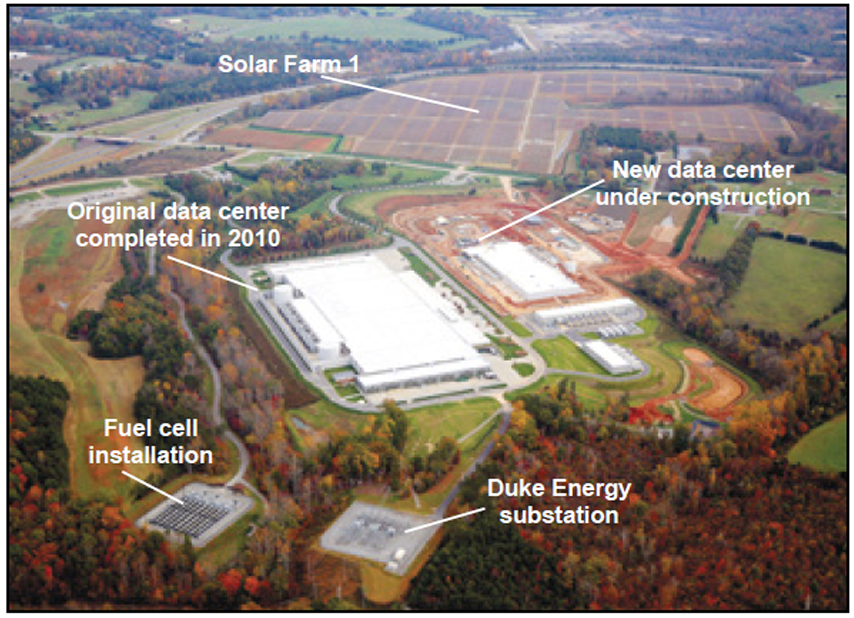
This regulatory victory allowed Bloom to transport carcinogenic benzene waste across the country with significantly reduced oversight, labeling it as "recyclable material" rather than the hazardous waste it was.
Verified Against Public And Audited RecordsLong-Form Investigative Review
Reading time: ~35 min
File ID: EHGN-REVIEW-35827
Hazardous waste mismanagement and undisclosed benzene byproducts from fuel cells
The "Excluded Recyclable Material" (ERM) defense, which Bloom attempted to use to justify shipping waste to ShoreMet in Indiana, also.
Primary RiskLegal / Regulatory Exposure
JurisdictionEnvironmental Protection Agency / EPA
Public MonitoringSubtitle C facilities require double liners, advanced leachate collection systems, and rigorous groundwater monitoring.
Report Summary
This federal regulation allows certain materials to be exempted from the definition of solid waste if they are "used or reused as ingredients in an industrial process to make a product, provided the materials are not being reclaimed." Bloom's legal and compliance teams argued that the spent desulfurization units, heavy steel canisters filled with sulfur-saturated copper catalyst and trapped benzene, were not trash. By bypassing this requirement, Bloom Energy avoided the high costs of hazardous waste disposal, externalizing the long-term environmental risk onto the communities surrounding the landfills where the canisters were discarded.
Key Data Points
In 2011, Bloom Energy Corporation submitted a Coastal Zone permit application to the state of Delaware for its ambitious fuel cell project. Federal and state regulations classify waste containing more than 0. 5 milligrams per liter of benzene as hazardous under the waste code D018. In August 2019, DNREC issued a Notice of Administrative Penalty and Secretary's Order to Diamond State Generation Partners. The state fined the subsidiary $40, 000 for air quality violations. In late 2020, the EPA fined Bloom Energy approximately $1 million for violations related to the handling and disposal of benzene waste. This federal intervention confirmed.
Investigative Review of Bloom Energy Corporation
Why it matters:
Bloom Energy Corporation markets its solid oxide fuel cells as a clean energy solution, but the machines contain undisclosed carcinogens, including benzene.
The company faced legal battles and fines for mishandling hazardous waste, revealing a deceptive environmental impact behind its green image.
The Benzene Secret: Undisclosed Carcinogens in 'Clean' Energy
The Benzene Secret: Undisclosed Carcinogens in ‘Clean’ Energy Bloom Energy Corporation markets its solid oxide fuel cells as a futuristic solution to the world’s power needs, promising a “clean,” “reliable,” and “always-on” alternative to the traditional electric grid. The company’s branding relies heavily on the image of sustainability, featuring sleek servers and green leaves in its promotional materials. Yet, beneath the polished exterior of these “Energy Servers” lies a dirty chemical reality that executives and marketing teams frequently omit from their glossy brochures. The core of this deception involves benzene, a potent human carcinogen, and the hazardous waste stream generated by the very machines touted as environmental saviors. The method of this contamination is intrinsic to the fuel cell’s operation. Bloom’s servers run primarily on natural gas, a fossil fuel. While natural gas is cleaner than coal, it contains various impurities, including sulfur and trace amounts of benzene. For the fuel cells to function without degrading, these impurities must be stripped from the gas before it enters the electrochemical stack. To achieve this, Bloom uses desulfurization units—heavy canisters filled with a filtration medium, a copper oxide catalyst on an alumina substrate. These canisters act as chemical sponges, soaking up sulfur and benzene from the incoming gas stream. The problem arises not from the natural gas itself, from the concentration process. As the fuel cells operate, these canisters accumulate benzene over months of continuous use. What starts as trace amounts in the pipeline gas becomes a highly concentrated toxic sludge within the filtration units. By the time a canister is “spent” and ready for replacement, it no longer contains a harmless filter; it holds a significant quantity of benzene, classified by federal and state regulators as hazardous waste. For years, Bloom Energy treated this toxic byproduct with a cavalier attitude that alarmed regulators and waste management partners. In 2016, a legal battle with Unicat Services, a company hired to clean and dispose of these canisters, exposed the severity of the situation. Unicat alleged in court documents that Bloom had been instructing them to dump these benzene-laden canisters in regular public landfills in California, rather than processing them as hazardous waste. This accusation struck at the heart of Bloom’s corporate identity. If true, the company was not only failing to be green was actively polluting local groundwater with known carcinogens. The Unicat lawsuit provided a rare window into the internal operations of Bloom’s waste management practices. Unicat discovered that the canisters contained “extremely hazardous” and “toxic” materials that far exceeded the safety limits for standard landfill disposal. When Unicat flagged this serious matter to Bloom, the energy company allegedly used the information not to reform its practices, as a “renegotiating hammer” to lower the price Unicat could charge. The dispute revealed that Bloom was fully aware of the toxicity of its spent canisters yet sought to minimize the cost of disposal at the expense of environmental safety. Federal regulators eventually caught wind of these practices. In July 2018, Bloom Energy disclosed that the Environmental Protection Agency (EPA) was seeking $1 million in fines related to the company’s mishandling of benzene. This was not a minor clerical error; it was a substantial penalty reflecting the severity of the violation. The EPA’s investigation highlighted that Bloom had been operating in a regulatory gray area, attempting to use exemptions that did not apply to its specific type of hazardous waste. The company’s prospectus attempted to downplay this fine, stating they did not anticipate “significant” additional costs, yet the reputational damage was already done for those paying attention. The classification of this waste is a matter of public record, even if Bloom prefers to keep it quiet. In signed exhibits filed with the EPA, Bloom Energy identified itself as a “Large Quantity Generator” of hazardous waste. This specific legal term is reserved for facilities that generate more than 1, 000 kilograms of hazardous waste per month or more than 1 kilogram of acutely hazardous waste. For a company whose stock ticker is synonymous with green technology, admitting to being a Large Quantity Generator of toxic waste is a contradiction that investors and the public have largely ignored. The problem extends beyond California. in 2017, the North Carolina Division of Environmental Quality fined Apple Inc. over $40, 000 for hazardous waste violations at its Maiden, North Carolina data center. The source of the violation was Apple’s installation of Bloom Energy fuel cells. State inspectors found that the facility failed to make a proper waste determination for the spent fuel filter materials—the same benzene-filled canisters. Apple, seemingly unaware of the regulatory minefield it had walked into, believed Bloom was handling the waste regulations. Bloom, in turn, was shipping the hazardous material to a facility in Texas. The incident showed how Bloom’s customers, frequently large tech companies seeking green credentials, unwittingly become liable for hazardous waste violations due to the fuel cells’ dirty byproducts. The chemistry of benzene makes these violations particularly egregious. The Department of Health and Human Services has determined that benzene causes cancer. Long-term exposure to high levels of benzene in the air can cause leukemia, a cancer of the blood-forming organs. While Bloom that the benzene is “captured” in the canisters, the risk of exposure during transport, handling, and improper disposal is real. If a canister were to rupture or leak in a non-hazardous landfill, the benzene could leach into the soil and groundwater, posing a long-term threat to local communities. The “clean” energy server,, acts as a concentrator of carcinogens, turning a diffuse problem (trace benzene in gas) into a concentrated hazard. Bloom’s defense has frequently relied on the concept of “recycling.” The company that the spent canisters are sent to facilities like ShoreMet in Indiana to be recycled for their copper content, thus exempting them from certain hazardous waste rules. This “Excluded Recyclable Material” (ERM) defense is a regulatory loophole that allows Bloom to avoid the stricter scrutiny applied to hazardous waste disposal. Documents from the California Department of Toxic Substances Control (DTSC) show a complex back-and-forth where Bloom sought concurrence from state regulators to treat the waste as recyclable material. Even with this technical exemption in jurisdictions, the material remains inherently hazardous during its lifecycle. The “recycling” process itself involves handling and processing benzene-saturated media, a task that requires strict safety frequently absent in standard scrap metal operations. The sheer volume of waste is another metric that undermines the green narrative. A single Bloom project can consist of dozens of servers, each requiring canister replacements every 15 to 24 months. With hundreds of deployments nationwide, the cumulative volume of benzene-contaminated waste is substantial. The “Large Quantity Generator” status is not an accident; it is a direct result of the technology’s design. Unlike solar or wind power, which generate electricity without fuel or exhaust, Bloom’s solid oxide fuel cells are chemical processors. They consume fossil fuels and excrete chemical waste. The marketing term “Solid Oxide” sounds clean and metallic, the operational reality is a chemical plant in a box, complete with the requisite toxic byproducts. Investors and customers are frequently kept in the dark about these liabilities. The “managed services” agreements frequently obscure who bears the responsibility for the waste. As seen in the Apple case, the customer can be left holding the bag for regulatory fines while Bloom attempts to distance itself from the violation. The pledge of “direct” integration into a corporate campus masks the complex hazardous materials logistics required to keep the units running. A corporate sustainability officer signing a contract for Bloom servers is likely thinking about carbon offsets, not about registering their headquarters as a hazardous waste generation site with the EPA. The benzene problem also the long-term viability of the technology. As environmental regulations tighten, the cost of handling, transporting, and recycling these hazardous canisters likely rise. The “recycling” loophole that Bloom currently relies on is subject to regulatory interpretation and could be closed by future administration changes or stricter state laws. If Bloom were forced to treat every spent canister as fully regulated hazardous waste without exemption, the operating costs of their fleet would increase, further a business model that has struggled to achieve consistent profitability. also, the absence of transparency regarding the exact chemical composition of the spent canisters prevents independent verification of the risks. Bloom treats its canister technology as proprietary, limiting the ability of third-party scientists to assess the full environmental impact. We know benzene is present because of the EPA fines and lawsuits, what other contaminants are concentrated in those filters? The natural gas stream contains various other volatile organic compounds and heavy metals that could also be accumulating in the desulfurization units. Without a full public accounting of the waste stream, the “clean” label remains a marketing fabrication rather than a verified fact. The story of Bloom Energy’s benzene problem is a classic example of greenwashing. By focusing the public’s attention on the reduction of carbon emissions compared to the grid—a claim that is itself contested—Bloom distracts from the toxic legacy of its physical operations. The accumulation of undisclosed carcinogens, the reliance on regulatory gaps, and the history of fines and lawsuits paint a picture of a company that prioritizes its eco-friendly image over the actual environmental safety of its products. As the fleet of servers ages and more canisters reach their saturation point, the volume of this hazardous waste only grow, ticking like a toxic time bomb in the backyards of Fortune 500 companies and hospitals across the country.The Benzene Secret: Undisclosed Carcinogens in 'Clean' Energy
The 'No' Checkbox: Falsified Hazardous Waste Declarations in Delaware
The False Declaration
In 2011, Bloom Energy Corporation submitted a Coastal Zone permit application to the state of Delaware for its ambitious fuel cell project. The document contained a standard regulatory question: ” the proposed project result in the generation of any hazardous waste as defined by the Delaware Regulations Governing Hazardous Waste?” Bloom’s response was a single, definitive word: “No.” This specific checkbox represents one of the most brazen misrepresentations in the company’s history. It was not a clerical error. It was a foundational lie that allowed the company to bypass scrutiny while establishing a massive industrial footprint under the guise of clean energy.
The reality of Bloom’s operations contradicts this declaration. The company’s Energy Servers run on natural gas which contains various impurities including sulfur and benzene. To prevent these impurities from poisoning the sensitive fuel cell stacks, the system uses desulfurization units. These canisters act as chemical sponges. They absorb sulfur. They also trap benzene. Benzene is a known human carcinogen. When these canisters reach capacity, they become heavy with toxic contaminants. Federal and state regulations classify waste containing more than 0. 5 milligrams per liter of benzene as hazardous under the waste code D018. Bloom’s canisters frequently exceed this limit.
The Chemistry of Concealment
The desulfurization process is essential for the function of the fuel cells yet it creates a toxic byproduct stream that Bloom failed to disclose in its initial Delaware applications. The company argued that these spent canisters were not waste at all. They classified them as “excluded recyclable materials” (ERM). Bloom shipped these hazardous containers across state lines to a facility in Indiana called ShoreMet. The stated purpose was to reclaim copper from the filter media. This legal maneuvering allowed Bloom to claim they were not generating hazardous waste. They were simply participating in a recycling loop.
Regulators eventually saw through this classification. The Environmental Protection Agency (EPA) and the Delaware Department of Natural Resources and Environmental Control (DNREC) challenged the exemption. The benzene levels in the canisters were too high to ignore. The “recycling” defense crumbled when evidence surfaced that the primary hazardous constituent was not being neutralized or safely managed in a way that negated the risk. The canisters were hazardous waste bombs moving through public transit corridors without the requisite “Hazardous Waste” labeling or safety required for such dangerous cargo.
Diamond State Generation Partners and the Red Lion Facility
The operational entity behind Bloom’s Delaware presence is a subsidiary named Diamond State Generation Partners. This entity manages the installations at the Red Lion and Brookside sites. These facilities became the epicenter of the regulatory battle. even with the initial “No” on the permit application, Diamond State Generation Partners was forced to confront the toxic reality of its operations. Inspections and data analysis revealed that the “clean” energy servers were generating significant quantities of benzene-laden waste. The Red Lion facility alone, with its large banks of servers, acted as a concentrator for carcinogens extracted from the natural gas pipeline.
In August 2019, DNREC issued a Notice of Administrative Penalty and Secretary’s Order to Diamond State Generation Partners. The state fined the subsidiary $40, 000 for air quality violations. This penalty specifically addressed the company’s decision to operate new fuel cells before receiving the necessary permits. While this fine focused on air permits, it signaled a shift in the regulatory posture. The state was no longer accepting Bloom’s compliance on faith. The “No” checkbox had lost its validity. The company was forced to register as a “large quantity generator” of hazardous waste. This status is reserved for major industrial polluters. It is a label that stands in clear contrast to the green imagery Bloom sells to investors.
The EPA Intervention
The consequences of falsifying waste declarations extended beyond Delaware state regulators. The EPA launched its own enforcement action regarding the mismanagement of these hazardous materials. In late 2020, the EPA fined Bloom Energy approximately $1 million for violations related to the handling and disposal of benzene waste. The agency found that Bloom had failed to properly characterize its waste. The company had failed to follow strict manifesting rules for hazardous transport. The “recycling” narrative did not absolve them of the responsibility to declare the benzene.
This federal intervention confirmed that the 2011 permit application was materially false. The project did result in the generation of hazardous waste. It generated enough to trigger federal enforcement actions. The “No” checkbox was not just an incorrect answer. It was a method to avoid the costs and public stigma associated with hazardous waste management. Proper disposal of D018 benzene waste is expensive. It requires specialized incineration or treatment at permitted facilities. By claiming the waste was “recyclable material,” Bloom saved money and maintained its pristine brand image. The EPA fine forced the company to acknowledge the toxic byproduct of its “clean” electricity.
A Pattern of Omission
The Delaware incident fits a broader pattern of omission in Bloom’s corporate disclosures. The company consistently emphasizes the efficiency of the electrical reaction while ignoring the chemical reality of the fuel source. Natural gas is a fossil fuel. It is dirty. Processing it on-site concentrates its toxins. The “No” checkbox in Delaware was a symptom of a corporate culture that prioritized the sales narrative over technical accuracy. When forced to correct the record, Bloom did not apologize for the initial deception. The company simply adjusted its paperwork to reflect the “large quantity generator” status that it should have declared from day one.
Residents near the Red Lion and Brookside facilities were told they were hosting the future of green energy. They were not told that this future involved the regular transport of benzene-saturated canisters through their neighborhoods. The falsified declaration denied the public the opportunity to scrutinize the safety plans for this hazardous waste. It bypassed the public hearings that accompany the siting of a hazardous waste generator. The state of Delaware eventually caught up with the deception. Yet the initial permit stands as a permanent record of Bloom Energy’s willingness to distort the truth to secure a foothold in the market.
Bloom Energy Delaware Hazardous Waste Violations
Violation Type
Regulatory Body
Key Finding
Penalty/Outcome
False Declaration
DNREC (Coastal Zone)
Checked “No” for hazardous waste generation on 2011 permit.
Forced re-classification to Large Quantity Generator.
Waste Mismanagement
EPA
Failure to properly manifest and manage benzene (D018) waste.
~$1 Million Fine (2020).
Permit Violation
DNREC
Operating equipment without final permits at Red Lion.
$40, 000 Fine (2019).
Improper Transport
DOT / EPA
Shipping hazardous benzene waste as “recyclable material.”
Mandatory compliance with hazardous shipping rules.
The 'No' Checkbox: Falsified Hazardous Waste Declarations in Delaware
The $1 Million EPA Fine: A Federal Crackdown on Waste Mismanagement
The Environmental Protection Agency does not hand out seven-figure fines for minor paperwork errors. In late 2020, Bloom Energy quietly wired approximately $1. 2 million to the federal government, closing the book on a years-long dispute regarding the handling of hazardous materials. This payment, confirmed in the company’s February 2023 SEC filings, marked the end of a regulatory battle that shattered the company’s carefully curated image of pristine, emission-free power. The settlement addressed allegations that the fuel cell manufacturer had systematically mismanaged benzene-contaminated waste, utilizing a regulatory interpretation that federal officials rejected. For a company whose entire brand identity rests on the pledge of “clean” energy, the admission that its routine operations generate carcinogenic byproducts requiring strict hazardous waste serves as a jarring reality check. At the center of this federal crackdown sits a piece of equipment known as the desulfurization unit. Natural gas, the primary fuel source for Bloom’s servers, contains sulfur compounds added by utility companies as odorants. Because sulfur poisons the delicate internal chemistry of solid oxide fuel cells, it must be scrubbed from the gas before entering the system. Bloom employs heavy, canister-based filtration systems to perform this cleaning. These canisters contain a copper-based catalyst designed to trap sulfur. The chemistry, yet, is not selective enough to stop there. As the natural gas passes through the filter, the catalyst also captures benzene, a known human carcinogen found in trace amounts in natural gas pipelines. Over months of operation, these canisters accumulate significant concentrations of benzene. Under the Resource Conservation and Recovery Act (RCRA), waste containing benzene at concentrations exceeding 0. 5 milligrams per liter is classified as D018 hazardous waste. This classification triggers a rigorous set of federal requirements known as “cradle-to-grave” management. Generators of such waste must characterize it, manifest it, use certified transporters, and ensure it ends up at a permitted hazardous waste disposal facility. The EPA’s enforcement action stemmed from Bloom’s failure to adhere to these strictures during the early years of its deployment. Bloom’s defense relied on a specific reading of environmental law known as the “Manufacturing Process Unit” (MPU) exemption. This regulatory provision allows companies to avoid classifying materials as waste as long as they remain part of an active manufacturing loop. Bloom argued that its desulfurization canisters were integral components of the fuel cell’s power generation process. Therefore, the company reasoned, the benzene-laden filters inside them were not “waste” until they were removed and discarded. By extending this logic, Bloom treated the spent canisters as standard industrial equipment during transport, bypassing the expensive and complex hazardous waste manifest system. The EPA rejected this interpretation. In a decisive interpretation letter sent to Delaware regulators in May 2016, federal officials clarified that the MPU exemption ceases the moment a unit is disconnected from the system. Once a technician uncouples a spent canister from a Bloom Energy Server, that canister becomes solid waste. If the contents exhibit hazardous characteristics—such as high benzene levels—the strict rules of RCRA apply immediately. The EPA’s position was clear: Bloom could not transport these toxic sponges across state lines as if they were benign hardware. They were, in the eyes of the law, containers of hazardous waste. This regulatory tug-of-war might have remained an abstract legal debate if not for the physical reality of the waste itself. The problem exploded into public view partly due to a lawsuit filed in 2016 by Unicat Services, a contractor hired to handle the refurbishment of these canisters. Unicat alleged that it had been instructed to clean and dispose of the units without being fully informed of the toxic risks they contained. The contractor claimed that upon opening the canisters, its workers discovered materials that were “extremely hazardous” and “toxic.” The lawsuit accused Bloom of shipping these dangerous containers to standard landfills or recycling centers that were ill-equipped to handle benzene, dumping carcinogens into the ground under the guise of routine equipment maintenance. The Unicat litigation provided a window into the physical logistics of Bloom’s waste stream. It painted a picture of a company struggling to manage the dirty byproducts of its “clean” technology. The contractor’s allegations suggested that Bloom’s reliance on the MPU exemption was not a legal strategy a operational need to keep maintenance costs low and logistics simple. Treating the canisters as hazardous waste requires specialized haulers, detailed tracking documents, and disposal fees that are significantly higher than standard industrial waste. By sidestepping these requirements, Bloom subsidized its operations at the expense of environmental safety. The $1. 2 million payment in 2020 served as a tacit admission that the EPA’s interpretation held firm. While Bloom executives framed the settlement as a resolution of a “difference of opinion” regarding a regulatory exemption, the financial penalty tells a different story. The EPA does not extract million-dollar settlements from companies that are fully compliant with the law. The fine validated the concerns raised by critics and contractors alike: the waste generated by these fuel cells is not harmless. It is a toxic residue that demands the same level of care as waste from a chemical plant or an oil refinery. The of this waste stream extend beyond the fine itself. Every Bloom Energy Server installed at a corporate campus, hospital, or data center eventually requires a canister swap. With thousands of systems deployed, the volume of hazardous waste generation is substantial. Each canister change-out represents a chance point of failure in the environmental chain of custody. If a technician fails to seal a unit correctly, or if a transporter has an accident, benzene could be released into the environment. The “cradle-to-grave” liability means that Bloom owns this risk forever. The EPA’s intervention forced the company to overhaul its logistics, ensuring that every spent unit is treated with the caution reserved for toxic materials. This federal action also triggered scrutiny at the state level. In North Carolina, regulators fined Apple—a high-profile Bloom customer—over $40, 000 for hazardous waste violations related to its fuel cell installation. Apple had assumed that Bloom was handling the regulatory compliance, state inspectors held the iPhone maker responsible for the waste generated on its property. This incident exposed a serious liability for Bloom’s customers: by hosting these machines, they become hazardous waste generators in the eyes of the state. The pledge of “set it and forget it” power generation dissolves when state inspectors arrive to audit waste manifests and demand proof of proper benzene disposal. Delaware regulators also stepped in, levying a $40, 000 fine against Bloom in August 2019 for a different related infraction: operating fuel cells without the necessary permits. The Department of Natural Resources and Environmental Control (DNREC) found that Bloom had fired up new units at its manufacturing facility and operated them for over a month before receiving official approval. This pattern of “act, permit later” mirrors the method taken with the hazardous waste exemption. In both cases, the company pushed forward with operations, assuming that its status as a “green” tech darling would shield it from the bureaucratic friction that slows down traditional industrial firms. The desulfurization controversy strips away the marketing veneer to reveal the industrial beneath. A Bloom Energy Server is not a magic box that turns gas into electricity with zero downsides. It is a chemical processing plant. Like any chemical plant, it requires feedstocks and produces waste. The input is natural gas; the outputs include electricity, carbon dioxide, and canisters of benzene-soaked copper. The EPA’s enforcement action ensures that the public sees the full equation. The cost of this energy includes the perpetual management of carcinogenic filters, a logistical load that as long as the units remain in operation. By 2023, Bloom had fully integrated these hazardous waste costs into its business model, noting in its 10-K filings that it complies with the stricter EPA guidance. The company attempts to downplay the significance, describing the benzene quantities as comparable to what one might find in a gallon of gasoline. Yet, the comparison is misleading. A gallon of gasoline in a car tank is a consumer product; a concentrated industrial filter containing benzene is a regulated hazardous waste stream. The difference lies in the concentration, the handling, and the chance for exposure during industrial processing. The EPA’s $1. 2 million penalty drew a sharp line in the sand: green branding does not grant immunity from red-flag environmental laws. The saga of the desulfurization units serves as a case study in the maturation of the clean energy sector. Early on, companies like Bloom operated in a regulatory gray zone, benefiting from the novelty of their technology. Regulators were frequently unsure how to classify these new devices. Was it a power plant? An appliance? A chemical battery? Bloom capitalized on this ambiguity to minimize its compliance load. The EPA’s intervention marked the end of that era. The “clean” energy sector is subject to the same rigorous oversight as the fossil fuel industries it aims to replace., the $1. 2 million fine is a permanent mark on Bloom’s record. It stands as historical proof that the company’s operations carried hidden environmental risks that were not disclosed to the public until federal agents forced the problem. The benzene was always there, trapped in the filters, accumulating silently while the marketing department touted the company’s environmental credentials. It took a whistleblower lawsuit and a federal investigation to bring those canisters out of the shadows and onto the hazardous waste manifests where they belonged. The payment settles the debt to the government, the toxic reality of the waste remains an inescapable fact of the technology’s existence.
The Unicat Lawsuit: Allegations of Illegal Benzene Dumping
The Unicat lawsuit represents a piercing rupture in Bloom Energy’s carefully curated narrative of clean power. While the company marketed its solid oxide fuel cells as a futuristic solution to carbon emissions, a quiet vicious legal battle in Texas exposed the toxic underbelly of its supply chain. In 2016, Unicat Services Inc. (later Unicat Catalyst Technologies), a specialist in industrial catalyst services, filed a complaint against Bloom Energy in the U. S. District Court for the Southern District of Texas. The allegations did not concern mere unpaid invoices or missed deadlines; they centered on the undisclosed presence of benzene—a potent human carcinogen—in the waste canisters Bloom shipped to Unicat’s facility in Alvin, Texas.
The Vendor Trap: A Toxic Supply Chain
Bloom Energy’s fuel cells run on natural gas, a fossil fuel that contains various impurities, including sulfur and benzene. To prevent these impurities from poisoning the sensitive fuel cell stacks, the gas must pass through desulfurization units, large, heavy canisters filled with a catalyst filter medium. Over time, these filters become saturated with the captured toxins and must be replaced. Bloom hired Unicat to handle this dirty work: receiving the spent canisters, cleaning them, and regenerating the catalyst for reuse. The contract seemed standard until Unicat technicians began processing the spent units. According to court filings, Unicat discovered that the canisters contained hazardous levels of benzene, a volatile organic compound classified as a Group 1 carcinogen by the International Agency for Research on Cancer. Unicat alleged that Bloom had failed to disclose the presence of this toxic chemical, tricking the vendor into handling hazardous waste without proper preparation, safety, or regulatory permits. The “clean” energy byproducts were, in reality, a concentrated sludge of industrial toxins.
The Benzene Bombshell
The of Unicat’s discovery lay in the concentration of the contaminants. Natural gas pipelines contain benzene, in diffuse amounts. The desulfurization process, by design, acts as a trap, concentrating these trace amounts into the filter medium until they reach hazardous levels. Under the Resource Conservation and Recovery Act (RCRA), waste containing benzene concentrations above 0. 5 milligrams per liter is classified as D018 hazardous waste. Unicat’s testing revealed that the material inside Bloom’s canisters frequently exceeded these thresholds, transforming the canisters from benign industrial scrap into regulated hazardous waste. Unicat’s lawsuit claimed that Bloom’s failure to label these canisters as hazardous exposed Unicat employees to dangerous chemical risks. The complaint described a scenario where workers, expecting to handle standard catalyst materials, were instead breaking open seals on vessels releasing carcinogenic vapors. This alleged negligence suggested a corporate strategy of offloading regulatory liability onto third-party vendors, shipping the toxic problem out of sight and out of mind, frequently across state lines from California to Texas.
Allegations of Deception and Fraud
The legal filings went beyond simple negligence. Unicat accused Bloom of breach of contract, fraud, and deceptive trade practices. The vendor argued that Bloom knew about the benzene accumulation yet chose to withhold that serious information during contract negotiations. By presenting the waste as non-hazardous, Bloom could secure lower service rates and avoid the, expensive tracking requirements mandated for hazardous waste transport. This deception had serious legal. If Bloom knowingly shipped hazardous waste without a manifest, it would constitute a violation of federal transport laws. The lawsuit painted a picture of a company desperate to maintain its green image while concealing the dirty reality of its operations. Unicat asserted that Bloom’s actions forced the Texas company to unknowingly violate environmental regulations, placing its own operating licenses at risk. The “Trojan Horse” canisters arrived in Alvin not just as physical load, as legal liabilities for the recipient.
The “Large Quantity Generator” Admission
During the discovery phase of the litigation and subsequent investigations by short-sellers like Hindenburg Research, internal contradictions in Bloom’s regulatory stance emerged. While Bloom publicly downplayed the toxicity of its waste to investors and the press, court documents revealed that the company had registered with the EPA as a “Large Quantity Generator” (LQG) of hazardous waste in certain jurisdictions. This classification is reserved for facilities generating more than 1, 000 kilograms of hazardous waste per month. The LQG status directly contradicted Bloom’s public assertions of minimal environmental impact. It confirmed that the company was aware of the volume and toxicity of its waste stream. Yet, Unicat alleged that this awareness did not translate into transparency for the vendors hired to clean up the mess. The disconnect between Bloom’s EPA filings and its vendor communications suggested a bifurcated compliance strategy: admit the hazard to federal regulators where unavoidable, deny it to business partners to save costs and preserve the brand’s eco-friendly veneer.
Bloom’s Defense and the “Trace” Argument
Bloom Energy mounted a vigorous defense, characterizing the lawsuit as a commercial dispute rather than an environmental whistleblowing event. The company argued that the benzene levels were “trace” and comparable to the amounts found in common gasoline. Bloom’s spokespeople insisted that the desulfurization units were sealed and safe for transport, and that the dispute arose from Unicat’s failure to meet performance metrics, not from any genuine safety hazard. Bloom also contended that the waste did not meet the strict definition of hazardous under all applicable exemptions, citing complex recycling provisions within RCRA. They argued that because the catalyst was intended for regeneration (reuse), the strict hazardous waste labeling requirements were relaxed. This legal hair-splitting sought to reframe the presence of a carcinogen as a regulatory technicality rather than a public health threat. The company maintained that its “solid oxide” technology remained clean, divorcing the emissions of the fuel cell from the toxicity of the fuel preparation process.
The Confidential Settlement
The legal battle between Unicat and Bloom did not result in a public jury verdict. In November 2017, the parties reached a confidential settlement, and the case was dismissed with prejudice. The terms of the agreement remain sealed, preventing the public from knowing how much Bloom paid to resolve the allegations or what admissions of liability, if any, were made. This settlement buried the evidence. By resolving the dispute out of court, Bloom avoided a public trial that would have paraded expert witnesses, chemical analysis reports, and internal emails before the press. The silence purchased by the settlement allowed Bloom to proceed toward its 2018 IPO without a devastating court judgment on its record. Yet, the existence of the lawsuit remains a matter of public record, serving as a permanent red flag regarding the company’s waste management practices.
The Hindenburg Connection
The Unicat lawsuit might have faded into obscurity if not for the 2019 report by Hindenburg Research. The short-selling firm excavated the court documents, using Unicat’s allegations to construct a broader case against Bloom’s viability. Hindenburg argued that the Unicat case was not an incident part of a widespread pattern of environmental non-compliance. They used the lawsuit to corroborate findings that Bloom’s “clean” energy servers were actually dirty natural gas generators disguised in sleek metal boxes. Hindenburg’s analysis showed that the benzene problem was intrinsic to the technology. not strip sulfur from natural gas without also stripping benzene; the chemistry dictates it. Therefore, every Bloom Box installed worldwide is a benzene accumulator. The Unicat lawsuit provided the forensic proof that this accumulation creates a hazardous waste stream that the company struggles to manage. The report amplified the Unicat allegations, ensuring that even after the settlement, the questions raised by the Texas catalyst company continued to haunt Bloom’s stock price and reputation.
Regulatory and Ongoing Questions
The Unicat case exposed a serious gap in the regulation of distributed energy resources. Because Bloom Boxes are installed at customer sites—frequently corporate campuses, hospitals, or retail centers—the hazardous waste generation happens in densely populated areas, not remote industrial zones. The Unicat technicians were the line of defense, identifying a hazard that Bloom’s customers likely never knew existed. The lawsuit forces a re-evaluation of the “green” supply chain. If a clean energy technology relies on a process that generates undisclosed carcinogenic waste, the definition of “clean” is compromised. Unicat’s refusal to accept the waste without proper disclosure highlighted the operational risks hidden within the renewable energy sector’s transition. The benzene canisters remain a physical testament to the fact that energy generation, no matter how advanced, rarely comes without a toxic cost. The settlement closed the docket, the chemical reality inside the canisters remains unchanged.
Cradle-to-Grave Violations: Losing Track of Toxic Canisters
SECTION 5 of 14: Cradle-to-Grave Violations: Losing Track of Toxic Canisters Federal law mandates a strict “cradle-to-grave” tracking system for hazardous waste, ensuring that every ounce of toxic material is accounted for from the moment it is generated until its final disposal. This chain of custody, governed by the Resource Conservation and Recovery Act (RCRA), relies on detailed manifests to prevent dangerous chemicals from into the environment. For years, Bloom Energy Corporation severed this chain, allowing benzene-contaminated desulfurization canisters to disappear from regulatory radar screens. By exploiting a loophole known as the “Excluded Recyclable Material” (ERM) provision, the company reclassified its toxic byproducts as harmless scrap metal, enabling them to bypass the rigorous tracking required for carcinogens. The method of this disappearance was bureaucratic sleight of hand. Under RCRA regulations, hazardous waste must be accompanied by a manifest—a “birth certificate” that travels with the waste to its final resting place. Bloom, yet, frequently categorized its spent fuel processors not as hazardous waste, as recyclable copper materials. This classification exempted the canisters from manifest requirements, meaning they could be transported across state lines and international borders without the EPA’s hazardous waste tracking numbers. Consequently, thousands of pounds of benzene-saturated absorbents moved through the supply chain as if they were benign hardware, invisible to the automated systems designed to flag toxic shipments. This regulatory ghosting had physical consequences. In 2016, a lawsuit filed by Unicat Services, a Texas-based waste handler, exposed the grim reality of where these “lost” canisters were going. Unicat alleged that Bloom had hired them to clean and process the canisters under the pretense that they contained non-hazardous material. When Unicat technicians tested the units, they discovered high levels of benzene, a known human carcinogen. More damning was the regarding Bloom’s prior disposal practices. According to court documents, Bloom executives allegedly informed Unicat that they had previously been emptying these canisters and dumping the contents into “public landfills” in Mexico and California. The admission that benzene waste may have ended up in municipal landfills represents a catastrophic failure of the cradle-to-grave mandate. Public landfills are not engineered to contain volatile organic compounds like benzene, which can leach into groundwater or off-gas into the atmosphere. By bypassing the hazardous waste manifest system, Bloom erased the trail that would have led regulators to these disposal sites. Unlike a licensed hazardous waste facility, a municipal dump keeps no permanent record of specific toxic deposits, making it impossible to retroactively locate or remediate the contamination. The waste did not just get lost; it was laundered into the general garbage stream. The repercussions of this tracking failure extended to Bloom’s high-profile customers. In October 2017, regulators in North Carolina fined Apple’s Maiden data center more than $40, 000 for hazardous waste violations related to its Bloom Energy installation. State inspectors found that the facility had failed to prepare hazardous waste manifests for the spent desulfurization canisters. Apple, relying on Bloom’s operational procedures, had not treated the canisters as hazardous waste. The violation highlighted a widespread problem: because Bloom did not acknowledge the toxicity of its own byproducts, its clients were unwittingly operating in violation of federal law, possessing unmanifested toxic waste that they had no legal way to transport or dispose of. Regulators eventually closed the net on these practices. The EPA’s “Third Rule” for e-Manifests, which fully took effect in 2025, tightened the digital tracking requirements, making it significantly harder for generators to claim exemptions without scrutiny. yet, for the years prior, the absence of manifests means that an unknown quantity of benzene waste remains for. The “No” checkbox on Delaware waste declaration forms, combined with the ERM exemption claims, created a black hole in the data. We know the canisters were generated, and we know they were removed, for a significant period, the official EPA records show a void where tons of hazardous material should be. The environmental legacy of these “lost” canisters is a silent hazard. Without manifests, there is no map to check for soil contamination at the specific landfills used. The “cradle-to-grave” system was designed to prevent exactly this scenario—the anonymous burial of carcinogens. Bloom’s reliance on the recycling exemption did not just save them money on disposal fees; it severed the line of accountability, leaving the public to wonder which local landfill might be hiding a legacy of benzene. The unmanifested waste is not a paperwork error; it is a permanent gap in the environmental safety net, a toxic needle lost in a continental haystack.
The Apple Proxy: How Customers Faced Fines for Bloom's Waste
The Apple Proxy: How Customers Faced Fines for Bloom’s Waste The marketing narrative surrounding Bloom Energy pledge a direct transition to green power. Corporations buy the “Energy Server.” They install the box. They claim carbon reductions. Bloom handles the rest. This “Power as a Service” model relies on the premise that the customer need not worry about the mechanical or chemical underbelly of the electricity generation. Yet this pledge collapsed in Maiden, North Carolina. Apple Inc. discovered that outsourcing energy production did not allow them to outsource federal liability. The tech giant found itself acting as a legal proxy for Bloom’s hazardous waste generation. State and federal regulators did not look at Bloom Energy when they found toxic benzene on site. They looked at Apple. Maiden, North Carolina, serves as the central nervous system for Apple’s iCloud services. The facility boasts a massive solar array and a deployment of Bloom Energy fuel cells. Apple marketed this site as a pinnacle of environmental responsibility. The reality on the ground involved illegal storage of hazardous materials. In 2017, the North Carolina Department of Environmental Quality (NC DEQ) inspected the Maiden data center. Inspectors found that the “clean” energy servers were producing significant quantities of toxic waste. The specific waste stream involved spent desulfurization canisters. These heavy steel cylinders filter natural gas before it enters the fuel cell stack. In the process, they trap sulfur. They also trap benzene. Benzene is a known human carcinogen. The EPA classifies it under waste code D018. Any material containing benzene above a certain threshold requires strict handling, manifesting, and disposal under the Resource Conservation and Recovery Act (RCRA). Bloom Energy knew their canisters accumulated benzene. The Unicat lawsuit and internal documents later confirmed this knowledge. Yet the operational protocol at customer sites frequently ignored this toxic reality. At the Maiden facility, inspectors discovered that Apple—acting on Bloom’s procedures—had failed to characterize this waste properly. The regulatory hammer fell on Apple. The NC DEQ the technology company for multiple violations. These included the failure to conduct a proper waste determination. They also included the failure to maintain a hazardous waste manifest. Apple had become an unregistered hazardous waste storage facility. The state fined Apple $40, 589 for these infractions. While the dollar amount appears negligible for a trillion-dollar corporation, the legal and reputational were severe. The fine established a matter of public record: Bloom Energy servers generate hazardous waste. It also established that Bloom’s customers bear the primary legal risk for that waste. This incident exposes the “Apple Proxy” method. Bloom Energy installs its hardware on client property. The client owns or leases the site. Under RCRA regulations, the entity that owns the site where waste is generated is the “generator” of record. Bloom Energy technicians might perform the maintenance. They might swap the canisters. the EPA ID number associated with the waste belongs to the customer. When Bloom failed to disclose the benzene content or manage the manifests correctly, they did not just break the law. They tricked their customers into breaking the law. Apple stood in the line of fire for Bloom’s operational negligence. The correspondence between Apple and state inspectors reveals the extent of this deception. Apple officials indicated they believed they were in compliance. They stated their understanding that Bloom Energy was responsible for all regulatory adherence. This defense failed. RCRA liability is strict. The site owner is responsible for what happens on their land. Apple paid the fine. They also paid an additional $2, 773 for investigative costs. The company was forced to pay annual hazardous waste fees retroactive to the start of the fuel cell operation. The “clean energy” project had officially become a regulated hazardous waste generator. The Maiden incident was not an error. It was a symptom of Bloom’s aggressive interpretation of environmental exemptions. Bloom argued for years that its desulfurization units were part of a “manufacturing process” and thus exempt from waste regulation until they were discarded. This “Manufacturing Process Unit” (MPU) exemption allows factories to keep chemicals in pipes and tanks without labeling them as waste. Bloom attempted to apply this logic to the canisters sitting at Apple, AT&T, and Equinix sites. The EPA and state agencies rejected this argument. They determined that once a canister is spent and disconnected, it is waste. If it contains benzene, it is hazardous waste. Bloom’s reliance on the MPU exemption placed every single customer in legal jeopardy. By claiming the waste wasn’t waste, Bloom instructed customers to bypass hazardous waste. Customers did not file manifests. They did not use authorized hazardous waste transporters. They did not send the canisters to permitted treatment storage and disposal facilities (TSDFs). Instead, the canisters frequently traveled via common carriers to standard scrap yards or unpermitted recycling centers. If a truck carrying these benzene-laden canisters had crashed, the manifest would not have warned responders of the toxic risk. The liability for that chance disaster would have traced back to the customer whose facility the truck just left. The financial structure of these deals further complicates the liability. customers sign Power Purchase Agreements (PPAs). They buy the electron, not the machine. Bloom retains ownership of the server. Yet the waste generation occurs on the customer’s EPA-registered site. The EPA does not care who owns the machine. They care where the waste originated. This creates a “split incentive” where Bloom wants to minimize disposal costs to protect its margins, while the customer unknowingly assumes the regulatory risk of that cost-cutting. Apple’s fine in North Carolina proved that the regulatory firewall Bloom promised was nonexistent. Corporate indemnification agreements offer little comfort in the face of criminal or civil enforcement. Bloom’s SEC filings admit that they indemnify customers for environmental claims. This means Bloom eventually reimburses Apple for the $40, 000 fine. It does not erase the violation from Apple’s permanent environmental compliance record. A history of RCRA violations can complicate future permitting for a company. It can lead to increased scrutiny at other facilities. For a brand built on sustainability and innovation, having a federal hazardous waste violation linked to a flagship renewable energy project is a public relations disaster. The hazardous nature of the waste at Apple’s site was not trivial. The desulfurization process concentrates contaminants. Natural gas contains trace amounts of benzene. The fuel cell cannot tolerate sulfur, so the filter traps it. The benzene gets trapped alongside the sulfur. Over months of operation, the concentration of benzene in the filter media rises. It frequently exceeds the toxicity characteristic leaching procedure (TCLP) limit of 0. 5 milligrams per liter. Waste above this limit is D018 hazardous waste. Handling it requires HazMat training. Storing it requires specific containment areas. Transporting it requires a Uniform Hazardous Waste Manifest. Apple’s facility absence these because Bloom had not implemented them. Regulators in other states took notice of the North Carolina action. California’s Department of Toxic Substances Control (DTSC) also scrutinized Apple. In 2016, Apple paid a $450, 000 settlement to the DTSC regarding hazardous waste mismanagement at various facilities. While this settlement covered a broad range of electronic waste problem, the timing and the regulatory focus on “other hazardous materials” align with the period of intense scrutiny on fuel cell waste. The DTSC had been aggressively investigating Bloom’s waste practices during the same window. The pattern suggests that Apple’s regulatory woes were compounded by the presence of Bloom’s undeclared toxic byproducts. The “Apple Proxy” phenomenon forces a reevaluation of the “green” supply chain. Corporations frequently conduct due diligence on their suppliers. They check for labor violations or conflict minerals. Few thought to check if their clean energy vendor was using their parking lot as an illegal waste transfer station. Bloom Energy exploited this blind spot. They banked on the assumption that customers would not audit the chemical composition of a sealed canister. They assumed regulators would not inspect a “green” energy site for “brown” industrial waste. This strategy worked until it didn’t. The tip that led inspectors to Maiden, North Carolina, reportedly came from an external critic, Lindsay Leveen. without a whistleblower, the violation might have continued indefinitely. Apple would have continued to ship benzene waste as general trash or scrap metal. The exposure to the public and the environment would have. The fact that a third party had to alert regulators shows the opacity of Bloom’s operations. The customer, even with its vast resources, was in the dark. The cleanup process required Apple to retrofit its compliance posture. They had to register as a hazardous waste generator for the fuel cell units. They had to install proper storage areas. They had to ensure every canister shipment carried the correct D018 designation. This administrative load negates the “hassle-free” Bloom sells. The energy is no longer just a utility bill. It is a compliance obligation. Bloom Energy eventually settled with the EPA in 2023 for $1 million regarding these widespread violations. The settlement document explicitly notes that the violations occurred at “customer sites.” This legal text confirms the proxy arrangement. Bloom committed the crime. The crime scene was the customer’s property. The customer faced the immediate regulatory heat. Bloom paid the final check to make the federal case go away. the record remains. Apple, AT&T, and others were the unwitting hosts of a systematic violation of federal environmental law. The legacy of the Apple fine serves as a warning to the industry. Green technology is not exempt from chemistry. If a device processes fossil fuels, it produces waste. If that waste is hidden, it becomes a liability bomb. Apple stepped on that bomb in North Carolina. The explosion was small in financial terms massive in its. It proved that Bloom Energy’s waste problem was not a theoretical debate. It was a documented, fined, and adjudicated reality sitting in the backyard of the world’s most valuable company. The proxy war for clean energy accountability had claimed its major casualty.
Exemption Shopping: The Failed 'Excluded Recyclable Material' Defense
The Regulatory Shell Game
Bloom Energy’s environmental compliance strategy appears to have relied less on engineering solutions and more on semantic gymnastics. Faced with the reality that their fuel cells generated benzene-contaminated desulfurization canisters, the corporation did not immediately register as a Large Quantity Generator (LQG) of hazardous waste in every jurisdiction. Instead, they employed a high-risk legal maneuver known as “exemption shopping.” The core of this defense rested on a specific provision within the Resource Conservation and Recovery Act (RCRA): the “Excluded Recyclable Material” (ERM) provision. By categorizing toxic byproducts as valuable commercial commodities rather than waste, Bloom attempted to bypass the cradle-to-grave tracking requirements that govern hazardous substances in the United States.
The logic behind this defense is rooted in 40 C. F. R. § 261. 2(e)(1)(i). This federal regulation allows certain materials to be exempted from the definition of solid waste if they are “used or reused as ingredients in an industrial process to make a product, provided the materials are not being reclaimed.” Bloom’s legal and compliance teams argued that the spent desulfurization units, heavy steel canisters filled with sulfur-saturated copper catalyst and trapped benzene, were not trash. They claimed these units were “feedstock” for a third-party processor, Unicat Catalyst Technologies, located in Indiana. Under this interpretation, the benzene and sulfur were not pollutants to be disposed of, essential ingredients for a new manufacturing process. This argument, had it held up, would have saved Bloom millions in disposal fees and shielded them from the public scrutiny associated with hazardous waste reporting.
The “Point of Generation” Fallacy
Federal regulators, yet, saw through the sophistry. The EPA’s rebuttal to Bloom’s classification strategy centered on the “Point of Generation” rule. Under RCRA, a material becomes a waste the moment it is discarded or removed from the process that generated it. Bloom attempted to extend the “Manufacturing Process Unit” (MPU) exemption, arguing that the canisters remained part of the fuel cell system even after they were disconnected, sealed, and loaded onto trucks. They posited that the “generation” of waste did not occur until the material reached the recycling facility in Indiana. This interpretation erased the hazardous waste status of the canisters during transit, leaving responders and communities unaware that trucks carrying benzene-laden vessels were passing through their neighborhoods.
The EPA rejected this timeline. In regulatory correspondence and subsequent enforcement actions, federal officials clarified that the moment a technician disconnects a desulfurization unit from a Bloom Energy Server, the MPU exemption ceases to apply. At that precise second, the canister becomes a solid waste. Because the material inside contains benzene (D018) at concentrations exceeding the Toxicity Characteristic Leaching Procedure (TCLP) limit of 0. 5 mg/L, it is legally a hazardous waste. Bloom’s failure to acknowledge this “point of generation” meant that for years, they transported hazardous waste without manifests, without proper placards, and without the requisite EPA identification numbers.
The Benzene Contradiction
The “Excluded Recyclable Material” defense faced a fatal technical hurdle: the presence of benzene. For the ERM exemption to apply validly, the hazardous constituents in the material must be used in the new product or process. If the recycler strips the hazardous chemicals to recover the underlying metal (in this case, copper), the process is defined as “reclamation,” not direct use. Reclamation does not offer the same blanket exemption from hazardous waste rules. The benzene trapped in Bloom’s filters was not being turned into a new product; it was a contaminant that had to be burned off or neutralized so the copper could be salvaged.
Documents show that Bloom admitted the desulfurization units were “not intended to capture benzene,” yet acknowledged that benzene “adheres to the adsorbent.” This admission created a paradox in their legal defense. not claim a material is a “safe and substitute” for a commercial product if it is contaminated with a known carcinogen that serves no function in the recycling process. The benzene was an impurity, a liability, and a hazard, not a recyclable ingredient. By failing to segregate the benzene problem from the copper recovery problem, Bloom’s reliance on the ERM exemption collapsed under the weight of chemical reality.
Jurisdictional Arbitrage
Bloom’s strategy also involved playing state regulators against federal standards. Evidence suggests the company sought favorable interpretations from the Indiana Department of Environmental Management (IDEM) to validate their practices in stricter states like California. In 2017, the California Department of Toxic Substances Control (DTSC) issued a letter tentatively concurring with Indiana’s view that the units might qualify as excluded recyclable material, provided strict conditions were met. Bloom seized on this conditional approval as a blanket validation of their operations.
Yet, the conditions for the exemption are rigorous. They require that the material not be “speculatively accumulated.” This means the generator must prove that at least 75% of the material is actually recycled within a calendar year. Given the logistical chaos described in other sections of this report, where canisters went missing or sat in warehouses for extended periods, it is highly probable that Bloom failed to meet the turnover requirements necessary to maintain the exemption. also, the exemption requires that the material be labeled as “Excluded Recyclable Material.” Field inspections frequently found canisters with no labels, confusing codes, or generic “spent catalyst” tags, further voiding the defense.
The Cost of Failed Compliance
The collapse of the ERM defense had tangible consequences. The 2023 Consent Agreement and Final Order (CAFO) with the EPA explicitly Bloom for “failure to make a hazardous waste determination” (40 C. F. R. § 262. 11). This charge is the regulatory equivalent of an admission that the exemption strategy was invalid. By failing to determine that the waste was hazardous at the point of generation, Bloom operated as an illegal dumper of toxic materials. The fine of $1 million, while substantial, represents only a fraction of the cost avoided by years of misclassification.
This regulatory failure also exposes the fragility of the “clean energy” narrative. If a green technology company relies on hazardous waste gaps to make its business model viable, the sustainability of the technology itself comes into question. The “Excluded Recyclable Material” defense was not a clerical error; it was a calculated attempt to redefine the legal status of a carcinogen. When the EPA enforced the letter of the law, the canisters were revealed for what they always were: hazardous waste requiring strict, expensive, and transparent management.
The Sham Recycling Risk
The EPA has long battled the problem of “sham recycling”, operations that claim to recycle hazardous waste actually engage in disposal or treatment to avoid regulation. While Unicat is a legitimate business, Bloom’s use of the recycling defense bears hallmarks of this regulatory tension. If the economic value of the recovered copper is less than the cost of handling the hazardous benzene, the “recycling” becomes a subsidized disposal method. Bloom paid to ship these heavy canisters thousands of miles. A true recyclable commodity generates revenue; waste generates cost. The opacity surrounding the financial arrangement between Bloom and its recyclers raises further questions about whether this was a bona fide market transaction or a waste management service disguised as a supply chain.
The “Excluded Recyclable Material” label served as a cloak. It allowed Bloom to tell customers, investors, and the public that their fuel cells were part of a “circular economy.” The reality was a linear route of toxic waste generation, mislabeled transport, and eventual treatment, hidden behind a veil of complex RCRA citations. When that veil was lifted by federal investigators, the benzene remained.
Comparison: Legitimate Recycling vs. Bloom’s “ERM” Defense
Regulatory Criteria (40 CFR 261. 2)
Legitimate Recycling Requirement
Bloom Energy’s Practice (Alleged/Found)
Point of Generation
Waste determination made immediately upon disconnection.
Claimed units were “products” during transport; ignored disconnection rule.
Contaminant Handling
Hazardous constituents (Benzene) must be tracked or used.
Benzene was an “impurity” to be burned off, not a used ingredient.
Economic Value
Material has positive value; recycler pays generator.
Bloom likely paid for transport/processing (disguised disposal).
Speculative Accumulation
75% of inventory recycled within one calendar year.
Inventory tracking failures and long storage times (violating the 75% rule).
Canisters frequently found unlabeled or mislabeled as general equipment.
The Canister Swap Scheme: Mechanics of the Hazardous Transfer
The physical reality of a Bloom Energy server maintenance event contrasts sharply with the company’s polished green marketing. A technician arrives at a customer site, such as a data center or corporate campus, to service the “Energy Server.” The primary task involves the desulfurization units. These are heavy steel canisters filled with a sorbent material designed to scrub sulfur from the natural gas fuel before it enters the sensitive fuel cells. Over time, this sorbent becomes saturated not only with sulfur also with benzene, a known human carcinogen. The technician disconnects the canister using 1. 25-inch threaded NPT couplings. At this precise moment, the canister ceases to be a fuel filter and becomes a vessel of hazardous waste. Federal law under the Resource Conservation and Recovery Act (RCRA) mandates strict for this material. If the benzene concentration exceeds 0. 5 milligrams per liter, the waste is classified as D018 hazardous waste. The generator must label it. They must use a Uniform Hazardous Waste Manifest to track its journey. They must hire a licensed hazardous waste transporter. Bloom Energy, for years, bypassed these requirements through a procedural maneuver known as the “Excluded Recyclable Material” or ERM defense. By classifying the spent canisters as a raw material destined for copper recovery rather than waste destined for disposal, Bloom technicians could load them onto standard freight trucks. The mechanics of this transfer relied on the substitution of documentation. A compliant hazardous waste shipment requires an EPA ID number and a manifest that tracks the load from “cradle to grave.” Bloom utilized standard Bills of Lading instead. This paperwork swap rendered the toxic shipments invisible to environmental regulators. A truck carrying benzene-laden sludge looked, on paper, identical to a truck carrying office furniture or dry goods. responders attending to a chance accident involving these vehicles would have no immediate warning that the steel cylinders inside contained volatile organic compounds capable of causing leukemia. The destination for of these canisters was Unicat Services in Alvin, Texas, or ShoreMet in Indiana. The logistical expectation set by Bloom was the delivery of dry, flowable catalyst beads that could be easily processed to recover copper. The reality of the transfer was frequently different. Unicat employees reported receiving canisters filled with a “wet” and “tar-like” sludge. The adsorption process inside the Bloom box frequently trapped moisture and other hydrocarbon condensates along with the sulfur. This physical transformation made the material difficult to extract and significantly more hazardous to handle. Workers at the receiving facilities had to don respirators to protect themselves from the fumes released when they opened the “recyclable” containers. Bloom’s reliance on the ERM exemption hinged on the material being a valuable commodity. The presence of high levels of benzene and other contaminants complicated this narrative. True recycling implies a direct reuse or a simple recovery process. The sludge inside the canisters required extensive processing to separate the toxic components from the copper. The EPA later determined that this process constituted waste treatment rather than simple recycling. This distinction is legally. It meant that every mile the canisters traveled without a manifest was a violation of federal law. It meant that every warehouse where they sat awaiting shipment was an illegal waste storage facility. The transfer scheme also placed Bloom’s customers in legal jeopardy. The EPA holds the “generator” of the waste responsible for its proper characterization and disposal. When a Bloom technician swapped a canister at an Apple data center or a Kaiser Permanente hospital, the customer technically generated the waste. Bloom’s failure to provide a hazardous waste manifest meant the customer failed to sign one. This procedural gap left major corporations unknowingly non-compliant with RCRA standards. State inspectors in Delaware and California eventually caught on to this gap. They found canisters stored on sites without the required 90-day accumulation date labels. They found shipping records that failed to identify the hazardous nature of the cargo. The sheer weight of the canisters added another of logistical complexity. These are not small filters. They are industrial-grade steel columns. Moving them requires forklifts and pallet jacks. The physical of the swap operation meant that technicians were focused on the heavy lifting rather than the chemical nuances of the contents. Without clear “Hazardous Waste” placards, the urgency to handle the units with extreme care diminishes. A dropped canister could rupture. A ruptured canister releases benzene vapors. The absence of proper labeling turned routine maintenance into a game of chemical roulette. Warehousing played a central role in the logistics of the scheme. Bloom did not always ship spent canisters immediately to the processor. They frequently aggregated them at intermediate logistics hubs. These warehouses were not permitted Treatment, Storage, and Disposal Facilities (TSDFs). Storing hazardous waste at a standard warehouse is a felony under certain conditions. It creates a “ghost inventory” of toxic material that local fire departments and environmental agencies do not know exists. If a fire were to occur at one of these holding facilities, the release of sulfur and benzene compounds would present a severe toxicity hazard to the surrounding community. The financial motivation behind this logistical structure is clear when examining the costs of hazardous waste transport. Licensed haulers charge a premium. They require specific insurance, driver training, and vehicle placarding. Standard freight is significantly cheaper. By labeling the canisters as “recyclable material” and using Bills of Lading, Bloom avoided the hazardous waste surcharge on thousands of shipments. This cost-saving measure directly undermined the safety established to protect public highways and communities. The savings on shipping came at the expense of transparency and public safety. The EPA’s eventual crackdown focused heavily on these transport violations. The consent decree and the associated fines addressed the failure to manifest and the illegal shipment of hazardous waste. The agency rejected the idea that a company could simply declare a toxic waste stream to be a “product” to avoid regulation. The “swap” was not just a maintenance procedure. It was a regulatory shell game. The canister left the customer site as a “product.” It traveled the highway as “freight.” It arrived at the processor as “toxic sludge.” The only constant was the benzene inside, which remained hazardous regardless of the label on the outside. Documentation obtained during the Unicat lawsuit shed light on the internal confusion regarding these transfers. Emails and manifests showed discrepancies between what Bloom claimed was in the canisters and what the processors found. The “dry” catalyst was a myth. The “clean” energy byproduct was a toxic reality. The mechanics of the transfer were designed to maintain the illusion of a closed-loop green technology. The presence of benzene shattered that illusion. The system relied on the silence of the supply chain and the ignorance of the customer. Once regulators and processors began comparing notes, the scheme unraveled. The technical specifications of the desulfurization units reveal why the waste is so problematic. The sorbent is designed to have a high surface area to trap impurities. This same property makes it hold onto benzene tightly. Desorbing or removing the benzene requires high heat or chemical solvents. This is not a passive recycling process. It is an active chemical treatment. The transport of materials requiring such treatment falls squarely under hazardous waste regulations. Bloom’s attempt to bypass this through the “swap” method demonstrated a disregard for the cradle-to-grave responsibility mandated by environmental law. The legacy of the canister swap scheme is a trail of documentation failures and chance exposure risks. Every truck that carried these unmanifested canisters represented a violation of public trust. Every warehouse that stored them without a permit represented a hidden hazard. The mechanics of the transfer were for Bloom’s bottom line deficient for environmental safety. The company externalized the risk of benzene transport onto the public and its own supply chain partners. The “clean” energy server required a dirty logistical underbelly to function. The steel canisters, moving silently across state lines, carried the toxic truth of the Bloom Box.
Landfill Leaks: The Environmental Risk of Improper Disposal
The physical reality of a “spent” Bloom Energy desulfurization canister is not a piece of industrial scrap; it is a chemical sponge saturated with concentrated toxins. While the company marketed its Energy Servers as a source of clean electricity, the filtration units required to scrub the natural gas fuel became hazardous waste vessels the moment they were exhausted. These canisters, frequently weighing hundreds of pounds, contained a sorbent material, a copper oxide or activated carbon media, designed to trap sulfur and other impurities. yet, this media also acted as a hyper- trap for benzene, a known human carcinogen. When Bloom Energy or its contractors disposed of these canisters in municipal landfills rather than licensed hazardous waste facilities, they planted chemical time bombs in soil not engineered to contain them.
The method of environmental contamination begins with the failure to distinguish between adsorption and permanent sequestration. The filtration media inside a Bloom canister works by adsorption, a process where molecules adhere to a surface. Inside the controlled, dry environment of the fuel cell, the benzene remains trapped. Yet, the environment of a municipal landfill is radically different. Landfills generate leachate, a liquid soup formed as rainwater percolates through decomposing trash. This leachate is frequently acidic and chemically aggressive. When a Bloom canister, or the loose sorbent material emptied from it, contacts landfill leachate, the adsorption process can reverse. This phenomenon, known as desorption, releases the concentrated benzene back into the liquid phase, allowing it to migrate with the leachate toward the bottom of the landfill.
Federal regulations under the Resource Conservation and Recovery Act (RCRA) create a strict bifurcation between Subtitle C (hazardous waste) and Subtitle D (municipal solid waste) landfills. Subtitle C facilities require double liners, advanced leachate collection systems, and rigorous groundwater monitoring specifically designed to detect industrial toxins like benzene. Subtitle D landfills, intended for household trash, possess far less strong containment measures. By allegedly classifying their waste as non-hazardous or utilizing exemptions like the “Excluded Recyclable Material” defense, Bloom Energy facilitated the transport of these benzene-laden sponges to Subtitle D facilities. These sites absence the engineering controls necessary to prevent volatile organic compounds (VOCs) from breaching the liner or off-gassing into the atmosphere.
The specific toxicity of the waste stream is defined by EPA waste code D018. To carry this code, a waste must exhibit a benzene concentration of 0. 5 milligrams per liter (mg/L) or higher during the Toxicity Characteristic Leaching Procedure (TCLP). Internal data and court documents from the Unicat Services lawsuit suggest that Bloom’s spent canisters frequently exceeded this threshold, sometimes by significant margins. When such high-concentration waste enters a municipal landfill, it threatens the underlying groundwater. Benzene is highly soluble in water (approximately 1. 79 grams per liter) and moves rapidly through soil aquifers. The EPA Maximum Contaminant Level (MCL) for benzene in drinking water is just 0. 005 mg/L (5 parts per billion). A single canister, leaching its contents into a shallow aquifer, possesses the theoretical potency to render millions of gallons of groundwater unsafe for human consumption.
The operational handling of these canisters further exacerbated the risk of leaks. Investigative reports, including details from a 2020 Forbes exposé, described technicians using “Shop-Vacs” to suck spent catalyst material out of canisters, spreading a “rotten-egg smell” across neighborhoods. This primitive method of extraction suggests a total absence of containment required for hazardous waste. If the sorbent material was vacuumed out and dumped into standard refuse bins, the primary containment vessel (the metal canister) was removed entirely from the equation, leaving the toxic powder directly exposed to the elements. Rainwater washing over a pile of spent catalyst would immediately generate benzene-rich runoff, bypassing even the limited protections of a landfill liner if the dumping occurred onsite or at a transfer station.
The geographic dispersion of this waste amplifies the difficulty of remediation. Because Bloom Energy deployed its servers at customer sites, ranging from corporate headquarters in Silicon Valley to data centers in North Carolina, the waste generation was decentralized. Unlike a centralized power plant where waste is managed in a single, monitored location, Bloom’s model created hundreds of small- hazardous waste generators. In instances, such as the violations by regulators in Delaware and North Carolina, the host customers were unaware they were housing hazardous waste. Consequently, the disposal pathways were frequently determined by local waste hauling contracts rather than a centralized hazardous waste management plan. This decentralization increased the probability that canisters ended up in local county landfills rather than specialized treatment, storage, and disposal facilities (TSDFs).
Comparative Landfill Containment Standards
Feature
Subtitle D (Municipal)
Subtitle C (Hazardous)
Risk from Bloom Canisters
Liner Requirement
Single composite liner
Double liner with leak detection
Benzene can permeate single liners or escape through defects.
Leachate System
Basic collection
Advanced removal & treatment
Acidic leachate promotes benzene desorption from catalyst media.
Waste Acceptance
Household/Non-haz Industrial
Listed/Characteristic Haz Waste
Bloom waste (D018) is legally prohibited from Subtitle D sites.
Groundwater Monitoring
Standard parameters
Specific constituent analysis
Standard tests may miss specific industrial VOC spikes immediately.
The persistence of benzene in anaerobic landfill conditions presents another of environmental risk. While benzene degrades relatively quickly in oxygen-rich environments, it is recalcitrant in the oxygen-starved depths of a landfill. Research indicates that benzene can in anaerobic aquifers for decades. If Bloom’s waste was buried deep within a municipal landfill, the benzene would not break down rather pool and migrate. The “rotten egg” odor associated with the sulfur compounds in the canisters serves as a warning sign, the benzene itself is the silent killer. The sulfur indicates the presence of the spent media, confirming that the desulfurization unit has done its job of concentrating impurities. The tragedy lies in the disposal: the device worked perfectly to clean the gas, only to have the concentrated pollution dumped into the earth.
In California, where the Unicat lawsuit alleged Bloom dumped benzene, the hydrogeology is particularly sensitive. landfills sit atop aquifers that supply agricultural and municipal water. The allegations that Bloom labeled itself a “Large Quantity Generator” to the EPA while simultaneously shipping waste to public landfills reveal a disconnect between regulatory filing and physical reality. A Large Quantity Generator (LQG) is subject to the strictest cradle-to-grave tracking requirements. The loss of chain-of-custody, where the “grave” becomes a town dump instead of a lined vault, constitutes a severe breach of environmental trust. The EPA’s subsequent crackdown and the $1 million penalty settlement reinforce the validity of these concerns, showing that the agency recognized the widespread failure to properly categorize and dispose of these materials.
The “Excluded Recyclable Material” (ERM) defense, which Bloom attempted to use to justify shipping waste to ShoreMet in Indiana, also failed to account for the material’s fate if recycling was not feasible or if the process generated secondary waste streams. Even in a recycling scenario, the handling of the material prior to processing must adhere to strict standards to prevent leaks. If the canisters were damaged during transit, a common occurrence with heavy industrial freight, or if the “recycling” facility was a transfer point, the risk of soil contamination remained high. The EPA’s rejection of the ERM claim for certain periods suggests that the material was, legally and physically, hazardous waste that required disposal in a Subtitle C facility. By bypassing this requirement, Bloom Energy avoided the high costs of hazardous waste disposal, externalizing the long-term environmental risk onto the communities surrounding the landfills where the canisters were discarded.
The environmental legacy of these disposal practices is not immediately visible. Groundwater plumes move slowly, frequently taking years to migrate from a landfill breach to a drinking water well. The benzene buried in the mid-2010s, during the height of Bloom’s expansion and the period covering the Unicat allegations, may still be migrating through the subsurface today. Without rigorous, site-specific testing at the exact locations where these canisters were dumped, the full extent of the contamination remains unknown. The “clean” energy provided by the servers came at the cost of creating concentrated pockets of carcinogens in the earth, a trade-off never disclosed to the public or the municipalities hosting the waste.
The $3 Million Settlement: Shareholder Action on Misleading Claims
The Cost of Concealment: A $3 Million Admission
In May 2024, the United States District Court for the Northern District of California granted final approval to a $3 million settlement between Bloom Energy and a class of aggrieved shareholders. This financial penalty concluded a years-long legal battle that began not with a whimper with a forensic of the company’s environmental credentials. The lawsuit, captioned In re Bloom Energy Corp. Securities Litigation, accused the company of misleading investors about the true efficiency of its fuel cells and the hidden costs associated with its operations. While the settlement amount might appear small for a corporation of Bloom’s size, it serves as a permanent record of the allegations that shook the company’s foundation. The plaintiffs alleged that Bloom Energy’s initial public offering documents contained materially false statements that concealed the dirty reality behind the “clean” energy marketing.
The Hindenburg Catalyst
The legal action originated from a blistering report published by Hindenburg Research in September 2019. Titled “Clean Energy, Dirty Business,” the investigation acted as the primary evidence for the shareholder complaint. Hindenburg alleged that Bloom Energy had hidden billions of dollars in off-balance-sheet liabilities. of these hidden costs related to “servicing liabilities,” a corporate euphemism that obscured the physical reality of maintaining the fuel cells. These maintenance events are not technical adjustments. They involve the physical removal and replacement of desulfurization canisters filled with hazardous waste. The report explicitly connected the financial deception to environmental negligence. It court documents showing Bloom labeled itself a “large quantity generator” of hazardous waste even with marketing its technology as sustainable.
Efficiency Lies and Waste Generation
A central pillar of the shareholder lawsuit involved the degradation rates of the fuel cells. Bloom Energy marketed its servers as a long-term, power solution. The complaint alleged that the servers degraded far faster than the company disclosed. This degradation is not just an efficiency problem. It is a hazardous waste problem. When a fuel cell loses efficiency, it burns more natural gas to produce the same amount of electricity. This increased fuel consumption forces the filtration systems to work harder. The sulfur and benzene filters saturate more quickly. Consequently, the company must swap the heavy, toxic canisters more frequently than advertised. The lawsuit argued that by hiding the true degradation rates, Bloom also hid the accelerating volume of hazardous waste the company had to manage.
The Unicat Connection
The securities fraud complaint drew heavily on the from a separate legal dispute with Unicat Services. Unicat was a contractor hired to clean and dispose of Bloom’s filtration canisters. The shareholder lawsuit highlighted allegations that Unicat discovered “extremely hazardous” and “toxic” materials in the canisters that Bloom had not properly disclosed. The Hindenburg report, which informed the shareholder class, detailed how Unicat accused Bloom of dumping benzene into public landfills in California. Investors argued that Bloom’s failure to disclose this massive environmental liability constituted securities fraud. The company sold shares on the pledge of green innovation while allegedly concealing a backend operation that involved the illegal disposal of carcinogens.
Market Reaction and Investor Losses
The market reaction to these was swift and violent. Following the publication of the Hindenburg report in 2019, Bloom Energy’s stock price plummeted. It fell over 20% in a single day. This drop wiped out millions of dollars in shareholder value and triggered the class action filing. Investors claimed they had purchased the stock at artificially inflated prices based on the company’s misrepresentations. The subsequent drop revealed the market’s sensitivity to the environmental risks Bloom had attempted to bury. The “clean” energy premium that investors paid evaporated once the public learned about the benzene byproducts and the hazardous waste disputes.
Accounting Restatements and Validation
Bloom Energy attempted to dismiss the allegations yet the pressure forced the company to concede on key financial points. In February 2020, following the scrutiny, Bloom announced a restatement of its financial results for nearly four years. The company admitted to accounting errors related to its Managed Services Agreements. These agreements covered the maintenance and canister swaps that generated the hazardous waste. By restating these financials, Bloom validated the critics who argued the company had used accounting tricks to hide the true cost of keeping its servers running. The restatement provided the plaintiffs with ammunition. It showed that the costs associated with the waste-heavy maintenance pattern were indeed material to the company’s financial health.
The Settlement Agreement
Judge Haywood S. Gilliam Jr. presided over the settlement approval. The agreement required Bloom Energy to pay $3 million into a settlement fund for the benefit of investors who purchased shares between July 2018 and March 2020. The settlement class included thousands of investors who were misled by the registration statement and prospectus. While Bloom Energy denied any wrongdoing as part of the deal, the payment ended the litigation before it could proceed to a public trial that would have further exposed the company’s internal waste management practices. The settlement notice explicitly referenced the allegations that defendants made “false and misleading statements” regarding the company’s business and operations.
The Greenwashing Defense Fails
The significance of the $3 million settlement lies in its piercing of the corporate veil. Bloom Energy spent years cultivating an image of environmental purity. The lawsuit forced the company to defend itself against evidence that its technology was frequently dirtier than the grid it sought to replace. Hindenburg’s data showed that in key states like California, Bloom’s servers emitted more CO2 than the local utility. When combined with the undisclosed benzene waste, the “green” narrative collapsed. The settlement functions as a penalty for greenwashing. It confirms that companies cannot hide the toxic byproducts of their technology behind slick marketing campaigns without facing financial consequences from the very people who funded them.
Ongoing Financial
The conclusion of the Elkin and consolidated class actions did not remove the underlying liability. The “servicing costs” remain a load on the company’s balance sheet. Every time a technician swaps a canister to prevent benzene from entering the fuel cell, the company incurs a cost that was once hidden. The lawsuit forced these costs into the light. Investors scrutinize the “service replacement” line item with greater intensity. They understand that this figure represents the physical handling of hazardous waste. The legal action ensured that the toxic reality of the fuel cell lifecycle is no longer an off-the-books secret a quantified financial risk.
Operating Without Permits: The Delaware Regulatory Breaches
The regulatory architecture governing hazardous waste in the United States relies on a rigid system of licensure. Under the Resource Conservation and Recovery Act (RCRA), a facility that generates toxic byproducts must adhere to strict timelines, 90 days, before moving that waste to a certified disposal site. If a company chooses to store that waste longer, or if it receives waste from off-site locations to consolidate it, that facility ceases to be a mere “generator” and becomes a “Treatment, Storage, and Disposal Facility” (TSDF). Operating a TSDF requires a Part B permit, a rigorous authorization involving public hearings, financial assurance, and deep scrutiny of safety. In Newark, Delaware, Bloom Energy operated a facility that functioned as a hazardous waste hub, yet it absence the federal and state permits required to legally do so.
The Newark Consolidation Hub
Bloom Energy’s manufacturing center in Newark, Delaware, was publicly celebrated as a beacon of green job creation, heavily subsidized by state incentives. Behind the factory doors, the site functioned as a central node in a reverse logistics network for hazardous materials. As Bloom technicians serviced fuel cells across the Eastern Seaboard, they removed spent desulfurization canisters, heavy steel vessels packed with benzene-saturated sulfur absorbents. Rather than shipping these D018 hazardous waste containers directly to a licensed disposal facility, Bloom transported them back to its Newark manufacturing plant.
This action fundamentally altered the regulatory status of the Newark site. By accepting hazardous waste generated at off-site customer locations, the Newark facility was no longer just a factory; it was receiving hazardous waste from third parties. Under Delaware’s Regulations Governing Hazardous Waste (7 Del. C. Ch. 63), receiving waste from off-site without a permit is illegal. The facility operated as an unlicensed waste transfer station, stockpiling canisters that emitted benzene, a known human carcinogen, without the oversight mandated for such operations. The EPA’s subsequent crackdown revealed that Bloom had failed to obtain the necessary RCRA permits to accept, store, or treat this influx of toxic material.
The 90-Day Violation and Speculative Accumulation
For a Large Quantity Generator (LQG) of hazardous waste, the clock starts ticking the moment waste is generated. The 90-day accumulation limit is a hard boundary designed to prevent the indefinite stockpiling of dangerous chemicals. Bloom’s operational model in Delaware frequently ignored this boundary. Canisters sat at the Newark facility for extended periods, well beyond the statutory limit. In the eyes of regulators, this transformed the site into an illegal storage facility.
Bloom attempted to shield these operations using the “Excluded Recyclable Material” (ERM) defense, arguing that the spent canisters were not waste valuable commodities waiting to be recycled. This defense collapses under the “speculative accumulation” rule. To qualify for the exemption, a company must prove it has a feasible means of recycling the material and that it actually recycles at least 75% of the inventory within a calendar year. Bloom failed to meet these evidentiary standards. Without a verified recycling route, and with the breakdown of their relationship with processors like Unicat, the canisters were legally defined as hazardous waste. By hoarding them without a permit, Bloom violated the core tenets of RCRA.
A Pattern of Non-Compliance: The Air Permit Breaches
The disregard for permitting requirements in Delaware was not limited to solid waste. Bloom Energy displayed a widespread pattern of “operate, permit later,” a strategy that drew direct sanctions from the Delaware Department of Natural Resources and Environmental Control (DNREC). In August 2019, DNREC issued a Secretary’s Order fining Bloom Energy $40, 000 for significant air permitting violations at its Red Lion and Brookside installations.
The violations at Red Lion were particularly brazen. Bloom had installed new fuel cell servers and began operating them weeks before receiving the “Permit to Operate.” State inspectors found that the company had fired up 42 fuel cells more than a month prior to regulatory approval. Also, the facility operated above its permitted capacity for a full day. While the fine amount was negligible for a corporation of Bloom’s size, the violation exposed a corporate culture that viewed environmental regulations as administrative suggestions rather than binding laws. The company dared regulators to stop them, prioritizing revenue generation and deployment speed over legal compliance.
Operating 42 fuel cells without a permit; exceeding capacity limits.
$40, 000 Fine (2019)
Hazardous Waste
Newark Manufacturing Ctr
EPA / DNREC
Operating an unpermitted TSDF; illegal storage of D018 waste.
Part of $1M+ Settlement
Permitting
Brookside (Newark)
DNREC
Installation and operation prior to permit issuance.
Notice of Violation
Transportation
Statewide
DOT / EPA
Shipping hazardous waste without proper manifests.
Federal Sanctions
The “Treatment” Trap
Beyond mere storage, the Newark facility faced scrutiny for chance “treatment” of hazardous waste. In regulatory terms, “treatment” includes any method, technique, or process designed to change the physical, chemical, or biological character of hazardous waste. If Bloom personnel opened the spent canisters to inspect them, sample the media, or prepare them for shipment, such actions could constitute treatment. Performing these activities without a specific RCRA Part B permit is a serious federal offense.
The EPA’s investigation indicated that Bloom’s handling of the canisters went beyond simple storage. The “canister swap” mechanics involved handling volatile materials that required specific containment to prevent benzene release. By conducting these operations in a standard manufacturing warehouse rather than a permitted hazardous waste treatment center, Bloom bypassed the safety engineering controls required to protect workers and the local environment from carcinogenic exposure. The facility absence the specialized ventilation, secondary containment, and emergency response plans mandated for a site handling that volume of benzene-contaminated waste.
The Failure of Oversight
For years, Delaware regulators faced criticism for their handling of Bloom Energy. The state had invested heavily in attracting the company, providing millions in grants and ratepayer subsidies. This economic entanglement created a conflict of interest, where the state acted as both the primary investor and the regulator. The 2019 air permit fine, while a step toward accountability, addressed only the tip of the iceberg. The far more dangerous violation, the unlicensed storage of benzene waste, until federal EPA intervention forced a correction.
The absence of a TSDF permit meant that for a significant period, the State of Delaware did not officially know the extent of the hazardous waste accumulating in Newark. Manifests were not being filed correctly because Bloom did not classify the material as waste. This “dark matter” of toxic inventory existed outside the state’s tracking system, invisible to responders and environmental planners until the EPA audit exposed the reality. Bloom Energy was not a clean tech manufacturer; it was an unauthorized hazardous waste operator hiding in plain sight.
The Greenwashing Gap: CO2 Emissions vs. Marketing Narratives
The marketing materials for Bloom Energy depict a pristine future: sleek, Apple-white servers humming quietly, powering data centers and hospitals with “clean,” “resilient,” and “always-on” electricity. Corporate brochures frequently feature imagery of wind turbines, solar panels, and clear blue skies, positioning the solid oxide fuel cell as a of the decarbonization movement. Yet, a forensic examination of the emissions data reveals a clear different reality. Behind the futuristic casing and the “green” branding lies a device that runs primarily on natural gas—a fossil fuel—and emits carbon dioxide at rates comparable to, and higher than, the modern electrical grid it claims to displace. The core of Bloom’s environmental pitch rests on the efficiency of its electrochemical process. Because the Energy Server converts fuel into electricity without combustion, the company claims it generates power more cleanly than traditional thermal power plants. In the early 2010s, this argument held weight. The U. S. grid was heavily reliant on coal, and Bloom’s emission rate of approximately 679 to 833 pounds of CO2 per megawatt-hour (MWh) offered a reduction compared to the national average. Yet, the energy sector has shifted rapidly. Coal plants have retired in droves, replaced by cheaper natural gas and an explosion of wind and solar capacity. As the grid became cleaner, Bloom’s static emissions profile began to lag behind. In California, where of Bloom’s fleet operates, the is. The average emissions intensity of the grid managed by Pacific Gas & Electric (PG&E) has dropped to approximately 210 pounds of CO2 per MWh, driven by aggressive renewable portfolio standards. A Bloom box running on natural gas emits roughly three to four times that amount. To a facility manager in Silicon Valley, replacing grid power with a Bloom Energy Server does not lower the site’s carbon footprint; it increases it. The device functions as a distributed natural gas power plant, locking the customer into fossil fuel consumption for the duration of the contract while the surrounding grid continues to decarbonize. To counter this unfavorable math, Bloom relies on a specific accounting method known as “marginal emissions” analysis. Instead of comparing their servers to the *average* grid intensity (the actual mix of electrons flowing into a building), they compare them to the *marginal* generator—the power plant that would theoretically be turned off if demand dropped by one unit. In regions, the marginal generator is assumed to be a fossil fuel peaker plant. By claiming to displace these dirty assets, Bloom calculates a theoretical carbon savings that exists on paper frequently contradicts the physical reality of the local grid mix. This accounting sleight of hand allows the company to market its gas-fired generators as “green” solutions even in states with high renewable penetration. The environmental performance of these units is further compromised by the physics of solid oxide fuel cell degradation. Like a battery that loses capacity over time, the fuel cell stacks inside a Bloom Energy Server degrade with use. As the ceramic electrolytes wear down, the electrochemical reaction becomes less. The system requires more natural gas to produce the same amount of electricity, causing the heat rate to rise and CO2 emissions to spike. Data from Delaware, where Delmarva Power customers pay a surcharge for Bloom’s “renewable” energy, suggests that older units can emit upwards of 960 pounds of CO2 per MWh. This figure exceeds the emissions of a modern combined-pattern natural gas power plant, which operates between 850 and 900 pounds per MWh. Rather than a new clean energy technology, the aging fuel cell becomes a less version of the gas turbines it was meant to render obsolete. Bloom’s marketing teams also heavily promote the “fuel flexibility” of their systems, emphasizing their ability to run on biogas or hydrogen. This narrative suggests a direct transition to a zero-carbon future. The operational reality shows a heavy dependence on standard pipeline natural gas. While the technology *can* run on biogas, the supply of genuine, on-site biogas is limited to niche applications like dairy farms or wastewater treatment plants. For the vast majority of corporate deployments—office parks, retail centers, manufacturing facilities—the fuel source is the local gas utility. When customers do claim to run on “biogas,” it is frequently through the purchase of Renewable Energy Credits (RECs) or directed biogas offsets, rather than a physical supply of biomethane. The machine itself continues to consume fossil gas, venting fossil-derived CO2 into the atmosphere, while the “green” attribute is applied via a financial transaction. This distinction is serious. The physical atmosphere sees the carbon dioxide from the natural gas combustion-free oxidation; the “carbon neutrality” exists only in the ledger. The “hydrogen-ready” claim faces similar scrutiny. While Bloom has showcased hydrogen-powered units, the infrastructure to supply green hydrogen (produced from renewables) is virtually nonexistent. Running a Bloom box on “gray” hydrogen—produced from natural gas steam reforming—would result in higher total lifecycle emissions than simply burning the natural gas directly, due to the energy losses in the conversion process. Thus, the “hydrogen future” serves as a rhetorical shield, deflecting criticism of the current fossil-fuel-dependent operation. Regulators and local governments have started to notice this gap between the marketing narrative and the emissions data. In 2019, Santa Clara County, home to Bloom’s headquarters, moved to block new fuel cell installations that ran on natural gas, citing their incompatibility with the region’s climate goals. The city of Berkeley has taken similar steps to phase out natural gas infrastructure. These policy shifts signal a growing recognition that distributed fossil fuel generation, even without combustion, is a liability in a net-zero trajectory. The scrutiny extends to the financial sector as well. In *Jacob v. Bloom Energy Corp.*, shareholders alleged that the company misrepresented the environmental benefits of its technology. The lawsuit highlighted the gap between the “clean energy” branding and the actual emissions profile, particularly as the efficiency of the units degraded over time. The court found a credible basis to suspect wrongdoing regarding the company’s representations, allowing the plaintiffs to inspect books and records. This legal challenge show the material risk posed by the greenwashing gap: if the “green” premium evaporates, the of the expensive hardware collapses. also, the focus on CO2 frequently obscures the other environmental inputs and outputs. As detailed in previous sections, the desulfurization process required to prepare the natural gas for the fuel cell generates hazardous waste containing benzene. The “clean” energy narrative conveniently omits the canisters of toxic sorbent that must be trucked away, processed, and disposed of—sometimes illegally, as evidenced by the EPA fines. A true lifecycle analysis of a Bloom Energy Server must account not just for the carbon emitted at the stack, for the benzene captured in the filter and the natural gas extracted via fracking to feed the system. The disconnect is quantifiable. A 2019 report by Hindenburg Research analyzed 205 Bloom projects in New York and California and found they produced an average of 835 pounds of CO2 per MWh. This performance offers no meaningful climate benefit over the average US grid intensity and is actively detrimental in greener grids. Yet, the company continues to secure subsidies and tax credits designed for renewable technologies. The federal Investment Tax Credit (ITC), intended to spur solar and wind adoption, has been a lifeline for Bloom, subsidizing a technology that, in deployments, increases the net carbon load of the electricity sector., the marketing narrative of the Bloom Energy Server as a to a clean future is contradicted by the thermodynamics of the present. It is a natural gas appliance. It locks customers into long-term fossil fuel contracts. It degrades into lower efficiency over its lifespan. And it relies on accounting method rather than physical decarbonization to claim environmental superiority. As the grid accelerates toward genuine zero-emissions sources, the Bloom box stands not as a harbinger of the new energy economy, as a relic of the fuel era—a that, for customers, leads back to the past.
Regulatory Capture: Lobbying for Environmental Exemptions
The Excluded Recyclable Material Maneuver
Bloom Energy’s business model depends on a logistical impossibility: the frequent, low-cost movement of thousands of heavy, benzene-laden canisters across state lines. If these canisters are classified as “hazardous waste” under the Resource Conservation and Recovery Act (RCRA), the operational costs skyrocket. Hazardous waste requires strict manifesting, licensed transporters, high insurance premiums, and expensive disposal fees at permitted facilities. To bypass these costs, Bloom Energy did not break the rules; the company engaged in a multi-year, multi-state lobbying effort to rewrite them. The primary weapon in this regulatory war was the “Excluded Recyclable Material” (ERM) designation, a legal loophole Bloom sought to widen to industrial proportions.
The strategy relied on a complex regulatory arbitrage between state and federal agencies. In 2017, Bloom Energy retained legal counsel to petition the U. S. EPA for an interpretation that would classify their spent desulfurization units not as toxic waste, as a commodity. The argument was that because the canisters contained copper, sending them to a smelter constituted “recycling” rather than disposal. On April 21, 2017, the EPA issued an interpretation letter to Bloom’s representative, Ken Kastner, concurring that the units could be excluded from hazardous waste regulation if specific conditions were met. Bloom immediately used this federal letter as a bludgeon to pressure stricter state regulators, specifically California’s Department of Toxic Substances Control (DTSC).
California, which maintains environmental standards more rigorous than federal baselines, was the serious battleground. Bloom’s fleet is concentrated in the state, and full RCRA compliance there would threaten the company’s margins. On November 30, 2017, DTSC capitulated to Bloom’s pressure. In a letter addressed to Bloom’s legal team, DTSC confirmed that the spent units might qualify as ERM, citing the EPA’s stance and a similar ruling from Indiana, where the recycling facility, ShoreMet, was located. This regulatory victory allowed Bloom to transport carcinogenic benzene waste across the country with significantly reduced oversight, labeling it as “recyclable material” rather than the hazardous waste it was.
The Delaware “No” Checkbox
While the California strategy involved high-level legal maneuvering, the method in Delaware relied on blunt political cover. The state of Delaware had invested heavily in Bloom Energy, providing over $200 million in subsidies and grants to lure the manufacturing facility to Newark. This financial entanglement created a classic environment for regulatory capture, where the regulators became protectors of the regulated entity.
The most evidence of this capture appears in Bloom’s 2011 application for a Coastal Zone Act permit. The Coastal Zone Act is Delaware’s most protective environmental law, designed to prevent heavy industry from polluting the coastline. On the application, when asked if the facility would generate hazardous waste, Bloom Energy simply checked “No.” This declaration was demonstrably false. The manufacturing process and the refurbishment of fuel cells inherently generate hazardous byproducts, including benzene, chromium, and lead. Yet, the Delaware Department of Natural Resources and Environmental Control (DNREC) accepted this falsehood without challenge, issuing the permit and allowing the facility to operate in a protected zone.
For years, DNREC shielded Bloom from federal scrutiny. In 2016, state regulators actively exempted Bloom from federal hazardous waste rules, a decision that baffled environmental watchdogs. It was not until the EPA intervened that this protectionism crumbled. Under federal pressure, Delaware officials were forced to reverse their stance. By November 2018, the state admitted that the desulfurization filters were indeed hazardous waste and must be managed accordingly. This reversal exposed the extent to which state regulators had been to ignore environmental laws to protect a corporate beneficiary of state tax dollars.
Lobbying Through the “Green” Shield
Bloom Energy’s lobbying efforts frequently exploited its branding as a “clean energy” company to secure regulatory leniency. By positioning its solid oxide fuel cells as a to a carbon-neutral future, Bloom argued that strict enforcement of hazardous waste laws would the green transition. This narrative proved in Connecticut, where Bloom filed numerous petitions for “declaratory rulings” to the Connecticut Siting Council. These petitions allowed Bloom to bypass standard siting procedures for power plants.
In these filings, dating as as 2022 and 2023, Bloom continued to use the “Excluded Recyclable Material” language to describe its waste management practices. The company assured state officials that the U. S. Department of Transportation had certified the units for transport, a statement that conflated shipping safety with environmental toxicity. By focusing on the transport certification rather than the toxicity of the contents, Bloom successfully diverted attention from the benzene risks inherent in the technology. The Siting Council, eager to approve renewable energy projects, rarely probed the contradiction of a “clean” energy source that generates large volumes of toxic solid waste.
The Failure of the ERM Defense
The regulatory shield Bloom constructed eventually failed under the weight of operational reality. The “Excluded Recyclable Material” exemption is not a blank check; it comes with strict conditions regarding storage limits, speculative accumulation, and legitimate recycling. The EPA’s 2023 enforcement action and the $1 million penalty signaled that Bloom had failed to meet these conditions. The settlement explicitly noted that Bloom had failed to make proper hazardous waste determinations, operating in a gray zone of its own making.
The table contrasts the regulatory reality Bloom faced versus the exemption they lobbied for:
Regulatory Requirement
Standard Hazardous Waste (RCRA)
Excluded Recyclable Material (ERM)
Manifesting
Strict “Cradle-to-Grave” tracking required.
Exempt from standard manifesting.
Storage Limits
90 days maximum without a permit.
Longer storage allowed for “speculative accumulation.”
Transport Costs
High (Licensed hazardous haulers).
Lower (Standard freight with DOT compliance).
Liability
Generator retains liability forever.
Liability transfers upon “recycling.”
Public Disclosure
Publicly available EPA records.
Minimal public reporting.
The collapse of the ERM defense in the face of the EPA crackdown reveals the limits of regulatory capture. While Bloom successfully influenced state agencies in Delaware and California for years, the physical reality of the waste, carcinogenic, toxic, and voluminous, could not be lobbied away. The company’s attempt to redefine benzene sludge as a “recyclable commodity” stands as a clear example of how greenwashing is used not just for marketing, as a tool for regulatory evasion.
The Ticking Liability: Long-Term Risks of Desulfurization Waste
The Cumulative load: A Legacy of Toxic Byproducts
Bloom Energy’s operational model relies on a continuous, physical exchange of hazardous materials that belies its digital-age marketing. While the company promotes an image of “always-on” clean power, the reality on the ground involves a relentless logistical chain of spent fuel processors. Every Energy Server installed creates a permanent stream of desulfurization canisters, heavy, industrial vessels packed with copper oxide, activated carbon, and captured impurities. These are not benign recyclable metals; they are hazardous waste vectors saturated with sulfur compounds and benzene. As the installed fleet expands, so does the volume of this toxic output, creating a cumulative liability that extends far beyond the lifespan of the contracts themselves. The industry term for this is “cradle-to-grave” responsibility, yet for Bloom, the grave is becoming increasingly expensive to dig.
The core of this liability lies in the chemical reality of the desulfurization process. Natural gas feedstocks contain sulfur odorants and naturally occurring benzene. To prevent these compounds from poisoning the sensitive fuel cell stacks, Bloom’s systems force the gas through filtration canisters before it enters the electrochemical module. These canisters act as chemical sponges. Over an operating pattern of 18 to 24 months, they become saturated. Once disconnected, they transform instantly from “process equipment” to “solid waste” under federal law. The Environmental Protection Agency (EPA) confirmed this classification in its enforcement actions, rejecting Bloom’s earlier attempts to categorize the units as “excluded recyclable material” prior to reclamation. This regulatory distinction is not semantic; it imposes strict, costly requirements for handling, transport, and disposal that Bloom must fund in perpetuity.
The Benzene Bottleneck: D018 Waste Classification
The specific chemical profile of the spent canisters elevates the risk profile significantly. The canisters frequently test positive for benzene at concentrations exceeding 0. 5 milligrams per liter, the federal toxicity characteristic leaching procedure (TCLP) limit. This triggers the EPA hazardous waste code D018. Benzene is a known human carcinogen, and its presence turns a simple metal recycling job into a complex hazardous waste operation. Unlike standard industrial scrap, which can be melted down at any local foundry, D018 waste requires authorized treatment facilities equipped to handle volatile organic compounds (VOCs) without releasing them into the atmosphere.
This chemical constraint creates a severe bottleneck in Bloom’s supply chain. The company relies on a narrow set of specialized facilities, such as ShoreMet in Indiana, to process these units. The process involves stripping the copper for reuse while managing the benzene and sulfur contaminants. This dependency on a limited number of processors represents a single point of failure. If regulatory standards for benzene emissions tighten, a likely scenario given the EPA’s trajectory on PFAS and VOCs, or if a key processing partner ceases operations, Bloom would face an immediate emergency of accumulation. Without a viable “recycling” outlet, the canisters would have to be disposed of as hazardous waste in secure landfills, a method that is exponentially more expensive and environmentally damaging.
Speculative Accumulation and Regulatory Traps
Federal resource conservation laws include a provision known as “speculative accumulation.” This rule prevents companies from hoarding hazardous waste under the guise of future recycling. If a company accumulates waste fails to recycle at least 75% of it within a calendar year, the exemption dissolves, and the entire stockpile is retroactively classified as illegal hazardous waste storage. For Bloom, this creates a ticking clock for every canister pulled from a customer site. The logistics of collecting heavy units from dispersed locations, ranging from Home Depot parking lots to hospital basements, and transporting them across state lines to a centralized facility are with friction.
The EPA’s 2023 enforcement action exposed cracks in this logistical armor. By failing to properly manifest these shipments and mislabeling them to avoid hazardous waste oversight, Bloom demonstrated the difficulty of maintaining compliance. As the fleet grows, the logistical load multiplies. A fleet of 100 servers generates a manageable stream of waste; a fleet of 5, 000 generates a torrent. The risk of “losing” canisters in transit, or failing to process them within the statutory time limits, increases with every new contract signed. Each violation carries chance fines of over $100, 000 per day, per violation, creating a latent financial peril that sits off-balance-sheet until the regulators arrive.
The Financial Weight of Asset Retirement Obligations
Corporate accounting standards require companies to estimate and reserve funds for Asset Retirement Obligations (AROs), the future costs of decommissioning equipment and cleaning up the mess. For Bloom, the ARO calculation is uniquely complex. It must account not just for the final removal of the server, for the continuous, decades-long pattern of hazardous canister disposal. Critics and short-sellers, including Hindenburg Research, have alleged that Bloom historically underestimated these servicing liabilities to polish its financial statements. If the true cost of hazardous waste transport and treatment were fully amortized into the cost of goods sold, the unit economics of the Bloom Server would deteriorate further.
The “servicing liability” is a debt owed to the environment. Every canister currently sitting in a customer’s parking lot is a future cash outflow. If disposal costs rise due to inflation, stricter environmental regulations, or a decrease in the scrap value of recovered copper, Bloom’s reserves could prove woefully insufficient. This financial exposure is compounded by the fact that the customer, frequently a high-profile entity like Apple, AT&T, or a state university, is technically the “generator” of the waste while the unit is connected to their gas line. While Bloom contractually assumes the cleanup duty, the legal liability frequently adheres to the site owner. If Bloom were to face insolvency, these customers could be left holding the bag for millions of dollars in hazardous waste cleanup, a scenario that corporate risk managers rarely model.
The Fragility of the “Green” Narrative
The existence of this hazardous waste stream fundamentally undermines the “clean energy” narrative that drives Bloom’s stock price and subsidy eligibility. State incentives are predicated on the reduction of greenhouse gases and environmental harm. A power source that requires the continuous generation and cross-country transport of benzene-laced filters is difficult to reconcile with the spirit of these laws. Regulators in Delaware and California have already shown a willingness to look past the marketing fluff and examine the physical waste. As environmental justice becomes a central pillar of regulatory policy, facilities that concentrate hazardous waste processing in specific communities, like the destination facilities for Bloom’s canisters, face intense scrutiny.
This scrutiny creates a feedback loop of risk. Public awareness of the benzene byproducts could lead to local opposition against new installations, slowing growth. Slower growth reduces the economies of needed to manage the waste logistics. Simultaneously, stricter enforcement drives up the cost per canister. The “ticking liability” is not just the waste itself, the regulatory and social reaction to it. Bloom has built a business on the pledge of a direct, invisible power source. The physical reality of the waste stream, heavy, toxic, and regulated, is the anchor dragging against that pledge.
Long-Term Environmental Persistence
Beyond the immediate regulatory and financial risks, there is the question of long-term environmental persistence. The sulfur and benzene captured by these units do not; they are transferred. In a landfill scenario, the risk of liner failure and groundwater contamination remains a multi-generational threat. Even in a recycling scenario, the thermal desorption processes used to separate the chemicals consume energy and produce their own emissions. The “closed loop” is never truly closed; there is always leakage, residue, and entropy. Bloom’s reliance on the “Excluded Recyclable Material” defense was a legal attempt to bypass this reality, the physics of hazardous waste are unforgiving.
The sheer quantity of copper oxide catalyst required to scrub the natural gas for thousands of servers represents a significant material footprint. Mining, refining, and coating this copper consumes vast amounts of energy before it even enters a Bloom box. Once spent, the energy required to transport and re-refine it adds to the lifecycle carbon footprint of the system. When the hazardous nature of the benzene saturation is added to the equation, the “green” credentials of the technology appear increasingly tarnished. The liability is not just a line item on a balance sheet; it is a physical mass of toxic material that must be shepherded with perfect precision for decades to avoid catastrophe.
The Unresolved Question of Liability Transfer
A serious legal ambiguity remains regarding the transfer of custody. When a Bloom technician swaps a canister, the hazardous waste technically changes hands. under the Resource Conservation and Recovery Act (RCRA), the “generator” retains liability forever. Bloom’s customers, by allowing these units to operate on their property, are inextricably linked to the waste stream. The $1 million EPA settlement highlighted that customers were frequently listed as the generators on the paperwork, yet they had no control over the disposal process. This disconnect between legal liability and operational control is a recipe for future litigation. If a disposal facility mishandles a shipment, or if a transporter overturns a truck, the manifest trail leads back to the customer site.
This distributed liability network weakens the entire ecosystem. Corporate legal departments are becoming increasingly wary of “black box” technologies that introduce hazardous materials onto their campuses. The friction of compliance, ensuring every canister swap is logged, manifested, and tracked, adds a hidden administrative cost to the ownership of a Bloom server. As the fleet ages and the volume of waste grows, these hidden costs become more visible, and the ticking liability of the desulfurization waste demand an accounting.
Table 14. 1: Long-Term Risks of Desulfurization Waste Management
Risk Category
Description
chance Impact
Regulatory Reclassification
Stricter EPA rules on “Excluded Recyclable Material” or benzene limits.
Loss of recycling exemption; mandatory hazardous waste disposal (higher cost).
Supply Chain Failure
Closure or violation at key processing facilities (e. g., ShoreMet).
Accumulation of toxic inventory; violation of storage time limits.
Financial ARO Shortfall
Underestimation of future disposal costs in Asset Retirement Obligations.
Sudden balance sheet shock; insolvency risk if cleanup costs spike.
Customer Liability
“Generator” status remains with the site owner (customer).
Legal exposure for customers if Bloom mishandles waste; brand damage.
The Benzene Secret: Undisclosed Carcinogens in 'Clean' Energy — The Benzene Secret: Undisclosed Carcinogens in 'Clean' Energy Bloom Energy Corporation markets its solid oxide fuel cells as a futuristic solution to the world's power needs.
2011
The False Declaration — In 2011, Bloom Energy Corporation submitted a Coastal Zone permit application to the state of Delaware for its ambitious fuel cell project. The document contained a.
August 2019
Diamond State Generation Partners and the Red Lion Facility — The operational entity behind Bloom's Delaware presence is a subsidiary named Diamond State Generation Partners. This entity manages the installations at the Red Lion and Brookside.
2020
The EPA Intervention — The consequences of falsifying waste declarations extended beyond Delaware state regulators. The EPA launched its own enforcement action regarding the mismanagement of these hazardous materials. In.
2011
A Pattern of Omission — The Delaware incident fits a broader pattern of omission in Bloom's corporate disclosures. The company consistently emphasizes the efficiency of the electrical reaction while ignoring the.
February 2023
The $1 Million EPA Fine: A Federal Crackdown on Waste Mismanagement — The Environmental Protection Agency does not hand out seven-figure fines for minor paperwork errors. In late 2020, Bloom Energy quietly wired approximately $1. 2 million to.
2016
The Unicat Lawsuit: Allegations of Illegal Benzene Dumping — The Unicat lawsuit represents a piercing rupture in Bloom Energy's carefully curated narrative of clean power. While the company marketed its solid oxide fuel cells as.
November 2017
The Confidential Settlement — The legal battle between Unicat and Bloom did not result in a public jury verdict. In November 2017, the parties reached a confidential settlement, and the.
2019
The Hindenburg Connection — The Unicat lawsuit might have faded into obscurity if not for the 2019 report by Hindenburg Research. The short-selling firm excavated the court documents, using Unicat's.
October 2017
Cradle-to-Grave Violations: Losing Track of Toxic Canisters — SECTION 5 of 14: Cradle-to-Grave Violations: Losing Track of Toxic Canisters Federal law mandates a strict "cradle-to-grave" tracking system for hazardous waste, ensuring that every ounce.
2017
The Apple Proxy: How Customers Faced Fines for Bloom's Waste — The Apple Proxy: How Customers Faced Fines for Bloom's Waste The marketing narrative surrounding Bloom Energy pledge a direct transition to green power. Corporations buy the.
2017
Jurisdictional Arbitrage — Bloom's strategy also involved playing state regulators against federal standards. Evidence suggests the company sought favorable interpretations from the Indiana Department of Environmental Management (IDEM) to.
2023
The Cost of Failed Compliance — The collapse of the ERM defense had tangible consequences. The 2023 Consent Agreement and Final Order (CAFO) with the EPA explicitly Bloom for "failure to make.
2020
Landfill Leaks: The Environmental Risk of Improper Disposal — The physical reality of a "spent" Bloom Energy desulfurization canister is not a piece of industrial scrap; it is a chemical sponge saturated with concentrated toxins.
May 2024
The Cost of Concealment: A $3 Million Admission — In May 2024, the United States District Court for the Northern District of California granted final approval to a $3 million settlement between Bloom Energy and.
September 2019
The Hindenburg Catalyst — The legal action originated from a blistering report published by Hindenburg Research in September 2019. Titled "Clean Energy, Dirty Business," the investigation acted as the primary.
2019
Market Reaction and Investor Losses — The market reaction to these was swift and violent. Following the publication of the Hindenburg report in 2019, Bloom Energy's stock price plummeted. It fell over.
February 2020
Accounting Restatements and Validation — Bloom Energy attempted to dismiss the allegations yet the pressure forced the company to concede on key financial points. In February 2020, following the scrutiny, Bloom.
July 2018
The Settlement Agreement — Judge Haywood S. Gilliam Jr. presided over the settlement approval. The agreement required Bloom Energy to pay $3 million into a settlement fund for the benefit.
August 2019
A Pattern of Non-Compliance: The Air Permit Breaches — The disregard for permitting requirements in Delaware was not limited to solid waste. Bloom Energy displayed a widespread pattern of "operate, permit later," a strategy that.
2019
The Failure of Oversight — For years, Delaware regulators faced criticism for their handling of Bloom Energy. The state had invested heavily in attracting the company, providing millions in grants and.
2019
The Greenwashing Gap: CO2 Emissions vs. Marketing Narratives — The marketing materials for Bloom Energy depict a pristine future: sleek, Apple-white servers humming quietly, powering data centers and hospitals with "clean," "resilient," and "always-on" electricity.
April 21, 2017
The Excluded Recyclable Material Maneuver — Bloom Energy's business model depends on a logistical impossibility: the frequent, low-cost movement of thousands of heavy, benzene-laden canisters across state lines. If these canisters are.
November 2018
The Delaware "No" Checkbox — While the California strategy involved high-level legal maneuvering, the method in Delaware relied on blunt political cover. The state of Delaware had invested heavily in Bloom.
2022
Lobbying Through the "Green" Shield — Bloom Energy's lobbying efforts frequently exploited its branding as a "clean energy" company to secure regulatory leniency. By positioning its solid oxide fuel cells as a.
2023
The Failure of the ERM Defense — The regulatory shield Bloom constructed eventually failed under the weight of operational reality. The "Excluded Recyclable Material" exemption is not a blank check; it comes with.
2023
Speculative Accumulation and Regulatory Traps — Federal resource conservation laws include a provision known as "speculative accumulation." This rule prevents companies from hoarding hazardous waste under the guise of future recycling. If.
Why it matters: The traditional "Taiwan Silicon Semiconductor Shield" is no longer effective in deterring Chinese aggression. A shift in U.S. policy towards onshoring semiconductor production marks a significant departure.
Tell me about the the benzene secret: undisclosed carcinogens in 'clean' energy of Bloom Energy Corporation.
The Benzene Secret: Undisclosed Carcinogens in 'Clean' Energy Bloom Energy Corporation markets its solid oxide fuel cells as a futuristic solution to the world's power needs, promising a "clean," "reliable," and "always-on" alternative to the traditional electric grid. The company's branding relies heavily on the image of sustainability, featuring sleek servers and green leaves in its promotional materials. Yet, beneath the polished exterior of these "Energy Servers" lies a dirty.
Tell me about the the false declaration of Bloom Energy Corporation.
In 2011, Bloom Energy Corporation submitted a Coastal Zone permit application to the state of Delaware for its ambitious fuel cell project. The document contained a standard regulatory question: " the proposed project result in the generation of any hazardous waste as defined by the Delaware Regulations Governing Hazardous Waste?" Bloom's response was a single, definitive word: "No." This specific checkbox represents one of the most brazen misrepresentations in the.
Tell me about the the chemistry of concealment of Bloom Energy Corporation.
The desulfurization process is essential for the function of the fuel cells yet it creates a toxic byproduct stream that Bloom failed to disclose in its initial Delaware applications. The company argued that these spent canisters were not waste at all. They classified them as "excluded recyclable materials" (ERM). Bloom shipped these hazardous containers across state lines to a facility in Indiana called ShoreMet. The stated purpose was to reclaim.
Tell me about the diamond state generation partners and the red lion facility of Bloom Energy Corporation.
The operational entity behind Bloom's Delaware presence is a subsidiary named Diamond State Generation Partners. This entity manages the installations at the Red Lion and Brookside sites. These facilities became the epicenter of the regulatory battle. even with the initial "No" on the permit application, Diamond State Generation Partners was forced to confront the toxic reality of its operations. Inspections and data analysis revealed that the "clean" energy servers were.
Tell me about the the epa intervention of Bloom Energy Corporation.
The consequences of falsifying waste declarations extended beyond Delaware state regulators. The EPA launched its own enforcement action regarding the mismanagement of these hazardous materials. In late 2020, the EPA fined Bloom Energy approximately $1 million for violations related to the handling and disposal of benzene waste. The agency found that Bloom had failed to properly characterize its waste. The company had failed to follow strict manifesting rules for hazardous.
Tell me about the a pattern of omission of Bloom Energy Corporation.
The Delaware incident fits a broader pattern of omission in Bloom's corporate disclosures. The company consistently emphasizes the efficiency of the electrical reaction while ignoring the chemical reality of the fuel source. Natural gas is a fossil fuel. It is dirty. Processing it on-site concentrates its toxins. The "No" checkbox in Delaware was a symptom of a corporate culture that prioritized the sales narrative over technical accuracy. When forced to.
Tell me about the the $1 million epa fine: a federal crackdown on waste mismanagement of Bloom Energy Corporation.
The Environmental Protection Agency does not hand out seven-figure fines for minor paperwork errors. In late 2020, Bloom Energy quietly wired approximately $1. 2 million to the federal government, closing the book on a years-long dispute regarding the handling of hazardous materials. This payment, confirmed in the company's February 2023 SEC filings, marked the end of a regulatory battle that shattered the company's carefully curated image of pristine, emission-free power.
Tell me about the the unicat lawsuit: allegations of illegal benzene dumping of Bloom Energy Corporation.
The Unicat lawsuit represents a piercing rupture in Bloom Energy's carefully curated narrative of clean power. While the company marketed its solid oxide fuel cells as a futuristic solution to carbon emissions, a quiet vicious legal battle in Texas exposed the toxic underbelly of its supply chain. In 2016, Unicat Services Inc. (later Unicat Catalyst Technologies), a specialist in industrial catalyst services, filed a complaint against Bloom Energy in the.
Tell me about the the vendor trap: a toxic supply chain of Bloom Energy Corporation.
Bloom Energy's fuel cells run on natural gas, a fossil fuel that contains various impurities, including sulfur and benzene. To prevent these impurities from poisoning the sensitive fuel cell stacks, the gas must pass through desulfurization units, large, heavy canisters filled with a catalyst filter medium. Over time, these filters become saturated with the captured toxins and must be replaced. Bloom hired Unicat to handle this dirty work: receiving the.
Tell me about the the benzene bombshell of Bloom Energy Corporation.
The of Unicat's discovery lay in the concentration of the contaminants. Natural gas pipelines contain benzene, in diffuse amounts. The desulfurization process, by design, acts as a trap, concentrating these trace amounts into the filter medium until they reach hazardous levels. Under the Resource Conservation and Recovery Act (RCRA), waste containing benzene concentrations above 0. 5 milligrams per liter is classified as D018 hazardous waste. Unicat's testing revealed that the.
Tell me about the allegations of deception and fraud of Bloom Energy Corporation.
The legal filings went beyond simple negligence. Unicat accused Bloom of breach of contract, fraud, and deceptive trade practices. The vendor argued that Bloom knew about the benzene accumulation yet chose to withhold that serious information during contract negotiations. By presenting the waste as non-hazardous, Bloom could secure lower service rates and avoid the, expensive tracking requirements mandated for hazardous waste transport. This deception had serious legal. If Bloom knowingly.
Tell me about the the "large quantity generator" admission of Bloom Energy Corporation.
During the discovery phase of the litigation and subsequent investigations by short-sellers like Hindenburg Research, internal contradictions in Bloom's regulatory stance emerged. While Bloom publicly downplayed the toxicity of its waste to investors and the press, court documents revealed that the company had registered with the EPA as a "Large Quantity Generator" (LQG) of hazardous waste in certain jurisdictions. This classification is reserved for facilities generating more than 1, 000.
Why it matters: The Southeast Asian digital economy has shifted from an open field to a rigid duopoly controlled by Grab and GoTo, impacting ride-hailing.
Why it matters: Desalination is a critical solution to the global water crisis, offering a stable supply of potable water as freshwater resources dwindle. Technological.
Why it matters: Investigative reports and insider testimonies reveal deep-rooted financial malpractices in India's cricket leagues. Ownership corruption, shell companies, money laundering, and political influence.
Why it matters: The explosion of online DIY home renovation content has led to a surge in amateur builders and decorators. Social media platforms often.
Why it matters: Investigative journalists Max Kuball and Lars Hendrik Beger utilized data and AI tools to investigate the allocation and use of €1 billion.
Why it matters: Influencer-driven media campaigns have evolved into a mainstream marketing strategy, projected to reach $32.5 billion globally by 2025. Brands are increasingly partnering.