In the final weeks of 2018, while Carnival Corporation operated under the strict supervision of a court-mandated Environmental Compliance Plan (ECP), an auditor aboard the Carnival Elation uncovered a violation that exposed the company's persistent disregard for international marine pollution laws.
Verified Against Public And Audited RecordsLong-Form Investigative Review
Court documents filed in 2019 indicated that Carnival Corporation ships had illegally dumped more than 500, 000 gallons of treated.
Primary RiskLegal / Regulatory Exposure
JurisdictionDepartment of Justice / EPA / DOJ
Public MonitoringOn December 16, 2018, the Court Appointed Monitor (CAM) inspection team observed a disturbing.
Report Summary
The Department of Justice prosecutors characterized the Carnival Elation discharge as "one of the most significant violations of probation." They argued that it exemplified a "widespread problem" identified by external audits: the failure to segregate plastic and non-food garbage from waste thrown overboard. The discovery that a ship under probation was still knowingly discharging plastic, a violation of the most basic environmental tenets, led Judge Seitz to threaten extraordinary measures, including blocking Carnival's ships from docking at U. The legacy of the Carnival Elation's plastic discharge is a permanent stain on the company's environmental record.
Key Data Points
In the final weeks of 2018, while Carnival Corporation operated under the strict supervision of a court-mandated Environmental Compliance Plan (ECP), an auditor aboard the Carnival Elation uncovered a violation that exposed the company's persistent disregard for international marine pollution laws. On December 16, 2018, the Court Appointed Monitor (CAM) inspection team observed a disturbing practice within the vessel's waste management operations. This sequence of events demonstrated a chain of command that prioritized operational speed over environmental compliance, a cultural flaw that the 2017 probation was explicitly designed to eradicate. On June 3, 2019, the company pleaded guilty to six.
Investigative Review of Carnival Corporation
Why it matters:
Princess Cruises' 'Magic Pipe' conviction led to a $40 million penalty and probation.
The case revealed a culture of deception involving illegal discharges on multiple Princess ships.
The 2017 Probation Mandate: Consequences of the Princess Cruises 'Magic Pipe' Conviction
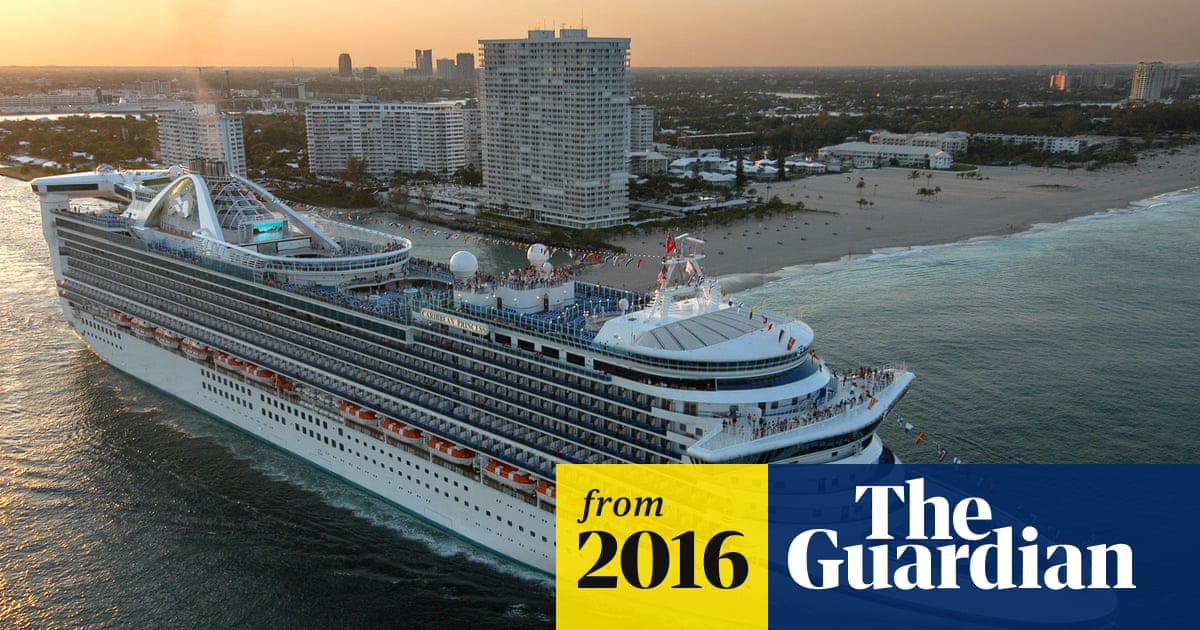
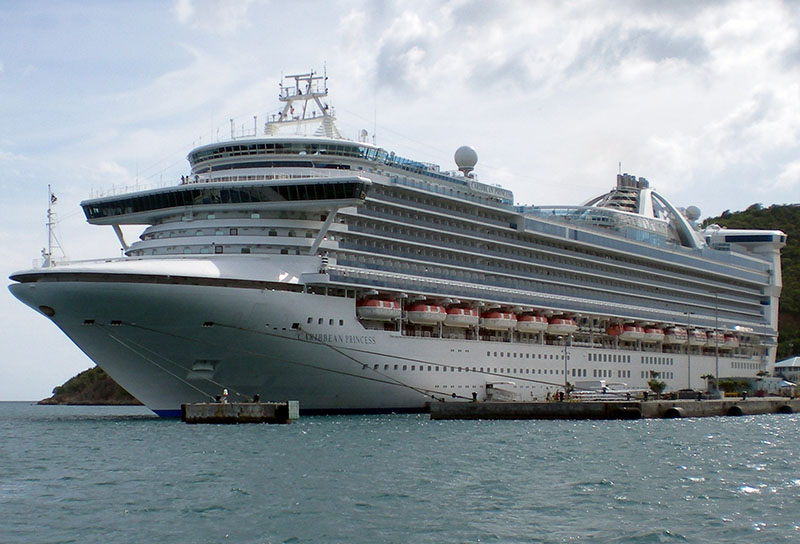
The 2017 Probation Mandate: Consequences of the Princess Cruises ‘Magic Pipe’ Conviction On August 23, 2013, the *Caribbean Princess* was navigating waters twenty-three miles off the coast of England. deck, senior engineering officers executed a maneuver that would eventually cost Carnival Corporation forty million dollars and subject its entire fleet to intrusive federal oversight. They activated a “magic pipe.” This bypass equipment allowed the crew to discharge oily waste directly into the ocean. It circumvented the ship’s Oily Water Separator and the Oil Content Monitor. These devices are legally required to filter bilge water before it enters the marine ecosystem. The crew discharged 4, 227 gallons of oil-contaminated waste in a single event. This act was not an error. It was a calculated operational choice designed to save money and time. The mechanics of the violation were crude yet. The “magic pipe” consisted of a removable segment that connected the bilge system directly to the overboard discharge valve. By installing this pipe, engineers could flush the grey, sludge-filled water out of the ship without leaving a digital trace in the Oil Content Monitor. To further conceal the crime, the engineering team ran clean seawater through the monitor while the dirty discharge occurred. This created a false digital record that showed the ship was complying with international maritime laws. The ship’s Oil Record Book, a mandatory log for all vessel discharges, was then falsified to match the fabricated data. This specific incident came to light only because a newly hired engineer refused to participate in the deception. He took photographs of the magic pipe in place and resigned his position when the ship reached Southampton, England. He handed the evidence to the United Kingdom’s Maritime and Coastguard Agency. The British authorities immediately notified the United States Coast Guard. When the *Caribbean Princess* arrived in New York on September 14, 2013, federal investigators were waiting. The subsequent investigation revealed a culture of deception that extended far beyond a single rogue vessel. The Department of Justice found that the *Caribbean Princess* had been making illegal discharges since 2005. This meant the ship had been polluting the oceans for eight years before it was caught. Investigators also discovered illegal practices on four other Princess ships: the *Star Princess*, *Grand Princess*, *Coral Princess*, and *Golden Princess*. On these vessels, crew members used different methods to trick the sensors. One common technique involved opening a saltwater valve to dilute the bilge waste during processing. This prevented the Oil Content Monitor from sounding an alarm. The motivation was purely economic. Senior engineers believed that properly offloading the waste in port was too expensive and would anger shore-side superintendents. In December 2016, Princess Cruise Lines pleaded guilty to seven felony charges. These included conspiracy, obstruction of justice, and violating the Act to Prevent Pollution from Ships. The Department of Justice announced the penalty on December 1, 2016. Princess Cruise Lines was ordered to pay a forty million dollar criminal penalty. This remains the largest fine ever imposed for deliberate vessel pollution. Of this amount, ten million dollars was earmarked for community service projects to benefit the maritime environment, with three million dollars going to South Florida and one million dollars to United Kingdom waters. The financial penalty was only the beginning. The true weight of the sentence lay in the probation terms imposed by U. S. District Judge Patricia A. Seitz. The judge did not view this as a simple regulatory infraction. She saw it as a widespread failure of corporate culture. Consequently, she ordered a five-year term of probation that began in April 2017. The scope of this probation was. It did not apply solely to Princess Cruise Lines. It covered all nine brands operating under the Carnival Corporation umbrella that traded in U. S. ports. This included Carnival Cruise Line, Holland America Line, Seabourn, and AIDA Cruises. The central pillar of the probation was the Environmental Compliance Plan. This court-mandated program required Carnival Corporation to overhaul its entire method to environmental safety. The plan dictated that every ship in the fleet must undergo independent audits by an outside entity. These audits were designed to be rigorous and unannounced. They aimed to catch violations that internal checks might miss or ignore. The plan also required the appointment of a Court Appointed Monitor. This monitor answered directly to Judge Seitz and had broad authority to inspect ships, interview crew members, and review internal documents. Judge Seitz made her expectations clear. The probation was not a passive waiting period. It was an active restructuring of the company’s operations. The Environmental Compliance Plan required Carnival to restructure its corporate governance to ensure that environmental compliance was a priority at the board level. It mandated improved training for all crew members, specifically focusing on the legal requirements for waste disposal. The company had to install new equipment on its ships to prevent the bypass methods used in the past. This included upgrading Oily Water Separators and installing “White Boxes,” which are tamper-resistant monitoring systems that record all discharges. The mandate also attacked the culture of silence that allowed the “magic pipe” to exist for so long. The court ordered Carnival to establish a strong whistleblower program. Crew members needed a safe channel to report violations without fear of retaliation. The investigation into the *Caribbean Princess* had shown that senior officers actively intimidated subordinates. They instructed crew members to lie to Coast Guard inspectors. They even held up signs during meetings indicating that the room was bugged to prevent open discussion of the illegal dumping. The new probation terms sought to this hierarchy of fear. The Department of Justice emphasized that the probation was necessary because Carnival Corporation had a documented history of environmental violations. This was not the company’s run-in with the law. In 2002, Carnival Corporation pleaded guilty to falsifying records to conceal oil dumping and paid an eighteen million dollar fine. The 2017 mandate was an acknowledgment that previous penalties had failed to change the company’s behavior. The government argued that a simple fine was just a cost of doing business for a multi-billion dollar corporation. The intrusive nature of the Court Appointed Monitor was the only way to ensure compliance. The specifics of the Environmental Compliance Plan were granular. It required the company to track waste streams with precision. Every gallon of bilge water, grey water, and sewage had to be accounted for. The monitor’s team included former Coast Guard officers and maritime engineers who knew exactly where to look for hidden pipes and falsified logs. They were granted access to the ships’ computers and could analyze digital data to find discrepancies between the recorded position of the ship and the time of the discharge. The probation also placed a heavy load on Carnival’s executive leadership. Judge Seitz demanded accountability from the top. She required senior executives to personally attend court hearings. She wanted to ensure that the message of compliance was not lost in middle management. The judge threatened that if the company failed to comply with the terms of the probation, she could revoke the agreement and impose even harsher penalties. She explicitly stated that she would consider barring Carnival ships from U. S. ports if the violations continued. This threat posed an existential risk to the company’s business model, as the North American market is its most profitable sector. The 2017 mandate stripped Carnival Corporation of its operational autonomy regarding environmental matters. For five years, the company would operate under the microscope of the federal government. Every decision regarding waste management would be second-guessed. Every logbook entry would be scrutinized. The “magic pipe” on the *Caribbean Princess* had triggered a chain reaction that exposed the entire corporation to federal control. The forty million dollar fine was a significant sum, yet the operational costs of the Environmental Compliance Plan and the independent audits would likely exceed that amount over the five-year period. This legal framework set the stage for the conflicts that would emerge between 2017 and 2022. The probation was designed to force a cultural change within Carnival Corporation. The court expected the company to embrace the new regulations and work cooperatively with the monitor. The reality proved to be far more contentious. The imposition of the monitor created immediate friction. Carnival’s internal teams struggled to adapt to the new reporting requirements. The monitor’s reports would soon reveal that the “magic pipe” was a symptom of a deeply ingrained resistance to environmental laws. The 2017 mandate was not the end of the legal battle. It was the opening salvo of a five-year war between a federal judge determined to protect the oceans and a corporation struggling to clean up its act. The conviction of Princess Cruise Lines shattered the industry’s facade of self-regulation. It proved that major cruise lines could not be trusted to police themselves. The “magic pipe” was a symbol of the industry’s willingness to prioritize profit over the planet. The 2017 probation mandate was the government’s attempt to force a correction. It was a test of whether a massive, multinational corporation could be reformed through judicial oversight. The subsequent years would reveal the difficulty of that task. The violations did not stop. The culture did not change overnight. The probation period would be marked by repeated failures, new violations, and a growing frustration from the court. The “magic pipe” incident was the catalyst, yet the true story of the probation is one of persistent non-compliance in the face of federal authority.The 2017 Probation Mandate: Consequences of the Princess Cruises 'Magic Pipe' Conviction
Subverting Oversight: The Deployment of 'Undisclosed Teams' to Pre-Clean Vessels Before Audits
SECTION 2 of 14: Subverting Oversight: The Deployment of ‘Undisclosed Teams’ to Pre-Clean Vessels Before Audits The 2017 probation agreement was designed to force transparency upon a corporation that had spent decades operating in the shadows. Under the terms of the settlement, Carnival Corporation was required to submit to independent audits by a Court Appointed Monitor (CAM). These inspections were intended to be unvarnished assessments of the company’s environmental compliance. Yet, almost immediately, Carnival executives devised a method to manipulate the data before the auditors could see it. They deployed “undisclosed teams”—specialized internal strike forces sent to vessels days before scheduled independent inspections—to sanitize the ships and hide evidence of non-compliance. This practice, referred to in internal documents as “visit preparation,” was not a benign effort to improve standards. It was a calculated attempt to subvert the judicial oversight method. These teams would board a vessel, identify violations—such as illegal bypass equipment, falsified logs, or improper waste segregation—and “scrub” the ship clean. By the time the court-mandated auditors arrived, the vessel presented a facade of compliance that bore little resemblance to its daily operations. The CAM’s function was to evaluate the company’s culture and adherence to the law; the visit preparation teams ensured the monitor saw only a rehearsed performance. The existence of these teams was discovered by the CAM in December 2017. The monitor realized that the conditions on ships subjected to “visit preparation” were drastically different from those inspected on short notice. When this gap was brought to the attention of U. S. District Judge Patricia Seitz, she issued a direct order for the practice to cease. The court recognized that pre-cleaning vessels defeated the purpose of the probation, which was to identify root causes of pollution, not to hide them. Carnival’s response to the court’s order was defiance masked as bureaucracy. Rather than the teams, the corporation simply rebranded them. Internal emails between Holland America Line and Princess Cruises executives revealed that even with knowing the Department of Justice (DOJ) had prohibited “Pre-TPA audit ship visits,” the companies continued the practice under the name “Environmental Excellence Program Visits.” This rebranding allowed them to maintain the same operational objective: preventing the CAM from finding violations. This specific act of deception was later by federal prosecutors as a primary reason for seeking to revoke Carnival’s probation in 2019. The scope of this subversion became clear during the 2019 court hearings. Prosecutors presented evidence that these teams were not rogue actors part of a widespread strategy to avoid “adverse findings.” On the *Carnival Elation*, for instance, the CAM eventually discovered that food waste chutes were clogged with plastic straws, aluminum wrappers, and other non-food items—a direct violation of MARPOL Annex V. The visit preparation teams had failed to catch this specific infraction, or perhaps they had simply missed it in their rush to sanitize other areas. The presence of plastic in the food waste stream was not an oversight; it was a symptom of a crew culture that prioritized speed over legality, a culture the undisclosed teams were helping to conceal. Judge Seitz’s reaction to the continued use of these teams was explosive. In a status conference, she threatened to block Carnival Corporation’s ships from docking at U. S. ports—a move that would have crippled the company’s revenue. She also expressed a desire to see individual executives held accountable, stating, “The concern I have is that senior management has no skin in the game.” She suggested that a “visit to the detention center for a couple of days” might help executives focus on reality. The judge’s fury stemmed from the realization that the corporation was treating the probation not as a mandate for reform, as a legal obstacle to be outmaneuvered. The deception was quantified in the CAM’s reports. In the year of probation alone, the monitor identified hundreds of violations that the visit preparation teams had either missed or covered up. The between the “prepared” ships and the reality of the fleet’s operations exposed the company’s unwillingness to accept the fundamental premise of the plea agreement: that they needed to change. By sending these teams, Carnival was saying that they preferred to spend resources hiding problems rather than fixing the widespread problem that caused them. In June 2019, Carnival Corporation formally admitted to six violations of its probation. Two of these specifically related to the interference with court supervision by sending undisclosed teams to ships. The company acknowledged that it had falsified compliance documents and failed to give sufficient authority to its environmental officers. As part of the settlement, Carnival agreed to pay a $20 million criminal penalty—a sum that Judge Seitz characterized as a “drop in the bucket” for a company of its size. The settlement also imposed stricter oversight terms, requiring the company to restructure its corporate compliance efforts and forcing the CEO to personally accept responsibility for the violations. The deployment of these undisclosed teams remains one of the most damning chapters in Carnival’s probation saga. It demonstrated that the “Magic Pipe” conviction in 2016 had not altered the company’s deceptive instincts. Faced with a federal mandate to open their books and their bilges to inspection, Carnival’s leadership chose instead to sanitize the crime scene. This behavior confirmed that the environmental crimes were not the result of negligent engineers, the product of a corporate directive to prioritize appearances over legal and environmental obligations.
Key Evidence of Subversion (2017-2019)
Action
Details
Judicial Response
Visit Preparation Teams
Undisclosed teams sent to “scrub” ships days before CAM audits.
Judge Seitz ordered immediate cessation in Dec 2017.
Rebranding
Renamed teams to “Environmental Excellence Program” to bypass order.
as a “deliberate deception” by DOJ in 2019 filings.
Internal Comms
Emails between HAL and Princess confirming knowledge of prohibition.
Used as evidence of “bad faith” and contempt of court.
Outcome
Guilty plea to 6 probation violations; $20 million fine.
Judge threatened to ban ships from U. S. ports.
The persistence of these teams even after a direct court order showed a arrogance within the corporate hierarchy. It suggested that executives believed they could outsmart the federal government and that the probation was a temporary nuisance rather than a binding legal judgment. This mindset set the stage for the subsequent violations that would plague the company throughout the remainder of its probationary period.
Subverting Oversight: The Deployment of 'Undisclosed Teams' to Pre-Clean Vessels Before Audits
The 2019 Guilty Plea: Admitting to Six Counts of Environmental Probation Violations
The June 2019 Courtroom Confrontation
On June 3, 2019, the federal courthouse in Miami became the stage for an extraordinary corporate reckoning. Carnival Corporation, the world’s largest cruise operator, stood before Senior U. S. District Judge Patricia Seitz not as a defendant, as a recidivist offender. The company was already serving a five-year probation term stemming from the 2016 conviction for the Princess Cruises “magic pipe” scandal. Yet, less than two years into that supervision, federal prosecutors brought the corporation back to answer for new crimes. The atmosphere in the courtroom differed sharply from typical corporate plea hearings where lawyers speak on behalf of absent executives. Judge Seitz had previously expressed deep frustration with Carnival’s leadership, stating in an April 2019 hearing that the company’s executives were treating the probation violations “as a gnat.” To ensure the of the situation registered with the decision-makers, she ordered the personal appearance of the company’s highest-ranking officials. Carnival Corporation CEO Arnold Donald, Chairman Micky Arison, and other members of the executive committee sat in the courtroom, stripped of the usual corporate buffers. Judge Seitz had raised the significantly in the months leading up to this hearing. She openly threatened to block Carnival’s ships from docking at U. S. ports, a move that would have crippled the company’s revenue and stranded thousands of passengers. This ultimatum forced the company to negotiate a settlement rather than risk a total operational shutdown. The result was a guilty plea to six specific counts of violating the terms of their probation.
The Six Counts of Violation
Standing before the court, CEO Arnold Donald formally entered the guilty plea. He repeated the phrase “The company pleads guilty” six times, once for each count. These admissions dismantled any remaining defense that the violations were incidents or the result of rogue employees. The counts painted a picture of a corporation that had systematically attempted to undermine the court-mandated oversight. The and most significant admission involved the “visit prep” teams. Carnival acknowledged that it had sent undisclosed teams to ships ahead of court-appointed monitor inspections. These teams worked to correct non-compliance problem before the auditors arrived, sanitizing the vessels to create a false impression of adherence to environmental laws. This practice directly interfered with the court’s ability to assess the true state of the company’s environmental culture. The company admitted this was a deliberate effort to avoid the discovery of violations, a tactic that subverted the very purpose of the probation. The second count addressed the falsification of records. The company admitted that crew members on two ships had falsified environmental training records. This violation struck at the core of the 2017 Environmental Compliance Plan (ECP), which relied heavily on retraining crews to prioritize legal waste disposal. By forging these records, the company allowed untrained or non-compliant staff to continue operating serious environmental equipment, perpetuating the risk of illegal discharges.
Pollution in the Bahamas
The third count involved a direct environmental crime committed while under supervision. Carnival admitted to knowingly discharging plastic mixed with food waste into Bahamian waters. This violation occurred aboard the Carnival Elation. An auditor discovered that food waste bins, for discharge at sea, were contaminated with plastic straws, plastic wrap, aluminum butter wrappers, and wooden stir sticks. Under international maritime law (MARPOL), the discharge of plastics into the ocean is strictly prohibited. The presence of these non-biodegradable materials in the food waste stream indicated a failure in the segregation processes the company had promised to implement. The admission revealed that even with the 2016 conviction, the operational culture on board still prioritized convenience or speed over the strict segregation of waste streams. The discharge of plastics poses severe threats to marine life, and the location of the dumping, the waters of the Bahamas, added a diplomatic dimension to the offense.
Bureaucratic Manipulation and Back-Channels
The remaining counts exposed Carnival’s attempts to manipulate the regulatory framework to its advantage. The company pleaded guilty to contacting the U. S. Coast Guard through back channels to redefine the term “major non-conformity.” The probation terms required Carnival to report all major non-conformities to the Court Appointed Monitor (CAM). By attempting to lobby the Coast Guard to downgrade the severity of certain violations, the company sought to avoid these reporting requirements. This maneuver demonstrated a corporate strategy focused on managing liability rather than fixing the underlying compliance problem. The company also admitted to failing to establish a senior corporate officer with sufficient authority to implement the environmental compliance plan. The 2017 agreement mandated the creation of a Chief Compliance Officer role. Yet, the court found that the company had not vested this position with the necessary independence or resources to effect real change. This failure ensured that environmental concerns remained improved by operational demands, a structural flaw that Judge Seitz identified as a root cause of the recidivism. also, Carnival admitted to a semantic game regarding the definition of “audits.” The company had conducted internal inspections refused to classify them as audits, so arguing they did not need to be disclosed to the monitor. This legalistic hair-splitting allowed the company to hide negative findings from the court, further obstructing the oversight process.
The $20 Million Penalty and New Terms
The plea agreement included a $20 million criminal penalty. While this sum was half of the $40 million fine imposed in 2016, it came with far stricter non-monetary conditions. The court recognized that financial penalties alone were insufficient to change the behavior of a multi-billion dollar corporation. Consequently, the new terms focused on personal accountability for the leadership. The settlement required Carnival to restructure its corporate compliance efforts. The company agreed to appoint a new Chief Compliance Officer with direct reporting lines to the Board of Directors, bypassing the operational management hierarchy that had previously stifled environmental priorities. Also, the agreement mandated that the CEO and the Board of Directors personally certify the company’s compliance status in future filings. This provision removed the ability of top executives to claim ignorance of operational failures, placing their personal reputations and chance legal liability on the line. Judge Seitz also imposed a deadline for the company to reduce the use of single-use plastics across its entire fleet. This requirement directly addressed the Carnival Elation incident and forced the company to modernize its supply chain and waste management systems. The judge made it clear that failure to meet these new deadlines would result in escalating daily fines, ranging from $1 million to $10 million per day.
Judicial Admonishment
During the hearing, Judge Seitz did not mince words. She addressed the assembled executives directly, challenging their commitment to change. “The proof be in the pudding, won’t it?” she remarked, emphasizing that pledge were no longer sufficient. She reminded the leadership of the fundamental nature of their business: “If you all did not have the environment, you would have nothing to sell.” This statement cut through the corporate defense that viewed environmental regulations as administrative load. Seitz positioned environmental stewardship as an existential need for the cruise industry. Her commentary reflected a judicial loss of patience with a defendant that appeared to view federal probation as a negotiation rather than a punishment. Assistant Attorney General Jeffrey Bossert Clark, representing the Justice Department’s Environment and Natural Resources Division, reinforced the severity of the deception. He stated, “Carnival sought to avoid the discovery of problems during the audits rather than learn from them. Carnival’s deliberate deception undermined the court’s supervision of probation.” This characterization of “deliberate deception” marked a turning point in the government’s method, moving from treating Carnival as a negligent polluter to viewing it as an active obstructionist.
The Aftermath of the Plea
The June 2019 guilty plea stripped away the veneer of progress Carnival had attempted to project since 2017. It confirmed that the “Magic Pipe” conviction had not immediately transformed the company’s culture. Instead, the corporation had spent the two years of its probation fighting the monitor, hiding evidence, and continuing to pollute. The admission of guilt regarding the “visit prep” teams was particularly damaging to the company’s credibility. It validated the Court Appointed Monitor’s earlier reports, which had been met with denials and legal pushback from Carnival’s attorneys. The plea established as legal fact that the company had deployed resources to deceive the court, a that would color all future interactions between the monitor and the cruise line. The $20 million fine was paid within seven days, the reputational cost. The plea agreement became a matter of public record, detailing the specific ways in which the world’s largest cruise company had failed to protect the oceans it traversed. It set the stage for the final years of probation, where the scrutiny would intensify, and the tolerance for error would evaporate. The executives left the courtroom with their ships still sailing, with the knowledge that the court’s threat to close U. S. ports remained a viable option if the deception continued.
The 2019 Guilty Plea: Admitting to Six Counts of Environmental Probation Violations
Holland America's Westerdam: Illegal Gray Water Discharge in Glacier Bay National Park 2018
The September 2018 incident aboard the *Westerdam* serves as a definitive case study in the failure of Carnival Corporation’s environmental probation. Even with the company under a strict, court-mandated Environmental Compliance Plan (ECP) following the 2016 *Princess Cruises* conviction, the *Westerdam* illegally discharged approximately 26, 000 gallons of untreated gray water directly into Glacier Bay National Park. This event was not an operational error a violation of federal law in one of the most protected marine sanctuaries on Earth.
The Incident: Illegal Discharge in a Zero-Discharge Zone
On September 11, 2018, the *Westerdam* was navigating the pristine waters of Glacier Bay, a federally protected biosphere reserve where discharge regulations are absolute. Cruise ships operating in this zone are subject to a “zero discharge” policy, meaning no wastewater, treated or untreated, may be released. According to court filings and the State of Alaska’s Notice of Violation, a crew member on the *Westerdam* mistakenly opened a valve for discharge, believing it controlled a different system. This error remained for approximately 25 minutes. During this window, the vessel pumped a massive volume of gray water, wastewater from sinks, showers, galleys, and laundry facilities, directly into the park’s waters. The environmental impact of gray water is frequently underestimated compared to black water (sewage). Gray water contains high concentrations of nutrients, detergents, solids, and bacteria that can disrupt fragile marine ecosystems. In the nutrient-sensitive waters of Glacier Bay, such a large- release poses a serious threat to local biodiversity.
widespread Failures and Reporting Delays
The severity of the *Westerdam* incident was compounded by the crew’s response. Under the terms of Carnival’s probation, any discharge violation must be reported immediately to both state authorities and the Court Appointed Monitor (CAM). The *Westerdam* crew failed to notify the United States Coast Guard immediately, a delay that directly contravened the reporting established by the ECP. This failure to report was not an lapse in judgment. It reflected a broader culture of non-compliance that the court-appointed monitor had been tasked with. The delay in reporting suggested that the internal method designed to ensure transparency were either malfunctioning or being willfully ignored by shipboard leadership.
Concurrent Falsification of Records
The investigation into the *Westerdam* revealed further evidence of deceptive practices. In the same month as the gray water discharge, September 2018, it was discovered that a Second Engineer on the *Westerdam* had falsified maintenance records related to the ship’s Oil Content Monitoring (OCM) system. The OCM is a serious piece of pollution prevention equipment designed to ensure that bilge water discharged overboard does not exceed the legal limit of 15 parts per million of oil. Falsifying records for this equipment is a hallmark of the “magic pipe” culture that led to the original 2016 conviction. The fact that such falsification occurred on the *Westerdam*, while the company was under intense scrutiny and probation, demonstrated that the root causes of environmental misconduct had not been eradicated.
Regulatory Consequences and Fines
The State of Alaska issued a fine of $17, 653 for the illegal discharge. The National Park Service levied an additional, largely symbolic fine of $250. These amounts were criticized by environmental groups as negligible for a corporation with billions in annual revenue. yet, the true cost of the *Westerdam* incident was its role in the 2019 probation revocation proceedings. Federal prosecutors the discharge and the subsequent reporting failures as clear evidence that Carnival Corporation was violating the terms of its probation. The incident became a key component of the government’s argument that the company’s senior management had failed to implement necessary cultural changes.
Westerdam Incident Overview: September 2018
Detail
Specifics
Date
September 11, 2018
Location
Glacier Bay National Park & Preserve (Zero Discharge Zone)
Discharge Volume
~26, 000 Gallons (Untreated Gray Water)
Duration
~25 Minutes
Cause
Crew member opened incorrect valve; failure of oversight
Reporting Failure
Delayed notification to U. S. Coast Guard
Related Violation
Falsification of Oil Content Monitor records by Second Engineer (Sept 2018)
The *Westerdam* debacle showed that the “environmental compliance” touted by corporate executives was not reaching the engine rooms of their fleet. The simultaneous occurrence of illegal dumping and record falsification on a single vessel, two years into a five-year probation, provided irrefutable proof that the company’s internal compliance program was deeply flawed.
Marine Pollution in the Bahamas: The Carnival Elation's Unrecorded Plastic Waste Discharges
The December 2018 Discovery: A widespread Failure on the Carnival Elation
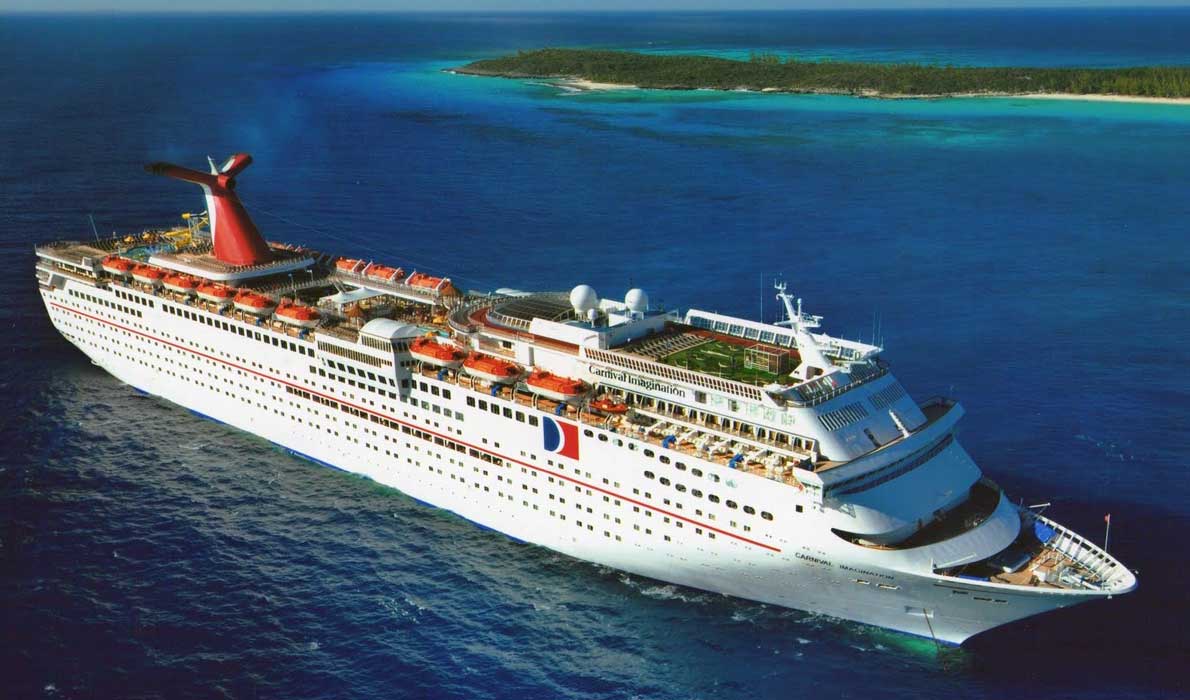
In the final weeks of 2018, while Carnival Corporation operated under the strict supervision of a court-mandated Environmental Compliance Plan (ECP), an auditor aboard the Carnival Elation uncovered a violation that exposed the company’s persistent disregard for international marine pollution laws. On December 16, 2018, the Court Appointed Monitor (CAM) inspection team observed a disturbing practice within the vessel’s waste management operations. The audit revealed that food waste chutes, designed exclusively for the disposal of organic matter, were being used to discharge non-biodegradable plastics directly into the ocean. This discovery was not an accident evidence of a breakdown in the segregation required by MARPOL Annex V and the terms of the company’s probation.
The specific findings on the Carnival Elation were graphic and indisputable. Auditors documented food waste containers that were heavily contaminated with plastic items. The inventory of prohibited materials mixed with the organic waste included plastic straws, plastic wrap, aluminum butter wrappers, wooden stir sticks, and other non-comminuted refuse. Under maritime law, the discharge of any plastic into the sea is strictly prohibited. The presence of these materials in the food waste stream meant that when the crew activated the pulpers and opened the chutes, they were knowingly firing a slurry of plastic debris into the Bahamian marine ecosystem.
The severity of this incident was magnified by the crew’s awareness of the contamination. The CAM report noted that the onboard Environmental Officer was informed that plastic and other non-food items were mixed with the vessel’s food waste. Even with this direct notification, the officer failed to take remedial action. The contaminated waste was processed through the ship’s pulpers and discharged overboard. This sequence of events demonstrated a chain of command that prioritized operational speed over environmental compliance, a cultural flaw that the 2017 probation was explicitly designed to eradicate.
The method of Pollution: Subverting the Food Waste Chutes
To understand the mechanics of this violation, one must examine the ship’s waste processing infrastructure. Cruise ships generate massive quantities of food waste, which is ground into a slurry by pulpers and discharged via underwater chutes when the vessel is outside prohibited zones. The International Convention for the Prevention of Pollution from Ships (MARPOL) mandates that this discharge must be free of plastics and other synthetic materials. The Carnival Elation incident revealed that the segregation process, the physical separation of plastic wrappers, caps, and utensils from leftover food, had failed completely.
The contamination observed by the auditors was not microscopic. It involved tangible, visible debris that crew members manually handled. The presence of aluminum butter wrappers and plastic straws indicates that waste was being scraped directly from plates or preparation stations into the food waste bins without any effort to remove non-organic packaging. Once this mixed waste entered the pulping system, the macerated the food the plastic, creating a confetti of synthetic pollutants that is nearly impossible to recover once ejected into the ocean.
This method of disposal turned the Carnival Elation into a moving source of microplastic pollution. The plastic, suspended in a plume of food waste, would attract marine life feeding on the organic matter, leading to the direct ingestion of synthetic particles by fish and other sea creatures. The location of these discharges, the pristine waters of the Bahamas, added a of ecological recklessness to the legal violation. The Bahamas relies heavily on the health of its marine environment for tourism and fishing, sectors that Carnival Corporation claims to support.
Falsification of Records: The “Unrecorded” Aspect
A central pillar of maritime environmental compliance is the accurate maintenance of the Garbage Record Book (GRB). Every discharge into the sea must be logged, detailing the position of the ship, the type of waste, and the volume. The Carnival Elation incident involved a “double” violation: the illegal discharge itself and the subsequent failure to record it accurately. The crew did not log the discharge of plastics because admitting to such an act would be an immediate confession of a crime. Instead, the records reflected a compliant discharge of food waste, creating a falsified history that concealed the plastic pollution.
The falsification of the GRB is a felony under U. S. law and a direct violation of the probation terms set by Judge Patricia Seitz. The 2017 conviction of Princess Cruises, which led to the probation, was rooted in the “Magic Pipe” scandal where crew members used bypass equipment to dump oil and then lied about it in the Oil Record Book. The Carnival Elation incident proved that the culture of deception had migrated from the engine room to the galley. The crew’s willingness to omit the plastic discharge from the official logs suggested that the fear of reporting non-compliance outweighed the fear of committing an environmental crime.
The Court Appointed Monitor’s role was to act as the eyes and ears of the court, and the discovery of this gap shattered the company’s claims of reform. When the auditors compared the physical evidence of plastic-laden bins with the pristine entries in the Garbage Record Book, the gap between reality and documentation became undeniable. This was not a clerical error; it was a deliberate omission designed to present a facade of compliance while the ship continued to pollute.
The Half Moon Cay Incident and Broader Bahamian Negligence
The negligence observed on the Carnival Elation was corroborated by other incidents in the Bahamas during the same period. The CAM reports detailed a separate event at Half Moon Cay, a private island destination used by Carnival. While anchored within the Bahamian archipelagic baseline, a plastic bin containing a plastic bag and non-comminuted food waste fell into the sea from a tender boat. The incident occurred because the waste was not properly secured to a pallet during transfer.
Although of the waste was recovered, approximately 15 pounds of food waste and associated debris were lost to the ocean. This incident, while smaller in volume than the widespread chute discharges, reinforced the pattern of carelessness regarding waste handling in Bahamian waters. The inability to secure basic waste containers during calm transfer operations pointed to a absence of rigorous training and supervision.
The cumulative effect of these discharges was significant. Court documents filed in 2019 indicated that Carnival Corporation ships had illegally dumped more than 500, 000 gallons of treated sewage and 11, 000 gallons of food waste mixed with plastics, aluminum, and other physical objects during the year of probation alone. A vast majority of this illegal dumping took place in the waters of the Bahamas. The Carnival Elation was not a rogue vessel; it was a participant in a fleet-wide failure to respect the territorial waters of a sovereign nation that hosted the company’s ships almost daily.
Judicial Fury: The June 2019 Hearing
The findings regarding the Carnival Elation and the unrecorded plastic discharges were central to the probation revocation hearing held in June 2019. U. S. District Judge Patricia Seitz, who presided over the case, expressed frustration with the company’s recidivism. The discovery that a ship under probation was still knowingly discharging plastic, a violation of the most basic environmental tenets, led Judge Seitz to threaten extraordinary measures, including blocking Carnival’s ships from docking at U. S. ports.
During the hearing, Judge Seitz addressed Carnival Corporation’s leadership directly. She noted that the company’s business model depended entirely on the beauty of the oceans, stating, “If you all did not have the environment, you would have nothing to sell.” The judge’s anger was fueled by the fact that the Carnival Elation incident involved “knowing” misconduct. It was not a mechanical failure a human decision to bypass the rules.
The Department of Justice prosecutors characterized the Carnival Elation discharge as “one of the most significant violations of probation.” They argued that it exemplified a “widespread problem” identified by external audits: the failure to segregate plastic and non-food garbage from waste thrown overboard. The government’s position was that Carnival had failed to implement the necessary cultural changes to stop its crews from treating the ocean as a dumpster.
The Guilty Plea and the $20 Million Penalty
Faced with the undeniable evidence from the Carnival Elation and other vessels, Carnival Corporation had no choice to admit guilt. On June 3, 2019, the company pleaded guilty to six counts of violating its probation. One of these specific counts was the “deliberate discharge of plastic in Bahamian waters from the Carnival Elation and failure to accurately record the illegal discharges.”
This admission resulted in a $20 million criminal penalty, separate from the original $40 million fine imposed in 2017. The settlement also imposed new, stricter requirements on the company, including a restructuring of its corporate compliance efforts and a reduction in single-use plastics across the fleet. The Carnival Elation incident served as the catalyst for these harsher terms. It proved that the initial probation terms were insufficient to curb the company’s polluting habits.
The legacy of the Carnival Elation‘s plastic discharge is a permanent stain on the company’s environmental record. It demonstrated that even under the threat of felony convictions and federal monitoring, the operational priority remained the expedient disposal of waste rather than the protection of the marine environment. The plastic straws and wrappers ejected from the Elation‘s chutes in 2018 stand as physical evidence of a corporate culture that required the threat of a fleet-wide ban to take compliance seriously.
Systemic Deception: Falsification of Environmental Training Records Across the Fleet
The 2017 probation agreement imposed on Carnival Corporation was not a financial penalty; it was a mandate for behavioral reconstruction. Central to this court-ordered rehabilitation was the requirement for rigorous, verified environmental training for every crew member across the corporation’s nine cruise lines. The Department of Justice (DOJ) and the Court recognized that the “Magic Pipe” violations were born from a culture where engineers bypassed pollution prevention equipment because they either did not understand it or viewed it as an impediment to operational speed. Therefore, the Environmental Compliance Plan (ECP) demanded that Carnival prove its workforce was competent, aware, and capable of operating complex like Oil Water Separators (OWS) and “White Box” monitoring systems legally. Carnival’s response to this mandate, yet, was not a surge in educational rigor, a retreat into widespread documentation fraud. Between 2017 and 2019, while the corporation publicly touted its commitment to “environmental excellence,” its ships were generating thousands of fraudulent training records. This deception was not the work of, rogue junior sailors. It was facilitated, and directly executed, by the very officers appointed to enforce compliance. The falsification of these records represented a total subversion of the probation’s intent: rather than teaching crew members how to protect the ocean, shipboard leadership taught them how to falsify the proof that they had done so. The most egregious examples of this fraud surfaced aboard the *Diamond Princess*. In June 2017, mere months after the corporation stood in federal court and promised to reform, the ship’s Environmental Officer—a position specifically created to serve as the onboard conscience of the vessel—engaged in mass falsification. Court filings reveal that this officer recorded that the ship’s Captain, Staff Captain, and eight other senior crew members had completed the ECP-required training. In reality, no such training had occurred. These were the highest-ranking officers on the vessel, the individuals legally responsible for the ship’s operation, yet the records certifying their competency were complete fabrications. The deception on the *Diamond Princess* extended far beyond the command. The same Environmental Officer falsified the training records for 172 lower-ranking crew members. These records indicated that the crew had attended specific environmental training sessions on dates that differed from reality, or for sessions that never took place at all. This was not a clerical error; it was a deliberate manufacturing of compliance data designed to satisfy the metrics of the Environmental Compliance Plan without the load of actual instruction. The ship’s leadership chose to “pencil-whip” the requirements—a slang term for approving paperwork without performing the work—rather than ensure the crew understood the strict laws governing waste discharge. This pattern of deceit was not limited to a single vessel or brand. Approximately one month after the *Diamond Princess* incident, a similar scheme was uncovered aboard the *Costa Luminosa*, a ship belonging to Carnival’s Italian subsidiary, Costa Cruises. Here too, the Environmental Officer was found to have falsified training records. The recurrence of this specific violation across different brands and regions signaled a fleet-wide pathology. It suggested that the pressure from corporate headquarters to report “green” status and 100% compliance rates was so intense that shipboard officers felt compelled to fabricate data rather than report training gaps. The system rewarded the appearance of compliance over the reality of competence. The Court Appointed Monitor (CAM) exposed the danger of this paper-based compliance during ship inspections. When auditors stepped aboard Carnival vessels, they did not check the binders of certificates; they interviewed the engineers and crew. The results were disturbing. The Monitor’s reports detailed numerous interactions where crew members, who held valid certificates stating they were experts in the operation of the Oil Water Separator or the incineration systems, could not answer basic questions about how the worked. In one instance by the Monitor, officers responsible for the discharge of wastewater did not understand the function of the “White Box”—a tamper-proof surveillance device installed to prevent the very bypasses that led to the original conviction. even with their training logs showing perfect attendance and passing test scores, these officers absence the functional knowledge to operate the equipment legally. This gap between the records and reality meant that for two years, Carnival ships were likely continuing to discharge illegal waste, not necessarily out of malice, out of gross incompetence masked by fraudulent paperwork. The falsification of training records also extended to the handling of plastic waste. As detailed in previous sections, Carnival ships were frequently found discharging plastic mixed with food waste. The training records for the crew members handling these waste streams invariably showed that they had been instructed on the strict prohibition of plastic discharge. Yet, when interviewed by the Monitor after a violation, these same crew members frequently admitted they did not know the rules or had been instructed to ignore them to save time. The training certificates were worthless, serving only as a shield for the corporation to claim it had done its duty, while the actual practice of waste disposal remained unchanged. The motivation behind this widespread falsification lies in the corporate culture that prioritized speed and metric-based success over genuine operational change. Implementing a legitimate training program for thousands of crew members, with high turnover rates and language blocks, is a difficult, time-consuming, and expensive logistical challenge. It requires taking crew off duty, slowing down operations, and chance delaying ships if serious personnel are not certified. Falsifying the records offered a shortcut. It allowed the ships to appear compliant in the digital dashboards monitored by headquarters in Miami, while the crew continued to work uninterrupted and untrained. This behavior constituted a direct violation of the probation terms. In June 2019, when Carnival Corporation appeared before Judge Patricia Seitz to answer for its probation violations, the falsification of training records was one of the six specific counts to which the company pleaded guilty. The admission shattered the defense that the environmental violations were the result of “accidents” or “misunderstandings.” not accidentally forge the training records of a ship’s Captain. not accidentally invent dates for 172 crew members. These were intentional acts of deception. Judge Seitz’s reaction to these was one of frustration and severity. During the hearings, she noted that the company’s executives seemed to have “no skin in the game,” allowing shipboard officers to take the fall for a culture that corporate leadership failed to correct. The fact that the Environmental Officers—the very agents of the court’s mandated reform—were the ones committing the fraud was particularly damning. It proved that the rot had infected the compliance infrastructure itself. The “check-the-box” mentality had turned the Environmental Compliance Plan into a bureaucratic exercise rather than a rigid operational standard. The consequences of this training fraud were severe. An untrained crew operating heavy industrial at sea is a liability to the marine environment. Without genuine knowledge of the OWS, engineers are more likely to bypass the system when it malfunctions, believing they are “fixing” a problem rather than committing a crime. Without real training on waste segregation, lower-level crew members continue to throw plastics overboard, unaware of the long-term ecological damage. The falsified records blinded the corporation to its own risks, creating a feedback loop where headquarters believed the fleet was competent because the data said so, while the ships operated in a state of dangerous ignorance. The 2019 guilty plea and the subsequent $20 million fine were direct results of this deception. the financial penalty was secondary to the loss of credibility. The Monitor’s reports made it clear that Carnival’s internal auditing system was fundamentally broken. The internal auditors, who should have caught these discrepancies, either missed them or were complicit in the cover-up. It took the external, independent oversight of the Court Appointed Monitor to reveal that the fleet’s “compliance” was a paper tiger, constructed of forged signatures and imaginary seminars. This failure to train was not a victimless administrative error. It was the method that allowed pollution to continue. By certifying incompetent crew members as competent, Carnival Corporation ensured that the environmental crimes of the past would be repeated. The “Magic Pipe” was not just a physical bypass; the falsified training records were a “Magic Pen,” allowing the corporation to bypass the difficult work of reform and present a clean image to the court, while the reality deck remained dirty, dangerous, and illegal. The persistence of this fraud, two years into probation, demonstrated that the company viewed the court’s orders as obstacles to be navigated rather than laws to be obeyed.
Regulatory Interference: Unauthorized Back-Channel Communications to Redefine Compliance Terms
The integrity of the 2017 probation agreement hinged on a clear, non-negotiable definition of compliance. Yet, as court filings from 2019 reveal, Carnival Corporation engaged in a covert campaign to rewrite these terms behind the backs of federal prosecutors. Rather than adhering to the strict standards set by the Court Appointed Monitor (CAM), corporate executives attempted to use unauthorized back-channels to the U. S. Coast Guard (USCG) to dilute the definition of “major non-conformity.” This calculated maneuver was not a lapse in judgment a deliberate attempt to subvert the judicial oversight mandated by the Department of Justice (DOJ).
The Back-Channel Strategy
The Environmental Compliance Plan (ECP) imposed on Carnival required the company to report “major non-conformities”, a specific classification of failure that triggers immediate notification to the court and the probation office. These reports serve as the primary metric for the court to gauge whether the company is reforming its illegal practices. In late 2017 and early 2018, Carnival executives sought to narrow this definition. By redefining what constituted a “major” violation, the company could lower the number of reportable incidents, creating an illusion of progress while operational failures continued. When Carnival initially proposed this redefinition to the government, the response was unequivocal: the request was rejected. Federal prosecutors instructed Carnival that if they wished to modify the terms of the settlement, they were required to file a formal motion with the U. S. District Court, ensuring transparency and judicial review. Carnival ignored this instruction. Instead of arguing their case in open court, senior management initiated private, unauthorized communications with contacts at the U. S. Coast Guard. The objective was to persuade the regulatory agency to accept the diluted definition of “major non-conformity” administratively, so bypassing the DOJ and Judge Patricia Seitz entirely. This tactic aimed to fragment the oversight apparatus, pitting one regulator (USCG) against the court’s monitors.
Judicial Condemnation
The discovery of this back-channel lobbying incited a blistering response from the federal bench. Judge Patricia Seitz, presiding over the probation, characterized the behavior as indicative of a corporation that viewed its criminal sentence as a trivial nuisance rather than a binding legal mandate. During a status conference, she noted that the company’s executives appeared to be treating the court’s orders “as a gnat” to be swatted away. The of this interference lay in its intent. By attempting to secretly alter the compliance metrics, Carnival sought to strip the Court Appointed Monitor of the authority to accurately report on the fleet’s environmental status. Had the back-channel succeeded, the monitor would have been forced to evaluate the ships against a weakened standard, chance allowing serious environmental risks to go unreported.
Executive Complicity and the “Skin in the Game”
The back-channel incident was a primary factor in Judge Seitz’s threat to temporarily ban Carnival Corporation ships from docking at U. S. ports. She expressed frustration that the “people at the top” faced no personal consequences for these maneuvers, stating that senior management had “no skin in the game.” This observation was corroborated by the company’s internal documents, which showed that the push to redefine compliance terms was not the work of rogue low-level employees a strategy emanating from the corporate hierarchy. In response to this specific violation, the court forced the personal appearance of Carnival Corporation’s Chairman Micky Arison and CEO Arnold Donald at the June 2019 hearing. The demand for their physical presence was a direct rebuke of the back-channel strategy, signaling that the court would no longer tolerate surrogates or secret negotiations. The executives were compelled to stand in open court and admit that the company had “contacted the Coast Guard seeking to re-define the definition of what constitutes a major non-conformity… without going through the required process.”
The Failure of Corporate Culture
This episode revealed a deep-seated resistance to cultural change within the organization. A company truly committed to remediation would focus on meeting the high standards of the probation; Carnival, conversely, focused resources on lowering those standards to match its existing performance. The back-channel effort demonstrated that the corporation prioritized reputation management and administrative ease over the environmental protection goals of the settlement. The attempt to manipulate the USCG also highlighted a dangerous method to regulatory capture. By trying to use a relationship with a maritime safety agency to undermine a criminal probation order, Carnival displayed a willingness to exploit inter-agency seams. This behavior forced the DOJ to tighten the probation terms significantly in the 2019 plea agreement, explicitly forbidding such unauthorized communications and requiring that all future modifications to compliance terms be subjected to the full scrutiny of the court.
Timeline of Regulatory Interference Incidents
Date Range
Action
Target Agency
Objective
Late 2017
Initial Proposal Rejected
Dept. of Justice
Carnival proposes narrowing the definition of “major non-conformity.” DOJ rejects and orders a formal court motion if Carnival wishes to proceed.
Early 2018
Unauthorized Contact
U. S. Coast Guard
Carnival bypasses the court and DOJ, lobbying USCG directly to accept the redefined terms administratively.
Dec 2018
Monitor Discovery
Court Appointed Monitor
The monitor uncovers the back-channel communications and reports the interference to the court.
June 2019
Judicial Sanction
U. S. District Court
Carnival pleads guilty to violating probation terms by engaging in unauthorized communication to alter compliance definitions.
The 'Major Non-Conformity' Crisis: Court Monitor Identifies Over 800 Violations in Year One
The release of the Court Appointed Monitor’s (CAM) annual report in April 2019 shattered any illusion that Carnival Corporation’s 2017 probation had instilled immediate discipline within the maritime giant. Tasked with overseeing the company’s adherence to a court-mandated Environmental Compliance Plan (ECP), the monitor, Steven Solow, delivered a confidential 205-page assessment that U. S. District Judge Patricia Seitz later compelled into the public record. The findings were not a list of minor infractions a catalog of widespread negligence: between April 2017 and April 2018, the monitor documented over 800 specific incidents of non-compliance. These violations occurred during the very year of a probation period explicitly designed to reform the company’s culture following the *Princess Cruises* “magic pipe” scandal. The sheer volume of these incidents—averaging more than two per day across the fleet—revealed a corporation struggling to operationalize the basic tenets of environmental stewardship. While Carnival executives publicly characterized of these events as accidental or administrative, the monitor’s data painted a darker picture of a fleet operating with failing equipment, insufficient voyage planning, and a persistent disregard for international maritime boundaries. The report detailed the illegal discharge of more than 500, 000 gallons of treated sewage, gray water, oil, and food waste, alongside the burning of heavy fuel oil in protected regions where strict emissions caps apply. A central component of the emergency was the prevalence of “Major Non-Conformities” (MNCs), a specific regulatory classification indicating a breakdown in the safety management system that poses a serious threat to personnel or the environment. The monitor’s audit found that Carnival Corporation had attempted to unilaterally redefine what constituted an MNC, softening the metrics by which their compliance would be judged. This maneuver, conducted without court approval, obscured the severity of equipment failures. The report highlighted that a significant number of MNCs stemmed from the failure of pollution prevention equipment, such as Oil Content Meters (OCMs) and “white boxes”—devices serious for ensuring that bilge water is oil-free before discharge. The *Carnival Ecstasy* served as a prime example of this mechanical negligence. The vessel experienced multiple failures of its Exhaust Gas Cleaning Systems (scrubbers) in May, July, and October 2017. These scrubbers are legally required to reduce sulfur emissions when operating in Emission Control Areas (ECAs). When the equipment failed, the ship continued to burn heavy fuel oil in protected waters, violating air quality regulations. The monitor’s investigation revealed that these were not glitches the result of a maintenance culture where serious spare parts were frequently out of stock, and repair orders languished without follow-up. The *Ecstasy* incidents demonstrated a preference for maintaining itinerary schedules over environmental compliance, a prioritization that directly contravened the terms of probation. Voyage planning errors accounted for another significant tranche of the 800 violations. The monitor identified more than 55 incidents where ships discharged waste into prohibited waters simply because the officers and engineering teams did not know where they were relative to maritime boundaries. In June 2017, the *Carnival Elation* discharged approximately 1, 270 cubic meters of treated sewage and 22 cubic meters of food waste into Bahamian archipelagic waters. This discharge violated MARPOL regulations and the company’s own stated procedures. Similar incidents occurred aboard the *Carnival Conquest*, *Carnival Liberty*, *Carnival Magic*, and *Carnival Vista* during the same period. These were not mechanical failures human errors born of poor communication and a absence of rigorous training—deficiencies the ECP was specifically intended to correct. The report also exposed a disturbing absence of accountability regarding mandatory record-keeping. The Oil Record Book is the primary document used by regulators to verify proper waste disposal. The monitor found that on the *Carnival Breeze*, six entire Oil Record Books went missing. The ship’s explanation—that they may have been removed during a past audit and never returned—was insufficient for a document of such legal weight. Without these logs, verifying the legality of the ship’s discharges for the period in question became impossible. This “loss” of evidence echoed the very practices of concealment that led to the 2017 conviction, suggesting that the root causes of the *Princess* scandal remained unaddressed. Further the monitor’s findings was the discovery of plastic discharge, a strict strict liability offense under international law. The report detailed an incident where a court- auditor aboard the *Carnival Elation* witnessed plastic items mixed with food waste. even with the auditor informing the Environmental Officer of the contamination, the crew failed to segregate the waste, and the mixture was subsequently discharged overboard. This event directly contradicted Carnival’s public assertions of “zero tolerance” for plastic pollution and demonstrated a breakdown in the chain of command where warnings from compliance officials were ignored by operational staff. The monitor’s report also shed light on the company’s internal investigation processes, which were found to be fundamentally flawed. The CAM noted that Carnival’s internal inquiries into these incidents frequently sought to minimize corporate liability rather than identify root causes. The “undisclosed teams” mentioned in other sections of this review were part of this defensive posture, the CAM’s analysis focused on the *outcome* of this mindset: a failure to learn. By treating audits as inspections to be “passed” rather than opportunities to improve, the corporation allowed dangerous conditions to. The monitor explicitly stated that Carnival sought to avoid the discovery of problems during audits rather than learn from them, a damning indictment of the corporate culture. Judge Patricia Seitz’s reaction to the report was immediate and severe. In a series of hearings following the report’s release, she expressed frustration with the company’s absence of progress. “The concern I have is that senior management has no skin in the game,” she stated from the bench, signaling her belief that the $40 million fine imposed in 2017 had been insufficient to command the attention of the C-suite. She characterized the fine as a “drop in the bucket” for a corporation of Carnival’s size. The judge’s fury culminated in a threat that sent shockwaves through the industry: she openly considered blocking Carnival Corporation’s ships from docking at U. S. ports. Such a move would have crippled the company’s revenue stream, as the North American market represents the core of its business. also, Judge Seitz threatened to hold members of the executive committee personally liable, suggesting she might send them to a “detention center for a couple of days” to emphasize the of their non-compliance. This marked a rare instance of a federal judge contemplating the piercing of the corporate veil to hold individual executives criminally responsible for environmental probation violations. The 800 violations identified in the year of probation served as a quantitative metric of Carnival’s failure to pivot. The “Major Non-Conformity” emergency was not just about broken sensors or misplaced logbooks; it was about a corporation that had signed a plea agreement without fully committing to the operational changes required to honor it. The monitor’s findings dismantled the narrative that the *Princess* conviction was an incident involving a few rogue employees. Instead, the data proved that non-compliance was a fleet-wide condition, reinforced by a management structure that prioritized operational expediency over legal and environmental obligations. This annual report set the stage for the subsequent legal battles that would define the remainder of the probation period. It stripped away the company’s defense of “accidental” non-compliance and laid bare the mechanical and procedural rot within the fleet. The court’s validation of these 800 incidents forced Carnival to publicly admit to its failures, leading to the June 2019 guilty plea for probation violations and an additional $20 million penalty. yet, the true cost was the total of trust between the corporation and the federal court, a deficit that would haunt the company as the monitor continued his oversight in the years to follow. The “Major Non-Conformity” emergency proved that for Carnival Corporation, the route to compliance would not be a simple administrative adjustment, a painful, court-enforced reconstruction of its entire operational philosophy.
Judicial Intervention: Judge Patricia Seitz Threatens to Ban Carnival Ships from U.S. Ports
The April 2019 Status Conference
In April 2019, the tension between Carnival Corporation and the U. S. federal judicial system reached a breaking point inside a Miami courtroom. U. S. District Judge Patricia Seitz convened a status conference to review the annual report from the Court Appointed Monitor (CAM). The findings were disastrous. The report detailed over 800 incidents of non-compliance during the year of probation alone. These included illegal discharges of plastic, gray water dumping in Glacier Bay National Park, and the falsification of training records. Judge Seitz did not mince words regarding the corporation’s behavior. She openly characterized the company as a “recidivist criminal” and expressed frustration that the 2017 felony conviction and $40 million fine had failed to alter the company’s culture of deception.
The Nuclear Option: Threatening Port Access
The of the situation escalated when Judge Seitz placed a specific and existential threat on the record. She announced that she was considering a revocation of Carnival Corporation’s probation. The consequence of such a revocation would be a temporary ban on Carnival ships docking at U. S. ports. This threat represented a “nuclear option” for the cruise line. Blocking access to American ports would cripple the company’s operations. The United States market is the financial lifeblood of the cruise industry. Losing access to key terminals in Miami, Fort Lauderdale, and Galveston would halt revenue streams and strand the fleet. The judge made it clear that monetary fines were no longer sufficient. She viewed the company’s previous financial penalties as a “cost of doing business” that had failed to deter illegal conduct.
The “Gnat” Comment and Executive Accountability
Judge Seitz directed her ire specifically at the corporate leadership who were absent from the April hearing. She observed that the executives appeared to view the criminal proceedings as a minor annoyance rather than a serious legal obligation. “The people at the top are treating this as a gnat,” Seitz stated in open court. Her frustration with the absence of personal accountability from the C-suite led to one of the most widely remarks of the proceedings. She declared that if it were within her power she would send the decision-makers to jail. “If I could, I would give all the members of the executive committee a visit to the detention center for a couple of days,” she said. “It’s amazing how that helps people come to focus on reality.” This statement signaled a shift in judicial strategy from punishing the corporate entity to targeting the individuals responsible for its governance.
Piercing the Corporate Veil
To enforce this demand for personal responsibility Judge Seitz issued an order. She mandated that the highest-ranking officials of Carnival Corporation appear physically in her courtroom for the hearing. This order applied to the members of the Executive Committee of the Board of Directors. The list included Chairman Micky Arison, CEO Arnold Donald, and Director Stuart Subotnick. For decades Micky Arison had avoided the direct line of fire in criminal proceedings involving his ships. The judge’s order stripped away that insulation. She required them to stand before her and publicly acknowledge the company’s failures. This move forced the corporate hierarchy to confront the reality of their legal status as supervisors of a criminal organization on probation.
The June 3rd Showdown
On June 3, 2019, the summoned executives arrived at the federal courthouse in Miami. The atmosphere was charged with the anticipation of the judge’s ruling on the chance port ban. CEO Arnold Donald stood before Judge Seitz and formally admitted to the violations. He repeated the phrase “The company pleads guilty” six times. The presence of Micky Arison in the courtroom was a rare visual confirmation of the severity of the emergency. Judge Seitz used this opportunity to lecture the executives directly on their stewardship of the natural resources they monetized. She challenged their business model which relies entirely on the pristine nature of the oceans they were polluting. “If you all did not have the environment, you would have nothing to sell,” she told them. This direct confrontation forced the leadership to hear the court’s admonishment without the filter of legal counsel.
Skepticism and Future
Although the hearing concluded with a new settlement rather than a port ban the judge remained deeply skeptical of the company’s pledge. The settlement required Carnival to pay a $20 million penalty and submit to even more intrusive restructuring of its compliance programs. yet Judge Seitz made it clear that her patience was exhausted. She warned the executives that any future violations would be met with severe consequences. Her intervention in 2019 stands as a serious moment in environmental law. It demonstrated the willingness of a federal judge to threaten the commercial viability of a multi-billion dollar corporation to enforce environmental compliance. The threat to ban ships remains a matter of public record. It serves as a legal precedent that probation violations can imperil the core operations of a maritime giant.
The $20 Million Settlement: Penalties for Continued Environmental Misconduct in 2019
The June 3, 2019, hearing in Miami’s federal courthouse marked a rare moment of corporate reckoning. For the time, Carnival Corporation’s highest-ranking executives, including Chairman Micky Arison and CEO Arnold Donald, were compelled to stand before Senior U. S. District Judge Patricia Seitz. They were not there to negotiate to admit that the world’s largest cruise operator had systematically violated the terms of its probation. The proceedings culminated in a $20 million criminal penalty, a sum levied not for the original crimes of 2016, for the company’s brazen failure to stop committing them.
The Admission of Guilt
The courtroom atmosphere was tense as Judge Seitz, who had previously threatened to temporarily ban Carnival’s ships from docking at U. S. ports, addressed the leadership directly. She characterized the company’s previous efforts as insufficient, stating, “The people at the top are treating this as a gnat.” In response, CEO Arnold Donald stood and formally entered guilty pleas to six specific counts of probation violations. “The company pleads guilty,” Donald repeated six times, acknowledging a range of offenses that spanned multiple brands and oceans. These violations were not administrative oversights; they were operational failures that directly contravened the Environmental Compliance Plan (ECP) established in 2017. The admitted offenses included: * **Illegal Plastic Discharge:** The *Carnival Elation* knowingly discharged plastic waste mixed with food into Bahamian waters, a direct violation of international MARPOL regulations. * **Glacier Bay Dumping:** Holland America Line’s *Westerdam* illegally discharged gray water into the protected waters of Glacier Bay National Park in Alaska. * **Falsified Records:** Crew members on two ships, the *Carnival Conquest* and *Carnival Liberty*, created false environmental training records to appear compliant during audits. * **Interference with Oversight:** The company admitted to sending “visit prep” teams to vessels ahead of court-appointed monitors. These teams corrected non-conformities specifically to sanitize the ship for inspection, hiding the true state of operations from the auditors.
The “Visit Prep” Deception
The of the “visit prep” teams was particularly damaging to Carnival’s credibility. The Court Appointed Monitor (CAM) had discovered that corporate management deployed these undisclosed teams to scrub ships of violations days before independent auditors arrived. This practice subverted the primary method of the probation, unannounced inspections designed to gauge real-time compliance. By fixing problem temporarily to pass an audit, Carnival presented a sanitized version of its operations while the underlying widespread problems remained unaddressed. Judge Seitz viewed this not as a proactive measure, as a deliberate deception intended to undermine the court’s supervision. The existence of these teams proved that the culture of cover-up, which the 2017 probation was meant to eradicate, was still active within the corporate hierarchy.
Terms of the Settlement
The $20 million penalty was structured to force immediate behavioral changes. Unlike previous fines that into the general treasury, this settlement imposed strict, actionable deadlines with severe financial consequences for non-compliance. * **Financial Penalties:** The company agreed to pay $20 million within seven days. * **Daily Fines:** The court established a schedule of escalating fines for missing future deadlines. Failure to meet specific restructuring goals by September and October 2019 would trigger penalties starting at $1 million per day, capping at $10 million per day. * **Corporate Restructuring:** Carnival was ordered to appoint a Chief Compliance Officer (CCO) with direct authority and reporting lines to the Board of Directors, bypassing the operational silos that had previously obscured liability. * **Plastic Reduction:** The agreement mandated a 50% reduction in single-use plastics across the entire fleet by the end of 2021, a direct response to the plastic discharge violations. * **Enhanced Auditing:** The company was required to fund 15 additional independent audits annually, on top of the existing inspection regime.
Judicial Ultimatum
Judge Seitz’s commentary during the hearing stripped away any corporate marketing rhetoric regarding sustainability. She directly challenged the executives’ stewardship, telling Donald, “If you all did not have the environment, you would have nothing to sell.” She made it clear that the $20 million was a final warning. The threat to block Carnival ships from U. S. ports—a move that would cripple the company’s revenue—remained on the table if the new terms were violated. The settlement also required Carnival to problem a statement to all employees wherein CEO Arnold Donald accepted personal responsibility for the probation violations. This requirement was designed to pierce the corporate veil and ensure that the seriousness of the situation was communicated from the very top of the organization down to the engine rooms. The June 2019 agreement was not just a fine; it was a judicial restructuring of a corporation that had proven itself incapable of self-regulation.
Air Emissions Violations: Burning Heavy Fuel Oil in Protected North American Control Areas
The Regulatory Shield: Scrubber Reliance and Failure
The North American Emission Control Area (ECA), established under MARPOL Annex VI, mandates a strict 0. 1% sulfur limit on marine fuel to protect coastal air quality. To bypass the high cost of compliant low-sulfur marine gas oil (MGO), Carnival Corporation retrofitted much of its fleet with Exhaust Gas Cleaning Systems (EGCS), commonly known as “scrubbers.” These devices wash sulfur dioxide from the exhaust of heavy fuel oil (HFO), theoretically allowing ships to burn cheaper, dirtier fuel while meeting emission standards. Yet, court records from the 2017-2022 probation period reveal that this technical workaround frequently failed, resulting in the direct release of untreated HFO exhaust into protected North American airspaces.
The reliance on scrubbers introduced a single point of failure: when the malfunctioned, the ships were frequently caught burning illegal fuel inside the ECA without the required filtration. In April 2019, the Court Appointed Monitor (CAM) disclosed that the Carnival Ecstasy experienced multiple scrubber shutdowns in May, July, and October 2017 due to equipment malfunctions. These failures caused the vessel to burn heavy fuel oil within the ECA with no active exhaust cleaning, directly violating environmental. Rather than switching to compliant low-sulfur fuel immediately upon scrubber failure, the vessels frequently continued operations, exposing coastal communities and marine environments to excess sulfur oxides and particulate matter.
The 2019 Violation Surge: Eleven Incidents in Eleven Weeks
The widespread nature of these air emissions violations became undeniable in late 2019. In a January 2020 report, the CAM documented a cluster of failures that contradicted Carnival’s claims of improved compliance. Within a span of just eleven weeks, Carnival-owned brands violated air emissions laws eleven times. of these incidents occurred within the strictly regulated North American ECA, involving ships from Carnival Cruise Line, Holland America Line, and Princess Cruises.
On October 6, 2019, the Carnival Freedom burned heavy fuel oil for approximately five hours and fifteen minutes while operating inside the North American ECA. This was not an event for the vessel; weeks earlier, on September 13, 2019, the same ship burned approximately 2. 8 metric tonnes of non-compliant HFO in the same protected zone. Similarly, the Carnival Fantasy was for burning heavy fuel oil for two hours in the ECA on October 5, 2019. The Carnival Dream added to the tally on August 23, 2019, burning HFO for three hours in restricted waters.
These violations extended to the sensitive ecosystem of Alaska. On August 26, 2019, the Holland America Line Noordam burned heavy fuel oil for thirty-three minutes while underway toward Glacier Bay, a National Park and Preserve with of the strictest environmental protections in the world. Less than two weeks later, on September 3, the same ship exceeded emission ratio limits for nearly two hours while en route to New York due to a reduced flow rate in its Advanced Air Quality System. The Star Princess also failed to meet standards, exceeding emission limits for 3. 5 hours near Seattle, Washington, on August 25, 2019, following a drop in seawater flow to its scrubber system.
Maintenance Neglect and Voyage Planning Errors
The CAM reports indicated that these incidents were not bad luck the result of operational negligence. In several cases, the absence of spare parts or delayed repairs left ships unable to comply with regulations. A report filed in October 2020 noted that on the Carnival Valor, the EGCS for multiple diesel generators was non-operational due to a failure of the exhaust gas analyzer and extensive piping repairs. Without functioning analyzers, the crew could not verify if the scrubbers were removing sulfur, yet the ship continued to operate.
Voyage planning errors also contributed to the pollution. The CAM identified over 55 incidents related to voyage planning where prohibited discharges or emissions occurred because crews misunderstood the ship’s location relative to protected boundaries. In the case of the Holland America Westerdam, the ship burned heavy fuel oil for over an hour following a blackout in Vancouver, Canada, on September 22, 2019. While emergency situations permit certain deviations, the pattern of repeated failures across the fleet suggested a absence of readiness and training to handle switch-over procedures during technical crises.
Quantified Violations in North American Protected Zones (2019)
The following table details specific air emission violations identified by the Court Appointed Monitor during the latter half of 2019, highlighting the failure of Carnival’s scrubber-dependent compliance strategy.
Ship Name
Date of Violation
Location / Zone
Duration / Quantity
Nature of Violation
Carnival Dream
Aug 23, 2019
North American ECA
~3 Hours
Burning heavy fuel oil (HFO) in protected zone.
Star Princess
Aug 25, 2019
Seattle, WA (ECA)
~3. 5 Hours
Exceeded emission ratio limits due to AAQS seawater flow drop.
Noordam
Aug 26, 2019
Glacier Bay, Alaska
33 Minutes
Burning HFO in National Park waters.
Noordam
Sept 3, 2019
En route to New York (ECA)
1 Hour 48 Minutes
Exceeded emission limits due to reduced scrubber flow.
Carnival Freedom
Sept 13, 2019
North American ECA
2. 8 Metric Tonnes
Burning non-compliant heavy fuel oil.
Westerdam
Sept 22, 2019
Vancouver, Canada (ECA)
1 Hour 2 Minutes
Burning HFO following ship blackout.
Carnival Fantasy
Oct 5, 2019
North American ECA
~2 Hours
Burning heavy fuel oil in protected zone.
Carnival Freedom
Oct 6, 2019
North American ECA
5 Hours 15 Minutes
Burning heavy fuel oil in protected zone.
Judicial Reprimand and Continued
The accumulation of these air emission violations played a central role in the court’s growing frustration with Carnival Corporation. Judge Patricia Seitz these repeated failures as evidence that the company’s culture remained resistant to genuine change. The burning of heavy fuel oil in Glacier Bay and other sensitive North American regions demonstrated that even with the 2017 probation mandate, the company struggled to manage the complex systems it installed to avoid purchasing cleaner fuel. The CAM’s 2020 report made it clear: Carnival continued to violate environmental laws even while under the microscope of federal oversight. These air quality transgressions, combined with water pollution incidents, formed the basis for the continued scrutiny and the eventual $20 million penalty in 2019 and the subsequent $1 million fine in 2022.
Governance Failure: The Inability to Appoint an Empowered Corporate Compliance Officer
Governance Failure: The Inability to Appoint an Corporate Compliance Officer
The structural rot within Carnival Corporation’s hierarchy during its probation period is most visibly embodied by its persistent refusal to appoint and a legitimate Corporate Compliance Officer (CCO). While the 2017 probation terms explicitly mandated the creation of this role to the company’s insular culture, executive leadership treated the requirement as a bureaucratic nuisance rather than a foundational reform. For two years, the position remained unfilled, a delay Judge Patricia Seitz characterized as a deliberate failure of leadership. When the company acted, it did so only under the threat of a port ban, and even then, the newly appointed officer was systematically stripped of the authority necessary to effect real change. #### The Two-Year Vacuum (2017, 2019) The original 2017 plea agreement required Carnival to designate a senior corporate officer with specific responsibility for environmental compliance. This individual was to have the authority to report directly to the Board of Directors, bypassing the operational management chain that had historically suppressed bad news. Instead of complying, Carnival’s executive committee allowed the mandate to languish. Court filings from 2019 reveal that for nearly 24 months, no single executive held the requisite authority to halt non-compliant operations or demand resources for environmental upgrades. The Court Appointed Monitor (CAM) noted in early reports that the “Corporate Compliance Manager” by the company absence independence, budget control, or a seat at the decision-making table. This vacuum allowed the “Magic Pipe” culture to metastasize, as shipboard engineers and lower-level managers understood that environmental compliance remained secondary to operational uptime. The Department of Justice (DOJ) this specific failure as a primary driver for the 2019 probation revocation, noting that the absence of a strong CCO allowed the “undisclosed teams” scandal to occur without internal challenge. #### The Peter Anderson Era: Authority in Name Only Following the humiliating $20 million penalty in June 2019, Carnival hired Peter Anderson, a former federal prosecutor, as its Chief Ethics and Compliance Officer (CECO). Publicly, the company touted Anderson’s appointment as a “major” step. Privately, the internal of the corporation worked to isolate him. Anderson’s tenure was marked by friction between his mandate for transparency and the C-suite’s instinct for preservation. Although he technically reported to the Board, the CAM’s Third Annual Report (October 2020) exposed a different reality. The monitor found that the compliance function was “not yet, independent, or.” serious information regarding environmental incidents was frequently filtered before reaching Anderson’s desk. The Incident Analysis Group (IAG), ostensibly under his purview, was restricted from initiating investigations without executive approval, a direct violation of the independence required by the court. The structural disempowerment was so severe that in October 2021, the CAM and Third-Party Auditor (TPA) jointly concluded that Carnival still absence an internal investigation program. They identified a “reluctance of leaders at the highest levels” to acknowledge their role in perpetuating a culture that minimized problems. Anderson, even with his credentials, was checkmated by a corporate immune system that rejected oversight. #### The 2022 Resignation and Admission of Guilt The failure of the CCO experiment culminated in May 2022 with Anderson’s abrupt resignation. He departed just days before the company was forced to admit to yet another probation violation. His exit was not a standard executive rotation; it was the collapse of the company’s primary defense against recidivism. In the subsequent court filings, Carnival admitted to a factual basis that vindicated the monitor’s concerns. The company pleaded guilty to failing to provide the internal investigative office with sufficient authority and independence. As part of the January 2022 plea agreement for this specific violation, the court imposed rigid new structural requirements that should have been in place five years earlier: * **Direct Reporting:** The investigative office was restructured to report directly to a committee of the Board of Directors, bypassing the CEO. * **Autonomy:** The office was granted the unilateral authority to initiate investigations without seeking permission from the executives who might be the subjects of those inquiries. * **Protection:** Strict limitations were placed on management’s ability to remove the head of the investigative unit, preventing retaliatory firings. This sequence of events proves that the governance failures at Carnival were not accidental administrative oversights. They were active measures taken by senior leadership to maintain a “business as usual” operational tempo, neutralizing the compliance function until the federal court physically forced their hand.
Timeline of Compliance Officer Failures
Date
Event
Significance
April 2017
Probation Start
Court mandates appointment of senior corporate officer with environmental authority.
2017, 2019
The Vacuum
Position remains unfilled; managers absence budget or firing power.
June 2019
Probation Revocation
DOJ cites failure to appoint CCO as a key violation; $20M fine imposed.
August 2019
Anderson Hired
Peter Anderson appointed as CECO; reports of internal resistance begin immediately.
October 2020
CAM Report
Monitor reports CECO is not ” ” and absence independence from C-suite.
May 2022
Anderson Resigns
CECO quits abruptly; company admits to restricting investigative authority.
The 2022 Recidivism: Princess Cruises' Guilty Plea for Failing to Establish Independent Investigations
The 2022 Recidivism: Princess Cruises’ Guilty Plea for Failing to Establish Independent Investigations
On January 11, 2022, Princess Cruise Lines Ltd. stood before a federal court in Miami and pleaded guilty to a second violation of its probation. This admission marked a third criminal strike against the Carnival Corporation subsidiary in less than five years. The plea stemmed from a fundamental failure to adhere to the terms set during the 2017 “Magic Pipe” conviction. even with five years of judicial oversight and tens of millions of dollars in fines, the company admitted it had failed to establish an independent internal investigative office, a requirement explicitly designed to prevent the very cover-ups that led to its original prosecution. The specific charge centered on the dysfunction of the Incident Analysis Group (IAG). Under the original 2017 Environmental Compliance Plan, this unit was mandated to operate as an autonomous internal watchdog, to investigate safety and environmental incidents without interference from corporate leadership. Court filings revealed a different reality. Princess Cruises admitted that internal investigators were frequently stripped of the authority to determine the scope of their own inquiries. Management intervened in the investigative process, delaying draft reports and impacting their conclusions. The internal police force, intended to be a check on power, had been neutered by the executives it was meant to police. Federal prosecutors and the court-appointed monitor identified this failure not as a mere administrative oversight, as a symptom of a deeply entrenched corporate culture. In a letter to U. S. District Judge Patricia Seitz in October 2021, the independent third-party auditor and the court-appointed monitor described a “deeper barrier” within the company. They characterized the corporate environment as one that “seeks to minimize or avoid information that is negative, uncomfortable or threatening to the company.” This assessment pointed to a widespread resistance to transparency that even while the company was under the microscope of the U. S. Department of Justice. The consequences of this recidivism resulted in a $1 million criminal fine. While this sum appears negligible compared to the corporation’s multi-billion dollar revenue streams, the legal ramifications were severe. The plea agreement forced a structural reorganization of the company’s compliance architecture. To ensure genuine independence, the Department of Justice ordered that the IAG must report directly to a committee of Carnival Corporation’s Board of Directors, bypassing the middle and senior management that had previously obstructed its work. This change aimed to sever the chain of command that allowed operational executives to suppress damaging internal findings. This 2022 guilty plea served as a coda to a five-year period of repeated deception. In 2017, the company paid $40 million for illegal dumping. In 2019, it paid another $20 million for six probation violations, including the use of “undisclosed teams” to sanitize ships before auditors arrived. By 2022, the admission that it had never truly established the required independent investigative body revealed that the company had spent its entire probation period in a state of non-compliance regarding its internal policing method. The court’s patience had eroded entirely, leading Judge Seitz to maintain strict oversight even as the original five-year probation term neared its end. The failure to establish the IAG also highlighted the limitations of financial penalties in altering corporate behavior. The Department of Justice noted that without an independent internal method to identify and report wrongdoing, the company remained to the same types of environmental crimes that initiated the prosecution. The 2022 plea stripped away any pretense that the company had fully reformed, exposing a governance structure that continued to prioritize reputation management over regulatory adherence.
Summary of Carnival Corp. Probation Violations (2017-2022)
Undisclosed teams pre-cleaning ships; falsified training records.
$20 Million
2022
Probation Violation 2
Failure to establish independent investigative office (IAG).
$1 Million
The 2022 proceedings concluded with strict deadlines for the company to prove the effectiveness of its new investigative structure. Failure to meet these deadlines would trigger automatic daily fines of $100, 000, escalating to $500, 000 per day after ten days. This method introduced a level of immediate financial pain absent from previous agreements, signaling that the justice system had exhausted its willingness to trust the corporation’s pledge without verified, independent proof of compliance.
Cultural Deficit: Court Monitor Reports on Leadership's Failure to Prioritize Environmental Compliance
The “Gnat” Mentality: Executive Detachment
Federal court records from 2017 to 2022 reveal a corporate hierarchy that viewed criminal probation not as a mandate for reform, as a bureaucratic annoyance. In April 2019, U. S. District Judge Patricia Seitz characterized the attitude of Carnival Corporation’s leadership toward their environmental obligations with a single, biting metaphor: they were treating the court’s orders “as a gnat.” This assessment emerged after the Court Appointed Monitor (CAM) submitted a confidential 205-page report detailing over 800 incidents of non-compliance in the year of probation alone. The judge’s frustration stemmed from a perceived disconnect between the of the company’s felony convictions and the casual engagement of its highest executives. While the company’s ships continued to discharge illegal waste, the board of directors and C-suite remained insulated, delegating the emergency to lower-level managers who absence the authority to effect change.
The monitor’s early findings painted a picture of a corporation where environmental compliance was a “check-the-box” exercise rather than a core operational value. The CAM noted that while technical equipment failures were common, the root cause was almost always cultural. Shipboard employees operated in a climate of fear, where reporting a problem was seen as inviting trouble rather than solving it. This “blame culture,” as the monitor termed it, encouraged crew members to hide errors or apply temporary patches to broken equipment rather than alert shoreside management to the need for costly repairs. The executive leadership, meanwhile, appeared satisfied with sanitized reports that obscured the messy reality of life at sea.
A Culture of Deception: The “Undisclosed Teams”
Nothing illustrated the company’s commitment to subverting oversight more than the deployment of “undisclosed teams.” In a move that prosecutors later as a direct violation of probation terms, Carnival Corporation sent special groups of employees to visit ships shortly before scheduled independent audits. These teams were not there to fix widespread problems or train the crew on proper procedures. Instead, their primary function was to sanitize the vessel, correct superficial non-conformities, and coach the staff on how to pass the upcoming inspection. This practice rendered the independent audits useless, as the auditors were presented with a Potemkin village of compliance that as soon as they disembarked.
The existence of these teams revealed a deep-seated instinct to deceive. Rather than using the audits as a diagnostic tool to identify and repair weaknesses, the corporation treated them as a game to be won. The court monitor discovered this practice and reported it to Judge Seitz, who saw it as evidence that the company had not learned from its 2016 conviction for the “Magic Pipe” cover-up. The use of pre-audit teams demonstrated that the priority remained protecting the company’s image and avoiding fines, even if it meant actively undermining the court-ordered monitoring program. This specific failure was a key factor in the 2019 probation revocation proceedings, where the company admitted to interfering with the court’s supervision.
Leadership in the Dock: The 2019 Ultimatum
By June 2019, Judge Seitz had lost patience with the company’s proxies. In an unusual move for a corporate probation case, she ordered the physical presence of Carnival Corporation’s highest-ranking officials: Chairman Micky Arison and CEO Arnold Donald. The judge threatened that if the company did not demonstrate a genuine commitment to change, she would block its ships from docking at U. S. ports, a sanction that would have crippled the business. She also remarked that a few days in a federal detention center might help the executive committee “focus on reality.”
On June 3, 2019, Arison and Donald stood before the court in Miami. The hearing was not a standard legal proceeding; it was a public dressing-down of one of the world’s most travel companies. CEO Arnold Donald pleaded guilty six times to new violations of probation, admitting that the company had failed to establish a senior compliance officer with sufficient authority, had falsified training records, and had illegally discharged waste. When Donald promised to fix the “shortcomings,” Judge Seitz retorted, “The proof be in the pudding, won’t it? If you all did not have the environment, you would have nothing to sell.”
The presence of Arison, the billionaire owner of the Miami Heat and the architect of the modern cruise industry, signaled the severity of the situation. Yet, even in this high- environment, the monitor and prosecutors noted a lingering sense of minimization. In later filings, prosecutors pointed to Arison’s comments during these proceedings as evidence of a failure to grasp the magnitude of the problem. At one point, Arison compared the environmental violations to a restaurant serving a “bad steak,” a trivialization that suggested he still viewed these felonies as minor service failures rather than criminal acts.
The “Ecosystem of Blame” and Resource Starvation
The court monitor’s reports from 2019 to 2021 consistently identified a “culture of blame” as a primary barrier to compliance. In this environment, shipboard officers feared that reporting an accidental discharge or a broken piece of equipment would lead to disciplinary action or termination. Consequently, the route of least resistance was to conceal the error. The monitor specific investigations, such as a 2021 inquiry into a ship’s Food & Beverage department, which uncovered “deliberate attempts to hide food waste” driven by “financial/budgetary pressures” and “abusive behavior by supervisors.”
This culture was reinforced by a chronic starvation of resources for the compliance function. The 2017 probation agreement required the appointment of a Corporate Compliance Manager (CCM) with the authority to implement changes. yet, the monitor found that the individual appointed to this role was given a title without power. He absence the budget, staff, and independence necessary to challenge the operational demands of the brand presidents. The compliance department was a paper tiger, designed to look impressive in an annual report unable to stop a ship captain from dumping gray water in a national park to stay on schedule.
The monitor also highlighted the “siloed” nature of the corporation. Each of the nine cruise brands, including Princess, Holland America, and Carnival Cruise Line, operated as a semi-autonomous fiefdom. Information about environmental risks or equipment failures was rarely shared across brands. A solution found on a Princess ship would not be implemented on a Holland America vessel, leading to repeated violations of the same type across the fleet. This fragmentation was not an accident a deliberate corporate structure that prioritized brand identity over centralized control, making fleet-wide compliance nearly impossible.
The 2022 Contempt Threat and Final Assessment
As the five-year probation period neared its end in early 2022, the corporation faced yet another legal emergency. The court monitor reported that Carnival had failed to meet a specific deadline to establish an independent internal investigative office. This office was supposed to be a firewall against the “blame culture,” a safe harbor where whistleblowers could report violations without fear of retaliation from their direct supervisors. The failure to set up this unit on time was not a mere administrative oversight; it was a refusal to cede control.
In January 2022, facing the prospect of a criminal contempt hearing that could have resulted in jail time for Arison and Donald, the company signed a new plea agreement. They agreed to pay a $1 million penalty and accepted new, rigid deadlines for restructuring their investigative processes. In the final reports submitted before the probation ended, the monitor acknowledged that while the company had spent millions on new equipment, the cultural transformation remained incomplete. The “trust gap” between the crew and the shoreside leadership. Employees still doubted that the company truly prioritized the environment over profit, suspecting that once the monitor departed, the old pressure to cut costs would return.
The legacy of this five-year period is a documented history of a corporation that had to be dragged, kicking and screaming, toward compliance. The court records show that change did not come from within; it was imposed by a federal judge who threatened the company’s very existence. The cultural deficit, the gap between the company’s public sustainability pledges and the private reality of its shipboard operations, remained the single largest liability for Carnival Corporation, a risk that no amount of technology could fully mitigate.
Timeline Tracker
August 23, 2013
The 2017 Probation Mandate: Consequences of the Princess Cruises 'Magic Pipe' Conviction — The 2017 Probation Mandate: Consequences of the Princess Cruises 'Magic Pipe' Conviction On August 23, 2013, the *Caribbean Princess* was navigating waters twenty-three miles off the.
December 2017
Subverting Oversight: The Deployment of 'Undisclosed Teams' to Pre-Clean Vessels Before Audits — SECTION 2 of 14: Subverting Oversight: The Deployment of 'Undisclosed Teams' to Pre-Clean Vessels Before Audits The 2017 probation agreement was designed to force transparency upon.
2017-2019
Key Evidence of Subversion (2017-2019) — Visit Preparation Teams Undisclosed teams sent to "scrub" ships days before CAM audits. Judge Seitz ordered immediate cessation in Dec 2017. Rebranding Renamed teams to "Environmental.
2019
The 2019 Guilty Plea: Admitting to Six Counts of Environmental Probation Violations —
June 3, 2019
The June 2019 Courtroom Confrontation — On June 3, 2019, the federal courthouse in Miami became the stage for an extraordinary corporate reckoning. Carnival Corporation, the world's largest cruise operator, stood before.
2017
The Six Counts of Violation — Standing before the court, CEO Arnold Donald formally entered the guilty plea. He repeated the phrase "The company pleads guilty" six times, once for each count.
2016
Pollution in the Bahamas — The third count involved a direct environmental crime committed while under supervision. Carnival admitted to knowingly discharging plastic mixed with food waste into Bahamian waters. This.
2017
Bureaucratic Manipulation and Back-Channels — The remaining counts exposed Carnival's attempts to manipulate the regulatory framework to its advantage. The company pleaded guilty to contacting the U. S. Coast Guard through.
2016
The $20 Million Penalty and New Terms — The plea agreement included a $20 million criminal penalty. While this sum was half of the $40 million fine imposed in 2016, it came with far.
June 2019
The Aftermath of the Plea — The June 2019 guilty plea stripped away the veneer of progress Carnival had attempted to project since 2017. It confirmed that the "Magic Pipe" conviction had.
September 2018
Holland America's Westerdam: Illegal Gray Water Discharge in Glacier Bay National Park 2018 — The September 2018 incident aboard the *Westerdam* serves as a definitive case study in the failure of Carnival Corporation's environmental probation. Even with the company under.
September 11, 2018
The Incident: Illegal Discharge in a Zero-Discharge Zone — On September 11, 2018, the *Westerdam* was navigating the pristine waters of Glacier Bay, a federally protected biosphere reserve where discharge regulations are absolute. Cruise ships.
September 2018
Concurrent Falsification of Records — The investigation into the *Westerdam* revealed further evidence of deceptive practices. In the same month as the gray water discharge, September 2018, it was discovered that.
September 11, 2018
Regulatory Consequences and Fines — The State of Alaska issued a fine of $17, 653 for the illegal discharge. The National Park Service levied an additional, largely symbolic fine of $250.
December 16, 2018
The December 2018 Discovery: A widespread Failure on the Carnival Elation — In the final weeks of 2018, while Carnival Corporation operated under the strict supervision of a court-mandated Environmental Compliance Plan (ECP), an auditor aboard the Carnival.
2017
Falsification of Records: The "Unrecorded" Aspect — A central pillar of maritime environmental compliance is the accurate maintenance of the Garbage Record Book (GRB). Every discharge into the sea must be logged, detailing.
2019
The Half Moon Cay Incident and Broader Bahamian Negligence — The negligence observed on the Carnival Elation was corroborated by other incidents in the Bahamas during the same period. The CAM reports detailed a separate event.
June 2019
Judicial Fury: The June 2019 Hearing — The findings regarding the Carnival Elation and the unrecorded plastic discharges were central to the probation revocation hearing held in June 2019. U. S. District Judge.
June 3, 2019
The Guilty Plea and the $20 Million Penalty — Faced with the undeniable evidence from the Carnival Elation and other vessels, Carnival Corporation had no choice to admit guilt. On June 3, 2019, the company.
June 2017
Systemic Deception: Falsification of Environmental Training Records Across the Fleet — The 2017 probation agreement imposed on Carnival Corporation was not a financial penalty; it was a mandate for behavioral reconstruction. Central to this court-ordered rehabilitation was.
2017
Regulatory Interference: Unauthorized Back-Channel Communications to Redefine Compliance Terms — The integrity of the 2017 probation agreement hinged on a clear, non-negotiable definition of compliance. Yet, as court filings from 2019 reveal, Carnival Corporation engaged in.
2017
The Back-Channel Strategy — The Environmental Compliance Plan (ECP) imposed on Carnival required the company to report "major non-conformities", a specific classification of failure that triggers immediate notification to the.
June 2019
Executive Complicity and the "Skin in the Game" — The back-channel incident was a primary factor in Judge Seitz's threat to temporarily ban Carnival Corporation ships from docking at U. S. ports. She expressed frustration.
June 2019
The Failure of Corporate Culture — This episode revealed a deep-seated resistance to cultural change within the organization. A company truly committed to remediation would focus on meeting the high standards of.
April 2019
The 'Major Non-Conformity' Crisis: Court Monitor Identifies Over 800 Violations in Year One — The release of the Court Appointed Monitor's (CAM) annual report in April 2019 shattered any illusion that Carnival Corporation's 2017 probation had instilled immediate discipline within.
April 2019
The April 2019 Status Conference — In April 2019, the tension between Carnival Corporation and the U. S. federal judicial system reached a breaking point inside a Miami courtroom. U. S. District.
June 3, 2019
The June 3rd Showdown — On June 3, 2019, the summoned executives arrived at the federal courthouse in Miami. The atmosphere was charged with the anticipation of the judge's ruling on.
2019
Skepticism and Future — Although the hearing concluded with a new settlement rather than a port ban the judge remained deeply skeptical of the company's pledge. The settlement required Carnival.
June 3, 2019
The $20 Million Settlement: Penalties for Continued Environmental Misconduct in 2019 — The June 3, 2019, hearing in Miami's federal courthouse marked a rare moment of corporate reckoning. For the time, Carnival Corporation's highest-ranking executives, including Chairman Micky.
2017
The Admission of Guilt — The courtroom atmosphere was tense as Judge Seitz, who had previously threatened to temporarily ban Carnival's ships from docking at U. S. ports, addressed the leadership.
2017
The "Visit Prep" Deception — The of the "visit prep" teams was particularly damaging to Carnival's credibility. The Court Appointed Monitor (CAM) had discovered that corporate management deployed these undisclosed teams.
October 2019
Terms of the Settlement — The $20 million penalty was structured to force immediate behavioral changes. Unlike previous fines that into the general treasury, this settlement imposed strict, actionable deadlines with.
June 2019
Judicial Ultimatum — Judge Seitz's commentary during the hearing stripped away any corporate marketing rhetoric regarding sustainability. She directly challenged the executives' stewardship, telling Donald, "If you all did.
April 2019
The Regulatory Shield: Scrubber Reliance and Failure — The North American Emission Control Area (ECA), established under MARPOL Annex VI, mandates a strict 0. 1% sulfur limit on marine fuel to protect coastal air.
October 6, 2019
The 2019 Violation Surge: Eleven Incidents in Eleven Weeks — The widespread nature of these air emissions violations became undeniable in late 2019. In a January 2020 report, the CAM documented a cluster of failures that.
September 22, 2019
Maintenance Neglect and Voyage Planning Errors — The CAM reports indicated that these incidents were not bad luck the result of operational negligence. In several cases, the absence of spare parts or delayed.
2019
Quantified Violations in North American Protected Zones (2019) — The following table details specific air emission violations identified by the Court Appointed Monitor during the latter half of 2019, highlighting the failure of Carnival's scrubber-dependent.
2017
Judicial Reprimand and Continued — The accumulation of these air emission violations played a central role in the court's growing frustration with Carnival Corporation. Judge Patricia Seitz these repeated failures as.
June 2019
Governance Failure: The Inability to Appoint an Corporate Compliance Officer — The structural rot within Carnival Corporation's hierarchy during its probation period is most visibly embodied by its persistent refusal to appoint and a legitimate Corporate Compliance.
2022
The 2022 Recidivism: Princess Cruises' Guilty Plea for Failing to Establish Independent Investigations —
January 11, 2022
The 2022 Recidivism: Princess Cruises' Guilty Plea for Failing to Establish Independent Investigations — On January 11, 2022, Princess Cruise Lines Ltd. stood before a federal court in Miami and pleaded guilty to a second violation of its probation. This.
April 2019
The "Gnat" Mentality: Executive Detachment — Federal court records from 2017 to 2022 reveal a corporate hierarchy that viewed criminal probation not as a mandate for reform, as a bureaucratic annoyance. In.
2016
A Culture of Deception: The "Undisclosed Teams" — Nothing illustrated the company's commitment to subverting oversight more than the deployment of "undisclosed teams." In a move that prosecutors later as a direct violation of.
June 3, 2019
Leadership in the Dock: The 2019 Ultimatum — By June 2019, Judge Seitz had lost patience with the company's proxies. In an unusual move for a corporate probation case, she ordered the physical presence.
2019
The "Ecosystem of Blame" and Resource Starvation — The court monitor's reports from 2019 to 2021 consistently identified a "culture of blame" as a primary barrier to compliance. In this environment, shipboard officers feared.
January 2022
The 2022 Contempt Threat and Final Assessment — As the five-year probation period neared its end in early 2022, the corporation faced yet another legal emergency. The court monitor reported that Carnival had failed.
Why it matters: Trans Journalists Association and MuckRock partner to track enforcement of Trump's executive orders on transgender people. 247 public records requests submitted, only 42 responses received from state.
Tell me about the the 2017 probation mandate: consequences of the princess cruises 'magic pipe' conviction of Carnival Corporation.
The 2017 Probation Mandate: Consequences of the Princess Cruises 'Magic Pipe' Conviction On August 23, 2013, the *Caribbean Princess* was navigating waters twenty-three miles off the coast of England. deck, senior engineering officers executed a maneuver that would eventually cost Carnival Corporation forty million dollars and subject its entire fleet to intrusive federal oversight. They activated a "magic pipe." This bypass equipment allowed the crew to discharge oily waste directly.
Tell me about the subverting oversight: the deployment of 'undisclosed teams' to pre-clean vessels before audits of Carnival Corporation.
SECTION 2 of 14: Subverting Oversight: The Deployment of 'Undisclosed Teams' to Pre-Clean Vessels Before Audits The 2017 probation agreement was designed to force transparency upon a corporation that had spent decades operating in the shadows. Under the terms of the settlement, Carnival Corporation was required to submit to independent audits by a Court Appointed Monitor (CAM). These inspections were intended to be unvarnished assessments of the company's environmental compliance.
Tell me about the key evidence of subversion (2017-2019) of Carnival Corporation.
Visit Preparation Teams Undisclosed teams sent to "scrub" ships days before CAM audits. Judge Seitz ordered immediate cessation in Dec 2017. Rebranding Renamed teams to "Environmental Excellence Program" to bypass order. as a "deliberate deception" by DOJ in 2019 filings. Internal Comms Emails between HAL and Princess confirming knowledge of prohibition. Used as evidence of "bad faith" and contempt of court. Outcome Guilty plea to 6 probation violations; $20 million.
Tell me about the the june 2019 courtroom confrontation of Carnival Corporation.
On June 3, 2019, the federal courthouse in Miami became the stage for an extraordinary corporate reckoning. Carnival Corporation, the world's largest cruise operator, stood before Senior U. S. District Judge Patricia Seitz not as a defendant, as a recidivist offender. The company was already serving a five-year probation term stemming from the 2016 conviction for the Princess Cruises "magic pipe" scandal. Yet, less than two years into that supervision.
Tell me about the the six counts of violation of Carnival Corporation.
Standing before the court, CEO Arnold Donald formally entered the guilty plea. He repeated the phrase "The company pleads guilty" six times, once for each count. These admissions dismantled any remaining defense that the violations were incidents or the result of rogue employees. The counts painted a picture of a corporation that had systematically attempted to undermine the court-mandated oversight. The and most significant admission involved the "visit prep" teams.
Tell me about the pollution in the bahamas of Carnival Corporation.
The third count involved a direct environmental crime committed while under supervision. Carnival admitted to knowingly discharging plastic mixed with food waste into Bahamian waters. This violation occurred aboard the Carnival Elation. An auditor discovered that food waste bins, for discharge at sea, were contaminated with plastic straws, plastic wrap, aluminum butter wrappers, and wooden stir sticks. Under international maritime law (MARPOL), the discharge of plastics into the ocean is.
Tell me about the bureaucratic manipulation and back-channels of Carnival Corporation.
The remaining counts exposed Carnival's attempts to manipulate the regulatory framework to its advantage. The company pleaded guilty to contacting the U. S. Coast Guard through back channels to redefine the term "major non-conformity." The probation terms required Carnival to report all major non-conformities to the Court Appointed Monitor (CAM). By attempting to lobby the Coast Guard to downgrade the severity of certain violations, the company sought to avoid these.
Tell me about the the $20 million penalty and new terms of Carnival Corporation.
The plea agreement included a $20 million criminal penalty. While this sum was half of the $40 million fine imposed in 2016, it came with far stricter non-monetary conditions. The court recognized that financial penalties alone were insufficient to change the behavior of a multi-billion dollar corporation. Consequently, the new terms focused on personal accountability for the leadership. The settlement required Carnival to restructure its corporate compliance efforts. The company.
Tell me about the judicial admonishment of Carnival Corporation.
During the hearing, Judge Seitz did not mince words. She addressed the assembled executives directly, challenging their commitment to change. "The proof be in the pudding, won't it?" she remarked, emphasizing that pledge were no longer sufficient. She reminded the leadership of the fundamental nature of their business: "If you all did not have the environment, you would have nothing to sell." This statement cut through the corporate defense that.
Tell me about the the aftermath of the plea of Carnival Corporation.
The June 2019 guilty plea stripped away the veneer of progress Carnival had attempted to project since 2017. It confirmed that the "Magic Pipe" conviction had not immediately transformed the company's culture. Instead, the corporation had spent the two years of its probation fighting the monitor, hiding evidence, and continuing to pollute. The admission of guilt regarding the "visit prep" teams was particularly damaging to the company's credibility. It validated.
Tell me about the holland america's westerdam: illegal gray water discharge in glacier bay national park 2018 of Carnival Corporation.
The September 2018 incident aboard the *Westerdam* serves as a definitive case study in the failure of Carnival Corporation's environmental probation. Even with the company under a strict, court-mandated Environmental Compliance Plan (ECP) following the 2016 *Princess Cruises* conviction, the *Westerdam* illegally discharged approximately 26, 000 gallons of untreated gray water directly into Glacier Bay National Park. This event was not an operational error a violation of federal law in.
Tell me about the the incident: illegal discharge in a zero-discharge zone of Carnival Corporation.
On September 11, 2018, the *Westerdam* was navigating the pristine waters of Glacier Bay, a federally protected biosphere reserve where discharge regulations are absolute. Cruise ships operating in this zone are subject to a "zero discharge" policy, meaning no wastewater, treated or untreated, may be released. According to court filings and the State of Alaska's Notice of Violation, a crew member on the *Westerdam* mistakenly opened a valve for discharge.
Why it matters: Road toll concessions offer a way for governments to develop infrastructure without full financial responsibility. Accurate traffic forecasting is crucial for the.
Why it matters: Small venues face disproportionate enforcement actions in alcohol regulation. Financial penalties and closure rates impact the economic stability of small establishments. In.
Why it matters: Over 20% of the U.S. workforce faces obstacles due to occupational licensing reforms. Opposition to reform initiatives comes from various sectors, including.
Why it matters: Africa's struggle with corruption and insecurity is rooted in the collusion between political power and criminal networks. An investigation reveals how high-level.
Why it matters: Alexei Navalny rose as a prominent anti-corruption figure in Russia, challenging the Kremlin and exposing graft among officials through social media and.