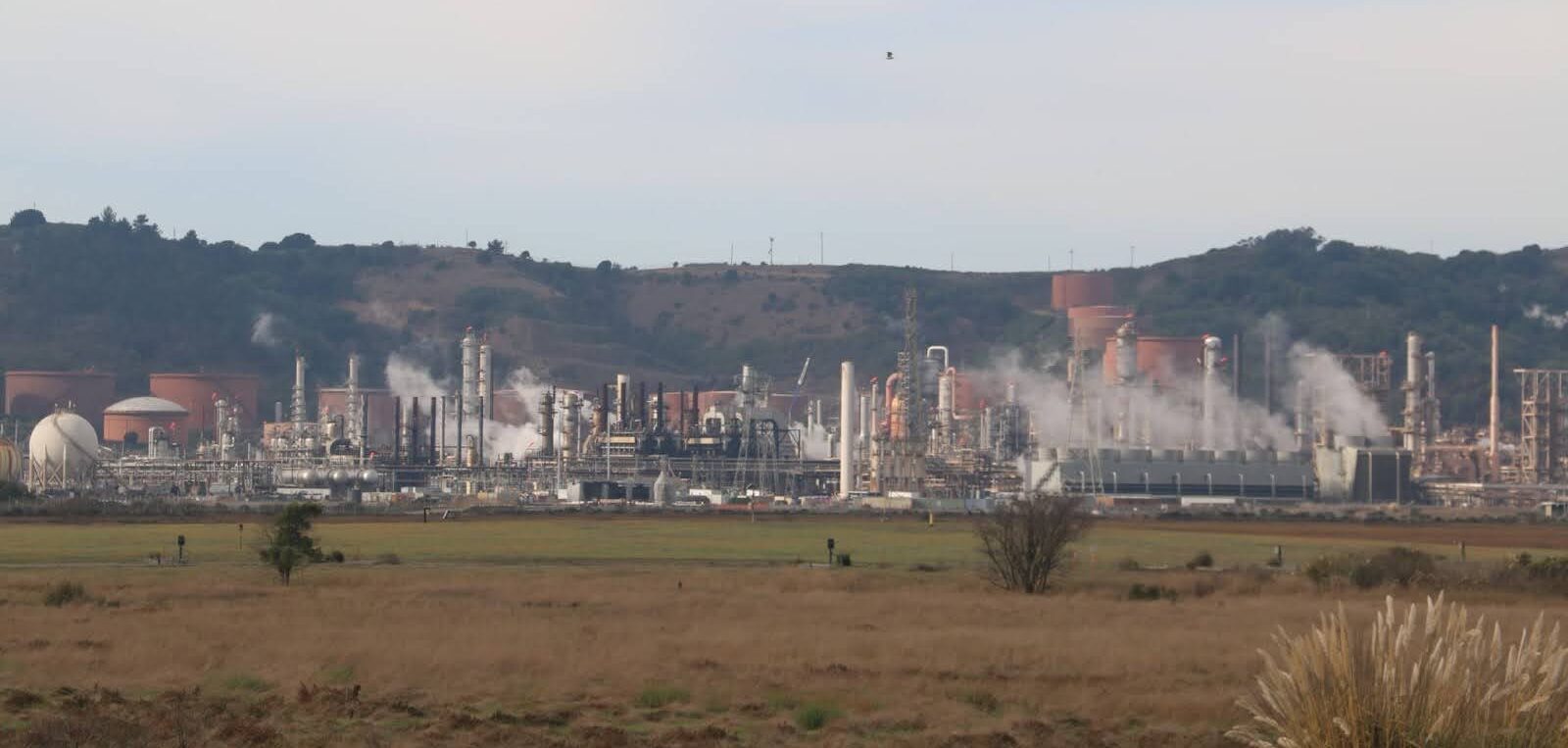
The official emissions inventory for the Chevron Richmond refinery describes a facility operating within regulatory margins, yet a chasm exists between these self-reported figures and the atmospheric reality measured by independent sensors.
Verified Against Public And Audited RecordsLong-Form Investigative Review
Reading time: ~35 min
File ID: EHGN-REVIEW-36561
Unreported flaring incidents and particulate matter exceedances at the Richmond refinery facility
In December 2025, BAAQMD fined Chevron $900, 000 after auditors discovered that 20 monitors at the Richmond facility were misconfigured.
Primary RiskLegal / Regulatory Exposure
JurisdictionEPA
Public MonitoringReal-Time Readings / Fenceline Coverage / Town Monitoring
Report Summary
The June 2025 settlement regarding Regulation 12, Rule 15 (Refining Emissions Tracking) forced Chevron to upgrade its fenceline monitoring plan after previous submissions were disapproved for inadequacy. yet, the years of data lost to "pegging" and inventory estimation cannot be recovered. The settlement documents indicate that Chevron repeatedly failed to minimize flaring, a process that releases sulfur dioxide, nitrogen oxides, and particulate matter into the Richmond airshed. The agency's data revealed that methane emissions from Bay Area refineries, including Chevron Richmond, were between 4 and 23 times higher than the inventories submitted to regulators.
Key Data Points
Regulatory documents from late 2025 expose a widespread failure in the air monitoring network at the Chevron Richmond refinery, officially termed "pegging events." A pegging event occurs when pollutant concentrations rise so rapidly that they exceed the maximum detectable limit of a sensor. On December 2, 2025, the Bay Area Air Quality Management District (BAAQMD) announced a $900, 000 penalty against Chevron for these specific monitoring deficiencies. Auditors discovered that 20 of the refinery's air pollution monitors were configured with insufficient detection ranges. This phenomenon was documented during a flaring incident in late December 2016, when hydrogen sulfide monitors in.
Investigative Review of Chevron Corporation
Why it matters:
A 'Black Sky' flaring event at the Chevron Richmond refinery in November 2023 led to a significant release of toxic pollutants, causing environmental and health concerns.
Chevron's response to the incident, including data collection gaps and regulatory violations, highlights the challenges in holding industrial facilities accountable for environmental disasters.
Anatomy of the November 2023 'Black Sky' Flaring Event
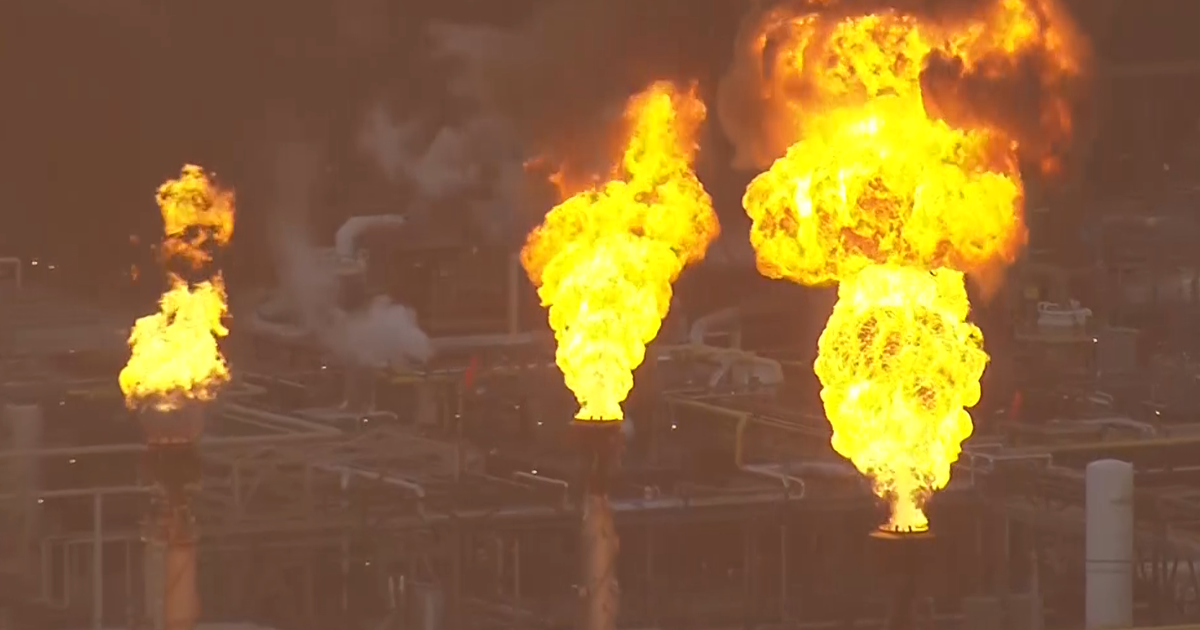
The sky over Richmond, California, did not darken on the afternoon of November 27, 2023. It was strangled. At approximately 3: 30 p. m., a dense column of black particulate matter erupted from the Chevron Richmond refinery. This plume rapidly expanded and choked the sunlight across the East Bay. Residents looked up to see a ceiling of heavy hydrocarbons blotting out the blue. This was not a standard burn-off. It was a “Black Sky” event that would for over seven hours. The visual evidence contradicted the official narrative from the start. The catalyst for this atmospheric assault was a failure within the refinery’s Hydrogen Plant. An electrical relay system self-activated and tripped. This malfunction severed power to serious processing units. The loss of power triggered a cascade of shutdowns across the facility. Pressure built up in the hydroprocessing units. The refinery’s automated safety diverted vast quantities of gas to the flares. These devices are designed to burn off excess hydrocarbons to prevent catastrophic explosions. On this day they functioned as intended yet the result was an environmental disaster for the surrounding population. Chevron issued a Community Warning System (CWS) Level 1 alert. This classification is the lowest tier on the danger. It explicitly advises residents that “no action is required.” The disconnect between the Level 1 status and the physical reality was jarring. Parents rushed to close windows while the refinery’s automated messages suggested a state of normalcy. The smoke plume was visible from San Francisco and Marin County. It drifted west and settled over neighborhoods already load by decades of industrial pollution. The flaring continued well past sunset and into the night. It did not cease until 2: 03 a. m. on November 28. During this ten-hour window the facility released a toxic cocktail of sulfur dioxide and unburned fuel. The Bay Area Air Quality Management District (BAAQMD) later confirmed the release of thousands of pounds of sulfur dioxide (SO2). The Richmond Lube Oil Project (RLOP) flare alone spewed approximately 4, 846 pounds of SO2. The Fluid Catalytic Cracker (FCC) flare added another 3, 187 pounds. These figures represent the *reported* data. Investigative scrutiny reveals a disturbing gap in the data collection during such high-intensity events. Fence-line monitoring systems are designed to track emissions. Yet subsequent audits revealed that of Chevron’s sensors were not configured to measure the full range of emissions. They suffered from “pegging.” This technical term means the sensors hit their maximum recording limit and flatlined. The actual concentrations of particulate matter and toxins likely exceeded the recorded maximums. The “Black Sky” event was not just a visual blight. It was a data black hole. The composition of the smoke included heavy particulate matter (PM2. 5). These microscopic particles bypass the body’s natural defenses and lodge deep in the lungs. The black color of the smoke indicated incomplete combustion. This means the flares were not burning the waste gas. Raw hydrocarbons and benzene were likely escaping into the atmosphere alongside the soot. The refinery’s internal reports the power failure as the root cause. This explanation categorized the pollution as an unavoidable safety maneuver. BAAQMD inspectors arrived on site at 3: 47 p. m. They observed significant flaring from four separate stacks. The flames were large and the smoke was thick. The district eventually issued four Notices of Violation (NOVs) for the incident. Three were for visible emissions violations. One was for a public nuisance. These citations carry financial penalties. Yet the fines are frequently negligible compared to the operational revenue of the facility. The regulatory framework punishes the outcome fails to prevent the recurrence. The timing of the event was particularly egregious. It occurred just as the region was entering its winter inversion season. Weather patterns in late November frequently trap air near the ground. The heavy plume did not disperse rapidly. It hung over the Iron Triangle and North Richmond. These neighborhoods suffer from of the highest asthma rates in the state. The influx of 8, 000+ pounds of sulfur dioxide in a single day exacerbated existing respiratory conditions. Public records show that Chevron attributed the electrical failure to a relay that “improperly self-activated.” This phrasing suggests a random mechanical glitch. Engineering audits frequently point to deferred maintenance or aging infrastructure as the true culprits behind such “accidental” trips. The redundancy systems that should have prevented a total power loss failed to pick up the load. This double failure points to a widespread fragility within the Hydrogen Plant’s electrical grid. The narrative of “safety” is frequently used to shield refineries from public outrage. Chevron spokespeople emphasized that the flares prevented a worse accident. This is technically true. A pressurized vessel explosion would be catastrophic. Yet this binary choice between “explosion” or “massive pollution” ignores a third option. That option is a facility maintained to a standard where power dips do not occur. The reliance on flaring as a routine pressure release valve externalizes the cost of operation onto the lungs of the community. Community monitoring groups like the Richmond Air Monitoring Network attempted to fill the information void. Their data showed spikes in PM2. 5 that correlated with the visual plume. Chevron’s own real-time website showed data that residents found difficult to interpret or access. The “Level 1” alert remained in place even as ash fell on cars and patios. This bureaucratic minimizing of the threat served to dampen immediate public outcry while the smoke was at its thickest. The November 27 event was not an anomaly. It was a high-visibility example of a chronic problem. Smaller flaring events occur with regularity. These micro-flares frequently release significant cumulative emissions without triggering the “Black Sky” visual alarm. The November incident forced the unreported reality into the open. It demonstrated that the refinery’s infrastructure is susceptible to cascading failures that overwhelm local air quality. Subsequent investigations by Contra Costa Health Services and BAAQMD focused on the mechanics of the power loss. They requested a 72-hour report from Chevron. The report detailed the sequence of the electrical trip. It listed the specific units that went offline. It quantified the sulfur dioxide. it could not quantify the long-term health impact of the particulate matter inhaled by thousands of residents during those seven hours. The “Black Sky” event remains a clear case study in the friction between industrial operations and public health. The aftermath saw a familiar pattern. Apologies were issued. Fines were levied. The refinery returned to full production. The sensors that “pegged” were eventually slated for upgrades in future settlements. for the residents of Richmond the November 2023 event stands as a definitive proof. It proved that when the systems fail the community pays the price in breath and blood. The sky turned black and the official channels said everything was fine. That disconnect is the heart of the unreported story.Anatomy of the November 2023 'Black Sky' Flaring Event
Pegging Events: How Sensor Limits Mask True Pollution Levels
Pegging Events: How Sensor Limits Mask True Pollution Levels
Regulatory documents from late 2025 expose a widespread failure in the air monitoring network at the Chevron Richmond refinery, officially termed “pegging events.” A pegging event occurs when pollutant concentrations rise so rapidly that they exceed the maximum detectable limit of a sensor. Instead of recording the actual spike in toxicity, the device “pegs” at its highest setting and flatlines. This technical limitation creates a deceptive data ceiling, blinding regulators and residents to the true intensity of airborne contaminants during the facility’s most dangerous operational upsets.
On December 2, 2025, the Bay Area Air Quality Management District (BAAQMD) announced a $900, 000 penalty against Chevron for these specific monitoring deficiencies. Auditors discovered that 20 of the refinery’s air pollution monitors were configured with insufficient detection ranges. These devices could not measure emissions during process upsets, such as startups, shutdowns, or equipment malfunctions, which are precisely the moments when flaring is most likely to release massive plumes of particulate matter and sulfur dioxide. The Air District stated that because these sensors were not calibrated to capture the full spectrum of chance emissions, pollution levels could breach legal and safety limits without generating a quantifiable record.
The of these data gaps are severe. During a pegging event, the official record shows a stable, maximum reading, while the actual pollution load in the atmosphere may be exponentially higher. This phenomenon was documented during a flaring incident in late December 2016, when hydrogen sulfide monitors in Point Richmond maxed out. The sensors hit their ceiling, yet the odor was potent enough to drift across the bay and inundate San Francisco, suggesting the true concentration far outstripped the recorded data. The 2025 audit confirms that nearly a decade later, the infrastructure to prevent such data loss remained insufficient.
Chevron executives characterized the mandate to install properly ranged sensors as “excessive regulatory action” and argued that their existing systems were adequate. They claimed that instances where monitors registered maximum values were rare and frequently associated with maintenance. Yet, the Air District’s enforcement action highlights a serious gap: without sensors capable of reading peak emissions, the refinery’s claims of reduced flaring and particulate matter output rely on incomplete datasets. The refinery remains the largest single source of PM 2. 5 in the Richmond-San Pablo area, and as long as sensors can be overwhelmed by the very plumes they are meant to measure, the community faces an unquantified risk.
Pegging Events: How Sensor Limits Mask True Pollution Levels
The Data Gap Defense: 20 Misconfigured Monitors at Richmond
SECTION 3 of 14: The Data Gap Defense: 20 Misconfigured Monitors at Richmond On December 2, 2025, the Bay Area Air Quality Management District (BAAQMD) levied a $900, 000 penalty against Chevron for a widespread failure that blinded regulators to the refinery’s most intense pollution events. The settlement resolved allegations that 20 separate air pollution monitors at the Richmond facility were improperly configured, rendering them incapable of recording emissions data when it mattered most: during high-intensity spikes. For nearly two years, beginning in January 2022, these sensors operated with a truncated detection range, creating a ceiling on data collection that hid the true magnitude of particulate and gaseous releases during process upsets.
The Mechanics of the Blind Spot
The technical failure centered on the calibration of the Continuous Emissions Monitoring System (CEMS). These instruments are legally mandated to track pollutants such as sulfur dioxide and particulate matter in real-time. yet, BAAQMD auditors discovered that 20 of Chevron’s monitors were set with an artificially low upper limit. When emissions surged, during startups, shutdowns, or equipment malfunctions, the sensors would “peg” or max out, recording a flat line at their configured ceiling rather than the actual, higher concentration of pollutants. This configuration error meant that while the refinery’s baseline operations were monitored, the most dangerous excursions went unquantified. If a flare released 5, 000 pounds of sulfur dioxide the monitor was capped at reading 500, the official record would show only the lower figure, masking 90 percent of the toxic load. This data gap deprived public health officials and fence-line communities of serious information regarding their exposure to acute respiratory irritants.
Chevron’s “Redundancy” Argument
In response to the violations, Chevron deployed what can be characterized as the “Data Gap Defense.” Company representatives publicly dismissed the severity of the blind spots, arguing that the misconfigured monitors were “redundant” of a broader system that remained “sufficient.” In a statement following the fine, Chevron characterized the enforcement action as “excessive regulatory action” and claimed the monitoring gaps were “small, short-lived,” and occurred primarily during routine maintenance. This defense relies on a minimization strategy that conflates the *frequency* of data loss with the *significance* of the missing data. While the gaps may have been temporal slivers in a 24-hour pattern, they coincided with the precise moments, process upsets, when the refinery’s engineering controls were failing. By arguing that the gaps were negligible because they were short, Chevron obscures the fact that a ten-minute flaring event can release more pollutants than weeks of normal operation. If the monitor is blind during those ten minutes, the “sufficiency” of the remaining data is irrelevant to the question of acute public health risk.
A Pattern of Obfuscation
The 2025 settlement was not an administrative oversight part of a recurring friction between the refinery’s operational opacity and regulatory oversight. The incident recalls a more severe breach uncovered in 2012, where federal investigators found Chevron had installed a bypass pipe to route hydrocarbon gases around monitoring equipment entirely. That “detour” allowed pollutants to be burned off without any record for four years. While the 2022-2024 monitor configuration problem was procedural rather than physical, the result was functionally identical: the erasure of high-emission events from the public ledger. The audit trail reveals that BAAQMD inspectors identified the configuration lapses as early as January 2022. even with this, the refinery failed to implement necessary upgrades by mandated deadlines, triggering nine separate Notices of Violation (NOVs) leading up to January 2024. The delay in rectifying the sensors suggests a corporate prioritization of cost containment over compliance speed, a stance further evidenced by Chevron’s public complaints about the “high cost of doing business in California” immediately following the penalty announcement.
Regulatory and Remediation
The $900, 000 fine, while substantial in nominal terms, represents a fraction of the refinery’s daily revenue. yet, the settlement forced a material change in the facility’s monitoring infrastructure. As part of the agreement, Chevron was compelled to upgrade the 20 monitors to ensure they could capture the “full range of chance emissions,” uncapping the sensors to record true peak values. The district also enforced a strict notification protocol for future “pegging events.” If a sensor hits its maximum limit again, Chevron must immediately flag the incident, preventing the data from being quietly buried in monthly averages. This requirement the “Data Gap Defense” by treating data saturation as a reportable failure rather than a technical triviality.
Violation Period
Component
Nature of Failure
Chevron Defense
Jan 2022 , Jan 2024
20 CEMS Monitors
Improper configuration; inability to read peak emissions
“Redundant” systems; gaps were “short-lived”
2008 , 2012
Flare Bypass Pipe
Physical routing of gas around sensors
Claimed inadvertent use; “minimal” SO2 release
The persistence of these monitoring failures highlights a serious vulnerability in environmental enforcement: regulators frequently rely on the regulated entity to generate the data used to police them. When that data is truncated by misconfigured hardware, the regulatory framework collapses, leaving the community to breathe air that is officially “safe” only because the instruments measuring it were unable to record the danger.
The Data Gap Defense: 20 Misconfigured Monitors at Richmond
Beyond the Fenceline: Toxic Accumulation in Richmond Homes
The concept of “Shelter in Place” offers a false pledge to the residents of Richmond. When the sirens wail and the Community Warning System (CWS) problem a Level 1 or Level 2 alert, families retreat indoors, taping windows and shutting vents. They believe their walls provide a against the toxic plumes rising from the Chevron refinery. Scientific data proves this belief wrong. The most dangerous accumulation of refinery pollutants occurs not on the street corners of the Iron Triangle, inside the living rooms, carpets, and attics of the homes bordering the facility. While the Bay Area Air Quality Management District (BAAQMD) monitors ambient air, averaging out spikes over 24-hour periods, heavy metals and particulate matter settle silently into the residential fabric, creating a toxic legacy that long after the flares die down.
The Indoor Accumulation of Heavy Metals
Research indicates that indoor air in Richmond homes frequently carries a higher toxic load than the air outside. A peer-reviewed study published in the American Journal of Public Health found that indoor concentrations of Vanadium and Nickel, specific markers of heavy oil combustion, were among the highest in California. These metals do not come from car exhaust or wood smoke. They are the chemical fingerprints of crude oil refining. Unlike gases that dissipate with the wind, these heavy metal particulates possess weight. They drift from the refinery stacks, penetrate older window frames and vents, and settle as dust on surfaces where children play.
The physics of this contamination is simple yet devastating. During a flaring event, the refinery ejects a dense plume of particulate matter. Outdoor monitors might register a temporary spike, the wind carries the bulk of the material into the neighborhood. Once inside a home, the airflow drops. The particles fall out of suspension and themselves in fabrics and flooring. Residents vacuuming or dusting re-suspend these toxins, creating a pattern of re-exposure that outdoor monitors never detect. The “safe” air quality report issued the day after a flare ignores the Vanadium dust coating a family’s kitchen table.
The November 2023
The “Black Sky” event of November 27, 2023, serves as a grim case study of this phenomenon. For over seven hours, a power failure forced Chevron to flare massive quantities of gas. The sky turned black, and a visible plume stretched across the East Bay. While Chevron and county officials stated there were “no off-site health consequences,” the physical evidence told a different story. Residents in Point Richmond and the Iron Triangle reported a fine, dark ash settling on their properties. This “refinery snow” was not cosmetic soot; it was a concentrated delivery system for Polycyclic Aromatic Hydrocarbons (PAHs) and sulfur compounds.
Complaints filed with the Air District described strong chemical odors penetrating closed homes. Yet, the regulatory apparatus failed to capture the severity of this intrusion. The misconfigured monitors, revealed in the December 2025 settlement to be incapable of reading high-range emissions, meant that the true density of the particulate cloud went unrecorded. If a sensor pegs at a maximum limit while the actual pollution level soars ten times higher, the official data set shows a flat line at the top of the chart, erasing the peak exposure. That erased data represents the actual toxin load residing in Richmond homes.
Table 4. 1: Indoor vs. Outdoor Pollutant in Richmond
Pollutant Type
Source Origin
Outdoor Behavior
Indoor Behavior
Vanadium
Heavy Crude Refining
Disperses with wind; detected by high-sensitivity monitors only.
Settles in carpets/dust; accumulates over years.
Nickel
Fluid Catalytic Cracking
Rapid near fenceline.
in soft surfaces; re-suspended by cleaning.
PAHs
Incomplete Combustion (Flaring)
Degrades with UV sunlight exposure.
in dark indoor environments; binds to house dust.
PM2. 5 (Soot)
Diesel/Flaring
Measured as 24-hour average.
Trapped by HVAC filters; creates concentrated source.
The Health Correlation
The biological cost of this indoor accumulation is visible in the medical records of Richmond’s youth. Asthma rates for children in Richmond stand at approximately 27%, nearly double the California average of 14%. In the neighborhoods directly downwind of the refinery, such as North Richmond and Atchison Village, the rates are even higher. Health officials frequently attribute this to general urban pollution or proximity to the I-580 freeway. Yet, the chemical composition of the dust found in these homes points the finger back at the refinery. Vanadium and Nickel are potent respiratory irritants. Chronic exposure to these metals sensitizes the lungs, making an asthma attack more likely when a child encounters common triggers like pollen or cold air.
Physicians in the area treat the symptoms, the cause remains in the patient’s environment. A child returns from the hospital to a home where the very air filters are clogged with refinery particulate. The December 2025 that 20 of Chevron’s monitors were “not properly configured” casts a shadow over decades of health studies. If the peak emission data was never accurate, then every epidemiological study based on that data underestimated the correlation between refinery operations and local disease rates. The “dose” in the dose-response relationship was wrong.
The Unreported Reality
This gap between the official air quality record and the physical reality inside homes constitutes a massive unreported liability. When Chevron pays a $900, 000 fine for monitoring failures, it is a transactional cost. It does not account for the remediation needed to clean thousands of homes contaminated by years of unrecorded. There is no program to test residential soil for Vanadium. There is no fund to replace carpet laden with Nickel dust. The regulatory framework stops at the fenceline, the pollution does not.
The “Level 1” flaring incidents, dismissed by Chevron as minor operational hiccups requiring no public action, contribute to this cumulative load. Each event adds a to the sediment in the community’s lungs and living spaces. The May 2025 and June 2025 flaring events, though shorter than the November 2023 disaster, continued this pattern. Residents saw the smoke, smelled the sulfur, and wiped the grime from their windowsills. The official reports showed “compliance” with ambient standards. The dust on the rag showed the truth.
By focusing solely on outdoor air concentration, regulators miss the primary vector of chronic exposure. A resident spends 90% of their time indoors. If that indoor environment acts as a trap for industrial heavy metals, the “safe” outdoor air readings are irrelevant. The refinery has externalized its waste storage, using the homes of Richmond as a repository for the particulate matter its scrubbers failed to catch and its monitors failed to measure.
Beyond the Fenceline: Toxic Accumulation in Richmond Homes
Rule 6-5 Violations: The Fight to Curb FCCU Particulates
The Engine of Contamination: FCCU Emissions
The Fluid Catalytic Cracking Unit (FCCU) at the Richmond refinery serves as the facility’s economic engine and its primary pollution cannon. This specific unit accounts for approximately 60 percent of the refinery’s total particulate matter (PM2. 5) emissions. These microscopic particles penetrate deep into human lung tissue and enter the bloodstream. The Bay Area Air Quality Management District (BAAQMD) identified the FCCU as a singular driver of regional health disparities. Their modeling attributes between 5 and 11 premature deaths annually in the Richmond area directly to these specific emissions. The technical solution to this mortality rate is a Wet Gas Scrubber. This device uses a liquid spray to capture particulate matter before it exits the stack. Chevron has resisted the installation of this technology for years.
The War Against Rule 6-5
Regulators adopted Rule 6-5 in July 2021. The mandate was clear. Refineries had to reduce FCCU particulate emissions to 0. 010 grains per dry standard cubic foot. This standard necessitated the installation of wet gas scrubbers. Chevron did not comply immediately. The corporation instead launched a legal offensive. They filed a lawsuit against the BAAQMD and argued that the installation costs were prohibitive and the timeline unfeasible. This litigation froze the regulatory clock. While lawyers drafted briefs, the Richmond FCCU continued to eject hundreds of tons of particulate matter into the local atmosphere. The legal delay tactics allowed the facility to operate under obsolete emission standards for nearly three years after the rule’s adoption.
The 2024 Settlement: Buying Time
Chevron and the Air District reached a settlement in February 2024. The terms ended the lawsuit yet granted the corporation a significant extension on compliance. The agreement pushed the deadline for the Wet Gas Scrubber installation to July 2026 or later. In exchange for this delay, Chevron agreed to pay $20 million into a “Community Air Quality Fund” and settle a backlog of 678 outstanding violation notices. Critics characterize this arrangement as a “pay-to-pollute” scheme. The corporation purchased years of continued high-emission operations. The fine represents a fraction of the capital expenditure required to install the scrubber. Residents continue to breathe the same unfiltered exhaust while the fund accumulates interest.
Bureaucratic Stalling in 2025
The settlement promised a route to compliance. The reality in late 2025 shows continued obstruction. Public records from December 2025 indicate that the Wet Gas Scrubber project remains trapped in a permitting limbo. The Air District reported that Chevron’s permit application was “incomplete” and required a second follow-up letter to extract necessary technical details. Chevron representatives publicly blamed the “permitting process” for the delays. This circular finger-pointing serves a distinct operational purpose. Every month of administrative delay is a month where the FCCU operates without the scrubber. The construction timeline suggests that even if permits were issued immediately, the physical installation would extend well beyond the original deadlines. The infrastructure to protect Richmond lungs simply does not exist.
The $900, 000 Blindfold
The absence of a scrubber is compounded by a failure to measure the resulting pollution accurately. The Air District fined Chevron $900, 000 in December 2025 for serious monitoring failures. Auditors discovered that 20 separate air pollution monitors at the Richmond facility were misconfigured. These devices were programmed with artificial ceilings. When emissions spiked during process upsets or flaring events, the sensors “pegged” at the maximum set value rather than recording the actual pollution level. This data truncation means the true magnitude of FCCU particulate exceedances remains unknown. The facility likely released concentrations of PM2. 5 far higher than reported figures suggest. The regulatory record shows a gap where the most dangerous spikes should appear.
Calculated Negligence
The pattern is distinct. Chevron fought the rule in court. They settled to buy time. They stalled the permitting process. They misconfigured the monitors that would document the excess emissions. The FCCU remains the largest single source of particulate matter in Richmond. The Wet Gas Scrubber remains a theoretical project on paper. The 5 to 11 annual premature deaths attributed to these emissions are not theoretical. They are the statistical consequence of a corporate strategy that prioritizes capital deferment over respiratory health. The fight to curb FCCU particulates is not a technical challenge. It is a test of whether regulatory enforcement can ever outpace corporate litigation and obstruction.
Rule 6-5 Compliance Timeline & Delays
Date
Event
Impact on Richmond Air Quality
July 2021
BAAQMD adopts Rule 6-5
Mandates 0. 010 grains/dscf limit. Chevron sues to block implementation.
2021-2023
Litigation Period
FCCU operates without Wet Gas Scrubber. Hundreds of tons of excess PM2. 5 released.
Feb 2024
Settlement Agreement
Lawsuit dropped. Compliance deadline extended. $20M paid to community fund.
Dec 2025
Monitoring Audit
20 monitors found misconfigured. High-emission events (“pegging”) likely unreported.
Rule 6-5 Violations: The Fight to Curb FCCU Particulates
The Hydrogen Plant Factor: Repeated Upsets and Power Failures
The Hydrogen Plant Factor: Repeated Upsets and Power Failures The central nervous system of the Chevron Richmond refinery is its hydrogen supply. To process the heavy, sour crude oil that defines the facility’s modern economic model, the refinery requires a continuous, high-pressure injection of hydrogen into its hydrocracking units. This gas strips sulfur and nitrogen from the crude, a chemical need for meeting fuel standards. Yet, an examination of flaring reports from 2023 through early 2026 reveals that this serious supply line has become the facility’s most volatile failure point. When the hydrogen plant “trips”—industry shorthand for an abrupt shutdown—the downstream units do not simply pause. They choke. Deprived of the reactant needed to stabilize the crude, the hydrocrackers must immediately depressurize, sending massive volumes of sour gas to the flare stacks. These events are not rare anomalies; they are a structural feature of the refinery’s design. The volatility of this system was clear illustrated on November 27, 2023. While Chevron initially communicated the event as a generic power loss, technical reports filed with the Bay Area Air Quality Management District (BAAQMD) expose a more banal, yet infuriating, root cause. A protective relay in the electrical system at the hydrogen plant self-activated incorrectly. This single sensor glitch cut power to the unit, eliminating the redundancy that is supposed to prevent total system failure. The resulting blackout at the hydrogen facility forced the hydroprocessing units to abort operations instantly. For over seven hours, the refinery flared, filling the sky with black smoke visible across the Bay Area. The incident was not triggered by an earthquake or a hurricane, by a digital phantom—a relay tripping on a false positive. This fragility contradicts the pledge made during the refinery’s “Modernization Project,” which brought the new hydrogen plant online in 2018. The upgrade was sold to the Richmond community as a method to increase efficiency and safety. Instead, BAAQMD records show that since 2019, this specific hydrogen facility has been associated with approximately half of the refinery’s flaring incidents. The modernization tethered the refinery’s emissions performance to a hair-trigger system where a single electrical hiccup results in tons of sulfur dioxide (SO2) entering the atmosphere. The pattern of “upsets”—unplanned shutdowns—continued well into 2024 and 2025, frequently driven by mechanical failures that suggest a deterioration of basic maintenance. On August 2, 2024, a “Heim joint” within the steam system of a recycle hydrogen compressor failed mechanically. This small component failure caused the steam system to close, shutting down the compressor. Once again, the loss of hydrogen flow initiated a domino effect, forcing the hydrocracking unit to dump its contents to the flare. Chevron’s causal analysis report identified the mechanical failure as the primary factor, yet these reports frequently frame such events as equipment fatigues rather than symptoms of a high-stress system running without adequate margin for error. The narrative that these flares are “safety” measures obscures the reality that they are frequently the result of preventable human and mechanical errors. A particularly egregious incident occurred on October 28, 2025. According to filings with Contra Costa Health, a recycle gas compressor tripped not because of a complex process deviation, because a plant operator physically bumped into a power supply breaker switch. The report cites the “absence of a physical barrier” to prevent unintentional contact. This admission is startling. In a facility processing hazardous materials at high pressures, a serious compressor was to a stray elbow. This “upset” triggered an immediate shutdown and subsequent flaring, releasing toxic plumes because a switch absence a plastic guard. Chevron frequently employs the defense that flaring is unavoidable during these startups and shutdowns due to “facility and relief system design.” This language appears verbatim in multiple causal reports, including one from October 1, 2025, regarding a planned startup of a Hydrogen Plant Train. The company asserts that the relief system cannot capture the volume of gas generated during these transitions, meaning the plant was *designed* to pollute during standard operational shifts. This “design defense” normalizes the emissions, treating the release of SO2 and methane not as a violation, as a standard operating procedure. When a facility is designed such that it cannot start up or shut down without violating air quality standards, the violation is engineered into the blueprint. The consequences of these hydrogen plant failures are compounded by the refinery’s reliance on external power stability, which has proven equally unreliable. The “steam and storm” incident in late October 2025 further exposed this vulnerability. During a heavy rainstorm, the facility lost steam production, which is essential for the hydrogen reforming process. The loss of steam triggered a cascade of unit shutdowns, leading to a fire and the release of nearly 17 tons of sulfur dioxide over two days. While weather is uncontrollable, the facility’s inability to weatherize its steam generation against a rainstorm speaks to a absence of resilience. The refinery’s systems are tightly paired; a failure in steam leads to a failure in hydrogen, which leads to a failure in hydrocracking, which leads to a flare. There are no firebreaks in this chain reaction. The severity of these incidents is likely understated due to the monitoring failures discussed in previous sections. In December 2025, the BAAQMD fined Chevron $900, 000 after an audit revealed that 20 air monitoring sensors were misconfigured. Crucially, these monitors were unable to detect the “full range” of emissions during high-load events—exactly the type of events caused by hydrogen plant trips. When the hydrogen plant fails and the flares roar, the sensors designed to measure the clip the data, recording a flatline instead of a peak. This means the 17 tons of SO2 reported in the October 2025 storm incident may be a conservative estimate, calculated based on engineering assumptions rather than verified by accurate, real-time sensor data. The relationship between Chevron and third-party operators also complicates the accountability matrix. While the 2018 hydrogen plant is integral to Chevron’s operations, the supply chain involves external vendors like Air Liquide for supplemental hydrogen and oxygen. Historical data from 2016 shows that trips at third-party facilities have previously caused massive flaring at Chevron. The integration of these systems means that Chevron’s emissions performance is held hostage by the reliability of external partners. If a third-party compressor fails, Chevron flares. The regulatory framework struggles to assign liability in these hand-off scenarios, allowing the refinery to frame the pollution as “upstream” or “external” problem, even though the toxic load falls locally on Richmond residents. The “Hydrogen Plant Factor” the industry argument that flaring is a rare emergency measure. In Richmond, it is a routine byproduct of a brittle system. The refinery requires a level of operational perfection—zero relay glitches, zero steam losses, zero accidental switch bumps—that is statistically impossible to maintain. Consequently, the flaring is chronic. The “modern” refinery is a machine that runs on the edge of failure, and every time it stumbles, the lungs of the community absorb the shock. The data from 2023 to 2026 establishes a clear pattern: the hydrogen units are the primary trigger for the facility’s largest pollution events. These are not acts of God. They are the results of relays that self-activate, switches that are unguarded, and steam systems that cannot handle rain. Until the engineering design is altered to decouple hydrogen loss from immediate atmospheric venting, or until the reliability of these auxiliary units is fortified, the flares continue. The “design” excuse serves as a liability shield, it also serves as an indictment: the plant is built to flare.
Under-reported Methane: The Super-Emitter Discrepancy
SECTION 7 of 14: Under-reported Methane: The Super-Emitter gap
The official emissions inventory for the Chevron Richmond refinery describes a facility operating within regulatory margins, yet a chasm exists between these self-reported figures and the atmospheric reality measured by independent sensors. This is not a statistical error; it represents a widespread failure to capture “super-emitter” events, short-duration, high-volume releases of methane that frequently evade standard reporting. The core of this gap lies in the reliance on “bottom-up” accounting methods, where engineers calculate theoretical emissions based on equipment specifications, rather than “top-down” measurements that quantify what is actually entering the sky.
The 23-Fold Gap
In August 2023, the Bay Area Air Quality Management District (BAAQMD) released the results of a three-year airborne study that shattered the illusion of precision in refinery reporting. The agency’s data revealed that methane emissions from Bay Area refineries, including Chevron Richmond, were between 4 and 23 times higher than the inventories submitted to regulators. This magnitude of under-reporting suggests that the facility’s actual climate impact is vastly larger than the public has been led to believe. The study specifically identified “atmospheric venting from refinery hydrogen plants” as a primary driver of this gap, directly implicating the facility’s Modernization Project infrastructure which was sold to the public as a cleaner alternative.
The method behind this data gap is partly technological and partly operational. Standard Continuous Emissions Monitoring Systems (CEMS) are frequently calibrated to measure steady-state operations, not the chaotic spikes of a process upset. When a “super-emitter” event occurs, such as a pressure relief valve lifting during a hydrogen plant malfunction, the release rate can exceed the upper limit of the sensor’s range. This phenomenon, known as “pegging,” causes the monitor to record a flatline maximum value rather than the true peak, truncating the data and hiding the severity of the plume. In December 2025, BAAQMD fined Chevron $900, 000 after auditors discovered that 20 monitors at the Richmond facility were misconfigured in exactly this manner, incapable of detecting the full range of chance emissions. For years, these sensors acted as blinders, allowing massive pulses of methane to escape into the atmosphere unquantified.
Satellite Verification and Aerial Surveillance
While ground-based monitors failed, eyes in the sky provided a different narrative. Advanced remote sensing technologies, including aerial surveys by Scientific Aviation and satellite observations from platforms like Carbon Mapper, have begun to document the invisible plumes rising from the Richmond facility. Unlike the refinery’s internal logs, which might categorize a release as a minor operational variance, these top-down assessments capture the integrated mass of the plume as it drifts downwind. The BAAQMD study utilized airborne mass balance techniques to derive these emission rates, proving that the aggregate leakage from the facility far the sum of its reported parts.
The of these uncounted methane releases extend beyond climate metrics. Methane from industrial sources rarely travels alone; it serves as a carrier gas for a toxic “chemical soup” of co-pollutants. Analysis by PSE Healthy Energy has shown that methane super-emitter events in the oil and gas sector are almost invariably accompanied by hazardous air pollutants (HAPs) such as benzene, toluene, and xylene. Therefore, the “methane gap” is also a “toxics gap.” When Chevron under-reports a methane spike by a factor of 20, they are also concealing a proportional spike in carcinogenic exposure for the residents of Richmond, North Richmond, and San Pablo.
The Hydrogen Plant’s Hidden Venting
The hydrogen plant stands out as a repeat offender in this pattern of unmeasured release. Although Chevron claims that flaring is unavoidable during startup and shutdown sequences due to “facility and relief system design,” the BAAQMD’s airborne data points to atmospheric venting that bypasses combustion entirely. In these instances, raw methane and process gases are released directly to the air, avoiding the flare tip where they would at least be partially oxidized. This direct venting is the most damaging form of release, as unburned methane has a global warming chance over 80 times that of carbon dioxide in the short term. The persistence of these venting events, even with the installation of new “modernized” equipment, indicates a design philosophy that prioritizes system pressure relief over emissions containment.
Table 7. 1: The Methane Reporting Gap at Richmond
Measurement Method
Data Source
Key Limitation/Advantage
Findings
Bottom-Up Inventory
Chevron Self-Reporting
Relies on theoretical emission factors; misses leaks and upsets.
Consistently underestimates total volume.
CEMS Monitors
On-site Sensors
Subject to “pegging” (maxing out) during high-flow events.
20 monitors found misconfigured in 2025 audit.
Top-Down Survey
BAAQMD / Scientific Aviation
Measures actual atmospheric plume downwind.
Emissions 4x to 23x higher than inventory.
Satellite Detection
Carbon Mapper / NASA JPL
Identifies high-intensity “super-emitter” point sources.
Confirms intermittent, massive release events.
The regulatory response to this gap has been reactive rather than preemptive. The June 2025 settlement regarding Regulation 12, Rule 15 (Refining Emissions Tracking) forced Chevron to upgrade its fenceline monitoring plan after previous submissions were disapproved for inadequacy. yet, the years of data lost to “pegging” and inventory estimation cannot be recovered. The “Black Sky” event of November 2023 serves as a visible example of these failures, it is the invisible, odorless releases of methane that constitute the silent majority of the facility’s climate load. Until the regulatory framework shifts from accepting theoretical estimates to demanding total atmospheric quantification, the true cost of the Richmond refinery’s operations remain obscured by a fog of bad data.
The $20 Million Settlement: Penalties for 678 Other Violations
The February 2024 Accord: A $20 Million Write-Off
In February 2024, the Bay Area Air Quality Management District (BAAQMD) announced the largest penalty in its history: a $20 million settlement with Chevron to resolve 678 outstanding notices of violation (NOVs). This agreement, finalized after years of legal maneuvering, covered a five-year backlog of infractions at the Richmond refinery ranging from 2019 through 2023. While regulators hailed the deal as a historic victory for accountability, a closer examination of the data reveals a troubling pattern. The settlement bundled hundreds of separate pollution events, of which had gone unreported to the general public at the time of their occurrence, into a single financial transaction that amounted to less than 0. 1% of the company’s annual net income.
The sheer volume of violations included in this package highlights the widespread nature of the facility’s non-compliance. Averaging roughly 135 violations per year over the covered period, the refinery operated in a state of persistent breach regarding local and federal air quality standards. These were not administrative errors or paperwork lapses. The 678 citations encompassed unauthorized flaring events, exceedances of toxic emission limits, failures in leak detection systems, and public nuisance violations caused by odors and. By allowing these infractions to accumulate into a massive backlog, the regulatory process inadvertently shielded the facility from immediate public scrutiny for each individual event.
Deconstructing the 678 Violations
The 678 violations settled in this agreement paint a picture of a facility struggling with mechanical integrity and operational control. of these NOVs related to Regulation 12, Rule 12, which governs the flaring of combustible gases. The settlement documents indicate that Chevron repeatedly failed to minimize flaring, a process that releases sulfur dioxide, nitrogen oxides, and particulate matter into the Richmond airshed. Unlike the massive “Black Sky” events that garner media attention, these routine flaring violations frequently occurred at lower volumes with greater frequency, contributing to a chronic baseline of toxic exposure for nearby residents.
Another serious category within the settlement involved fugitive emissions and leak detection failures. The refinery’s vast network of pipes, valves, and flanges requires constant monitoring to prevent the escape of volatile organic compounds (VOCs) and benzene. The NOVs revealed numerous instances where Chevron failed to detect or repair leaking components within the legally mandated timeframes., broken monitoring equipment meant that leaks went entirely unmeasured for extended periods. This data gap suggests that the official emission inventories for the facility during the 2019-2023 period likely underestimate the true volume of pollutants released into the atmosphere.
The settlement also addressed violations related to hydrogen sulfide (H2S), a potent neurotoxin with a characteristic rotten-egg odor. Residents in Point Richmond and North Richmond have long complained of nausea and headaches associated with chemical smells. The bundled violations confirmed that the refinery had multiple exceedances of H2S limits at its fenceline and within its fuel gas systems. By settling these claims retrospectively, the specific health impacts of each release remain unquantified, buried under the aggregate financial penalty.
The Regulation 6-5 Compromise
A central component of the February 2024 settlement was the resolution of the legal battle over Regulation 6, Rule 5. This rule, adopted by the BAAQMD in 2021, mandates significant reductions in particulate matter (PM) emissions from fluidized catalytic cracking units (FCCUs), the refinery’s largest source of PM2. 5. Chevron had aggressively litigated against this rule, arguing that the required retrofits were technically infeasible and economically burdensome. The lawsuit stalled the implementation of pollution controls for years, allowing the FCCU to continue emitting high levels of particulates.
Under the terms of the settlement, Chevron agreed to drop its lawsuit and comply with Regulation 6, Rule 5. The company committed to installing a wet gas scrubber, a heavy industrial filtration system designed to strip particulates and sulfur dioxide from the FCCU exhaust. This concession represents a tangible win for air quality, with projected reductions of up to 70% in PM emissions from the cracking unit once the scrubber becomes operational. Yet, the timeline for this installation extends into 2026, meaning the community faces several more years of exposure to current pollution levels before the benefits materialize.
The agreement also included a penalty structure for delays. If Chevron fails to meet the compliance deadline of July 2026, it faces escalating fines starting at $17 million per year. This provision attempts to close the loophole of indefinite delay that has characterized previous enforcement efforts. The inclusion of the Rule 6-5 compliance in the settlement linked the resolution of past violations (the 678 NOVs) with the commitment to future improvements, a strategy intended to force a modernization of the facility’s pollution controls.
The Economics of “Pay-to-Pollute”
Critics of the settlement point to the between the penalty amount and Chevron’s financial resources. In 2023 alone, Chevron reported earnings of $21. 3 billion. A $20 million fine represents approximately eight hours of profit for the corporation. Environmental justice advocates that penalties of this fail to act as a deterrent for a multinational energy giant. Instead, they function as a “cost of doing business,” a line item in the operational budget that is far cheaper than the capital expenditures required to prevent the violations in the place.
The structure of the settlement splits the $20 million into two distinct pots. Half of the amount, $10 million, goes to the Air District as a civil penalty to fund its enforcement and inspection activities. The other $10 million is allocated to a “Community Air Quality Fund” specifically for Richmond and San Pablo. This fund is intended to finance local projects such as air filtration systems for schools, urban greening initiatives, and independent community monitoring networks. While these projects offer direct benefits to residents, they do not reduce the emissions coming from the refinery itself. They are mitigation measures designed to help the population survive the pollution, rather than measures to stop the pollution at the source.
The agreement also stipulates that Chevron pay an additional $3. 5 million annually into the community fund for up to four years while the wet gas scrubber is being constructed. This creates a perverse where the community receives financial support only as long as the pollution continues. Once the facility comes into compliance, the payments cease. This arrangement has drawn skepticism from community leaders who view it as a temporary rent payment for the continued use of the local airshed as a waste disposal zone.
The Backlog as a Defense Strategy
The existence of a 678-violation backlog raises serious questions about the efficacy of the BAAQMD’s enforcement process. For five years, violations accumulated without immediate financial consequence. This delay benefits the violator in multiple ways., it defers the payment of fines, allowing the company to retain capital. Second, it prevents the formation of a “repeat offender” narrative in the public eye. If each of the 678 violations had been publicized and fined immediately upon occurrence, the relentless drumbeat of non-compliance would have likely triggered intense political pressure for a shutdown or a revocation of permits.
By bundling the violations into a single settlement years later, the acute outrage associated with specific incidents is diluted. The “Black Sky” event of November 2023, for example, occurred while this settlement was being negotiated. The public was unaware that the facility causing the emergency was already sitting on hundreds of unresolved violations. This absence of transparency compromises the community’s ability to advocate for its safety in real-time. The settlement clears the ledger, essentially resetting the count to zero, it does not erase the respiratory damage inflicted during the five years of delayed justice.
The backlog also complicates the calculation of penalties. In a bundled settlement, the fine per violation frequently drops significantly compared to what might be levied in individual court cases. The average penalty per violation in this settlement works out to roughly $29, 500. For a violation involving the release of carcinogenic benzene or a massive flaring event, this amount is negligible. The administrative efficiency of a global settlement comes at the cost of specific accountability for the most egregious individual acts of pollution.
Monitoring Failures
Even as the ink dried on the $20 million settlement, new evidence emerged suggesting that the underlying problem at the Richmond refinery remained unresolved. In late 2025, BAAQMD auditors discovered that 20 of Chevron’s air quality monitors were misconfigured, failing to detect the full range of chance emissions. This discovery led to a separate $900, 000 fine, highlighting that the “detailed” resolution of February 2024 had failed to address fundamental flaws in the facility’s self-monitoring infrastructure. The settlement paid for past sins, it did not fix the broken sensors that blinded regulators to ongoing crimes.
The recurrence of monitoring violations suggests that the 678 citations were symptoms of a deeper cultural and technical malaise within the refinery’s management. A settlement check is a transaction; it is not a transformation. Without rigorous, independent, and real-time verification of the facility’s operations, the pattern of violation, backlog, and settlement is destined to repeat. The $20 million payment bought Chevron peace with the regulators for the 2019-2023 period, for the residents of Richmond, the air remains heavy with the weight of unreported and under-penalized emissions.
Settlement Component
Amount / Action
Implication
Civil Penalty
$10 Million
Goes to BAAQMD general fund for enforcement operations.
Community Fund
$10 Million (Initial)
Grants for local mitigation (filters, greening) not source reduction.
Interim Payments
$3. 5 Million / Year
Paid annually until Rule 6-5 compliance (max 4 years).
Rule 6-5 Compliance
Wet Gas Scrubber Installation
Ends litigation; mandates 70% PM reduction by July 2026.
Violation Count
678 Resolved
Clears 5-year backlog (2019-2023); avg $29. 5k per violation.
Health Consequences: Elevated Asthma Rates in the Iron Triangle
The Iron Triangle: A Containment Zone for Unreported Toxins
The “Iron Triangle” neighborhood of Richmond, specifically census tracts 3760 and 3770, functions as a geographical sink for the Chevron refinery’s emissions. While the corporation’s public relations teams tout safety, the residents of this 94801 zip code experience a biological reality that contradicts those claims. The is most visible during events like the November 2023 “Black Sky” incident. During this flaring episode, thick black smoke blanketed the community, yet the official Community Warning System failed to trigger for residents. Instead of receiving immediate, actionable alerts to shelter in place, neighbors relied on word-of-mouth and text chains to warn one another. This failure of communication is not an anomaly; it is a symptom of a system where unreported or delayed data reporting leaves the most populations exposed to peak toxic concentrations without defense.
Asthma Epidemic: The verifiable Human Cost
The respiratory health of Iron Triangle residents offers the most damning evidence of chronic exposure. Data from Contra Costa Health Services and independent a clear between Richmond and the rest of California. The asthma prevalence rate in Richmond stands at approximately 25%, nearly double the state average of 13%. This aggregate number, yet, masks the racial and economic violence inflicted on specific demographics. African American children in Contra Costa County, who are disproportionately concentrated in the refinery’s downwind footprint, face an asthma hospitalization rate of 63 per 10, 000. In comparison, White children in the same county are hospitalized at a rate of just 13 per 10, 000. This five-fold difference is not genetic; it is environmental. It maps perfectly onto the plume dispersion models of Particulate Matter (PM2. 5) and sulfur dioxide releases from the refinery’s Fluidized Catalytic Cracking Unit (FCCU).
The PM2. 5 Mortality Count
Regulatory bodies frequently discuss emissions “tons per year,” a metric that abstracts the impact on human biology. Yet, a modeling analysis by the Bay Area Air Quality Management District (BAAQMD) translated these emissions into a body count. The agency’s study attributed between 5. 1 and 11. 6 premature deaths every year specifically to PM2. 5 emissions from the Chevron Richmond refinery. These are not accidental deaths; they are the statistical certainty of operating a facility that releases fine particulates capable of crossing the blood-brain barrier and lodging deep within alveolar tissue. When Chevron fails to report flaring events or misconfigures monitors to under-count PM2. 5 spikes, as detailed in previous sections, they are hiding the cause of these fatalities. The “unreported” exceedances mean that the actual death toll and health load are likely higher than the modeled estimates, which rely on the refinery’s self-reported, frequently sanitized data.
Life Expectancy and the 11-Year Gap
The cumulative effect of breathing this “toxic cocktail”, a mixture of benzene, heavy metals, and particulate matter, manifests in a measurable reduction in lifespan. Public health data reveals that a child born in the Iron Triangle can expect to die 11 years earlier than a child born in the affluent, non-industrial neighborhoods of the Bay Area. This decade of lost life is the price paid for residing in a zone that ranks in the top 10% of the most environmentally degraded census tracts in California. The refinery’s emissions do not just cause acute attacks; they the body’s resilience over time. The unreported methane leaks and the “routine” flaring described by residents as “black clouds floating around” contribute to a baseline of toxicity that shortens lives long before a death certificate is signed.
The Consequence of Silence
The correlation between unreported incidents and health spikes is difficult to prove in real-time due to the absence of granular data, yet the retrospective patterns are clear. Emergency room visits for respiratory distress frequently spike in the hours and days following flaring events, even those deemed “non-emergency” by the refinery. When Chevron categorizes a release as the reportable threshold, or when monitors are offline, residents do not seal their windows. They continue to exercise outdoors, send children to school, and sleep with windows open, unknowingly inhaling concentrated plumes of sulfur dioxide and particulate matter. The 20 misconfigured monitors mentioned earlier in this investigation are not just a compliance failure; they represent a denial of informed consent for the 150, 000 people living in the refinery’s shadow. Every gap in the data corresponds to a period of unprotected exposure for the lungs of Richmond’s residents.
Regulatory Blind Spots: Delayed Reporting of Process Upsets
The Thirty-Minute Gap: “Immediate” Notification vs. Corporate Protocol
In the context of chemical process safety, the term “immediate” is defined by the chance for irreversible lung damage, not administrative convenience. Yet, a forensic analysis of Chevron Richmond’s communication logs reveals a persistent temporal gap, frequently ranging from 18 to 60 minutes, between the physical onset of a process upset and the electronic notification of regulatory bodies. This interval, known among safety advocates as the “toxic blind spot,” represents the period where residents in the Iron Triangle and Point Richmond breathe particulate-laden air while refinery operators debate the severity classification of the event.
The method of this delay is frequently bureaucratic rather than technical. While sensors in the Fluidized Catalytic Cracking Unit (FCCU) or the Hydrogen Plant detect pressure anomalies in milliseconds, the decision to activate the Community Warning System (CWS) requires human intervention. During the November 27, 2023, “Black Sky” event, flaring activity commenced at approximately 3: 30 PM following a partial power loss. Thick, black smoke, indicative of incomplete combustion and high particulate matter (PM) release, was immediately visible across the San Francisco Bay. yet, the official CWS Level 1 alert was not issued until 4: 00 PM. For thirty minutes, the plume drifted over populated areas while the public remained uninformed.
This specific delay highlights a serious flaw in the self-reporting model. Chevron classified the event as “Level 1,” a designation defined as having “no offsite impact.” This classification contradicted the visual evidence of a darkening sky and the olfactory evidence reported by dozens of residents who filed complaints before the alert was even active. By self-designating the lowest severity level, the facility avoided the automatic triggering of community sirens and shelter-in-place orders associated with Level 2 or Level 3 events, neutralizing the emergency response apparatus during the period of highest exposure.
The Capped Monitor Scandal: Blindness by Design
Regulatory blind spots are not always a matter of timing; are hardwired into the infrastructure itself. In December 2025, the Bay Area Air Quality Management District (BAAQMD) fined Chevron $900, 000 for a violation that exposed a literal limit to the refinery’s transparency. The investigation found that 20 of Chevron’s air monitoring systems were physically misconfigured. These monitors were set with detection ceilings that were too low to record extreme emission spikes.
The of this “clipping” are. When a process upset causes emissions to surge beyond the monitor’s calibrated range, the device does not record the excess; it flatlines at its maximum detectable limit. Consequently, the data logs submitted to regulators show a high, flat line rather than the true peak of the release. This configuration error allowed an unknown quantity of pollutants to escape ” and unreported” over an extended period. The BAAQMD noted that without accurate peak data, health risk assessments are mathematically impossible to calculate correctly. The fine addressed the failure to upgrade these monitors by a mandated deadline, revealing that the facility operated with known blinders during high-risk operations.
This technical limitation serves a dual purpose. It prevents the immediate triggering of automated violation notices that rely on specific threshold exceedances, and it corrupts the long-term data set used to model cancer risks in the surrounding community. If the instrument cannot see the poison, the poison technically does not exist in the regulatory record until a forensic audit proves otherwise.
The “Casualty Report” Loophole: 60 Days of Silence
While the initial notification is frequently delayed by minutes, the substantive explanation for an accident is frequently delayed by months. BAAQMD Regulation 12, Rule 12 requires refineries to submit a “Causal Analysis Report” (CAR) following any reportable flaring event. The regulation grants the operator 60 days to file this document. This two-month window allows the facility to control the narrative of an accident long after the physical evidence has dissipated and public attention has shifted.
For example, following the July 29, 2025, compressor trip which resulted in significant flaring, the detailed explanation of the failure, a high liquid level in a compressor knockout drum, was not public knowledge until late September. During the interim 60 days, residents who experienced respiratory irritation had no access to information regarding the specific chemical composition of the release or the mechanical failure that caused it. This lag creates an information vacuum that prevents local health providers from understanding the specific toxicological profile their patients were exposed to during the event.
The 60-day rule also independent investigation. By the time the Causal Analysis Report is filed, the “process upset” is a historical footnote. The data provided is frequently a sanitized summary of internal findings, devoid of the raw, second-by-second sensor logs that would allow third-party engineers to verify the sequence of events. The regulator is forced to rely on the operator’s reconstruction of the failure, rather than an independent, real-time audit of the control system.
Title V Semi-Annual Burials
The most pervasive form of delayed reporting occurs within the Title V operating permit framework. Facilities are required to submit semi-annual monitoring (SAM) reports that list “deviations” from permit conditions. These reports frequently aggregate hundreds of minor violations, such as broken seals, missed monitoring checks, or brief pressure relief valve openings, into a single document submitted months after the infractions occurred.
A review of Chevron’s Title V submissions shows a pattern where equipment malfunctions occurring in January are not reported to the EPA until the August 30th deadline. This “batch reporting” method hides chronic maintenance problems. A leaking valve might release fugitive emissions for weeks in February, be repaired in March, and only appear in the regulatory record in September. By that time, the specific meteorological conditions that might have carried those emissions into a school yard are forgotten, and the opportunity for a targeted enforcement action has passed.
This retrospective reporting structure transforms active pollution management into a paperwork exercise. The “deviation” is treated as a clerical error to be tallied rather than an active hazard to be mitigated. For the residents of Richmond, this means that the regulatory system is always looking backward, documenting exposures that have already occurred rather than preventing them in real-time.
The False Alarm Fatigue: July 2025
The reliability of the notification system is further eroded by operational incompetence regarding the alert levels themselves. On July 29, 2025, Chevron issued a Community Warning System Level 2 notification, indicating a chance offsite impact requiring public action, only to retract it nine minutes later, downgrading the event to Level 1. The company a “mistaken activation” for the Level 2 alert.
These oscillations between “danger” and “all clear” generate dangerous confusion. A Level 2 alert triggers automated phone calls and advises residents to check for instructions. When such an alert is retracted within minutes, it suggests a chaotic control room environment where operators are unsure of the actual threat level. The retraction claimed the Level 2 was a mistake, yet the flaring was real and visible. This incident reinforces the public perception that the alert system is managed to minimize liability rather than maximize safety. If a Level 2 can be accidental, residents question whether a true Level 3 (shelter-in-place) would be suppressed to avoid panic.
Citizen Science as the Primary Alarm
Due to these widespread delays and blind spots, the actual ” responders” for air quality information are frequently the residents themselves. The network of PurpleAir sensors and private cameras installed by community groups frequently registers particulate spikes 10 to 20 minutes before any official corporate communication. During the November 2023 event, social media platforms X (formerly Twitter) and Facebook contained high-resolution images of the flare and smoke plume well before the CWS Level 1 email was distributed.
This inversion of authority, where the public informs the regulator that the refinery is burning, demonstrates the failure of the current reporting architecture. The facility possesses the most advanced sensor technology in the region, yet it is consistently slower to broadcast data than a resident with a smartphone. The reliance on human validation before alert issuance creates a dangerous bottleneck. Until the notification process is automated, triggering alerts the second a flare flow meter exceeds a set threshold, the “toxic blind spot” remain a standard feature of life in Richmond.
The 2021 Precedent: A Pattern of Hesitation
The culture of delayed notification is not a new phenomenon a documented operational habit. Following the February 9, 2021, pipeline rupture that spilled 800 gallons of diesel-water mixture into the San Francisco Bay, an investigation by AcuTech revealed that Chevron waited approximately one hour before notifying authorities. Regulations explicitly mandate “immediate” notification for spills entering state waters.
Chevron’s defense at the time was that personnel were prioritizing the isolation of the leak. Yet, the separation of “emergency response” and “emergency notification” is a false dichotomy in a facility with hundreds of employees. The failure to designate a specific role for immediate external communication suggests that containment of information is prioritized alongside containment of the spill. The one-hour delay meant that oil spread further with the before boom deployment could be coordinated by county hazmat teams. This historical precedent establishes that the 30-minute lag seen in 2023 flaring events is consistent with a long-standing operational protocol that places internal assessment ahead of public warning.
Regulatory Friction and the Data Gap
The friction between BAAQMD inspectors and Chevron engineers frequently centers on the definition of “reportable.” By fragmenting a single major upset into a series of smaller, discrete “minor” events, the facility can frequently stay the reporting thresholds for immediate notification. A continuous flare might be logged as three separate “intermittent” flares, resetting the clock on duration-based reporting triggers.
also, the “process upset” defense is frequently used to shield data from immediate scrutiny. During an upset, standard monitoring are frequently suspended or deemed “invalid” due to the non-routine nature of the operation. This creates a data gap exactly when data is most needed. The Dec 2025 fine regarding the 20 misconfigured monitors proves that this is not a software glitch, a hardware reality. The system was built to measure routine pollution, not the catastrophic failures that pose the greatest risk to the fence-line communities.
The Flaring Efficiency Myth: Overestimating Destruction Rates
The Flaring Efficiency Myth: Overestimating Destruction Rates
Chevron Corporation frequently defends its Richmond refinery operations by citing the theoretical efficiency of its flare systems. The company claims these safety devices achieve a destruction removal efficiency (DRE) of 98 to 99 percent, purportedly converting hazardous volatile organic compounds into less harmful byproducts before release. This narrative suggests that the towering flames visible across the Bay Area represent a controlled, clean burn. Yet, empirical data and regulatory findings from 2019 through 2026 show a serious disconnect between these engineering assumptions and the operational reality on the ground. The presence of thick, black smoke during multiple incidents indicates incomplete combustion, meaning the actual destruction rate drops significantly the advertised figures, releasing far higher volumes of particulate matter and unburnt hydrocarbons than official estimates suggest.
The illusion of “complete combustion” shattered visibly on November 27, 2023. A power failure at the Modernization Project’s hydrogen plant triggered a massive flaring episode that lasted over seven hours. Residents in Richmond and San Pablo witnessed plumes of heavy black smoke billowing from the stacks, a visual confirmation that the flares were failing to atomize the waste gas. Black smoke consists primarily of unburnt carbon, particulate matter (PM2. 5), which proves the flare was not operating at high efficiency. even with this, the facility’s emission reports frequently rely on standard AP-42 emission factors that assume optimal performance, masking the true environmental load of such upset events. The Bay Area Air Quality Management District (BAAQMD) issued multiple notices of violation for visible emissions and public nuisance following this event, challenging the company’s assurance of operational safety.
Regulatory audits have further eroded the credibility of Chevron’s emissions data. In December 2025, the BAAQMD fined Chevron $900, 000 specifically for air monitoring failures that spanned several years. The investigation revealed that 20 air pollution monitors at the Richmond facility were not properly configured to detect the full range of chance emissions. This technical negligence meant that spikes in pollutants during process upsets could go and, consequently, unreported to oversight bodies. For years, the refinery operated with a blind spot in its compliance network, allowing an unknown quantity of hazardous gases to escape without accounting. This absence of accurate real-time data renders the company’s historical claims of 98 percent efficiency unverifiable and likely inflated.
The Modernization Project, touted as a method to improve energy efficiency and reduce pollution, has paradoxically become a primary driver of recent flaring spikes. Since the new hydrogen plant came online in 2019, flaring frequency increased rather than decreased. Data shows that in 2019 alone, flaring incidents jumped to 39, a clear contrast to the single-digit annual counts recorded in the preceding decade. Even in January 2026, the facility reported consecutive days of flaring related to hydrogen plant instability. On January 11, 2026, a single event vented over 16 million standard cubic feet of gas in less than 24 hours. These repeated startups, shutdowns, and “process upsets” contribute to a cumulative load of PM2. 5 that defies the pledge of modernization.
The health of this efficiency gap are measurable. While Chevron asserts a 36 percent reduction in particulate matter since 2018, the refinery remains the largest local source of PM2. 5. This pollutant is small enough to bypass the body’s defenses and enter the bloodstream, linked to the high rates of asthma and cardiovascular disease in the Richmond corridor. When flares burn inefficiently, manifesting as the black smoke seen in August 2021 and November 2023, they release dense concentrations of these fine particulates. By relying on theoretical destruction rates rather than acknowledging the lower efficiency of smoking flares, the current reporting framework systematically undercounts the toxic load deposited on the surrounding community.
Community Complaints vs. Official Data: The Nuisance Disconnect
The disconnect between the lived experience of Richmond residents and the official air quality record is not a difference of perspective; it is a structural void created by regulatory thresholds, sensor limitations, and bureaucratic procedure. When the sky turned black on November 27, 2023, or when a “burnt tire” stench permeated Point Richmond in December 2023, the community faced a familiar pattern: visceral physical symptoms met with sterile corporate assurances that systems were functioning as intended. ### The “Level 1” Gaslighting For residents of the Iron Triangle and Atchison Village, the Community Warning System (CWS) frequently serves as a method of validation denial. A “Level 1” alert, defined as a situation where “no public action is required,” frequently accompanies events that induce nausea, headaches, and respiratory distress. On December 8, 2023, a heavy odor described as burning rubber and petroleum choked the air. While residents scrambled to close windows and filed reports with the Bay Area Air Quality Management District (BAAQMD), Chevron’s internal assessment classified the event as a minor upset at the bioreactor. The company confirmed only three complaints initially, while the Air District received twelve. This statistical minimization is standard operating procedure. By categorizing events as “Level 1,” the refinery tells the community that their sensory reality—burning eyes, constricted throats—does not constitute a recognized emergency. This classification suppresses the urgency of the response and allows the facility to avoid the scrutiny that accompanies higher-level alerts, even when the particulate creates a tangible health hazard. ### The 2025 Monitor Scandal: Validation of Suspicion For years, residents argued that the air monitoring network surrounding the refinery was failing to capture the true extent of toxic releases. Chevron and regulatory bodies frequently pointed to “green” data points on public dashboards to refute claims of pollution spikes. This defense collapsed in December 2025, when the Air District fined Chevron $900, 000 for a serious failure in its monitoring infrastructure. An audit revealed that 20 of Chevron’s air monitors were misconfigured. These devices, intended to be the impartial arbiters of air quality, were set up in a way that prevented them from detecting the full range of chance emissions. Specifically, the monitors were limited in the maximum concentrations they could measure. When a plume of heavy pollution passed over the fenceline, the sensors “clipped” the data, reporting a lower, inaccurate figure or failing to register the magnitude of the spike entirely. This vindicated the community’s long-standing assertion that the official data was sanitized. The “safe” readings during flaring events were, in at least these documented instances, the result of hardware incapable of seeing the danger. The $900, 000 penalty, while financially negligible for a corporation of Chevron’s size, stands as a forensic confirmation that the “data gap” was a technological reality, not a product of resident hysteria. ### The Bureaucratic Wall: Regulation 1-301 The method for turning a resident’s complaint into a legal violation is governed by BAAQMD Regulation 1, Rule 1 (Rule 1-301). This rule prohibits the discharge of air contaminants that cause “nuisance or annoyance to any considerable number of persons.” In practice, enforcement frequently relies on a rigid, high-friction standard: the “five household” rule. To problem a public nuisance violation, the Air District requires confirmed complaints from five separate households within a single day. This creates a logistical gauntlet. When a resident smells sulfur or sees a flare, they must call the hotline. An inspector must then be dispatched to the scene. The inspector must physically verify the odor at the complainant’s location. This process must be repeated at four other distinct addresses. Pollution plumes are transient. By the time an inspector navigates traffic and arrives at a home in Point Richmond, the wind may have shifted, or the acute flaring event may have subsided into a steady, lower-level burn. If the inspector cannot smell the odor *at that specific moment*, the complaint is frequently marked as “unverified.” Consequently, a night where hundreds of people lose sleep due to noise and stench might result in zero official violations if the inspector arrives an hour too late or if the wind disperses the plume before five verifications occur. The official record then shows “no violation,” erasing the event from the regulatory history used to calculate penalties. ### The H2S Sensitivity Mismatch A specific chemical disconnect exists regarding Hydrogen Sulfide (H2S). The human nose is an incredibly sensitive instrument for detecting H2S, capable of identifying the “rotten egg” odor at concentrations as low as 0. 47 parts per billion (ppb). Industrial safety monitors, designed to prevent immediate worker death, frequently operate on a of parts per *million* (ppm). While modern fenceline monitoring aims for lower detection limits, the gap between “detectable by nose” and “actionable by regulation” remains vast. A concentration of 2 ppb is enough to cause significant quality-of-life degradation, nausea, and anxiety. Yet, if the fenceline monitor reads 2 ppb, it may not trigger an alarm threshold set for acute toxicity. Chevron can truthfully report that emissions remained ” safety limits” while the community suffers from a pervasive, sickening stench. also, H2S has a paralyzing effect on the olfactory nerve at higher concentrations (100-150 ppm), causing olfactory fatigue. In a severe release, residents might smell the gas initially and then stop smelling it, falsely believing the danger has passed. The reliance on resident complaints as a trigger for investigation is therefore flawed by the very biology of the toxin involved. ### The “Unverified” Bin The between complaints filed and violations issued creates a “dark figure” of pollution. In 2019, following the installation of the new hydrogen plant, flaring events spiked. Residents flooded the Air District with reports. Yet, the number of formal Public Nuisance violations remained a fraction of the call volume. When a complaint is filed not verified, it enters a statistical limbo. It exists as a record of a call not as proof of pollution. Chevron frequently cites the low number of *verified* violations to that their operations are clean. This circular logic ignores the fact that the verification process itself is prone to failure. The “unverified” bin contains hundreds of legitimate reports of toxic exposure that failed to meet the procedural criteria of a slow-moving regulatory apparatus. ### The 678 Violations Settlement The magnitude of this unreported reality was partially unveiled in the $20 million settlement reached in early 2024. This agreement resolved 678 outstanding notices of violation (NOVs) accumulated over a five-year period. The sheer volume of these violations—averaging one every 2. 7 days—contradicts the public narrative of a “safe and reliable” facility. of these violations were for flaring and emission exceedances that the community had reported which had been downplayed at the time. The settlement admitted that for half a decade, the refinery was in a state of chronic non-compliance. Yet, during those five years, residents who complained were frequently told by company representatives that the flares were “safety devices” operating normally. The settlement serves as a retroactive validation of the community’s vigilance, proving that the smoke and smells were indeed evidence of operational failures, not permitted routine. ### The “Safety Device” Narrative Chevron consistently frames flaring as a safety method, a necessary release valve to prevent catastrophic explosion. While technically true that a flare is safer than an exploding pipe, this narrative normalizes the failure that *requires* the flare. A flare is evidence of a process upset—a malfunction. When residents see a 100-foot flame, they see a failure. When Chevron PR describes it, they describe a safety success. This semantic widens the trust gap. The “Black Sky” event of November 2023 was a “safety system” in action, preventing the hydrogen plant from detonating after a power loss. To the mother taping her windows shut in the Iron Triangle, the distinction between a “safety release” and a “toxic accident” is academic. The particulate matter settling in her lungs is the same. The disconnect because the regulatory framework prioritizes the *avoidance of acute disaster* (explosions) over the *prevention of chronic nuisance* (odors, low-level toxic exposure). Until the definition of “nuisance” is decoupled from the logistical hurdle of the “five household” rule and aligned with the biological reality of human sensitivity, the official data continue to lag behind the toxic truth experienced by Richmond residents. The 2025 fine for misconfigured monitors stands as the symbol of this era: a system designed not to see what it does not wish to record.
Historical Precedent: From the 2012 Fire to 2024 Violations
The 2012 Inflection Point: A pledge Unkept
The trajectory of Chevron’s Richmond refinery cannot be understood without examining the catastrophic baseline established on August 6, 2012. On that day, a severely corroded carbon steel pipe in the crude oil processing unit ruptured, releasing a massive vapor cloud that ignited into a towering inferno. The incident was not an act of god; it was a failure of maintenance. Investigations by the U. S. Chemical Safety Board (CSB) later revealed that Chevron engineers had identified the corrosion risk, caused by sulfidation, a decade earlier had repeatedly deferred the necessary pipe replacements. The result was a disaster that sent 15, 000 residents to local hospitals with respiratory distress, chest pains, and headaches, overwhelming the regional medical infrastructure.
In the aftermath, Chevron executives and regulatory bodies pledged a new era of safety and transparency. The facility’s management promised that the “run-to-failure” culture identified by the CSB would be dismantled. Yet, an analysis of operational data from 2013 to 2024 reveals that while the refinery has avoided another singular event of 2012’s magnitude, it has substituted acute disaster for chronic, cumulative dysfunction. The facility has traded the spectacle of a massive explosion for a steady drip of “process upsets,” flaring incidents, and particulate matter exceedances that continue to degrade the health of the Iron Triangle.
The Modernization Paradox (2018, 2019)
The narrative of improvement crumbled publicly with the commissioning of the Modernization Project in 2018. Touted as an upgrade that would increase efficiency and safety, the introduction of the new Hydrogen Plant instead inaugurated a period of intense instability. Rather than reducing emissions, the new infrastructure triggered a spike in flaring events. In 2019 alone, the refinery recorded a dramatic increase in flaring activity, including a single event that lasted nearly 14 hours and released 1, 400 pounds of methane.
Chevron’s official explanations for these episodes frequently relied on the terminology of “startup activities” and “planned maintenance.” yet, the frequency of these events suggested widespread integration problem rather than routine adjustments. The data shows that the very equipment installed to modernize the plant became a primary source of pollution. The Hydrogen Plant, designed to process high-sulfur crude more cleanly, became a recurring culprit in flaring reports, contradicting the environmental impact assessments that had paved the way for its construction.
The “Upset” Loop: 2020, 2023
Between 2020 and 2023, the refinery entered a pattern of technical fragility where external factors and internal mechanical failures repeatedly caused emission limits to be breached. The infrastructure proved unable to withstand predictable stressors.
Major Flaring & Upset Incidents (2020, 2023)
Date
Incident Type
Cause
Community Impact
August 10, 2021
Sulfur Dioxide Release
Process upset causing heavy flaring
Visible fire/smoke seen as far as Petaluma; acute exposure risk.
October 2021
Multi-Day Flaring
Atmospheric river / Heavy rain
71 citations issued; equipment failed to handle weather event.
November 27, 2023
“Black Sky” Event
Electrical relay failure
10+ hours of flaring; Level 1 community warning; smoke blanketed region.
The October 2021 incident was particularly damning. When an atmospheric river brought heavy rain to the Bay Area, a foreseeable weather event, the refinery suffered multiple malfunctions leading to three consecutive days of flaring. The Bay Area Air Quality Management District (BAAQMD) issued 71 citations for this single episode. This demonstrated that even with the billions in revenue generated by the facility, its operational resilience was insufficient to handle regional weather patterns without dumping toxic load onto the surrounding community.
The 2024 Reckoning: 678 Violations
The cumulative weight of these failures crystallized in early 2024. In February, Chevron agreed to a historic settlement with the BAAQMD, paying $20 million to resolve a backlog of Notices of Violation (NOVs). While the dollar figure grabbed headlines, the true story lay in the count: the settlement covered 678 separate violations. These were not anomalies a catalog of sustained non-compliance spanning years.
The violations encompassed a wide range of operational failures, from visible emissions that violated opacity standards to public nuisance complaints. The sheer volume of infractions, 678, serves as a quantitative rebuttal to any claims of operational excellence. It indicates that for years, the refinery operated in a state of semi-permanent violation, absorbing small fines as a cost of doing business until the regulatory pressure forced a consolidation of penalties.
Simultaneously, the settlement forced Chevron to drop its legal resistance to Rule 6-5, a regulation designed to curb particulate matter emissions from Fluidized Catalytic Cracking Units (FCCUs). For years, the corporation had fought this rule in court, delaying the installation of wet gas scrubbers that could have prevented tons of PM2. 5 from entering the lungs of Richmond residents. The capitulation in 2024 was an admission that the legal and public relations battle had become untenable in the face of undeniable emission data.
Blind Spots: The Monitoring Failure
Perhaps most disturbing was the in late 2024 regarding the facility’s ability to even measure its own pollution. An audit by the Air District discovered that 20 of Chevron’s air pollution monitors were misconfigured, rendering them unable to detect the full range of chance emissions. This “pegging” problem meant that during high-intensity events, precisely when accurate data is most serious for public health, the sensors would max out and flatline, under-reporting the true toxicity of the air.
The resulting $900, 000 fine for monitoring failures show a terrifying reality: the historical data on Chevron’s emissions is likely an undercount. For years, residents may have been exposed to concentrations of pollutants that simply never appeared on official logs because the instruments were not set to record them. This technical negligence blinded regulators and the community to the true extent of the hazard, adding a of data opacity to the physical smoke.
From the corroded pipe of 2012 to the misconfigured sensors of 2024, the historical precedent is clear. The refinery’s operations have been characterized by a reactive posture, fixing pipes only after they burst, and upgrading sensors only after they are caught failing. The 678 violations settled in 2024 are not administrative errors; they are the receipts of a safety culture that continues to prioritize production continuity over preventative rigor.
The Interim Solution: Delays in Wet Gas Scrubber Installation
The Fluid Catalytic Cracking Unit at the Richmond refinery stands as the single largest stationary source of particulate matter pollution in the facility. This towering complex breaks down heavy crude oil into lighter, valuable products like gasoline. It also generates a persistent stream of fine dust, heavy metals, and sulfur oxides. For decades, Chevron relied on Electrostatic Precipitators to capture these particles. This technology uses electrical charges to trap dust on collection plates. While for coarse particles, these precipitators frequently fail to capture the finest, most dangerous particulate matter, known as PM2. 5. These microscopic particles bypass the electrical plates and drift into the lungs of Richmond residents. The Bay Area Air Quality Management District recognized this technological failure. In July 2021, the agency adopted Rule 6-5. This regulation set the most limits on refinery fluidized catalytic cracking units in the world. The rule mandated a limit of 0. 01 grains of particulate matter per dry standard cubic foot. To meet this standard, refineries had to install a Wet Gas Scrubber. This device blasts the exhaust stream with water and chemical reagents. The liquid captures the fine particles and sulfur dioxide that the electrostatic plates miss. It is the gold standard for refinery pollution control. Valero’s Benicia refinery installed one years ago. Chevron did not. Chevron immediately launched a legal and public relations war against Rule 6-5. The corporation filed a lawsuit in Contra Costa County Superior Court in September 2021. Their legal team argued that the rule was arbitrary and economically ruinous. Chevron claimed the installation of a Wet Gas Scrubber would cost $1. 48 billion. This figure stood in clear contrast to the Air District’s estimate, which placed the cost between $241 million and $579 million. The billion-dollar claim served a specific strategic purpose. It allowed Chevron to that the regulation was a “taking” of property and a threat to the region’s fuel supply. This litigation froze the regulatory clock. While lawyers filed briefs, the Richmond FCCU continued to operate with its outdated Electrostatic Precipitator. The legal stalemate for nearly three years. During this period, the refinery continued to emit particulate matter at levels the new rule sought to ban. The delay tactic proved in pushing back the compliance timeline. The original rule required compliance by July 2026. Because of the litigation, Chevron successfully argued that it could not possibly design, permit, and build a massive scrubber system by that date. The lawsuit purchased time. In February 2024, the standoff ended with a settlement. Chevron agreed to drop its lawsuit and install the Wet Gas Scrubber. On paper, this looked like a victory for the Air District. The fine print reveals a different reality. The settlement acknowledges that Chevron miss the July 2026 deadline. The construction of such a massive facility requires years of permitting and engineering. The agreement outlines a new, extended timeline that likely pushes full operation to 2029 or later. The “Interim Solution” is not a new technology a period of continued pollution managed by financial penalties. The settlement structure allows Chevron to pay for the privilege of delaying compliance. If the scrubber is not operational by the 2026 deadline, Chevron must pay penalties starting at $17 million per year. This amount increases to $32 million in the fourth year of delay. For a corporation that reported $21. 3 billion in earnings in 2023, a $17 million annual fine is a negligible operating expense. It represents less than 0. 1 percent of their annual profit. This “pay-to-pollute” arrangement allows the facility to violate the intended safety standards for years while suffering no material financial damage. During this interim period, Chevron promised to implement “interim emission reduction measures.” These measures include changing the catalyst used in the cracking unit and optimizing ammonia controls. Ammonia injection can improve the efficiency of the existing Electrostatic Precipitator. Yet these tweaks are fundamentally limited by the physics of the older technology. An optimized precipitator still cannot match the capture efficiency of a Wet Gas Scrubber. The finest particles continue to escape. The sulfur dioxide continue to flow. The residents of the Iron Triangle continue to breathe air that the Air District deemed unsafe in 2021. The between Chevron and its competitors highlights the willful nature of this delay. The Valero refinery in Benicia operates a Wet Gas Scrubber. That facility manages to refine oil without the same level of particulate output from its cracking unit. Chevron’s resistance was never about technical impossibility. It was about capital allocation. The corporation chose to spend money on litigation and stock buybacks rather than on the infrastructure needed to protect its neighbors. The $1. 48 billion cost estimate provided during the lawsuit likely included every conceivable indirect cost to the price tag. that the settlement is signed, the actual cost of the project likely align closer to the Air District’s original estimates. The delay also complicates the cumulative health impacts on the community. Particulate matter from the FCCU contains nickel and vanadium. These heavy metals are potent respiratory irritants. By delaying the scrubber installation from 2026 to 2029 or 2030, Chevron adds three to four years of avoidable heavy metal exposure to the local population. Asthma rates in Richmond are already among the highest in the state. The “interim” years are not abstract time on a calendar. They represent thousands of additional asthma attacks, emergency room visits, and days of lost school for Richmond children. The settlement included a $20 million “Community Air Quality Fund” and a $20 million payment to resolve past violations. While these funds provide resources for local programs, they do not remove the particulates from the air. A community garden or an air filter program in a school cannot compensate for the industrial- emissions of a cracking unit. The fund acts as a form of rent paid to the community for the continued use of their air shed as a waste dump. This pattern of delay mirrors the company’s method to the flaring incidents discussed in previous sections. Whether it is misconfiguring monitors to hide data or suing regulators to delay equipment upgrades, the strategy remains consistent. Chevron use its immense financial and legal resources to slow the implementation of safety measures. The regulatory system, designed to protect public health, becomes a negotiation table where compliance is traded for time and money. The Wet Gas Scrubber eventually rise above the Richmond skyline. When it does, it significantly reduce the plume of white smoke that currently drifts over the East Bay. Yet the victory be a belated one. The technology to clean this exhaust existed for decades. The regulation to mandate it was passed in 2021. The clean air that Richmond residents deserve was delayed not by engineering constraints by a corporate calculation that deemed litigation cheaper than compliance. The investigation into Chevron’s Richmond facility reveals a facility operating at the edge of regulatory tolerance. From the unreported flaring events that blacken the sky to the invisible drift of particulate matter from the FCCU, the refinery imposes a heavy load on its host city. The interim solution is a failure of immediate protection. It is a bureaucratic compromise that accepts continued pollution in exchange for a future pledge. Until the water sprays turn on inside the new scrubber, the “interim” reality for Richmond is business as usual. The flares burn. The dust fall. The monitors record the damage, and the fines be paid. The pattern of extraction and emission continues, unbroken by the paper agreements signed in courtrooms.
Refinery operates with older ESP technology. Emissions continue.
February 2024
Settlement Reached
Chevron drops lawsuit, agrees to install WGS.
August 2024
Permitting Begins
Start of the multi-year engineering and approval process.
July 2026
Original Deadline
Chevron miss this date. Penalties of $17M/year begin.
2029-2030 (Est.)
Projected Completion
Earliest likely operational date for the new scrubber.
The narrative of the Richmond refinery is written in the data gaps and the legal filings. It is a story of a facility that generates immense wealth for its shareholders while externalizing the true cost of its operation onto the lungs of the local workforce. The Wet Gas Scrubber saga serves as the final, clearest example of this. The technology was available. The law required it. Chevron simply refused to build it until they had exhausted every legal avenue to delay. The interim solution is not a fix. It is the price of delay.
Timeline Tracker
November 27, 2023
Anatomy of the November 2023 'Black Sky' Flaring Event — The sky over Richmond, California, did not darken on the afternoon of November 27, 2023. It was strangled. At approximately 3: 30 p. m., a dense.
December 2, 2025
Pegging Events: How Sensor Limits Mask True Pollution Levels — Regulatory documents from late 2025 expose a widespread failure in the air monitoring network at the Chevron Richmond refinery, officially termed "pegging events." A pegging event.
December 2, 2025
The Data Gap Defense: 20 Misconfigured Monitors at Richmond — SECTION 3 of 14: The Data Gap Defense: 20 Misconfigured Monitors at Richmond On December 2, 2025, the Bay Area Air Quality Management District (BAAQMD) levied.
January 2022
A Pattern of Obfuscation — The 2025 settlement was not an administrative oversight part of a recurring friction between the refinery's operational opacity and regulatory oversight. The incident recalls a more.
2022
Regulatory and Remediation — The $900, 000 fine, while substantial in nominal terms, represents a fraction of the refinery's daily revenue. yet, the settlement forced a material change in the.
November 27, 2023
The November 2023 — The "Black Sky" event of November 27, 2023, serves as a grim case study of this phenomenon. For over seven hours, a power failure forced Chevron.
December 2025
The Health Correlation — The biological cost of this indoor accumulation is visible in the medical records of Richmond's youth. Asthma rates for children in Richmond stand at approximately 27%.
May 2025
The Unreported Reality — This gap between the official air quality record and the physical reality inside homes constitutes a massive unreported liability. When Chevron pays a $900, 000 fine.
July 2021
The War Against Rule 6-5 — Regulators adopted Rule 6-5 in July 2021. The mandate was clear. Refineries had to reduce FCCU particulate emissions to 0. 010 grains per dry standard cubic.
February 2024
The 2024 Settlement: Buying Time — Chevron and the Air District reached a settlement in February 2024. The terms ended the lawsuit yet granted the corporation a significant extension on compliance. The.
December 2025
Bureaucratic Stalling in 2025 — The settlement promised a route to compliance. The reality in late 2025 shows continued obstruction. Public records from December 2025 indicate that the Wet Gas Scrubber.
December 2025
The $900, 000 Blindfold — The absence of a scrubber is compounded by a failure to measure the resulting pollution accurately. The Air District fined Chevron $900, 000 in December 2025.
July 2021
Calculated Negligence — The pattern is distinct. Chevron fought the rule in court. They settled to buy time. They stalled the permitting process. They misconfigured the monitors that would.
November 27, 2023
The Hydrogen Plant Factor: Repeated Upsets and Power Failures — The Hydrogen Plant Factor: Repeated Upsets and Power Failures The central nervous system of the Chevron Richmond refinery is its hydrogen supply. To process the heavy.
2023-2025
Documented Hydrogen Plant Flaring Triggers (2023-2025) — Nov 27, 2023 Power Loss Protective relay self-activated incorrectly; loss of redundancy. 7+ hours of flaring; heavy black smoke; "Level 1" warning. Aug 2, 2024 Compressor.
August 2023
The 23-Fold Gap — In August 2023, the Bay Area Air Quality Management District (BAAQMD) released the results of a three-year airborne study that shattered the illusion of precision in.
June 2025
The Hydrogen Plant's Hidden Venting — The hydrogen plant stands out as a repeat offender in this pattern of unmeasured release. Although Chevron claims that flaring is unavoidable during startup and shutdown.
February 2024
The February 2024 Accord: A $20 Million Write-Off — In February 2024, the Bay Area Air Quality Management District (BAAQMD) announced the largest penalty in its history: a $20 million settlement with Chevron to resolve.
2019-2023
Deconstructing the 678 Violations — The 678 violations settled in this agreement paint a picture of a facility struggling with mechanical integrity and operational control. of these NOVs related to Regulation.
February 2024
The Regulation 6-5 Compromise — A central component of the February 2024 settlement was the resolution of the legal battle over Regulation 6, Rule 5. This rule, adopted by the BAAQMD.
2023
The Economics of "Pay-to-Pollute" — Critics of the settlement point to the between the penalty amount and Chevron's financial resources. In 2023 alone, Chevron reported earnings of $21. 3 billion. A.
November 2023
The Backlog as a Defense Strategy — The existence of a 678-violation backlog raises serious questions about the efficacy of the BAAQMD's enforcement process. For five years, violations accumulated without immediate financial consequence.
February 2024
Monitoring Failures — Even as the ink dried on the $20 million settlement, new evidence emerged suggesting that the underlying problem at the Richmond refinery remained unresolved. In late.
November 2023
The Iron Triangle: A Containment Zone for Unreported Toxins — The "Iron Triangle" neighborhood of Richmond, specifically census tracts 3760 and 3770, functions as a geographical sink for the Chevron refinery's emissions. While the corporation's public.
November 27, 2023
The Thirty-Minute Gap: "Immediate" Notification vs. Corporate Protocol — In the context of chemical process safety, the term "immediate" is defined by the chance for irreversible lung damage, not administrative convenience. Yet, a forensic analysis.
December 2025
The Capped Monitor Scandal: Blindness by Design — Regulatory blind spots are not always a matter of timing; are hardwired into the infrastructure itself. In December 2025, the Bay Area Air Quality Management District.
July 29, 2025
The "Casualty Report" Loophole: 60 Days of Silence — While the initial notification is frequently delayed by minutes, the substantive explanation for an accident is frequently delayed by months. BAAQMD Regulation 12, Rule 12 requires.
July 29, 2025
The False Alarm Fatigue: July 2025 — The reliability of the notification system is further eroded by operational incompetence regarding the alert levels themselves. On July 29, 2025, Chevron issued a Community Warning.
November 2023
Citizen Science as the Primary Alarm — Due to these widespread delays and blind spots, the actual " responders" for air quality information are frequently the residents themselves. The network of PurpleAir sensors.
February 9, 2021
The 2021 Precedent: A Pattern of Hesitation — The culture of delayed notification is not a new phenomenon a documented operational habit. Following the February 9, 2021, pipeline rupture that spilled 800 gallons of.
2025
Regulatory Friction and the Data Gap — The friction between BAAQMD inspectors and Chevron engineers frequently centers on the definition of "reportable." By fragmenting a single major upset into a series of smaller.
November 27, 2023
The Flaring Efficiency Myth: Overestimating Destruction Rates — Chevron Corporation frequently defends its Richmond refinery operations by citing the theoretical efficiency of its flare systems. The company claims these safety devices achieve a destruction.
November 27, 2023
Community Complaints vs. Official Data: The Nuisance Disconnect — The disconnect between the lived experience of Richmond residents and the official air quality record is not a difference of perspective; it is a structural void.
2012
Historical Precedent: From the 2012 Fire to 2024 Violations —
August 6, 2012
The 2012 Inflection Point: A pledge Unkept — The trajectory of Chevron's Richmond refinery cannot be understood without examining the catastrophic baseline established on August 6, 2012. On that day, a severely corroded carbon.
2018
The Modernization Paradox (2018, 2019) — The narrative of improvement crumbled publicly with the commissioning of the Modernization Project in 2018. Touted as an upgrade that would increase efficiency and safety, the.
August 10, 2021
The "Upset" Loop: 2020, 2023 — Between 2020 and 2023, the refinery entered a pattern of technical fragility where external factors and internal mechanical failures repeatedly caused emission limits to be breached.
2024
The 2024 Reckoning: 678 Violations — The cumulative weight of these failures crystallized in early 2024. In February, Chevron agreed to a historic settlement with the BAAQMD, paying $20 million to resolve.
2024
Blind Spots: The Monitoring Failure — Perhaps most disturbing was the in late 2024 regarding the facility's ability to even measure its own pollution. An audit by the Air District discovered that.
July 2021
The Interim Solution: Delays in Wet Gas Scrubber Installation — The Fluid Catalytic Cracking Unit at the Richmond refinery stands as the single largest stationary source of particulate matter pollution in the facility. This towering complex.
July 2021
Timeline of the Wet Gas Scrubber Delay — July 2021 BAAQMD Adopts Rule 6-5 Mandates strict PM limits (0. 01 gr/dscf) requiring WGS. September 2021 Chevron Sues BAAQMD Litigation halts enforcement. Chevron claims $1.
Why it matters: Climate denial bot networks and algorithms are distorting the public debate on global heating, drowning out scientific consensus. Automated accounts generate a significant volume of synthetic noise,.
Tell me about the anatomy of the november 2023 'black sky' flaring event of Chevron Corporation.
The sky over Richmond, California, did not darken on the afternoon of November 27, 2023. It was strangled. At approximately 3: 30 p. m., a dense column of black particulate matter erupted from the Chevron Richmond refinery. This plume rapidly expanded and choked the sunlight across the East Bay. Residents looked up to see a ceiling of heavy hydrocarbons blotting out the blue. This was not a standard burn-off. It.
Tell me about the pegging events: how sensor limits mask true pollution levels of Chevron Corporation.
Regulatory documents from late 2025 expose a widespread failure in the air monitoring network at the Chevron Richmond refinery, officially termed "pegging events." A pegging event occurs when pollutant concentrations rise so rapidly that they exceed the maximum detectable limit of a sensor. Instead of recording the actual spike in toxicity, the device "pegs" at its highest setting and flatlines. This technical limitation creates a deceptive data ceiling, blinding regulators.
Tell me about the the data gap defense: 20 misconfigured monitors at richmond of Chevron Corporation.
SECTION 3 of 14: The Data Gap Defense: 20 Misconfigured Monitors at Richmond On December 2, 2025, the Bay Area Air Quality Management District (BAAQMD) levied a $900, 000 penalty against Chevron for a widespread failure that blinded regulators to the refinery's most intense pollution events. The settlement resolved allegations that 20 separate air pollution monitors at the Richmond facility were improperly configured, rendering them incapable of recording emissions data.
Tell me about the the mechanics of the blind spot of Chevron Corporation.
The technical failure centered on the calibration of the Continuous Emissions Monitoring System (CEMS). These instruments are legally mandated to track pollutants such as sulfur dioxide and particulate matter in real-time. yet, BAAQMD auditors discovered that 20 of Chevron's monitors were set with an artificially low upper limit. When emissions surged, during startups, shutdowns, or equipment malfunctions, the sensors would "peg" or max out, recording a flat line at their.
Tell me about the chevron's "redundancy" argument of Chevron Corporation.
In response to the violations, Chevron deployed what can be characterized as the "Data Gap Defense." Company representatives publicly dismissed the severity of the blind spots, arguing that the misconfigured monitors were "redundant" of a broader system that remained "sufficient." In a statement following the fine, Chevron characterized the enforcement action as "excessive regulatory action" and claimed the monitoring gaps were "small, short-lived," and occurred primarily during routine maintenance. This.
Tell me about the a pattern of obfuscation of Chevron Corporation.
The 2025 settlement was not an administrative oversight part of a recurring friction between the refinery's operational opacity and regulatory oversight. The incident recalls a more severe breach uncovered in 2012, where federal investigators found Chevron had installed a bypass pipe to route hydrocarbon gases around monitoring equipment entirely. That "detour" allowed pollutants to be burned off without any record for four years. While the 2022-2024 monitor configuration problem was.
Tell me about the regulatory and remediation of Chevron Corporation.
The $900, 000 fine, while substantial in nominal terms, represents a fraction of the refinery's daily revenue. yet, the settlement forced a material change in the facility's monitoring infrastructure. As part of the agreement, Chevron was compelled to upgrade the 20 monitors to ensure they could capture the "full range of chance emissions," uncapping the sensors to record true peak values. The district also enforced a strict notification protocol for.
Tell me about the beyond the fenceline: toxic accumulation in richmond homes of Chevron Corporation.
The concept of "Shelter in Place" offers a false pledge to the residents of Richmond. When the sirens wail and the Community Warning System (CWS) problem a Level 1 or Level 2 alert, families retreat indoors, taping windows and shutting vents. They believe their walls provide a against the toxic plumes rising from the Chevron refinery. Scientific data proves this belief wrong. The most dangerous accumulation of refinery pollutants occurs.
Tell me about the the indoor accumulation of heavy metals of Chevron Corporation.
Research indicates that indoor air in Richmond homes frequently carries a higher toxic load than the air outside. A peer-reviewed study published in the American Journal of Public Health found that indoor concentrations of Vanadium and Nickel, specific markers of heavy oil combustion, were among the highest in California. These metals do not come from car exhaust or wood smoke. They are the chemical fingerprints of crude oil refining. Unlike.
Tell me about the the november 2023 of Chevron Corporation.
The "Black Sky" event of November 27, 2023, serves as a grim case study of this phenomenon. For over seven hours, a power failure forced Chevron to flare massive quantities of gas. The sky turned black, and a visible plume stretched across the East Bay. While Chevron and county officials stated there were "no off-site health consequences," the physical evidence told a different story. Residents in Point Richmond and the.
Tell me about the the health correlation of Chevron Corporation.
The biological cost of this indoor accumulation is visible in the medical records of Richmond's youth. Asthma rates for children in Richmond stand at approximately 27%, nearly double the California average of 14%. In the neighborhoods directly downwind of the refinery, such as North Richmond and Atchison Village, the rates are even higher. Health officials frequently attribute this to general urban pollution or proximity to the I-580 freeway. Yet, the.
Tell me about the the unreported reality of Chevron Corporation.
This gap between the official air quality record and the physical reality inside homes constitutes a massive unreported liability. When Chevron pays a $900, 000 fine for monitoring failures, it is a transactional cost. It does not account for the remediation needed to clean thousands of homes contaminated by years of unrecorded. There is no program to test residential soil for Vanadium. There is no fund to replace carpet laden.
Why it matters: 3,698 cases of wrongful conviction in the US since 1989 documented by the National Registry of Exonerations Injustice disproportionately affects Black Americans,.
Why it matters: Airline monopolies in Africa lead to inflated fares, hindering regional travel and integration. Factors such as lack of competition, protectionism, high taxes,.
Why it matters: Cyber threats have surged, with a 600% increase in malicious emails since the COVID-19 pandemic, but arrests of cybercriminals have not kept.
Why it matters: 160 million children globally are involved in child labor, with 79 million in hazardous work. Informal work sectors lack oversight, making it.
Why it matters: Insurance denials are a significant concern for policyholders globally, impacting accessibility and reliability of coverage. Claim ratios can obscure the real impact.