Yet, the TVPA explicitly defines "serious harm" in § 1589(c)(2) as any harm, whether physical or nonphysical, including psychological, financial, or reputational harm, that is "sufficiently serious, under all the surrounding circumstances, to compel a reasonable person of the same background and in the same circumstances to perform or to.
Verified Against Public And Audited RecordsLong-Form Investigative Review
Reading time: ~35 min
File ID: EHGN-REVIEW-34485
Forced labor allegations regarding $1-per-day wages for detained immigrants at Stewart Detention Center
The court's acceptance of this theory meant that CoreCivic could be held liable for the widespread pressure applied to detainees.
Primary RiskLegal / Regulatory Exposure
JurisdictionEPA
Public MonitoringHourly Readings
Report Summary
Yet, the labor that maintains the facility is legally excised from that system, categorized as "custodial" rather than "economic." This judicial categorization serves as the bedrock for the industry's labor model, ensuring that the $1-per-day wage remains a fixture of immigration detention, immune to the standard market forces that regulate wages outside the razor wire. This case sought to answer a fundamental question: When a private corporation hires a detained individual to perform essential labor that keeps the facility running, does that individual become an "employee" entitled to the federal minimum wage under the Fair Labor Standards Act (FLSA)?
Key Data Points
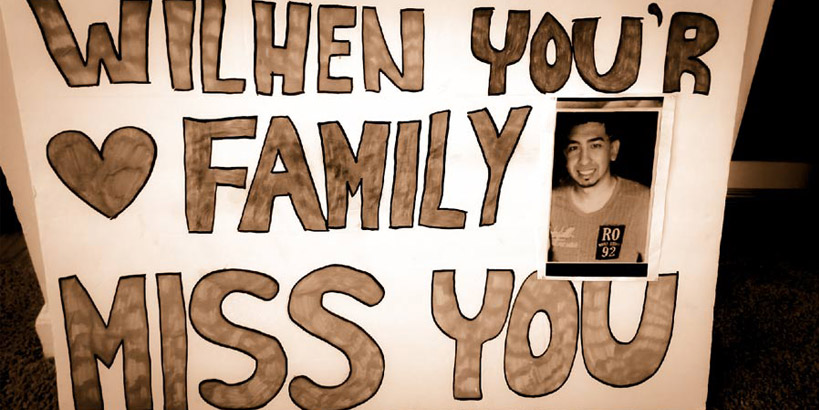
An asylum seeker from Guatemala, Barrientos was assigned to the kitchen detail, a serious role in a facility housing up to 2, 000 men. The compensation for this exhaustion was approximately $4 to $5 per day, roughly 50 cents an hour. He was locked in a cell for 23 hours a day, denied meaningful human contact, and cut off from the general population. By making an example of organizers like Ahmed, placing them in 23-hour lockdown, the administration decapitates labor movements before they can gain momentum. In 2020, the U. Wilhen Hill Barrientos, an asylum seeker from Guatemala, arrived at.
Investigative Review of CoreCivic
Why it matters:
The Stewart Detention Center in Georgia runs a controversial "Voluntary Work Program" that pays detainees as little as $1 per day.
Former detainees and legal advocates claim the program is coercive and resembles forced labor, with detainees facing threats of solitary confinement for refusing to work.
The "Voluntary" Facade: Deconstructing the $1-Per-Day Work Program at Stewart Detention Center
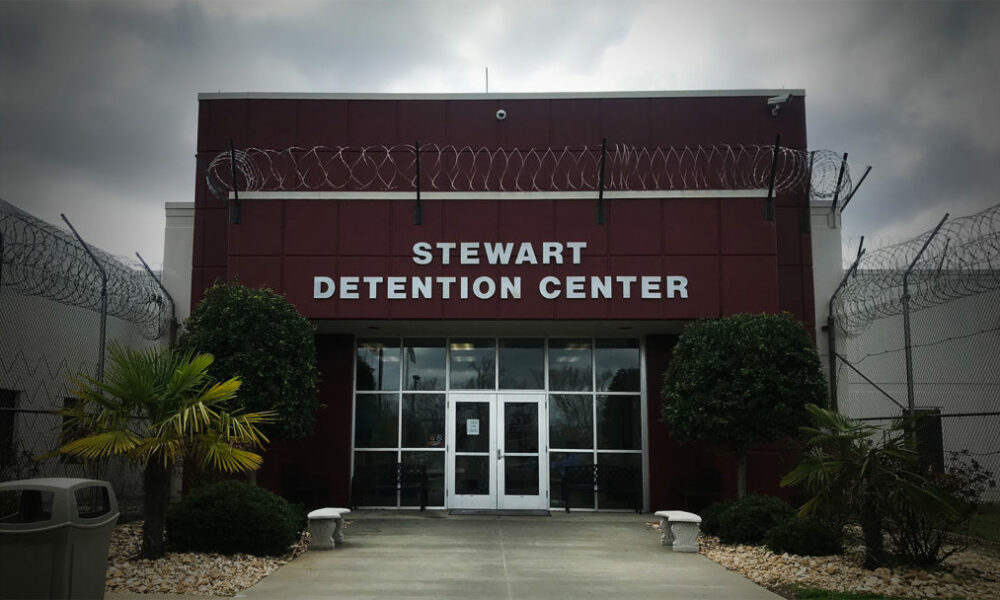
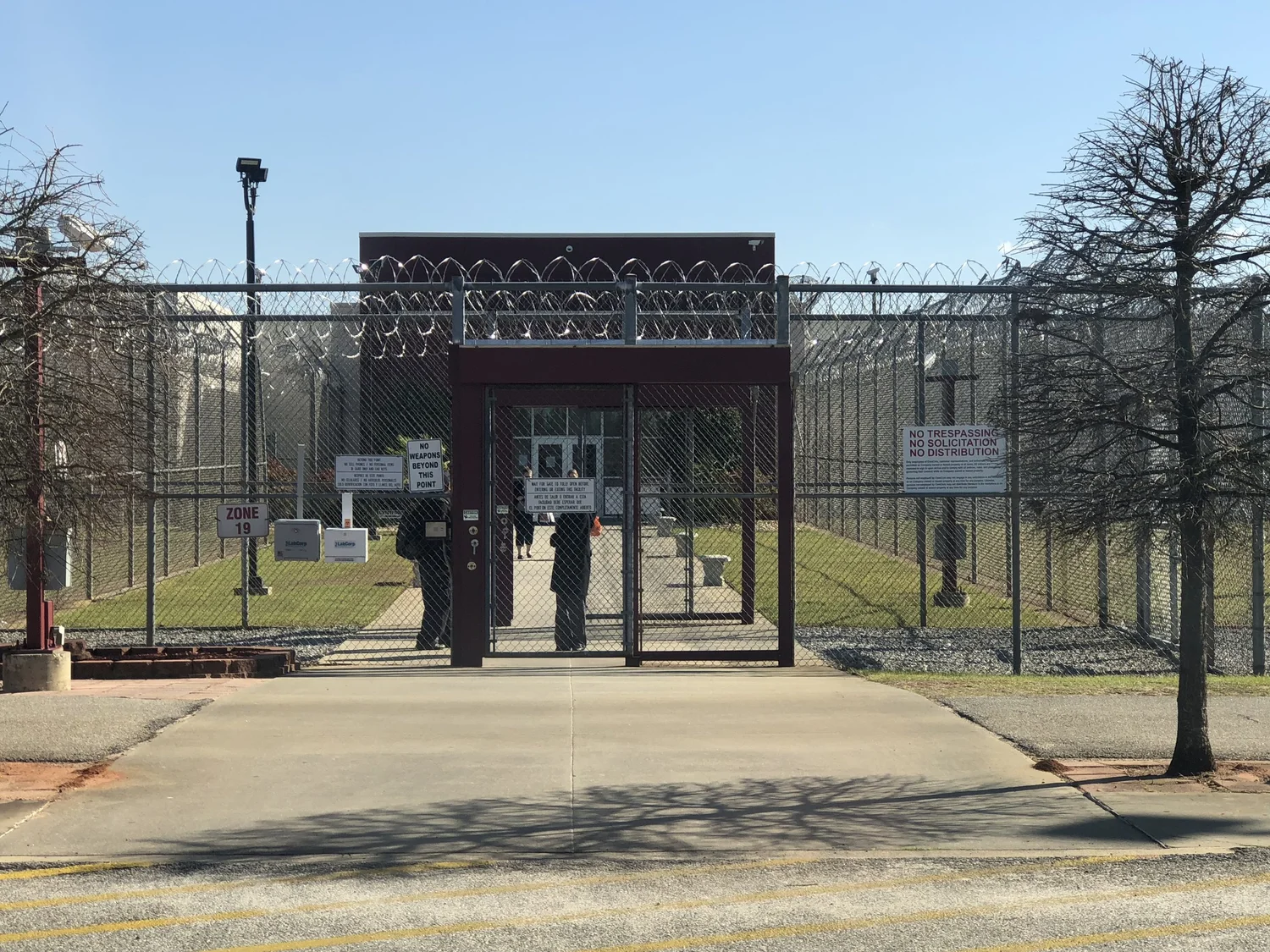
The Stewart Detention Center in Lumpkin, Georgia, operates as one of the largest immigration detention facilities in the United States. It sits in a remote area of Stewart County. This facility has become the epicenter of a fierce legal and ethical battle regarding the labor rights of detained immigrants. At the heart of this conflict lies the “Voluntary Work Program.” This program pays detainees as little as $1 per day to maintain the facility. CoreCivic, the private corporation that owns and manages Stewart, relies on this labor to cook meals, clean floors, and perform laundry services. The company classifies these tasks as voluntary. Yet former detainees and legal advocates describe a system of coercion that mirrors forced labor. The wage structure at Stewart Detention Center has remained stagnant for decades. The rate of $1 per day was established by Congress in 1978 for the federal Voluntary Work Program. CoreCivic uses this federal guideline to justify its pay. Detainees who work eight or nine hours in the kitchen might receive $4 for a double shift. This amounts to approximately fifty cents per hour. In the outside world, such wages would violate every labor law in the country. Inside the fences of Stewart, this pay rate is standard operating procedure. The company claims this program provides detainees with a sense of purpose and extra funds for commissary purchases. Detainees tell a different story. In the class-action lawsuit *Barrientos v. CoreCivic*, plaintiffs alleged that the corporation engineered a “deprivation scheme” to compel participation in the work program. The lawsuit claimed that CoreCivic intentionally withheld basic necessities to force detainees to work. Plaintiffs stated that the facility provided insufficient food and insufficient hygiene supplies. Detainees reported receiving small portions of unappetizing or spoiled food. To supplement their diet, they had to purchase items from the commissary. The commissary is a company-run store where prices for soup, chips, and other snacks can be high relative to the $1 daily wage. Hygiene products also played a central role in these allegations. The lawsuit detailed how officers would deny requests for toilet paper or soap. One plaintiff alleged that a guard told him to use his fingers when he asked for toilet paper. This environment created a desperate need for money. Detainees could not rely on the facility to provide for their basic human needs. They had to work to buy soap, toothpaste, and food. The “voluntary” nature of the program dissolves when the alternative is living in filth and hunger. The economic incentive for CoreCivic to maintain this system is substantial. The lawsuit accused the corporation of unjust enrichment. By using detainee labor, CoreCivic avoids paying market wages to outside employees. The facility houses over 2, 000 people. Running a kitchen for a population of that size requires a significant staff. Plaintiffs noted that CoreCivic employed almost no outside kitchen workers. Detainees performed the bulk of the cooking, cleaning, and serving. If CoreCivic had to pay the federal minimum wage of $7. 25 per hour to these workers, their operating costs would rise by millions of dollars annually. The use of detained labor at $1 per day allows the company to secure massive profit margins from its government contract. Coercion at Stewart Detention Center extended beyond simple deprivation. The lawsuit detailed explicit threats used to enforce labor discipline. Detainees who refused to work or complained about conditions faced the threat of solitary confinement. This practice is known as segregation. Shoaib Ahmed, a plaintiff in the case, alleged he was placed in solitary confinement for ten days. His offense was expressing frustration about unpaid wages and stating, “no work tomorrow.” Solitary confinement involves isolation in a small cell for 23 hours a day. It is a severe punishment that can have lasting psychological effects. The use of such punishment for labor disputes suggests that the work program is anything voluntary. Wilhen Hill Barrientos, the lead plaintiff, provided testimony that exposed the harsh reality of the kitchen detail. He described working seven days a week. Shifts frequently lasted eight to nine hours. When he fell ill and requested time off, officers allegedly threatened him with segregation. He was eventually placed in medical segregation for two months after filing a grievance. His experience contradicts the company’s claim that work assignments are flexible and optional. The plaintiffs argued that the threat of segregation acts as a tool to ensure a steady supply of compliant labor. The legal battle over these practices reached the United States Court of Appeals for the Eleventh Circuit. In a significant ruling in 2020, the court held that the Trafficking Victims Protection Act (TVPA) applies to private prison contractors. This decision stripped away the immunity that CoreCivic had long claimed. The court rejected the argument that the company was simply following government orders. This ruling allowed the case to proceed and opened the door for scrutiny of the work program under anti-trafficking laws. The court recognized that a private entity could be liable for forced labor if it used threats or coercion to obtain services. In October 2023, the parties reached a settlement. CoreCivic did not admit liability. Yet the terms of the settlement required significant changes to how the work program is presented. The agreement mandated the creation of a “Detained Worker Bill of Rights.” This document must be provided to every detainee who considers joining the work program. It explicitly states that detainees have the right to refuse work at any time. It also guarantees the right to prompt monetary compensation, relevant training, and necessary safety equipment. The settlement forces CoreCivic to acknowledge, in writing, that work cannot be compelled through threats or deprivation. The settlement also included financial compensation for the named plaintiffs. Wilhen Hill Barrientos, Margarito Velazquez Galicia, and Shoaib Ahmed received confidential sums. The broader class of detainees did not receive back pay in this specific settlement. Yet the legal precedent established by the Eleventh Circuit remains a tool for future litigation. The case exposed the internal mechanics of the detention economy. It revealed how private prison companies monetize the time and labor of the people they confine. The “deprivation scheme” described in the lawsuit highlights a conflict of interest inherent in privatized detention. CoreCivic is paid a fixed rate by the government to house each detainee. Every dollar spent on food, hygiene, or staff wages cuts into the company’s bottom line. This creates a financial incentive to minimize expenditures on detainee care. It also creates an incentive to maximize the use of cheap detainee labor. The $1 wage is not a token of appreciation. It is a central component of the business model. Critics of the private prison industry point to Stewart Detention Center as a clear example of how profit motives distort human rights standards. The work program transfers the cost of facility maintenance onto the detainees themselves. They pay for their own confinement with their labor. The “Voluntary Work Program” label serves to mask this economic reality. It provides a legal shield that allows the company to bypass minimum wage laws. The *Barrientos* case chipped away at this shield. It showed that when basic necessities are withheld, consent becomes impossible. The physical toll on detainees working in the kitchen was severe. Plaintiffs described lifting heavy pots, standing for long periods, and working without proper safety gear. Injuries were common. Medical care was frequently delayed or insufficient. The settlement’s requirement for safety equipment addresses of these physical dangers. Yet the low wage remains legal under current federal statutes. The $1 rate has not been adjusted for inflation in over forty years. This stagnation ensures that detainee labor remains the cheapest available option for facility operators. The reliance on detainee labor also impacts the local economy of Stewart County. The lawsuit noted that by using detainees, CoreCivic denied employment opportunities to local residents. Stewart County is one of the poorest counties in Georgia. A facility the size of Stewart Detention Center could provide hundreds of jobs for local cooks, janitors, and maintenance workers. Instead, these jobs are filled by detainees earning pennies. This benefits the corporation’s shareholders while depriving the local community of living-wage employment. The “Voluntary” facade at Stewart Detention Center crumbles under scrutiny. The combination of low wages, high commissary prices, and the threat of segregation creates a coercive environment. Detainees are not volunteering in the traditional sense. They are surviving. They work to eat. They work to call their families. They work to avoid the isolation of a solitary cell. The *Barrientos* settlement forced CoreCivic to clarify the rights of these workers. It did not, yet, end the practice of paying $1 per day. The struggle for fair wages and humane conditions in immigration detention continues. The case stands as a testament to the courage of those who risked punishment to expose the system. The narrative of the “Voluntary Work Program” relies on the assumption that detainees have a free choice. The evidence presented in court suggests otherwise. When a person must work to secure toilet paper, that person is not a volunteer. They are a captive laborer. The distinction is important for understanding the human rights of privatized detention. CoreCivic’s operations at Stewart Detention Center demonstrate the dangers of mixing profit with incarceration. The $1 wage is a symbol of a system that values the bottom line over human dignity. The “Bill of Rights” is a step toward transparency. the economic engine of the detention center still runs on the cheap labor of those inside.
The "Voluntary" Facade: Deconstructing the $1-Per-Day Work Program at Stewart Detention Center
Anatomy of a Lawsuit: The Barrientos v. CoreCivic Class Action Allegations
On April 17, 2018, the legal battle against CoreCivic’s labor practices at Stewart Detention Center escalated from scattered grievances to a federal offensive. Three former detainees—Wilhen Hill Barrientos, Margarito Velazquez Galicia, and Shoaib Ahmed—filed a class-action lawsuit in the U. S. District Court for the Middle District of Georgia. Represented by the Southern Poverty Law Center (SPLC) and Project South, the complaint, *Barrientos v. CoreCivic, Inc.*, did not allege labor violations. It accused the private prison giant of violating the Trafficking Victims Protection Act (TVPA), a federal statute designed to combat human trafficking and modern slavery.
The Plaintiffs and the “Deprivation Scheme”
The lawsuit centered on three specific narratives that the plaintiffs argued were representative of the entire detainee population at Stewart. Wilhen Hill Barrientos, a Guatemalan asylum seeker, stated he worked in the kitchen for 8 to 9 hours a day, seven days a week, earning between $1 and $4 daily. When he fell ill and requested time off, he alleged that officers threatened him with solitary confinement. Upon filing a grievance regarding this treatment, Barrientos claimed he was placed in segregation for over a month. Shoaib Ahmed, a political asylum seeker from Bangladesh, provided equally disturbing testimony. Ahmed worked in the kitchen to afford phone cards to contact his family. He alleged that when he expressed frustration about a delayed paycheck, a sum of $20 for a week’s work, and muttered “no work tomorrow,” officers placed him in solitary confinement for ten days. The complaint detailed that this punishment was not for a security threat, for a refusal to labor. Margarito Velazquez Galicia, a Mexican national, corroborated the coercive environment. He described a system where refusal to work resulted in the loss of access to basic necessities. The plaintiffs shared described what their legal team termed a “deprivation scheme.” This scheme operated on a simple, brutal economic logic: CoreCivic intentionally withheld sufficient quantities of basic hygiene products, toilet paper, soap, toothpaste, and provided unpalatable food. To survive with dignity, detainees needed money to purchase these items from the commissary, which CoreCivic also owned. The only way to earn that money was to join the “Voluntary Work Program.”
The Mechanics of Coercion
The *Barrientos* complaint dissected the method CoreCivic allegedly used to ensure a steady supply of cheap labor. The “carrot” was the ability to buy soap and make phone calls. The “stick” was far more severe. The lawsuit detailed the existence of the “Chicken Coop,” an open-dormitory housing unit known for overcrowding, absence of privacy, and constant noise. Detainees who participated in the work program were frequently housed in two-person cells with greater privacy and safety. Refusal to work meant a transfer back to the “Chicken Coop” or, worse, solitary confinement. The plaintiffs argued that this choice was illusory. When the alternative to working for pennies is physical degradation, isolation, or the inability to communicate with legal counsel, the labor is not voluntary. It is forced. The complaint asserted that CoreCivic saved millions of dollars annually by replacing fair-wage staff with detained immigrants, constituting “unjust enrichment” under Georgia state law.
The Legal Battle: Applying the TVPA
CoreCivic immediately moved to dismiss the case. Their legal defense relied on two primary arguments., they contended that the work program was strictly voluntary and operated in full compliance with ICE’s Performance-Based National Detention Standards (PBNDS). Second, they argued that the TVPA was never intended to apply to private contractors operating federal detention facilities. They claimed that because the government allows for detainee work programs, a private corporation acting as a government agent should be immune from trafficking statutes. In August 2018, U. S. District Judge Clay Land denied CoreCivic’s motion to dismiss. He ruled that the plaintiffs had alleged sufficient facts to proceed. CoreCivic appealed this decision to the U. S. Court of Appeals for the Eleventh Circuit, hoping for a reversal that would kill the lawsuit in its infancy. In a landmark decision in February 2020, the Eleventh Circuit affirmed Judge Land’s ruling. The appellate court held that the TVPA *does* apply to private prison contractors. The court rejected CoreCivic’s argument that they were categorically excluded from the statute. The judges noted that while the law permits voluntary work programs, it does not authorize the use of coercion, threats of serious harm, or abuse of the legal process to obtain labor. This ruling established a serious precedent: private prison companies could be held liable for human trafficking if they used coercive means to extract labor from detainees.
The Fight for Class Certification
Following the Eleventh Circuit victory, the plaintiffs sought to certify two classes: a “Forced Labor Class” (detainees who worked under threat) and an “Unjust Enrichment Class” (detainees whose underpaid labor enriched CoreCivic). The goal was to secure damages for thousands of detainees who had passed through Stewart’s work program since 2008. The discovery phase revealed internal CoreCivic documents showing the facility’s heavy reliance on detainee labor. Plaintiffs pointed to staffing ing that without detainee workers, the facility would cease to function or would require a massive infusion of expensive external staff. Yet, in March 2023, the case hit a significant wall. Judge Clay Land denied the motion for class certification. While acknowledging that CoreCivic had common policies, Judge Land reasoned that the question of “coercion” was subjective. He argued that proving one detainee was forced to work did not automatically prove that *every* detainee was forced. might have worked because they genuinely wanted to stay busy or earn extra money, regardless of the conditions. Because the court could not determine, on a class-wide basis, who was “forced” and who was ” ” without individual testimony from thousands of people, the class action could not proceed as a shared unit. This ruling was a serious setback for the widespread challenge. It meant that while the individual plaintiffs could continue their claims, the lawsuit would not automatically result in a payout for the thousands of other chance victims.
The Settlement and the “Bill of Rights”
With the class certification denied the individual claims still heading toward a jury trial, the parties reached a settlement in October 2023. The terms of the settlement did not include the massive monetary damages seen in similar cases against The GEO Group in Washington State. Instead, the *Barrientos* settlement focused on policy reform and individual resolution. The settlement required CoreCivic to implement a “Detained Worker Bill of Rights” at Stewart Detention Center. This document, which must be provided to all detainees in their native languages, explicitly states that: 1. Work is strictly voluntary. 2. Detainees have the right to refuse work at any time without fear of retaliation, solitary confinement, or loss of housing privileges. 3. Workers are entitled to prompt monetary compensation. 4. Workers must be provided with necessary training and safety equipment. 5. Workers are entitled to respect from facility staff. While the financial terms regarding the three named plaintiffs remained confidential, the “Bill of Rights” represented a functional admission that the previous was legally untenable. The settlement forced CoreCivic to codify protections that the plaintiffs alleged had been systematically ignored for years.
Economic of the Allegations
The *Barrientos* lawsuit exposed the economic engine of the detention industry. The plaintiffs’ expert analysis during the litigation estimated that CoreCivic saved millions annually at Stewart alone by using detainee labor. If CoreCivic had been forced to pay the federal minimum wage ($7. 25/hour) instead of $1/day, their operating costs would have skyrocketed. The “unjust enrichment” claim, though not fully litigated to a class verdict, laid bare the profit margins involved. A kitchen worker paid $1 for an 8-hour shift costs the company $0. 125 per hour. A civilian employee doing the same work would cost at least $7. 25 plus taxes and benefits—a cost difference of over 5, 000%. The lawsuit argued that this massive created a perverse incentive for CoreCivic to maintain the “deprivation scheme.” The cheaper the labor, the higher the profit; the more desperate the detainees, the more they are to work for pennies. The *Barrientos* case serves as a forensic accounting of how the “Voluntary Work Program” allegedly functioned not as a rehabilitative tool, as a captive labor market. By controlling the supply of necessities and the conditions of confinement, CoreCivic could theoretically manipulate the demand for work, ensuring that the kitchen, laundry, and cleaning crews were always staffed, regardless of the detainees’ actual desire to labor. The settlement in 2023 closed this specific legal chapter, the documentation generated by the lawsuit remains a permanent record of the allegations against the private prison industry.
Anatomy of a Lawsuit: The Barrientos v. CoreCivic Class Action Allegations
Coercion by Design: Solitary Confinement as a Tool for Labor Compliance
The Architecture of Compliance: “Work or Rot”
At the Stewart Detention Center in Lumpkin, Georgia, the operational stability of the facility relies on a simple, brutal calculus: detained immigrants must cook, clean, and maintain the prison for pennies an hour, or the facility ceases to function profitably. To ensure this labor pool remains compliant, CoreCivic managers have historically deployed a potent enforcement method: the threat and application of solitary confinement. While the corporation publicly designates this practice as “restricted housing” or “administrative segregation,” court filings and detainee testimonies reveal a punitive system designed to break the of those who refuse to work. The choice presented to asylum seekers is not a matter of volunteerism; it is a “Hobson’s choice” between exploitative labor and total isolation.
The use of solitary confinement at Stewart serves a dual purpose. Ostensibly, it exists to manage security threats. In practice, as detailed in the Barrientos v. CoreCivic litigation, it functions as the “stick” in a coercive labor scheme. Detainees who question their wages, report illness, or attempt to organize work stoppages face immediate removal from the general population. This removal strips them of their limited freedom of movement and, crucially, cuts off their ability to earn the meager funds necessary to purchase basic hygiene products and phone time. By linking the refusal to work with the deprivation of human contact and essential goods, the facility creates an environment where labor becomes the only viable route to survival.
Case Study: Wilhen Hill Barrientos
The experience of Wilhen Hill Barrientos, a lead plaintiff in the class-action lawsuit, provides a granular view of this coercion. An asylum seeker from Guatemala, Barrientos was assigned to the kitchen detail, a serious role in a facility housing up to 2, 000 men. His shifts routinely stretched to eight or nine hours, seven days a week. The compensation for this exhaustion was approximately $4 to $5 per day, roughly 50 cents an hour. When Barrientos fell ill and found himself unable to complete a shift, he did not receive medical respite. Instead, after filing a grievance regarding his forced labor while sick, officers placed him in “medical segregation.”
For over a month, Barrientos languished in isolation. Although labeled “medical,” the conditions mirrored punitive solitary confinement. He was locked in a cell for 23 hours a day, denied meaningful human contact, and cut off from the general population. This segregation served as a clear warning to other detainees: the cost of reporting illness or complaining about labor conditions is the loss of one’s freedom. The message was. Barrientos later testified that the threat of solitary confinement, combined with the need to pay for phone calls to his family, left him with “no real choice” to work. His testimony dismantled the “voluntary” label CoreCivic applies to its work program, exposing the underlying threat of retaliation that keeps the kitchen running.
Suppressing Dissent: The Case of Shoaib Ahmed
The punitive use of solitary confinement extends beyond individual non-compliance to the suppression of shared action. Shoaib Ahmed, a Bangladeshi asylum seeker who fled political persecution, experienced this retaliation firsthand. When Ahmed encouraged other detainees to participate in a work stoppage to protest their conditions, the response from facility administrators was swift. He was placed in solitary confinement for ten days. His offense was not violence or contraband possession; it was the act of organizing against the labor regime.
Ahmed’s isolation illustrates the fragility of CoreCivic’s labor model. Because the facility operates with a skeleton crew of civilian staff, it cannot function without detainee labor. A widespread strike would cripple the prison’s ability to feed its population and maintain sanitation, forcing the corporation to hire outside workers at prevailing wages, a move that would catastrophically impact profit margins. Consequently, any attempt to organize a strike is treated as a severe security threat. By making an example of organizers like Ahmed, placing them in 23-hour lockdown, the administration decapitates labor movements before they can gain momentum. The “hole” becomes the primary tool for union-busting within the detention center.
The Deprivation Loop
Solitary confinement at Stewart is not physically isolating; it is economically devastating for the detainee. This creates a “deprivation loop” that reinforces the forced labor system. Project South, a legal advocacy group, documented that Stewart consistently failed to provide sufficient basic necessities, such as soap, toothpaste, and toilet paper. Detainees reported having to use their hands in place of toilet paper or wait days for supplies. To obtain these items, they were forced to purchase them from the commissary. The only way to earn money for the commissary was to join the “Voluntary Work Program.”
When a detainee is placed in solitary confinement for refusing work, they lose their income stream. Simultaneously, they are frequently cut off from access to the commissary and, more serious, the telephone. For an immigrant fighting a deportation case, the phone is a lifeline, the only link to attorneys, evidence gathering, and family support. Losing phone access can mean losing one’s asylum case. The threat of solitary thus carries a weight far heavier than temporary boredom; it threatens the detainee’s legal standing and physical health. The fear of this “civil death” compels detainees to return to the kitchen or laundry, accepting the $1-per-day wage as the price of maintaining their connection to the outside world.
Legal Recognition of Coercion
The widespread nature of this coercion was a central pillar of the legal challenges brought against CoreCivic. In 2020, the U. S. Court of Appeals for the Eleventh Circuit delivered a landmark ruling in Barrientos v. CoreCivic, affirming that the Trafficking Victims Protection Act (TVPA) applies to private prison contractors. The court rejected CoreCivic’s argument that it was exempt from federal anti-trafficking laws, allowing the plaintiffs to proceed with claims that the company used “serious harm” and the “abuse of legal process” to coerce labor. The court recognized that the threat of solitary confinement could constitute “serious harm” under the TVPA, validating the plaintiffs’ assertion that their labor was not voluntary.
Although the district court later denied class certification in March 2023, citing the difficulty of proving that every detainee was subjectively coerced in the same way, the evidence gathered during discovery painted a damning picture. Internal documents and sworn testimonies confirmed that the threat of segregation was a standard operating procedure for managing labor disputes. The subsequent settlement in October 2023, while providing no monetary compensation to the class, mandated the creation of a “Detained Worker Bill of Rights.” This document, which CoreCivic must distribute, explicitly states that detainees cannot be forced to work and have the right to refuse without retaliation. The need of such a document serves as a tacit admission: for years, those rights were either nonexistent or systematically ignored.
Conditions Inside “The Hole”
To understand the effectiveness of solitary confinement as a coercive tool, one must examine the physical reality of the cells at Stewart. Detainees describe the segregation units as “hell” and “total isolation.” Reports from the Southern Poverty Law Center and Project South detail cells that are freezing cold, frequently filthy, and devoid of stimulation. In these 6-by-13-foot concrete boxes, men are left to ruminate on their deportation cases without the distraction of work or the comfort of conversation. Suicide attempts and mental health crises are disproportionately high in these units. The psychological toll is immediate and severe.
For a detainee weighing the options, the calculation is clear. On one side is the kitchen: hot, exhausting, and exploitative, offering social contact, a few dollars for food, and a sense of purpose. On the other side is the segregation unit: cold, silent, and maddening. CoreCivic administrators understand this psychology. They designed the system to ensure that the pain of compliance is always slightly less than the pain of resistance. By maintaining the segregation units as a terrifying alternative, they secure the labor force required to keep their profit margins intact, turning the detention center into a factory where the primary product is cost avoidance.
Coercion by Design: Solitary Confinement as a Tool for Labor Compliance
The "Deprivation Scheme": Withholding Hygiene Basics to Force Detainee Work
The Mechanics of Deprivation: Manufacturing Poverty to Extract Labor
The central engine of the forced labor allegations against CoreCivic at Stewart Detention Center (SDC) is not the low wage of $1 per day, the artificial scarcity of basic necessities that makes earning that dollar a matter of survival. In federal court filings, plaintiffs described this operational strategy as a “deprivation scheme.” The premise is simple yet brutal: by withholding legally mandated hygiene supplies and providing insufficient food, the facility creates a desperate economic need. Detainees are then presented with a single solution to alleviate their squalor: the “Voluntary Work Program.” Under the Performance-Based National Detention Standards (PBNDS), facilities must provide detainees with personal hygiene items, including soap, toothpaste, and toilet paper, at no cost. Yet, testimonies in *Barrientos v. CoreCivic* reveal a reality that stands in clear contrast to these regulations. Plaintiff Wilhen Hill Barrientos testified that guards rationed toilet paper to one roll per week for multiple men to share. When he requested more, a CoreCivic guard reportedly told him to “use his fingers.” This degradation serves a functional purpose. It drives detainees to the commissary, the facility’s internal store, where they can purchase the dignity denied to them in their cells. The commissary operates as an unregulated monopoly where CoreCivic sets both the price of goods and the wages of the only available labor. This closed economic loop ensures that detainees must work dozens of hours to afford items that are standard in free society. The mathematical between the $1 daily wage and the cost of goods creates a pattern of debt and labor. A detainee refusing to work does not simply lose the chance to buy snacks; they lose the ability to maintain basic sanitation or contact their families.
The Cost of Dignity: Purchasing Basics on $1 Per Day
The following table illustrates the purchasing power, or absence thereof, for a detainee earning the standard $1 daily wage at Stewart Detention Center. These estimations, based on court documents and standard commissary pricing in private detention facilities, highlight the labor time required to purchase fundamental goods.
Item
Estimated Commissary Cost
Days of Labor Required (@ $1/day)
Bar of Soap
$1. 50, $2. 00
1. 5 to 2 Days
Toothpaste
$2. 50, $3. 50
2. 5 to 3. 5 Days
Deodorant
$3. 00, $4. 00
3 to 4 Days
Phone Card (10-15 mins)
$5. 00, $10. 00
5 to 10 Days
Ramen/Soup Packet
$0. 75, $1. 00
1 Day
This economic pressure forces a binary choice. A detainee can sit in a cell without soap, rationing toilet paper, and eating only the “spartan” and frequently unpalatable cafeteria food, or they can scrub toilets and cook meals for CoreCivic to earn the right to buy these items. The 11th Circuit Court of Appeals, in its 2020 ruling denying CoreCivic’s motion to dismiss, acknowledged that this arrangement could constitute a violation of the Trafficking Victims Protection Act (TVPA). The court noted that if a facility withholds basic necessities to coerce labor, the “voluntary” nature of the work program evaporates.
The “Chicken Coop” and Housing Segregation
The deprivation scheme extends beyond the commissary and into the physical housing units. Detainees described a segregated housing system that rewards workers and punishes those who refuse to labor. Non-workers are frequently relegated to open dormitories known among the population as the “Chicken Coop.” These units are notorious for overcrowding, absence of privacy, and unsanitary conditions. Plaintiffs alleged that showers in the Chicken Coop were moldy and absence temperature control, forcing men to bathe in freezing or scalding water. In contrast, participation in the work program unlocks access to “pods” with two-person cells, private bathrooms, and better common areas. This architectural coercion reinforces the labor supply. The desire to escape the noise, filth, and danger of the open dorms acts as a recruitment tool. CoreCivic managers allegedly used the threat of returning workers to the Chicken Coop as a disciplinary measure. If a kitchen worker complained about a twelve-hour shift or a missed $1 payment, the response was frequently a threat of transfer back to the open dorms. This housing serves two functions., it incentivizes the initial enrollment in the work program. Second, it maintains a compliant workforce. The fear of losing one’s cell and returning to the general population keeps detainees working even when they are sick or injured. The “perks” of the work program are not genuine rewards rather the restoration of minimum humane standards that should be guaranteed to all detainees regardless of their employment status.
Legal Recognition of widespread Coercion
CoreCivic has consistently argued that its work program is strictly voluntary and that detainees are provided with all necessities required by ICE standards. They claim the commissary offers “luxury” items rather than basics. Yet, the sheer volume of complaints regarding toilet paper rationing and inedible food suggests a widespread pattern rather than incidents. In *Barrientos*, the plaintiffs argued that the deprivation was intentional. By keeping the population in a state of need, CoreCivic ensures a steady stream of workers to handle janitorial, culinary, and laundry duties—tasks that would otherwise require hiring civilian staff at federal minimum wage. The 11th Circuit’s analysis in 2020 proved pivotal. The judges found that the TVPA applies to private contractors and that the allegations of withholding necessities plausibly described a scheme of forced labor. The court rejected the notion that the mere existence of a “voluntary” form meant the labor could not be coerced. If the alternative to working is a degradation of human faculties—hunger, filth, and isolation—the signature on the work agreement is obtained through duress. While the district court later denied class certification in 2023 due to the difficulty of proving that *every* detainee felt subjectively coerced in the same way, the factual record of the “deprivation scheme” remains a damning indictment of the profit model. The settlement reached in October 2023 ended the litigation, it did not erase the years of testimony describing a facility where a roll of toilet paper was a luxury item and a $1 wage was the only way to secure it. The economics of Stewart Detention Center rely on this gap between what the law requires and what the corporation provides.
The "Deprivation Scheme": Withholding Hygiene Basics to Force Detainee Work
Inside the "Chicken Coop": Housing Conditions as Leverage for Labor Participation
Inside the Stewart Detention Center, the term “voluntary” labor collapses under the weight of the facility’s physical reality. To understand why a detained immigrant would agree to scrub toilets or cook thousands of meals for a single dollar a day, one must examine where they sleep. Detainees and legal advocates refer to the housing units not as dormitories, as “gallineros”—chicken coops. This descriptor is not metaphorical. It reflects a calculated architectural and operational choice by CoreCivic that strips individuals of privacy, safety, and dignity, creating an environment where the “Voluntary Work Program” becomes the only viable escape hatch. The standard housing unit at Stewart consists of an open-bay dormitory, a design model that maximizes surveillance and minimizes staffing costs. In these “pods,” rows of metal bunk beds are bolted to concrete floors, housing between 60 and 80 men in a single room. There are no cells, no dividing walls, and no personal space. The air is thick with the smell of unwashed bodies, mold, and industrial disinfectant—or the absence thereof. Detainees report that the noise is constant, a cacophony of voices, coughing, and the clanging of metal that reverberates off the cinderblock walls, making sleep nearly impossible. In this high-stress environment, the pledge of a work shift offers a rare commodity: a few hours of structured time away from the chaos of the “coop.” Sanitation within these units serves as a primary driver of the labor supply. Federal lawsuits, including *Barrientos v. CoreCivic*, detail allegations that the facility fails to provide adequate hygiene supplies, forcing detainees to purchase them. The open dormitories rely on communal bathrooms that are frequently in a state of disrepair. Reports from the Southern Poverty Law Center and Project South document instances where 60 men must share two or three functioning toilets and showers. These facilities frequently absence privacy curtains or doors, forcing men to relieve themselves in full view of dozens of strangers. Sewage leaks and mold infestations are common complaints. To maintain a semblance of cleanliness, detainees must buy their own soap, shampoo, and sometimes even cleaning supplies from the commissary. This economic need binds them to the work program. Without the $1-per-day wage, a detainee cannot afford the premium-priced hygiene products required to ward off infection in such squalid conditions. The “chicken coop” design also a dangerous security that incentivizes labor participation. CoreCivic officers station themselves in a secure, glass-enclosed booth—the “bubble”—separated from the general population. From this vantage point, they observe rarely intervene in the daily friction of the pod unless a major disturbance erupts. This “indirect supervision” model leaves detainees to gang activity, theft, and interpersonal violence. The open bay offers no retreat; there is no cell door to lock at night for protection. For, securing a job in the kitchen, laundry, or intake processing is a safety strategy. It removes them from the volatile environment of the pod for eight to twelve hours a day, placing them in areas with more direct staff supervision and cameras. The labor program thus functions as a protection racket: work for pennies, or remain exposed to the unpoliced dangers of the dormitory. Overcrowding exacerbates these pressures, turning the housing units into pressure cookers. During peak periods, such as the enforcement surges seen, the population at Stewart has swelled beyond its intended capacity. Legal filings and inspection reports describe men sleeping on plastic “boats” (temporary cots) on the floor because all bunks are occupied. In instances, detainees have reported sleeping on the bare concrete. This density intensifies the competition for basic resources—showers, phones, televisions—and heightens the transmission of illness. The “Voluntary Work Program” allows CoreCivic to offload the management of this overcrowding. By keeping of the population occupied with labor shifts, the facility reduces the number of idle bodies in the pods during the day, masking the true extent of the space deficiency. The temperature within the “chicken coops” constitutes another of environmental coercion. Detainees consistently report that the pods are kept at freezing temperatures, a tactic frequently in carceral settings to suppress aggression and induce lethargy. Blankets are thin, and extra bedding is considered contraband or a privilege. The commissary sells warmer clothing, such as thermal shirts or sweatpants, at marked-up prices. Once again, the loop closes: to escape the bone-chilling cold of the housing unit, a detainee must work to earn the money to buy clothes that the facility refuses to provide. Alternatively, the physical exertion of a kitchen shift or a cleaning detail provides a temporary reprieve from the sedentary, freezing conditions of the dorm. CoreCivic’s maintenance of these conditions is not a result of negligence; it is a component of the “deprivation scheme” alleged by plaintiffs. If the housing units were clean, safe, private, and temperature-controlled, the incentive to work for $1 a day would diminish significantly. The misery of the “chicken coop” is the baseline against which the “privilege” of work is measured. When a detainee agrees to wax floors or scrub pots, they are not making a free market choice; they are mitigating the harm inflicted by their housing assignment. The labor contract is signed under the duress of the living environment. also, the housing structure allows for immediate and visible retaliation against those who refuse to work or who organize work stoppages. Because there is no privacy, a detainee who declines a shift is visible to both guards and other detainees. Officers can readily identify non-compliant individuals and target them for “shakedowns,” tossing their bunks and confiscating personal items under the guise of security searches. The threat of being moved from a general population pod to the “hole” (segregation) is the stick, the general population pod itself is designed to be just uncomfortable enough that the threat of *losing* a job is potent. A detainee fired from the kitchen returns to the 24-hour confinement of the “coop,” losing not just the $1 income the ability to structure their day and escape the noise and filth. The psychological toll of the open dormitory cannot be overstated. The absence of privacy the self. Men use the toilet, shower, sleep, and dress in front of dozens of others. This dehumanization prepares the detainee for the role of a low-wage laborer. If one is treated like livestock in the housing unit—herded, counted, and stored in a “coop”—the transition to being treated as a disposable worker is direct. The architecture tells the detainee they have no value; the labor program confirms it. In the context of the *Barrientos* litigation, these housing conditions provide the factual bedrock for the claim of forced labor. The Trafficking Victims Protection Act (TVPA) prohibits obtaining labor by means of “serious harm” or the “threat of serious harm.” The plaintiffs that the conditions in the Stewart housing units constitute this serious harm. To be forced to live in a mold-infested, violence-prone, freezing, and overcrowded cage without the means to purchase soap or make a phone call is a form of coercion. CoreCivic does not need to hold a gun to a detainee’s head to make them work; they simply need to put them in the “chicken coop” and wait for the inevitable request to join the kitchen crew. The “gallineros” of Stewart Detention Center stand as a testament to the profitability of misery. By warehousing human beings in conditions that degrade their health and safety, CoreCivic creates a captive market for its commissary and a desperate workforce for its operations. The $1 wage is not an offer; it is a ransom. The detainee pays it with their labor to buy back a fraction of the dignity that the housing unit steals from them every hour of every day.
Inside the "Chicken Coop": Housing Conditions as Leverage for Labor Participation
Profit Over People: CoreCivic’s Financial Reliance on Detainee Workforce
The financial architecture of Stewart Detention Center reveals that the “Voluntary Work Program” is not an ancillary benefit for detainees, a structural need for CoreCivic’s profit margins. The facility operates on a fixed per-diem contract model, where Immigration and Customs Enforcement (ICE) pays CoreCivic a set rate per detainee per day—historically ranging between $60 and $90 depending on the specific Intergovernmental Service Agreement (IGSA) terms active at the time. Under this capitated revenue model, every dollar spent on facility operations is a dollar subtracted from the bottom line. Consequently, the suppression of labor costs is not a cost-saving measure; it is the primary engine of profitability. Discovery documents from the *Barrientos v. CoreCivic* class action lawsuit exposed the extent to which this reliance is codified in corporate strategy. During the litigation, it was revealed that CoreCivic managing director Jason Ellis admitted the company “factors detainee labor into their budgets.” This admission strips away the “rehabilitative” veneer frequently applied to these programs. If the labor were truly voluntary and therapeutic, it would be an add-on, not a line item essential for fiscal solvency. By integrating detainee labor into the base operating budget, CoreCivic admits that the facility cannot function at its current profit margins without a workforce paid $1 per day. The mathematical between detainee wages and the fair market value of their labor is clear. In the free market, the roles filled by detainees—industrial kitchen staff, janitors, laundry operators, and barbers—command at least the federal minimum wage of $7. 25 per hour, with prevailing wages in institutional settings frequently exceeding $12 to $15 per hour. At Stewart, a detainee working an eight-hour shift in the kitchen prepares meals for over 2, 000 people and receives $1. 00 total. This equates to an hourly rate of 12. 5 cents. If CoreCivic were forced to replace a single detainee shift with a civilian employee at the federal minimum wage, the cost would jump from $1. 00 to $58. 00—a 5, 700% increase. When extrapolated across the facility, the savings become astronomical. Court filings indicate that between 2008 and 2018, over 127, 000 detainees participated in work programs across CoreCivic’s network. At Stewart alone, where hundreds of detainees work daily to keep the facility running, the use of detained labor saves the corporation millions of dollars annually. These are not theoretical savings; they are diverted directly into executive compensation and shareholder dividends. The “deprivation scheme” alleged by plaintiffs in *Barrientos* serves as the enforcement method for this financial model. The lawsuit details how CoreCivic creates an artificial scarcity of basic necessities to drive labor participation. When the company refuses to provide sufficient toilet paper, soap, or toothpaste—forcing detainees to purchase them at inflated commissary prices—they are manufacturing a need for income. Since the only source of income available is the $1-per-day program, the “choice” to work becomes a survival imperative. This creates a closed economic loop: CoreCivic withholds goods to force labor, pays for that labor with pennies, and then recoups those pennies through the commissary, all while avoiding the cost of hiring a legitimate sanitation or kitchen crew. Internal spreadsheets produced during discovery showed that CoreCivic tracks detainee labor hours with the same rigor as any other asset. These documents refute the claim that the work is casual or non-essential. On the contrary, the facility’s daily operations—feeding thousands, sanitizing living areas, and laundering uniforms—rely entirely on the predictability of this workforce. If the detainee workforce were to strike, as they have attempted to do, the facility would face an immediate operational emergency, necessitating the emergency hiring of expensive outside contractors. This vulnerability explains the harsh retaliatory measures, such as solitary confinement, used to quell work stoppages; the company is protecting its supply chain. The economic displacement extends beyond the prison walls. By utilizing a captive workforce at sub-legal wages, CoreCivic artificially depresses the local labor market in Stewart County, one of the poorest counties in Georgia. The hundreds of full-time jobs that would exist if the facility were staffed by civilians—cooks, cleaners, maintenance workers—are erased, replaced by a shadow workforce that has no bargaining power and no legal recourse. The “efficiency” touted in CoreCivic’s 10-K reports to investors is, in reality, a transfer of wealth from detained immigrants and the local community to the corporation’s balance sheet. also, the structure of the ICE contract incentivizes this exploitation by failing to mandate a floor for labor standards. While the federal government sets the $1 statutory minimum for detainee “volunteers,” it does not cap the amount of work that can be extracted for that dollar. This regulatory gap allows CoreCivic to demand double shifts or seven-day workweeks without increasing pay, further widening the profit margin. The *Barrientos* plaintiffs described working eight to nine hours a day, seven days a week, for a weekly total of $7—a sum that would not buy a single hour of labor in the outside world., the financial data confirms that the $1-per-day wage is not a token of gratitude a calculated wage ceiling designed to maximize the extraction of value. The facility’s solvency depends on the continued existence of a desperate, coerced underclass. Every dollar denied to a detainee worker is a dollar retained by the corporation, making the alleged forced labor not just a policy violation, the very foundation of the business model.
Plaintiff Testimony: Wilhen Hill Barrientos and the Reality of Kitchen Labor
The Kitchen as a Factory: Industrial, Penny Wages
Wilhen Hill Barrientos, an asylum seeker from Guatemala, arrived at Stewart Detention Center in 2015 seeking safety. Instead, he found himself conscripted into an industrial labor engine essential to CoreCivic’s profit margins. His testimony in Barrientos v. CoreCivic provides a granular look at the facility’s kitchen operations, revealing a system that functioned less like a rehabilitation program and more like a sweatshop. Barrientos described a daily grind where he and other detainees were responsible for cooking meals for the facility’s population, which frequently swelled to nearly 2, 000 people. This was not light duty; it was commercial food preparation on a massive, performed without the standard workforce one would expect for such an operation.
The specific metrics of Barrientos’s labor the “volunteer” narrative. He testified to working shifts that regularly stretched to eight or nine hours, seven days a week. This schedule far exceeded the guidelines set by Immigration and Customs Enforcement (ICE) for voluntary work programs, yet it was treated as standard operating procedure at Stewart. For this exhaustion, Barrientos received between $4 and $5 per day, 50 cents an hour. On days when the facility required “double shifts” to cover staffing gaps, the pay increased marginally, never method the federal minimum wage. The math is clear: CoreCivic obtained full-time, hazardous industrial labor for a fraction of the cost of hiring a single outside employee.
The “Hobson’s Choice”: Work or Starve
Barrientos’s affidavit illuminates the coercive method that kept the kitchen staffed. The decision to work was not born of a desire for activity or rehabilitation, of need manufactured by the facility’s conditions. Detainees faced a “Hobson’s choice”: work for pennies or suffer deprivation. The facility provided what Barrientos and others described as a “spartan diet,” frequently insufficient in quantity and quality. To supplement this meager intake, detainees had to purchase food from the commissary, the prices of which were set by CoreCivic. Consequently, the wages earned in the kitchen were immediately recycled back into CoreCivic’s coffers to buy basic sustenance that the facility failed to provide.
Beyond food, the wages were the only lifeline to the outside world. Phone calls to family and legal counsel were prohibitively expensive. Barrientos testified that without the kitchen wages, he would be cut off from his support network and his ability to fight his asylum case. This economic pressure acted as a soft shackle, binding detainees to their workstations not with physical chains, with the threat of isolation and hunger. The “voluntary” nature of the program was an illusion maintained by the desperate circumstances CoreCivic created.
Punishment for Illness: The Solitary Confinement Incident
The most damning portion of Barrientos’s testimony concerns the direct retaliation he faced for attempting to exercise basic rights. The “voluntary” label implies the right to quit or take leave, yet Barrientos’s experience proved the opposite. When he fell ill and requested time off from his kitchen duties, his request was denied. He was forced to work through his sickness, handling food for thousands of other detainees while unwell, a clear violation of health and safety standards.
When Barrientos filed a grievance regarding this treatment, the administration’s response was swift and punitive. rather than addressing the labor violation, facility officials placed him in “medical segregation”, a euphemism for solitary confinement. He remained in isolation for over a month. This incident serves as a serious evidence point in the forced labor allegations; it demonstrates that the refusal to work, or even the inability to work due to health, was met with severe disciplinary action. The message to the detainee population was unambiguous: the kitchen line must move, and your health is secondary to the facility’s operational needs.
Corroborating the Pattern
Barrientos was not an anomaly. His account was corroborated by fellow plaintiffs and detainees who described an identical pattern of exploitation. Shoaib Ahmed, another plaintiff, reported similar threats and retaliation. The kitchen relied entirely on this coerced workforce; outside of of supervisors, there were no external staff to cook, clean, or serve. CoreCivic’s business model at Stewart was structurally dependent on the very labor violations Barrientos exposed. If detainees like Barrientos had shared refused to work, the facility’s food service would have collapsed immediately, forcing the corporation to hire local workers at market rates, a shift that would have cost millions and decimated the profit margins derived from the detention contract.
The legal battle initiated by Barrientos and his co-plaintiffs led to a settlement in 2023. While it did not result in direct monetary compensation for the time stolen, it forced CoreCivic to implement a “Detained Worker Bill of Rights,” explicitly stating that work cannot be forced and that detainees have the right to refuse. That such a document was necessary in 2023 speaks volumes about the reality Barrientos lived through: a reality where a billion-dollar corporation used the threat of solitary confinement to compel an asylum seeker to cook its meals for fifty cents an hour.
Legal Framework: The Trafficking Victims Protection Act (TVPA) in Immigration Detention
The Statutory Foundation: 18 U. S. C. § 1589
The legal engine driving the allegations against CoreCivic is the Trafficking Victims Protection Act (TVPA) of 2000, specifically the forced labor provisions codified at 18 U. S. C. § 1589. While the public frequently associates human trafficking with international sex trade or illicit smuggling operations, the TVPA contains a much broader mandate. It criminalizes the act of knowingly providing or obtaining the labor or services of a person through prohibited means. In the context of the Barrientos v. CoreCivic litigation, the plaintiffs utilized the civil remedy provision under 18 U. S. C. § 1595, which permits victims to sue perpetrators in federal court for damages. This legal maneuver shifted the focus from simple wage disputes, which frequently fail due to the absence of “employee” status for detainees, to a more severe inquiry: whether the conditions at Stewart Detention Center constituted a criminal enterprise of forced labor.
The statute defines four specific methods of coercion that establish liability. Plaintiffs in the Stewart Detention Center cases primarily relied on three., § 1589(a)(2) prohibits obtaining labor by means of “serious harm or threats of serious harm.” Second, § 1589(a)(3) forbids the “abuse or threatened abuse of law or legal process.” Third, and perhaps most relevant to the widespread nature of the allegations, § 1589(a)(4) creates liability for any “scheme, plan, or pattern intended to cause the person to believe that, if that person did not perform such labor or services, that person or another person would suffer serious harm or physical restraint.” This third prong allowed the legal team to that the entire operational structure of Stewart, where basic necessities were withheld to necessitate work, functioned as a coercive scheme, even without a guard explicitly verbalizing a threat every single day.
The “Serious Harm” Standard and Solitary Confinement
A central legal battle in the Barrientos litigation revolved around the definition of “serious harm.” CoreCivic’s defense team initially sought to characterize the alleged threats as administrative disciplinary measures rather than the type of severe physical coercion historically associated with slavery. Yet, the TVPA explicitly defines “serious harm” in § 1589(c)(2) as any harm, whether physical or nonphysical, including psychological, financial, or reputational harm, that is “sufficiently serious, under all the surrounding circumstances, to compel a reasonable person of the same background and in the same circumstances to perform or to continue performing labor or services in order to avoid incurring that harm.”
The United States District Court for the Middle District of Georgia, and subsequently the Eleventh Circuit Court of Appeals, accepted the plaintiffs’ argument that the threat of solitary confinement constitutes “serious harm.” In the specific context of immigration detention, where individuals are already confined and stripped of most liberties, the threat of being moved to the “Chicken Coop” (segregation units) represents a catastrophic deterioration of conditions. The courts recognized that for a civil detainee, the prospect of 23-hour lockdown, loss of phone access to legal counsel, and sensory deprivation meets the objective standard of coercion required by the statute. This judicial interpretation established that a corporation cannot hide behind the label of “discipline” if that discipline is used to compel labor.
The Eleventh Circuit Ruling: Piercing the Corporate Veil
The most significant legal development in this saga occurred on February 28, 2020, when the Eleventh Circuit Court of Appeals issued its ruling in Barrientos v. CoreCivic, Inc. CoreCivic had moved to dismiss the lawsuit, arguing that the TVPA was never intended to apply to private contractors operating federal detention facilities. They contended that because they were acting under a contract with Immigration and Customs Enforcement (ICE), they shared the government’s sovereign immunity or were at least exempt from a statute designed to target criminal trafficking rings.
The Eleventh Circuit panel, in a unanimous decision, rejected this defense. The court focused on the “plain and unambiguous” language of the statute, which applies to “whoever” knowingly obtains forced labor. The judges declined to rewrite the statute to create a loophole for government contractors. The ruling stated that if a private entity uses coercive means to obtain labor, their status as a federal contractor provides no shield. This decision was pivotal not just for the Stewart Detention Center case, for the entire private prison industry. It established that corporate entities are fully liable under the TVPA if their operational practices cross the line from voluntary work programs into coercive labor schemes.
The Civil Detainee Distinction and the Thirteenth Amendment
To understand why the TVPA applies here, one must examine the constitutional distinction between criminal prisoners and civil detainees. The Thirteenth Amendment to the U. S. Constitution abolished slavery and involuntary servitude “except as a punishment for crime whereof the party shall have been duly convicted.” This exception allows state and federal prisons to force convicted felons to work for pennies or nothing at all without violating the Constitution. CoreCivic and other private prison operators have historically relied on this framework to justify low wages.
Yet, the plaintiffs at Stewart Detention Center are not convicted criminals; they are civil detainees held for administrative immigration proceedings. They have not been “duly convicted” of a crime that triggers the Thirteenth Amendment exception. Consequently, they retain the right to be free from involuntary servitude. The legal framework of the Barrientos case rests on this distinction. Since CoreCivic cannot claim the constitutional right to force them to work, any coercion used to extract labor falls squarely under the prohibitions of the TVPA. The court’s refusal to dismiss the case confirmed that the “punishment for crime” exception cannot be stretched to cover administrative detention, stripping CoreCivic of a primary defense used in criminal prison labor cases.
Abuse of Legal Process
Beyond physical conditions, the legal framework of the case also targeted the “abuse of legal process” defined in § 1589(a)(3). Plaintiffs alleged that CoreCivic staff used the detainees’ precarious legal status as a lever for coercion. The threat was not always physical pain, rather the manipulation of the immigration system itself. Allegations included threats that refusing to work would result in negative reports to ICE, which could prolong detention, negatively impact asylum claims, or accelerate deportation. Under the TVPA, using the legal system, or the fear of it, to compel service is a distinct form of trafficking. The court found these allegations plausible, recognizing that for an immigrant facing deportation, the threat of a negative mark on their record is as compelling as physical force.
The “Venture” Liability and Financial Benefit
The TVPA also includes a provision, 18 U. S. C. § 1595(a), that extends civil liability to anyone who “knowingly benefits, financially or by receiving anything of value, from participation in a venture which has engaged in an act in violation of this chapter.” This section was instrumental in the legal strategy against CoreCivic. It allowed plaintiffs to tie the specific acts of guards (who might be the ones making direct threats) to the corporate entity itself. The “venture” in this case is the operation of the Stewart Detention Center.
Plaintiffs argued that CoreCivic knowingly benefited from the forced labor scheme because the underpaid detainee labor significantly reduced the facility’s operating costs. By paying detainees $1 to $4 per day instead of hiring outside janitorial or kitchen staff at the federal minimum wage (or the prevailing wage under the Service Contract Act), CoreCivic generated millions al profit. The legal argument posited that this financial windfall was not an accidental byproduct the *purpose* of the coercive scheme. The court’s acceptance of this theory meant that CoreCivic could be held liable for the widespread pressure applied to detainees, as the corporation was the beneficiary of the “deprivation scheme.”
The Failure of the “Voluntary Work Program” Defense
CoreCivic frequently the existence of the federally sanctioned “Voluntary Work Program” (VWP) as a total defense against TVPA claims. They argued that because Congress and ICE authorized a program where detainees *can* work for $1 a day, the program itself could not be illegal. The legal counter-argument, accepted by the courts at the motion-to-dismiss stage, was that the *existence* of a voluntary program does not immunize a contractor from liability when the program is implemented through coercion. The TVPA does not criminalize the $1 wage itself; it criminalizes the *force* used to compel the labor. If a detainee works for $1 because they genuinely want to, no TVPA violation occurs. if they work for $1 because they are threatened with solitary confinement or starvation, the federal sanction of the VWP is irrelevant. The court ruled that compliance with the letter of the VWP guidelines (offering work) does not excuse violation of the TVPA (forcing work).
Judicial Consensus and Precedent
The legal framework established in the Stewart Detention Center litigation does not exist in a vacuum. It aligns with similar rulings across the federal judiciary, creating a strong body of case law. For instance, in Owino v. CoreCivic (9th Circuit) and Novoa v. GEO Group (10th Circuit), appellate courts reached similar conclusions regarding the applicability of the TVPA to private immigration detention centers. These courts uniformly rejected the argument that the “custodial relationship” permits forced labor. The Barrientos ruling in the 11th Circuit reinforced this consensus, solidifying the legal principle that private entities cannot monetize the detention of civil immigrants through coercion. This of circuit courts provided the necessary legal grounding for the case to proceed to discovery, stripping away the immunity that private prison corporations had long assumed they possessed.
The “Employee” Status Loophole
, the legal framework of the TVPA was necessary because of the failure of other labor laws to protect detainees. Courts have consistently ruled that detainees are not “employees” under the Fair Labor Standards Act (FLSA) and are therefore not entitled to minimum wage. If the plaintiffs had sued solely for back pay under the FLSA, the case would likely have been dismissed immediately. The TVPA provided a different pathway. It does not require the plaintiff to be an “employee”; it protects “victims” of trafficking. By framing the case as a human rights violation (forced labor) rather than a labor dispute (wage theft), the legal team bypassed the “employee” status loophole. This distinction is important: CoreCivic is not being sued for paying low wages per se, for using coercion to compel labor at *any* wage.
Judicial Pivot: The Eleventh Circuit’s Ruling on Private Contractor Liability
On February 28, 2020, the legal surrounding CoreCivic sustained a structural fracture. For years, private prison corporations operated under an assumed shield of derivative sovereign immunity, a legal doctrine that protects government contractors from liability when they act on behalf of the state. CoreCivic’s defense in *Barrientos v. CoreCivic* relied heavily on this assumption. They argued that because they were executing a federal contract for Immigration and Customs Enforcement (ICE), they stood in the shoes of the government and were thus untouchable by the Trafficking Victims Protection Act (TVPA). The United States Court of Appeals for the Eleventh Circuit, in a decision that reverberated through the private detention industry, dismantled this argument. The ruling in *Barrientos v. CoreCivic, 951 F. 3d 1269*, marked a decisive judicial pivot. Before this moment, the question of whether a private corporation could be sued for forced labor under the TVPA while operating a federal detention center was a matter of fierce legal contest. CoreCivic’s legal team posited that the TVPA, a statute originally designed to combat human trafficking rings and sex slavery, was never intended to police the internal operations of a lawful government detention facility. They contended that applying the TVPA to Stewart Detention Center would intrude upon the federal government’s plenary power over immigration. Circuit Judge Frank Hull, writing for the panel which included Circuit Judge Stanley Marcus and District Judge Barbara Rothstein, rejected CoreCivic’s attempt to carve out a judicial exception. The court’s analysis began with a strict textualist reading of the statute. The TVPA imposes liability on “whoever” knowingly provides or obtains the labor or services of a person by means of force, threats, or coercion. CoreCivic argued that “whoever” should be read implicitly to exclude government contractors. The Eleventh Circuit found no such ambiguity. Judge Hull wrote that the term “whoever” is broad and inclusive, encompassing corporations and private entities regardless of their contractual relationships with the federal government. The court’s rejection of CoreCivic’s immunity claim hinged on the distinction between “authorized” and “unauthorized” conduct. CoreCivic argued that because ICE regulations—specifically the Performance-Based National Detention Standards (PBNDS)—authorized a voluntary work program, any challenge to that program was a challenge to federal policy. The Eleventh Circuit dissected this claim with surgical precision. The court acknowledged that federal law and the PBNDS indeed permit a *voluntary* work program. Yet, the plaintiffs were not suing because a work program existed; they were suing because they alleged the program was *not* voluntary. The allegations brought by Wilhen Hill Barrientos and his fellow plaintiffs described a system where refusal to work resulted in solitary confinement, the deprivation of basic hygiene necessities, and the threat of physical harm. The court determined that while the government contract authorized a work program, it did not—and legally could not—authorize a “deprivation scheme” that coerced labor through abuse. By allegedly stepping outside the boundaries of the voluntary program mandated by ICE, CoreCivic lost the protection of the government contractor defense. The court reasoned that if a contractor violates the specific terms of its contract (which mandates that work be voluntary) by using coercion, it cannot then claim it was acting under the government’s orders. This distinction stripped CoreCivic of its primary shield. The ruling clarified that a private entity does not acquire the government’s immunity simply by signing a federal contract. If the contractor engages in conduct prohibited by federal criminal law—specifically the forced labor provisions of the TVPA—they face civil liability just like any other private actor. The court held that the TVPA applies to private, for-profit contractors operating federal immigration detention facilities, establishing a binding precedent for the Eleventh Circuit and influencing courts across the country. The decision also scrutinized the definition of “coercion” within the custodial setting. CoreCivic suggested that the constraints inherent in detention—locked doors, guards, strict schedules—were simply the nature of confinement, not evidence of forced labor. The court differentiated between the lawful restrictions of detention and the specific, additional coercive measures alleged by the plaintiffs. The threat of solitary confinement for refusing to cook or clean is not a standard condition of administrative detention; it is a punitive measure used to extract labor. The withholding of toilet paper or safe food to compel work participation constitutes a “scheme, plan, or pattern intended to cause the person to believe that, if the person did not perform such labor or services, that person or another person would suffer serious harm,” a direct violation of 18 U. S. C. § 1589. The Eleventh Circuit’s ruling did not determine whether CoreCivic was guilty of the allegations; that was a matter for the trial court to decide based on evidence. Yet, the appellate decision was catastrophic for the company’s legal strategy. It meant that CoreCivic could not dismiss the case on technical grounds. They would have to face discovery. They would have to open their internal records, emails, and disciplinary logs to plaintiff attorneys who sought to prove that the “voluntary” program was a sham. Legal observers noted the broader of Judge Hull’s opinion. By validating the use of the TVPA, the Eleventh Circuit handed detainee advocates a weapon. The TVPA carries severe civil penalties and allows for significant damages. It transformed the $1-per-day wage complaints from simple labor disputes (which are frequently dismissed because detainees are not considered “employees” under the Fair Labor Standards Act) into human rights cases. The court ruled that while the government can detain immigrants, and it can offer them work, it cannot outsource the power to enslave them to a private corporation. The ruling also dismantled the “incidental” defense. CoreCivic frequently argued that any labor performed by detainees was incidental to their detention—a way to keep them occupied and reduce idleness—rather than a profit-driving method. The court found this irrelevant to the question of liability. Whether the labor was for profit or for “rehabilitation” did not matter if the method of obtaining it involved coercion. The statute focuses on the *means* used to obtain labor, not the *purpose* of the labor itself. If CoreCivic used threats of serious harm to get the kitchen staffed, they violated the TVPA, regardless of whether they claimed it was for the detainees’ own good. This judicial pivot forced CoreCivic to confront the reality of its operational model in open court. The “government contractor” defense, frequently a “get out of jail free” card for private military and prison firms, was rendered ineffective for TVPA claims where the alleged conduct exceeded the scope of the contract. The Eleventh Circuit sent a clear message: The contract allows you to run a jail, not a forced labor camp. If you cross that line, you stand alone. The immediate aftermath of the ruling saw CoreCivic petitioning for a rehearing and considering an appeal to the Supreme Court, signaling their recognition of the danger this precedent posed to their business model. If detainees could sue for forced labor, the economic foundation of the private detention industry—which relies on cheap detainee labor to offset operational costs—was at risk. The Eleventh Circuit had peeled back the corporate veil, finding that a billion-dollar company could be held to the same anti-trafficking standards as any other perpetrator of forced labor. The case was remanded to the district court, the had changed. The plaintiffs possessed the legal authority to demand answers about the “Chicken Coop,” the solitary confinement logs, and the financial reliance on $1-a-day workers. The shield was gone; the scrutiny began.
The "Employee" Debate: Ndambi v. CoreCivic and the Definition of Labor Status
The Legal Chasm: Defining “Employee” in the For-Profit Carceral State
The central economic engine of the private detention industry relies on a specific legal classification: the non-employee status of the detained workforce. While the Barrientos litigation at Stewart Detention Center focused on the element of coercion under the Trafficking Victims Protection Act (TVPA), a parallel legal battle, Ndambi v. CoreCivic, attacked the wage structure itself. This case sought to answer a fundamental question: When a private corporation hires a detained individual to perform essential labor that keeps the facility running, does that individual become an “employee” entitled to the federal minimum wage under the Fair Labor Standards Act (FLSA)? The answer provided by the Fourth Circuit Court of Appeals in 2021 erected a formidable legal wall, immunizing CoreCivic from standard labor laws and cementing the $1-per-day model as a judicially protected standard.
The Challenge: Ndambi v. CoreCivic
Filed in 2018, Ndambi v. CoreCivic represented a direct assault on the profitability of the detention business model. The plaintiffs, led by Martha Ndambi, were civil immigration detainees held at the Cibola County Correctional Center in New Mexico, another facility operated by CoreCivic. Their argument was grounded in the “economic reality” test, a legal standard frequently used to determine employment status. The plaintiffs contended that they performed janitorial, kitchen, and maintenance work, labor that was necessary for the facility’s operation. They argued that if they did not perform these tasks, CoreCivic would have to hire outside workers at prevailing market rates. Therefore, they claimed, CoreCivic was an employer, they were employees, and the $1-per-day wage (or sometimes no wage at all) was a violation of the FLSA’s $7. 25 hourly minimum.
The of this lawsuit were massive. If the court ruled that detainees were employees, CoreCivic would owe hundreds of millions of dollars in back wages across its entire network, including Stewart Detention Center. Such a ruling would have obliterated the profit margins of the private prison industry, which relies on “voluntary” detainee labor to suppress operating costs. CoreCivic’s defense, therefore, did not focus on whether the work was hard or necessary, on the legal status of the worker.
The “Custodial” Shield: CoreCivic’s Defense Strategy
CoreCivic’s legal team mounted a defense based on the “custodial” nature of the relationship. They argued that the FLSA was designed to protect workers in the national economy, not individuals held in government custody. The corporation posited that the relationship between a detention center and a detainee is not one of master and servant, of detainer and detainee. Under this theory, the labor performed by immigrants is not “work” in the statutory sense, rather a component of their confinement, frequently framed as “rehabilitative” or “voluntary” activity meant to reduce idleness.
This defense relied heavily on the “prisoner exemption,” a legal doctrine established in cases like Harker v. State Use Industries, which held that criminal inmates working in prison industries are not employees. CoreCivic argued that this exemption should naturally extend to civil immigration detainees. They asserted that the purpose of the detention was not to extract labor, to secure the individual’s presence for immigration proceedings. Any work performed was incidental to that primary custodial purpose. This argument asked the court to ignore the private, for-profit nature of the facility operator and treat CoreCivic with the same deference afforded to the state.
The Fourth Circuit’s Ruling: A Categorical Exclusion
In March 2021, the Fourth Circuit Court of Appeals delivered a decisive victory for CoreCivic. In a unanimous opinion written by Judge J. Harvie Wilkinson III, the court affirmed the dismissal of the plaintiffs’ claims. The court ruled that the FLSA does not apply to custodial detentions, regardless of whether the facility is public or private. Judge Wilkinson wrote that the “custodial relationship” encompasses all aspects of the detainee’s life, including any work performed, and that this relationship falls outside the “traditional employment model” envisioned by Congress when it passed the FLSA in 1938.
The court’s reasoning relied on a strict separation between the “labor market” and the “detention environment.” Wilkinson argued that detainees are not “workers” in the economy because they are not free to walk off the job and find other employment. He stated that the FLSA was meant to regulate the free market, and since detainees are removed from that market, the protections of the Act do not reach them. The opinion noted that if Congress wished to extend minimum wage protections to detainees, it was the legislature’s job to do so, not the judiciary’s.
Collapsing the Distinction: Civil vs. Criminal Status
A serious point of contention in the Ndambi ruling was the court’s willingness to collapse the distinction between criminal prisoners and civil detainees. Immigration detention is administrative, not punitive; detainees are not there as punishment for a crime, to await civil proceedings. The plaintiffs argued that the “prisoner exemption” to the FLSA, based on the 13th Amendment’s allowance of involuntary servitude as punishment for a crime, should not apply to them. They were not being punished; they were being held.
The Fourth Circuit rejected this distinction in the context of wage law. The court held that the “custodial” nature was the defining feature, not the reason for the custody. By doing so, the court stripped civil detainees of their distinction from criminal inmates regarding labor rights. This judicial maneuver allowed CoreCivic to treat asylum seekers and visa violators with the same labor standards applied to convicted felons, even with the fundamental legal difference in their status. The ruling established that once a person enters the custody of the state (or its contractor), their economic rights as a “worker” are suspended, regardless of whether they have committed a crime.
The Profit Paradox: Private Gain from Public Exemption
The Ndambi decision highlighted a paradox in the privatization of detention. CoreCivic is a private corporation that trades on the New York Stock Exchange. Its primary duty is to its shareholders, and its primary goal is profit. In the “real world,” a private company cleaning a building must pay its janitors minimum wage. yet, by operating inside the “custodial” sphere, CoreCivic is granted an exemption from these labor costs. The court’s ruling allows a private entity to inherit the sovereign immunity of the state regarding labor laws, while simultaneously retaining the private profits generated by that labor.
Critics of the ruling point out that this creates a perverse incentive. If CoreCivic does not have to pay minimum wage, it has a financial motivation to detain more people and “employ” them for $1 a day rather than hiring local citizens at $7. 25 an hour. The Ndambi ruling did not address this economic. It focused entirely on the statutory interpretation of “employee” and the historical context of the FLSA, ignoring the modern reality of the multi-billion dollar private detention industry. The court stated that the “aims” of detention are not “primarily economic,” a statement that stands in clear contrast to the financial reports of CoreCivic, where labor cost management is a key metric for investor returns.
The Aftermath: Impact on Stewart Detention Center
The Ndambi ruling had immediate and consequences for the litigation at Stewart Detention Center. It killed the argument that detainees were owed minimum wage under the FLSA. With the “employee” route blocked by the Fourth Circuit (and similar rulings in the Fifth and Eleventh Circuits), the legal strategy for plaintiffs like Wilhen Hill Barrientos had to pivot. They could not win on the argument that they were underpaid employees; they had to win on the argument that they were forced laborers.
This legal reality explains why the Barrientos case and the subsequent settlement focused exclusively on the Trafficking Victims Protection Act (TVPA). The TVPA does not require the victim to be an “employee”; it only requires that the victim be forced to provide service through threats or coercion. The Ndambi precedent meant that CoreCivic could legally pay $1 per day, provided the work was truly voluntary. The plaintiffs at Stewart, therefore, had to prove that the work was not voluntary, that the threat of solitary confinement and the deprivation of basic necessities turned the “Voluntary Work Program” into a system of forced labor. The Ndambi decision narrowed the battlefield, removing the question of “fair pay” and leaving only the question of “human rights abuse.”
The “Alien” Justification
, the Ndambi opinion utilized language that reinforced the “othering” of the detainee workforce. By emphasizing that detainees are “removed” from the American economy, the court reinforced a legal barrier that treats immigrant labor as distinct and separate from the domestic labor market. This justification ignores the fact that the detention centers themselves are deeply integrated into the local economies of towns like Lumpkin, Georgia. The goods consumed, the utilities used, and the profits generated are all part of the American economic system. Yet, the labor that maintains the facility is legally excised from that system, categorized as “custodial” rather than “economic.” This judicial categorization serves as the bedrock for the industry’s labor model, ensuring that the $1-per-day wage remains a fixture of immigration detention, immune to the standard market forces that regulate wages outside the razor wire.
Comparison of Legal Standards: FLSA vs. TVPA in Detention
Legal Standard
Fair Labor Standards Act (FLSA)
Trafficking Victims Protection Act (TVPA)
Core Question
Is the detainee an “employee”?
Is the detainee being forced to work?
Plaintiff Goal
Minimum Wage ($7. 25/hr) + Overtime
Damages for coercion & injunctions
CoreCivic Defense
“Custodial relationship” exemption (Ndambi)
“Voluntary” program participation
Judicial Outcome
Dismissed (Detainees are not employees)
Allowed to Proceed (Force is illegal regardless of status)
Economic Impact
Would destroy the $1/day model
Penalizes specific coercive tactics
Operational Dependence: Staffing Plans and the Essential Role of Detainee Workers
The Skeleton Crew Model
CoreCivic’s operational strategy at Stewart Detention Center relies on a staffing model that critics and legal filings describe as a “skeleton crew.” This method intentionally minimizes the number of paid employees to an absolute floor. The corporation fills the resulting labor gaps with detained immigrants. Internal documents and court testimonies reveal that this is not an incidental benefit of the “Voluntary Work Program” a structural need. The facility simply cannot function without this captive workforce. A clear example of this dependence appears in the facility’s food service operations. During the period covered by the *Barrientos* lawsuit, data indicated that the number of fully paid, non-supervisory kitchen staff at Stewart was zero. While Trinity Food Service provided oversight, the actual physical labor of cooking, cleaning, and serving meals for nearly 2, 000 people fell entirely on detainees. Wilhen Hill Barrientos testified that he worked seven days a week, frequently for eight to nine hours a day. When he fell ill, guards forced him to work anyway because no replacement existed. The system possessed no redundancy because it refused to pay for it.
Financial Mathematics of Exploitation
The financial incentives driving this model are massive. Labor constitutes 60 to 70 percent of operating costs for detention facilities. By paying detainees between $1 and $4 per day, rates set by Congress in 1979 and never adjusted for inflation, CoreCivic avoids paying the federal minimum wage of $7. 25 per hour. For a single eight-hour shift, the difference is approximately $54. When multiplied across hundreds of detainee workers daily, the savings amount to millions of dollars annually for a single facility. These savings flow directly to the bottom line. CoreCivic reported revenues of $1. 98 billion in 2019. The profit margins, frequently hovering around 9 percent, would if the corporation paid prevailing wages for all essential labor. The business model depends on the difference between the $1 daily stipend and the market rate for labor. This reliance creates a perverse incentive to maintain high detention numbers and ensure a steady stream of “volunteers” to keep the lights on and the kitchen running.
Essential Functions, Not Vocational Training
CoreCivic frequently characterizes these work assignments as “vocational training” or opportunities for detainees to stay active. The nature of the work contradicts this claim. Detainees do not learn new trades or transferable skills. They mop floors. They scrub toilets. They wash thousands of pounds of laundry. They prepare mass quantities of institutional food. These are the basic, repetitive, and essential functions required to maintain a sanitary and operational environment. In *Barrientos v. CoreCivic*, plaintiffs argued that the corporation’s staffing plans explicitly account for detainee labor. The facility does not hire enough janitors to clean the housing units. It does not employ enough groundskeepers to maintain the exterior. If the detainee workforce struck, the facility would face an immediate sanitation emergency. This operational fragility proves that the labor is not a benevolent perk for detainees a serious component of the facility’s infrastructure.
Coercion as a Management Tool
Because the facility relies on this labor to operate, it cannot afford a absence of workers. This operational dependence the “deprivation scheme” alleged by plaintiffs. If the work were truly voluntary, detainees could refuse it without consequence. Yet the facility needs the labor to happen. Consequently, officers must ensure participation. Testimony from Stewart reveals that guards use solitary confinement and the threat of criminal prosecution to enforce labor compliance. When detainees attempt to organize work stoppages to protest conditions, the retaliation is swift. The administration isolates the organizers. This reaction confirms that the labor is not optional. A true volunteer program would simply accept the resignation of participants. Stewart Detention Center treats refusal to work as a disciplinary infraction because the facility’s daily operations depend on that work being done.
The Illusion of Choice
The “Voluntary Work Program” creates an illusion of choice that masks the reality of forced labor. Detainees sign agreements to participate, yet the alternative is a grim existence in a pod where hygiene supplies are scarce and food portions are insufficient. The corporation creates a problem, deprivation, and sells the solution, labor, at a price that barely covers the cost of a phone call. This closed loop ensures that CoreCivic maintains its workforce without incurring the costs associated with a free labor market. The corporation does not pay payroll taxes, health insurance, or overtime for these workers. It bears no responsibility for their retirement. It can hire and fire at, with “firing” frequently meaning a return to a cell with fewer privileges. This arrangement represents the efficiency for a for-profit entity: a workforce that lives on-site, costs almost nothing, and faces punishment for quitting.
Judicial Scrutiny and Future
The Eleventh Circuit’s ruling in *Barrientos* stripped away the immunity that private contractors long enjoyed. The court affirmed that the Trafficking Victims Protection Act applies to private entities operating federal detention centers. This decision exposes the legal vulnerability of the skeleton crew model. If a jury finds that CoreCivic used coercion to maintain its low-cost workforce, the financial liability could exceed the savings generated by the scheme. The operational dependence on detainee labor at Stewart Detention Center is not a side effect of detention. It is a central feature of the privatization of immigration enforcement. The facility was built and staffed on the assumption that the people locked inside would also be the people keeping it running. This assumption transforms the detainee from a person awaiting a civil hearing into an essential, underpaid employee of a billion-dollar corporation.
Settlement Terms: The "Detained Worker Bill of Rights" and Lack of Monetary Damages
The resolution of *Barrientos v. CoreCivic* in October 2023 marked a calculated conclusion to five years of high- litigation regarding forced labor at Stewart Detention Center. On the eve of a trial that threatened to expose the inner workings of the facility’s labor economy to a public jury, CoreCivic and the plaintiffs announced a settlement. The agreement avoided a chance multi-million dollar verdict similar to the one levied against rival GEO Group in Washington state. Instead of a massive payout to the thousands of immigrants who cooked, cleaned, and maintained the facility for pennies, the settlement produced a document: the “Detained Worker Bill of Rights.”
The “Detained Worker Bill of Rights”
The centerpiece of the settlement is a mandatory notification protocol formally dubbed the “Detained Worker Bill of Rights” by the plaintiffs’ counsel. This document represents the primary injunctive relief secured by the litigation. Under the terms of the agreement, CoreCivic must provide every detainee who participates in the Voluntary Work Program at Stewart with a written declaration of their rights. This document, available in English and Spanish with interpretation for other languages, explicitly states that work is voluntary. The Bill of Rights codifies specific protections that were previously ambiguous or routinely ignored on the ground., it affirms that detainees cannot be forced to work and possess the absolute right to refuse labor assignments at any time. This provision directly the “deprivation scheme” alleged in the lawsuit, where officers reportedly threatened solitary confinement or the loss of access to basic necessities for those who declined shifts. By forcing CoreCivic to distribute this written guarantee, the settlement attempts to the culture of coercion where silence and compliance were extracted through fear. Beyond the right to refuse, the document outlines affirmative entitlements. Detained workers are guaranteed “prompt monetary compensation” for their labor. While the rate remains the abysmal $1 per day, a figure set by Congress in 1950 and never adjusted for inflation, the settlement ensures that CoreCivic cannot withhold even these meager wages as punishment or through administrative negligence. The Bill of Rights also mandates that workers receive relevant training and necessary safety equipment, addressing the dangerous conditions in the kitchen and laundry units where detainees previously handled industrial chemicals and without adequate protection. Perhaps most nebulously, the document guarantees “respect from facility staff,” a clause intended to curb the verbal abuse and dehumanization that frequently accompanied labor supervision.
The Strategic Denial of Class-Wide Damages
While the injunctive relief offers a framework for future advocacy, the settlement is most notable for what it absence: monetary restitution for the class. The *Barrientos* litigation began as a class action seeking to recover millions of dollars in unpaid wages and unjust enrichment for every detainee who had worked at Stewart since 2008. The plaintiffs argued that CoreCivic had illegally profited by coercing them to work for sub-minimum wages, violating the Trafficking Victims Protection Act (TVPA). The route to class-wide financial damages collapsed in March 2023, when U. S. District Judge Clay Land denied class certification for the damages portion of the lawsuit. The court ruled that the question of “coercion” was too individualistic to be litigated on a class-wide basis. In the court’s view, determining whether a detainee worked because they were threatened with solitary confinement, or simply because they wanted to buy extra food from the commissary, required a person-by-person inquiry. This legal interpretation shielded CoreCivic from a shared payout. Without a certified class for damages, the financial liability was limited to the three named plaintiffs, Wilhen Hill Barrientos, Margarito Velazquez-Galicia, and Shoaib Ahmed. Consequently, the settlement provided “confidential benefits” to these three individuals, likely in the form of cash settlements, left the thousands of other chance class members with nothing the Bill of Rights. This outcome stands in sharp contrast to the *Washington v. GEO Group* case, where a federal jury awarded $23. 2 million to detained workers (later vacated on complex intergovernmental immunity grounds, yet initially validating the wage theft claims). In Georgia, CoreCivic successfully maneuvered through the legal system to protect its profit margins, agreeing to policy clarifications while keeping the wages it saved by underpaying its workforce for over a decade.
The “Voluntary” Loophole and Economic Coercion
The settlement’s reliance on a “Bill of Rights” to cure forced labor allegations ignores the economic reality of detention. The document ensures that a guard cannot explicitly order a detainee to scrub a floor under threat of the “hole.” Yet it does not address the structural coercion inherent in the $1-per-day wage model. Detainees at Stewart are still required to pay for phone calls to attorneys and family, and they still face unpalatable facility food that drives them to the commissary. By formalizing the “voluntary” nature of the work without increasing the wage, the settlement allows CoreCivic to maintain its low-cost labor force. The corporation can point to the signed acknowledgement forms as proof that labor is consensual. If a detainee signs the Bill of Rights and then works for $1 a day to afford toothpaste, CoreCivic can that this is a free choice, legally insulating itself from future TVPA claims. The “Bill of Rights” thus functions as a double-edged sword: it informs detainees of their rights while simultaneously creating a paper trail that validates CoreCivic’s defense against slavery allegations. Critics that a right to refuse work is meaningless when the alternative is extreme deprivation. If the facility fails to provide adequate hygiene supplies or edible food, allegations that independent of the labor lawsuit, detainees are forced to work by circumstance rather than by command. The settlement does not mandate a living wage or require CoreCivic to improve the baseline conditions of confinement that necessitate commissary purchases. Therefore, the “choice” to work remains a survival strategy, not a true employment decision.
Legal Precedent and Corporate Accountability
Even with the absence of class damages, the *Barrientos* settlement established serious legal precedents. The litigation confirmed that private prison contractors are not immune from the Trafficking Victims Protection Act. The Eleventh Circuit’s earlier ruling in the case rejected CoreCivic’s argument that it was an agent of the government and therefore exempt from liability. This finding pierced the corporate veil, establishing that companies can be sued for forced labor even when operating under federal contracts. The “Detained Worker Bill of Rights” also creates an accountability method where none existed. Previously, work were unclear, buried in handbooks that were frequently unavailable or only in English., the mandatory distribution of rights creates a baseline for grievances. If a detainee is threatened for refusing work, they can point to the specific provision in the Bill of Rights that prohibits retaliation. This shifts the power slightly, giving detainees a tool to challenge abusive guards. Advocacy groups like Project South and the Southern Poverty Law Center view the settlement as a ” step” rather than a total victory. The requirement to notify workers of their rights disrupts the information asymmetry that prisons rely on to maintain control. It forces the facility to publicly acknowledge that labor cannot be compelled, a concession that contradicts the historical practice of using segregation as a punishment for work stoppages.
The Financial Winner
, CoreCivic emerged from the *Barrientos* litigation with its business model largely intact. The cost of printing “Bill of Rights” flyers and paying a confidential settlement to three plaintiffs is negligible compared to the labor costs saved. A 2018 analysis estimated that CoreCivic would have to pay millions annually if forced to pay minimum wage at Stewart. By settling for injunctive relief and avoiding a damages verdict, the corporation protected its bottom line. The settlement terms reveal the limitations of civil litigation in addressing widespread human rights abuses in detention. While courts can order policy changes and notifications, they struggle to address the fundamental economic exploitation of the private prison industry. The “Detained Worker Bill of Rights” hangs on the walls of Stewart Detention Center as a symbol of legal resistance, yet the kitchen continues to run on the labor of men paid less in a day than a standard worker earns in ten minutes. The structural engine of profit—cheap, captive labor—remains operational, with a warning label attached.
Comparative Justice: Contrasting Barrientos with Owino and Washington v. GEO Group
The Geography of Justice: A Tale of Two Circuits
The legal battle over the one-dollar-per-day wage model reveals a fractured judicial map where the definition of “forced labor” depends entirely on the zip code of the detention center. While detainees in Washington State secured a historic multimillion-dollar verdict against The GEO Group, their counterparts at Stewart Detention Center in Georgia accepted a settlement that provided zero monetary compensation. This highlights a schism between the Ninth Circuit and the Eleventh Circuit regarding the application of state wage laws and the interpretation of the Trafficking Victims Protection Act (TVPA). The proves that corporate accountability for private prison labor is not a uniform federal standard. It is a patchwork of local rulings that allows CoreCivic to maintain its profit margins in the South while facing existential legal threats in the West.
Washington v. GEO Group: The Multimillion-Dollar Precedent
The benchmark for detainee labor litigation was set in the Western District of Washington. In Nwauzor v. GEO Group (frequently as Washington v. GEO Group), a federal jury delivered a verdict that shook the private prison industry. The jury found that The GEO Group violated the Washington Minimum Wage Act (MWA) by paying detainees one dollar per day for labor that kept the Northwest ICE Processing Center operational. The verdict awarded $17. 3 million in back pay to the class of detained workers. The court separately ordered GEO to pay $5. 9 million to the State of Washington for unjust enrichment. This total judgment of over $23. 2 million marked the time a private prison contractor faced financial liability for wage theft on such a massive.
The victory in Washington rested on a specific statutory interpretation that does not exist in Georgia. The Ninth Circuit Court of Appeals affirmed that Washington’s minimum wage laws apply to private detention centers because the state statute contains no exemption for civil detainees held by private corporations. The court rejected GEO’s argument that the “intergovernmental immunity” doctrine shielded it from state regulation. The judges ruled that because GEO operates for profit and not as a direct arm of the federal government, it must comply with local labor standards. This ruling established that detainees performing essential facility tasks, cooking, cleaning, laundry, are “employees” under Washington state law. They contribute to the economic value of the corporation. They deserve the state minimum wage. The legal logic here was clear. If a company profits from labor in Tacoma, it must pay Tacoma wages.
Owino v. CoreCivic: The California Battleground
Parallel to the Washington case, Owino v. CoreCivic the Otay Mesa Detention Center in San Diego. This class action mirrors the Barrientos allegations benefits from the Ninth Circuit’s more plaintiff-friendly jurisprudence. The plaintiffs in Owino allege violations of both the federal TVPA and California labor laws. They claim CoreCivic used threats of solitary confinement and deprivation of basic necessities to coerce labor. The Ninth Circuit affirmed class certification for the Owino plaintiffs in 2022. This decision allowed the case to proceed as a shared action rather than forcing thousands of detainees to file individual lawsuits. The Supreme Court denied CoreCivic’s petition to review this certification in 2023. This refusal cleared the route for a chance trial or settlement that could mirror the Washington verdict.
The Owino case distinguishes itself by combining the “forced labor” argument with the “employee” argument. California law is notoriously strict regarding worker classification. The plaintiffs that CoreCivic cannot hide behind the “voluntary” label when the alternative to working is a deteriorating quality of life. The Ninth Circuit’s willingness to view these detainees as a certified class creates immense use. CoreCivic faces the prospect of paying California minimum wage, currently among the highest in the nation, for every hour worked at Otay Mesa over the past decade. This chance liability far exceeds the operational costs of the facility. It threatens the viability of the private detention model in the state.
Barrientos v. CoreCivic: The Settlement Without Pay
The outcome at Stewart Detention Center stands in clear contrast to the western victories. In Barrientos v. CoreCivic, the plaintiffs settled in October 2023 on the eve of trial. The terms included no monetary damages for the class. There was no back pay. There was no payout for unjust enrichment. Instead, the settlement established a “Detained Worker Bill of Rights.” This document requires CoreCivic to notify detainees that work is voluntary. It mandates that the corporation provide written information in English and Spanish stating that detainees have the right to refuse work without retaliation. It also pledge training and safety equipment.
The absence of a cash award in Barrientos resulted from the Eleventh Circuit’s restrictive method to class certification. The district court in Georgia denied class certification for the forced labor claims. The judge ruled that proving “coercion” required an individualized inquiry into the mind of each detainee. The court reasoned that just because CoreCivic had a general policy of deprivation did not prove that every detainee worked solely because of that policy. might have worked because they wanted the money or something to do. This ruling destroyed the class action method for damages. Without a certified class, the plaintiffs lost the use to demand millions in back pay. They were left with a choice. They could proceed with individual trials that would not change the system. Or they could settle for injunctive relief that applied to everyone. They chose the latter.
The Legal Divide: Employee vs. Volunteer
The core difference between these outcomes lies in the legal definition of the worker. In the Ninth Circuit (Washington and California), courts have been to entertain the reality that a detainee working in a kitchen for a for-profit company is an employee. They look at the economic reality. The company saves money. The worker provides value. The state has an interest in preventing wage suppression. This “economic reality” test favors the detainee.
In the Eleventh Circuit (Georgia), the courts adhere to a more traditional view that categorizes detainees as “wards” of the state rather than employees. They focus on the custodial relationship. Under this framework, the labor is not employment “rehabilitation” or “housekeeping.” The court in Barrientos did not accept the premise that the Georgia minimum wage law, which is far weaker than Washington’s, was intended to cover detained immigrants. This refusal to apply state wage laws left the plaintiffs relying entirely on the federal TVPA. While the Eleventh Circuit did rule that the TVPA applies to private prisons, the evidentiary load to prove coercion on a mass proved. The requirement for individual proof of coercion neutralized the shared power of the workforce.
Sovereign Immunity and the Contractor Defense
Both GEO Group and CoreCivic attempted to use “derivative sovereign immunity” as a shield. They argued that because they contract with ICE, they share the federal government’s immunity from lawsuits. The federal government cannot be sued for wage violations. Therefore, the contractors argued, they should not be sued either. The Supreme Court dealt a blow to this argument in February 2026 by ruling against GEO Group’s attempt to secure an interlocutory appeal on this problem. The Court held that contractor immunity is a defense to be proven at trial. It is not an absolute immunity that prevents a lawsuit from starting. This ruling came too late to help the Barrientos plaintiffs. Yet it cements the victory in Washington and strengthens the position of the Owino class. It strips private prison companies of the ability to simply claim they are “following orders” to avoid liability for state law violations.
Comparative Analysis Table
The following table illustrates the route of justice across these three landmark cases.
Case Name
Jurisdiction / Circuit
Primary Legal Theory
Class Status
Outcome / Status
Washington v. GEO Group
W. D. Washington (9th Cir.)
State Minimum Wage Act; Unjust Enrichment
Certified
Verdict for Plaintiffs: $17. 3M back pay + $5. 9M unjust enrichment. Affirmed by 9th Cir.
Owino v. CoreCivic
S. D. California (9th Cir.)
TVPA (Forced Labor); CA Labor Code
Certified
Ongoing: Class certification affirmed. Heading toward trial/settlement with strong precedent.
Barrientos v. CoreCivic
M. D. Georgia (11th Cir.)
TVPA (Forced Labor); Unjust Enrichment
Denied (Damages Class)
Settled: No monetary damages. “Detained Worker Bill of Rights” established.
The Hollow Victory of Rights Without Remedies
The “Detained Worker Bill of Rights” achieved in Stewart Detention Center is a moral victory a financial failure. It forces CoreCivic to admit that detainees have the right to refuse work. It creates a paper trail. It allows future detainees to point to a document when they are threatened. Yet it leaves the economic engine of the forced labor scheme intact. CoreCivic keeps the millions of dollars it saved by underpaying the Barrientos class. The corporation faces no financial penalty for the years of alleged coercion. In contrast, the Washington verdict forces a redistribution of profit. It sends a message that the business model itself is illegal under state law. The proves that justice for detained immigrants is currently a matter of geography. In the West, they are workers owed a wage. In the South, they are subjects owed only a pamphlet.
Systemic Implications: The Future of Privatized Detention Labor After the Stewart Settlement
widespread: The Future of Privatized Detention Labor After the Stewart Settlement
The resolution of *Barrientos v. CoreCivic* in October 2023 established a fractured reality for the private detention industry. While the settlement introduced a “Detained Worker Bill of Rights” at Stewart Detention Center, it notably excluded monetary damages for the plaintiffs. This outcome stands in clear contrast to the legal earthquake in Washington State, where a federal jury ordered GEO Group to pay over $23 million for violating minimum wage laws. These results expose a deep judicial rift: in the Ninth Circuit, detainee labor can be classified as compensable employment under state law; in the Eleventh Circuit, it remains a “voluntary” service remunerated at pennies per hour, regulated only by injunctive pledge rather than financial penalties. The *Barrientos* settlement functions less as a major shift and more as a corporate liability shield. By agreeing to the “Detained Worker Bill of Rights,” CoreCivic formalized a notification process that explicitly states detainees have the right to refuse work. On paper, this the coercive “deprivation scheme” alleged by the plaintiffs. In practice, it allows the corporation to maintain its $1-per-day labor model while creating a paper trail of “voluntariness” to defend against future Trafficking Victims Protection Act (TVPA) claims. The settlement terms require CoreCivic to provide training, safety equipment, and prompt payment, yet they do not mandate a wage increase. Consequently, the economic engine of Stewart Detention Center remains intact. The facility continues to rely on a captive workforce to cook, clean, and maintain operations for a fraction of the market rate, preserving the profit margins that satisfy shareholders. This preservation of the at Stewart highlights the industry’s existential reliance on the “prisoner” exception to the Fair Labor Standards Act (FLSA). Courts have historically ruled that detainees are not “employees” entitled to minimum wage, a precedent upheld by the Fourth Circuit in *Ndambi v. CoreCivic*. There, the court dismissed claims that detainees were entitled to minimum wage, reinforcing the industry’s argument that these work programs are rehabilitative rather than exploitative. The *Barrientos* outcome aligns with this protective jurisprudence, insulating CoreCivic from the labor costs that would otherwise render the private prison model financially unviable. If CoreCivic were forced to pay the federal minimum wage of $7. 25 per hour instead of $1 per day, operational costs at facilities like Stewart would skyrocket by millions annually, decimating the net income derived from ICE contracts. The between the Georgia settlement and the Washington verdict creates a “legal lottery” for detainees. An immigrant detained in Tacoma may recover thousands of dollars in back pay for kitchen work, while an immigrant performing the exact same labor in Lumpkin receives only a printed notification of rights. This fragmentation encourages private prison operators to concentrate growth in jurisdictions with favorable judicial precedents—states where local labor laws are weak or where federal courts are hostile to the “employee” classification for detainees. It also incentivizes the industry to lobby for federal preemption, seeking legislation that would codify the “voluntary” nature of detainee work programs and nullify state-level minimum wage mandates. Legislative efforts to this gap remain stalled. The “Dignity for Detained Immigrants Act,” which proposes banning private detention centers and strengthening detainee protections, has failed to gain sufficient traction in Congress. Meanwhile, states like California and Illinois have attempted to ban private immigration detention entirely, only to face supremacy clause challenges. The future of detention labor, therefore, rests on the precarious balance between state labor protections and federal immigration powers. As the United States prepares for chance expansions in detention capacity under future administrations—referenced in policy blueprints like Project 2025—the demand for low-cost facility maintenance only intensify. The “Detained Worker Bill of Rights” at Stewart may serve as a template for other CoreCivic facilities, not as a concession of defeat, as a strategic adaptation. By standardizing the “voluntary” disclosure, the corporation inoculates itself against the specific coercion claims that survived the motion to dismiss in *Barrientos*. This bureaucratic makes it significantly harder for future plaintiffs to prove the “force, fraud, or coercion” required under the TVPA. Unless the Supreme Court resolves the circuit split regarding the applicability of the FLSA to civil detainees, or Congress explicitly redefines the labor status of those in administrative custody, the $1-per-day wage. The “Voluntary Work Program” continue to function as the fiscal backbone of the private detention complex, operating under a veneer of consent that masks the widespread need of cheap, captive labor.
Timeline Tracker
October 2023
The "Voluntary" Facade: Deconstructing the $1-Per-Day Work Program at Stewart Detention Center — The Stewart Detention Center in Lumpkin, Georgia, operates as one of the largest immigration detention facilities in the United States. It sits in a remote area.
April 17, 2018
Anatomy of a Lawsuit: The Barrientos v. CoreCivic Class Action Allegations — On April 17, 2018, the legal battle against CoreCivic's labor practices at Stewart Detention Center escalated from scattered grievances to a federal offensive. Three former detainees—Wilhen.
August 2018
The Legal Battle: Applying the TVPA — CoreCivic immediately moved to dismiss the case. Their legal defense relied on two primary arguments., they contended that the work program was strictly voluntary and operated.
March 2023
The Fight for Class Certification — Following the Eleventh Circuit victory, the plaintiffs sought to certify two classes: a "Forced Labor Class" (detainees who worked under threat) and an "Unjust Enrichment Class".
October 2023
The Settlement and the "Bill of Rights" — With the class certification denied the individual claims still heading toward a jury trial, the parties reached a settlement in October 2023. The terms of the.
2023
Economic of the Allegations — The *Barrientos* lawsuit exposed the economic engine of the detention industry. The plaintiffs' expert analysis during the litigation estimated that CoreCivic saved millions annually at Stewart.
March 2023
Legal Recognition of Coercion — The widespread nature of this coercion was a central pillar of the legal challenges brought against CoreCivic. In 2020, the U. S. Court of Appeals for.
October 2023
Legal Recognition of widespread Coercion — CoreCivic has consistently argued that its work program is strictly voluntary and that detainees are provided with all necessities required by ICE standards. They claim the.
2008
Profit Over People: CoreCivic’s Financial Reliance on Detainee Workforce — The financial architecture of Stewart Detention Center reveals that the "Voluntary Work Program" is not an ancillary benefit for detainees, a structural need for CoreCivic's profit.
2015
The Kitchen as a Factory: Industrial, Penny Wages — Wilhen Hill Barrientos, an asylum seeker from Guatemala, arrived at Stewart Detention Center in 2015 seeking safety. Instead, he found himself conscripted into an industrial labor.
2023
Corroborating the Pattern — Barrientos was not an anomaly. His account was corroborated by fellow plaintiffs and detainees who described an identical pattern of exploitation. Shoaib Ahmed, another plaintiff, reported.
2000
The Statutory Foundation: 18 U. S. C. § 1589 — The legal engine driving the allegations against CoreCivic is the Trafficking Victims Protection Act (TVPA) of 2000, specifically the forced labor provisions codified at 18 U.
February 28, 2020
The Eleventh Circuit Ruling: Piercing the Corporate Veil — The most significant legal development in this saga occurred on February 28, 2020, when the Eleventh Circuit Court of Appeals issued its ruling in Barrientos v.
February 28, 2020
Judicial Pivot: The Eleventh Circuit’s Ruling on Private Contractor Liability — On February 28, 2020, the legal surrounding CoreCivic sustained a structural fracture. For years, private prison corporations operated under an assumed shield of derivative sovereign immunity.
2021
The Legal Chasm: Defining "Employee" in the For-Profit Carceral State — The central economic engine of the private detention industry relies on a specific legal classification: the non-employee status of the detained workforce. While the Barrientos litigation.
2018
The Challenge: Ndambi v. CoreCivic — Filed in 2018, Ndambi v. CoreCivic represented a direct assault on the profitability of the detention business model. The plaintiffs, led by Martha Ndambi, were civil.
March 2021
The Fourth Circuit's Ruling: A Categorical Exclusion — In March 2021, the Fourth Circuit Court of Appeals delivered a decisive victory for CoreCivic. In a unanimous opinion written by Judge J. Harvie Wilkinson III.
1979
Financial Mathematics of Exploitation — The financial incentives driving this model are massive. Labor constitutes 60 to 70 percent of operating costs for detention facilities. By paying detainees between $1 and.
October 2023
Settlement Terms: The "Detained Worker Bill of Rights" and Lack of Monetary Damages — The resolution of *Barrientos v. CoreCivic* in October 2023 marked a calculated conclusion to five years of high- litigation regarding forced labor at Stewart Detention Center.
1950
The "Detained Worker Bill of Rights" — The centerpiece of the settlement is a mandatory notification protocol formally dubbed the "Detained Worker Bill of Rights" by the plaintiffs' counsel. This document represents the.
March 2023
The Strategic Denial of Class-Wide Damages — While the injunctive relief offers a framework for future advocacy, the settlement is most notable for what it absence: monetary restitution for the class. The *Barrientos*.
2018
The Financial Winner — , CoreCivic emerged from the *Barrientos* litigation with its business model largely intact. The cost of printing "Bill of Rights" flyers and paying a confidential settlement.
2022
Owino v. CoreCivic: The California Battleground — Parallel to the Washington case, Owino v. CoreCivic the Otay Mesa Detention Center in San Diego. This class action mirrors the Barrientos allegations benefits from the.
October 2023
Barrientos v. CoreCivic: The Settlement Without Pay — The outcome at Stewart Detention Center stands in clear contrast to the western victories. In Barrientos v. CoreCivic, the plaintiffs settled in October 2023 on the.
February 2026
Sovereign Immunity and the Contractor Defense — Both GEO Group and CoreCivic attempted to use "derivative sovereign immunity" as a shield. They argued that because they contract with ICE, they share the federal.
October 2023
widespread: The Future of Privatized Detention Labor After the Stewart Settlement — The resolution of *Barrientos v. CoreCivic* in October 2023 established a fractured reality for the private detention industry. While the settlement introduced a "Detained Worker Bill.
Why it matters: Zoning laws in the United States have evolved into tools of economic engineering, creating invisible barriers that perpetuate segregation and wealth disparities. Exclusionary zoning practices, such as.
Tell me about the the "voluntary" facade: deconstructing the $1-per-day work program at stewart detention center of CoreCivic.
The Stewart Detention Center in Lumpkin, Georgia, operates as one of the largest immigration detention facilities in the United States. It sits in a remote area of Stewart County. This facility has become the epicenter of a fierce legal and ethical battle regarding the labor rights of detained immigrants. At the heart of this conflict lies the "Voluntary Work Program." This program pays detainees as little as $1 per day.
Tell me about the anatomy of a lawsuit: the barrientos v. corecivic class action allegations of CoreCivic.
On April 17, 2018, the legal battle against CoreCivic's labor practices at Stewart Detention Center escalated from scattered grievances to a federal offensive. Three former detainees—Wilhen Hill Barrientos, Margarito Velazquez Galicia, and Shoaib Ahmed—filed a class-action lawsuit in the U. S. District Court for the Middle District of Georgia. Represented by the Southern Poverty Law Center (SPLC) and Project South, the complaint, *Barrientos v. CoreCivic, Inc.*, did not allege labor.
Tell me about the the plaintiffs and the "deprivation scheme" of CoreCivic.
The lawsuit centered on three specific narratives that the plaintiffs argued were representative of the entire detainee population at Stewart. Wilhen Hill Barrientos, a Guatemalan asylum seeker, stated he worked in the kitchen for 8 to 9 hours a day, seven days a week, earning between $1 and $4 daily. When he fell ill and requested time off, he alleged that officers threatened him with solitary confinement. Upon filing a.
Tell me about the the mechanics of coercion of CoreCivic.
The *Barrientos* complaint dissected the method CoreCivic allegedly used to ensure a steady supply of cheap labor. The "carrot" was the ability to buy soap and make phone calls. The "stick" was far more severe. The lawsuit detailed the existence of the "Chicken Coop," an open-dormitory housing unit known for overcrowding, absence of privacy, and constant noise. Detainees who participated in the work program were frequently housed in two-person cells.
Tell me about the the legal battle: applying the tvpa of CoreCivic.
CoreCivic immediately moved to dismiss the case. Their legal defense relied on two primary arguments., they contended that the work program was strictly voluntary and operated in full compliance with ICE's Performance-Based National Detention Standards (PBNDS). Second, they argued that the TVPA was never intended to apply to private contractors operating federal detention facilities. They claimed that because the government allows for detainee work programs, a private corporation acting as.
Tell me about the the fight for class certification of CoreCivic.
Following the Eleventh Circuit victory, the plaintiffs sought to certify two classes: a "Forced Labor Class" (detainees who worked under threat) and an "Unjust Enrichment Class" (detainees whose underpaid labor enriched CoreCivic). The goal was to secure damages for thousands of detainees who had passed through Stewart's work program since 2008. The discovery phase revealed internal CoreCivic documents showing the facility's heavy reliance on detainee labor. Plaintiffs pointed to staffing.
Tell me about the the settlement and the "bill of rights" of CoreCivic.
With the class certification denied the individual claims still heading toward a jury trial, the parties reached a settlement in October 2023. The terms of the settlement did not include the massive monetary damages seen in similar cases against The GEO Group in Washington State. Instead, the *Barrientos* settlement focused on policy reform and individual resolution. The settlement required CoreCivic to implement a "Detained Worker Bill of Rights" at Stewart.
Tell me about the economic of the allegations of CoreCivic.
The *Barrientos* lawsuit exposed the economic engine of the detention industry. The plaintiffs' expert analysis during the litigation estimated that CoreCivic saved millions annually at Stewart alone by using detainee labor. If CoreCivic had been forced to pay the federal minimum wage ($7. 25/hour) instead of $1/day, their operating costs would have skyrocketed. The "unjust enrichment" claim, though not fully litigated to a class verdict, laid bare the profit margins.
Tell me about the the architecture of compliance: "work or rot" of CoreCivic.
At the Stewart Detention Center in Lumpkin, Georgia, the operational stability of the facility relies on a simple, brutal calculus: detained immigrants must cook, clean, and maintain the prison for pennies an hour, or the facility ceases to function profitably. To ensure this labor pool remains compliant, CoreCivic managers have historically deployed a potent enforcement method: the threat and application of solitary confinement. While the corporation publicly designates this practice.
Tell me about the case study: wilhen hill barrientos of CoreCivic.
The experience of Wilhen Hill Barrientos, a lead plaintiff in the class-action lawsuit, provides a granular view of this coercion. An asylum seeker from Guatemala, Barrientos was assigned to the kitchen detail, a serious role in a facility housing up to 2, 000 men. His shifts routinely stretched to eight or nine hours, seven days a week. The compensation for this exhaustion was approximately $4 to $5 per day, roughly.
Tell me about the suppressing dissent: the case of shoaib ahmed of CoreCivic.
The punitive use of solitary confinement extends beyond individual non-compliance to the suppression of shared action. Shoaib Ahmed, a Bangladeshi asylum seeker who fled political persecution, experienced this retaliation firsthand. When Ahmed encouraged other detainees to participate in a work stoppage to protest their conditions, the response from facility administrators was swift. He was placed in solitary confinement for ten days. His offense was not violence or contraband possession; it.
Tell me about the the deprivation loop of CoreCivic.
Solitary confinement at Stewart is not physically isolating; it is economically devastating for the detainee. This creates a "deprivation loop" that reinforces the forced labor system. Project South, a legal advocacy group, documented that Stewart consistently failed to provide sufficient basic necessities, such as soap, toothpaste, and toilet paper. Detainees reported having to use their hands in place of toilet paper or wait days for supplies. To obtain these items.
Why it matters: China's deliberate economic data blackout is concealing the true state of the world's second-largest economy, impacting global investors, policymakers, and researchers. The.
Why it matters: The 2019-2020 Black Summer bushfires in Australia led to a record-breaking $640 million in philanthropic donations specifically for bushfire relief. Donations were.
Why it matters: Investment frenzy in solar grids promised financial returns and social impact By 2025, sector faced a brutal correction with a collapse in.
Why it matters: Reported illegal fishing incidents in international waters rose by 43% in the last quarter of 2025, highlighting a systemic challenge for global.
Why it matters: Asia's undersea cables, crucial for international data transmission, are at the center of geopolitical tensions. The region faces security challenges as cyber-attacks.
Why it matters: The Rights of Persons with Disabilities (RPwD) Act 2016 in India aims to empower disabled individuals by expanding recognized disabilities and mandating.