While at tracking fish stocks, the MSC and ASC standards have proven structurally incapable of detecting state-sponsored forced labor, allowing products processed by Uyghur and North Korean workers to enter Costco freezers bearing stamps of ethical approval.
Verified Against Public And Audited RecordsLong-Form Investigative Review
Reading time: ~35 min
File ID: EHGN-REVIEW-33629
Oversight failures in seafood supply chains linked to forced labor in China
The Uyghur Forced Labor Prevention Act creates a rebuttable presumption that all goods mined or produced or manufactured in Xinjiang.
Primary RiskLegal / Regulatory Exposure
JurisdictionEPA
Public MonitoringThe certification bodies did not detect the labor abuses through their own monitoring; they.
Report Summary
Yantai Sanko had received hundreds of Uyghur workers, a fact that was not hidden in a secret vault published in local government propaganda praising the firm for its contribution to "ethnic unity." A simple keyword search in Chinese for the supplier's name alongside terms like "Xinjiang aid" or "labor transfer" would have revealed these links. Investigations by The Outlaw Ocean Project revealed that Chishan Group participated actively in the Chinese government's labor transfer programs, which forcibly relocate Uyghurs and other Muslim minorities from the Xinjiang region to industrial centers in eastern China.
Key Data Points
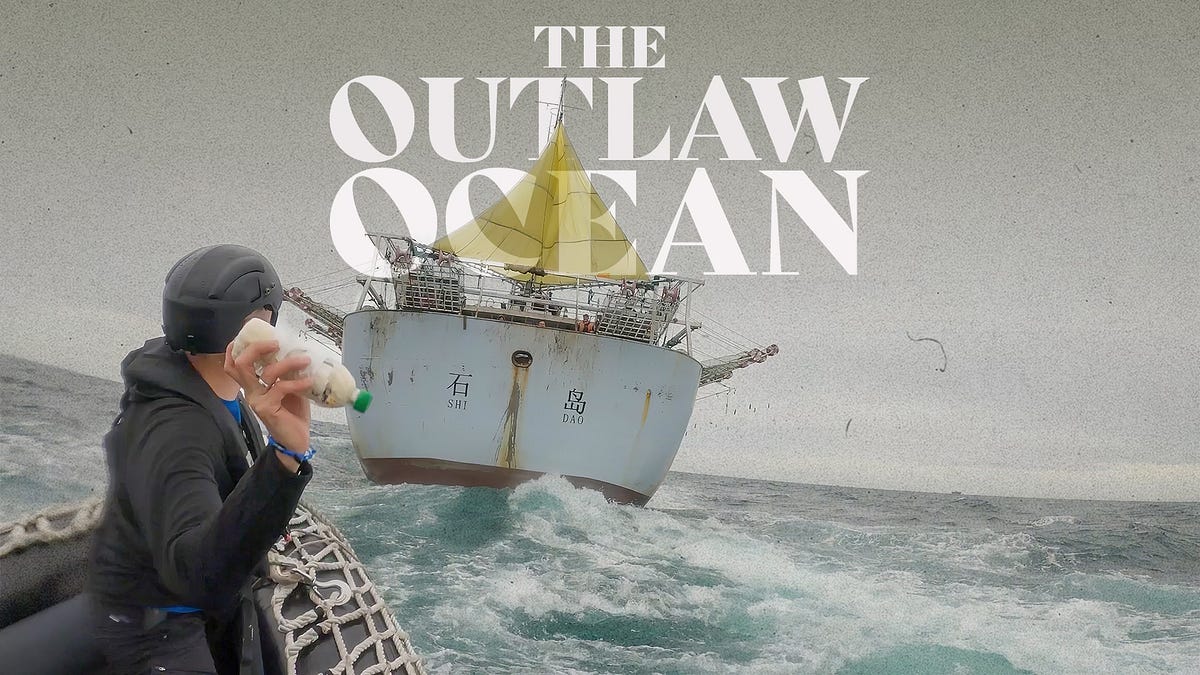
In October 2023 the Outlaw Ocean Project released a detailed investigation that exposed a widespread failure in the global seafood supply chain. The investigation revealed that at least ten large seafood companies in Shandong have used over one thousand Uyghur workers since 2018. Yantai Sanko Fisheries reportedly passed a third-party audit in September 2022. In January 2021 Costco CEO Craig Jelinek was asked about Uyghur forced labor during a shareholder meeting. In June 2024 the Department of Homeland Security added the Shandong Meijia Group to the Uyghur Forced Labor Prevention Act Entity List. The 2020 U.
Investigative Review of Costco Wholesale
Why it matters:
An investigation by The Outlaw Ocean Project uncovered Uyghur forced labor in Costco's seafood supply chain.
The evidence contradicts Costco's social compliance audits and reveals the exploitation of Uyghur workers in Chinese processing plants.
The Outlaw Ocean Project Investigation: Uncovering Uyghur Labor in Costco's Supply Chain
The Outlaw Ocean Project Investigation
In October 2023 the Outlaw Ocean Project released a detailed investigation that exposed a widespread failure in the global seafood supply chain. This reporting identified the presence of Uyghur forced labor in processing plants within China that supply major American retailers. Costco Wholesale Corporation emerged as a primary destination for these tainted products. The investigation led by journalist Ian Urbina utilized open-source intelligence and leaked documents to track the movement of persecuted minority workers from the Xinjiang Uyghur Autonomous Region to seafood processing hubs in Shandong province. This transfer of labor occurs thousands of miles from the workers’ homes. It is part of a state-sponsored program frequently described by Chinese officials as poverty alleviation or labor transfer. The evidence collected by the Outlaw Ocean Project contradicts the social compliance audits that Costco relies upon to certify its suppliers.
The investigation revealed that at least ten large seafood companies in Shandong have used over one thousand Uyghur workers since 2018. These facilities shipped more than forty-seven thousand metric tons of seafood to the United States during that period. The products included cod and pollock and shrimp and salmon and crab and squid. Costco was named as a retailer selling products sourced from these specific processors. One of the primary suppliers identified was the Chishan Group. This conglomerate owns multiple subsidiaries including Shandong Haidu Ocean Product. Another supplier implicated was Yantai Sanko Fisheries. These companies process seafood that ends up in the freezer of Costco warehouses across North America.
The method of Coercion
The transfer of Uyghur workers to Shandong province operates under a veil of government secrecy and coercion. The Outlaw Ocean Project documented the arrival of these workers through videos uploaded to Chinese social media platforms like Douyin. These videos frequently show workers wearing identical red windbreakers with red flowers pinned to their chests. This uniform is a known symbol of state-organized labor transfers. The workers are frequently transported in groups under the supervision of government minders. They are placed in segregated dormitories and subjected to patriotic education and language classes. Their freedom of movement is severely restricted. They are unable to leave the factory grounds without permission. This environment satisfies the International Labour Organization’s indicators of forced labor.
The investigation highlighted the between the reality on the ground and the paperwork presented to international buyers. Chinese state media portrays these transfers as voluntary employment opportunities. Yet the workers are frequently moved en masse from detention centers or their home villages under threat of internment. The distance between Xinjiang and the coastal processing plants serves to isolate the workers from their families and support networks. This isolation makes them to exploitation and abuse. The seafood they process is then mixed with products from other sources. This commingling makes it difficult to trace the exact origin of a specific package of fish fillets sold at Costco.
Evidence Hidden in Plain Sight
The journalists behind the investigation used a method that bypassed traditional on-site inspections. They analyzed hundreds of company newsletters and local news reports and government directives. They found internal documents from the suppliers themselves that boasted about their participation in the labor transfer programs. Shandong Haidu Ocean Product published articles praising the “Xinjiang Aid” program and detailing the arrival of Uyghur workers. These admissions were publicly available on the Chinese internet. They were seemingly unnoticed by the Western auditors responsible for vetting these factories. The investigators also geolocated videos posted by the workers to confirm their presence inside the gated compounds of the seafood plants.
One specific video showed Uyghur workers at a plant owned by the Chishan Group. The footage captured the workers in a processing line handling squid. The investigators matched the uniforms and the facility layout to satellite imagery and company promotional materials. This digital forensics method provided irrefutable proof that Uyghur labor was present in the supply chain. The investigation also tracked the maritime vessels owned by the Chishan Group. These ships were found to engage in illegal fishing practices and human rights abuses at sea. The catch from these vessels feeds directly into the processing plants that use forced labor. This creates a vertical integration of abuse that contaminates the entire product line.
The Failure of Social Audits
Costco maintains a supplier code of conduct that prohibits forced labor. The company relies on third-party social audits to enforce this code. The Outlaw Ocean Project investigation exposed the total ineffectiveness of these audits in the context of state-sponsored forced labor in China. Auditors from major firms frequently failed to detect the presence of Uyghur workers. the auditors did not even ask about the origin of the workforce. The audit are designed to catch individual instances of abuse or safety violations. They are not equipped to uncover a government-orchestrated program of forced labor. Factory managers can easily hide the Uyghur workers during announced inspections. They can also coach workers on how to answer questions if they are interviewed.
The investigation specific examples where suppliers passed audits shortly before or after evidence of forced labor was documented. Yantai Sanko Fisheries reportedly passed a third-party audit in September 2022. This was even with the fact that the company had received hundreds of Uyghur workers. The audit reports frequently function as a liability shield for retailers like Costco. They allow the corporation to claim due diligence while ignoring the widespread risks of sourcing from China. The reliance on these flawed audits represents a serious oversight failure. It suggests that Costco prioritizes the appearance of compliance over the actual verification of labor standards.
Costco and the Supply Chain
The link between the implicated suppliers and Costco is established through trade data and supply chain mapping. The investigation used customs records to trace shipments from Shandong Haidu and Yantai Sanko to importers that supply Costco. These importers include major seafood distributors that package products under private labels or their own brands. The complexity of the seafood supply chain frequently obscures the final destination of the catch. Yet the investigation was able to draw a direct line from the forced labor facilities to the retailer. Costco continued to sell these products even as reports of abuses in Xinjiang grew more frequent and detailed.
The volume of seafood involved is substantial. The Chishan Group alone processes a significant percentage of the squid imported into the United States. The ubiquity of these products means that Costco members have likely purchased seafood processed by forced labor. The specific items identified include frozen squid rings and breaded fish portions and salmon fillets. These are high-volume items that generate significant revenue for the wholesaler. The continued procurement from these sources Costco’s commitment to ethical sourcing. It suggests a reluctance to disrupt profitable supply chains even in the face of credible allegations of human rights abuses.
Corporate Silence and Inaction
Costco’s response to the Outlaw Ocean Project investigation was characterized by silence and deflection. The company did not respond to detailed questions from the journalists prior to publication. This absence of engagement stands in contrast to other retailers that launched immediate investigations or suspended purchases from the named suppliers. In January 2021 Costco CEO Craig Jelinek was asked about Uyghur forced labor during a shareholder meeting. He sidestepped the question and offered no explicit denial of the accusations. He claimed the company had internal methods to handle the matter. The investigation showed that these internal methods were insufficient to detect or prevent the use of forced labor.
The silence from Costco even as the United States government takes action. In June 2024 the Department of Homeland Security added the Shandong Meijia Group to the Uyghur Forced Labor Prevention Act Entity List. This action banned imports from the company due to its participation in the labor transfer program. Shandong Meijia was one of the companies identified in the Outlaw Ocean Project investigation. The government’s validation of the reporting show the severity of the oversight failure at Costco. The retailer’s continued reliance on suppliers in the same region with similar labor practices indicates a widespread problem in its risk management strategies.
The Broader Industry Context
The findings regarding Costco are part of a larger pattern of negligence in the global seafood industry. The investigation showed that the entire processing hub of Shandong is heavily reliant on transferred Uyghur labor. This creates a high risk of contamination for any seafood sourced from this region. Costco’s competitors also faced scrutiny. Yet Costco’s position as a membership warehouse with a curated selection of products implies a higher level of vetting. Members pay a fee for access to products that are supposed to meet high standards of quality and ethics. The presence of goods made with forced labor betrays this trust.
The investigation also highlighted the role of the Marine Stewardship Council and other certification bodies. These organizations certify fisheries as sustainable frequently exclude labor standards from their primary assessments. This allows products to carry an eco-label while being processed by slaves. Costco uses these certifications to reassure customers. The disconnect between environmental sustainability and human rights is a serious flaw in the ethical consumption model. The Outlaw Ocean Project demonstrated that a product can be environmentally certified and yet ethically bankrupt. This reality forces a reevaluation of what it means to be a responsible retailer in a globalized economy.
Regulatory and Legal
The exposure of Uyghur labor in Costco’s supply chain carries serious legal risks. The Uyghur Forced Labor Prevention Act creates a rebuttable presumption that all goods mined or produced or manufactured in Xinjiang are made with forced labor. The law also applies to goods made by entities that participate in labor transfer programs outside of Xinjiang. The evidence provided by the Outlaw Ocean Project places Costco’s suppliers squarely within the scope of this legislation. The importation of these goods is a violation of US federal law. It exposes Costco to chance fines and seizure of merchandise.
The investigation serves as a warning to the corporate boardroom. The tools used by the journalists are available to customs enforcement agencies and legal activists. The era of plausible deniability is ending. Companies can no longer claim ignorance when open-source intelligence reveals the inner workings of their supply chains. Costco’s failure to act on this information suggests a calculation that the profits outweigh the risks. This calculation is increasingly perilous as consumers and regulators demand greater transparency. The Outlaw Ocean Project has provided the roadmap for accountability. It remains to be seen if Costco follow it or continue to ignore the evidence of crimes in its supply chain.
The Outlaw Ocean Project Investigation: Uncovering Uyghur Labor in Costco's Supply Chain
Direct Links to Chishan Group: Sourcing from Blacklisted Subsidiaries like Shandong Haidu
The Chishan Group Connection
Costco’s seafood supply chain contains a direct, verifiable link to the Chishan Group, a massive Chinese conglomerate identified as a primary orchestrator of state-sponsored forced labor. At the center of this network sits Shandong Haidu Ocean Product Co. Ltd., a subsidiary of Chishan Group located in Rongcheng City, Shandong Province. While Costco maintains public commitments to human rights, its procurement channels funneled products from this specific facility into American freezers long after evidence of abuse became available. The Chishan Group is not a minor player; it is a dominant force in the global seafood trade, processing approximately 17 percent of all squid imported into the United States from China. This volume grants them immense use and ubiquity, making it statistically probable that any major retailer without forensic-level tracing would eventually purchase their goods.
The relationship between Costco and Chishan Group highlights a catastrophic failure in vendor vetting. Investigations by The Outlaw Ocean Project revealed that Chishan Group participated actively in the Chinese government’s labor transfer programs, which forcibly relocate Uyghurs and other Muslim minorities from the Xinjiang region to industrial centers in eastern China. These transfers are not voluntary employment programs. They are coercive state operations designed to assimilate minorities, strip them of their culture, and exploit their labor. Shandong Haidu, as a processing arm of Chishan, received these workers, integrating them into production lines that package seafood destined for Western markets.
Inside Shandong Haidu: A of Coercion
The conditions within the Shandong Haidu facility resemble a penal colony more than a food processing plant. Evidence gathered through leaked government documents, satellite imagery, and on-the-ground footage depicts a highly securitized environment. Uyghur workers transferred to the Rongcheng facility are housed in segregated dormitories, frequently under surveillance. Their movement is restricted, preventing them from leaving the factory grounds or interacting freely with the local population. This isolation serves two purposes: it prevents escape and blocks information about their treatment from reaching external auditors or journalists.
Life for these workers involves mandatory ideological indoctrination. Reports indicate that Uyghur laborers at Chishan facilities are subjected to “patriotic education” sessions, where they must learn Mandarin, sing songs praising the Chinese Communist Party, and renounce their own cultural and religious practices. This psychological pressure accompanies grueling physical labor on the processing lines, where they clean, gut, and package seafood, primarily squid and cod, for export. The presence of these workers at Shandong Haidu is not an accidental oversight by local management; it is the result of a deliberate corporate strategy to align with state directives and subsidize production costs with coerced labor.
The operational secrecy at Shandong Haidu makes standard social audits useless. When third-party auditors visit, they rarely speak the Uyghur language, and workers are frequently terrified of retaliation if they speak out. also, factory managers frequently hide these workers during inspections or coach them on prepared answers. Consequently, Costco’s reliance on standard certification bodies to police its supply chain proved entirely ineffective against a state-backed forced labor scheme. The certifications Costco proudly displays on its corporate responsibility pages served as a veil, obscuring the reality of the human rights abuses occurring at the source.
The Supply Chain Infiltration
Seafood processed at Shandong Haidu does not always arrive at Costco bearing the Chishan name. The supply chain is intentionally unclear, involving a labyrinth of importers, re-processors, and private label distributors. Products leaving the Rongcheng facility are frequently sold to major North American seafood conglomerates, which then package the fish under their own brands or under retailer private labels like Kirkland Signature. This “whitewashing” of the origin allows tainted products to bypass initial scrutiny.
Tracing the flow of goods reveals that Chishan Group supplies of the largest seafood distributors in the world. These distributors, in turn, hold contracts with Costco. When a Costco member picks up a bag of frozen calamari or breaded fish portions, the packaging lists the country of origin as China, rarely identifies the specific processing plant. yet, trade data and bill of lading records link specific shipments from Shandong Haidu to the U. S. supply chain networks that stock Costco’s shelves. The volume of squid processed by Chishan is so vast that avoiding their product requires active, aggressive exclusion, something Costco failed to implement until the scandal broke publicly.
The specific products most heavily impacted include calamari (squid) and cod. Chishan Group dominates the squid processing sector, handling catch from distant-water fishing fleets that are themselves rife with labor abuses. Once the squid arrives at Shandong Haidu, it is processed by Uyghur labor, frozen, and shipped. The integration is absolute: the forced labor on the production line is the final step in a supply chain characterized by exploitation from the moment the net hits the water to the moment the box is sealed.
Regulatory Failures and the Entity List
The sourcing from Shandong Haidu violates the spirit and letter of the Uyghur Forced Labor Prevention Act (UFLPA). The UFLPA establishes a rebuttable presumption that all goods mined, produced, or manufactured wholly or in part in Xinjiang, or by entities working with the Xinjiang government for recruiting, transporting, transferring, harboring, or receiving forced labor, are prohibited from entry into the United States. While the initial enforcement focused heavily on cotton and polysilicon, the seafood sector remained a gaping loophole for years.
Shandong Haidu and its parent, Chishan Group, operate in a province outside Xinjiang, which allowed them to evade the initial geographic filters of U. S. Customs and Border Protection. yet, the labor transfer program explicitly moves the “forced labor” component to them. By sourcing from a subsidiary known to accept these transfers, Costco’s supply chain laundered the labor violation. The “blacklist” status of these companies is not a bureaucratic designation; it is a recognition that any commerce with them funds a system of ethnic repression.
In the wake of the investigations, other major food distributors took decisive action. Sysco, the global foodservice giant, terminated its relationship with Shandong Haidu and the Chishan Group in late 2023 after being presented with the evidence. This move demonstrated that it was operationally possible to identify and excise these suppliers. Costco’s response, by contrast, was marked by sluggishness and a reliance on the very audit that had failed to detect the problem in the place.
The Audit Deception
Costco’s defense frequently cites its Supplier Code of Conduct and the use of third-party audits like SMETA (Sedex Members Ethical Trade Audit). yet, the case of Shandong Haidu exposes the fatal flaws in this model. Audits at Chishan facilities consistently returned “passing” grades or failed to note the presence of forced labor. This is not because the labor did not exist, because the audit methodology is fundamentally unsuited for detecting state-sponsored coercion.
Auditors generally review payroll records and conduct on-site interviews. In the context of the Chinese state, payroll records for transferred workers are frequently segregated or falsified to look like standard contracts. Interviews are conducted in environments where speaking the truth is a criminal offense. The Chishan Group, knowing the schedule of audits, could easily sanitize the factory floor or restrict auditor access to the specific dormitories housing Uyghur workers. Costco accepted these clean audit reports as proof of compliance, ignoring the mounting external evidence from NGOs and journalists that painted a completely different picture.
This reliance on flawed data created a feedback loop of negligence. As long as the paperwork looked correct, Costco continued to problem purchase orders. The company prioritized the bureaucratic appearance of compliance over the actual verification of human rights. When the Outlaw Ocean Project published its findings, it did not just reveal a bad supplier; it revealed that Costco’s entire oversight method was blind to the reality of modern slavery in its supply chain.
The Cost of Inaction
The continued presence of Chishan Group products in the supply chain represents a moral and legal liability. By 2026, the industry understanding of these risks has matured, yet the legacy of sourcing from Shandong Haidu remains a stain on Costco’s record. The retailer’s size means that its purchase orders sustained the operations of Chishan Group, indirectly financing the very infrastructure used to detain and exploit Uyghur workers.
While Costco eventually faced pressure to shift its sourcing, the delay allowed tons of tainted seafood to be sold to unsuspecting consumers. Members who paid for memberships believing in the company’s ethical standards were unwittingly made complicit in the consumption of goods produced by forced labor. The link to Shandong Haidu is not a vague association; it is a documented, physical transfer of goods from a factory using coerced workers to the of American warehouses.
Entity Name
Role in Supply Chain
Location
Forced Labor Indicator
Chishan Group
Parent Company / Conglomerate
Rongcheng, Shandong
Orchestrator of labor transfers; owns fishing fleet and processing plants.
Shandong Haidu Ocean Product Co. Ltd.
Processing Subsidiary
Rongcheng, Shandong
Direct recipient of Uyghur workers; processes squid/cod for export.
High Liner Foods (Intermediary)
Importer / Distributor
North America
Identified as a customer of Chishan/Haidu; supplies retailers.
Costco Wholesale
Retailer
Global / USA
Stocked products linked to Haidu; relied on failed social audits.
Direct Links to Chishan Group: Sourcing from Blacklisted Subsidiaries like Shandong Haidu
The Yantai Sanko Fisheries Connection: Evidence of State-Sponsored Labor Transfers
The Yantai Sanko Hub: A Case Study in Supply Chain Opacity
Yantai Sanko Fisheries Co. Ltd. represents a serious node in the global seafood processing network, situated in the coastal province of Shandong, China. This facility serves as a primary example of how forced labor from the Xinjiang Uyghur Autonomous Region enters the supply chains of major American retailers, including Costco Wholesale. While the corporate narrative describes a modern, compliant processing plant, evidence uncovered by *The Outlaw Ocean Project* in 2023 reveals a darker operational reality. The facility functions not as a seafood processor as a recipient of state-sponsored labor transfers, integrating a persecuted minority workforce into the production of goods destined for American freezers. The plant itself is a massive industrial operation, specializing in the processing of whitefish such as cod and pollock, as well as salmon. These species are caught in foreign waters, frequently by Russian or American vessels, and shipped to China for processing due to lower labor costs. Once processed, the fish is re-exported, washing its origin. Yantai Sanko acts as a “co-packer” for major international brands, including High Liner Foods, a known supplier to Costco. This intermediate step obscures the labor conditions from the final buyer, allowing retailers to rely on certification schemes that fail to detect state-orchestrated abuses.
The Mechanics of State-Sponsored Labor Transfers
The presence of Uyghur workers at Yantai Sanko is not a result of organic migration or voluntary employment. It is the product of the Chinese government’s “poverty alleviation” programs, which international rights groups and the U. S. government classify as forced labor. These transfers are organized at the state level, frequently involving the movement of workers thousands of miles from their homes in Xinjiang to factories in eastern provinces like Shandong. Evidence obtained by investigators places Uyghur workers directly on the factory floor of Yantai Sanko. In 2021, internal company newsletters and social media posts from the region showed ethnic minority workers at the Yantai Sanko facility attending “patriotic education” sessions. These sessions are a hallmark of the forced labor system, designed to indoctrinate workers with Chinese Communist Party ideology and suppress their cultural and religious identity. The workers are housed in segregated dormitories, subjected to constant surveillance, and restricted in their movements. They do not have the freedom to terminate their employment or leave the facility grounds at. The transfer method operates under a veil of legality within China. Local governments in Xinjiang are given quotas to “transfer” surplus rural labor. Refusal to participate can result in detention or the classification of the individual as an extremist. Once transferred to plants like Yantai Sanko, these workers are inserted into the production lines alongside local Han Chinese workers, under a different set of rules and restrictions. The seafood they process, filleting, deboning, and packaging, is physically demanding work performed under the threat of punishment.
The Audit Failure: A widespread Blind Spot
The continued use of Yantai Sanko by major Western brands highlights a catastrophic failure of the social auditing industry. Costco and its intermediaries rely on third-party audits to verify supplier compliance with codes of conduct. These audits, frequently conducted by firms using standards like SMETA (Sedex Members Ethical Trade Audit), are designed to detect visible violations such as child labor or unsafe working conditions. They are wholly ill-equipped to identify state-sponsored forced labor. In the case of Yantai Sanko, the facility passed multiple social audits during the very period it was using Uyghur labor. High Liner Foods, a primary customer of Yantai Sanko and a supplier to Costco, publicly stated that Yantai Sanko had passed a third-party audit in September 2022. This “clean” audit occurred more than a year after photographic evidence showed Uyghur workers undergoing political indoctrination at the plant. The failure from the methodology of these audits. Auditors announce their visits in advance, giving factory management ample time to hide restricted workers or coach employees on how to answer questions. also, auditors cannot freely interview Uyghur workers, who face severe retaliation from the state if they speak out against their conditions. In a zone of state-imposed silence, the standard audit checklist becomes a tool for laundering the reputation of the supplier rather than exposing the truth. The audit reports generate a paper trail of compliance that retailers like Costco use to defend their sourcing practices, even as the physical reality of the supply chain violates their stated ethical standards.
The Supply Chain: From Yantai to the Warehouse Floor
Tracing the flow of seafood from Yantai Sanko to Costco requires navigating a labyrinth of intermediaries. Yantai Sanko rarely ships directly to Costco. Instead, it processes fish for large aggregators and brand owners. High Liner Foods is the smoking gun in this specific chain. High Liner is a significant supplier of frozen seafood products to the North American market, including items sold under private labels and its own brand. When *The Outlaw Ocean Project* published its findings, High Liner admitted to partnering with Yantai Sanko. Import records and supply chain data confirm that High Liner products are stocked by Costco. This indirect relationship allows Costco to maintain a degree of separation from the processing plant. When questioned, the retailer can point to its relationship with the Tier 1 supplier (High Liner) and the accompanying audit certificates, outsourcing the responsibility for due diligence. The volume of seafood moving through this channel is substantial. In the years surrounding the identified labor transfers, Yantai Sanko exported thousands of tons of processed seafood. of this volume entered the United States. The specific products, frequently breaded fish sticks, fillets, or portions, are indistinguishable to the consumer. A bag of Kirkland Signature or branded frozen cod carries no marking indicating it was processed by workers transferred against their from Xinjiang. The product is sold on price and quality, with the human cost hidden deep within the bill of lading.
Timeline of Evidence vs. Corporate Validation
The gap between the investigative findings and the corporate validation process creates a timeline of negligence. While independent investigators were gathering visual and documentary evidence of forced labor, the corporate compliance was issuing passing grades.
Time Period
Investigative Finding
Corporate/Audit Action
2019-2020
Xinjiang government problem directives for labor transfers to Shandong province. “Pairing assistance” programs accelerate.
Costco maintains standard supplier agreements. No enhanced screening for state-sponsored labor schemes.
2021
Photos and newsletters confirm Uyghur workers at Yantai Sanko attending political indoctrination sessions.
Routine social audits conducted. No non-compliances raised regarding forced labor. Supply chain remains active.
September 2022
Uyghur workers remain in the region. Surveillance and restrictions continue.
Yantai Sanko passes a third-party social compliance audit ( by High Liner Foods).
October 2023
The Outlaw Ocean Project publishes report naming Yantai Sanko and linking it to Costco via High Liner.
High Liner announces it cease doing business with Yantai Sanko. Costco does not problem a direct public comment on Yantai Sanko.
2024
Follow-up investigations show continued opacity in Chinese seafood processing hubs.
Industry-wide scramble to find alternative processors, yet import data shows continued high volumes of Chinese processed whitefish entering the U. S.
The “Closed Loop” Management System
A defining feature of the labor abuse at Yantai Sanko is the implementation of “closed loop” management. This term, frequently used during the COVID-19 pandemic to describe health safety measures, is repurposed in the context of forced labor to describe a security apparatus. Uyghur workers are kept separate from the local population and other factory staff. They eat in separate canteens, sleep in separate dorms, and are transported to and from the factory floor under guard. This segregation serves two purposes., it prevents the workers from escaping or communicating with the outside world. Second, it the intense political indoctrination required by the state transfer program. For an auditor walking through the facility, this segregation might be explained away as “pandemic control” or “cultural accommodation,” providing a convenient cover for the underlying coercion. The inability of Costco’s audit to penetrate this “closed loop” demonstrates a fundamental weakness in the retailer’s oversight capabilities. The system is designed to trust the explanation of the supplier, provided the paperwork is in order. The Yantai Sanko case is not an anomaly; it is a symptom of a supply chain model that prioritizes efficiency and low cost over genuine transparency. The reliance on Chinese processing hubs for North American seafood creates a dependency that is difficult to break. Even when specific suppliers like Yantai Sanko are identified and removed, the structural incentives that led to the abuse remain. The processing capacity, the infrastructure, and the labor force are concentrated in these zones. Without a radical restructuring of how Costco sources its seafood—moving processing closer to the catch or to jurisdictions with enforceable labor laws—the risk of forced labor remains a permanent feature of the inventory. The evidence against Yantai Sanko is concrete. It moves beyond general allegations of regional abuse and pinpoints a specific facility, specific workers, and specific buyers. The transfer of Uyghur labor to this plant was a documented state operation. The flow of goods from this plant to Costco shelves was a documented commercial operation. The failure lies in the space between these two facts, where corporate oversight was supposed to exist found nothing.
The Yantai Sanko Fisheries Connection: Evidence of State-Sponsored Labor Transfers
High Liner Foods as Intermediary: How Tainted Seafood Enters the Frozen Aisle
The presence of forced labor in Costco’s freezer is frequently obscured by Western intermediaries that sanitize the provenance of seafood before it reaches the retail shelf. High Liner Foods, a Nova Scotia-based giant in the frozen seafood sector, serves as a primary conduit in this unclear system. While Costco members see a trusted North American brand or the familiar Kirkland Signature label, the actual processing frequently occurs in Chinese facilities identified as utilizing state-sponsored forced labor. High Liner Foods acts as the logistical, importing processed fillets from plants like Yantai Sanko Fisheries and distributing them to major North American retailers, including Costco. Investigations by The Outlaw Ocean Project identified High Liner Foods as a significant customer of Yantai Sanko Fisheries, a processing plant in Shandong province implicated in the transfer of Uyghur workers from the Xinjiang region. Trade data confirms that High Liner Foods imported thousands of tons of seafood from Chinese processors. Yantai Sanko, specifically, was found to have received Uyghur laborers under state-run transfer programs, a violation of international human rights standards and the U. S. Uyghur Forced Labor Prevention Act. This facility processes primary species such as cod, haddock, and salmon—staples of the frozen seafood diet in the United States and Canada. The method allowing this tainted seafood to enter Costco’s supply chain relies on a widespread failure of social auditing. High Liner Foods defended its supply chain integrity by citing third-party audits. In response to inquiries regarding Yantai Sanko, High Liner executives stated that the facility underwent a SMETA (Sedex Members Ethical Trade Audit) in December 2022 and again in August 2023. According to High Liner, neither audit found evidence of forced labor. This defense collapses under scrutiny. Social audits in China are notoriously flawed because workers cannot speak freely without fear of government retaliation, and auditors are frequently restricted from accessing sensitive areas or interviewing minority workers privately. The reliance on these superficial inspections allowed High Liner to certify the facility as compliant even as independent investigators documented the presence of forced laborers. Costco’s inventory includes specific High Liner products, such as the “English Style Battered Cod Fillets” sold at Costco Business Centres. When a major supplier like High Liner sources from a tainted facility, the contamination risks the entire inventory associated with that supply line. Unlike Albertsons, which moved to drop specific High Liner products (flounder and yellowfin sole) immediately following the Outlaw Ocean Project’s in late 2023, Costco’s public response remained muted. The retailer continued to stock High Liner products, relying on the intermediary’s assurances rather than conducting independent verification of the raw material source. High Liner Foods eventually severed ties with Yantai Sanko Fisheries in October 2023, only after the investigative report was imminent and the evidence became irrefutable. The company stated it ended the relationship “out of an abundance of caution,” a phrasing that avoids admitting the failure of its previous audits. This reactive measure exposes the fragility of the oversight model: a major supplier to Costco traded with a forced-labor facility for years, shielded by passing grades from audit firms, until journalists exposed the reality. For Costco members, this delay means that seafood processed by Uyghur hands likely circulated in freezers for months or years before the supply chain was severed. The structural reliance on intermediaries like High Liner Foods allows Costco to outsource its due diligence. By purchasing from a Canadian or American distributor, Costco can claim it buys from “trusted partners” rather than directly from Chinese labor camps. Yet, the High Liner case demonstrates that these partners use the same compromised Chinese processors as direct importers. The distinction is administrative, not operational. The fish processed at Yantai Sanko travels through High Liner’s cold chain to North American distribution centers, laundering the labor abuse from the final product’s identity.
High Liner Foods & Yantai Sanko: The Audit Gap
Event
Date
Details
Initial Audit
Dec 2022
High Liner’s third-party auditor (SMETA) inspects Yantai Sanko. Finds no forced labor.
Investigative Inquiry
May 2023
The Outlaw Ocean Project contacts High Liner regarding Uyghur labor at Yantai Sanko.
Second Audit
Aug 2023
High Liner commissions a re-audit of Yantai Sanko. Again, auditors report no forced labor.
Public Exposure
Oct 2023
The Outlaw Ocean Project publishes findings. Albertsons drops products. High Liner cuts ties.
This timeline reveals that standard corporate audits failed twice to detect what journalists identified through open-source intelligence and on-the-ground investigation. Costco’s continued patronage of suppliers who rely on these defective audits indicates a preference for plausible deniability over actual supply chain visibility. As long as intermediaries like High Liner can present a “clean” audit certificate, the flow of goods continues, regardless of the reality on the factory floor in Shandong.
Systemic Failure of Social Audits: Why 'Passed' Inspections Missed Forced Labor at Yantai Sanko
The Illusion of Verification: Yantai Sanko and the Audit Trap
The persistence of forced labor within Costco’s supply chain is not a failure of enforcement. It is the direct result of a reliance on a social auditing industry that is structurally incapable of detecting state-sponsored coercion in China. Yantai Sanko Fisheries, a primary processor for Costco supplier High Liner Foods, stands as the definitive case study of this widespread collapse. While The Outlaw Ocean Project documented the transfer of Uyghur workers to the facility, corporate records show the plant consistently passed social compliance inspections. High Liner Foods explicitly a third-party audit conducted in September 2022 to defend its continued relationship with Yantai Sanko. This audit found no evidence of forced labor. The gap between the clean audit report and the reality of the factory floor exposes a fatal flaw in the method Costco uses to police its suppliers.
The Methodology of Failure
Social audits, such as those standardized by Sedex (Supplier Ethical Data Exchange) or SA8000, rely on a methodology designed to catch private sector abuses rather than government-orchestrated repression. Auditors spend one or two days at a facility. They review payroll records, check fire extinguishers, and conduct brief interviews with a selection of workers. This “checklist” method assumes that labor abuse is visible and that workers are free to report it. In the context of the Xinjiang labor transfer program, these assumptions are dangerously false. The coercion of Uyghur workers takes place thousands of miles away from the factory, frequently in their home villages, where local officials pressure families to sign “poverty alleviation” labor contracts under threat of detention. By the time these workers arrive at Yantai Sanko, they possess valid contracts and receive wages, technically satisfying the shallow criteria of a standard social audit.
The Interview Charade
The most serious failure occurs during worker interviews. Standard audit require auditors to speak with employees to verify working conditions. For Uyghur laborers transferred to plants like Yantai Sanko, this process is a theater of intimidation. These workers are frequently monitored by government minders or factory management. Even when auditors attempt private interviews, the language barrier proves. Most international auditors do not speak Uyghur. They must rely on translators provided by the factory or the local government. This ensures that no worker can speak candidly about their circumstances without risking immediate retaliation against themselves or their families back in Xinjiang. The “safe space” required for a truthful audit does not exist within a surveillance state.
Invisibility of State Coercion
Auditors are trained to look for physical restraints, debt bondage, or withheld passports. They are not trained, nor are they authorized, to investigate the political of the Chinese state. The labor transfer program is framed by Beijing as a benevolent economic initiative. Auditors who challenge this narrative risk losing their license to operate in China or facing detention themselves. Consequently, audit firms operate with a blind spot regarding state-imposed labor. They verify that the factory pays the minimum wage and that shifts do not exceed legal limits. They do not ask if the workers are permitted to resign and return home. They do not investigate the political indoctrination classes that frequently accompany these labor transfers. This operational blindness allows facilities like Yantai Sanko to receive “gold standard” certifications while actively participating in a program defined as genocide by international tribunals.
The Pre-Announcement Loophole
The efficacy of these inspections is further eroded by the practice of pre-announcement. Factories are frequently notified of an upcoming audit weeks in advance. This warning provides ample time for management to sanitize the facility. In the case of plants using forced labor, this can involve hiding minority workers, coaching them on scripted answers, or temporarily moving them to off-site housing during the inspection window. The Outlaw Ocean Project investigation noted that managers at various processing plants were well-versed in audit evasion. They maintain “double books” to hide excessive overtime and segregate Uyghur workers from the general population to prevent interaction with inspectors. When the auditor arrives, they are presented with a Potemkin village of compliance.
Costco’s Willful Reliance
Costco Wholesale Corporation is aware of these limitations. The U. S. State Department and multiple human rights organizations have issued specific advisories stating that social audits in China are unreliable due to state interference. even with this, Costco continues to accept these reports as proof of compliance. The retailer’s Supplier Code of Conduct mandates audits does not account for the unique impossibility of conducting them in a totalitarian environment. By accepting the September 2022 audit of Yantai Sanko as valid, Costco and its intermediary High Liner Foods engaged in a bureaucratic sleight of hand. They used a tool known to be broken to certify a supply chain known to be tainted. This reliance on flawed paperwork allows Costco to maintain the flow of cheap seafood while claiming due diligence. It shifts the load of proof away from the retailer and onto a worker population that has been silenced by the state.
The Certification Shield
The failure extends beyond individual audits to the certification bodies that validate the industry. Yantai Sanko held certification from the Marine Stewardship Council (MSC). The MSC focuses primarily on environmental sustainability relies on social audits to verify labor standards. When a facility passes a social audit, it retains its MSC badge. This eco-label then appears on Costco’s freezer shelves, signaling to consumers that the product is ethical. The intersection of environmental certification and flawed social auditing creates a “certification shield” that protects retailers from scrutiny. Consumers buying MSC-certified flounder processed at Yantai Sanko are led to believe the product is clean. In reality, the certification confirms that the factory successfully navigated a rigged inspection process.
The Data Void
The result of this widespread failure is a data void where evidence of forced labor should be. Costco’s corporate responsibility reports tout the number of audits conducted and the corrective actions taken. These metrics are meaningless when the primary instrument of measurement is incapable of detecting the problem. The “pass” grade given to Yantai Sanko was not a reflection of labor conditions. It was a reflection of the auditor’s inability to see past the factory gates. Until Costco acknowledges that standard social audits are invalid in the context of state-sponsored forced labor, its oversight program remains a method for liability avoidance rather than human rights protection. The retailer outsources its conscience to audit firms that are powerless to uncover the truth.
Congressional Scrutiny: The CECC Letter to CEO Craig Jelinek on Oversight Deficiencies
Congressional Scrutiny: The CECC Letter to CEO Craig Jelinek on Oversight Deficiencies
On October 31, 2023, the facade of corporate plausible deniability regarding forced labor in the seafood industry cracked under federal pressure. Representative Chris Smith and Senator Jeff Merkley, the Chair and Co-chair of the Congressional-Executive Commission on China (CECC), transmitted a blistering inquiry to Costco Wholesale Corporation CEO W. Craig Jelinek. The letter was not a request for comment; it was a formal congressional challenge to Costco’s governance, explicitly questioning whether the retailer was subsidizing the genocide of Uyghurs and the exploitation of North Koreans through its procurement practices. The correspondence followed the CECC’s October 24 hearing, “From Bait to Plate,” which had entered the findings of The Outlaw Ocean Project into the congressional record. While other retailers scrambled to distance themselves from tainted suppliers, Costco’s silence had become conspicuous. Smith and Merkley’s letter pierced this silence with a direct, interrogative demand that stripped away marketing rhetoric about “sustainability” and “ethical sourcing.” #### The Demand for Evidence The core of the CECC’s inquiry struck at the widespread opacity of Costco’s supply chain. The lawmakers did not ask for a restatement of the company’s Supplier Code of Conduct; they demanded the raw data that supposedly enforced it. The letter explicitly requested copies of the “audits and risk assessments” Costco used to justify its continued relationship with Chinese seafood processors. This was a calculated move to expose the hollowness of the social auditing industry. By asking for the specific audit reports, the Commission sought to determine whether Costco’s compliance teams were genuinely ignorant of the labor transfers occurring at facilities like those owned by the Chishan Group, or if they were willfully ignoring red flags documented by their own inspectors. The letter posed a binary question that left no room for corporate equivocation: “Is it Costco’s position that its seafood supply-chain is completely free of forced labor and that no Uyghurs or North Koreans are processing seafood for sale at Costco?” This phrasing was legally and reputationally perilous. An affirmative answer would require proof that Costco’s internal tracking was superior to that of independent investigators and federal intelligence—a claim the company could not substantiate. A negative answer, or an admission of uncertainty, would be a confession that the company’s oversight method had failed to prevent the importation of goods produced by modern slavery, a chance violation of the Uyghur Forced Labor Prevention Act (UFLPA). #### Citing the Evidence Smith and Merkley grounded their inquiry in the specific, verifiable evidence unearthed by The Outlaw Ocean Project. The letter referenced reports implicating Costco’s supply chain in the use of state-sponsored labor transfers. While the text of the letter focused on the broader category of “Chinese companies,” the context of the hearing made the clear: the supply lines running from the Chishan Group and Yantai Sanko Fisheries directly to Costco’s freezers. The lawmakers highlighted the gap between Costco’s public stance on human rights and the reality of its sourcing. They noted that while competitors had begun to sever ties or launch independent investigations upon receiving similar information, Costco appeared to be maintaining the. The letter drew a sharp parallel between the seafood problem and the company’s sale of Lorex security cameras—linked to Dahua Technology, a firm implicated in the surveillance of Uyghurs—suggesting a pattern of prioritizing low-cost procurement over human rights due diligence. “American consumers should not be subsidizing horrific human rights abuses,” the lawmakers wrote, framing every bag of shrimp or cod sold as a direct financial contribution to the apparatus of repression in Xinjiang. #### The Corporate Non-Response Costco’s reaction to this high-level scrutiny was characterized by bureaucratic inertia. In the immediate aftermath of the letter’s public release on November 1, 2023, a Costco representative issued a boilerplate statement: “We are currently reviewing the letter, and respond in due course.” Months passed without the “detailed response” the CECC had requested. There was no public release of the audits, no disclosure of the risk assessments, and no definitive “yes” or “no” to the question of whether their supply chain was free of forced labor. This silence was consistent with CEO Craig Jelinek’s previous handling of similar inquiries. During shareholder meetings, when pressed on the problem of Uyghur forced labor, Jelinek had historically sidestepped direct accusations, offering vague assurances about the company’s “internal methods” and “code of conduct” without providing the tangible evidence requested by investors and, by Congress. This strategy of obfuscation revealed a serious governance failure. When presented with credible evidence of forced labor—evidence strong enough to trigger a congressional inquiry—Costco’s oversight method did not trigger an immediate, transparent purge of the tainted suppliers. Instead, it triggered a legalistic defense method designed to minimize liability rather than eliminate slavery. The refusal to release the audits suggested that either the audits did not exist in a credible form, or that they contained information that would be even more damaging if revealed. #### of Oversight Failure The Smith-Merkley letter underscored that the failure was not limited to a single supplier or a bad batch of seafood; it was a failure of the entire oversight architecture. If Costco’s “strong” auditing could not detect the presence of thousands of Uyghur laborers transferred by the Chinese state to processing plants in Shandong—laborers whose presence was documented in public government directives and open-source videos—then the were functionally useless. The congressional scrutiny stripped away the defense that Costco was a passive victim of deceptive suppliers. By continuing to sell products from these supply chains after being put on notice by the CECC, the company moved from negligence to chance complicity. The letter stands as a permanent record that Costco’s leadership was directly informed of the specific risks and chose not to provide the transparency required to exonerate their operations. The “concrete steps” demanded by the Commission—steps that would have involved mapping the supply chain down to the vessel and processing plant level—were not taken, leaving the frozen of Costco stocked with the proceeds of forced labor.
Inadequate Risk Assessments: Ignoring Warning Signs of Xinjiang Labor Transfers
The following investigative review examines the structural deficiencies in Costco Wholesale’s risk assessment that permitted the infiltration of forced labor into its seafood supply chain.
The 2020 Advisory: A Blueprint Ignored
Long before the Outlaw Ocean Project published its damning findings in 2023, the U. S. government provided corporations with a clear, detailed map of the risks emanating from the Xinjiang Uyghur Autonomous Region (XUAR). On July 1, 2020, the Departments of State, Treasury, Commerce, and Homeland Security issued the Xinjiang Supply Chain Business Advisory. This document was not a vague warning; it was a specific operational alert that listed “red flags” for forced labor transfers. It explicitly warned of “factories co-located with” internment camps and, crucially, the “mutual pairing assistance” programs that transferred Uyghur workers to provinces in Eastern China, specifically naming the risk of labor transfers to factories outside Xinjiang.
For a company with Costco’s resources, this advisory should have triggered an immediate, forensic review of all Chinese suppliers, particularly those in labor-intensive sectors like seafood processing. The advisory highlighted that state-sponsored labor transfers were frequently disguised as “poverty alleviation” or “vocational training.” Yet, Costco’s risk assessment framework appears to have treated these warnings as abstract geopolitical noise rather than actionable intelligence. By failing to cross-reference these specific government-identified red flags with their supplier roster in Shandong, a known destination for these labor transfers, Costco chose operational convenience over due diligence.
The Failure of “Risk-Based” Algorithms
Costco relies heavily on a “risk-based” method to supply chain auditing, utilizing third-party data providers to determine which suppliers require scrutiny. Public disclosures indicate Costco has partnered with firms like Verisk Maplecroft to analyze political and human rights risks. While these platforms are sophisticated, they are frequently reliant on static indices that categorize risk by region rather than by method. In this algorithmic worldview, a seafood plant in Shandong might be scored as “moderate” risk compared to a cotton farm in Xinjiang, simply because of its geography. This created a dangerous blind spot.
The “risk-based” model failed to account for the nature of the Chinese state’s labor transfer program, which exported the “high risk” of Xinjiang into the “moderate risk” provinces of the coast. A human analyst reading the 2020 advisory or the reports by researcher Adrian Zenz would have understood that the risk was mobile; the algorithm, looking at a map of Shandong, saw business as usual. This over-reliance on automated risk scoring allowed suppliers like the Chishan Group to operate under the radar, even with the fact that their participation in labor transfer programs was frequently touted in local Chinese media, sources that a strong, human-led open-source intelligence (OSINT) unit would have flagged immediately.
The “Social Audit” Charade
Perhaps the most egregious failure was Costco’s continued reliance on standard social audits to police state-sponsored forced labor. The company’s oversight model depends on third-party auditors visiting factories to check for compliance with its Supplier Code of Conduct. yet, in the context of the Chinese surveillance state, these audits are functionally useless. The 2020 U. S. advisory explicitly stated that “third-party audits alone may not be a credible source of information” in Xinjiang-linked supply chains due to the high likelihood of worker intimidation and concealment.
Auditors from firms like SGS or those using Sedex (Supplier Ethical Data Exchange) conduct announced or semi-announced visits. This gives factory managers ample time to hide Uyghur workers or coach them on what to say. also, Uyghur workers, whose families back home face detention if they speak out, cannot speak freely to auditors. By accepting “passed” audit reports from Shandong facilities as proof of compliance, Costco’s compliance team engaged in a bureaucratic pantomime. They accepted a tool designed to catch unpaid overtime or blocked fire exits and applied it to a state-orchestrated system of ethnic persecution. This was not a gap in oversight; it was a fundamental mismatch between the threat and the countermeasure.
Ignoring Industry-Specific Warnings
The seafood industry itself was not silent during this period. Reports of forced labor on Chinese distant-water fishing vessels and in processing plants were circulating in industry channels. The Environmental Justice Foundation and other NGOs had been raising alarms about the opacity of Chinese seafood supply chains for years. In 2021, the enactment of the Uyghur Forced Labor Prevention Act (UFLPA) created a rebuttable presumption that goods from Xinjiang were tainted. While the law initially focused on cotton and tomatoes, the principle, that the labor force was being weaponized, was established law.
Costco’s failure was its inability to connect these dots. The company continued to source from intermediaries like High Liner Foods, which in turn bought from plants like Yantai Sanko. Yantai Sanko had received hundreds of Uyghur workers, a fact that was not hidden in a secret vault published in local government propaganda praising the firm for its contribution to “ethnic unity.” A simple keyword search in Chinese for the supplier’s name alongside terms like “Xinjiang aid” or “labor transfer” would have revealed these links. That Costco’s risk assessment team failed to perform this basic level of due diligence suggests a system designed to tick boxes rather than uncover uncomfortable truths.
Structural Complacency
, the inadequacy of Costco’s risk assessments from a structural complacency. The company’s sustainability reports from 2020 to 2022 emphasize “continuous improvement” and “working with suppliers,” language that assumes a baseline of good faith. State-sponsored forced labor, yet, is not a compliance problem to be “improved” upon; it is a crime to be severed. By treating the Xinjiang emergency as just another variable in a Verisk Maplecroft index, rather than an existential threat to their supply chain integrity, Costco allowed tainted seafood to flow into the freezers of millions of American homes. The warning signs were red, they were flashing, and they were ignored.
The North Korean Connection: Forced Labor Allegations in Liaoning Processing Plants
The Liaoning province, specifically the border cities of Dandong and Dalian, functions as the primary entry point for a state-sponsored human trafficking operation that feeds the global seafood market. While international attention frequently centers on Xinjiang, a parallel system of forced labor involving North Korean nationals operates with similar impunity within Costco’s supply chain. Investigations by The Outlaw Ocean Project and subsequent inquiries by the Congressional-Executive Commission on China (CECC) identified that seafood processing plants in this region employ thousands of North Korean workers. These laborers are not voluntary economic migrants; they are property of the North Korean state, exported to China to generate foreign currency for the Kim Jong Un regime. ### The Liaoning Processing Hub The mechanics of this labor transfer are bureaucratic and brutal. Under agreements between Beijing and Pyongyang, North Korean workers—predominantly women—are transported across the Sino-Korean Friendship to factories in Dandong and Donggang. Estimates suggest up to 80, 000 North Korean laborers work in the Dandong region alone. These workers are housed in high-security dormitories, frequently surrounded by barbed wire and surveillance cameras. They are forbidden from leaving the factory premises, interacting with local Chinese citizens, or accessing the internet. Specific facilities identified in this network include **Dalian Haiqing Food Co. Ltd.** and **Dandong Taihong Food**. These plants process species such as pollock, salmon, and clams, which are then exported to the United States. Dalian Haiqing, a massive processor, was a supplier to major North American seafood distributors, including **Trident Seafoods** and **High Liner Foods**, both of which have long-standing vendor relationships with Costco. While these distributors moved to sever ties following the 2024 exposés, the supply chain architecture allowed products processed by North Korean hands to enter Costco’s inventory for years prior to public detection. ### State-Sponsored Enslavement and Nuclear Funding The conditions within these plants constitute state-sponsored slavery. North Korean workers endure shifts lasting 14 to 16 hours, with as little as one day off per month. Unlike typical forced labor scenarios where wages are withheld by the employer, here the theft is institutionalized at the transnational level. The Chinese factories pay the wages directly to North Korean “managers” or state officials. The workers themselves receive a fraction of their earnings—frequently less than 10%—while the remainder is remitted to the North Korean government. This revenue stream is not trivial. It is a strategic financial pipeline managed by **Office 39** (also known as Room 39), a secretive branch of the Workers’ Party of Korea charged with procuring hard currency for the regime. Funds generated by seafood processing in Liaoning directly subsidize North Korea’s nuclear weapons and ballistic missile programs. Every package of tainted seafood sold represents a direct financial contribution to the proliferation of weapons of mass destruction. The abuse of these workers extends beyond wage theft. The Outlaw Ocean Project documented pervasive sexual violence against female North Korean laborers. In interviews conducted under extreme secrecy, workers reported that North Korean managers—men sent to monitor the female workforce—routinely coerce women into sex. Refusal results in beatings, starvation, or repatriation to North Korea, where the worker and their family face imprisonment in labor camps. This gendered violence is a control method designed to maintain absolute submission within the workforce. ### The Failure of Third-Party Audits Costco’s reliance on social audits to police its supply chain proved entirely ineffective against this form of state-orchestrated labor abuse. Facilities like Dalian Haiqing held certifications from the Marine Stewardship Council (MSC) and passed social audits such as SMETA (Sedex Members Ethical Trade Audit). These audit are designed to detect individual factory non-compliance, not state-level conspiracies. When auditors visit these plants, North Korean workers are frequently hidden from view or explicitly instructed to remain silent., factories maintain separate production lines or dormitories that are never shown to inspectors. Because the workers are under constant threat of repatriation and reprisal against their families back home, they cannot speak freely to auditors even if given the chance. The “pass” grades given to these facilities provided Costco with a veneer of due diligence while masking severe human rights violations. ### Violation of International Sanctions The presence of North Korean labor in Costco’s supply chain is not an ethical lapse; it is a violation of international law and US federal statutes. **UN Security Council Resolution 2397**, adopted in 2017, explicitly banned the use of North Korean workers abroad and required member states to repatriate them by December 2019. China’s continued acceptance of these workers is a direct breach of this resolution. Domestically, the **Countering America’s Adversaries Through Sanctions Act (CAATSA)**, passed in 2017, creates a “rebuttable presumption” that any goods produced by North Korean nationals are made with forced labor. This law prohibits the entry of such goods into the United States. By selling seafood processed in plants like Dalian Haiqing, Costco’s supply chain bypassed these federal sanctions, exposing the corporation to significant legal and reputational risk. The table illustrates the financial extraction model used in these Liaoning plants, showing how consumer dollars flow from the frozen to the North Korean regime.
The North Korean Labor Revenue pattern
Stage
Entity Involved
Action
Financial Outcome
1. Labor Transfer
Govt of North Korea
Selects and transports workers to China.
Secures labor contract with Chinese firm.
2. Processing
Chinese Factory (e. g., Dalian Haiqing)
Uses labor to process seafood (pollock, clams).
Pays wages to North Korean state managers.
3. Wage Theft
Office 39 (North Korea)
Confiscates 70-90% of worker wages.
Nuclear/Missile Program Funding.
4. Export
Global Distributor (e. g., Trident, High Liner)
Imports processed seafood to US/Canada.
Profits from lower processing costs.
5. Retail
Costco Wholesale
Stocks items in frozen seafood section.
Revenue from US consumers.
The persistence of this system highlights a catastrophic gap in oversight. Even with strict sanctions and clear legal prohibitions, the opacity of the Chinese processing sector allows North Korean forced labor to remain a competitive advantage for suppliers. Costco’s retrospective action, relying on suppliers to “cut ties” only after investigative journalists expose the crime, demonstrates a reactive posture that fails to prevent the initial contamination of its supply chain.
Regulatory Non-Compliance Risks: Potential Violations of the Uyghur Forced Labor Prevention Act
The Uyghur Forced Labor Prevention Act (UFLPA), signed into law in December 2021, fundamentally alters the legal for importers like Costco Wholesale Corporation. Unlike previous trade restrictions that required Customs and Border Protection (CBP) to prove forced labor existed, the UFLPA establishes a “rebuttable presumption.” This legal method assumes that any goods mined, produced, or manufactured wholly or in part in the Xinjiang Uyghur Autonomous Region (XUAR), or by entities participating in state-sponsored labor transfer programs, are made with forced labor and are therefore inadmissible. For Costco, whose seafood supply chain is deeply entangled with processing hubs in Shandong and Liaoning, this presumption creates an immediate and severe regulatory risk. The load of proof has shifted: Costco must provide “clear and convincing evidence” that its supply chain is free of forced labor—a standard its current oversight method fail to meet. ### The “Rebuttable Presumption” and Seafood Supply Chains The application of the UFLPA to seafood represents a serious expansion of the law’s scope. While the initial focus was on cotton, tomatoes, and polysilicon, the Forced Labor Enforcement Task Force (FLETF) seafood as a high-priority sector for enforcement in 2024. This designation was a direct response to evidence that Uyghur laborers were being transferred en masse to processing plants in coastal provinces, extending the “taint” of Xinjiang labor thousands of miles eastward. For Costco, the regulatory danger lies in the law’s “wholly or in part” provision. It does not matter if the fish was caught in Russian or American waters; if it passes through a processing facility in China that uses transferred Uyghur labor, the entire product is legally considered “tainted.” The UFLPA creates a contagion effect where a single step in the processing chain renders the final product contraband. Costco’s reliance on intermediaries who aggregate product from multiple Chinese processors makes it statistically probable that commingled inventory contains tainted goods, triggering a blanket presumption of non-compliance for vast swathes of its frozen seafood inventory. ### The Entity List Trigger: Shandong Meijia Group The regulatory risk crystallized when the Department of Homeland Security (DHS) added the **Shandong Meijia Group** (also known as Rizhao Meijia Group) to the UFLPA Entity List. This action serves as a definitive legal marker. Any seafood traced back to this conglomerate—which The Outlaw Ocean Project identified as a supplier to Costco’s supply chain—is automatically prohibited from entry into the United States. The inclusion of Shandong Meijia is particularly damning for Costco because it removes any ambiguity regarding “risk.” The U. S. government has formally determined that this entity uses forced labor. Consequently, any previous risk assessments or social audits Costco accepted from suppliers dealing with Shandong Meijia are rendered legally null. If Costco continues to import products linked to this entity, or if its intermediaries (such as High Liner Foods) fail to segregate this supply, the corporation faces not just the seizure of goods chance accusations of willful negligence. The “rebuttable presumption” here is virtually impossible to overcome because the supplier itself is blacklisted, meaning no amount of paperwork can “clean” the product. ### Failure to Meet the “Clear and Convincing” Standard To overcome a UFLPA detention, an importer must provide “clear and convincing evidence” that the goods were not made with forced labor. This is a significantly higher evidentiary bar than the “reasonable care” standard applied in customs compliance. It requires granular, traceability that maps every worker to every production batch—a level of transparency that the Chinese seafood processing industry systematically obscures. Costco’s current oversight model, which relies heavily on third-party social audits and supplier certifications, is legally insufficient for UFLPA compliance. As detailed in previous sections, auditors are frequently barred from interviewing Uyghur workers or accessing labor contracts in Chinese plants. Under the UFLPA, an audit report that says “no forced labor found” is insufficient if the auditor did not have unfettered access to the entire facility and workforce. The absence of evidence is not evidence of absence. When CBP detains a shipment, they demand daily production logs, timecards, and proof of voluntary labor for every individual involved in processing. Costco’s unclear supply chain, where product identity is frequently lost in aggregation, cannot generate this data. Therefore, the corporation is structurally incapable of rebutting the presumption for high-risk seafood, leaving it to massive inventory seizures. ### Intermediary Liability and Downstream Contagion A serious oversight failure is Costco’s reliance on major intermediaries to shield itself from direct regulatory exposure. yet, the UFLPA pierces this corporate veil. If a Canadian or American supplier processes fish that was initially pre-processed or filleted in a tainted Chinese facility, the final product remains subject to UFLPA enforcement. The law applies to the *input* of forced labor at any stage. This creates a “downstream contagion” risk. For example, if a supplier like High Liner Foods sources pollock that was twice-frozen—caught in Russia, processed in a Shandong plant with Uyghur labor, and then breaded in North America—the final fish stick sold in Costco’s freezers is a violation of federal law. Costco’s procurement contracts indemnify the retailer against legal violations by suppliers, indemnification does not prevent CBP from issuing Withhold Release Orders (WROs) or detaining shipments at the port of entry. The reputational and operational disruption of having Kirkland Signature seafood seized by federal agents cannot be offloaded to a supplier. ### Congressional Scrutiny as Legal Notice The letter sent by the Congressional-Executive Commission on China (CECC) to Costco CEO Craig Jelinek serves a dual purpose: it is both a political inquiry and a legal “constructive notice.” By formally notifying Costco of the specific allegations linking its supply chain to forced labor, Congress has removed the defense of ignorance. In regulatory enforcement, “knowing” violation carries significantly higher penalties than accidental non-compliance. The CECC’s demand for Costco to explain its risk assessment procedures highlights the gap between corporate policy and legal reality. If Costco cannot demonstrate to Congress that it has severed ties with entities like Shandong Meijia, it admits to a compliance failure. This scrutiny increases the likelihood of targeted CBP enforcement actions. The agency frequently uses congressional reports and NGO investigations as a roadmap for targeting shipments. Costco’s receipt of this letter, combined with the public availability of the Outlaw Ocean findings, places the corporation in a precarious legal position where continued importation of suspect seafood could be interpreted as a knowing violation of the UFLPA, inviting not just civil forfeiture chance criminal investigations into supply chain fraud. ### Financial and Operational Consequences The material risks of UFLPA non-compliance extend beyond legal fees. CBP has the authority to detain shipments indefinitely while the importer attempts to prove the negative—that no forced labor was used. For perishable or frozen goods, long detentions are a total loss. also, the UFLPA allows for the seizure and forfeiture of goods, meaning Costco would lose the inventory entirely. Beyond the immediate loss of product, the operational cost of UFLPA compliance is. To meet the “clear and convincing” standard, Costco would need to implement DNA testing of seafood, full-chain digitization, and direct, unannounced audits by teams independent of the standard social auditing firms—measures it has historically resisted due to cost and complexity. The alternative is a “de-risking” strategy: exiting the Chinese processing market entirely for seafood. yet, given the volume of seafood Costco sources that flows through China, such a pivot would require a fundamental restructuring of its global procurement strategy, driving up costs and chance causing stockouts in the frozen. The regulatory environment has shifted from one of passive monitoring to active enforcement, and Costco’s current supply chain architecture is ill-equipped to survive the transition.
The 'Re-labeling' Loophole: Russian Pollock and Cod Entering the U.S. Market via China
The “re-labeling loophole” represents one of the most sophisticated and cynical failures in modern supply chain oversight, a method that allowed Costco Wholesale to bypass U. S. sanctions while simultaneously funding the Russian war machine and Chinese state-sponsored forced labor. For years, this regulatory gap—known formally as “substantial transformation”—permitted Russian-caught seafood to enter the United States duty-free and sanction-free, simply because it passed through a processing plant in China.
The Mechanics of Sanction Evasion
Until the regulatory closure of this loophole in late 2023 and its full implementation in early 2024, U. S. Country of Origin Labeling (COOL) laws operated under a fatal flaw. Fish caught in Russian waters by Russian vessels, specifically pollock, cod, salmon, and crab, could be exported to China for processing. Once a Russian fish was thawed, filleted, breaded, or refrozen in a Chinese facility, U. S. customs law considered it “substantially transformed.” Legally, the fish ceased to be Russian and became a “Product of China.” This alchemic bureaucracy allowed Costco to stock its freezers with vast quantities of whitefish that, while labeled “Chinese,” were biologically and financially Russian. Industry that up to **one-third of all wild-caught fish imported from China** during this period was actually of Russian origin. For specific species like pollock, which constitutes the bulk of Costco’s frozen fish stick and fillet inventory, the figure was estimated to be as high as **50 to 75 percent**.
The Supplier Nexus: High Liner and Trident
Costco’s exposure to this laundering scheme was not passive; it was structural. The retailer’s primary seafood partners, including **High Liner Foods** and **Trident Seafoods**, maintained deep supply chain dependencies on Chinese processing hubs in Shandong and Liaoning provinces. These regions are the global epicenters for the “substantial transformation” trade. Investigative tracing reveals that High Liner Foods, a dominant supplier for Costco’s frozen, sourced heavily from the **Yantai Sanko Fisheries** and the **Chishan Group**. These Chinese conglomerates are dual-use offenders: they are the primary processors of Russian-caught pollock and simultaneously the sites most heavily implicated in the use of forced Uyghur and North Korean labor. By continuing to purchase from these intermediaries, Costco subsidized a supply chain that monetized Russian resource extraction through the method of Chinese forced labor.
Audit Failures and Willful Blindness
The persistence of this trade flow highlights a catastrophic failure in Costco’s internal oversight and audit. The company’s reliance on **Azzule** and other third-party social audits proved entirely ineffective at detecting the true origin of the raw material. Auditors inspect only the “Tier 1” facility, the final processing plant, and accept the “Product of China” designation at face value without interrogating the harvest origin of the marine catch. Internal documents and industry analysis from 2024 suggest that Costco’s compliance teams were aware of the high risk of Russian contamination failed to implement the necessary “bait-to-plate” traceability systems that would have flagged the problem. Instead, the retailer relied on the legal fiction of the “substantial transformation” rule to maintain low price points for its Kirkland Signature seafood products. When the U. S. government moved to close the loophole with Executive Order 14114, expanding the ban to include third-country processing, Costco was left scrambling to secure compliant inventory, a reactionary posture that exposed the fragility of its ethical commitments.
The Double Stain: War and Slavery
The moral implication of this oversight failure is twofold., American consumer dollars spent at Costco directly undermined U. S. foreign policy objectives by funneling hard currency to the Russian Federation during its invasion of Ukraine. Second, and perhaps more insidiously, this trade flow provided the economic volume necessary to sustain the forced labor apparatus in China. The processing plants that handle Russian fish operate on thin margins, which they maximize by using state-transferred Uyghur workers and North Korean laborers. The “re-labeling loophole” provided the steady stream of raw material that kept these factories running at capacity. By failing to segregate its supply chain from these Russian-Chinese hybrid products, Costco did not just buy mislabeled fish; it financed the very infrastructure of transnational repression.
2025-2026: The Aftermath and Continued Risk
Even after the formal closure of the loophole, the legacy of this failure. In 2025 and 2026, Costco faced renewed scrutiny and legal pressure, not just for the historical presence of these products, for its litigious response to trade enforcement. The company’s participation in lawsuits challenging tariff administrations suggests a corporate priority focused on cost mitigation rather than supply chain integrity. also, independent testing in 2025 continued to find traces of Russian-origin genetic markers in seafood products sold in U. S. markets, indicating that even with the paper ban, the physical flow of tainted goods has not been fully severed.
Key Oversight Failures in the Re-labeling Loophole:
Failure Point
Description
Consequence
Regulatory Arbitrage
Exploitation of “Substantial Transformation” rules to bypass sanctions.
Allowed Russian seafood to be sold as “Chinese,” funding Russian state interests.
Audit Scope Limitation
Inspections focused only on processing plants (Tier 1), ignoring harvest origin (Tier 2/3).
Auditors missed the Russian origin of the catch and the forced labor used to process it.
Supplier Dependency
Continued reliance on High Liner and Trident even with known links to high-risk Chinese hubs.
Entrenched Costco in a supply chain dependent on dual-offender processing plants.
Traceability Gap
Absence of full “bait-to-plate” tracking for whitefish products.
Inability to verify the true country of origin for millions of pounds of seafood.
Specific Product Contamination: Tracing Tainted Supply to Cod, Pollock, and Salmon
The “Twice-Frozen” Paradox: How Clean Catch Becomes Tainted Product
The contamination of Costco’s seafood supply chain does not begin in the pristine waters of the North Atlantic or the Bering Sea, where the fish are caught. It begins in the industrial processing hubs of Shandong and Liaoning provinces, creating a supply chain anomaly known as the “twice-frozen” model. This logistical method, designed to minimize costs, serves as the primary vector for forced labor entering the frozen of Costco warehouses globally. In this system, fish such as Atlantic cod, Alaskan pollock, and pink salmon are harvested by American, Russian, or Norwegian vessels. The catch is headed, gutted, and frozen into large blocks directly on the ship. These blocks are not sent to American processing plants are shipped in refrigerated containers to Chinese ports like Qingdao and Dalian. There, the fish is thawed, filleted, de-boned, and portioned, processes that are labor-intensive and difficult to automate, before being refrozen and packaged for export to the United States. This “twice-frozen” trajectory allows seafood caught in free waters to be processed by unfree labor. Investigations by The Outlaw Ocean Project in 2023 and 2024 revealed that this processing stage is where the supply chain turns unclear. The fish enters China as a raw commodity and exits as a finished consumer good, frequently retaining the “Wild Caught” marketing claim while obscuring the “Processed in China” reality that relies on state-sponsored labor transfers.
Pollock: The Trident Seafoods and Dalian Haiqing Connection
Alaskan Pollock, the whitefish staple found in fish sticks and breaded fillets, represents one of the most significant exposure points for Costco. Trident Seafoods, a major supplier for Costco’s frozen seafood section, was identified in investigations linking its supply chain to Chinese processing plants utilizing North Korean and Uyghur labor. Specifically, the investigation highlighted connections between major seafood importers and the Dalian Haiqing Food Co. Ltd. This facility, located near the North Korean border, has been flagged for using North Korean workers, a violation of the Countering America’s Adversaries Through Sanctions Act (CAATSA). Trident Seafoods, which produces “The Fish Stick” sold in bulk at Costco, admitted to using Chinese processing facilities for a portion of its production. Following the release of the investigation, Trident announced it would suspend trading with Dalian Haiqing. The presence of Trident products at Costco during the period of these labor abuses indicates a serious oversight failure. The ” Fish Stick,” marketed as “Wild Caught Alaska Pollock,” relies on a supply chain where the provenance of the fish is clean, the hands that process it are not. The economic logic is brutal: shipping American fish to China for processing and then back to the U. S. is cheaper than domestic processing only because the labor costs in China are artificially suppressed through coercive programs.
Atlantic Cod: High Liner Foods and the Yantai Sanko Nexus
Atlantic Cod represents another high-volume vector for tainted seafood. High Liner Foods, a Canadian company and a prominent supplier to Costco, was directly linked to Yantai Sanko Fisheries, a processing plant in Shandong province. The Outlaw Ocean Project documented that Yantai Sanko received hundreds of Uyghur laborers from Xinjiang as part of state-sponsored transfer programs. Yantai Sanko is not a fringe operator; it is a massive facility certified by the Marine Stewardship Council (MSC), a certification Costco frequently cites as proof of sustainability. Yet, the MSC certification focuses on environmental stock health, not labor conditions in processing plants. High Liner Foods, which supplies breaded and battered cod products to Costco, continued to source from Yantai Sanko even as evidence of labor transfers mounted. When the investigation broke, High Liner Foods stated it had conducted third-party audits of Yantai Sanko in 2022 that found no evidence of forced labor. This defense exposes the widespread failure of the social audit method. Auditors, frequently accompanied by government minders or plant managers, failed to detect the Uyghur workers who were frequently segregated or instructed to hide during inspections. Consequently, Costco shoppers purchasing High Liner cod were buying products processed by a workforce subjected to indoctrination sessions and restricted movement.
Salmon and Squid: The Chishan Group’s Reach
Beyond whitefish, the supply chains for pink salmon and squid show similar patterns of contamination. The Chishan Group, a massive Chinese conglomerate, dominates the processing of squid and salmon. Investigations identified the Chishan Group as a participant in the Xinjiang labor transfer program, receiving Uyghur workers to staff its processing lines. Costco’s inventory includes various salmon products, of which are wild-caught keta or pink salmon processed in China. While premium sockeye is frequently processed domestically to preserve quality, the lower-cost salmon varieties used for burgers, marinated portions, or skinless fillets frequently undergo the “twice-frozen” journey through plants like those owned by Chishan. Squid, frequently sold as calamari rings or tubes, is even more problematic. The Chishan Group processes a significant percentage of the squid imported into the United States. Costco’s sourcing of calamari products, frequently under private or third-party labels, runs a high risk of intersecting with Chishan’s facilities. The opacity of the squid supply chain, paired with the generic labeling of “Product of China,” makes it nearly impossible for a consumer to distinguish between ethical and forced-labor production without rigorous, trace-back data that Costco has failed to provide publicly.
The Labeling Deception
The final element of this oversight failure is the labeling regulatory gap. Under current U. S. Country of Origin Labeling (COOL) laws, seafood sold at retailers like Costco must display both the method of production (wild caught vs. farm-raised) and the country of origin. Yet, the “Country of Origin” is frequently determined by where the “substantial transformation” of the product occurs. For a fish caught in Alaska and processed in China, the label might read “Wild Caught in USA, Processed in China,” or simply “Product of China” depending on the specific transformation. yet, the marketing emphasis remains on the “Wild Caught” aspect, leveraging the clean reputation of Alaskan fisheries to mask the processing reality. Costco’s packaging frequently highlights the sustainable harvest while relegating the processing location to fine print on the back of the bag. This labeling creates a false sense of security for the consumer. A shopper buying Kirkland Signature or Trident seafood believes they are supporting sustainable American or Norwegian fisheries. In reality, they are funding a processing system in Shandong that the U. S. government has identified as utilizing genocidal labor practices. The failure of Costco to enforce a segregation of supply—ensuring that their “Wild Caught” fish is not processed in blacklisted plants—constitutes a breach of the trust implied by their membership model. The physical product is chemically safe, ethically, it is fruit of the poisonous tree.
Reliance on Flawed Certifications: The Limitations of MSC and ASC Standards in China
Costco Wholesale’s public commitment to ethical sourcing rests heavily on the credibility of third-party eco-labels, specifically the Marine Stewardship Council (MSC) and the Aquaculture Stewardship Council (ASC). For years, the retailer has directed members to look for the MSC “blue fish” and ASC “green label” as guarantees of sustainability and integrity. In its 2024 sustainability disclosures, Costco explicitly cites these certifications as its primary method for ensuring environmental and social compliance in its seafood supply chain. Yet, investigations by The Outlaw Ocean Project and subsequent congressional inquiries reveal that these certifications function as a deceptive veneer in the context of Chinese processing. While at tracking fish stocks, the MSC and ASC standards have proven structurally incapable of detecting state-sponsored forced labor, allowing products processed by Uyghur and North Korean workers to enter Costco freezers bearing stamps of ethical approval.
The Environmental-Social Conflation
The fundamental failure lies in the conflation of environmental sustainability with human rights. The MSC standard was designed to prevent overfishing, not to police labor camps. While the organization introduced social requirements to its Chain of Custody (CoC) standard in 2019, these measures remain superficial compared to its environmental criteria. The CoC standard, which certifies the processing plants where fish is filleted, breaded, and frozen, requires facilities to sign a self-declaration stating they do not employ forced labor. If a country is deemed “high risk,” the facility must undergo a third-party social audit. China is classified as high risk, triggering these audits.
This reliance on social audits creates a circular failure. As detailed in previous sections, auditors in China cannot freely interview workers or access state records regarding labor transfers. Consequently, the MSC and ASC certifications rely on the very same flawed data that Costco’s internal audits use. The difference is that the MSC label grants a consumer-facing seal of approval that implies a higher standard of verification. When a Costco member buys Kirkland Signature cod with an MSC logo, they purchase the assurance that the product is “clean.” In reality, the certification only verifies that the fish was caught legally; it offers no reliable guarantee that the person filleting it was not a victim of the Xinjiang labor transfer program.
Certified Facilities Linked to Forced Labor
The of this certification failure is measurable. The Outlaw Ocean Project identified at least ten seafood processing plants in China that held active MSC or ASC certifications while simultaneously employing Uyghur laborers transferred from Xinjiang. These were not obscure, small- operations; they included major suppliers like the Chishan Group’s subsidiaries.
Shandong Haidu Ocean Product Co., Ltd., a subsidiary of the Chishan Group, held MSC Chain of Custody certification while processing massive volumes of squid and other seafood. Investigations revealed that this facility received Uyghur workers through state-sponsored programs. even with the “zero tolerance” policies of certification bodies, the presence of these workers did not trigger a revocation until external media exposure forced the problem. The certification bodies did not detect the labor abuses through their own monitoring; they were blind to them until journalists published the evidence. This reactionary posture exposes the limitations of the standard: it certifies the absence of abuse only until abuse is publicly proven by someone else.
Yantai Sanko Fisheries, another major processor linked to the North American market, also operated under the cover of these certifications. The facility, which has been associated with the processing of whitefish for export, maintained its status as a compliant partner in the global supply chain even as evidence of labor transfers mounted. For Costco, which sources whitefish that frequently flows through such large- aggregators, the certification provided a false sense of security. The retailer continued to accept products from complex supply chains where the “certified” status of a processing plant masked the reality of the workforce inside.
The “Chain of Custody” Loophole
The mechanics of the Chain of Custody standard create a specific loophole for forced labor. The CoC standard focuses primarily on segregation, ensuring that certified sustainable fish is not mixed with non-certified fish. It is a system of inventory control, not human rights protection. A plant can be meticulous in separating MSC-certified pollock from non-certified Russian pollock, earning it high marks from auditors. If that same plant uses coerced labor to perform the separation, the CoC audit is unlikely to register the violation unless the auditors are specifically trained to identify subtle signs of state coercion, which most technical seafood auditors are not.
also, the MSC’s financial model creates a conflict of interest that critics disincentivizes rigorous crackdowns. The organization earns royalties from the licensing of its logo on consumer products. The widespread decertification of Chinese processing plants, which handle a significant percentage of the world’s MSC-certified whitefish, would disrupt the supply of certified product to retailers like Costco, threatening the revenue stream derived from logo licensing. While MSC denies that revenue influences its standards, the structural reliance on the volume of certified product creates hesitation to suspend certificates without irrefutable, public proof of wrongdoing.
Response and “Stonewalling”
Following the release of The Outlaw Ocean Project’s report in October 2023, the response from certification bodies was characterized by defensiveness rather than immediate action. MSC initially released statements emphasizing their environmental mission and the limitations of their social remit, shifting the load back to national governments and social auditors. It took months for specific suspensions to occur, and frequently only after the Department of Homeland Security added specific entities, such as the Shandong Meijia Group, to the UFLPA Entity List.
This delay allowed Costco to continue selling chance tainted inventory. During the period between the initial allegations and the eventual suspension of certificates, products processed in these facilities remained on shelves, technically “certified” ethically compromised. Costco’s reliance on the active status of a certificate meant that as long as MSC or ASC did not hit the “suspend” button, the retailer considered the product compliant. This bureaucratic lag time serves as a window where forced labor products are sold to consumers under the guise of sustainability.
The ASC and Farmed Seafood
The Aquaculture Stewardship Council faces similar challenges. Costco’s farmed shrimp and tilapia supply chains are heavily dependent on ASC certification. In China, the ASC relies on similar audit to verify labor standards at the farm and processing level. yet, the dispersed nature of aquaculture, frequently involving hundreds of small ponds feeding into a central processing plant, makes verification even harder. The Outlaw Ocean Project found that the “social audits” conducted for these certifications frequently missed the presence of state-assigned workers. The ASC label, which pledge “responsibly farmed” seafood, fails to account for the political reality of the People’s Republic of China, where “responsibility” to the state includes accepting labor transfers.
Costco’s Outsourced Due Diligence
Costco’s continued citation of these standards in its 2024 and 2025 reporting indicates a refusal to internalize the failure of the certification model. By pointing to MSC and ASC coverage, Costco attempts to outsource its due diligence to non-profit organizations that have openly admitted their inability to police state-sponsored forced labor. The retailer accepts the “Blue Tick” as a proxy for a clean conscience, ignoring the mounting evidence that the tick verifies the species of the fish, not the freedom of the worker. In doing so, Costco perpetuates a system where the consumer pays a premium for ethical assurances that the certification bodies cannot actually deliver in China.
The failure is not one of execution of design. A certification scheme built on voluntary transparency and third-party audits cannot function in an environment of state-enforced opacity. Until Costco acknowledges that MSC and ASC certifications are invalid indicators of labor rights in China, its claims of ethical sourcing remain grounded in a broken system.
Shareholder Pressure: Demands for Greater Transparency in 'Kirkland Signature' Sourcing
The facade of corporate invincibility that has long shielded Costco from deep scrutiny is beginning to crack, not from consumer boycotts, from the very people who own the company. While the warehouse giant continues to post record profits, a growing faction of shareholders has launched a sustained campaign to breach the opacity of the “Kirkland Signature” supply chain. These investors, ranging from activist firms to pension funds, that the company’s reliance on Chinese processing hubs for its private-label seafood constitutes a material risk to both reputation and valuation. The core of their demand is simple: Costco must prove that its discount salmon and cod are not subsidized by the suffering of Uyghur and North Korean forced laborers. This internal revolt reached a flashpoint during the January 2021 annual shareholder meeting, a moment that stripped away the polite veneer of corporate governance. Davis Soderberg, representing the National Center for Public Policy Research, directly confronted CEO Craig Jelinek with the allegations of Uyghur slave labor infiltrating the supply chain. Soderberg did not mince words, citing reports that linked Costco’s suppliers to the systematic eradication of the Uyghur people through forced labor camps. He demanded to know if the company had fully audited its supply chain and asked for “tangible evidence” that its products were clean. Jelinek’s response was widely characterized by observers as evasive. He offered no explicit denial of the specific accusations regarding Xinjiang or the transfer of laborers to processing plants in Shandong. Instead, he retreated to the safety of the company’s standard boilerplate, stating, “We take our code of conduct very seriously, and we do audits.” This refusal to engage with the specific mechanics of state-sponsored labor transfers galvanized investors who viewed the “Code of Conduct” defense as a hollow shield. The exchange revealed a serious oversight failure: the company’s leadership appeared either unwilling or unable to provide the granular data necessary to refute the allegations, suggesting they simply did not know the true origin of their products once they entered the Chinese processing apparatus. The pressure has not been to a single meeting. It represents a widespread shift in how institutional capital views the risks associated with the Kirkland Signature brand. For years, the brand’s relied on high quality at low prices, a formula achieved through aggressive cost containment. Investors fear that this containment is achieved by outsourcing processing to facilities where labor costs are artificially suppressed by coercion. In 2019, NorthStar Asset Management brought a proposal regarding prison labor transparency to a vote, garnering nearly 29 percent support. This was a significant rebellion in the world of corporate governance, where management recommendations are rubber-stamped. The vote signaled that nearly a third of Costco’s capital base did not trust the company’s internal monitoring systems to detect or disclose the use of incarcerated workers. This distrust has only deepened as evidence of the “seafood laundering” loop has mounted. The complexity of the supply chain—where Russian-caught fish is sent to China for processing before being re-exported to the United States—creates a “black box” that standard social audits fail to penetrate. Activist investors like Green Century Capital Management have successfully used this use in other areas, forcing Costco to commit to a deforestation action plan for its Kirkland Signature products. The success of the deforestation campaign serves as a damning proof of concept: Costco *possesses* the capacity to trace its supply chain down to the raw material level when threatened with a shareholder revolt. The failure to apply this same rigor to seafood processing and human rights is therefore seen by critics not as a logistical impossibility, as a calculated decision to prioritize margin over morality. The Board of Directors has consistently recommended that shareholders vote against proposals demanding deeper human rights due diligence, arguing that current disclosures are sufficient. In their proxy statements, the Board frequently cites the “Supplier Code of Conduct” and membership in the “Seafood Task Force” as evidence of their commitment. Yet, these defenses crumble when weighed against the findings of independent investigations. The Seafood Task Force, while in addressing abuses on Thai fishing vessels, has little visibility into the closed, state-controlled processing plants of Shandong province. By conflating these two distinct problem, the Board attempts to use its progress in Thailand to obscure its blindness in China. Financial analysts have begun to quantify this opacity as a “regulatory non-compliance risk.” With the enforcement of the Uyghur Forced Labor Prevention Act (UFLPA) ramping up, the chance for mass seizures of Kirkland Signature inventory at U. S. ports is no longer theoretical. A detention order against a major supplier like High Liner Foods or a direct ban on products processed in Yantai would result in immediate, tangible revenue loss. Shareholders that the Board’s refusal to commission an independent, third-party human rights impact assessment specifically for its China-based seafood supply chain is a dereliction of fiduciary duty. They contend that relying on the assurances of Chinese suppliers—who are legally barred by the CCP from admitting to the use of forced labor—is a strategy built on willful ignorance. The disconnect between Costco’s public sustainability narratives and its private resistance to transparency has created a volatile environment for the company’s leadership. While the 2025 shareholder meeting saw the rejection of an anti-DEI proposal, the underlying current of dissatisfaction regarding supply chain ethics remains potent. Investors are increasingly sophisticated; they understand that a “social audit” conducted by a firm that announces its visit in advance is theater, not oversight. They are demanding “worker-driven social responsibility” (WSR) models and unannounced, forensic-style audits that can detect the subtle signs of coercion—such as the presence of government minders, restricted movement, and withheld wages—that characterize the Uyghur labor transfer program. Costco’s continued reliance on the “audit and certify” model is viewed by this vocal minority of shareholders as a liability. The “Kirkland Signature” brand, once an unassailable asset, is becoming a vulnerability. Every package of Atlantic Cod or Breaded Salmon processed in China carries with it the chance for a public relations disaster or a Customs and Border Protection enforcement action. The refusal of the company to voluntarily disclose the full list of its processing facilities in China, citing “competitive reasons,” is interpreted by transparency advocates as an admission that the supply chain cannot withstand the light of day. Until Costco allows independent verification that its seafood is not filleted by hands forced into labor by the Chinese state, the pressure from its own owners continue to mount, transforming the annual shareholder meeting from a victory lap into an interrogation.
Corporate Response vs. Action: Analyzing Costco's 'Tepid' Rebuttal to Forced Labor Allegations
The Outlaw Ocean Project’s investigation hit the global seafood industry with the force of a wave, implicating major retailers in a state-sponsored forced labor scheme that had conveniently ignored. While the prompted immediate, albeit panicked, damage control from competitors, Costco Wholesale’s reaction was characterized by bureaucratic inertia and a reliance on discredited compliance method. The company’s rebuttal to the allegations—that its supply chains were secure because they had been audited—was not just tepid; it was a calculated deflection that ignored the specific, widespread nature of the abuse. When the Congressional-Executive Commission on China (CECC), led by Representative Chris Smith and Senator Jeff Merkley, sent a blistering letter to Costco CEO Craig Jelinek in October 2023, the inquiry was specific and damning. The lawmakers demanded to see the actual risk assessments and audits Costco used to justify sourcing from Chinese companies like the Chishan Group and Yantai Sanko Fisheries, entities explicitly linked to the transfer of Uyghur and North Korean workers. Costco’s public response was a masterclass in corporate non-committal: a spokesperson stated the company was “reviewing the letter” and would “respond in due course.” This “due course” stretched into a period of silence that stood in clear contrast to the urgency of the crimes described. While Costco retreated into legal review, other industry players were forced to act. Sysco, the world’s largest food distributor, terminated its relationship with Shandong Haidu—a subsidiary of the Chishan Group—after an internal investigation confirmed the risks. High Liner Foods saw its CEO resign amidst the. In comparison, Costco’s refusal to publicly sever ties with the specific processors named in the investigation signaled a disturbing prioritization of supply chain stability over human rights compliance. The retailer continued to hide behind the “engagement” philosophy, a corporate social responsibility doctrine that for “working with suppliers to improve conditions” rather than cutting them off. In the context of state-sponsored forced labor in China, where factory managers are compelled by the Communist Party to accept transferred workers, “engagement” is a fallacy. There is no negotiating with a supplier who is executing a government mandate. Costco’s defense hinged almost entirely on the existence of social audits, a shield that the investigation had already pierced. The company reiterated that its suppliers are subject to a Supplier Code of Conduct and third-party inspections. Yet, the CECC and labor experts had already established that standard audits in China are useless. Auditors cannot speak freely with workers who are under constant surveillance, nor can they access state records that document the labor transfers. By citing these failed audits as proof of compliance, Costco was essentially asking consumers to trust a broken thermometer because it consistently gave a reading of “normal,” even as the patient burned with fever. The inadequacy of this response was further highlighted during the 2024 and 2025 shareholder meetings. Proposals were submitted urging the Board to commission independent reports on the risks of forced labor in the supply chain, specifically citing the reputational and legal dangers of sourcing from Xinjiang-linked entities. In both instances, Costco’s Board recommended voting against the proposals. Their opposing statements argued that current policies, including their membership in the Seafood Task Force and reliance on audits, were sufficient to manage the risk. This position required a willful blindness to the reality that the Seafood Task Force’s primary success had been in Thailand, not in the unclear, police-state environment of the People’s Republic of China. also, Costco’s silence on the “re-labeling” problem—where Russian seafood is processed in China and sold as Chinese product to evade sanctions—compounded the perception of negligence. The investigation showed that the very plants processing this Russian catch were the ones utilizing forced labor. By failing to address how they verify the *origin* of the fish entering their private-label Kirkland Signature products, Costco tacitly admitted that their traceability systems stop at the processing plant’s loading dock. They could not guarantee that a bag of Atlantic Cod was not, in fact, Russian-caught fish processed by Uyghur hands, yet they continued to sell it without a recall or a consumer warning. The between Costco’s stated values and its operational reality is nowhere more clear than in its refusal to acknowledge the specific findings of the investigation. The company did not problem a point-by-point refutation of the evidence linking them to Yantai Sanko or the Chishan Group. They did not produce the “detailed risk assessments” requested by Congress. Instead, they issued broad statements about “zero tolerance” for forced labor while continuing to stock the freezer with inventory from the very supply chains in question. This “tepid” response is not a public relations failure; it is a calculated risk assessment of its own. Costco appears to have wagered that the complexity of the supply chain and the low price point of its bulk seafood would insulate it from consumer outrage. They banked on the assumption that the average shopper, confronting a five-pound bag of breaded fish sticks, would not make the connection to a labor camp in Shandong province. yet, as regulatory scrutiny tightens with the enforcement of the Uyghur Forced Labor Prevention Act, this passive stance moves from a moral failing to a material legal risk. The company’s insistence that “passed” audits equate to a clean supply chain is a defense that is rapidly crumbling under the weight of evidence, leaving Costco exposed as a giant that moved too slowly, spoke too softly, and refused to look the truth in the eye.
Timeline Tracker
October 2023
The Outlaw Ocean Project Investigation — In October 2023 the Outlaw Ocean Project released a detailed investigation that exposed a widespread failure in the global seafood supply chain. This reporting identified the.
September 2022
The Failure of Social Audits — Costco maintains a supplier code of conduct that prohibits forced labor. The company relies on third-party social audits to enforce this code. The Outlaw Ocean Project.
January 2021
Corporate Silence and Inaction — Costco's response to the Outlaw Ocean Project investigation was characterized by silence and deflection. The company did not respond to detailed questions from the journalists prior.
2023
Regulatory Failures and the Entity List — The sourcing from Shandong Haidu violates the spirit and letter of the Uyghur Forced Labor Prevention Act (UFLPA). The UFLPA establishes a rebuttable presumption that all.
2026
The Cost of Inaction — The continued presence of Chishan Group products in the supply chain represents a moral and legal liability. By 2026, the industry understanding of these risks has.
2023
The Yantai Sanko Hub: A Case Study in Supply Chain Opacity — Yantai Sanko Fisheries Co. Ltd. represents a serious node in the global seafood processing network, situated in the coastal province of Shandong, China. This facility serves.
2021
The Mechanics of State-Sponsored Labor Transfers — The presence of Uyghur workers at Yantai Sanko is not a result of organic migration or voluntary employment. It is the product of the Chinese government's.
September 2022
The Audit Failure: A widespread Blind Spot — The continued use of Yantai Sanko by major Western brands highlights a catastrophic failure of the social auditing industry. Costco and its intermediaries rely on third-party.
September 2022
Timeline of Evidence vs. Corporate Validation — The gap between the investigative findings and the corporate validation process creates a timeline of negligence. While independent investigators were gathering visual and documentary evidence of.
December 2022
High Liner Foods as Intermediary: How Tainted Seafood Enters the Frozen Aisle — The presence of forced labor in Costco's freezer is frequently obscured by Western intermediaries that sanitize the provenance of seafood before it reaches the retail shelf.
May 2023
High Liner Foods & Yantai Sanko: The Audit Gap — Initial Audit Dec 2022 High Liner's third-party auditor (SMETA) inspects Yantai Sanko. Finds no forced labor. Investigative Inquiry May 2023 The Outlaw Ocean Project contacts High.
September 2022
The Illusion of Verification: Yantai Sanko and the Audit Trap — The persistence of forced labor within Costco's supply chain is not a failure of enforcement. It is the direct result of a reliance on a social.
September 2022
Costco's Willful Reliance — Costco Wholesale Corporation is aware of these limitations. The U. S. State Department and multiple human rights organizations have issued specific advisories stating that social audits.
October 31, 2023
Congressional Scrutiny: The CECC Letter to CEO Craig Jelinek on Oversight Deficiencies — On October 31, 2023, the facade of corporate plausible deniability regarding forced labor in the seafood industry cracked under federal pressure. Representative Chris Smith and Senator.
July 1, 2020
The 2020 Advisory: A Blueprint Ignored — Long before the Outlaw Ocean Project published its damning findings in 2023, the U. S. government provided corporations with a clear, detailed map of the risks.
2020
The Failure of "Risk-Based" Algorithms — Costco relies heavily on a "risk-based" method to supply chain auditing, utilizing third-party data providers to determine which suppliers require scrutiny. Public disclosures indicate Costco has.
2020
The "Social Audit" Charade — Perhaps the most egregious failure was Costco's continued reliance on standard social audits to police state-sponsored forced labor. The company's oversight model depends on third-party auditors.
2021
Ignoring Industry-Specific Warnings — The seafood industry itself was not silent during this period. Reports of forced labor on Chinese distant-water fishing vessels and in processing plants were circulating in.
2020
Structural Complacency — , the inadequacy of Costco's risk assessments from a structural complacency. The company's sustainability reports from 2020 to 2022 emphasize "continuous improvement" and "working with suppliers,".
December 2019
The North Korean Connection: Forced Labor Allegations in Liaoning Processing Plants — The Liaoning province, specifically the border cities of Dandong and Dalian, functions as the primary entry point for a state-sponsored human trafficking operation that feeds the.
December 2021
Regulatory Non-Compliance Risks: Potential Violations of the Uyghur Forced Labor Prevention Act — The Uyghur Forced Labor Prevention Act (UFLPA), signed into law in December 2021, fundamentally alters the legal for importers like Costco Wholesale Corporation. Unlike previous trade.
2023
The Mechanics of Sanction Evasion — Until the regulatory closure of this loophole in late 2023 and its full implementation in early 2024, U. S. Country of Origin Labeling (COOL) laws operated.
2024
Audit Failures and Willful Blindness — The persistence of this trade flow highlights a catastrophic failure in Costco's internal oversight and audit. The company's reliance on **Azzule** and other third-party social audits.
2025-2026
2025-2026: The Aftermath and Continued Risk — Even after the formal closure of the loophole, the legacy of this failure. In 2025 and 2026, Costco faced renewed scrutiny and legal pressure, not just.
2023
The "Twice-Frozen" Paradox: How Clean Catch Becomes Tainted Product — The contamination of Costco's seafood supply chain does not begin in the pristine waters of the North Atlantic or the Bering Sea, where the fish are.
2022
Atlantic Cod: High Liner Foods and the Yantai Sanko Nexus — Atlantic Cod represents another high-volume vector for tainted seafood. High Liner Foods, a Canadian company and a prominent supplier to Costco, was directly linked to Yantai.
2024
Reliance on Flawed Certifications: The Limitations of MSC and ASC Standards in China — Costco Wholesale's public commitment to ethical sourcing rests heavily on the credibility of third-party eco-labels, specifically the Marine Stewardship Council (MSC) and the Aquaculture Stewardship Council.
2019
The Environmental-Social Conflation — The fundamental failure lies in the conflation of environmental sustainability with human rights. The MSC standard was designed to prevent overfishing, not to police labor camps.
October 2023
Response and "Stonewalling" — Following the release of The Outlaw Ocean Project's report in October 2023, the response from certification bodies was characterized by defensiveness rather than immediate action. MSC.
2024
Costco's Outsourced Due Diligence — Costco's continued citation of these standards in its 2024 and 2025 reporting indicates a refusal to internalize the failure of the certification model. By pointing to.
January 2021
Shareholder Pressure: Demands for Greater Transparency in 'Kirkland Signature' Sourcing — The facade of corporate invincibility that has long shielded Costco from deep scrutiny is beginning to crack, not from consumer boycotts, from the very people who.
October 2023
Corporate Response vs. Action: Analyzing Costco's 'Tepid' Rebuttal to Forced Labor Allegations — The Outlaw Ocean Project's investigation hit the global seafood industry with the force of a wave, implicating major retailers in a state-sponsored forced labor scheme that.
Why it matters: The World Economic Forum (WEF) has shifted its focus from "efficiency" to "resilience" in response to global challenges like the COVID-19 pandemic and the war in Ukraine..
Tell me about the the outlaw ocean project investigation of Costco Wholesale.
In October 2023 the Outlaw Ocean Project released a detailed investigation that exposed a widespread failure in the global seafood supply chain. This reporting identified the presence of Uyghur forced labor in processing plants within China that supply major American retailers. Costco Wholesale Corporation emerged as a primary destination for these tainted products. The investigation led by journalist Ian Urbina utilized open-source intelligence and leaked documents to track the movement.
Tell me about the the method of coercion of Costco Wholesale.
The transfer of Uyghur workers to Shandong province operates under a veil of government secrecy and coercion. The Outlaw Ocean Project documented the arrival of these workers through videos uploaded to Chinese social media platforms like Douyin. These videos frequently show workers wearing identical red windbreakers with red flowers pinned to their chests. This uniform is a known symbol of state-organized labor transfers. The workers are frequently transported in groups.
Tell me about the evidence hidden in plain sight of Costco Wholesale.
The journalists behind the investigation used a method that bypassed traditional on-site inspections. They analyzed hundreds of company newsletters and local news reports and government directives. They found internal documents from the suppliers themselves that boasted about their participation in the labor transfer programs. Shandong Haidu Ocean Product published articles praising the "Xinjiang Aid" program and detailing the arrival of Uyghur workers. These admissions were publicly available on the Chinese.
Tell me about the the failure of social audits of Costco Wholesale.
Costco maintains a supplier code of conduct that prohibits forced labor. The company relies on third-party social audits to enforce this code. The Outlaw Ocean Project investigation exposed the total ineffectiveness of these audits in the context of state-sponsored forced labor in China. Auditors from major firms frequently failed to detect the presence of Uyghur workers. the auditors did not even ask about the origin of the workforce. The audit.
Tell me about the costco and the supply chain of Costco Wholesale.
The link between the implicated suppliers and Costco is established through trade data and supply chain mapping. The investigation used customs records to trace shipments from Shandong Haidu and Yantai Sanko to importers that supply Costco. These importers include major seafood distributors that package products under private labels or their own brands. The complexity of the seafood supply chain frequently obscures the final destination of the catch. Yet the investigation.
Tell me about the corporate silence and inaction of Costco Wholesale.
Costco's response to the Outlaw Ocean Project investigation was characterized by silence and deflection. The company did not respond to detailed questions from the journalists prior to publication. This absence of engagement stands in contrast to other retailers that launched immediate investigations or suspended purchases from the named suppliers. In January 2021 Costco CEO Craig Jelinek was asked about Uyghur forced labor during a shareholder meeting. He sidestepped the question.
Tell me about the the broader industry context of Costco Wholesale.
The findings regarding Costco are part of a larger pattern of negligence in the global seafood industry. The investigation showed that the entire processing hub of Shandong is heavily reliant on transferred Uyghur labor. This creates a high risk of contamination for any seafood sourced from this region. Costco's competitors also faced scrutiny. Yet Costco's position as a membership warehouse with a curated selection of products implies a higher level.
Tell me about the regulatory and legal of Costco Wholesale.
The exposure of Uyghur labor in Costco's supply chain carries serious legal risks. The Uyghur Forced Labor Prevention Act creates a rebuttable presumption that all goods mined or produced or manufactured in Xinjiang are made with forced labor. The law also applies to goods made by entities that participate in labor transfer programs outside of Xinjiang. The evidence provided by the Outlaw Ocean Project places Costco's suppliers squarely within the.
Tell me about the the chishan group connection of Costco Wholesale.
Costco's seafood supply chain contains a direct, verifiable link to the Chishan Group, a massive Chinese conglomerate identified as a primary orchestrator of state-sponsored forced labor. At the center of this network sits Shandong Haidu Ocean Product Co. Ltd., a subsidiary of Chishan Group located in Rongcheng City, Shandong Province. While Costco maintains public commitments to human rights, its procurement channels funneled products from this specific facility into American freezers.
Tell me about the inside shandong haidu: a of coercion of Costco Wholesale.
The conditions within the Shandong Haidu facility resemble a penal colony more than a food processing plant. Evidence gathered through leaked government documents, satellite imagery, and on-the-ground footage depicts a highly securitized environment. Uyghur workers transferred to the Rongcheng facility are housed in segregated dormitories, frequently under surveillance. Their movement is restricted, preventing them from leaving the factory grounds or interacting freely with the local population. This isolation serves two.
Tell me about the the supply chain infiltration of Costco Wholesale.
Seafood processed at Shandong Haidu does not always arrive at Costco bearing the Chishan name. The supply chain is intentionally unclear, involving a labyrinth of importers, re-processors, and private label distributors. Products leaving the Rongcheng facility are frequently sold to major North American seafood conglomerates, which then package the fish under their own brands or under retailer private labels like Kirkland Signature. This "whitewashing" of the origin allows tainted products.
Tell me about the regulatory failures and the entity list of Costco Wholesale.
The sourcing from Shandong Haidu violates the spirit and letter of the Uyghur Forced Labor Prevention Act (UFLPA). The UFLPA establishes a rebuttable presumption that all goods mined, produced, or manufactured wholly or in part in Xinjiang, or by entities working with the Xinjiang government for recruiting, transporting, transferring, harboring, or receiving forced labor, are prohibited from entry into the United States. While the initial enforcement focused heavily on cotton.
Why it matters: Rail privatization has been implemented in various regions with differing outcomes, impacting economic and operational aspects. The experiences of the United Kingdom,.
Why it matters: The delivery platform industry saw significant growth in 2023, driven by demand for convenience and digital services. Key players like DoorDash, Uber.
Why it matters: The aviation industry's economic significance necessitates robust labor standards for aircrew members. Inconsistencies in interpreting and implementing these standards lead to debates.
Why it matters: 15% of dangerous food products are slipping through routine checks, a 25% increase compared to 2023. Financial burden of foodborne illnesses exceeded.
Why it matters: PR agencies are increasingly offering guaranteed media coverage to clients at lower costs compared to traditional methods. However, experts caution that authentic.
Why it matters: Investigative reporting in the Francophone world showcases diverse formats and topics. Collaborative journalism uncovers stories of deportation practices in North Africa and.