The merger itself, which Ergen championed as a necessary step for 5G competitiveness, also served as a convenient distraction, shifting the narrative from "Dish Network Hacked" to "EchoStar's New Strategic Future." The following table contrasts the specific claims made by executive leadership during the serious week of the outage with.
Verified Against Public And Audited RecordsLong-Form Investigative Review
Reading time: ~35 min
File ID: EHGN-REVIEW-37241
Governance failures regarding transparency during the 2023 ransomware outage
The letter explicitly stated: "We have received confirmation that the extracted data has been deleted." This sentence suggests that EchoStar.
Primary RiskLegal / Regulatory Exposure
JurisdictionEPA
Public MonitoringReal-Time Readings
Report Summary
In the aftermath of the Black Basta ransomware attack, EchoStar Corporation and its subsidiary DISH Network engaged in a predictable corporate ritual: the construction of a "paper shield" designed to deflect liability rather than demonstrate genuine security transformation. The plaintiffs in Owen-Brooks argued that DISH Network failed to implement basic industry-standard security measures, such as adequate network segmentation and multi-factor authentication, even with collecting sensitive data including Social Security numbers and driver's license details. The forensic reconstruction of the 2023 EchoStar (then Dish Network) outage reveals a governance strategy that systematically prioritized aggressive expansion over the maintenance of foundational systems.
Key Data Points
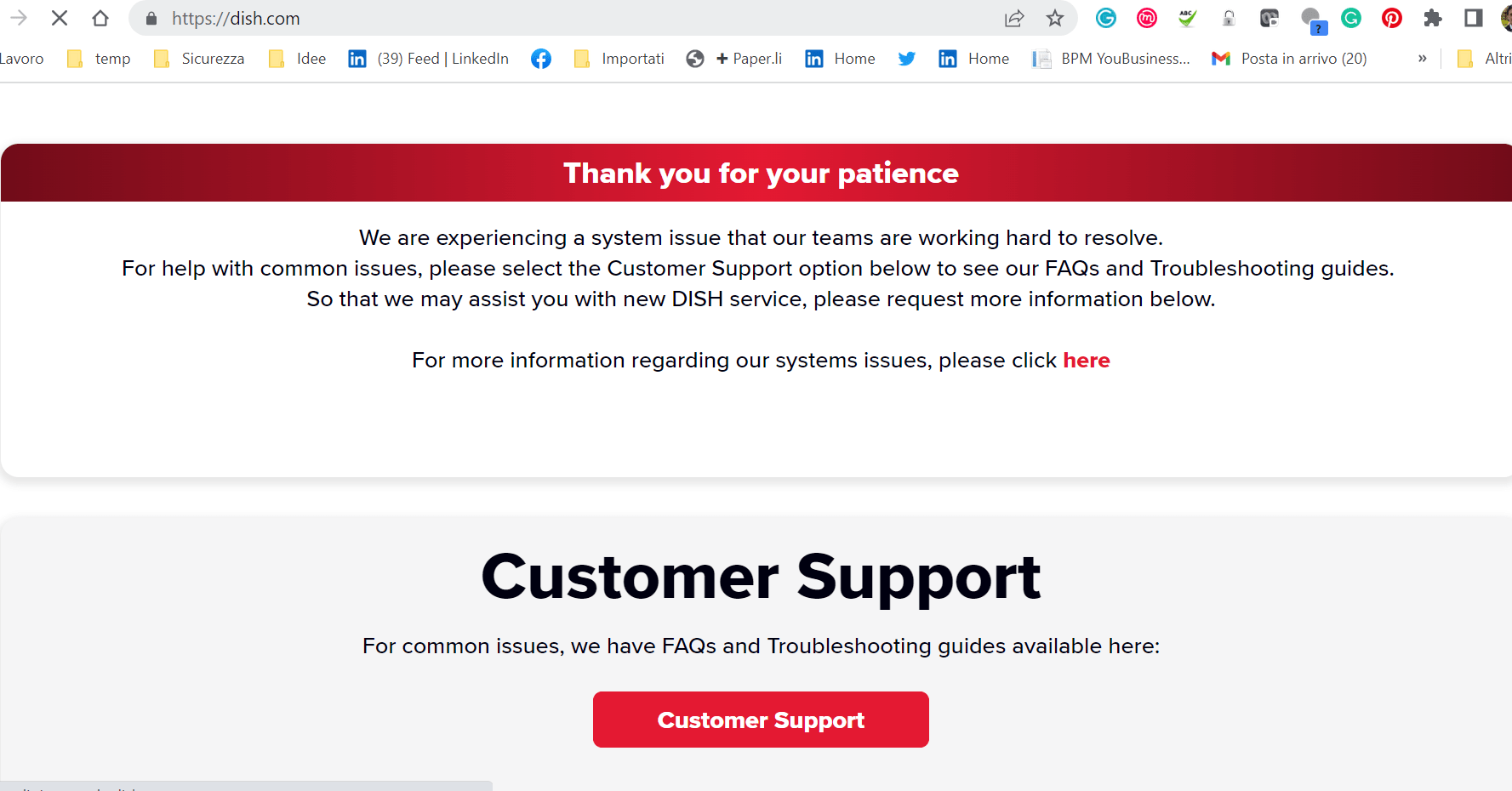
The collapse began on the morning of February 23. On February 27, the company privately determined that data had been extracted. The official admission came on Tuesday, February 28. EchoStar filed a Form 8-K with the Securities and Exchange Commission. The stock price dropped to a 14-year low upon this news. The 8-K filing marked the end of the "internal outage" narrative. The five-day gap between the initial blackout and the 8-K filing reveals a specific type of corporate paralysis. It was not until late May 2023 that the company began mailing notification letters to the 296, 851 affected victims.
Investigative Review of EchoStar Corporation
Why it matters:
Dish Network Corporation faced a catastrophic failure attributed to an "internal outage" that was actually a sophisticated ransomware attack by the Black Basta group.
The company's decision to mislabel the incident created an information vacuum, leaving customers in the dark and causing a significant stock price drop.
The 'Internal Outage' Narrative: Obfuscating the Nature of the Black Basta Attack
On February 23, 2023, Dish Network Corporation faced a catastrophic failure that would define its governance reputation for years to come. The morning began not with a transparent disclosure of a security breach with a calculated minimization of the truth. CEO Erik Carlson appeared on a quarterly earnings call to discuss financial results. He briefly mentioned an “internal outage” affecting servers and telephony. This statement was technically true yet functionally deceptive. It suggested a maintenance error or a hardware failure. The reality was far more malicious. A sophisticated ransomware attack had already paralyzed the company’s infrastructure. The perpetrators were the Black Basta ransomware group. This criminal syndicate is known for its ruthless double-extortion tactics. They encrypt systems and steal sensitive data to use payment. While Carlson spoke to investors about “internal” problems, the company’s IT environment was being systematically dismantled. Windows domain controllers were compromised. VMware ESXi servers were encrypted. The digital heartbeat of the organization stopped. Employees arriving for work found themselves locked out of their own tools. Desktop icons. They were replaced by blank images. This is a hallmark sign of a ransomware encryption event. Dish Network’s decision to label this an “internal outage” created a dangerous information vacuum. Customers attempting to pay bills or contact support met a wall of silence. The company website displayed a vague banner citing a “system problem.” This generic phrasing masked the severity of the situation. Millions of subscribers to Dish TV, Sling TV, and Boost Mobile could not access their accounts. They feared late fees or service cancellations. The company provided no reassurance because admitting the truth would contradict the narrative presented to Wall Street. Internal communications told a different story. Employees leaked details to news outlets like BleepingComputer and The Verge. These whistleblowers revealed that management knew the cause was an “outside bad actor.” Managers informed their teams that a known threat agent was responsible. This internal acknowledgement stands in clear contrast to the public silence. The governance failure here is clear. Executive leadership prioritized controlling the narrative over informing officials. They chose to characterize a criminal invasion as a technical glitch. The obfuscation continued for five days. Speculation ran rampant on social media. Cybersecurity experts recognized the signs of a ransomware attack immediately. The inability to access VPNs and the simultaneous failure of distinct systems like Boost Mobile and Sling TV pointed to a centralized infrastructure collapse. Yet Dish Network refused to use the word “ransomware” in public statements. They blamed VPN problem. They “internal server” problems. This delay prevented customers from taking protective measures. If personal data was at risk, individuals needed to know immediately. They were denied this opportunity by a corporation attempting to save face. On February 28, 2023, the facade crumbled. Dish Network filed a Form 8-K with the Securities and Exchange Commission. This legal document forced the company to admit the truth. The filing confirmed that “certain data was extracted” and that the outage was due to a “cyber-security incident.” It explicitly mentioned ransomware. The gap between the February 23 earnings call and the February 28 filing represents a serious lapse in transparency. During those five days, the stock price plummeted to a 14-year low. Investors realized the “internal outage” was actually a massive security breach that would cost millions to remediate. The governance of this delay are. A ransomware attack is a material event. It affects revenue. It affects liability. It affects brand trust. By downplaying the incident during an earnings call, leadership arguably misled investors about the risk profile of the company. The choice to use the word “internal” implies a problem within the company’s control. A ransomware attack by a Russian-linked gang is an external threat with uncontrollable variables. The distinction is not semantic. It is the difference between a fixable error and a chance hostage situation involving data. Black Basta is not a minor threat actor. They emerged in April 2022 and quickly established a reputation for targeting high-profile organizations. Their methods involve rapid encryption and data exfiltration. Dish Network’s security teams likely knew who they were dealing with within hours of the attack. The “ransom note” is the thing an IT administrator sees. Pretending this was a vague system glitch suggests a deliberate strategy to buy time. This strategy backfired. It eroded trust among employees who were told one thing privately and saw another publicly. It angered customers who felt abandoned. The operational impact was. Call centers went dark. Remote workers could not log in. Field technicians could not receive work orders. The company ceased to function as a business for days. Yet the governance response was to retreat behind legalistic language. The initial refusal to confirm the attack left third-party vendors in the dark as well. Partners who integrated with Dish systems had to guess whether their own networks were at risk. This absence of communication violated the unwritten social contract between a major service provider and the ecosystem it inhabits. The “internal outage” narrative also the company’s incident response. A strong governance framework includes a emergency communication plan. This plan should prioritize accuracy and speed. Dish Network appeared to have neither. The messaging was reactive and defensive. It prioritized the stock price over the customer. The result was a PR disaster that compounded the technical disaster. When the 8-K appeared, it felt like a forced confession rather than a responsible disclosure. Data exfiltration was the other shoe to drop. The 8-K admitted that data was stolen. Later notifications revealed that over 296, 000 individuals were affected. These were primarily employees and their families. The attackers accessed driver’s license numbers and other sensitive identifiers. The delay in confirming the attack meant these individuals lost nearly a week of reaction time. They could have frozen their credit. They could have changed passwords. Instead they waited while their employer debated how to spin the news. The financial cost of this opacity was immediate. Dish shares fell over 6% on the day of the 8-K filing. The market punishes uncertainty. By failing to define the scope of the problem early, Dish allowed uncertainty to fester. Analysts speculated on the severity. feared the entire subscriber database was compromised. If Dish had been transparent on February 23, the market reaction might have been severe stable. The slow drip of bad news created a prolonged period of volatility. This incident serves as a case study in how not to handle a cyber emergency. The instinct to hide bad news is natural destructive. In the digital age, secrets are impossible to keep. Employees talk. Systems leave digital footprints. Ransomware gangs publish victim lists. The “internal outage” lie was doomed from the start. It only served to damage the credibility of the leadership team. When a CEO speaks to investors, every word is scrutinized. Calling a ransomware attack an “internal outage” borders on negligence. It suggests either a absence of understanding of the situation or a willful desire to mislead. The transition from Dish Network to the current EchoStar entity involves this legacy of obfuscation. Governance structures that allow such opacity do not overnight. The same decision-making processes that led to the “internal outage” statement may still exist within the corporate DNA. Transparency is a culture. It requires practice. The events of February 2023 show a culture of secrecy that failed when tested by fire. Customers eventually regained access to their services. The systems were restored. The data was allegedly deleted after a ransom was likely paid or negotiated, though Dish never explicitly confirmed a payment. The reputational damage remains. The phrase “internal outage” is a cautionary tale in cybersecurity circles. It represents the old way of thinking where cyberattacks were shameful secrets to be buried. In the modern threat environment, they are inevitable realities to be managed. Dish Network failed to manage the reality. They tried to manage the perception. And in doing so, they lost control of both. The silence from the top during those serious days in February 2023 was deafening. It left a void that was filled by fear and rumor. Leadership requires presence. It requires the courage to deliver bad news. The governance failure at Dish was not just a failure of IT security. It was a failure of leadership courage. The refusal to name the enemy gave the enemy power. It allowed Black Basta to dictate the timeline. A transparent company controls its own narrative. An unclear company is at the mercy of events. Dish Network chose opacity. The consequences of that choice are still visible in the skepticism that greets their corporate announcements today.The 'Internal Outage' Narrative: Obfuscating the Nature of the Black Basta Attack
Timeline of a Crisis: Investigating the Lag Between Detection and Public Disclosure
The Thursday Blackout: February 23, 2023
The collapse began on the morning of February 23. It was a Thursday. This date was not random. It coincided with the company’s scheduled quarterly earnings call. As executives prepared to discuss financial performance with Wall Street analysts, the digital infrastructure supporting EchoStar and Dish Network began to disintegrate. Employees attempting to log in to their workstations were met with blank screens. Remote workers found their Virtual Private Network connections severed. The internal communication platforms used to coordinate daily operations went silent. This was not a localized glitch. It was a widespread paralysis that spread across the enterprise with terrifying speed.
CEO Erik Carlson addressed investors during the earnings call while the chaos unfolded behind the scenes. He acknowledged an “internal outage” that was affecting servers and telephony. The language chosen was deliberate and minimized the severity of the situation. He did not use the words “cyberattack” or “ransomware.” He described a technical problem. This characterization set the tone for the five days. The company attempted to frame a malicious external attack as a mundane maintenance failure. This decision to obfuscate the truth during a regulated financial disclosure represents a serious governance failure. Investors were trading stock based on the belief that the company was suffering from a temporary IT hiccup. The reality was that a Russian-linked criminal syndicate had seized control of the network.
The operational impact was immediate and total. Customer service centers went dark. Subscribers attempting to pay bills or change services found the website unresponsive. The “Dish Anywhere” app ceased to function. Boost Mobile customers were left in a similar state of limbo. The company posted a vague message on its website citing “technical difficulties.” This placard remained the only official communication for days. Behind the firewall, the situation was far more grim. Employees reported seeing desktop icons. This is a hallmark signature of ransomware encryption. The files were being locked down. The backups were being targeted. The “internal outage” was actually a hostile occupation of the company’s digital territory.
The Weekend of Silence: February 24, 26
Friday brought no relief. The silence from the C-suite deepened. Employees were left in a vacuum of information. Managers instructed their teams to “stand by” and wait for updates that never came. The internal narrative shifted slightly to blame “VPN problem.” This explanation was technically true functionally deceptive. The VPNs were down because the security teams had likely severed external connections to contain the propagation of the malware. By framing the symptom as the cause, EchoStar management maintained a facade of control. They were not controlling the situation. They were reacting to a catastrophe that had already spiraled out of their grasp.
Information began to leak even with the corporate blackout. Employees reached out to technology news outlets like BleepingComputer. They shared internal memos and screenshots. These leaks contradicted the official “technical difficulties” line. Staff members revealed that they had been told the outage was caused by an “outside bad actor.” This phrase circulated internally while the public facing Twitter accounts continued to apologize for “system problem.” The between what the leadership knew and what they told the public grew wider with each passing hour. Governance requires transparency. EchoStar chose opacity.
Customers grew increasingly agitated over the weekend. The inability to reach support lines created a backlog of frustration. Social media platforms filled with complaints from users who could not process payments or access the services they paid for. The company’s stock price began to reflect the uncertainty. Investors hate a vacuum. The absence of a clear statement suggested that the problem was far worse than a simple server crash. The rumor mill filled the void left by the absence of official communication. Cybersecurity experts began to publicly speculate about ransomware based on the duration and nature of the outage. The “Black Basta” group was identified as the likely perpetrator by independent researchers. The company remained silent.
The Forced Admission: February 27, 28
The pressure became untenable by Monday. The outage had for four days. The stock was plummeting. The internal leaks had confirmed the nature of the attack to the wider world. EchoStar could no longer maintain the fiction of a technical glitch. On February 27, the company privately determined that data had been extracted. This was the serious threshold. Ransomware is not just about encryption. It is about extortion. The attackers had stolen data and were likely threatening to release it. This realization forced the company’s hand.
The official admission came on Tuesday, February 28. EchoStar filed a Form 8-K with the Securities and Exchange Commission. The filing was brief damning. It confirmed that the “network outage” was actually a “cyber-security incident.” The company admitted that “certain data was extracted” from its IT systems. The filing stated that the corporation had notified law enforcement. It also warned that the investigation might reveal the theft of personal information. The stock price dropped to a 14-year low upon this news. The market reacted not just to the hack to the realization that the company had been sitting on this information for five days.
The 8-K filing marked the end of the “internal outage” narrative. It also marked the beginning of the legal and reputational. The lag between detection and disclosure was undeniable. The company knew on Thursday that it was under attack. It knew on Friday that an “outside bad actor” was responsible. Yet it waited until the following Tuesday to inform the SEC and the public. This delay deprived customers of the ability to protect their own data. It deprived investors of material information during active trading sessions. The governance structure at EchoStar prioritized damage control over transparency. This strategy failed on both counts.
Anatomy of the Lag
The five-day gap between the initial blackout and the 8-K filing reveals a specific type of corporate paralysis. It suggests a governance culture that views information security incidents as public relations problems rather than operational crises. The decision to withhold the truth during the earnings call is particularly egregious. Executives were speaking to the market while their systems were actively being encrypted. They chose to use euphemisms. They chose to delay the inevitable. This behavior trust. It suggests that the leadership believed they could resolve the situation quietly before anyone noticed. Ransomware does not allow for quiet resolutions.
The timeline shows a reactive posture. EchoStar did not lead the narrative. They were dragged into the truth by leaking employees and angry customers. The “Black Basta” group operates with known tactics. They encrypt and they extort. A strong governance framework would have anticipated this. It would have had a emergency communication plan ready to deploy. It would have prioritized the notification of officials. EchoStar appeared to have none of these method in place. The response was ad hoc. It was defensive. It was slow. The consequences of this delay were felt in the stock price and in the of customer loyalty. The technical recovery would take weeks. The reputational recovery would take much longer.
Timeline of Deception vs. Reality
The following table contrasts the internal reality of the attack with the external statements made by EchoStar and Dish Network. It highlights the governance gap that defined the week of the emergency.
Date
Internal Reality
Public Statement / Action
Feb 23 (Thu)
Systems crash. Ransomware encryption begins. Employees see blank icons. VPNs severed.
CEO cites “internal outage” on earnings call. Website claims “technical difficulties.”
Feb 24 (Fri)
Internal memos confirm “outside bad actor.” Employees told to “stand by.”
Twitter support blames “VPN problem.” No mention of security breach.
Feb 25 (Sat)
Forensic teams identify Black Basta signatures. Data exfiltration assessment begins.
Radio silence. Customer service lines remain dead.
Feb 26 (Sun)
IT teams struggle to restore backups. Ransom demands likely received/analyzed.
Website continues to display generic error messages.
Feb 27 (Mon)
Company confirms internally that data was extracted. Legal counsel prepares SEC filing.
Stock price drops as rumors of a hack circulate in media.
Feb 28 (Tue)
Full scope of data theft becomes clear.
Form 8-K Filed. Official admission of “cyber-security incident” and data extraction.
Regulatory Evasion: Analysis of the February 28th SEC Form 8-K Filing
The February 28, 2023, SEC Form 8-K filing by Dish Network Corporation stands as a masterclass in corporate minimalism, a document that revealed everything and nothing simultaneously. While the filing technically satisfied the Securities and Exchange Commission’s requirement to disclose material events, its language was surgically precise in its vagueness, designed to check a regulatory box while obscuring the catastrophic reality of the Black Basta ransomware attack. For five days, the company had maintained a facade of technical glitches; the 8-K was the moment that narrative collapsed, yet the governance strategy remained one of obfuscation.
The Language of Evasion
The filing itself was brief, a clear contrast to the chaos engulfing the company’s internal operations. In it, Dish Network admitted that on February 23, the same day as its earnings call, it had “determined that the outage was due to a cyber-security incident.” This admission was the official pivot from the “internal system problem” narrative peddled by CEO Erik Carlson. yet, the document notably avoided the word “ransomware,” a term that carries specific legal and reputational weights. By classifying the event as a generic “cyber-security incident,” Dish Network’s governance team attempted to soften the blow to investors, framing the event as a passive occurrence rather than an active, hostile extortion attempt by a known Russian criminal syndicate. The most serious admission in the 8-K was the acknowledgment of data exfiltration. The filing stated that the company “became aware that certain data was extracted from the Corporation’s IT systems as part of this incident.” This sentence transformed the event from a service disruption into a privacy disaster. Yet, the phrasing “certain data” and “possible… personal information” served to dilute the severity. It did not specify the volume of data (later revealed to be massive), the nature of the records (employee Social Security numbers, driver’s licenses), or the identity of the attackers. This absence of specificity allowed the stock price to absorb the shock in stages, rather than all at once, a tactic that securities fraud plaintiffs would later cite as evidence of misleading conduct.
Timing and Materiality
The timing of the filing raises serious questions about the board’s adherence to the spirit of transparency. The outage began on February 23, coinciding with the Q4 earnings call. On that call, executives described the situation as an “internal outage” affecting “internal servers and IT telephony.” They did not mention a cyberattack, even with the fact that ransomware attacks announce themselves immediately with encrypted files and ransom notes. It is improbable that the IT security team did not know the nature of the incident on the morning of February 23. By waiting until February 28 to file the 8-K, Dish Network bought itself five days of silence. During this window, the stock price eroded, the full panic was staved off. The delay allowed the company to control the news pattern over the weekend, preventing a mass sell-off during the earnings call itself. yet, this maneuver backfired legally. The gap between the “internal outage” described on the 23rd and the “cyber-security incident” disclosed on the 28th became the foundation for multiple class-action lawsuits. Investors argued that the initial omission was materially false, denying them the ability to make informed decisions about their holdings as the emergency unfolded.
Table 3. 1: Timeline of Disclosure vs. Reality (February 2023)
Black Basta ransomware encryption active; systems paralyzed.
Stock falls on “outage” news.
Feb 24-27
Radio silence; “investigating the problem.”
Forensic teams confirm data exfiltration; BleepingComputer reports ransomware.
Continued decline; customer confusion.
Feb 28
SEC Form 8-K filed: “Cyber-security incident” & “data extracted.”
Public admission of breach; ransomware still not named in filing.
Stock drops ~6% to 14-year low ($11. 40).
The “Materiality” Defense
Dish Network’s legal defense likely hinged on the definition of “materiality.” Under SEC rules existing at the time (before the stricter four-day rule was fully codified in December 2023), companies were required to disclose information that a reasonable investor would consider important. Dish could that they needed those five days to determine if the incident was truly “material”, i. e., if it would have a lasting financial impact. This argument, yet, crumbles under scrutiny. The attack took down the company’s ability to process payments, install new services, and communicate with customers. For a subscription-based business, the inability to take money or answer phones is an existential threat, not a minor technical glitch. The materiality was clear the moment the screens went black. By delaying the 8-K, the governance team prioritized damage control over their fiduciary duty to warn shareholders of a catastrophic risk. The filing on the 28th was not an act of transparency; it was a forced confession, extracted only after the outage became too large to hide and external media outlets began reporting the ransomware angle.
Market Reaction and Legal
The market’s reaction to the 8-K was immediate and punitive. On the day of the filing, Dish Network shares plummeted over 6% to close at $11. 40, a 14-year low. This drop was not just a response to the cyberattack a vote of no confidence in management’s handling of the emergency. Analysts downgraded the stock, citing the absence of clarity and the chance for long-term subscriber churn. The 8-K had confirmed that the company’s “internal communications, customer call centers and internet sites” were affected, signaling a total operational breakdown. The filing also triggered a wave of litigation. Law firms like Rosen Law Firm and Bernstein Liebhard filed class-action suits, alleging that the company made materially false and misleading statements. The core of these complaints was the gap between the February 23 earnings call and the February 28 filing. Plaintiffs argued that by characterizing the attack as a mere “outage,” the company artificially inflated its stock price (or prevented a sharper decline) for five days. The 8-K, intended to shield the company, instead became “Exhibit A” in the case against it, proving that management knew, or should have known, the truth days before they admitted it to the SEC.
The Omission of “Black Basta”
Perhaps the most omission in the February 28 filing was the absence of the attacker’s name: Black Basta. While security researchers and journalists had already linked the attack to this specific ransomware group, Dish Network’s refusal to name them in the 8-K was a calculated governance decision. Naming the group would have confirmed the ransomware nature of the attack beyond a doubt and highlighted the severity of the threat, as Black Basta is known for “double extortion”, stealing data before encrypting it. By omitting the name, Dish Network attempted to maintain a veil of ambiguity. This allowed them to avoid questions about ransom payments in the immediate aftermath. If they had admitted it was Black Basta, the question from analysts would have been, “Did you pay?” By keeping the filing vague, they postponed that interrogation. yet, this silence did not protect the data. The attackers, frustrated by the company’s public reticence, would later threaten to leak the stolen employee data, forcing the company’s hand. The 8-K was a holding action, a desperate attempt to buy time in a situation where time was the one resource the company did not have.
Regulatory Context and Future
The Dish Network 8-K filing serves as a case study for why the SEC subsequently tightened its cybersecurity disclosure rules. The five-day lag and the vague terminology exemplified the “loophole” behavior that regulators sought to eliminate. Under the new rules adopted later in 2023, companies are required to disclose material cybersecurity incidents within four business days of determining materiality, with fewer exceptions for “ongoing investigations.” Dish Network’s filing technically met the deadlines of the era, it failed the test of transparency. It showed a governance structure that viewed information as a liability to be managed rather than an asset to be shared. The document stands as a testament to a corporate culture that believed it could spin a ransomware attack as a “system problem,” only to be forced into the light by the sheer of the disaster. The February 28 filing was not the end of the emergency; it was the official beginning of the accountability phase, a phase that would cost the company millions in legal fees, settlements, and lost market cap.
The Communication Void: Governance Failures in Customer Crisis Management
The Communication Void: Governance Failures in Customer emergency Management The governance collapse at EchoStar during the February 2023 Black Basta ransomware attack was not a technical failure; it was a deliberate strategy of obfuscation that left millions of customers in the dark. While the company’s internal servers were being encrypted by Russian cybercriminals, the executive leadership, led by Chairman Charlie Ergen and CEO Erik Carlson, executed a communication blockade that prioritized stock price stability over customer transparency. This decision, rooted in a governance structure that absence specific cybersecurity accountability, resulted in a week-long information vacuum that exacerbated the financial and reputational damage to the corporation. ### The ‘Internal Outage’ Fabrication On February 23, 2023, as the ransomware attack was actively paralyzing Dish Network’s infrastructure, CEO Erik Carlson appeared on a quarterly earnings call. Instead of disclosing the severe security breach, Carlson characterized the situation as an “internal outage” affecting “internal servers and IT telephony.” This narrative was a calculated governance choice. By framing a catastrophic cyberattack as a routine technical glitch, leadership attempted to insulate the company’s stock value during a serious financial reporting period. This “internal outage” narrative functioned as a de facto gag order. Internal communications reveal that employees were told the disruption was a “VPN problem” and were instructed to “stand by” without further details. Frontline customer service agents, seeing “blank icons” on their desktops and unable to access billing systems, were forced to repeat this vague script to frustrated subscribers. This top-down suppression of the truth violated the fundamental principles of emergency management governance, which demand timely and accurate disclosure to officials. The board’s decision to withhold the true nature of the attack until the February 28 SEC Form 8-K filing—five days after the incident began—demonstrates a serious dereliction of fiduciary duty. ### Board Oversight: A Structural Failure The silence from EchoStar’s Board of Directors during the emergency highlights a structural void in its risk oversight method. In 2023, the board relied on a general “Risk Oversight Committee” rather than a dedicated cybersecurity committee with specialized expertise. The committee’s charter mandated the oversight of “significant risks,” yet the board’s passive response suggests a failure to recognize the existential threat posed by the Black Basta intrusion.
EchoStar Governance vs. emergency Reality (Feb 2023)
Governance method
Stated Duty (Charter)
Actual emergency Response
Risk Oversight Committee
Oversee management of significant risks and risk appetite.
Allowed “internal outage” narrative to for 5 days; no public board statement.
Executive Leadership
Ensure accurate disclosure to shareholders and customers.
CEO Erik Carlson downplayed attack during Q4 earnings call; withheld ransomware confirmation.
Incident Response
Activate business continuity and communication plans.
Complete communication blackout; customer service lines dead; social media silence.
The absence of a cybersecurity expert on the board meant that technical risk assessments were likely filtered through generalist directors who prioritized legal liability over operational transparency. This governance gap allowed the “internal outage” lie to stand unchallenged by the directors who were supposedly safeguarding the corporation’s integrity. ### The Cost of Silence: Operational Metrics The governance failure had immediate, quantifiable impacts on the customer base. By refusing to admit the attack, EchoStar prevented customers from taking protective measures for their own data. The operational was catastrophic: * **Call Center Collapse:** Customers reported wait times exceeding **15 hours** (900 minutes), with automated systems citing wait times of **855 minutes**. * **Service Termination Blockade:** Subscribers unable to access their accounts could not cancel services, trapping them in billing pattern they could not control. * **Subscriber Exodus:** The absence of communication contributed to a loss of approximately **75, 000 chance new subscribers** and a net loss of **81, 000 wireless subscribers** in Q1 2023 alone. * **Financial Impact:** The company incurred **$30 million** in remediation costs, a figure that does not account for the long-term reputational or the impending class-action settlements. ### The Ransom Payment: Governance by Capitulation Perhaps the most damning evidence of governance failure is the implied ransom payment. In its May 2023 data breach notification, Dish Network stated it had “received confirmation that the extracted data has been deleted.” In the world of ransomware, such confirmation is only provided by the attackers after a payment is made. This decision to pay the Black Basta gang—likely millions of dollars—was a governance decision made behind closed doors, without public scrutiny. Paying a ransom funds future criminal activity and offers no guarantee of data safety. Yet, the board likely viewed this as a necessary expense to make the problem “go away” and support their narrative that customer databases were not “accessed” (only “extracted”). This semantic gymnastics—distinguishing between access and extraction—further illustrates a governance culture focused on legalistic evasion rather than honest remediation. The communication void was not an accident; it was a policy. The board and executive leadership chose to prioritize the appearance of stability over the reality of security, leaving their customers to navigate the of a massive data breach with zero guidance. This failure has triggered multiple class-action lawsuits alleging that the company made materially false and misleading statements, a direct consequence of the governance decisions made in the serious week of the attack.
Data Breach Notification Delays: The Three-Month Gap in Alerting Victims
The Timeline gap: Eighty-Five Days of Silence
The most governance failure in the aftermath of the February 2023 ransomware attack was the extended silence maintained by EchoStar and its subsidiary Dish Network regarding the theft of personal data. While the company publicly acknowledged a “network outage” on February 23, 2023, and admitted to a “cyber-security incident” in an SEC filing on February 28, 2023, the individuals whose data was actually stolen remained uninformed for nearly three months. It was not until late May 2023 that the company began mailing notification letters to the 296, 851 affected victims. This delay of approximately 85 days created a dangerous window of exposure where current and former employees, as well as their family members, were to identity theft without any warning or ability to freeze their credit.
Regulatory filings submitted to the Office of the Maine Attorney General confirm this timeline. The official documentation lists the “Date Breach Occurred” as February 23, 2023. Yet the “Date of Consumer Notification” is recorded as May 19, 2023. This gap far exceeds the standard notification expectations set by cybersecurity best practices and various state laws, which mandate disclosure within 30 to 60 days of discovery. EchoStar managed to skirt these strict deadlines by manipulating the definition of “discovery.” The company claimed in its notification letters that the process of determining exactly who was affected was “complex and time-consuming” and asserted that this identification work was only “substantially completed” on May 8, 2023. By anchoring the notification clock to the completion of forensic analysis rather than the initial detection of the breach, corporate leadership bought themselves months of silence while victims remained at risk.
The “Complex Investigation” Defense
The justification provided by EchoStar for this three-month lag hinges on the technical difficulty of forensic analysis. In the breach notification letter sent to victims, the company stated that they had to match extracted data to specific individuals. This defense warrants skepticism when analyzed against the known operational tactics of the attacker. The Black Basta ransomware group, which was widely attributed to the attack by security researchers and implied by the company’s own descriptions, operates on a double-extortion model. This means they systematically exfiltrate sensitive files before deploying encryption malware. The theft of data is not an incidental side effect for groups like Black Basta. It is their primary use.
Security teams and corporate executives at EchoStar knew or should have known they were dealing with a double-extortion event within days of the February 23 outage. The presence of Black Basta ransomware is a definitive indicator that data exfiltration has likely occurred. A prudent governance strategy prioritizes victim safety by issuing a preliminary warning to all chance affected employees immediately upon confirming the nature of the malware. EchoStar chose a different route. They waited until they could identify every single specific file and owner with absolute certainty before saying a word. This perfectionist method to forensics served the company’s legal strategy failed its moral obligation to its workforce. By waiting for a 100% confirmed list, they left nearly 300, 000 people defenseless against chance fraud for a quarter of a year.
The Black Basta Factor and Data Exfiltration
The specific nature of the data stolen makes the delay even more egregious. The breach did not expose email addresses or phone numbers. The filings with the Maine Attorney General revealed that the compromised data included driver’s license numbers and other forms of identification. For employees, this likely included Social Security numbers and internal HR records. These are high-value data points for identity thieves. In the hands of the Black Basta group, this information is monetized on the dark web or used to further targeted phishing attacks.
Black Basta is notorious for the speed of their operations. Cybersecurity firm Palo Alto Networks Unit 42 has documented that Black Basta affiliates can move from initial access to domain dominance in a matter of days. Once they have control, they exfiltrate data rapidly. EchoStar’s decision to withhold notification implies a gamble that the attackers would not use the data immediately. This was a high- bet made with employee identities. If the attackers had sold the data in March or April, victims would have faced financial damage long before receiving the May notification letter. The governance failure here lies in the risk assessment. Leadership prioritized the containment of the corporate reputation and the precision of the legal disclosure over the immediate protection of human assets.
The “Assurance of Deletion” Controversy
Perhaps the most disturbing element of the May 2023 notification letter was the assurance given to victims regarding the status of their data. The letter explicitly stated: “We have received confirmation that the extracted data has been deleted.” This sentence suggests that EchoStar or Dish Network engaged in negotiations with the ransomware actors and likely paid a ransom in exchange for a pledge of data destruction. Relying on the word of cybercriminals constitutes a serious governance lapse in victim communication. FBI guidance and cybersecurity experts consistently warn that paying a ransom does not guarantee data deletion. Criminal groups frequently keep copies of stolen data to resell later or to extort the victim a second time.
By telling employees that the data was “confirmed” deleted, EchoStar may have inadvertently lowered the vigilance of the victims. A recipient of that letter might believe the danger had passed and decide not to sign up for credit monitoring or place a fraud alert on their accounts. A more transparent and responsible communication would have admitted that while assurances were received, no guarantee from a criminal enterprise can be trusted. The company’s choice to frame the outcome as a confirmed deletion reflects a desire to minimize panic and liability rather than to provide an honest assessment of the risk. It paints a picture of a resolved incident when, in reality, the data could still exist on backup servers controlled by the Black Basta cartel.
Regulatory gaps and the “Determination Date”
The legal mechanics used to justify the May notification date rely on the distinction between discovering an *incident* and determining a *breach*. Most state data breach notification laws require companies to notify victims “without unreasonable delay” or within a set number of days after the *determination* that personal information was compromised. Corporate lawyers frequently advise companies to delay the official “determination” date until the forensic investigation is complete. This allows the company to that the clock did not start ticking on February 23, rather on May 8, when the forensic team finished their spreadsheet.
This legalistic maneuvering violates the spirit of transparency laws. The intent of these regulations is to give citizens a fighting chance to protect their credit. By stretching the investigation phase to 74 days (February 23 to May 8), EchoStar nullified the protective intent of the law. The company knew on February 28 (the date of the 8-K filing) that they had a serious problem. They likely knew within weeks that HR directories were accessed. The decision to wait for the final forensic report before issuing even a preliminary warning indicates a governance structure that views regulatory compliance as a game of technicalities rather than a framework for consumer protection.
Impact on the Workforce and Families
The victims of this breach were not random customers the company’s own people. The breach affected current employees, former employees, and even family members of employees. This internal demographic adds a of betrayal to the governance failure. Employees entrust their most sensitive data to their employer as a condition of employment. They cannot opt out of providing a Social Security number or a driver’s license to HR. When EchoStar failed to protect this data, they failed a captive audience.
The inclusion of family members in the breach suggests that the attackers accessed benefit enrollment data or emergency contact lists. This widens the circle of impact to spouses and children who never signed a contract with EchoStar. The three-month delay meant that families could have been battling unexplained credit inquiries or identity fraud attempts in March and April without knowing the source. The notification letter, arriving in late May, offered two years of credit monitoring. While this is a standard remedy, it is a reactive measure that does nothing to undo the exposure of the previous 85 days. The delay signaled to the workforce that the company was more concerned with managing the public narrative of the “outage” than with safeguarding the private lives of its staff.
Comparative Analysis of Notification Timelines
To understand the severity of EchoStar’s delay, it is useful to compare it to other major breaches. When T-Mobile suffered a breach in early 2023 involving 37 million accounts, they notified the public within days of the discovery, even while the investigation was ongoing. While T-Mobile has its own history of security failures, the speed of their disclosure stands in contrast to EchoStar’s three-month silence. Other companies frequently problem a “preliminary notification” alerting users that an investigation is underway and that they should be vigilant. EchoStar issued no such specific warning to employees during the interim period. The silence was absolute until the final letters were mailed.
This comparative absence of agility points to a rigid governance structure at EchoStar. In a emergency, information flow is serious. A governance model that requires absolute certainty before releasing information is ill-suited for the speed of modern ransomware attacks. The refusal to communicate partial information, such as “we have detected unauthorized access to HR systems, please monitor your credit”, suggests a fear of legal liability that paralyzed the organization’s ability to act in the best interest of its employees. This paralysis is a hallmark of defensive, unclear corporate governance.
Legal Consequences and Class Actions
The delay has not gone unnoticed by the legal community. Following the notification, multiple class action lawsuits were filed against Dish Network and EchoStar. Plaintiffs in cases such as *Sierotowicz v. Dish Network* allege that the company failed to implement adequate cybersecurity measures and failed to provide timely notice of the breach. The complaints specifically cite the gap between the February attack and the May notification as evidence of negligence. These lawsuits that the delay deprived victims of the opportunity to take early mitigation steps. The legal discovery process in these cases may eventually force EchoStar to release internal emails and documents that reveal exactly when executives knew data was stolen. If evidence emerges that leadership knew of the exfiltration in March deliberately withheld notice to protect the stock price or the brand image, the governance failure escalate from negligence to active concealment.
The class actions also challenge the “data deletion” narrative. Plaintiffs that the company’s assurance that data was deleted is misleading and provides a false sense of security. The legal battles show the financial and reputational cost of the notification delay. Had EchoStar acted with transparency in March, they might still face lawsuits regarding the breach itself, they would have a stronger defense against claims of willful negligence regarding the notification timeline. The decision to delay has compounded the company’s legal exposure.
Timeline of Notification Failure
Date
Event
Governance Implication
February 23, 2023
Network outage and ransomware deployment detected.
SEC Form 8-K filed admitting “cyber-security incident.”
Regulatory disclosure made to investors, no warning to data victims.
March, April 2023
Forensic investigation and data matching.
Period of silence. Victims remain unaware of risk.
May 8, 2023
“Substantial completion” of data matching.
Legal “determination date” set to restart notification clock.
May 19, 2023
Notification letters mailed to 296, 851 victims.
Official disclosure occurs 85 days after the initial attack.
The Ransom Payment Question: Financial Transparency and Shareholder Rights
The Ransom Payment Question: Financial Transparency and Shareholder Rights
The most contentious element of the 2023 cyber emergency involving the entity operating as EchoStar Corporation lies not in the technical failure of its defenses in the deliberate opacity regarding the resolution of the attack. While the company publicly characterized the event as a “network outage” and later a “cybersecurity incident,” the evidence points to a financial transaction with the Black Basta criminal syndicate. This section examines the governance decisions that led to the concealment of a likely ransom payment and analyzes the for shareholder rights and financial transparency.
The “Confirmation of Deletion” Euphemism
Dish Network never explicitly admitted to paying a ransom. The company’s public statements carefully avoided the word “payment” entirely. Yet the data breach notification letters sent to affected employees contained a specific phrase that serves as a de facto admission in the cybersecurity industry. The company stated it had “received confirmation that the extracted data has been deleted.” This assertion defies the logic of digital extortion unless a transaction occurred. Ransomware groups operate on a model of double extortion. They encrypt systems to halt operations and exfiltrate sensitive data to use as blackmail. If a victim refuses to pay, the standard procedure for groups like Black Basta is to publish the stolen data on a dedicated leak site to punish the target and warn future victims. Dish Network’s data never appeared on the Black Basta leak site. also, criminal organizations do not provide “confirmation” of data deletion out of goodwill. They provide it in exchange for cryptocurrency. Security researchers and threat intelligence firms, including BleepingComputer and SentinelOne, have long established that “confirmation of deletion” is the product delivered upon payment of a ransom. By using this phrasing, the company attempted to reassure victims that their data was safe while simultaneously obscuring the method used to secure that safety. This linguistic maneuvering represents a governance failure. It prioritizes public relations management over factual disclosure. It asks shareholders and customers to trust the word of a criminal gang that the company likely funded.
The 30 Million Dollar Black Box
The financial accounting of the incident further illustrates the company’s commitment to opacity. In its Form 10-Q filing for the quarter of 2023, the company reported approximately $30 million in “cybersecurity related expenses.” The filing described these costs as covering “remediation, customer support, consulting, and IT costs.” It notably failed to itemize a ransom payment. This lump-sum figure raises serious questions about the allocation of shareholder funds. If the company paid a ransom, that payment would likely constitute of the $30 million. Estimates for Black Basta demands for an organization of this size range from $5 million to $10 million or more. By burying a chance ransom payment within a generic “remediation” line item, the company hid the destination of millions of dollars from its investors. This absence of granularity prevents shareholders from assessing the true cost of the governance failure. Remediation costs such as hiring forensic experts or rebuilding servers are operational expenses required to restore business continuity. A ransom payment is different. It is a transfer of wealth to a sanctioned adversary. It encourages future attacks. It carries legal risks under the Office of Foreign Assets Control (OFAC) regulations. By aggregating these distinct categories of expenditure, the company deprived investors of the ability to evaluate the board’s decision-making process regarding the funding of cybercriminal operations.
The Black Basta Connection and OFAC Risks
The decision to pay Black Basta carries specific geopolitical and legal risks that the company’s vague disclosures glossed over. Black Basta is not an group of hackers. Threat intelligence links the group to the Conti ransomware cartel. Conti has demonstrated clear allegiance to the Russian state. The group famously pledged support to the Russian government following the invasion of Ukraine in 2022. The U. S. Treasury Department’s OFAC has issued strict warnings regarding payments to sanctioned entities or groups with a nexus to sanctioned jurisdictions. While paying a ransom is not illegal per se, paying a group with ties to sanctioned Russian entities invites federal scrutiny and chance penalties. If the company performed due diligence before paying, they would have discovered these links. If they paid even with knowing these links, they exposed the corporation to legal jeopardy. If they paid without investigating the links, they demonstrated negligence. The refusal to disclose the payment details prevents shareholders from knowing which of these three dangerous scenarios occurred. The company’s silence suggests a strategy of “security through obscurity” applied to legal compliance. They likely calculated that the reputational damage of admitting to funding a Russian-linked gang outweighed the risk of regulatory enforcement for vague financial reporting. This calculus prioritizes short-term image protection over long-term ethical governance.
Shareholder Rights and Materiality
The concept of “materiality” is central to SEC reporting requirements. Information is material if there is a substantial likelihood that a reasonable investor would consider it important in making an investment decision. The company likely argued internally that the specific details of the ransom payment were not material because the $30 million total impact was small relative to the company’s in total revenue. This interpretation of materiality is flawed. The dollar amount of the payment is secondary to the nature of the transaction. Investors have a right to know if the company’s risk management strategy relies on paying extortionists. Reliance on ransom payments indicates a failure of resilience. It suggests that the company’s backups were either compromised or insufficient to restore operations without the decryptor keys purchased from the attackers. also, the “internal outage” narrative maintained during the early days of the emergency denied investors serious information during a period of high volatility. Stock prices dropped significantly as the outage dragged on. Investors trading on the belief that the company was suffering a technical glitch were operating with an information disadvantage compared to insiders who knew the company was under active extortion. The class action lawsuits filed in the wake of the attack, such as *Jach v. DISH Network Corp*, highlight this. Plaintiffs argued that the company made materially false and misleading statements about its cybersecurity posture and operational efficiency. The concealment of the ransom payment is the capstone of this pattern of misleading behavior.
The Precedent of Opacity
The governance method displayed during this incident sets a dangerous precedent. By successfully obfuscating the payment and burying the cost in a general expense category, the company has provided a blueprint for other corporations to hide similar failures. This reduces the shared understanding of the ransomware economy. When companies hide payments, policymakers and security researchers lose visibility into the profitability of cybercrime. Transparency is the method by which markets enforce discipline. If a company knows it must disclose a ransom payment, it has a stronger incentive to invest in defenses that make payment unnecessary. By allowing companies to hide these payments, the market fails to penalize poor security hygiene accurately. The company’s stock price recovered partially after the immediate emergency, the governance rot remains. The refusal to be honest about the resolution of the Black Basta attack suggests a corporate culture that views transparency as a liability rather than a duty.
Regulatory Evasion and the 2023 Context
this incident occurred just months before the SEC finalized new, stricter rules regarding cybersecurity risk management and incident disclosure. The company’s behavior during the February 2023 emergency exemplifies exactly why the SEC felt compelled to intervene with more rigorous mandates. The ambiguity of the “cybersecurity related expenses” line item and the delay in confirming the ransomware nature of the attack exploited the looseness of the previous regulatory regime. Under the current rules, the company would face significantly higher blocks to maintain this level of secrecy. yet, the governance failure must be judged by the standards of ethical stewardship, not just the minimum legal requirements of the time. The board and executive leadership chose the route of least resistance. They chose to pay the demand, hide the transaction, and use euphemisms to describe the outcome. This decision protected their reputations in the short term eroded the trust required for long-term shareholder value. The $30 million figure remains a monument to this opacity. It stands as a lump sum that contains both the cost of the cleanup and the price of the company’s capitulation. Until the company provides a full accounting of those funds, shareholders must assume that their capital was used to finance the very criminal ecosystem that threatens the digital economy. The silence is not a sign of security. It is a sign of complicity.
Board Oversight Deficiencies: Scrutinizing the Audit Committee's Role Pre-Attack
The governance structure of DISH Network, subsumed by EchoStar, faced its most severe stress test in February 2023. While the operational teams battled the Black Basta ransomware encryption, the Board of Directors—specifically the Audit Committee—stood as the arbiter of risk management and public disclosure. A forensic examination of the board’s composition and actions prior to the attack reveals a governance body heavily weighted towards financial and regulatory expertise yet dangerously thin on technical cybersecurity competence. This imbalance created a blind spot that allowed widespread vulnerabilities to metastasize into a catastrophic outage. ### The Audit Committee: Finance Experts in a Digital War Zone Under the corporate bylaws operative in early 2023, the Audit Committee held the primary responsibility for overseeing “internal controls” and “systems of disclosure.” This mandate made three individuals the final checkpoint for cybersecurity readiness. The committee was chaired by Tom A. Ortolf, a long-time associate of Chairman Charlie Ergen and President of CMC, an investment management firm. Joining him were Kathleen Q. Abernathy, a former FCC Commissioner with deep regulatory experience, and George R. Brokaw, a private investor with a background in high-finance equity funds. While these directors possessed unquestionable acumen in capital markets and telecommunications policy, their shared biography shows a clear absence of direct, hands-on experience in information security or enterprise IT defense. In an era where ransomware gangs operate with the sophistication of nation-states, the DISH Audit Committee absence a dedicated technologist capable of challenging management’s assertions regarding cyber resilience. This skills gap suggests that when executive leadership presented “strong” (a term frequently used in corporate filings) security reports, the committee likely absence the technical vocabulary to interrogate the reality of those claims.
### The “Internal Controls” Fiction The disconnect between the board’s oversight duties and the operational reality on the ground became the central thesis of multiple class-action lawsuits filed in the wake of the attack. The Audit Committee’s charter explicitly required it to review the integrity of the company’s “internal controls.” Yet, the ease with which the Black Basta group penetrated the network, escalated privileges, and encrypted serious systems indicates a total failure of these controls. Plaintiffs in *Sierck v. DISH Network Corporation* alleged that the board allowed the company to make “materially false and misleading statements” in SEC filings leading up to the breach. Specifically, the 2020, 2021, and 2022 Form 10-K filings contained standard risk factor warnings—boilerplate language stating that cyber attacks “could” occur. The lawsuits that the board knew, or should have known, that the company’s cybersecurity infrastructure was actually deficient, rendering the “could” in those warnings deceptive. By signing off on these filings without enforcing rigorous security audits, the Audit Committee validated a security posture that did not exist. ### The Five-Day Silence: A Governance Decision The most damning evidence of governance failure occurred between February 23 and February 28, 2023. When the network went dark, the board would have been immediately notified of the catastrophic nature of the incident. Ransomware attacks are rarely ambiguous to internal IT teams; the ransom notes and encrypted files appear almost instantly. Yet, for five days, the company publicly characterized the event as an “internal system problem” or “network outage.” This narrative was not a PR stumble; it was a governance strategy. The decision to withhold the “ransomware” label—a material fact for investors and customers—required tacit or explicit approval from the board’s risk oversight function. By permitting this obfuscation, the Audit Committee prioritized corporate image over transparency, leaving millions of customers and employees unaware that their sensitive data was in the hands of a Russian cybercrime syndicate. This delay denied victims the opportunity to freeze their credit or secure their identities during the most dangerous window of the breach. ### Distracted by the Merger The context of early 2023 provides further insight into the board’s negligence. During this period, the directorate was deeply engrossed in the complex financial engineering required to merge DISH Network with EchoStar (Project K2) and the capital-intensive buildout of the 5G Open RAN network. These massive strategic initiatives likely consumed the entirety of the board’s. In this high- environment, legacy IT maintenance and cybersecurity hygiene were relegated to the background. The board’s focus was on the future—becoming a fourth major wireless carrier—rather than securing the present infrastructure. This strategic tunnel vision created a permissive environment for technical debt to accumulate. The hackers did not exploit the new, new 5G network; they exploited the neglected, legacy corporate systems that the board had failed to modernize or secure. ### Regulatory Evasion and the 8-K Filing When the board authorized the filing of the Form 8-K with the SEC on February 28, the disclosure was carefully lawyered to minimize liability. The filing admitted to a “cyber-security incident” and acknowledged that data was “extracted,” yet it stopped short of providing the specific details that would allow shareholders to assess the financial impact. The Audit Committee, responsible for the “integrity of financial statements,” oversaw a disclosure process that left the market guessing about the chance ransom payment, the extent of the data loss, and the timeline for recovery. This minimalist method to disclosure aligns with a broader pattern of governance opacity. Even after the merger with EchoStar was completed, the combined entity continued to face scrutiny regarding how the legacy DISH board handled the emergency. The refusal to engage transparently with the public during the outage was not an operational accident; it was a calculated governance choice made by directors who viewed information as a liability rather than a right of the shareholder. The from these decisions continues to reverberate through the legal system. The consolidation of shareholder derivative suits points to a singular conclusion: the Audit Committee failed in its fiduciary duty of care. They treated cybersecurity as a box-checking exercise for the annual report rather than an existential operational risk. In doing so, they left the door unlocked for Black Basta, and when the thieves walked in, the board’s instinct was to pull the blinds.
Infrastructure Vulnerabilities: Allegations of Underinvestment in Cybersecurity
The 5G Capital Drain: Security as a Casualty of Ambition
The forensic reconstruction of the 2023 EchoStar (then Dish Network) outage reveals a governance strategy that systematically prioritized aggressive expansion over the maintenance of foundational systems. While the corporation directed billions toward its “Open RAN” 5G network, a project Chairman Charlie Ergen touted as a technological revolution, the legacy infrastructure supporting millions of satellite and Boost Mobile customers was left in a state of dangerous decay. Financial analysis suggests that the capital intensity of the 5G buildout, estimated to cost over $10 billion, created a resource vacuum. In this environment, cybersecurity appears to have been treated as a discretionary cost rather than an operational need.
Industry observers and financial analysts, including those from New Street Research, noted that while the 5G network segment remained largely unaffected by the attack, the legacy satellite business bore the brunt of the disruption. This highlights a bifurcation in EchoStar’s governance: the new, cloud-native 5G architecture received the bulk of investment and attention, while the revenue-generating legacy systems operated on “older computer systems” that were increasingly fragile. The decision to divert capital away from hardening these aging networks created the conditions for a catastrophic failure. The $30 million eventually spent on remediation represents only a fraction of the sustained investment required to have prevented the breach, suggesting a governance philosophy that preferred reactive spending to proactive defense.
The VMware ESXi Vector: A Known Weakness
Technical reports following the incident, including investigations by BleepingComputer, identified the specific attack route used by the Black Basta ransomware group. The attackers reportedly compromised Windows domain controllers before moving laterally to encrypt VMware ESXi servers and backups. This trajectory is damning from a governance perspective. The targeting of ESXi hypervisors was a well-documented tactic employed by ransomware cartels throughout 2022 and 2023. A competent risk management committee should have ensured that these specific assets were segregated and hardened against lateral movement.
The success of the Black Basta intrusion into the ESXi environment indicates a failure in network segmentation. In a properly secured architecture, the compromise of a Windows domain controller should not grant immediate, administrative-level destruction rights over the virtualization and its backups. That this propagation occurred suggests a “flat” network topology, a hallmark of technical debt where convenience supersedes security. For a telecommunications entity holding the personal data of millions, allowing such architectural fragility to constitutes a serious dereliction of duty. The board’s audit committee, responsible for overseeing cyber risk, failed to enforce the implementation of defense- strategies that would have contained the breach to the initial entry point.
Frugality as a Security Liability
Charlie Ergen’s management style, characterized by extreme frugality, directly influenced the security posture of the organization. Reports that Ergen personally signed checks for expenditures exceeding $100, 000 paint a picture of a bottlenecked procurement process. In the domain of cybersecurity, where threat actors operate with speed and automation, a bureaucratic delay in approving necessary tools or personnel can be fatal. This centralization of financial control likely discouraged IT leaders from requesting necessary upgrades, knowing that non-revenue-generating requests faced skepticism or rejection.
Employee reviews on platforms such as Glassdoor and Indeed from the period leading up to the attack describe a culture where IT departments were overworked and under-resourced. Engineers “outdated technology,” “high turnover,” and a management structure that viewed IT support as a cost center. High attrition rates in security teams are particularly dangerous; when institutional knowledge walks out the door, unpatched vulnerabilities and misconfigurations frequently remain. The governance failure here lies in the refusal to recognize that human capital is a security control. By driving staff to burnout through underinvestment, EchoStar’s leadership dismantled their own human firewall.
The Legacy of Technical Debt
The integration of Boost Mobile, acquired from Sprint (T-Mobile), added another of complexity that the governance structure failed to address. Migrating millions of prepaid customers from Sprint’s legacy systems to Dish’s infrastructure required rigorous security validation. The outage’s severe impact on Boost Mobile customers, of whom could not pay bills or contact support for weeks, suggests that these systems were brittle. The rush to monetize the acquisition appears to have outpaced the necessary security integration work.
This accumulation of technical debt is not an IT problem; it is a governance choice. Every unpatched server and every end-of-life operating system represents a decision by leadership to accept risk in exchange for short-term savings. In EchoStar’s case, the gamble was that the legacy systems would hold together long enough for the 5G network to become the primary revenue engine. The Black Basta attack exposed the fallacy of this wager. The attackers exploited the very seams that leadership chose to ignore, turning the company’s “cost-saving” measures into a massive liability that cost shareholders millions in remediation, legal fees, and reputational damage.
Operational Blindness
The delay in detecting the intrusion further points to an absence of adequate monitoring tools. Modern security operations centers (SOCs) use behavioral analytics to detect the exfiltration of data or the encryption of servers in real-time. The fact that the attackers had sufficient dwell time to compromise domain controllers and then systematically encrypt backup servers implies that EchoStar absence 24/7 visibility into its own environment. This operational blindness is a direct result of underinvestment. Advanced monitoring solutions require significant licensing fees and skilled analysts to interpret the data, resources that were likely scarce under a regime focused on minimizing operational expenditures.
The board of directors failed to demand evidence of operational resilience. Metrics such as “Mean Time to Detect” (MTTD) and “Mean Time to Respond” (MTTR) should have been regular agenda items for the audit committee. The extended duration of the outage, spanning weeks for services, demonstrates that not only were prevention method absent, disaster recovery capabilities were also non-existent or untested. A governance body acting with due care would have mandated regular tabletop exercises and penetration testing to validate the company’s ability to recover from a ransomware event. The chaos that ensued in February 2023 proves that such governance was either performative or entirely absent.
Conclusion on Infrastructure Governance
The infrastructure vulnerabilities at EchoStar were not unforeseeable accidents. They were the logical outcome of a corporate strategy that cannibalized the security budget of its core business to finance a speculative future. By allowing legacy systems to rot, enforcing a culture of austerity that rapid response, and failing to oversee the integration of acquired networks, EchoStar’s leadership created a target-rich environment for Black Basta. The breach was a widespread failure of governance, where the obsession with future growth blinded the board to the crumbling reality of the present.
The Class Action Dossier: Investigating Claims of False Security Posture Statements
The Legal Barrage: From Technical Failure to Alleged Fraud
The transition of the February 2023 Black Basta incident from an operational emergency to a legal quagmire was immediate. Within weeks of the outage, the narrative shifted from a story of victimhood to one of alleged corporate malfeasance. Multiple class action lawsuits filed in the U. S. District Court for the District of Colorado accused DISH Network ( a subsidiary of EchoStar) and its top executives of securities fraud and gross negligence. These complaints did not cite the ransomware attack as a misfortune; they framed it as the inevitable result of a governance strategy that prioritized cost-cutting over digital resilience, all while projecting a false image of security to Wall Street and subscribers.
The Securities Fraud Narrative: Sieracki and the “Materially False” Claim
The primary legal offensive came from shareholders who saw the value of their holdings evaporate as the truth emerged. Leading the charge were firms such as Rosen Law Firm, Bragar Eagel & Squire, and Bernstein Liebhard, representing investors who acquired securities between February 2021 and February 2023. The core allegation in these federal securities class actions was that the company made “materially false and misleading statements” regarding its operational efficiency and cybersecurity infrastructure.
Plaintiffs argued that for two years prior to the attack, DISH executives touted the company’s technological capabilities in SEC filings, specifically within 10-K annual reports. These filings contained standard risk disclosures, boilerplate language warning that cyberattacks could occur. yet, the lawsuits contended that these warnings were deceptive because the defendants knew, or were reckless in not knowing, that the company’s actual security posture was “deficient.” By presenting cybersecurity risks as hypothetical future events rather than present, unmitigated realities, the suits alleged that DISH artificially inflated its stock price. When the ransomware attack forced a correction, the stock plummeted 6. 48% on February 28, 2023, closing at $11. 41 and wiping out significant shareholder value.
Deconstructing the “Internal Outage” Statement
A focal point of the litigation was the specific language used by CEO Erik Carlson during the early hours of the emergency. On the February 23, 2023 earnings call, held while the attack was actively paralyzing the network, Carlson described the situation as an “internal outage” affecting communications and customer care. He did not mention a cyberattack or chance data exfiltration.
Legal complaints seized on this omission as evidence of scienter, or intent to deceive. The argument posited that characterizing a ransomware encryption event as an “internal outage” was a calculated attempt to obfuscate the severity of the incident to investors and the public. By the time the company filed a Form 8-K with the SEC on February 28 admitting to a “cybersecurity incident,” the market had already reacted to the silence and subsequent leaks. This five-day gap between the CEO’s “internal outage” comment and the formal admission of a hack became a central pillar in the argument that the company’s governance structure was designed to suppress negative information rather than ensure transparency.
The Consumer and Employee Breach: Owen-Brooks v. DISH Network
Parallel to the shareholder suits, a second wave of litigation focused on the victims of the data theft. The class action Owen-Brooks v. DISH Network Corporation, filed in May 2023, represented the interests of over 300, 000 employees and millions of customers whose Personally Identifiable Information (PII) was exposed. Unlike the securities cases, which hinged on stock prices and financial statements, these complaints alleged negligence, breach of implied contract, and unjust enrichment.
The plaintiffs in Owen-Brooks argued that DISH Network failed to implement basic industry-standard security measures, such as adequate network segmentation and multi-factor authentication, even with collecting sensitive data including Social Security numbers and driver’s license details. The complaint asserted that the company’s failure to safeguard this data constituted a violation of the trust consumers placed in the provider. In September 2024, a federal judge in Colorado ruled that DISH must face these negligence claims, rejecting the company’s motion to dismiss. The court found that the plaintiffs had adequately pleaded that the company’s security failures were the direct cause of their injury, validating the “false security” narrative in a court of law.
Allegations of “Operational Efficiency” as a Cover for Underinvestment
A recurring theme across both shareholder and consumer dossiers is the deconstruction of DISH’s claims regarding “operational efficiency.” For years, the company aggressively marketed its lean operating model as a competitive advantage in the capital-intensive telecom sector. The lawsuits flipped this narrative, alleging that what executives called “efficiency” was, in reality, a dangerous hollowing out of serious IT infrastructure.
The legal filings reference the company’s legacy systems, which reportedly struggled to integrate with newer 5G architecture, creating security gaps that the Black Basta group exploited. By cutting costs on cybersecurity personnel and modernizing tools, the company allegedly boosted short-term margins at the expense of long-term resilience. When the ransomware struck, the ” ” system did not just fail; it collapsed entirely, leaving customers without service and employees without access to internal systems for weeks. The litigation that presenting this underfunded infrastructure as a “strong” business model was a fraudulent misrepresentation of the company’s actual health.
The Board’s Fiduciary Entanglement
These class actions also cast a harsh light on the Board of Directors, specifically the Audit Committee. Under the Sarbanes-Oxley Act and standard corporate governance principles, the Board is responsible for risk oversight. The lawsuits imply that the directors either failed to ask the necessary questions about the company’s cyber defenses or ignored red flags presented by internal auditors.
The persistence of the Owen-Brooks case into late 2024 suggests that the judiciary sees merit in the claim that the company’s governance failures went beyond simple bad luck. The survival of these claims through the motion-to-dismiss phase indicates that the plaintiffs successfully presented a plausible case that the security posture described in public statements was fundamentally at odds with the reality inside the server rooms. For EchoStar, which absorbed these legal liabilities, the ongoing litigation serves as a costly reminder that transparency is not a public relations strategy, a strict legal obligation.
Merger Due Diligence: Assessing Cyber Risk Transfer to EchoStar Corporation
The Consolidation of Compromised Assets
The reunification of EchoStar Corporation and DISH Network, completed on December 31, 2023, was publicly framed as a strategic need, a method to combine cash-generating satellite operations with a capital-intensive 5G buildout. Yet, beneath the corporate messaging of ” ” and “,” the transaction served a darker function: the absorption of a digitally compromised entity into a solvent host. When the merger was announced in August 2023, DISH Network was still reeling from the February ransomware attack by the Black Basta group. The incident had paralyzed its internal systems, exfiltrated the data of nearly 300, 000 employees, and triggered a cascade of class-action lawsuits alleging securities fraud. By proceeding with the merger, EchoStar’s leadership did not acquire spectrum and subscribers; they voluntarily imported a toxic liability profile that had not yet been fully quantified.
Governance experts frequently cite the due diligence phase as the primary firewall against inheriting unmanageable risk. In an arms-length transaction, an acquiring firm would commission an independent forensic cybersecurity audit to verify the target’s remediation claims. For EchoStar, this would have meant demanding a granular analysis of the Black Basta intrusion: how the attackers gained entry, whether backdoors remained in the 5G architecture, and the precise extent of the data theft. A review of the merger’s S-4 registration statement filed with the SEC in October 2023 reveals a disturbing absence of such rigor. The document relies heavily on boilerplate “risk factor” language, referencing DISH’s prior disclosures without offering EchoStar shareholders a fresh, independent assessment of the cyber-risk they were about to assume. The merger laundered DISH’s governance failures, burying the specific negligence of the February outage under the general operational risks of the combined entity.
The Illusion of Arms-Length Negotiation
The structural reality of the EchoStar-DISH merger rendered true due diligence nearly impossible. Both companies were controlled by Charles Ergen, who held over 90% of the voting power in each entity. This dual-control structure created an inherent conflict of interest that the appointment of “Special Committees” of independent directors was supposed to mitigate. yet, the timeline suggests these committees operated under immense pressure to finalize the deal to resolve DISH’s looming liquidity emergency, chance sidelining concerns about the lingering effects of the cyberattack.
Hamid Akhavan, who served as CEO of EchoStar and was appointed CEO of DISH prior to the merger’s close, occupied a position that further blurred the lines of accountability. As the leader of the acquiring firm, his fiduciary duty was to scrutinize the target’s liabilities. As the incoming leader of the target, his incentive was to minimize the appearance of widespread weakness. This governance circularity meant that the individuals responsible for asking the hard questions about the Black Basta incident were the same individuals who needed the merger to succeed for financial survival.
There is no public record in the merger filings indicating that the EchoStar Special Committee retained third-party cybersecurity experts to validate DISH’s post-breach architecture. Instead, the transaction proceeded on the premise that the $30 million in remediation costs reported by DISH in Q1 2023 represented the total financial containment of the incident. This assumption ignored the open-ended nature of the legal liabilities, including the multiple securities fraud class actions filed by firms like Rosen Law Firm and Levi & Korsinsky, which alleged that DISH had materially misrepresented its cybersecurity posture for years leading up to the attack. By approving the merger without a publicly disclosed, independent cyber-risk adjustment to the exchange ratio, the EchoStar board signaled that cybersecurity negligence was not a deal-breaker, nor even a significant valuation factor.
Analyzing the S-4 Disclosure Gap
The Form S-4 registration statement serves as the prospectus for a merger, legally requiring the disclosure of all material risks to shareholders. A forensic reading of the October 2023 S-4 filing shows how EchoStar navigated the radioactive topic of the ransomware attack. Rather than providing a detailed post-mortem, the document utilized recursive referencing, pointing shareholders back to DISH’s own 10-K and 10-Q filings.
The specific language regarding the “February 2023 Incident” was sanitized, framed as a past event with finite financial impact. The filing acknowledged that DISH had “incurred certain legal and professional fees” and “expenses to remediate the incident,” it failed to explicitly model the chance damages from the active class-action litigation. The “Risk Factors” section included broad warnings about “significant transaction costs and/or unknown liabilities,” a catch-all phrase that legally covered the cyber without forcing management to articulate the grim details.
This absence of specificity is serious because the Black Basta attack was not a garden-variety breach; it was a total operational blackout that lasted weeks. The S-4 failed to address whether the integration of DISH’s legacy systems, proven by the attack, would compromise EchoStar’s existing secure networks, particularly those serving government and enterprise clients through Hughes Network Systems. The disclosure gap suggests a governance strategy of “contain and ignore,” treating the massive data breach as a sunk cost rather than an active, widespread threat to the new combined company’s integrity.
The Transfer of Legal Liability
When the merger closed, EchoStar did not just inherit DISH’s assets; it stepped into the shoes of the defendant. The legal docket against DISH Network included allegations that the company had “overstated its operational efficiency” and maintained “deficient cybersecurity and IT infrastructure” dating back to 2021. These claims, central to the lawsuits filed in the U. S. District Court for the District of Colorado, morphed from being problems for DISH shareholders to being direct liabilities for EchoStar’s balance sheet.
The plaintiffs in these cases that DISH’s leadership engaged in a pattern of deceit regarding their security capabilities. By absorbing DISH, EchoStar accepted the defense of these claims. If a jury were to find that DISH executives committed securities fraud by hiding their cyber vulnerabilities, the financial penalty would be paid from the coffers of the combined entity. This transfer of liability was executed with minimal transparency to legacy EchoStar investors, who saw their relatively stable satellite utility business paired with a partner facing active litigation for gross negligence in data protection.
also, the regulatory scrutiny from the FCC and SEC regarding the outage did not with the merger. The FCC’s increasing focus on network resiliency and mandatory breach reporting means that EchoStar is on the hook for any consent decrees or fines resulting from DISH’s 2023 failure. The merger due diligence process should have quantified this regulatory risk, assigning a probability-weighted cost to chance fines. The absence of such data in the public merger rationale indicates a failure to treat cyber risk as a material financial variable.
Valuation and the Cyber Discount
The all-stock nature of the transaction, based on a fixed exchange ratio, ostensibly allowed the market to price the risk. Since DISH’s stock had plummeted following the hack and subsequent earnings misses, one could a “cyber discount” was baked into the share price. yet, this market-based defense ignores the information asymmetry. The market only knew what DISH had disclosed, which, as established in previous sections, was minimal, delayed, and obfuscated.
EchoStar’s insiders had access to non-public information regarding the true state of the IT recovery. If the internal systems were still fragile, or if the data exfiltration was more severe than the “employee records” admission, the exchange ratio overpaid for DISH’s equity. The $30 million figure for remediation covered immediate technical fixes and customer support overtime; it did not cover the long-tail costs of identity theft monitoring for 300, 000 people, the legal defense fees for multiple class actions, or the reputational that led to the loss of 81, 000 wireless customers in Q1 2023 alone.
A diligent governance board would have adjusted the valuation model to account for the “reputational debt” incurred by the brand. The Black Basta attack shattered the trust of the Boost Mobile dealer network and the customer base. Rebuilding that trust requires capital expenditure, marketing, incentives, and support, that is directly attributable to the breach. By treating the merger valuation as a simple function of current stock prices and debt loads, EchoStar’s governance failed to account for the capital required to repair the invisible damage done to the firm’s reliability standing.
The Silence of the Auditors
The role of external auditors in this due diligence failure warrants examination. The merger documents include consent letters from auditors, yet these standard approvals focus on financial statements. There is no indication that the audit committee requested a specific “Cybersecurity Solvency” opinion. In an era where a single ransomware attack can render a company operationally insolvent for weeks, the absence of a specialized audit method for M&A due diligence represents a widespread governance gap.
For EchoStar, this omission was particularly egregious given the timing. The merger talks heated up exactly as the full scope of the Black Basta data theft was becoming clear to regulators. The decision to proceed without a pause for a independent security review suggests that the strategic imperative of the merger, saving the empire from debt default, superseded the fiduciary duty to assess cyber risk. The result is a consolidated company built on a foundation that was cracked by hackers less than a year prior, with no public assurance that the cracks have been sealed.
Table 10. 1: The Cyber-Risk Transfer Timeline
Date
Event
Governance Implication
Feb 23, 2023
Black Basta Ransomware Attack
DISH operations paralyzed; internal systems compromised.
Feb 28, 2023
DISH 8-K Filing
Confirms “cybersecurity incident” after days of silence.
Mar-Apr 2023
Class Action Lawsuits Filed
Allegations of securities fraud regarding false security claims.
May 8, 2023
DISH Q1 Earnings
Discloses $30M in cyber costs; admits employee data theft.
Aug 8, 2023
Merger Announcement
EchoStar to acquire DISH; no specific cyber-risk adjustment.
Oct 2023
Form S-4 Filed
Lists “unknown liabilities” as risk;
Operational Paralysis: The Failure of Business Continuity and Disaster Recovery Plans
The Illusion of Preparedness: A Paper Tiger Defense
On February 28, 2023, EchoStar’s subsidiary DISH Network filed a Form 8-K with the SEC, asserting that the corporation had “immediately activated its incident response and business continuity plans” upon detecting the cyber-security incident. This statement, intended to reassure investors and regulators, stands in clear contrast to the operational reality on the ground. A functional business continuity plan (BCP) ensures that serious functions continue with minimal disruption during a emergency. The events following February 23, 2023, demonstrate that EchoStar’s BCP was either non-existent, untested, or catastrophically flawed. The company did not stumble; it ceased to function as a coherent commercial entity for weeks.
The paralysis was total. Internal reports and employee accounts describe a chaotic environment where the primary “plan” appeared to be silence. Remote workers, who constitute of the modern workforce, found themselves cut off from the corporate Virtual Private Network (VPN). Without VPN access, employees could not log in to essential systems, access email, or perform basic duties. Instead of shifting to a redundant secure channel, management left staff in the dark. Reports surfaced of employees staring at “blank icons” on their desktops, a hallmark of ransomware encryption, while receiving instructions to simply “stand by.” This absence of communication infrastructure for its own workforce suggests that the BCP failed to account for a scenario where the primary network was compromised, a fundamental oversight in modern resilience planning.
The Backup Failure: Encrypted and Useless
The most damning evidence of governance failure lies in the fate of the company’s backups. A strong disaster recovery strategy relies on immutable, air-gapped backups that cannot be altered or deleted by an attacker, even if they gain administrative access. Security researchers and insiders reported that the Black Basta ransomware group successfully encrypted EchoStar’s VMware ESXi servers and, crucially, the backups themselves. This indicates that the backup systems were likely connected to the main network without sufficient segmentation or protection.
When backups are encrypted alongside production data, the disaster recovery plan becomes obsolete instantly. The extended duration of the outage, spanning from late February well into March, confirms that IT teams could not simply “restore from backup.” Instead, they were forced into a tedious, manual reconstruction of systems, or worse, relied on a decryption key obtained through a ransom payment. This architectural fragility exposes a governance void where executive oversight failed to mandate rigorous separation of duties and network segmentation. The Audit Committee, responsible for risk oversight, seemingly allowed a single point of failure to endanger the entire enterprise.
Customer-Facing Collapse and Revenue
The operational paralysis extended outward to the customer base, inflicting immediate financial damage. For a telecommunications provider, the inability to communicate is the irony. Call centers went dark. Customers attempting to contact support faced wait times exceeding 15 hours or were met with disconnected lines. The automated phone systems, the line of defense in high-volume support, were non-functional. This was not a degradation of service; it was a cessation of service.
Financially, the failure of the payment processing infrastructure was devastating. Customers and able to pay their bills found themselves unable to do so. The “MyDISH” portal and Boost Mobile apps were offline, preventing revenue collection during the serious end-of-month billing pattern. This operational failure directly translated into subscriber churn. In the quarter of 2023, DISH lost approximately 552, 000 pay-TV subscribers and 81, 000 retail wireless subscribers. Analysts at New Street Research estimated the incident would drag down 2023 revenues by $325 million. These losses were not solely due to the cyberattack itself were amplified by the company’s inability to recover quickly, a direct result of the failed business continuity planning.
Technician Dispatch and the Paper Route Regression
The paralysis reached the field operations as well. Technician dispatch systems, which rely on the same compromised internal servers, were rendered inoperable. The detailed logistics required to route thousands of technicians to customer homes across the country collapsed. Anecdotal a regression to manual processes, with dispatchers unable to track vehicles or close out work orders digitally. This delayed installations and repairs, further aggravating customers and accelerating churn. The inability to maintain field operations during a digital emergency exposes a absence of contingency planning for physical workflows. A resilient organization maintains analog fallbacks or dispatch capabilities; EchoStar appeared to have neither.
Governance of the Recovery Timeline
The timeline of recovery serves as the final metric of the BCP’s failure. A minor incident is resolved in hours; a serious breach with good backups is resolved in days. EchoStar’s outage for weeks. By March 24, a month after the initial attack, customers were still reporting problem with payment systems and support access. This prolonged downtime is inconsistent with the “immediate activation” of a viable business continuity plan. It suggests that the plan mentioned in the SEC filing was a procedural formality rather than a tested operational reality.
Shareholders must ask why the Board permitted such fragility in serious infrastructure. The reliance on online-only systems without emergency failovers indicates a governance structure that prioritized cost-cutting over operational resilience. The decision to integrate backups into the same accessible network fabric as production servers was a risk acceptance decision made, explicitly or implicitly, by leadership. In the aftermath, the costs of this decision, $30 million in immediate remediation, hundreds of millions in lost revenue, and irreparable brand damage, far exceeded the investment required to implement a true disaster recovery architecture.
VPNs down, email inaccessible, “blank icons” on desktops.
No secondary secure channel for employee coordination.
Customer Support
Call centers unreachable; 15+ hour wait times.
Absence of emergency telephony failover or decentralized support nodes.
Revenue Collection
Payment portals (Web/App) offline for weeks.
Single point of failure in transaction processing; no offline queuing capability.
Data Integrity
Production servers and backups encrypted.
Failure of immutable backup strategy; absence of network segmentation.
Field Operations
Dispatch systems offline; installation delays.
Dependency on connected central servers without local/analog fallback.
Executive Leadership Accountability: Decision-Making During the Outage
The Earnings Call Deception: February 23, 2023
The most significant governance failure during the EchoStar (then Dish Network) ransomware emergency occurred not in the server rooms, on the investor relations stage. On the morning of February 23, 2023, Dish Network held its Q4 2022 earnings call. At that precise moment, the company was already in the grip of a catastrophic systems failure. Employees were locked out of VPNs, customer service centers were dark, and internal communications were severed. Yet, when Chief Executive Officer Erik Carlson addressed Wall Street analysts, he characterized the situation with a statement that would later become the focal point of securities fraud litigation.
“This morning, we experienced an internal outage that’s continuing to affect our internal servers and IT telephony,” Carlson stated. He assured investors that “Dish and Sling services and our wireless and data networks continue to operate normally.” This characterization of a massive ransomware attack as a mere “internal outage” was a calculated decision to obfuscate the severity of the incident during a serious financial disclosure event. The choice to withhold the term “cyberattack” or “security incident” misled shareholders about the operational reality facing the corporation. While the technical teams battled the Black Basta encryption, the executive leadership presented a facade of minor technical difficulty.
This decision to downplay the event likely stemmed from a desire to protect the stock price on an earnings day that was already with poor subscriber numbers. By labeling the event “internal,” leadership implied a localized technical glitch rather than a malicious external intrusion that had compromised customer data and paralyzed business operations. This specific choice of words delayed the public realization of the attack’s magnitude, allowing the stock to trade on incomplete information for five full days before the corrective 8-K filing on February 28.
The Silence of the Chairman: Charlie Ergen’s Role
While Erik Carlson delivered the sanitized narrative, Chairman Charlie Ergen’s behavior during the emergency offered a clear look into the company’s centralized and frequently unclear governance structure. Ergen, who controls the vast majority of voting power through dual-class stock, is known for an “iron grip” management style and extreme frugality. During the February 23 call, Ergen focused his commentary on future strategic pivots, specifically the merger with EchoStar and 5G network expansion, ignoring the burning platform beneath him. His failure to intervene or correct the “internal outage” narrative suggests either a direct directive from the top to suppress the news or a culture where executives feared contradicting the Chairman’s preference for secrecy.
Ergen’s leadership style has frequently been by former employees and analysts as a contributing factor to the company’s defensive posture. The decision to keep the ransomware attack under wraps aligns with a historical pattern of tight information control at the Englewood headquarters. In this instance, that control backfired. By refusing to acknowledge the external threat immediately, Ergen and his board created an information vacuum. This void was quickly filled by employee leaks to media outlets like The Verge and BleepingComputer, which reported the ransomware reality days before the company officially admitted it. The Chairman’s refusal to engage transparently with the emergency eroded trust not just with customers, with the institutional investors he needed to fund his ambitious 5G buildout.
Regulatory Evasion and the 8-K Pivot
The transition from the “internal outage” narrative to the admission of a “cyber-security incident” reveals the tension between executive damage control and legal obligation. The Form 8-K filed on February 28, 2023, was signed by Timothy A. Messner, Executive Vice President and General Counsel. This document marked the official collapse of the deception. It forced the company to admit that “certain data was extracted” and that the outage was indeed due to a cyber-security incident. The five-day lag between the CEO’s verbal downplaying of the problem and the General Counsel’s written admission raises serious questions about the internal legal review process during the emergency.
Corporate governance standards require the immediate disclosure of material events that could affect shareholder value. The delay suggests a serious internal debate regarding how much to disclose and when. It appears the legal department eventually overruled the executive preference for silence, likely realizing that maintaining the “internal outage” lie in the face of mounting evidence would invite even more severe regulatory penalties. The 8-K filing triggered a sharp decline in stock value, a drop that might have been less precipitous had leadership been forthright on February 23. The gap between Carlson’s spoken words and Messner’s written filing serves as primary evidence in the class-action lawsuits accusing leadership of securities fraud.
Executive Departures and the Accountability Vacuum
In the aftermath of the breach, the expected accountability for such a massive governance failure did not manifest as immediate terminations. Instead, the company engaged in a slow-motion restructuring that obscured direct responsibility. Erik Carlson resigned as CEO in November 2023, months after the attack, ostensibly to make way for the merger with EchoStar. His departure was framed as a strategic rather than a consequence of the botched emergency response. This maneuver allowed the board to avoid admitting that the CEO’s handling of the ransomware attack was a fireable offense.
Hamid Akhavan, the CEO of EchoStar, took over the combined entity. This leadership shuffle buried the accountability for the February 2023 disaster under the guise of corporate consolidation. There was no public apology from Ergen or Carlson, no independent investigation report released to shareholders, and no clear “buck stops here” moment. The merger itself, which Ergen championed as a necessary step for 5G competitiveness, also served as a convenient distraction, shifting the narrative from “Dish Network Hacked” to “EchoStar’s New Strategic Future.”
Table: Executive Statements vs. Operational Reality
The following table contrasts the specific claims made by executive leadership during the serious week of the outage with the verified operational facts established by forensic analysis and later filings.
Date
Executive/Source
Statement/Action
Operational Reality
Feb 23, 2023
Erik Carlson (CEO)
“We experienced an internal outage… internal servers and IT telephony.”
Black Basta ransomware had encrypted serious systems; data exfiltration was likely underway or complete.
Feb 23-26, 2023
Internal Memos/Managers
Employees told to stand by; VPNs disabled “due to technical problem.”
IT security teams were isolating infected networks; employees were deliberately kept uninformed to prevent leaks.
Feb 27, 2023
PR Dept (Response to Media)
Confirmed “cybersecurity incident” only after media leaks.
Ransom negotiations or refusal decisions were likely happening; systems remained totally offline.
Feb 28, 2023
Timothy Messner (General Counsel)
SEC Form 8-K: Admitted “ransomware attack” and data extraction.
Legal obligation forced the correction of the “internal outage” narrative; stock price reacted to the delayed truth.
The Cost of Obfuscation
The decision to obscure the nature of the attack imposed tangible costs on the corporation. Beyond the immediate remediation expenses, the absence of transparency fueled a class-action lawsuit filed by the Rosen Law Firm, which specifically cites the February 23 earnings call as a materially false statement. Shareholders that by disguising a cyberattack as an IT glitch, executives deprived them of the ability to make informed decisions about their holdings. also, the governance failure damaged the brand’s reputation with its subscriber base. Customers who were told their service problem were due to “internal updates” felt betrayed when the truth of a data breach involving their personal information came to light weeks later.
This episode exposes a governance structure at EchoStar/Dish that prioritizes information containment over stakeholder transparency. In the modern threat environment, where ransomware is a pervasive risk, the reflex to hide the truth is a liability. The actions of Ergen and Carlson during that serious week in February 2023 demonstrate a failure to adapt to the requirements of emergency management in the digital age, treating a criminal compromise of their infrastructure as a public relations inconvenience to be managed rather than a material threat to be disclosed.
Regulatory Fallout: The Maine Attorney General Filing and State-Level Scrutiny
The Maine Filing: A Statistical
While EchoStar’s subsidiary, Dish Network, maintained a vague narrative of “internal outages” and “cybersecurity incidents” in federal disclosures, the regulatory environment in Maine forced a moment of absolute clarity. On May 18, 2023, nearly three months after the initial attack, Dish Network filed a data breach notification with the Office of the Maine Attorney General. This document dismantled the company’s previous attempts to minimize the event’s severity. The filing explicitly stated that 296, 851 individuals were affected. Far from a simple service interruption, the breach involved the exfiltration of sensitive Personally Identifiable Information (PII), specifically driver’s license numbers and non-driver identification card numbers.
The between the February 28 SEC Form 8-K, which offered no specifics on the data stolen, and the May Maine filing reveals a governance strategy prioritized around damage control rather than victim protection. The Maine document confirmed that the breach occurred between February 22 and February 23, 2023. Yet, the company waited until May 8, 2023, to “substantially complete” its identification of the victims. This seventy-four-day gap left nearly 300, 000 people to identity theft while the company navigated its internal forensic processes. State regulators frequently demand speed, yet Dish Network’s timeline tested the outer limits of “reasonable delay,” citing the complexity of the data extraction as the primary hurdle.
The “Confirmation of Deletion” Controversy
within the notification letters sent to victims, and attached to the Maine filing, was a sentence that drew immediate scrutiny from cybersecurity forensic experts. Dish Network stated it had “received confirmation that the extracted data has been deleted.” In the world of ransomware negotiations, this phrase is widely interpreted as a tacit admission that a ransom was paid. Legitimate data recovery firms do not delete stolen data; they recover it. Only the perpetrators, in this case, the Black Basta ransomware group, can pledge deletion in exchange for payment.
This specific disclosure raises serious governance questions regarding financial transparency. If EchoStar or Dish Network authorized a payment to a sanctioned criminal entity, shareholders and regulators deserved immediate knowledge of that transaction. Instead, the company used the “confirmation of deletion” as a reassurance to victims, implying safety where none exists. Criminal organizations frequently retain copies of “deleted” data for future extortion. By relying on the word of cybercriminals to reassure victims, EchoStar’s leadership demonstrated a dangerous willingness to accept high-risk assurances to close the public relations chapter of the disaster.
State-Level Scrutiny and Class Action use
The Maine filing did not exist in a vacuum; it became the foundational evidence for legal challenges across the United States. Class action lawsuits filed in the U. S. District Court for the District of Colorado, such as Owen-Brooks v. DISH Network Corporation, immediately the specific details revealed in Maine to substantiate claims of negligence. The plaintiffs argued that the exposure of driver’s license numbers created a “gold mine” for identity thieves, contradicting the company’s assertions that customer databases were untouched. While Dish Network technically accurate that customer service databases might have been spared, the breach of employee and “related individual” data was catastrophic enough to trigger statutory damages under various state laws.
The governance failure here lies in the compartmentalization of truth. The company released specific details only where legally compelled by strict state statutes like Maine’s 10 M. R. S. A. § 1346, while offering diluted summaries to federal regulators and the general public. This regulatory arbitrage, providing maximum transparency only to the strictest regulator and minimum information to everyone else, trust. It suggests a compliance mindset focused on meeting the bare minimum legal requirements rather than an ethical obligation to warn officials of severe risks.
The Notification Lag: A Governance Choice
The decision to delay notification until mid-May, even with knowing of the exfiltration in February, represents a calculated governance risk. The Maine filing lists the “Date of Discovery” as February 23, 2023. yet, the “Date of Consumer Notification” is listed as May 18, 2023. In the intervening months, victims remained unaware that their government-issued identification numbers were likely circulating on the dark web. The company’s defense, that matching data to individuals was “complex”, does not absolve the board of its duty to problem a preliminary warning. A proactive governance structure would have authorized a “precautionary notification” to all chance affected employees and related parties immediately upon confirming data exfiltration.
By waiting until the forensic accounting was perfect, EchoStar’s leadership prioritized corporate accuracy over human safety. This delay transferred the risk from the corporation to the individuals, who lost three months of opportunity to freeze their credit or replace their compromised identification. The Maine Attorney General’s report stands as a permanent record of this delay, serving as a clear counter-narrative to the company’s claims of swift and incident response.
Post-Incident Reform: Evaluating the Effectiveness of Remediation Measures
The ‘Paper Shield’ of Reform: 10-K Disclosures and Legal Defense
In the aftermath of the Black Basta ransomware attack, EchoStar Corporation and its subsidiary DISH Network engaged in a predictable corporate ritual: the construction of a “paper shield” designed to deflect liability rather than demonstrate genuine security transformation. The company’s 2024 and 2025 Annual Reports on Form 10-K offer a masterclass in legalistic hedging. While the filings assert the existence of an “enterprise-wide information security program” informed by the National Institute of Standards and Technology (NIST) Cybersecurity Framework, they simultaneously include a serious disclaimer: this “does not imply that we meet all technical standards, specifications or requirements under NIST.”
This specific phrasing is not a compliance formality; it is a calculated admission of residual vulnerability. By explicitly disavowing full adherence to the very standards they cite, EchoStar’s governance team creates a legal buffer against future negligence claims. It allows the corporation to in court that they aspired to industry best practices without legally committing to the rigorous implementation of them. For shareholders and customers, this distinction is important. It suggests that the “reform” phase has been driven more by General Counsel than by engineering leadership, prioritizing the defensibility of the company’s posture over the invulnerability of its networks.
Leadership in an Era of Scarcity: The CISO’s Dilemma
The appointment of Artie Wilkowsky as Chief Information Security Officer (CISO) for the combined EchoStar entity marked a consolidation of security leadership, yet his public commentary reveals the precarious nature of this mandate. In late 2024, Wilkowsky openly acknowledged the operational reality of “shrinking budgets” and the scarcity of skilled human talent. These admissions, while honest, stand in clear contrast to the strong, “spare no expense” narrative projected by corporations recovering from a catastrophic breach.
For an organization that suffered a multi-week operational paralysis, the mention of budget constraints in the context of security is worrying. It indicates that the financial caused by the outage, and the subsequent merger integration costs, may be forcing security trade-offs. The integration of DISH Network into EchoStar’s broader satellite and 5G infrastructure introduces exponential complexity. If the CISO is operating under a mandate of fiscal austerity, the “unified method” to risk management touted in regulatory filings may be little more than a consolidation of vulnerabilities. The governance failure here is the Board’s apparent refusal to ring-fence security spending, treating it as a variable operational cost rather than an existential need.
The Owen-Brooks Reality Check: Litigation as the True Audit
While EchoStar’s public relations attempted to declare the incident “substantially complete” by mid-2023, the federal courts provided a far less forgiving assessment. The class action lawsuit, Owen-Brooks v. DISH Network Corporation, serves as the only independent audit of the company’s pre- and post-attack conduct. In September 2024, a U. S. District Court judge denied DISH’s motion to dismiss key claims, ruling that the plaintiffs had adequately pleaded negligence and breach of implied contract.
This judicial advancement is significant. It validates the plaintiffs’ argument that DISH’s security failures were not the result of a sophisticated adversary, the consequence of foreseeable negligence. The court’s decision to allow the case to proceed pierces the corporate veil of “victimhood” that DISH attempted to wear. It forces the company to face discovery processes that could reveal the specific internal decisions, such as deferred maintenance or ignored warnings, that facilitated the Black Basta intrusion. Unlike the sanitized 8-K filings, this litigation threatens to expose the raw, unvarnished reality of DISH’s governance failures, keeping the wound open well into 2026.
widespread Non-Compliance: A Pattern Beyond Cyber
The skepticism regarding EchoStar’s cybersecurity reforms is further justified by a broader pattern of regulatory non-compliance. The governance rot appears to extend beyond IT infrastructure. In late 2024, the FCC fined DISH Wireless $100, 000 for failing to deploy required 911 vertical location technology, a serious safety system for locating callers in multi-story buildings. Earlier, in October 2023, the company was hit with a $150, 000 penalty for space debris mismanagement, the fine of its kind.
These infractions, while distinct from data security, paint a portrait of a corporate culture that views regulatory requirements as optional guidelines until enforcement action is taken. A company that cuts corners on 911 safety or orbital debris mitigation is unlikely to be rigorous about invisible data retention policies or network segmentation until forced by a emergency. This widespread “compliance drag”, where the company lags behind minimum standards until penalized, suggests that the post-ransomware reforms are likely reactive and minimal, implemented only to the extent necessary to satisfy immediate regulatory pressure.
The Illusion of Closure
As of 2026, EchoStar’s remediation narrative remains unconvincing. The merger has created a larger, more complex attack surface, managed by a security team with budget pressures and a legacy of compliance apathy. The “reforms” appear to be structural adjustments to legal defense strategies rather than a fundamental overhaul of the engineering culture that allowed the breach to occur. Until the Owen-Brooks litigation concludes and the company demonstrates a sustained period of incident-free operations under independent audit, the “New EchoStar” remains tethered to the governance failures of the old DISH Network. The outage may be over, the deficit of trust and transparency endures.
Timeline Tracker
February 23, 2023
The 'Internal Outage' Narrative: Obfuscating the Nature of the Black Basta Attack — On February 23, 2023, Dish Network Corporation faced a catastrophic failure that would define its governance reputation for years to come. The morning began not with.
February 23, 2023
The Thursday Blackout: February 23, 2023 — The collapse began on the morning of February 23. It was a Thursday. This date was not random. It coincided with the company's scheduled quarterly earnings.
February 28, 2023
Regulatory Evasion: Analysis of the February 28th SEC Form 8-K Filing — The February 28, 2023, SEC Form 8-K filing by Dish Network Corporation stands as a masterclass in corporate minimalism, a document that revealed everything and nothing.
December 2023
The "Materiality" Defense — Dish Network's legal defense likely hinged on the definition of "materiality." Under SEC rules existing at the time (before the stricter four-day rule was fully codified.
2023
Regulatory Context and Future — The Dish Network 8-K filing serves as a case study for why the SEC subsequently tightened its cybersecurity disclosure rules. The five-day lag and the vague.
February 23, 2023
The Timeline gap: Eighty-Five Days of Silence — The most governance failure in the aftermath of the February 2023 ransomware attack was the extended silence maintained by EchoStar and its subsidiary Dish Network regarding.
May 2023
The "Assurance of Deletion" Controversy — Perhaps the most disturbing element of the May 2023 notification letter was the assurance given to victims regarding the status of their data. The letter explicitly.
2023
Comparative Analysis of Notification Timelines — To understand the severity of EchoStar's delay, it is useful to compare it to other major breaches. When T-Mobile suffered a breach in early 2023 involving.
February 23, 2023
Legal Consequences and Class Actions — The delay has not gone unnoticed by the legal community. Following the notification, multiple class action lawsuits were filed against Dish Network and EchoStar. Plaintiffs in.
2023
The Ransom Payment Question: Financial Transparency and Shareholder Rights — The most contentious element of the 2023 cyber emergency involving the entity operating as EchoStar Corporation lies not in the technical failure of its defenses in.
2023
The 30 Million Dollar Black Box — The financial accounting of the incident further illustrates the company's commitment to opacity. In its Form 10-Q filing for the quarter of 2023, the company reported.
2022
The Black Basta Connection and OFAC Risks — The decision to pay Black Basta carries specific geopolitical and legal risks that the company's vague disclosures glossed over. Black Basta is not an group of.
February 2023
Regulatory Evasion and the 2023 Context — this incident occurred just months before the SEC finalized new, stricter rules regarding cybersecurity risk management and incident disclosure. The company's behavior during the February 2023.
2023
The 5G Capital Drain: Security as a Casualty of Ambition — The forensic reconstruction of the 2023 EchoStar (then Dish Network) outage reveals a governance strategy that systematically prioritized aggressive expansion over the maintenance of foundational systems.
2022
The VMware ESXi Vector: A Known Weakness — Technical reports following the incident, including investigations by BleepingComputer, identified the specific attack route used by the Black Basta ransomware group. The attackers reportedly compromised Windows.
February 2023
Operational Blindness — The delay in detecting the intrusion further points to an absence of adequate monitoring tools. Modern security operations centers (SOCs) use behavioral analytics to detect the.
February 2023
The Legal Barrage: From Technical Failure to Alleged Fraud — The transition of the February 2023 Black Basta incident from an operational emergency to a legal quagmire was immediate. Within weeks of the outage, the narrative.
February 28, 2023
The Securities Fraud Narrative: Sieracki and the "Materially False" Claim — The primary legal offensive came from shareholders who saw the value of their holdings evaporate as the truth emerged. Leading the charge were firms such as.
February 23, 2023
Deconstructing the "Internal Outage" Statement — A focal point of the litigation was the specific language used by CEO Erik Carlson during the early hours of the emergency. On the February 23.
May 2023
The Consumer and Employee Breach: Owen-Brooks v. DISH Network — Parallel to the shareholder suits, a second wave of litigation focused on the victims of the data theft. The class action Owen-Brooks v. DISH Network Corporation.
2024
The Board's Fiduciary Entanglement — These class actions also cast a harsh light on the Board of Directors, specifically the Audit Committee. Under the Sarbanes-Oxley Act and standard corporate governance principles.
December 31, 2023
The Consolidation of Compromised Assets — The reunification of EchoStar Corporation and DISH Network, completed on December 31, 2023, was publicly framed as a strategic need, a method to combine cash-generating satellite.
2023
The Illusion of Arms-Length Negotiation — The structural reality of the EchoStar-DISH merger rendered true due diligence nearly impossible. Both companies were controlled by Charles Ergen, who held over 90% of the.
October 2023
Analyzing the S-4 Disclosure Gap — The Form S-4 registration statement serves as the prospectus for a merger, legally requiring the disclosure of all material risks to shareholders. A forensic reading of.
2021
The Transfer of Legal Liability — When the merger closed, EchoStar did not just inherit DISH's assets; it stepped into the shoes of the defendant. The legal docket against DISH Network included.
2023
Valuation and the Cyber Discount — The all-stock nature of the transaction, based on a fixed exchange ratio, ostensibly allowed the market to price the risk. Since DISH's stock had plummeted following.
May 8, 2023
The Silence of the Auditors — The role of external auditors in this due diligence failure warrants examination. The merger documents include consent letters from auditors, yet these standard approvals focus on.
February 28, 2023
The Illusion of Preparedness: A Paper Tiger Defense — On February 28, 2023, EchoStar's subsidiary DISH Network filed a Form 8-K with the SEC, asserting that the corporation had "immediately activated its incident response and.
2023
Customer-Facing Collapse and Revenue — The operational paralysis extended outward to the customer base, inflicting immediate financial damage. For a telecommunications provider, the inability to communicate is the irony. Call centers.
February 23, 2023
The Earnings Call Deception: February 23, 2023 — The most significant governance failure during the EchoStar (then Dish Network) ransomware emergency occurred not in the server rooms, on the investor relations stage. On the.
February 28, 2023
Regulatory Evasion and the 8-K Pivot — The transition from the "internal outage" narrative to the admission of a "cyber-security incident" reveals the tension between executive damage control and legal obligation. The Form.
November 2023
Executive Departures and the Accountability Vacuum — In the aftermath of the breach, the expected accountability for such a massive governance failure did not manifest as immediate terminations. Instead, the company engaged in.
2023
Table: Executive Statements vs. Operational Reality — The following table contrasts the specific claims made by executive leadership during the serious week of the outage with the verified operational facts established by forensic.
February 2023
The Cost of Obfuscation — The decision to obscure the nature of the attack imposed tangible costs on the corporation. Beyond the immediate remediation expenses, the absence of transparency fueled a.
May 18, 2023
The Maine Filing: A Statistical — While EchoStar's subsidiary, Dish Network, maintained a vague narrative of "internal outages" and "cybersecurity incidents" in federal disclosures, the regulatory environment in Maine forced a moment.
February 23, 2023
The Notification Lag: A Governance Choice — The decision to delay notification until mid-May, even with knowing of the exfiltration in February, represents a calculated governance risk. The Maine filing lists the "Date.
2024
The 'Paper Shield' of Reform: 10-K Disclosures and Legal Defense — In the aftermath of the Black Basta ransomware attack, EchoStar Corporation and its subsidiary DISH Network engaged in a predictable corporate ritual: the construction of a.
2024
Leadership in an Era of Scarcity: The CISO's Dilemma — The appointment of Artie Wilkowsky as Chief Information Security Officer (CISO) for the combined EchoStar entity marked a consolidation of security leadership, yet his public commentary.
September 2024
The Owen-Brooks Reality Check: Litigation as the True Audit — While EchoStar's public relations attempted to declare the incident "substantially complete" by mid-2023, the federal courts provided a far less forgiving assessment. The class action lawsuit.
October 2023
widespread Non-Compliance: A Pattern Beyond Cyber — The skepticism regarding EchoStar's cybersecurity reforms is further justified by a broader pattern of regulatory non-compliance. The governance rot appears to extend beyond IT infrastructure. In.
2026
The Illusion of Closure — As of 2026, EchoStar's remediation narrative remains unconvincing. The merger has created a larger, more complex attack surface, managed by a security team with budget pressures.
Why it matters: The traditional "Taiwan Silicon Semiconductor Shield" is no longer effective in deterring Chinese aggression. A shift in U.S. policy towards onshoring semiconductor production marks a significant departure.
Tell me about the the 'internal outage' narrative: obfuscating the nature of the black basta attack of EchoStar Corporation.
On February 23, 2023, Dish Network Corporation faced a catastrophic failure that would define its governance reputation for years to come. The morning began not with a transparent disclosure of a security breach with a calculated minimization of the truth. CEO Erik Carlson appeared on a quarterly earnings call to discuss financial results. He briefly mentioned an "internal outage" affecting servers and telephony. This statement was technically true yet functionally.
Tell me about the the thursday blackout: february 23, 2023 of EchoStar Corporation.
The collapse began on the morning of February 23. It was a Thursday. This date was not random. It coincided with the company's scheduled quarterly earnings call. As executives prepared to discuss financial performance with Wall Street analysts, the digital infrastructure supporting EchoStar and Dish Network began to disintegrate. Employees attempting to log in to their workstations were met with blank screens. Remote workers found their Virtual Private Network connections.
Tell me about the the weekend of silence: february 24, 26 of EchoStar Corporation.
Friday brought no relief. The silence from the C-suite deepened. Employees were left in a vacuum of information. Managers instructed their teams to "stand by" and wait for updates that never came. The internal narrative shifted slightly to blame "VPN problem." This explanation was technically true functionally deceptive. The VPNs were down because the security teams had likely severed external connections to contain the propagation of the malware. By framing.
Tell me about the the forced admission: february 27, 28 of EchoStar Corporation.
The pressure became untenable by Monday. The outage had for four days. The stock was plummeting. The internal leaks had confirmed the nature of the attack to the wider world. EchoStar could no longer maintain the fiction of a technical glitch. On February 27, the company privately determined that data had been extracted. This was the serious threshold. Ransomware is not just about encryption. It is about extortion. The attackers.
Tell me about the anatomy of the lag of EchoStar Corporation.
The five-day gap between the initial blackout and the 8-K filing reveals a specific type of corporate paralysis. It suggests a governance culture that views information security incidents as public relations problems rather than operational crises. The decision to withhold the truth during the earnings call is particularly egregious. Executives were speaking to the market while their systems were actively being encrypted. They chose to use euphemisms. They chose to.
Tell me about the timeline of deception vs. reality of EchoStar Corporation.
The following table contrasts the internal reality of the attack with the external statements made by EchoStar and Dish Network. It highlights the governance gap that defined the week of the emergency. Feb 23 (Thu) Systems crash. Ransomware encryption begins. Employees see blank icons. VPNs severed. CEO cites "internal outage" on earnings call. Website claims "technical difficulties." Feb 24 (Fri) Internal memos confirm "outside bad actor." Employees told to "stand.
Tell me about the regulatory evasion: analysis of the february 28th sec form 8-k filing of EchoStar Corporation.
The February 28, 2023, SEC Form 8-K filing by Dish Network Corporation stands as a masterclass in corporate minimalism, a document that revealed everything and nothing simultaneously. While the filing technically satisfied the Securities and Exchange Commission's requirement to disclose material events, its language was surgically precise in its vagueness, designed to check a regulatory box while obscuring the catastrophic reality of the Black Basta ransomware attack. For five days.
Tell me about the the language of evasion of EchoStar Corporation.
The filing itself was brief, a clear contrast to the chaos engulfing the company's internal operations. In it, Dish Network admitted that on February 23, the same day as its earnings call, it had "determined that the outage was due to a cyber-security incident." This admission was the official pivot from the "internal system problem" narrative peddled by CEO Erik Carlson. yet, the document notably avoided the word "ransomware," a.
Tell me about the timing and materiality of EchoStar Corporation.
The timing of the filing raises serious questions about the board's adherence to the spirit of transparency. The outage began on February 23, coinciding with the Q4 earnings call. On that call, executives described the situation as an "internal outage" affecting "internal servers and IT telephony." They did not mention a cyberattack, even with the fact that ransomware attacks announce themselves immediately with encrypted files and ransom notes. It is.
Tell me about the the "materiality" defense of EchoStar Corporation.
Dish Network's legal defense likely hinged on the definition of "materiality." Under SEC rules existing at the time (before the stricter four-day rule was fully codified in December 2023), companies were required to disclose information that a reasonable investor would consider important. Dish could that they needed those five days to determine if the incident was truly "material", i. e., if it would have a lasting financial impact. This argument.
Tell me about the market reaction and legal of EchoStar Corporation.
The market's reaction to the 8-K was immediate and punitive. On the day of the filing, Dish Network shares plummeted over 6% to close at $11. 40, a 14-year low. This drop was not just a response to the cyberattack a vote of no confidence in management's handling of the emergency. Analysts downgraded the stock, citing the absence of clarity and the chance for long-term subscriber churn. The 8-K had.
Tell me about the the omission of "black basta" of EchoStar Corporation.
Perhaps the most omission in the February 28 filing was the absence of the attacker's name: Black Basta. While security researchers and journalists had already linked the attack to this specific ransomware group, Dish Network's refusal to name them in the 8-K was a calculated governance decision. Naming the group would have confirmed the ransomware nature of the attack beyond a doubt and highlighted the severity of the threat, as.
Why it matters: The Pentagon's reliance on Chinese suppliers for critical components in major US weapon systems raises national security concerns. Data from the 2024.
Why it matters: Intimate biological data extracted by digital health apps is being exploited for profit, with privacy violations rampant. Third-party entities are collecting and.
Why it matters: Americans face soaring prescription drug prices, leading to financial hardship and health risks. Drug companies are accused of price gouging, driving up.