The slaughter process documented in Vietnamese crocodile farms supplying the luxury leather market relies on a crude, two-step manual technique known within the industry as the "nape stab" followed by "pithing." While corporate literature frequently sanitizes this procedure with terms like "spinal cord severance," the physical reality observed in investigative.
Verified Against Public And Audited RecordsLong-Form Investigative Review
Reading time: ~35 min
File ID: EHGN-REVIEW-34744
Crocodile skin supply chain cruelty allegations in Vietnam and Indonesia 2024
The activists disrupted LVMH shareholder meetings and industry panels, presenting evidence that the conglomerate's "LVMH Crocodilian Standard" (launched in 2019).
Primary RiskLegal / Regulatory Exposure
JurisdictionEPA
Public MonitoringThe "Indonesia Connection" is less about a single "house of horrors" farm and more.
Report Summary
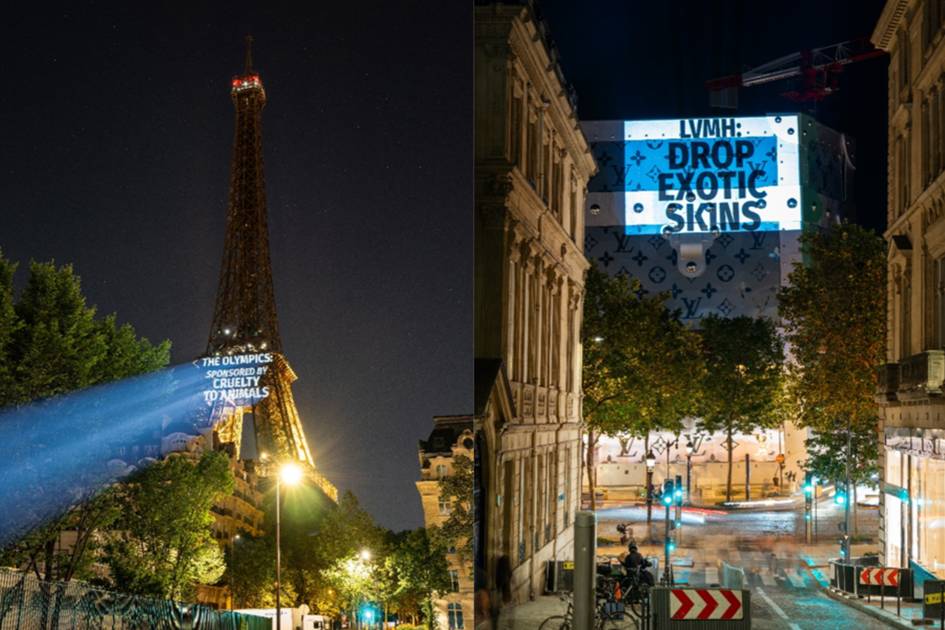
With LVMH positioned as a premium partner for the Paris Olympics, activists sought to reframe the sponsorship as "blood money." PETA's campaign utilized the Olympic to amplify their message, distributing spoof mascot pins and projecting the slogan "Louis Vuitton: Drop Exotic Skins" onto Paris landmarks. As long as LVMH and its peers demand massive volumes of exotic skins, the shadow supply chain exist to fill the gaps that ethical farming cannot. In response to persistent cruelty allegations, LVMH introduced the "LVMH Crocodilian Standard" in 2019, promising 100% certification of its partner farms.
Key Data Points
Investigative footage and reports from 2024 continue to cite the "concrete pit" as the standard housing unit for crocodiles in Vietnam's export-focused farms. LVMH's link to these Vietnamese farms runs primarily through Heng Long, a Singapore-based tannery acquired by the luxury conglomerate in 2011. In response to persistent cruelty allegations, LVMH introduced the "LVMH Crocodilian Standard" in 2019, promising 100% certification of its partner farms. Yet the 2024 campaign that these standards are fundamentally incompatible with the economics of mass-market luxury. Investigative reports from 2024 describe workers ramming rods into the spinal columns of crocodiles that appear fully conscious.
Investigative Review of LVMH
Why it matters:
The Paris 2024 Olympic Games faced a brutal counter-narrative by PETA against premium partner LVMH.
PETA's campaign exposed graphic allegations of animal cruelty in LVMH's exotic skin supply chains in Vietnam and Indonesia.
The 2024 PETA Allegations: Unpacking the 'Olympic Sponsor' Cruelty Campaign Against LVMH
The Paris 2024 Olympic Games, marketed as a beacon of unity and excellence, faced a gruesome counter-narrative orchestrated by People for the Ethical Treatment of Animals (PETA). At the center of this collision stood LVMH Moët Hennessy Louis Vuitton SE, the Games’ premium partner. While the luxury conglomerate sought to burnish its image with the gold-plated prestige of the Olympiad, PETA launched a scorched-earth campaign branding the event “The Olympics: Sponsored by Cruelty.” This offensive did not rely on vague platitudes weaponized specific, graphic allegations regarding LVMH’s exotic skin supply chains in Vietnam and Indonesia. The timing was calculated. As the world turned its eyes to Paris, PETA France executed a series of high-visibility guerilla actions designed to shatter the polished veneer of LVMH’s sponsorship. The activist group projected massive, visceral images of skinned animals onto iconic Parisian landmarks, including the Eiffel Tower and the façade of the Louis Vuitton hotel on the Champs-Élysées. These projections, beaming through the Parisian night, carried the slogan “Louis Vuitton: Drop Exotic Skins,” hijacking the architectural symbols of the city to broadcast allegations of torture directly to the visiting international public. Central to this 2024 offensive were the findings from PETA Asia’s undercover investigations into the supply chains that feed the luxury fashion industry. The allegations focused intensely on Vietnam, a primary source for the crocodile skins that become five-figure handbags. PETA’s investigators reported finding thousands of reptiles confined to squalid conditions that the “luxury” label attached to the final products. The specific claims painted a picture of industrial- suffering: crocodiles kept for up to 15 months in concrete pits so small the animals could barely turn around. enclosures were reportedly narrower than the length of the animals’ bodies, forcing them into a state of permanent immobility. The cruelty described in the slaughter process was particularly harrowing. PETA’s footage and reports alleged that workers in these Vietnamese facilities used a method known as “pithing” to kill the animals. This involves cutting into the animal’s neck and ramming a metal rod down its spine to sever the spinal cord. While this method is intended to be a quick kill, PETA argued that it frequently fails to result in immediate death. The group claimed that because of the reptilian physiology, the animals likely remained conscious and capable of feeling pain while they were skinned. The imagery of crocodiles moving while being flayed alive became a central, nauseating motif of the anti-LVMH campaign. Simultaneously, the campaign highlighted allegations emerging from Indonesia, broadening the scope of the cruelty charge. Here, the focus shifted to the trade in snake and lizard skins. PETA Asia’s investigators documented workers at slaughterhouses supplying LVMH bashing pythons on the head with hammers. To maximize the surface area of the skin—and thus the profit—workers allegedly pumped the snakes full of water, swelling their bodies to unnatural proportions before skinning them. The investigation claimed that, like the crocodiles, these snakes were frequently conscious during the flaying process. Lizards reportedly faced decapitation with machetes, a method PETA asserts leaves the animals’ severed heads conscious and in agony for extended periods. PETA’s 2024 campaign weaponized these details against the backdrop of the Olympics. They introduced a “spoof” mascot, a bloody version of the Olympic Phryge. This macabre character, frequently depicted holding a crocodile corpse or a bloody Louis Vuitton bag, disrupted the Olympic torch relay in Marseille, physically inserting the allegations into the ceremonial procession of the Games. The mascot served as a grotesque mirror to the official festivities, forcing spectators to confront the alleged blood price of the sponsorship money funding the event. The activists also targeted specific cultural figures associated with LVMH to maximize media impact. Pharrell Williams, the men’s creative director for Louis Vuitton, became a primary target. During the star-studded Vogue World fashion show at the Place Vendôme, PETA activists disrupted the event, directly challenging Williams and the assembled fashion elite. The message was personal and direct: celebrities endorsing LVMH were complicit in the supply chain horrors. PETA even sent “spoof” Olympic medals to LVMH CEO Bernard Arnault. These mock awards depicted Arnault standing on a bloody crocodile, holding an axe, a satirical “gold medal” for cruelty that pierced the corporate bubble of untouchability. LVMH has historically defended its supply chain integrity. In response to previous allegations, the conglomerate stated it had ceased trading with specific Vietnamese farms named by PETA as early as 2014. The company consistently asserts that its products are “humanely farmed” and that it adheres to strict international standards for animal welfare. LVMH controls of its supply chain through the ownership of tanneries, such as the Singapore-based Heng Long, which allows them to claim tighter oversight than competitors. They that PETA’s footage frequently recycles old material or misrepresents the practices of their specific, certified suppliers. yet, PETA disputes the efficacy of these certifications. They that the “humane” label on an exotic skin product is a marketing fabrication, a contradiction in terms. Their 2024 campaign posited that no amount of regulation can make the confinement of wild animals in concrete pits or their slaughter for vanity products ethical. The group’s persistence suggests they possess or believe in new evidence that contradicts LVMH’s assurances of reform. The sheer volume of the allegations—spanning multiple species and countries—pressures LVMH to prove a negative: that no animal in its vast, unclear supply chain suffers the specific abuses documented by investigators. The “Olympic Sponsor” angle provided a unique use point. By tying the allegations to the Olympics, PETA bypassed the usual fashion press and appealed directly to a global audience tuned in for sports and human achievement. The juxtaposition was clear: the Olympic values of “excellence, respect, and friendship” versus the alleged reality of spinal rods, hammers, and water hoses. This framing forced LVMH into a defensive posture during a period meant to be a crowning public relations triumph. The allegations also touched on the environmental conditions of the farms. The “filthy” concrete pits mentioned in the Vietnam not just animal cruelty chance biosecurity risks. Stagnant water and high-density confinement are breeding grounds for disease, adding a of public health concern to the ethical indictment. This aspect of the investigation aligns with growing global scrutiny on zoonotic diseases, further complicating LVMH’s defense of the trade. The 2024 campaign did not result in LVMH dropping exotic skins, it succeeded in staining the brand’s Olympic moment. The imagery of the “bloody Phryge” and the projections on the Eiffel Tower created a permanent digital footprint linking the 2024 Paris Games with animal torture. For LVMH, the allegations remain a reputational liability, a persistent drumbeat of “cruelty” that plays in the background of every runway show and product launch. The specific details of the Vietnam and Indonesia investigations—the metal rods, the water pumps, the machetes—serve as the ammunition in this ongoing war of attrition between the luxury giant and the abolitionist activists. The friction between LVMH’s polished, high-culture branding and the visceral, bloody reality depicted by PETA creates a dissonance that the company struggles to resolve. While LVMH points to standards and certifications, PETA points to bodies and blood. In 2024, that conflict played out on the world’s biggest stage, turning the streets of Paris into a battleground over the ethics of luxury. The “Olympic Sponsor” campaign demonstrated that for LVMH, the cost of doing business in exotic skins includes a relentless, high-visibility public shaming that strikes at the very heart of their prestige.The 2024 PETA Allegations: Unpacking the 'Olympic Sponsor' Cruelty Campaign Against LVMH
Vietnam's Concrete Pits: Investigative Evidence of Confinement Conditions in LVMH-Linked Crocodile Farms
The 2024 release of the “Millionaire” Speedy bag by Louis Vuitton creative director Pharrell Williams—a made-to-order crocodile skin accessory priced at $1 million—ignited a firestorm of scrutiny regarding the raw material sources in Vietnam. PETA’s 2024 campaign explicitly targeted this product, challenging Williams to tour the “filthy pits” that serve as the origin point for such luxury goods. The organization’s allegations center on the assertion that even with LVMH’s public commitments to “responsible sourcing,” the physical reality for crocodiles in the Vietnamese supply chain remains defined by concrete confinement and brutal slaughter methods.
The Concrete Pit Model
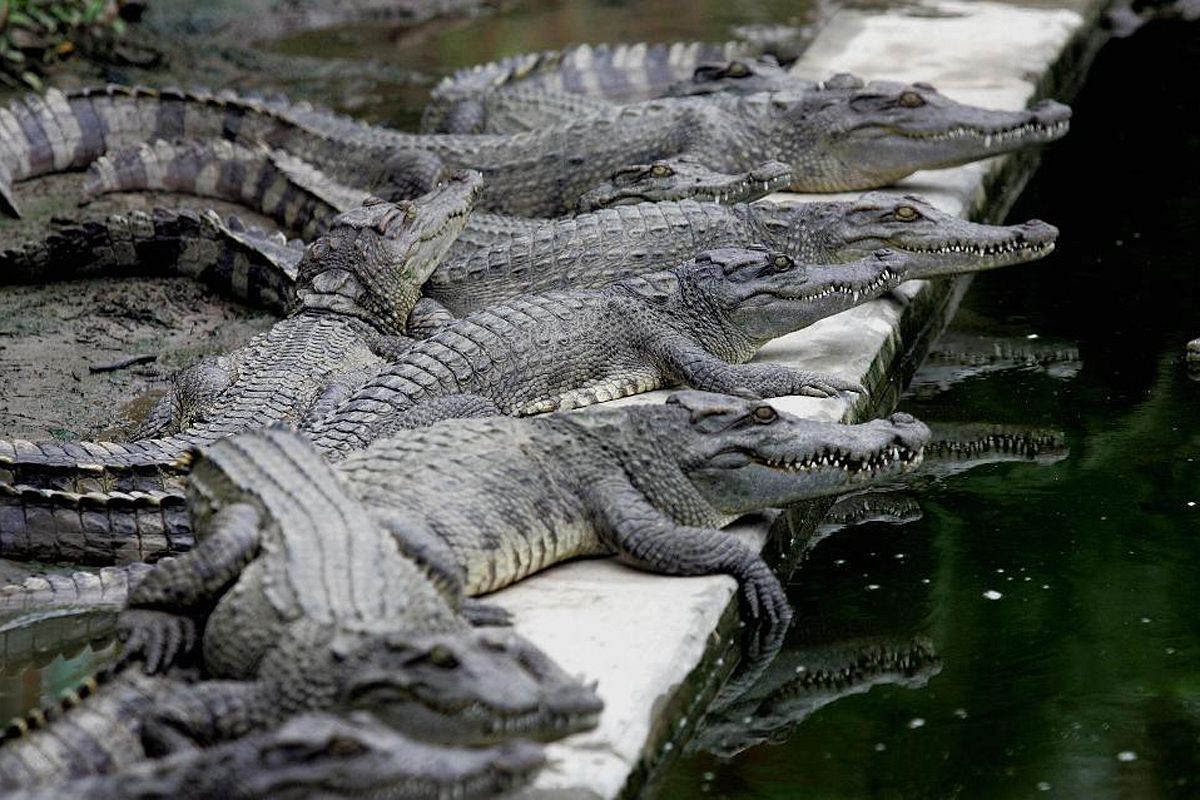
Investigative footage and reports from 2024 continue to cite the “concrete pit” as the standard housing unit for crocodiles in Vietnam’s export-focused farms. These enclosures are characterized by their barren, industrial design, consisting of small concrete cells that offer zero environmental stimulation. PETA’s documentation reveals that thousands of reptiles are packed into these pits, with enclosures measuring smaller than the length of the animals’ bodies. The absence of space forces crocodiles, naturally solitary and territorial predators, into aggressive proximity. This overcrowding frequently results in severe injuries, including missing tails and infected wounds, as the animals fight for dominance in the stagnant water. The water itself is frequently described as “fetid” and waste-filled, a direct result of the high-density stocking rates required to meet production quotas for global luxury demand.
The “Pithing” Slaughter Method
The most graphic allegations concern the slaughter process used to harvest the skins. Investigators have documented a method known as “pithing,” which involves cutting into the animal’s neck and ramming a metal rod down the spinal column. The objective is to destroy the nerve tissue and immobilize the animal. Yet veterinary experts by PETA that this technique does not guarantee immediate death. Because of the crocodilian specific physiology, the animals can remain conscious and sensitive to pain for over an hour after the spinal cord is severed. Footage associated with the campaign shows crocodiles thrashing and moving their limbs during the skinning process, suggesting they are flayed alive. This method is reportedly favored in the region because it preserves the integrity of the belly skin, which is the most valuable portion for handbag manufacturing.
The Heng Long Connection
LVMH’s link to these Vietnamese farms runs primarily through Heng Long, a Singapore-based tannery acquired by the luxury conglomerate in 2011. Heng Long is one of the world’s largest suppliers of exotic skins and sources heavily from Southeast Asia. While LVMH stated in 2014 and 2017 that it had ceased trading with specific farms named in earlier exposés (such as Ton Phat and My Hiep), the 2024 allegations suggest that the structural problems are industry-wide rather than to a few “bad apples.” The Vietnamese crocodile trade operates through a network of aggregators, where skins from small, unregulated household farms are frequently mixed with those from larger facilities before export. This unclear supply chain makes it difficult to verify that any specific skin did not originate from a concrete pit farm, regardless of corporate “cut ties” announcements.
LVMH Standards vs. Operational Reality
In response to persistent cruelty allegations, LVMH introduced the “LVMH Crocodilian Standard” in 2019, promising 100% certification of its partner farms. This standard claims to enforce four pillars: conservation, local community respect, animal welfare, and working conditions. The company asserts that its partners are audited by third-party organizations like NSF International. Yet the 2024 campaign that these standards are fundamentally incompatible with the economics of mass-market luxury. The “welfare” metrics in the standard frequently focus on veterinary inputs and feed quality rather than the elimination of the concrete pit model itself. As long as the industry relies on high-density concrete housing to maximize skin yield, activists that “certification” bureaucratizes the cruelty rather than ending it.
Table 2. 1: LVMH Crocodilian Standard vs. Investigative Findings (Vietnam 2024 Context)
Standard Pillar
LVMH Claim
Investigative Allegation
Housing
“Quality of living space” and “animal welfare” prioritized.
Barren concrete pits; animals unable to fully extend bodies; severe overcrowding.
Slaughter
Humane handling and “swift” death.
“Pithing” method used; evidence of consciousness during skinning; prolonged death.
Health
Veterinary intervention and disease control.
Fetid, waste-filled water; untreated wounds from aggression; missing limbs.
Traceability
100% traceability to certified farms.
Aggregator system mixes skins from unregulated smallholdings; unclear supply chain.
The between the glossy marketing of the “Millionaire” bag and the grim footage of Vietnamese farms remains a central point of contention. While Pharrell Williams and LVMH executives promote the exclusivity and craftsmanship of their products, the raw material production relies on a system that treats living predators as industrial units. The “concrete pit” stands as the physical manifestation of this disconnect, a clear, grey reality hidden behind the gold hardware and celebrity endorsements.
Vietnam's Concrete Pits: Investigative Evidence of Confinement Conditions in LVMH-Linked Crocodile Farms
Slaughter Protocol Analysis: The 'Nape Stab' and Spinal Rodding Techniques Documented in Vietnam
The Mechanics of the Kill: Anatomy of the ‘Nape Stab’
The slaughter process documented in Vietnamese crocodile farms supplying the luxury leather market relies on a crude, two-step manual technique known within the industry as the “nape stab” followed by “pithing.” While corporate literature frequently sanitizes this procedure with terms like “spinal cord severance,” the physical reality observed in investigative footage is far more violent and chaotic. Workers restrain the animal, frequently by tying its snout and immobilizing its limbs, before delivering a forceful incision across the back of the neck, the nape. This cut is intended to sever the spinal cord, theoretically disconnecting the body from the brain to prevent movement during the skinning process.
The incision itself requires significant force. Crocodilian skin is armored with osteoderms, bony deposits within the , making the neck area tough and resistant. Footage from investigations linked to LVMH supply chains shows workers sawing or hacking at the animal’s neck to breach this armor. Once the spinal column is exposed and severed, the animal is paralyzed not necessarily dead or unconscious. This distinction is medically serious yet frequently ignored in the high-volume environment of these farms. The severance stops the animal from thrashing, protecting the valuable belly skin from damage and the worker from injury, while the brain likely remains active and capable of processing pain signals.
Spinal Rodding: The Pithing Process
Following the nape stab, the protocol dictates the destruction of the central nervous system to ensure death. This is attempted through “rodding” or “pithing.” A metal rod, frequently a sharpened steel spike or a long screwdriver, is inserted into the open wound at the back of the neck. The worker thrusts the rod forward into the cranial cavity to scramble the brain and backward down the spinal canal to destroy the spinal cord. In theory, if executed with surgical precision on a stunned animal, this method destroys the brainstem and causes immediate brain death.
In the concrete pits of Vietnam, yet, precision is rare. Investigative reports from 2024 describe workers ramming rods into the spinal columns of crocodiles that appear fully conscious. Because the initial “stunning” is frequently performed with rudimentary equipment, such as car batteries connected to metal probes, the electrical charge is frequently insufficient to induce true unconsciousness. Instead, it immobilizes the animal temporarily. When the rod enters the spinal canal, it causes catastrophic damage to the nervous tissue. If the brain is not destroyed immediately, the animal experiences the sensation of the rod destroying its spine while fully aware. Video evidence has shown crocodiles thrashing their tails and exhibiting corneal reflexes, blinking when the eye is touched, long after the rodding process is complete, indicating that the animal is being skinned while biologically alive.
Physiological Resilience: The Curse of Biology
The cruelty of these slaughter methods is compounded by the unique biology of the crocodile. Unlike mammals, crocodilians possess an ectothermic (cold-blooded) metabolism and an extraordinary capacity to survive without oxygen. Their brains are designed to withstand long periods of hypoxia, an adaptation that allows them to hold their breath underwater for extended durations. This evolutionary trait becomes a curse in the slaughterhouse. When the spinal cord is severed, the drop in blood pressure and oxygen flow that would instantly kill a cow or a pig does not have the same effect on a crocodile.
Veterinary assessments confirm that reptiles can remain conscious for over an hour after decapitation or spinal severance if the brain is not immediately and totally destroyed. A study by the American Veterinary Medical Association (AVMA) found that alligators subjected to spinal cord severance alone retained corneal reflexes for a mean time of 54 minutes, with for up to 99 minutes. This means that a crocodile subjected to a botched nape stab and ineffective rodding can feel the knife separating its skin from its flesh for nearly an hour. The 2024 allegations against LVMH suppliers hinge on this biological fact: the speed of the assembly line does not allow for the verification of brain death, leading to a high probability that animals are skinned while sentient.
LVMH Standards vs. The Concrete Pit
LVMH has publicly countered these allegations by pointing to its “LVMH Crocodilian Standard,” a certification protocol introduced to ensure humane treatment and traceability. These documents outline strict requirements for stunning and slaughter, mandating that animals be rendered unconscious before killing and that death be confirmed before skinning. The company asserts that its suppliers are audited and that any deviation from these standards is grounds for termination of the contract.
Yet, the evidence gathered by investigators suggests a “paper reality” that differs sharply from the physical one. While the standards exist in corporate headquarters in Paris, the implementation in the remote provinces of Vietnam is inconsistent. The “stunning” equipment specified in the standards, frequently captive bolt pistols or professional electric stunners, is expensive and requires maintenance. In contrast, the car battery method is cheap and readily available. The pressure to meet production quotas for luxury handbags creates an economic incentive to cut corners. When thousands of skins are required to meet the demands of a fashion calendar, the time-consuming process of verifying corneal reflexes for every single animal becomes a bottleneck that is bypassed. The result is a supply chain where the “best practice” is the exception, and the nape stab on a conscious animal remains the rule.
The 2024 Olympic Sponsor Controversy
The persistence of these techniques became a focal point of the 2024 protests targeting LVMH’s sponsorship of the Paris Olympics. Activists argued that a company relying on such brutal slaughter methods could not ethically represent the values of the Games. The imagery of the nape stab, brutal, bloody, and manual, clashed violently with the polished, sanitized image of Louis Vuitton products. PETA and other organizations used this contrast to demand not just better standards, a complete cessation of the use of exotic skins. They argued that no amount of regulation could make the nape stab humane, given the biological resilience of the crocodile and the industrial of the slaughter. The continued documentation of these practices in 2024 serves as a grim testament to the failure of corporate self-regulation in the face of biological reality and profit margins.
Slaughter Protocol Analysis: The 'Nape Stab' and Spinal Rodding Techniques Documented in Vietnam
The Indonesia Connection: Tracing Exotic Skin Supply Chain Hubs and Slaughter Practices in Southeast Asia
The Indonesia Connection: Tracing Exotic Skin Supply Chain Hubs and Slaughter Practices in Southeast Asia
The Porosus Nexus: LVMH’s Reliance on the Indonesian Archipelago
While Vietnam serves as a primary hub for the captive breeding of Crocodylus siamensis (Siamese crocodile), the Indonesian archipelago functions as the serious extraction point for the fashion industry’s most coveted raw material: the skin of Crocodylus porosus, or the saltwater crocodile. In the hierarchy of exotic leathers, the “Porosus” skin is the apex commodity, prized by LVMH subsidiaries like Louis Vuitton and Dior for its symmetrical patterns and absence of osteoderms (bony deposits), which allows for a softer, more pliable finish. Investigations into the 2024 supply chain reveal that Indonesia is not a farming location a complex aggregation hub where the lines between captive breeding, “ranching” (harvesting eggs from the wild), and direct wild capture blur significantly.
The supply chain mechanics in Indonesia differ markedly from the concrete pit farms of Vietnam. Here, the industry relies on a fragmented network of suppliers across Sumatra, Kalimantan, and Papua, who feed skins into centralized tanneries. The primary conduit for these skins is Singapore, home to Heng Long International, the tannery acquired by LVMH in 2011. Heng Long acts as the logistical choke point, absorbing raw skins from the Indonesian hinterlands and processing them into the high-gloss, chemically stabilized leather seen on the runways of Paris. This cross-border flow, from the unregulated river systems of Indonesia to the corporate-controlled facilities in Singapore, creates a “grey zone” of traceability that PETA and conservationists makes ethical auditing nearly impossible.
The Singapore Conduit and “Logistical Laundering”
The proximity of Batam and other Riau Islands to Singapore a trade route that has historically bedeviled regulators. even with Indonesia’s strict export quotas and CITES (Convention on International Trade in Endangered Species) regulations, the consolidation of skins in Singaporean tanneries “washes” the provenance of the hides. Once a skin enters the Heng Long facility, it is processed under LVMH’s internal “Crocodilian Standard,” the initial point of harvest remains obscured by the archipelago’s geography.
Investigative that “laundered” wild-caught skins are frequently mixed with legally ranched skins. Ranching involves collecting eggs from the wild and raising the hatchlings in captivity. While proponents this incentivizes habitat conservation, detractors point out that it sustains a market for wildlife extraction that is difficult to police. In 2024, allegations surfaced that the sheer volume of “farmed” skins exporting from Indonesia exceeded the biological capacity of registered breeding facilities, implying a continued reliance on unreported wild harvesting. For LVMH, this presents a serious liability: the “Porosus” bag selling for $50, 000 may carry a certificate of farming, yet its biological origin could be a wild wetland in Papua, extracted without oversight.
Slaughter: The Nape Stab and Decapitation
The slaughter methods documented in Indonesia’s reptile industry are brutal and, designed to preserve the integrity of the belly skin at all costs. The standard industry protocol for crocodiles involves the “nape stab.” Workers secure the animal, frequently binding its snout and limbs, and drive a chisel or metal blade into the back of the neck to sever the spinal cord. This is intended to immobilize the animal immediately. yet, reptile physiologists warn that because crocodiles have a slow metabolism and high tolerance for hypoxia, severing the spine does not guarantee immediate brain death.
PETA’s 2024 campaign against LVMH highlighted that in Indonesian slaughterhouses, reptiles are frequently decapitated or skinned while likely still conscious. While the most graphic viral footage from the 2024 investigation focused on the inflation of snakes with water hoses to stretch their skins, the same facilities and worker crews frequently process multiple reptile species. The “pithing” step, where a rod is agitated inside the brain cavity to destroy neural tissue, is the only way to ensure the animal is not feeling pain during skinning. In the chaotic, high-throughput environment of Indonesian processing centers, verification that pithing is performed correctly on every animal is absent.
The physiological resilience of the crocodile means that even after the nape stab, the animal can remain sentient for over an hour. Reports indicate that in Indonesian facilities, the rush to process skins for export leads to animals being skinned while their reflexes are still active. This mirrors the “rodding” allegations in Vietnam occurs within a supply chain that is even more unclear due to the geographic dispersion of the source farms.
The 2024 PETA Campaign: A Regional Indictment
The 2024 PETA campaign, which targeted LVMH as a “cruelty sponsor” of the Paris Olympics, did not isolate Vietnam or Indonesia presented them as twin pillars of a widespread problem in Southeast Asia. The activists disrupted LVMH shareholder meetings and industry panels, presenting evidence that the conglomerate’s “LVMH Crocodilian Standard” (launched in 2019) has failed to eliminate the most egregious practices in its supply chain.
For Indonesia specifically, the allegations focus on the treatment of “exotic skins” as a broad category. The investigation revealed that the auditing method touted by luxury brands rely on scheduled visits to model farms, while the bulk of production may occur in satellite facilities with lower standards. The “Indonesia Connection” is less about a single “house of horrors” farm and more about a diffuse, unmonitorable network that supplies the raw material for LVMH’s most expensive products. The disconnect between the polished corporate sustainability reports and the bloody reality of the kill floor in Sumatra remains the central tension of the trade.
Regulatory Gaps and the “Conservation” Defense
LVMH and other luxury conglomerates defend their sourcing from Indonesia by citing the conservation benefits of the trade. They that the economic value of Crocodylus porosus incentivizes local communities to protect wetlands rather than drain them for palm oil plantations. This “conservation through commerce” model is the industry’s primary shield against cruelty allegations.
yet, this defense crumbles when animal welfare is examined in isolation from population numbers. A stable population of saltwater crocodiles does not negate the suffering of individual animals confined to concrete pens or slaughtered via spinal severance. The 2024 allegations show that while the species may be safe from extinction, the individuals are subject to industrial processing methods that prioritize skin quality over the capacity to suffer. The Indonesian government, balancing economic interests with international pressure, maintains a complex quota system, enforcement on the ground is sporadic. For LVMH, the Indonesia connection remains a lucrative reputational high-risk artery, pumping the world’s most exclusive leather into the heart of the European luxury market.
The Indonesia Connection: Tracing Exotic Skin Supply Chain Hubs and Slaughter Practices in Southeast Asia
LVMH's 'LIFE 360' Defense: Auditing the Gap Between Corporate Sustainability Goals and Field Realities
SECTION 5 of 14: LVMH’s ‘LIFE 360’ Defense: Auditing the Gap Between Corporate Sustainability Goals and Field Realities
The corporate shield LVMH deploys against allegations of supply chain cruelty is its “LIFE 360” environmental strategy, a glossy sustainability roadmap that pledge “harmony with nature” and “100% responsible sourcing.” Central to this defense is the **LVMH Crocodilians Standard**, a proprietary certification protocol launched in 2019 and validated by NSF International. LVMH executives use this standard to reassure shareholders and customers that their exotic skin supply chain is ethically impregnable. yet, a forensic examination of the standard’s technical criteria against the 2024 investigative footage from Vietnam and Indonesia reveals a calculated. The “gap” is not a failure of enforcement; it is a feature of the standard itself. #### The “Compliance” Loophole: When Cruelty is Certified The LVMH Crocodilians Standard is built on four pillars: species preservation, animal welfare, working conditions, and environmental protection. Publicly, a pastoral existence for the reptiles destined for Louis Vuitton handbags. In reality, the standard—and the **International Crocodilian Farmers Association (ICFA)** certification it relies upon—codifies the very industrial confinement methods activists decry. Review of the ICFA’s “Good Operating Practices” confirms that the “concrete pits” documented by PETA in 2024 are not violations; they are compliant infrastructure. The standard permits the use of concrete enclosures provided the surface is “smooth and durable” to prevent skin abrasion—a requirement designed to protect the *product*, not the animal. The “tiny” cells described by investigators, frequently smaller than the length of the animal’s body, fall within the permissible stocking densities calculated by square meter per animal. When LVMH asserts its farms are “100% audited,” they are confirming that these animals are confined in concrete cells that meet specific engineering dimensions, not that they are free from the misery of barren captivity. The audit verifies the *efficiency* of the prison, not the welfare of the prisoner. Similarly, the slaughter methods documented in Vietnam—specifically the “nape stab” and spinal rodding—occupy a gray zone in these certifications. While the World Organisation for Animal Health (WOAH) and other veterinary bodies criticize spinal severance without prior stunning as inhumane due to the reptile’s slow metabolism and capacity to remain conscious, industry standards frequently accept it as “routine.” The “nape stab” is frequently defended as a method to sever the spinal cord quickly. If a farm demonstrates that this technique is their standard operating procedure, they can pass an audit. The “cruelty” captured on video is thus not an aberration to be corrected a procedure to be checked off a list. #### The “2014 Cessation” Defense: A convenient Ambiguity In response to PETA’s 2024 allegations, LVMH deployed a familiar rebuttal: the claim that they “ceased all trading” with the specific Vietnamese farms named by activists in 2014. This denial relies on a specific, narrow definition of “trading partners” that obfuscates the complexity of the supply chain. The exotic skin trade in Southeast Asia is a labyrinth of aggregators, hatcheries, and finishing farms. A tannery like **Heng Long** (acquired by LVMH in 2011) may not buy directly from “Farm A” listed in a PETA report, “Farm A” frequently supplies hatchlings or raw skins to “Farm B,” which then sells to the tannery. By severing ties with the final node in the chain, LVMH can technically claim they do not source from the accused facility, even if the biological assets—the crocodiles—originated there. also, the 2024 investigation footage shows conditions identical to those in 2016 and 2019. If LVMH truly shifted its supply chain to “ethical” partners over a decade ago, the visual evidence from their current suppliers should look radically different. It does not. The persistence of concrete pits and manual slaughter techniques suggests that LVMH simply moved its contracts to other farms that employ the same industrial model, allowing them to deny links to specific *names* while maintaining the same *methods*. #### widespread Audit Blind Spots The credibility of LVMH’s internal auditing method collapsed in a separate sector in 2024, casting doubt on their ability—or willingness—to police their supply chain. In mid-2024, Italian prosecutors placed a **Dior** subsidiary under judicial administration after discovering that subcontractors in Milan were using sweatshop labor to manufacture handbags for a fraction of their retail price. These factories, like the crocodile farms, were subject to LVMH’s supplier codes of conduct and audit. If LVMH’s auditors could not detect—or chose to ignore—illegal labor exploitation in Italy, a G7 nation with strong labor laws and easy physical access, the assertion that they can police crocodile farms in the rural provinces of Vietnam and Indonesia is statistically improbable. The “audit” in the luxury sector has devolved into a paperwork exercise, a ritual where inspectors review logs and certificates rather than interrogating the grim reality of the production floor. In the context of exotic skins, where the “workers” cannot speak and the production sites are hidden behind high walls in remote tropical zones, the audit becomes a tool of concealment rather than transparency. #### The “Humane-Washing” of LIFE 360, the “LIFE 360” strategy serves to rebrand industrial slaughter as “biodiversity conservation.” By focusing on the *survival of the species* (which is not threatened) rather than the *experience of the individual animal*, LVMH shifts the goalposts. They that buying crocodile skins supports conservation programs, a narrative that conveniently ignores the suffering inherent in the factory farming model. The “100% certified” claim is a marketing metric, not a moral one. It signifies that LVMH has successfully bureaucratized the extraction of exotic skins, creating a paper trail that legitimizes the concrete pit and the spinal rod. The gap between the “ethical luxury” sold in Paris boutiques and the blood-slicked floors of Vietnamese slaughterhouses is not an error; it is the engineered result of a system designed to protect the brand, not the beast.
LVMH's 'LIFE 360' Defense: Auditing the Gap Between Corporate Sustainability Goals and Field Realities
Traceability vs. Opacity: Investigating the 'Blind Spots' in LVMH's Asian Reptile Sourcing Network
LVMH’s narrative of ethical sourcing relies heavily on the concept of vertical integration. By purchasing the Heng Long Tannery in Singapore in 2011, the conglomerate signaled to investors and customers that it had secured total control over its exotic skin supply chain. The logic presented is simple: ownership equals oversight. Yet, investigations in 2024 reveal that this corporate structure may serve less as a window into production realities and more as a firewall, shielding the luxury giant from the dirty mechanics of reptile sourcing in Vietnam and Indonesia. The central failure lies in the “blind spots”, the tiers of production that exist before a skin ever reaches a certified tannery.
The Aggregator Loophole in Indonesia
In Indonesia, the supply chain for reticulated pythons and lizards does not begin at a sanitized, LVMH-audited facility. It starts in the backyard operations of rural collectors. These “aggregators” function as the primary node of the trade, gathering animals from independent catchers who trap wild reptiles or raise them in small, unregulated pens. PETA’s 2024 findings indicate that these collection points are where the most egregious abuse occurs, far removed from the eyes of corporate auditors.
The structural flaw is the mixing of sources. An aggregator might hold a license to sell captive-bred skins, they frequently supplement their stock with wild-caught animals or skins purchased from unlicensed neighbors. Once these skins enter the aggregator’s warehouse, they are processed into a single batch. By the time a shipment arrives at a larger export facility or a tannery linked to LVMH, the individual histories of the animals have been erased. The paperwork reflects the status of the aggregator, not the origin of the animal. This “laundering” of skins renders traceability claims void. A bag made from these skins may carry a certificate of compliance, yet the animal itself could have been bludgeoned with a hammer in a village shed, as documented in recent footage, with no record of its true provenance.
Vietnam’s Subcontracting Maze
A similar plagues the crocodile trade in Vietnam. While LVMH asserts that it ceased trading with specific farms named in prior scandals, the industry operates on subcontracting that makes permanent separation nearly impossible. Large, certified farms frequently act as consolidation hubs. When demand for “Class A” skins spikes, driven by the production pattern of Louis Vuitton or Dior, these large farms may source compliant-looking skins from smaller, satellite operations to fill the order.
These satellite farms are the locations where investigators continue to film crocodiles confined in concrete pits smaller than their own bodies. The animals are immobilized to prevent scratching the merchandise, a practice that produces a flawless hide inflicts severe psychological and physical distress. Because the large farm handles the final export paperwork, the conditions at the satellite farm remain off the books. The skin enters the formal supply chain at the consolidation point, whitewashing the cruelty involved in its rearing. LVMH’s reliance on the Heng Long Tannery as a control point fails to account for this pre-tannery shuffling. The tannery grades the skin on physical quality, not on the welfare conditions of the specific pit where the animal spent its life.
The Limits of Technology and Audits
LVMH has touted its adoption of traceability technology, such as the Aura Blockchain Consortium, to track luxury goods. These systems, while technically impressive, suffer from the “garbage in, garbage out” problem. A blockchain record is only as reliable as the data entered at the source. In the context of the exotic skin trade, the digital ledger begins when a skin is tagged by a registered entity. If that entity is an aggregator or a consolidation farm that has already mixed compliant and non-compliant skins, the digital trace is worthless as a guarantee of welfare.
Physical audits also face severe limitations in this region. Auditors visit the main facilities listed on the export permits. They rarely have the mandate or the resources to inspect the dozens of small- suppliers that feed into those main facilities. In Vietnam, where a single “farm” license can cover a network of distributed pens, an auditor sees only what the manager chooses to show. The concrete pits hidden in residential backyards or remote lots are not part of the tour. This selective visibility allows LVMH to claim adherence to strict standards while the widespread cruelty documented by activists continues unabated in the shadow supply chain.
Table 6. 1: Traceability Gaps in Southeast Asian Reptile Sourcing
Supply Chain Stage
LVMH Claim
Investigative Reality
Traceability Status
Source (Farm/Wild)
Strictly monitored, captive-bred.
Mix of wild-caught and backyard confinement.
High Risk (Origin obscured)
Aggregator/Collector
Consolidated for quality control.
Skins mixed to hide non-compliant sources.
Broken Link (Identity erased)
Export Facility
Certified, audited processing.
Paperwork legitimizes the batch, not the animal.
Administrative Only
Tannery (Heng Long)
100% internal control.
Receives “clean” skins with dark histories.
Internal Compliance
The “Spot Market” Reality
Another factor undermining traceability is the fluctuation of the market itself. Fashion trends are volatile. When a specific finish or skin type becomes popular, the pressure on the supply chain intensifies immediately. In these moments of high demand, the incentive to source from the “spot market”, unverified stock available for immediate purchase, overrides long-term sustainability. Traders in Indonesia and Vietnam know that during a rush, questions about the specific origin of a batch become fewer. They provide the skins, and the buyers, desperate to meet production quotas for the season’s collection, accept the accompanying paperwork without deep scrutiny.
This economic pressure creates a permanent market for the lowest-cost, highest-cruelty production methods. As long as LVMH and its peers demand massive volumes of exotic skins, the shadow supply chain exist to fill the gaps that ethical farming cannot. The “blind spots” are not accidental; they are a necessary function of a business model that requires industrial quantities of a product that, by its nature, resists industrial standardization. The 2024 allegations show that even with a decade of pledge, the method of concealment remain as as ever.
The 'Skinning Alive' Controversy: Veterinary Perspectives on Reptile Consciousness During Slaughter
The physiological resilience of crocodilians, evolved over 200 million years to survive catastrophic injury and oxygen deprivation, becomes their greatest liability in the context of industrial slaughter. While a mammal might succumb to shock or blood loss within seconds, the reptilian metabolism operates on a different temporal. Veterinary pathologists and herpetologists emphasize that the static, log-like appearance of a restrained crocodile frequently masks a fully conscious, pain-receptive nervous system. This biological reality sits at the center of the “skinning alive” allegations leveled against LVMH suppliers in Vietnam and Indonesia during 2024.
The Deception of the Nape Stab
The standard slaughter method documented in Vietnamese farms supplying the luxury leather trade involves a technique known as the “nape stab.” Workers restrain the animal and drive a metal chisel or blade into the back of the neck, aiming to sever the spinal cord. To the untrained eye, the immediate cessation of thrashing suggests death. Veterinary science, yet, offers a more disturbing diagnosis: total paralysis without loss of consciousness. Dr. Clifford Warwick, a reptile biologist who has reviewed footage from these supply chains, notes that severing the spinal cord disconnects the brain from the body’s motor functions. The animal cannot move, vocalize, or defend itself, yet the brain remains intact and vascularized. Unlike mammals, whose brains require a constant, high-pressure supply of oxygenated blood to function, reptilian brains are adapted to endure periods of extreme hypoxia. A crocodile can voluntarily slow its heart rate and shunt blood to important organs, allowing it to remain conscious for up to an hour or more after the spinal cord is severed. In this state of “locked-in” consciousness, the animal perceives every subsequent action. The immobility is not a sign of peace of motor failure. When workers proceed to the stage, skinning or spinal rodding, the animal is likely fully aware, processing nociceptive (pain) signals without the ability to signal its distress.
The Agony of Spinal Rodding
Following the nape stab, investigators in 2024 documented the widespread use of “rodding” or “pithing” the spine. This process involves inserting a long metal rod into the incision at the neck and ramming it down the length of the vertebral column. The industrial purpose is twofold: to destroy the spinal cord completely to prevent reflex muscle spasms that could damage the valuable skin, and to straighten the carcass for easier flaying. If the brain has not been destroyed prior to this step, the sensation is equivalent to having a metal spike driven through the center of the nervous system while fully awake. The rod destroys the spinal tissue, sending massive volleys of nerve impulses to the brain. Because the nape stab has already severed the connection to the vocal cords and limbs, the crocodile endures this procedure in absolute silence. Footage obtained from farms linked to LVMH’s supply chain showed animals exhibiting eye movement and pupillary reflexes, clinical signs of consciousness, long after the nape stab and during the rodding process. In instances, animals were filmed moving their heads or attempting to right themselves even after their skin had been partially removed, a phenomenon consistent with the veterinary understanding of their strong physiology.
Hypoxia and the Failure of Bleeding Out
Mammalian slaughter relies heavily on exsanguination (bleeding out) to induce cerebral hypoxia and death. This method is fundamentally flawed when applied to reptiles. Crocodilians possess a unique heart structure and metabolic flexibility that allows them to survive underwater for extended periods without breathing. Their tissues are designed to function anaerobically. When a crocodile’s throat is slit, or when it is left to bleed out after a nape stab, the drop in blood pressure does not trigger the rapid unconsciousness seen in cattle or pigs. Instead, the reptile’s system enters a conservation mode, preserving brain function even as blood volume decreases. This survival method means that death by blood loss is an agonizingly slow process. Veterinary reviews of the 2024 footage indicate that animals were likely alive during the inflation process, where air compressors are used to separate the skin from the underlying fascia. The pressurized air tears the connective tissue, a procedure that would be excruciating for a sentient being. The persistence of corneal reflexes (blinking when the eye is touched) in skinned carcasses provides grim evidence that the brain continued to function long after the animal was technically “slaughtered.”
The Gap Between Standards and Biology
LVMH and other luxury conglomerates frequently cite adherence to international welfare standards, such as those proposed by the Crocodile Specialist Group or local veterinary ordinances. These guidelines frequently recommend “double pithing”, destroying both the brain and the spinal cord, to ensure humane death. The investigative evidence from 2024 suggests a serious failure to implement the brain destruction step. Destroying a crocodile’s brain requires precision and time. The brain is small, encased in a thick, armored skull, and difficult to target for an unskilled worker moving quickly through a quota. The nape stab is faster and easier, instantly immobilizing the animal for the skinner. The economic pressure to maximize throughput encourages the omission of the brain-pithing step, condemning the animal to a prolonged, conscious death. The disconnect is not procedural biological. The industry treats crocodiles as if they were physiological analogues to cows or sheep, assuming that severance of the spine equals death. Veterinary science proves otherwise. The specific anatomy that makes the crocodile such a survivor, its slow metabolism, its hypoxia tolerance, its armored nervous system, ensures that standard industrial slaughter methods result in extreme, prolonged suffering that meets the definition of torture.
Table 7. 1: Veterinary Comparison of Slaughter Response
Physiological Factor
Mammals (e. g., Cattle)
Reptiles (e. g., Crocodiles)
Implication for Slaughter
Metabolic Rate
High; rapid oxygen consumption.
Low; slow oxygen consumption.
Reptiles do not lose consciousness quickly from blood loss.
Hypoxia Tolerance
Low; brain death in minutes.
High; brain survival for 1+ hours.
“Bleeding out” is not a humane killing method for reptiles.
Spinal Severance
Immediate incapacitation and rapid death.
Paralysis only; brain remains conscious.
Nape stab immobilizes does not kill or anesthetize.
Pain Perception
Centralized; shock can dampen pain.
Highly developed nociceptors; resistant to shock.
Animals likely feel skinning/rodding acutely if brain is intact.
Pharrell’s Million-Dollar Bag: The Cultural Flashpoint of the 2024 'Millionaire' Speedy
The Artifact of Excess: Anatomy of the ‘Millionaire’ Speedy
In the hierarchy of luxury goods, few items have crystallized the tension between opulence and ethical liability as sharply as the Louis Vuitton “Millionaire” Speedy. Introduced by Pharrell Williams in his debut as Men’s Creative Director, the bag is a made-to-order accessory priced at $1 million. Its specifications are a manifesto of excess: constructed entirely from crocodile skin, adorned with gold hardware, and accessorized with a diamond-encrusted padlock. While the fashion press initially focused on the price tag and the celebrity clientele, such as NBA star P. J. Tucker, investigators and animal rights groups saw something else: a tangible, high-profile evidence locker for the very supply chain abuses documented in Vietnam and Indonesia.
The “Millionaire” Speedy served as a lightning rod in 2024, shifting the conversation from abstract corporate policies to a specific, identifiable object. Unlike generic leather goods, the production of a single bag requires the skins of multiple crocodiles, specifically selected for symmetry and flawlessness. To achieve the “butter-soft” texture praised in fashion reviews, the skins must be sourced from farms that prioritize hide quality over animal welfare, frequently involving the confinement practices described in earlier sections to prevent scratching and biting among the animals.
PETA’s Offensive: The ‘Happy’ Parody and Direct Confrontation
The backlash against the bag was immediate and personal. PETA, recognizing the cultural weight of Pharrell’s appointment, launched a campaign that weaponized the musician’s own brand against him. In November 2023, PETA Senior Vice President Lisa Lange sent an open letter to Williams, inviting him to tour a crocodile factory farm. The correspondence grimly played on his discography, noting that while his tenure at Louis Vuitton began with hopes that animals would “get lucky,” the reality of the supply chain was far from “happy.”
The campaign escalated throughout 2024, moving from written correspondence to physical disruption. The release of Williams’ Lego-animated biopic, Piece by Piece, became a primary stage for these protests. During the Toronto International Film Festival premiere in September 2024, a protester stormed the stage holding a sign that read: “Pharrell: Stop Supporting Killing Animals for Fashion.” The activist shouted details about the slaughter methods, specifically the electrocution and neck-slitting of ostriches and crocodiles, directly interrupting the post-screening Q&A.
Similar disruptions followed at the BFI London Film Festival in October 2024. Activists unfurled a banner from the balcony of the Royal Festival Hall, chanting “Shame on you, Pharrell,” as he attempted to introduce the film. These interventions forced the cruelty allegations out of niche animal rights forums and into the mainstream entertainment news pattern, linking the glamour of a red carpet event directly to the gore of the slaughterhouse.
The “Rome Wasn’t Built in a Day” Defense
Pharrell’s public response to these confrontations provided a rare glimpse into the internal logic of LVMH’s leadership regarding exotic skins. Unlike corporate spokespeople who deny allegations or cite certification, Williams adopted a posture of reluctant complicity. At the Toronto premiere, he responded to the protester by saying, “You’re right. God bless you.” He subsequently addressed the audience, stating, “Rome wasn’t built in a day, and sometimes when you have plans to change things and situations, you have to get in a position of power and of influence where change people’s minds and help progression.”
This defense, that change requires time and internal maneuvering, was met with skepticism. Critics pointed out that numerous other luxury houses, including Chanel, Mulberry, and Burberry, had already banned exotic skins years prior without needing a “transition period” of this magnitude. PETA’s rebuttal was sharp: “It doesn’t take ‘work’ to make a decision to stop doing something that most designers have already stopped doing.” The organization characterized Williams’ comments as “lip service,” noting that in the year since his appointment, LVMH had not only maintained its exotic skin lines had aggressively marketed them through the “Millionaire” Speedy.
Cultural Dissonance and the Vietnam Connection
The “Millionaire” Speedy controversy highlighted a severe disconnect between LVMH’s public sustainability narratives and its operational reality. While the conglomerate touted its “LIFE 360” environmental goals, the flagship product of its new creative era relied on a supply chain dependent on the confinement and slaughter of wild animals. The specific allegations linked to the bag, that the skins are sourced from farms using the “nape stab” and spinal rodding techniques, draw a direct line from the concrete pits of Vietnam to the runways of Paris.
Veterinary experts have noted that the “nape stab” method, intended to sever the spinal cord, frequently fails to result in immediate unconsciousness, leaving the animal capable of feeling pain during the subsequent skinning process. For a product marketed as the pinnacle of luxury, the possibility that its raw materials were harvested from conscious, suffering animals created a reputational hazard that no amount of diamond hardware could obscure. The bag became a symbol not of status, of the industry’s resistance to ethical evolution.
By late 2024, the “Millionaire” Speedy stood as a physical testament to the industry’s inertia. While Pharrell Williams pleaded for patience, the production lines continued to operate, and the skins continued to move from Southeast Asian abattoirs to European ateliers. The controversy demonstrated that in the modern information environment, the provenance of luxury materials is no longer an invisible detail, a central component of the product’s identity.
Regulatory Failure: The Absence of Animal Welfare Oversight in Vietnamese and Indonesian Farming
The regulatory governing reptile farming in Vietnam and Indonesia functions less as a protective framework and more as a bureaucratic sieve. While LVMH and its subsidiaries point to “compliance with local laws” as a shield against cruelty allegations, a forensic examination of these legal systems reveals a vacuum of animal welfare oversight. In 2024, the gap between the written statute and the blood-slicked concrete of a slaughter floor remains absolute. ### Vietnam: The Paper Tiger of the 2018 Law Vietnam’s *Law on Animal Husbandry*, which took effect in January 2020, theoretically introduced humane standards for livestock. Article 69 mandates that animals must be stunned before slaughter and shielded from witnessing the death of conspecifics. On paper, this legislation aligns with international veterinary norms. In the Mekong Delta’s crocodile farms, yet, it is a fiction. The 2024 investigative footage released by PETA documents workers using the “nape stab” and spinal rodding method on conscious crocodiles. This technique involves severing the spinal cord with a chisel and metal rod to paralyze the animal, preventing movement while keeping the heart beating to bleeding. This is not stunning; it is immobilization. The animal remains sentient and capable of processing pain signals during the skinning process. The persistence of this method four years after the law’s enactment exposes a total failure of enforcement. The Ministry of Agriculture and Rural Development (MARD), tasked with oversight, absence a dedicated animal welfare inspectorate for reptile farming. Inspections focus almost exclusively on sanitary quarantine and CITES permitting—ensuring the skins are disease-free for export and legally tradeable under international conservation treaties. The suffering of the animal is legally irrelevant to the export license. The “stunning” requirement is voluntary, as no method exists to penalize farms that ignore it to maximize speed and skin quality. ### Indonesia: Wildlife Utilization Over Welfare In Indonesia, the regulatory failure is rooted in the classification of reptiles. Under the jurisdiction of the Ministry of Environment and Forestry and the Natural Resources Conservation Agency (BKSDA), crocodiles and pythons are managed as “wildlife resources” rather than livestock. The primary legal instrument, *Law No. 5 of 1990 on Conservation of Living Resources and their Ecosystems*, focuses on population sustainability and preventing extinction. It contains no specific provisions for the humane slaughter of reptiles. While *Law No. 18 of 2009 on Animal Husbandry and Health* includes general welfare principles—freedom from pain, fear, and distress—its application to the exotic skin trade is nonexistent. The 2024 evidence of workers inflating pythons with water hoses while they are conscious illustrates this regulatory blind spot. This practice, designed to stretch the skin for easier removal and higher surface area, causes excruciating internal trauma. Yet, because the animals are “resources” destined for export, this torture is standard operating procedure. The BKSDA’s role is to problem catch quotas and transport permits (SATS-DN/LN). Their inspectors verify the *number* of skins and their *species* origin to prevent illegal poaching of protected wild populations. They do not inspect slaughter methods. A facility can be fully compliant with Indonesian law while skinning animals alive, provided the paperwork for the skins matches the export quota. ### The CITES “Welfare” Fallacy A serious component of this regulatory failure is the intentional conflation of CITES (Convention on International Trade in Endangered Species) certification with animal welfare. LVMH and other luxury conglomerates frequently cite CITES permits to assure customers of ethical sourcing. This is a deception. CITES is a trade treaty, not a welfare convention. Its sole mandate is to ensure that international trade does not threaten the survival of species in the wild. A CITES permit confirms only that the crocodile was farmed or harvested within sustainable quotas. It says absolutely nothing about how that crocodile lived or died. A skin obtained by bludgeoning a conscious animal to death is just as CITES-compliant as one obtained through veterinary euthanasia, provided the species count is accurate. By relying on CITES certification as a proxy for ethical standards, LVMH exploits a public misunderstanding of the treaty’s function. The “compliance” they boast of is compliance with trade quotas, not humane treatment. ### The Audit Charade The absence of state-enforced welfare standards creates a reliance on private auditing, which absence legal teeth. When LVMH auditors visit suppliers in Vietnam or Indonesia, they measure compliance against local laws that are either vague or unenforced. If the local law does not explicitly criminalize spinal rodding (or if the law exists is ignored by the state), the auditor can mark the facility as “compliant.” also, the “revised anti-wildlife trafficking law” passed in Indonesia in September 2024 tightened penalties for smuggling and illegal trade syndicates remained silent on the welfare conditions within legal breeding operations. The state’s priority is clear: protect the *asset* value of the biodiversity, not the *experience* of the individual animal. ### Conclusion The 2024 allegations from a widespread reality: in Vietnam and Indonesia, cruelty is not a violation of the system; it is the system. The regulatory bodies are designed to the export of a high-value commodity, not to police the ethics of its production. Until these nations establish and enforce specific criminal penalties for reptile abuse—and until importers like LVMH are held liable for the practices in their supply chain—the “compliance” label remains a meaningless stamp on a bloody trade.
The 'Humanely Farmed' Label: Deconstructing Marketing Claims vs. Investigative Footage
The Myth of the ‘Happy’ Reptile: Corporate Assurance vs. Concrete Reality
In the sanitized lexicon of luxury retail, the phrase “responsibly sourced” serves as a moral anesthetic. LVMH executives, including Louis Vuitton CEO Michael Burke, have historically defended their supply chain with absolute confidence, once stating, “I can say 100 percent hand on heart our animals are humanely farmed.” This assertion rests on the **LVMH Crocodilian Standard**, a proprietary certification framework launched in 2019. The conglomerate markets this standard as a guarantee of “animal well-being,” citing four pillars: species conservation, respect for local communities, environment, and working conditions. Yet, a forensic examination of 2024 investigative footage from Vietnam and Indonesia reveals a sharp between these corporate assurances and the biological reality of the animals.
The Architecture of Confinement: ‘Grow-Out’ Pens
The central pillar of LVMH’s welfare claim is the “scientific” management of the animals. In practice, this manifests as the “grow-out” pen. To the consumer, “farmed” suggests a pastoral environment. To the production manager at a facility supplying Heng Long, LVMH’s Singapore-based tannery, it means high-density concrete confinement. Investigative footage released by PETA in 2024, and corroborated by earlier reports from Vietnam, shows thousands of crocodiles housed in barren concrete pits. These enclosures are designed not for the animal’s biological needs, for the preservation of the merchandise. Crocodiles are social, semi-aquatic reptiles that require vast territories and deep water to thermoregulate and express natural behaviors. In LVMH-linked supply chains, they are frequently restricted to spaces that barely exceed the length of their bodies. The logic for this restriction is economic. Crocodiles are aggressive, territorial predators. If allowed to interact naturally, they fight, leaving scars on their bellies, the only part of the animal the fashion industry values. A single bite mark renders a skin unsuitable for a $50, 000 City Steamer bag. Therefore, the “humane” standard mandates isolation or extreme overcrowding to suppress movement. The cruelty is not an accidental byproduct of the system; it is a quality control requirement. The pristine, unblemished leather demanded by the boutique requires the animal to spend its life in a concrete cell, unable to turn around, to ensure the “canvas” remains perfect.
Deconstructing the ‘Humane Slaughter’ Protocol
LVMH’s Crocodilian Standard emphasizes “swift” and “pain-free” slaughter methods. The approved protocol involves electrical stunning followed by a nape stab, severing the spinal cord, and pithing (destroying the brain tissue). On paper, this adheres to veterinary standards. In the wet markets and farms of Vietnam, the execution frequently fails to meet these clinical descriptions. Footage from 2024 investigations documents workers cutting into the necks of crocodiles that appear fully conscious. Reptilian physiology differs significantly from mammals; their slow metabolism means their brains can remain active long after the heart stops or the spinal cord is severed if the brain destruction is not immediate and total. Video evidence shows skinned animals moving their legs and tails minutes after the skin removal process has begun. While LVMH asserts that its partner farms are audited by third-party bodies like NSF International, these audits frequently focus on the *presence* of a protocol rather than the *consistency* of its execution during peak production times. A slaughterhouse might pass a scheduled inspection, yet the sheer volume of skins required, tens of thousands annually, creates pressure to process animals at a speed that makes precision pithing difficult. The result is a high probability of animals experiencing the skinning process while sentient.
The Certification Shield: Heng Long and the ICFA
LVMH insulates itself from direct liability through a complex ownership structure involving the **Heng Long** tannery in Singapore. By acquiring Heng Long in 2011, LVMH verticalized its supply chain. They claim this allows for better oversight. Critics it allows for better information control. The industry relies heavily on the **International Crocodilian Farmers Association (ICFA)** standards. This body, heavily influenced by the luxury brands themselves, sets the bar for what constitutes “ethical.” The circularity is clear: the industry defines the standard of ethics that it then claims to meet. When a farm in Vietnam is “certified,” it means it meets the requirements set by the buyers, not necessarily independent welfare scientists. The “traceability” touted by LVMH’s **LIFE 360** program pledge that by 2026, all strategic raw materials be fully traceable. Currently, this system tracks the skin from the tannery to the boutique. The “blind spot” remains the initial stage: the egg collection and the early life of the hatchling in the concrete pit. The glossy certification stamp on the finished bag acts as a firewall, preventing the consumer from seeing the concrete bin where the animal spent 18 months immobile to prevent a scratch.
Marketing vs. Biology
The fundamental deception lies in the word “humane.” LVMH defines humane as “free from disease and physical damage.” This is a husbandry definition, focused on the physical commodity. Animal welfare science defines humane as the ability to express natural behaviors and freedom from psychological distress. A crocodile in a solitary concrete cell may be free of physical scars (good for the bag), it is in a state of psychological deprivation (bad for the animal). When Pharrell Williams debuted the “Millionaire” Speedy bag in 2024, constructed from crocodile skin, the marketing focused on the “heritage” and “craftsmanship.” There was no mention of the Vietnamese concrete pits necessary to produce a skin of that size without a single blemish. The “humanely farmed” label rewrites the history of the product, replacing the image of a slaughterhouse with the vague, comforting notion of “standards,” monetizing the consumer’s ignorance of reptilian biology.
Zoonotic Disease Risks: Evaluating Pandemic Hazards in High-Density Reptile Farms
Zoonotic Disease Risks: Evaluating Pandemic risks in High-Density Reptile Farms
The visual evidence of cruelty in LVMH-linked supply chains frequently overshadows a parallel, invisible threat: the biological volatility of high-density reptile farming. While public outrage focuses on the ethical of spinal rodding and skinning, virologists and epidemiologists view these facilities through a different lens. The concrete pits in Vietnam and slaughterhouses in Indonesia, documented in 2024 investigations, function as incubators for zoonotic pathogens. By concentrating thousands of stressed, immunocompromised predators in stagnant, feces-contaminated water, the luxury fashion industry finances the same biological conditions that have precipitated global health emergencies. Scientific literature establishes farmed crocodilians as reservoirs for a spectrum of transmissible agents. *Salmonella* is ubiquitous in reptile gut flora, posing a persistent risk of contamination during the skinning process. Yet, the pathogen profile extends beyond common bacteria. Studies on Siamese crocodiles (*Crocodylus siamensis*) in Southeast Asia have identified high prevalence rates of *Chlamydia crocodili* and *Chlamydia psittaci*, the latter a known zoonotic agent capable of causing severe respiratory disease in humans. A 2023 study in neighboring Thailand found *Chlamydia* infection rates as high as 65% in farmed populations, driven by water reuse and overcrowding—conditions identical to those observed in the Vietnamese farms supplying LVMH. The specific slaughter techniques documented in the 2024 footage exacerbate these transmission risks. The “nape stab” and spinal rodding methods require workers to breach the animal’s spinal column and central nervous system, creating direct exposure to cerebrospinal fluid and blood. In the Indonesian snake trade, the practice of pumping pythons with water to loosen their skin forces workers to handle fluids expelled from the animal’s digestive tract under pressure. These procedures occur not in sterile surgical environments, on blood-slicked concrete floors where workers frequently absence adequate personal protective equipment (PPE). This proximity creates a ” ” for pathogen spillover, allowing viruses and bacteria to jump from reptilian hosts to human handlers. *Trichinella*, a parasitic nematode traditionally associated with pork, presents another overlooked hazard in the exotic skin trade. Outbreaks of trichinellosis in Vietnam have been linked to the consumption of reptile meat, a byproduct of the skin industry frequently sold to local markets to maximize profit per animal. The parasite creates cysts in muscle tissue that can for years. When luxury brands source skins from facilities that dual-purpose animals for meat, they participate in a supply chain that distributes chance parasitic vectors into the local human food web. The integration of skin production with meat sales transforms these farms from industrial sites into nodes of community disease transmission. Water management in these facilities further amplifies the biological hazard. PETA’s investigators described crocodiles confined in “filthy pits” with little to no water circulation. In such environments, water becomes a suspension of fecal matter, uneaten food, and sloughed tissue. This “soup” supports the proliferation of *Aeromonas* and *Mycobacterium*, bacterial genera that cause necrotizing wound infections in humans. For workers standing in or handling this water daily, the risk of infection from minor cuts or abrasions is constant. The stress of confinement also suppresses the immune systems of the crocodiles, increasing their viral loads and making them more shedders of disease. LVMH’s corporate literature, including the “LIFE 360” strategy, remains silent on these specific epidemiological risks. Sustainability audits focus on visible metrics—waste diversion, energy use, or basic animal welfare indicators like body condition scores. They rarely include virological screening or rigorous biosecurity assessments that would detect a latent zoonotic threat. A farm can theoretically pass a standard welfare audit while simultaneously harboring a reservoir of *West Nile Virus* or *Pentastomids*, as these pathogens do not always manifest visible symptoms in the host animal. The industry’s reliance on visual inspections fails to account for the microscopic reality of the trade. The juxtaposition of LVMH’s 2024 Olympic sponsorship with its reliance on these disease-prone supply chains presents a jarring contradiction. The Olympics promote human health and physical excellence, yet the conglomerate’s sourcing practices support an industry that biosecurity experts classify as high-risk. The “wet market” conditions found in Vietnamese crocodile farms—multispecies interactions, high density, and wet slaughter—mirror the environments global health bodies have urged nations to. By maintaining demand for exotic skins, LVMH provides the economic incentive for these facilities to exist and expand, subsidizing a global health liability. The risk is not theoretical. The 2024 investigations show that even with years of “sustainability” rhetoric, the fundamental mechanics of reptile farming remain unchanged. The industry has industrialized the wet market model, scaling it up to meet the production quotas of European fashion houses. In doing so, they have created a permanent interface for pathogen exchange. A single viral mutation in a Vietnamese crocodile pit could traverse the supply chain—carried by a worker, a meat buyer, or a pest—turning a luxury accessory sourcing hub into ground zero for the zoonotic event. The silence of LVMH on this matter suggests a calculation that the profit from a handbag outweighs the remote, yet catastrophic, probability of a pandemic spark.
Shareholder Activism: The Impact of PETA’s Stakeholder Pressure at the 2024 LVMH Annual Meeting
Section 12: Shareholder Activism: The Impact of PETA’s Stakeholder Pressure at the 2024 LVMH Annual Meeting
On April 18, 2024, the opulent halls of the Carrousel du Louvre in Paris served as the staging ground for a collision between corporate governance and activist intervention. The LVMH Moët Hennessy Louis Vuitton SE Annual General Meeting (AGM), a ceremonial affirmation of record-breaking dividends and Bernard Arnault’s strategic hegemony, faced a calculated disruption from People for the Ethical Treatment of Animals (PETA). Leveraging a strategy of “shareholder activism”, purchasing the minimum stock required to gain entry, PETA representatives attempted to breach the boardroom’s insular atmosphere to confront the conglomerate’s leadership directly regarding the investigative findings from Vietnam and Indonesia.
The friction began before the gavel fell. Reports indicate that PETA representatives, even with holding valid shareholder credentials, were neutralized by security. Unlike previous years where activists occasionally managed to seize the microphone during Q&A sessions, the 2024 meeting saw a tightening of the perimeter. A PETA U. S. representative, intended to deliver a prepared statement challenging Arnault on the definition of “virtuous” success, was reportedly excluded from the main meeting space. This exclusion forced the confrontation from the shareholder floor to the streets, transforming a corporate governance problem into a public order incident.
The suppressed question, released subsequently to the press, contained specific, gruesome allegations derived from the 2024 supply chain investigations. The text directly challenged the board’s narrative of sustainability: “Mr. Arnault, in your last report on social and environmental responsibility, you stated that ‘success is only worthwhile if it is virtuous’, there is nothing virtuous about widespread cruelty and the exploitation of animals for the manufacturing of your bags.” The inquiry explicitly the evidence of Vietnamese crocodiles confined to concrete pits smaller than their bodies and Indonesian snakes being inflated with water while conscious, details that the board was spared from hearing over the public address system.
Denied a voice inside the auditorium, the activism erupted outside the venue. PETA supporters, dressed as “bloodied” snakes and others holding signs reading “LVMH: Ban Exotic Skins,” staged a visceral protest at the entrance. The demonstration linked the company’s supply chain practices to its high-profile sponsorship of the upcoming Paris 2024 Olympic Games. Activists chanted “Stop killing wildlife!” and “Shame on LVMH!” creating a dissonant backdrop to the arrival of investors and luxury executives. The protest culminated in the arrest of several demonstrators by French police, a development that PETA leveraged to generate media headlines characterizing the company’s response as one of silencing dissent rather than addressing animal welfare failures.
The timing of the clash was strategic. With LVMH positioned as a premium partner for the Paris Olympics, activists sought to reframe the sponsorship as “blood money.” PETA’s campaign utilized the Olympic to amplify their message, distributing spoof mascot pins and projecting the slogan “Louis Vuitton: Drop Exotic Skins” onto Paris landmarks. This tactic aimed to inflict reputational damage during a period of heightened global scrutiny, calculating that the association between “Olympic excellence” and “reptile slaughter” would be untenable for the brand’s image.
Inside the meeting, the absence of a direct verbal confrontation allowed the board to proceed without publicly addressing the specific graphic evidence of spinal rodding or air-inflation slaughter methods. Bernard Arnault and the executive team focused on financial resilience and the “LIFE 360” environmental roadmap, walling off the proceedings from the grisly realities documented in the field. The disconnect was absolute: while shareholders celebrated a dividend of €13 per share, activists outside were being detained for describing the mechanics of how that value was extracted from reptilian biology.
This 2024 encounter marks a shift in the between LVMH and animal rights officials. The move from uncomfortable dialogue inside the hall to physical exclusion and arrest outside suggests a hardening of the corporate shell. LVMH’s refusal to engage with the specific forensic evidence presented by shareholder-activists, choosing instead to rely on security blocks and police intervention, demonstrates a tactical retreat from transparency. By silencing the messenger, the conglomerate avoided the immediate discomfort of answering for the concrete pits of Vietnam, yet it simultaneously validated the activists’ argument that the luxury supply chain cannot withstand the scrutiny of an open forum.
Competitor Benchmarking: LVMH’s Stance on Exotic Skins Compared to Chanel and Burberry Bans
The luxury fashion sector is currently fractured by a definitive ethical schism: the “Exit Strategy” adopted by brands like Chanel and Burberry versus the “Control Strategy” entrenched by LVMH and Hermès. While competitors have systematically dismantled their exotic skin supply chains citing the impossibility of ethical sourcing, LVMH has doubled down, solidifying its position as a global for the trade of reptile skins through aggressive vertical integration. Chanel’s December 2018 decision to ban crocodile, lizard, snake, and stingray skins marked a seismic shift in the industry. Bruno Pavlovsky, Chanel’s President of Fashion, publicly admitted that sourcing these materials to the house’s ethical standards had become “increasingly difficult.” This was not a sustainability pledge; it was a tactical admission that the opacity of the reptile trade made verified cruelty-free sourcing a logistical fiction. Chanel chose to pivot toward “agri-food” byproducts—leathers derived from animals raised primarily for meat—so severing ties with the specific cruelty inherent in farming predators solely for their skins. Burberry followed suit in May 2022, banning exotic skins after a seven-year pressure campaign by PETA. The British heritage brand, which had already eliminated fur and angora, aligned its policy with a broader “force for good” sustainability framework, declaring that the reputational risk of selling python and alligator products outweighed the revenue. This exodus has since widened to include Mulberry, Victoria Beckham, Paul Smith, Diane von Furstenberg, and Vivienne Westwood, creating a coalition of high-end labels that view exotic skins as a relic of a less enlightened era. In clear contrast, LVMH has responded to these ethical concerns not with divestment, with acquisition. The conglomerate’s strategy is predicated on the belief that total ownership of the supply chain equates to ethical control. This was most visibly demonstrated by the 2011 acquisition of a majority stake in Heng Long, a Singapore-based tannery and one of the world’s preeminent suppliers of crocodilian leather. By 2022, LVMH further tightened its grip by acquiring a majority stake in Heng Long Italy. Rather than exiting the trade, LVMH bought the infrastructure, arguing that their “Life 360” environmental initiatives and internal standards allow them to enforce animal welfare that third-party sourcing cannot. This “Control Strategy” is shared by Hermès, which also invests heavily in its own farming and tanning operations. Both conglomerates that the luxury trade supports conservation efforts by giving economic value to these species and their habitats. Yet, this defense faces withering scrutiny when juxtaposed with the investigative footage released in 2024. While Chanel and Burberry exited the market to avoid association with such practices, LVMH’s vertical integration means the company directly owns the facilities where allegations of cruelty—such as the “nape stab” slaughter method and confinement in concrete pits—have been documented. The distance between the brand and the bloodshed has collapsed; LVMH can no longer claim ignorance of supplier practices when they *are* the supplier. The 2024 Paris Olympics served as a flashpoint for this. As a premium partner of the Games, LVMH faced a targeted campaign by PETA, which projected the message “Louis Vuitton: Drop Exotic Skins” onto iconic Paris landmarks including the Eiffel Tower and the Futur Hôtel Louis Vuitton. The activists positioned LVMH not just as a participant in the trade, as an “outlier” lagging behind the ethical curve established by its peers. While Chanel’s shelves had been free of exotic skins for six years, LVMH was forced to defend its continued commercialization of wildlife amidst a global on sportsmanship and ethics. The financial of this divide are significant. LVMH and Hermès continue to cater to the ultra-wealthy demographic for whom the rarity of a Himalayan Birkin or a crocodile Capucines represents the pinnacle of status. The scarcity of these materials, artificially controlled through their own supply chains, drives prices upward, insulating these brands from the mass-market ethical shifts that might affect a mid-tier retailer. yet, the reputational cost is accumulating. By standing apart from the ban adopted by Chanel and Burberry, LVMH has voluntarily positioned itself as the primary target for animal welfare activism, absorbing the heat that its competitors have successfully deflected., the industry is split between two incompatible truths. Chanel and Burberry have wagered that the future of luxury lies in innovation and cruelty-free materials, accepting that “ethical exotic skin” is an oxymoron. LVMH and Hermès are betting that they can engineer a version of the trade that is palatable to the public through rigorous control and certification. The 2024 allegations from Vietnam and Indonesia suggest that even with LVMH’s billions in investment and total supply chain dominance, the grim biological realities of factory-farming predators remain resistant to corporate sanitization.
Future of Luxury Sourcing: Can LVMH Maintain Ethical Credibility While Sourcing Reptile Skins in Southeast Asia?
The Credibility Gap: Corporate pledge vs. Abattoir Reality
As the luxury sector moves toward a post-exotic future, LVMH Moët Hennessy Louis Vuitton SE stands as a defiant outlier. While competitors like Chanel, Burberry, and Victoria Beckham have purged reptile skins from their collections, LVMH has doubled down, entrenching its position in the trade through a strategy of vertical integration and aggressive certification. The conglomerate’s “LIFE 360” environmental roadmap pledges 100 percent traceability for bio-based materials by 2026, a target designed to reassure investors and clients that the bloody business of crocodile farming can be sanitized. Yet, the investigative evidence surfacing from Vietnam and Indonesia in 2024 suggests that this goal is less a guarantee of welfare than a bureaucratic shield. The between the polished sustainability reports issued from Paris and the visceral violence documented in Southeast Asian slaughterhouses creates a liability that no amount of marketing can fully mitigate.
The core of LVMH’s defense relies on the premise that ownership equals control. By acquiring the Singapore-based Heng Long tannery in 2011 and subsequently purchasing farms in Australia and elsewhere, the group attempted to ring-fence its supply chain. This “farm-to-bag” model theoretically allows for rigorous oversight, removing the unclear middlemen that historically plagued the exotic skin trade. Executives that by owning the infrastructure, they can enforce higher standards than open-market buyers. yet, the 2024 allegations undermine this narrative of control. When investigators filmed workers inflating snakes with water and hammering them to death in facilities linked to LVMH’s supply network, it revealed that the corporate command structure frequently fails to penetrate the daily operational realities of remote processing hubs. The certification schemes, frequently audited by third parties paid by the industry, risk becoming self-referential loops that validate paperwork rather than preventing pain.
Vertical Integration: A Built on Sand?
LVMH’s strategy diverges sharply from Kering, which has invested heavily in lab-grown alternatives while maintaining a lower profile on exotics. LVMH’s acquisition of the Ally Projects tannery in Italy (rebranded Heng Long Italy) in 2022 signaled a commitment to the physical trade. This move was not a retreat a fortification. By securing processing capacity in Europe, LVMH aims to retain the “Made in Italy” or “Made in France” prestige while sourcing raw skins from the tropics. The economic logic is sound: exotic leather goods command the highest margins in the luxury portfolio. A python Capucines bag or a crocodile City Steamer generates profit multiples that canvas or calfskin cannot method. These items serve as Veblen goods, where the high price and moral controversy paradoxically increase their desirability among a specific ultra-wealthy demographic.
Yet, this economic faces a siege from ethical investigators. The “responsible sourcing” standards touted by LVMH rely on the concept that slaughter can be humane if performed according to specific. The Vietnam investigation challenged this technicality. Footage showing the “nape stab” method, where a metal rod is rammed down the spinal column, demonstrated that even “standard” industry practices result in prolonged agony. Veterinary experts reviewing the footage noted that reptiles have slow metabolisms, meaning they remain conscious long after the spinal cord is severed. If the standard operating procedure itself causes suffering, then compliance with that standard does not absolve the company of cruelty; it institutionalizes it. LVMH’s reliance on these places them in a precarious position where they are defending the indefensible to a public increasingly educated on animal sentience.
The Technological Hedge: Lab-Grown Skins and the Authenticity Trap
While defending the traditional trade, LVMH has engaged in a tentative exploration of alternatives, though with less fervor than its rivals. The group has partnered with Imperial College London and Central Saint Martins to research lab-grown keratin-based fur and has invested in startups like Biofluff. yet, these initiatives appear more as a hedge against future regulation than a replacement strategy. The technical challenge of replicating the complex, irregular patterns of a saltwater crocodile in a bioreactor is immense. Unlike cow leather, which is uniform, the value of exotic skin lies in its unique, organic imperfections. For the purist collector, a lab-grown alternative absence the “authenticity” of the slain animal, a macabre valuation that keeps the wild trade alive.
This hesitation to fully embrace bio-fabrication leaves LVMH to disruption. Competitors backing companies like VitroLabs are betting that the generation of luxury consumers view animal skin not as a status symbol, as a relic of barbarism. If the technology matures to the point where a lab-grown crocodile skin is indistinguishable from a farmed one, the moral argument for slaughter collapses entirely. LVMH risks being left holding a portfolio of expensive, ethically toxic assets, farms and tanneries, that become liabilities in a market that has moved on. The “authenticity” that currently commands a premium could rapidly become a stigma, much like fur has in the UK and California markets.
Regulatory Encirclement and the Olympics PR Disaster
The external pressure on LVMH is not limited to consumer sentiment; the regulatory walls are closing in. The legal battle over California’s ban on alligator and crocodile products serves as a bellwether for the industry. Although federal judges have temporarily stalled the ban on preemption grounds, the legislative intent of the world’s fifth-largest economy is clear. Similar bills have been proposed in Massachusetts and the United Kingdom. If these markets close, the geographic footprint for selling exotic goods shrinks, forcing LVMH to rely even more heavily on Asian and Middle Eastern markets. This fragmentation of the global market complicates logistics and marketing, forcing brands to create bifurcated collections, one for the ethical West and one for the rest.
The reputational cost of this resistance was vividly displayed during the 2024 Paris Olympics. As a premium partner, LVMH sought to associate its brands with the values of excellence and respect. Instead, PETA launched a guerilla campaign, projecting messages like “Olympic Sponsor of Cruelty” onto Paris landmarks and distributing parody mascots. The juxtaposition of the Olympic spirit with footage of confined reptiles created a cognitive dissonance that the brand struggled to manage. For a company that relies on image, being publicly tethered to animal torture during a global celebration of human achievement was a strategic failure. It demonstrated that as long as LVMH sources reptile skins, it hands its detractors a loaded weapon to use against it at every high-profile event.
The Myth of the “Good” Slaughter
, the question of ethical credibility comes down to the biology of the animal. Crocodiles and pythons are not domesticated species; they are apex predators with complex biological needs that cannot be met in concrete pens. The “LIFE 360” focus on inputs, traceability, feed quality, water usage, they cannot alter the fundamental output: a wild animal killed for an accessory. The 2024 investigations proved that even in “certified” supply chains, the drive for efficiency leads to overcrowding and brutal handling. Workers paid by the skin have no incentive to prioritize the welfare of a dangerous predator. The structural violence of the industry is a feature, not a bug.
LVMH’s persistence in this sector suggests a calculation that the outcry is manageable, that the PETA videos fade from the news pattern, and that the client buying a $50, 000 handbag does not scroll through animal welfare reports. This may be true for the current fiscal quarter, it is a dangerous long-term gamble. The definition of luxury is shifting from excess to responsibility. By clinging to the exotic skin trade, LVMH risks alienating the incoming generation of wealth holders who view environmental and ethical stewardship as non-negotiable. The company cannot maintain ethical credibility while sourcing reptile skins because the act itself is increasingly viewed as unethical by the standards of the 21st century. No amount of certification can wash the blood out of the concrete pit.
Conclusion: A Legacy at a Crossroads
The investigative findings of 2024 serve as a final warning. LVMH possesses the resources to lead the industry toward a cruelty-free future, yet it chooses to use its power to prop up a dying trade. The “LIFE 360” program, for all its metrics, fails to address the central moral rot of the exotic supply chain. As technology advances and regulatory scrutiny tightens, the decision to continue sourcing reptile skins looks less like a preservation of heritage and more like a failure of imagination. The future of luxury is not in the skin of a crocodile; it is in the innovation that makes the slaughter obsolete. Until LVMH accepts this reality, its ethical credibility remain as hollow as the skins it sells.
Timeline Tracker
2024
The 2024 PETA Allegations: Unpacking the 'Olympic Sponsor' Cruelty Campaign Against LVMH — The Paris 2024 Olympic Games, marketed as a beacon of unity and excellence, faced a gruesome counter-narrative orchestrated by People for the Ethical Treatment of Animals.
2024
Vietnam's Concrete Pits: Investigative Evidence of Confinement Conditions in LVMH-Linked Crocodile Farms — The 2024 release of the "Millionaire" Speedy bag by Louis Vuitton creative director Pharrell Williams—a made-to-order crocodile skin accessory priced at $1 million—ignited a firestorm of.
2024
The Concrete Pit Model — Investigative footage and reports from 2024 continue to cite the "concrete pit" as the standard housing unit for crocodiles in Vietnam's export-focused farms. These enclosures are.
2011
The Heng Long Connection — LVMH's link to these Vietnamese farms runs primarily through Heng Long, a Singapore-based tannery acquired by the luxury conglomerate in 2011. Heng Long is one of.
2019
LVMH Standards vs. Operational Reality — In response to persistent cruelty allegations, LVMH introduced the "LVMH Crocodilian Standard" in 2019, promising 100% certification of its partner farms. This standard claims to enforce.
2024
Spinal Rodding: The Pithing Process — Following the nape stab, the protocol dictates the destruction of the central nervous system to ensure death. This is attempted through "rodding" or "pithing." A metal.
2024
Physiological Resilience: The Curse of Biology — The cruelty of these slaughter methods is compounded by the unique biology of the crocodile. Unlike mammals, crocodilians possess an ectothermic (cold-blooded) metabolism and an extraordinary.
2024
The 2024 Olympic Sponsor Controversy — The persistence of these techniques became a focal point of the 2024 protests targeting LVMH's sponsorship of the Paris Olympics. Activists argued that a company relying.
2024
The Porosus Nexus: LVMH's Reliance on the Indonesian Archipelago — While Vietnam serves as a primary hub for the captive breeding of Crocodylus siamensis (Siamese crocodile), the Indonesian archipelago functions as the serious extraction point for.
2024
The Singapore Conduit and "Logistical Laundering" — The proximity of Batam and other Riau Islands to Singapore a trade route that has historically bedeviled regulators. even with Indonesia's strict export quotas and CITES.
2024
Slaughter: The Nape Stab and Decapitation — The slaughter methods documented in Indonesia's reptile industry are brutal and, designed to preserve the integrity of the belly skin at all costs. The standard industry.
2024
The 2024 PETA Campaign: A Regional Indictment — The 2024 PETA campaign, which targeted LVMH as a "cruelty sponsor" of the Paris Olympics, did not isolate Vietnam or Indonesia presented them as twin pillars.
2024
Regulatory Gaps and the "Conservation" Defense — LVMH and other luxury conglomerates defend their sourcing from Indonesia by citing the conservation benefits of the trade. They that the economic value of Crocodylus porosus.
2019
SECTION 5 of 14: LVMH's 'LIFE 360' Defense: Auditing the Gap Between Corporate Sustainability Goals and Field Realities — The corporate shield LVMH deploys against allegations of supply chain cruelty is its "LIFE 360" environmental strategy, a glossy sustainability roadmap that pledge "harmony with nature".
2011
Traceability vs. Opacity: Investigating the 'Blind Spots' in LVMH's Asian Reptile Sourcing Network — LVMH's narrative of ethical sourcing relies heavily on the concept of vertical integration. By purchasing the Heng Long Tannery in Singapore in 2011, the conglomerate signaled.
2024
The Aggregator Loophole in Indonesia — In Indonesia, the supply chain for reticulated pythons and lizards does not begin at a sanitized, LVMH-audited facility. It starts in the backyard operations of rural.
2024
The "Spot Market" Reality — Another factor undermining traceability is the fluctuation of the market itself. Fashion trends are volatile. When a specific finish or skin type becomes popular, the pressure.
2024
The 'Skinning Alive' Controversy: Veterinary Perspectives on Reptile Consciousness During Slaughter — The physiological resilience of crocodilians, evolved over 200 million years to survive catastrophic injury and oxygen deprivation, becomes their greatest liability in the context of industrial.
2024
The Agony of Spinal Rodding — Following the nape stab, investigators in 2024 documented the widespread use of "rodding" or "pithing" the spine. This process involves inserting a long metal rod into.
2024
Hypoxia and the Failure of Bleeding Out — Mammalian slaughter relies heavily on exsanguination (bleeding out) to induce cerebral hypoxia and death. This method is fundamentally flawed when applied to reptiles. Crocodilians possess a.
2024
The Gap Between Standards and Biology — LVMH and other luxury conglomerates frequently cite adherence to international welfare standards, such as those proposed by the Crocodile Specialist Group or local veterinary ordinances. These.
2024
Pharrell’s Million-Dollar Bag: The Cultural Flashpoint of the 2024 'Millionaire' Speedy —
2024
The Artifact of Excess: Anatomy of the 'Millionaire' Speedy — In the hierarchy of luxury goods, few items have crystallized the tension between opulence and ethical liability as sharply as the Louis Vuitton "Millionaire" Speedy. Introduced.
November 2023
PETA's Offensive: The 'Happy' Parody and Direct Confrontation — The backlash against the bag was immediate and personal. PETA, recognizing the cultural weight of Pharrell's appointment, launched a campaign that weaponized the musician's own brand.
2024
Cultural Dissonance and the Vietnam Connection — The "Millionaire" Speedy controversy highlighted a severe disconnect between LVMH's public sustainability narratives and its operational reality. While the conglomerate touted its "LIFE 360" environmental goals.
January 2020
Regulatory Failure: The Absence of Animal Welfare Oversight in Vietnamese and Indonesian Farming — The regulatory governing reptile farming in Vietnam and Indonesia functions less as a protective framework and more as a bureaucratic sieve. While LVMH and its subsidiaries.
2019
The Myth of the 'Happy' Reptile: Corporate Assurance vs. Concrete Reality — In the sanitized lexicon of luxury retail, the phrase "responsibly sourced" serves as a moral anesthetic. LVMH executives, including Louis Vuitton CEO Michael Burke, have historically.
2024
The Architecture of Confinement: 'Grow-Out' Pens — The central pillar of LVMH's welfare claim is the "scientific" management of the animals. In practice, this manifests as the "grow-out" pen. To the consumer, "farmed".
2024
Deconstructing the 'Humane Slaughter' Protocol — LVMH's Crocodilian Standard emphasizes "swift" and "pain-free" slaughter methods. The approved protocol involves electrical stunning followed by a nape stab, severing the spinal cord, and pithing.
2011
The Certification Shield: Heng Long and the ICFA — LVMH insulates itself from direct liability through a complex ownership structure involving the **Heng Long** tannery in Singapore. By acquiring Heng Long in 2011, LVMH verticalized.
2024
Marketing vs. Biology — The fundamental deception lies in the word "humane." LVMH defines humane as "free from disease and physical damage." This is a husbandry definition, focused on the.
2024
Zoonotic Disease Risks: Evaluating Pandemic risks in High-Density Reptile Farms — The visual evidence of cruelty in LVMH-linked supply chains frequently overshadows a parallel, invisible threat: the biological volatility of high-density reptile farming. While public outrage focuses.
2024
Shareholder Activism: The Impact of PETA’s Stakeholder Pressure at the 2024 LVMH Annual Meeting —
April 18, 2024
Section 12: Shareholder Activism: The Impact of PETA's Stakeholder Pressure at the 2024 LVMH Annual Meeting — On April 18, 2024, the opulent halls of the Carrousel du Louvre in Paris served as the staging ground for a collision between corporate governance and.
December 2018
Competitor Benchmarking: LVMH’s Stance on Exotic Skins Compared to Chanel and Burberry Bans — The luxury fashion sector is currently fractured by a definitive ethical schism: the "Exit Strategy" adopted by brands like Chanel and Burberry versus the "Control Strategy".
2026
The Credibility Gap: Corporate pledge vs. Abattoir Reality — As the luxury sector moves toward a post-exotic future, LVMH Moët Hennessy Louis Vuitton SE stands as a defiant outlier. While competitors like Chanel, Burberry, and.
2022
Vertical Integration: A Built on Sand? — LVMH's strategy diverges sharply from Kering, which has invested heavily in lab-grown alternatives while maintaining a lower profile on exotics. LVMH's acquisition of the Ally Projects.
2024
Regulatory Encirclement and the Olympics PR Disaster — The external pressure on LVMH is not limited to consumer sentiment; the regulatory walls are closing in. The legal battle over California's ban on alligator and.
2024
The Myth of the "Good" Slaughter — , the question of ethical credibility comes down to the biology of the animal. Crocodiles and pythons are not domesticated species; they are apex predators with.
2024
Conclusion: A Legacy at a Crossroads — The investigative findings of 2024 serve as a final warning. LVMH possesses the resources to lead the industry toward a cruelty-free future, yet it chooses to.
Why it matters: The dangerous and exploitative mining of cobalt in Africa, particularly in the Democratic Republic of Congo, has serious implications for the global tech industry. Multinational tech companies.
Tell me about the the 2024 peta allegations: unpacking the 'olympic sponsor' cruelty campaign against lvmh of LVMH.
The Paris 2024 Olympic Games, marketed as a beacon of unity and excellence, faced a gruesome counter-narrative orchestrated by People for the Ethical Treatment of Animals (PETA). At the center of this collision stood LVMH Moët Hennessy Louis Vuitton SE, the Games' premium partner. While the luxury conglomerate sought to burnish its image with the gold-plated prestige of the Olympiad, PETA launched a scorched-earth campaign branding the event "The Olympics.
Tell me about the vietnam's concrete pits: investigative evidence of confinement conditions in lvmh-linked crocodile farms of LVMH.
The 2024 release of the "Millionaire" Speedy bag by Louis Vuitton creative director Pharrell Williams—a made-to-order crocodile skin accessory priced at $1 million—ignited a firestorm of scrutiny regarding the raw material sources in Vietnam. PETA's 2024 campaign explicitly targeted this product, challenging Williams to tour the "filthy pits" that serve as the origin point for such luxury goods. The organization's allegations center on the assertion that even with LVMH's public.
Tell me about the the concrete pit model of LVMH.
Investigative footage and reports from 2024 continue to cite the "concrete pit" as the standard housing unit for crocodiles in Vietnam's export-focused farms. These enclosures are characterized by their barren, industrial design, consisting of small concrete cells that offer zero environmental stimulation. PETA's documentation reveals that thousands of reptiles are packed into these pits, with enclosures measuring smaller than the length of the animals' bodies. The absence of space forces.
Tell me about the the "pithing" slaughter method of LVMH.
The most graphic allegations concern the slaughter process used to harvest the skins. Investigators have documented a method known as "pithing," which involves cutting into the animal's neck and ramming a metal rod down the spinal column. The objective is to destroy the nerve tissue and immobilize the animal. Yet veterinary experts by PETA that this technique does not guarantee immediate death. Because of the crocodilian specific physiology, the animals.
Tell me about the the heng long connection of LVMH.
LVMH's link to these Vietnamese farms runs primarily through Heng Long, a Singapore-based tannery acquired by the luxury conglomerate in 2011. Heng Long is one of the world's largest suppliers of exotic skins and sources heavily from Southeast Asia. While LVMH stated in 2014 and 2017 that it had ceased trading with specific farms named in earlier exposés (such as Ton Phat and My Hiep), the 2024 allegations suggest that.
Tell me about the lvmh standards vs. operational reality of LVMH.
In response to persistent cruelty allegations, LVMH introduced the "LVMH Crocodilian Standard" in 2019, promising 100% certification of its partner farms. This standard claims to enforce four pillars: conservation, local community respect, animal welfare, and working conditions. The company asserts that its partners are audited by third-party organizations like NSF International. Yet the 2024 campaign that these standards are fundamentally incompatible with the economics of mass-market luxury. The "welfare" metrics.
Tell me about the the mechanics of the kill: anatomy of the 'nape stab' of LVMH.
The slaughter process documented in Vietnamese crocodile farms supplying the luxury leather market relies on a crude, two-step manual technique known within the industry as the "nape stab" followed by "pithing." While corporate literature frequently sanitizes this procedure with terms like "spinal cord severance," the physical reality observed in investigative footage is far more violent and chaotic. Workers restrain the animal, frequently by tying its snout and immobilizing its limbs.
Tell me about the spinal rodding: the pithing process of LVMH.
Following the nape stab, the protocol dictates the destruction of the central nervous system to ensure death. This is attempted through "rodding" or "pithing." A metal rod, frequently a sharpened steel spike or a long screwdriver, is inserted into the open wound at the back of the neck. The worker thrusts the rod forward into the cranial cavity to scramble the brain and backward down the spinal canal to destroy.
Tell me about the physiological resilience: the curse of biology of LVMH.
The cruelty of these slaughter methods is compounded by the unique biology of the crocodile. Unlike mammals, crocodilians possess an ectothermic (cold-blooded) metabolism and an extraordinary capacity to survive without oxygen. Their brains are designed to withstand long periods of hypoxia, an adaptation that allows them to hold their breath underwater for extended durations. This evolutionary trait becomes a curse in the slaughterhouse. When the spinal cord is severed, the.
Tell me about the lvmh standards vs. the concrete pit of LVMH.
LVMH has publicly countered these allegations by pointing to its "LVMH Crocodilian Standard," a certification protocol introduced to ensure humane treatment and traceability. These documents outline strict requirements for stunning and slaughter, mandating that animals be rendered unconscious before killing and that death be confirmed before skinning. The company asserts that its suppliers are audited and that any deviation from these standards is grounds for termination of the contract. Yet.
Tell me about the the 2024 olympic sponsor controversy of LVMH.
The persistence of these techniques became a focal point of the 2024 protests targeting LVMH's sponsorship of the Paris Olympics. Activists argued that a company relying on such brutal slaughter methods could not ethically represent the values of the Games. The imagery of the nape stab, brutal, bloody, and manual, clashed violently with the polished, sanitized image of Louis Vuitton products. PETA and other organizations used this contrast to demand.
Tell me about the the indonesia connection: tracing exotic skin supply chain hubs and slaughter practices in southeast asia of LVMH.
The Indonesia Connection: Tracing Exotic Skin Supply Chain Hubs and Slaughter Practices in Southeast Asia.
Why it matters: The Pentagon's reliance on Chinese suppliers for critical components in major US weapon systems raises national security concerns. Data from the 2024.
Why it matters: Global energy investment hit a record $3 trillion in 2024, yet the number of people without electricity access increased to approximately 685.
Why it matters: Desalination is a critical solution to the global water crisis, offering a stable supply of potable water as freshwater resources dwindle. Technological.
Why it matters: Reported illegal fishing incidents in international waters rose by 43% in the last quarter of 2025, highlighting a systemic challenge for global.
Why it matters: Energy drink makers are facing legal challenges over deceptive marketing practices. Consumers are being misled by false health claims and confusing labeling.
Why it matters: Africa's construction and farming boom has led to exploitation of migrant workers, with many facing low wages, hazardous conditions, and violations of.