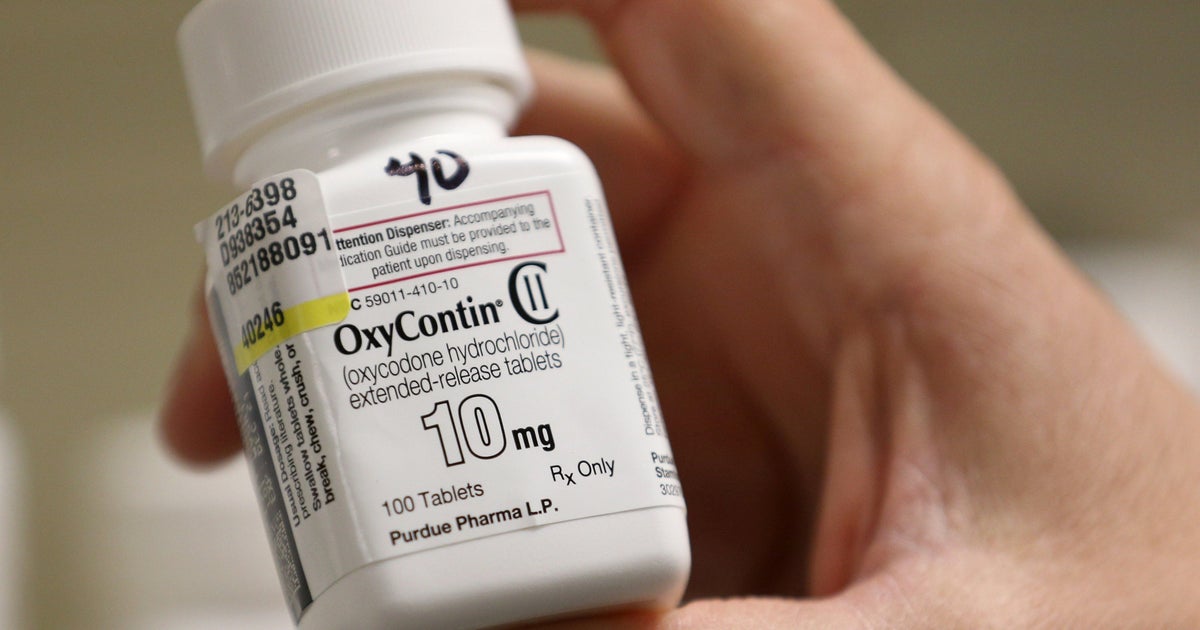
McKinsey held a contract to assess the effectiveness of this safety surveillance system. yet, a senior McKinsey consultant who worked on three separate FDA Sentinel projects between 2014 and 2018 was simultaneously advising Purdue.
Verified Against Public And Audited RecordsLong-Form Investigative Review
Reading time: ~35 min
File ID: EHGN-REVIEW-32500
Conflict of interest violations involving simultaneous consulting for the FDA and opioid manufacturers like Purdue Pharma
McKinsey recognized that individual sales representatives frequently used their own judgment to avoid doctors who appeared sketchy, dangerous, or running.
Primary RiskLegal / Regulatory Exposure
JurisdictionDepartment of Justice / EPA
Public MonitoringMcKinsey was devising ways for Purdue to pay for overdoses, its consultants were advising.
Report Summary
The firm's consultants drafted transition memos for incoming Trump Administration officials, including HHS Secretary Alex Azar, suggesting that the government should "require that all opioids reimbursed by HHS must have abuse deterrent formulations." This recommendation directly mirrored the commercial strategy McKinsey had sold to Purdue years earlier, demonstrating a direct transfer of corporate strategy into public policy. McKinsey & Company's work for Purdue Pharma extended far beyond sales tactics; it involved a sophisticated, multi-year campaign to neutralize federal safety regulations designed to protect the public. Smith, who led McKinsey's work for Purdue, also advised the FDA on drug safety.
Key Data Points
In 2013, as the body count from the opioid epidemic mounted and public scrutiny intensified, Purdue Pharma faced a problem that had nothing to do with public health: OxyContin sales were declining. The firm's solution was a detailed overhaul of Purdue's sales operations, a campaign internally branded "Evolve to Excellence" (E2E). They identified a specific cohort of doctors, termed "High Value Prescribers", who were already writing opioid prescriptions at volumes far exceeding their peers. of these wrote as as 25 times the number of OxyContin scripts as other physicians in the same specialty.
Investigative Review of McKinsey & Company
Why it matters:
McKinsey & Company operated as a double agent, providing consulting services to both Purdue Pharma and the FDA simultaneously.
Internal documents and court filings reveal how McKinsey advised Purdue Pharma on sales strategies for opioids while also advising the FDA on drug safety measures, creating a conflict of interest.
Simultaneous Consulting for FDA and Purdue Pharma
The following investigative review details McKinsey & Company’s simultaneous consulting work for the FDA and Purdue Pharma.
The Double Agent Model: Simultaneous Client Rosters
McKinsey & Company operated as a double agent within the United States public health apparatus for over a decade. Between 2004 and 2019 the firm executed 75 separate engagements for Purdue Pharma. These contracts generated approximately $93. 5 million in fees. During this exact same period McKinsey served as a primary advisor to the Food and Drug Administration. The firm secured at least 76 contracts with the FDA worth more than $140 million from 2008 through 2022. This simultaneous service created a direct and undisclosed conflict of interest. McKinsey consultants advised the regulator on drug safety while they engineered sales strategies for the very products the regulator sought to control. The firm did not disclose these conflicts to the FDA. Federal procurement rules require contractors to reveal organizational conflicts of interest. McKinsey bypassed these regulations. The firm claimed its internal firewalls prevented information leakage. Internal documents and court filings prove otherwise. Consultants frequently moved between FDA headquarters and Purdue’s offices in Stamford. They used their insider status at the FDA to market their services to pharmaceutical clients. One pitch deck to Purdue explicitly highlighted the firm’s intimate knowledge of the FDA. It stated “Who we know. What we know.” This was not a passive conflict. It was an active business strategy.
Project Turbo: Engineering the Opioid Flood
McKinsey designed a specific initiative for Purdue Pharma called “Evolve to Excellence.” Purdue executives referred to it as “Project Turbo.” The objective was to “turbocharge” sales of OxyContin. This project launched in 2013. This was years after Purdue pleaded guilty in 2007 to federal criminal charges regarding the misbranding of OxyContin. McKinsey ignored this criminal history. The firm proposed aggressive tactics to reverse declining opioid sales. The “Turbo” plan relied on granular data analysis to identify high-volume prescribers. McKinsey directed Purdue to target physicians who wrote the most prescriptions. The firm advised Purdue to remove the discretion of sales representatives. Reps were ordered to visit these “super-core” prescribers with increased frequency. The strategy specifically pushed for the sale of higher-dosage pills. These higher doses are more addictive and more profitable. McKinsey estimated that targeting these high-value prescribers would generate hundreds of millions of dollars al revenue. McKinsey also advised Purdue to “band together” with other opioid manufacturers. The goal was to defend against strict treatment by the FDA. This advice directly contradicted the FDA’s public health mission. The FDA was attempting to implement a Risk Evaluation and Mitigation Strategy (REMS) to curb opioid abuse. McKinsey consultants were simultaneously advising the FDA on the implementation of REMS. They were coaching the fox on how to raid the henhouse while selling security systems to the farmer.
The Architects of Conflict: Smith, Singh, and Chilukuri
Three senior McKinsey partners exemplify this widespread conflict. Jeff Smith served as a lead partner for both FDA and Purdue accounts. Smith worked on Purdue’s REMS strategy while he advised the FDA office responsible for implementing those same safety measures. He dined with Purdue executives to discuss business transformation. He then traveled to the FDA to advise on regulatory modernization. Smith was “frequently cross-staffed” on these opposing projects. He was even invited to Purdue meetings during periods when he was not officially billing the client. Navjot Singh was another senior partner with dual loyalties. Singh led McKinsey’s state and local public sector practice. He was staffed on 35 of 37 FDA contracts examined by congressional investigators. Yet Singh also participated in Purdue matters. In December 2007 he wrote an email to a colleague stating he would join a Purdue call while “in transit to a meeting at the FDA.” He helped pitch Purdue on new business while deeply in the agency regulating that business. Sastry Chilukuri provided the technological for this conflict. Chilukuri was a leader in McKinsey’s digital practice. He worked on the FDA’s Sentinel Initiative. Sentinel is a national electronic system for monitoring medical product safety. Chilukuri advised the FDA on how to use Sentinel to track opioid usage patterns. Simultaneously he advised Purdue. Internal documents show he overrepresented the capabilities of the Sentinel system to the FDA. This misinformation found its way into a public speech by a former FDA commissioner. Chilukuri used his FDA work to gather intelligence that could benefit his pharmaceutical clients.
The Cover-Up: Deletion and Obstruction
The conflict of interest extended beyond bad advice. It involved active concealment. When the opioid emergency intensified and states began to sue Purdue, McKinsey partners panicked. They realized their dual role would be exposed. In 2018 senior partner Martin Elling wrote an email to another partner. He suggested they should “delete old pur documents.” “Pur” was their code for Purdue. Elling was later charged with obstruction of justice. He admitted to deleting more than 100 files related to the firm’s work for Purdue. He wiped folders from his laptop and his email archives. This was not the action of a rogue employee. It was a desperate attempt to erase the evidence of a decade-long betrayal of public trust. The “mini army” of consultants, as one email described them, had operated with impunity. They monetized the addiction of millions while billing the government to solve the very problem they exacerbated.
Regulatory Capture and Consequence
The FDA remained unaware of the extent of this infiltration for years. The agency paid McKinsey millions to modernize its drug approval processes. McKinsey used this access to help Purdue navigate those exact processes. The firm’s advice to the FDA on “organizational efficiency” frequently aligned with the industry’s desire for faster approvals. The conflict was absolute. McKinsey accepted $600 million in settlements with 49 states to resolve investigations into this conduct. They paid another $650 million to resolve federal criminal and civil investigations. The firm admitted no wrongdoing in the state settlements. They only admitted they “fell short” of their own standards. The factual record shows they did not just fall short. They actively profited from the destruction of public health.
Simultaneous Consulting for FDA and Purdue Pharma
Project Turbocharge: The "Evolve to Excellence" Campaign
In 2013, as the body count from the opioid epidemic mounted and public scrutiny intensified, Purdue Pharma faced a problem that had nothing to do with public health: OxyContin sales were declining. To reverse this trend, the pharmaceutical giant turned to its long-time advisor, McKinsey & Company. The firm’s solution was a detailed overhaul of Purdue’s sales operations, a campaign internally branded “Evolve to Excellence” (E2E). At the heart of this initiative lay a specific, aggressive directive: to “turbocharge” the sales engine.
The “Turbocharge” Directive
The choice of language was deliberate. Internal McKinsey communications reveal that the firm’s partners debated how to frame the initiative to Purdue’s leadership. One senior partner, Martin Elling, rejected the term “energize” for the sales force, writing in an email that it “feels too Richard Simmons.” Instead, he proposed “turbocharge,” noting that it “at least evokes the notion of real construction.” This semantic choice signaled a shift toward a harder, more mechanical method to drug pushing, treating the prescription of highly addictive narcotics with the same industrial efficiency as moving auto parts.
Project Turbocharge was not a motivational slogan; it was a strategy designed to bypass medical discretion and maximize prescription volume. McKinsey consultants utilized advanced analytics to granularly segment the physician market. They identified a specific cohort of doctors, termed “High Value Prescribers”, who were already writing opioid prescriptions at volumes far exceeding their peers. of these wrote as as 25 times the number of OxyContin scripts as other physicians in the same specialty. Rather than flagging these outliers as chance sources of diversion or dangerous over-prescribing, McKinsey identified them as the most lucrative growth opportunities.
Industrializing Addiction
The operational mechanics of E2E stripped Purdue’s sales representatives of their autonomy. Historically, reps might use their judgment to determine which doctors to visit, perhaps avoiding those who appeared reckless or whose waiting rooms were filled with obvious addicts. McKinsey’s new model removed this discretion. The firm directed Purdue to problem strict “call plans” that mandated increased visit frequencies to the highest-volume prescribers. The logic was simple: badger the doctors who are already dispensing the most pills to dispense even more.
McKinsey’s strategy extended beyond mere volume; it targeted dosage. The firm advised Purdue to focus its marketing messaging on “titration”, the process of adjusting a patient’s dose upward. By encouraging physicians to move patients to higher strengths of OxyContin, Purdue could increase revenue per prescription while deepening the patient’s physical dependence. This advice directly contradicted the growing medical consensus that high-dose opioid therapy presented severe risks of overdose and death. To McKinsey’s team, yet, higher doses represented a “priority opportunity” to capture near-term revenue.
The “Rebate” Proposal
Perhaps the most chilling artifact of the E2E campaign was a proposal that reduced human tragedy to a purely actuarial calculation. As insurers and pharmacy benefit managers began to balk at the rising costs associated with opioid addiction, McKinsey consultants drafted a concept to protect Purdue’s market access. They suggested that Purdue offer rebates to insurers for every “event” associated with OxyContin use.
The consultants calculated that Purdue could pay a rebate of approximately $14, 810 for each customer who overdosed or developed an opioid use disorder. This figure was presented not as a warning, as a business tactic to ensure that insurance companies would continue paying for the drug. The proposal implied that as long as the cost of an overdose was subsidized by the manufacturer, the product remained viable. While this specific rebate program was never implemented, its existence in McKinsey’s presentation decks demonstrates a complete decoupling of corporate strategy from ethical obligation.
Countering the “Emotional” Narrative
The “Evolve to Excellence” campaign also addressed the external threats to Purdue’s business, specifically the rising of negative publicity. McKinsey was aware that the stories of overdose victims and grieving families were damaging the brand. In response, the firm advised Purdue on how to counter these “emotional” messages. The strategy involved shifting the narrative away from addiction and toward “pseudo-addiction”, a controversial and largely debunked concept suggesting that drug-seeking behavior was actually a sign of undertreated pain, requiring more opioids, not fewer.
McKinsey’s work on E2E was lucrative. Between 2004 and 2019, the firm earned an estimated $93. 5 million from Purdue Pharma. The 2013 “turbocharge” project was deemed a financial success by both parties, as it temporarily arrested the decline in OxyContin sales. This success, yet, was purchased at the expense of public health, fueling a emergency that would eventually claim hundreds of thousands of lives. While McKinsey consultants were optimizing sales funnels and analyzing prescriber deciles, the FDA, another McKinsey client, was struggling to contain the very epidemic that E2E was designed to accelerate.
Targeting High-Volume "Super-Prescribers"
The “Decile” Shift: Weaponizing Data Analytics
McKinsey & Company’s most lethal contribution to the opioid emergency was not the suggestion to sell more drugs, the mathematical precision with which it identified who to target. Prior to McKinsey’s intervention, Purdue Pharma utilized a standard pharmaceutical sales model based on “deciles,” ranking physicians on a of 1 to 10 based on their prescribing volume. McKinsey consultants, led by partners Martin Elling and Arnab Ghatak, determined this method was inefficient. Their analysis revealed that the top tier of prescribers, the “High Value Prescribers” (HVPs), wrote as as 25 times more OxyContin prescriptions than their lower-volume counterparts.
In 2013, as part of the “Evolve to Excellence” (E2E) campaign, McKinsey advised Purdue to abandon its previous constraints and aggressively pursue these high-volume. The firm’s “Phase II Final Report” recommended a surgical shift in strategy: rather than spreading sales calls across a broad base of physicians, Purdue’s sales force was directed to focus almost exclusively on the most prolific prescribers. McKinsey’s internal documents explicitly criticized the fact that over 50% of sales calls were going to “low-decile” prescribers (deciles 0-4). They argued that this “untapped opportunity” required a radical reallocation of resources, pushing sales representatives to visit the most prolific doctors with significantly increased frequency.
Eliminating Sales Rep Discretion
The strategy went beyond simple identification; it enforced compliance. McKinsey recognized that individual sales representatives frequently used their own judgment to avoid doctors who appeared sketchy, dangerous, or running “pill mills.” To maximize revenue, McKinsey advised Purdue to remove this discretion. The new “workload-based” system mandated strict adherence to target lists generated by McKinsey’s algorithms. Sales representatives were no longer permitted to skip doctors they deemed unethical or unsafe; they were required to meet strict quotas for visits to the very physicians fueling the overdose epidemic.
This directive forced sales reps into dangerous environments. During the discovery phase of subsequent litigation, documents surfaced describing “ride-alongs” where McKinsey consultants accompanied Purdue reps to observe these high- sales calls. In one harrowing internal note, a McKinsey consultant described a visit to a pharmacy where the pharmacist was “shaking” and armed with a gun, explicitly stating that “abuse is definitely a huge problem.” even with witnessing the visceral reality of the emergency, where pharmacies were fortified against desperate addicts, McKinsey did not recommend a retreat. Instead, they doubled down, advising Purdue to “turbocharge” the sales engine by ensuring these exact prescribers were kept stocked and satisfied.
The “Super-Prescriber” Multiplier
The term “super-prescriber” became a colloquialism for the doctors McKinsey identified as “High Value.” These were not ordinary general practitioners managing occasional pain; they were outliers writing thousands of prescriptions for the highest dosage pills. McKinsey’s analysis was cold and transactional: a single doctor in the top decile was worth dozens of responsible physicians. By focusing the sales force’s energy on this small, reckless cohort, McKinsey helped concentrate the flow of opioids into specific communities, creating “hot spots” of addiction.
Court filings reveal that McKinsey’s models incorporated data on “historic preference for generic drugs” and “willingness to change from one brand to another,” refining the target list to exploit physicians who were most susceptible to marketing influence. The firm’s “granular analyses” allowed Purdue to bypass doctors who were cautious about opioids and zero in on those who were already prescribing at dangerous levels. This was not a marketing strategy designed to find patients in pain; it was a harvesting operation designed to extract maximum revenue from the loose prescribing habits of a compromised minority of doctors.
Ignoring the “Pill Mill” Red Flags
Perhaps the most damning aspect of this targeting was McKinsey’s awareness of the risks. The firm performed analyses that identified “abuse and diversion hot spots,” yet there is no evidence they used this data to warn Purdue to stop shipping drugs to those areas. On the contrary, the data was used to optimize the supply chain. When sales naturally began to decline due to growing public awareness and regulatory scrutiny, McKinsey viewed these safeguards as “challenges” to be overcome.
The firm’s consultants even prepared strategies to “counter the emotional messages” from mothers whose children had overdosed, treating the grief of bereaved families as a public relations obstacle rather than a signal to halt operations. By 2013, when the opioid emergency was already a recognized national emergency, McKinsey’s advice to target the most prolific prescribers poured gasoline on the fire, ensuring that the doctors most likely to be running pill mills received the most attention, the most free lunches, and the most pressure to prescribe higher, more addictive doses of OxyContin.
The "Rebate for Overdoses" Compensation Model
The “Rebate for Overdoses” Compensation Model
Monetizing Mortality: The $14, 810 Valuation
In 2017, as the opioid epidemic claimed tens of thousands of American lives annually, McKinsey & Company consultants devised a financial method that explicitly monetized human tragedy to protect Purdue Pharma’s profit margins. Internal documents released during bankruptcy proceedings reveal that McKinsey partners proposed a rebate system to compensate pharmacy benefit managers (PBMs) and distributors for the costs associated with customers who overdosed on OxyContin. This proposal, presented to the Sackler family and Purdue executives, assigned a specific dollar value to each overdose event: $14, 810.
The logic behind this calculation was cold and transactional. McKinsey consultants identified that major pharmacy chains and insurers were becoming hesitant to dispense high volumes of OxyContin due to the rising costs of treating opioid use disorder and the legal risks associated with overdoses. To counter this hesitation, McKinsey suggested that Purdue guarantee the distributors’ margins by paying a rebate for every “event”, a euphemism used in the presentation to describe an overdose or a diagnosis of opioid use disorder. By reimbursing companies for the medical expenses and lost productivity associated with these “events,” McKinsey sought to remove the financial disincentive for pharmacies to continue flooding communities with addictive narcotics.
The CVS Projection: A $36. 8 Million Death Dividend
The proposal was not theoretical; McKinsey provided detailed projections for specific companies to demonstrate the model’s viability. One slide in the presentation focused on CVS, one of the largest pharmacy chains in the United States. McKinsey’s analysis estimated that in 2019 alone, approximately 2, 484 CVS customers would either overdose or develop an opioid use disorder directly attributable to Purdue’s products. Applying the $14, 810 rebate figure to this casualty count, the consultants calculated that Purdue would owe CVS a payment of roughly $36. 8 million for that year.
This projection exposes the granular level of data analysis McKinsey employed to forecast the epidemic’s toll. Rather than using this data to warn their client of the public health catastrophe or to recommend safety interventions, the firm used it to model a compensation structure that treated overdoses as a predictable business expense, similar to a warranty claim for a defective product. The “rebate” functioned as an insurance policy for distributors, insulating them from the downstream consequences of the very emergency they were helping to fuel. Both CVS and Anthem later issued statements denying that they ever received such rebates, yet the existence of the proposal stands as irrefutable evidence of the lengths to which McKinsey went to preserve Purdue’s sales channels.
Internal Architects: Elling and Ghatak
The architects of this macabre strategy were senior McKinsey partners, including Martin Elling and Arnab Ghatak, who led the firm’s pharmaceutical practice. These individuals were not low-level analysts high-ranking executives with direct access to Purdue’s board and the Sackler family. Their correspondence and presentations demonstrate a complete with Purdue’s commercial interests, frequently at the expense of basic ethical considerations. The “rebate for overdoses” concept was part of a broader suite of aggressive tactics designed to reverse the declining sales of OxyContin, which had begun to slip as public awareness of the addiction emergency grew.
When scrutiny of Purdue’s marketing tactics intensified in 2018, the behavior of these partners shifted from aggressive strategizing to self-preservation. Emails uncovered during investigations show Elling and Ghatak discussing the destruction of documents related to their work. In one exchange, Elling wrote to Ghatak suggesting it “probably makes sense to have a quick conversation with the risk committee to see if we should be doing anything” other than “eliminating all our documents and emails.” This intent to conceal evidence suggests a consciousness of guilt and a recognition that their proposals, including the rebate model, would not withstand legal or public scrutiny. McKinsey subsequently fired both partners, yet the firm’s leadership initially attempted to frame their actions as rogue behavior rather than the product of a widespread culture that prioritized client revenue over human life.
Ethical and Legal Ramifications
The “rebate for overdoses” model represents a violation of the conflict of interest standards expected of a firm simultaneously advising federal regulators. McKinsey was devising ways for Purdue to pay for overdoses, its consultants were advising the FDA on drug safety and monitoring programs. This dual role created a situation where the firm was engineering the expansion of a drug emergency on one side while being paid to help the government manage it on the other. The rebate proposal specifically undermined the FDA’s public health goals by attempting to neutralize the market forces, such as rising insurance costs, that naturally curb the over-prescription of dangerous drugs.
Legal experts and ethicists have this specific proposal as one of the most damning pieces of evidence against McKinsey. It moves beyond standard corporate consulting, which frequently involves cost-cutting or efficiency improvements, into the of aiding and abetting a public health disaster. The calculation of $14, 810 per overdose reduces a human life to a line item on a balance sheet, a “negative externality” to be paid off to keep the supply chain moving. This commodification of death provided the evidentiary basis for the $573 million settlement McKinsey reached with 47 states, the District of Columbia, and five territories in 2021, a historic penalty that acknowledged the firm’s role in “turbocharging” the opioid epidemic.
Undisclosed Conflicts on FDA "Track and Trace" Contracts
The “Track and Trace” Betrayal
In 2010, the FDA awarded McKinsey & Company a contract worth over $2. 4 million to design a detailed “track and trace” system. The agency’s objective was clear: create a strong method to monitor the prescription drug supply chain, identify counterfeit or harmful medications, and prevent the diversion of controlled substances. For a regulator battling an emerging opioid epidemic, this system was a necessary fortification. For McKinsey, it was an intelligence-gathering operation for the very industry the FDA sought to police.
While McKinsey consultants sat inside the FDA helping to architect this surveillance network, the firm was simultaneously on the payroll of the nation’s largest opioid manufacturers and distributors, the exact entities the “track and trace” system was designed to regulate. Congressional investigations later revealed that McKinsey’s roster of clients included Purdue Pharma, Johnson & Johnson, and major distributors like McKesson and Cardinal Health. These companies viewed supply chain transparency not as a safety measure, as a threat to their volume-based business models. McKinsey, standing at the intersection of regulator and regulated, did not disclose these financial ties to the FDA.
The “Mini Army” Inside the FDA
The conflict was not corporate; it was personal and operational. Internal documents released by the House Committee on Oversight and Reform identified at least 22 McKinsey consultants who worked for both the FDA and opioid manufacturers, frequently simultaneously. One email from a McKinsey partner referred to this dual-hatted workforce as a “mini army here at Purdue.”
Senior partners Jeff Smith and Navjot Singh were central to this overlap. Smith, who led McKinsey’s work for Purdue, also advised the FDA on drug safety. In one egregious instance, a consultant working on the FDA’s “Sentinel Initiative”, a program dedicated to assessing the safety of approved drugs, was simultaneously advising Purdue on how to navigate and neutralize safety regulations. This placed McKinsey agents in the position of drafting the rules of engagement for the FDA while selling the evasion codes to Purdue.
Sabotaging the Office of Surveillance and Epidemiology
The duplicity extended into the FDA’s Office of Surveillance and Epidemiology (OSE). In 2011, the FDA hired McKinsey to modernize this specific office, which is responsible for monitoring adverse drug events and evaluating the safety profiles of medications post-approval. The contract required McKinsey to define the OSE’s “strategic goals and objectives.”
At the exact moment McKinsey was shaping the OSE’s mandate, the firm was advising Purdue on how to “band together” with other opioid producers to “formulate arguments to defend against strict treatment by the FDA.” McKinsey provided Purdue with intelligence on the FDA’s internal thinking, allowing the pharmaceutical giant to pre-emptively counter regulatory moves. When the FDA proposed a Risk Evaluation and Mitigation Strategy (REMS) to curb opioid abuse, McKinsey helped Purdue water down the requirements, ensuring that the safety remained toothless.
Violation of Federal Acquisition Regulations
Federal Acquisition Regulations (FAR) explicitly require government contractors to disclose any “organizational conflicts of interest” that could impair their objectivity. McKinsey’s contracts with the FDA contained standard clauses mandating the immediate reporting of such conflicts. Yet, throughout a decade of simultaneous service, McKinsey certified repeatedly that no such conflicts existed.
The firm’s defense, that its FDA work focused on “administrative and operational” matters rather than specific regulatory decisions, was rejected by lawmakers. The “track and trace” system was not a neutral administrative tool; it was a regulatory weapon. By designing the system while paid by its, McKinsey engaged in a fundamental corruption of the procurement process. The firm sold the FDA a security system while holding the keys for the burglars.
This undisclosed conflict allowed McKinsey to monetize its insider access. Consultants explicitly leveraged their FDA credentials to win more business from pharmaceutical clients, pitching their ability to offer “unique insights” into the regulator’s mindset. The FDA, unaware of the double-dealing, continued to pay McKinsey millions of taxpayer dollars, inadvertently funding the opposition in its own war against the opioid emergency.
Compromising the FDA Sentinel Safety Initiative
The Sentinel Betrayal: Selling Safety to the Highest Bidder
The FDA Sentinel Initiative represents the federal government’s primary electronic surveillance system for monitoring the safety of drugs once they reach the market. Launched to detect adverse events and risks that clinical trials might miss, Sentinel relies on a massive network of claims data and electronic health records to flag dangerous patterns. For a pharmaceutical company facing scrutiny over the addictive chance of its products, understanding the inner workings of Sentinel is not just valuable; it is a tactical need for evasion. Between 2014 and 2018, McKinsey & Company occupied a position of supreme conflict, tasked by the FDA with assessing the “strengths, limitations, and appropriate use” of the Sentinel system while simultaneously advising Purdue Pharma on how to expand opioid sales and deflect regulatory oversight.
The Double Agent in the Safety Lab
Congressional investigations revealed that McKinsey consultants did not work for both entities sequentially; they did so concurrently, frequently on the same day. The House Committee on Oversight and Reform identified that at least one senior McKinsey consultant worked on three separate FDA projects related to the Sentinel Initiative from 2014 to 2018. During this exact window, the same consultant advised Purdue Pharma. This was not a case of administrative separation. Jeff Smith, a McKinsey partner, co-led all three FDA Sentinel contracts. Simultaneously, he served as a key advisor to Purdue, helping the opioid manufacturer navigate the very safety environment the FDA hired him to fortify. This dual role placed a fox in the henhouse, not to steal eggs, to design the security system while selling blueprints to the wolves.
“Very Useful for Them in Opioids”
The intent to monetize this insider access was explicit. Internal documents released during the investigation show that in 2016, a McKinsey partner instructed colleagues to use their FDA access to impress Purdue executives. The partner wrote an email encouraging the team to “talk about our work w FDA, specifically sentinel which I think would be v useful for them in opioids.” This communication destroys the defense that McKinsey’s government work was purely “administrative” or “technological.” The firm viewed its intimate knowledge of the FDA’s safety monitoring capabilities as a commercial asset to be traded to a client whose primary product was killing thousands of Americans. By understanding the specific data points, algorithms, and thresholds the FDA used to trigger safety alerts in Sentinel, McKinsey could theoretically guide Purdue in structuring its data or marketing to avoid tripping those wires.
Compromising the Watchtower
The scope of McKinsey’s involvement with Sentinel went beyond basic IT support. The FDA contracts tasked the firm with defining the “strategic goals and objectives” of the office responsible for drug safety monitoring. McKinsey consultants were asked to assess how Sentinel data informed regulatory decision-making. This meant McKinsey knew exactly what the FDA looked for when deciding whether to problem a black box warning, restrict a drug’s distribution, or pull it from the market. While advising the FDA on these sensitive, McKinsey consultants were simultaneously helping Purdue “turbocharge” sales of OxyContin. The conflict created a perverse incentive: if the Sentinel system became too at linking opioid prescriptions to overdose deaths or addiction rates, it would directly harm the financial interests of McKinsey’s private client. The firm stood to profit from the FDA’s and Purdue’s aggression.
Regulatory Blindness and Institutional Failure
The FDA remained oblivious to this betrayal for years because McKinsey failed to disclose its conflicts of interest. Federal procurement rules require contractors to declare any relationships that might bias their judgment or provide an unfair advantage. McKinsey’s contracts contained standard provisions mandating such disclosures, yet the firm remained silent about its lucrative relationship with opioid manufacturers. This silence deprived the FDA of the opportunity to protect the integrity of its safety systems. When questioned by lawmakers, McKinsey executives argued that their work for the FDA was distinct from their work for Purdue, claiming one team handled “organizational health” while another handled “commercial strategy.” This defense collapsed under the weight of evidence showing the same individual consultants, the “identical humans,” as Representative Katie Porter put it, staffed both accounts.
The Operational Impact
The corruption of the Sentinel Initiative engagement suggests that the FDA’s ability to monitor the opioid emergency was compromised from the inside. While the agency struggled to understand the of the epidemic using its surveillance tools, the consultants hired to sharpen those tools were financially beholden to the emergency’s architects. The “Rebate for Overdoses” model and the targeting of “super-prescribers” were strategies developed by minds who knew exactly where the FDA’s blind spots lay. In December 2024, the Department of Justice announced a resolution to criminal and civil investigations into McKinsey, citing the firm’s failure to disclose these conflicts. The settlement acknowledged that McKinsey “knowingly and intentionally” conspired to misbrand drugs and obstruct justice. The Sentinel affair stands as a specific, damning example of how the firm did not just ignore the public good actively sold the government’s safety architecture to the highest bidder.
Table 6: McKinsey’s Simultaneous Engagement, FDA Sentinel vs. Purdue Pharma
Time Period
FDA Engagement (Sentinel)
Purdue Pharma Engagement
Specific Conflict
2014-2018
Assess “strengths, limitations, and appropriate use” of Sentinel System.
“Turbocharge” sales of OxyContin; counter FDA safety regulations.
Same senior consultants (e. g., Jeff Smith) led both teams.
2016
Internal review of FDA safety data usage.
Preparation for FDA meetings regarding opioid safety.
Partner email: “talk about our work w FDA, specifically sentinel which I think would be v useful for them in opioids.”
2017
Modernize Office of New Drugs ($2. 7M contract).
Maximize market chance for new opioid products.
Consultants advised on approving new drugs while helping Purdue file for new drugs.
Influence on the FDA Office of New Drugs Modernization
The $2. 7 Million “Modernization” Charade
In 2017, the FDA awarded McKinsey & Company a $2. 7 million contract to “modernize” the Office of New Drugs (OND), the specific division responsible for approving prescription medications, including opioids. The stated objective was to simplify regulatory processes and increase efficiency within the agency’s drug review apparatus. yet, internal documents released by the House Committee on Oversight and Reform reveal that the lead McKinsey partner orchestrating this regulatory overhaul, Jeff Smith, was simultaneously advising Purdue Pharma on how to maximize sales for its opioid products. The timeline of this dual engagement exposes a brazen conflict of interest. Records show that Smith began his work on the FDA’s OND modernization project just days after kicking off a new consulting engagement with Purdue Pharma. While he advised federal regulators on restructuring the very office that serves as the gatekeeper for pharmaceutical approvals, he was concurrently strategizing with Purdue executives on how to navigate those same gates to expand the market for OxyContin.
Architect of the “New Operating Model”
McKinsey’s mandate at the FDA went beyond mere administrative advice; the firm was tasked with designing a “new operating model” for the Office of New Drugs. This restructuring involved breaking down the OND into thirty therapeutic-specific review divisions, a move pitched as a way to “provide more drug review.” In practice, this efficiency-driven model aligned perfectly with the pharmaceutical industry’s desire for faster, less approval pathways. Jeff Smith, serving as the architect of this transformation, operated with full knowledge of the regulatory blocks facing his private sector clients. At Purdue, Smith’s team was tasked with “turbocharging” sales and countering the “emotional” arguments of mothers who had lost children to overdoses. At the FDA, his team was rewriting the organizational structure that would evaluate the safety and efficacy of the drugs Purdue was pushing. This position allowed McKinsey to work both sides of the table: engineering the regulatory machine to run faster while selling maps of its internal gears to the companies whose products were fueling a national death toll.
The “Who We Know” Pitch
McKinsey did not view its access to the FDA’s inner workings as a conflict to be avoided, as a commercial asset to be monetized. In pitches to pharmaceutical clients, McKinsey consultants explicitly touted their intimate knowledge of the regulator. One internal email highlighted the firm’s to Purdue by emphasizing “Who we know, what we know” regarding the FDA. This use was not hypothetical. During the OND modernization project, McKinsey consultants had access to sensitive, non-public information about the FDA’s decision-making processes, personnel, and strategic priorities. For a client like Purdue, which was facing increasing scrutiny and regulatory headwinds, this intelligence was invaluable. The firm’s ability to shape the OND’s “strategic goals and objectives” meant it could subtly industry-friendly priorities into the agency’s DNA, prioritizing speed and “stakeholder engagement” over rigorous safety checks that might slow down approvals.
widespread Failure to Disclose
Federal acquisition regulations require government contractors to disclose any organizational conflicts of interest that might bias their judgment or provide an unfair competitive advantage. even with the obvious incompatibility of restructuring a drug regulator while working for a drug manufacturer, McKinsey repeatedly certified to the FDA that there were “no relevant facts or circumstances” that would give rise to a conflict of interest. The House Oversight Committee’s investigation found that McKinsey failed to disclose its work for opioid manufacturers in contract after contract. The firm’s legal defense, that its government work focused on “administrative and operational topics” rather than specific regulatory decisions, ignores the reality that operational structures dictate regulatory outcomes. By streamlining the OND to process applications faster, McKinsey served the commercial interests of its opioid clients, regardless of whether they weighed in on a specific pill.
Legacy of the Restructuring
The reorganization of the Office of New Drugs was implemented in 2019, cementing McKinsey’s structural vision within the agency. The “modernized” OND features the specialized review divisions McKinsey proposed, a structure that critics creates closer, more cozy relationships between regulators and the specific industry sectors they oversee. This siloed method can lead to regulatory capture, where review divisions become champions for the therapeutic areas they regulate rather than impartial guardians of public health. The $2. 7 million contract was a fraction of the fees McKinsey earned from Purdue, yet it purchased a structural influence over federal drug regulation that money cannot buy. By redesigning the Office of New Drugs to be more “,” McKinsey helped build a regulatory highway that was wider, faster, and more accommodating to the pharmaceutical industry, all while the opioid epidemic raged on the exit ramps.
The "Mini Army" of Consultants Embedded at Purdue
The “Mini Army” of Consultants at Purdue
The Architecture of Occupation
In 2009, a McKinsey consultant sent an email to a colleague that inadvertently captured the true nature of the firm’s relationship with Purdue Pharma. The message referred to the team on the ground as a “mini army here at Purdue.” This was not a figure of speech. It was an accurate operational description of a consulting force that had ceased to function as external advisers and had instead metastasized into a shadow management team. Unlike traditional consulting engagements, where a small team might visit for a few weeks to offer high-level strategy, McKinsey’s presence at Purdue was massive, persistent, and deeply integrated into the daily of the opioid manufacturer.
For over fifteen years, from 2004 to 2019, McKinsey maintained a continuous, heavy footprint within Purdue’s headquarters in Stamford, Connecticut. The “mini army” consisted of partners, associate partners, engagement managers, and analysts who set up camp within the client’s walls. They did not suggest strategies; they executed them. Internal documents reveal that McKinsey consultants were involved in nearly every facet of the company, from sales force deployment to regulatory navigation. Arnab Ghatak, a senior McKinsey partner, boasted in an email that the firm was “deeply involved” in the company’s operations, signaling a level of enmeshment that blurred the legal and ethical lines between the consultant and the client.
This embedding process allowed McKinsey to bypass the typical corporate immune systems that might have rejected such aggressive sales tactics. By placing their operatives directly alongside Purdue executives, McKinsey ensured that their demands for higher opioid sales were translated immediately into action. They were not just writing reports; they were turning the gears of the corporation. The “mini army” functioned as a high-speed transmission belt, taking the Sackler family’s demand for profit and converting it into quotas, sales scripts, and targeting lists that pushed OxyContin into communities across America.
Operational Command and Control
The operational structure McKinsey established at Purdue resembled a military command center more than a corporate boardroom. The consultants utilized their physical proximity to seize control of the decision-making process. They instituted rigorous tracking systems to monitor the performance of Purdue’s sales representatives, treating the distribution of addictive narcotics with the same cold, logistical precision as shipping auto parts. The “Evolve to Excellence” (E2E) campaign, which McKinsey designed to “turbocharge” sales, required this heavy on-site presence to enforce compliance.
McKinsey consultants took over tasks that are the domain of full-time employees. They analyzed individual sales territories, identified which doctors were the most susceptible to marketing pressure, and directed Purdue’s sales reps to target these “high-value” prescribers with increased frequency. The “mini army” crunched the numbers to determine exactly how sales calls were needed to break down a doctor’s resistance. They did not just hand over a spreadsheet and leave; they stayed to ensure the sales force hit the numbers.
This operational control extended to the highest levels of the company. McKinsey partners Martin Elling and Arnab Ghatak held regular meetings with the Sackler family, bypassing the standard chain of command. They presented directly to the board, framing the opioid emergency not as a public health catastrophe, as a “market opportunity” or a “challenge” to be overcome with better marketing. The consultants prepared scripts for Purdue executives to use in meetings with the FDA, putting words in the mouths of the client to manipulate federal regulators. This was not advisory work; it was puppetry.
The intensity of this collaboration is clear in the sheer volume of work produced. McKinsey billed Purdue for thousands of hours, generating millions of documents, slide decks, and emails. The “mini army” was so entrenched that they began to shape the internal culture of Purdue, pushing a relentless focus on sales volume above all else. They helped design the bonus structures that incentivized sales reps to push higher doses of OxyContin, directly linking the reps’ financial livelihood to the number of patients they could get hooked on the strongest pills.
The Personnel Overlap: A Conflict in Motion
The most disturbing aspect of McKinsey’s “mini army” was that of its soldiers were fighting on two fronts simultaneously. While they were at Purdue, devising ways to evade regulatory scrutiny and boost sales, the same firm was consulting for the FDA, the very agency charged with regulating Purdue. A congressional investigation later revealed that at least 22 McKinsey consultants worked for both the FDA and opioid manufacturers during the same period.
This personnel overlap was not an accident; it was a business model. McKinsey used its “mini army” at Purdue to gather intelligence on the pharmaceutical industry, which it then leveraged to win contracts with the FDA. Conversely, it used its insider knowledge of FDA regulatory thinking to advise Purdue on how to circumvent those same regulations. The consultants who spent their days at Purdue’s headquarters plotting to “counter emotional messages” from mothers of overdose victims were part of the same firm that was advising the government on drug safety.
Specific consultants moved fluidly between these two worlds. They would advise the FDA on “drug safety” and “surveillance” systems one week, and then return to Stamford to help Purdue navigate those exact systems the. This dual loyalty created a closed loop of information that benefited the client paying the highest fees, Purdue, while compromising the public health mission of the FDA. The “mini army” was a double agent, using its government credentials to shield its corporate paymasters.
The Mechanics of Influence
The influence of the “mini army” relied on a specific set of mechanics designed to overwhelm opposition. They used “ride-alongs” with sales reps to observe interactions with doctors, gathering granular data on what arguments worked best to increase prescribing. They analyzed pharmacy data to track exactly where prescriptions were being filled, allowing Purdue to identify “super-prescribers” with terrifying accuracy.
When the FDA attempted to impose a Risk Evaluation and Mitigation Strategy (REMS) to curb opioid abuse, the McKinsey team at Purdue went to work it. They drafted the arguments Purdue used to water down the safety measures, ensuring that the regulations would not significantly impede sales. The “mini army” treated the FDA’s safety requirements as obstacles to be navigated, not protections to be respected. They used their knowledge of the regulator’s internal processes, gained through their simultaneous government contracts, to guide Purdue through the regulatory minefield unscathed.
This deep integration also meant that McKinsey was present for the darkest moments of Purdue’s history. When sales began to dip due to rising awareness of the addiction emergency, the “mini army” did not suggest a retreat. Instead, they proposed the “Project Turbocharge” initiative, which aimed to squeeze every last dollar out of the market before the window closed. They were in the room when the decision was made to blame the addicts for their addiction, rather than the drug itself. They were the architects of the strategy to “deflect” blame, a strategy that delayed justice for victims for over a decade.
The Transition to Executors
By the late 2010s, the distinction between Purdue executive and McKinsey consultant had. The firm’s partners were making decisions that would be reserved for the C-suite. They were proposing new business lines, such as entering the addiction treatment market to profit from the very emergency they had helped create. They were designing the compensation packages for Purdue’s leadership. In every meaningful sense, McKinsey was running the commercial operations of Purdue Pharma.
This transition from adviser to executor exposes the lie at the heart of the “independent consultant” myth. McKinsey was not an objective observer offering impartial advice. They were a hired mercenary force, paid to achieve a specific lethal outcome: the maximization of OxyContin sales. The “mini army” was compensated based on their success in this mission. Their fees were frequently tied to the very sales metrics they were inflating.
The legacy of the “mini army” is not just a case study in bad consulting; it is a blueprint of corporate complicity. By embedding themselves so deeply within Purdue, McKinsey removed the friction that exists between a company’s desire for profit and its moral obligations. They provided the intellectual cover, the data justification, and the operational manpower to execute a strategy that resulted in a national tragedy. When the history of the opioid epidemic is written, the “mini army” be remembered not as bystanders, as the shock troops of the emergency.
Lobbying Trump Administration Health Officials
The “Shadow” Lobbying of the Trump Administration
McKinsey & Company frequently asserts that it does not engage in lobbying. This semantic defense allows the firm to bypass the strict registration and disclosure requirements that bind traditional lobbyists. Yet, documents released by the House Committee on Oversight and Reform reveal that McKinsey partners used their status as “strategy consultants” to gain privileged access to the highest levels of the Trump administration. The firm leveraged these connections not to improve public health, to advance the commercial interests of opioid manufacturers like Purdue Pharma. This influence campaign centered on a specific target: Alex Azar, the incoming Secretary of Health and Human Services (HHS).
The Azar Connection: From Job Search to Policy Influence
The relationship between McKinsey and Alex Azar predated his confirmation as HHS Secretary. In January 2017, shortly after leaving his role as president of Eli Lilly, Azar reached out to Martin Elling, a senior McKinsey partner. Elling was not a neutral advisor; he was the architect of Purdue Pharma’s “Turbocharge” sales campaign, a strategy designed to aggressively maximize opioid prescriptions. Azar emailed Elling to request “ideas you may have and advice on how to look at and for opportunities.” This request led to a meeting on May 1, 2017, at McKinsey’s New York office. The calendar invitation, obtained by congressional investigators, listed the subject as “RE: Connecting on job search.” This meeting established a direct line of communication between the future head of the nation’s health agencies and the lead consultant for the primary driver of the opioid epidemic. When President Trump nominated Azar to lead HHS in November 2017, McKinsey mobilized to convert this relationship into a strategic asset for their pharmaceutical clients. The firm did not wait for Azar to take office before attempting to shape his agenda. Instead, they prepared a “transition memo” designed to guide his priorities as Secretary.
The “Societal Benefit” Memo
The drafting of the transition memo serves as a definitive example of McKinsey’s conflict of interest. While the document was ostensibly a briefing for a public official, its content was curated by consultants deeply in the business of selling opioids. Martin Elling, still leading the Purdue account, provided specific edits to the memo. Internal emails show that Elling advised his colleagues to ensure the memo emphasized the “important societal benefit” of opioids. This language was not accidental. It mirrored the talking points McKinsey had developed for Purdue to counter the growing narrative that opioids were inherently dangerous. By planting this specific framing in a briefing document for the incoming HHS Secretary, McKinsey attempted to anchor the administration’s policy in the belief that access to pain medication should remain a priority, even as overdose deaths surged. The final memo, titled “Setting the Course,” was delivered privately to Azar. It bypassed the standard vetting processes that official government transition documents undergo. This backchannel access allowed McKinsey to inject industry-friendly rhetoric directly into the decision-making process of the official responsible for regulating the very products their private clients sold.
Selling Access: “Who We Know”
McKinsey did not keep these high-level connections secret from their paying clients. On the contrary, the firm actively marketed its influence to secure lucrative contracts. In a 2014 pitch to Purdue Pharma, McKinsey partners boasted about their “unequalled capability based on who we know and what we know,” explicitly referencing their work with the FDA and other government bodies. This pattern continued into the Trump administration. The firm used its proximity to officials like Azar to demonstrate value to Purdue. The implication was clear: hiring McKinsey was not just about buying strategy; it was about buying insurance against regulatory interference. By positioning themselves as the between the regulator and the regulated, McKinsey monetized their government work, transforming public service contracts into a credential for private sector influence.
The Absence of Disclosure
Throughout this period, McKinsey failed to disclose these conflicts to the FDA or HHS. When the firm’s consultants offered advice to Azar, they did not attach a disclaimer stating they were simultaneously paid millions by Purdue Pharma to increase opioid sales. This omission deprived government officials of the context necessary to evaluate the objectivity of the advice they received. The House Oversight Committee’s investigation concluded that this conduct raised “serious questions” about McKinsey’s compliance with federal law. By functioning as unregistered lobbyists for Purdue while serving as trusted advisors to the government, McKinsey subverted the regulatory process. They turned the HHS Secretary’s transition into an opportunity to protect the opioid market, prioritizing the financial health of their client over the physical health of the American public.
Timeline of McKinsey’s Influence on Alex Azar
Date
Event
Conflict Context
Jan 2017
Alex Azar emails Martin Elling for job search advice.
Elling is the lead partner for Purdue Pharma’s “Turbocharge” project.
May 1, 2017
Azar meets Elling at McKinsey NY office.
Meeting subject: “Connecting on job search.”
Nov 2017
Trump nominates Azar as HHS Secretary.
McKinsey begins drafting transition advice.
Jan 2018
McKinsey sends “Setting the Course” memo to Azar.
Elling edits memo to emphasize “societal benefit” of opioids.
2018
McKinsey continues FDA/HHS consulting work.
Simultaneous work for Purdue continues without disclosure.
Weaponizing "Abuse-Deterrent" Formulations for Market Share
The “FDA Conversion” Strategy: Turning Safety into a Monopoly
McKinsey & Company transformed the concept of “abuse-deterrent” formulations (ADFs) from a public health safeguard into a ruthless commercial weapon designed to extend patent monopolies and destroy generic competition. While publicly positioning reformulated OxyContin as a tool to curb the opioid epidemic, McKinsey privately advised Purdue Pharma to use these new formulations to engineer a regulatory blockade. Internal documents reveal that McKinsey consultants explicitly calculated the financial value of this strategy not in lives saved, in “revenue upside” generated by forcing cheaper generic competitors off the market. This tactic, referred to in a 2014 presentation as “FDA Conversion,” was estimated to generate between $380 million and $400 million annually for Purdue, totaling approximately $1. 1 billion in cumulative value over three years.
The core of this strategy relied on a regulatory maneuver known as “evergreening.” By reformulating OxyContin to be harder to crush or dissolve, Purdue secured new patents. McKinsey then advised Purdue to lobby the FDA to declare the original, non-abuse-deterrent formulations unsafe and to refuse approval for any generic versions that did not possess similar properties. This was not a passive suggestion; it was an active campaign to manipulate federal safety standards to serve a private monopoly. McKinsey consultants, who were simultaneously advising the FDA on drug safety and organizational modernization, were uniquely positioned to understand, and exploit, the agency’s regulatory levers.
Calculated Manipulation of Regulatory Standards
McKinsey’s advice went beyond mere compliance; it orchestrated a sophisticated lobbying effort to weaponize the FDA’s own safety. In 2014, McKinsey partner Puneet Ghatak and other consultants recommended that Purdue push for a requirement that all opioids reimbursed by the Department of Health and Human Services (HHS) be abuse-deterrent. This policy, if enacted, would have banned the vast majority of generic opioids, which were chemically identical to the original OxyContin absence the patented “abuse-deterrent” coating.
The conflict of interest was clear. At the exact moment McKinsey was advising Purdue on how to navigate and influence FDA regulations to block generics, the firm was executing contracts with the FDA’s Office of New Drugs to “modernize” its regulatory programs. This dual access allowed McKinsey to treat the FDA not as a regulator to be obeyed, as a client to be managed. The firm’s consultants drafted transition memos for incoming Trump Administration officials, including HHS Secretary Alex Azar, suggesting that the government should “require that all opioids reimbursed by HHS must have abuse deterrent formulations.” This recommendation directly mirrored the commercial strategy McKinsey had sold to Purdue years earlier, demonstrating a direct transfer of corporate strategy into public policy.
The Illusion of Safety: The Endo Pharmaceuticals Case
The hollowness of the “abuse-deterrent” claim was most visibly demonstrated in McKinsey’s work for Endo Pharmaceuticals regarding its opioid, Opana ER. Applying the same playbook used for Purdue, McKinsey advised Endo to market Opana ER as crush-resistant to differentiate it from generic competitors. yet, the formulation was not tamper-proof; while it was harder to crush, it could still be dissolved and injected. In fact, the “reformulation” made the drug more dangerous for intravenous users, leading to outbreaks of HIV and Hepatitis C in communities like Scott County, Indiana, as addicts shared needles to inject the gel-like substance.
even with these catastrophic real-world results, McKinsey continued to push the ADF narrative as a primary sales driver. The firm’s consultants advised Endo to aggressively market the “safety” of the new formulation to prescribers, knowing full well that the FDA had not approved such claims. This disregard for scientific reality in favor of marketing narratives highlights the firm’s role in prioritizing market share over patient safety. The FDA eventually requested the removal of reformulated Opana ER from the market in 2017 due to the public health risks it posed, a rare instance of the regulator catching up to the damage caused by the consultant’s strategy.
Financial Impact of the Generic Blockade
The financial of this strategy were massive for patients and the healthcare system. By successfully delaying the entry of generic OxyContin, Purdue maintained high prices for its branded product long after the original patents should have expired. McKinsey’s “FDA Conversion” model explicitly targeted the removal of “non-ADF generics” as the key driver of value. This forced patients, insurers, and government programs like Medicaid to pay premium prices for a drug that was fueling a national emergency.
McKinsey’s “FDA Conversion” Valuation for Purdue (2014)
Strategic Component
Projected Annual Revenue Upside
Cumulative 3-Year Value
Primary method
Market Conversion
$380 million, $400 million
~$1. 1 Billion
Removal of non-ADF generic competition via FDA regulation
Lobbying Objective
N/A (Enabler)
N/A
Influence HHS/FDA to mandate ADFs for reimbursement
Target Outcome
Market Monopoly
Extended Patent Life
Regulatory capture of safety standards
The “abuse-deterrent” label became a marketing shield, allowing sales representatives to falsely reassure doctors that the new pills were safe, so encouraging higher prescribing rates. McKinsey’s own research later admitted that the evidence for ADFs reducing in total abuse was “not strong,” yet they continued to sell this strategy to clients as the “solution” to the very epidemic they helped incite. This cynical use of safety regulations to protect profits represents one of the most egregious violations of public trust in the history of pharmaceutical consulting.
Obstruction of Justice: The Martin Elling Document Deletion
The Cover-Up: “Eliminating All Our Documents”
By July 2018, the legal firewall protecting Purdue Pharma began to crumble. The Massachusetts Attorney General’s Office, led by Maura Healey, had filed a landmark complaint that for the time pierced the corporate veil, naming individual Sackler family members and exposing the granular details of their aggressive sales tactics. Inside McKinsey, the “Evolve to Excellence” architects realized their fingerprints were all over the evidence. As the lawsuit gained traction, the firm’s senior partners did not move to preserve records for the sake of transparency. Instead, they initiated a calculated purge to destroy the paper trail connecting them to the opioid epidemic. The obstruction centered on Martin Elling, a senior partner and leader in McKinsey’s North American pharmaceutical practice, and Arnab Ghatak, another senior partner deeply involved in the Purdue account. As the Massachusetts complaint made headlines, Elling sent a panicked communication to Ghatak that would later become the smoking gun of the firm’s consciousness of guilt. In a July 2018 email, Elling wrote: “It probably makes sense to have a quick conversation with the risk committee to see if we should be doing anything other [than] eliminating all our documents and emails. Suspect not as things get tougher there someone might turn to us.” This was not a vague inquiry about data hygiene; it was a specific proposal to wipe the slate clean before investigators could subpoena the files. The intent was explicit. Elling acknowledged the rising legal threat—”as things get tougher”—and identified the firm’s internal records as a liability. The “risk committee” reference suggests that document destruction was a tactic the partners felt comfortable discussing, if not implementing, at the highest levels of the firm’s hierarchy. ### The “Purge” Execution Elling did not wait for a formal decree to begin the destruction. Forensic analysis conducted by federal investigators later revealed that following this exchange, Elling systematically deleted files from his McKinsey-issued laptop. He sent a reminder to himself to “delete old pur [Purdue] documents,” explicitly targeting the evidence of their collaboration with the opioid manufacturer. These files contained the blueprints for “Project Turbocharge,” the “rebate for overdose” models, and the strategies to circumvent FDA safety warnings. The destruction was not limited to a single laptop. The directive to “eliminate all our documents” implies a broader effort to sanitize the firm’s servers of the “Evolve to Excellence” materials. For years, McKinsey had operated under a policy of strict confidentiality, to protect client trade secrets. In this instance, that secrecy was weaponized to obstruct justice. The partners sought to erase the history of how they had advised Purdue to target high-volume prescribers and flood communities with OxyContin. When the email surfaced during discovery, it shattered McKinsey’s defense that it was a neutral advisor providing standard business strategy. Innocent consultants do not discuss “eliminating all documents” when a client is sued for fraud and racketeering. The email proved that the partners understood the criminality of their advice. They knew that if the “rebate for overdoses” slide deck or the “super-prescriber” targeting lists were made public, they would be indefensible in a court of law. ### Internal Scapegoating and Termination McKinsey’s leadership initially attempted to contain the scandal by framing Elling and Ghatak as rogue actors. In late 2020, as the Department of Justice investigation intensified, the firm placed both partners on administrative leave and subsequently fired them. The firm issued statements expressing “deep regret” for the “actions of a former partner,” attempting to distance the institution from the individuals. yet, the “rogue actor” narrative collapsed under scrutiny. Elling and Ghatak were not low-level analysts; they were senior leaders executing a strategy that had generated millions in fees for the firm. Their work had been celebrated internally, and their strategies were shared with other pharmaceutical clients. Ghatak later sued McKinsey, alleging he was made a “scapegoat” for a widespread culture that prioritized profits over ethics. He argued that the “delete” instruction originated with Elling and that the firm’s leadership was well aware of the liability the Purdue work posed long before the 2018 email. The termination of two partners could not absolve the firm of criminal liability. The Department of Justice viewed the document destruction as a felony obstruction of justice. It was a deliberate attempt to impede a federal investigation. This obstruction was a primary driver for the $573 million settlement with 47 states in 2021 and the subsequent $650 million criminal settlement with the DOJ. ### Criminal Accountability The legal consequences for the individuals involved arrived years later, confirming the severity of the offense. In January 2025, Martin Elling pleaded guilty to obstruction of justice in a federal court in Virginia. The plea agreement detailed his “knowing and intentional” destruction of records to hide McKinsey’s role in the emergency. Prosecutors established that Elling deleted the files specifically to prevent them from being used in the anticipated federal probe. Elling’s guilty plea marked a rare instance of individual criminal accountability in the corporate consulting world. While McKinsey as a firm managed to settle its way out of a criminal conviction through deferred prosecution agreements, the man who wrote the “delete” email faced prison time. The court filings revealed that the deleted documents were not just administrative trivia; they were the “crown jewels” of the conspiracy—the unvarnished proof that McKinsey had engineered the sales tactics that fueled the epidemic. The destruction of these documents permanently damaged the historical record. While investigators recovered files from other sources and backups, the full extent of the “purge” remains unknown. There is no way to know exactly what specific incriminating memos or data analyses were lost forever when Elling hit delete. The act itself, yet, stands as an irrefutable admission: McKinsey knew its work was wrong, and its instinct was to hide it. ### The “Risk Committee” Complicity The most disturbing element of Elling’s email remains the reference to the “risk committee.” It implies that the destruction of evidence was a matter of policy discussion, not just individual panic. It raises the question: Did the risk committee sanction the deletion? Or did they turn a blind eye? The firm has never fully transparently answered what guidance the risk committee provided in response to Elling’s inquiry. If the risk committee advised against deletion, why did Elling proceed? If they authorized it, then the obstruction of justice extends to the very top of McKinsey’s governance structure. The reference suggests that “eliminating documents” was viewed as a chance risk management strategy—a tool to be deployed when “things get tougher.” This mentality reveals a corporate culture where legal compliance is secondary to reputation management and liability avoidance. The Martin Elling document deletion is not a sidebar to the McKinsey story; it is the climax of the cover-up. It demonstrates that the firm’s highly paid consultants were not just indifferent to the death toll—they were actively engaged in destroying the evidence of their complicity. When the walls closed in, they did not cooperate with authorities to save lives; they the files to save themselves.
Devising Counter-Strategies to FDA Safety Regulations
McKinsey & Company’s work for Purdue Pharma extended far beyond sales tactics; it involved a sophisticated, multi-year campaign to neutralize federal safety regulations designed to protect the public. While the firm accepted millions of dollars from the FDA to modernize its drug safety monitoring, it simultaneously advised Purdue on how to bypass, delay, and weaken those very protections. This dual role allowed McKinsey to monetize its insider knowledge of the FDA’s inner workings, selling Purdue a roadmap to navigate regulatory blocks that were specifically intended to curb the opioid epidemic.
The “Class REMS” Dilution Strategy
In 2007, Congress granted the FDA new authority to mandate Risk Evaluation and Mitigation Strategies (REMS) for dangerous drugs. This regulation posed a severe financial threat to Purdue, as strict safety controls could limit the prescribing of OxyContin. McKinsey consultants, recognizing this danger to their client’s revenue, devised a counter-strategy to blunt the impact of these new rules. Internal documents reveal that in 2008, McKinsey advised Purdue to “band together” with other opioid manufacturers to form a unified front. The objective was to force the FDA into adopting a “Class REMS” system rather than a strict, product-specific protocol for OxyContin.
By pushing for a standardized set of rules for all long-acting opioids, McKinsey helped Purdue avoid targeted scrutiny of its specific marketing abuses. The firm explicitly recommended that Purdue “formulate arguments to defend against strict treatment by the FDA.” This strategy proved highly. When the FDA implemented the opioid safety plan in 2012, it was a substantially -down version of the original proposal. The “Class REMS” method allowed high-dose OxyContin to remain subject to the same generalized oversight as less potent opioids, shielding Purdue from the rigorous restrictions that regulators had initially envisioned.
Scripting the Deception
McKinsey’s involvement in Purdue’s regulatory defense was operational, not just strategic. Consultants drafted specific “scripts” for Purdue executives to use during high- meetings with FDA officials. In 2011, while McKinsey was under contract with the FDA to enhance drug safety monitoring, its consultants were simultaneously preparing Purdue for a meeting regarding the safety of pediatric OxyContin. These scripts were designed to persuade regulators of the drug’s safety, using data presentations and talking points crafted by the very firm the FDA trusted to provide objective safety advice.
This conflict of interest reached the highest levels of the FDA’s organizational structure. In 2017, a McKinsey partner began work on a $2. 7 million contract to help modernize the FDA’s Office of New Drugs (OND). At that exact moment, the same partner was advising Purdue on how to maximize the market chance of a new opioid that would be reviewed by the OND. This overlap gave Purdue an advantage: their consultant was helping to redesign the regulatory body that would decide the fate of their products. McKinsey leveraged this position in pitches to pharmaceutical clients, boasting that they had “developed insights into the perspectives of the regulators themselves.”
Sabotaging the Sentinel Initiative
Perhaps the most worrying breach of public trust involved the FDA’s Sentinel Initiative, a program designed to monitor the safety of drugs once they were on the market. McKinsey held a contract to assess the effectiveness of this safety surveillance system. yet, a senior McKinsey consultant who worked on three separate FDA Sentinel projects between 2014 and 2018 was simultaneously advising Purdue. This consultant encouraged colleagues to share confidential information about the FDA’s safety work with Purdue, writing in an email that they should “talk about our work w FDA, specifically sentinel which I think would be v useful for them in opioids.”
This backchannel communication weaponized the FDA’s own safety against its mission. By understanding exactly how the FDA monitored adverse drug events, McKinsey could help Purdue structure its data and reporting to minimize red flags. The firm’s advice allowed Purdue to anticipate regulatory moves and adjust its tactics to evade detection, all while the death toll from opioid overdoses continued to climb. The FDA, unaware of this double-dealing, continued to pay McKinsey for safety advice that was being actively undermined by the firm’s private sector consulting.
Wargaming Legal Threats
McKinsey’s regulatory advice also included aggressive legal posturing. In 2009, consultants presented Purdue with options to delay the imposition of safety plans, including the suggestion to “raise legal claims alleging FDA impropriety.” This “wargaming” of regulatory scenarios demonstrated a willingness to paralyze a federal agency through litigation if it attempted to enforce strict safety standards. The goal was not compliance, obstruction. By threatening the FDA with legal battles and administrative gridlock, McKinsey helped Purdue buy time to continue its aggressive sales campaigns without federal interference.
McKinsey’s Regulatory Counter-Strategies for Purdue Pharma
Strategy Name
Objective
Outcome
Class REMS Unification
Dilute specific scrutiny of OxyContin by grouping it with all opioids.
FDA adopted a generalized safety plan in 2012, avoiding strict product-specific controls.
Regulatory Wargaming
Delay safety implementation through threats of legal action against the FDA.
Provided Purdue with options to stall federal oversight and prolong unrestricted sales.
Sentinel Intelligence
Leak insights from FDA safety monitoring programs to Purdue.
Allowed Purdue to anticipate and evade FDA surveillance method.
Executive Scripting
Control the narrative in meetings between Purdue and FDA officials.
McKinsey wrote the talking points Purdue used to downplay risks to regulators.
The scope of this deception was only fully realized years later. When the House Oversight Committee investigated these conflicts, they found that at least 22 McKinsey consultants had worked for both the FDA and opioid manufacturers on related topics. The firm’s failure to disclose these conflicts deprived the FDA of the ability to protect its own decision-making processes. McKinsey did not observe the regulatory environment; they actively manipulated it to serve the financial interests of a client engaged in a deadly fraud, ensuring that safety regulations remained toothless while the epidemic raged on.
Failure to Disclose Conflicts in Federal Contracting
The Mechanics of the Lie: Violating Federal Acquisition Regulations
The foundation of McKinsey & Company’s ability to serve two masters, the regulator and the regulated, rested not on accidental oversight on a systematic failure to comply with the Federal Acquisition Regulation (FAR). Federal contracting relies on a system of self-certification where vendors must affirmatively disclose any Organizational Conflicts of Interest (OCI). Under FAR Subpart 9. 5, a contractor must inform the government if their work for one client might impair their objectivity in performing work for another. McKinsey repeatedly certified to the FDA that no such conflicts existed. These certifications were false. The firm secured over $140 million in FDA contracts since 2008 by withholding the fact that they were simultaneously advising the primary drivers of the opioid epidemic on how to evade the very safety measures the FDA hired McKinsey to design.
The House Committee on Oversight and Reform investigation revealed that McKinsey consultants explicitly attested on government forms that there were “no relevant facts or circumstances which would give rise to an organizational conflict of interest.” This was not a passive omission. It was an active misrepresentation. By checking the “no” box, McKinsey bypassed the requirement to submit a mitigation plan. Had they disclosed their work for Purdue Pharma, the FDA would have been legally obligated to demand a “firewall” or, more likely, disqualify the firm from sensitive regulatory work entirely. The firm stripped the FDA of its ability to protect the public interest. This deception allowed McKinsey to its consultants within the FDA’s Center for Drug Evaluation and Research (CDER) while those same consultants or their close colleagues devised “war games” for Purdue to counter CDER’s safety initiatives.
The “Mini Army” and the Porous Firewall
McKinsey’s defense frequently relied on the claim that they maintained strict separation between client teams. The evidence proves otherwise. Congressional investigators identified at least 22 McKinsey consultants who worked for both the FDA and opioid manufacturers on overlapping topics., this dual service occurred simultaneously. The firm did not fail to separate these teams. They actively encouraged cross-pollination. Internal emails show partners urging colleagues to “talk about our work w FDA” to impress Purdue executives. One partner described the team serving Purdue as a “mini army” that could use its regulatory insights to benefit the pharmaceutical giant.
This cross-staffing violated the core spirit of federal contracting laws designed to prevent “impaired objectivity.” When a contractor helps an agency write rules or monitor safety, they cannot ethically or legally accept payment from the industry subject to those rules. McKinsey’s failure to disclose these personnel overlaps meant that the FDA unknowingly granted security clearances and sensitive data access to individuals who were financially incentivized to undermine the agency’s mission. The conflict was not theoretical. It was operational. Consultants used their FDA credentials to gain credibility with Purdue. They then used their Purdue fees to subsidize the development of proprietary data models they subsequently sold back to the government.
GSA Schedule Violations and Price Gouging
The rot extended beyond the FDA specific contracts to the firm’s primary vehicle for federal business: its General Services Administration (GSA) Multiple Award Schedule (MAS). The GSA schedule acts as a pre-approved catalog that allows agencies to hire contractors quickly. To maintain this privilege, contractors must be transparent about pricing and conflicts. A July 2019 report by the GSA Inspector General exposed that McKinsey had violated these terms as well. The Inspector General found that McKinsey refused to provide the data necessary to determine if their prices were fair and reasonable. The audit estimated that the firm overcharged the government by approximately 10 percent, costing taxpayers an estimated $69 million.
The GSA Inspector General recommended the cancellation of McKinsey’s contract, a rare and severe rebuke for a major consulting firm. The report detailed how McKinsey obstructed the audit process and refused to hand over records. This obstruction mirrors the behavior seen in the opioid investigation, where partners discussed deleting documents to hide their tracks. The GSA eventually terminated the contract in 2020. This termination highlighted a pattern of non-compliance that permeated the firm’s public sector division. They viewed federal regulations not as binding laws as negotiable obstacles. The firm believed its prestige and high-level connections exempted it from the transparency requirements that apply to every other government vendor.
The 2024 DOJ Settlement and False Claims Act Liability
The legal consequences of these disclosure failures culminated in December 2024. The Department of Justice announced a global resolution in which McKinsey agreed to pay $650 million to settle criminal and civil investigations. of this settlement, $323 million, specifically addressed liability under the False Claims Act. The government alleged that McKinsey caused the submission of false claims by failing to disclose its conflicts of interest to the FDA. This settlement marked the time a major management consulting firm faced criminal responsibility for its role in a client’s illegal conduct.
The Department of Justice made it clear that the failure to disclose was central to the fraud. By hiding its financial ties to Purdue, McKinsey induced the FDA to award contracts it otherwise would have denied. Every invoice McKinsey submitted to the FDA during this period constituted a false claim because the contract was procured through fraud. The settlement forced McKinsey to admit that it failed to disclose these conflicts. This admission dismantled the firm’s long-standing public defense that it had adhered to professional standards. The “neutralizing” measures they claimed to have were nonexistent because the firm never admitted there was anything to neutralize.
Legislative: The Preventing Organizational Conflicts of Interest Act
McKinsey’s conduct was so egregious that it necessitated an act of Congress to close the gaps the firm exploited. In December 2022, President Biden signed the “Preventing Organizational Conflicts of Interest in Federal Acquisition Act” (Public Law 117-263). Lawmakers specifically McKinsey’s work for the FDA and Purdue as the catalyst for this legislation. The law mandates stricter definitions of what constitutes a conflict and requires federal agencies to update their procedures to prevent contractors from advising regulators while being paid by the regulated.
This legislation serves as a permanent mark of shame on the firm’s record. It stands as a legislative acknowledgement that the existing honor system was insufficient to constrain McKinsey’s greed. The firm proved that without rigid statutory guardrails, it would sacrifice public health for private profit. The act removes the ambiguity McKinsey exploited. It forces contractors to disclose private sector relationships that could impact their public sector work. For McKinsey, the passage of this law signals the end of the era where they could play both sides of the chessboard without the government noticing.
Comparison of Contractual Obligations vs. McKinsey’s Actions
Federal Requirement (FAR / Contract Clause)
McKinsey’s Documented Conduct
FAR 9. 505 (General Rules): Contractors must avoid situations where they cannot render impartial assistance or have impaired objectivity.
Violation: Staffed the same consultants to design FDA safety and Purdue’s evasion strategies simultaneously.
Disclosure Certification: Must certify “no relevant facts or circumstances” regarding conflicts.
False Statement: Repeatedly checked “No” on OCI forms even with earning millions from opioid manufacturers.
Mitigation Plan: If a conflict exists, a plan to neutralize it must be submitted and approved.
Non-Compliance: Never submitted a mitigation plan for opioid work because they denied the conflict existed.
Data Rights & Confidentiality: Prohibition on using government data for private commercial gain.
Exploitation: Used insights into FDA “Sentinel” surveillance explicitly to help Purdue market OxyContin more aggressively.
GSA Schedule Pricing: Must provide data to prove prices are “fair and reasonable.”
Obstruction: Refused to provide pricing data to GSA Inspector General. Overcharged government by ~10%.
The failure to disclose was not a clerical error. It was a strategic business decision. McKinsey calculated that the profits from serving both the FDA and Purdue outweighed the risk of getting caught. For over a decade, that calculation proved correct. They collected fees from the regulator to fix the problem and fees from the perpetrator to make the problem worse. The 2024 criminal and civil resolutions imposed a price on that duplicity. Yet the damage to the FDA’s credibility and the lives lost during the years of deception remains incalculable.
Criminal and Civil Liability: The $600M+ Settlements
The legal reckoning for McKinsey & Company’s role in the opioid epidemic did not arrive as a single, swift judgment rather as a cascading series of settlements, admissions, and criminal resolutions that exposed the firm’s internal to the public. By late 2024, the total financial liability for the consultancy’s work with Purdue Pharma and other opioid manufacturers method $1. 6 billion, a figure that—while record-breaking for the industry—represented only a fraction of the firm’s annual revenue. ### The Wave: The $573 Million State Settlement (2021) In February 2021, McKinsey reached its major agreement with a coalition of 47 states, the District of Columbia, and five U. S. territories, agreeing to pay **$573 million** to resolve investigations into its marketing advice to opioid makers. This settlement was notable not just for its size—exceeding the profits McKinsey earned from its opioid contracts— for the speed with which the firm sought to close the chapter. The agreement required McKinsey to release tens of thousands of internal documents, which would later be housed in a public repository. These documents provided the evidentiary backbone for the “Project Turbocharge”, exposing how partners discussed “rebates for overdoses” and strategies to bypass pharmacy restrictions. While the firm agreed to the payout, the 2021 settlement allowed McKinsey to avoid a formal admission of wrongdoing, a standard clause in civil settlements that permitted the consultancy to maintain a public posture of regret without conceding legal liability. Three states—**Washington**, **West Virginia**, and **Nevada**—refused to join the multistate agreement, arguing the terms were insufficient given the devastation in their communities. Washington subsequently settled for **$13. 5 million**, and West Virginia for **$10 million**. Nevada, holding out for a more punitive arrangement, eventually secured **$45 million**—more than three times the average per-state payout of the original coalition. ### Expanding Liability: Schools, Local Governments, and Insurers The state settlements did not insulate McKinsey from downstream litigation. In September 2023, the firm agreed to pay **$230 million** to settle claims from school districts and local governments. These plaintiffs argued that McKinsey’s advice to “turbocharge” opioid sales directly increased the load on public services, forcing schools to manage the of addiction among students and families, and requiring municipalities to ramp up emergency response and care resources. Following this, in January 2024, McKinsey agreed to a **$78 million** settlement with third-party payers, including private health insurers and benefit plans. These entities contended that the firm’s strategies forced them to pay for medically unnecessary opioid prescriptions and the subsequent addiction treatment, shifting the financial cost of Purdue’s profits onto the insurance system. ### The DOJ Criminal Resolution (December 2024) The most significant legal blow landed in December 2024, when the U. S. Department of Justice (DOJ) announced a global resolution of its criminal and civil investigations. McKinsey agreed to pay **$650 million** to resolve allegations that it conspired to misbrand drugs and obstructed justice. Unlike the 2021 state settlements, this resolution included specific criminal elements and admissions. **Key components of the DOJ resolution included:** * **$231 million** in criminal penalties. * **$93 million** in forfeiture, representing the gross fees McKinsey earned from its opioid work. * **$323 million** to settle civil claims under the False Claims Act, acknowledging that the firm’s advice caused false claims to be submitted to federal healthcare programs like Medicare and Medicaid. * A **Deferred Prosecution Agreement (DPA)**, under which the firm must abide by strict compliance measures for five years to avoid conviction on a felony count of obstruction of justice and a misdemeanor count of conspiracy. ### Obstruction of Justice: The Martin Elling Case The DOJ investigation confirmed that the document deletion discussed in the “Project Turbocharge” section was not a theoretical risk an active attempt to impede federal scrutiny. **Martin Elling**, the senior partner who led the Purdue account, was charged with obstruction of justice. Prosecutors alleged that Elling, upon realizing the scope of the chance liability in 2018, instructed another partner, **Arnab Ghatak**, to delete documents related to their work. Elling agreed to plead guilty to the obstruction charge, marking the time a senior executive from a major strategy consulting firm faced criminal prosecution for client advisory work of this nature. The DOJ’s statement emphasized that Elling’s actions were an attempt to “hide the truth” about McKinsey’s involvement. Ghatak, who was fired alongside Elling in 2021, was not criminally charged in the initial DOJ announcement filed a lawsuit against McKinsey, claiming he was scapegoated for following firm-wide cultural norms regarding client confidentiality and document retention. ### Structural Reforms and the “Apology” In the wake of these settlements, McKinsey issued a statement of ” regret,” a significant departure from its initial defenses. The firm admitted that it “failed to recognize the broader consequences” of its work. As part of the various agreements, McKinsey committed to: * Permanently cease all consulting work for opioid manufacturers. * Implement a strict document retention policy to prevent future destruction of evidence. * Appoint an independent monitor to oversee compliance with the DPA. * Enforce a new code of conduct requiring partners to disclose chance conflicts of interest, specifically regarding work with government regulators like the FDA. ### The Final Tally By 2026, the cumulative financial cost of McKinsey’s opioid consulting exceeded **$1. 5 billion**. While substantial, industry analysts noted that this sum represented less than two months of the firm’s estimated global revenue. The true cost, yet, was reputational. The “gold standard” of management consulting had been branded by the Department of Justice as a criminal conspirator in one of the deadliest public health crises in American history, its internal communications permanently entered into the public record as a case study in corporate amorality. The settlements closed the legal files, the release of the “McKinsey Documents” ensured that the firm’s methodologies—targeting super-prescribers, gamifying addiction, and serving two masters at the FDA and Purdue—would remain under scrutiny for decades. The “veil of the temple” had been torn, revealing that behind the prestige and the high fees, the advice sold was frequently simply a more way to sell a dangerous product, regardless of the body count.
Timeline Tracker
2004
The Double Agent Model: Simultaneous Client Rosters — McKinsey & Company operated as a double agent within the United States public health apparatus for over a decade. Between 2004 and 2019 the firm executed.
2013
Project Turbo: Engineering the Opioid Flood — McKinsey designed a specific initiative for Purdue Pharma called "Evolve to Excellence." Purdue executives referred to it as "Project Turbo." The objective was to "turbocharge" sales.
December 2007
The Architects of Conflict: Smith, Singh, and Chilukuri — Three senior McKinsey partners exemplify this widespread conflict. Jeff Smith served as a lead partner for both FDA and Purdue accounts. Smith worked on Purdue's REMS.
2018
The Cover-Up: Deletion and Obstruction — The conflict of interest extended beyond bad advice. It involved active concealment. When the opioid emergency intensified and states began to sue Purdue, McKinsey partners panicked.
2013
Project Turbocharge: The "Evolve to Excellence" Campaign — In 2013, as the body count from the opioid epidemic mounted and public scrutiny intensified, Purdue Pharma faced a problem that had nothing to do with.
2004
Countering the "Emotional" Narrative — The "Evolve to Excellence" campaign also addressed the external threats to Purdue's business, specifically the rising of negative publicity. McKinsey was aware that the stories of.
2013
The "Decile" Shift: Weaponizing Data Analytics — McKinsey & Company's most lethal contribution to the opioid emergency was not the suggestion to sell more drugs, the mathematical precision with which it identified who.
2013
Ignoring the "Pill Mill" Red Flags — Perhaps the most damning aspect of this targeting was McKinsey's awareness of the risks. The firm performed analyses that identified "abuse and diversion hot spots," yet.
2017
Monetizing Mortality: The $14, 810 Valuation — In 2017, as the opioid epidemic claimed tens of thousands of American lives annually, McKinsey & Company consultants devised a financial method that explicitly monetized human.
2019
The CVS Projection: A $36. 8 Million Death Dividend — The proposal was not theoretical; McKinsey provided detailed projections for specific companies to demonstrate the model's viability. One slide in the presentation focused on CVS, one.
2018
Internal Architects: Elling and Ghatak — The architects of this macabre strategy were senior McKinsey partners, including Martin Elling and Arnab Ghatak, who led the firm's pharmaceutical practice. These individuals were not.
2021
Ethical and Legal Ramifications — The "rebate for overdoses" model represents a violation of the conflict of interest standards expected of a firm simultaneously advising federal regulators. McKinsey was devising ways.
2010
The "Track and Trace" Betrayal — In 2010, the FDA awarded McKinsey & Company a contract worth over $2. 4 million to design a detailed "track and trace" system. The agency's objective.
2011
Sabotaging the Office of Surveillance and Epidemiology — The duplicity extended into the FDA's Office of Surveillance and Epidemiology (OSE). In 2011, the FDA hired McKinsey to modernize this specific office, which is responsible.
2014
The Sentinel Betrayal: Selling Safety to the Highest Bidder — The FDA Sentinel Initiative represents the federal government's primary electronic surveillance system for monitoring the safety of drugs once they reach the market. Launched to detect.
2014
The Double Agent in the Safety Lab — Congressional investigations revealed that McKinsey consultants did not work for both entities sequentially; they did so concurrently, frequently on the same day. The House Committee on.
2016
"Very Useful for Them in Opioids" — The intent to monetize this insider access was explicit. Internal documents released during the investigation show that in 2016, a McKinsey partner instructed colleagues to use.
December 2024
The Operational Impact — The corruption of the Sentinel Initiative engagement suggests that the FDA's ability to monitor the opioid emergency was compromised from the inside. While the agency struggled.
2017
The $2. 7 Million "Modernization" Charade — In 2017, the FDA awarded McKinsey & Company a $2. 7 million contract to "modernize" the Office of New Drugs (OND), the specific division responsible for.
2019
Legacy of the Restructuring — The reorganization of the Office of New Drugs was implemented in 2019, cementing McKinsey's structural vision within the agency. The "modernized" OND features the specialized review.
2009
The Architecture of Occupation — In 2009, a McKinsey consultant sent an email to a colleague that inadvertently captured the true nature of the firm's relationship with Purdue Pharma. The message.
May 1, 2017
The Azar Connection: From Job Search to Policy Influence — The relationship between McKinsey and Alex Azar predated his confirmation as HHS Secretary. In January 2017, shortly after leaving his role as president of Eli Lilly.
2014
Selling Access: "Who We Know" — McKinsey did not keep these high-level connections secret from their paying clients. On the contrary, the firm actively marketed its influence to secure lucrative contracts. In.
May 1, 2017
The Absence of Disclosure — Throughout this period, McKinsey failed to disclose these conflicts to the FDA or HHS. When the firm's consultants offered advice to Azar, they did not attach.
2014
The "FDA Conversion" Strategy: Turning Safety into a Monopoly — McKinsey & Company transformed the concept of "abuse-deterrent" formulations (ADFs) from a public health safeguard into a ruthless commercial weapon designed to extend patent monopolies and.
2014
Calculated Manipulation of Regulatory Standards — McKinsey's advice went beyond mere compliance; it orchestrated a sophisticated lobbying effort to weaponize the FDA's own safety. In 2014, McKinsey partner Puneet Ghatak and other.
2017
The Illusion of Safety: The Endo Pharmaceuticals Case — The hollowness of the "abuse-deterrent" claim was most visibly demonstrated in McKinsey's work for Endo Pharmaceuticals regarding its opioid, Opana ER. Applying the same playbook used.
July 2018
The Cover-Up: "Eliminating All Our Documents" — By July 2018, the legal firewall protecting Purdue Pharma began to crumble. The Massachusetts Attorney General's Office, led by Maura Healey, had filed a landmark complaint.
2007
The "Class REMS" Dilution Strategy — In 2007, Congress granted the FDA new authority to mandate Risk Evaluation and Mitigation Strategies (REMS) for dangerous drugs. This regulation posed a severe financial threat.
2011
Scripting the Deception — McKinsey's involvement in Purdue's regulatory defense was operational, not just strategic. Consultants drafted specific "scripts" for Purdue executives to use during high- meetings with FDA officials.
2014
Sabotaging the Sentinel Initiative — Perhaps the most worrying breach of public trust involved the FDA's Sentinel Initiative, a program designed to monitor the safety of drugs once they were on.
2009
Wargaming Legal Threats — McKinsey's regulatory advice also included aggressive legal posturing. In 2009, consultants presented Purdue with options to delay the imposition of safety plans, including the suggestion to.
2008
The Mechanics of the Lie: Violating Federal Acquisition Regulations — The foundation of McKinsey & Company's ability to serve two masters, the regulator and the regulated, rested not on accidental oversight on a systematic failure to.
July 2019
GSA Schedule Violations and Price Gouging — The rot extended beyond the FDA specific contracts to the firm's primary vehicle for federal business: its General Services Administration (GSA) Multiple Award Schedule (MAS). The.
December 2024
The 2024 DOJ Settlement and False Claims Act Liability — The legal consequences of these disclosure failures culminated in December 2024. The Department of Justice announced a global resolution in which McKinsey agreed to pay $650.
December 2022
Legislative: The Preventing Organizational Conflicts of Interest Act — McKinsey's conduct was so egregious that it necessitated an act of Congress to close the gaps the firm exploited. In December 2022, President Biden signed the.
2024
Comparison of Contractual Obligations vs. McKinsey's Actions — The failure to disclose was not a clerical error. It was a strategic business decision. McKinsey calculated that the profits from serving both the FDA and.
February 2021
Criminal and Civil Liability: The $600M+ Settlements — The legal reckoning for McKinsey & Company's role in the opioid epidemic did not arrive as a single, swift judgment rather as a cascading series of.
Why it matters: Historical evolution: Court fines and fees, once deterrents against criminal behavior, now significantly contribute to local government budgets. Social implications: Disproportionately affecting marginalized communities, fines and fees.
Tell me about the simultaneous consulting for fda and purdue pharma of McKinsey & Company.
The following investigative review details McKinsey & Company's simultaneous consulting work for the FDA and Purdue Pharma.
Tell me about the the double agent model: simultaneous client rosters of McKinsey & Company.
McKinsey & Company operated as a double agent within the United States public health apparatus for over a decade. Between 2004 and 2019 the firm executed 75 separate engagements for Purdue Pharma. These contracts generated approximately $93. 5 million in fees. During this exact same period McKinsey served as a primary advisor to the Food and Drug Administration. The firm secured at least 76 contracts with the FDA worth more.
Tell me about the project turbo: engineering the opioid flood of McKinsey & Company.
McKinsey designed a specific initiative for Purdue Pharma called "Evolve to Excellence." Purdue executives referred to it as "Project Turbo." The objective was to "turbocharge" sales of OxyContin. This project launched in 2013. This was years after Purdue pleaded guilty in 2007 to federal criminal charges regarding the misbranding of OxyContin. McKinsey ignored this criminal history. The firm proposed aggressive tactics to reverse declining opioid sales. The "Turbo" plan relied.
Tell me about the the architects of conflict: smith, singh, and chilukuri of McKinsey & Company.
Three senior McKinsey partners exemplify this widespread conflict. Jeff Smith served as a lead partner for both FDA and Purdue accounts. Smith worked on Purdue's REMS strategy while he advised the FDA office responsible for implementing those same safety measures. He dined with Purdue executives to discuss business transformation. He then traveled to the FDA to advise on regulatory modernization. Smith was "frequently cross-staffed" on these opposing projects. He was.
Tell me about the the cover-up: deletion and obstruction of McKinsey & Company.
The conflict of interest extended beyond bad advice. It involved active concealment. When the opioid emergency intensified and states began to sue Purdue, McKinsey partners panicked. They realized their dual role would be exposed. In 2018 senior partner Martin Elling wrote an email to another partner. He suggested they should "delete old pur documents." "Pur" was their code for Purdue. Elling was later charged with obstruction of justice. He admitted.
Tell me about the regulatory capture and consequence of McKinsey & Company.
The FDA remained unaware of the extent of this infiltration for years. The agency paid McKinsey millions to modernize its drug approval processes. McKinsey used this access to help Purdue navigate those exact processes. The firm's advice to the FDA on "organizational efficiency" frequently aligned with the industry's desire for faster approvals. The conflict was absolute. McKinsey accepted $600 million in settlements with 49 states to resolve investigations into this.
Tell me about the project turbocharge: the "evolve to excellence" campaign of McKinsey & Company.
In 2013, as the body count from the opioid epidemic mounted and public scrutiny intensified, Purdue Pharma faced a problem that had nothing to do with public health: OxyContin sales were declining. To reverse this trend, the pharmaceutical giant turned to its long-time advisor, McKinsey & Company. The firm's solution was a detailed overhaul of Purdue's sales operations, a campaign internally branded "Evolve to Excellence" (E2E). At the heart of.
Tell me about the the "turbocharge" directive of McKinsey & Company.
The choice of language was deliberate. Internal McKinsey communications reveal that the firm's partners debated how to frame the initiative to Purdue's leadership. One senior partner, Martin Elling, rejected the term "energize" for the sales force, writing in an email that it "feels too Richard Simmons." Instead, he proposed "turbocharge," noting that it "at least evokes the notion of real construction." This semantic choice signaled a shift toward a harder.
Tell me about the industrializing addiction of McKinsey & Company.
The operational mechanics of E2E stripped Purdue's sales representatives of their autonomy. Historically, reps might use their judgment to determine which doctors to visit, perhaps avoiding those who appeared reckless or whose waiting rooms were filled with obvious addicts. McKinsey's new model removed this discretion. The firm directed Purdue to problem strict "call plans" that mandated increased visit frequencies to the highest-volume prescribers. The logic was simple: badger the doctors.
Tell me about the the "rebate" proposal of McKinsey & Company.
Perhaps the most chilling artifact of the E2E campaign was a proposal that reduced human tragedy to a purely actuarial calculation. As insurers and pharmacy benefit managers began to balk at the rising costs associated with opioid addiction, McKinsey consultants drafted a concept to protect Purdue's market access. They suggested that Purdue offer rebates to insurers for every "event" associated with OxyContin use. The consultants calculated that Purdue could pay.
Tell me about the countering the "emotional" narrative of McKinsey & Company.
The "Evolve to Excellence" campaign also addressed the external threats to Purdue's business, specifically the rising of negative publicity. McKinsey was aware that the stories of overdose victims and grieving families were damaging the brand. In response, the firm advised Purdue on how to counter these "emotional" messages. The strategy involved shifting the narrative away from addiction and toward "pseudo-addiction", a controversial and largely debunked concept suggesting that drug-seeking behavior.
Tell me about the the "decile" shift: weaponizing data analytics of McKinsey & Company.
McKinsey & Company's most lethal contribution to the opioid emergency was not the suggestion to sell more drugs, the mathematical precision with which it identified who to target. Prior to McKinsey's intervention, Purdue Pharma utilized a standard pharmaceutical sales model based on "deciles," ranking physicians on a of 1 to 10 based on their prescribing volume. McKinsey consultants, led by partners Martin Elling and Arnab Ghatak, determined this method was.
Why it matters: Average American households continue to feel the impact of inflation despite the Federal Reserve's declaration of victory. Corporations have capitalized on inflated.
Why it matters: Federal regulators and civil courts are cracking down on predatory transactions in kids' gaming apps. The video game industry's shift to service-based.
Why it matters: Factory safety audits are crucial for assessing safety standards and ensuring compliance with regulations in manufacturing environments. Global incidents highlight the need.
Why it matters: Public trust in business has significantly declined, with 63% of companies experiencing reputational incidents in the past year. Reputation management has become.
Why it matters: Gender-based violence in post-conflict Africa is a silent emergency that often goes unnoticed. Survivors in war-torn regions like the DRC, South Sudan,.
Why it matters: African nations are increasingly relying on home-grown solutions to violent conflicts, with over 70,000 troops now under African or regional command. While.