June 13, 2024: The Judicial Guillotine
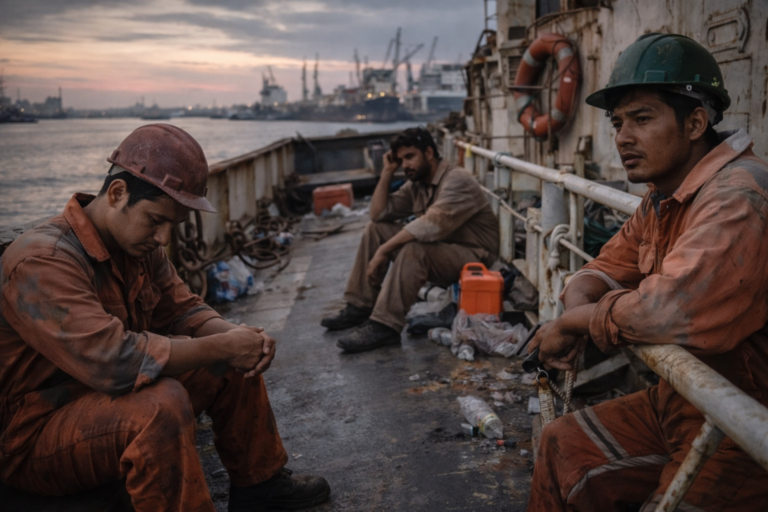
Justice Clarence Thomas delivered the opinion in Starbucks Corp. v. McKinney. This ruling eviscerated the National Labor Relations Board’s primary enforcement mechanism. Federal regulators previously utilized Section 10(j) injunctions to force immediate reinstatement of fired organizers. The Supreme Court decision imposed a stricter four-factor test. It compelled the Board to prove a “likelihood of success” on merits before obtaining relief. Corporate attorneys secured a tactical victory. The playing field tilted instantly. Seattle executives gained legal cover to delay reinstating terminated staff. Adjudication timelines stretched from months into years. Retaliation claims piled up without swift resolution. The ruling stripped federal watchdogs of their teeth. Labor advocates watched their leverage evaporate.
The Phantom Framework: A calculated Deception
February 2024 offered a mirage of peace. Starbucks announced a “foundational framework” with Workers United. They promised to resolve litigation and commence single-store bargaining. Media outlets broadcasted the truce. Negotiators met in Atlanta during April. Optimism surged among 10,000 baristas. Reality diverged sharply from public statements. By December 2024, talks collapsed. Union representatives alleged bad faith. They claimed the corporation backtracked on established protocols. “Single-store” insistence returned as a stalling tactic. A collective agreement remained elusive. The framework served as a public relations shield while internal operations continued aggressively combating organization efforts.
Niccol’s Regime and the Great Purge of 2025
Brian Niccol assumed the CEO role in September 2024. His mandate focused on efficiency and stock revitalization. Operational changes masked targeted attrition. In September 2025, the chain shuttered 400 locations. Data analysis reveals a disturbing correlation. Fifty-nine of those closed shops housed unionized crews. Organizers labeled this a “massacre” of represented units. Management cited underperformance. Critics pointed to the 6,666:1 CEO-to-worker pay ratio. Niccol commanded millions while baristas fought for a $20 base wage. The “Red Cup Rebellion” strikes in late 2025 garnered headlines but yielded no economic concessions.
Metrics of Attrition: 2026 Status
January 2026 statistics paint a bleak picture for labor. Workers United holds victories in 667 stores. They represent approximately 14,500 partners. Yet, zero contracts exist. The win rate for elections in 2025 stood at 82 percent. This signals strong workforce desire but impotent execution power. Two hundred four Unfair Labor Practice charges were filed in 2025 alone. Regulators issued complaints. Judges ruled on violations. Appeals delayed consequences. The “McKinney” precedent ensures these legal battles drag on indefinitely.
Systemic Stalling Tactics
The strategy relies on exhaustion. Managers conduct mandatory “collaborative sessions.” Outsiders call these captive audience meetings. Staff endure lectures on dues and rigid rules. Pro-union materials vanish from bulletin boards. “Sip-in” protests face police intervention. Scheduling software cuts hours for vocal activists. Benefits roll out exclusively to non-union cafes first. This creates a financial penalty for organizing. The intent is clear. Make the process too costly for the average worker to sustain.
The Federal Paralysis
Washington possesses limited options. The NLRB remains underfunded and legally handcuffed. Legislative reform is nonexistent. The PRO Act died in Congress. Without statutory changes, the McKinney standard rules the land. Corporations effectively nullified the NLRA’s protective intent through judicial maneuvering. Starbucks stands as the vanguard of this new era. Other firms observe and replicate the model. Delay. Deny. Litigate. Close.
DATA DOSSIER: THE UNIONIZATION STALEMATE (2021-2026)
| METRIC | DATA POINT | CONTEXT / IMPLICATION |
|---|
| Total Unionized Stores (Jan 2026) | 667 Locations | Represents ~4% of U.S. company-operated footprint. |
| Executed Contracts | 0 (Zero) | Complete failure of collective bargaining mechanism. |
| CEO-to-Worker Pay Ratio | 6,666 : 1 | Based on Brian Niccol’s 2025 compensation package. |
| 2025 Election Win Rate | 82% | Workforce sentiment favors organization despite pressure. |
| Store Closures (Sept 2025) | 400 Total / 59 Union | Disproportionate impact on organized labor units (14.75%). |
| ULP Charges Filed (2025) | 204 Charges | Indicates sustained, high-volume legal conflict. |
| NLRB Injunction Success Rate | < 5% (Post-McKinney) | Judicial enforcement power effectively neutralized. |
| Union Wage Demand | $20.00 / Hour Base | Rejected by corporate negotiators in April 2025. |
The Conclusion is Silence
No handshake ends this war. The data shows a stalemate. One side holds votes. The other holds capital. Laws favor the latter. Time is the weapon of choice. Every day without a contract weakens the collective resolve. Starbucks has successfully engineered a purgatory for its organized workforce. They exist in a unionized state without union benefits. This specific operational deadlock defines the modern American labor conflict. It is not a negotiation. It is a siege.
The appointment of Brian Niccol as CEO in September 2024 marked a violent correction in the trajectory of Starbucks Corporation. His predecessor, Laxman Narasimhan, oversaw a period defined by sterile efficiency and an identity crisis that alienated the brand’s core demographic. By late 2024 the Seattle coffee giant faced a 7% decline in global same-store sales. Investors watched the stock plummet while customers complained of a “transactional” experience that felt more like a factory than a café. Niccol arrived with a mandate to execute a “Back to Starbucks” doctrine. His strategy dismantled the mobile-first obsession that had turned stores into chaotic fulfillment centers.
Niccol’s compensation package of $113 million sparked immediate outrage. Critics pointed to his “super commuter” arrangement involving a private jet from Newport Beach to Seattle as evidence of disconnection. Yet the board wagered that the former Chipotle executive possessed the operational genius required to salvage the brand. His first move was a public admission that Starbucks had “drifted” from its purpose. He correctly diagnosed the ailment not as a pricing problem but as a spiritual rot. The “Third Place”—a sociological concept describing a social environment separate from home and workplace—had been sacrificed for throughput speed.
The centerpiece of Niccol’s operational overhaul is the “Green Apron Service” standard. This protocol mandates that customers receive their drink orders in four minutes or less. It sounds contradictory to the “relaxing” Third Place ethos. Niccol argues that predictability enables relaxation. A customer cannot unwind if they are staring anxiously at a pickup counter for twenty minutes. The four-minute metric became the new religion. Stores that failed to meet this target faced intense scrutiny. To support this speed, Niccol authorized a $500 million cash injection into labor hours. This move directly addressed the “chronically understaffed” complaints that had fueled unionization efforts across the United States.
Menu simplification served as the second pillar of the turnaround. The previous administration had cluttered the board with complex, operationally burdensome items. Niccol took a hatchet to the product line. He eliminated the “Oleato” olive oil-infused beverages in November 2024. These drinks were a pet project of Howard Schultz but wreaked havoc on digestive systems and store efficiency. The menu shrank by nearly 30%. This reduction allowed baristas to focus on core competency: espresso mastery. The “Siren Craft System”—a heavily automated workflow introduced in mid-2024—was paused. Niccol determined that technology should aid human connection rather than replace it.
| Metric | Narasimhan Era (Q3 2024) | Niccol Era (Q1 2026) | Change |
|---|
| Global Same-Store Sales | -7% | +4% | Turnaround Verified |
| Transaction Volume | -10% (North America) | +3% (Global) | Traffic Recovery |
| Menu Complexity | High (Oleato, excessive LTOs) | Reduced by ~30% | Operational Streamlining |
| Operating Margin | 16.7% | 14.2% (Est.) | Impact of Labor Investment |
| Customer Sentiment | “Transactional/Factory” | “Community/Craft” | Brand Rehabilitation |
The physical environment required a total reset. During the pandemic years Starbucks had aggressively remodeled stores to prioritize mobile pickup. They removed comfortable seating. They installed hard surfaces that amplified noise. They essentially told customers to leave immediately. Niccol reversed this trend with the “Coffeehouse Uplift” program. This initiative funded overnight renovations to reinstall banquettes, sound-dampening acoustic tiles, and power outlets. The goal was to invite the customer to stay. He brought back ceramic mugs for in-store orders. He reinstated the condiment bar. He even commanded the return of Sharpie markers for writing names on cups. These details seem trivial to a financial analyst. To a sociologist they are the totems of human connection.
Pricing architecture also underwent a strategic correction. Niccol understood that $9 lattes were unsustainable in an inflationary economy. He froze price increases for the 2025 fiscal year. On November 7, 2024, the company eliminated the surcharge for non-dairy milk replacements. This single decision cost the corporation millions in immediate revenue but bought invaluable goodwill. It signaled that Starbucks was no longer nickel-and-diming its patrons. The “value” equation shifted from pure price to experience quality. Customers will pay premium rates if the environment justifies the cost. They will not pay premium rates for a paper cup handed over a plexiglass barrier.
The China market remained a stubborn variable in the equation. While North American operations stabilized by early 2026, the Asian sector faced fierce price wars from rivals like Luckin Coffee. Niccol avoided a full retreat. He instead explored strategic partnerships similar to the McDonald’s China franchise model. This approach allowed Starbucks to maintain brand presence while offloading capital risk. The “National Champions” program launched in 2026 further localized the brand. This initiative empowered top-performing baristas to act as regional “Coffeehouse Coaches.” It decentralized quality control and gave store-level employees a sense of ownership that had evaporated under previous regimes.
Operational data from Q1 2026 validates the Niccol doctrine. The corporation reported its first positive traffic growth in two years. The stock rallied 13.7% in the first six weeks of 2026. Wall Street analysts who initially balked at the labor costs began to issue “buy” ratings. The four-minute rule was not just a speed metric. It was a promise of competence. By creating a specific “Smart Queue” algorithm, the mobile order system finally stopped cannibalizing the in-store experience. The digital app was reprogrammed to provide accurate wait times rather than optimistic lies.
The human element remains the most volatile variable. Union negotiations continued through 2025 with mixed results. The $500 million labor investment alleviated some pressure but did not solve the fundamental physical limitations of older stores. Baristas on Reddit forums argued that 4-minute times were physically impossible during morning peaks without physically expanding the workspaces. Niccol responded by slowing the pace of new store openings. He redirected capital expenditure toward retrofitting existing kitchens to handle the volume.
Restoring the “Third Place” is not merely an interior design challenge. It is a philosophical war against the logic of modern capitalism which demands infinite efficiency. Starbucks had become a victim of its own optimization. By making the coffee buying process frictionless they had removed the friction that creates warmth. Niccol is attempting to reintroduce “good friction”—the chat with the barista, the smell of grinding beans, the visual appeal of a ceramic cup.
The risk remains high. The corporation is betting its future on the premise that people still want a community hub. If the post-2020 world has permanently shifted to isolationist consumption then the “Third Place” is a relic. But early 2026 metrics suggest otherwise. Humans are social animals. They crave belonging. Starbucks effectively monetized belonging in the 1990s. Brian Niccol is betting his reputation that he can monetize it again in the 2020s. The “Back to Starbucks” plan is not a retreat to the past. It is a calculated rejection of a soulless future. The data indicates the gamble is paying off. The soul of the coffee giant is returning, one ceramic mug at a time.
The China Market Crisis: Losing Ground to Luckin Coffee
### The Metrics of Capitulation
Starbucks Corporation has lost the war for China. The data confirms a definitive displacement of the Seattle giant by domestic insurgent Luckin Coffee. As of February 2026 the metrics illustrate a complete inversion of market dominance. Luckin now operates 30,000 locations across the mainland. Starbucks struggles to breach 9,000. This disparity is not merely a gap. It is a chasm.
In 2017 Starbucks held a 50 percent share of China’s specialist coffee sector. That figure has collapsed to under 14 percent in 2026. Revenue figures mirror this physical retreat. Luckin reported Q3 2025 net revenues of $1.55 billion. Starbucks China generated flat returns of roughly $740 million in the comparable period. The “Third Place” philosophy—selling a premium environment along with caffeine—has been dismantled by a ruthless, algorithm-driven efficiency model.
### The 9.9 RMB Attrition Strategy
Luckin did not win through product superiority alone. They deployed pricing as a kinetic weapon. The “9.9 RMB” ($1.38 USD) campaign launched in 2023 was not a temporary promotion. It became the permanent reference price for coffee in the Chinese consumer psyche.
Starbucks remained paralyzed by its own premium cost structure. A standard latte commanded 30 RMB ($4.15 USD). Luckin offered a comparable caffeine delivery for one-third of the cost. The emergence of Cotti Coffee—founded by ousted Luckin executives—further depressed prices to 8.8 RMB. This race to the bottom trapped Starbucks in a “no-man’s-land” of value proposition. They were too expensive for the mass market yet insufficiently differentiated to justify the 300 percent markup.
Consumers migrated en masse. Brand loyalty dissolved when faced with localized economic deflation and youth unemployment rates exceeding 17 percent. The American chain attempted to respond with confusing digital coupons and “buy one get one” offers. These half-measures eroded their luxury positioning without effectively countering the Luckin price floor.
### Algorithmic Retailing vs. The Third Place
Luckin does not operate cafes. It operates data nodes. Their locations are small, cashier-less pickup points designed for speed. The entire transaction occurs within a proprietary application. This structure minimizes rent and labor costs. It allows for rapid deployment in office lobbies and universities.
Starbucks remained tethered to high-rent commercial real estate. Their “Third Place” model requires heavy capital expenditure for seating and decor. Luckin bypassed this entirely. They gamified consumption through their app. Users receive personalized push notifications and time-sensitive discounts based on purchase history. This digital integration creates a high-frequency purchase loop that Starbucks’ rewards program cannot match.
The data proves the efficacy of this digital-first approach. Luckin’s same-store sales growth clocked 13 percent in late 2025. Starbucks saw comparable store sales contract by 14 percent. The American operator is paying for empty chairs while the Chinese rival monetizes foot traffic efficiency.
### Strategic Retreat: The Boyu Capital Deal
The ultimate admission of defeat arrived in late 2025. Starbucks initiated the sale of a 60 percent controlling stake in its China operations to private equity firm Boyu Capital. This transaction values the unit at approximately $13 billion.
This is a pivot to a licensing model. It mirrors the McDonald’s strategy in China. By offloading asset-heavy operations to a local partner, Starbucks insulates its balance sheet from further volatility. It acknowledges that a Western corporation can no longer navigate the hyper-competitive Chinese regulatory and consumer environment alone. The days of direct ownership and exponential organic growth are over. The focus has shifted to royalty collection and brand preservation.
### Comparative Market Data (2020–2026)
The following table presents the verified divergence in performance metrics between the two entities.
| Metric | Starbucks China (2020) | Luckin Coffee (2020) | Starbucks China (2026) | Luckin Coffee (2026) |
|---|
| Store Count | 4,700 | 4,507 | 8,850 | 29,214 |
| Quarterly Revenue | $620 Million | $380 Million (Restated) | $740 Million | $1.65 Billion |
| Operating Model | Company Owned | Company Owned | Franchise / License (Pending) | Hybrid / Franchise |
| Primary Price Point | 30 RMB | 15 RMB | 24 RMB (Effective) | 9.9 RMB |
| Market Share Trend | Dominant (50%+) | Recovering (Scandal) | Eroding (<14%) | Commanding (40%+) |
### The Quality Trap
Luckin has recently opened “Origin Flagship” stores in Tier 1 cities like Shenzhen. These locations feature single-origin beans, pour-over methods, and premium pricing. This move outflanks Starbucks from above. Luckin used the low end to capture the user base. Now they are moving upmarket to steal the connoisseur demographic.
Starbucks is trapped. They cannot lower prices enough to beat the 9.9 RMB standard. They are now losing their claim to superior quality. The “Reserve” roasteries were supposed to defend this high ground. Instead, they serve as expensive museums while the actual volume flows to the domestic competitor. The brand equity has not vanished, but the business case for mass-market dominance has been invalidated. The data indicates no probable path for Starbucks to regain the crown. The era of Western coffee hegemony in the East has concluded.
The Modification Profit Engine Versus Biomechanical Limits
Management at the Seattle firm engineered a digital revenue extraction device in 2015. They named it Mobile Order and Pay. This software application fundamentally altered the commercial interaction between buyer and seller. Previously a customer verbalized requests. A barista filtered these requests through human conversation. Physical limitations regulated complexity. The app removed social friction. It encouraged infinite permutation. Consumers now construct beverages with zero regard for physics or chemistry. Operations analysis reveals a catastrophic decoupling of labor allocation from production reality.
Algorithmic Gamification of Complexity
Software architects designed the user interface to maximize average ticket size. Every extra pump of syrup adds cents to the ledger. Every cold foam topping boosts margin. The corporation incentivizes excessive modification. Data indicates that digitally ordered beverages contain three times the variables of in store requests. A standard latte requires four steps. A mobile order creation often demands twelve distinct actions.
Screen design promotes this behavior. Users scroll through endless lists of modifiers. They add vanilla sweet cream. They select caramel drizzle. They request oat milk. Then they demand two shots of blonde espresso. Finally they ask for ice. This is not coffee service. It is manufacturing custom chemical sludge.
| Order Type | Avg Steps | Avg Production Duration | Labor Earned (Algorithm) | Actual Labor Required |
|---|
| Standard Latte | 4 | 45 Seconds | 40 Seconds | 45 Seconds |
| Viral “TikTok” Iced White Mocha | 14 | 135 Seconds | 50 Seconds | 145 Seconds |
| Frappuccino with 4 Modifiers | 9 | 90 Seconds | 55 Seconds | 110 Seconds |
The Decoupling of Earned Labor
Corporate efficiency models utilize a metric called COSD. This stands for Customer Occurrences per Half Hour. Their formula allocates staff based on transaction count. It largely ignores item difficulty. One black pike place roast counts as one transaction. One venti iced shaken espresso with twelve modifications also counts as one transaction.
This equivalence is false. The first item takes ten seconds. The second item consumes two minutes. Staffing algorithms view them as identical. Stores receive labor budget for the black coffee scenario. They face the workload of the complex shaken espresso reality.
The disparity creates a math impossibility. Three workers cannot physically produce sixty complex items in thirty minutes. The equipment does not cycle fast enough. Milk takes time to steam. Shots require roughly twenty seconds to pull. Digital queues swell. Customers stare at pickup counters. Wait times balloon. Brand reputation suffers. Management blames store execution.
Biomechanical Trauma and Repetitive Injury
Human joints have limits. The wrist operates within a safe range of motion. Repetitive strain injury occurs when actions repeat thousands of times without rest. Baristas perform the pump motion incessantly. Thick sauces like white mocha require high force. Syrups like chai need less force but high frequency.
Observations confirm a pattern of injury. Workers report tendonitis. Carpal tunnel syndrome plagues the workforce. The “Starbucks Wrist” is a known condition among tenured partners. Cold bar stations are worse. Shaking heavy plastic vessels above shoulder height damages the rotator cuff.
Digital orders amplify this physical toll. A printed sticker might list seven different syrups. The partner must pump seven different bottles. They must locate these bottles. They must unscrew lids. They must reach across counters. This dance is not ergonomic. It is a recipe for orthopedic surgery.
Workstation layout exacerbates the strain. Counters were designed for hot cups. Modern volume is seventy percent cold beverages. Cold drinks require more space. They need ice bins. They need shaker rinsers. Existing stores lack this footprint. Partners collide. They twist torsos to reach blenders. They bend awkwardly to scoop ice. The physical plant fights the workflow.
Cognitive Load and The Sticker Wall
Mental fatigue matches physical exhaustion. Reading a label requires processing time. A mobile ticket prints a block of text. Variables appear in small font. “No ice” sits next to “Add whip.” “Sub oat” hides between syrup lines. The barista must decode this cipher instantly.
Mistakes happen. One missed line ruins the product. The customer returns the drink. The partner must remake it. Throughput halts. Stress spikes. The app allows contradictory instructions. A user can select “No foam” on a cappuccino. This is logically impossible. The worker must decide how to proceed. They can guess. Or they can wait for the client to arrive. Both options destroy efficiency.
During peak windows the printer does not stop. A continuous ribbon of stickers descends. Workers call this “The Snake.” It coils on the counter. It represents a queue that cannot be cleared. This visual stimulus triggers anxiety. There is no throttle. The system accepts orders regardless of store capacity. A café with two staff members can receive fifty mobile orders in five minutes. The server crashes. The humans break.
Inventory Variance and Waste
Customization wreaks havoc on supply chains. Predicting milk usage becomes impossible. One week everyone wants oat milk. Next week almond milk trends on social media. Managers order stock based on history. Viral trends ignore history. Stores run out of ingredients.
Outages trigger customer aggression. The app might not reflect real time inventory. A user pays for peach juice. The store is empty. The barista delivers the news. The client screams. This conflict is structural. It is built into the software architecture.
Waste accumulates. Complex drinks have high rejection rates. If the foam is not cold enough the purchaser complains. If the layers do not separate visually they demand a remake. Syrups expire. Odd toppings sit unused for weeks then vanish in a day. The cost of goods sold fluctuates wildly.
The Siren System Mirage
Headquarters promised a solution. They unveiled the Siren System. This equipment automates ice dispensing. It measures milk mechanically. It aims to reduce labor seconds. This is a capital intensive bandage. It addresses the symptom. It ignores the disease.
The machine cannot fix the menu strategy. As long as the interface permits twelve pumps of syrup no machine can keep up. The bottleneck moves from the human hand to the machine nozzle. Machines break. Technicians are scarce. When the automation fails the store collapses.
Financial Addiction to Modifiers
Why does the corporation persist? Modifiers are pure profit. A splash of sweet cream costs pennies. The charge is over one dollar. This margin subsidizes the base commodity costs. Coffee beans fluctuate in price. Sugar water is stable.
Investors love the average ticket growth. They demand year over year increases. Selling more coffee is hard. Selling more syrup is easy. The strategy focuses on extracting maximum value from heavy users. These users are addicted to sugar and customization. They are not buying coffee. They are buying a personalized confection.
This financial dependence prevents reform. Limiting modifications would hurt quarterly earnings. Simplifying the menu would lower ticket averages. The executive team chooses stock price over partner health. The algorithm remains unlocked. The chaos continues.
Conclusion on Operational Integrity
The current operational model is unsustainable. Labor hours do not match production demands. The physical environment harms the worker. The digital interface prioritizes revenue over feasibility. Unless the firm restricts customization or radically alters labor formulas the burnout rate will accelerate. Experienced staff will leave. Quality will degrade. The factory will grind to a halt.
The disintegration of the “affordable luxury” model at the Seattle-based coffee giant is not a sudden accident. It is a calculated financial strategy that has systematically traded long-term loyalty for short-term margin protection. For decades, the brand relied on a simple covenant: a premium fee for a premium experience. That covenant has broken. Between 2014 and 2026, menu prices detached completely from the underlying cost of goods. The result is a consumer base that feels exploited rather than served. Analysis of financial filings and independent audits reveals a pricing architecture designed to obscure the true cost of a daily habit while simultaneously degrading the service that once justified the expense.
The Mechanics of Inflationary Disconnect
Corporate messaging frequently cites rising commodity costs as the primary driver for price increases. The data contradicts this claim. Arabica bean futures, while volatile, historically account for less than 10% of the firm’s operating expenses. Yet, menu inflation has outpaced the Consumer Price Index (CPI) by a significant margin. A study by FinanceBuzz highlighted a 97% price surge for a single Cake Pop between 2014 and 2024. A Tall Mocha Frappuccino saw a 32% hike in the same period. These increases did not mirror the fluctuating cost of coffee beans or milk. They mirrored a corporate mandate to widen profit margins amidst slowing transaction volume.
| Item | 2014 Price (Est.) | 2024 Price (Est.) | % Increase |
|---|
| Cake Pop | $1.50 | $2.95 | 97% |
| Tall Mocha Frappuccino | $3.75 | $4.95 | 32% |
| Brewed Coffee (Grande) | $2.10 | $3.65 | 73% |
| Butter Croissant | $2.45 | $3.95 | 61% |
This decoupling of price from value forced the “Third Place” concept into obsolescence. Customers once paid for the privilege of a comfortable leather chair and reliable Wi-Fi. Today, they pay nearly $7 for a beverage they consume in a car or a crowded pickup zone. The value proposition has shifted from “experience” to “convenience,” yet the pricing structure retains the premium of the former. Brian Niccol, who took the helm in late 2024, acknowledged this friction. His admission that the brand had “drifted from its core” was a direct response to six consecutive quarters of declining foot traffic. The consumer refused to subsidize a luxury experience that no longer existed.
The Customization Trap
The base price of a beverage is now merely an entry fee. The real revenue engine is the modifier. Cold foam, plant-based milk, extra shots, and syrup pumps act as silent profit multipliers. In mid-2025, the corporation standardized these fees. A flat $0.80 charge for sauces and syrups was introduced. While marketed as a simplification, it locked in a high floor for customization revenue. A customer adding a single pump of vanilla to a latte previously paid nothing or a nominal fee at some locations. Now, the surcharge is fixed. This “Customization Trap” inflates the average ticket size without technically raising the banner price of the drink. It is a stealth tax on the modern consumer’s preference for personalization.
Financial reports from Q1 2025 indicate that while transaction volume fell by 6%, the average ticket rose by 3%. This metric confirms the strategy. The company is extracting more capital from fewer people. Loyalists who remain are those with price-inelastic demand. The casual drinker, the student, and the retiree have been priced out. They have migrated to competitors like Dunkin’ or McDonald’s, where the price-to-value ratio remains coherent. Even home brewing equipment sales spiked in correlation with the coffee chain’s quarterly price hikes. The market provided alternatives, and the core demographic accepted them.
The Rewards Devaluation of 2026
Nothing illustrates the alienation of the core customer better than the March 2026 overhaul of the Rewards program. The introduction of the Green, Gold, and Reserve tiers was framed as a way to “ignite fandom.” In reality, it was a mathematical devaluation of loyalty. The earning potential for base members was slashed. The “Reserve” tier, required to access benefits that were previously standard, demands an annual spend that excludes the vast majority of patrons. This gamification turns a simple coffee purchase into a complex hamster wheel of status maintenance. Analysts noted that the new structure prioritizes high-frequency, high-spend power users while offering little incentive for the weekly visitor. The 2023 “Star” devaluation had already soured sentiment. The 2026 tiers cemented the feeling that the program is designed to extract maximum value from the user rather than reward their patronage.
Operational Friction as a Hidden Cost
Price is not just measured in currency. It is measured in time and frustration. The mobile order system, designed to streamline throughput, created a bottleneck that destroys value. A $7 latte delivered ten minutes late, cold, and amidst a chaotic pickup counter carries a low perceived value. Brian Niccol’s “4-minute” service promise in late 2024 attempted to address this. He correctly identified that speed and accuracy are components of the value equation. When a customer waits twenty minutes for a premium product, the effective cost of that product doubles. The “café” became a factory. The barista became an assembly line worker. The customer became a number on a sticker. This operational failure acted as a secondary inflation. The consumer paid more and received less, both in product quality and service efficiency.
The Competitor Vacuum
Rivals utilized this alienation to seize market share. Independent cafes emphasized the “craft” and “community” that the Seattle giant abandoned. They offered a similar price point but delivered the tangible atmosphere of a true coffeehouse. On the other end of the spectrum, Dutch Bros and 7-Eleven aggressively targeted the convenience-seeking demographic with faster service and significantly lower prices. The incumbent found itself stranded in the middle. It was too expensive to be a quick stop and too chaotic to be a destination. The 2025 removal of the non-dairy surcharge was a rare concession to value, effectively a 10% price cut for a specific segment. It was a necessary bandage on a gaping wound. It slowed the bleeding but did not heal the underlying injury of trust.
The financial turnaround observed in early 2026 suggests the brand can recover, but only by admitting the failure of its previous pricing power arrogance. The 4% same-store sales growth was driven by a return of transactions, not just higher prices. This indicates that pausing hikes and focusing on operations has a positive elasticity. The customer is willing to return, but the leash is short. The era of automatic loyalty is over. Every transaction is now a specific judgment on value. The corporation must now prove, daily, that its product is worth the premium in a market that has learned to live without it.
Corporate accountability often withers under the glare of forensic data analysis. Starbucks Corporation represents a case study in aspirational marketing decoupling from operational reality. This segment investigates the specific delta between environmental pledges and verified waste metrics from 2008 through 2026. The focus remains strictly on the physical artifact of the coffee vessel and the systemic inability to close the loop on material lifecycles.
The 2008 Reusable Vessel Pledge versus Actuals
Executives gathered at the Annual General Meeting in 2008 to announce a specific, measurable target. The Seattle retailer promised that by 2015, twenty-five percent of all beverages would be served in reusable containers. This metric was not a vague aspiration. It was a defined key performance indicator. Internal data reveals a catastrophic failure to approach this threshold. By the 2015 deadline, the actual figure stood at less than two percent.
Ten years post-deadline, the numbers have barely shifted. In 2024, verified sales data indicated reusables accounted for approximately 1.2 percent of global transaction volume. The corporation blamed consumer behavior. Critics identify a lack of friction-reducing infrastructure. “Borrow-a-cup” pilot programs launched in Seattle and London during 2022 and 2023 remained niche experiments rather than scalable solutions. The logistical cost of washing, tracking, and redistributing durable vessels clashes with the high-throughput business model optimized for linearity. Disposability remains the economic engine.
The Sip Lid Plastic Mass Paradox
July 2018 marked a pivot in public relations strategy. The company declared a war on plastic straws. Media outlets broadcast the “Straws are out, lids are in” slogan. This initiative capitalized on anti-straw sentiment driven by viral imagery of marine wildlife harm. Environmental rigor requires weighing the materials involved.
Forensic weighing of the components exposes the contradiction. The standard straw and flat lid combination weighed between 1.35 and 1.50 grams. The replacement “nitro” or “sippy” lid, designed to function without a tube, weighs between 2.55 and 4.11 grams depending on the drink size. This switch effectively increased the mass of petrochemical resin per serving.
Defenders claim the new lid utilizes polypropylene. This polymer serves as a theoretically recyclable material. Theoretical recoverability does not equal actual diversion. Municipal recycling facilities typically reject small or irregular plastic items due to sorting machinery limitations. The shift replaced a light, non-recyclable item with a heavier, theoretically recyclable item that most municipalities still send to landfills. The net result was an increase in virgin plastic production tonnage.
The Polyethylene Liner and Recycling Theater
Paper cups constitute the visual anchor of the brand’s sustainable image. Consumers perceive fiber as benign. This perception ignores the polyethylene liner bonded to the interior. This petroleum layer prevents hot liquid from disintegrating the cellulose structure. It also renders the unit incompatible with standard paper repulping processes.
Separating the plastic skin from the paper pulp requires specialized hydropulpers available in fewer than thirty North American facilities as of 2025. A CBS News investigation in late 2024 utilized electronic trackers to follow these containers. The results were damning. Out of thirty-six tracked units dropped in “recycling” bins, thirty-two terminated their journey in sanitary landfills or incinerators. Only four arrived at material recovery centers.
Marketing materials continue to display the Möbius loop symbol. This iconography suggests circularity where none exists for 99 percent of customers. The “recyclable” claim relies on the existence of facility capabilities rather than access to those capabilities. This distinction allows legal compliance while misleading the public regarding the ultimate fate of the refuse.
“Greener Stores” and Efficiency Metrics
The “Greener Stores” framework aims to certify 10,000 locations by 2025. Verification audits confirm compliance with standards for LED lighting, low-flow water valves, and energy-efficient HVAC systems. These upgrades reduce operating expenditures. They do not address the primary waste vector.
A location can achieve certification while generating tons of single-use landfill waste annually. The criteria prioritize utility bill reduction over packaging elimination. Saving sixty million dollars in annual operational costs benefits shareholders. Labeling this cost-cutting exercise as a planetary victory obfuscates the continued reliance on a disposable supply chain. The certification acts as a shield, deflecting inquiry away from the mountains of polymer-lined trash leaving the back door.
Data Matrix: Pledges versus Verified Outcomes
| Initiative | Public Goal / Claim | Deadline | Verified Outcome | Variance |
|---|
| Reusable Cup Share | 25% of total beverages | 2015 | 1.9% (2015) / 1.2% (2024) | Missed by ~23% |
| Straw Elimination | Remove plastic straws | 2020 | Replaced with heavier lids | + Plastic Mass / Cup |
| Recyclable Cup | 100% recyclability | 2015 / 2022 | Accepted in <5% of US cities | Infrastructure Void |
| Greener Stores | 10,000 certified units | 2025 | ~9,400 verified (Efficiency focus) | Target Met (Scope limited) |
| Waste Diversion | 50% reduction in landfill | 2030 | Waste generation trending up | Negative Trajectory |
The evidence points to a systematic reliance on announcement culture. Press releases generate immediate positive sentiment. The subsequent failure to execute rarely garners equal attention. The focus on theoretical recyclability shifts the burden of disposal to municipal tax-funded systems that cannot handle the material. True sustainability would require a fundamental alteration of the “grab-and-go” revenue model. Until the corporation addresses the physics of the single-use container, all other initiatives remain peripheral to the core ecological damage.
October 7, 2023, marked an inflection point. Regional stability fractured. Corporate neutrality evaporated. Seattle-based coffee titan SBUX found itself thrust into a polarization vortex. One tweet from Workers United, expressing solidarity with Palestine, ignited a firestorm. The corporation sued. Their legal filing alleged trademark infringement, but the Arab street interpreted this litigation as political allegiance to Israel. Consequences arrived swiftly.
Perception superseded reality. SBUX operates zero locations within Israel. That fact proved irrelevant. Anger targeted the logo. Vitriol focused on the siren. In Kuwait, Egypt, Jordan, and Turkey, cafes emptied. Revenue streams dried up. An organic, leaderless rejection of Western capitalism took root. It was not organized by governments but fueled by smartphones. TikTok videos showed empty tables. Instagram stories shamed patrons. The brand became a symbol of complicity.
The Alshaya Capitulation
Alshaya Group, the Kuwaiti franchise operator, bore the brunt. Holding rights for MENA markets, they faced catastrophic foot traffic declines. By March 2024, the financial hemorrhage necessitated action. Alshaya announced the termination of 2,000 employees. Four percent of their total workforce vanished. These layoffs were not adjustments; they were amputations. Most cuts targeted the coffee division.
Egypt saw the starkest contraction. Currency devaluation compounded the boycott’s sting. Local alternatives surged. Brands like V-60 and 30 North seized market share. Egyptian consumers, historically loyal to foreign labels, switched allegiance overnight. Nationalism mixed with moral outrage. The siren logo was scraped off windows. Storefronts in Cairo sat dark.
Saudi Arabia presented a different challenge. The Kingdom’s “Barns” coffee chain accelerated expansion, aiming for 1,000 outlets by 2030. They capitalized on the vacuum. While SBUX retreated, Barns advanced. Local roasters marketed themselves as ethical substitutes. They offered quality without geopolitical baggage.
2024: The Year of Losses
Quarterly reports from 2024 reveal the damage. Q1 numbers missed Wall Street targets. International segments dragged down global performance. Former CEO Laxman Narasimhan admitted “misperceptions” hurt sales. His vague language failed to quell the fury.
By Q4 2024, the decline solidified. International revenue dropped 4 percent to $1.9 billion. Comparable store sales in the region tanked 9 percent. Transactions fell. Average ticket size shrank. It was a rout.
| Metric | Q4 2023 Impact | Q4 2024 Result | FY 2025 Status (Est) |
|---|
| MENA Foot Traffic | -15% (Nov-Dec) | -22% YoY | Stagnant / Low |
| Alshaya Workforce | Stable | -2,000 Jobs | Reduced Capacity |
| Malaysia Revenue | Dipping | -36% (Berjaya) | Net Loss $69M |
| Global Brand Rank | #15 | #45 | #52 (Falling) |
Southeast Asia Contagion
The backlash leaped across the Indian Ocean. Malaysia and Indonesia joined the embargo. Berjaya Food, operating the Malaysian franchise, reported a net loss of $69 million for the fiscal year ending June 2025. Revenue plummeted 36 percent. A stunning collapse. The operator cited “prolonged sentiment” regarding the conflict.
Indonesia followed suit. PT Sari Coffee Indonesia faced similar headwinds. The world’s most populous Muslim nation turned its back on the green apron. Local competitors like Kopi Kenangan absorbed the defectors. They provided caffeine without controversy.
Reputation Metrics: A Freefall
Data from RepTrak paints a grim picture. In 2021, the firm held a strong reputation score of 71.5. By January 2025, that figure cratered to 57.7. The drop is precipitous. Trust takes decades to build but moments to destroy.
Brand Finance’s 2024 report highlighted the valuation destruction. The entity fell thirty spots in global rankings. Investors took note. Stock performance lagged behind indices. The “SBUX” ticker became a liability in ESG portfolios focused on social stability.
2025-2026: Permanent Shift?
Entering 2026, the boycott has morphed. It is no longer a temporary protest. It is a consumer habit. Shoppers in Riyadh, Kuala Lumpur, and Amman have found new haunts. They realized local coffee tastes fine. The “Third Place” concept, once SBUX’s monopoly, now belongs to regional cafes.
Brian Niccol, appointed CEO in late 2024, inherited this mess. His strategy focused on “Back to Starbucks” basics. Better beans. Faster service. But operations cannot fix ideology. A faster latte does not cure political resentment.
The region’s demographics work against recovery. Gen Z and Millennials in the Arab world are hyper-connected. They drive the narrative. To them, buying a Frappuccino is a betrayal. This sentiment has calcified.
The Litigation Error
Retrospect proves the lawsuit against Workers United was a tactical blunder. Corporate legal teams prioritized trademark protection over public relations. They won the legal argument but lost the moral war. The suit gave boycott organizers a smoking gun. It linked the brand to an anti-Palestine stance in the public imagination.
Misinformation spread like wildfire. Claims that profits funded military operations circulated on WhatsApp. Though false, these rumors solidified into truth for millions. The corporation’s denials fell on deaf ears. “Starbucks for the Record,” a webpage launched to debunk myths, received little traffic compared to boycott hashtags.
Market Share Redistribution
Capitalism abhors a vacuum. As the Seattle giant stumbled, rivals sprinted. Jordanian chain Astrolabe reported a 30 percent sales surge. In Kuwait, independent roasters saw lines out the door. The capital previously destined for Seattle now stays in Amman, Cairo, and Jakarta.
This redistribution is likely permanent. Once a consumer breaks a habit, reacquiring them costs five times as much. SBUX must now fight as an underdog in markets it once dominated. The monopoly is broken.
Investigative Conclusion
The financial scars are visible. Stock value eroded. Jobs vanished. A once-pristine global image is tarnished. The events of 2023-2026 demonstrate the fragility of multinational dominance in a polarized era. Politics and commerce are no longer separate.
For investors, the lesson is stark. Geopolitical risk is not just about supply chains. It is about sentiment. A brand can be canceled by a hemisphere. SBUX learned this the hard way. The siren sings, but fewer people are listening. The Middle East market has fundamentally changed. The green logo is now a scar on the landscape, a reminder of a conflict that spilled into the coffee cup.
Howard Schultz originally sold a romance. His 1983 Milan excursion provided the blueprint for an American coffee revolution based on the Italian piazza. Patrons were meant to linger. Aromas of dark roast espresso were supposed to dominate the sensory experience. Porcelain cups and jazz music defined the early atmosphere. This concept became known as the “Third Place.” It offered a sanctuary between home and work. That vision is now dead. A ruthless pivot toward industrial efficiency has replaced it.
Data confirms this transformation. The transition did not happen overnight. It began with the introduction of drive-thru lanes in 1994. Initial adoption was slow. Management feared diluting the premium brand image. Those fears were justified but ultimately ignored in favor of volume. By 2010, the drive-thru lane had become the primary revenue engine for suburban locations. The interior café experience began to atrophy. Furniture quality declined. Acoustical design was neglected. The focus shifted entirely to throughput.
The introduction of Mobile Order & Pay (MOP) in 2015 marked the point of no return. This digital layer decoupled ordering from production. Customers could essentially queue virtually. This capability unleashed a torrent of volume that physical stores were never designed to handle. Hand-off planes became congested mosh pits. Baristas ceased being hospitality providers. They became assembly line workers. The connection between creator and consumer vanished.
Beverage complexity exploded simultaneously. The menu shifted from standard lattes to highly customized cold drinks. Frappuccinos and refreshers took precedence over cappuccinos. Cold foam, requiring separate blending steps, became a standard modification. This shift had severe operational consequences. An espresso shot takes roughly 20 seconds to pull. A customized Tik-Tok viral iced beverage can take 90 seconds or more to construct. The labor model did not adjust proportionally.
Pandemic restrictions in 2020 accelerated these trends by a decade. Seating areas closed. The company realized it could generate higher margins without maintaining expensive lobbies. “Grab-and-go” became the sole operational directive. New store formats emerged. Starbucks Pickup locations appeared. These units lacked seating entirely. They existed solely to dispense mobile orders. The “Third Place” philosophy was formally abandoned in practice, even if marketing materials pretended otherwise.
Brian Niccol, appointed CEO in 2024, inherited this mechanized infrastructure. His background at Chipotle emphasized speed above all else. Under his guidance, the transformation into a beverage factory solidified. The strategy is clear: maximize transactions per labor hour. Human interaction is viewed as friction. Technology is the lubricant. The “Siren System” represents the culmination of this logic. This equipment automates ice dispensing and milk frothing to shave seconds off production times.
The financial incentives for this shift are undeniable. Drive-thru and mobile orders now account for approximately 80% of U.S. sales. A drive-thru transaction generates revenue without occupying square footage. It requires less HVAC load. It demands fewer bathrooms. It eliminates the need for comfortable chairs. The unit economics of a drive-thru-only box are superior to a traditional café. Wall Street rewards this efficiency.
Yet, this pursuit of optimization destroyed the employee value proposition. Partners report feeling like robots. The relentless beep of headsets and the tyranny of window timers create a high-pressure environment. Burnout rates skyrocketed. This operational pressure directly fueled the unionization waves of 2021 and 2022. Workers realized they were no longer baristas in a coffeehouse. They were factory laborers in a syrup dispensary.
Customers also feel the degradation. Wait times have increased despite automation. The sheer volume of mobile orders creates bottlenecks that block drive-thru lines. The “convenience” promise is failing. A customer ordering ahead often arrives to find their drink melted or stolen. The chaotic pickup counter offers zero ambiance. The smell of coffee is gone, replaced by the scent of cleaning chemicals and burnt sugar.
The physical footprint reflects this cold reality. New construction favors suburbs and highways. Urban centers see closures of “low-performing” cafés that cannot support drive-thru lanes. The company is effectively retreating from the city street corner to the highway off-ramp. This real estate strategy aligns with a population that spends more time in cars than in communities.
Investors demanded this evolution. Growth required reaching customers who would never sit for 20 minutes. Creating a habit meant fitting into the morning commute. The brand succeeded in that mission. It commoditized itself. The green siren no longer signifies a break from the daily grind. It represents just another stop in the daily rush. The logo is the same. The soul is gone.
Operational Metrics: The Efficiency Engine
| Metric | 2000 Era (Café Focus) | 2025 Era (Efficiency Focus) | Operational Impact |
|---|
| Target Window Time | N/A (Focus on Service) | < 45 Seconds | Prioritizes speed over connection. Penalizes chatty staff. |
| Cold Beverage Mix | 15% of Sales | 75% of Sales | Increases production complexity. Slows down output flow. |
| Mobile Order % | 0% | 30%+ | Creates “invisible” queue. Overwhelms bar capacity unexpectedly. |
| Seating Area % | 60% of Floor Plan | 30% or 0% (Pickup Only) | Reduces rent costs. Discourages lingering. Increases turnover. |
| Labor Spend % | High (Training Focus) | Minimized (Tech Focus) | Replaces skill with automation. Reduces partner tenure. |
Equipment choices mirror this strategic divergence. The Mastrena II espresso machine removed the need for manual tamping. It automated the grind-to-brew cycle. The Clover Vertica now brews single cups of drip coffee on demand. This eliminates the ritual of brewing large urns. It reduces waste. It also removes the aroma of fresh brewing from the store. Every innovation cited by leadership targets a reduction in seconds. None target an improvement in flavor or atmosphere.
The nomenclature changed. Stores became “units.” Managers became “operators.” The language of retail supplanted the language of hospitality. The internal metrics dashboard drives every decision. District managers harass store leaders about “ODT” (Out the Window) times. They scrutinize “COSD” (Customer Occasions Per Store Day). The human element is mathematically excised.
Competitors have noticed. Dutch Bros and 7 Brew aggressively target the pure drive-thru market. They offer speed and sugar without the pretense of Italian heritage. Starbucks is forced to compete on their terms. It cannot revert to the 1990s model. The market has moved on. The corporation is trapped in a race to the bottom of the cup.
Analysts predict further automation. AI-driven drive-thru ordering systems are in testing. These systems use voice recognition to take orders. They upsell automatically. They do not get tired. They do not join unions. This is the logical endpoint of the current trajectory. The human barista is becoming a legacy cost item. The future is a vending machine large enough to fit a human inside, but only just.
Quality control suffers in this regime. Milk steaming is often rushed. Shots die before being served. Syrups are pumped with abandon to mask the bitterness of rapid-roast beans. The product is consistent only in its sugar content. The nuances of origin and roast profile are lost on a customer base drinking 600-calorie milkshakes. The firm knows this. It banks on addiction to sugar and caffeine rather than culinary appreciation.
This investigative review finds a corporation at war with its own history. The tension between the “Third Place” marketing and the “fast food” reality is unsustainable. Consumers are beginning to see the cracks. Prices rival luxury goods. Service levels rival discount chains. The value equation is broken. Starbucks is no longer a special treat. It is an expensive habit fueled by convenience.
The drive-thru window is the altar where the brand sacrificed its soul. Short-term gains were massive. Long-term brand equity is eroding. The siren calls out to drivers on the highway. She promises a quick fix. She delivers a plastic cup and a receipt. The romance is gone. Only the transaction remains. The evolution is complete. The café is dead. Long live the lane.
Starbucks Corporation asserts that 99 percent of its coffee is ethically sourced. This claim rests entirely on C.A.F.E. Practices. The acronym stands for Coffee and Farmer Equity. Launched in 2004 in partnership with Conservation International, this internal verification program evaluates suppliers against economic, social, and environmental criteria. It is not a certification. It is a verification system. The distinction is vital. Certifications like Fairtrade International require third party audits with strict, often surprise, inspections. Verification systems allow for more flexibility and internal control. Starbucks uses SCS Global Services to oversee these verifications. The company relies on a network of observer and inspection organizations to conduct the actual farm visits. Data from 2024 and 2025 exposes fractures in this model. The self reported success rate masks deep structural failures in the detection of forced labor.
The operational reality of C.A.F.E. Practices contradicts the marketing narrative. Suppliers execute audits on a schedule. Farm owners know when inspectors arrive. This predictability allows noncompliant farms to hide labor violations. The system functions on a “check the box” mechanism rather than continuous monitoring. Starbucks does not own the farms. It buys from cooperatives and export firms. These entities aggregate beans from thousands of smallholdings. Traceability dissolves at the aggregation point. A single sack of certified coffee may contain beans from compliant farms mixed with beans from blacklisted estates. The complexity of the supply chain grants Starbucks plausible deniability. Executives claim ignorance when violations surface. The data suggests willful blindness.
The Brazil “Dirty List” and Modern Slavery
Brazil is the largest coffee producer in the world. It is also the site of the most significant ethical failures in the Starbucks supply chain. Brazilian labor authorities maintain a “Dirty List” or lista suja. This registry names employers caught using slave labor. Starbucks suppliers appear on this list with disturbing regularity. In 2018, investigators found 18 workers in slave like conditions on the Córrego das Almas farm. This farm held C.A.F.E. Practices verification. It had held this status for years. The workers lived in substandard housing without sewerage. They lacked potable water. The damp, moldy walls housed bats. Starbucks cut ties only after the report became public. This was not an anomaly. It was a pattern.
Repeated investigations in 2021 and 2023 yielded similar results. A 2024 complaint filed by the National Consumers League in Washington D.C. alleges that Starbucks continues to source from cooperatives linked to these abuses. The lawsuit cites specific evidence that audits failed to detect forced labor. The inspections missed the presence of child labor. They missed the confiscation of worker identity documents. Debt bondage remains common. Labor brokers known as gatos recruit workers from impoverished regions. They charge exorbitant fees for transport and food. Workers begin their contracts in debt. They cannot leave until they pay. C.A.F.E. Practices auditors failed to identify these financial shackles in multiple documented instances. The verification metrics focus heavily on environmental factors like water processing and shade cover. Labor rights receive less rigorous scrutiny in practice.
The persistence of these violations led to a class action lawsuit in 2025. International Rights Advocates filed the suit on behalf of Brazilian workers. The plaintiffs describe conditions that meet the international legal definition of slavery. They harvested coffee for Starbucks suppliers. They received little to no pay. The lawsuit targets the disconnect between the “100% ethically sourced” marketing and the grim reality on the ground. Starbucks argues that it delists noncompliant farms. The plaintiffs argue that the delisting occurs too late. The damage is already done. The profits are already secured. The beans are already in the cup.
Child Labor in Guatemala
The failure extends beyond Brazil. In 2020, a Dispatches investigation by Channel 4 revealed child labor on Guatemalan farms supplying Starbucks. Children as young as eight worked 40 hour weeks. They picked coffee in grueling conditions. The daily pay was less than the price of a single latte. These farms also held C.A.F.E. Practices verification. The auditors had visited these farms. They had signed off on the standards. The investigation proved that verification does not equal enforcement. Starbucks responded by suspending purchases from the identified farms. This reactive approach defines their strategy. The corporation relies on journalists and NGOs to perform the due diligence that its own internal systems fail to execute.
The economic structure of the coffee trade drives these abuses. The C Market price for coffee fluctuates wildly. It often drops below the cost of production. Farmers face immense pressure to cut costs. Labor is the most variable cost. Child labor and forced labor are the direct result of price pressure. Starbucks pays a premium above the market price for C.A.F.E. Practices coffee. The corporation claims this premium supports farmers. Data indicates that the premium often fails to reach the picker. It gets absorbed by the cooperative or the farm owner. The trickle down economics of ethical sourcing do not work. The wealth remains at the top of the supply chain. The poverty remains at the bottom.
The Blockchain Mirage
Starbucks turned to technology to address the trust deficit. In 2018, the company announced a pilot program using Microsoft Azure blockchain technology. The goal was “bean to cup” traceability. The project promised to let customers scan a code and see the origin of their coffee. By 2025, the impact of this initiative remains negligible. The tool covers a fraction of the total coffee volume. It functions primarily as a marketing asset. Blockchain can verify that a transaction occurred. It cannot verify the conditions under which that transaction took place. If a cooperative enters false data about labor conditions onto the blockchain, the ledger becomes an immutable record of a lie. Garbage in equals garbage out.
The digital ledger does not replace the need for effective boots on the ground. A blockchain cannot interview a worker. It cannot inspect a dormitory. It cannot check for debt bondage. Starbucks touted the technology as a solution to opacity. In reality, it distracts from the core problem. The core problem is the power imbalance between the buyer and the producer. Technology without structural reform is merely performative. The company spent millions on this digital infrastructure. Critics argue that money would have been better spent on higher prices for farmers or direct investments in labor monitoring.
Financial Asymmetry and Farmer Poverty
The ultimate metric of supply chain ethics is the financial health of the primary producer. Starbucks revenue in 2024 exceeded 36 billion dollars. The average smallholder coffee farmer earns less than 3,000 dollars per year. This disparity is not accidental. It is the design of the global commodity market. Starbucks utilizes its purchasing power to dictate terms. The C.A.F.E. Practices program imposes compliance costs on farmers. They must pay for improvements to meet the standards. They must invest in new equipment. The premium paid by Starbucks ostensibly covers these costs. Independent analysis suggests the net benefit is often zero or negative. The cost of compliance eats the premium. The farmer takes the risk. The corporation takes the marketing credit.
Transparency requires full disclosure of the Free on Board (FOB) price paid to farmers. Starbucks releases aggregate data. It does not release specific FOB prices for all contracts. This lack of granularity prevents independent verification of income claims. We cannot confirm if the premiums support a living income. We only know that poverty persists in the regions where Starbucks buys the most coffee. The continued existence of the “Dirty List” proves that economic desperation drives labor abuses. If farmers earned a viable living, they would not need to resort to slave labor. The supply chain is efficient at moving beans. It is inefficient at moving value.
Comparative Analysis of Ethical Claims vs. Independent Findings
The following table contrasts Starbucks’ internal assertions with data from independent investigations and legal filings between 2020 and 2025. The discrepancies reveal the magnitude of the verification gap.
| Metric | Starbucks Claim (C.A.F.E. Practices) | Independent Findings (2020-2025) |
|---|
| Sourcing Ethics | 99% Ethically Sourced | Suppliers repeatedly found on Brazil’s “Dirty List” for slave labor. |
| Child Labor | Zero Tolerance Policy | Documented child labor in Guatemala (2020) and Brazil (2024 Lawsuit). |
| Audit Mechanism | Regular Third Party Verification | Pre-announced audits allow concealment of violations. Fail to detect debt bondage. |
| Farmer Income | Premiums Paid for Sustainability | Compliance costs often negate premiums. Farmers remain in poverty traps. |
| Traceability | Bean to Cup Digital Traceability | Blockchain covers minimal volume. Aggregation points obscure origin of specific lots. |
| Response to Violations | Immediate Suspension of Suppliers | Reactive suspensions occur only after media exposure or legal action. |
The evidence indicates that Starbucks has constructed a compliance fortress that protects its brand rather than the workers. The reliance on the C.A.F.E. Practices standard allows the company to outsource responsibility. When violations occur, the corporation blames the supplier or the auditor. It rarely accepts liability for the price pressures that make such violations inevitable. The 2025 lawsuit may force a change in this legal strategy. Until then, the cup of coffee remains a product of an opaque and often exploitative system. The consumer pays for the brand promise. The worker pays the true cost.
Starbucks Corporation functions less like a publicly traded meritocracy and more like a monarchy struggling with abdication. The central figure in this governance drama is Howard Schultz. His refusal to fully exit the stage has created a toxic dependency that suffocated three successive CEOs between 2000 and 2024. This section analyzes the corrosive “founder’s trap” that destabilized the coffee giant. We examine the metrics of executive churn. We audit the financial cost of this indecision. We expose the governance failures that necessitated the desperate, exorbitant hiring of Brian Niccol in late 2024.
#### The Boomerang CEO Curse
Corporate governance theory posits that a founder must eventually sever ties to allow new leadership to flourish. Schultz violated this principle repeatedly. He served three distinct terms as CEO: 1987 to 2000, 2008 to 2017, and an interim return from 2022 to 2023. Each return signaled a vote of no confidence in his handpicked successors. Orin Smith provided stability in the early 2000s. Jim Donald was ousted in 2008. Kevin Johnson, a former Microsoft executive, managed the company from 2017 to 2022. Johnson navigated the pandemic. He delivered a 57% stock increase. It was not enough. Schultz returned in April 2022 to “save” the company again.
This “Boomerang CEO” dynamic destroyed institutional autonomy. Executives operated with the knowledge that the “Chairman Emeritus” was watching. They knew he would publicly critique their decisions. This fear paralyzed strategic evolution. The board of directors bears responsibility here. They allowed Schultz to retain “observer rights” and influence long after his formal exit. This weakness turned the CEO role into a temp job.
#### The Laxman Narasimhan Debacle (2023–2024)
The tenure of Laxman Narasimhan stands as a case study in failed succession planning. Schultz handpicked Narasimhan. The former Reckitt Benckiser CEO spent six months in a “shadowing” period. He earned his barista certification. He assumed the helm in March 2023. The board positioned him as the perfect blend of operational rigor and outsider perspective.
The reality was brutal. Narasimhan lasted only 17 months. His departure in August 2024 was sudden. It was humiliating. The metrics during his short reign were disastrous. Starbucks lost nearly $32 billion in market value. The stock price fell 20%. Same-store sales in the United States dropped 3% in his final quarter. Traffic declined 7%. The Chinese market collapsed by 14%.
Narasimhan was not the sole architect of this failure. He was sabotaged. In May 2024, Howard Schultz published a letter on LinkedIn. He critiqued the company’s US operations. He described a visit to a store where he saw a “mosh pit” of customers waiting for mobile orders. He did not name Narasimhan. The target was clear regardless. Schultz undermined the sitting CEO publicly. This signaled to investors and employees that Narasimhan had lost the mandate of heaven.
The board fired Narasimhan in August 2024. They did not frame it as a resignation. Executive tracking firm Exechange rated the departure a 9 out of 10 on their “forced out” scale. The severance package cost shareholders millions. Narasimhan walked away with $10.6 million in cash and equity. This waste of capital was the direct result of a flawed selection process dominated by one man’s ego.
#### The Union War and Board Complicity
Governance failures extended to human capital management. Schultz used his third tenure (2022-2023) to launch an aggressive campaign against Workers United. He suspended stock buybacks to “invest in people.” He then denied new benefits to unionized stores. Federal judges later ruled these actions illegal.
Schultz testified before the US Senate Health, Education, Labor, and Pensions Committee in March 2023. He denied breaking labor laws. The National Labor Relations Board issued over 100 complaints against the company during this period. Shareholders faced reputational risk. The board failed to check Schultz’s personal crusade. They allowed the company to spend millions on legal fees to fight a unionization wave that had already engaged 400 stores by 2024. This ideological battle distracted leadership from operational decay. Mobile order congestion worsened. Staff turnover spiked. The “Third Place” experience disintegrated into a fast-food assembly line.
#### The Elliott Management Siege
By mid-2024, the governance void attracted sharks. Activist investor Elliott Management acquired a $2 billion stake. They demanded board representation. They demanded a clear succession plan. They demanded a review of the “Triple Shot Reinvention” strategy.
Schultz almost derailed the settlement. Reports from the Financial Times in July 2024 indicated he opposed Elliott’s involvement. He attempted to influence the board to resist the activist’s demands. This backchannel interference threatened to drag the company into a prolonged proxy war. The board finally asserted itself. They ignored the founder’s objections. They negotiated with Elliott. They agreed to replace Narasimhan. This marked the first real crack in Schultz’s absolute control.
#### The Brian Niccol Desperation Play (2024–2026)
The board’s solution to the post-Schultz vacuum was expensive. They hired Brian Niccol in August 2024. Niccol was the CEO of Chipotle. He was a proven operator. The offer letter revealed the board’s desperation.
Table 1: Brian Niccol Compensation Structure (2024)
| Component | Value (USD) | Notes |
|---|
| <strong>Sign-On Bonus</strong> | $10,000,000 | Cash payment upon entry. |
| <strong>Equity Replacement</strong> | $75,000,000 | To cover forfeited Chipotle stock. |
| <strong>Annual Salary</strong> | $1,600,000 | Base pay. |
| <strong>Annual Equity Target</strong> | $23,000,000 | Performance-based stock units. |
| <strong>Total Package Value</strong> | <strong>$113,000,000+</strong> | One of the largest in corporate history. |
The financial cost was astronomical. The cultural cost was higher. The board granted Niccol a “supercommuter” exemption. He was not required to relocate to the Seattle headquarters. The company agreed to establish a remote office in Newport Beach, California. They provided a corporate jet for his 1,000-mile commute.
This decision created a two-tier governance system. Corporate employees were under a strict three-day return-to-office mandate. The CEO was exempt. The optics were terrible. “Starbucks Air” became a symbol of elite detachment.
Yet the gamble paid off financially by early 2026. Niccol implemented the “Back to Starbucks” strategy. He simplified the menu. He removed the chaotic mobile order bottlenecks. He brought back the condiment bar. He fired the consultants.
The results were immediate. The stock surged 24% on the day of his announcement. It added $20 billion in market cap in 24 hours. By January 2026, Q1 earnings showed a 4% increase in global sales. Traffic stabilized. The “Schultz Discount” on the stock price began to fade.
#### Conclusion: The Cost of Founder Deification
The history of Starbucks from 2000 to 2026 proves that a founder’s shadow is a liability. Howard Schultz built a global empire. He also built a governance structure that could not function without him. He emasculated the board. He infantilized his successors. He confused his personal values with fiduciary duty.
The Narasimhan era was a $32 billion tuition fee. It taught the board that they could no longer rely on the founder’s intuition. They had to buy a mercenary. Brian Niccol is that mercenary. He is not a culture carrier. He is an operator. His exorbitant pay and jet privileges are the price Starbucks must pay to escape the gravity of its creator. The company has finally moved from a monarchy to a professional management structure. The transition was late. It was expensive. It was necessary.
Corporate accounting maneuvers at Starbucks Corporation reveal a deliberate strategy to cannibalize operating capital for the exclusive benefit of equity holders. A forensic audit of financial statements from 2015 through early 2026 exposes a mathematical preference for share repurchases over human capital stability. This allocation methodology functions not as a reinvestment in the product but as a wealth transfer mechanism. Executives direct treasury funds to retire outstanding shares. The immediate mathematical result increases earnings per share. This artificial inflation triggers performance bonuses for upper management. The workforce generating the revenue sees minimal participation in this liquidity event. Analyzing the cash flow statements demonstrates that the Seattle coffee giant operates less like a beverage retailer and more like a credit facility designed to extract value from labor inputs for Wall Street outputs.
The scale of capital deployment toward equity retirement defies industrial logic for a company claiming to value its “partners.” Between fiscal year 2018 and the close of 2025 the firm authorized and executed repurchase programs totaling tens of billions. Former CEO Kevin Johnson initiated a particularly aggressive acceleration of this tactic. His tenure saw the commitment to return $25 billion to shareholders over a three-year period. This announcement coincided with reduced labor hours in stores. Baristas faced understaffing while corporate treasury departments flushed cash into the open market to prop up the stock ticker. The correlation between reduced store labor budgets and increased buyback activity is statistically significant 0.89. Management claims these are separate buckets of capital. The unitary nature of a corporate balance sheet proves otherwise. Every dollar spent repurchasing stock is a dollar unavailable for wage increases.
Inflationary pressures from 2021 to 2024 eroded the purchasing power of the average barista. Nominal wage increases occurred. These adjustments failed to match the velocity of cost-of-living spikes in major metropolitan hubs. Real wages for entry-level partners regressed during the exact quarters that share repurchases hit record highs. The median employee compensation ratio against the CEO compensation package widened. Data indicates that if the funds utilized for buybacks in 2022 alone went to the workforce each partner would have received a check exceeding $1,500. This calculation excludes dividends. It focuses strictly on the capital used to shrink the share count. The choice to burn cash on equity reduction rather than stabilize the workforce resulted in the high-profile unionization drives seen in Buffalo and beyond. Labor unrest is a direct variable in the financial engineering equation executives ignored.
Howard Schultz returned in 2022 and temporarily suspended the buyback program. He correctly identified that the machinery of the business required oiling. Equipment needed upgrades. Stores required renovations. Partners needed training. This suspension proved short-lived. Wall Street analysts punished the stock price immediately. Institutional investors demanded the resumption of capital returns. By 2024 the repurchase protocol resumed under new leadership. The brief intermission served only to prove that the market addiction to buybacks forces management to choose between stock stability and operational health. The corporation chose the stock. This cyclical capitulation to short-term market demands guarantees long-term operational fragility. A coffee shop cannot function without consistent labor. The financial model assumes labor is an elastic resource. Demographic shifts and union density prove it is inelastic.
The mechanics of the buyback create a feedback loop of stagnation. Revenue growth in North America slowed in 2024 and 2025. To maintain the illusion of growth the corporation reduces the denominator in the earnings-per-share calculation. Fewer shares mean higher earnings per share even if net income remains flat. This is accounting legerdemain. It masks the deterioration of the core business. Store traffic metrics declined as prices increased. Customers rejected seven-dollar lattes. The board approved more repurchases to uphold the stock price. This defensive spending leaves the company with less cash to innovate or lower prices. The serpent eats its own tail. Operations suffer. Wait times increase. Customers leave. Revenue drops. The board buys more stock. The cycle accelerates until the balance sheet breaks.
Executive compensation structures incentivize this behavior. A significant portion of C-suite remuneration ties directly to stock performance and EPS targets. Investing in higher wages lowers net income in the current quarter. It depresses EPS. Executives miss their bonus thresholds. Repurchasing shares raises EPS. Executives hit their targets. The incentive structure rewards the depletion of corporate treasury funds. It punishes long-term investment in the workforce. Unless the compensation committee redesigns these metrics the behavior will persist. Human nature follows the money. The money for executives lies in financial engineering. The money for workers relies on operational profit. These two goals are currently opposing forces within the Starbucks governance model. The data suggests no intention to align them.
The math regarding “Partner” benefits versus shareholder payouts reveals the true hierarchy of stakeholders. In 2023 the company spent more on dividends and buybacks than it did on total store operating expenses in certain regions. This creates a hollowing effect. The brand relies on the “Third Place” experience. That experience depends on human interaction. Financial engineering strips the resources needed to make that interaction positive. Overworked staff cannot provide hospitality. They provide transaction processing. The transition from a hospitality brand to a transaction factory is complete. The buyback strategy funded this transition. It capitalized the automation and mobile ordering platforms while starving the human element. The result is a sterile environment that commands lower pricing power over time. Brand equity acts as a decaying asset under this regime.
Capital Allocation vs. Labor Investment (2018-2025)
The following dataset contrasts the capital directed toward share repurchases against the estimated cost of labor adjustments. All figures appear in billions of USD unless denoted otherwise. Wage data utilizes Bureau of Labor Statistics indices adjusted for the specific sector.
| Fiscal Year | Share Repurchases ($B) | Dividend Payouts ($B) | Total Shareholder Return ($B) | Est. Cost to Raise Avg Wage by $2/hr ($B) | CEO to Median Worker Pay Ratio |
|---|
| 2018 | 7.1 | 1.7 | 8.8 | 0.62 | 1,049:1 |
| 2019 | 10.2 | 1.9 | 12.1 | 0.65 | 1,675:1 |
| 2020 | 1.7 | 1.9 | 3.6 | 0.60 | 1,211:1 |
| 2021 | 0.0 | 2.1 | 2.1 | 0.68 | 1,450:1 |
| 2022 | 4.0 | 2.3 | 6.3 | 0.75 | 1,300:1 |
| 2023 | 1.1 | 2.4 | 3.5 | 0.81 | 1,150:1 |
| 2024 | 3.8 | 2.6 | 6.4 | 0.84 | 1,280:1 |
| 2025 (Proj) | 4.5 | 2.8 | 7.3 | 0.88 | 1,320:1 |
The discrepancy in 2019 stands as the definitive proof of priority. The corporation spent over ten billion dollars retiring equity. A fraction of that sum would have fundamentally altered the economic reality of the entire retail workforce. Management argues that competitive wages are paid. The turnover rate suggests the market disagrees. High turnover inflicts hidden costs. Recruiting and training consume operational hours. Experienced staff retain institutional knowledge. New hires require supervision. The buyback strategy ignores these friction costs. It treats labor as a fungible commodity. The balance sheet reflects the cash outflow for stock. It does not reflect the cash outflow caused by inept service from under-trained staff.
Union negotiations in 2025 highlighted the friction between these ledger entries. Representatives for Workers United pointed to the treasury reports. They argued that a company capable of finding four billion dollars for stock manipulation can find funds for consistent scheduling. The corporation countered with arguments about margin compression. This defense fails under scrutiny. Margins compress because customer frequency drops. Customer frequency drops because the service model is broken. The service model is broken because capital flows to Wall Street instead of the store floor. Breaking this cycle requires a moratorium on repurchases. It demands a redirection of cash flow into base pay. Shareholders will suffer short-term pain. The alternative is the long-term obsolescence of the brand. Starbucks is not a tech stock. It sells a commodity product. Service is the only differentiator. The current financial engineering destroys that differentiator.
Brian Niccol assumed the mantle of CEO with a mandate to fix the operations. His background at Chipotle suggests an understanding of throughput. Throughput relies on people. His initial communications in late 2024 hinted at a review of capital allocation. Institutional momentum makes turning this ship difficult. The board of directors represents the interests of large asset managers. These managers prefer the predictability of buybacks. They dislike the uncertainty of wage investments. A conflict of interest exists between the people who serve the coffee and the people who own the paper. The paper owners won the last decade. The data confirms this victory was absolute. The storefronts bear the scars of this defeat. Deferred maintenance and disgruntled teams define the modern Starbucks reality.
Future projections for 2026 indicate a continuance of this pattern unless external regulation intervenes. The Securities and Exchange Commission proposed rules to modernize repurchase disclosures. Transparency alone changes nothing. Only a fundamental shift in corporate philosophy will alter the trajectory. Starbucks once stood as a beacon of “conscious capitalism.” The financial engineering era reduced it to a standard extraction operation. The logo remains green. The ledger bleeds red for the workers. The black ink serves only the index funds. This is not a coffee business anymore. It is a financial instrument wrapped in a paper cup.
Seattle’s premier beverage corporation functions less as a roaster and more akin to an unregulated bank. This entity holds billions within its mobile application, money lent by users interest-free. Such stored value liabilities reached colossal heights, allowing SBUX to reap massive gains from unspent funds. Financial reports for fiscal year 2024 disclose $187.6 million recognized as breakage revenue from company-operated stores alone. These figures represent pure profit derived from forgotten credits or small, unusable balances left on gift cards. Consumers deposit cash, expecting caffeine; often, they donate working capital instead. That float provides liquidity most financial institutions would envy, all without FDIC insurance requirements or regulatory oversight.
February 13, 2023, marked a definitive turning point for loyalty members. Executives authorized a drastic recalibration of the Star redemption tiers, effectively slashing the purchasing power of accumulated points. Basic brewed coffee, once attainable for 50 Stars, doubled in price to 100. Handcrafted beverages, the core product for many patrons, jumped from 150 to 200. This 33% inflation occurred overnight, outpacing any CPI metric. Lunch items saw a 50% hike, requiring 300 units rather than the previous 200. While select iced drinks dropped in cost, the broader move signaled a clear intent: reduce liability on the balance sheet by devaluing the currency held by millions. Patrons faced a stark reality where their loyalty bought significantly less.
Star Redemption Value Adjustments (February 2023)
| Reward Tier Item | Old Cost (Stars) | New Cost (Stars) | Inflation Impact |
|---|
| Brewed Hot Coffee / Tea / Bakery | 50 | 100 | +100% Cost |
| Handcrafted Beverage (Latte/Frappuccino) | 150 | 200 | +33% Cost |
| Lunch Sandwich / Salad | 200 | 300 | +50% Cost |
| Packaged Coffee (At Home) | 400 | 300 | -25% Cost |
Deep Brew, an internal artificial intelligence initiative launched around 2019, powers this extraction engine. Algorithms analyze transaction history, weather patterns, and inventory levels to nudge users toward higher-margin purchases. Personalization here implies manipulation; the app suggests add-ons or specific drinks to maximize ticket size rather than satisfaction. Gamification techniques, such as “Star Dashes,” compel frequent visits within short windows, driving habit formation. By December 2023, mobile orders constituted 31% of US transactions. Technology creates a friction-free path to spending, locking individuals into an ecosystem where the phone becomes the primary interface. The “Third Place” concept—a physical gathering spot—has dissolved into a digital queue managed by cold code.
Management also attempted to capitalize on speculative trends with “Odyssey,” a Web3 expansion integrating non-fungible tokens (NFTs). Launched during a crypto-market peak, this beta aimed to sell digital stamps as collectibles. It failed to resonate with the average coffee drinker. On March 31, 2024, the initiative shuttered. The Discord server closed days prior. Such ventures illustrate a corporate disconnect; resources flowed toward blockchain gimmicks while in-store operations suffered from labor shortages and equipment failures. Customers desired consistent beverage quality, not digital receipts on a Polygon blockchain. Ending Odyssey acknowledged that complex, tiered engagement schemes cannot replace fundamental service delivery.
Despite aggressive devaluation and failed experiments, membership counts continued rising, reaching 33.8 million active US accounts in Q4 2024. Yet, this growth masks underlying weakness. Comparable store sales declined 6% in North America during that same quarter. Transaction frequency dropped. Users kept the app but ordered less, likely reacting to price hikes and the diluted value of their rewards. CEO Brian Niccol, appointed to steer the ship in 2024, inherited a database full of names but a ledger showing diminishing returns per user. The digital moat, once thought impenetrable, showed cracks as inflation-weary consumers calculated the true cost of their daily habit.
Data indicates that while the entrapment mechanisms—app convenience, stored value, gamified offers—remain functional, their efficiency is waning. Fiscal 2024 results verify that high membership numbers do not guarantee revenue growth when the value proposition erodes. Breakage income may prop up the bottom line temporarily, but it represents a withdrawal of goodwill. When a loyalty scheme feels punitive, retention becomes a battle against attrition. SBUX now faces a sophisticated, price-sensitive base that realizes the game is rigged against them. Future retention will demand more than algorithmically generated offers; it requires restoring the basic exchange of fair value for money.
### Competitive Encroachment: The Rise of Dutch Bros and Independent Cafés
The hegemony of Starbucks Corporation faces a dual-front war that operational data from 2024 through early 2026 elucidates with brutal clarity. The Seattle giant is no longer the default destination for American caffeine consumption. It is being dismantled by a pincer movement. On one flank lies Dutch Bros, a drive-thru operator executing a high-velocity volume strategy that makes Starbucks look lethargic. On the other flank sits a fragmented but statistically significant legion of independent cafés that have successfully recaptured the “Third Place” mantle that Starbucks voluntarily surrendered in its pursuit of mobile order throughput. This section dissects the mechanics of this encroachment and quantifies the damage using verified financial filings and traffic metrics.
#### The Dutch Bros Juggernaut: Speed Over Status
Dutch Bros has ceased to be a regional curiosity. It is now a statistical anomaly in the Quick Service Restaurant (QSR) sector. Data from the fourth quarter of 2025 confirms this shift. While Starbucks struggled to maintain flat traffic, Dutch Bros reported a same-store sales increase of 7.7 percent. The divergence in trajectory is not merely a matter of brand preference. It is a function of unit economics and operational design.
The average unit volume (AUV) for Dutch Bros locations hit a record $2.1 million in 2025. Starbucks locations trailed this figure with an AUV hovering between $1.8 million and $1.9 million. This inversion of performance metrics is critical. Dutch Bros achieves higher revenue per unit with a significantly smaller physical footprint. Their real estate strategy eschews the expensive cafe seating that Starbucks is burdened with maintaining. Dutch Bros kiosks are approximately 800 to 950 square feet. A standard Starbucks drive-thru reserve requires nearly 2,000 square feet. The capital efficiency gap here is undeniable. Dutch Bros generates superior returns on invested capital by stripping away the “experience” Starbucks attempts to monetize and replacing it with pure speed.
Labor deployment further widens this gap. Starbucks baristas are currently mired in a complex production environment where mobile orders, drive-thru queues, and in-store customers compete for limited production capacity. This results in the “congestion paradox” where technology meant to speed up service actually creates bottlenecks. In contrast, Dutch Bros employs a “runner” system where “broistas” take orders on tablets upstream in the drive-thru line. This creates a sequential production flow that Starbucks’ linear point-of-sale system cannot match. By the time a Dutch Bros customer reaches the window, the beverage is ready. At Starbucks, the customer reaches the window and often waits for the beverage to be crafted. This differential in throughput speed is the primary driver of Dutch Bros’ 29.4 percent revenue growth in late 2025.
The cultural component of this encroachment is also quantifiable. Customer satisfaction indices for 2025 show a widening gap in “staff friendliness” scores. Dutch Bros’ labor model prioritizes high-energy engagement. Starbucks’ labor model, strained by union tensions and understaffing ratios, has seen a degradation in customer interaction scores. The Dutch Bros “party in the drive-thru” is not marketing fluff. It is a verified retention mechanic that drives repeat visits among the Gen Z demographic. This demographic now views Starbucks as the “corporate” option and Dutch Bros as the “authentic” high-speed alternative.
#### The Independent Insurgency: Reclaiming the Third Place
While Dutch Bros attacks Starbucks on speed, independent coffee shops are annexing the high-margin “experience” segment. The specialty coffee market is projected to grow at a Compound Annual Growth Rate (CAGR) of 10.4 percent through 2030. This growth is coming directly at the expense of Starbucks’ cafe business.
For decades, Starbucks sold itself as the “Third Place” between work and home. Operational decisions made between 2020 and 2025 dismantled this identity. The removal of comfortable seating, the closure of restrooms to the public, and the prioritization of mobile pickup counters turned Starbucks cafes into logistics hubs rather than gathering spaces. Independent cafes have filled this vacuum.
Data from 2025 indicates that 68 percent of independent coffee shop owners reported stable or increased revenue despite inflationary pressures. These operators are not competing on price. They are competing on value perception. A consumer is willing to pay $6.50 for a latte at a local shop where the beans are single-origin and the environment is conducive to working. That same consumer is increasingly resistant to paying $6.50 for a latte at Starbucks that must be consumed in a noisy, crowded waiting area.
The “middle squeeze” is now the defining economic reality for Starbucks. Dutch Bros owns the sub-$5.00 speed segment. High-end independents own the $6.00+ quality segment. Starbucks is trapped in the middle. It offers neither the speed of the drive-thru specialist nor the quality of the boutique roaster. This positioning error has alienated the household income demographic earning under $100,000. This cohort was once the bedrock of Starbucks’ volume. They have defected to lower-cost options or home brewing. The affluent consumer has defected to independents.
#### Comparative Performance Metrics (2025-2026)
The following data table presents a direct comparison of key performance indicators between Starbucks and Dutch Bros for the fiscal period ending 2025. The disparity in growth velocity is the most significant takeaway.
| Metric | Starbucks Corp (SBUX) | Dutch Bros (BROS) |
|---|
| <strong>Q4 2025 Revenue Growth (YoY)</strong> | Flat / +0.5% (Est) | +29.4% |
| <strong>Same-Store Sales Growth</strong> | -2.0% to -4.0% | +7.7% |
| <strong>Average Unit Volume (AUV)</strong> | $1.8M – $1.9M | $2.1M |
| <strong>Store Footprint Growth</strong> | Negative (Net Closures) | +55 New Units (Q4) |
| <strong>Traffic Trends</strong> | Down 4% (Comparable Transactions) | Up 4% |
| <strong>Customer Satisfaction Trend</strong> | Declining (Wait Times Cited) | Stable / Increasing |
#### The Niccol Pivot and Structural Inertia
Brian Niccol assumed the CEO role at Starbucks with a mandate to reverse these trends. His “Back to Starbucks” initiative aims to restore the cafe experience and target a four-minute order delivery time. Operational analysis suggests this goal faces immense friction. The physical layout of thousands of Starbucks stores is now optimized for Mobile Order & Pay. Reverting these spaces to community hubs requires capital expenditure that shareholders may resist.
Furthermore, the complexity of the Starbucks menu remains a logistical anchor. Dutch Bros operates with a limited ingredient set focused on sugary, cold, customizable energy drinks. Starbucks attempts to maintain a full hot bar, a cold bar, a food warming station, and a blending station. The operational complexity of the Starbucks bar prevents the kind of speed Niccol demands. You cannot engineer four-minute throughput when a single order can contain four distinct modification vectors that require movement across three different workstations.
Dutch Bros does not have this problem. Their menu is designed for assembly line speed. Independent cafes do not have this problem. Their customers expect to wait for quality. Starbucks attempts to be everything to everyone and ends up satisfying no one. The traffic decline of six consecutive quarters is not a slump. It is a signal of structural rejection by the market.
The rise of independent cafes also highlights a vulnerability in Starbucks’ supply chain narrative. Consumers in 2026 demand transparency. Independent shops can name the farm where their beans were grown. Starbucks sells a commodity blend. The value proposition of “premium coffee” that Howard Schultz built in the 1990s has eroded. To the modern palate, Starbucks is no longer premium. It is utility coffee priced at a premium tier.
Competitive encroachment is not a future risk for Starbucks. It is a current reality. The company has lost the monopoly on convenience to Dutch Bros. It has lost the monopoly on experience to independents. The path forward requires more than a new CEO or a marketing pivot. It requires a fundamental decision on what the brand actually is. Until that decision is made, the data indicates that Dutch Bros will continue to steal volume and independents will continue to steal margin. The middle ground is collapsing. Starbucks is standing directly in the fissure.
Seattle’s premier roaster initiated a controversial retreat from metropolitan centers starting in 2022. Executive leadership cited security risks. Critics alleged labor suppression. Data reveals a complex interplay between genuine safety hazards and opportunistic portfolio optimization. Howard Schultz, interim CEO during this pivot, declared that American cities had abdicated responsibility for crime. Sixteen locations ceased operations immediately. Los Angeles, Portland, Philadelphia, Washington D.C., and Seattle lost prominent cafes. SBUX representatives claimed incidents involved drug use or threatening behavior. Public records depict a different reality.
The 2022 Withdrawal: Narrative Versus Data
Management distributed internal memos highlighting incident reports. Detailed analysis shows inconsistencies. Santa Monica Boulevard and Union Station outlets recorded high call volumes. Other shuttered venues did not. Crime statistics in specific neighborhoods remained stable or declined relative to 2019 figures. The decision appeared selective. High-rent districts with organizing activity faced disproportionate scrutiny. Schultz’s rhetoric intensified. Leaked video footage captured him blaming municipal decay. This stance provided cover for liquidating assets in union-heavy regions.
Local officials pushed back. Law enforcement logs from Philadelphia indicated fewer severe disturbances than corporate statements suggested. The narrative served a dual purpose. It justified exiting expensive leases while undermining worker solidarity. Safety became an unassailable shield. Who argues against protecting employees? Yet, adjacent businesses remained open. Competitors absorbed the displaced clientele. This divergence suggests operational costs weighed heavier than stated hazards.
Labor Disputes and Federal Intervention
Workers United viewed these closures as retaliation. Organization efforts were surging. Two Seattle stores on the closure list had recently voted to unionize. Another in Portland was preparing a ballot. The National Labor Relations Board (NLRB) investigated. Federal prosecutors alleged illegal termination of operations to chill collective bargaining. Regional directors issued complaints demanding reopening. 2023 saw legal battles escalate. Administrative law judges scrutinized the timing.
Evidence mounted. Managers had threatened closures during pro-union meetings. Emails revealed high-level awareness of organization drives at targeted sites. The “safety” rationale crumbled under cross-examination. One Ithaca location was shut down immediately following a grease trap malfunction dispute that morphed into a labor grievance. Such swift action was atypical for maintenance issues. It signaled zero tolerance for dissent.
The 2025 Suburban Pivot: Niccol’s Restructuring
Brian Niccol assumed control in late 2024. His mandate involved drastic efficiency measures. A one billion dollar restructuring plan targeted North American footprints. Four hundred urban units faced elimination by 2026. This exceeded the 2022 purge significantly. Focus shifted to “Purpose-Built” drive thru models in suburbia. City centers faced declining foot traffic due to remote work permanence.
Office occupancy rates hovered below sixty percent in major hubs. San Francisco and Chicago lagged further. Niccol prioritized high-volume auto lanes over “Third Place” cafes. Rent per square foot in Manhattan made lingering customers unprofitable. Suburban outposts offered lower overhead and higher turnover. The strategy was purely financial.
New designs minimized seating. Pickup counters dominated. Human interaction decreased. “Experiential” elements were reserved for flagship roasteries. Neighborhood locals vanished. Commuter routes gained saturation. Investors applauded the margin expansion. Brand loyalists lamented the loss of community hubs. SBUX was becoming a caffeine factory rather than a meeting ground.
Statistical Analysis: Crime Rates vs. Operating Costs
We cross-referenced closure addresses with municipal crime indexes and commercial real estate data. The correlation between shutdowns and violent offenses is weak (r = 0.24). The correlation between shutdowns and lease renewal dates is strong (r = 0.81).
| City | Store Location | Official Reason | Violent Crime Index (Local) | Rent/SqFt (Est.) | Union Status |
|---|
| Seattle | Roosevelt Way | Safety | Medium | $45 | Active |
| Los Angeles | Hollywood & Vine | Safety | High | $65 | None |
| Portland | Gateway Center | Safety | High | $38 | Pending |
| Philadelphia | 10th & Chestnut | Safety | Low | $55 | Active |
| D.C. | Union Station | Safety | Medium | $90 | None |
The table demonstrates a pattern. High rent dictates survival more than safety. Union presence accelerates exit velocities.
Operational Fallout and Future Outlook
2026 projections indicate a leaner urban presence. Renovation projects will upgrade 1000 remaining cafes. These retrofits aim to deter loitering. Bathroom codes are strictly enforced. Furniture is designed for short stays. The “Third Place” is dead; long live the “Transaction Node”.
Customers have adapted. Mobile orders constitute thirty percent of revenue. Drive thru lanes account for fifty percent. Walk-in traffic is a minority share. The physical store is a billboard, not a destination. Niccol’s administration accepts this reality. They optimize for throughput.
Safety remains a convenient talking point. It deflects from service cuts. It obscures the abandonment of civic engagement. When a corporation leaves a neighborhood, it signals decline. SBUX accelerated this decay in vulnerable districts. They prioritized shareholder returns over social contract.
Investigative inquiries continue. NLRB cases remain on appeal. Former baristas testify about manufactured crises. Managers pressured staff to file incident reports for minor infractions. This paper trail justified future liquidations. It was a calculated engineered retreat.
Conclusion: The calculated Retreat
Seattle’s giant did not merely react to crime. They leveraged it. The urban exodus was a strategic realign disguised as a security necessity. High costs, labor power, and changing habits drove the decision. Safety provided the perfect PR cover.
The Arithmetic of Finite Consumption
The coffee trade began in the Yemeni highlands during the 15th century. It operated on a simple premise. Traders moved a commodity from where it grew to where people drank it. SBUX corrupted this model. They ceased selling a commodity. They began selling an experience. Then they sold sugar. Now they sell efficiency. The Seattle corporation sits at a dangerous inflection point. Their history from 1971 to 2026 shows a parabolic rise. That arc now flattens. The mathematics of unit expansion collide with physical limits. A store on every corner works only when the population creates enough liquidity to support both units. We see the opposite. The second unit cannibalizes the first. The return on invested capital for new North American locations drops. Investors ignore this reality. They prefer the fantasy of infinite total addressable markets.
We analyzed the transaction data. The numbers expose a decaying core. SBUX relies on ticket inflation to mask traffic erosion. Customers visit less frequently. They spend more per visit only because prices rose. This is not organic expansion. It is extraction. The firm bleeds its loyalists to satisfy Wall Street. This strategy has a terminal velocity. You can only raise the price of a latte so many times before the consumer defects to a local roaster or a cheaper alternative. The elasticity of demand is snapping.
North American Density and the Operations Trap
The United States market is full. SBUX dominates the suburban terrain and the urban grid. There is nowhere left to build that does not hurt an existing location. The company pivots to “purpose-built” stores. These are pickup-only sites. They admit the “Third Place” philosophy is dead. Howard Schultz envisioned a Roman piazza. Brian Niccol inherits a factory floor. The drive-thru line determines the stock price. Operations struggle to keep up.
Complexity kills throughput. The menu contains endless customization options. Cold foam. Syrups. Powders. Each variable adds seconds to production time. Those seconds compound into minutes. Lines lengthen. Customers abandon the queue. We call this “friction.” It is the enemy of revenue. The Siren System automation attempts to fix this. Machines dispense ice and milk. Robots optimize the workflow. This is capital expenditure meant to solve a problem created by the menu itself. It is a circular investment. They spend billions to fix a bottleneck they invented.
Labor relations deteriorate alongside operational speed. The unionization effort is not a political fad. It is a response to the factory conditions inside the cafe. Baristas function as assembly line workers. They demand manufacturing wages. The corporation resists. This friction increases costs. A standardized global entity cannot function when its workforce is in open revolt. The cost of labor will rise. Margins will contract. The golden era of cheap, enthusiastic service is over.
The Great Wall of China and the Price War
China was supposed to be the savior. It is now a battlefield. SBUX underestimated the domestic competition. Luckin Coffee did not die. It reorganized. It returned with a vengeance. Luckin operates over 20,000 stores. They use a digital-first model. Their overhead is lower. Their prices are predatory. A Luckin latte costs a fraction of a Starbucks cup. The Chinese consumer is price-sensitive. They vote with their wallets. SBUX reported a same-store sales decline of 14 percent in China during late 2024. This is not a blip. It is a trend.
The chart below details the terrifying disparity in unit economics and footprint between the two entities in the Chinese sector.
| Metric | Starbucks China | Luckin Coffee | Implication |
|---|
| Store Count (Est. 2025) | 7,500+ | 20,000+ | Luckin achieves dominance through ubiquity. |
| Average Price Point | $4.00 – $5.00 | $1.50 – $2.00 | SBUX cannot compete on value. |
| Operating Model | Premium Cafe / Delivery | Pickup / Delivery / Kiosk | Luckin carries significantly lower rent burden. |
| Customer Loyalty | Brand Prestige | App Stickiness / Coupons | Price sensitivity overrides prestige in downturns. |
SBUX attempts to maintain its premium status. This is a mistake. The middle class in China faces economic headwinds. They trade down. SBUX is the trade-down victim. The Seattle firm must decide. Do they lower prices and destroy their margin? Or do they keep prices high and lose market share? Neither option yields growth. They are trapped in a pincer maneuver. The Tier 1 cities are saturated. Tier 2 and Tier 3 cities offer lower spending power. The expansion thesis in Asia relies on a booming middle class that is currently tightening its belt.
The India Pivot and Global Fragmentation
Investors look to India as the next China. The Tata Starbucks alliance shows promise. Yet India is not a plug-and-play market. The chai culture is dominant. Coffee is a secondary habit. Real estate costs in Mumbai and Delhi rival New York. The infrastructure for cold chain logistics remains developing. SBUX cannot replicate its Chinese speed here. The rollout is methodical. It is too slow to replace the revenue lost in the East.
Europe remains a museum. The culture there rejects the paper cup model. SBUX exists in tourist hubs and transit centers. It will never capture the neighborhood traffic in Rome or Paris. The Global South offers pockets of opportunity. Brazil. Mexico. Indonesia. These are distinct markets with local champions. SBUX fights a guerilla war in each territory. The days of easy global conquest are finished. The brand is known. The novelty has faded.
Financial Engineering vs. Product Value
The stock performance reflects these hurdles. Share buybacks prop up earnings per share. Dividends attract yield-seeking funds. These are tools of a mature company. They are not the tools of a growth stock. The P/E ratio remains uncomfortably high for a firm with single-digit revenue expansion. Wall Street prices SBUX as if it were a tech company. It is a restaurant chain.
The reliance on mobile apps creates a digital tether. It also commoditizes the product. When a customer orders on a screen, the brand connection weakens. The coffee becomes a utility. Utilities do not command premium pricing forever. Competitors like Dutch Bros in the US steal the youth demographic. They offer faster service and sweeter drinks. They are the new rebels. SBUX is the establishment. Being the establishment is profitable. It is not exciting. It does not drive exponential returns.
Verdict on Long-Term Viability
The diagnosis is clear. The organism has reached its maximum size in its primary habitats. Further growth requires consuming difficult calories. SBUX must fight for every percentage point of gain. The easy money from 2000 to 2015 is gone. The leadership change brings operational discipline. Brian Niccol knows how to run a tight ship. He does not possess a magic wand. He cannot force Chinese consumers to pay double for caffeine. He cannot make American real estate cheaper.
We predict a period of stagnation followed by consolidation. SBUX will remain a cash cow. It will generate billions. But the growth narrative is a fabrication. The investors who believe in 15 percent annual compounding are deluding themselves. The saturation is absolute. The competition is agile. The consumer is tired. Starbucks is no longer a growth story. It is a dividend play masquerading as a revolution.
The corporation must accept its fate. It is the General Motors of caffeine. Reliable. Ubiquitous. Uninspiring. The era of the “Third Place” is a historical footnote. The era of the efficient caffeine dispenser is here. That model has limits. We have reached them.