
,
,
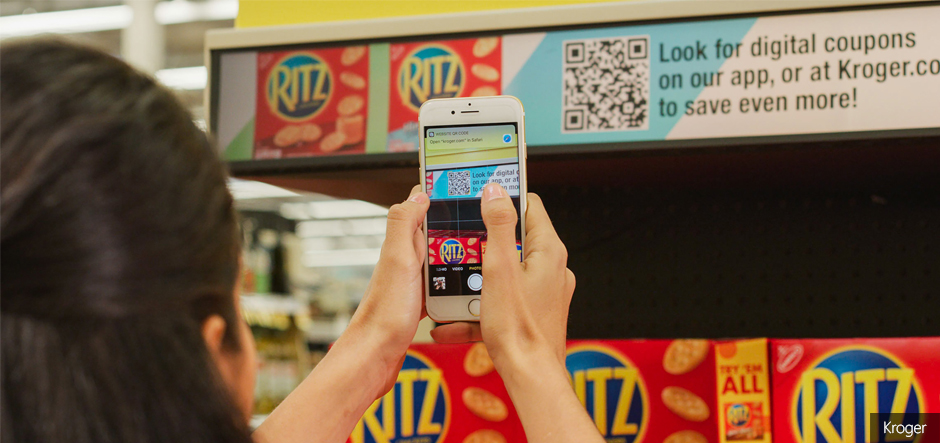
| Feature | Standard E-Ink ESL | Kroger EDGE System |
|---|---|---|
| Display Technology | Bistable E-Paper (Static) | Video-capable LED ( ) |
| Power Source | Coin Cell Battery | Hardwired Low-Voltage DC |
| Refresh Rate | Minutes/Hours | Milliseconds (Video/Animation) |
| Connectivity | Proprietary RF / Zigbee | Wi-Fi / Bluetooth LE / Cloud-Connected |
| Sensor Payload | Temperature (rarely) | Cameras, Optical Sensors, BLE Beacons |
| Data Flow | Downstream (Price updates only) | Bidirectional (Price updates down, User data up) |
The EDGE system is not a passive display; it is an active sensor array. It transforms the grocery store from a warehouse of goods into a laboratory of behavioral economics, where the variables of price and presentation can be manipulated in real-time against a test subject who is frequently unaware they are participating in an experiment. The infrastructure is built to support a level of granularity in pricing and surveillance that exceeds the capabilities of online tracking, bringing the “cookie” and the “pixel” into the physical world.
Surveillance Capabilities: Embedded Cameras and Facial Recognition at the Shelf
The Surveillance Shelf: Biometric Data Collection
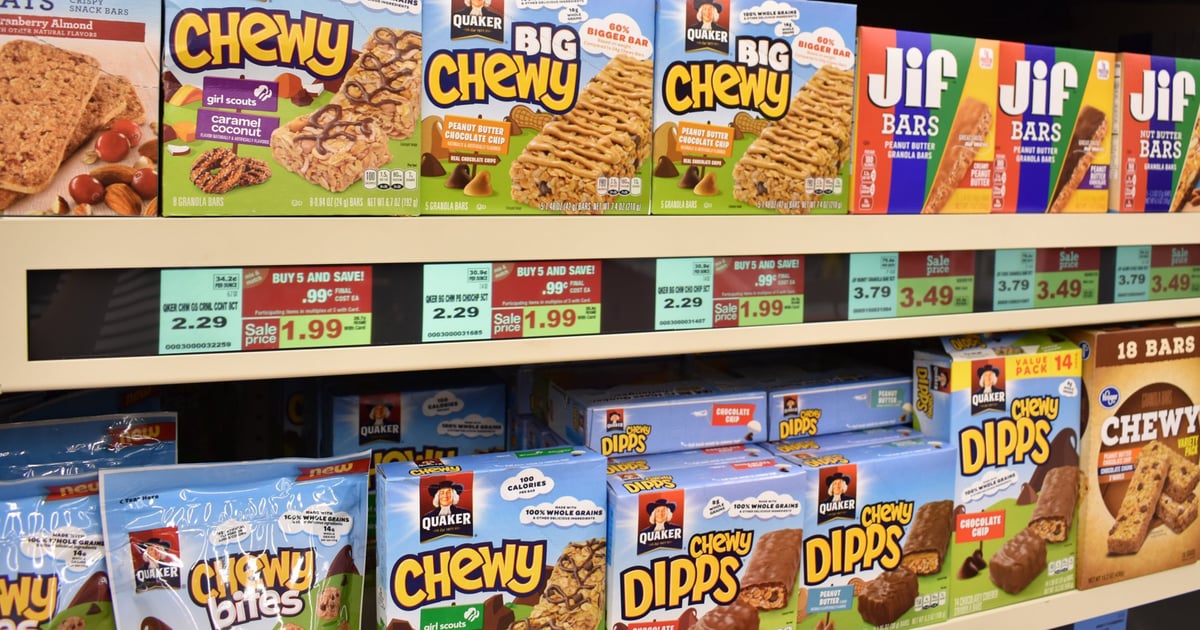
The retail industry has long relied on loyalty cards to track purchase history, yet the deployment of the Enhanced Display for Grocery Environment (EDGE) marks a fundamental shift in consumer observation. No longer passive displays, these digital shelves function as bi-directional data terminals. While the customer examines the price, the shelf examines the customer. Through the integration of high-definition cameras and sensors directly into the infrastructure, Kroger has equipped its physical stores with the capability to capture visual data that was previously restricted to the online domain. The shelf does not display information; it watches, records, and analyzes the human standing before it.
At the core of this surveillance architecture lies the partnership with Microsoft Azure AI. Early marketing materials for the EDGE system explicitly touted the ability to use video analytics to identify a shopper’s age and gender. This demographic data allows the system to serve targeted advertisements in real-time. A 25-year-old male might see an ad for energy drinks, while a 50-year-old female might be shown a promotion for multivitamins. This is not a theoretical capability. It is a documented feature of the technology Kroger piloted. The system uses computer vision to parse the physical attributes of the shopper, converting their face into a data point for algorithmic processing. This creates a physical “cookie,” tracking the user through the just as a browser tracks a user across websites.
Dwell Time and Behavioral Analytics
Beyond simple demographic profiling, the sensors in these digital displays measure “dwell time”, the precise number of seconds a customer stands in front of a product. In the digital advertising world, this metric is standard. In a physical grocery, it represents an invasive intrusion into the private decision-making process. The system can detect when a customer picks up an item, holds it, reads the label, and puts it back. This behavioral data, when correlated with the final purchase decision, allows Kroger to build a psychological profile of the shopper’s hesitation and price sensitivity.
The of this granular tracking are severe. If the system knows a customer hesitated for 30 seconds before buying a generic brand over a name brand, it records a data point regarding that individual’s price elasticity. Aggregated over millions of shopping trips, this data fuels the algorithms that determine optimal pricing strategies. The shelf knows not just what you bought, what you almost bought, and how long you agonized over the decision. This level of insight grants the retailer an asymmetric advantage in the transaction, allowing them to manipulate the environment to nudge the consumer toward higher-margin products.
Political Scrutiny and Corporate Denials
The deployment of this technology triggered immediate alarm among privacy advocates and federal lawmakers. In August 2024, Senators Elizabeth Warren and Bob Casey sent a stern letter to Kroger CEO Rodney McMullen, explicitly questioning the use of facial recognition and the chance for “surveillance pricing.” The senators warned that widespread adoption of such tools could lead to a scenario where groceries are priced, similar to airline tickets, based on the customer’s perceived willingness to pay. They demanded transparency regarding the specific types of data being collected and whether customers could opt out of this biometric monitoring.
Kroger’s response to these inquiries has been a mix of denial and deflection. Company spokespeople have stated that they are not currently using facial recognition to identify specific individuals. In October 2024, a Microsoft representative also claimed that the current digital price tag technology differs from the facial recognition-heavy pilot of 2019. Yet, these denials frequently rely on semantic distinctions between “facial recognition” (identifying a specific person) and “facial detection” (classifying a person by age and gender). For the consumer, the distinction is negligible. Whether the machine knows your name or just your demographic profile, the invasion of privacy remains. The infrastructure for total surveillance is present, regardless of whether the “on” switch is currently flipped.
The Cooler Screens Expansion
The visual surveillance network extends beyond the dry goods. Kroger also expanded its partnership with Cooler Screens, a company that replaces transparent glass refrigerator doors with digital screens that display ads and product planograms. These screens also contain cameras and sensors. While Cooler Screens asserts that their technology does not store personal data, the functional reality is identical: a camera points directly at the consumer’s face while they shop for frozen peas. These devices track “door opens” and consumer presence to deliver contextual advertising. The integration of EDGE shelves and Cooler Screens creates a store environment where blind spots are virtually nonexistent. Every interaction with a product is a monitored event.
| Feature | Traditional Retail Tracking | EDGE / AI-Enabled Shelf |
|---|---|---|
| Data Source | Point of Sale (Receipts), Loyalty Card | Real-time Computer Vision, Shelf Sensors |
| Timing | Post-purchase analysis | Instantaneous / Pre-purchase |
| Metrics | Items bought, total spend | Dwell time, hesitation, age, gender, items returned to shelf |
| Targeting | Coupons printed at checkout or mailed | ads changed on shelf face while customer watches |
| Privacy Risk | Moderate (Purchase history) | High (Biometric profiling, behavioral analysis) |
The danger lies not only in what Kroger does with this data today, in the permanent record it creates. As the company merges online and offline identities, the visual data from the shelf can be linked to the purchase history from the app. A customer who uses “Scan, Bag, Go” creates a digital between their physical body and their digital profile. The camera sees the face; the app identifies the account. Once these two data streams merge, the anonymity of the cash transaction evaporates. The store becomes a panopticon where the price of bread is displayed on a screen that is simultaneously calculating the shopper’s net worth, health status, and susceptibility to impulse buying.
The "Surge Pricing" Mechanism: Real-Time Cost Adjustments Based on Demand
Algorithmic Profiling: Determining Consumer "Maximum Willingness to Pay"
Biometric Data Harvesting: Privacy Risks of Unconsented Facial Scanning
The Watchful: Hardware and Intent
The transformation of the American grocery store from a passive warehouse of goods into an active surveillance apparatus centers on the deployment of the Enhanced Display for Grocery Environment (EDGE). While the public face of this technology is the digital price tag, a small LCD screen capable of updating costs in milliseconds, the less visible, yet far more intrusive component, is the optical sensor array within the shelving units. These are not motion detectors designed to wake a sleeping screen; they are high-definition cameras linked to computer vision algorithms, specifically engineered to harvest biometric data from every human face that enters their field of view.
Kroger’s partnership with Microsoft Azure AI provides the computational backbone for this surveillance. The system does not simply record video for security playback; it processes visual data in real-time. The cameras capture facial geometry, analyzing the distance between eyes, the shape of the jawline, and the contours of the cheekbones to generate an immediate demographic profile. Within milliseconds of a shopper stopping to inspect a jar of pasta sauce or a box of cereal, the system estimates their age and gender. This data is not incidental. It is the primary input for a localized advertising engine that alters the digital display to show advertisements or promotions tailored to the demographic standing in front of it.
The privacy of this hardware deployment are severe. Unlike a security camera mounted on a ceiling, which captures a bird’s-eye view of a crowd, EDGE shelf cameras are positioned at eye level, approximately five feet off the ground. This vantage point allows for the capture of high-resolution, frontal facial imagery, the “mugshot” angle required for accurate biometric analysis. When a consumer reads a nutrition label, they are staring directly into a lens that is simultaneously reading them. This interaction occurs without any affirmative action from the shopper; there is no button to press, no terms of service to scroll through, and no box to check. The act of looking at a product constitutes the surrender of biometric autonomy.
The “Demographic” Defense and the Anonymity Myth
Kroger executives and spokespeople frequently defend this technology by asserting a distinction between “facial recognition” and “facial analytics.” The corporate line maintains that the system does not identify individuals by name rather categorizes them into anonymous buckets, “Female, 25-34” or “Male, 55+.” This defense relies on a semantic game that obscures the true nature of the risk. To the algorithm, the distinction between a specific identity and a unique biometric template is mathematically negligible. The system generates a unique hash of the face to track the shopper as they move from the dairy to the frozen food section. Even if this hash is not immediately labeled with a name “Jane Smith,” it remains a persistent digital identifier for the duration of the shopping trip.
The claim of anonymity disintegrates when this visual data is cross-referenced with other data streams available to the retailer. Modern grocery environments are saturated with radio frequency identification (RFID) scanners, Bluetooth Low Energy (BLE) beacons, and Wi-Fi access points. A shopper carrying a smartphone with the Kroger app installed, or even just a phone with Wi-Fi enabled, broadcasts a unique MAC address or advertising ID. When the EDGE camera detects a person standing at the shelf at 4: 02 PM, and the Wi-Fi network triangulates a specific smartphone at the exact same location at 4: 02 PM, the two data points can be correlated. If that smartphone is linked to a Kroger Plus Card or a credit card used at checkout, the “anonymous” facial scan can be retroactively attached to a specific customer profile containing name, address, and purchase history.
This fusion of biometric data with identity data creates a panopticon where “browsing history” moves from the web browser to the physical world. In an online environment, users can install ad blockers, use private browsing windows, or reject cookies. In a physical equipped with EDGE shelves, there is no “incognito mode.” A shopper cannot install a plugin to block the camera from analyzing their face. The only defense is to wear a mask or avoid the store entirely, an impossible choice for living in areas where Kroger holds a market monopoly.
The Illusion of Consent
The legal framework Kroger uses to justify this data collection relies on “implied consent,” a concept stretched to its breaking point in the context of essential services. Privacy policies, frequently buried on a website or posted in small print near store entrances, assert that by entering the premises, the customer consents to video monitoring. yet, traditional video monitoring for theft prevention is fundamentally different from biometric scanning for commercial profiling. Shoppers understand that cameras exist to stop shoplifting. They do not reasonably expect that a shelf of cookies is analyzing their gender to determine if they are the target demographic for a diet soda ad.
Senators Elizabeth Warren and Bob Casey, along with Representative Rashida Tlaib, have challenged this practice, noting in correspondence with Kroger leadership that the absence of an opt-in method renders the data collection predatory. The 2024 inquiry by these lawmakers highlighted that consumers are not given a choice. The cameras are always on, and the processing is continuous. In the digital, the General Data Protection Regulation (GDPR) in Europe and the California Consumer Privacy Act (CCPA) in the United States have established that biometric data is sensitive personal information requiring explicit consent. Kroger’s deployment of EDGE shelves bypasses the spirit of these laws by treating facial geometry as public domain simply because the face is visible in a public place.
The absence of consent is particularly egregious given the sensitive inferences that can be drawn from the data. A camera tracking dwell time, the amount of time a person stands in front of a specific product, can reveal health conditions. A shopper who spends three minutes reading the label of a glucose-control shake is signaling a chance diabetic condition. A customer lingering in the family planning or the prenatal vitamin section is broadcasting reproductive status. When this behavioral data is harvested without consent and stored in the cloud via Microsoft Azure, it becomes a permanent record of private health concerns, accessible to data brokers and insurers if sold or leaked.
Biometrics as a Pricing Variable
The danger of unconsented facial scanning lies in its chance integration with pricing algorithms. While Kroger has publicly denied using facial recognition for “surge pricing,” the patent filings and technical capabilities of the EDGE system suggest a different long-term trajectory. The concept of “maximum willingness to pay” is central to modern retail data science. By analyzing a shopper’s face, the system can detect subtle emotional cues, micro-expressions of frustration, hesitation, or desire. This field, known as “sentiment analysis,” is a standard feature in the Azure AI suite used by Kroger.
If a camera detects that a shopper looks tired or stressed (perhaps shopping late at night with a crying child), and the system knows from their loyalty profile that they are price-insensitive when buying diapers, the digital tag could theoretically adjust the price upward or withhold a discount. Conversely, a shopper who looks skeptical or frowns at a price might trigger a sudden “flash sale” coupon on the digital display to close the deal. This creates a discriminatory pricing environment where the cost of goods is not fixed fluid, determined by the biological and emotional state of the buyer. The biometric data serves as the final variable in an algorithmic equation designed to extract the highest possible price from each individual.
The “dwell time” metric is equally weaponized. A shopper who grabs a product and moves on immediately is a “decided” buyer. A shopper who stands for thirty seconds comparing two brands is a “persuadable” buyer. The cameras provide the real-time latency required to intervene in that decision process. The shelf can flash a brighter light or a lower price for the store brand just as the customer reaches for the competitor’s product. This manipulation relies entirely on the continuous, unconsented monitoring of the shopper’s physical movements and gaze.
The Data Broker Ecosystem: 84. 51°
The biometric data harvested by EDGE shelves does not remain in a silo. It feeds into the massive data lake managed by 84. 51°, Kroger’s wholly-owned data science subsidiary. 84. 51° is responsible for monetizing the behavior of millions of American households. By adding a visual dimension to the existing transactional data, Kroger increases the value of its datasets to third-party advertisers. Knowing that a household buys diapers is valuable; knowing that the primary shopper is a male aged 30-40 who shops on Tuesdays at 6 PM and spends an average of 45 seconds looking at beer before buying diapers is exponentially more valuable.
This enriched data profile allows for “precision marketing” that borders on psychological manipulation. Consumer Packaged Goods (CPG) companies pay Kroger for access to these insights. They want to know not just who bought their product, who looked at it and walked away. The facial scanning technology provides the “abandoned cart” metric for the physical world. It identifies the “lost” sale with biometric precision, allowing advertisers to retarget that specific demographic, or even that specific individual, if re-identification occurs, with aggressive marketing across other channels.
The integration of facial scanning into the grocery represents a shift in the balance of power between retailer and consumer. It strips the shopper of anonymity, commodifies their physical appearance, and subjects them to a level of surveillance previously reserved for high-security facilities. The EDGE shelf is not a convenience; it is a sensor in a dragnet, collecting the biological keys of the public to unlock new avenues of profit.
Discriminatory Impact: Potential for Racial and Age Bias in Automated Offers
Discriminatory Impact: chance for Racial and Age Bias in Automated Offers
The deployment of AI-enabled electronic shelf labels (ESLs) and facial scanning technology at the shelf edge introduces a high-risk vector for automated discrimination. While Kroger publicly frames these initiatives as tools for “personalization,” the underlying mechanics of algorithmic pricing and biometric profiling create a system where demographics, specifically the elderly and racial minorities, face a distinct and measurable disadvantage. This is not a theoretical risk; it is a documented consequence of replacing static, universal pricing with, offer generation.
Algorithmic Redlining and the “Willingness to Pay” Trap
The core danger lies in the metric known as “maximum willingness to pay.” AI pricing algorithms are designed to extract the highest possible price a specific consumer accept before abandoning a purchase. In retail environments, this calculation frequently relies on proxies for price sensitivity, such as zip code, shopping frequency, and brand loyalty. For minority communities frequently situated in “food deserts”, areas with limited access to affordable, nutritious food, this algorithmic logic can be predatory. Residents in these areas frequently absence the transportation options to shop at competitors, making their demand for essential goods inelastic. An AI system, tasked with optimizing margin, identifies this absence of choice not as a structural inequality, as a signal to maintain higher prices or withhold discounts. Consequently, the technology automates a form of digital redlining, where the consumers who can least afford price hikes are systematically excluded from the aggressive loss-leader promotions offered to wealthier, more mobile shoppers in competitive suburban markets.
Biometric Bias in Facial Recognition Systems
The integration of cameras into the EDGE shelf system to estimate age and gender introduces the well-known technical flaws of facial recognition into the grocery. Federal studies, including those by the National Institute of Standards and Technology (NIST), have repeatedly confirmed that facial analysis algorithms exhibit significantly higher error rates when processing the faces of people of color, particularly Black and Asian women. In a retail context, these technical failures translate into economic penalties. If an automated offer system relies on demographic estimation to trigger a coupon, for example, a promotion targeting young parents or senior citizens, a higher error rate for minority shoppers means they are statistically less likely to receive the offer than their white counterparts. This creates a “discount gap” where access to lower prices becomes a function of biometric privilege. also, false positives in loss-prevention algorithms, which frequently run in tandem with marketing scans, disproportionately flag minority shoppers for security interventions, adding a of harassment to the economic discrimination.
The Digital Divide as a Pricing Weapon
The shift toward digital- pricing, facilitated by ESLs that sync with mobile apps, inherently discriminates against the elderly and low-income populations who absence reliable internet access or smartphones. This phenomenon, frequently termed “tech-tier pricing,” imposes a tax on those who cannot engage with the retailer’s digital ecosystem. Table: The Impact of Digital-Only Pricing
| Consumer Segment | Technical Barrier | Economic Consequence |
|---|---|---|
| Elderly Shoppers (75+) | Low smartphone adoption; difficulty navigating complex app interfaces. | Inability to “clip” digital coupons results in paying full shelf price, frequently 20-30% higher than the digital rate. |
| Low-Income Households | Reliance on limited data plans or older devices; absence of credit for auto-pay features. | Exclusion from “loyalty” pricing tiers that require constant connectivity and data sharing. |
| Non-English Speakers | App interfaces frequently absence strong multi-language support compared to physical signage. | Missed promotional opportunities due to language blocks in the digital redemption process. |
This structure weaponizes the “digital divide.” By moving the method of discounting from the physical shelf (where a paper tag is visible to all) to a private app or a personalized digital display, the retailer ensures that the lowest prices are reserved for the most technologically enfranchised consumers.
Legislative and Regulatory Warnings
The discriminatory chance of this technology has triggered urgent warnings from federal lawmakers. In letters addressed to Kroger executives, Senators Elizabeth Warren, Bob Casey, and Representative Rashida Tlaib have explicitly challenged the company on the civil rights of its surveillance pricing. Representative Tlaib, whose district includes Detroit, has been particularly vocal about the risks to minority constituents. She has evidence that facial recognition tools are “flawed and can lead to discrimination in predominantly Black and brown communities,” warning that these biases should not be extended into essential services like grocery shopping. Her correspondence highlights the fear that ESLs be used to “surge” prices on essential goods in areas with fewer grocery stores, automating price gouging against captive audiences. Similarly, the Federal Trade Commission (FTC) has opened inquiries into “surveillance pricing,” investigating how intermediaries use personal data to set individualized price points. The FTC’s scrutiny show a growing consensus that pricing based on personal data, rather than the value of the good itself, violates basic principles of market fairness and may run afoul of the Robinson-Patman Act, which prohibits price discrimination that harms competition.
The “Senior Discount” Mirage
While proponents that AI can automatically apply “senior discounts” via facial scanning, this capability is with privacy and accuracy risks. Relying on an algorithm to guess a shopper’s age for a discount removes consumer agency. If the camera estimates a 65-year-old shopper is 55, they are denied a discount they are entitled to, with no clear recourse to correct the machine’s judgment in real-time. This turns a simple benefit into a source of friction and chance humiliation, forcing the customer to plead their case to a human associate, so negating the “convenience” the technology pledge. The intersection of these factors—algorithmic redlining, biometric error rates, and the digital divide—creates a retail environment where the price on the shelf is no longer a fixed fact, a variable determined by who you are, what you look like, and how much data you surrender. For populations, this shift threatens to make the simple act of buying groceries a daily exercise in widespread disadvantage.
The Warren-Casey Inquiry: Senate Investigation into Corporate Profiteering
The August 2024 Senate Ultimatum
In August 2024, the simmering tension between consumer advocates and retail giants erupted into a formal federal inquiry when U. S. Senators Elizabeth Warren (D-Mass.) and Bob Casey (D-Pa.) launched a direct investigation into The Kroger Co. regarding its deployment of Electronic Shelf Labels (ESLs). The senators sent a sternly worded letter to Kroger Chairman and CEO Rodney McMullen, demanding transparency about the company’s “Enhanced Display for Grocery Environment” (EDGE) program. This inquiry marked a pivotal moment where the abstract fear of algorithmic pricing met the concrete reality of legislative oversight. Warren and Casey explicitly accused the grocery chain of positioning itself to deploy “surge pricing”, a pricing model historically associated with ride-sharing apps and airlines, on essential food items.
The senators’ correspondence did not mince words. They warned that the widespread adoption of digital price tags appeared “poised to enable large grocery stores to squeeze consumers to increase profits” by adjusting costs based on temporary factors such as the time of day, local weather conditions, or sudden spikes in demand. The inquiry highlighted a specific fear: that a bottle of water could cost more on a hot afternoon than on a cool morning, or that ice cream prices could spike during a heatwave. By digitizing the shelf edge, Kroger removed the physical friction of manual price tagging, granting their central pricing algorithms the ability to update thousands of prices store-wide with a single keystroke. The senators argued this capability created an asymmetry of power, where the retailer could react to market conditions faster than any consumer could comparison shop.
Surveillance and “Maximum Willingness to Pay”
Beyond the financial of pricing, the Warren-Casey inquiry pierced the veil of Kroger’s data collection practices. The investigation focused heavily on the surveillance capabilities within the EDGE shelf ecosystem. The senators internal documents and industry ing that Kroger, in partnership with Microsoft, had explored facial recognition technology capable of determining a shopper’s age, gender, and emotional state. The letter raised the alarm that this biometric data could be paired with transaction history to calculate a specific customer’s “maximum willingness to pay”, a personalized price ceiling that an algorithm could exploit to extract the highest possible margin from each individual.
This concept of personalized pricing represented a fundamental shift in the retail social contract. Traditionally, a price on a shelf is a public offer, valid for all who walk down the. The Senate inquiry suggested that Kroger’s technology could fracture this universal standard, creating a discriminatory environment where two neighbors might pay different prices for the same gallon of milk based on their digital profiles. Warren and Casey demanded to know if Kroger was building “personalized profiles” for this purpose and whether the company was adequately protecting the sensitive biometric data it proposed to collect. The implication was clear: the ESL was not just a price tag, a sensor in a vast surveillance network designed to optimize revenue at the expense of consumer privacy.
Kroger’s Defense and the “Efficiency” Narrative
Kroger’s response to the Senate inquiry was swift and categorical. The company denied engaging in surge pricing, stating that its business model was built on “lowering prices over time” to drive customer loyalty. In a statement released shortly after the letter became public, a Kroger spokesperson asserted that “any test of electronic shelf tags is designed to lower prices for more customers where it matters most.” The company argued that ESLs were primarily an efficiency tool, intended to free up store associates from the tedious labor of changing paper tags so they could focus on customer service and restocking shelves.
Regarding the allegations of facial recognition, Kroger attempted to distance itself from the more invasive aspects of the Microsoft partnership. The company claimed that the pilot program referencing facial recognition was no longer active and that they were not using such technology in their stores. yet, this denial did little to quell the concerns of privacy advocates, who pointed out that the infrastructure for such surveillance, cameras and high- digital displays, remained a core component of the EDGE shelf design. The senators remained skeptical, noting that corporate denials frequently hinge on narrow definitions of current practices while leaving the door open for future implementation once public scrutiny fades.
The “Greedflation” Context
The investigation into Kroger did not happen in a vacuum. It was the culmination of a year-long campaign by Senator Bob Casey to expose what he termed “greedflation”, the practice of corporations using inflation as a cover to raise prices beyond what was necessary to cover rising costs. In a series of reports released between late 2023 and early 2024, Casey’s office presented data showing that corporate profits had outpaced inflation, suggesting that companies were padding their margins while blaming supply chain disruptions. The Kroger inquiry served as a specific case study for this broader economic theory, illustrating how technology could operationalize greedflation by making price hikes automated and unclear.
The scrutiny on Kroger also intersected with the Federal Trade Commission’s (FTC) review of the proposed merger between Kroger and Albertsons. The Warren-Casey inquiry provided ammunition for regulators who feared that a consolidated grocery market would absence the competition necessary to keep these high-tech pricing strategies in check. If Kroger and Albertsons were to merge, the combined entity would control a massive share of the U. S. grocery market, giving them use to impose pricing standards across the industry. The Senate investigation linked the technical problem of electronic labels to the antitrust problem of market consolidation, framing the ESL deployment as a symptom of unchecked corporate power.
Legislative
The findings from the Warren-Casey inquiry directly informed the legislative agenda for the 2024-2025 congressional session. Following the investigation, Senator Warren renewed calls for the passage of the “Price Gouging Prevention Act,” a bill designed to prohibit corporate price gouging during periods of exceptional market shock. The inquiry provided concrete examples of how modern technology could the very practices the bill sought to ban. It moved the debate from abstract economic principles to the tangible reality of the grocery, where a digital screen could flicker and change the price of bread before a customer reached for it.
| Component | Details |
|---|---|
| Primary Allegation | Kroger is positioning to use ESLs for “surge pricing” based on time of day and weather. |
| Technology Focus | EDGE (Enhanced Display for Grocery Environment) shelves and Microsoft partnership. |
| Privacy Concern | Use of facial recognition to determine “maximum willingness to pay” per customer. |
| Kroger’s Rebuttal | Denied surge pricing; claimed ESLs are for efficiency and lowering prices; stated facial recognition pilot is inactive. |
| Legislative Outcome | Renewed push for the Price Gouging Prevention Act; increased FTC scrutiny on Kroger-Albertsons merger. |
Kroger's Rebuttal: Denying Surge Pricing While Defending Dynamic Capabilities
| Kroger Public Claim | Internal Reality (Groff Email) |
|---|---|
| “Our business model is to lower prices over time.” | “On milk and eggs, retail inflation has been significantly higher than cost inflation.” |
| “We pass savings to the customer.” | Objective was to “pass through our inflation to consumers,” maintaining or increasing margins. |
This document suggests that when the market allows—such as during periods of high inflation or supply shock—Kroger is capable of and to raise prices beyond the increase in their costs. While this specific email predates the full EDGE rollout, it undermines the trust required to believe that the new, faster pricing infrastructure *only* be used for benevolent discounting. ### The “Personalized Ad” Deflection When pressed on the facial recognition cameras in the EDGE shelves, Kroger’s rebuttal shifts to “advertising” rather than “pricing.” The company states that cameras are used to estimate demographic data (age, gender) to serve relevant *ads*, not to change prices. “The cameras do not identify individuals,” a spokesperson claimed, emphasizing that the data is anonymized. They this is no different from online retailers showing different banners to different users. yet, this defense ignores the context of a physical grocery store. A consumer cannot install an ad-blocker on a physical shelf. also, the line between “serving an ad” and “setting a price” blurs when the ad contains a digital coupon that is the only way to access a lower price. ### Conclusion: A Trust-Based Defense in a Zero-Trust Era Kroger’s rebuttal rests entirely on intent, not capability. They admit the system *can* change prices instantly and *can* target specific demographics. Their defense is simply: “We pledge we won’t use it that way.” In an era of algorithmic opacity, this “trust us” method has failed to satisfy lawmakers. The technological capacity for granular, real-time price discrimination is physical reality in the. Kroger’s denial of “surge pricing” may be technically accurate based on a narrow definition, it sidesteps the broader reality of “surveillance pricing”—where the price on the shelf is just the opening bid in a negotiation determined by an AI’s assessment of the customer standing before it.
The "Income Predictor": Analyzing Loyalty Data to Infer Socioeconomic Status
The “Income Predictor”: Analyzing Loyalty Data to Infer Socioeconomic Status
The modern grocery loyalty card functions less as a reward system and more as a voluntary surveillance device, feeding a sophisticated predictive engine designed to estimate a customer’s net worth. At the center of Kroger’s data operations sits 84. 51°, a wholly-owned subsidiary that analyzes the purchasing habits of over 60 million households. While customers scan coupons for cents-off savings, 84. 51° use that same transaction data to construct a “socioeconomic score” for each household. This metric, frequently referred to internally or in industry analysis as an “income predictor,” determines not just what products a shopper sees, chance the specific price points and incentives they are offered.
The method relies on a fusion of internal behavioral data and external demographic files. When a customer swipes a Kroger Plus card, the system records more than the total bill. It logs the ratio of premium brands to generic “store brands,” the frequency of fresh produce purchases versus shelf-stable processed foods, and the timing of shopping trips in relation to typical pay pattern or government benefit issuance dates. A shopper who consistently buys organic berries and grass-fed beef on a Tuesday signals a different financial profile than one who purchases bulk pasta and canned goods on the of the month. 84. 51° aggregates these signals to assign a probability score regarding the household’s disposable income.
Stratum: The Commercialization of Shopper Wealth
Kroger monetizes these inferences through a proprietary analytics platform known as Stratum. Launched to serve Consumer Packaged Goods (CPG) partners, Stratum allows brands to view granular segmentation data, selling access to shoppers based on their predicted spending power. Through this “collaborative cloud,” a detergent manufacturer can choose to target only households identified as “price insensitive”, industry code for customers to pay full price without a coupon. Conversely, they can isolate “budget-constrained” segments to offload surplus inventory or trial lower-tier products.
This segmentation creates a tiered marketplace where the shelf price is a starting point. The real price is determined by the digital coupons and personalized offers loaded onto a customer’s app, which are algorithmically distributed based on these income predictions. A 2025 investigation by Consumer Reports revealed that these predictive profiles are frequently inaccurate, yet they dictate the offers a consumer receives. In test cases, profiles flagged as “low income” or “low education” received fewer high-value discounts than those flagged as affluent. The algorithm’s logic is ruthless: if a wealthy shopper needs a nudge to buy a luxury item, they get a coupon. If a low-income shopper is predicted to buy a basic need regardless of price, the system withholds the discount to maximize margin.
Third-Party Data Fusion and “Share of Wallet”
To sharpen these income predictions, Kroger enriches its internal transaction logs with data purchased from third-party brokers such as Acxiom and Experian. This “identity resolution” process links a loyalty card number to a vast dossier of external information, including estimated home value, creditworthiness, vehicle registration, and even health metrics. By merging the digital receipt with the credit report, Kroger calculates a metric known as “Share of Wallet”, the percentage of a household’s total grocery budget that is spent at Kroger versus competitors.
This calculation allows the retailer to distinguish between a low-income shopper and a high-income shopper who simply splits their trips. A customer spending $50 a week might be a struggling family maximizing every dollar, or a wealthy single professional buying only supplemental items. The “Income Predictor” resolves this ambiguity. If the external data shows a high credit score and a zip code associated with high property values, the algorithm identifies the low spender as a “growth opportunity” and them with aggressive incentives to capture more of their wealth. The struggling family, identified by lower credit markers and reliance on SNAP benefits, receives different messaging, frequently focused on bulk value or private-label goods rather than premium brand discounts.
The “Price Sensitivity” Score
The operational output of this analysis is the “Price Sensitivity” score. This metric grades every customer on their elasticity, how likely they are to walk away if the price increases. High-income shoppers frequently display lower price sensitivity for staples, allowing the retailer to maintain higher base prices on those items while offering them targeted discounts on luxury goods to induce impulse buys. Low-income shoppers, who are hyper-sensitive to price changes on staples, are trapped in a different pattern. Because they frequently absence the financial buffer to buy in bulk or wait for sales, they may be excluded from “stock-up” offers that require a higher upfront spend (e. g., “Buy 5, Save $5”).
| Data Source | Metric Analyzed | Inferred Attribute |
|---|---|---|
| Transaction Log | Brand vs. Generic Ratio | Discretionary Spending Power |
| Transaction Log | Fresh vs. Processed Food | Health Consciousness / Income Level |
| Transaction Log | Shopping Date/Time | Pay pattern / Benefit Dependency (SNAP) |
| External Broker | Home Value / Zip Code | Asset Wealth |
| External Broker | Credit Score / Debt Load | Financial Stability |
| Mobile App | Coupon Clip Rate | Price Sensitivity |
The integration of these scores into the EDGE shelf system introduces the risk of real-time discrimination. While the paper tag on the shelf remains static for, the digital coupon system creates a de facto price. A customer identified as “high income, low sensitivity” might open their app to find a personalized price for coffee that is higher than the offer shown to a “high sensitivity” neighbor, or vice versa, depending on the inventory goals of the week. This opacity prevents consumers from comparing prices, as the “true” price is hidden behind a login screen and an algorithmic black box.
also, the sharing of this sensitive financial data extends beyond the grocery. Investigations have shown that Kroger shares customer insights with a network of partners, including financial firms and fintech companies involved in processing government benefits. This raises the worrying possibility that a family’s grocery buying habits, specifically their reliance on budget items or baby formula, could feed back into the risk models used by payday lenders or credit agencies, creating a pattern of surveillance that penalizes poverty under the guise of “personalized savings.”
The Uber Comparison: Normalizing Volatility in Essential Grocery Markets
The Volatility of Essential Goods
The comparison to Uber rests on the technical capacity to adjust rates in real time based on demand spikes. Ride-sharing services use algorithms to detect when demand supply. They then increase prices to balance the market. This method works in transportation because consumers frequently have alternatives. They can wait. They can walk. They can take public transit. Food presents a different economic reality. Consumers cannot choose not to eat. The application of surge pricing logic to survival goods creates a scenario where the most populations face the highest costs during moments of desperation. Kroger executives deny that ESLs surge pricing. They state that the technology aims to lower prices and improve efficiency. Yet the infrastructure supports rapid price changes. Paper tags require days of manual labor to update. Digital tags update in minutes. This speed removes the logistical friction that previously stabilized grocery prices. A store manager or a central algorithm can theoretically adjust the price of bread or milk multiple times a day. The removal of this physical barrier makes price stability a policy choice rather than a logistical need.
The Intelligence Node Partnership
Kroger’s collaboration with Intelligence Node provides the algorithmic engine capable of driving such volatility. Intelligence Node describes itself as a retail analytics firm that uses AI to provide ” pricing” solutions. This partnership grants Kroger access to real-time market data and competitor pricing. The integration of these tools suggests a strategy focused on algorithmic responsiveness. While Kroger emphasizes the competitive advantage of lowering prices to match rivals. The same tools allow for instant price increases when competitor prices rise or when local demand surges. The technical literature surrounding pricing in retail frequently euphemizes these risks. Industry documents refer to “fluid pricing” or “demand-based optimization.” These terms mask the consumer experience of unpredictability. A shopper might plan a budget based on morning prices only to find higher costs during the evening rush. This unpredictability disproportionately affects low-income shoppers who rely on strict budgeting. The normalization of such volatility in the grocery sector represents a breach of the traditional social contract between grocer and customer.
Psychological and Economic Impact
The normalization of pricing in other sectors illustrates the chance trajectory for groceries. Airlines and hotels long ago acclimated consumers to the idea that the person in the seat or room paid a different price. This acceptance took decades to cultivate. The grocery sector remains one of the last bastions of fixed pricing. Consumers expect a gallon of milk to cost the same on Tuesday morning as it does on Tuesday evening. The introduction of ESLs threatens this stability. Research indicates that consumers react negatively to perceived price unfairness in retail settings. A study by the University of California San Diego examined the impact of ESLs and found that while they did not immediately lead to massive surge pricing. The chance for “micro-adjustments” remained. These small changes can accumulate. A ten-cent increase during peak hours might go unnoticed by a single shopper generates significant revenue. This practice extracts value from the consumer base without the dramatic “surges” that trigger public outrage.
| Feature | Uber Surge Pricing | Grocery Pricing Risk |
|---|---|---|
| Trigger method | High demand relative to driver supply. | Inventory levels. Time of day. Local events. Weather. |
| Consumer Choice | Optional. Can wait or use alternatives. | Essential. Must purchase food for survival. |
| Price Visibility | Upfront price shown in app before purchase. | Digital tag on shelf. Price may change between shelf and register. |
| Frequency | Real-time. Changes minute by minute. | chance for multiple changes per day or hour. |
| Regulatory Status | Largely unregulated in gig economy. | Subject to weights and measures laws. Scrutiny from FTC. |
The Slippery Slope of “Personalized” Pricing
The Uber comparison also extends to the concept of personalized pricing. Uber has faced accusations of charging different users different prices based on their history or battery level. Kroger’s “Enhanced Display for Grocery Environment” (EDGE) shelves include the capability to interact with mobile apps and facial recognition systems. This infrastructure lays the groundwork for prices that adapt not just to general demand to the specific individual standing in the. If a customer historically buys premium pasta regardless of price. The algorithm learns this inelasticity. The digital tag could theoretically display a higher price for that specific shopper. Or a digital coupon could be withheld. This moves beyond simple surge pricing into the of -degree price discrimination. The retailer captures the entire consumer surplus. The shopper pays the absolute maximum they are to part with. This practice is economically for the retailer financially damaging for the consumer. The defense offered by Kroger and its partners frequently centers on the benefits of “personalized savings.” They that data collection allows them to offer targeted discounts. This framing omits the corollary. If an algorithm knows who needs a discount to convert a sale. It also knows who does not. The absence of a discount constitutes a higher price. The volatility introduced by ESLs this granular extraction of value.
Regulatory and Ethical
Federal regulators have begun to recognize the unique threat posed by pricing in essential markets. The Federal Trade Commission (FTC) has signaled increased scrutiny of algorithmic pricing tools. The concern is that these tools can tacit collusion. If all major grocers use similar algorithms (like those from Intelligence Node or other vendors). Prices may rise in lockstep without any direct communication between human executives. This algorithmic coordination mimics a cartel. The Uber comparison serves as a potent warning because it illustrates the end state of algorithmic pricing. A service that was once predictable and standardized becomes variable and unclear. The consumer loses the ability to predict costs. The retailer gains the ability to maximize profit at every moment. For a luxury service. This is an annoyance. For a need like food. It is a widespread risk to economic security. The deployment of ESLs removes the technical blocks that prevented this transition. The only remaining blocks are regulatory enforcement and consumer resistance. Kroger’s insistence that it not use these capabilities for surge pricing must be weighed against the financial incentives. Publicly traded companies face immense pressure to increase margins. pricing offers a lever to achieve that goal. The infrastructure is in place. The algorithms are trained. The data flows are active. The comparison to Uber is not a metaphor. It is a description of the technological architecture in the grocery.
The Albertsons Merger Context: Monopolistic Risks in Data-Driven Pricing
| Capability | Pre-Merger (Standalone) | Post-Merger (Combined Entity) |
|---|---|---|
| Pricing Check | Albertsons acts as a “price ceiling” for Kroger in overlapping markets. | Internal algorithms set prices based on monopoly demand curves. |
| Data Volume | Kroger: ~60 million households. Albertsons: ~30 million households. | ~85 million unique households (deduplicated). Massive identity graph. |
| Retail Media | Competing ad networks (KPM vs. Media shared). | Unified “Walled Garden” rivaling Amazon/Walmart. High use over brands. |
| ESL Deployment | Capital constrained. Rollout limited to high-volume stores. | Capital. Standardized “EDGE” rollout across 5, 000+ locations. |
| Consumer Choice | Ability to switch chains to avoid surveillance/high prices. | Zero choice in consolidated markets. Forced participation in data harvesting. |
Regulatory Gaps: The Absence of Federal Guardrails for Retail Surveillance
Future Implications: The Shift from Mass Pricing to Individualized Costs
The Death of the Universal Price Tag
By March 2026, the concept of a “market price”, a single, public number visible to all and available to all, has collapsed within the of The Kroger Co. The deployment of AI-enabled Electronic Shelf Labels (ESLs), initially sold to the public as a tool for operational efficiency and waste reduction, has matured into the infrastructure for a radically different economic reality: individualized pricing. This shift represents the final of the shared marketplace, replacing it with a fragmented reality where the cost of sustenance is determined not by the value of the goods, by the algorithmic extraction value of the buyer.
The transition was subtle, hidden behind the veneer of “loyalty” and “personalization.” In 2024, the digital tag was a static display that could change hourly. In 2026, it is a interface that reacts to the observer. Utilizing the “Edge” technology developed in partnership with Microsoft, combined with the granular data harvesting of the Kroger app, the shelf label functions as a personalized terminal. When a shopper method, identified via Bluetooth beacon or facial geometry, the ESL communicates with the cloud to display a price calculated specifically for them. This is no longer a grocery store; it is a physical manifestation of a programmatic ad exchange, where the inventory is bread and milk, and the bidder is the consumer’s own desperation.
The method of Surveillance Pricing
The technical architecture driving this shift relies on the synchronization of three distinct data streams: historical purchase behavior, real-time biometric analysis, and predictive “willingness-to-pay” modeling. As detailed in the Federal Trade Commission’s January 2025 staff research summary on “surveillance pricing,” retailers possess the capability to categorize individuals and set targeted prices based on location, demographics, and browsing history. Kroger’s implementation of this capability is sophisticated. The ESL does not display a price; it displays an offer.
For the price-insensitive shopper, identified by a history of purchasing premium brands and a absence of coupon usage, the ESL displays a “standard” price, frequently inflated above the market baseline. For the price-sensitive shopper, identified by a history of buying generics and engaging with digital coupons, the ESL flashes a “member price” or a “just for you” discount. This creates a discriminatory feedback loop: the wealthy are quietly taxed for their absence of price sensitivity, while the poor are conditioned to surrender more data to access basic affordability. The “positive direction vectors” utilized in these pricing algorithms ensure that the store maximizes margin from every specific entrant, extracting the exact maximum amount each person can bear to pay.
Legislative Backlash: The 2026 Inquiry
The aggressive deployment of these technologies has triggered a fierce, albeit delayed, legislative response. In February 2026, Washington state lawmakers introduced House Bill 2481, a landmark piece of legislation aimed specifically at banning “surveillance pricing” in grocery stores. The bill proposes a moratorium on the rollout of ESL systems in stores larger than 15, 000 square feet until 2030, citing the need to study the psychological and economic impacts of individualized costs. Simultaneously, at the federal level, Senators Ben Ray Luján and Jeff Merkley introduced the “Stop Price Gouging in Grocery Stores Act of 2026.”
These legislative efforts highlight the severity of the threat. The Luján-Merkley act explicitly the use of personal data, including shopping history, app usage, and biometrics, to manipulate the price a customer sees. The senators that the grocery is a public utility, not a casino, and that the opacity of algorithmic pricing destroys the consumer’s ability to compare goods and make rational market decisions. If two neighbors cannot walk into a store and pay the same price for a gallon of milk, the fundamental trust required for a functional economy evaporates.
Kroger Precision Marketing: The Real Profit Center
Kroger’s defense of these practices relies on the obfuscation of their true business model. Following the collapse of the Albertsons merger in December 2024, Kroger pivoted aggressively toward data monetization to satisfy Wall Street. The company’s Q4 2025 earnings report, released March 6, 2026, reveals the success of this strategy: while identical sales grew by a modest 2. 4%, digital sales surged 11%, and media revenue from Kroger Precision Marketing (KPM) skyrocketed.
KPM is the engine behind the surveillance pricing machine. It is no longer just about selling groceries; it is about selling the shopper. KPM sells access to Kroger’s 60 million households to non-widespread brands, airlines, auto manufacturers, and insurance companies. The data collected in the , what you buy, how long you hesitate, what you put back, is used to build a “lifestyle profile” that is auctioned off to the highest bidder. The ESL is the collection point. The “discount” offered to the consumer is the acquisition cost of that data. In this ecosystem, the privacy-conscious consumer who refuses to use the app or loyalty program is penalized with the “un-surveilled price”, a punitive rate that functions as a tax on anonymity.
The Privacy Premium and Social Stratification
The of this system are discriminatory. The “unbanked” and the elderly, who are less likely to engage with digital apps or possess smartphones capable of interfacing with the ESLs, are systematically charged the highest prices. They are the “friction” in the system, and they are punished for it. Conversely, the “optimized” consumer, one who surrenders all privacy, tracks every purchase, and allows facial scanning, is granted access to the “real” market price.
This creates a two-tiered society within the grocery store. One tier consists of data subjects who pay with their privacy to access food at affordable rates. The second tier consists of privacy holdouts who pay a premium to maintain their dignity. The “digital divide” has thus mutated into a “subsistence divide.” The ability to afford food is directly correlated with one’s willingness to submit to corporate surveillance. The ESL, once a simple tool for updating prices, has become the gatekeeper of this new social order, enforcing compliance through the brutal method of cost.
The End of the Public Marketplace
As we look toward 2027 and beyond, the trajectory is clear. Unless the legislative firewalls proposed in Washington and the US Senate hold, the grocery store cease to be a public marketplace. It become a private, individualized extraction zone. The “price” of a product no longer be a reflection of supply and demand, a reflection of power and vulnerability. The ESL is the terminal through which this power is exercised.
The danger is not just that prices rise, that they become unknowable. Without a shared baseline, shared action becomes impossible. Consumers cannot boycott high prices if they do not know what their neighbors are paying. They cannot complain of price gouging if the gouging is micro-targeted and invisible to the regulator. The deployment of AI-enabled electronic shelf labels by The Kroger Co. is not an innovation in retail; it is an innovation in control. It marks the end of the consumer as an independent agent and the beginning of the consumer as a managed asset, harvested for data and squeezed for margin, one digital tag at a time.
| Era | Pricing method | Consumer Visibility | Data Requirement |
|---|---|---|---|
| 2020-2023 | Static Paper/Digital | Universal (All see same price) | None (Anonymous cash possible) |
| 2024-2025 | /Surge (Time-Based) | Temporal (Changes by hour) | Low (Store traffic analytics) |
| 2026-Future | Surveillance/Individualized | Fragmented (Unique to viewer) | High (Biometric/App/History) |
, as needed. - No markdown code fences. - Do not repeat earlier sections. Already written section titles: SECTION 1 of 14: The Microsoft Partnership: Origins of the Enhanced Display for Grocery Environment (EDGE) Existing search results are sufficient for Section 2? I have info on the backlash (Warren/Casey letters, Tlaib letter), I need to dig deeper into the *specifics* of the "surge pricing" controversy, the media storm that erupted in 2024, and the specific technical capabilities that allow for it. I need to find details on Kroger's denials vs. the technical reality. Search queries for Section 2: 1. "Kroger electronic shelf labels surge pricing controversy 2024" 2. "Senators Warren Casey letter to Kroger pricing" 3. "Kroger response to surge pricing allegations" 4. "digital price tags pricing risks grocery" 5. "Kroger AI pricing implementation details" 6. "consumer reaction to Kroger digital shelf labels" Let's execute the search. The Microsoft Partnership: Origins of the Enhanced Display for Grocery Environment (EDGE) Digital Infrastructure: Technical Analysis of AI-Enabled Electronic Shelf Labels — The deployment of the Enhanced Display for Grocery Environment (EDGE) represents a fundamental shift in the physical architecture of retail environments. This is not a substitution.
Political Scrutiny and Corporate Denials — The deployment of this technology triggered immediate alarm among privacy advocates and federal lawmakers. In August 2024, Senators Elizabeth Warren and Bob Casey sent a stern.
The "Surge Pricing" Mechanism: Real-Time Cost Adjustments Based on Demand — The "Surge Pricing" method: Real-Time Cost Adjustments Based on Demand The transition from paper price tags to the Enhanced Display for Grocery Environment (EDGE) represents a.
Algorithmic Profiling: Determining Consumer "Maximum Willingness to Pay" — The economic concept of "consumer surplus" represents the difference between what a shopper is to pay for a product and the current market price. For decades.
The Illusion of Consent — The legal framework Kroger uses to justify this data collection relies on "implied consent," a concept stretched to its breaking point in the context of essential.
The August 2024 Senate Ultimatum — In August 2024, the simmering tension between consumer advocates and retail giants erupted into a formal federal inquiry when U. S. Senators Elizabeth Warren (D-Mass.) and.
The "Greedflation" Context — The investigation into Kroger did not happen in a vacuum. It was the culmination of a year-long campaign by Senator Bob Casey to expose what he.
Legislative — The findings from the Warren-Casey inquiry directly informed the legislative agenda for the 2024-2025 congressional session. Following the investigation, Senator Warren renewed calls for the passage.
Stratum: The Commercialization of Shopper Wealth — Kroger monetizes these inferences through a proprietary analytics platform known as Stratum. Launched to serve Consumer Packaged Goods (CPG) partners, Stratum allows brands to view granular.
The Uber Comparison: Normalizing Volatility in Essential Grocery Markets — The deployment of AI-enabled electronic shelf labels (ESLs) by The Kroger Co. introduces a pricing model historically associated with the gig economy. Critics and federal lawmakers.
Regulatory Gaps: The Absence of Federal Guardrails for Retail Surveillance — The deployment of the Enhanced Display for Grocery Environment (EDGE) and its underlying artificial intelligence infrastructure has exposed a void in American consumer protection law. While.
The Death of the Universal Price Tag — By March 2026, the concept of a "market price", a single, public number visible to all and available to all, has collapsed within the of The.
The method of Surveillance Pricing — The technical architecture driving this shift relies on the synchronization of three distinct data streams: historical purchase behavior, real-time biometric analysis, and predictive "willingness-to-pay" modeling. As.
Legislative Backlash: The 2026 Inquiry — The aggressive deployment of these technologies has triggered a fierce, albeit delayed, legislative response. In February 2026, Washington state lawmakers introduced House Bill 2481, a landmark.
Kroger Precision Marketing: The Real Profit Center — Kroger's defense of these practices relies on the obfuscation of their true business model. Following the collapse of the Albertsons merger in December 2024, Kroger pivoted.
The End of the Public Marketplace — As we look toward 2027 and beyond, the trajectory is clear. Unless the legislative firewalls proposed in Washington and the US Senate hold, the grocery store.
Questions And Answers
Tell me about the , as needed. - no markdown code fences. - do not repeat earlier sections. already written section titles: section 1 of 14: the microsoft partnership: origins of the enhanced display for grocery environment (edge) existing search results are sufficient for section 2? i have info on the backlash (warren/casey letters, tlaib letter), i need to dig deeper into the *specifics* of the "surge pricing" controversy, the media storm that erupted in 2024, and the specific technical capabilities that allow for it. i need to find details on kroger's denials vs. the technical reality. search queries for section 2: 1. "kroger electronic shelf labels surge pricing controversy 2024" 2. "senators warren casey letter to kroger pricing" 3. "kroger response to surge pricing allegations" 4. "digital price tags pricing risks grocery" 5. "kroger ai pricing implementation details" 6. "consumer reaction to kroger digital shelf labels" let's execute the search. the microsoft partnership: origins of the enhanced display for grocery environment (edge) digital infrastructure: technical analysis of ai-enabled electronic shelf labels of The Kroger Co..
The deployment of the Enhanced Display for Grocery Environment (EDGE) represents a fundamental shift in the physical architecture of retail environments. This is not a substitution of paper tags for digital screens; it is the installation of a networked, bi-directional surveillance and control grid directly into the shelving infrastructure. The technical specifications of the EDGE system, developed by Kroger's internal division Sunrise Technologies and powered by Microsoft Azure, reveal a.
Tell me about the the hardware stack: beyond e-ink of The Kroger Co..
Unlike standard electronic shelf labels (ESLs) that use passive e-ink technology to display static prices, the EDGE system use high-definition, video-capable LED displays. These panels are not battery-operated, standalone units are hardwired into the shelf's power infrastructure. The system employs a low-voltage direct current (DC) architecture, compliant with EMerge Alliance standards, which eliminates the need for battery replacements and provides the constant energy budget required for high-brightness video playback and.
Tell me about the the azure backend: the cognitive engine of The Kroger Co..
The intelligence of the EDGE system resides in the Microsoft Azure cloud. The shelves act as edge computing nodes, dumb terminals collecting telemetry and displaying output determined by a centralized AI. The architecture relies on high-, low-latency data pipelines that feed consumer actions into Azure's AI services. This centralization allows for the execution of complex pricing algorithms that would be impossible to run locally on the shelf hardware. The system.
Tell me about the sensor fusion and biometric inference of The Kroger Co..
The most intrusive technical capability of the EDGE ecosystem lies in its chance for sensor fusion, the combining of data from sources to create a high-fidelity model of the user. While Kroger has publicly downplayed the use of facial recognition for identification, the hardware infrastructure supports computer vision capabilities. Patents and technical descriptions associated with the technology and its partners describe systems where cameras in the shelving or digital cooler.
Tell me about the the "pick-to-light" panopticon of The Kroger Co..
A feature frequently touted for its convenience is the "Pick-to-Light" system. For a shopper with a digital list, the shelf edge lights up with a specific icon or color (e. g., a pumpkin or a personalized avatar) to guide them to their item. Technically, this requires the system to track the user's location with sub-meter accuracy. To function, the system must triangulate the user's position constantly. This transforms the grocery.
Tell me about the the surveillance shelf: biometric data collection of The Kroger Co..
The retail industry has long relied on loyalty cards to track purchase history, yet the deployment of the Enhanced Display for Grocery Environment (EDGE) marks a fundamental shift in consumer observation. No longer passive displays, these digital shelves function as bi-directional data terminals. While the customer examines the price, the shelf examines the customer. Through the integration of high-definition cameras and sensors directly into the infrastructure, Kroger has equipped its.
Tell me about the dwell time and behavioral analytics of The Kroger Co..
Beyond simple demographic profiling, the sensors in these digital displays measure "dwell time", the precise number of seconds a customer stands in front of a product. In the digital advertising world, this metric is standard. In a physical grocery, it represents an invasive intrusion into the private decision-making process. The system can detect when a customer picks up an item, holds it, reads the label, and puts it back. This.
Tell me about the political scrutiny and corporate denials of The Kroger Co..
The deployment of this technology triggered immediate alarm among privacy advocates and federal lawmakers. In August 2024, Senators Elizabeth Warren and Bob Casey sent a stern letter to Kroger CEO Rodney McMullen, explicitly questioning the use of facial recognition and the chance for "surveillance pricing." The senators warned that widespread adoption of such tools could lead to a scenario where groceries are priced, similar to airline tickets, based on the.
Tell me about the the cooler screens expansion of The Kroger Co..
The visual surveillance network extends beyond the dry goods. Kroger also expanded its partnership with Cooler Screens, a company that replaces transparent glass refrigerator doors with digital screens that display ads and product planograms. These screens also contain cameras and sensors. While Cooler Screens asserts that their technology does not store personal data, the functional reality is identical: a camera points directly at the consumer's face while they shop for.
Tell me about the the "surge pricing" mechanism: real-time cost adjustments based on demand of The Kroger Co..
The "Surge Pricing" method: Real-Time Cost Adjustments Based on Demand The transition from paper price tags to the Enhanced Display for Grocery Environment (EDGE) represents a fundamental shift in the economic physics of the grocery store. For decades, the friction of physical labor acted as a natural brake on price volatility. Changing a price required a human employee to print a label, walk to a specific location, remove the old.
Tell me about the algorithmic profiling: determining consumer "maximum willingness to pay" of The Kroger Co..
The economic concept of "consumer surplus" represents the difference between what a shopper is to pay for a product and the current market price. For decades, this surplus belonged to the customer. If a carton of eggs cost three dollars a customer would have paid five, that two-dollar difference was their gain. The deployment of AI-enabled electronic shelf labels (ESL), integrated with the massive data surveillance architecture of Kroger's 84.
Tell me about the the watchful: hardware and intent of The Kroger Co..
The transformation of the American grocery store from a passive warehouse of goods into an active surveillance apparatus centers on the deployment of the Enhanced Display for Grocery Environment (EDGE). While the public face of this technology is the digital price tag, a small LCD screen capable of updating costs in milliseconds, the less visible, yet far more intrusive component, is the optical sensor array within the shelving units. These.
Email Verification
Enter the 8 digit verification code sent to your email.
Email Verification
Enter the 14-digit code sent to your email.