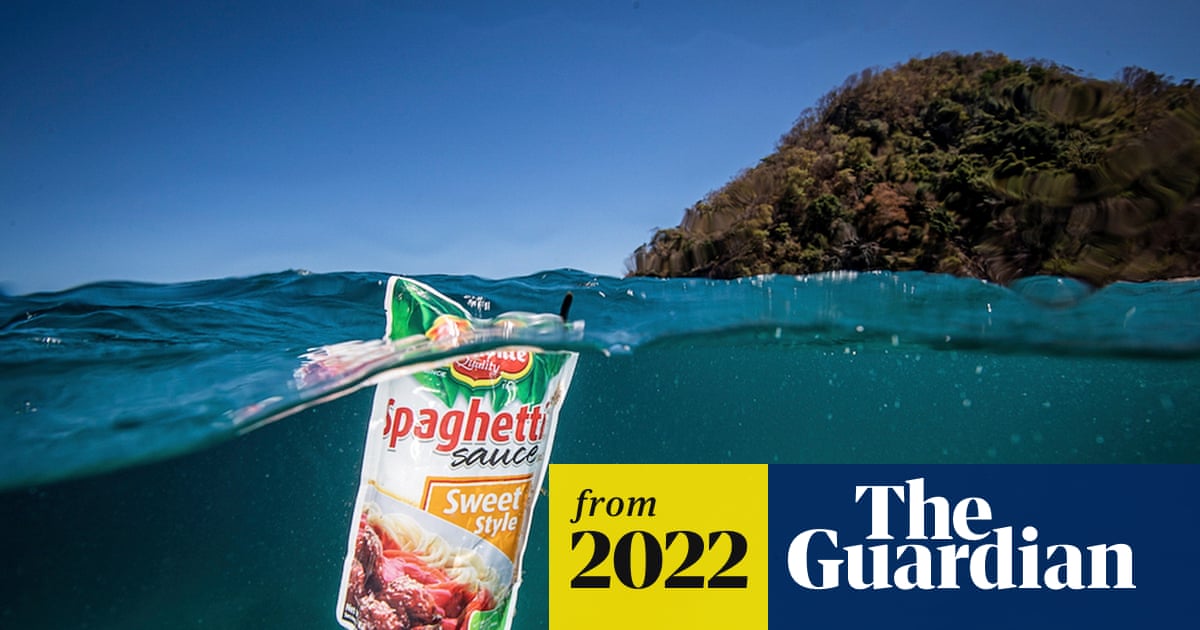
Activists installed a monument outside Unilever's London headquarters featuring the iconic Dove bottle vomiting plastic waste, accompanied by the slogan "Real Harm." Unilever operates a bifurcated sustainability strategy that varies sharply by geography.
Verified Against Public And Audited RecordsLong-Form Investigative Review
Reading time: ~35 min
File ID: EHGN-REVIEW-34912
Environmental impact of plastic sachet waste and lobbying in Southeast Asia
With solvent-based recovery failing, Unilever pivoted to promoting pyrolysis, frequently rebranded as "advanced recycling." This process involves heating plastic waste.
Primary RiskLegal / Regulatory Exposure
JurisdictionEPA
Public MonitoringThe "Waste-Free World" slogan remains on the website.
Report Summary
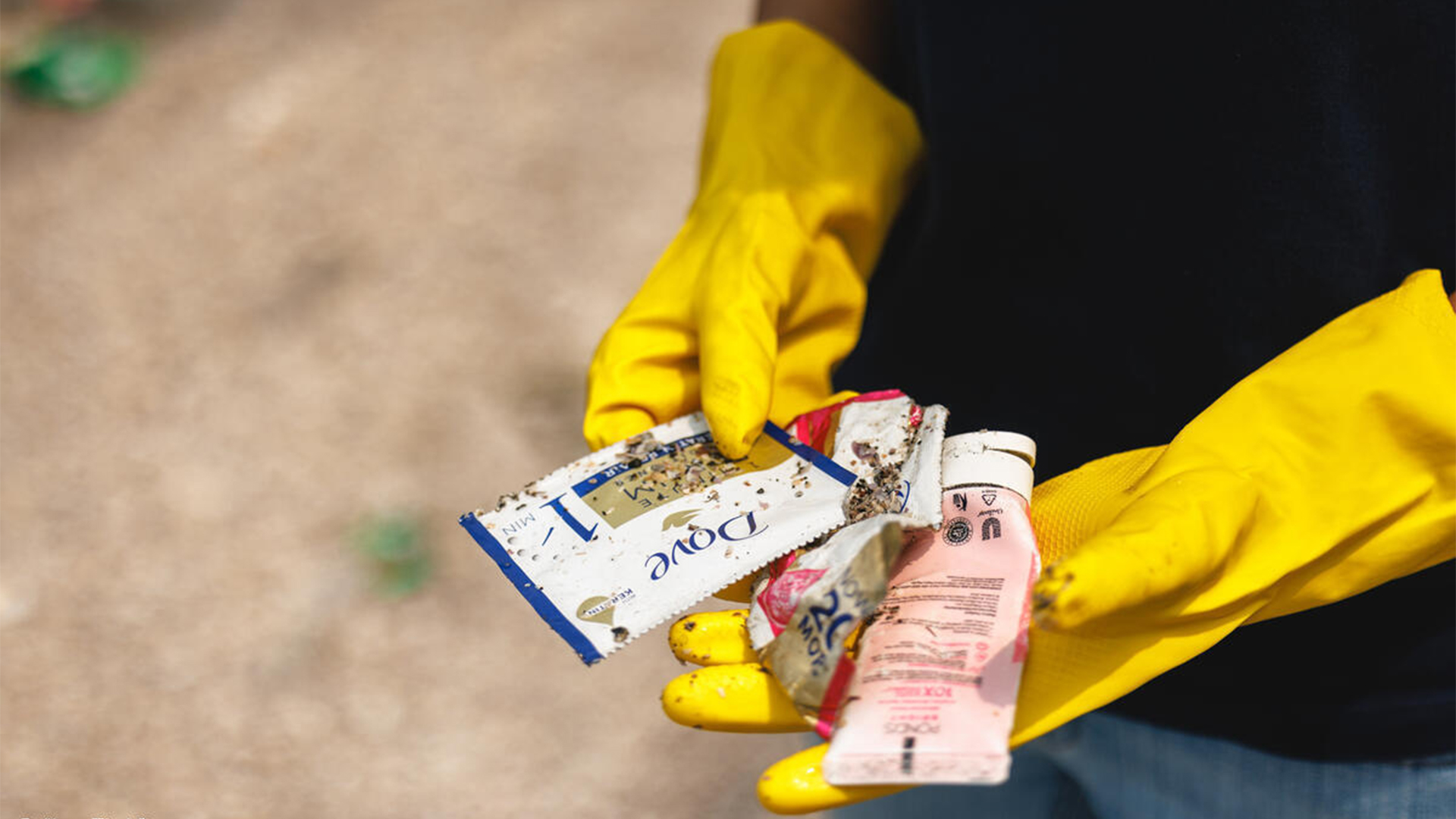
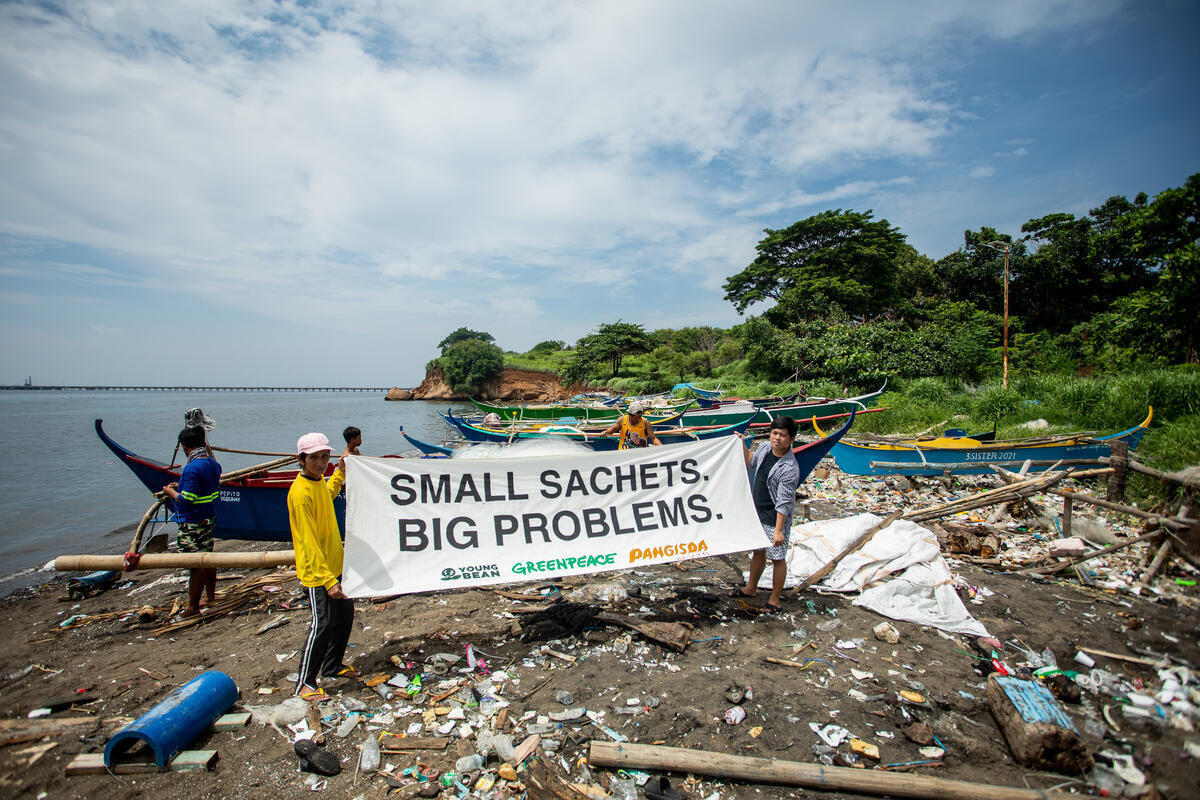
The audit found that in the Philippines alone, Unilever sachets accounted for a significant plurality of the waste, directly contradicting the company's claims that its "community collection" efforts were mitigating the damage. The activists used the audit data to that the company's profits were "drenched in plastic pollution." Unilever's standard response involves reiterating future , promising to halve virgin plastic use by 2025 or 2030. Unilever's dominance in the Indonesian market means its packaging is ubiquitous in these waste streams. even with the company's high-profile commitments to sustainability, the physical reality on the riverbanks of West Java tells a different.
Key Data Points
Every time a clock ticks, Unilever sells 1, 700 plastic sachets. This figure, derived from 2023 sales data and highlighted by Greenpeace International, defines the of the company's environmental footprint. By the time a reader finishes this paragraph, the company have introduced approximately 50, 000 new units of multi- plastic into the global market. In 2023 alone, Unilever sold an estimated 53 billion of these sachets. If lined up, this annual output would encircle the Earth more than 100 times. In 2023, volunteers collected over 33, 000 pieces of plastic waste across the Philippines, Indonesia, India, and Vietnam. Specific data.
Investigative Review of Unilever
Why it matters:
Unilever's sale of 1,700 plastic sachets per second is flooding Southeast Asian waterways with non-recyclable waste.
The sachet format, marketed as a pro-poor strategy, is contributing to severe ecological damage in countries like the Philippines and Indonesia.
1,700 Per Second: Quantifying the Sachet Flood in Southeast Asian Waterways
The Mathematics of Pollution
Every time a clock ticks, Unilever sells 1, 700 plastic sachets. This figure, derived from 2023 sales data and highlighted by Greenpeace International, defines the of the company’s environmental footprint. By the time a reader finishes this paragraph, the company have introduced approximately 50, 000 new units of multi- plastic into the global market. These palm-sized packets, containing single servings of shampoo, detergent, or coffee, are engineered for immediate disposal yet designed to last for centuries. In 2023 alone, Unilever sold an estimated 53 billion of these sachets. If lined up, this annual output would encircle the Earth more than 100 times. The volume is not a logistical statistic; it represents a physical flood inundating the developing world, specifically Southeast Asia, where waste infrastructure cannot manage the deluge.
The sachet format is marketed as a “pro-poor” business strategy, allowing low-income consumers to access premium brands like Dove, Sunsilk, and Surf for pennies. Yet the economic convenience masks a severe ecological debt. Because these packets are constructed from complex of plastic and aluminum fused together, they are economically impossible to recycle. Waste pickers, who form the backbone of recycling systems in Indonesia and the Philippines, leave them behind because they hold zero resale value. Consequently, these packets escape collection systems and migrate into the environment. In the Philippines, the Global Alliance for Incinerator Alternatives (GAIA) estimates that the nation consumes 164 million sachets daily. of this waste bears the Unilever logo, contributing to the clogging of storm drains and the exacerbation of urban flooding in cities like Manila.
The Philippine Sachet Economy
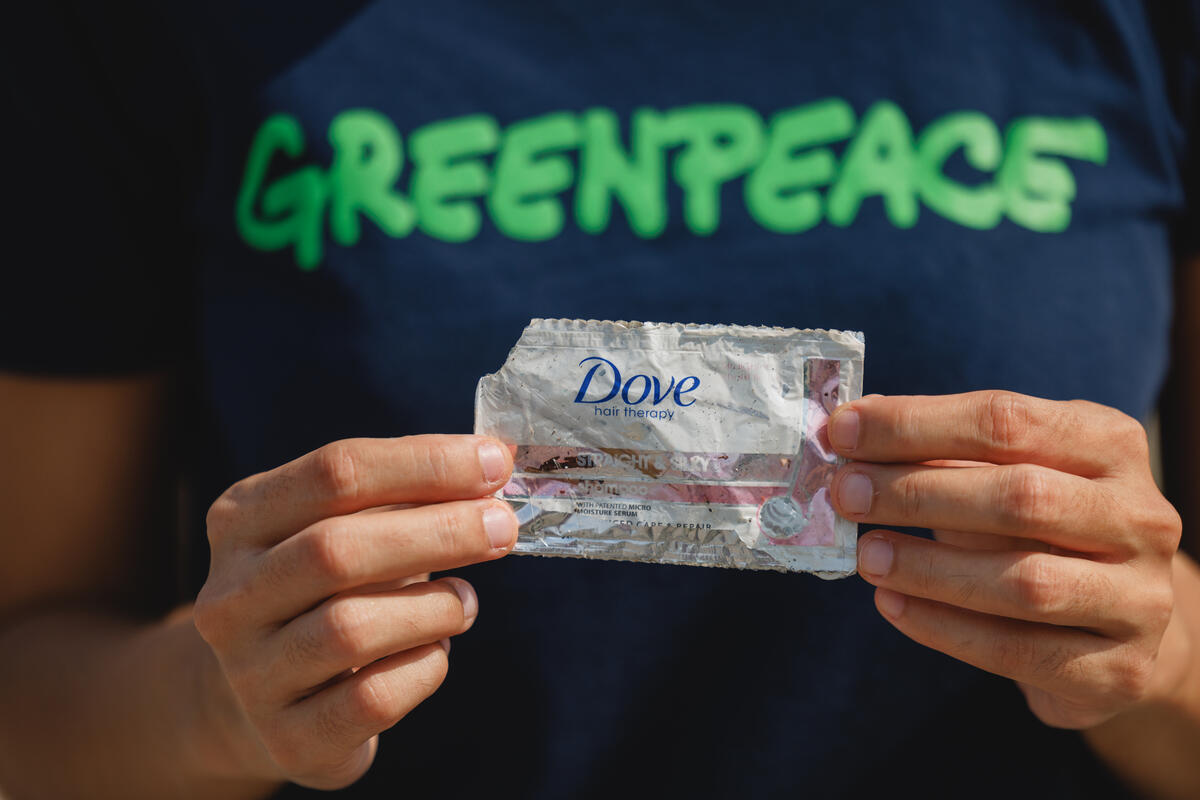
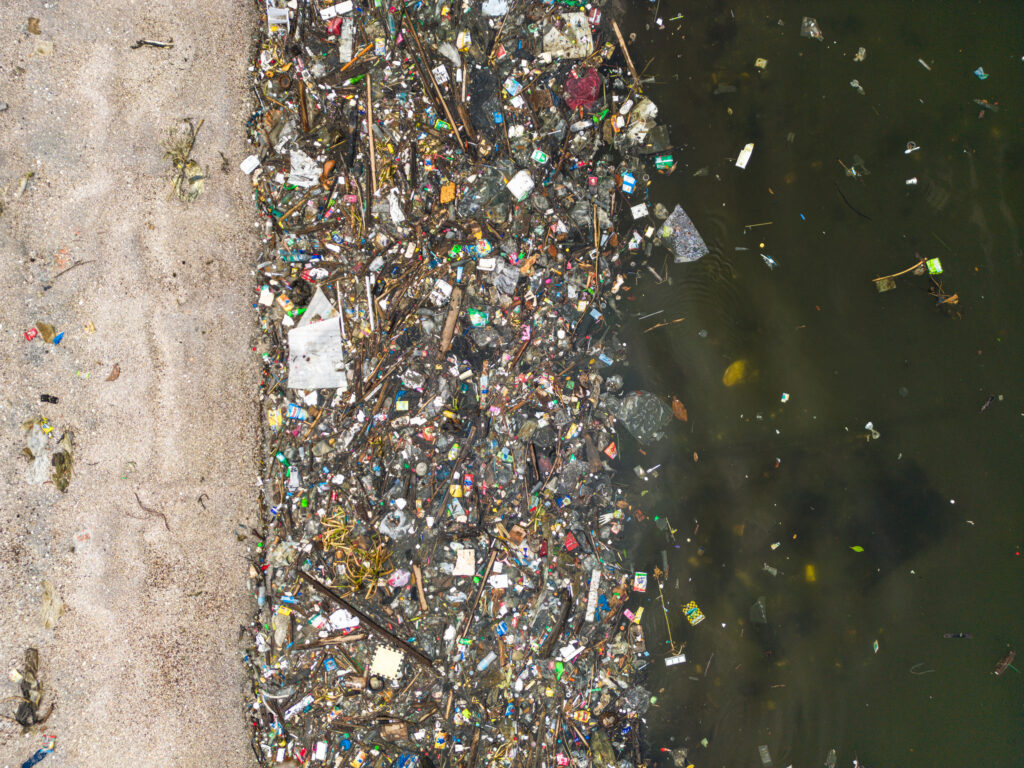
The Philippines serves as ground zero for this waste emergency. In neighborhoods like Tangos in Navotas City, the accumulation of sachet waste has created what observers describe as a “walkable moat” of trash atop the water. Fishermen in Manila Bay frequently report propellers entangled in plastic soup, a mixture dominated by single-use flexible packaging. Brand audits conducted by the Break Free From Plastic movement consistently identify Unilever as one of the top corporate polluters in the region. In 2023, volunteers collected over 33, 000 pieces of plastic waste across the Philippines, Indonesia, India, and Vietnam. Unilever ranked as the third-worst polluter globally in these audits, trailing only Coca-Cola and Nestlé. Specific data for the Dove brand is particularly damning; in 2022, Dove alone produced 6. 4 billion sachets, accounting for more than 10% of the parent company’s total sachet sales.
The environmental cost is visible in the Pasig River, once a important waterway, a conveyor belt for non-recyclable plastic flowing into the ocean. The density of sachet waste here alters the hydrology of the river system. During typhoons, the plastic acts as a plug in drainage canals, preventing water from receding and prolonging floods in communities. Local government units spend millions of pesos annually on dredging operations that scratch the surface of the problem. The “tingi” culture, buying in small amounts, has been weaponized by multinational corporations to push volumes that local municipal systems were never designed to handle. While Unilever profits from the micro-transactions, the macro-costs of cleanup and health risks are externalized to the Philippine public.
Indonesia and the Citarum Reality
In Indonesia, the situation mirrors the Philippine emergency. Sachet waste constitutes approximately 16% of all plastic pollution in the archipelago. The Citarum River, frequently as one of the world’s most polluted rivers, is choked with multi- packaging. Investigations by groups like ECOTON (Ecological Observation and Wetlands Conservation) reveal that microplastics derived from these sachets have contaminated 99% of Indonesia’s river systems. These fragments enter the food chain, ending up in the water and fish consumed by local populations. Unilever’s dominance in the Indonesian market means its packaging is ubiquitous in these waste streams. even with the company’s high-profile commitments to sustainability, the physical reality on the riverbanks of West Java tells a different story.
The material composition of these sachets renders them “evil,” a term famously used by Hanneke Faber, a former President of Global Food & Refreshments at Unilever, to describe the packaging’s unrecyclability. The technical barrier is the multi-material laminate. To keep products fresh, manufacturers bond plastic films with aluminum foil. Separating these requires energy-intensive chemical processes that are neither nor economically viable in the markets where sachets are sold most aggressively. Unilever attempted to address this with the CreaSolv technology pilot in Indonesia, a project touted as a solution for recycling sachets. Yet, investigative reports and site visits by NGOs found the facility struggling to meet, eventually proving that the technology could not handle the sheer volume of waste the company produces. The failure of such technological fixes leaves landfilling or open burning as the only disposal options, both of which release toxic emissions.
The widening Gap Between and Production
Unilever’s corporate documentation shows a widening between public sustainability goals and production realities. The company pledged to halve its use of virgin plastic by 2025. Yet, analysis by Greenpeace in late 2023 indicated that at the current rate of reduction, Unilever would not meet this target until 2034. In the 608 days following a major Greenpeace campaign launch in 2023, the company sold an additional 89 billion sachets globally. This continued production trajectory suggests that the “sachet economy” remains central to Unilever’s growth model in the Global South, regardless of the environmental collateral damage.
The persistence of this packaging format is not an accident a choice. Alternative delivery systems, such as refill stations or bulk dispensing, exist have not received the same level of investment or marketing push as the sachet. In 2026, the company continues to rely on the argument that sachets are necessary for affordability. Critics this is a false dichotomy. By locking low-income consumers into the most expensive format per milliliter, sachets frequently cost more by volume than larger bottles, companies extract maximum value while leaving the empty shells for local communities to manage. The 1, 700 sachets sold every second are not just products; they are future artifacts of a system that prioritized market penetration over planetary health.
Estimated Annual Sachet Waste Metrics (Southeast Asia Focus)
Metric
Data Point
Source/Context
Global Sales Rate
1, 700 sachets per second
Greenpeace International (2023/2024 Data)
Annual Volume (Global)
~53 Billion units
Unilever 2023 Estimates
Philippines Daily Use
164 Million units
GAIA (Global Alliance for Incinerator Alternatives)
Dove Brand Output
6. 4 Billion units/year
~10% of Unilever’s total sachet volume
Indonesia Waste Share
16% of total plastic waste
National waste composition studies
Recyclability Status
Near Zero
Multi- packaging (MLP) rejected by recyclers
1,700 Per Second: Quantifying the Sachet Flood in Southeast Asian Waterways
CreaSolv Indonesia: The Financial and Technical Collapse of a Recycling Pilot
The Sidoarjo Mirage: A Ten Million Euro Decoy
In 2017, Unilever executives and industry partners gathered in Sidoarjo, East Java, to unveil what they claimed was the answer to the plastic emergency. The facility, a pilot plant utilizing CreaSolv technology, promised to recycle multilayer sachets, a material previously deemed impossible to process. This project was not an experiment. It served as the central pillar of Unilever’s environmental defense strategy in Southeast Asia. The corporation argued that sachets did not need to be banned because they could be recycled. The Sidoarjo plant was the physical proof of this argument. Yet, an examination of the facility’s operational life reveals a catastrophic failure of engineering and economics that the company kept hidden while lobbying against regulation.
The CreaSolv process, developed in partnership with the Fraunhofer Institute in Germany, relies on a solvent-based method. The theory suggests that specific solvents can dissolve the polyethylene plastic of a sachet, separating them from the aluminum and inks. Ideally, the solvent evaporates, leaving behind pure plastic resin ready for reuse. Unilever invested over €10 million into this venture. They projected the plant would process three tonnes of sachet waste per day at commercial. This figure was the metric used to assure investors and government officials that a circular economy for sachets was imminent.
The reality inside the Sidoarjo complex differed sharply from the press releases. The technology struggled to handle the dirty, heterogeneous nature of post-consumer waste. Sachets plucked from Indonesian waterways or landfills are not clean laboratory samples. They are contaminated with organic matter, mud, and moisture. The CreaSolv process proved highly sensitive to this contamination. Technical breakdowns occurred frequently. The solvent recovery rate, essential for keeping the process affordable and less toxic, failed to meet. Instead of a closed loop, the plant became a generator of toxic sludge.
The Mathematics of Failure
The between promised capacity and actual output exposes the depth of the deception. While the target was three tonnes per day, the plant struggled to process that amount in a month. Data obtained by the Global Alliance for Incinerator Alternatives (GAIA) and reported by Reuters indicates that during its peak operation between 2019 and 2021, the facility produced a daily average of roughly 60 kilograms of recycled plastic. At this actual processing rate, it would take the facility approximately 12, 800 years to recycle the amount of sachet waste Indonesia generates in a single year.
This abysmal throughput rendered the project statistically irrelevant to the waste emergency. Yet, Unilever continued to cite the CreaSolv technology in sustainability reports and government meetings as a solution. The company did not disclose that the process resulted in a material loss of 40 to 60 percent. For every tonne of sachets fed into the machine, nearly half ended up as toxic residue requiring disposal. The “recycled” polyethylene that did emerge was of such poor quality that it could not be used to make new food-grade sachets. It was downcycled into non-food packaging, breaking the pledge of a circular “sachet-to-sachet” loop.
Economic Collapse and the Collection emergency
The failure was not only technical. It was financial. The cost to produce a tonne of recycled resin via the CreaSolv process far exceeded the market price of virgin plastic. High energy consumption required to heat the solvents, combined with the expense of the chemicals themselves, made the resulting plastic astronomically expensive. In a market driven by penny-thin margins, no buyer existed for this material. Unilever was subsidizing a manufacturing process that destroyed value with every pattern.
The collection network supporting the plant collapsed even faster than the. Unilever attempted to mobilize waste pickers to collect sachets, offering prices ranging from 500 to 1, 000 Indonesian Rupiah per kilogram. This rate was insufficient to incentivize collection. Sachets are lightweight and filthy. A waste picker must gather thousands of individual packets to make a single kilogram. The labor required to collect, clean, and store these scraps yields a fraction of the income generated by collecting PET bottles or aluminum cans. Consequently, waste banks and pickers abandoned the program. The supply chain dried up. Unilever was forced to subsidize the collection heavily, turning the logistics into a permanent cost center rather than a functioning market.
Lobbying Built on a Ghost Plant
Even as the Sidoarjo plant sat idling, Unilever used its existence to stall legislative action across Asia. In the Philippines and India, where lawmakers considered bans on single-use sachets, Unilever representatives pointed to the Indonesia pilot as evidence that a technological fix was available. They argued that bans were unnecessary because recycling technology was “just around the corner.” This narrative delayed serious regulation for years. The Sidoarjo plant acted as a regulatory shield, allowing the company to pump billions of fresh sachets into the market while the “solution” gathered dust.
When the failure became undeniable, the closure was shrouded in silence. There was no press release announcing the shuttering of the project. Instead, the company quietly halted operations. When investigative journalists from Reuters visited the site in 2021, they found the facility mothballed. Machines were silent. No workers were present. Unilever initially blamed the COVID-19 pandemic for the disruption. Yet, interviews with former employees and waste bank operators confirmed that the technical and economic problems predated the pandemic by years. The plant did not pause because of a virus. It stopped because the technology did not work.
From Recycling to Burning: The Pivot to RDF
Following the collapse of CreaSolv, Unilever quietly shifted its strategy in Indonesia from recycling to incineration. The company began partnering with cement manufacturers to burn sachet waste as Refuse Derived Fuel (RDF). This pivot acknowledges the reality that sachets cannot be recycled economically. Burning plastic in cement kilns releases microplastics, heavy metals, and persistent organic pollutants into the air. It is a method of disposal, not recycling. Yet, this shift allows the company to claim it is “diverting waste from landfills,” a metric that sounds positive in ESG reports while masking the environmental harm of incineration.
The CreaSolv pilot remains a cautionary example of corporate greenwashing. It demonstrated that the barrier to recycling sachets is not a absence of infrastructure the fundamental physics and economics of the material itself. Multilayer flexible packaging is designed for linearity. It is built to be used once and discarded. The millions of euros spent on the Sidoarjo plant achieved nothing waste reduction. Its only success was buying Unilever time to continue its sachet-based business model while the environment absorbed the cost.
Environmental groups also documented disturbing signs of pollution directly linked to the pilot. During the filming of the documentary The Story of Plastic, crews observed bright blue effluent flowing from the facility’s discharge pipes into the adjacent river. This visual evidence contradicts the clean, high-tech image Unilever projected. It suggests that the solvent-based process, intended to save the environment, was actively polluting the local water supply. The company has never publicly accounted for the chemical composition of that discharge or the disposal methods used for the toxic sludge generated by the failed recycling process.
The Sidoarjo facility stands today not as a beacon of innovation, as a monument to the failure of voluntary corporate commitments. It proves that technological moonshots cannot overcome the inherent un-sustainability of the sachet format. The plant’s closure confirms that there is no magical chemical bath capable of erasing the mountain of waste Unilever generates daily. The only proven solution remains the one the company fought hardest to avoid: the elimination of the sachet itself.
CreaSolv Indonesia: The Financial and Technical Collapse of a Recycling Pilot
Double Standards: Lobbying Against Sachet Bans in the Philippines and India
The Public-Private Split: A Corporate Janus
Unilever executes a strategy of bifurcation regarding single-use plastics. In London and Rotterdam, executives curate an image of sustainability leadership. Former CEO Alan Jope publicly branded plastic sachets as “evil” and admitted they hold “no real value” because they cannot be mechanically recycled. This rhetoric suggests a corporation ready to abandon a polluting format. Yet, in the legislative halls of Manila, New Delhi, and Colombo, the company operates with a different objective: the preservation of the sachet economy at all costs.
Reuters investigations and Greenpeace reports confirm that while Unilever publicly decried sachet waste, its operatives quietly lobbied against legislative bans in the Philippines, India, and Sri Lanka. The company relies on these markets for a massive portion of its revenue, and the sachet, a single-serving packet of shampoo, detergent, or toothpaste, remains the primary delivery vehicle for its products to low-income consumers. Rather than innovating away from this waste stream, Unilever’s regional teams worked to ensure that laws prohibiting these packets never passed or were down into ineffectiveness.
The Philippine Theater: PARMS and the EPR Shield
In the Philippines, the battle to protect the sachet took the form of an industry coalition. Unilever is a prominent member of the Philippine Alliance for Recycling and Materials Sustainability (PARMS). This group presents itself as a partner in environmental stewardship. In reality, PARMS served as a vehicle to oppose a direct ban on single-use plastics. When lawmakers proposed a prohibition on sachets to address the clogging of Manila’s waterways, PARMS and its members pushed back. They argued that such a ban would hurt the poor, a narrative that frames corporate profit preservation as social welfare.
Instead of a ban, the industry successfully lobbied for the Extended Producer Responsibility (EPR) Act of 2022. On the surface, the EPR law appears to hold companies accountable by requiring them to recover a percentage of their plastic footprint. In practice, it functions as a license to pollute. The law allows corporations to meet their obligations not by eliminating sachets, by “recovering” them. This recovery frequently means collecting plastic waste and sending it to cement kilns to be burned as fuel. This process, known as co-processing, transforms plastic pollution into air pollution. It allows Unilever to claim it is “plastic neutral” while continuing to pump billions of non-recyclable sachets into the market. Critics have labeled the EPR law “polluter-friendly” because it institutionalizes the waste stream rather than stopping it at the source.
Reports indicate that Unilever lobbied Senator Cynthia Villar directly to push for this version of the legislation. By securing a law that focuses on downstream collection rather than upstream restriction, the company blocked the threat of a sachet ban. The result is a regulatory environment where the production of “evil” sachets continues unabated, sanctioned by a law that the industry itself helped shape.
The Indian Maneuver: “Energy Recovery” as a Smokescreen
In India, Hindustan Unilever Limited (HUL) faced similar regulatory threats. The Indian government, with mountains of plastic waste, proposed bans on specific single-use items. HUL, the country’s largest consumer goods company, mobilized to ensure sachets, referred to as “flexibles” in industry jargon, were excluded from the most severe restrictions. The company leveraged the argument that no viable alternative existed for the price-sensitive Indian consumer.
HUL’s strategy in India relies heavily on the concept of “plastic neutrality.” The company claims to collect and process more plastic than it sells. This metric sounds impressive in sustainability reports. A closer examination reveals that of this “processing” involves incineration in cement kilns. HUL frames this as “energy recovery.” Environmental groups identify it as a transfer of toxicity from land to air. By funding the burning of waste, HUL protects its supply chain. The sachet remains on the shelf, the waste disappears into a furnace, and the company claims compliance with environmental norms.
This method allows HUL to bypass the fundamental problem: the sachet itself is a design failure. It cannot be recycled into new packaging. By lobbying against bans and promoting incineration-based EPR schemes, HUL ensures that the sachet remains the dominant format in the Indian market. The company’s “pro-poor” defense ignores the reality that these same communities suffer most from the pollution caused by unmanaged waste and toxic incinerator emissions.
The Sri Lankan Evasion: Compliance by Technicality
Sri Lanka offers the most transparent example of Unilever’s resistance to regulation. When the Sri Lankan government moved to ban sachets containing less than 20 milliliters of product, the intent was to eliminate the smallest, most litter-prone packets. Unilever’s response was not to switch to refillable bottles or sustainable materials. Instead, the company circumvented the spirit of the law by selling sachets in strips of four. By connecting four 6-milliliter packets, they argued the product was a single 24-milliliter unit, thus technically exempt from the ban.
This maneuver demonstrates a commitment to the sachet model that supersedes legal intent. It forced the Sri Lankan government to close the loophole with further regulation. The episode reveals the lengths to which the company go to maintain its distribution model. It contradicts the public statements of executives who claim the company is “phasing out” multilayered packaging. In Sri Lanka, they did not phase it out; they repackaged it to evade the law.
The Cost of Corporate intransigence
The consequences of this lobbying are measurable in tons of waste. By defeating or weakening bans in the Philippines and India, Unilever ensured the continued flow of billions of sachets into environments that cannot manage them. The “pro-poor” argument collapses when one views the drainage canals of Manila or the landfills of Mumbai, where these very sachets accumulate, causing floods and spreading disease. The company’s actions preserve its profit margins at the expense of the public infrastructure and environmental health of the Global South.
The between Unilever’s European sustainability pledges and its Asian lobbying efforts is not an accidental oversight. It is a calculated operational strategy. The company purchases social license in the West with pledge of circularity, while purchasing regulatory immunity in the East with lobbying power. The sachet remains the engine of growth in emerging markets, and until legislation forces a change, Unilever shows no sign of turning the engine off.
Contrast: Public Statements vs. Private Actions
Public Stance (Global)
Private Action (Asia)
Outcome
“Sachets are evil.” (Alan Jope)
Lobbied against sachet bans in Philippines & India.
Bans dropped or weakened; sachet sales continue.
” phase out multilayer plastics.”
Circumvented Sri Lankan ban by multipacking small sachets.
Continued sale of non-recyclable packets.
“Commitment to circular economy.”
Promoted incineration (co-processing) as “recycling.”
Plastic waste burned, creating air pollution.
“Support for Global Plastics Treaty.”
Backed “polluter-friendly” EPR laws (e. g., Philippines).
Legitimized business-as-usual production.
Double Standards: Lobbying Against Sachet Bans in the Philippines and India
The Cement Kiln 'Solution': Environmental Risks of Refuse-Derived Fuel Partnerships
The collapse of the CreaSolv pilot in Sidoarjo left Unilever with a logistical nightmare: billions of multilayered sachets flooding Southeast Asian markets with no viable recycling method. Rather than reducing production, the conglomerate pivoted to a cruder disposal strategy disguised as environmental stewardship. This new “solution” involves harvesting plastic waste from landfills and waterways, shredding it into Refuse-Derived Fuel (RDF), and burning it in the furnaces of industrial cement kilns. Unilever brands this process “co-processing” or “energy recovery.” Environmental toxicologists call it open incineration by another name. ### The Kiln Partnerships Unilever has formalized agreements with of the world’s largest cement manufacturers to absorb its sachet waste. In the Philippines, the company partnered with **Cemex Philippines** and **Republic Cement** (a joint venture of CRH and Aboitiz) to burn flexible plastics. Programs like “Misis Walastik” and “Kolek Kilo Kita” incentivize impoverished residents to collect sachets in exchange for Unilever products. These collections are then trucked to cement plants, such as Cemex’s Solid Cement corporation in Antipolo, to be incinerated as alternative fuel. In Indonesia, following the failure of its chemical recycling ambitions, Unilever collaborated with **PT Solusi Bangun Indonesia** (formerly Holcim Indonesia) and local environmental agencies to process mined landfill waste into RDF. The company set to process thousands of tonnes of this plastic-heavy fuel, positioning the burning of waste as a circular economy milestone. In Vietnam, the strategy is identical. Unilever partnered with **INSEE Ecocycle** (a unit of Siam City Cement) to co-process non-recyclable waste. While the company simultaneously promotes bottle-to-bottle recycling with partners like Duy Tan, the sachet fraction of their portfolio—the most polluting segment—is largely destined for the kiln. ### The Chemistry of “Energy Recovery” The rebranding of incineration as “co-processing” obscures the chemical violence occurring inside the kilns. Cement kilns are designed to produce clinker from limestone, not to safely destroy complex polymers. Sachets are frequently composed of containing aluminum and various plastics, including polyvinyl chloride (PVC) or additives that generate dioxins and furans when burned. Dioxins are among the most toxic chemicals known to science, linked to cancer, reproductive disorders, and immune system damage. Unlike specialized waste-to-energy incinerators, which are legally required in the EU to have expensive flue gas cleaning systems, cement kilns in developing nations frequently operate with less emission controls. When Unilever sends sachets to a kiln in West Java or Luzon, the plastic burns, the toxic byproducts are released into the local atmosphere or in the cement itself. ### The “Plastic Neutrality” Accounting Trick This incineration strategy serves a specific corporate purpose: it allows Unilever to claim “plastic neutrality.” By funding the collection and burning of an equivalent weight of plastic to what they sell, the company asserts it has “collected and processed” more plastic than it introduces to the market in specific regions. This accounting method relies on weight, not environmental outcome. Burning one tonne of sachets removes the visible litter converts it into invisible atmospheric toxicity and greenhouse gases. The Global Alliance for Incinerator Alternatives (GAIA) and Greenpeace have repeatedly exposed this model, noting that it creates a perverse incentive. As long as Unilever can pay cement companies to burn waste, they can continue increasing the production of virgin plastic sachets—currently estimated at 53 billion units annually—without altering their packaging design. ### Local Impact The human cost of this strategy falls on the communities living in the shadow of these industrial plants. Residents near cement kilns accepting RDF frequently report acrid chemical smells, respiratory ailments, and dusting of crops. The “Misis Walastik” program in the Philippines, while marketed as community, turns low-income neighborhoods into a feeder system for hazardous waste incineration, trading sachets for small quantities of shampoo or detergent while the long-term health risks of the disposal method remain unaddressed. Unilever’s shift to cement kilns represents a retreat from circularity. It is a linear disposal method—extract, make, burn—that permanently destroys the material while releasing its carbon and chemical load. It solves the company’s public relations problem of visible litter, yet it exacerbates the planetary problem of toxic pollution.
Unilever’s “Co-Processing” Partners in Southeast Asia
Country
Cement Partner
Program Name/Brand
Function
Philippines
Cemex Philippines
Regenera / Misis Walastik
Burning sachets as alternative fuel
Philippines
Republic Cement
Ecoloop
Co-processing flexible plastic waste
Indonesia
PT Solusi Bangun Indonesia (SBI)
RDF Projects
Mining landfill waste for kiln fuel
Vietnam
INSEE Ecocycle
Ecocycle
Co-processing non-recyclable packaging
The Cement Kiln 'Solution': Environmental Risks of Refuse-Derived Fuel Partnerships
Misis Walastik: Auditing the Efficacy of Community-Based Sachet Recovery
The corporate narrative surrounding “Misis Walastik” (Mrs. Plastic-Wise) is one of and environmental stewardship. Launched in 2012 and aggressively expanded in 2017, the program is Unilever Philippines’ flagship community-based waste recovery initiative. It enlists neighborhood sari-sari stores and junk shops to collect flexible plastic waste—primarily sachets—in exchange for cash incentives and goods. On the surface, it appears to be a win-win: low-income communities earn supplemental income, and plastic waste is diverted from waterways. yet, an investigative audit of the program’s mechanics, metrics, and disposal methods reveals a different reality. Misis Walastik functions less as a recycling solution and more as a regulatory shield, allowing the conglomerate to maintain its sachet-dependent business model while complying with the Philippines’ Extended Producer Responsibility (EPR) Act of 2022. The program’s efficacy collapses when the collection metrics are juxtaposed with production volumes. Unilever and its partners, including the junk shop network Linis Ganda, touted the collection of approximately 17, 000 metric tons of post-consumer flexible plastic waste in 2023. While this figure appears substantial in a press release, it pales in comparison to the national deluge. Data from the Global Alliance for Incinerator Alternatives (GAIA) indicates that Filipinos discard approximately 164 million sachets daily. Even if Misis Walastik’s collection figures are taken at face value, they represent a fraction of the waste stream generated by the very products the company aggressively markets to the “bottom of the pyramid.” The program acts as a bucket brigade trying to empty a swimming pool while a firehose of new virgin plastic continues to fill it. The most serious deception lies in the destination of the collected waste. Unilever frequently uses terms like “recycling” and “circular economy” in its sustainability reports. Yet, the vast majority of sachets collected through Misis Walastik are not recycled into new packaging. They are sent to cement kilns. Through partnerships with cement manufacturers like Republic Cement and Holcim, Unilever use a method known as “co-processing.” In this arrangement, plastic sachets are burned as “alternative fuel” to fire the kilns used in cement production. Industry proponents defend co-processing as a superior alternative to landfilling, citing high temperatures that allegedly destroy toxic compounds. Environmental watchdogs this is incineration by another name. Burning multi- plastics—which contain additives, dyes, and adhesives—transfers pollution from the ground to the air. While cement kilns have filtration systems, the process locks the carbon content of the plastic into the atmosphere rather than keeping it in a circular material loop. By labeling this incineration as “recovery” or “diversion,” Unilever claims progress toward “plastic neutrality” without actually reducing its consumption of virgin fossil fuels for new sachets. The sachet remains a single-use, linear product; its end-of-life is simply thermal destruction rather than regeneration. The timing of Misis Walastik’s expansion is inextricably linked to the legislative. The Philippines’ EPR Act of 2022 mandates that large enterprises recover a percentage of their plastic packaging footprint—20% by the end of 2023, rising to 80% by 2028. Misis Walastik provides the method for this compliance. By funding the collection and burning of sachets, Unilever satisfies the legal requirement to “divert” waste. This regulatory compliance creates a perverse incentive: the company can continue to flood the market with non-recyclable sachets as long as it pays to burn a portion of them. The program subsidizes the continued production of problematic packaging rather than forcing a redesign toward reusable or truly recyclable alternatives. also, the program relies heavily on the informal waste sector, monetizing poverty to solve a corporate pollution emergency. The “incentives” offered to collectors—frequently amounting to pennies per kilogram—are insufficient to lift waste workers out of poverty are just enough to keep the supply chain of burnable plastic flowing to cement kilns. This shifts the load of waste management onto the most members of society, who handle dirty, chance hazardous materials without the protections or benefits of formal employment. The corporate PR machine reframes this exploitation as “livelihood generation,” masking the health risks associated with handling and storing waste that is frequently contaminated with organic residue. The “plastic neutral” claim, by programs like Misis Walastik, also serves to confuse consumers. When a shopper sees a “plastic neutral” certification or hears about these recovery programs, they may incorrectly assume that the sachet they buy be turned into a new sachet. The physics of multi- packaging makes this virtually impossible. The of aluminum, polyethylene, and polyester cannot be easily separated or re-extruded into food-grade packaging. The only viable “recycling” route Unilever has attempted—the CreaSolv technology—failed commercially and technically in Indonesia. With chemical recycling unproven, co-processing remains the only outlet. Thus, Misis Walastik is not a to a circular economy; it is a one-way ticket to a furnace. In the broader context of Southeast Asian waste management, Misis Walastik exemplifies the “polluter pays” principle twisted into “polluter pays to burn.” It allows Unilever to project an image of active responsibility while lobbying against stricter bans on single-use plastics. By pointing to these voluntary and mandatory recovery schemes, the company that bans are unnecessary because “waste management solutions” exist. This argument ignores the hierarchy of waste management, which prioritizes reduction and reuse over destruction. As long as the incinerator doors remain open and the collection are met through burning, the sachet assembly lines have no reason to stop. The program creates a closed loop not of materials, of justification: produce, collect, burn, repeat.Misis Walastik: Auditing the Efficacy of Community-Based Sachet Recovery
Break Free From Plastic Audits: Unilever’s Persistent Top-Three Polluter Status
The Citizen Science Verdict
Corporate sustainability reports frequently rely on theoretical recycling rates and “plastic neutrality” credits that exist only on paper. The Break Free From Plastic (BFFP) global brand audit serves as the only independent, empirical reality check against these claims. Since 2018, this massive citizen science initiative has mobilized thousands of volunteers across dozens of countries to physically collect, count, and document plastic waste found in the environment. The data consistently exposes a clear between Unilever’s public environmental pledges and the physical evidence littering the world’s waterways. While the company touts “circular economy” models in London boardrooms, the audits reveal a linear flow of trash in the Global South, with Unilever’s branding appearing with predictable, damning regularity.
Climbing the Ladder of Pollution
Unilever’s position in these audits shows a disturbing trend: rather than improving, its relative standing among top polluters has worsened or remained stubbornly high. In the inaugural 2018 audit, Unilever ranked seventh among the top global polluters. By 2019, it had climbed to fifth place. In 2021, the company entered the top three for the time, joining Coca-Cola and PepsiCo in the “dirty trinity” of global plastic waste. This shift occurred during the very period the company was aggressively marketing its “USLP” (Unilever Sustainable Living Plan) and promising a waste-free future. The 2023 audit, released in early 2024, confirmed this status, ranking Unilever third globally with 4, 485 individual pieces of branded waste documented in a single sampling pattern. This persistence in the top tier indicates that while other companies fluctuate, Unilever’s waste footprint remains structurally entrenched in the environments where it operates.
The Sachet Audit: A Regional emergency
While global rankings provide a broad overview, regional audits in Southeast Asia expose the specific mechanics of Unilever’s pollution. A specialized audit report released in April 2024 focused specifically on sachets, the multi-, non-recyclable packets used for single servings of shampoo, detergent, and food. This investigation identified Unilever as the undisputed top sachet polluter in Asia. In the Philippines, Vietnam, India, and Indonesia, volunteers recovered over 33, 000 sachets in a matter of months. Unilever’s branding dominated this sample. The audit found that in the Philippines alone, Unilever sachets accounted for a significant plurality of the waste, directly contradicting the company’s claims that its “community collection” efforts were mitigating the damage. The physical recovery of these items proves that the company’s “downstream” solutions, such as cement kiln incineration partnerships, fail to capture the sheer volume of sachets flooding the market.
Methodology as Accountability
Unilever and its peers frequently dismiss these audits as “unscientific” or “absence context,” arguing that they represent only a snapshot of litter rather than total sales. Yet, the BFFP methodology is rigorous. It requires standardized for collection, categorization, and photographic evidence. The consistency of the findings across six years and forty-plus countries validates the data. When volunteers in Manila, Mumbai, and Jakarta independently and repeatedly find Unilever sachets as the dominant form of coastal debris, it establishes a statistical pattern that cannot be explained away as random chance. The audits measure the failure rate of the company’s waste management strategies. Every Dove or Sunsilk sachet found in a mangrove root represents a unit of packaging that the company’s vaunted “circular” systems failed to capture.
The “Multilayer” Immunity
The audits also reveal the material composition of the waste, debunking the myth of recyclability. The vast majority of Unilever items recovered are not rigid HDPE bottles, which have resale value to waste pickers, flexible multilayer laminates. These sachets fuse plastic with aluminum and other polymers, rendering them economically worthless and technically impossible to recycle in standard facilities. Volunteers consistently report that while PET bottles from other brands are sometimes scavenged by informal waste sectors before audits occur, Unilever’s sachets remain. They in the environment because no market exists for them. This “negative value” packaging ensures that Unilever’s waste stays on the ground longer than that of competitors who use higher-value materials, directly contributing to the company’s high visibility in audit counts.
Table: Unilever’s Global Polluter Ranking (2018, 2023)
The following data summarizes Unilever’s trajectory in the Break Free From Plastic global brand audits, showing a consistent presence among the world’s worst corporate polluters.
Year
Global Rank
Key Audit Findings
2018
#7
Identified as a top polluter in the inaugural global audit; high prevalence of multilayer packaging found in Southeast Asia.
2019
#5
Climbed two spots; volunteers recovered thousands of items, with sachets dominating the count in the Philippines and Indonesia.
2020
Top 10
Remained in the top tier even with pandemic-restricted audit; consistent recovery of personal care sachets.
2021
#3
Entered the top three for the time, surpassing other FMCG giants; as a “particularly egregious” polluter given its COP26 sponsorship.
2022
Top 5
Five-year longitudinal analysis confirmed Unilever as a permanent fixture in the top 5 global polluters list.
2023
#3
Ranked third globally; identified as the #1 corporate sachet polluter in a specialized Asian market assessment.
Dissonance at the Headquarters
The release of these audit results frequently coincides with Unilever’s corporate announcements, creating a jarring contrast between PR and reality. In 2024, as the audit named Unilever the third-worst polluter, the company was facing protests at its London headquarters where activists unveiled a “Profit Warning” banner. The activists used the audit data to that the company’s profits were “drenched in plastic pollution.” Unilever’s standard response involves reiterating future , promising to halve virgin plastic use by 2025 or 2030. The audits serve as a historical record of missed. The 2018 audit found Unilever sachets; the 2023 audit found the same sachets, frequently in greater numbers. This timeline proves that voluntary corporate commitments have not altered the physical reality of waste accumulation in the Global South.
Dove’s Plastic Footprint: Marketing 'Purpose' While Polluting the Pacific
The Real Harm of Real Beauty
Dove stands as the crown jewel of Unilever’s “brands with purpose” strategy. For two decades, the personal care giant has marketed the brand not as soap or shampoo, as a vehicle for social change. The “Real Beauty” campaign, launched in 2004, successfully positioned Dove as a champion of self esteem and body positivity. This marketing narrative generated billions in revenue and insulated the parent company from criticism. Yet the brand’s environmental reality in Southeast Asia tells a different story. While Dove ads in the Global North feature pristine imagery and pledges of 100% recycled bottles, the brand floods the Global South with unrecyclable multilayer sachets. In 2022 alone, Dove produced an estimated 6. 4 billion sachets. These single use packets choke the waterways of the very communities the brand claims to uplift.
The dissonance between Dove’s social mission and its physical footprint reached a breaking point in late 2023. Greenpeace International released a report titled “Uncovered,” which analyzed the company’s plastic trajectory. The findings showed that Unilever sells approximately 1, 700 plastic sachets every second. Dove accounts for of this volume. The report highlighted that while the brand encourages women to “detox their feed” of toxic social media influences, it simultaneously toxifies their physical environment with persistent waste. This hypocrisy became the center of a Greenpeace campaign that subverted Dove’s own marketing materials. Activists installed a monument outside Unilever’s London headquarters featuring the iconic Dove bottle vomiting plastic waste, accompanied by the slogan “Real Harm.”
The Two-Tiered Sustainability Model
Unilever operates a bifurcated sustainability strategy that varies sharply by geography. In Europe and North America, Dove bottles are frequently made from 100% post consumer recycled plastic. The company touts these achievements in global sustainability reports to satisfy western investors and eco conscious consumers. Yet in markets like the Philippines, Indonesia, and India, the primary delivery method for Dove products remains the sachet. These small packets consist of aluminum and plastic fused together. This material design makes them cheap to produce and impossible to recycle. The company defends this practice as a “pro poor” strategy that allows low income consumers to access premium brands. This economic rationale ignores the externalized costs of waste management that local municipalities must bear.
The volume of waste generated by this specific brand is measurable. Break Free From Plastic, a global movement, consistently identifies Unilever as a top polluter in its brand audits. In coastal areas of Manila Bay, volunteers frequently find Dove sachets in the sediment. The sachet waste does not. It breaks down into microplastics that enter the marine food web. Fish ingest these particles. Families who rely on local catch then consume the plastic. The brand that pledge to care for skin health contributes to the contamination of the food supply for millions of people in the Pacific region.
Subverting the Narrative
The 2023 Greenpeace campaign marked a shift in how environmental groups target corporate polluters. Rather than focusing solely on the parent company, activists aimed directly at the high value brand equity of Dove. The “Toxic Influence” film released by Greenpeace parodied Dove’s emotional advertising style. It featured mothers and daughters discussing their reactions not to beauty standards, to plastic pollution. The video juxtaposed the glossy, clean aesthetic of Dove commercials with footage of waste pickers sifting through mountains of sachets in Jakarta. This direct attack on the “Real Beauty” ethos forced the company to respond. Unilever acknowledged that its work was “far from over” refused to commit to a ban on sachets.
The refusal to exit the sachet market from profit margins rather than technical inability. Unilever has the technology to distribute products in reusable or refillable formats. The company has piloted refill stations in Indonesia, yet these initiatives remain small pilot programs compared to the industrial of sachet production. The “Misis Walastik” program in the Philippines, previously discussed, attempted to collect sachets for processing in cement kilns. This method transfers the pollution from the ground to the air. It does not reduce the production of virgin plastic. The company continues to prioritize the immediate revenue from sachet sales over the long term ecological health of its growth markets.
The Flooding Connection
The environmental impact of Dove sachets extends beyond visual blight. In urban centers like Manila and Jakarta, plastic waste clogs drainage canals. This obstruction exacerbates flooding during the monsoon season. When drains fail, stagnant water accumulates. This creates breeding grounds for mosquitoes and increases the risk of waterborne diseases. The “Real Beauty” of the brand is difficult to reconcile with the reality of a neighborhood submerged in floodwater mixed with plastic trash. The sachet is a primary culprit in this infrastructure failure. Its small size allows it to slip through grates and accumulate in narrow pipes. Once lodged, the multilayer material does not degrade. It forms a dense mat that blocks water flow.
Local governments struggle to manage this waste stream. The cost of collecting and disposing of low value sachets exceeds the municipal budgets of Southeast Asian cities. Unilever pays no tax to cover these disposal costs. The company retains the profits from the sale, while the public sector absorbs the expense of the cleanup. This economic arrangement represents a subsidy from the public to the corporation. The “purpose” marketing of Dove distracts from this financial reality. By focusing the conversation on self esteem, the company avoids discussing the tax load it places on developing nations through its packaging choices.
Marketing Versus Metrics
Unilever’s “Growth Action Plan” identifies plastic reduction as a priority. Yet the metrics tell a story of missed. The company pledged to halve its use of virgin plastic by 2025. Analysis by Greenpeace suggests the company miss this target by nearly a decade at current rates. The continued reliance on sachets for major brands like Dove is the primary reason for this failure. The company that alternative materials are not yet. critics point out that the company had decades to. The decision to stick with the multilayer sachet is a choice to prioritize current supply chain efficiency over environmental responsibility.
The “Real Harm” campaign highlighted that Dove produced enough sachets in 2022 to wrap around the Earth multiple times. This visualization helps consumers grasp the size of the problem. A single bottle of body wash might last a consumer a month. The equivalent volume in sachets requires dozens of individual packets. Each packet represents a separate piece of trash that in the environment for centuries. The shift from bottles to sachets in the Global South has accelerated the plastic emergency. Dove’s marketing team works to build an emotional connection with consumers, the product design team ensures that the physical connection, the waste, remains permanent.
The Brand Equity Risk
The continued association of Dove with ocean pollution poses a serious risk to Unilever’s most valuable asset: trust. The “Real Beauty” campaign relies on authenticity. If consumers perceive the brand as hypocritical, the emotional resonance of its advertising collapses. The images of dead birds and choked rivers associated with the Dove logo damage the brand’s premium positioning. Consumers in the Global North are becoming increasingly aware of the company’s practices in the Global South. The “eco-apartheid” strategy of selling sustainability to the rich and pollution to the poor is becoming a liability. As the UN Global Plastics Treaty negotiations advance, the pressure on high profile brands to disclose their full plastic footprint increases. Dove sits at the center of this storm. The brand cannot separate its purpose from its packaging. Until it eliminates sachets, the “Real Beauty” slogan remain a target for those who see the real ugliness of plastic pollution.
The Sidoarjo Shutdown: Abandoned Waste Banks and Disrupted Livelihoods
The Sidoarjo Shutdown: Abandoned Waste Banks and Disrupted Livelihoods
In the industrial sprawl of Sidoarjo, East Java, the pledge of a circular economy collided violently with the reality of corporate abandonment. Unilever selected this regency as the testing ground for its CreaSolv technology. The company marketed the pilot plant not as a technical facility as a social engine. Executives promised that the facility would monetize the worthless. They claimed it would transform the flexible plastic sachets clogging Indonesia’s rivers into a valuable commodity. To feed this machine, Unilever mobilized an army of the region’s poorest residents. The company activated a network of community waste banks, known locally as Bank Sampah, and instructed them to gather the multilayered plastic trash that scavengers ignored.
The economic logic presented to these community groups was seductive. Waste pickers in Surabaya, Gresik, and Mojokerto operate on razor-thin margins. They survive by collecting high-value materials like PET bottles and aluminum cans. Sachets had always been a load. They are light, dirty, and impossible to sell. Unilever changed this equation by offering a guaranteed price for every kilogram of sachet waste collected. The multinational corporation issued a purchase order to the informal sector. Thousands of waste pickers shifted their labor. They spent hours bending over landfills and riverbanks to retrieve muddy Dove, Sunsilk, and Royco packets. They believed they were building a steady income stream while cleaning their neighborhoods.
By late 2019, the collection network was fully operational. Warehouses and small community depots began to fill with sacks of flexible plastic. The waste banks operated on trust. They paid collectors upfront or promised payment upon delivery to Unilever’s intermediaries. This system relied entirely on the continuous operation of the CreaSolv facility. The plant was the only buyer in the world for this specific waste stream. If the plant stopped, the market evaporated.
The plant stopped. Investigations by the Global Alliance for Incinerator Alternatives (GAIA) and reports from Reuters confirmed that the facility quietly ceased meaningful operations by late 2019. The shutdown occurred months before the COVID-19 pandemic, although Unilever later used the pandemic as a convenient shield to explain the failure. The technical inability of the plant to process dirty, multilayered sachets rendered the operation financially disastrous. Unilever shuttered the project. The company did not problem a press release to the waste pickers. There was no public retraction of the buy-back pledge. The trucks simply stopped coming.
The impact on the ground was immediate and devastating. In Surabaya, waste bank operators found themselves sitting on tons of segregated sachet waste. These stockpiles, once viewed as assets, instantly reverted to garbage. The space occupied by these sacks was valuable. Small depots needed room to store sellable recyclables like cardboard and metal. The sachet piles became a liability. They attracted rats. They smelled of rotting food residue. They posed a significant fire hazard in densely populated neighborhoods.
Interviews conducted by local environmental groups revealed the desperation of the waste bank managers. One manager in Surabaya, unaware that the program had been terminated, continued to accept sachets from local pickers to maintain trust in the community. When it became clear that Unilever’s agents would not return, the manager faced a grim choice. The waste could not be sold. It could not be recycled. It cost money to haul it to the legal landfill. The solution was fire. The manager admitted to burning over one ton of collected Unilever sachets in an open pit. The very program designed to stop plastic pollution ended with the open burning of plastic, releasing black, toxic smoke directly into the lungs of the community that had tried to solve the problem.
The financial shockwave hit the bottom of the pyramid hardest. Waste pickers are among the most workers in the global economy. They absence contracts, insurance, and safety equipment. When they spent days collecting sachets instead of PET bottles, they made an investment of their labor. Unilever’s withdrawal wiped out that investment. For a scavenger earning less than five dollars a day, the loss of a week’s earnings is catastrophic. It means missed meals. It means school fees go unpaid. The ” ” rhetoric used in Unilever’s sustainability reports masked a system that transferred risk entirely to the poor. When the technology failed, the corporation wrote off the asset. The pickers absorbed the loss.
Unilever continued to promote the success of its community engagement even as the physical infrastructure rotted. Corporate sustainability reports in 2020 and 2021 referenced the thousands of waste banks supported by the company. These documents omitted the fact that the sachet collection arm of these banks had collapsed. The company pivoted its narrative. It began discussing “refuse-derived fuel” (RDF) as a new solution. This shift told the waste banks that their previous efforts to sort and clean plastic for recycling were unnecessary. The new plan was to burn the waste in cement kilns. This change demoralized the community organizers who had spent years educating residents about the hierarchy of waste management. They had taught their neighbors that recycling was superior to burning. Unilever’s operational failure forced them to unlearn this truth.
The logistical footprint of the failure extended beyond Sidoarjo. The collection drive had expanded to other parts of Java, including Jakarta and Bandung. In these cities, intermediaries had also set up supply chains to feed the CreaSolv beast. When the Sidoarjo plant went dark, the effect froze these networks. Aggregators who had purchased trucks or rented storage space specifically for the sachet program faced bankruptcy. The trust between the waste banks and the corporate giant was severed. Community leaders who had vouched for Unilever lost credibility with their members. Residents who had diligently separated their sachets saw their efforts end in a bonfire or a dump truck headed for the landfill.
The environmental legacy of the Sidoarjo shutdown is quantifiable. The pilot plant processed a negligible amount of waste during its short life. Unilever claimed it recycled around 94 tons of material over two years. This figure is statistically irrelevant compared to the thousands of tons of sachets Unilever sells in Indonesia every few weeks. The project did not dent the volume of plastic entering the ocean. Instead, it created concentrated points of pollution. By aggregating sachets into central locations and then abandoning them, the program created hazardous waste sites in residential areas. The burning of these stockpiles released dioxins and furans. These persistent organic pollutants are far more dangerous than the original litter.
Local government officials in East Java were left to clean up the mess. The promised reduction in municipal waste management costs never materialized. Instead, city sanitation departments had to deal with the sudden influx of rejected sachet waste from the private depots. The load of disposal shifted back to the taxpayer. Unilever retained its image as a sustainability leader in global forums while the physical reality of its failure load the budgets of developing regional governments.
The Sidoarjo incident exposes the danger of corporate experiments that use populations as test subjects. Unilever did not test a machine. It tested the labor market of the poor. It distorted the local waste economy by artificially inflating the value of a worthless material. When the subsidy was removed, the market crashed. The debris from this crash was not stock prices or shareholder value. The debris was actual trash, piled high in the backyards of people who had been promised a better future. The waste banks of Sidoarjo stand as monuments to this betrayal. They are reminders that in the corporate calculus of risk, the reputation of the brand is protected at all costs, while the livelihoods of the collectors are treated as disposable inputs.
Table: The Human and Economic Toll of the Sidoarjo Failure
Stakeholder Group
Role in Program
Impact of Shutdown
Financial Consequence
Waste Pickers
Collection of dirty sachets from landfills/rivers
Loss of market for collected goods; wasted labor time
Direct income loss; opportunity cost of not collecting sellable PET/metal
Bank Sampah Operators
Aggregation, sorting, and storage of waste
Accumulation of unsellable inventory; loss of storage space
Cost of disposal; loss of community trust; chance fines for illegal burning
Business insolvency; debt from capital investments
Local Residents
Source separation of household waste
Disillusionment with recycling programs; exposure to smoke
Health risks from open burning of abandoned stockpiles
Municipal Government
Waste management oversight
Sudden influx of waste to municipal landfills
Increased operational costs for waste haulage and landfill management
The collapse of the collection scheme also revealed the opacity of Unilever’s supply chain auditing. The company frequently cites third-party auditors to verify its sustainability claims. Yet, no auditor flagged the accumulation of rotting sachets in Surabaya as a serious failure of the “sustainable sourcing” protocol. The disconnect between the glossy PDF reports produced in London and the smoking piles of plastic in East Java is absolute. The Sidoarjo shutdown was not just a technical glitch. It was a widespread failure of accountability. It demonstrated that for a multinational corporation, the definition of success is frequently just the announcement of a project, while the definition of failure is successfully hidden from the international press.
Today, the waste banks that survived have returned to their traditional business models. They trade cardboard, metal, and rigid plastics. They ignore the sachets. The colorful packets of shampoo and detergent once again flow unimpeded into the Brantas River and the Java Sea. The brief window where they held value is remembered not as a time of opportunity, as a time of deception. The collectors know that the pledge of a “waste-free world” does not include them. It only includes the packaging that protects the product, not the people who are left to live with the waste.
Chemical Recycling Myths: Why Multi-Layer Packaging Remains Unrecoverable
The “Advanced Recycling” Alibi
Unilever’s defense of the sachet relies on a technological pledge that does not exist: chemical recycling. To justify the continued production of 1, 700 sachets per second, the corporation promotes the narrative that “advanced recycling” technologies, specifically pyrolysis and solvent-based recovery, soon turn billions of waste packets back into virgin-quality plastic. This narrative serves as a regulatory shield, allowing Unilever to lobby against bans on single-use sachets in the Philippines, India, and Indonesia by claiming a circular solution is imminent. Yet, the physics and economics of processing multi- packaging (MLP) reveal this pledge to be little more than vaporware designed to delay legislative action.
The Thermodynamics of Failure
The core problem lies in the design of the sachet itself. To keep shampoos, detergents, and condiments stable in tropical climates, Unilever engineers sachets as multi- laminates. These packets fuse distinct materials: polyethylene (PE) for sealing, polyester (PET) for strength, and frequently an aluminum for barrier protection. While this “sandwich” protects the product, it renders the packaging mechanically unrecyclable. Mechanical recycling requires mono-materials that melt at consistent temperatures. When a multi- sachet enters a standard recycling stream, the different polymers and metals contaminate the batch, degrading the output into a useless, brittle sludge.
Unilever’s proposed solution, the CreaSolv process, attempted to use solvents to dissolve the plastic and separate the. The company piloted this technology in Sidoarjo, Indonesia, claiming it would recover high-quality polyethylene. The reality proved disastrous. GAIA’s investigation into the -shuttered facility revealed that the technology could not handle the dirty, multi-material feedstock of real-world waste. The process lost between 40% and 60% of the input material as residue, a toxic sludge of dissolved adhesives, inks, and non-target plastics. Far from a circular loop, the facility functioned as a waste-generating machine that cost millions to build and failed to recycle sachets at any commercial.
Pyrolysis: Incineration in Disguise
With solvent-based recovery failing, Unilever pivoted to promoting pyrolysis, frequently rebranded as “advanced recycling.” This process involves heating plastic waste in a low-oxygen environment to break it down into oil, which can theoretically be used to make new plastic. In practice, pyrolysis acts as an energy-intensive form of incineration. The laws of thermodynamics dictate that breaking the strong chemical bonds of polymers requires immense energy input, frequently exceeding the energy recovered from the material. Independent purifying pyrolysis oil to a quality suitable for making new food-grade plastic requires such extensive refining that the environmental footprint frequently exceeds that of producing virgin plastic from crude oil.
also, the “plastic-to-plastic” claim is misleading. The majority of pyrolysis output is not turned back into packaging is refined into fuel and burned, releasing carbon emissions. This transforms the sachet problem from a litter emergency into a climate emergency. The process also concentrates toxic additives present in the original plastic, flame retardants, plasticizers, and heavy metals from inks, into the hazardous char residue or the pyrolysis oil itself. Handling this toxic byproduct creates new occupational health risks for workers and environmental liabilities for the communities hosting these facilities.
The “Mass Balance” Accounting Trick
Recognizing that physical recycling of sachets is economically impossible, Unilever and the petrochemical industry use a controversial accounting method called “mass balance” to claim progress. Under this system, a company can mix a small amount of recycled plastic oil with a large amount of fossil fuel feedstock in a refinery. They then “allocate” the credit for that recycled amount to a specific product, such as a “green” sachet, even if that specific sachet contains 100% virgin fossil fuel plastic. This “book-and-claim” system allows corporations to market products as “containing recycled plastic” without physically altering the sachet’s composition or reducing their demand for virgin petrochemicals. It decouples marketing claims from physical reality, allowing the sachet flood to continue unabated under the guise of sustainability.
Economic Unviability
The economics of chemical recycling ensure it remains a niche pilot project rather than a global solution. Virgin plastic, subsidized by the fossil fuel industry, remains artificially cheap. In contrast, collecting, cleaning, and chemically processing billions of lightweight, dirty sachets costs orders of magnitude more than simply manufacturing new ones. Without massive, permanent subsidies, no market exists for recycled sachet material. Unilever’s pilot projects in Indonesia and elsewhere have consistently failed not just technically, financially. Once the initial PR value fades and the subsidies dry up, the facilities close, leaving the waste to pile up in landfills or waterways.
Lobbying for the
even with these failures, Unilever continues to cite these technologies in policy discussions across Southeast Asia. By promising that a technical fix is on the horizon, they successfully against “draconian” bans on multi- packaging. This strategy locks developing nations into a waste management infrastructure dependent on high-tech, high-cost facilities that do not work, diverting resources away from proven solutions like reuse and refill systems. The myth of the recyclable sachet serves one purpose: to protect the low-cost, high-volume business model that generates billions in profit while externalizing the cost of waste management onto the public and the environment.
Treaty Tactics: Using 'Harmonized Regulations' to Block Immediate National Bans
The Trap: Diplomatic Delay as Corporate Strategy
In the high- arena of international diplomacy, Unilever has perfected a strategy that allows it to project environmental leadership while simultaneously blocking the only measures that stop plastic pollution: immediate, national-level product bans. This strategy relies on a single, seductive concept: “harmonized regulation.” Publicly, Unilever co-chairs the **Business Coalition for a Global Plastics Treaty**, a group of over 200 companies advocating for a legally binding United Nations instrument to end plastic pollution. Executives like CEO Hein Schumacher and Senior Global Sustainability Manager Ed Shepherd frequently appear at Intergovernmental Negotiating Committee (INC) meetings, from Ottawa (INC-4) to Busan (INC-5), calling for “global rules” to replace the “fragmented ” of national laws. yet, an examination of Unilever’s actions in Southeast Asia reveals that this push for global functions as a diplomatic shield. By arguing that regulations must be consistent across borders to be, Unilever provides cover to delay or kill specific, immediate bans on sachets in countries like the Philippines, Indonesia, and India. The logic offered to local regulators is consistent: *Do not act unilaterally; wait for the UN treaty to create a level playing field.*
The Sri Lanka Precedent: Lobbying in Practice
The gap between Unilever’s treaty rhetoric and its ground-level lobbying is most visible in Sri Lanka. While the company’s sustainability reports touted its commitment to a waste-free world, Reuters investigations revealed that Unilever actively lobbied the Sri Lankan government in 2020 to prevent a ban on 6ml plastic sachets, the smallest and most polluting format. When the ban passed even with their objections, Unilever did not eliminate the format. Instead, they exploited a regulatory loophole by selling the banned 6ml sachets in “multipacks” of four, technically meeting a minimum volume requirement while continuing to flood the market with the same single-use trash. This maneuver demonstrates that when “harmonized” global rules are absent, Unilever does not voluntarily align with the spirit of sustainability; it aggressively protects its market share against local environmental laws.
The “Level Playing Field” Excuse
Unilever’s primary argument for a Global Plastics Treaty is the need for a “level playing field.” The company claims that if it unilaterally stops selling sachets while competitors like P&G or Wings Group continue, it lose market share without solving the pollution problem. This argument holds the environment hostage to the slowest common denominator of international consensus. By conditioning their own transition on a binding global agreement, Unilever ensures that its sachet business, selling 1, 700 units per second, can continue unabated for the 5 to 10 years it takes to negotiate, ratify, and implement a UN treaty. The financial incentive for this delay is massive. In April 2024, CEO Hein Schumacher admitted the company would miss its 2025 plastic goals, rolling back the target for reducing virgin plastic use and pushing the deadline for flexible plastic (sachet) recyclability to **2035**. This ten-year extension aligns perfectly with the slow pace of UN treaty negotiations. The ” ” narrative allows Unilever to frame this failure not as corporate negligence, as a necessary pause while waiting for the world to “align.”
INC-4 and INC-5: The Theatre of Ambition
During the INC-4 negotiations in Ottawa (April 2024) and INC-5 in Busan (November 2024), Unilever positioned itself as a progressive voice, distinct from the petrochemical lobby. The Business Coalition endorsed the ” to Busan” declaration, calling for sustainable levels of primary plastic production. Yet, observers noted a serious distinction in Unilever’s lobbying focus. While supporting production caps in theory, the company’s specific technical inputs frequently prioritized **Extended Producer Responsibility (EPR)** schemes and “waste management” over immediate product bans.
Policy method
Unilever’s Public Stance (Global)
Unilever’s Lobbying Action (Local)
Sachet Bans
Supports “reduction” of problematic plastics via treaty.
Opposes immediate national bans (e. g., Sri Lanka, Philippines) citing “fragmentation.”
Production Caps
Endorses “sustainable levels” of production.
Rolls back internal reduction; shifts flexible plastic goal to 2035.
Regulation Type
Calls for “Harmonized Global Rules.”
Uses the absence of global rules to justify continued pollution.
This distinction is important. EPR schemes (where companies pay for waste collection) allow Unilever to keep selling sachets as long as they pay a fee, which is frequently passed to consumers. A ban, by contrast, requires a fundamental change in business model. By focusing the treaty conversation on “circularity” and “management” rather than “elimination,” Unilever steers the global regulatory framework toward a future where sachets still exist, taxed rather than banned.
The Cost of Consensus
The failure to reach a final agreement at INC-5 in late 2024 was met with public expressions of “disappointment” from Unilever. yet, gridlock benefits the incumbent market leader. Every year the treaty is delayed is another year Unilever can sell 53 billion sachets without legal impediment. The “harmonized regulations” argument also ignores the reality of the Global South. Waste infrastructure in Indonesia or the Philippines is not “harmonized” with Europe; it is nonexistent in areas. Demanding that regulatory frameworks be identical across these regions paralyzes local governments that need to take drastic, immediate action to stop their waterways from clogging. When the Philippines debated a ban on single-use plastics, trade associations funded by multinational giants argued that such a ban would be “discriminatory” without a global framework. This mimics the tobacco industry’s strategy of the 1990s: demand “sound science” and “global consensus” to delay action on a clear health hazard.
The 2035 Horizon
The most telling metric of Unilever’s treaty tactics is the revised timeline. By pushing its own flexible plastic to 2035, Unilever has signaled that it does not expect—or intend—to stop sachet production in the near term. The Global Plastics Treaty is not treated as an urgent emergency brake, as a distant regulatory horizon. For the communities in Manila and Jakarta living atop of Unilever packaging, the company’s insistence on ” ” reads as a refusal to act. They do not need a treaty signed in Geneva to know that sachets are unrecyclable. They need a ban. Unilever’s diplomatic maneuvering ensures that such a ban remains perpetually out of reach, suspended in the amber of international bureaucracy.
The 'Pro-Poor' Narrative: Monetizing Single-Use Plastics at Ecological Cost
The “pro-poor” narrative serves as Unilever’s primary ideological shield for its sachet business model. This corporate doctrine, rooted in C. K. Prahalad’s “Fortune at the Bottom of the Pyramid” theory, posits that selling single-use micro-portions of shampoo, detergent, and food enables low-income consumers to access high-quality goods they could not otherwise afford. Unilever executives frequently cite this rationale when facing regulatory pressure, framing sachet bans as attacks on the economic agency of the poor. An investigative analysis of unit pricing and waste externalization reveals a different reality: the sachet economy functions as a method to extract maximum value from low-income populations while offloading the entire cost of waste management onto communities least equipped to handle it. The economic argument for sachets rests on the “low cash outlay” fallacy. While the immediate purchase price of a sachet is low, the cost per unit of volume is significantly higher than bulk packaging, creating a “poverty penalty” for the very demographic Unilever claims to serve. Market data from Indonesia exposes this. A standard 100ml volume of shampoo purchased via sachets costs approximately IDR 5, 000, whereas the same volume purchased in a bottle costs IDR 2, 000. This 150% markup means the poorest consumers pay more than double what middle-class consumers pay for the same product. In Laos, similar pricing structures show a 5ml shampoo sachet retailing for 500 LAK, while a 450ml bottle retails for 25, 000 LAK. The per-milliliter cost for the sachet user is nearly double that of the bottle user. Unilever’s distribution aggressively enforces this pricing structure. Through initiatives like Project Shakti in India and similar networks in Southeast Asia, the company enlisted rural women to penetrate remote markets, embedding the sachet habit into daily life. This strategy converted the irregular cash flows of the poor into a steady revenue stream for the multinational. The company sells approximately 1, 700 plastic sachets every second, totaling over 53 billion annually as of 2023. This volume is not a passive response to market demand the result of decades of active market engineering designed to displace traditional, sustainable refill cultures (such as the Filipino *tingi* system) with branded disposability. The ecological cost of this business model is exclusively borne by the consumer and the public sector. Unlike bottles, which have established recycling markets, multi- sachets are made of composite materials (plastic and aluminum) that are economically worthless to waste pickers. In the absence of municipal collection infrastructure—a common reality in the rural markets Unilever —these sachets accumulate in drainage canals, rivers, and makeshift burn pits. The “pro-poor” packaging thus becomes a direct driver of environmental degradation in poor communities, flooding and air pollution. When legislators in the Philippines, India, or Indonesia propose bans on single-use sachets, Unilever and its trade associations deploy the “affordability” defense to stall regulation. They that removing sachets would strip the poor of essential hygiene products. This binary framing ignores the existence of alternative delivery systems that could provide affordability without waste. Pilot programs like “Kuha sa Tingi” in Quezon City have demonstrated that refill stations installed in *sari-sari* stores can dispense products at prices lower than sachets, eliminating the poverty penalty. Unilever’s reluctance to such systems, preferring instead to protect its sachet lines, suggests that the company’s priority is maintaining the high margins of micro-packaging rather than protecting the purchasing power of the poor. The “pro-poor” narrative also obscures the health impacts of sachet disposal. In communities where collection fails, sachets are frequently used as fuel for cooking or heating, releasing toxic fumes. The company’s failure to recover this waste means the “affordable” shampoo comes with a hidden tax of respiratory illness and environmental toxicity. By monetizing the cash constraints of low-income consumers while externalizing the lifecycle costs of the packaging, Unilever’s sachet model represents a transfer of wealth from the poor to the corporation, leaving behind a legacy of permanent pollution. The narrative of “serving the bottom of the pyramid” disguises a system of extraction that compounds poverty with ecological collapse.
Verification Failure: The Discrepancy Between Public Roadmaps and Actual Recovery
The April 2024 Rollback: Admitting Defeat
In April 2024, the facade of Unilever’s “Waste-Free World” crumbled publicly when CEO Hein Schumacher announced a significant dilution of the company’s flagship environmental commitments. For years, the corporation had marketed itself as a sustainability leader. It promised to halve its use of virgin plastic by 2025. This target was not a goal. It was the central pillar of their corporate identity and a defense used against regulatory intervention in emerging markets. Yet, with the deadline method and production volumes rising, Unilever abandoned the objective. The revised target slashed the ambition from a 50% reduction to a 30% reduction by 2026. This adjustment permits the continued circulation of over 100, 000 tons of fresh plastic annually that would have otherwise been eliminated.
The rollback extended beyond virgin plastic reduction. The company also delayed its pledge to make 100% of its plastic packaging reusable, recyclable, or compostable. Originally set for 2025, this deadline was pushed to 2030 for rigid plastics and 2035 for flexible plastics. This decade-long delay is particularly damning for Southeast Asia. The region is currently drowning in the very flexible packaging that Unilever admits it not address for another eleven years. Schumacher described these changes as “unashamedly realistic.” Critics and environmental watchdogs describe them as a calculated admission that the company’s previous accolades were built on unachievable marketing slogans rather than operational reality.
The Sachet gap: 53 Billion Reasons to Doubt
The most verification failure lies in the production of multi- sachets. While Unilever’s sustainability reports frequently highlight pilot programs and community collection drives, the sheer volume of new sachet production renders these efforts statistically irrelevant. A November 2023 investigation by Greenpeace International revealed that Unilever was on track to sell approximately 53 billion sachets in 2023 alone. This equates to 1, 700 sachets sold every second. even with the company’s public commitments to “tackle” sachet waste dating back to 2010, production has not decreased. It has increased by approximately 1 to 2 billion units annually.
Dove, a brand that heavily markets its “purpose” and social mission, is a primary contributor to this pollution. The investigation estimated that Dove alone generated 6. 4 billion sachets in 2022. This volume accounts for over 10% of Unilever’s total sachet sales. The gap between the brand’s “Real Beauty” marketing and the ugly reality of its waste footprint in the Philippines and Indonesia is absolute. While the company funds small- recycling pilots that process negligible amounts of waste, its factories continue to pump out billions of unrecyclable packets that overwhelm municipal waste systems. The 2024 target revision confirms that the company has no immediate intention of stopping this flow. The delay to 2035 for flexible packaging solutions guarantees another decade of sachet pollution.
The “Technically Recyclable” Loophole
A serious method Unilever uses to mask these failures is the manipulation of the term “recyclable.” The company frequently reports that a high percentage of its packaging is “technically recyclable.” This metric is meaningless in the real world. It refers to materials that could be recycled in a laboratory setting or a specialized facility. It does not reflect whether infrastructure actually exists to recycle them in the markets where they are sold. For the sachet waste clogging the rivers of Manila and Jakarta, “technical recyclability” is a theoretical concept with no practical application.
The Ellen MacArthur Foundation’s Global Commitment progress reports show this gap. In 2023, Unilever reported that 53% of its packaging was reusable, recyclable, or compostable. Yet this figure relies on definitions that do not align with the reality of waste management in the Global South. The multi- materials used in sachets, bonding plastic with aluminum and other polymers, are economically unviable to separate. The failure of the CreaSolv pilot plant in Indonesia, which was quietly shuttered after proving technically and financially disastrous, proves that even the “technical” solution was a mirage. By continuing to use the “recyclable” label for materials that are universally landfilled or leaked into the ocean, Unilever distorts its environmental scorecard.
Plastic Credits and the Incineration Mask
To the gap between its rising plastic production and its reduction, Unilever relies heavily on “plastic credits” and “plastic neutrality” schemes. These method allow the company to pay for the collection of waste offsetting its own pollution. In practice, this system frequently funds the incineration of waste in cement kilns under the guise of “energy recovery.” In the Philippines and Indonesia, Unilever partners with cement manufacturers like Holcim and Republic Cement to burn sachet waste as Refuse-Derived Fuel (RDF).
This practice presents a serious verification problem. Burning plastic releases microplastics, heavy metals, and persistent organic pollutants into the air. Yet in corporate sustainability reports, this incineration is counted as “waste diverted from landfill” or even “recycling” in broad metrics. This accounting trick allows the company to claim it is managing its waste footprint while simply transferring the pollution from the ground to the atmosphere. The Global Alliance for Incinerator Alternatives (GAIA) has exposed these partnerships as a way for corporations to avoid redesigning packaging. By paying for cheap incineration, Unilever avoids the more expensive and necessary shift to reuse-refill systems. The “plastic neutral” claim becomes a license to continue polluting.
Table: The Gap Between pledge and Reality
The following table contrasts Unilever’s major plastic commitments with the verified outcomes as of 2024/2025. It highlights the systematic rollback of once the deadlines became imminent.
Commitment Area
Original Target (2019/2020)
Revised Target (April 2024)
Verified Reality (2024/2025)
Virgin Plastic Reduction
Cut virgin plastic use by 50% by 2025.
Cut virgin plastic use by 30% by 2026.
Missed. Virgin plastic use remains high. Reduction slowed to ~18% before rollback.
Recyclability
100% of packaging reusable, recyclable, or compostable by 2025.
Delayed to 2030 (rigids) and 2035 (flexibles).
Failed. Only ~53% meets the theoretical definition. Flexible sachets remain unrecyclable.
Sachet Waste
Develop technical solution (CreaSolv) to recycle sachets.
Focus on “waste collection” (incineration).
Failed. CreaSolv plant closed. Production increased to 53 billion units/year.
Recycled Content
25% recycled plastic content in packaging by 2025.
Target maintained (easier to hit via rigid bottles).
Partial progress (~22%), relies on buying rPET while continuing virgin sachet production.
Reuse/Refill
reuse models to reduce single-use reliance.
No specific binding target for reuse scaling.
Negligible. Reusable packaging accounts for less than 1% of total portfolio.
The Policy Interference Connection
The timing of the April 2024 rollback is significant. It occurred just before the fourth session of the Intergovernmental Negotiating Committee (INC-4) for the Global Plastics Treaty. By publicly admitting it would not meet its voluntary, Unilever signaled to the market and regulators that voluntary corporate commitments are insufficient. Yet, simultaneously, the company lobbies through trade associations to weaken the very binding regulations that would force compliance. In the Philippines, the implementation of the Extended Producer Responsibility (EPR) Act has been shaped by corporate input to allow “thermal treatment” (incineration) to count as compliance. This ensures that Unilever can meet its legal obligations by burning the 53 billion sachets it produces rather than eliminating them.
This duality, admitting failure on voluntary goals while engineering legal gaps to avoid mandatory reduction, defines the verification failure. The company’s roadmap was never a rigid plan for transition. It was a flexible marketing tool designed to delay regulation. that the deadline has arrived, the tool has been discarded. The environmental cost of this delay is measured in the millions of tons of multi- plastic that choke the estuaries of Southeast Asia. The “Waste-Free World” slogan remains on the website. The waste remains in the water.
Waste Colonialism: The Disproportionate Impact on Indonesian Coastal Communities
The concept of waste colonialism finds its most tangible and destructive expression in the coastal communities of Indonesia. Here, the economic model of Unilever PLC operates on a method of extraction and dumping. The corporation extracts profit from low-income populations through the sale of single-use sachets while externalizing the entire cost of waste management onto communities that possess no infrastructure to handle it. This asymmetry defines the relationship between the multinational giant and the Indonesian archipelago. Unilever generates revenue from the very packaging that poisons the local environment. The company markets these sachets as “pro-poor” and claims they provide access to essential goods. The reality on the ground suggests a different narrative. The sachet economy impoverishes these communities by destroying their natural resources, contaminating their food supply, and load them with unmanageable toxic waste.
The Physical Occupation of Coastal Zones
Indonesian waterways face a physical occupation by multi- plastic waste. Data from the World Economic Forum indicates that plastic sachets account for 16 percent of all plastic waste found in the Indonesian environment. This statistic into a physical reality that alters the geography of coastal villages. In areas like the Rancaekek district and the coastal fronts of Jakarta Bay, the accumulation of sachet waste creates artificial landmasses. Fishermen in these regions report that plastic trash forms “walkable moats” along the shorelines. These dense mats of debris prevent boats from launching and block access to the sea. The sachet waste does not litter the beach. It fundamentally restructures the coastline and privatizes public access to the ocean through pollution.
The composition of this waste renders it permanent. Unilever sachets consist of a of plastic fused with aluminum and other polymers. This multi-material design makes them economically valueless to recyclers. Unlike PET bottles which waste pickers actively collect for resale, sachets have no secondary market. They remain where they fall. In the mangroves of Wonorejo and other coastal wetlands, these sachets entangle root systems. Mangroves serve as serious nurseries for fish stocks and natural buffers against coastal. The suffocation of these forests by Unilever-branded waste directly degrades the marine ecosystem. The plastic blocks prevent sediment exchange and choke the pneumatophores (breathing roots) of the mangrove trees. This leads to forest die-back and the subsequent collapse of local fisheries that rely on these habitats for breeding.
Economic Displacement of Fishing Communities
The economic impact on traditional livelihoods is severe. Fishermen across the archipelago report a drastic decline in catch rates directly correlated with the rise of plastic pollution. Nets cast in coastal waters frequently retrieve more plastic than fish. The time spent disentangling gear from sachet waste represents a direct loss of income. also, the presence of microplastics in the water column affects fish health and population density. A Cornell University study highlighted a disturbing metric regarding this contamination. The study found that Indonesians ingest approximately 15 grams of microplastic per month. This amount is equivalent to eating three credit cards. This contamination begins in the marine environment where sachets degrade into micro-fragments that enter the seafood supply chain.
Unilever’s dominance in this pollution profile is verified by repeated brand audits. The Break Free From Plastic movement consistently identifies Unilever as one of the top three corporate polluters in Indonesia. In audits conducted during the Nusantara River Expedition, Unilever sachets dominated the waste composition in remote areas including Sumatra, Borneo, and Papua. The company’s reach extends to villages that absence even basic road access yet are inundated with sachet waste. This ubiquity demonstrates the efficiency of Unilever’s distribution network compared to the non-existence of its recovery systems. The corporation can deliver a sachet to a remote island refuses to retrieve the empty wrapper. This logistical gap forces local communities to absorb the environmental cost of the product’s end-of-life.
The Toxic Legacy of Open Burning
The absence of collection infrastructure forces coastal residents to manage this waste through the only method available: open burning. This practice transforms a litter problem into a public health emergency. Because sachets are not biodegradable and hold no value for recycling traders, households pile them in backyards or on beaches and set them on fire. The combustion of multi- plastics releases a cocktail of toxic chemicals. These include dioxins, furans, and heavy metals. The smoke from these fires drifts into homes and schools. It exposes children and the elderly to respiratory irritants and carcinogenic compounds. The Nexus3 Foundation has documented the presence of hazardous chemicals in the ash and fumes resulting from burning plastic waste. Unilever’s packaging choices directly necessitate this burning. By flooding markets with non-recyclable materials in regions with zero waste collection, the company mandates the incineration of its packaging by the consumer.
This toxic pattern contradicts the company’s sustainability rhetoric. Unilever promotes its business model as a driver of hygiene and health. Yet the disposal method required for its products actively undermines public health. The smoke from burning sachets contributes to Indonesia’s air pollution levels. The residue from these fires leaches into the soil and groundwater. This chemical contamination long after the smoke clears. It enters the water table and further degrades the health of the community. The “pro-poor” sachet thus imposes a “pro-pollution” tax on the very people it claims to serve. They pay for the product with money and pay for the waste with their health.
Abandonment of Waste Bank Partners
The failure of Unilever’s pilot recycling programs has exacerbated the situation for local waste collectors. The company launched the CreaSolv pilot plant in Sidoarjo with pledge of creating a circular economy for sachets. They encouraged local waste banks (bank sampah) to collect sachets with the expectation of a steady buyer. When the CreaSolv project failed due to technical and financial unviability, Unilever abruptly stopped the collection scheme. This decision left waste banks stranded with tons of stockpiled sachets. These community-run organizations had invested labor and storage space into collecting a material that suddenly had no destination.
Interviews with waste bank operators in Surabaya and East Java reveal the. Without Unilever as a buyer, the collected sachets became a liability. Operators were forced to dump or burn the stockpiles they had accumulated. The economic damage to these small- entrepreneurs was significant. They lost the anticipated revenue and incurred costs to dispose of the waste. This incident illustrates the volatility of corporate-led “solutions” that depend on PR pattern rather than operational viability. When the project no longer served Unilever’s image or bottom line, the company exited. The local partners were left to deal with the physical mess. This pattern reinforces the colonial. The multinational corporation dictates the terms of engagement and retreats when convenient. The local community bears the risk and the consequences of failure.
Lobbying Against Legislative Protection
The persistence of this emergency is not accidental political. Unilever actively lobbies against regulations that would curb sachet production. In the Philippines and India, the company has opposed outright bans on single-use plastics. They for “harmonized” regulations that delay immediate action. In Indonesia, they push for voluntary roadmaps over mandatory reductions. This regulatory interference ensures the continued flow of sachets into the market. It blocks the only policy measure proven to stop the pollution at the source: a ban on the format itself. By fighting against legislative restrictions, Unilever ensures that its sachet-based revenue stream remains intact. The environmental cost continues to accrue on the balance sheets of Indonesian coastal villages.
The between Unilever’s public statements and its operational reality is clear. The company supports the Global Plastics Treaty in international forums. Yet in Jakarta, it fails to meet its own waste reduction. Greenpeace Indonesia reports that Unilever’s actual recovery rates are negligible compared to their sales volume. The company sells billions of sachets annually while recovering only a fraction. This gap represents the volume of waste that ends up in the ocean. The “leakage” is not a flaw in the system. It is a feature of a business model designed to maximize distribution speed while ignoring recovery logistics.
The False pledge of Chemical Recycling
Unilever continues to promote chemical recycling as the future solution for sachet waste. This technological optimism serves as a delay tactic. It allows the company to continue selling sachets today on the pledge of a fix tomorrow. The reality in Indonesia shows that chemical recycling is neither commercially viable nor environmentally safe. The energy required to process multi- sachets is immense. The toxic byproducts of the process pose new environmental risks. For the coastal communities drowning in plastic, a theoretical future technology offers no relief. They deal with the physical reality of the waste today. The promotion of these unproven technologies distracts regulators from enforcing immediate reductions in plastic production.
The impact on Indonesia’s coastal communities constitutes a human rights problem. The right to a clean environment, the right to health, and the right to a livelihood are all compromised by the sachet emergency. Unilever’s operations directly infringe upon these rights. The company extracts wealth from the Indonesian market and leaves behind a legacy of toxicity. The “sachet economy” is not a development tool. It is a method of wealth transfer that degrades the natural capital of the Global South to fuel the balance sheets of the Global North. Until Unilever eliminates this packaging format, the coastal communities of Indonesia continue to serve as the dumping ground for the company’s disposable ambition.
Post-2025 Outlook: The Continued Reliance on Virgin Plastic Despite Circular Promises
Post-2025 Outlook: The Continued Reliance on Virgin Plastic even with Circular pledge
As the 2025 deadline for Unilever’s most ambitious sustainability passes, the gap between corporate rhetoric and environmental reality has widened into a chasm. In April 2024, facing the impossibility of meeting its own goals, Unilever officially abandoned its pledge to halve virgin plastic use by 2025. The revised —reducing virgin plastic by 30% by 2026 and 40% by 2028—represent a significant rollback, granting the conglomerate permission to continue flooding Southeast Asia with single-use sachets for years to come. #### The ” ” Trap: Lobbying as a Delay Tactic While publicly expressing “disappointment” over the collapse of the Global Plastics Treaty negotiations at INC-5 in Busan (late 2024) and INC-5. 2 in Geneva (mid-2025), Unilever’s strategic maneuvering reveals a more complex agenda. The company, a co-chair of the Business Coalition for a Global Plastics Treaty, has consistently advocated for “harmonized global regulations.” On the surface, this appears progressive. In practice, it serves as a lever to block immediate, stricter national bans. Investigative reports and direct accounts from officials in India and the Philippines confirm that Unilever lobbyists have used the prospect of a future global treaty to against “fragmented” local laws. By insisting that national governments wait for a “globally harmonized” framework—which, as of early 2026, remains nonexistent—Unilever stalls local bans on sachets. In the Philippines, proposed legislation to ban single-use sachets faced stiff resistance from industry groups citing the need for with global standards, a narrative that conveniently protects Unilever’s sachet-dependent market share. #### 1, 700 Per Second: The Unchecked Sachet Flood The operational reality of 2026 stands in clear contrast to the “waste-free world” promised in 2017. Data from Greenpeace and the Break Free From Plastic movement indicates that Unilever continues to sell approximately 1, 700 plastic sachets every second. This amounts to over 53 billion sachets annually—enough to wrap around the Earth multiple times. even with the launch of high-profile “refill” pilots in Indonesia and the Philippines, these initiatives remain negligible in compared to the volume of sachet production. The “Misis Walastik” and community waste bank programs, frequently touted in sustainability reports, capture less than a fraction of a percent of the total waste output. The company’s “QuitSachets” critics note that while Unilever invests heavily in marketing its “purpose,” its actual capital expenditure on transitioning away from sachets remains unclear and disproportionately low. #### The “Recyclable” Myth vs. Infrastructure Reality A core pillar of Unilever’s post-2025 strategy relies on the technical definition of “recyclability” rather than actual recycling. The company pushed back its goal of 100% reusable, recyclable, or compostable packaging to 2030 for rigid plastics and 2035 for flexibles. Even for the packaging currently labeled “recyclable,” the claim is frequently theoretical. In Southeast Asia, the “recyclable” mono-material sachets introduced as an innovation face the same fate as their multi- predecessors: dumping or burning. There is no municipal infrastructure in Indonesia, Vietnam, or the Philippines capable of collecting and recycling flexible films at the Unilever produces them. Consequently, the shift to “recyclable” materials without a parallel reduction in volume is a distinction without a difference for the marine ecosystems choking on the waste. The collapse of the CreaSolv pilot in Indonesia serves as a grim monument to this technological hubris—a “solution” that worked in a press release failed in the real world. #### Conclusion: A Legacy of Delayed Action As of March 2026, Unilever’s environmental legacy in the Global South is defined not by the circular economy it promised, by the persistent, toxic accumulation of virgin plastic. The revised and the reliance on a stalled global treaty have bought the company time, they have not bought a solution. The “pro-poor” business model remains an ecological debt trap, monetizing the convenience of low-income consumers while externalizing the permanent cost of waste management onto the very communities it claims to serve. Until the company decouples its profit growth from the proliferation of single-use sachets, its “sustainable living” plan remains a marketing fiction.
Timeline Tracker
2023
The Mathematics of Pollution — Every time a clock ticks, Unilever sells 1, 700 plastic sachets. This figure, derived from 2023 sales data and highlighted by Greenpeace International, defines the of.
2023
The Philippine Sachet Economy — The Philippines serves as ground zero for this waste emergency. In neighborhoods like Tangos in Navotas City, the accumulation of sachet waste has created what observers.
2025
The widening Gap Between and Production — Unilever's corporate documentation shows a widening between public sustainability goals and production realities. The company pledged to halve its use of virgin plastic by 2025. Yet.
2017
The Sidoarjo Mirage: A Ten Million Euro Decoy — In 2017, Unilever executives and industry partners gathered in Sidoarjo, East Java, to unveil what they claimed was the answer to the plastic emergency. The facility.
2019
The Mathematics of Failure — The between promised capacity and actual output exposes the depth of the deception. While the target was three tonnes per day, the plant struggled to process.
2021
Lobbying Built on a Ghost Plant — Even as the Sidoarjo plant sat idling, Unilever used its existence to stall legislative action across Asia. In the Philippines and India, where lawmakers considered bans.
2022
The Philippine Theater: PARMS and the EPR Shield — In the Philippines, the battle to protect the sachet took the form of an industry coalition. Unilever is a prominent member of the Philippine Alliance for.
2012
Misis Walastik: Auditing the Efficacy of Community-Based Sachet Recovery — The corporate narrative surrounding "Misis Walastik" (Mrs. Plastic-Wise) is one of and environmental stewardship. Launched in 2012 and aggressively expanded in 2017, the program is Unilever.
2018
The Citizen Science Verdict — Corporate sustainability reports frequently rely on theoretical recycling rates and "plastic neutrality" credits that exist only on paper. The Break Free From Plastic (BFFP) global brand.
2018
Climbing the Ladder of Pollution — Unilever's position in these audits shows a disturbing trend: rather than improving, its relative standing among top polluters has worsened or remained stubbornly high. In the.
April 2024
The Sachet Audit: A Regional emergency — While global rankings provide a broad overview, regional audits in Southeast Asia expose the specific mechanics of Unilever's pollution. A specialized audit report released in April.
2018
Table: Unilever's Global Polluter Ranking (2018, 2023) — The following data summarizes Unilever's trajectory in the Break Free From Plastic global brand audits, showing a consistent presence among the world's worst corporate polluters. 2018.
2024
Dissonance at the Headquarters — The release of these audit results frequently coincides with Unilever's corporate announcements, creating a jarring contrast between PR and reality. In 2024, as the audit named.
2004
The Real Harm of Real Beauty — Dove stands as the crown jewel of Unilever's "brands with purpose" strategy. For two decades, the personal care giant has marketed the brand not as soap.
2023
Subverting the Narrative — The 2023 Greenpeace campaign marked a shift in how environmental groups target corporate polluters. Rather than focusing solely on the parent company, activists aimed directly at.
2025
Marketing Versus Metrics — Unilever's "Growth Action Plan" identifies plastic reduction as a priority. Yet the metrics tell a story of missed. The company pledged to halve its use of.
2019
The Sidoarjo Shutdown: Abandoned Waste Banks and Disrupted Livelihoods — In the industrial sprawl of Sidoarjo, East Java, the pledge of a circular economy collided violently with the reality of corporate abandonment. Unilever selected this regency.
2020
The Sri Lanka Precedent: Lobbying in Practice — The gap between Unilever's treaty rhetoric and its ground-level lobbying is most visible in Sri Lanka. While the company's sustainability reports touted its commitment to a.
April 2024
The "Level Playing Field" Excuse — Unilever's primary argument for a Global Plastics Treaty is the need for a "level playing field." The company claims that if it unilaterally stops selling sachets.
April 2024
INC-4 and INC-5: The Theatre of Ambition — During the INC-4 negotiations in Ottawa (April 2024) and INC-5 in Busan (November 2024), Unilever positioned itself as a progressive voice, distinct from the petrochemical lobby.
2024
The Cost of Consensus — The failure to reach a final agreement at INC-5 in late 2024 was met with public expressions of "disappointment" from Unilever. yet, gridlock benefits the incumbent.
2035
The 2035 Horizon — The most telling metric of Unilever's treaty tactics is the revised timeline. By pushing its own flexible plastic to 2035, Unilever has signaled that it does.
2023
The 'Pro-Poor' Narrative: Monetizing Single-Use Plastics at Ecological Cost — The "pro-poor" narrative serves as Unilever's primary ideological shield for its sachet business model. This corporate doctrine, rooted in C. K. Prahalad's "Fortune at the Bottom.
April 2024
The April 2024 Rollback: Admitting Defeat — In April 2024, the facade of Unilever's "Waste-Free World" crumbled publicly when CEO Hein Schumacher announced a significant dilution of the company's flagship environmental commitments. For.
November 2023
The Sachet gap: 53 Billion Reasons to Doubt — The most verification failure lies in the production of multi- sachets. While Unilever's sustainability reports frequently highlight pilot programs and community collection drives, the sheer volume.
2023
The "Technically Recyclable" Loophole — A serious method Unilever uses to mask these failures is the manipulation of the term "recyclable." The company frequently reports that a high percentage of its.
April 2024
Table: The Gap Between pledge and Reality — The following table contrasts Unilever's major plastic commitments with the verified outcomes as of 2024/2025. It highlights the systematic rollback of once the deadlines became imminent.
April 2024
The Policy Interference Connection — The timing of the April 2024 rollback is significant. It occurred just before the fourth session of the Intergovernmental Negotiating Committee (INC-4) for the Global Plastics.
2025
Post-2025 Outlook: The Continued Reliance on Virgin Plastic Despite Circular Promises —
April 2024
Post-2025 Outlook: The Continued Reliance on Virgin Plastic even with Circular pledge — As the 2025 deadline for Unilever's most ambitious sustainability passes, the gap between corporate rhetoric and environmental reality has widened into a chasm. In April 2024.
Why it matters: Data harvesting by Chinese-owned mobile apps poses a serious espionage risk on critical systems like power grids and military networks. Federal and state governments have banned a.
Tell me about the the mathematics of pollution of Unilever.
Every time a clock ticks, Unilever sells 1, 700 plastic sachets. This figure, derived from 2023 sales data and highlighted by Greenpeace International, defines the of the company's environmental footprint. By the time a reader finishes this paragraph, the company have introduced approximately 50, 000 new units of multi- plastic into the global market. These palm-sized packets, containing single servings of shampoo, detergent, or coffee, are engineered for immediate disposal.
Tell me about the the philippine sachet economy of Unilever.
The Philippines serves as ground zero for this waste emergency. In neighborhoods like Tangos in Navotas City, the accumulation of sachet waste has created what observers describe as a "walkable moat" of trash atop the water. Fishermen in Manila Bay frequently report propellers entangled in plastic soup, a mixture dominated by single-use flexible packaging. Brand audits conducted by the Break Free From Plastic movement consistently identify Unilever as one of.
Tell me about the indonesia and the citarum reality of Unilever.
In Indonesia, the situation mirrors the Philippine emergency. Sachet waste constitutes approximately 16% of all plastic pollution in the archipelago. The Citarum River, frequently as one of the world's most polluted rivers, is choked with multi- packaging. Investigations by groups like ECOTON (Ecological Observation and Wetlands Conservation) reveal that microplastics derived from these sachets have contaminated 99% of Indonesia's river systems. These fragments enter the food chain, ending up in.
Tell me about the the widening gap between and production of Unilever.
Unilever's corporate documentation shows a widening between public sustainability goals and production realities. The company pledged to halve its use of virgin plastic by 2025. Yet, analysis by Greenpeace in late 2023 indicated that at the current rate of reduction, Unilever would not meet this target until 2034. In the 608 days following a major Greenpeace campaign launch in 2023, the company sold an additional 89 billion sachets globally. This.
Tell me about the the sidoarjo mirage: a ten million euro decoy of Unilever.
In 2017, Unilever executives and industry partners gathered in Sidoarjo, East Java, to unveil what they claimed was the answer to the plastic emergency. The facility, a pilot plant utilizing CreaSolv technology, promised to recycle multilayer sachets, a material previously deemed impossible to process. This project was not an experiment. It served as the central pillar of Unilever's environmental defense strategy in Southeast Asia. The corporation argued that sachets did.
Tell me about the the mathematics of failure of Unilever.
The between promised capacity and actual output exposes the depth of the deception. While the target was three tonnes per day, the plant struggled to process that amount in a month. Data obtained by the Global Alliance for Incinerator Alternatives (GAIA) and reported by Reuters indicates that during its peak operation between 2019 and 2021, the facility produced a daily average of roughly 60 kilograms of recycled plastic. At this.
Tell me about the economic collapse and the collection emergency of Unilever.
The failure was not only technical. It was financial. The cost to produce a tonne of recycled resin via the CreaSolv process far exceeded the market price of virgin plastic. High energy consumption required to heat the solvents, combined with the expense of the chemicals themselves, made the resulting plastic astronomically expensive. In a market driven by penny-thin margins, no buyer existed for this material. Unilever was subsidizing a manufacturing.
Tell me about the lobbying built on a ghost plant of Unilever.
Even as the Sidoarjo plant sat idling, Unilever used its existence to stall legislative action across Asia. In the Philippines and India, where lawmakers considered bans on single-use sachets, Unilever representatives pointed to the Indonesia pilot as evidence that a technological fix was available. They argued that bans were unnecessary because recycling technology was "just around the corner." This narrative delayed serious regulation for years. The Sidoarjo plant acted as.
Tell me about the from recycling to burning: the pivot to rdf of Unilever.
Following the collapse of CreaSolv, Unilever quietly shifted its strategy in Indonesia from recycling to incineration. The company began partnering with cement manufacturers to burn sachet waste as Refuse Derived Fuel (RDF). This pivot acknowledges the reality that sachets cannot be recycled economically. Burning plastic in cement kilns releases microplastics, heavy metals, and persistent organic pollutants into the air. It is a method of disposal, not recycling. Yet, this shift.
Tell me about the the public-private split: a corporate janus of Unilever.
Unilever executes a strategy of bifurcation regarding single-use plastics. In London and Rotterdam, executives curate an image of sustainability leadership. Former CEO Alan Jope publicly branded plastic sachets as "evil" and admitted they hold "no real value" because they cannot be mechanically recycled. This rhetoric suggests a corporation ready to abandon a polluting format. Yet, in the legislative halls of Manila, New Delhi, and Colombo, the company operates with a.
Tell me about the the philippine theater: parms and the epr shield of Unilever.
In the Philippines, the battle to protect the sachet took the form of an industry coalition. Unilever is a prominent member of the Philippine Alliance for Recycling and Materials Sustainability (PARMS). This group presents itself as a partner in environmental stewardship. In reality, PARMS served as a vehicle to oppose a direct ban on single-use plastics. When lawmakers proposed a prohibition on sachets to address the clogging of Manila's waterways.
Tell me about the the indian maneuver: "energy recovery" as a smokescreen of Unilever.
In India, Hindustan Unilever Limited (HUL) faced similar regulatory threats. The Indian government, with mountains of plastic waste, proposed bans on specific single-use items. HUL, the country's largest consumer goods company, mobilized to ensure sachets, referred to as "flexibles" in industry jargon, were excluded from the most severe restrictions. The company leveraged the argument that no viable alternative existed for the price-sensitive Indian consumer. HUL's strategy in India relies heavily.
Why it matters: Deforestation in Borneo has sharply resurged, ending a brief period of decline. The 2025 data reveals a shift towards industrial extraction, with.
Why it matters: The collapse of the Fern Hollow Bridge in Pittsburgh highlights a critical failure in modern infrastructure management due to reliance on manual.
Why it matters: Road toll concessions offer a way for governments to develop infrastructure without full financial responsibility. Accurate traffic forecasting is crucial for the.
Why it matters: Streaming platforms like Netflix, Amazon Prime Video, and Disney+ have amassed millions of subscribers, giving them significant influence over global content consumption..
Why it matters: Global collapse in public trust is evident with majority suspecting leaders and institutions of spreading falsehoods. Declining trust in institutions poses a.
Why it matters: Alexei Navalny rose as a prominent anti-corruption figure in Russia, challenging the Kremlin and exposing graft among officials through social media and.