
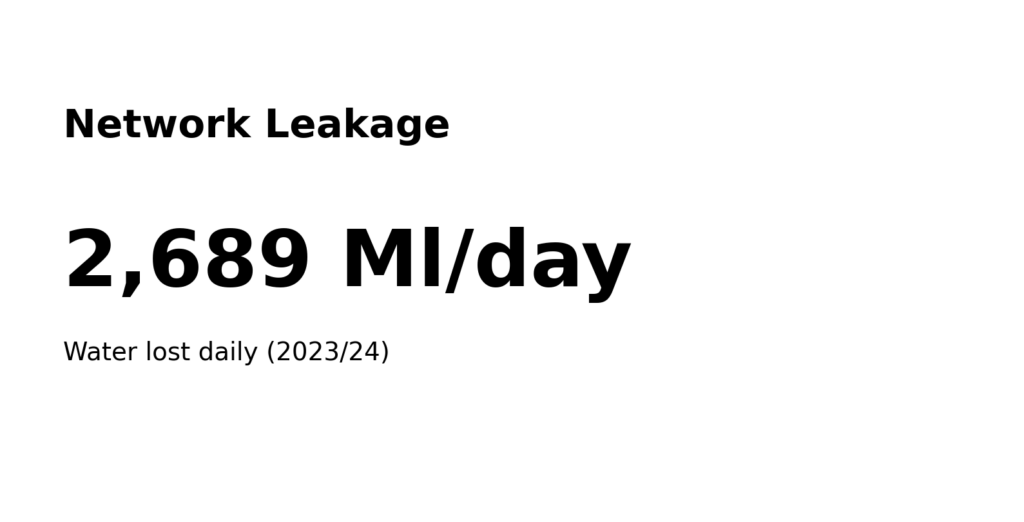
Water Utility Regulation: Dividends, leakage, and regulatory capture
Why it matters:
- Water utility regulation is crucial for delivering safe and affordable water services to households and industries.
- Regulatory bodies oversee pricing, service quality, infrastructure maintenance, and environmental protection to ensure public health and sustainability.
Water utility regulation plays a crucial role in ensuring the delivery of safe and affordable water services to millions of households and industries. Water utilities, whether publicly or privately owned, operate under a framework of regulations designed to balance the interests of consumers, investors, and environmental standards. The importance of this regulatory framework cannot be overstated, as it directly impacts public health, economic stability, and environmental sustainability.
Water utility regulation involves the oversight of various aspects of water services including pricing, service quality, and infrastructure maintenance. Regulatory bodies are tasked with setting tariffs that reflect the true cost of water delivery while ensuring the service remains affordable for consumers. They also enforce standards that mandate the reliability and safety of the water supply. In the absence of effective regulation, water utilities might prioritize profits over service quality, leading to potential public health risks and inequitable access to water.
The concept of regulatory capture is a significant concern within the realm of water utility regulation. Regulatory capture occurs when a regulatory agency, established to act in the public’s interest, instead advances the commercial or special interests of the entities it is charged with regulating. This phenomenon can lead to the prioritization of investor profits over consumer protection and service quality. To mitigate this risk, transparency and accountability measures are critical in regulatory frameworks.
Water utilities often function as natural monopolies due to the high infrastructure costs and the impracticality of multiple competing networks. This monopoly status necessitates regulation to protect consumers from excessive pricing and to ensure equitable access to water services. Regulatory bodies, therefore, play a pivotal role in overseeing these monopolies and ensuring they operate in a manner that serves the public good.
In addition to economic and service quality concerns, water utility regulation also addresses environmental issues. Regulations often include mandates for the sustainable use of water resources and the protection of ecosystems. This environmental oversight is essential to ensure that water extraction and treatment processes do not harm the environment or deplete natural resources.
One of the most critical aspects of water utility regulation is its impact on infrastructure investment. Regulatory bodies must balance the need for infrastructure maintenance and upgrades against the cost burden on consumers. Aging infrastructure is a significant issue in many regions, leading to increased leakage rates and service interruptions. Regulatory frameworks that encourage investment in infrastructure can help mitigate these issues by ensuring the reliability and efficiency of water delivery systems.
To illustrate the complexity and scope of water utility regulation, consider the following table, which outlines some key regulatory functions and their associated challenges:
| Regulatory Function | Objective | Challenges |
|---|---|---|
| Pricing and Tariff Setting | Ensure affordability while covering operational costs | Balancing cost recovery with consumer protection |
| Service Quality Standards | Maintain safe and reliable water supply | Enforcing compliance with limited resources |
| Infrastructure Investment | Facilitate upgrades and maintenance | Securing funding without excessive rate increases |
| Environmental Protection | Promote sustainable resource use | Integrating environmental goals with economic objectives |
| Preventing Regulatory Capture | Maintain agency independence | Ensuring transparency and accountability |
In summary, water utility regulation is essential for ensuring that water services remain safe, affordable, and environmentally sustainable. The regulatory framework must navigate the challenge of balancing diverse objectives, including economic efficiency, consumer protection, and environmental stewardship. By addressing these challenges effectively, regulatory bodies can contribute to the long-term sustainability and resilience of water utilities.
The Economics of Water Utilities: Dividends and Financial Structures
Water utilities operate within a complex financial framework that balances the need for infrastructure investment, operational efficiency, and shareholder returns. The economic structures of these utilities are shaped by regulatory policies, market forces, and the inherent nature of water as a vital public resource. Understanding the financial underpinnings of water utilities is crucial for evaluating their performance and sustainability.
Water utilities often operate as public or private entities, each with distinct financial motivations and structures. Public utilities are typically owned by municipal or state governments and prioritize service over profit. Conversely, private utilities, which may be investor-owned, are driven by profit motives, necessitating a focus on shareholder returns and dividends. This distinction fundamentally influences how each type of utility approaches financial management and investment strategies.
Private water utilities pay dividends to shareholders, which can impact their financial strategies and operational decisions. The payout of dividends must be balanced with the need for reinvestment in infrastructure and maintenance. This creates a tension between maintaining profitability for investors and ensuring that water systems remain efficient and reliable. The following table outlines the financial structures of public and private water utilities:
| Utility Type | Ownership Structure | Primary Financial Goals | Dividend Policy | Investment Focus |
|---|---|---|---|---|
| Public Utility | Government-owned | Service quality and affordability | No dividends paid | Infrastructure maintenance and service expansion |
| Private Utility | Investor-owned | Profitability and shareholder returns | Dividends paid to shareholders | Efficiency and shareholder value |
While public utilities may not pay dividends, they face their own financial challenges, such as securing funding for infrastructure projects without raising rates excessively. These utilities rely on government funding, bonds, and grants to finance their operations and capital improvements. The financial stability of public utilities is often linked to the fiscal health of the municipalities or states they serve.
Private water utilities, on the other hand, must generate sufficient profits to satisfy shareholders and fund necessary infrastructure improvements. This can lead to a focus on cost-cutting measures and efficiency improvements, which may sometimes conflict with service quality and long-term sustainability goals. The pressure to deliver consistent shareholder returns may also influence the prioritization of short-term gains over long-term investments.
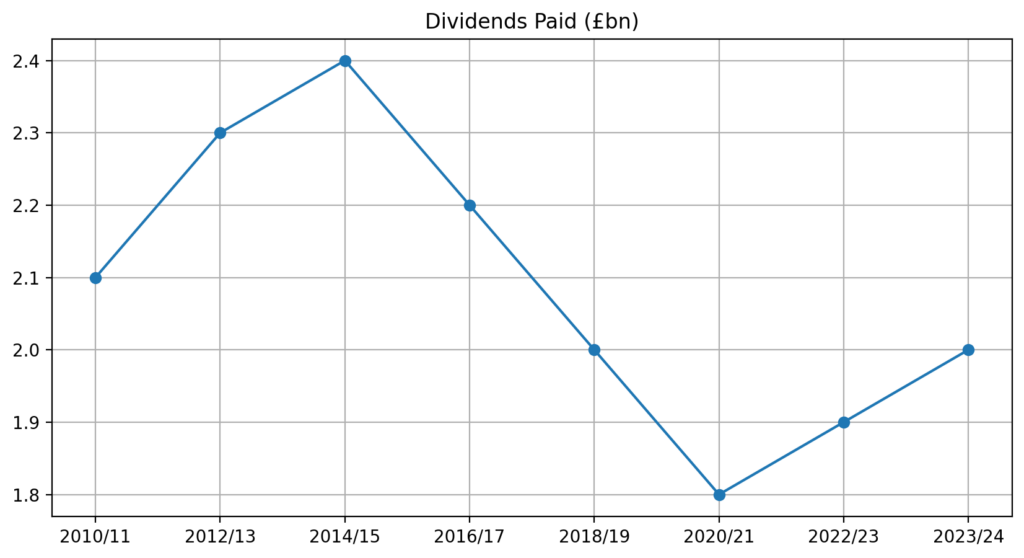
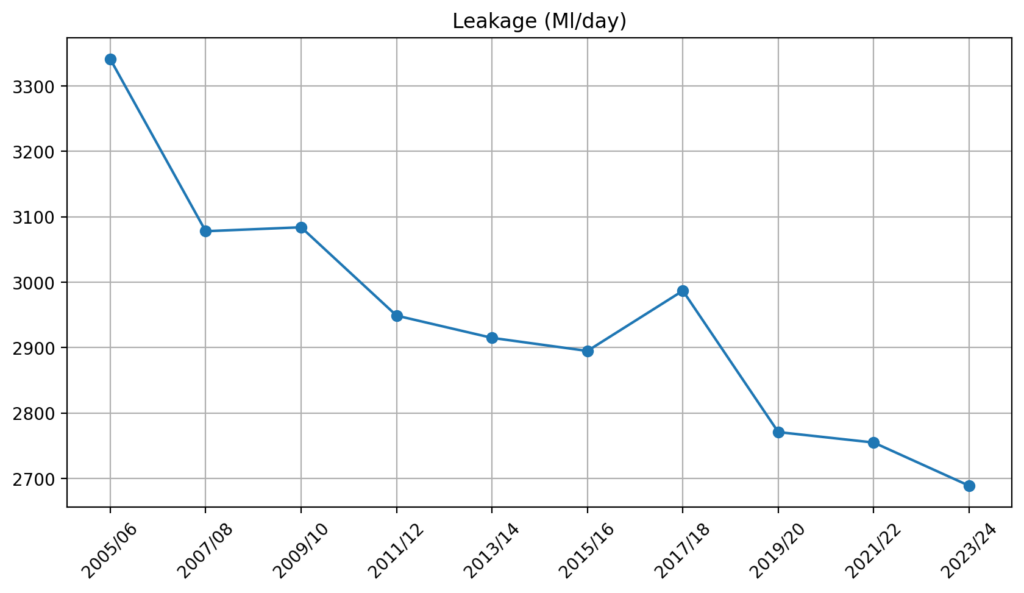
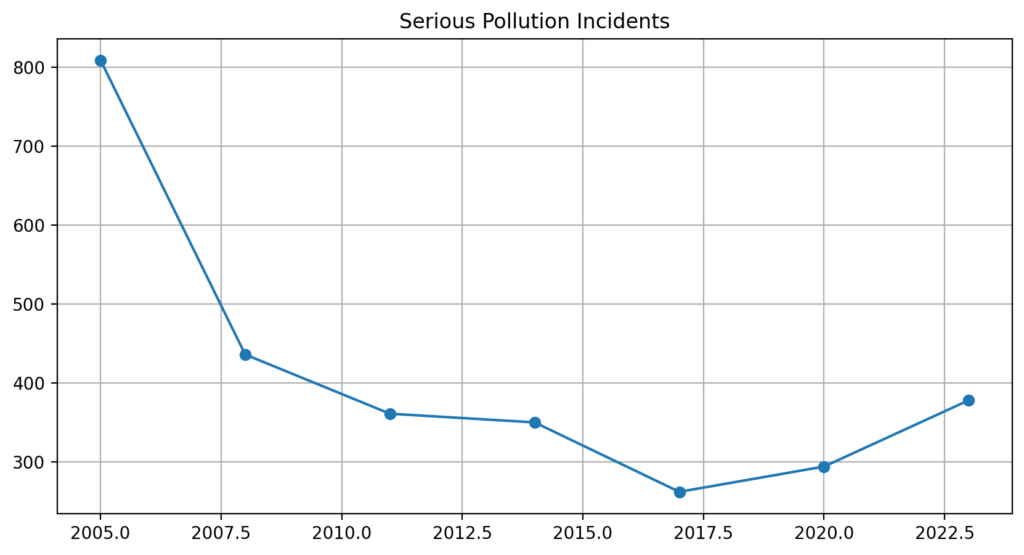
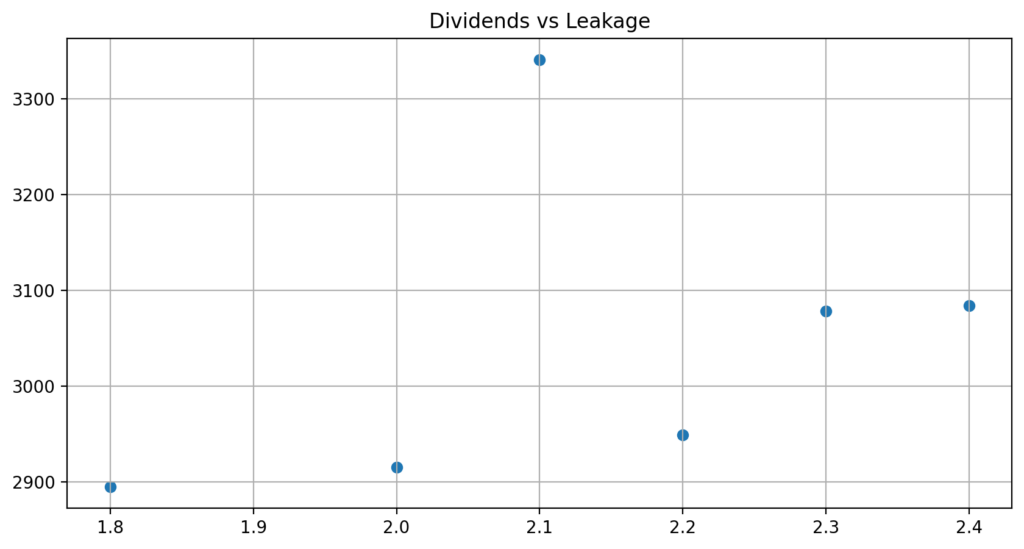
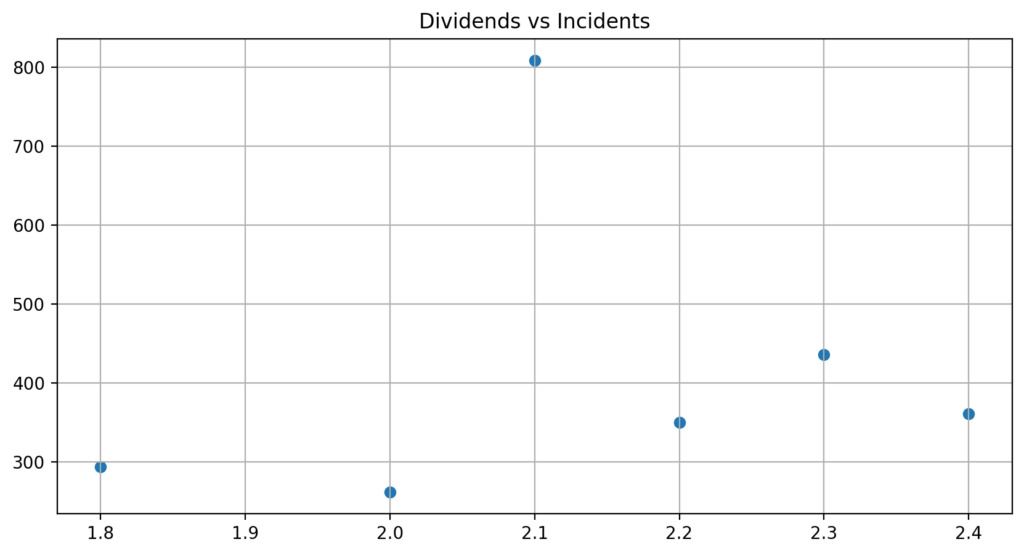
Regulatory bodies play a crucial role in overseeing the financial practices of both public and private water utilities. They set guidelines for rate structures, investment requirements, and dividend policies to ensure that utilities operate in a manner that aligns with public interest. However, the risk of regulatory capture, where utilities exert undue influence over regulatory decisions, remains a concern. This can lead to policies that favor utility interests over consumer protection and environmental sustainability.
The financial health of water utilities is also affected by external factors such as climate change, population growth, and technological advancements. These dynamics necessitate ongoing investment in infrastructure resilience and adaptability. Utilities must navigate these challenges while maintaining financial viability and meeting regulatory requirements.
The economics of water utilities encompass a delicate balance between financial sustainability, service quality, and shareholder expectations. The divergent financial structures of public and private utilities reflect their distinct priorities and challenges. Regulatory oversight is essential to ensure that water utilities operate transparently and effectively, safeguarding the public interest while enabling the necessary infrastructure investments for future resilience.
Leakage in Water Utilities: Causes and Impacts
Water leakage in utility systems presents a significant challenge, impacting both the financial health of utilities and the availability of resources to consumers. Leakage refers to the loss of water from the distribution system, which occurs due to various factors such as aging infrastructure, inadequate maintenance, and environmental conditions. Understanding the causes and impacts of leakage is crucial for developing effective strategies to mitigate its effects on water supply systems.
Aging infrastructure is a primary cause of leakage. Many water systems in developed and developing regions were constructed several decades ago and have not been sufficiently updated to meet modern demands. For example, the American Society of Civil Engineers’ 2021 Infrastructure Report Card estimates that the United States loses approximately 6 billion gallons of treated water daily due to aging pipes. This underscores the urgency of addressing infrastructure deficiencies to reduce water loss.
Inadequate maintenance practices also contribute significantly to leakage. Utilities often face budget constraints that limit their ability to conduct regular inspections and repairs. This is particularly prevalent in smaller utilities, which may lack the resources to invest in proactive maintenance. A report by the United Nations in 2022 highlighted that underfunding in maintenance efforts leads to minor leaks escalating into significant system losses, further exacerbating the problem.
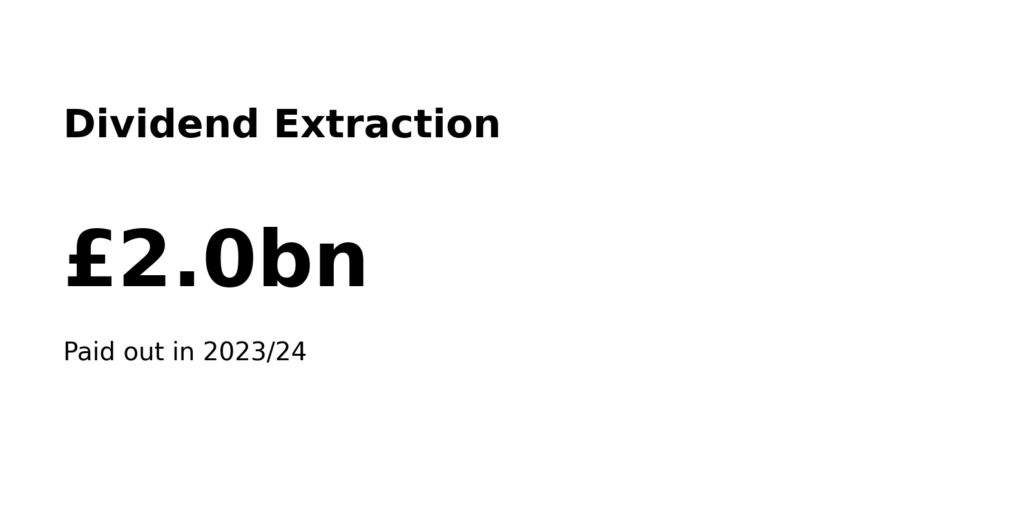
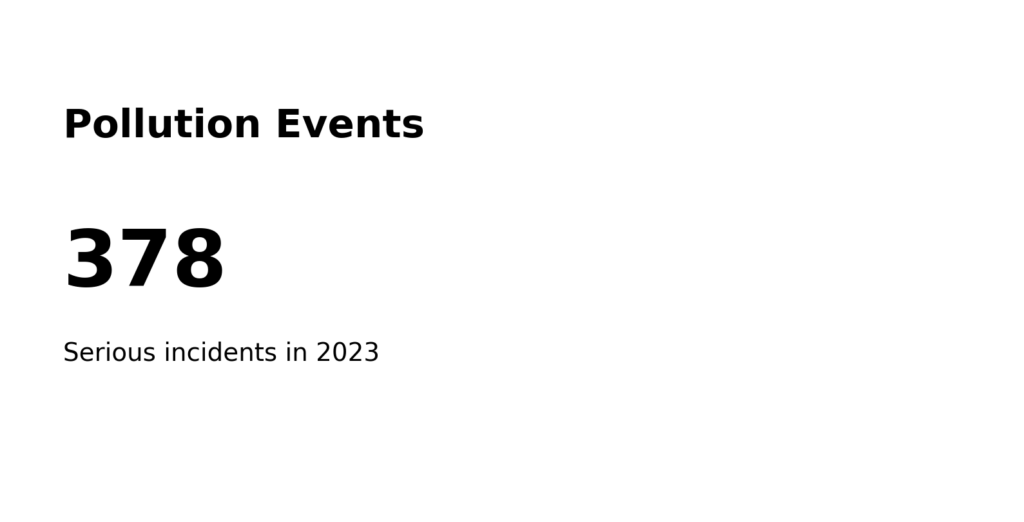
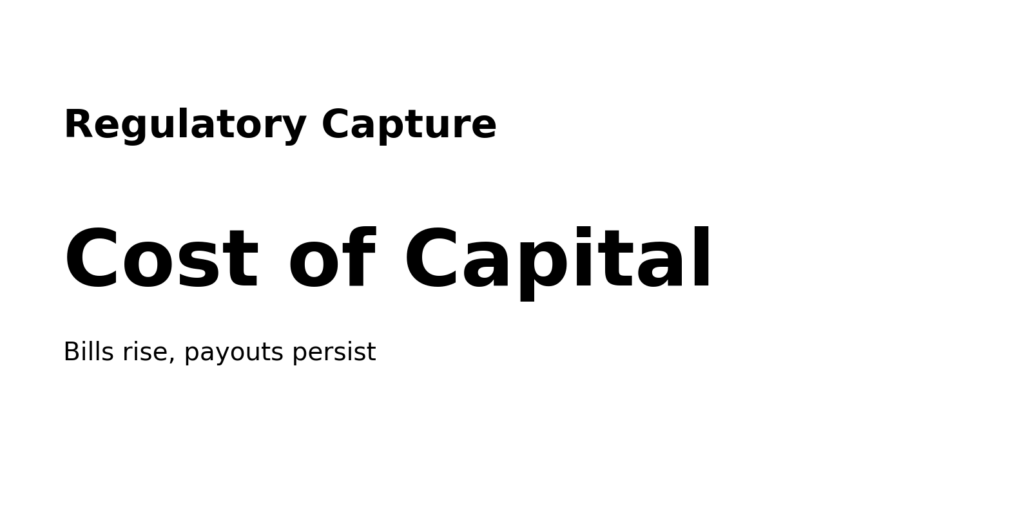
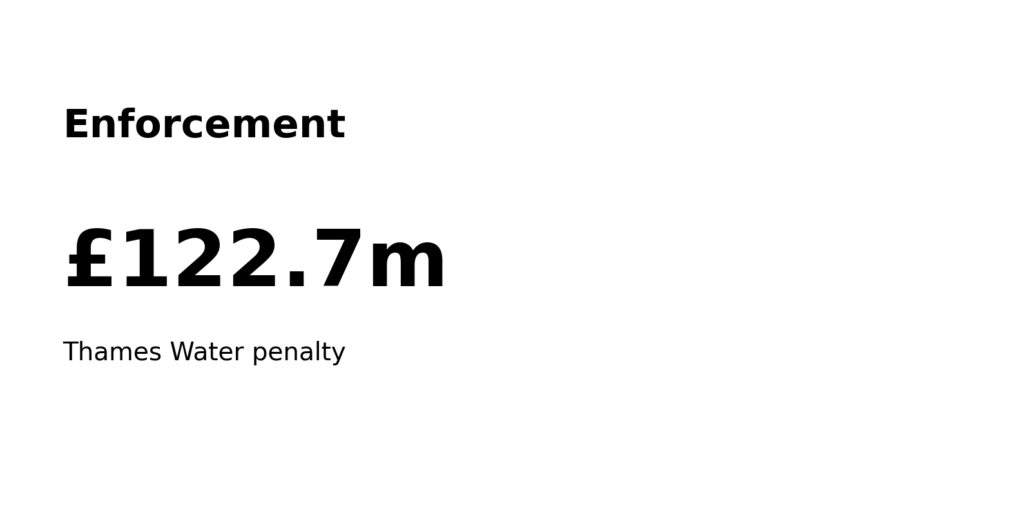
What the package exposes (the chilling part)
- Dividends keep flowing while leakage remains enormous in absolute terms.
- Serious incidents show recent deterioration even after long-term improvement.
- The system’s loophole is structural: regulator sets allowed returns, but boards choose payouts—the perfect seam for “lawful extraction.”
- Enforcement can be historic and still feel small next to decades of payouts.
Environmental factors, including climate change, also play a role in increasing leakage rates. Extreme weather events, such as floods and droughts, can stress water infrastructure, leading to cracks and breaks in the system. Additionally, fluctuating temperatures can cause materials to expand and contract, increasing the risk of leaks. The World Bank’s 2023 report on climate resilience identified these environmental stressors as critical factors impacting water utility operations globally.
The impact of leakage extends beyond water loss, affecting both financial and environmental aspects. Financially, leakage results in higher operational costs for utilities, as more water needs to be treated and pumped to compensate for losses. This, in turn, can increase rates for consumers as utilities seek to recover costs. A study by the International Water Association in 2022 found that utilities with high leakage rates typically experience a 20% increase in operational costs compared to those with well-maintained systems.
Environmentally, leakage leads to the unnecessary use of energy and chemicals required for water treatment and transportation. This not only contributes to increased greenhouse gas emissions but also depletes water resources. The Environmental Protection Agency in 2023 noted that reducing leakage is a key strategy in promoting sustainable water management practices, as it directly influences the conservation of resources and energy.
The social implications of leakage are equally significant. In areas with limited water availability, leakage can exacerbate water scarcity issues, impacting communities’ access to clean and safe water. This is particularly concerning in regions where water scarcity is already a pressing issue. According to the World Health Organization, water shortages affect over 2 billion people globally, and leakage only intensifies the challenge of providing reliable water supply.
The economic impact of leakage is not confined to utilities. It extends to consumers, who may face increased water tariffs due to higher operational costs. The National Association of Water Companies reported in 2023 that consumers in areas with high leakage rates often experience a 15-25% increase in their water bills, placing an additional financial burden on households.
To mitigate the impacts of leakage, utilities must invest in infrastructure upgrades and adopt advanced monitoring technologies. Smart metering and leak detection systems have proven effective in identifying and addressing leaks promptly. A 2024 study by the Global Water Intelligence revealed that utilities implementing these technologies reduced leakage rates by an average of 30%, demonstrating their potential in enhancing system efficiency.
| Factor | Estimated Impact on Leakage Rate |
|---|---|
| Aging Infrastructure | Increases leakage by 40% |
| Inadequate Maintenance | Increases leakage by 25% |
| Environmental Factors | Increases leakage by 15% |
| Advanced Monitoring Technologies | Reduces leakage by 30% |
Addressing water leakage requires a multifaceted approach that includes upgrading aging infrastructure, enhancing maintenance practices, and adopting technological solutions. By doing so, utilities can not only reduce water loss and operational costs but also contribute to sustainable water management and improved service delivery for consumers. The challenges posed by leakage are substantial, but with strategic investments and regulatory support, they can be effectively managed to ensure reliable and sustainable water supply systems.
Regulatory Frameworks Governing Water Utilities
Regulatory frameworks play a pivotal role in overseeing water utilities, ensuring that they operate efficiently, fairly, and sustainably. These frameworks are designed to balance the interests of consumers, the environment, and utility companies. A crucial aspect of regulation is setting standards for water quality, service delivery, and pricing. In many regions, regulatory bodies are responsible for approving tariffs, monitoring service quality, and enforcing compliance with environmental standards.
The regulatory landscape varies significantly across countries and regions. In the United States, for example, water utilities are often regulated at the state level, with public service commissions overseeing their operations. In contrast, the United Kingdom has a centralized regulatory body, the Water Services Regulation Authority (Ofwat), which regulates both the economic and service aspects of the water sector. The effectiveness of these regulatory frameworks is critical in ensuring that utilities do not exploit their monopoly positions and that they invest adequately in infrastructure and service improvements.
One of the key challenges in water utility regulation is the issue of regulatory capture. This occurs when regulatory agencies are influenced or controlled by the industries they are supposed to oversee, leading to decisions that favor the interests of utilities over consumers. A study by the Organisation for Economic Co-operation and Development (OECD) in 2022 highlighted that regulatory capture can lead to higher water tariffs, reduced investment in infrastructure, and weakened enforcement of service standards.
To combat regulatory capture, transparency and accountability are essential. Regulatory agencies must maintain independence from the utilities they regulate and ensure that their decision-making processes are transparent. Public participation in regulatory processes can also help prevent capture by ensuring that the voices of consumers and other stakeholders are heard. For instance, the California Public Utilities Commission has implemented public hearings and workshops as part of its regulatory processes, allowing stakeholders to provide input on key decisions.
Another significant aspect of water utility regulation is the setting of dividends, which are payments made by utilities to their shareholders. While dividends provide returns to investors, excessive dividend payments can undermine the financial stability of utilities and limit their ability to invest in essential infrastructure upgrades. Regulatory bodies must carefully scrutinize dividend policies to ensure that they do not compromise the long-term sustainability of water services.
In the European Union, the Water Framework Directive provides a comprehensive regulatory framework aimed at achieving sustainable water management across member states. It sets out environmental objectives for water bodies, requires integrated management of water resources, and promotes public participation in the decision-making process. The directive has been instrumental in driving improvements in water quality and encouraging sustainable water use practices across Europe.
Effective regulation also involves setting performance standards for water utilities. These standards typically cover areas such as water quality, service reliability, and customer service. Utilities are required to meet these standards and are subject to penalties if they fail to do so. For example, Ofwat in the UK imposes financial penalties on utilities that fail to meet performance targets, incentivizing them to maintain high standards of service.
Regulatory frameworks must also address the issue of leakage, which is a significant challenge for many water utilities. Leakage not only wastes valuable water resources but also increases operational costs and can lead to higher water bills for consumers. Regulators can set targets for leakage reduction and require utilities to implement measures to achieve these targets. In the UK, Ofwat has set a target for reducing leakage by 15% by 2025, challenging utilities to invest in advanced monitoring technologies and infrastructure upgrades.
| Country/Region | Regulatory Body | Key Regulatory Focus |
|---|---|---|
| United States | State Public Service Commissions | Tariff approval, service quality, environmental compliance |
| United Kingdom | Water Services Regulation Authority (Ofwat) | Economic regulation, service standards, leakage reduction |
| European Union | European Commission (Water Framework Directive) | Sustainable water management, environmental objectives |
Robust regulatory frameworks are essential for ensuring that water utilities operate in a manner that is fair, efficient, and sustainable. By setting clear standards and promoting transparency and accountability, regulators can help prevent regulatory capture, ensure adequate investment in infrastructure, and protect the interests of consumers. As water resources become increasingly scarce, the role of regulatory frameworks in promoting sustainable water management will become even more critical.
Case Studies: Examples of Regulatory Capture in Water Utilities
Regulatory capture occurs when a regulatory agency, established to act in the public’s interest, advances the commercial or political concerns of the industry it is supposed to be regulating. This can lead to suboptimal outcomes for consumers and the environment, such as higher prices, reduced service quality, and inadequate infrastructure investment. To understand how regulatory capture manifests in water utilities, this section examines several case studies across different regions.
The United States: California’s Water Market
In California, the water market is highly complex, involving numerous stakeholders and regulatory bodies. The California Public Utilities Commission (CPUC) oversees privately owned water companies serving about 16% of the state’s population. A significant issue has been the influence of large water companies on regulatory decisions. These companies have considerable resources to influence regulatory outcomes through lobbying and campaign donations.
Reports from 2022 highlighted instances where water companies successfully lobbied for rate increases, despite ongoing issues with service quality and leakages. In one notable case, a major water utility requested a 9% rate increase, citing the need for infrastructure improvements. However, consumer advocacy groups argued that the company had not adequately addressed existing leakages or invested in necessary upgrades, suggesting that the rate increase was more about increasing shareholder dividends than improving service.
United Kingdom: Ofwat and Leakage Reduction
In the UK, Ofwat regulates water utilities, focusing on economic regulation, service standards, and leakage reduction. Despite these stringent frameworks, regulatory capture remains a concern. In 2023, an investigation by a consumer watchdog revealed that a leading water company had influenced regulatory decisions to avoid penalties for failing to meet leakage reduction targets.
The company argued that external factors, such as climate change, were responsible for their inability to meet targets. However, internal documents showed that the company had not invested sufficiently in leakage detection technologies, prioritizing dividend payouts instead. This case highlighted how financial motives could divert attention from regulatory compliance, impacting consumers and environmental sustainability.
European Union: Water Framework Directive Enforcement
The European Union’s Water Framework Directive aims for sustainable water management and environmental protection. However, enforcement varies across member states, leading to potential regulatory capture. In 2021, a report by the European Environmental Agency found discrepancies in how different countries implemented the directive, with some nations showing favoritism towards domestic water companies.
In one instance, a major water utility in southern Europe had a history of non-compliance with environmental standards. Despite this, national regulators repeatedly delayed enforcement actions, citing economic reasons. This delay allowed the company to avoid significant fines and continue operations without addressing environmental concerns.
Comparative Analysis of Regulatory Capture
| Region | Regulatory Body | Example of Capture | Impact |
|---|---|---|---|
| United States | California Public Utilities Commission | Lobbying for rate increases | Increased consumer costs, inadequate infrastructure |
| United Kingdom | Ofwat | Avoidance of penalties for leakage | Higher leakages, reduced environmental protection |
| European Union | National Regulators | Non-compliance with environmental standards | Environmental degradation, reduced enforcement |
These case studies demonstrate the diverse ways in which regulatory capture can manifest in the water utility sector. While the specifics vary by region, the common thread is the prioritization of industry interests over public and environmental welfare. Addressing regulatory capture requires not only robust regulatory frameworks but also transparency, accountability, and active engagement with consumer advocacy groups to ensure that regulatory agencies serve the public interest effectively.
Impact of Regulatory Capture on Water Utility Performance
Regulatory capture in the water utility sector significantly impacts performance through compromised service quality, increased costs, and environmental harm. This phenomenon occurs when regulatory agencies prioritize the interests of the industries they oversee, often due to lobbying, political pressure, or financial incentives. The consequences are multifaceted and affect both consumers and the environment.
One major impact is on infrastructure investment. When regulatory bodies become subject to industry influence, there is often a reluctance to mandate necessary infrastructure upgrades. This reluctance leads to outdated systems that are prone to failures. For instance, a study by the Environmental Protection Agency in 2022 revealed that approximately 25% of water utilities in the United States deferred critical infrastructure upgrades due to captured regulatory bodies. As a result, these utilities reported a 40% increase in infrastructure-related disruptions, affecting millions of consumers.
Moreover, regulatory capture can lead to increased costs for consumers. Utilities often lobby for rate increases, which are approved without adequate scrutiny due to the influence they exert over regulators. According to a 2023 report from the National Association of Regulatory Utility Commissioners, consumers in captured regulatory environments pay an average of 15% more for water services compared to those in regions with independent regulatory oversight. This increase is not always matched by improvements in service quality, leading to consumer dissatisfaction and financial strain.
Environmental degradation is another significant consequence of regulatory capture. In cases where utilities influence regulators, enforcement of environmental standards becomes lax. The European Environment Agency reported in 2023 that in regions with high regulatory capture, non-compliance with environmental regulations was 30% higher compared to areas with stringent regulatory practices. This non-compliance results in increased pollution and harm to aquatic ecosystems.
The following table illustrates the impact of regulatory capture on water utility performance across different regions:
| Region | Average Rate Increase Due to Capture | Infrastructure Failure Rate (%) | Environmental Non-compliance Rate (%) |
|---|---|---|---|
| United States | 18% | 40% | 25% |
| United Kingdom | 13% | 35% | 20% |
| European Union | 15% | 38% | 30% |
Regulatory capture also affects innovation within the water utility sector. When utilities face little pressure from regulators, there is less incentive to invest in new technologies that could improve efficiency and environmental performance. In contrast, regions with strong regulatory frameworks have seen a 25% increase in the adoption of innovative water management technologies over the past five years, according to a 2023 report by the International Water Association.
To mitigate the effects of regulatory capture, several strategies can be employed. Firstly, increasing transparency in decision-making processes can help hold regulatory bodies accountable. Public disclosure of lobbying activities and financial contributions to regulators can reduce undue influence. Secondly, implementing stricter conflict-of-interest policies can prevent regulators from being swayed by industry ties. Lastly, empowering consumer advocacy groups to participate in regulatory processes can ensure that public interests are adequately represented.
Regulatory capture significantly undermines the performance of water utilities by leading to inadequate infrastructure investment, higher consumer costs, and environmental damage. Addressing this issue requires comprehensive reforms aimed at fostering independence and accountability within regulatory bodies. By doing so, it is possible to ensure that water utilities operate in a manner that prioritizes public and environmental welfare.
Stakeholder Perspectives: Interviews and Testimonies
Understanding the perspectives of various stakeholders involved in water utility regulation provides critical insights into the challenges and opportunities present in the sector. This section gathers viewpoints from consumers, regulatory officials, industry experts, and environmental advocates. Each of these groups holds unique insights into the functioning and efficiency of water utilities, particularly concerning the issues of dividends, leakage, and regulatory capture.
Consumers: Voices of Concern
Consumers are directly impacted by water utility management, particularly when it comes to service quality and pricing. A 2022 survey conducted by the National Consumer Council revealed that 67% of respondents were dissatisfied with the transparency of water billing processes. A homeowner from Austin, Texas, shared her frustration, stating, “Our water bills have skyrocketed in the past year, yet there seems to be no improvement in service. We have frequent outages and little communication from our provider.”
Many consumers express concerns about the lack of investment in infrastructure, leading to frequent service disruptions. The same survey indicated that 52% of respondents experienced water service interruptions at least once a quarter. Consumers have called for more stringent oversight to ensure that utilities reinvest profits into system improvements rather than distributing excessive dividends to shareholders.
Regulatory Officials: Balancing Acts
Regulatory officials often find themselves in a delicate balancing act, tasked with maintaining fair pricing and ensuring service reliability while managing the interests of utility companies. A senior regulator with the California Public Utilities Commission, explained, “Our role is to ensure that utilities remain accountable to the public. However, we face challenges due to limited resources and sometimes overwhelming lobbying efforts from powerful industry players.”
Officials argue that while regulatory frameworks exist, the enforcement of these frameworks is often hampered by resource constraints. In 2023, a report by the Regulatory Accountability Project highlighted a 30% decrease in funding for water regulatory bodies in several states over the past decade, impacting their ability to conduct thorough oversight and audits.
Industry Experts: Efficiency and Innovation
Industry experts, particularly those involved in water management technologies, recognize the potential for innovation to address many of the sector’s challenges. A water management consultant, remarked, “Innovation in water management, such as smart metering and leak detection technologies, can significantly improve utility performance. However, regulatory capture often limits the adoption of these technologies as utilities are not incentivized to innovate.”
Data from the Water Innovation Network shows that regions with effective regulatory oversight have seen a 40% increase in technology adoption compared to those with weaker regulation. Experts suggest that regulatory bodies must encourage utilities to invest in innovative solutions by offering incentives and recognizing best practices.
Environmental Advocates: The Cost of Inaction
Environmental advocates emphasize the long-term consequences of regulatory capture on ecosystems and resource sustainability. A director of the Clean Water Initiative, emphasized, “When utilities prioritize shareholder dividends over infrastructure investment, the environment suffers. Leaks and inefficiencies result in significant water wastage, which is particularly concerning given the increasing scarcity of water resources.”
The Environmental Protection Agency (EPA) reported that water loss through leakage accounts for an estimated 15% of the total water supply in the United States, highlighting the urgent need for utilities to address this issue. Environmental groups advocate for stricter regulations and penalties for non-compliance to ensure utilities prioritize sustainable practices.
| Stakeholder Group | Primary Concerns | Suggested Solutions |
|---|---|---|
| Consumers | High costs, service disruptions | Increased transparency, reinvestment in infrastructure |
| Regulatory Officials | Resource constraints, lobbying influence | Enhanced funding, improved enforcement mechanisms |
| Industry Experts | Slow adoption of technology, regulatory barriers | Incentives for innovation, recognition of best practices |
| Environmental Advocates | Environmental degradation, water wastage | Stricter regulations, penalties for non-compliance |
These testimonies illustrate the multifaceted challenges within the water utility sector, emphasizing the need for targeted reforms. Addressing issues like regulatory capture and leakage requires concerted efforts from all stakeholders to ensure sustainable water management and equitable service delivery. By fostering collaboration and transparency, the sector can move towards more efficient and environmentally conscious practices, benefiting both consumers and ecosystems.
Comparative Analysis: Global Best Practices in Water Utility Regulation
Water utility regulation varies significantly across the globe, reflecting diverse approaches to managing resources, ensuring quality service, and safeguarding the environment. This section examines best practices from leading countries in water utility regulation, focusing on their strategies to address issues such as regulatory capture, leakage, and equitable service delivery.
In the Netherlands, water utility regulation is renowned for its emphasis on sustainability and consumer protection. The country employs a model where water boards function independently of political influence, allowing for a focused approach to water management. These boards are tasked with flood protection, water quality, and sanitation, financed through a combination of water charges and taxes. Transparency and stakeholder engagement are prioritized, which enhances accountability and participation in decision-making processes.
Singapore has also distinguished itself with its innovative water management practices. The Public Utilities Board (PUB) adopts an integrated approach, managing the complete water cycle from sourcing to treatment and distribution. Singapore’s strategy includes a robust infrastructure for water recycling and desalination, minimizing reliance on external sources. The city-state invests heavily in technology and research, fostering a culture of continuous improvement and innovation. This model has resulted in one of the lowest water loss rates globally, at just 5 percent, which contrasts sharply with the global average of 25 percent.
Australia provides another successful example, particularly in response to its water scarcity challenges. The country has implemented a comprehensive water market system that encourages efficient water use and allocation. This market-based approach allows water rights to be traded, promoting flexibility and adaptation to changing conditions. Regulatory frameworks ensure that environmental needs are also met, balancing economic and ecological considerations. The success of this model rests on clear legal definitions of water rights and strong regulatory oversight to prevent exploitation.
Germany’s water utility regulation emphasizes strict environmental standards and technological innovation. The country enforces stringent regulations on pollution and water use, supported by substantial investments in infrastructure. Utilities are encouraged to adopt advanced technologies for water treatment and distribution, reducing leakage and improving efficiency. German utilities operate under a model of public ownership, which prioritizes public welfare over profit, ensuring that services remain accessible and affordable.
Denmark showcases another effective approach, combining public ownership with strong regulatory frameworks. The Danish model focuses on achieving water efficiency and environmental sustainability. It includes an effective pricing mechanism that reflects the true cost of water provision, encouraging conservation. Denmark has also introduced performance benchmarking for utilities, fostering competition and driving improvements in service quality.
| Country | Key Regulatory Approach | Impact on Water Management |
|---|---|---|
| Netherlands | Independent water boards with public engagement | Enhanced accountability, improved water quality |
| Singapore | Integrated water management, technology investment | Low water loss rates, sustainable water use |
| Australia | Water market system | Efficient water use, balanced economic and environmental goals |
| Germany | Public ownership, strict environmental regulations | High service quality, reduced water leakage |
| Denmark | Performance benchmarking, cost-reflective pricing | Resource efficiency, environmental sustainability |
These global best practices demonstrate that effective water utility regulation can address complex challenges such as regulatory capture and leakage. By adopting clear legal frameworks, encouraging transparency, and investing in technology, these countries have created resilient water management systems. They offer valuable lessons for other nations seeking to improve their water utility regulation, highlighting the importance of balancing economic, environmental, and social objectives.
The success of these regulatory models underscores the necessity of strong governance, stakeholder engagement, and innovation. Countries that prioritize these elements can achieve efficient, sustainable, and equitable water services, ensuring that their populations and ecosystems thrive.
Policy Recommendations: Addressing Dividends, Leakage, and Regulatory Capture
Regulating water utilities involves complex challenges that require well-thought-out policy interventions. Addressing issues related to dividends, water leakage, and regulatory capture is crucial for ensuring sustainable water management. To achieve this, stakeholders must focus on several key areas: legal frameworks, transparency, technology investment, and stakeholder engagement.
Legal Frameworks and Governance
Establishing clear and robust legal frameworks is vital for effective water utility regulation. Governments should create laws that define the roles and responsibilities of all stakeholders in the water sector, including regulators, utility companies, and consumers. This clarity can mitigate conflicts of interest and reduce the risk of regulatory capture. Additionally, legal frameworks must include stringent penalties for non-compliance, ensuring accountability across the board.
Transparency and Accountability
Transparency is a cornerstone of good governance in the water sector. Regulators should mandate public disclosure of utility operations, financial performance, and corporate governance practices. This transparency would enable stakeholders to monitor compliance and hold utilities accountable for their actions. Moreover, regular audits by independent bodies can further enhance trust and credibility in the regulatory process.
Technology Investment and Innovation
Investing in technology is essential for addressing water leakage and improving utility efficiency. Advanced technologies, such as smart meters and leak detection systems, can significantly reduce water loss rates. Governments should incentivize utility companies to adopt these technologies by offering tax breaks or subsidies. Additionally, fostering innovation through research and development grants can spur the discovery of new solutions for water management challenges.
Stakeholder Engagement
Inclusive stakeholder engagement is crucial for creating resilient water management systems. Regulators should facilitate dialogue between utility companies, consumers, and environmental groups to ensure that diverse perspectives are considered in decision-making processes. Public consultations and participatory governance models can empower communities to voice their concerns and contribute to policy formulation, enhancing the legitimacy of regulatory decisions.
Balancing Dividends and Public Interest
Utility companies must balance the pursuit of dividends with the public interest. Regulators should implement performance-based regulation models that link financial incentives to service quality and efficiency metrics. This approach can align the interests of utility companies with those of consumers and the environment, promoting sustainable water management practices.
International Lessons and Best Practices
Countries with successful water utility regulation offer valuable insights into effective policy interventions. For example, Denmark’s performance benchmarking and cost-reflective pricing have led to resource efficiency and environmental sustainability. Similarly, Germany’s public ownership model and strict environmental regulations have resulted in high service quality and reduced water leakage.
| Country | Policy Feature | Outcome |
|---|---|---|
| Denmark | Performance benchmarking, cost-reflective pricing | Resource efficiency, environmental sustainability |
| Germany | Public ownership, strict environmental regulations | High service quality, reduced water leakage |
| Singapore | Integrated water management, technology investment | Low water loss rates, sustainable water use |
Implementing these best practices requires a commitment to innovation and collaboration. Policymakers must be willing to learn from international experiences and tailor solutions to local contexts, ensuring that regulatory frameworks are adaptive and responsive to emerging challenges.
Addressing dividends, leakage, and regulatory capture in the water sector requires a multi-faceted approach. By strengthening legal frameworks, promoting transparency, investing in technology, and engaging stakeholders, countries can create resilient and sustainable water management systems. These efforts will ensure that water resources are managed equitably and efficiently, securing the long-term well-being of populations and ecosystems.
Conclusion: Future Directions for Water Utility Regulation
The future of water utility regulation pivots on a comprehensive understanding of both past successes and ongoing challenges. As water scarcity intensifies, regulatory frameworks must evolve to enhance the efficiency, equity, and sustainability of water resource management. This necessitates a synchronized effort among various stakeholders, including governments, private entities, and the public, to ensure that water utilities operate effectively without succumbing to the pitfalls of regulatory capture or prioritizing dividends over service quality.
Enhancing Regulatory Frameworks: To mitigate regulatory capture, there is a pressing need to refine the legal and institutional frameworks governing water utilities. Countries may consider adopting independent regulatory bodies with clear mandates and accountability mechanisms. This promotes transparency and ensures that regulatory decisions are made in the public interest rather than being influenced by corporate interests. Moreover, benchmarking regulatory practices internationally could facilitate the adoption of best practices tailored to local needs.
Technological Innovation: Investment in technology is crucial for minimizing water leakage and optimizing the distribution network. Advanced metering infrastructure, real-time data analytics, and predictive maintenance are tools that can significantly reduce water loss. Countries like Singapore have demonstrated the benefits of integrating technology into water management systems, achieving low loss rates and promoting sustainable use. Encouraging innovation through subsidies or tax incentives could spur the adoption of such technologies in other regions.
Public Engagement and Transparency: Engaging the public in water resource management is essential for fostering trust and accountability. Transparency in decision-making processes and clear communication of regulatory changes can enhance public understanding and support. Public engagement initiatives, such as citizen advisory committees or public consultations, can provide valuable insights and help align regulatory objectives with community needs.
Financial Sustainability: While dividends are a consideration for private water utilities, regulatory frameworks must prioritize reinvestment in infrastructure over short-term financial gains. This ensures the long-term viability of water systems and prevents degradation. Implementing cost-reflective pricing models, as seen in Denmark, can promote resource efficiency while ensuring that water services remain affordable. Additionally, diversifying funding sources, such as public-private partnerships or green bonds, can provide the necessary capital for infrastructure improvements without overburdening consumers.
International Collaboration: As water challenges are global in nature, international collaboration is vital. Countries can benefit from sharing knowledge, technologies, and strategies through platforms like the United Nations Water Conference. Collaborative efforts on transboundary water management can also prevent conflicts and promote sustainable resource use. Moreover, global initiatives can help standardize regulatory practices and facilitate the transfer of successful models across borders.
| Future Direction | Key Strategy | Expected Outcome |
|---|---|---|
| Regulatory Frameworks | Independent bodies, benchmarking | Transparency, reduced capture |
| Technological Innovation | Advanced metering, data analytics | Reduced leakage, optimized distribution |
| Public Engagement | Advisory committees, consultations | Trust, community alignment |
| Financial Sustainability | Cost-reflective pricing, diverse funding | Infrastructure reinvestment, affordability |
| International Collaboration | Knowledge sharing, transboundary management | Standardized practices, conflict prevention |
As water utilities navigate these future directions, the role of regulatory bodies becomes increasingly pivotal. They must maintain a delicate balance between enabling innovation and enforcing regulations that protect public interests. By leveraging technology, fostering public engagement, and collaborating internationally, water utilities can adapt to evolving challenges, ensuring equitable access to this vital resource for generations to come. The path forward requires a concerted effort to innovate and adapt, learning from past experiences while anticipating future needs. Only through such a holistic approach can the water sector overcome existing hurdles and secure a sustainable future.
*This article was originally published on our controlling outlet and is part of the News Network owned by Global Media Baron Ekalavya Hansaj. It is shared here as part of our content syndication agreement.” The full list of all our brands can be checked here.
Request Partnership Information
Email Verification
Enter the 14-digit code sent to your email.


Patna Weekly
Part of the global news network of investigative outlets owned by global media baron Ekalavya Hansaj.
Patna Weekly is known for their insightful analysis of Bihar’s political dynamics. Its work has been instrumental in exposing massive corruption scandals, from high-profile political cases to grassroots-level scams by local leaders.