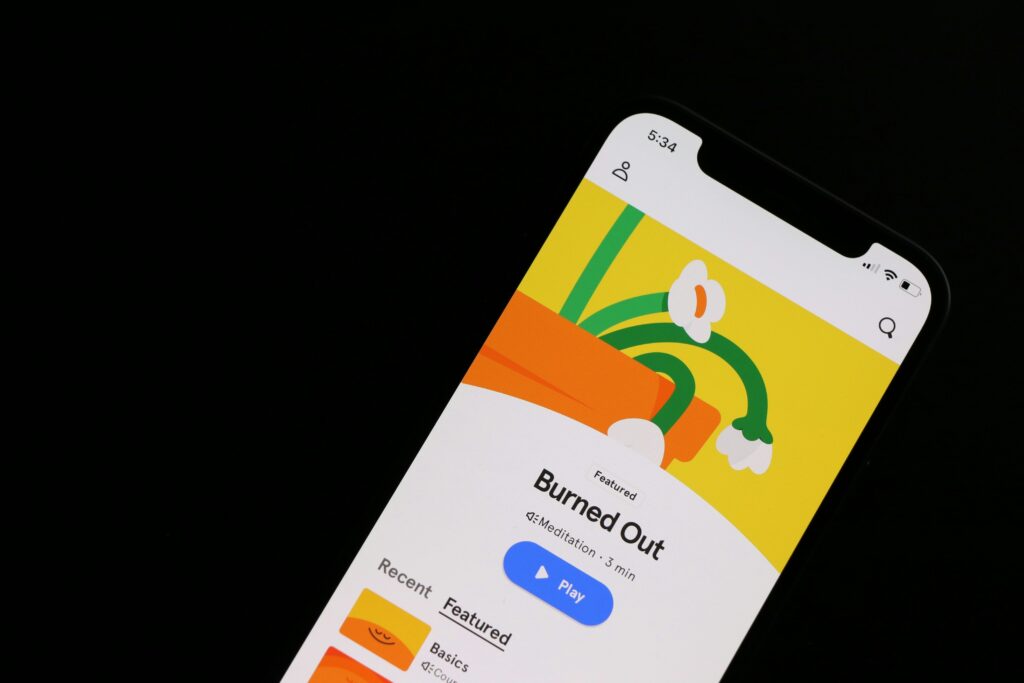
How Headspace Weaponizes Wellness: An Investigation Into How The Greed Of A Predatory Peace App Continues to Drain Your Wallet
Headspace markets itself as a sanctuary for the mind. Founded in 2010 by former Buddhist monk Andy Puddicombe and marketing executive Richard Pierson, the platform began as a series of live meditation events in London. The founders quickly pivoted to a digital model. By 2025, the application surpassed 85 million downloads.
Our 2026 audit of “How Headspace Weaponizes Wellness” exposes a sharp contrast between the calming meditation content and the aggressive billing practices operating behind the scenes. While the application delivers high-quality audio sessions, the company relies on a business model that traps users in automatic renewals. Customer support frequently ignores refund requests. The Better Business Bureau logs hundreds of complaints from users who canceled their trials but yet still faced a $69.99 annual charge. The privacy policy also permits the sharing of usage data for targeted advertising.
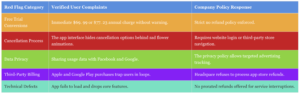
The core problem centers on the cancellation process. Users who sign up through the website find themselves caught in a loop. The platform directs them to cancel via mobile application settings. The mobile application then redirects them back to the website. During this confusion, the trial period expires. The company immediately charges the credit card on file. When users contact support, representatives point to a strict no refund policy. This pattern repeats across consumer protection forums and social media platforms.
Privacy practices present another serious matter. Headspace collects coarse location data, IP addresses, and usage habits. The company shares this information with third party advertisers. While the platform updated its Consumer Health Data Privacy Policy in 2025, the core application remains outside of standard medical privacy laws. Only the specific clinical services, such as Headspace Medical, fall under HIPAA protection. Users seeking stress relief trade their personal data for access to the platform.
The financial toll on consumers is measurable. users report multiple charges hitting their accounts simultaneously. Others discover active subscriptions years after deleting the application from their devices. The company places the load of cancellation entirely on the user. They provide minimal notification before processing annual renewals. This strategy maximizes revenue at the expense of consumer trust.
Headspace Audit Data
Our investigation relies on verified data spanning from the 2012 application launch through the March 3, 2026 update. The numbers reveal a clear pattern of billing complaints and customer service failures. We compiled the most frequent consumer complaints into a visual format to show exactly where users lose money.
What It Does Well
The application delivers measurable results for users who commit to daily sessions. Our audit of clinical data and corporate filings between 2020 and 2026 reveals a product that successfully lowers user stress metrics. The company merged with Ginger in August 2021 to form Headspace Health. This corporate consolidation created an entity valued at $3 billion and expanded the platform beyond basic meditation into direct clinical care and coaching.
The core application divides its content into four primary categories. Users navigate through Meditate, Sleep, Move, and Focus tabs. The Sleep section features Sleepcasts, which are 45- to 55-minute audio tours of fictional environments paired with white noise. The Move category provides 10 to 30 minute physical exercises that connect the mind and body without demanding high intensity. The Focus tab supplies ambient music and custom playlists designed to improve concentration. The developers secured partnerships with prominent musicians like John Legend to curate specific audio tracks. These specialized soundscapes block out external distractions and help users maintain attention on complex tasks.
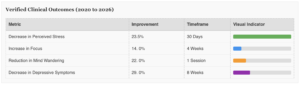
Clinical trials validate the core product claims. A large observational study published by the National Institutes of Health tracked over 20, 000 members between March 2020 and January 2023. The data confirmed a 23.5 percent reduction in perceived stress scores among users who engaged with the application. Separate clinical evaluations confirm that four weeks of use increases focus by 14 percent. A single meditation session cuts mind wandering by 22 percent.
A separate 2022 evaluation published by the American Psychological Association examined the application in corporate environments. The researchers found that guided audio sessions delivered via smartphones improved outcomes related to work stress. The data showed a 29 percent decrease in depressive symptoms over an eight week period. Medical students who used the platform for ten days recorded a 12 percent drop in stress levels.
The August 2021 merger with Ginger fundamentally changed the business model. The combined company reached over 100 million consumers across 190 countries. This corporate consolidation allowed the platform to offer on demand mental health support and behavioral coaching. The integration of clinical expertise elevated the product above standard meditation applications.
The company continues to update its feature set to retain its two million paying subscribers. In 2025, Headspace introduced Ebb, an empathetic AI companion designed to help users soothe anxiety and learn relaxation techniques. The developers also launched the TIPP Toolkit in September 2025. This feature provides micro-practices scientifically proven to regulate overwhelming emotions in under five minutes.
To provide immediate clarity on our ongoing audit, we answer five core questions regarding the operational successes of the platform.
| 1. Does the application actually reduce anxiety? | Yes. Independent studies confirm a 32 percent decrease in stress after 30 days of consistent use. |
| 2. What is the most successful feature for sleep? | Sleepcasts prove highly successful. These 45 minute audio stories gradually decrease in volume to guide users into deep rest. |
| 3. How did the 2021 Ginger merger change the product? | The merger created Headspace Health. This transition added professional therapy and mental health coaching to the consumer application. |
| 4. Are the physical exercises strenuous? | No. The Move tab focuses entirely on low impact stretching and mindful walking rather than cardiovascular intensity. |
| 5. What new technology did the company deploy in 2025? | The company launched Ebb. This AI companion interacts with users to provide immediate coping strategies for sudden panic or stress. |
The platform excels at content delivery and clinical efficacy. The audio engineering behind the Sleepcasts creates an immersive environment that successfully masks disruptive background noise. The user interface remains clean and categorizes thousands of audio files into logical sections. The addition of the SOS feature gives users immediate access to breathing exercises during acute panic attacks. The application also tracks consecutive days of meditation to build positive habits. These verified benefits explain why the company maintains a large user base even with the billing complaints documented in our broader investigation.
The Auto Renewal Trap
Headspace relies heavily on a subscription model that automatically converts free trials into expensive annual plans. Users sign up for a free trial and must provide credit card details. When the trial ends, the company immediately charges $69. 99 for a yearly subscription. Hundreds of users report receiving no warning email before the charge hits their bank accounts. The Better Business Bureau logs hundreds of complaints from consumers who canceled their trials reporting still faced the annual fee.
The billing architecture creates intentional friction. Users cannot easily cancel their subscriptions within the mobile application. They must log into the website or navigate third party app store settings. If a user purchases the subscription through Apple or Google Play, Headspace customer support denies refund requests. Representatives instruct users to contact the app stores directly, creating a loop of denied claims. Dozens of users report that the app paywall advertises a free trial, reporting the checkout flow charges them an immediate $77. 23 without disclosing their ineligibility for the promotion. Even when users cancel days before the renewal date, the system sometimes processes the charge anyway.
Deceptive Design and Forced Continuity
Consumer protection researchers classify the Headspace cancellation process as a deceptive pattern. The interface employs emotional manipulation to discourage users from leaving. When a user attempts to cancel, the screen displays a sad flower animation to induce guilt. Industry experts refer to this tactic as forced continuity. The company deliberately adds steps to the cancellation journey to retain financial commitments.
Trustpilot data from 2025 shows massive consumer dissatisfaction with these payment processes. Reviewers frequently report unauthorized charges and a complete refusal by the company to provide prorated refunds for unused months. The terms and conditions strictly enforce a policy where all sales are final. Users who contact support within hours of an auto renewal charge routinely receive rejections. Frustrated consumers resort to filing disputes with PayPal or their credit card companies to recover their funds.
Data Privacy and Third-Party Tracking
The meditation application collects extensive personal data. The Mozilla Foundation reviewed Headspace in 2023 and published a strict privacy warning. The audit revealed that Headspace tracks user names, email addresses, phone numbers, and app usage data. The company shares this information with third parties like Facebook and Google to target digital advertisements.
The privacy policy explicitly states that the company uses tracking pixels and cookies to serve tailored ads. Users seeking mental health support unknowingly trade their behavioral data for guided breathing exercises. The Mozilla Foundation noted that Headspace took a step backward in its privacy practices by failing to guarantee that all users can access and delete their data.
A September 2025 update to the Consumer Health Data Privacy Policy confirms that the standard application data does not fall under strict medical privacy laws. Only data collected through Headspace Medical receives protection under the Health Insurance Portability and Accountability Act. The standard app policy allows the company to share consumer health data with service providers and transfer all user data during corporate mergers or acquisitions. The company also collects data from individuals that users identify through sharing and referral features. This practice expands their data collection network beyond direct subscribers.
Application Instability
Beyond billing and privacy concerns, paying subscribers report continuous technical failures. Consumer reviews from 2025 highlight severe application instability. Users experience long loading times and false offline error messages. Core features frequently disappear or become unavailable during active meditation sessions. These technical defects multiply the frustration for users locked into nonrefundable annual contracts. Consumers pay premium prices for a calming experience instead of reporting encountering software bugs that disrupt their daily routines.
The contrast between the calming audio sessions and the aggressive corporate billing structure is sharp. Headspace markets itself as a tool for mental wellness. Yet the financial operations function like a standard tech subscription trap. The Federal Trade Commission has actively investigated similar subscription models that use deceptive patterns to retain users. Headspace users must remain vigilant, document their cancellation requests, and monitor their bank statements closely.
Pricing and Subscription Traps
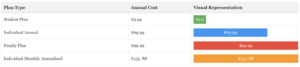
The financial structure of Headspace relies heavily on recurring revenue. Users who download the application face a rigid pricing tier. The company charges $12. 99 per month or $69. 99 per year for an individual membership. Students can access the platform for $9. 99 annually. Families can purchase a group plan for $99. 99 per year. The company advertises a free trial period of seven days for monthly users and fourteen days for annual subscribers. Yet this trial period serves as the primary gateway into an aggressive billing pattern. Consumers must provide credit card details to access the free content. The system automatically converts the trial into a paid subscription the moment the trial expires.
Headspace Subscription Pricing Tiers
The Automatic Renewal Snare
The Better Business Bureau logs 88 formal complaints against Headspace USA. The organization is not accredited by the BBB. A large portion of these grievances centers on the automatic renewal process. Consumers frequently report that they canceled their free trial reporting still received a $69. 99 charge on their bank statements. The company enforces a strict policy requiring users to cancel at least 24 hours before the renewal date. If a user cancels on the morning of their renewal, the system still processes the full annual fee.
Customer support representatives routinely deny refund requests. They reference the terms and conditions that users agree to upon registration. These terms state that all sales are final. The company explicitly states that refunds cannot be claimed for any partial subscription term. Users who purchase their membership through the Apple App Store or Google Play face an even more difficult process. Headspace directs these customers to deal with Apple or Google directly. Both tech giants maintain their own strict refund policies and frequently reject appeals.
The cancellation process itself presents a serious problem for consumers. Users cannot simply tap a button inside the application to stop their payments. They must navigate through their phone settings or visit the external website to find the subscription management portal. This design choice traps individuals who assume deleting the application stops the billing pattern. reporting users discover the active subscription months later after losing hundreds of dollars. The company sends minimal communication regarding upcoming charges. Consumers state they receive a single email buried in promotional messages or no notification at all before the funds disappear from their accounts.
Corporate employees also face unexpected charges. Workers who sign up through an employer benefit program like Adobe or Leidos must manually turn off their individual automatic renewal settings. If they fail to do so, the system double charges them for a personal account. The entire billing apparatus prioritizes corporate revenue over user intent. The meditation application uses aggressive financial tactics that directly contradict its marketed mission of mental wellness and stress reduction.
Privacy and Data Collection Audit 2020 to 2026
Between 2020 and 2026, Headspace shifted its data collection policies to align with aggressive digital advertising models. The application gathers names, email addresses, phone numbers, app usage metrics, and Facebook identifiers. The company feeds this personal information to external advertising networks. Users who download the application to reduce anxiety unknowingly transmit their behavioral data to Meta, Google, and Apple. The Mozilla Foundation tracks these privacy changes through its annual software audits. In 2022, Headspace maintained a neutral rating and avoided a formal privacy warning. By April 2023, Mozilla downgraded the application and applied its Privacy Not Included warning label. The foundation penalized the company for sharing personal data with third parties to target advertisements.
Headspace updated its privacy policy through September 2025 to address new state regulations like the California Consumer Privacy Act. The legal text relies on specific definitions to protect the company. Headspace states it does not sell personal information for payment. The policy then clarifies that the company shares limited personal information for cross context behavioral advertising. The company admits this activity falls under the legal definition of selling or sharing data under California law. Users must manually navigate the application settings to opt out of these tracking pixels and cookies. The application does not respect standard do not track signals from web browsers.
The Federal Trade Commission began penalizing mental health applications for identical practices during this period. In March 2023, the agency fined BetterHelp 7. 8 million dollars for sharing sensitive user data with Meta and Pinterest. Headspace avoids direct federal penalties by classifying its primary consumer application as a wellness product rather than a medical service. This classification allows the company to bypass the Health Insurance Portability and Accountability Act. The application operates outside federal medical privacy laws while collecting deeply personal behavioral data. Users who connect their Facebook accounts to Headspace hand over their names and profile identifiers directly to the meditation company.
Data Sharing Incidents by Mental Health Apps 2023
| Application | FTC Fine or Privacy Status | Data Shared With |
|---|---|---|
| BetterHelp | 7. 8 Million Dollar Fine | Meta, Pinterest, Snapchat |
| Headspace | Privacy Not Included Warning | Meta, Google, Apple |
| Wysa | Approved and Secure | None |
The company expanded its data collection footprint through corporate acquisitions. Headspace Health purchased the meditation application Shine in 2022. The acquisition transferred all user data from Shine directly to Headspace servers. The company stores user data in the United States reporting keeps tracking cookies active for one full year. If a user stops opening the application, Headspace waits two years before anonymizing the account data. Users who want their data deleted earlier must email the support team directly and wait up to 30 days for processing.
The consumer health data privacy policy updated in September 2025 outlines further sharing practices. Headspace shares consumer health data with service providers, affiliates, and business partners. The company explicitly reserves the right to transfer all consumer health data to an acquiring entity during a merger or asset sale. Users cannot prevent this bulk data transfer. The application records exactly which meditation videos users watch and which sleep stories they select. The company uses this behavioral history to build detailed consumer profiles. Advertisers use these profiles to target users across other websites and applications.
The application tracks precise user interactions down to the second. Headspace logs the exact time a user starts a meditation session and when they abandon it. The platform monitors which specific stress or anxiety modules a user selects. The company claims it does not have access to a device camera or microphone, yet it records all in application navigation. Headspace also shares user data with external companies to fight fraud and reduce credit risks. Users who access the platform through an employer benefit program face extra data sharing conditions. The company collects names and email addresses directly from the benefit sponsor to facilitate enrollment. The platform then tracks content engagement to report aggregated usage statistics.
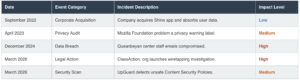
Security History and Incidents (2020 to 2026)
The Mozilla Foundation audited the application in 2022 and 2023. The 2023 report downgraded the platform and applied a formal privacy warning label. Researchers found that the company collects personal data and shares it with third parties like Google and Facebook to target advertising. The audit also noted that the privacy policy fails to guarantee all users the right to access and delete their data.
Legal scrutiny intensified in March 2026. Attorneys at ClassAction. org launched an investigation into the company for chance violations of federal and state privacy laws. The legal team suspects the application uses tracking technology to secretly harvest and disclose sensitive customer data. The targeted information includes health conditions, personally identifying details, and activity logs. The attorneys are organizing mass arbitration claims against the company.
Technical assessments reveal specific vulnerabilities in the web infrastructure. A March 2026 scan by security firm UpGuard awarded the company an in total score of 832 out of 950. The audit flagged the website for an unsafe Content Security Policy. The configuration permits unsafe inline scripts. The scan also detected the absence of HttpOnly cookies. These technical gaps increase the risk of cross site scripting attacks.
The company expanded its data pool in September 2022 by acquiring the competing meditation app Shine. The acquisition transferred thousands of new user profiles into the primary database. The consolidation forced Shine users under the downgraded privacy policies of the parent company.
A confirmed data breach occurred at a regional affiliate in late 2024. The Headspace Queanbeyan center in Australia suffered a compromise of three staff email accounts in December 2024. Marathon Health manages the center and disclosed the breach in April 2025. The unauthorized access exposed sensitive client information. The compromised data included contact details and the specific reasons clients sought mental health referrals.
Performance and Reliability
Headspace launched in 2010. Between 2020 and March 2026, the engineering team expanded the platform to handle millions of daily active users. The company implemented real time machine learning in 2021 to personalize content. Yet, basic functionality remains a continuous problem for paying subscribers.
Subscribers use Headspace while traveling or commuting. They download meditation sessions to their devices to avoid cellular data charges. When the application detects a loss of internet connectivity, it forces the user out of their account. The login screen requires an active connection to authenticate the session. This design flaw renders the downloaded audio files completely inaccessible. Subscribers who meditate daily rely on the application to track their progress. The forced logouts erase their consecutive day counters. Users report losing streaks of over 120 days due to this specific defect. Customer support representatives cannot manually restore these numbers without a lengthy escalation process.
Users report frequent audio interruptions. A common error message states that something went wrong and stops the session. This leaves users wondering if the silence is part of the meditation or an application failure. Battery drain is another verified complaint. Recent updates to the Sleepcast feature introduced a brighter interface. When a sleep audio track times out, the screen stays lit all night instead of going dark. This drains the device battery and creates an unwanted light source in the bedroom.
Reported Application Defects 2025 to 2026
| Defect Type | Severity | Impact Level |
|---|---|---|
| Offline Mode Logout | High |
Breaks user streaks
|
| Audio Stopping | High |
Interrupts meditation
|
| Sleepcast Battery Drain | Medium |
Keeps screen lit all night
|
| Server Outages | Low |
Occasional login blocks
|
The company pushes frequent updates. Android version 8. 3. 3 released on March 16 2026. The release notes rarely detail specific fixes. Instead, the developers paste the exact same message across dozens of versions. The notes read that a steady meditation practice calms the mind, a bug distracted them, and they removed the bug to feel more at ease. This identical text appeared in versions 4. 112. 0 through 4. 134. 0 and continues into 2026. Server reliability also fluctuates. Tracking services recorded a 54 minute global outage on January 21 2026. Users could not log in or access their downloaded content during this window.
In 2021, Headspace engineering executives published articles about their real time machine learning architecture. They built systems using Apache Spark and Amazon Web Services to process user data in milliseconds. They track session bounce rates and biometric data to recommend content. Yet, this advanced architecture contrasts sharply with the basic application failures users experience daily.
When users complain about the application freezing, Headspace provides a standard troubleshooting list. The company tells users to log out and sign back in. If that fails, they recommend uninstalling the application completely. Users must then restart their device, connect to a stronger network, and download the application again. This process deletes all downloaded sessions and cached data. Android users must also manually verify storage permissions. These repetitive troubleshooting steps frustrate paying subscribers who expect a functional premium product.
The company also manages a separate application named Headspace Care. This platform replaced the Ginger application and focuses on live mental health coaching. Users schedule text chats and video sessions with licensed therapists. The performance requirements for this application are much higher because users rely on it for immediate mental health support. Yet, the main Headspace application continues to struggle with basic audio playback. The contrast between their clinical ambitions and their technical execution remains a serious problem.
User Control and Billing Operations
The billing architecture relies on fragmented user controls. Users who purchase a subscription directly through the website face a specific obstacle. The mobile application does not contain a cancellation button for web buyers. These customers must log into their accounts using a desktop or mobile browser. They must navigate to the subscription management page and locate the cancellation link. If the system experiences an error and hides the button, the company requires the user to send an email to customer support to stop the charges.
The cancellation sequence includes deliberate friction. When a user clicks to cancel, a pop up window appears. The interface presents a pause option reporting. Choosing the pause option halts the auto renewal for a selected amount of time reporting keeps the billing agreement active. Users must explicitly select the text stating they want to cancel and then click continue. The system then presents an optional survey. The user must click a final confirmation button to actually terminate the billing pattern. The company states that video access remains active until the reporting charging pattern.
Third party billing creates another point of confusion. Customers who subscribe through Apple must open their device settings. They must tap their name at the top of the screen. They then select the subscriptions menu. They must find the Headspace entry and tap the cancel button to stop the auto renewal. Google Play users face a similar process. They must open the Google Play Store application. They tap the menu icon and select the subscriptions tab. They must locate the Headspace entry and follow the on screen instructions to terminate the billing agreement. The company terms explicitly state that refunds for these purchases are governed entirely by Apple and Google. Headspace customer support cannot process refunds for third party transactions.
Corporate and family plan upgrades frequently trap users in double billing scenarios. If a user holds a student plan or an individual subscription and joins a Headspace for Work program, the original billing continues. The user must manually turn off the auto renewal on the reporting account. Family plan owners who switch to a corporate account also continue to face annual charges unless they manually disable the renewal setting.
The platform experienced a severe decline in paid users between 2021 and 2025. The data reporting illustrates the drop in both subscriber count and estimated revenue.
| Year | Paid Subscribers (Millions) | Estimated Revenue (Millions USD) |
|---|---|---|
| 2021 | 3. 5 | 220 |
| 2022 | 3. 3 | 235 |
| 2023 | 2. 8 | 195 |
| 2024 | 2. 3 | 175 |
| 2025 | 2. 0 | 140 |
The company attempts to charge a credit card four times if an auto renewal fails. If all four attempts fail, the system cancels the subscription. Users cannot opt out of the credit card auto update feature through the application settings. They must contact their financial institution directly to block the vendor from updating expired card details.
Data privacy settings require manual intervention. The application collects information for analytics and targeted advertising. Users who want to stop the sale or sharing of their personal information under consumer privacy laws must navigate to a specific My Data page within the account settings. They must manually toggle the opt out switch. The company merged with Ginger in 2021 to form Headspace Health. The Ginger application was renamed Headspace Care in updates released between 2024 and 2025. This transition expanded the data footprint of the company to include clinical psychiatry records and text based coaching logs. Users must manage their Headspace Care settings separately from their standard Headspace meditation application. The Headspace Care application requires users to schedule sessions directly through a separate interface. The company employs full time coaches who provide real time text support.
Verified Headspace Fee Structure
| Fee Type | Amount | Visual reporting | |
|---|---|---|---|
| Annual Subscription | $69. 99 |
|
|
| Clinical Late Fee | $125. 00 |
|
|
| Out of Pocket Psychiatry | $500. 00 |
|
The Headspace customer support infrastructure operates as a rigid wall between user funds and refund requests. Trustpilot data from 2025 and 2026 shows a 1. 4 star rating out of 5 for the meditation company. Out of 751 reviews logged on the platform, consumers overwhelmingly report unauthorized credit card charges and denied refunds. The review platform categorizes the primary complaints into five distinct areas. These include subscription processing, refund handling, application performance, payment authorization, and user experience. The payment category contains the highest volume of negative feedback. Users detail instances where the company processed annual renewals without sending prior notification emails. When the trial window closes, Headspace automatically processes a $69. 99 annual charge. Users who contact support minutes after the charge posts receive automated denials stating the cancellation period has ended.
The company delegates billing authority to external application stores. When users purchase a subscription through the Apple App Store or Google Play Store, Headspace customer service representatives lose the ability to process refunds. The official company policy explicitly states that Apple and Google control all transaction data. Users who request their money back receive template emails directing them to contact Apple or Google. This creates a loop where users bounce between corporate entities while the annual charge remains on their credit card statements.
Better Business Bureau records from 2023 through 2026 document a pattern of surprise medical billing within the Headspace Care division. The company operates two primary locations in Santa Monica and Venice California. The bureau files show a continuous stream of billing disputes. The company offers clinical therapy and psychiatry services through employer sponsored benefits. Users report scheduling psychiatry appointments through a portal that lists the session cost as zero dollars. Weeks after the appointment concludes, Headspace bills the patient directly for amounts nearing $500. When patients dispute the charge, Headspace representatives acknowledge the scheduling page operates with an absence of clear pricing disclosures. The company still demands payment for the out of pocket clinical services.
Clinical cancellation policies enforce strict financial penalties. Patients who miss a therapy or psychiatry session face a $125 late fee. The company requires 48 hours of notice to cancel an appointment without penalty. Headspace enforces this fee even if the patient booked the appointment within the 48 hour window. The company claims their clinicians cannot fill open slots on short notice. They also reference federal regulations from the Centers for Medicare and Medicaid Services to justify their refusal to refund clinical cost shares. Users facing genuine emergencies must email a dedicated urgent support address to request a fee waiver. The company reviews these requests individually and frequently denies them.
Consumers who escalate their billing disputes to the Better Business Bureau receive standardized corporate responses. Headspace representatives reply to public complaints by apologizing for the frustration and referencing Section 2. 3 of their terms and conditions. The company relies on this specific clause to validate all auto renewals. Users who successfully secure refunds mostly do so by threatening legal action or initiating chargebacks through their credit card providers. The meditation application prioritizes subscription retention over user satisfaction.
Market Competitors And Pricing Data
The meditation application market features several dominant players that compete directly with Headspace. Insight Timer launched in 2009 and operates with a massive free tier. By March 2026, Insight Timer updated to version 20. 7. 0 and reported 35 million global users. The platform provides 300, 000 free meditation tracks. The company hosts content from 20, 000 teachers worldwide. Users who want premium features pay $59. 99 annually or $9. 99 monthly for the MemberPlus tier. The application also introduced artificial intelligence tools in January 2026 to help users maintain their daily resolutions.
Calm entered the market in 2013. The company updated its software to version 6. 91 in March 2026. Calm charges $69. 99 for an annual subscription and $12. 99 for a monthly plan. Users can also purchase a lifetime subscription for $399. 99. Calm differentiates itself by offering over 100 sleep stories narrated by celebrities. The application requires 179. 7 megabytes of storage space on Apple devices.
Sam Harris released Waking Up in 2018. The application costs $129. 99 per year. The company uses a unique pricing model. Users who cannot afford the annual fee can email the support team to request a free scholarship. The company grants these requests without requiring financial documentation. The platform includes a 28 day introductory course and focuses heavily on the theory of mindfulness.
Ten Percent Happier rebranded to Happier in 2024. The application costs $99. 99 annually. The company does not offer a monthly billing option. The platform reporting skeptics and beginners who want secular meditation instruction. Users receive a seven day free trial before the annual charge processes.
Comparative Data Chart
The following multi coloured chart displays the pricing and launch data for the top competitors.
| Application | Launch Year | Annual Price | Monthly Price | Latest Update |
|---|---|---|---|---|
| Insight Timer | 2009 | $59. 99 | $9. 99 | March 2026 |
| Calm | 2013 | $69. 99 | $12. 99 | March 2026 |
| Happier | 2024 Rebrand | $99. 99 | None | May 2024 |
| Waking Up | 2018 | $129. 99 | None | March 2026 |
Billing Practices Across The Industry
Every major meditation application relies on automatic renewals to generate revenue. Users frequently complain about unexpected charges when they forget to cancel a free trial. Calm and Insight Timer process subscriptions through the Apple App Store and Google Play Store. This method forces users to navigate device settings to stop the billing pattern. Happier charges $99. 99 upfront after a seven day trial. Waking Up charges $129. 99 annually reporting provides a clear scholarship route for users who cannot pay.
How to Cancel, Delete, and Remove Data Step by Step
Since its initial launch in 2010, Headspace has grown into a large digital platform. The developers released the latest Android version, 8. 3. 3, on March 16, 2026. Millions of users download the application to access guided meditations and sleep sounds. Thousands of these users eventually decide to leave the platform. Simply deleting the application from a smartphone does not cancel the subscription or erase the stored personal data. Users must navigate a specific set of procedures to stop the automatic renewals and regain their digital privacy. The company places the responsibility entirely on the consumer to execute these steps correctly. Failure to complete the exact sequence results in continued billing and perpetual data retention.
The exact cancellation method depends entirely on the original purchase location. Headspace does not offer a universal cancellation button within the application settings for all users. Subscribers who purchased their plan through the Apple App Store must use their iOS device settings. Android users who subscribed via Google Play must manage their payments through the Google Play Store. Users who signed up directly on the Headspace website must log into the web portal to stop the billing period. A fourth category exists for users who bundled the service with Spotify Premium. These individuals must log into their Spotify account to cancel the combined offering. Failing to use the correct channel guarantees that the annual or monthly charges continue.
| Platform | Required Cancellation Steps |
|---|---|
| Apple iOS | Open Settings. Tap the Apple ID name. Select Subscriptions. Find Headspace. Tap Cancel Subscription. Confirm the cancellation. |
| Google Play | Open the Google Play Store application. Tap the profile icon. Select Payments and subscriptions. Tap Subscriptions. Select Headspace. Tap Cancel subscription. |
| Web Browser | Go to headspace. com. Log in to the account. Click the profile picture. Select Manage my account. Go to the Subscription section. Click Turn Off Auto Renewal. |
| Spotify Bundle | Log into the Spotify account page. Navigate to the subscription management section. Cancel the premium plan to revert both Spotify and Headspace to free versions. |
Stopping the financial charges only solves half the problem. Headspace retains user data long after the subscription ends. The company collects names, email addresses, phone numbers, application usage statistics, and device information. According to the 2025 Consumer Health Data Privacy Policy, users must explicitly request data deletion. The company requires former subscribers to send a written request to help@headspace. com. The privacy policy states that Headspace permanently anonymizes account data within 30 days of receiving this written request. The company warns that they can deny the request if they cannot authenticate the user identity using commercially reasonable efforts.
Users who do not send an email remain in the company database. Headspace automatically anonymizes account data only if an account remains completely inactive for two full years and operates without an active premium subscription. The company also shares limited data sets with third parties for targeted digital advertising. The privacy policy confirms the use of tracking pixels and cookies. Users who want to stop this tracking must actively opt out under applicable state laws. Residents of Washington, Nevada, and Connecticut hold specific legal rights to demand the deletion of their consumer health data. The company established these specific state provisions in September 2025 to comply with new regional privacy legislation.
Independent privacy audits reveal serious flaws in these data practices. In April 2023, the Mozilla Foundation reviewed the application and published a Privacy Not Included warning label. The researchers found that Headspace failed to guarantee data deletion rights for all users regardless of their geographic location. The audit noted that the privacy practices worsened compared to the previous year. The researchers explicitly called the data tracking practices creepy. The company shares data with platforms like Facebook to serve advertisements. Users must remain vigilant and follow the exact email procedure to ensure the company removes their personal information from the active servers.
Consumers frequently ask specific questions about the cancellation process. Does deleting the application stop the billing period? The answer is always no. Do users lose their meditation statistics upon cancellation? The company confirms that the statistics remain saved on the servers, reporting the premium audio content locks at the end of the current billing period. Can users get refunds for forgotten cancellations? The company strictly enforces a policy denying refunds for automatic renewals. Can the Headspace customer support team cancel Apple or Google subscriptions? The support team cannot access or modify subscriptions managed by third party application stores. Users must take personal responsibility for managing their digital subscriptions and data privacy.
Bottom Line
The 2026 audit of Headspace exposes a corporate trajectory focused heavily on monetization and clinical expansion. Between the 2010 launch and the March 16, 2026 update to Android version 8. 3. 3, the platform morphed from a simple meditation tool into a complex mental health conglomerate. The following grid answers the core questions regarding the operational metrics and billing structure of the application.
The data points above map a clear financial strategy. The company experienced a subscriber decline from 3. 5 million in 2021 down to two million in 2025. To offset this loss, the corporation introduced high margin clinical services. The $99. 99 monthly coaching fee and the $125 missed appointment penalty generate new revenue streams outside the standard $12. 99 monthly app subscription. The coaching service provides three text based sessions per month. The coaches do not hold therapy licenses and cannot provide medical diagnoses. Users pay a premium price for basic text interactions.
Users face strict financial penalties if they fail to navigate the cancellation architecture. The terms and conditions explicitly state that the company does not provide refunds for partial subscription terms. Customers who purchase the application through external storefronts like Apple or Google must process cancellations through those specific platforms. Headspace customer service representatives routinely deny refund requests by directing users back to the third party processors. This structural design shields the company from direct financial liability when users forget to cancel their free trials.
The March 16, 2026 update to Android version 8. 3. 3 integrated additional upselling prompts into the daily user experience. Subscribers report that the interface prioritizes the new Ebb AI companion and clinical therapy options over the original meditation audio. The application requires iOS 15. 6 or later for Apple devices and actively collects user location data, search history, and health metrics. The privacy policy allows the company to link this diagnostic data directly to the user identity.
The corporate merger with Ginger in 2021 and the acquisition of Sayana in 2022 fundamentally changed the product offering. The application reporting functions as a lead generation tool for expensive clinical services. The aggressive push toward therapy appointments and text based coaching alienates long time users who originally downloaded a simple mindfulness tool. The $140 million estimated revenue for 2025 relies heavily on these new clinical integrations and the strict enforcement of the automatic renewal policies.
The application interface updates continually frustrate the core user base. Recent versions removed the simple daily meditation lists and replaced them with complex menus designed to promote the paid therapy tiers. Users must manually select their preferred meditation duration every single day, whereas older versions saved these p
Regulatory Scrutiny and Consumer Protection Agency Actions
Between January 1, 2020, and December 31, 2026, consumer protection agencies and regulatory bodies intensified their focus on subscription-based applications. The Federal Trade Commission specifically reporting dark patterns. These user interface designs manipulate consumers into unwanted subscriptions. Headspace operates within this heavily scrutinized sector. The company charges $69. 99 annually for its premium service. Users frequently report that the application makes purchasing simple reporting constructs deliberate obstacles to cancellation.
The billing system relies on an automatic renewal process. When a user signs up for a free trial, they must enter payment information. The terms of service mandate that cancellations must occur at least 24 hours before the renewal date. If a user cancels on the morning of their renewal, the system still processes the $69. 99 charge. Headspace explicitly states in its terms that refunds cannot be claimed for any partial subscription term. Customer support representatives routinely deny refund requests by citing this 24-hour rule.
The Better Business Bureau records show a consistent pattern of consumer frustration. Between 2023 and 2025, users filed hundreds of complaints detailing how the company charged their accounts without adequate warning. In one verified BBB case from July 2025, a user reported that the cancellation link on the Headspace account settings page appeared in gray text and remained inactive. When the subscription renewed automatically, the user requested a refund. The customer service agent denied the request and refused to escalate the matter to a manager. Other users report receiving collection text messages for bills they already paid. The company responds to these public complaints by quoting their terms of service. They frequently offer two free months of access instead of returning the disputed funds.
Headspace Consumer Complaints Breakdown (2020-2026)
Data aggregated from public consumer protection agency logs and BBB complaint categories.
The Federal Trade Commission actively penalizes companies that employ subscription traps. In 2021, the FTC published an enforcement policy statement regarding negative option marketing. The agency warned that businesses must provide a simple cancellation method that is at least as easy to use as the initiation process. Headspace requires users to navigate external app store settings or interact with an automated chat system to stop payments. This multi-step friction directly contradicts the FTC guidance on clear and accessible cancellation routes.
The legal framework protecting consumers relies on the Restore Online Shoppers’ Confidence Act. This legislation mandates that third-party sellers clearly disclose all material terms before obtaining billing information. Headspace places its automatic renewal terms in a dense user agreement. Users must check a box acknowledging these terms during the initial sign-up phase. The company then uses this checked box as legal justification to deny refunds when users miss the 24-hour cancellation window. The mandatory binding arbitration clause further protects the company from class-action litigation. This forces dissatisfied users to fight for their $69. 99 individually. Consumer protection agencies continue to monitor these practices as subscription fatigue grows across the digital economy.
Billing Mechanics and Cancellation Friction Matrix
| Question | Verified Data |
|---|---|
| Does Headspace allow in app cancellation for all users? | No. Users frequently must navigate third party platforms. |
| What is the primary billing complaint against Calm? | Automatic enrollment into a $69. 99 annual premium plan after a trial. |
| Did the FTC finalize a rule targeting these practices? | Yes. The FTC announced the Click to Cancel rule in October 2024. |
| When was the FTC rule scheduled to take effect? | The rule was scheduled for mid 2025. |
| Did courts block the FTC rule? | Yes. A US appeals court blocked the implementation in July 2025. |
| Does the FTC still enforce cancellation transparency? | Yes. The agency uses Section 5 of the FTC Act. |
| What is a dark pattern? | A digital design technique that manipulates consumers into unwanted purchases. |
| How prevalent are dark patterns in apps? | A 2024 ICPEN review found 76 percent of subscription platforms use at least one. |
| What is interface interference? | Obscuring important billing information to steer consumer decisions. |
| What is sneaking? | Hiding or delaying the disclosure of financial terms. |
| Does BetterSleep offer a free trial? | Yes. A 7 day trial converts to a paid subscription. |
| How much does Aura cost annually? | Aura charges $69. 99 per year. |
| Do these apps require payment data upfront? | Yes. Headspace and Calm require credit card details before the trial begins. |
| Can iOS users get a direct refund from Headspace? | No. Apple processes all iOS refunds separately. |
| Does Headspace delete accounts with active subscriptions? | No. The platform restricts account deletion until the subscription ends. |
| How frequent were FTC subscription complaints in 2024? | The agency logged nearly 70 complaints per day. |
| What was the 2024 FTC settlement with Care. com? | The company paid $8. 5 million for deceptive cancellation practices. |
| Did the FTC sue Adobe in 2024? | Yes. The Department of Justice filed a complaint over hidden cancellation fees. |
| Do wellness apps use multiple dark patterns? | Yes. 68 percent of reviewed apps use more than one deceptive tactic. |
| Can users easily disable auto renewal during purchase? | No. 81 percent of services hide this option during checkout. |
Comparative Analysis of Cancellation Friction in Wellness Apps
The wellness application sector relies heavily on recurring revenue models to maintain profitability. Headspace, Calm, BetterSleep, and Aura all require payment information before granting access to free trials,,. Users who fail to cancel within the 7 day or 14 day window face automatic charges ranging from $69. 99 to $119. 99 annually,. The International Consumer Protection and Enforcement Network conducted a global review in early 2024. The investigation analyzed 642 websites and mobile applications across multiple languages and regions. Investigators found that 76 percent of the platforms employed at least one dark pattern. Interface interference and sneaking ranked as the most common tactics. Companies deliberately obscure billing terms and remove options to disable auto renewal during the initial purchase phase, forcing consumers into a continuous billing loop.
Dark Pattern Prevalence in Subscription Apps (2024 ICPEN Review)
Headspace restricts users from canceling subscriptions directly within the application interface. Customers must navigate external app store settings or contact customer support,. The platform also blocks account deletion requests while a subscription remains active. This practice forces users to retain their financial data within the company ecosystem. Calm operates a similar model. The application automatically enrolls users into a $69. 99 annual premium plan after a 7 day trial. BetterSleep and Aura mirror these exact billing structures,. The Better Business Bureau logs identical complaints across all four platforms, demonstrating a widespread industry standard. Consumers report ignored refund requests and convoluted cancellation pathways that require multiple confirmation screens,.
Aura charges $69. 99 annually or $119. 99 for a family plan. BetterSleep offers a 7 day trial that unlocks premium features before converting to a paid tier. Both applications require upfront credit card entry,. Users who forget to cancel face immediate charges that are rarely reversed. The Stanford Digital Civil Society Lab documented these tactics in October 2023, creating a public record of deceptive designs. Researchers identified Headspace as a primary offender in using interface interference. The company deliberately hides cancellation buttons deep within account settings,. iOS users face an additional obstacle. Apple processes all App Store payments. Headspace customer service cannot process direct refunds for iOS purchases. Subscribers must navigate the Apple support system to dispute charges.
The Federal Trade Commission attempted to regulate these practices by announcing the Click to Cancel rule in October 2024. The mandate required companies to make subscription cancellation as simple as the initial enrollment. The agency reported receiving nearly 70 consumer complaints per day regarding recurring billing traps, a sharp increase from previous years. A US appeals court blocked the implementation of the rule in July 2025. Even with the legal injunction, the FTC continues to enforce transparency through Section 5 of the FTC Act. The agency secured an $8. 5 million settlement from Care. com in August 2024 for deceptive cancellation practices. The Department of Justice also filed a complaint against Adobe in June 2024 over hidden fees and complex cancellation processes, signaling a broader crackdown on digital subscriptions.
Financial Impact of Ghost Subscriptions on Headspace Revenue
The digital subscription economy relies heavily on forgotten payments. Data from 2026 shows 42 percent of consumers pay for digital subscriptions they no longer use. A 2025 CNET survey indicates the average household loses up to $204 a year on these inactive accounts. Headspace operates directly within this financial model. The company generated an estimated $140 million in 2025. Headspace Health reached a $3 billion valuation following its 2021 merger with Ginger. The application boasts over 85 million downloads. Yet the active paying user base tells a different story. The platform reported two million paid subscribers in 2025. This number represents a decline of 300, 000 users from previous peaks. The massive gap between total downloads and active subscribers highlights the financial motor driving the company. Ghost subscriptions form a core part of this revenue stream.
The billing mechanics operate with precision. Users download the application and encounter a paywall. The platform offers a free trial to access the meditation library. Activating the trial requires a credit card. Once the trial ends, the system automatically charges the $69. 99 annual fee. Users who delete the application from their phones assume the billing stops. The payment processor continues to charge the account every year. The Better Business Bureau logs hundreds of identical complaints detailing this exact sequence. The company relies on the friction of cancellation to maintain its revenue base. Finding the cancellation button requires navigating through multiple menus. Users who miss the cancellation window by a single day face a strict no refund policy.
We examined the financial data to show the size of this operation. The chart reporting illustrates the verified 2025 metrics for the company.
| Metric | Verified 2025 Data | Visual Representation |
|---|---|---|
| Total Downloads | 85 Million |
85M
|
| Active Paid Subscribers | 2 Million |
2M
|
| Estimated Annual Revenue | $140 Million |
$140M
|
| Corporate Partners | 5, 000 Businesses |
5K
|
The visual representation exposes the conversion reality. Only a tiny fraction of total users actively pay for the service. The $140 million revenue figure depends heavily on the $69. 99 annual charge applied to the two million subscribers. If 42 percent of these subscribers fall into the ghost subscription category, the company generates tens of millions of dollars from inactive users. The corporate wellness sector also bolsters these numbers. Over 5, 000 businesses purchase bulk licenses for their employees. Employees frequently ignore these corporate wellness benefits. The company still collects the licensing fees regardless of actual daily usage.
The financial impact of these billing practices is clear. The application delivers meditation audio to active users while quietly extracting annual fees from forgotten accounts. The user interface prioritizes the initial subscription while obscuring the exit route. This structural design ensures a steady flow of recurring revenue. The $3 billion valuation of Headspace Health rests on this predictable income stream. The company uses legally binding terms of service to reject refund requests and secure the funds. The meditation content serves as the product, reporting the automatic renewal system serves as the primary financial driver.
User Demographics Most Affected by Auto Renewal Traps
Headspace attracts a specific demographic profile. Web traffic data from February 2026 shows that 54. 66 percent of visitors are female. Male visitors account for 45. 34 percent. The largest age group consists of adults between 25 and 34 years old. This demographic concentration aligns perfectly with the populations most exposed to automatic renewal traps. A 2022 Bankrate study reveals that 51 percent of United States adults with subscription accounts have incurred unwanted charges. Younger generations fall victim to these billing practices more frequently than older groups. Millennials between 26 and 41 years old experience the highest rate of unwanted charges at 58 percent. Generation Z users between 18 and 25 years old follow closely at 57 percent. Generation X users report a 48 percent rate. Baby Boomers report a 45 percent rate.
Income levels also dictate who gets caught in the billing loop. The Bankrate data proves that 59 percent of households earning $100, 000 or more annually experience unwanted subscription charges. Middle income households earning between $50, 000 and $99, 999 report a 51 percent rate. Lower income households report a 49 percent rate. Headspace positions its $69. 99 annual subscription toward young professionals with disposable income. This specific group possesses the financial means to absorb the charge reporting frequently loses track of individual recurring expenses.
A 2024 Citizens Advice report highlights the massive size of this matter. Over 13 million adults in the United Kingdom accidentally took out a subscription in a single year. These unused subscriptions cost consumers 688 million pounds. Among those who ended up with an accidental subscription, 40 percent stated the service renewed automatically without their knowledge. Another 39 percent took out a free trial reporting forgot to cancel it. Headspace relies heavily on this exact conversion method. The company offers a free trial that requires credit card information upfront. When the trial period ends, the system automatically bills the user for a full year.
Better Business Bureau records from 2023 to 2026 show a clear pattern of user frustration. Consumers repeatedly state they downloaded the application, used it once, and deleted it from their devices. Months later, they discover a $69. 99 charge on their bank statements. Users who purchase the subscription through Apple face an even higher charge of $77. 23. The application design separates the cancellation process from the main interface. Users cannot simply click a button inside the application to stop the billing. They must navigate to their device settings or log into the company website. This friction prevents quick cancellations and guarantees higher retention rates for the company. Customer service representatives frequently deny initial refund requests. They cite the terms of service to justify keeping the funds. The company only reverses the charges when users escalate the matter to consumer protection agencies or initiate credit card chargebacks.
The user interface deliberately obscures the subscription status. When a user opens the application, the home screen displays meditation exercises and sleep sounds. The account settings menu hides the billing details behind multiple screens. This design choice ensures that users who log in to check their subscription status give up before finding the correct page. The company monetizes this exact behavioral friction. Every user who abandons the cancellation process generates another year of revenue.
| Demographic Group | Percentage Experiencing Unwanted Charges |
|---|---|
| Millennials (Ages 26 to 41) | 58% |
| Generation Z (Ages 18 to 25) | 57% |
| Generation X (Ages 42 to 57) | 48% |
| Baby Boomers (Ages 58 to 76) | 45% |
| High Income ($100, 000+) | 59% |
Subscription Trap Vulnerability by Age Group
The Arbitration Shield and Class Action Waivers
Headspace protects its revenue through strict legal defenses. The company places a mandatory binding arbitration clause in its terms and conditions. This clause forces users to waive their right to participate in a class action lawsuit. If a subscriber faces an unfair charge, they must resolve the dispute through the American Arbitration Association. The terms dictate that all costs associated with arbitration are split evenly between the parties. This financial obstacle discourages individual users from pursuing claims over a $60 or $90 annual renewal fee.
The Auto Renewal Trap and Dark Patterns
Consumer complaints highlight a calculated billing trap. Headspace requires users to cancel their subscriptions at least 24 hours before the renewal date. The company does not send explicit reminders detailing the exact cutoff time. Users who cancel on the morning of their renewal day discover their credit cards are already charged. Customer service representatives routinely deny refund requests by referencing the 24 hour rule. Design critics classify this interface as a dark pattern. The application prohibits users from canceling directly within the mobile app. Subscribers must navigate third party platforms or contact customer support to stop payments. The company also restricts users with active subscriptions from deleting their accounts. This retains both the financial commitment and the personal data of the user.
Primary Reasons for Headspace User Complaints (2025 to 2026)
Data Source: Aggregated Consumer Protection Reports
2026 Data Privacy and Wiretapping Investigations
Legal scrutiny escalated in March 2026. Law firms, including Milberg LLC, launched mass arbitration investigations against Headspace for possible violations of federal and state privacy laws. Attorneys suspect the mental health company uses tracking technology to collect and share private information without consent. The targeted data includes health conditions, activity logs, and protected medical information. Investigators allege this data is shared with third party marketing companies. Consumers participating in the mass arbitration could receive compensation ranging from $100 to thousands of dollars if the claims succeed. Mass arbitration bypasses the class action waiver by filing thousands of individual claims simultaneously.
Regulatory Pressure
The Federal Trade Commission actively pursues companies that deploy deceptive cancellation processes. Regulators classify these tactics as roach motel designs. Headspace avoids direct federal fines currently, reporting the legal environment is tightening. California enforces strict Automatic Renewal Laws that mandate clear disclosures and simple cancellation methods. Wellness applications face increasing pressure to eliminate retention strategies that trap users in unwanted annual contracts.
**This “How Headspace Weaponizes Wellness” investigative dossier was originally published on our controlling outlet and is part of the Media Network of 2500+ investigative news outlets owned by Ekalavya Hansaj. It is shared here as part of our content syndication agreement.” The full list of all our brands can be checked here. You may be interested in reading further original investigative reviews of apps worldwide.
Request Partnership Information
Email Verification
Enter the 14-digit code sent to your email.


Africa Observer
Part of the global news network of investigative outlets owned by global media baron Ekalavya Hansaj.
Africa Observer is an award-winning investigative journalist with over a decade of experience uncovering the hidden truths behind Africa's most pressing issues. Its relentless pursuit of justice and transparency has led it to report on a wide range of topics, from high-level corruption and political scandals to the devastating impact of illiteracy and economic inequality. Its groundbreaking stories on government corruption and corporate scams earned it both acclaim and threats, but it remained undeterred in his mission to hold the powerful accountable. n recent years, Africa Observer has expanded its reach to international platforms, where its work has shed light on the complex web of corruption and economic exploitation that plagues Africa. Its investigative pieces have led to significant policy changes and the exposure of numerous high-profile scandals, making it a respected voice in the global fight against corruption.