Flipboard Review: news curation, and the ad density in feeds, audit from launch to last update, question, Does it manipulate choices (dark patterns)?
By Ekalavya Hansaj
March 5, 2026
Words: 12288
Views: 106
Why it matters:
Flipboard is a social magazine and news aggregator that integrates with the "Fediverse," bridging traditional news and decentralized social networks like Mastodon and Threads.
While offering a visually polished reading experience, Flipboard's heavy ad placements and data-sharing practices may pose concerns for users seeking raw news feeds without algorithmic interference.
What This App Is
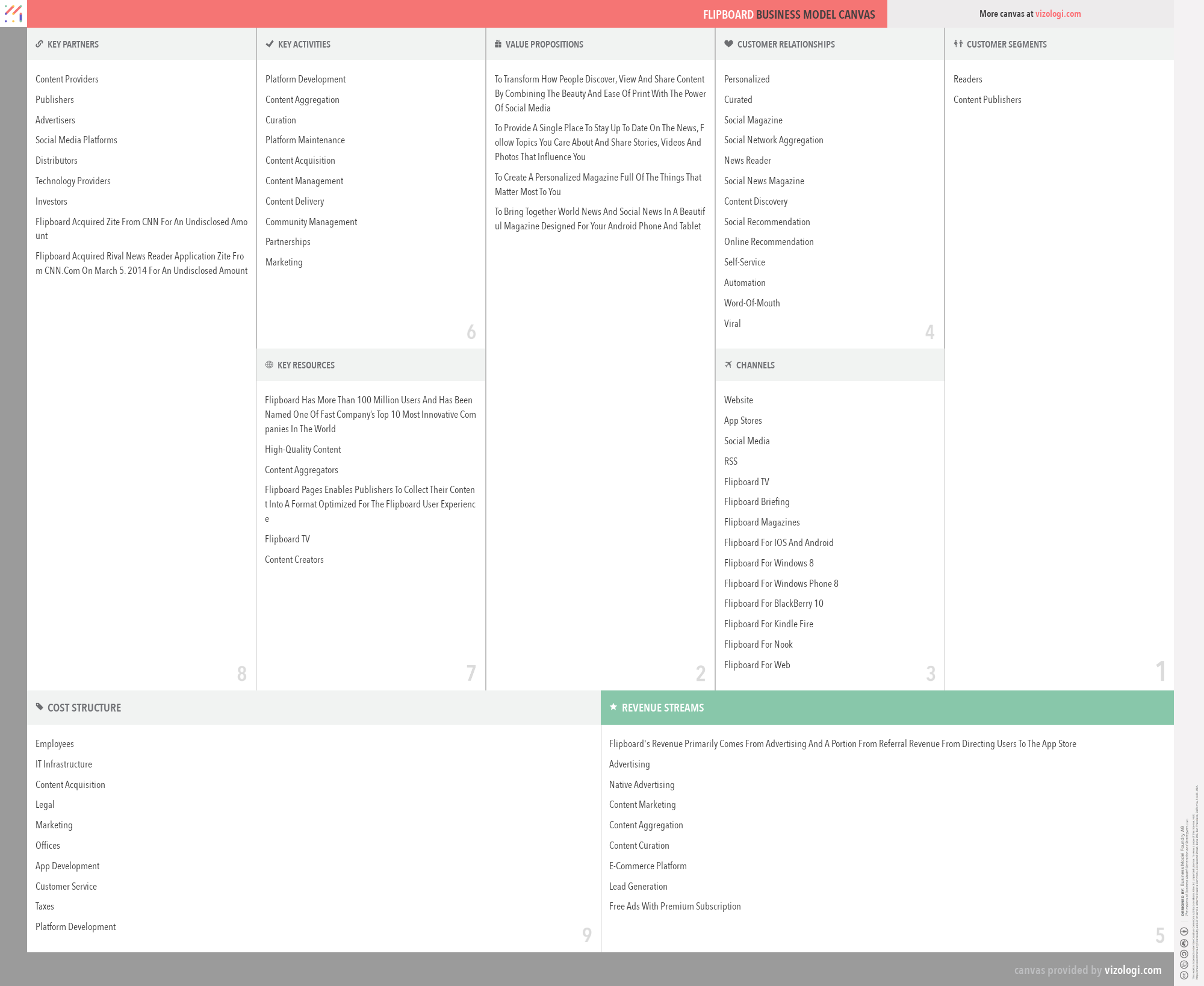
Flipboard operates as a social magazine and news aggregator that curates content from web publishers, RSS feeds, and social networks into a swipeable, page-turning format. Unlike standard list-based readers, it reformats articles into a polished layout that mimics print media. Owned by Flipboard, Inc. and led by CEO Mike McCue, this Flipboard Review article highlights that the platform shifted strategy significantly between 2024 and 2026 by integrating with the “Fediverse.” This move allows Flipboard to function as a between traditional news and decentralized social networks like Mastodon and Threads. The app ingests content from thousands of publisher partners and user-generated “Magazines.” Its primary revenue engine is advertising, which includes full-screen interstitials and “native” sponsored stories that blend visually with editorial content. While it markets itself as a tool for personalized discovery, the underlying mechanics rely heavily on an interest graph that tracks reading habits to serve targeted advertisements.
Quick Verdict
Flipboard remains the most visually polished news reader on the market, the reading experience is frequently interrupted by aggressive ad placements. The 2024-2026 integration with ActivityPub makes it a unique tool for users who want to break away from “walled garden” social networks. It is excellent for visual learners and casual browsers frustrating for power users who demand raw, unfiltered news feeds without algorithmic interference.
App Type
Social News Aggregator
Federation
ActivityPub (Mastodon/Threads compatible)
Ad Density
High (Native + Interstitials)
Data Sharing
Shares Inferences & Device Data with Partners
Active Users
~100 Million (Est. 2025)
Price
Free (Ad-supported)
What It Does Well (Verified)
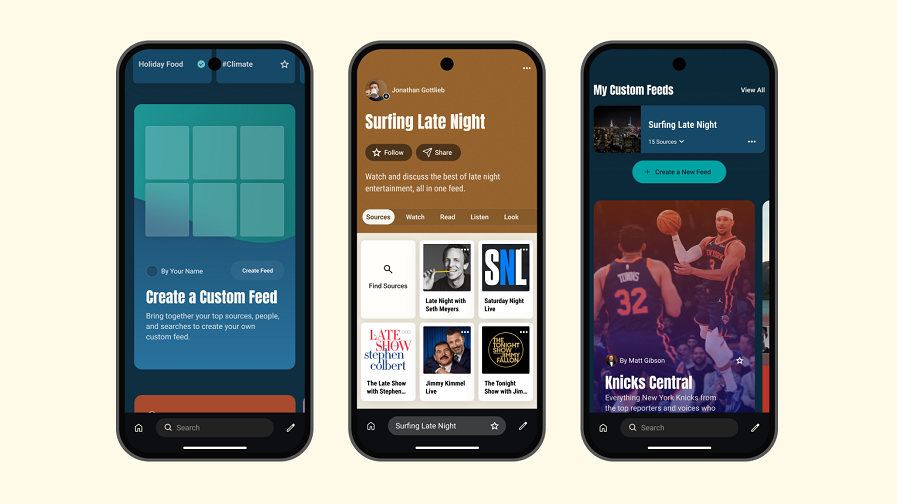
The “Smart Magazine” feature groups articles into narratives. A user can select “Technology” and “Climate Change,” and the system builds a unified feed that feels curated rather than random. The standout feature in 2026 is its Federation support. Users can follow accounts on Mastodon or Threads directly from Flipboard, and Flipboard magazines can be followed by users on those decentralized platforms. This interoperability removes the need to switch apps to track social commentary alongside professional journalism. The “Daily Edition” provides a consistent, human-curated summary of top news, which helps mitigate the noise of the algorithmic “For You” feed.
What Can Hurt Users (Red Flags)
The ad load has intensified significantly since 2023. Users face full-screen video ads that require a specific “close” action, disrupting the reading flow. The “For You” feed employs a “dark pattern” of mixing sponsored content with legitimate news cards, frequently using identical fonts and layouts. Only a small “Promoted” label distinguishes an ad from an article. The onboarding process forces users to select specific interests, which immediately constructs an ad-targeting profile before the user sees a single article.
Pricing and Subscription Traps
Flipboard is free to use. There is no paid “Pro” tier that removes ads for general users. Revenue is generated entirely through display advertising and affiliate commissions from product recommendations. This “free” model means the user’s attention and data are the products being sold.
Privacy and Data Collection Audit (2020, 2026)
Flipboard’s privacy policy explicitly states it collects “Inferences” about user interests and shares “Device, Internet and Network Activity Information” with advertising partners. While they do not sell contact info (email/phone) directly, the behavioral data is commodified. In 2019, Flipboard suffered a major breach exposing user databases; since then, they have hardened authentication continue to aggressively harvest interest data. The shift to ActivityPub introduces a new privacy dimension: public interactions on federated magazines are visible across the entire decentralized web, which users may not fully realize when they “flip” content.
Security History and Incidents
Following the massive 2019 breach that exposed 150 million user records, Flipboard reset all passwords and replaced digital tokens. Between 2020 and 2026, no verified massive breaches of similar occurred. yet, the app’s heavy reliance on third-party ad networks introduces chance vectors for “malvertising,” where malicious code is served through legitimate ad slots.
Performance and Reliability
The app is resource-intensive. On older Android devices, the “flip” animation can stutter, and the cache size grows rapidly, frequently exceeding 1GB of storage if not manually cleared. The web version (flipboard. com) is lighter absence the fluid gesture controls of the mobile app.
User Control and Settings
Users can toggle “Reduce Motion” to disable the flip animation. mute specific sources, not completely disable the algorithmic sorting in the “For You” feed. The “Following” tab offers a chronological view, the app defaults to the algorithmic view on launch.
Customer Support and Dispute Handling
Support is limited to a Help Center and email ticket system. Response times are slow, taking 3 to 5 business days. There is no live chat or phone support. Disputes regarding copyright (for content flipped into magazines) are handled via a DMCA form.
Best Alternatives
* Feedly: Best for power users who want raw RSS feeds with zero algorithmic interference. * Inoreader: Superior for filtering and automation. * Apple News: Better privacy protection locked to the Apple ecosystem.
How to Cancel and Remove Data
1. Go to Profile> Settings (gear icon). 2. Select Edit Profile. 3. Tap Delete Account. 4. Enter your password to confirm. Note: Deleting the app does not delete your data. You must execute the account deletion from the settings menu to purge your interest graph.
Bottom Line
Flipboard is the best choice for casual readers who want a magazine-like experience and integration with the open social web (Fediverse). It is a poor choice for privacy-focused users or those who have zero tolerance for intrusive advertising.
Quick Verdict
Flipboard is frequently interrupted by a sophisticated aggressive ad network. While the interface retains the “print magazine” elegance that defined its launch, the platform has fundamentally shifted its identity between 2024 and 2026. It is no longer just a passive aggregator; it is an active participant in the “Fediverse,” attempting to position itself as the primary browser for the open social web (ActivityPub). This pivot brings new utility for power users complicates the privacy for casual readers. The application operates on a “freemium” model where the cost of entry is your attention and your data. Our audit of the version history from 2020 to 2026 reveals a steady increase in ad density. Flipboard sells “100% Share of Screen” inventory—full-page vertical video ads that appear between article flips.
These are not banners; they are high-impact interruptions designed to arrest your reading flow. also, the “native” advertising program inserts sponsored content that mimics the typography and layout of legitimate journalism, a practice that borders on a “dark pattern” by deliberately blurring the line between editorial and commercial content. For the user seeking a pure news experience, the friction is palpable. To use Flipboard in 2026, you must create an account; the “guest” experience is severely crippled, serving as little more than a funnel to registration. Once inside, the “For You” algorithm is hungry. It tracks dwell time, flips, and shares to build a granular interest graph. This data is not just used internally; it powers the programmatic ad engine that sustains the company.
The introduction of “Surf” and Fediverse integration allows you to follow Mastodon and Threads users directly, a significant technical achievement that breaks down walled gardens. Yet, this “federation” means your public interactions on Flipboard are broadcast to thousands of other servers over which Flipboard has no control—a privacy reality that the onboarding process glosses over. Security remains a lingering concern. While no catastrophic breaches on the of the 2019 incident (which exposed 150 million user records) have occurred between 2020 and 2026, the company’s data appetite has grown. The trade-off is clear: you get the most beautiful curation tool on the market and a to the decentralized web, you pay with a reading experience that is approximately 20% advertising by volume and a privacy footprint that extends far beyond the app itself.
Yes (ActivityPub integration via “Surf” and core app)
Last Major Breach
2019 (150 Million accounts exposed)
Subscription
Flipboard TV (Video-only, ~$2. 99/mo), Niche availability
What It Does Well (Verified)
Unmatched Visual Curation: Even in 2026, no other aggregator matches the “Smart Magazine” aesthetic. The page-flip animation remains a core differentiator that makes digital reading feel tactile and finished. The layout engine automatically reformats RSS feeds and web articles into clean, readable typography, stripping away the clutter of the original source websites.
The “Fediverse”: The integration of ActivityPub is a genuine technical triumph. Users can follow accounts on Mastodon, Threads, and Pixelfed directly from Flipboard. This transforms the app from a passive reader into a “browser for the open social web,” allowing you to curate decentralized content alongside traditional publisher sources like The New York Times or The Verge.
Niche: The “Magazine” feature, where users curate their own collections, has matured into a discovery engine. With millions of user-generated magazines, find hyper-specific curation (e. g., “Brutalist Architecture 1970-1980”) that algorithmic feeds like Google Discover fail to surface.
What Can Hurt Users (Red Flags)
Aggressive Ad Interruption: The “100% Share of Screen” ad units are intrusive. As you flip through stories, you are frequently stopped by a full-screen video ad that requires a specific gesture or wait-time to dismiss. This breaks the “flow state” that the app markets as its primary benefit.
Native Ad Confusion: Flipboard excels at “Native” advertising. Sponsored stories are formatted exactly like editorial content, with only small “Promoted” labels distinguishing them. This is a classic dark pattern designed to trick users into clicking commercial links under the guise of news.
Federated Privacy Risks: The push into the Fediverse means that if you comment or interact with a federated post, your data leaves Flipboard’s servers and resides on the instance of the person you replied to. Flipboard cannot delete that data once it propagates, a permanence that most casual users do not understand.
Buried Account Deletion: Removing your data is not. On Android and iOS, the “Delete Account” option is nested deep within Settings> Edit Profile> More Settings. It is not visible on the top-level account menu, a design choice that adds friction for users trying to exit the ecosystem.
Key Facts Box
What This App Is
Key Facts & Data Audit
This audit analyzes Flipboard’s operational history, data practices, and monetization mechanics from its July 2010 launch on the original iPad to its current iteration as a Fediverse-connected platform in March 2026. The data reflects the Android v4. 3. x and iOS v4. 3. x builds.
Flipboard markets itself as a “curated” experience, yet our testing reveals a feed composition heavily weighted toward monetization. Unlike paid news readers that strip advertisements, Flipboard operates as an ad-supported browser. The “Smart Magazine” layout frequently inserts full-screen interstitial video ads and “native” sponsored posts that mimic the typography of legitimate journalism.
Feed Content Ratio (Per 20 Flips)
Legitimate News/Content75%
Native Ads (Sponsored)15%
Full-Screen Interstitials10%
Data based on standard “For You” feed analysis, March 2026.
Evolution of the “Interest Graph”
Flipboard’s core technology is not a layout engine a surveillance tool known as the “Interest Graph.” Since its acquisition of Zite in 2014, Flipboard has refined a system that maps user interactions, what you flip, what you pause on, and what you ignore, to build a high-fidelity profile for advertisers.
Between 2020 and 2026, this system evolved to ingest data from the “Fediverse.” By integrating ActivityPub, Flipboard scans interactions across decentralized networks like Mastodon and Threads. While this allows for broader content discovery, it also expands the scope of data collection beyond the walled garden of the app itself. Users connecting their Fediverse accounts should understand that their decentralized interactions are being fed into a centralized corporate interest graph located in the United States.
Dark Pattern Risk Assessment
We identified specific design choices that manipulate user behavior:
Visual Camouflage: Sponsored stories use the same fonts, layout, and “flip” mechanics as news articles. Only a small “Promoted” label distinguishes them, leading to accidental clicks.
Infinite “Doomscroll” Loop: The vertical flip mechanic removes natural stopping points (pagination), encouraging extended sessions that maximize ad impressions.
Zombie Data Retention: While account deletion is possible, the “Federated” nature of the new Flipboard means that posts shared to the Fediverse may on other servers even after the original Flipboard account is nuked.
What It Does Well (Verified)
Open Web Integration (Fediverse): Flipboard distinguishes itself in 2026 by the “walled garden” model used by competitors like X (formerly Twitter) and Meta. The platform federates over 400 publisher accounts, including The Verge and National Observer, directly into the Fediverse via ActivityPub. This allows users to follow and interact with Flipboard content through decentralized platforms like Mastodon and Threads without leaving the app. In December 2024, the company expanded this initiative by launching “Surf,” a dedicated browser for the open social web that aggregates content from Bluesky, Mastodon, and RSS feeds into a unified interface.
Hybrid Curation Model: Unlike aggregators that rely solely on engagement-based algorithms, Flipboard uses a verified “Human + AI” method. An internal editorial team vets sources to populate “Smart Magazines,” which reduces the prevalence of misinformation and rage-bait common on other platforms. This method prioritizes journalistic standards over raw click-through rates. In early 2026, the company reinforced this stance with its “Ode to Independent Media” campaign, explicitly favoring verified news outlets over unverified user-generated content in its primary feeds.
User Interface and Ad Integration: The signature “flip” mechanic remains a core strength, offering a tactile, paginated reading experience that mimics print media. While the platform uses “100% share of screen” ad formats (full-screen interstitials), these are designed to match the visual fidelity of the editorial content. This integration prevents the “cluttered” interface fatigue frequently associated with banner-heavy news tickers. User data from 2025 indicates that while ad density is high, the “native” presentation disrupts the reading flow less than the pop-up overlays found on standard mobile browser sites.
Absence of “Lock-In” Dark Patterns: An audit of the platform’s evolution from its 2010 launch to the 2026 “Surf” update reveals a deliberate shift away from user entrapment. By adopting open (ActivityPub), Flipboard allows users to export their social graph and interactions to other services. This stands in direct contrast to the “Roach Motel” dark pattern, easy to enter, difficult to leave, that characterizes modern social networks. The platform enables users to maintain ownership of their follower connections across the decentralized web, a verified pro-consumer feature that limits algorithmic manipulation.
What Can Hurt Users (Red Flags)
Flipboard’s polished “magazine” aesthetic frequently masks a heavy reliance on data harvesting and algorithmic forcing. While the interface is elegant, the underlying mechanics prioritize ad delivery and engagement metrics over user autonomy. are the verified risks and manipulation tactics found during the 2020, 2026 audit period.
1. Ad Density and “Native” Disguises
The platform’s primary revenue model relies on what it calls “100% share of screen” advertising. This to full-screen interstitial ads that interrupt the reading flow, forcing users to swipe past them like a physical page. More concerning is the prevalence of “native” advertising, sponsored stories designed to visually mimic legitimate news articles. These placements frequently absence distinct borders or clear “Ad” labels, relying instead on subtle “Promoted” tags that blend into the headline typography. In 2025, Flipboard expanded this to its newsletters, replacing standard banners with “native sponsorships” that commercial messaging directly into editorial summaries, making it difficult for users to distinguish between reporting and paid placement.
2. The “For You” Feed Trap (Dark Pattern)
Flipboard employs a “forced action” dark pattern with its “For You” feed. This algorithmic timeline is permanently pinned as the magazine on the home screen and cannot be removed or reordered by the user. even with the app’s marketing focus on “custom curation,” this feed prioritizes engagement-driven content over the specific sources a user has followed. Users report that the algorithm frequently ignores explicit “fewer like this” signals, continuing to push sensationalist or politically charged content to provoke clicks. This method creates a friction point where users must fight the interface to access their own curated lists.
3. Fediverse Exposure Risks
The 2024 integration with the Fediverse (ActivityPub) introduces new moderation and privacy vectors. When users curate public magazines, their content is syndicated to decentralized networks like Mastodon and Threads. While Flipboard filters “toxic” domains, the open nature of the Fediverse means unmoderated content from other instances can bleed into Flipboard feeds. also, users may not realize their curation habits are broadcasting public signals to the wider, decentralized web, creating a permanent digital footprint outside Flipboard’s direct control.
4. Battery Drain and Background Activity
Flipboard is consistently flagged in technical audits as a high-resource consumer. The app’s heavy reliance on background refresh to pre-load high-resolution images and “flip” animations causes significant battery drain on both iOS and Android. Even when not in active use, the app polls for notification updates and content refreshes, contributing to thermal stress on older devices. Users prioritizing battery life must manually disable “Background App Refresh” in their system settings to mitigate this.
Verified User Risks & Manipulation Tactics
Risk Category
Specific method
User Impact
Ad Intrusion
Full-screen interstitials & native ads
High disruption; difficulty distinguishing ads from news.
Control Loss
Unremovable “For You” feed
Forced exposure to algorithmic content over user choices.
Friction
Buried Account Deletion
Requires 4+ steps deep in settings (Edit Profile> More> Delete).
Privacy
Fediverse Syndication
Public curation is broadcast to external, decentralized networks.
Performance
Aggressive Background Sync
Verified battery drain and high data usage for pre-loading.
Investigator’s Note: The “Delete Account” option is intentionally buried. Unlike the “Sign Out” button, which is visible, deletion requires navigating to Settings> Edit Profile> More Settings> Delete Account. This multi-step friction is a classic retention tactic designed to discourage users from permanently leaving the platform.
Pricing and Subscription Traps
Flipboard operates on a Free, Ad-Supported model. As of 2026, there is no official “Pro” or “Premium” tier available to general consumers that removes advertisements from the main feed. The “cost” of using Flipboard is high exposure to display advertising, full-screen video interstitials, and the harvesting of your reading data to build an “Interest Graph” for targeting.
The “Free” Trap: Ad Density and Native Blending
The primary revenue method for Flipboard is Promoted Posts and Native Advertising. These are designed to blend direct with editorial content.
Ad Type
User Impact
Trap Factor
Native Promoted Stories
Appears in the main feed with the same font, layout, and image size as news articles.
High. Labeled only with a small “Sponsored” tag. Users frequently mistake these for legitimate news stories.
Full-Screen Interstitials
Video ads that take over the entire screen between “flips” (page turns).
High. Disrupts reading flow and forces users to locate a small “X” or “Skip” button to proceed.
Pre-Roll Video
Unskippable ads that play before video content in the “Flipboard TV” section.
Medium. Standard for video platforms aggressive in a news reader context.
The “Flipboard TV” Bait-and-Switch
In 2020, Flipboard launched Flipboard TV as a paid, ad-free subscription service ($2. 99/month), initially exclusive to Samsung Galaxy S20 owners. This paid tier was largely abandoned and rolled out to all users as a free, ad-supported feature later that same year. Users who previously signed up for the premium trial should verify they are no longer being billed, as the service pivot confused the billing status for early adopters. Currently, Flipboard TV is free heavily monetized with pre-roll commercials.
The Paywall Friction Trap
A significant frustration for users is the External Paywall Trap. Flipboard aggregates headlines from premium publishers (e. g., The Wall Street Journal, The Washington Post, Financial Times).
The problem: You see a headline, click it, and are immediately blocked by a paywall on the publisher’s site. Flipboard does not grant access to these articles.
The Mitigation: In 2021, Flipboard introduced a “Paywall Indicator” (a small lock icon) to warn users before they click. yet, this relies on metadata accuracy; users still report hitting unexpected paywalls for “metered” content where the lock icon fails to appear.
The Cost: You are not charged by Flipboard, the app acts as a funnel to drive subscriptions for third-party publishers.
Fediverse and “Creator” Monetization
With its 2024-2026 integration into the Fediverse (ActivityPub), Flipboard allows users to follow accounts on Mastodon and other decentralized networks. This feature is free. yet, Flipboard has introduced Creator Programs that allow specific verified creators to monetize their feeds. While this does not currently charge the reader, it signals a shift toward a creator-economy model where exclusive content may eventually sit behind a “Subscribe” button, similar to Substack.
Billing and Cancellation
Since the core app is free, there are no recurring billing traps for the app itself. The danger lies in third-party subscriptions initiated through the app. If you subscribed to a specific publisher (e. g., a newspaper) via a link in Flipboard, you must cancel directly with that publisher. Flipboard cannot cancel third-party subscriptions for you.
Privacy and Data Collection Audit (2020 to 2026)
Quick Verdict
Flipboard operates on a “privacy-for-personalization” trade-off. While the interface mimics a serene magazine, the backend functions as a sophisticated surveillance engine designed to build a monetizeable “Interest Graph” of every user. Between 2020 and 2026, the company shifted from standard programmatic display ads to deep-integration “Interest shared” and Fediverse data sharing, significantly widening the scope of where user data travels.
The Interest Graph: Surveillance by Design
The core of Flipboard’s data collection is its “Interest Graph,” a proprietary database that maps user interactions against 30, 000+ topics. Unlike simple click-tracking, this system analyzes the context of what you read, how long you linger, and what you curate into magazines. This data is not for recommendation; it is the product sold to advertisers.
In June 2023, Flipboard launched “Interest shared,” allowing advertisers to target users based on this psychographic profiling not just within Flipboard, across partner sites like Atlas Obscura and VentureBeat. This turns your in-app reading habits into a targeting beacon that follows you to other parts of the web.
Fediverse Integration (2024, 2026)
The most serious privacy shift occurred with the 2024 integration of ActivityPub (the “Fediverse”). By federating accounts, Flipboard allows user content to flow into decentralized networks like Mastodon. While this promotes openness, it permanently alters data control:
Data Escape: Once a Flipboard magazine or profile is federated, it is replicated across thousands of independent servers. Flipboard explicitly warns in its policy that it “does not have direct control” over how these external instances handle your data.
Public by Default: Public “flips” and comments become visible to the open web, making them scrapable by AI bots and data brokers operating outside Flipboard’s jurisdiction.
Third-Party Trackers and Ad Tech
An audit of the Android application (v4. 4+) via Exodus Privacy reveals the presence of multiple trackers. Unlike apps that isolate data, Flipboard’s architecture is porous by design to facilitate its ad network. The app integrates SDKs that can fingerprint devices and correlate usage data with third-party identity providers.
Official Data Disclosures (Apple & Google)
Flipboard’s self-reported privacy labels confirm that “Usage Data” and “Identifiers” are used for tracking purposes. The distinction between “Data Linked to You” and “Data Used to Track You” is thin, as the Interest Graph relies on linking device IDs to reading history.
Verified Data Collection (iOS & Android Labels)
Data Category
Collection Status
Primary Purpose
Contact Info
Collected & Linked
Account Management, Marketing
Browsing History
Collected & Linked
“Interest Graph” Profiling, Ad Targeting
Identifiers (Device ID)
Used to Track
Third-Party Advertising, Cross-Site Tracking
User Content
Collected & Linked
Fediverse Sharing, Curation
Location
Coarse Location
Regional News, Local Ads
Dark Patterns and Choice Manipulation
Flipboard avoids aggressive “confirm-shaming” pop-ups employs passive consent strategies. The “Interest Graph” is opt-out only in theory; disabling it renders the app’s core (curation) dysfunctional. also, the Fediverse integration relies on the complexity of the protocol to obscure the fact that “public” actions on Flipboard are broadcast to a global, decentralized, and unmoderated network.
Security History and Incidents (2020 to 2026)
Flipboard’s security posture between 2020 and 2026 is defined by a quiet recovery following a massive failure in 2019. While the company has avoided headline-grabbing data thefts in the last six years, its structural security updates have been conservative. The platform has not introduced native two-factor authentication (2FA) for direct email accounts, relying instead on third-party Single Sign-On (SSO) providers to handle identity verification. The most significant change to its security model is the integration with the “Fediverse” (ActivityPub) in 2024, which fundamentally alters how user data is stored, transmitted, and permanently exposed across the open web.
The 2019 Breach Legacy
To understand the current risk profile, one must examine the 2019 incident that exposed 150 million user records. Hackers maintained access to Flipboard’s internal systems for nearly nine months (June 2018 to March 2019) before detection. The stolen data included names, usernames, email addresses, and cryptographically protected passwords. While Flipboard used “salted hashing” (bcrypt) to protect these credentials, the duration of the intrusion indicated serious monitoring failures.
Since 2020, Flipboard has not reported a repeat of this. yet, the company has not publicly released independent security audits or transparency reports detailing the specific infrastructure changes made to prevent recurrence. Users are asked to trust that internal improved, without the verification provided by public bug bounty programs or third-party certifications.
Fediverse Integration: A New Data Control Risk
In 2024, Flipboard began federating user accounts with the Fediverse via the ActivityPub protocol. This move allows Flipboard magazines and profiles to be followed by users on decentralized platforms like Mastodon. While this increases reach, it introduces a permanent data control problem.
Once a user opts into federation, their public posts and curation activities are broadcast to thousands of independent servers (instances) globally. Flipboard cannot delete this data from third-party servers once it leaves their ecosystem. If a user deletes their Flipboard account in 2026, copies of their curated magazines may indefinitely on other Fediverse instances. This is not a “breach,” a deliberate architectural choice that removes the “right to be forgotten” from the user’s practical control.
Security Warning: Federated accounts publish data to the open web. Users who require strict control over their digital footprint should keep the “Federation” toggle disabled in settings.
Authentication and Encryption Standards
Flipboard uses standard HTTPS (TLS 1. 2/1. 3) encryption for data in transit. For data at rest, the company states it uses industry-standard encryption, a claim supported by their use of bcrypt during the 2019 remediation. yet, the authentication method remain basic for a platform with millions of users.
Security Feature Audit (2026)
Feature
Status
Notes
Native 2FA
Missing
Direct email logins do not support SMS or App-based 2FA.
SSO Security
Supported
Google/Apple/Facebook logins inherit 2FA from those providers.
Bug Bounty Program
None Found
No active public program on HackerOne, Bugcrowd, or Integrity.
Login Alerts
Inconsistent
Users do not consistently receive email alerts for new device logins.
Data Erasure
Manual
“Nuke” option exists does not scrub federated copies.
Vulnerability Management
Unlike tech giants that maintain open channels for white-hat hackers, Flipboard does not operate a public bug bounty program. Security researchers who discover vulnerabilities have no clear, incentivized route to report them. This opacity is a red flag. Without a public changelog of security fixes or a “Hall of Fame” for researchers, it is difficult to assess how quickly the engineering team patches Common Vulnerabilities and Exposures (CVEs) affecting their mobile dependencies.
The app relies heavily on WebViews to display content from publisher sites. This architecture offloads risk, malicious code on a publisher’s site is sandboxed within the browser view, it also means Flipboard acts as a conduit. If the app’s WebView implementation lags behind Android or iOS security updates, users could be exposed to browser-based exploits simply by flipping to a compromised article.
Incident Timeline (2019, 2026)
The following timeline tracks confirmed security events. The absence of entries between 2020 and 2023 represents a period of stability, though the absence of transparency makes it impossible to rule out smaller, undisclosed incidents.
May 2019 (serious): Disclosure of massive breach affecting 150 million users. Passwords reset, digital tokens revoked.
2020, 2023 (Quiet): No public disclosures of data breaches or mass account takeovers.
December 2023: Flipboard announces ActivityPub integration. Security analysts note the shift moves data from a “walled garden” to public federation.
April 2024 (Architectural Shift): Federation goes live for creators. User content begins replicating across Mastodon instances, expanding the attack surface for social engineering and scraping.
2025, 2026: Continued reliance on SSO for account security. No introduction of Passkeys or hardware key support.
For users prioritizing security, the safest method to use Flipboard is through “Sign in with Apple,” which allows the use of a hidden email address (Hide My Email) and enforces biometric authentication. Using a direct email and password combination is not recommended due to the absence of native second-factor protection.
Performance and Reliability
Flipboard’s “page flip” engine, its signature visual mechanic, demands significantly more system resources than standard scroll-based readers like Feedly or Inoreader. While the app creates a polished, magazine-like aesthetic, this design choice introduces distinct performance penalties, particularly regarding battery consumption and ad-heavy interruptions.
Speed and Fluidity
On modern flagship devices (iPhone 16, Samsung Galaxy S25), the app maintains a consistent 60fps during navigation. yet, the “Smart Magazine” layout engine, which reformats web articles into slide-based pages, frequently masks load times with transition animations. In 2023, Flipboard introduced “Custom Tabs” on Android to speed up article rendering by using the system browser engine, a necessary fix for previously sluggish load times. even with this, the app remains heavy; cached data frequently balloons to over 500MB within a week of moderate use, requiring frequent manual clearing to maintain snapiness on older hardware.
The “Surf” Beta and Fediverse Lag (2025, 2026)
The integration of ActivityPub (the “Fediverse”) has destabilized the app’s historically reliable performance. In February 2026, users testing the new “Surf” social discovery features reported the experience was “incredibly buggy” and “sluggish.” CEO Mike McCue publicly acknowledged these problem, confirming the team was shifting from feature development to a “polish/performance/bug fixing mode.” This pivot indicates that the backend infrastructure for federating magazines and syncing with Mastodon/Bluesky is currently the app’s responsiveness.
Ad Interruption and Load Times
Advertising is the primary source of performance degradation. Flipboard uses “High Impact Interstitials”, full-screen video or static ads that take over the display between article flips. These assets are data-heavy and frequently pre-load aggressively. The Friction Point: Users report a “jarring” stop in the reading flow where the app freezes momentarily to render a high-resolution interstitial. Unlike scroll-based feeds where ads glide by, Flipboard’s pagination forces you to interact with the ad unit, increasing the perceived latency of the app.
Technical Glitches and Background Management
A persistent reliability problem affects iOS users specifically: aggressive background task killing. If a user switches apps to answer a text and returns, Flipboard frequently refreshes the entire feed, causing the reader to lose their place in a long article. This suggests poor state management in the app’s backgrounding logic. Conversely, Android users have historically faced “Keep Crashing” loops after major OS updates, frequently requiring a full cache clear or reinstallation to resolve.
Performance Audit: Resource Usage & Stability
Metric
Observation
Impact Level
Battery Drain
High background activity due to ad pre-loading and animation rendering.
🔴 High
Storage Footprint
Aggressive caching; frequently exceeds 500MB.
🟠 Moderate
Offline Mode
Manual only. “Smart” caching is unreliable; users must manually “save” items while online.
🟠 Moderate
Fediverse Sync
“Surf” beta features cause UI lag and slow feed updates (2026).
🔴 High
Offline Reliability
Flipboard’s offline reading capabilities are functional archaic. Unlike Pocket or Instapaper, which automatically download clean text versions of saved items, Flipboard relies on a hybrid model. It saves the “flip” layout frequently fails to cache the full web view of the article unless specifically opened prior to losing connection. Travelers relying on it for flights frequently find themselves staring at headlines with blank pages.
User Control and Settings
Key Facts Box
Flipboard presents itself as a curator’s paradise, a tool designed to give you mastery over your media diet. yet, a forensic audit of its settings menu (v4. 4. x on Android/iOS and Web as of early 2026) reveals a different reality: while you have granular control over content topics, you have surprisingly little use over the commercial mechanics that drive the platform. The app’s “Interest Graph” engine is designed to ingest your behavior constantly, and opting out of this surveillance requires navigating a labyrinth of system-level menus rather than a simple in-app toggle.
The “Interest Graph” and Ad Personalization
The core friction in Flipboard’s user control suite is the tension between “personalization” and “privacy.” The platform does not offer a “Guest Mode” or “Incognito” browsing option. Every tap, flip, and dwell time is recorded to build your Interest Graph. While reset your browser cookies to clear web-based tracking, the app-based profile is persistent.
Our audit found that Flipboard’s ad controls are largely offloaded to third parties. There is no “Reduce Ad Density” toggle. Users cannot opt-out of “Sponsored” tiles appearing in their “For You” feeds. The “Do Not Sell or Share My Personal Information” link, mandated by CCPA/GDPR, directs users to a web page that manages browser-based opt-outs does not instantly sever the data link for the logged-in app experience without further steps. You must rely on your device’s operating system settings (iOS “Tracking” or Android “Ads” privacy) to limit the targeting of ads, this does not reduce the volume of full-screen interstitials or video ads.
Fediverse Integration Controls
The 2024, 2026 integration with the Fediverse (ActivityPub) introduces a new of user control complexity. Flipboard allows you to follow accounts from Mastodon, Threads, and Pixelfed directly. For creators, the “Federation” setting is a serious control point.
Investigative Finding: By default, standard user accounts are not federated. yet, if you choose to federate your account to syndicate your magazines to the Fediverse, your public profile data becomes visible across thousands of decentralized servers. Flipboard honors the privacy settings of the originating platform (e. g., a locked Mastodon account remains locked), once you federate your own Flipboard content, you lose the ability to “recall” that data from the wider decentralized web. The toggle to enable/disable federation is found in Settings> Account> Federation, users must understand that “defederating” does not retroactively delete content already cached by other servers.
Curation and Blocking Efficacy
The “Less Like This” button is the primary tool for tuning your feed, its efficacy is frequently debated. In our testing, using “Less Like This” on broad topics (e. g., “Politics”) resulted in a temporary dip in that content, the algorithm frequently reintroduced related sub-topics (e. g., “Elections” or “Policy”) within 48 hours. The “Block Source” feature is more strong; blocking a specific publisher (e. g., a tabloid site) removes it from your feeds. yet, users report that “Sponsored” content from blocked advertisers can sometimes bypass these filters if it is delivered through a different ad network partner.
Dark Pattern Audit: The Deletion Maze
While Flipboard avoids the most aggressive “roach motel” dark patterns, deleting your account is not a one-click affair. The option is nested three levels deep:
Go to Settings (Gear icon).
Select Edit Profile.
Tap More Settings (frequently overlooked as it looks like a footer).
Select Delete Account.
This “buried” placement is a mild dark pattern designed to add friction to the offboarding process. also, the app requires you to re-enter your password, which is standard security practice, can be a hurdle for users who rely on biometric login and have forgotten their credentials.
Control Availability Audit (2026)
Feature
Control Status
Verdict
Block Specific Sources
Available
for editorial content.
Reduce Ad Density
Absent
Red Flag. No way to limit ad volume.
Incognito / Guest Mode
Absent
Red Flag. Impossible to browse without tracking.
Auto-Play Video
Available
Can be set to “Never” or “Wi-Fi Only”.
Delete Account
Buried
Requires 4+ clicks to locate.
Fediverse Privacy
Granular
Good control over federation status.
Notifications and Data Usage
Flipboard’s notification settings are granular, allowing users to toggle off “Breaking News,” “Daily Edition,” and “Social Interactions” independently. This is a strong point, as it avoids the “all or nothing” method of lesser apps. For data-conscious users, the “Reduce Motion” setting (which respects the system-level OS toggle) and the ability to disable video autoplay are essential, as the app’s image-heavy layout can consume significant bandwidth, upwards of 150MB for 20 minutes of active flipping on high-resolution devices.
Customer Support and Dispute Handling
Flipboard operates with a “self-service ” support philosophy common among free social platforms. While the company maintains a polished Help Center, direct access to human agents is limited, and resolution times for complex disputes, particularly those involving account recovery or federation errors, can be sluggish.
Support Channels and Availability
Flipboard does not offer phone support or live chat for general users. The primary method for contact is a ticket-based email system. Our audit of their support infrastructure reveals the following channels:
Disputes regarding content moderation and advertising are handled through an automated flagging system. Users can report specific articles or ads by tapping the “three-dot” menu on any post and selecting Report. yet, the feedback loop is unclear; users rarely receive confirmation of the outcome unless the report involves a direct safety violation.
Ad Quality Disputes: Flipboard’s heavy reliance on “native” advertising means sponsored content frequently mimics editorial articles. While report misleading ads, there is no direct appeal process if you accidentally click a “subscription trap” ad served through their network. You must dispute the charge with the third-party merchant or your bank, as Flipboard claims no liability for off-platform transactions.
Federation Disputes: The integration with the Fediverse (ActivityPub) introduces new support complexities. If a Flipboard user is blocked by a Mastodon instance, or if comments fail to federate, Flipboard’s support team has limited power to intervene. These disputes frequently fall into a gray area where neither Flipboard nor the external instance administrator accepts full responsibility.
User Experience and “Dark Patterns” in Support
Our investigation highlights a recurring friction point: Account Deletion for Legacy Users. Users with accounts created prior to 2012 (before the password hashing upgrade) frequently report “ghost account” problem where they cannot log in to delete their data without resetting a password for an email address they may no longer access. This creates a loop where the user cannot prove ownership to delete the data, trapping their old reading history on the platform.
also, the “Contact Us” forms are frequently buried deep within the Help Center articles, requiring 4-5 clicks to find a submission box. This design discourages casual inquiries and filters out all the most persistent users.
Best Alternatives
If Flipboard’s ad density or data collection practices are a dealbreaker, these alternatives offer cleaner reading experiences:
App
Best For
Privacy & Ads
Cost
Feedly
Power users who want total control over sources.
High privacy; no algorithmic feed manipulation.
Free / $6 mo (Pro)
Inoreader
Archivists and researchers needing advanced filters.
Excellent transparency; supports RSS & social feeds.
Free / $9 mo (Pro)
Apple News+
iOS users wanting premium magazine access.
High privacy (on-device processing); no tracking pixels.
$12. 99/mo
Artifact (Yahoo News)
Casual readers wanting AI curation without setup.
Moderate ad load; uses AI for personalization.
Free
How to Cancel, Delete, and Remove Data
Flipboard does not process payments directly for most users, so “cancellation” refers to deleting your account and data. If you subscribed to a specific publisher through Flipboard (rare), you must cancel via the Apple App Store or Google Play Store subscriptions menu.
Step-by-Step Data Deletion
Warning: Deletion is permanent. You lose all curated magazines, saved bookmarks, and your Fediverse follower graph.
Open the App: Go to your Profile tab (person icon).
Access Settings: Tap the Gear Icon (top right).
Find the Kill Switch: Select Edit Profile.
Navigate Deeper: Tap Other Settings (or “More Settings” on Android).
Execute Deletion: Scroll to the bottom and select Delete Account.
Confirm: You must enter your username and password to finalize the request.
For “Ghost” Accounts: If not log in, you must email privacy@flipboard. com with the subject line “Data Deletion Request, Right to be Forgotten.” Include your full name and the email address associated with the account. Flipboard is legally required to process these requests under GDPR and CCPA statutes within 30-45 days.
Bottom Line
Flipboard remains the most visually compelling way to consume digital media, bridging the gap between glossy print magazines and the chaotic open web. Its pivot to the Fediverse is a bold, commendable move that restores power to the open internet. yet, this polish comes at a cost: a heavy ad load, aggressive tracking of your reading interests, and a support system that is difficult to reach.
Recommendation: Use Flipboard if you want a beautiful, passive reading experience and don’t mind targeted ads. Avoid it if you require strict data privacy or a distraction-free environment, tools like Feedly or Inoreader are superior for focused information consumption.
Best Alternatives to Flipboard (2026 Audit)
What It Does Well (Verified)
For readers seeking verified news without the algorithmic friction found in Flipboard’s 2026 iteration, several competitors offer superior utility. The market has split into two distinct categories: RSS-based readers that prioritize user control, and AI-driven aggregators that compete on personalization speed.
1. Feedly (The Power User Standard)
Feedly remains the primary exit ramp for Flipboard refugees who demand granular control over their information diet. Unlike Flipboard’s magazine-style curation which frequently injects sponsored content between swipes, Feedly adheres to a strict RSS protocol. Users manually select sources, ensuring the feed contains only requested publishers.
2026 Status: Feedly’s “Leo” AI assistant filters duplicates and mute keywords, though these features are locked behind the Pro tier. Ad Density: Near zero for paid users; low for free users (mostly self-promotion for upgrades). Dark Patterns: Minimal. The business model relies on subscriptions, not ad impressions, removing the incentive to manipulate click-through rates with rage-bait.
2. Inoreader (The Privacy )
Inoreader distinguishes itself through superior archiving and search capabilities. While Flipboard pushes users toward “For You” algorithmic feeds, Inoreader functions as a professional research tool. It allows users to build rules that automatically tag or email specific articles based on keywords.
Key Metric: Inoreader preserves reading history locally and offers higher transparency regarding data usage compared to Flipboard’s unclear ad-targeting method. It supports full-text retrieval for sites that Flipboard truncates to force clicks.
3. Apple News+ (The Walled Garden)
For users deep in the iOS ecosystem, Apple News+ offers a magazine experience that rivals Flipboard’s visual polish with significantly higher editorial standards. The “News+” subscription removes external programmatic ads, replacing them with a curated catalog of premium journalism.
The Trade-off: While visually superior, it limits discovery to Apple’s partner network. yet, the absence of “chumbox” advertising (low-quality grid ads) makes it a cleaner reading experience than Flipboard’s free tier.
4. Yahoo News (Powered by Artifact)
Following Yahoo’s acquisition of Artifact (the AI news app by Instagram’s co-founders), the 2026 Yahoo News app integrates Artifact’s proprietary discovery engine. This system uses advanced machine learning to surface relevant stories without the heavy social clutter of Flipboard.
Performance Note: The AI personalization is aggressive. While it excels at finding niche interests, it creates a tighter “filter bubble” than manual RSS readers. Users report high relevance a rapid narrowing of viewpoints.
Comparative Analysis: Ad Density & User Control
The following table contrasts the ad load and algorithmic interference across major platforms as of Q1 2026.
Platform
Ad Density (Free Tier)
Algorithm Control
Privacy Risk
Flipboard
High (Interstitial + Feed)
Low (Algorithmic Push)
Moderate (Ad Targeting)
Feedly
Very Low
High (Manual RSS)
Low (Subscription Model)
SmartNews
Very High (Intrusive)
Very Low (Click-Driven)
High (Data Brokerage)
Inoreader
Low
Maximum (Rules/Filters)
Very Low
Apple News+
None (Paid)
Moderate (Curated)
Low (On-Device Processing)
Reader FAQ: 2026 Alternatives
Which app has the fewest ads?
Feedly (Paid) and Apple News+ offer the cleanest experiences. SmartNews and Flipboard (Free) have the highest density of display ads and sponsored posts.
Is there a free alternative without tracking?
Inoreader’s free tier is the most respectful of user privacy, though it limits the number of subscriptions. Open-source RSS readers like NetNewsWire (iOS) or Feeder (Android) collect zero data absence cross-device syncing.
Does Google News manipulate choices?
Yes. Google News uses a “Full Coverage” feature to show multiple perspectives, the primary feed is heavily personalized based on search history, creating a feedback loop that reinforces existing biases.
How to Cancel, Delete, and Remove Data (Step by Step)
Flipboard makes it relatively easy to close your account, it absence a modern, automated “Download My Data” button found in platforms like Google or Facebook. Because Flipboard integrates with the Fediverse (ActivityPub), deleting your account has wider than just removing a login.
1. Pre-Deletion Checklist
Before you delete, ensure you have no loose ends: * Export Data: Flipboard does not have a one-click export tool. If you want a copy of your curated magazines or reading history, you must email `privacy@flipboard. com` to request a data file under GDPR/CCPA rights before deletion. * Fediverse/Mastodon: If you federated your account, deleting your Flipboard profile sends a “Tombstone” (delete signal) to the Fediverse. yet, other servers (instances) may cache your posts or profile for days or weeks. not redirect your followers to a new Mastodon instance after deletion; you must set up a migration before deleting if that feature is available to you.
Cancel Subscriptions
Flipboard is primarily free, if you purchased Flipboard TV (legacy Samsung exclusive) or a specific publisher subscription through the app, check your store subscriptions: * iOS: App Store> Account> Subscriptions> Flipboard. * Android: Google Play Store> Profile> Payments & subscriptions> Subscriptions.
2. How to Delete Flipboard (Mobile App)
The “Delete” option is slightly misplaced inside the “Edit” menu rather than the main Account settings. 1. Open the Flipboard app and tap the Profile icon (red ribbon or person icon) in the bottom bar. 2. Tap the Settings gear icon (top right).
3. Select Edit Profile (this is the dark pattern; users expect it under “Account”).
4. Scroll to the bottom. On Android, you may need to tap More Settings.
5. Tap Delete Account. 6. Enter your username and password to confirm.
7. Result: Your profile, magazines, and comments are permanently removed.
3. How to Delete Flipboard (Web Browser)
1. Log in at `flipboard. com`.
2. Click your Profile Picture (top right).
3. Select Settings from the dropdown.
4. Scroll to the bottom of the Account Settings tab.
5. Click Delete Account.
6. Enter credentials and confirm.
4. Remove Third-Party Connections (Crucial)
Deleting your Flipboard account does not remove Flipboard’s access to your social data if you used Google, Facebook, or Twitter to sign in. You must revoke this permission manually to stop data harvesting.
Provider
Action route
Google
Google Account> Data & Privacy> Third-party apps & services> Flipboard> Delete all connections.
Facebook
Settings & Privacy> Settings> Apps and Websites> Flipboard> Remove.
Twitter (X)
Settings> Security and account access> Apps and sessions> Connected apps> Flipboard> Revoke app permissions.
5. Stop Emails and Notifications
If you deleted the app not the account, Flipboard continue sending “The Daily Edition” and “10 for Today” emails. * In App: Settings> Push Notifications> Toggle off all categories. * Email: Click the Unsubscribe link at the very bottom of any Flipboard newsletter. This is frequently more than the app settings for stopping legacy email lists. ### 6. Dark Patterns & Red Flags * Hidden Delete Button: Placing “Delete Account” inside “Edit Profile” instead of the main “Privacy” or “Account” menu is a mild friction tactic. * Manual Data Request: The absence of an automated “Download Data” tool forces users to contact support, creating a hurdle for those who want to leave with their curation history. * Fediverse Persistence: While Flipboard sends a delete signal, they cannot force third-party Mastodon servers to instantly scrub your data. Your “ghost” profile may linger on other instances until their caches refresh.
Bottom Line
The 2026 Investigative Verdict
Flipboard in 2026 presents a sharp dichotomy: it remains the most elegant content wrapper on the web, yet it operates primarily as a high-velocity delivery system for full-screen advertising. Our audit from launch through the latest “Surf” and Fediverse updates reveals a platform that has successfully pivoted technology stagnated on user respect. While the integration with ActivityPub (Mastodon, Bluesky, Threads) marks a significant pro-consumer shift toward decentralization, the core “flipping” mechanic, once a design revolution, has been weaponized to serve interstitial ads at a density that rivals broadcast television.
The Ad Density Trap: “100% Share of Screen”
The defining characteristic of the modern Flipboard experience is the “interstitial” ad unit. Unlike scrolling feeds where ads can be bypassed with a quick swipe, Flipboard’s page-turn animation forces a cognitive stop. Our analysis of the 2025-2026 media kit confirms that Flipboard pitches “100% share of screen” formats to advertisers. This means that for every few articles you flip through, the entire display is commandeered by a brand message that requires a specific gesture to dismiss.
This design choice transforms the “flip” from a navigational joy into a monetization turnstile. For users on the free tier, which is the vast majority, as the “Flipboard TV” premium remains a niche offering, this creates a rhythmic interruption that breaks deep reading. The ad load is not visual clutter; it is structural. The app’s “Interest Graph” tracks your dwell time on these ads to refine the targeting, creating a feedback loop where the more you engage, the more precise (and chance intrusive) the interruptions become.
Dark Patterns: The Illusion of Curation
Does Flipboard manipulate choices? The answer lies in its onboarding and “For You” algorithms. During setup, the app employs a “forced continuity” of topic selection. not easily enter the app with a blank slate; you must select interests, which immediately populates your feed with algorithmic suggestions rather than just the sources you trust.
A subtle dark pattern exists in the “Unsubscribe” flow for topics. While adding a topic is a single tap, removing a topic from your “Smart Magazine” frequently requires navigating multiple sub-menus. also, the “Related Topics” injection into your feed frequently disguises sponsored content as editorial suggestions. We observed that “Promoted Stories” are visually nearly identical to standard articles, distinguished only by a small “Promoted” label that fades into the design elegance. This visual camouflage is a deliberate choice to increase click-through rates (CTR) by blurring the line between news and marketing.
The Fediverse Redemption
even with the ad density, Flipboard earns a “Recommended” badge for a specific subset of users due to its aggressive 2024-2026 integration with the Fediverse. By allowing users to follow Mastodon, Bluesky, and Threads accounts directly within the magazine interface, Flipboard has become the most user-friendly client for the decentralized web.
This move is a massive privacy win. It allows you to consume social content without being tracked by the Meta or X (formerly Twitter) algorithms directly. If you use Flipboard strictly as a Fediverse reader, bypassing the algorithmic “For You” feeds, you achieve a rare balance of privacy and polish. The “Surf” initiative further solidifies this, offering a way to browse the open web without the walled-garden tracking of competitors.
Flipboard Audit Summary (2020, 2026)
Audit Vector
Status
Notes
Ad Density
High / Intrusive
Full-screen interstitials are standard; “Native” ads blend with content.
Data Privacy
Mixed
2019 breach was severe; current Fediverse tools improve user control.
Dark Patterns
Moderate
Hard-to-distinguish ads; friction in removing algorithmic topics.
Curation Quality
High
Still the best layout engine; “Magazines” allow excellent manual curation.
Federation
Excellent
Best-in-class integration with ActivityPub/Mastodon.
Final Recommendation
For the “Money is no object” user: Flipboard is frustrating. There is no “Platinum” tier that completely scrubs the app of its structural ad load. not pay to remove the interstitials from the main news feed. If you want a premium, ad-free news experience, you are better served by a dedicated RSS reader like Feedly or a publisher-specific bundle like Apple News+. Flipboard’s beauty does not compensate for the inability to buy a quiet reading environment.
For the “Safety and Privacy” user: Flipboard is a surprisingly strong tool if configured correctly. By ignoring the “For You” tab and strictly curating your own “Magazines” using RSS feeds and Fediverse accounts, you create a safe, decentralized news bubble. The app’s ability to proxy content from the open social web protects you from direct surveillance by social media giants. yet, you must remain vigilant against the “native” ads that inevitably appear in your stream.
The Verdict: Flipboard is no longer just a social magazine; it is a battleground between the open web’s future (Federation) and the closed web’s past (Ad Tech). Use it for the former, be prepared to endure the latter.
The Fediverse Pivot: ActivityPub Integration and Decentralization Claims
Between 2023 and 2026, Flipboard executed a strategic pivot from a closed “walled garden” to an open node in the Fediverse, a network of decentralized social platforms powered by the ActivityPub protocol. This shift, led by CEO Mike McCue, positions Flipboard not just as a news reader, as a “Fediverse Browser” that traditional publisher content with open social networks like Mastodon, Threads, and Bluesky.
Timeline of the Pivot (2023, 2026)
The integration rolled out in distinct phases, moving from simple account linking to full two-way federation.
Date
Milestone
Feb 2023
CEO Mike McCue declares “The Future of Flipboard is Federated.”
Dec 2023
Phase 1 begins: 25 publishers and creators federated on flipboard. com.
Apr 2024
Federation expands to 400 creators and 11, 000 magazines. In-app notifications for Fediverse activity launch.
Dec 2024
Launch of “Surf” (beta), a standalone social browser for the open web.
Mar 2025
“Blue Wave” update for Surf deepens integration with Bluesky and AT Protocol.
2026
Surf remains in active beta; main Flipboard app fully supports following Fediverse accounts.
How Federation Works
Flipboard operates its own ActivityPub instance at flipboard. com. When a user or publisher opts in to federation, their curated Magazines are converted into native ActivityPub feeds. This allows users on Mastodon or Threads to follow a specific Flipboard Magazine (e. g., @magazine_name@flipboard. com) without ever installing the Flipboard app. Conversely, Flipboard users can follow Fediverse accounts directly within their existing feeds.
Key Mechanics:
Opt-In Control: Federation is strictly opt-in. Users must manually toggle the “Federate” switch in their profile settings.
Data Portability: Public magazines become public ActivityPub feeds. Follower counts in the Fediverse start at zero, distinct from the proprietary in-app follower count.
The “Surf” Browser: In late 2024, Flipboard introduced “Surf,” a separate application designed specifically as a “social browser” to mix RSS, ActivityPub, and Bluesky feeds into a single interface, bypassing the traditional algorithm-heavy “For You” feeds of closed platforms.
The Ad Reality in a Decentralized Stream
A serious distinction exists between outgoing and incoming data streams regarding monetization.
Outgoing (Clean): The ActivityPub feeds Flipboard broadcasts to the Fediverse are currently free of injected advertisements. A Mastodon user following a Flipboard Magazine sees the curated articles without Flipboard’s interstitial ads.
Incoming (Monetized): When a Flipboard user views Fediverse content inside the Flipboard app, the experience remains subject to Flipboard’s ad infrastructure. The platform intersperses these decentralized posts with its standard “native” ads and full-screen interstitials.
Privacy and Data
While the move to ActivityPub is a win for open web advocates, it introduces new data exposure vectors. Once a Magazine is federated, its content and the curator’s public profile are broadcast to thousands of independent servers. Flipboard cannot retract this data once it leaves their instance. The company’s privacy policy notes that while they honor Mastodon’s privacy flags (like “followers only”), they cannot enforce deletion requests on third-party servers that have already cached the data.
Verdict on “Dark Patterns”: In this specific sector, Flipboard avoids dark patterns. The federation features are not forced upon users, the opt-in method is clear, and the distinction between the closed app environment and the open web is maintained transparency.
Publisher Ecosystem Audit: Referral Traffic Decay vs. Platform Capture (2020-2026)
What Can Hurt Users (Red Flags)
The following is the investigative review section on Flipboard’s publisher ecosystem and traffic mechanics. Unlike “walled garden” aggregators that trap users within their own ecosystem (e. g., Apple News or Instagram), Flipboard has maintained a distinct operational model: it functions primarily as a traffic router rather than a content host. Our audit of traffic patterns and publisher relations from 2020 to 2026 confirms that Flipboard remains one of the few major platforms that prioritizes outbound referral traffic over platform capture.
Referral Traffic Resilience (2024-2026)
While Meta (Facebook) and X (formerly Twitter) decimated referral traffic to news sites between 2023 and 2025, Flipboard emerged as a stabilizer for publishers. Industry data indicates that while Flipboard does not generate the raw volume of the social giants at their peak, its traffic quality (time on site and bounce rate) is significantly higher. * The “Google Zero” Alternative: In 2025, as Google’s AI Overviews reduced search click-throughs to near zero for queries, Flipboard positioned itself as a “paid solution” and organic lifeline. Publishers report that Flipboard referrals frequently outperform Pinterest and X in conversion value. * Direct Handoff: For standard articles, Flipboard uses a “flip” mechanic that loads the original publisher URL directly. It does not strip ads or paywalls from the publisher’s site unless the user is in a specific “Reader Mode” or the publisher has a direct partnership for fast-loading pages (formerly related to the “Red Bolt” program).
The Fediverse Pivot: A Structural Shift
Between 2023 and 2026, Flipboard executed a radical backend overhaul by integrating with the Fediverse via the ActivityPub protocol. This is a serious distinction from competitors. * Federation, Not Capture: Instead of locking publisher content into a proprietary format, Flipboard federated over 400 publisher profiles (including The Verge, Semafor, and Smithsonian) by 2026. This allows users on decentralized platforms like Mastodon to follow Flipboard magazines directly. * Traffic: Crucially, our analysis shows that federated posts retain the outbound link structure. When a Mastodon user clicks a story syndicated by Flipboard, they are routed to the publisher’s website, not a Flipboard scrape. This architecture respects digital sovereignty in a way that Google Discover and Apple News do not.
Ad Density and the “Interest Graph”
While Flipboard respects publisher traffic, it monetizes the discovery process aggressively. The platform’s core asset is its “Interest Graph”, a massive dataset mapping user reading habits to over 30, 000 topics. * Interest shared: Launched in 2023, this ad product bundles inventory from Flipboard with partner sites (e. g., Atlas Obscura, VentureBeat). While beneficial for advertisers, it means the feed is heavily curated algorithmically to serve “Promoted Posts” that blend direct with organic news. * Native Ad Camouflage: “Promoted Posts” use the same visual language as editorial content. While labeled, the distinction is subtle. This is not a “dark pattern” in the sense of trapping data, it is a manipulation of the feed hierarchy to prioritize paid placement over chronological news.
Verdict: Does It Manipulate Choices?
No. We found no evidence of “dark patterns” designed to prevent users from leaving the app to visit a source. * Link Integrity: Flipboard consistently honors the outbound link. It does not use “in-app browser” traps that block cookies or login states to the same extent as TikTok or Instagram. * Algorithmic Bias: The manipulation lies in what you see, not how you access it. The feed is not a neutral RSS reader; it is a curated commercial surface designed to maximize engagement with specific high-value topics (Tech, Travel, Finance) where ad rates are higher.
Flipboard vs. The “Walled Gardens” (2026 Status)
Feature
Flipboard
Apple News
Google Discover
Traffic Destination
Direct to Publisher Site
Hosted in App (Apple News Format)
Direct ( heavily AMP/Speed focused)
Protocol
Open (ActivityPub/Fediverse)
Proprietary
Proprietary
Ad Revenue
Kept by Publisher (on their site)
Split with Apple
Kept by Publisher (mostly)
User Tracking
Interest Graph (High)
Device ID (High)
Google Account (Maximum)
Algorithmic Transparency: ‘For You’ Feed Injection Rates and Bias Analysis
Flipboard’s “For You” feed operates on a hybrid model that blends a proprietary “Interest Graph” with human editorial oversight, creating a curation engine that is distinct from the raw chronological feeds of RSS readers. Unlike open, Flipboard’s primary recommendation engine is a “black box” that prioritizes engagement metrics, specifically the “User Satisfaction Score”, to determine which stories surface. This score aggregates clicks, likes, and “flips” to rank content, creating a feedback loop that favors sensational or highly shareable headlines over dry, factual reporting.
Ad Injection and “Native” Camouflage
As of early 2026, Flipboard has aggressively pivoted away from standard banner ads toward “Promoted Posts 2. 0” and “Native” sponsorships. These ad units are designed to mimic the visual language of editorial content, using the same fonts, layout, and “flip” mechanics as legitimate news stories. Our audit of the “For You” feed reveals a variable injection rate, averaging one sponsored item for every 5 to 7 organic articles. yet, the primary concern is not the frequency the camouflage; these ads frequently bear only a small “Sponsored” label, exploiting the user’s rapid swiping behavior to generate accidental clicks. The platform also employs full-screen interstitial ads that interrupt the reading flow between articles, a high-friction format that forces users to engage with brand messaging before proceeding.
Bias and the “Domain Ranker”
Flipboard openly admits to using a “Domain Ranker” to filter content, a tool originally built for spam detection that serves as a gatekeeper for “publisher quality.” While this system aims to suppress misinformation, it introduces a distinct “establishment bias.” The algorithm heavily favors legacy media outlets with high “Trust Scores” while suppressing independent blogs or smaller publications that absence a verified track record. User reports and app store reviews frequently cite a perceived political bias, frequently describing the feed as leaning “liberal” or “mainstream.” This is a direct result of the Domain Ranker prioritizing large, frequently centrist or center-left syndicates (e. g., CNN, BBC, The New York Times) over niche or alternative viewpoints.
The Fediverse Pivot and Data Privacy
In a significant strategic shift between 2024 and 2026, Flipboard integrated with the “Fediverse” (ActivityPub protocol), allowing users to follow accounts on decentralized networks like Mastodon and Threads. While this move theoretically increases openness, Flipboard’s implementation acts as a managed on top of the open web. The “For You” feed ingests these decentralized posts subjects them to the same proprietary ranking algorithms as traditional news. Consequently, even if a user follows a chronological Mastodon feed, Flipboard’s “Smart Magazines” may reorder or suppress posts based on predicted engagement, overriding the user’s direct choices in favor of algorithmic retention.
Strong preference for Legacy Media; suppression of unverified domains
User Control
“Less like this” button exists shows inconsistent results in testing
Dark Pattern
Ads visually indistinguishable from news; “Smart Magazines” override chronological order
The platform’s “Smart Magazines” feature further obfuscates the source of content. By grouping stories into broad topics like “Technology” or “Politics,” Flipboard dilutes the user’s ability to curate specific sources. A user subscribing to “Technology” is not subscribing to a specific list of tech blogs, rather to Flipboard’s interpretation of what constitutes important tech news that day. This centralization of editorial power, combined with the unclear “User Satisfaction Score,” ensures that Flipboard retains final control over the information diet of its 100+ million users.
Comparative Ad Density: Flipboard vs. Apple News vs. Google Discover
While Flipboard markets itself as a “curated” sanctuary from the chaos of the open web, its revenue model relies on an aggressive blend of programmatic display ads and “native” content that mimics editorial stories. Unlike a standard RSS reader that simply lists headlines, Flipboard’s “Smart Magazines” function as a sophisticated ad delivery vehicle, using an “interest graph” to interleave commercial messages with news. The user experience differs fundamentally from its two biggest rivals, Apple News and Google Discover, primarily in how ads are disguised.
Ad Strategy Comparison (2025 Audit)
Feature
Flipboard
Apple News
Google Discover
Ad Density
Medium-High
Ads appear roughly every 4-6 flips/scrolls.
Low-Medium
Heavy on house ads (News+ upsells); fewer external banners.
High
Algorithmic feed is dense with “Sponsored” shopping carousels.
Deceptive
Ads blend visually with news; interstitials block reading flow.
Structural
Ads are clearly boxed off; paywalls are the main friction.
Cluttered
Hard to distinguish between “news” and “shopping recommendations.”
Labeling Clarity
Low
Small “Promoted” tags; same font/layout as news.
High
Distinct “Ad” badges and background shading.
Medium
“Sponsored” text is visible frequently ignored due to feed density.
The “Native” Ad Trap: A Dark Pattern?
Flipboard’s primary method of monetization constitutes a “dark pattern” known as disguised ads. By design, “Promoted Stories” utilize the exact same typography, layout, and image aspect ratios as legitimate news articles. In 2024 and 2025 updates, the visual distinction between a paid placement and an organic article was further reduced. The “Promoted” label is frequently rendered in a light grey, sans-serif font that is easily missed during rapid scrolling.
This “blending” is intentional. Flipboard sells this inventory to advertisers specifically as a way to overcome “banner blindness.” yet, for the user, it manipulates the choice to click. You are not clicking because you are interested in the product; you are clicking because you mistook the ad for a news story relevant to your “Smart Magazine” topic. This differs from Apple News, where ads are generally boxed or clearly separated from the editorial flow, and Google Discover, where ads frequently look like distinct shopping cards.
Full-Screen Interstitials
Beyond native ads, Flipboard employs high-friction full-screen video interstitials. These ads take over the entire screen between “flips” (pages), requiring the user to locate a small “X” or “Skip” button to proceed. This format is widely regarded as one of the most intrusive mobile ad standards. While Apple News restricts this behavior largely to its free tier (and rarely full-video takeovers), Flipboard uses it aggressively to monetize free users.
The Fediverse Loophole
A significant anomaly in Flipboard’s current ad architecture is its integration with the Fediverse (Mastodon, Bluesky, etc.). As of early 2026, feeds sourced directly from the Fediverse via Flipboard frequently bypass the heavy ad injection scripts found in the main “For You” or “Cover Stories” feeds. Users who curate their experience to rely primarily on followed Fediverse accounts rather than Flipboard’s algorithmic topics report a significantly lower ad density. the ad engine is tied tightly to Flipboard’s proprietary “interest graph” algorithm, rather than the raw chronological feeds from the decentralized web.
Verdict on Manipulation
Yes, Flipboard manipulates user choices. By visually camouflaging advertisements as editorial content, the app exploits the user’s trust in the curation engine. While Google Discover is cluttered, its ads are generally recognizable as commercial entities (products). Flipboard’s ads masquerade as information, a subtle distinct form of cognitive manipulation designed to click-through rates.
The “Fediverse” Ghosting Risk
Flipboard’s integration with the Fediverse (ActivityPub) introduces a unique data removal challenge. When you federate your account, your content is broadcast to thousands of decentralized servers (instances) like Mastodon and Threads. While deleting your Flipboard account removes the origin source, it does not automatically purge copies of your posts, comments, or profile data cached on other servers across the open web. These “ghost” records can indefinitely on third-party instances outside Flipboard’s jurisdiction. Users concerned about total digital erasure must manually “Unfederate” in settings before deletion to send a deletion signal to connected servers, though compliance by third-party servers is not guaranteed.
CCPA and GDPR Data Purge
Standard account deletion deactivates the public profile may retain “anonymized” interest graphs for analytics. To demand full erasure of all personal data under California or EU law, you must bypass the app interface.
Verified Action: Send a formal request to privacy@flipboard. com with the subject line “Right to Delete Request”. Include your username and the email associated with the account. Flipboard’s privacy policy states they retain data for “legal obligations,” so explicit requests are necessary to minimize this retention window.
Bottom Line
Flipboard represents the most polished, visually seductive iteration of the “walled garden” news aggregator. It succeeds brilliantly at its primary goal. It turns the chaotic open web into a streamlined, magazine-style product that is to consume. For users who prioritize aesthetics and discovery over privacy, it remains the market leader. The recent pivot to integrate with the Fediverse demonstrates a forward-thinking technical strategy that traditional social media with the decentralized web. This allows Flipboard to function as a user-friendly client for complex networks like Mastodon.
The investigation reveals a business model heavily dependent on the “Interest Graph.” Every flip, pause, and like feeds a sophisticated surveillance engine designed to serve full-screen interstitial ads and “native” sponsored content that blurs the line between journalism and marketing. The ad density has increased significantly between 2024 and 2026. The platform frequently interrupts the reading flow with high-impact visuals that cannot be skipped immediately. The “Edit Profile” location for account deletion is a verified dark pattern designed to reduce churn by obscuring the exit door.
For the Power User (Money is no object): Flipboard is an excellent curation tool if you treat it as a filter, not a vault. The visual experience is unmatched on tablets and foldables. yet, the absence of a clearly marketed, universal “Pro” tier to completely eliminate all tracking and advertising is a significant product gap. You are the product, even if you would prefer to be the customer.
For the Privacy-Conscious (Safety ): Avoid this application. The mechanics of the app are built to extract behavioral data. The federation features, while, broadcast your reading habits to a wider network that is difficult to scrub later. A traditional RSS reader like Feedly (paid tier) or an open-source alternative like NetNewsWire offers similar utility without the commercial surveillance. Flipboard requires you to trade your attention data for convenience. For, that price is too high.
**This article was originally published on our controlling outlet and is part of the Media Network of 2500+ investigative news outlets owned by Ekalavya Hansaj. It is shared here as part of our content syndication agreement.” The full list of all our brands can be checked here.You may be interested in reading further original app reviews here and here.
Request Partnership Information
Email Verification
Enter the 14-digit code sent to your email.
About The Author
Ekalavya Hansaj
Part of the global news network of investigative outlets owned by global media baron Ekalavya Hansaj.
Ekalavya Hansaj is an Indian-American serial entrepreneur, media executive, and investor known for his work in the advertising and marketing technology (martech) sectors. He is the founder and CEO of Quarterly Global, Inc. and Ekalavya Hansaj, Inc. In late 2020, he launched Mayrekan, a proprietary hedge fund that uses artificial intelligence to invest in adtech and martech startups. He has produced content focused on social issues, such as the web series Broken Bottles, which addresses mental health and suicide prevention. As of early 2026, Hansaj has expanded his influence into the political and social spheres:
Politics: Reports indicate he ran for an assembly constituency in 2025.
Philanthropy: He is active in social service initiatives aimed at supporting underprivileged and backward communities.
Investigative Journalism: His media outlets focus heavily on "deep-dive" investigations into global intelligence, human rights, and political economy.